

Toys So Dangerous, They Had To Be Banned Outright
Nowadays, there's talk of banning TikTok and social media for teenagers in Europe, but what about the toys of yesteryear that were banned? These toys were so dangerous that the government stepped in to take them off the shelves for everyone's safety.
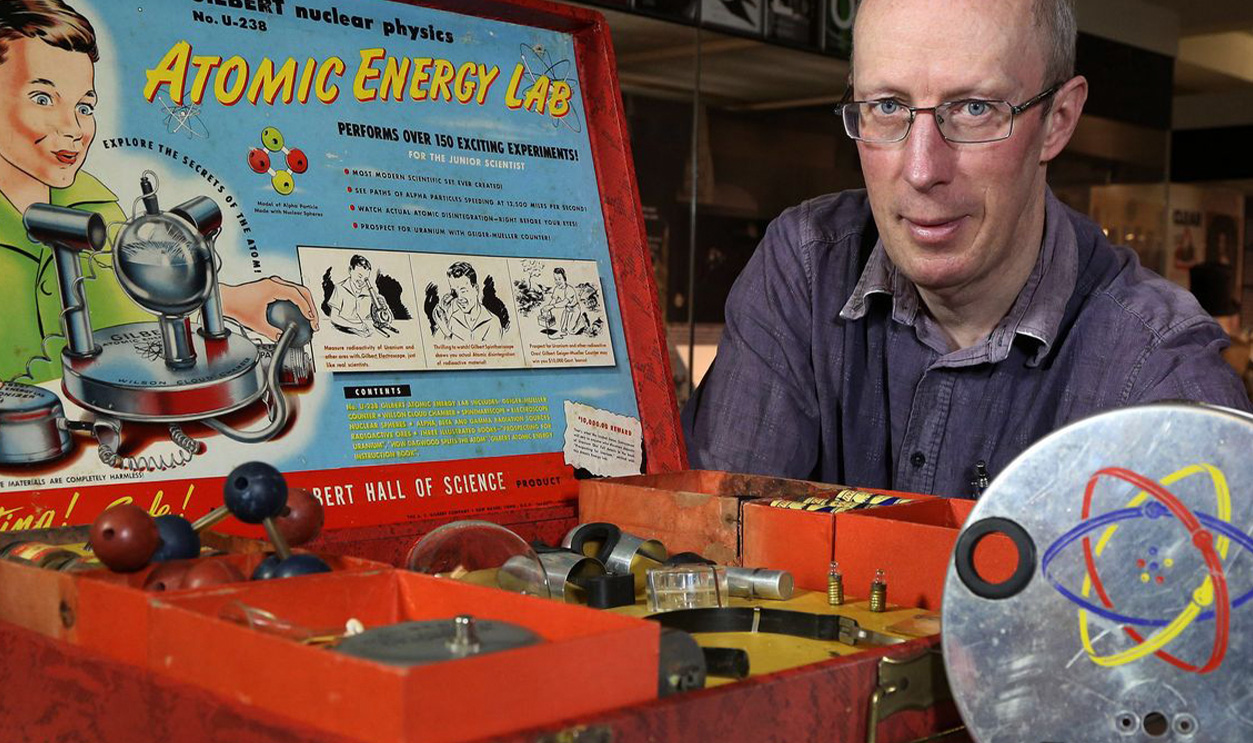
Aqua Dots
Before the diamond art of the modern day, there was the kids' toy, Aqua Dots. Arrange your dots into your desired design, then spritz them with water—voila! Artwork. The only issue with Aqua Dots was that the tiny beads contained a compound known as GHB, which rendered several children comatose before 4.2 million units were recalled and banned in 2007.
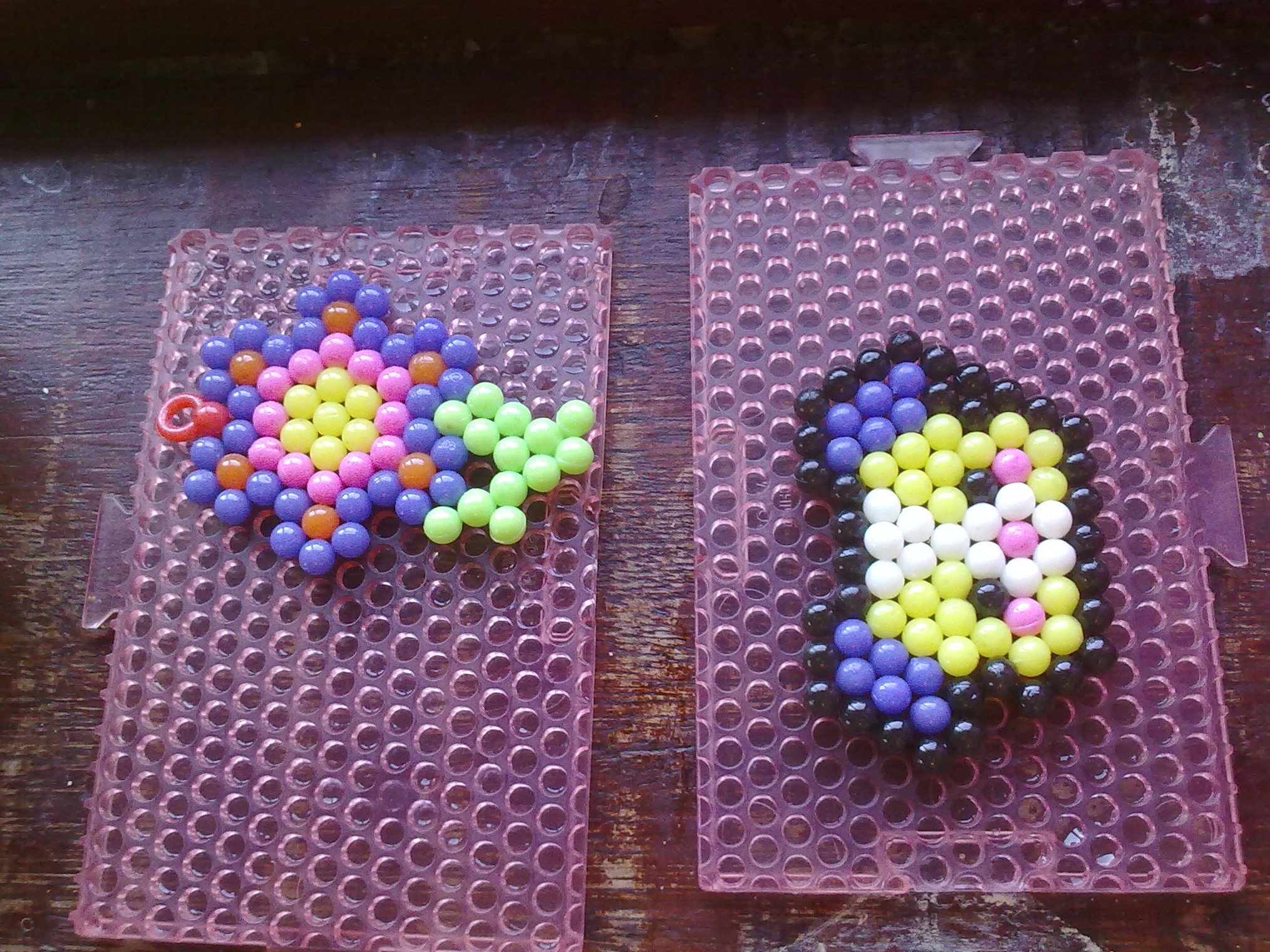
An Atomic Laboratory Kit Contained Actual Uranium
Yep. It was the late 1940s, after all. The Gilbert U-238 Atomic Energy Lab was a kid's toy sold to science enthusiasts nationwide. It was designed to allow kids to recreate a nuclear reaction in their living room. There was a slight problem: It contained four types of uranium ore. If your child errantly removed them from their containers—hello, radiation poisoning.
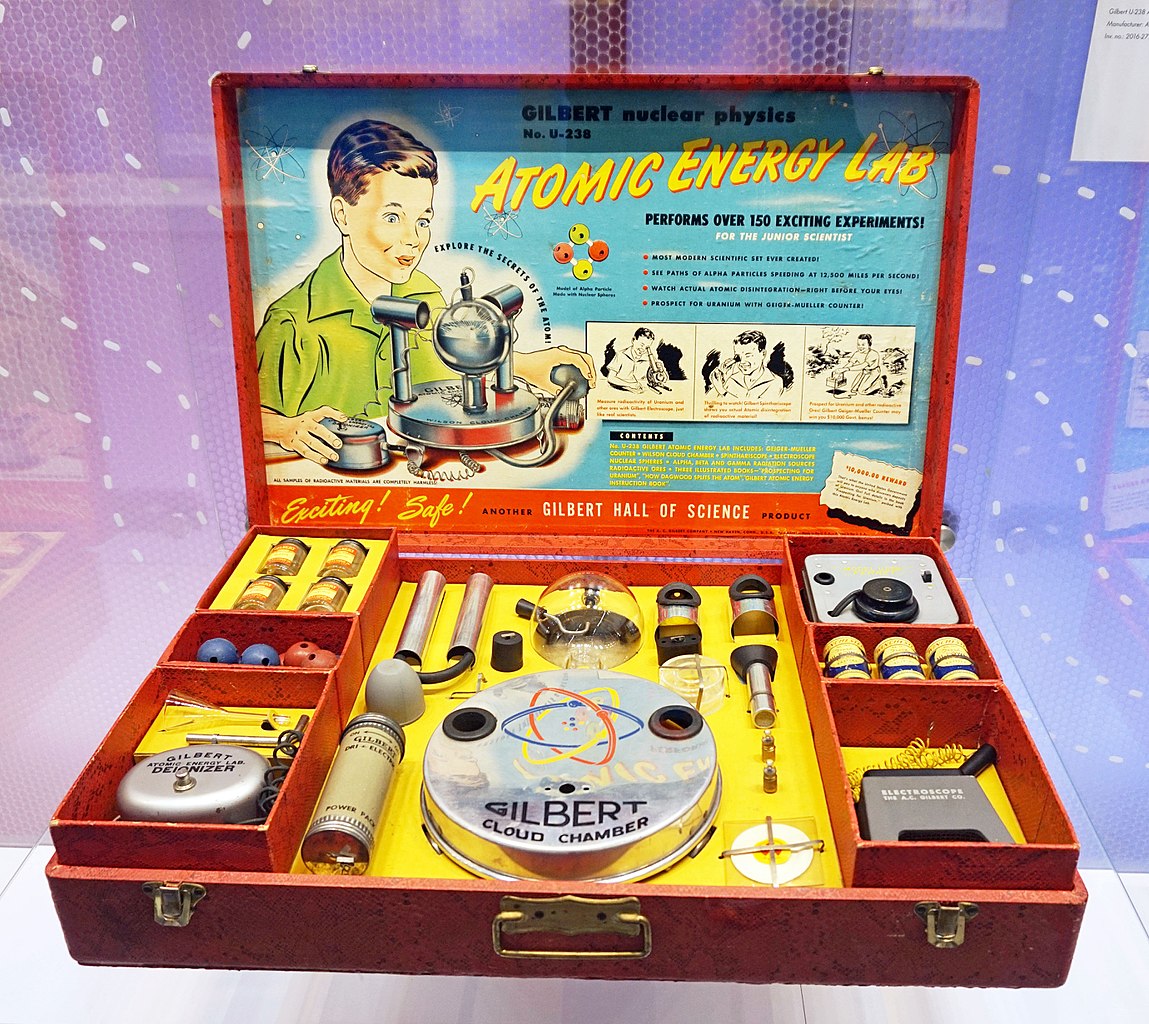
The Magnets In Barbie & Tanner
You remember Barbie's pet dog, Tanner. In 2007, Barbie and Tanner were sold to teach young children responsible pet ownership by providing a "scooper" for them to pick up Tanner's "droppings" after he ate. The scooper's magnets could become loose, allowing kids to swallow them. If more than one was swallowed, the magnetic forces could perforate an intestine.
Don't Swallow Magnets, Kids
You may think it self-explanatory, but Buckyballs were another magnetized object that allowed kids to build molecular models using magnets. Unfortunately, in 2012, after 1,700 kids had been to the hospital having ingested these magnetic beads, the toy's designers, Maxfield & Oberton, were forced to recall the magnetic bead kits and the product was discontinued.
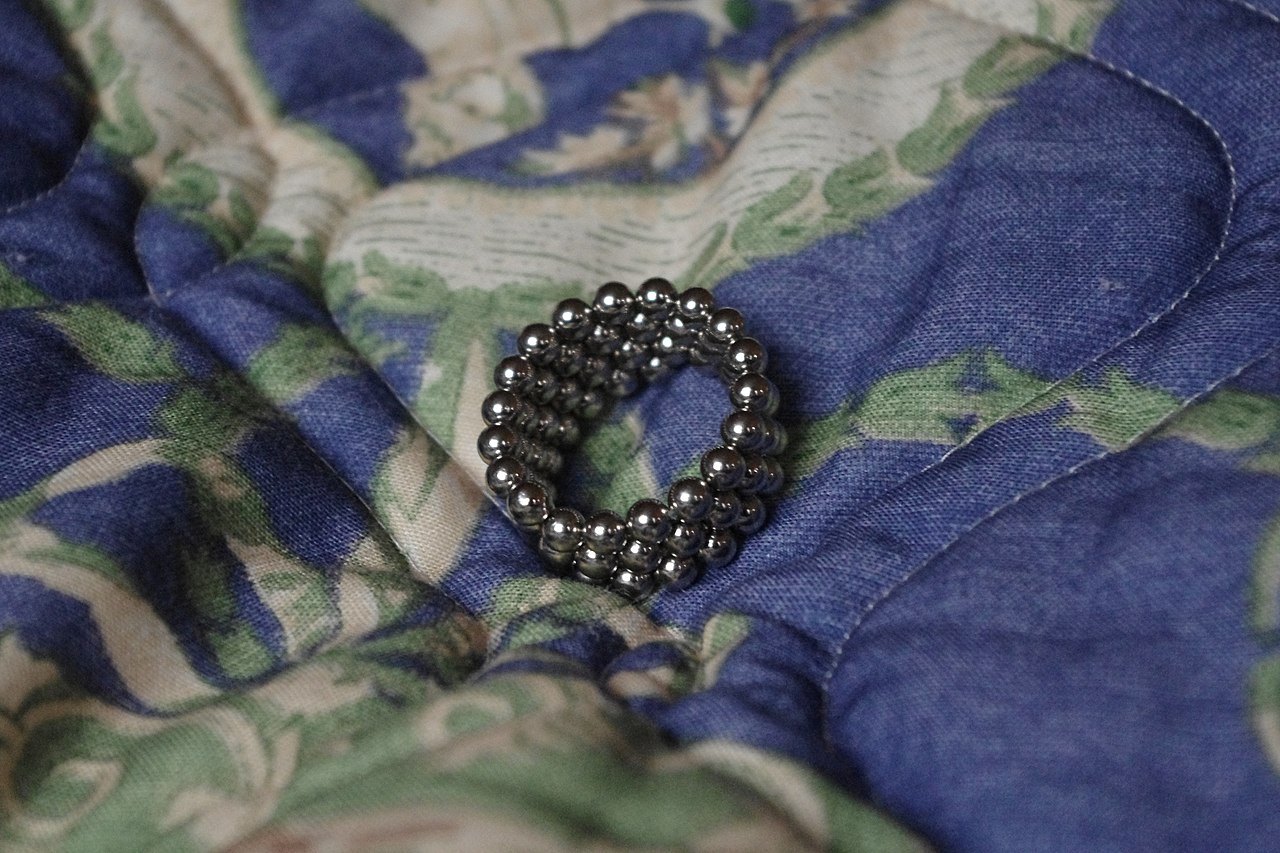 Eviatar Bach, CC0, Wikimedia Commons
Clickety-Clacking To The Hospital
Clackers were balls of acrylic on a string that would "clack" together. This was the 1970s, kids were easily amused, okay? This novelty item wore off quickly after the acrylic balls shattered once they hit each other often/hard enough, resulting in shards that sliced through skin and went into eyeballs. There was even a lawsuit in the US entitled: "United States V. Article Consisting Of 50,000 Cardboard Boxes More Or Less, Each Containing One Pair Of Clacker Balls".
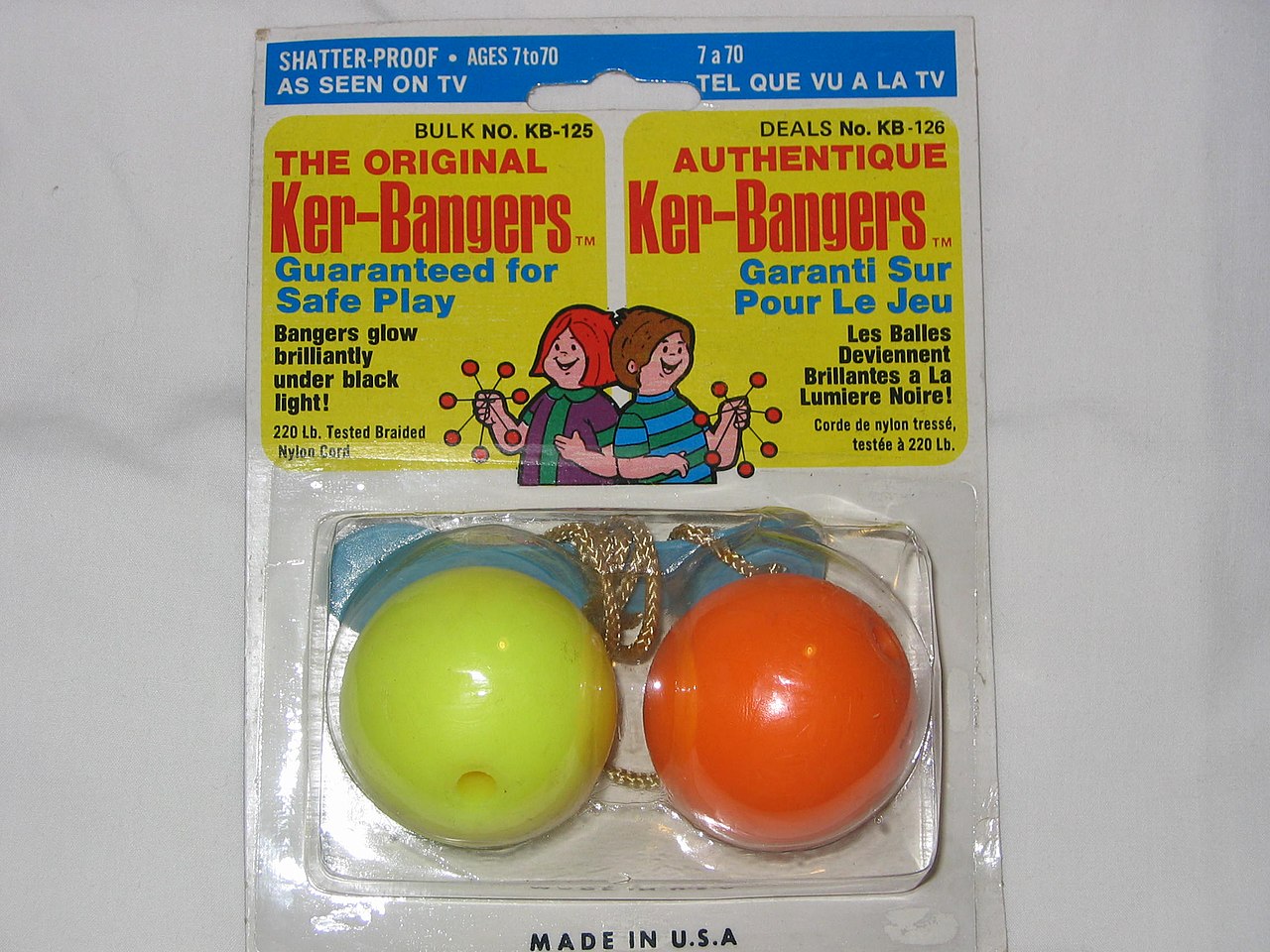
Little Burns On The HASBRO Easy-Bake Oven
Despite teaching kids how to "bake," Hasbro's children's toy Easy-Bake Oven had to be recalled twice in 2007 after little kids burned their fingers on the miniature appliances containing a lightbulb as a heat source. One poor girl had to have her finger amputated after it became trapped in the mini oven. Hasbro re-released the Easy-Bake Oven toy with an electric heating element.
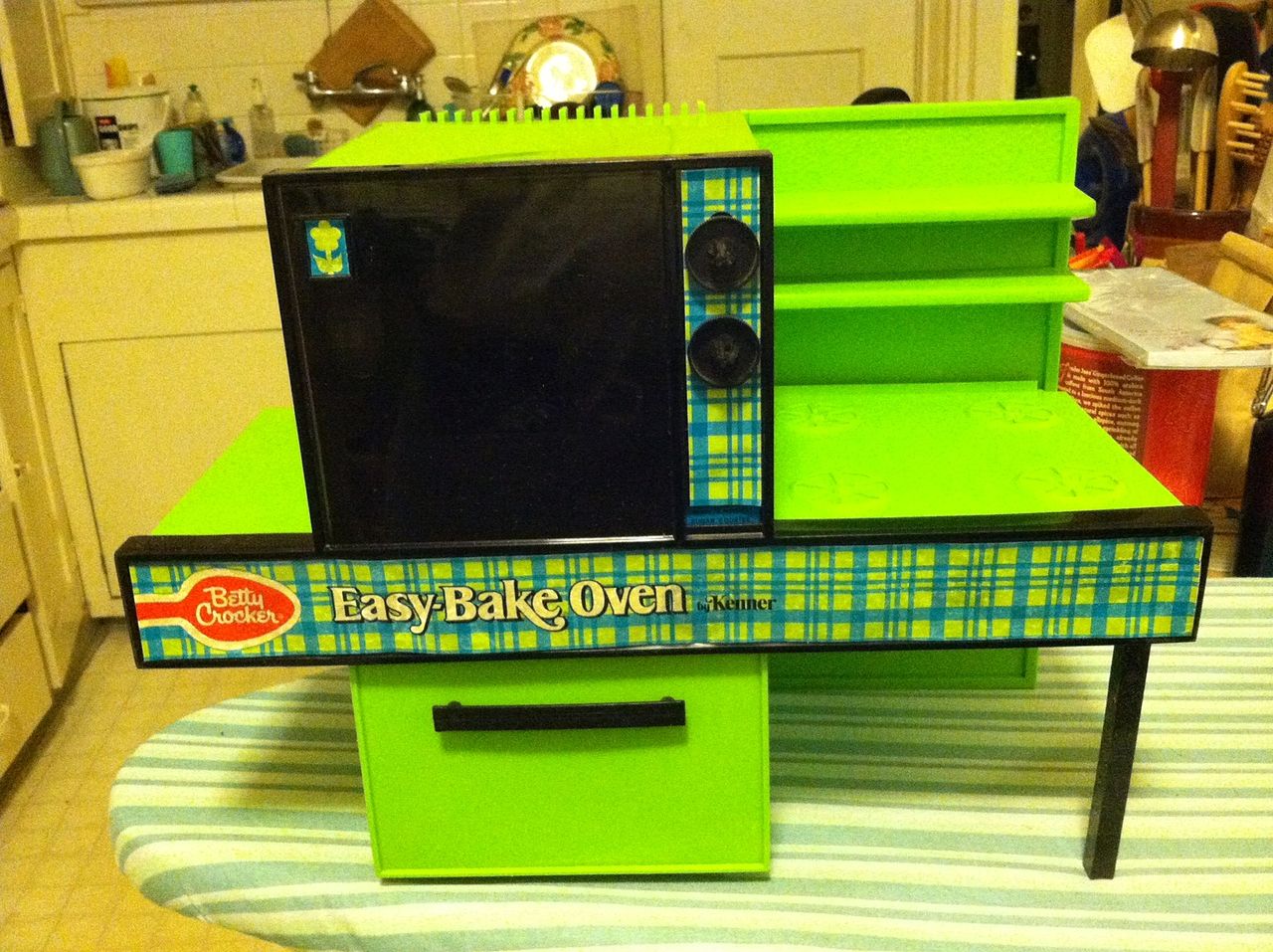 Rdmsf, CC BY-SA 3.0, Wikimedia Commons
Exploding Hoverboards
Everyone wanted a hoverboard in 2017. Or so it seemed, which was great. Until there were instances of them bursting into flames if they were left charging for too long. One three-year-old child from Pennsylvania was killed after a faulty board caused a house fire.
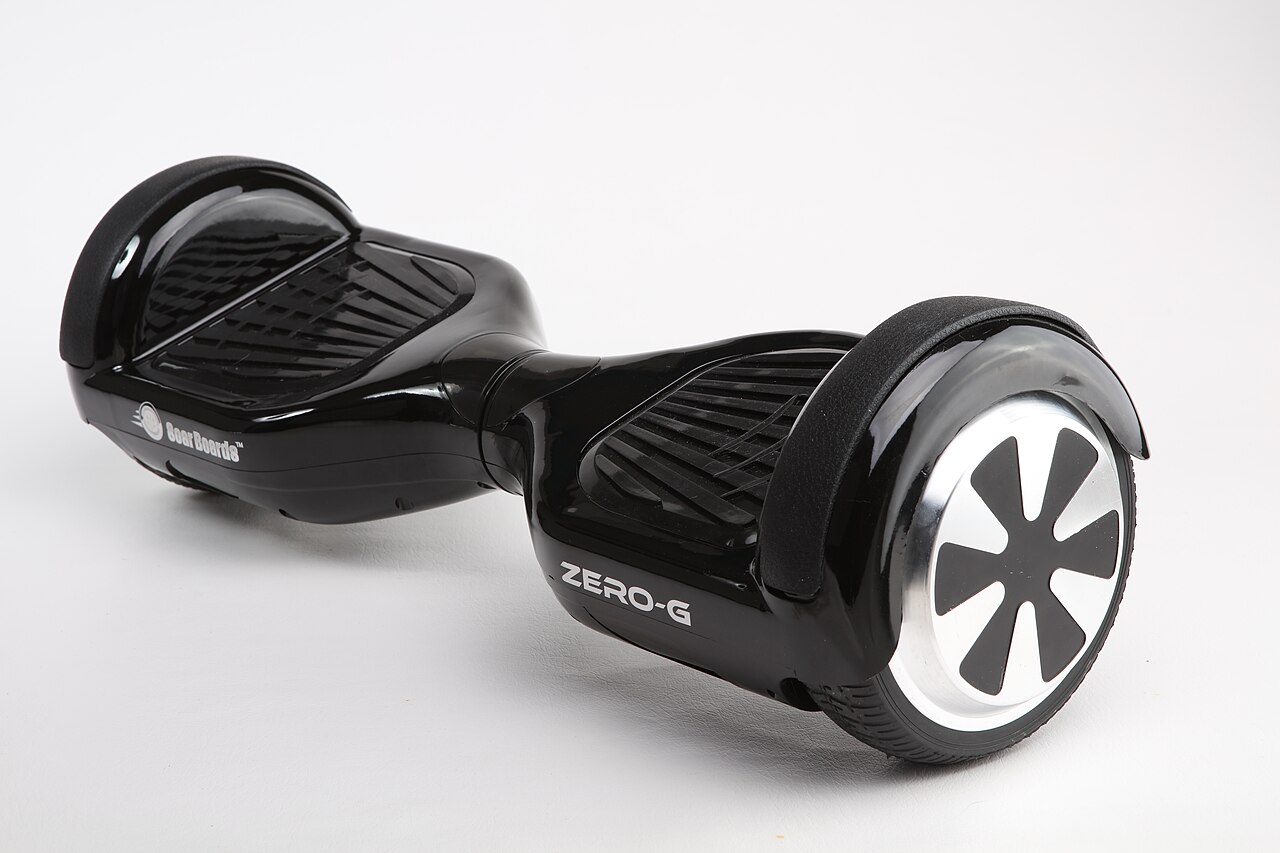 Soar Boards, CC BY 2.0, Wikimedia Commons
Magnetix Nightmare
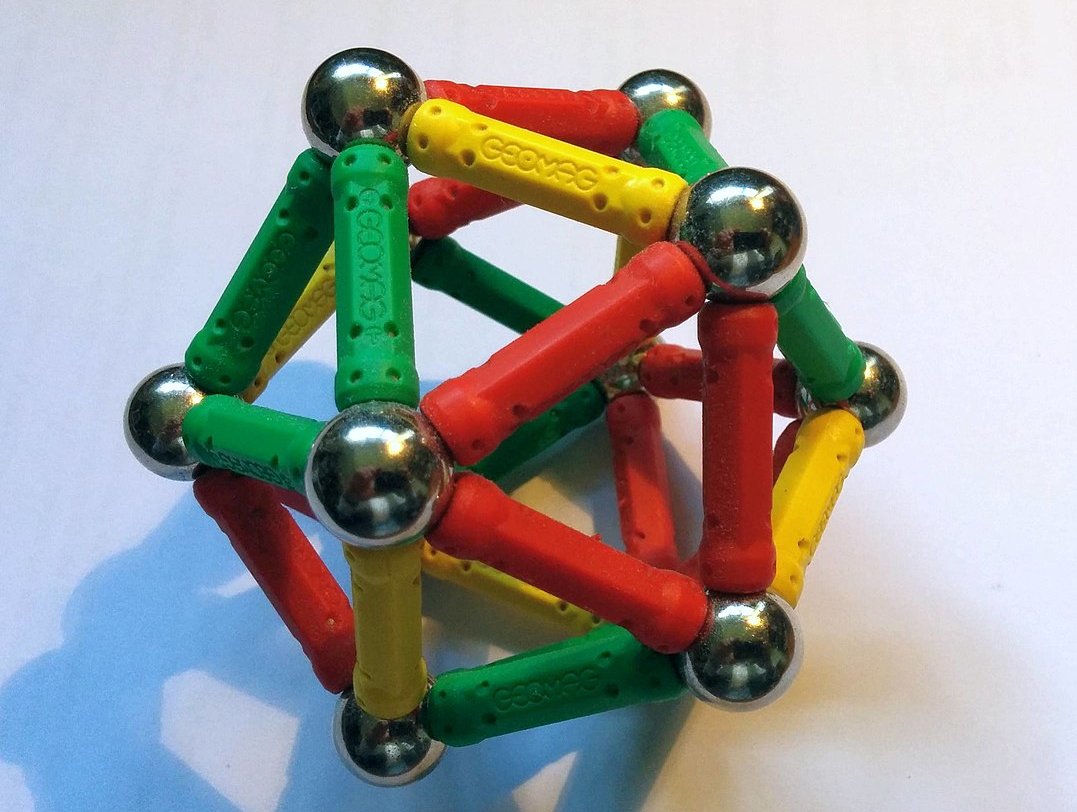
Like Buckyballs a few years earlier, Magnetix was a building toy that used tiny magnets to assemble plastic pieces into structures. Unfortunately, in 2007, the tiny magnets that occasionally fell out of the plastic pieces killed a child and injured 28 others after the kids swallowed them. 4 million kits were recalled, and the manufacturer redesigned them.
 Maproom, CC BY-SA 3.0, Wikimedia Commons

History's most fascinating stories and darkest secrets, delivered to your inbox daily.
Miniature Hammocks
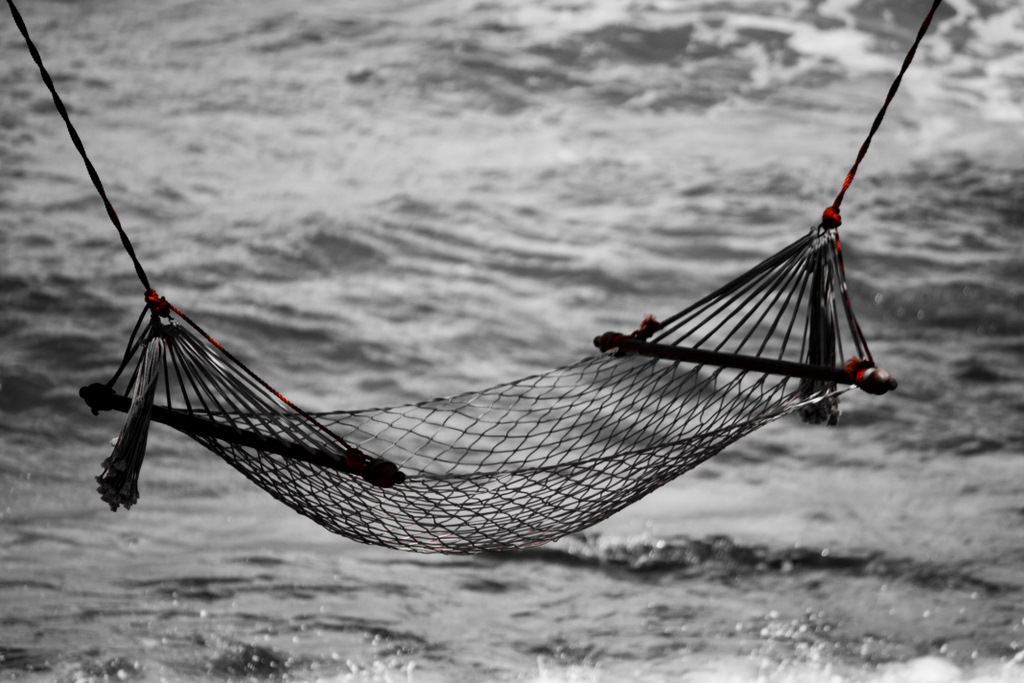
We all love lounging in a hammock on a hot summer's day. But, in 1996, millions of miniature hammocks for kids were going back into their manufacturer's warehouses. A recall notice was issued, and the product was banned after a lack of spreader bars caused the choking deaths of 12 children after they became entangled while getting into or out of the seat.
 Rameez Sadikot, CC BY-SA 2.0, Wikimedia Commons
Polly Pocket Gets An Upgrade—Or So They Thought
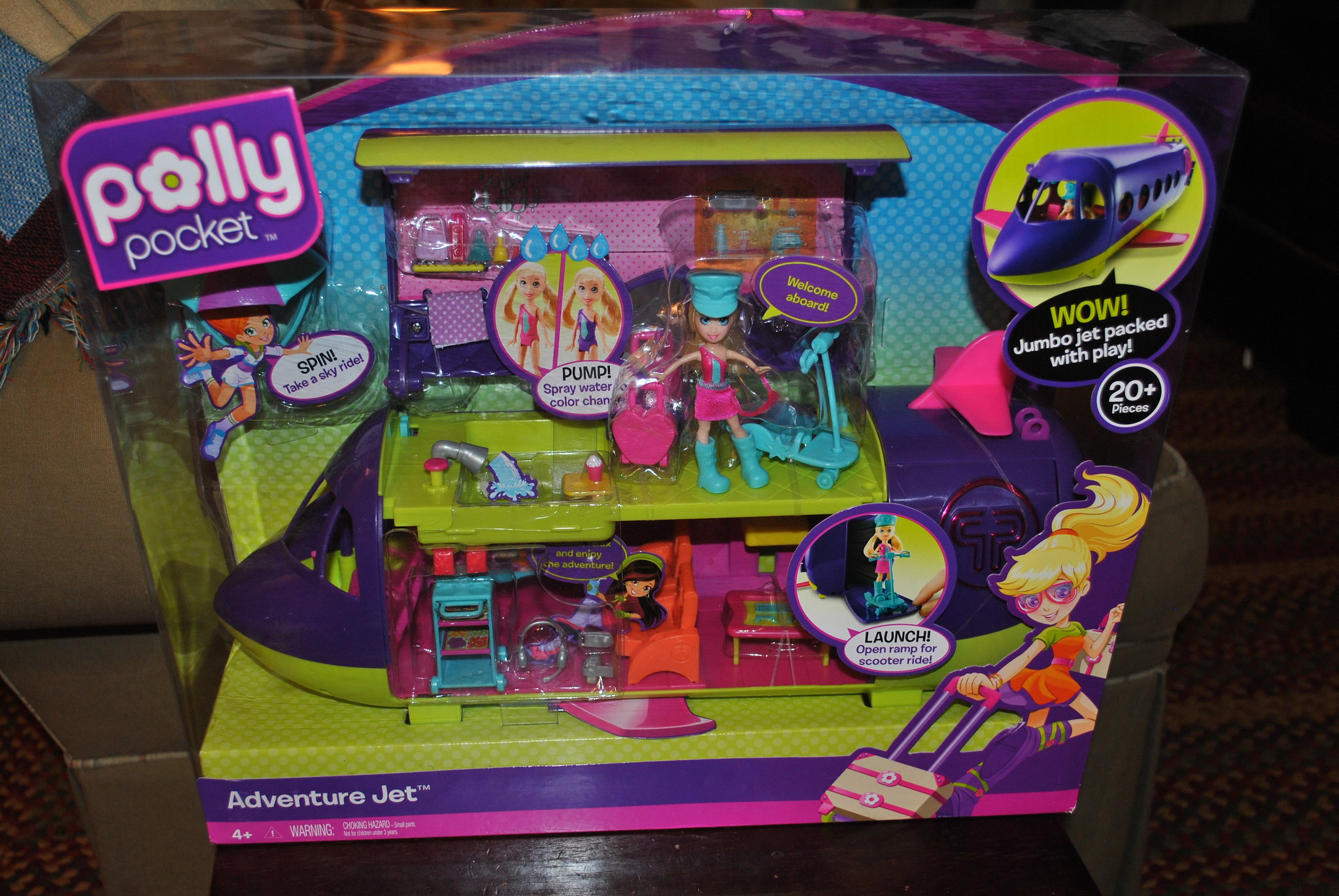
The popular 90s kids' toy Polly Pocket received what Bluebird Toys thought would be a significant upgrade when it released a magnetic addition, the "Quick Clik" line, featuring magnetic accessories. You can guess what happened next: Magnets were swallowed, kids were hospitalized, and 7.3 million products were recalled.
Rollerblade Barbie Causes A Firestorm
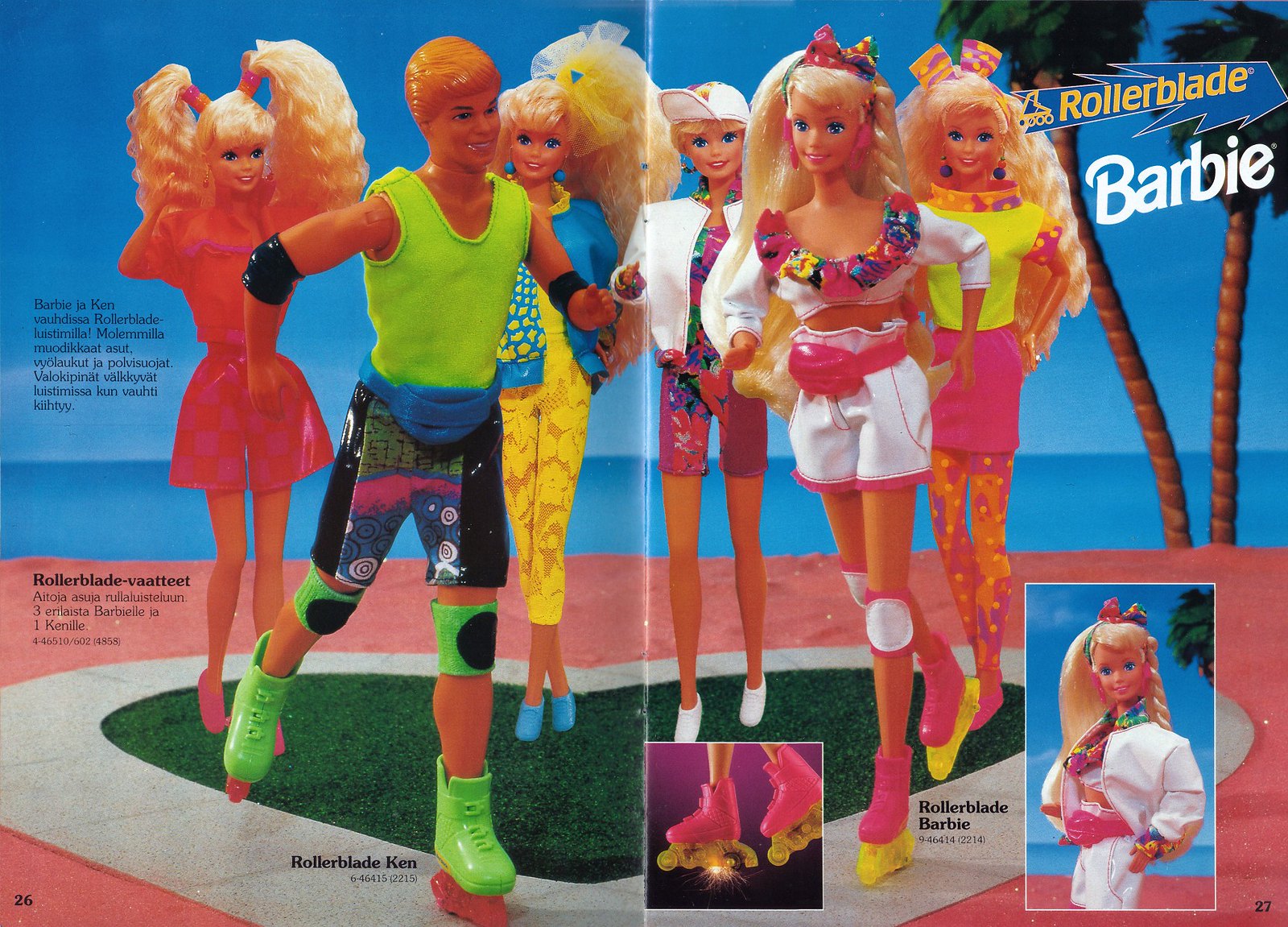
Rollerblading Barbie and Ken were among the most popular kids' toys in the 1990s. But they didn't just cause a firestorm among the younglings—unfortunately, the cigarette lighter-like device underneath Barbie's skate shot sparks as it moved over a surface. Rollerblade Barbie was recalled as a fire risk.
Sky Dancers Cause Eye Injuries
Sky Dancers were a popular toy in the late 1990s. They operated on a cord-pull system that saw the fairy-like dancer fly into the air, and they were lots of fun. Until that is, kids accidentally pulled the cord while pointing it at themselves. With over 150 reports of eye injuries, teeth knocked out, and even a mild concussion, Galoob Toys pulled them from distribution.
 Los Angeles Times, CC BY 4.0, Wikimedia Commons
The Humble Slip 'N Slide
Say it ain't so! The humble Slip 'N Slide was intended for kids to play with. But, because there's one kid-at-heart in every family, many adults began to have just as much fun (if not more) with the waterslides. Unfortunately, they were not designed for the weight and height of an adult—nearly 9 million units were recalled after adults and kids suffered neck injuries, including paralysis.
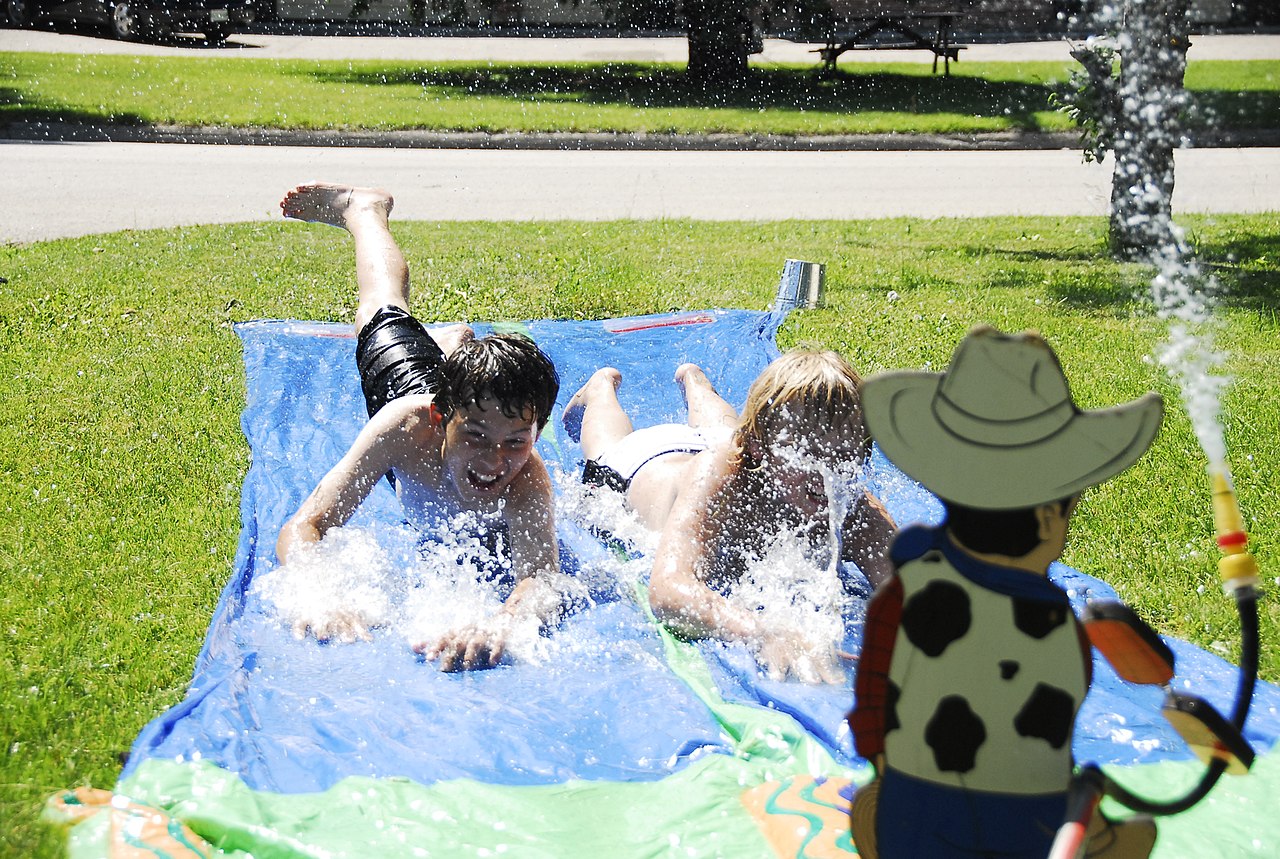 Rob Swystun, CC BY 2.0, Wikimedia Commons
Mattel's Snacktime Cabbage Patch Doll
Feeding Mattel's Snacktime Cabbage Patch Doll might have been an exercise in patience for some young children, but it was an exercise in reaction time and physics for others. After the doll clamped down on more than a few fingers, thumbs, and hair, Mattel recalled it and offered $40 to 500,000 claimants in a $2.5 million lawsuit.
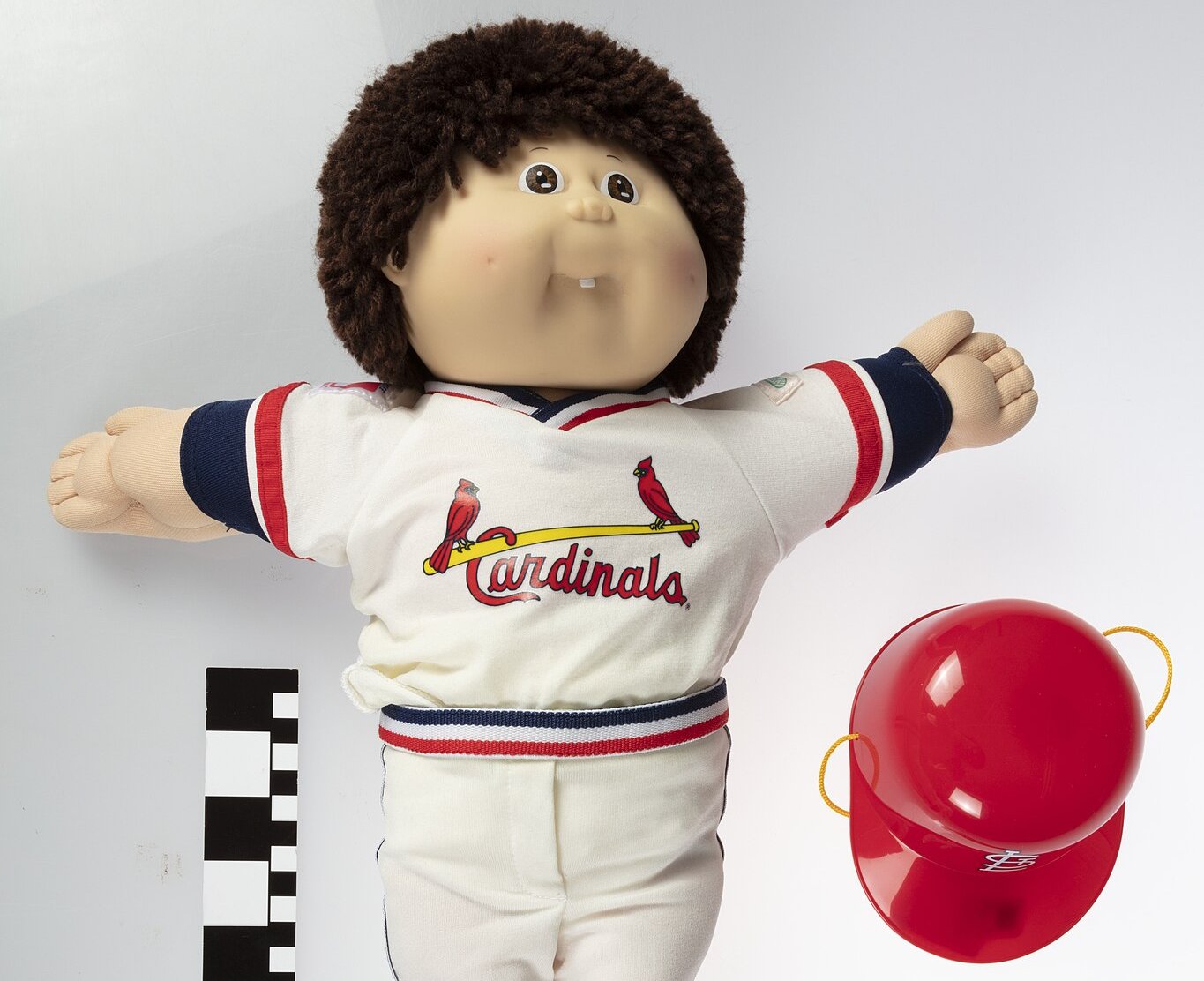 Missouri Historical Society, Wikimedia Commons
The Exploding Austin Magic Pistol
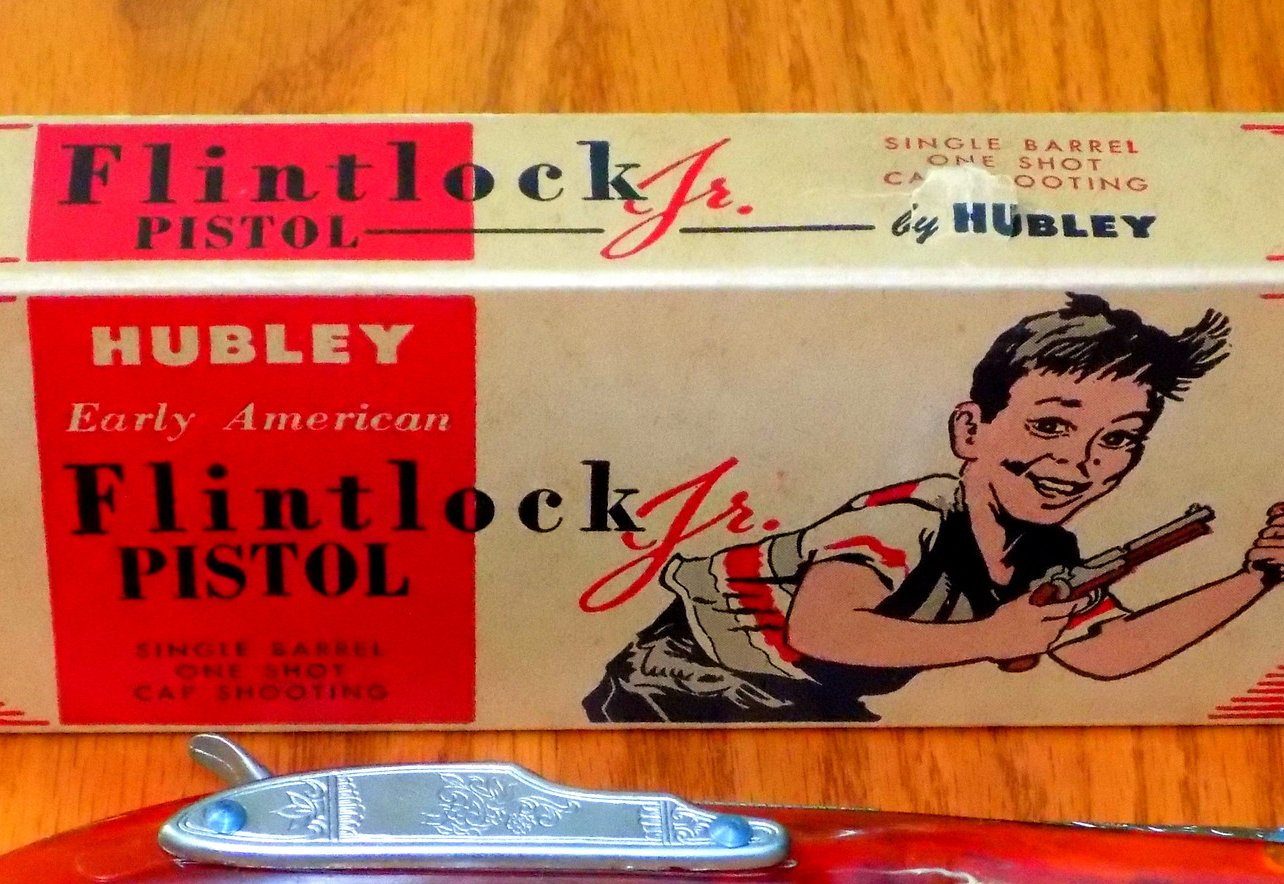
The 1950s saw the introduction of the Austin Magic Pistol, a revolver-style gun that contained "magic crystals," or calcium carbide, to launch ping-pong balls at your unworthy opponent. The only problem was water. If any water got into the muzzle of this magic pistol, the chemical reaction would cause an explosion.
Slingshots
We know you loved your slingshot as a kid. Who didn't? Well, the Consumer Product Safety Commission, that's who. In 2006, the CPSC (which makes all the decisions about which toys are too dangerous) recalled 100,000 slingshots after reports of broken teeth and blindings from being hit in the eye.
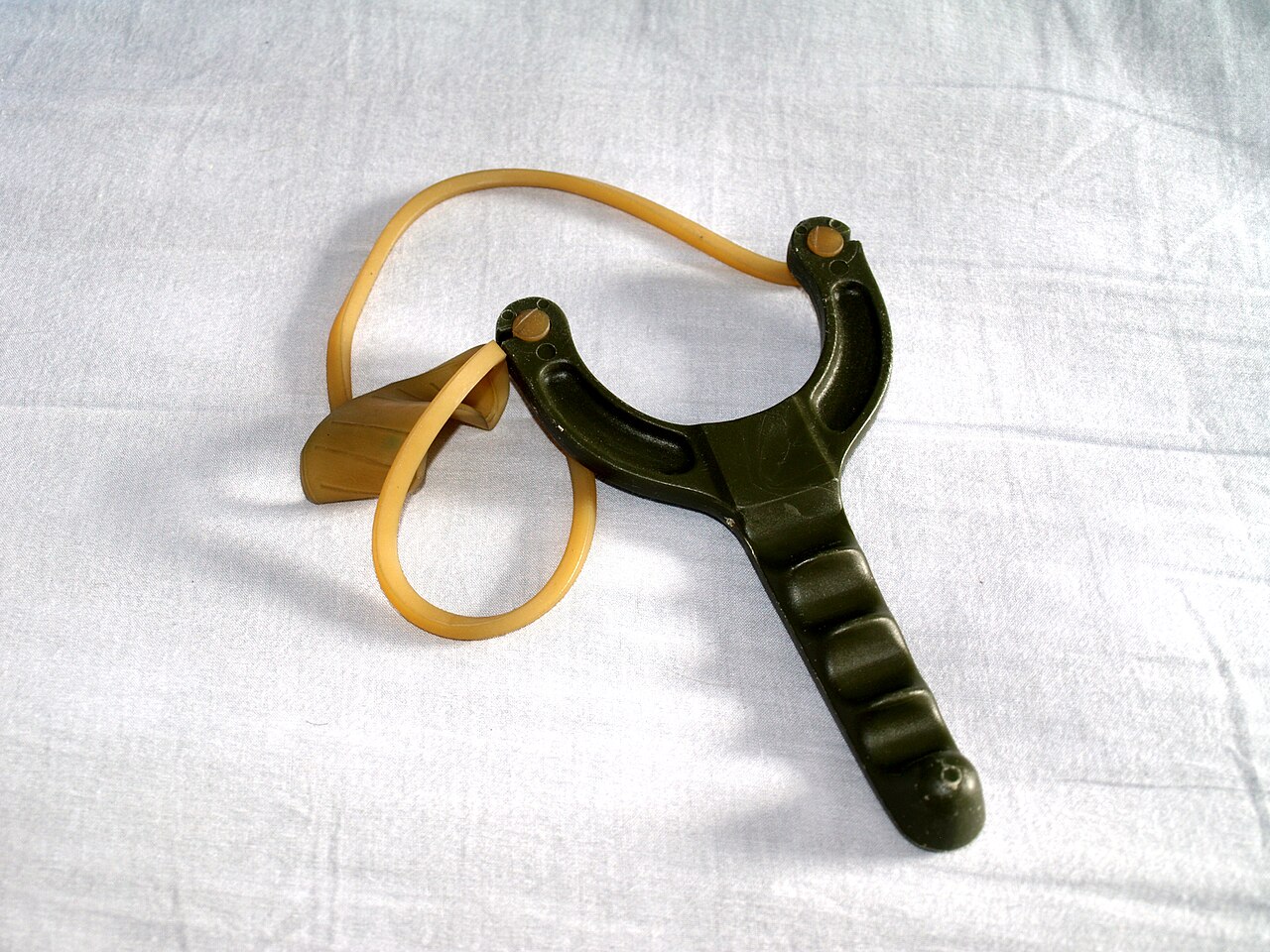 Santeri Viinamäki, CC BY-SA 4.0, Wikimedia Commons
Lawn Darts
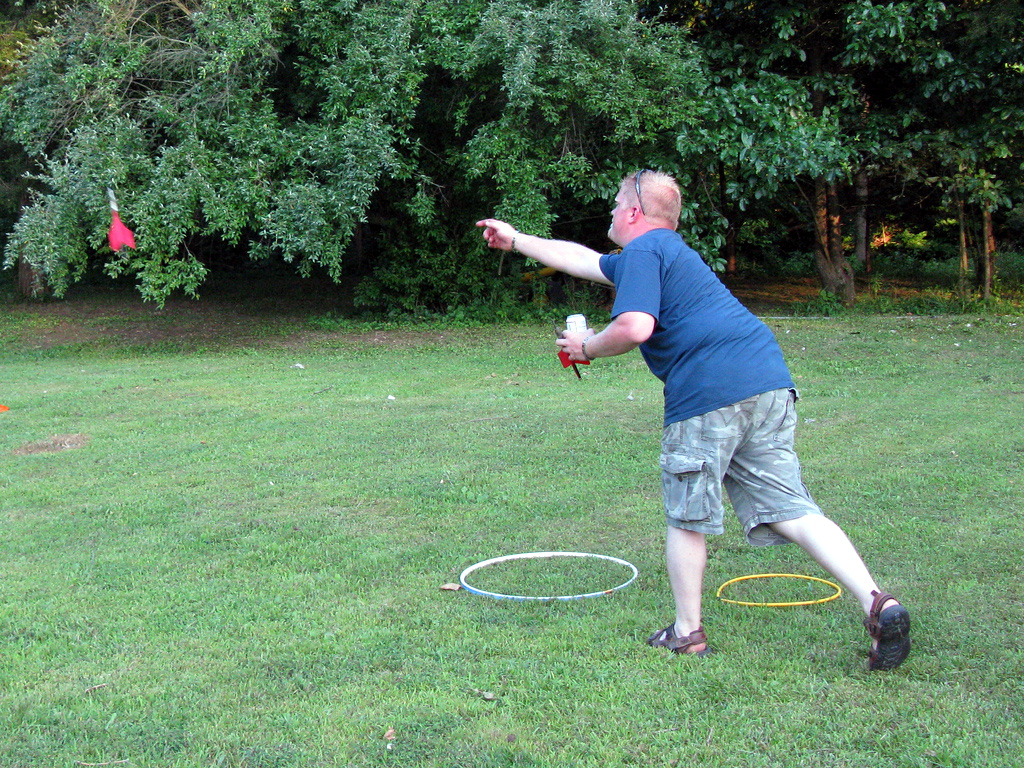
Lawn darts are supposed to be used on the lawn. The clue is in the name, right? Wrong. At least for some kids from the 1980s. After lawn darts were thrown at other kids, resulting in the deaths of three people in 1988, the CPSC recalled and permanently banned all Lawn Darts sales in the US.
 /dave/null, CC BY-SA 2.0, Wikimedia Commons
Fisher Price Power Wheels Ride-On Vehicles
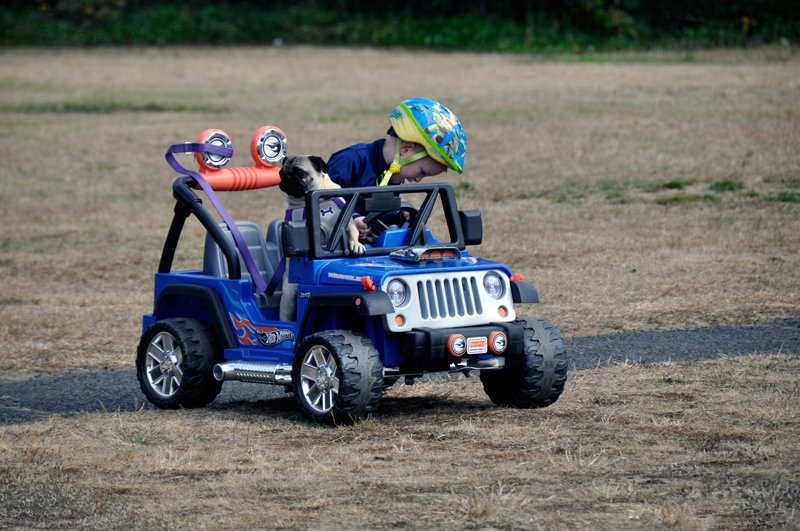
Fisher Price developed amazing kids' toys in the 1990s and early 2000s, including their Power Wheels ride-on vehicles that gave kids access to child-sized fake objects, such as FM radios, fully functioning doors, and opening and closing hoods and trunks. However, the engineering of these products was somewhat lacking. Millions of products were recalled throughout the 1990s and early 2000s after pedals became stuck, fused, or switched between accelerator and brake.
Spying Furbies?
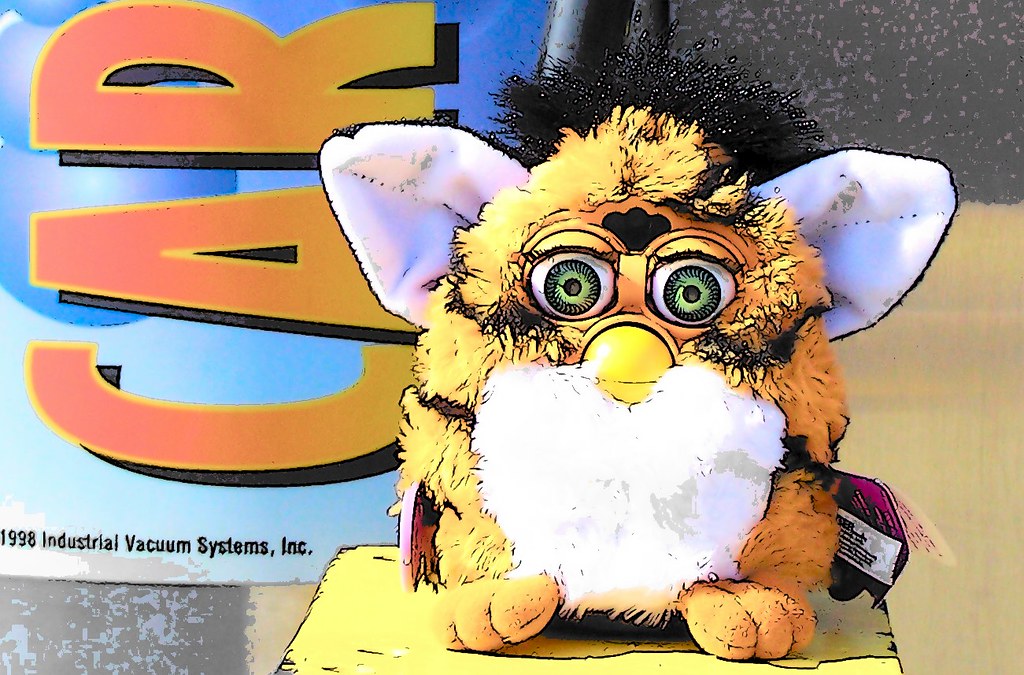
Everyone loves Furbies, right? What's not to love about the fluffy toy with giant eyes that melts your heart? Well, in 1999, the National Security Agency recommended (and was successful in) banning the possession of Furby on their properties because they were concerned that the little Furbies were listening to what was said around them and recording it. In reality, the Furbies couldn't record any sound whatsoever.












.jpg)

.jpg)

.jpg)
.jpg)

