The Future Used To Look Deeply Suspicious
Modern inventions seem normal now because we met them after they got sleek, small, and polite. But their early versions were often clunky, loud, smoky, dangerous-looking, or shaped like something from a dream after too much coffee. Before they changed daily life, plenty of them looked like machines you would cross the street to avoid.
 Unknown Author, CC BY 4.0, Wikimedia Commons
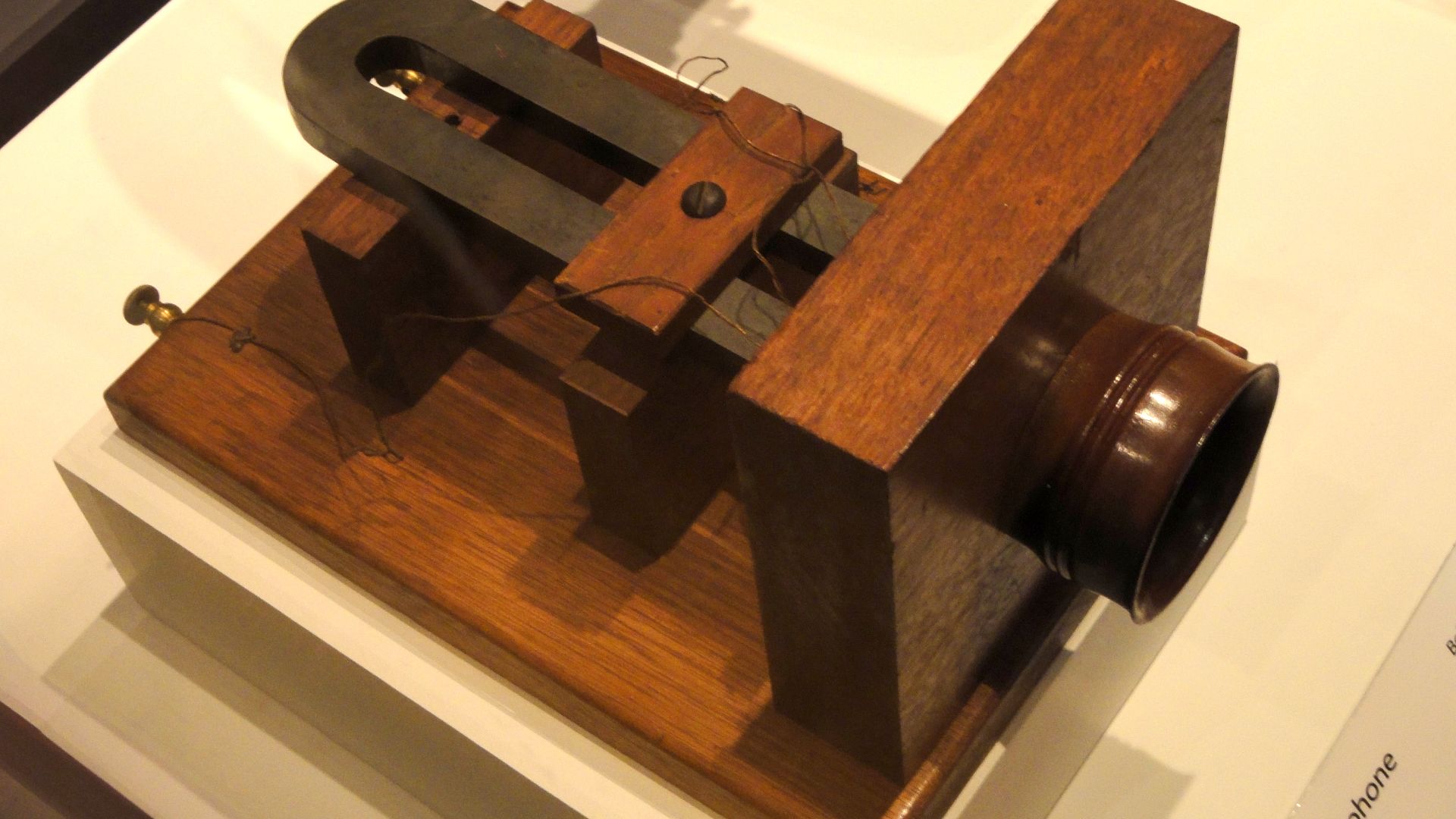
#25. The First Telephone Looked Like A Science Fair Emergency
When Alexander Graham Bell received his telephone patent in 1876, the device did not look like the friendly household phone people later knew. Early telephones were awkward wooden boxes, wires, mouthpieces, and receivers. Imagine being told this contraption could carry a human voice. Most people would have checked for ghosts first.
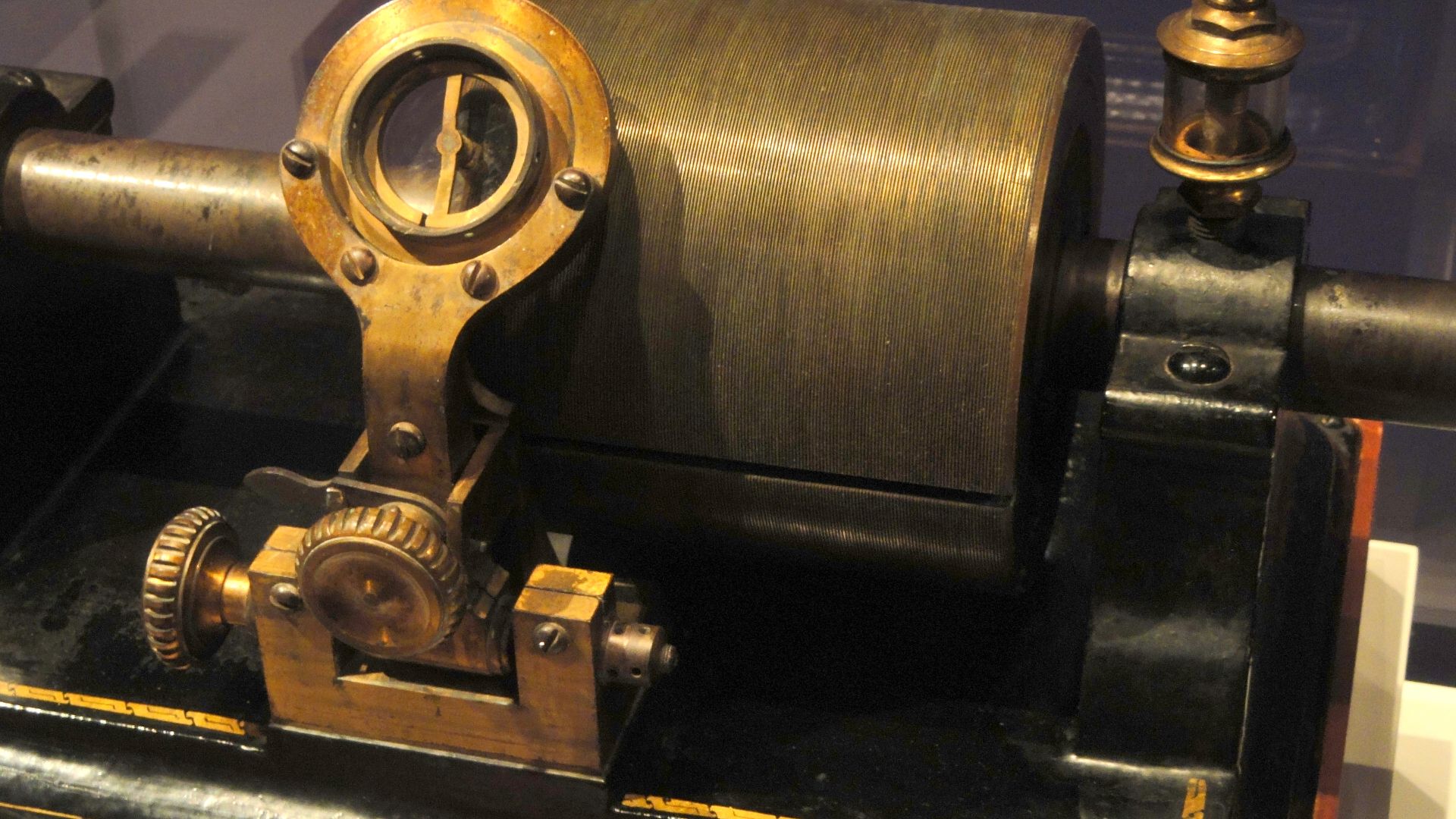
#24. Edison’s Phonograph Looked Like A Talking Tin Can
Thomas Edison introduced his phonograph in 1877, and the first version recorded sound on tinfoil wrapped around a cylinder. It looked less like a music player and more like a kitchen experiment that had gained confidence. Still, it could record and play back sound, which must have felt like hearing a machine remember.
#23. The First Cameras Needed Patience And Courage
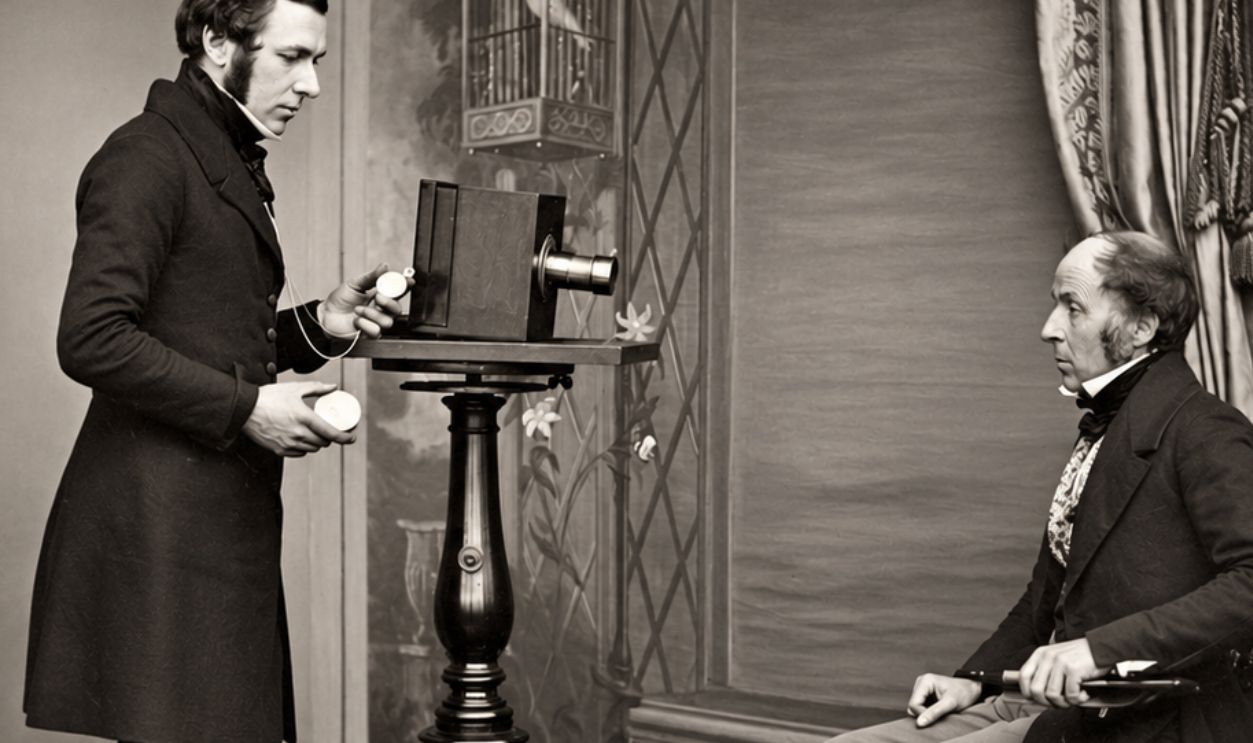
Early photography was not exactly “point and shoot.” Daguerreotype cameras in the 1830s and 1840s were large, slow, and demanding. Subjects had to sit still for long exposures, which explains why everyone in old photos looks like they just received terrible news. The camera worked, but nobody was saying “cheese.”
 Science & Society Picture Library, Getty Images
#22. Early Bicycles Looked Like A Dare
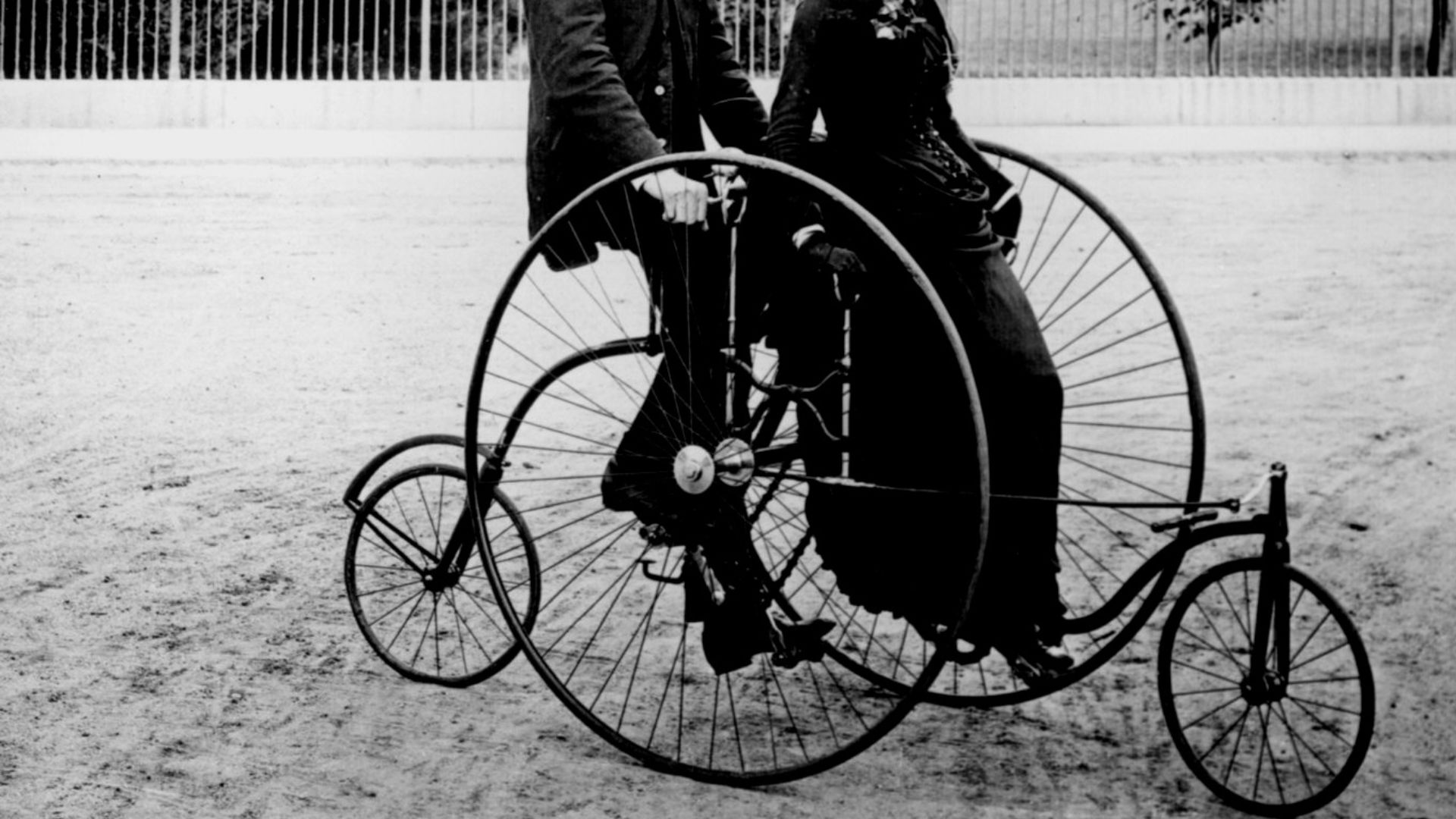
Before the modern safety bicycle became popular in the late 1800s, high-wheel bicycles had one giant front wheel and a much smaller rear wheel. They were elegant, dramatic, and extremely committed to throwing riders face-first into history. Compared with today’s bikes, they looked less like transportation and more like a circus internship.
 Jon Harald Søby, Wikimedia Commons
#21. The Safety Bicycle Seemed Almost Too Practical
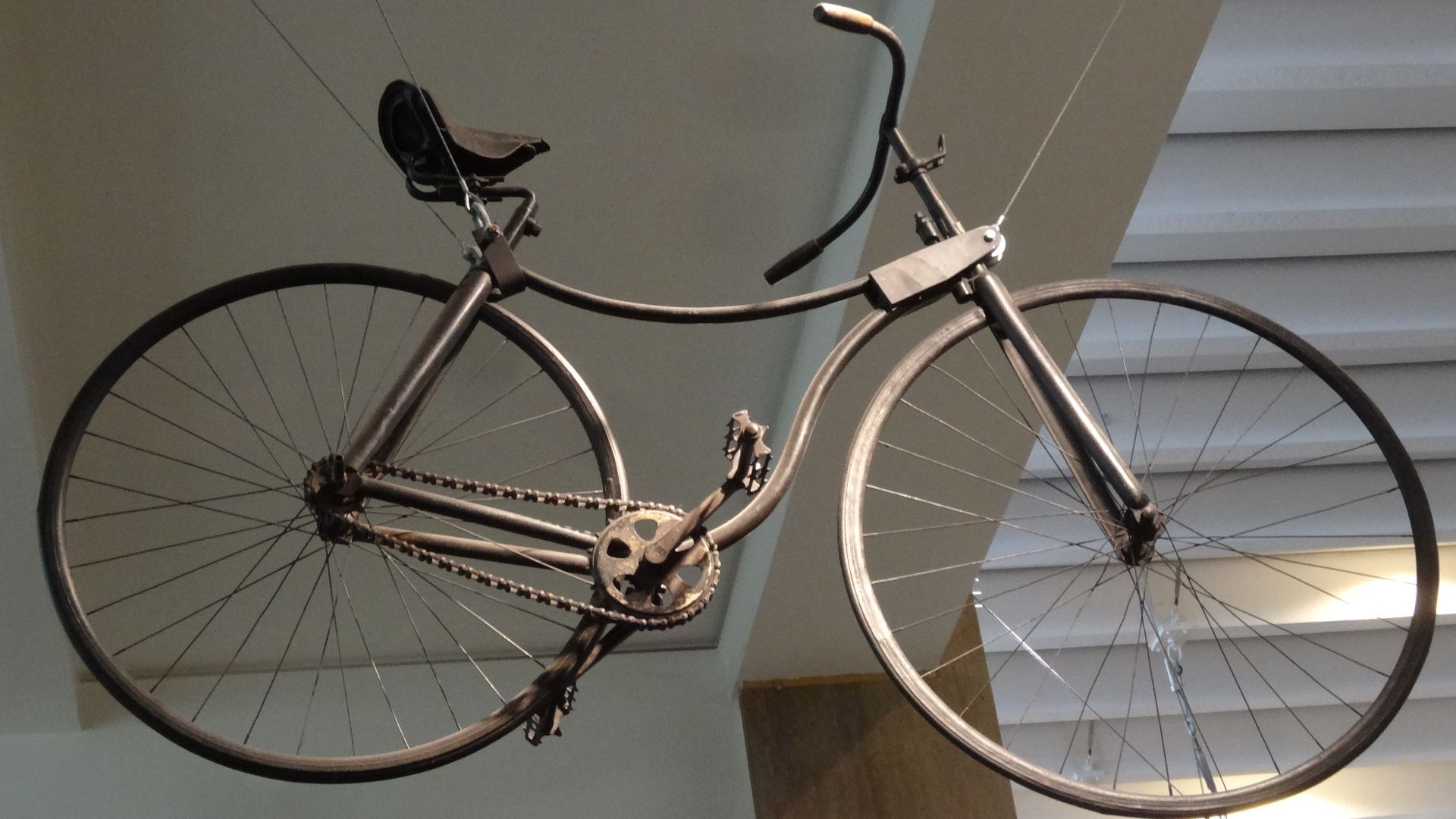
The “safety bicycle” of the 1880s looked much more like the bikes people ride today, with two similar-sized wheels and a chain drive. After the high-wheeler, it must have seemed suspiciously sensible. Riders were probably thrilled to enjoy cycling without needing the balance of a tightrope walker.
 Jonathan Cardy, Wikimedia Commons
#20. The Benz Patent-Motorwagen Looked Like A Chair With Ambition
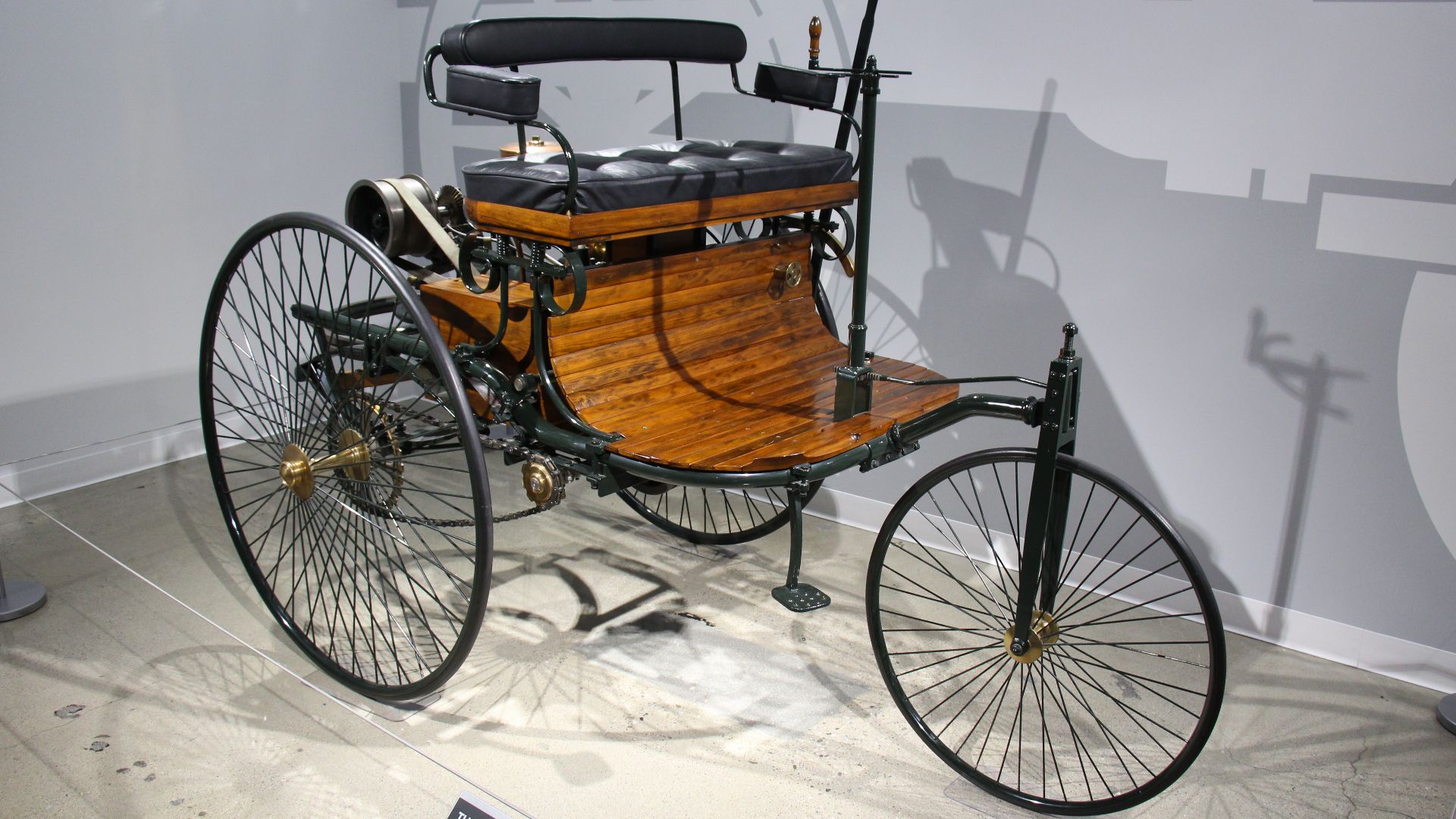
Karl Benz patented his Motorwagen in 1886, and it is often called the first practical automobile powered by an internal combustion engine. It had three wheels, an exposed engine, and the graceful energy of a carriage that had swallowed machinery. Trusting it required optimism—and possibly very strong ankles.
#19. Early Electric Cars Looked Like Fancy Boxes On Wheels
Electric cars are not new. By the late 1800s and early 1900s, battery-powered cars were already on roads. They were quiet compared with gasoline cars, but many looked like upright carriages with mysterious electrical secrets. To early drivers, the idea of a silent powered vehicle probably felt elegant and mildly haunted.
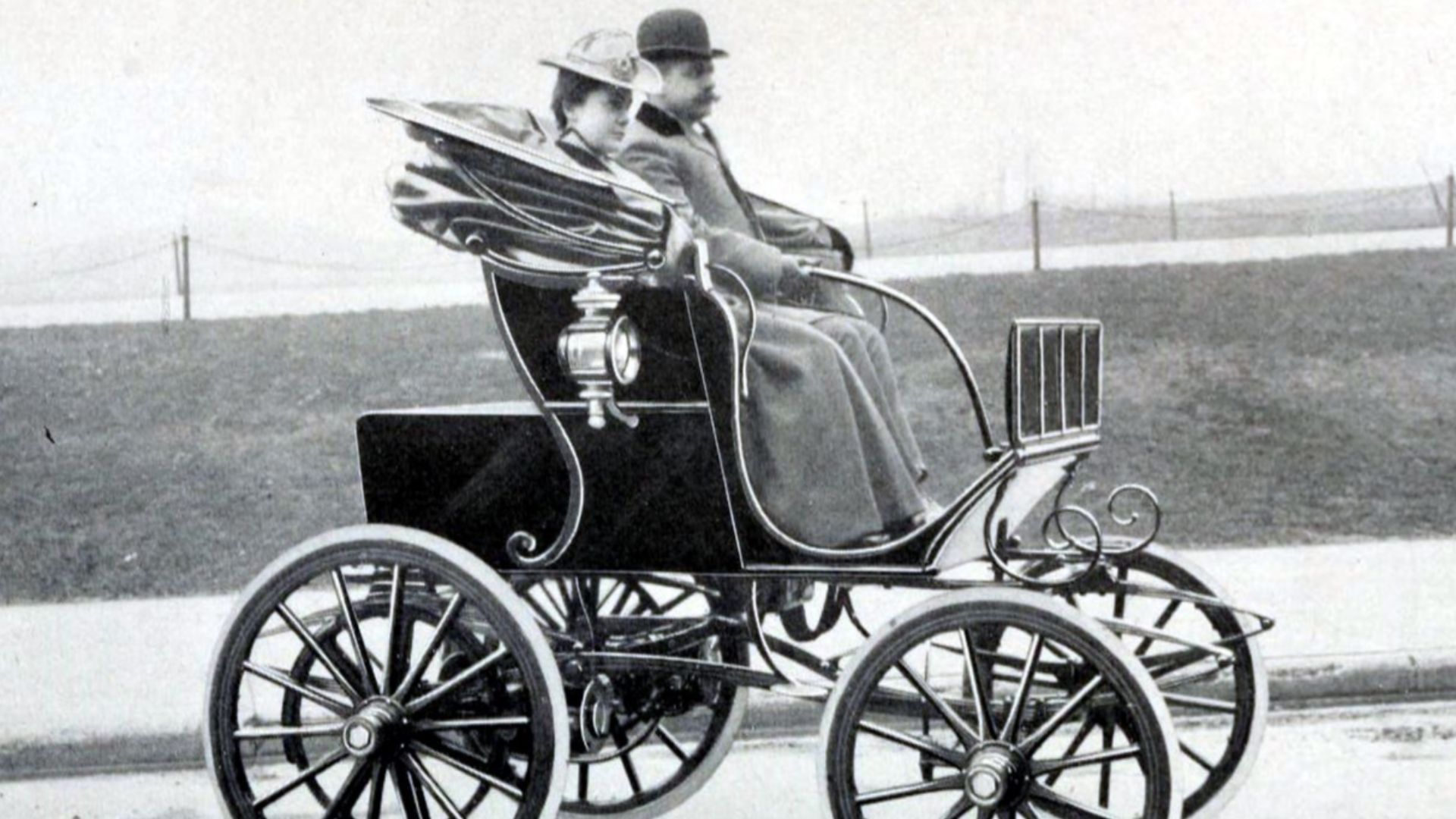 Clinton Edgar Woods, Wikimedia Commons
#18. The Wright Flyer Looked Like A Giant Kite With Nerves
In 1903, Orville and Wilbur Wright flew the Wright Flyer at Kitty Hawk, North Carolina. The aircraft was wood, fabric, wires, and courage arranged into something that barely resembled modern airplanes. It looked fragile because it was. Still, it flew, which is a pretty strong argument.
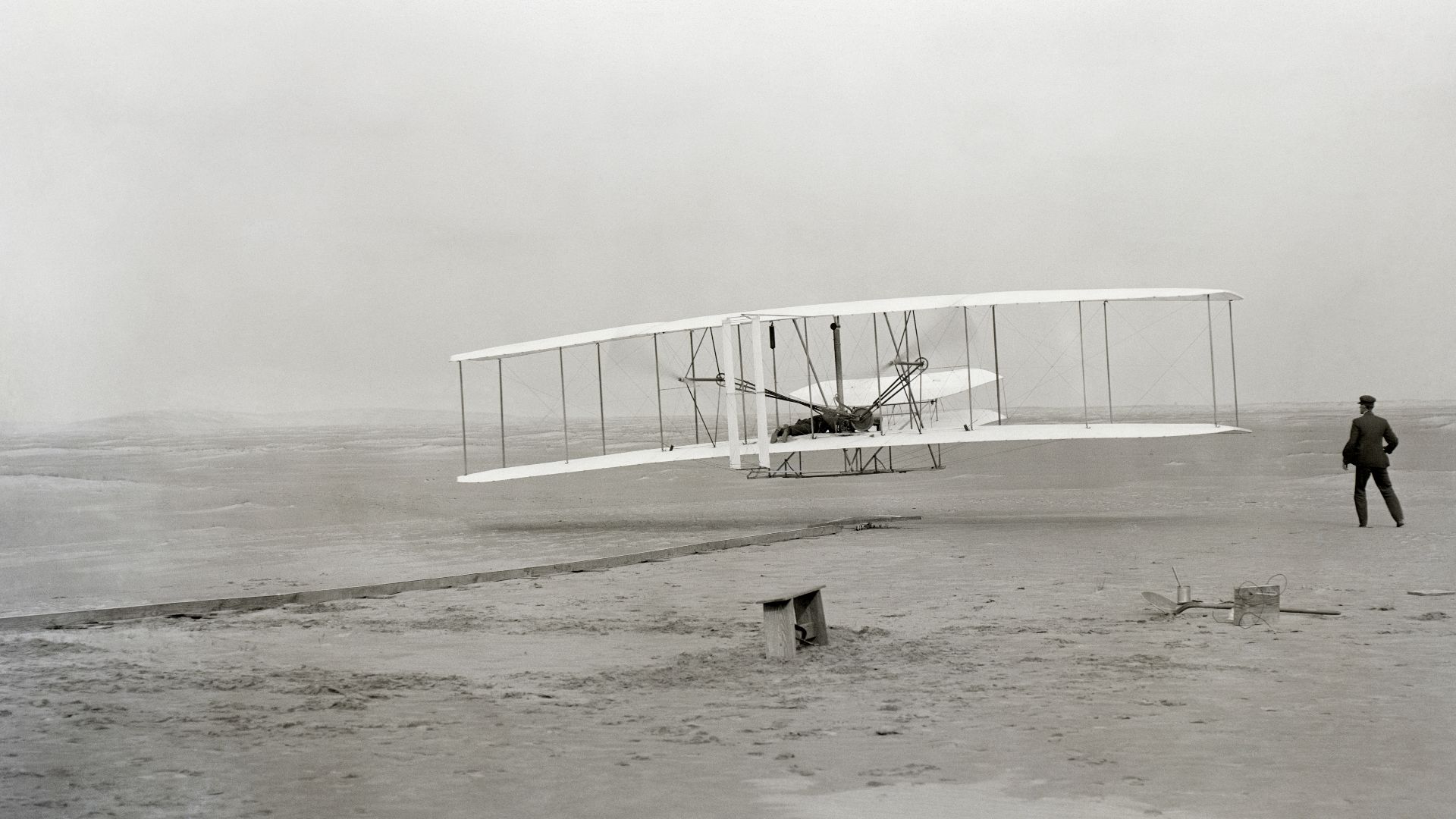 John T. Daniels, Wikimedia Commons

History's most fascinating stories and darkest secrets, delivered to your inbox daily.
#17. Early Washing Machines Looked Like Barrels With Opinions
Before modern washers, laundry machines often looked like tubs, wringers, gears, and handles joined together in a domestic struggle. Early electric washers appeared in the early 1900s and promised relief from hand-washing. They also looked perfectly capable of eating a sleeve if someone got careless.
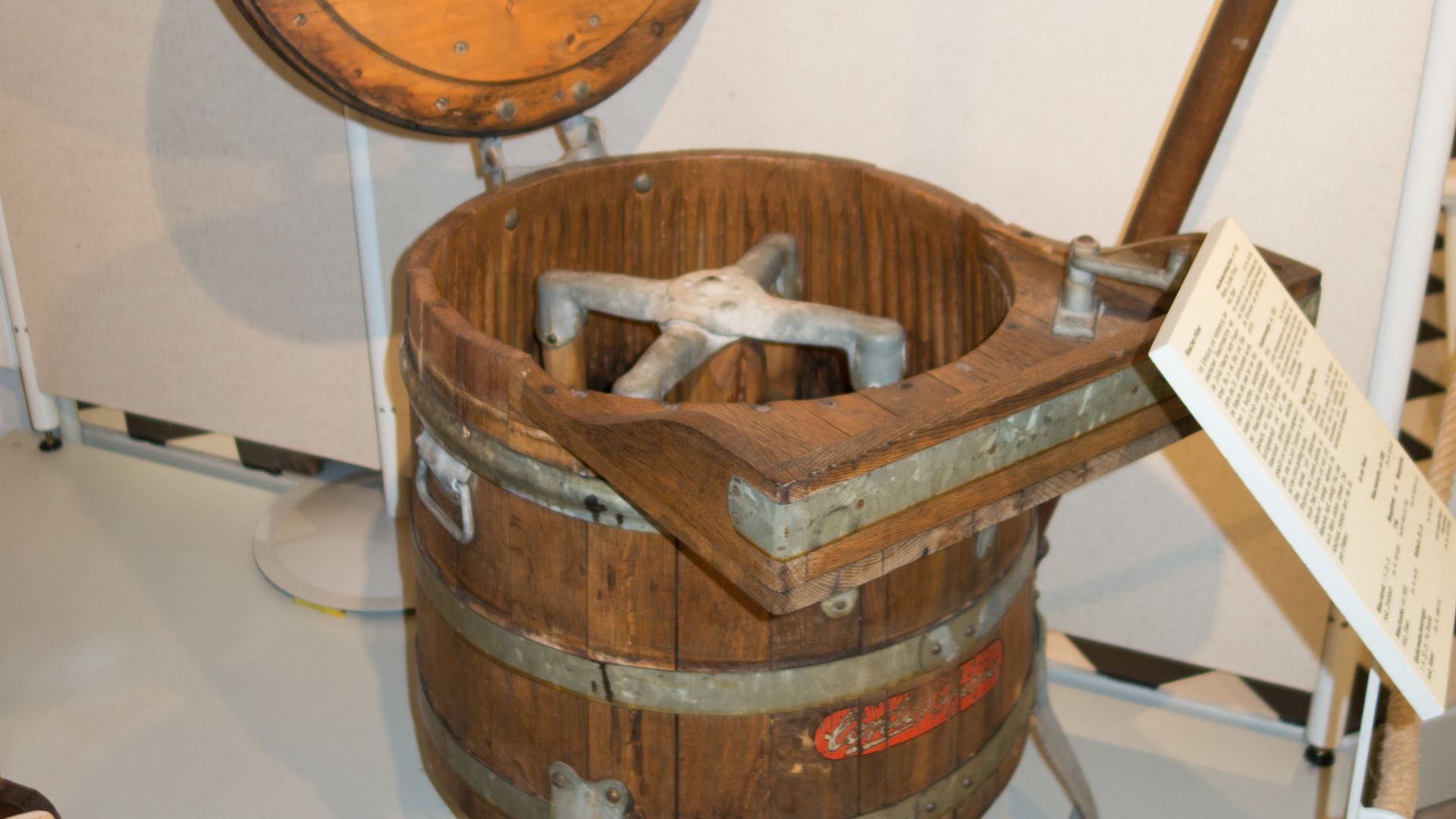 Thomas Quine, Wikimedia Commons
#16. The First Electric Vacuum Cleaners Were Not Subtle
Early vacuum cleaners were huge, heavy, and sometimes required multiple people or even horse-drawn equipment. Hubert Cecil Booth’s early 1900s vacuum system was famously large and powerful. It was not the cordless stick vacuum of today. It was more like bringing industrial weather into the living room.
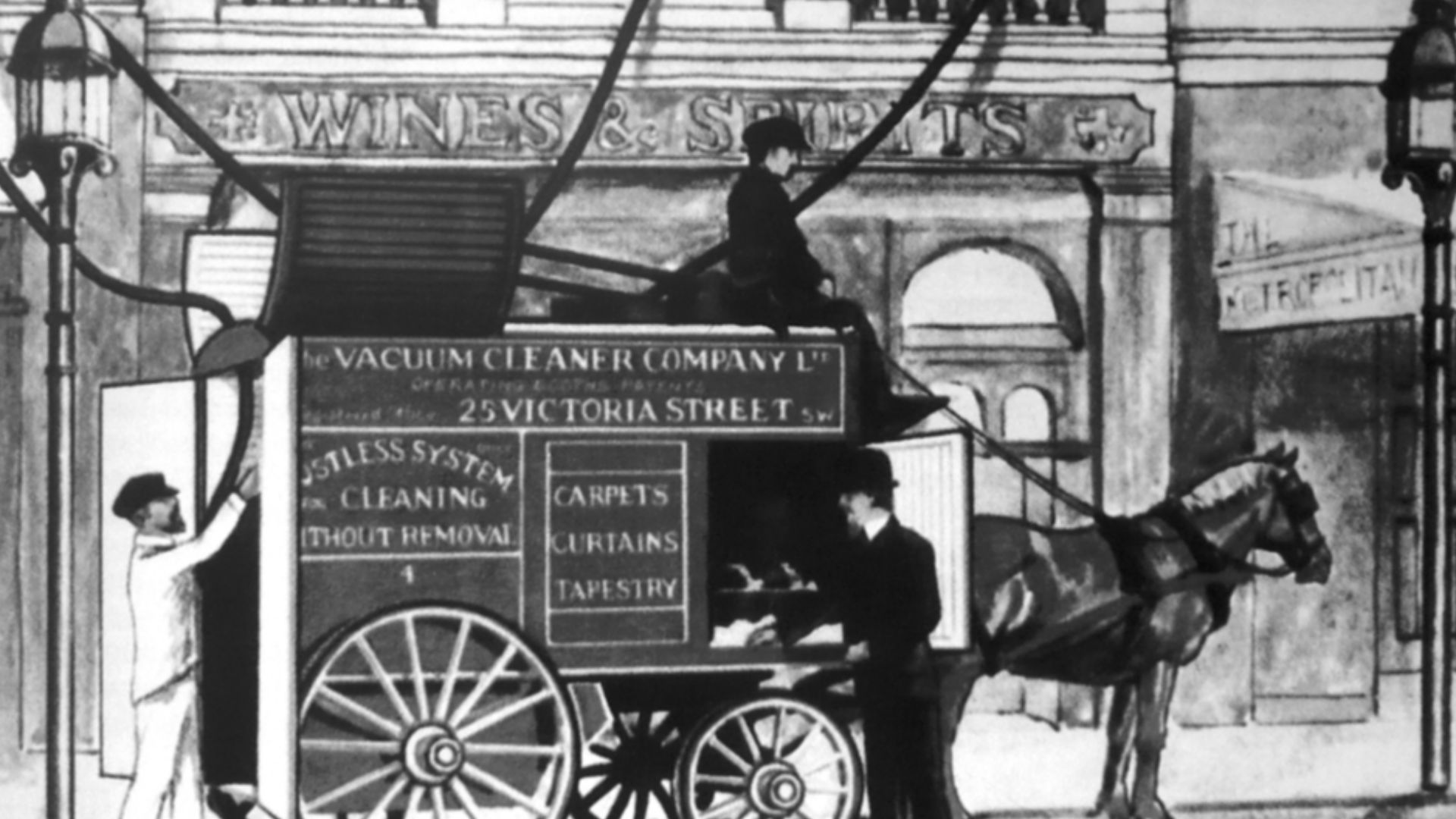 Unknown authorUnknown author, Wikimedia Commons
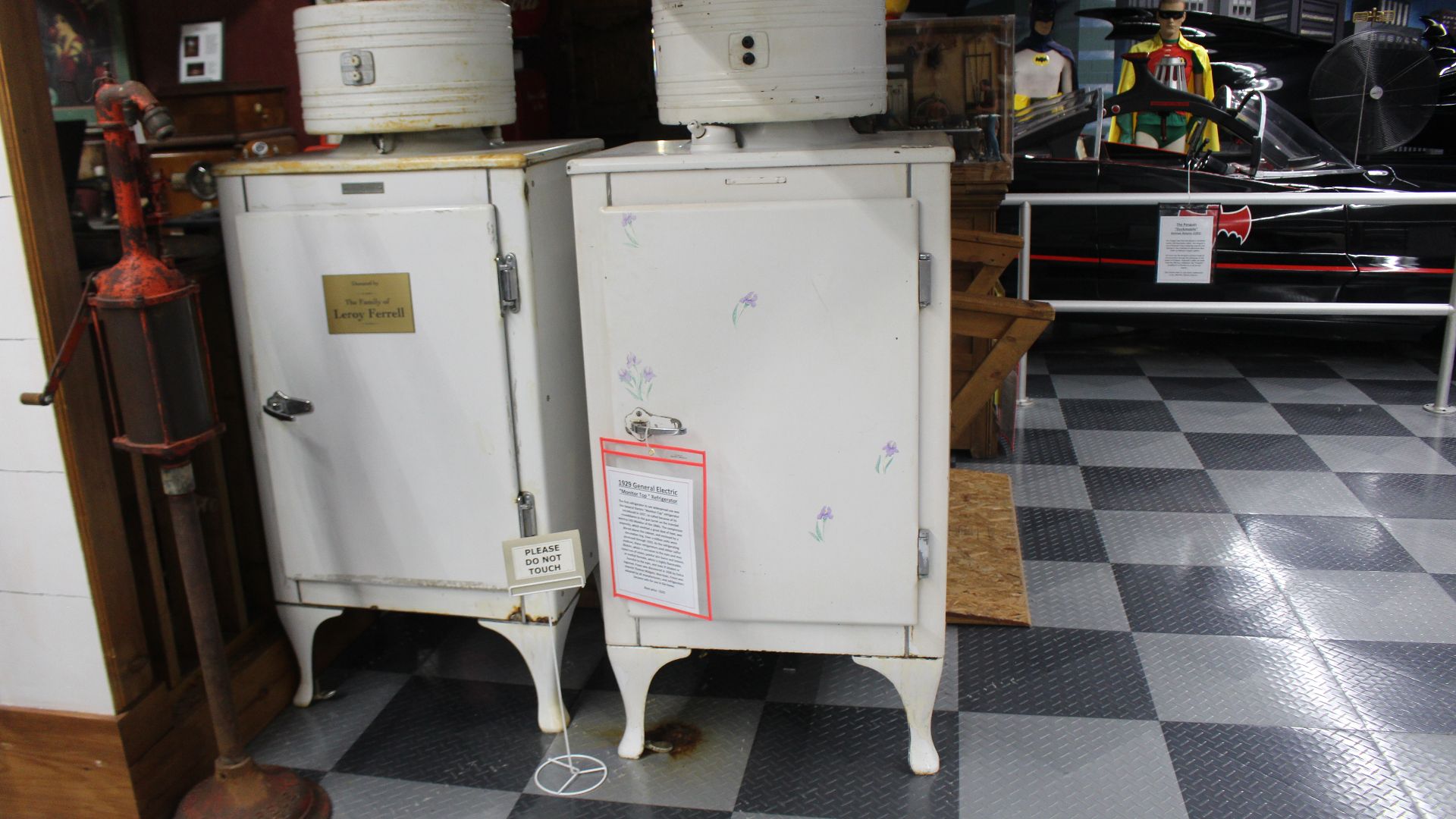
#15. Early Refrigerators Looked Like Kitchen Machinery From A Factory
The home refrigerator slowly replaced the icebox in the early 20th century, but early electric models were bulky and expensive. General Electric’s 1927 Monitor-Top refrigerator had a round compressor on top that looked like a mechanical hat. It kept food cold, but it did not exactly whisper “cozy kitchen.”
 Michael Rivera, Wikimedia Commons
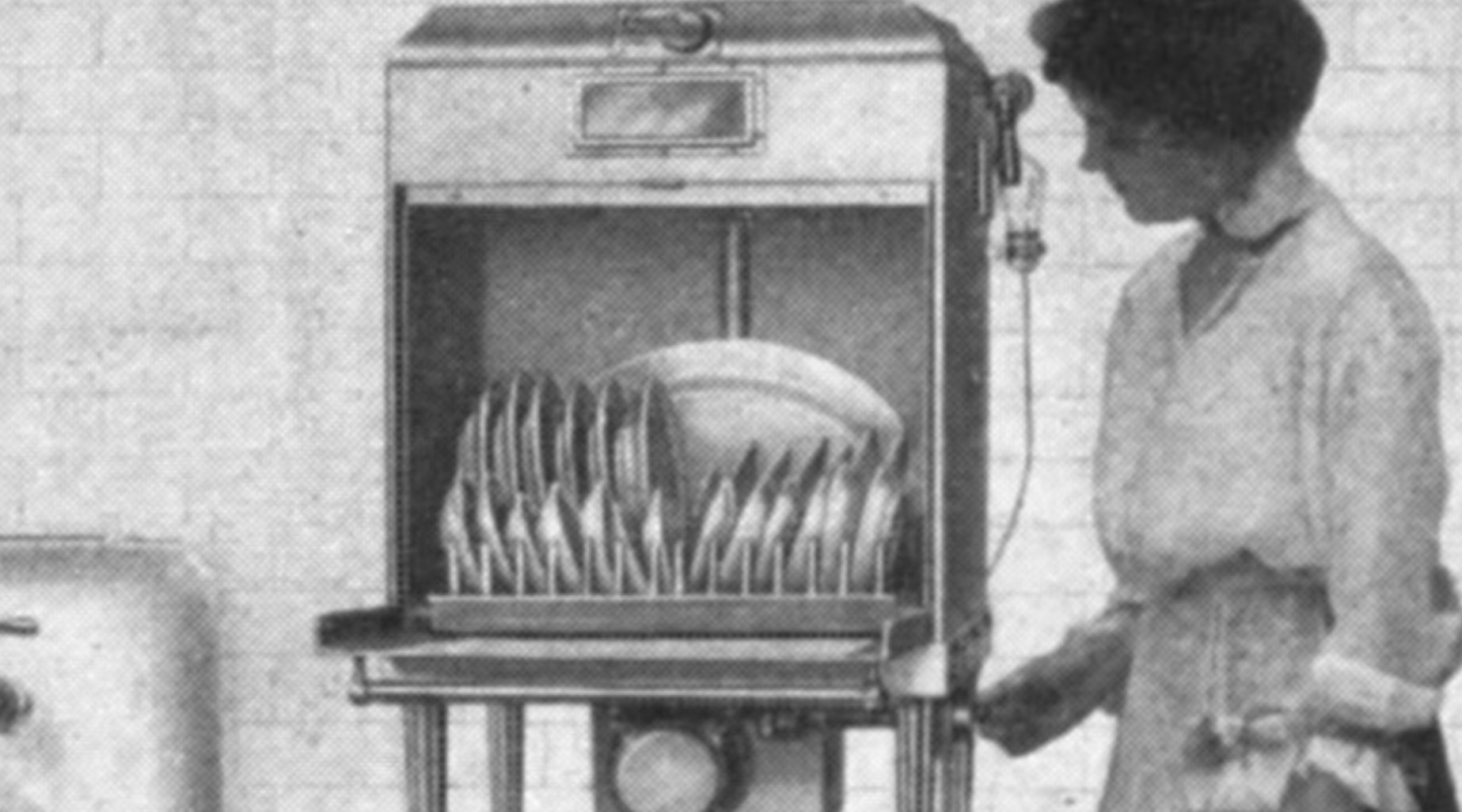
#14. The First Dishwashers Looked Like Mechanical Dish Baskets
Josephine Cochrane patented an early successful dishwasher in 1886. Her machine used water pressure and wire compartments to clean dishes, mostly for hotels and restaurants at first. It looked more like a metal cage for plates than a friendly appliance. Still, anyone tired of scrubbing pans probably forgave the weirdness.
 Keith's Magazine, Wikimedia Commons
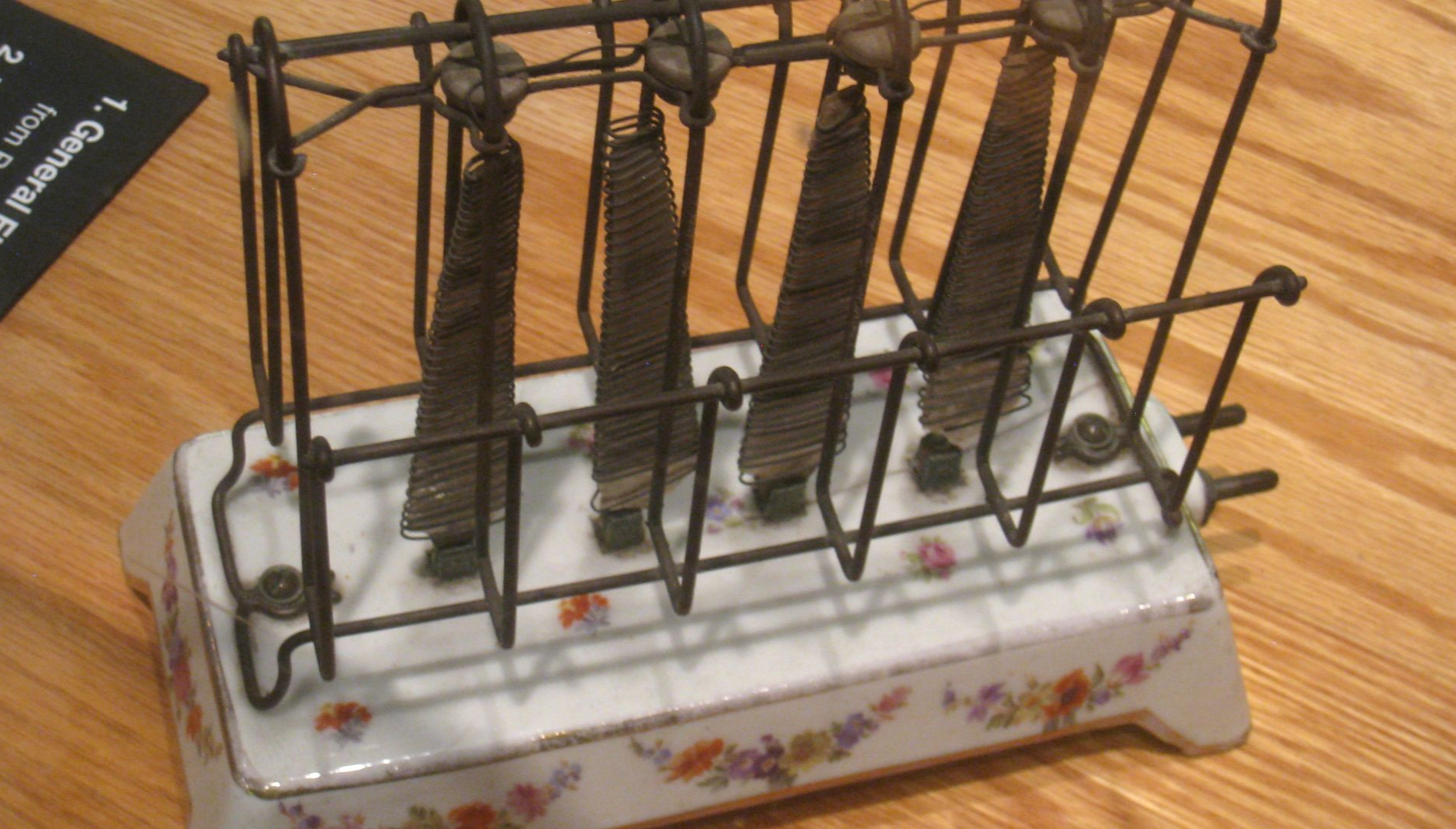
#13. Early Toasters Were Open And Slightly Threatening
Before automatic pop-up toasters, early electric toasters held bread against exposed heating elements. Users often had to flip the bread manually. It made toast, yes, but it also looked like a tiny tabletop fire hazard. Charles Strite’s 1921 pop-up toaster was a major improvement for both breakfast and nerves.
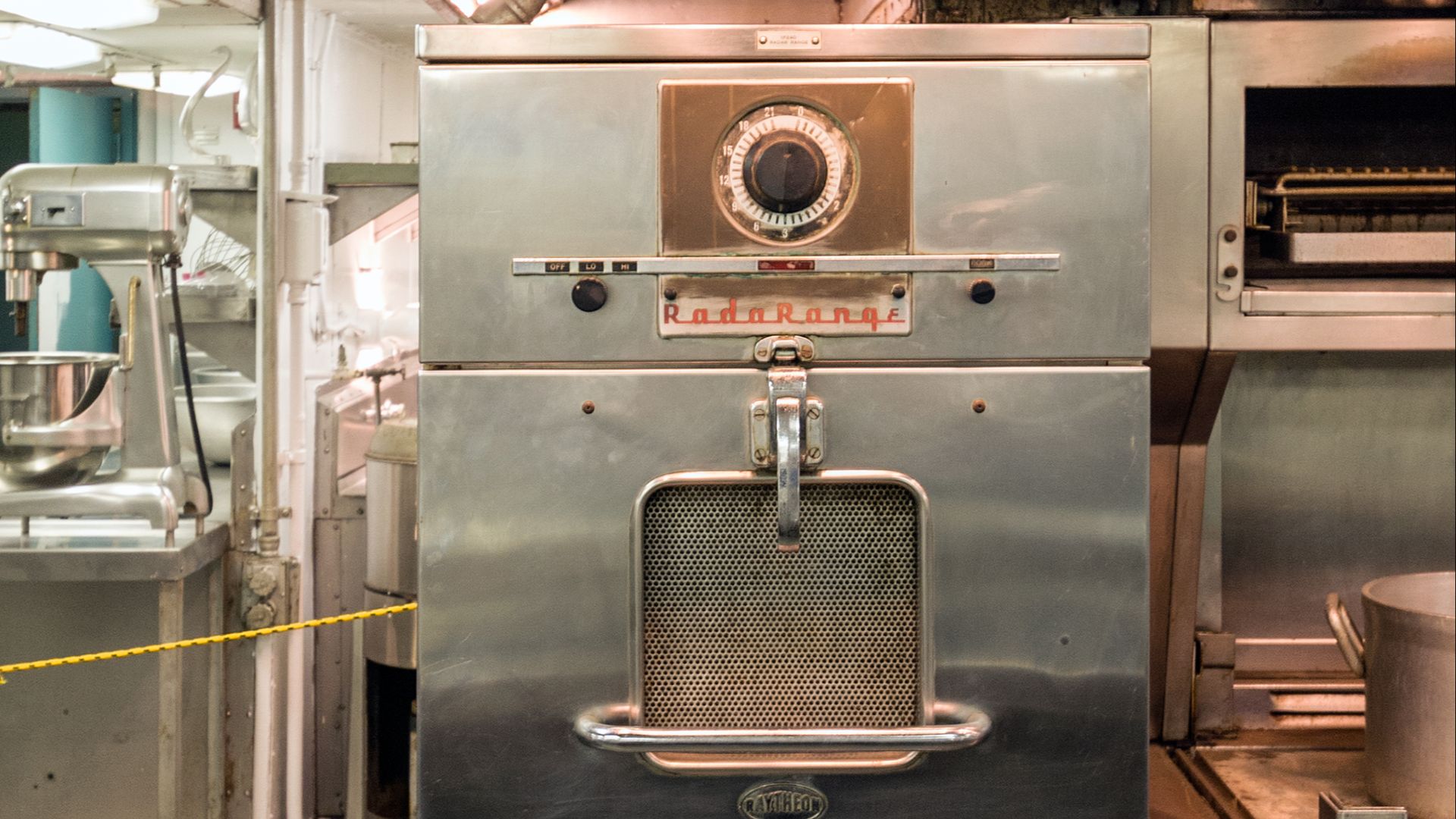
#12. The First Microwave Ovens Were Giant Metal Beasts
The first commercial microwave oven, the Radarange, appeared in the 1940s after Percy Spencer’s wartime radar work led to the discovery that microwaves could heat food. Early units were enormous, expensive, and intimidating. They looked less like kitchen appliances and more like machines that might interrogate leftovers.
#11. Early Television Looked Like A Cabinet With A Tiny Secret
In the 1920s, inventors such as John Logie Baird demonstrated mechanical television systems using spinning disks. Early TV sets were bulky cabinets with small, dim images. Today, people complain about screen size. Back then, seeing a blurry face in a box was basically sorcery with poor resolution.
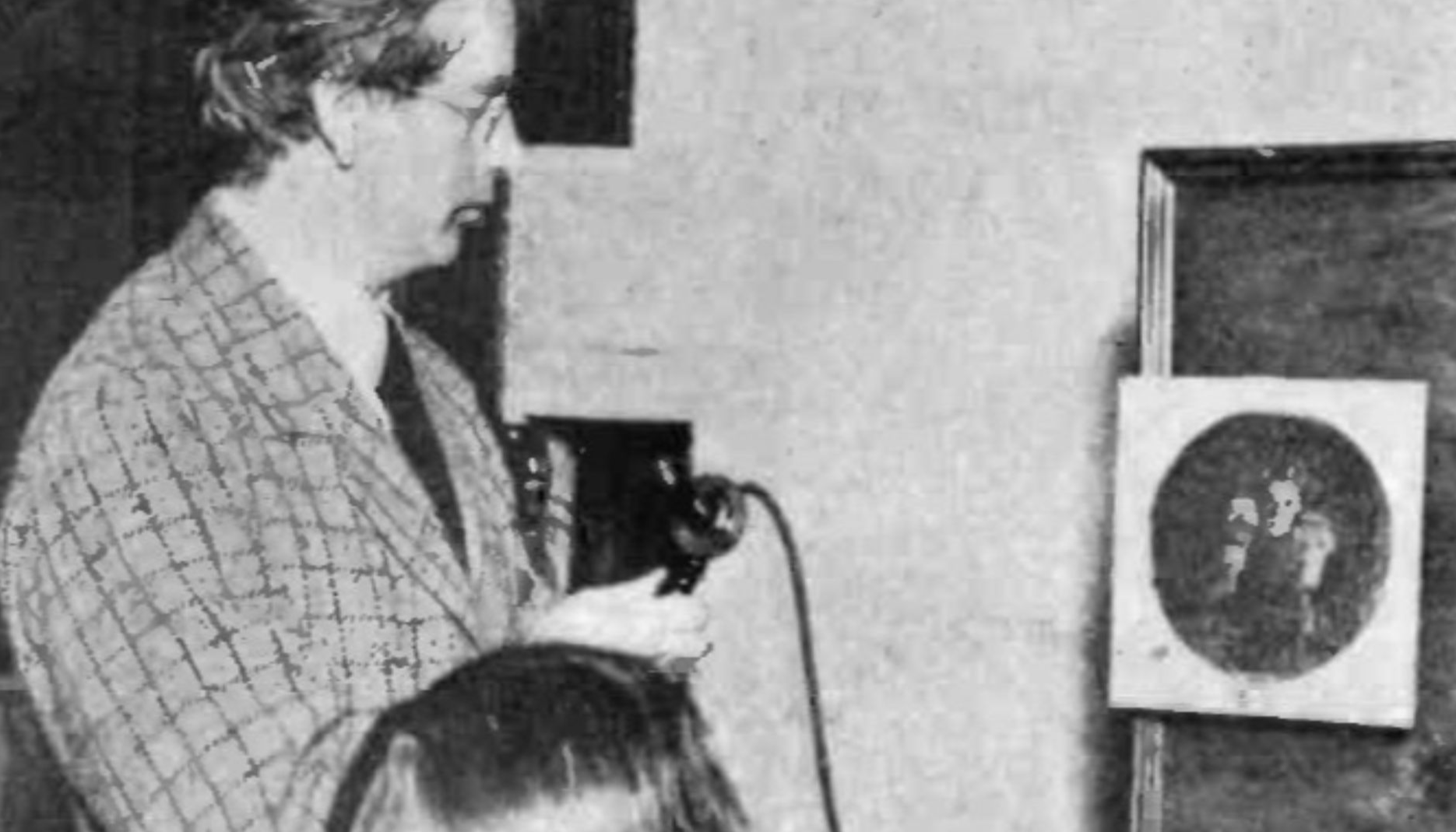 Orrin Dunlap, Jr., Wikimedia Commons
#10. The First Computers Filled Rooms
Modern laptops sit on desks. Early electronic computers, such as ENIAC, completed in 1945, filled entire rooms with cables, switches, vacuum tubes, and heat. It looked like a power station had decided to do math. Calling it a “computer” sounds tidy. Standing near it probably felt like entering mission control.
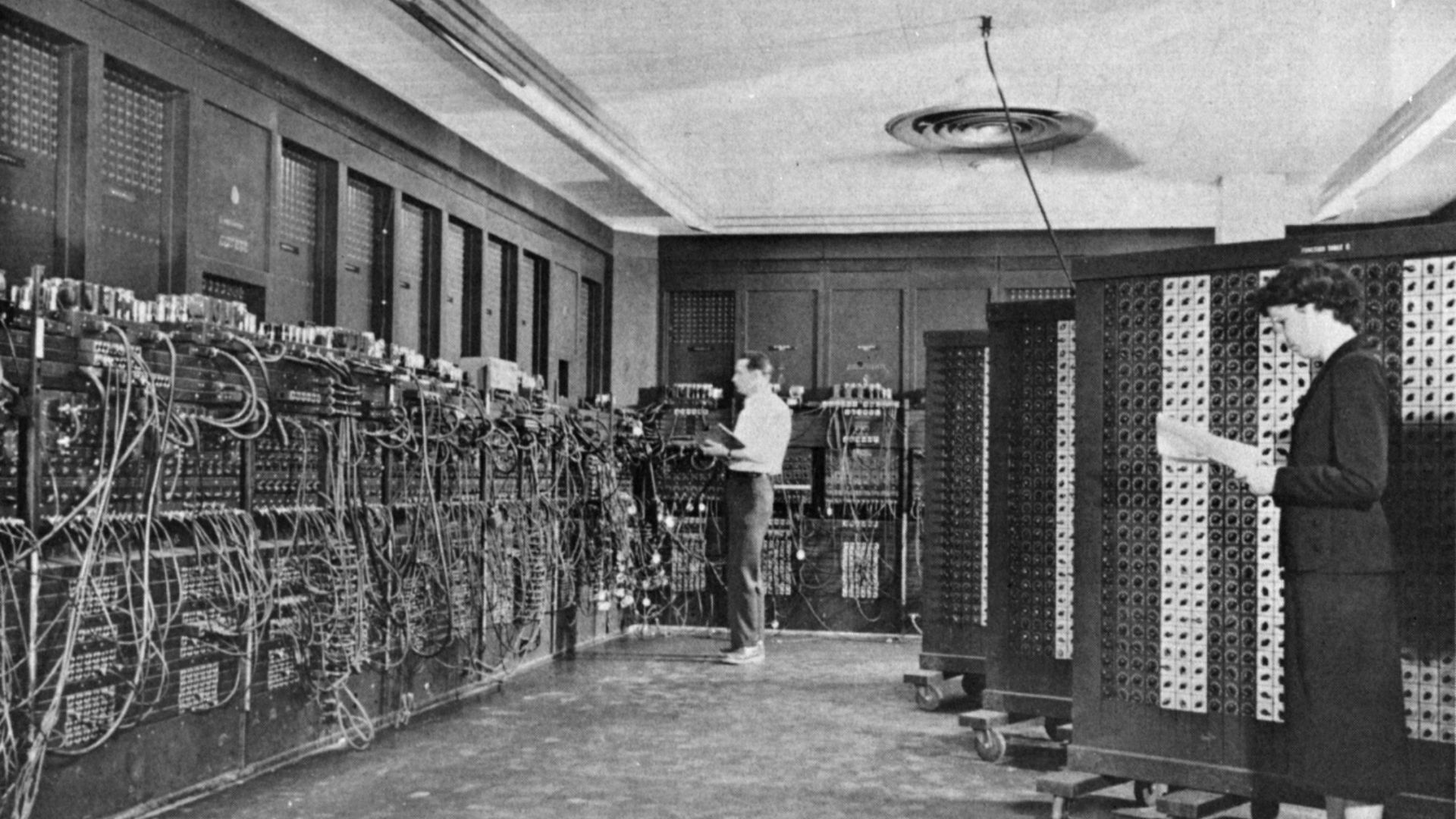 Unknown authorUnknown author, Wikimedia Commons
#9. Early Mobile Phones Looked Like Bricks With Antennas
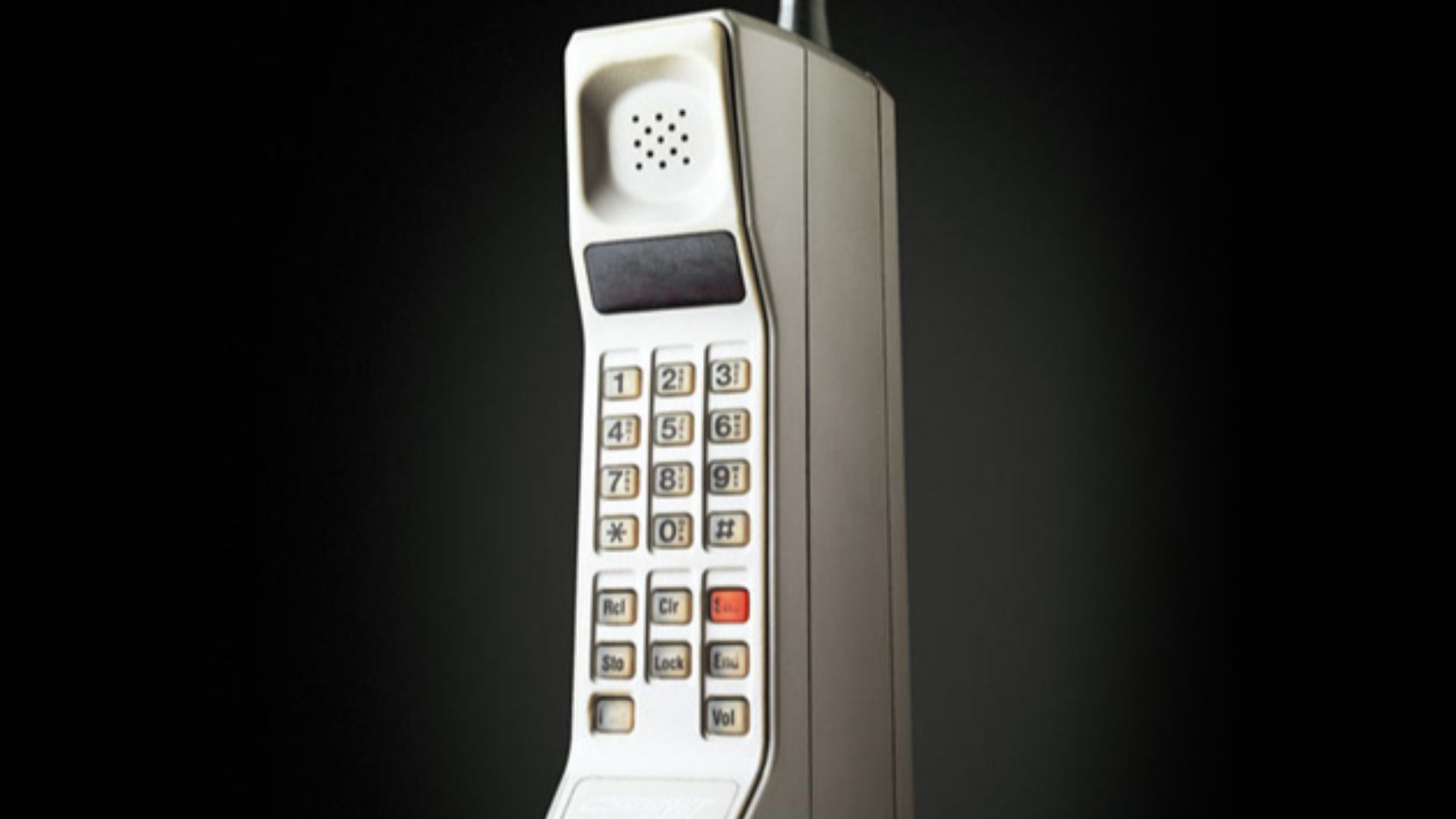
Motorola engineer Martin Cooper made a famous handheld mobile phone call in 1973 using an early prototype. The later DynaTAC models were large, heavy, and expensive. Compared with modern smartphones, they looked like walkie-talkies that had gone to business school. Portable, technically, but not exactly pocket-friendly.
#8. Early Typewriters Looked Like Mechanical Puzzles
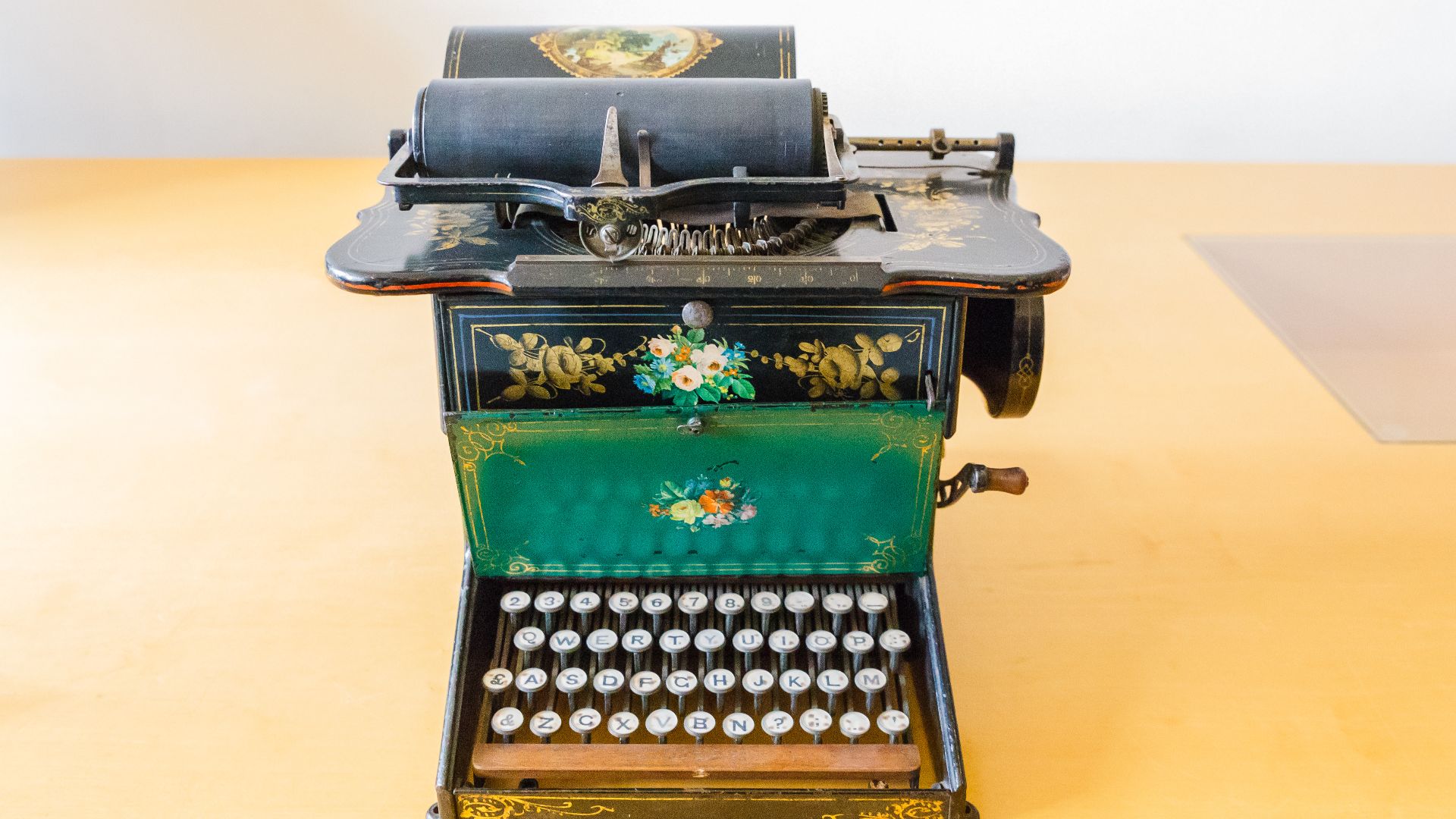
The typewriter became practical in the 19th century, but early models were strange-looking machines with keys, levers, arms, and hidden mechanisms. The Sholes and Glidden typewriter, introduced commercially in the 1870s, even decorated itself with floral designs. Nothing says office productivity like Victorian machinery wearing a costume.
#7. The First Zipper Was Not Smooth Or Stylish
Whitcomb Judson introduced his “clasp locker” at the 1893 World’s Columbian Exposition in Chicago. It was an early step toward the modern zipper, but it was bulky and unreliable compared with today’s version. People were right to be cautious. Clothing fasteners should not require engineering confidence.
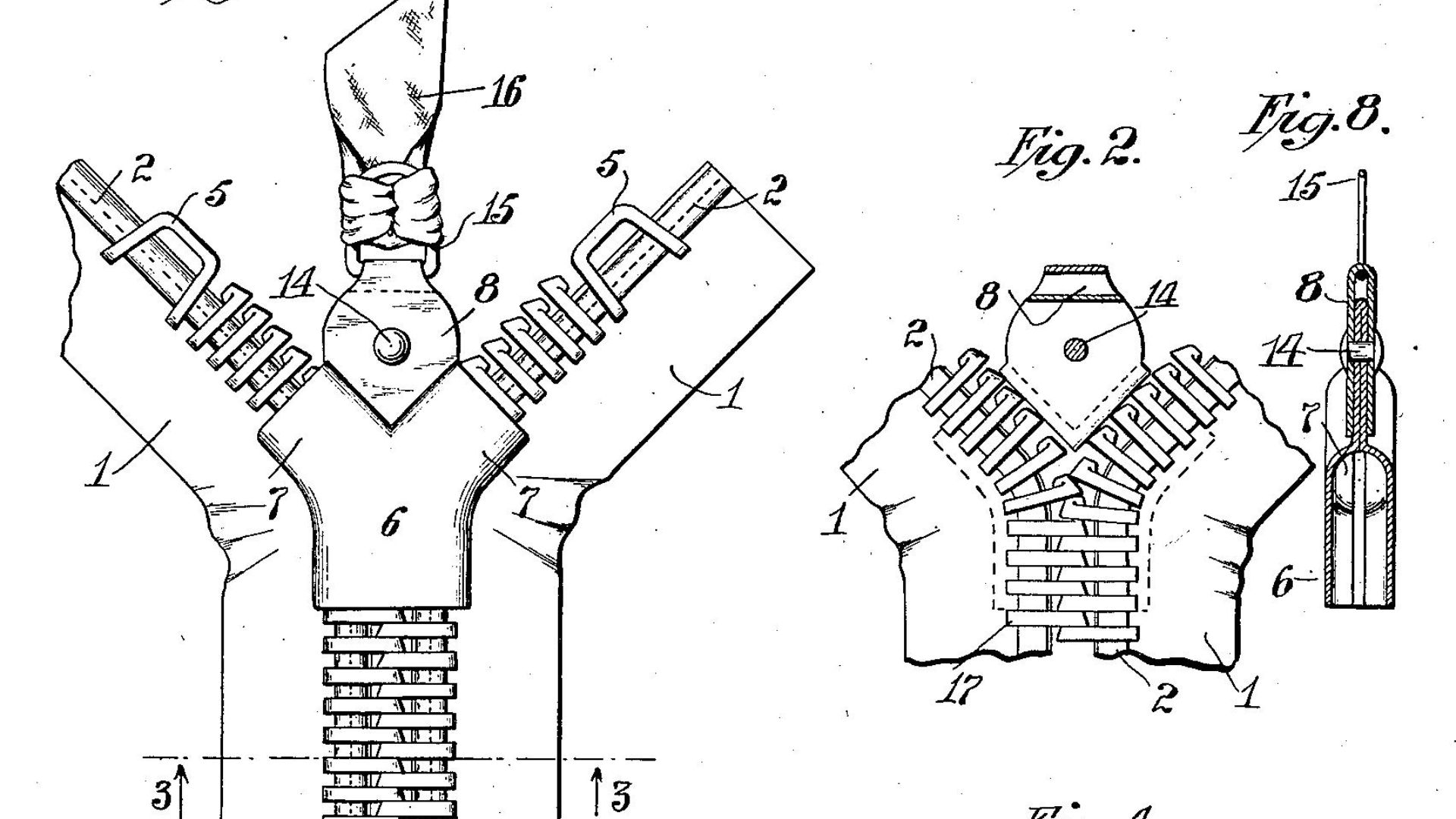 Gideon Sundbäck, Wikimedia Commons
#6. Early Sewing Machines Looked Ready To Bite
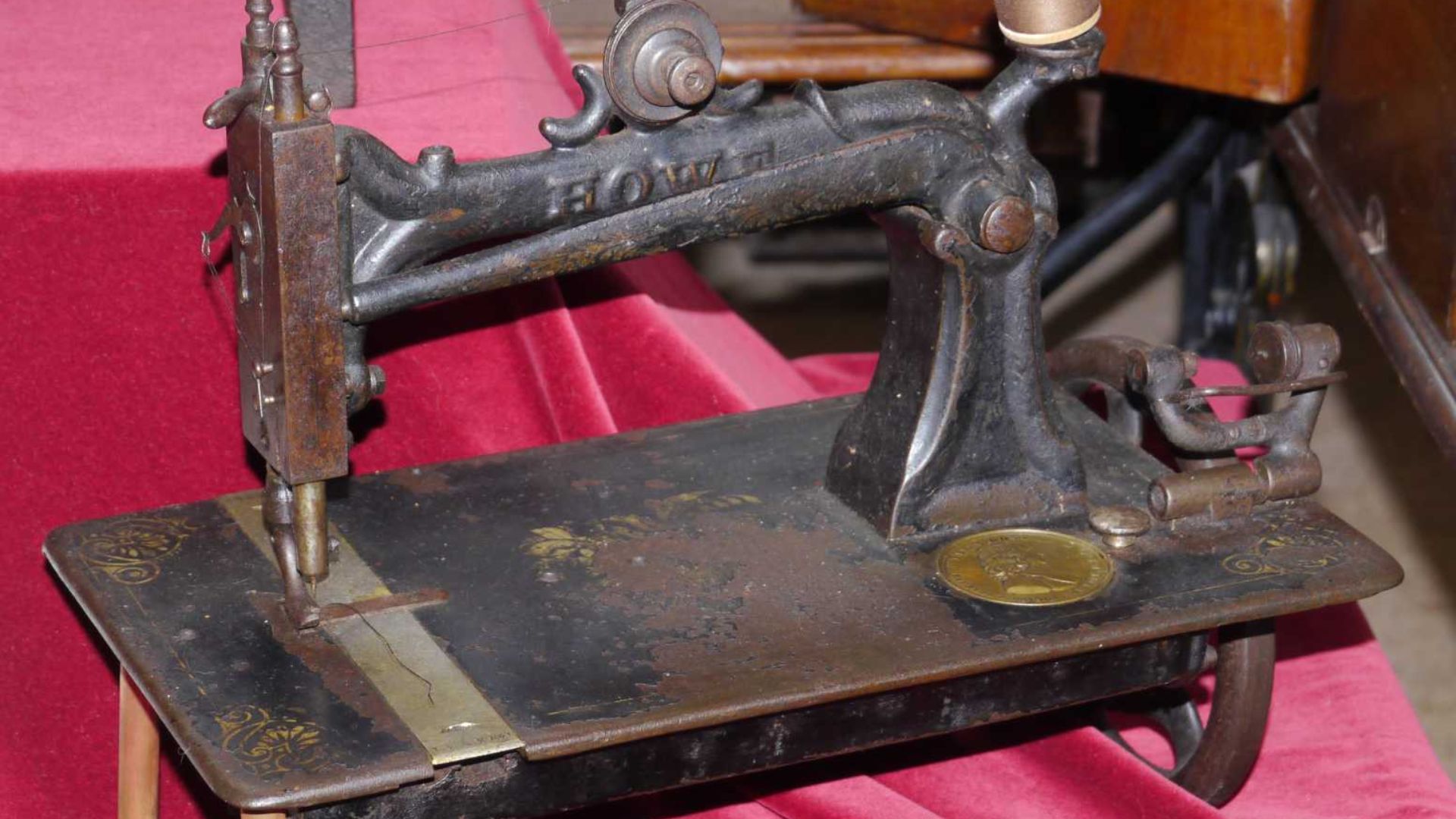
In the 1840s and 1850s, inventors such as Elias Howe and Isaac Singer helped develop practical sewing machines. Early machines were powerful, fast, and intimidating to anyone used to hand-stitching. They promised efficiency, but they also looked like they could sew your sleeve to the table without remorse.
#5. Otis’s Safety Elevator Needed A Dramatic Demo
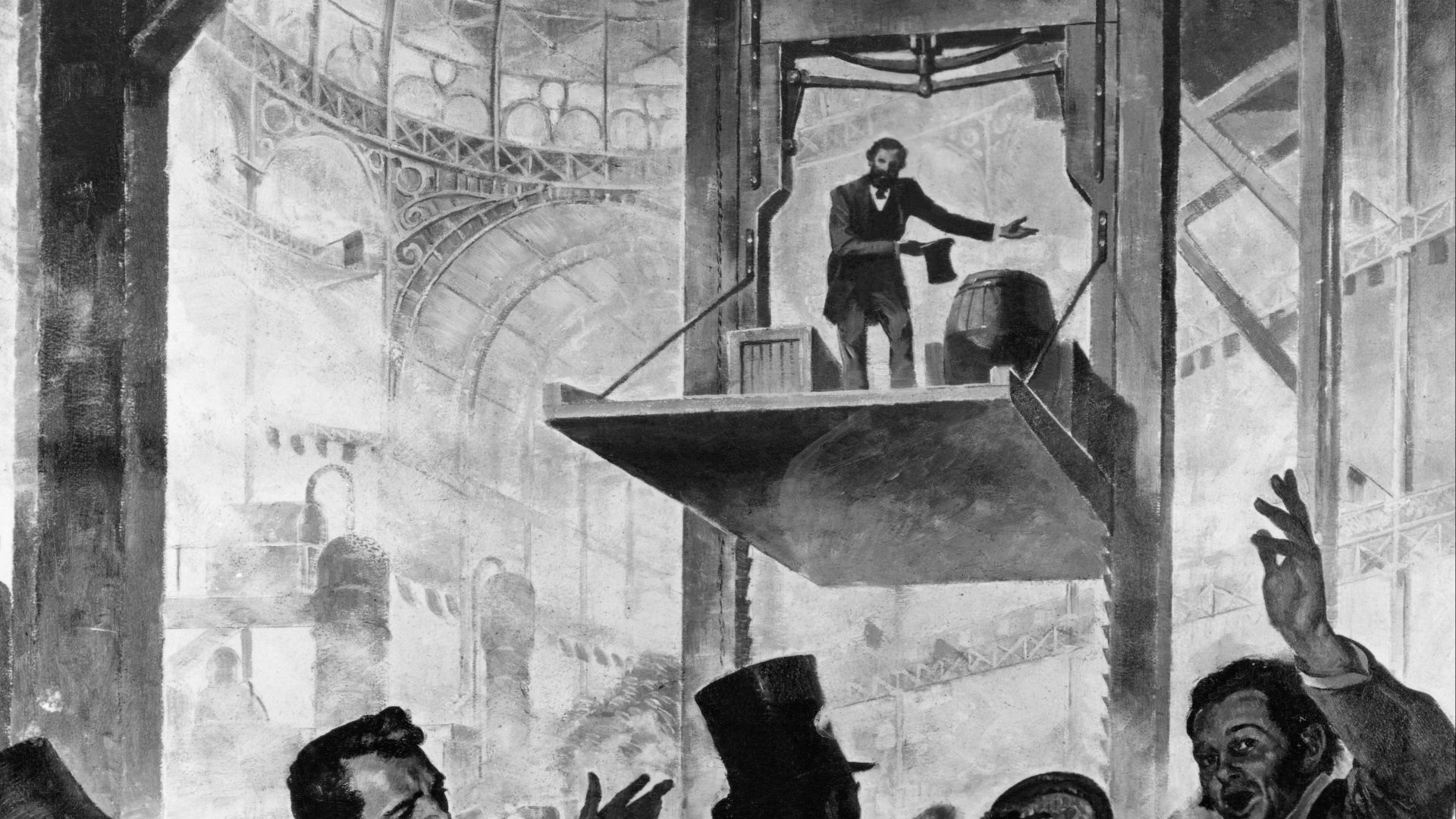
In 1853, Elisha Otis famously demonstrated his safety elevator mechanism at the Crystal Palace exhibition in New York. He stood on a platform, had the hoisting rope cut, and proved the brake would stop the fall. That was effective marketing, but also absolutely not how most people want to test elevators.
 Unknown authorUnknown author, Wikimedia Commons
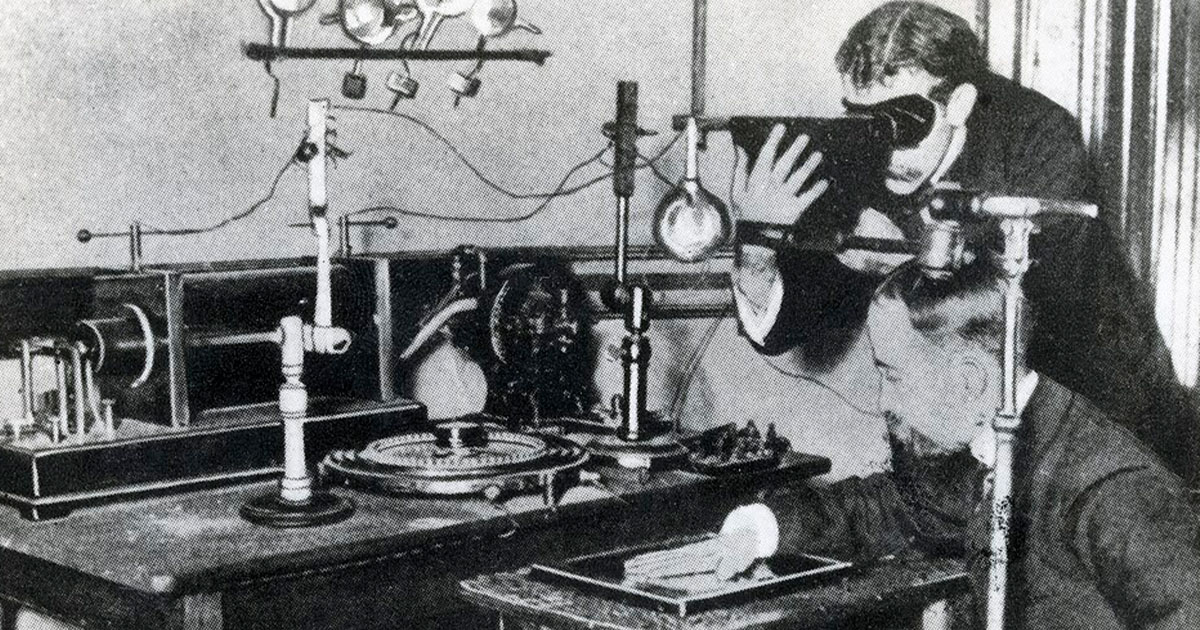
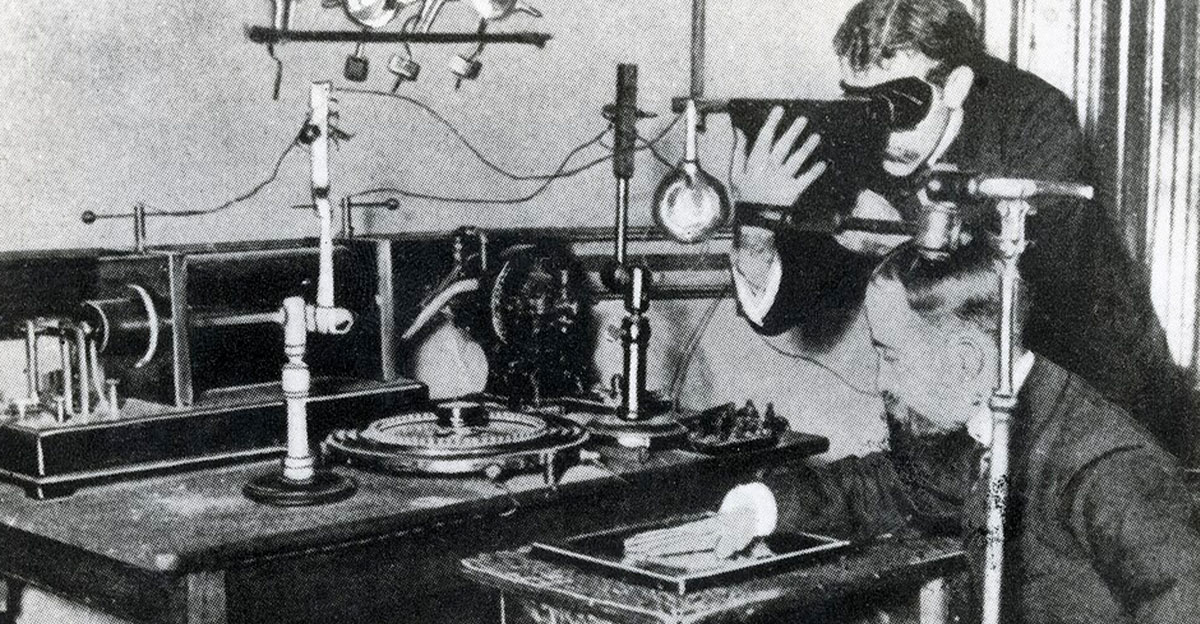
#4. Early X-Ray Machines Looked Like Mad Science
After Wilhelm Röntgen discovered X-rays in 1895, early X-ray equipment spread quickly through medicine and public demonstrations. The machines looked strange, exposed, and alarming, because they were new and not always safely understood. Imagine being told the device could see your bones. Reasonable people had questions.
![Otis Clapp and Son x-ray machine, Providence, RI, ca. 1896. Spanish-American War. Selected by Kathleen.
[this is probably Army Medical Museum Hospital Steward John Neate, who stayed with the Museum and became a doctor - Mike]](https://www.factinate.com/storage/app/media/factinate/2026/9/24/1790250034e931a35f0aaf2272bfeac267598fa2de2fe5e8a0.jpg) Otis Historical Archives National Museum of Health and Medicine, Wikimedia Commons
Otis Historical Archives National Museum of Health and Medicine, Wikimedia Commons
#3. The Iron Lung Looked Terrifying But Saved Lives
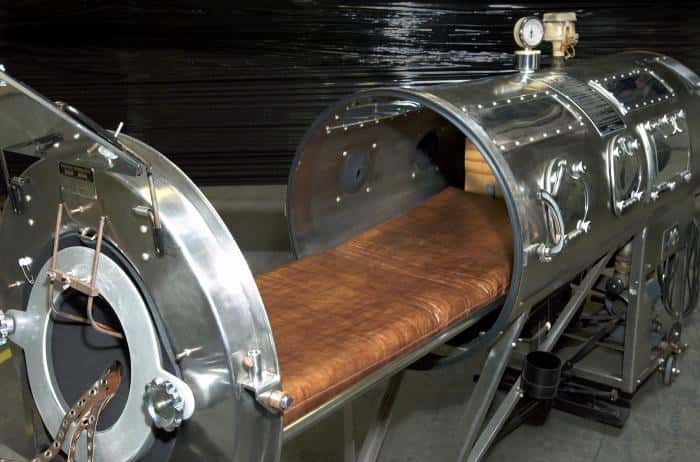
The iron lung, developed in the late 1920s, helped patients breathe during severe polio cases by using pressure changes around the body. It looked like a metal tube someone had turned into a hospital bed. Frightening? Absolutely. But for many patients, it was the machine keeping them alive.
 Mary Hilpertshauser, Wikimedia Commons,
#2. Early MRI Scanners Looked Like Science Fiction Tunnels
Medical imaging changed dramatically in the 20th century, and early MRI scanners eventually led to today’s powerful diagnostic machines. The technology grew from nuclear magnetic resonance research into medical imaging in the 1970s. Early scanners looked intimidating because, frankly, lying inside a giant magnet is not an instinctive human hobby.
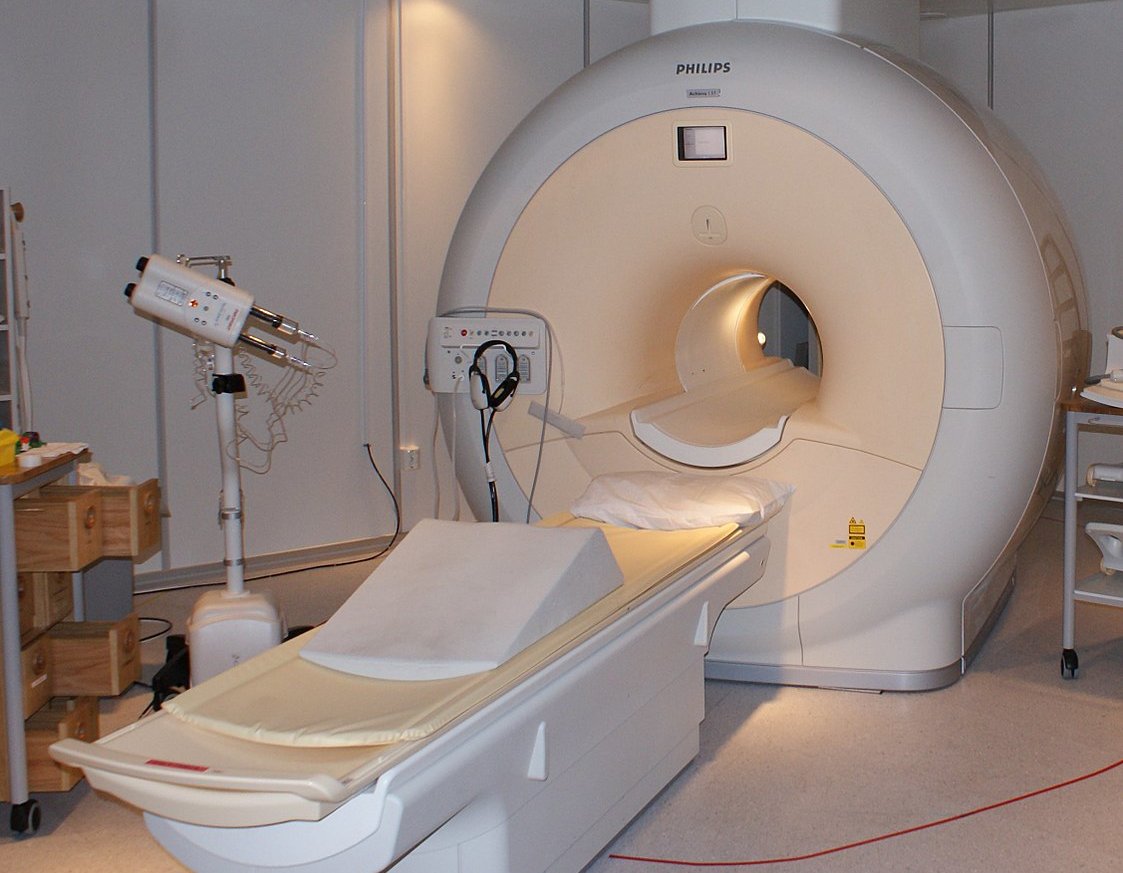 Jan Ainali, CC BY 3.0, Wikimedia Commons
#1. The First Airbags Looked Like A Dangerous Idea
Airbags were developed through patents and experiments in the mid-20th century, long before they became standard car safety equipment. Early versions raised obvious trust issues: a bag exploding out of the dashboard to save you sounded like a prank written by engineers. Eventually, testing proved the weird idea could save lives.
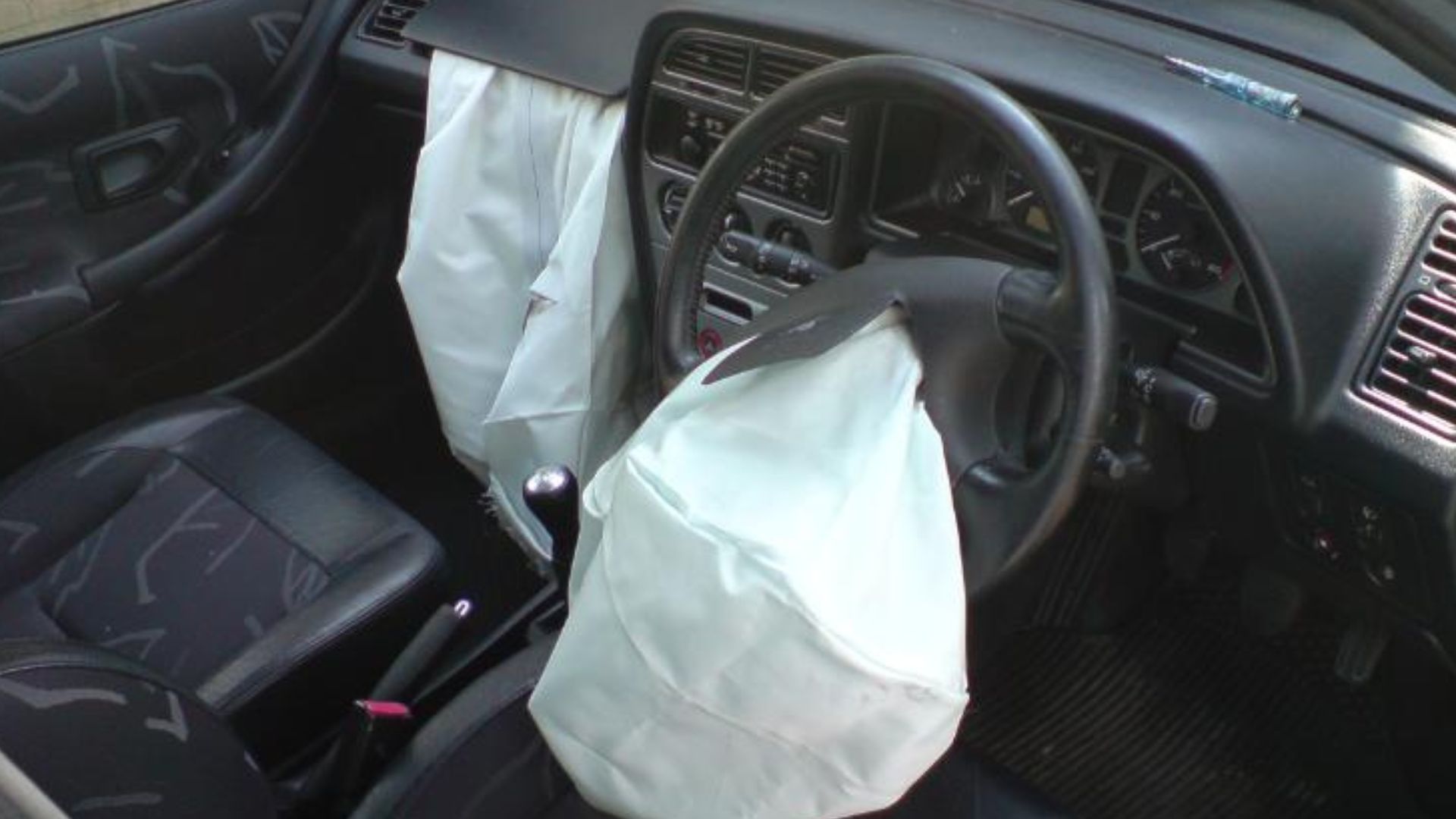 Janipewter at English Wikipedia, Wikimedia Commons
You May Also Like:
Ordinary Household Objects You Would Never Expect To Find In A Museum—Until You Hear Their Stories
Lewis Hines Photographed Real Child Laborers—And The Photos Shocked America Into Changing Its Laws