
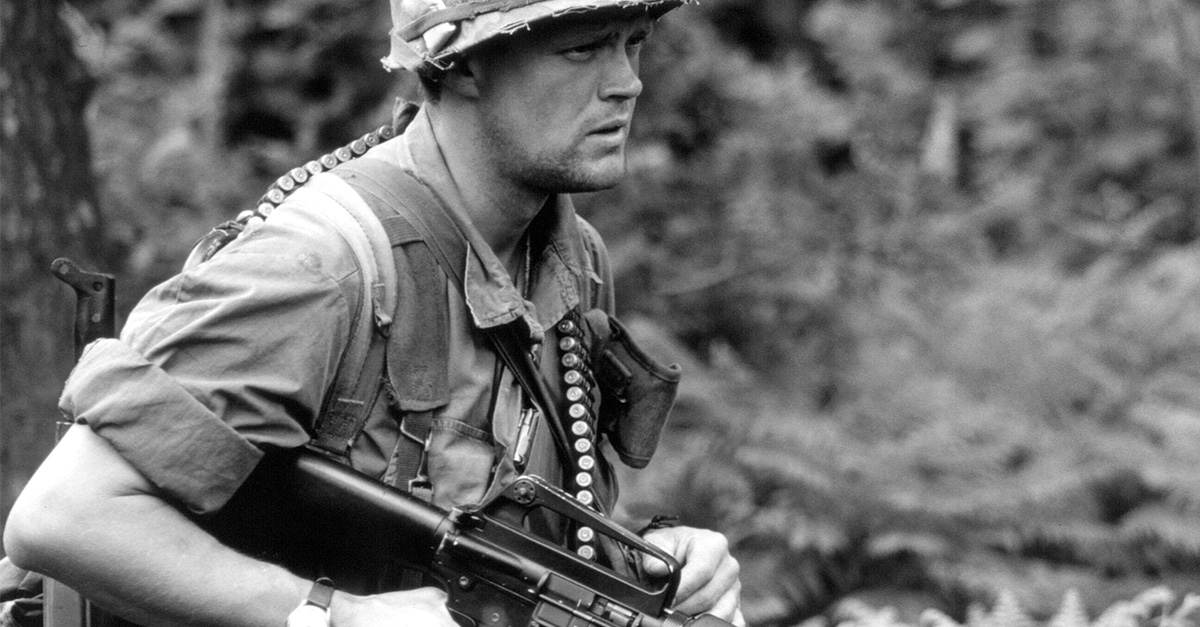
Test Your Knowledge Of The Vietnam War With These Trivia Questions
If you loved history in high school or were a History major in University, test your knowledge of America's first major conflict since World War II, outside of the Cold War. Almost 60,000 American service personnel lost their lives in the Vietnam War, but can you answer these questions about one of the costliest—and politically turbulent—conflicts of the 20th century?
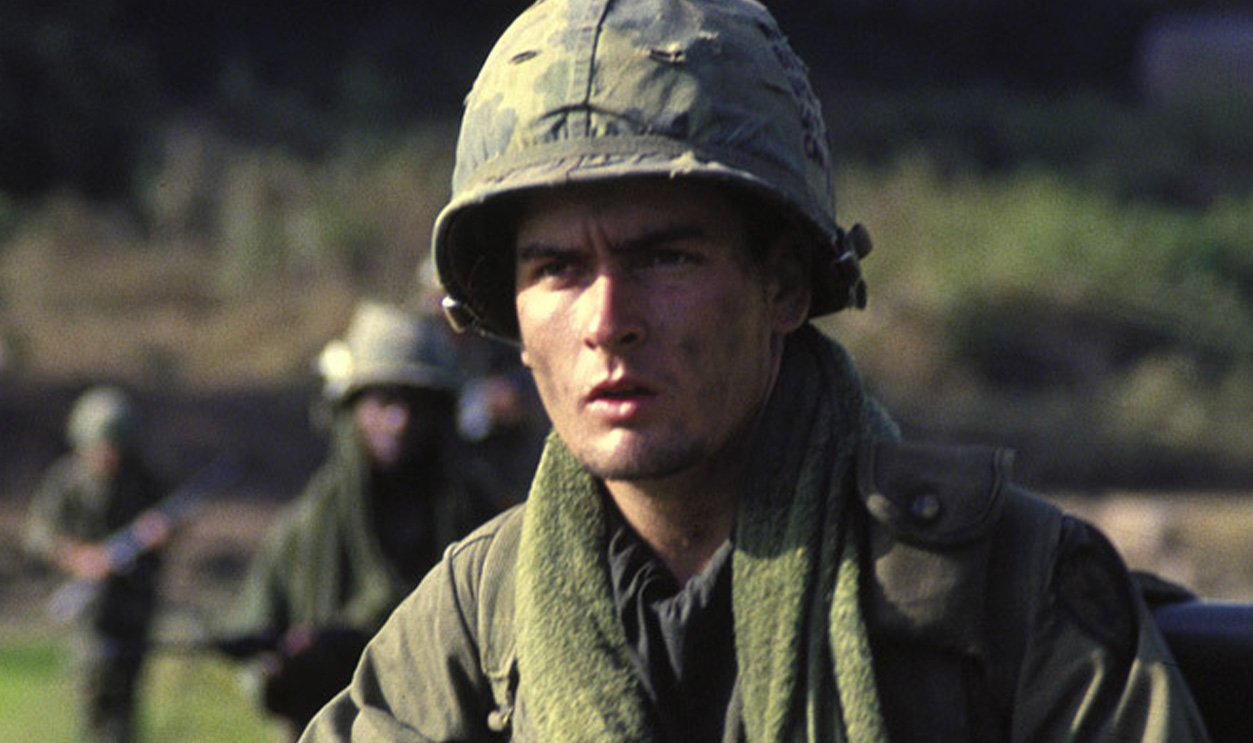
Who Was The Populist Vietnamese Warrior That Led The August Revolution?
On August 16, 1945, this populist Vietnamese revolutionary led a rebellion, but who was he?
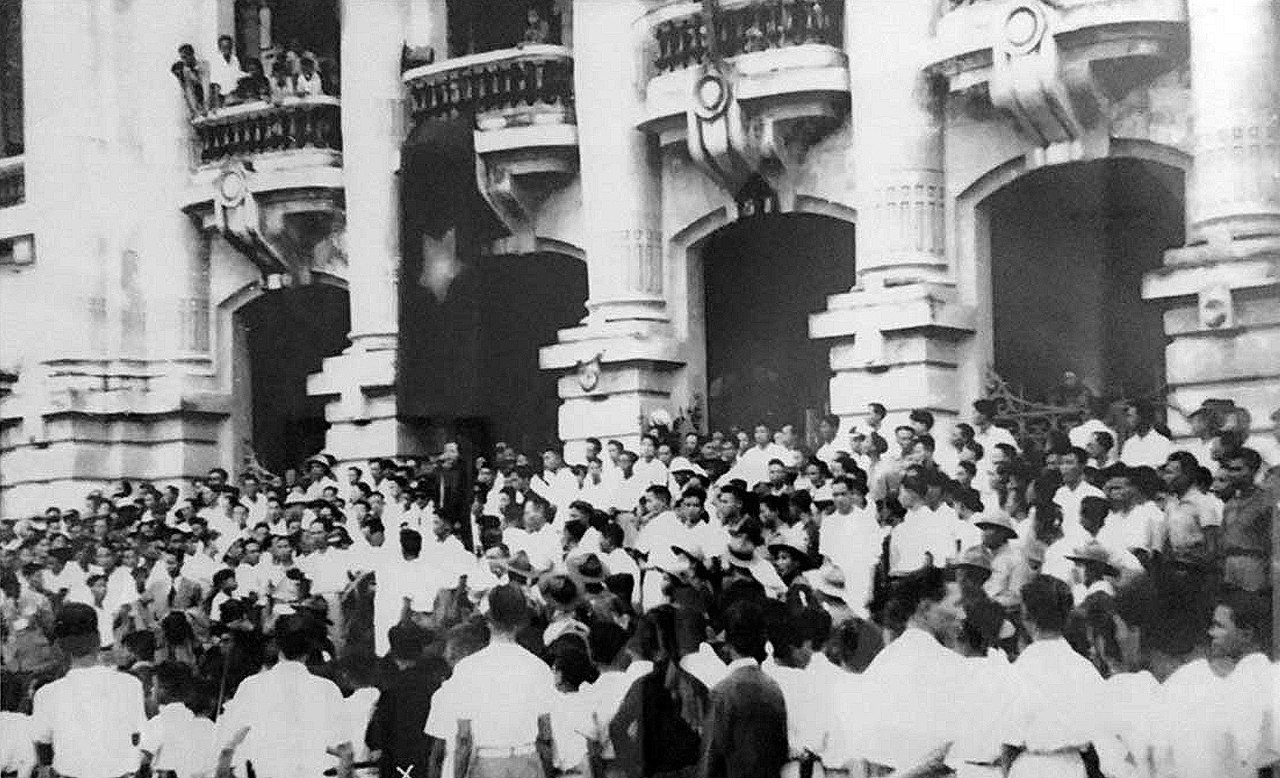 Front pour l'indépendance du Việt-Nam, Wikimedia Commons
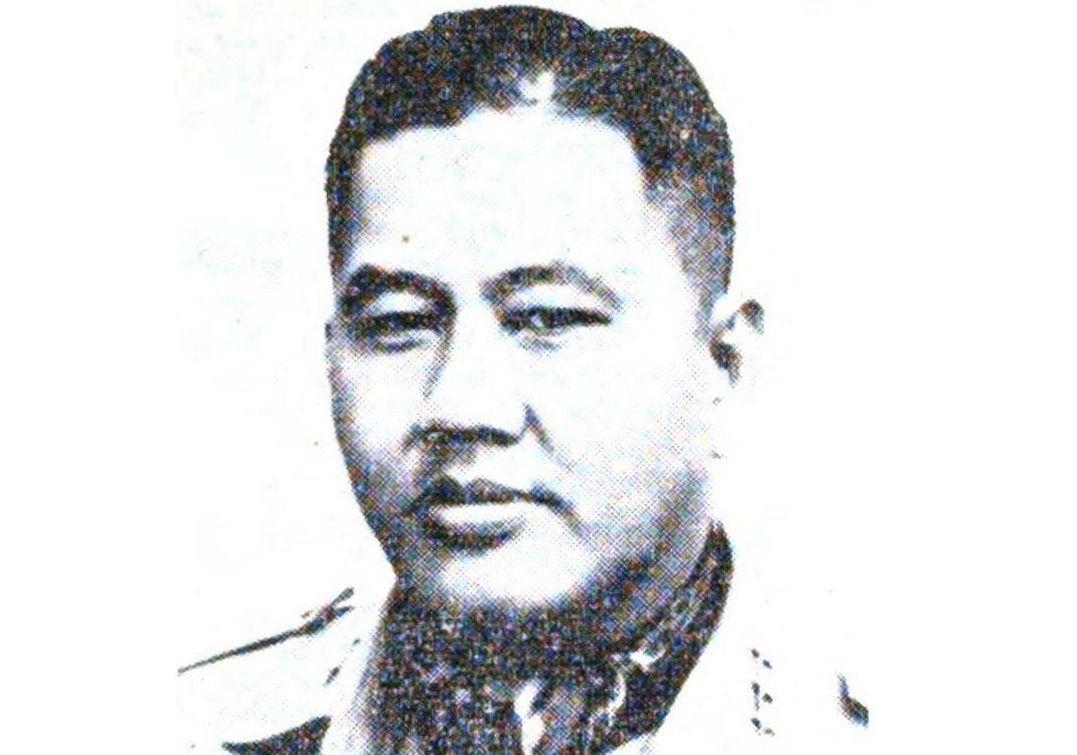
Ho Chi Minh
Born in 1890, Ho Chi Minh, colloquially known as "Uncle Ho", led a revolution which saw the overthrow of the Japanese ruling party in Vietnam, a puppeteer of the former French empire that had ruled Vietnam prior to WWII.
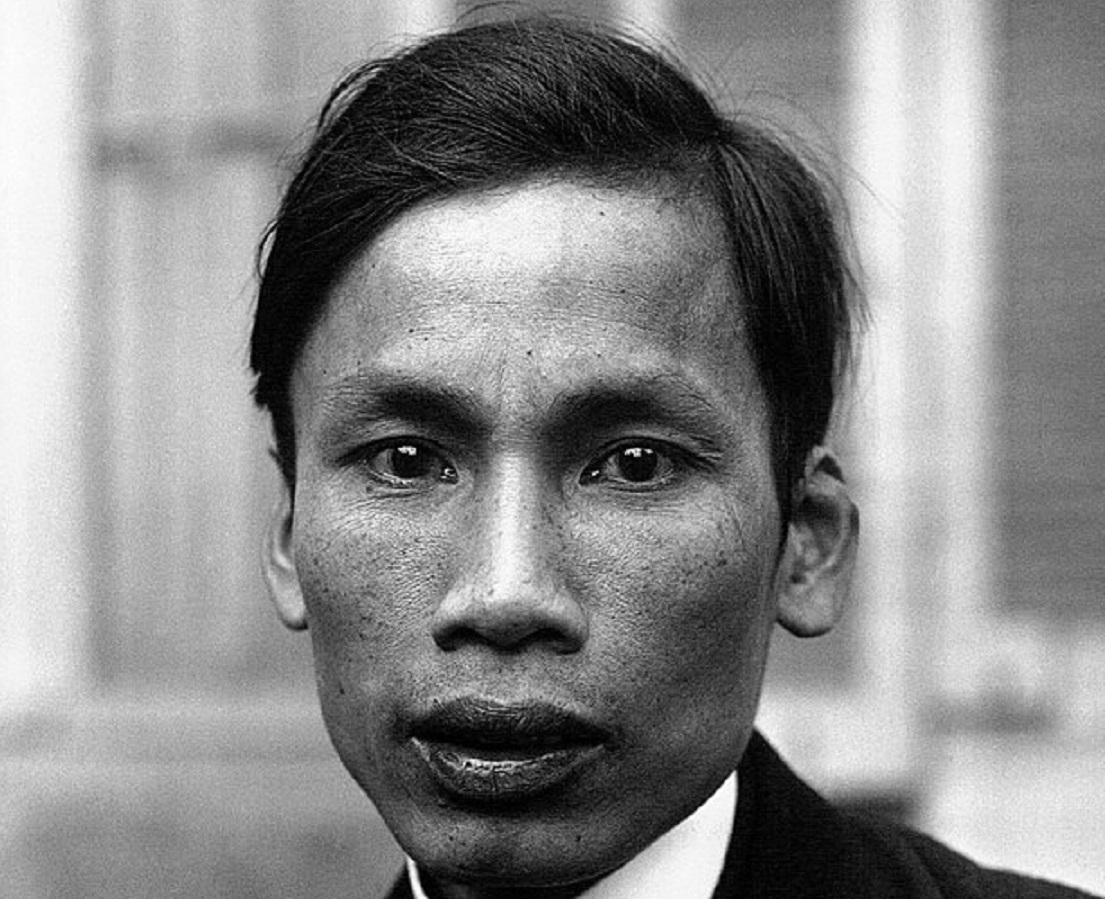 Meurisse Press Agency, Wikimedia Commons
What Was The Name Of The Revolution Led By Ho Chi Minh?
This political event sent shockwaves across Southeast Asia and represented the first in a string of communist revolutions against European imperialism in the region.
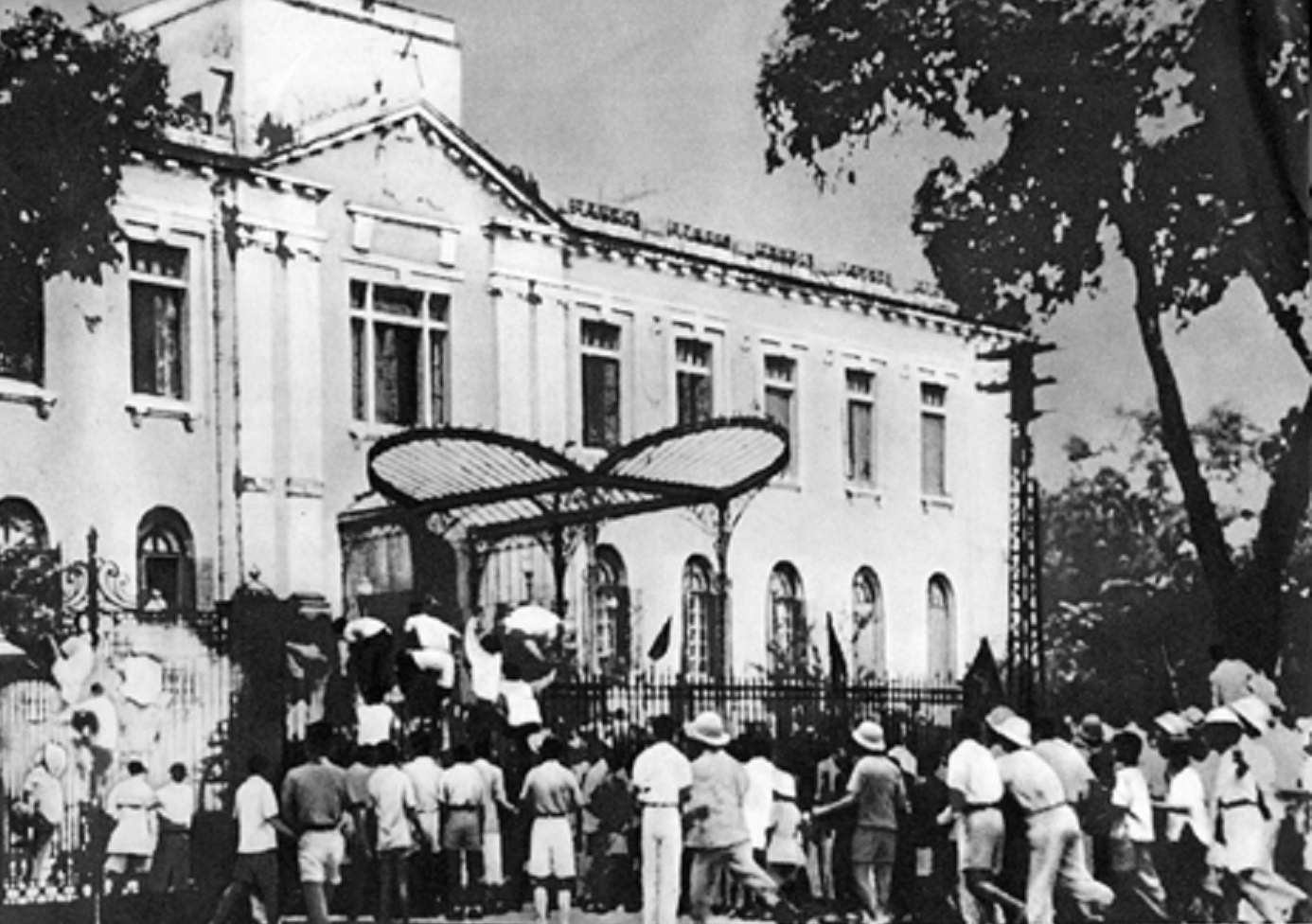
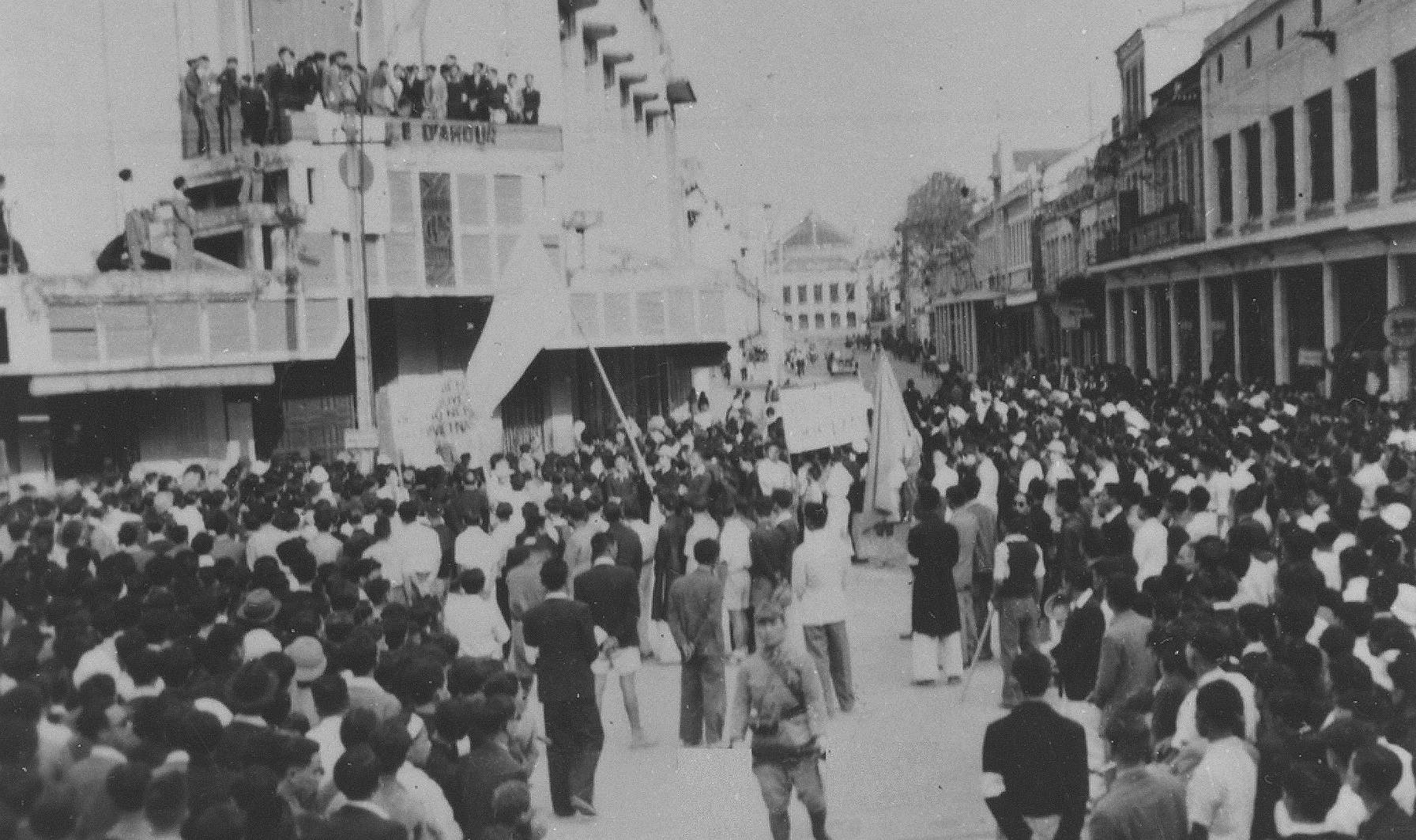
The August Revolution
Known as the August Revolution, it took place from August 16 to 25, 1945. Ho Chi Minh's revolutionary forces seized power and forced the Japanese puppet emperor to abdicate. Ho Chi Minh officially declared Vietnam an independent country on September 2, 1945.
 Unknown Author, Wikimedia Commons
What Was The Name Harry S Truman Gave To His Anti-Communist Doctrine?
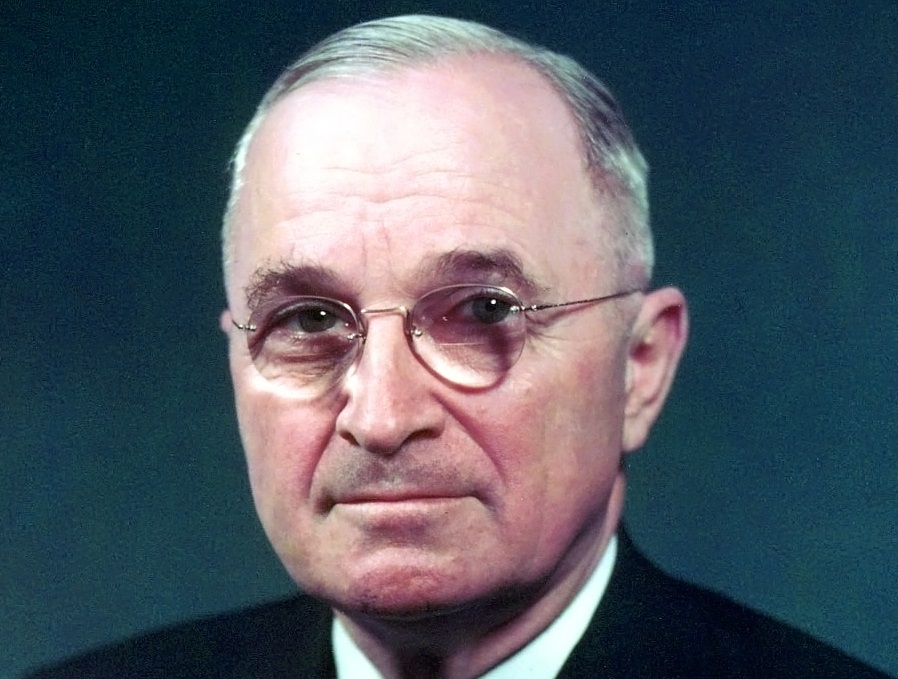
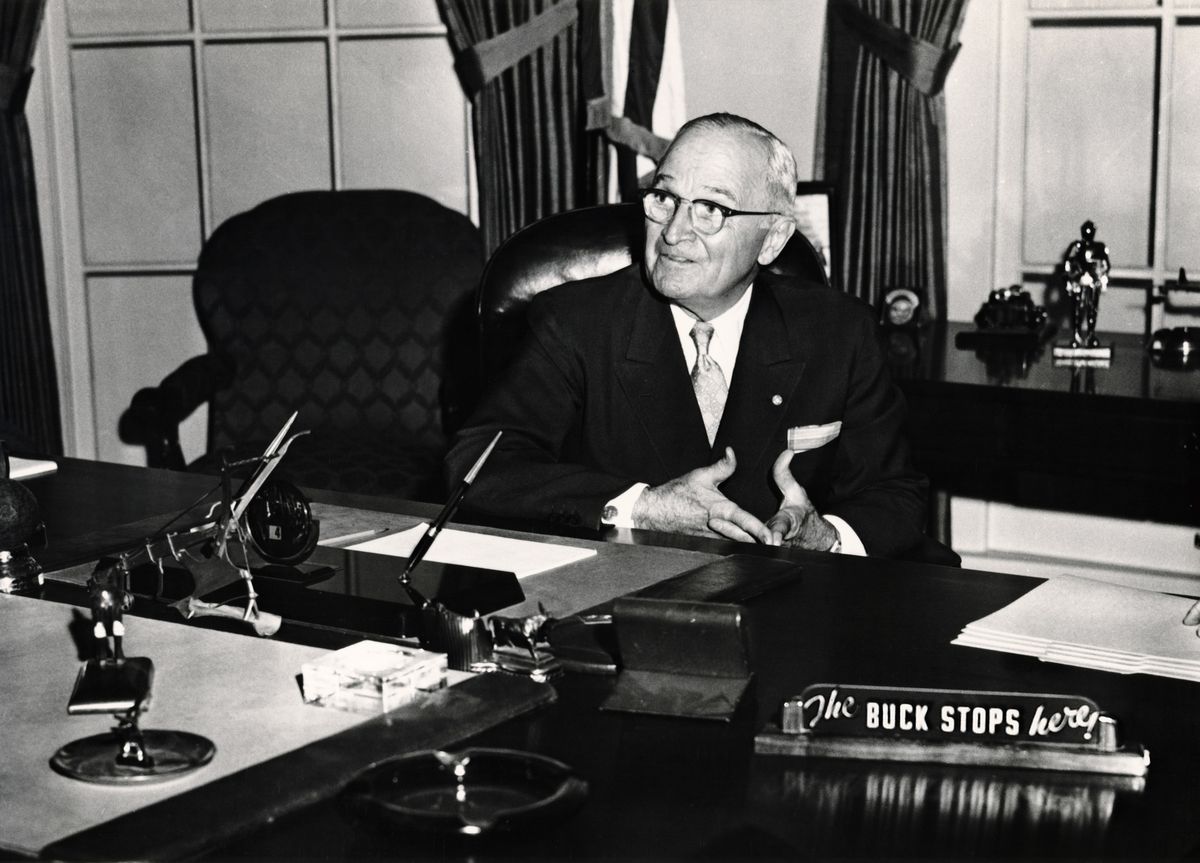
In 1947, Harry S Truman gave an address to Congress, informing them that it was to be the policy of his government that it would stamp out communism wherever it existed. What did he call it?
 National Archives and Records Administration, Harry S. Truman Library, Wikimedia Commons
The Truman Doctrine
Known as the Truman Doctrine, this would begin America's anti-communism policies that would last for decades, until the end of the Cold War.
 Unknown Author, Wikimedia Commons
What Was The Name Given To The Documents That Split Vietnam Into North And South?
In 1954, the French Government and representatives from the new Democratic Republic of Vietnam met in Switzerland, signing the ________ Accords.
 Unknown Author, Wikimedia Commons

History's most fascinating stories and darkest secrets, delivered to your inbox daily.
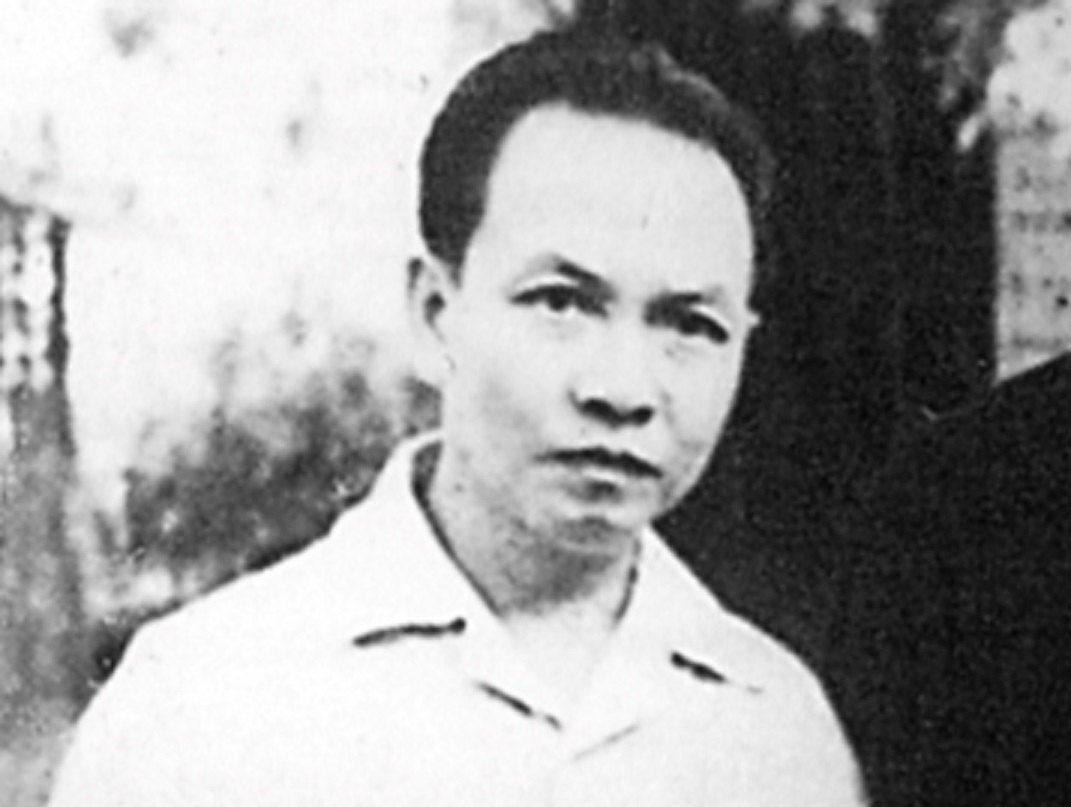
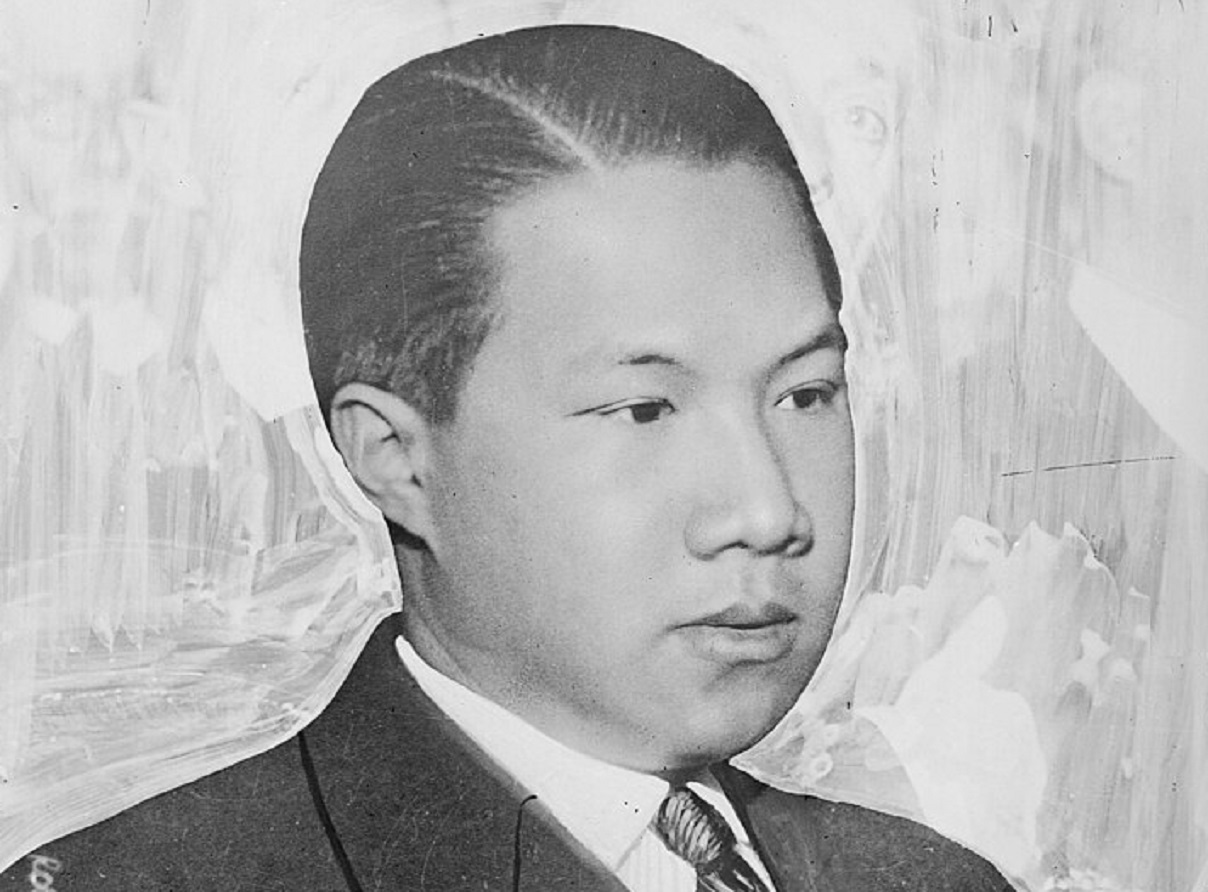
The Geneva Accords
Dividing the country in South Vietnam—controlled by an American-backed emperor, Bao Dai—and North Vietnam, known as the Democratic People's Republic of Vietnam, controlled by Trường Chinh.
What Was The Official Name Given To The "Viet Cong"?
The United States commonly referred to this group as the "Viet Cong", but what was their official name?
 Unknown Author, Wikimedia Commons
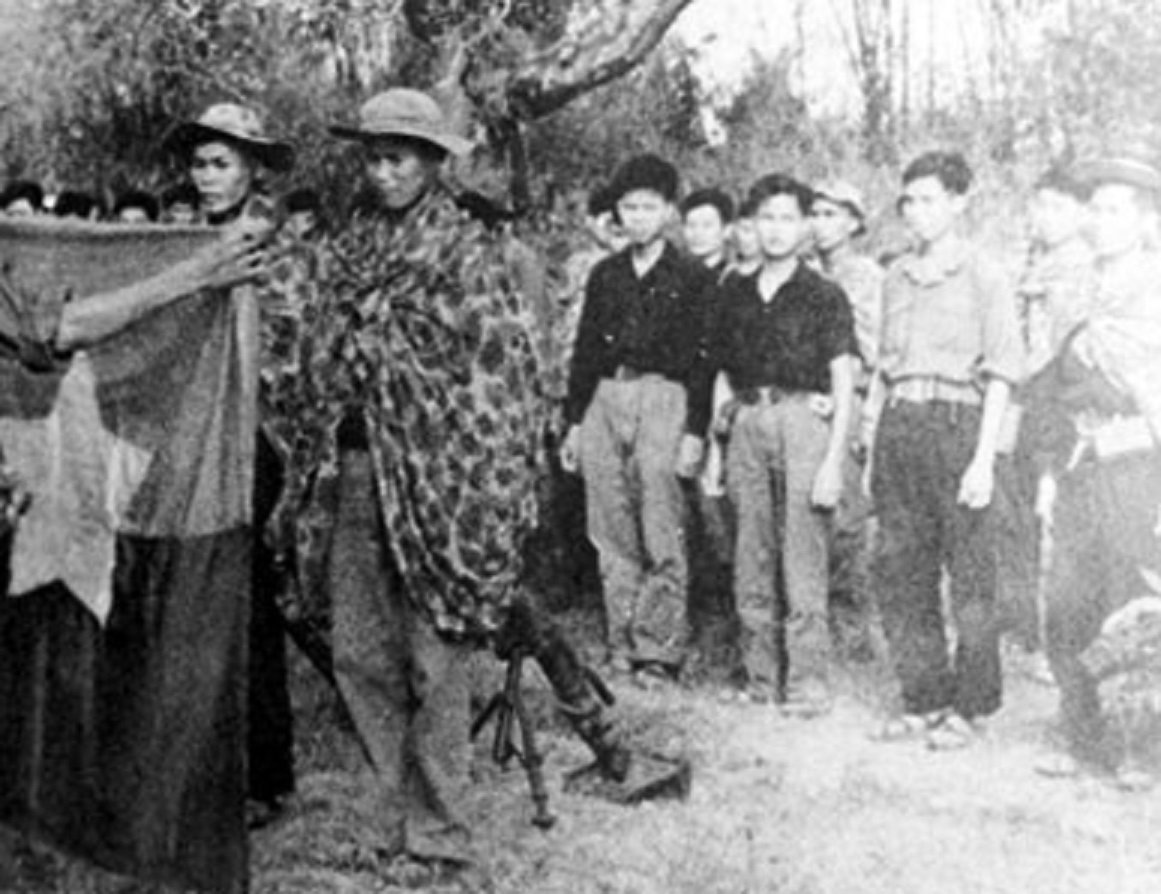
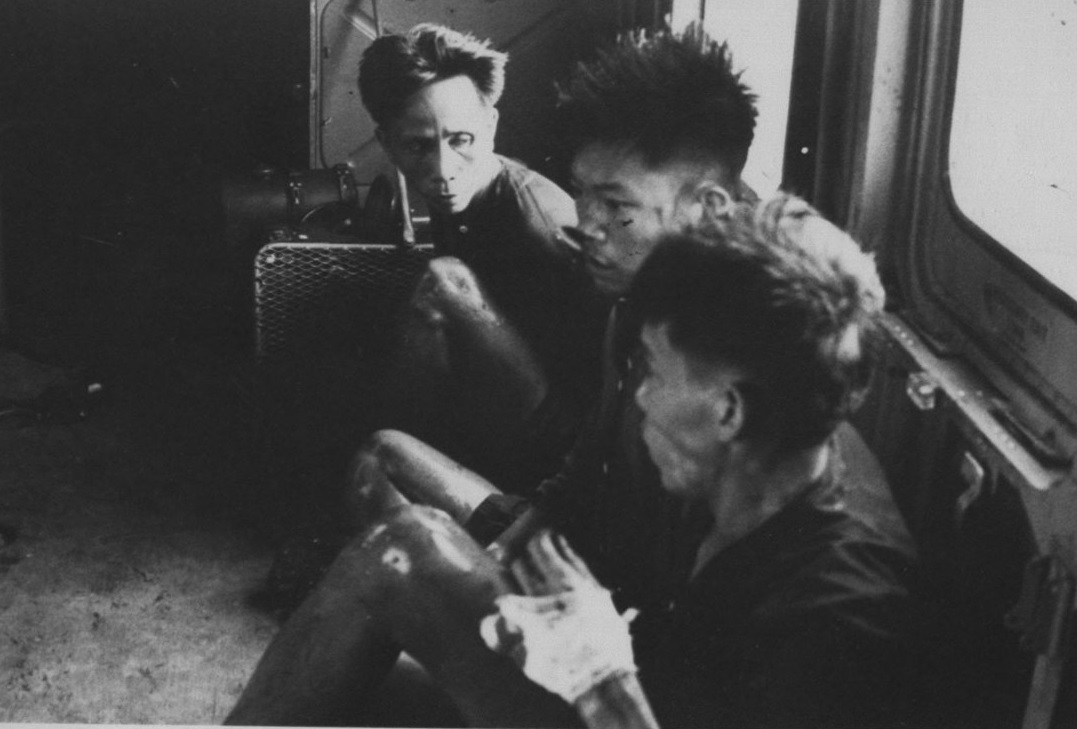
The National Liberation Front
Officially known as the National Liberation Front, or NLF, this organization was founded in 1960 as the anti-government political party in South Vietnam. They're colloquially called the "Viet Cong" by the Americans.
 National Archives at College Park - Still Pictures, Wikimedia Commons
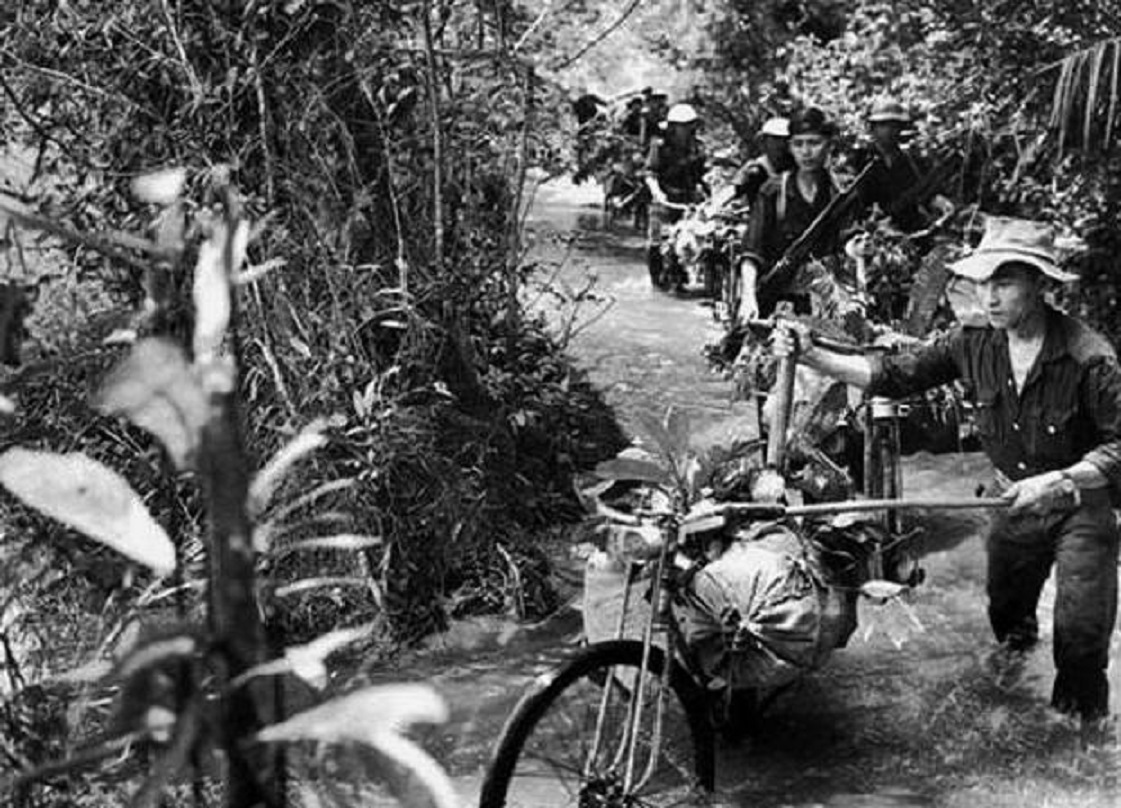
What Was The Ho Chi Minh Trail?
This infamous trail was named after Vietnam's revolutionary leader, but what was it?
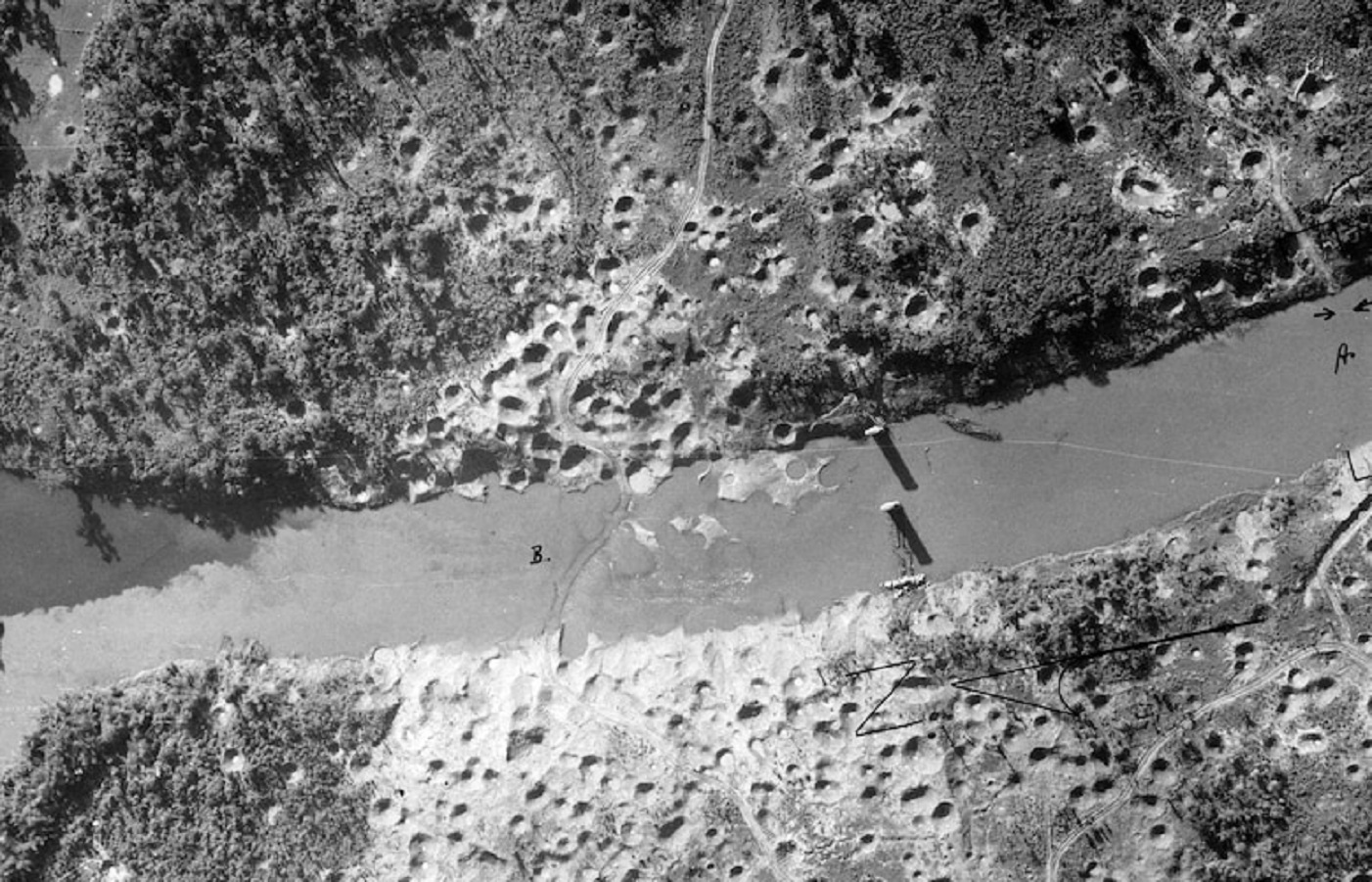 Air Force stock photo, Wikimedia Commons
A Supply Route
Not long after the Geneva Accords, Ho Chi Minh and his forces established a trail cut through dense forest and tunneled underground, connecting North and South Vietnam, allowing his forces to move weapons, supplies, and launch surprise attacks into the South. This is known as the "Ho Chi Minh Trail".
 Unknown Author, Wikimedia Commons
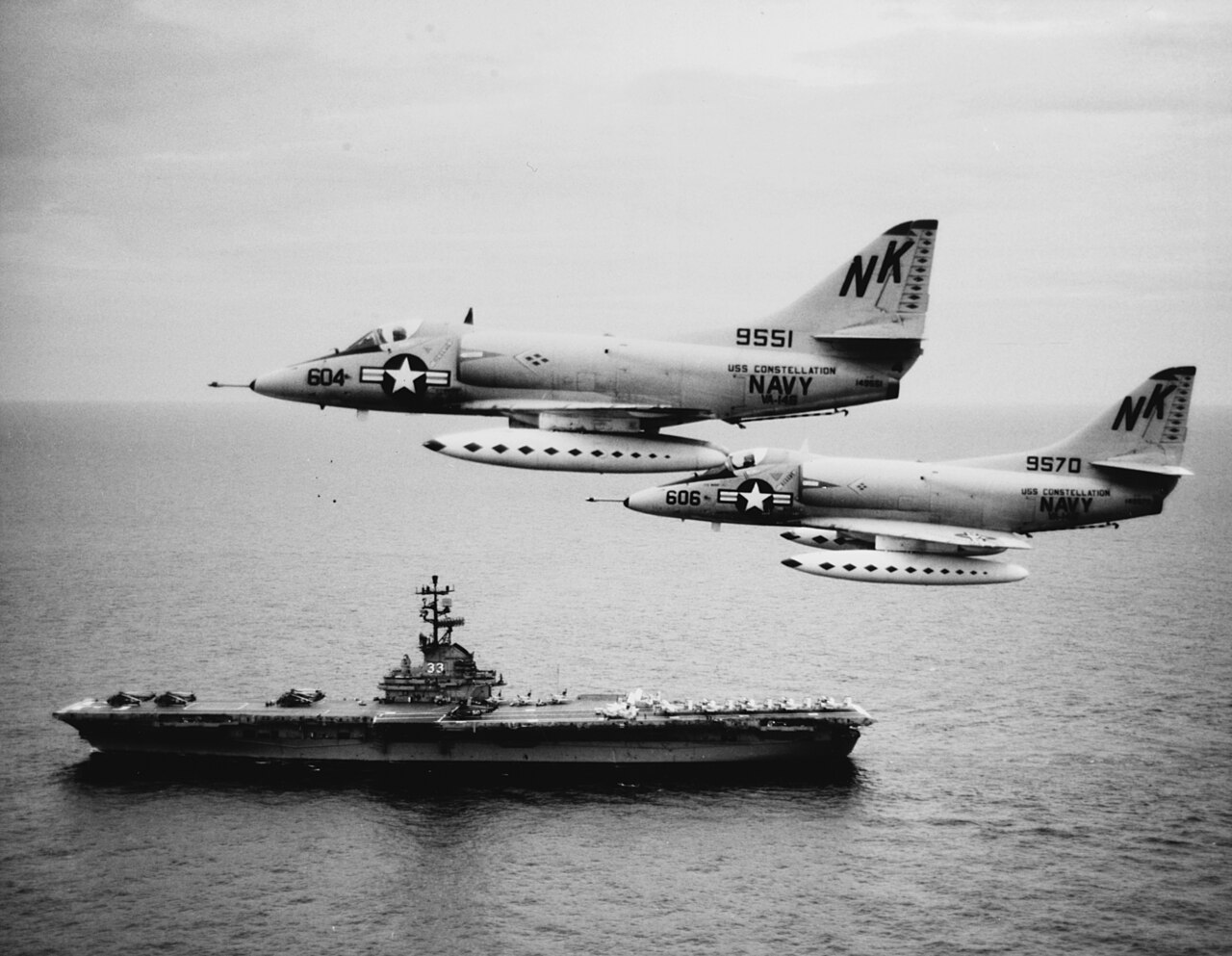
When Did The United States Declare War On Vietnam?
An act that requires Congressional authorization, declarations of war can only be requested by the American President. But, in the case of Vietnam...
Never!
The United States never officially declared war on Vietnam. Instead, President Lyndon B Johnson was granted authorization for the use of troops in 1964.
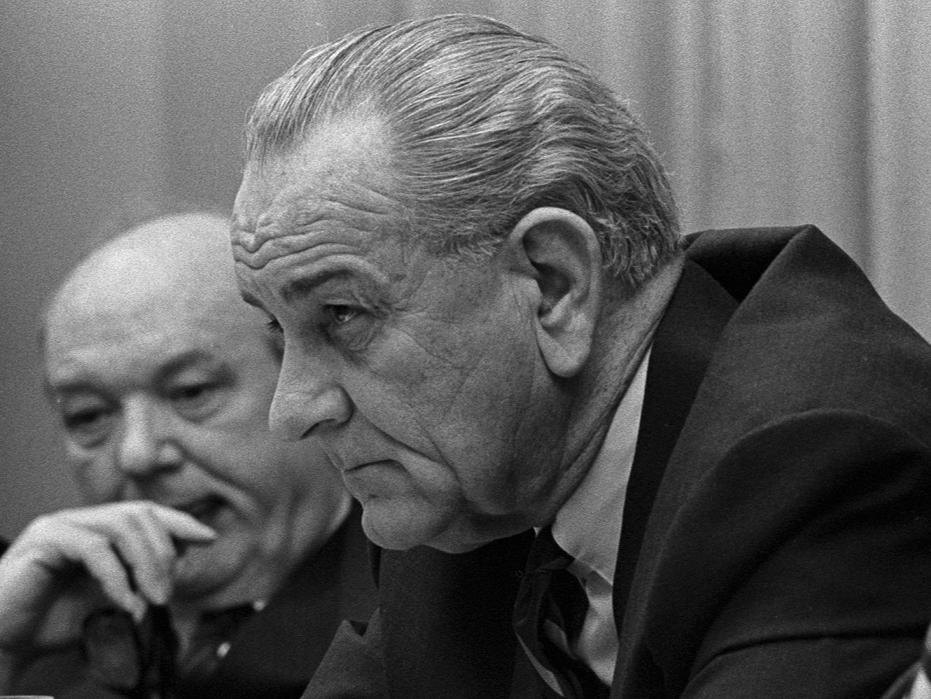 Yoichi Okamoto, Wikimedia Commons
What Incident Provoked America To Use All Military Measures To Defeat The North Vietnamese Government?
This incident would unleash the American military machine on Vietnam. But what was the incident called?
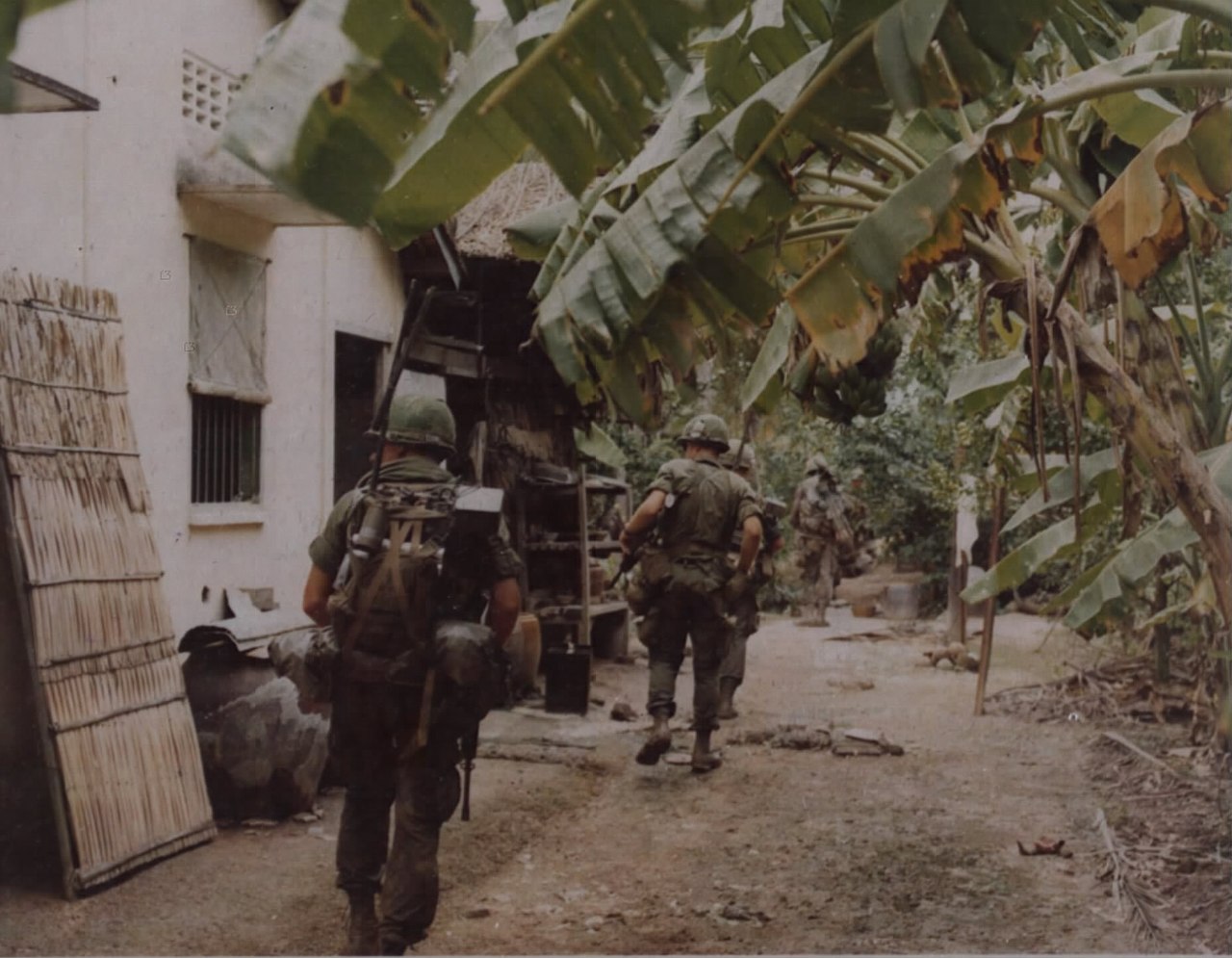 NARA photo, Lawrence Sullivan, Wikimedia Commons
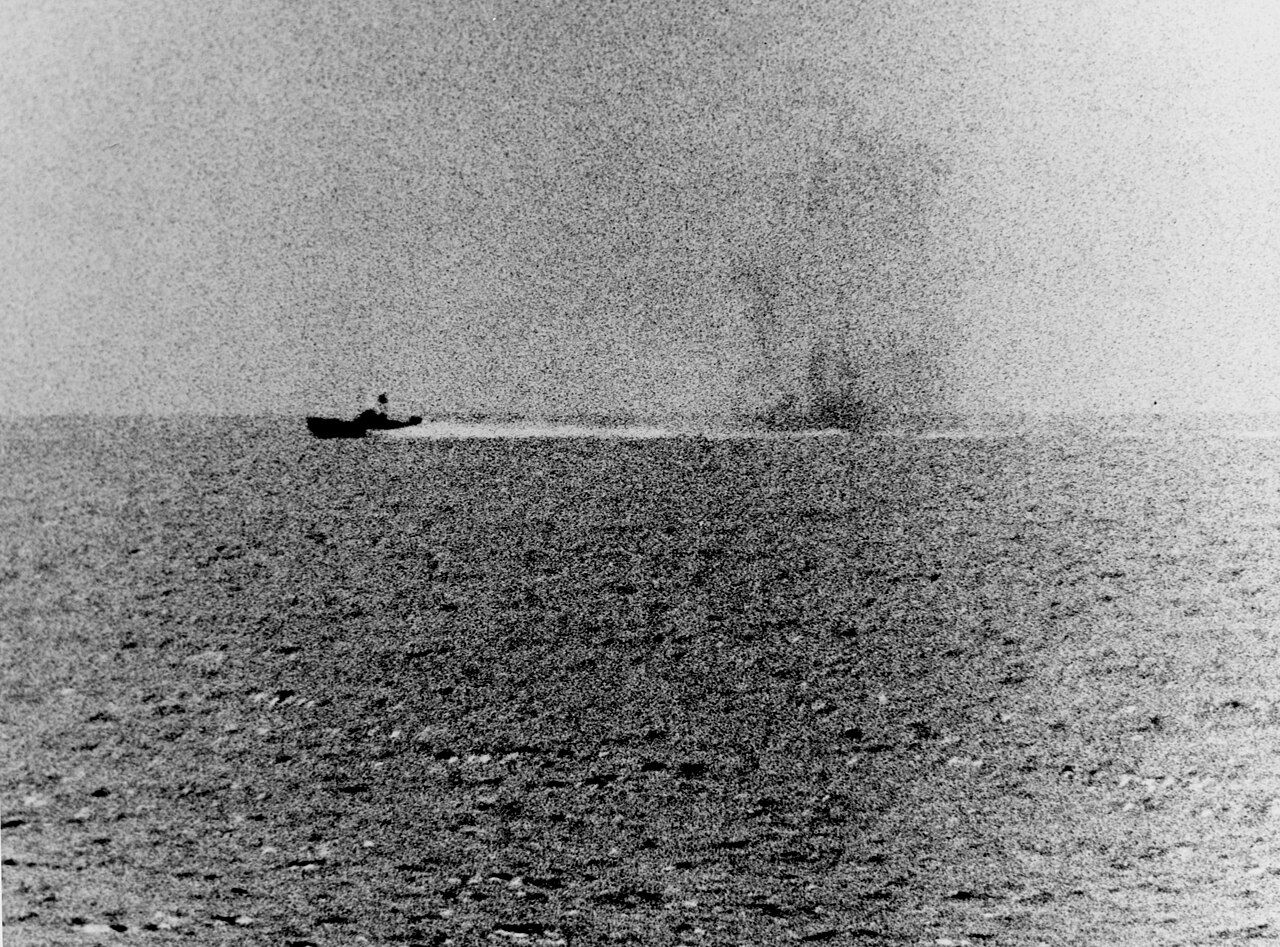
The Gulf Of Tonkin Incident
Named after where the attack happened, the Gulf Of Tonkin Incident occurred off the coast of North Vietnam, when two American ships were attacked by North Vietnamese patrol boats, resulting in the deaths of four American military personnel.
What Was The Name Of The Resolution That Allowed LBJ To Send Troops To Vietnam?
If you know it as the "Southeast Asia Resolution", you're in luck! We'll give you a point. But, we were hoping for a different answer.
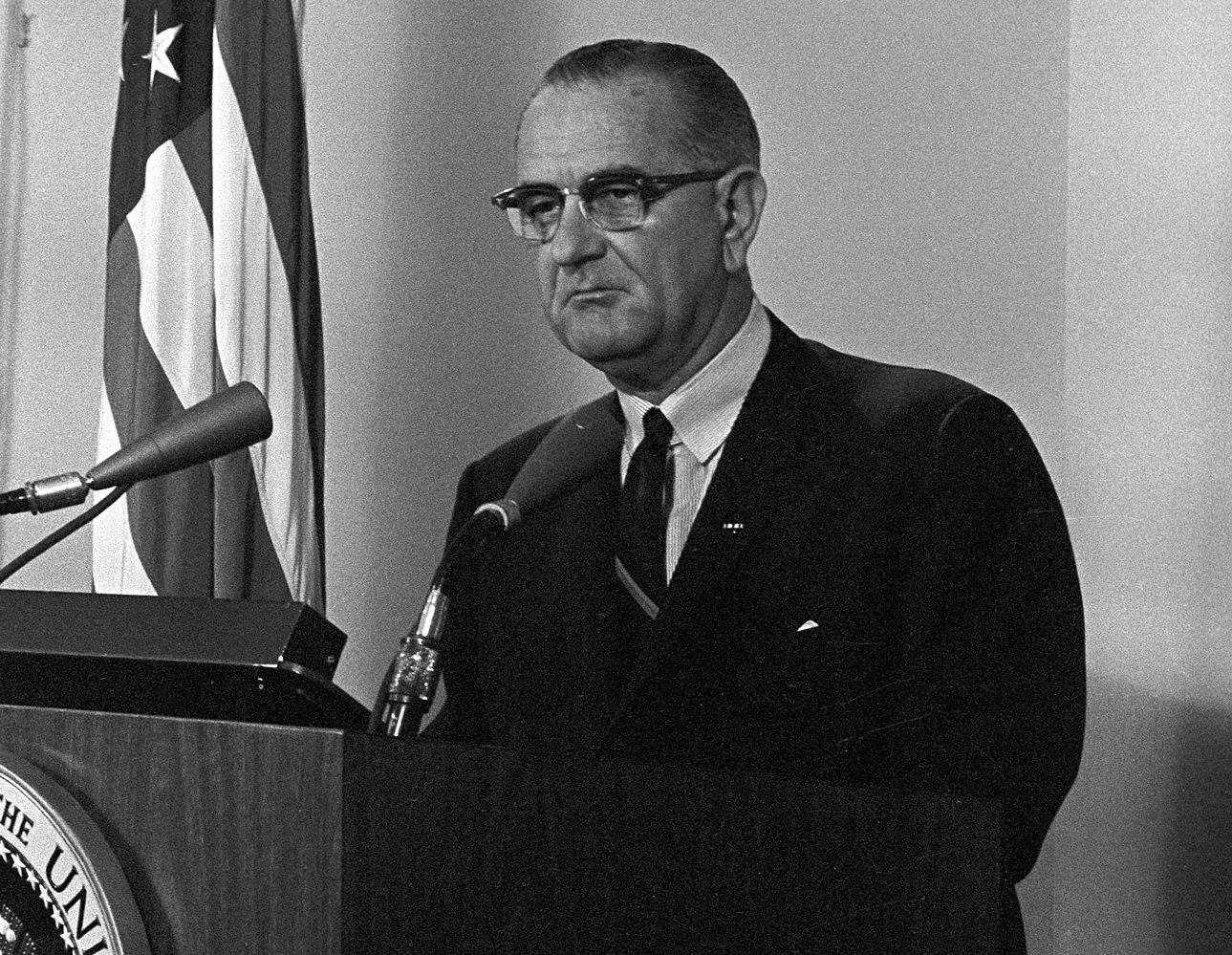 LBJ Library photo by Cecil Stoughton, Wikimedia Commons
The Gulf Of Tonkin Resolution
The Gulf of Tonkin Resolution passed both the House and Senate vote on August 7, 1964 and was signed into law by LBJ on August 10, 1964.
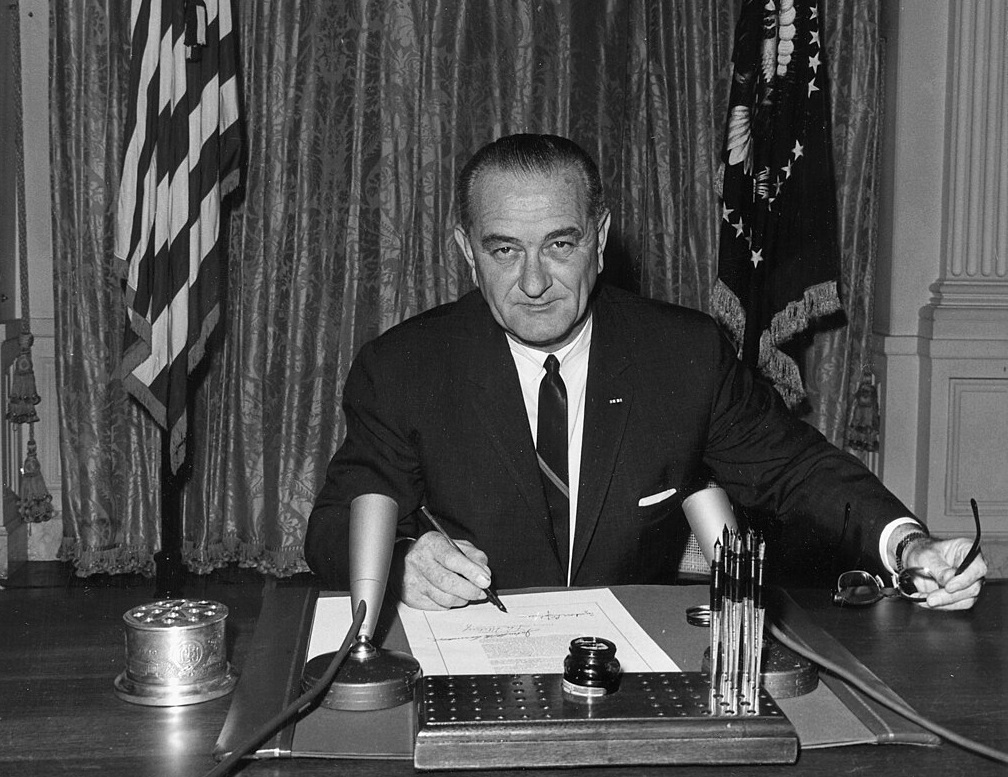 Cecil W. Stoughton, Wikimedia Commons
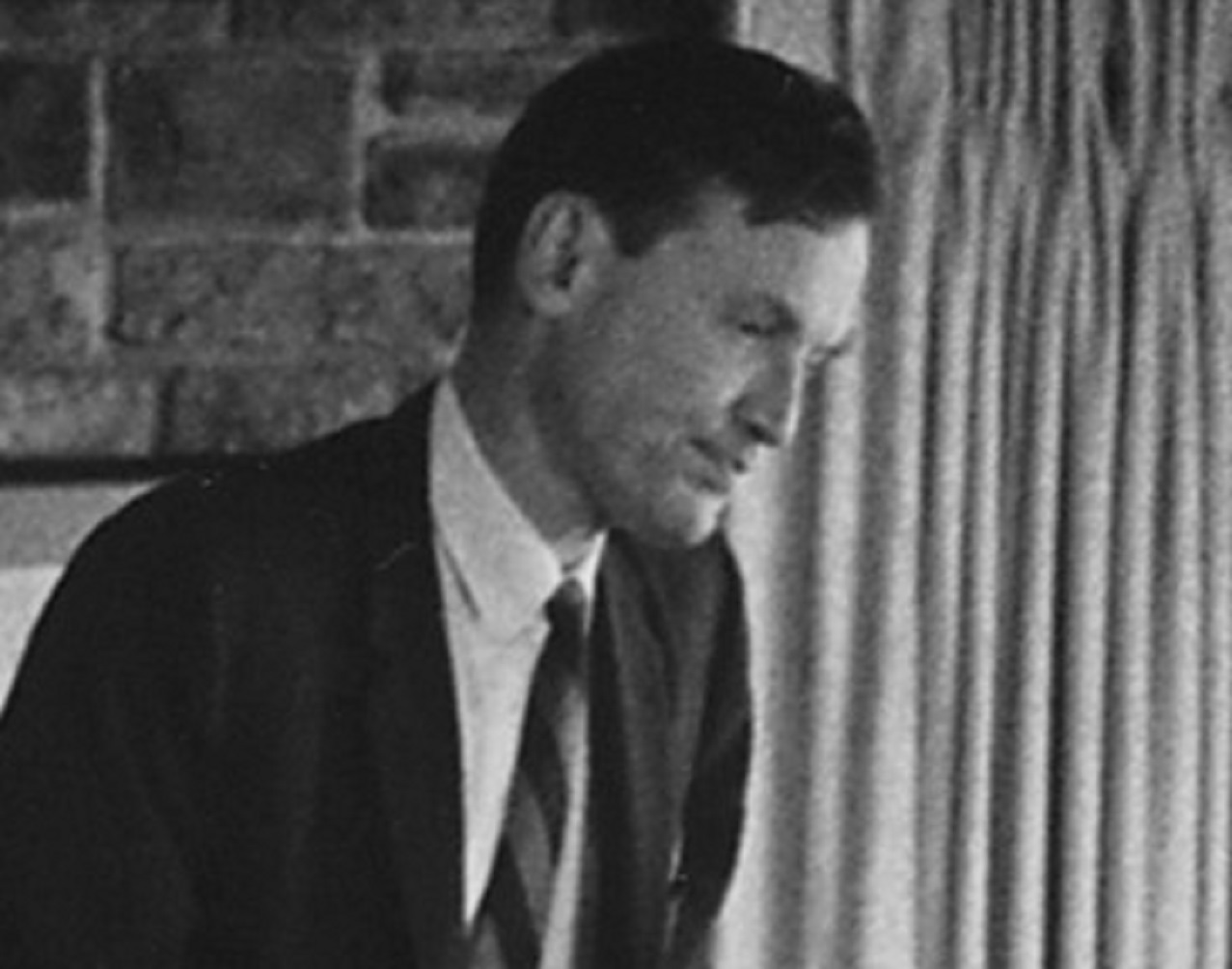
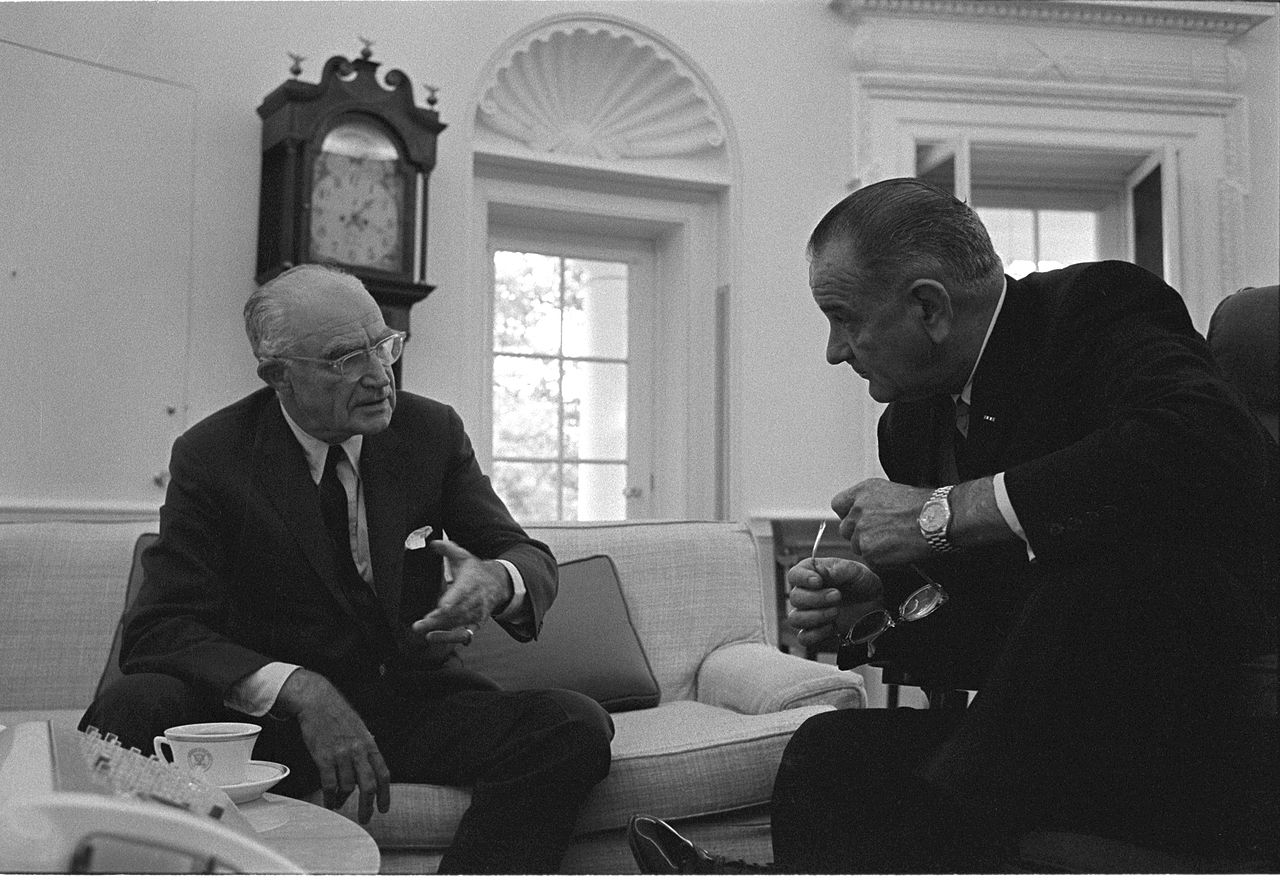
Only Two Senators Opposed The Gulf Of Tonkin Vote—Who Were They?
One said in opposition, "sending our American boys into combat in a war in which we have no business, which is not our war, into which we have been misguidedly drawn, which is steadily being escalated".
 Yoichi Okamoto, Wikimedia Commons
Senators Wayne Morse & Ernest Gruening
Both were Democratic senators, Morse from Oregon and Gruening from Alaska. The former would lose his bid for re-election in 1968, partially due to this vociferous opposition to the Vietnam conflict.
 Yoichi Okamoto, Wikimedia Commons
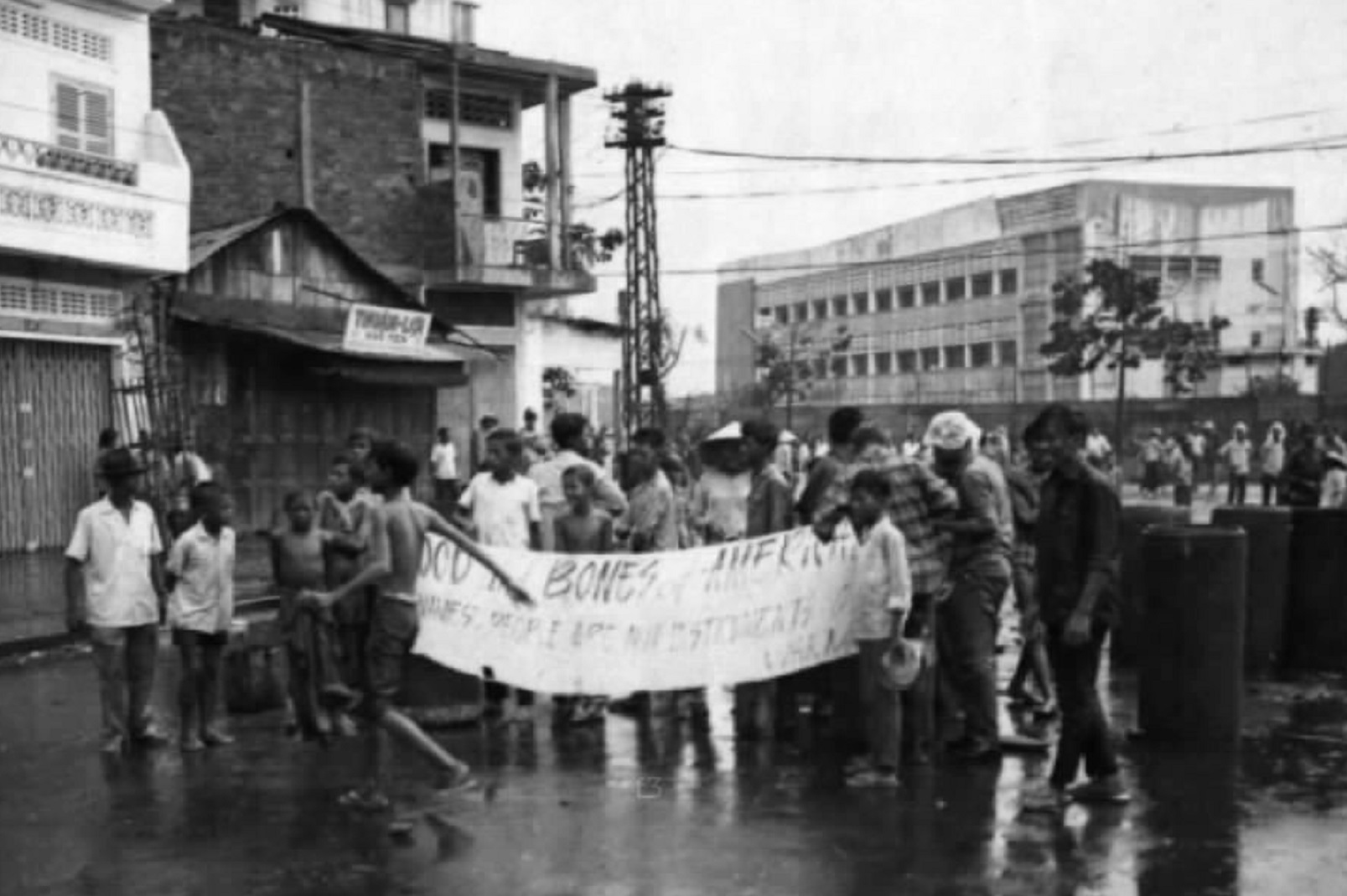
In 1963, Buddhist Monks Began Protesting In South Vietnam—But Why?
Beginning a wave of political discontent, the normally neutral and pacifist Buddhists began protesting in South Vietnam after the Catholic-majority government of South Vietnam banned the Buddhist flag and murdered eight Buddhist protestors on May 8, 1963.
 NARA photo, Howard C. Breedlove, Wikimedia Commons
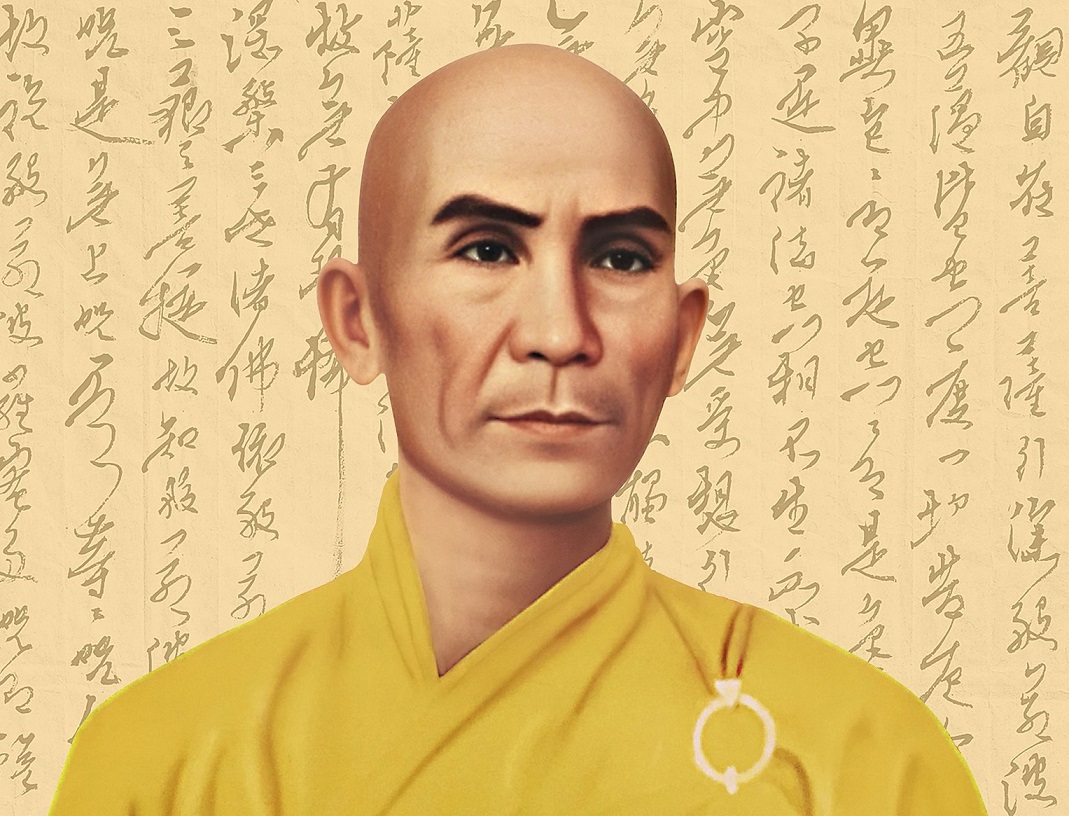
What Happened In June Of 1963 That Caused International Outrage And Shock?
The event was captured in a shocking and infamous photograph. But what happened?
 Thích Đồng Thanh, CC BY-SA 4.0, Wikimedia Commons
Thích Quảng Đức Self-Immolates
Photographer Malcolm Browne captured the harrowing moment that Thích Quảng Đức set himself on fire in Saigon, as an act of protest. It's one of the most iconic images of the Vietnam War and of the 1960s.
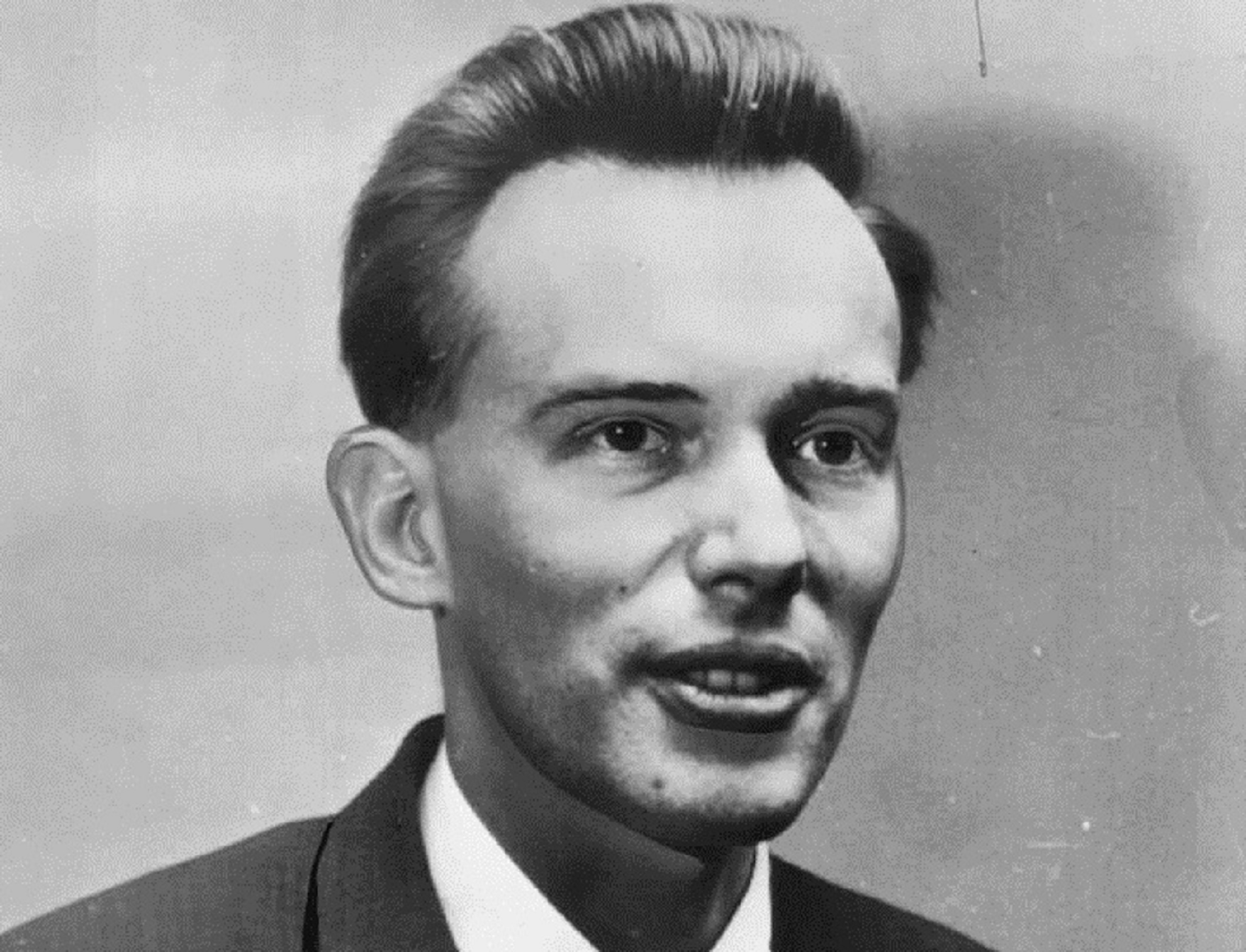
What Was The Name Of The First American Military Operation Of The Vietnam War?
Prior to this operation, the Americans had been sending weapons and logistical support to the South Vietnamese, but Operation __________ __________ changed all that.
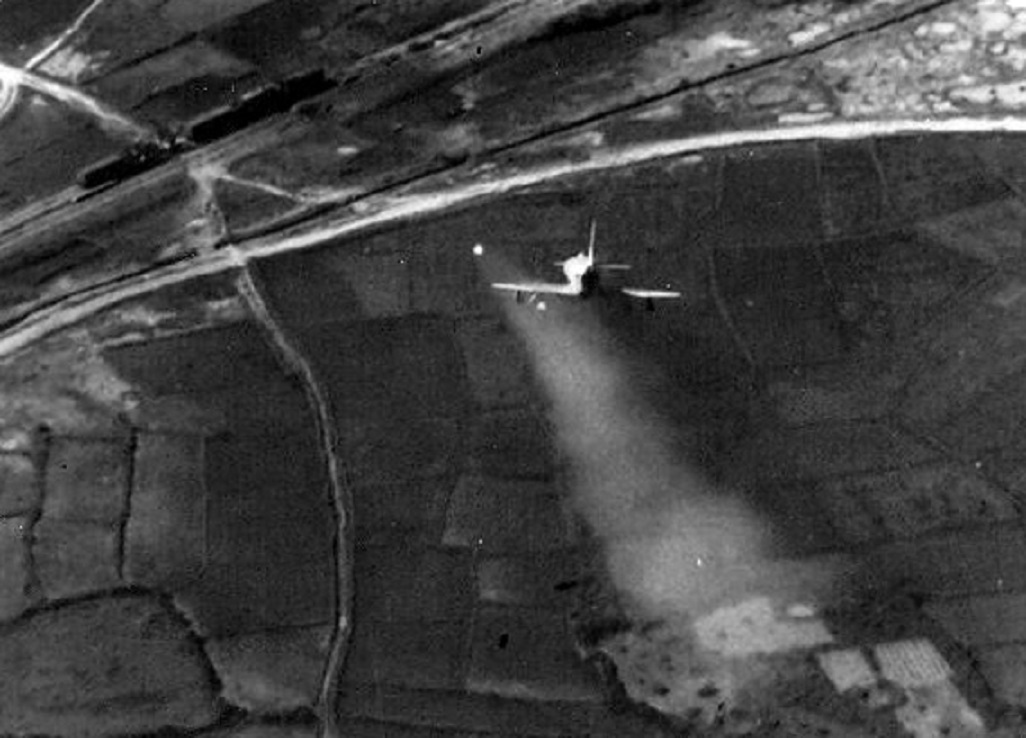
Operation Rolling Thunder
In one of the first sustained military actions of the conflict, Operation Rolling Thunder saw the Air Force target the Ho Chi Minh Trail.
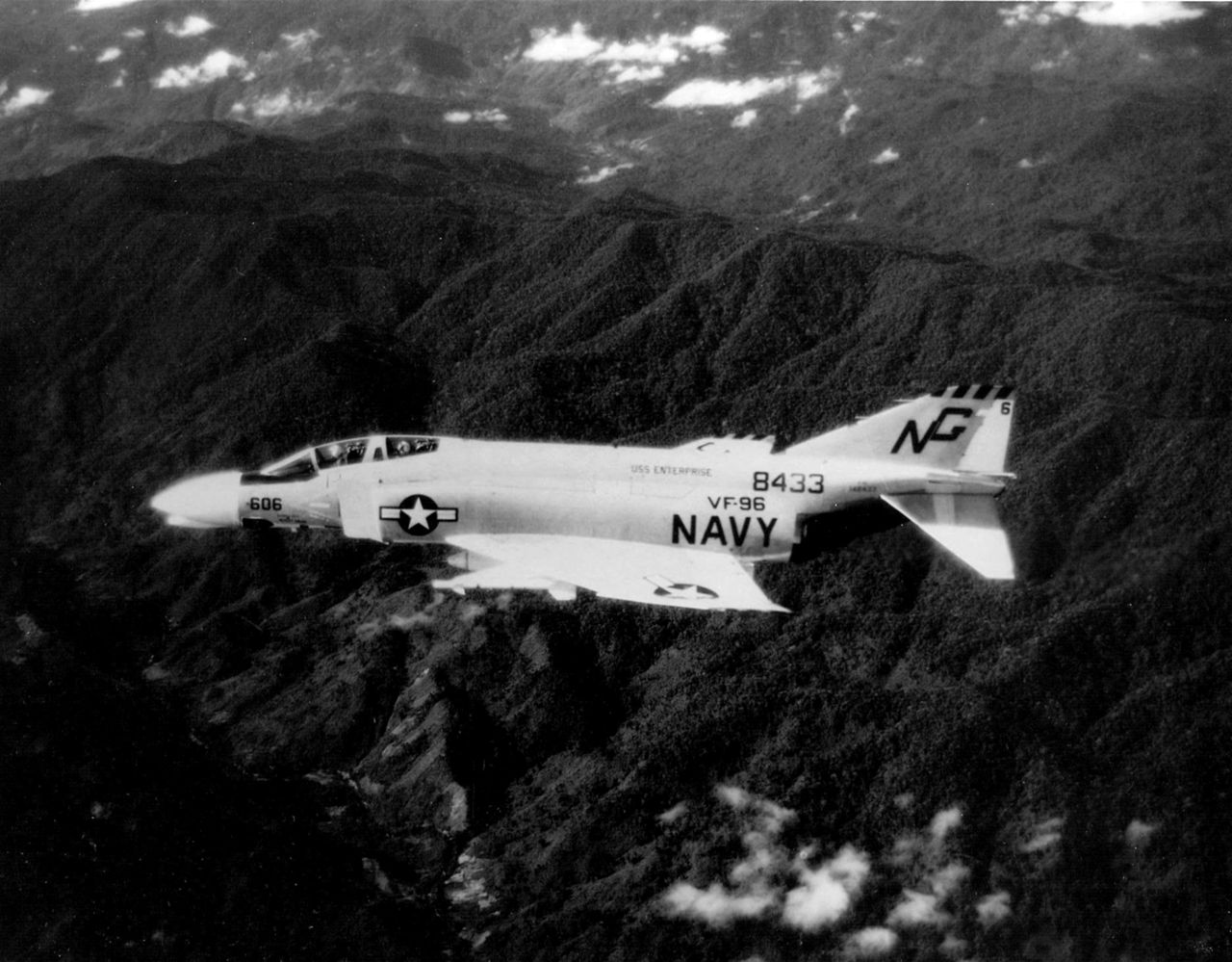 Capt. Robert H. Glaves, Wikimedia Commons
From Which Branch Were The First US Combat Troops In Vietnam?
Despite the presence of special forces in the country some four months prior, _______ were the first combat troops to enter South Vietnam on March 8, 1965.
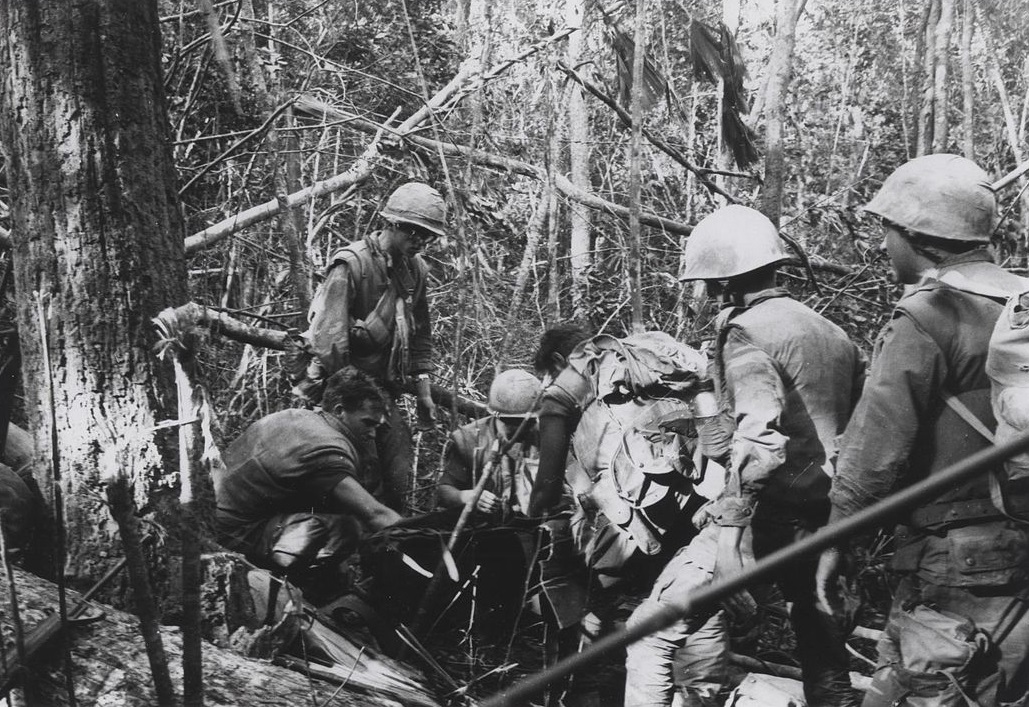 USMC Archives from Quantico, CC BY 2.0, Wikimedia Commons
United States Marines
The Marines landed in Da Nang, South Vietnam, representing the first American "boots on the ground" (officially) since the Gulf of Tonkin Resolution passed.
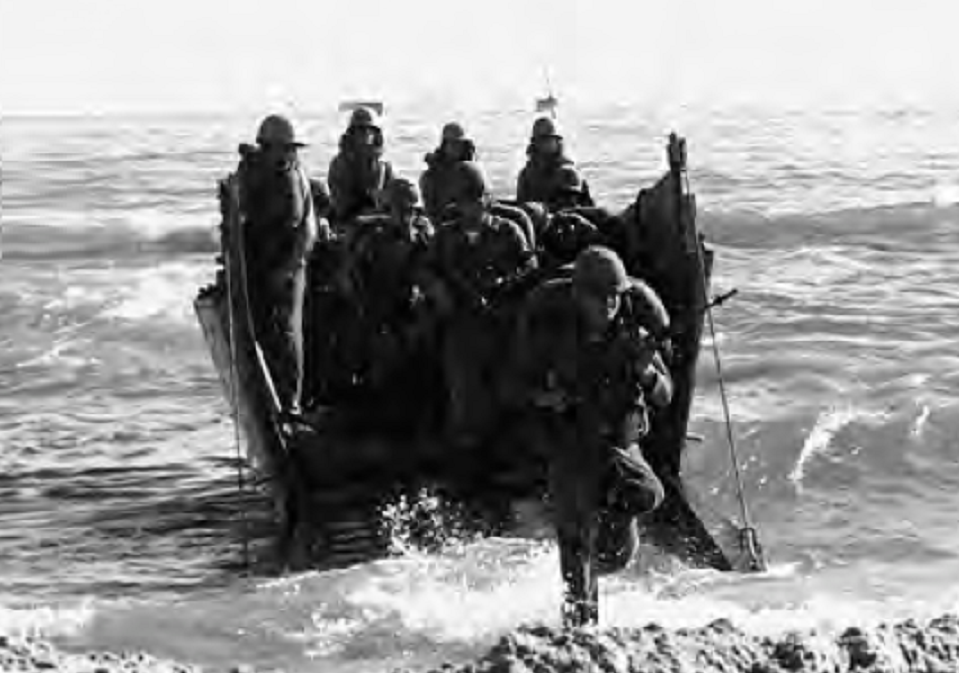 US Marines personnel, Wikimedia Commons
When Did The United States Implement The Draft?
In the first draft since WWII, the US Government would implement this measure to call up more soldiers for the Vietnam War effort.
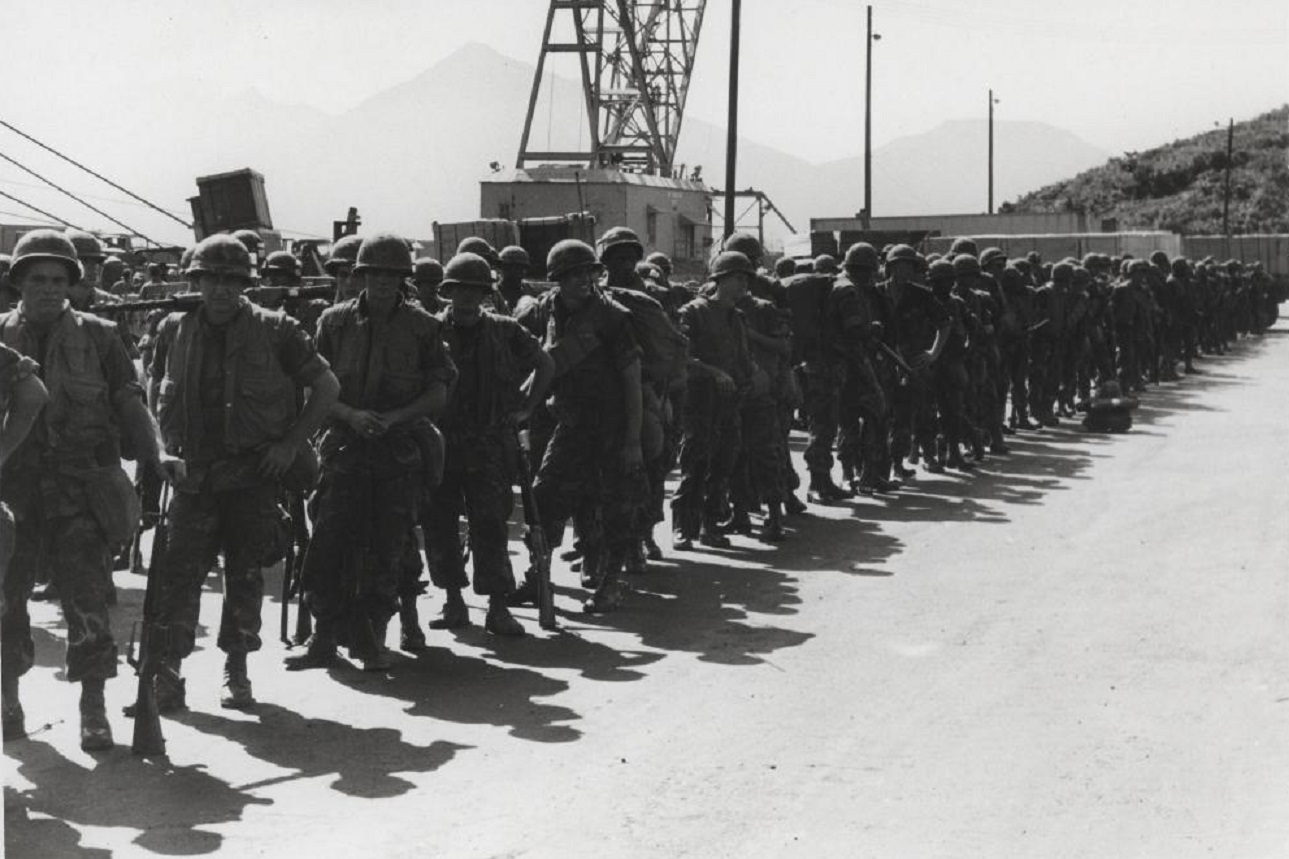 M. S. Detherage from the Jonathan F. Abel Collection, CC BY 2.0, Wikimedia Commons
December 1, 1969
Struggling with troop losses, December 1, 1969 saw the implementation of the draft lottery—calling up conscripts who were born between January 1, 1944 and December 31, 1950.
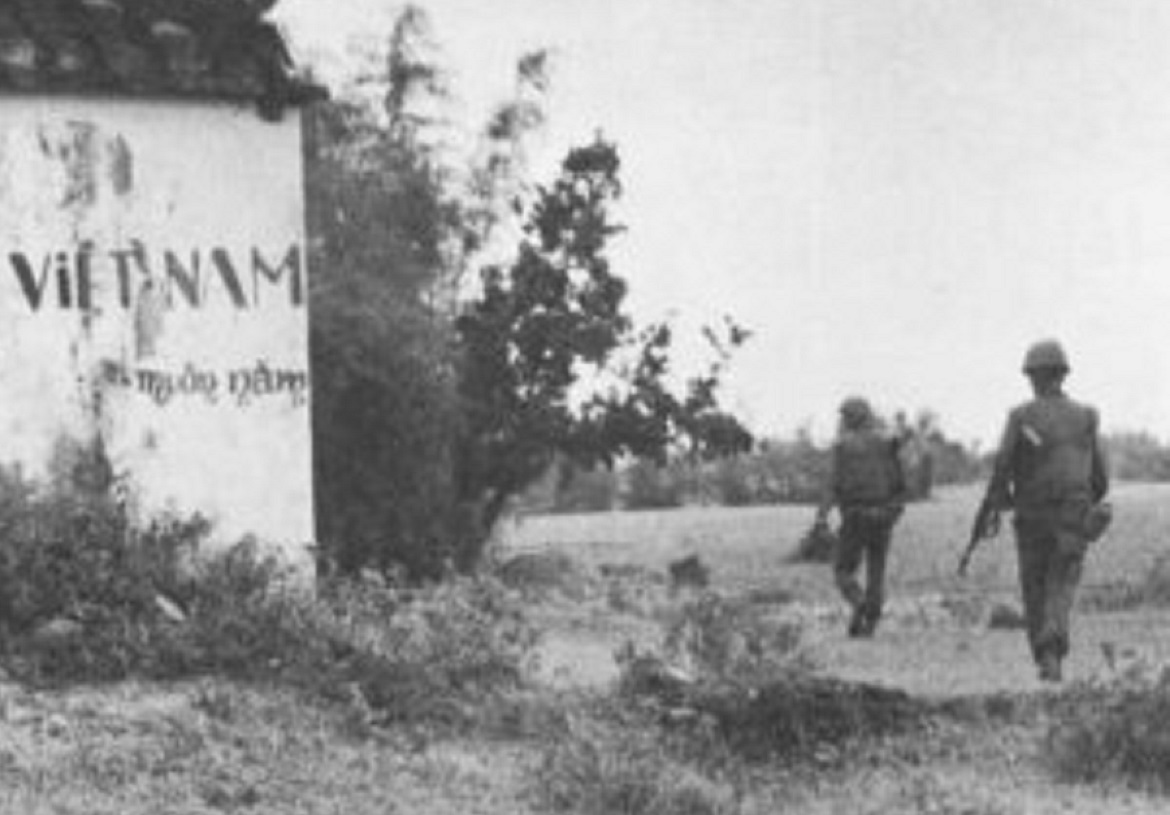 G. Durbin, Department of Defense Photo, Wikimedia Commons
What Was The Name Of The Battle That Saw The First Major American Losses Of The Conflict?
This particular battle took place in mid-November, 1965. But what was it called?
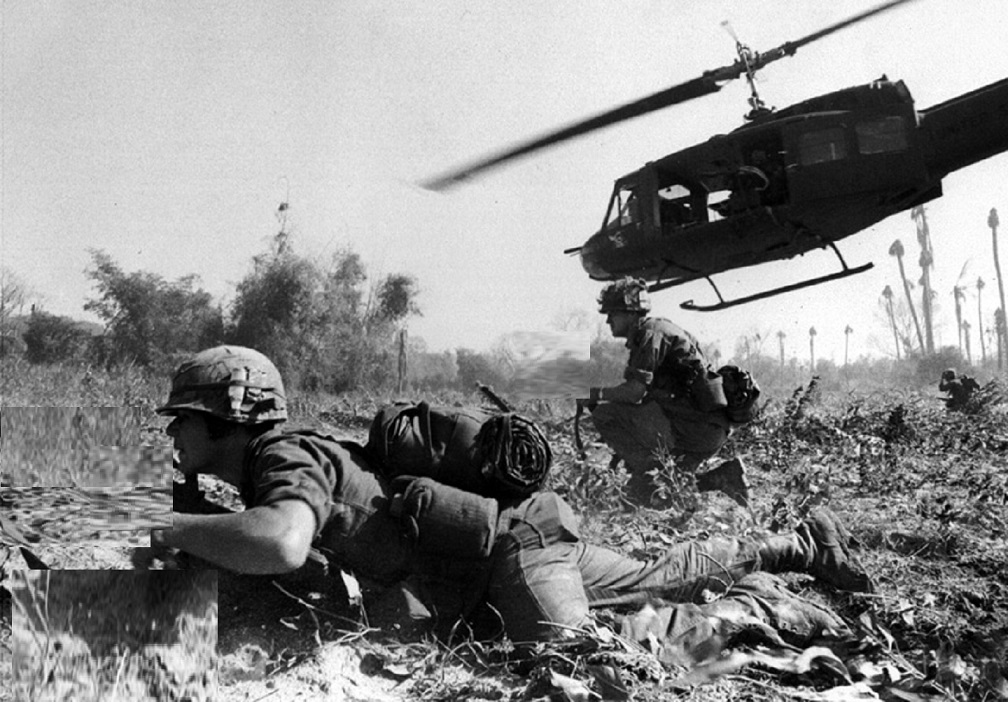 United States Army, Wikimedia Commons
The Battle Of Ia Drang Valley
Taking place in the central highlands of South Vietnam, the Battle of Ia Drang Valley saw over 300 American casualties, representing the highest American casualty count of the war so far.
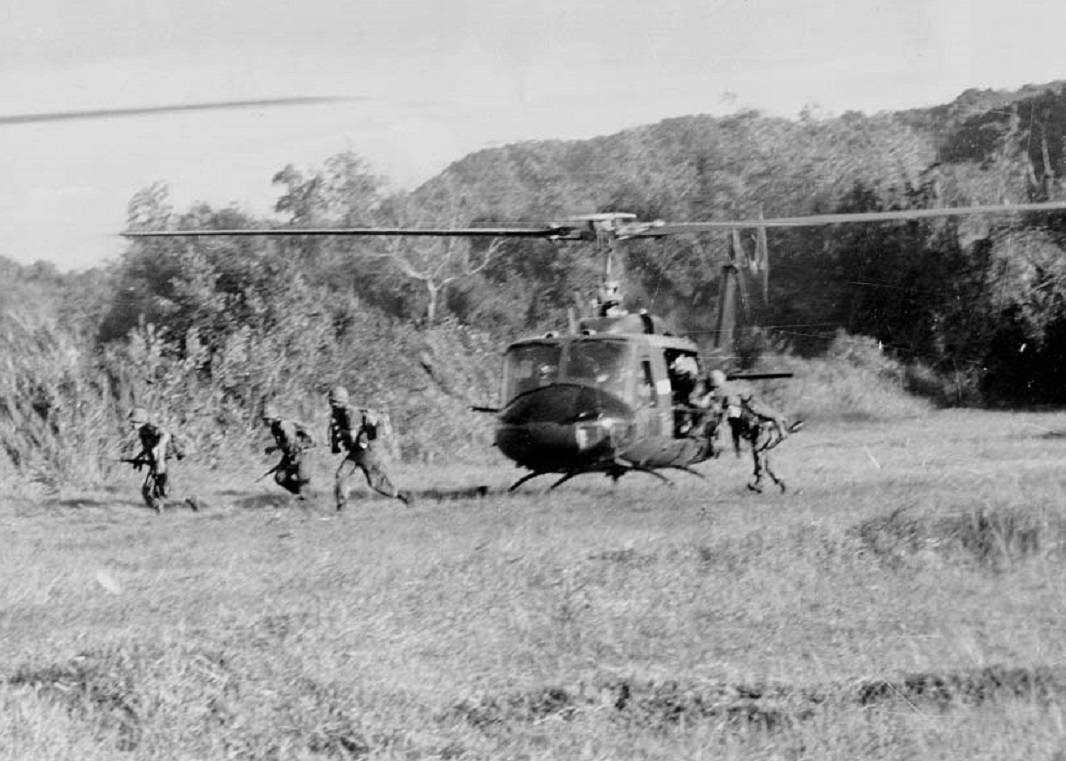 United States Army, Wikimedia Commons
What Was The Name Of The Offensive By The North Vietnamese In Early 1968?
This large-scale offensive operation by the North Vietnamese Army would change the course of the conflict—but what is it known as?
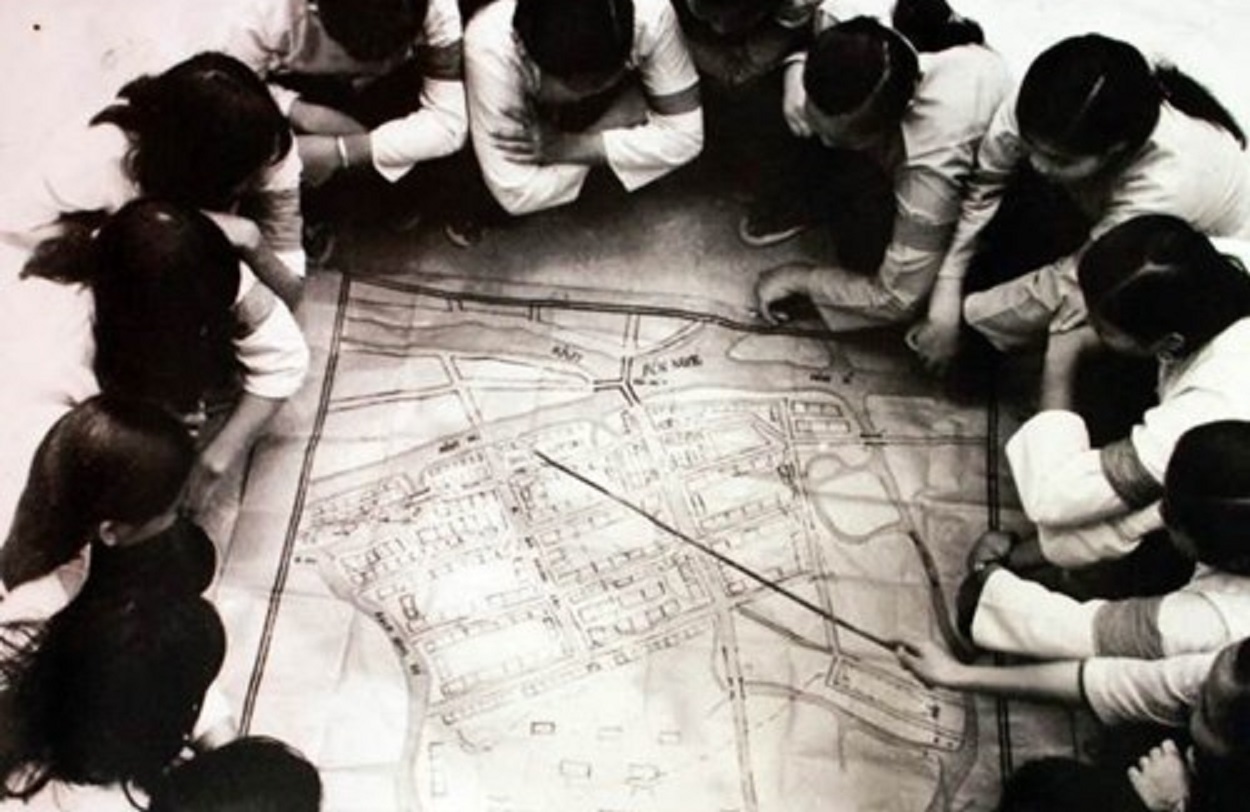 Unknown Author, Wikimedia Commons
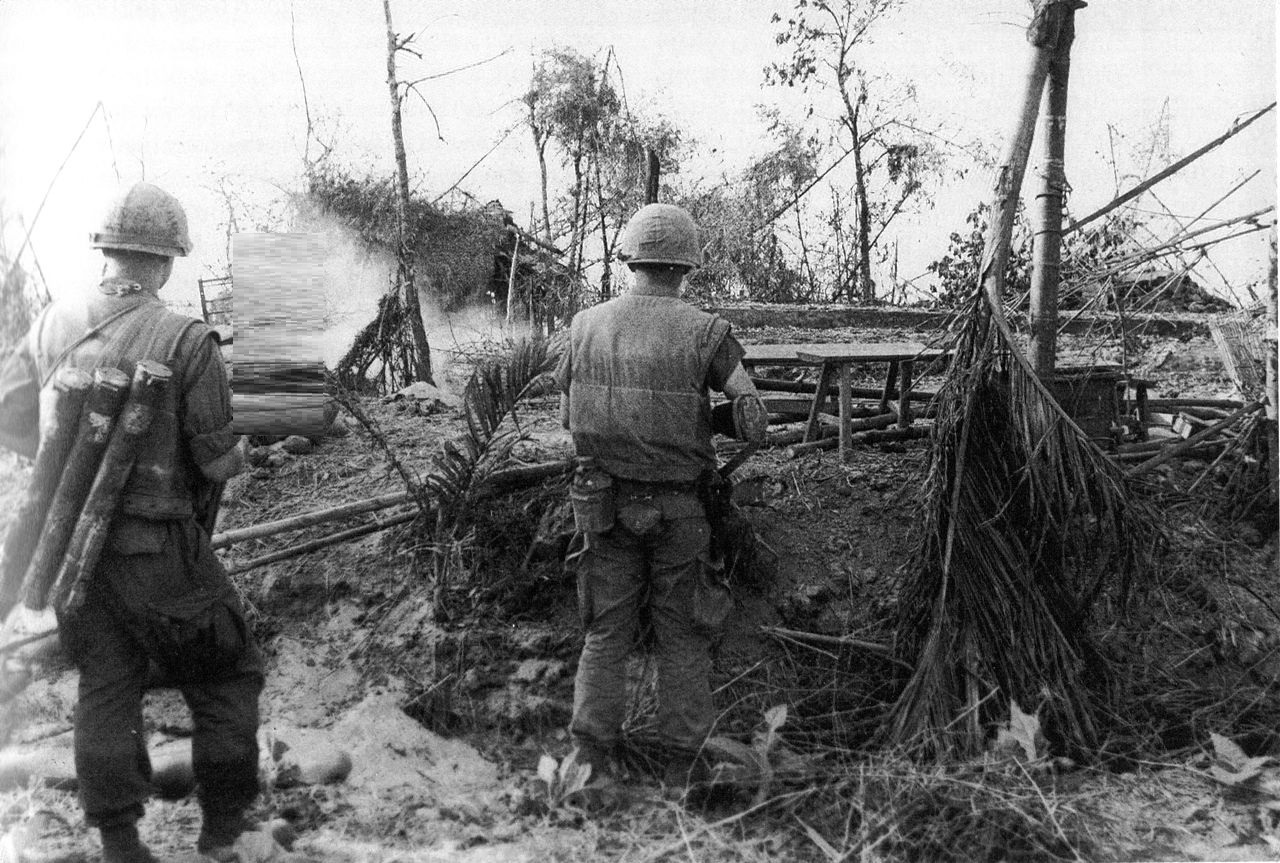
The Tet Offensive
The Battle For Khe Sanh is one of the most infamous battles of the Tet Offensive, beginning on January 21, 1968, after an American garrison in Khe Sanh came under artillery bombardment. This bombardment lasted for 77 days, until the Americans humiliatingly withdrew from Khe Sanh on April 15, 1968.
How Many American Presidents Were Elected During The Vietnam War?
The Vietnam War lasted through how many administrations?
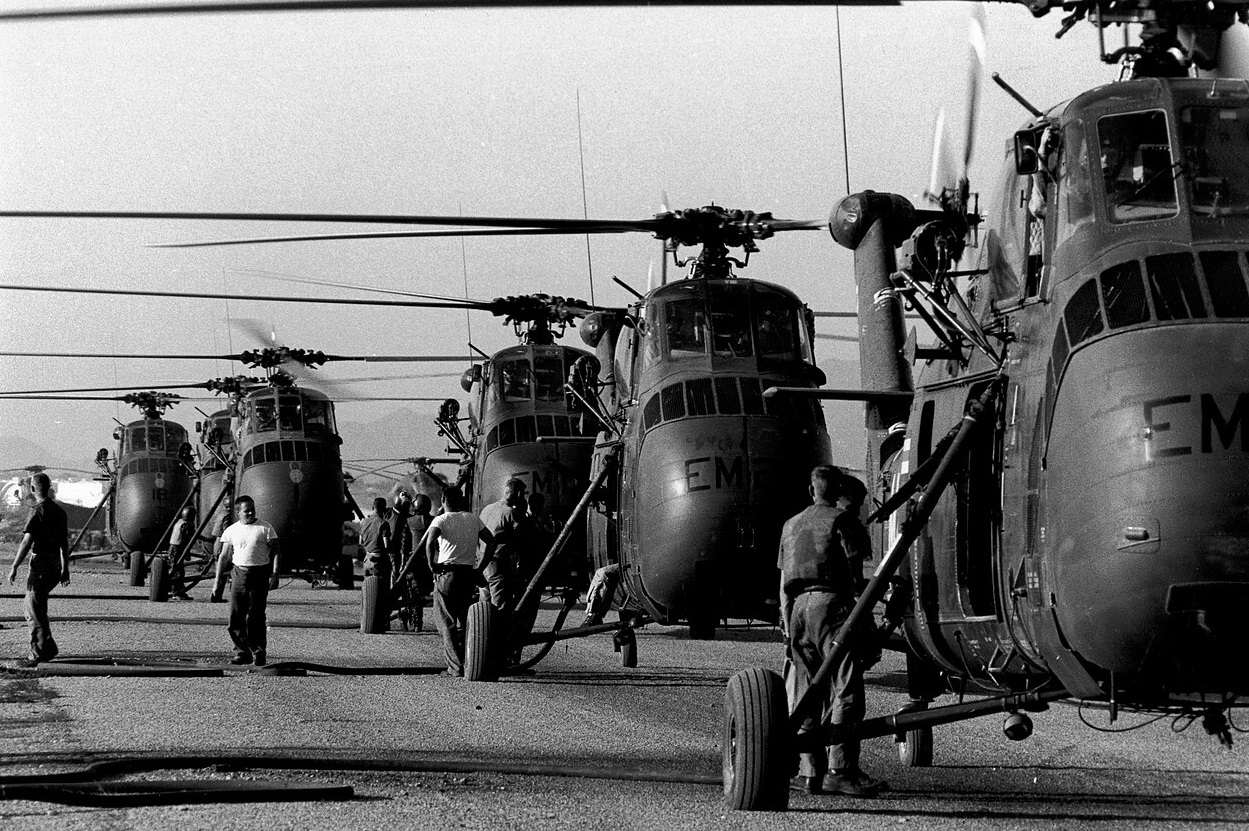 DEFENSE DEPT PHOTO (MARINE CORPS), Wikimedia Commons
Five
There were five Presidents throughout the course of the conflict.
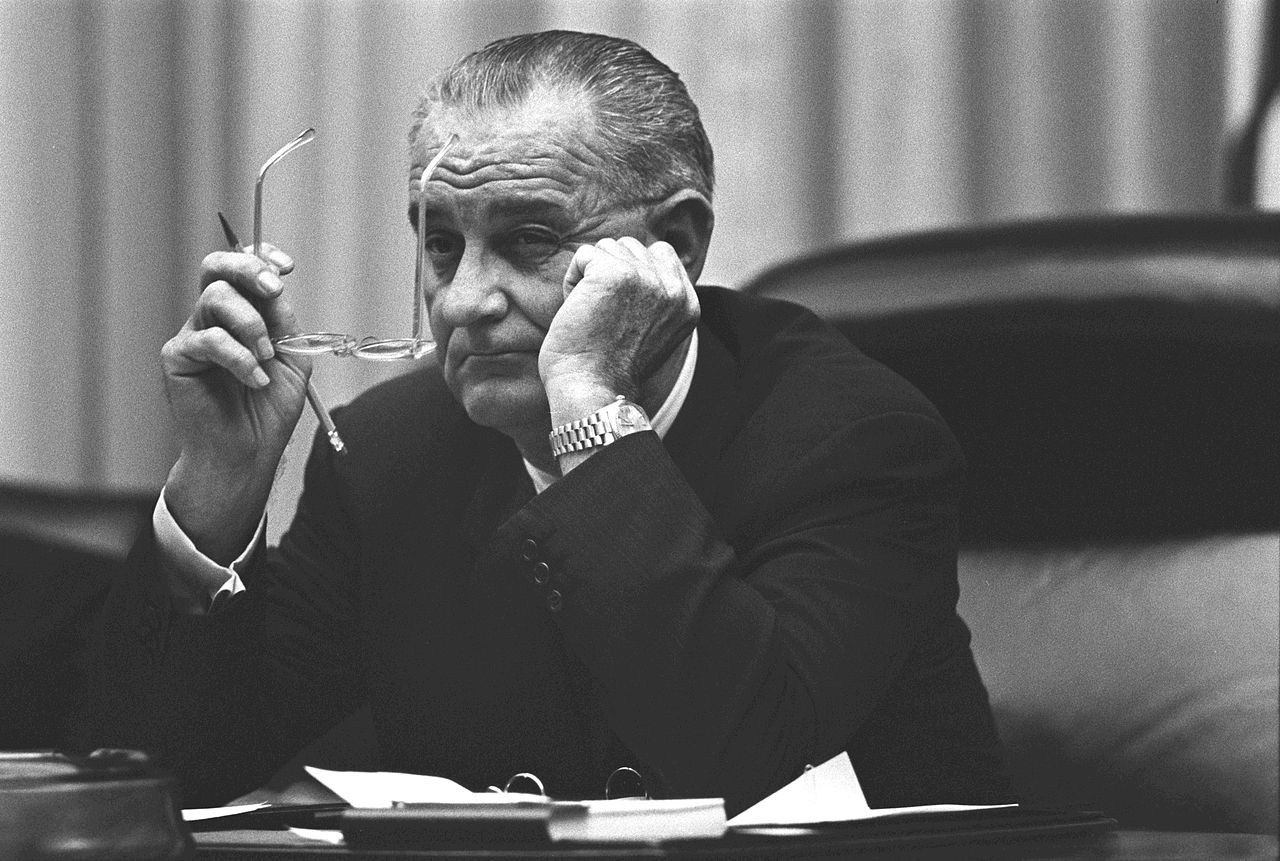 Unknown Author, Wikimedia Commons
Who Were They?
The third-longest war (to-date) in American military history saw these people take the role of Commander-in-Chief.
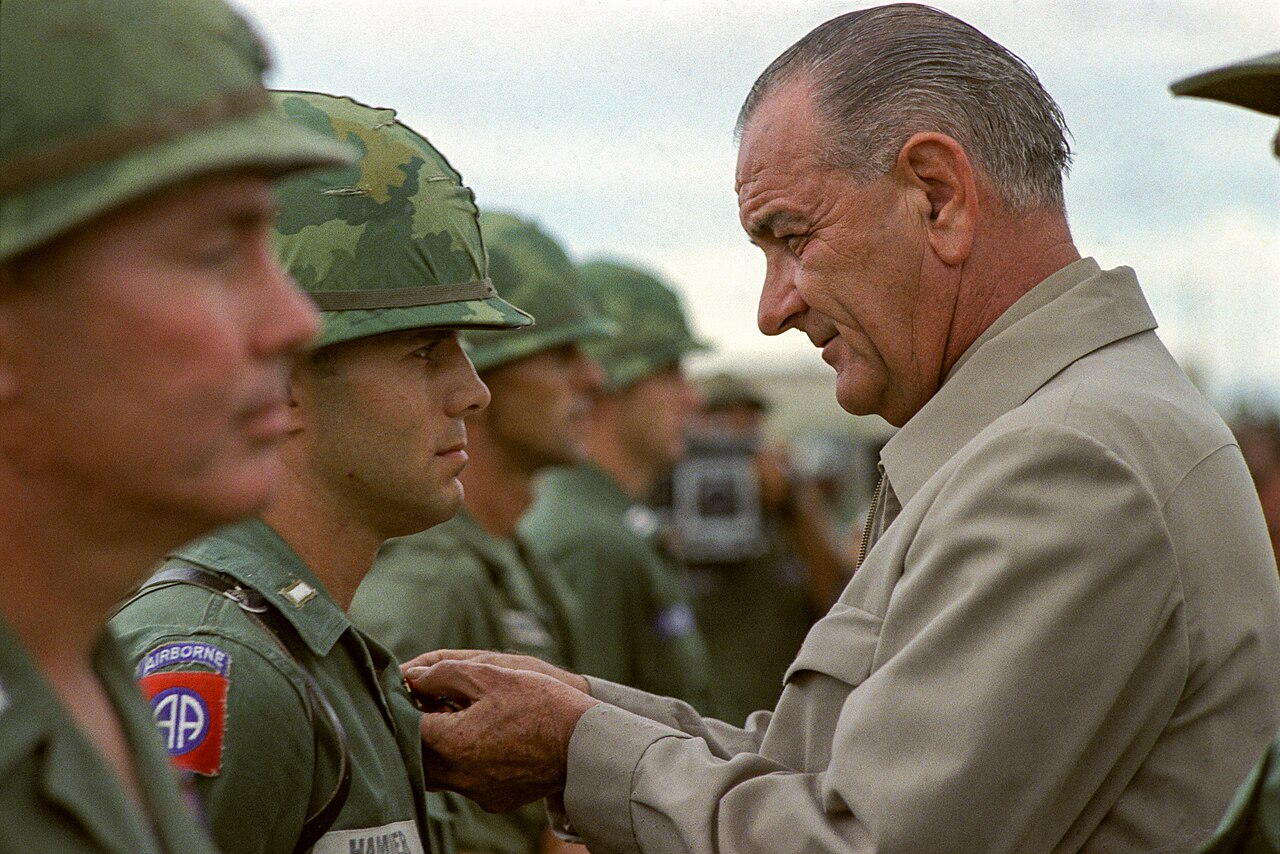 Yoichi Okamoto, Wikimedia Commons
Presidents Johnson, Kennedy, Nixon, Eisenhower, And Ford
These five men oversaw different stages of the Vietnam War: President Dwight D Eisenhower, John F Kennedy, Lyndon B Johnson, Richard Nixon, and Gerald Ford.
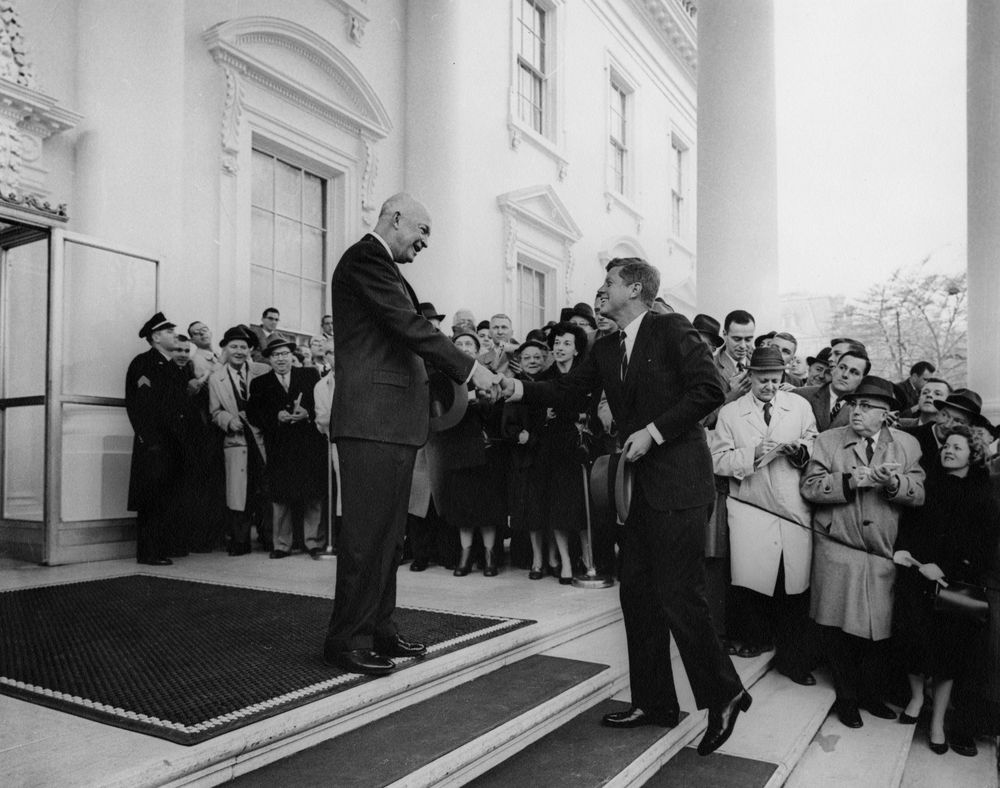
What Was The Name Given To The Withdrawal Of US Forces From Vietnam?
By the time Richard Nixon entered office in November of 1968, public opinion of the Vietnam War was at an all-time low. It was no longer advantageous for America to remain engaged in the conflict. He began a policy known as what?
 Marion Doss, CC-BY-SA-2.0, Wikimedia Commons
Vietnamization
Known as "Vietnamization", this policy began under Nixon and represented a transfer of responsibility for Vietnam's security to the Government of South Vietnam, as America gradually withdrew its military support.
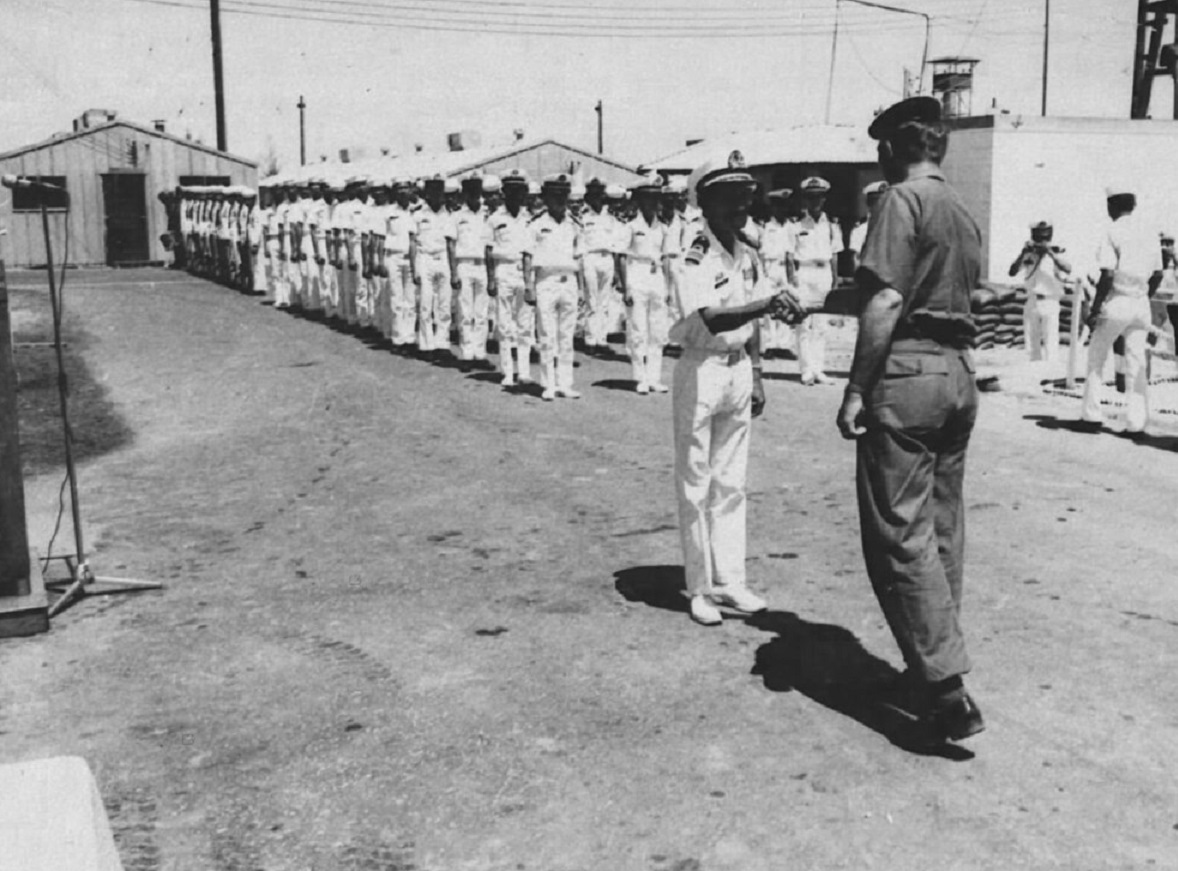 C.A. Hinton, Wikimedia Commons
Who Was The Man Who Brokered Peace Talks With The North Vietnamese In 1970?
Known as the Paris Peace Accords, these were completely secret peace talks between the US and North Vietnam. But who was the chief American negotiator?
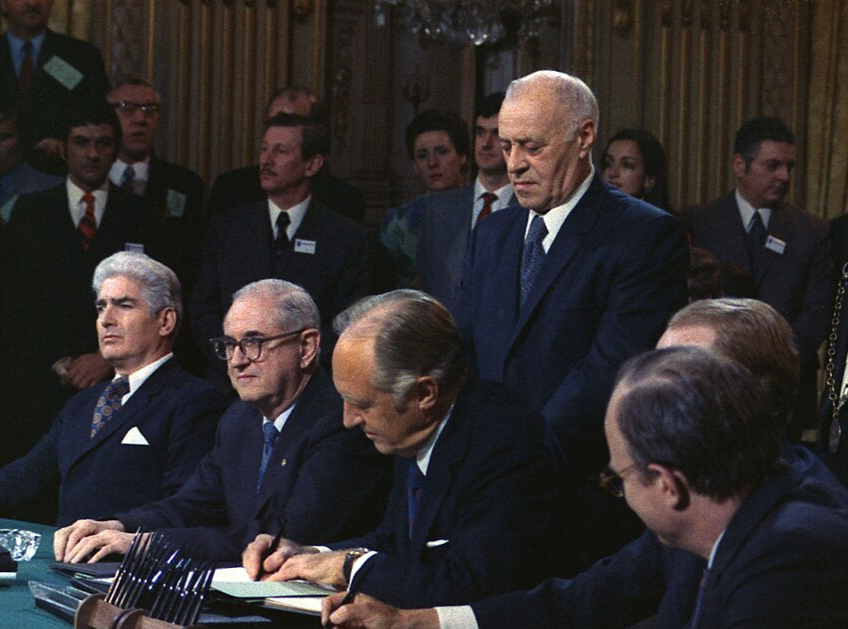 Robert LeRoy Knudsen, Wikimedia Commons
Henry Kissinger
An American diplomat and Secretary of State under Richard Nixon and Gerald R Ford, Henry Kissinger attended peace negotiations in Paris in 1970, attempting to secure a lasting peace with the North Vietnamese Politburo.
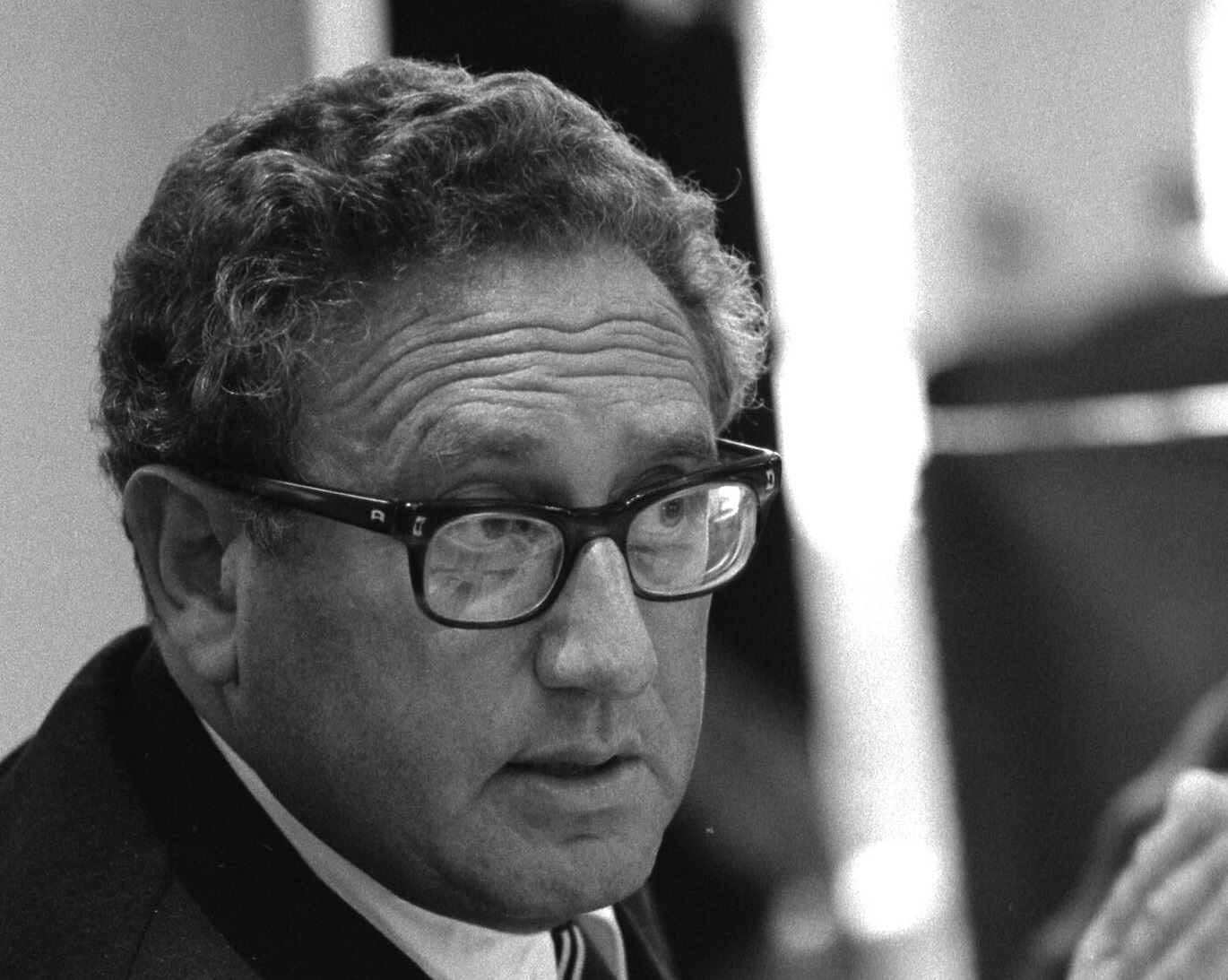 David Hume Kennerly, Wikimedia Commons
What Event Related To The Vietnam War Shocked The World In May 1970?
Protests against the Vietnam War were nothing new in 1970s America, but what event on May 4, 1970, took the country—and the wider world—by storm?
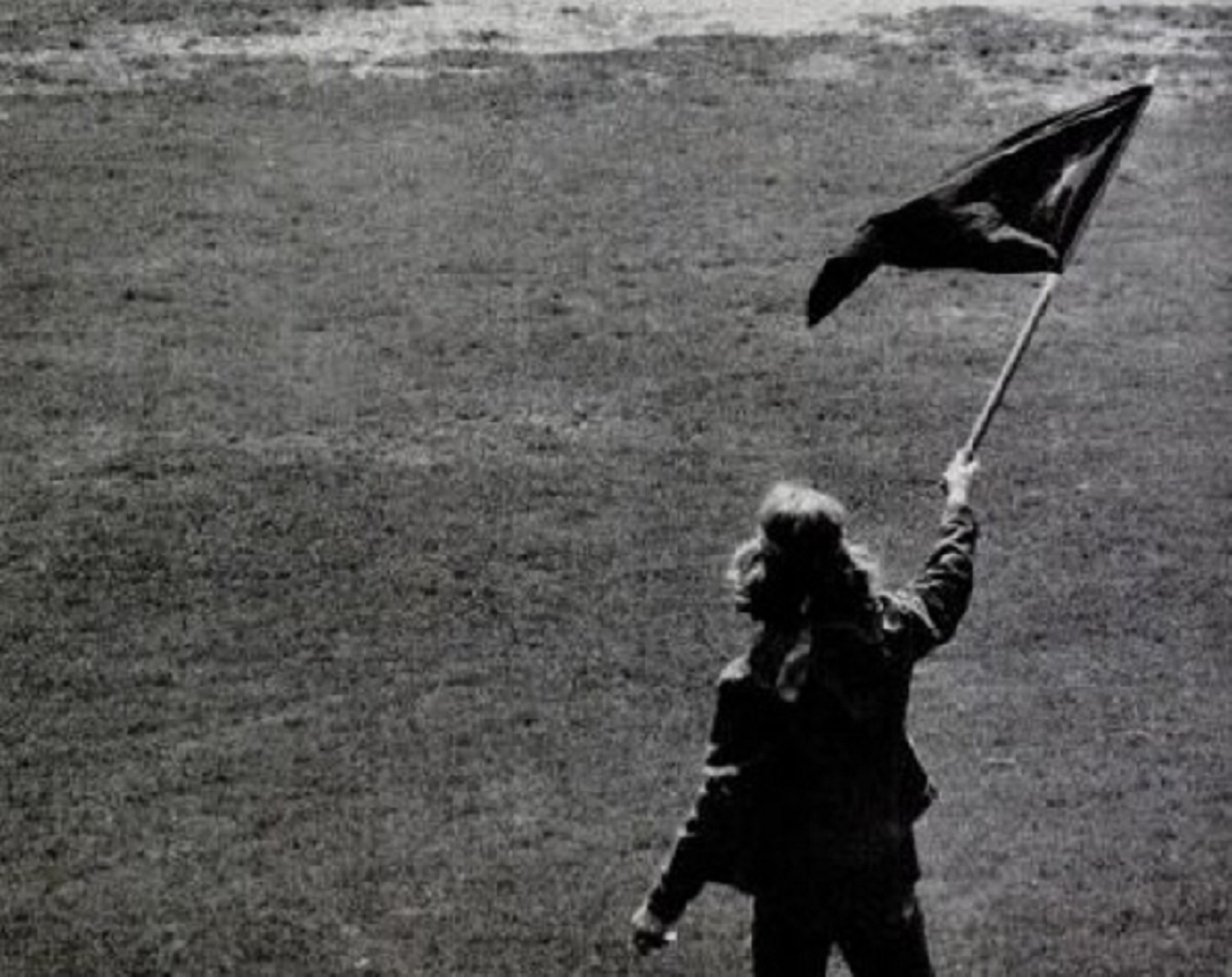 Kieronoldham, Wikimedia Commons
The Kent State Massacre
Known as the Kent State Massacre, or the Kent State Shooting, a National Guard unit opened fire on protestors at Kent State University in Ohio, killing four students and wounding nine others.
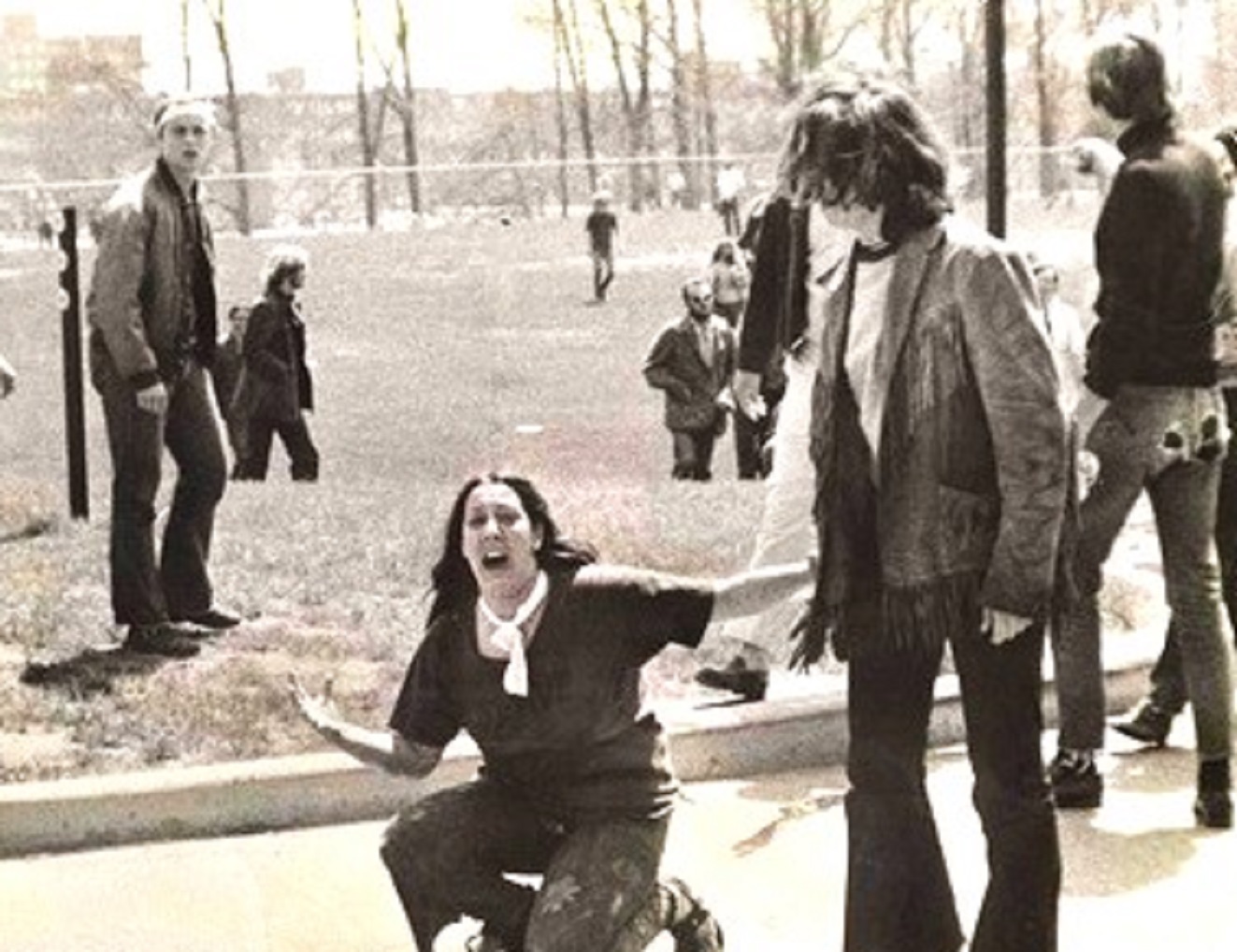 Student John Filo, Wikimedia Commons
Who Was The Man Behind The Release Of Classified Documents In June 1970?
Known as "The Pentagon Papers", these classified documents reveal an extensive campaign of increasing American military forces in Vietnam (without public consultation or knowledge), in the name of toppling communism. But who was the whistleblower behind their release?
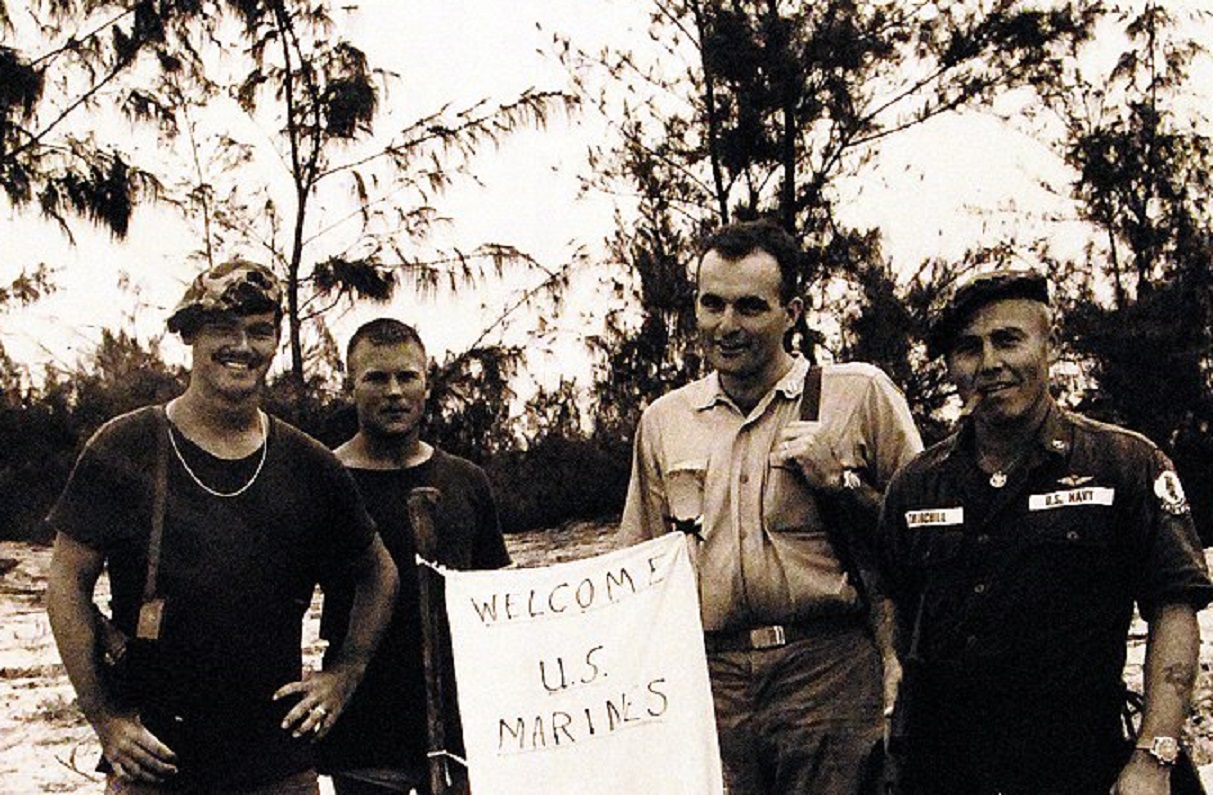 National Museum of the U.S. Navy, Wikimedia Commons
Daniel Ellsberg
While an employee of the RAND Corporation in the 1960s, Daniel Ellsberg became increasingly disaffected with the conflict in Vietnam and released the Pentagon Papers to the New York Times in 1970, an act that would land him in prison for violating the Espionage Act.
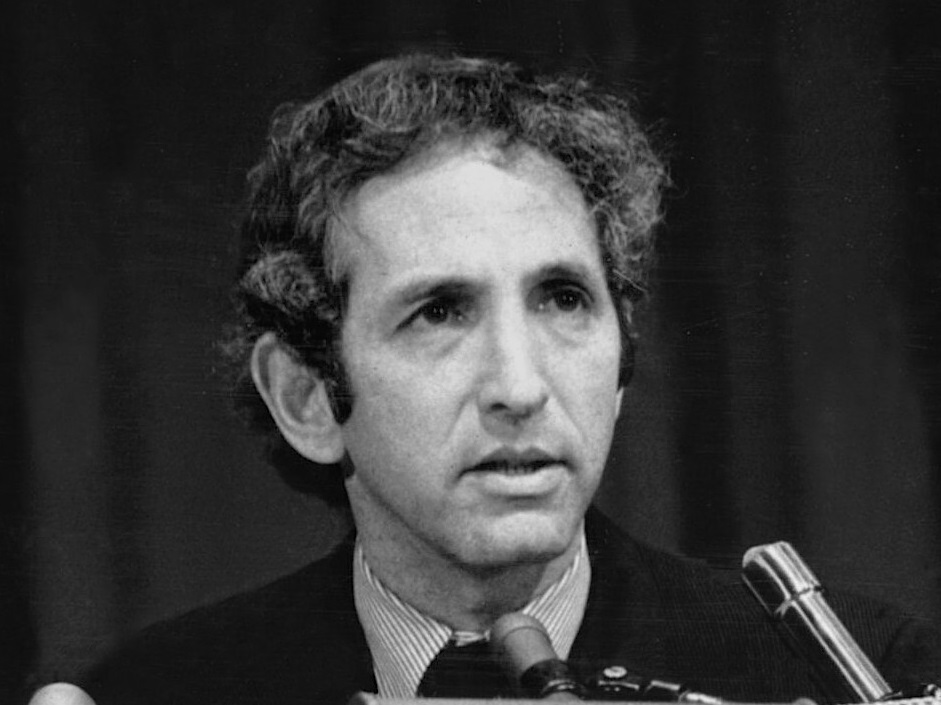 Gotfryd, Bernard, Wikimedia Commons
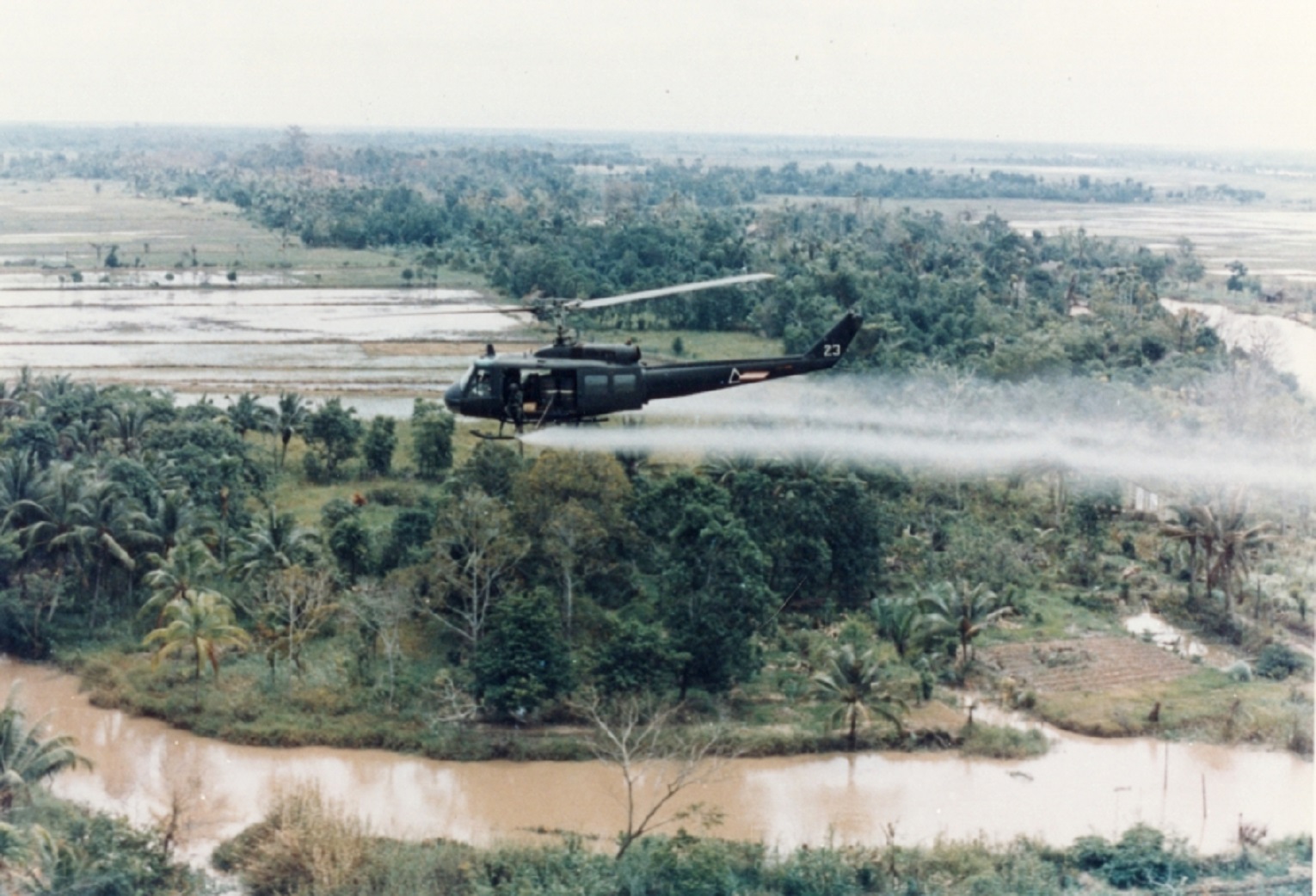
What Was The Colloquial Name Given To The Chemical Agent Used By The US Air Force In North Vietnam?
Used as part of the American military's herbicidal warfare program from 1961 to 1971, the United States Air Force sprayed 11.22 million gallons of this herbicide. What was it colloquially known as?
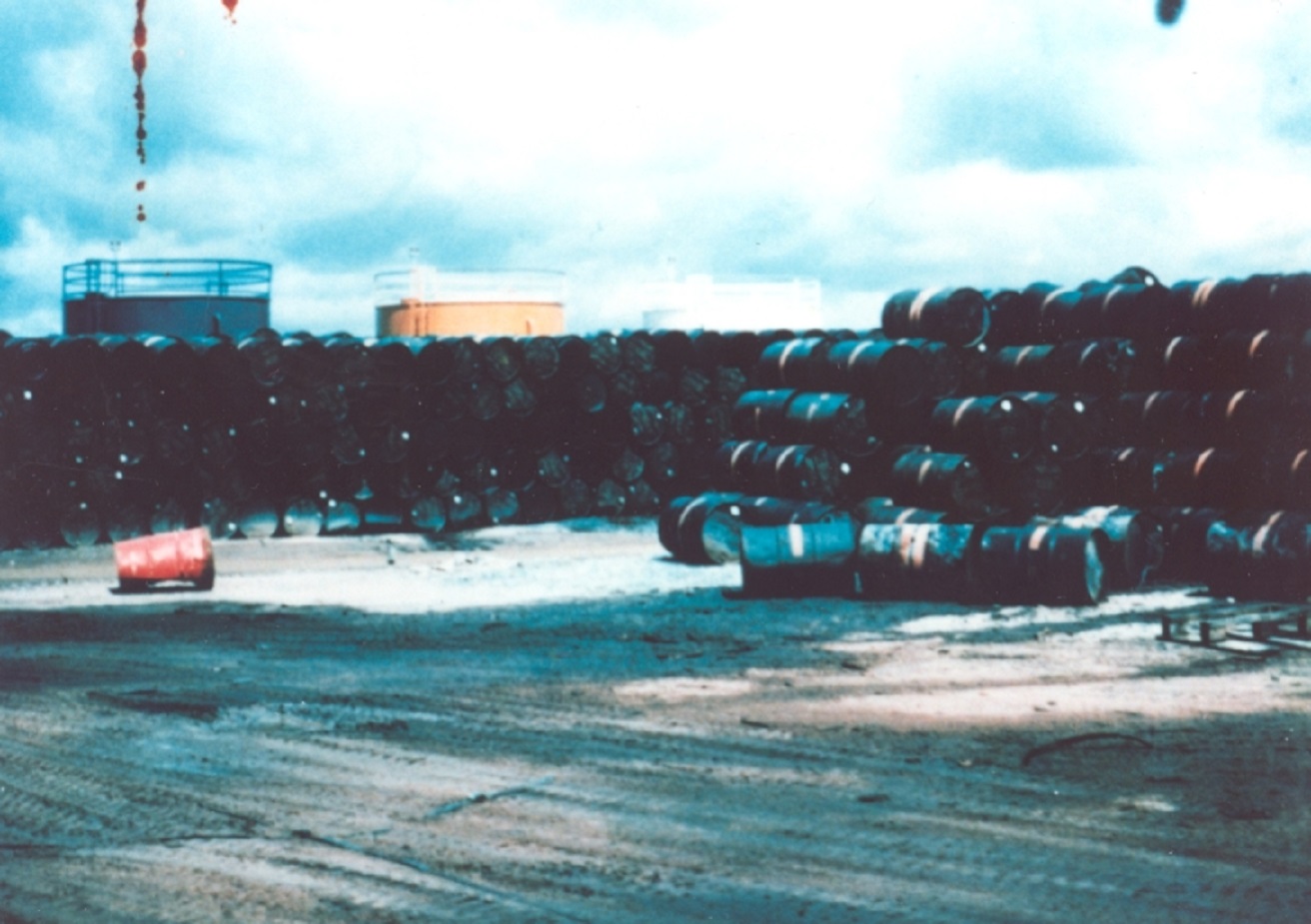
Agent Orange
Linked to various forms of cancers and other illnesses, "Agent Orange" was sprayed over crops in North Vietnam for 10 years. It's estimated that over 400,000 people died from exposure to the chemical. One person who worked in the program would later state: "Because the material was to be used on the enemy, none of us were overly concerned".
What Was The Name Given To A Massacre Of Civilians In March, 1968 By American Forces?
This atrocity of war was known by the location that it took place. But where was it?
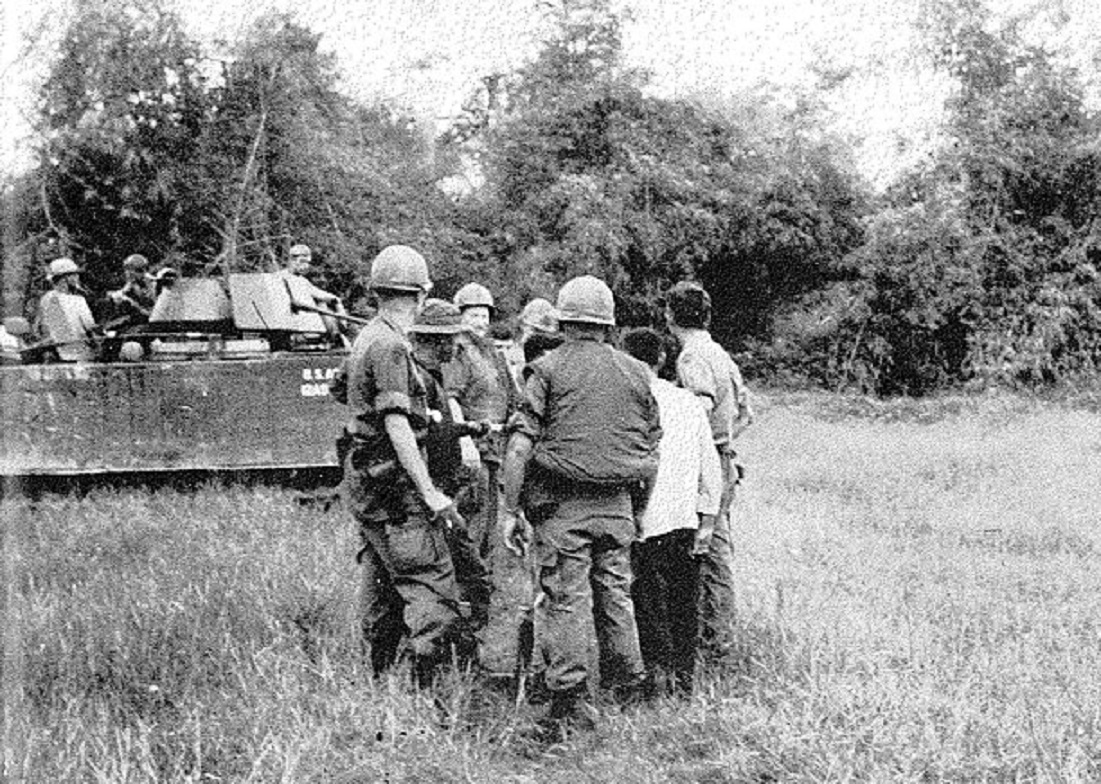 The Peers Commission, Wikimedia Commons
The My Lai Massacre
Known as the "My Lai Massacre", between 350 and 500 civilians from the village of Sơn Mỹ in South Vietnam were murdered by American forces. Almost all victims were women, children, and elderly men.
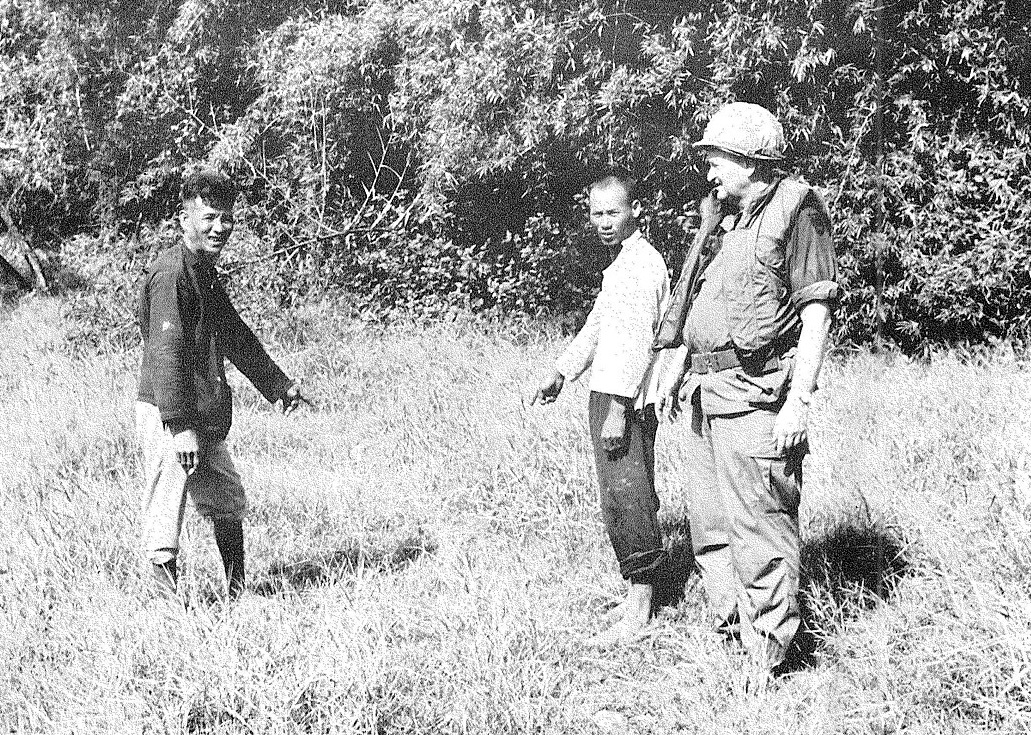 The Peers Commission, Wikimedia Commons
Who Was The Commanding Officer Of Forces At My Lai?
Although 26 soldiers were charged with criminal offenses, just one officer was convicted.
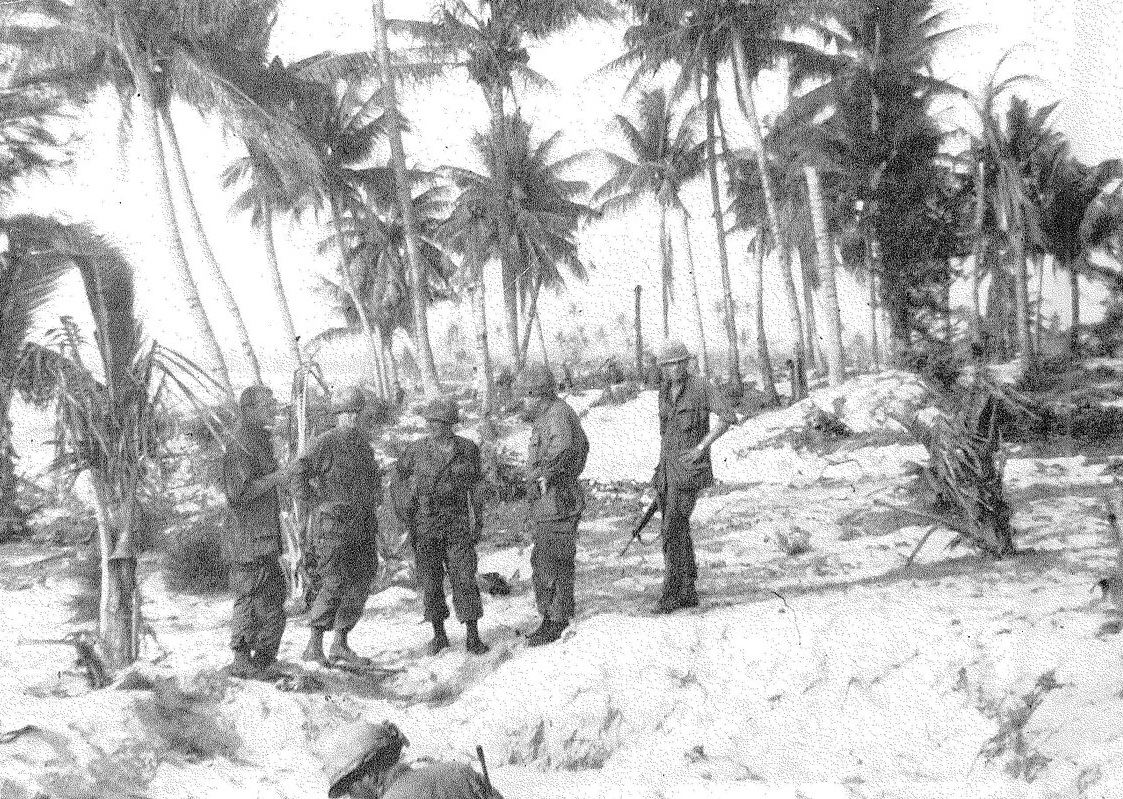 The Peers Commission, Wikimedia Commons
Lieutenant William Calley Jr
Lieutenant William Calley Jr was the commanding officer of the 1st Platoon, Charlie Company at My Lai. He was found guilty of personally murdering 22 villagers and was given a life sentence that was later commuted to just three and a half years by President Richard Nixon.
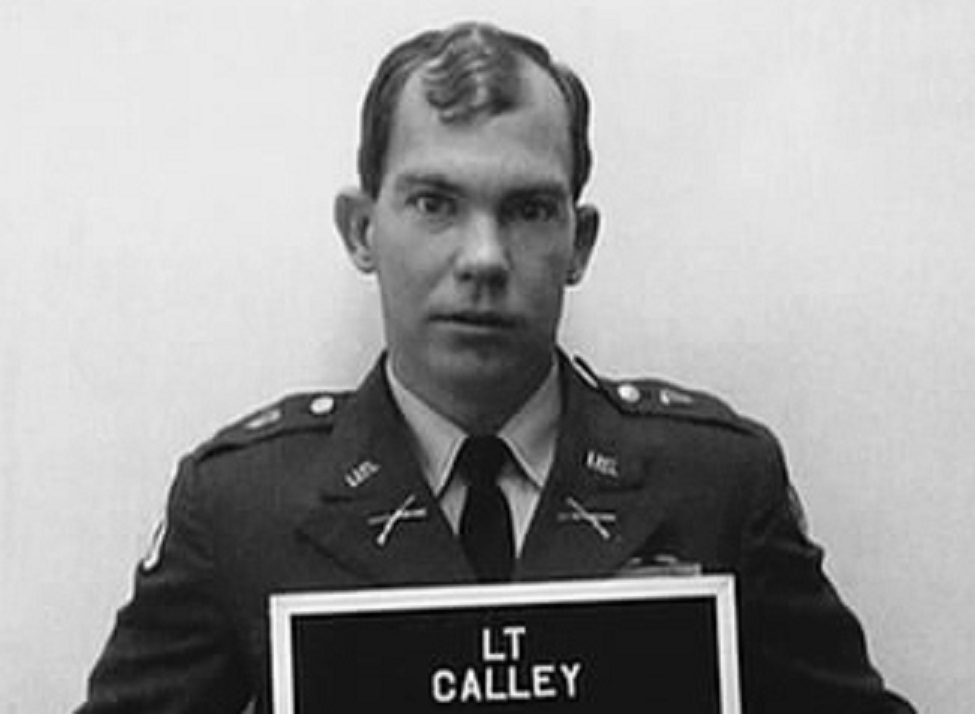 Unknown Author, Wikimedia Commons
On What Date Did The Vietnam War Officially End?
Following an American withdrawal on March 29, 1973, the Vietnam War might have been officially over for Americans, but for the Vietnamese, it would end officially on which date?
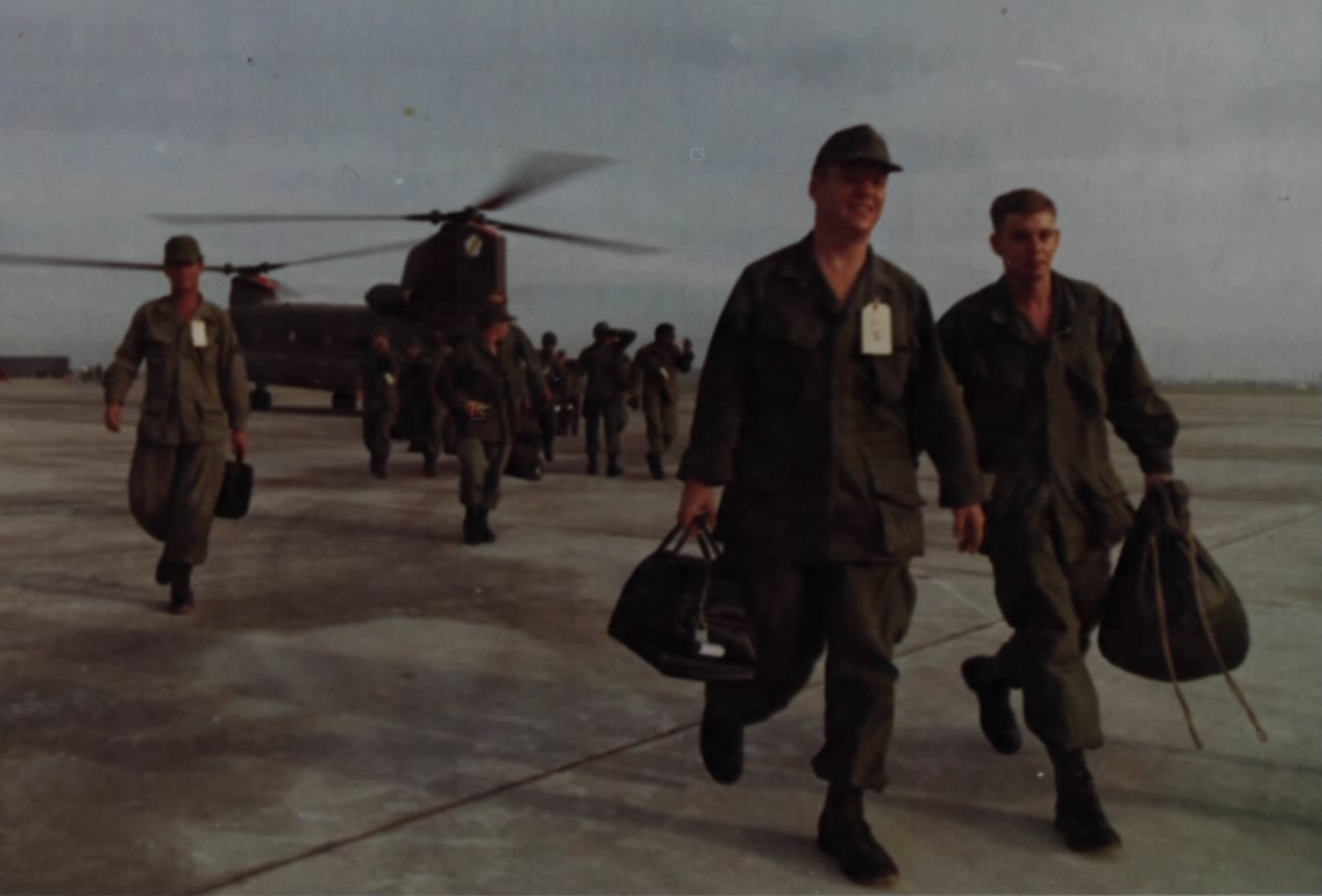 NARA, Bryan K. Grigsby, Wikimedia Commons
April 30, 1975
Following the American withdrawal, the North Vietnamese would continue to launch skirmishes and small attacks on South Vietnamese targets. But, in early 1975, they launched a major offensive, taking the city of Saigon. As tanks crashed through the gates of the palace in Saigon, South Vietnam's president, Dương Văn Minh, surrendered.
How many of these questions did you get right? Let us know in the comments below.










,_d%C3%A9l%C3%A9gu%C3%A9_indochinois,_Congr%C3%A8s_communiste_de_Marseille,_1921,_Meurisse,_BNF_Gallica.jpg)


.jpg)


.jpg)


_in_the_South_China_Sea_on_12_August_1964_(USN_1107965).jpg)


.jpg)


.jpg)


_(22527274968).jpg)
.jpg)


.jpg)
.jpg)
.jpg)


