
The Clue Hiding In Plain Sight
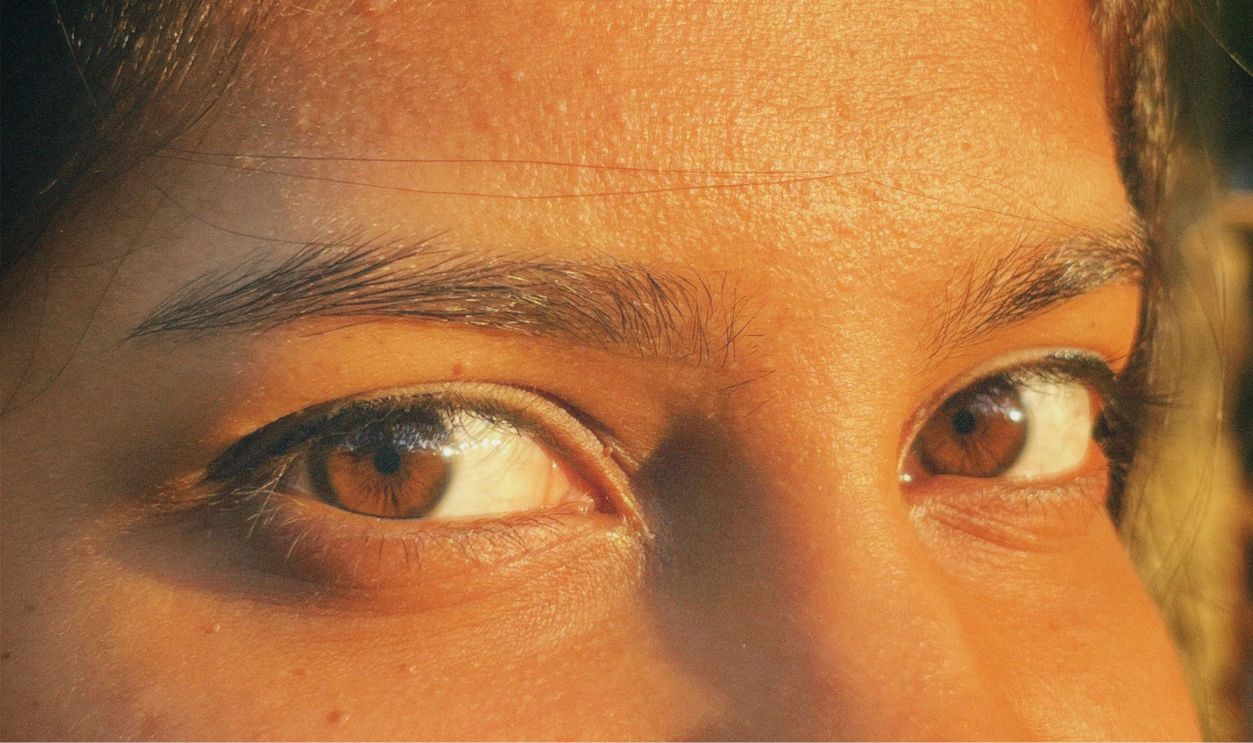
The human eye has one trait that makes it different from every other eye in the animal kingdom, and yet it's the last part that most people would guess, because it has nothing to do with the color or how well they see. Rather, it's the white of the eye that make your peepers different from any other eye on the planet.

The Whites Of Your Eyes Have A Name
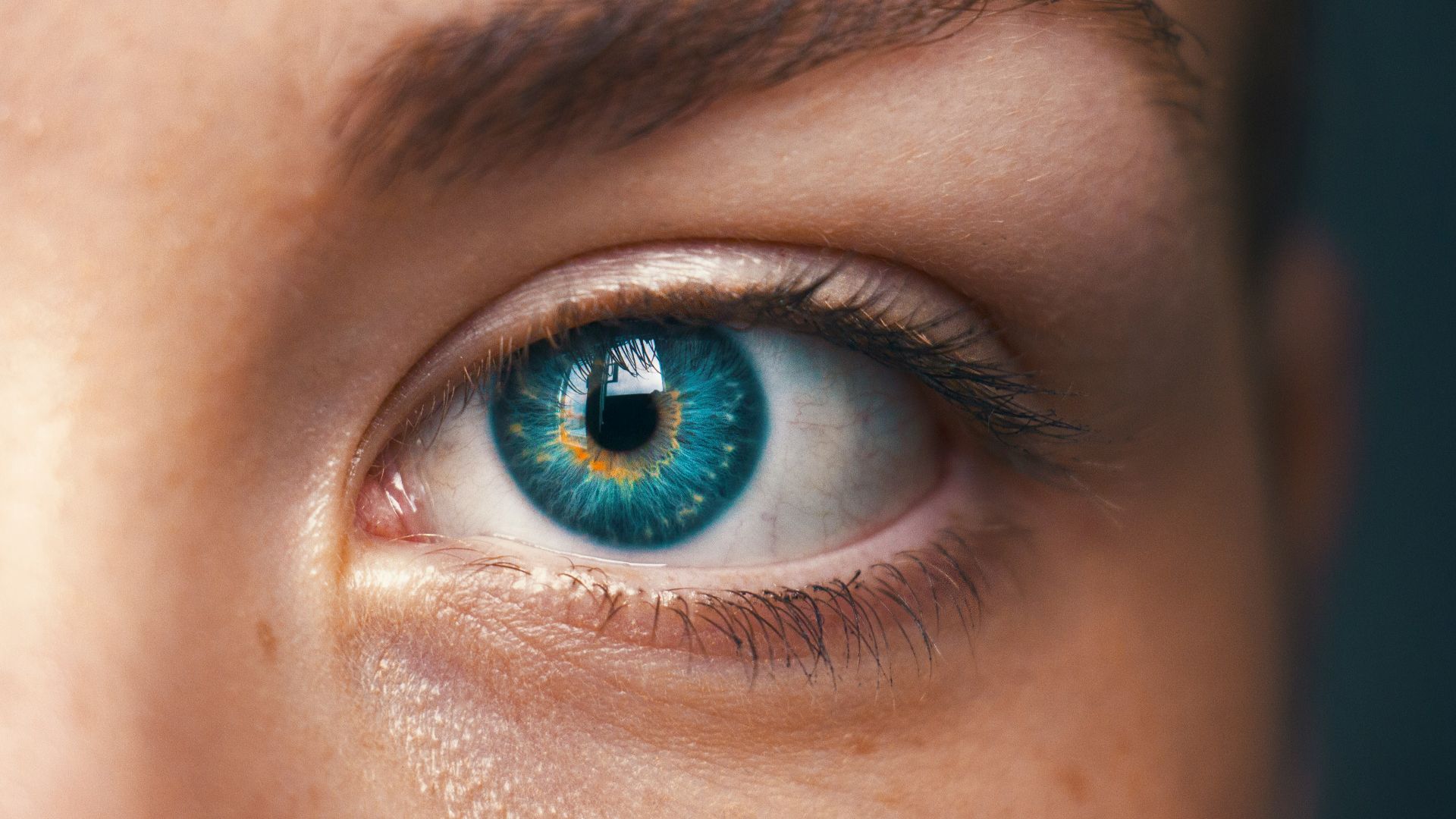
The white area surrounding your iris is called the sclera, a tough outer layer of the eyeball. Its visible appearance is also influenced by the transparent tissue covering it. In humans, this region is usually strikingly pale, creating an unusual contrast with the darker iris.
A Small Detail With A Big Effect
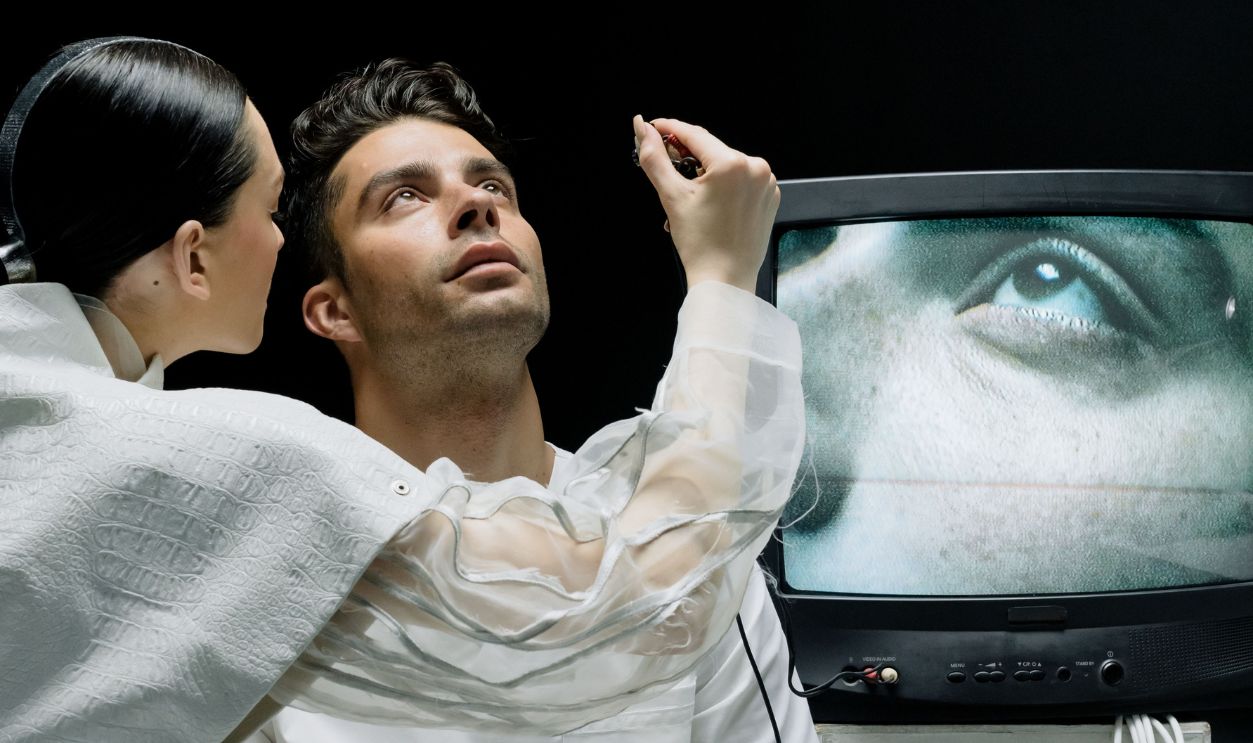
That contrast makes it surprisingly easy to tell where someone is looking. Even when a person's head remains completely still, another individual can often detect their changing gaze. Scientists have proposed that this seemingly insignificant advantage became an important form of communication during human evolution.

Most Primates Have Very Different Eyes
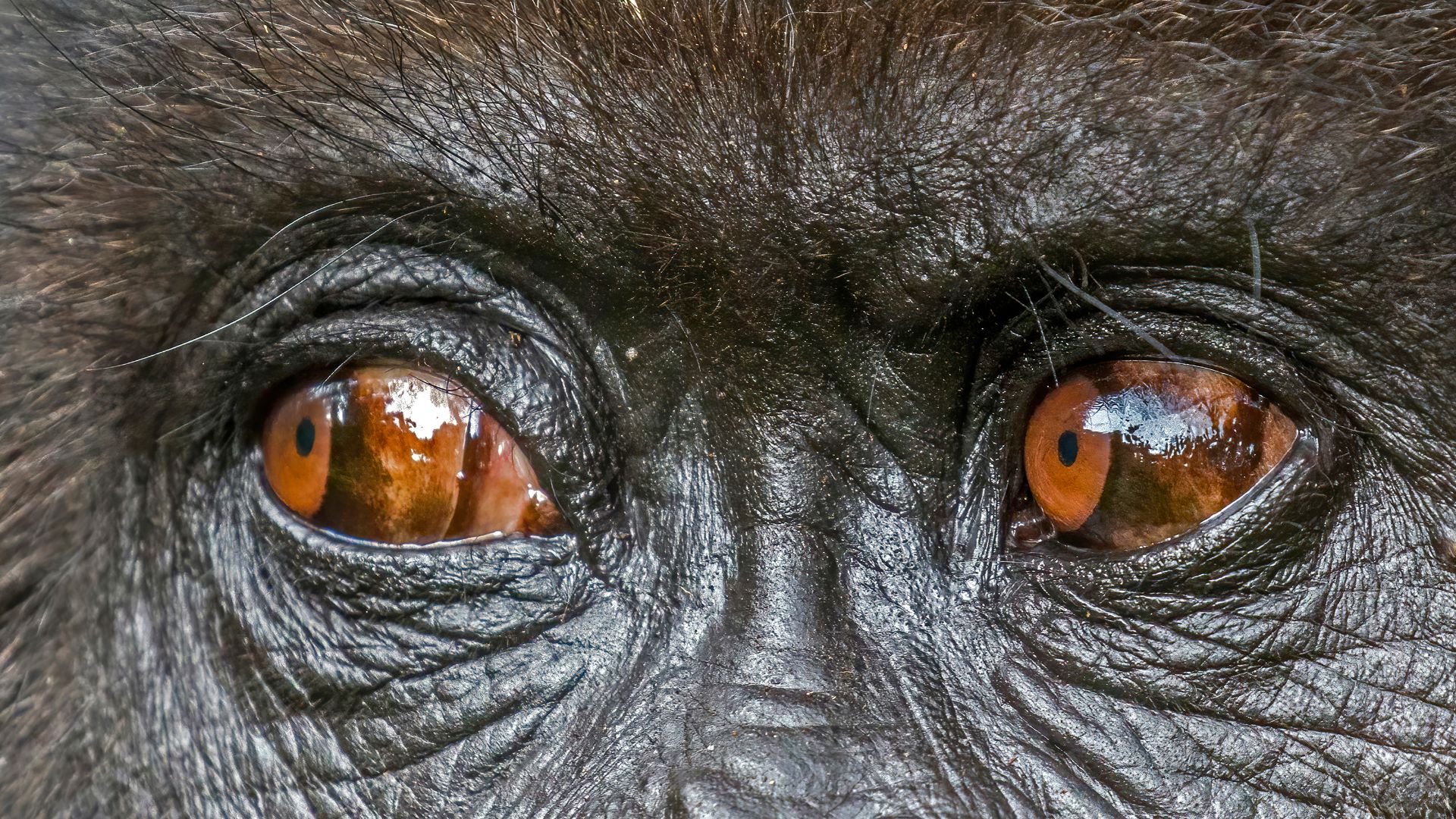
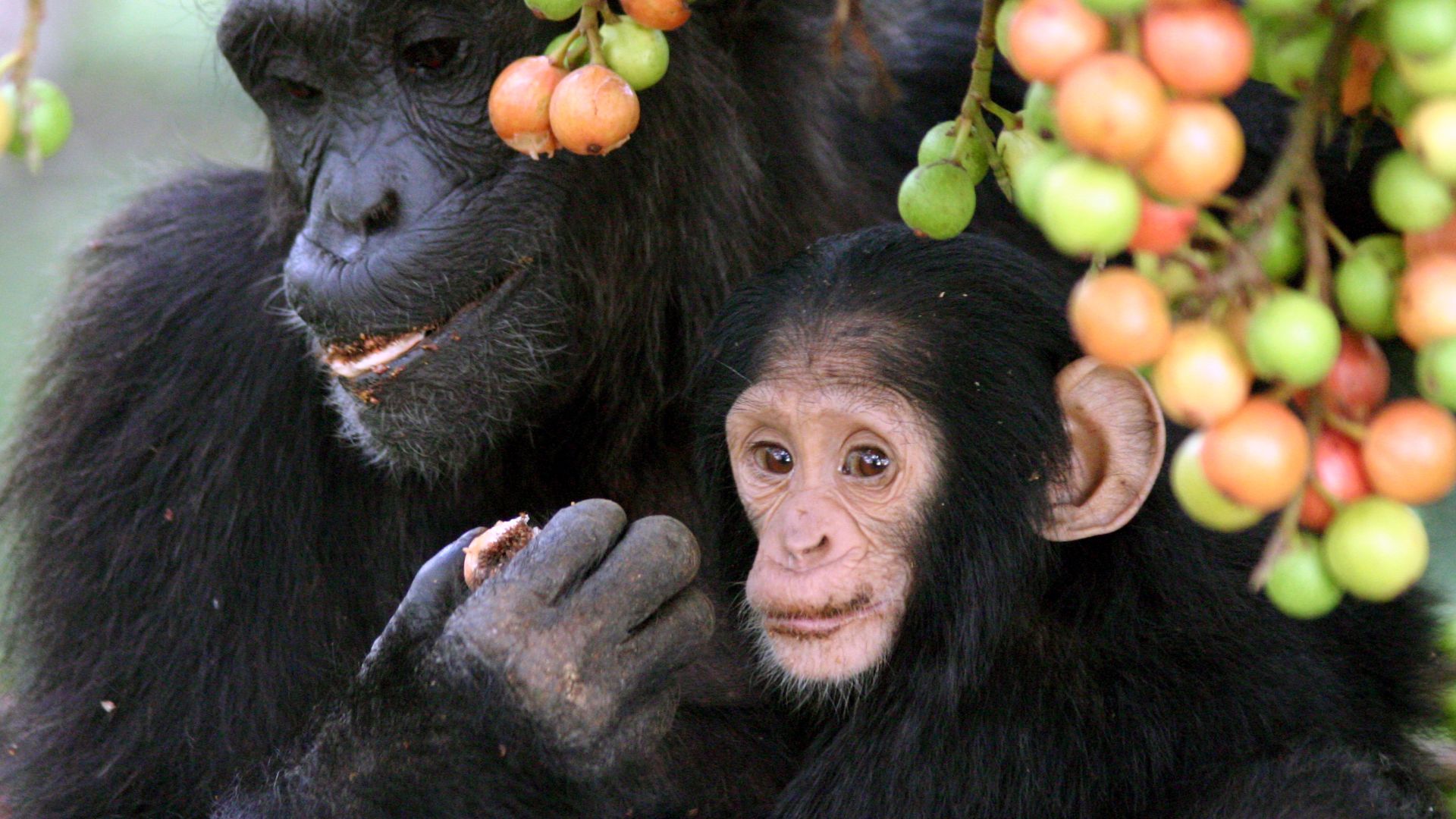
Look closely at a chimpanzee or gorilla, and you might notice that their eyes appear darker than ours. Many nonhuman primates have pigmentation around the iris, although the amount varies considerably. This difference attracted scientists interested in how animals communicate through their gaze.

A Discovery That Changed How Scientists Saw Human Eyes
In 1997, researchers Hiromi Kobayashi and Shiro Kohshima published a study in Nature examining the unusual appearance of human eyes. They suggested that our widely exposed white sclera made gaze direction particularly visible. Their research introduced an intriguing possibility about why humans evolved such distinctive eyes.

The Primate Comparison Revealed Something Remarkable
A subsequent comparison examined eye coloration across dozens of primate species. The researchers reported that 85 of 92 species had uniformly brown or dark brown exposed sclera. Humans stood apart in their sample, although later investigations would reveal greater variation among other primates than originally recognized.
 Charles J. Sharp, Wikimedia Commons
Our Eyes Have Another Unusual Feature
The researchers also noticed that human eyes have an unusually elongated horizontal outline and a large proportion of exposed sclera. They proposed that these characteristics help extend the visual field through eye movements. Combined with pale coloration, the shape might also make gaze direction easier to recognize.

You Can Communicate Without Moving Your Head
Imagine noticing something interesting across a crowded room. Without speaking or turning your head, you glance toward it, and someone beside you follows your eyes. This everyday interaction illustrates how gaze can communicate information, particularly when two people are already paying attention to each other.

This Ability Could Have Helped Our Ancestors
Early humans depended on cooperation in many activities, making communication an important evolutionary advantage. The researchers suggested that conspicuous eyes could help individuals coordinate their attention and actions. Under this hypothesis, our distinctive sclera became useful because other people could more easily recognize where we were looking.
![zh:尖沙咀香港歷史博物館史前時期的香港
zh:展品
[1]
家務
zh:家屬
屋企
史前的zh:香港人
zh:石器時代](https://www.factinate.com/storage/app/media/factinate/2026/10/14/1791980395bfd312f521c5d16f9e5b7f9813c37b865dfdbe76.jpg)

History's most fascinating stories and darkest secrets, delivered to your inbox daily.
But Revealing Your Gaze Could Also Be Dangerous
There is an obvious drawback to making your intentions visible. Someone competing for food could discover exactly what you had noticed and reach it first. The original researchers argued that such risks might favor concealing gaze in competitive situations, while cooperation could make revealing it worthwhile.

The Cooperative Eye Hypothesis Was Born
In 2007, researchers Michael Tomasello, Brian Hare, Hagen Lehmann, and Josep Call published an influential study in the Journal of Human Evolution. They proposed what became known as the cooperative eye hypothesis. Their central question was whether humans rely on eye direction differently from our closest primate relatives.
 Karl-Heinz Schalk, Wikimedia Commons, Enhanced
A Surprisingly Simple Experiment
Rather than examining ancient fossils, the scientists designed an experiment involving someone looking toward the ceiling. Sometimes the experimenter moved only his eyes, while other times he moved his head. By separating these signals, the researchers could investigate which clues different observers relied upon.

The Great Apes Faced Their First Test
The first experiment involved 19 great apes at the Wolfgang Köhler Primate Research Center in Germany. The group included 11 chimpanzees, four gorillas, and four bonobos. Each animal watched a human experimenter who deliberately changed his head position and eye direction during repeated trials.

Then Came The Human Babies
The second experiment involved 40 human infants, divided equally between 12-month-olds and 18-month-olds. Each child sat on a parent's lap while facing the experimenter. The researchers used similar looking cues to determine whether these very young humans favored eye direction or head movement.

Four Ways To Look At The Ceiling
The experimenter presented four principal conditions: moving his eyes upward, tilting his head upward with closed eyes, moving both together, or looking straight ahead. The researchers recorded whether participants looked toward the ceiling. These controlled situations allowed them to compare the influence of different visual signals.

The Apes Preferred To Follow The Head
The great apes responded to both head and eye direction, but head position was considerably more influential. They frequently looked upward when the experimenter's head tilted toward the ceiling, even with his eyes closed. Eye movement alone produced a much weaker response, suggesting a different pattern of gaze following.

Human Infants Did Almost The Opposite
The results from the babies were strikingly different. Their gaze following depended much more strongly on the experimenter's eyes than on his head position. Even at 12 and 18 months, the children demonstrated a pronounced sensitivity to eye direction that distinguished their responses from those of the apes.

The Numbers Made The Difference Clear
Across the ape trials, participants looked upward about 35% of the time when only the experimenter's head pointed up, compared with 13% when only his eyes did. For the infants, the pattern reversed. They were approximately three times more likely to follow eyes alone than head movement alone.

Even Looking At Someone From Behind Worked
The researchers also tested whether participants could follow someone's attention without seeing their face. Both the great apes and human infants sometimes looked upward when the experimenter tilted his head away from them. This showed that eye direction was important, but certainly not the only available signal.

The Experiment Did Not Settle Everything
The study supported the idea that human infants are particularly attentive to eyes, but it had limitations. Most ape participants were adults, whereas the humans were infants. Both groups also watched a human experimenter, leaving questions about whether different ages or observers would produce similar results.

Human Babies Are Already Learning To Share Attention
Researchers have long recognized an important developmental behavior called joint attention. This occurs when two individuals coordinate their attention toward the same object or event. Human infants regularly participate in these interactions with caregivers, creating opportunities to communicate about things beyond themselves.

Think About What Happens When Someone Points
A pointing finger becomes useful when another person recognizes what it refers to. Human communication frequently combines pointing with gaze direction, allowing people to establish shared attention. Tomasello and his colleagues suggested that highly visible eyes could make these interactions easier, supporting coordinated activities between partners.

There May Even Be A Connection To Language
Joint attention also provides an important social context for early language development. Caregivers and infants can focus on the same object while communicating about it, helping establish shared references. The cooperative eye hypothesis proposes that conspicuous eyes may have supported these interactions, although it does not establish that white sclera caused language to evolve.

Modern Experiments Found Another Advantage
In 2022, researchers tested whether human and chimpanzee participants could recognize gaze direction in manipulated eye images. Both species performed better with humanlike eye coloration, particularly when the images became smaller or darker. The findings provided experimental support for an advantage of uniformly pale sclera in certain viewing conditions.

But Chimpanzee Eyes Are Not Actually Invisible
Another 2022 study examined how chimpanzees might perceive the eyes of other chimpanzees. Using photographs and models of primate vision, researchers found that chimpanzee gaze could remain distinguishable at socially relevant distances. Their findings challenged the assumption that darker sclera effectively conceal where another chimpanzee is looking.
Then Researchers Found White Eyes In Other Animals
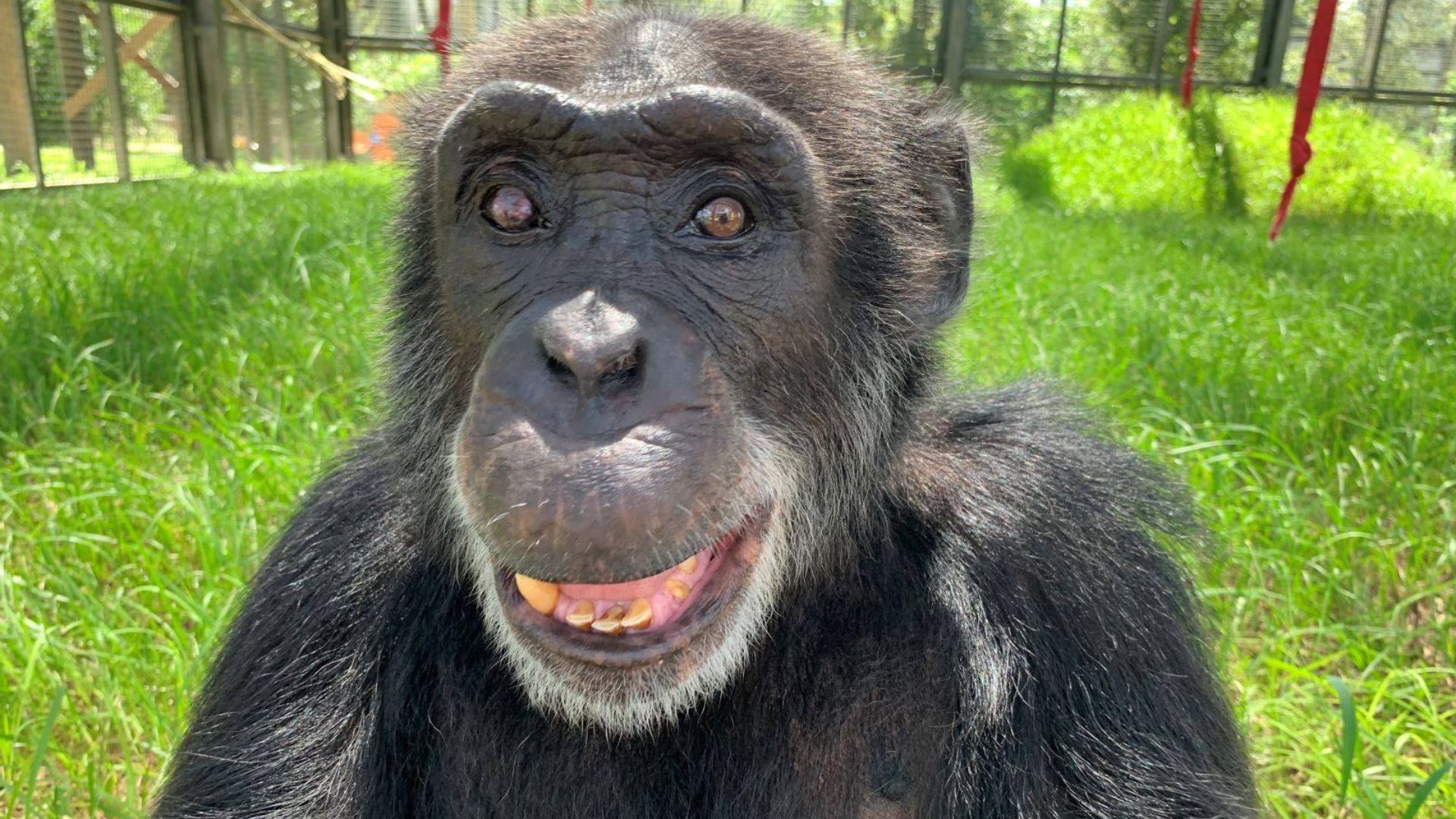
In 2023, scientists documented pale and white sclera in wild chimpanzees and several other mammals. The findings challenged the long-standing claim that humans alone possess this characteristic. Human eyes remain distinctive in important ways, but white sclera by themselves are not an exclusively human feature.
 Alain Houle (Harvard University), Wikimedia Commons
A Major Scientific Reassessment Followed
A 2025 review in Biological Reviews questioned whether the cooperative eye hypothesis had sufficient evidence to explain human eye evolution. Its authors argued that primate eye coloration is more diverse than traditionally assumed. They also emphasized that conspicuous eyes do not necessarily demonstrate that natural selection favored cooperation.
 National Cancer Institute, Unsplash
An Even Newer Experiment Complicated The Picture
A 2026 experiment used a live model with natural eyes or dark scleral contact lenses under different lighting conditions. Human observers showed no overall advantage with either appearance. Darker eyes performed better in dim, close-range conditions, while humanlike eyes performed best at greater distances under bright lighting.
Scientists Still Cannot Say When This Feature Evolved
One of the most fascinating unanswered questions concerns when the distinctive appearance of human eyes developed. The original researchers suggested that identifying its evolutionary origins could provide clues about ancient human cooperation. However, the available evidence has not established exactly when pale sclera arose or which selective pressures produced them.

The Extraordinary Secret Behind An Ordinary Glance
The familiar whites of your eyes might seem too ordinary to deserve scientific attention. Yet their appearance has inspired decades of research into communication, cooperation, and human evolution. Whether they evolved primarily for social signaling or other reasons, they remain a fascinating part of what makes human faces distinctive.