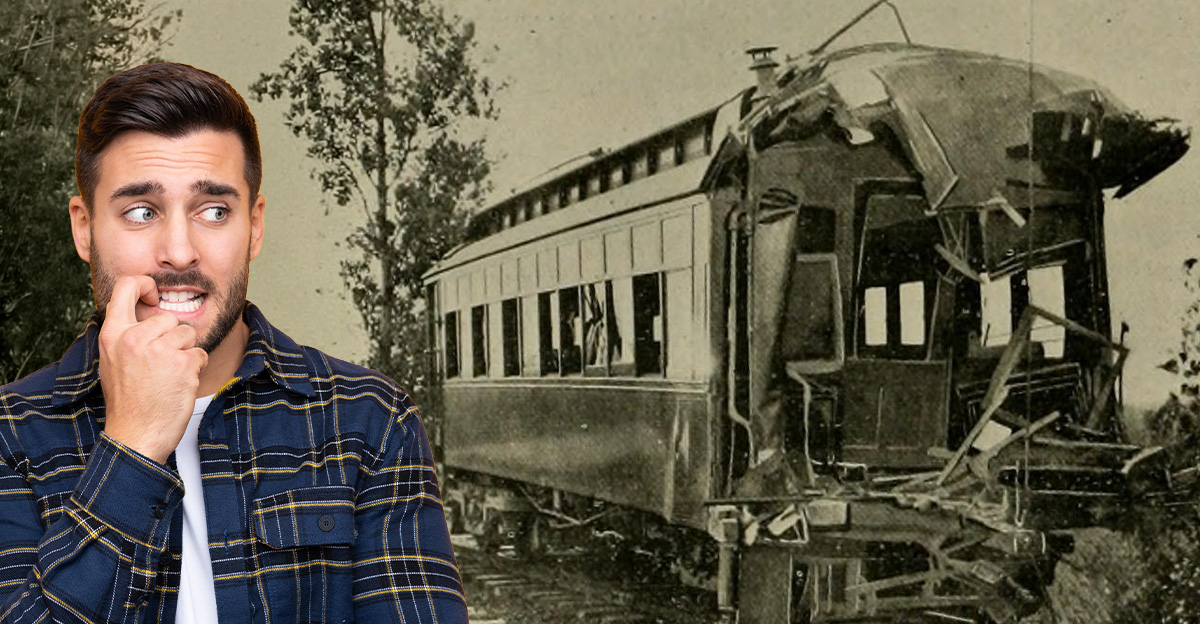
Safety Rules Usually Arrive After Something Goes Wrong
Humans have a strange relationship with safety technology. We invent clever devices, complain that they are expensive or inconvenient, and then act shocked when disaster proves why they existed. From factories and airplanes to cars and city streets, these safety features went from optional extras to things society could no longer ignore.
The Triangle Shirtwaist Factory Changed Fire Safety
In 1911, a fire tore through New York City's Triangle Shirtwaist Factory, killing 146 workers. Locked exits and inadequate escape routes turned the upper floors into a trap. The tragedy sparked enormous public outrage and helped drive tougher rules involving unlocked exits, evacuation routes, sprinklers, alarms, and fire inspections.
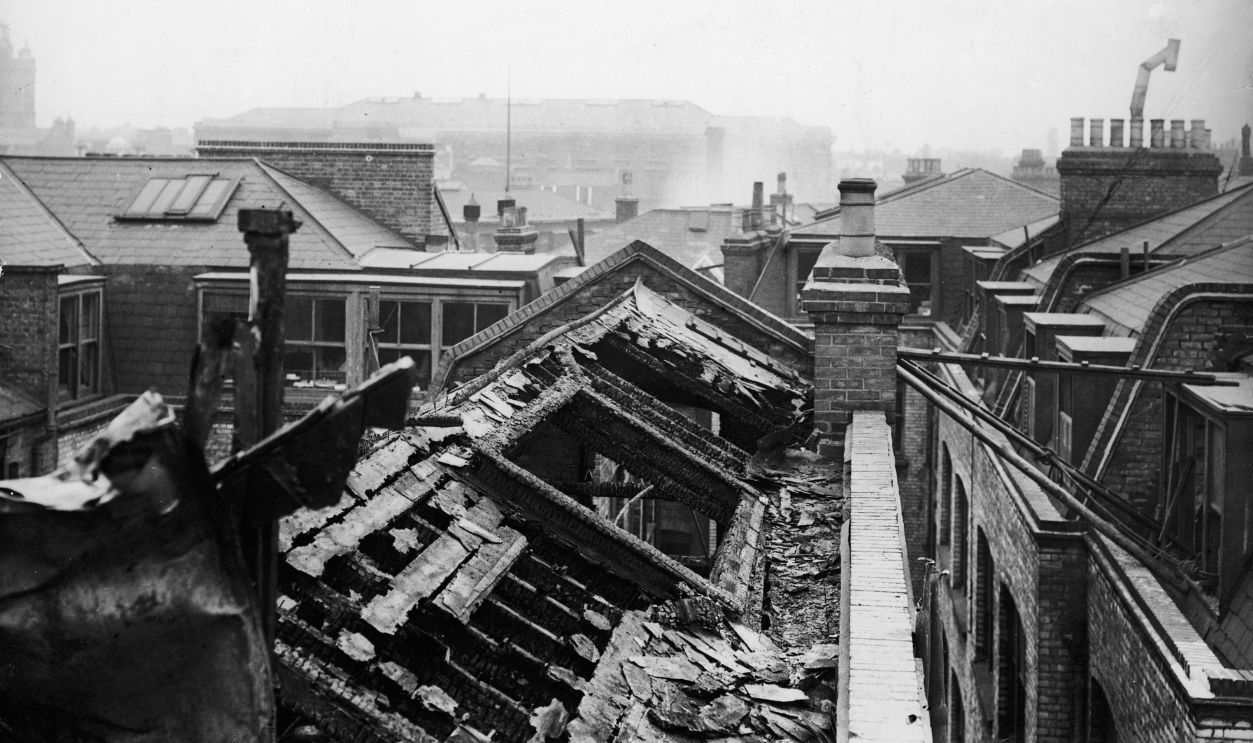
Fire Doors Became More Than Heavy Decorations
Early fire doors were sometimes treated as unnecessary building expenses. That changed as deadly fires showed how quickly flames and smoke could race through hallways and stairwells. Properly rated doors could contain a blaze long enough for people to escape, eventually becoming a standard part of modern commercial and residential construction codes.
 Achim Hering, Wikimedia Commons
Panic Bars Made Locked Exits Safer
A locked door can become deadly when hundreds of frightened people push toward it at once. After several catastrophic fires and crowd disasters in the late 19th and early 20th centuries, push-bar exit hardware gained attention. The simple design allowed doors to open outward when crowds pressed against them.
 Scott Brody, Wikimedia Commons

History's most fascinating stories and darkest secrets, delivered to your inbox daily.
Sprinklers Had To Prove Their Worth
Automatic fire sprinklers existed in recognizable form by the late 1800s, but many building owners considered them an expensive luxury. Repeated warehouse, factory, and hotel fires helped change that attitude. Insurance companies and governments increasingly demanded sprinklers in high-risk buildings because early suppression could prevent a small fire from becoming a catastrophe.

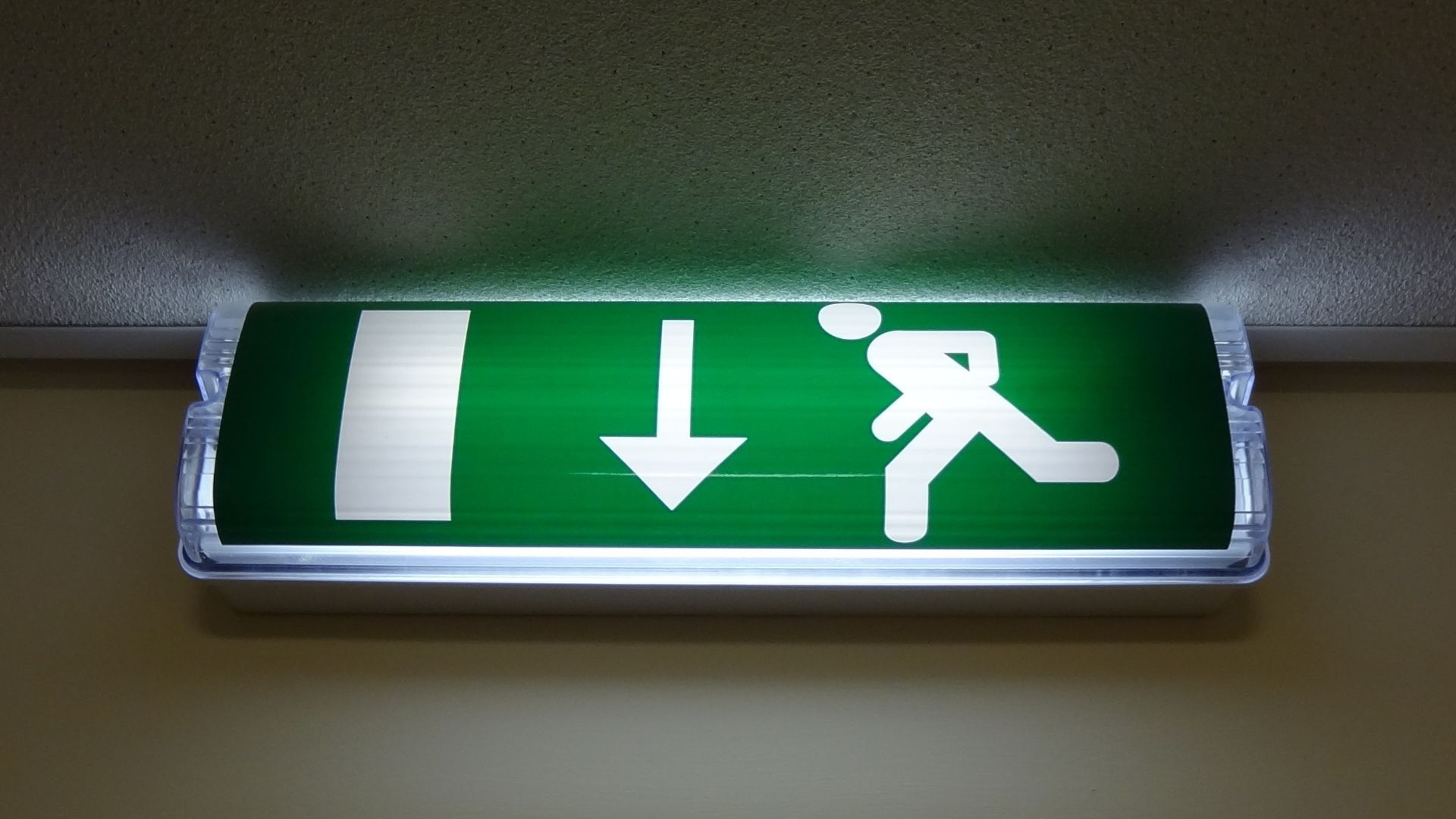
Emergency Lighting Became Essential
Losing electricity during a fire or emergency can turn even a familiar building into a maze. Deadly incidents involving dark stairwells and crowded exits pushed regulators to demand backup lighting and illuminated escape signs. Today, those glowing exit routes seem ordinary precisely because earlier generations learned what happened without them.
Smoke Detectors Took Surprisingly Long To Spread
Smoke detectors may feel like ancient technology, but affordable home units only became common during the second half of the 20th century. Deadly residential fires repeatedly showed that sleeping occupants often had almost no warning. Building codes gradually began requiring alarms, helping transform a small ceiling-mounted device into a household necessity.

Carbon Monoxide Alarms Followed Silent Deaths
Carbon monoxide is especially dangerous because people cannot see or smell it. Faulty furnaces, generators, heaters, and appliances caused countless poisonings before household alarms became widely required. After highly publicized deaths and growing medical evidence, many jurisdictions introduced laws requiring carbon monoxide detectors in homes, apartments, and other buildings.
 Santeri Viinamaki, Wikimedia Commons
Titanic Changed Thinking About Lifeboats
When Titanic sank in 1912, it carried lifeboat space for only a portion of the people aboard. That horrifying detail became one of the disaster's lasting lessons. New international rules soon required ships to provide adequate lifesaving equipment for everyone, alongside improved drills, radio procedures, and emergency preparedness.

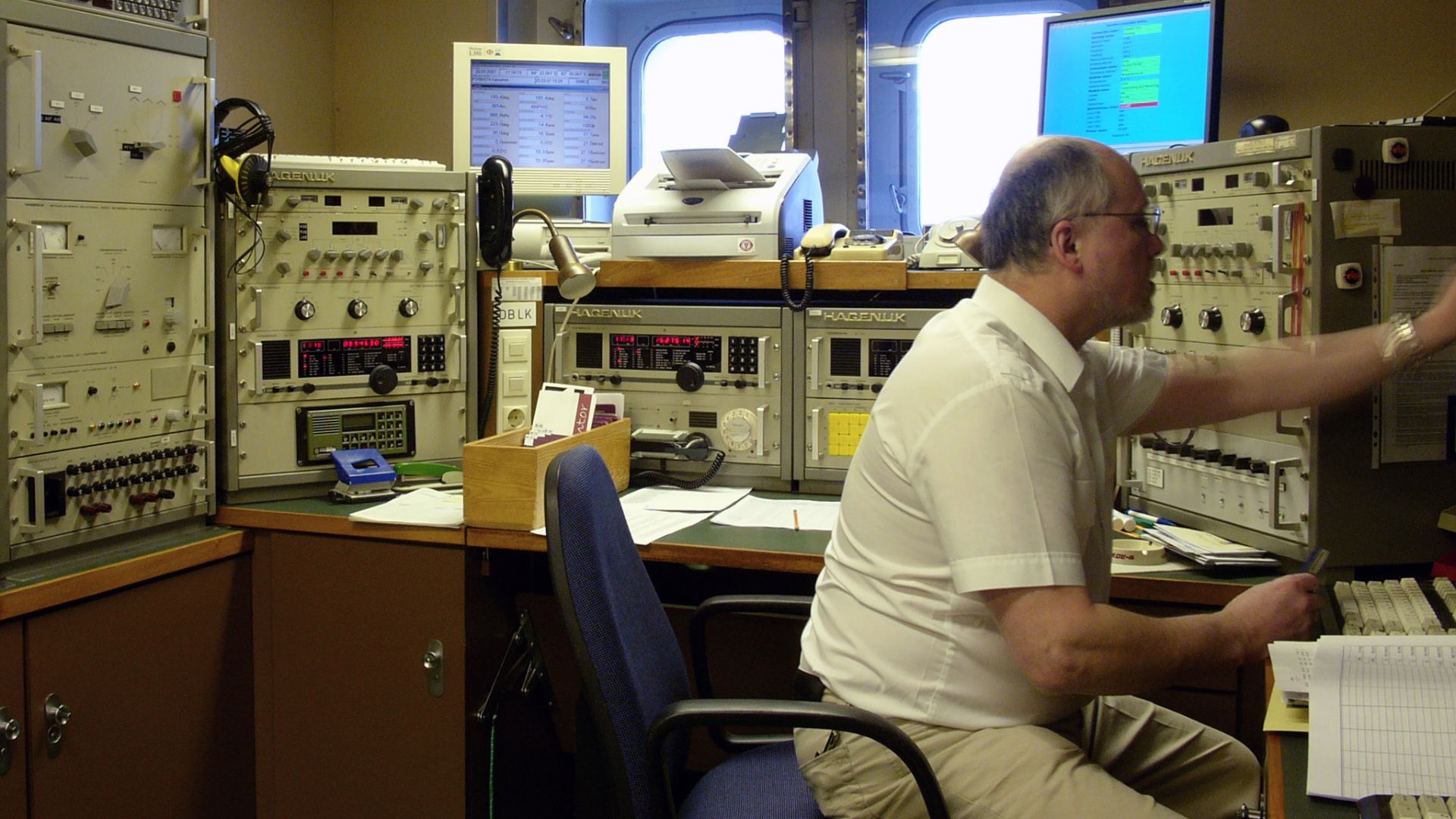
Ships Needed Radios Watching Around The Clock
Titanic also exposed problems with shipboard communications. Nearby vessels did not always maintain continuous radio watches, meaning distress messages could be missed. International regulations developed after the disaster required stronger radio practices, ensuring that ships had a much better chance of hearing calls for help when every minute mattered.
 Hannes Grobe, Alfred Wegener Institute, Wikimedia Commons
History's most fascinating stories and darkest secrets, delivered to your inbox daily.
Airplane Black Boxes Had To Earn Trust
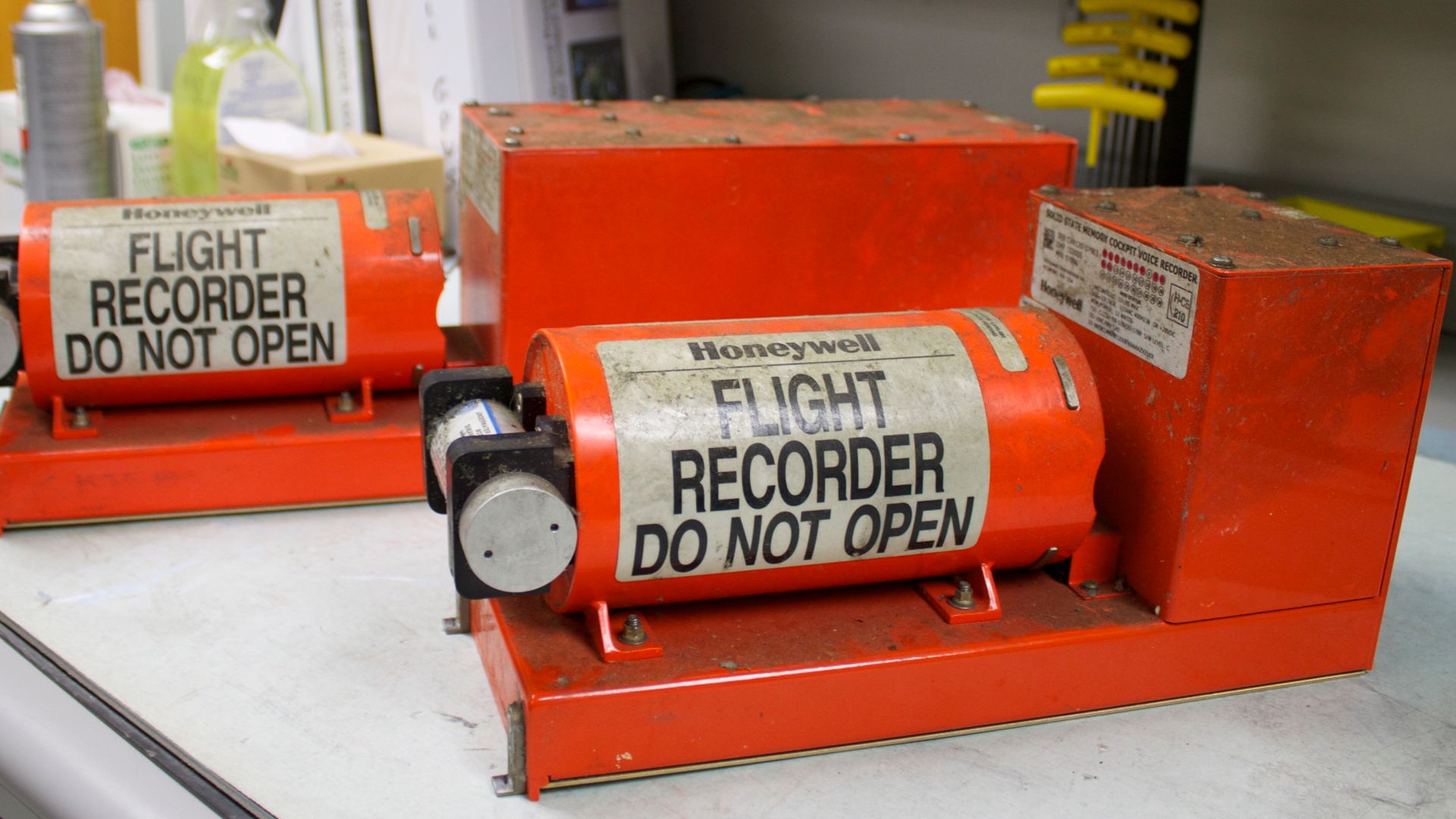
Flight recorders were not universally embraced when engineers first proposed them. Airlines and crews sometimes worried about cost, complexity, and surveillance. But mysterious crashes made investigators desperate for reliable information. Cockpit voice recorders and flight-data recorders eventually became essential tools for discovering what happened and preventing similar accidents.
Ground Proximity Warnings Followed Preventable Crashes
For decades, perfectly functioning airplanes sometimes crashed into mountains or terrain because crews did not realize how dangerously low they were. After a series of controlled-flight-into-terrain accidents, ground proximity warning systems became mandatory on many commercial aircraft. The technology gave pilots urgent warnings before impact became unavoidable.

Airborne Collision Warnings Needed Tragedy Too
The 1956 Grand Canyon midair collision between two airliners shocked the United States and helped expose weaknesses in air traffic control. Later collisions strengthened demands for onboard protection. Eventually, traffic collision avoidance systems became standard on large passenger aircraft, warning pilots when another plane is dangerously close.

Seat Belts Were Once Considered Annoying
Seat belts existed long before most drivers wanted to wear them. Automakers and motorists often resisted the devices, arguing they were uncomfortable or unnecessary. Mounting traffic deaths, crash research, and public pressure eventually led to installation requirements and later seat-belt-use laws. Today, buckling up is almost automatic.
Three-Point Belts Changed Car Safety Forever
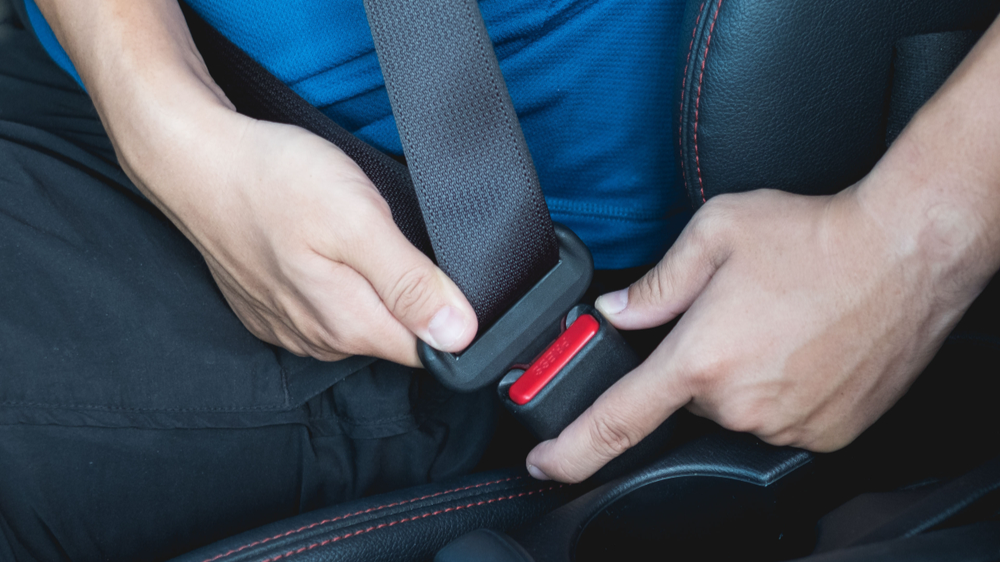
Volvo engineer Nils Bohlin introduced the modern three-point seat belt in 1959. The design spread forces across the chest and pelvis rather than concentrating them around the waist. As crash evidence accumulated, regulators increasingly demanded better restraints, making Bohlin's deceptively simple invention one of history's most important automotive safety devices.
 ArtistGNDphotography, Getty Images
Airbags Faced Years Of Resistance
Airbags appeared in experimental cars decades before they became universal. Manufacturers worried about expense and reliability, while some drivers disliked the idea of an explosive device sitting inside the steering wheel. As traffic deaths continued and crash-testing improved, regulators pushed harder. Frontal airbags ultimately became standard equipment in new vehicles.
 Janipewter at English Wikipedia, Wikimedia Commons
History's most fascinating stories and darkest secrets, delivered to your inbox daily.
Child Car Seats Were Once Barely Regulated
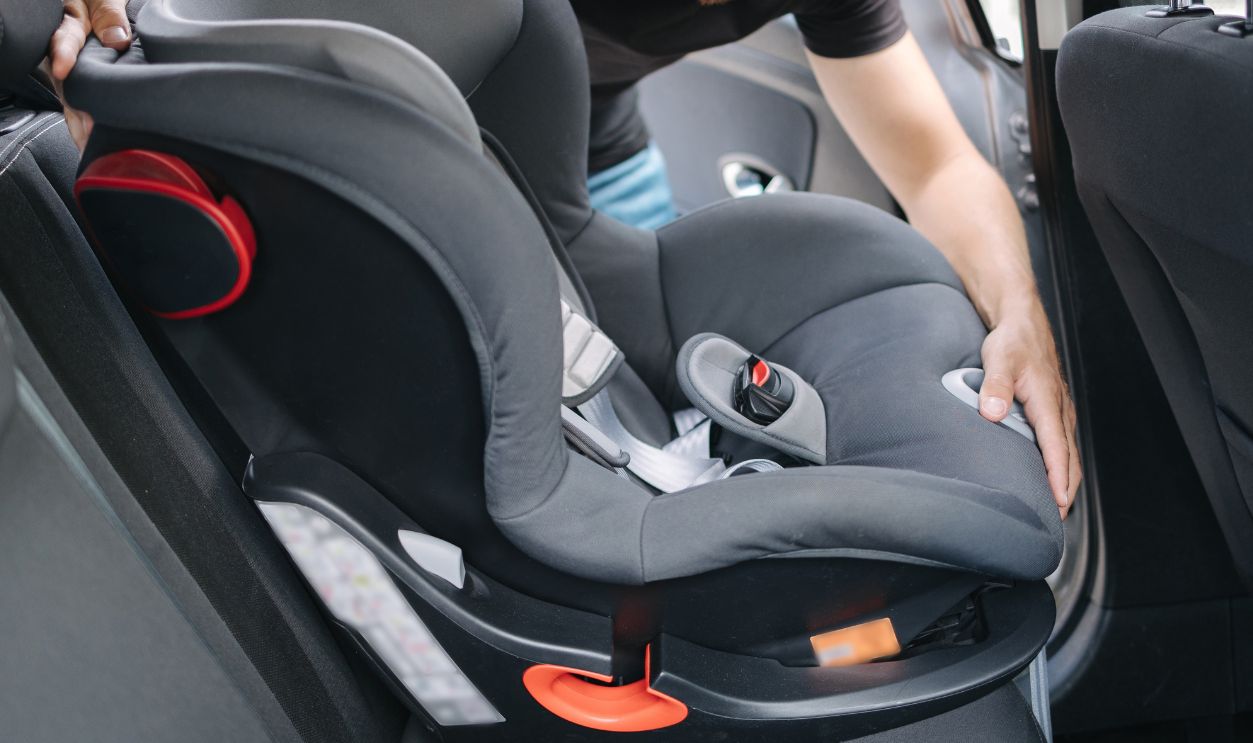
Early child seats were often designed simply to raise children high enough to see out the window. Protecting them during a crash was almost an afterthought. Horrifying injury statistics eventually forced governments and manufacturers to develop proper restraints, leading to modern child-seat standards, testing requirements, and age-specific installation rules.
Anti-Lock Brakes Became Hard To Argue Against
Drivers had long been taught to pump the brakes during emergencies to prevent wheel lockup. Anti-lock braking systems automated that process, helping drivers retain steering control. Initially expensive and largely limited to premium cars, ABS gained acceptance as research demonstrated its benefits and governments eventually required it on many new vehicles.

Electronic Stability Control Tackled Deadly Rollovers
Sport utility vehicles became enormously popular, but rollover crashes created serious safety concerns. Electronic stability control used sensors and individual wheel braking to help drivers recover from skids. Studies found major reductions in fatal single-vehicle crashes, and regulators responded by making the technology mandatory on new passenger vehicles in many countries.

Factory Machine Guards Followed Horrific Injuries
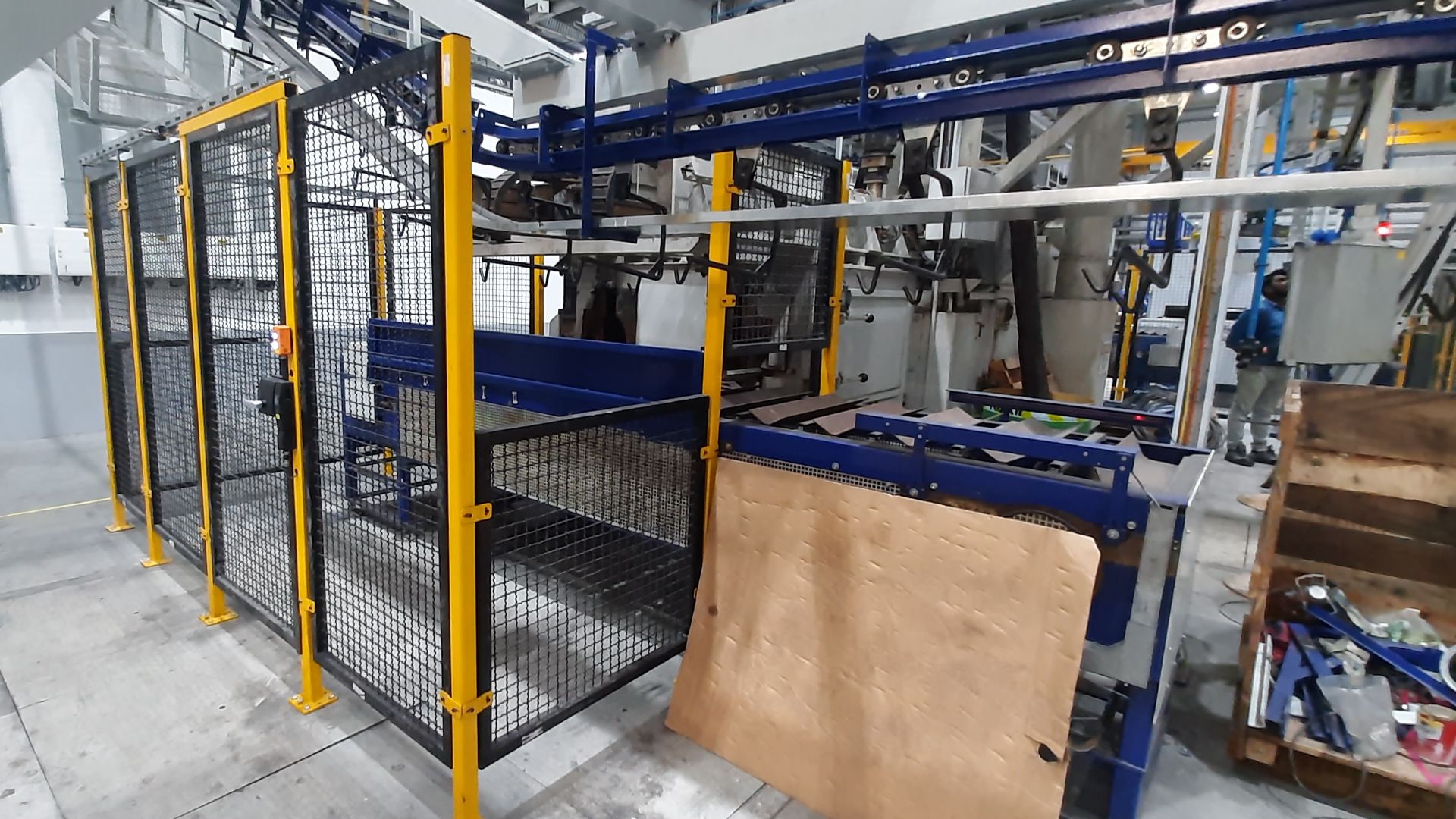
Industrial machinery once operated with belts, gears, blades, and pulleys completely exposed. Workers could lose fingers, arms, or their lives in seconds. As factory accidents attracted reformers and regulators, machine guards became a basic safety expectation. What employers once dismissed as interference became a central part of workplace regulation.
 Machine 1456, Wikimedia Commons
Hard Hats Were Not Always Standard Equipment
Construction workers once walked beneath steel beams, tools, and debris wearing little more protection than ordinary caps. Industrial head protection developed during the early 20th century, but adoption took time. Growing awareness of preventable workplace deaths eventually made hard hats mandatory across many dangerous construction and industrial environments.

Mine Safety Lamps Saved Workers From Explosions
Coal miners once carried open flames underground despite the presence of highly explosive methane gas. The Davy safety lamp, introduced in the early 19th century, reduced the chance of igniting dangerous gases. Mining disasters kept pressure on operators to improve lighting, ventilation, gas detection, and eventually electrical safety equipment.
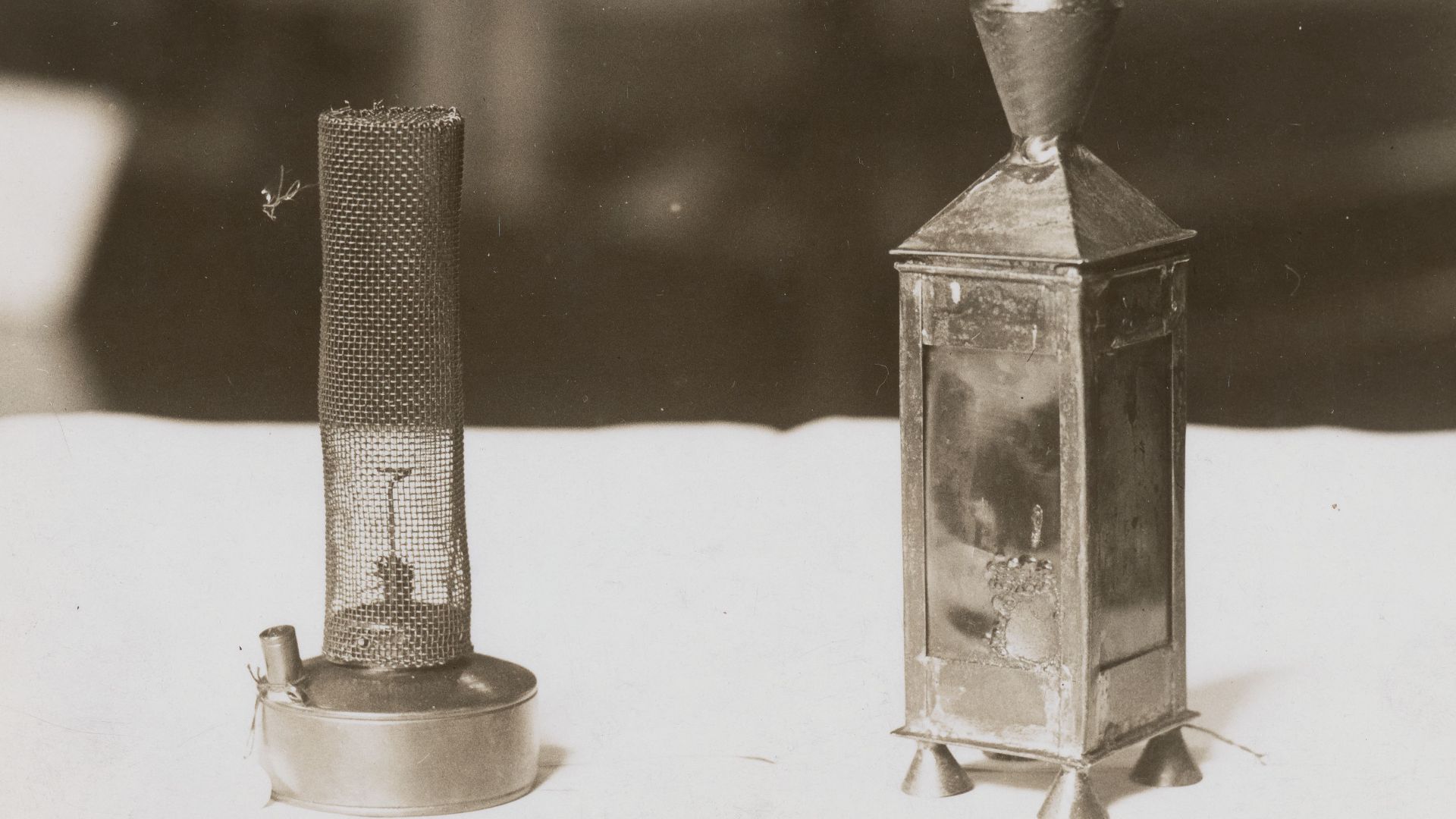 Acme Newspictures (New York City), Wikimedia Commons
History's most fascinating stories and darkest secrets, delivered to your inbox daily.
Gas Detectors Became A Workplace Lifeline
Invisible gases can accumulate inside mines, sewers, tanks, and industrial spaces without giving workers much warning. Fatal poisoning and explosion incidents showed that guesswork was not good enough. Portable gas detectors and fixed monitoring systems eventually became routine equipment in workplaces where oxygen levels or toxic gases could suddenly become dangerous.
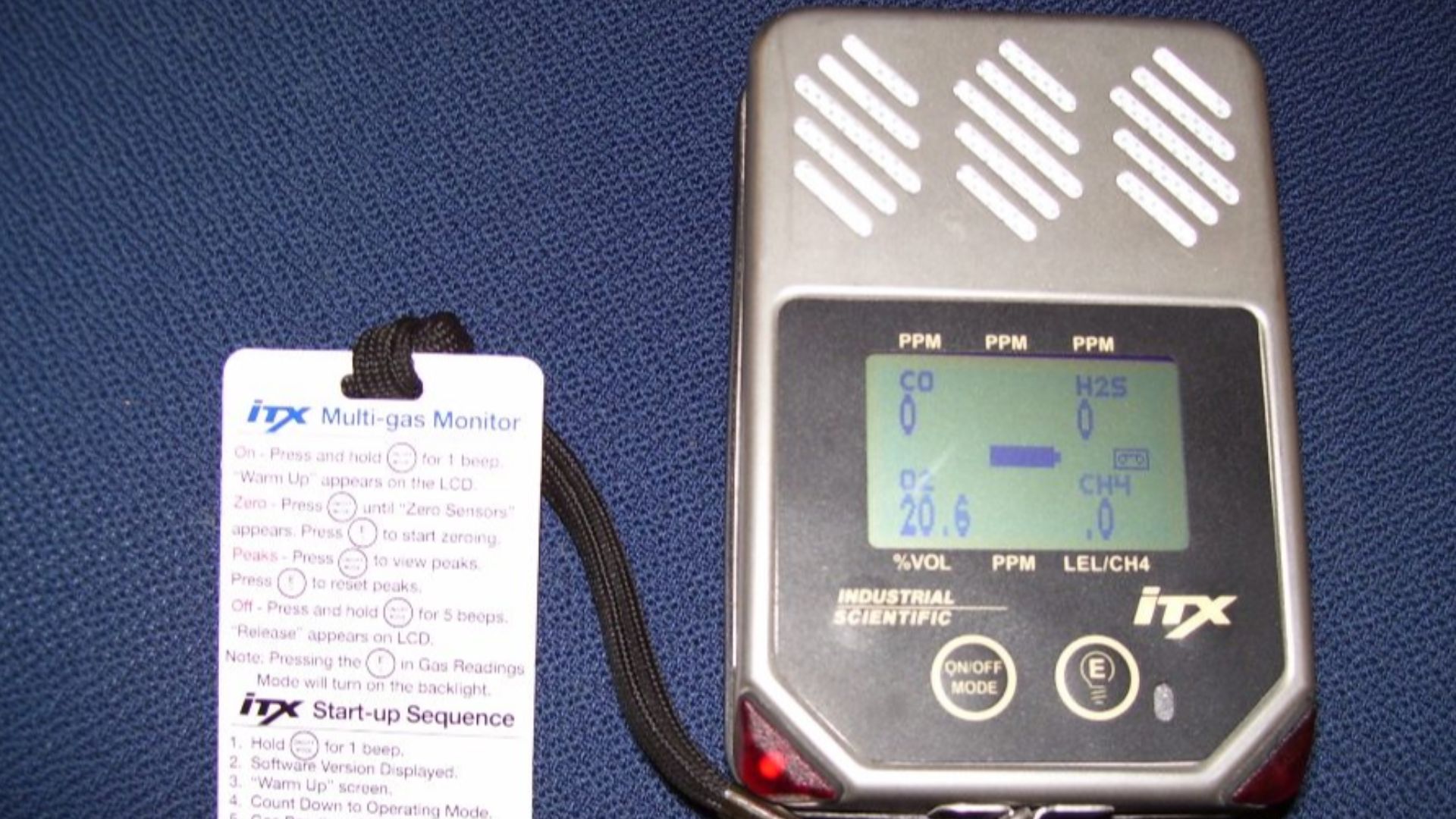 Sansumaria at English Wikipedia, Wikimedia Commons
Life Jackets Had To Become Proper Equipment
Early flotation devices could be bulky, unreliable, or simply unavailable when emergencies happened. Maritime disasters demonstrated that passengers needed effective lifesaving gear close at hand, not locked away somewhere below deck. Rules gradually standardized life jackets, required enough for everyone aboard, and established clearer standards for design and performance.
 Santeri Viinamaki, Wikimedia Commons
Safety Glass Stopped Windshields From Becoming Weapons
Early automobile windshields could shatter into long, razor-sharp pieces during crashes. Injuries from broken glass became frighteningly common as cars grew faster. Laminated and tempered safety glass dramatically reduced that danger. Regulators eventually required safer glazing materials, turning what once seemed like a technical improvement into an essential protection.
 Evgeniia Primavera, Shutterstock
Railroad Signals Grew From Deadly Collisions
Early railways relied heavily on human judgment, timetables, and basic signaling. When mistakes occurred, trains traveling on the same track could meet catastrophically. Repeated collisions encouraged increasingly sophisticated block signals, automatic train stops, and later computerized control systems designed to prevent trains from occupying dangerous sections of track simultaneously.
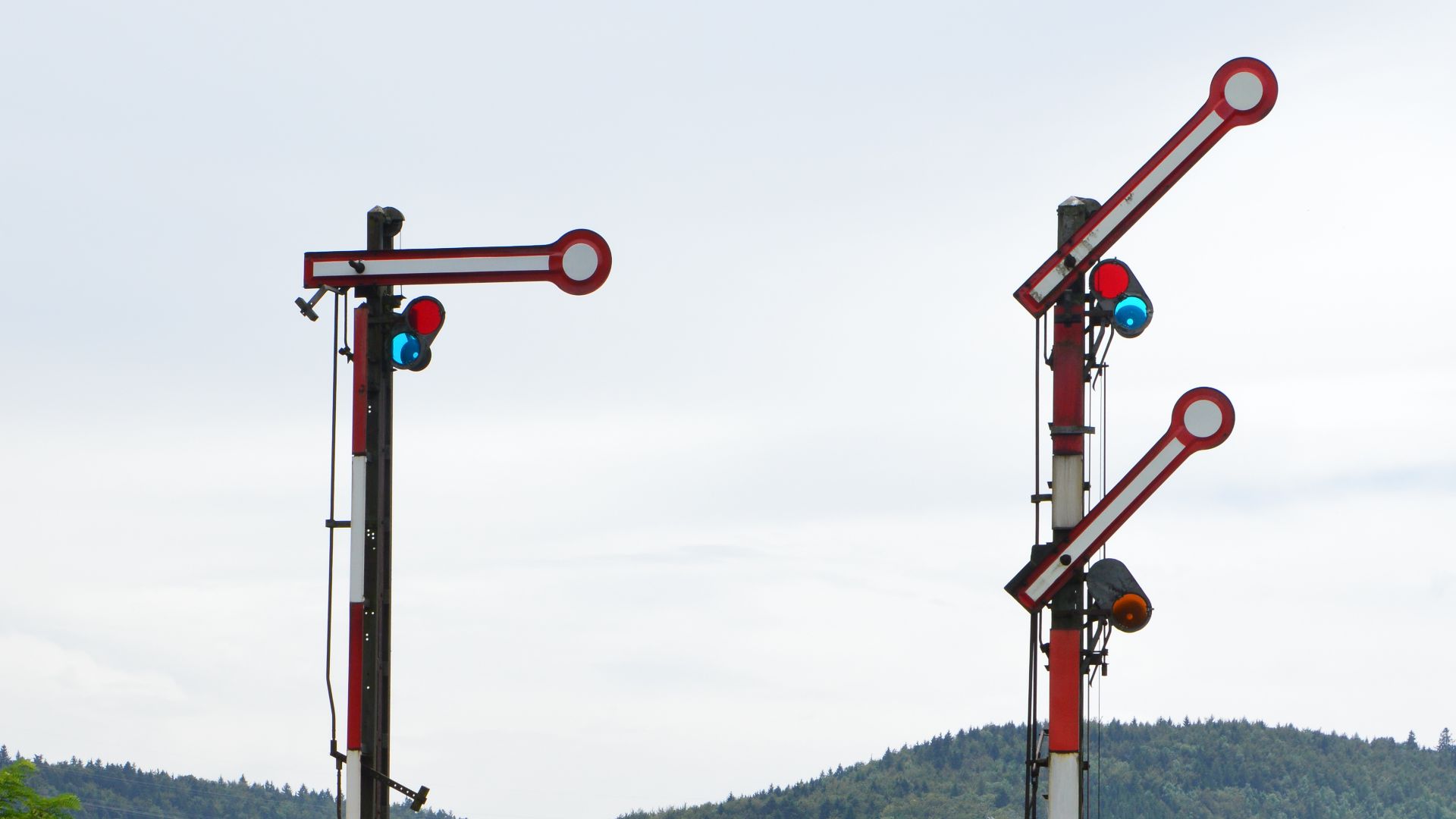 Schermuuser, Wikimedia Commons
Safety Became Harder To Call Optional
The uncomfortable pattern is clear: many safety devices were available before society fully embraced them. Cost, inconvenience, and confidence in the old way often delayed change. Then tragedy exposed the weakness, public opinion shifted, and regulation followed. Safety technology usually looks obvious in hindsight—but someone often paid dearly before everyone agreed.

The Best Safety Device Is The One Used Before Disaster
History's biggest safety lessons are painfully repetitive. We rarely regret installing an alarm, fastening a belt, improving an exit, or adding a backup system before something goes wrong. The real challenge is recognizing useful safety technology while it still seems overly cautious, rather than waiting for disaster to make the argument for us.

You May Also Like:
General Bernard Montgomery Was Unbeatable—And Utterly Despicable
Why The Vikings Never Colonized North America