AI Is Rewriting The Story Of The Dead Sea Scrolls—And Historians Are Doing A Double Take
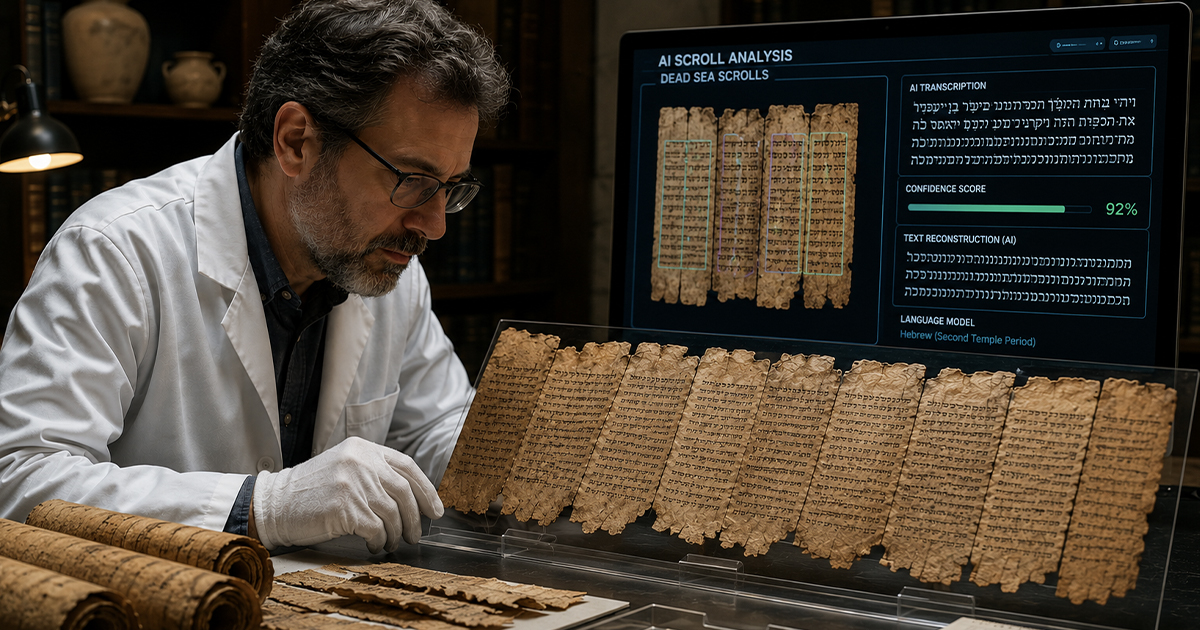
For a long time, scholars thought they had the Dead Sea Scrolls pretty much figured out. Turns out, history had a plot twist waiting. Thanks to AI stepping in, researchers are now realizing these ancient texts may not be the work of just one careful scribe—and that changes a lot.
The Discovery That Started It All
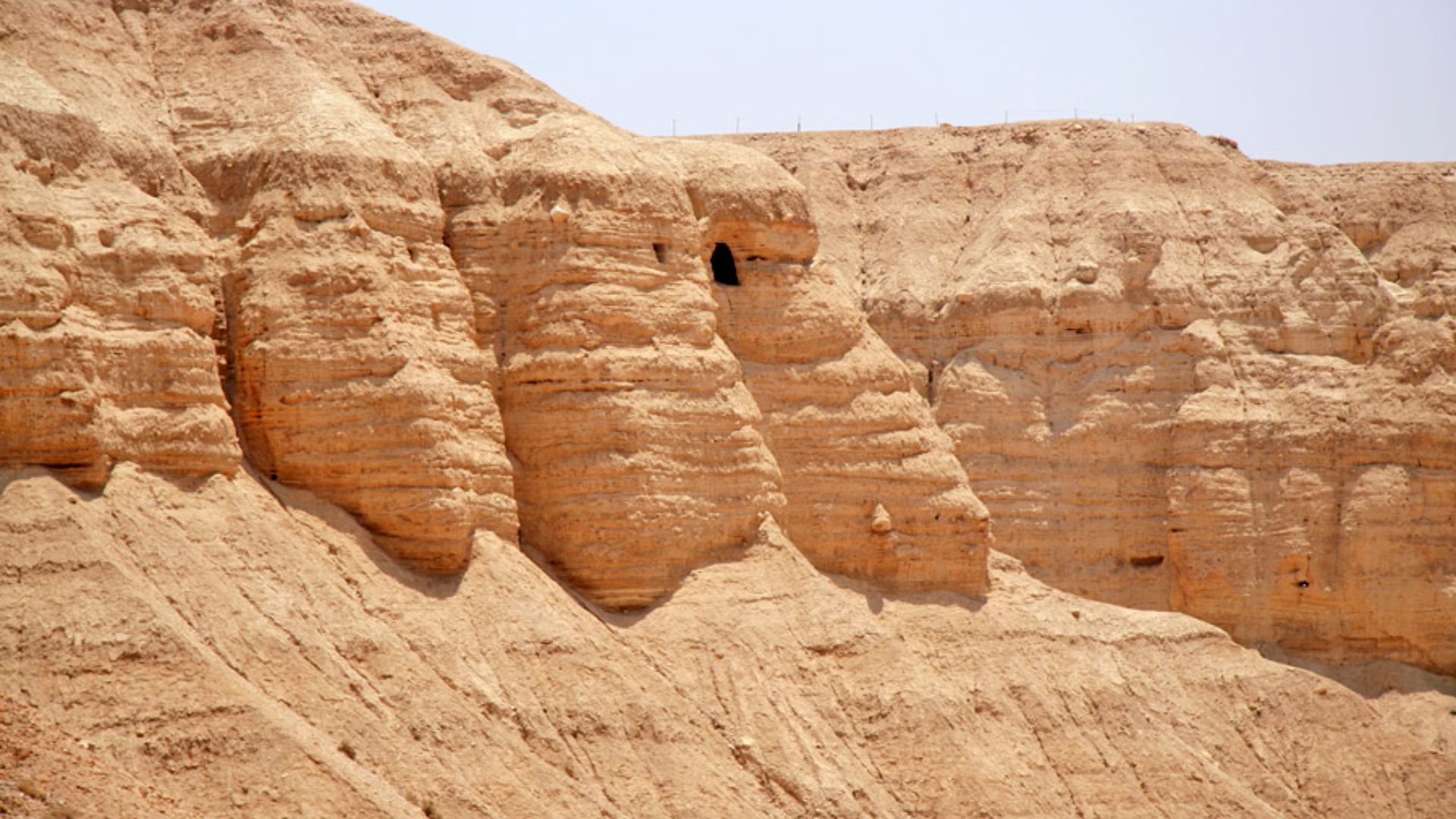
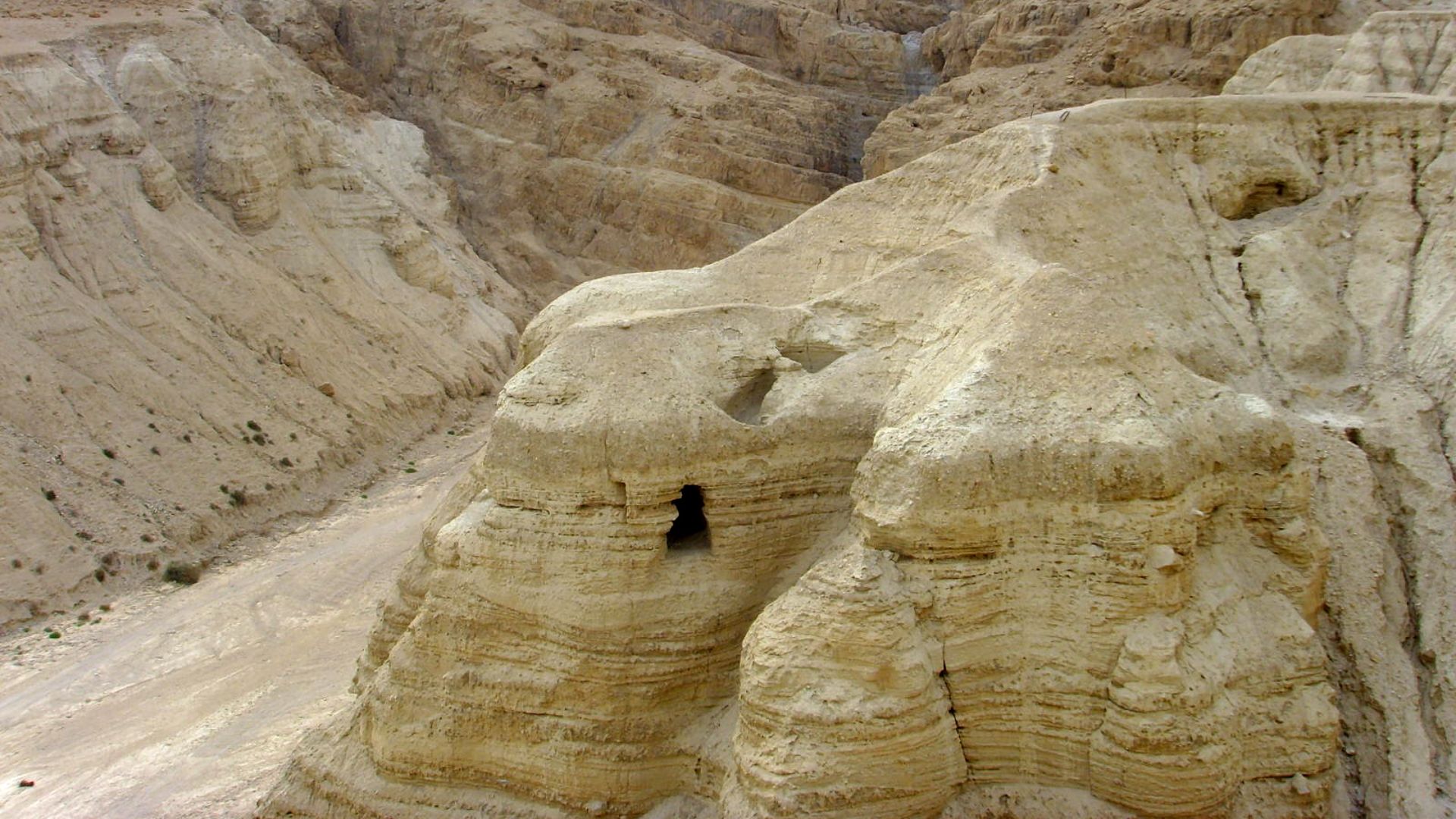
Back in 1947, Bedouin shepherds stumbled across the Dead Sea Scrolls in caves near Qumran, along the northwest edge of the Dead Sea. These texts date from roughly 300 BCE to 100 CE and include some of the oldest known copies of Hebrew scripture. It was one of those rare finds that instantly reshaped how we understand ancient history.
A Debate That Never Really Settled
From the start, scholars couldn’t quite agree on who wrote the scrolls. Some believed a small sect, possibly the Essenes, copied them in isolation, while others suspected a broader effort. The problem was, without signatures, it was mostly educated guesswork—and a lot of academic debates that probably lasted longer than they should have.
 Effi Schweizer, Wikimedia Commons
Why Handwriting Became The Key
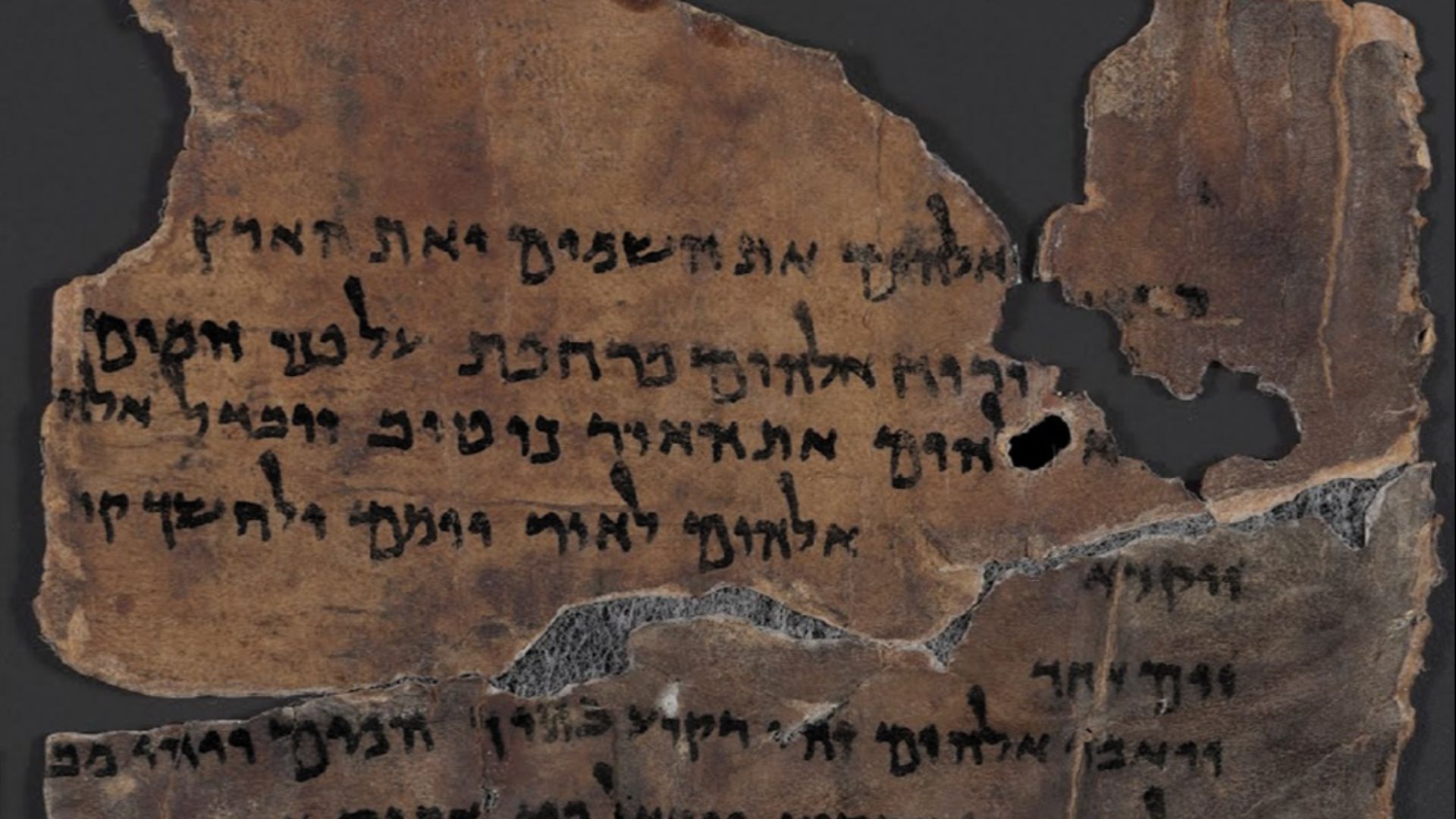
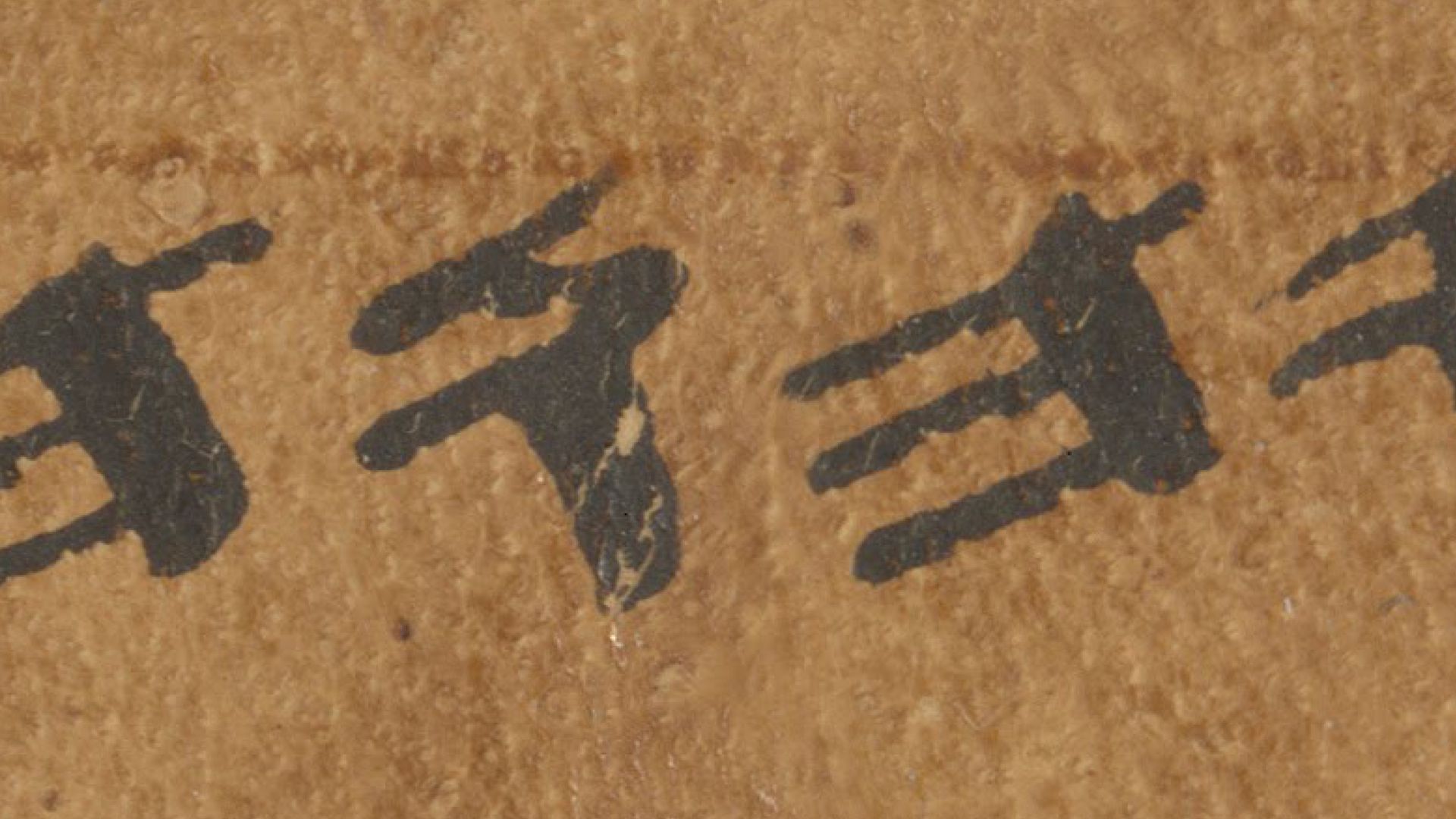
Since no one signed their name (very inconsiderate, honestly), researchers had to rely on handwriting analysis. This meant closely studying letter shapes, spacing, and writing patterns. The issue is that even experts can disagree, especially when the handwriting is extremely consistent.
 User:KetefHinnomFan, Wikimedia Commons
Enter AI—The Ultimate Detail Nerd
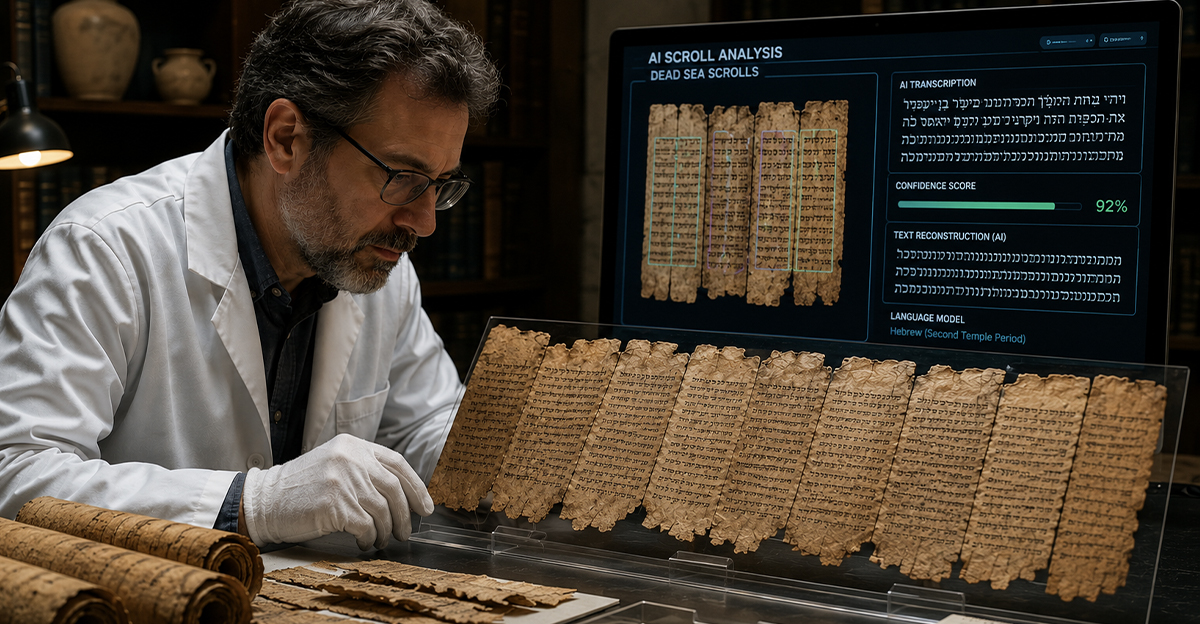
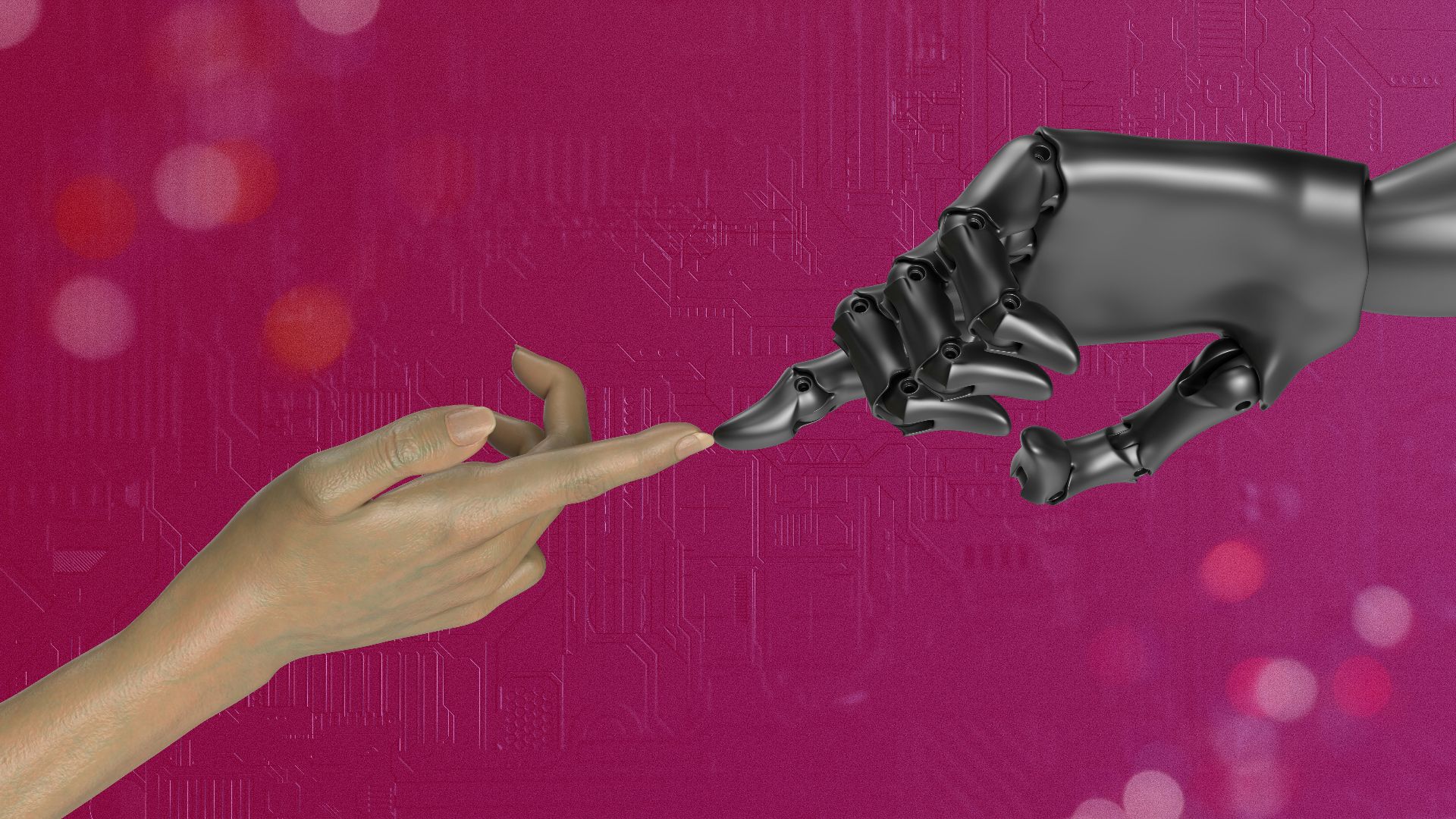
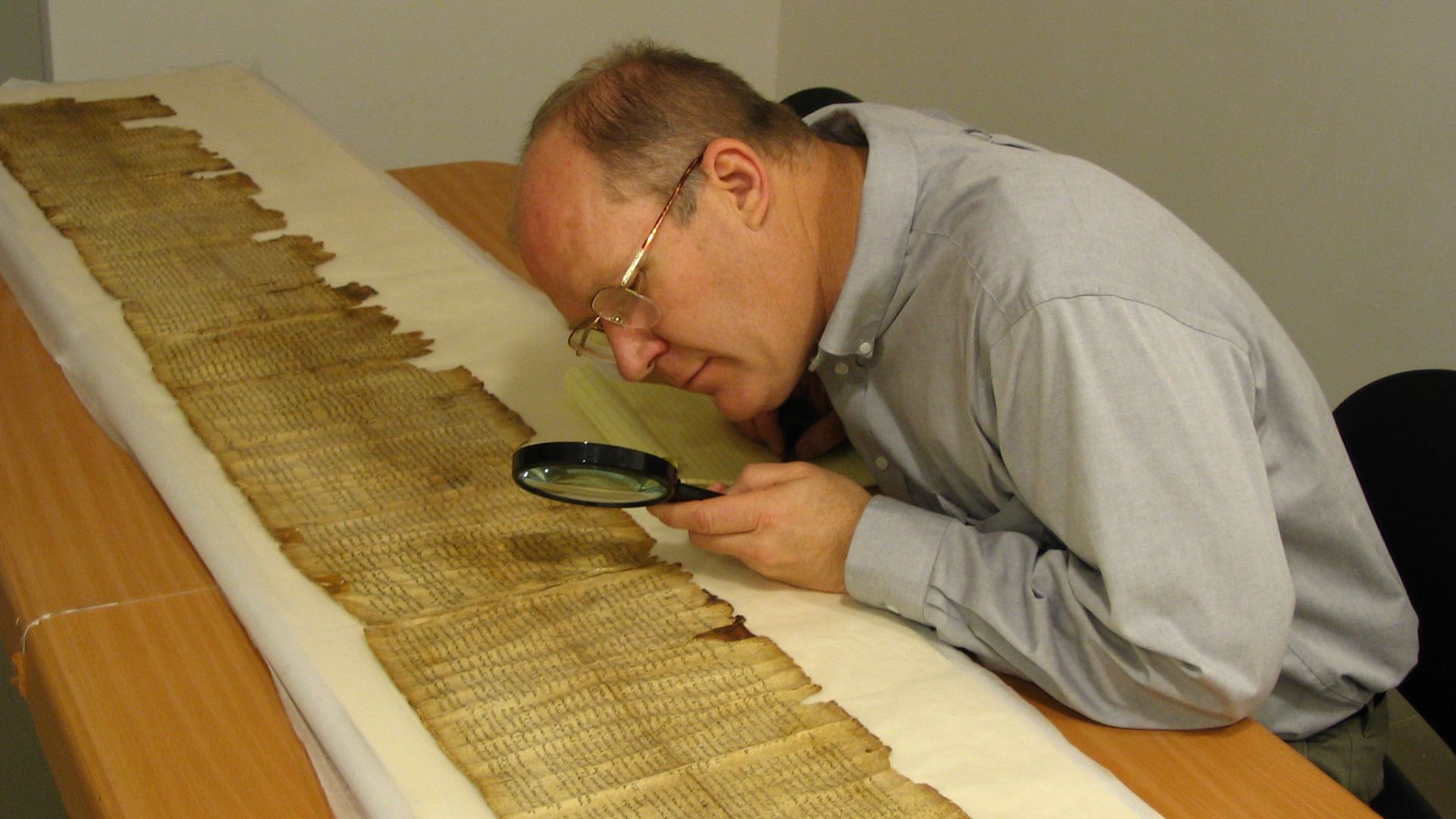
In 2021, Professor Mladen Popović and his team at the University of Groningen decided to bring in artificial intelligence. Their thinking was simple: if humans struggle to spot tiny differences, maybe a machine wouldn’t. Spoiler—it didn’t struggle at all.
Teaching A Machine To Read Ancient Ink
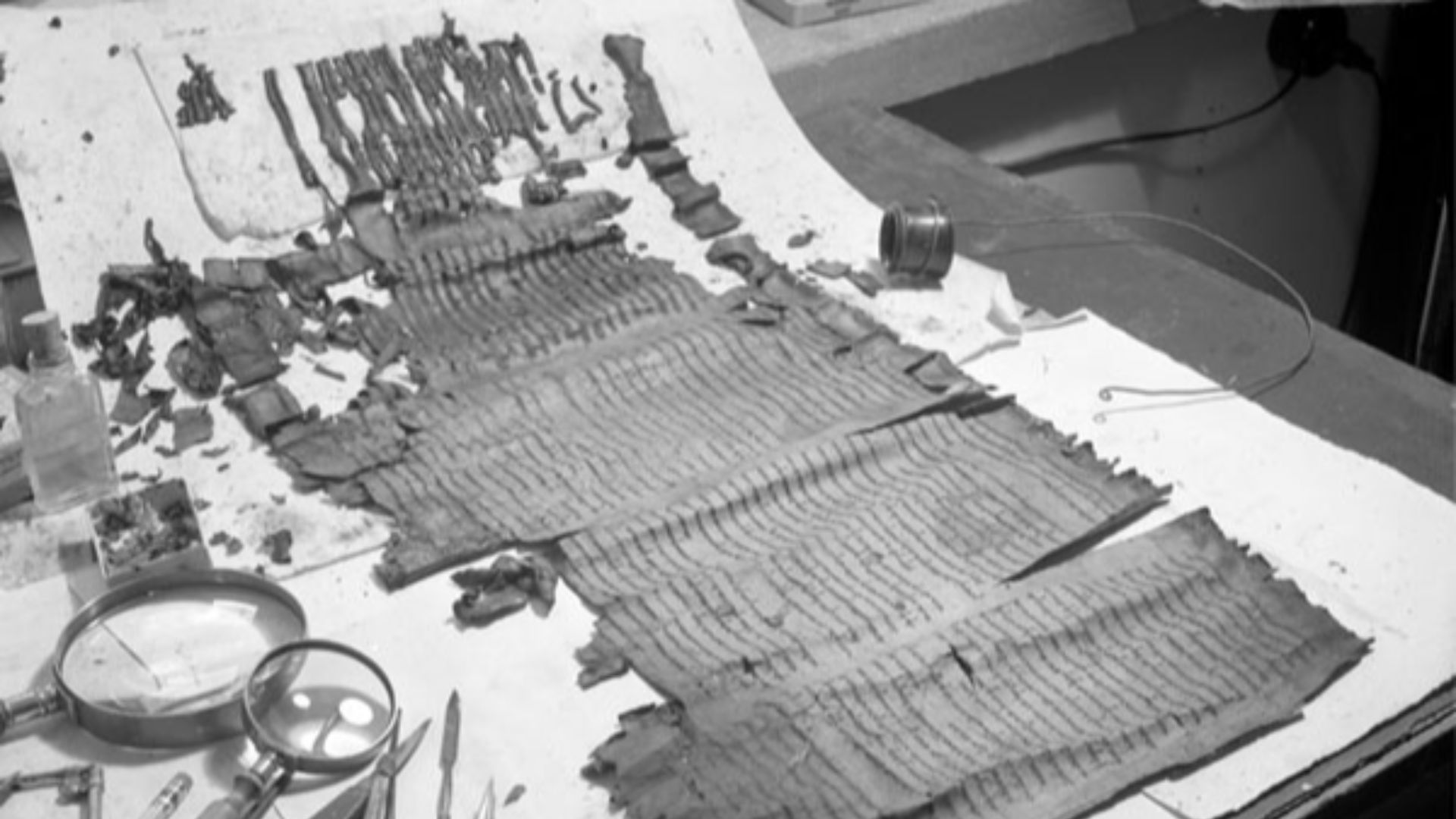
The AI was trained to analyze microscopic details in each letter, like stroke direction and curvature. These are things humans notice, but not always with perfect consistency. The computer, on the other hand, treats every tiny detail like it matters—because to it, it does.
 Geza Vermes, Wikimedia Commons
The Famous Isaiah Scroll Gets Its Moment
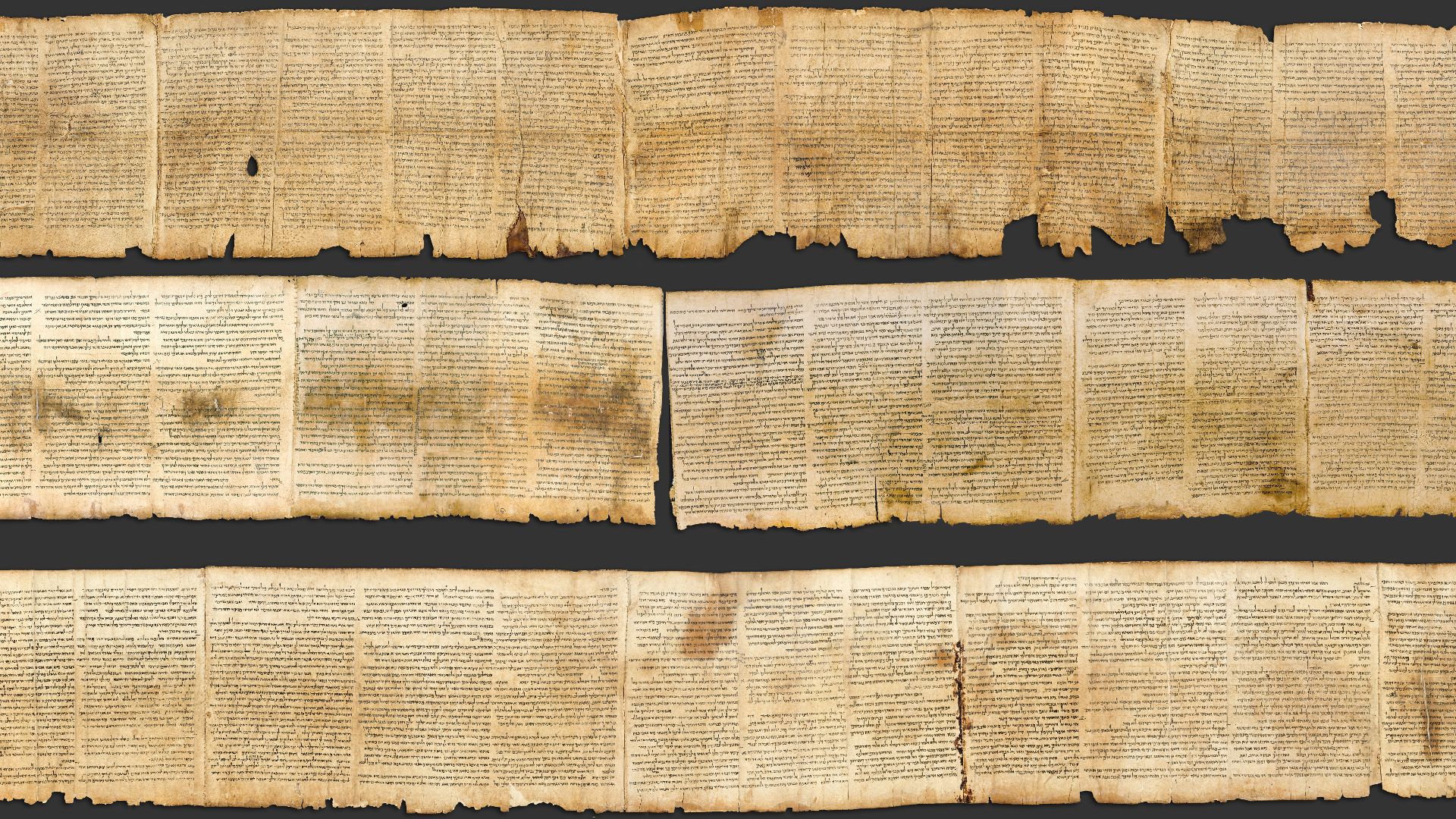
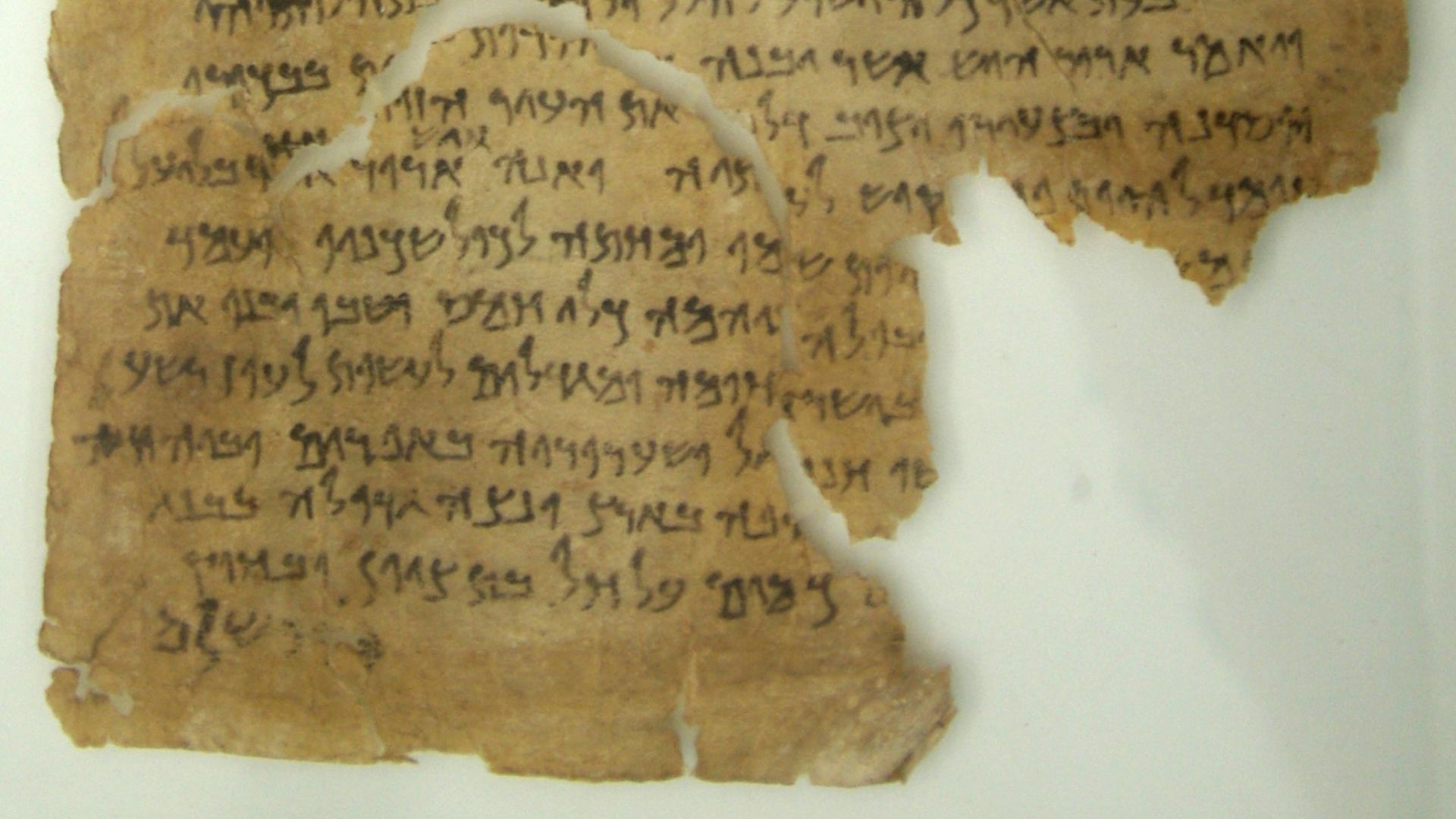
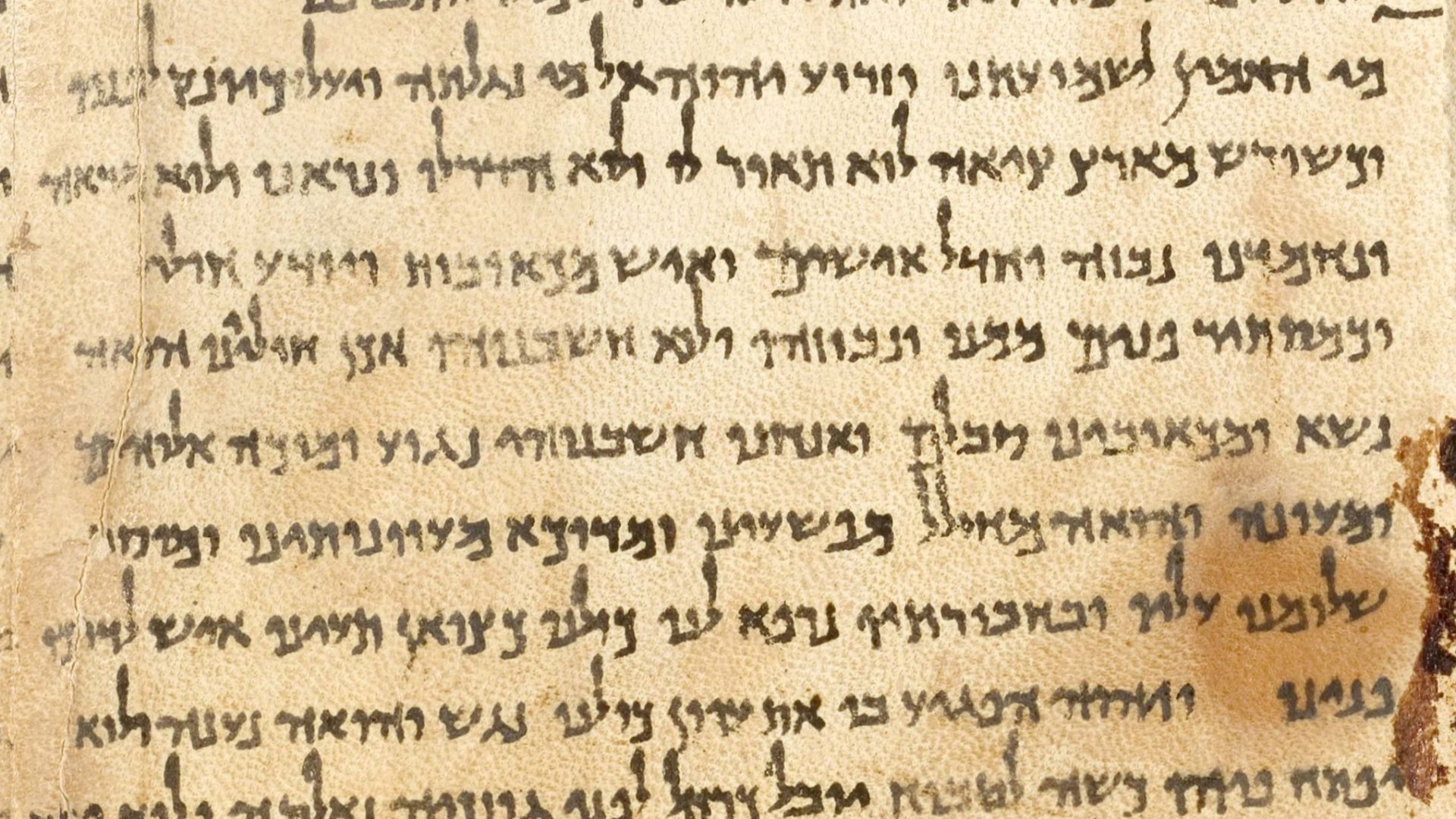
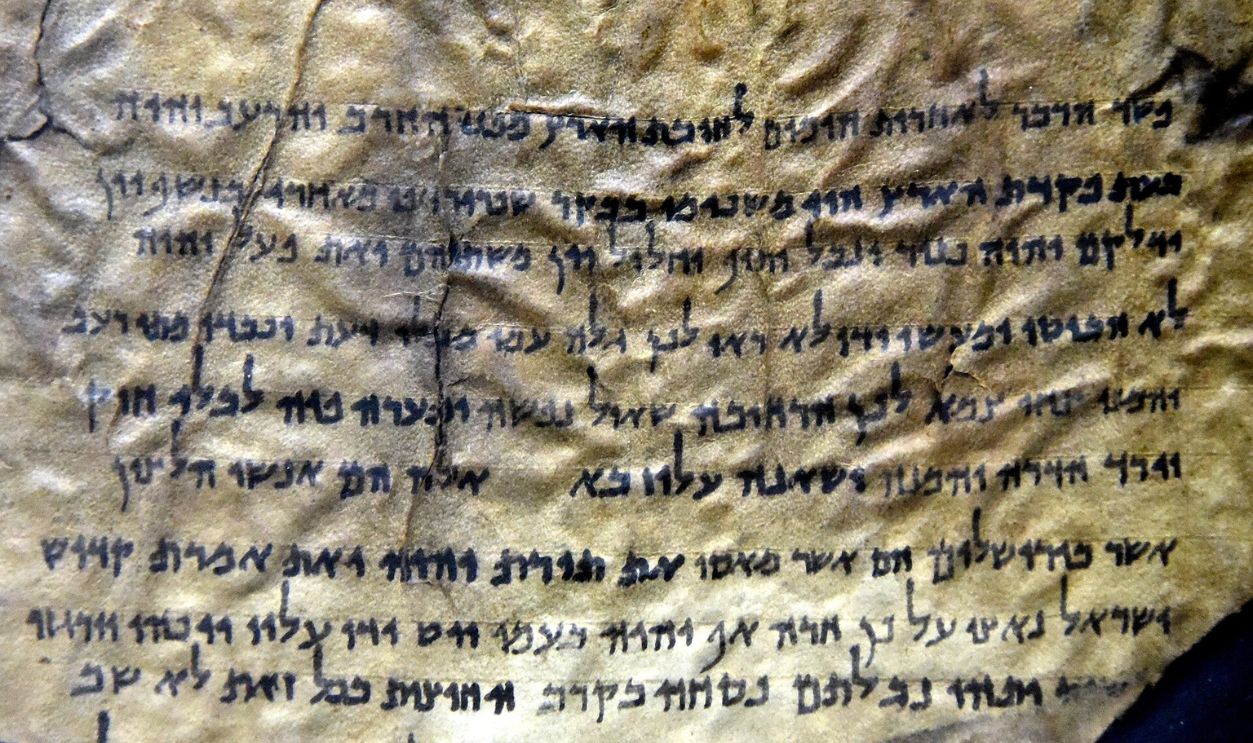
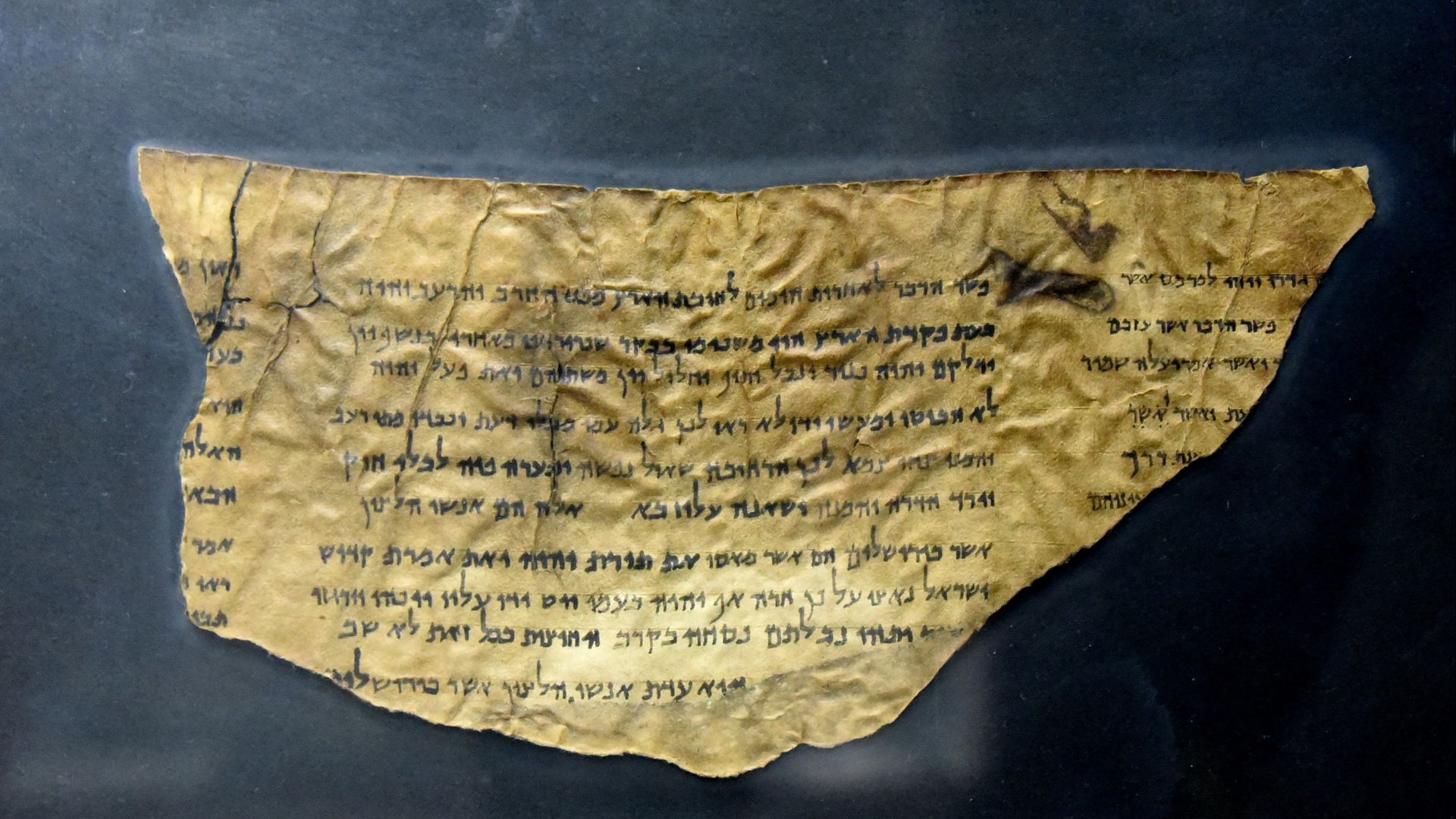
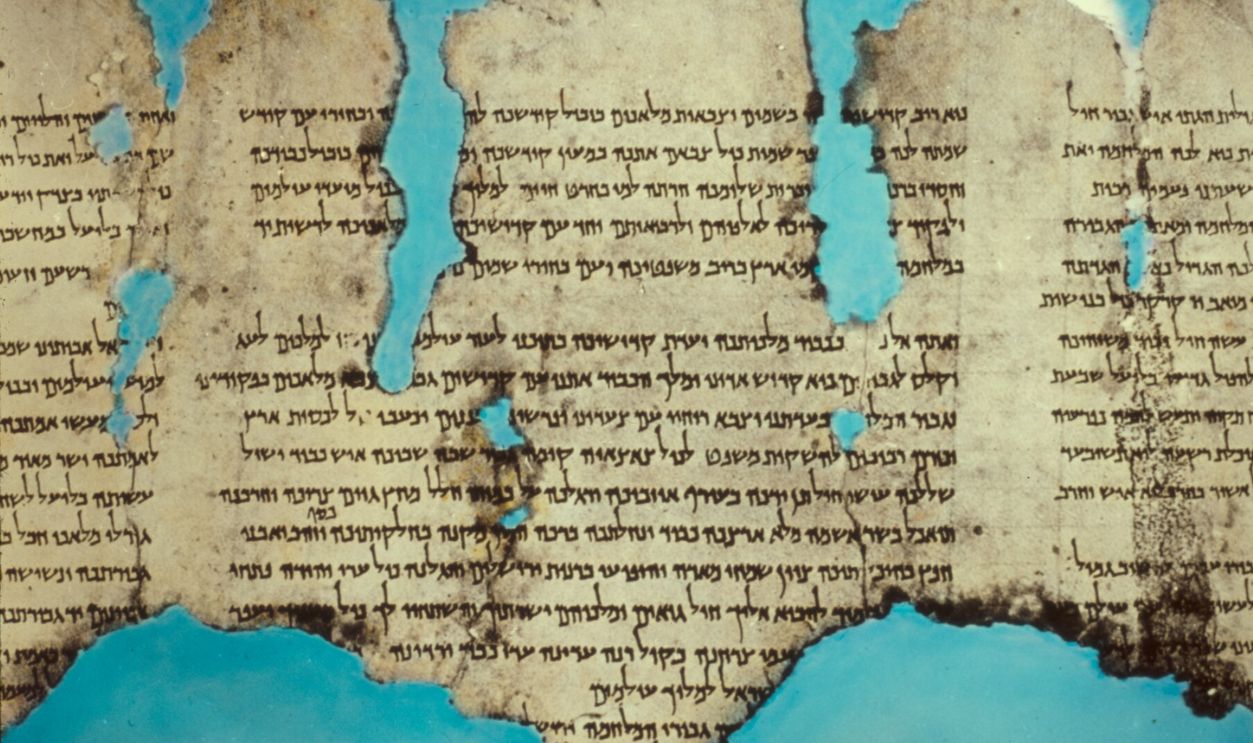
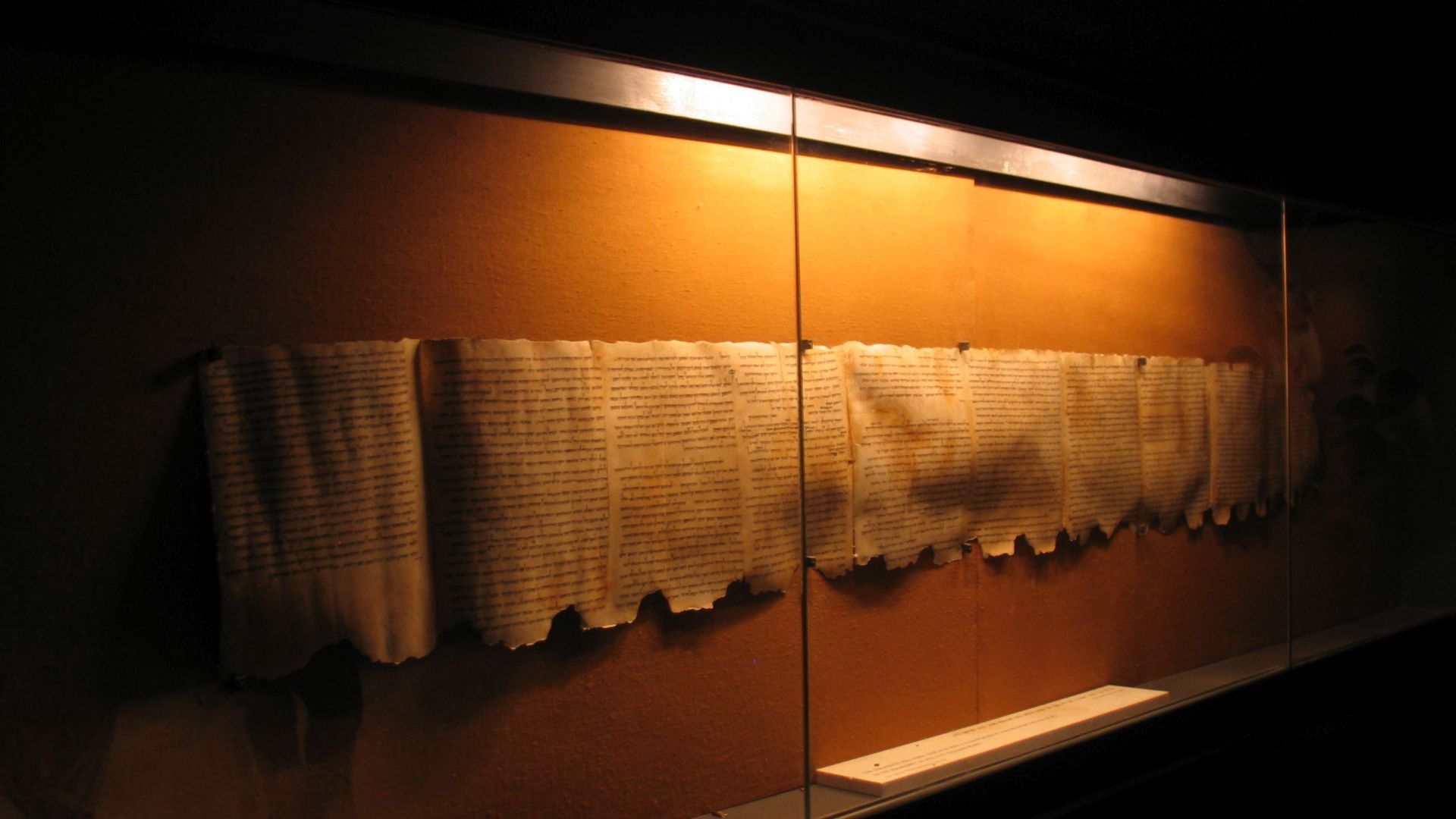
The team focused on the Great Isaiah Scroll, discovered in Cave 1 at Qumran and dated to around 125 BCE. This scroll contains the full Book of Isaiah and is one of the best-preserved texts from the collection. For years, it was considered a textbook example of a single scribe’s work.
 Photographs by Ardon Bar Hama, author of original document is unknown., Wikimedia Commons
The Twist No One Expected
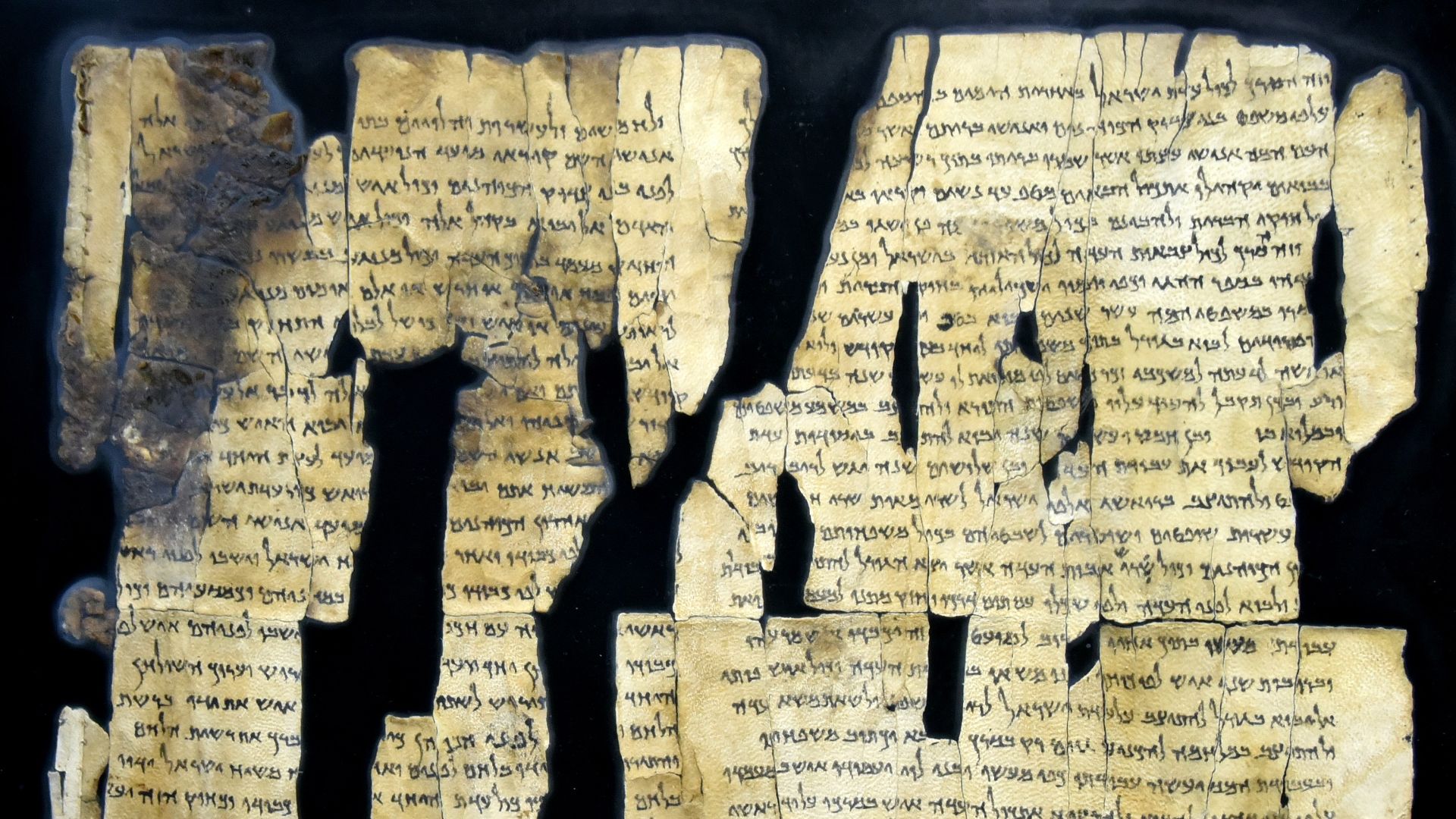
When the AI finished analyzing the scroll, it found something surprising. The handwriting showed slight but consistent differences across the text. In plain terms, it looked like two people had worked on it, not one.
Differences You’d Probably Miss
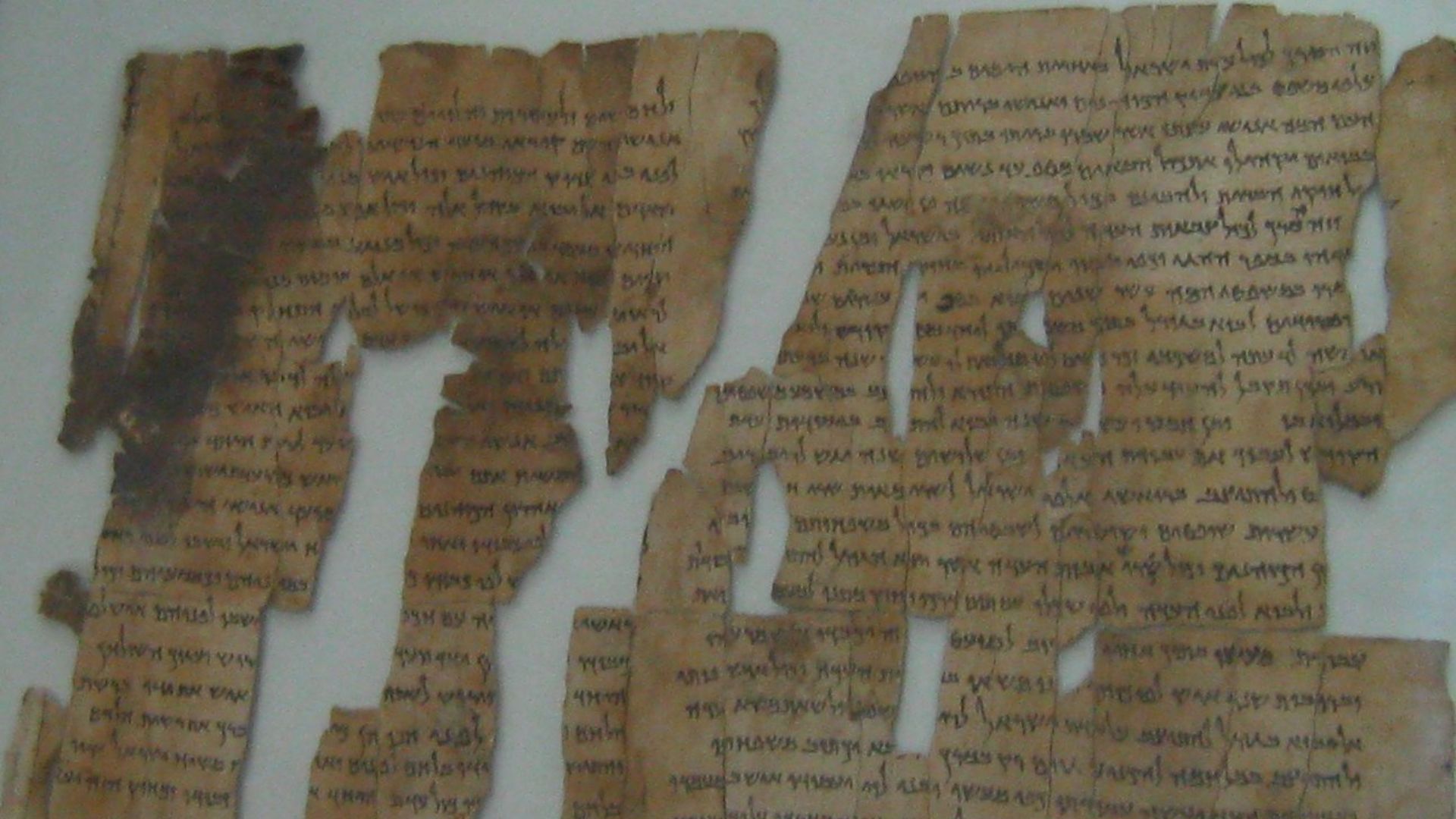
To be fair, these differences aren’t obvious. To the human eye, the writing looks nearly identical all the way through. But the AI picked up on small variations in letter formation that stayed consistent enough to point to two distinct scribes.
What The Study Actually Said
The findings were published in April 2021 in PLOS ONE. Popović summed it up clearly: “The computer analysis shows that there are two writers with very similar handwriting who probably underwent the same training.” So, not random differences—this was organized.
 Dead Sea Scrolls, Wikimedia Commons
Why This Changes The Whole Picture
If two scribes worked on a single scroll, it suggests these texts weren’t copied by isolated individuals working alone. Instead, there may have been structured systems in place for producing them. Think less “lone monk in a cave” and more “team project—but with way better handwriting.”
 Berthold Werner, Wikimedia Commons
Rethinking The Qumran Community
This discovery forces historians to rethink what life at Qumran looked like. Instead of a small, cut-off group, there may have been a more connected community with shared training and practices. That paints a very different picture of how these texts were created.
AI’s Big Advantage
AI doesn’t get tired, and it doesn’t second-guess itself halfway through a scroll. It can analyze thousands of characters quickly and consistently. That makes it incredibly useful for spotting patterns that humans might overlook.
The Tech Behind The Scenes
The researchers used neural networks and pattern recognition to break down each letter into measurable features. Every stroke becomes data, which can then be compared across the entire document. It’s basically turning handwriting into a science experiment.

This Is Just The Beginning
The Isaiah Scroll is only one example, and researchers are already looking at applying this method to other texts. If similar patterns show up elsewhere, we could be looking at a major shift in how we understand the entire collection.
 Photography by Ardon Bar Hama (see [2], author of original document is unknown., Wikimedia Commons
A New Chapter For Biblical Studies
This kind of research marks a shift toward combining traditional scholarship with modern technology. Historians aren’t being replaced—they’re just getting some very powerful new tools. And honestly, the scrolls aren’t getting any easier to read on their own.
 Reese Jacobson, Wikimedia Commons
The Big Question Now
Now that we know multiple scribes may have been involved, the obvious question is who they were. Were they trained together? Part of a larger scribal network? These are the kinds of questions researchers are now trying to answer.
 Osama Shukir Muhammed Amin FRCP(Glasg), CC BY-SA 4.0, Wikimedia Commons
Consistency Still Matters
Even with two scribes, the handwriting remains incredibly consistent. That suggests both writers were highly trained and likely followed strict guidelines. These weren’t casual copies—they were carefully produced texts with serious importance.
 KetefHinnomFan, Wikimedia Commons
Dating Texts More Accurately
AI could also help refine when these scrolls were written. By comparing handwriting styles across different texts, researchers may be able to identify patterns over time. That could lead to more precise historical timelines.
 Osama Shukir Muhammed Amin FRCP(Glasg), Wikimedia Commons
The Research Is Spreading
Groups like the Israel Antiquities Authority and universities across Europe are starting to explore similar AI methods. As more scrolls are digitized, there’s a growing opportunity to reanalyze them with fresh tools.
 User:Mattes, Wikimedia Commons
Not Everyone Is Ready To Fully Commit
Some scholars are still cautious about relying too heavily on AI. They point out that human interpretation is still essential for context and meaning. Most agree the best approach is a mix of both—brains and machines working together.
 Osama Shukir Muhammed Amin FRCP(Glasg), Wikimedia Commons
Teamwork Made This Possible
This wasn’t just a tech breakthrough—it was a collaboration across multiple fields. Archaeologists, historians, computer scientists, and linguists all played a role. It’s a good reminder that big discoveries usually don’t happen in isolation.
 Matson Photoservice (American Colony Jerusalem), CC0, Wikimedia Commons
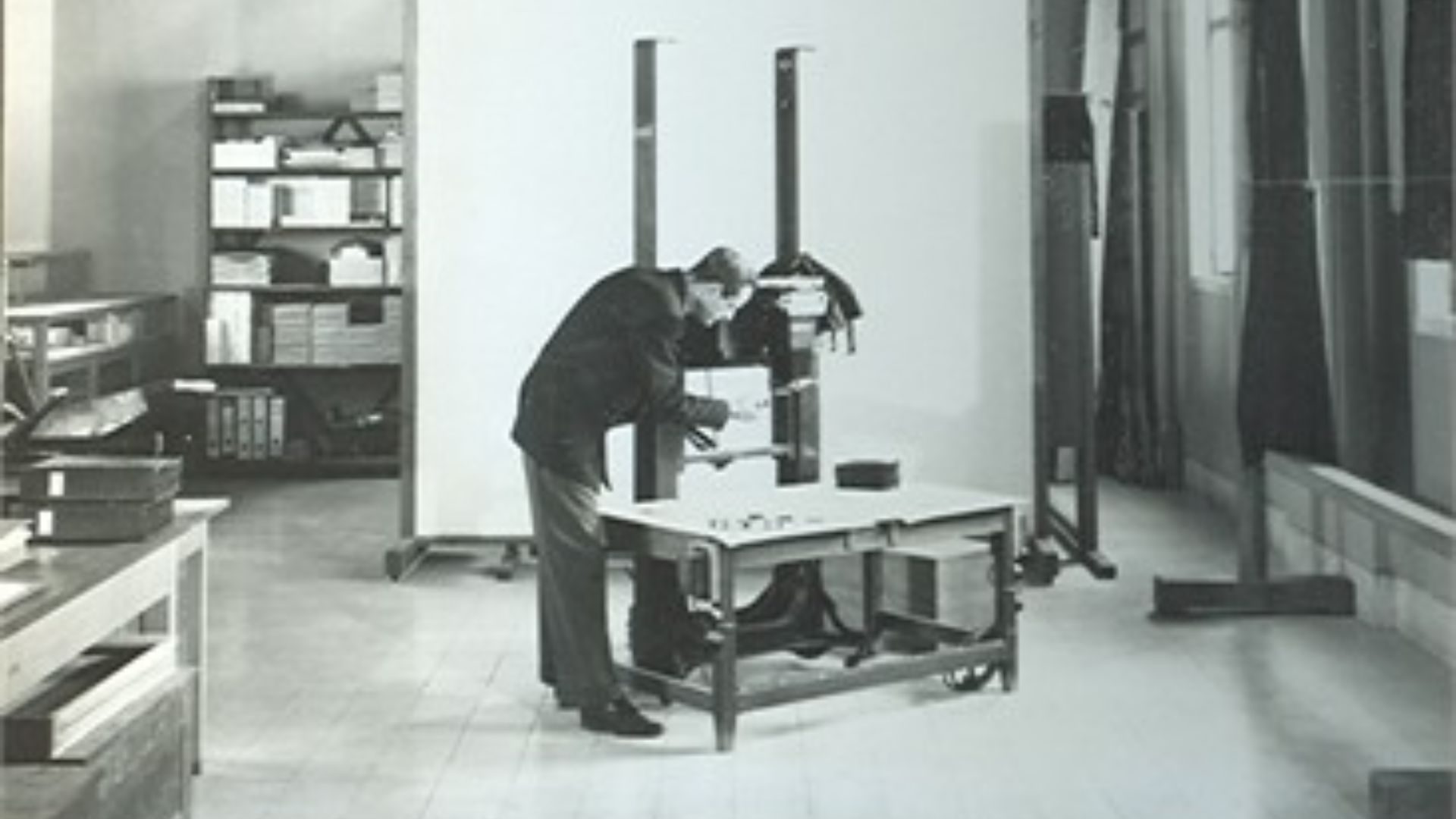
Imagining Ancient Workspaces
If multiple scribes worked on the same scroll, it raises the idea of shared writing spaces. These could have been early scriptoria where texts were copied carefully and consistently.
 PAM (Life time: N/A). The original uploader was Eagletennis at English Wikipedia., Wikimedia Commons
What Happens Next
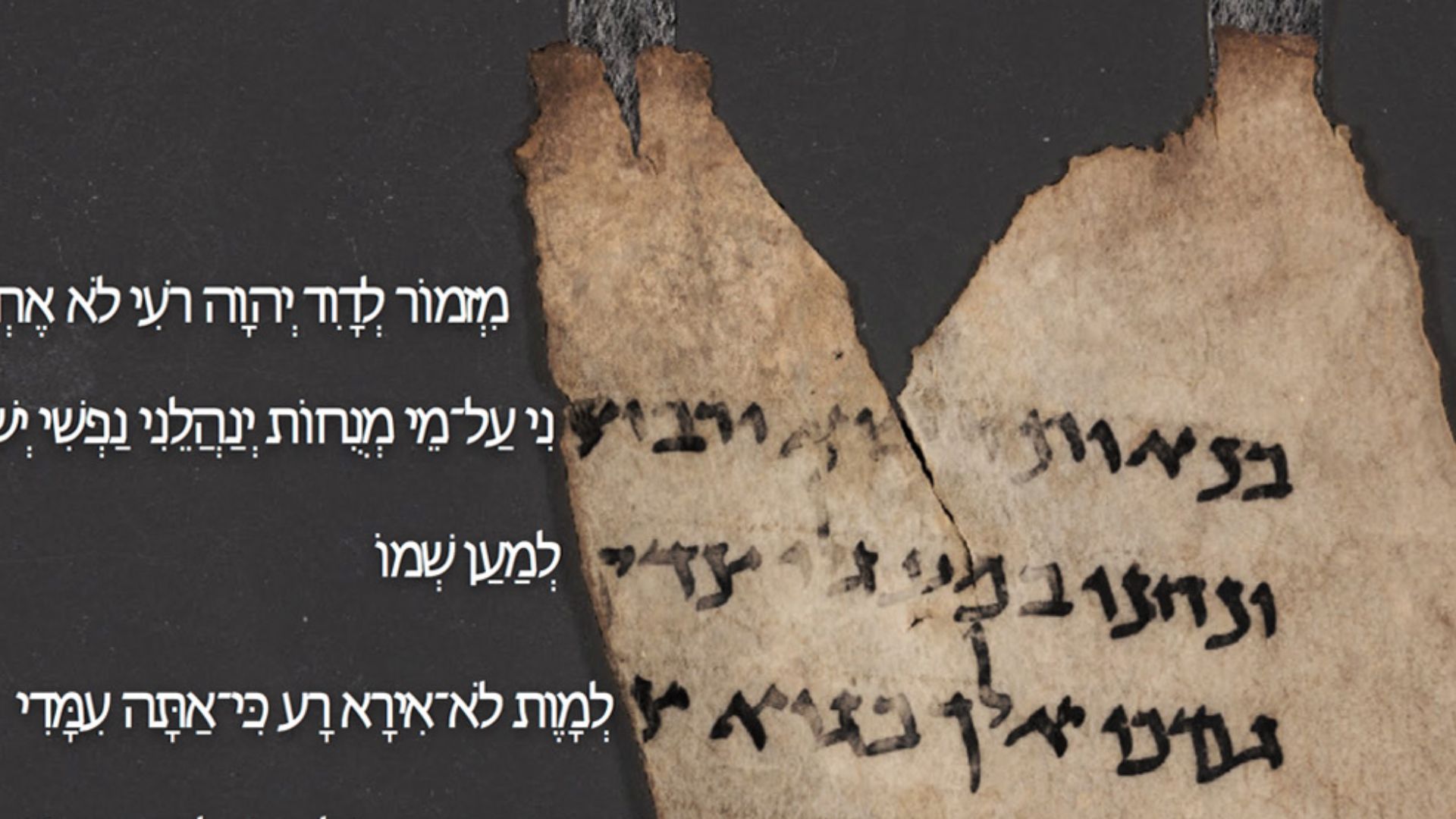
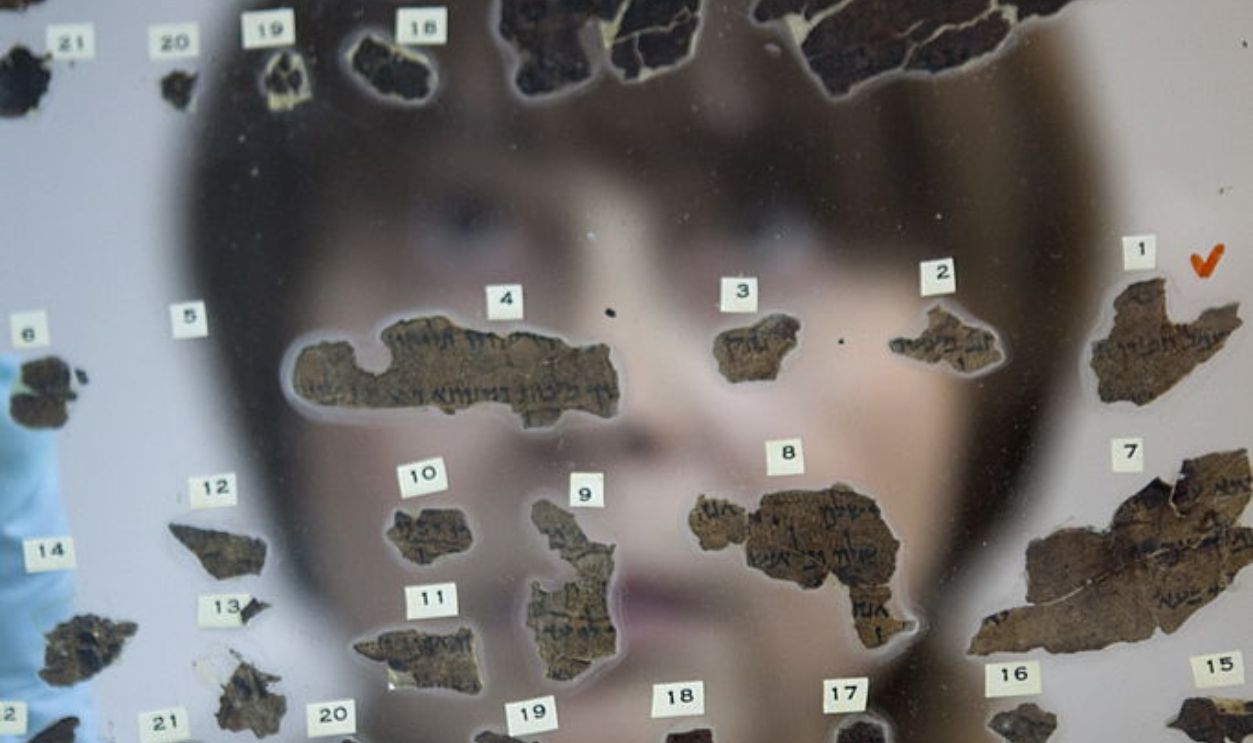
Researchers are now applying AI to fragmented scrolls, which are much harder to analyze. These pieces could hold important details that were previously overlooked.
 AI to fragmented scrolls, Getty Images
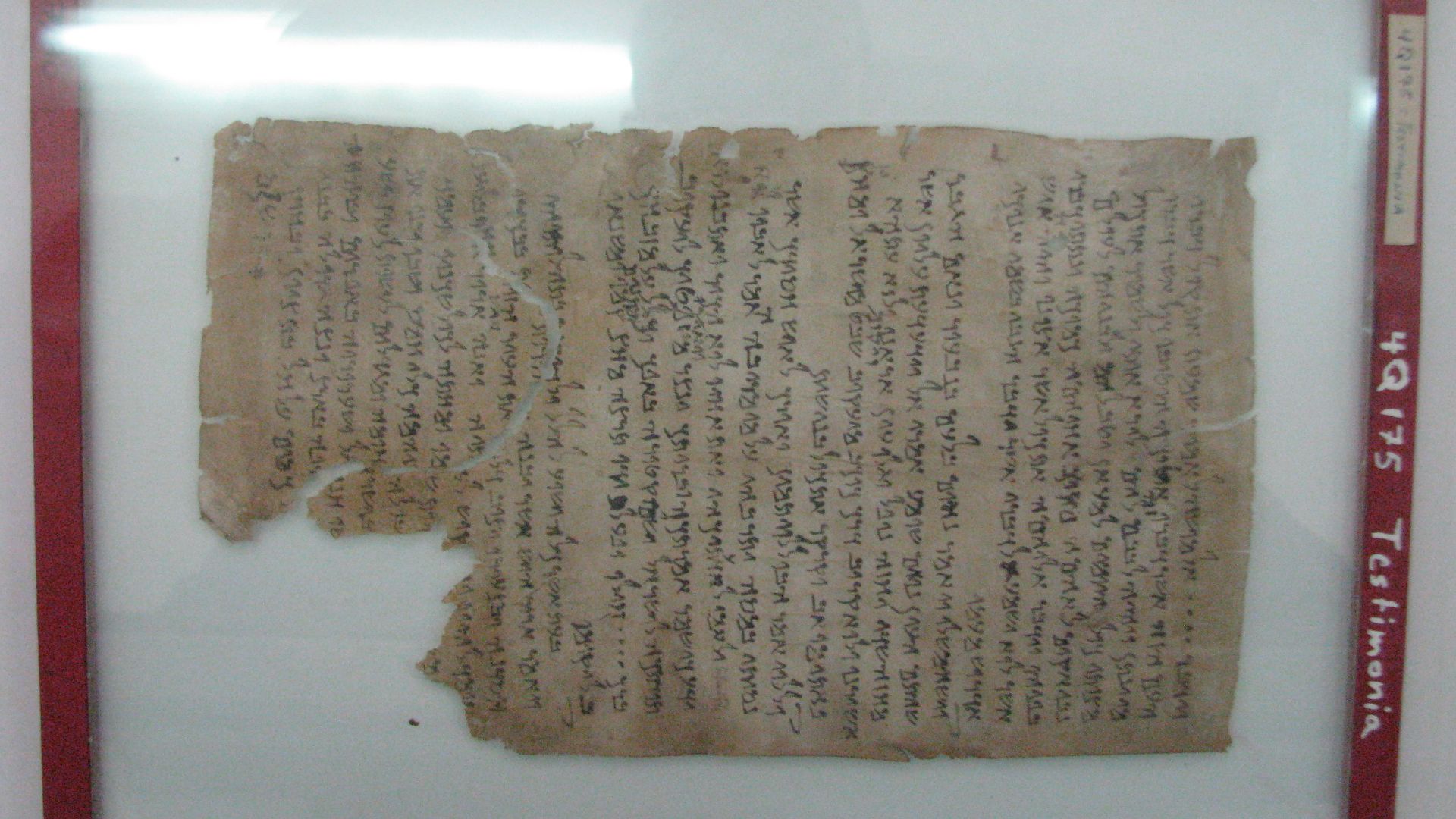
Why This Still Matters Today
The Dead Sea Scrolls are central to understanding the origins of biblical texts. Learning more about how they were written helps historians better interpret religious history.
 Dale Gillard, Wikimedia Commons
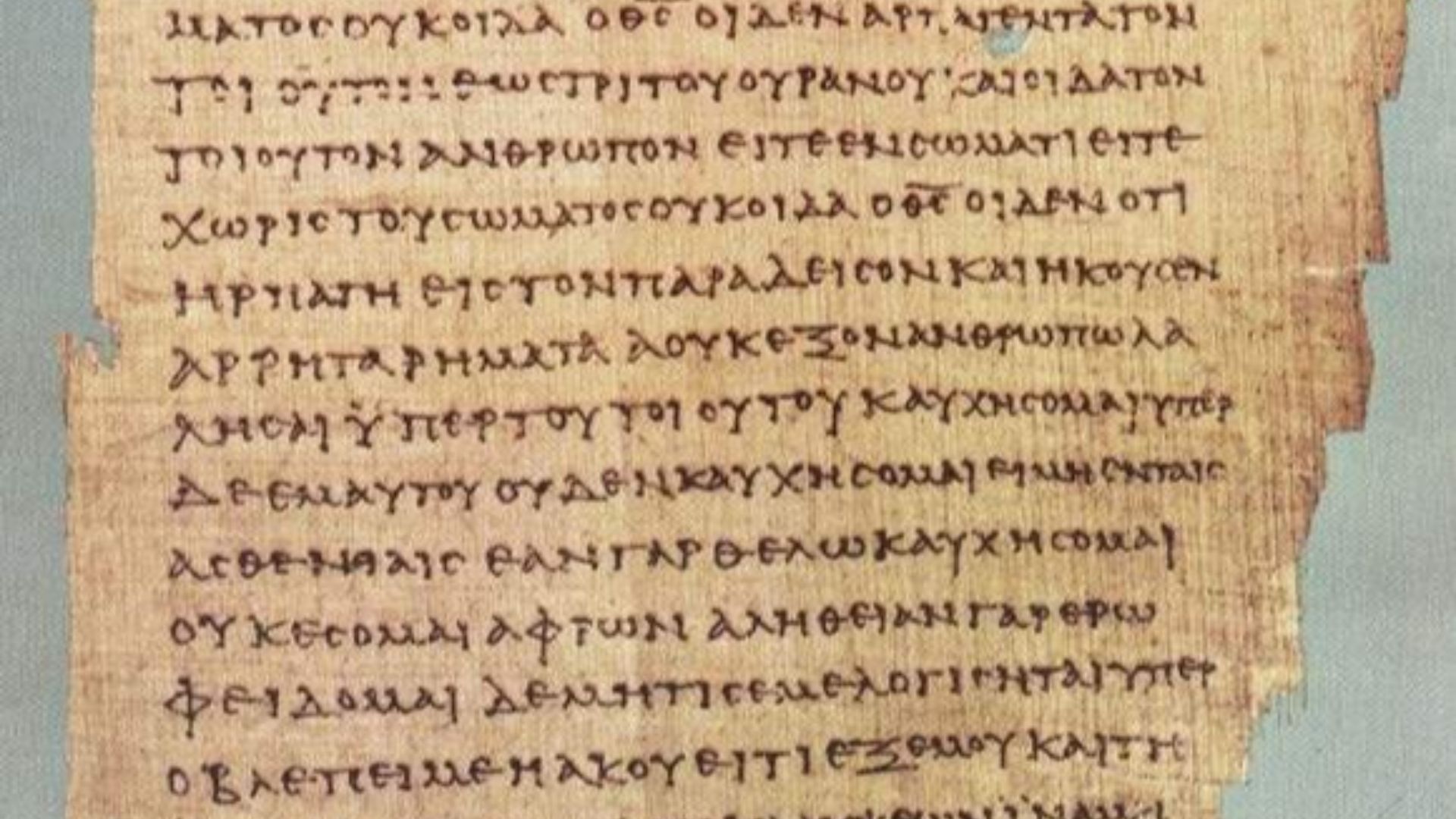
The Scrolls Keep Surprising Us
Even after more than 75 years of study, the Dead Sea Scrolls aren’t done revealing their secrets. Each new method brings new insights, and AI is proving to be a game-changer.
 Unknown authorUnknown author, Wikimedia Commons
When Ancient History Gets A Tech Upgrade
This discovery shows how modern technology can completely reshape our understanding of the past. What once seemed settled is now being reexamined with better tools and sharper analysis.
You May Also Like: