
The Store Shelf Used To Be A Wilder Place
Walk into a hardware, drug, or department store in the mid-1970s and you could find products that would never reach an ordinary retail shelf today. Some were later banned outright, while others have been severely restricted, either due to toxic chemicals, environmental damage, or simply being a serious safety hazard.
Do you remember seeing any of these on the shelf?

Owning It And Selling It Are Different Things
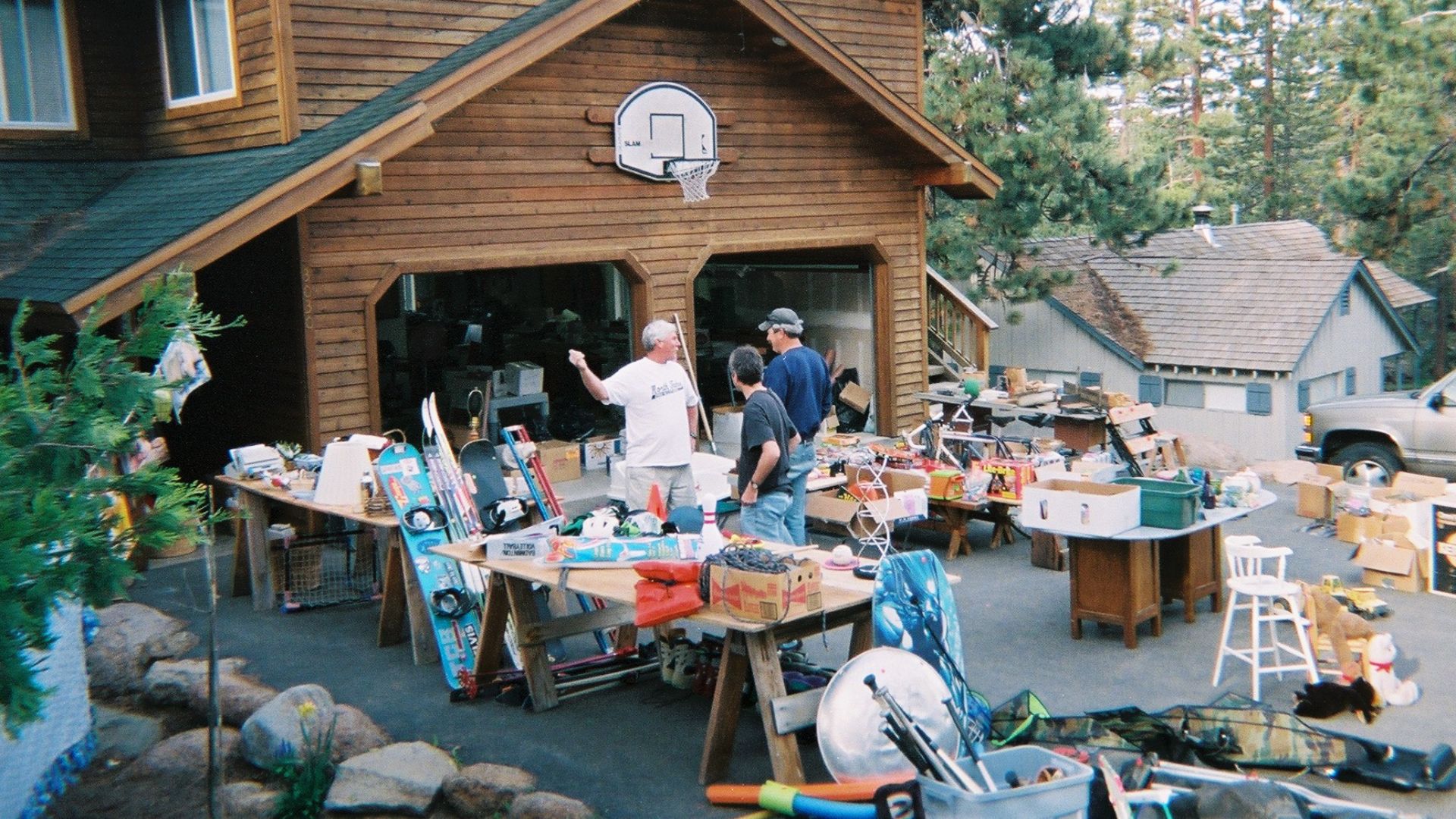
An old product in your basement is not automatically contraband. Federal rules often target manufacture, sale, distribution, import, installation, or specific uses rather than simple possession. That distinction matters when you clean out an estate, list vintage goods online, or plan a garage sale.
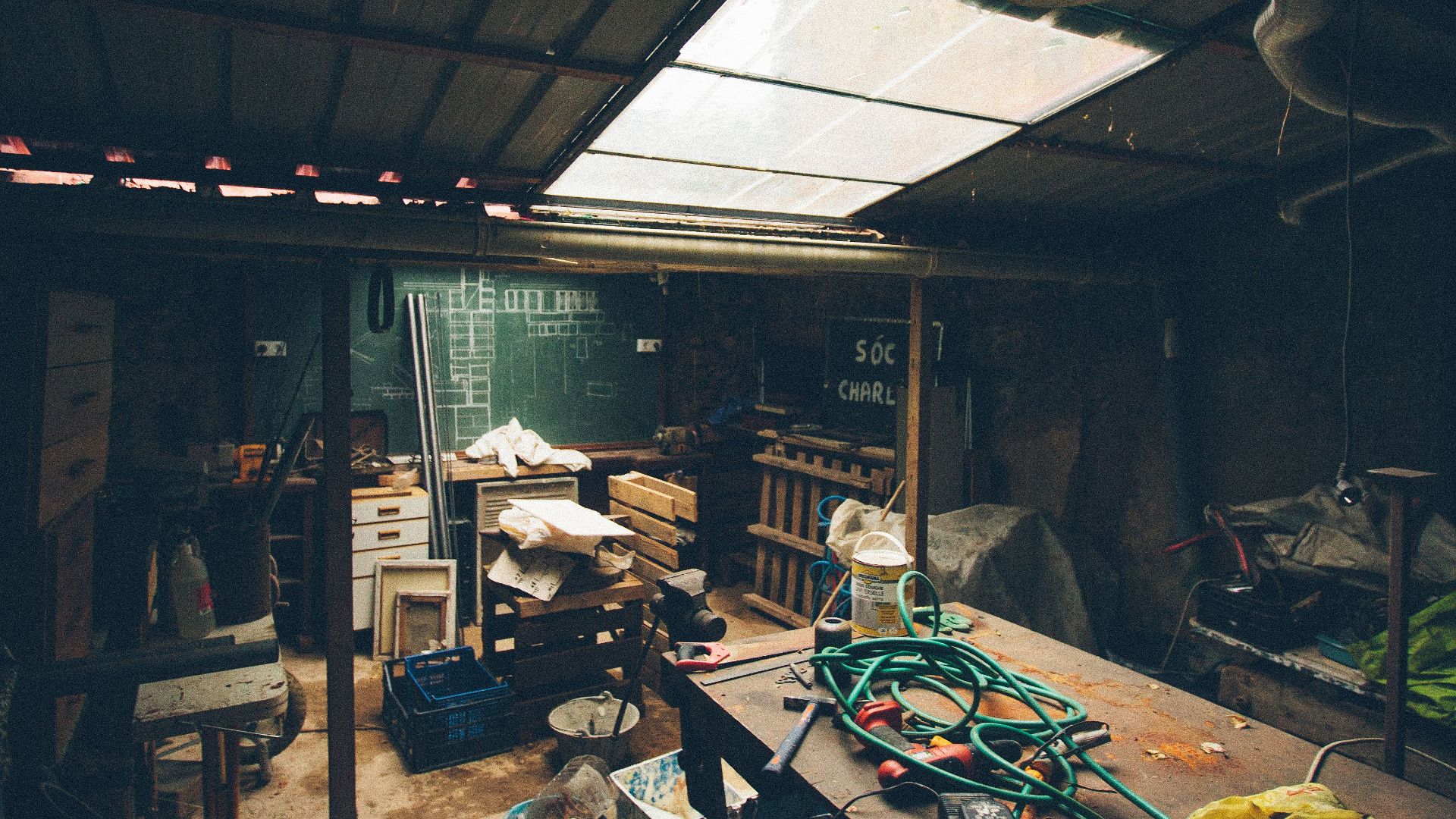
Lead Paint Used To Be A Normal Purchase
Consumer paint could legally contain far more lead than modern household paint allows. In 1977, the CPSC adopted a much tighter limit and banned lead-containing paint above that threshold for most consumer uses. An old can may therefore be something to dispose of, not resell.
Even Painted Toys Fell Under The New Rules
The same 1977 CPSC action covered toys and furniture coated with paint containing excessive lead. That means a vintage nursery item can present more than a decorating problem. If you plan to resell old children’s furniture, age and coating condition deserve special attention.
 Marius Vassnes, Wikimedia Commons
Asbestos Spackle Was Once Common
In 1977, the CPSC estimated that roughly half of consumer patching compounds sold contained asbestos. The agency later banned patching compounds containing respirable free-form asbestos because sanding or mixing could release fibers. A decades-old bag of wall compound is not a harmless collectible.
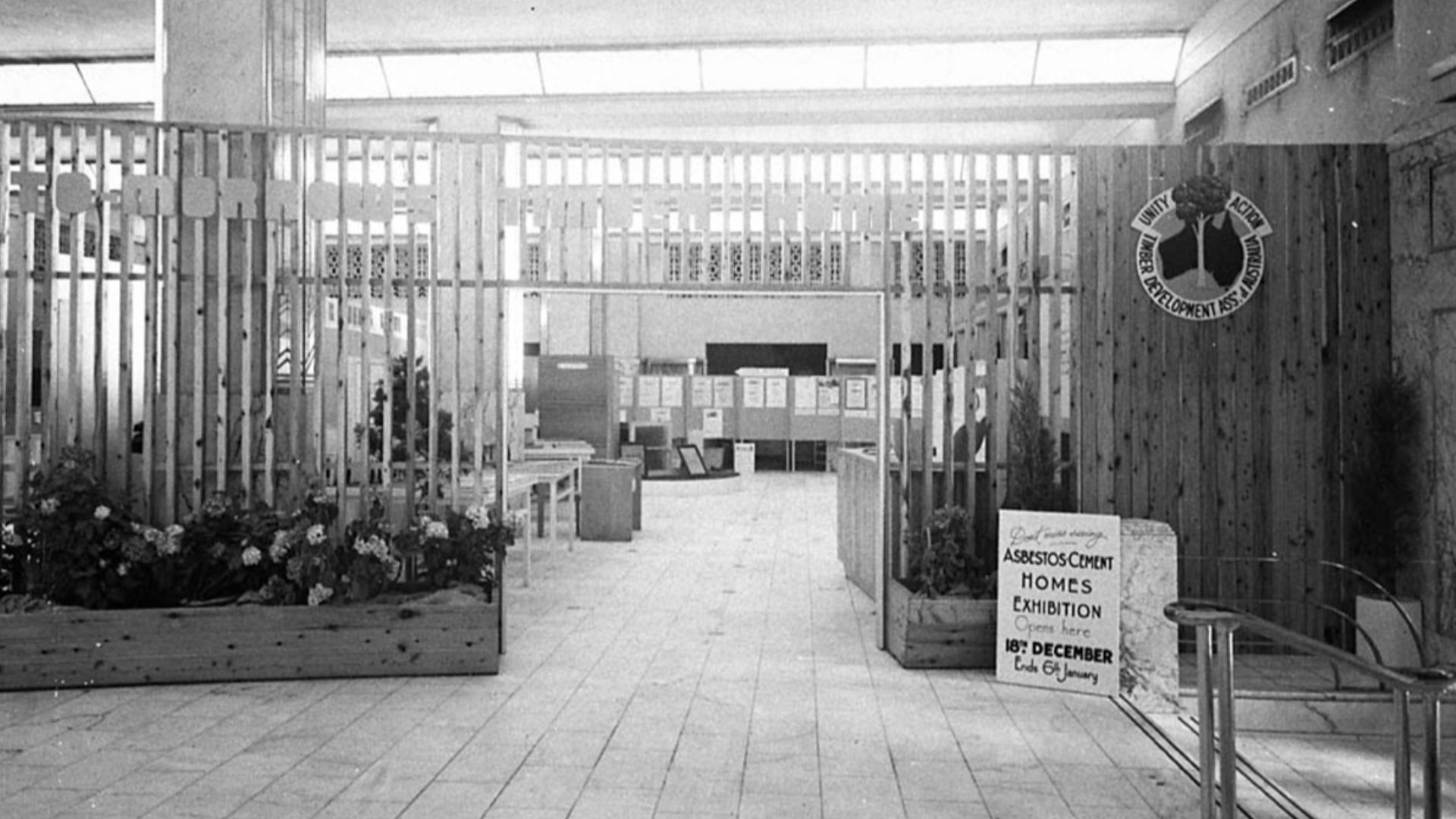
Fake Fireplace Ash Could Contain Asbestos Too
Artificial fireplace ash and glowing ember material once used asbestos to create a realistic effect. The CPSC banned those products after determining that free fibers could become airborne during use. If an old gas-fireplace kit contains mystery ash, disturbing it is a bad money-saving shortcut.
 Virginia State Parks staff, Wikimedia Commons
Methylene Chloride Paint Stripper Left Retail Shelves
For decades, powerful methylene chloride paint removers were common renovation products. EPA prohibited consumer retail distribution of methylene chloride paint and coating removers in 2019 after linking exposure to acute fatalities. Selling an old consumer can as usable stripper is not permitted.
 Etan J. Tal, Wikimedia Commons
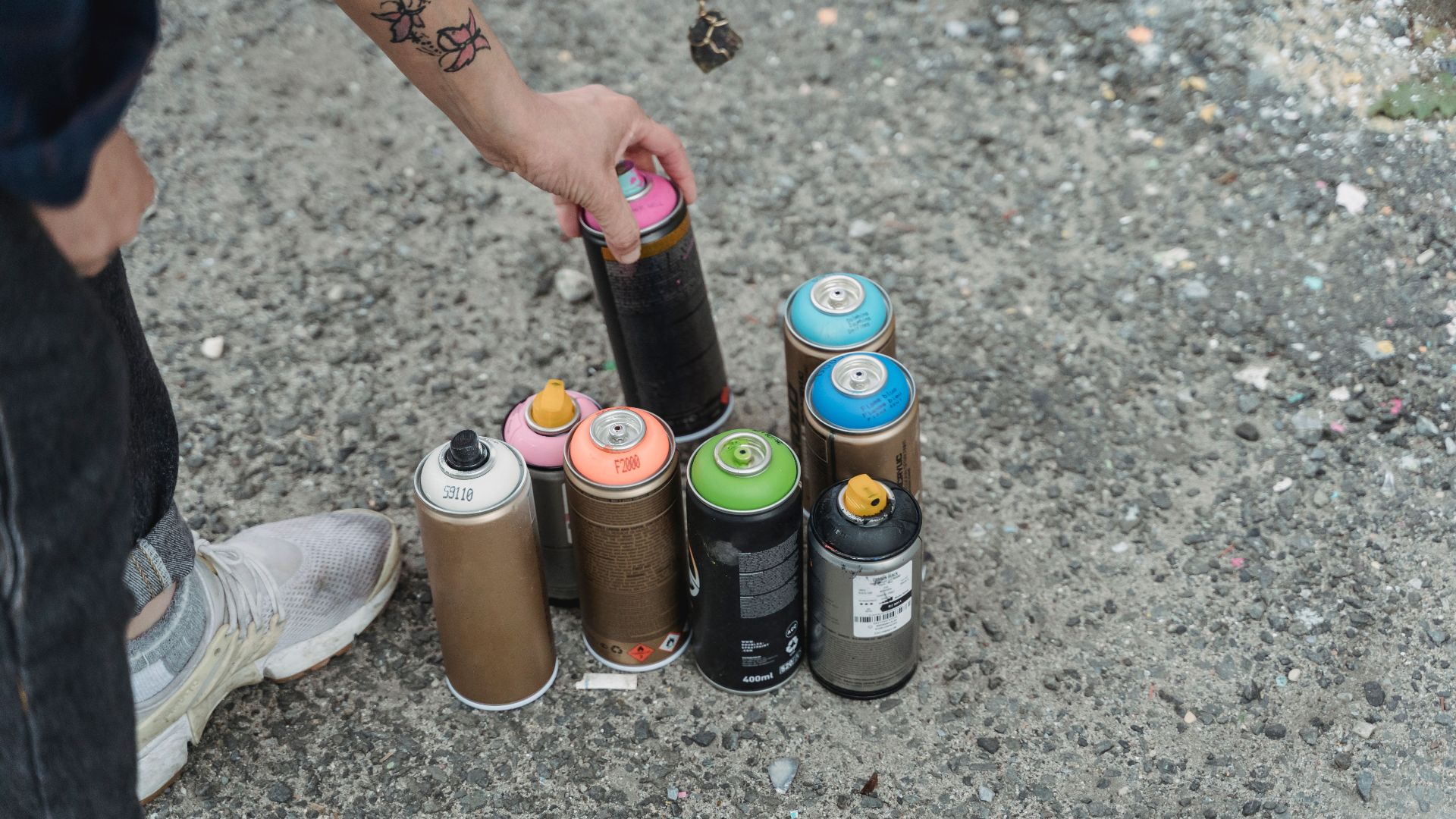
CFC Aerosols Went From Ordinary To Prohibited
Hairsprays, deodorants, cleaners, and other aerosols once commonly used chlorofluorocarbon propellants. Federal agencies began phasing out nonessential CFC aerosols in 1978. Modern Clean Air Act rules ban many nonessential CFC and HCFC aerosol products from interstate sale or distribution.
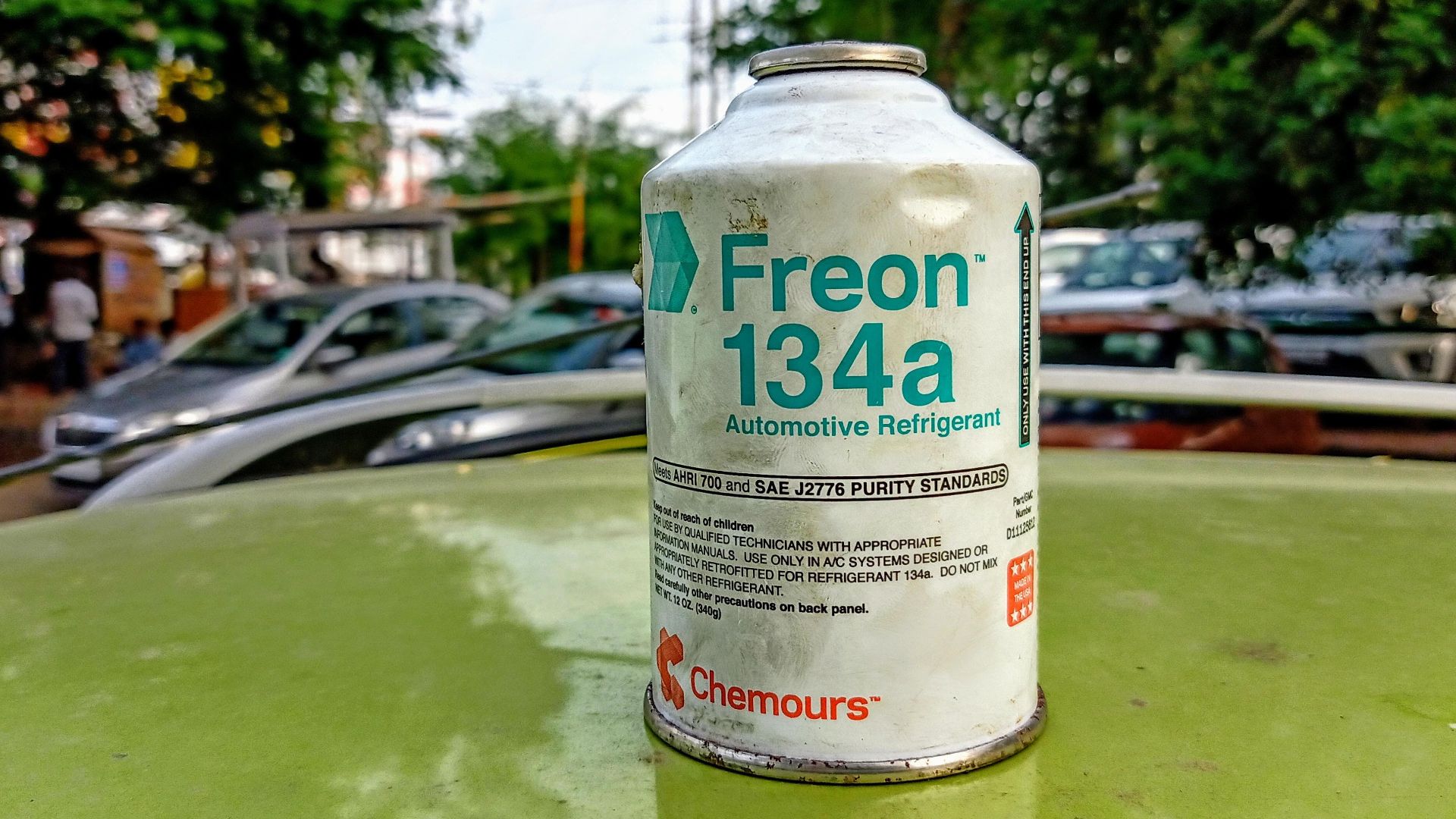
Old R-12 Refrigerant Is Not A Casual Garage-Sale Item
CFC-12, commonly called R-12, was once familiar to do-it-yourself car owners. Today, sales of ozone-depleting refrigerants are restricted to properly certified technicians, with narrow exceptions. A dusty can may have resale value, but the buyer and transaction still have to satisfy EPA rules.
 Suyash.dwivedi, Wikimedia Commons

History's most fascinating stories and darkest secrets, delivered to your inbox daily.
Venting Refrigerant Can Create Bigger Problems
The rules do not stop at who may buy refrigerant. Clean Air Act requirements also regulate servicing and prohibit knowingly venting many ozone-depleting refrigerants during maintenance, repair, or disposal. Improvising with an old air-conditioning system can turn a cheap fix into a legal and environmental headache.
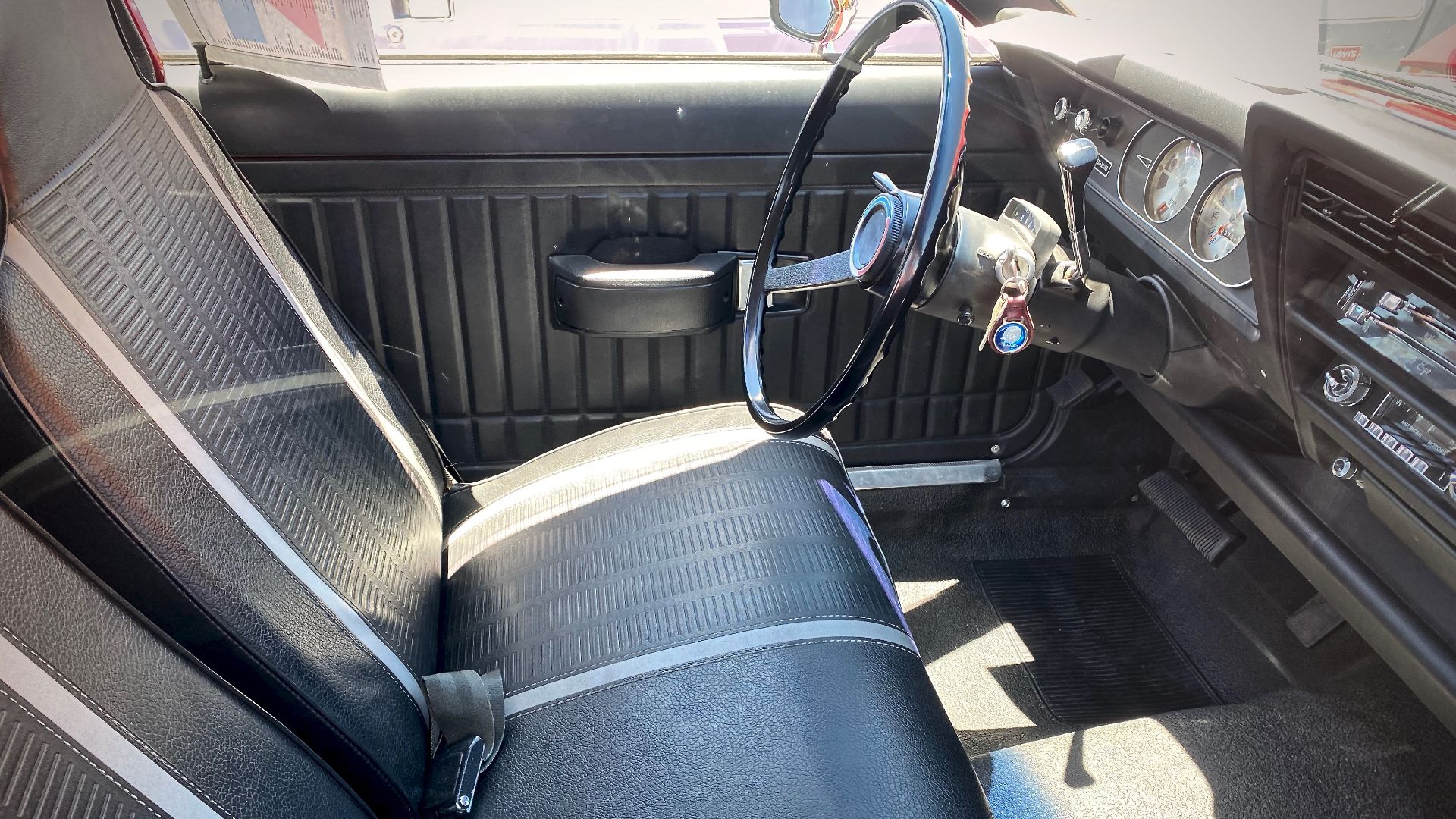
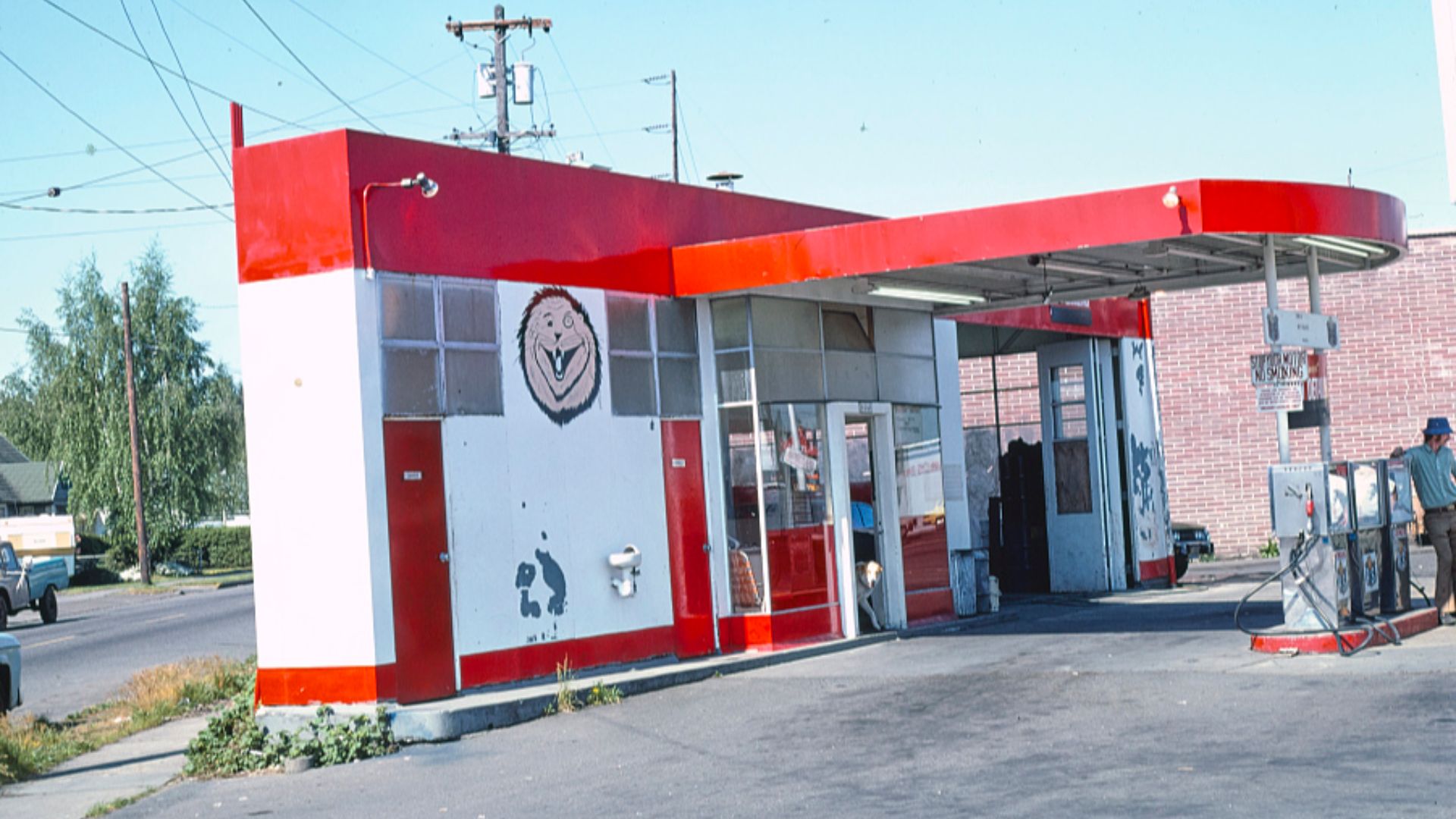
Leaded Gasoline Disappeared From The Highway Pump
Drivers in 1976 could still pull into a station and buy leaded gasoline for ordinary road cars. EPA’s phaseout continued for years and culminated in a 1996 ban on lead in gasoline for on-road motor vehicles. Some specialized fuels remain different, so the rule is use-specific.
 The Library of Congress, Wikimedia Commons
PCB Electrical Parts Need Special Handling
PCBs appeared in older electrical equipment, including fluorescent-light ballasts and capacitors. Federal law broadly prohibited PCB manufacture, processing, and distribution in commerce after 1979, subject to specific exceptions, and EPA regulates disposal. A leaking old ballast is a hazardous-waste issue, not ordinary trash.
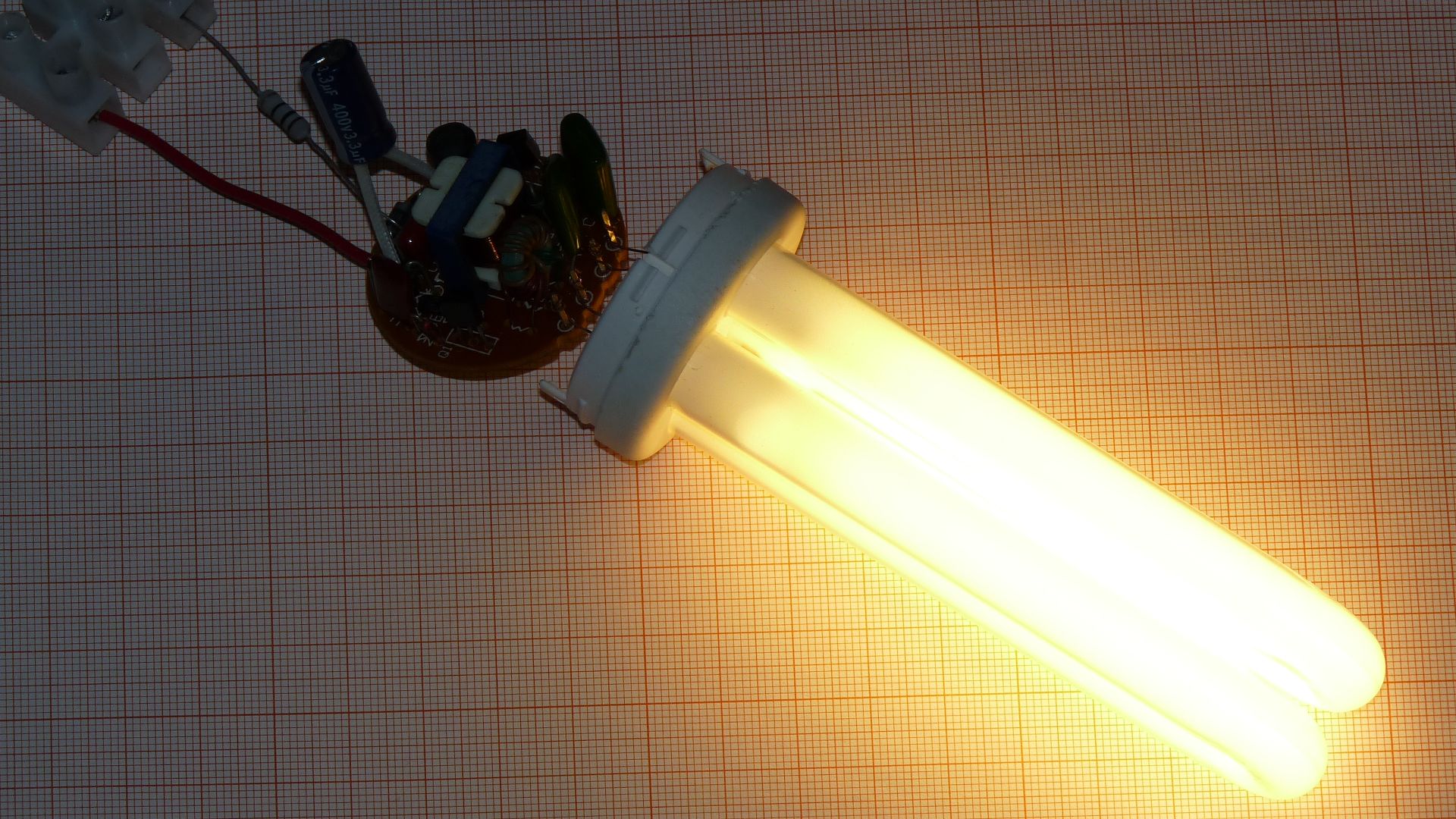
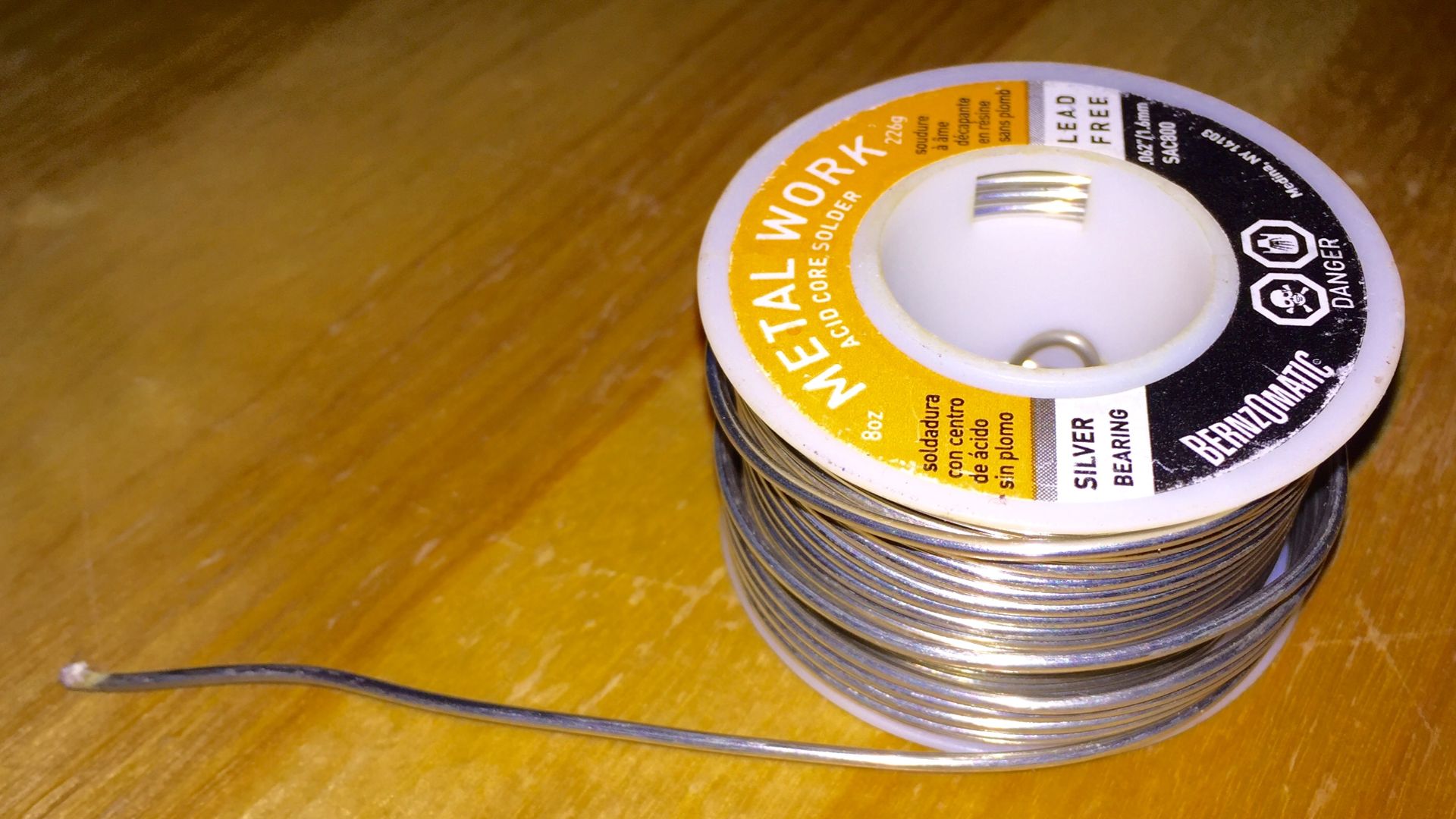
Lead Solder Is Still Sold, But Not For Drinking Water
Lead solder once sat on hardware shelves with few consumer concerns. Federal drinking-water law now prohibits using non-lead-free solder or flux in plumbing that supplies water for human consumption. Products that are not lead-free must carry prominent warnings about that prohibited plumbing use.
Chlordane Was A Backyard Chemical
Chlordane was used in the United States from 1948 through 1988 and once had lawn, garden, agricultural, and household pest uses. EPA eventually canceled all approved uses. Federal pesticide law also makes distributing or selling an unregistered pesticide unlawful, so forgotten stock should not be casually listed online.
 Lands Department, Survey Office, Cartographic Branch, Photographic Section, Wikimedia Commons
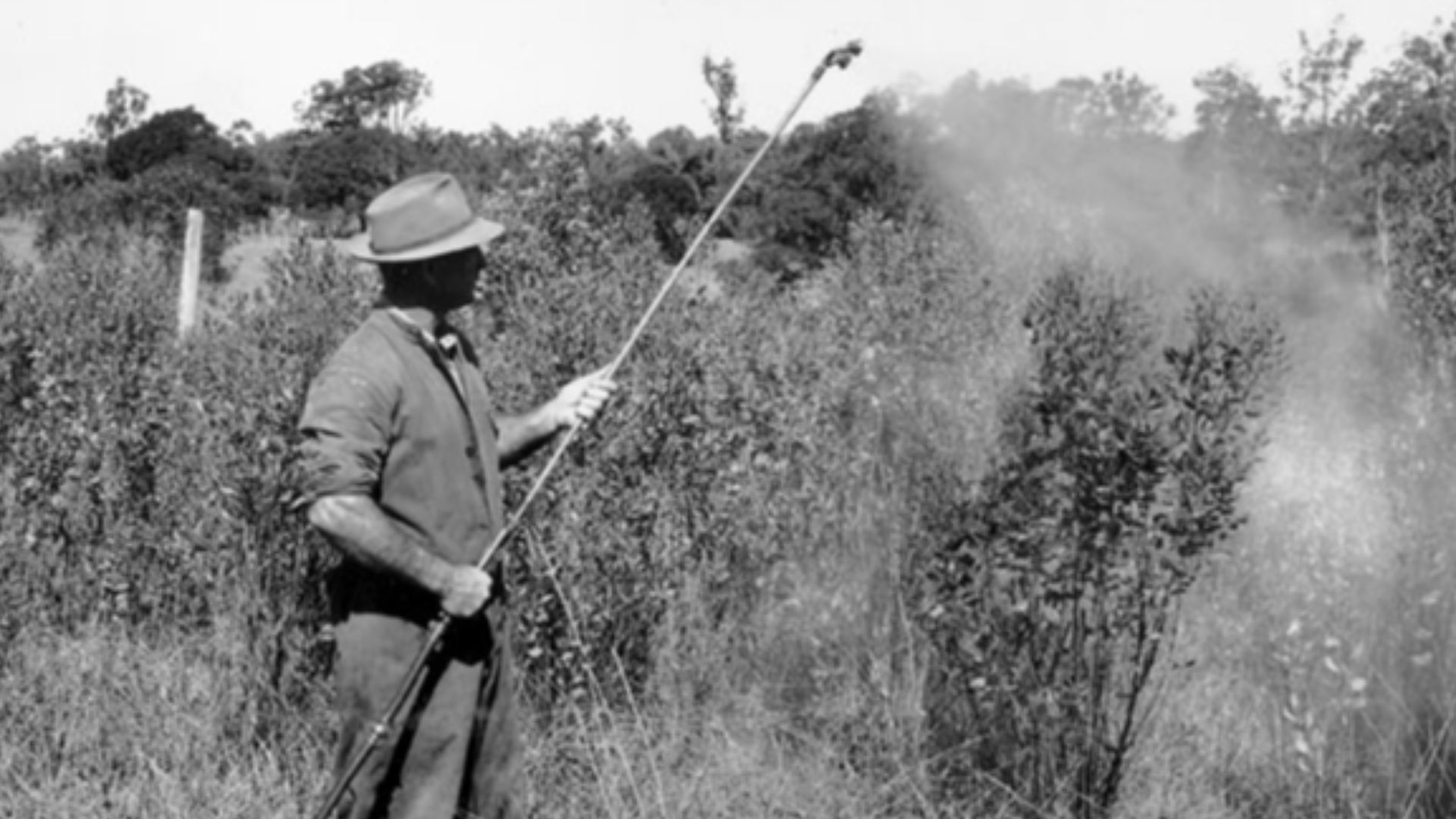
2,4,5-T Weed Killer Is Gone
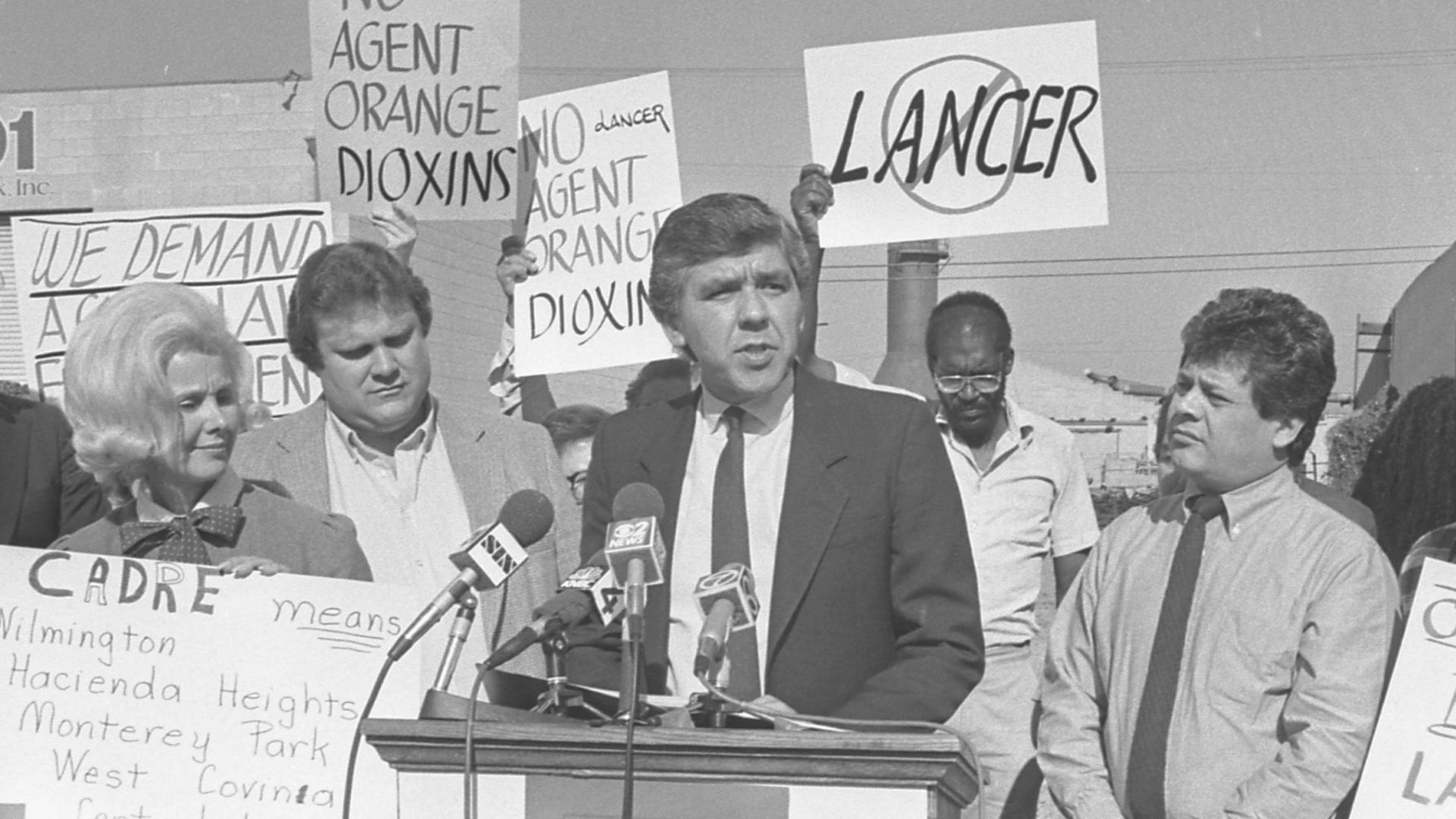
The herbicide 2,4,5-T was once sold for vegetation control and was one of the two herbicides in Agent Orange. EPA canceled all uses in 1985. That makes an old container a disposal problem, not a vintage lawn-care product to put back into circulation.
 Rick Meyer, Los Angeles Times, Wikimedia Commons
Chlorpyrifos Home Insecticides Were Pushed Off Shelves
Chlorpyrifos products once appeared in residential lawn and garden aisles. EPA canceled virtually all homeowner uses around 2001, and later enforcement actions targeted stores that still offered canceled products for sale. An old bottle with a familiar brand name does not make the sale lawful.

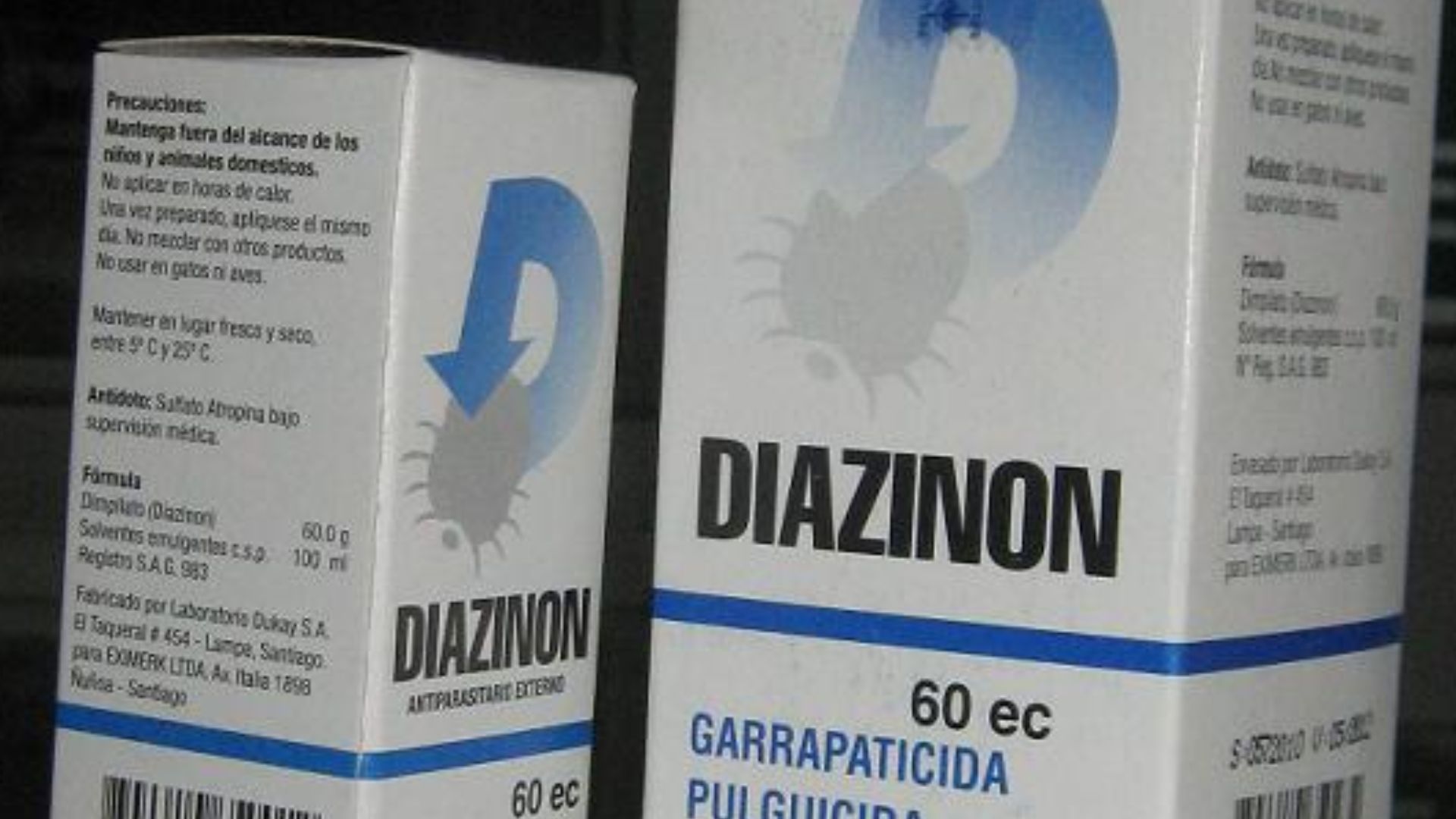
Diazinon Followed A Similar Path
Diazinon was another familiar home and garden insecticide that largely disappeared from residential retail. EPA prohibited retail sale of most residential-use diazinon products after 2004 and later fined sellers for offering canceled stock. Age does not convert a canceled pesticide into a collectible that can be sold freely.
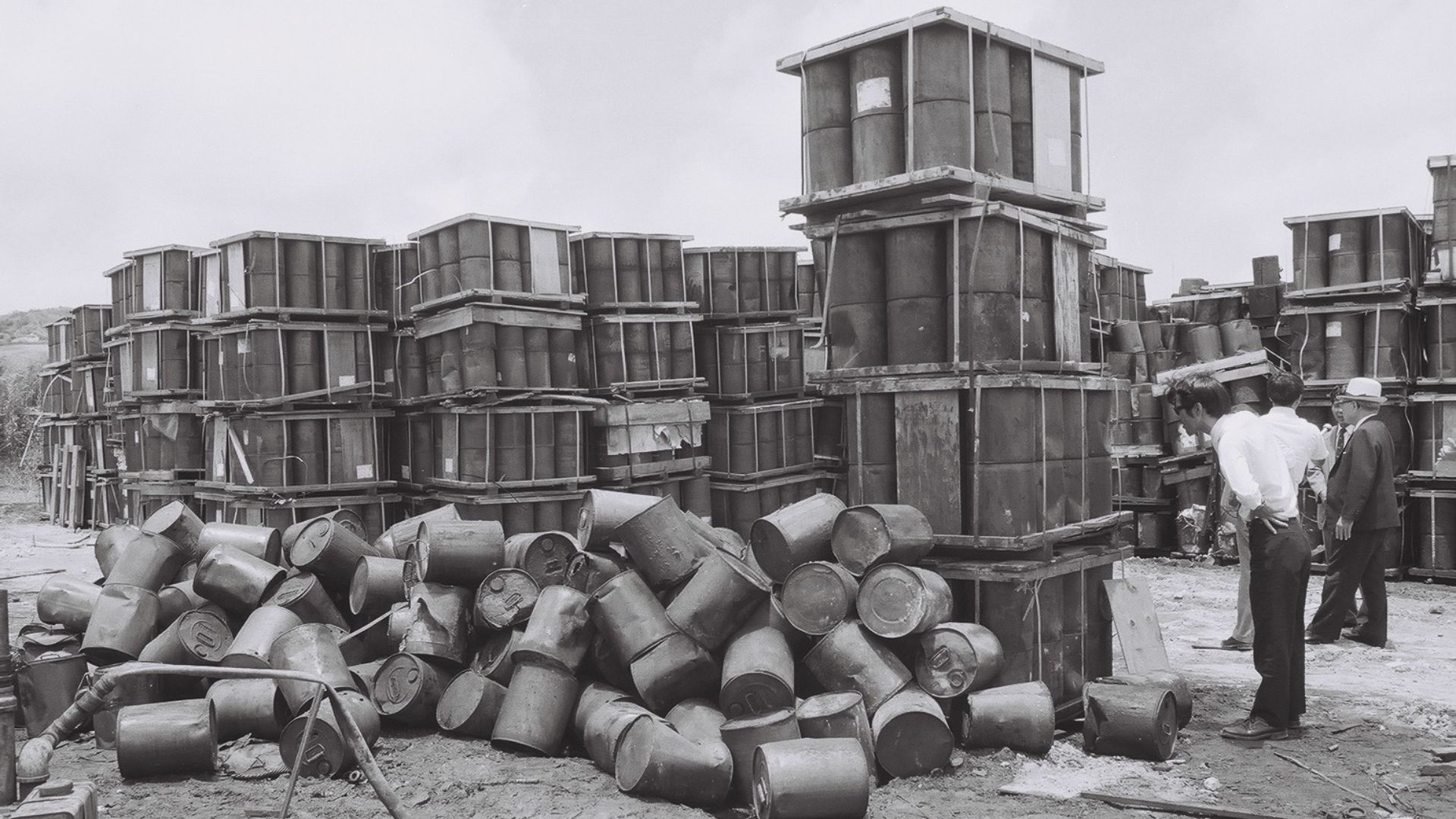
Pentachlorophenol Left The Home Market
Pentachlorophenol was once widely used as a wood preservative, herbicide, and home-and-garden chemical. EPA restricted public use in the 1980s and ended over-the-counter sales. The remaining uses became specialized, and EPA is now completing a broader phaseout of the chemical.
 US Army communications photo shoot, Wikimedia Commons
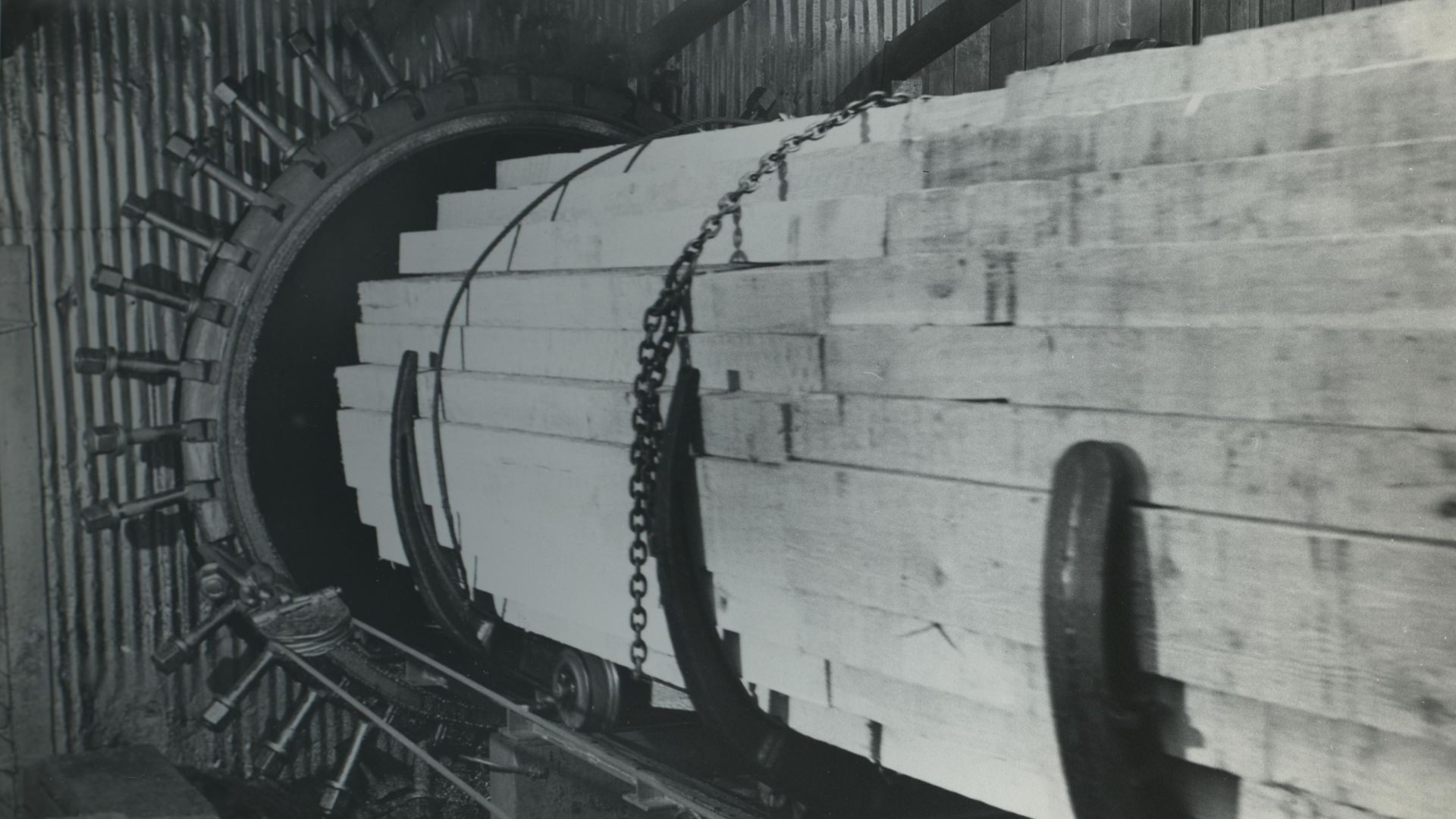
Creosote Is No Longer A Home Wood Treatment
Creosote has a long history as a heavy-duty wood preservative. EPA says it now has no registered residential uses and is a restricted-use pesticide for commercial applications such as railroad ties and utility poles. Buying a bucket for a backyard fence is no longer ordinary consumer business.
 Creator:Jack Cash, Wikimedia Commons
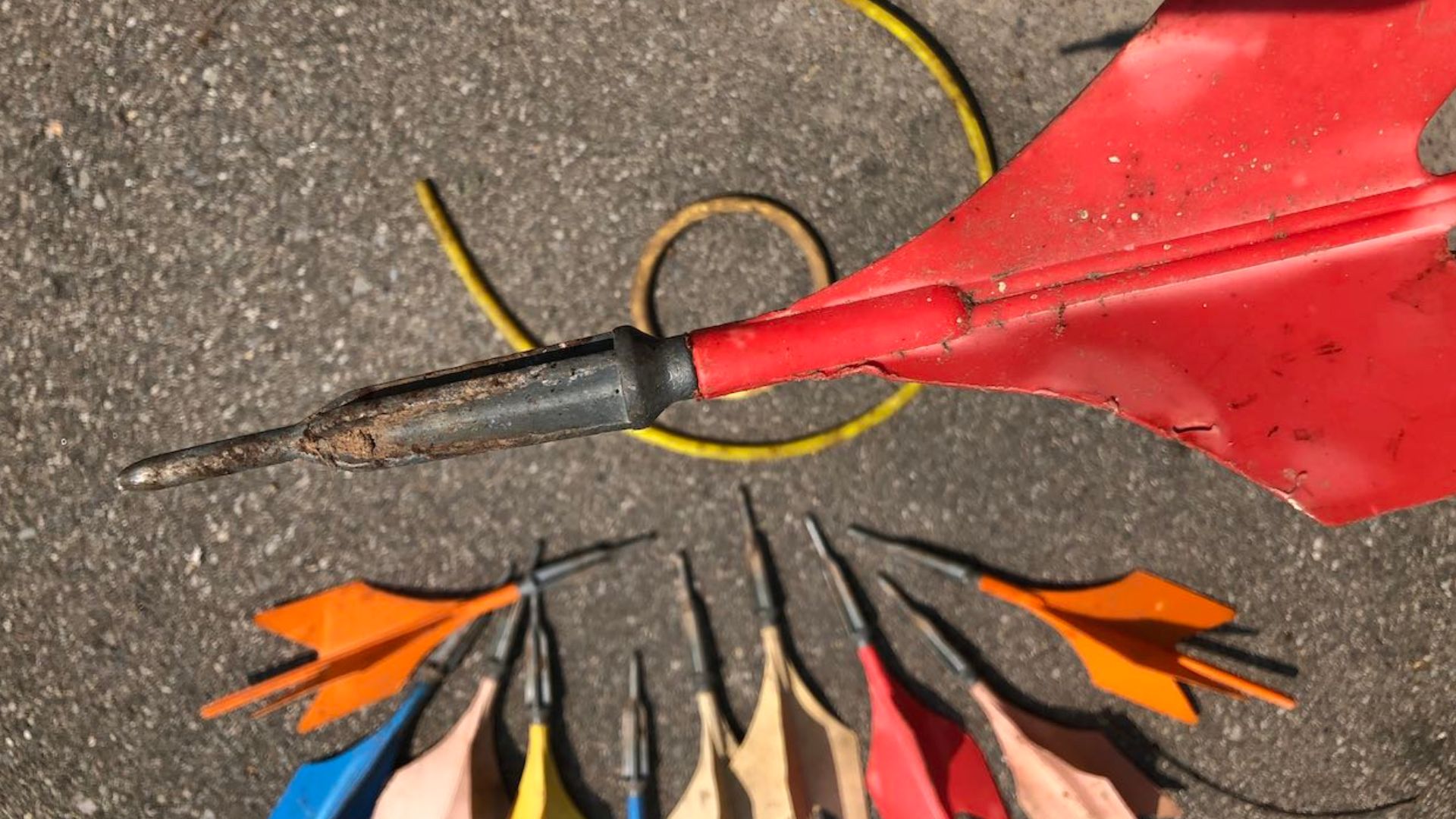
Lawn Darts Became A Federal Ban
Metal-tipped lawn darts once shared shelf space with ordinary backyard games. After deaths and thousands of injuries, the CPSC banned their sale in 1988 and has repeatedly told consumers to destroy old sets rather than give them away. Reselling a surviving set can violate federal law.
 DavidSpencer.ca, Wikimedia Commons
That Old Drop-Side Crib Can Be Illegal To Resell
Vintage cribs are a classic estate-sale trap. Since 2011, federal crib standards have applied to new and used cribs, and older cribs generally should not be resold without proof they comply. Drop-side designs are especially problematic under the modern rules.
 Ajay Suresh from New York, NY, USA, Wikimedia Commons
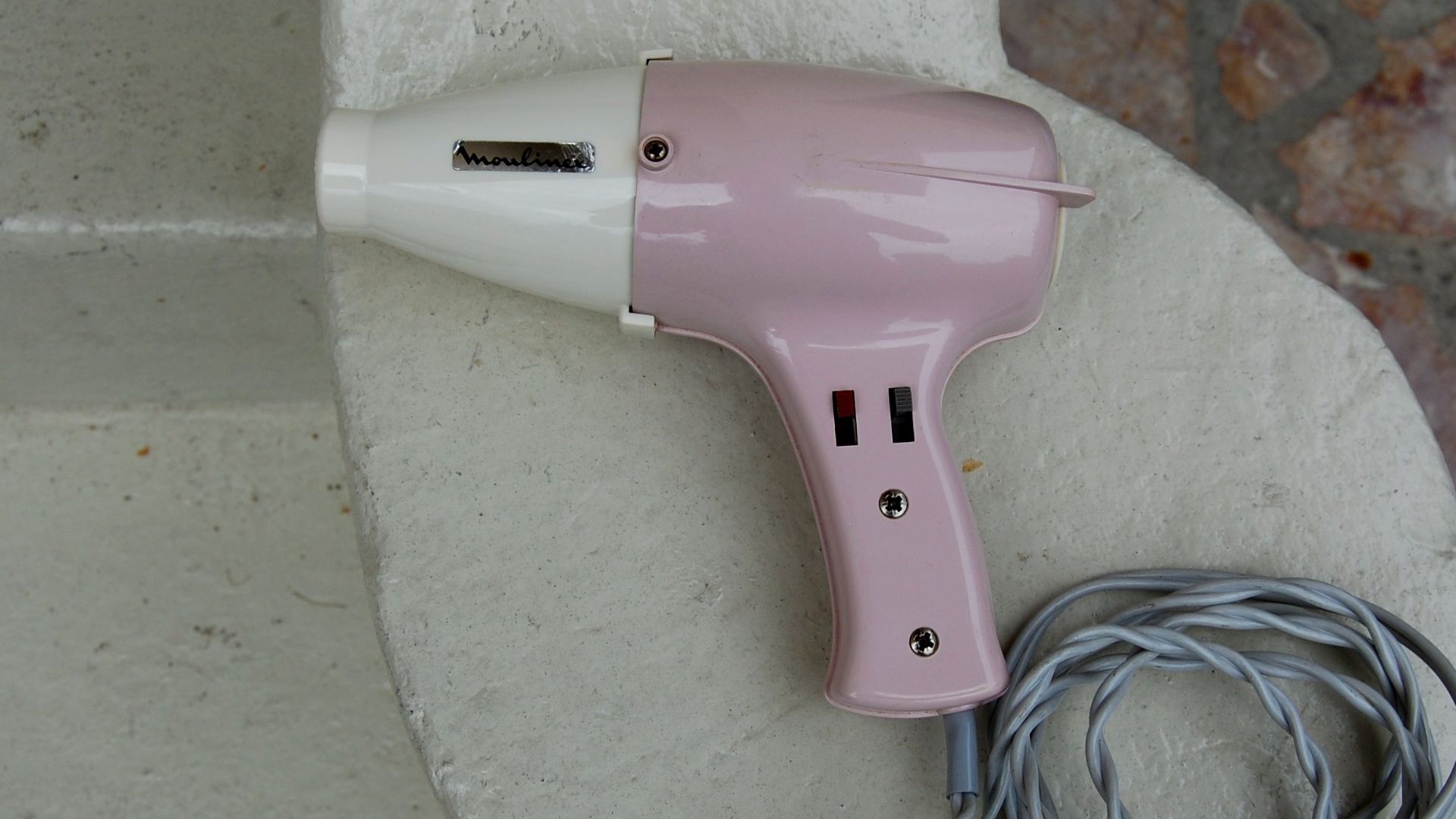
A Vintage Hair Dryer May Fail Today’s Safety Rules
Older hand-held hair dryers often lack the large immersion-protection plug common on modern models. The CPSC treats dryers without compliant immersion protection as a substantial product hazard because of electrocution risk. That makes an old working dryer a poor candidate for resale or donation.
Realistic Toy Guns Need Modern Markings
A realistic toy gun from the 1970s may look very different from modern versions. Federal law requires covered toy, look-alike, and imitation firearms entering commerce to carry approved markings, usually a blaze-orange muzzle treatment or another permitted visual system. Vintage resale can therefore require care.
 Mike Prosser from Austin, TX, USA, Wikimedia Commons
Elephant Ivory Is Not Just Another Antique
African elephant ivory was once far easier to buy and sell in the United States. Today, interstate commercial sales are generally prohibited unless an item fits a narrow exception, and sellers may need documentation showing age and lawful import. State rules can be stricter still.

Rhino Horn Can Bring Criminal Charges
Old decorative carvings or taxidermy can become serious legal problems when rhinoceros horn is involved. Federal prosecutors have brought trafficking cases involving interstate sales of protected rhino horn. Provenance, species, and the proposed transaction matter before anyone tries to monetize an inherited piece.
 U.S. Government Accountability Office from Washington, DC, United States, Wikimedia Commons
Recalled Products Are A Garage-Sale Minefield
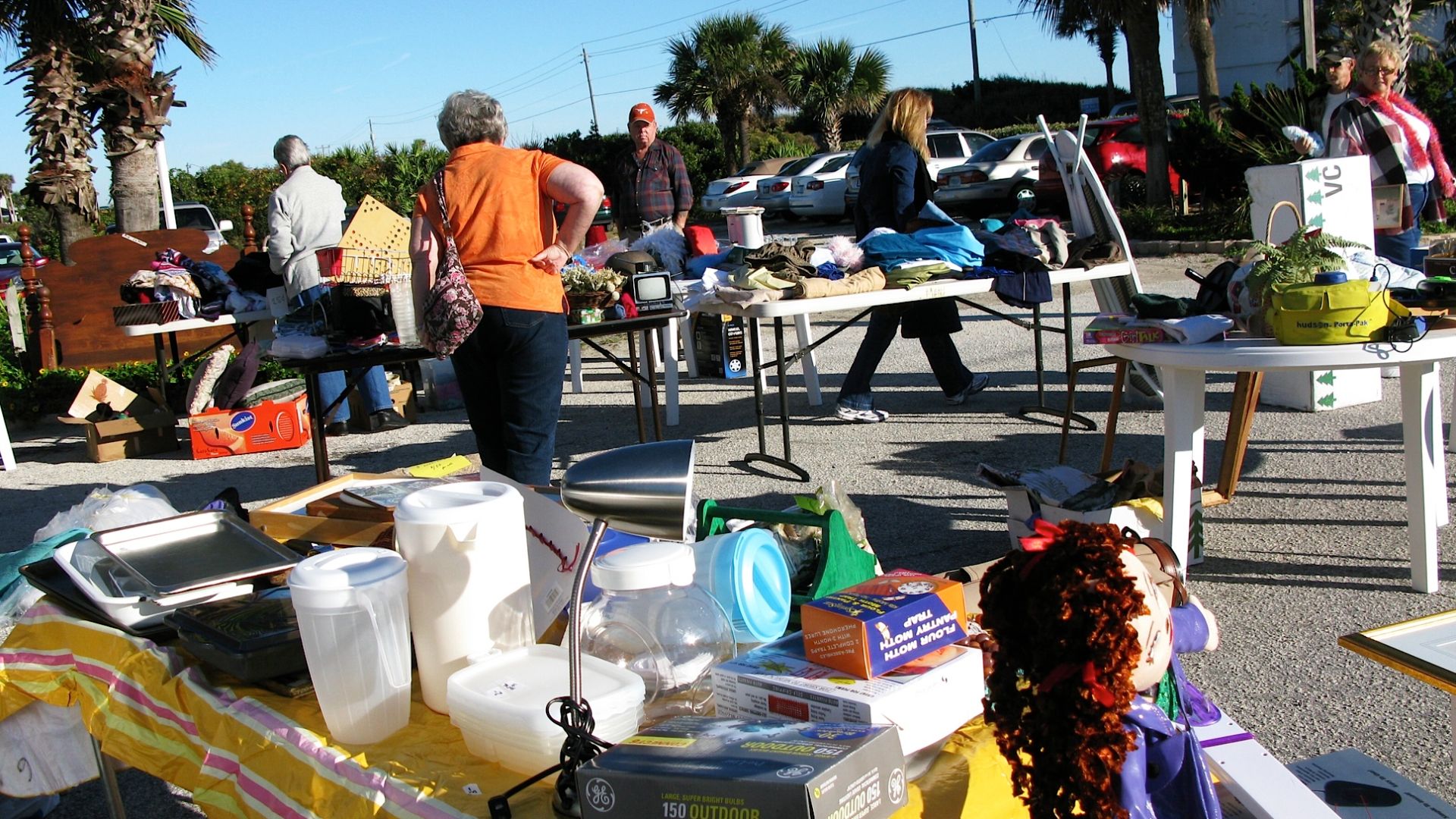
The biggest surprise may be that federal product rules can reach ordinary secondhand sellers. CPSC says it is illegal to sell a recalled consumer product, including through online marketplaces, flea markets, and yard sales. A low-value household item can create a high-cost compliance problem.

Inherited Does Not Mean Saleable
Estate cleanouts often mix ordinary collectibles with regulated chemicals, old children’s products, and wildlife items. Before assuming everything has resale value, identify the product, model, ingredients, and age. The safest financial move may be disposal, remediation, or professional appraisal rather than a quick online listing.
 The original uploader was Jimmyjazz at English Wikipedia., Wikimedia Commons
The Smart Money Move Is To Check Before You Sell
Start with the CPSC recall database for consumer goods, EPA guidance for chemicals and pesticides, and U.S. Fish and Wildlife Service rules for wildlife products. For unusual valuables, documentation can matter as much as condition. A few minutes of verification can prevent fines, rejected sales, and expensive cleanup.
You May Also Like:
Grocery Store Items From The 1970s That No One Remembers—Seriously, Do You Remember Even 5 Of These?
 Unknown authorUnknown author or not provided, Wikimedia Commons
Sources: 1, 2, 3, 4, 5, 6, 7, 8, 9, 10, 11, 12, 13, 14, 15, 16, 17, 18, 19, 20, 21, 22, 23, 24, 25, 26, 27