People Actually Bought These Things
Imagine buying a rock sold as a pet, trusting a ring to tell you how you felt, or feeding powdered food to a doll just so you could change its diaper afterward. None of those are jokes. The 1970s produced some wildly imaginative products, and plenty became genuine hits.
How many would you believe existed if you hadn't seen them yourself?
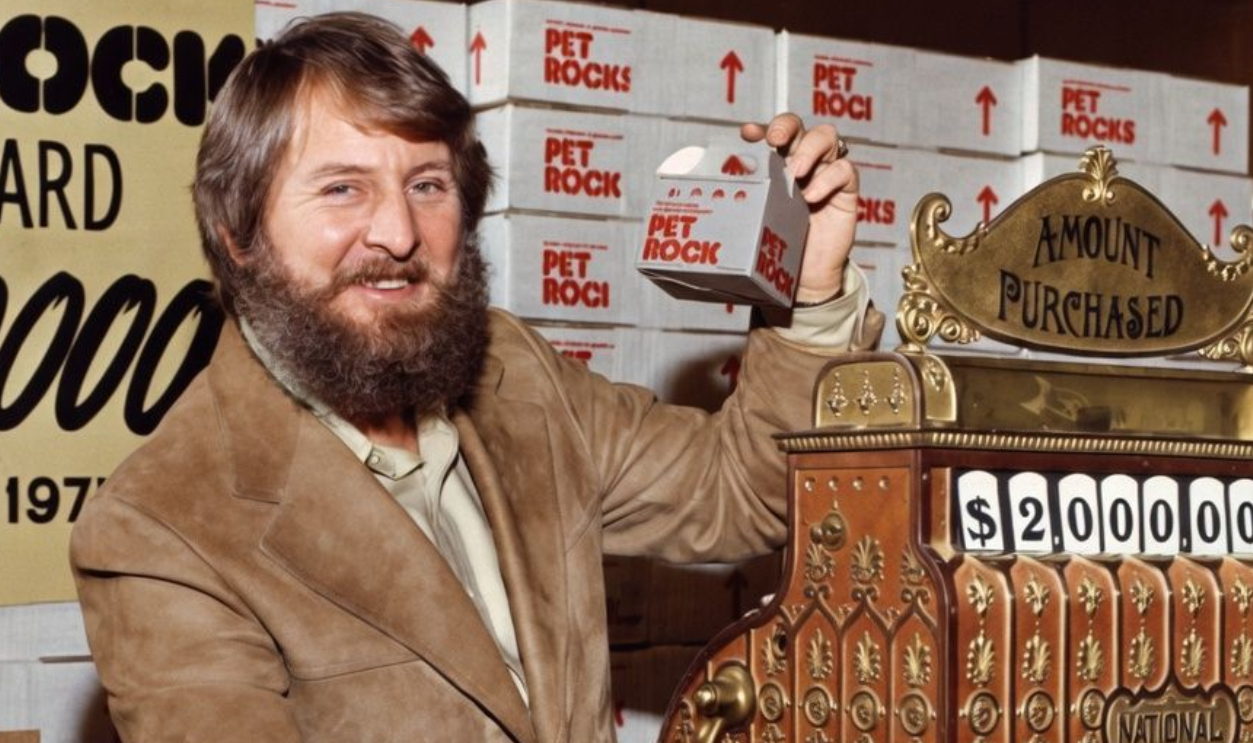
Pet Rocks
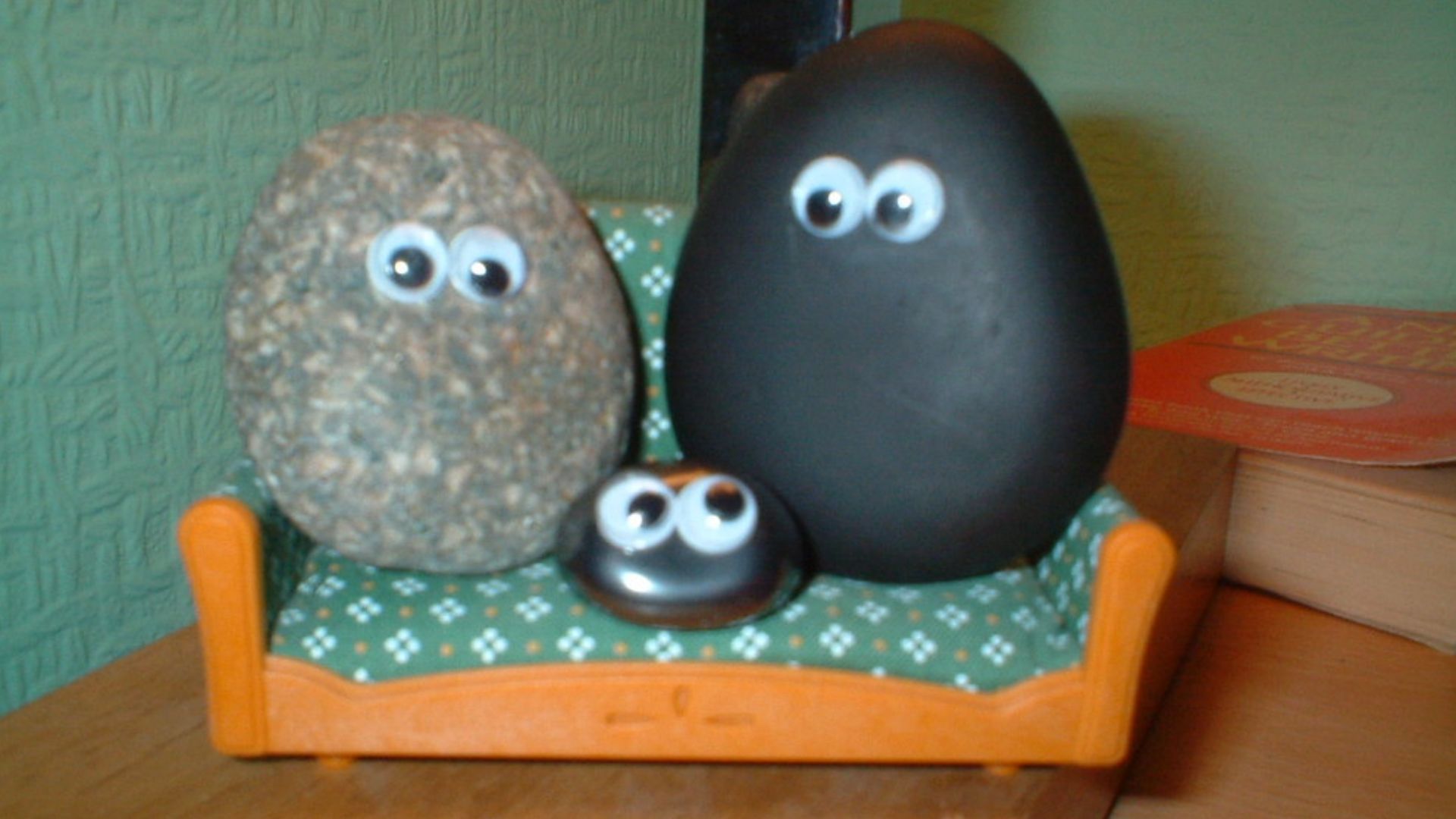
In 1975, advertising executive Gary Dahl turned an ordinary stone into one of the decade's strangest sensations. Each Pet Rock came in a cardboard carrier with air holes, straw bedding, and instructions for training your remarkably obedient new companion. More than a million sold during the brief craze, making an absurd joke into a hugely successful product.
 Owner of Pet Rock Net, Wikimedia Commons
Mood Rings
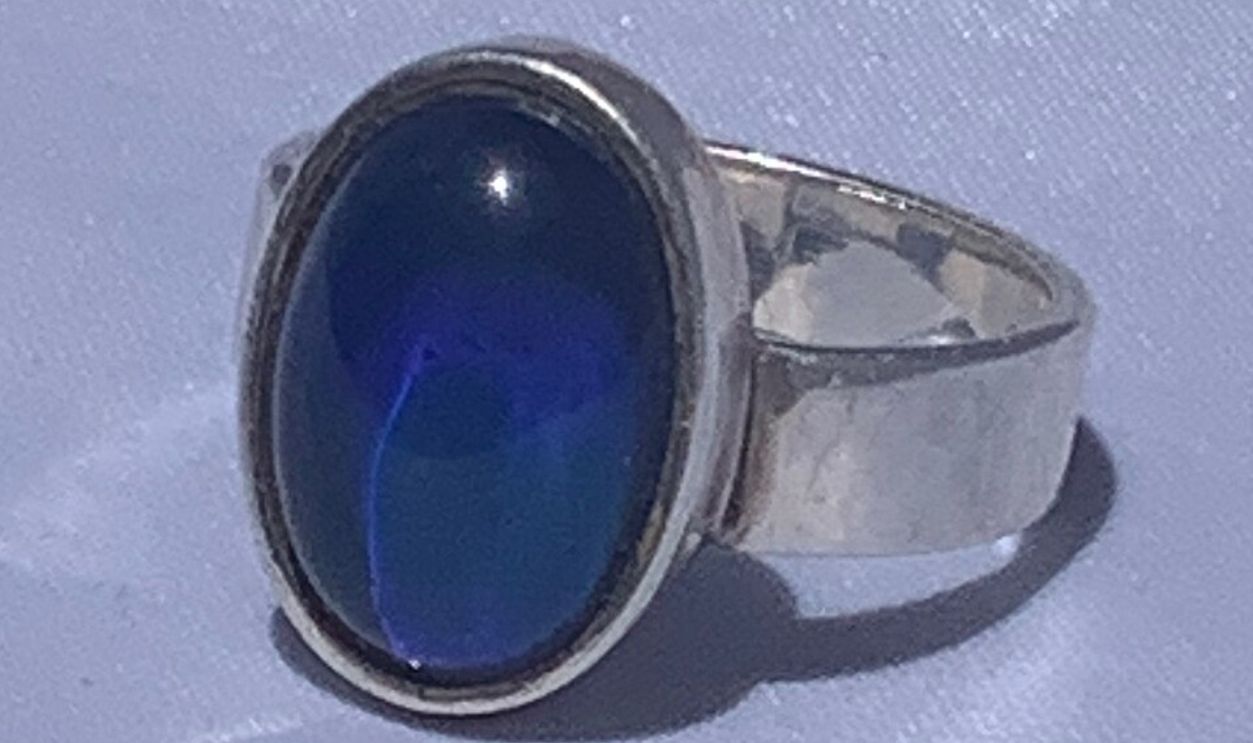
Mood rings exploded in popularity after color-changing versions reached American consumers in 1975. Liquid crystals inside the jewelry reacted to changes in temperature, while accompanying charts assigned emotions to each color. By the end of the year, roughly $20 million worth had reportedly been sold, even though the rings were really responding to body temperature.
Clackers
Clackers were two hard balls attached to strings that players swung together above and below their hands. The faster they moved, the louder the relentless clacking became. Safety concerns followed because some versions could crack or shatter, eventually leading regulators to impose tougher durability requirements.
![Collectie / Archief : Fotocollectie Anefo
Reportage / Serie : [ onbekend ]
Beschrijving : Mensen met een klik klak Amsterdam
Datum : 20 augustus 1971
Locatie : Amsterdam, Noord-Holland
Trefwoorden : speelgoed
Fotograaf : Punt, […] / Anefo
Auteursrechthebb](https://www.factinate.com/storage/app/media/factinate/2026/10/7/17913563209b9fcadbd99d7990690f5e973123ebdefc735a1a.jpg) W. Punt for Anefo, Wikimedia Commons
W. Punt for Anefo, Wikimedia Commons

History's most fascinating stories and darkest secrets, delivered to your inbox daily.
Waterbeds
Designer Charles Hall developed the modern waterbed while studying design in San Francisco during the late 1960s. By the early 1970s, the vinyl mattresses were moving beyond counterculture circles and into mainstream retail. Heated, heavy, and capable of sloshing whenever someone moved, they became one of the decade's most recognizable bedroom trends.
![Collectie / Archief : Fotocollectie Anefo
Reportage / Serie : [ onbekend ]
Beschrijving : Demonstratie van een waterbed
Datum : 28 mei 1971
Locatie : Amsterdam, Noord-Holland
Trefwoorden : slaapkamers, waterbedden, winkels
Fotograaf : Peters, Hans / Anefo](https://www.factinate.com/storage/app/media/factinate/2026/10/7/1791356441aa07c6afdd5b0daa2357118055292c1a1f95c808.jpg) Hans Peters for Anefo, Wikimedia Commons
Hans Peters for Anefo, Wikimedia Commons
Fondue Sets
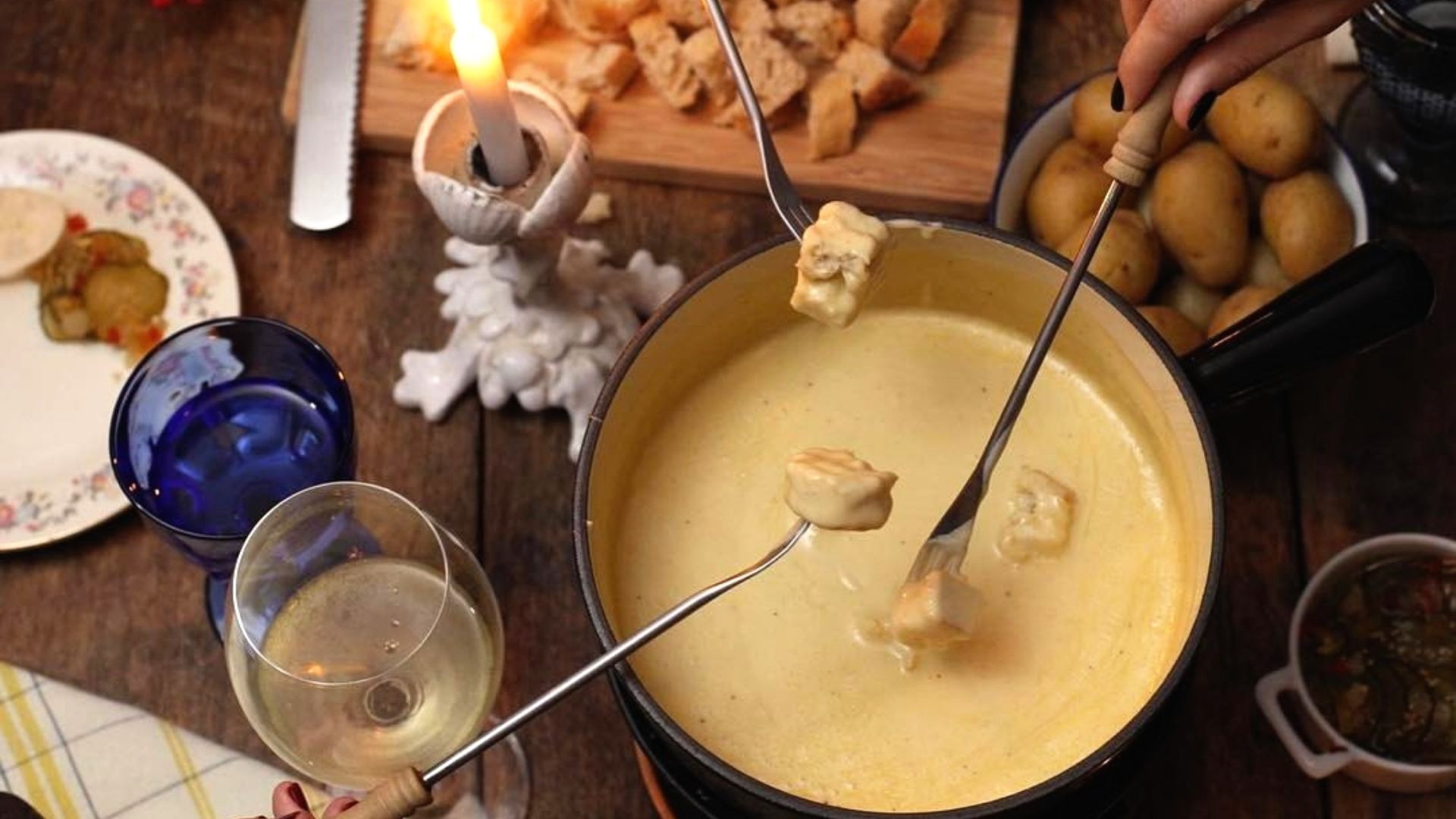
Fondue had already become fashionable in the United States before the 1970s, but the decade turned dedicated fondue sets into familiar household products. Diners gathered around a communal pot and used long forks to dip bread, meat, vegetables, or fruit. The ritual eventually lost much of its novelty, leaving those distinctive pots as instantly recognizable relics of the era.
 Juliano Mendes, Wikimedia Commons
Pop Rocks
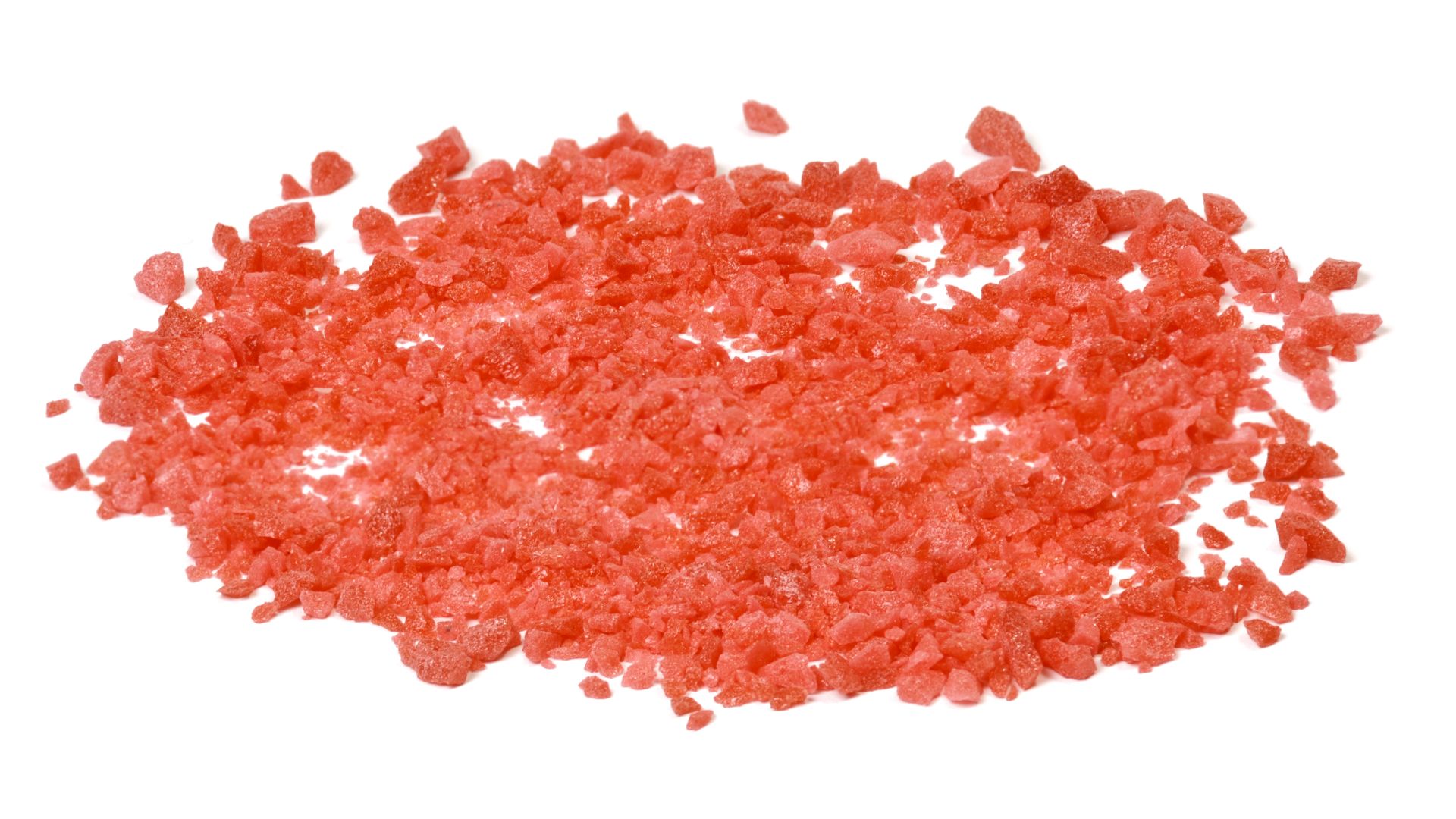
Pop Rocks contained pressurized carbon dioxide trapped inside pieces of hard candy. As the candy dissolved, tiny pockets of gas escaped and produced the famous crackling sensation inside the mouth. The product became so surrounded by alarming rumors that General Foods eventually took steps to reassure worried parents that the candy was safe.
Space Food
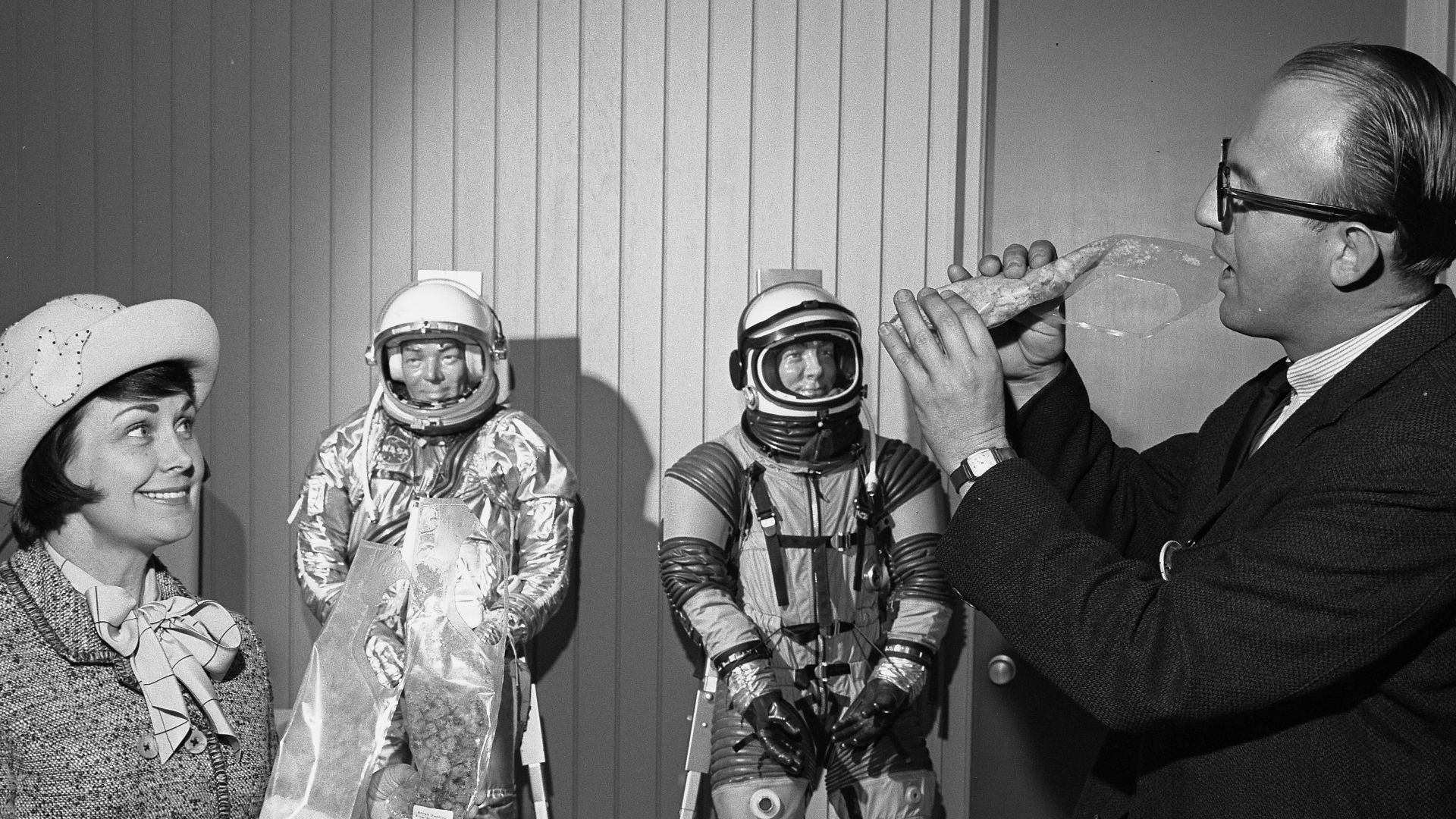
Pillsbury developed Space Food Sticks from work connected to foods created for the American space program. The chewy snacks were sold commercially in flavors including chocolate, caramel, and peanut butter. A modified version of the commercially available food stick was later used aboard Skylab in 1973, giving the supermarket snack a legitimate NASA connection.
 Tiffany, Nelson, Wikimedia Commons
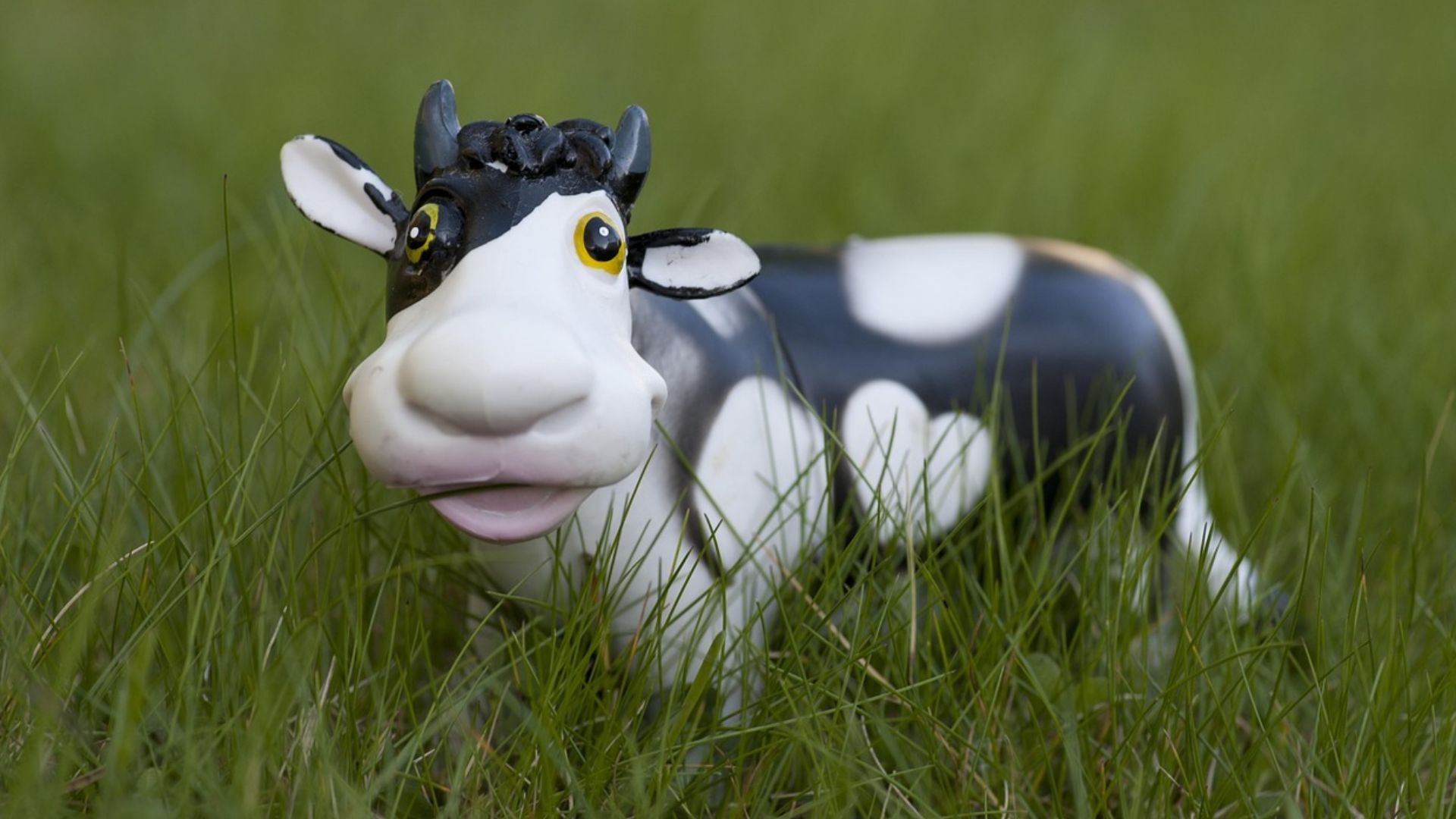
Milky the Marvelous Milking Cow
Kenner sold Milky the Marvelous Milking Cow in the 1970s as a toy children could feed and then milk themselves. Pumping her tail made Milky drink water from a trough, and she eventually raised her head and mooed. A special tablet inside the udder turned the water cloudy, allowing kids to squeeze out a bucket of pretend milk.
Chia Pets
Chia Pets turned gardening into something that looked more like growing fur on a clay animal. Owners coated a grooved terracotta figure with wet chia seeds and waited for sprouts to cover its surface. Marketer Joe Pedott encountered an early version of the product in 1977 before helping turn the concept into an enduring novelty.
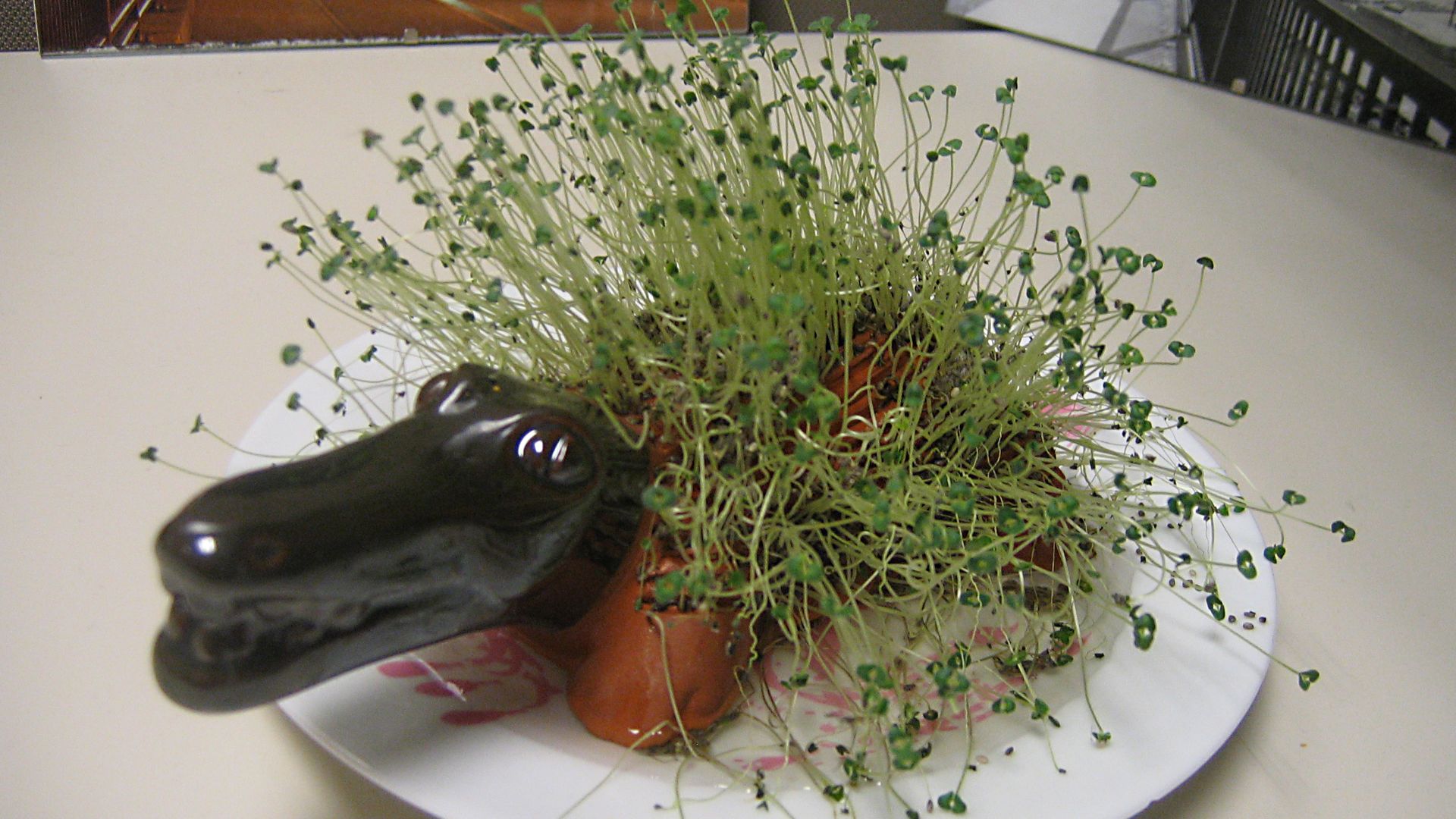 Jeremy Noble, Wikimedia Commons
History's most fascinating stories and darkest secrets, delivered to your inbox daily.
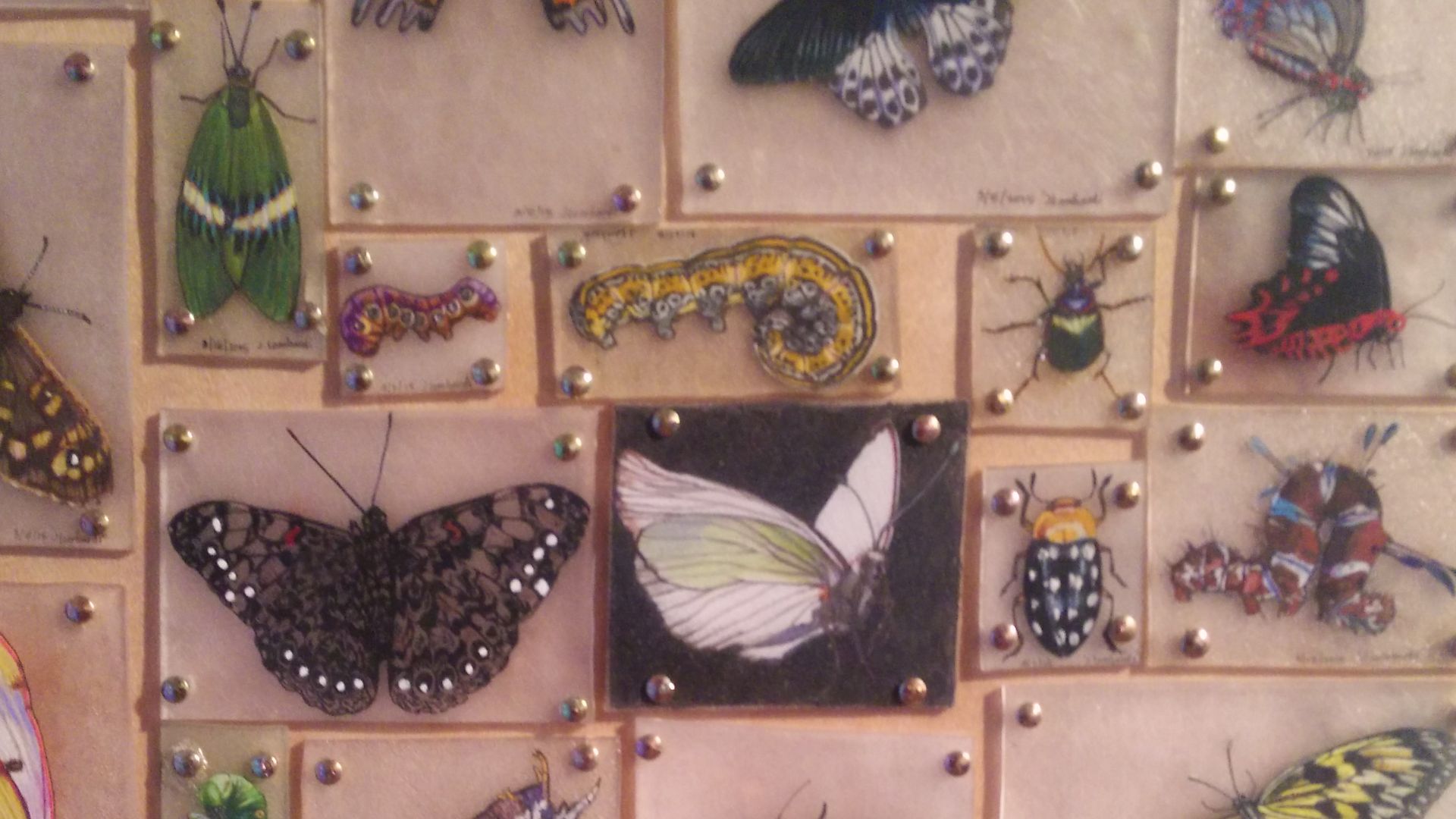
Shrinky Dinks
Shrinky Dinks debuted in 1973 with an activity that sounds questionable by modern toy standards. Children colored designs on thin plastic sheets, placed them in a hot oven, and watched the material curl before shrinking into a smaller, thicker object. The effect came from the behavior of heated polystyrene, but to kids watching through the oven door it looked almost magical.
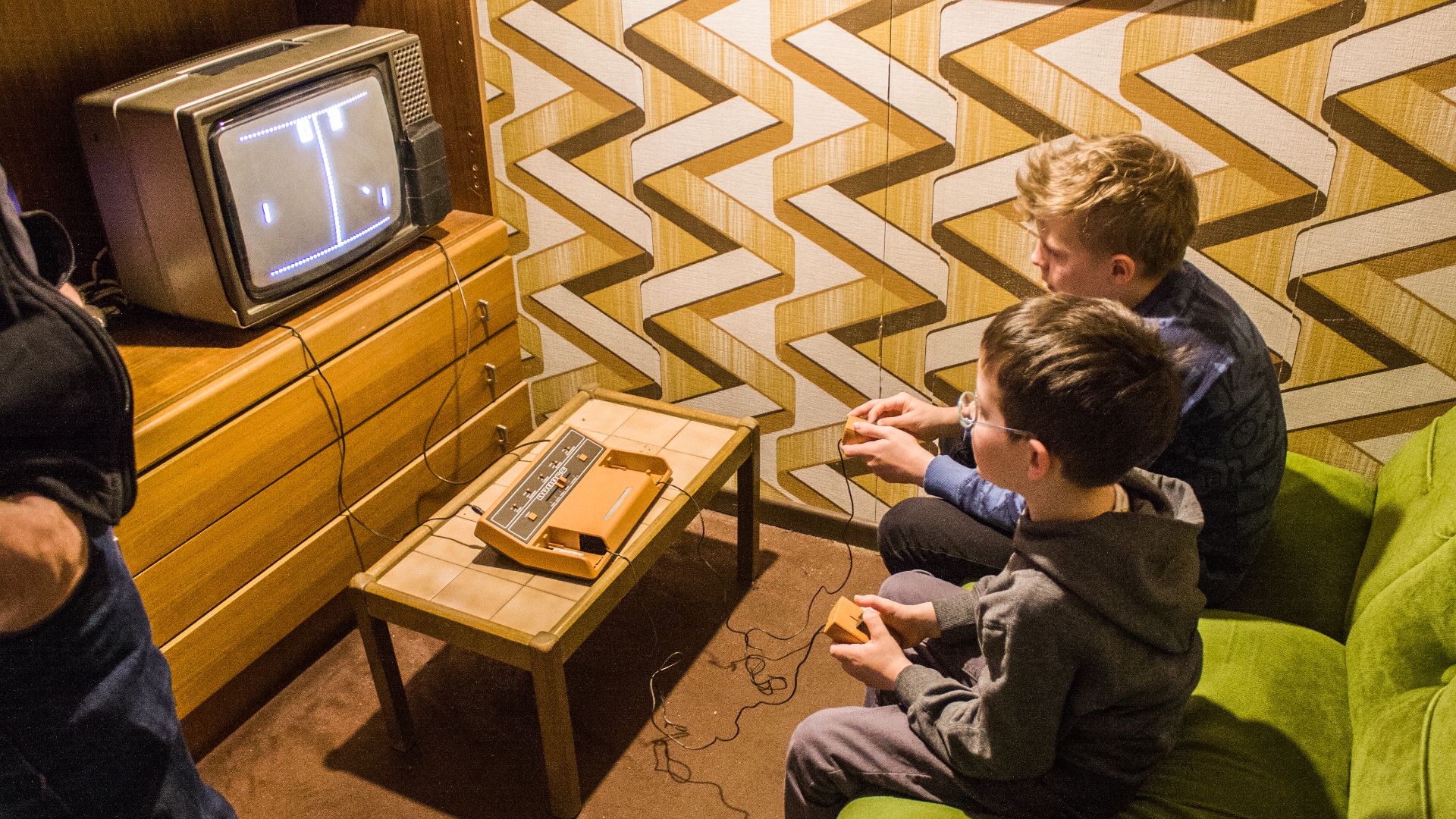
Home Pong
Atari's Home Pong reached consumers through Sears in late 1975. The machine essentially offered a single game in which two players bounced a simple digital ball between paddles on a television screen. That extremely limited experience was still exciting enough to help introduce home video gaming to a much larger audience.
Stretch Armstrong
Kenner introduced Stretch Armstrong in 1976 as a muscular action figure whose limbs could be pulled far beyond normal proportions. The flexible outer body surrounded a dense filling that allowed the toy to stretch and gradually return to its original shape. A torn figure could reveal the sticky material inside, something many owners discovered the hard way.
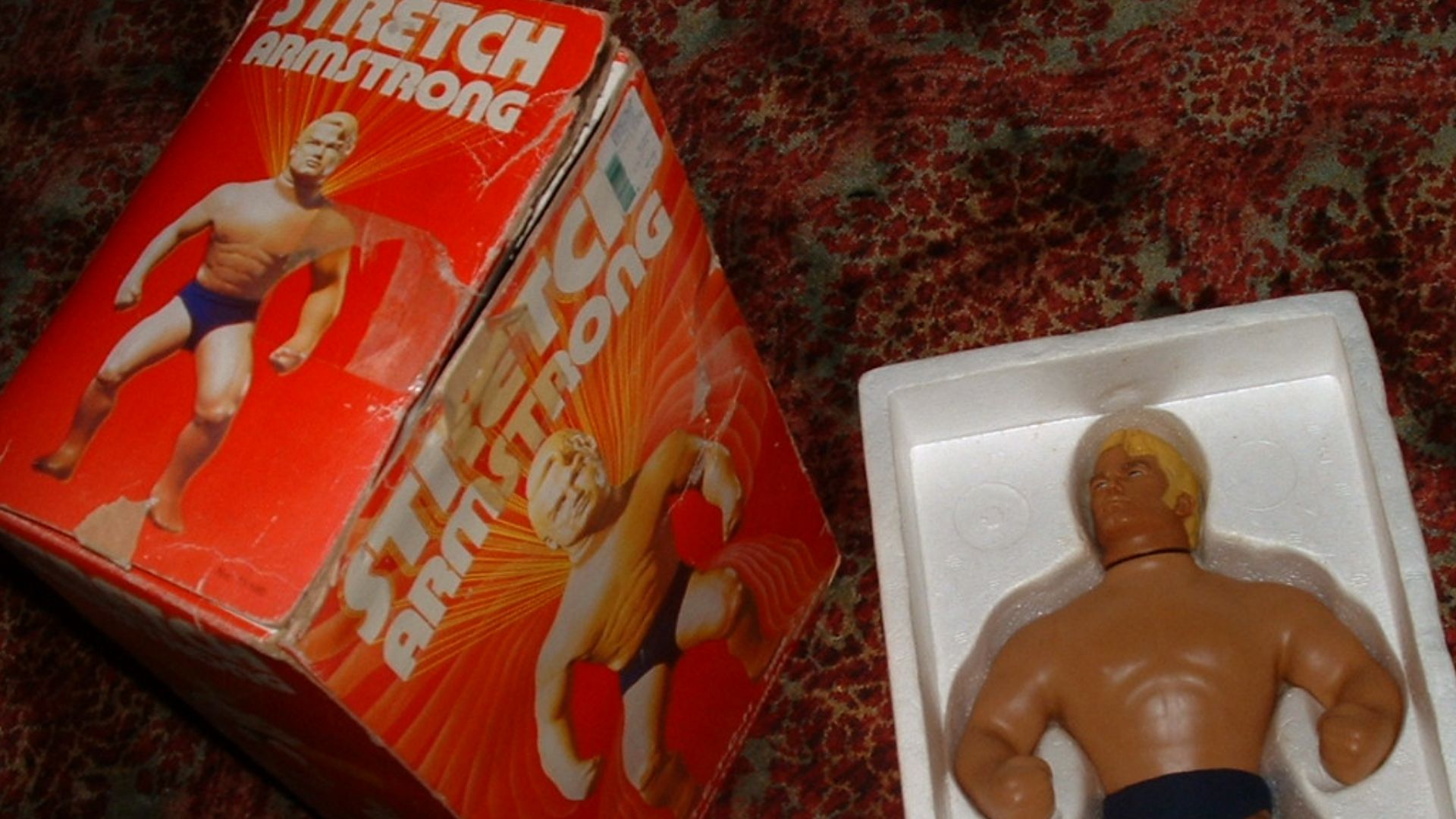 Alex Beattie on Flickr, Wikimedia Commons
Calculator Watches
Long before smartwatches, Pulsar managed to put a calculator directly onto a person's wrist. Its calculator watch reached consumers in time for Christmas 1975, with an early 18-karat gold version priced at an extraordinary $3,950. The buttons were so small that the watch came with a stylus for pressing them.
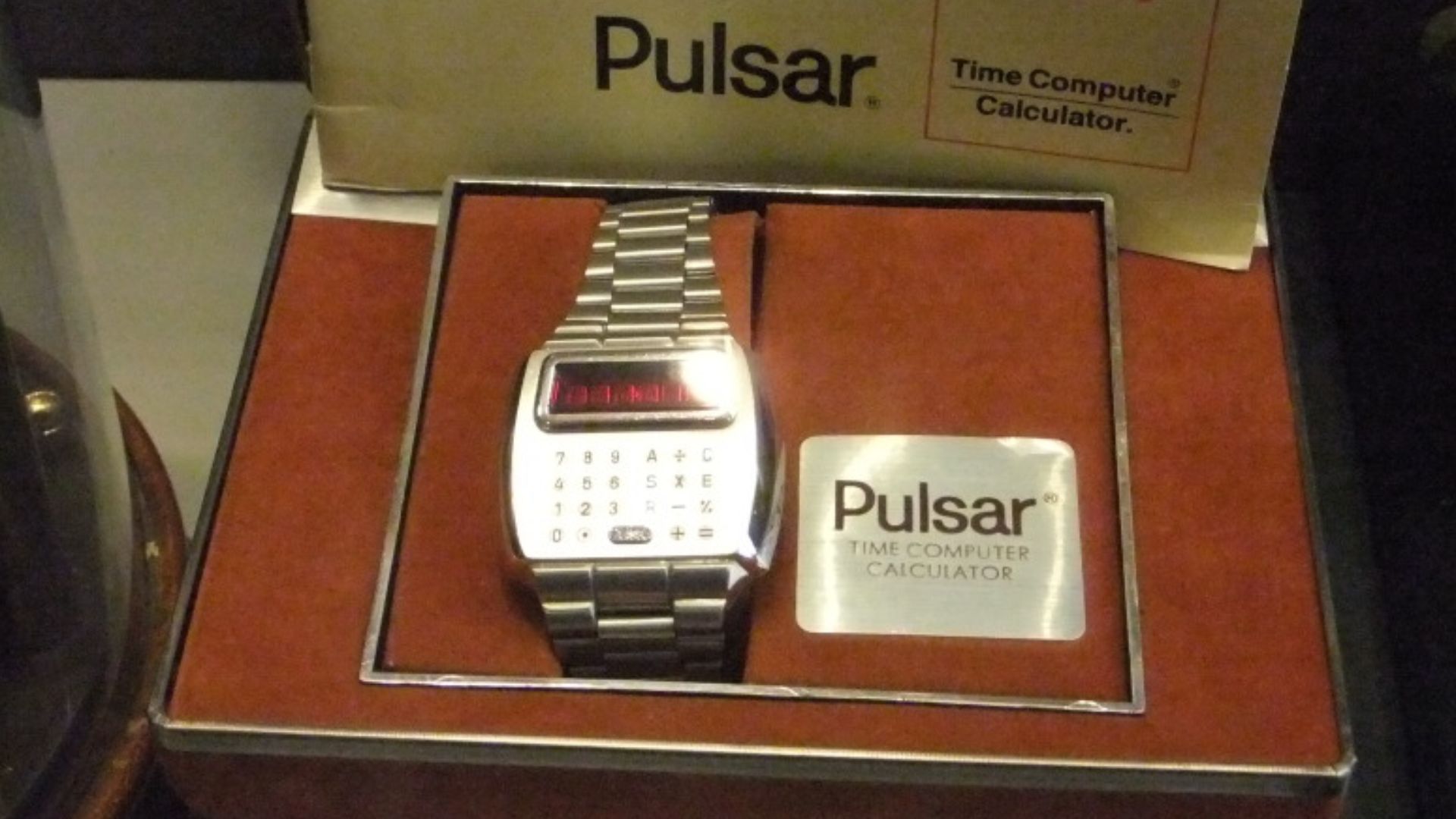 Reptonix free Creative Commons licensed photos, Wikimedia Commons
Baby Alive
Kenner introduced Baby Alive in 1973 with a feature most dolls had never attempted. Children mixed powdered food with water, fed it to the doll, and then waited for the mixture to pass through into a diaper. Instead of pretending to care for a baby, owners got a surprisingly literal version of the experience.

CB Radios
Citizens Band radio became a full-fledged American craze during the 1970s. Truck drivers used CBs to exchange information about traffic, fuel, weather, and police, while ordinary motorists increasingly joined the conversation. Millions of Americans eventually had access to the radios, complete with handles, slang, and an entire culture built around talking to strangers on the road.
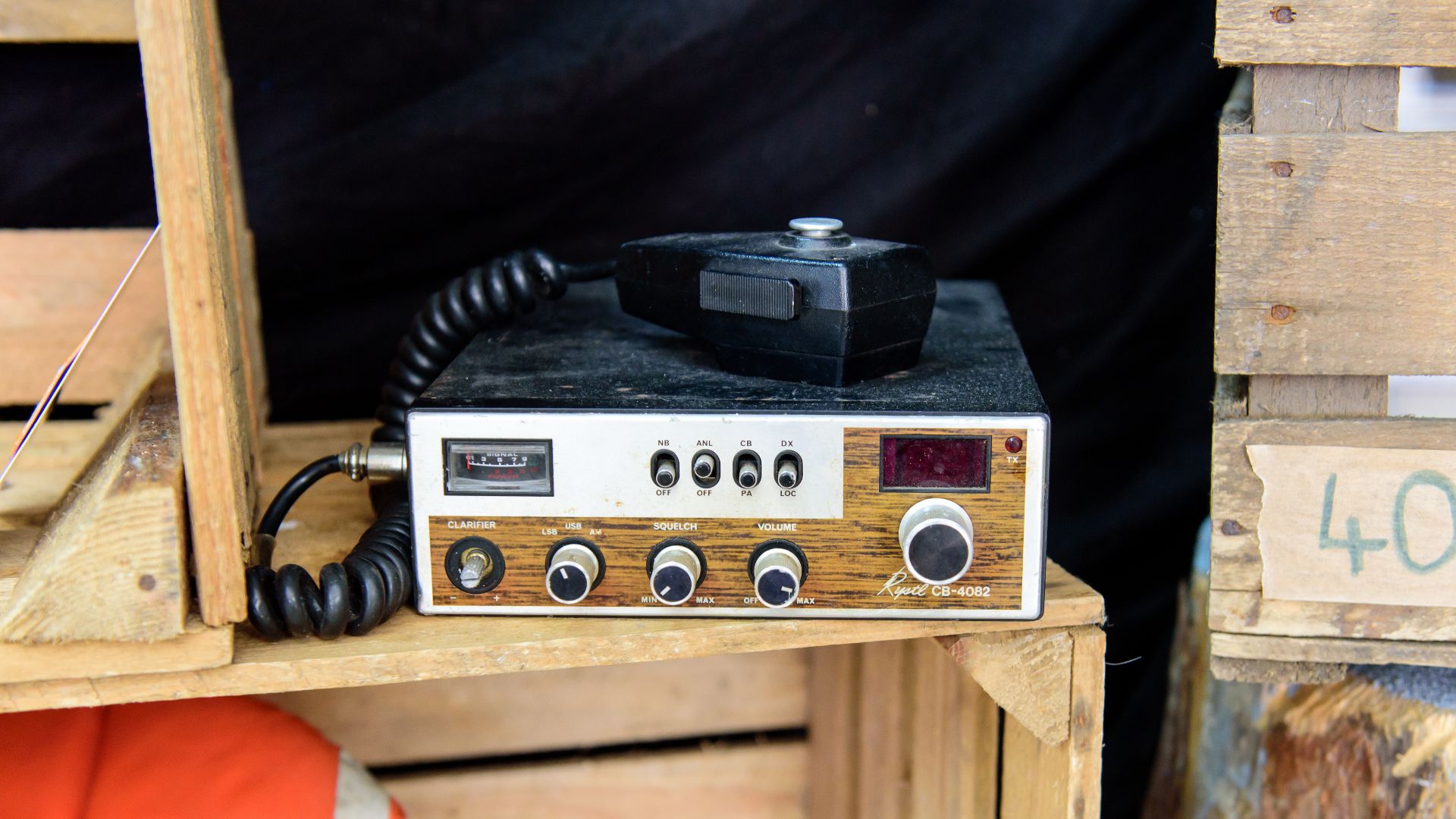 Frank Schwichtenberg, Wikimedia Commons
History's most fascinating stories and darkest secrets, delivered to your inbox daily.
Gerber Singles
In the early 1970s, Gerber tested Singles, a line of ready-made meals packaged in jars and aimed at adults living alone. The problem was that shoppers already associated Gerber jars almost entirely with baby food. The concept never caught on, making Singles one of the stranger examples of a company trying to stretch a familiar brand far beyond its usual audience.
Evel Knievel Stunt Cycle
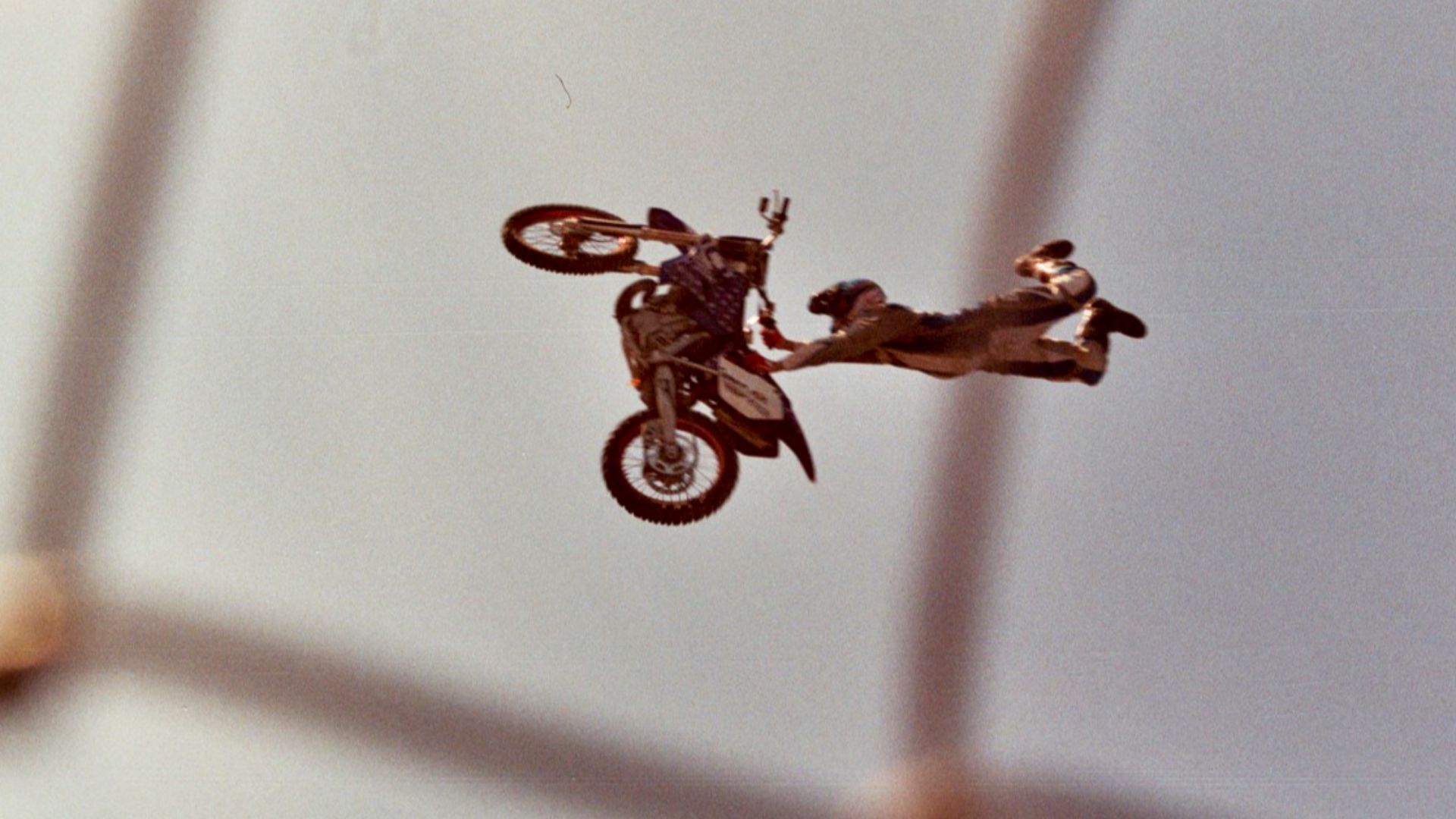
Ideal released the Evel Knievel Stunt Cycle in 1973 while the daredevil was becoming one of America's most famous celebrities. Kids placed a Knievel figure on a miniature motorcycle, revved it with a hand-powered launcher, and sent it racing toward ramps and obstacles. Crashing was not necessarily a failure because setting up another spectacular jump was much of the appeal.
 Fishinphoto, Wikimedia Commons
Wacky Packages
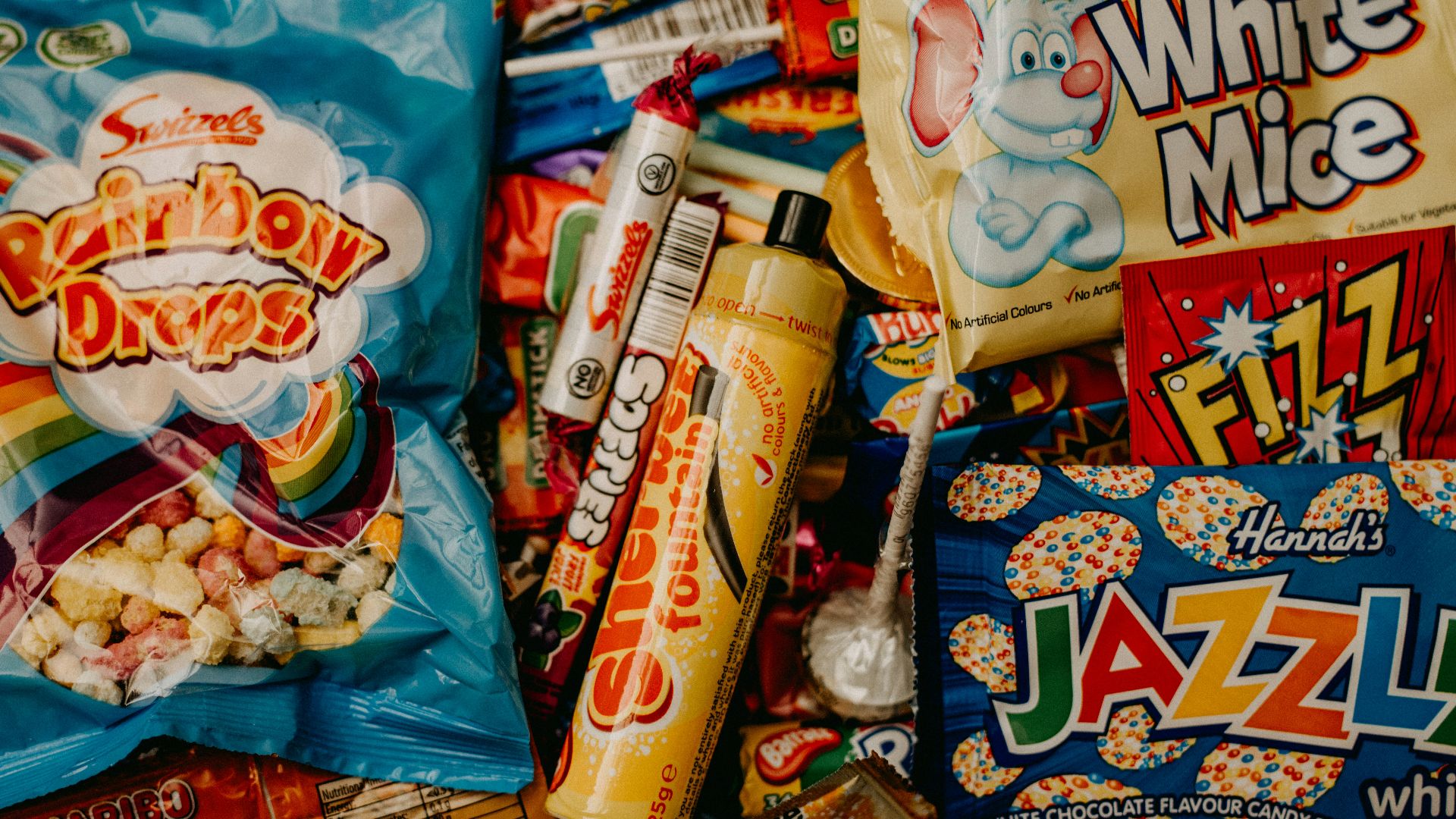
Topps brought Wacky Packages back as peel-and-stick stickers in 1973. Artists transformed familiar consumer products into deliberately ridiculous parodies with altered names, grotesque artwork, and fake packaging. Sixteen series appeared between 1973 and 1977, turning jokes about supermarket products into collectibles of their own.
Weebles
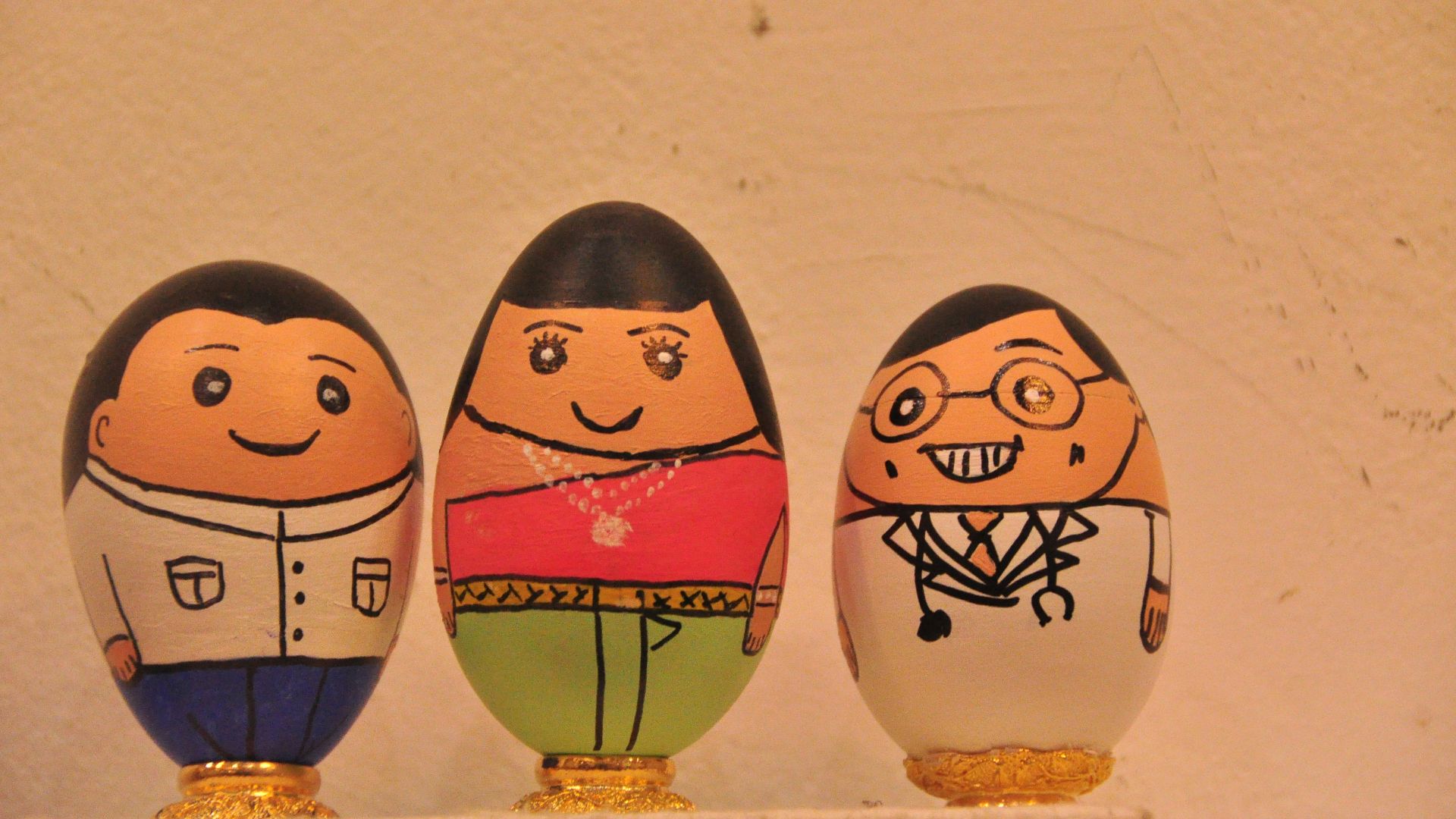
Weebles arrived in the early 1970s with weighted bottoms that constantly pulled the little figures upright. You could shove one over, but its rounded body would rock back into position instead of remaining flat. The simple trick inspired a large line of figures, vehicles, and playsets built around toys that seemed almost impossible to knock over.
 I Do Nothing But Love, Unsplash
The Magnavox Odyssey
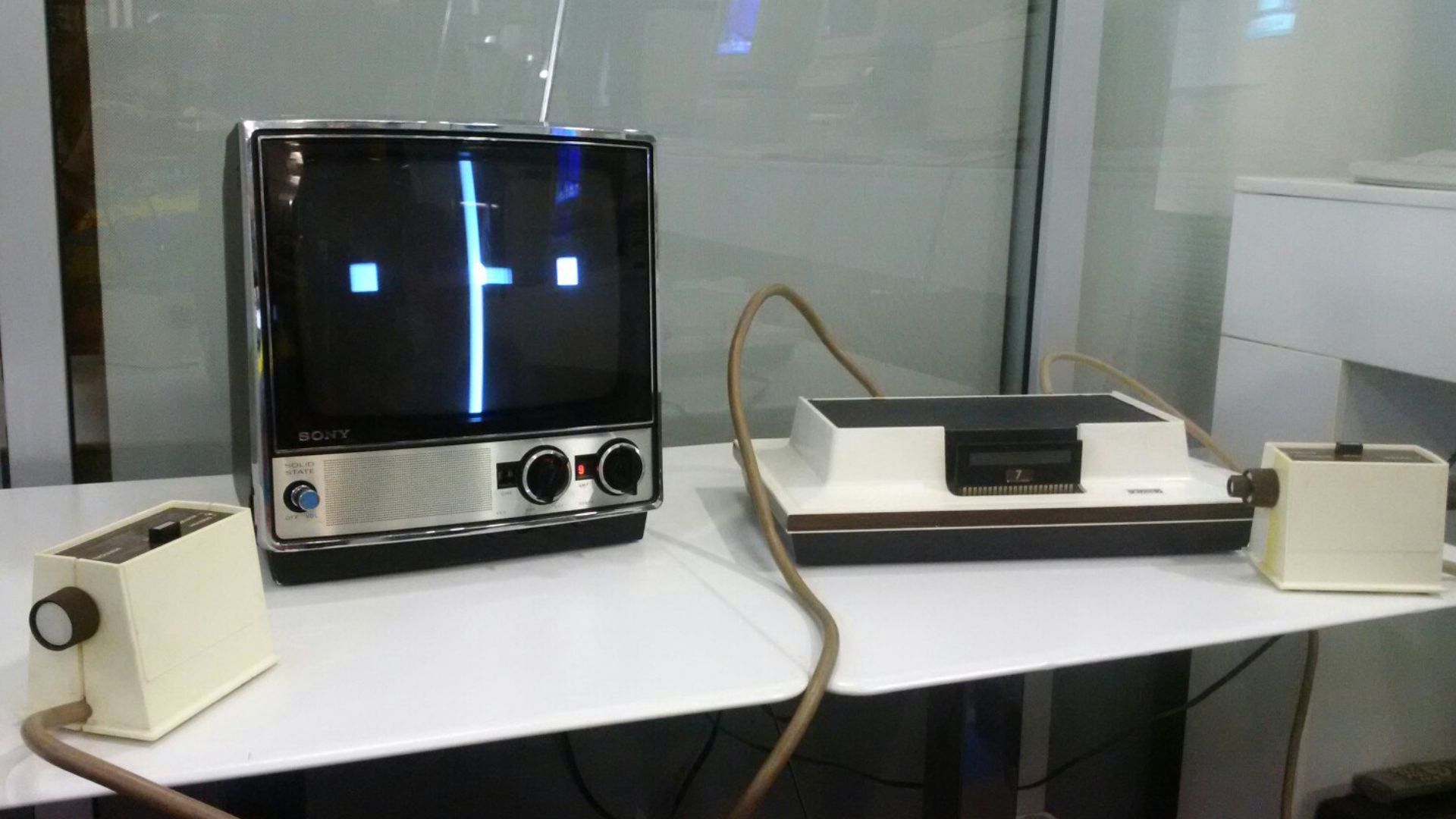
The Magnavox Odyssey reached consumers in 1972 as the first commercial home video game console. Its electronic graphics were so limited that players placed translucent plastic overlays directly onto their television screens to provide backgrounds and playing fields. Cards, dice, play money, and other physical pieces helped provide game elements the console itself could not display.
Touch Of Yogurt Shampoo
Clairol tested a shampoo called Touch of Yogurt in 1979, proving that the decade's enthusiasm for unusual ingredients extended to the bathroom. The name was meant to make yogurt sound wholesome and nourishing when applied to hair. The product did not last, but it later became a frequently cited example of an unsuccessful consumer launch.

History's most fascinating stories and darkest secrets, delivered to your inbox daily.
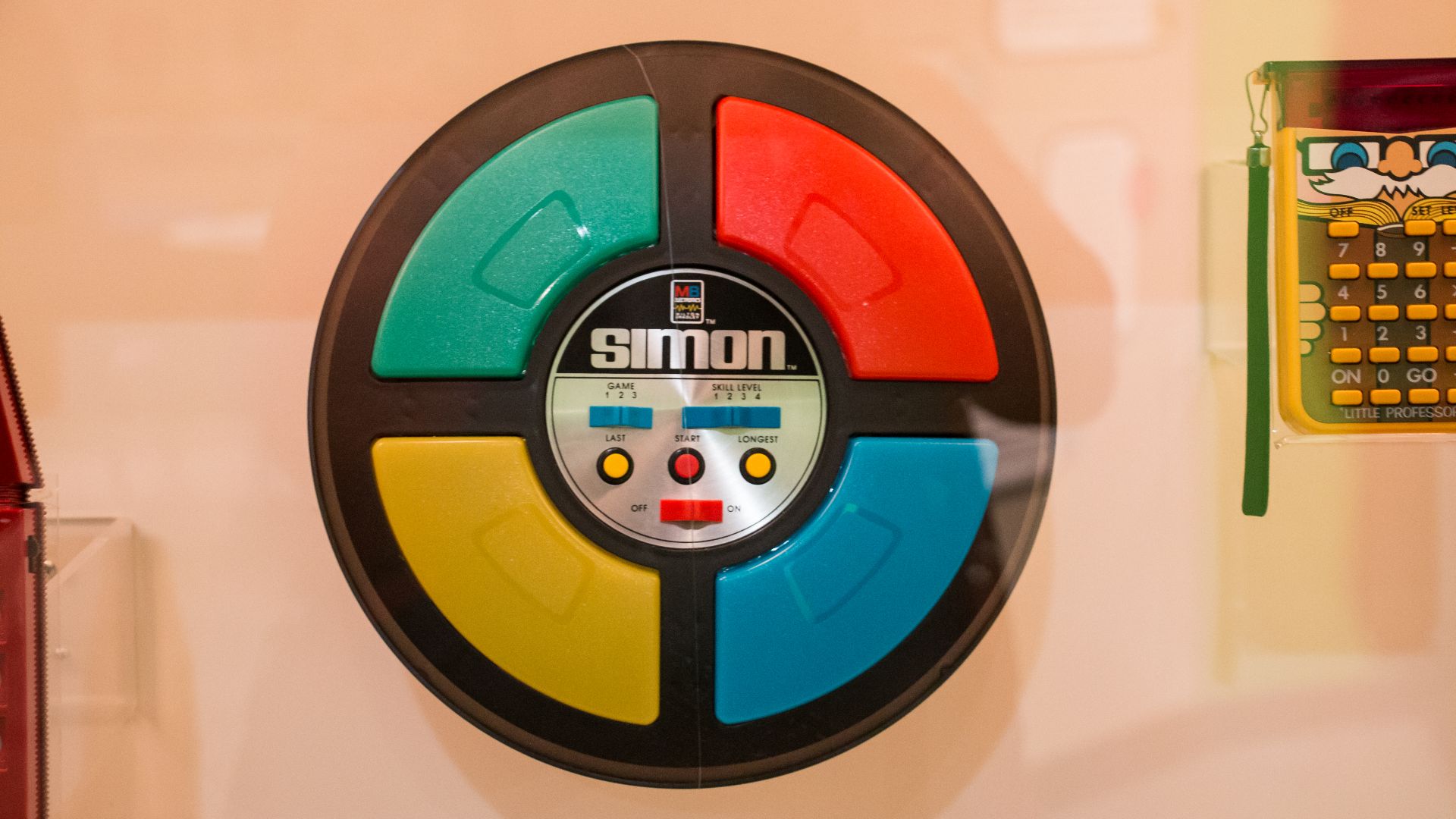
Simon
Milton Bradley introduced Simon in 1978 as a round electronic game with four colored buttons. It flashed a sequence of lights and sounds, then challenged players to repeat an increasingly complicated pattern from memory. The company even promoted the game with a midnight launch at Studio 54, giving a memory toy an appropriately flashy debut.
Speak & Spell
Texas Instruments introduced Speak & Spell in 1978, combining a keyboard, electronic display, and synthesized speech. Children could type words and hear an electronic voice respond, an impressive trick for a portable consumer product at the time. Its speech technology helped make the device feel more like something from the future than an educational toy.
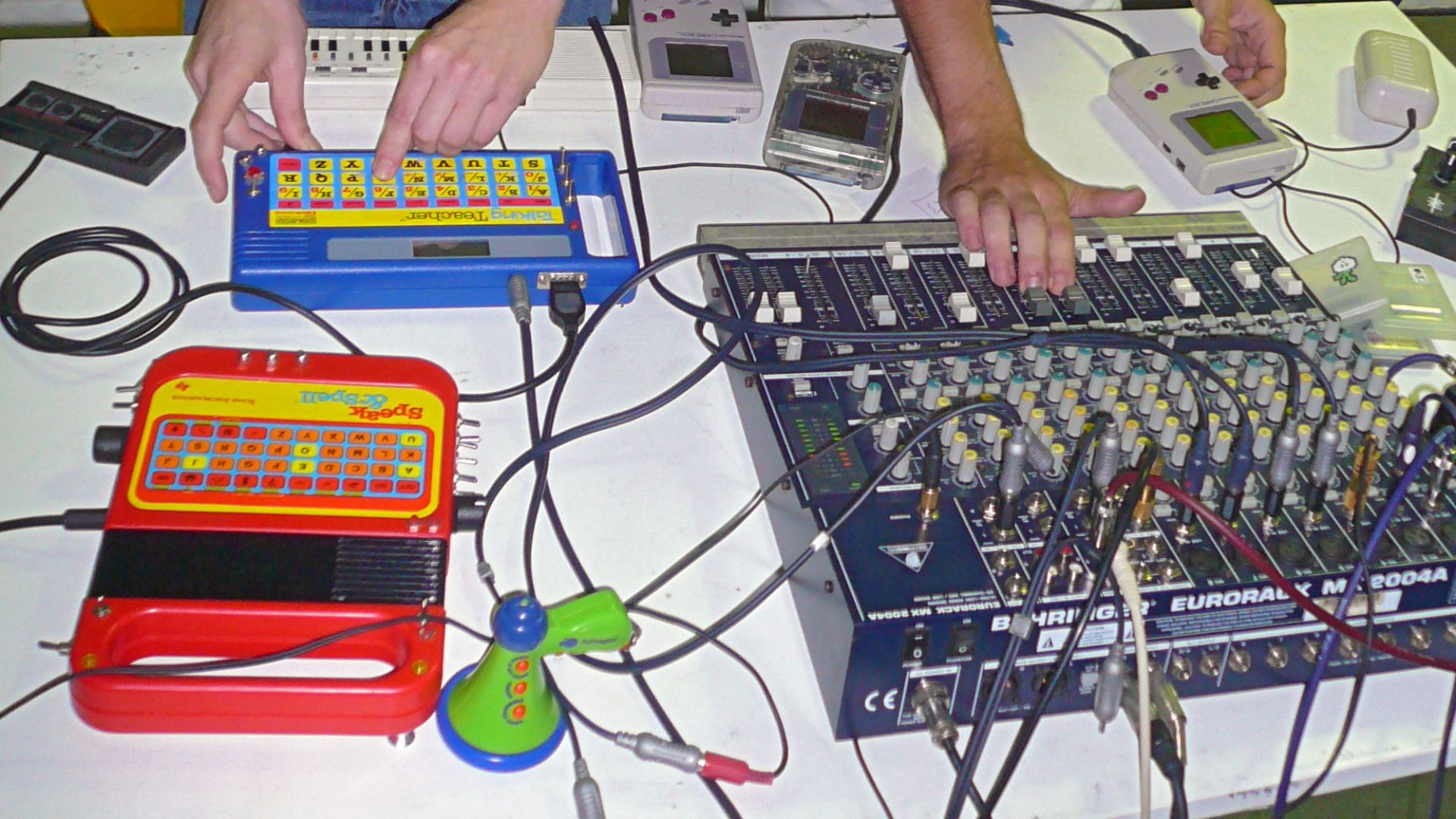 Procsilas Moscas, Wikimedia Commons
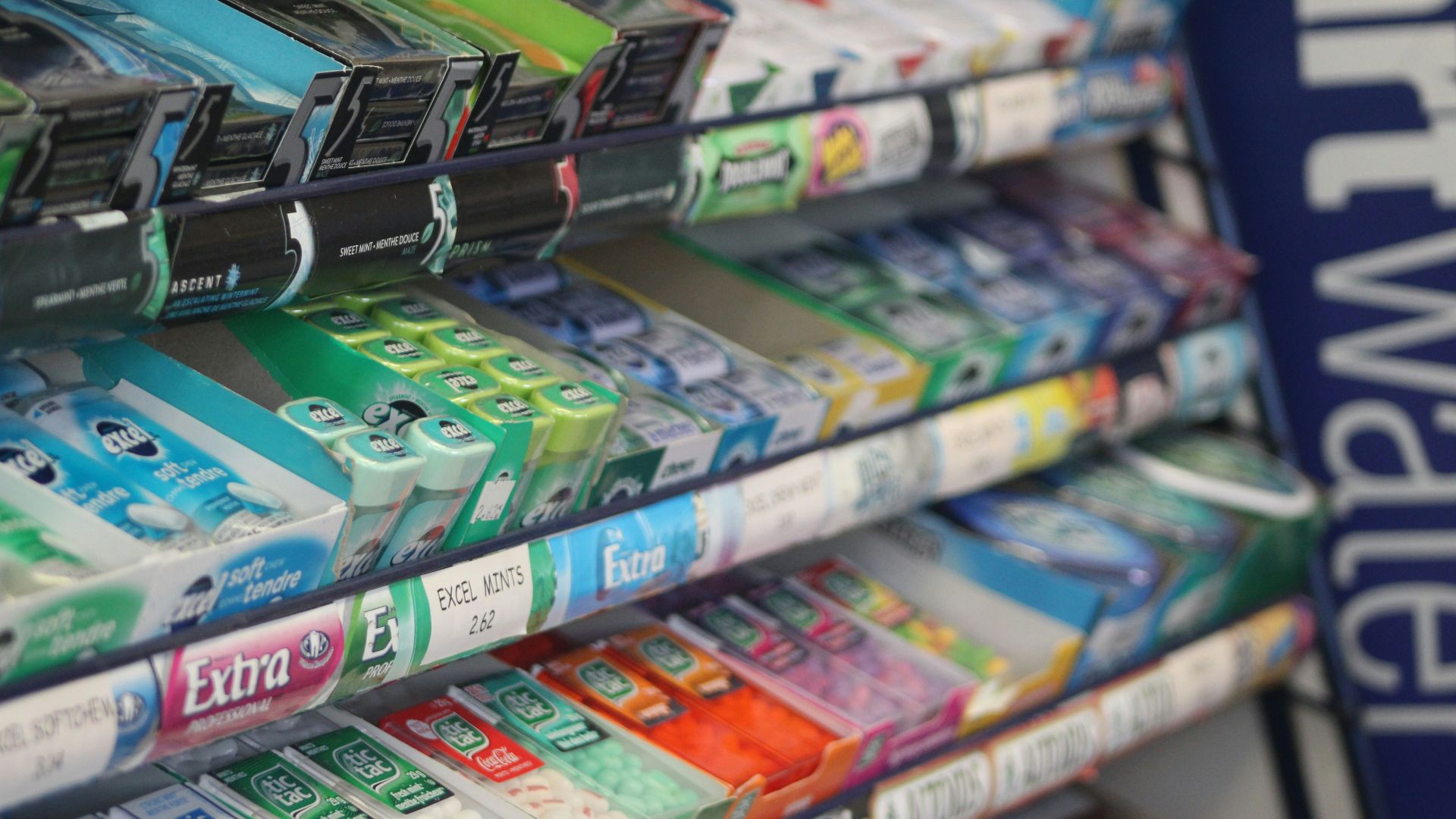
Freshen-Up Gum
Freshen-Up offered something even stranger than ordinary chewing gum when it appeared during the mid-1970s. Each piece contained a flavored liquid or gel center that burst into the mouth once the outer gum was bitten through. By 1977, The Washington Post identified Freshen-Up as one of the best-selling gums in the United States.
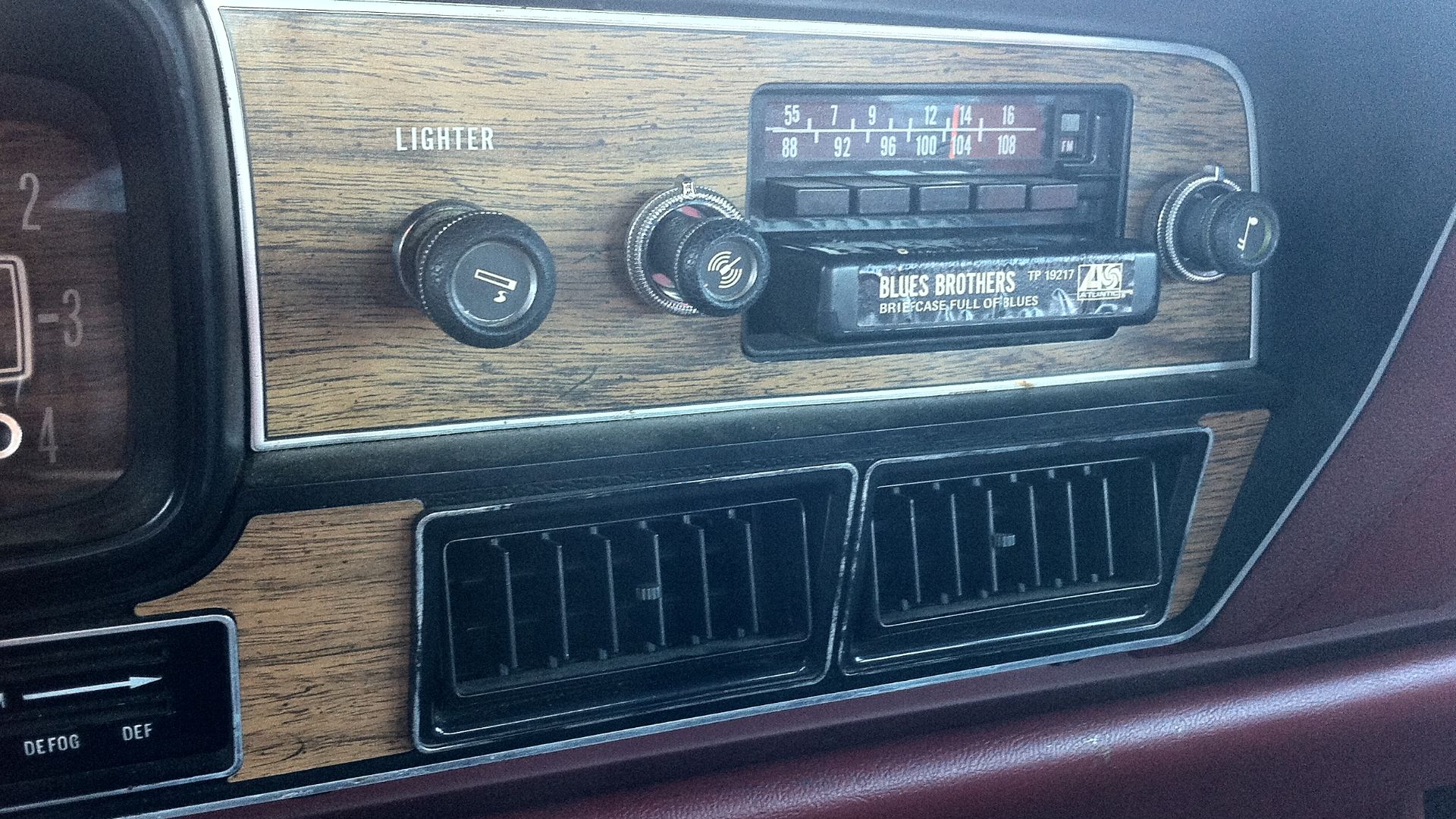
Eight-Tracks
The 8-track cartridge stored music on a continuous loop of magnetic tape. Unlike a record, the cartridge did not need to be flipped halfway through an album, although tracks sometimes changed at awkward moments as the mechanism switched programs. Factory and aftermarket players helped make the bulky cartridges a common sight in American cars during the 1970s.
The 1970s Never Feared A Strange Idea
Some of these products introduced genuinely important technology, while others survived largely because someone knew how to market a bizarre idea. Americans bought talking toys, wobbling figures, liquid-filled gum, mood-reading jewelry, and ordinary rocks packaged as pets. Looking back, the strangest part may be how many of these supposedly ridiculous ideas actually worked.
You May Also Like:
Brand Names Nobody Realizes Were Actually Named After Real People
Famous Winners Who Got The Glory—While The People Behind Their Success Were Forgotten
Sources: 1, 2, 3, 4, 5, 6, 7, 8, 9, 10, 11, 12, 13, 14, 15,16