Grocery Shopping Was Different
Grocery stores in the 60s were packed with foods promising to make breakfast faster, dinner easier and dessert considerably stranger. Some became household fixtures. Others vanished so completely that even people who once bought them every week may have trouble remembering them. But the big question is...can you remember at least 5?
Birds Eye Awake
It looked like frozen orange juice concentrate, but Birds Eye marketed Awake as a “frozen breakfast drink.” Shoppers emptied the cylinder into a pitcher and added water. A 1964 commercial claimed it tasted just like orange juice, although the careful wording suggested it technically was not.
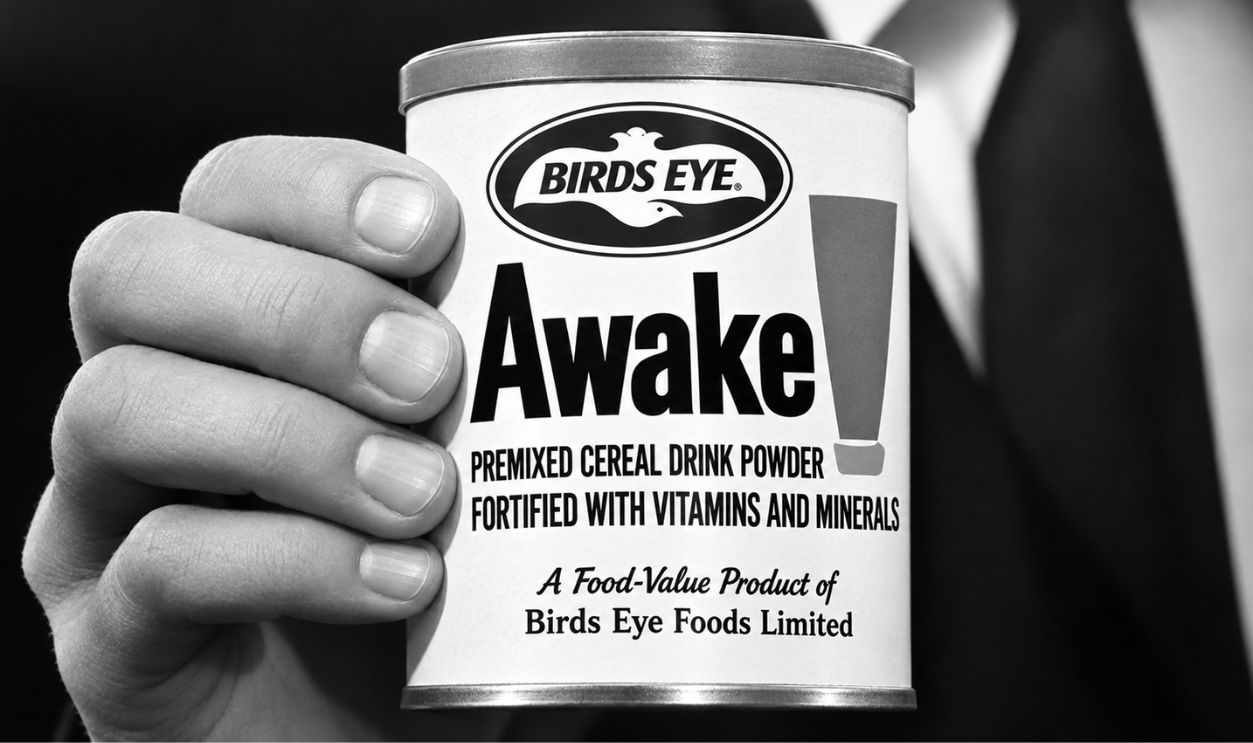 Screenshot from Birds Eye Awake, General Foods Corporation (1964), Enhanced
Chun King Frozen Dinners
Chun King helped introduce countless American households to supermarket Chinese food. By the early 60s, the company reportedly controlled roughly half the prepared Chinese-food market in America. Founder Jeno Paulucci sold it in 1966, and the once-familiar brand eventually disappeared after several ownership changes.
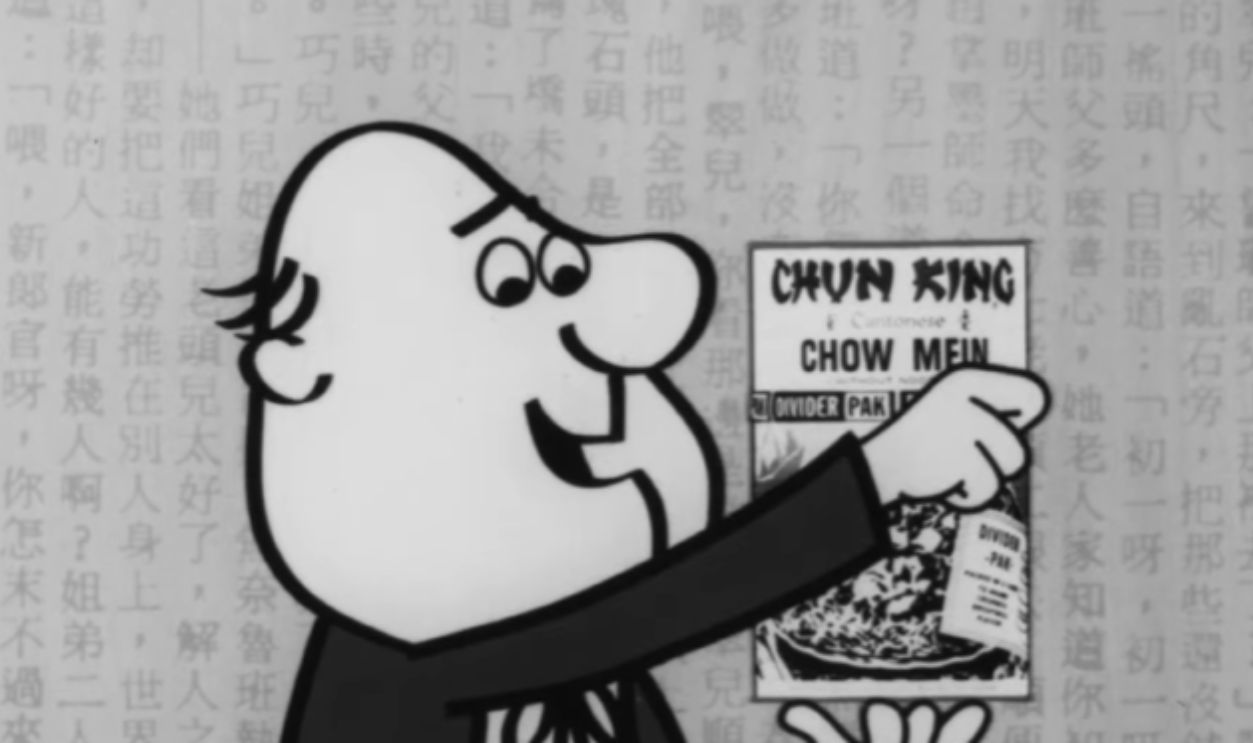 Screenshot from Chun King Frozen Dinner, Chun King Corporation (1958)
Royal Shake-A-Pudd’n
Royal turned instant pudding into an activity. Each kit contained four pudding packets, four cups, lids and spoons. Kids added water, shook the containers for approximately 30 seconds and waited five minutes. Chocolate, vanilla, banana and butterscotch were available before the product disappeared in 1971.
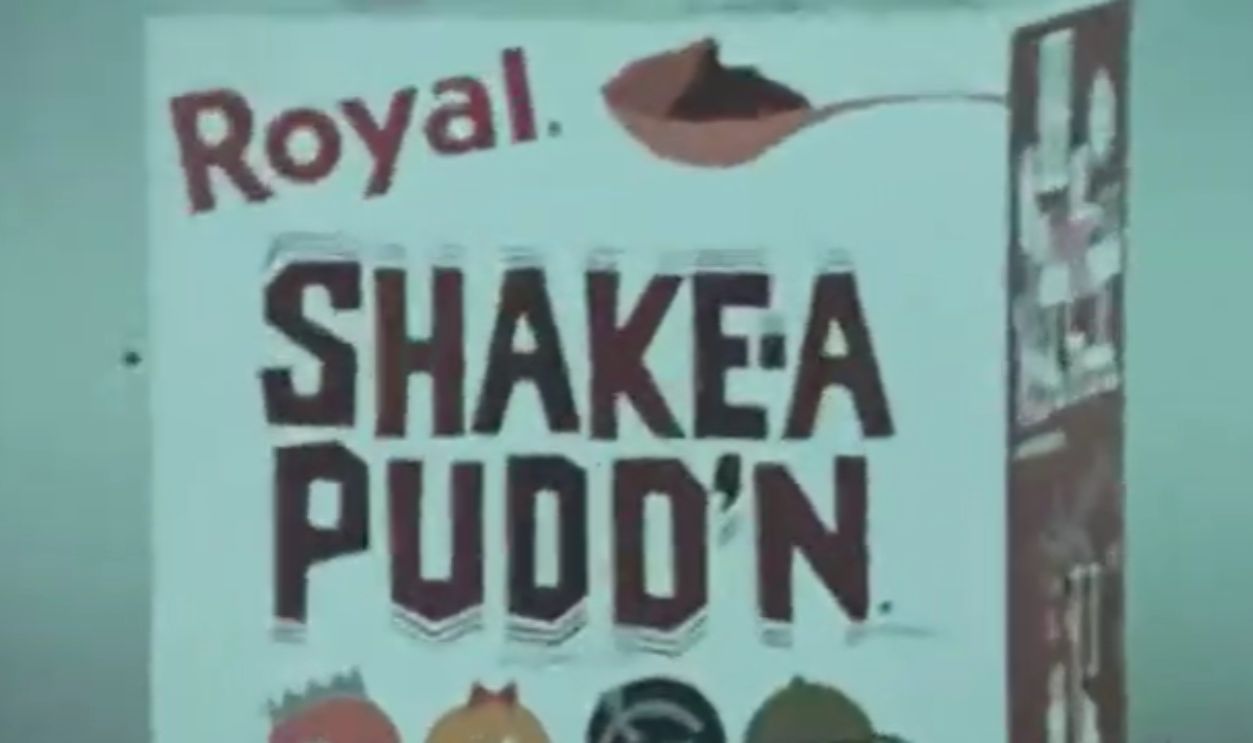 Screenshot from Royal Shake-A-Pudd’n, Standard Brands Inc. (1967)
Morton Pot Pies
Morton filled grocery freezers with inexpensive chicken, turkey and beef pot pies, along with frozen dinners, doughnuts and honey buns. The brand survived multiple owners, but its products gradually vanished as Conagra consolidated its frozen-food business. Morton disappeared from supermarket freezers around 2000.
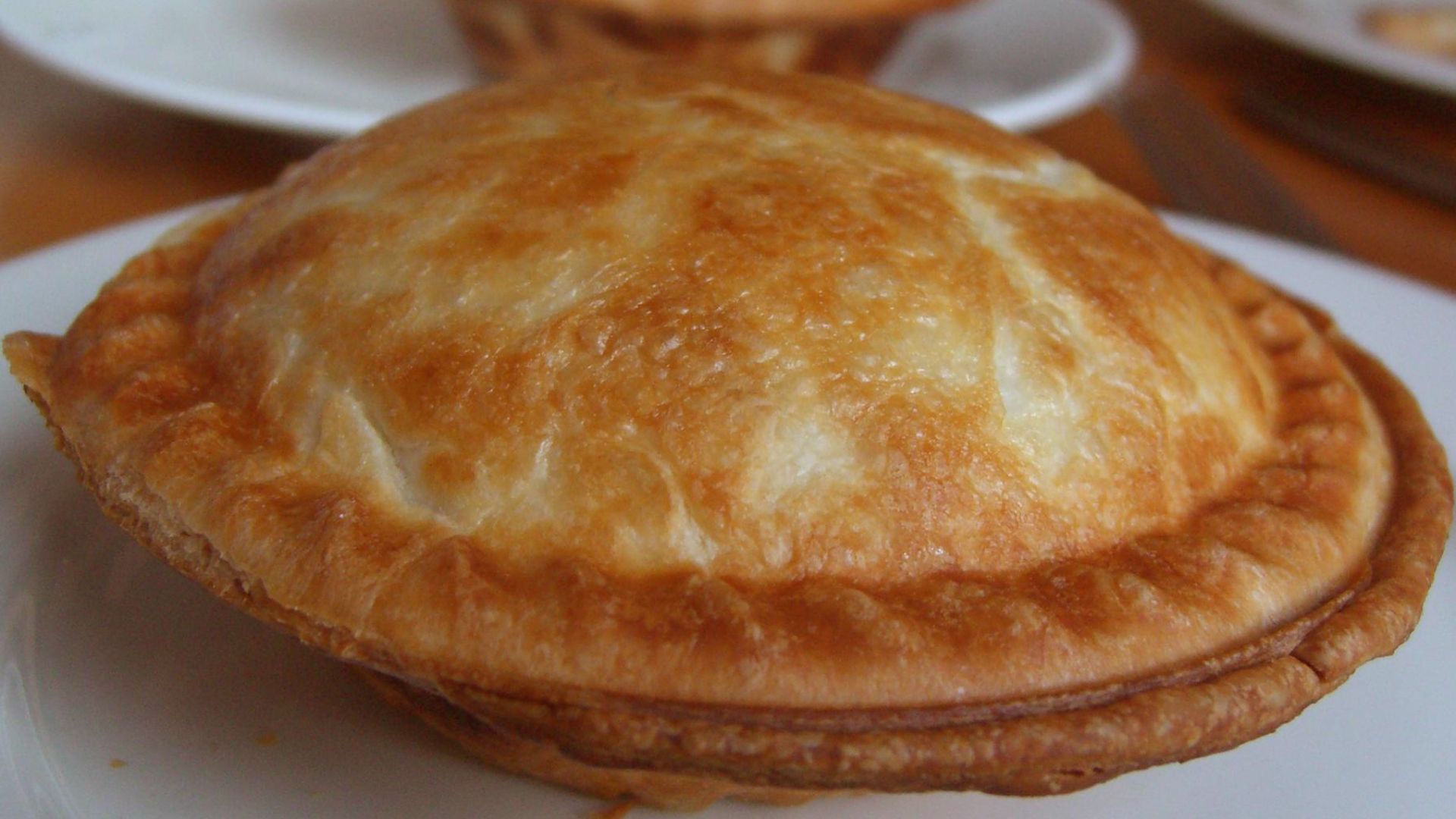 avlxyz at https://www.flickr.com/photos/avlxyz/, Wikimedia Commons
Fizzies Drink Tablets
Drop a Fizzies tablet into water and it dissolved into a brightly colored carbonated drink. The tablets reached national distribution in 1962 and became a genuine 60s craze. Unfortunately, they contained cyclamate. After the sweetener was banned in the United States, the original Fizzies disappeared, although later revivals followed.
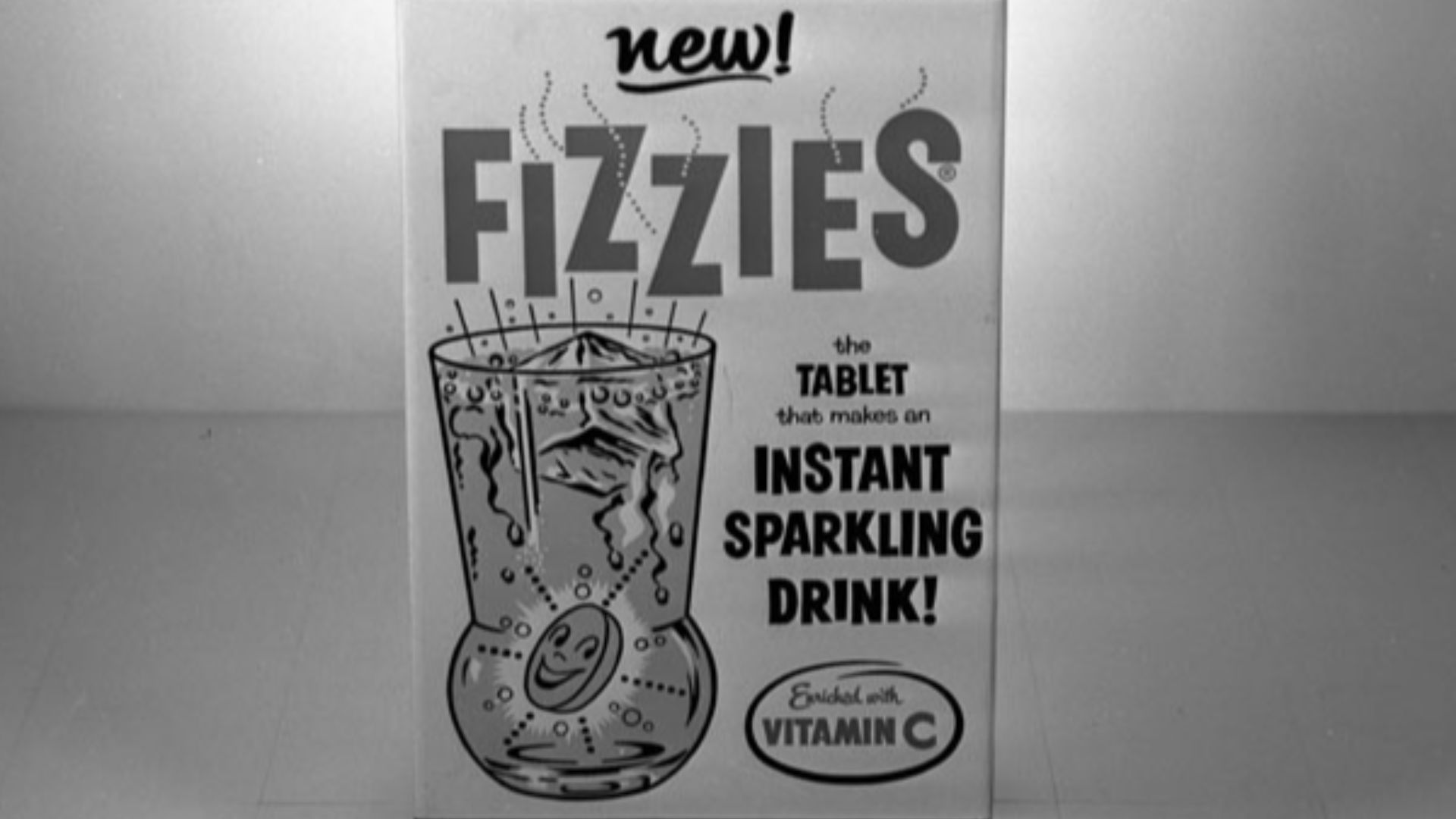 The Library of Virginia from USA, Wikimedia Commons
Betty Crocker Noodles Romanoff
Betty Crocker’s boxed Noodles Romanoff combined noodles with a powdered sauce intended to recreate the creamy, tangy dish at home. It reportedly took only eight minutes to prepare. The product eventually disappeared, but former customers have spent decades swapping copycat recipes and searching for anything that tastes remotely similar.
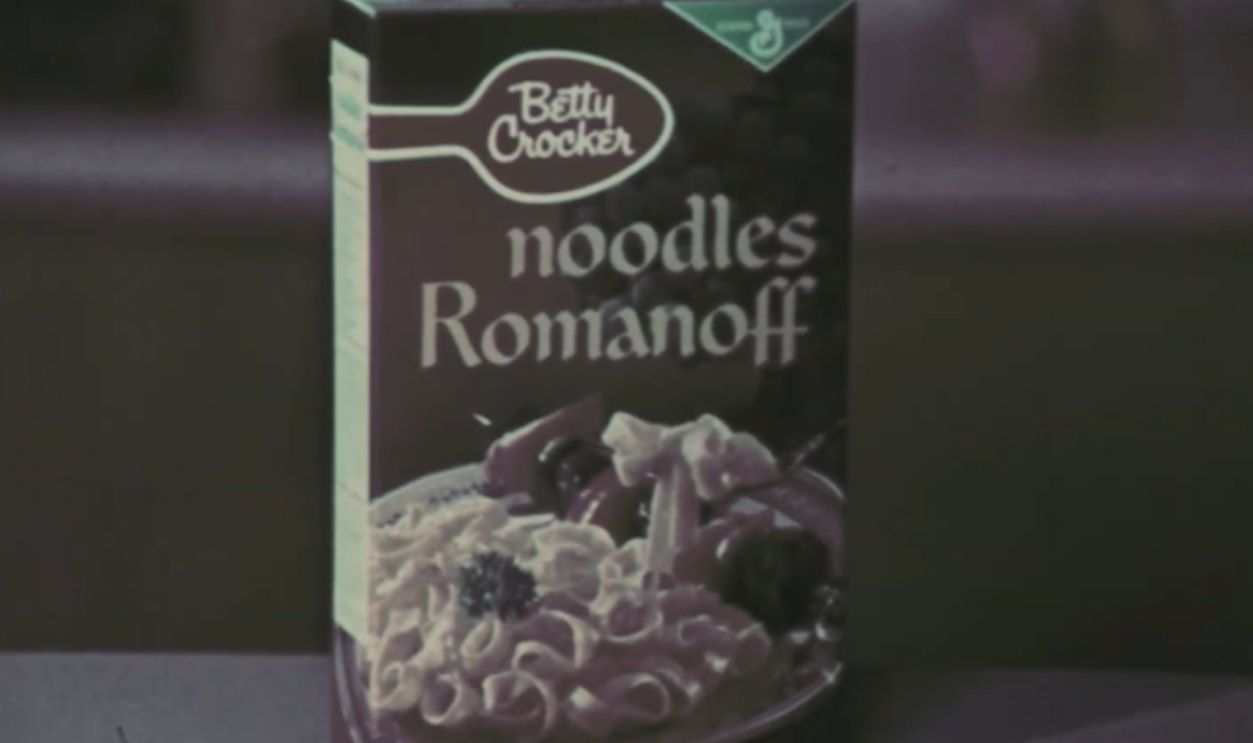 Screenshot from Betty Crocker Noodles Romanoff, General Mills (1963)
Quake Cereal
Quaker introduced Quake alongside Quisp in 1965 and promoted the two cereals as rivals. Quake featured gear-shaped pieces and a muscular, hard-hat-wearing miner as its mascot. After a public vote favored Quisp, Quake lost the cereal showdown and was discontinued in the early 70s.
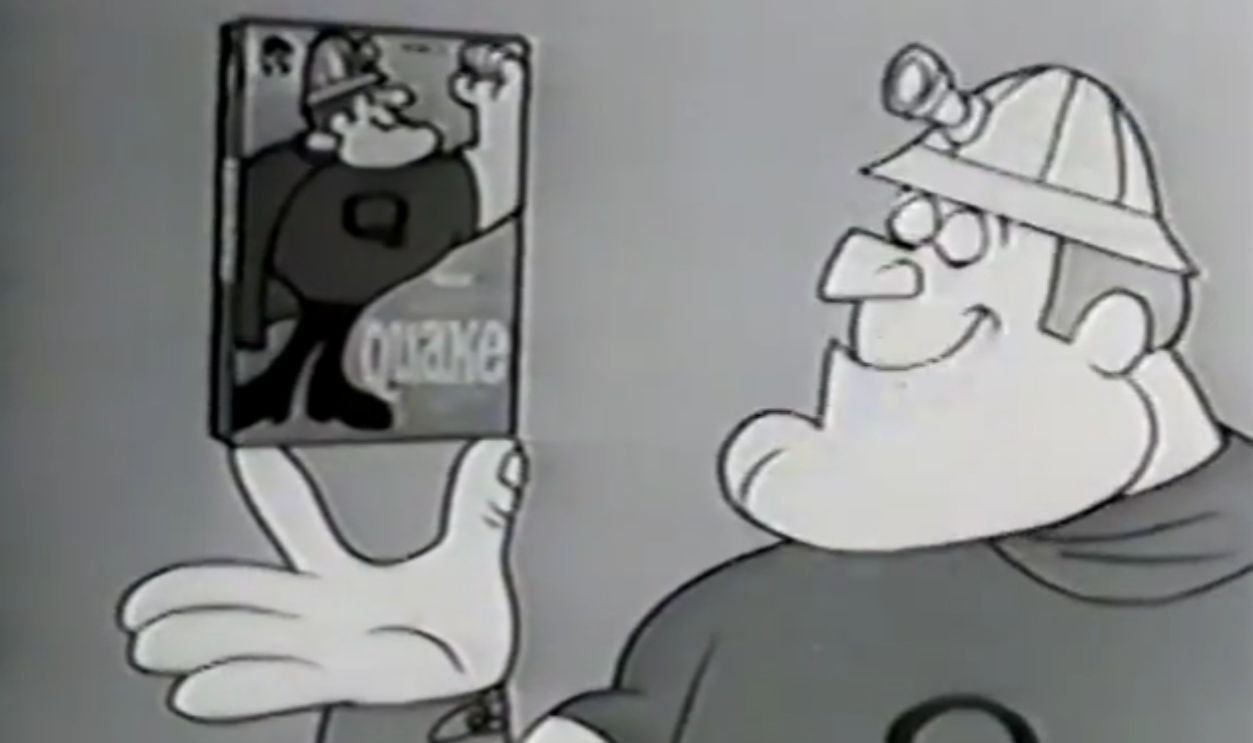 Screenshot from Quake Cereal, Quaker Oats Company (1965)
Campbell’s Pepper Pot Soup
Pepper Pot was not created in the 60s. It was one of Campbell’s original condensed soups from 1899. However, its spicy combination of tripe, vegetables and peppers remained a familiar sight during the decade. Remarkably, Campbell’s continued selling it until 2010.

History's most fascinating stories and darkest secrets, delivered to your inbox daily.
Pepsi Devil Shake
Pepsi entered the chocolate-drink business in 1966 with the wonderfully named Devil Shake. The company underestimated Yoo-hoo’s specialized shelf-stability operation and eventually paid its rival to manufacture the drink. Devil Shake failed spectacularly, and Pepsi reportedly sold the troubled operation back to Yoo-hoo for one dollar.
 Solowomanwalks, Wikimedia Commons
Howard Johnson’s Frozen Fried Clams
Howard Johnson’s was once America’s largest restaurant chain, but its orange-roofed restaurants were only part of the business. Supermarkets also sold Howard Johnson’s frozen fried clams, chicken croquettes, macaroni and cheese and Toastees. The frozen products survived long after the restaurant empire began shrinking.
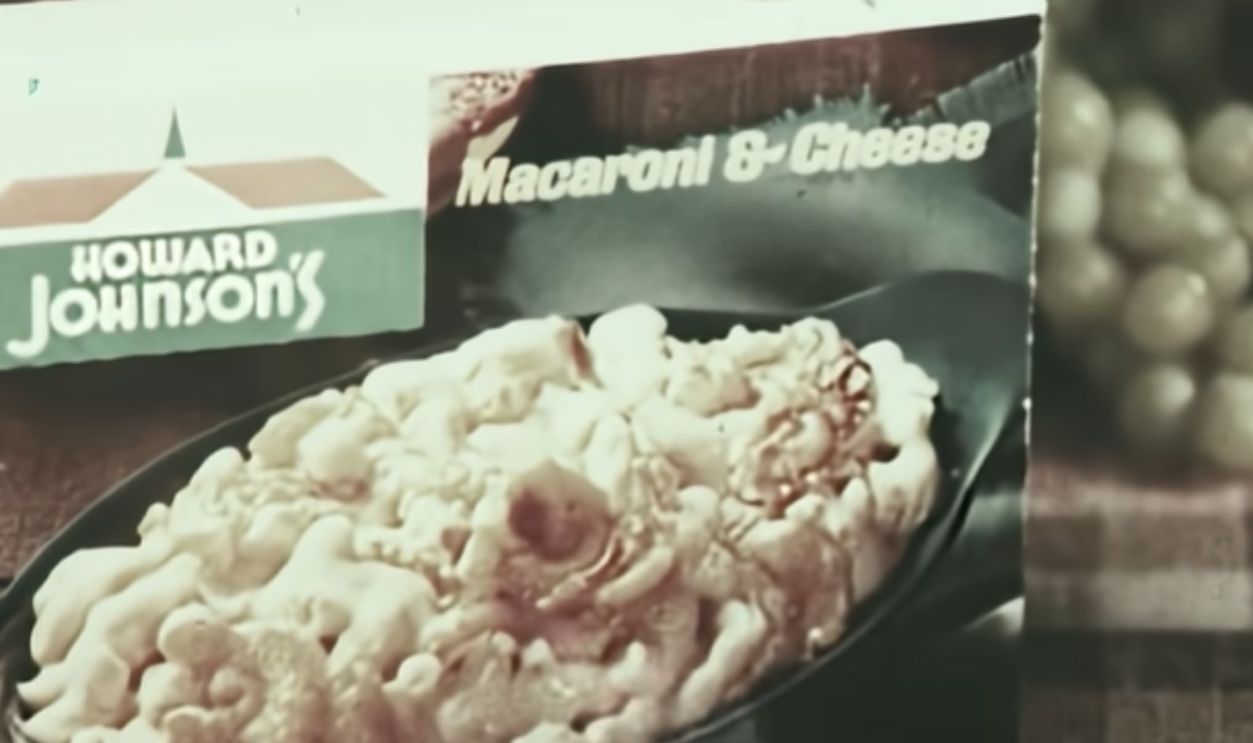 Screenshot from Howard Johnson’s Frozen Fried Clams, Howard Johnson's Company (1965)
Jell-O 1-2-3
Introduced in 1969, Jell-O 1-2-3 separated into three distinct layers while chilling. Clear gelatin settled on the bottom, with two progressively lighter and creamier layers above it. The dessert looked far more complicated than it was and remained available until its discontinuation in 1996.
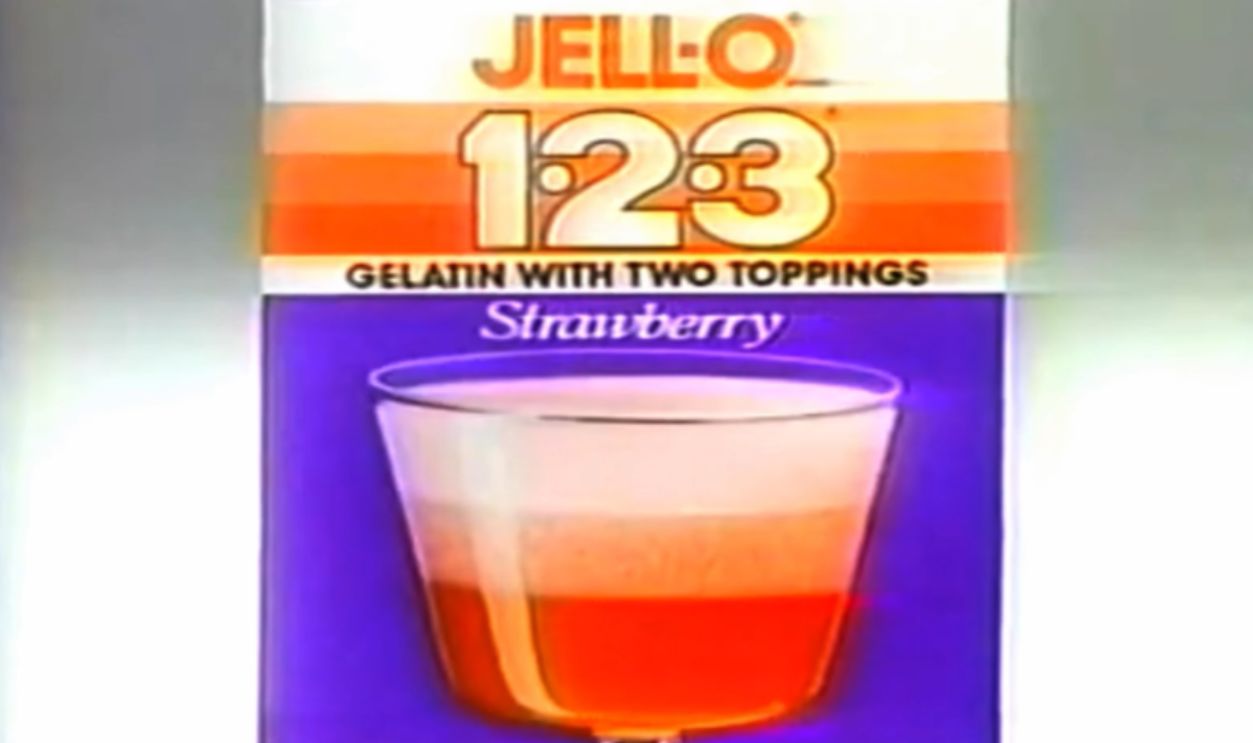 Screenshot from Jell-O 1-2-3, Kraft Foods (1969)
Franco-American Macaroni And Cheese
Long before canned macaroni and cheese became something shoppers avoided eye contact with, Franco-American sold it as a quick meal and casserole ingredient. The product remained available for decades, but it disappeared when Campbell retired the Franco-American brand in 2004 and transferred only selected products to its own label.
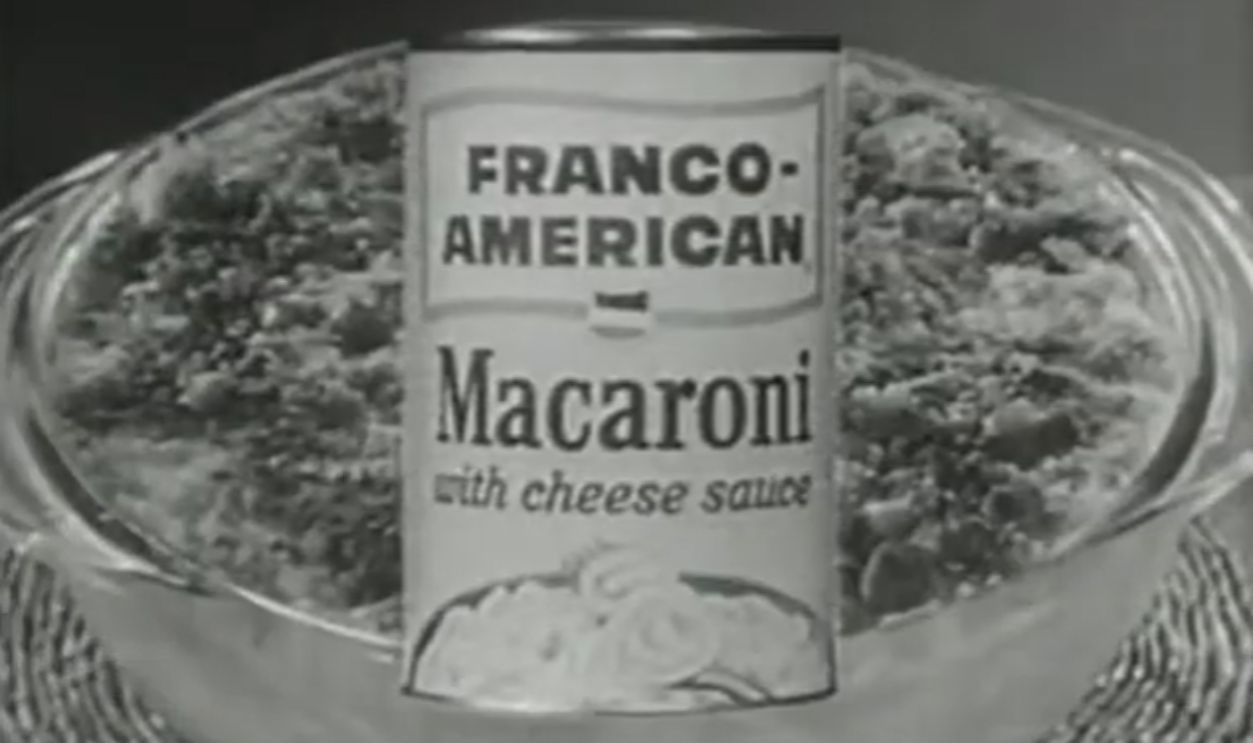 Screenshot from Franco-American Macaroni And Cheese, Campbell Soup Company (1959)
Funny Face Drink Mix
Pillsbury introduced Funny Face in 1964 as a challenger to Kool-Aid. Each flavor had a cartoon personality with names such as Goofy Grape and Rootin’ Tootin’ Raspberry. Pillsbury soon renamed two characters whose original names relied on racial stereotypes. The drink mix eventually faded from supermarket shelves.
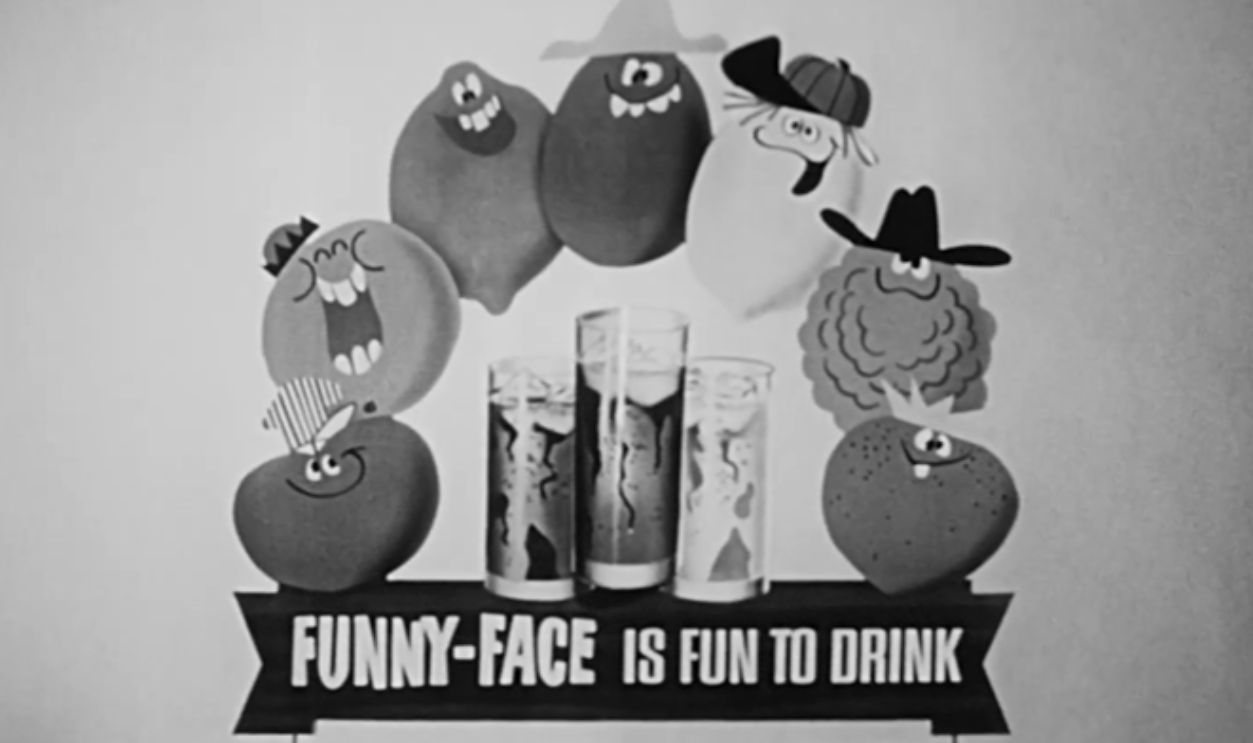 Screenshot from Funny Face Drink Mix, Pillsbury Company (1964)
El Chico Frozen Mexican Dinners
The Cuellar family behind the El Chico restaurant chain expanded into canned and frozen Mexican food for supermarkets. The meals brought enchiladas, tacos, beans and rice into home freezers when Mexican frozen dinners were still unusual. The frozen business later became associated with the El Charrito name.
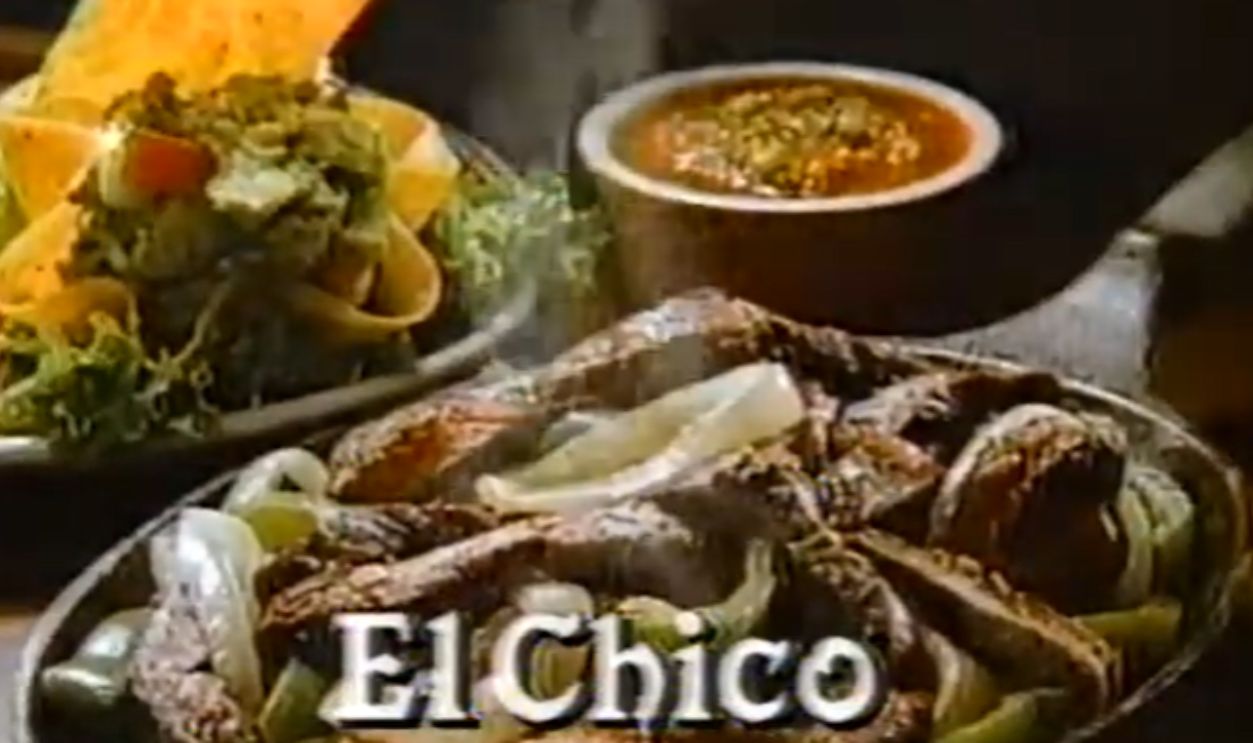 Screenshot from El Chico Frozen Mexican Dinners, El Chico Corporation (1954)
Kellogg’s Danish Go-Rounds
Kellogg’s introduced Danish Go-Rounds in 1968 as a toaster pastry aimed partly at adults and their morning coffee. The delicate spiral design reportedly suffered from breakage, so Kellogg’s replaced it with the sturdier Danish Rings. That version did not last either, disappearing by 1980.
 Jim.henderson, Wikimedia Commons
Kraft Spaghetti Dinner
Kraft’s boxed spaghetti dinners offered pasta and the ingredients needed to prepare the sauce, with varieties including Mild American Style and Tangy Italian Style. The boxes promised something that felt more homemade than canned spaghetti without requiring an afternoon in the kitchen. Related Kraft spaghetti kits remain available today.
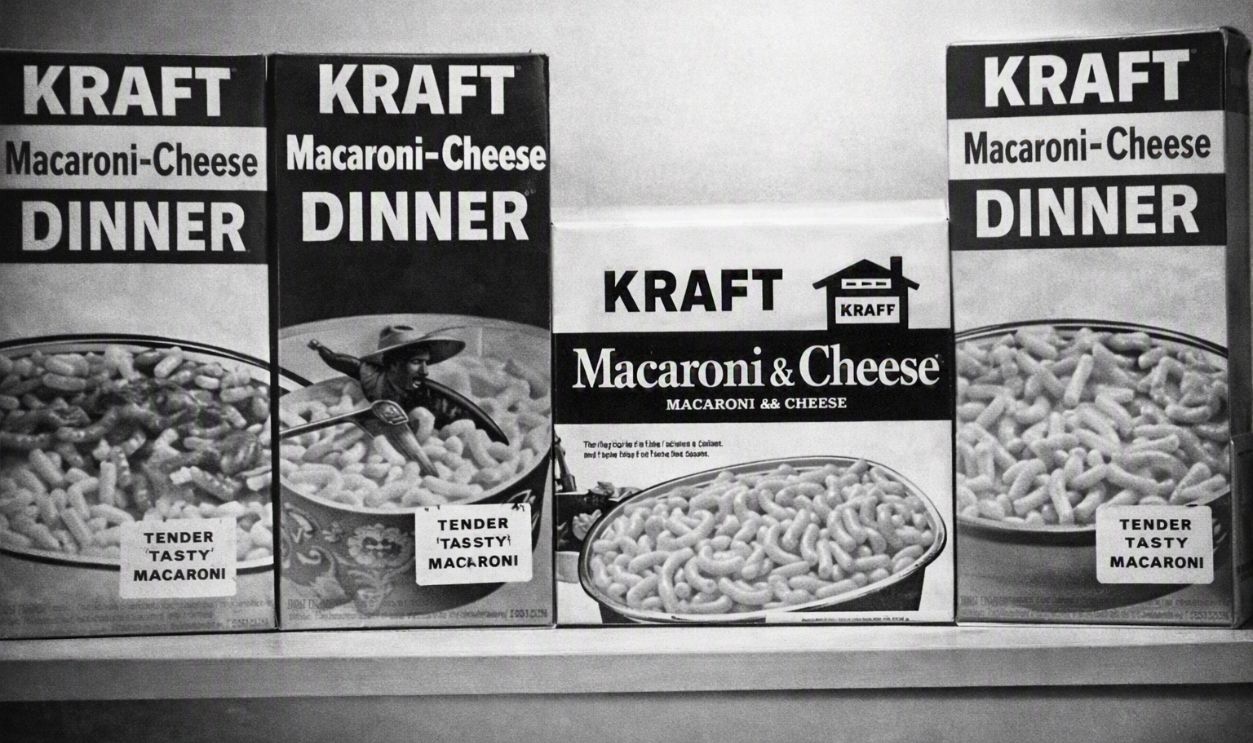 Screenshot from Kraft Spaghetti Dinner, Kraft Foods (1964), Enhanced
Sego Liquid Diet Food
Introduced in 1961, Sego sold 225-calorie diet meals in small cans with flavors including chocolate, vanilla, strawberry, banana and orange. The brand generated millions in sales by promising that dieters could replace regular meals with something sweet and convenient. That idea would remain popular long after Sego disappeared.
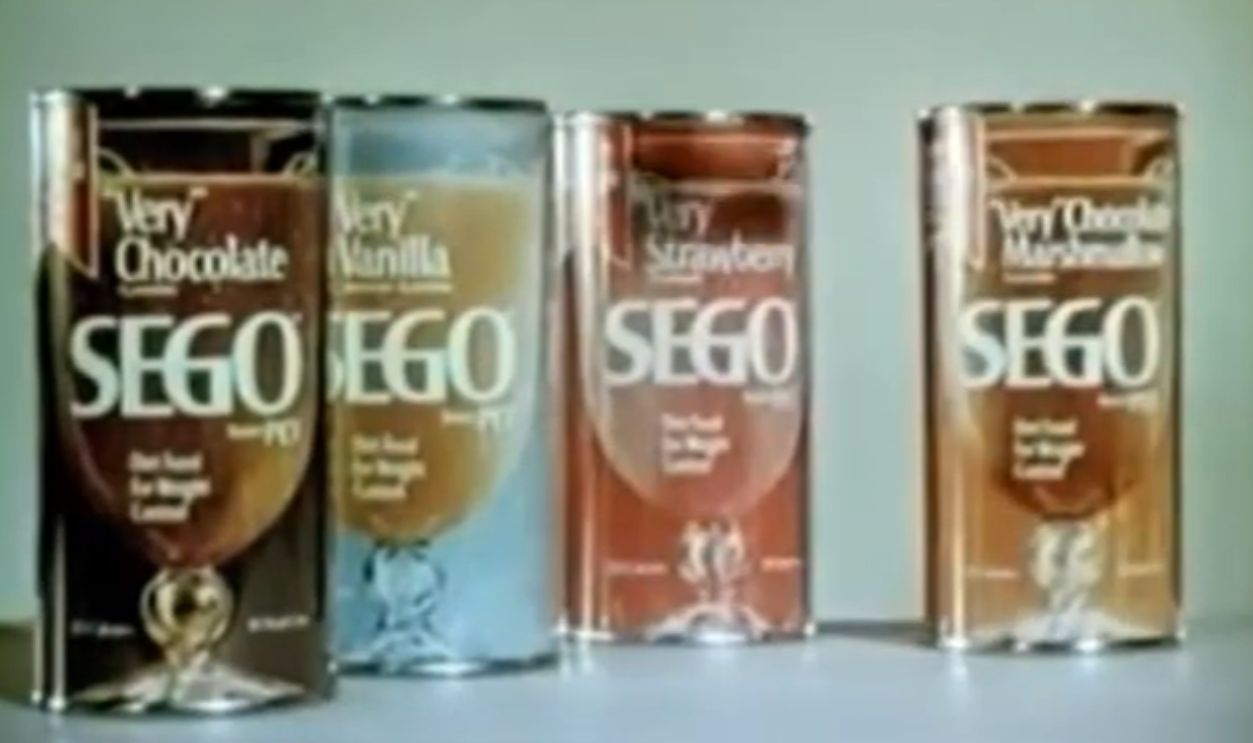 Screenshot from Sego Liquid Diet Food, Pet Milk Company (1961)
Stouffer’s Lobster Newburg
Stouffer’s frozen-food selection once extended well beyond lasagna and meatloaf. Shoppers could find Lobster Newburg alongside Corn Soufflé, Welsh Rarebit and Broccoli Au Gratin. Many of those more unusual offerings eventually disappeared, even as Stouffer’s itself survived and became one of the freezer aisle’s biggest names.
 Unknown author, Wikimedia Commons
Post Crispy Critters
Post introduced Crispy Critters in 1963 with animal-shaped oat pieces and a cartoon lion named Linus. The mascot even received his own Saturday-morning television program. The cereal eventually disappeared, then returned with a different mascot in 1987. The comeback proved short-lived, and Crispy Critters vanished again.
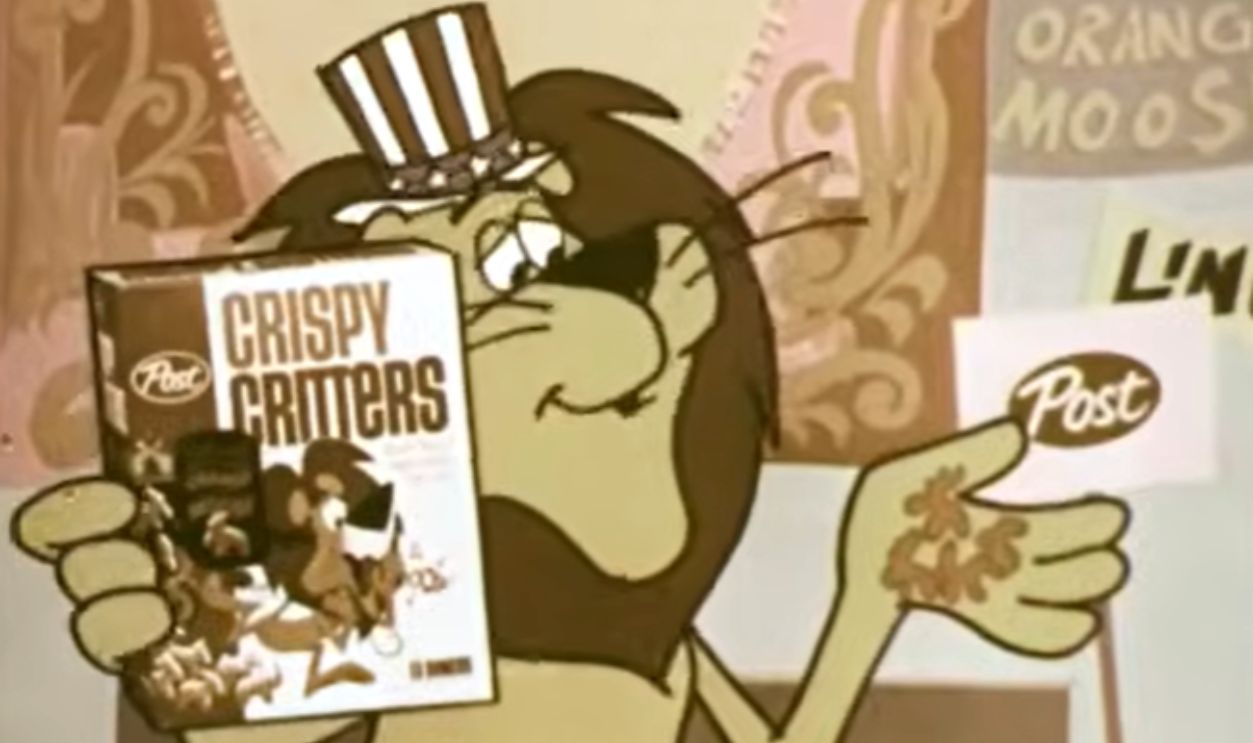 Screenshot from Post Crispy Critters, Post Cereals (1963)
Banquet Boil-In-Bag Meals
Before microwave dinners, Banquet sold individual frozen entrées in plastic cooking bags. Shoppers dropped the unopened package into boiling water, waited and poured the contents onto a plate. Choices included Salisbury steak, turkey with gravy and creamed chipped beef. Microwave-ready meals eventually made the boiling ritual feel needlessly elaborate.
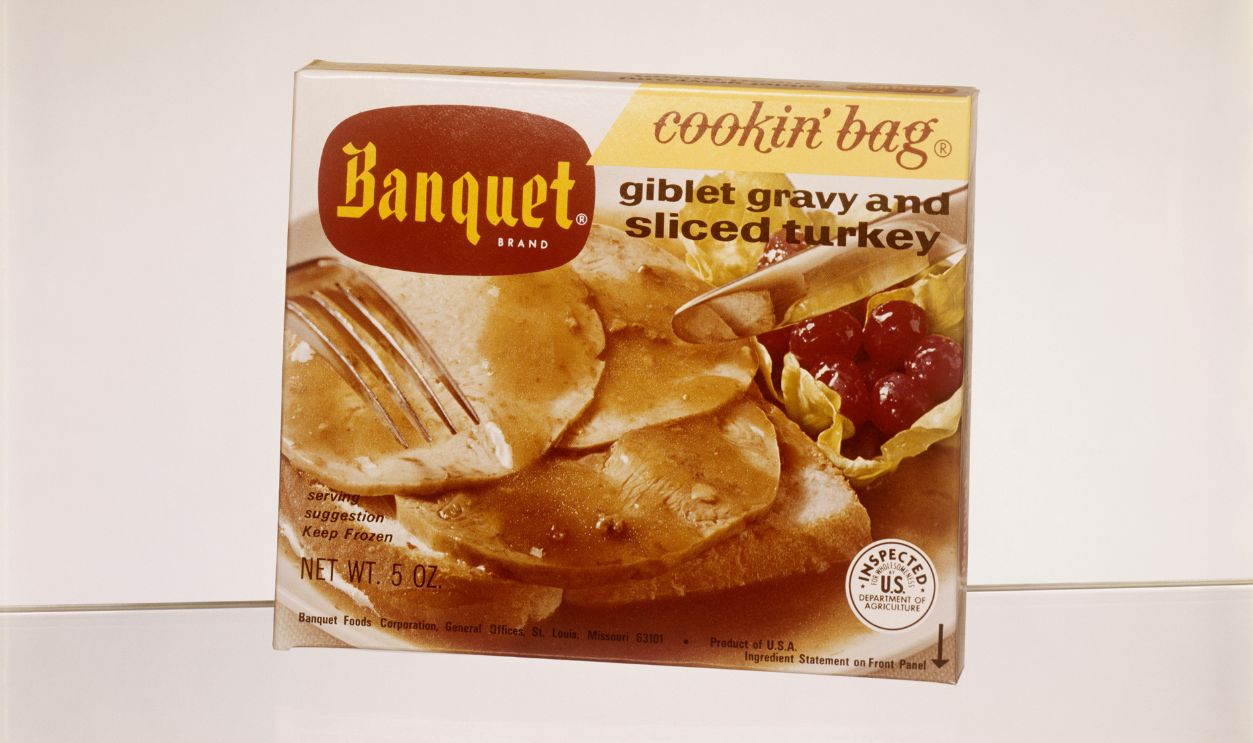
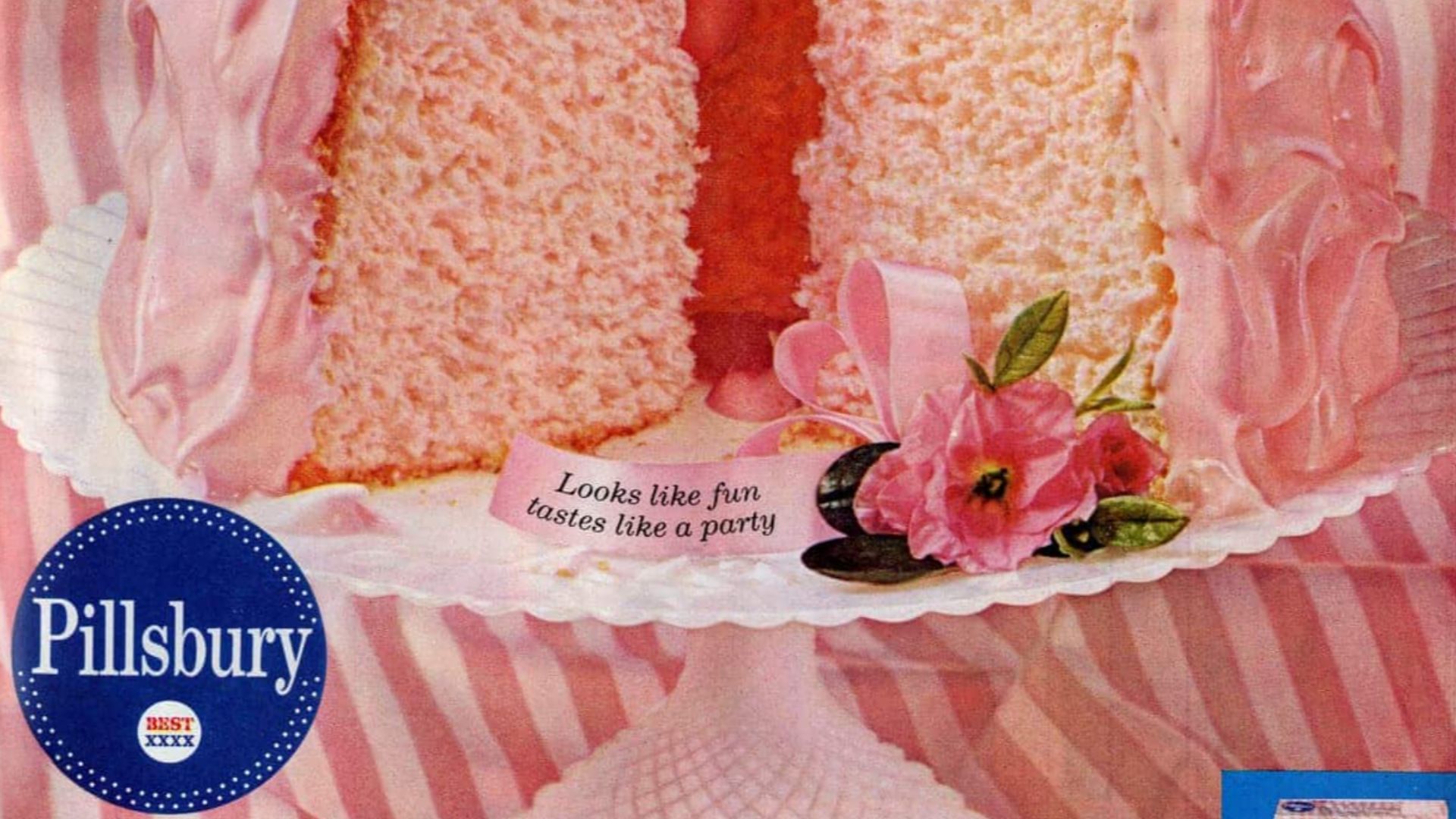
Pillsbury Pink Lemonade Angel Food Cake Mix
Released in 1961, Pillsbury’s pink lemonade angel food cake mix promised a fluffy pink cake with a lightly tart flavor. The package claimed to contain the equivalent of 14.4 egg whites, meaning shoppers only needed to add water. Exactly when and why the unusual original mix disappeared remains unclear.
La Choy Bi-Pack Chow Mein
La Choy sold chow mein in a distinctive two-can package, separating the vegetables from the meat and sauce until preparation. It made an Americanized version of Chinese food remarkably convenient for 60s households. Unlike most products here, versions of La Choy’s canned chow mein remain available today.
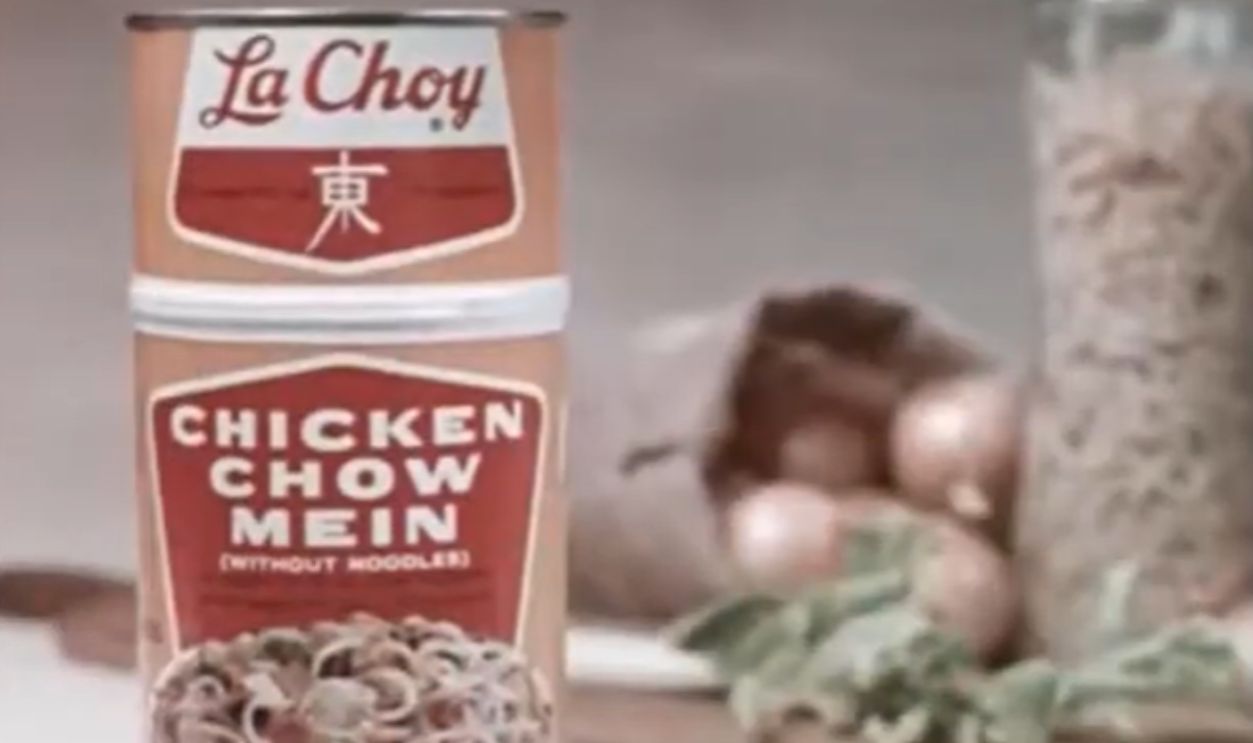 Screenshot from La Choy Bi-Pack Chow Mein, La Choy Food Products Inc (1966)
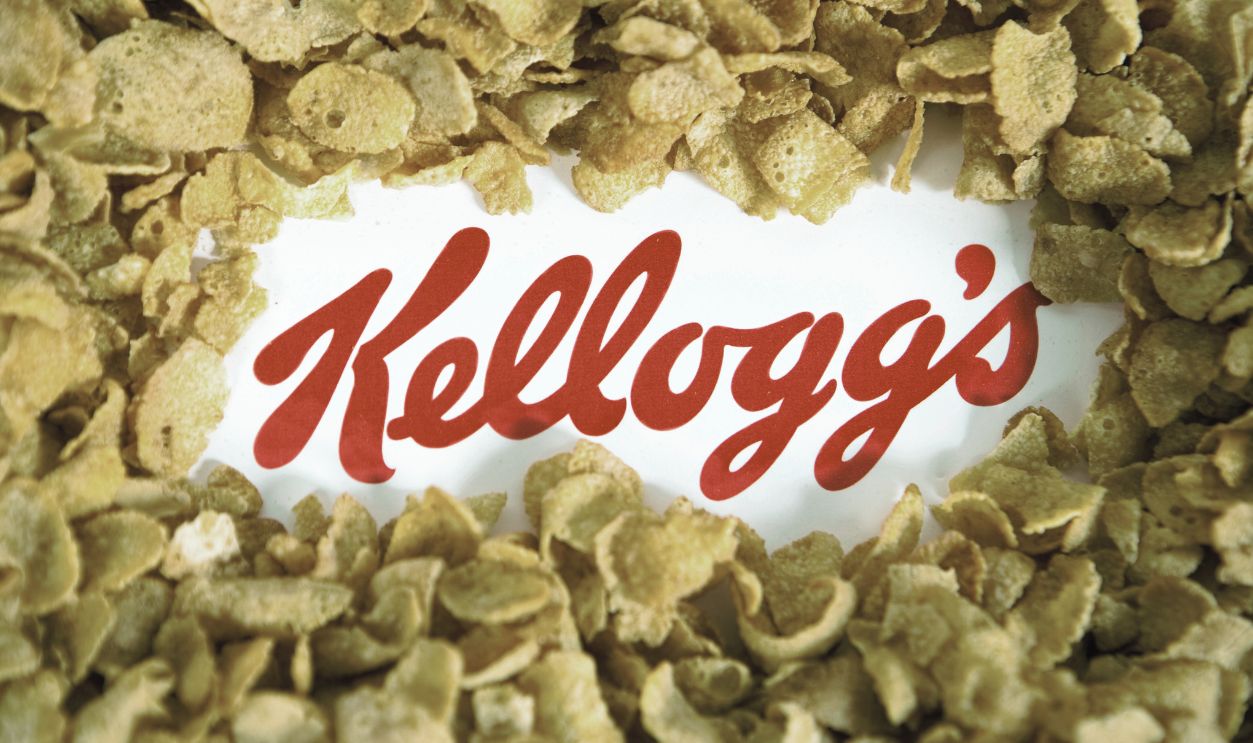
Kellogg’s Concentrate
Kellogg’s Concentrate came in a surprisingly small gold box because one serving required only a modest amount. Introduced in 1959, it advertised 40% protein and 11 vitamins and minerals. The last known advertisements offering it for sale date from 1981, after which Concentrate quietly disappeared.
 Newscast, Getty Images, Modified
Sealtest Checkerboard Ice Cream
Sealtest Checkerboard Ice Cream revealed alternating blocks of two flavors whenever someone cut into the carton. Producing that neat pattern was far more complicated than simply swirling flavors together. Sealtest ice cream eventually disappeared from American supermarkets, although the broader Sealtest dairy name still survives in parts of Canada.
 Unknown author, Wikimedia Commons
Franco-American Canned Gravies
Franco-American’s canned gravy range expanded during the 60s with varieties including chicken, mushroom and chicken giblet. Advertisements encouraged shoppers to pour them over meat, potatoes, sandwiches and casseroles. Similar canned gravies still exist, but the Franco-American name disappeared from American grocery stores in 2004.
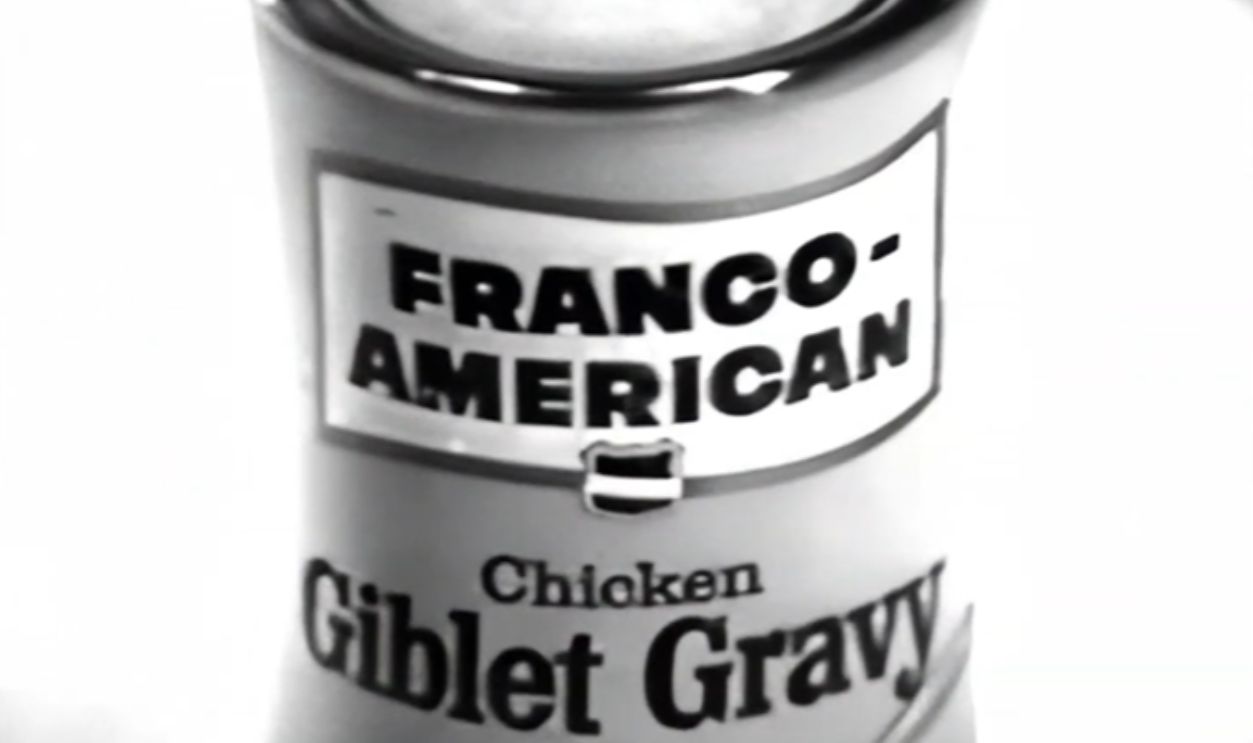 Screenshot from Franco-American Canned Gravies, Campbell Soup Company (1966)
General Mills Pizza Spins
Introduced nationally in July 1968, Pizza Spins were pinwheel-shaped snacks made with parmesan cheese, tomatoes, pepper and pizza seasonings. Even the box used the red, white and green of the Italian flag. General Mills discontinued them around 1975, but former snackers still regularly request their return.
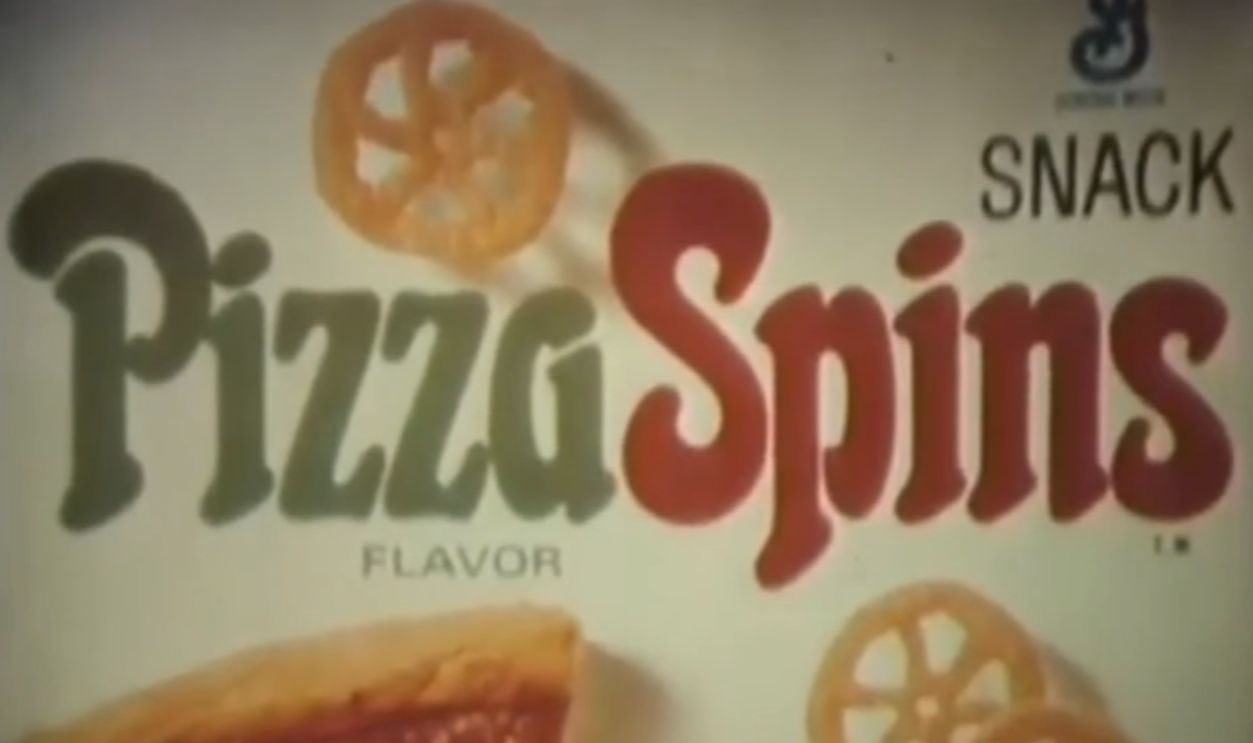 Screenshot from General Mills Pizza Spins, General Mills (1968)
Metrecal
Metrecal entered the market in 1959 and exploded in popularity during the early 60s. Its diet plan generally called for four 225-calorie servings a day, totaling only 900 calories. The company eventually expanded beyond shakes into cookies, clam chowder and tuna with noodles. Somehow, none became a permanent staple.
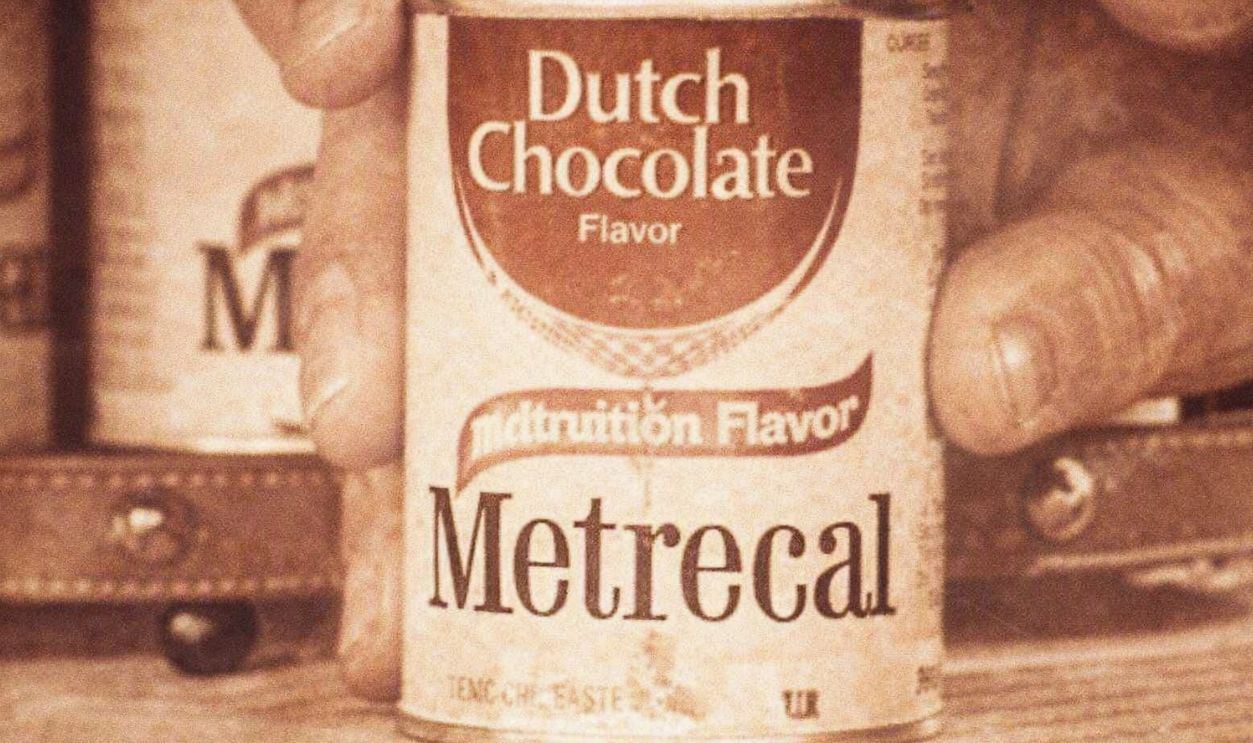 Screenshot from Metrecal, Mead Johnson & Company (1959), Modified
Wilson’s Bif
Wilson’s Bif was canned chopped beef created for shoppers who wanted an alternative to pork-based luncheon meat. It was promoted alongside Mor, Wilson’s more direct competitor to Spam. The company tried giving both products short, memorable names, but neither achieved the lasting recognition of the product they were chasing.
Whistles And Daisy*s
General Mills launched Whistles and Daisy*s nationally alongside Bugles in 1966. Whistles were cheddar-flavored corn snacks shaped like whistles, while Daisy*s were flower-shaped snacks described as tasting like puffed popovers. Bugles survived. Its two oddly named siblings disappeared within only a few years.
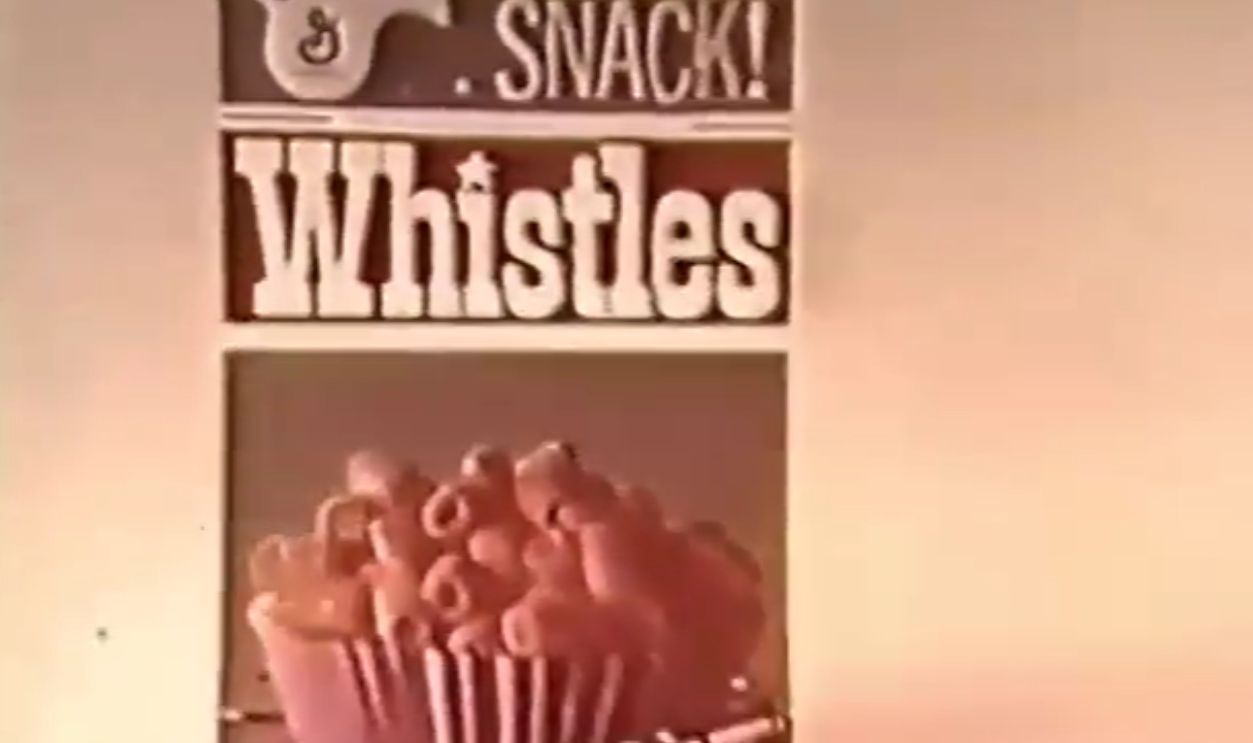 Screenshot from Whistles And Daisy’s, General Mills (1966)
Pillsbury Space Food Sticks
Pillsbury developed the original sticks through its work producing food for NASA’s space program. The consumer version arrived in 1969 in flavors including chocolate, caramel and peanut butter. Pillsbury removed “Space” from the name in 1971, and the renamed Food Sticks remained available into the 80s.
And That’s 30...
Some were genuinely clever. Others probably disappeared for very good reasons. But all 30 once occupied real space in American grocery stores, which brings us back to the original question: How many did you remember?
You Might Also Like: