Lost Between The Library Shelves
Every generation has its books. These were the ones Baby Boomers couldn't stop reading. They topped bestseller lists, sparked conversations, got passed around between friends, and sat on what felt like every bookshelf in America.
Today, some have quietly disappeared from the conversation. Others are still famous—but mostly because Hollywood got there first.
How many of these do you actually recognize...and how many have you actually read?
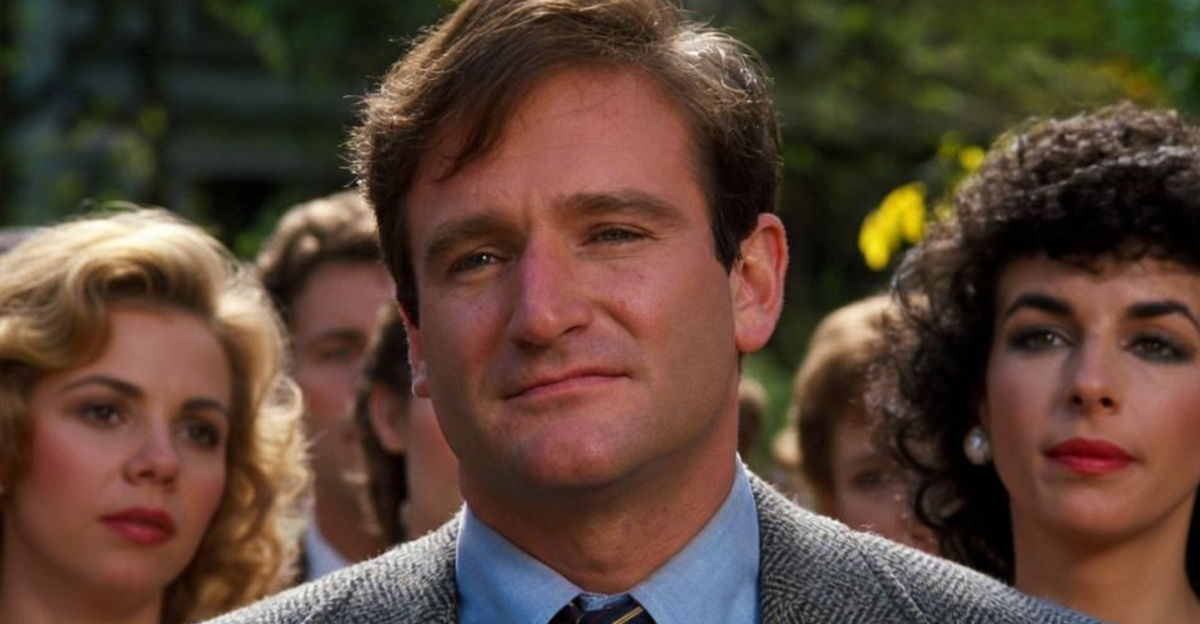
25. The French Lieutenant's Woman (John Fowles)
Critics loved this one. Book clubs couldn't stop talking about it. John Fowles' unconventional historical romance became one of the defining literary novels of the late 60s. Today, it's a title that rarely comes up outside literature classes and used bookstores.
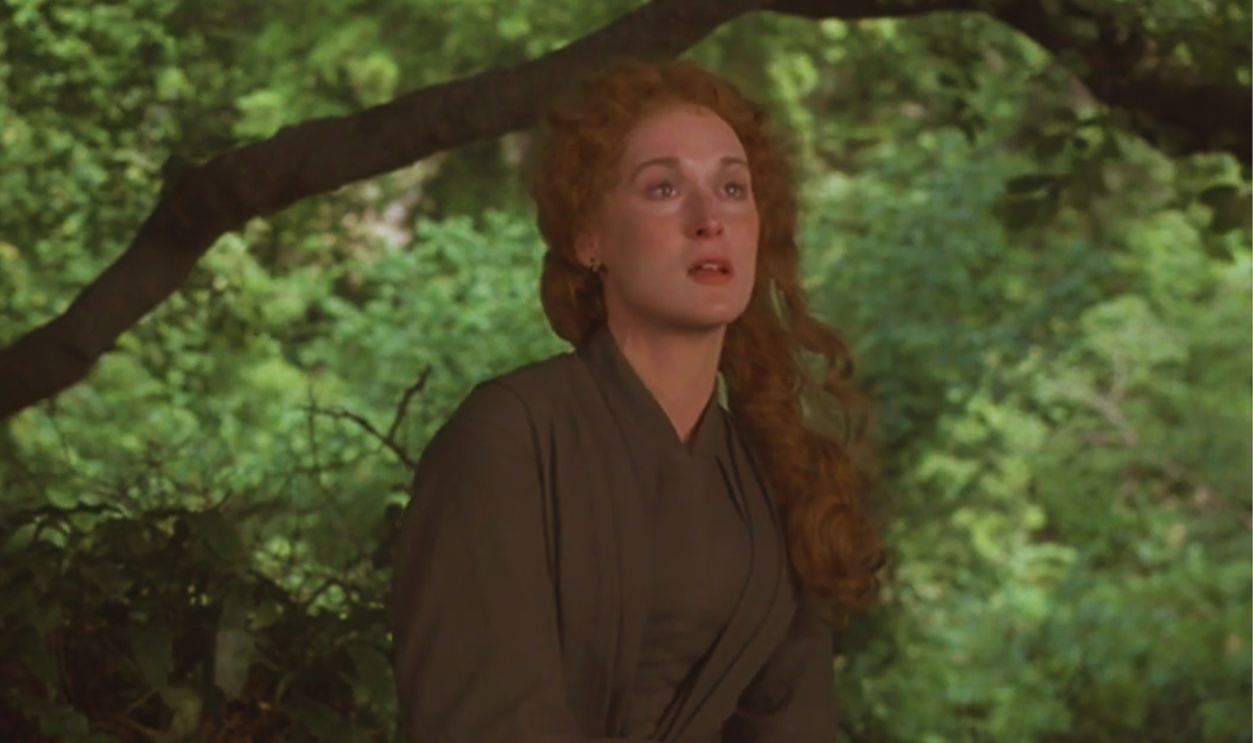 Screenshot from The French Lieutenant's Woman, United Artists (1981)
24. The Source (James A. Michener)
James Michener somehow convinced millions of readers that a 1,000-page novel about archaeology sounded like a great weekend. And they happily proved him right. Boomers devoured his epic historical novels. Today, The Source is one of his least talked-about classics.
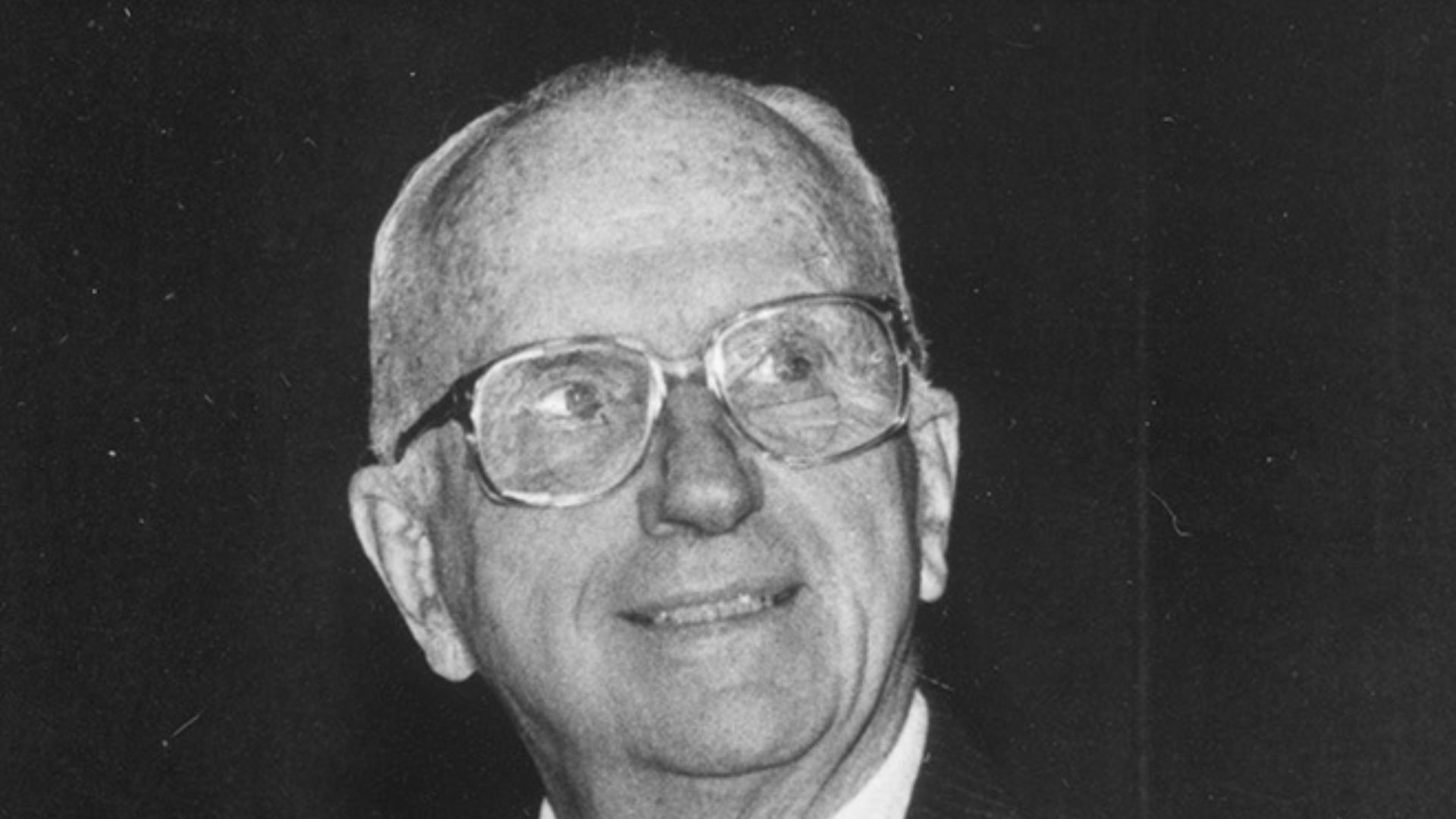 University of Texas at Arlington News Service Photograph Collection, Wikimedia Commons
23. The Caine Mutiny (Herman Wouk)
Winning the Pulitzer Prize usually keeps a book in the spotlight. Somehow, The Caine Mutiny slowly drifted out of it. Boomers knew Captain Queeg and his famous steel balls. Today, it's remembered far less often than many other classic war novels.
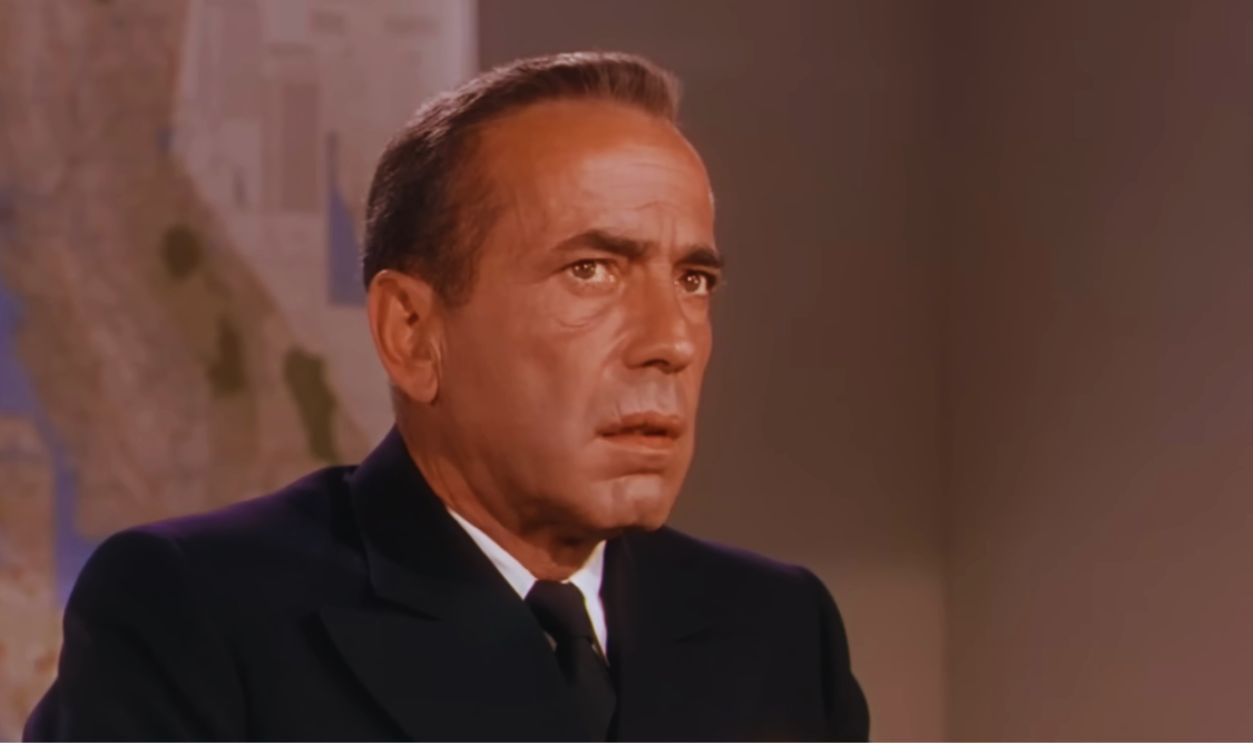 Screenshot from The Caine Mutiny, Columbia Pictures (1954)
22. The Odessa File (Frederick Forsyth)
Before Tom Clancy, there was Frederick Forsyth. The Odessa File became one of the smartest thrillers of the 70s and sold millions around the world. It helped define the modern espionage novel, even if it rarely tops reading lists today.
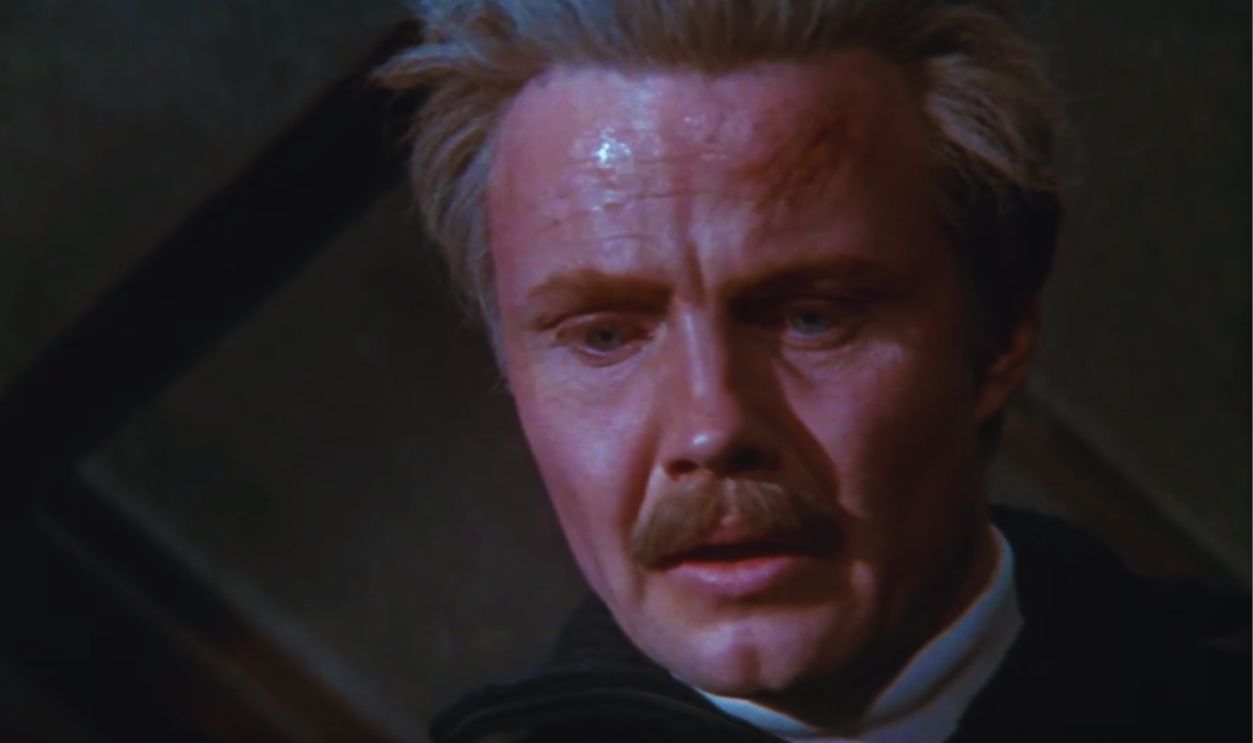 Screenshot from The Odessa File, Columbia Pictures (1974)
21. Trinity (Leon Uris)
Leon Uris was once one of the biggest authors on the planet. Trinity, his sweeping novel about Ireland, became a massive bestseller and stayed there for months. Today, Uris has quietly become one of those authors whose enormous popularity has faded with time.
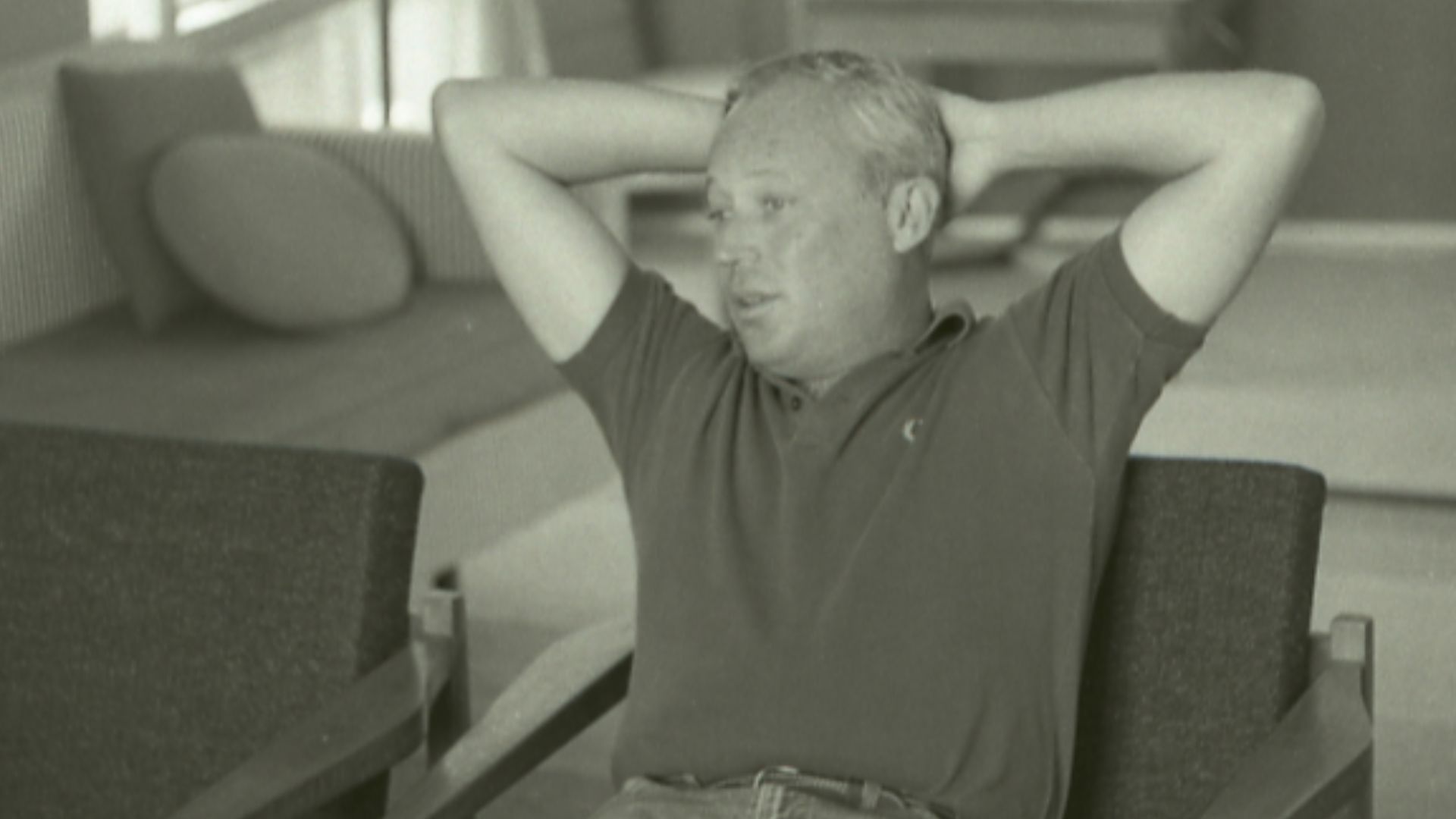 Boris Carmi, Wikimedia Commons
20. The Chosen (Chaim Potok)
For decades, this thoughtful coming-of-age novel was recommended in classrooms, book clubs, and libraries across North America. It became one of Chaim Potok's best-known works and remains highly respected, even though it's far less likely to come up in everyday conversations today.
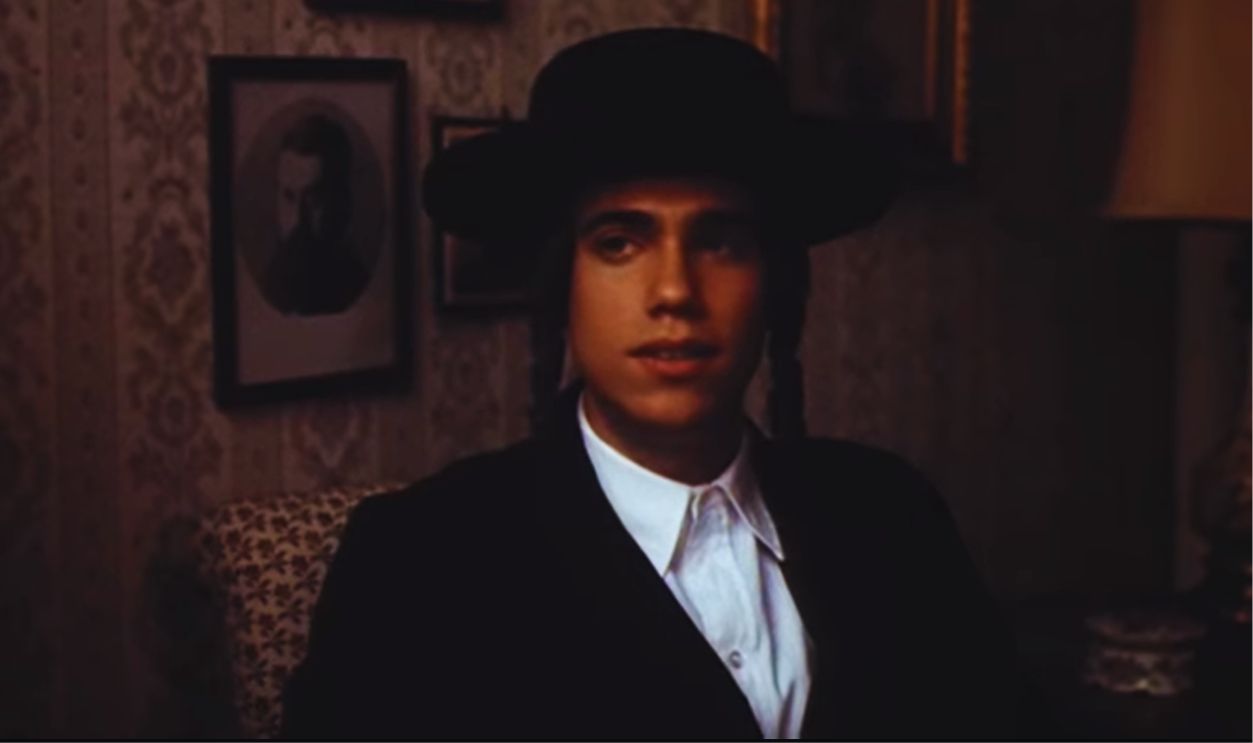 Screenshot from The Chosen, 20th Century Fox (1981)
19. Rich Man, Poor Man (Irwin Shaw)
This family saga became such a hit that it helped turn the television miniseries into must-see viewing. Boomers remember both the book and the show. Today, it's one of those once-massive bestsellers that has largely slipped out of the spotlight.
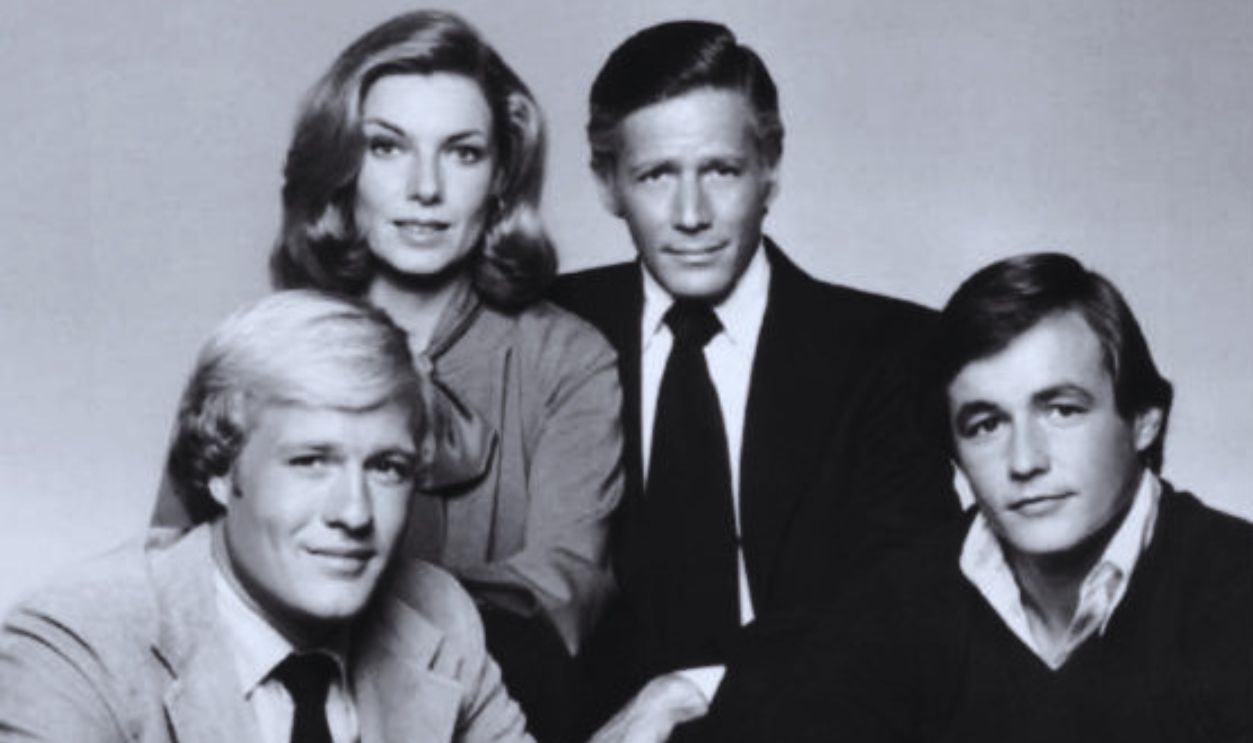 ABC Television, Wikimedia Commons
18. Centennial (James A. Michener)
Another Michener novel. Another gigantic bestseller. Centennial followed generations of characters across Colorado's history before becoming one of television's biggest miniseries. These days, it's mostly remembered by readers who lived through its original success.
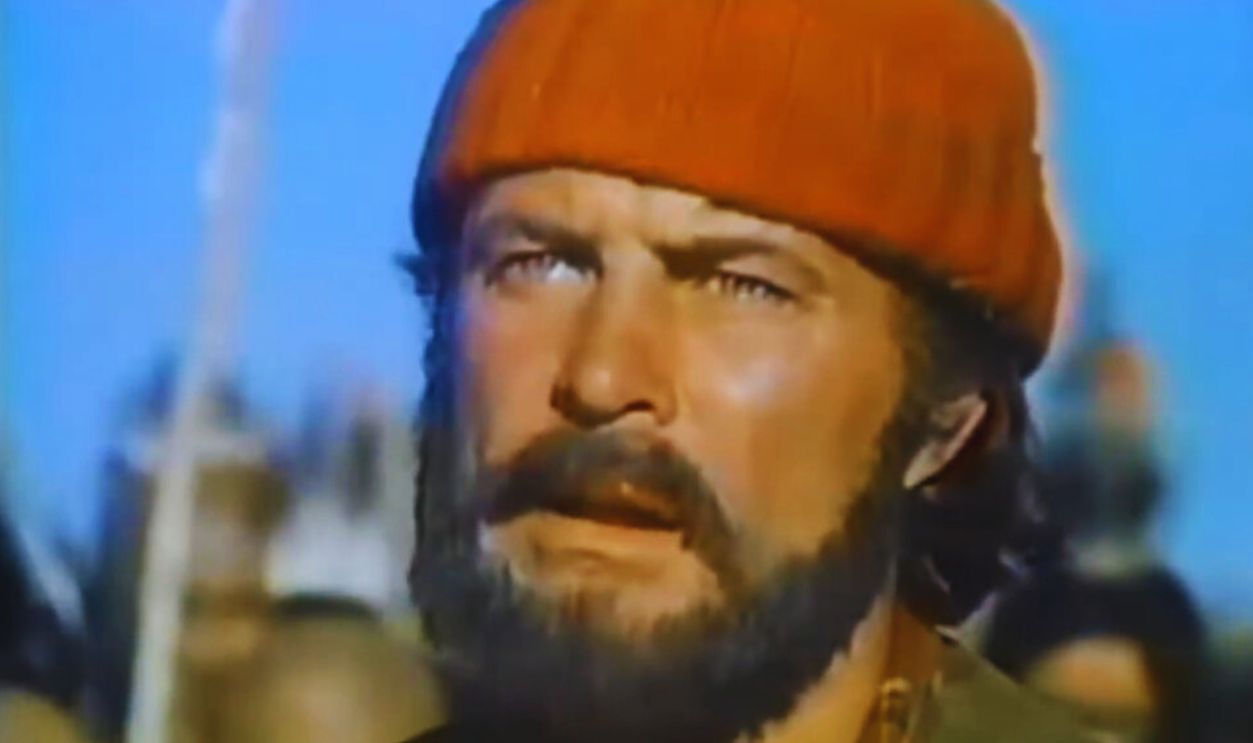 Screenshot from Centennial, Universal Television (1978–1979)

History's most fascinating stories and darkest secrets, delivered to your inbox daily.
17. The Winds of War (Herman Wouk)
Long before streaming gave us giant historical dramas, Boomers were staying up late with Herman Wouk's sweeping World War II epic. It eventually became a blockbuster television event too. Somehow, the novel itself has quietly faded from the conversation.
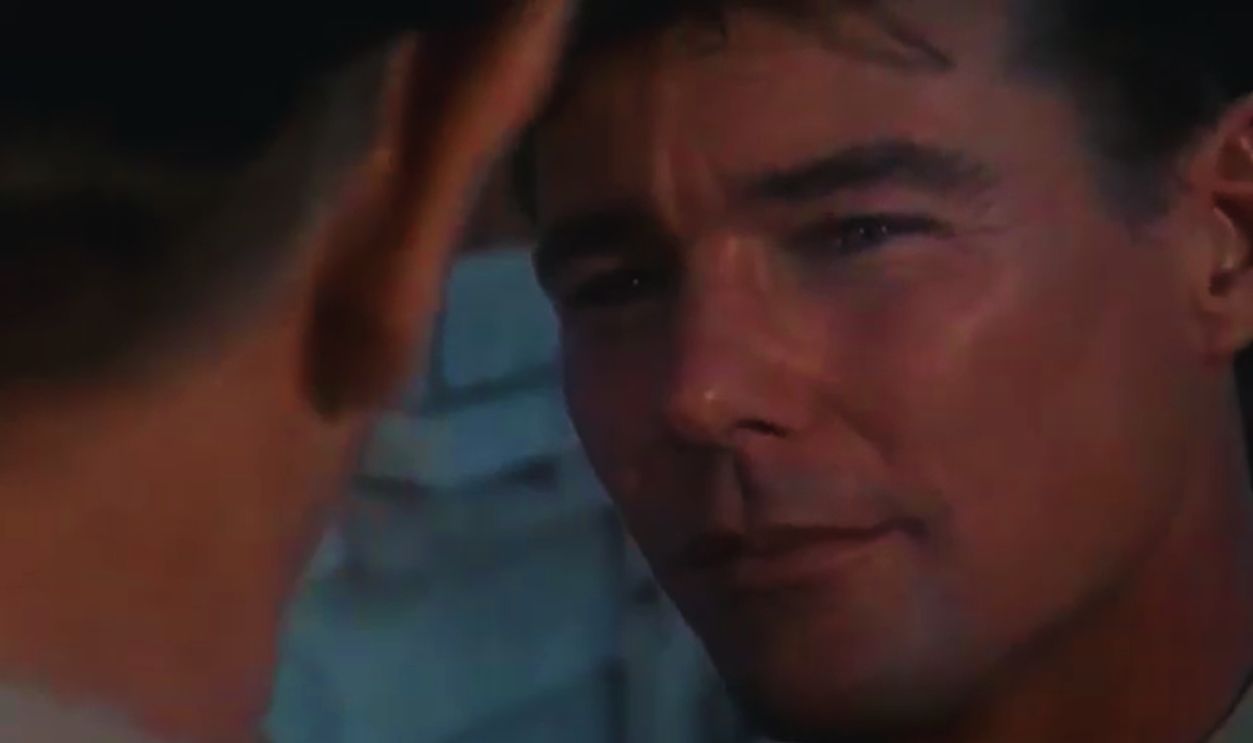 Screenshot from The Winds of War, Paramount Television / ABC (1983)
16. Airport (Arthur Hailey)
Before flying became synonymous with delayed connections and tiny seats, Arthur Hailey made airports exciting. The novel became a worldwide bestseller, inspired the hit movie, and helped launch the disaster-film craze of the 70s. Many people know the spoofs without ever reading the original.
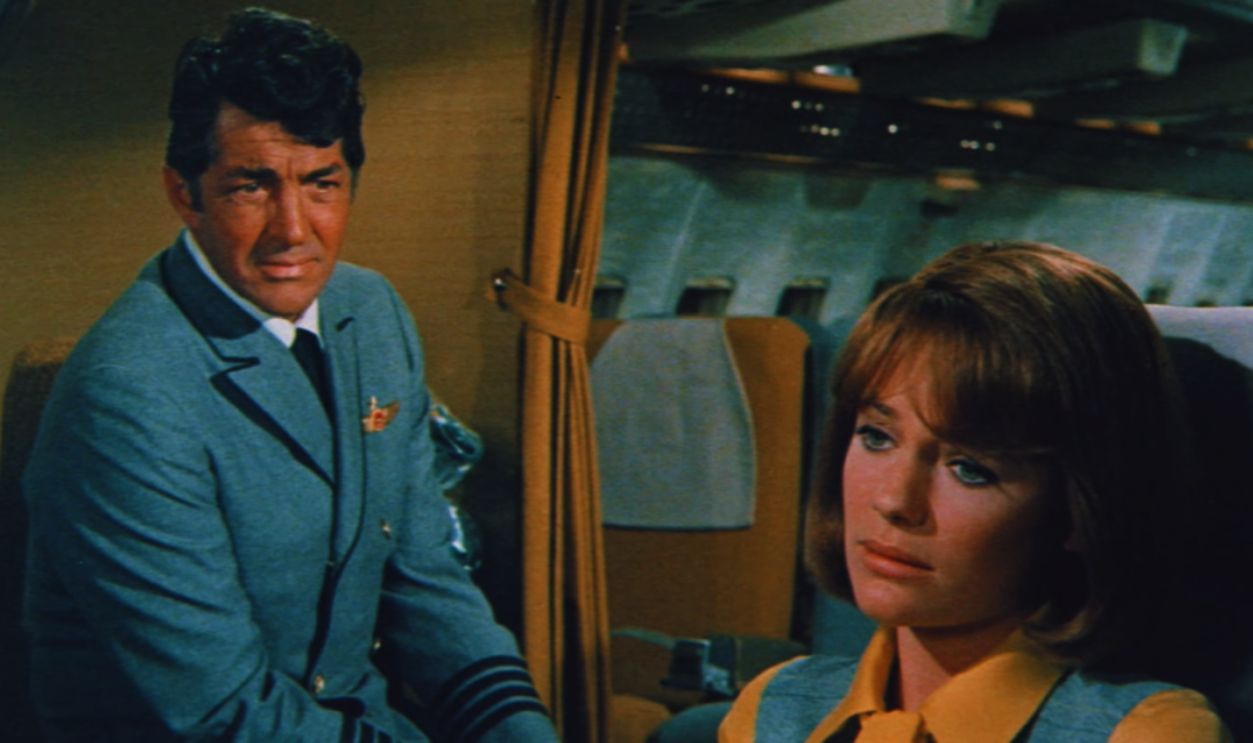 Screenshot from Airport, Universal Pictures (1970)
15. The Day of the Jackal (Frederick Forsyth)
If you've ever enjoyed a political thriller, there's a good chance this book helped inspire it. Meticulously researched and impossible to put down, The Day of the Jackal became one of the defining suspense novels of its era. Today, it's an overlooked classic.
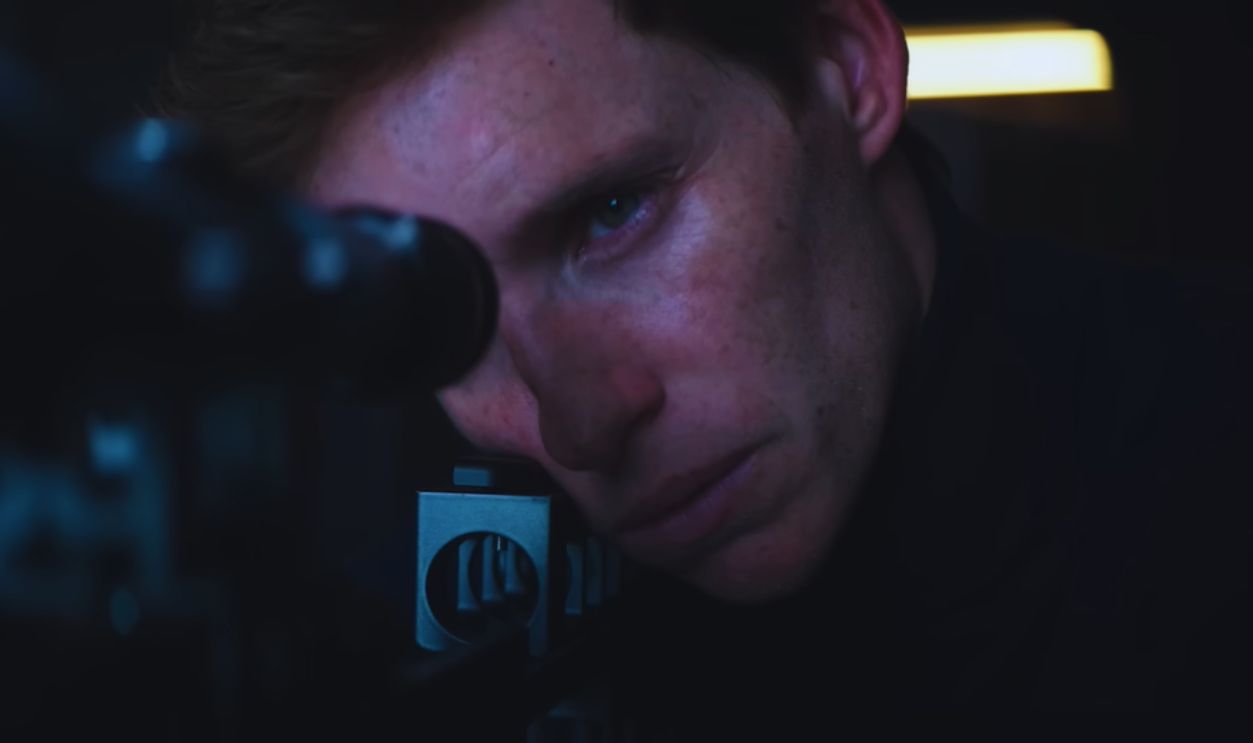 Screenshot from The Day of the Jackal, Sky Studios / Peacock / NBCUniversal (2024 - Present)
14. Ragtime (E. L. Doctorow)
Real historical figures. Fictional characters. Somehow it all worked brilliantly. Ragtime became one of the most celebrated novels of the 70s and later inspired a Broadway musical. It deserves far more attention than it gets today.
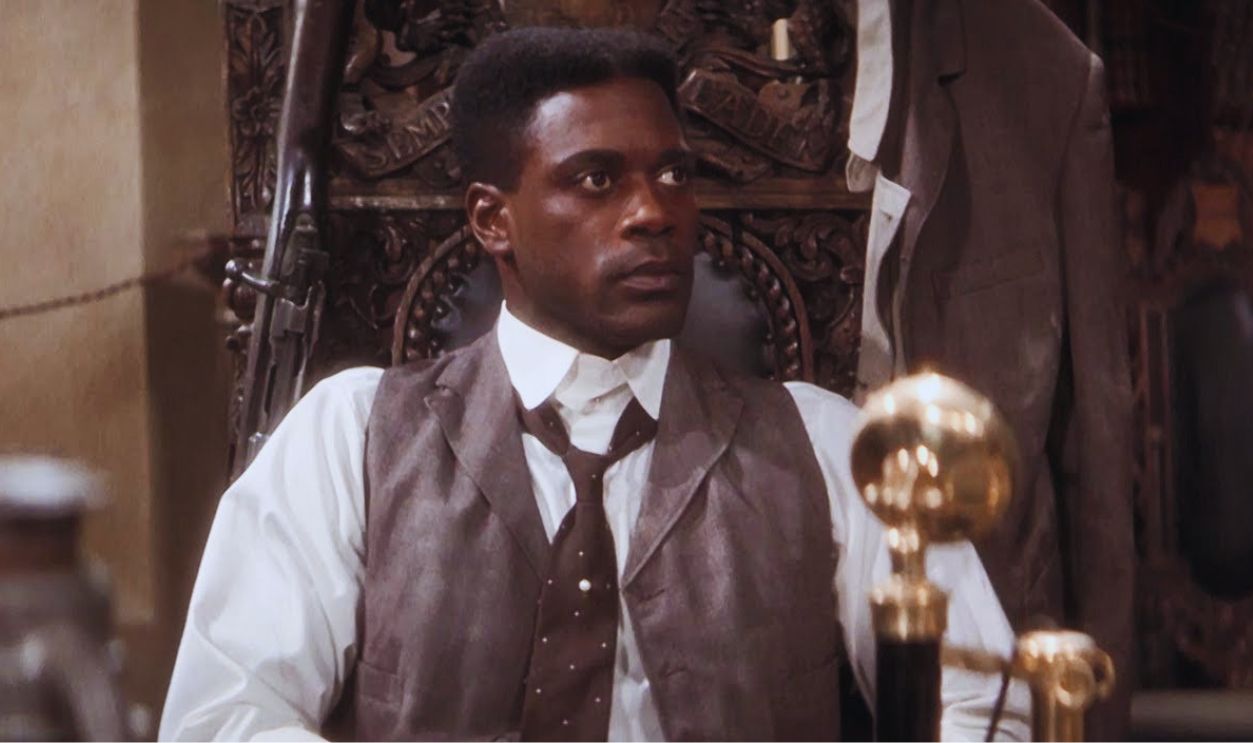 Screenshot from Ragtime, Paramount Pictures (1981)
13. The World According to Garp (John Irving)
John Irving was one of the biggest literary names of the late 70s. The World According to Garp mixed humor, heartbreak, and complete unpredictability into something readers couldn't stop recommending. Today, it's often overshadowed by Irving's later reputation and the Robin Williams film.
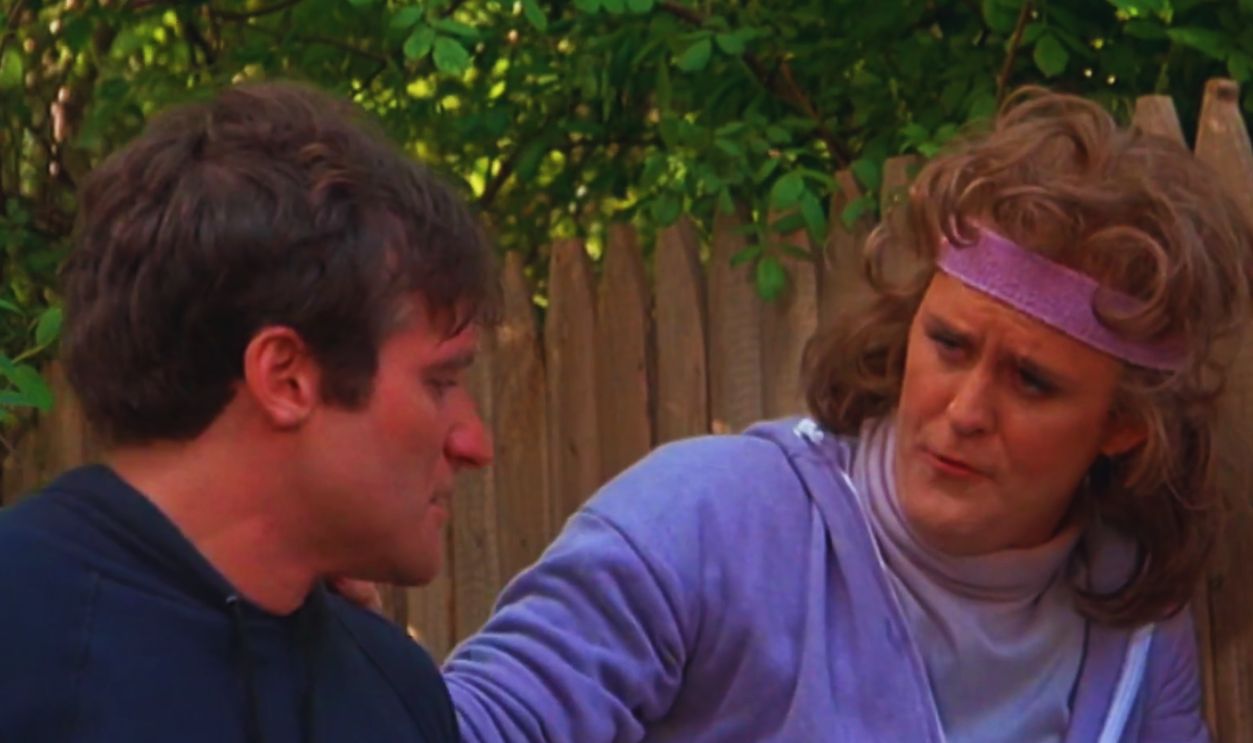 Screenshot from The World According to Garp, Warner Bros. (1982)
12. The Carpetbaggers (Harold Robbins)
Critics rolled their eyes. Readers couldn't have cared less. Harold Robbins filled this blockbuster with wealth, scandal, ambition, and larger-than-life personalities. It sold millions anyway. Sometimes readers simply know what they like.
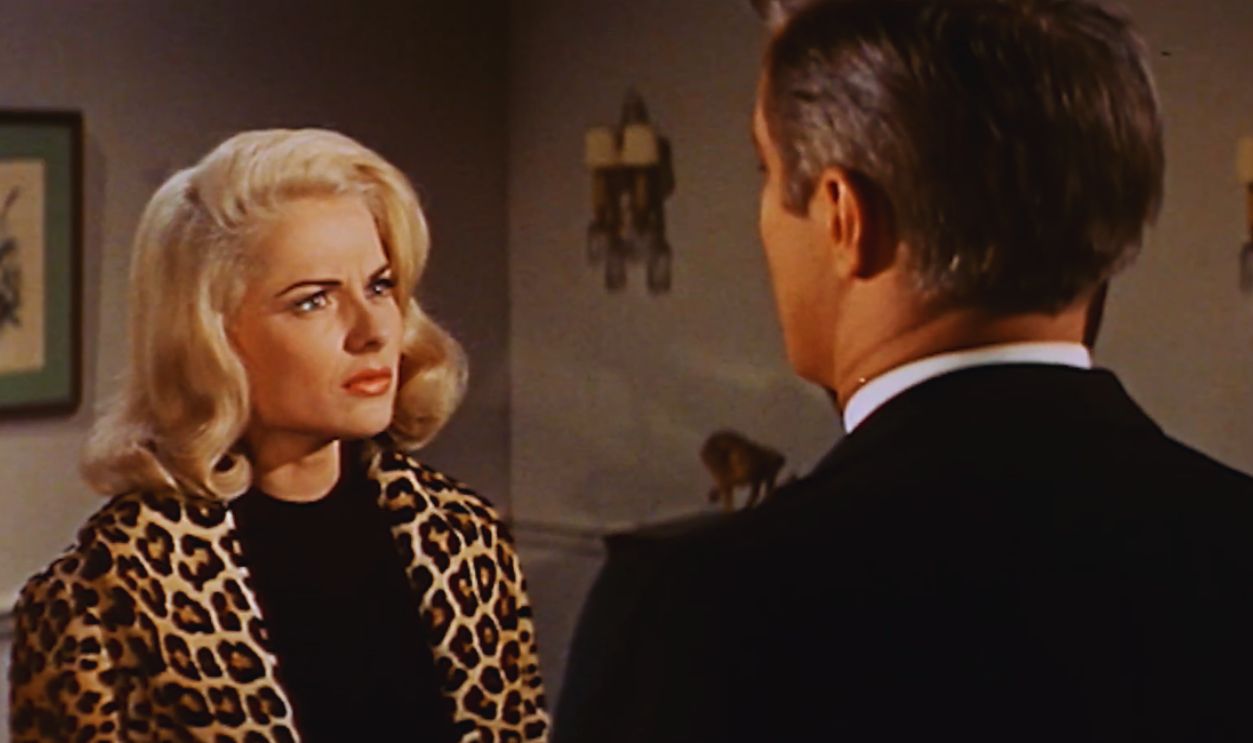 Screenshot from The Carpetbaggers, Paramount Pictures (1964)
11. Jonathan Livingston Seagull (Richard Bach)
A philosophical book about a seagull became one of the biggest bestsellers of the 70s. Read that sentence again. Somehow it worked. For a while, it felt like every other living room had a copy sitting on the coffee table. Today, it's become surprisingly easy to forget.
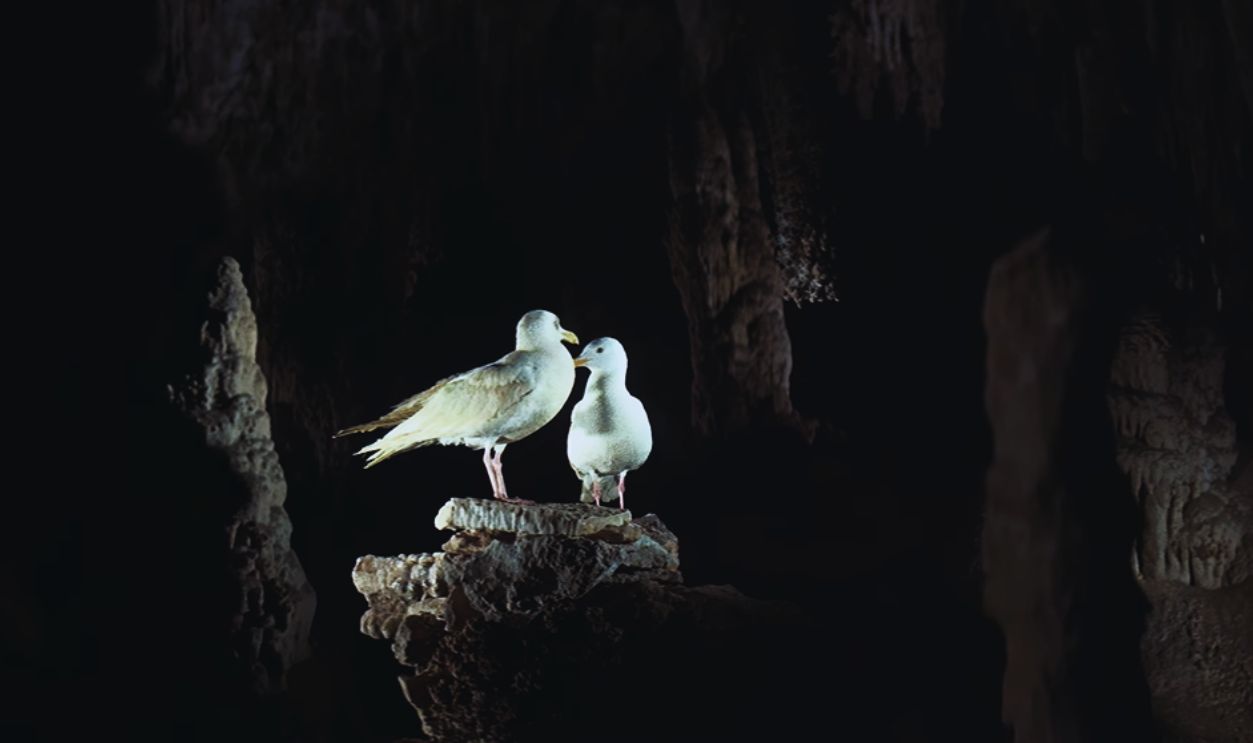 Screenshot from Jonathan Livingston Seagull, Paramount Pictures (1973)
10. Valley of the Dolls (Jacqueline Susann)
Few books caused more controversy—or sold more copies. Critics hated it. Readers absolutely loved it. Jacqueline Susann's blockbuster became one of the bestselling novels of the 20th century. Today, it's far less familiar to younger generations than it once was.
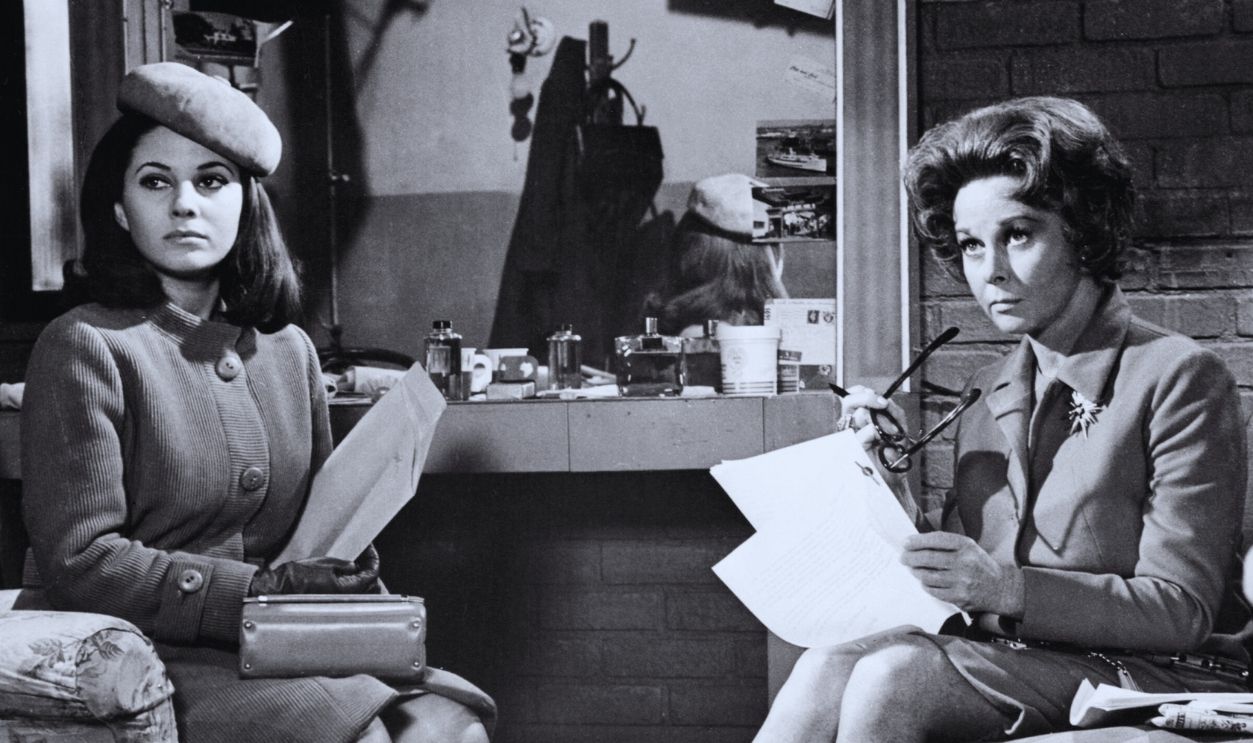 Silver Screen Collection, Getty Images
9. Flowers for Algernon (Daniel Keyes)
For decades, Flowers for Algernon was assigned in classrooms across North America, especially for Baby Boomers and many Gen X students. While it's still taught in some schools, it's no longer nearly as universal, making Charlie Gordon's unforgettable story a discovery for many younger readers.
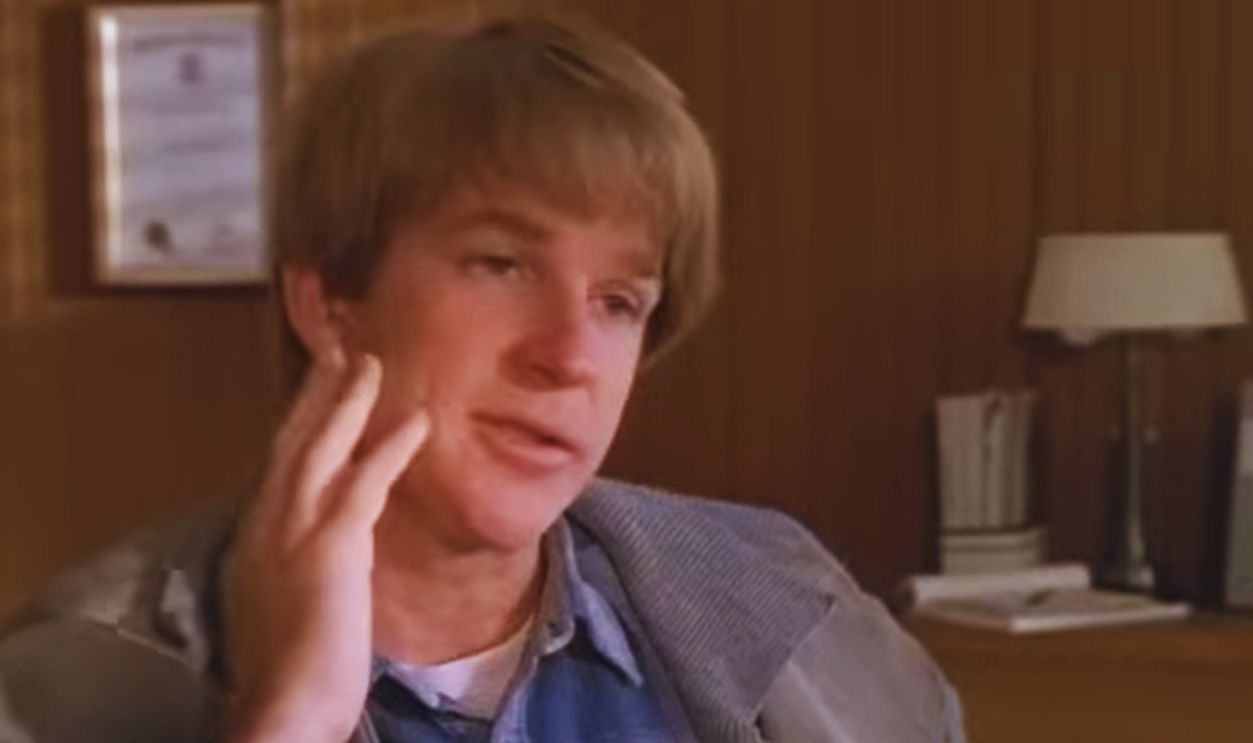 Screenshot from Flowers for Algernon, CBS Television / Alliance Atlantis (2000)
8. The Andromeda Strain (Michael Crichton)
Everyone knows Jurassic Park. Far fewer know the novel that first made Michael Crichton a superstar. The Andromeda Strain practically invented the modern techno-thriller, proving that microscopic organisms could be every bit as terrifying as dinosaurs.
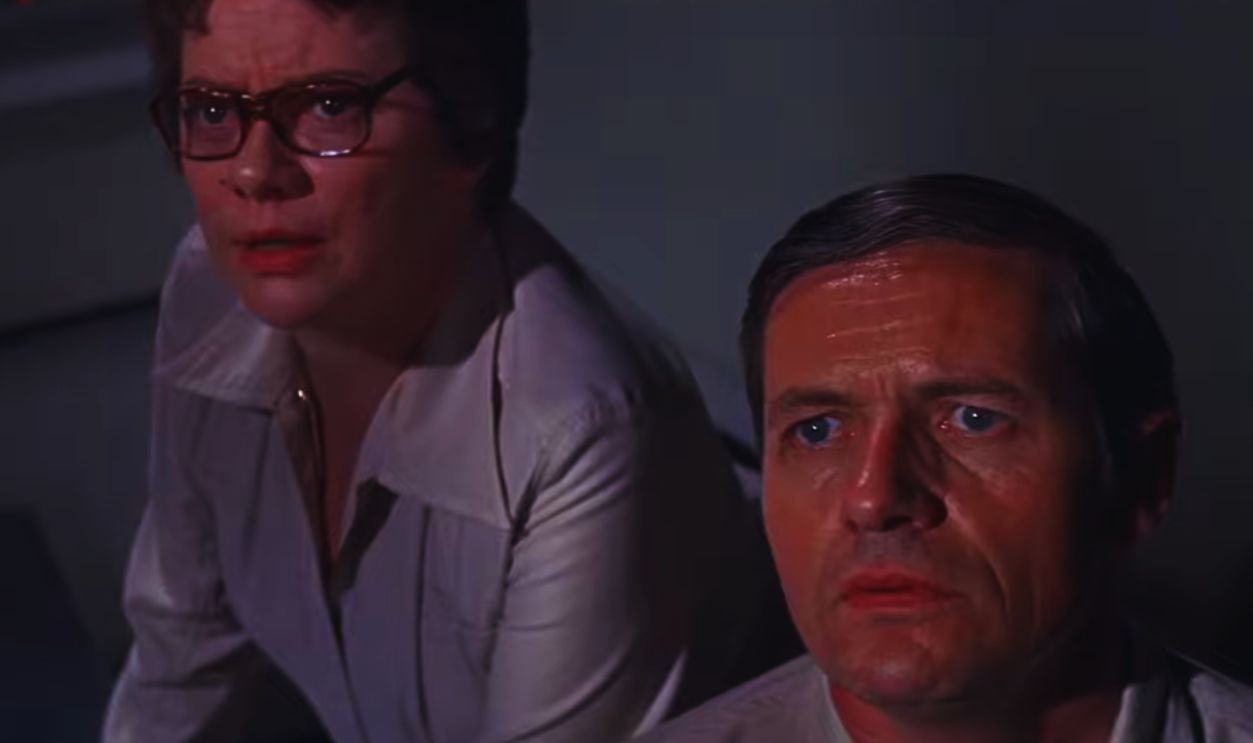 Screenshot from The Andromeda Strain, Universal Pictures (1971)
7. The Thorn Birds (Colleen McCullough)
This wasn't just a bestseller—it was everywhere. More than 30 million copies sold, followed by one of the biggest television miniseries ever made. While the TV adaptation is still remembered by many Boomers, the novel itself rarely gets talked about anymore.
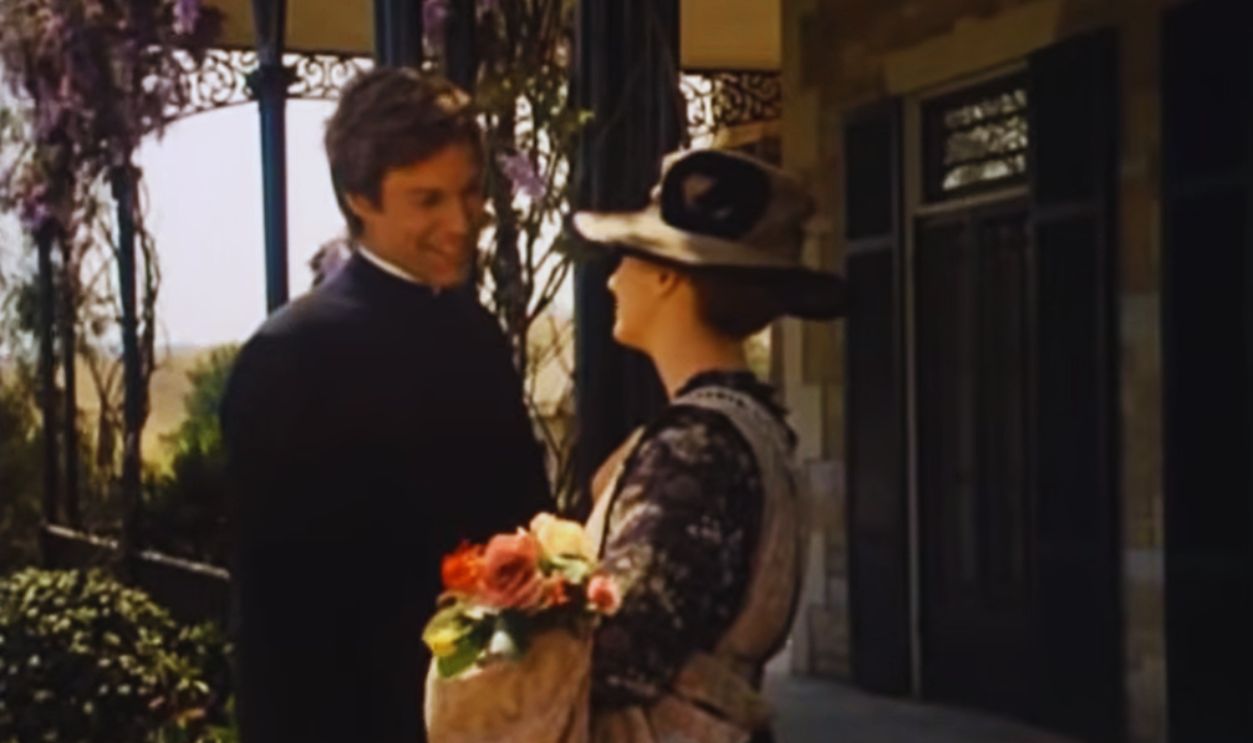 Screenshot from The Thorn Birds, Warner Bros. Television / ABC (1983)
6. Love Story (Erich Segal)
'Love means never having to say you're sorry.' Boomers can probably finish that quote without thinking. The novel became an instant sensation before Hollywood turned it into one of the biggest romantic movies ever made. Today, many people recognize the famous line without ever reading the novel that made it famous.
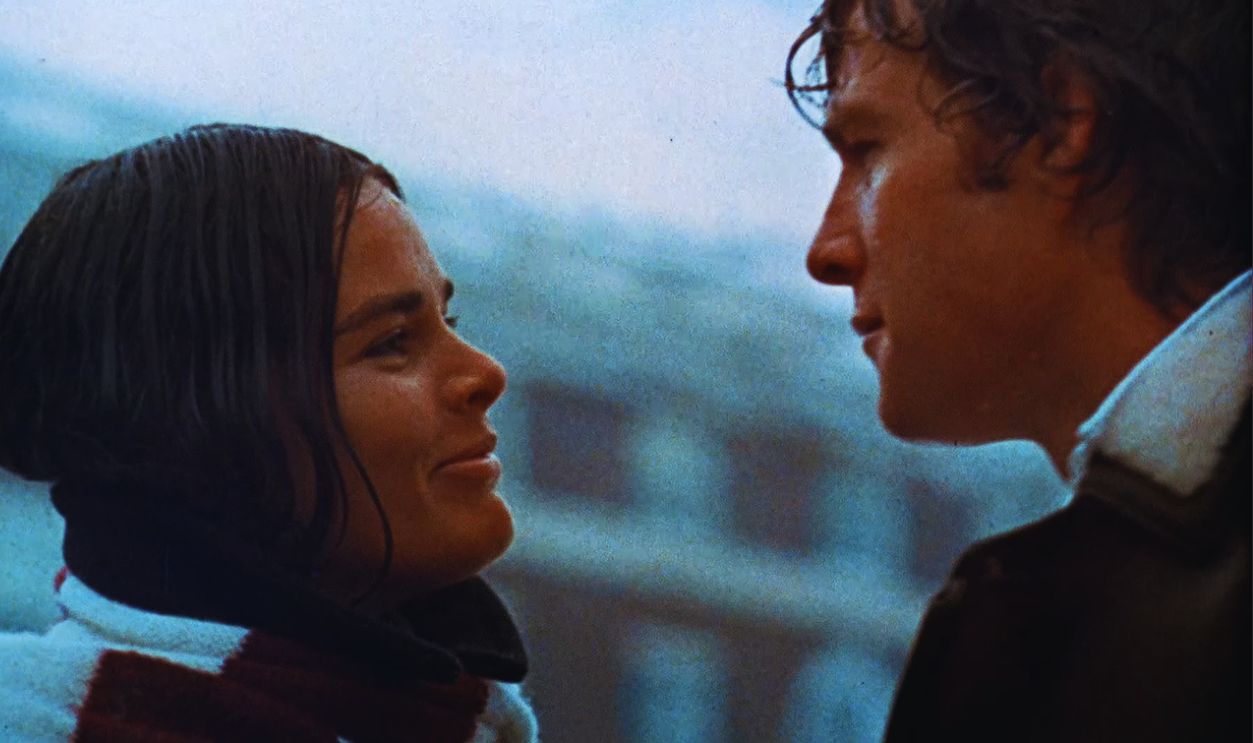 Screenshot from Love Story, Paramount Pictures (1970)
5. The Exorcist (William Peter Blatty)
Most people know The Exorcist because of the movie. That's exactly why it belongs here. William Peter Blatty's terrifying novel became a publishing phenomenon before audiences ever lined up to watch the film that shocked the world.
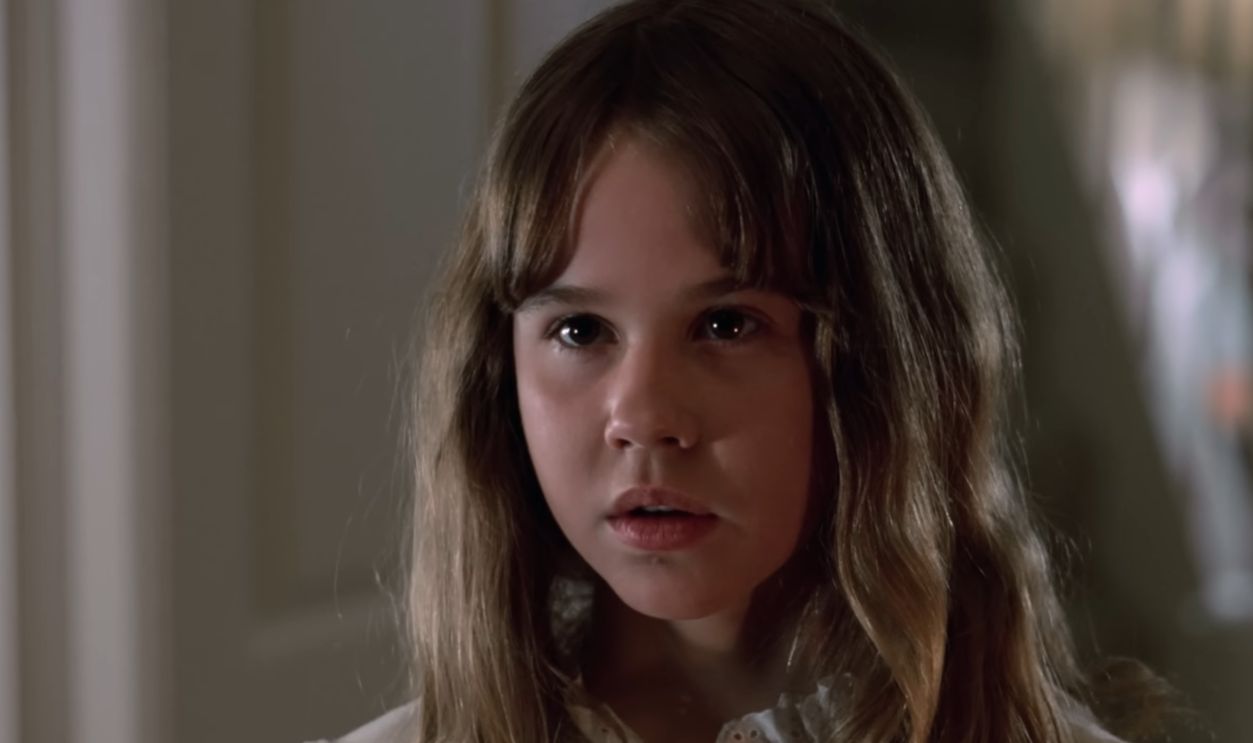 Screenshot from The Exorcist, Warner Bros. Pictures (1973)
4. To Kill a Mockingbird (Harper Lee)
Almost everyone recognizes the title. That's exactly why it belongs on this list. For Boomers, reading Harper Lee's Pulitzer Prize-winning novel was almost a rite of passage. Today, many people know of the book far better than they actually know the book itself.
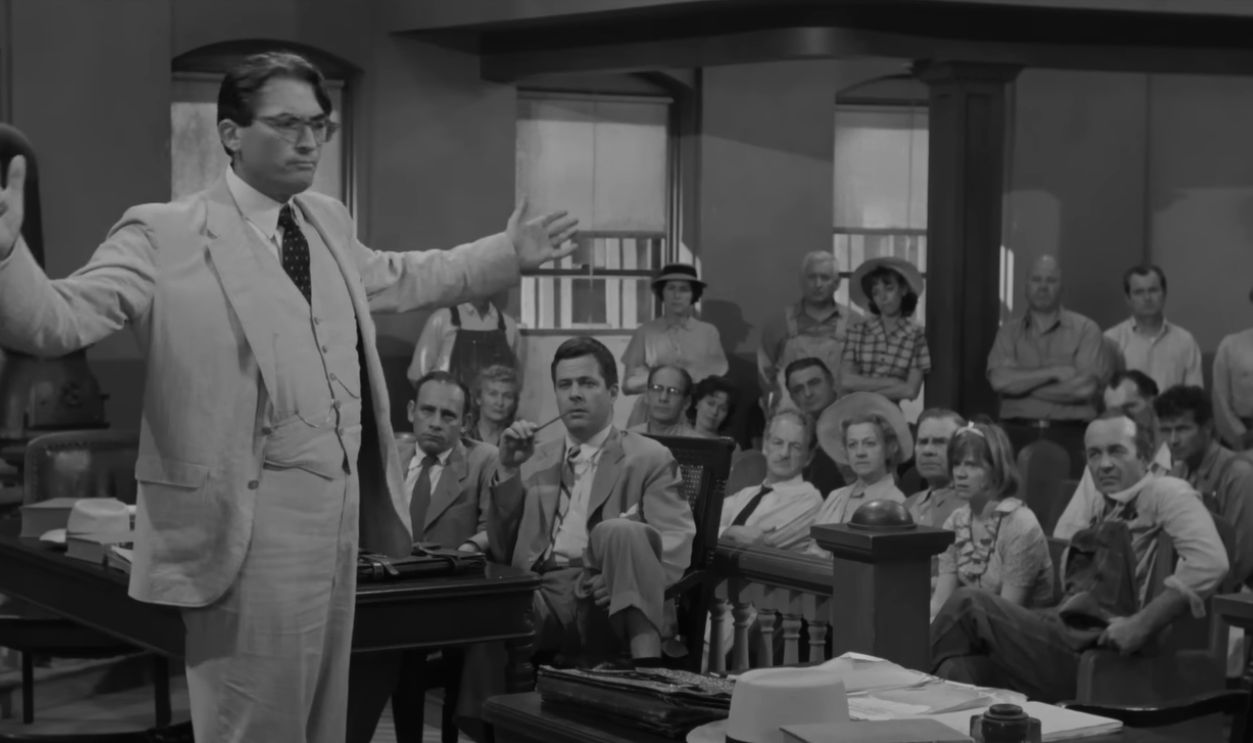 Screenshot from To Kill a Mockingbird, Universal Pictures (1962)
3. The Godfather (Mario Puzo)
Everyone knows the movie. That's exactly why this book belongs here. Long before audiences met Don Corleone on the big screen, Mario Puzo's novel was already one of the biggest bestselling books in America, selling millions before Hollywood ever came calling.
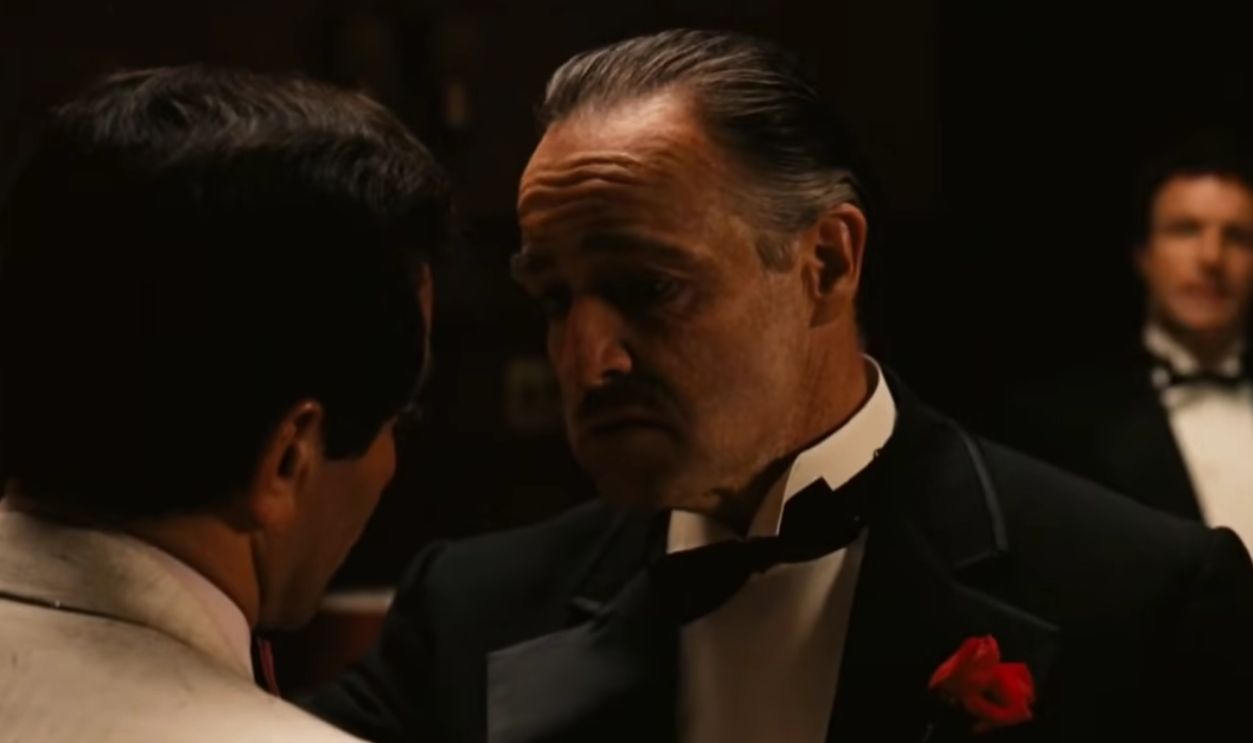 Screenshot from The Godfather, Paramount Pictures (1972)
2. Peyton Place (Grace Metalious)
Long before scandal-filled TV dramas dominated prime time, Peyton Place shocked readers with the secrets hiding behind small-town life. It became a publishing phenomenon, inspired multiple films, and eventually one of television's biggest primetime soap operas. Today, it's a title many younger readers have never encountered.
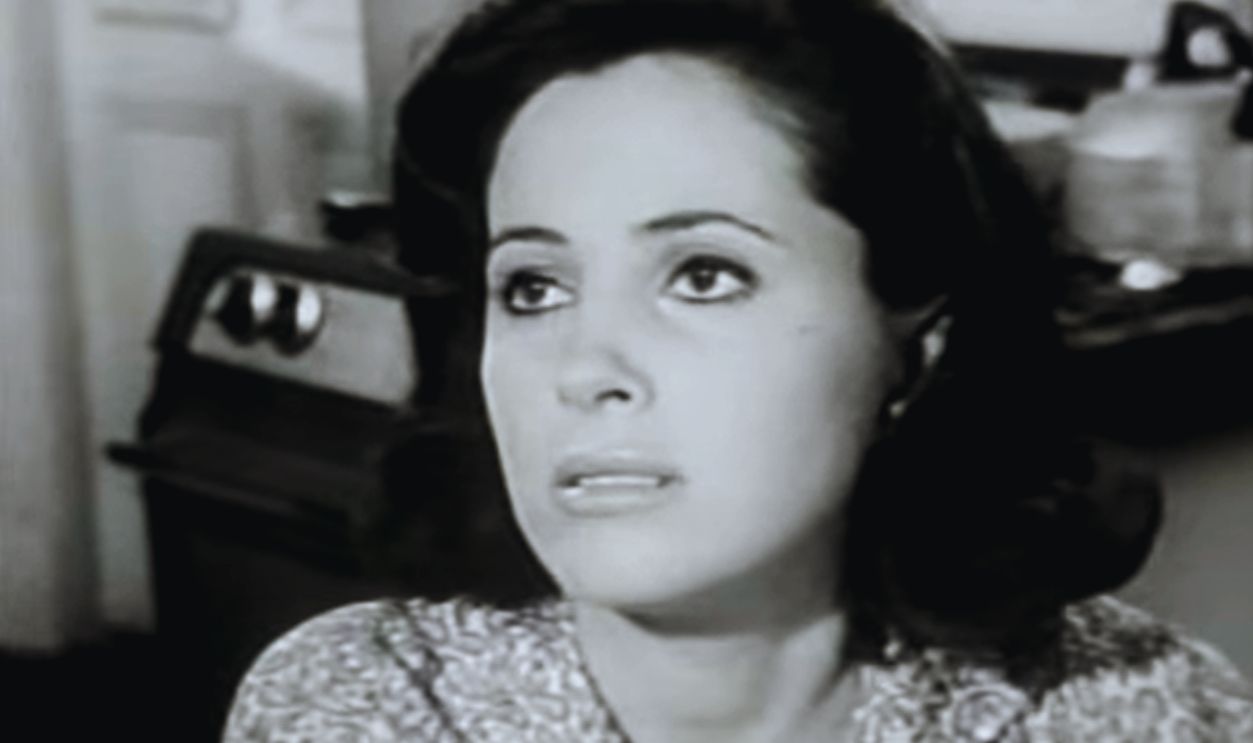 Screenshot from Peyton Place, ABC (1964–1969)
1. Roots (Alex Haley)
For Boomers, Roots wasn't just another bestseller. It was a cultural event. The novel won a special Pulitzer Prize, sold millions of copies, and inspired one of the most-watched television miniseries in American history. Plenty of people recognize the title today—but far fewer have experienced the remarkable book that started it all.
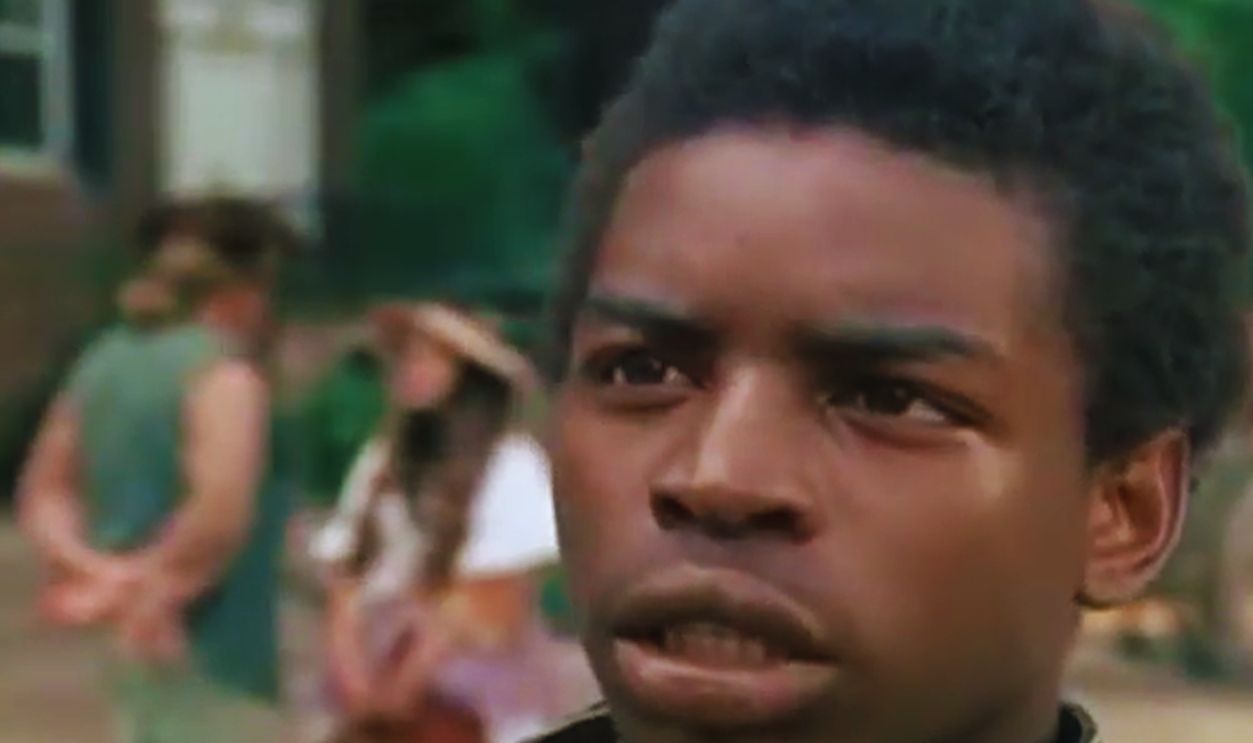 Screenshot from Roots, ABC (1977)
You Might Also Like:
Undisclosed Facts About Jane Greer, The Noir Actress That Never Was