42. Haunting Screams
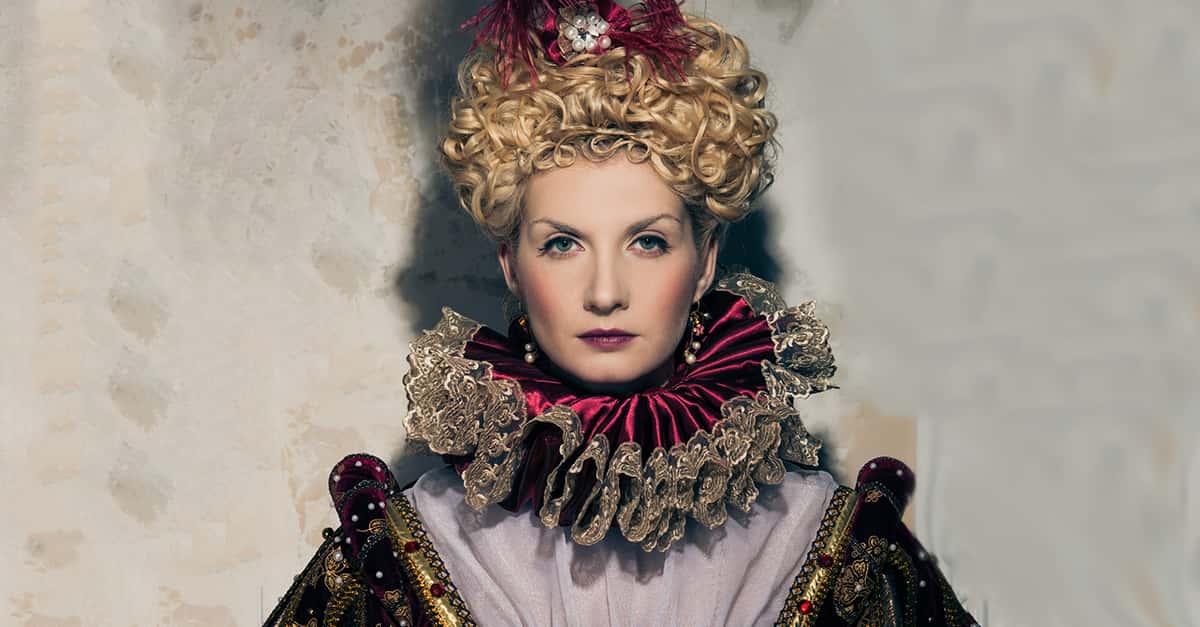
Allegedly, Catherine Howard did not take the news that she’d arrested for adultery and treason well. The 19-year-old Queen is said to have broken free from her guards at Hampton Court and run through what’s now known as the Haunted Gallery, screaming for Henry to show her mercy. She never made it to him, however—in fact, she would never see the king again.
According to legend, her ghost remains in the Haunted Gallery to this day, and people have often claimed to have heard her screams for mercy.
 Shutterstock
43. Weren't Six Wives Enough?
Henry VIII had at least ten mistresses over the course of his six marriages, beginning approximately a year after his marriage to Catherine of Aragon. It's a truly fascinating phenomenon because while a little bit of extramarital activity was not exactly new behavior for a monarch, such brazen and unapologetic philandering absolutely was.
And yet, when others attempted to corral Henry's increasingly wild libido, he simply found a way to brush them off. Just think of it: the man changed the entire country's relationship with the state religion—just to accommodate his lust. That'd be like an American president altering the constitution in order to justify his execution of the First Lady. Crazy stuff.

44. Groom of the Stool
Some of the most important of Henry VIII’s attendants were his bathroom attendants. These men got the title “the Groom of the Stool,” and they helped dress and undress the king before and after going to the bathroom, and assisted with bodily functions and washing. Not just mere servants, all of Henry VIII’s grooms were actually knights, and their intimate relationship with the king made them highly influential members of the court.
45. Outlived, Outlasted
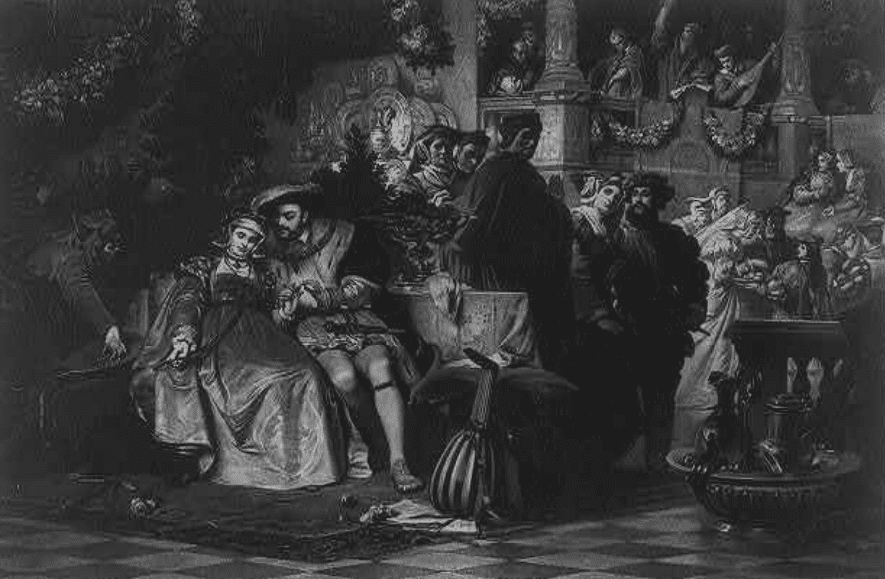
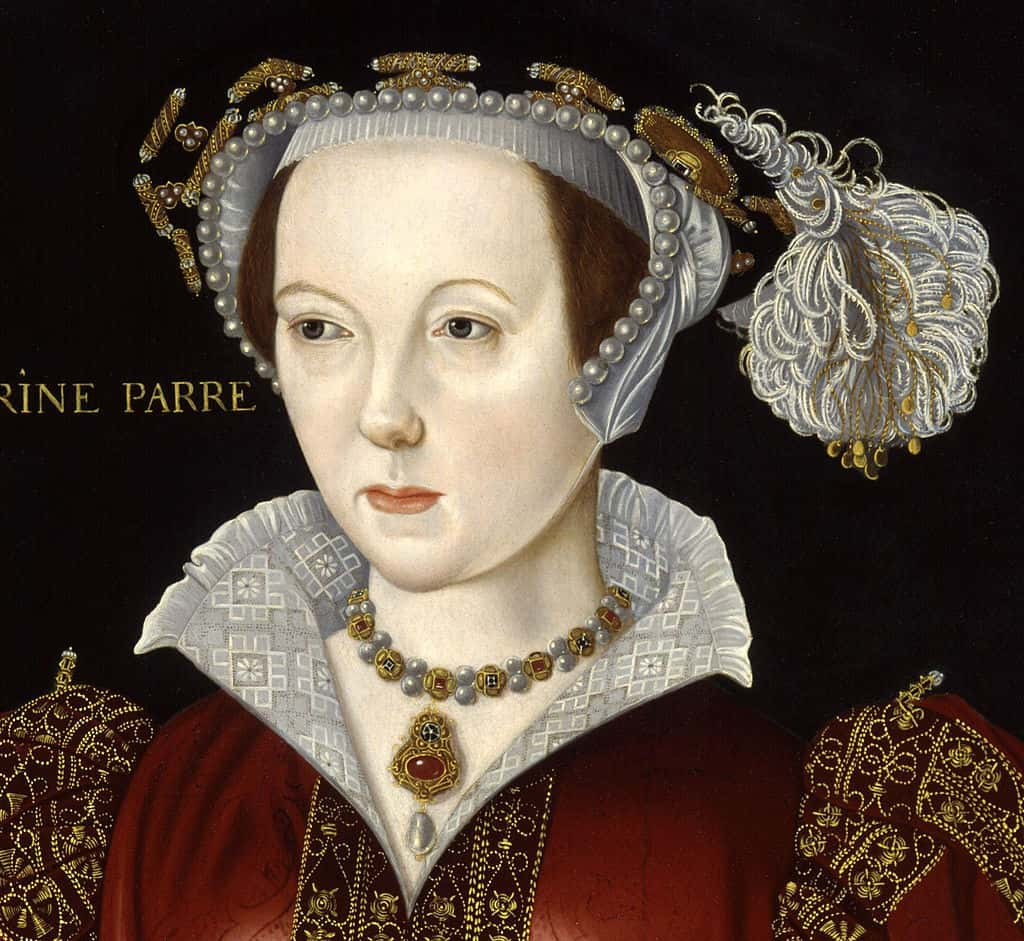
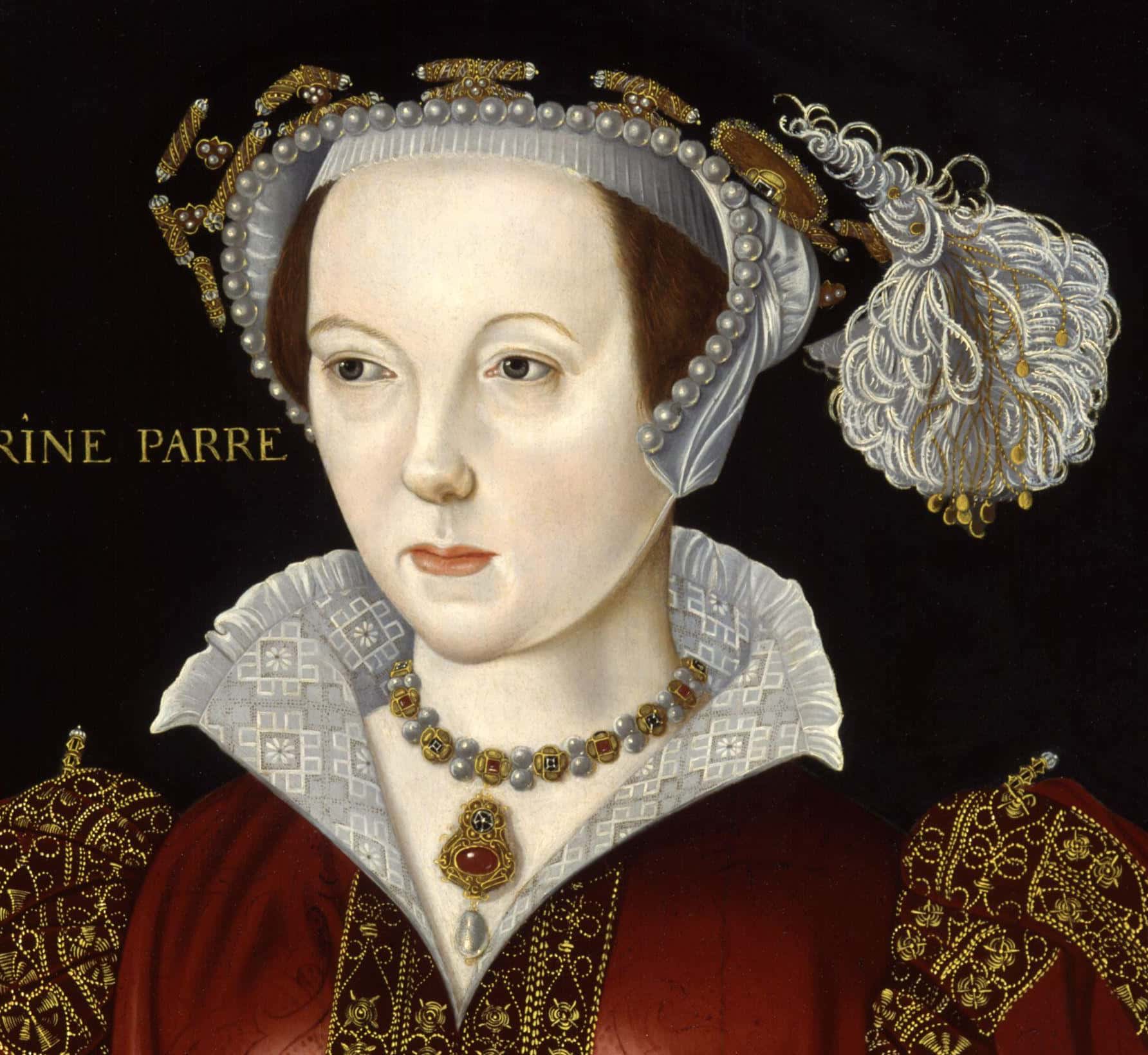
Henry VIII’s sixth and final wife Catherine Parr managed to not only hang onto her head, she also outlived her husband. Catherine Parr also played a key role in restoring Mary and Elizabeth to the line of succession—after Henry had rendered them illegitimate by annulling his marriages to their mothers.

History's most fascinating stories and darkest secrets, delivered to your inbox daily.
46. Wife Number Six
21 years Henry’s junior, Catherine Parr was actually named after Henry’s first wife, Catherine of Aragon, to whom Catherine’s mother had been a lady-in-waiting.
47. Maybe He Was a Fan of Tony Shalhoub?
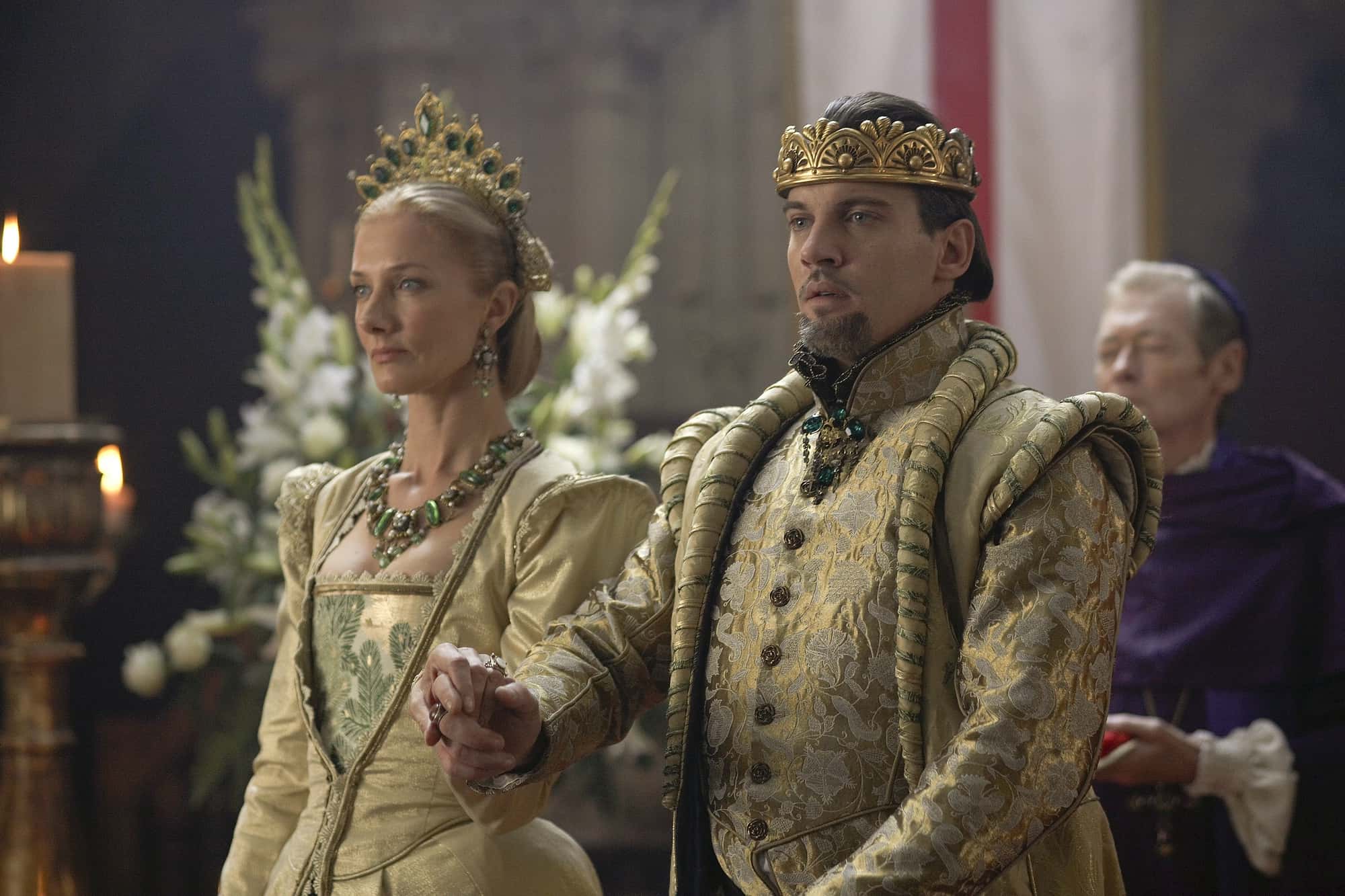
Despite being known for his vigor and athleticism as a young man, Henry’s massive weight gain and the subsequent decline of his health finally caught up to him, and he died in 1547 at the age of 55. His final words are not known for sure, but it has long been rumored that he cryptically cried “Monks! Monks! Monks!” before his final breath left him.
 Shutterstock
48. Worst Monarch in History
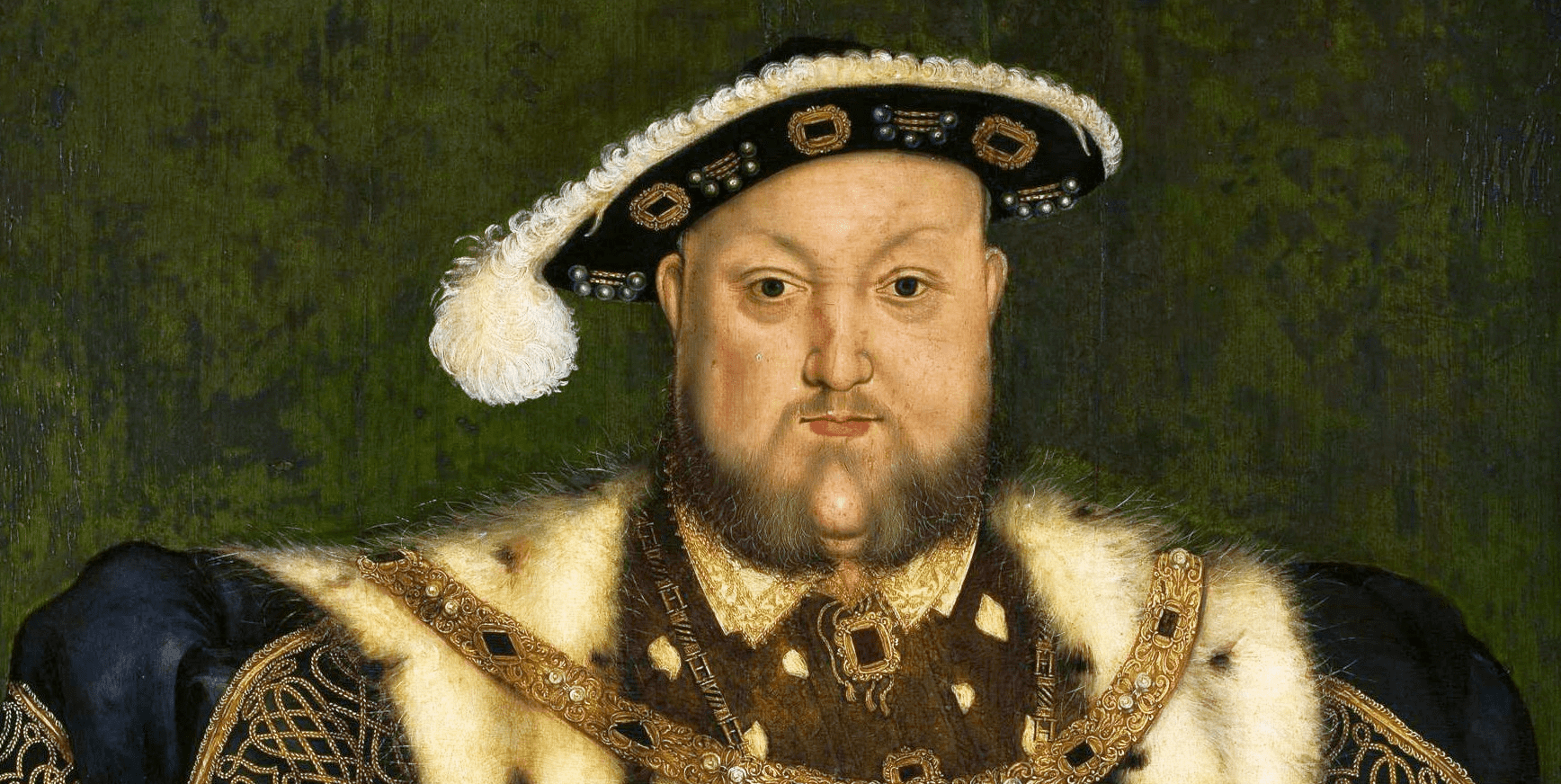
England has had some terrible monarchs in its time, but according to history writers, Henry VIII deserves the title of "worst monarch in history." Henry VIII took 20% of the vote for "worst monarch" in a survey by the Historical Writers Association, who polled 60 authors.
49. Burn Them All!
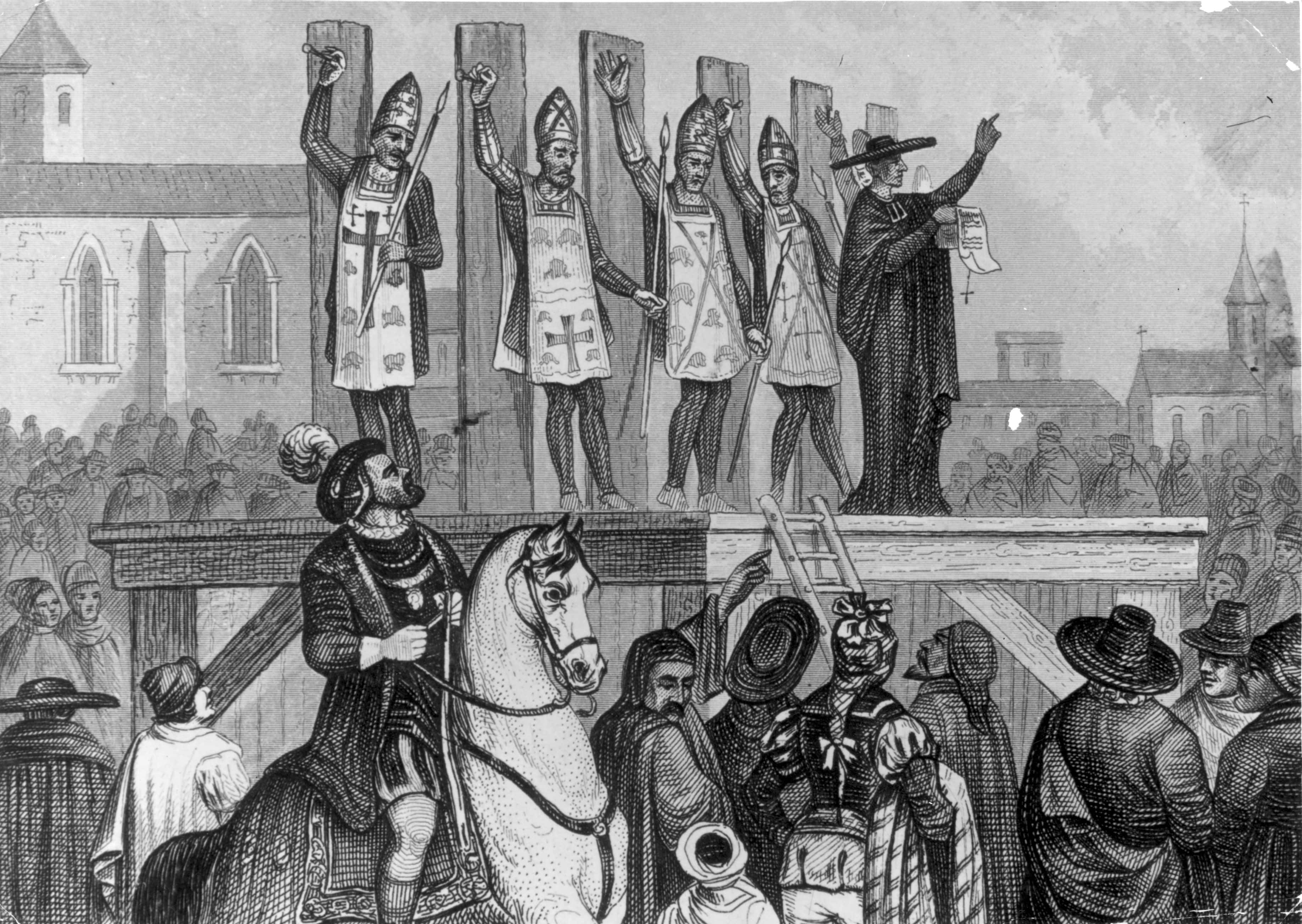
For several centuries, burning heretics alive was favored by the Church of England. For part of Henry’s reign, people who challenged the doctrine of the Roman Catholic Church were burnt at the stake. His daughter Mary, who was Catholic, continued the practice, burning 280 protestants at the stake. As a result, she earned the nickname "Bloody Mary."
50. The Golden Boy
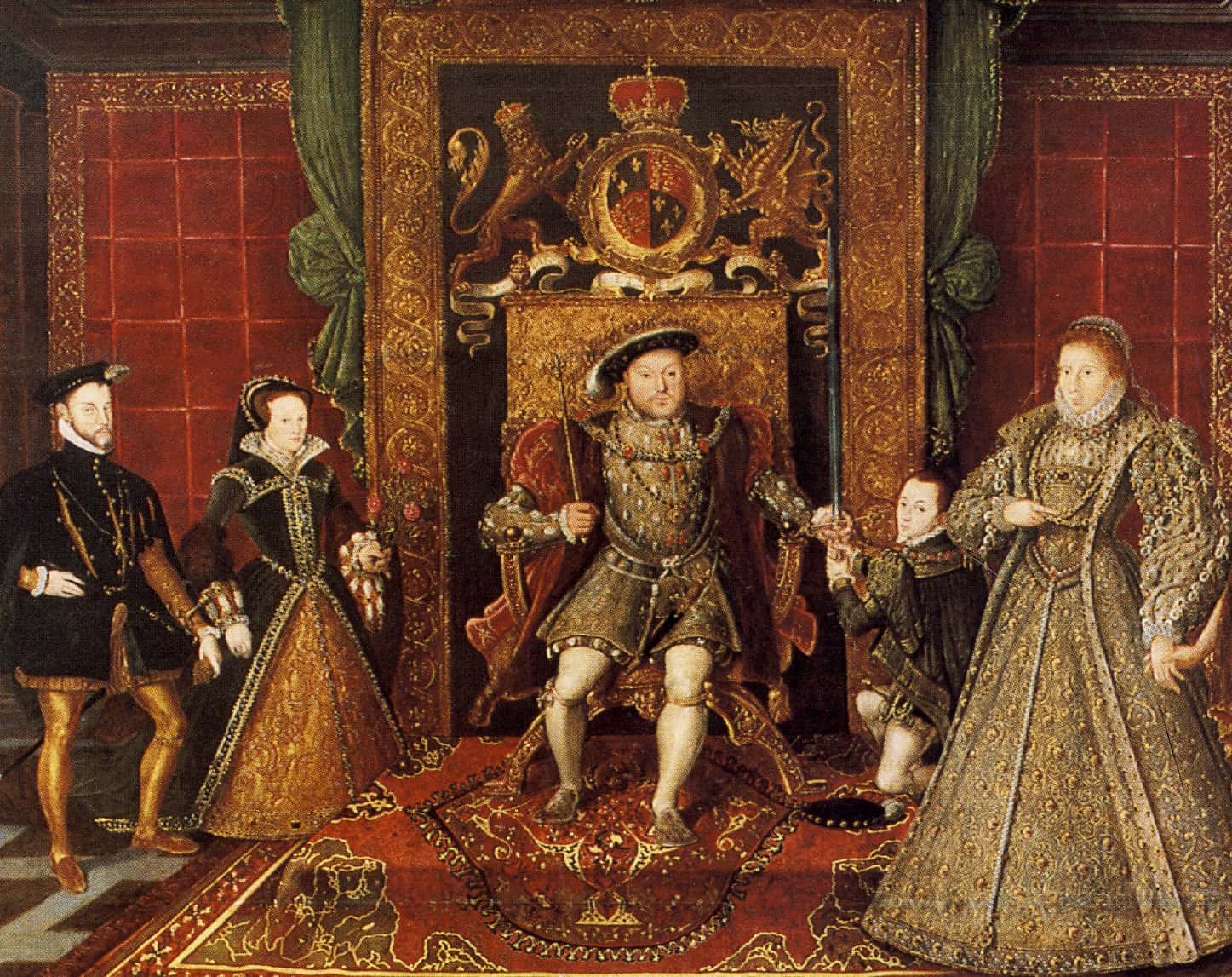
Edward VI was not the “only” son of Henry VIII—he was just the only legitimate one to survive infancy. Edward’s lost brothers included Henry Fitzroy, the illegitimate son of Henry by his mistress, Bessie Blount; Fitzroy died at the age of 17 just one year before Edward was born. By his first queen, Henry also had one legitimate son, Prince Henry, born in 1511, who lived long enough to get an elaborate christening as the Duke of Cornwall.
Alas, this kid didn’t live past a few weeks, paving the way for Edward some 26 years later.
51. Medically Fit to Rule
For centuries, historians and Tudor fans couldn’t resist the apparent irony of Henry VIII’s longed-for son also being his sickliest child. However, the legend of Edward VI’s delicate health has been widely discredited. Contemporaries described him as tall and quick-growing.
While Edward did suffer from a serious fever at the age of four—and had somewhat bad eyesight—his private journals make no mention of long-term illness until the final six months of his life. More scandalously, some suggested Edward inherited syphilis in the womb from his father. This has been largely debunked.

History's most fascinating stories and darkest secrets, delivered to your inbox daily.
52. My Sister, My Mother
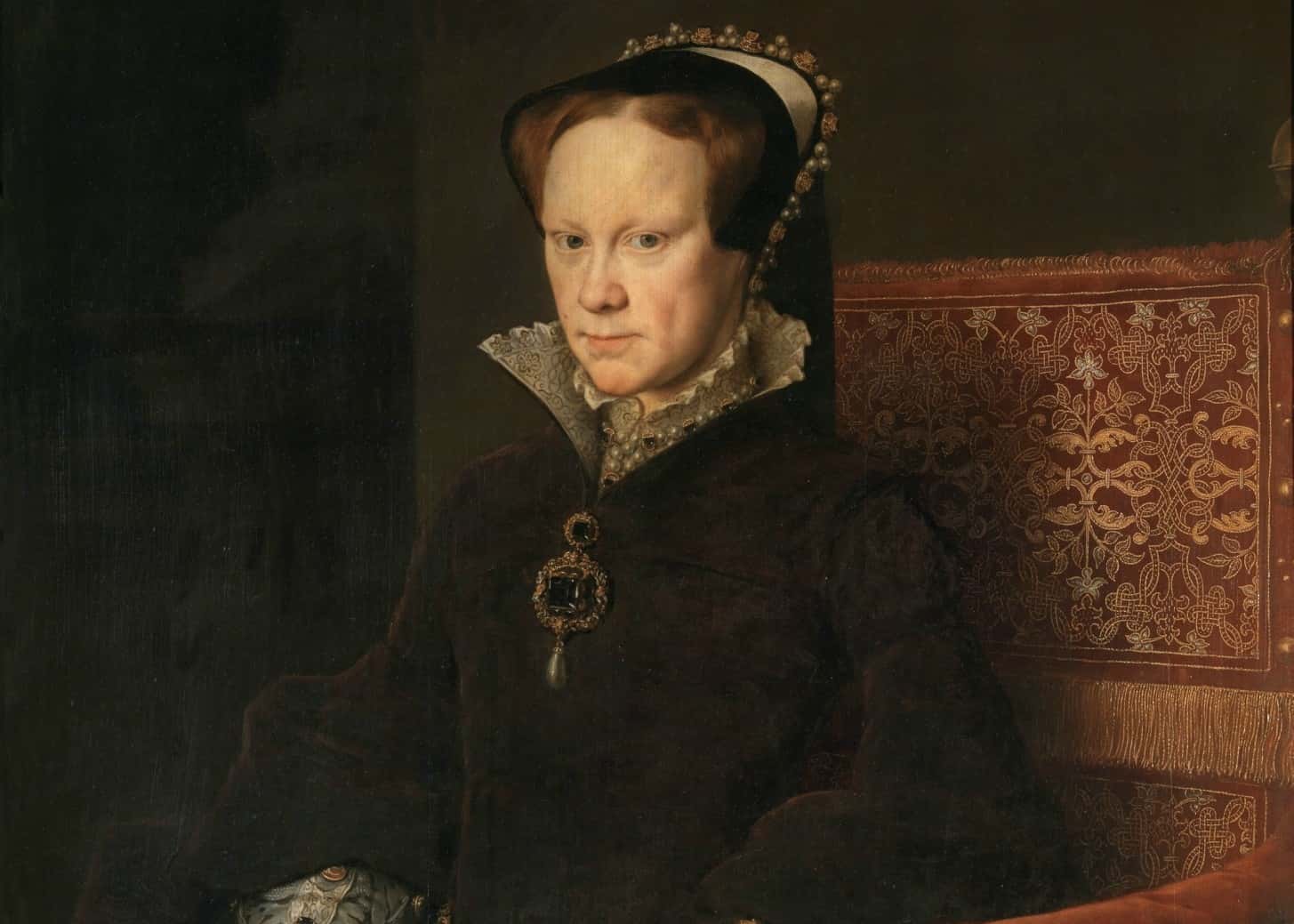
Edward’s godmother was his own 21-year-old half-sister, Mary Tudor. Despite their church-bound duty to each other, Catholic Mary and Protestant Edward’s religious opinions would destabilize their later sibling relationship.
53. Mother From Another Marriage
Of his many stepmothers, Edward VI was closest to the last one: Catherine Parr. He once wrote to Parr, “I received so many benefits from you that my mind can hardly grasp them.” Parr is considered instrumental in bringing the much-fraught the royal family together.
54. Remember to Share
In 1543, Henry VIII restored Edward VI’s older half-sisters back into the line of succession. Mary I and Elizabeth I would follow their brother to his throne—but it was a decision that Edward would later discredit on his deathbed.

55. Mourning Buddies
Edward VI and his sister Elizabeth I were together when they were informed of their father’s death. The siblings apparently cried into each other’s arms when faced with their new life as true orphans. However, Edward’s journal would admit no hurt or personal reflection at the death.

56. Part-Timer
Edward VI ascended when he was only nine years old. His father Henry VIII passed away in 1547, and Edward was officially crowned a month later. As if to highlight his age, the coronation was shorter than most, as people feared the long and boring procedures would be too taxing on their child-king.
57. The Penny-Pinching King
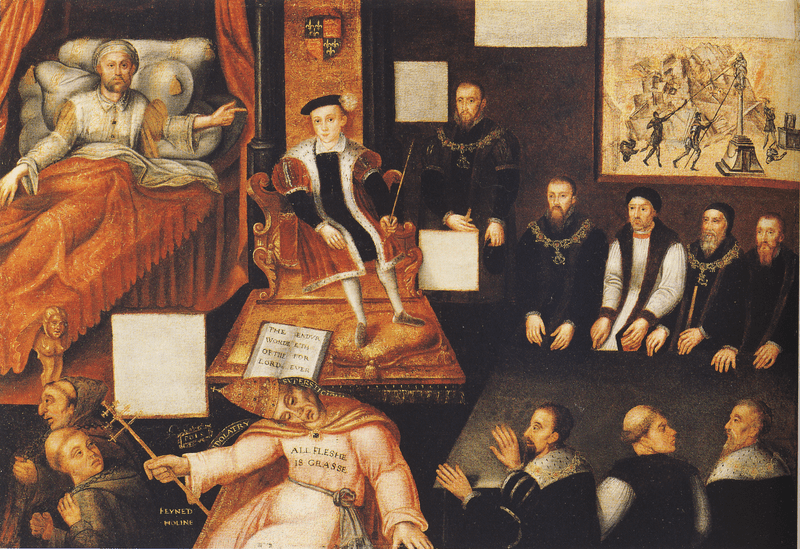
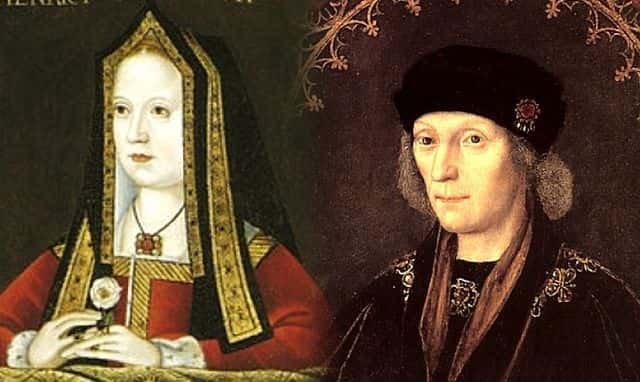
Edward VI has been compared to his grandfather, Henry VII. In contrast to drama king Henry VIII, both Edward VI and Henry VII preferred policies of economic austerity, much to the chagrin of a people who looked to the monarchy for pomp and pageantry.
History's most fascinating stories and darkest secrets, delivered to your inbox daily.
58. Count on Us
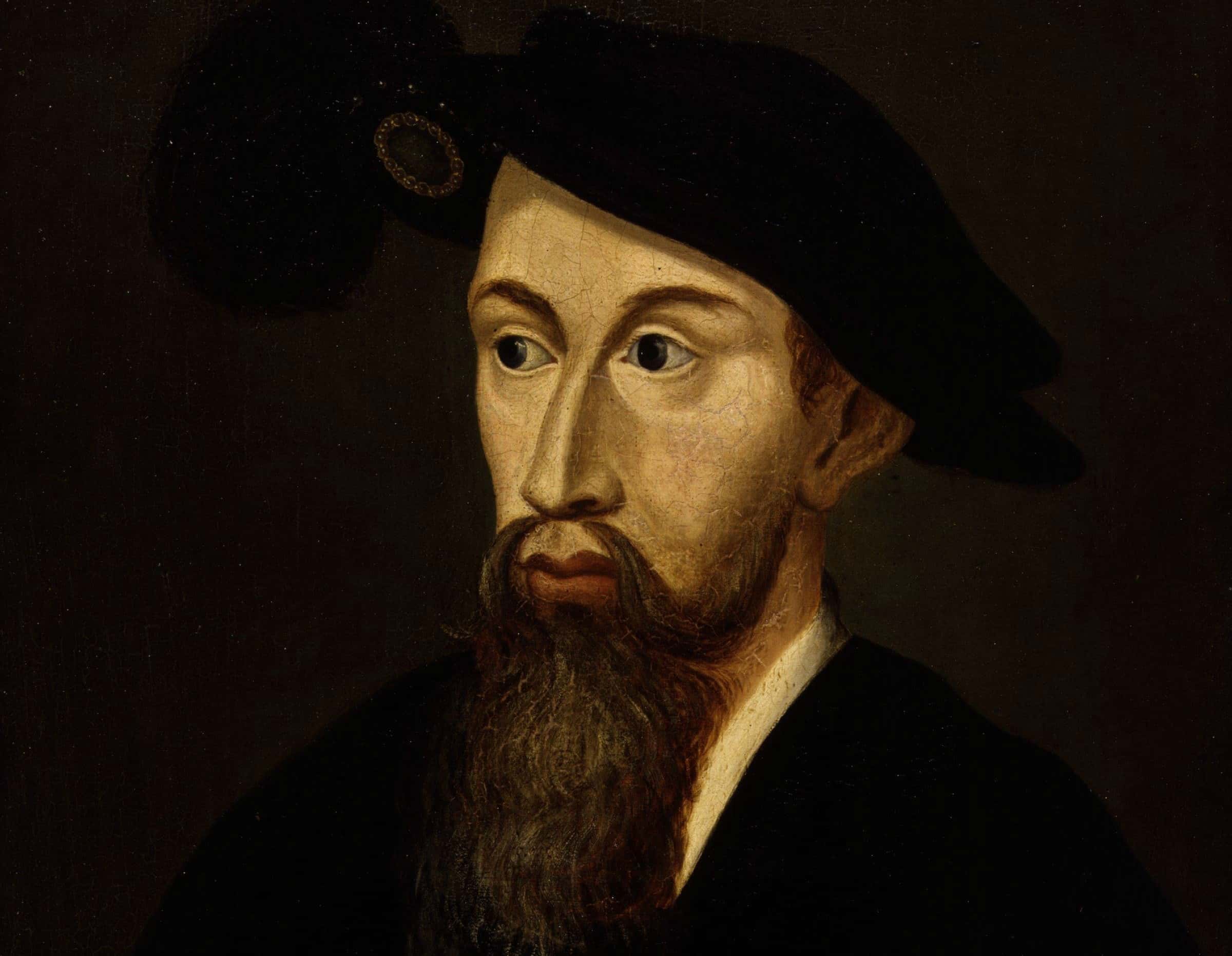
Since he was a child, the vast majority of Edward VI’s ruling was done by his Council of Regency. These men were almost exclusively of the Protestant faction, and they awarded themselves massive land grants and titles to befit their new station. They were led by the new king’s uncle, Edward Seymour, Earl of Hertford, who elevated himself to the Duke of Somerset. Seymour was also entrusted as Lord Protector of the Realm and Governor of the King’s Person.
59. I’m the Cool Uncle
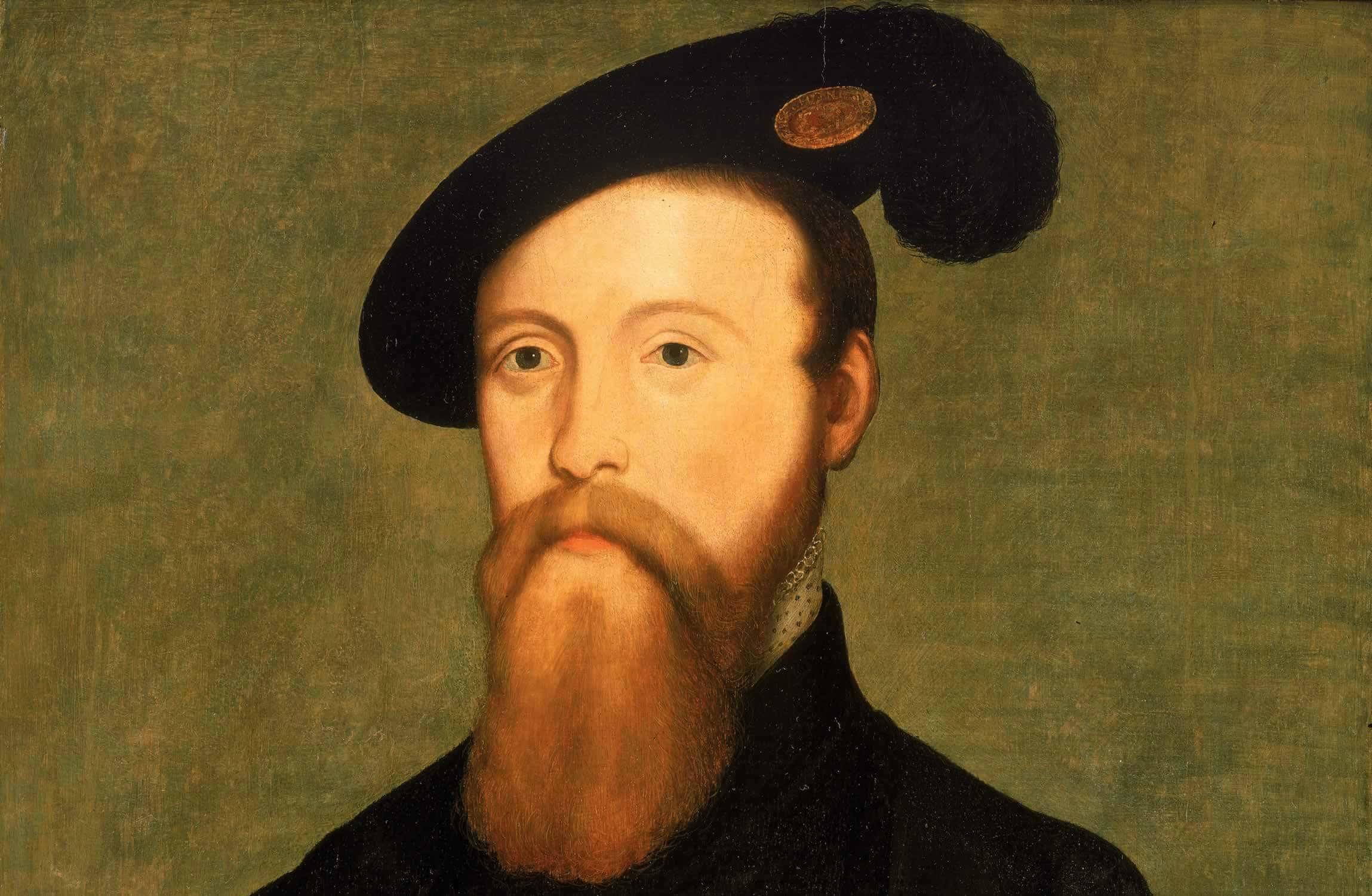
From early into his reign, Edward VI was caught in the middle of a power struggle between his two maternal uncles, Lord Protector Edward Seymour and his younger brother Lord Thomas Seymour. Thomas wanted a bigger share of power in the Council. Thus, he played the “fun uncle”; he smuggled gifts of money to the boy-king, making Uncle Ed look like the stick-in-a-mud and telling the boy how the Lord Protector was turning Edward into a “beggarly king.”
 Total War: Alternate Reality Wiki
60. Seal of Approval
Edward VI’s widowed stepmother Catherine Parr made a scandalous early marriage to the new king’s uncle, Thomas Seymour. However, Edward’s favor toward Catherine and Thomas let them get away with it. The king wrote a letter of approval about their marriage—though it was obviously dictated by Uncle Thomas for the little boy to write out.

61. In the Doghouse
The Seymour power struggle for King Edward climaxed with attempted child abduction and dog murder. By 1548, it was openly known that Thomas was leveraging his position as Lord High Admiral to gain navy allies in case of rebellion against the king’s council. He did not show up to a hearing about his conduct. Instead, he showed up in the king’s bedroom at night to apparently kidnap the boy and control the monarchy. Unfortunately, all Thomas managed to do was shoot one of Edward’s precious dogs, thereby alerting the guards. Thomas was accordingly tried and executed for treason.

62. I Guess Blood Isn’t Thicker Than Water
Despite Edward’s early fondness for Thomas Seymour, the little king apparently showed no emotion as he signed his uncle’s death warrant. Can we blame him? The guy did shoot his dog.
63. Say Uncle
In October 1549, the Lord Protector Edward Seymour was overthrown by the rest of Edward VI’s regency council and later executed for felony in January 1552 on separate charges. Edward grieved little for his other disgraced uncle. His diary bluntly lists the charges against Seymour as “ambition, vainglory, entering into rash wars in mine youth, negligent looking on Newhaven, enriching himself of my treasure, following his own opinion, and doing all by his own authority, etc.,” and on the date of Seymour's beheading, Edward only recorded “the duke of Somerset had his head cut off upon Tower Hill between eight and nine o'clock in the morning.” Ice cold.

History's most fascinating stories and darkest secrets, delivered to your inbox daily.
64. Sealed With a Bank Note
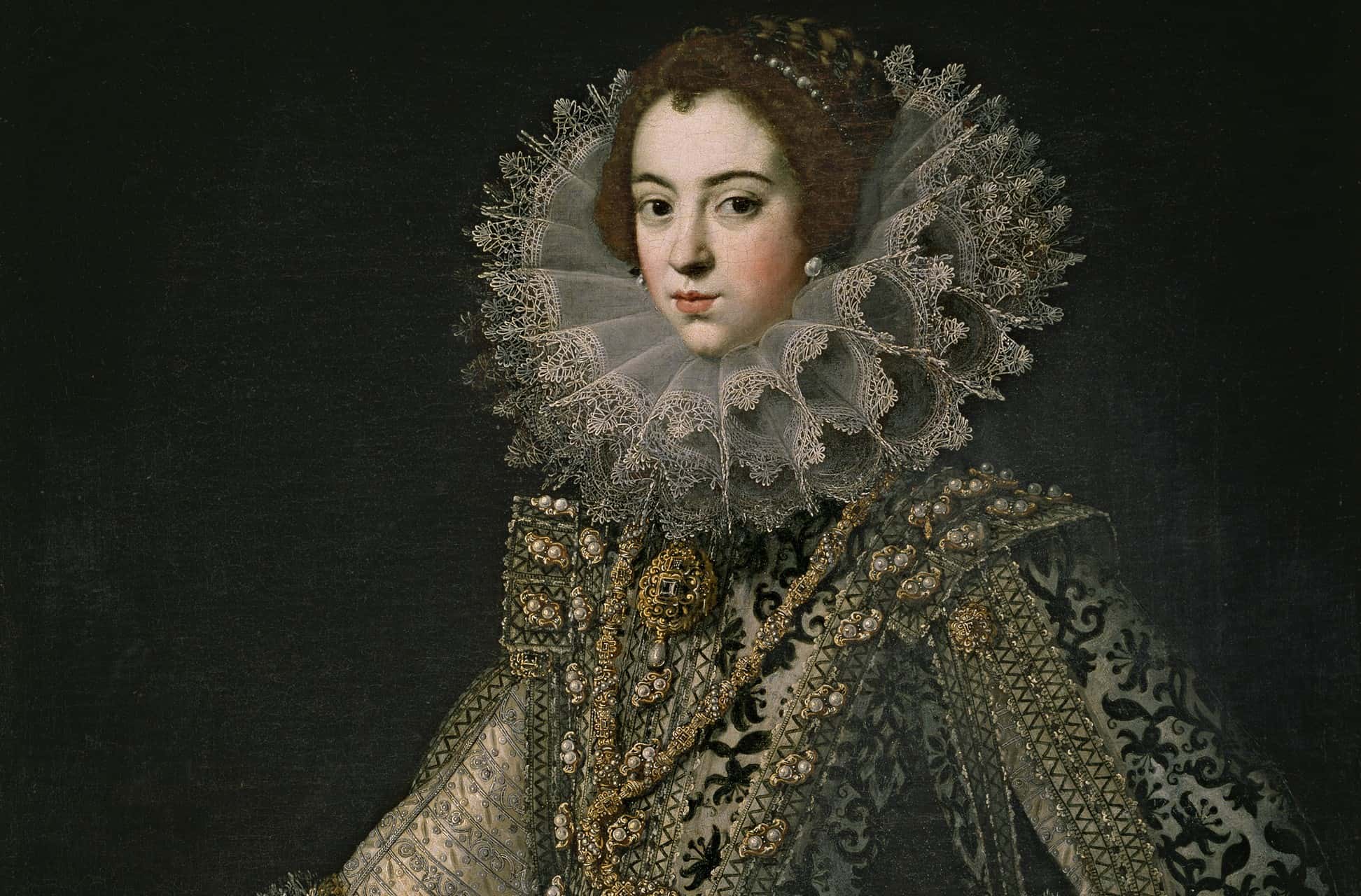
In 1551, Edward VI was betrothed to the French princess, Elisabeth of Valois (daughter of Henri II of France and Catherine de Medici). Peace with the French was financially necessary at this point; England was in dire economic straights and could no longer cover the cost of its wars.
65. Anyone But Her
By February 1553, Edward VI’s health was in critical condition. The teen was clearly not going to marry and father an heir anytime soon, but his heir was his Catholic half-sister, Mary Tudor. This would not do for the all-Protestant council. As a devout Protestant, Edward himself opposed Mary’s ascension.

66. Hello Darkness, My Old Friend
By the end of his life, Edward VI lost the ability to walk; the king’s legs were so swollen that he had to lie on his back all day. A realistic child to the end, Edward was ready to get it over with and told his tutor, “I am glad to die.” He passed away at Greenwich Palace on July 6, 1553—three months shy of his 16th birthday.

67. Girls Allowed Eventually
On his deathbed, Edward VI skipped over his sisters to give the throne to the male heirs of his relatives, the Greys. However, at this stage, there were no other living male Grey-Tudors to inherit his throne. Since sons take at least 9 months to make, and Edward wouldn’t live that long, he relented and allowed the Grey women to inherit the throne themselves.
68. The 60-Second Successor
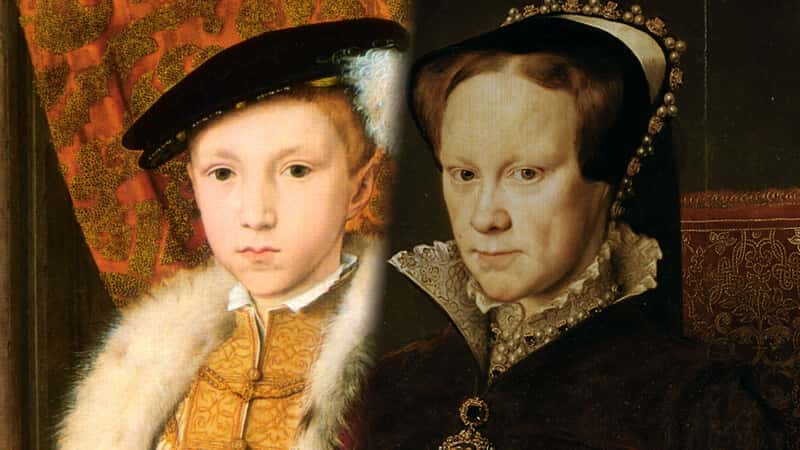
Edward VI’s dying request went bust, and Jane Grey was largely resisted as Queen of England. His sister Mary I waged her own forces to challenge Jane’s accession, which is why Jane is the “Nine Days Queen” instead of the “Long Lasting Queen So Spake Edward VI Who’s Too Dead To Do Anything About It Now.” For a time, Edward’s nightmare came true and England “enjoyed” a four-and-half-year return to Roman Catholicism under Mary I.
69. Tough Decisions
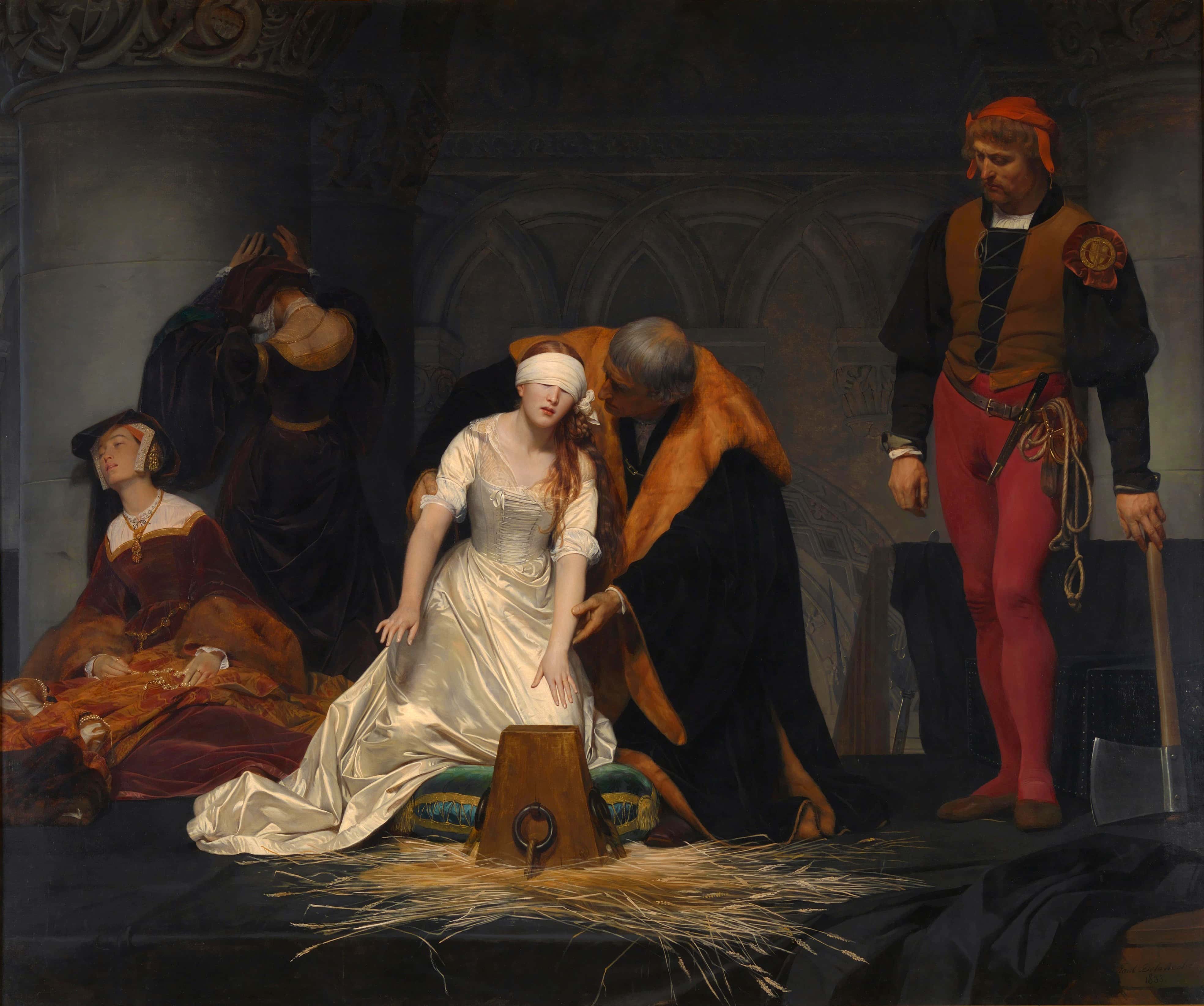
After Mary took the throne in 1553, she faced a difficult position when it came to Lady Jane and her husband, Guildford Dudley. Mary understood that Lady Jane was just a political pawn of the Dudleys, so although she was found guilty of treason, Mary initially kept her under guard at the Tower of London, not wanting to execute her.
However, just as everything seemed to be settling after the whole Steal-the-Throne debacle, further tensions within England about succession forced Mary to execute Lady Jane once and for all. She did so in quite some fashion: public beheading.
History's most fascinating stories and darkest secrets, delivered to your inbox daily.
70. A Dubious Honor
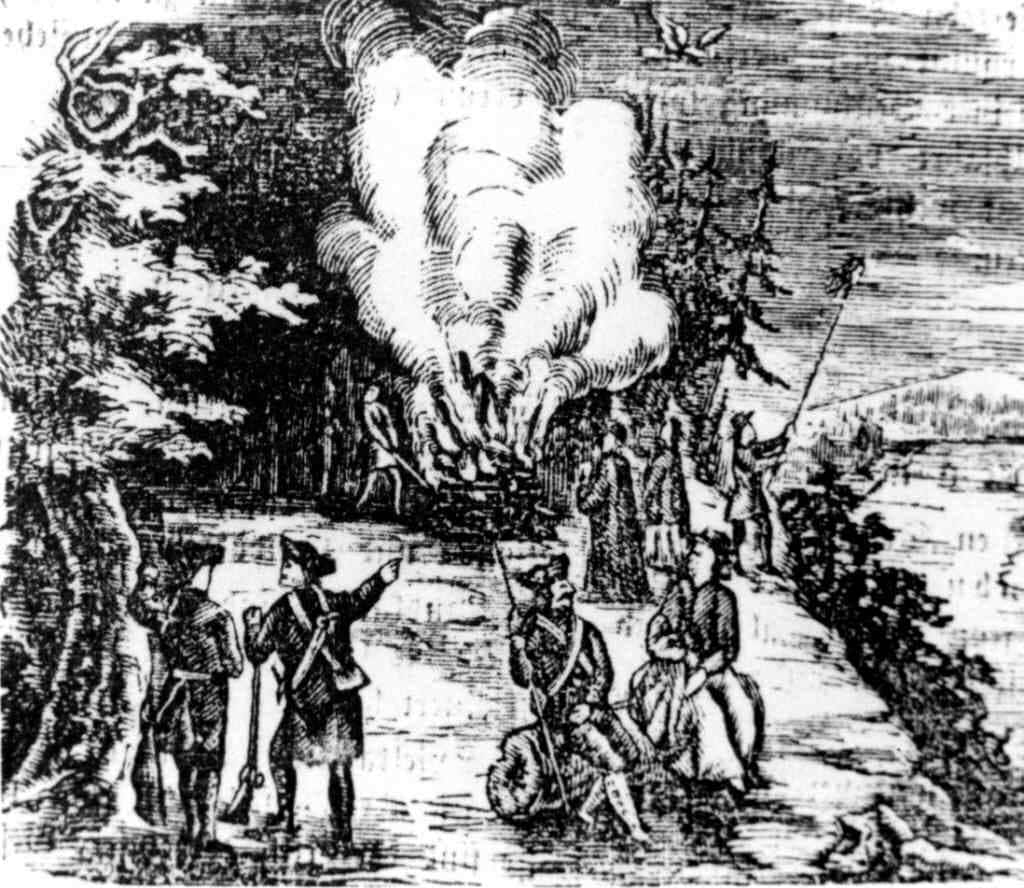
Mary was given the nickname "Bloody Mary" because she was so quick to burn Protestants at the stake, her weapon of choice. She certainly used the stake as a means of punishment far more than those who came before and after her. Henry VIII burned 81 people, while Elizabeth I only doled out that particular punishment on five occasions.
As a reminder, Mary's record stood around an impressive 280 people.
71. A Tithe of Troubles
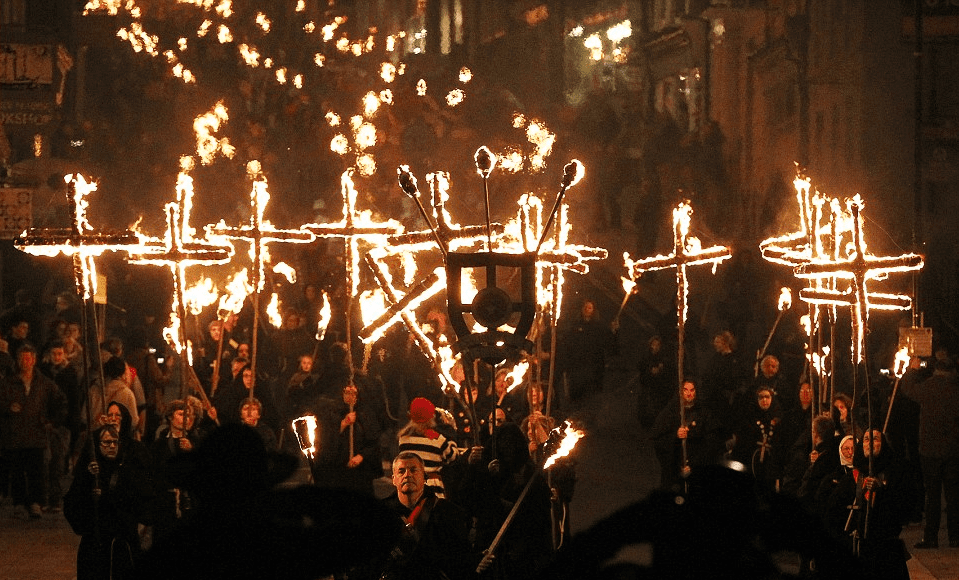
Although she only reigned for five years, Mary was a busy Queen. As she attempted to reverse the Protestant reforms started by her father Henry VIII, Mary had over 280 dissenters of the Catholic Church burned at the stake in what was known as the Marian Persecutions.
When Mary was only a child, Henry used Protestantism to divorce Mary's mother. It's likely this only fueled Mary's staunch devotion to Catholicism.
 thissideofthetruth - WordPress
72. False Alarm
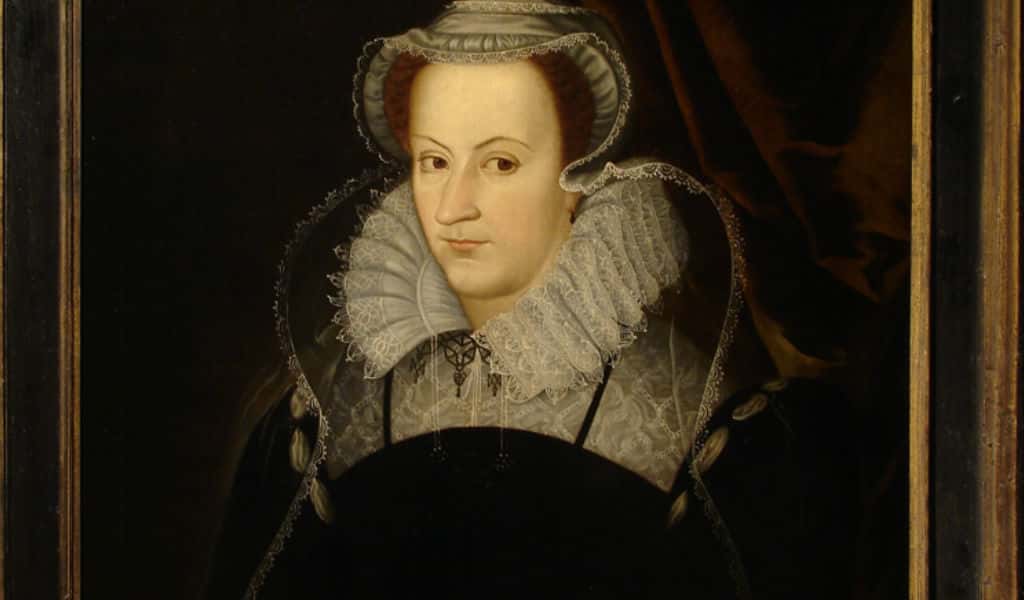
In the summer of 1554, the English court, and indeed most of Europe, was bracing for news of Mary I’s first child. Mary started to show signs of a pregnancy months earlier, and everyone was taking precautions for the next heir to the throne. Philip was possibly even planning to marry Mary’s half-sister Elizabeth in the event that his wife died in childbirth (he was a real stand-up guy).
The only problem? Mary wasn’t actually pregnant at all. Perhaps for psychological reasons, Mary had a rare case of false pregnancy, in which a woman shows many of the symptoms of a pregnancy without actually carrying a child.
73. Spreading Rumors
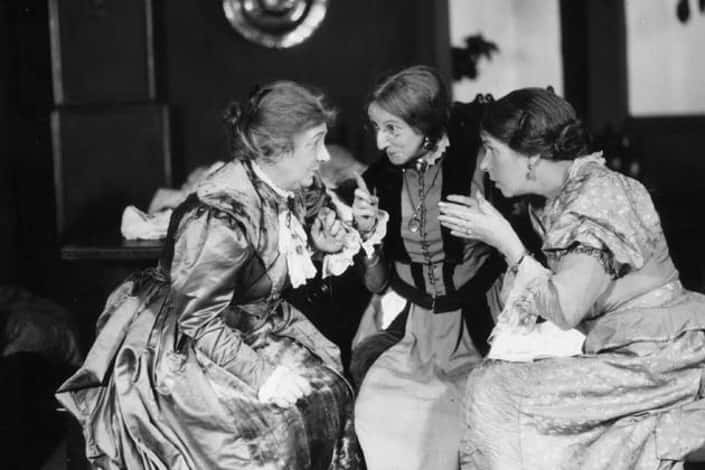
After it became clear to everyone that Mary was not, in fact, going to be giving birth to a child, the rumor mill went into overdrive. Across England, stories sprung up to explain the unusual events of Mary's "pregnancy." Some claimed she kept a miscarriage secret, others that the pregnancy was always fake and that Mary was going to smuggle in a baby to pose as her own.
Others suggested that Mary was actually ill and had convinced herself that she was not sick and just pregnant.
 BESTqUEST - WordPress
74. You Can’t Fire Me, I Quit!
When Mary I instituted the Heresy Acts, which saw many prominent Protestants around England burned at the stake, it caused a huge drain from the kingdom. A number of intellectuals, such as the historian John Foxe, decided it was better to leave England altogether than face martyrdom at the stake. All told, about 800 Protestants chose exile from England and went to various spots across Europe.
 Alchetron
75. I Will Not Grant You Three Wishes
When she knew the end was coming, Mary drafted up her Will, which had three specific requests. The first was that the remaining debts of Henry VIII and Edward were paid. Secondly, new religious houses were to be created with the money she left. And finally, she requested that her mother’s body be exhumed and buried next to her. All three wishes were ignored after she died.

History's most fascinating stories and darkest secrets, delivered to your inbox daily.
76. All Men Must Die
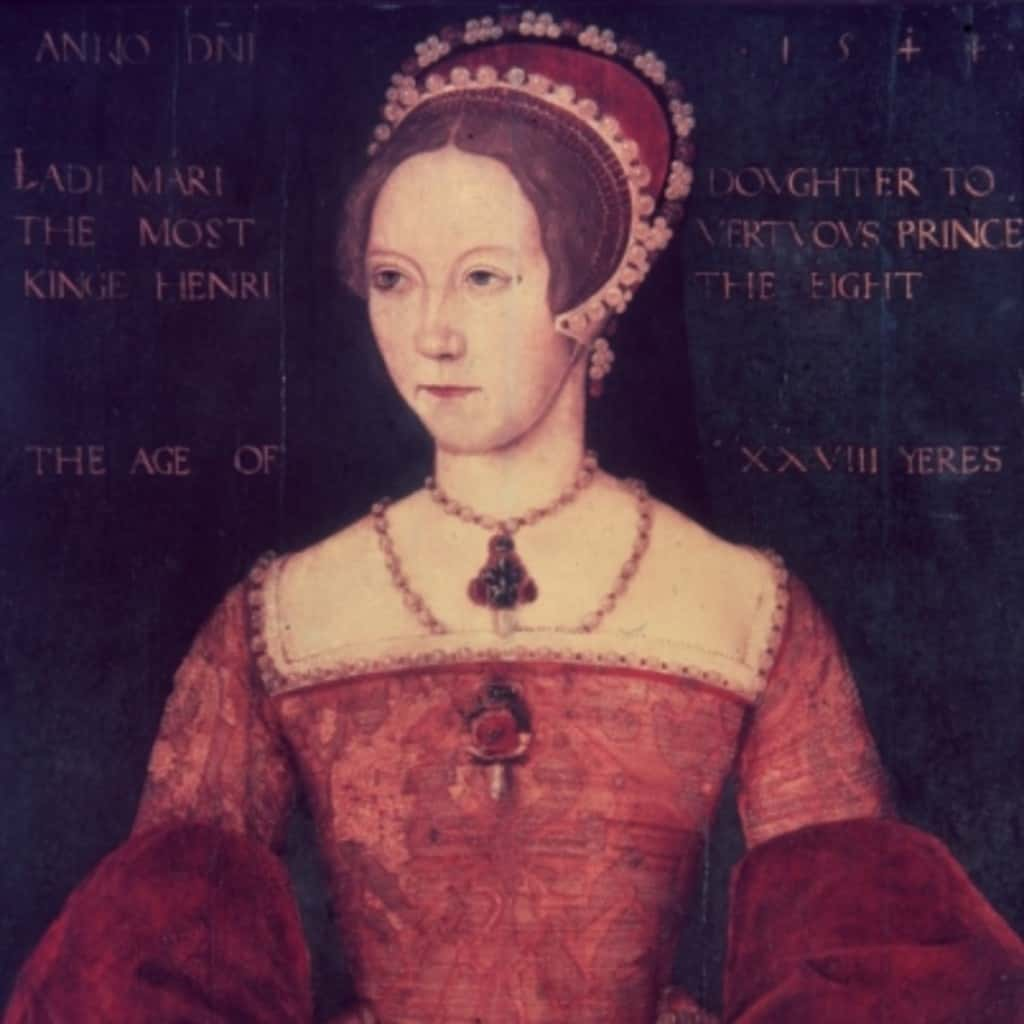
Mary died, childless, in 1558 during an influenza epidemic. Just the year prior, she thought she might be pregnant once more; but as before, she merely had symptoms of a phantom pregnancy. She was 42 years old at her death.
77. Utmost Certainty
During one of her false pregnancies, Mary I herself was so convinced that she was with child that she had letters drafted announcing the birth of her heir, the next ruler of England. Sadly, the letters would never be needed.

78. Make Peace
Mary never much liked her half-sister Elizabeth. After all, Elizabeth’s mother Anne Boleyn had seduced Henry VIII away from Mary's mother Catherine of Aragon. The only reason why Mary accepted Elizabeth as heir to the throne was because her husband Philip convinced her it was the right decision. Mary, head-over-heels in love with Philip, reluctantly followed his advice.
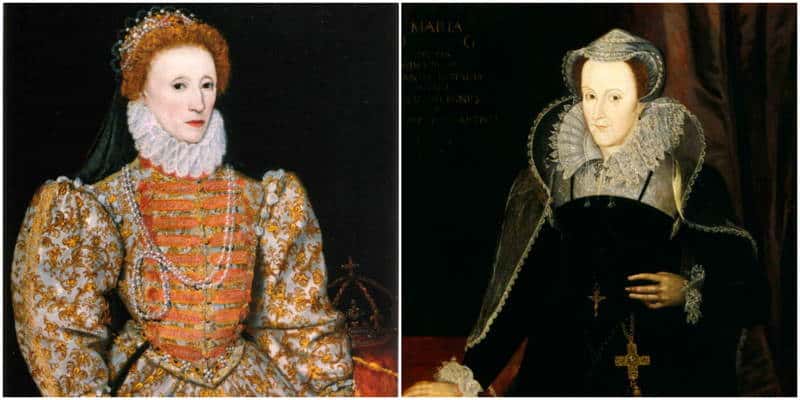
79. Sister Act
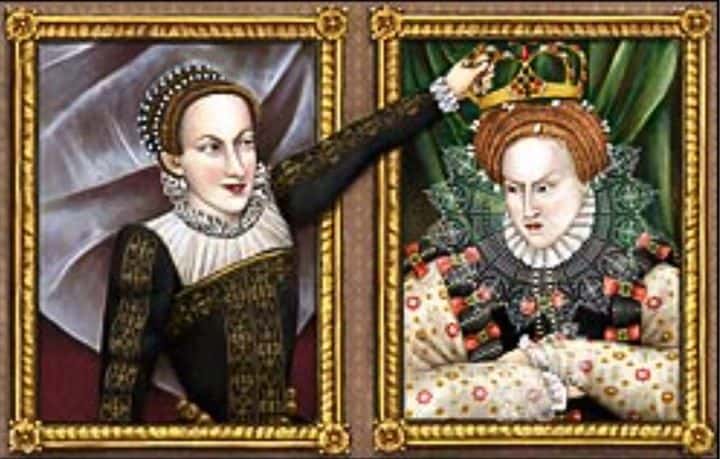
Although Mary was eventually convinced by Philip to allow Elizabeth to be heir to the throne, things almost went a very different path. Mary’s resentment of and competition with Elizabeth caused her to imprison her little half-sister, and Mary even considered executing her, family member or not. Cooler heads eventually prevailed, and the rest is history.
80. Single and Ready to Mingle
Once Mary died, her widower Philip started trying to marry her sister Elizabeth, just as he had planned when he worried Mary might die in childbirth. As in his marriage to Mary, Philip was mostly interested in maintaining a strong Catholic alliance with England. Elizabeth was having none of it, however, and rejected the proposal.

81. Cunning Like a Foxe
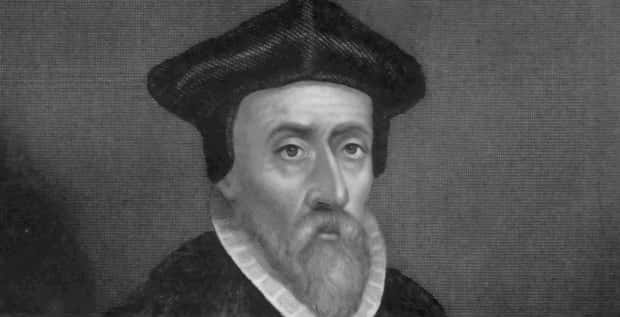
Even though Mary I was rather zealous when it came to persecuting Protestants in England, it still can't be said that she was more bloody than her father, Henry VIII. Henry executed somewhere between 57,000 and 72,000 people during his reign, and of course, ordered the execution of not one but two of his very own wives. So why is Mary I still referred to as "Bloody Mary"?
Part of the answer lies in the figure of John Foxe. An exiled but popular Protestant historian, Foxe wrote extensively on persecuted protestants, and his work, still in print, has kept this dark aspect of Mary's reign alive throughout the centuries.
History's most fascinating stories and darkest secrets, delivered to your inbox daily.
82. Cause of Death
The reasons for Mary I’s death are not totally clear. Some accounts suggest she succumbed to the influenza outbreak that occurred in England in 1558. Others suggest she possibly died of cancer, and that her false pregnancy was actually the result of a tumor.
83. Nicknames
As mentioned, Elizabeth I, daughter of Henry VIII's second wife, Anne Boleyn, became her half-sister Mary's successor. Too many names? Well, Elizabeth herself was also known as the Virgin Queen, Gloriana, and, to her closest pals, Good Queen Bess; Bess was a common diminutive for Elizabeth at the time.
84. Broken Beginnings
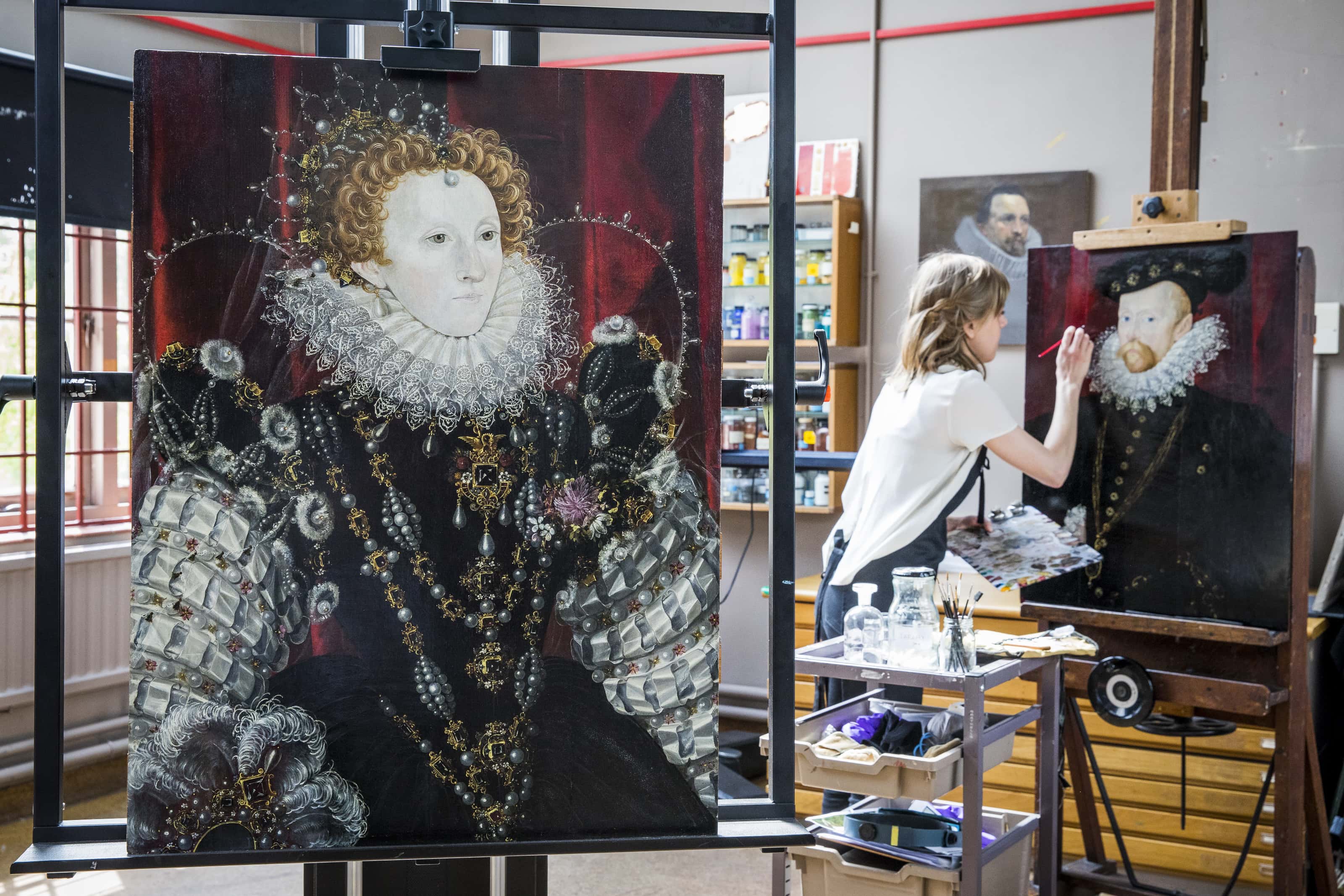
After her mother Anne Boleyn was executed by her father, Henry VIII, and especially after her father died, Elizabeth had a very hard childhood. She was mistreated, considered illegitimate, and sexually abused while living as a ward with Catherine Parr, Henry VIII's widow. Parr's husband, Thomas Seymour (Elizabeth's former step-uncle) was said to have had an inappropriate relationship with the young girl, before Parr had her sent away.
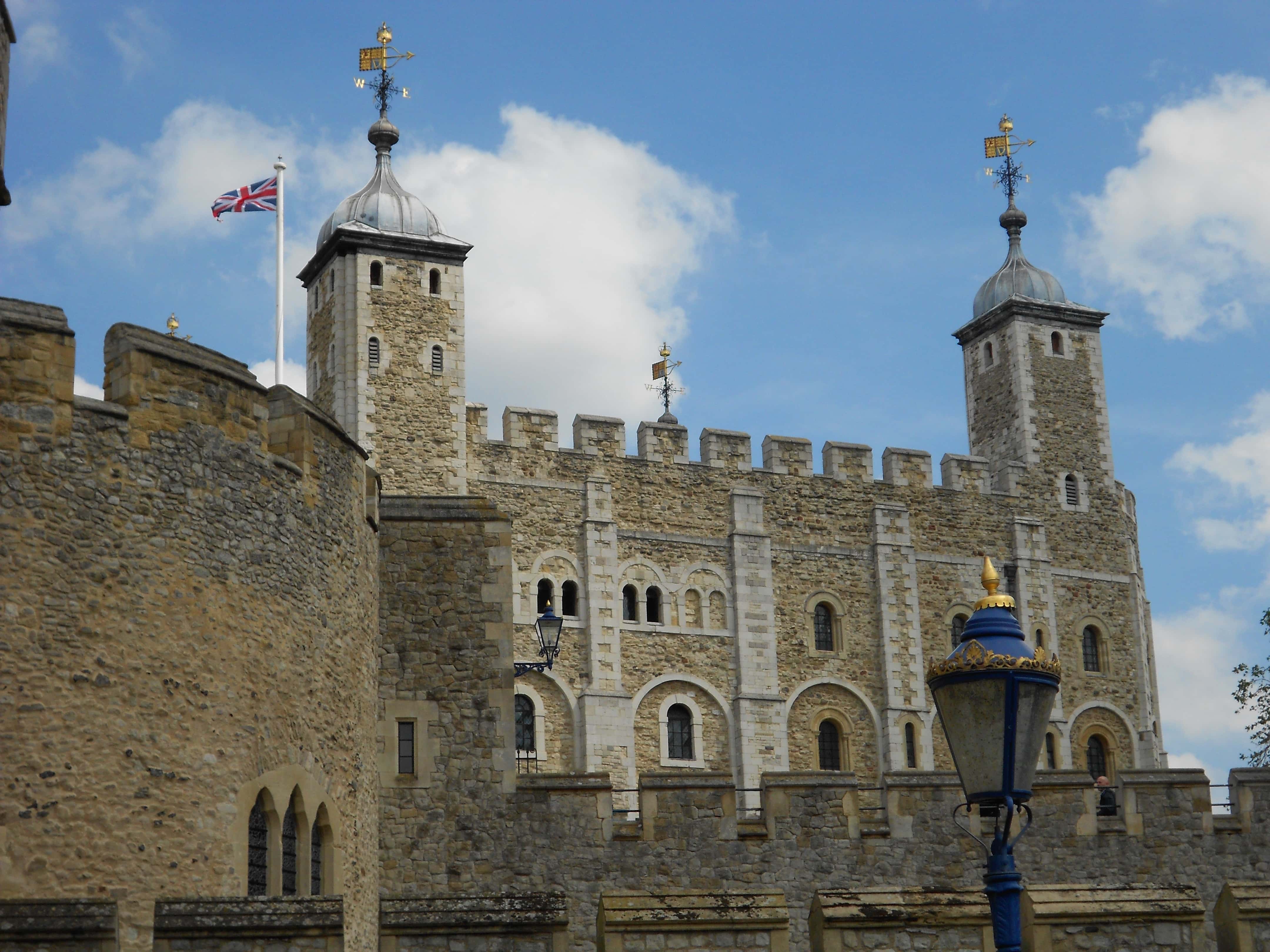
Her Catholic half-sister, Queen Mary, also known as Bloody Mary for her brief and violent reign, also accused Elizabeth of participating in a rebellion plot. Mary had Elizabeth sent to the Tower of London and then to the Tower of Woodstock.
85. Long Run
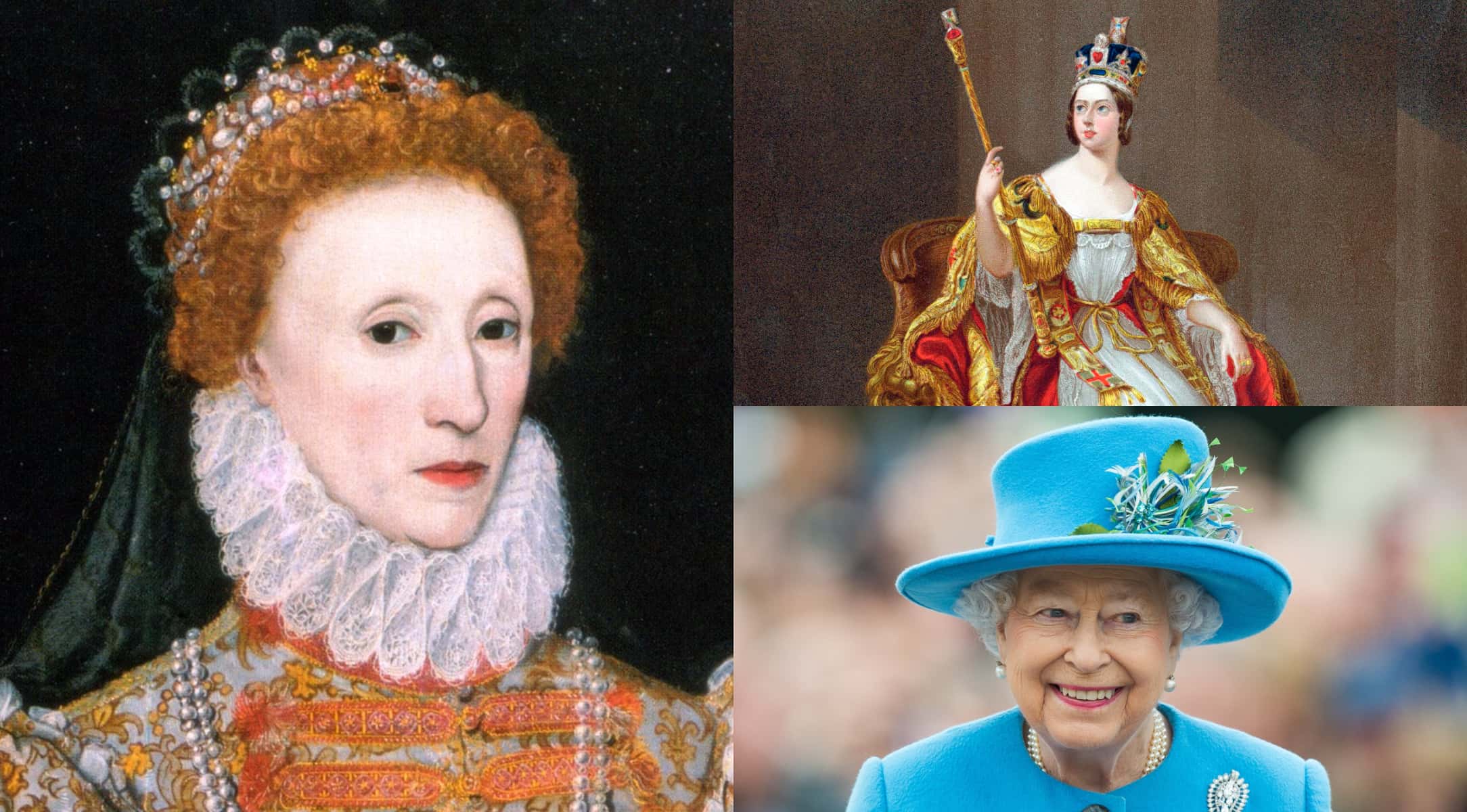
After Queen Elizabeth II, who has reigned for over 65 years, and Queen Victoria, who reigned for 63, Elizabeth I is the third longest reigning British queen; she was in power for 44 years. Overall, she has the ninth longest run of the British monarchs.
86. Virgin Queen
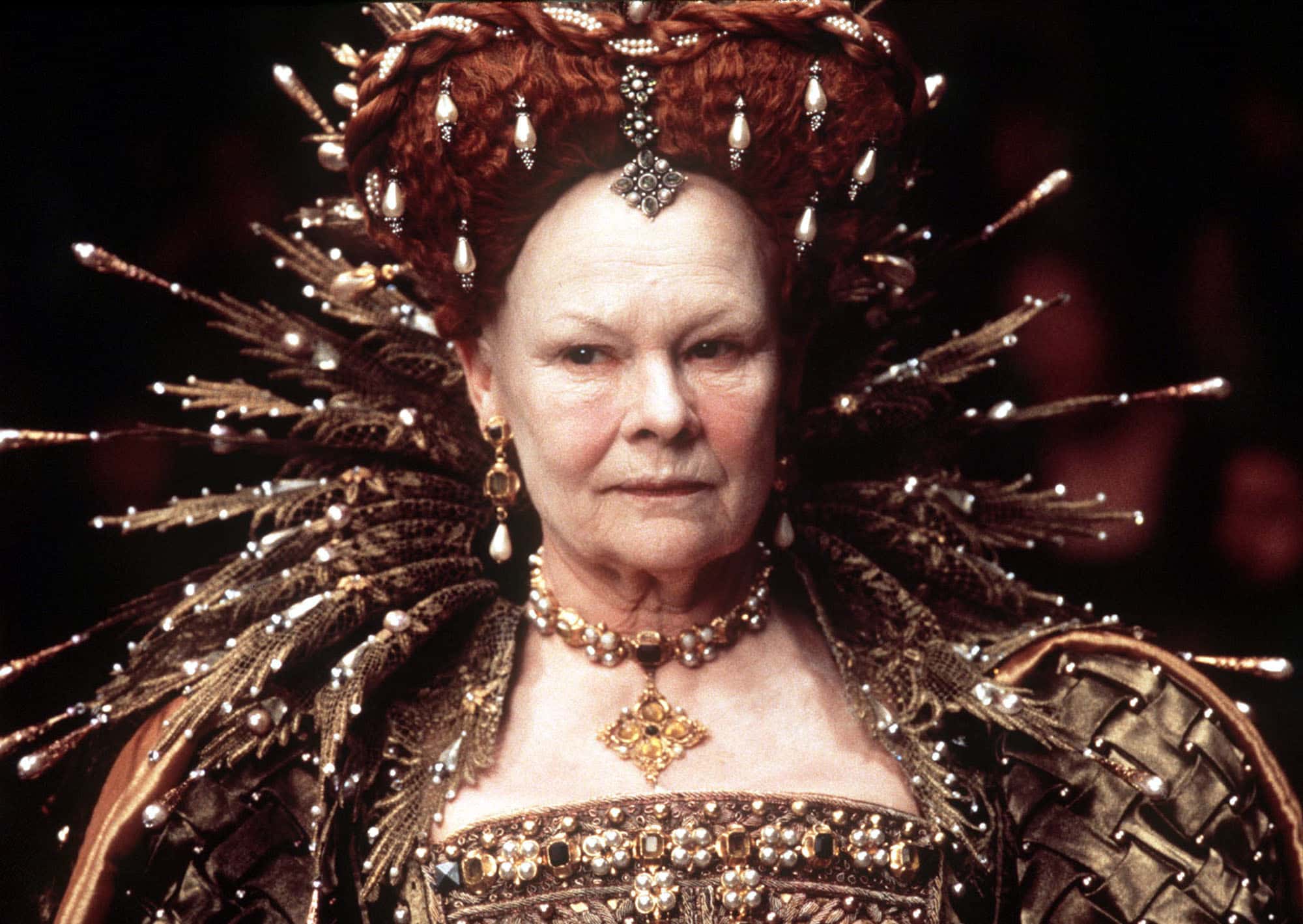
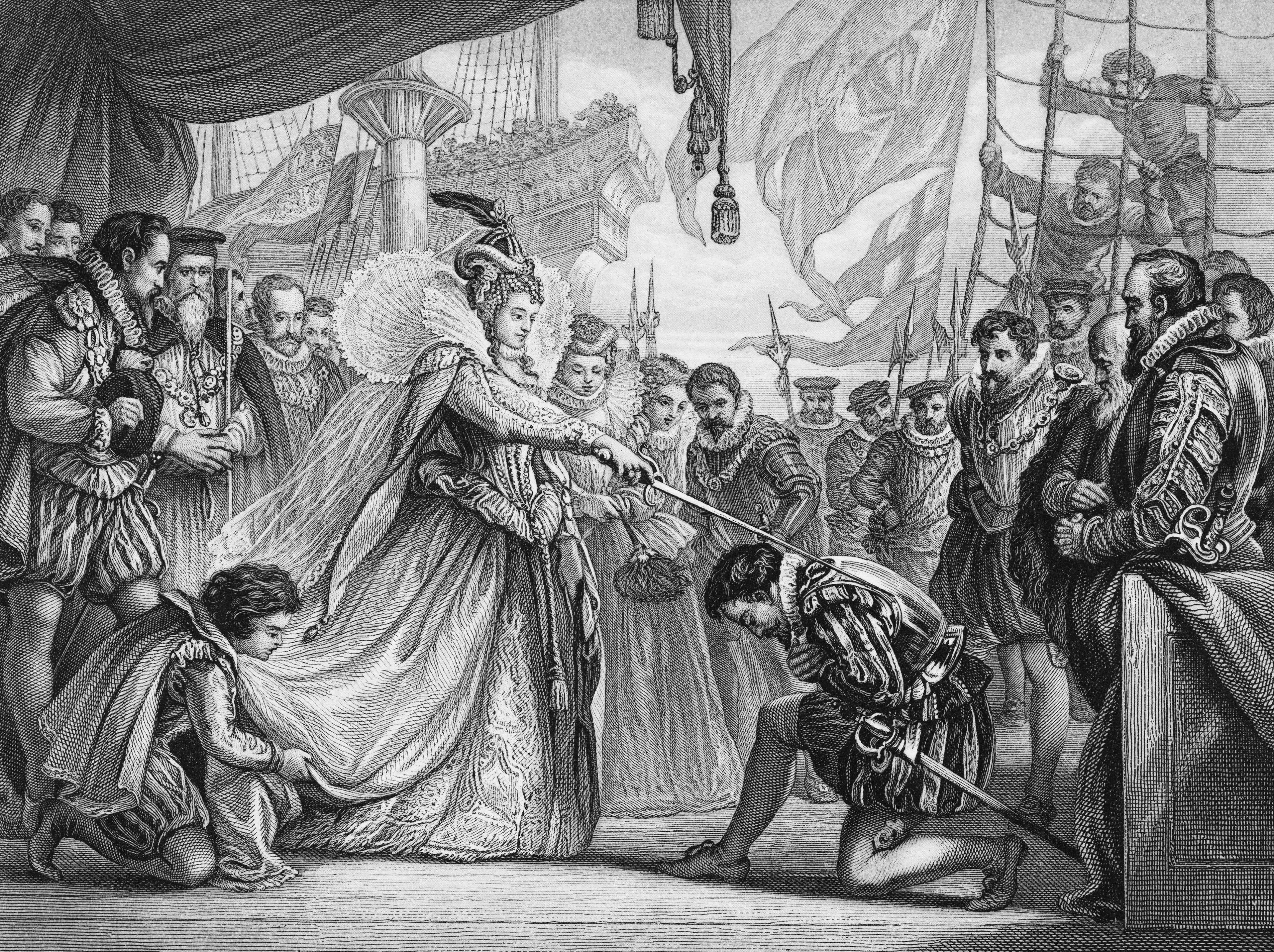
Despite her long rein and eligibility, Elizabeth I never married. She entertained many suitors, including many foreign royals and other high ranking men in court, but, to her council's despair, she never married and never named an heir. According to her, she was married to England—and this wise move was probably what kept her in power for so long.
 Getty Images
87. Family Tension
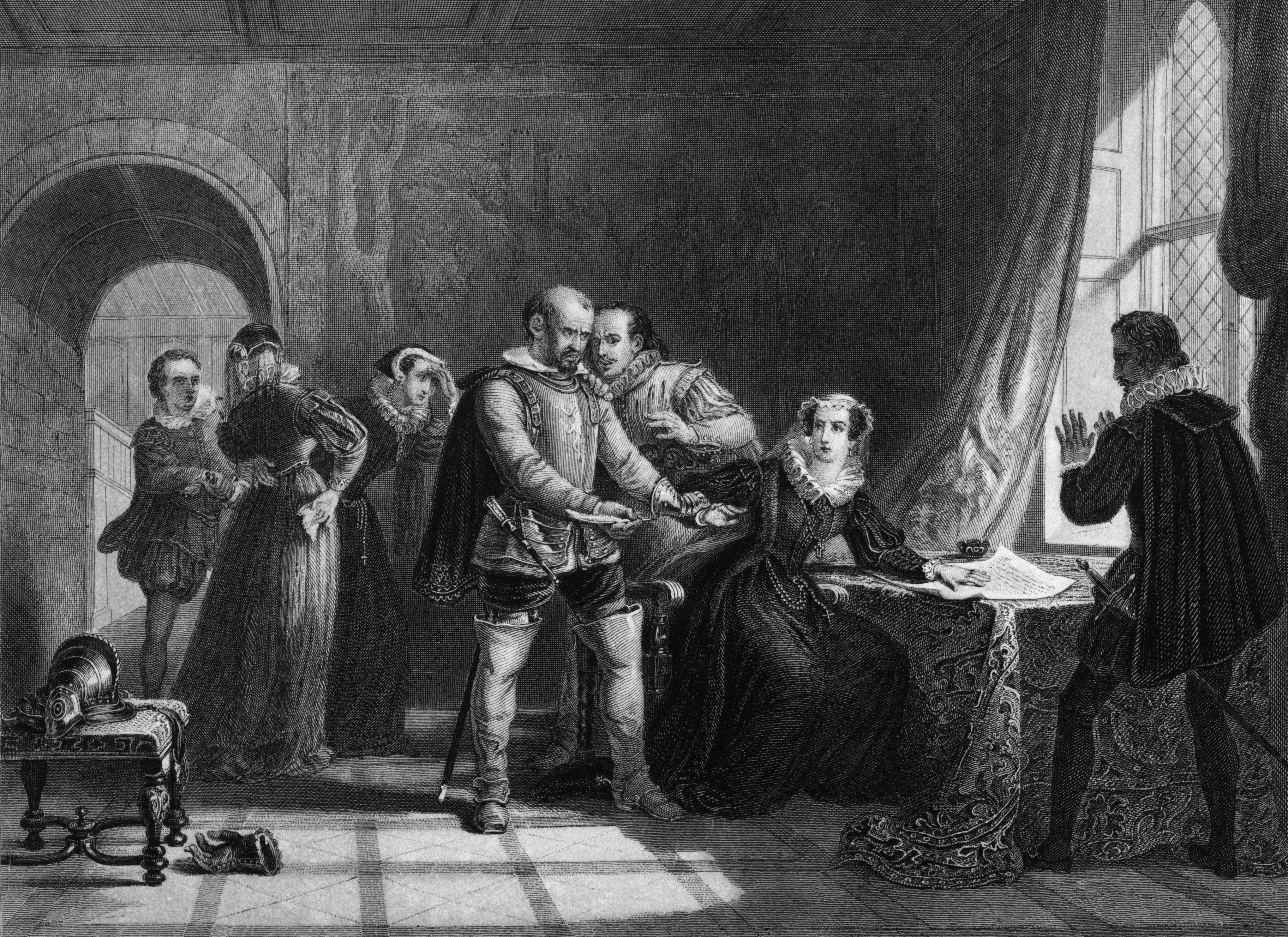
Throughout her reign, one of her main enemies was her first cousin once removed, Mary Queen of Scots. Elizabeth I imprisoned Mary when her actions turned against the English throne. Mary was in prison for 18 years before she was finally executed. Historically, there is some disagreement on whether Elizabeth officially sanctioned the execution; it was carried out quickly, and Elizabeth had been reluctant to sign and then dispatch the warrant.
The executioner begged for Mary's forgiveness before killing her, which she said she granted with all of her heart. Before the ax severed her head from her shoulders, Mary's final words were: "Into thy hands, O Lord, I commend my spirit." Interestingly, during their long and tumultuous relationship, Elizabeth I and Mary, Queen of Scots never actually met in person.
History's most fascinating stories and darkest secrets, delivered to your inbox daily.
88. It's All Looks
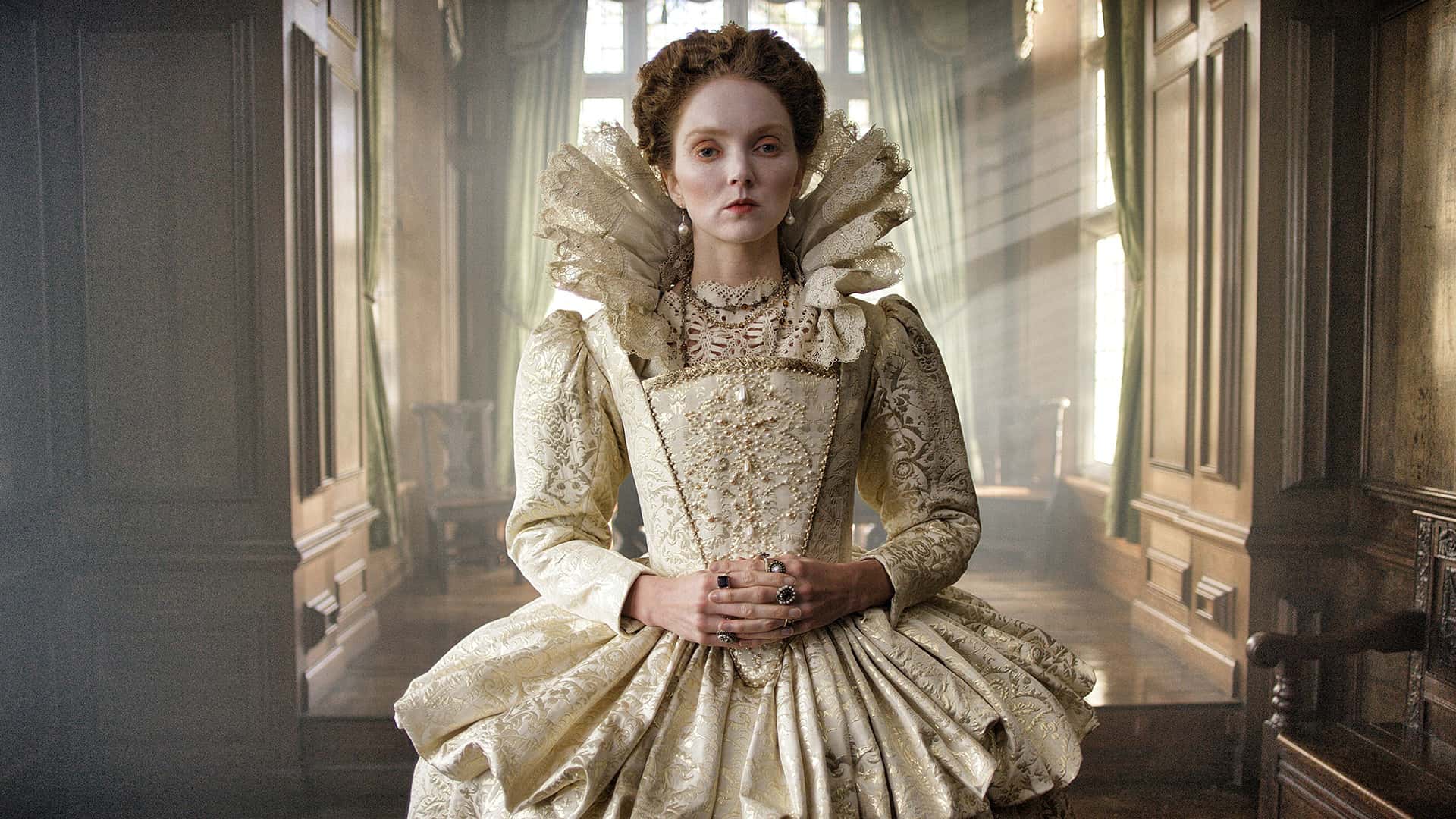
Elizabeth I was careful to present her best self. This meant wearing heavy makeup made of lead and vinegar, which probably did more damage to her smallpox-scarred skin than it helped it. She also used beeswax and kohl in her beauty regime, substances that are still commonly used today.
89. Tough Boss
Although generous with her servants, Elizabeth I expected total loyalty and was quick to fly into a rage. During one outburst, she broke her maid's finger with a hairbrush—and then told everyone it was an accident involving a fallen candlestick.
 Getty Images
90. The Bisley Boy
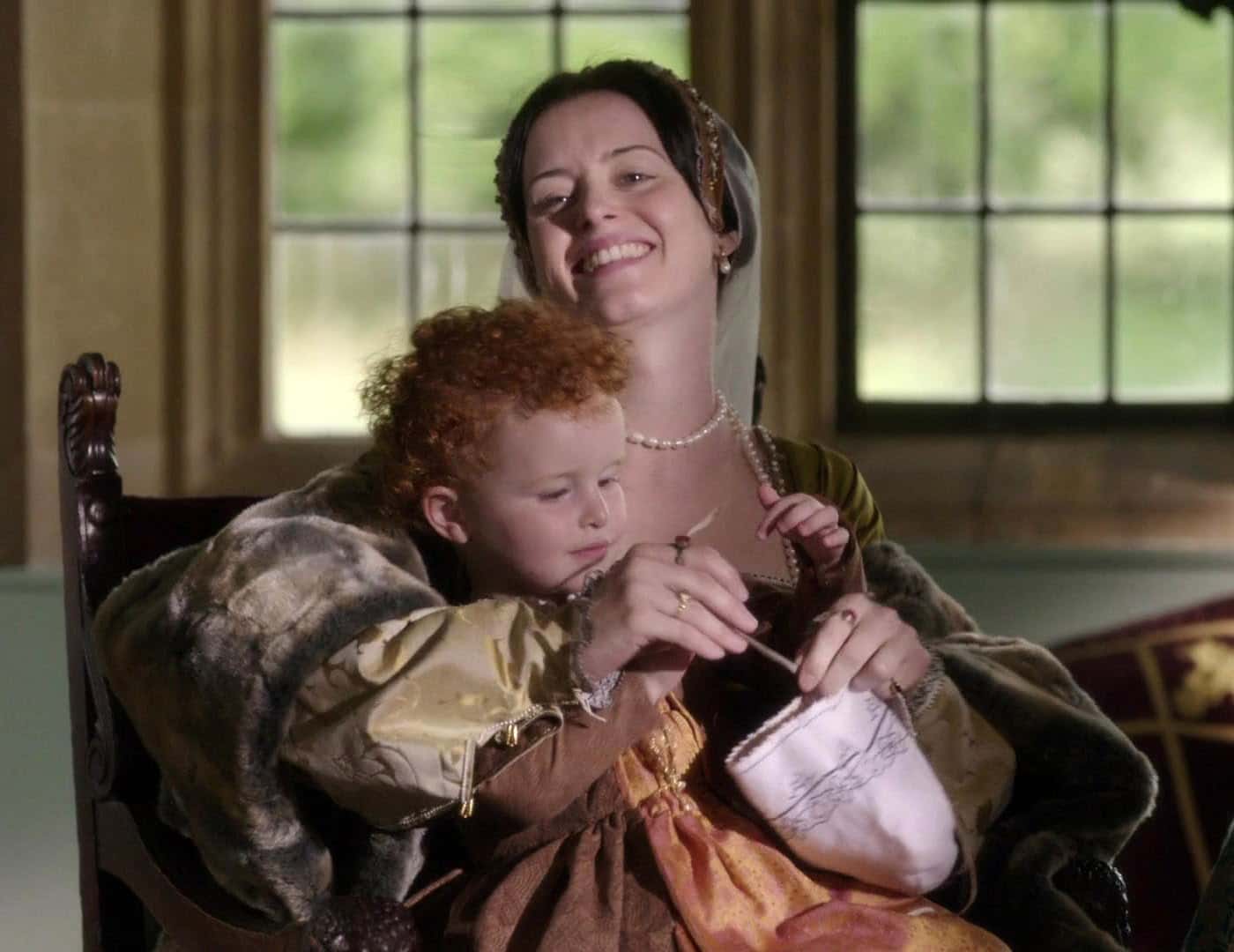
At some point in the 19th century, a rumor was started that Elizabeth I had died as a child, and was replaced with a red-headed boy of the same age by the governess in charge of her. He is referred to as the Bisley boy. The governess feared that Henry VIII would sentence her to be executed if he learned of his daughter's death, so she sought out a replacement.
The legend goes that Henry VIII was fooled, and the governess later realized that even if she fled the country, Henry VIII would have her family killed. Furthermore, the Bisley Boy and all of his accomplices had now conspired against the king. Unable to replace the replacement, the Bisley Boy had no choice but to double down and lie for life.
Most historians dismiss this theory as hogwash—nothing more than the product of male historians of the 19th century trying to explain why Elizabeth I never married or bore children.
 Pinterest
91. Occult Powers
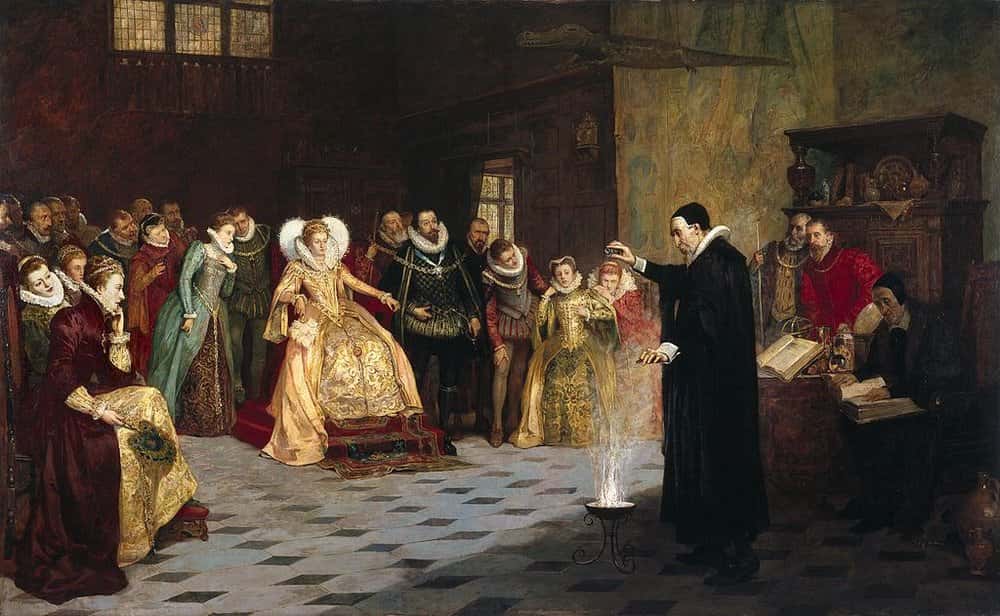
Elizabeth I covered all her bases when it came to keeping power, which meant including the astronomer-magician John Dee among her chief advisers. Dee advised Elizabeth I on choosing important dates as well as voyages of discovery, and supposedly removed a death curse from her. Dee was thought to be a former owner of the infamous encrypted Voynich manuscript.
92. Body Politic
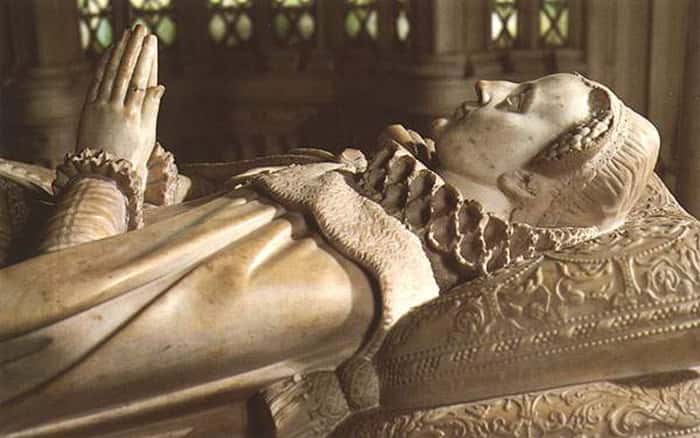
After a lifetime of an entire country (and even continent) obsessing over her body and its functions, Elizabeth I left instructions to leave her body intact after death, breaking with the royal tradition of embalming. This was rumored to have been in order to guard her secrets (it was thought that the process could reveal if a woman had borne children). Her ever loyal ladies-in-waiting made sure to protect her wishes even after death.
93. The End of the Line
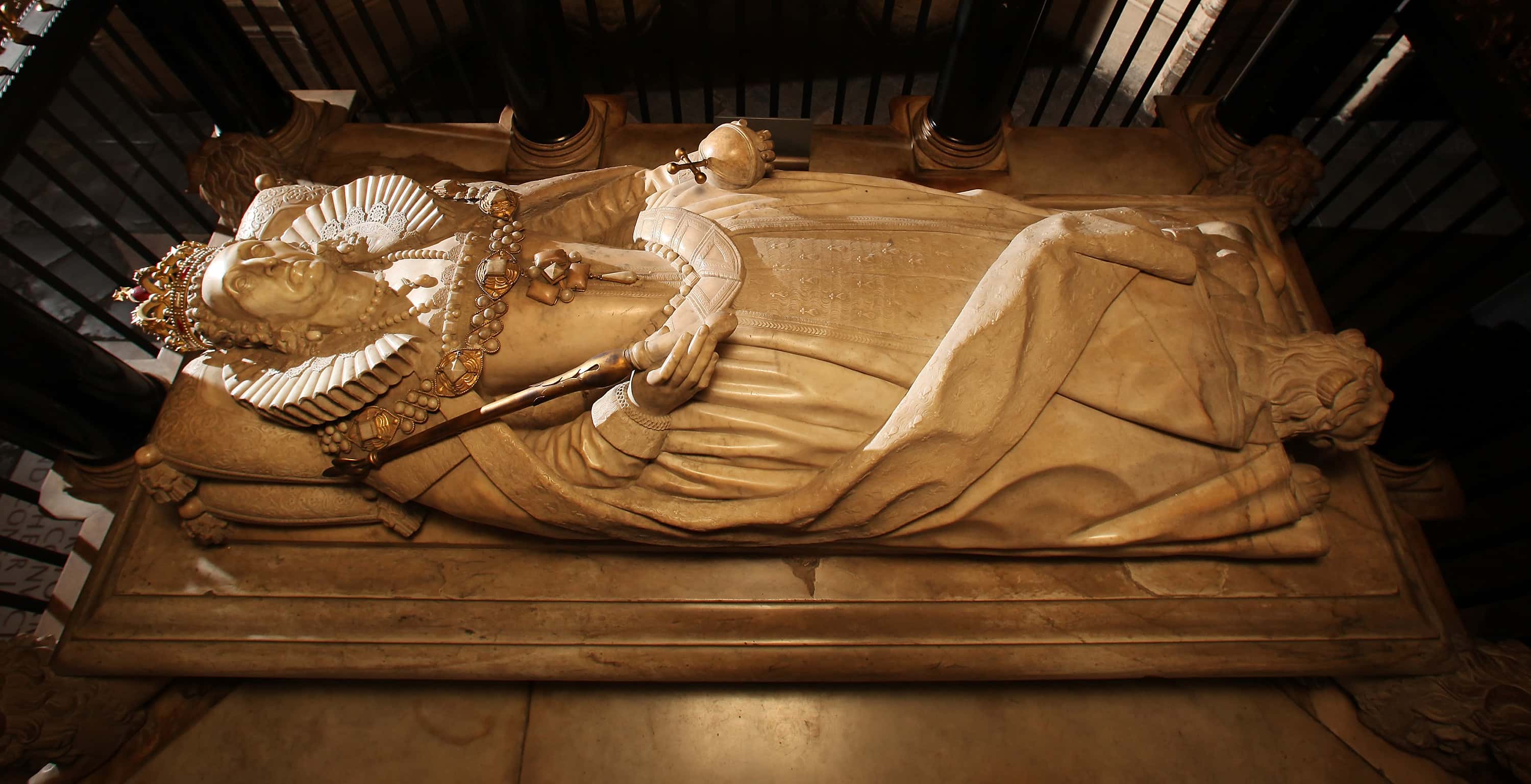
Since Elizabeth I had no heir, the House of Tudor, which began in 1485 with Henry VII, ended with her death in 1603.
 Getty Images
History's most fascinating stories and darkest secrets, delivered to your inbox daily.
94. Who’s Your Daddy?
While Henry VII may have never strayed from his wife, he might have fathered an illegitimate child from before they met. A child named Roland de Velville landed with the 28-year-old Henry VII as the king claimed England. The boy was favored at the hard-to-please king’s court for the rest of his life, which led many historians to believe Roland was Henry VII’s secret lovechild from a youthful affair. Until we can time-travel Maury Povich to 14th century Brittany, no one can be sure.

95. Too Many Questions
After her illicit and dangerous affair with King Henry VIII, Mary Boleyn fell deeply in love with Will Stafford, a soldier from a poor noble family. Tragically, their union was doomed to a heartbreaking end. He wasn’t rich or prestigious enough to openly be with Mary, so the two eloped. When Mary became pregnant by William, the King discovered their secret and flew into a rage—but her nightmare was just beginning.
Mary was shunned by not just the king but also her father, uncle, and brother. It was only her sister, Queen Anne, who showed some sympathy and sent Mary a golden cup and some money to alleviate her financial problems. However, Anne still refused to see Mary in person. It’s most likely the sisters never saw each other again.
 The Other Boleyn Girl, Focus Features
96. Heart of Darkness
For its time, Catherine of Aragon’s cause of death was ambiguous. Her embalmer noticed the corpse was in perfect health—save for her heart, which had turned black. That led some people to whisper about poison. Today, historians agree generally agree that Catherine died of heart cancer, which—considering the circumstances of her life—appears too poetic to be true.

97. Blaze It
The inscription above the grave of Jane Seymour, the future King Edward VI’s mother, laments her death, but it also celebrates her sacrifice to give Henry VIII his heir: “Here lieth a Phoenix, by whose death / Another Phoenix life gave breath: / It is to be lamented much / The world at once ne’er knew two such.”
98. This Was a Test, And You Failed
Anne of Cleves was famously discarded by the King, but there may be another side to the story. Anne’s first meeting with Henry was a diplomatic blunder: making her way to London, Anne’s party stopped on New Year’s Day 1540 at Rochester, where she took time to look at bull-baiting from the window. Suddenly, an old burly stranger entered the room.
Depending on the account, either this unkempt figure tried to get her attention and was politely ignored by Anne, or he outright tried to kiss and grope her, which understandably caused the young woman to ring the alarms. Unfortunately, the stranger was really Henry VIII in disguise. He had expected Anne to know her “role”—the maiden who could see through her chivalric suitor’s disguise via the power of “true love”…or something. Anne was unimpressed, so, in emotional self-defense, Henry may have decided to be unimpressed with her.

99. History is One Long Game of Telephone
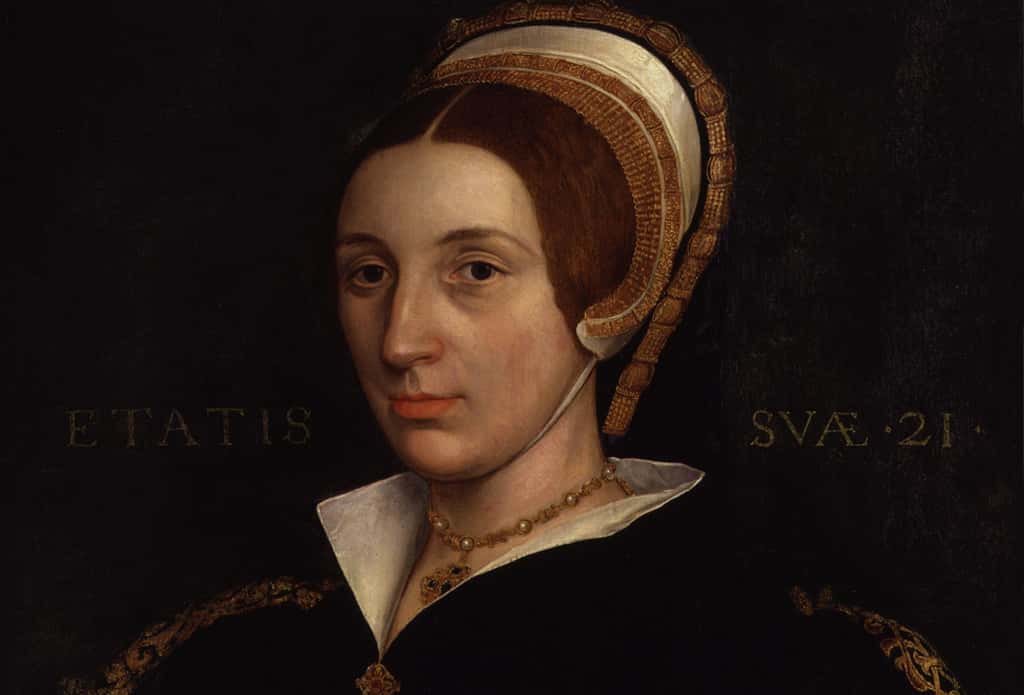
Despite what folklore—and shows like The Tudors—have to say about Catherine Howard's final words, there is no evidence that she ever said “I die a Queen, but I would rather have died the wife of Culpeper” (in reference to her lover, Thomas Culpeper) on the scaffold. While it’s fun to imagine Catherine using her last moments to snub her scary husband Henry VIII, it’s a myth: she stuck to the traditional words about mercy and deserving “to die a thousand deaths” for betraying a king who always treated her so “graciously.” She was about 19 years old.
 Wikimedia Commons
History's most fascinating stories and darkest secrets, delivered to your inbox daily.
100. So They Had That In Common
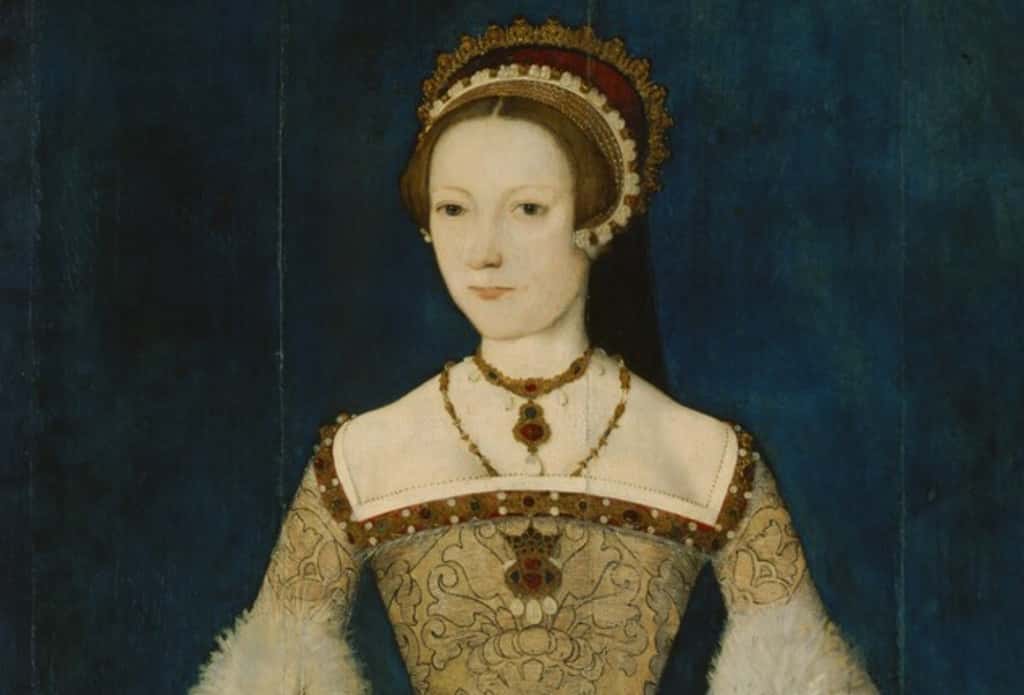
Before marrying Henry VIII, Catherine Parr was married first to Sir Edwin Burgh and then to Sir Neville, 3rd Baron Latimer. After Henry’s death, Catherine married a fourth time, to Thomas Seymour, brother of Henry’s third wife, Jane Seymour. Catherine and Thomas remained married until she died.
 Wikimedia Commons
Sources: 1, 2, 3, 4, 5, 6, 7, 8, 9, 10, 11, 12, 13, 14, 15, 16, 17, 18, 19, 20, 21, 22, 23, 24, 25, 26, 27, 28, 29, 30, 31, 32, 33, 34, 35, 36, 37, 38, 39, 40, 41, 42, 43, 44, 45, 46, 47, 48, 49, 50, 51, 52, 53, 54, 55, 56, 57, 58, 59, 60, 61, 62, 63, 64, 65, 66, 67, 68, 69, 70, 71, 72, 73, 74, 75, 76, 77, 78, 79, 80, 81, 82, 83, 84, 85, 86, 87, 88, 89, 90, 91, 92, 93, 94, 95, 96, 97, 98, 99, 100, 101, 102, 103, 104, 105, 106, 107, 108, 109, 110, 111, 112, 113, 114, 115, 116, 117, 118, 119, 120, 121, 122, 123, 124, 125, 126, 127, 128, 129, 130, 131, 132