
The Battle That Made All The Difference
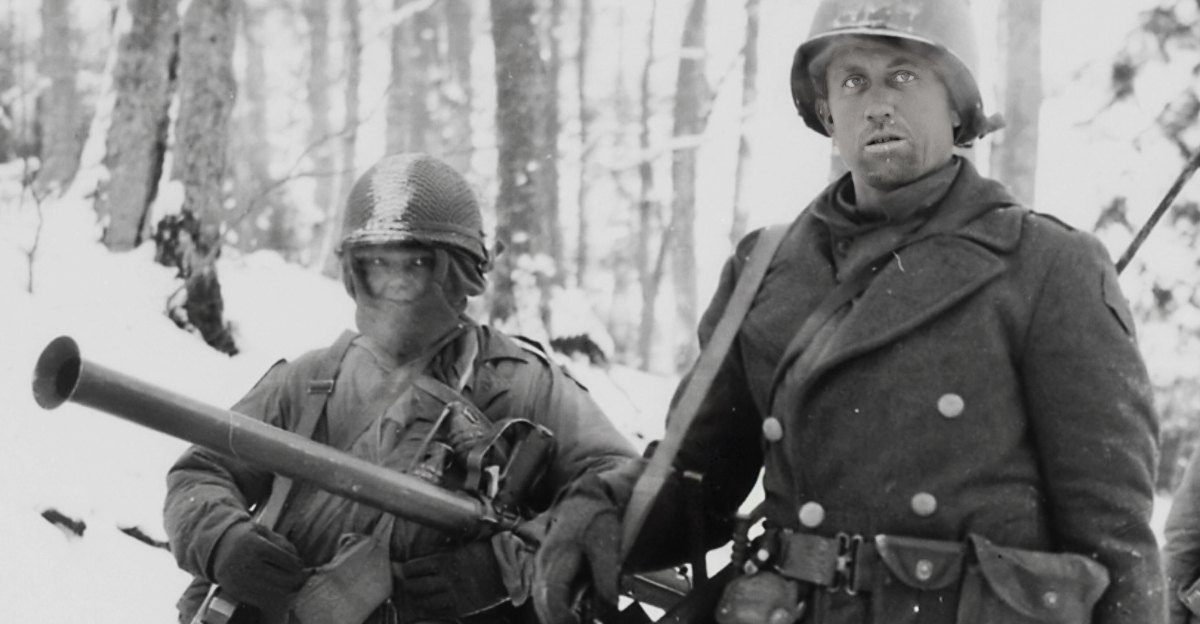
In the six years that WWII raged on, there were hundreds of moments that made history. Many of them, such as D-Day or the heroic rescue at Dunkirk, are still spoken about today. However, others deserve more attention. The Battle of the Bulge—or the Ardennes Offensive as it’s more officially known—is one battle that truly highlighted how far the Germans had fallen…and it also made clear the dark and horrifying lengths they’d go to keep hold of their power.
 Gilbert, USA, Wikimedia Commons
1. They Were In Retreat
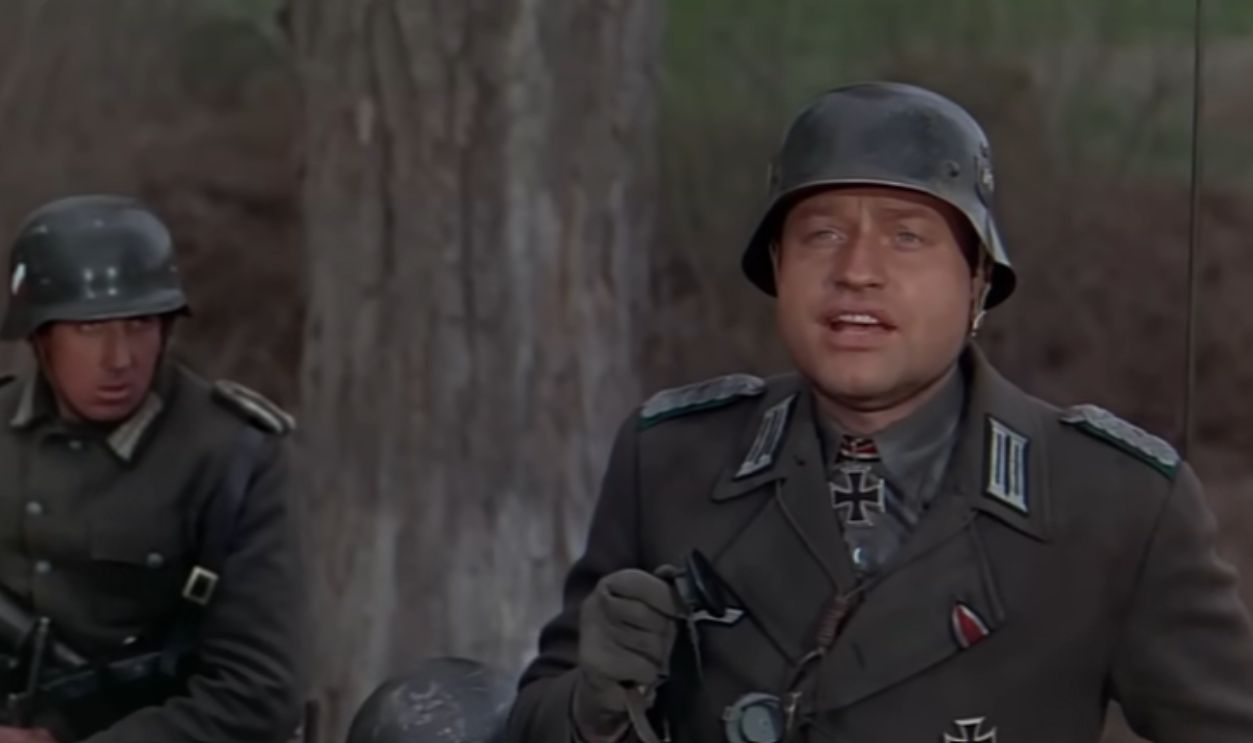
In the winter of 1944, the tides had drastically turned for the German forces. The success of D-Day and the subsequent offensives that followed had pushed the Germans onto their heels, forcing them into retreat, shoving their lines further and further back to where they started. Compounding the issue, the Germans had divided their forces, fighting both the Allies in the west and the Russians in the east. They became desperate for something to go in their favor.
 Screenshot from Battle of the Bulge, Warner Bros. Pictures (1965)
2. They’d Divided Their Forces
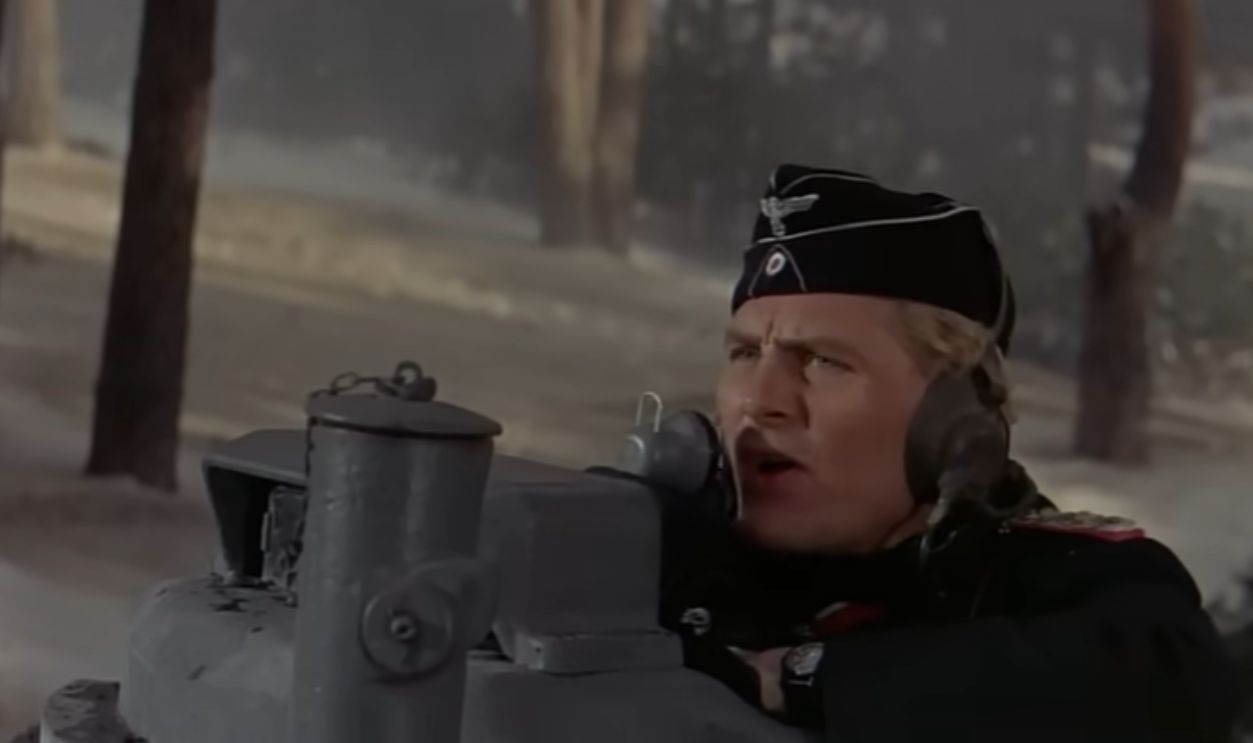
Fighting on two fronts divided the German forces, weakening them in the process. Instead of pushing against one enemy at full strength, they were struggling to hold off two problems, each pushing at them from either side. It became clear that they needed to force one of their foes into submission to give them time to deal with the other one—which one could they more easily handle?
 Screenshot from Battle of the Bulge, Warner Bros. Pictures (1965)
3. They Thought They Could Handle The Allies
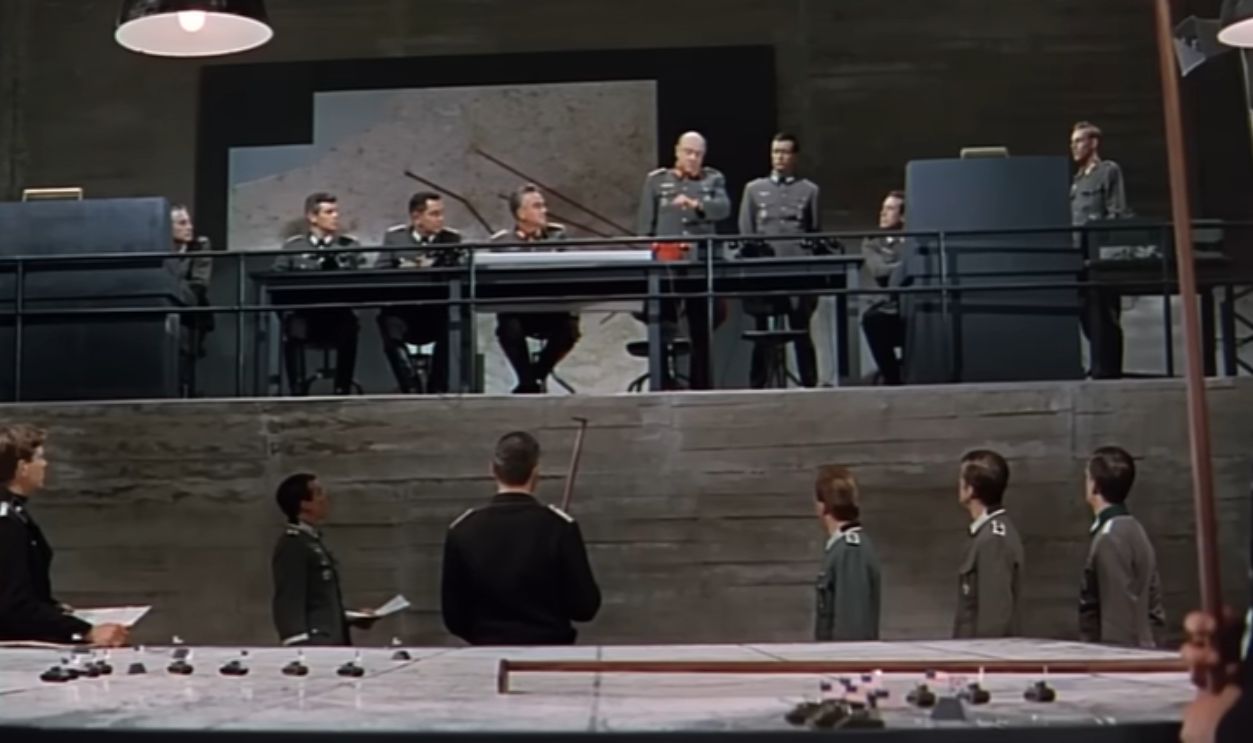
Looking at the wreckage that both the Allies and the Soviet Red Army were making on his men forced Hitler to make a decision. Out of the two of them, he viewed the Allies' mish-mash of groups as the weaker of the two, therefore making them the more manageable. He began plotting an offensive attack designed to force the Allies into submission. If he could broker “peace” with the Allies, then he’d be free to turn his full attention to the Soviets. It was a way out—but would it work?
 Screenshot from Battle of the Bulge, Warner Bros. Pictures (1965)

History's most fascinating stories and darkest secrets, delivered to your inbox daily.
4. They’d Gotten Ahead Of Themselves
Following D-Day and the subsequent offensives along the French coast, the Allied forces experienced greater success than they had anticipated. Once they got a stronghold in Europe, they began pushing forward through German-occupied territory with a speed that surprised even them. This became a double-edged sword. On one hand, it succeeded in pushing the Germans back, taking enough power to make them nervous, but it also put them in a weakened position.
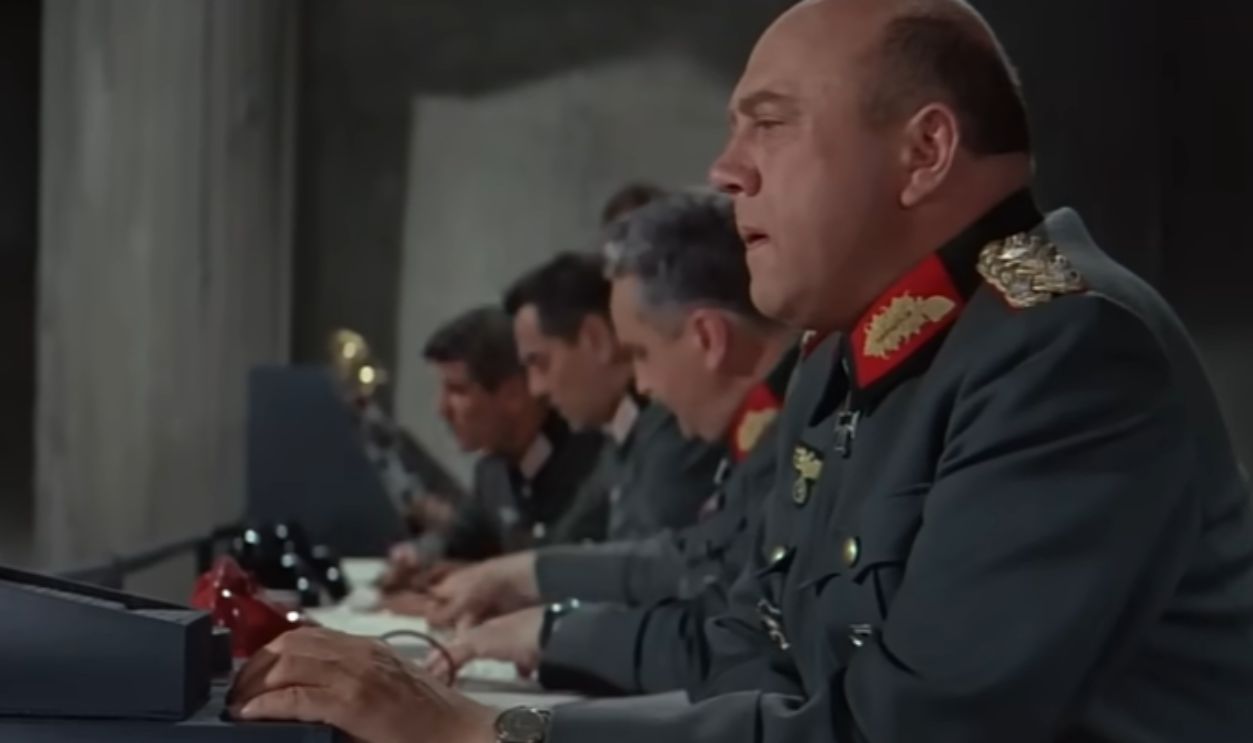 Screenshot from Battle of the Bulge, Warner Bros. Pictures (1965)
5. Their Supply Chains Were Thin
Moving through Europe at a rate faster than anticipated came with its own issues, the biggest being their supply chain. Initially, the Allies anticipated transporting supplies via ships landing at the recently attained beaches of Normandy. However, that failed to meet the demands of their rapidly advancing men. The Germans had destroyed the majority of deep-water ports while they retreated or they remained in German control, making it difficult to deliver the large volumes of supplies needed.
Dissent and animosity began to spread within the Allies' fractured divisions.
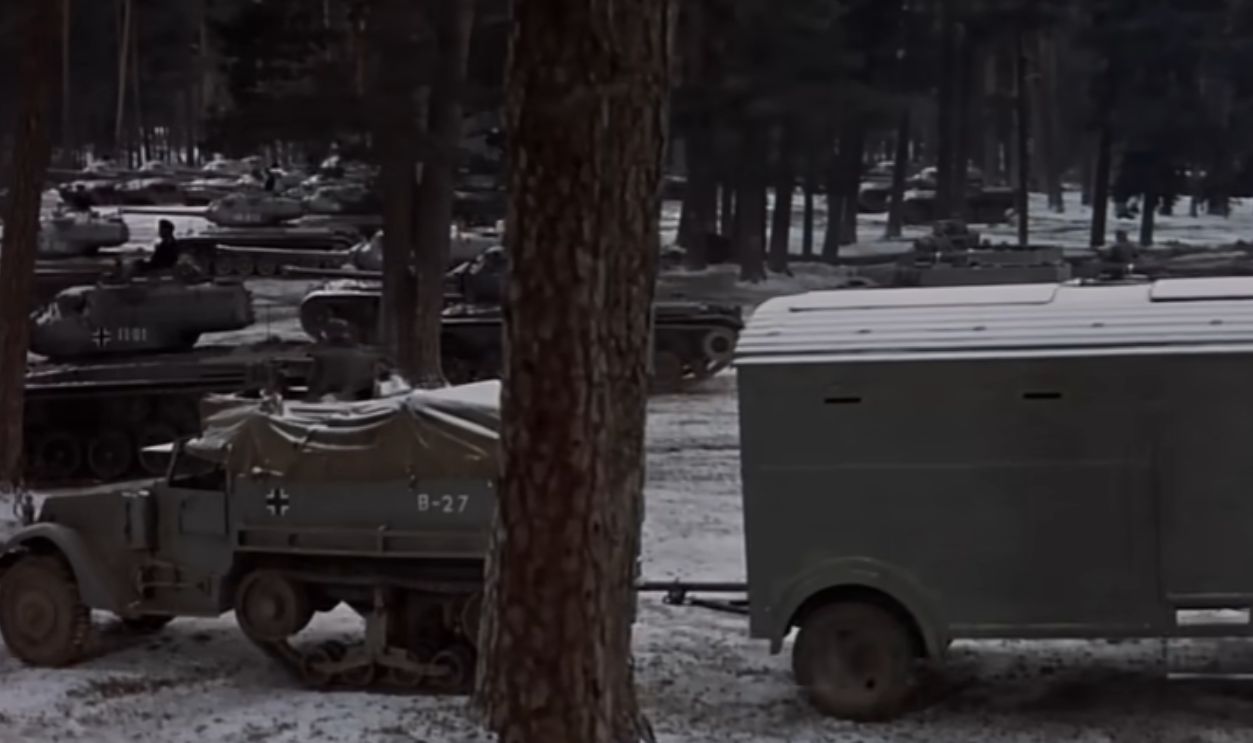 Screenshot from Battle of the Bulge, Warner Bros. Pictures (1965)
6. Their Divisions Were Fighting
In the north, the Anglo-Canadian 21st Division, headed by British commander Field Marshal Bernard Montgomery, held the ground closer to the much-needed port of Antwerp (Belgium), while Lieutenant General Omar Bradley marched his men of the US 12th Division from a more southern position. Both men desperately needed supplies that the allies didn’t have, which led to animosity between the two leaders, each demanding that they deserved priority over the other. This was only the first problem.
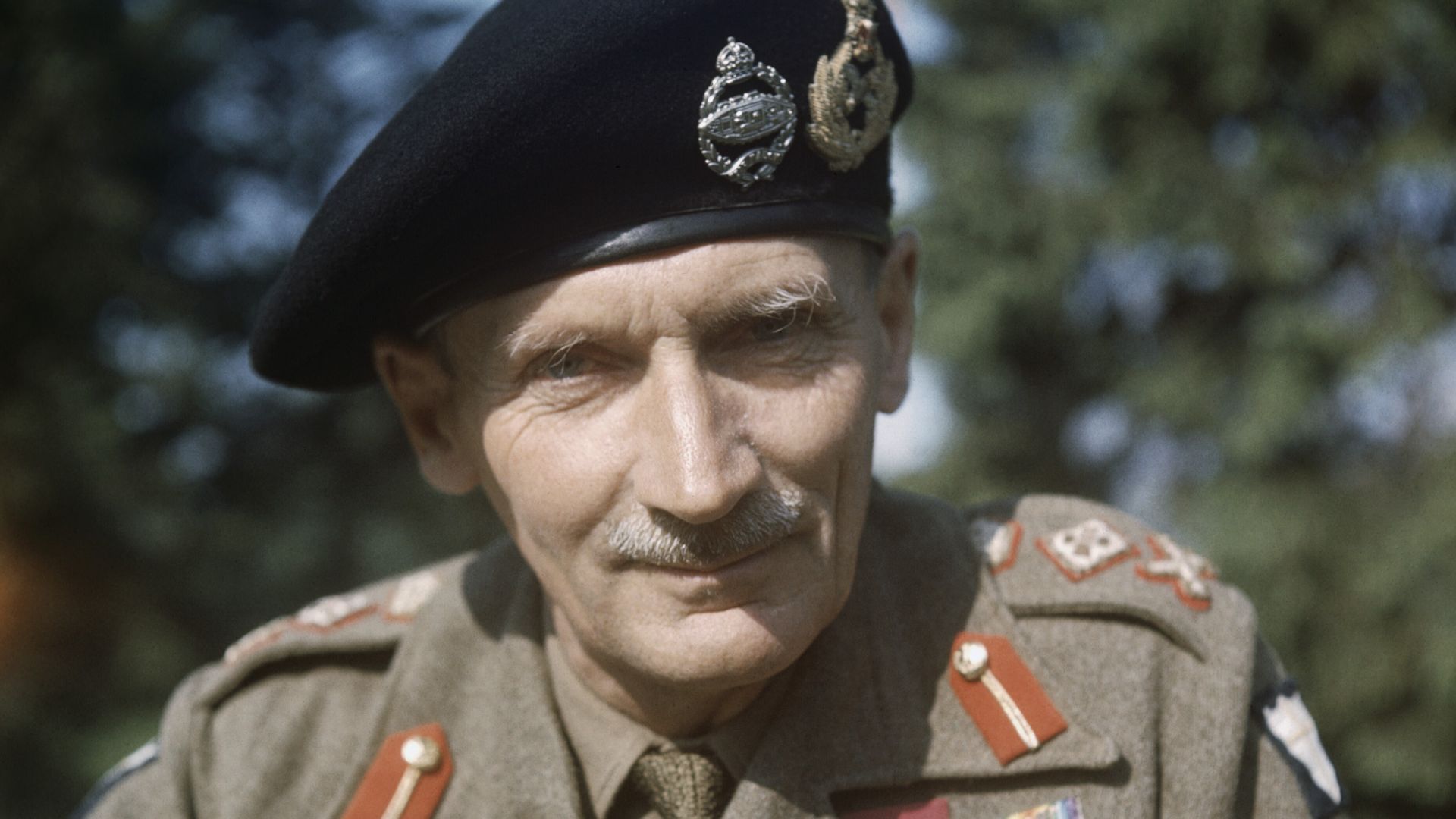 Possibly Edward George William Malindine, Wikimedia Commons
7. Their Men Were Tired
The Allies also faced an issue with their manpower thanks to the unexpected speed of their success. Having not anticipated moving across Europe so quickly, the Allies suddenly found themselves spread thin. Their veteran forces were exhausted and battle-weary, having faced so much opposition already, and the replacements that were sent were fresh-faced and untested.
Newly arrived at the conflict, they had no idea what they were getting themselves into. This is exactly what the Germans wanted.
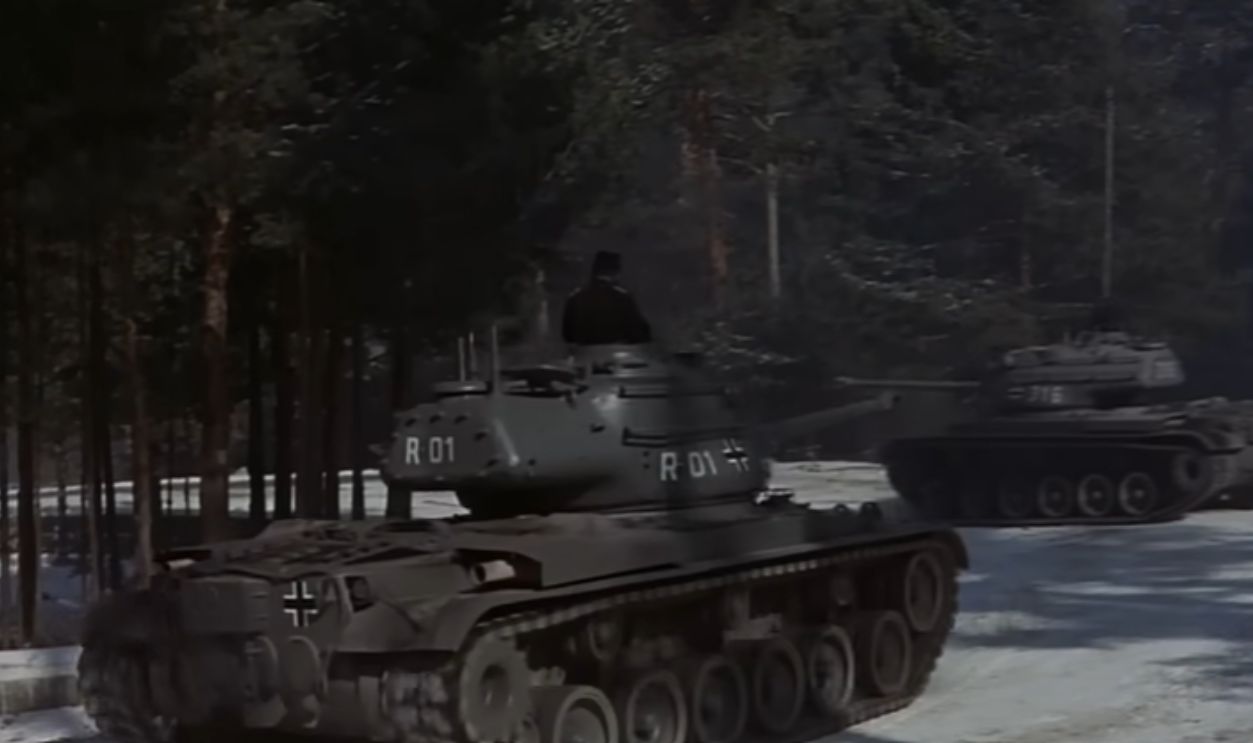 Screenshot from Battle of the Bulge, Warner Bros. Pictures (1965)
8. They Needed A Place To Rest
Thanks to these issues, it became clear that there needed to be a pause in their eastward movement. Supreme Allied Commander General Dwight D Eisenhower made the executive decision to hold the forces in the Ardennes region of Eastern Belgium and Northern Luxembourg. An area covered in dense, thick forests and cut through with deep river valleys, Eisenhower and the Allies identified the Ardennes as favorable terrain for defensive strategy.
Their intelligence also suggested the Germans had their attentions elsewhere—their intelligence was wrong.
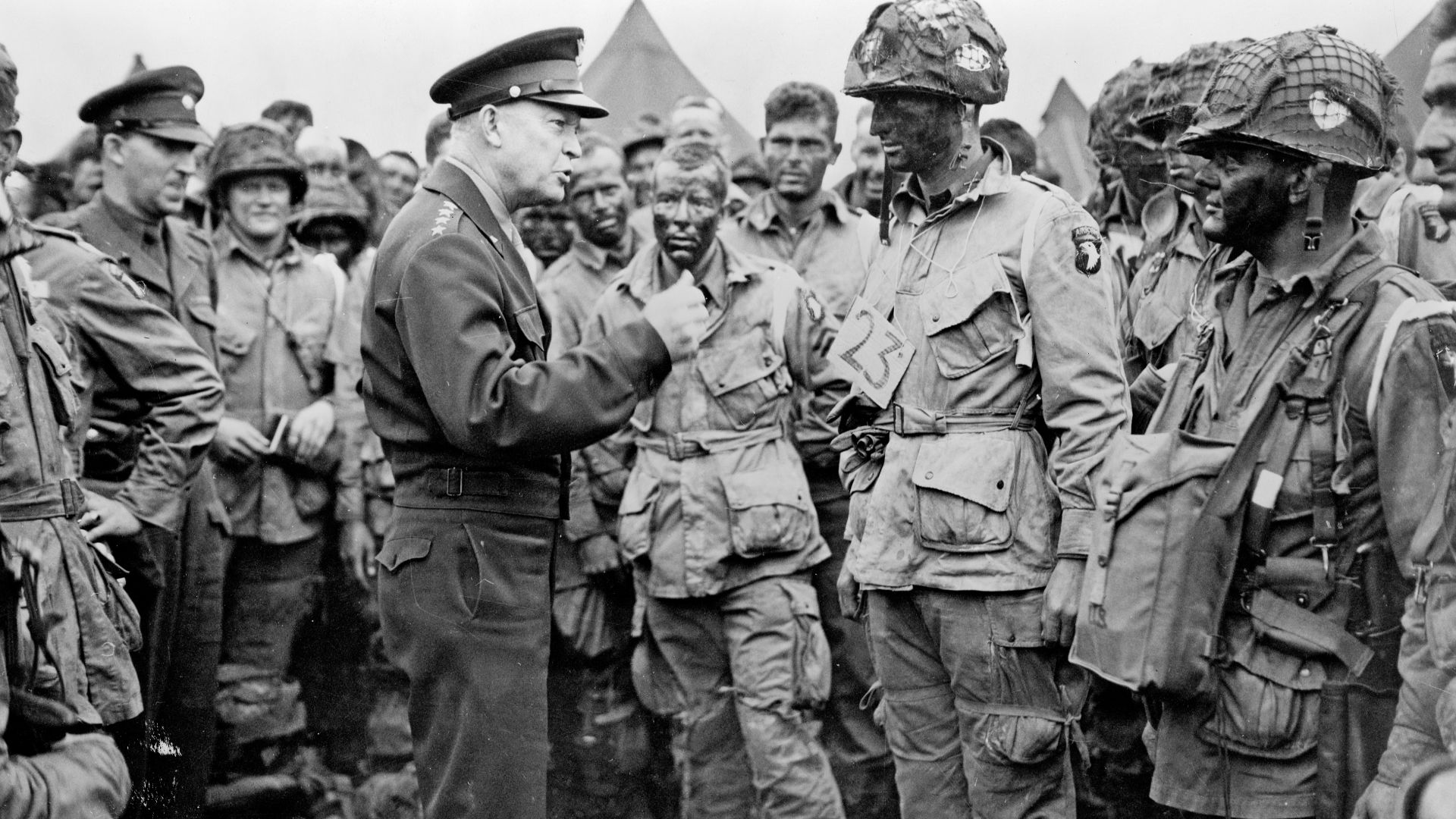 Unknown U.S. Army photographer, Wikimedia Commons
9. They Hadn’t Realized They’d Lost Something
The Allies had one other weakness, thanks to their success that they’d yet to realize. Earlier in the conflict, gaining intelligence on Germany’s intentions came with some ease. France had a deep resistance unit that reliably relayed German movements as the Allies liberated them. However, as they left France and pushed further east, that intelligence dried up. The Allies, however, didn’t worry. They still had a secret weapon.
But they didn’t realize their secret weapon had stopped working too.
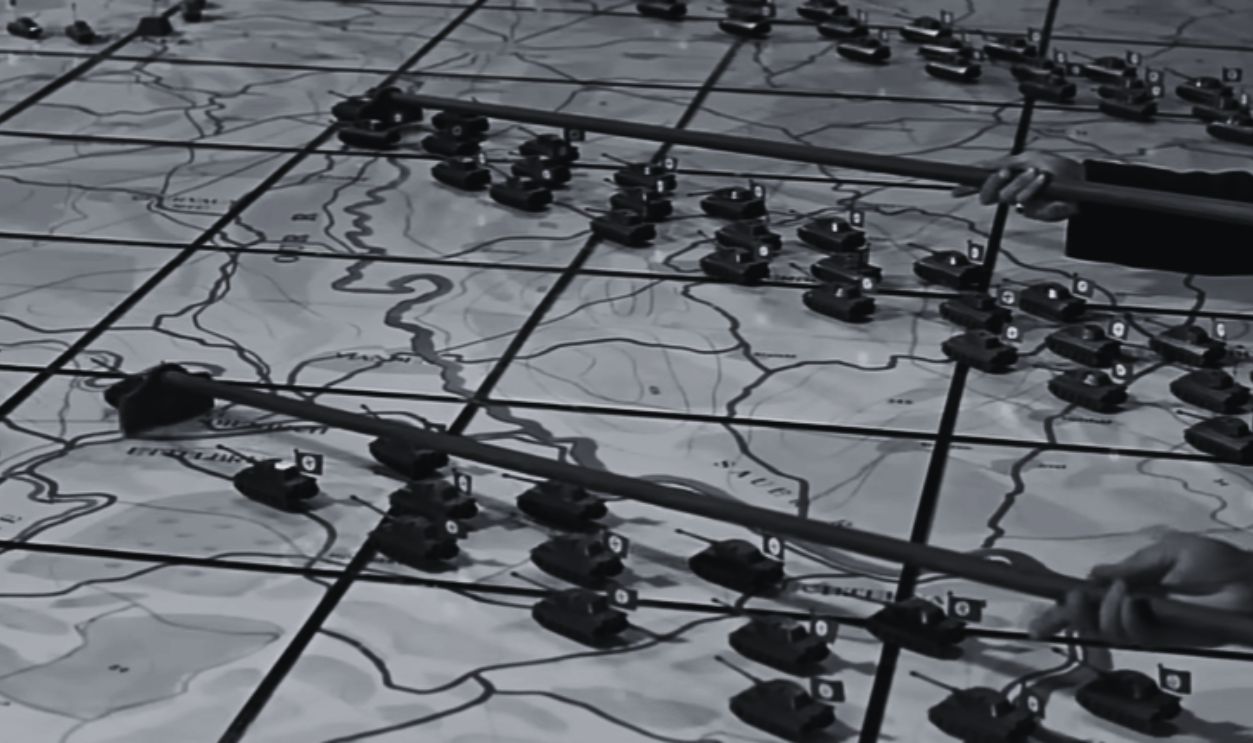 Screenshot from Battle of the Bulge, Warner Bros. Pictures (1965)
History's most fascinating stories and darkest secrets, delivered to your inbox daily.
10. Their Greatest Weapon Was Weakened
One of the most famous stories of WWII is the Bletchley Park code breakers. Kept secret for decades after the end of the conflict, when the truth finally came to light, the depth of what they were able to do at Bletchley Park caught the pride and imaginations of people across the globe. Bletchley and its code breakers truly made a difference during the conflict; however, as the Allies pushed closer to Germany, they unwittingly diminished Bletchley’s effectiveness.
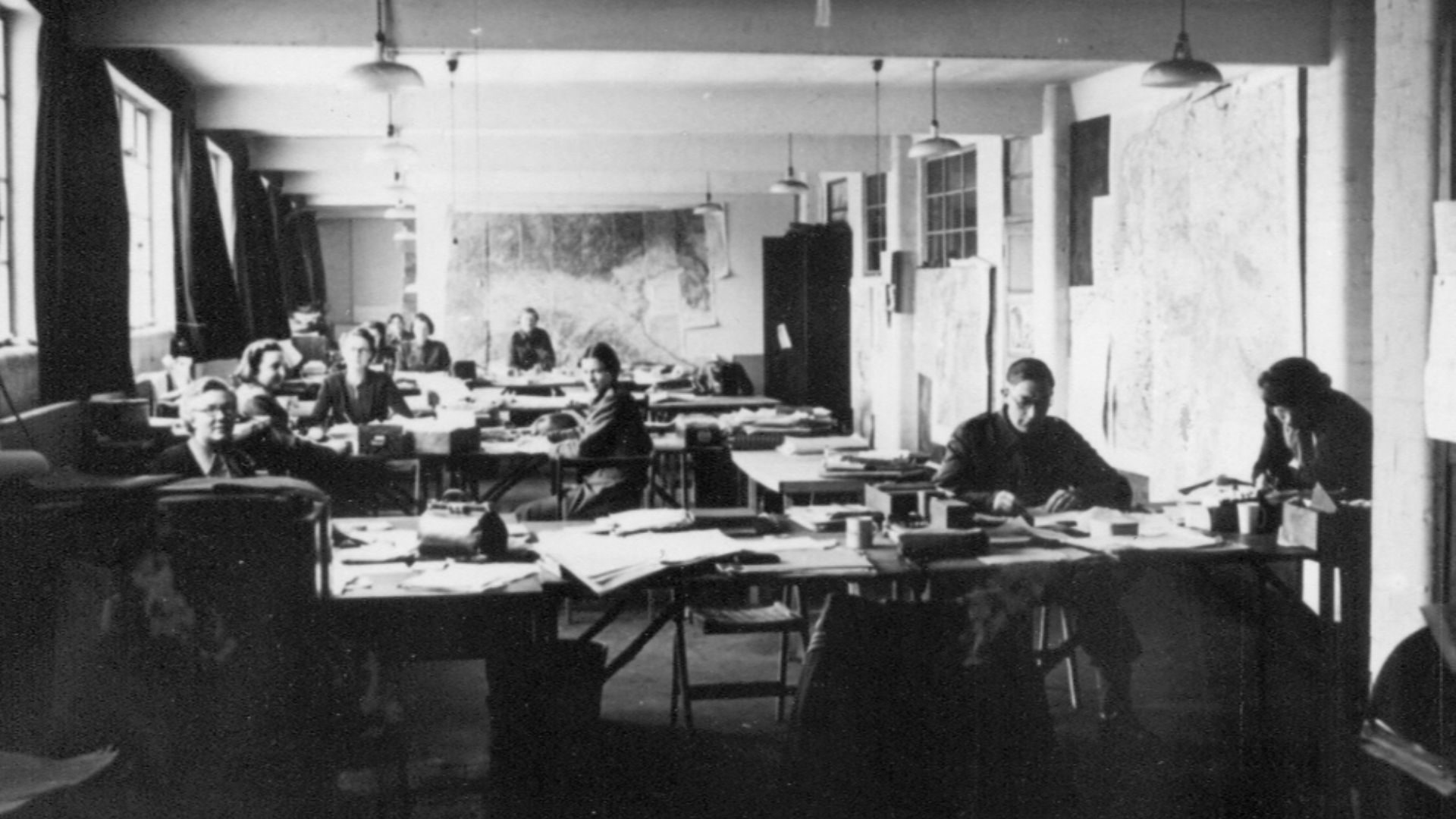 unknown but private shots are unlikely, Wikimedia Commons
11. They Didn’t Need Their Radios
You see, Bletchley and their powerful machines depended upon coded messages sent through radio communication that the Allies could intercept and decode. For the Germans, the radio communications were a necessary evil when they were stretched so far from home. However, as the Allies pushed them closer to Germany, they no longer needed them. They could rely on more secure telecommunications and messaging, making it easier for them to tell the Allies exactly what they wanted them to hear.
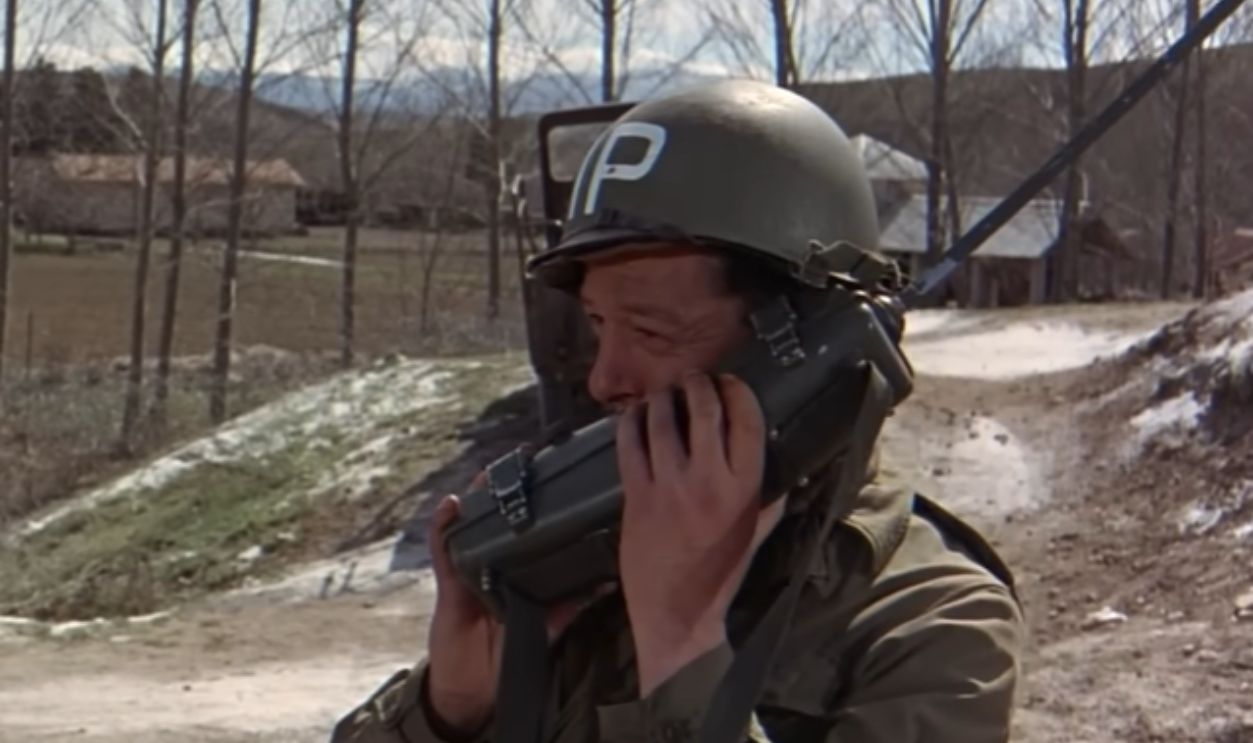 Screenshot from Battle of the Bulge, Warner Bros. Pictures (1965)
12. They Picked Their Target
Given all of these factors, the Germans (and particularly their leader) viewed the Allies as the more manageable foe. They were weaker, and the Germans believed they were in a region that they’d already conquered once. In 1940, the Germans had cleared through the Ardennes in a matter of days before successfully capturing the land that existed on the other side of it.
They believed they had the advantage. However, they’d forgotten one key thing.
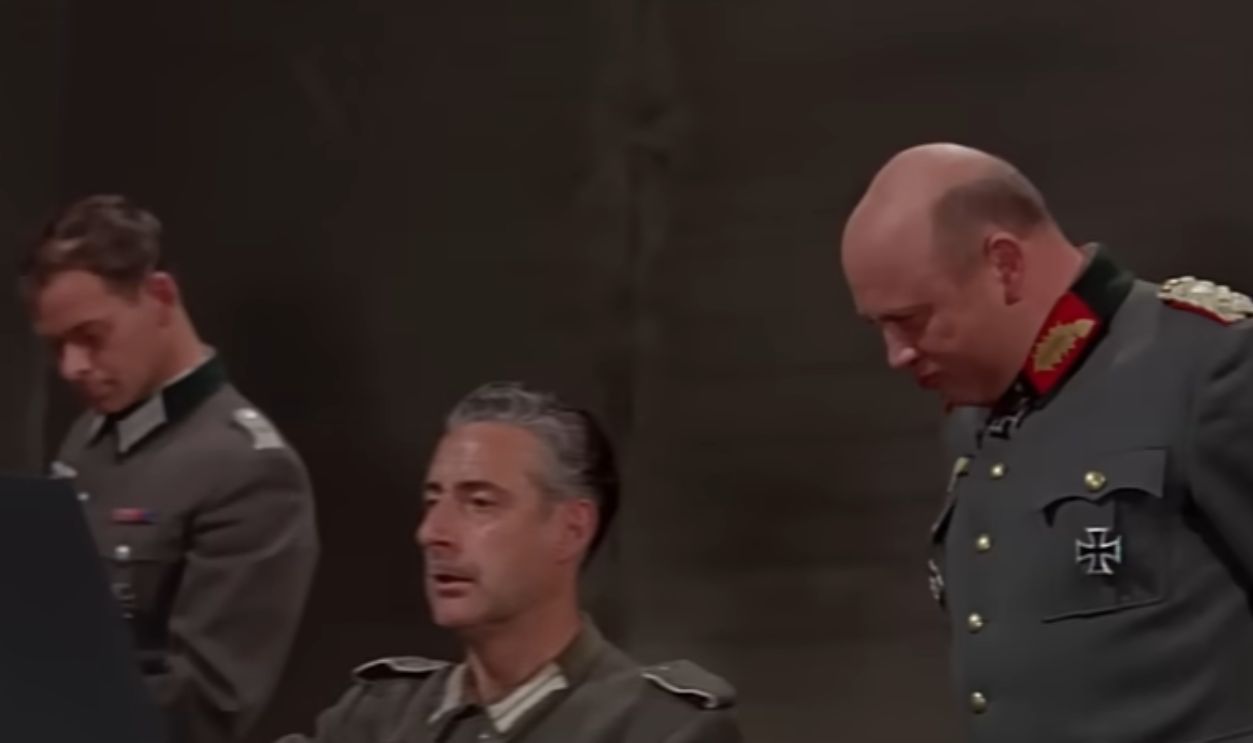 Screenshot from Battle of the Bulge, Warner Bros. Pictures (1965)
13. They’d Already Gone Through There Undefeated
In 1940, no one had been in the Ardennes. They hadn’t fought in the Ardennes against an equally supplied opposition. They had simply marched right through. This would prove to be a costly mistake, one that certain members of high command could see coming. Some among the German leadership doubted the success of the mission, fearing that the goal of leveling the Allies and recapturing Antwerp was too grand, but their leader wouldn’t listen.
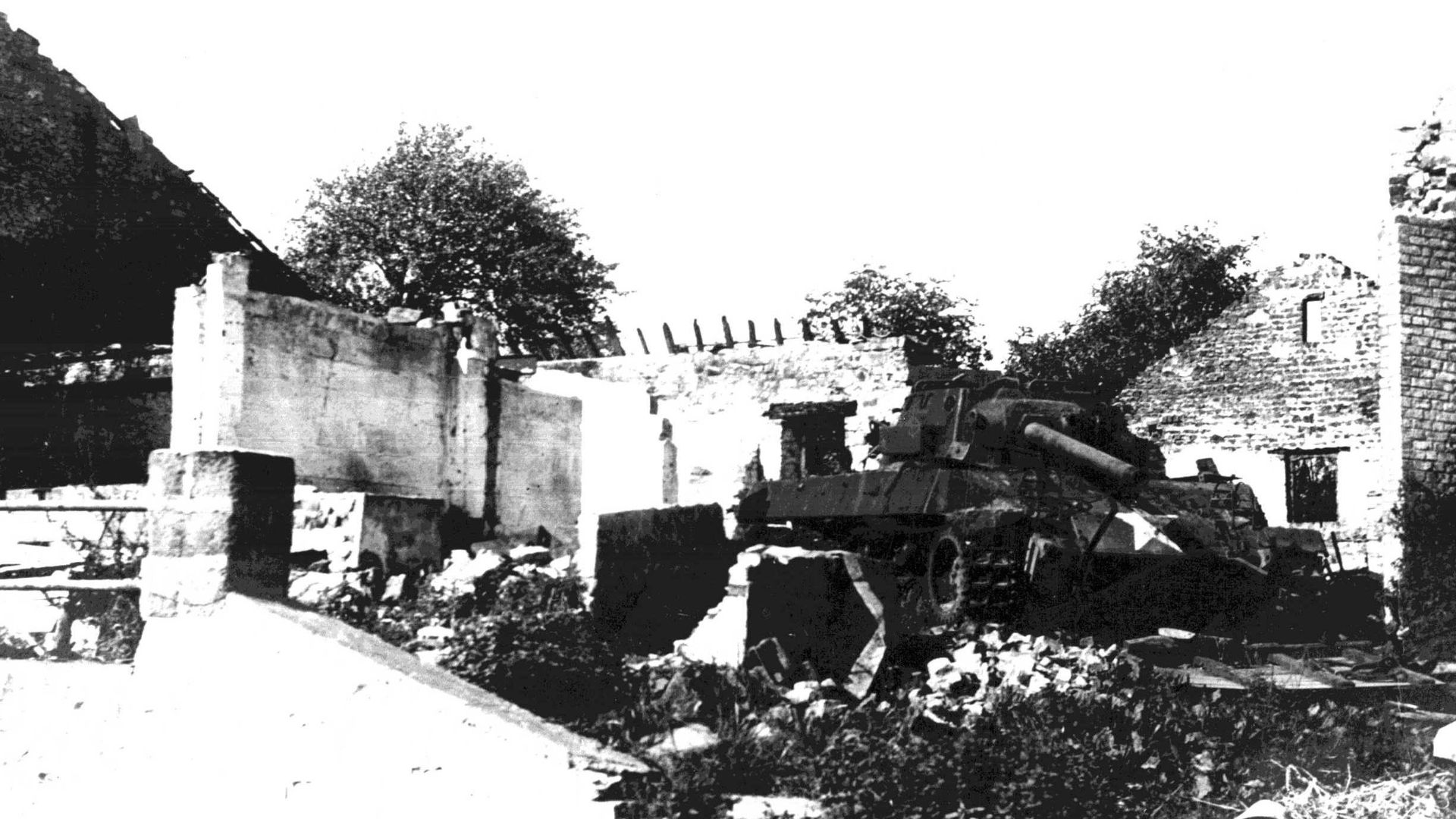 Lammens Robert, Wikimedia Commons
14. They Had Their Concerns
At least two experienced members of the German high command had their doubts about the offensive. They felt, given their current position, planning to march the whole way through the Ardennes (now littered with Allied forces) and capture a major port was too big of a goal. They even came up with two alternative plans with smaller objectives that they pitched to their great leader, but he wouldn’t hear of it. He wanted Antwerp and wouldn’t accept anything less.
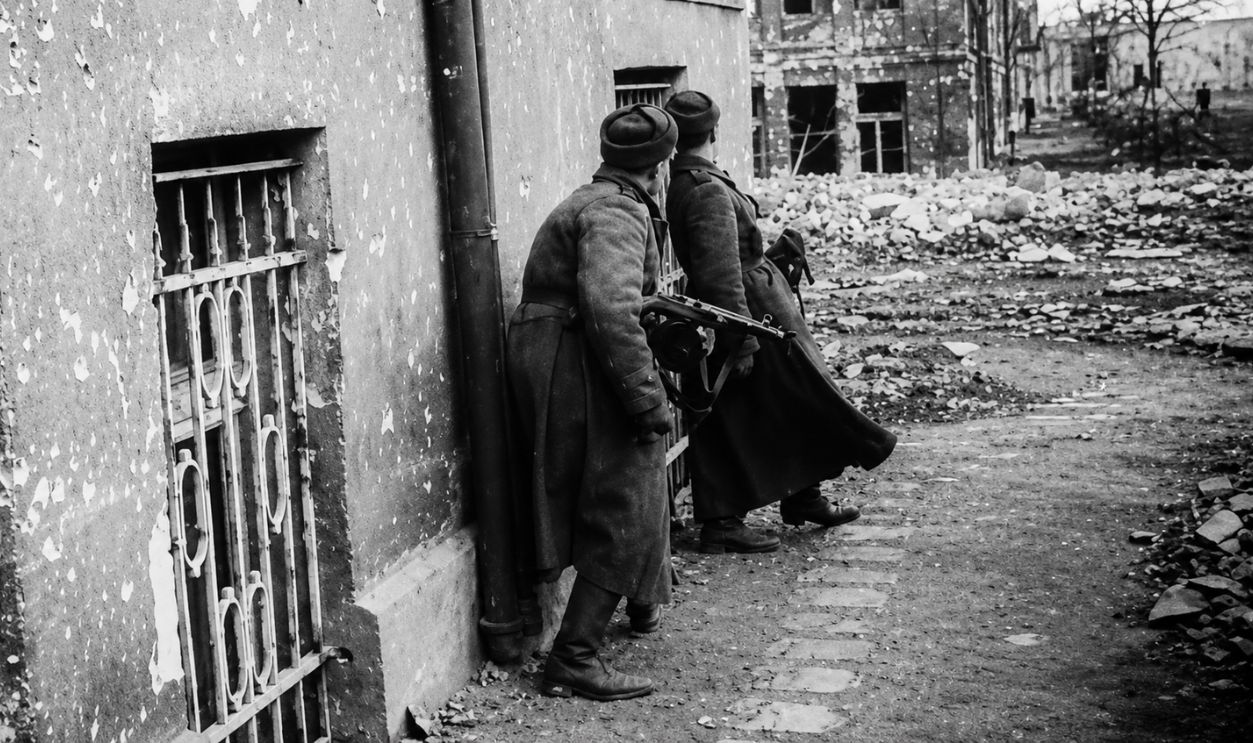 Screenshot from Frontlines, ZDF Studios GmbH (2023), Enhanced
15. Their Leader Wouldn’t Listen
In theory, the plan was simple. The Germans would send three of their best armies, many of which had been hand-picked by their leader himself, into the thinly defended Ardennes region, taking advantage of the Allies' mistaken belief that this area was “quiet” and the well-known disagreements between Montgomery and Bradley. These divisions would march quickly through the Ardennes, taking back the region, particularly the port of Antwerp, and in doing so, effectively trap four major Allied divisions behind enemy lines.
However, in reality, their plan hinged on four very important things.
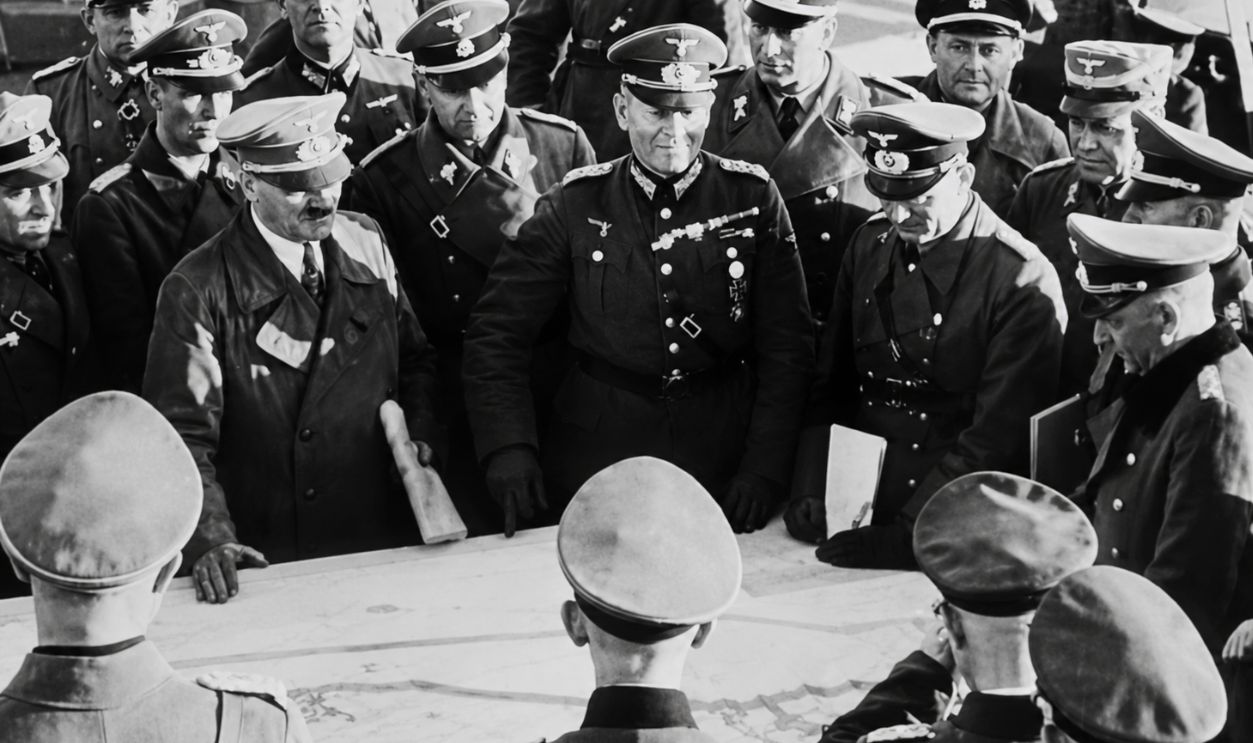 Screenshot from Frontlines, ZDF Studios GmbH (2023), Enhanced
History's most fascinating stories and darkest secrets, delivered to your inbox daily.
16. They Relied Upon Surprise
The Germans needed the element of surprise in order to take back the region. If the Allies had even a hint that the Germans had a pointed attack heading for the Ardennes, they would have time to send reinforcements to the region. Another priority went hand-in-hand with this: speed. The Germans needed to make it through the Ardennes and reach the Meuse River by Day 4 just as they had in 1940.
Then, of course, there were the planes.
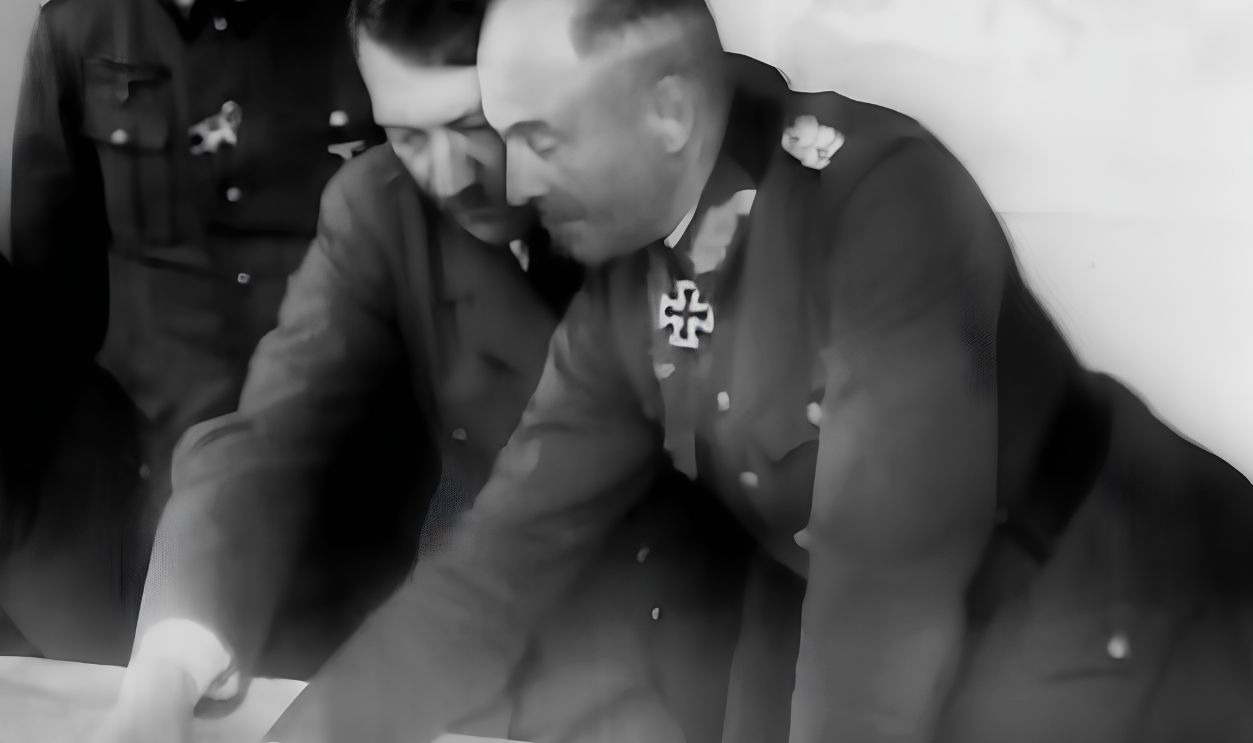 Screenshot from Frontlines, ZDF Studios GmbH (2023)
17. They Needed The Weather To Behave
Weather played a huge role in the Germans’ plan. The Allies' greatest strength had always been their air force. The Germans needed the poor weather of late November and early December in order to ensure that low visibility on the ground would make the Allies' planes useless for supplies and air support.
As if all of this wasn’t enough pressure, depending on many factors they couldn’t control, the Germans had one more huge problem.
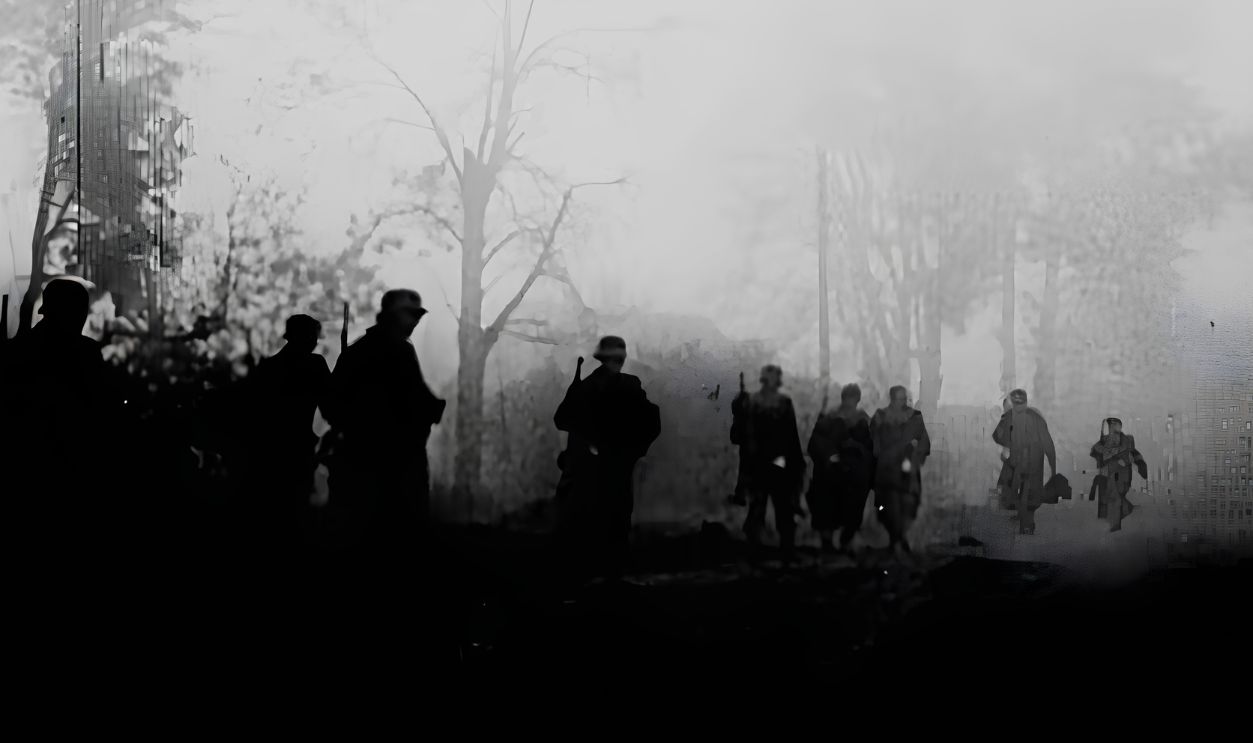 Screenshot from Frontlines, ZDF Studios GmbH (2023)
18. They Had A Fuel Problem
The Allies had successfully limited the Germans’ access to oil and gasoline through various attacks on supplies, particularly the Romanian oil fields. The Germans did not have enough fuel to complete this offensive on their own. Their entire plan hinged on the ability to successfully capture Allied fuel supplies without damage as they took back territory. Any one of these conditions would be enough to cause doubt in a plan, but all four together? Insanity.
However, the Germans were desperate.
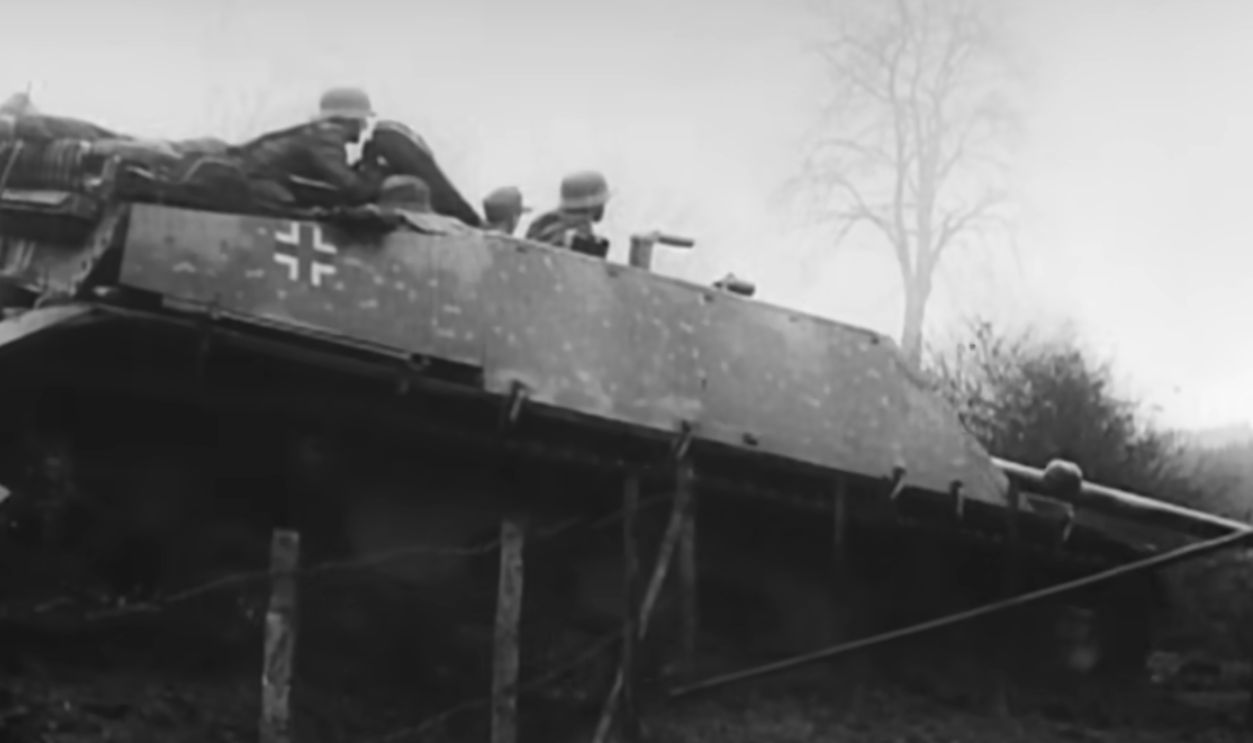 Screenshot from Frontlines, ZDF Studios GmbH (2023)
19. They Started With A Bang
On December 16th, 1944, at 5:30 AM, a massive barrage of artillery fire spread through the Ardennes region, covering a 120KM or 80-mile length of the front line. This offensive lasted for 90 minutes, leveling areas where their rockets landed. In Antwerp, a rocket destroyed a cinema, ending the lives of 567 people, the most affected by a single rocket during the entire course of the conflict. They completed step one: surprise. But what about the rest?
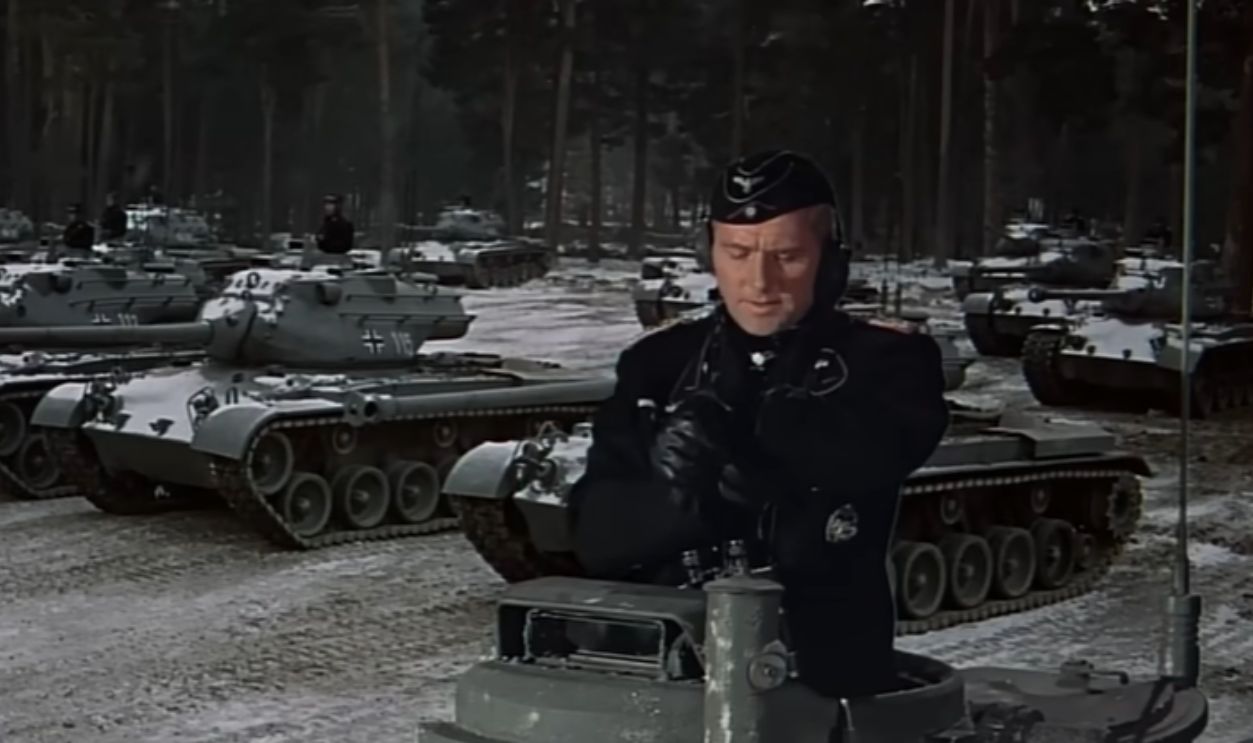 Screenshot from Battle of the Bulge, Warner Bros. Pictures (1965)
20. They Didn’t Know What Hit Them
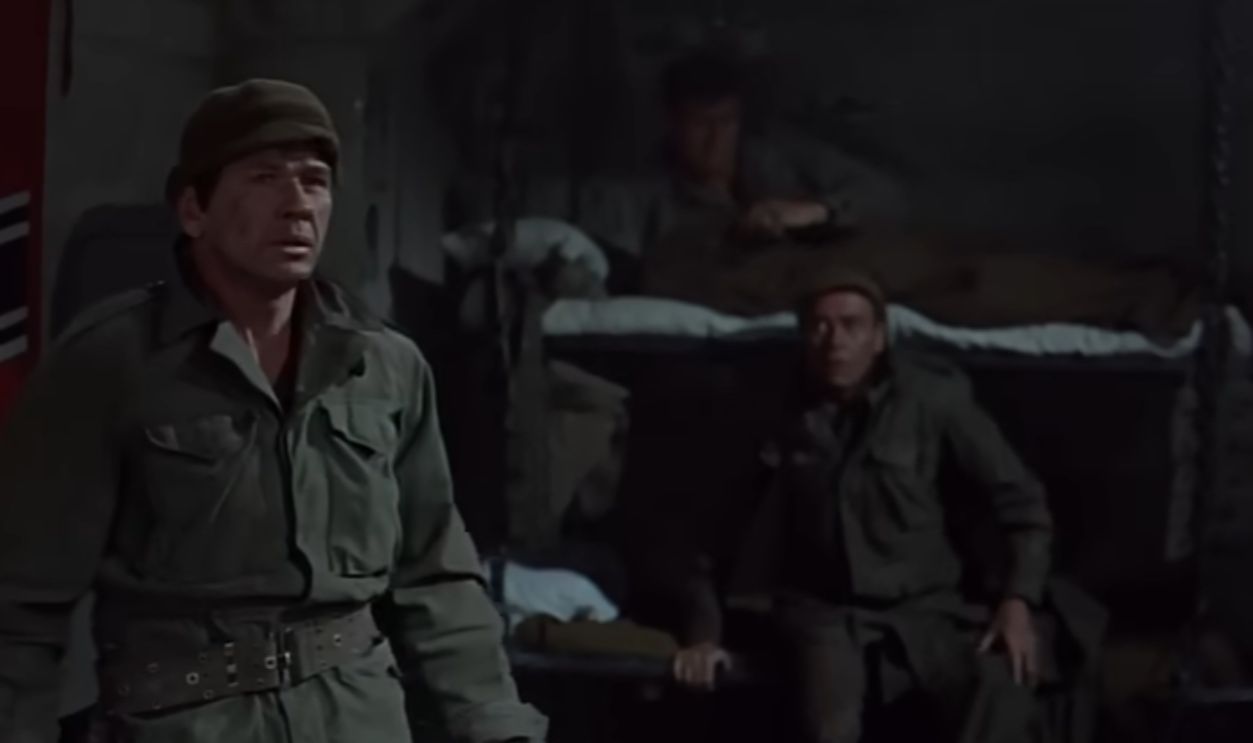
Initially, the Americans did not realize the barrage for what it was: a pointed offensive attack, designed to cover the Germans’ steady movement through the Ardennes. Instead, they mistook it for an expected counterattack in response to one of their offensives attempting to push the Germans back even further. Unfortunately, this would be one of the last things to go right for the Germans.
 Screenshot from Battle of the Bulge, Warner Bros. Pictures (1965)
21. The Weather Didn’t Help
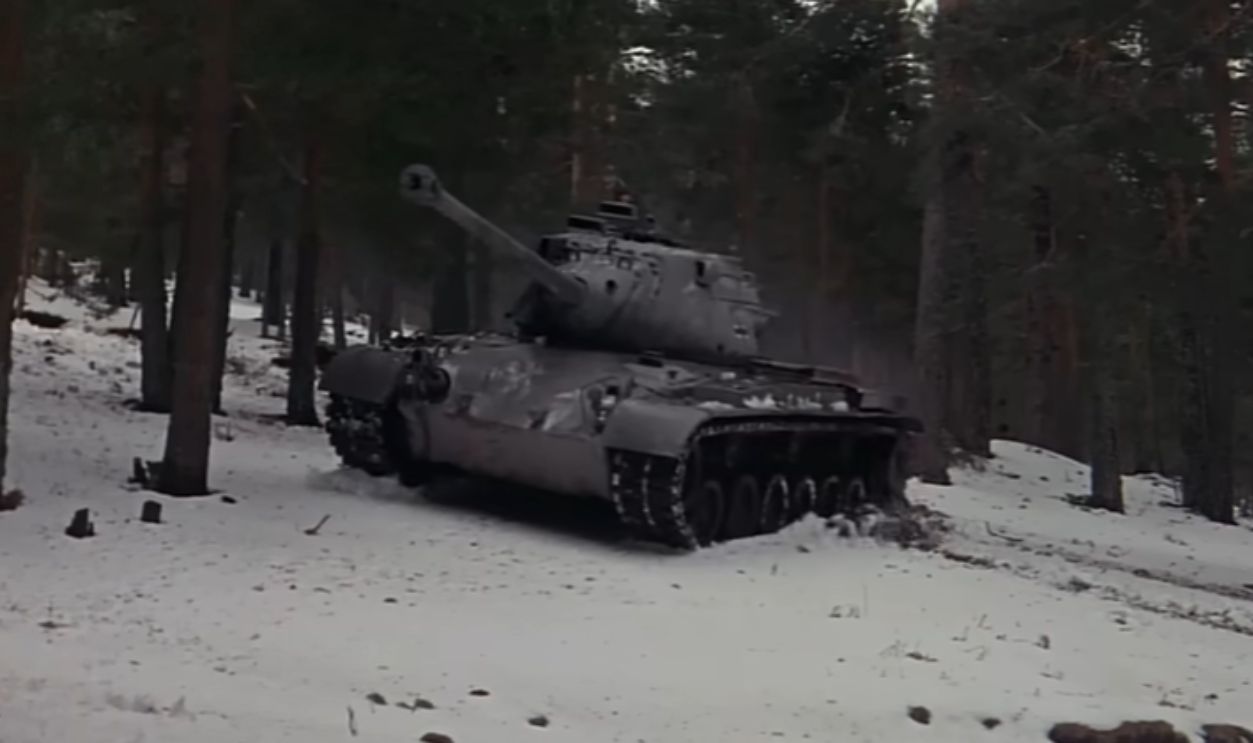
They got the surprise that they needed, and, initially, they got the weather as well. Heavy snowstorms spread through the region. This kept the Allies’ planes grounded, removing air support from the equation, but it also slowed the Germans. As any winter driver can tell you, you can’t drive fast in snow. The low visibility and rapidly accumulating snow slowed the Germans’ advance as well, leading to major traffic jams which cost the Germans precious time and even more precious fuel.
 Screenshot from Battle of the Bulge, Warner Bros. Pictures (1965)
History's most fascinating stories and darkest secrets, delivered to your inbox daily.
22. They Split Up
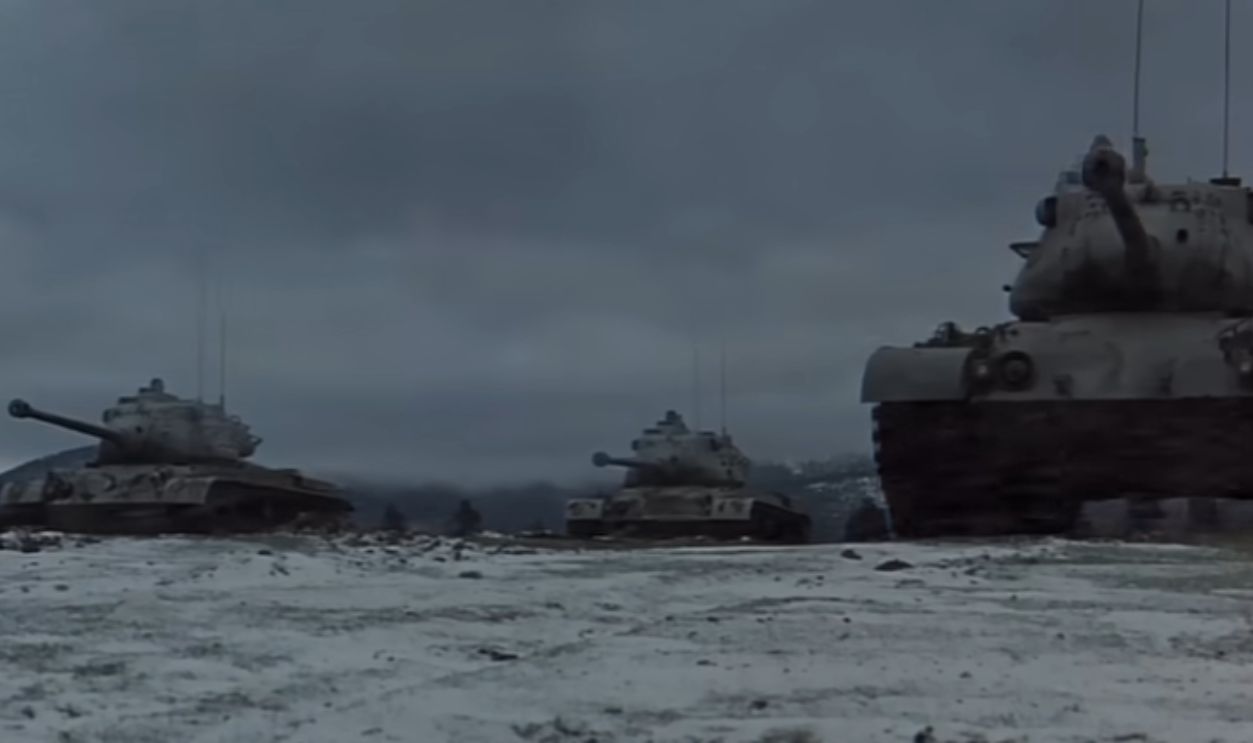
The common name for the conflict, the Battle of the Bulge, comes from the shape the offensive took. By the end of the operation, the front line had developed a sizable western bulge in the middle where the Germans had pushed forward. This came, in part, due to the style that the Germans approached with. They split into three groups, one approaching from the south, one from the middle, and finally one from the north—all groups achieving various successes.
 Screenshot from Battle of the Bulge, Warner Bros. Pictures (1965)
23. They Put Up Unexpected Opposition
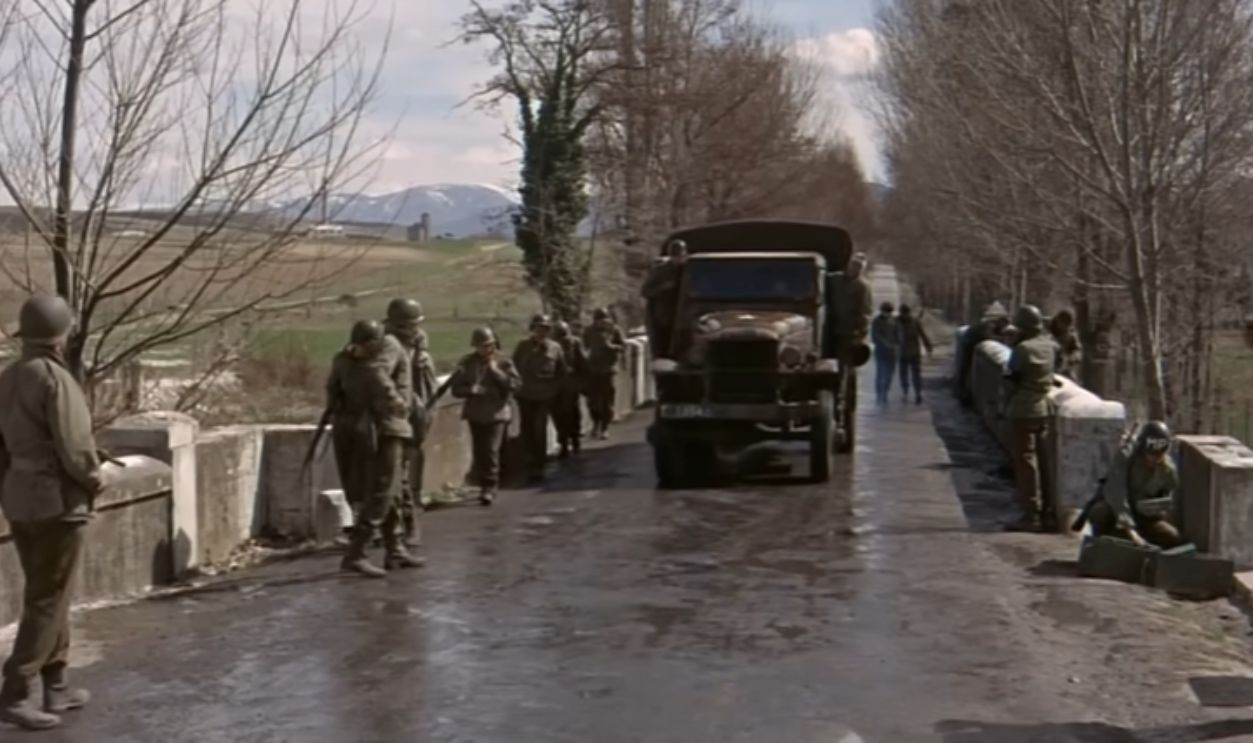
In the south, the Seventh Army crossed the River Our and moved towards the cities of St Vith and Bastogne. While the surprise initially worked in the Germans’ favor, they quickly realized that they’d miscalculated how quickly they’d push forward. Instead of moving quickly through the region, the American men held their ground, forcing the Germans to fight for every inch of land, taking days instead of hours to clear the road to Bastogne, giving the Allies time to make plans for their part in the Battle of the Bulge.
 Screenshot from Battle of the Bulge, Warner Bros. Pictures (1965)
24. Their Commanders Pieced It Together
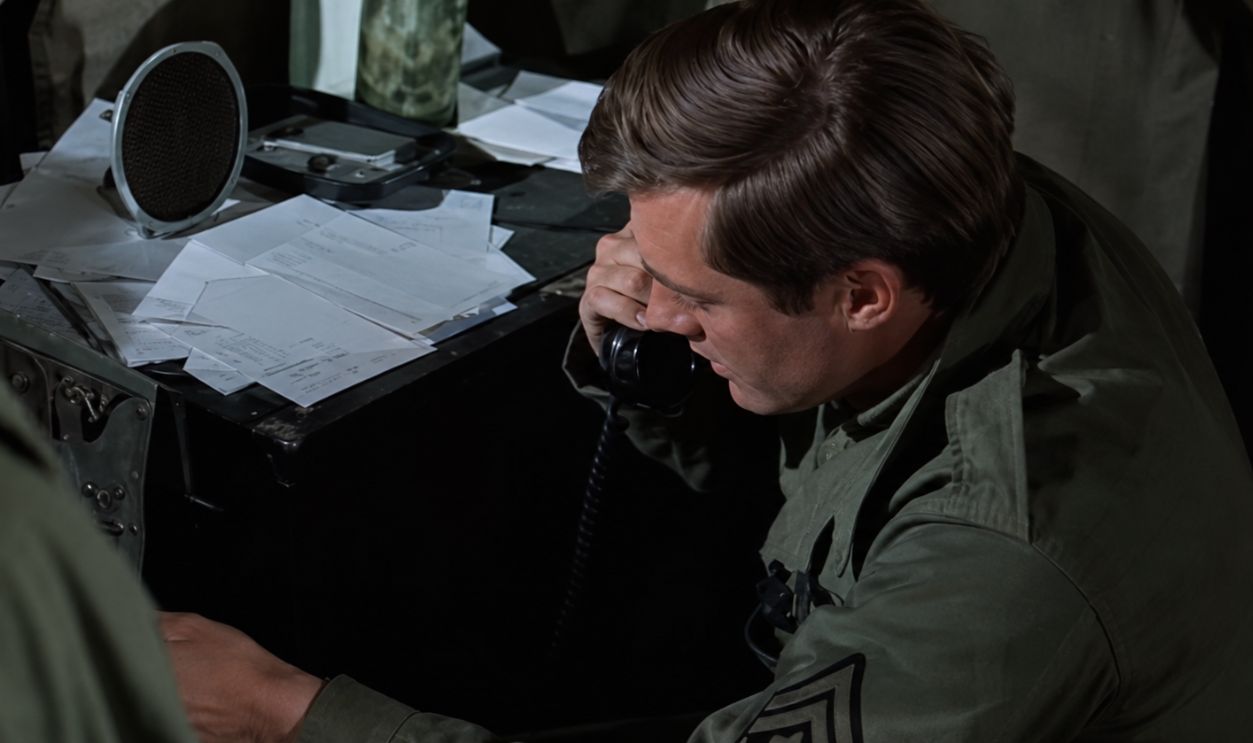
The element of surprise only lasted for so long. Within a day, the Allied and American forces realized that they were not facing a single counterattack but rather a pointed offensive designed to take back the entire front. This allowed them to quickly send reinforcements, with the 101st Airborne Division reaching Bastogne by December 19, while at the same time, Allied command pulled together to start planning for what they’d do in the Battle of the Bulge.
 Screenshot from Battle of the Bulge, Warner Bros. Pictures (1965)
25. They Planned Their Strategy
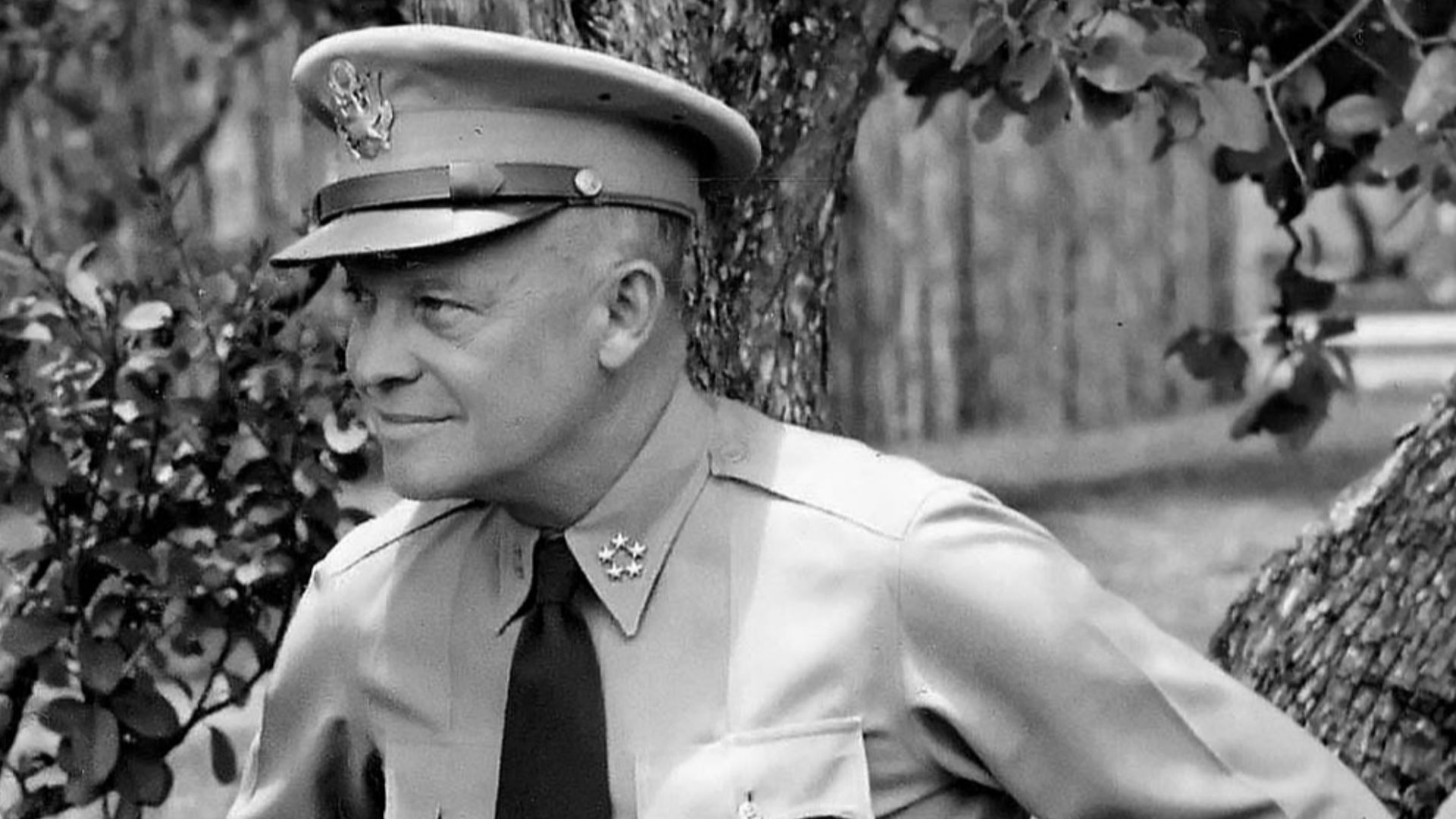
On the same day as the 101st arrived in Bastogne, the Senior Allied commanders gathered in Verdun, France, to strategize their defense. At this point, they could clearly see that the Germans had Bastogne under real danger of being cut off from resources if not taken. The men, however, refused to admit defeat, with Eisenhower regarding the situation as “one of opportunity for us and not disaster”.
The truth was, that was more true than even Eisenhower himself realized—as General Patton had something already up his sleeve.
 Signal Corps, Wikimedia Commons
26. They Had A Surprise In Store
After, supposedly, trading some impassioned speeches about how they would not allow the Germans to push them onto the defensive, Eisenhower turned to Patton to ask how long it’d take Patton to redirect his Third Army from northeastern France to the north for a counterattack. Eisenhower, along with everyone else, couldn’t believe his ears when Patton gave his answer.
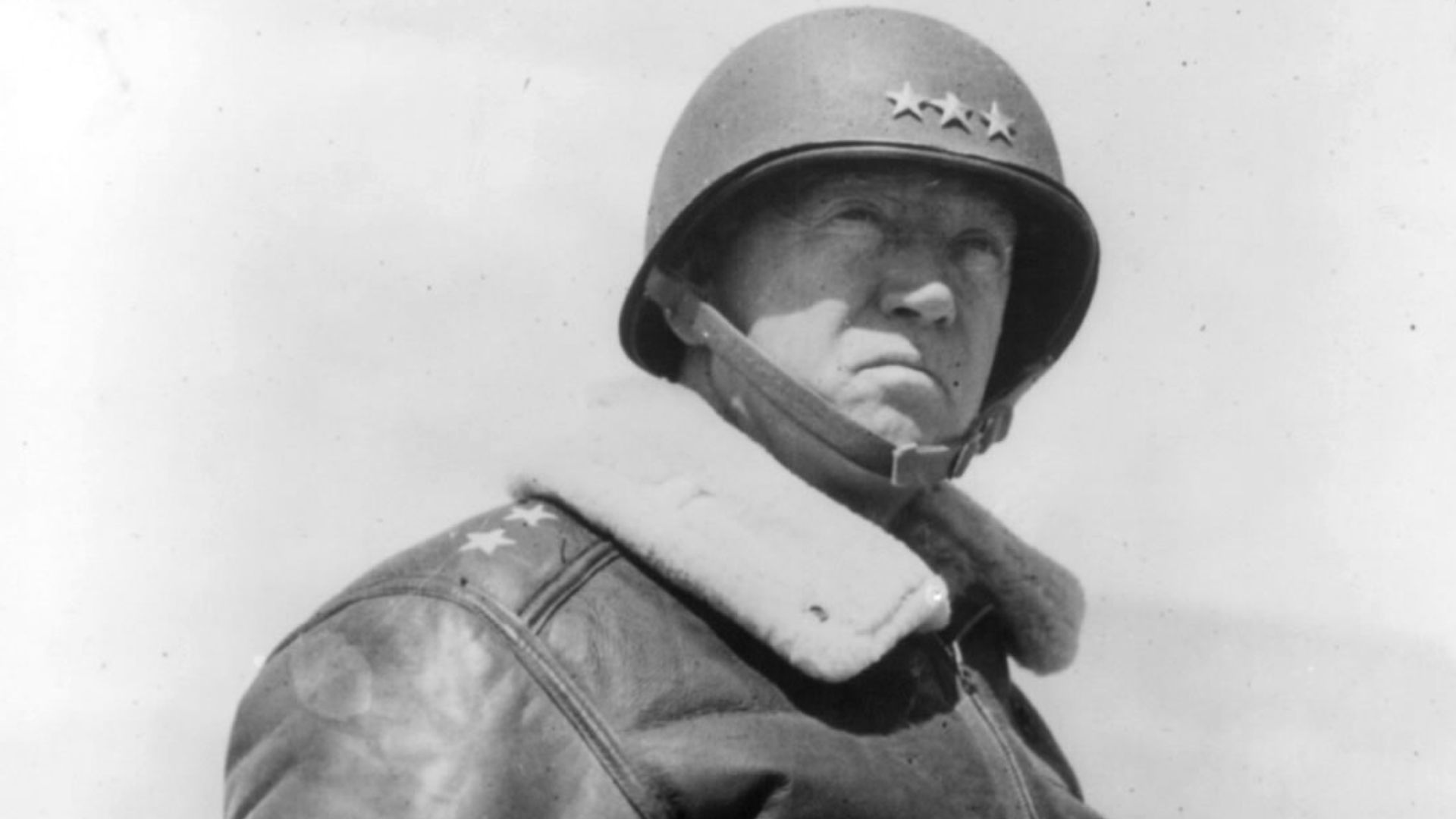 Photo by U.S. Army Signal Corps, Wikimedia Commons
27. They Planned For Every Possibility
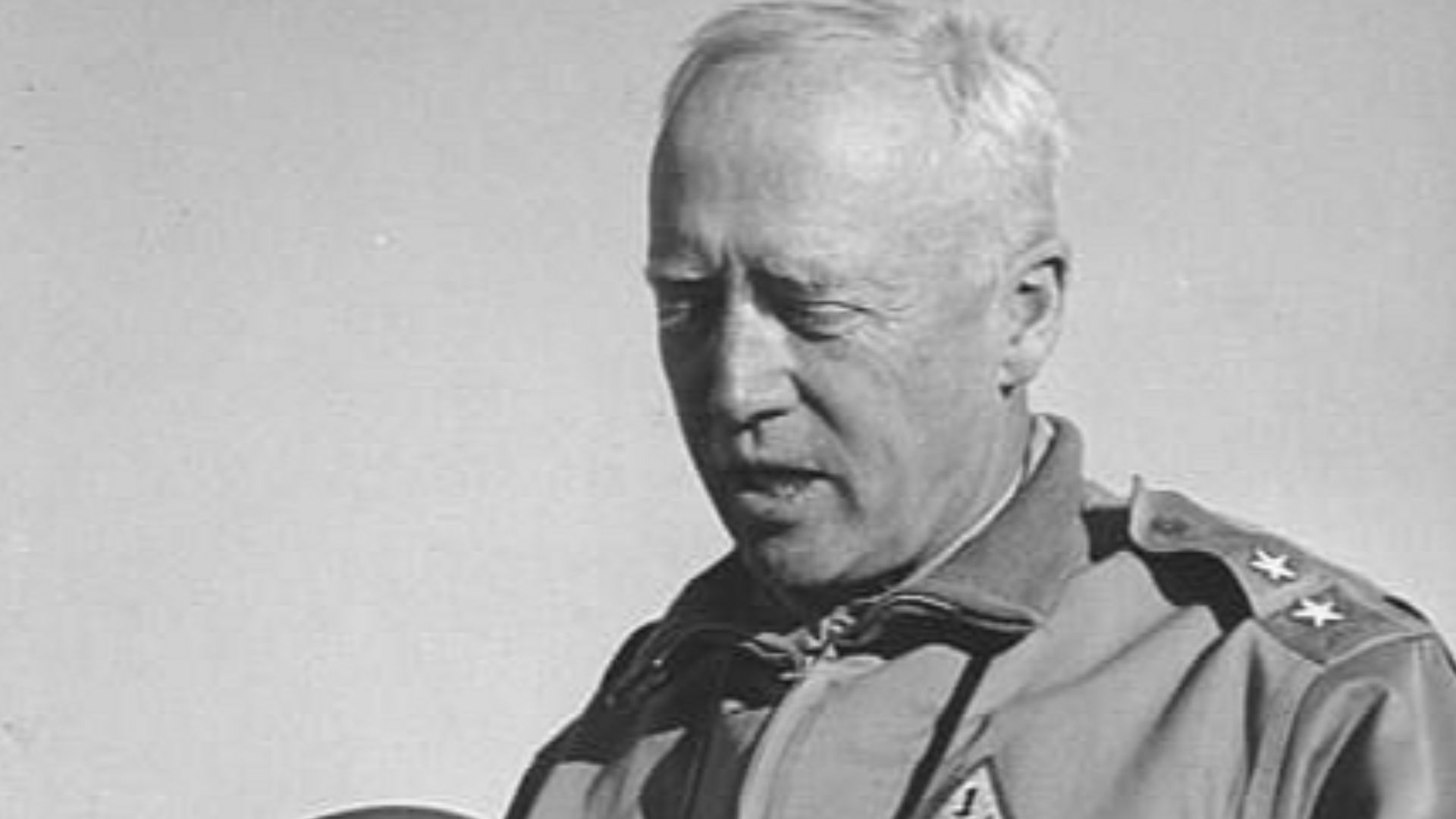
The Germans hadn’t surprised the Americans as thoroughly as they had thought in this part of the Battle of the Bulge. Thinking ahead, Patton had already anticipated a need for his men to turn northward to protect the line from that direction. Therefore, when Eisenhower asked how long it’d take for them to arrive, he could answer confidently: only 48 hours. His men were already on the move, and the Germans were losing more ground even as they spoke.
 John Florea (US Army), Wikimedia Commons
History's most fascinating stories and darkest secrets, delivered to your inbox daily.
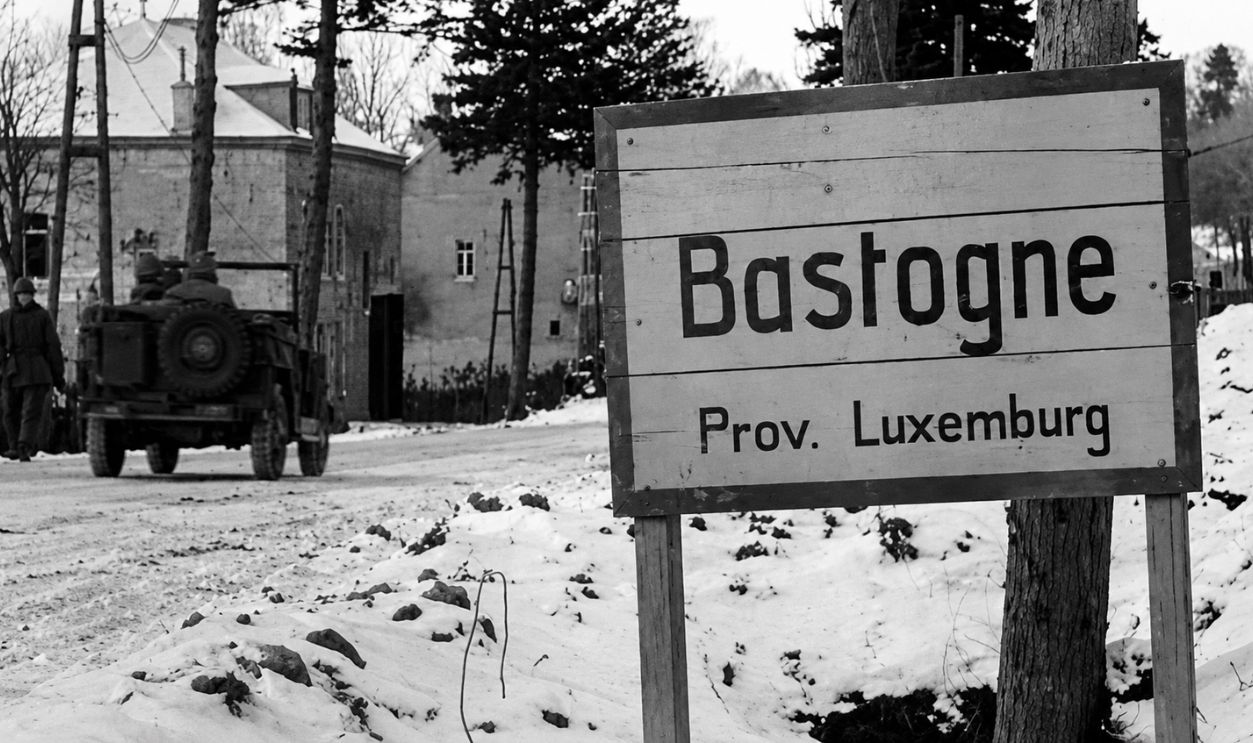
28. They Cut The City Off
By December 21st, the Germans had the city of Bastogne surrounded, officially beginning the “siege of Bastogne”. However, the city still had defense. The 101st Airborne Division, as well as the 969th Artillery Battalion (an All-African American group), and Combat Command B of the 10th Armored Division, all held the city. Supplies were low, putting the group in a dire position.
However, when German commander Luttwitz demanded surrender, he got an unexpected reaction.
 Screenshot from Frontlines, ZDF Studios GmbH (2023)
29. They Gave An Unusual Response
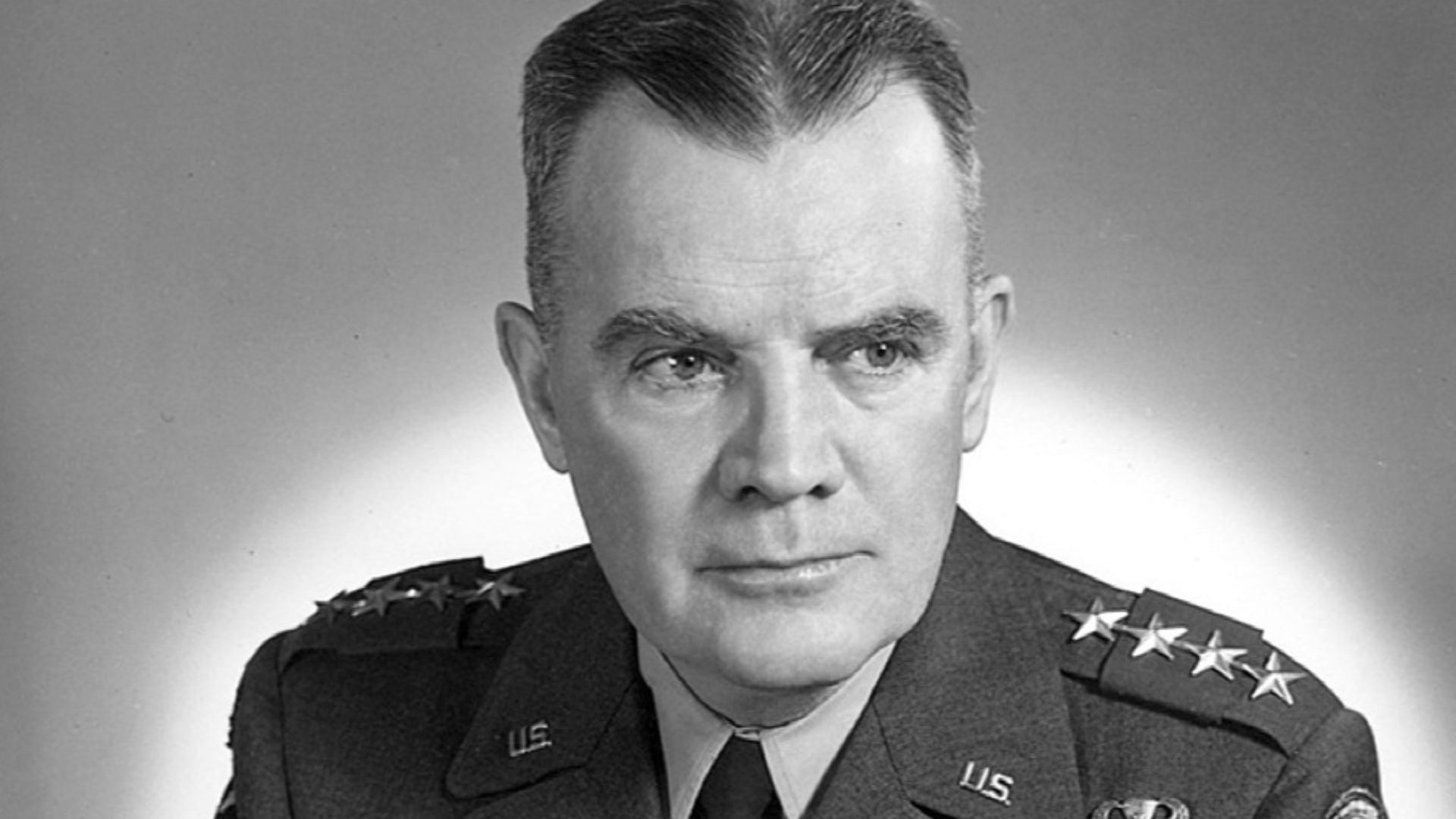
Brig Gen Anthony McAuliffe was acting commander of the 101st when the surrender demand arrived, to which he responded with one word: “Nuts!”. The demand of surrender ranked so low on his priority list that McAuliffe forgot to reply until a member of his unit reminded him they likely should. When a member of staff noted “Nuts!” was pretty hard to beat, that’s what McAuliffe had typed out and sent back to a confused German command.
30. They Needed Time To Be On Their Side
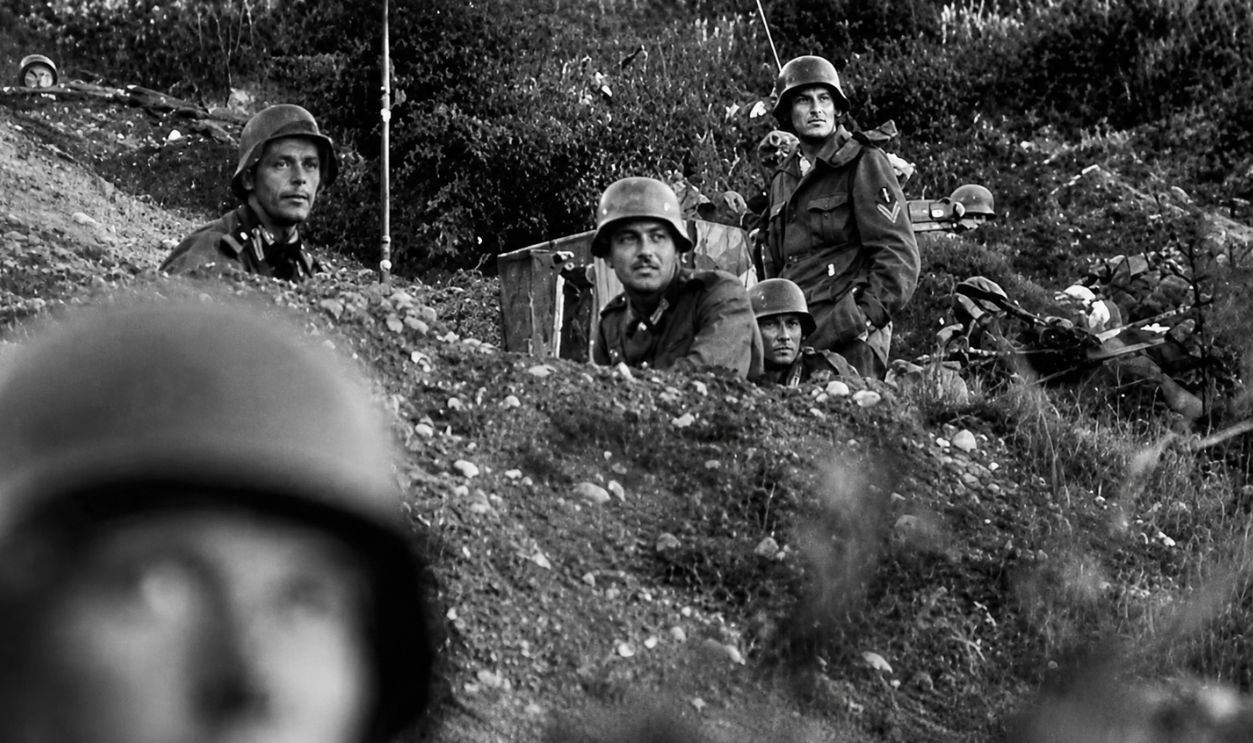
Again, history proved that the Germans were right in one thing—speed was essential to their plan, and the Americans put up enough of a fight that they didn’t have it. They held Bastogne long enough for the weather to clear and air supplies to be delivered to them. By December 26th, General Patton’s 4th Armored Division broke through, opening the road to Bastogne and ending the siege barely a week after it had started. That was just in the south.
 Screenshot from Frontlines, ZDF Studios GmbH (2023)
31. They Had The Stronger Army
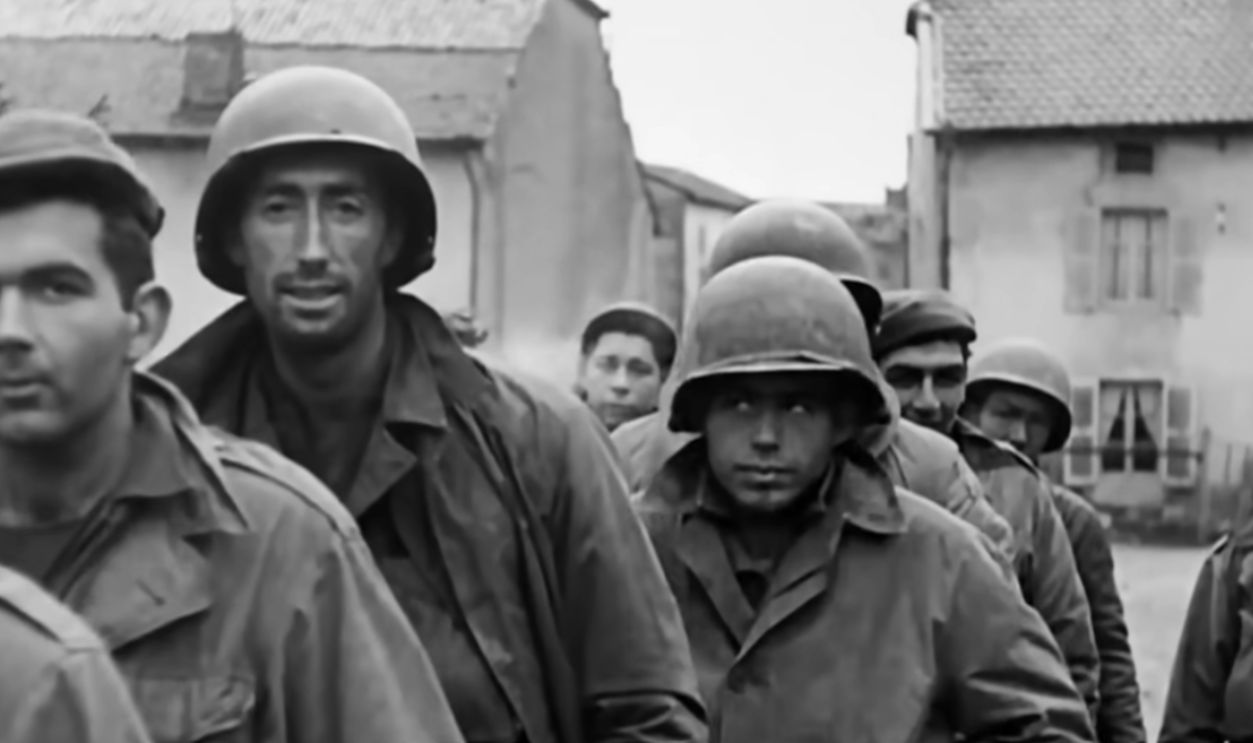
History often cites the Siege of Bastogne as the key point at which the Allies stopped the German forces during the Battle of the Bulge. However, without the unexpected victory of the untested Allied 99th Infantry Division in the north against the Germans’ handpicked powerhouse army, this particular offensive could’ve looked very different.
 Screenshot from Frontlines, ZDF Studios GmbH (2023)
32. They Were Hand Picked For Power
The 6th Panzer Army, led in part by Joachim Peiper head of Kampfgruppe Peiper, was the Germans’ ace in the hole. The leader himself had handpicked this division, giving them priority on all supplies and ensuring that they marched forward with the latest technology. In contrast, the northern region was held by the US 2nd and 99th Infantry, primarily made up of recruits who’d not yet truly faced battle.
This part of the Battle of the Bulge should have been the site of the Germans’ greatest victory, yet in some ways, it became the Germans’ greatest defeat.
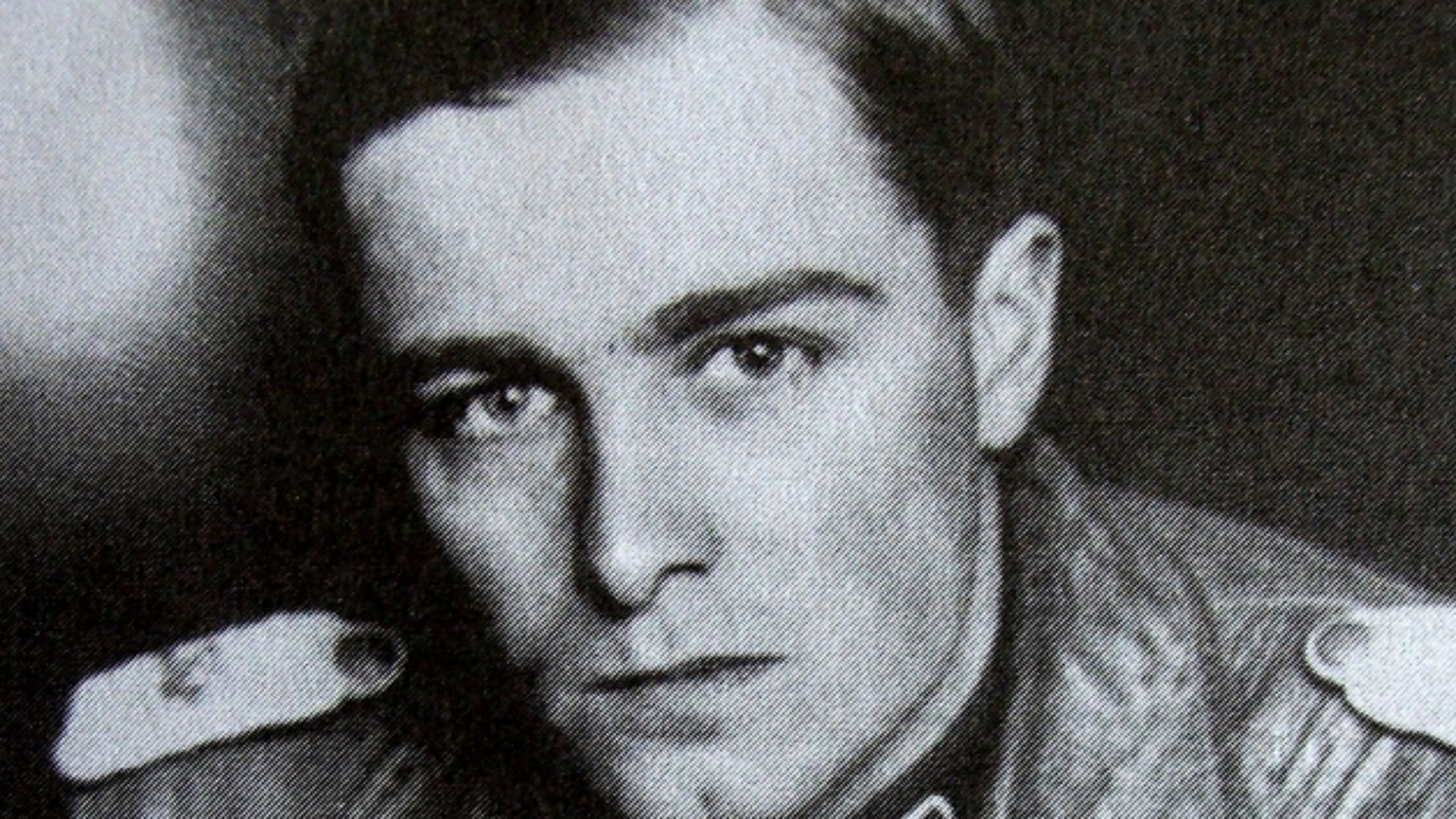 Леонід Пономарьов, Wikimedia Commons
33. They Were Vastly Outnumbered
Peiper and his Panzers met opposition almost immediately when they encountered two overpasses that the Allies had destroyed during their retreat, forcing them to redirect and pass through the city of Lanzerath instead. Aware that their supplies were precious, they opted to send a smaller battalion forward to clear the city, where they found more trouble than expected.
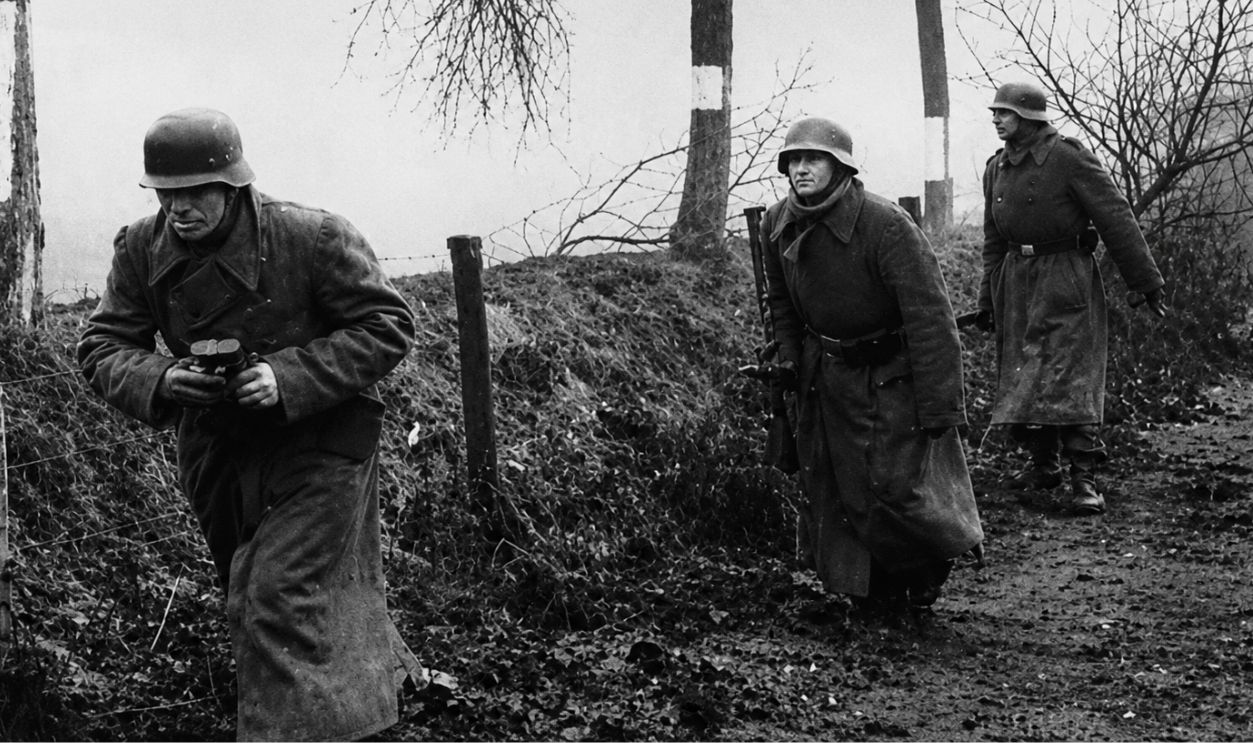 Screenshot from Frontlines, ZDF Studios GmbH (2023)
History's most fascinating stories and darkest secrets, delivered to your inbox daily.
34. They Held Their Ground
The German battalion sent to clear Lanzerath consisted of around 500 German paratroopers. In contrast, the allies had exactly 22 men in Lanzerath. They were an Intelligence and Reconnaissance Platoon supported by four Forward Air Controllers, never intended to hold off a horde of Germans. The Germans should’ve squashed them in a matter of moments, changing the course of the Battle of the Bulge. Yet, something astounding happened instead.
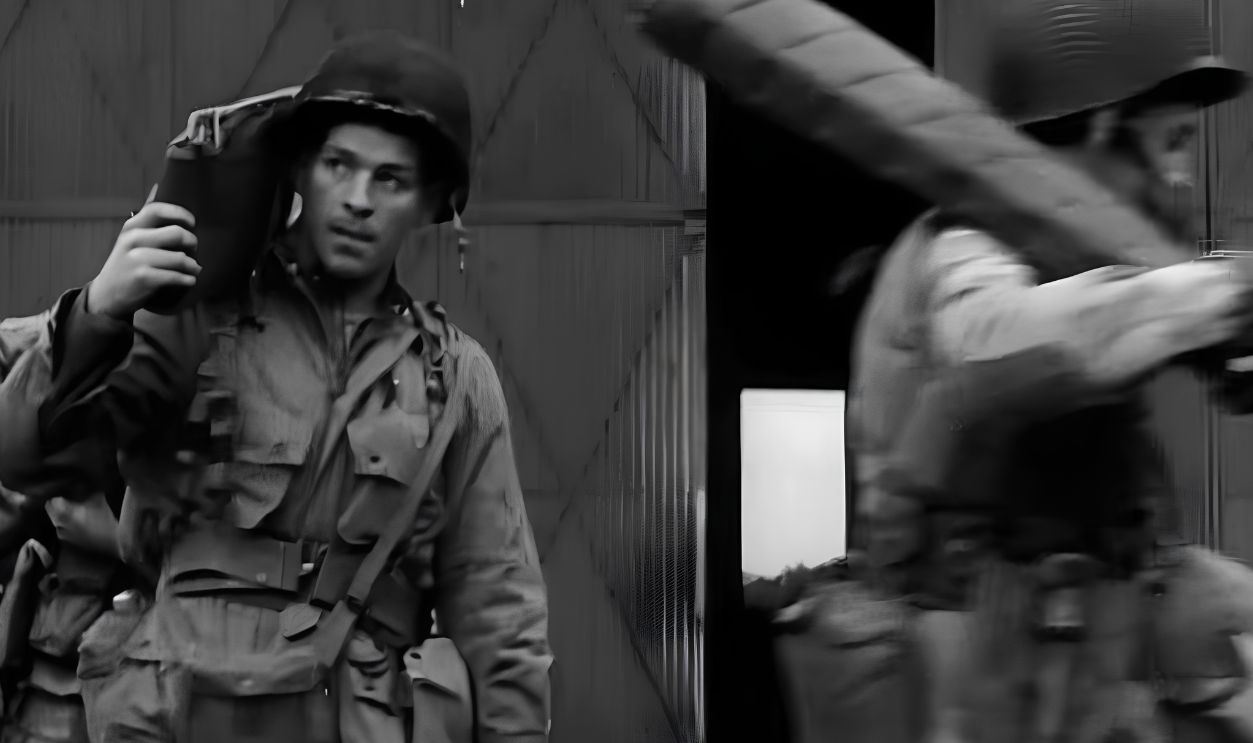 Screenshot from Frontlines, ZDF Studios GmbH (2023)
35. They Were Off Schedule
That group of 22 men managed to hold off the German platoon until sunset, taking out 92 Germans in the process. This set Peiper behind by nearly 16 hours, desperately disrupting schedule when time was of the essence, and surely costing them more precious fuel. This small victory during the Battle of the Bulge was just the start of problems for the Germans.
However, in the process, it made them increasingly more desperate.
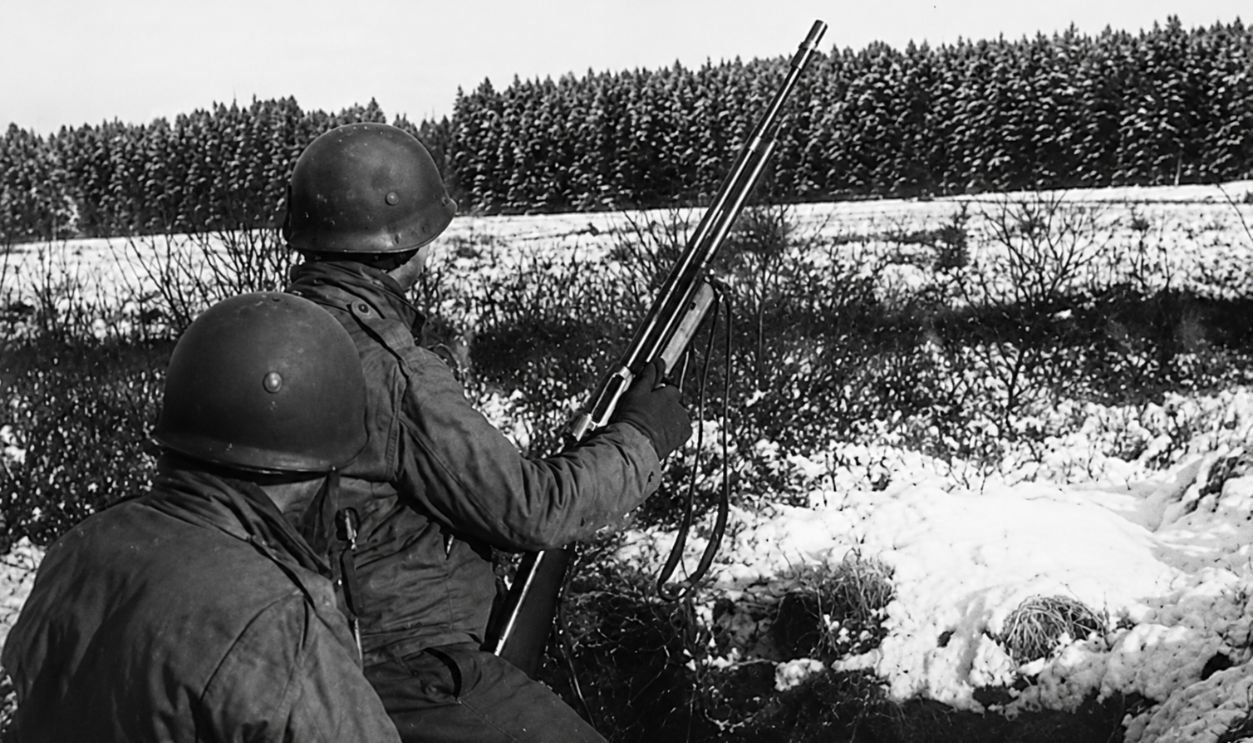 Screenshot from Frontlines, ZDF Studios GmbH (2023)
36. They Couldn’t Keep Up The Pace
The American forces continued to cause Peiper and his men more and more delays. However, their increasing desperation turned them more and more violent. Numerous times on their journey, they reportedly ended the lives of dozens of POW rather than waste manpower on containing them. However, few of these acts during the Battle of the Bulge left such an impact on the memory of Allied forces as the Malmedy massacres.
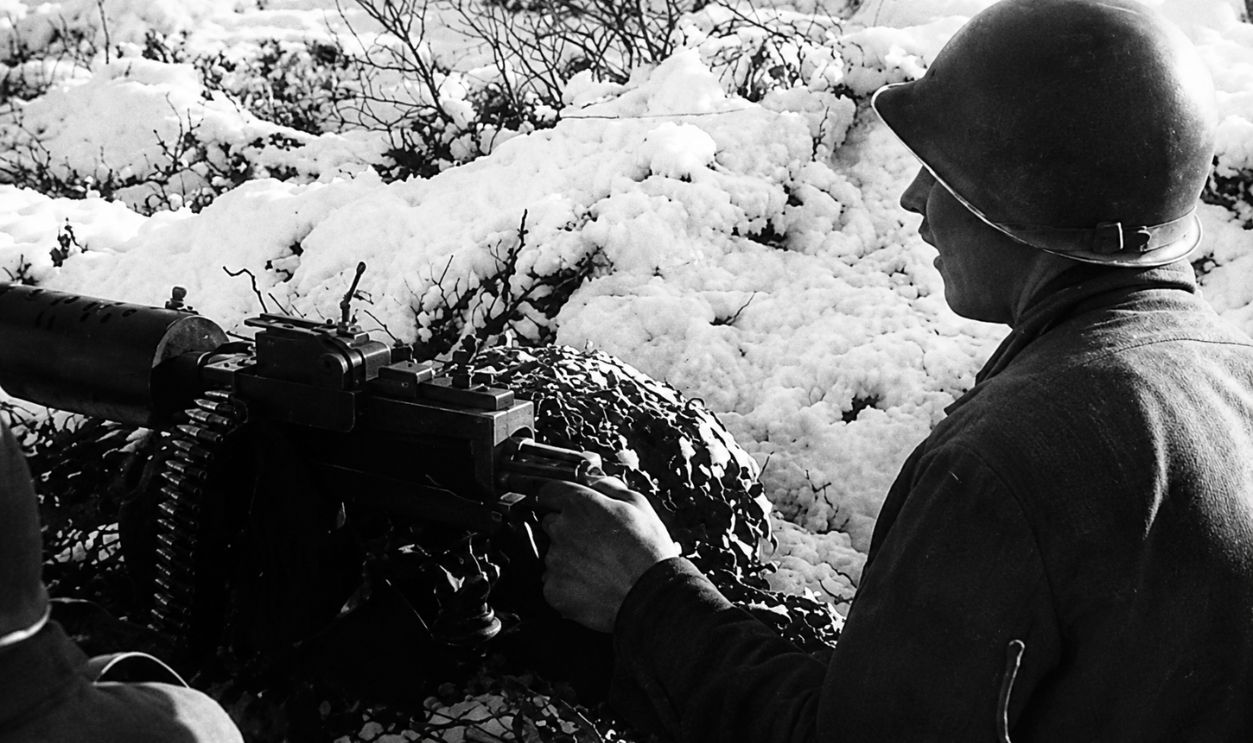 Screenshot from Frontlines, ZDF Studios GmbH (2023)
37. They Found A New Path
Rough terrain and steady American opposition forced Peiper to redirect to the hamlet of Baugnez, near the larger city of Malmedy. There, they encountered a battalion of Americans, who quickly realized the Germans outpowered them. After a short skirmish, they surrendered. However, if they expected the Germans to show them mercy because of this, they’d greatly miscalculated.
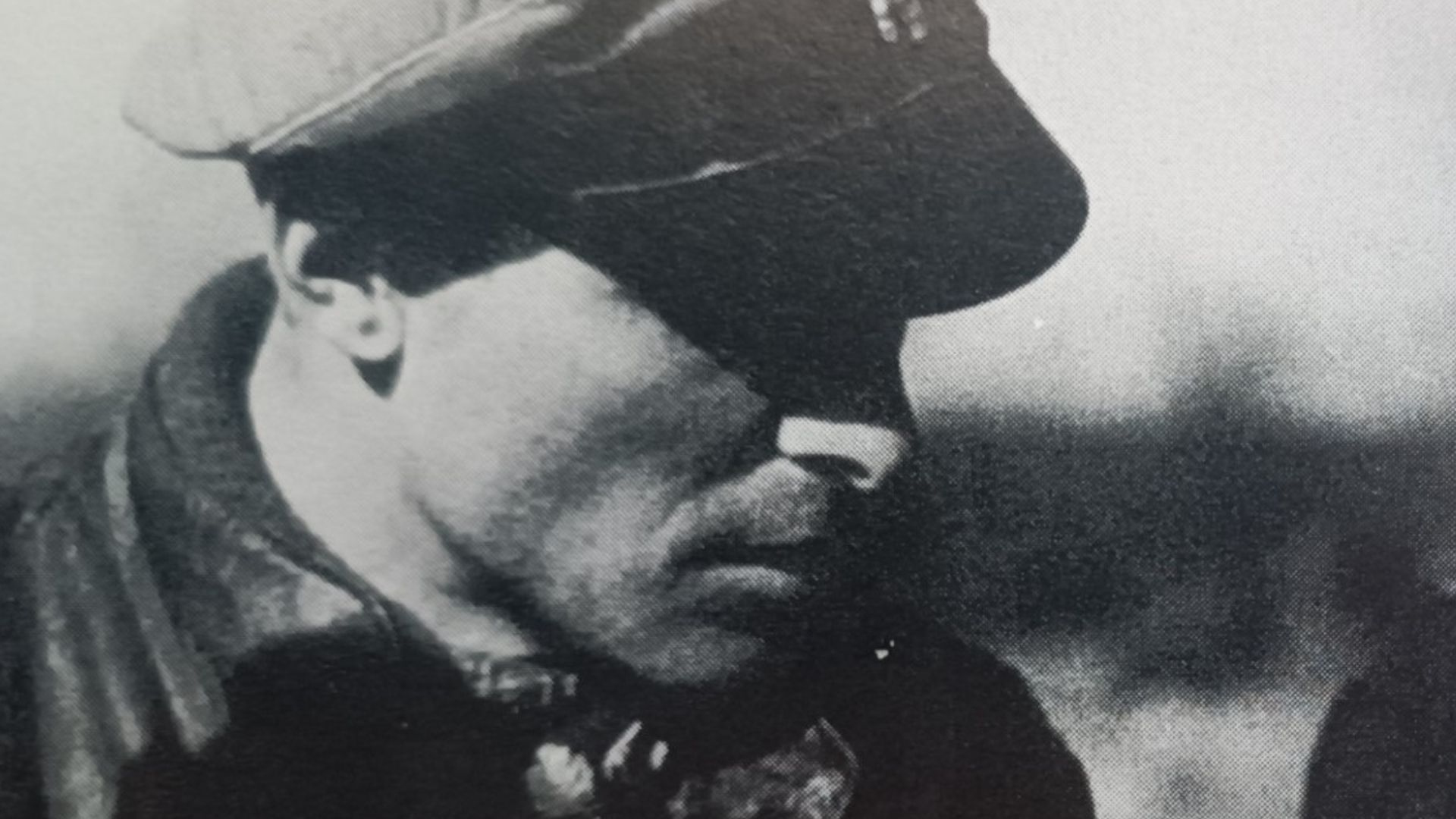 Unknown authorUnknown author, Wikimedia Commons
38. They Committed An Atrocity
Once the Germans disarmed them, they sent these men, along with some other Americans they had captured, into a nearby field. There they stood waiting roughly 15 minutes until another commander arrived. As soon as he did, the Germans opened fire on the POWs. In a panic, the men began to flee; many fell where they stood, though some escaped to tell the tale. In the end, at least 84 men lost their lives in that field. Several officers were later tried for the incident.
However, this wasn’t even the most gruesome event of this offensive.
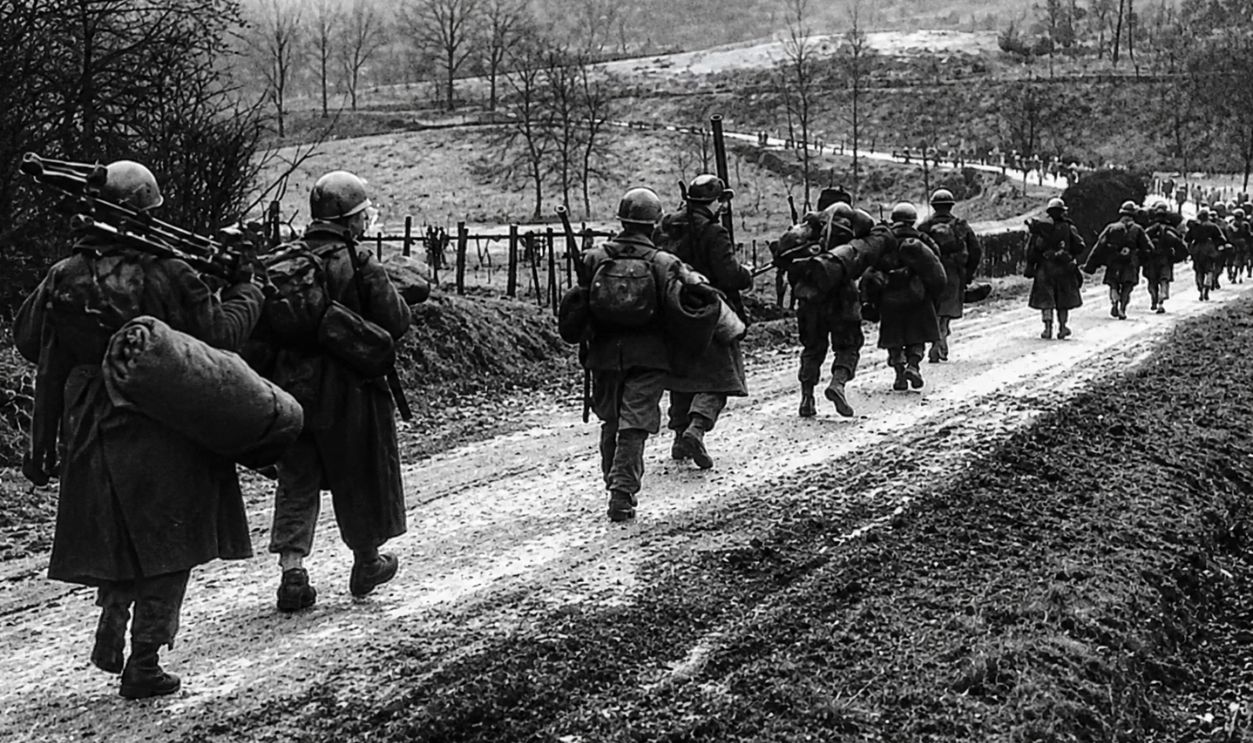 Screenshot from Frontlines, ZDF Studios GmbH (2023)
39. They Doubled Down On Their Suffering
Another smaller incident happened on December 17, committed by men belonging to Schnellgruppe Knittel. These men came across a group of 11 African American troops in Wereth, Belgium. Two weeks later, Allied forces came across the aftermath. Not only had Knittel’s group ended the lives of these men, but they had persecuted them before doing so, leaving horrifying wounds.
Unlike the event in Malmedy, no one faced the consequences for these actions, though a group began working on a tribute to these men in 2001, so no one would forget them.
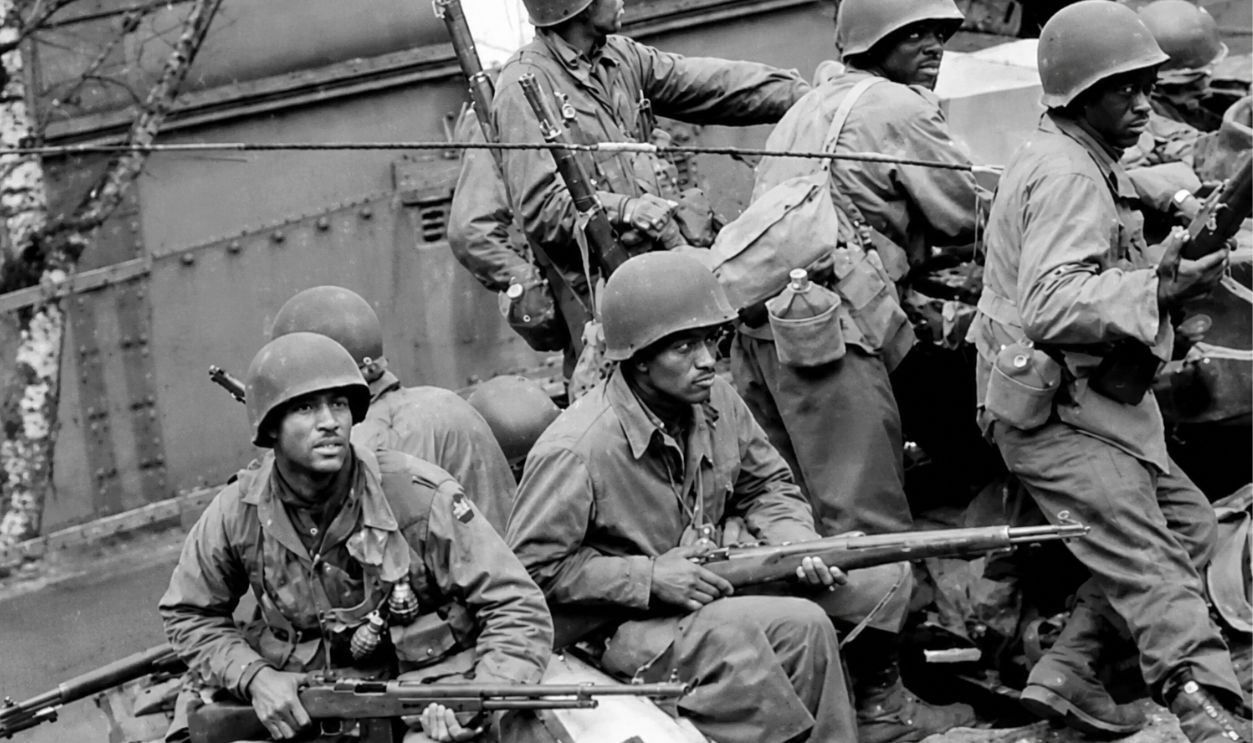 Screenshot from Frontlines, ZDF Studios GmbH (2023)
History's most fascinating stories and darkest secrets, delivered to your inbox daily.
40. They Arrived Hours Behind Schedule
Kampfgruppe Peiper arrived in Stavelot on December 18, drastically behind schedule. It took Peiper 36 hours to reach the city. In 1940, the Germans had covered the same distance in only nine hours. Although he eventually took the city, it cost him dearly to do so. The Americans took out at least one vehicle on their fight, and ensured to empty Stavelot’s fuel depot before retreating.
However, Peiper still decided to try to capitalize on this success.
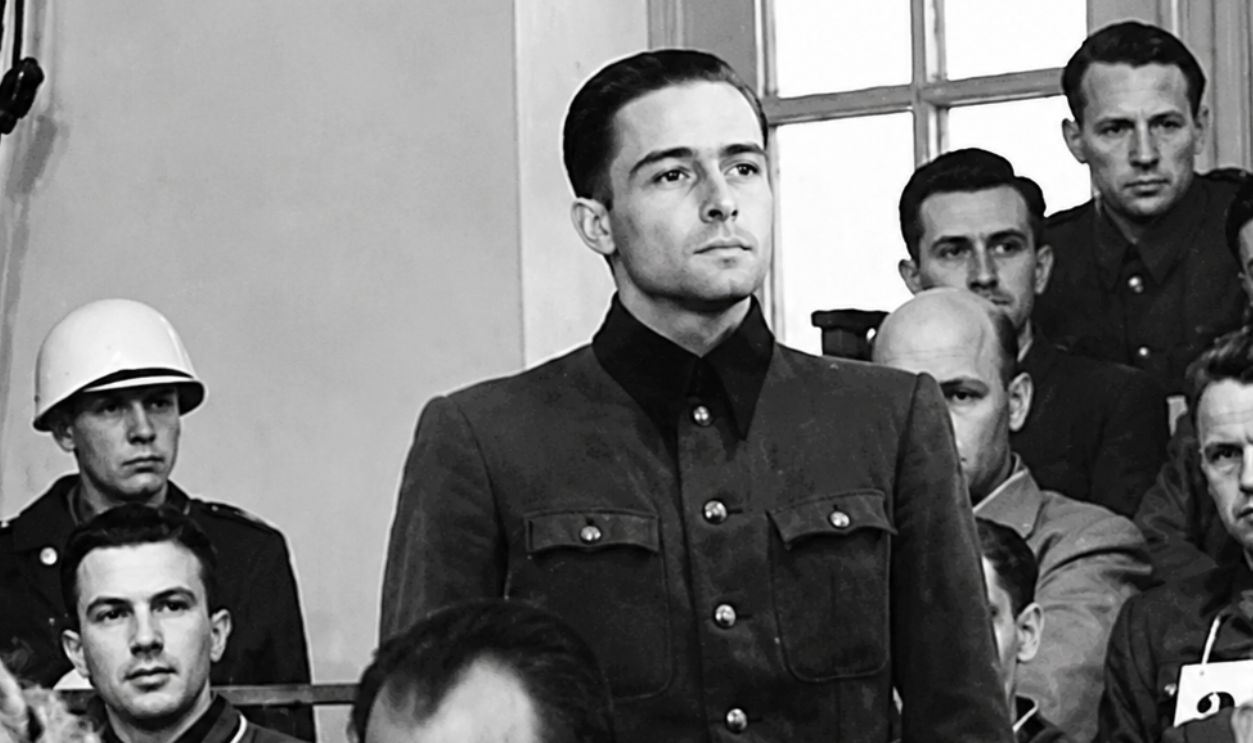 US Army Signal Corps, Wikimedia Commons, Enhanced
41. They Rushed To Beat The Allies
Aware of how much time they’d already lost, Peiper rushed ahead, wishing to take the bridge at Trois-Ponts before the Americans could get to it, leaving significant manpower behind in his haste to keep moving. He arrived at 11:30 on December 18 only to watch retreating Americans destroy the bridge on their way across; they proceeded to take out significant machinery as well. Peiper now only had one choice left.
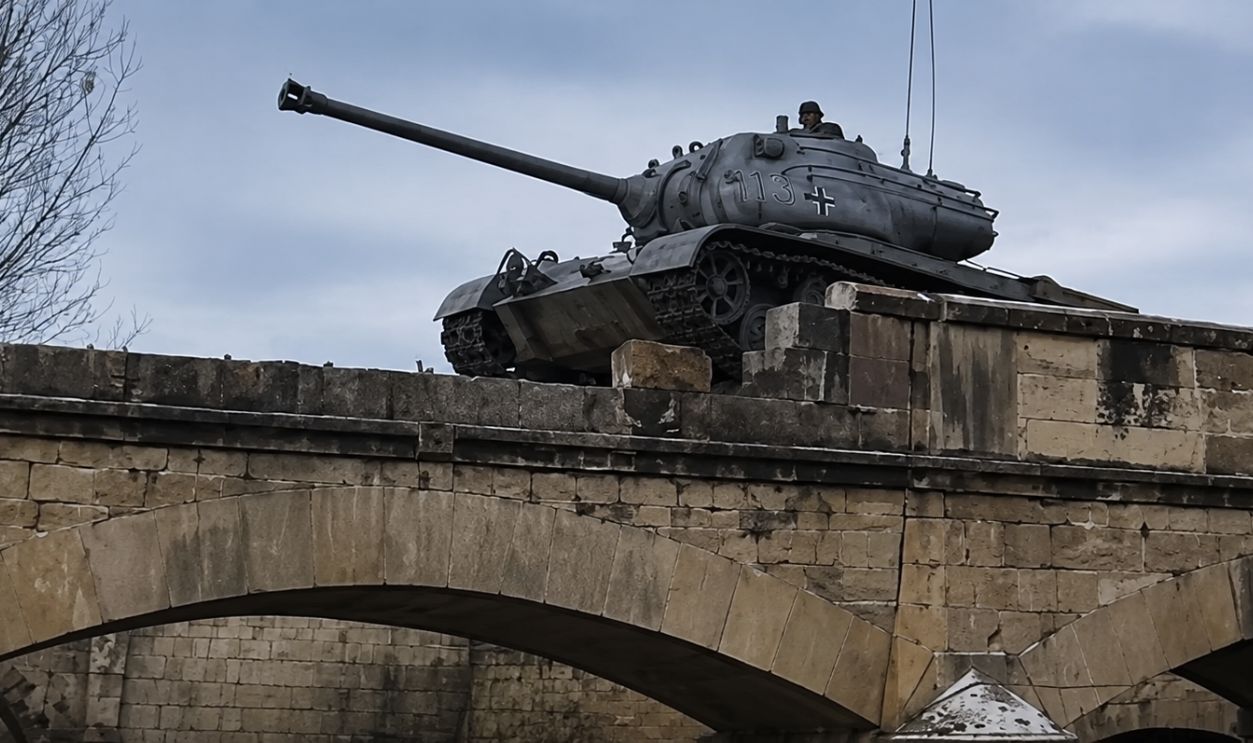 Screenshot from Battle of the Bulge, Warner Bros. Pictures (1965)
42. They Were Out Of Options
After Trois-Ponts, the Americans also destroyed another bridge, leaving Peiper with only one option left to get to his destination. He had to head north to Le Gleize and Stoumont, where the Americans had shored up their stronghold with reinforcements from nearby Spa. In the south, Kampfrupppe Hansen also faced difficulties, sending Schnellegruppe Knittel to aid Peiper again, but they came with grim news.
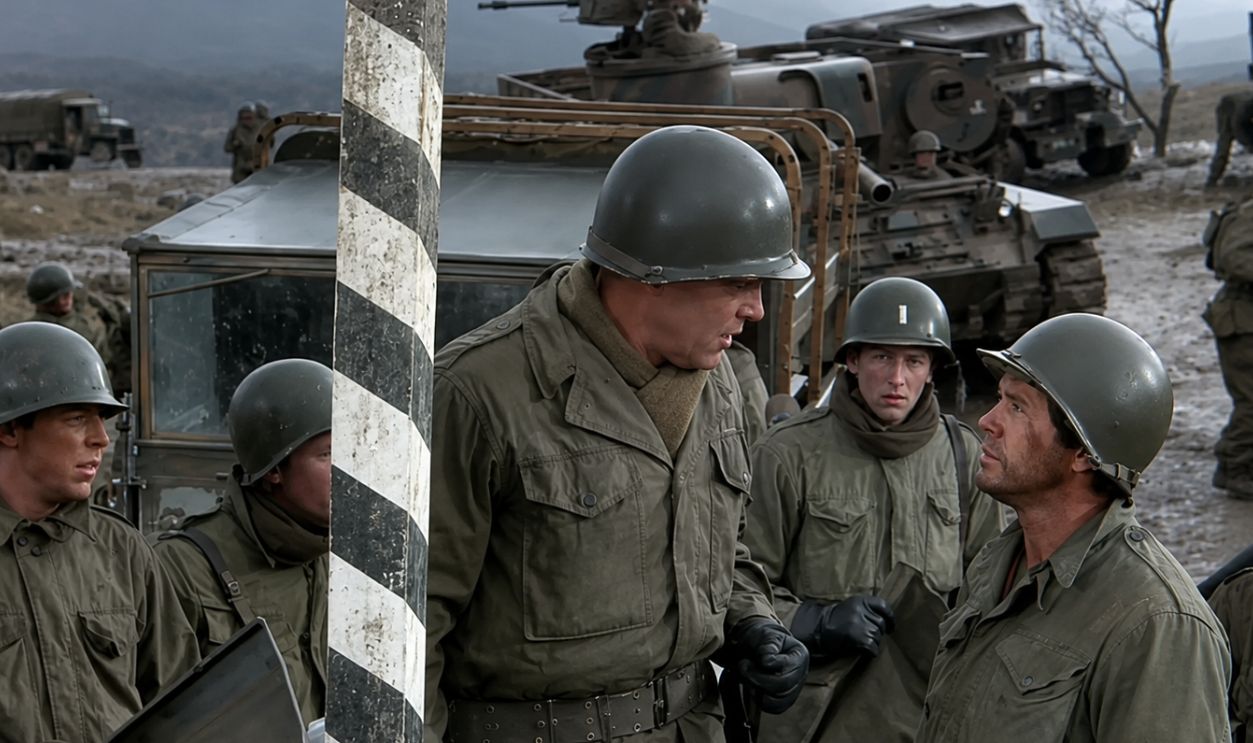 Screenshot from Battle of the Bulge, Warner Bros. Pictures (1965)
43. Their Enemies Were Closing In
Knittel passed over Stavelot, but just barely. The Americans were fighting bitterly to take the city back, and by the time Knittel arrived at Peiper, they’d taken the city. Peiper, who sat outside of Stoumont, deciding on the best course of action, now stood at risk of being cut off, and Knittel, along with them. In order to win the Battle of the Bulge, he needed to take the city.
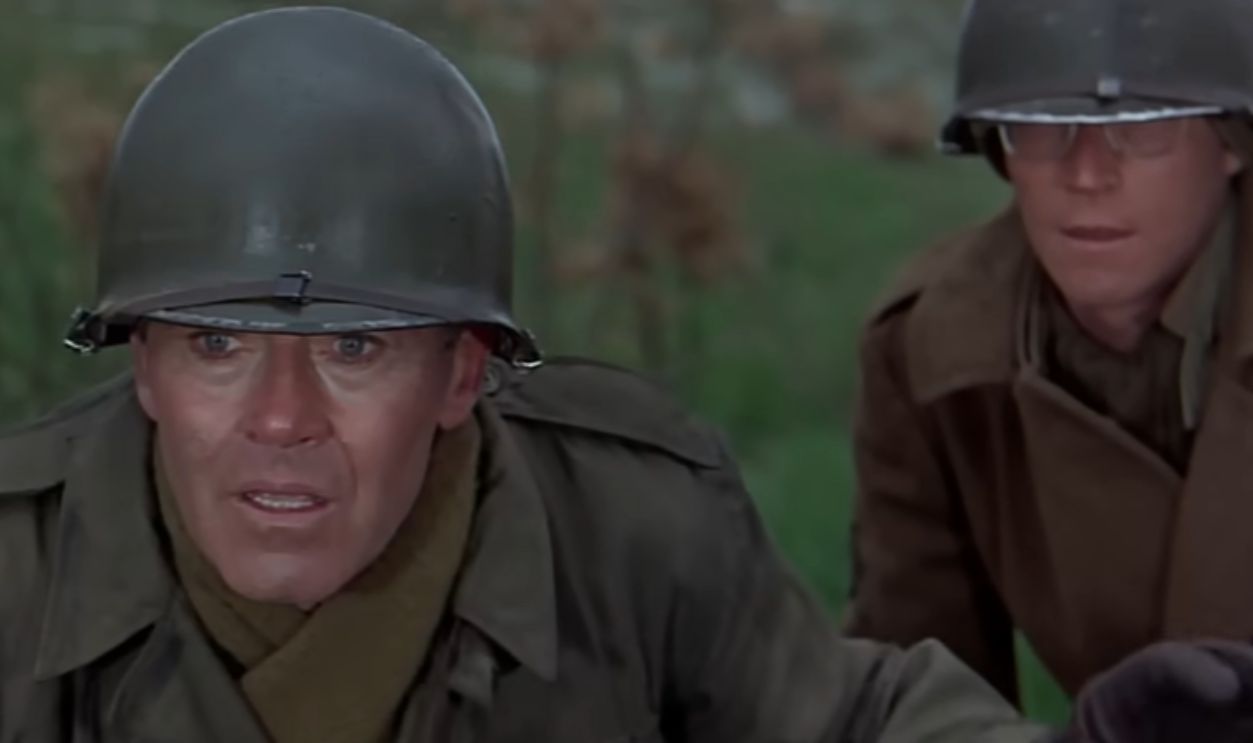 Screenshot from Battle of the Bulge, Warner Bros. Pictures (1965)
44. They Couldn’t Hold On
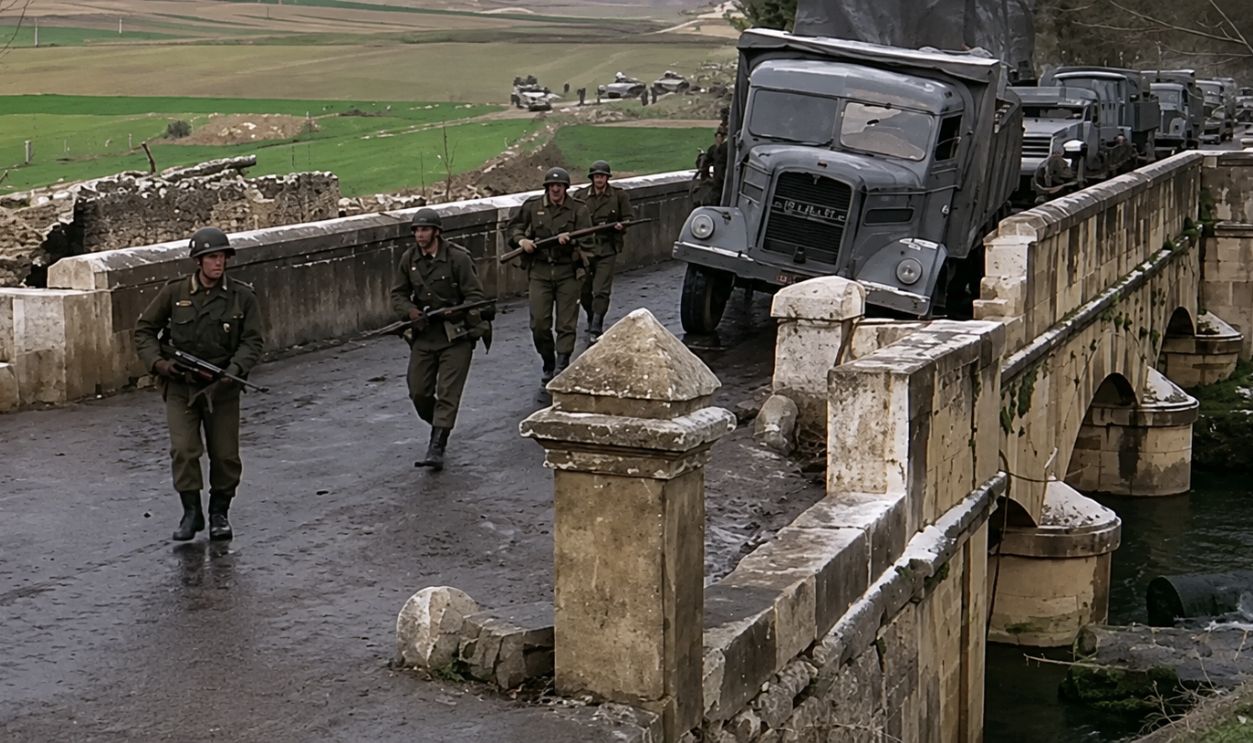
Peiper made their move at dawn on December 19, surprising the Americans and eventually taking the city of Stoumont by 10:30. However, the battle had cost them dearly. Now in the city, he realized that they did not have enough fuel to carry on across the bridge to their true destination. By the evening of the same day, his division had been pushed to the edge of the city with no clear pathway to advance, and no hint of support coming to help.
 Screenshot from Battle of the Bulge, Warner Bros. Pictures (1965)
45. They Fought Until It Was Futile
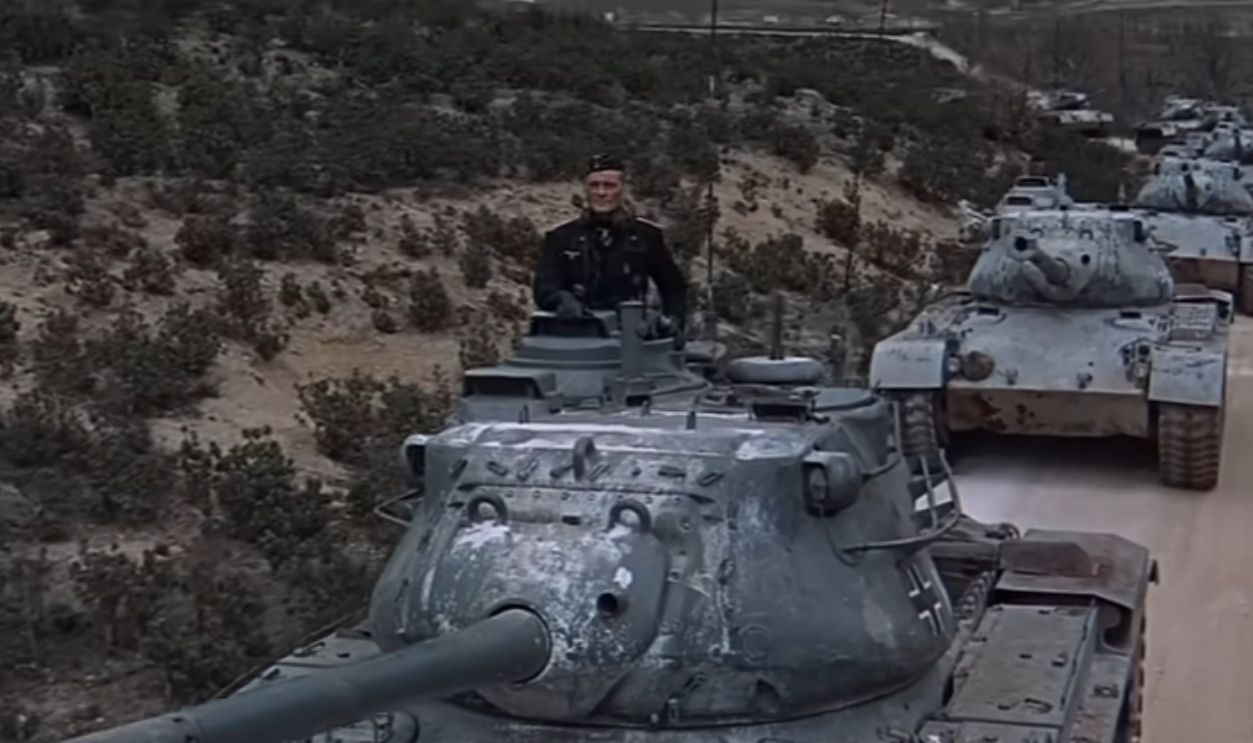
Despite rapidly running out of fuel and food, with no signs of support coming their way, Peiper and his men continued to fight until it became obvious that it was futile. By December 23, they had made the decision to retreat from the Battle of the Bulge through Allied lines to return to German lines, leaving behind their vehicles and heavy equipment to do so. In the end, this proved to be the biggest failure of the Germans’ advances.
 Screenshot from Battle of the Bulge, Warner Bros. Pictures (1965)
History's most fascinating stories and darkest secrets, delivered to your inbox daily.
46. They Were Vastly Outnumbered Yet Won
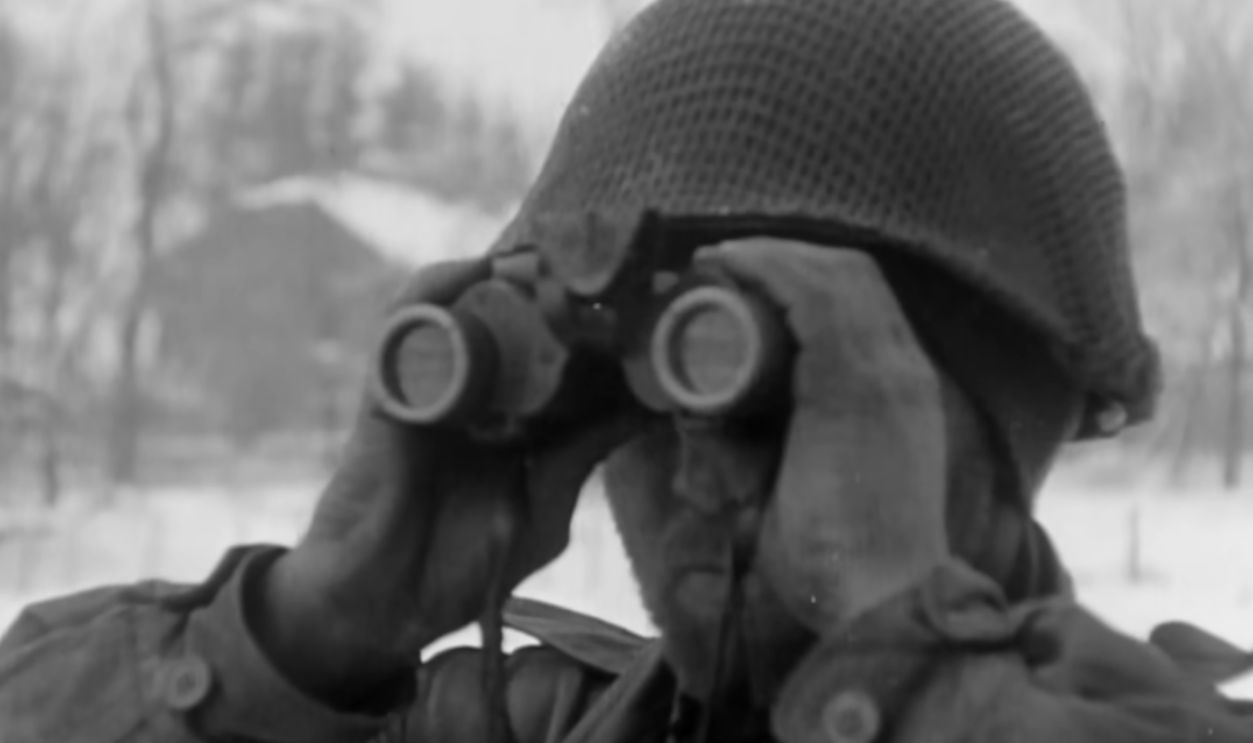
Despite being outnumbered five to one, the 99th Infantry Division didn’t just meet the powerhouse German division blow for blow, but they outnumbered them, handing out a casualty ratio of 18 to one—one of the most impressive feats of the Battle of the Bulge. They held off the Germans from reaching the much-needed supplies in Liege and Spa. One historian wrote, “the action of the 2nd and 99th Divisions on the northern shoulder could be considered the most decisive of the Ardennes campaign”.
The success in the north and south helped control the failures of the center.
 Screenshot from Frontlines, ZDF Studios GmbH (2023)
47. They Pushed Forward In One Spot
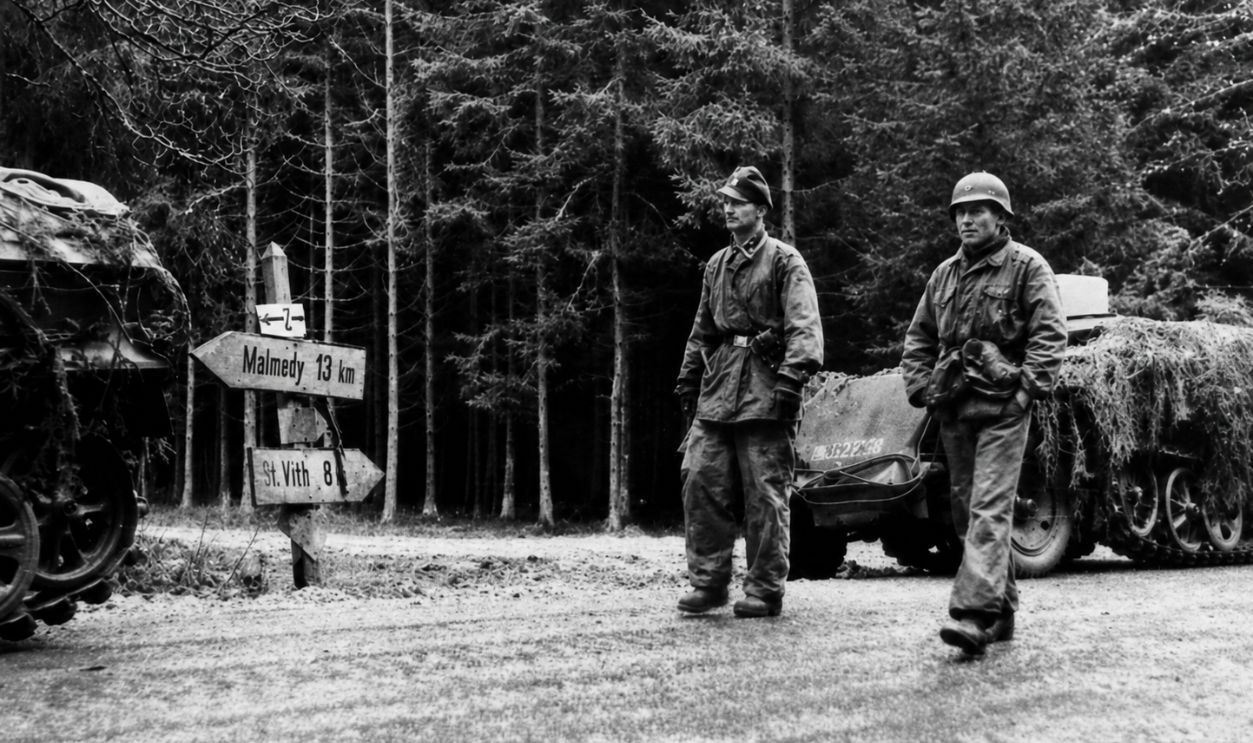
As noted already, the Battle of the Bulge gets its name from the way the front line “bulged” forward in the center by the end of the campaign. While the north and south managed to stall the movements of the German armies, the center saw more success for Germany, pushing the lines the furthest west. This created the memorable “bulge”, though even that didn’t help the Germans.
48. They Couldn’t Hold On To Even That
In the end, the forces in the “center” of the Battle of the Bulge managed to stop the Germans’ forward movements by December 24. Shortly after this time, the weather cleared, and the Allied forces were able to send their powerful air force over the area to deliver supplies and provide support, which helped control the German advance. With the Germans now under control, the Allies could plan to push them back to where they came from.
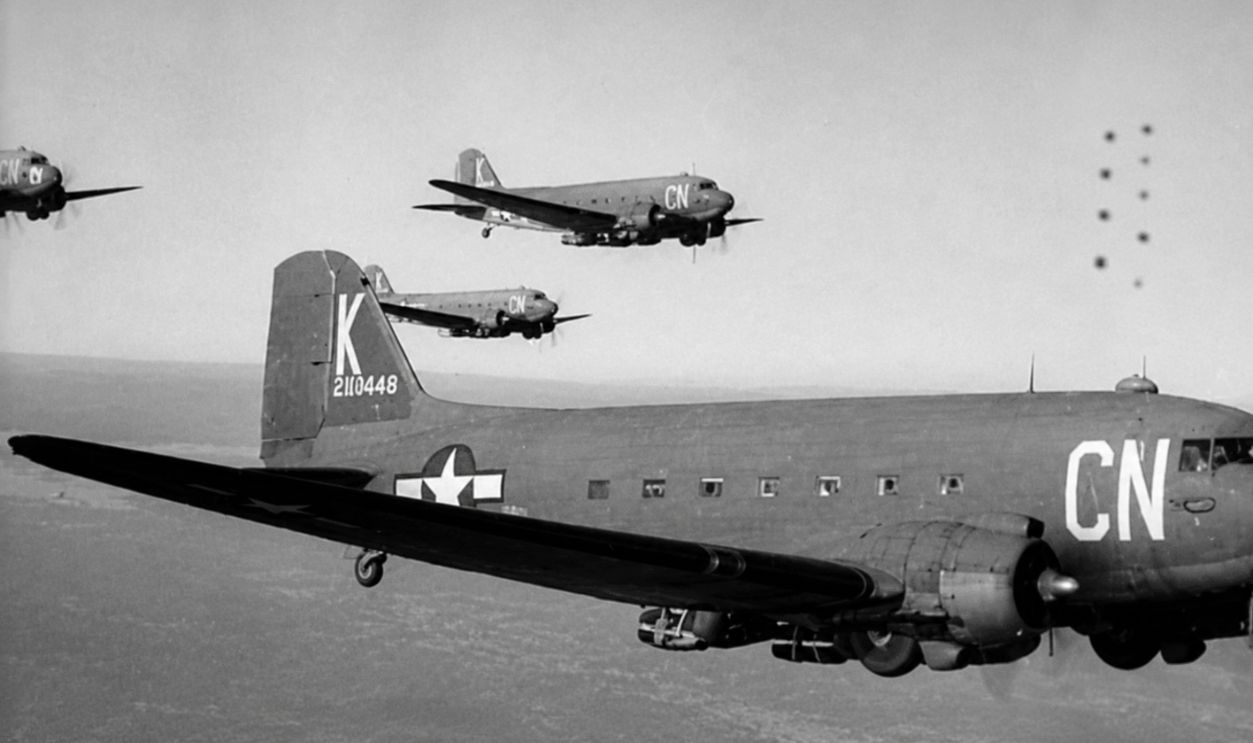 Screenshot from Frontlines, ZDF Studios GmbH (2023)
49. Their Enemies Pushed Them Back
Starting in January, the Allied forces began their own offensive campaign, pushing the Germans back and slowly removing the bulge that they’d created in the lines. It took over a month, but by February, the Germans had returned to where they started, and they never advanced again. From this point on in the Battle of the Bulge, the Germans could do nothing but retreat.
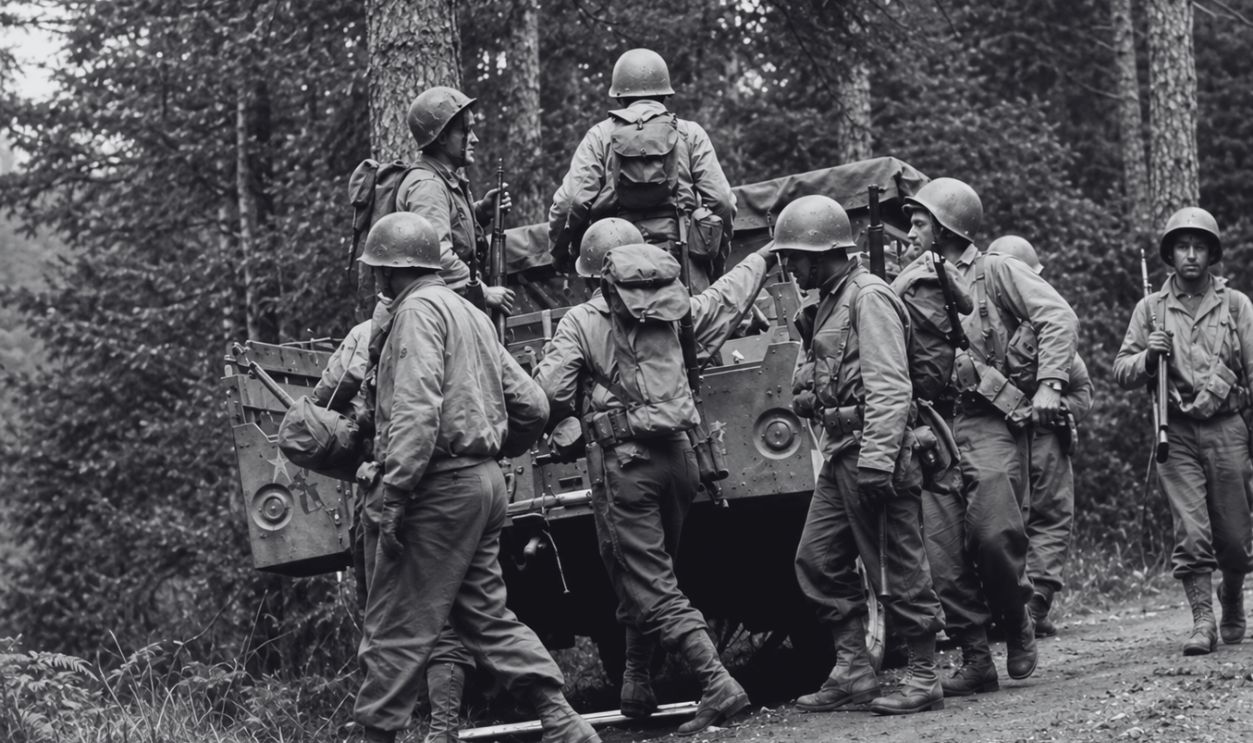 Screenshot from Frontlines, ZDF Studios GmbH (2023)
50. They Made History
At one point during the planning for the offensive, a German commander remarked that the plan needed to work, for it was their last chance to “end the [conflict] favorably”. This proved to be true. Following the failure of this movement, the Germans never held control in the Battle of the Bulge again. However, the Americans who participated in the Allied cause didn’t walk away unscathed.
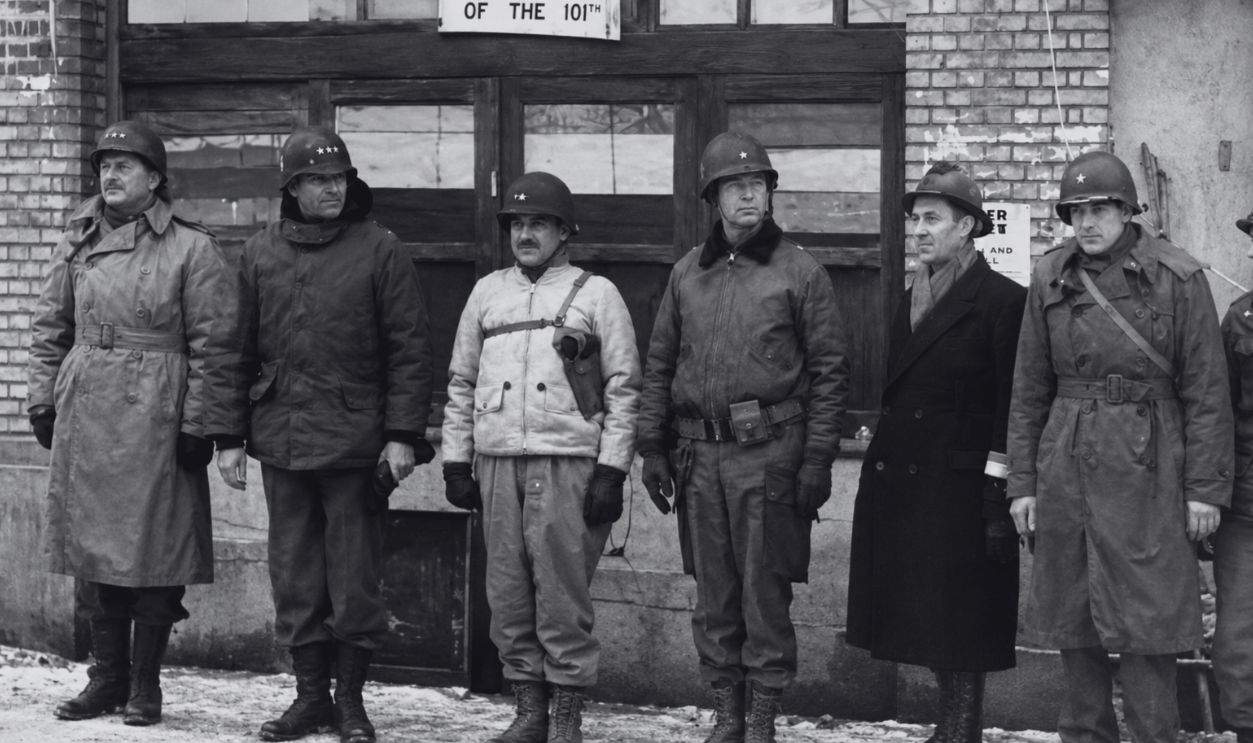 Screenshot from Frontlines, ZDF Studios GmbH (2023)
51. It Was A Hard Won Victory
The Battle of the Bulge, the last major German offensive campaign of WWII, was one of the deadliest conflicts for American soldiers during the war. An estimated 19,000 American soldiers lost their lives. However, their sacrifices weren’t for nothing—and both those who survived and those who didn’t were lauded for their efforts.
The success of the Americans during the Battle of the Bulge prompted Winston Churchill to say, “This is undoubtedly the greatest American battle of the war and will, I believe, be regarded as an ever-famous American victory”.
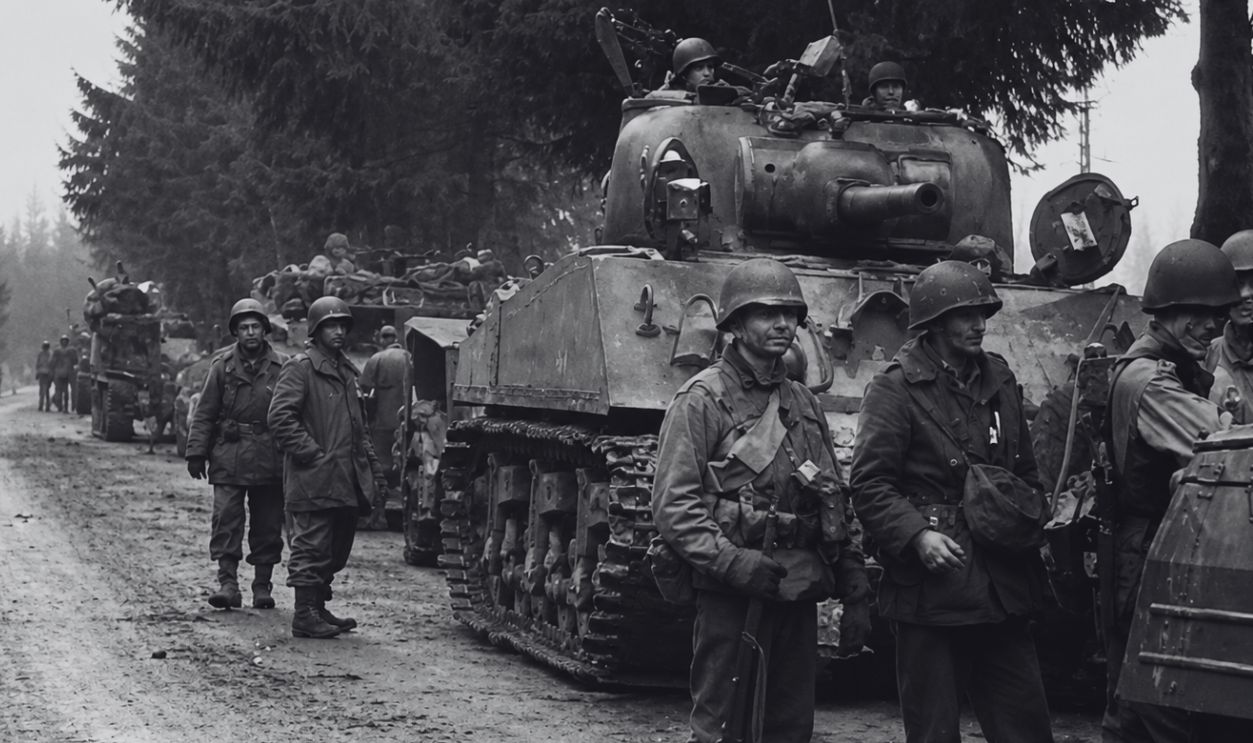 Screenshot from Frontlines, ZDF Studios GmbH (2023)
You May Also Like:
Devastating Facts About The Battle of Stalingrad, The Most Brutal Battle In History
Cunning Facts About Military Underdog Victories
Grisly Facts About The Battle Of Midway, WWII's Grudge Match









![SS-Unterscharführer Max Buschel (apparently died 1945[1]), film captured by U.S. Army., Wikimedia Commons, Modified](https://commons.wikimedia.org/wiki/File:Kampfgruppe_Knittel%27s_troops_on_the_road_to_Stavelot.jpg)