
Someone Had To Try
It is easy to forget that everyday objects were once brand-new ideas. Elevators seemed unsafe. Dishwashers sounded unnecessary. Even shopping carts confused people at first. These inventions became ordinary because someone spotted a problem, ignored the doubters, and kept working until the impossible started looking useful.
 Matthew Yohe, CC BY-SA 3.0 , via Wikimedia Commons
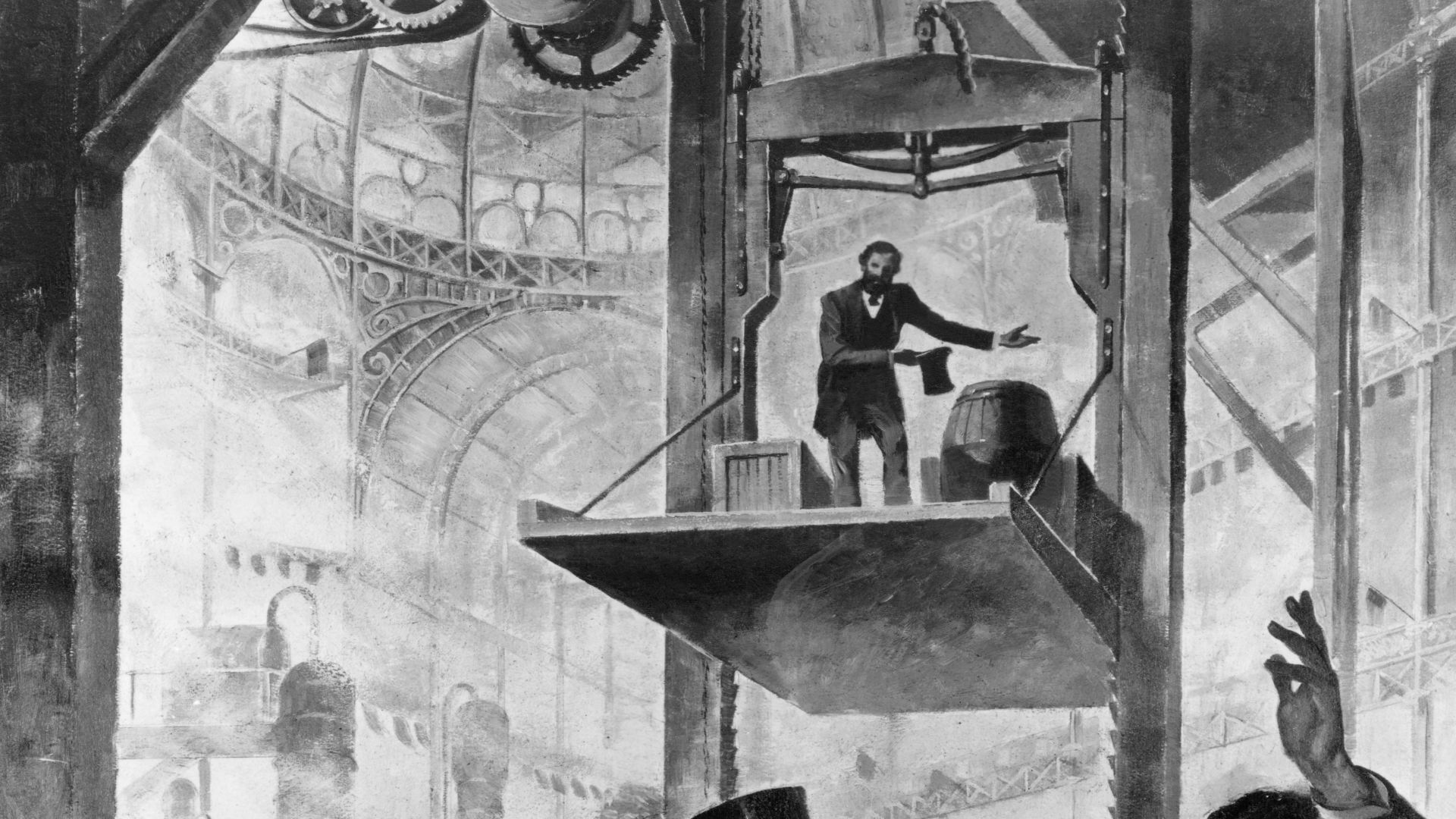
Elisha Otis Made Elevators Feel Safe
Elevators already existed in the 1800s, but few people wanted to ride one. A broken rope could mean disaster. Elisha Otis changed that by creating a safety brake that stopped the platform from falling. His invention made passenger elevators practical and helped create the modern skyscraper.
 Unknown authorUnknown author, Wikimedia Commons
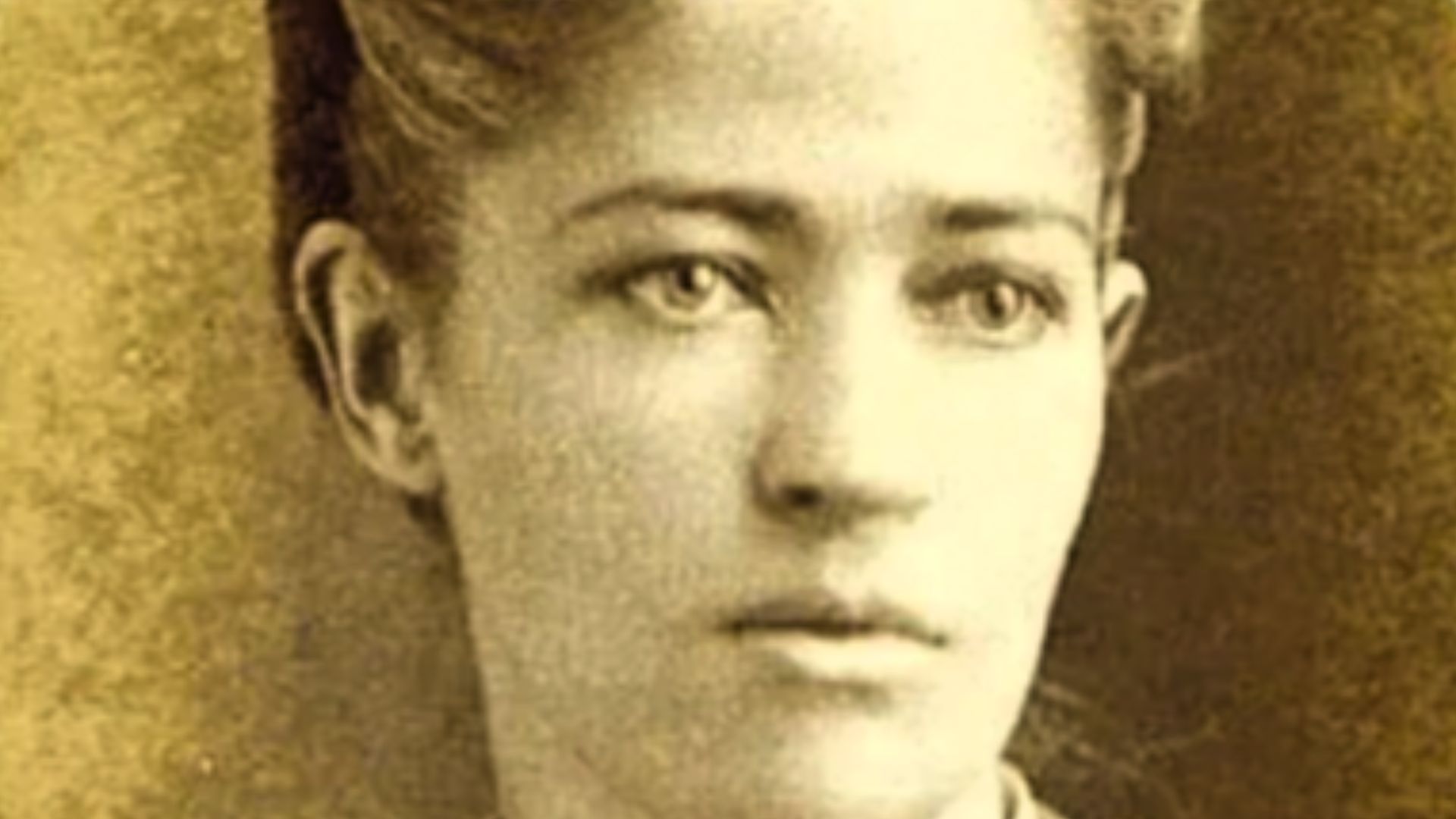
Josephine Cochrane Built The Dishwasher
Josephine Cochrane loved entertaining, but she hated seeing her expensive dishes chipped during washing. In the 1880s, she designed a machine that held plates in wire racks while hot water sprayed over them. Hotels and restaurants bought early models before dishwashers became common in family kitchens.
 Unknown authorUnknown author, Wikimedia Commons
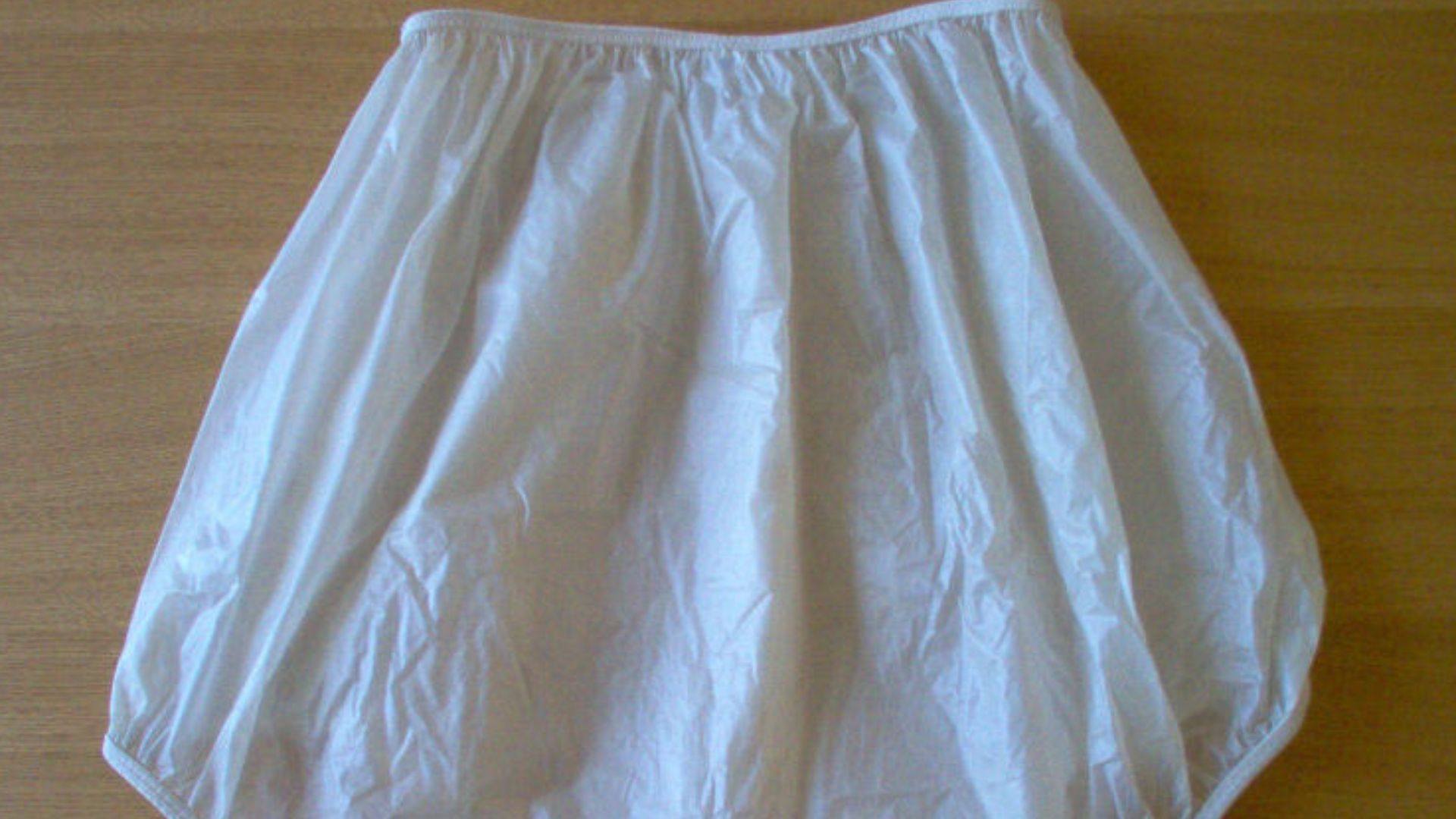
Marion Donovan Improved The Diaper
Cloth diapers created endless piles of wet laundry. In the 1940s, Marion Donovan stitched a waterproof diaper cover from a shower curtain. She called it the Boater. Companies first rejected her idea, but she secured patents, sold the design, and helped clear the way for modern disposable diapers.
 Mgcfr-stardust.4 (gebruiksnaam)/ No www-address available, Wikimedia Commons
Chester Greenwood Protected Cold Ears
As a teenager in Maine, Chester Greenwood disliked wrapping an itchy scarf around his head while ice skating. He bent wire into loops and asked his grandmother to sew fur onto them. His simple design became the earmuff, giving generations of people an easier way to survive winter.

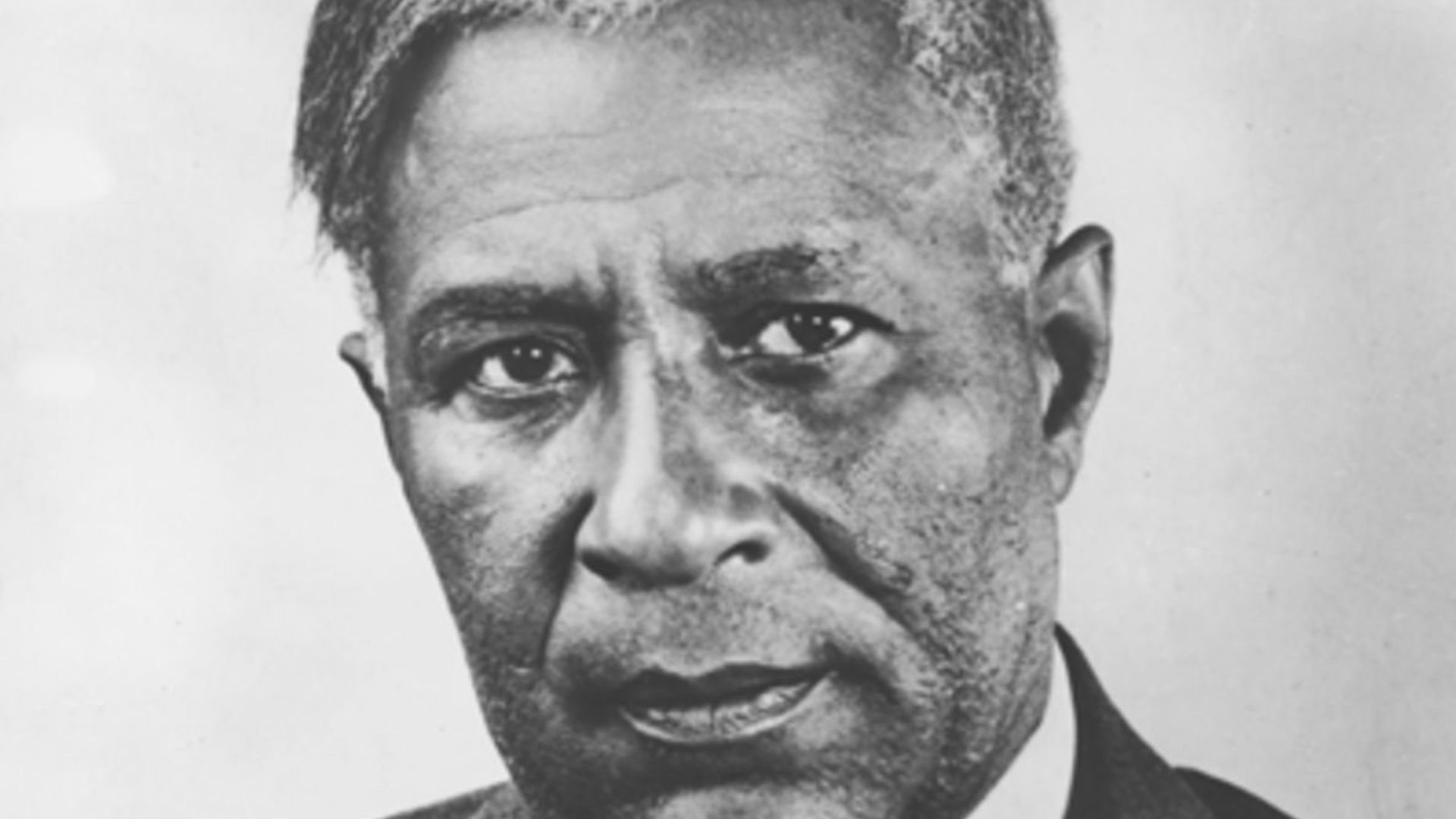
Garrett Morgan Improved The Traffic Signal
Early traffic signals were basic and often moved directly between stop and go. Garrett Morgan, an inventor and businessman, patented a signal with a third position that paused traffic in every direction. His idea helped inspire the warning stage used in modern traffic lights, making busy intersections safer.
 Unknown authorUnknown author, Wikimedia Commons
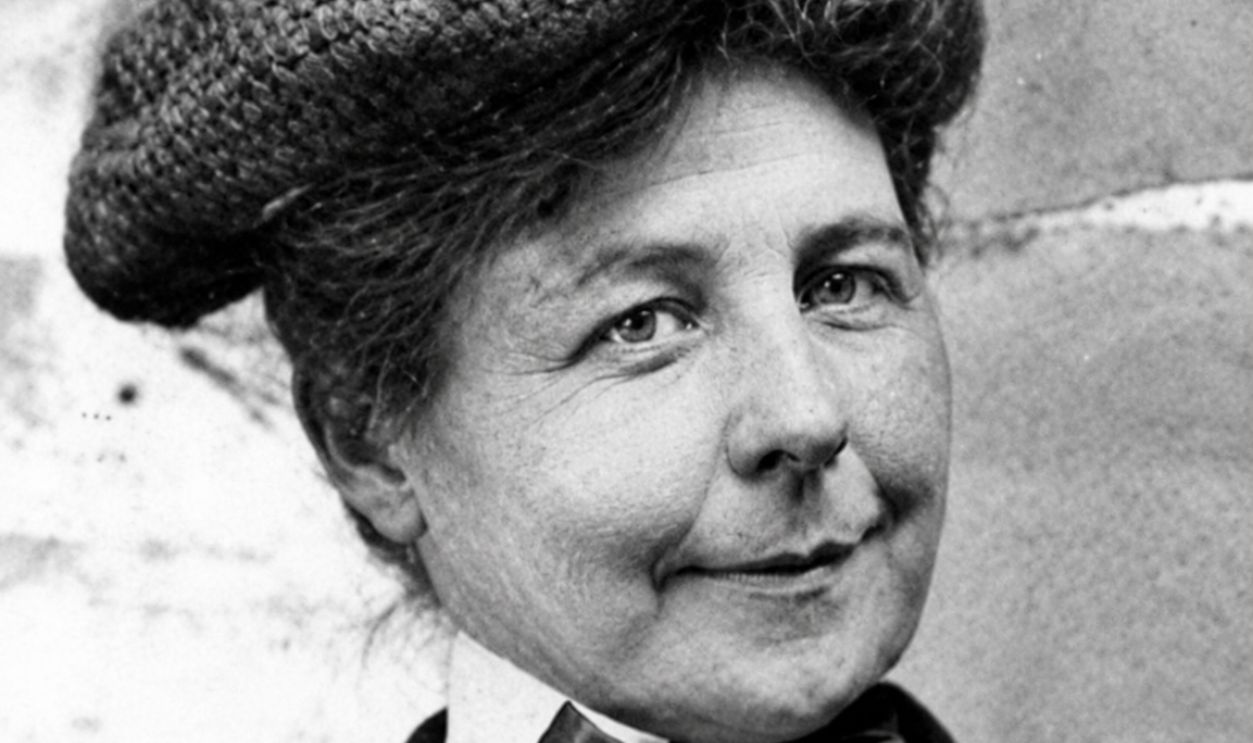
Mary Anderson Invented Windshield Wipers
During a snowy trip through New York City, Mary Anderson noticed drivers stopping to clear their windshields by hand. She designed a rubber blade operated from inside the vehicle. Car companies initially showed little interest, but windshield wipers later became standard equipment on nearly every automobile.
 Unknown author, Wikimedia Commons, Modified
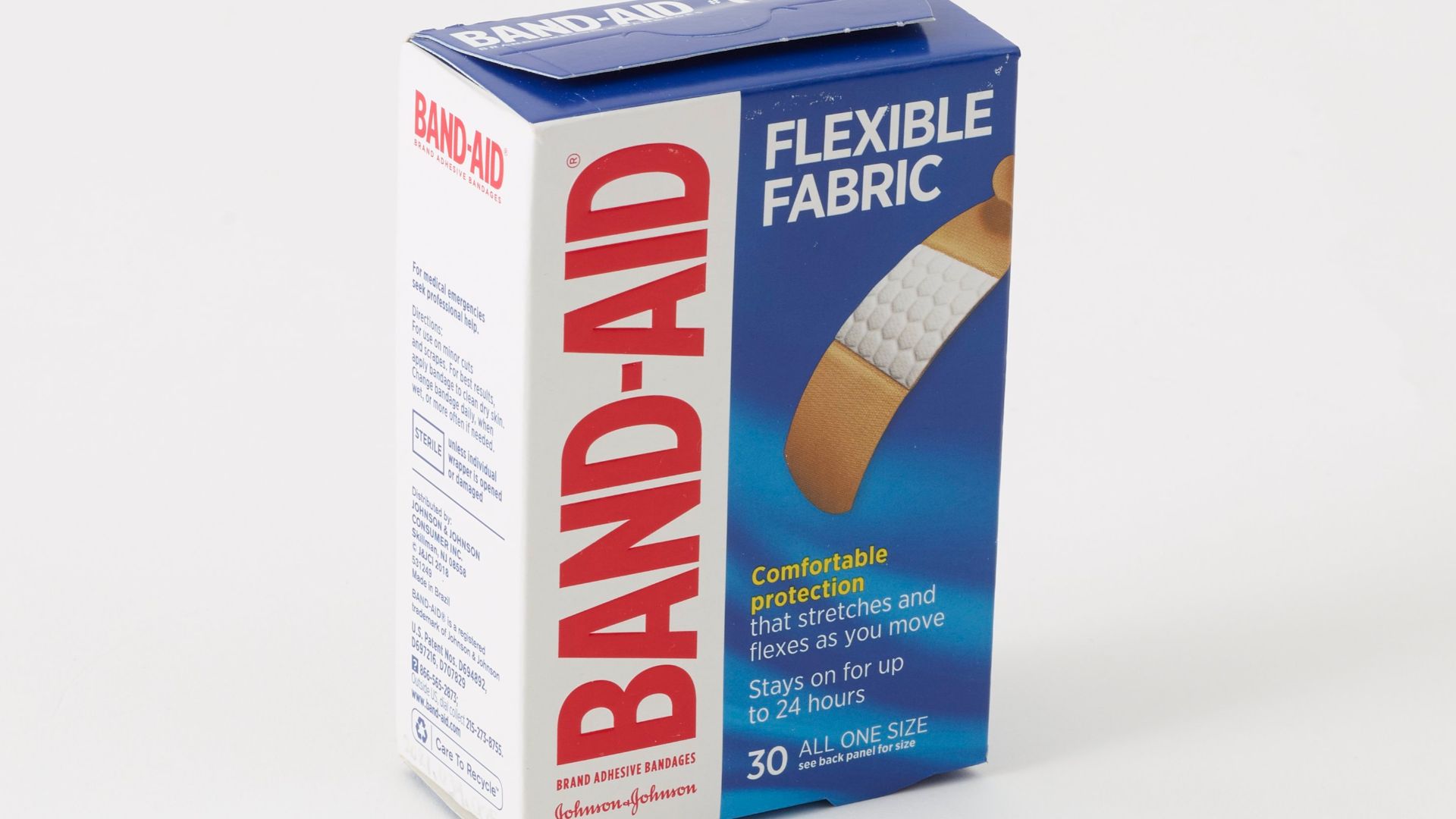
Earle Dickson Created The Band-Aid
Earle Dickson worked for Johnson & Johnson. His wife, Josephine, often cut or burned herself while cooking. He placed small pieces of gauze along a strip of adhesive tape so she could cover injuries without help. The company developed the idea into the Band-Aid adhesive bandage.
 Johnson & Johnson, Wikimedia Commons
László Bíró Fixed The Leaky Pen
László Bíró was a Hungarian newspaper editor who disliked fountain pens because they leaked and smudged. He noticed that newspaper ink dried quickly. Working with his brother György, a chemist, he created a pen that used thick ink and a tiny rolling ball: the ballpoint pen.
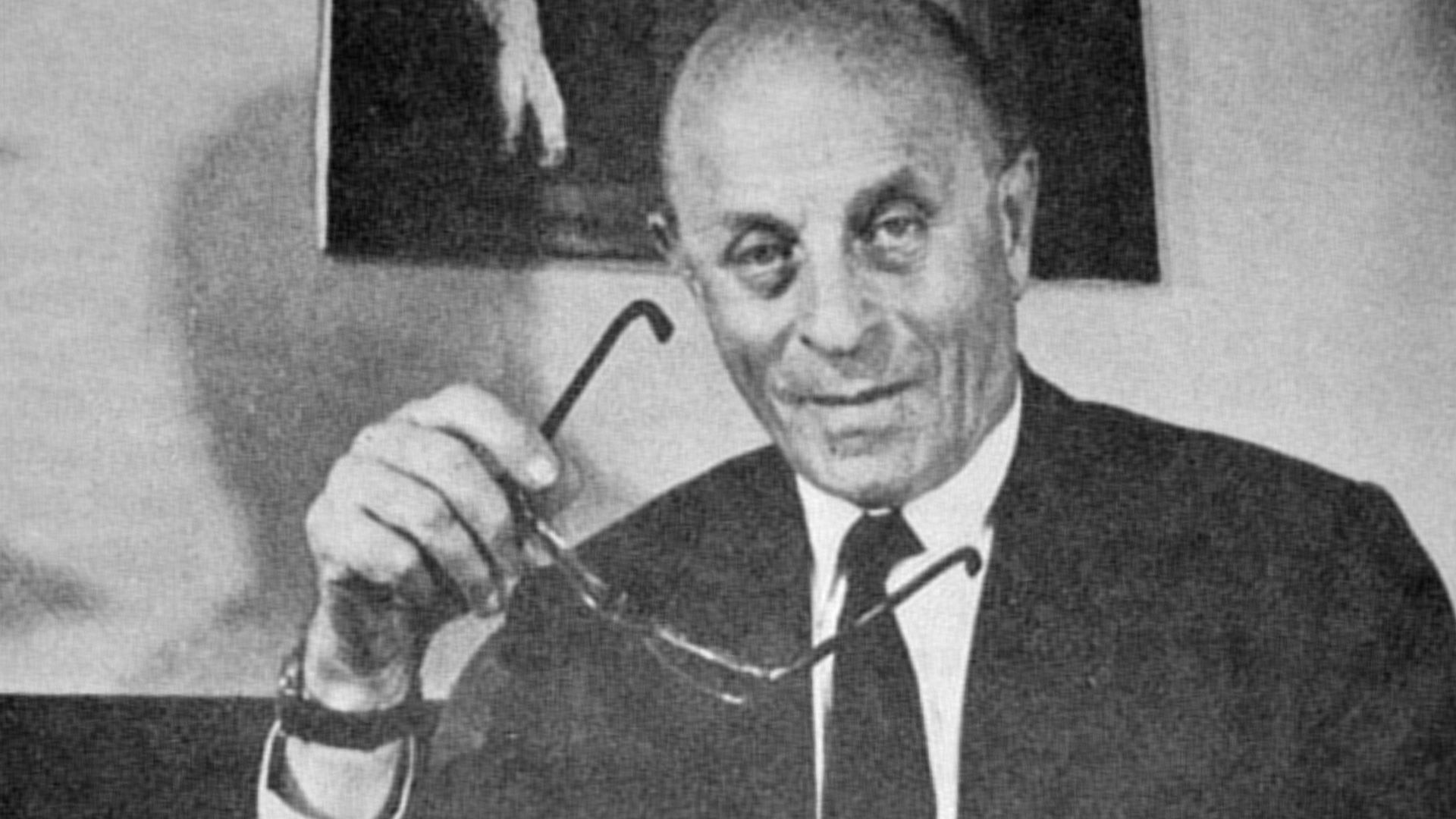 Unknown authorUnknown author, Wikimedia Commons

History's most fascinating stories and darkest secrets, delivered to your inbox daily.
King Gillette Made Shaving Easier
Straight razors needed regular sharpening and could cause nasty cuts. King Camp Gillette imagined a razor with a thin blade that could be replaced after it became dull. Manufacturing the blade was difficult, but Gillette and engineer William Nickerson eventually created the familiar safety razor system.
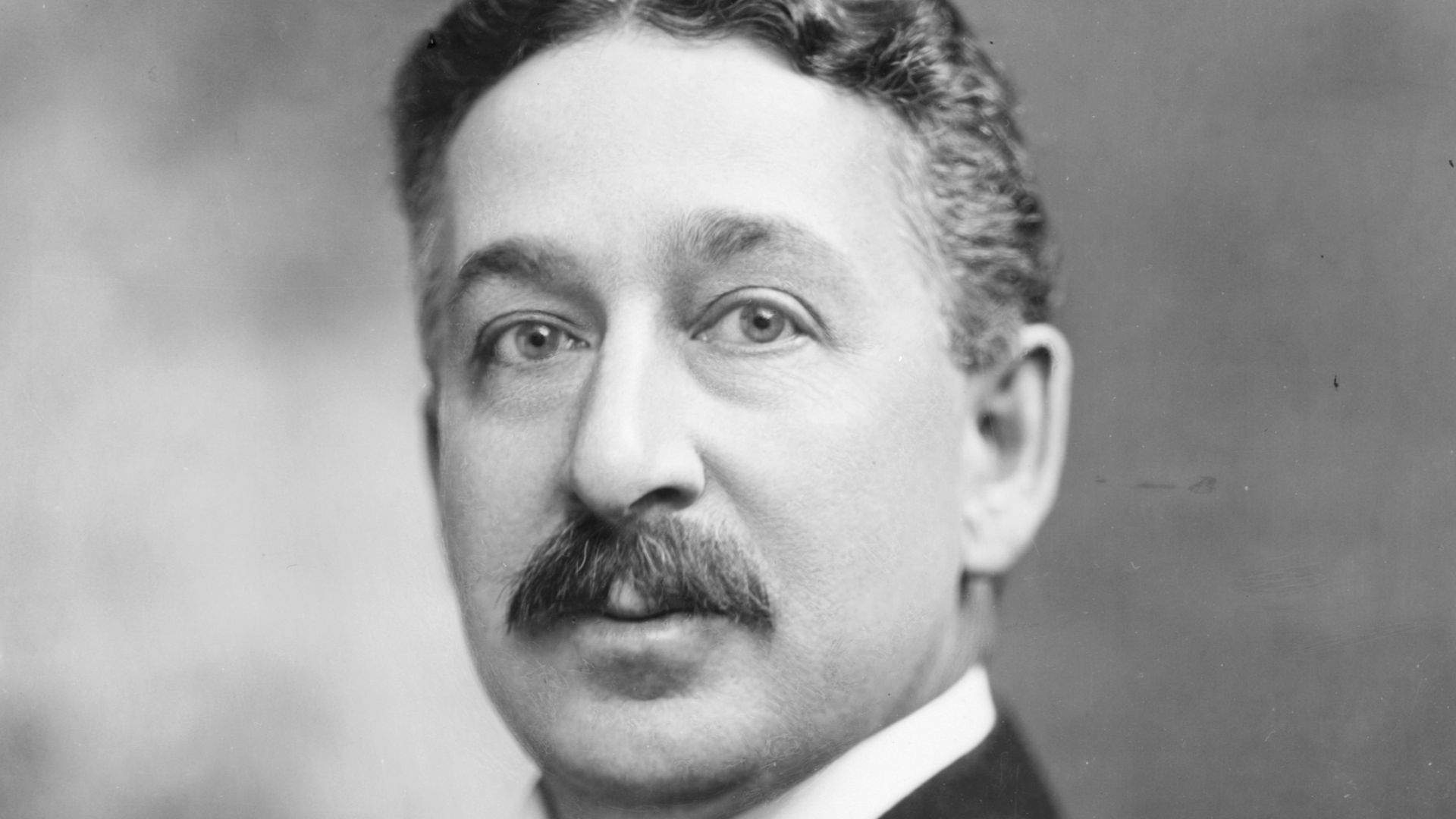 Benjamin Joseph Falk, Wikimedia Commons
Gideon Sundback Perfected The Zipper
Early fasteners were awkward and unreliable. Engineer Gideon Sundback improved the idea by designing small metal teeth that locked together smoothly. His “separable fastener” became what we now call the zipper. It made jackets, pants, boots, handbags, and suitcases much quicker to open and close.
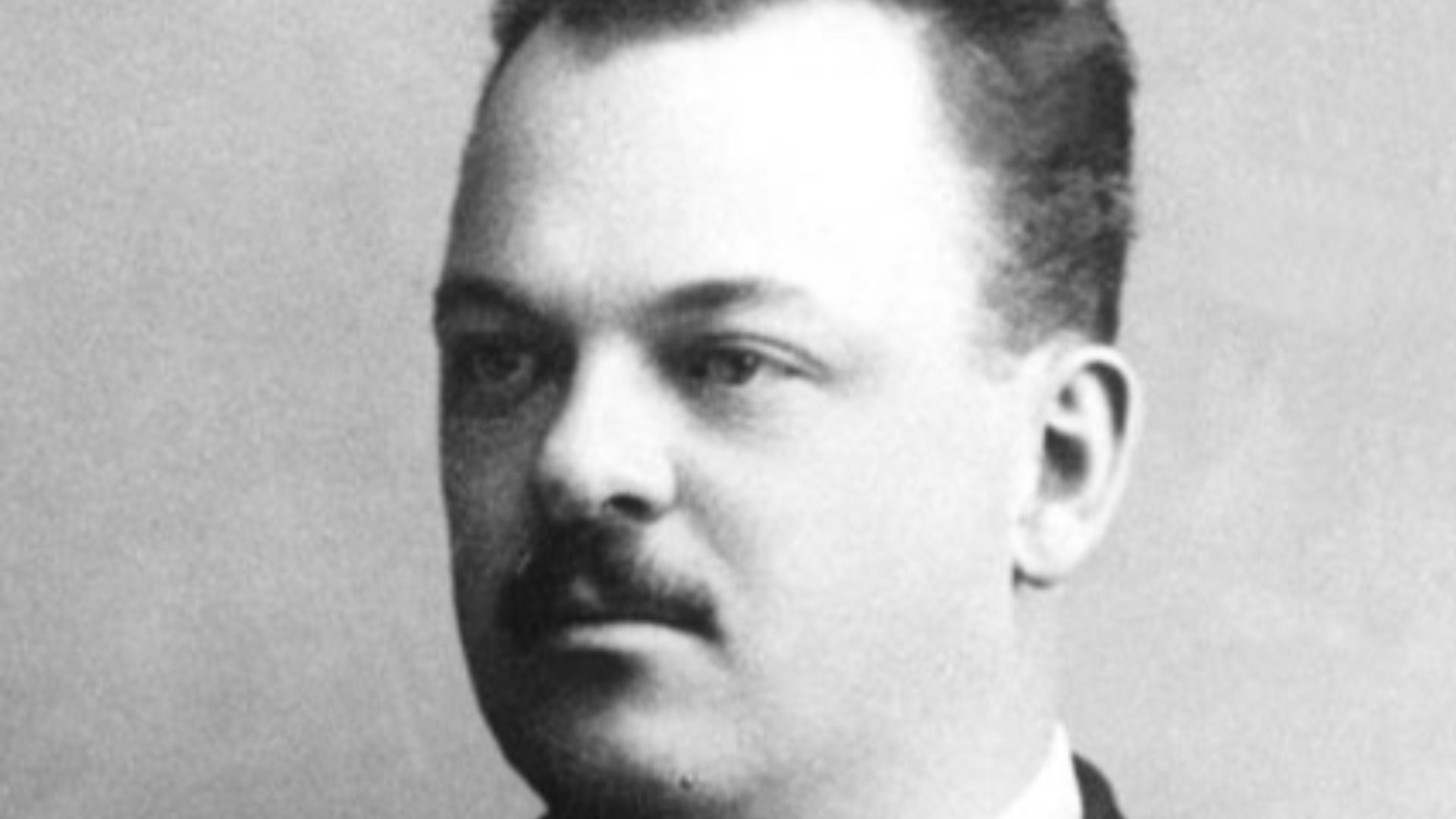 Unknown authorUnknown author, Wikimedia Commons
George De Mestral Copied A Burr
After walking his dog, Swiss engineer George de Mestral found burrs stuck to his clothes and the dog’s fur. He studied them under a microscope and saw tiny hooks. He spent years copying that design, eventually creating Velcro, the hook-and-loop fastener used on shoes, bags, and clothing.
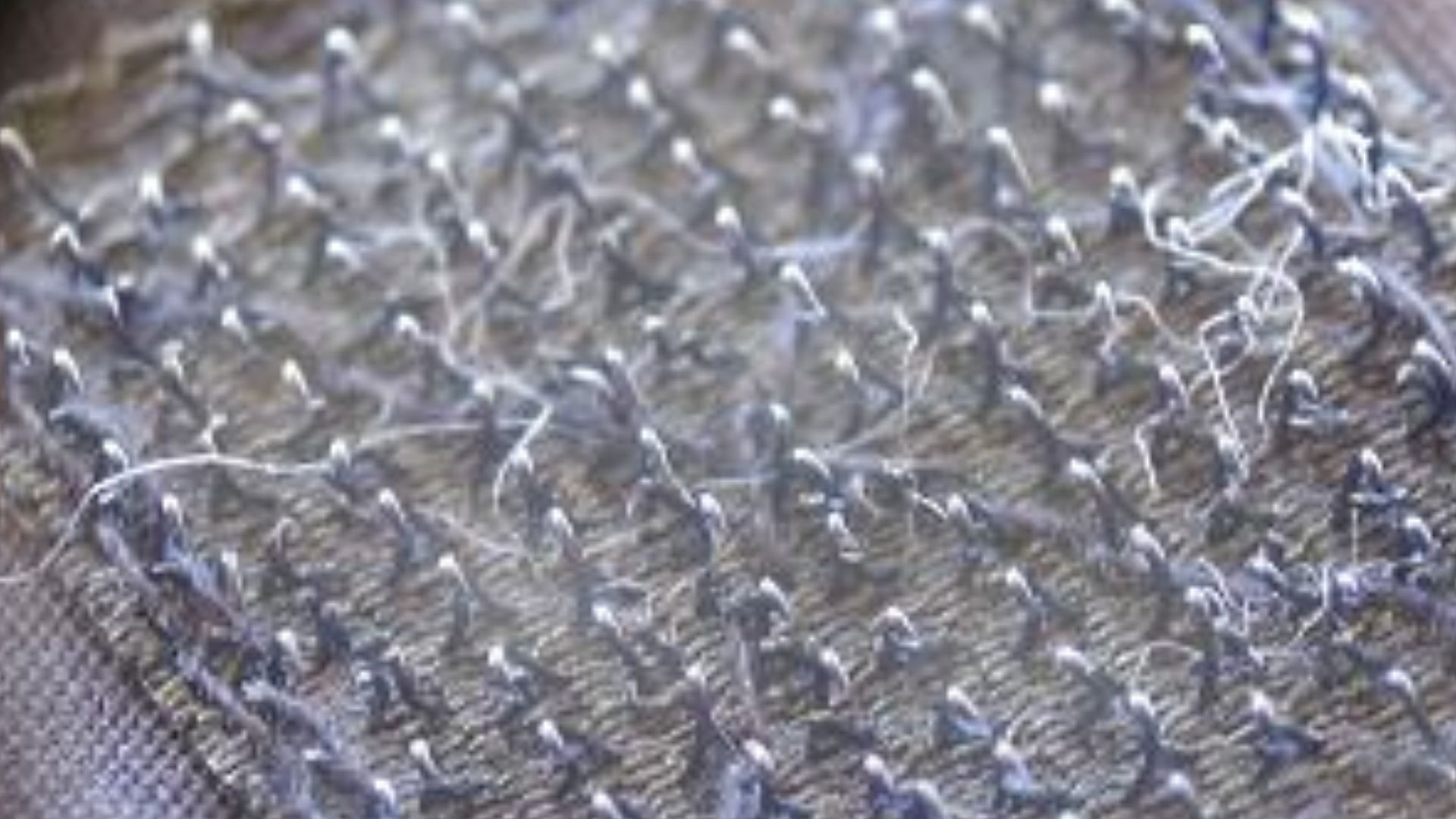 es:Usuario:Alberto_Salguero, Wikimedia Commons
Sylvan Goldman Introduced Shopping Carts
Grocery store owner Sylvan Goldman noticed that customers stopped shopping when their baskets became too heavy. He placed baskets on folding metal frames, creating an early shopping cart. Shoppers resisted at first, so Goldman hired people to push the carts around his store and make them look normal.
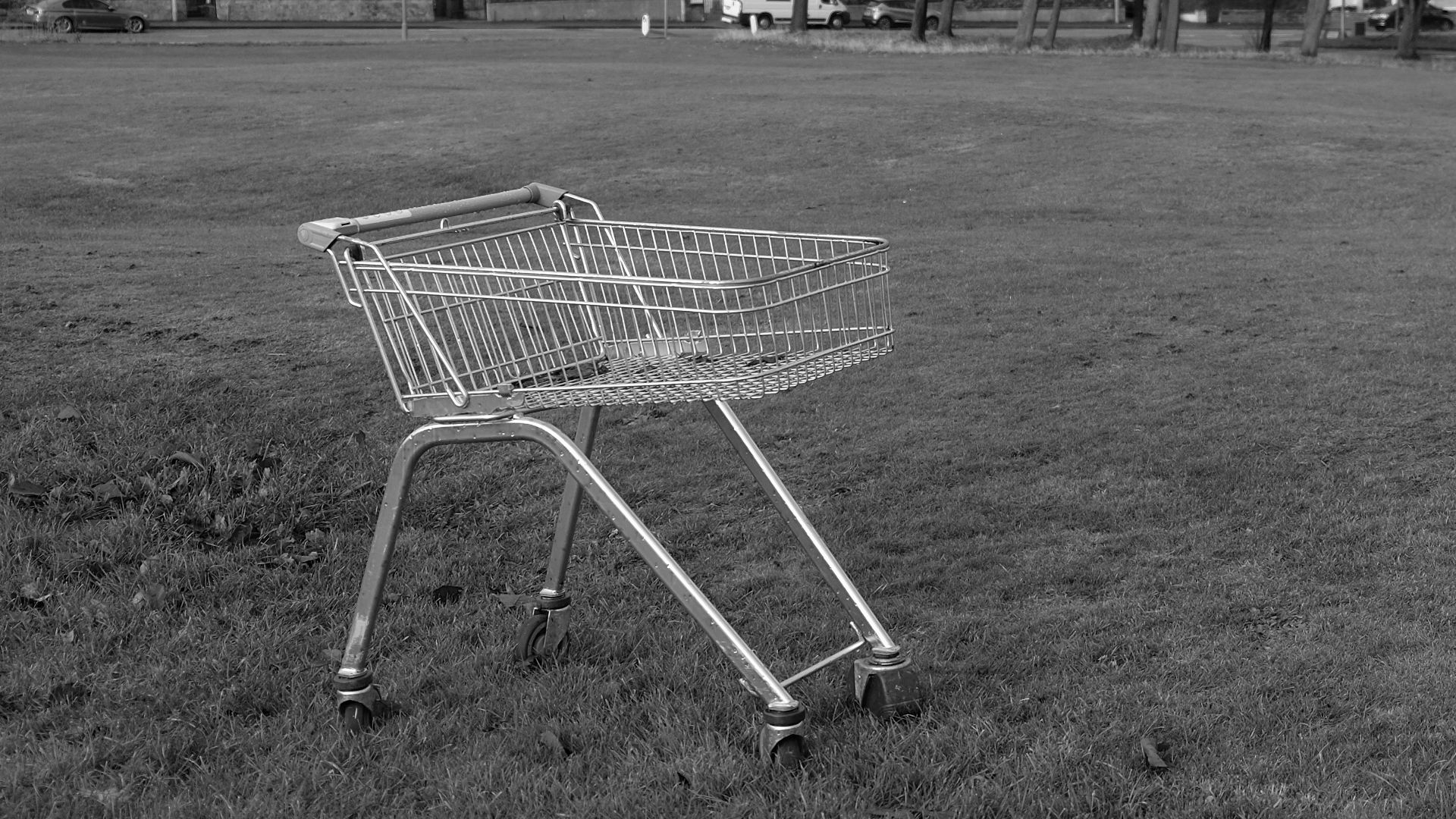 John Winder , Wikimedia Commons
Edwin Land Made Photos Appear Quickly
Edwin Land’s young daughter once asked why she could not see a photograph immediately after it was taken. Land, already a successful inventor, took the question seriously. He developed the Polaroid camera, which produced a finished picture within minutes instead of requiring a trip to a photo laboratory.
![Title: Edwin H. Land, founder, Polaroid Corp. in 1937; developed lenses and 1-step photography
Creator(s): Gotfryd, Bernard, photographer
Date Created/Published: [1971]
Medium: 1 photograph : color transparency ; 35mm (slide format)
Reproduction Number: L](https://www.factinate.com/storage/app/media/factinate/2026/7/22/1784717743c6f0887dd091b25424b1b018c96332855f54659f.jpg) Gotfryd, Bernard, photographer, Wikimedia Commons
Gotfryd, Bernard, photographer, Wikimedia Commons
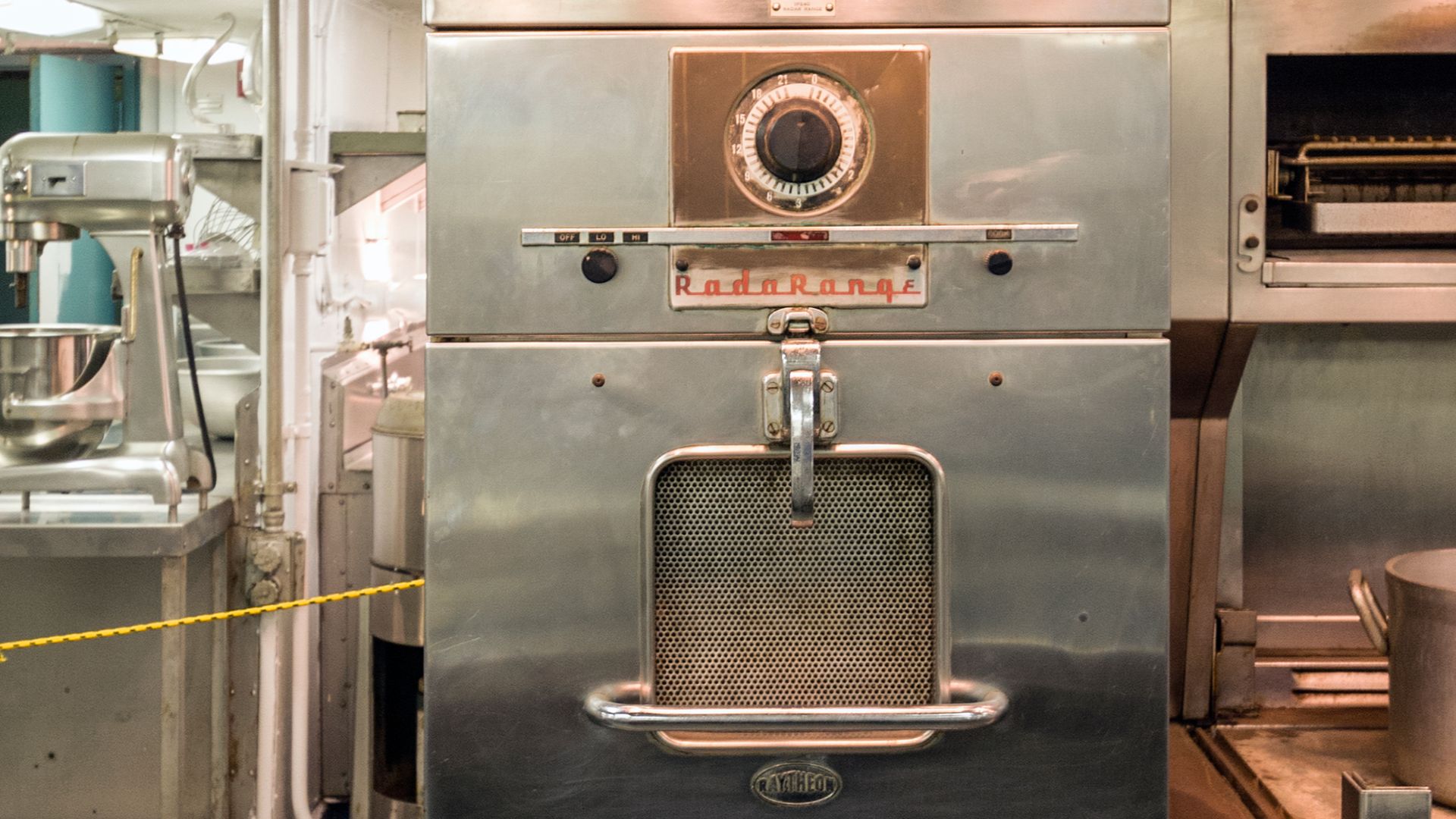
Percy Spencer Helped Create The Microwave
Engineer Percy Spencer was working with radar equipment when he noticed that a candy bar in his pocket had melted. He tested the energy on popcorn and eggs. Those experiments led to the microwave oven, although the earliest models were huge, expensive, and mainly used in commercial kitchens.
Willis Carrier Cooled The Air
Willis Carrier was not originally trying to make homes comfortable. He was solving a humidity problem at a printing company, where damp air damaged paper and ink. His system controlled both moisture and temperature. That invention eventually led to air conditioning in homes, offices, stores, and cars.
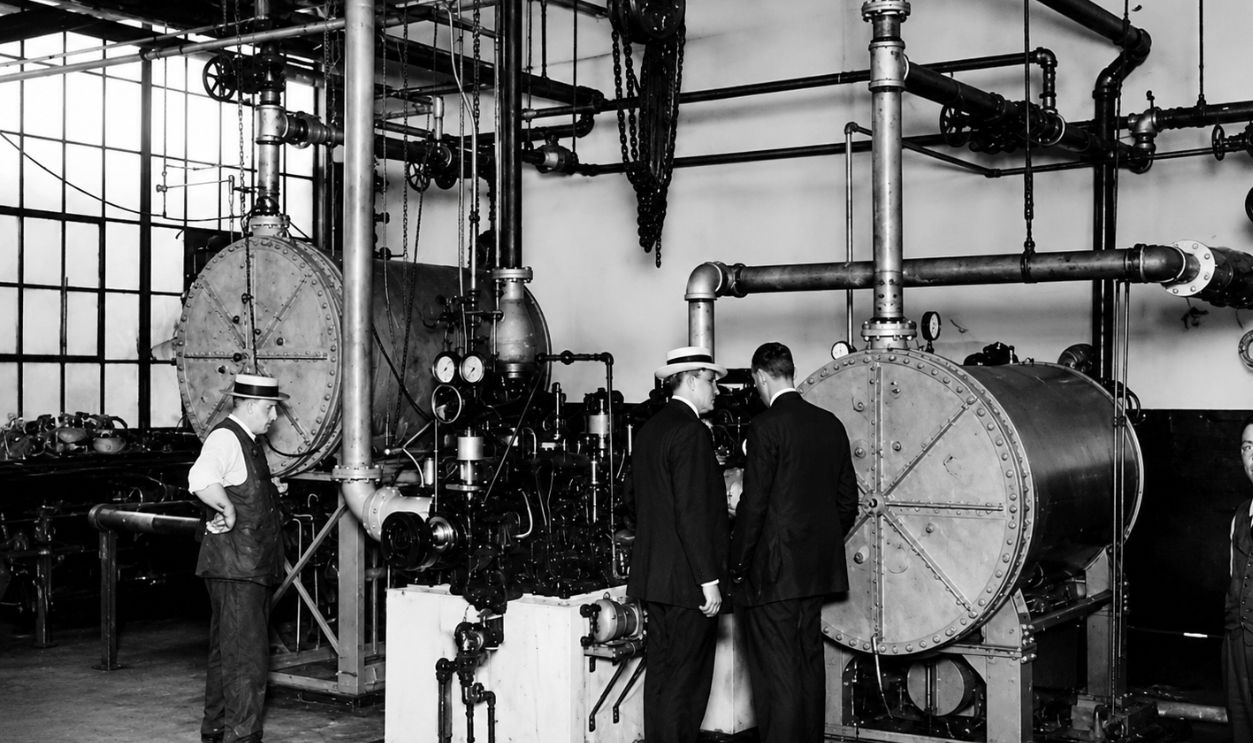 It was likely created by Carrier Corporation to showcase its technology, Wikimedia Commons, Modified
Hubert Cecil Booth Sucked Up Dust
Early carpet cleaners often blew air, which moved dirt around instead of removing it. British engineer Hubert Cecil Booth wondered why the dust could not be sucked into a machine. His first vacuum cleaner was enormous and horse-drawn, but the basic idea led to smaller household vacuum cleaners.
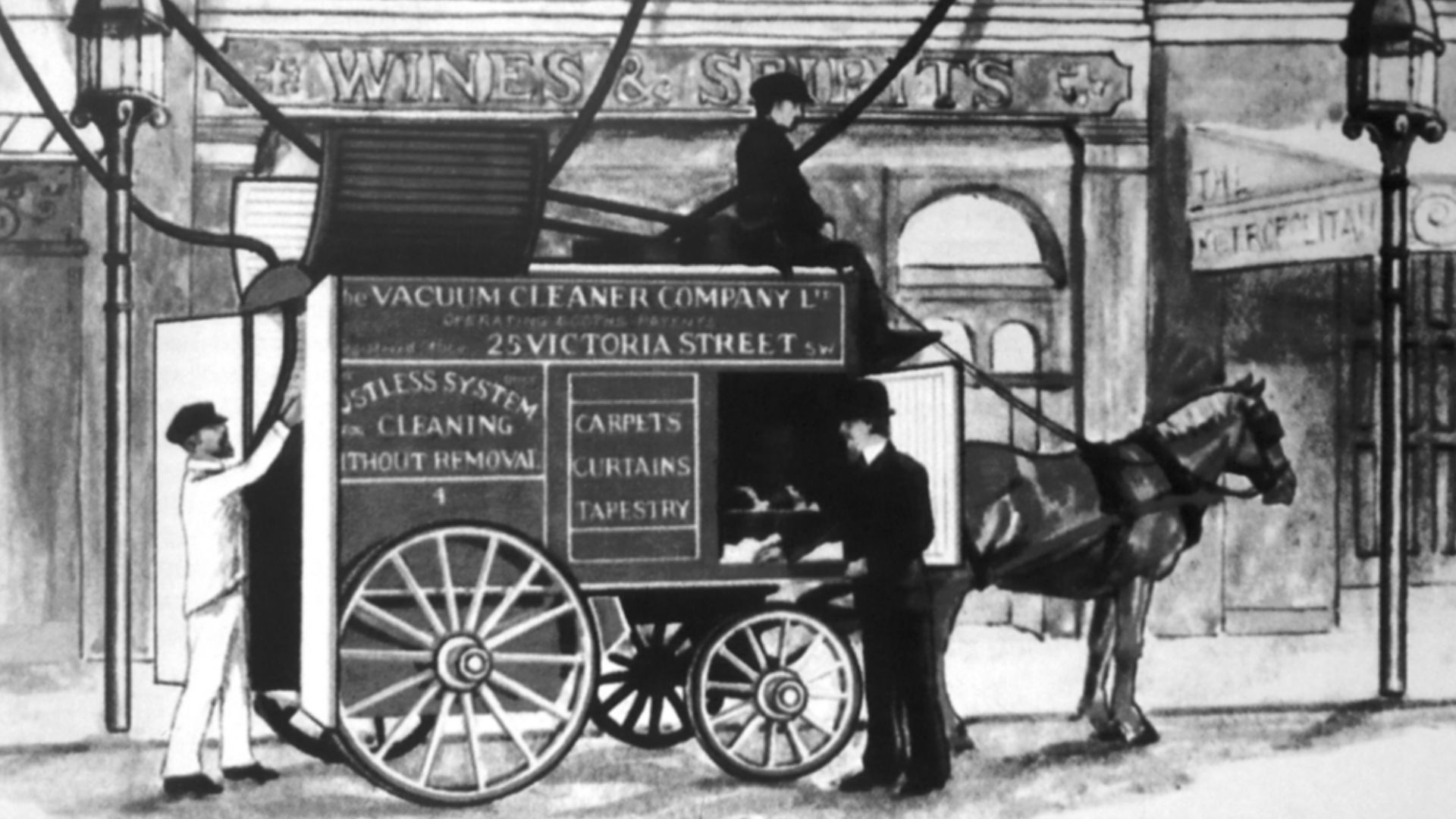 Unknown authorUnknown author, Wikimedia Commons
John Gorrie Chased Artificial Ice
Doctor John Gorrie treated patients in hot, humid Florida during the 1800s. He believed cooler rooms might help them recover, so he built a machine that produced ice. His work was mocked and struggled financially, but it helped inspire later refrigerators and air-conditioning systems.
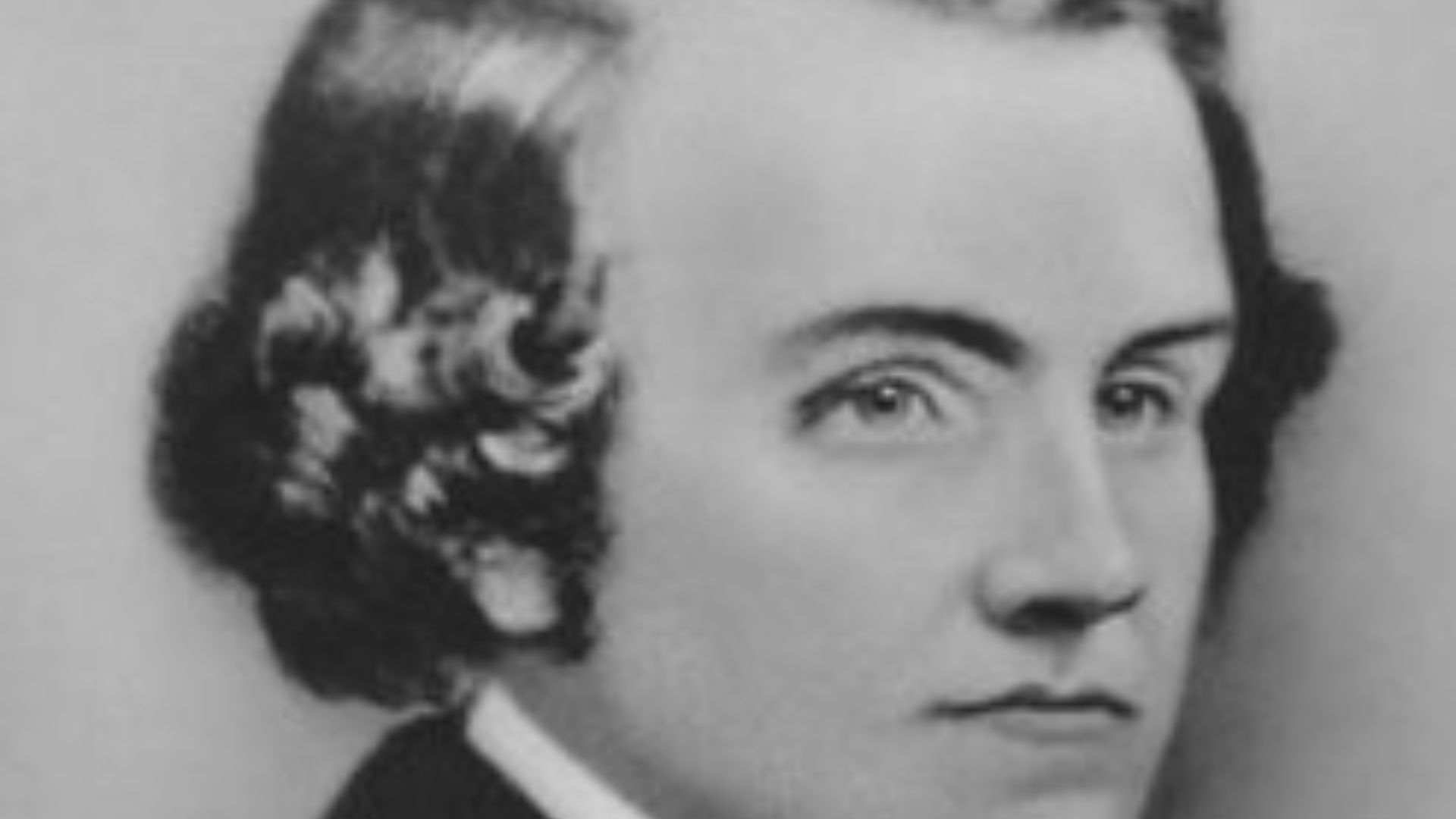
Alexander Cumming Improved The Toilet
Flush toilets had existed in rough forms for centuries, but they often allowed terrible smells to return through the pipes. In 1775, Scottish inventor Alexander Cumming patented an S-shaped pipe that trapped water. That simple bend helped block sewer gases and remains part of modern plumbing.
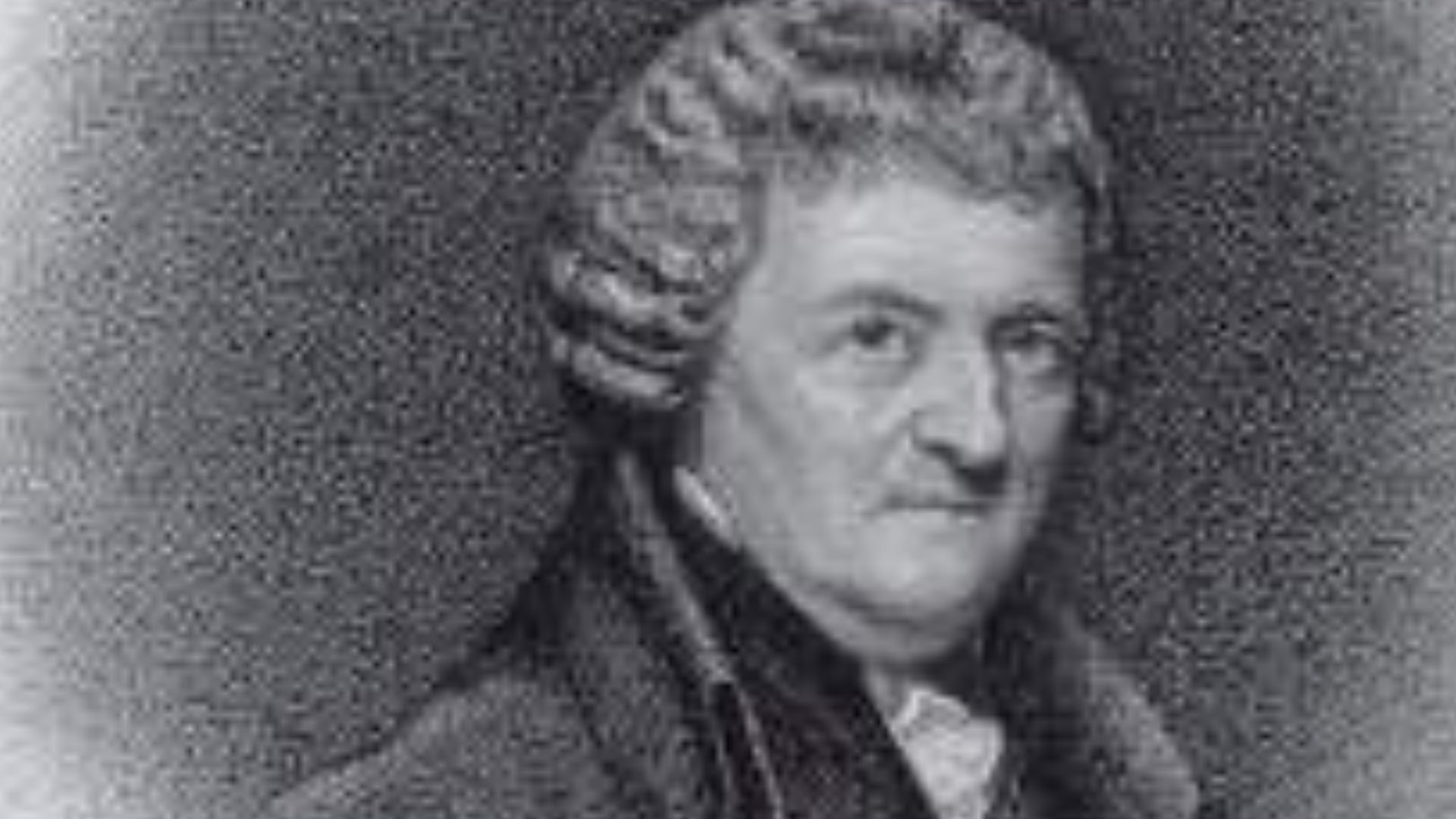 Unknown authorUnknown author, Wikimedia Commons
Philip Diehl Developed The Ceiling Fan
Philip Diehl, an engineer who worked on sewing-machine motors, adapted an electric motor to power fan blades mounted on the ceiling. His invention helped move air through rooms without using bulky floor equipment. Ceiling fans remain a cheap and simple way to cool homes today.
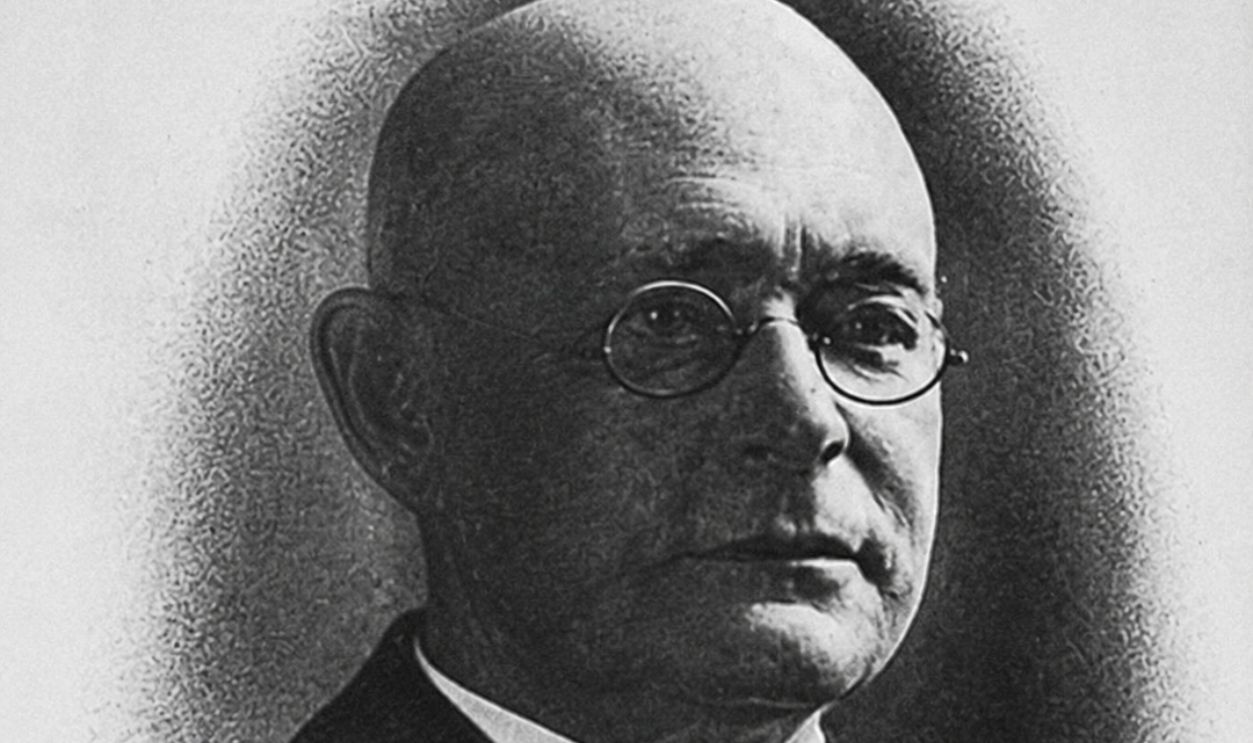 Unknown author, Wikimedia Commons, Modified
Alfred Fielding And Marc Chavannes Made Bubble Wrap
Engineers Alfred Fielding and Marc Chavannes were trying to create textured wallpaper by sealing air bubbles between plastic sheets. The wallpaper failed completely. Instead of quitting, they realized the material could protect fragile goods. Their failed decorating idea became Bubble Wrap, a packaging favorite and irresistible desk toy.
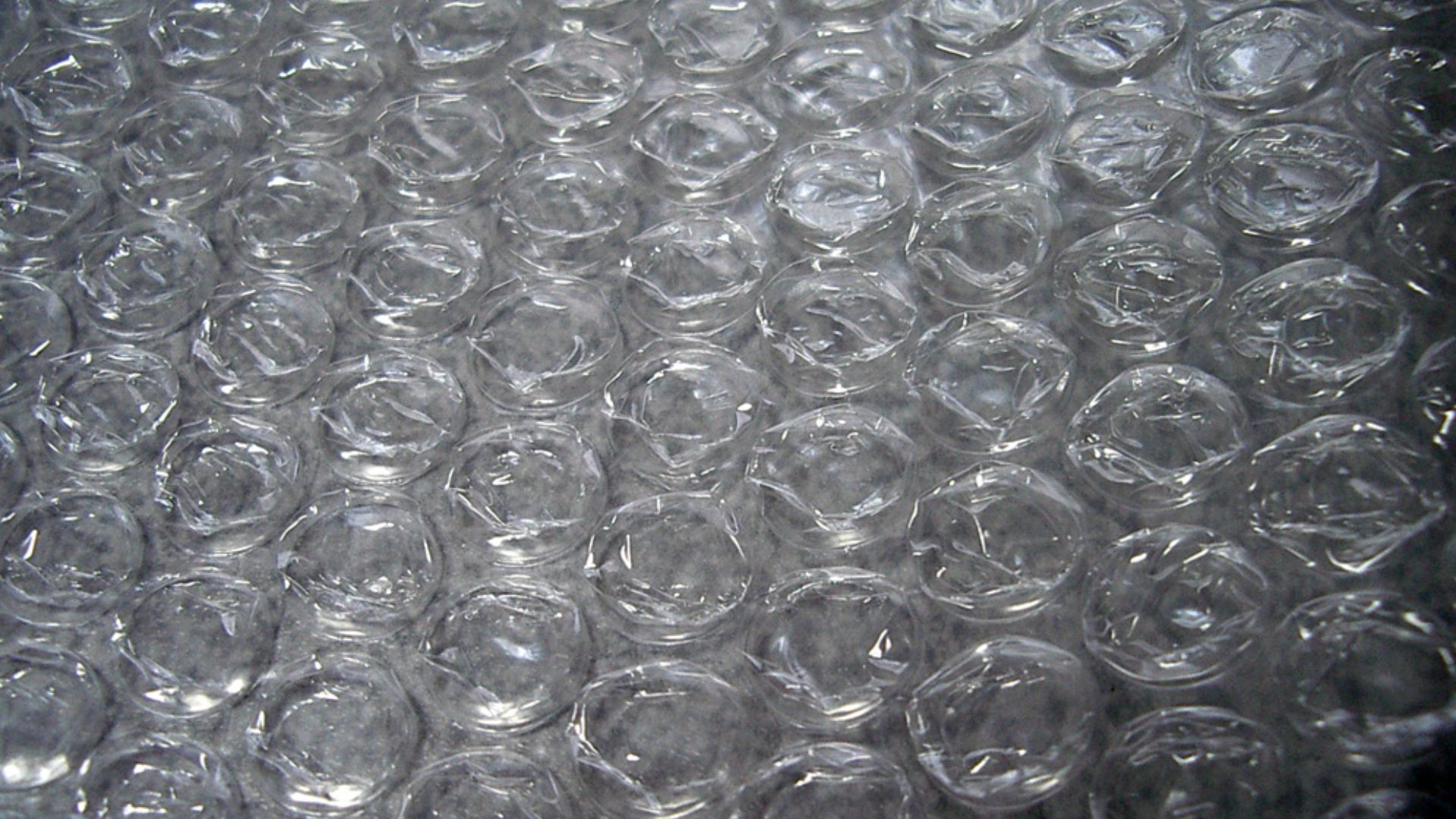 Moja~commonswiki, Wikimedia Commons
Ruth Wakefield Gave Us Chocolate Chip Cookies
Ruth Wakefield ran the Toll House Inn in Massachusetts. While baking cookies, she added chopped pieces of semi-sweet chocolate, expecting them to melt into the dough. They kept their shape. The result was the chocolate chip cookie, now one of the most familiar homemade treats in America.
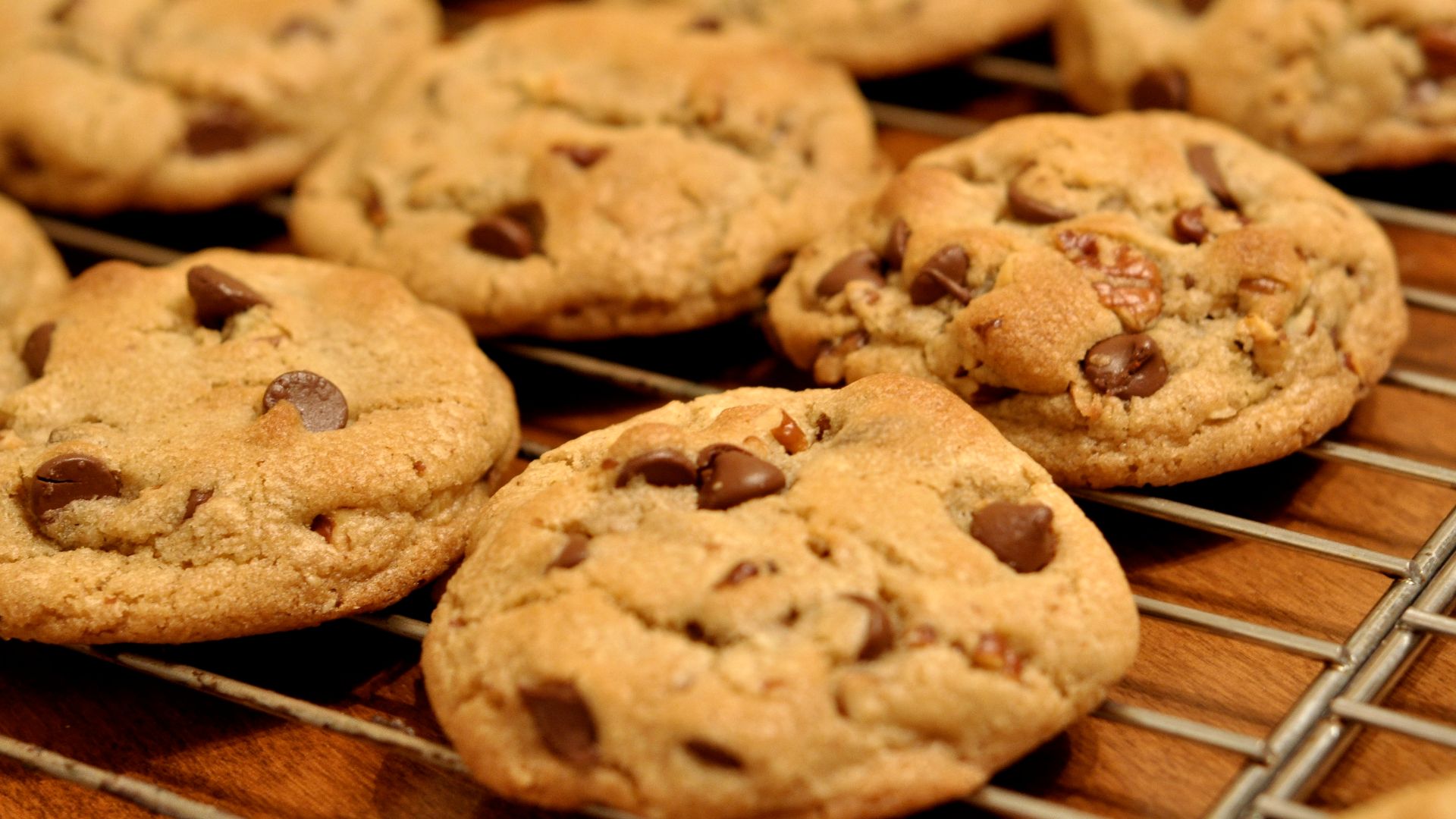 Kimberly Vardeman from Lubbock, TX, USA, Wikimedia Commons
Bette Nesmith Graham Covered Typing Mistakes
Secretary Bette Nesmith Graham found it frustrating to correct errors made on typewriters. Painters covered mistakes instead of erasing them, so she tried the same approach with white paint. She developed a correction fluid first called Mistake Out, later sold around the world as Liquid Paper.
James Dyson Reworked The Vacuum Cleaner
James Dyson became annoyed when his vacuum cleaner lost suction as its bag filled with dust. He believed a bagless model could work better. After building thousands of prototypes, he created a vacuum that separated dirt using spinning air, turning a personal frustration into a successful household product.
 Royal Society uploader, Wikimedia Commons
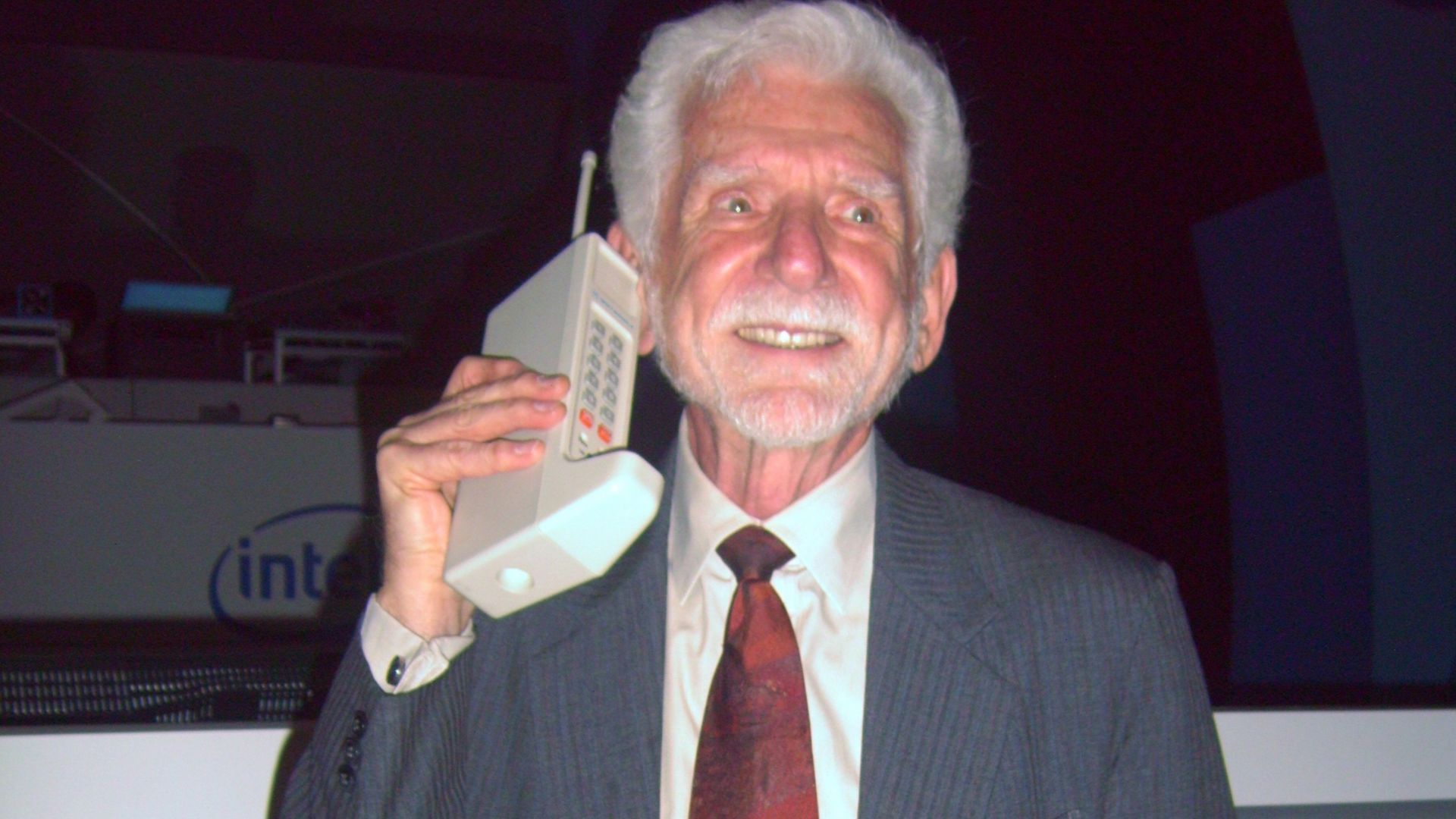
Martin Cooper Put Phones In Our Hands
Engineer Martin Cooper wanted people to call other people, not places tied to walls or cars. In 1973, he made a public call using a handheld mobile phone prototype. The device was bulky, but the idea eventually led to the small smartphones people carry everywhere today.
Tim Berners-Lee Connected Information
Computer scientist Tim Berners-Lee wanted researchers to share information more easily. He proposed a system using linked pages that people could open through the internet. That system became the World Wide Web, giving us online shopping, streaming, email, directions, news, and countless other daily conveniences.
 Johnson & Johnson, Wikimedia Commons
“Impossible” Usually Means “Not Yet”
Most of these inventors did not create perfect products on their first attempt. Their ideas were rejected, laughed at, or simply ignored. What made them different was their willingness to keep going. The next time you zip a jacket or heat leftovers, remember that someone once had to prove it could work.

You May Also Like:
Maddening Facts About Peter O’Toole, Hollywood's Hellraiser
The Forgotten Industries That Once Employed Millions of Americans










.jpg)

