
An Invention With Unintended Consequences
Few inventions have produced consequences as unexpected as Eli Whitney's cotton gin. Designed to reduce the backbreaking labor of cleaning cotton, the machine revolutionized agriculture, transformed the American economy, and helped drive an enormous expansion of slavery that Whitney himself neither intended nor predicted.
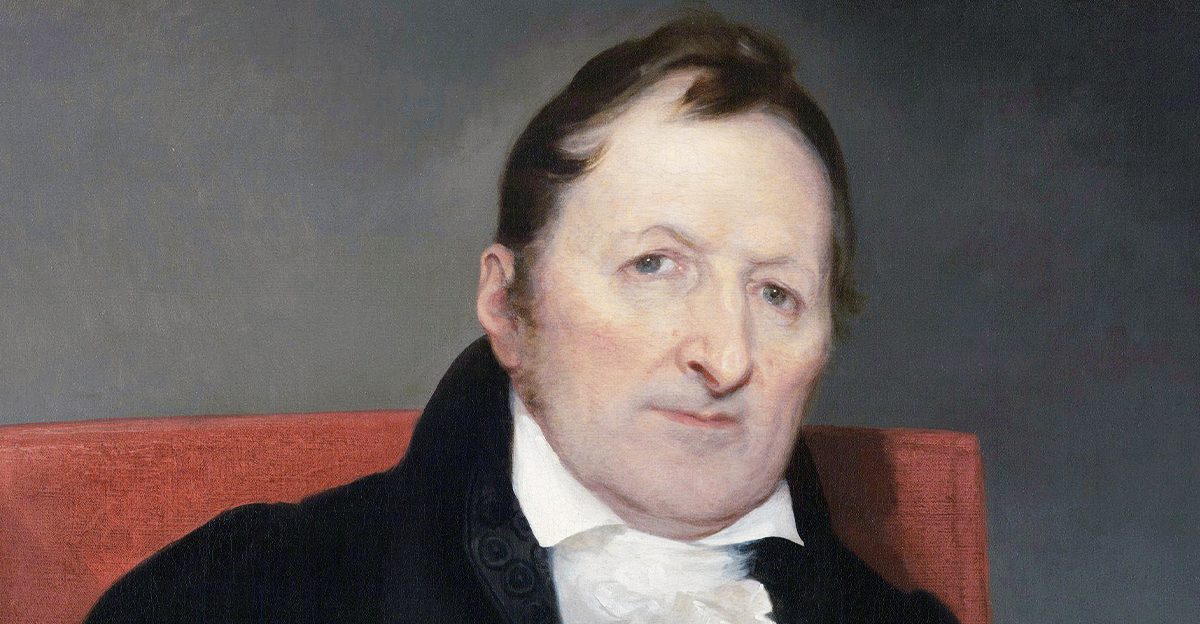 Samuel Finley Breese Morse, Public domain, via Wikimedia Commons
Growing Up In Massachusetts
Eli Whitney was born on December 8, 1765, in Westborough, Massachusetts. Raised on a prosperous farm, he displayed remarkable mechanical ability from an early age, repairing tools and building useful devices while helping his family during the years following the American Revolution.
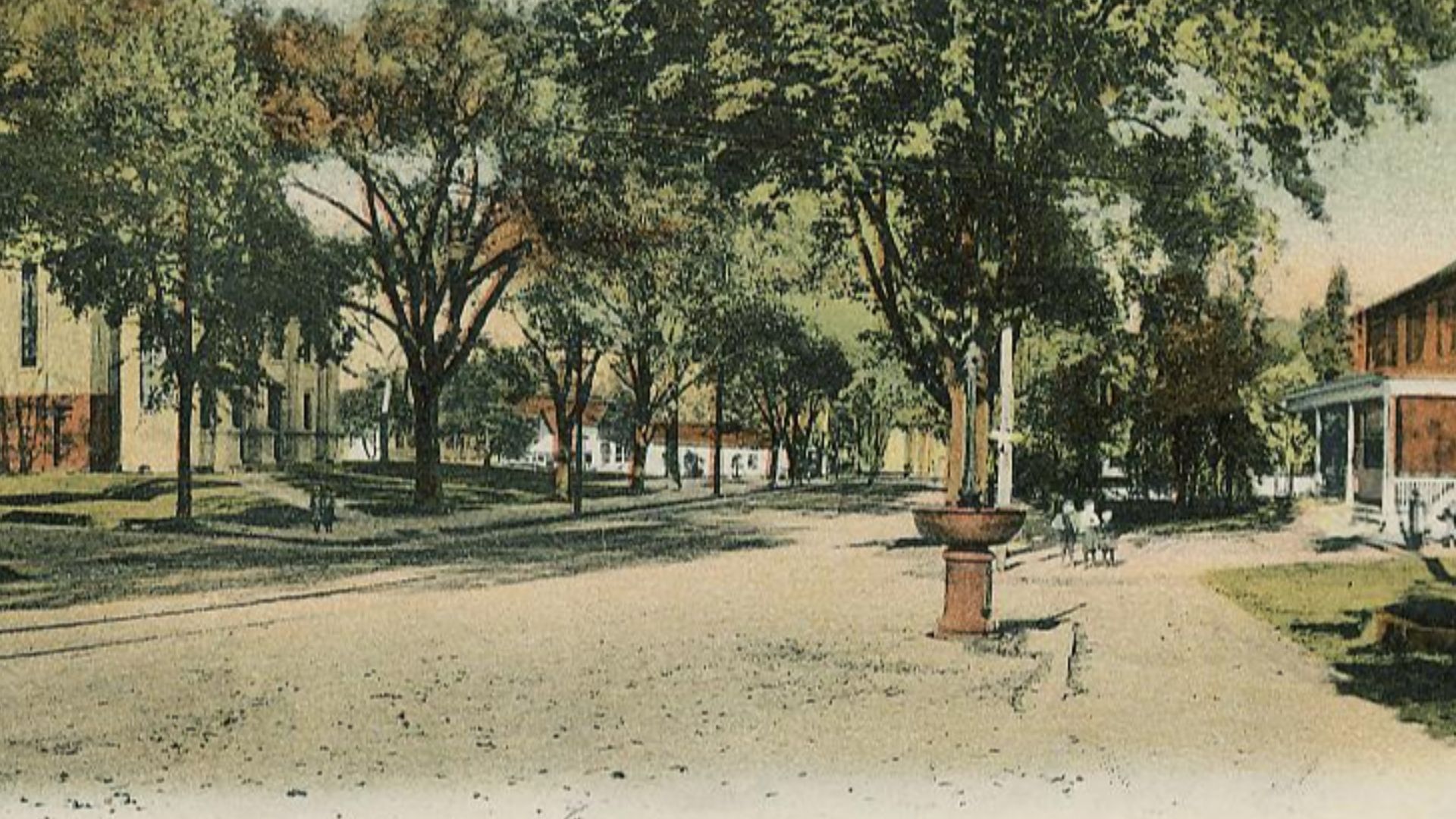 Unknown authorUnknown author, Wikimedia Commons
Early Mechanical Talent
As a teenager, Whitney earned extra money making nails, walking sticks, and other products during shortages caused by the Revolutionary War. His gift for solving practical problems convinced those around him that he possessed an unusually inventive mind.
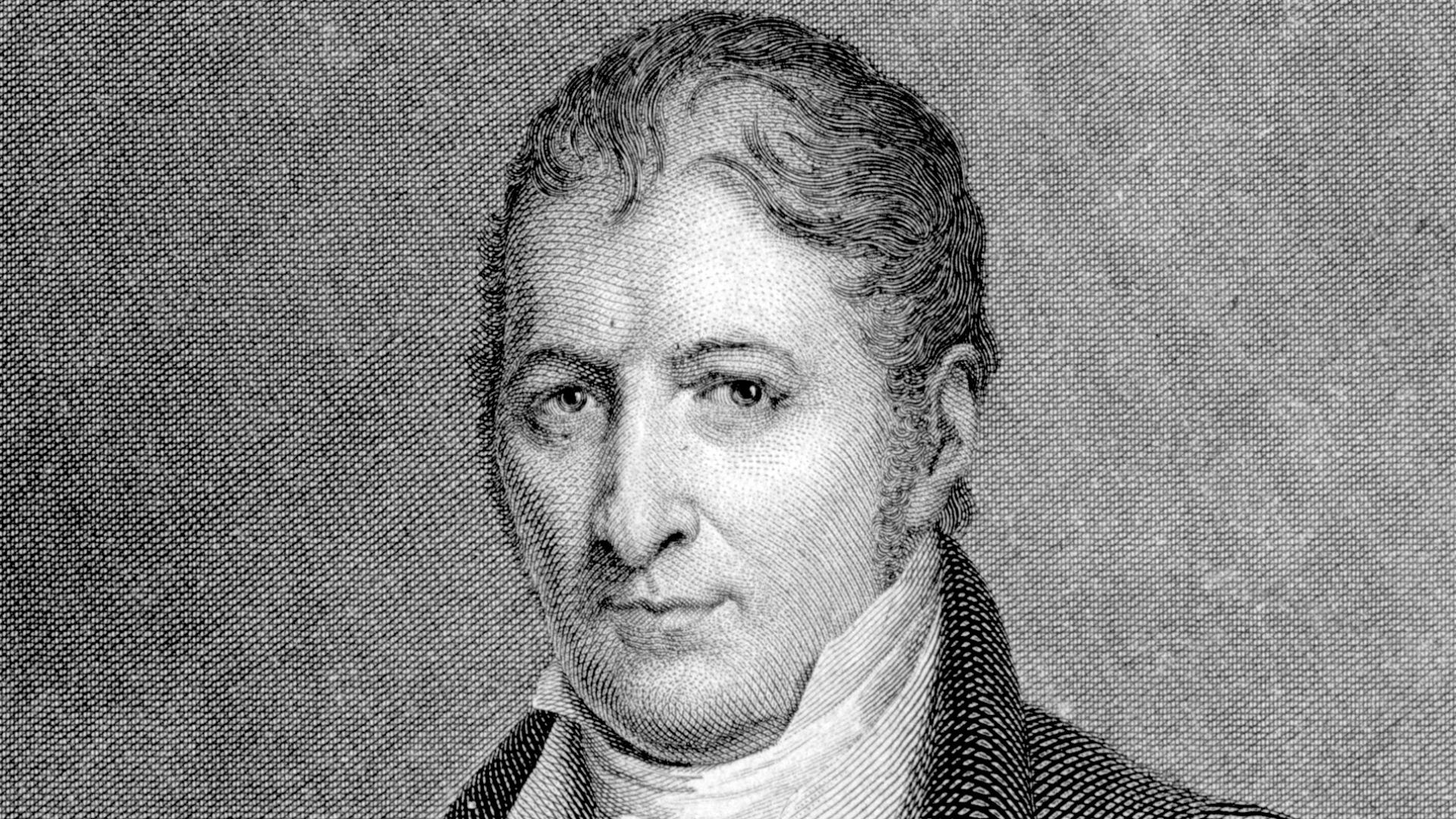 Charles Bird King, Wikimedia Commons
Education At Yale
Despite financial challenges, Whitney enrolled at Yale College and graduated in 1792. He hoped to study law, but employment opportunities proved scarce. Instead, he accepted work as a private tutor, a decision that unexpectedly changed the course of his life.

Journey To Georgia
Whitney traveled south intending to become a tutor on a Georgia plantation. After the position disappeared before he arrived, he stayed with plantation owner Catherine Greene, whose encouragement and connections introduced him to one of the South's greatest agricultural problems.
 US Post Office, Wikimedia Commons
Cotton's Major Problem
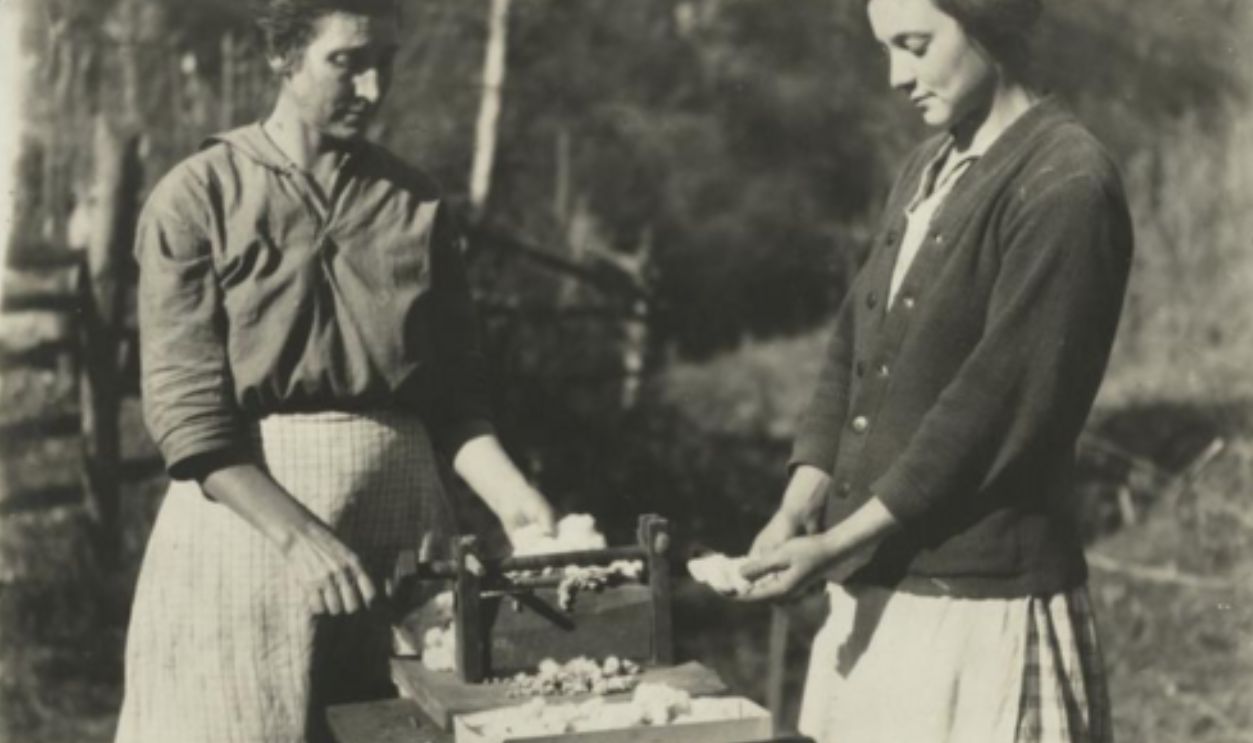
Short-staple cotton could grow across much of the American South, but removing its sticky seeds required exhausting manual labor. A worker could clean only about one pound of cotton each day, making profitable large-scale production extremely difficult.

Designing The Cotton Gin
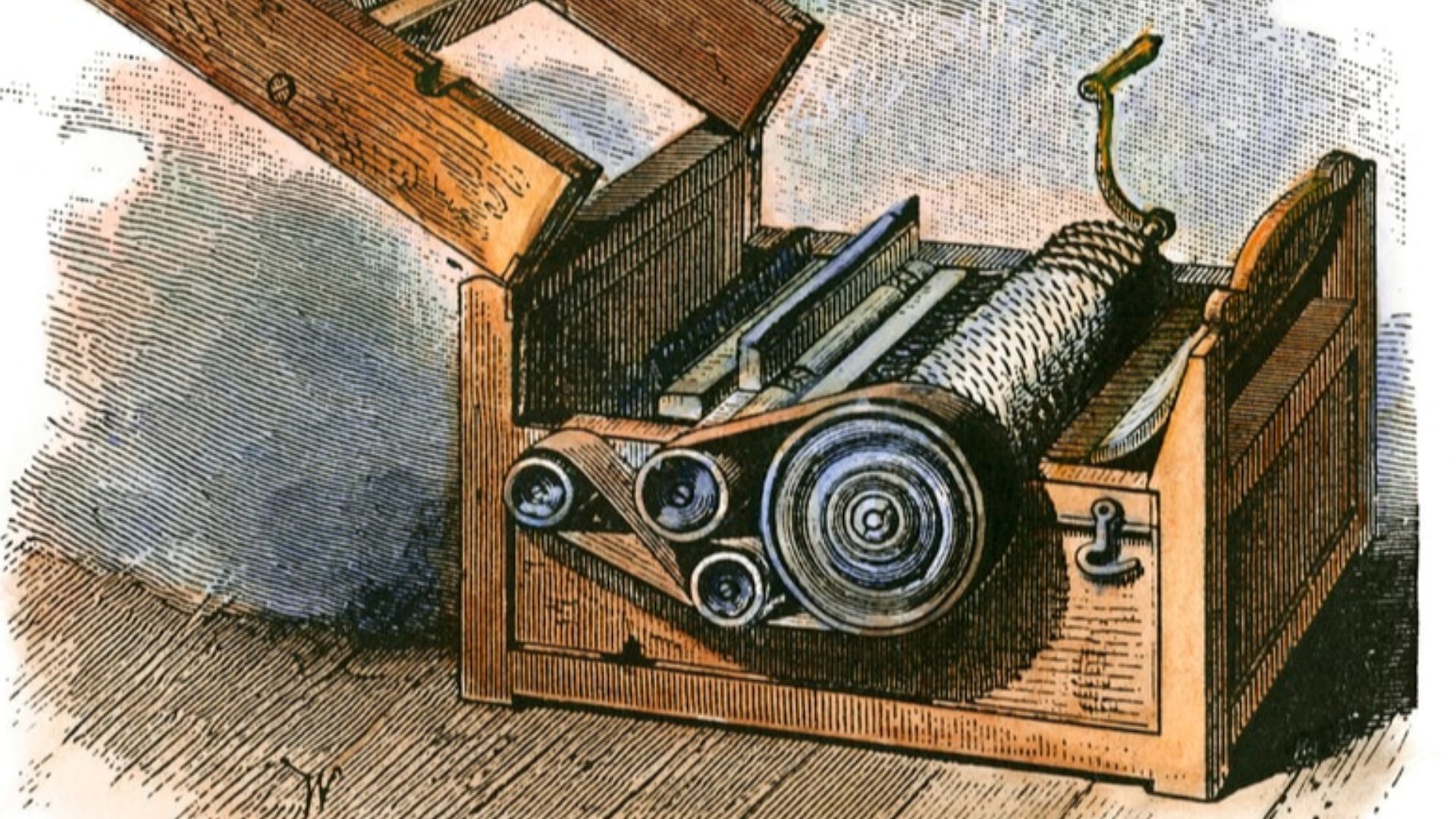
Encouraged by local planters, Whitney began designing a machine that could separate cotton fibers from their seeds mechanically. Working with basic materials and simple tools, he completed the first successful cotton gin in just a few months during 1793.
 Tom Murphy VII, Wikimedia Commons
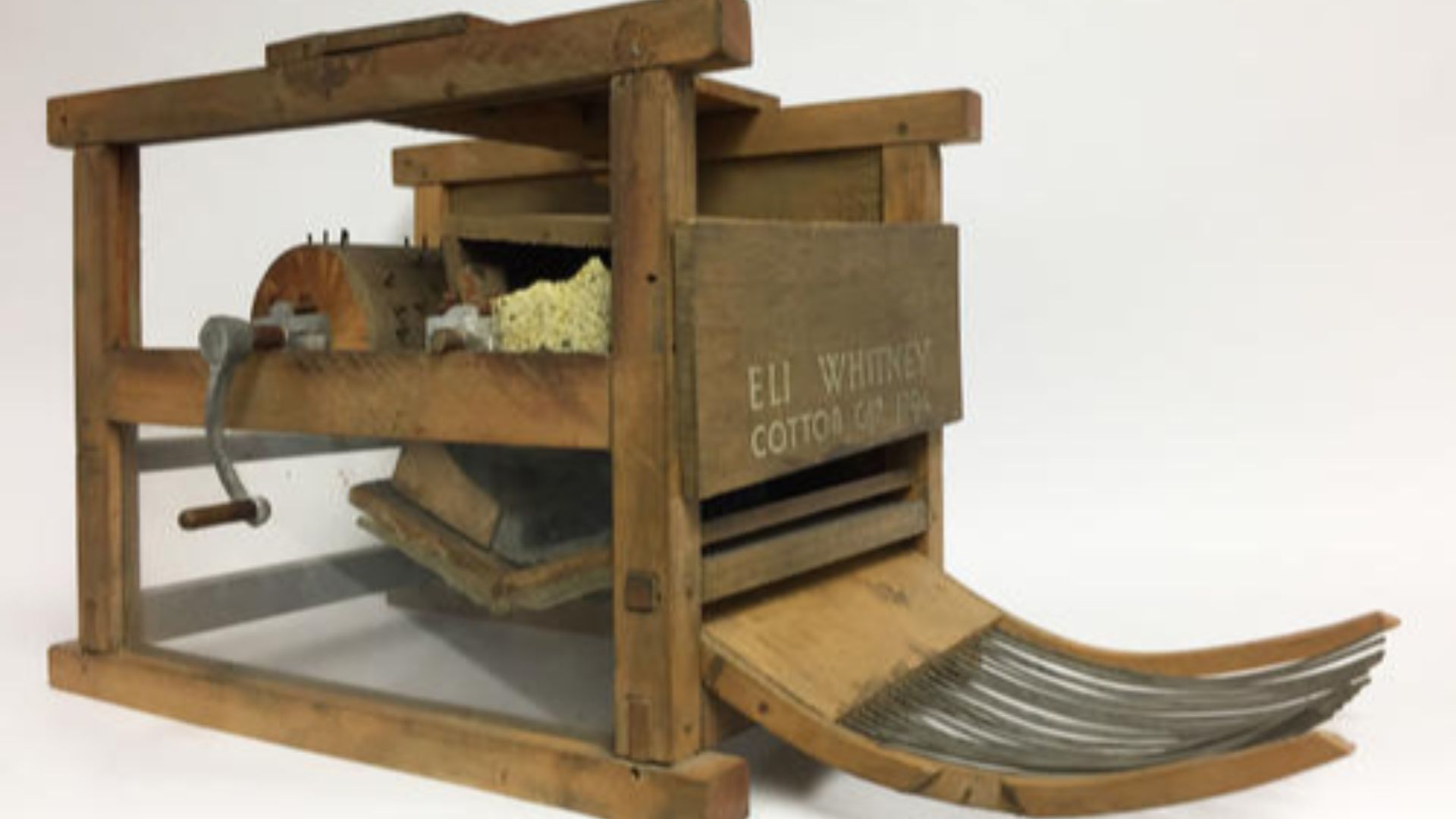
How The Machine Worked
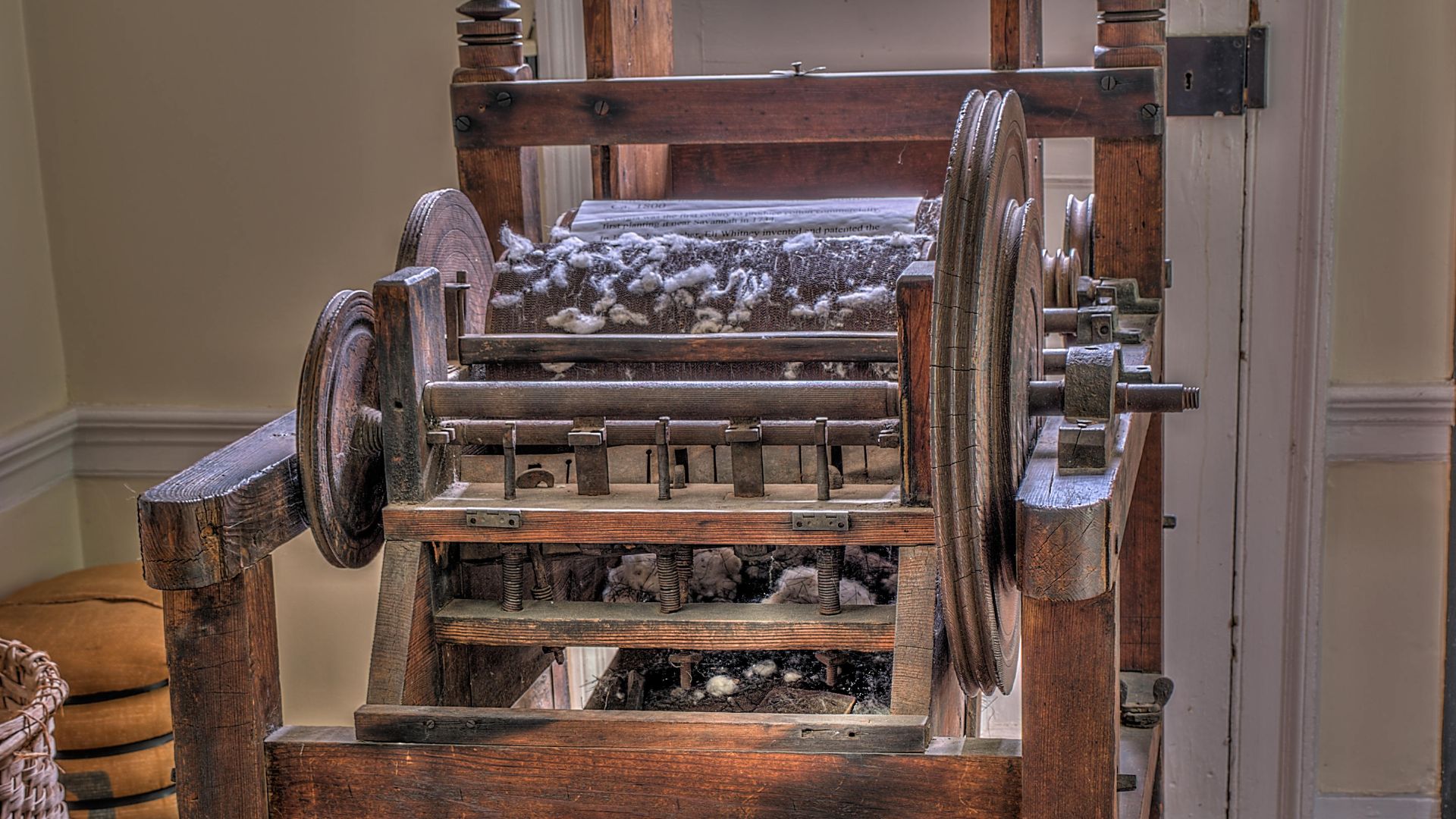
Whitney's cotton gin used rotating wire teeth to pull cotton fibers through narrow slots. The openings allowed soft cotton to pass while trapping the larger seeds. Rotating brushes then removed the cleaned fibers, allowing the process to continue almost continuously.
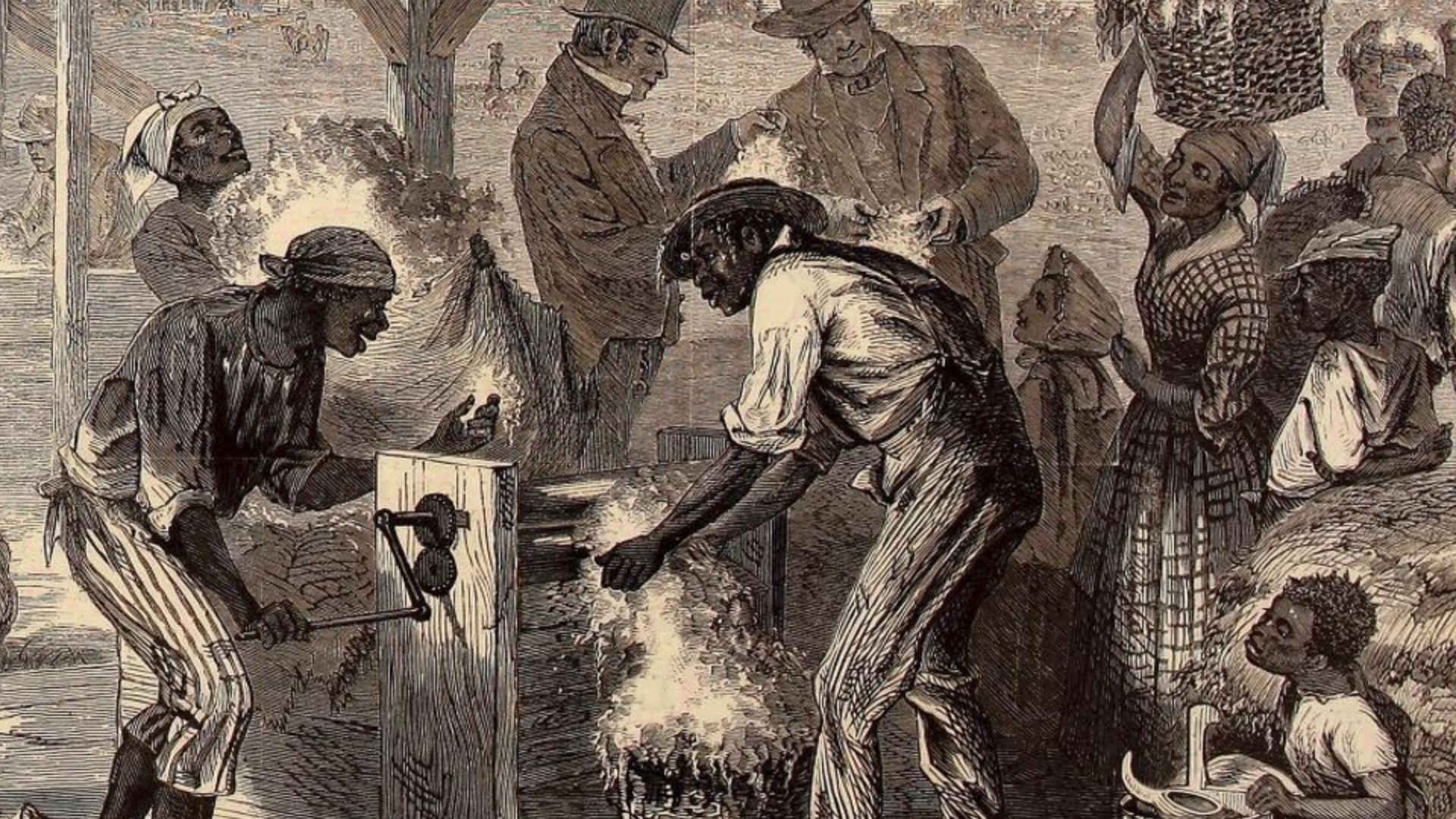 William Ludwell Sheppard, Wikimedia Commons
A Dramatic Improvement
The cotton gin increased productivity enormously. Instead of cleaning roughly one pound of cotton daily by hand, a single machine could process dozens of pounds in the same amount of time. What had once taken days could now be accomplished in hours.
 Digital Collections, Wikimedia Commons

History's most fascinating stories and darkest secrets, delivered to your inbox daily.
Whitney's Original Goal
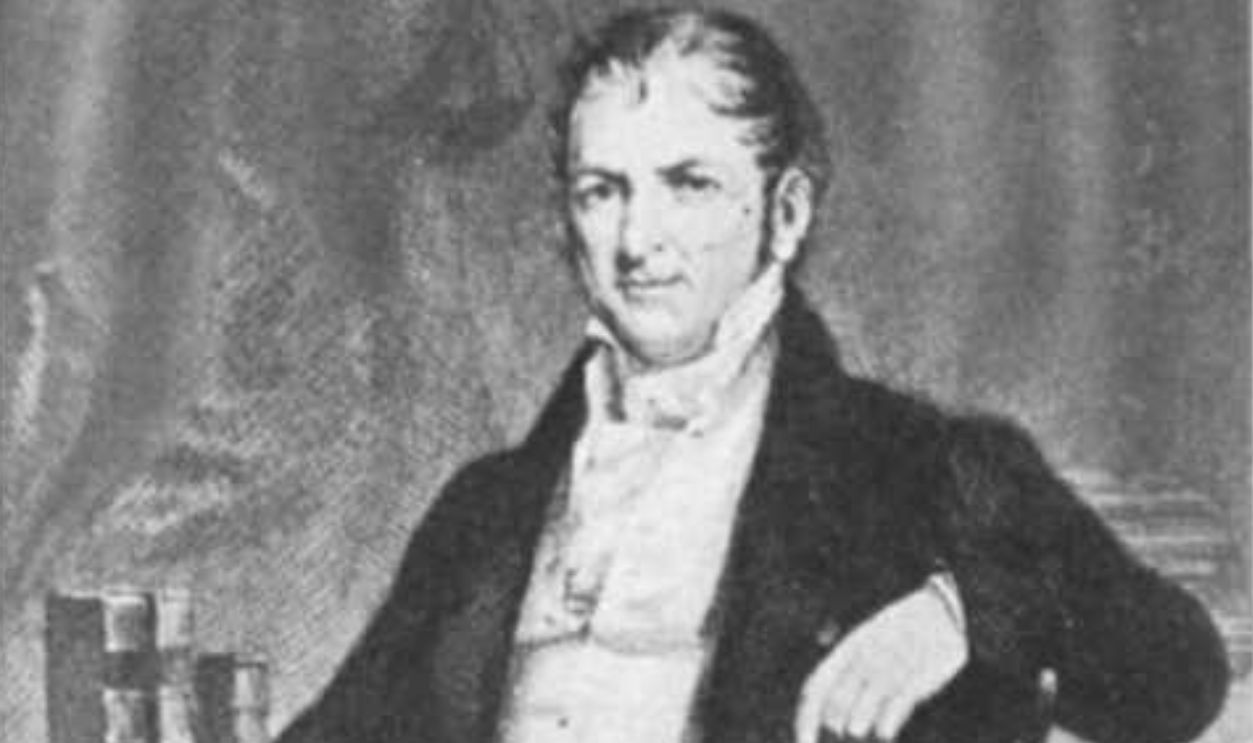
Whitney believed his invention would reduce the need for tedious manual labor while making cotton production more efficient. He expected fewer workers would be required to prepare cotton for market, assuming labor demands would decline as machinery replaced repetitive hand work.
 Unknown Author, Wikimedia Commons
Cotton Production Explodes
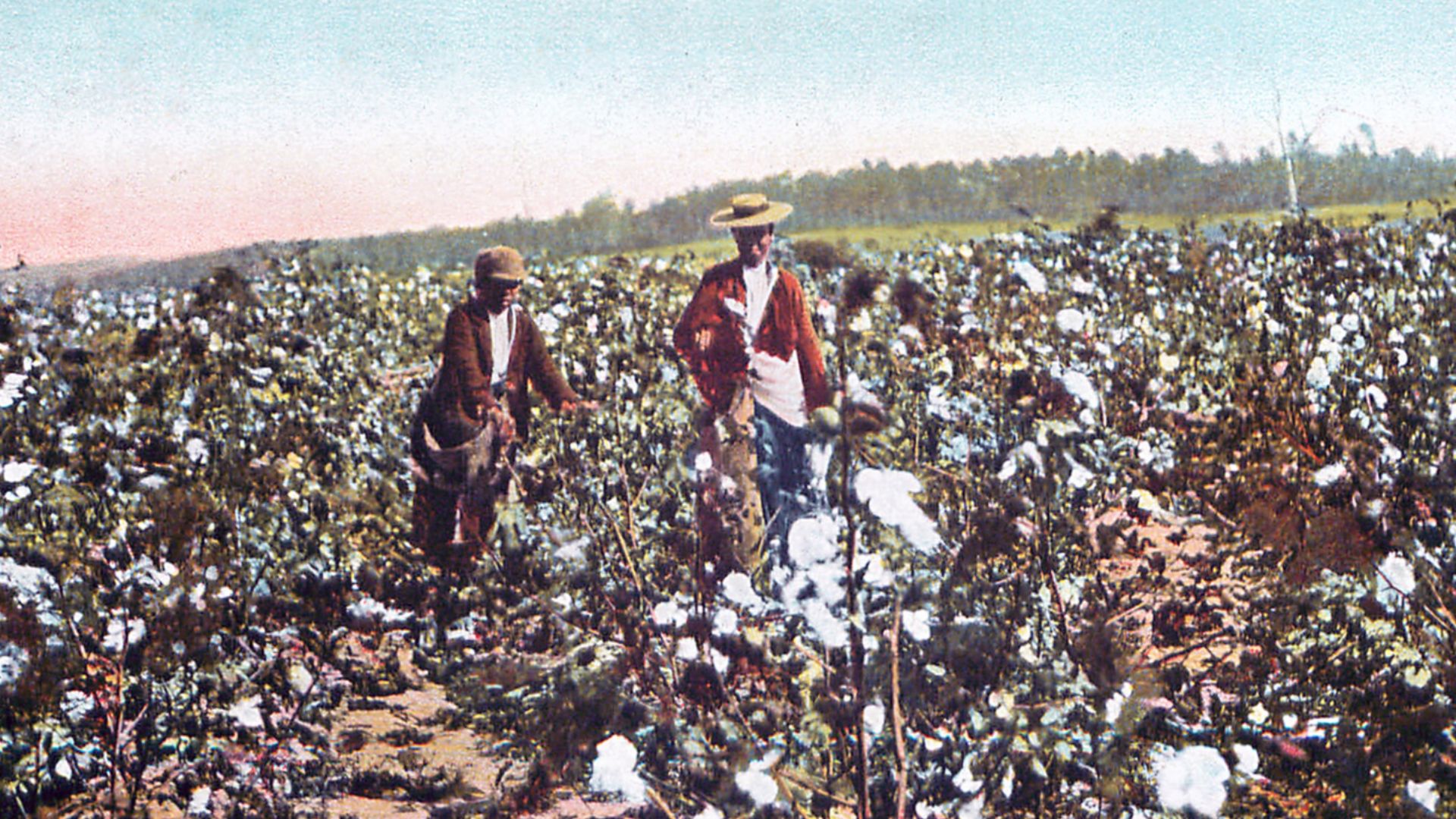
The opposite occurred. Because cleaning cotton became inexpensive, farmers planted vastly larger cotton fields. Production skyrocketed across Georgia, Alabama, Mississippi, Louisiana, and other southern states as cotton quickly became America's most valuable agricultural export.
 Raphael Tuck & Sons, Wikimedia Commons
Global Demand Surges
At precisely the same time, Britain's rapidly expanding textile industry demanded enormous quantities of raw cotton. Whitney's machine made it possible for American plantations to satisfy international markets on an unprecedented scale, creating extraordinary profits for cotton growers.
 George P. Lewis, Wikimedia Commons
Slavery Expands Instead
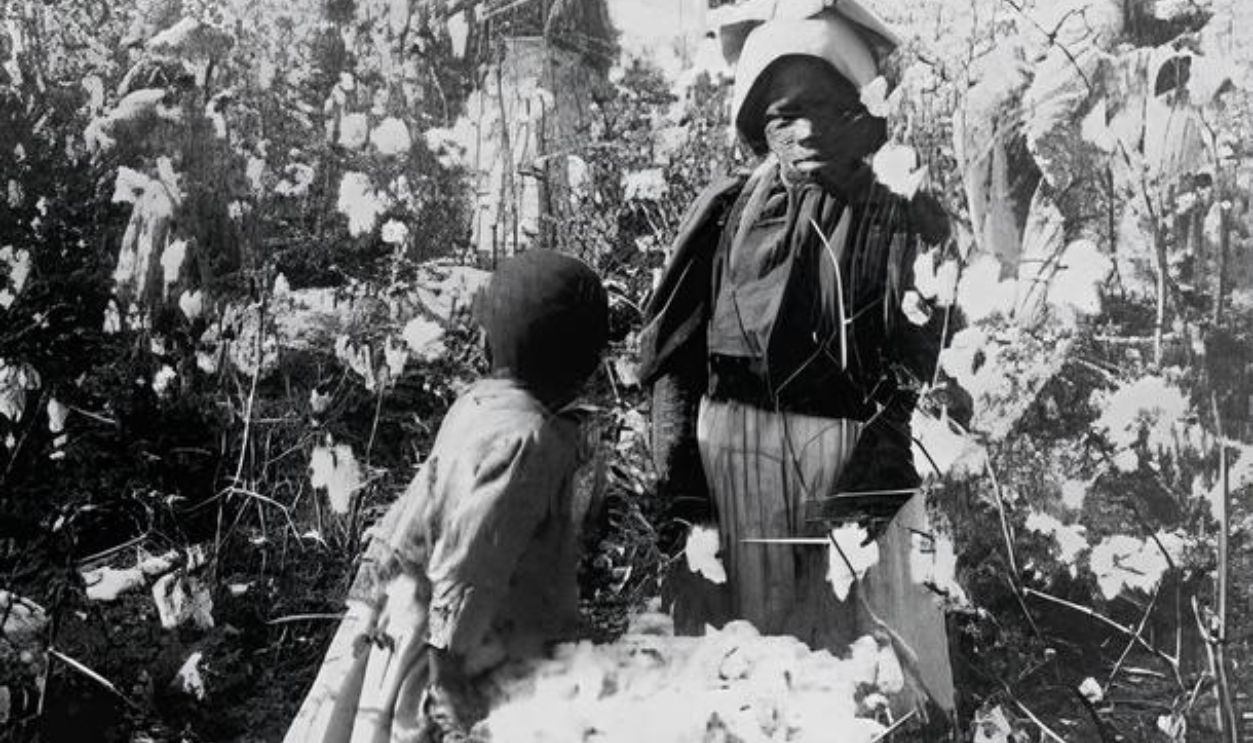
Although fewer workers were needed to clean harvested cotton, many more enslaved people were required to plant, cultivate, harvest, and transport vastly larger crops. Rather than reducing slavery, the cotton gin dramatically increased demand for enslaved labor across the South.
 New York Public Library, Wikimedia Commons, Modified
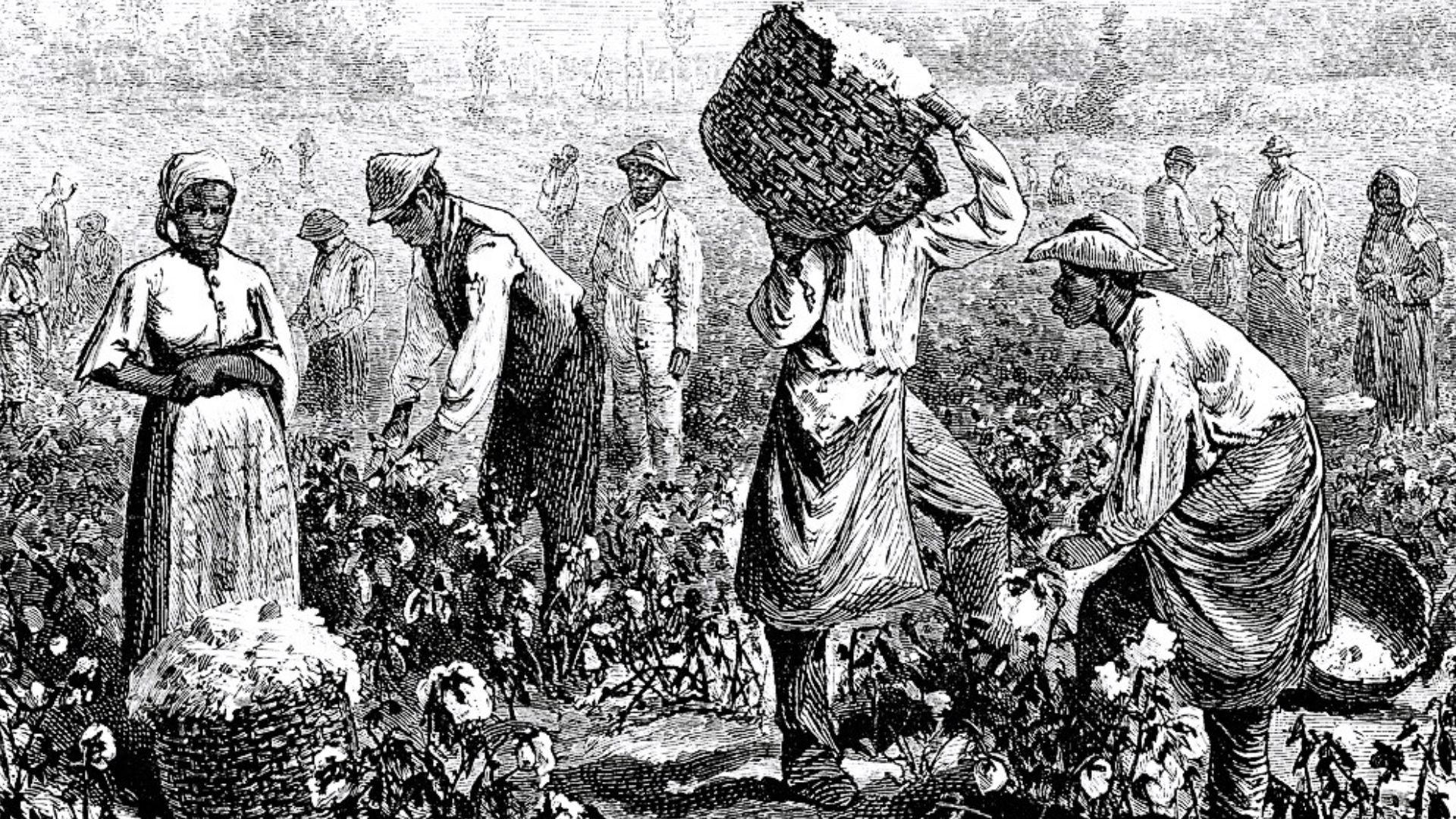
The Cotton Kingdom
During the early nineteenth century, cotton plantations expanded westward into newly opened territories. Historians often describe this period as the rise of the Cotton Kingdom, with slavery spreading alongside booming cotton cultivation throughout the Deep South.
 William Ludwell Sheppard, Wikimedia Commons
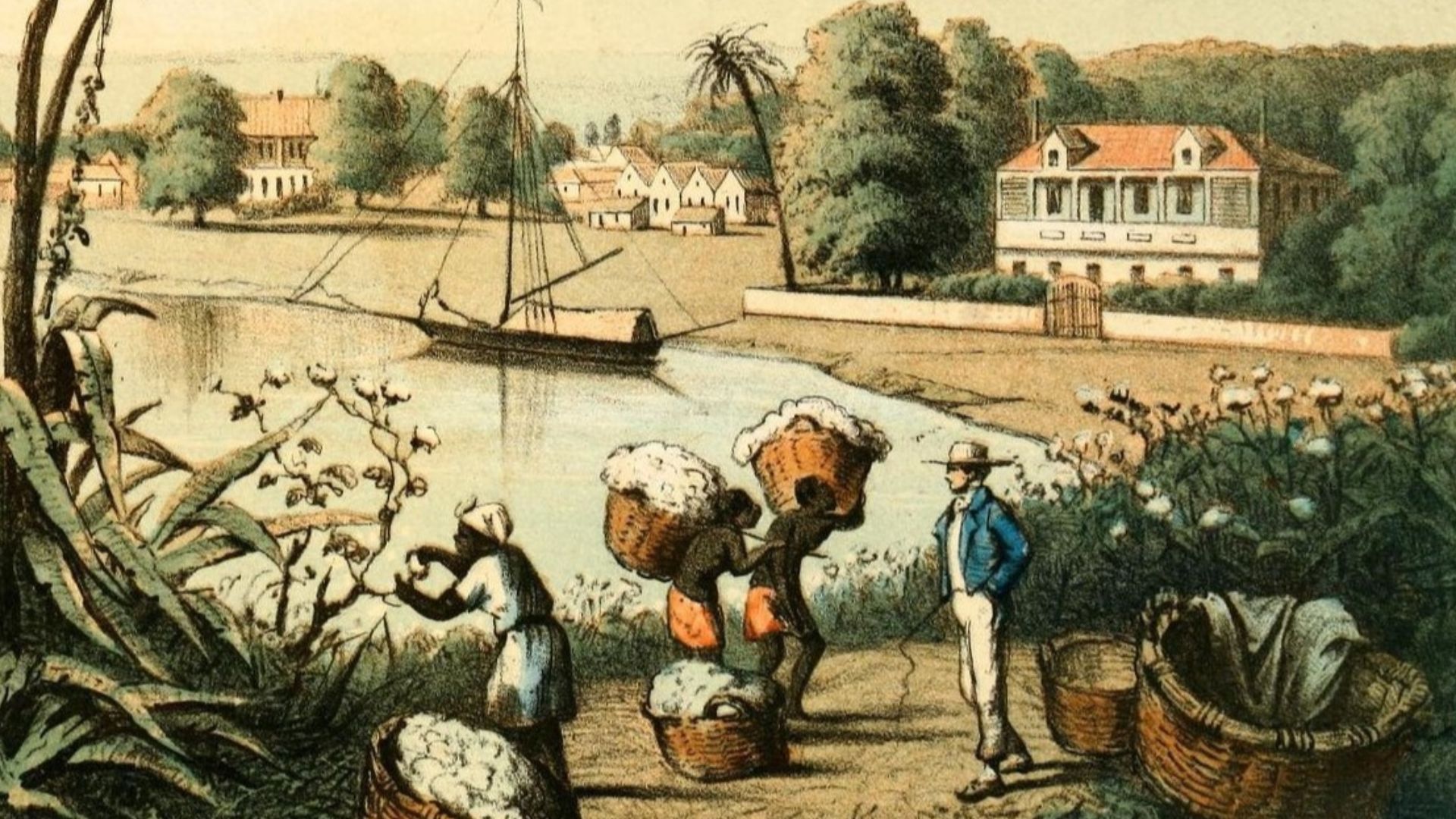
Domestic Slave Trade
As cotton production expanded, the domestic slave trade intensified. Hundreds of thousands of enslaved people were forcibly relocated from older eastern states to newer cotton-growing regions, separating countless families while supplying labor for expanding plantations.
 Henry Lewis, Wikimedia Commons
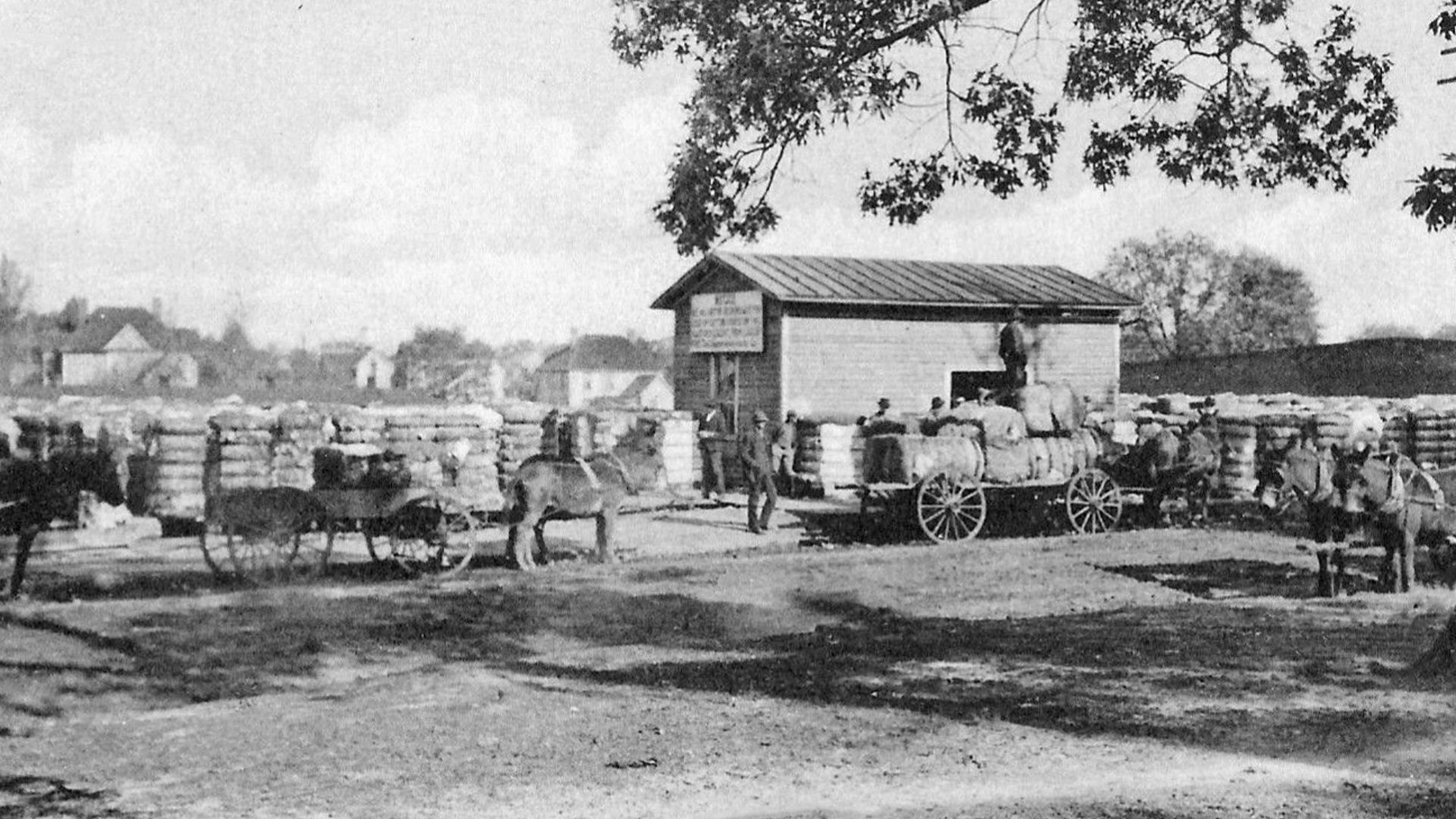
Economic Transformation
Cotton quickly became the foundation of the Southern economy and one of the United States' most valuable exports. The enormous wealth generated by cotton strengthened the economic importance of slavery and deepened the political divisions that would eventually lead to the Civil War.
 The Albertype Co., Brooklyn, Wikimedia Commons
Seeking Patent Protection
Whitney received a patent for the cotton gin in 1794. Rather than selling individual machines outright, he hoped to build and operate them himself while charging planters a share of the cotton they processed using his invention.
 Federal Government, Wikimedia Commons
Widespread Infringement
That business model quickly collapsed. Farmers and mechanics began building unauthorized copies of Whitney's cotton gin, often making only minor modifications. Patent enforcement proved extremely difficult, and unauthorized machines spread throughout the South with remarkable speed.
 AnonymousUnknown author, Wikimedia Commons
Endless Legal Battles
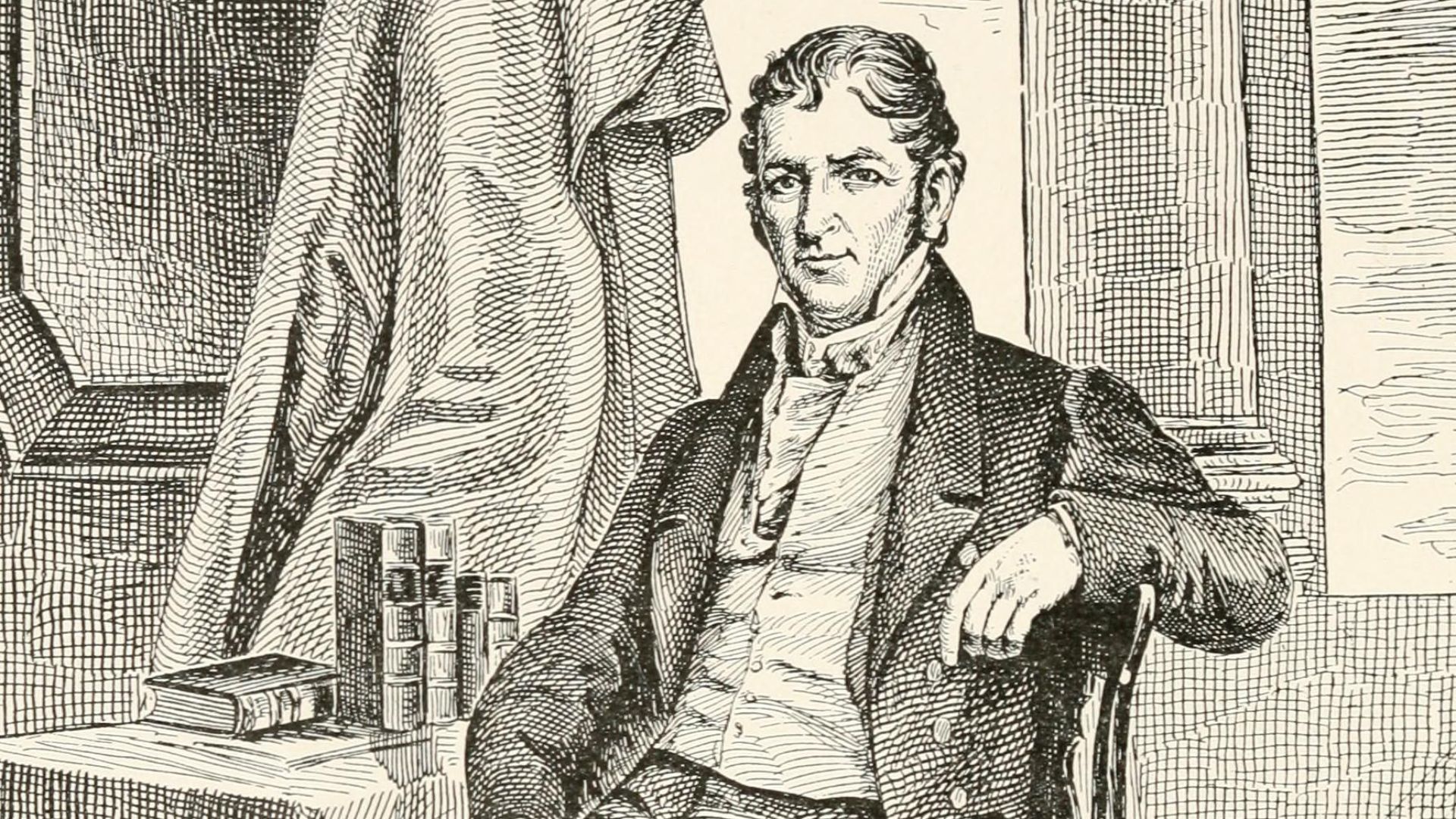
Whitney spent years pursuing costly lawsuits against patent violators. Although he eventually won several cases and reached some settlements, legal expenses consumed much of the money he recovered, preventing him from earning the fortune many assumed his invention deserved.
 Internet Archive Book Images, Wikimedia Commons
Turning To Manufacturing
Frustrated by the cotton gin disputes, Whitney shifted his attention toward manufacturing firearms for the United States government. This new direction would ultimately prove more financially rewarding than the invention that made him famous.
 ROY KLOTZ M.D., Wikimedia Commons
Interchangeable Parts
Whitney became associated with promoting interchangeable parts in firearm production. Although historians continue debating exactly how much he pioneered the concept, his manufacturing methods helped advance more standardized production techniques within American industry.
 Christianson, Justine, Wikimedia Commons
Later Years
Whitney continued operating his arms factory while building a respected reputation as an inventor and manufacturer. Although the cotton gin remained his best-known creation, firearms manufacturing provided the financial stability that the cotton gin never fully delivered.
Family Life
In 1817, Whitney married Henrietta Edwards, and the couple eventually had several children. His later years were considerably more comfortable than his earlier struggles, allowing him to focus on business, family, and the continued operation of his manufacturing enterprise.

Whitney's Death
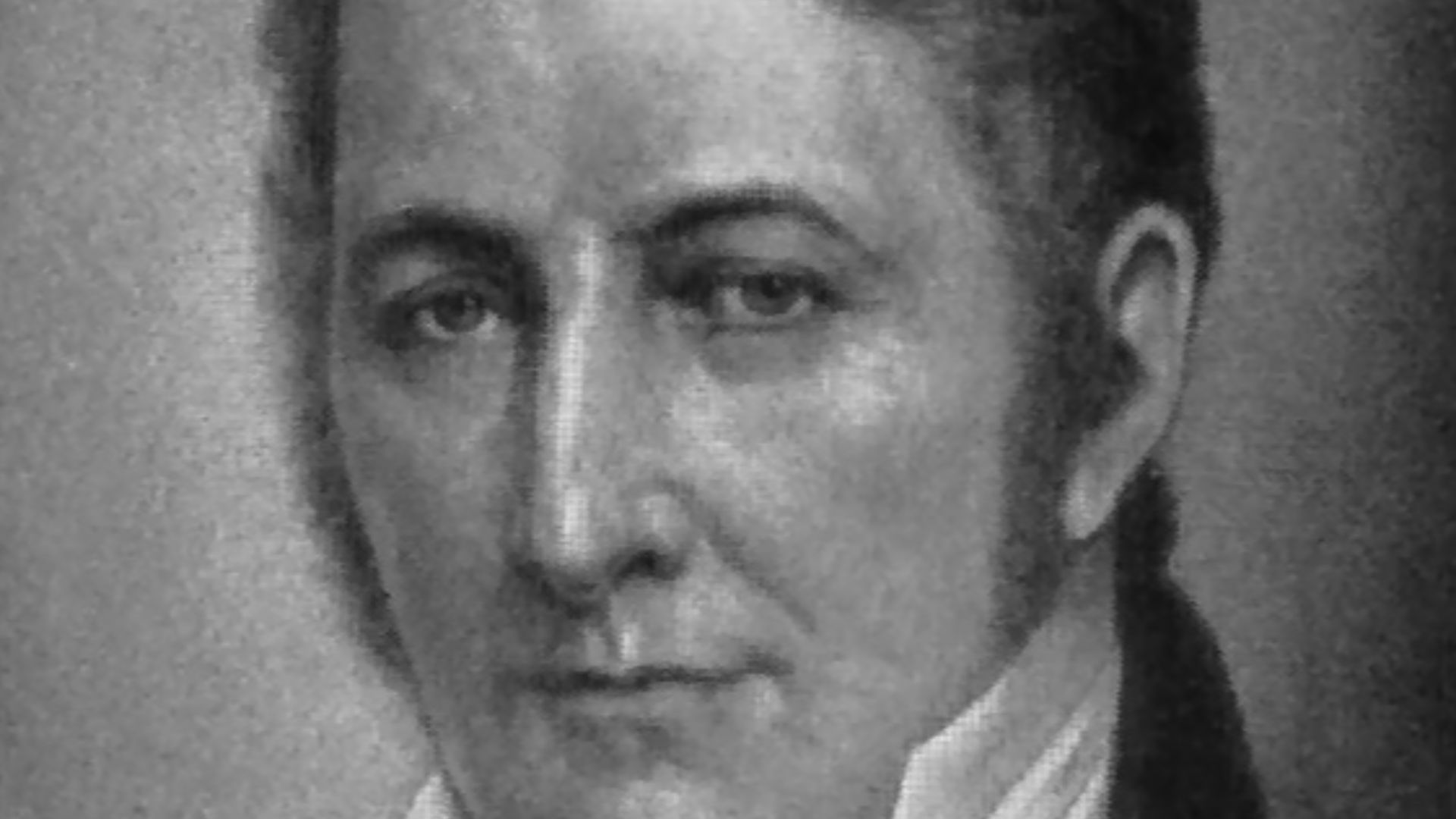
Eli Whitney died on January 8, 1825, at the age of 59 from prostate cancer. He was buried in New Haven, Connecticut, leaving behind one of the most influential and controversial inventions in American history.
![Title: Eli Whitney, half-length portrait, facing slightly left] / painted by Mr. King ; Wm. Hoogland sculpt. N.Y
Abstract/medium: 1 print : engraving.](https://www.factinate.com/storage/app/media/factinate/2026/7/7/178343418490cd9063ccdae30b4ec6fafc1c4456b93e484a36.jpg)
A Complicated Legacy
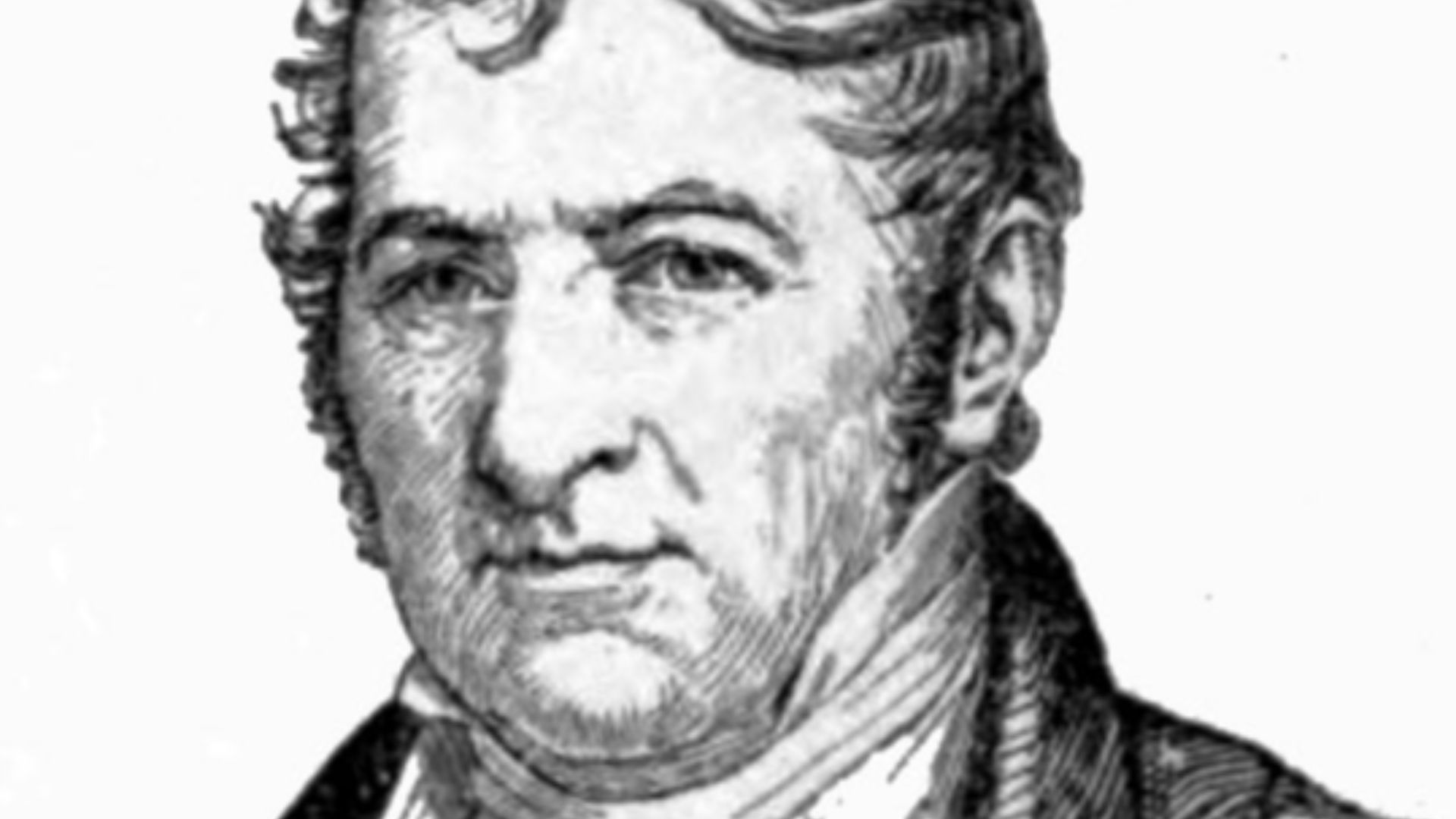
Whitney never intended to strengthen slavery, but the cotton gin became one of the institution's greatest economic engines. His labor-saving invention unexpectedly increased cotton cultivation so dramatically that plantation owners demanded far more enslaved workers instead of fewer.
 Jacques Reich, probably based on the portrait by Charles Bird King, Wikimedia Commons
History's Great Irony
The story of Eli Whitney goes to show how technological innovation can produce consequences far beyond what the original inventor intended. A machine created to simplify work reshaped agriculture, transformed global commerce, strengthened slavery, and altered the course of American history for generations to come.
You May Also Like:
Dred Scott’s Quest For Freedom
What Life Was Like During The Civil War











,_by_Keystone_View_Company_cleaned.jpg)