
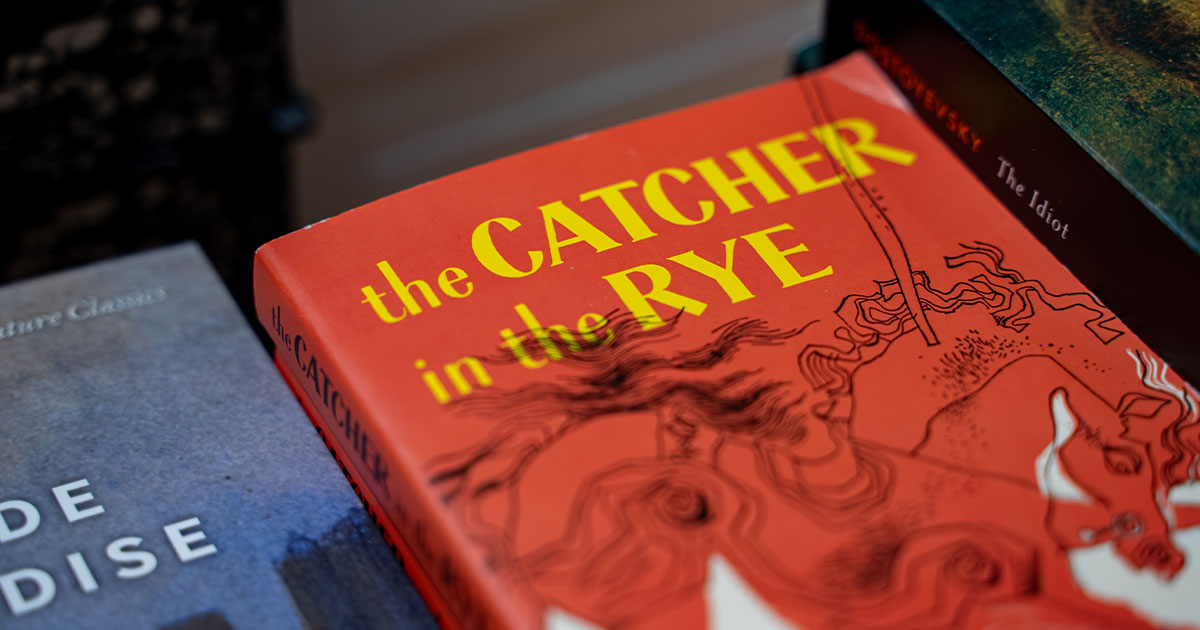
The Books That Have Stood the Test of Time
Some books become bestsellers for a season. Others become classics for generations. These novels have inspired countless movies, shaped modern storytelling, and introduced readers to unforgettable characters who still feel remarkably real today. Whether you first read them in school or have always meant to pick one up, these are 25 timeless classics that deserve a spot on everyone's bookshelf at least once.
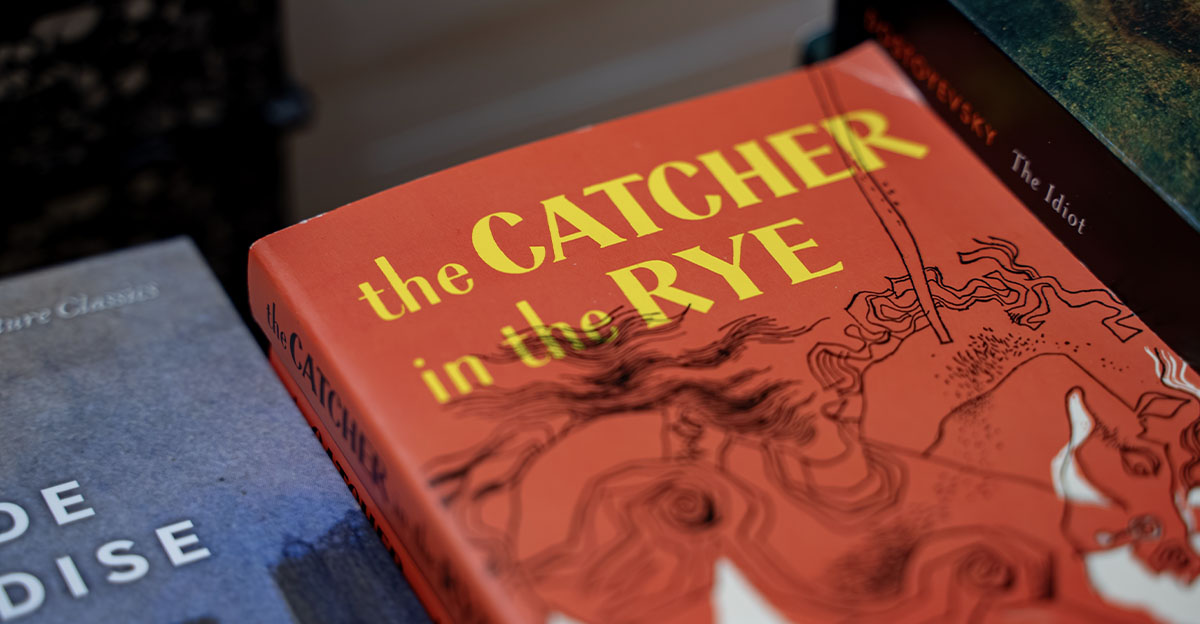
#25. Treasure Island (1883)
Robert Louis Stevenson practically wrote the blueprint for every pirate adventure that followed. Long before Hollywood gave us Captain Jack Sparrow, readers were meeting Long John Silver, buried treasure, and maps marked with a giant X. Honestly, who doesn't love a good pirate story?
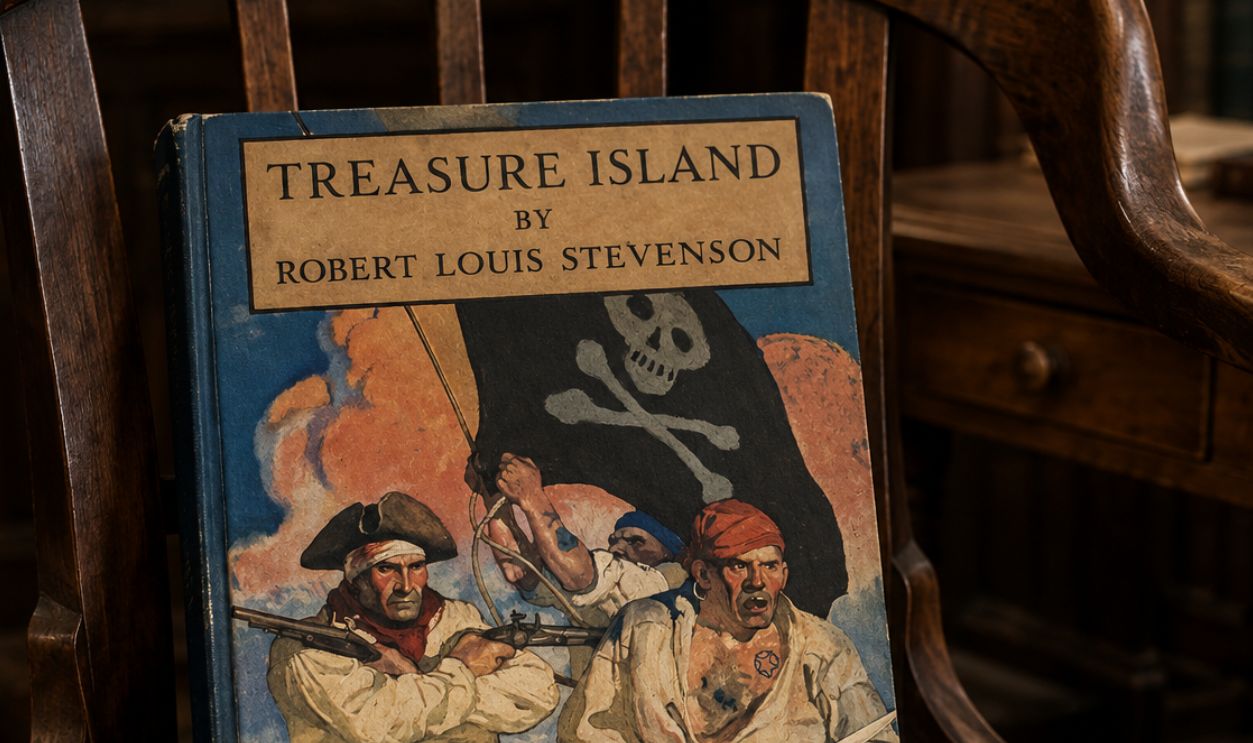 N. C. Wyeth, Wikimedia Commons, Modified
#24. The Call of the Wild (1903)
Jack London's unforgettable tale follows Buck, a domesticated dog forced to survive in the Yukon during the Klondike Gold Rush. It's exciting, emotional, and surprisingly hard to put down. Fair warning—you may never look at your family dog the same way again.
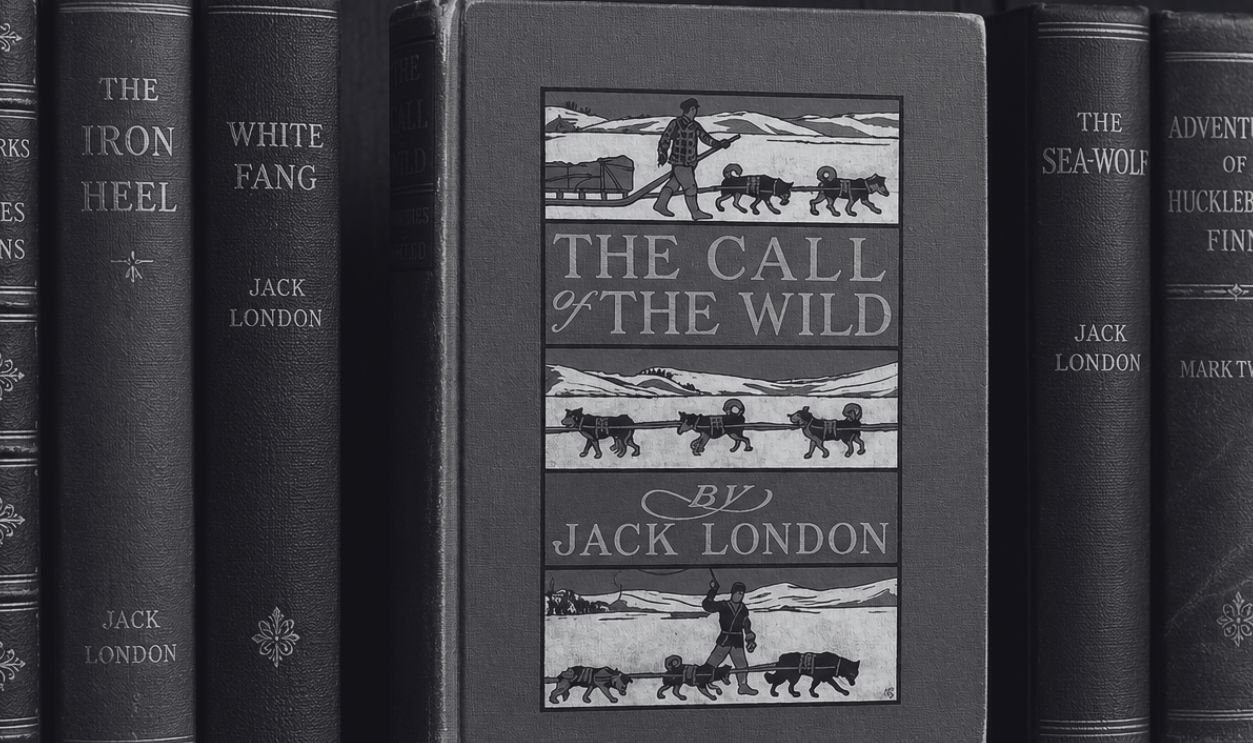
#23. The Time Machine (1895)
H.G. Wells helped invent modern science fiction with this imaginative journey into Earth's distant future. Time travel has become a movie cliché today, but this novel showed everyone how fascinating the idea could be over a century ago.
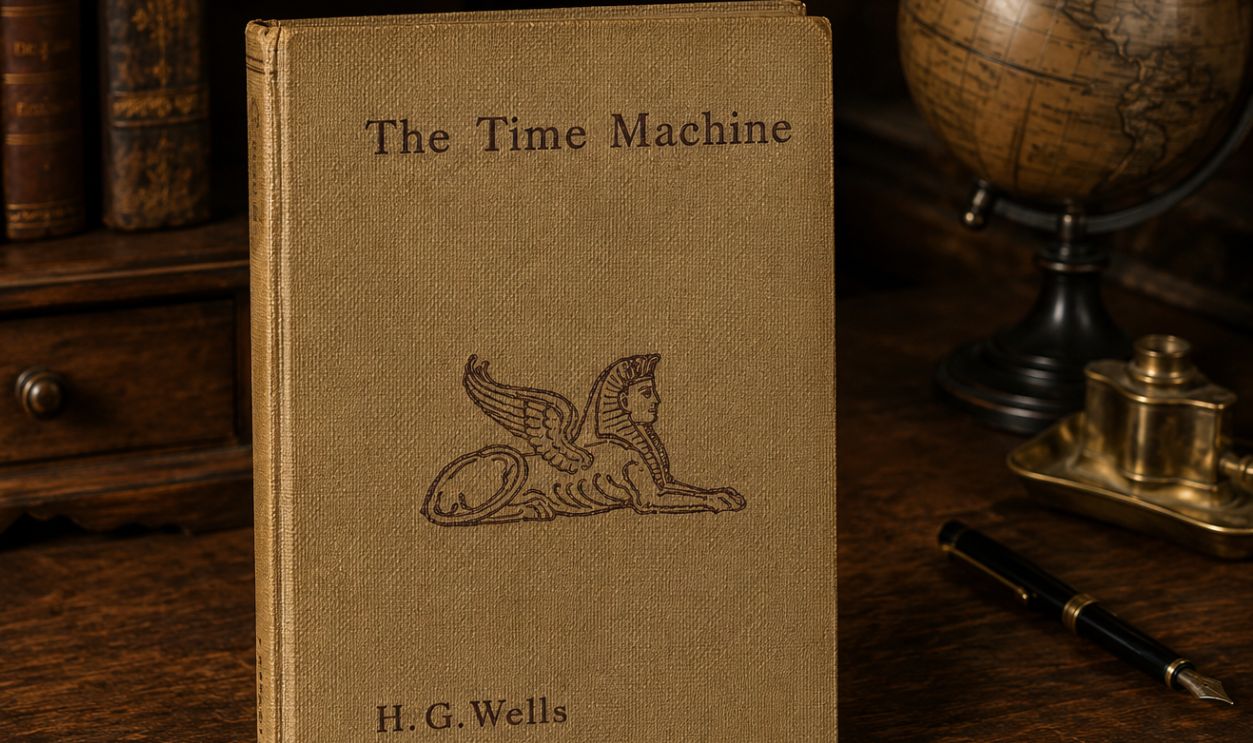 Author Herbert George WellsPublisher William Heinemann, Wikimedia Commons, Modified
#22. Rebecca (1938)
Daphne du Maurier's gothic masterpiece begins with one of literature's most famous opening lines and never lets go. Manderley, its mysterious estate, almost feels like another character, while the lingering shadow of Rebecca keeps readers guessing until the very end.
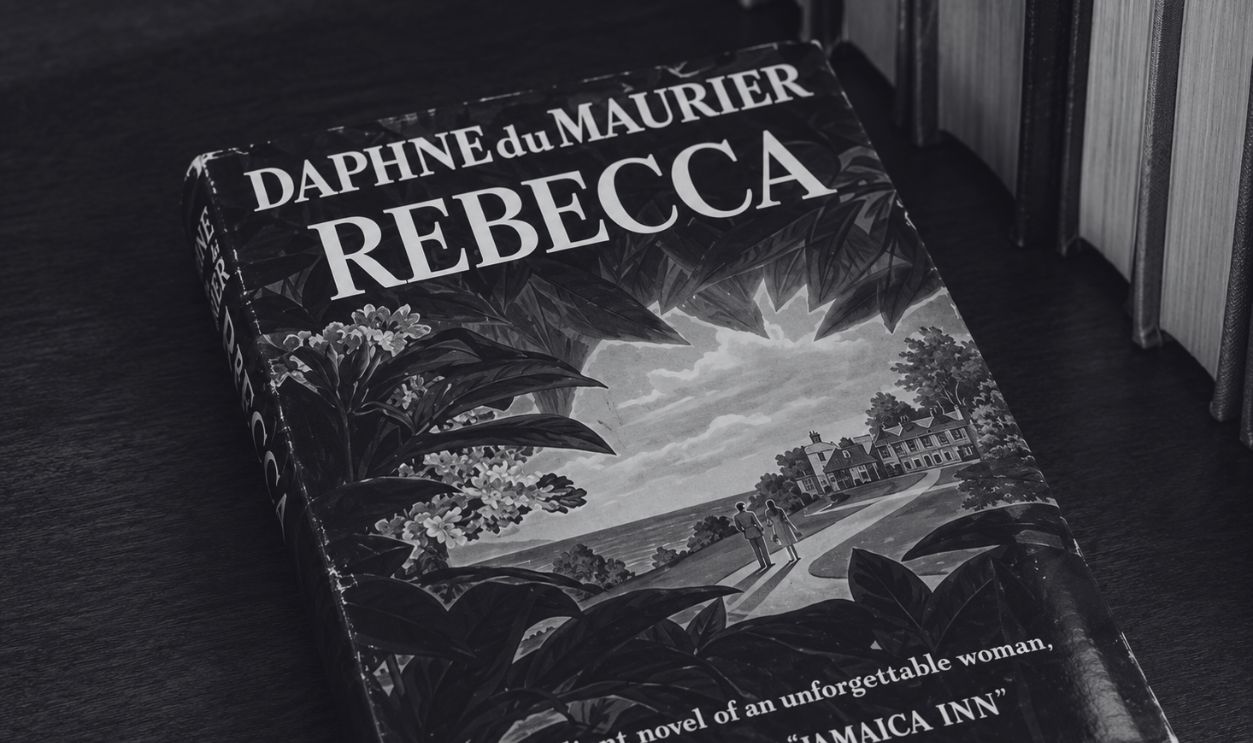 Selznick International Pictures, Wikimedia Commons, Enhanced
#21. The Count of Monte Cristo (1844)
Alexandre Dumas delivers perhaps the greatest revenge story ever written. Edmond Dantès patiently waits years to settle old scores, proving that sometimes revenge really is a dish best served...after several hundred pages.
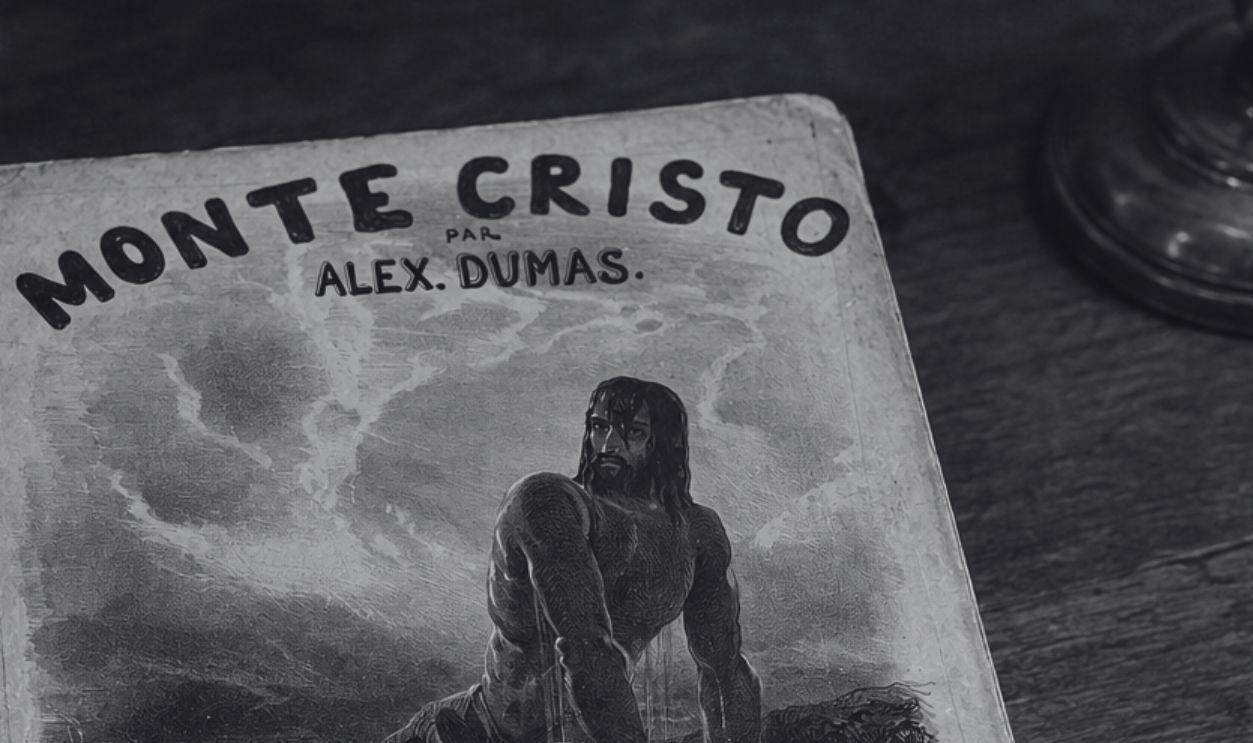 Francois-Louis Francais, Wikimedia Commons, Modified
#20. Jane Eyre (1847)
Charlotte Brontë created one of literature's strongest and most independent heroines. Romance, mystery, and unforgettable twists make this much more than the typical nineteenth-century love story.
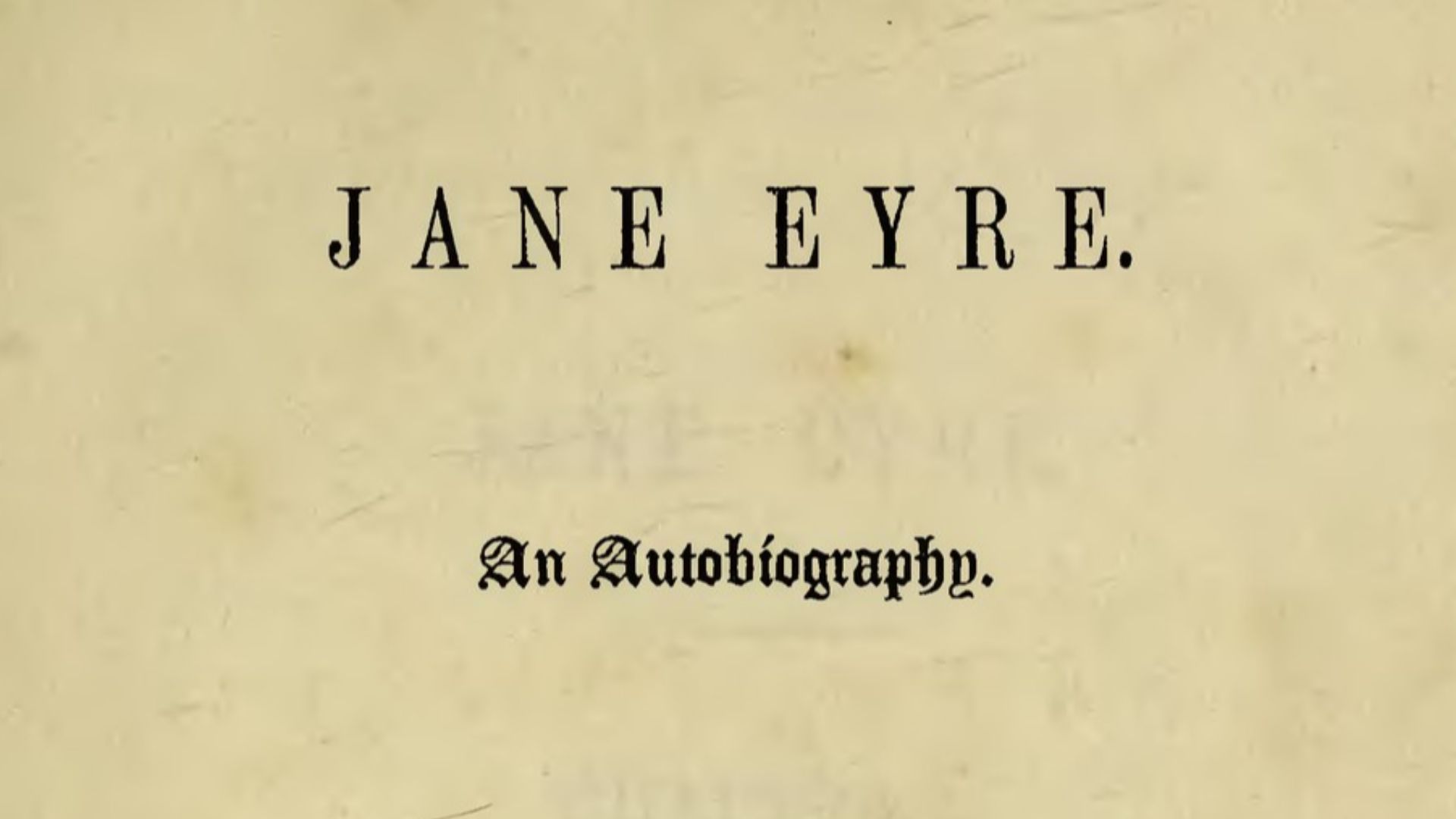 Unknown authorUnknown author, Wikimedia Commons
#19. The Old Man and the Sea (1952)
Ernest Hemingway tells a remarkably powerful story using remarkably few words. Santiago's battle with a giant marlin becomes a timeless lesson about perseverance, pride, and refusing to quit—even when the odds seem impossible.
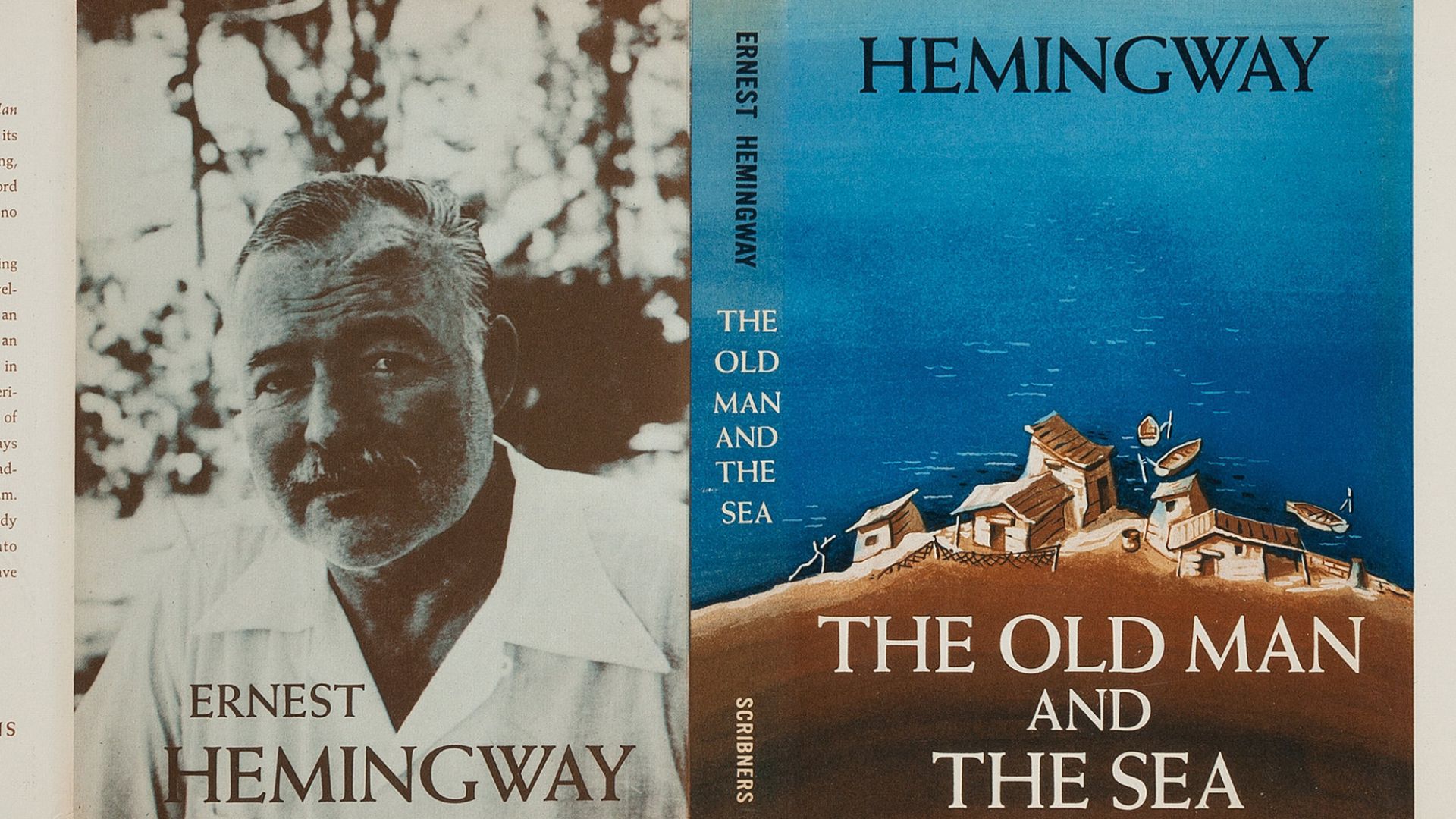 “Jacket design by A.” Author's photograph by Lee Samuels, Wikimedia Commons
#18. Animal Farm (1945)
George Orwell's seemingly simple story about farm animals quickly becomes something much deeper. Equal parts satire and political allegory, it's one of those books that feels different every time you read it.
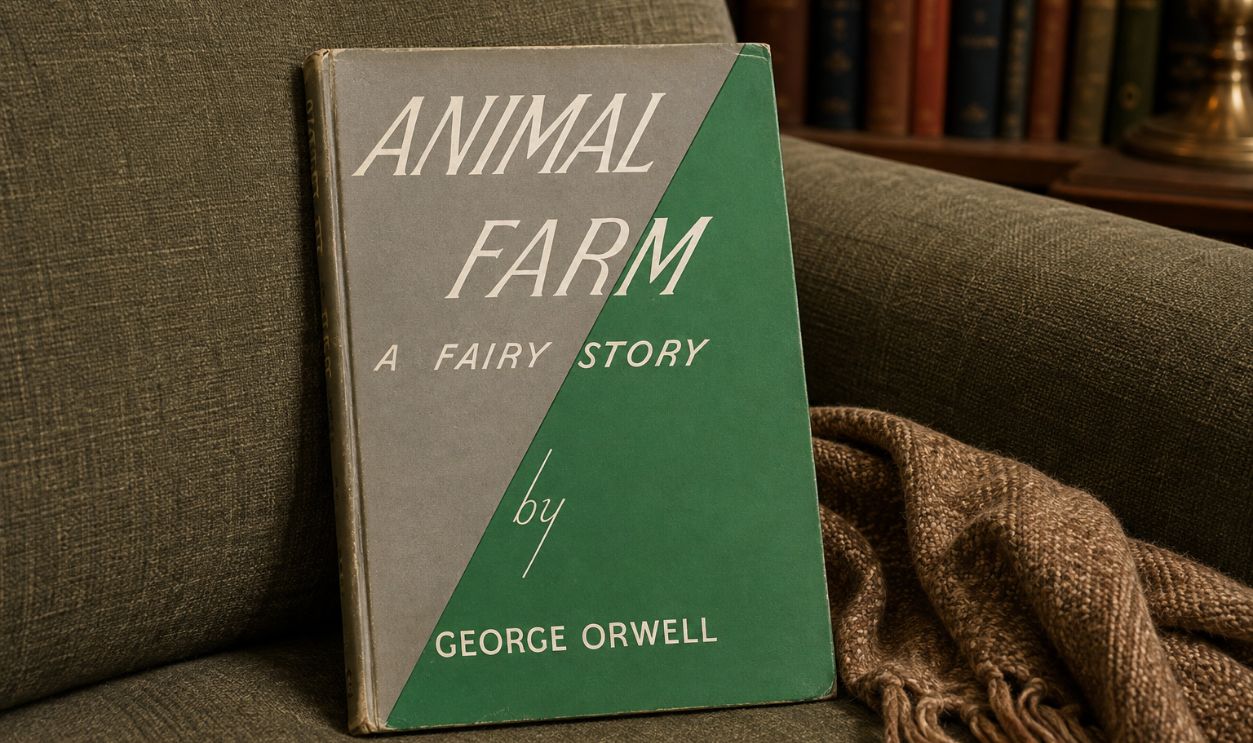
#17. Frankenstein (1818)
Mary Shelley's novel isn't really about a monster—it's about ambition, responsibility, and the consequences of playing God. It's also far more thoughtful than many people expect after only knowing the famous movie version.
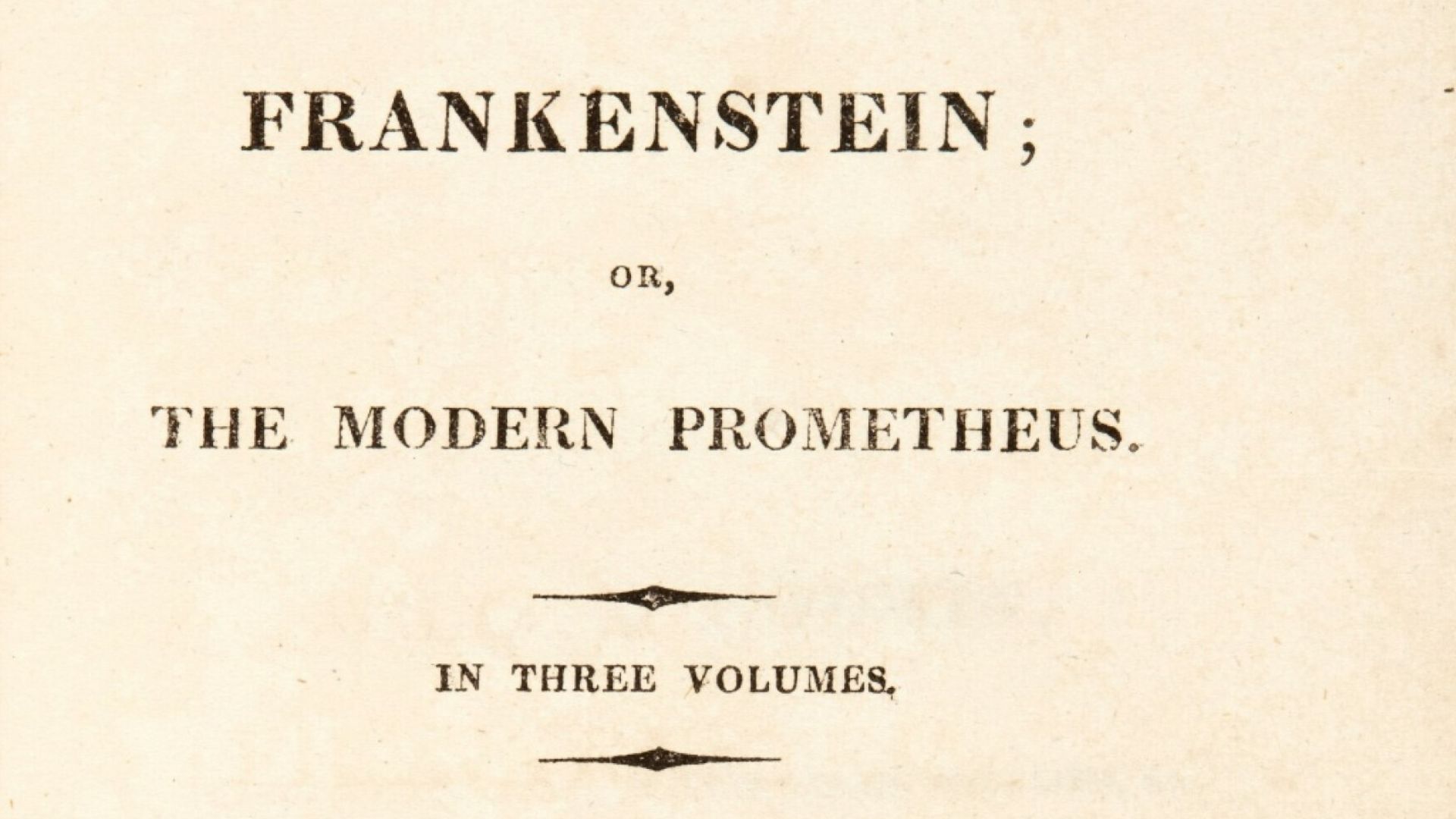 Author Mary Shelley; publisher Lackington, Hughes, Harding, Mavor & Jones, Wikimedia Commons
#16. Little Women (1868)
Louisa May Alcott's beloved story of the March sisters has charmed readers for more than 150 years. Family, ambition, love, and growing up never go out of style, even if the fashions certainly have.
![But it was too late; the study-door flew open, and Beth ran straight into her father's arms [illustration opposite page 320]. Illus. by May Alcott.
From: Little Women. By L.M. Alcott. Boston: Roberts Bros, 1868](https://www.factinate.com/storage/app/media/factinate/2026/8/27/1787819147ef25c98473273717caa06771d2c79515c80c6fbd.jpg)
#15. The Adventures of Huckleberry Finn (1884)
Mark Twain blended adventure, humor, and sharp social commentary into one unforgettable journey down the Mississippi River. Huck and Jim remain two of American literature's most memorable companions.
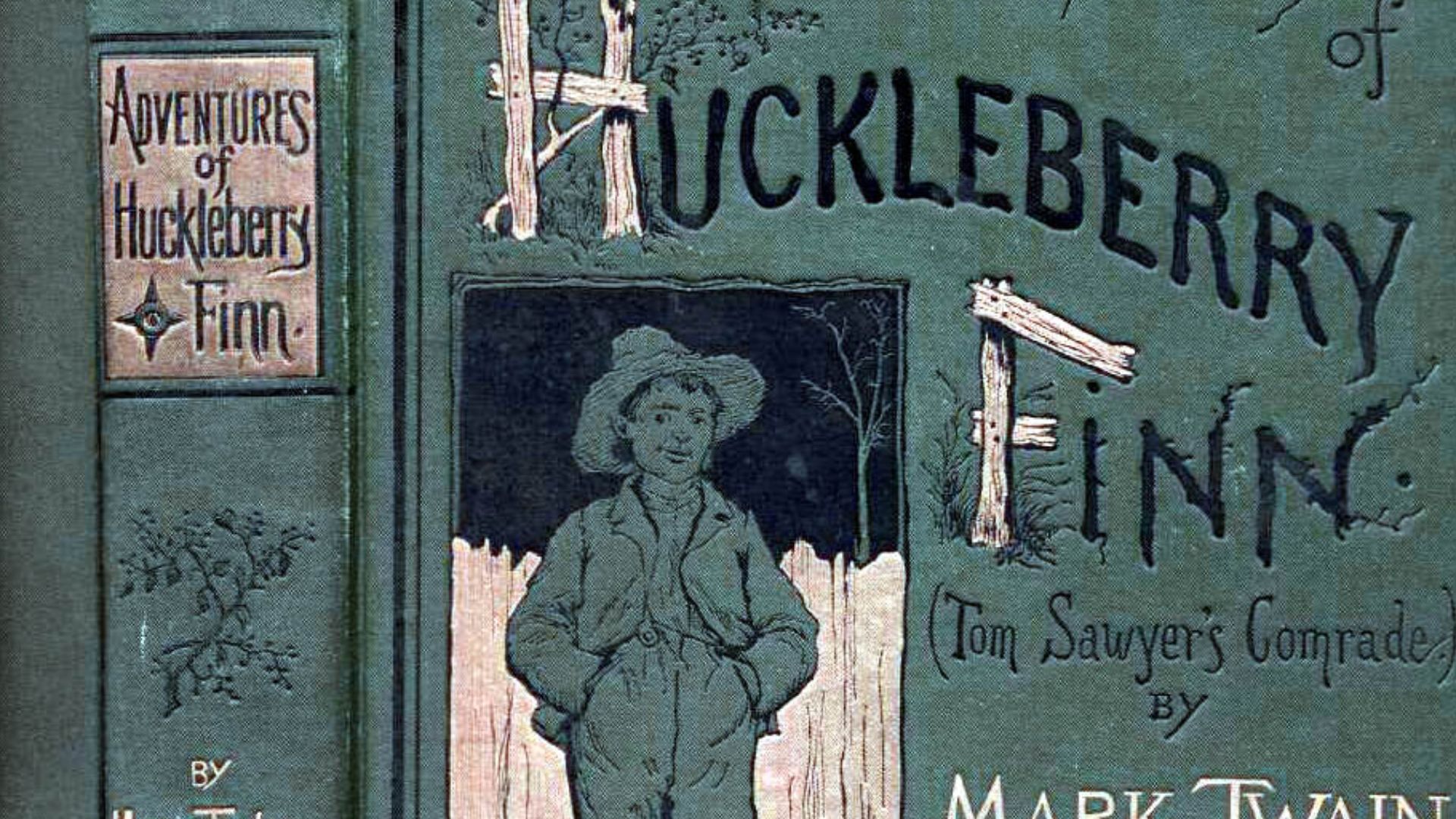 E. W. Kemble, Wikimedia Commons
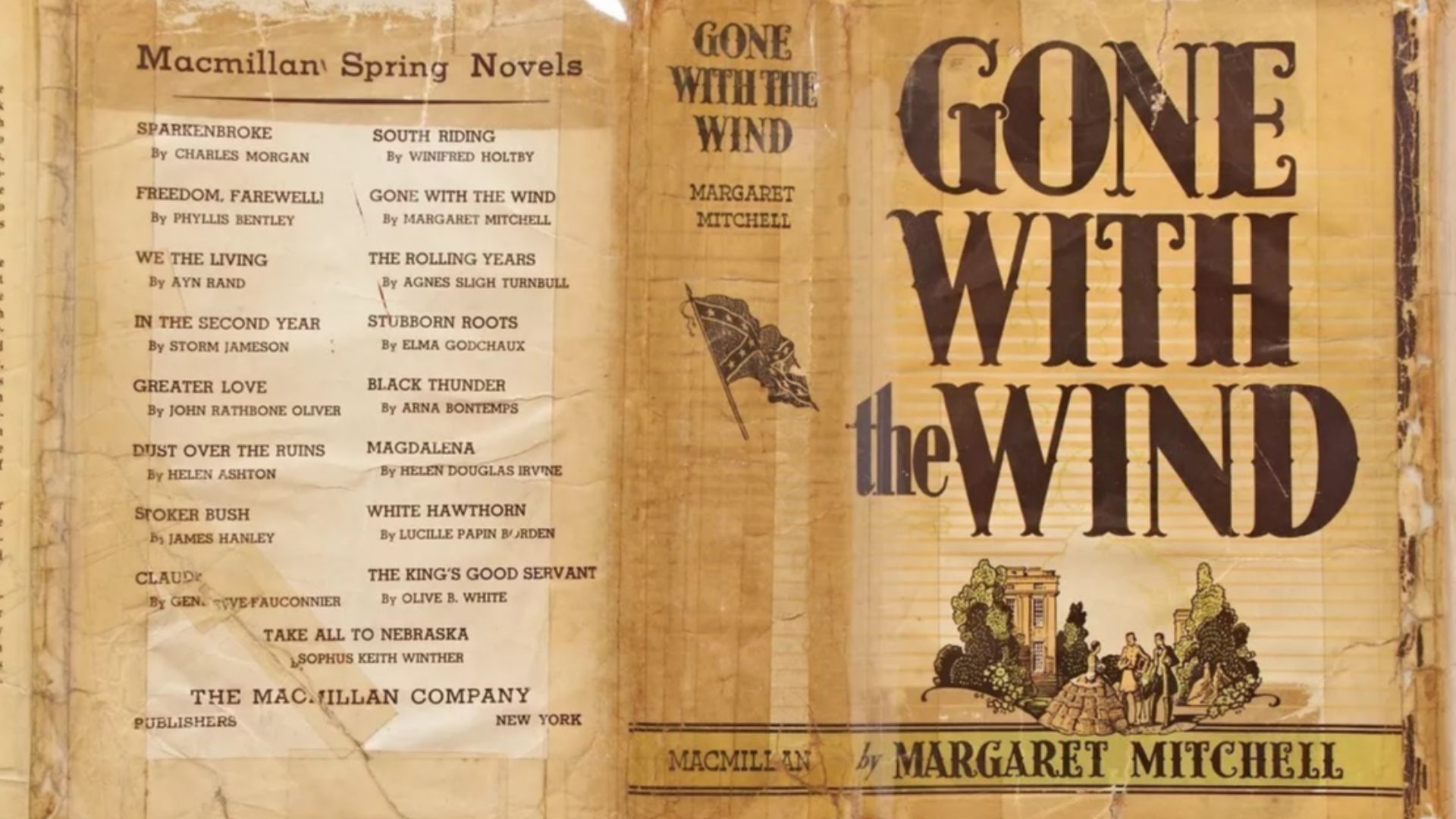
#14. Gone with the Wind (1936)
Margaret Mitchell's sweeping Civil War epic introduced readers to Scarlett O'Hara, one of fiction's most unforgettable characters. Love her or hate her, you'll never forget her determination.
#13. The Grapes of Wrath (1939)
John Steinbeck captured the struggles of Dust Bowl families with compassion and unforgettable storytelling. It's heartbreaking at times, but also one of the greatest novels ever written about hope during difficult times.
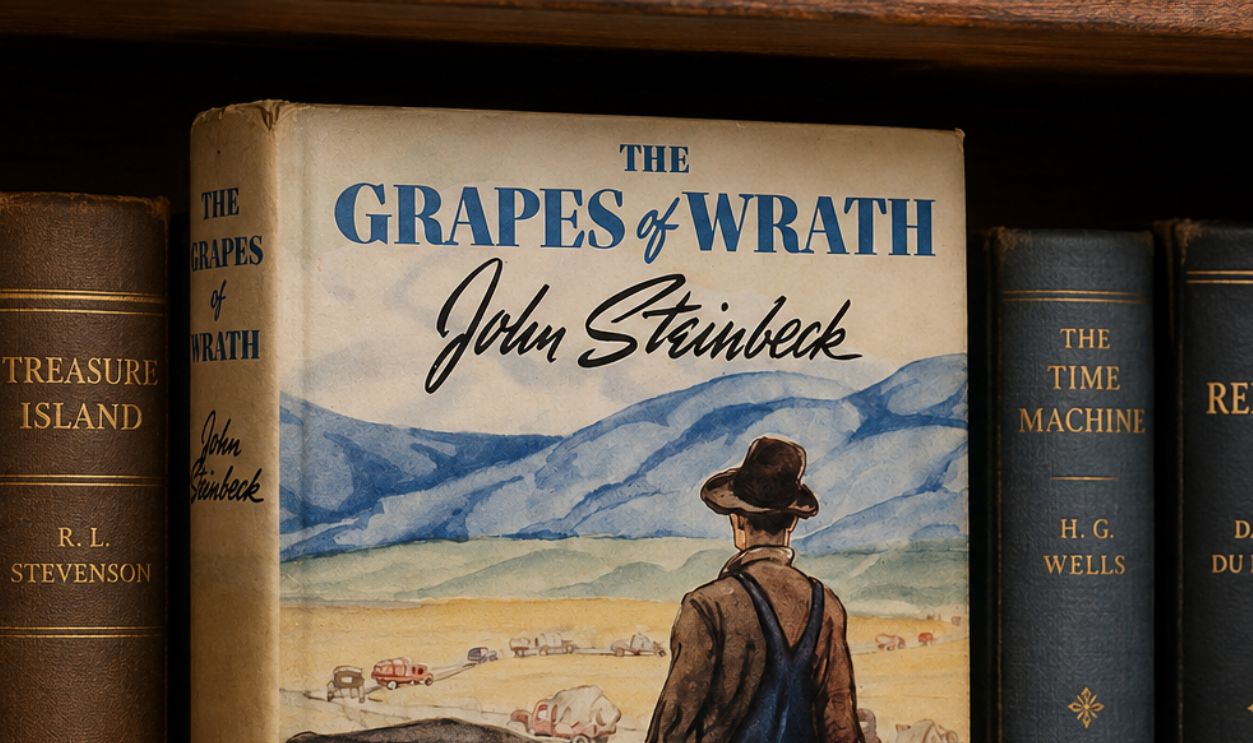 Elmer Hader, Wikimedia Commons, Modified
#12. The Great Gatsby (1925)
F. Scott Fitzgerald's portrait of wealth, ambition, and the American Dream remains as relevant today as it was during the Roaring Twenties. Plus, everyone deserves to finally find out what all the fuss is about that green light.
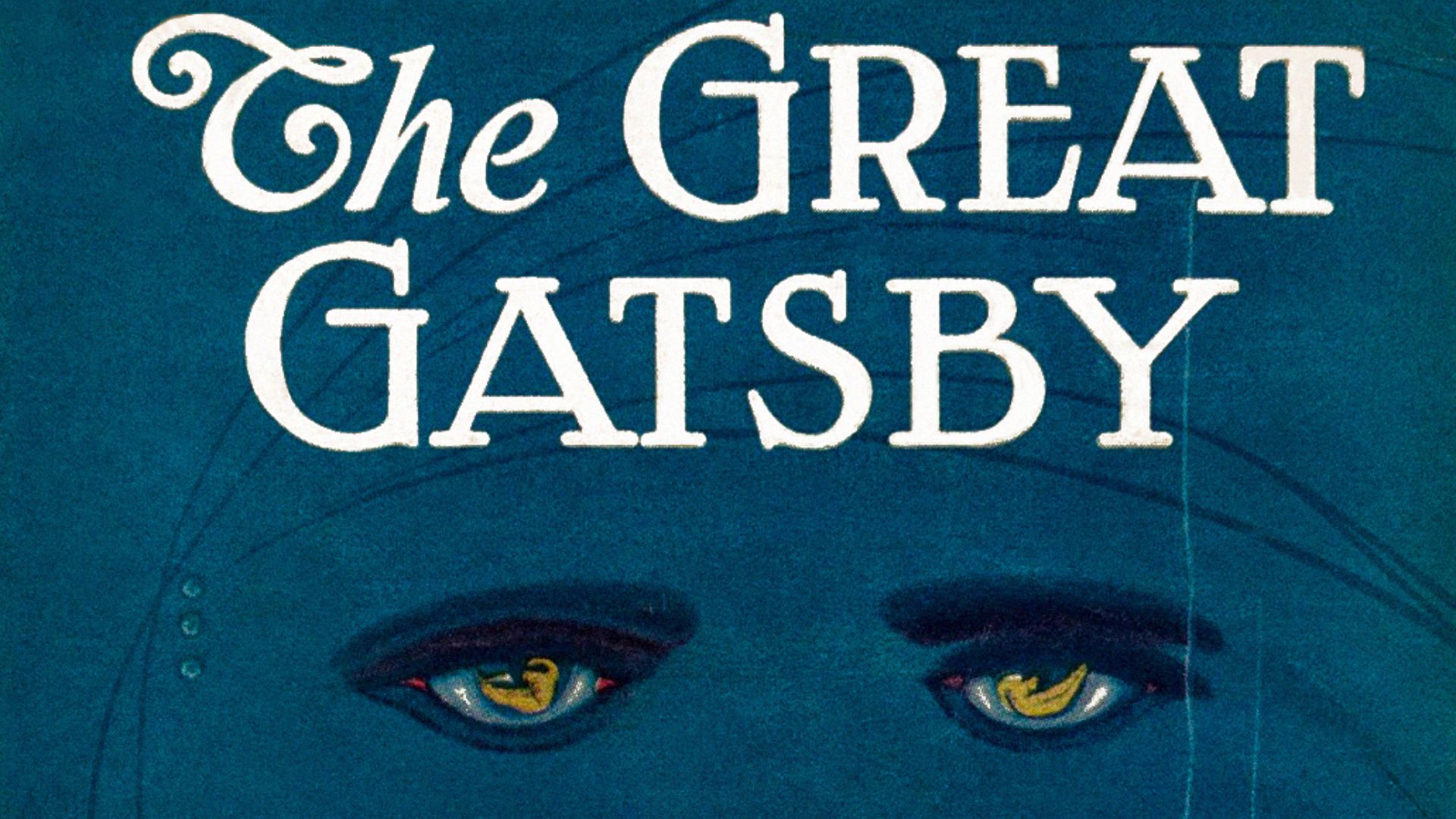 Francis Cugat, Wikimedia Commons
#11. Dracula (1897)
Bram Stoker introduced the world's most famous vampire, but the novel is much richer than most modern adaptations. It's creepy, suspenseful, and surprisingly modern in its storytelling.
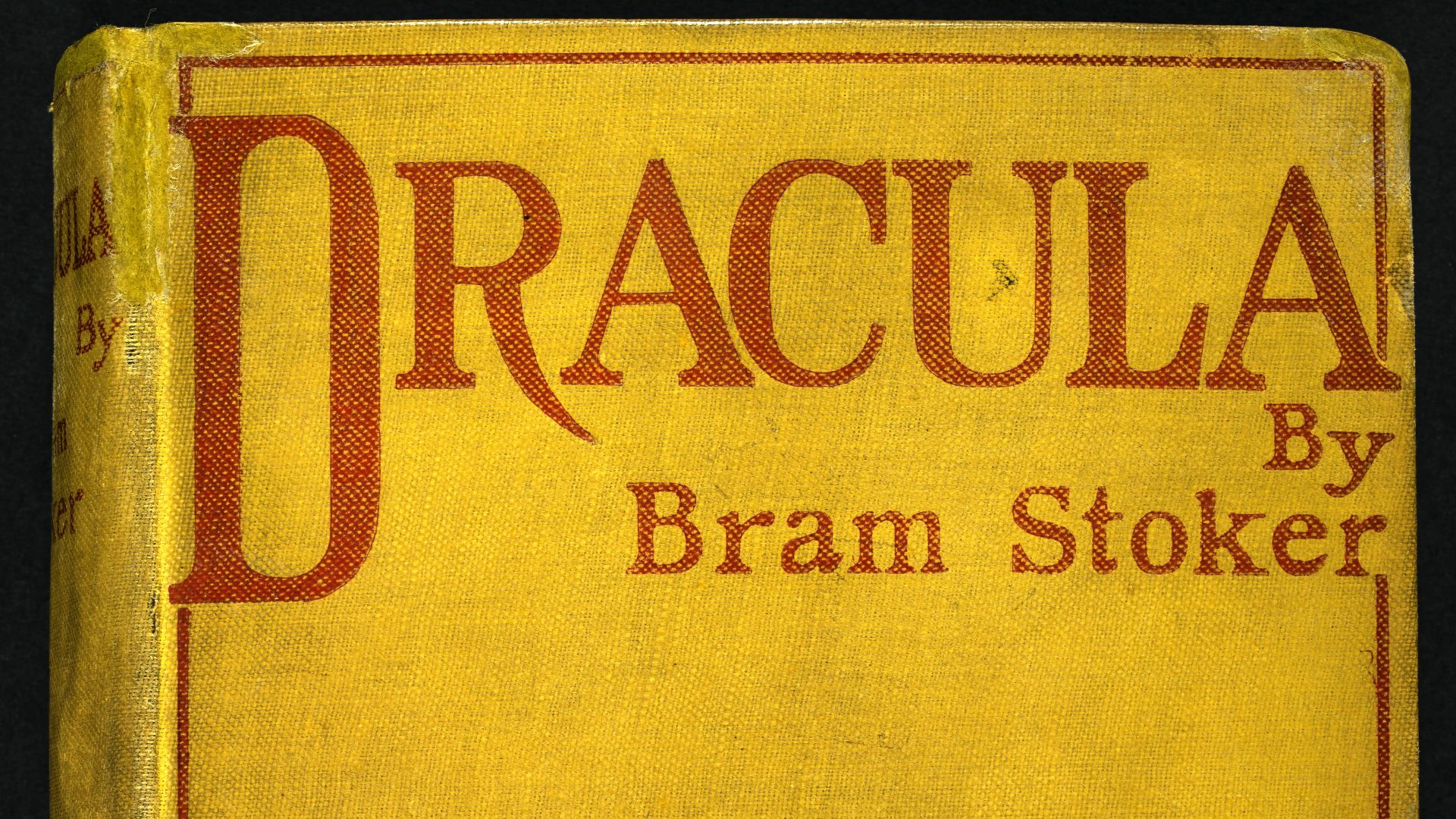 British Library Board, Wikimedia Commons
#10. Moby-Dick (1851)
Herman Melville's tale of Captain Ahab's obsession with a giant white whale isn't exactly a quick weekend read—but it's one of literature's greatest adventures. Besides, it's probably the only novel where whale anatomy becomes oddly fascinating.
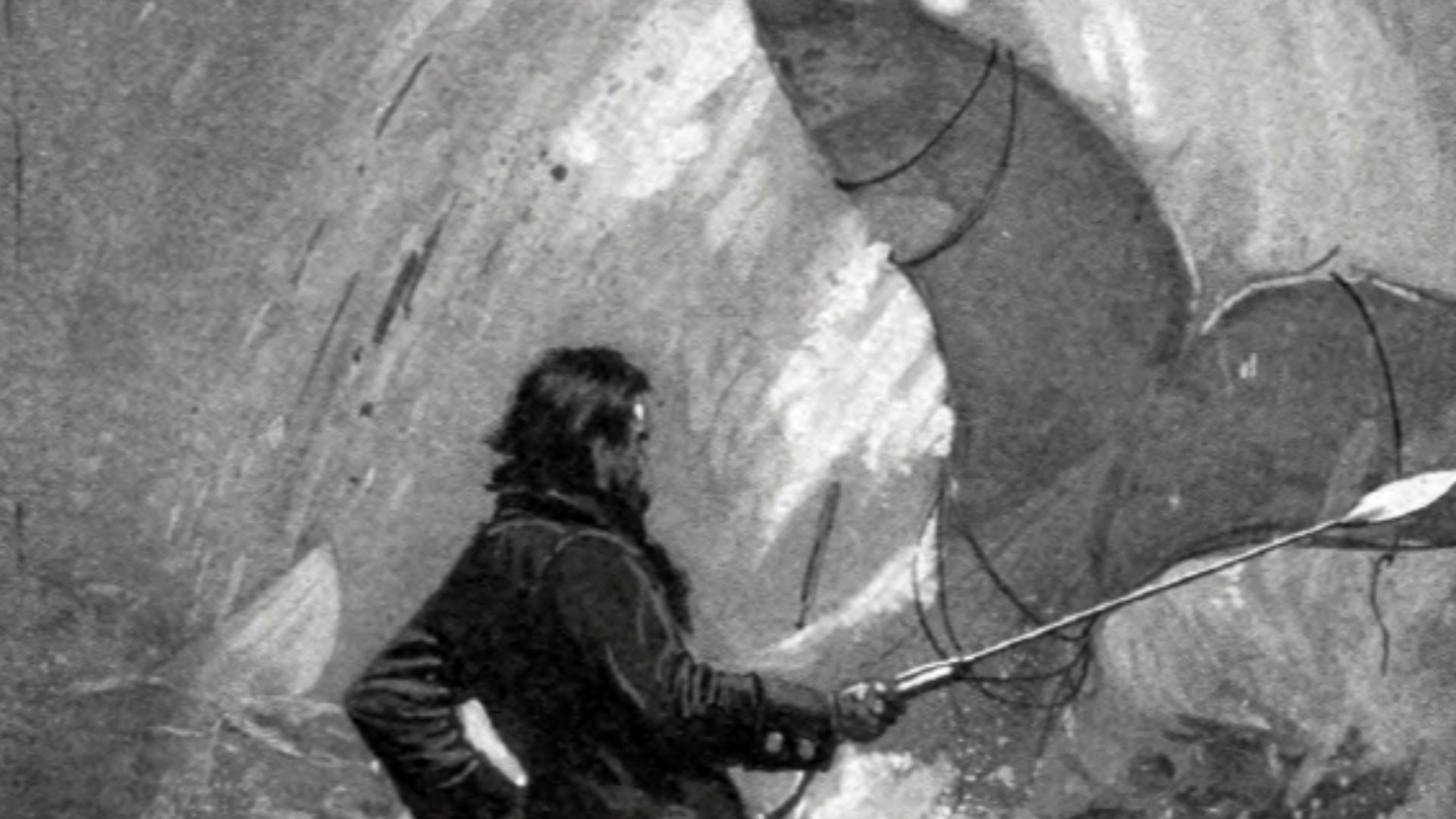 I. W. Taber, Wikimedia Commons
#9. The Catcher in the Rye (1951)
J.D. Salinger's Holden Caulfield remains one of literature's most recognizable voices. Readers have argued about him for decades, which is probably exactly what Salinger intended.
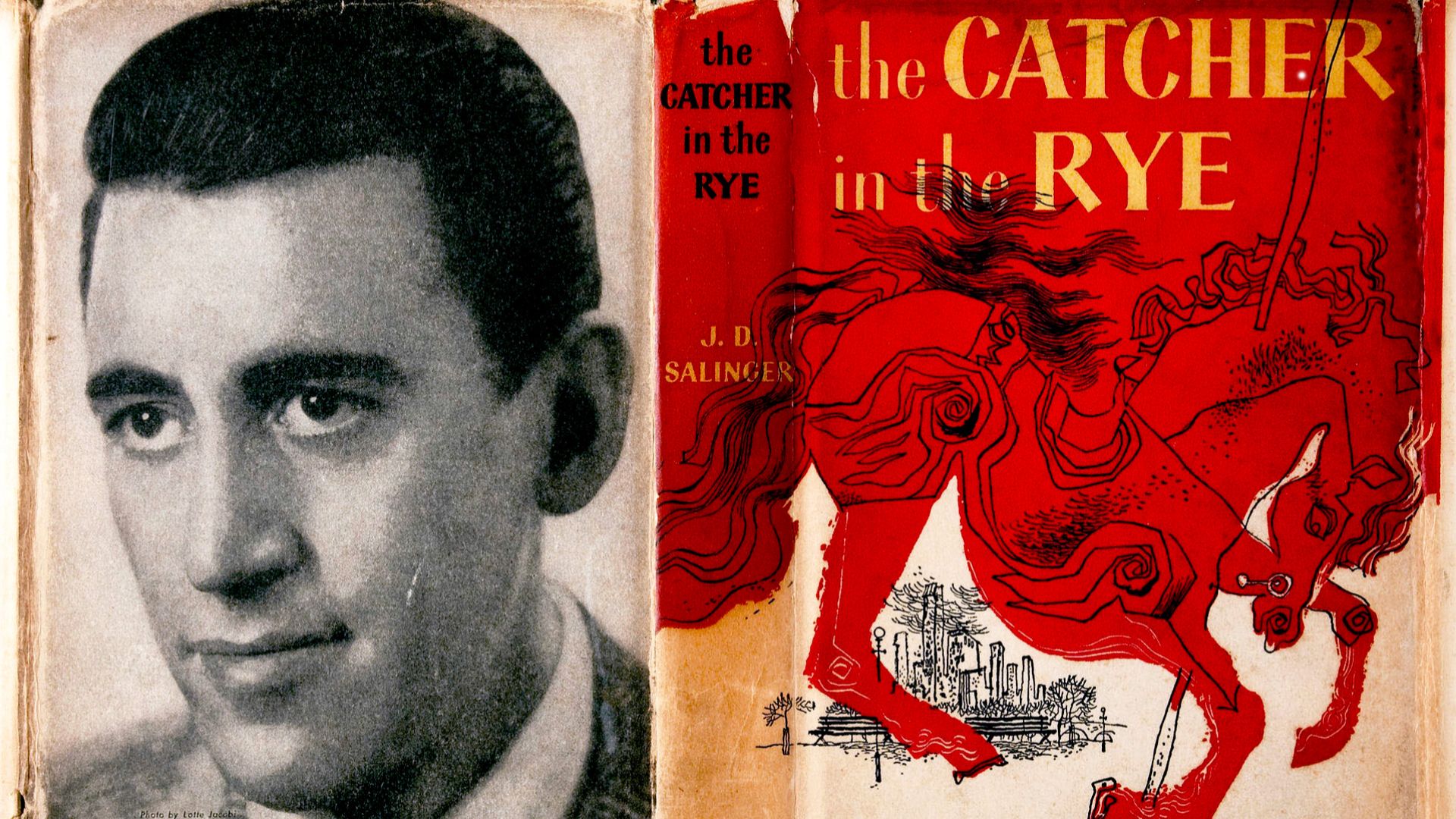 Michael Mitchell; the credit, Wkimedia Commons
#8. 1984 (1949)
George Orwell imagined a world of constant surveillance, censorship, and government control that continues to influence popular culture today. It's unsettling, unforgettable, and surprisingly relevant.
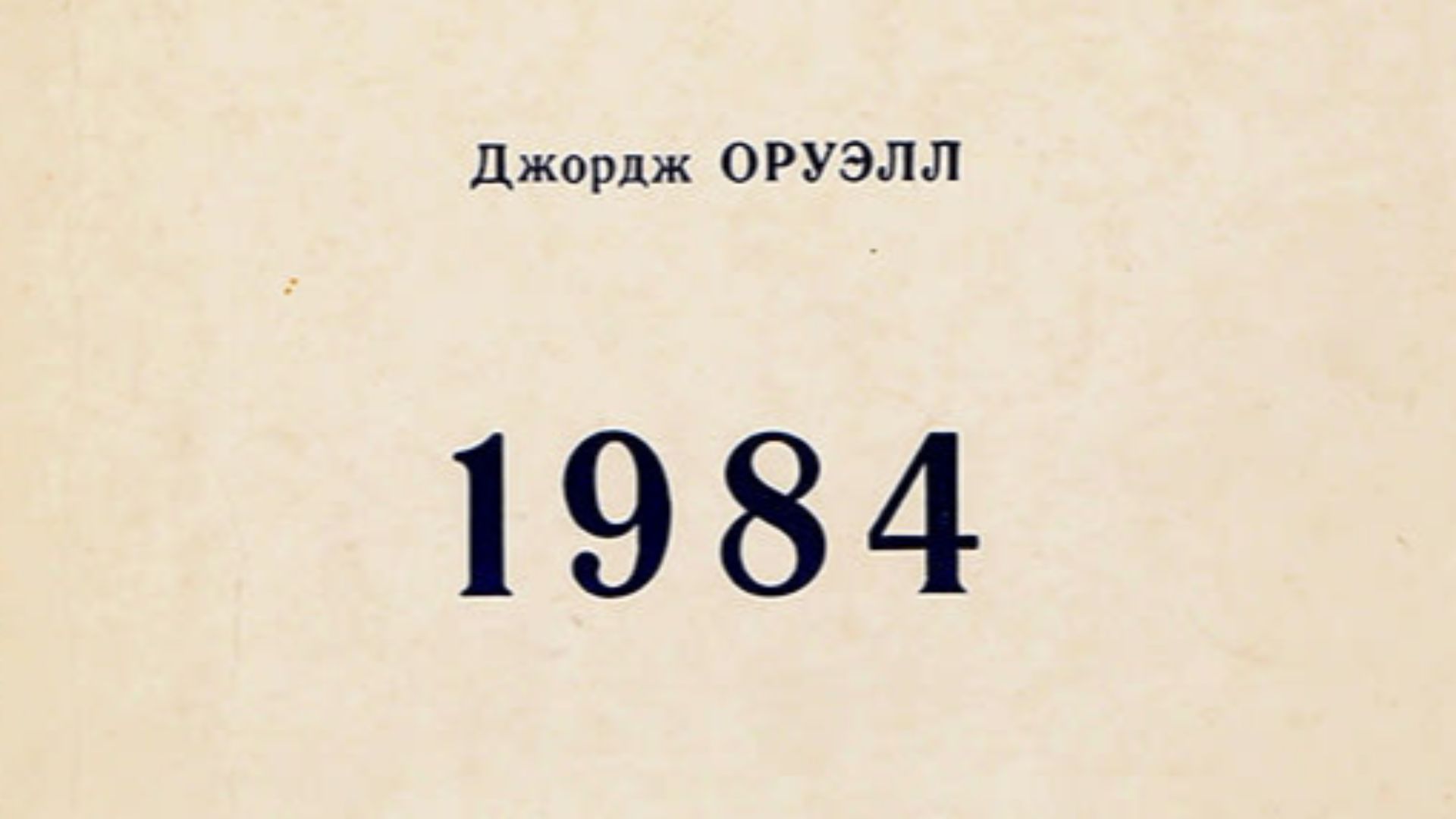 Progress Publishers, Wikimedia Commons
#7. To Kill a Mockingbird (1960)
Harper Lee's Pulitzer Prize-winning novel explores justice, compassion, and prejudice through the eyes of young Scout Finch. Atticus Finch remains one of literature's greatest moral heroes.
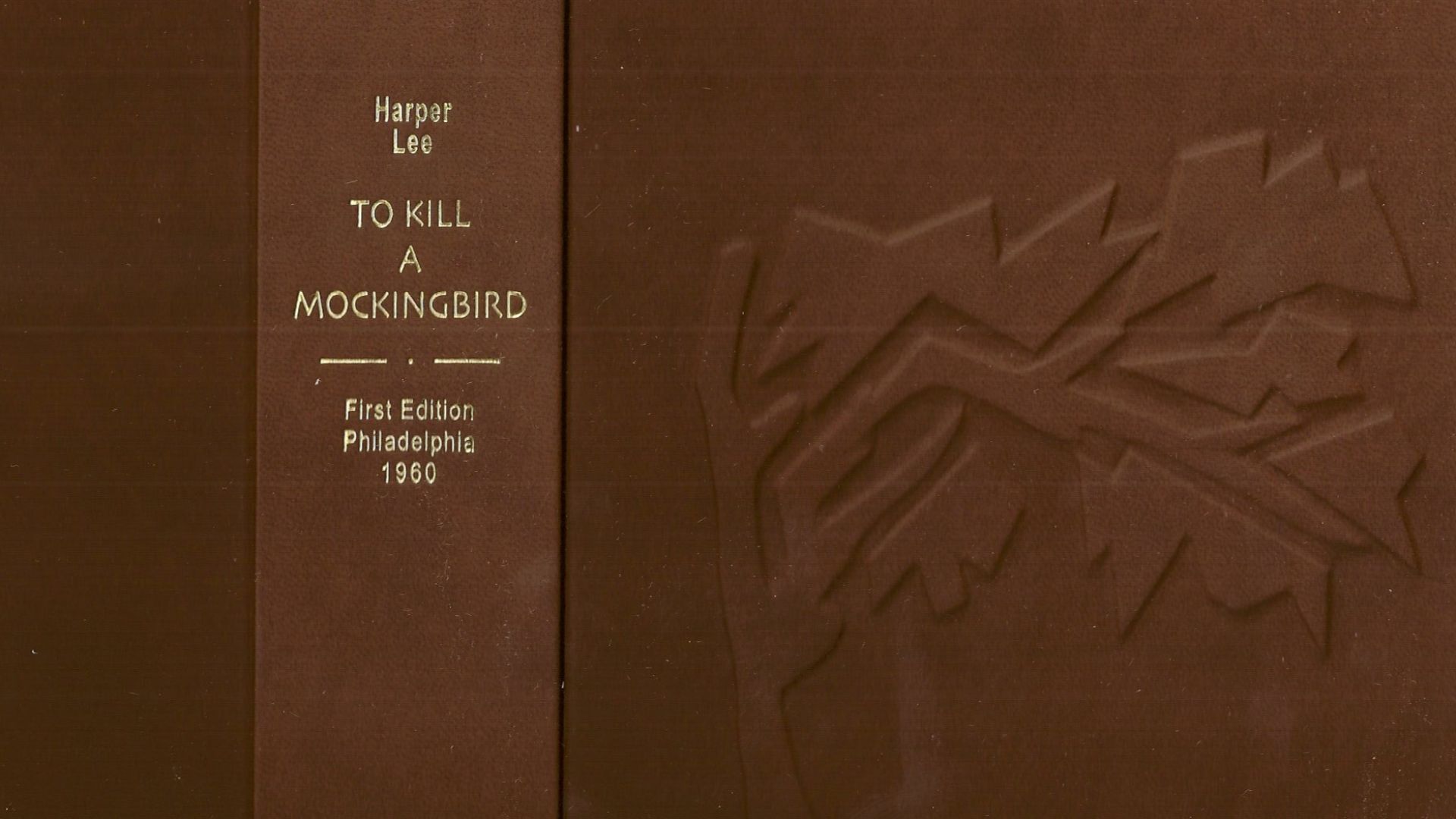 Folktroubadour, Wikimedia Commons
#6. The Hobbit (1937)
Before The Lord of the Rings, J.R.R. Tolkien introduced Bilbo Baggins and Middle-earth in this wonderfully entertaining fantasy adventure. It's proof that ordinary people sometimes make the greatest heroes.
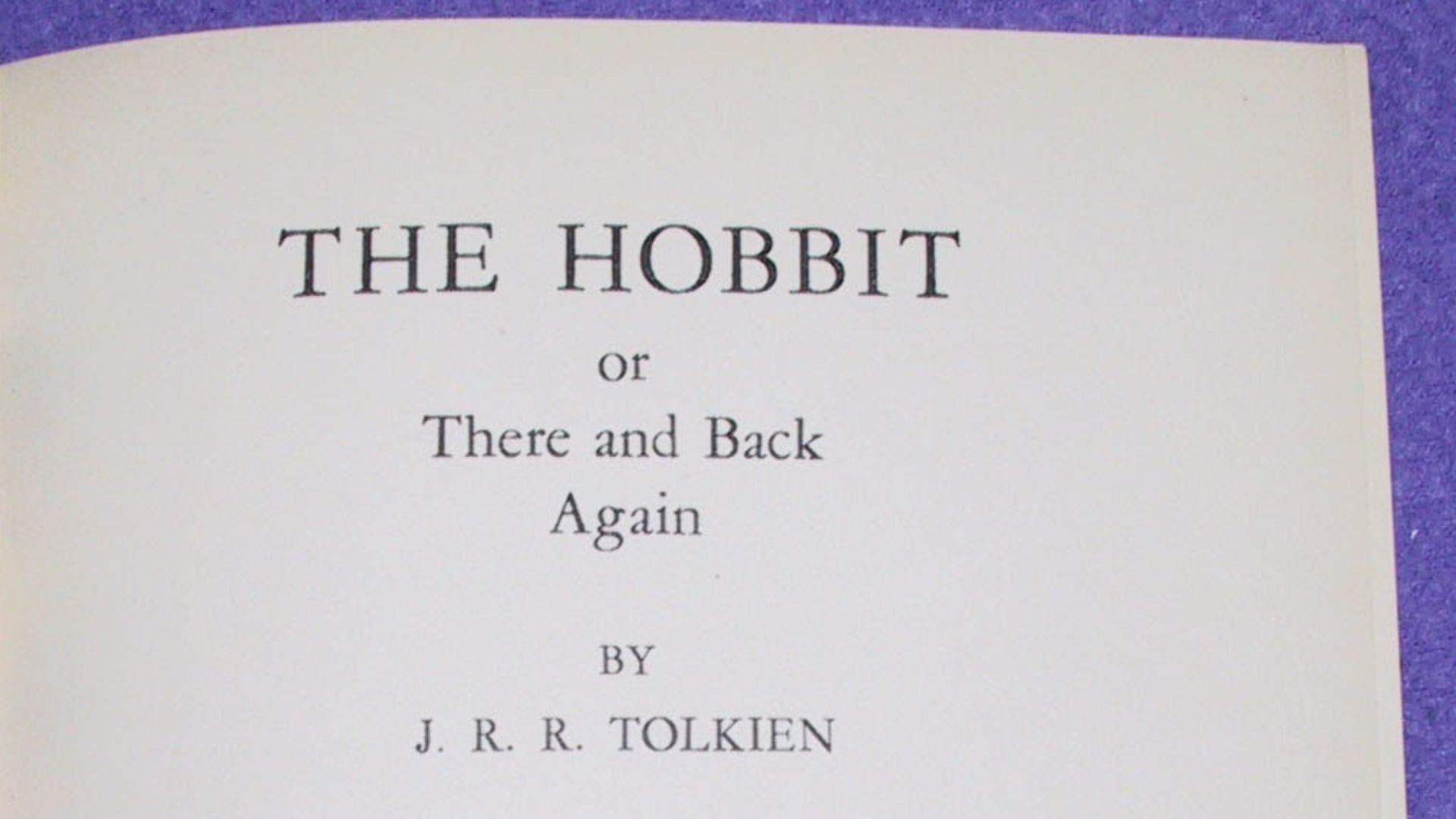 Strebe at English Wikipedia, Wikimedia Commons
#5. Pride and Prejudice (1813)
Jane Austen's wit feels surprisingly modern even two centuries later. Elizabeth Bennet and Mr. Darcy remain one of literature's greatest—and occasionally most stubborn—couples.
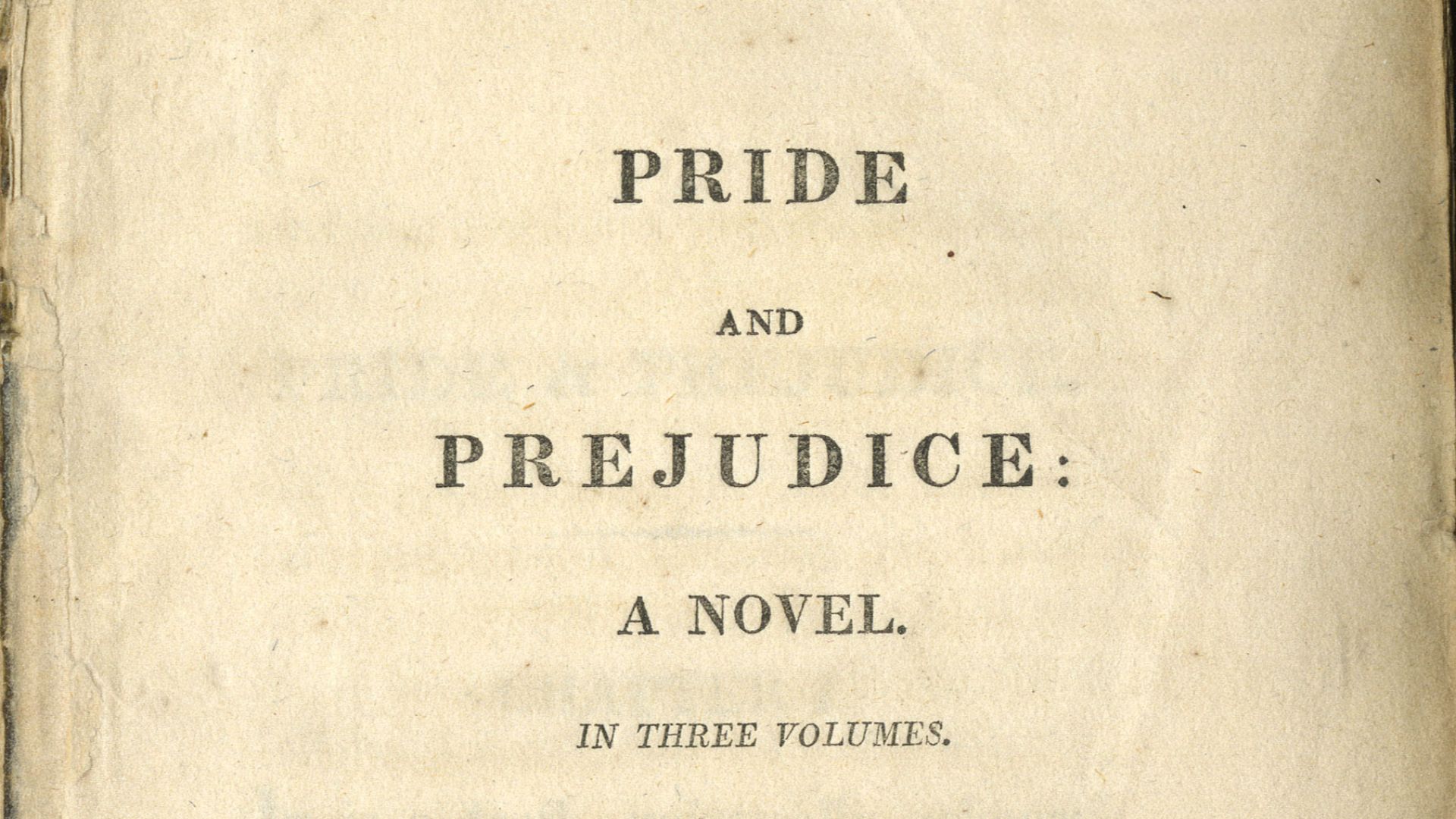 Jane Austen (1775-1817), Wikimedia Commons
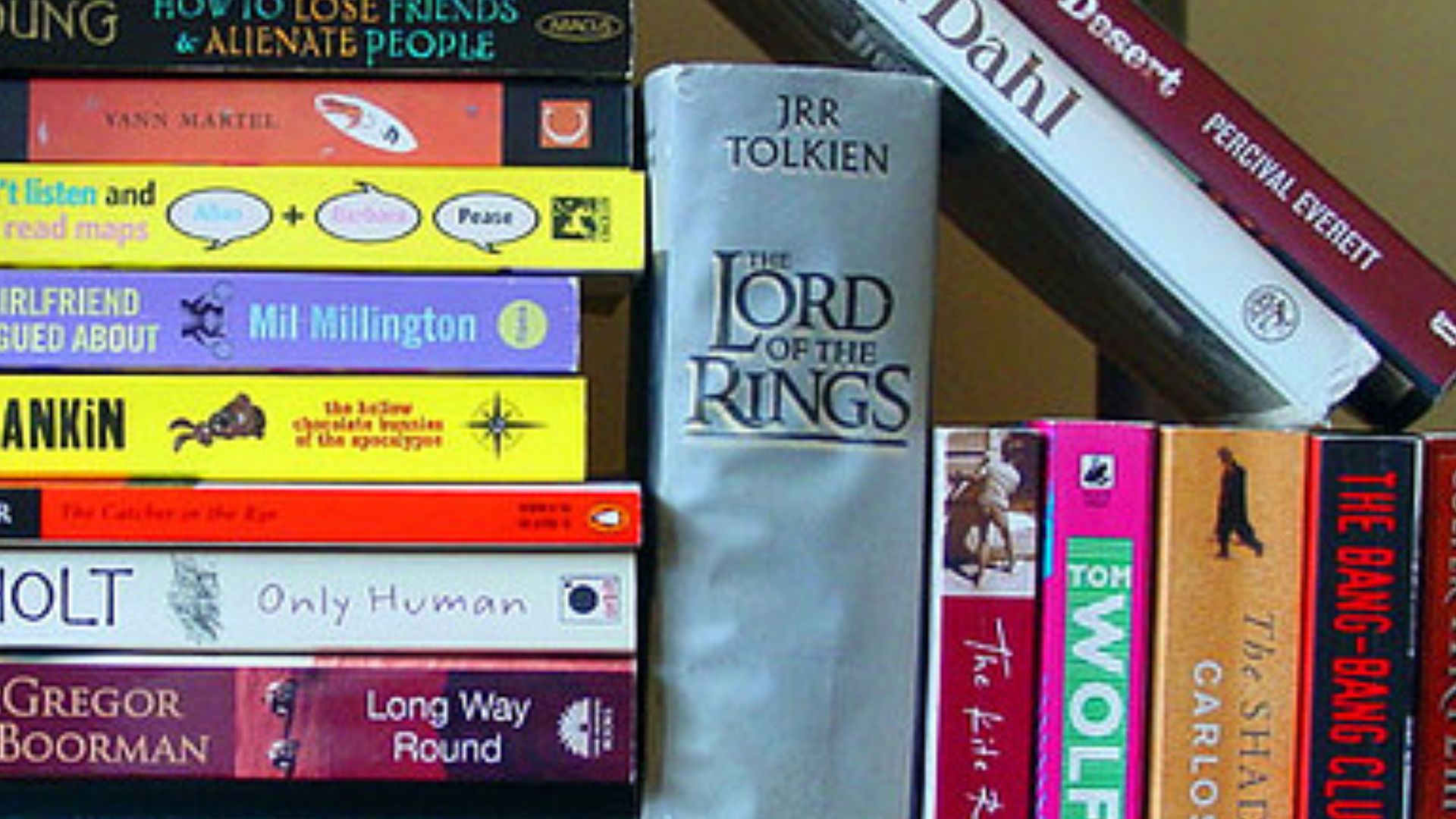
#4. The Lord of the Rings (1954–1955)
Tolkien didn't just write a fantasy novel—he created an entire world complete with languages, histories, and unforgettable characters. Every fantasy author since has been measured against this masterpiece.
#3. The Chronicles of Narnia: The Lion, the Witch and the Wardrobe (1950)
C.S. Lewis opened the wardrobe door to one of literature's most beloved fantasy worlds. Talking animals, epic battles, and timeless themes make this a book readers return to generation after generation.
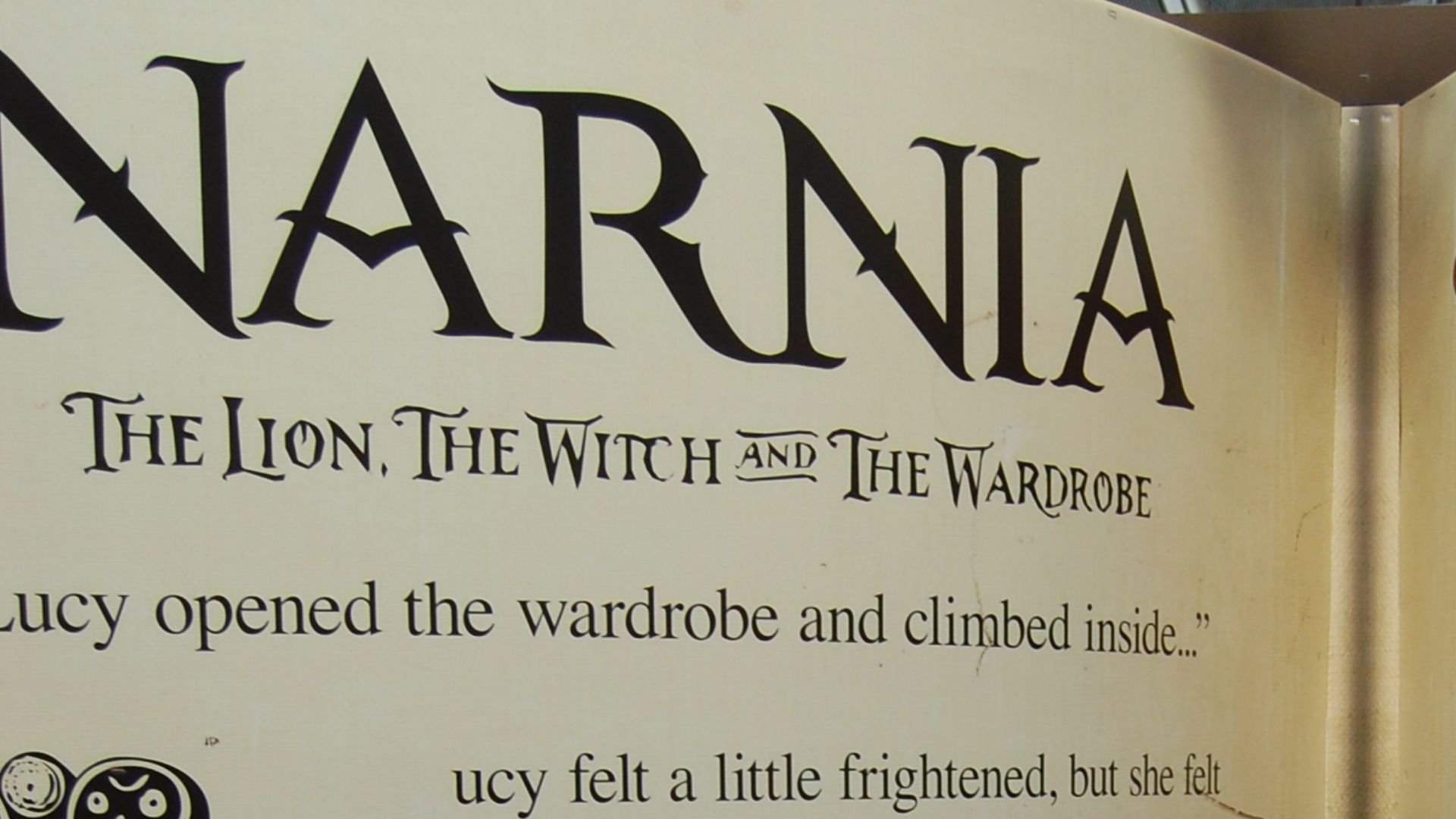 Andy Mabbett, Wikimedia Commons
#2. Don Quixote (1605/1615)
Miguel de Cervantes created what many scholars consider the first modern novel. Don Quixote's impossible adventures remain surprisingly funny, touching, and insightful more than four hundred years later.
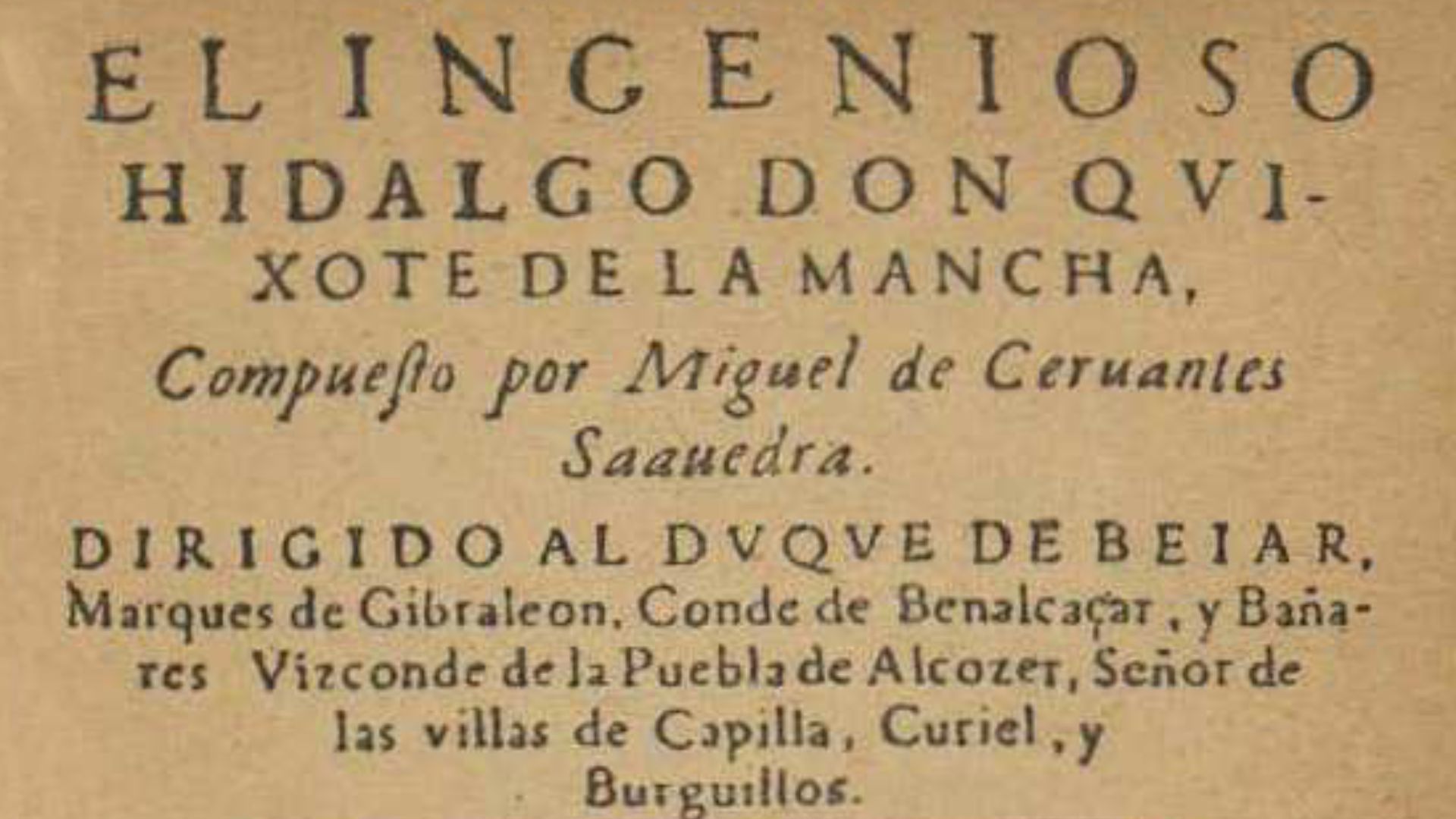 Miguel de Cervantes, Wikimedia Commons
#1. War and Peace (1869)
Leo Tolstoy's epic masterpiece combines history, philosophy, romance, and unforgettable characters into one extraordinary novel. It may look intimidating on the shelf, but millions of readers have discovered it's worth every page. If you're only going to tackle one giant classic, this is an excellent place to start.
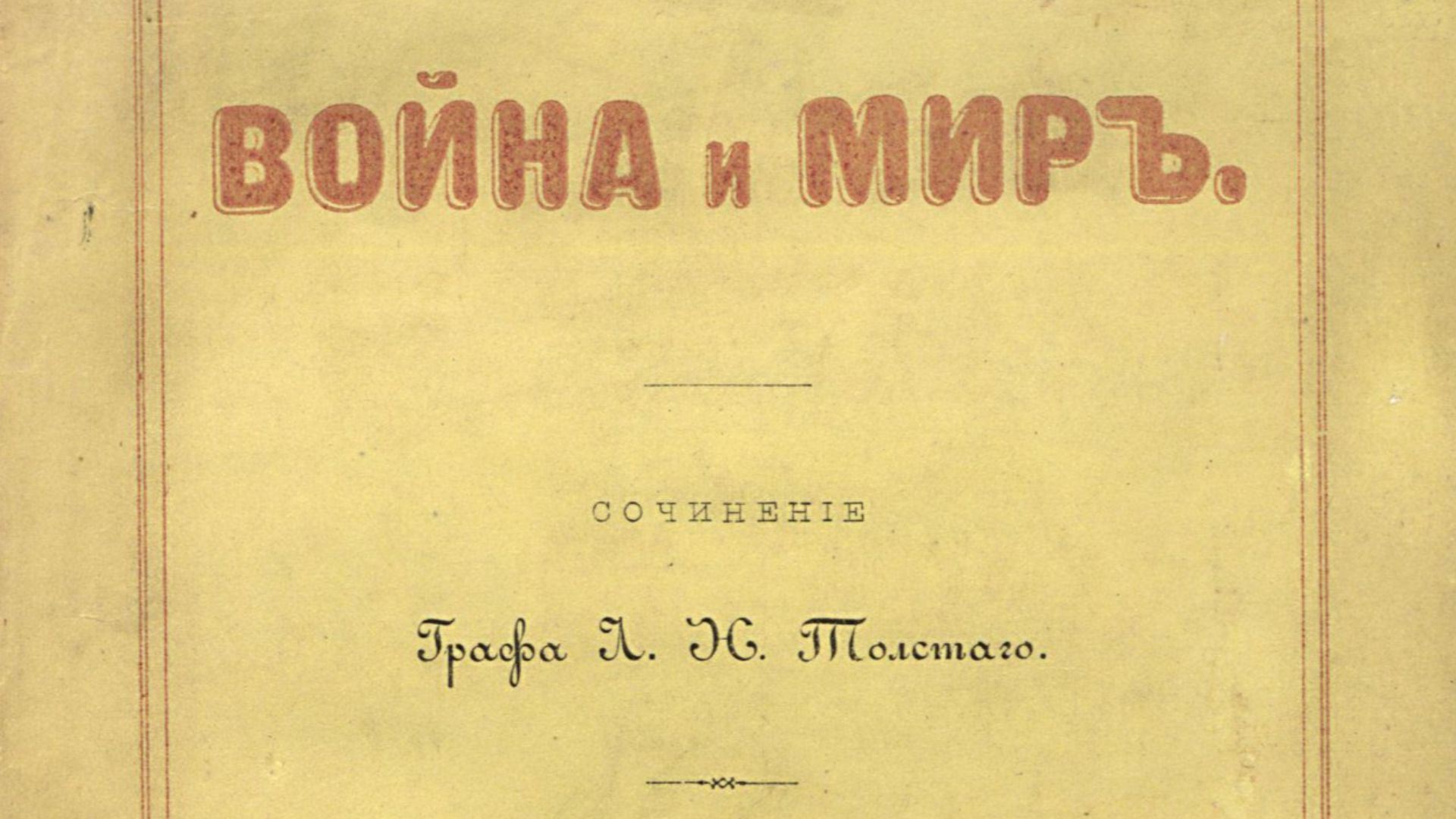
Final Thoughts
Great novels don't become classics by accident. They survive because each new generation discovers something meaningful within their pages. Whether you read one a year or one a month, these timeless stories continue to reward readers with unforgettable characters, remarkable adventures, and ideas that never grow old.
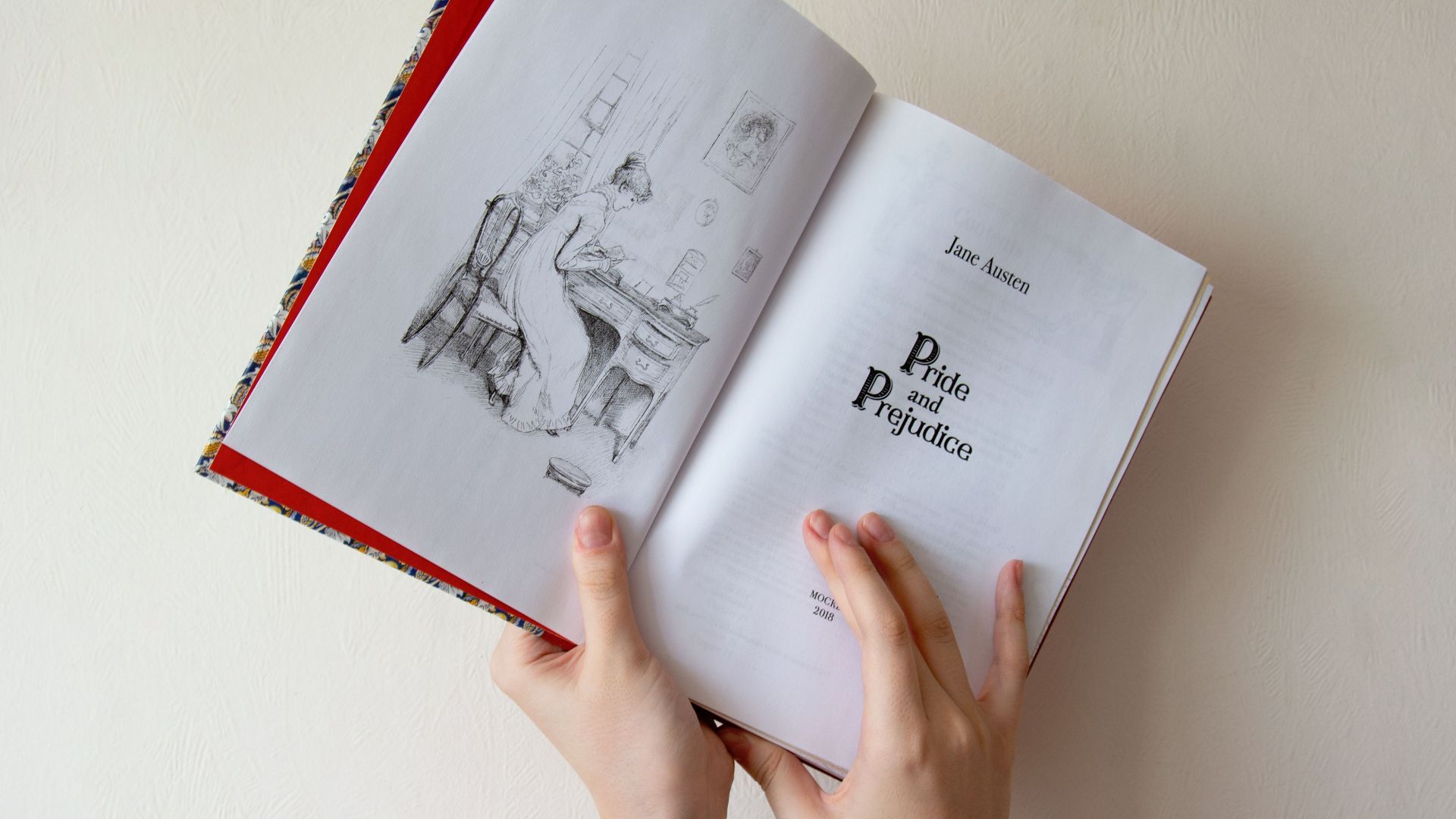 Alexandra Krainyukhova, Pexels
You May Also Like:
Western Novels From The 1970s That Every Baby Boomer Read












_-_front_cover.jpg)


