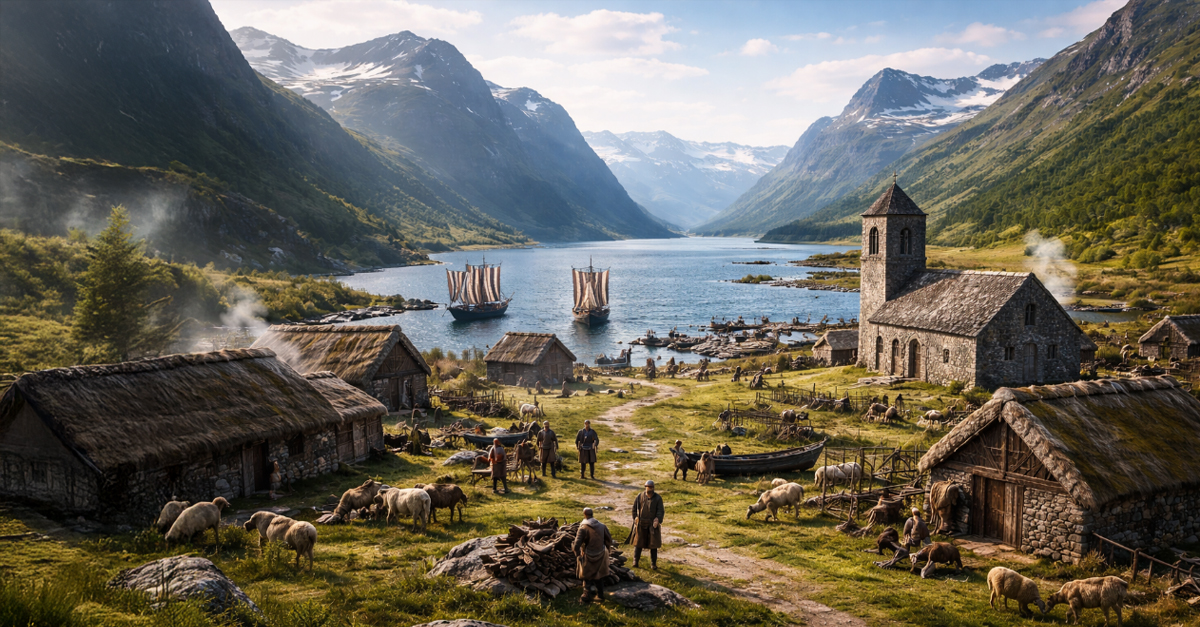
The Vikings built colonies in Greenland in the Middle Ages, but they disappeared in the 1400s, leaving behind a few ruins and a lot of question marks.
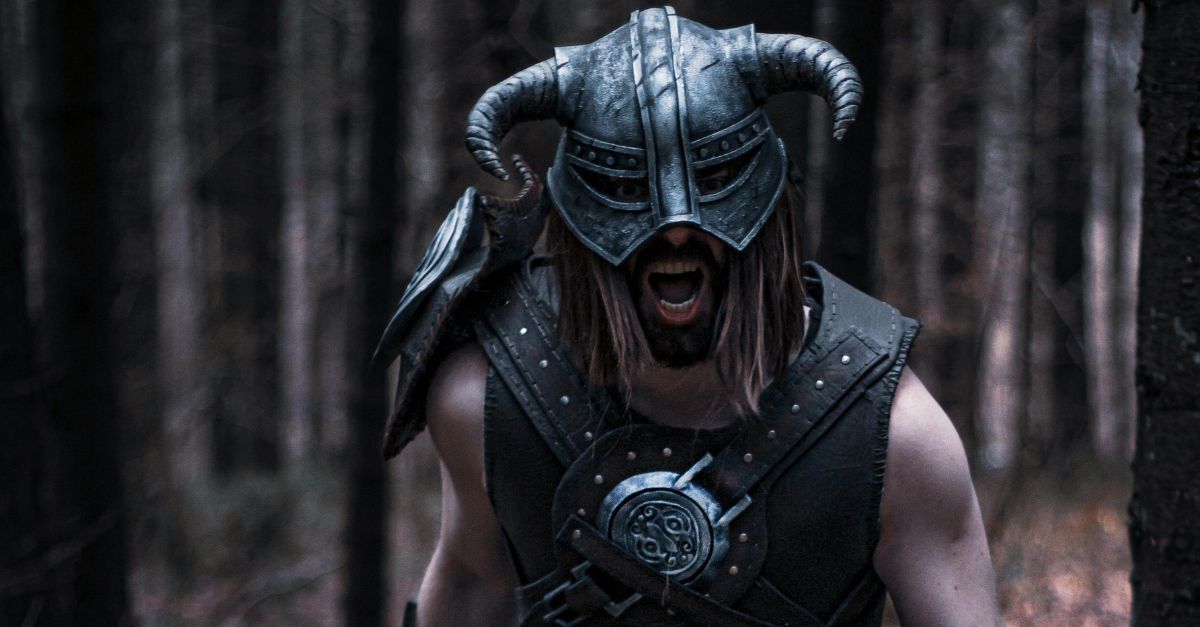
It’s strange how one of the world’s most recognizable historical images is also one of the least accurate. Everyone can picture it instantly: a towering Viking warrior striding across a windswept shore, draped in furs and topped with a helmet crowned by dramatic, curling horns. It feels almost cinematic—because it is. Yet when you begin tracing where this image actually began, the truth becomes more interesting than the myth itself. What we think we know about Viking helmets turns out to be a story crafted centuries later, stitched together by costume designers who took a creative liberty just to make them look strong.

Turns out the Vikings were right. They did, in fact, reach America five hundred years early. Some myths sound too crazy to believe, but archaeological evidence keeps proving the sagas weren't exaggerating.

Leif Erikson came from a long line of explorers before setting foot in what he called “Vinland”—and he left a trail of mysteries and tragedies in his wake.
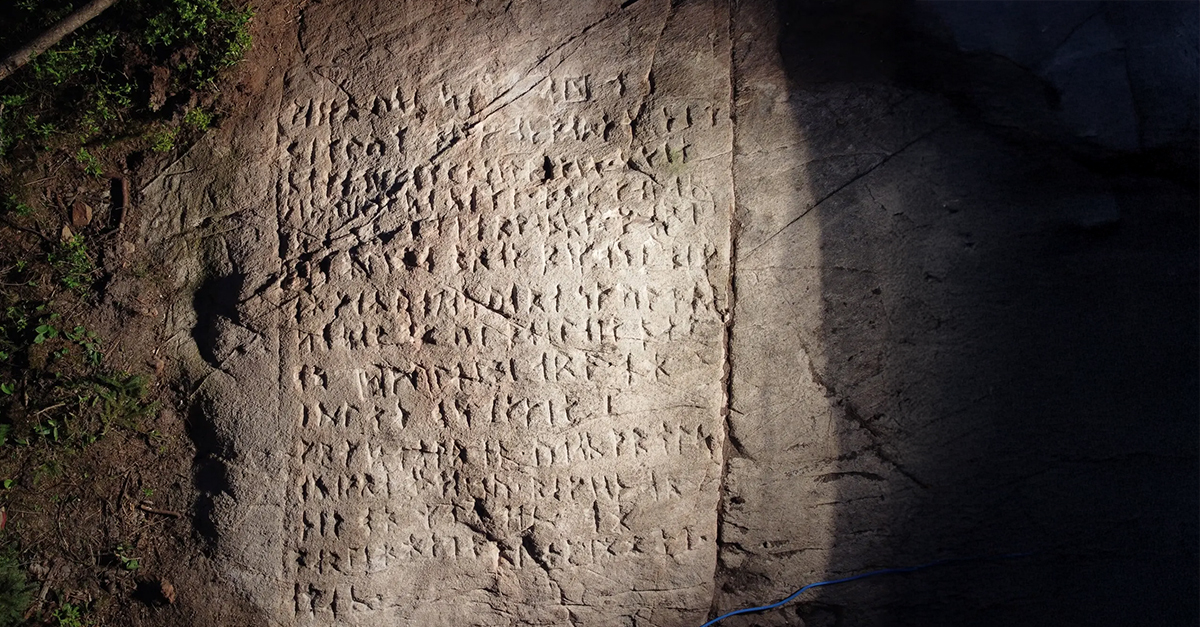
In 2018 a tree fell in a forest near Wawa, Ontario, revealing a slab of stone etched with Norse runes. Researchers have ony recently put together the story of the stone’s origin.
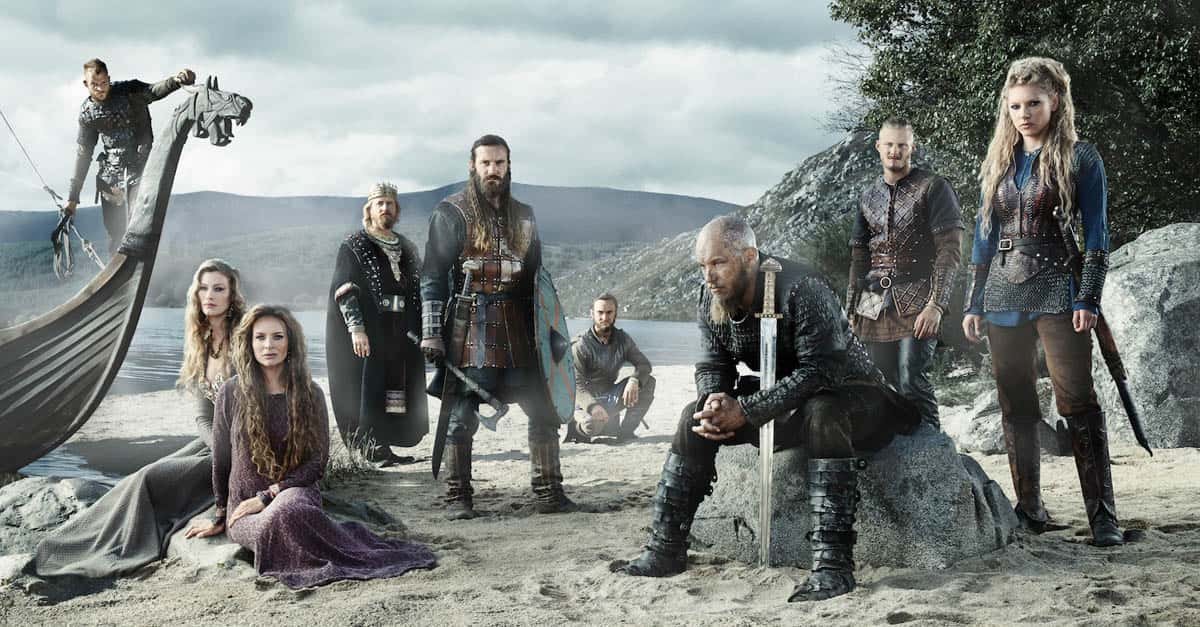
The Vikings were raiders from Scandinavia who terrorized Europe for centuries. But how much of what we know about them is myth? Who really were the Vikings?

If you like humaverse you may also consider subscribing to these newsletters:
