
Speech feels ordinary because it fills daily life, flowing through kitchens and waiting rooms without demanding attention. Words appear while hands stay busy, always carrying meaning with little effort. That ease hides an evolutionary surprise: the many genes tied to speech are also present in birds, mice, and primates, yet no other species speaks. No debates or reflections aloud. To the human ear, they all sound like squeaks or coos. These animals’s vocal cords, hearing systems, and motor nerves have been there, but seem to have evolved differently from humans. Something shifted quietly and permanently. And understanding that shift requires tracing how shared biology met unusual pressures and kept responding.
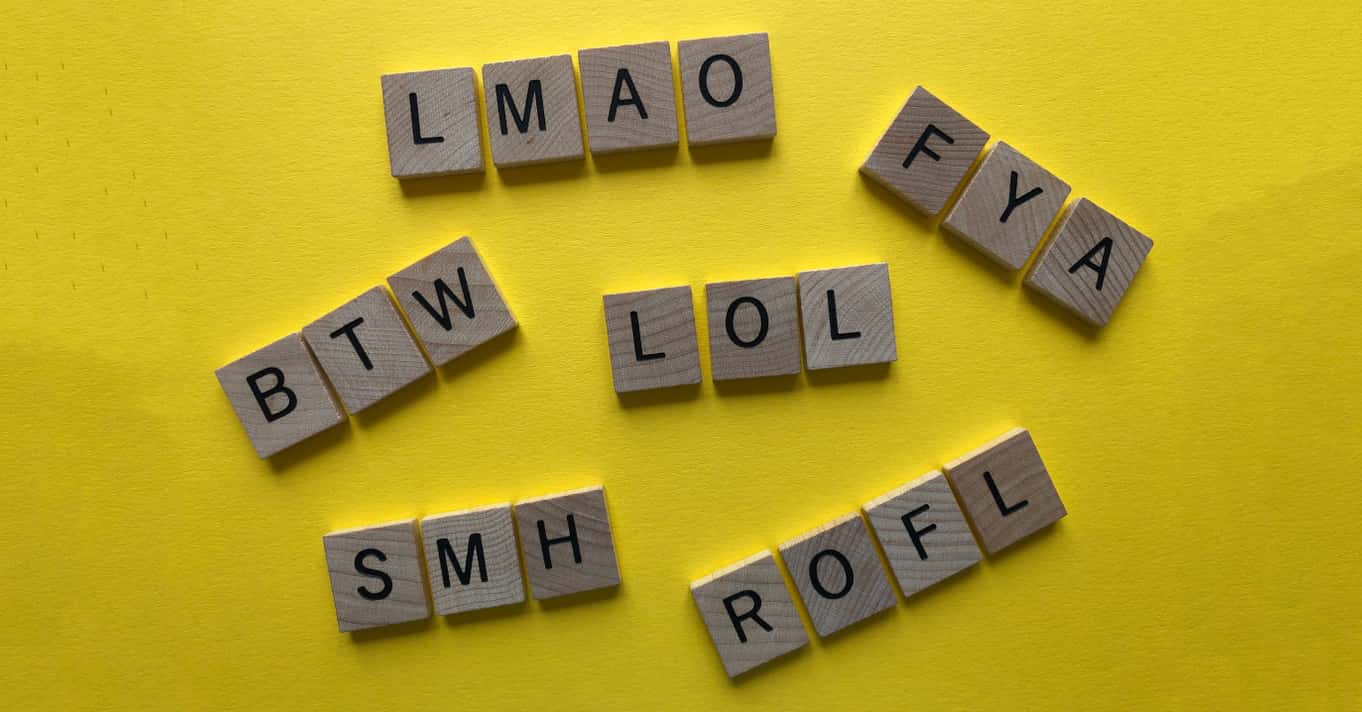
Internet lingo comes and goes so quickly, it's nearly impossible to keep track of those pesky acronyms we have to decipher everyday. So what does SMH mean?

Words can inspire, anger, depress, or uplift. We can be eloquent, stammering, chatty, or tongue-tied. But how well do we really know the words we use? Take a look at the list below and find...

"You slip into a suit for an interview and you dress your language up too. You can wear what you like linguistically or sartorially when you’re at home or with friends, but most people accept...

“People seem to be able to find sensual and sensuous pleasure in almost anything but words these days… Anyone who expresses themselves with originality, delight, and verbal freshness is more likely to be mocked, distrusted,...
“People seem to be able to find sensual and sensuous pleasure in almost anything but words these days… Anyone who expresses themselves with originality, delight, and verbal freshness is more likely to be mocked, distrusted,...

If you like humaverse you may also consider subscribing to these newsletters:
