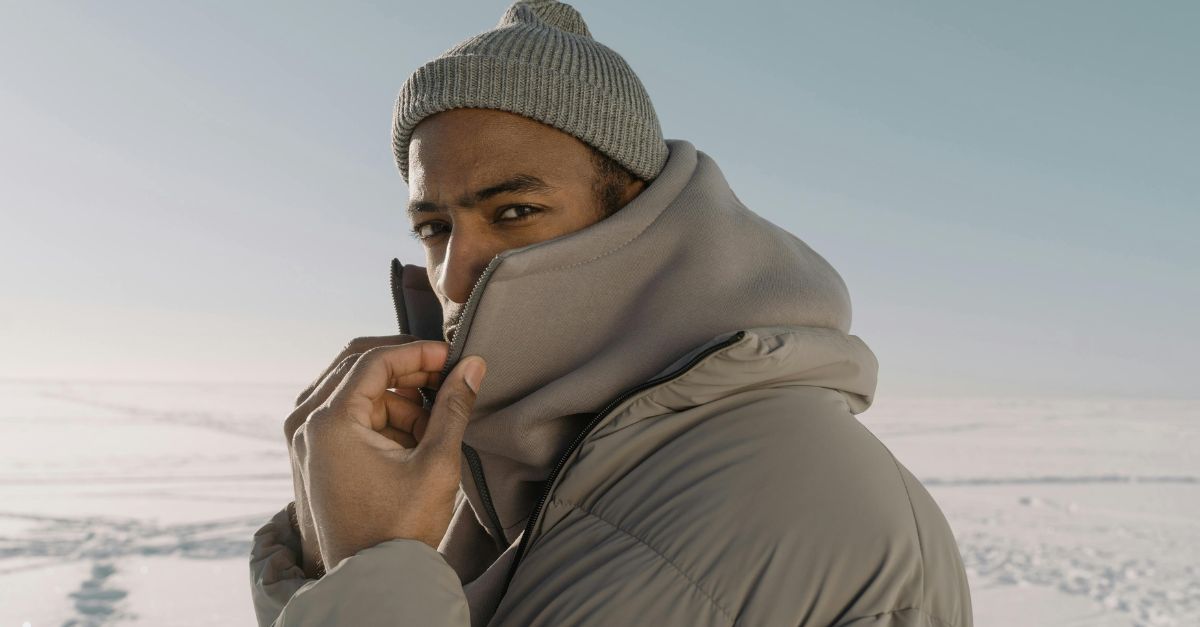
On a map, Antarctica reads like the final frontier, a place where the rules of the natural world work a little differently. The idea that an entire continent covered in ice qualifies as a desert doesn’t match how we use the word in everyday life. Most people imagine deserts as sun-bleached dunes and shimmering heat, not a frozen expanse stretching farther than the eye can measure. Yet scientists have a different definition, and once you hear it, the icy area starts to make more sense. It helps to think less about sand and more about scarcity, because dryness defines a desert far more than temperature ever could.
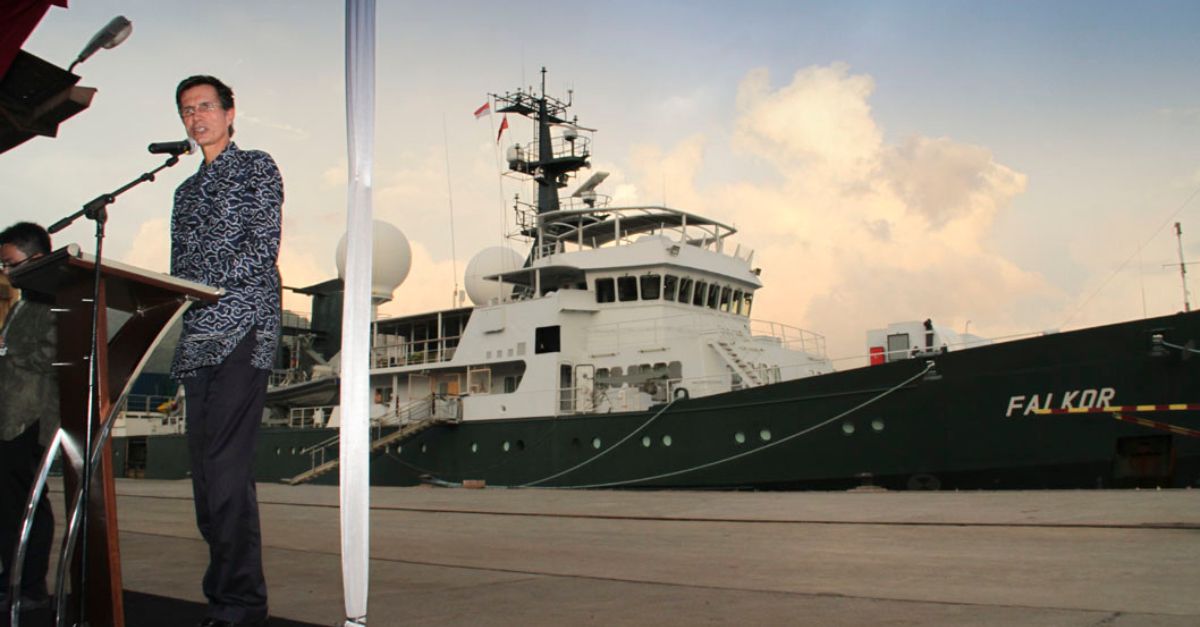
The ocean floor was covered with ice for who knows how long. Then, one day, it wasn’t. And in that bare stretch, a whole ecosystem blinked into view.
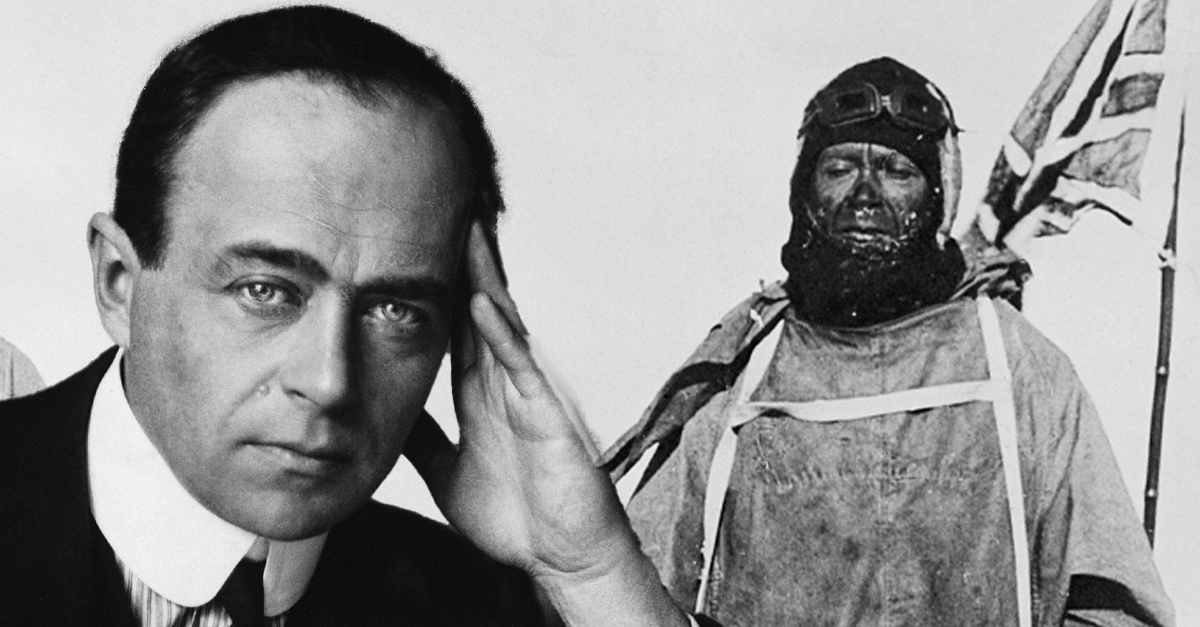
Captain Robert Scott was the British Antarctic explorer who led an expedition to claim the South Pole in England’s honor. However, a simple miscommunication led to frostbite, starvation, and an icy, snow-swept grave.

If you like humaverse you may also consider subscribing to these newsletters:
