A Legacy Built on Control
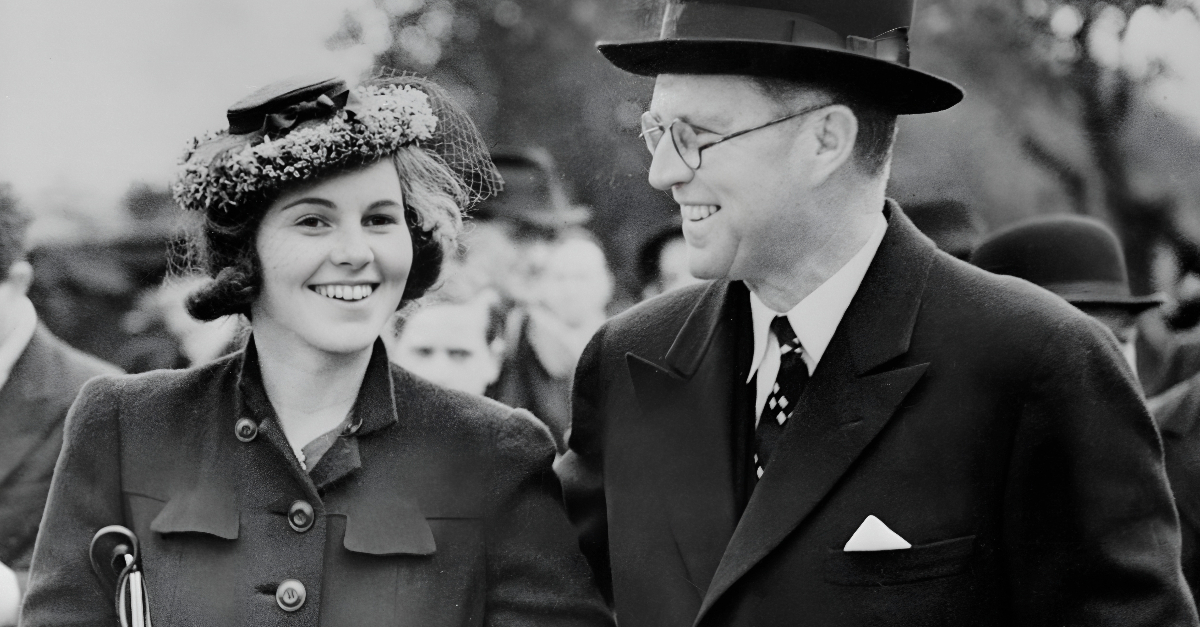
Joseph P. Kennedy Sr. is often remembered as the mastermind behind America’s most famous political family. He pushed his sons relentlessly toward power, prestige, and public success. But behind the polished legacy is a quieter, devastating story—one involving his daughter Rosemary, and a medical decision that permanently erased her future.
The Architect of the Kennedy Ambition
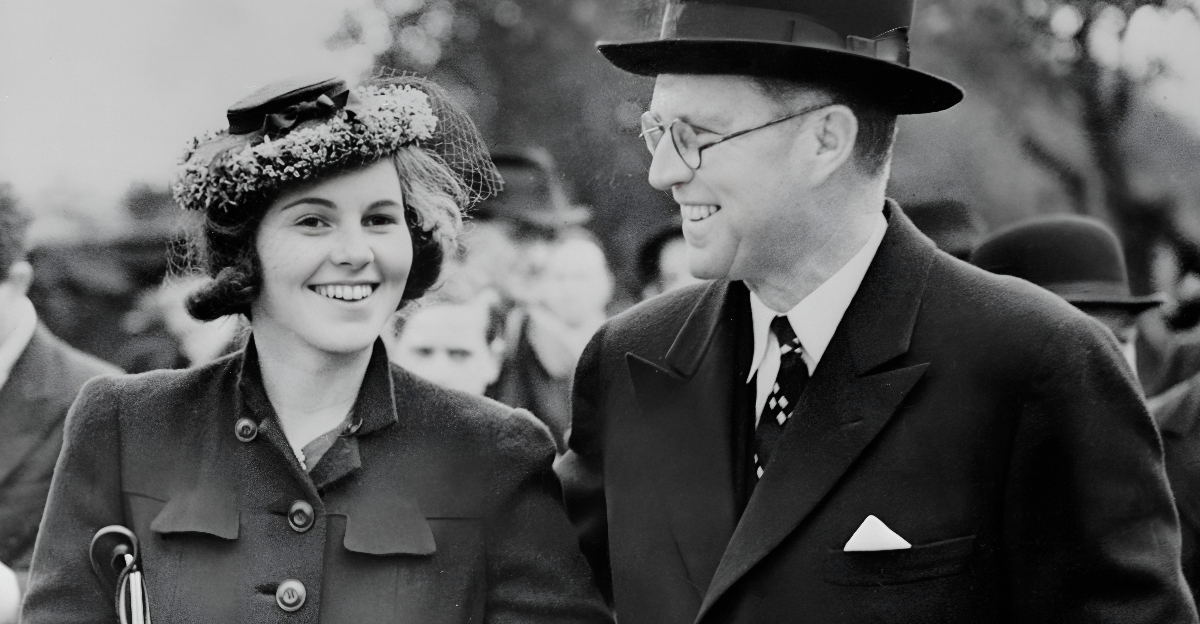
Joseph Kennedy Sr. believed success was something you forced into existence. He micromanaged his children’s lives, careers, and reputations with ruthless precision. Politics wasn’t just a path—it was a family mission. Failure, embarrassment, or weakness had no place in the Kennedy brand he was building.
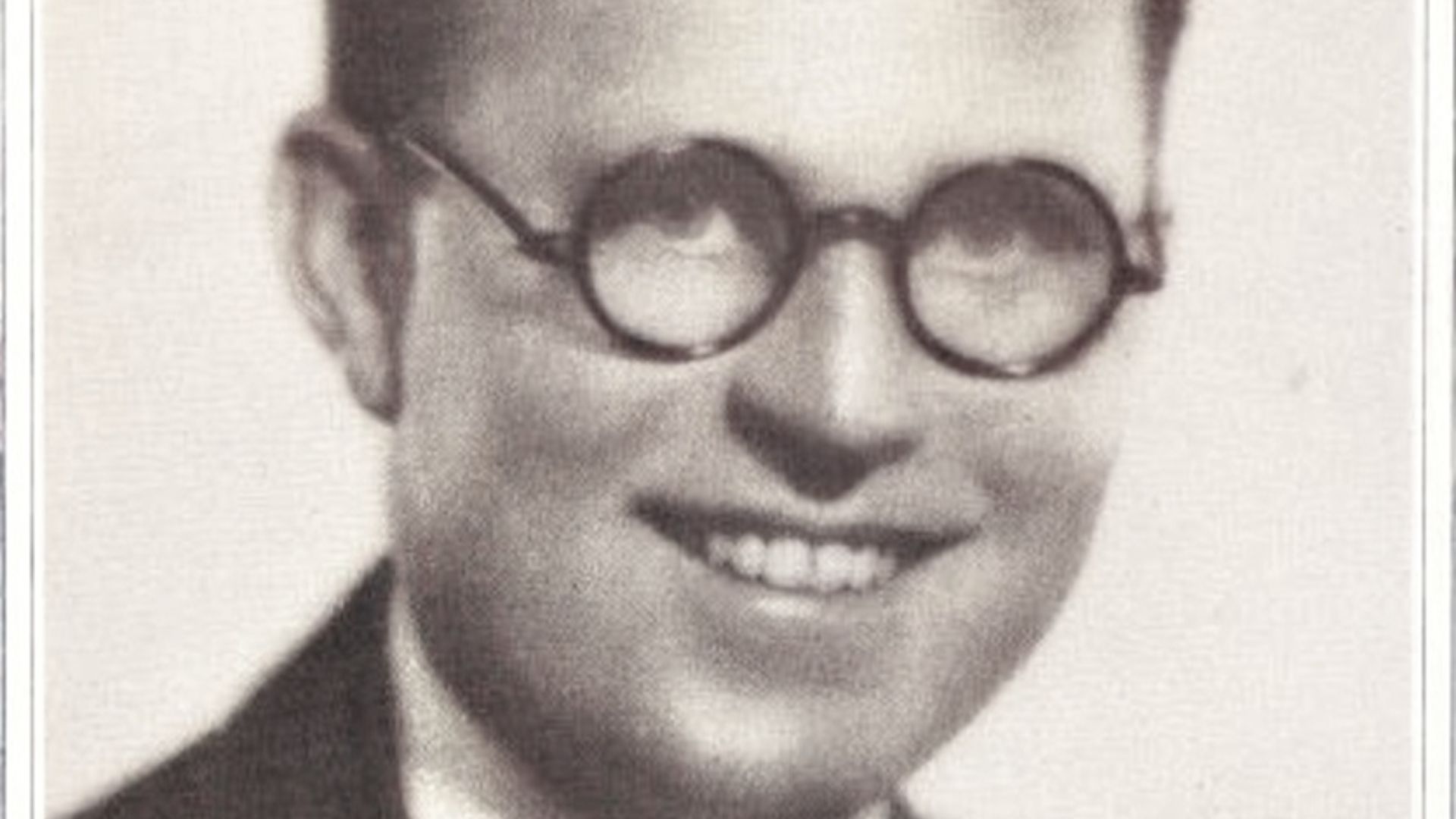 Corporate author/original rights holder: FBO Pictures Corp., Wikimedia Commons
“I’ll Either Be a Big Success or a Big Failure”
Joseph Kennedy once summed up his worldview bluntly: “I’ll either be a big success or a big failure.” That mindset shaped how he raised his children. There was no room for middle ground—and no patience for anything that didn’t fit his definition of winning.
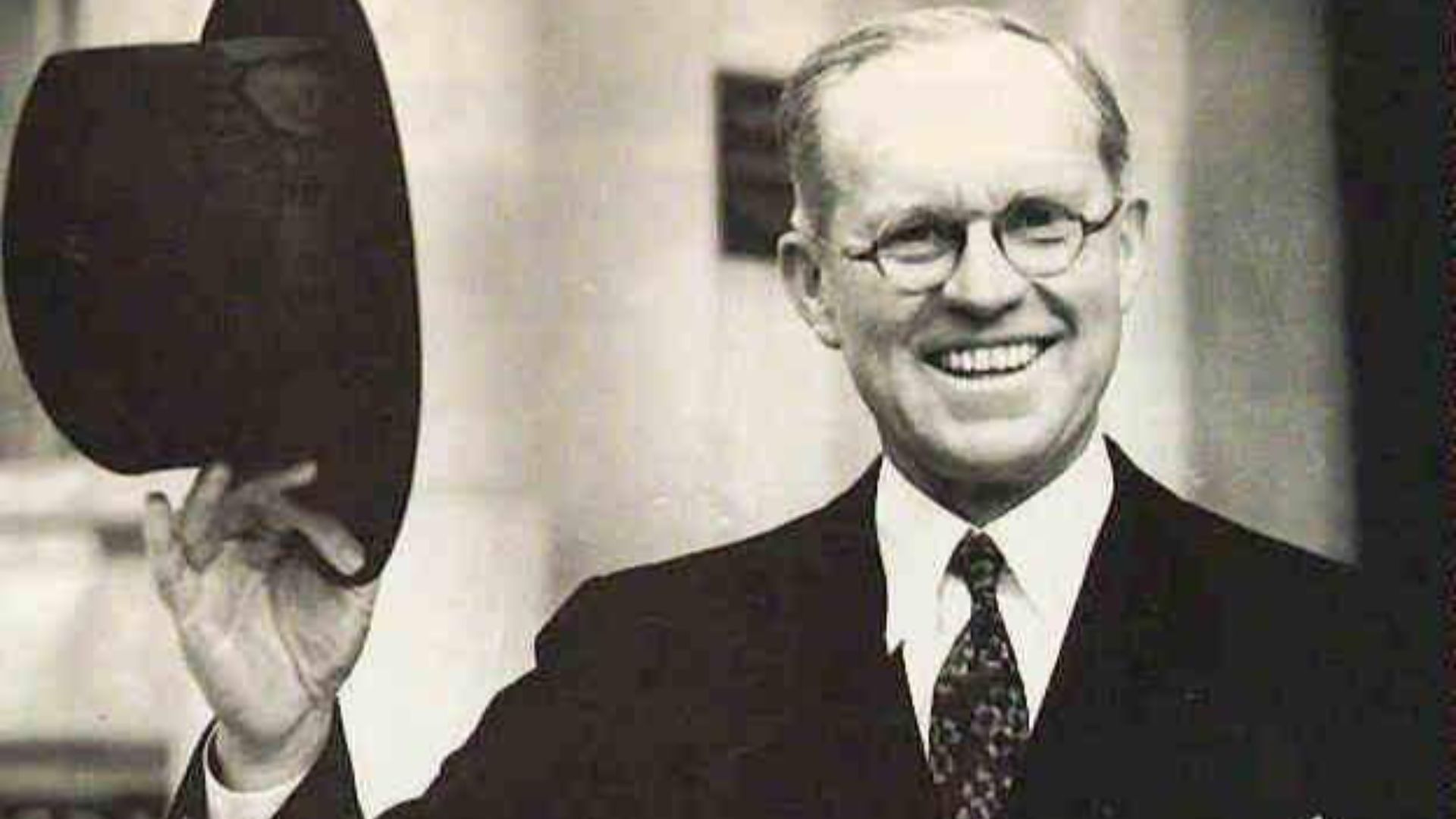 Unknown authorUnknown author, Wikimedia Commons
Rosemary Kennedy Was Different—and That Worried Him
Rosemary Kennedy struggled academically and emotionally from a young age. She had mood swings, difficulty concentrating, and didn’t fit neatly into her father’s rigid expectations. In an era that poorly understood developmental challenges, Joseph saw her not as someone needing support—but as a liability.
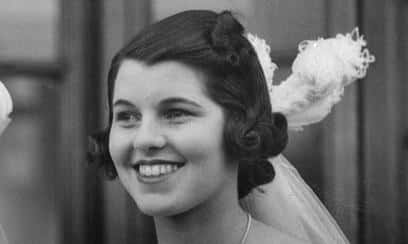
A Reputation Joseph Couldn’t Control
As Rosemary grew older, her behavior became harder to manage. She was described as affectionate, impulsive, and increasingly independent. Joseph feared she might embarrass the family or—worse—jeopardize his sons’ political futures. In his mind, control mattered more than compassion.
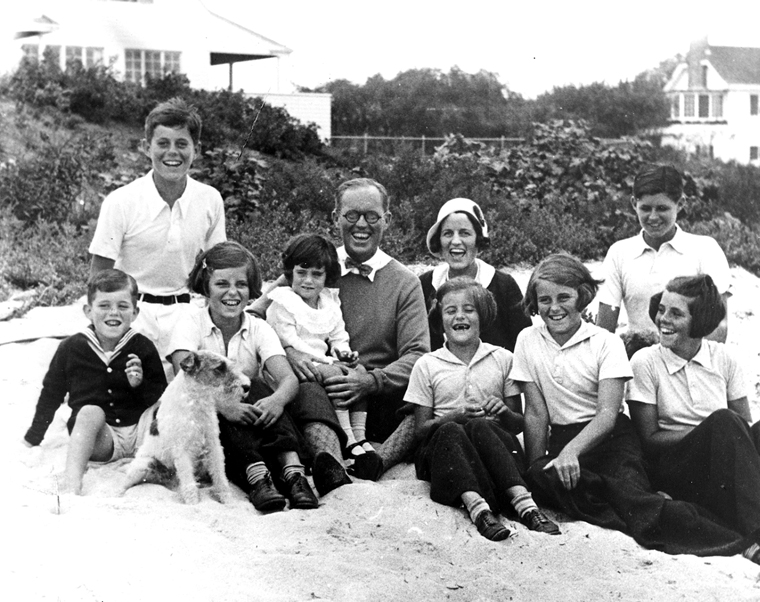 Richard Sears, Wikimedia Commons
“She Was Becoming Unmanageable”
Later family accounts described Joseph’s growing panic over Rosemary’s independence. One biographer summarized his thinking simply: Rosemary was “becoming unmanageable.” To Joseph, that wasn’t a parenting challenge—it was a threat to the dynasty he was constructing.
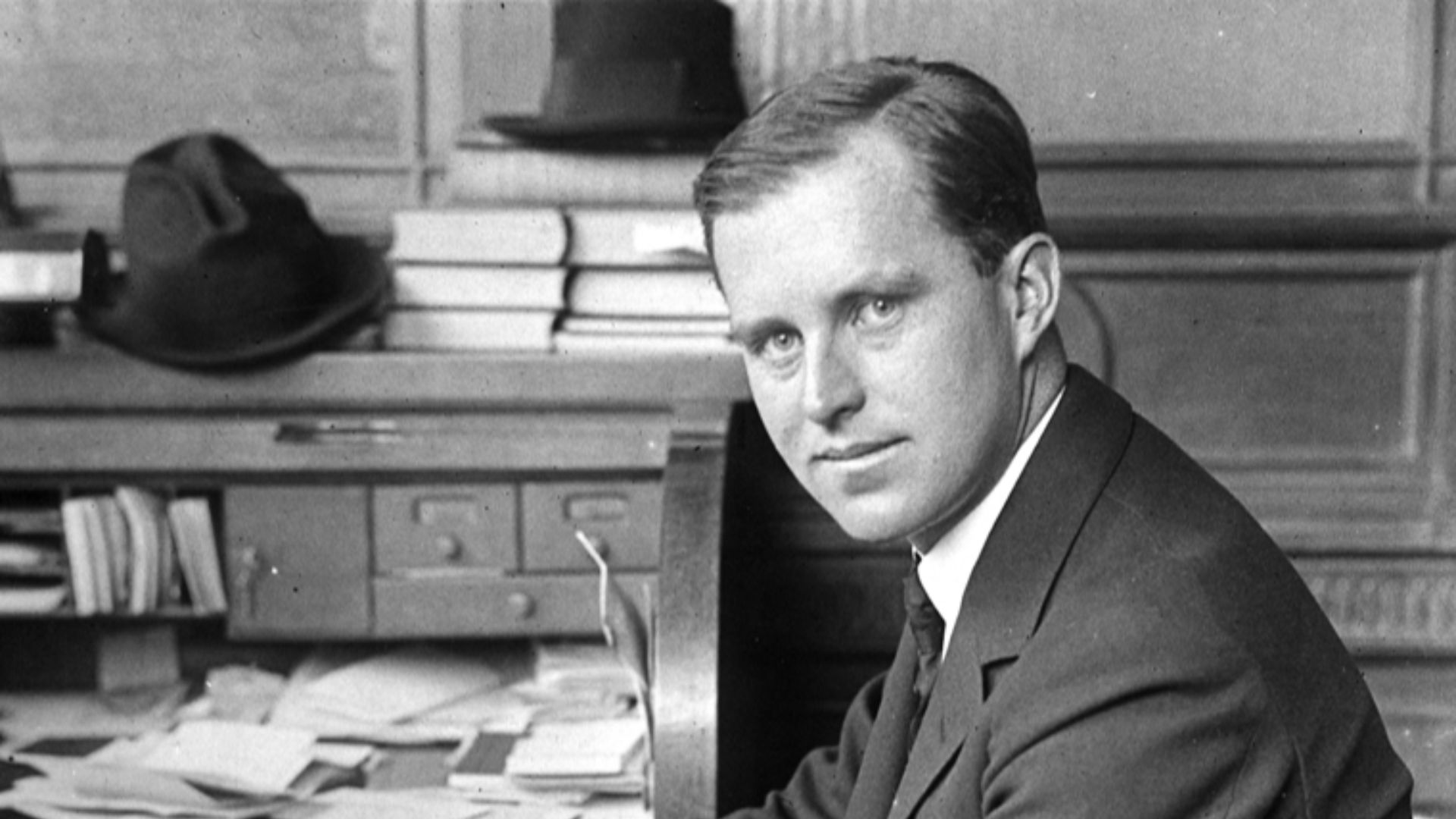
The “Solution” He Chose Without Consent
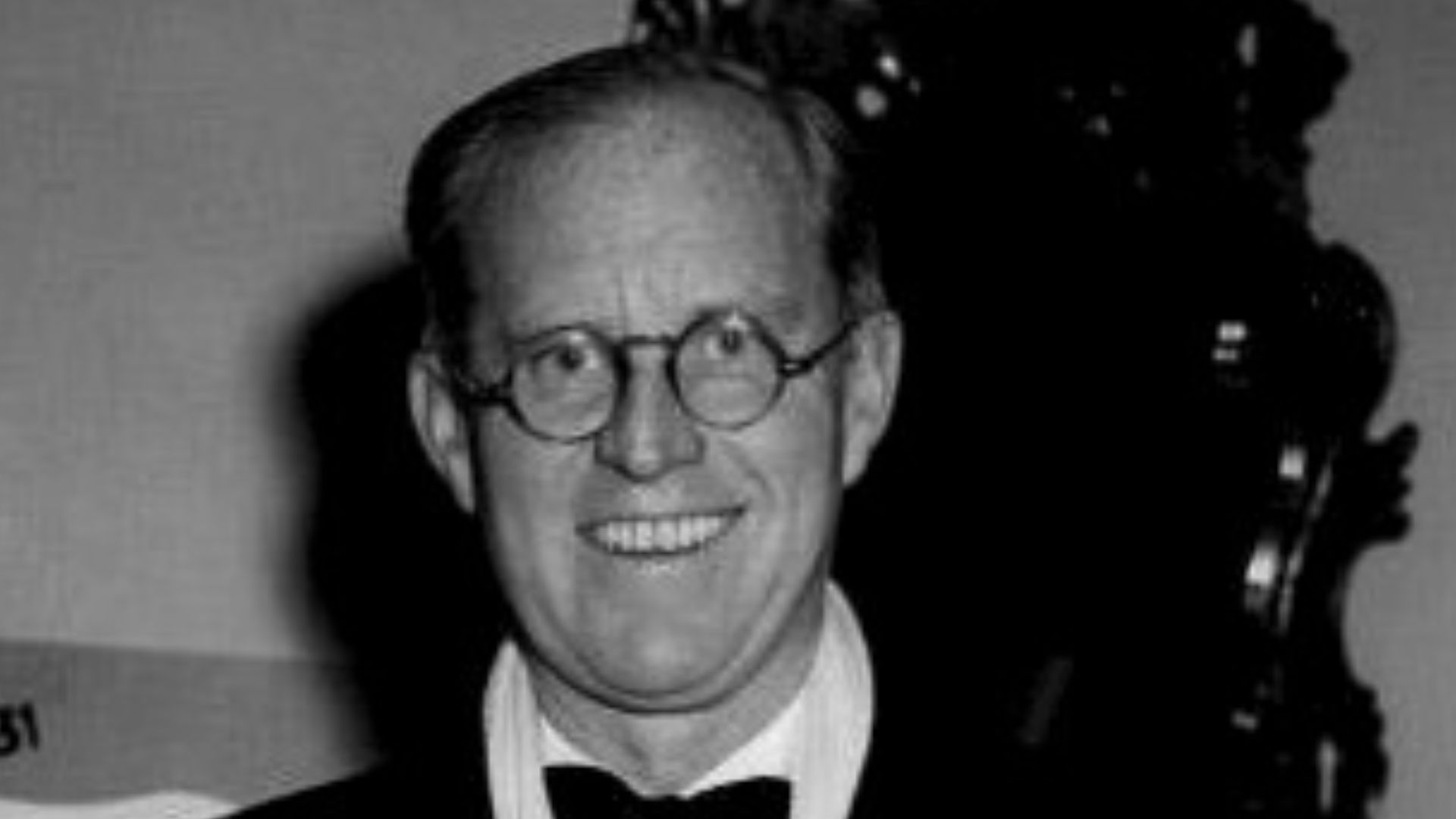
In 1941, Joseph Kennedy Sr. secretly authorized a lobotomy for Rosemary—without telling his wife Rose or his children. At the time, the procedure was experimental, controversial, and dangerous. Rosemary was 23 years old. She did not fully understand what was happening to her.
 Photographer: Larry Gordon, Wikimedia Commons
What the Lobotomy Did to Rosemary
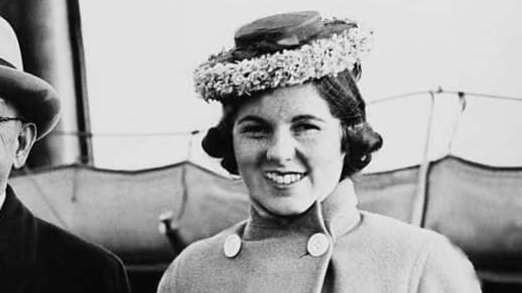
The procedure was a catastrophe. Rosemary was left unable to speak clearly, walk properly, or care for herself. Her mental capacity was reduced to that of a small child. The vibrant young woman Joseph feared losing control of was gone—replaced by someone who would need lifelong institutional care.
Doctors Knew the Risks—and Proceeded Anyway
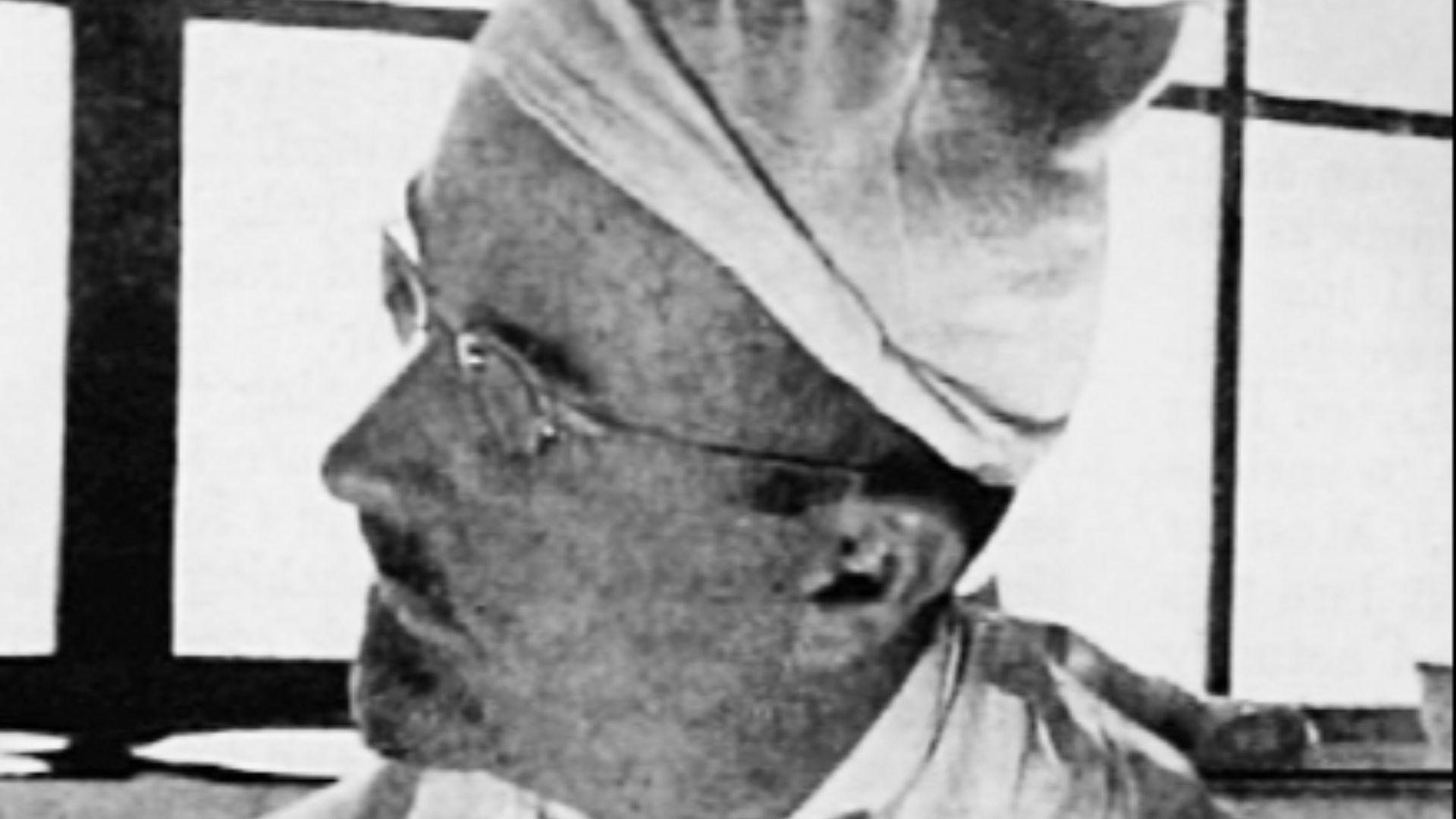
The lobotomy was performed by Dr. Walter Freeman, who later admitted the procedure involved stopping when patients became incoherent. Freeman described outcomes as unpredictable—yet the surgery continued. Rosemary’s result was among the most severe failures of the procedure.
 Photography Harris A Ewing, Wikimedia Commons
Joseph Kennedy Sr. Never Saw Rosemary Again
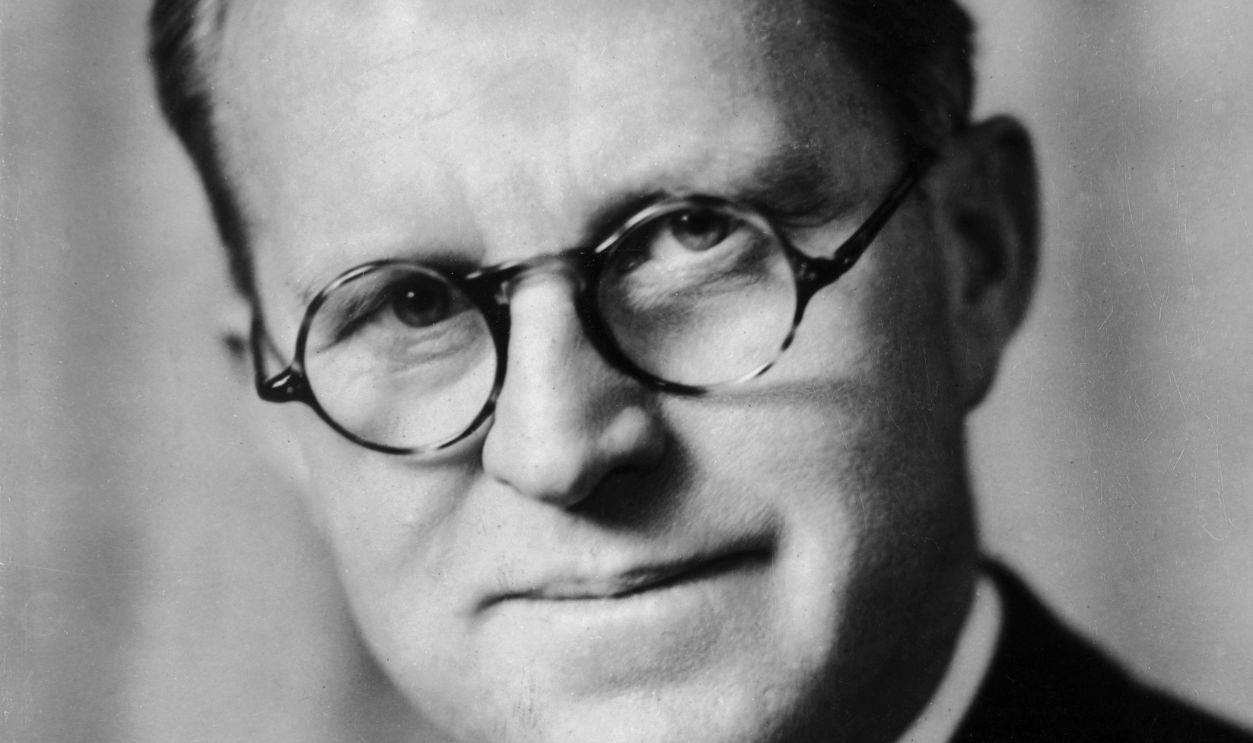
After the lobotomy, Joseph Kennedy Sr. never visited his daughter again. He did not see her at the institution where she lived, nor did he reconnect with her privately. The decision he made ended not just Rosemary’s independence—but their relationship entirely.
 New York Times Co, Getty Images
The Family’s Deafening Silence
After the lobotomy, Rosemary was quietly removed from public life. She was institutionalized in Wisconsin, largely cut off from the family. For years, even her siblings were told little about where she was or what had happened. Silence became the Kennedy strategy.
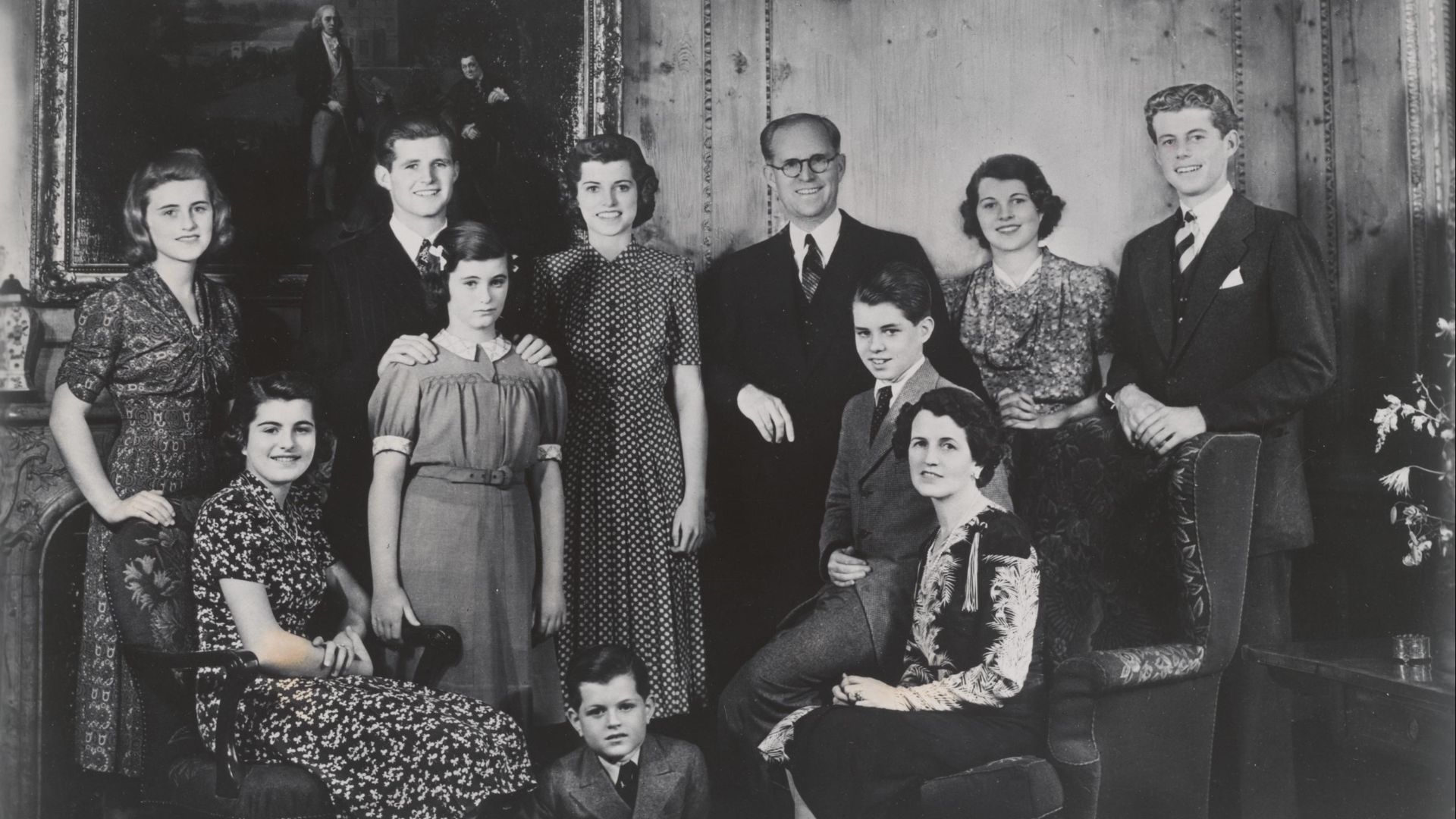 Dorothy Wilding, Wikimedia Commons
Rose Kennedy Didn’t Know—At First
Rose Kennedy, Rosemary’s mother, was reportedly unaware of the lobotomy until after it had already been performed. By then, the damage was irreversible. Despite her private grief, Rose publicly stood by her husband—another example of image outweighing truth inside the Kennedy household.
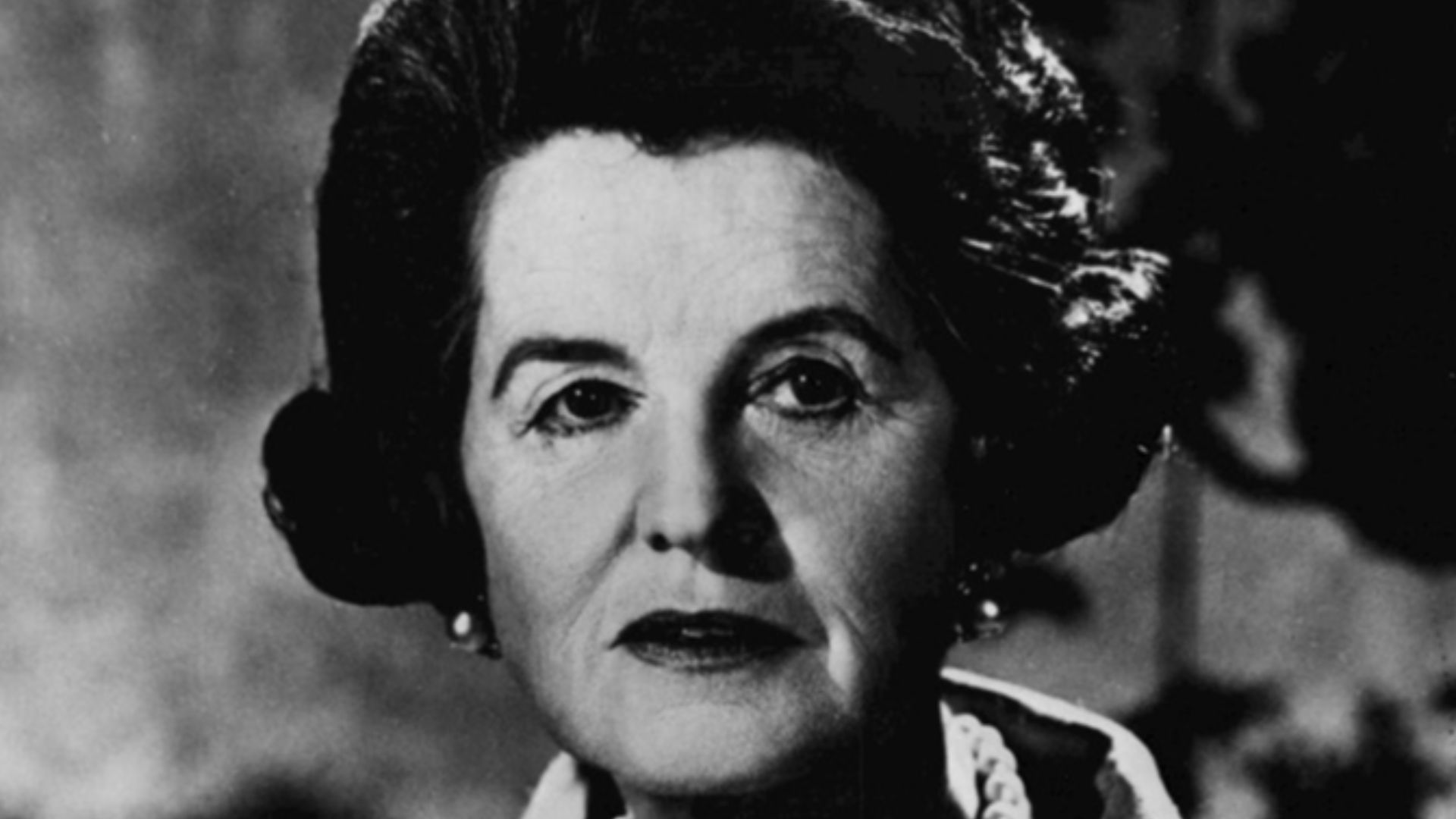 CBS Television, Wikimedia Commons
When the Family Finally Learned the Truth
Only after Joseph Sr.’s 1961 stroke did the rest of the family finally learn Rosemary’s location and begin reconnecting with her. His incapacitation removed the secrecy he had maintained for two decades—allowing Rosemary’s siblings to re-enter her life at last.
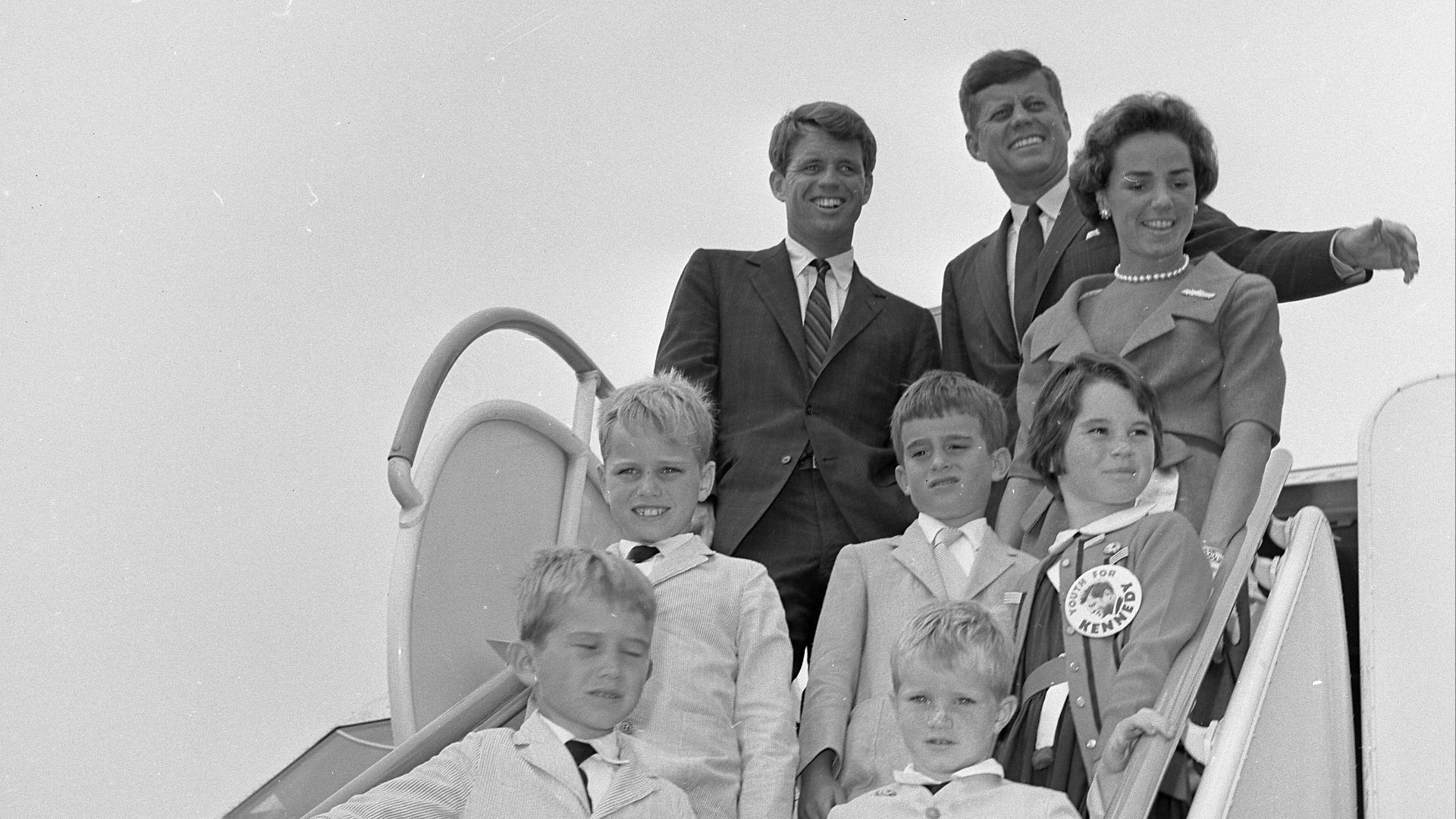 Los Angeles Times, Wikimedia Commons
“It Was a Terrible Tragedy”
Decades later, Eunice Kennedy Shriver acknowledged the devastation plainly, calling Rosemary’s fate “a terrible tragedy.” It was one of the few moments a Kennedy publicly admitted what had long been hidden behind closed doors.
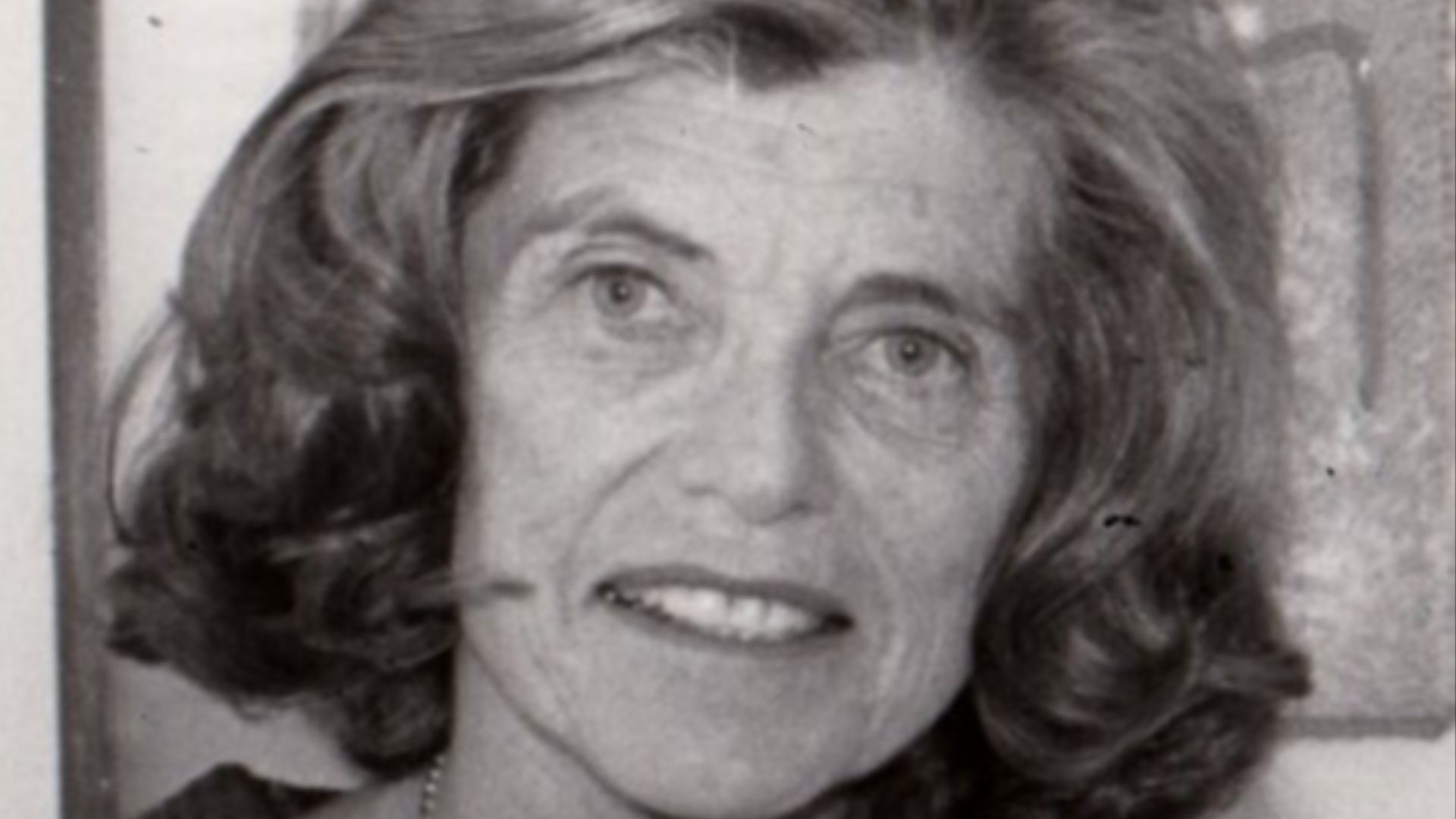 Claire Flanders, photographer, Washington, D.C., Wikimedia Commons
Meanwhile, the Sons Rose to Power
As Rosemary disappeared from view, her brothers surged forward. John F. Kennedy entered Congress, then the presidency. Robert and Ted followed into powerful political roles. The family image was carefully curated—successful, glamorous, untouchable. Rosemary was never mentioned.
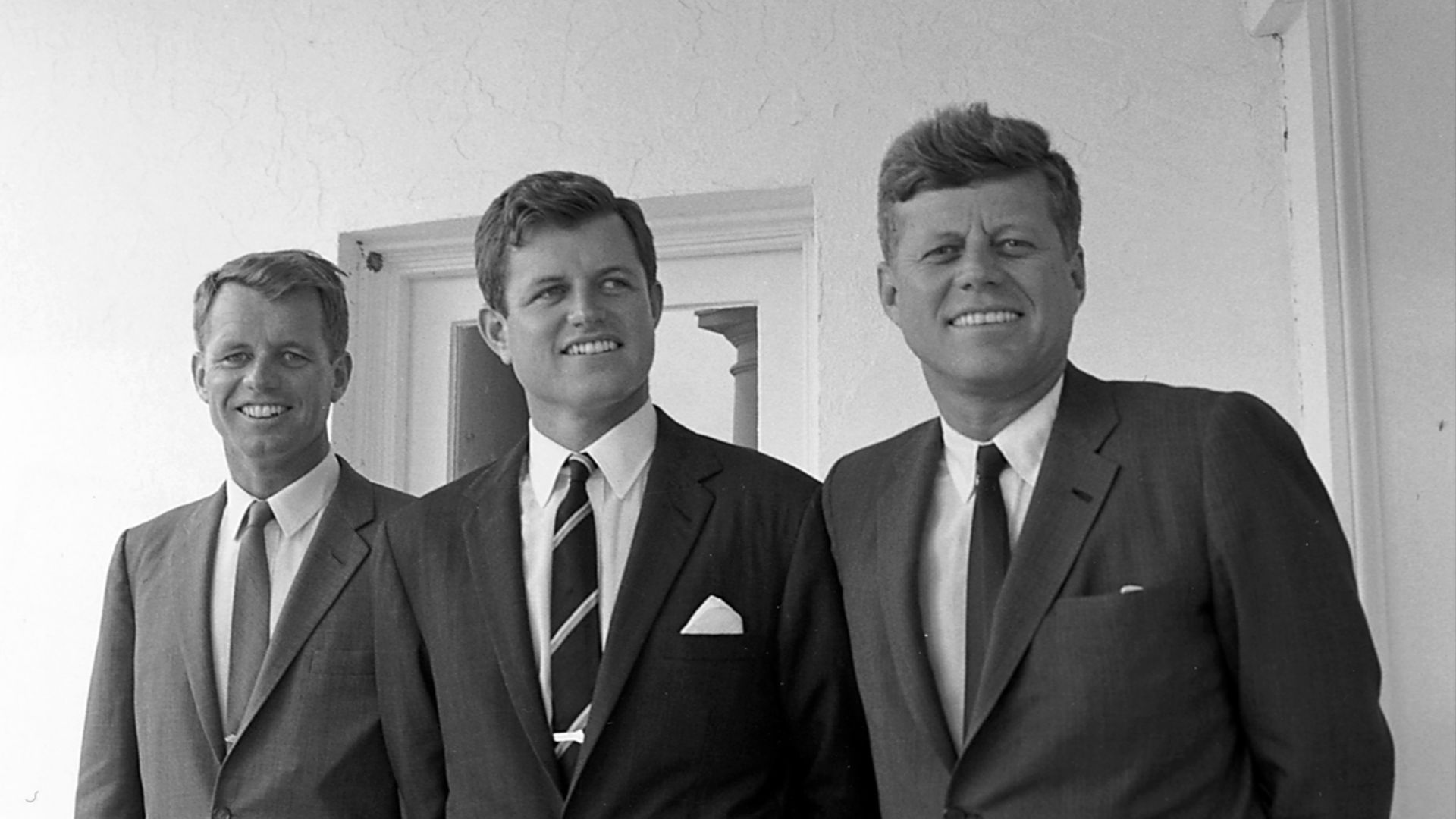 Stoughton, Cecil (Cecil William), 1920-2008, Photographer, Wikimedia Commons
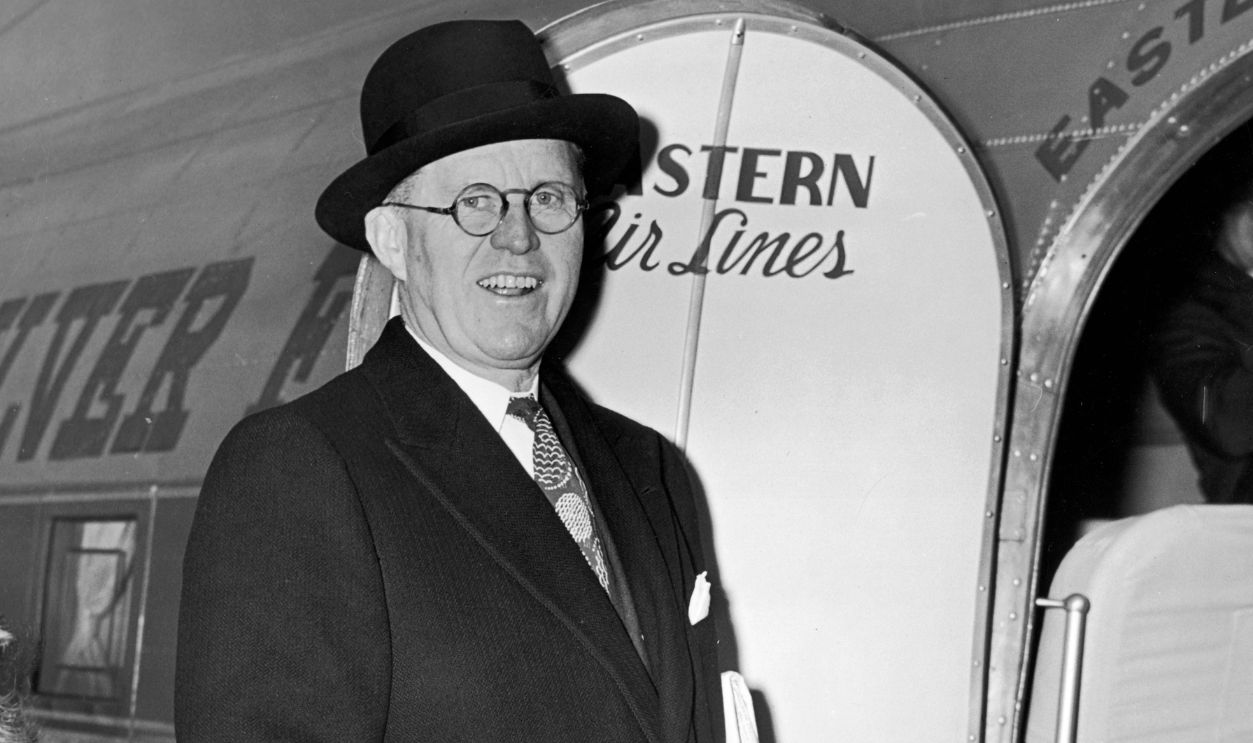
Joseph Kennedy Sr. Never Publicly Acknowledged the Damage
Joseph Kennedy Sr. never apologized publicly for what he did to Rosemary. He framed the decision as medical necessity, not control. But history has judged it differently—as a chilling example of how far he was willing to go to protect the Kennedy legacy.
JFK Rarely Spoke About Rosemary—But He Knew
John F. Kennedy almost never addressed Rosemary publicly. Those close to him later suggested the silence was deliberate—not denial, but pain. He understood what had been taken from his sister, even if he never confronted it openly.
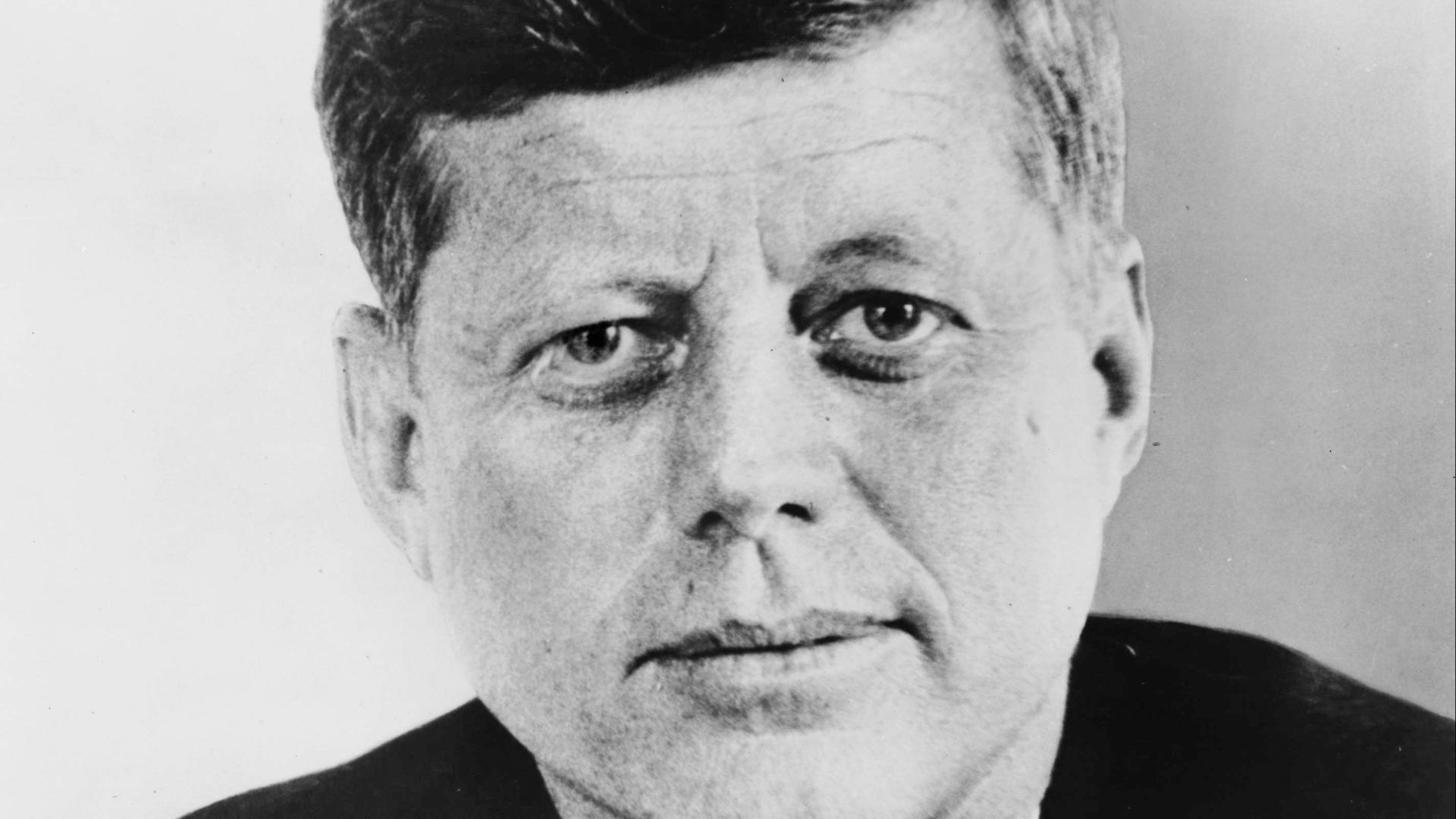 U.S. Navy photo, Wikimedia Commons
Rosemary’s Life After the Family Forgot Her
Rosemary lived most of her life in care facilities, largely separated from the family that once defined her identity. Only later in life did some of her siblings reconnect with her privately. By then, the years lost could never be reclaimed.
The Irony of the Kennedy Legacy
The Kennedy family became associated with empathy, social justice, and disability advocacy—particularly through Eunice Kennedy Shriver’s work with the Special Olympics. That mission was inspired, in part, by Rosemary. Yet the harm done to her was never fully reckoned with publicly.
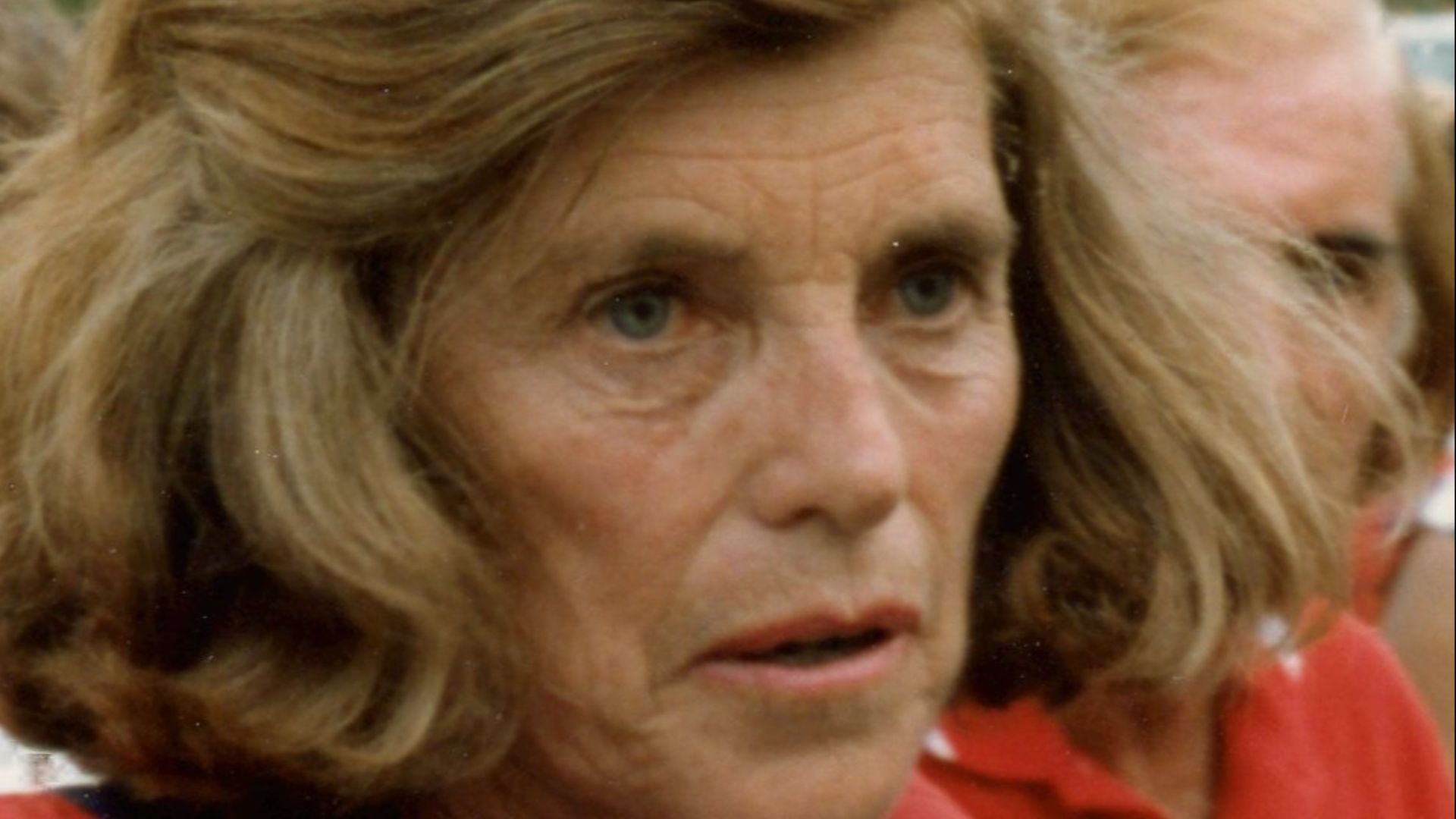 Bill Golladay, Wikimedia Commons
“She Taught Us the Value of Every Human Being”
Eunice Kennedy Shriver later said Rosemary taught the family “the value of every human being.” It was a powerful statement—but also an implicit admission that Rosemary’s value had not been protected when it mattered most.
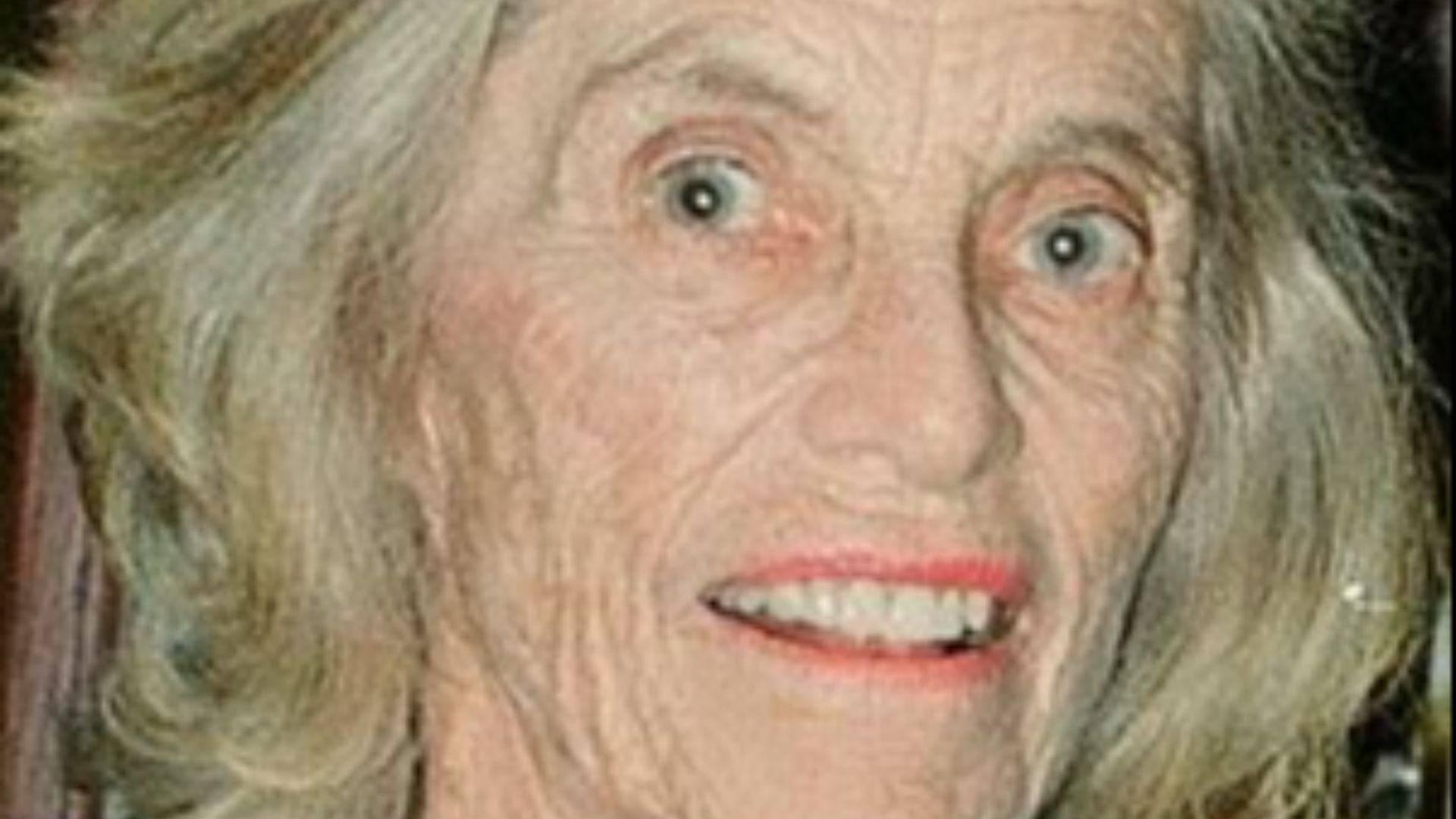 John Mathew Smith & www.celebrity-photos.com from Laurel Maryland, USA, Wikimedia Commons
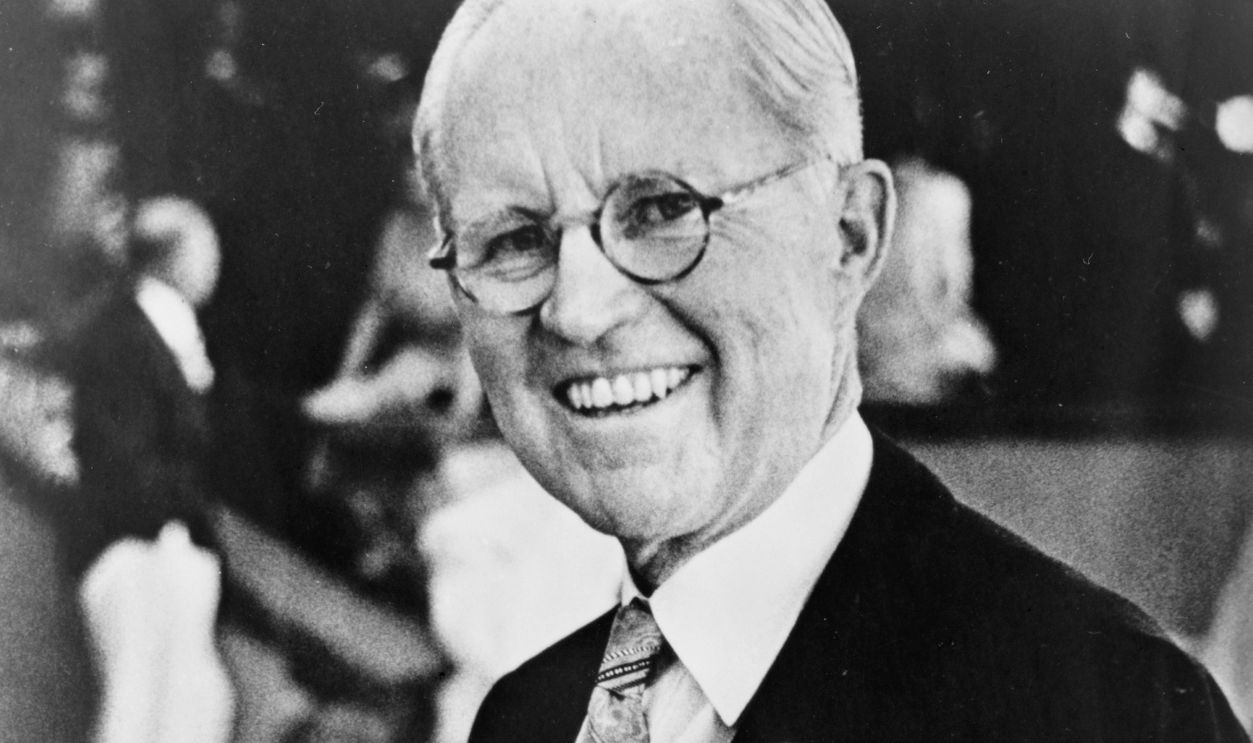
Power, Control, and a Line That Should Never Be Crossed
Joseph Kennedy Sr. believed he was shaping history. In reality, he crossed a moral line that can’t be undone. His sons’ political success came at a cost Rosemary never agreed to pay—and one that permanently altered her life.
Why This Story Still Matters
Rosemary Kennedy’s story is a reminder of what happens when image matters more than humanity. It exposes the darker side of ambition unchecked by empathy. No matter how powerful the legacy, some decisions should never be excused—or forgotten.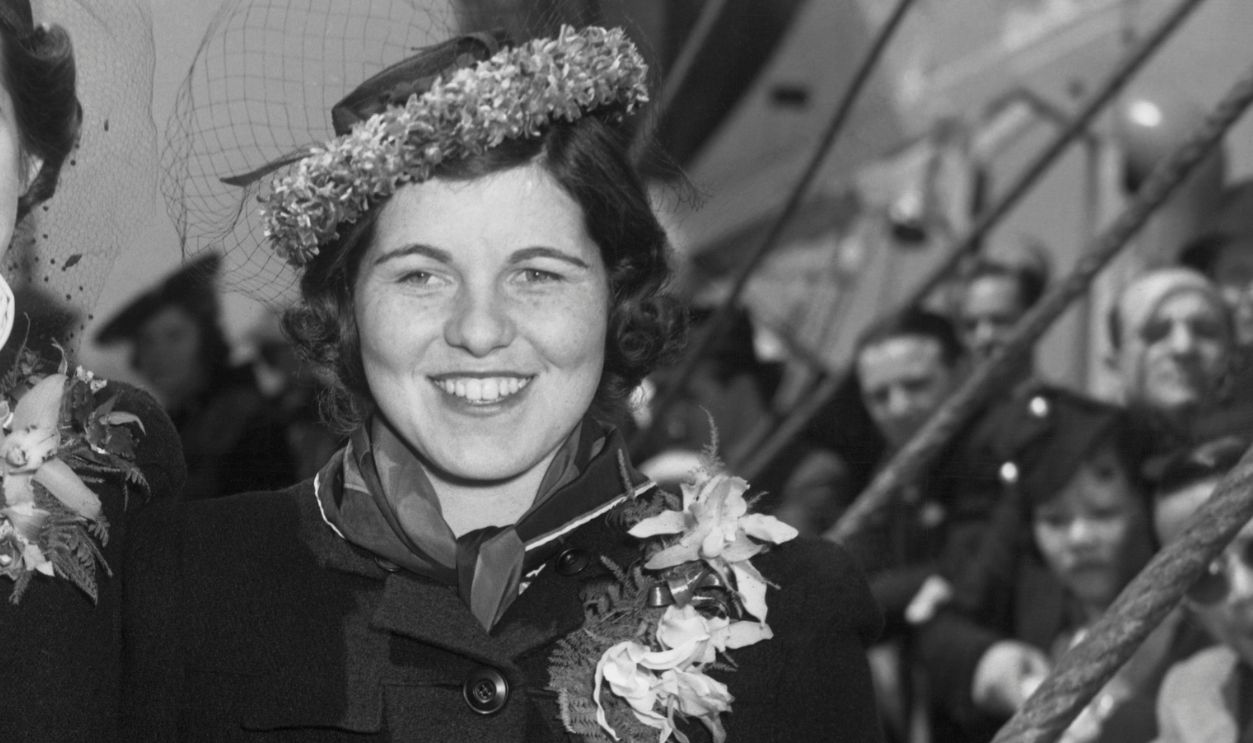 George Rinhart, Getty Images
You Might Also Like:
Secretive Facts About Peter Lawford, The Man Who Knew Too Much
Suave Facts About Humphrey Bogart, Hollywood's Hardboiled Hero