Were You Made To Follow These Social Customs As A Kid?
Today, Americans think nothing of wearing jeans to dinner, texting a thank-you, or leaving the house without a hat. But not so long ago, everyday life came with a thick rulebook. Some customs were charming, some were exhausting, and some were just plain strange.
Never Leave The House Without A Hat
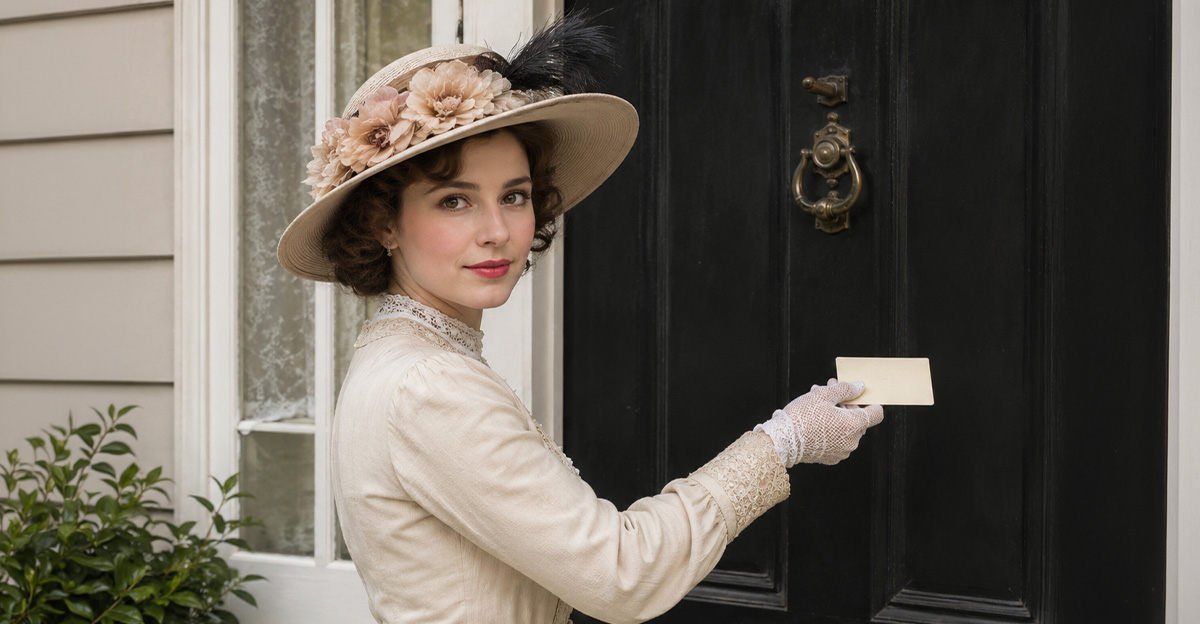
For much of American history, a bare head in public looked careless. Men wore fedoras, bowlers, or caps, while women had elaborate hats for shopping, church, and visits. Leaving home without one could make a person seem unfinished, like they had forgotten their shoes.

Calling Cards Came Before Casual Visits
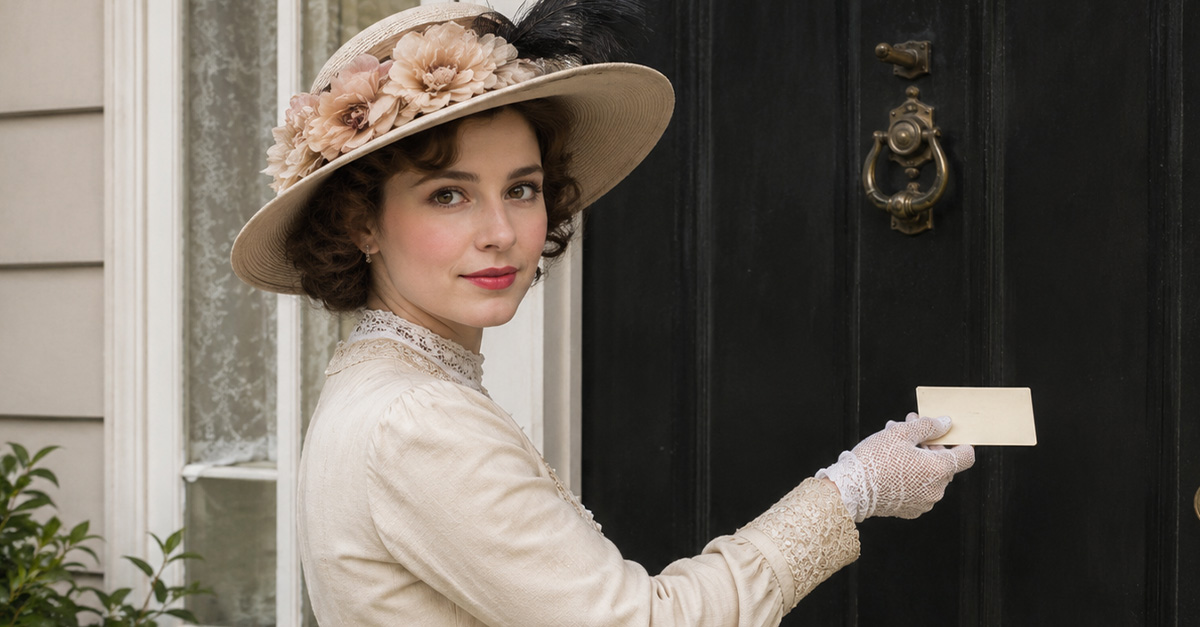
Before phones were common, polite visitors didn’t just knock and stroll in. They presented a calling card at the door. If the host was “at home,” a visit might happen. If not, the card was left behind like a tiny paper announcement saying, “I tried.”

Men Had To Remove Hats Indoors
The hat rule had a second part: men had to take them off indoors. Keeping a hat on inside a home, church, office, or restaurant was considered rude. It was one of those manners children heard about constantly, usually from a very serious adult.


History's most fascinating stories and darkest secrets, delivered to your inbox daily.
Women Were Expected To Wear Gloves
A well-dressed woman once needed gloves almost everywhere. Tea? Gloves. Church? Gloves. A formal visit? Absolutely gloves. They were a symbol of neatness and respectability, even though they also made eating, shaking hands, and handling tiny objects much more annoying.

Sunday Was For Church And Quiet
In many American towns, Sunday was not a day for errands, movies, shopping, or loud fun. It was for church, family meals, and respectable stillness. “Blue laws” even kept businesses closed. The weekend existed, but Sunday had to behave itself.

Children Were Seen And Not Heard
Kids today are encouraged to have opinions. In earlier generations, children were often expected to stay quiet around adults unless spoken to. A child interrupting dinner conversation could earn a glare that said more than an entire lecture ever could.

Ladies Never Called Men First
Dating used to come with strict rules, and one major rule was that men initiated contact. A woman calling a man first could be seen as forward. She was expected to wait, wonder, and pretend she was not waiting or wondering at all.

Going Out Required Proper Dress
The idea of running errands in sweatpants would have shocked many Americans. For decades, people dressed up for trains, planes, restaurants, shopping trips, and downtown strolls. Public life was a stage, and everyone was expected to put on the costume.

Dinner Had A Seating Plan
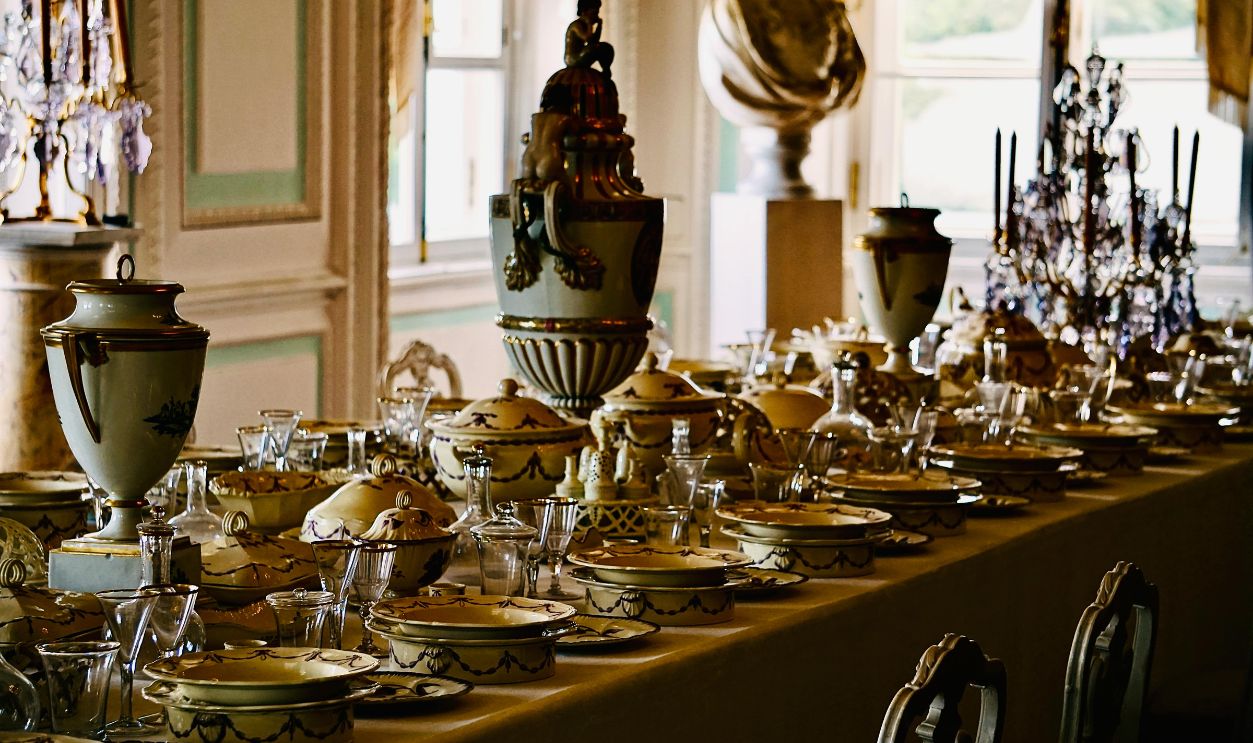
A formal dinner was not just “sit wherever.” Hosts arranged guests carefully, often alternating men and women and separating married couples. The goal was lively conversation. The result was sometimes being trapped beside a stranger who wanted to discuss bridge for two hours.
History's most fascinating stories and darkest secrets, delivered to your inbox daily.
Thank-You Notes Were Mandatory
A gift, dinner invitation, or overnight stay required a handwritten thank-you note. Not a quick call. Not a casual “thanks again.” A real note, in ink, sent soon after. Forgetting one could quietly damage a person’s reputation in polite circles.

Never Wear White After Labor Day
This fashion rule became famous, especially among middle- and upper-class Americans. White clothing was linked to summer resorts and warm weather. After Labor Day, respectable wardrobes turned darker. Was it practical? Maybe. Was it also a little bossy? Definitely.

Men Stood When Women Entered
In many settings, a man was expected to stand when a woman entered or left the room. It was considered polite and gentlemanly. It also meant that in busy social gatherings, men spent a surprising amount of time popping up and sitting down again.

Neighbors Watched Everything
Before privacy fences, two-car commutes, and everyone staring at phones, neighborhoods were social surveillance systems. People noticed who visited, who stayed late, who skipped church, and who bought a new dress. The rule was simple: act respectable, because someone was absolutely watching.

Dating Meant Chaperones
Young couples often had very little privacy. A date might involve sitting in the family parlor with parents nearby, attending a dance under watchful eyes, or walking where others could see. Romance existed, but it had to drag a witness along.

Phone Calls Had Time Limits
When telephones became common, they came with etiquette. Calling too early, too late, or during dinner was rude. Long calls could annoy everyone, especially if the household shared one line. A phone was useful, but it was not supposed to swallow the evening.

History's most fascinating stories and darkest secrets, delivered to your inbox daily.
Don’t Discuss Money In Public
Talking openly about salary, debt, rent, or prices was once considered tacky. Respectable people were supposed to be discreet about money. Naturally, this did not stop anyone from guessing everyone else’s finances with the passion of a detective novel.

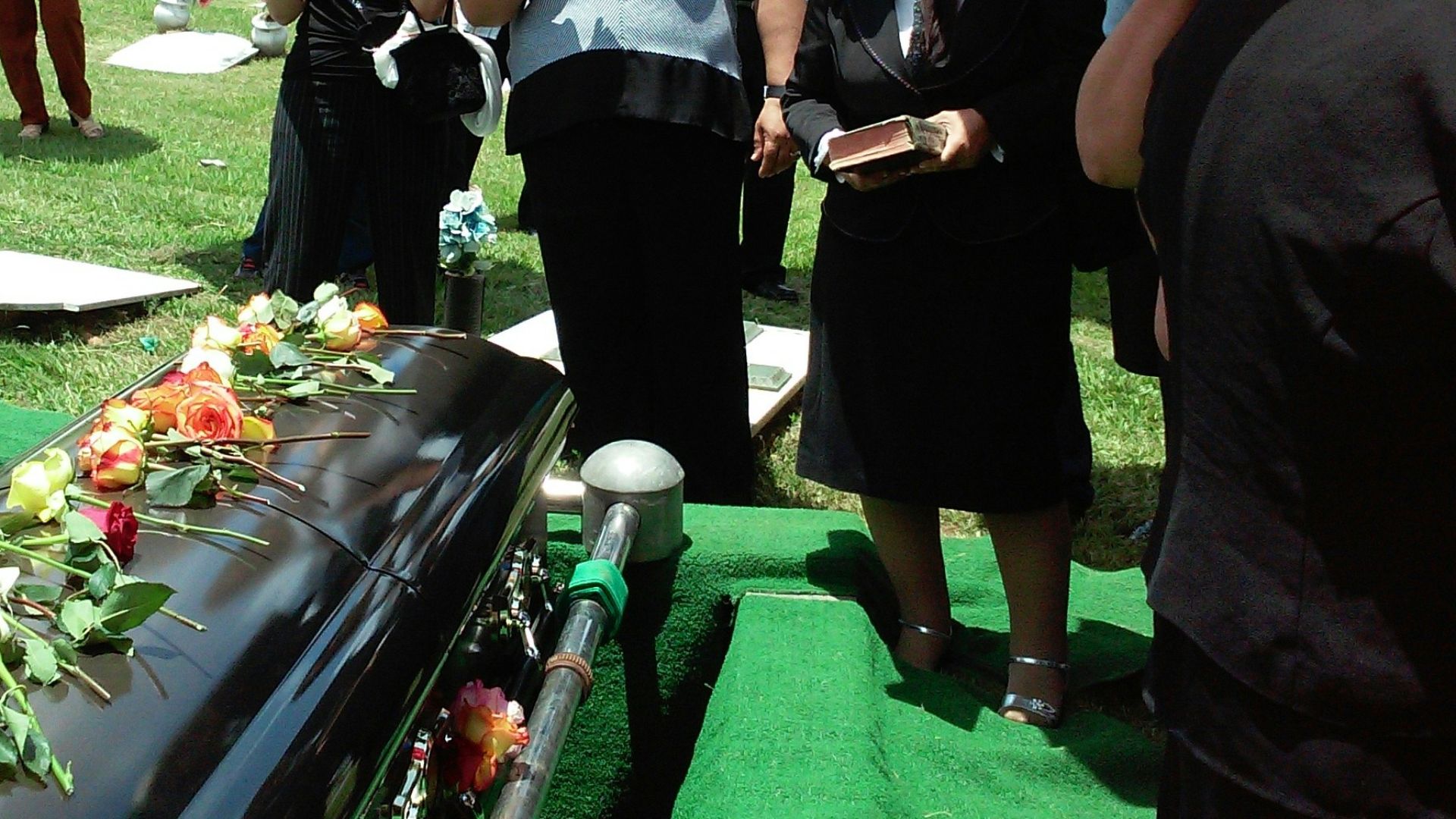
Mourning Clothes Had Rules
Grief once came with a dress code. Widows and close relatives often wore black for a set period, sometimes followed by muted colors. The clothes told the world someone had died, and society expected mourners to display sorrow in the proper shade.
Women Needed An Escort At Night
A woman walking alone at night could attract gossip, even when she was doing nothing wrong. In many communities, respectability meant being accompanied by a husband, relative, or approved male escort. The rule protected reputations more than it protected freedom.

Guests Could Not Overstay
Visits had invisible clocks. A short call might last fifteen minutes, while an evening visit had its own rhythm. Staying too long was rude, but leaving too quickly could seem cold. People had to master the fine art of exiting gracefully.

Handshakes Had A Whole Code
A handshake was not casual. It had to be firm but not crushing, brief but not limp, friendly but not overfamiliar. Men shook hands often, while rules around women’s handshakes shifted depending on the era, setting, and everyone’s confidence in etiquette books.

Smoking Was Socially Expected
For much of the 20th century, cigarettes appeared everywhere: restaurants, offices, airplanes, living rooms, and dinner parties. Offering cigarettes to guests was common hospitality. The strange part today is not that some people smoked, but that almost everyone else had to breathe it.

History's most fascinating stories and darkest secrets, delivered to your inbox daily.
Dining Had Endless Tiny Rules
Using the wrong fork could once feel like a social disaster. Meals came with rules about napkins, elbows, soup spoons, bread plates, and when to begin eating. The dinner table was less a place to relax and more a manners exam with potatoes.

Introductions Followed A Formula
People were not introduced randomly. Etiquette dictated who was presented to whom, often based on age, gender, rank, or status. A proper introduction could show respect. A botched one could signal ignorance, which was somehow worse than simply forgetting someone’s name.

Women Rarely Went To Bars Alone
In many places, bars were considered male spaces. A woman drinking alone could face judgment, refusal of service, or unwanted attention. “Respectable” women were steered toward tea rooms, restaurants, or private parties, where society could pretend alcohol behaved better.

Never Arrive Empty-Handed
Guests were often expected to bring something small: flowers, sweets, homemade food, or a polite token. Showing up with nothing could seem thoughtless. The gift did not need to be grand. It just needed to prove you understood the rules.

The Rules Finally Started To Bend
Many of these customs faded as American life became more casual, mobile, and individualistic. Some manners still survive, like thank-you notes and dressing up for special occasions. Others vanished for good reason. After all, life is hard enough without seasonal hat pressure.

You May Also Like:
The Devastating Illness That Shaped FDR
Righteous Facts About Mahalia Jackson, The Empress Of Soul