A Masterpiece Of Mysterious Beauty
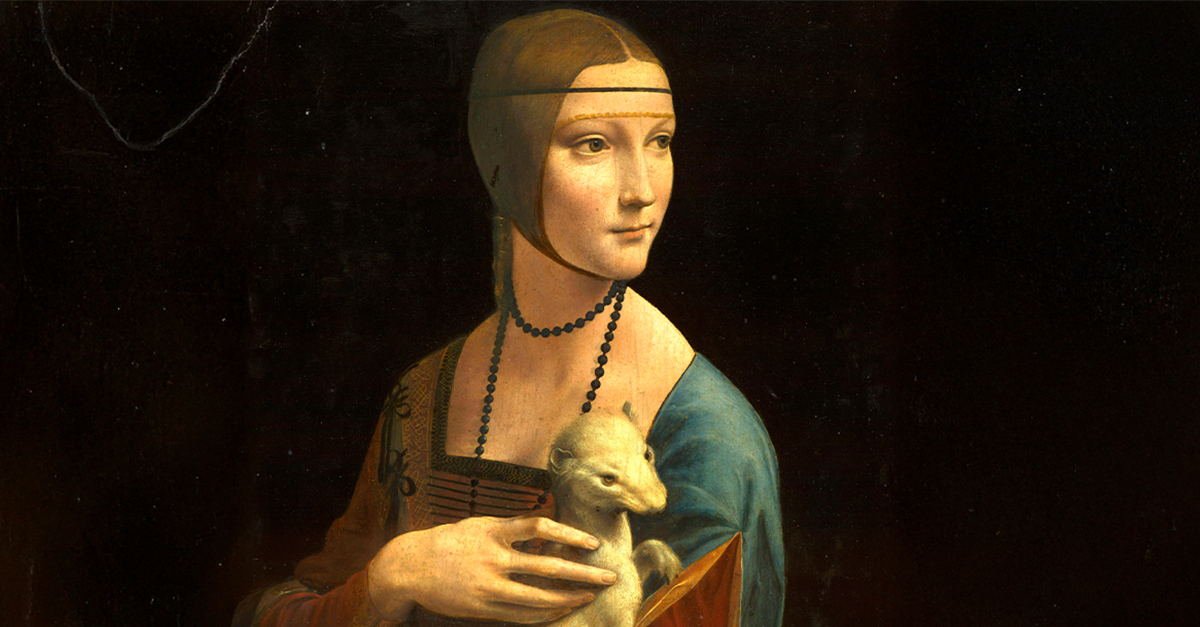
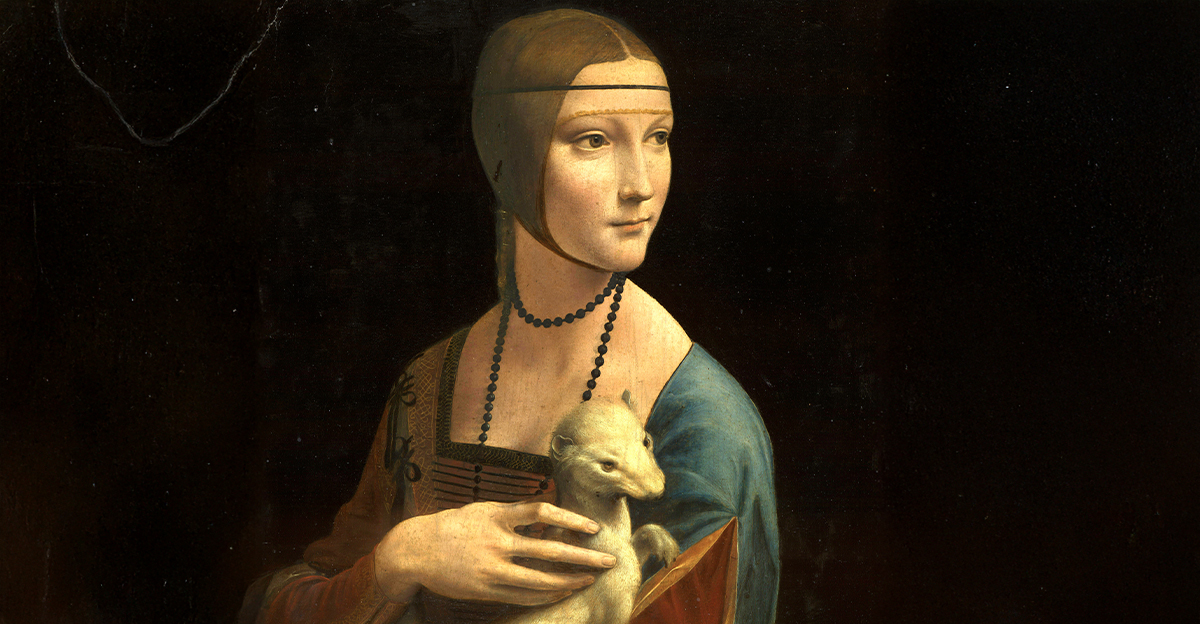
Cecilia Gallerani is best known as the captivating subject of one of Leonardo da Vinci’s most enigmatic portraits, the 1491 work Lady with an Ermine. But behind her poised expression is a story of a bright and beautiful young woman making her way in the dangerous world of Renaissance courts. To understand the painting, we have to first understand Cecilia herself, and where her story truly begins.
Born Into A Changing World
Cecilia Gallerani was born in 1473 in Siena at the peak of the Italian Renaissance. Her family was not from the nobility, but her father, Fazio Gallerani was Milanese ambassador to the Republic of Florence. This gave Cecilia access to education and culture that was definitely out of the ordinary for many women of the time. Though not among the elite ruling class, her upbringing positioned her for opportunity, especially within Milan’s powerful court circles.
 Leonardo da Vinci, Wikimedia Commons
A Family Of Modest Nobility
In addition to his diplomatic post, Cecilia's father also served in a ducal administrative role, helping the family maintain respectable standing within Milanese society. While they were by no means wealthy, the Galleranis valued education. Cecilia’s early exposure to literature, music, and intellectual life would critical, setting her apart in a world where wit could be as valuable as beauty.
 Cherubino Cornienti, Wikimedia Commons
Education Beyond Expectations
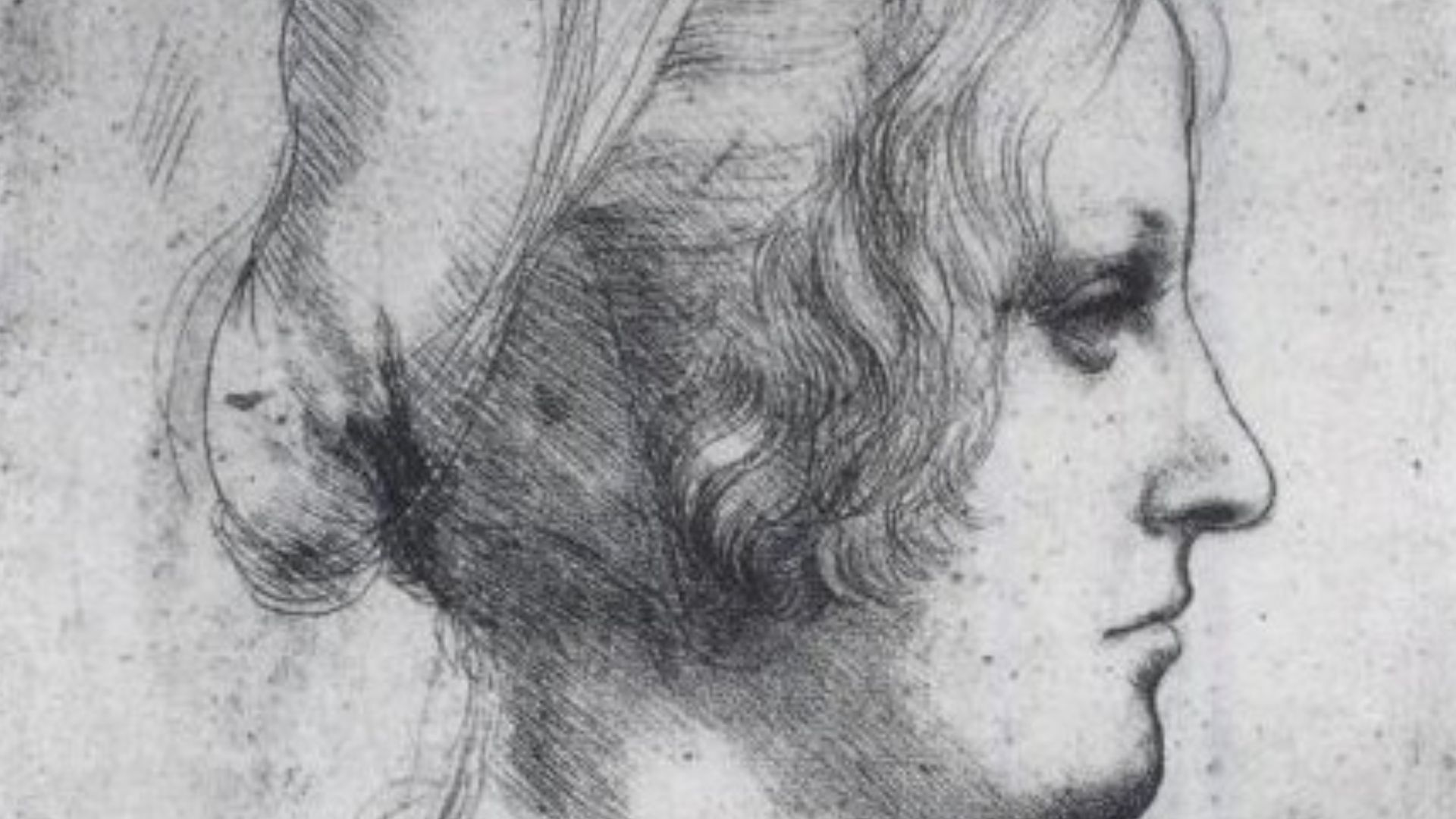
Unlike many women of her era, Cecilia received a strong humanist education. She studied Latin, poetry, and philosophy, eventually gaining the ability to converse with scholars and intellectuals. This foundation made her more than just court eye candy. It gave her a voice—and that voice would soon draw attention from one of the most powerful men in Milan.
 Leonardo da Vinci, Wikimedia Commons

History's most fascinating stories and darkest secrets, delivered to your inbox daily.
Arrival At The Sforza Court
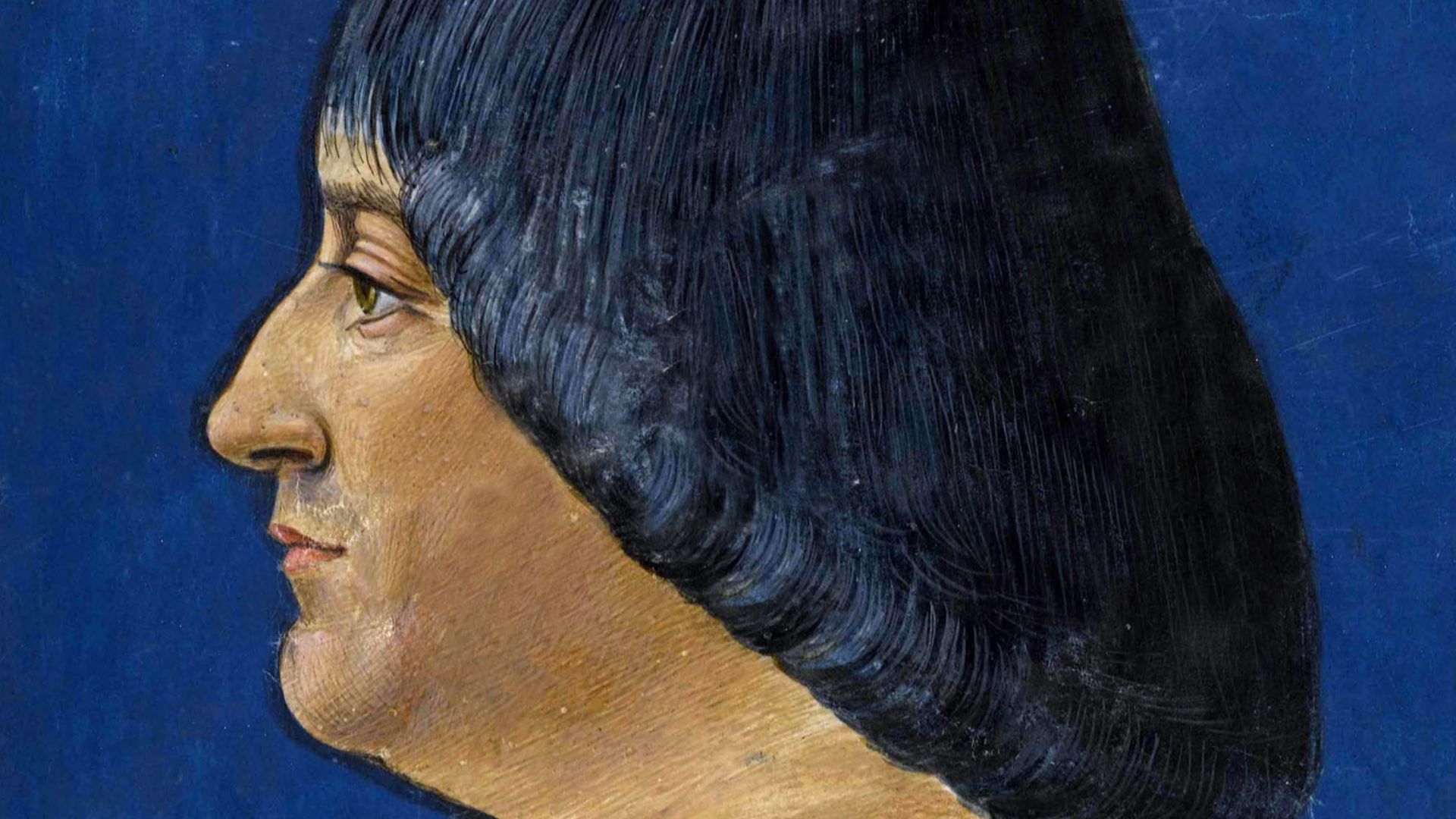
As a teenager, Cecilia entered the orbit of Ludovico Sforza, the ruler of Milan. His court was a vibrant hub of art, politics, and intrigue, attracting figures like Leonardo da Vinci. Cecilia’s intelligence and charm quickly set her apart from the many courtiers, and it wasn’t long before she became a welcome presence at court.
 Giovanni Ambrogio de Predis, Wikimedia Commons
The Duke’s Favorite
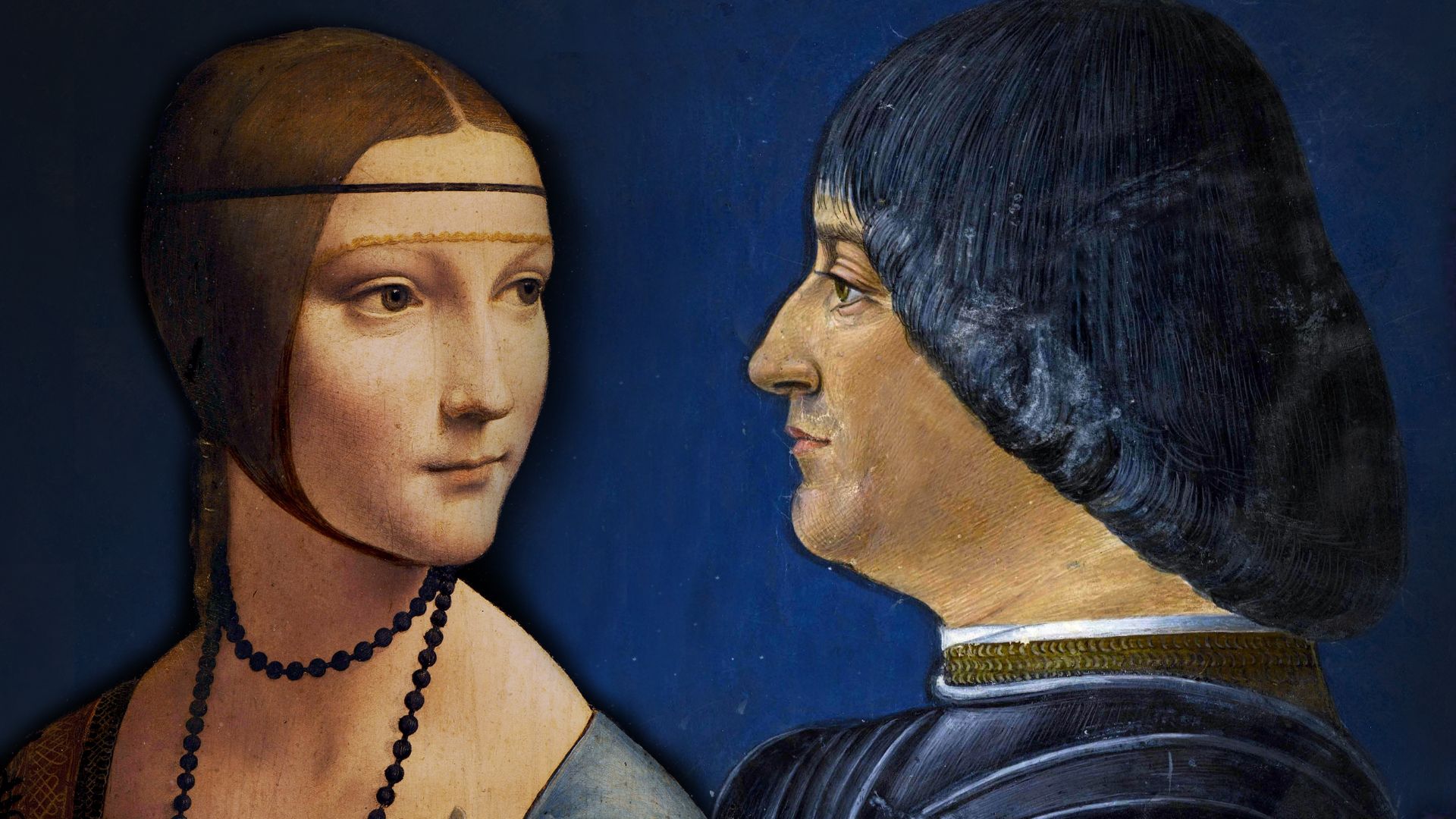
Cecilia became the mistress of Ludovico Sforza while still in her mid-teens. Their relationship boosted her status dramatically, putting her at the center of Milan’s political and cultural life. Unlike many mistresses, she was valued not only for her beauty but also for her brains, often engaging in meaningful conversation with the Duke and his circle.

A Court Of Art And Ideas
The Sforza court was one of the brightest in Europe, hosting artists, musicians, and thinkers. Cecilia thrived in this Renaissance environment, becoming known for her wit and poetic skill. She took part in literary salons, where ideas were exchanged freely. This intellectual reputation would soon connect her directly with Leonardo da Vinci himself.
 Giuseppe Diotti, Wikimedia Commons
Meeting Leonardo Da Vinci
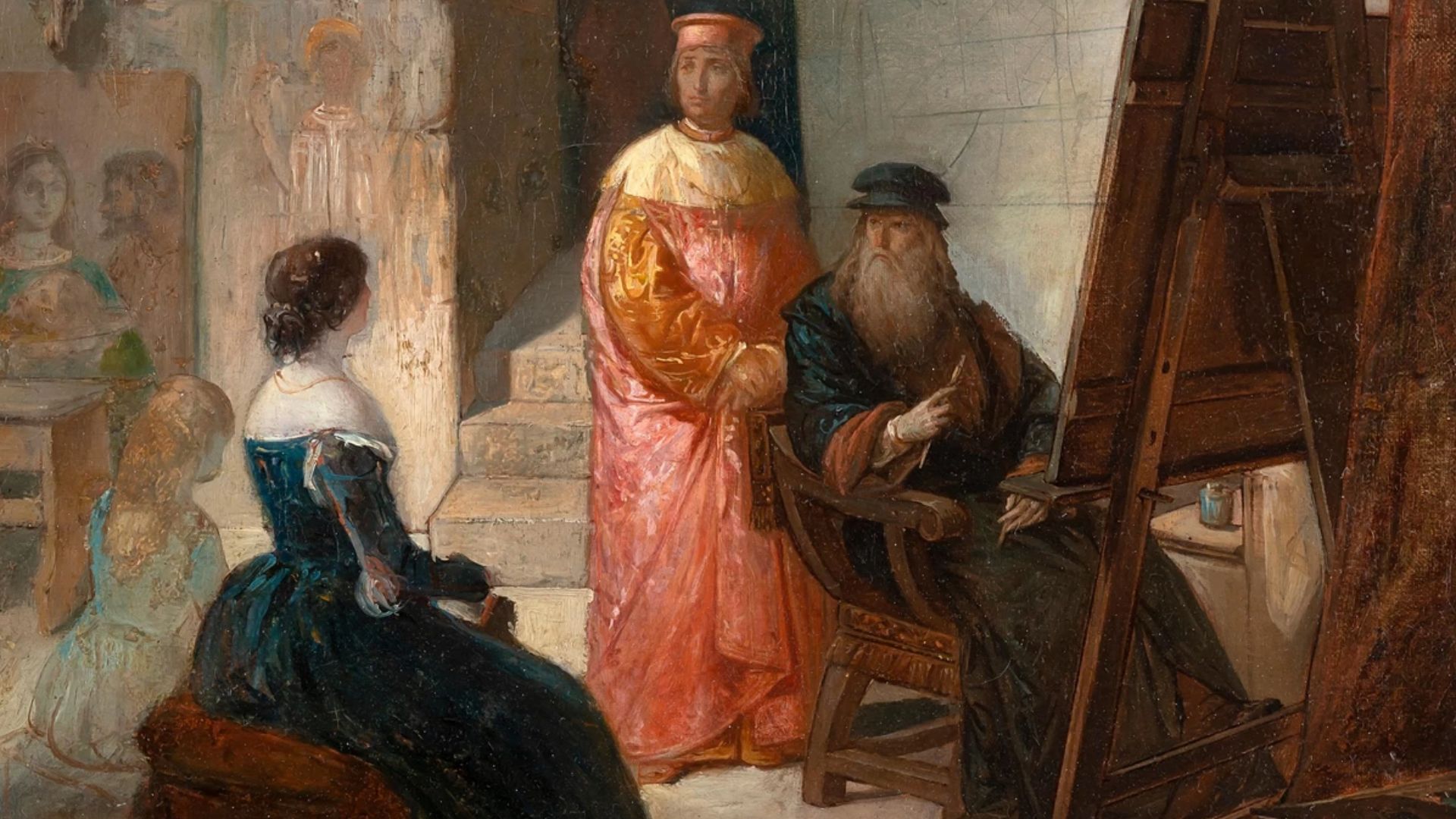
It was likely through Ludovico’s patronage that Cecilia met Leonardo da Vinci, who was working at the Milanese court. Leonardo, fascinated by both beauty and people who had the brains to go with it, thought Cecilia was an ideal subject. Their meeting would lead to the creation of one of the most famous portraits in art history.
 Dominikmatus, Wikimedia Commons
The Creation Of A Masterpiece
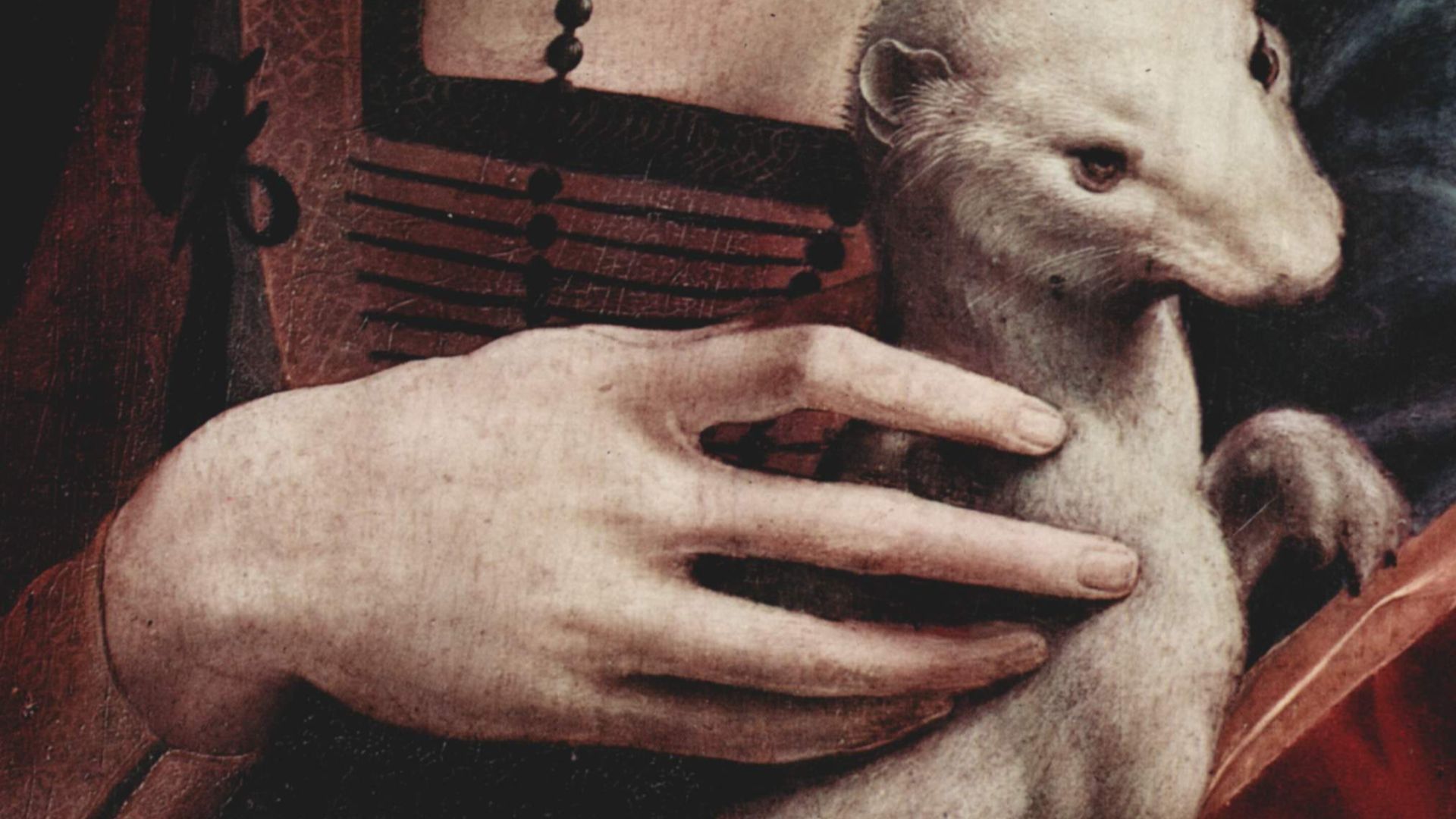
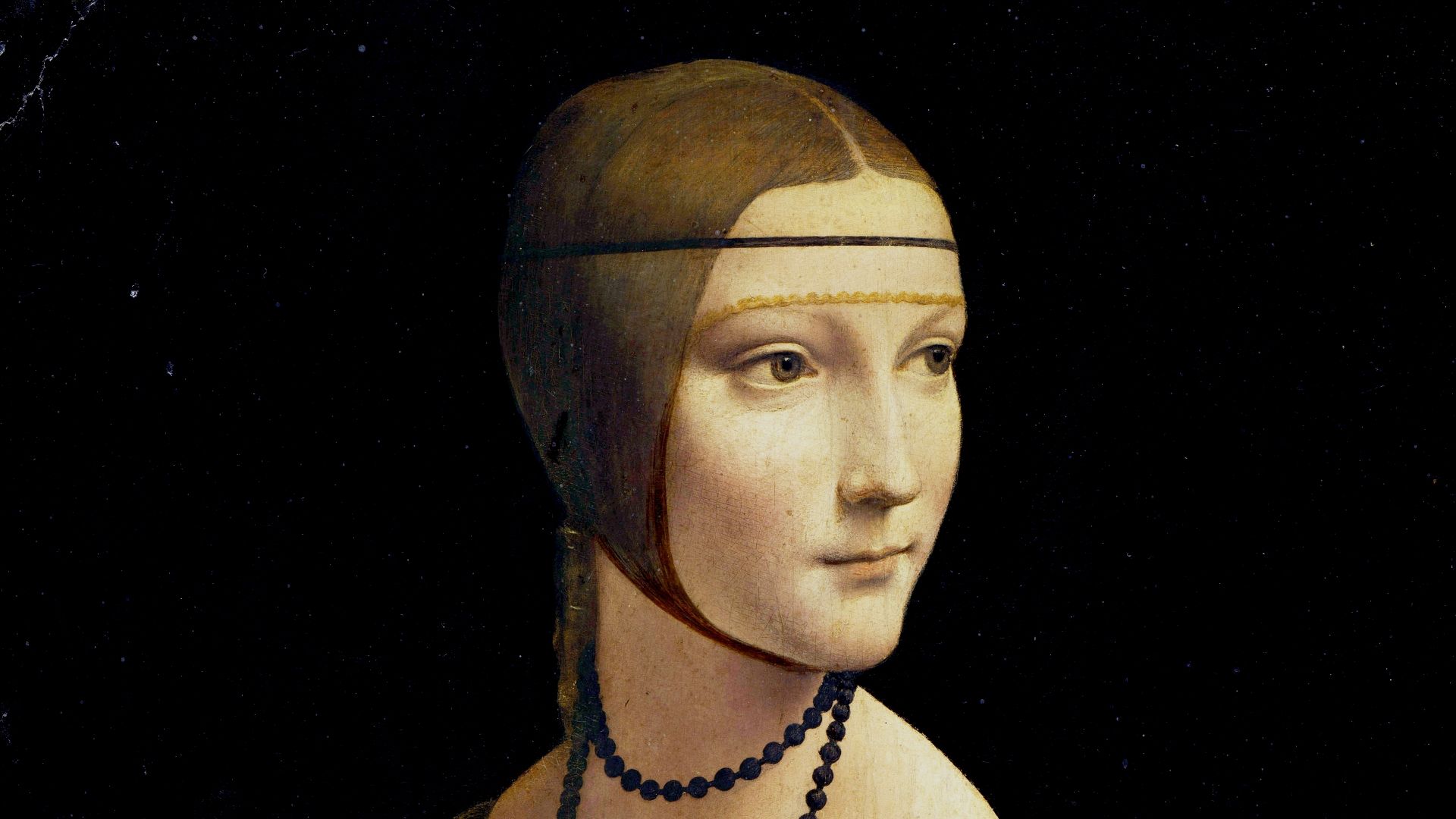
Around 1489 to 1490, Leonardo started painting Lady with an Ermine. The portrait depicts Cecilia in a moment of subtle movement, her gaze turned as if reacting to something out of view of the observer. This dynamic quality was revolutionary, and it hinted at the depth of character Leonardo was looking to portray.
 Leonardo da Vinci, Wikimedia Commons
The Meaning Of The Ermine
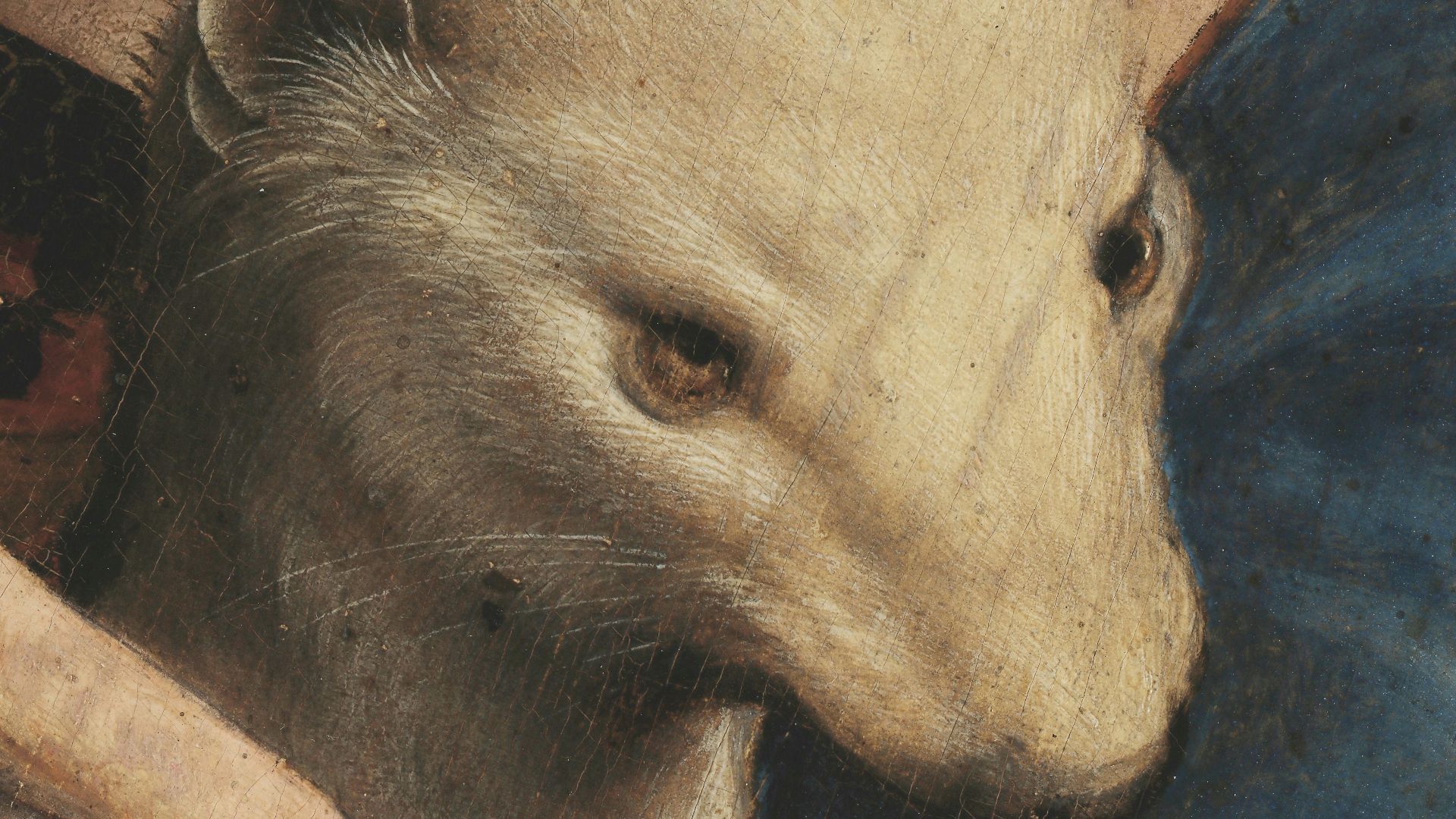
The ermine held in Cecilia’s arms is rich with symbolism. It may reference Ludovico Sforza, who was associated with the Order of the Ermine, or it could serve as a visual pun on Cecilia’s surname, which resembles the Greek word for weasel. This layered symbolism reflects both her identity and her connection to the Duke.
 Leonardo da Vinci, Wikimedia Commons
History's most fascinating stories and darkest secrets, delivered to your inbox daily.
Capturing Intelligence On Canvas
Unlike many other portraits of women from the era, Cecilia’s depiction emphasizes her alertness and thoughtfulness. Her posture and expression suggest awareness, intelligence, and presence of mind. Leonardo’s ability to convey these qualities set the painting apart, reinforcing Cecilia’s reputation as more than a passive subject.
 Leonardo da Vinci, Wikimedia Commons
A Relationship Deepens
During her time with Ludovico, Cecilia’s influence at court grew. She was a companion but also a trusted presence, often included in cultural and intellectual exchanges. Their relationship seemed stable for a time, but the realities of political alliances and dynastic marriages would soon make her position untenable.
 user:shakko, Wikimedia Commons
Pregnancy And Uncertainty
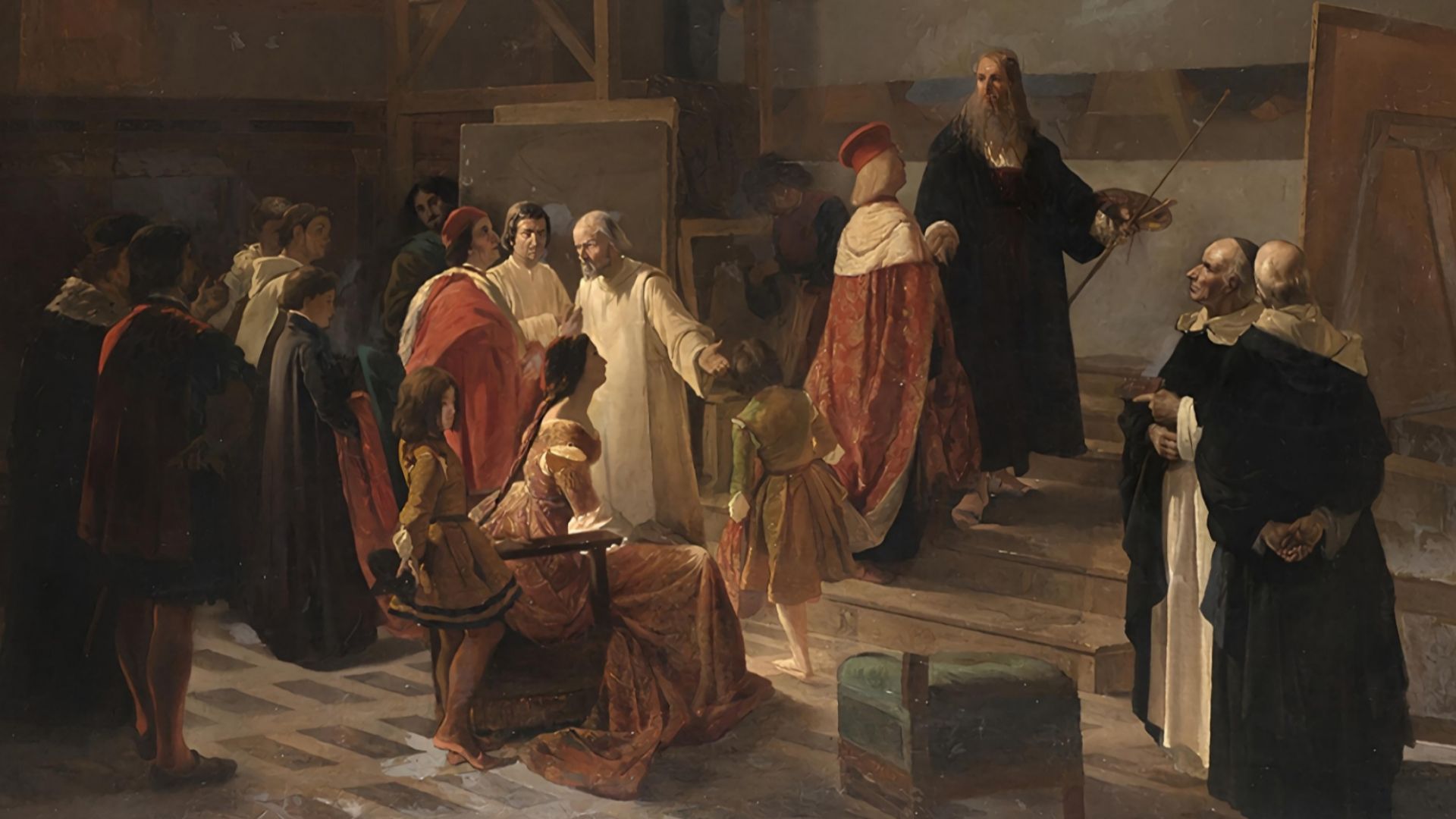
Cecilia became pregnant with Ludovico’s child, which solidified her importance, but also made her vulnerable. Her pregnancy marked a turning point, as the Duke’s obligations to his political future started to consume his thoughts.
 Cherubino CornientiUnknown authorUnknown author, Wikimedia Commons
The Birth Of A Son
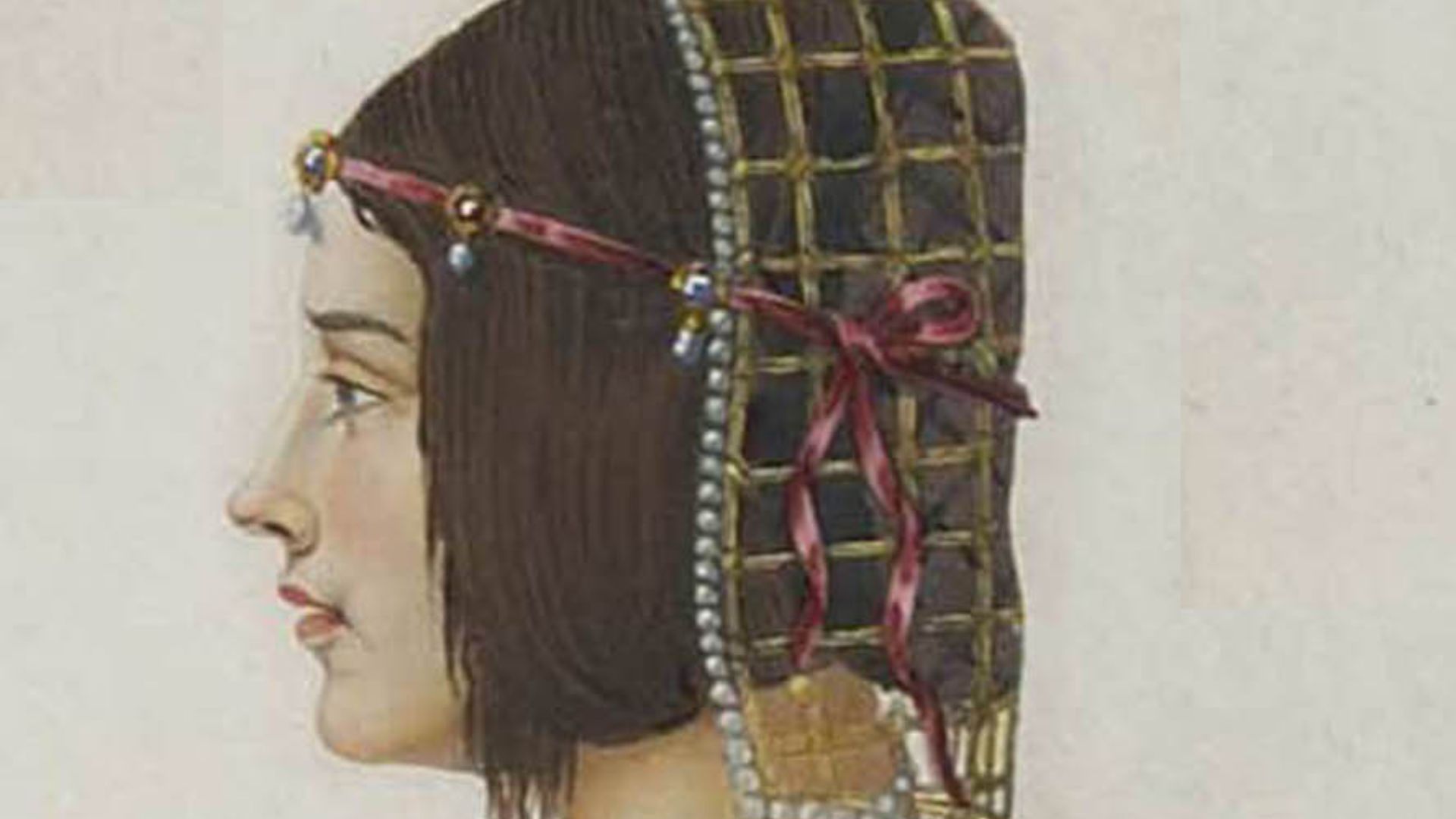
In 1491, Cecilia gave birth to a son, Cesare. While this might have secured her position under different circumstances, Ludovico was already engaged to marry Beatrice d’Este, a union with significant political implications. Cecilia’s role at court was all of a sudden out of favor with the Duke’s ambitions. His fiancee was about to put her foot down.
 Unknown authorUnknown author, Wikimedia Commons
A Court Turns Cold
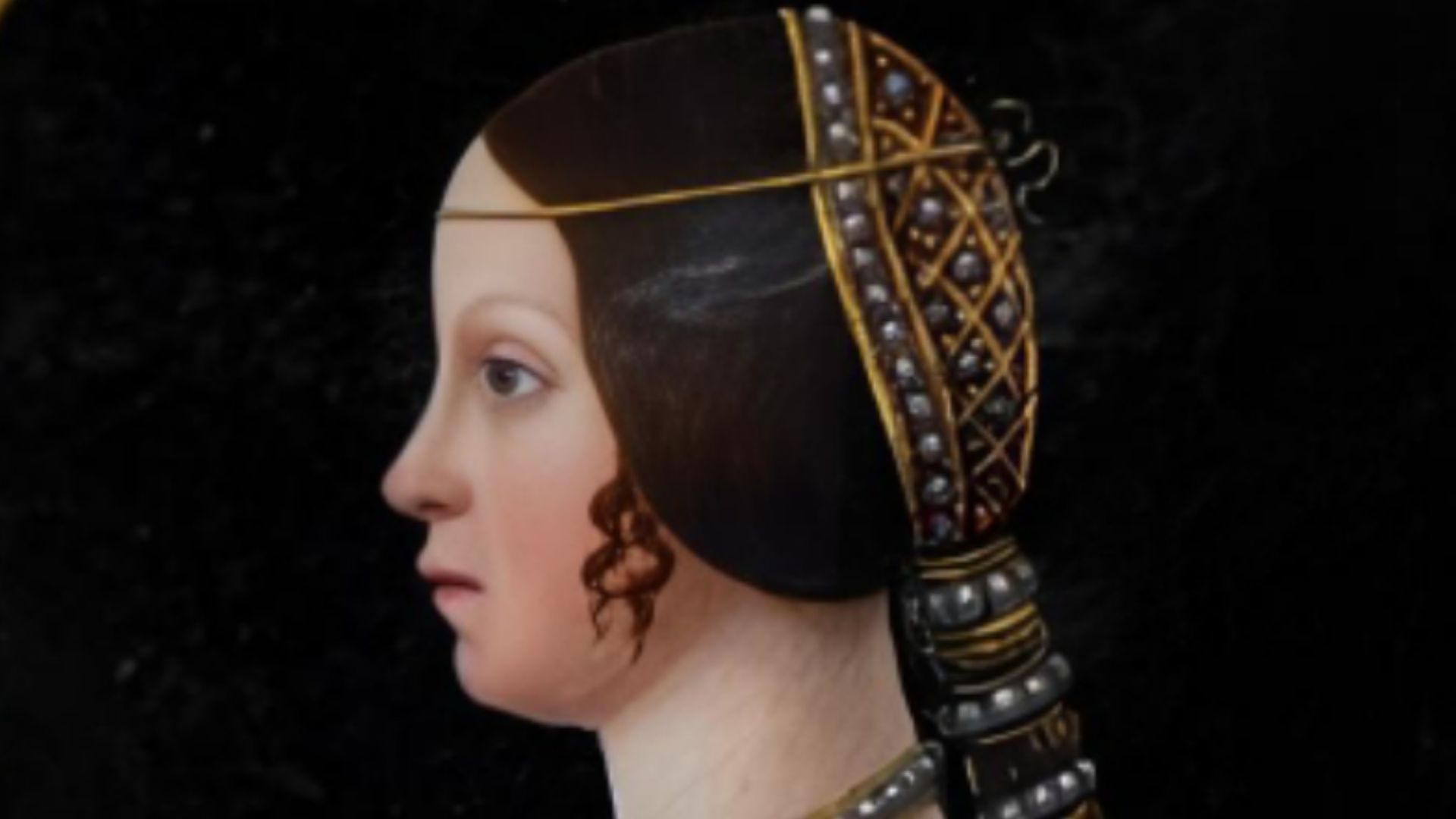
With Ludovico’s marriage to Beatrice d’Este, Cecilia’s presence in the home became intolerable. The new duchess would not allow a rival within the household. Despite her past influence, Cecilia was forced to leave the Sforza court, marking a dramatic fall from her once-prominent position.
 British Library , Wikimedia Commons
Leaving Milan Behind
Cecilia was removed from the court and relocated, which basically ended her relationship with Ludovico. While she was provided for financially, it was a major life change. She’d now gone from being a central figure in Milan’s cultural scene to someone trying to pick up the pieces and reshape her identity outside the court’s spotlight.

History's most fascinating stories and darkest secrets, delivered to your inbox daily.
A New Marriage
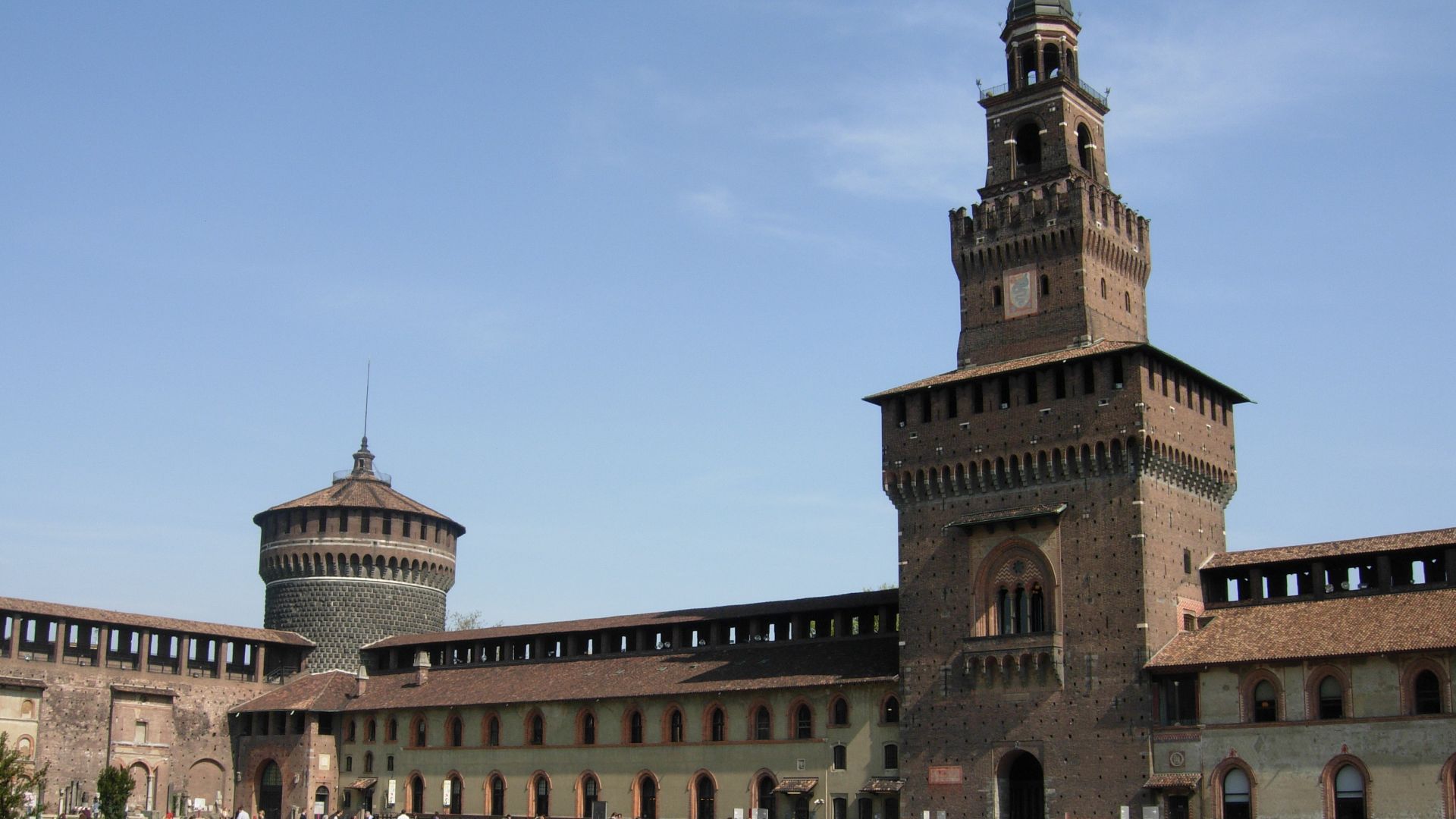
After leaving Ludovico, Cecilia married Count Ludovico Carminati de’ Brambilla. The marriage offered stability and respectability, allowing her to enter into a more conventional noble life. But even in this new role, she never gave up the intellectual curiosity that had once made her such a welcome presence at the Sforza court.
 Fishponds1981, Wikimedia Commons
Life As A Noblewoman
In her later years, Cecilia managed estates and raised her family, navigating all the responsibilities of noble life. She passed away in 1536, still in possession of the Da Vinci portrait. Though far from the intense intrigue of Milan’s court, she continued to engage with culture and literature. Her earlier experiences had shaped her into a wise and adaptable figure.
 Chris Olszewski, Wikimedia Commons
A Woman Of Letters
Cecilia maintained her reputation as a poet and intellectual. Contemporary accounts describe her as capable of holding her own in deep discussions with some of the crustiest scholars of the era. This lasting reputation speaks to the depth of her education and the impression she made on those around her.

The Painting’s Journey Begins
Meanwhile, Lady with an Ermine began its own complex journey through history. After its creation, the painting remained associated with Cecilia before passing through various hands. Its journey through time became an intricate story of its own.
Centuries Of Movement
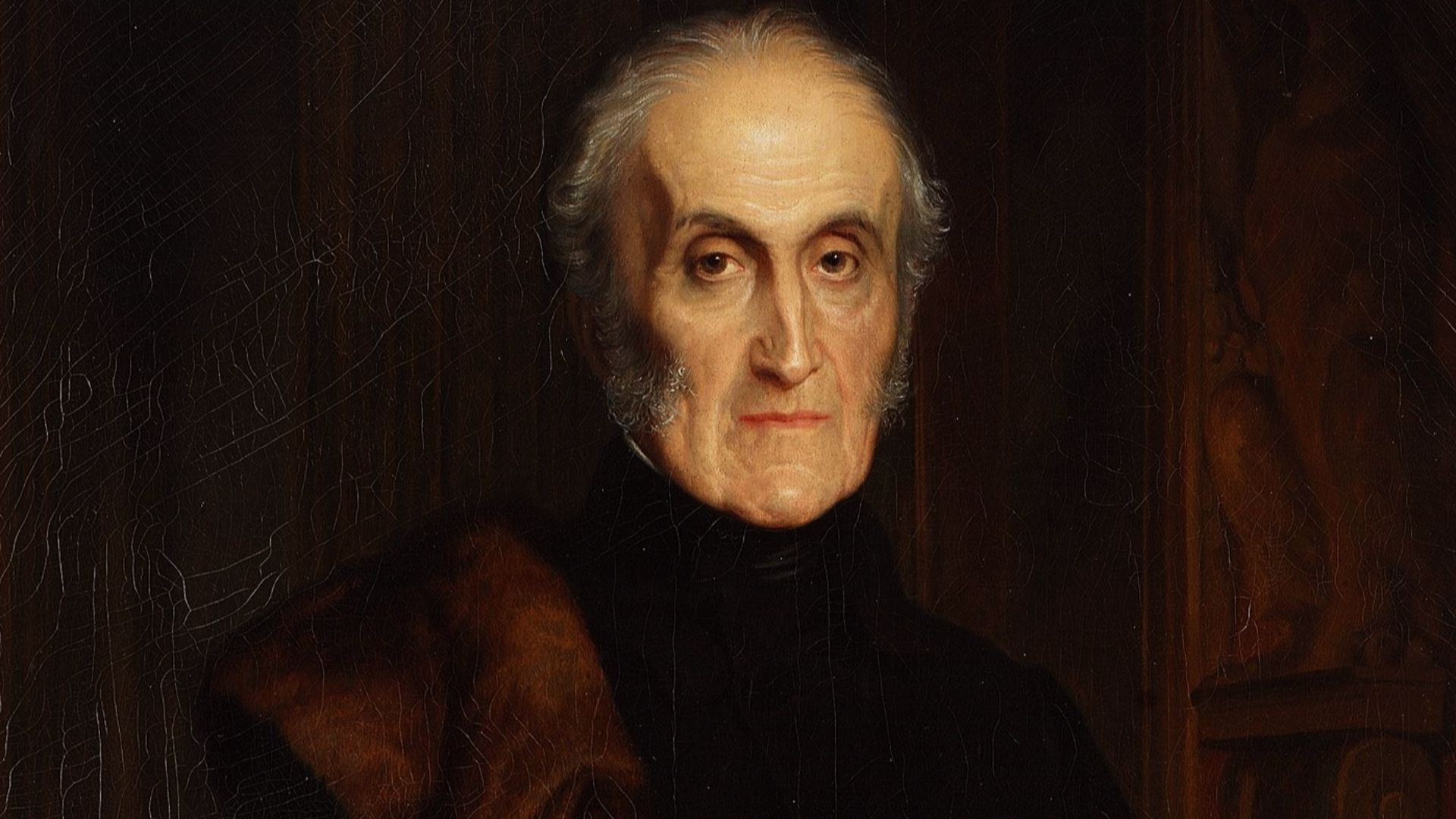
Over the centuries, the painting changed ownership multiple times, eventually leaving Italy. It became part of private collections, and its exact whereabouts were unknown for two and a half centuries until 1798 when it was bought by the Polish prince Adam Jerzy Czartoryski. Despite this, its reputation endured, and it has since gained recognition as one of Leonardo’s most compelling portraits.
 Paul Delaroche, Wikimedia Commons
Survival Through Turmoil
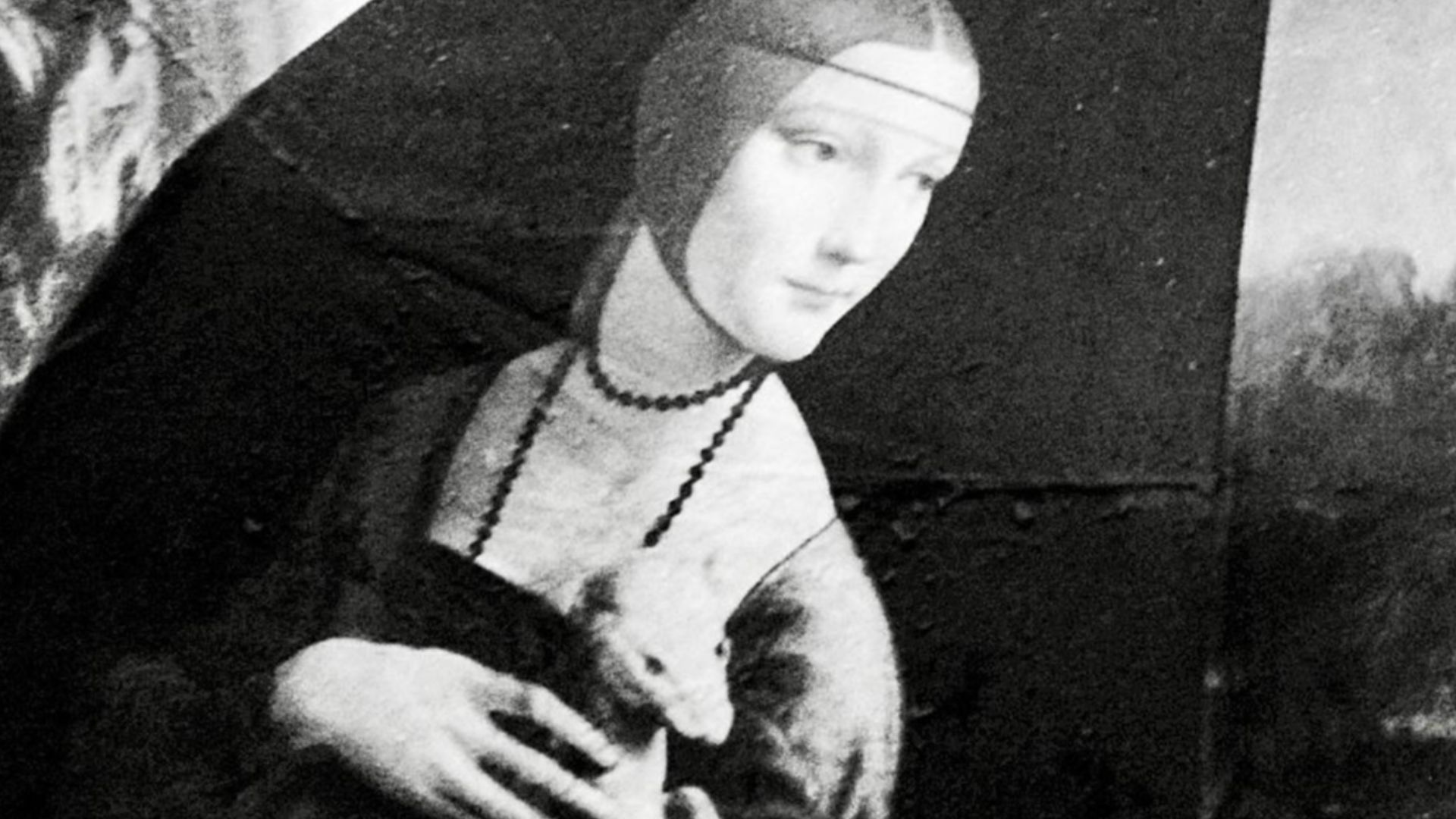
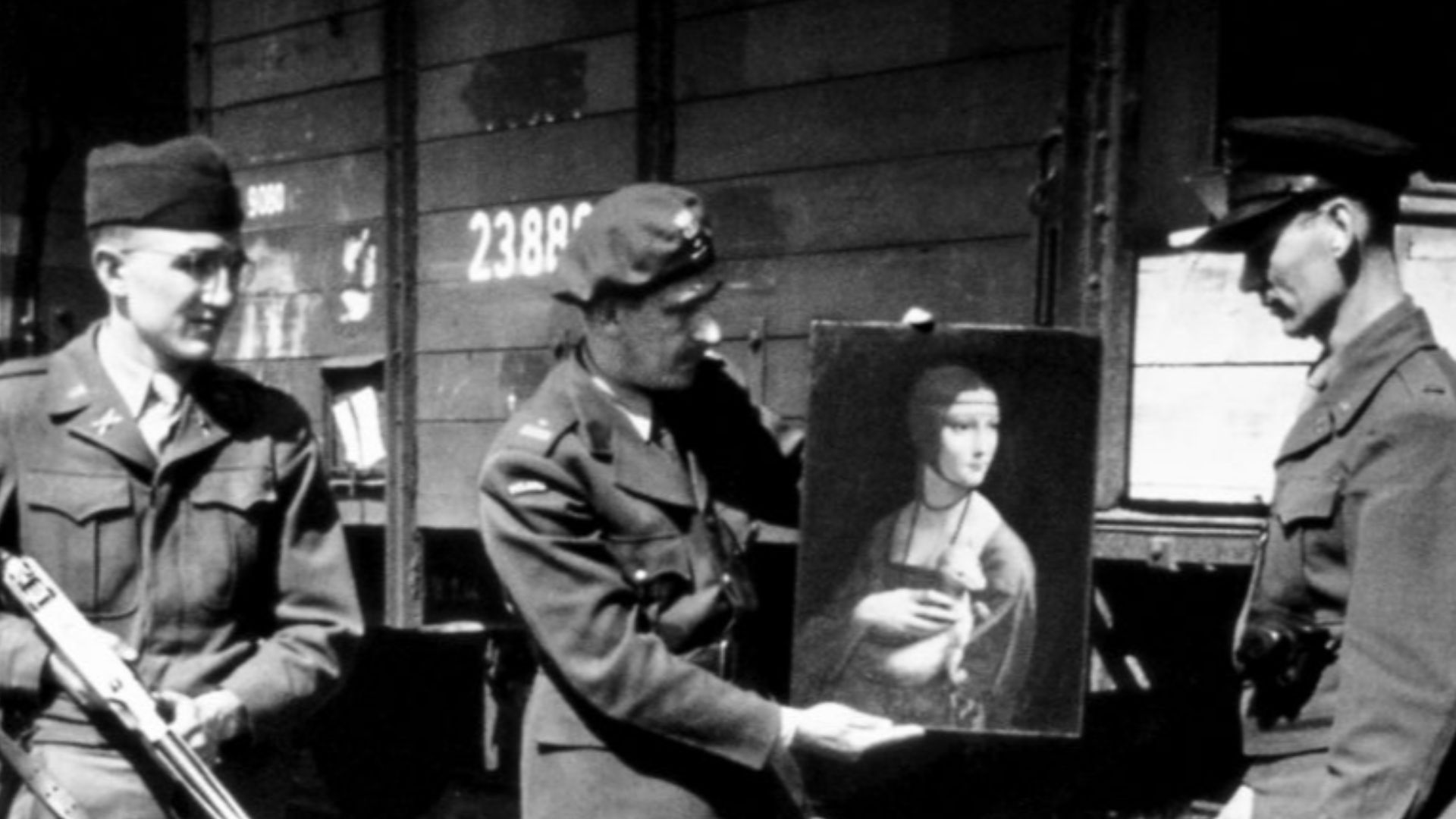
The painting survived wars, political upheaval, and even the calamities of the 20th century. During World War II, it was seized by Nazi forces before eventually being recovered. Its survival added another layer to its mystique, ensuring its place in art history.
 Monuments, Fine Arts, and Archives program, Wikimedia Commons
History's most fascinating stories and darkest secrets, delivered to your inbox daily.
A Home In Poland
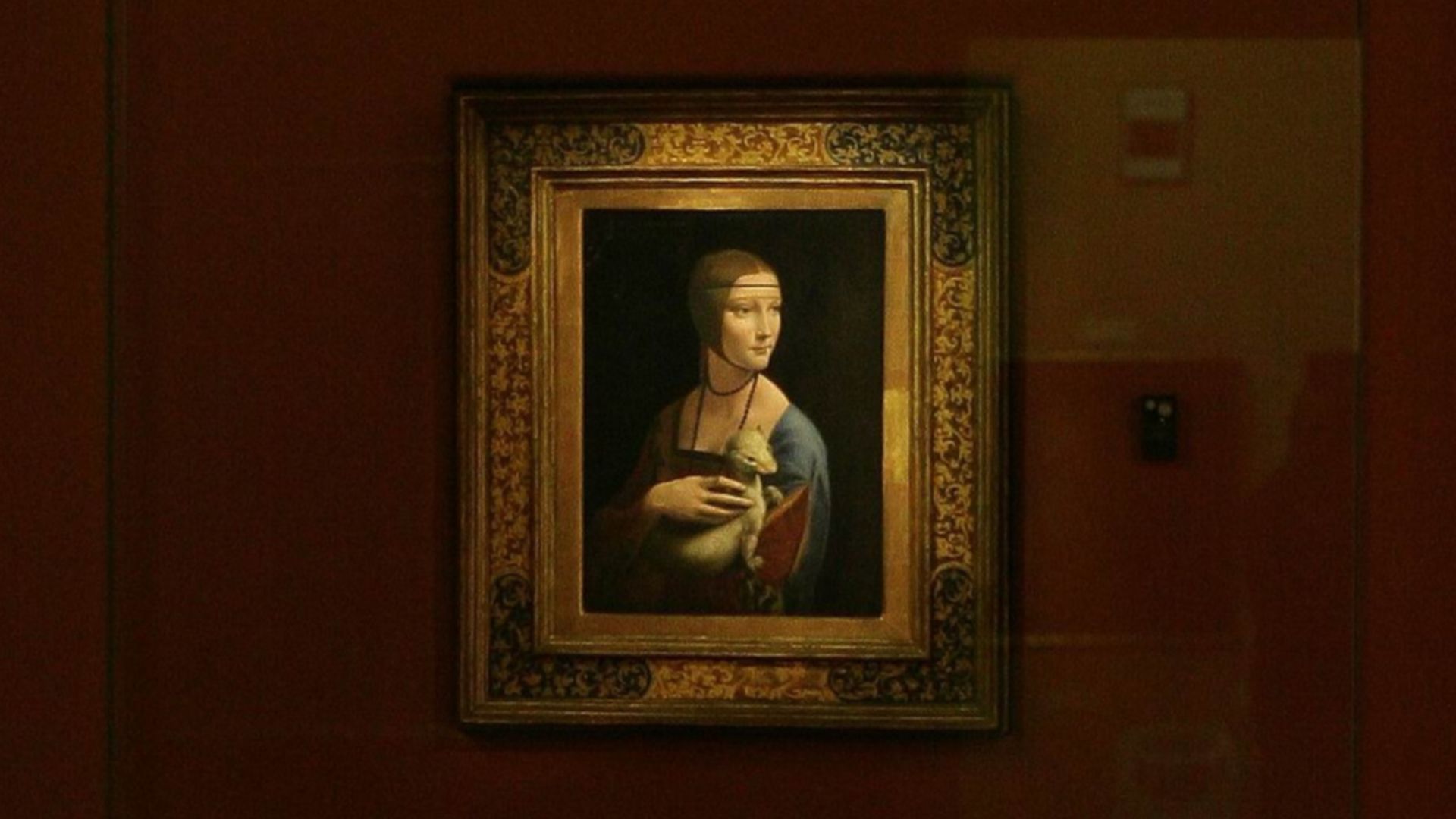
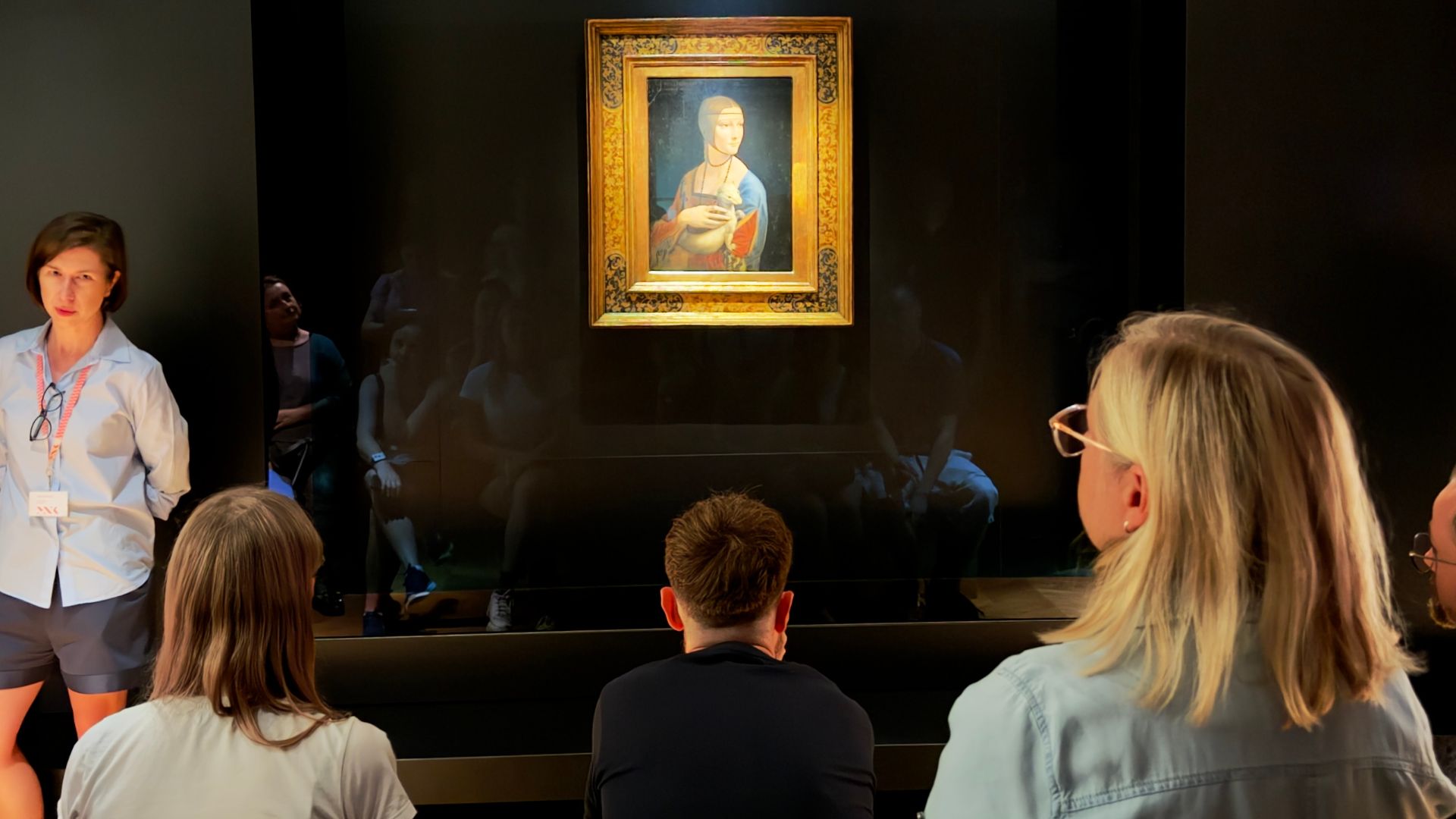
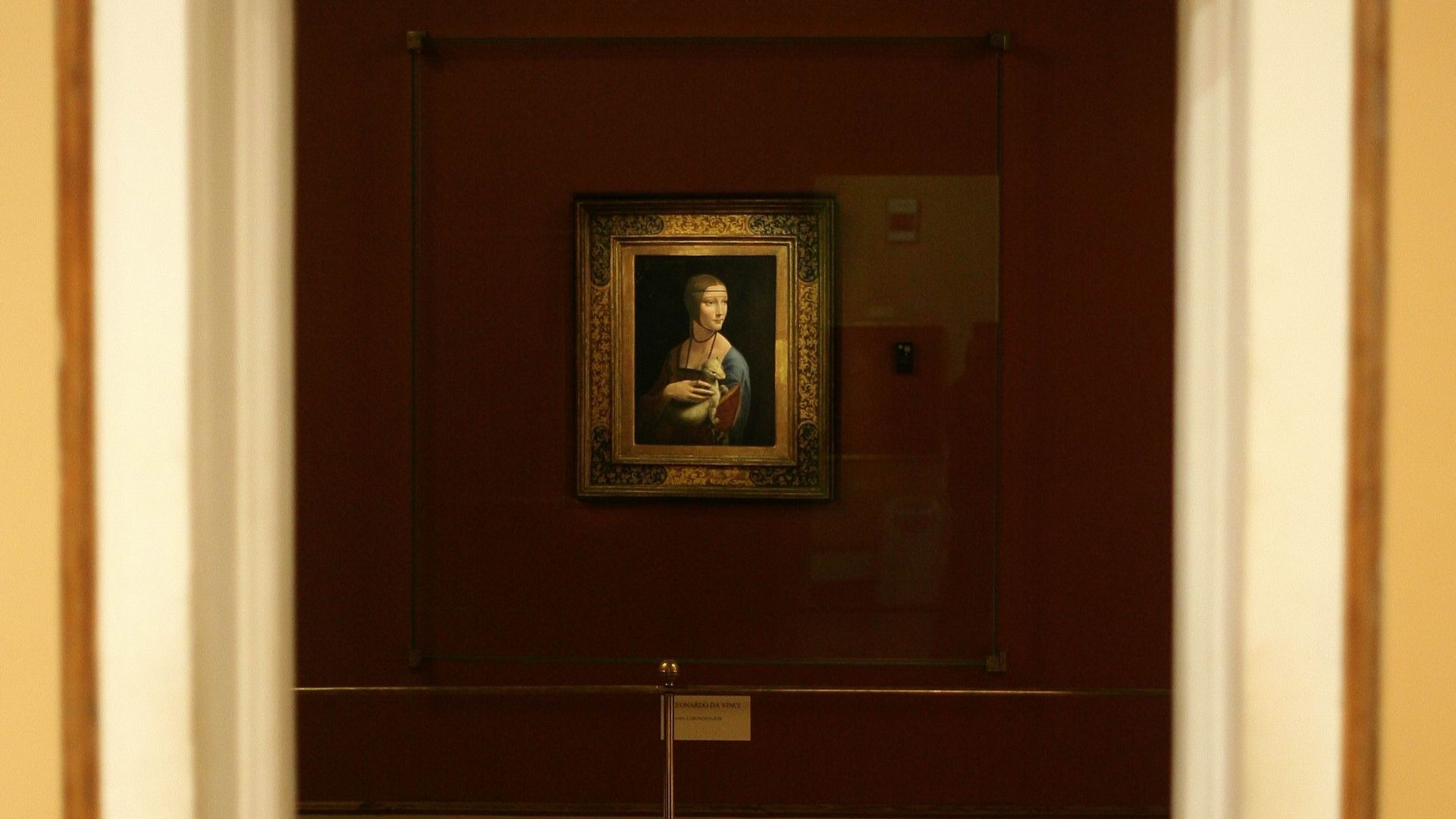
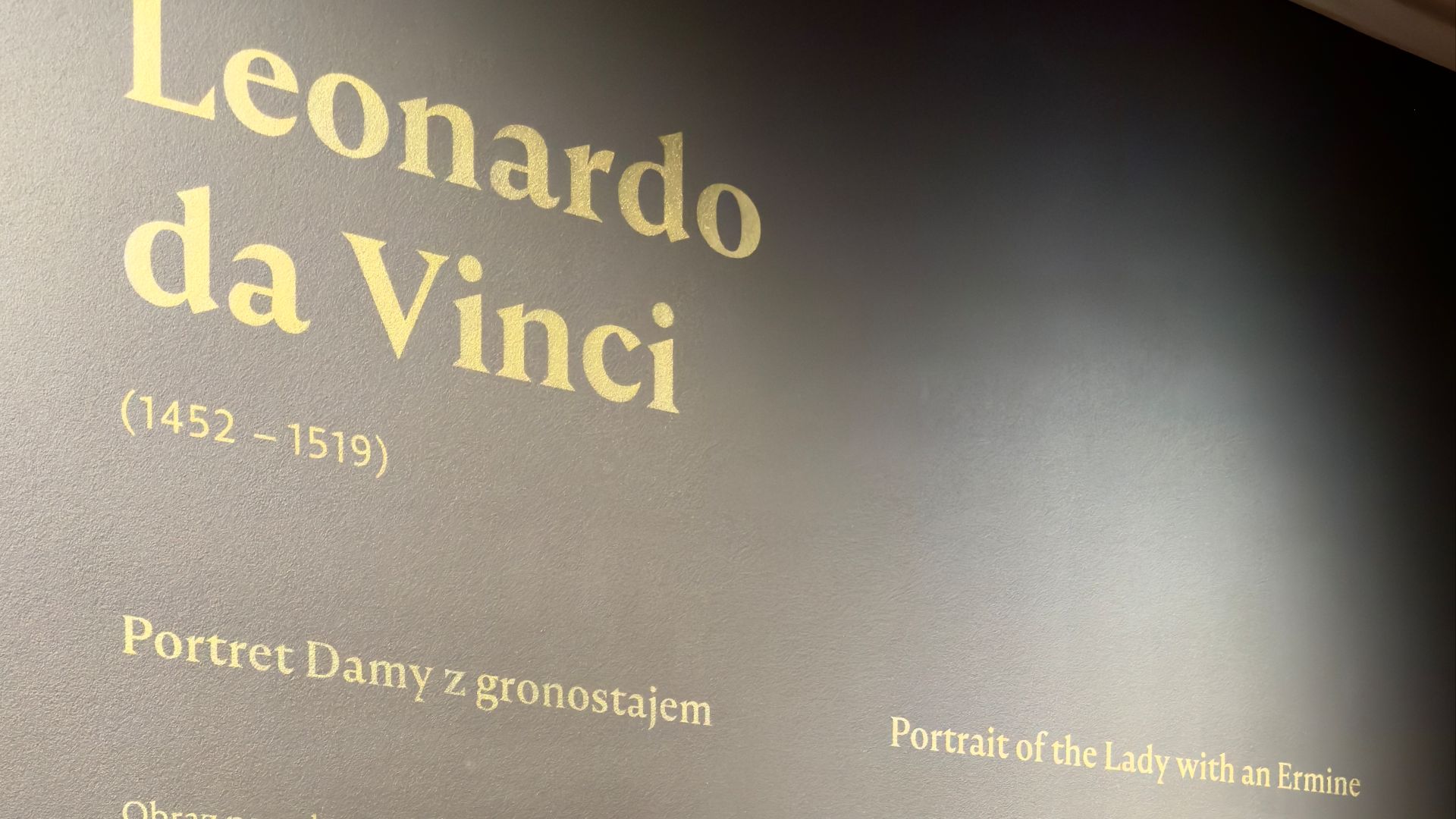
Today, Lady with an Ermine resides in the Czartoryski Museum in Kraków, Poland. It is one of the few surviving portraits by Leonardo, drawing visitors from around the world. As with most of Leonardo’s works the painting continues to fascinate audiences with its elegance and subtle complexity.
 Cezary Piwowarski, Wikimedia Commons
Cecilia’s Enduring Legacy
Cecilia Gallerani’s story is a great example of the opportunities and dangers faced by women in Renaissance courts. She navigated power, intellect, and personal setbacks with remarkable grace. Though history might have reduced her to a painted figure, her story reveals a far more complex and compelling individual.
 Chris Olszewski, Wikimedia Commons
You May Also Like:
Facts About Priceless Works Of Art
Enlightened Facts About The Renaissance