
Born Into A Dynasty
Piero de Medici inherited one of Renaissance Italy’s most intimidating birthrights, then watched it collapse with astonishing speed. Raised to succeed Lorenzo the Magnificent, he ruled Florence for barely two years before invasion, internal opposition, and disastrous decisions sent him into exile. Even his death would give final proof of his nickname, "Piero the Unfortunate."
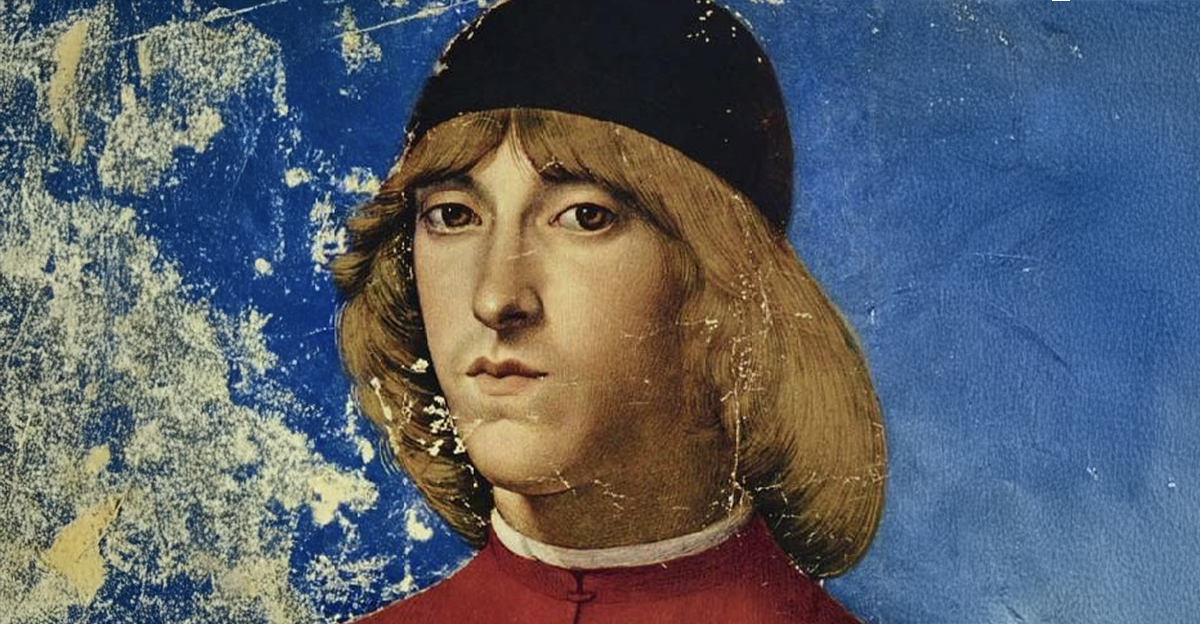 Gherardo di Giovanni del Fora, Public domain, via Wikimedia Commons
Lorenzo’s Eldest Son
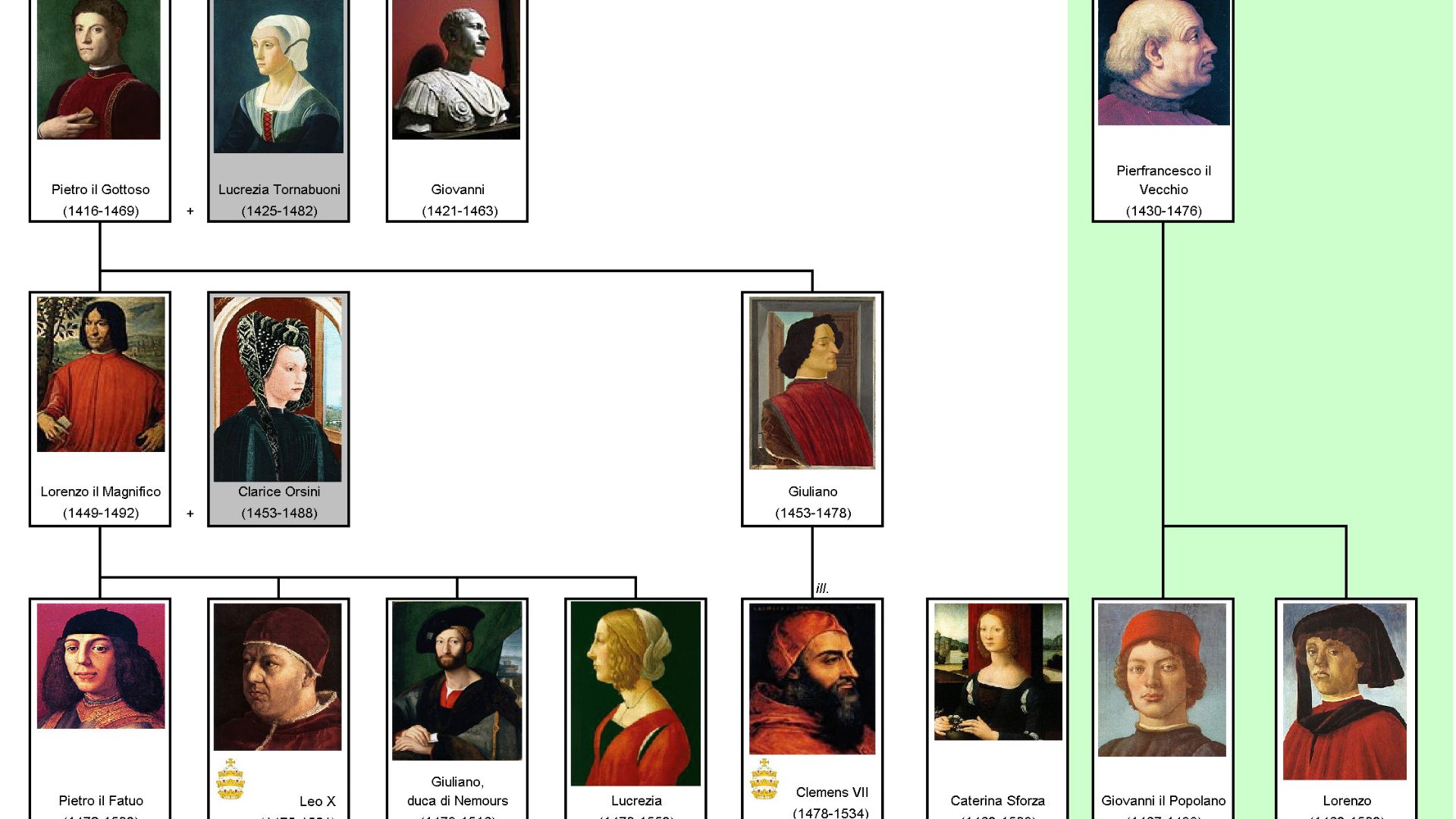
Born in Florence on February 15, 1472, Piero was the eldest son of Lorenzo de Medici and Clarice Orsini. As the firstborn male heir of Florence’s dominant family, his future was effectively mapped out from childhood. The dynasty expected continuity, and Piero was prepared accordingly.
 Domenico Ghirlandaio, Wikimedia Commons
Raised Among Future Popes
Piero grew up alongside men whose own futures would become extraordinary. His younger brother Giovanni eventually became Pope Leo X, while his cousin Giulio later became Pope Clement VII. Surrounded by a family destined for even greater power, Piero was being prepared for the most immediate challenge: ruling Florence itself.
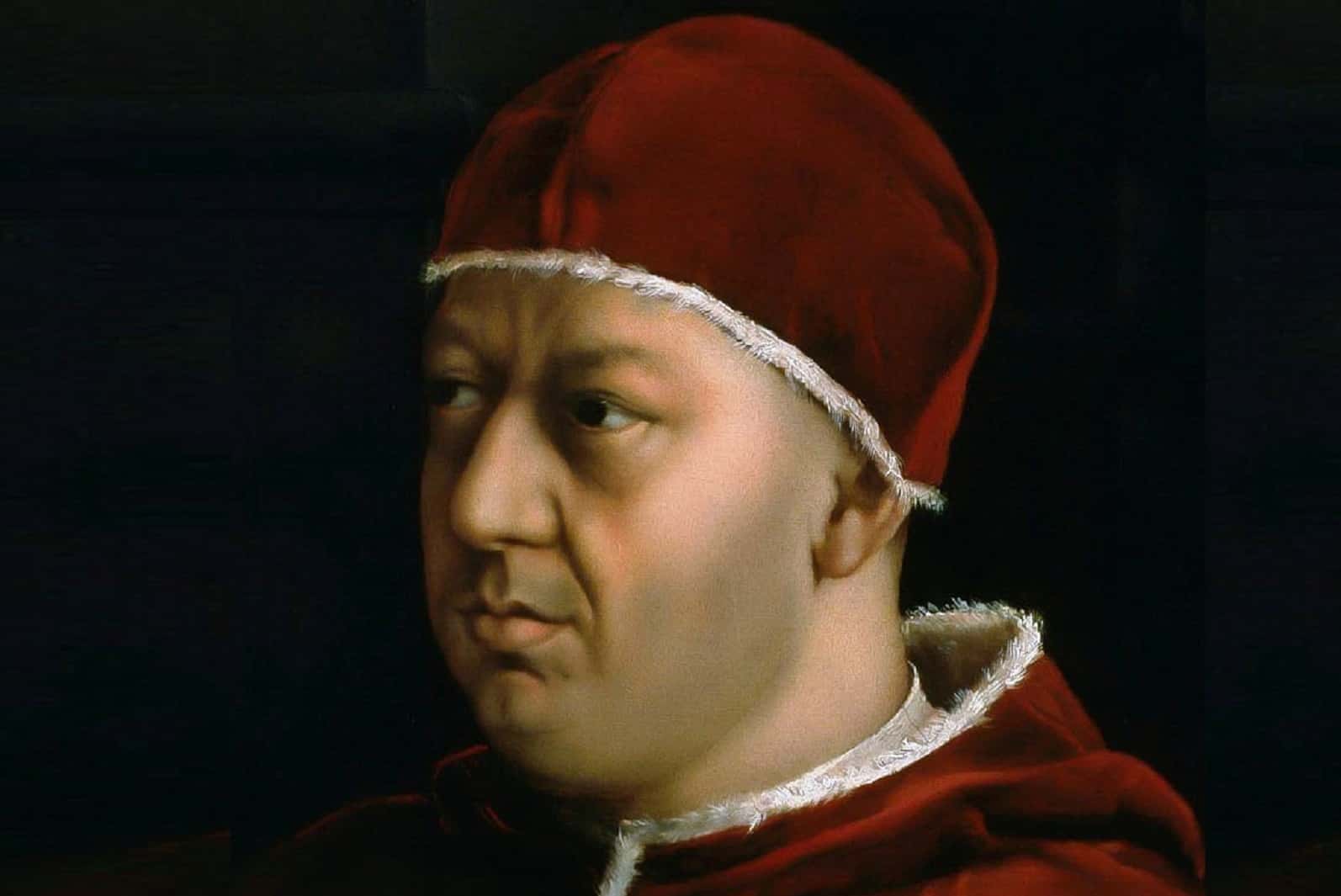
Educated For Power
His education was designed for leadership. Piero studied under major intellectual figures including Angelo Poliziano and Marsilio Ficino, receiving the preparation expected of Lorenzo’s successor. Yet the source describes him as feeble, arrogant, and undisciplined, qualities that would become dangerous once education gave way to responsibility.
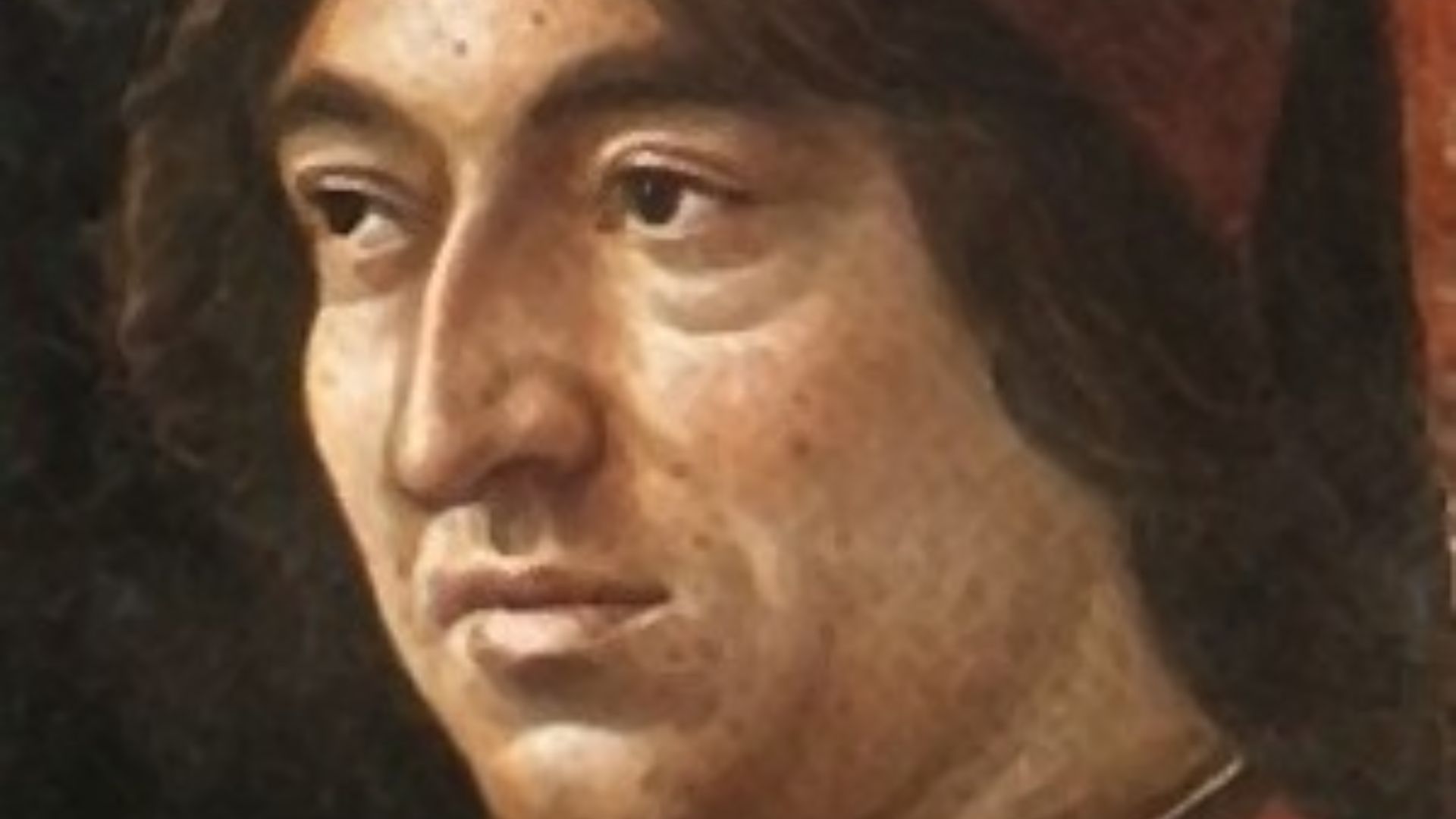 Domenico Ghirlandaio, Wikimedia Commons
Trouble Inside The Family
Piero also had difficult relationships within the Medici clan. He was repeatedly at odds with his cousins Lorenzo and Giovanni, sons of Pierfrancesco de Medici. Both were older and wealthier than Piero, creating another source of tension inside a dynasty whose apparent unity concealed dangerous fractures.
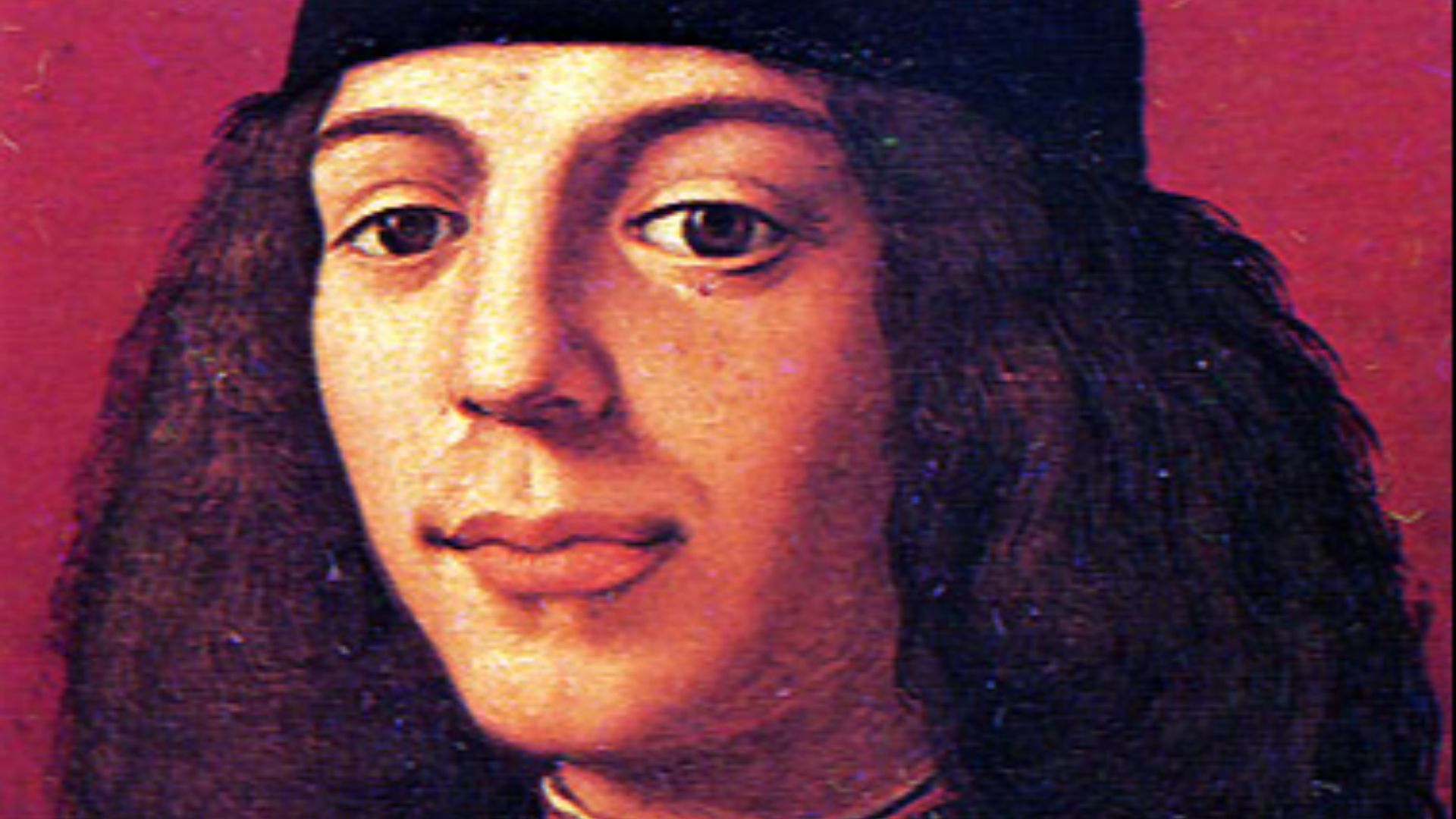 Workshop of Bronzino, Wikimedia Commons
An Orsini Marriage
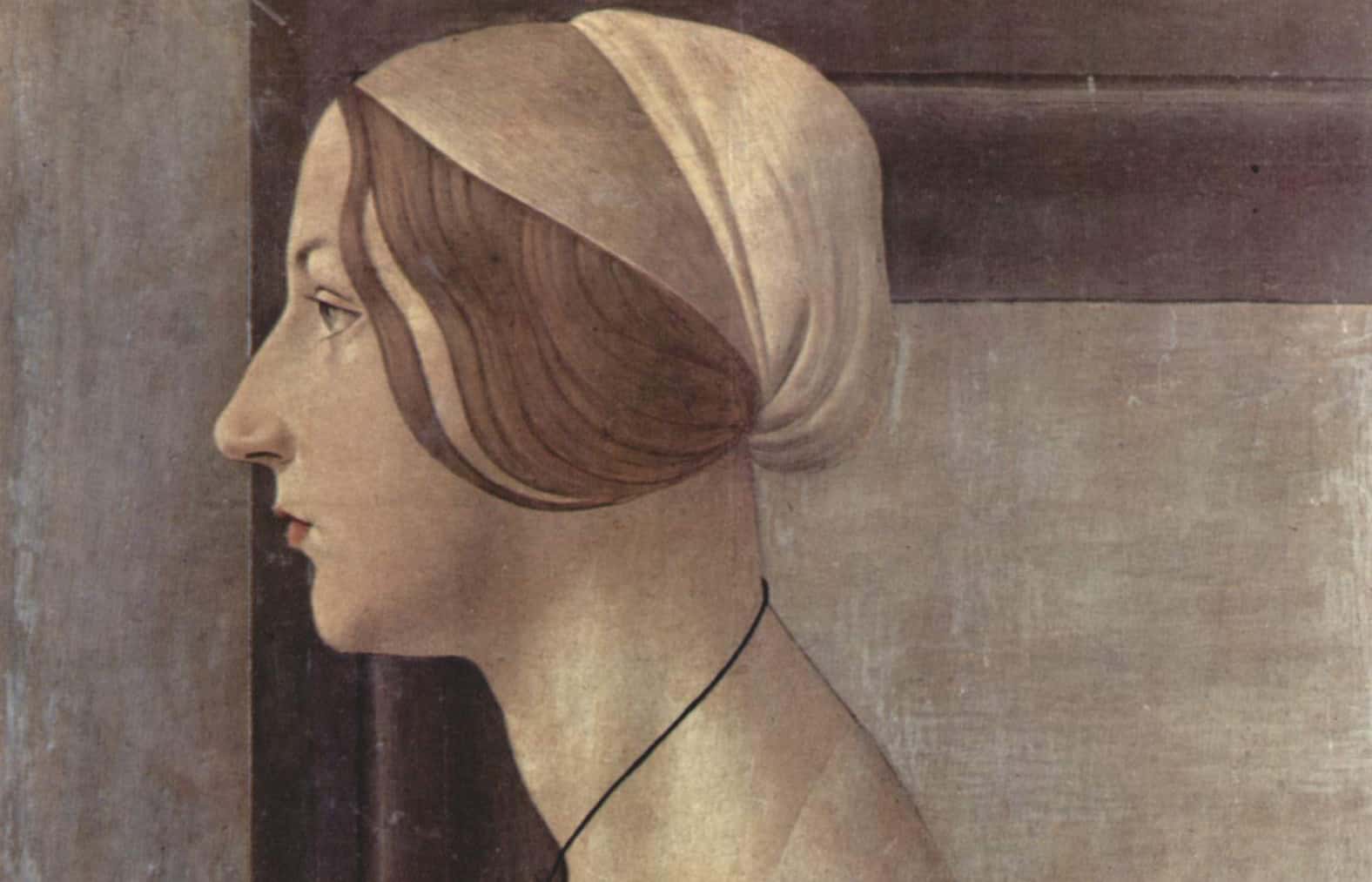
In 1486, Piero’s uncle Bernardo Rucellai arranged his marriage to Alfonsina Orsini, a Tuscan noblewoman and daughter of Roberto Orsini and Caterina Sanseverino. The marriage initially took place by proxy, with Piero and Alfonsina finally meeting in 1488. Soon, they began building their own family.
Children And Expectations
Piero and Alfonsina had at least three children: Clarice, born in 1489; Lorenzo, born in 1492; and Luisa, born in 1494. Baptismal records also indicate that Piero had an illegitimate daughter named Maria. By then, however, dynastic fatherhood was colliding with political inheritance.
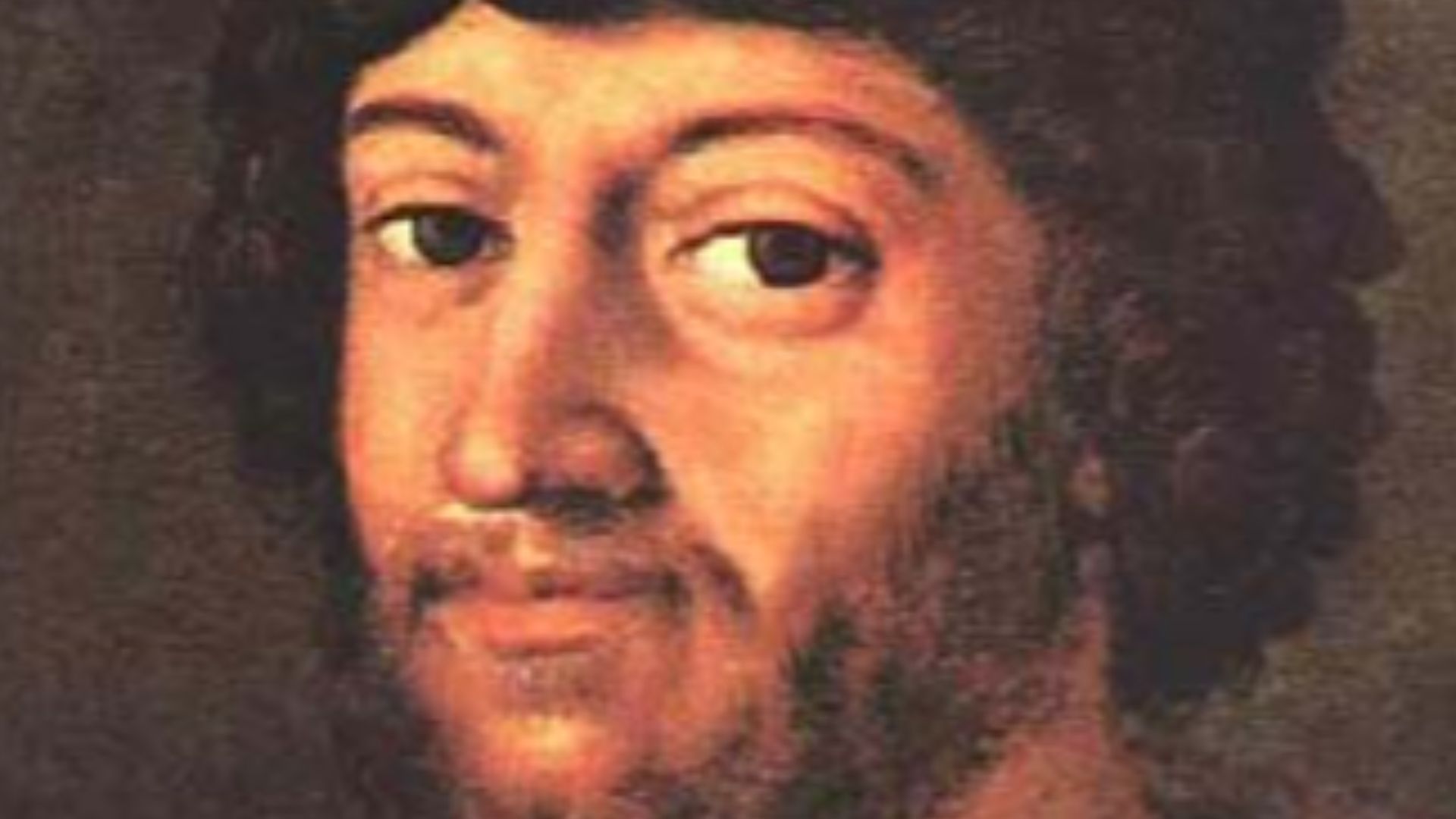 Unknown authorUnknown author, Wikimedia Commons
Lorenzo Leaves A Crisis
Lorenzo the Magnificent died in 1492, leaving Piero to take control of the family and become Florence’s de facto ruler. The British Institute characterizes the city he inherited as being in crisis. Piero now faced the impossible task of maintaining a system built around his father’s skill and authority.
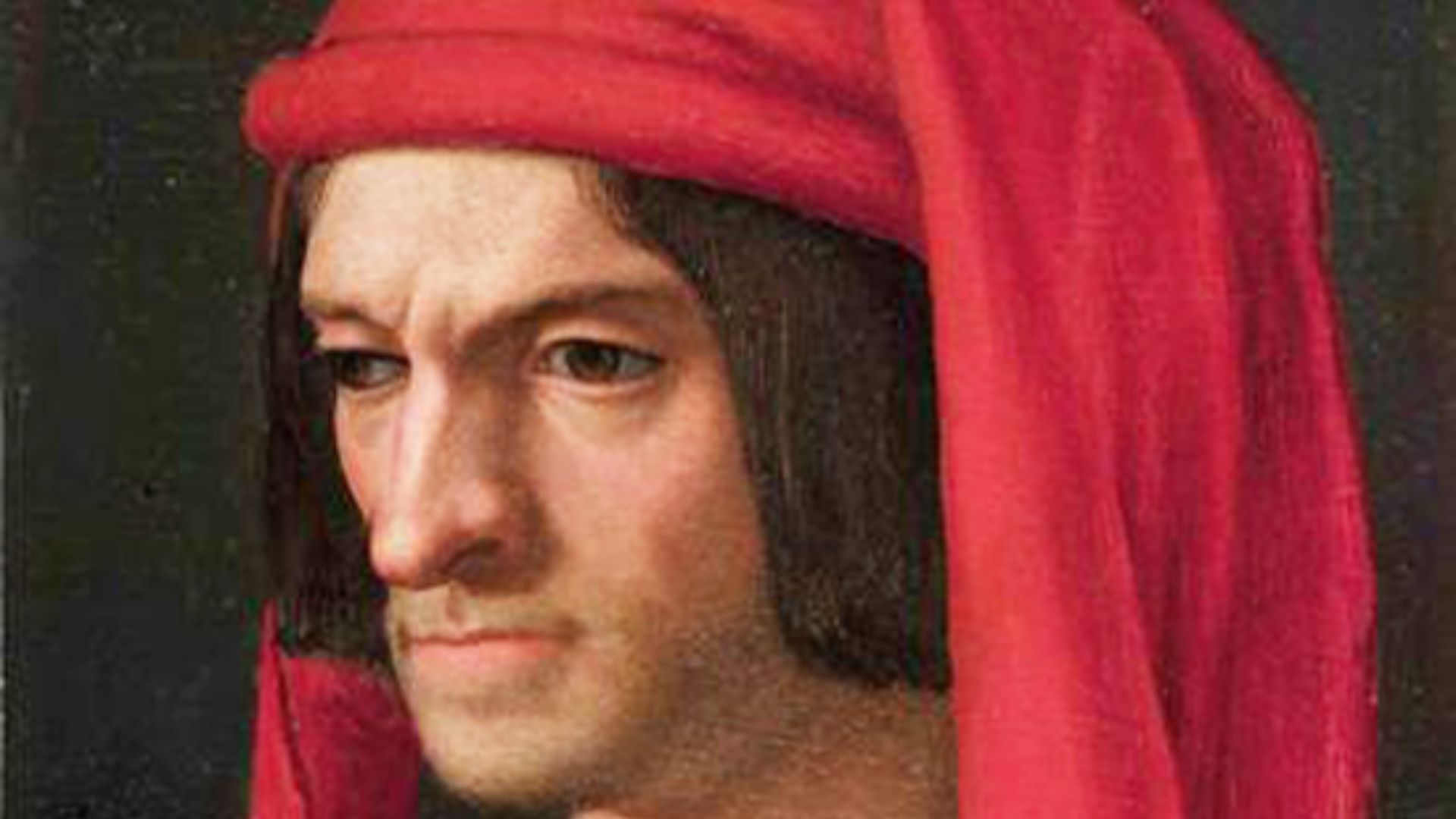 Workshop of Bronzino, Wikimedia Commons
A Fragile Peace Breaks
For a short time, relative calm held. Then, in 1494, the delicate balance among the Italian states collapsed. King Charles VIII of France crossed the Alps to pursue his hereditary claim to Naples, setting a foreign army in motion and placing Florence directly in its path.
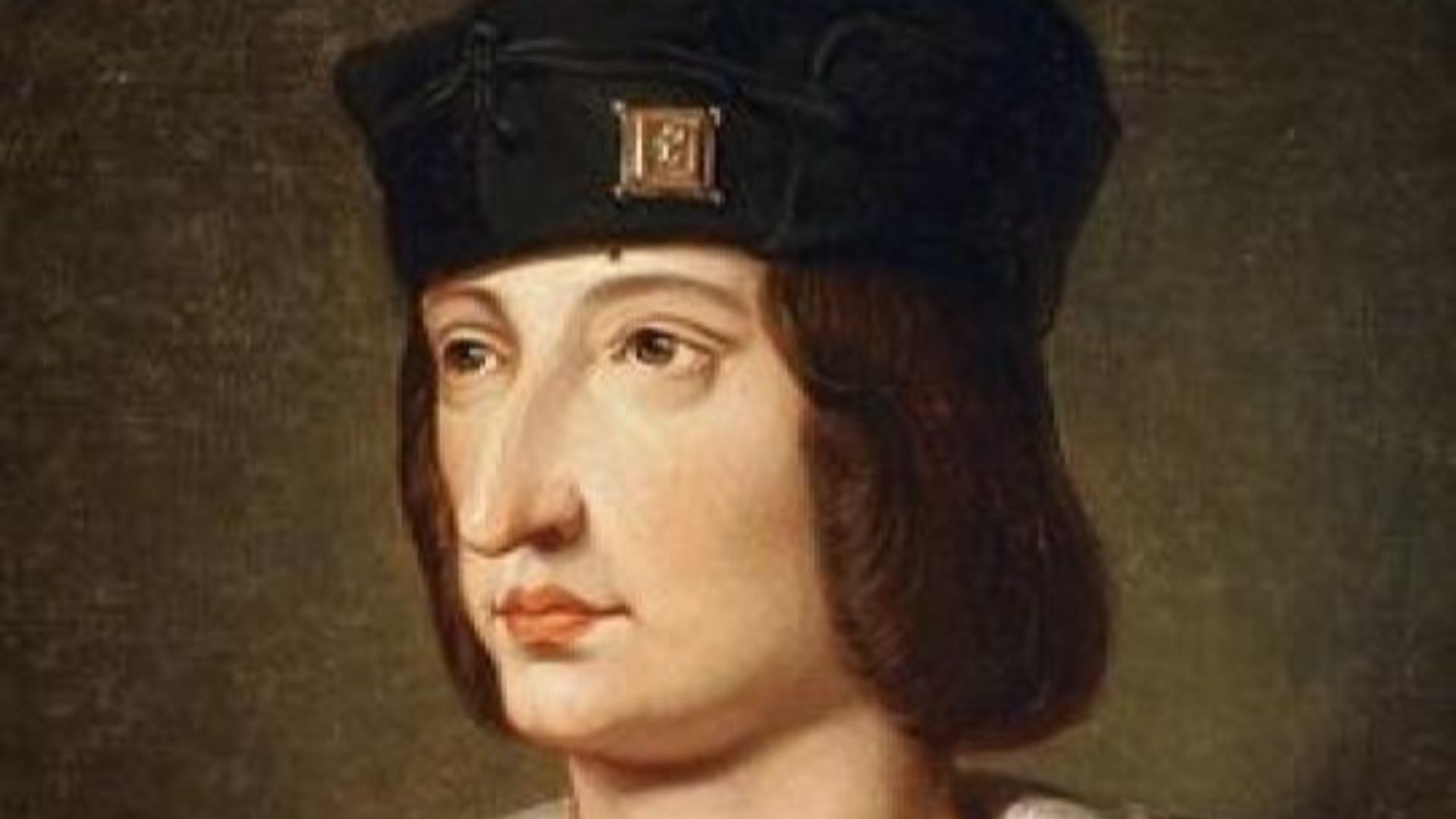 No artist known, Wikimedia Commons

History's most fascinating stories and darkest secrets, delivered to your inbox daily.
The French Come South
Charles had been encouraged by Ludovico Sforza, the former regent of Milan, who wanted to remove his nephew Gian Galeazzo Sforza. After dealing with Milan, Charles continued toward Naples. To reach his objective and protect communications with Milan, he needed access through Tuscany.
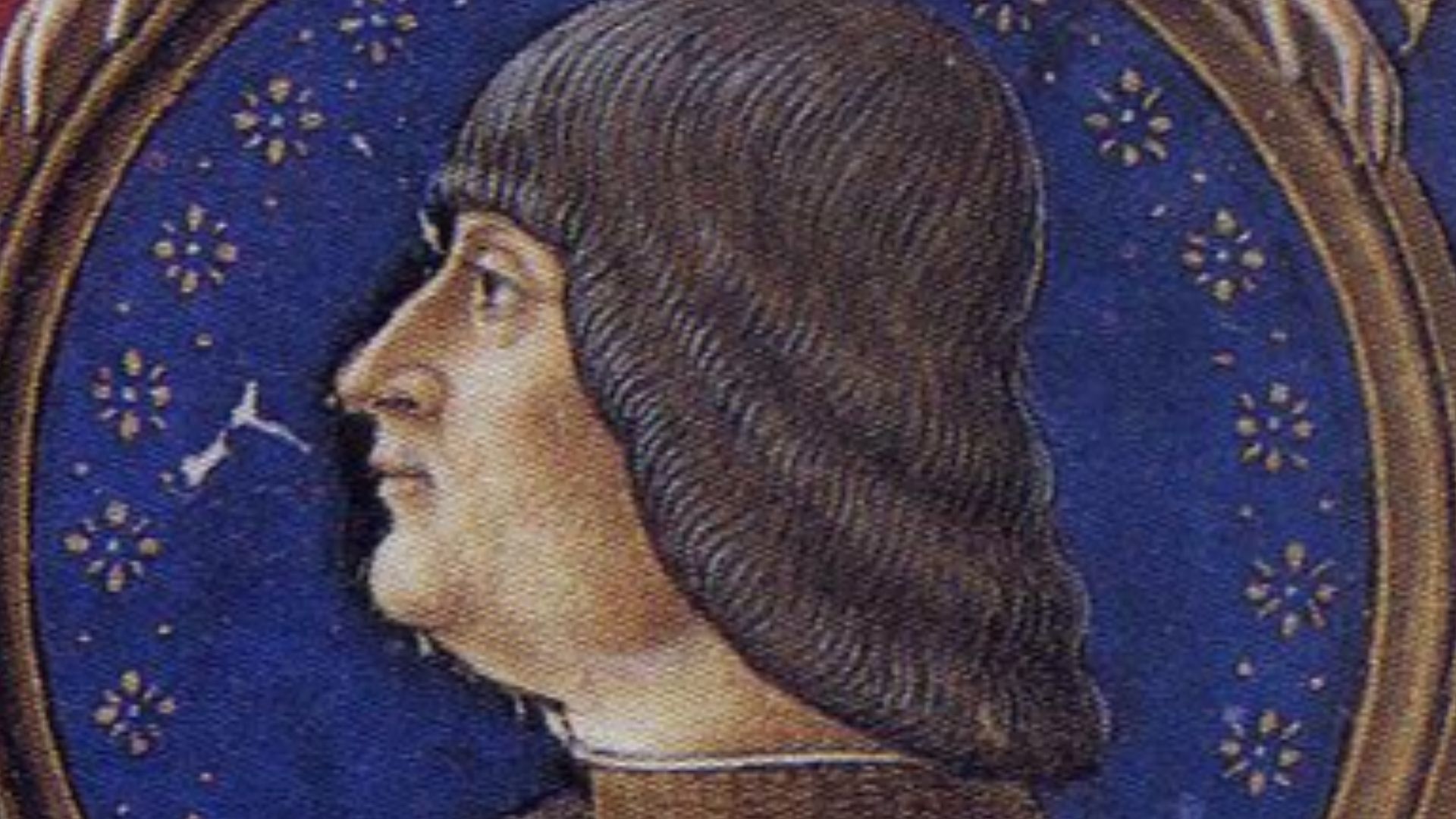
Piero Hesitates
Charles sent envoys asking Florence to support his claim to Naples and permit his army to cross Tuscany. Piero waited five days before declaring Florence neutral. Charles found that answer unacceptable, and the consequences quickly became terrifying when his forces attacked the fortress of Fivizzano.
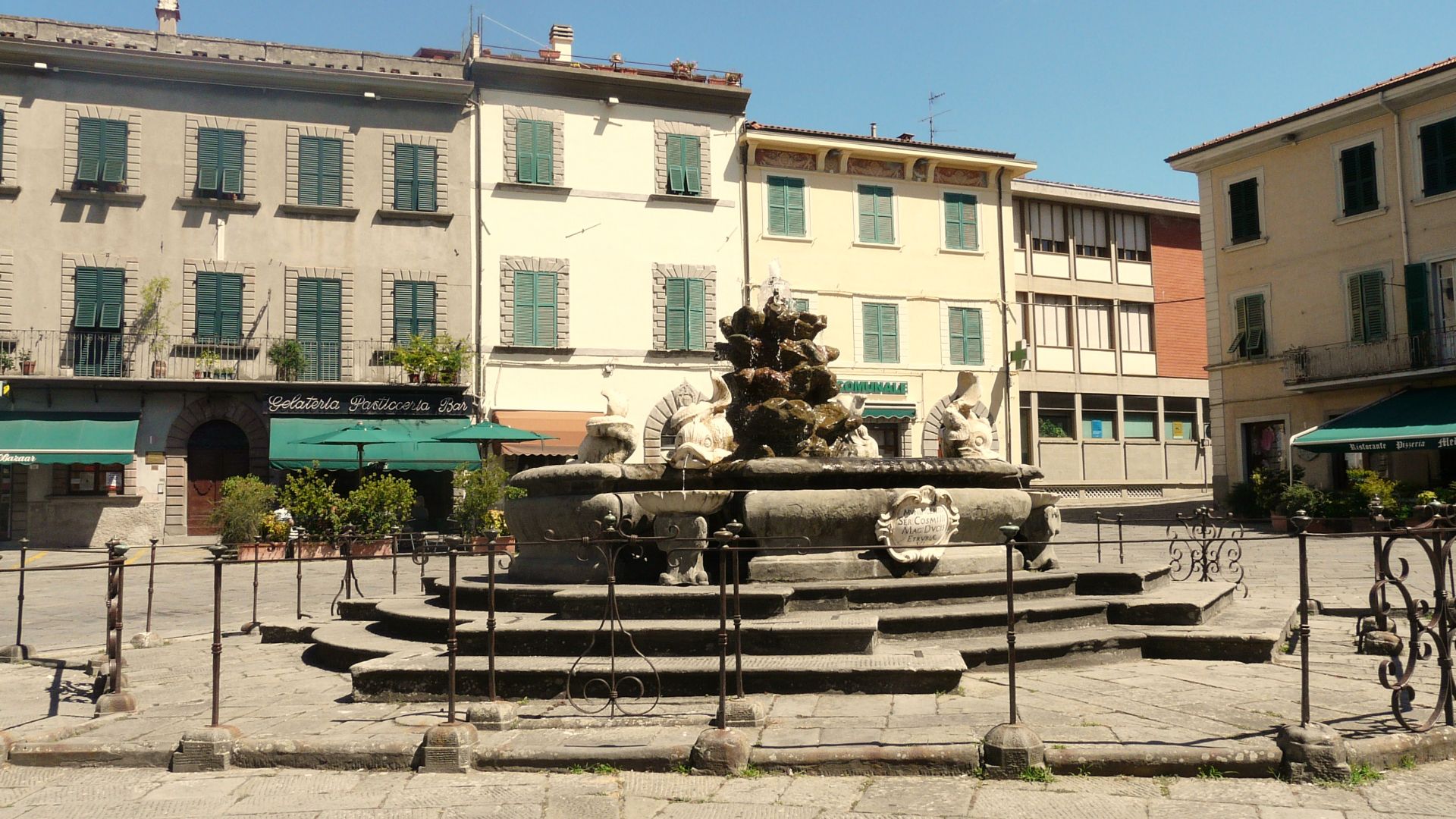 Davide Papalini, Wikimedia Commons
Violence Changes Everything
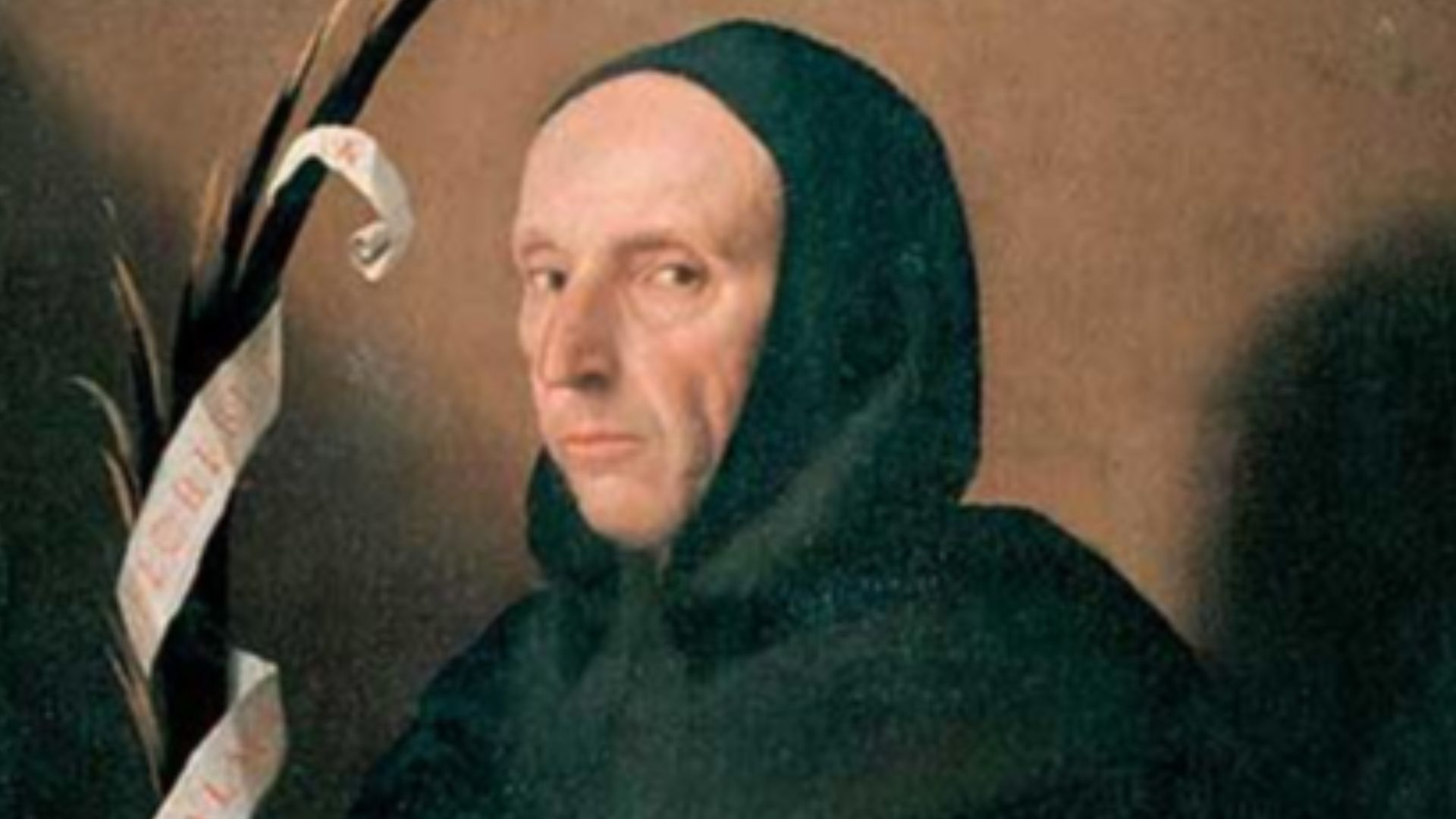
Charles’s forces sacked Fivizzano and carried out a brutal massacre. Piero attempted to organize resistance, but he could not rally sufficient support among Florence’s elite. The city’s internal political landscape had shifted, and a firebrand Dominican preacher named Girolamo Savonarola was becoming impossible for the Medici ruler to ignore.
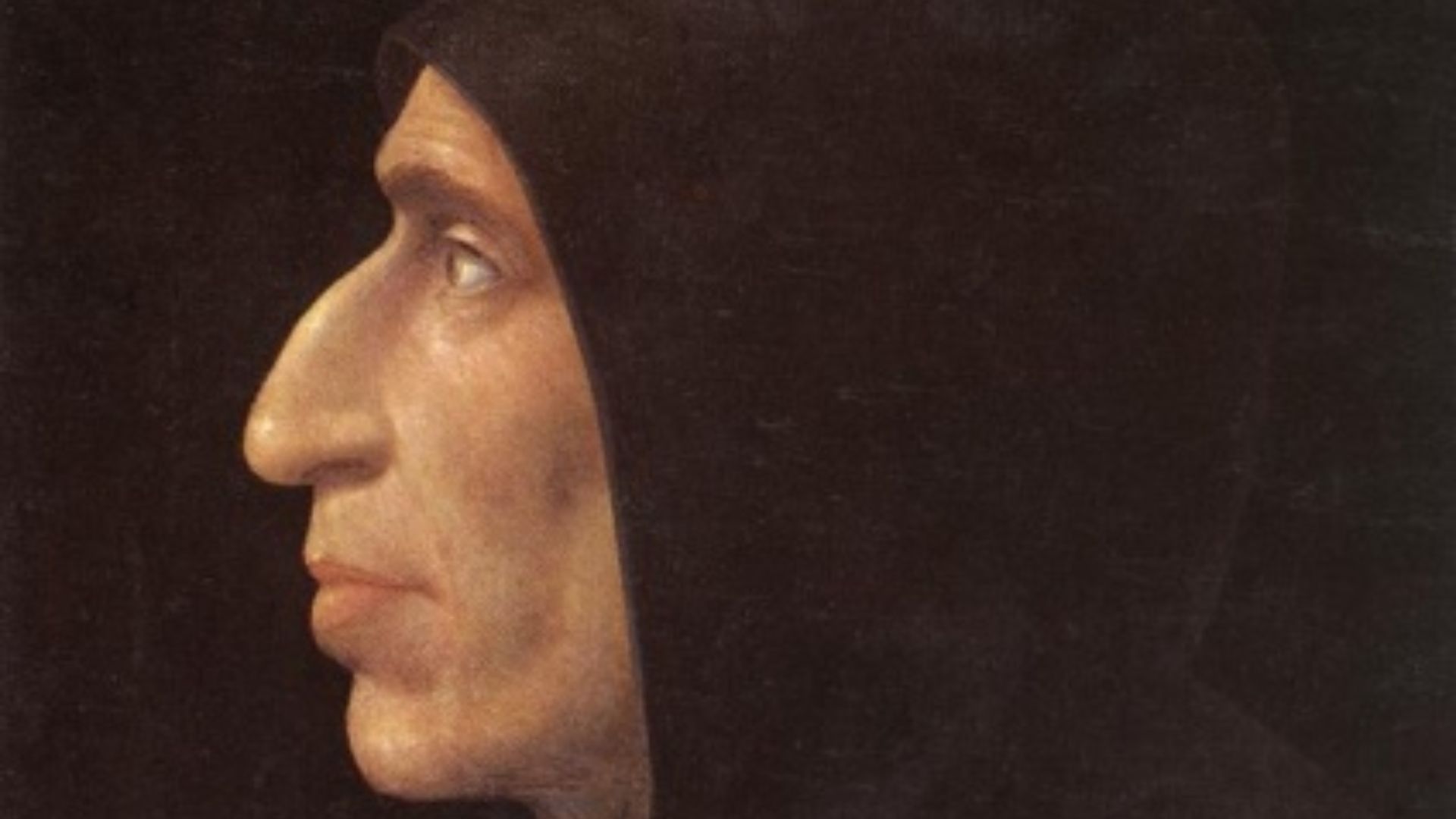 Fra Bartolomeo, Wikimedia Commons
Savonarola Gains Influence
Savonarola’s influence among Florentine elites helped undermine Piero’s position as the French approached. The British Institute credits that influence with helping engineer the Medici expulsion after Piero’s concessions. Even worse for Piero, members of his own extended family were turning against him.
 Moretto da Brescia, Wikimedia Commons
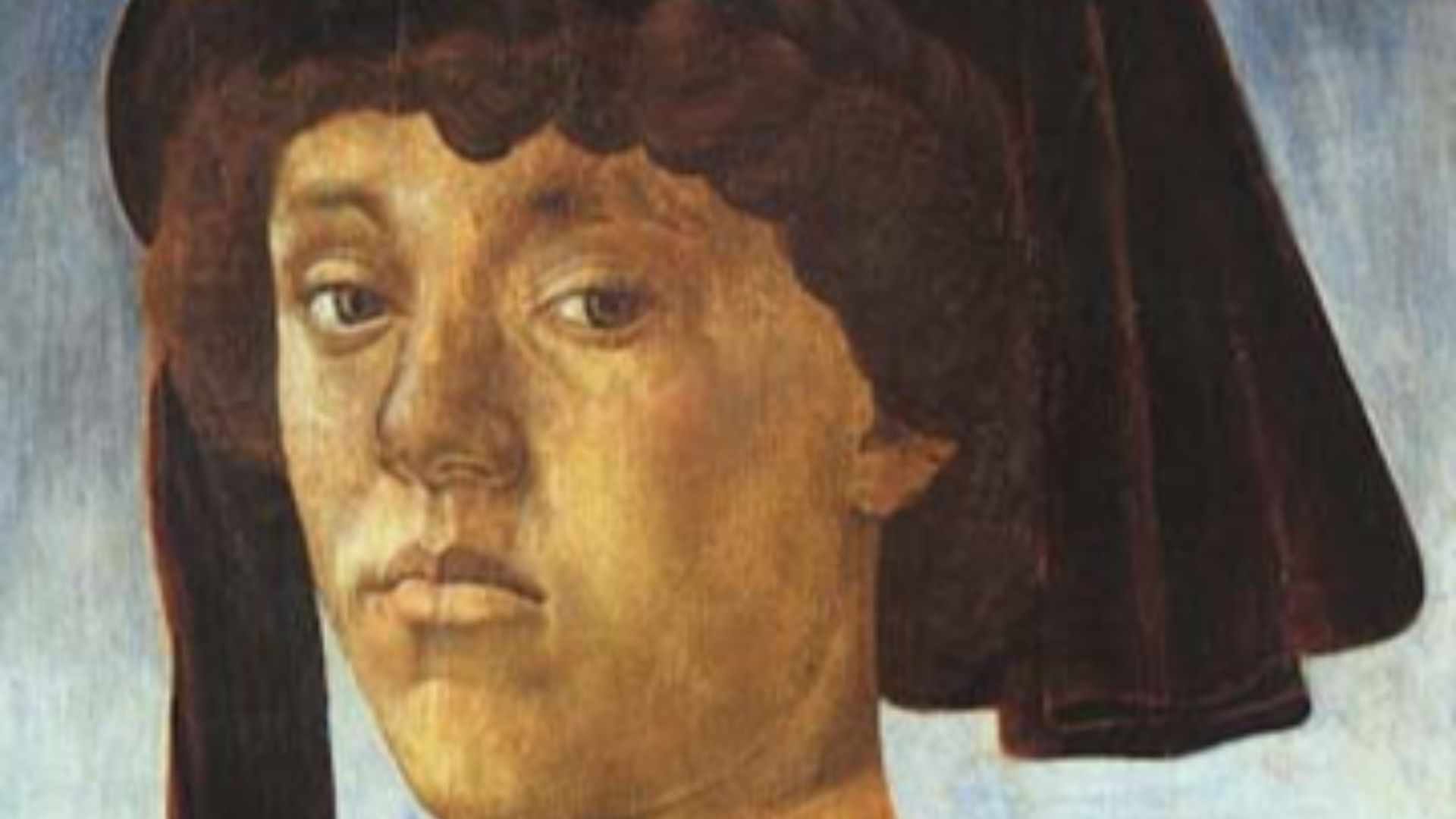
His Cousins Defect
Piero’s cousins Lorenzo and Giovanni sided with Charles, sending messages promising their support and money. By late October, Piero had failed to build sufficient backing for Florence. Isolated and under pressure, he made the decision that would define his brief rule and earn him enduring infamy.
 Sandro Botticelli, Wikimedia Commons
The Fatal Meeting
Without consulting Florence’s governing council (the Signoria), Piero went directly to Charles’s camp and attempted to win the king’s friendship. Instead, he accepted all of Charles’s demands. Piero surrendered important fortresses and towns, a capitulation that would provoke fury when Florence got word of what he had done.
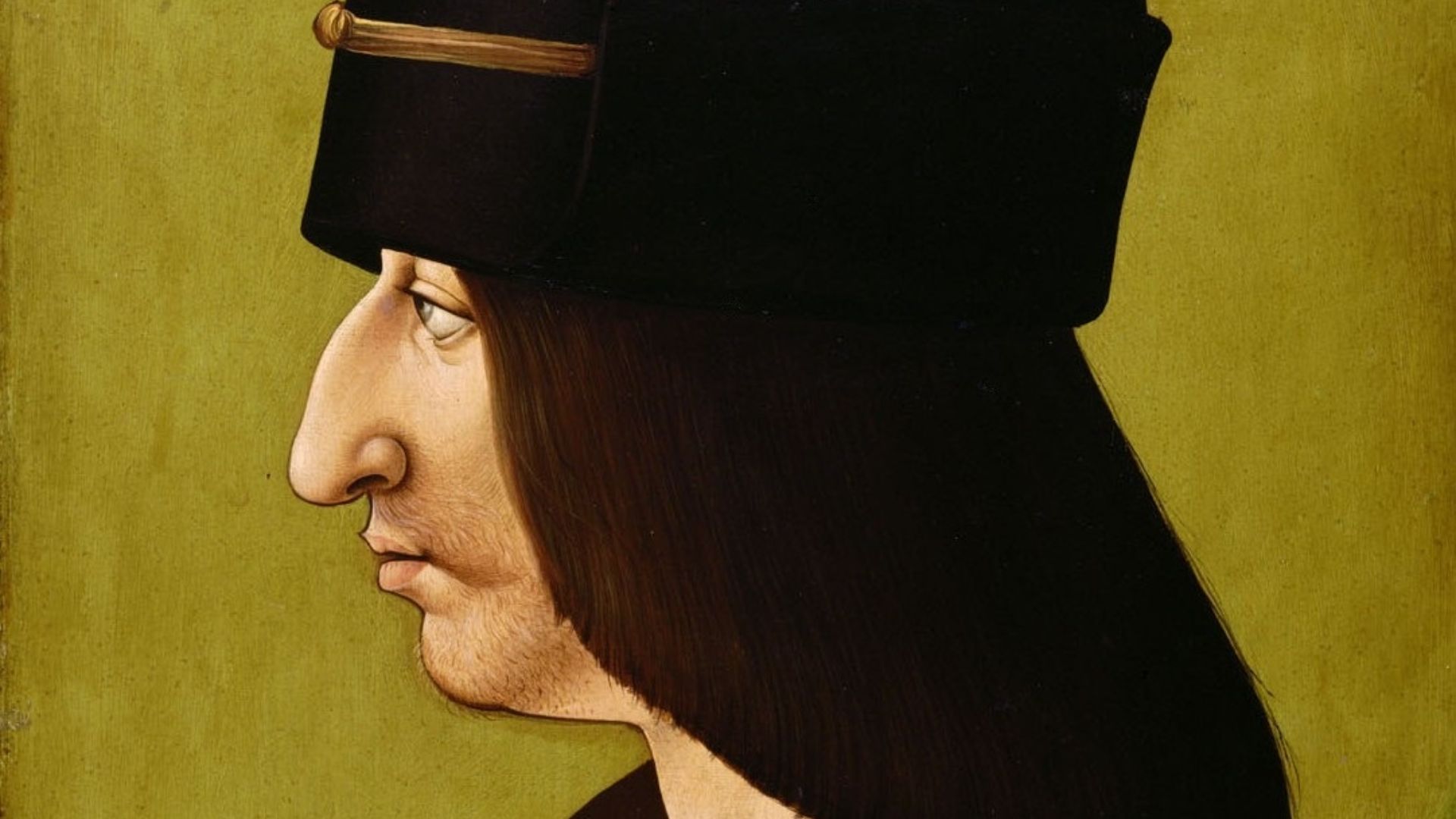
He Gave Away Everything
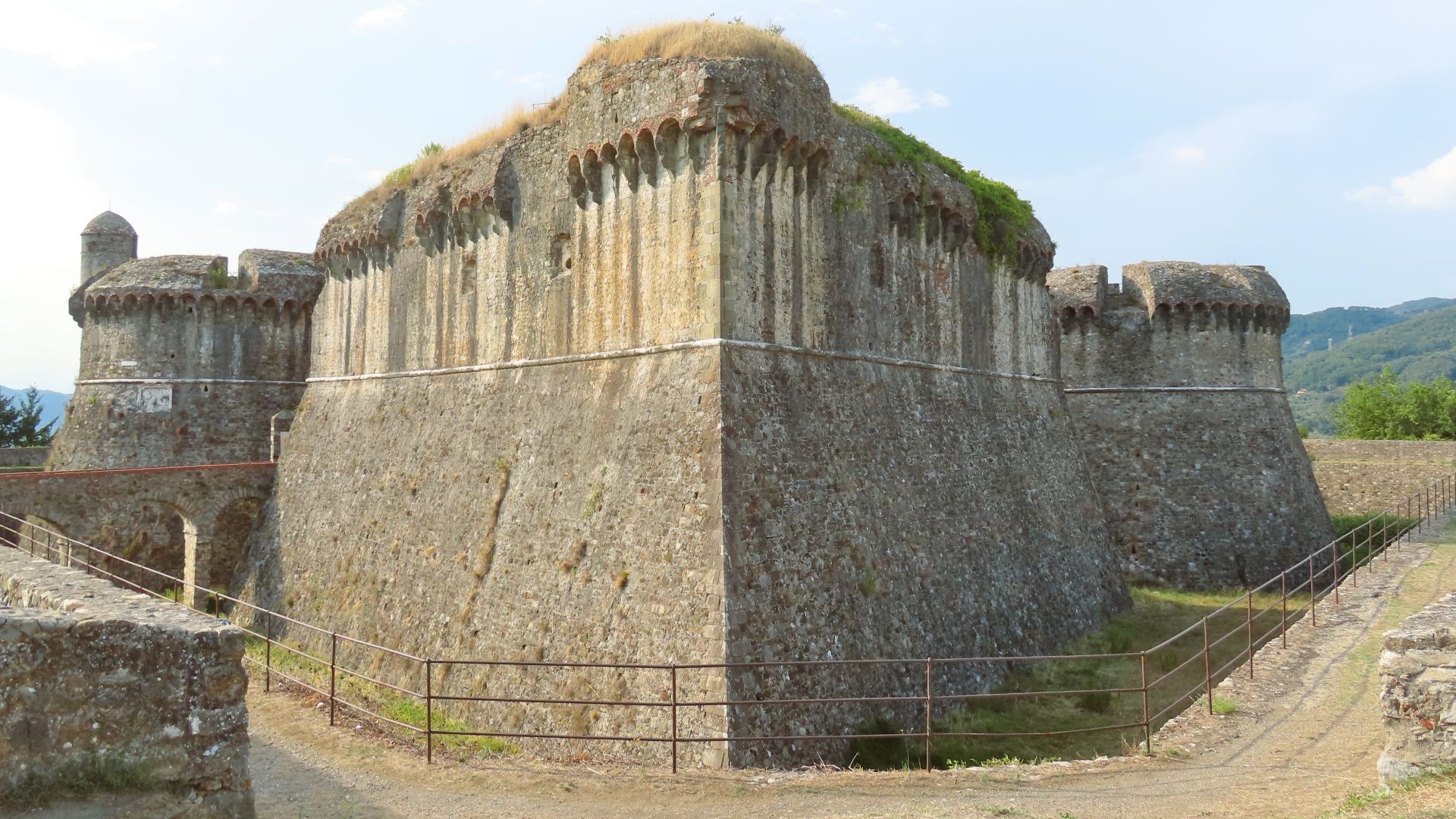
Piero agreed to surrender Sarzana, Pietrasanta, Sarzanello, and Librafratta, along with Pisa and Livorno. The scale of his concessions proved politically catastrophic. When he returned to report to the Signoria, public outrage erupted, and the Medici family’s grip on Florence suddenly disintegrated.
The Medici Flee
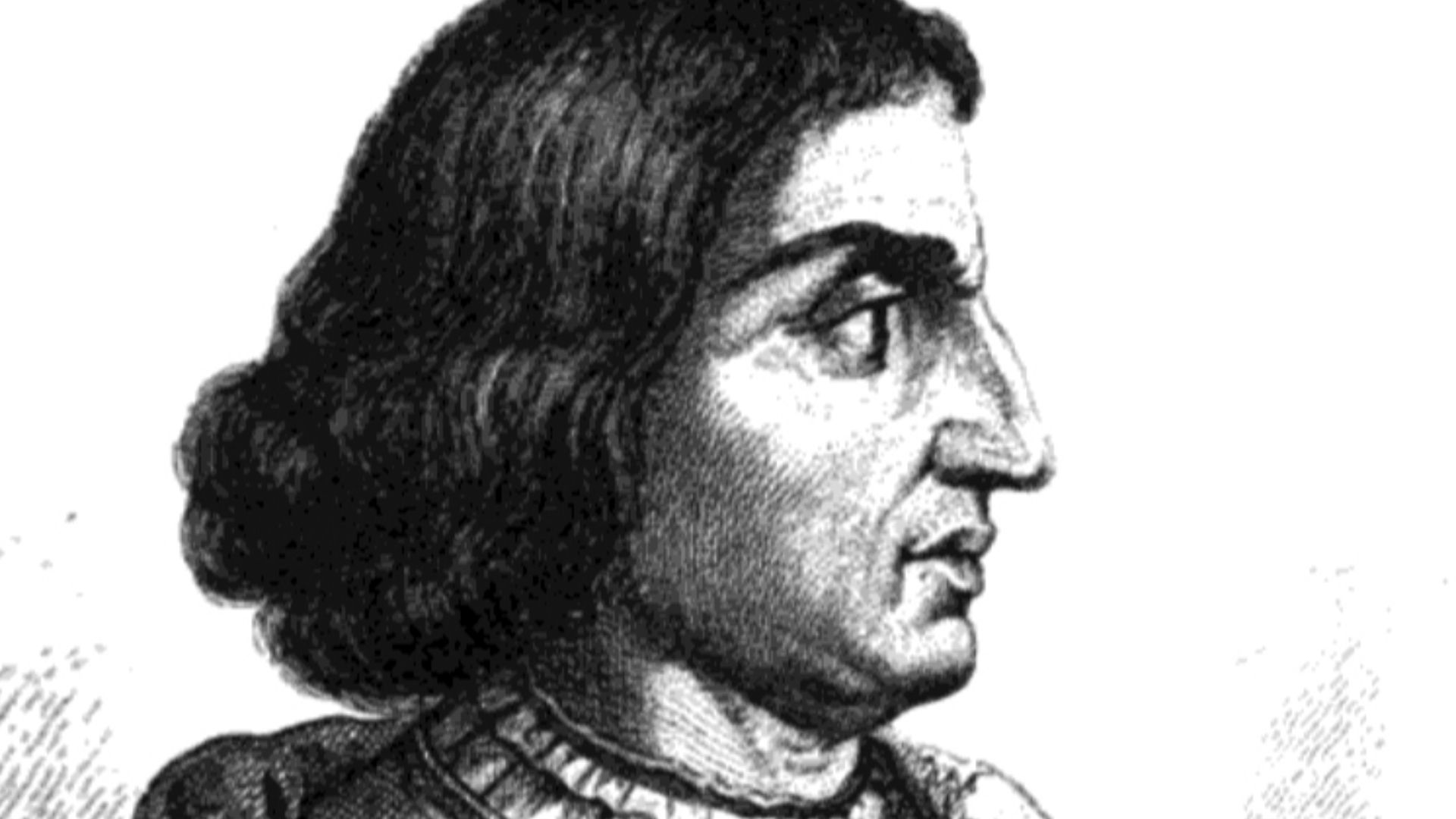
Piero and his family fled Florence for Venice, aided by French diplomat Philippe de Commines. Behind them, the Medici palace was looted, the family was formally exiled, and the Florentine republic was restored in substance as well as form. Piero’s inheritance had vanished in a mere two years.
 Unknown authorUnknown author, Wikimedia Commons
Alfonsina Faces The Ruins
Piero’s fall also transformed Alfonsina’s position. The marriage that had connected two powerful families now became part of a struggle for Medici survival. While Piero pursued restoration from exile, Alfonsina’s later political activities would help preserve the family’s interests and prepare a future for their son.
 user:shakko, Wikimedia Commons
Exile And Humiliation
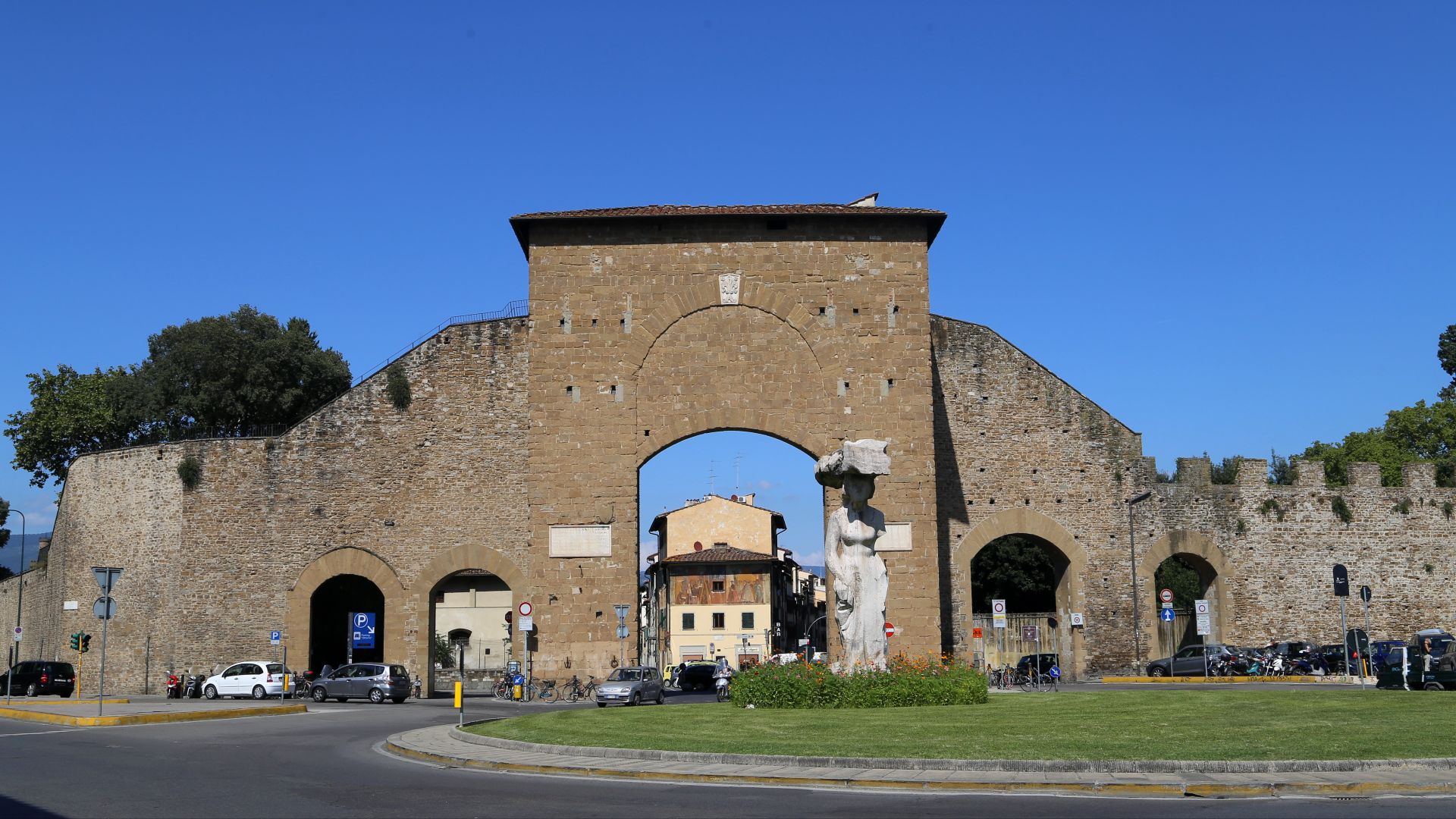
In Venice, the family supported itself partly by selling jewels collected during Lorenzo the Magnificent’s lifetime. Piero repeatedly attempted to regain Florence. On one occasion, he appeared at the Porta Romana with armed supporters, but withdrew toward Siena when it became clear Florence would not welcome him back.
Misfortune Followed Him
Piero never regained the city he had inherited. His exile unfolded against continuing warfare as France and Spain struggled for control of the Kingdom of Naples. In 1503, Piero was allied with the French, placing him once again on the losing side of a foreign conflict.
 Unknown Flemish artist, Wikimedia Commons
A Chaotic Final Flight
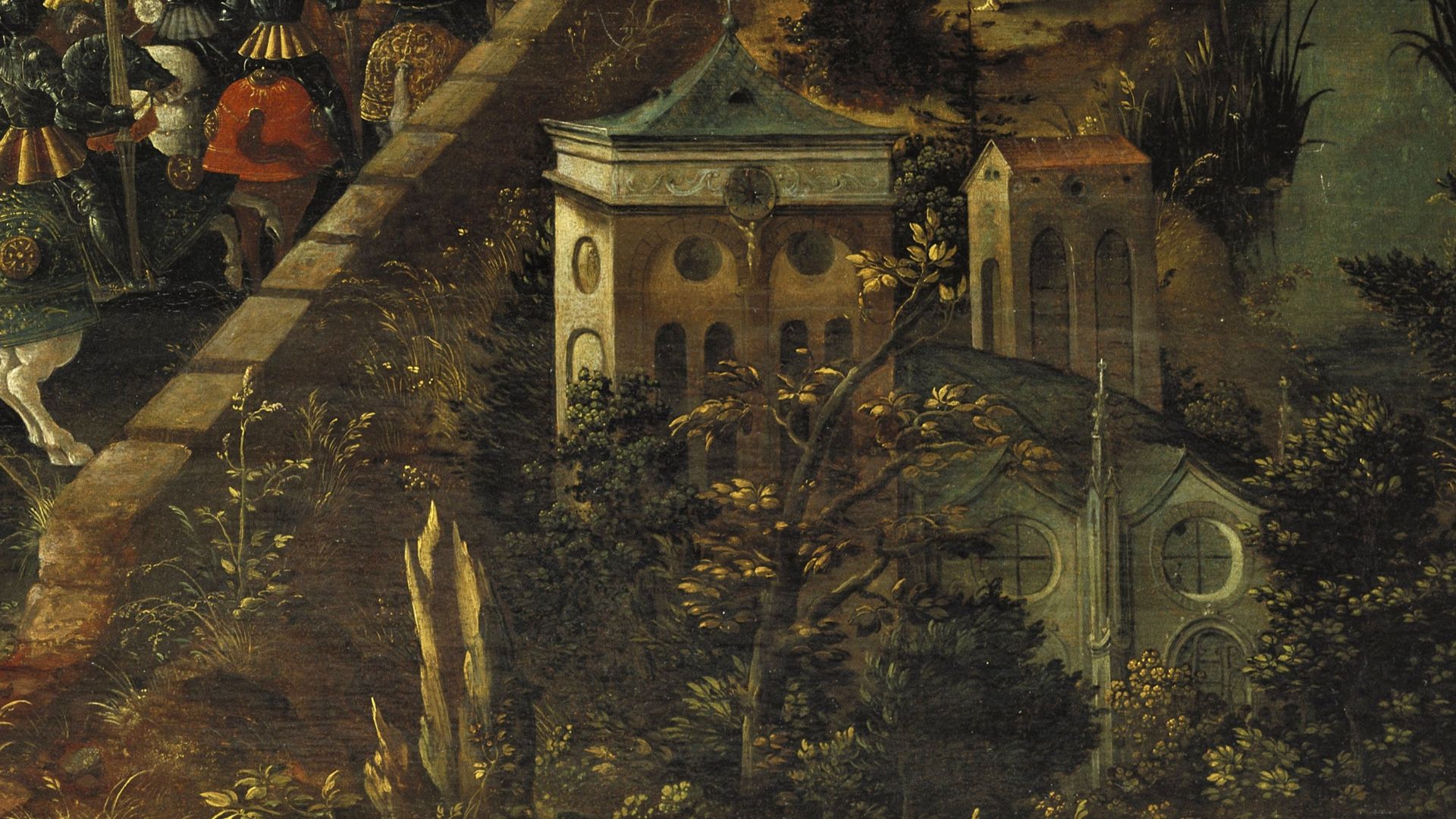
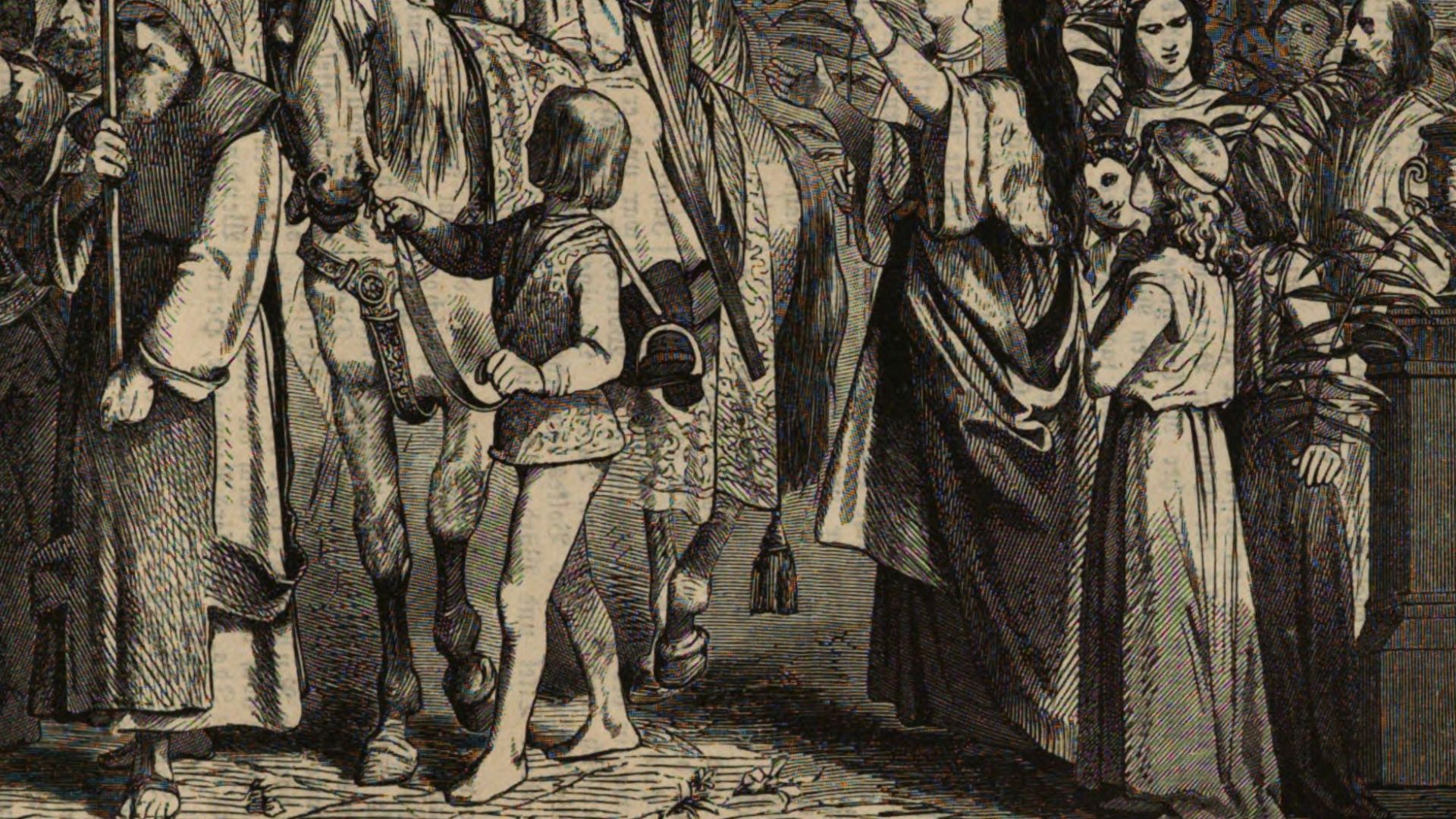
The French lost the Battle of Garigliano in December 1503. During the retreat that followed, Piero attempted to escape the disaster. On December 28, he drowned in the Garigliano River, dying at only 31 after nine years of exile and repeated failures to restore his family’s rule.
 Unknown authorUnknown author, Wikimedia Commons
The Unfortunate Legacy
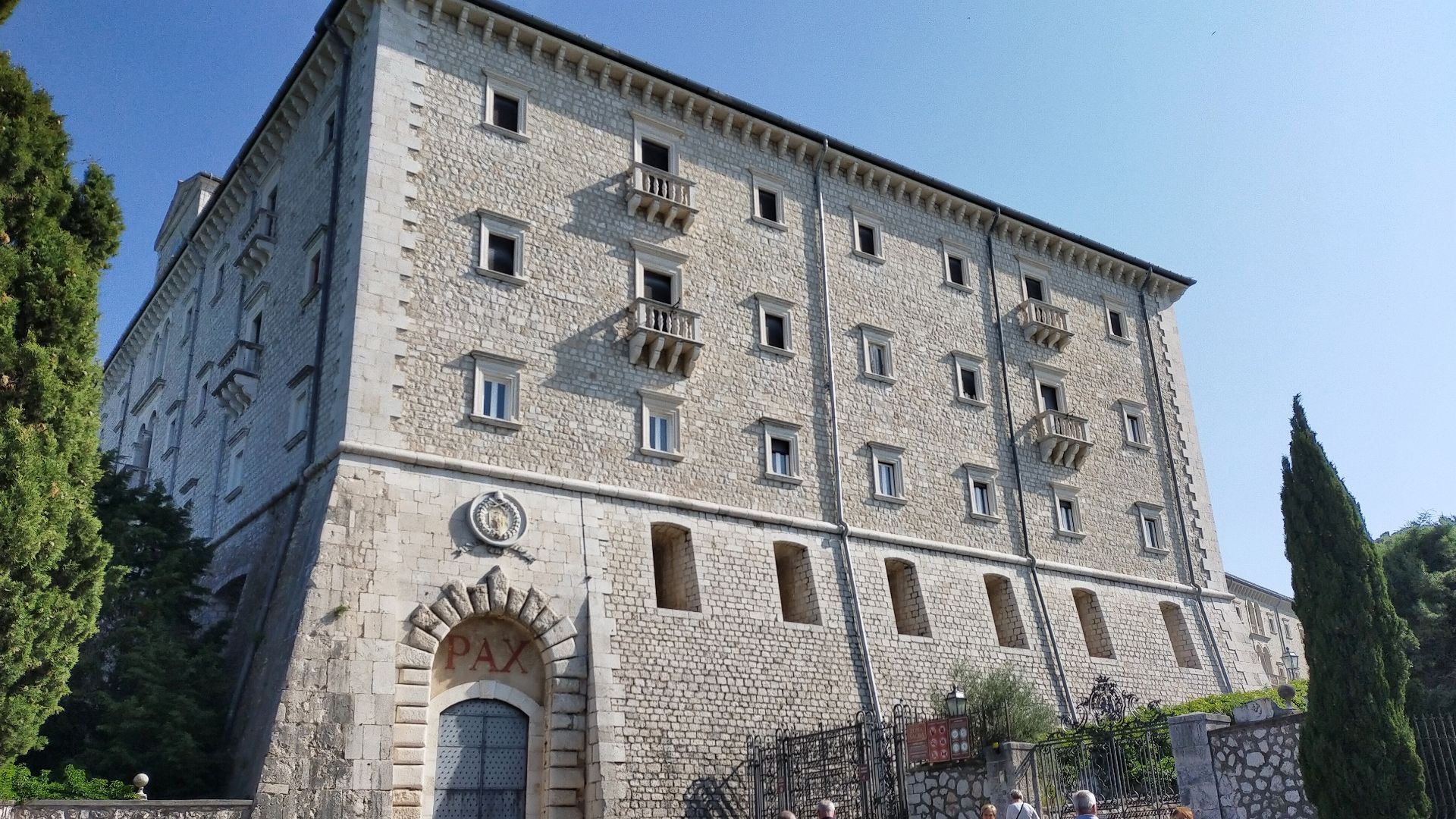
Piero was buried at the Abbey of Monte Cassino, where Antonio and Battista da Sangallo designed his tomb. The Medici would return to Florence in 1512, but Piero never saw it. Entrusted with Lorenzo’s dynasty, he instead became remembered by the merciless nickname history gave him: “the Unfortunate.”
 Marica Massaro, Wikimedia Commons
You May Also Like:
Wealthy Facts About Lorenzo de’ Medici, Florence’s Fruitful Funder
Scandalous Facts About Catherine De Medici, The Deadly Queen Mother Of France
Jarring Facts About Gian Gastone De' Medici, The Isolated Grand Duke of Tuscany









.jpg)
