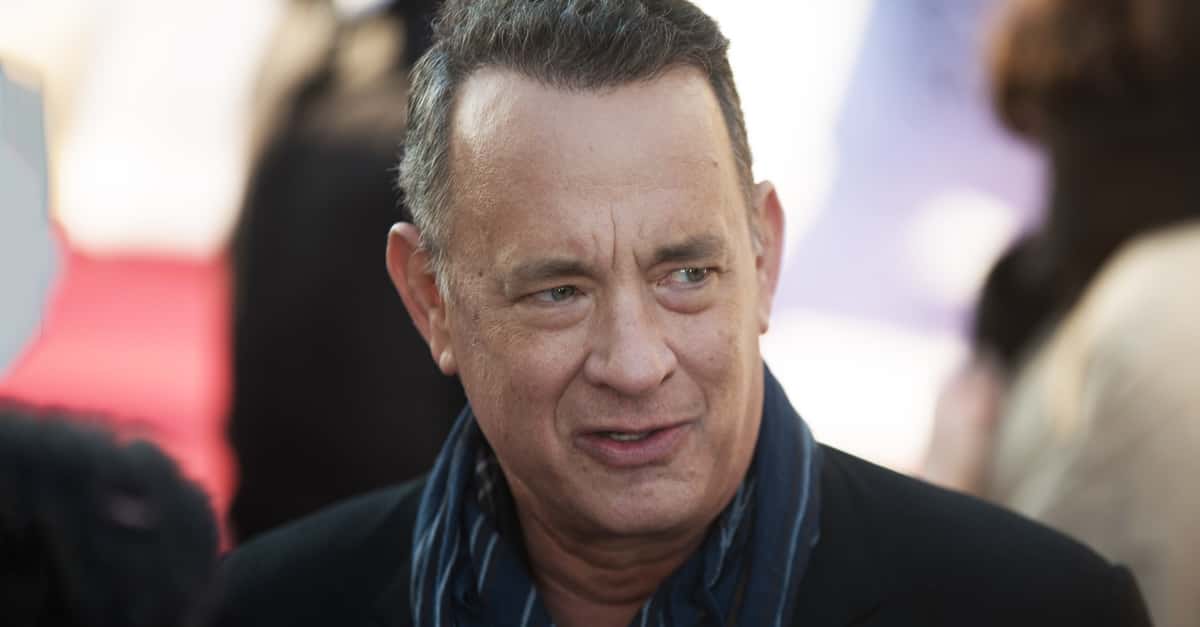
20. He Brought More Glory
Rose’s impact on the Phillies was astounding. Over the next four years, the team earned three division titles and made it to the World Series, finally winning the title in 1980, making it Rose’s third. But what goes up must come down…
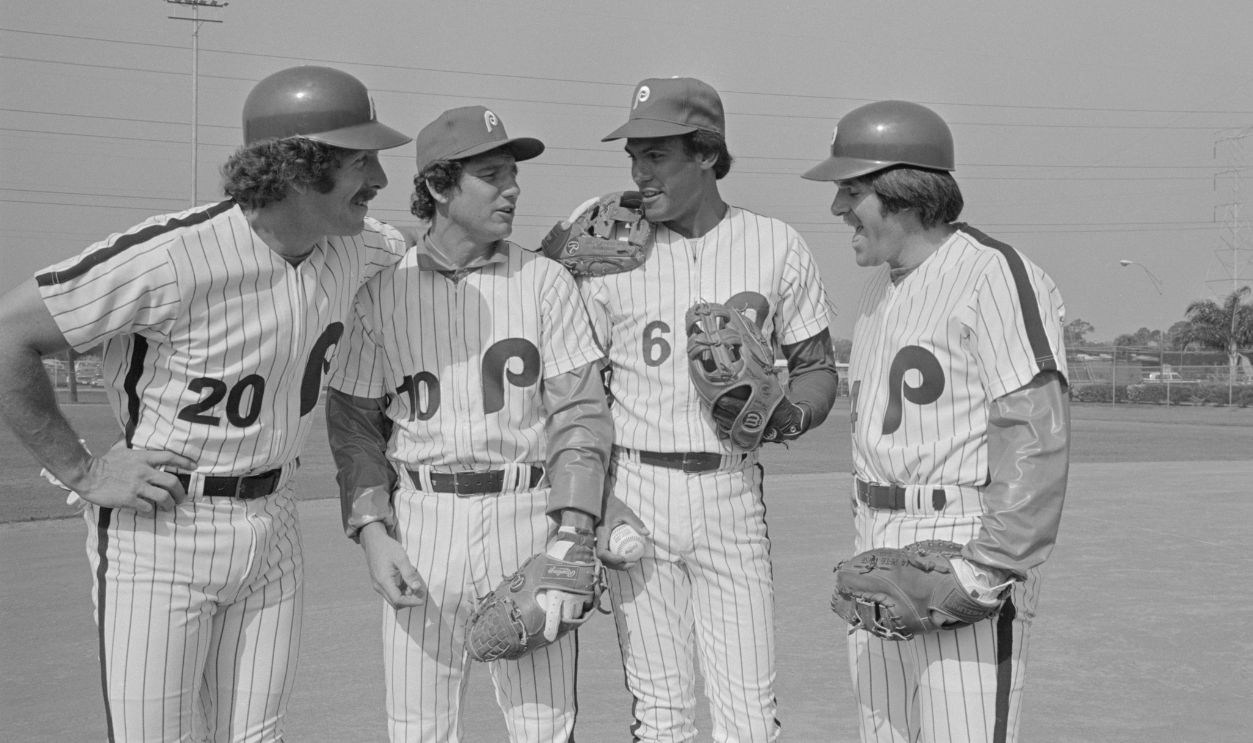
21. He Had A Major Slump
1983 marked the worst season of Rose’s career. Despite making it to a second World Series appearance with the Phillies (which they lost), the aging Rose batted only .245 with 121 hits. By the end of the season, the manager benched him. It may have had something to do with his troubled home life.
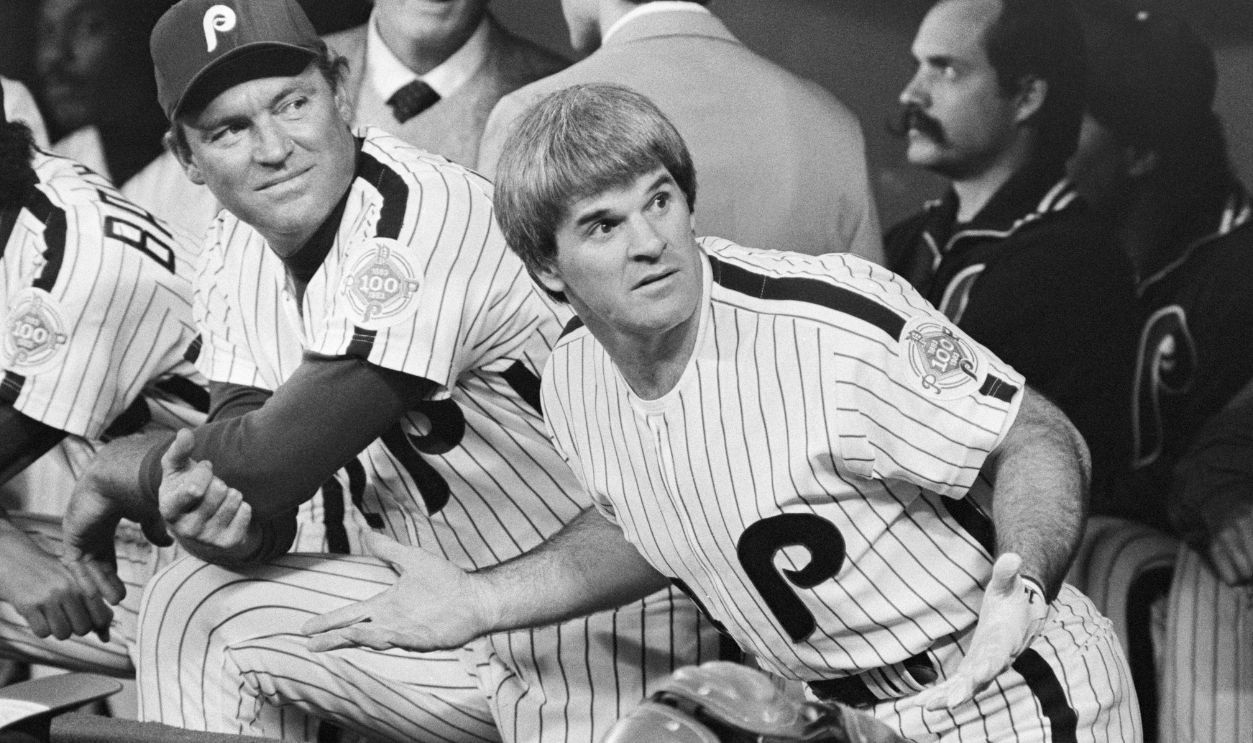
22. He Had Different Baby Mamas
Rose had gotten married way back in 1964, and his wife, Karolyn, had stuck with him throughout his meteoric rise. He hadn’t afforded her the same courtesy, however. After the couple’s two children were born, a paternity suit was filed in 1978 that named Rose as the father of a girl he conceived out of wedlock. The suit wasn’t settled until 1996, when Rose finally acknowledged the girl was his child. But his personal life had already started to unravel.
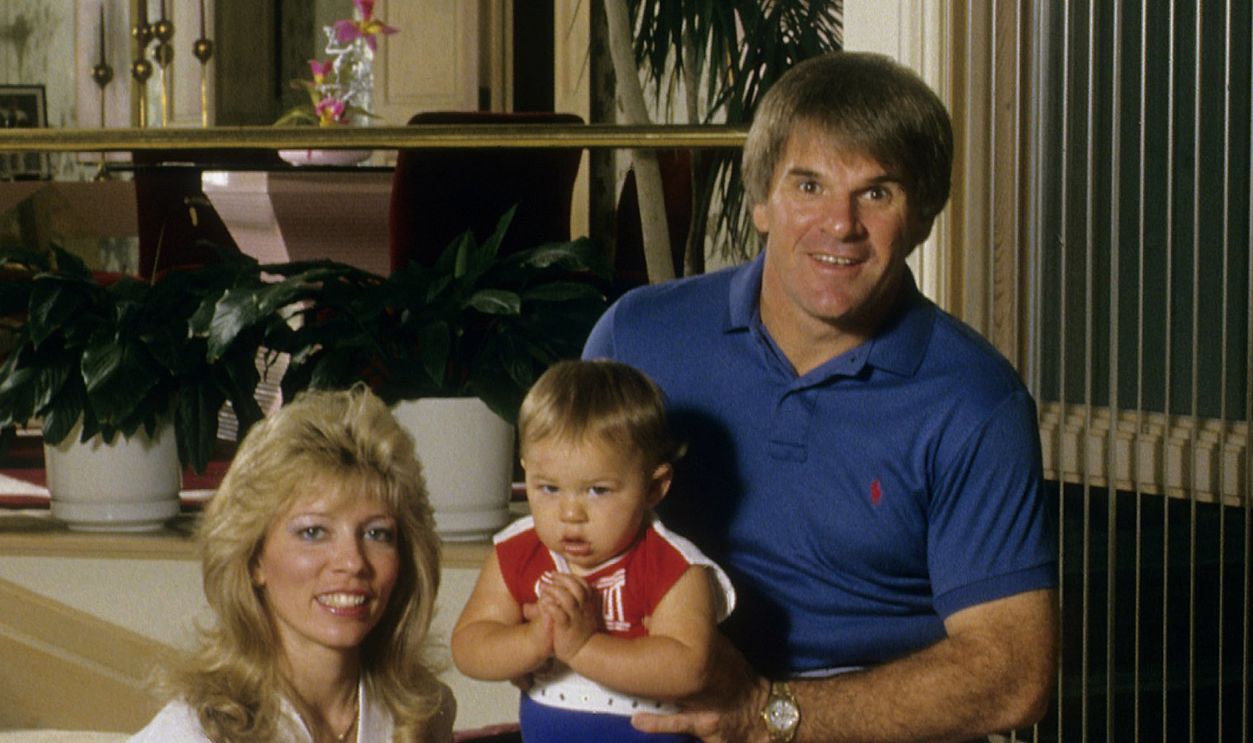
23. He Was Unfaithful
Fathering an illegitimate child was not Rose’s only instance of infidelity. The baseball star constantly womanized, and combined with his inattentive relationship with his family, his wife had enough. Karolyn divorced Rose in 1980. Perhaps the fallout forced Rose into a sort of self-exile.
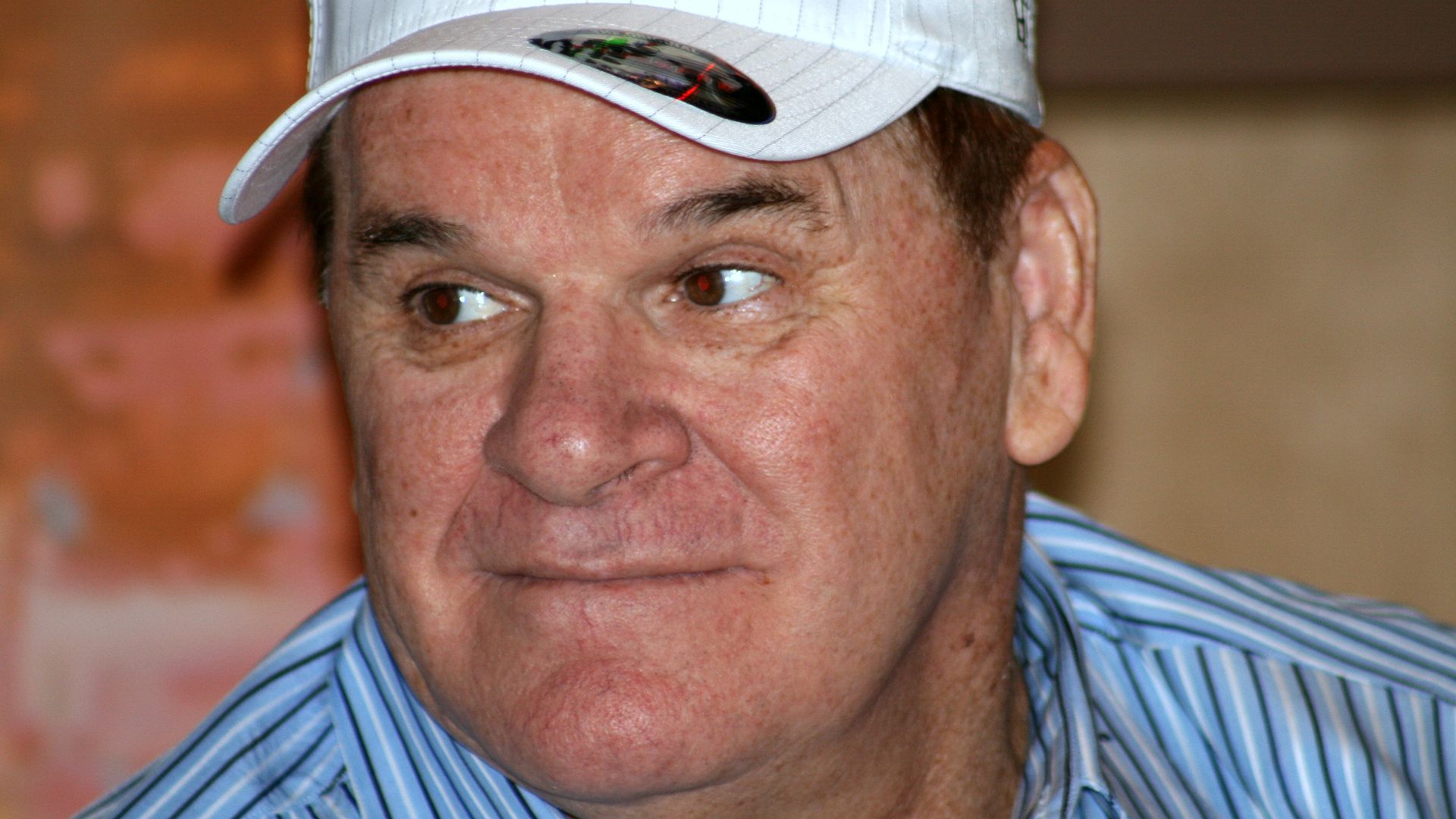 Kjunstorm from Laguna Niguel, CA, US, Wikimedia Commons

History's most fascinating stories and darkest secrets, delivered to your inbox daily.
24. He Went Up North
The Phillies granted Rose an unconditional release in late-1983. Rose, seeking an easier place to spend the twilight of his career, ended up in the Great White North, signing a one-year contract with the Montreal Expos. But in his heart, Charlie Hustle longed for home.

25. He Had A Homecoming
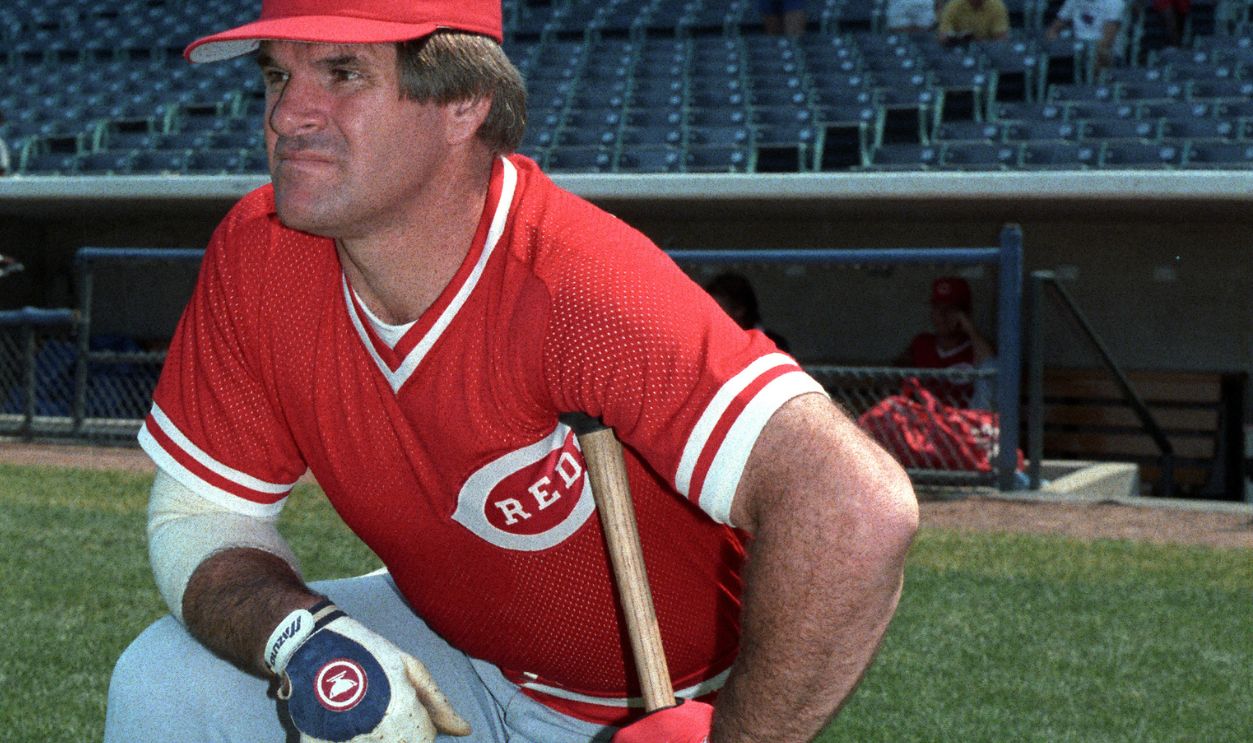
A year later, in August of 1984, Rose got an opportunity to return to his beloved Reds, and he did so enthusiastically. The Expos traded him back to Ohio, and upon his return, the team named Rose player-manager. He quickly took to his new role, and his career seemed to have found the foothold he was searching for.
26. He Quietly Retired
On November 11, 1986, Rose ceded his place on the Reds’ 40-man roster to allow room for newly signed pitcher Pat Pacillo. This marked Charlie Hustle’s unofficial retirement as a baseball player. Rose had found a latter-years role that really fit him. And he seemed to have done that at home too, for now.
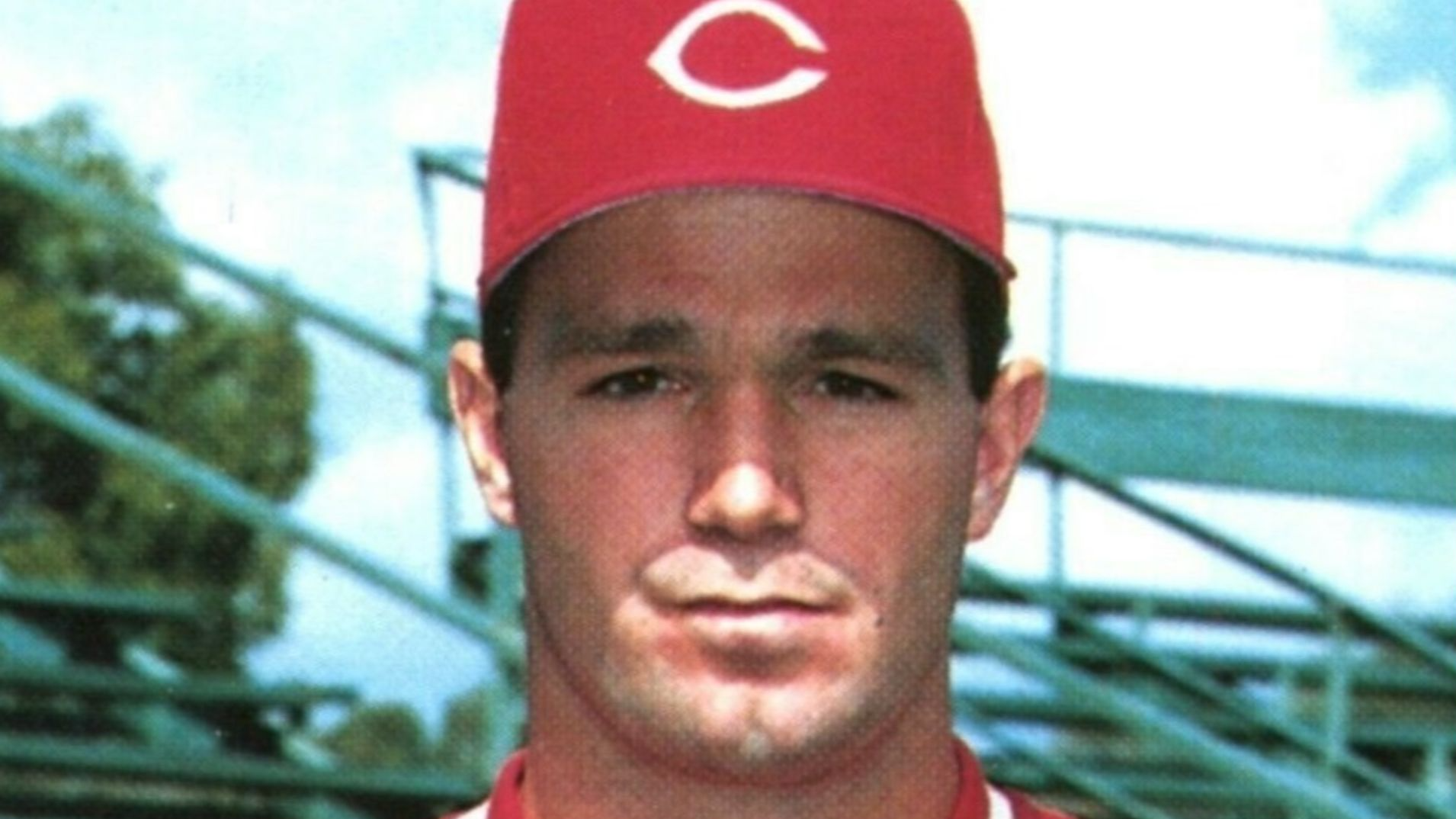 Broder Type / New Reds Machine / Cincinnati Reds, Wikimedia Commons
27. He Had A Type
Rose married his second wife, Carol, in 1984. Carol had previously worked as a Playboy Bunny and a cheerleader for the Philadelphia Eagles. The couple would not divorce until 2011, after which Rosestarted dating yet another Playboy Bunny—though this one, disturbingly, was 40 years younger than him. But Rose’s troubles started long before that.

28. He Got In A Scrap
Rose racked up an impressive win record as manager of the Reds too. However, four years into his stint, trouble arose. During a home game against the Mets on April 30, 1988, umpire Dave Pallone made a controversial decision against the Reds. This incensed Rose, and he confronted Pallone on the field. The argument escalated and ended with Rose shoving the umpire, which was grounds for immediate ejection from the game. The consequences were devastating.

29. He Got Severely Punished
The scene caused an outrage among Reds fans, who immediately began pelting the field with objects from the stands. The scandal caused the NL president to suspend Rose for 30 days, to this day the longest suspension ever given to a manager for an on-field occurrence. But things were about to go from bad to worse.

History's most fascinating stories and darkest secrets, delivered to your inbox daily.
30. He Slipped Up
In 1989, several betting slips were found in an Ohio restaurant, and they were signed by Charlie Hustle himself. The restaurant’s owner, Ron Peters, and a friend of his, Paul Janszen, later admitted they had run bets for Rose, and on his very own sport of baseball, nonetheless. Scandalously, Janszen even claimed Rose would signal bets to him from the dugout as games progressed. The League took notice.
31. He Came Under Investigation
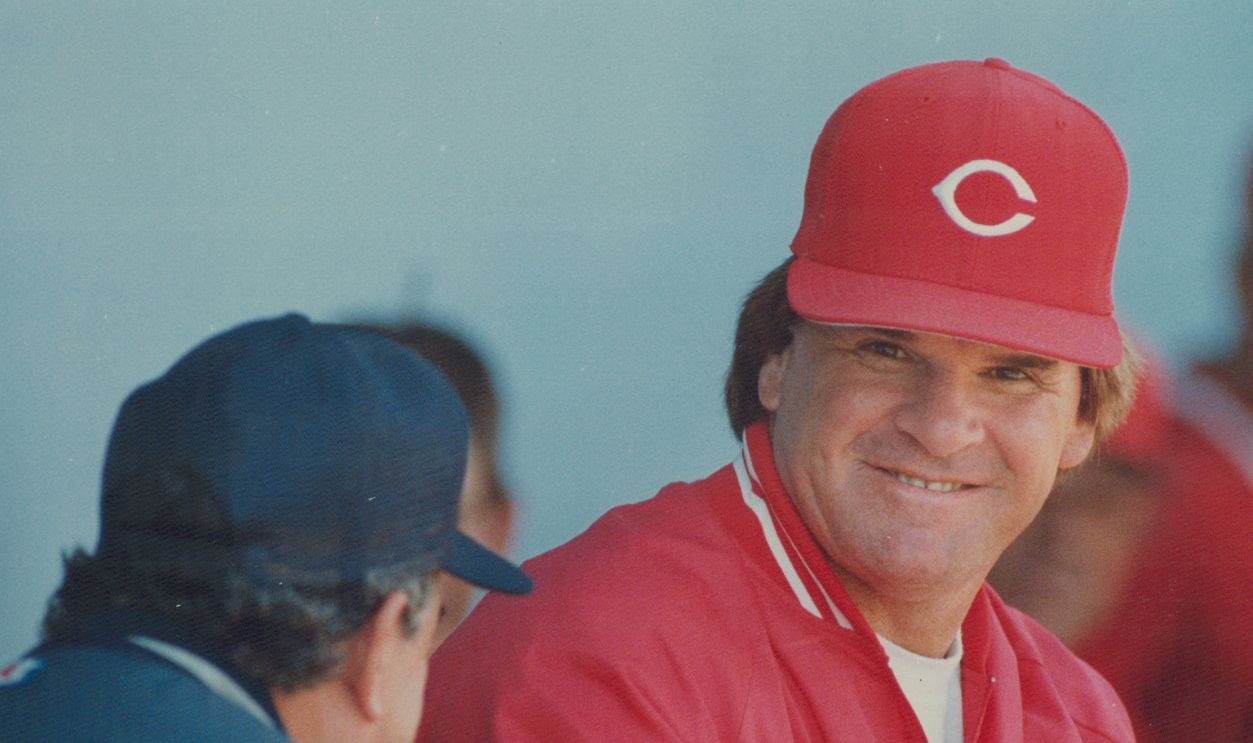
Within weeks, rumors intensified that Rose was betting on baseball, a practice that was strictly forbidden for players and managers. The Commissioner of Baseball launched an official investigation. Rose vehemently denied the allegations, but shortly afterwards, Sports Illustrated published a detailed report of the recovered betting slips that did not look good for Rose. The vultures were circling.
32. He Lost Big
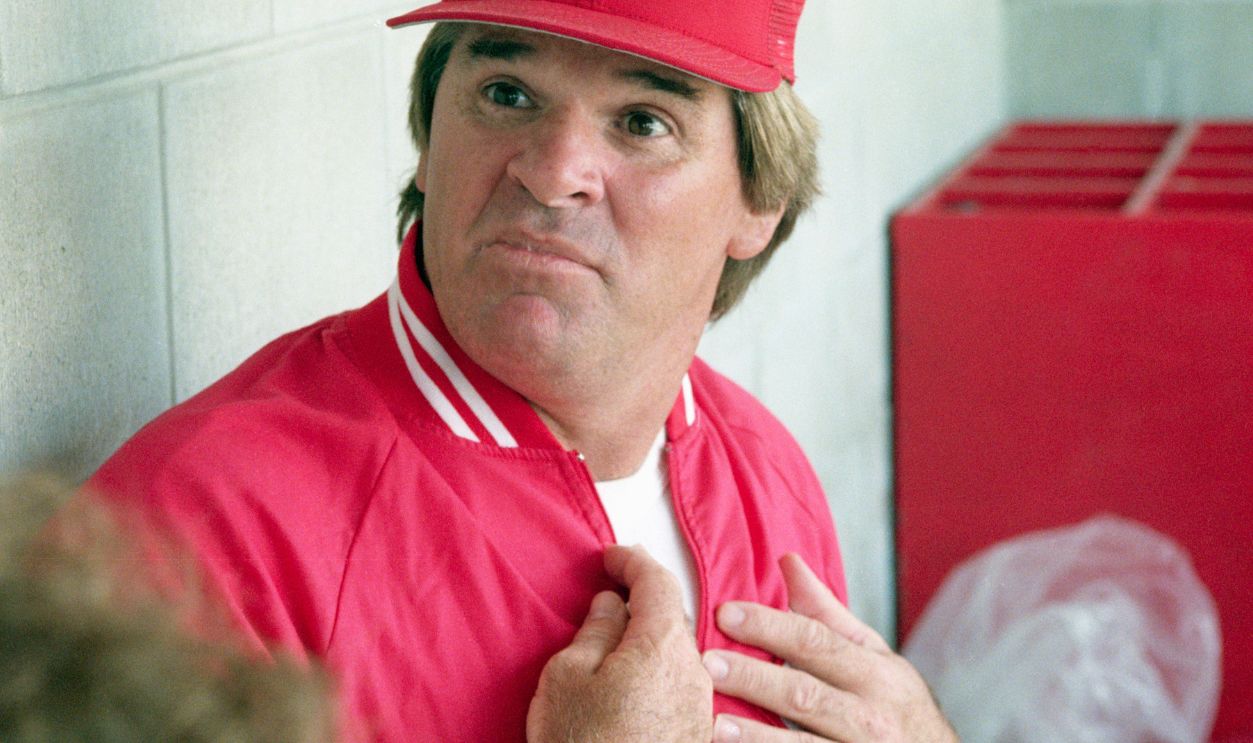
The Commissioner’s investigation turned up some shocking claims about Rose’s conduct, much of it detailed by Paul Janszen. Rose’s gambling network was astonishingly large: Janszen even claimed he lost $450,000 within the space of three months from betting alone. The manager even considered throwing games if the potential payout was high enough. The disgraced star had nowhere else to turn.
33. He Gave Up His Place
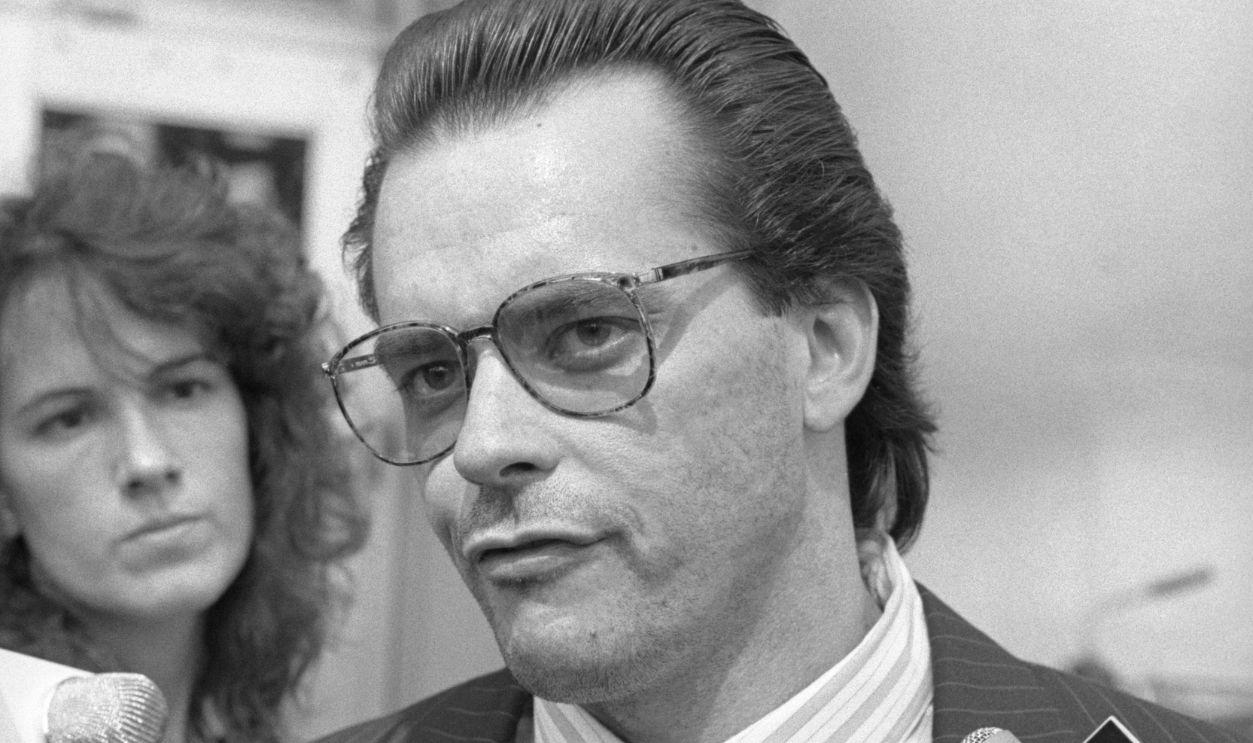
As the official investigation tightened on Rose, his options started running out. On August 24, 1989, in return for the MLB making no formal finding on the gambling allegations, Rose voluntarily agreed to a permanent place on baseball’s ineligible list. It was a low point for the once great superstar and would permanently stain his career.
34. He Got No More Glory
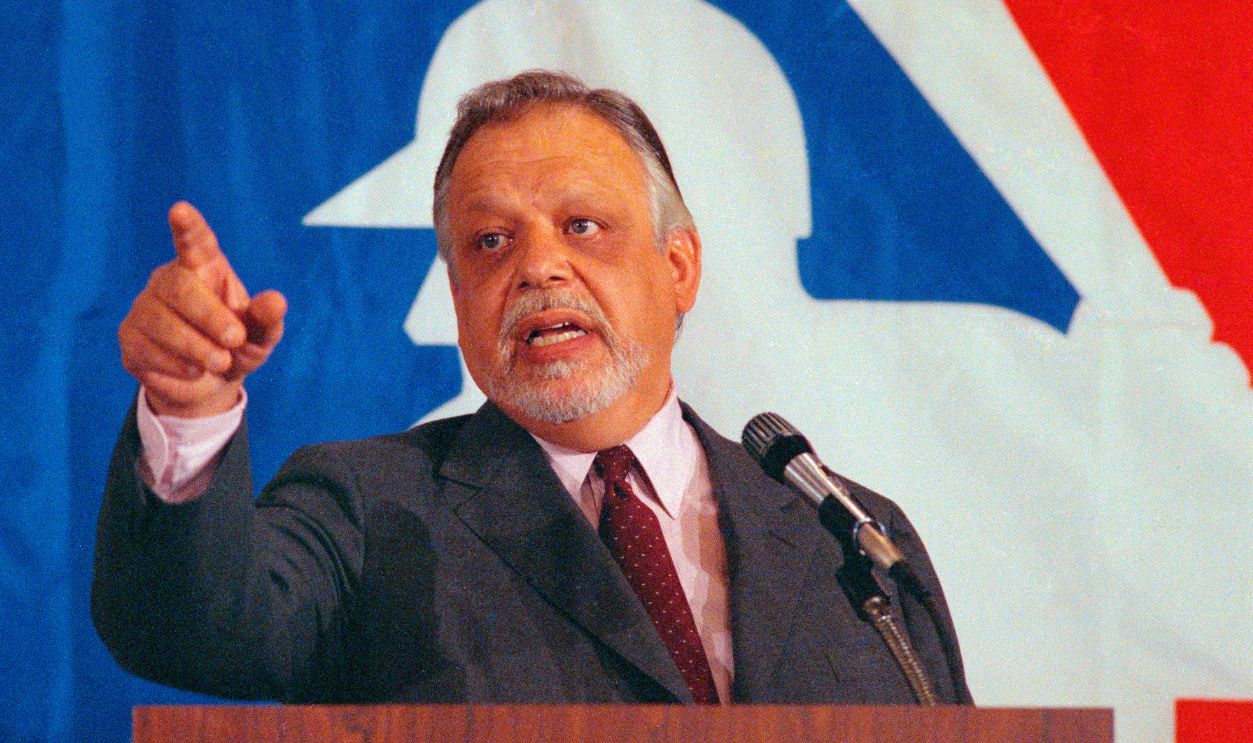
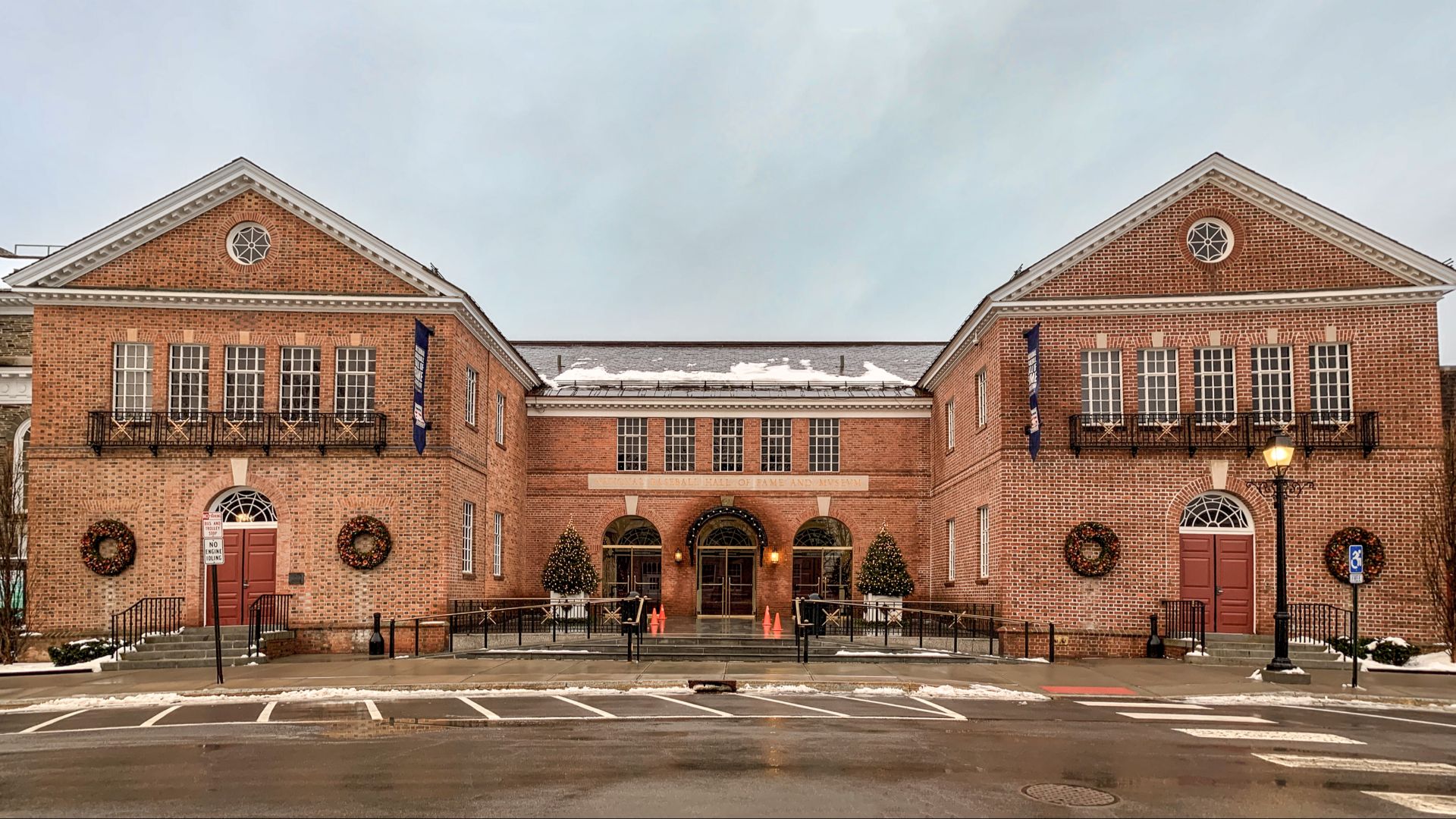
While the Baseball Hall of Fame had always had an informal rule to exclude players from the ineligible list, they formally codified the position on February 4, 1991. Devastatingly for Rose, this meant that, despite his status as one of the all-time greats, he would never enter the Hall of Fame. But the implications of his actions were even more devastating than that.
 Kenneth C. Zirkel, Wikimedia Commons
35. He Lost All Integrity
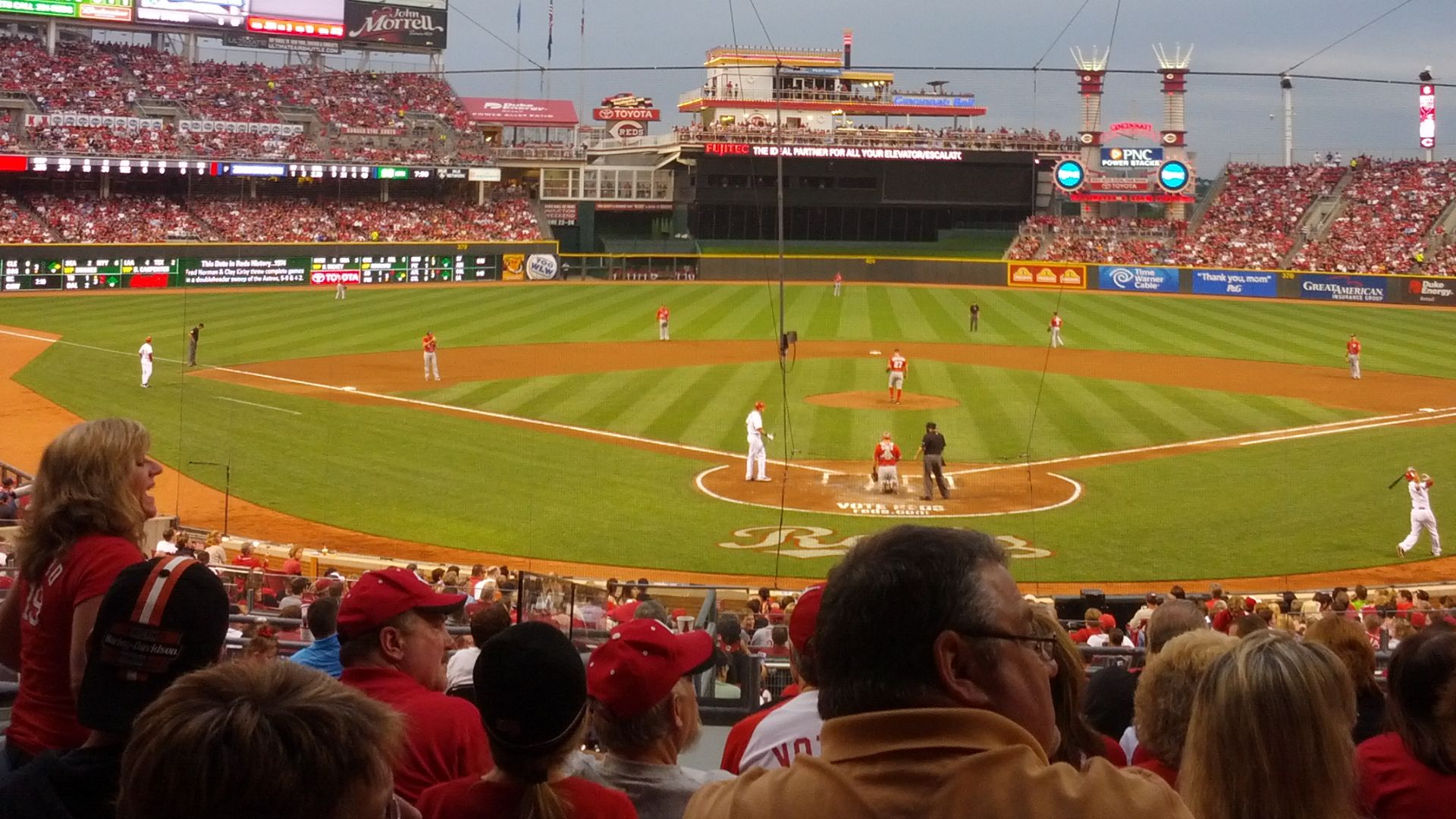
Rose’s gambling became a national scandal, and it was harshly criticized by players and fans alike as an attack on the integrity of the game and American values at large. His punishment was more than just for simple rule breaking; Rose was disciplined for a moral failing. But Rose’s moral failures weren’t over yet.
History's most fascinating stories and darkest secrets, delivered to your inbox daily.
36. He Got In More Trouble
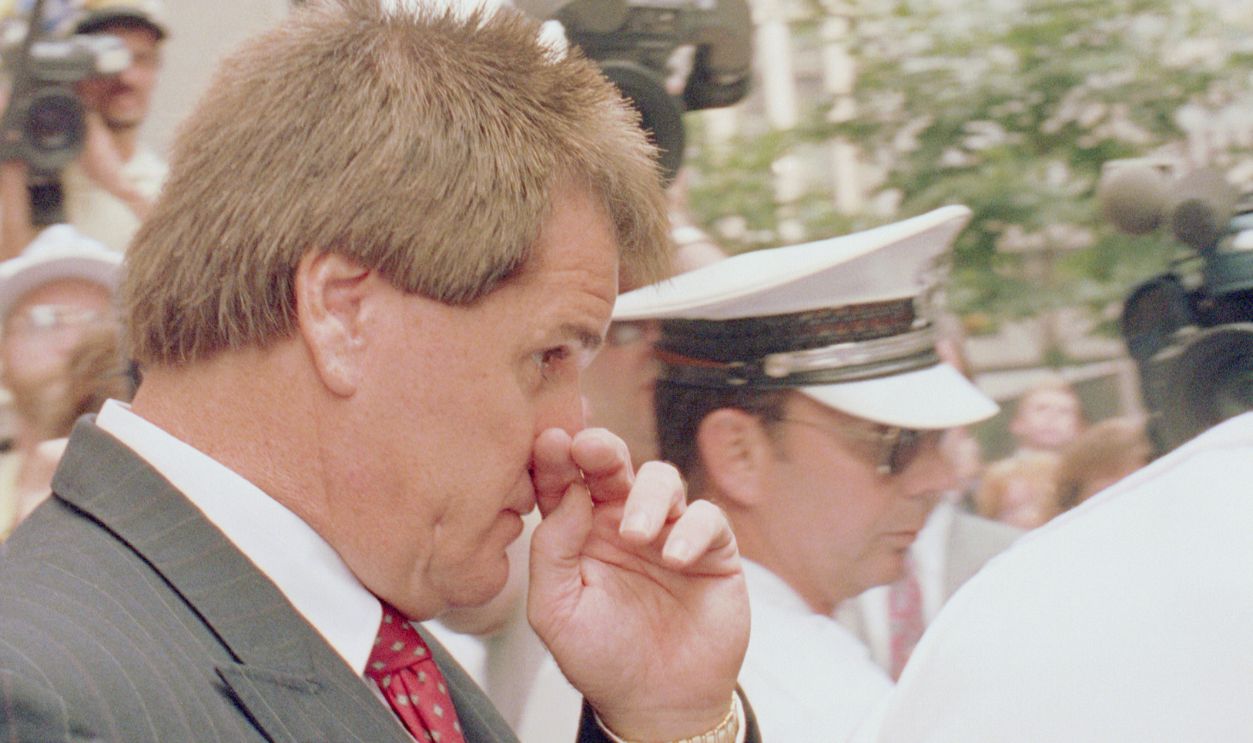
Rose’s wrongdoing continued to haunt him after his suspension. On April 20, 1990, he pleaded guilty to two charges of tax evasion—he had failed to report his income from selling signed memorabilia. Rose was sentenced to five months in a minimum-security prison, fined $50,000, and given 1000 hours of community service. The bad times would continue for a long time.
37. He Spun Out For A While
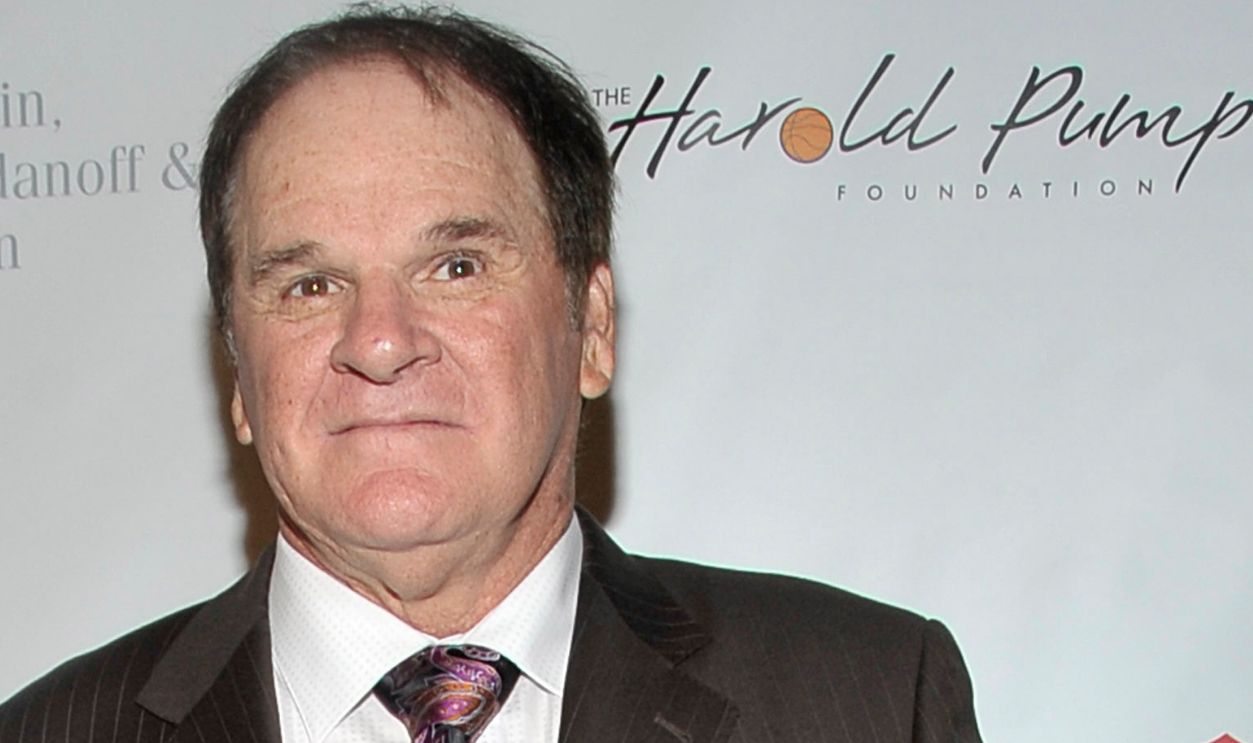
Rose’s troubles apparently lasted well beyond the ‘90s. In 2011, after the dissolution of his second marriage, a TMZ report detailed the dark place Rose found himself in. He was allegedly still involved in high stakes gambling and had reportedly accrued massive debts with casinos and the IRS. Luckily, he had baseball to return to from time to time.
38. He Was Given Temporary Reprieve
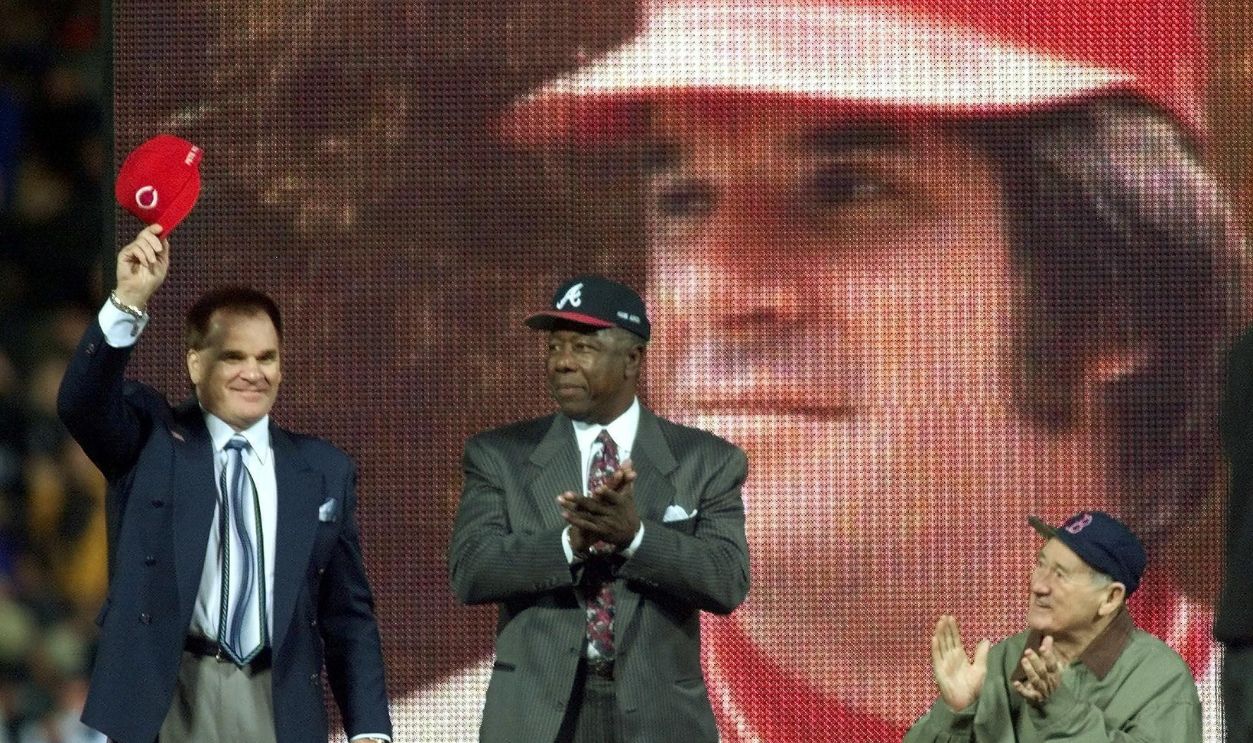
In 1999, fans voted on a shortlist of the 100 greatest players of the century, and Rose was selected as an outfielder for the MLB’s All-Century Team. Mercifully, the League gave Rose an exception from his ban to take part in the pre-game introduction of the team at the 1999 World Series. Rose received a massive ovation from fans and fellow players alike. But he still hadn’t owned up to his mistakes.
39. He Penned A Confession
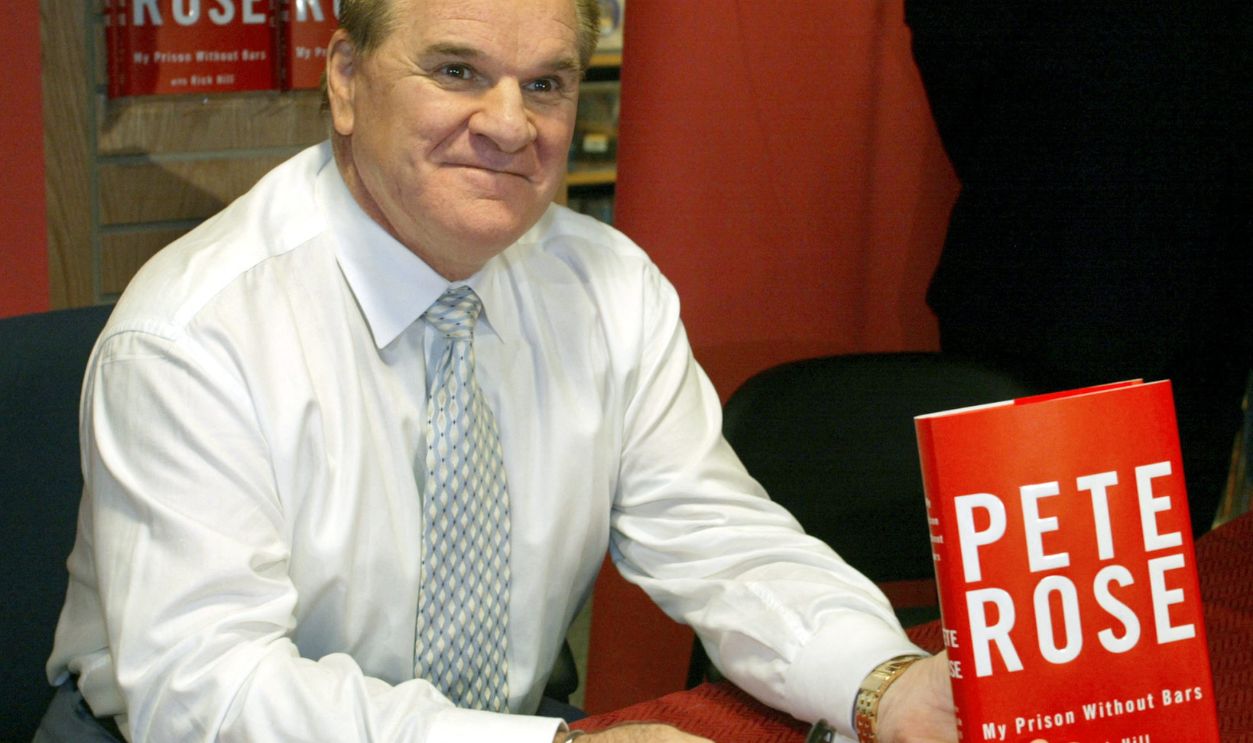
In the entire time since his 1989 ban, Rose never publicly admitted to the alleged misconduct. However, in 2004, Rose published his autobiography, titled My Prison Without Bars, where he finally admitted to gambling on baseball while playing for and managing the Cincinnati Reds. With that weight off, the retired player embarked on something of a passive apology tour.
 TIMOTHY A. CLARY, Getty Images
40. He Apologized To Fans
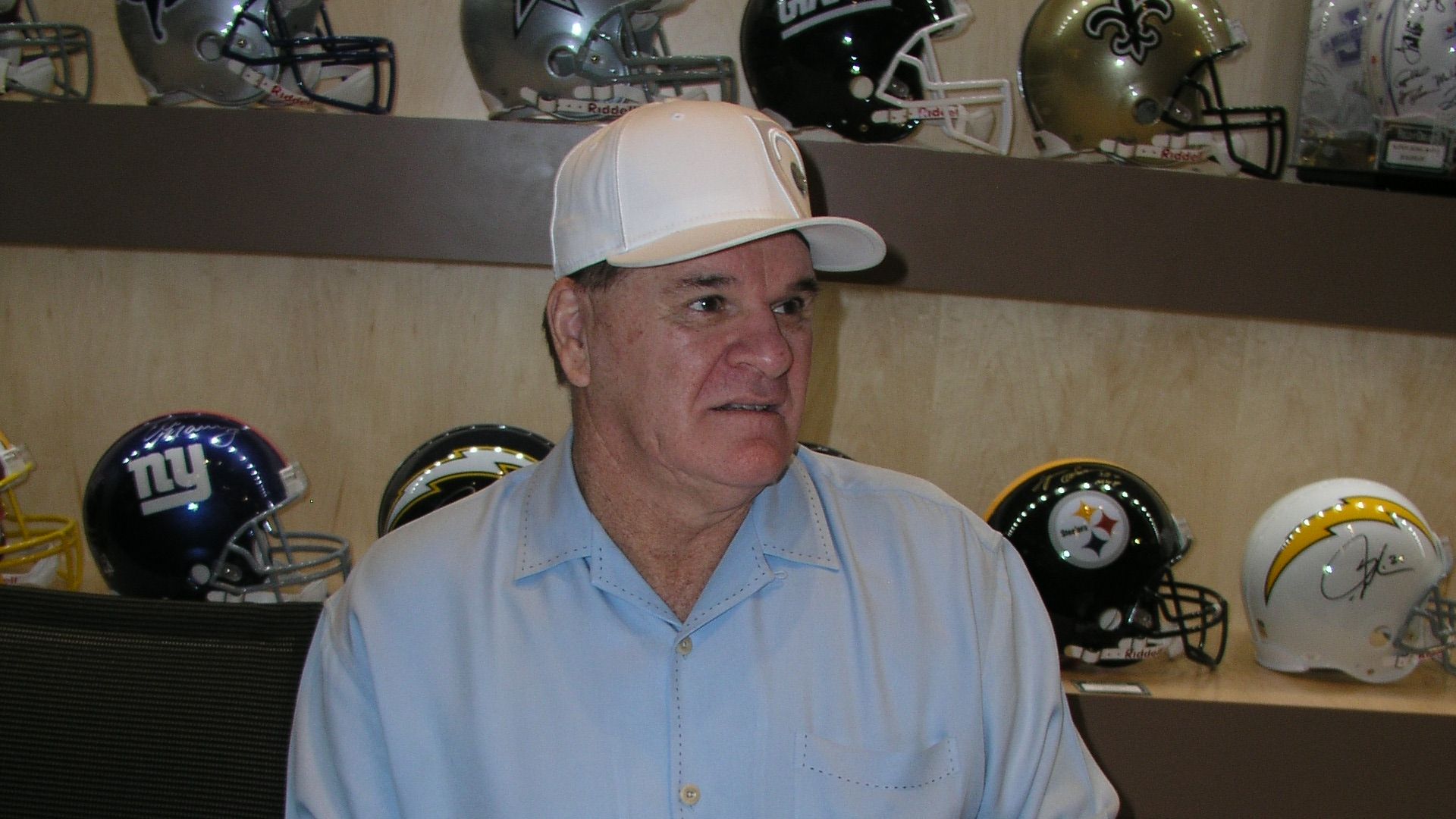
After publishing his book, Rose became a fixture at baseball card conventions. Humorously, and touchingly, he became known for signing fans’ baseballs with the phrase “I'm sorry I bet on baseball”. It was clear he was feeling a lot of remorse.
 Paula R. Lively from Zanesville, United States, Wikimedia Commons
41. He Turned On The Waterworks
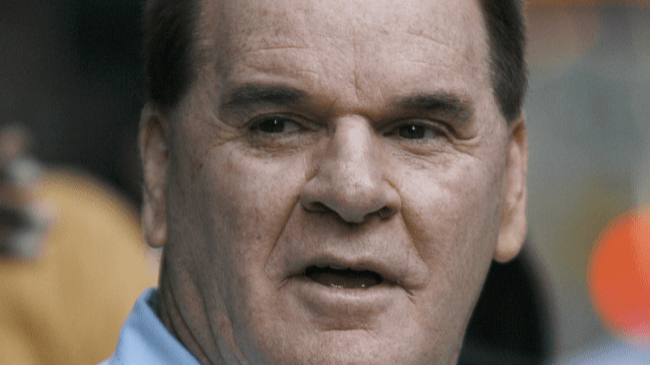
In 2010, on the 25th anniversary of his 4,192nd hit, Rose’s former teammates held a roast of the former player in a casino in Indiana. What was supposed to be a lighthearted affair, however, soon took a tonal shift when Rose began weeping openly at the mention of his gambling allegations. Acknowledging that he had “disrespected baseball”, he apologized to his teammates and fans alike. Rose was clearly remorseful, although it may have been part of a broader campaign…
History's most fascinating stories and darkest secrets, delivered to your inbox daily.
42. He Wanted Back In
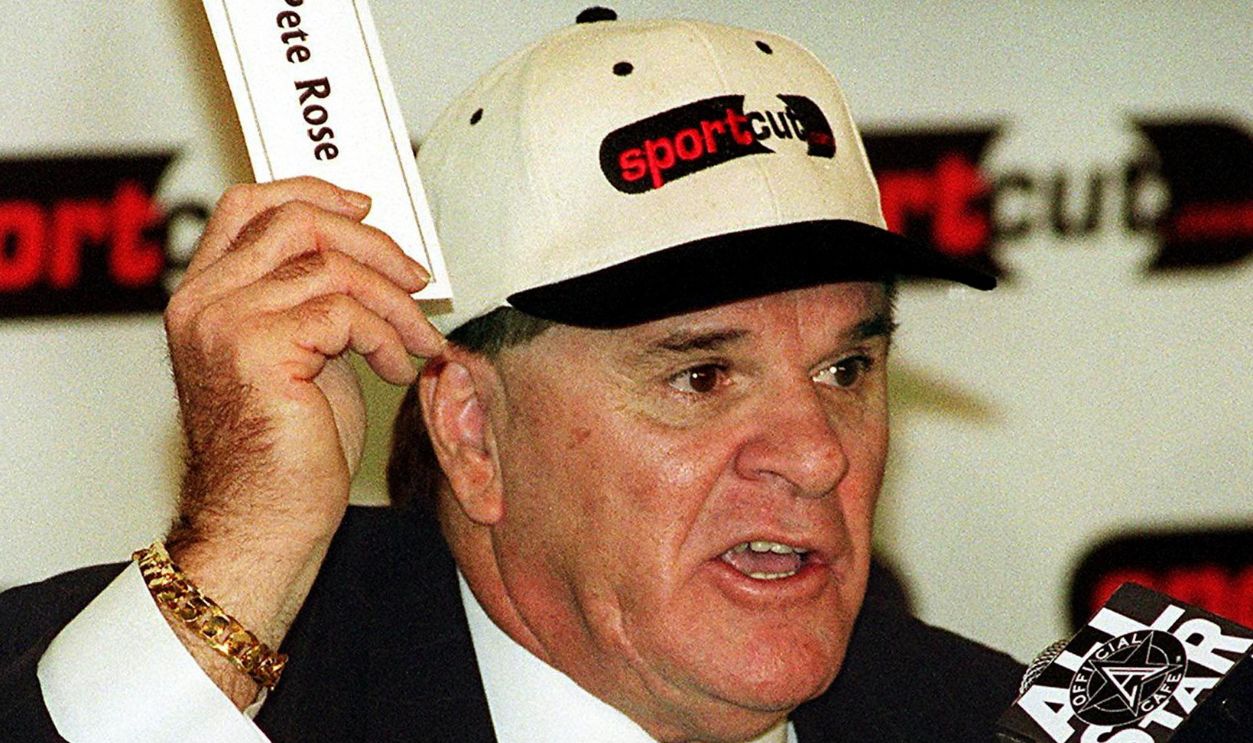
From the moment of his placement on the ineligible list, Rose continually petitioned for his reinstatement. Even by the 2020s, after some other scandals in the world of baseball that, in Rose’s view, dwarfed his own, he kept trying. He also requested the Baseball Hall of Fame repeal their ban on ineligible players. None of it came to fruition, and Rose had to seek glory elsewhere.
 HENNY RAY ABRAMS, Getty Images
43. He Appeared In The Ring
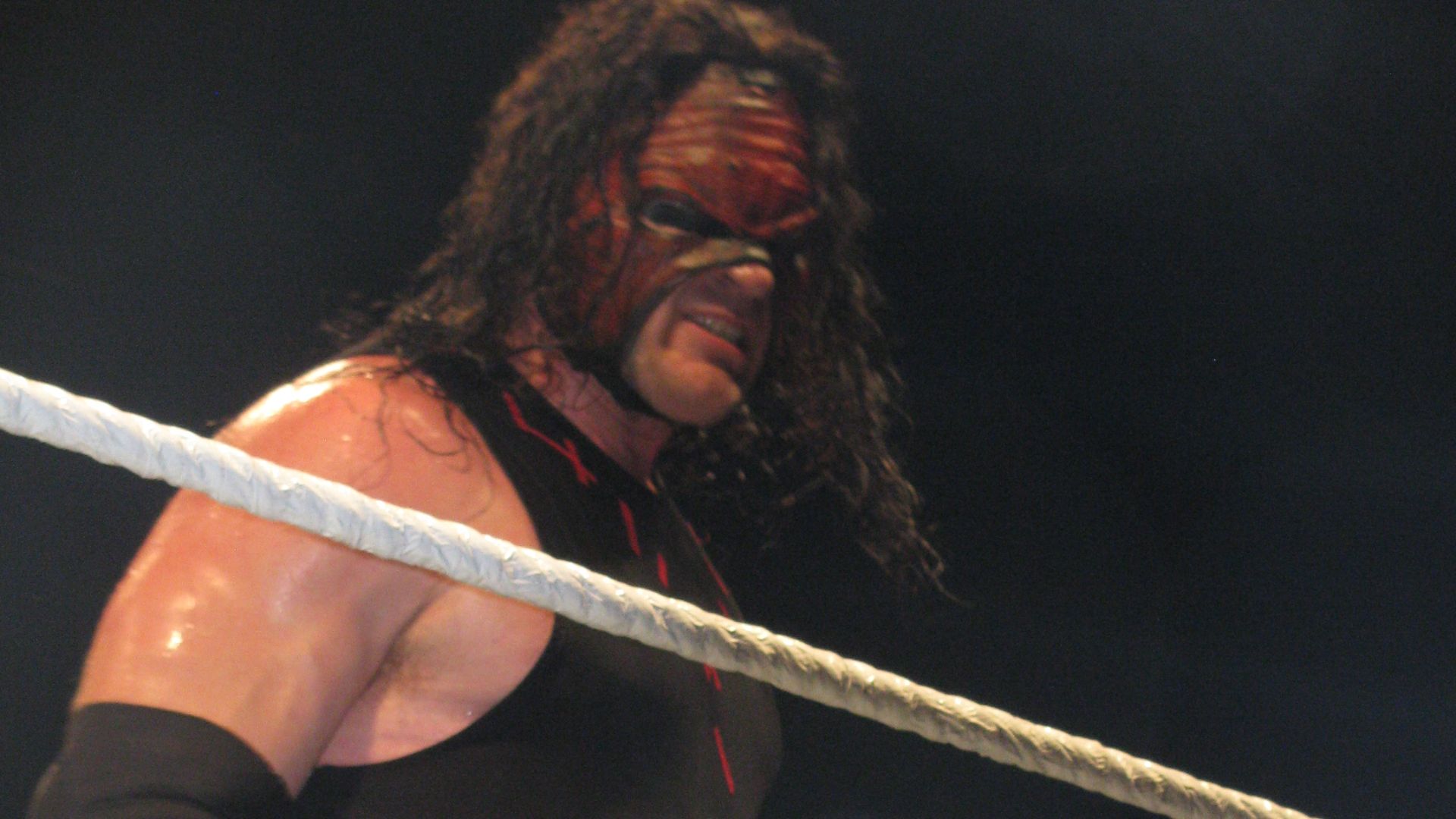
From 1998 onwards, Rose made numerous appearances at World Wrestling Entertainment events. Over the years, he guested as a ring announcer and a host, and even had a staged, onscreen feud with wrestler Kane (known, like Rose’s Cincinnati team, as “The Big Red Machine”). Despite his exile from baseball, Rose never broke ties with his beloved team.
 Krystal Bogner from Adelaide, Australia, Wikimedia Commons
44. He Got His Wish…Kind Of
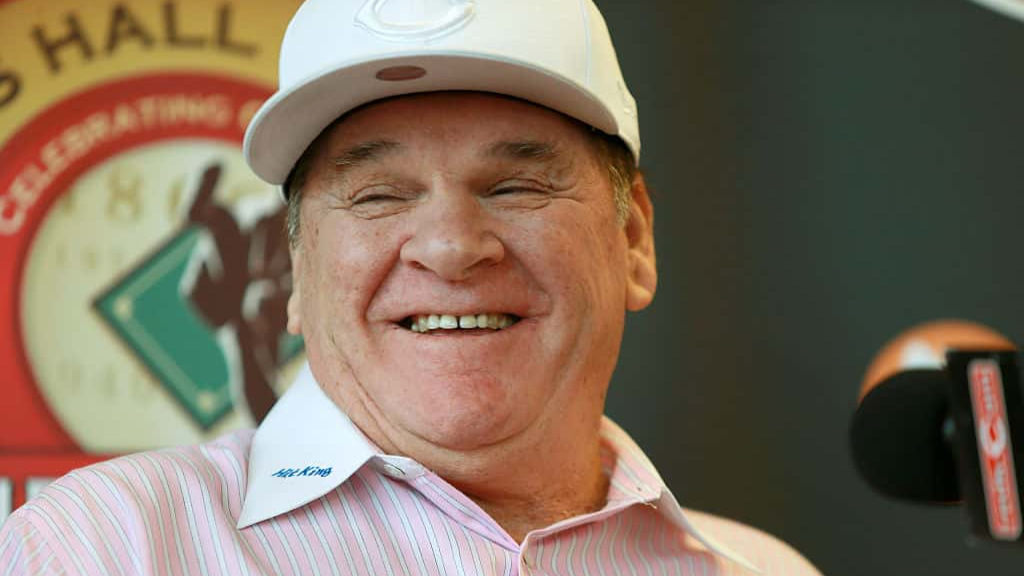
Though his numerous petitions to the Baseball Hall of Fame failed, Rose got his name on one such list, at least. In 2016, he was inducted into the Cincinnati Reds Hall of Fame. Despite all his scandals, the Reds’ love and appreciation for Charlie Hustle never really wavered.
45. His Jersey Was Hung In The Rafters
The Reds did not stop at inducting Rose into their Hall of Fame. Bestowing upon him the ultimate honor for any sportsman, they also permanently retired Rose’s number 14 jersey. This required approval by the MLB, a possible sign of a softening position on their part. We’ll never really know, though, because scandal reared its head once again.
 Arturo Pardavila III from Hoboken, NJ, USA, Wikimedia Commons
46. He Faced A Troubling Allegation
Later that year, a sworn statement was filed in a court case by an unnamed woman that claimed Rose engaged in an intimate relationship with her when she was a teenager and he was in his 30s. Rose acknowledged the relationship, claiming he believed the woman was over the age of consent in Ohio at the time (which was 16).
Rose reached a settlement with the parties outside of court. When later questioned on the allegation by a female reporter in 2022, Rose arrogantly and insensitively dismissed the issue, stating “It was 55 years ago, babe”. But Rose would not live to face any harsher consequences.
 Super Festivals from Ft. Lauderdale, USA, Wikimedia Commons
47. His Ticker Took Him Out
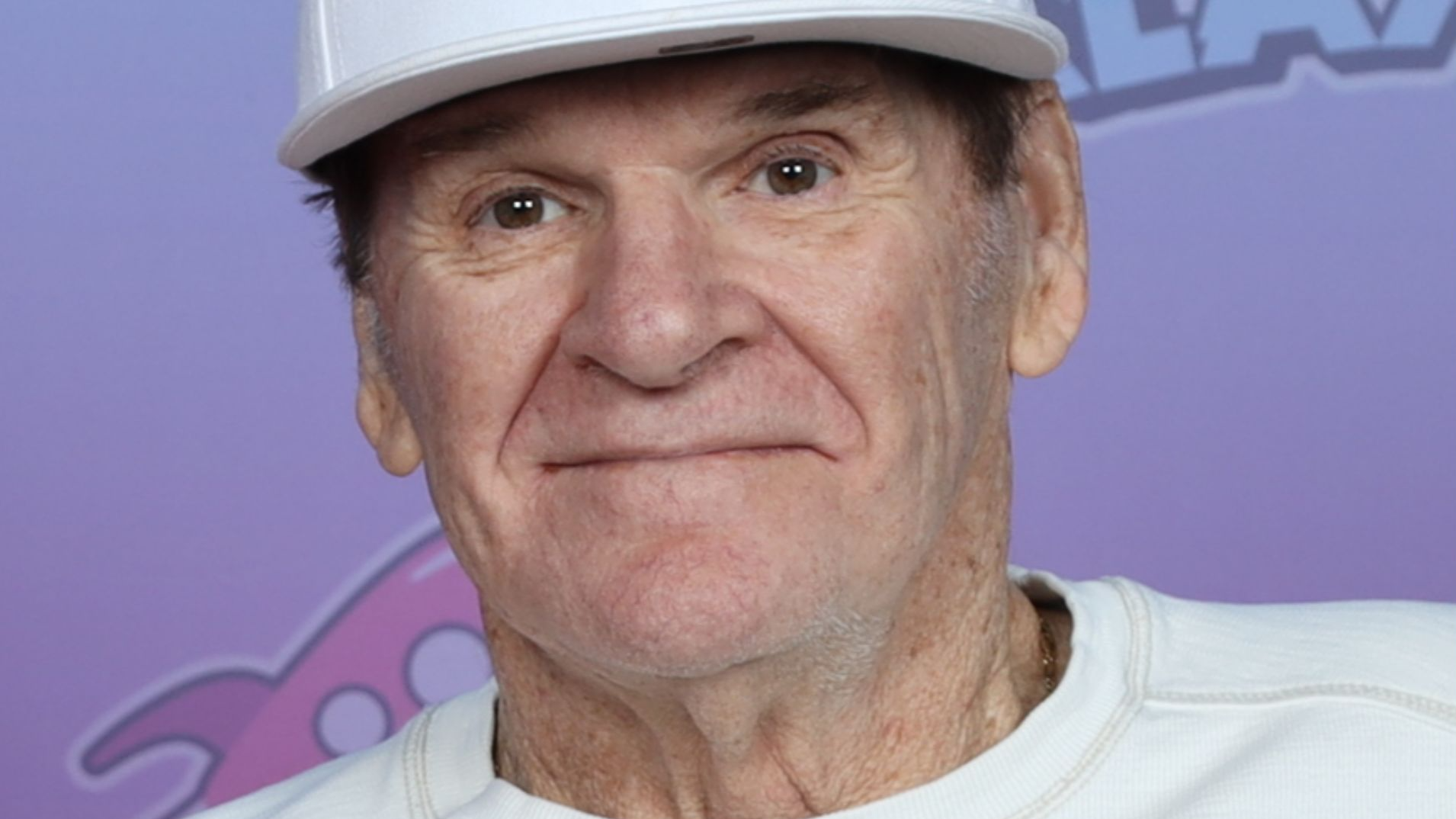
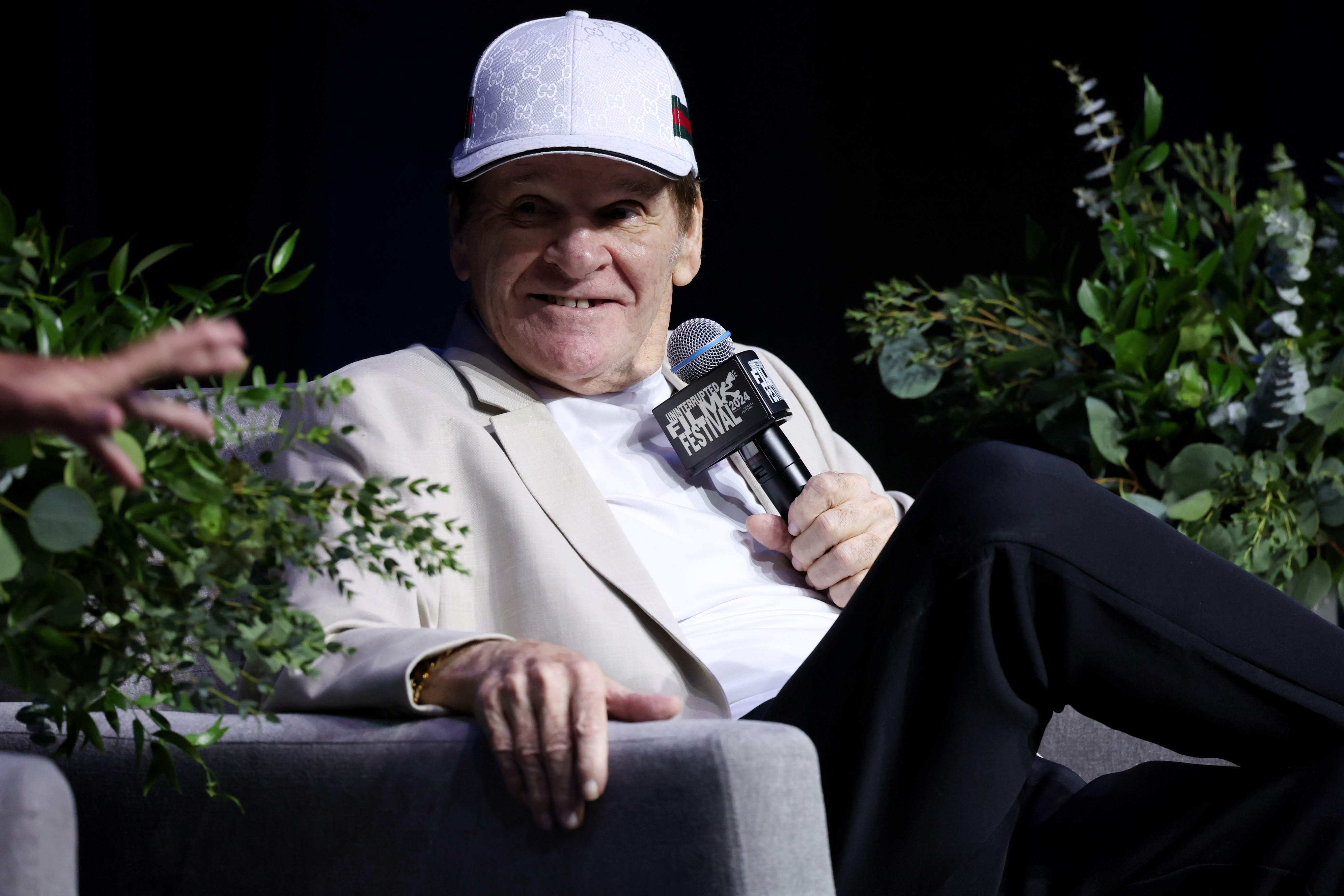
On September 30, 2024, the day after attending an autograph signing event, Rose succumbed to hypertensive and atherosclerotic cardiovascular disease in his Las Vegas home. He was 83 years old. Shortly afterwards, the Reds announced they would play the remainder of their season with #14 patches on their uniforms in Charlie Hustle’s honor. Another significant figure chimed in too.
History's most fascinating stories and darkest secrets, delivered to your inbox daily.
48. He Had A Presidential Fan
On February 28, 2025, about a month after being inaugurated for his second term, US President Donald Trump posted on Truth Social that he would give Rose, of whom the President was apparently a big fan, a posthumous pardon. It wasn’t clear what crimes Trump was pardoning the late athlete for, but he also took the time to criticize the MLB’s decision to ban Rose. The President had some sway, of course.
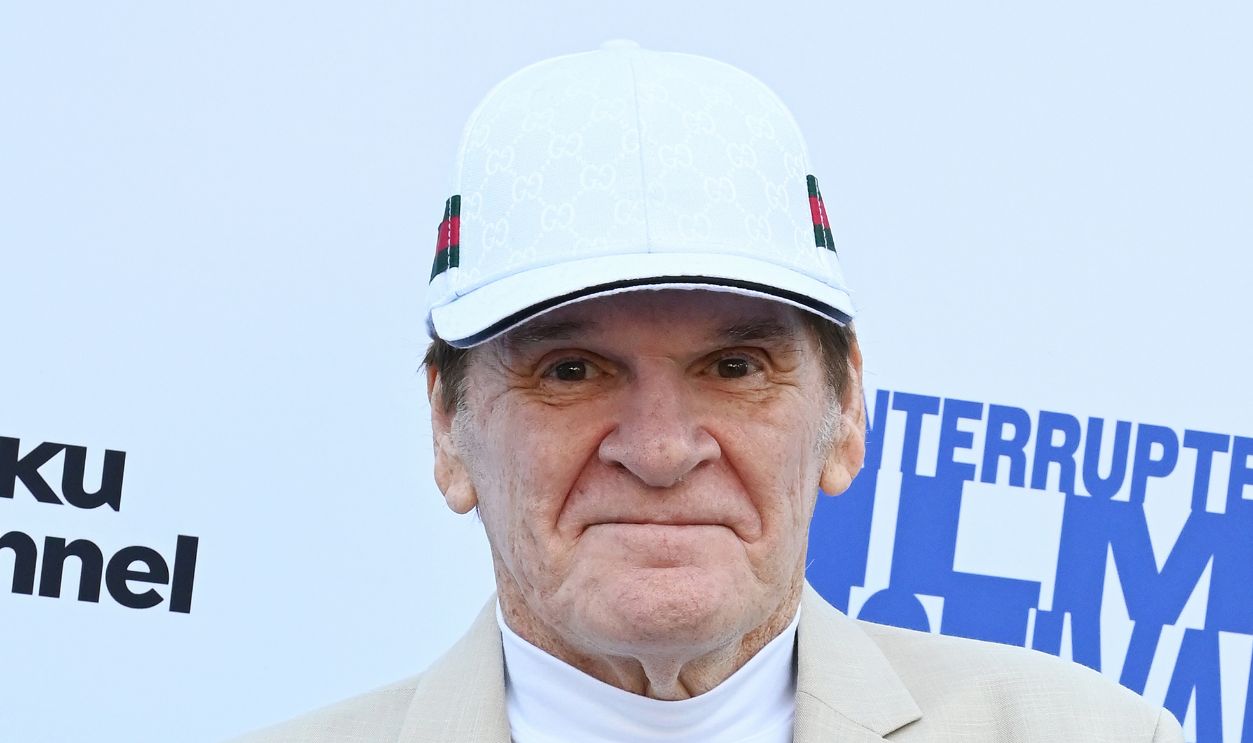
49. His Demise Forced Change
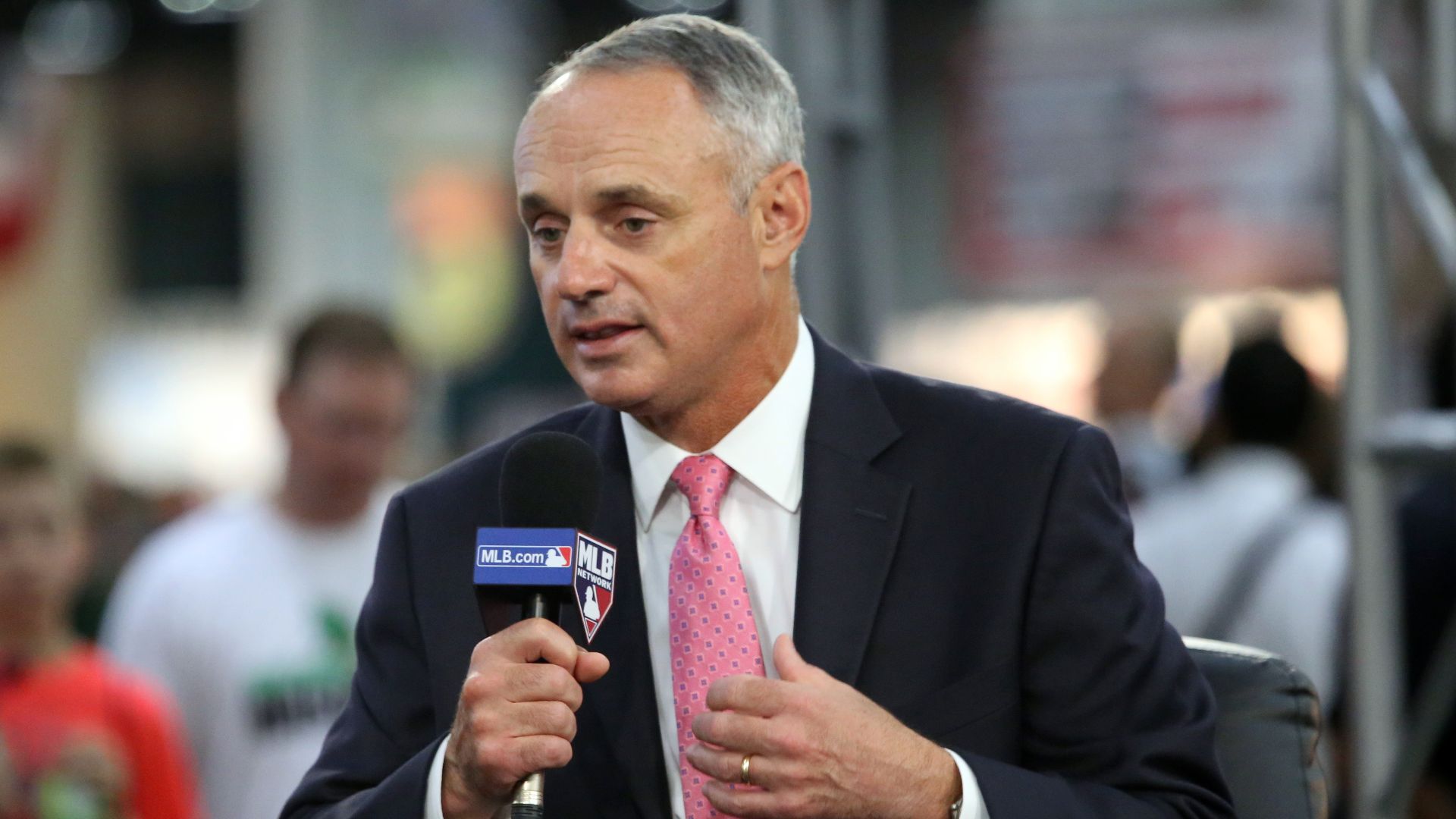
On May 13, 2025, after increased pressure from Trump, MLB Commissioner Rob Manford announced a new policy where all ineligibility bans would expire after the holder’s demise. For Rose and his remaining family, this meant only one thing…
 Arturo Pardavila III from Hoboken, NJ, USA, Wikimedia Commons
50. He Has A Posthumous Shot
Though no longer among the living, Rose’s reinstatement now means that he is eligible for his long-coveted spot in the Baseball Hall of Fame. The next voting is set to take place in 2027. His renewed eligibility and its implications sparked much debate within the baseball community. But for Charlie Hustle, none of that matters any longer—though he may rest a little easier knowing he has another shot.

You May Also Like:
Inside Major League Baseball’s Biggest Scandal
The Longest Professional Baseball Game In History