When Heroism Won't Let Go
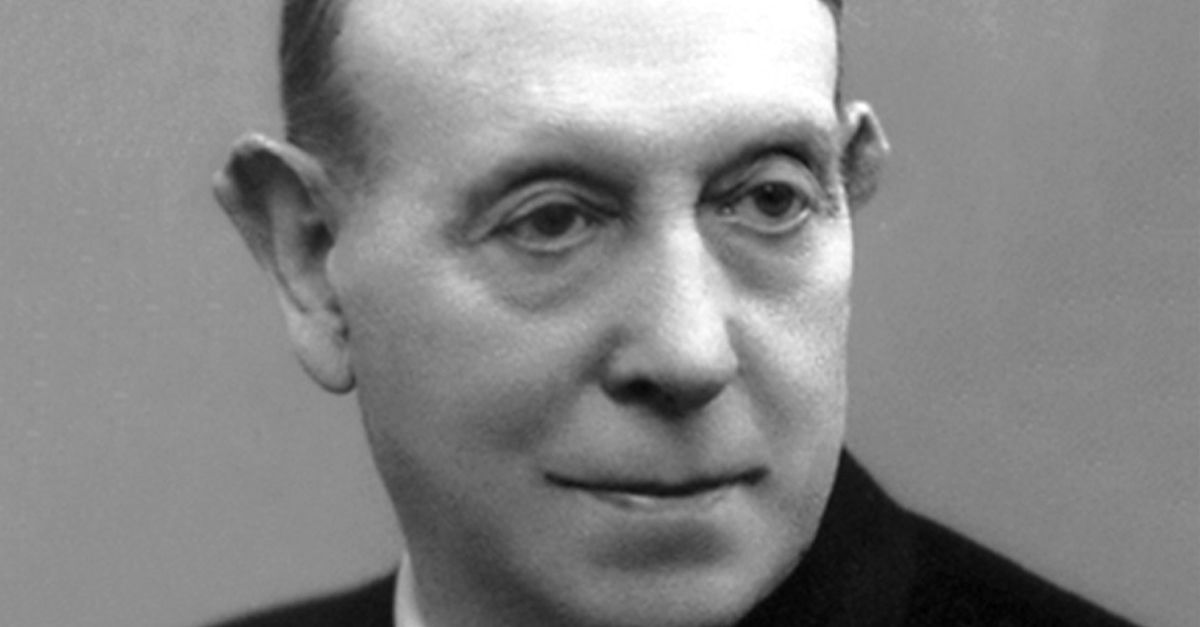
We imagine heroism ending with applause, medals, and maybe a movie deal. Reality can be much messier. For these people, one extraordinary moment changed everything. They saved lives, took courageous stands, or survived impossible situations—then discovered that becoming a symbol can be its own kind of burden.
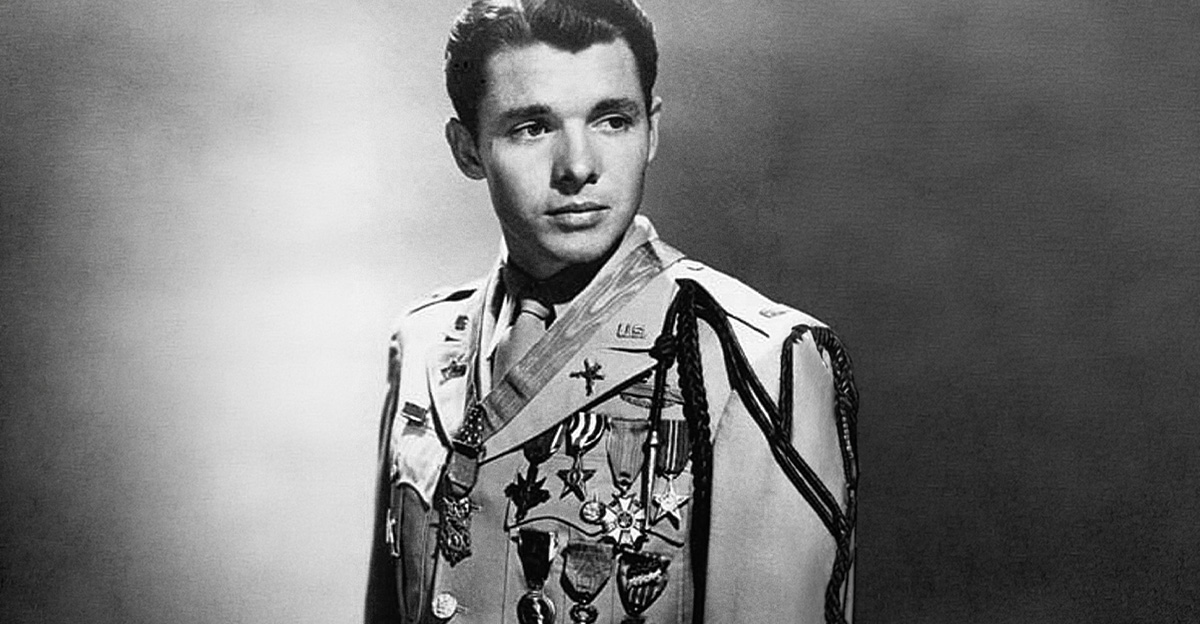 U.S. Army, Public domain, via Wikimedia Commons
Richard Jewell Was The Hero Of Centennial Park
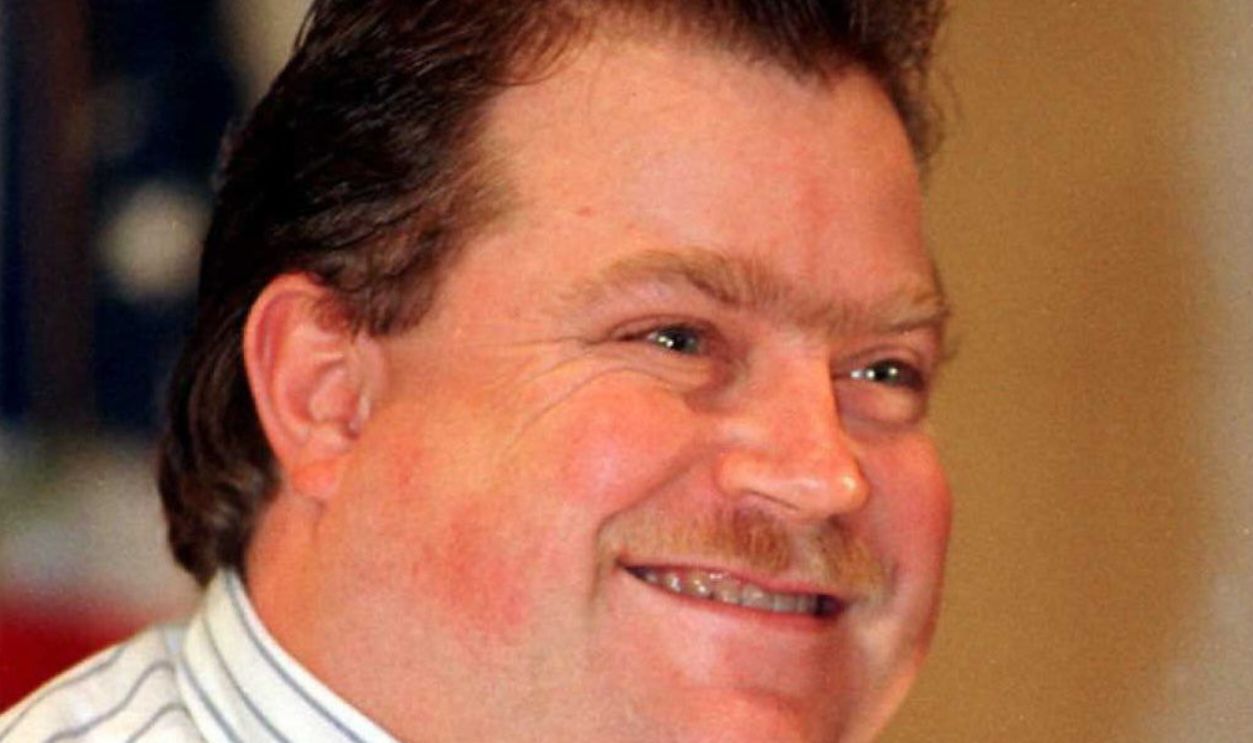
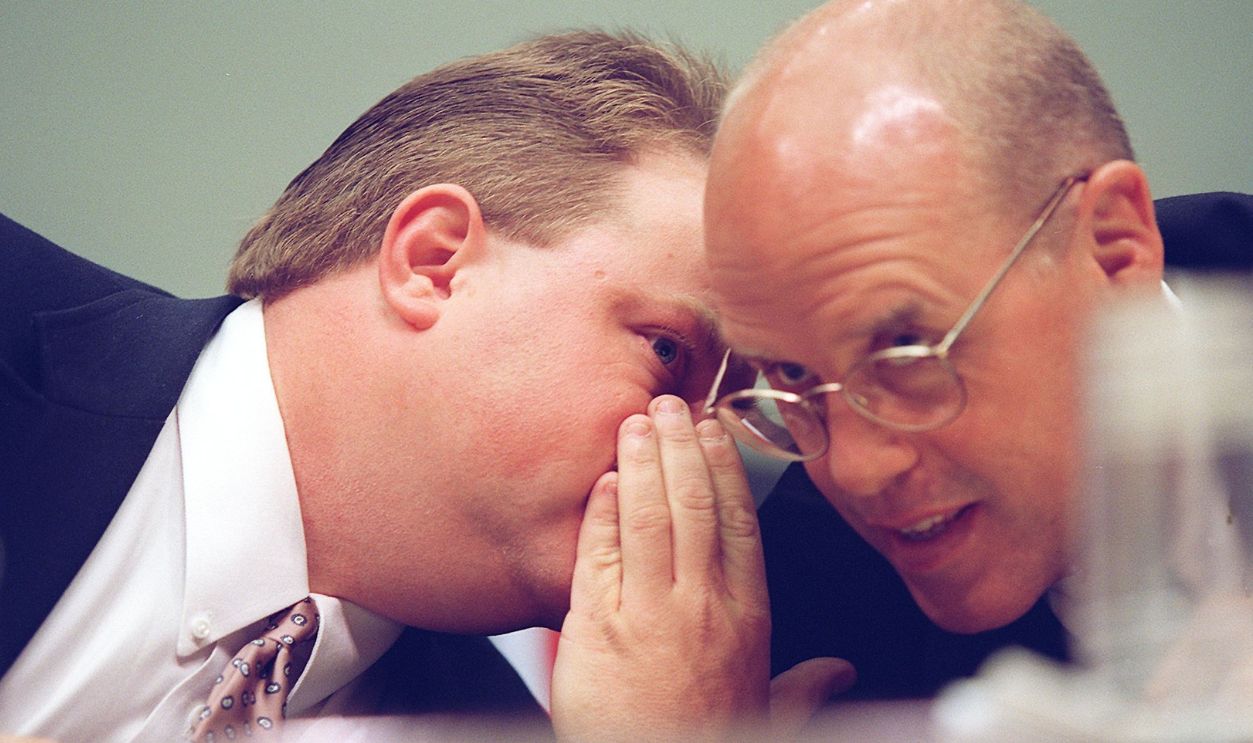
During the 1996 Atlanta Olympics, security guard Richard Jewell spotted a suspicious backpack in Centennial Olympic Park and helped move people away. The bomb exploded anyway, killing and injuring innocent people, but Jewell's quick actions almost certainly prevented an even greater disaster. He became an instant hero.
Then The Story Turned
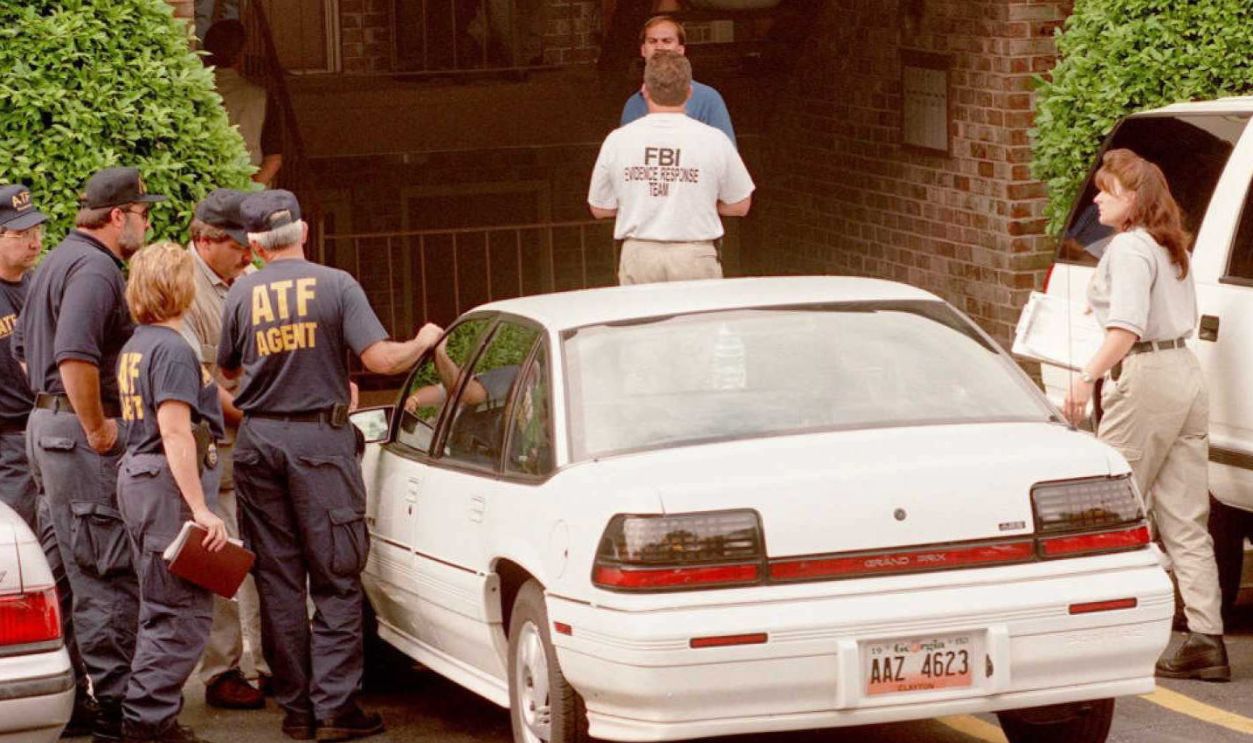
Within days, everything flipped. Jewell became a focus of the FBI investigation, and his name leaked to the press. Suddenly, cameras weren't outside his home because he'd saved people. They were waiting to see whether America's newest hero had secretly planted the bomb himself.
Innocent, But Not Unscarred
Jewell was never charged, and authorities formally cleared him after an agonizing 88 days. But clearing his name couldn't erase the spectacle. He later said the experience made him feel hunted, and the false suspicion followed him for years. Heroism had made him famous—and fame had made him vulnerable.
 PAUL J. RICHARDS, Getty Images
Robert O'Donnell Reached Baby Jessica
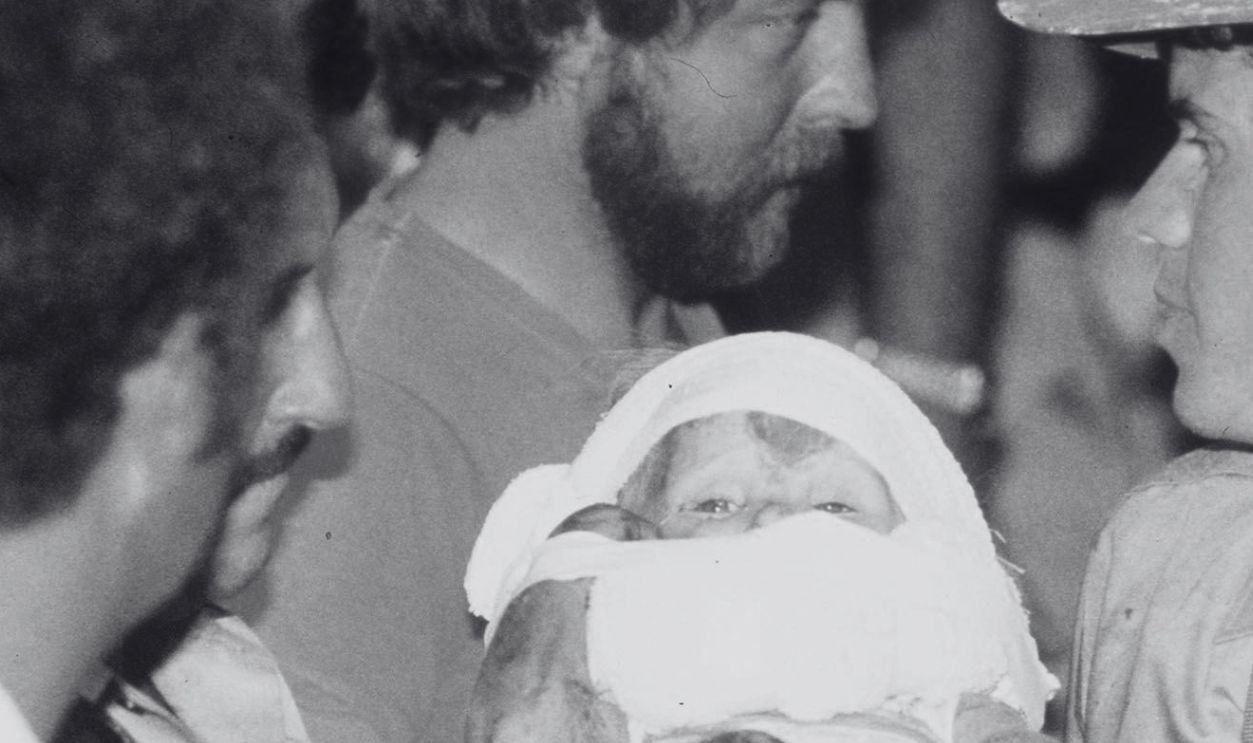
In 1987, 18-month-old Jessica McClure became trapped deep inside a narrow Texas well. After a frantic 58-hour rescue, paramedic Robert O'Donnell squeezed through the cramped rescue tunnel and helped free her. Millions watched on television, and O'Donnell emerged from underground as a national hero.
Fame Hit Him Hard
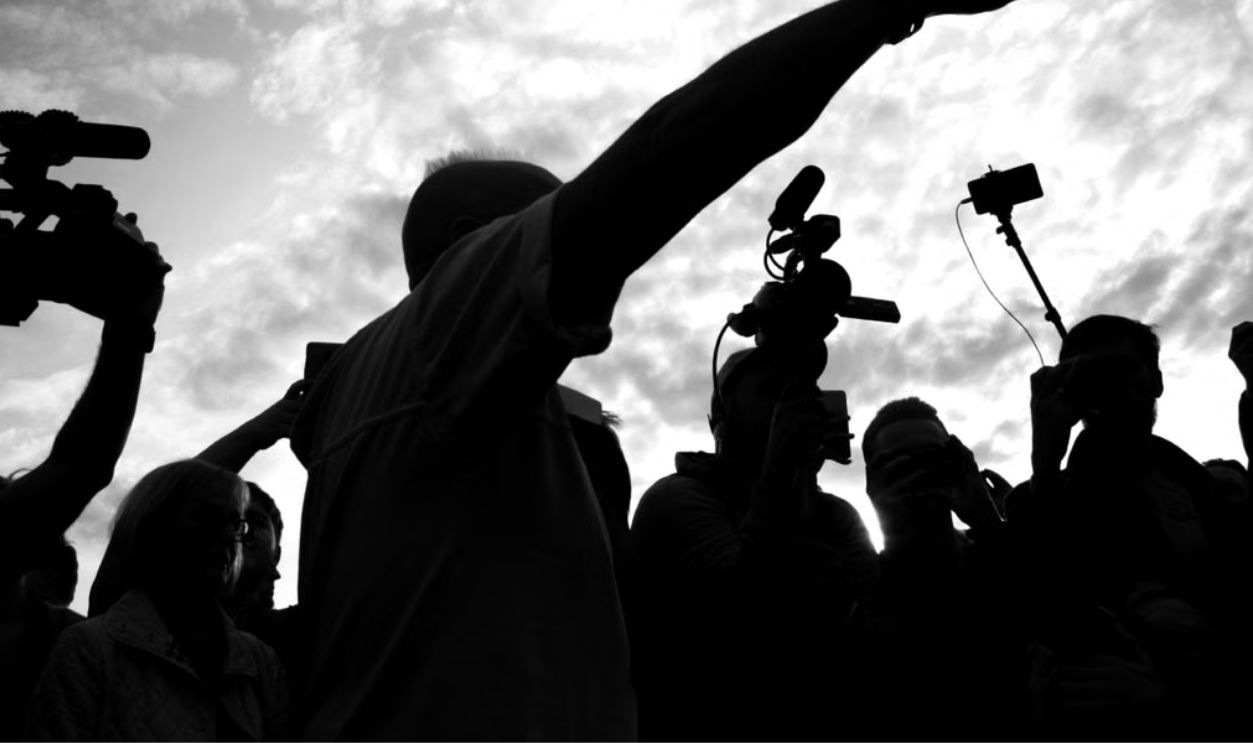
O'Donnell went from local paramedic to celebrity almost overnight. Interviews, appearances, and endless questions followed. Yet the rescue itself had been terrifying, and the attention kept forcing him to revisit it. What looked from the outside like a glorious career highlight became something he couldn't easily leave behind.
Then The Cameras Left
Eventually, the world's attention moved elsewhere. O'Donnell struggled with trauma, personal problems, and an identity seemingly frozen around one famous rescue. He died by suicide in 1995. Those close to him described the strange rise and fall of sudden celebrity as one factor in a much more complicated tragedy.
Charles Lindbergh Conquered The Atlantic
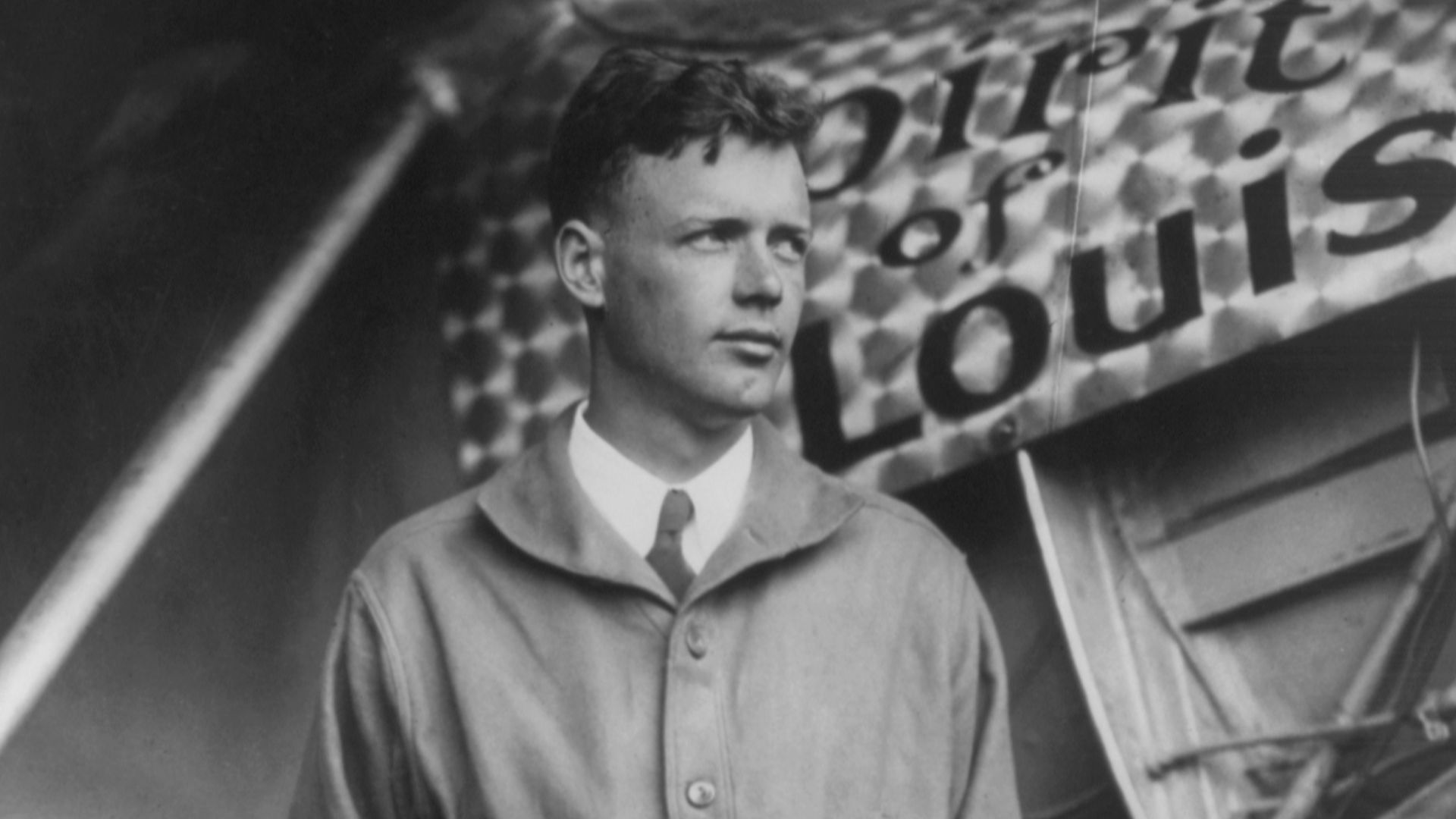
When Charles Lindbergh flew solo nonstop from New York to Paris in 1927, the 25-year-old pilot became one of the most famous people alive. Crowds mobbed him. Newspapers followed everything he did. His remarkable flight helped make aviation glamorous—and turned Lindbergh into an early global celebrity.
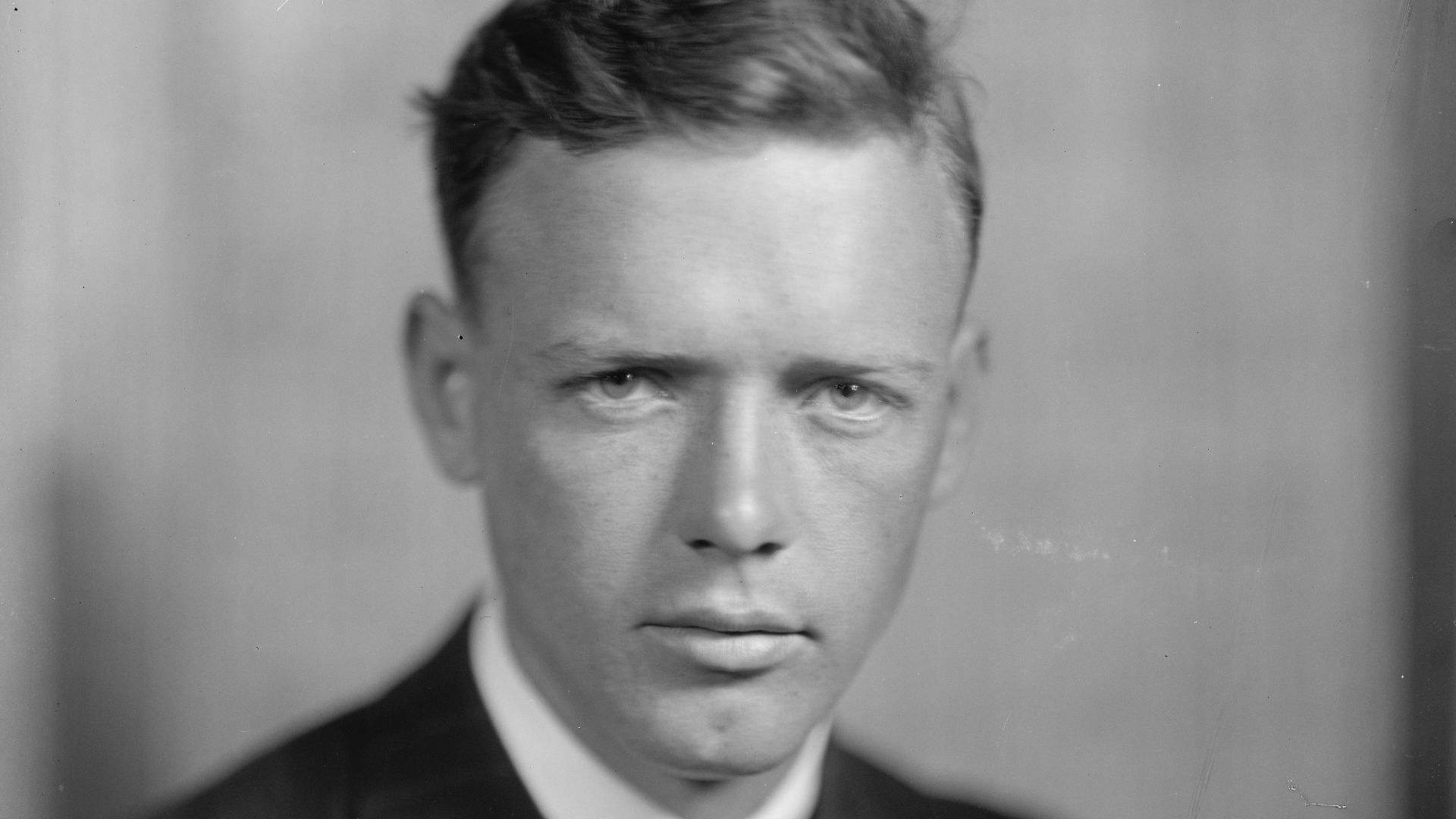 Harris & Ewing, Wikimedia Commons
Fame Invaded The Family
Lindbergh quickly discovered that celebrity didn't stop at his front door. The press pursued him relentlessly, while his fame and wealth made his family targets for threats and extortion. He wanted privacy, but the heroic pilot who had conquered the Atlantic had become public property.
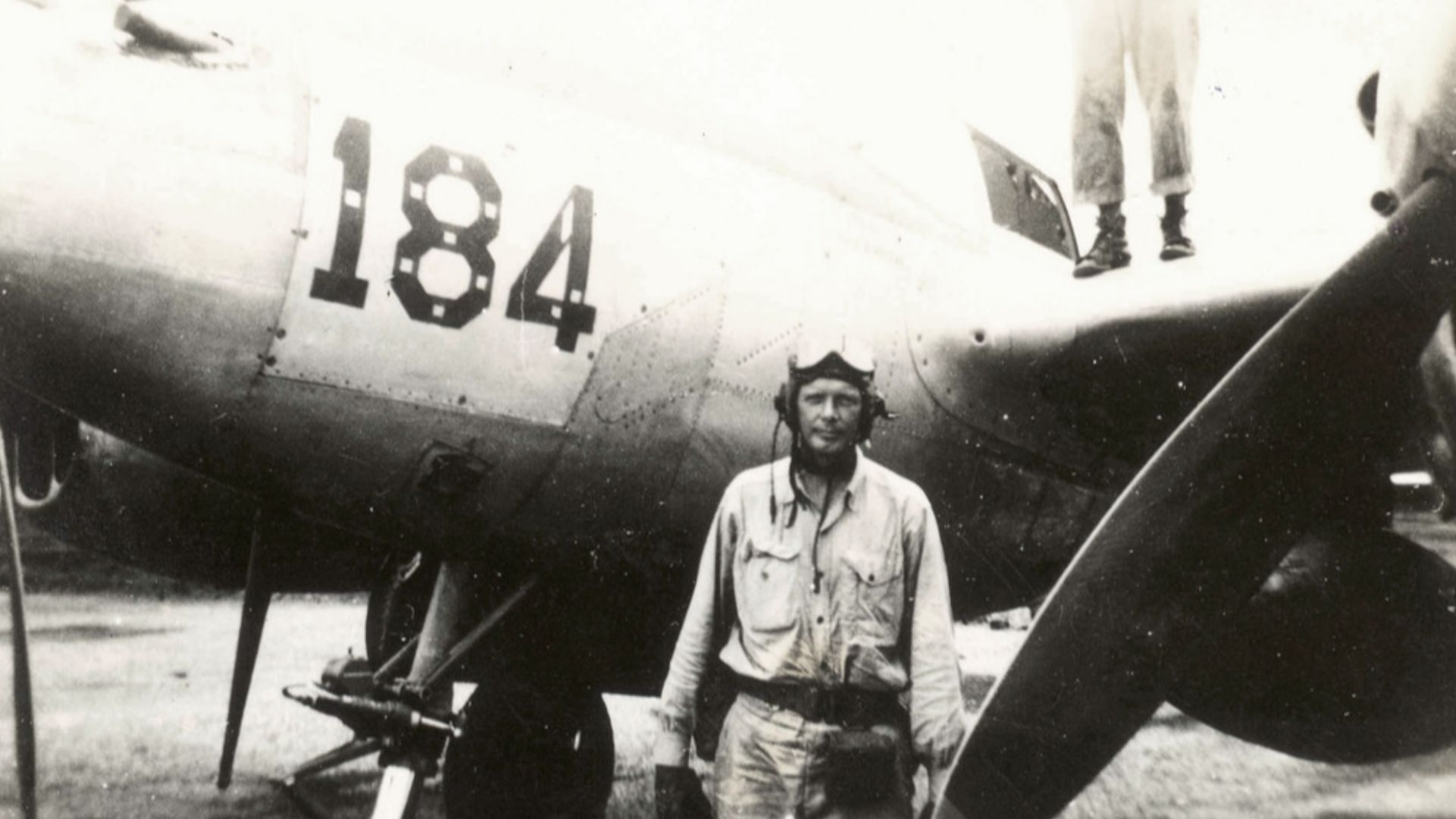 U.S. Air Force, Wikimedia Commons

History's most fascinating stories and darkest secrets, delivered to your inbox daily.
The Cruelest Price
In 1932, Lindbergh's 20-month-old son was kidnapped from the family's home and later found dead. Smithsonian historians note that the Lindberghs' enormous fame and wealth made them obvious targets. Lindbergh's later legacy became deeply controversial for other reasons, but celebrity had already inflicted an unimaginable personal cost.
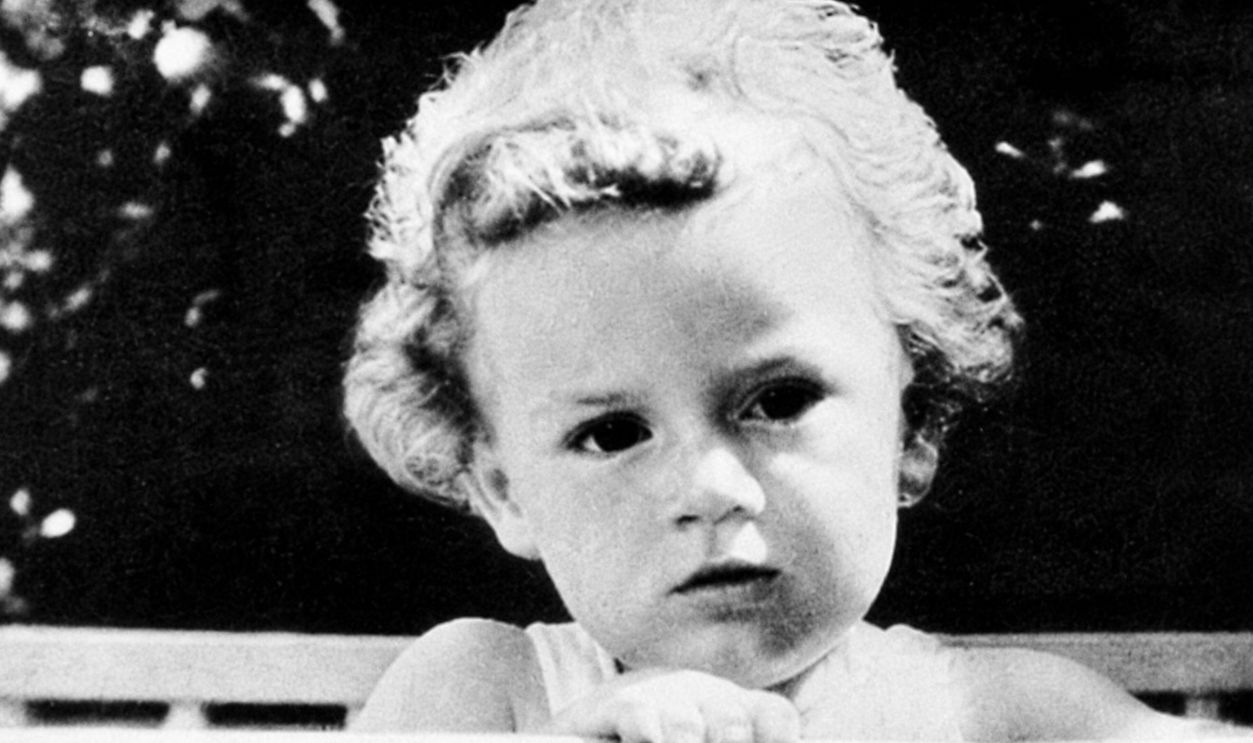 WFinch, Wikimedia Commons, enhanced
Hugh Thompson Put His Helicopter Down
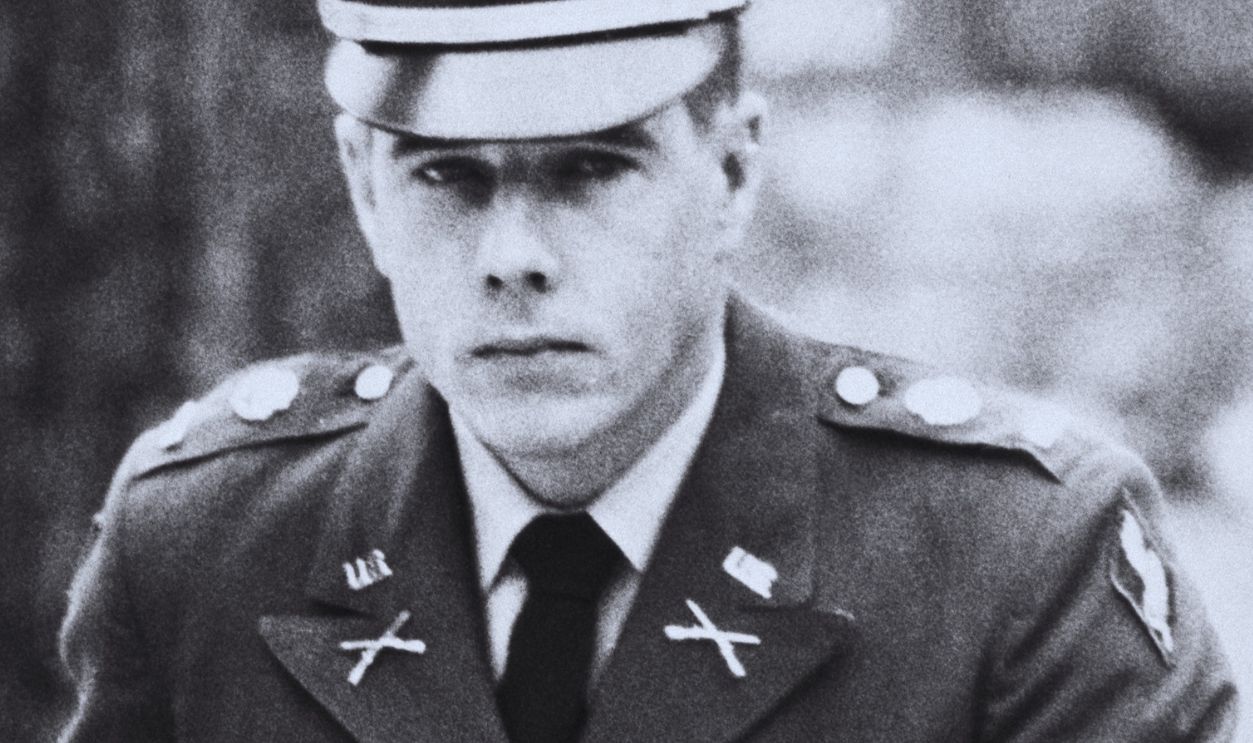
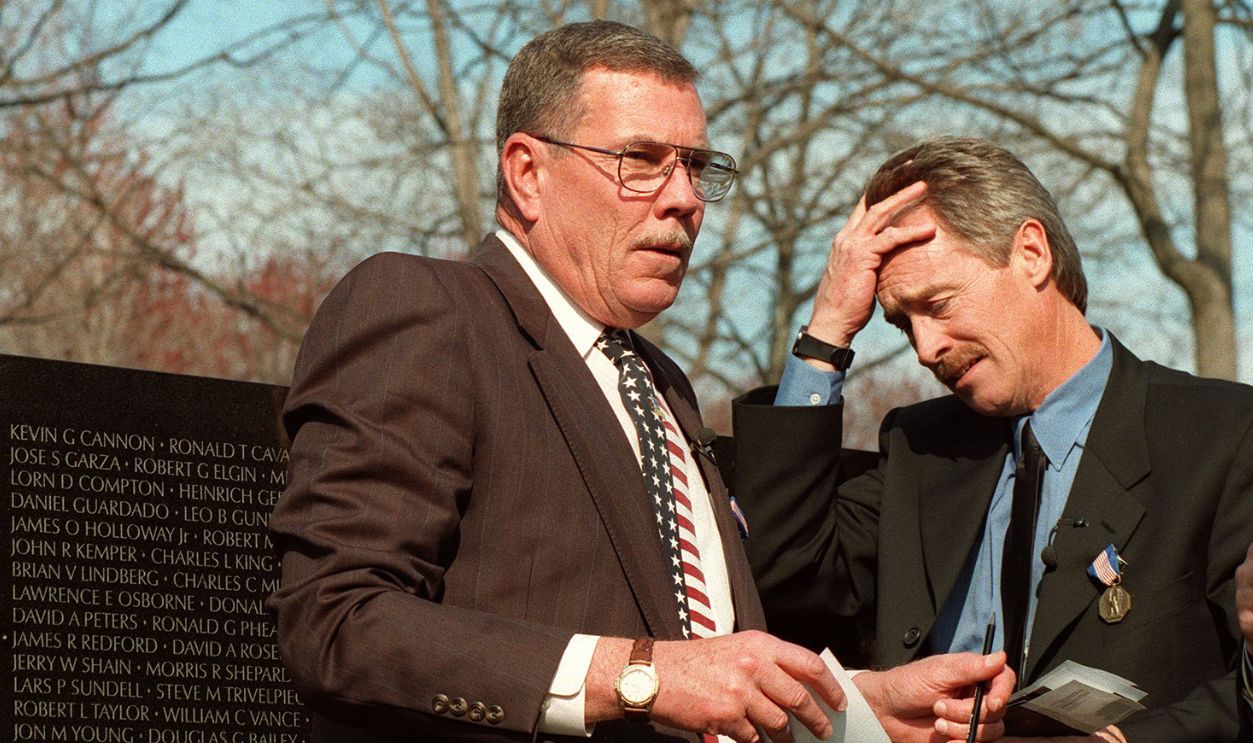
During the 1968 Mỹ Lai massacre in Vietnam, helicopter pilot Hugh Thompson Jr. realized American soldiers were killing civilians. Thompson landed between soldiers and villagers, ordered his crew to protect the civilians if necessary, and helped evacuate survivors. Today, his actions are remembered as extraordinary moral courage.
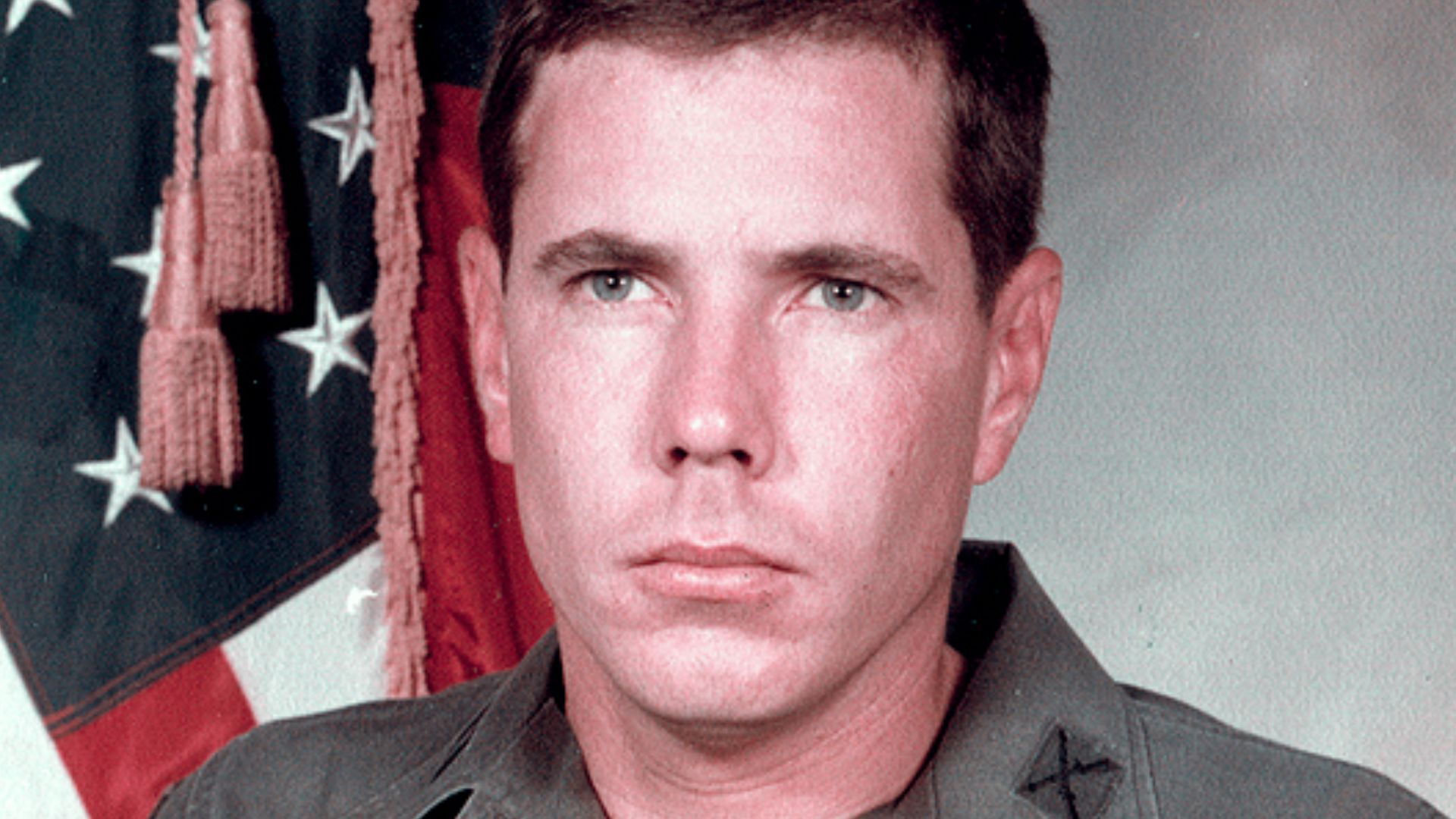
America Turned On Him
At the time, however, Thompson wasn't universally treated like a hero. After he testified about what he'd witnessed, he faced intense hostility. One congressman even wanted him punished, and Thompson later recalled receiving death threats and finding mutilated animals left outside his home.
Honor Came Decades Late
Thompson lived for years with nightmares, trauma, and the consequences of what he'd seen. Only decades later did official recognition catch up with his actions. In 1998, he and his crew were honored for their heroism—a remarkable reversal for a man once attacked for doing the right thing.
The Problem With Becoming A Symbol
That is the strange bargain behind many heroic moments. The public doesn't simply celebrate what happened; it creates a character. Suddenly, the "hero" is expected to stay brave, grateful, inspiring, and uncomplicated forever. Real people, unfortunately, have an annoying habit of remaining real people.

Tommie Smith And John Carlos Raised Their Fists
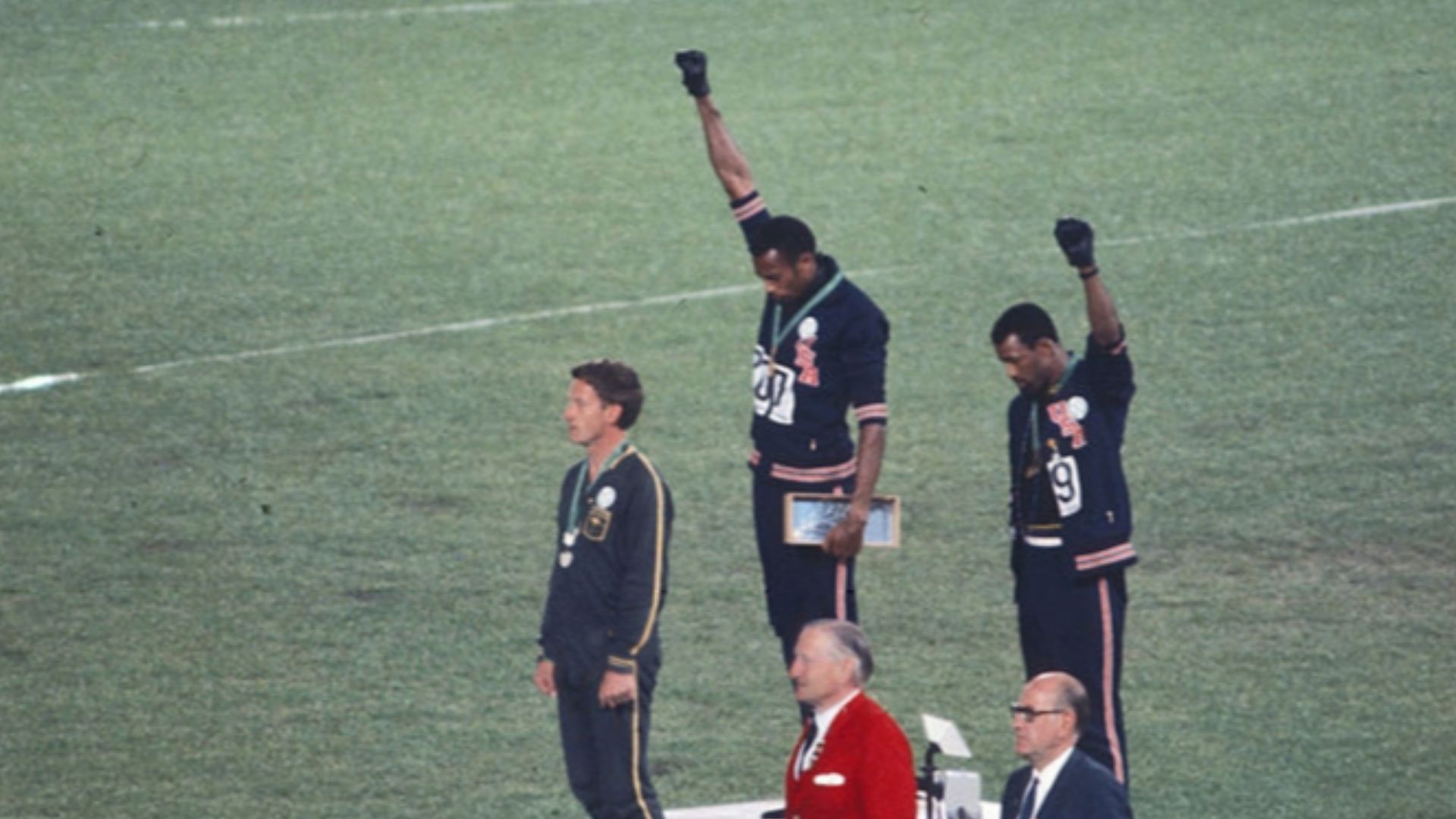
At the 1968 Mexico City Olympics, American sprinters Tommie Smith and John Carlos stood on the medal podium, bowed their heads, and raised black-gloved fists during the national anthem. They meant the gesture as a protest against racial injustice and a demand for human rights.
 Angelo Cozzi (Mondadori Publishers), Wikimedia Commons
The Podium Became A Punishment
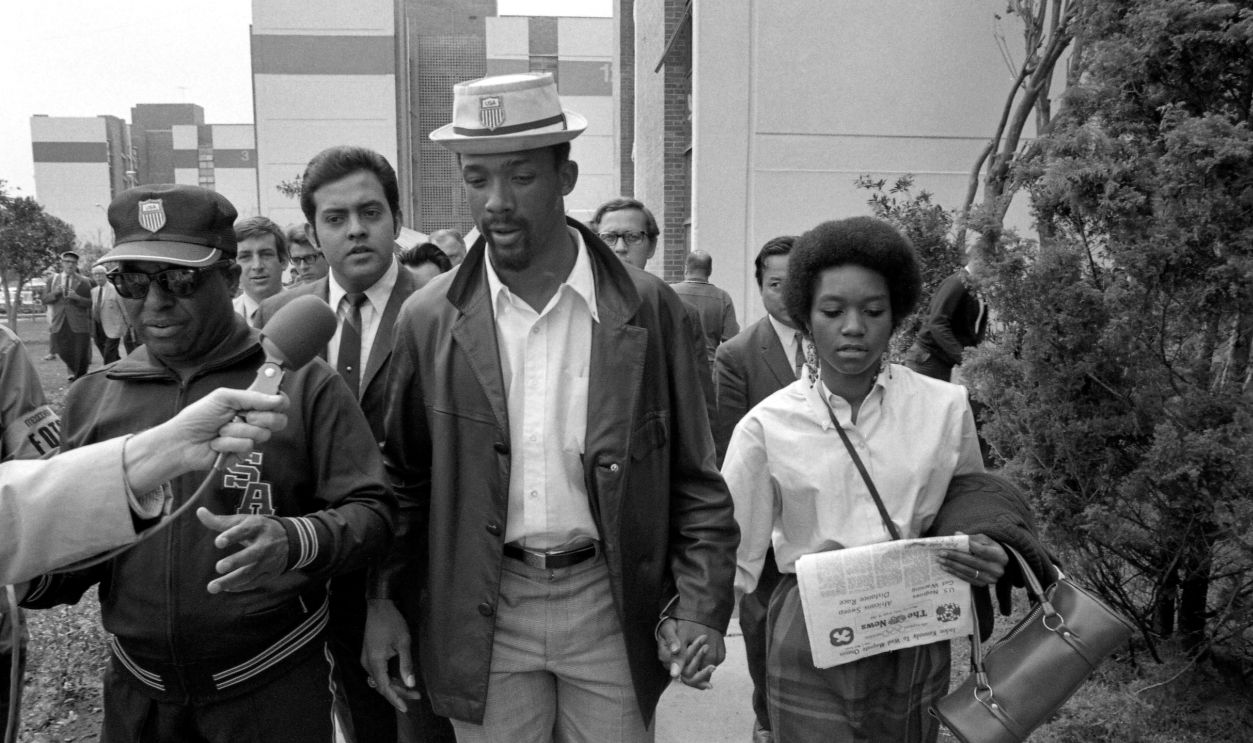
The photograph became iconic, but the immediate reaction was brutal. Smith and Carlos were suspended and removed from the Olympic Village. They received death threats, and both struggled professionally afterward. Smith later recalled returning home with a baby, a wife—and no job.
Vindication Took Years
Eventually, the same gesture that once made Smith and Carlos targets became celebrated as one of sport's great acts of protest. Awards, statues, and public recognition followed. But historical vindication couldn't magically return the years when the photograph made them famous for all the wrong reasons.
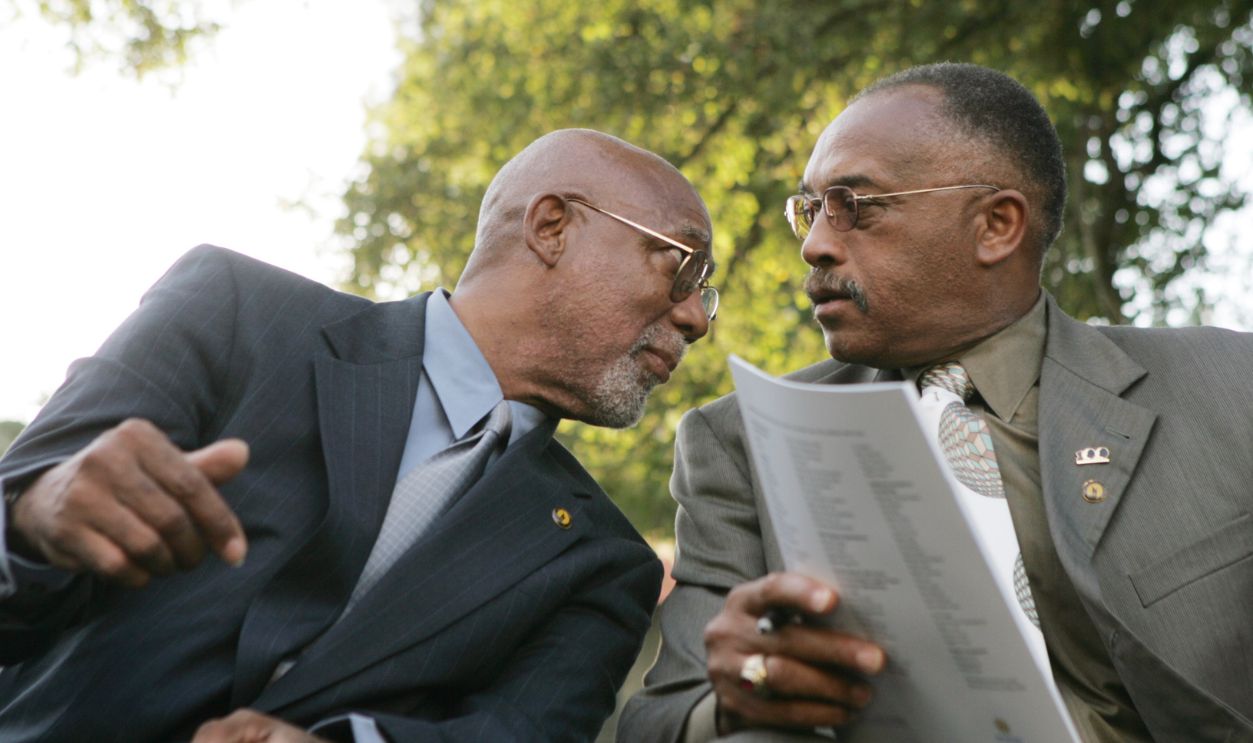 MediaNews Group/The Mercury News via Getty Images, Getty Images
Peter Norman Was Standing Beside Them
There was a third man in that famous photograph. Australian silver medalist Peter Norman supported Smith and Carlos and wore an Olympic Project for Human Rights badge on the podium. It was a much quieter gesture, but Norman knew exactly what his fellow athletes were protesting—and chose solidarity.
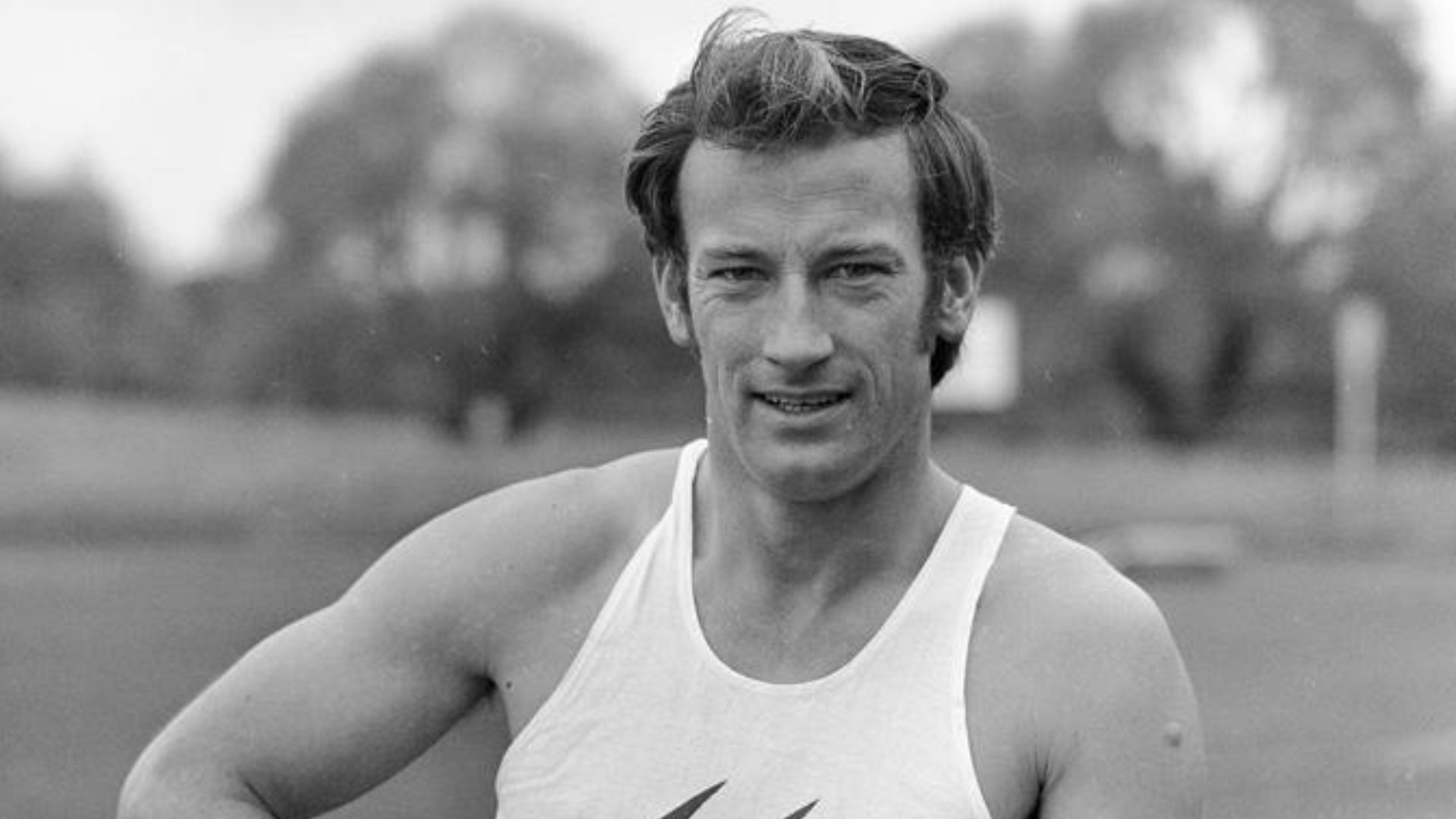 Australian News and Information Bureau, Wikimedia Commons
Solidarity Had A Cost
Norman returned home to criticism and was reprimanded by Australian Olympic authorities. He wasn't selected for the 1972 Olympics despite meeting qualifying standards multiple times, although historians disagree about how directly the 1968 protest influenced that decision. Either way, his podium moment followed him for decades.
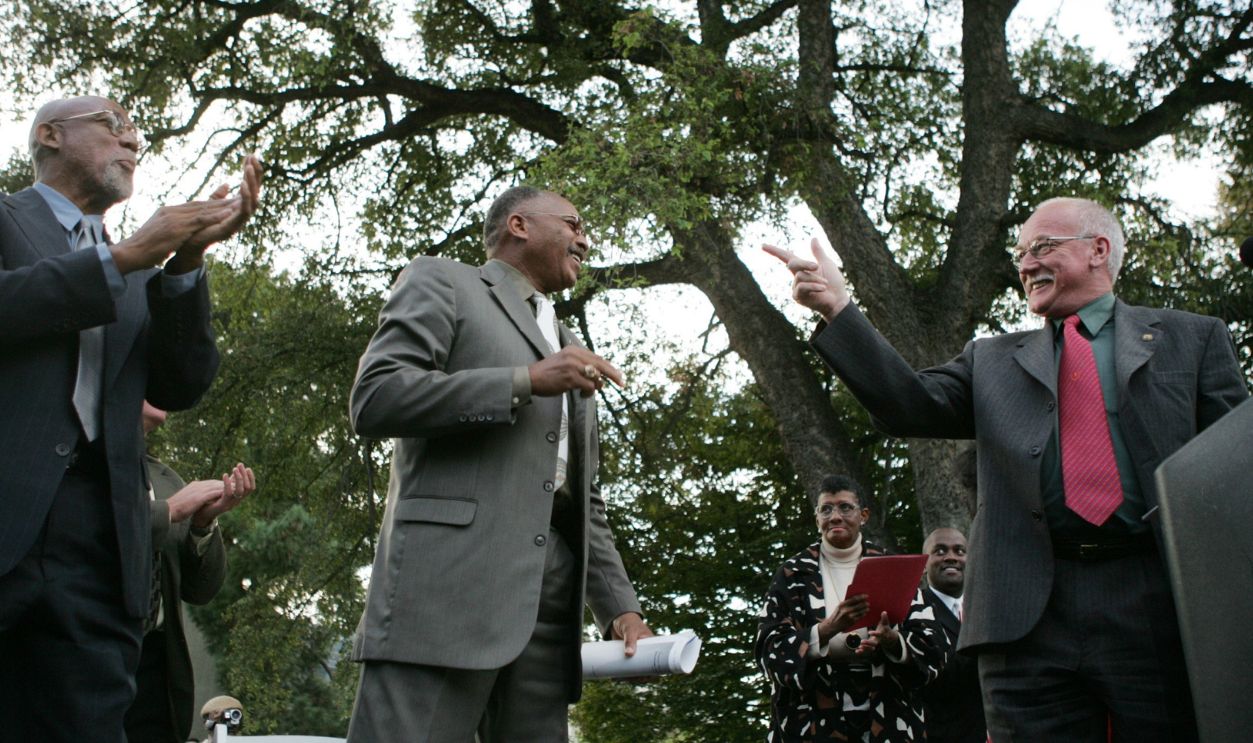 MediaNews Group/The Mercury News via Getty Images, Getty Images
The Apology Came Too Late
Norman died in 2006, with Smith and Carlos serving as pallbearers. Six years later, Australia's parliament formally recognized his courage and expressed regret over his treatment. The world had finally decided that standing beside Smith and Carlos was heroic. Norman simply wasn't around to enjoy the turnaround.
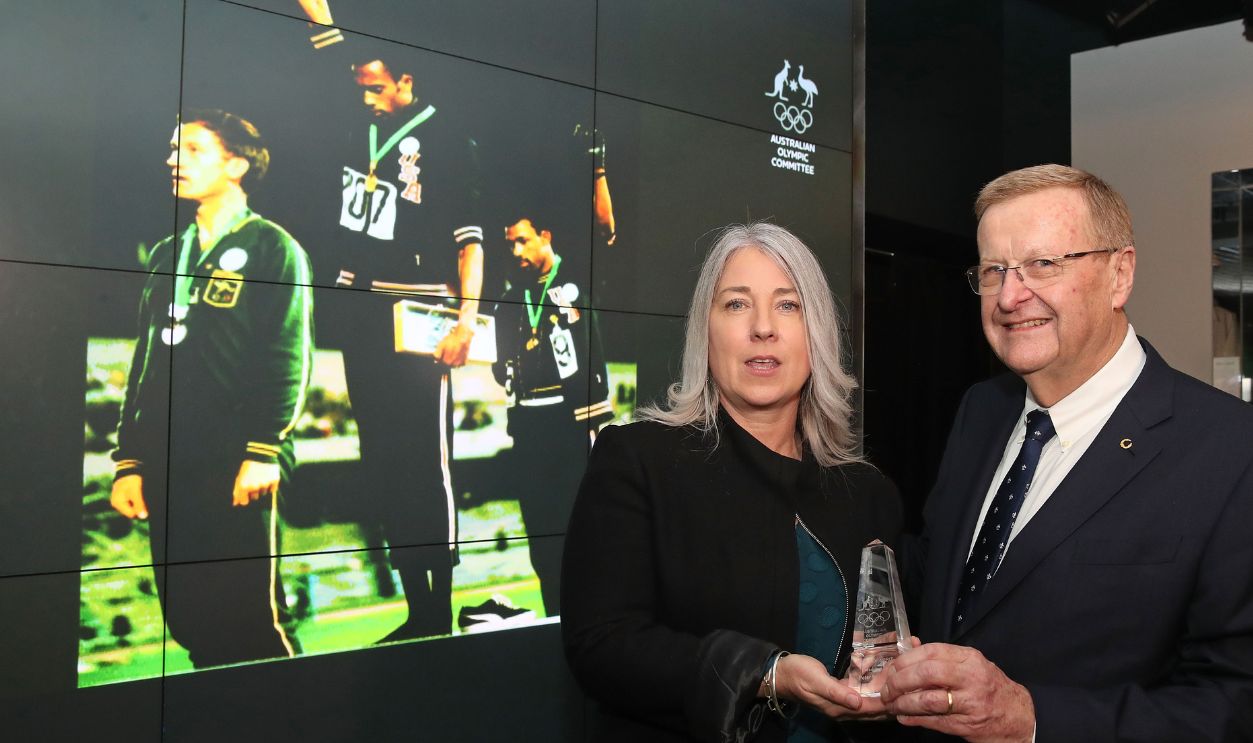
America Wanted Jessica Lynch To Be A Hero
When American soldier Jessica Lynch was captured and later rescued during the Iraq War, an extraordinary story quickly appeared. Reports portrayed her as a fierce young soldier who had fought until she could fight no more. There was just one problem: Lynch herself said it hadn't happened that way.
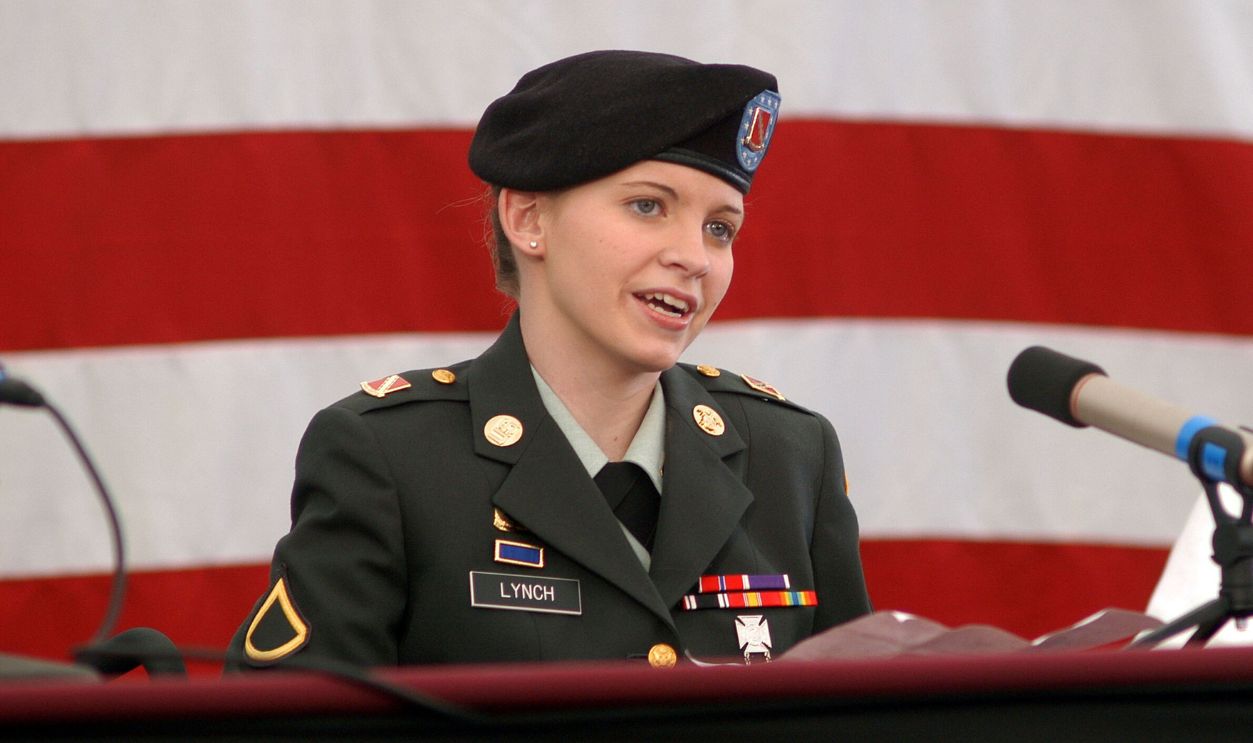
She Never Asked For The Myth
Lynch had been badly injured when her convoy was attacked, and her rifle had jammed before she could fire it. Yet she returned home to discover that strangers had transformed her into an action hero. While still recovering, she found herself trapped inside somebody else's version of her life.
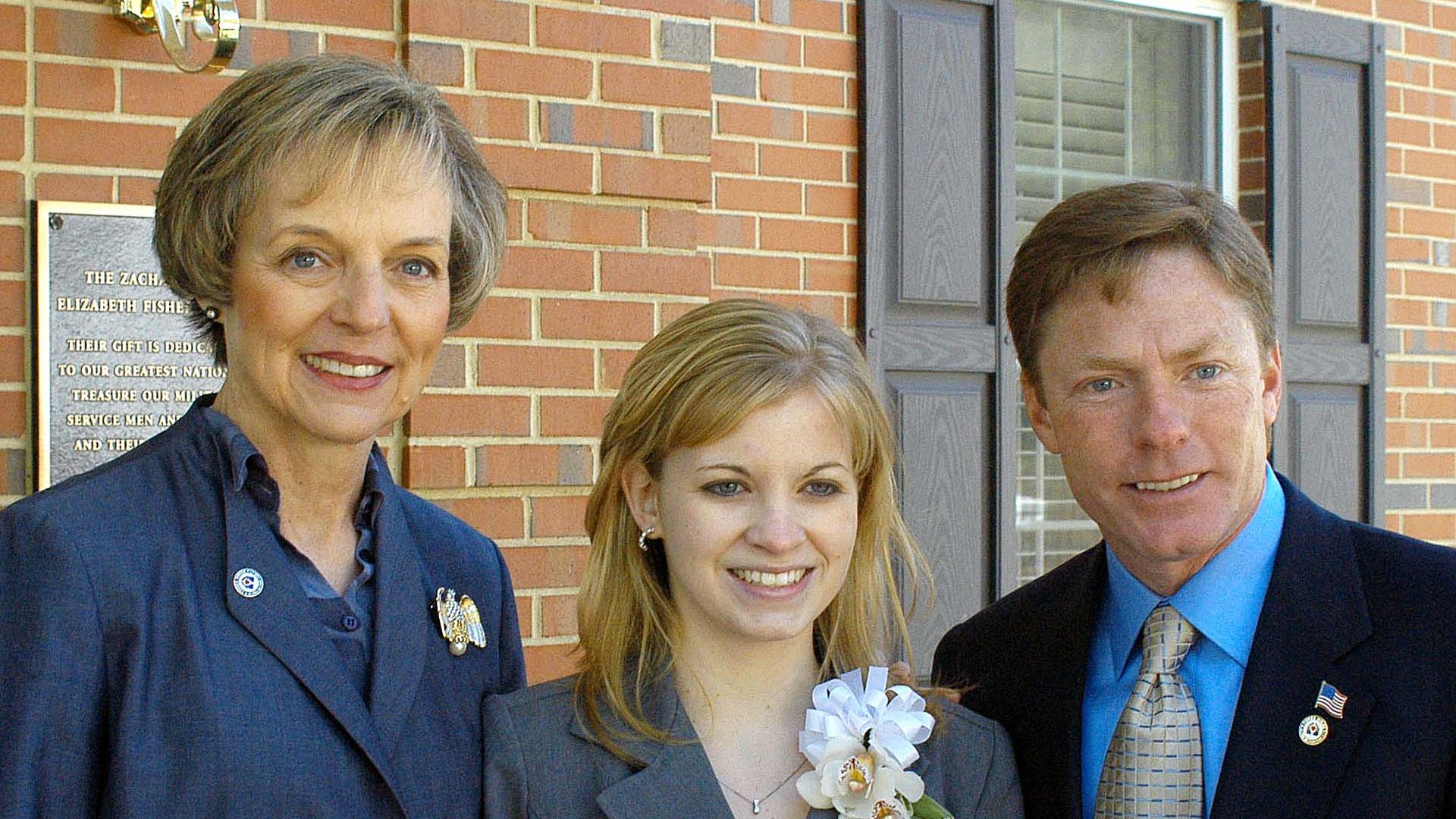 Mamie Mae Burke, Wikimedia Commons
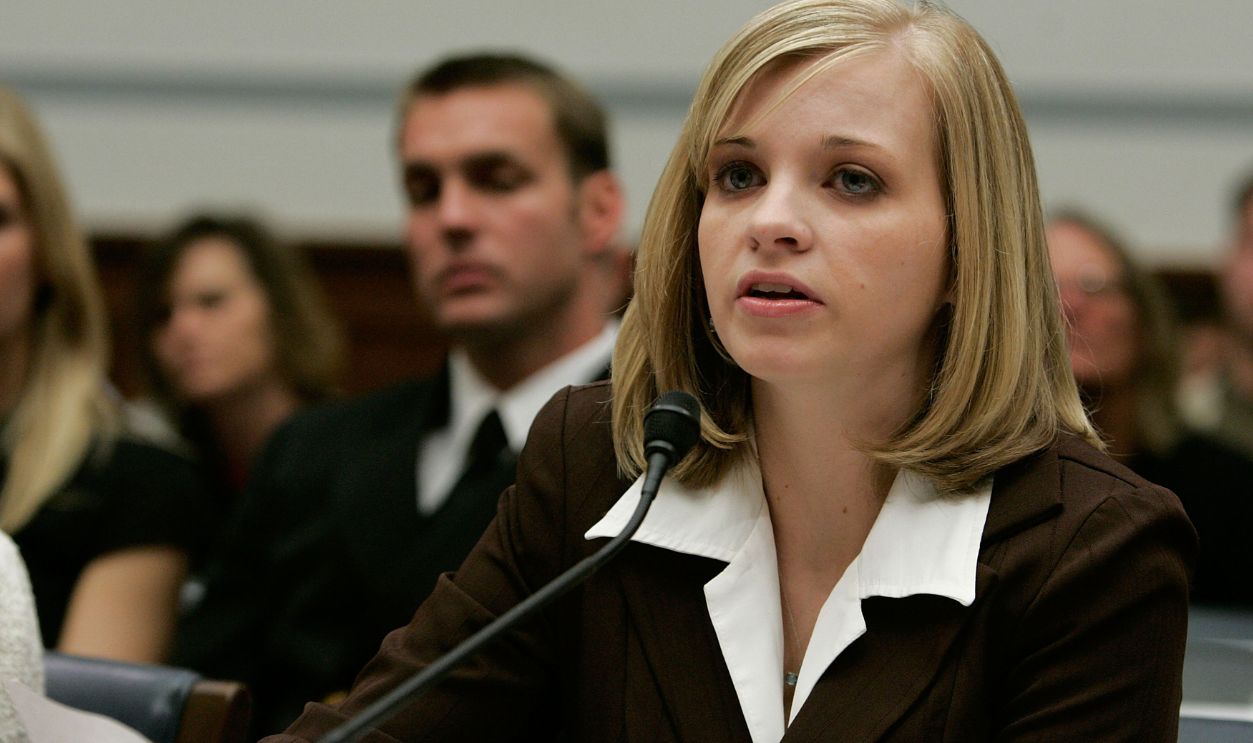
Fighting Her Own Legend
Lynch eventually testified before Congress and publicly challenged the exaggerated story. That brought another wave of attention—and criticism from people disappointed that their preferred version wasn't true. She had survived capture and serious injuries, yet somehow found herself defending the fact that she hadn't performed imaginary heroics.
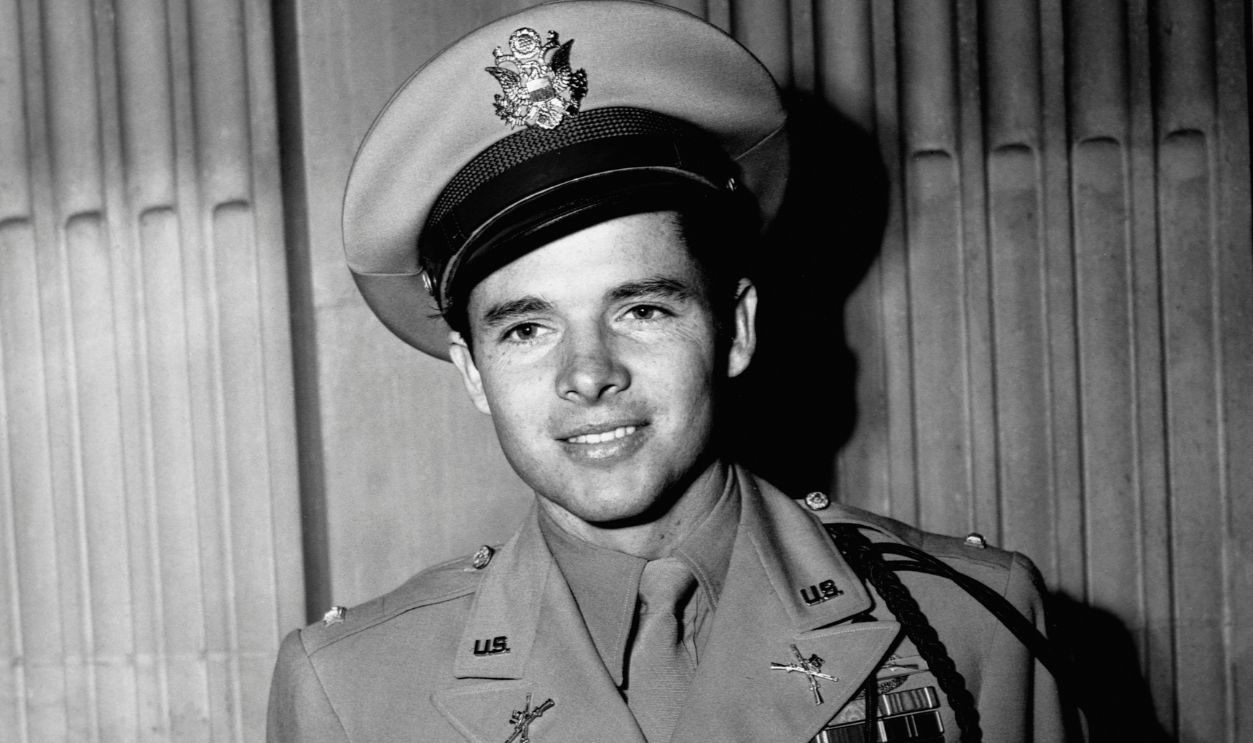
Audie Murphy Faced An Army Alone
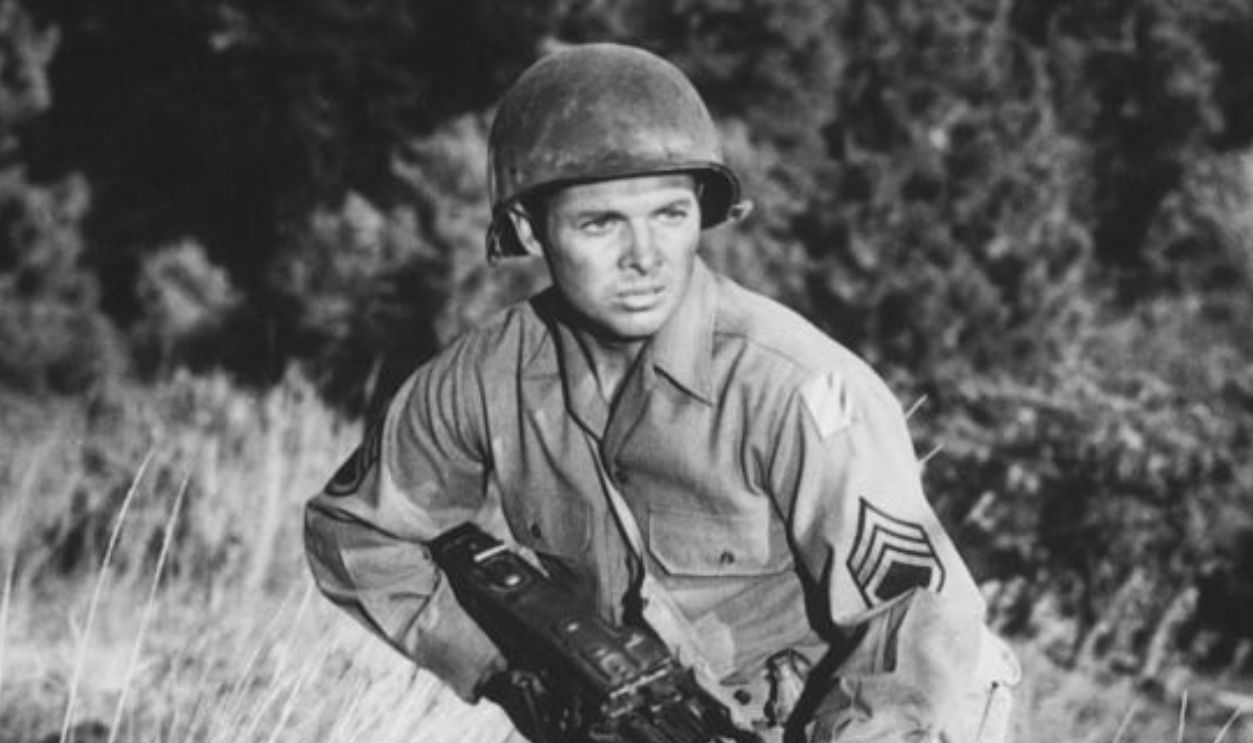
In January 1945, Audie Murphy climbed onto a burning tank destroyer and used its machine gun to hold off a German attack despite being wounded. The astonishing stand earned him the Medal of Honor and helped make the young Texan America's most celebrated soldier of World War II.
Hollywood Wanted The Hero
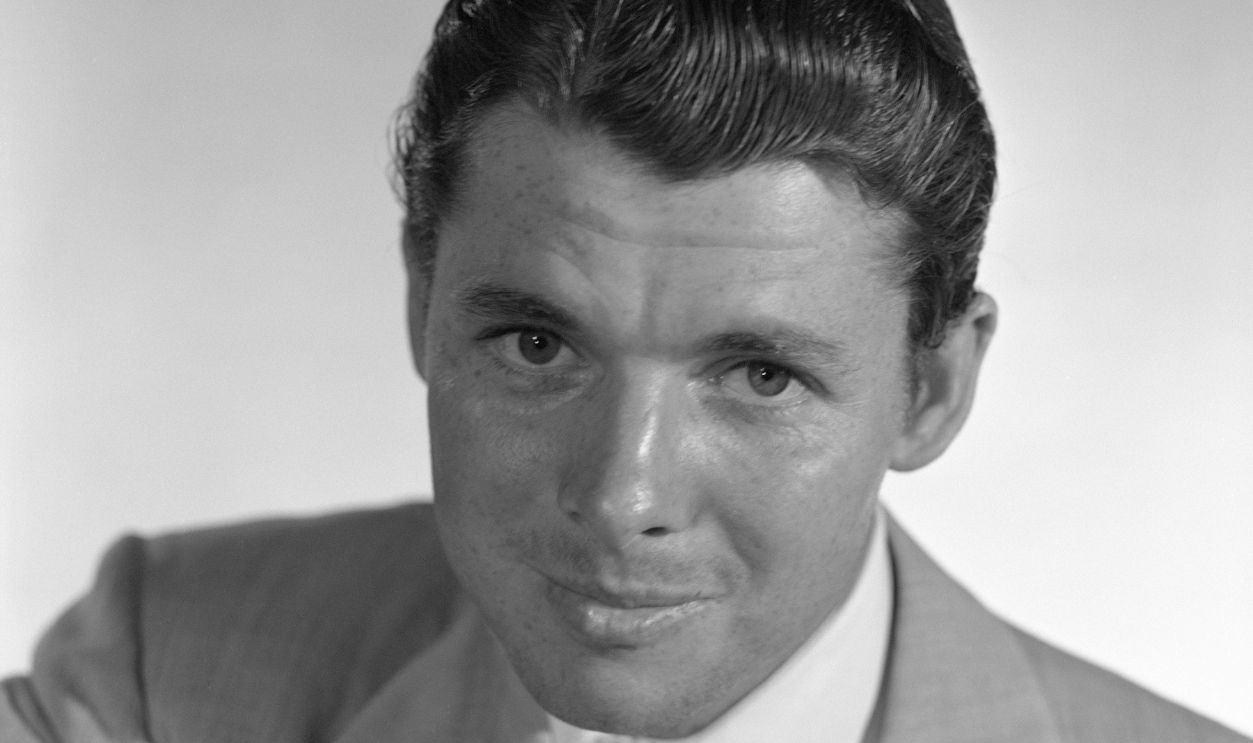
Murphy's fame carried him straight into Hollywood, where studios turned the baby-faced war hero into a movie star. He even played himself in To Hell and Back. To audiences, he represented courage made flesh. Behind the image, however, the actual war had never really ended for him.
The War Came Home With Him
Murphy suffered nightmares, insomnia, paranoia, and what doctors then called "battle fatigue"—symptoms now associated with PTSD. Fame didn't create that trauma, but it forced him to live publicly as the fearless hero while privately dealing with its consequences. The legend and the man were painfully different things.
Heroes Are Still Human
These stories don't make the heroic moments less heroic. They make them more human. Saving someone, taking a stand, or surviving the impossible doesn't magically prepare a person for celebrity, suspicion, trauma, or becoming a national symbol. Sometimes the hardest part of being a hero begins after everyone starts calling you one.
 Unknown author, Wikimedia Commons
You May Also Like:
Gary Dahl made a fortune from the Pet Rock—but few people know how dark his story became.
Badly Behaved Facts About Hugh Grant, The RomCom Charmer
Bleeding Heart Facts About Alan Alda, The Star With Principles