A Feared Legend Of The Old West
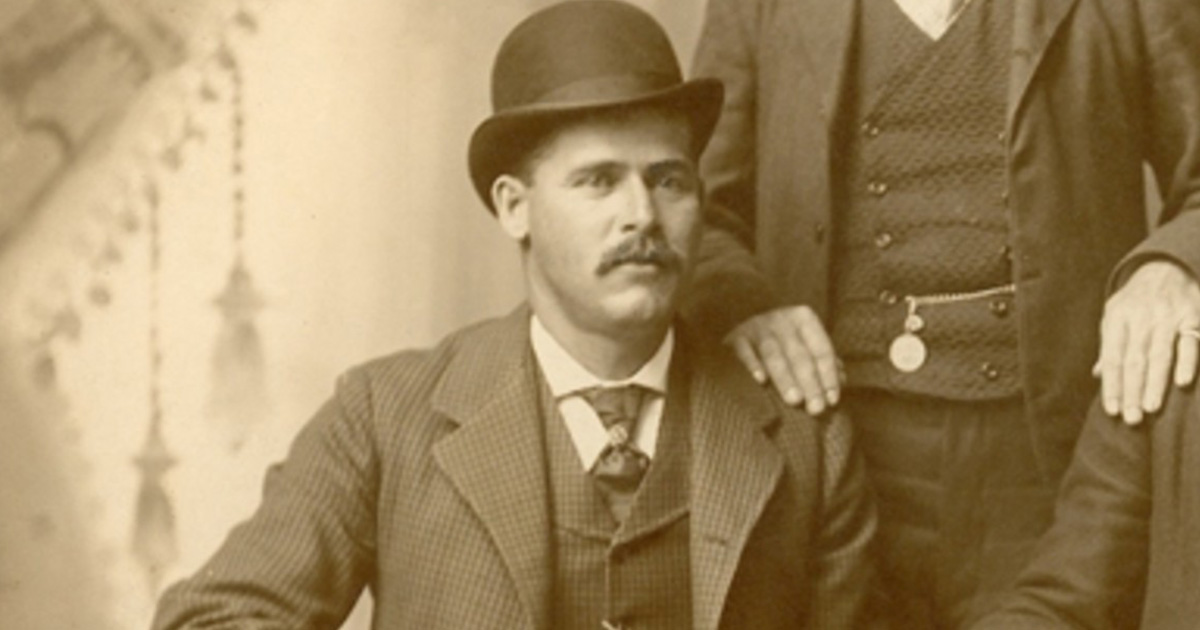
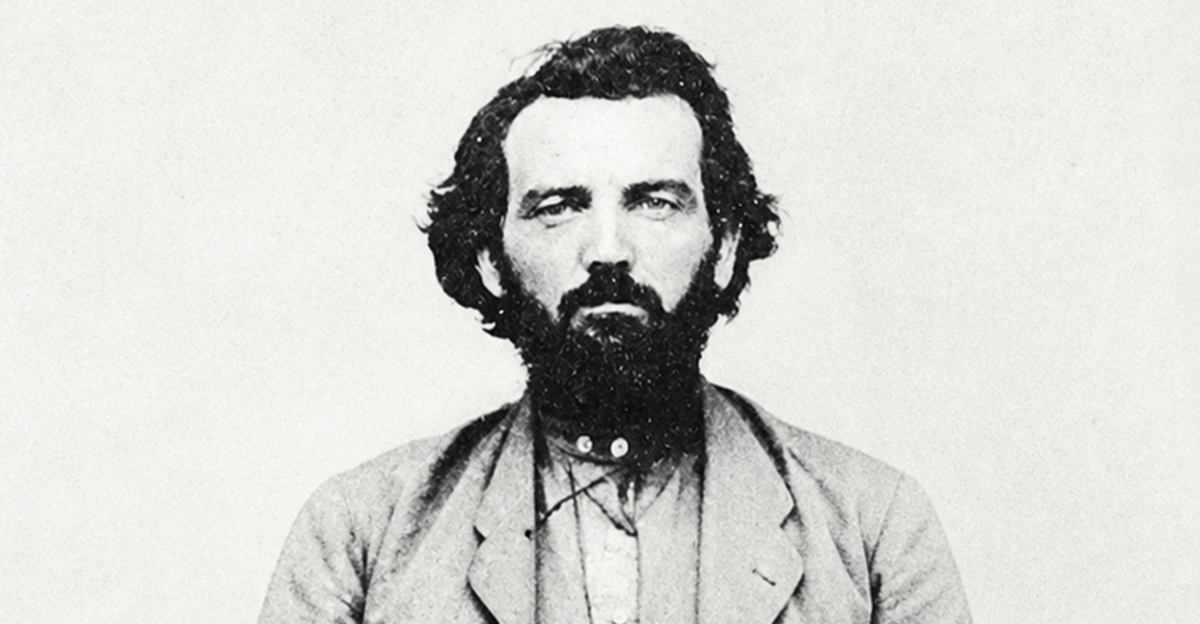
Clay Allison stands as one of the most dangerous figures of the American frontier. A cattleman, vigilante, and feared gunfighter, he embodied the chaotic reality of the post–Civil War West. Stories about him tend to blur the line between truth and exaggeration. But whatever the case may be, one thing remains certain: Allison lived fast, fought hard, and left behind a reputation that still fascinates historians of the Old West.
Born Into A Religious Household
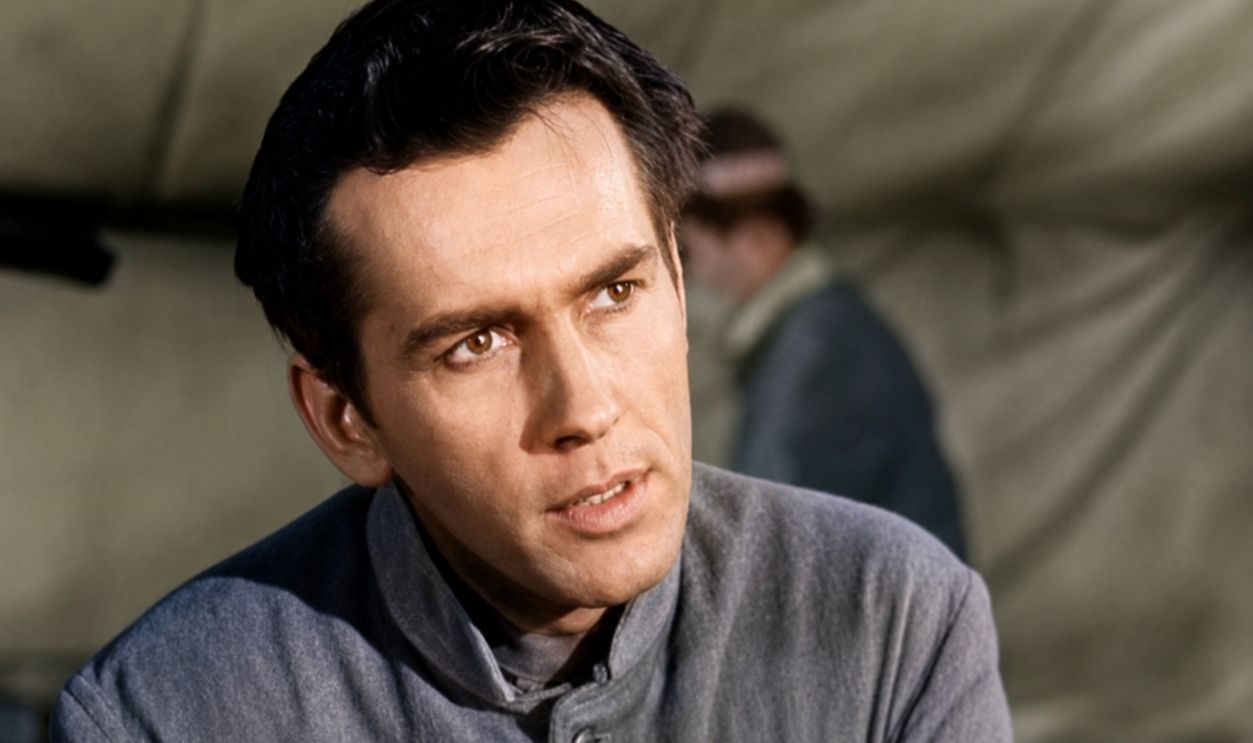
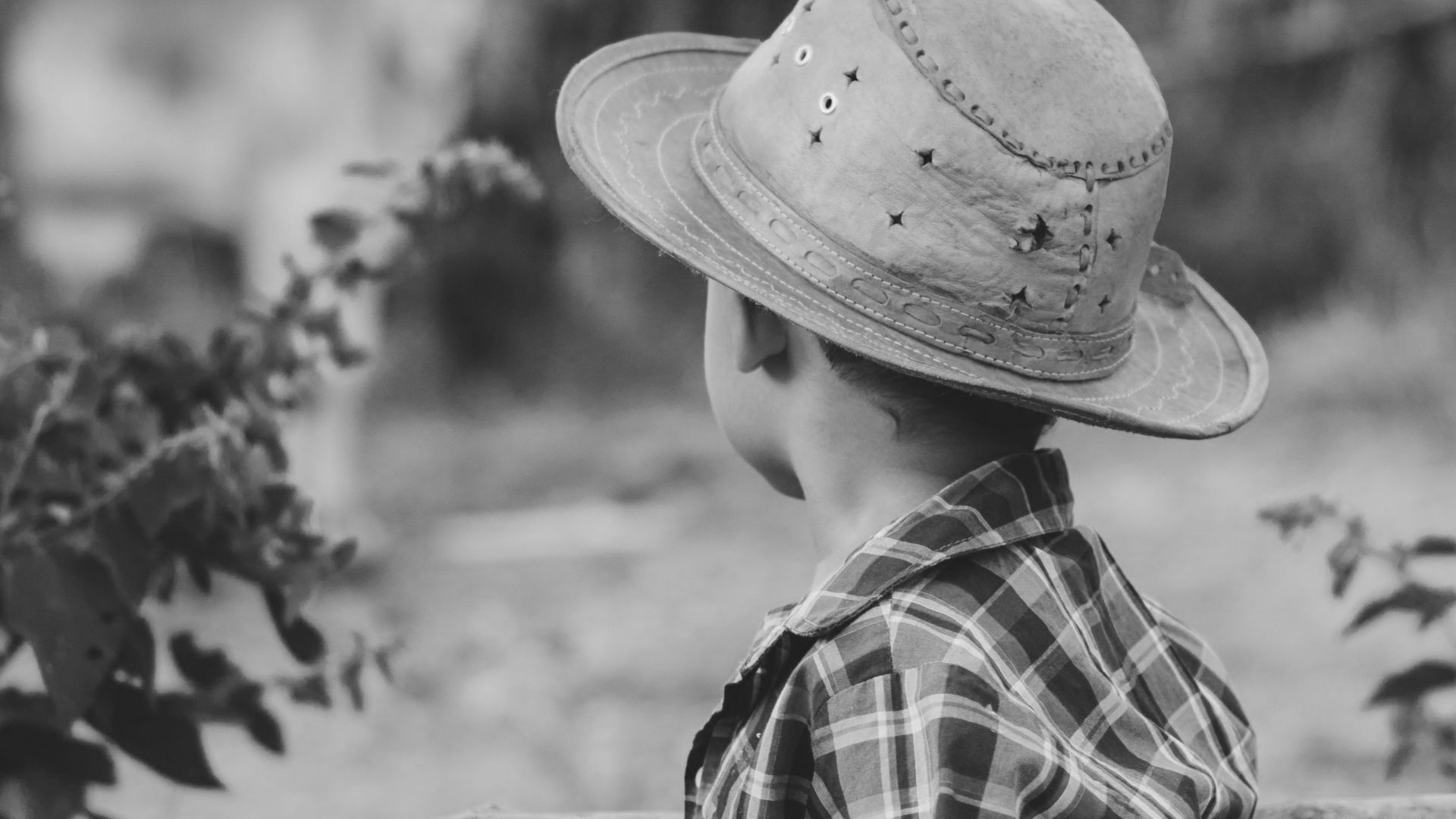
Robert Andrew Clay Allison was born on September 2, 1841, in Waynesboro, Tennessee, the son of Presbyterian minister Jeremiah Scotland Allison. Despite growing up in a deeply religious household, Clay would follow a dramatically different path. Raised on a farm alongside eight siblings, he developed the toughness and self-reliance that would later serve him well on the frontier.
 Screenshot from Stories of the Century, Republic Pictures (1954-1955), Enhanced
A Childhood Marked By Loss
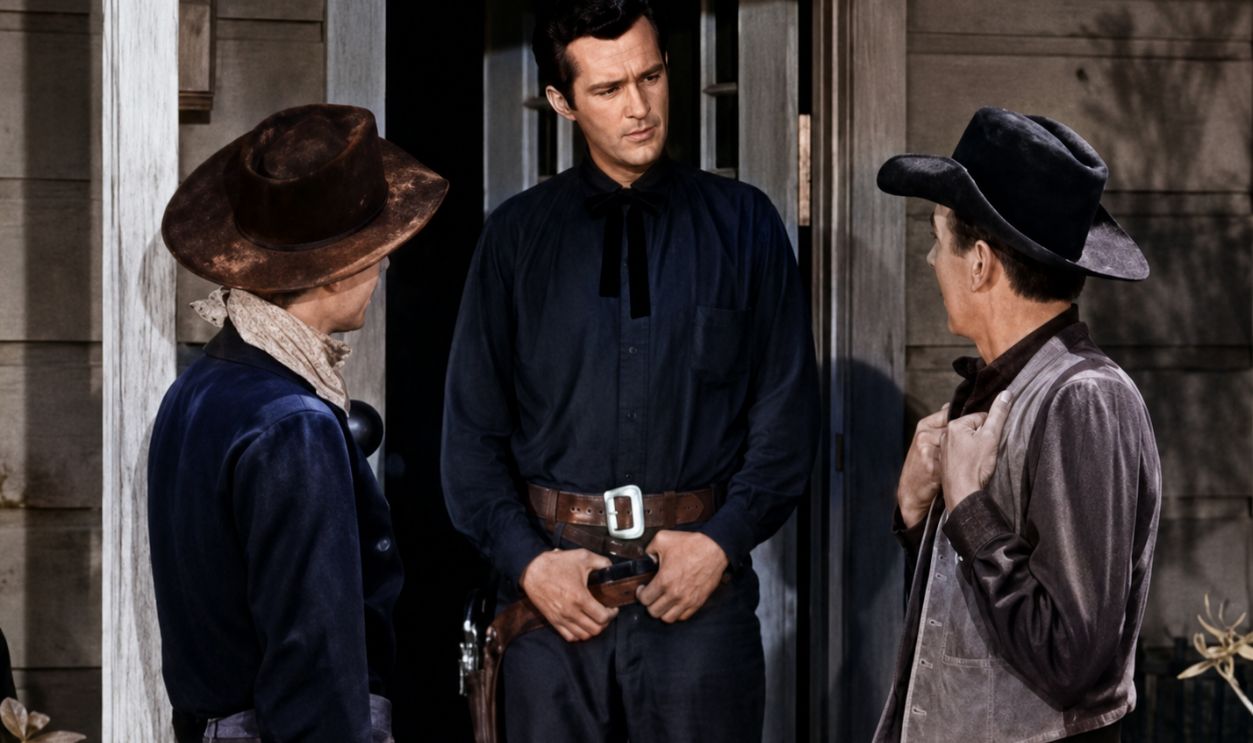
Allison’s father died while Clay was still young, leaving the family to cope with all the ensuing financial hardship and uncertainty. The loss reportedly had a profound effect on his personality. Later accounts describe him as intense, emotional, and prone to violent mood swings and outbursts of anger, characteristics that many historians believe he was already displaying during his youth.
 Screenshot from Stories of the Century, Republic Pictures (1954-1955), Enhanced
The Civil War Changes Everything
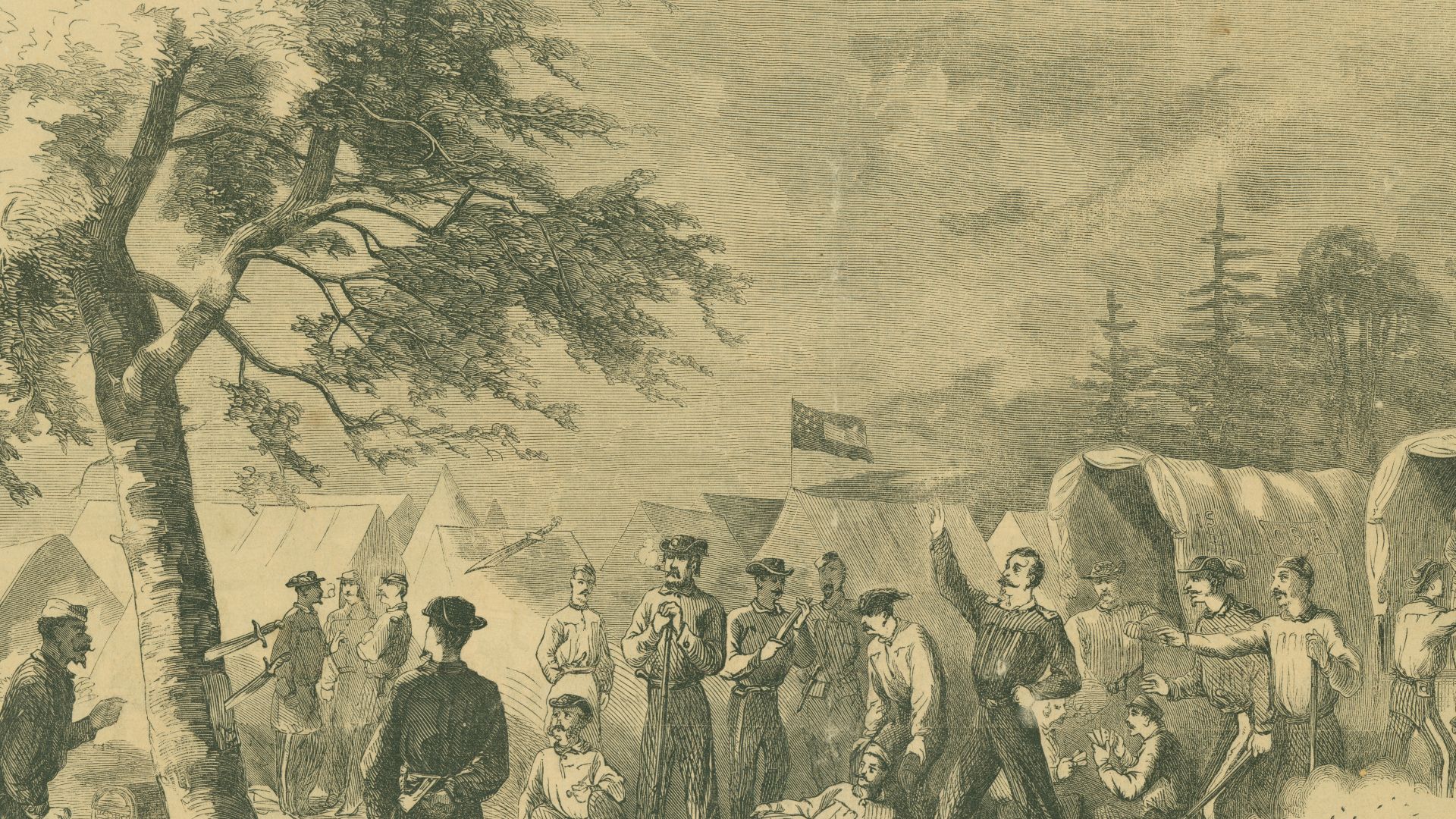
When the American Civil War erupted in 1861, Allison hurried to enlist in the Confederate Army at just 20 years old. Like countless young Southern men, he left the routines of farm life for the hardships of military service. The war would expose him to extraordinary violence and permanently shape the rest of his life.
 Unknown authorUnknown author, Wikimedia Commons

History's most fascinating stories and darkest secrets, delivered to your inbox daily.
A Troubled Soldier
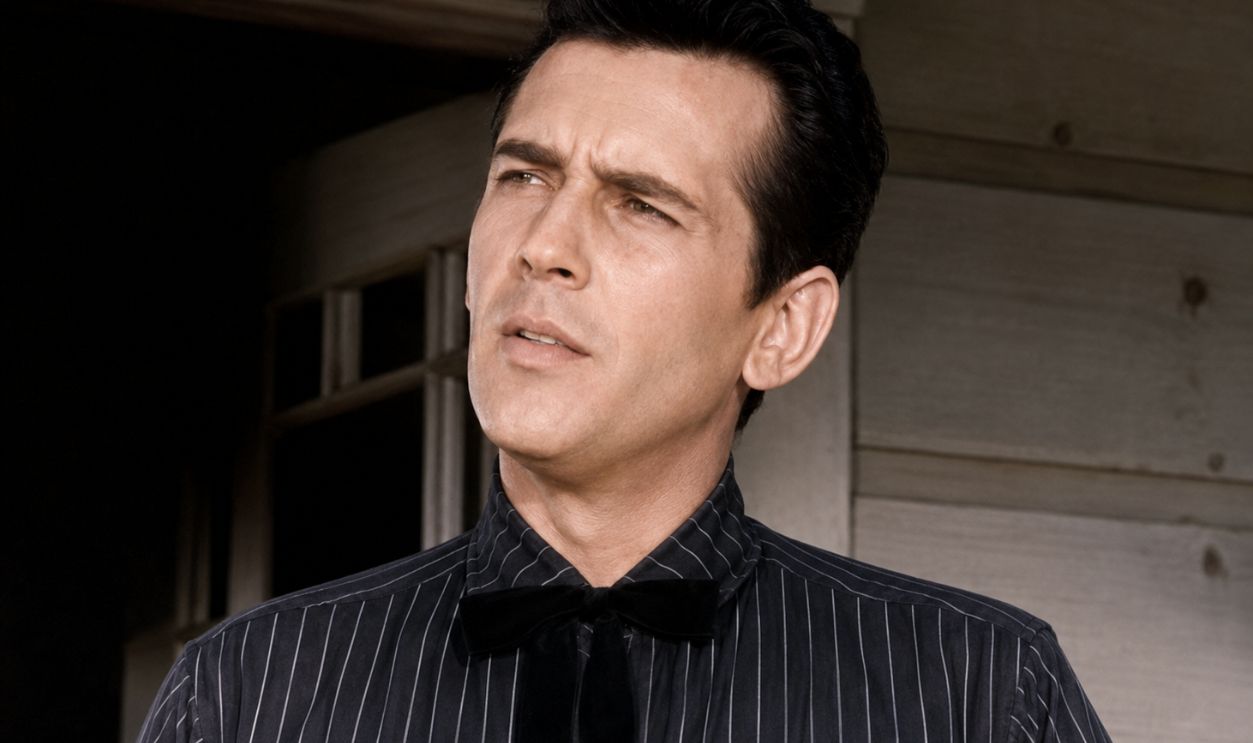
Allison’s first period of military service was brief and troubled. He was discharged after only a few months because army doctors came to the reasonable conclusion that an earlier head injury, along with his increasingly erratic behavior, made him unfit for service. Whether he suffered from a genuine mental illness or the lasting effects of head trauma is still a subject of historical debate.
 Screenshot from Stories of the Century, Republic Pictures (1954-1955), Enhanced
A Return To War
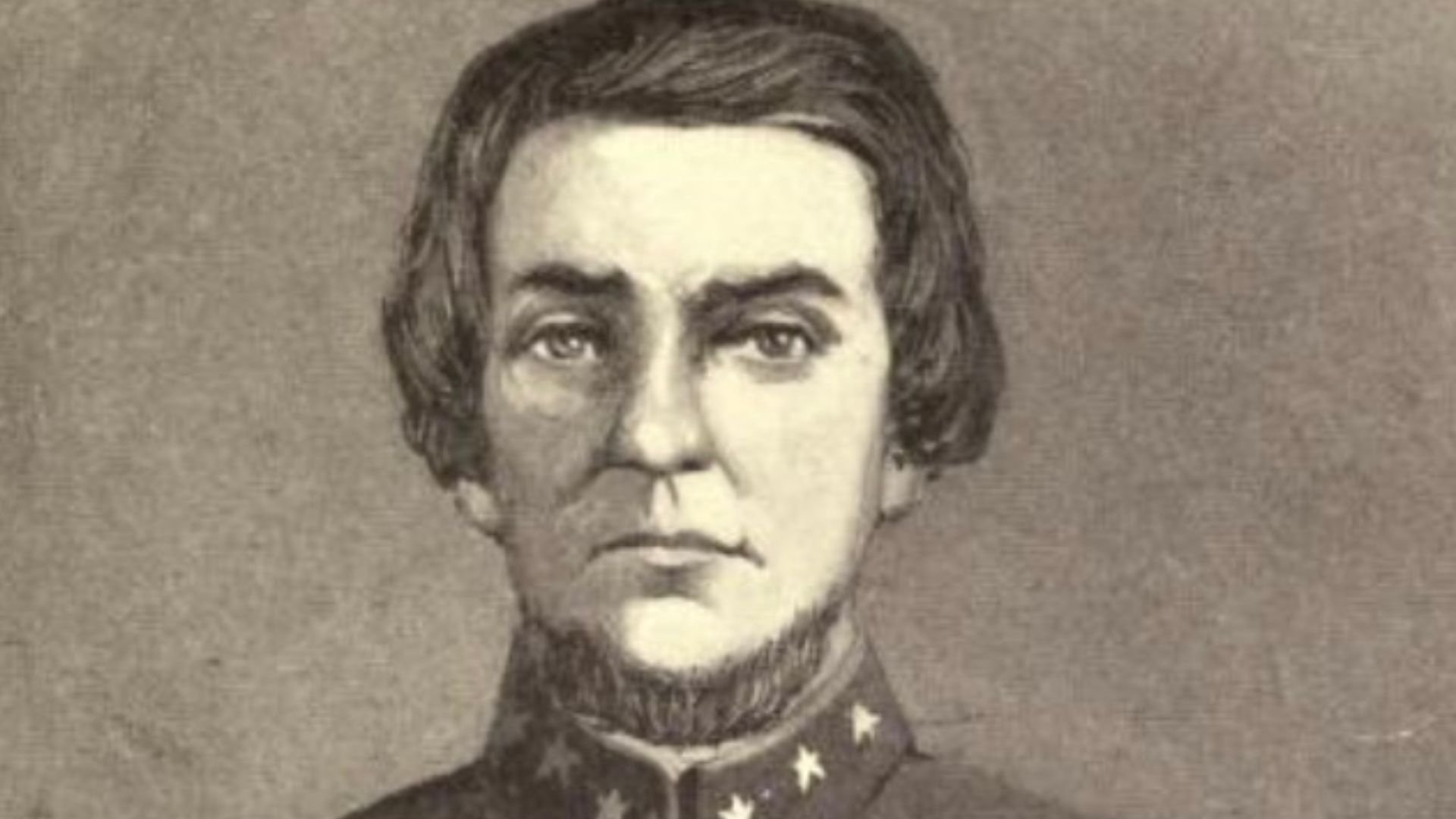
Despite being discharged, Allison was determined to continue fighting. In 1862, he re-enlisted with the 9th Tennessee Cavalry under General Nathan Bedford Forrest. Serving primarily as a scout, Allison took part in dangerous missions that demanded courage, quick thinking, and deadly accuracy, while exposing him to even more violence and hardship.
 Artist unknown, Wikimedia Commons
War’s End And A Narrow Escape
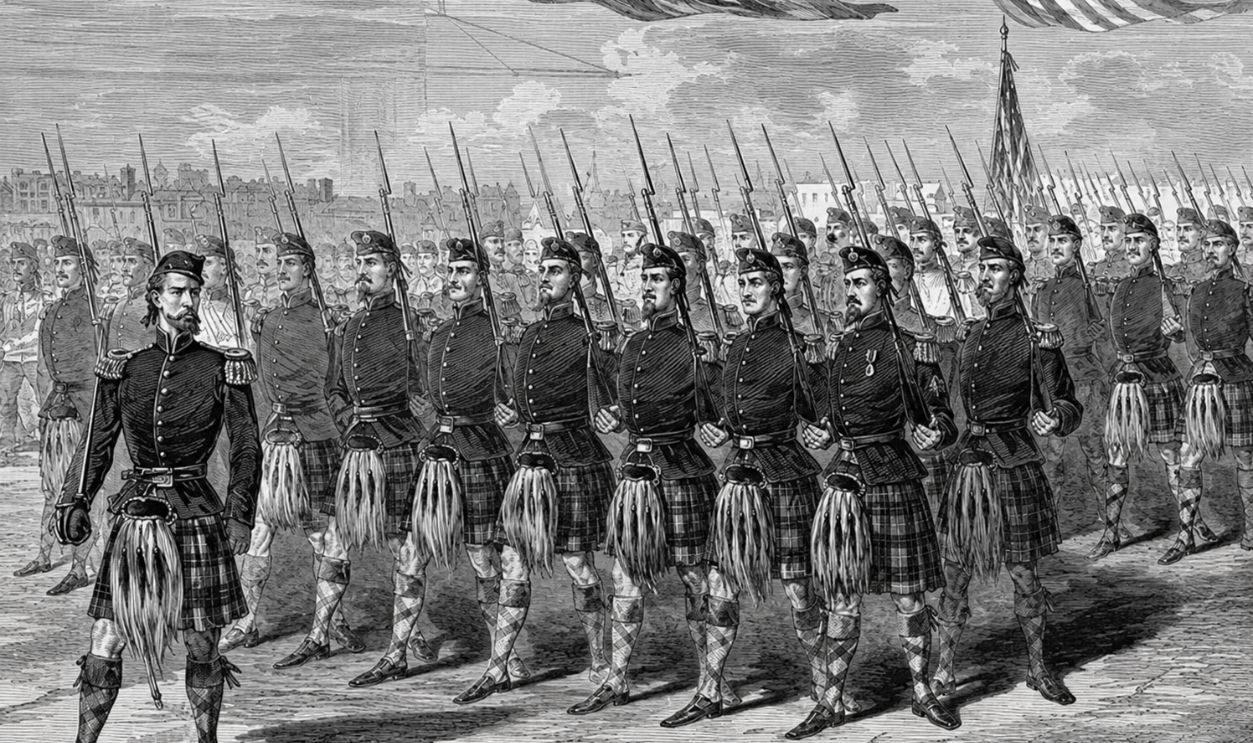
When the Confederacy collapsed, Allison was captured by Union forces and briefly held as a prisoner before eventually being paroled. Later stories claim he narrowly escaped execution after being accused of spying, but historians are not in universal agreement on this point. But whether it was factual or not, the account reflects the dangerous uncertainty facing Confederate veterans at war’s end.
 Unknown Author, Wikimedia Commons, Enhanced
A Violent Return To Civilian Life
Returning home after the war turned out to be a troublesome for Allison. Unable to leave the violence behind, he reportedly got involved in another deadly confrontation, slaying a Union soldier who allegedly attempted to seize family property. The details vary between sources, but the story illustrates how difficult the transition to peaceful civilian life could be for former soldiers, especially in the occupied South.
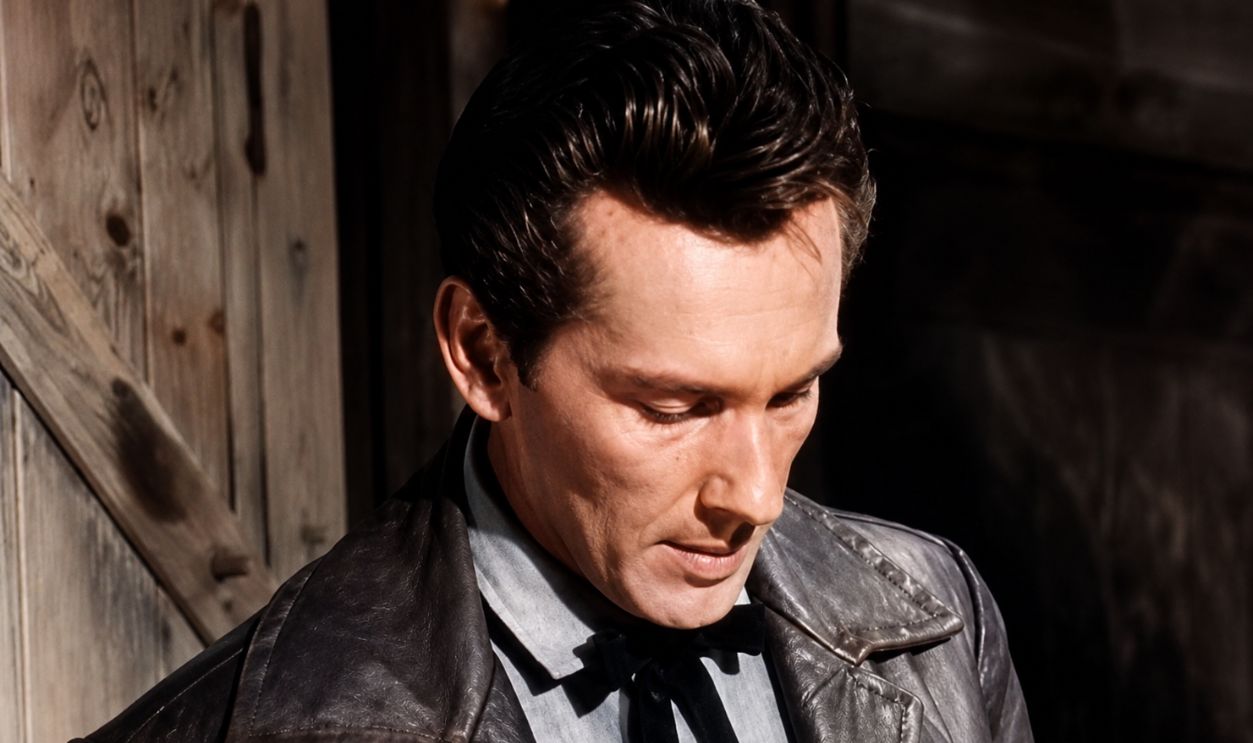 Screenshot from Stories of the Century, Republic Pictures (1954-1955), Enhanced
A Turn For The Worst
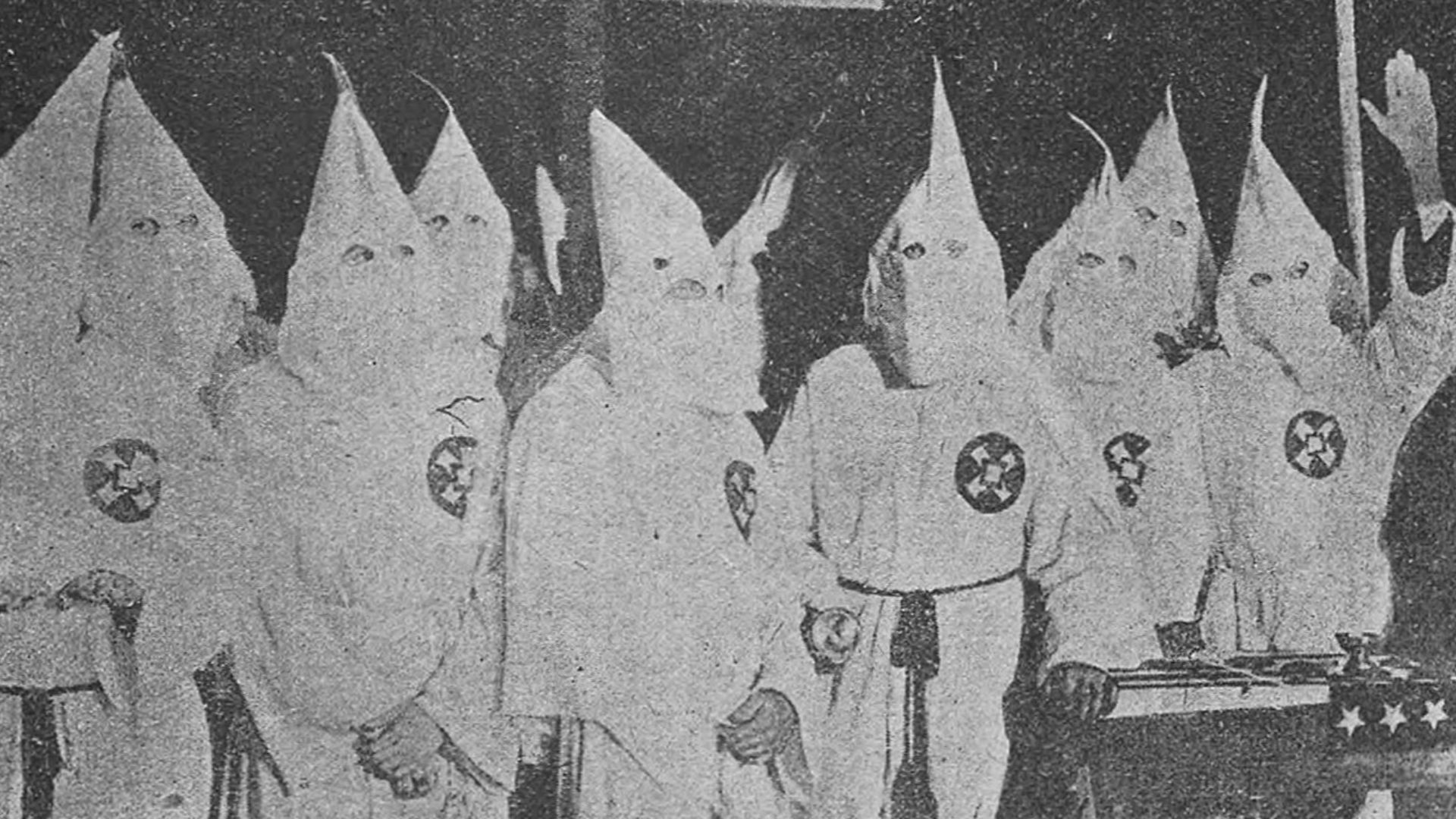
During the turbulent years of Reconstruction, Allison became associated with the local Ku Klux Klan. According to historical accounts, he participated in confrontations between Klansmen and agents of the Freedmen's Bureau before eventually leaving the state for Texas. The exact extent of his involvement is unclear, but clearly Allison was making little effort to move on from the war and its violence.
Heading West For Opportunity
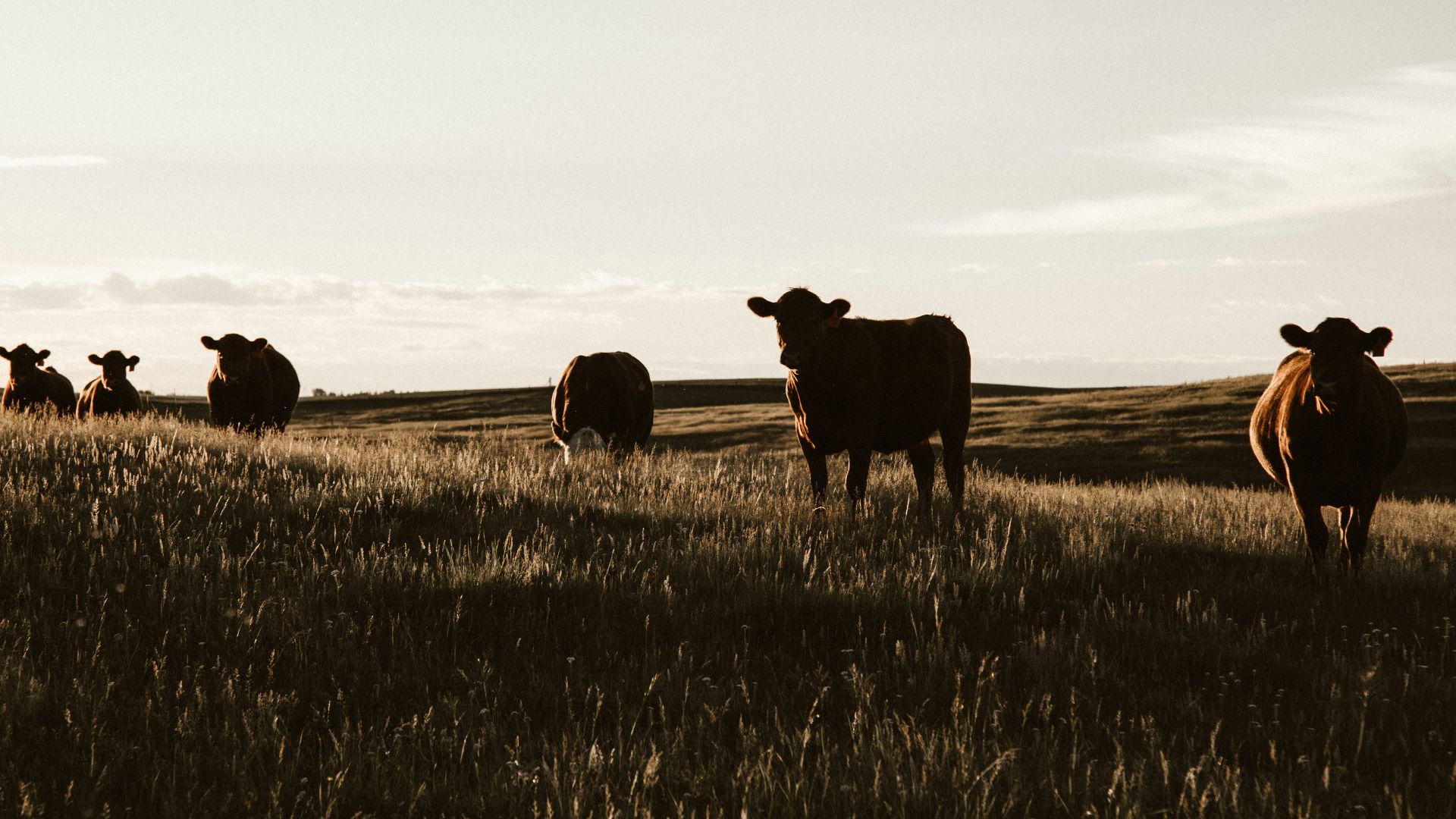
Seeking a fresh start, Allison joined thousands of other veterans moving west after the Civil War. He eventually settled in Texas before working as a cattleman in New Mexico Territory. Driving cattle along routes such as the Goodnight-Loving Trail, he developed the practical skills and frontier reputation that would define much of his later life.
 Priscilla Du Preez 🇨🇦, Unsplash
History's most fascinating stories and darkest secrets, delivered to your inbox daily.
Becoming A Gunfighter
It was in the rough cattle towns of Texas and New Mexico that Allison earned his reputation as a gunfighter. Frequent saloon disputes, personal feuds, and frontier justice often ended with deadly violence. His willingness to stand his ground, combined with his skill with firearms, quickly made him a man few wished to challenge.
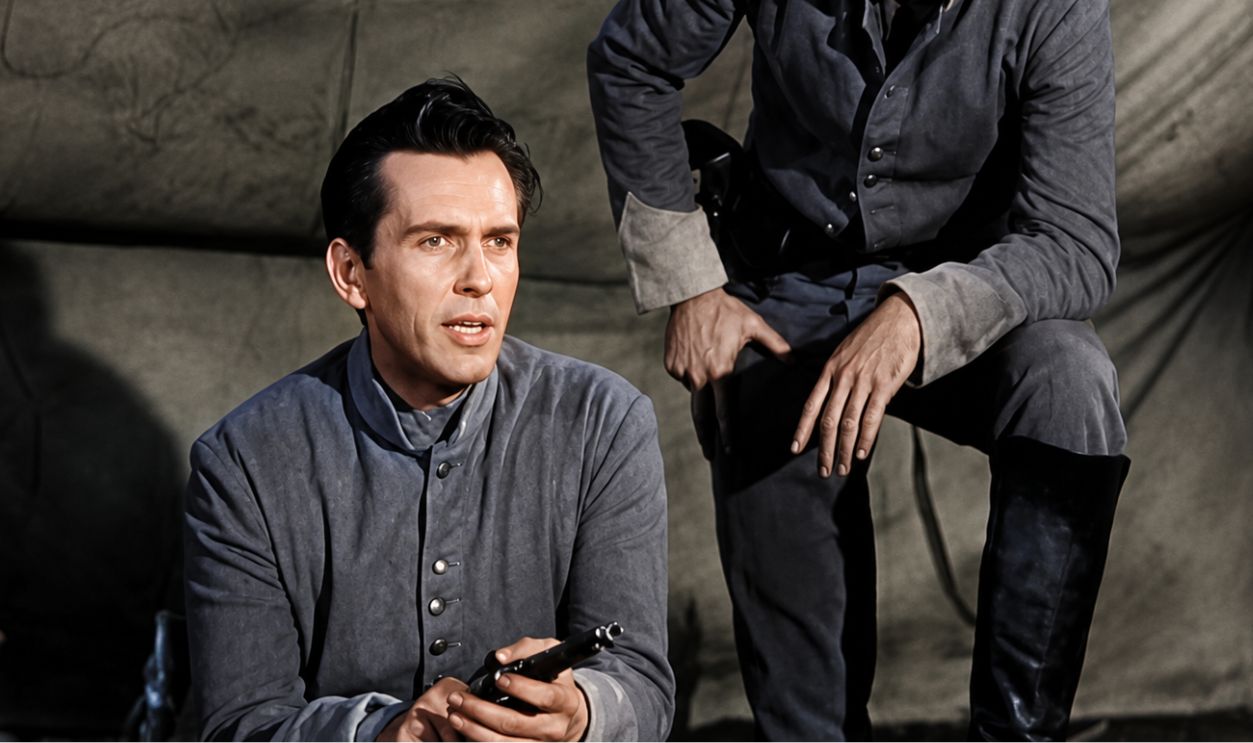 Screenshot from Stories of the Century, Republic Pictures (1954-1955), Enhanced
A Reputation For Deadliness
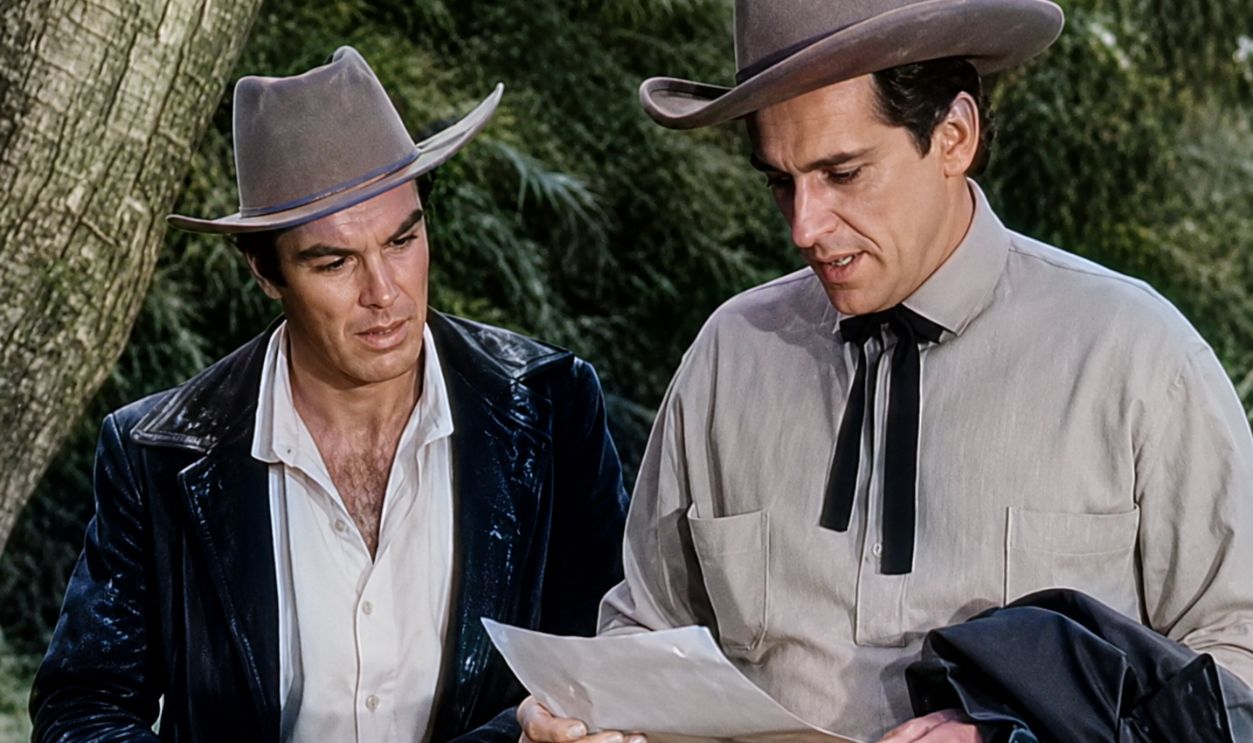
Stories about Allison’s body count vary considerably, with some accounts crediting him with killing as many as fifteen men. Modern historians caution that many of these stories cannot be independently verified. Even so, his repeated involvement in lethal confrontations was enough to establish him as one of the West’s most feared gunfighters.
 Screenshot from Stories of the Century, Republic Pictures (1954-1955), Enhanced
Knife Fights And Brutal Duels
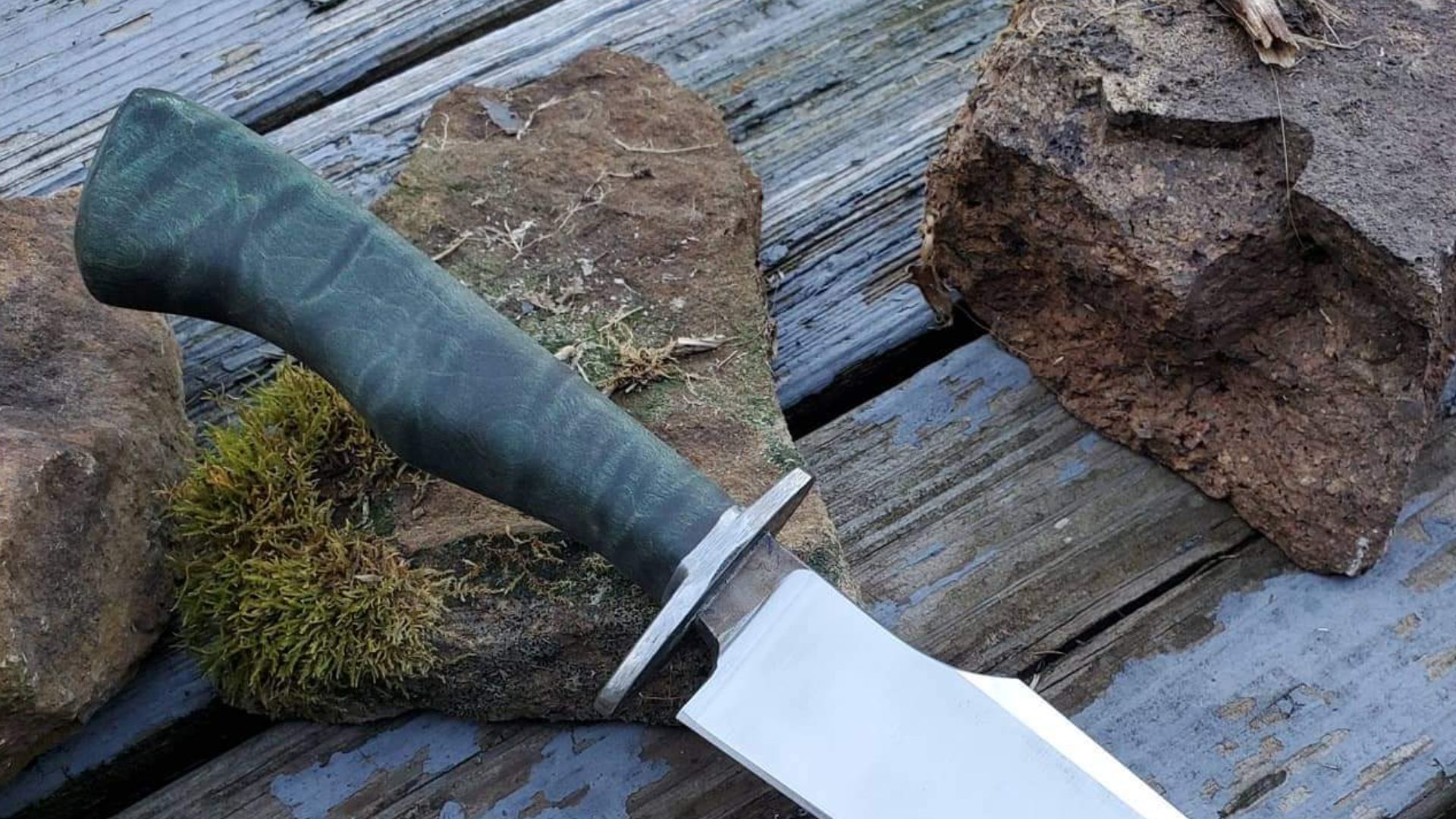
Although best known for his skill with a revolver, Allison was also regarded as dangerous with a bowie knife. One of the most colorful stories associated with him describes a knife duel fought inside a freshly dug grave, with the loser supposedly destined for immediate burial. Whether fact or legend, the tale became part of Allison’s enduring folklore.
Vigilante Justice In New Mexico
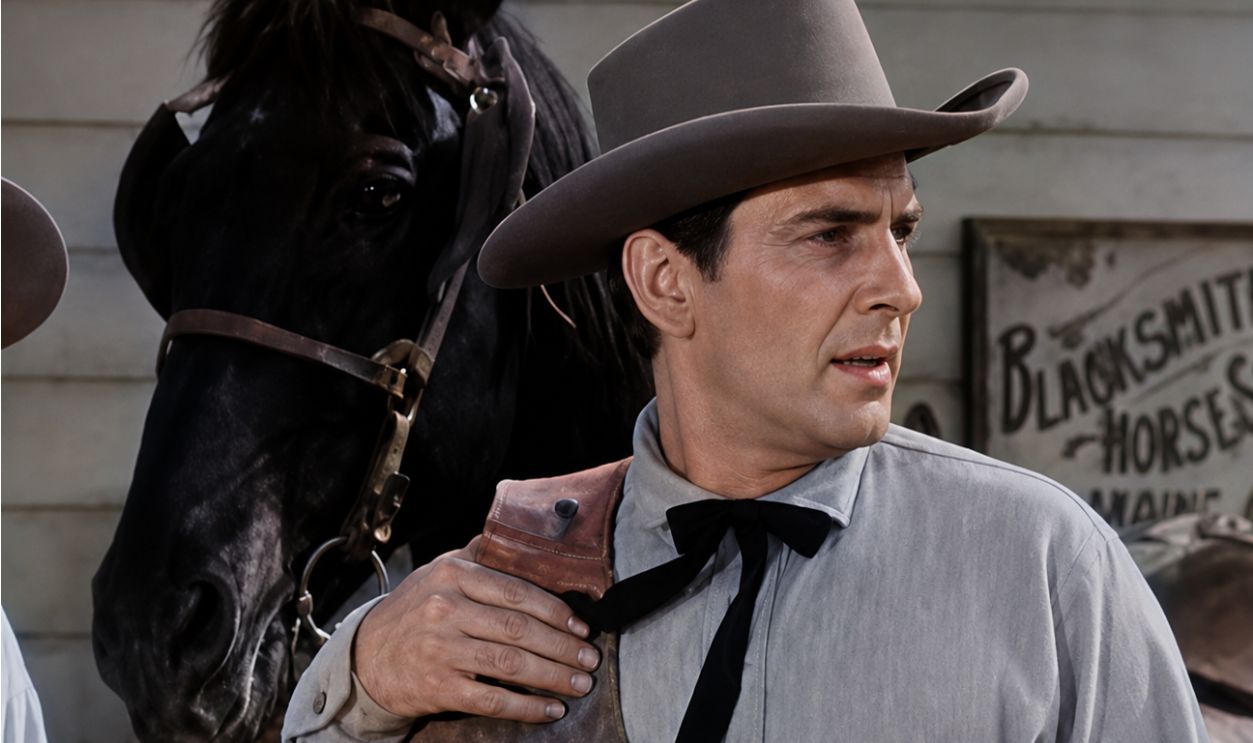
During his years in New Mexico, Allison became deeply involved in vigilante justice. The most infamous example followed the murder of the Hall family by Charles Kennedy. After Kennedy confessed, Allison joined the mob that dragged him from jail and hanged him without waiting for a formal trial, reflecting the rough justice common on the frontier.
 Screenshot from Stories of the Century, Republic Pictures (1954-1955), Enhanced
Life In A Lawless Frontier
The communities where Allison lived often lacked strong law enforcement, leaving settlers to resolve disputes themselves. Ranching conflicts, gambling disagreements, cattle theft, and personal feuds regularly erupted into violence. In such an environment, Allison’s willingness to use force made him both respected by friends and feared by potential enemies.

The Colfax County War
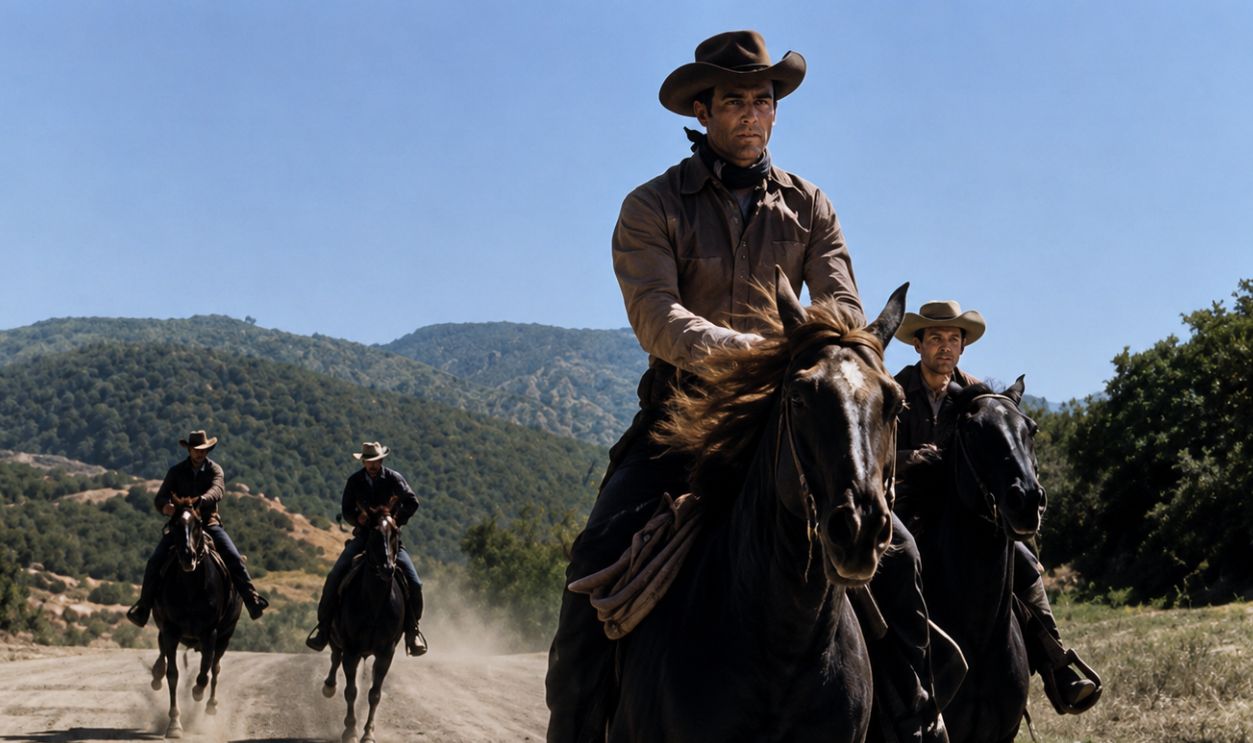
Allison also became caught up in the violence surrounding the Colfax County War in New Mexico. The conflict involved bitter disputes over land ownership, political power, and competing economic interests. Like many frontier conflicts, it blurred the lines between law enforcement, vigilantism, and outright warfare among rival factions.
 Screenshot from Stories of the Century, Republic Pictures (1954-1955), Enhanced
History's most fascinating stories and darkest secrets, delivered to your inbox daily.
A Hair-Trigger Temper
Those who encountered Allison frequently commented on his unpredictable personality. He could be generous, polite, and even humorous under ordinary circumstances, but alcohol often intensified his temper dramatically. Friends and enemies alike understood that a casual disagreement could quickly escalate into a deadly confrontation if Allison believed he had been insulted.

A Strange Sense Of Honor
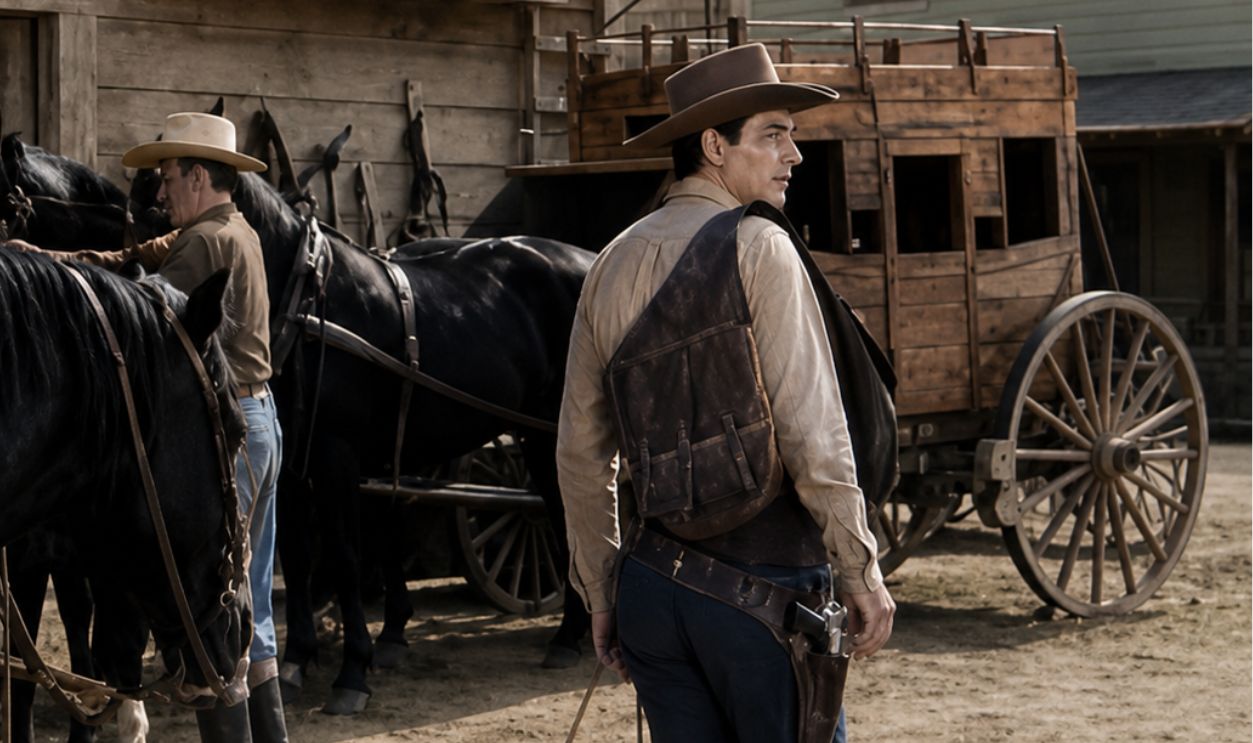
Although responsible for numerous violent encounters, Allison insisted that he never killed without justification. A famous epitaph commonly associated with him declares that he “never killed a man that did not need killing.” Whether he truly lived by that principle remains open to interpretation, but it reflected his personal view of frontier justice.
 Screenshot from Stories of the Century, Republic Pictures (1954-1955), Enhanced
Accuracy With A Pistol
Allison’s repeated survival in deadly encounters suggests he possessed exceptional skill with firearms. Contemporary accounts consistently describe him as a remarkably accurate pistol shot who remained calm under pressure. While many frontier gunfighting stories have undoubtedly been embellished, few historians question that Allison ranked among the West’s more capable marksmen. But where did he get his uncanny abilities with a six-shooter?
Learning From Mace Bowman
Clay Allison was one of the West's deadliest gunfighters, but he wasn’t considered the fastest draw. While he was in New Mexico, he befriended a gunman named Mace Bowman, who was a quicker draw than he was. The two men often unloaded their pistols and practiced mock quick-draw contests, with Bowman consistently beating Allison. Putting his pride to the side, Allison accepted Bowman's advice on improving his technique, helping to refine his gunslinging skills to a lethal level.
 Screenshot from Stories of the Century, Republic Pictures (1954-1955), Enhanced
A Notorious Drunken Antic
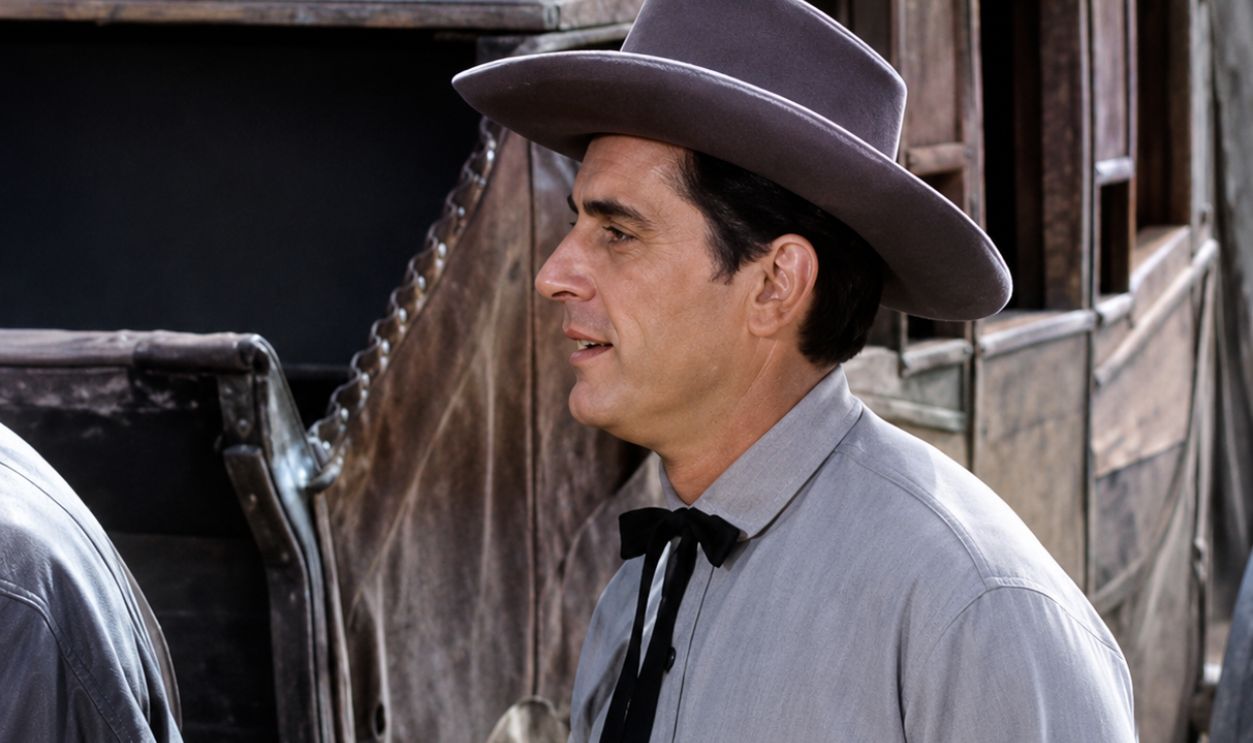
Not every story surrounding Allison involved gunfire. Following one particularly heavy drinking session, he reportedly rode his horse through town wearing nothing except his boots and gunbelt, shouting loudly and frightening onlookers. The bizarre incident perfectly captured both his unpredictable personality and his reputation for outrageous behavior.
Death Was On The Menu
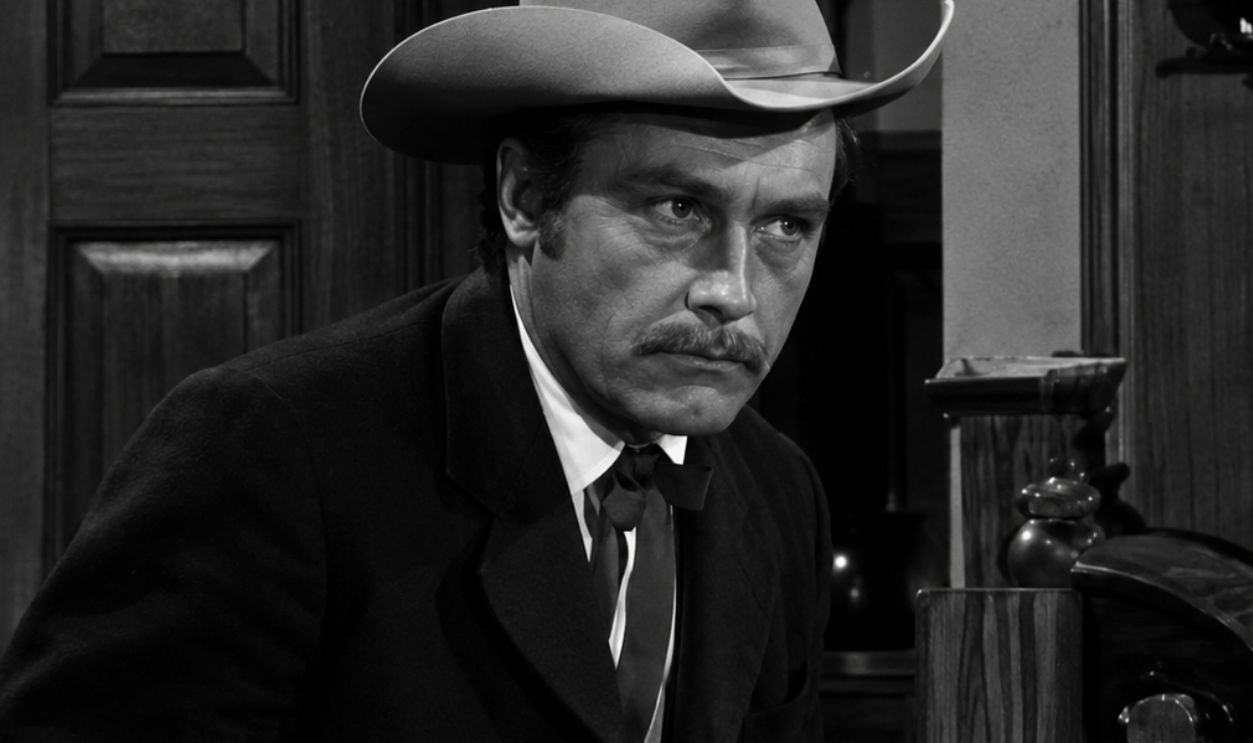
In January 1874, Clay Allison cemented his growing reputation by killing the notorious gunman Charles "Chunk" Colbert during a dinner at the Clifton House in Colfax County, New Mexico. When Colbert attempted to draw his pistol, the gun struck the table, giving Allison time to fire a fatal shot. Later asked why he had accepted dinner with a man intent on killing him, Allison famously replied, "Because I didn't want to send a man to hell on an empty stomach."
 Screenshot from The Life and Legend of Wyatt Earp, ABC (1955-1961), Enhanced
History's most fascinating stories and darkest secrets, delivered to your inbox daily.
Reputation Cemented
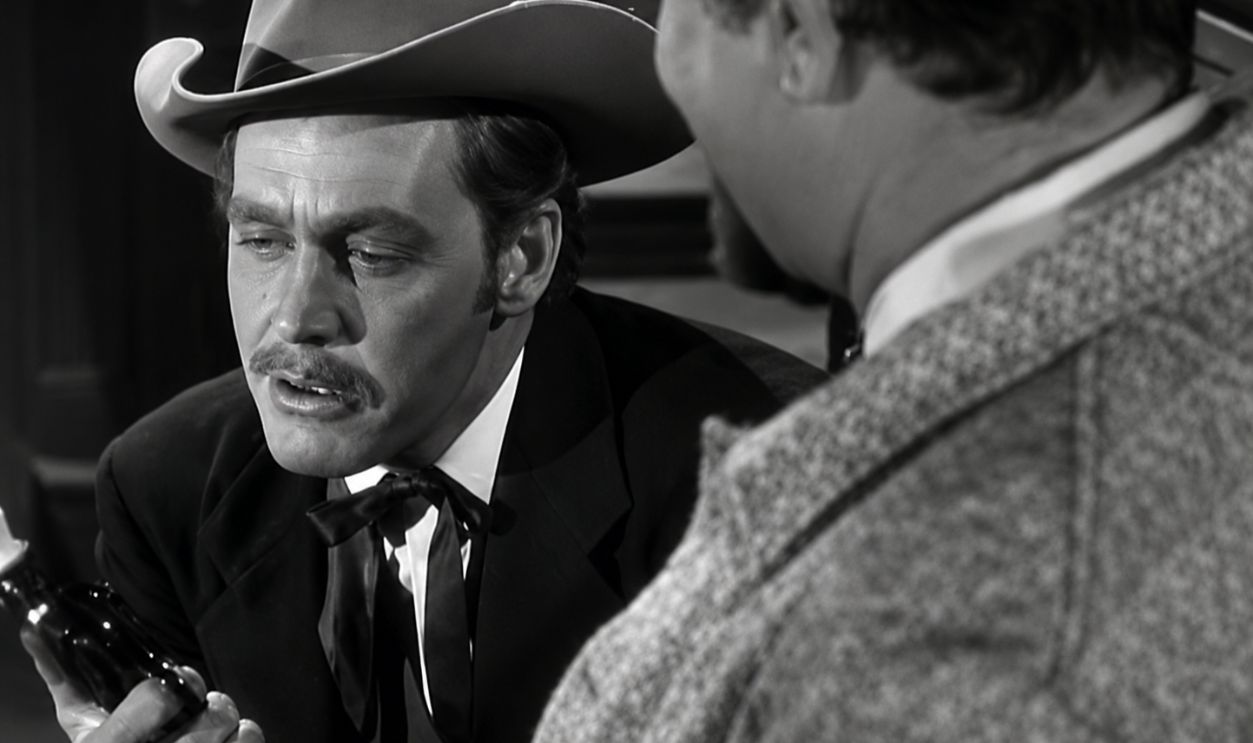
The gunfight that cemented Clay Allison's reputation occurred in December 1876 in Las Animas, Colorado. After Sheriff Charles Faber attempted to enforce the town's ordinance requiring visitors to surrender their firearms, Allison and his brother John refused to comply. Faber returned with two newly deputized men, and moments after entering the saloon, gunfire erupted.
 Screenshot from The Life and Legend of Wyatt Earp, ABC (1955-1961), Enhanced
The Las Animas Shootout
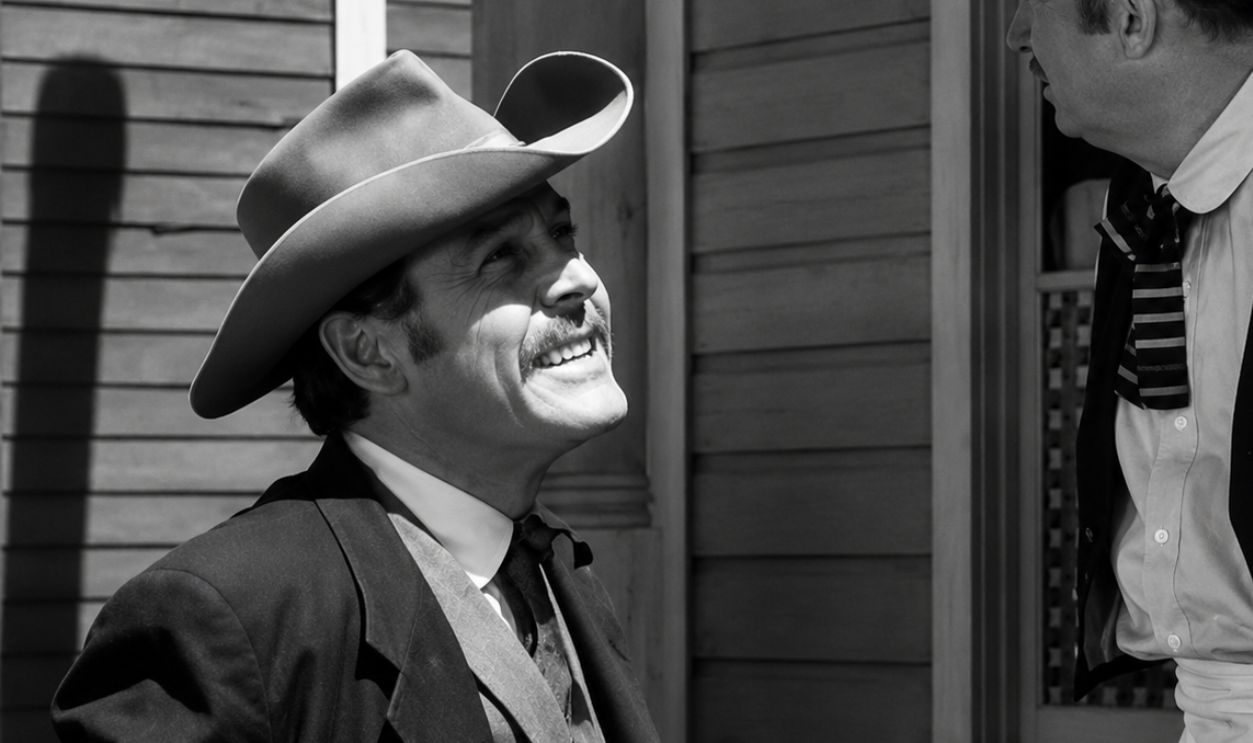
Although historians generally believe the sheriff's party fired first, Clay responded instantly, killing Faber with four shots while John survived three gunshot wounds. The two deputies escaped despite Allison's pursuit, and although Clay and John were later arrested for manslaughter, the charges were ultimately dismissed. The incident spread Allison's reputation across the frontier, firmly establishing him as one of the West's most feared gunfighters.
 Screenshot from The Life and Legend of Wyatt Earp, ABC (1955-1961), Enhanced
Riding To The Rescue
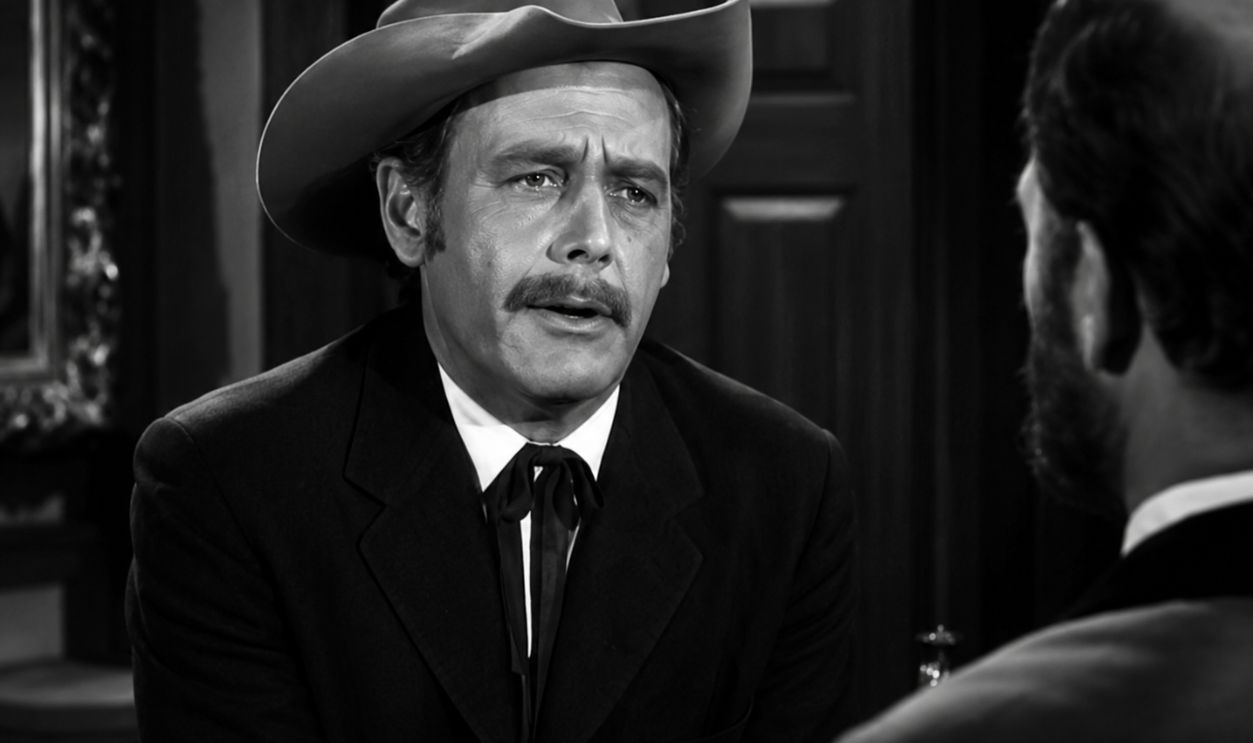
In 1878, Clay Allison encountered a family besieged in their home by Comanche warriors. After his request for help from US Cavalry was denied, he took action. Leading a group of about 15 ranchers and cowboys, he confronted the Comanches near Fort Elliott in the Texas Panhandle.
 Screenshot from The Life and Legend of Wyatt Earp, ABC (1955-1961), Enhanced
A Victorious Skirmish
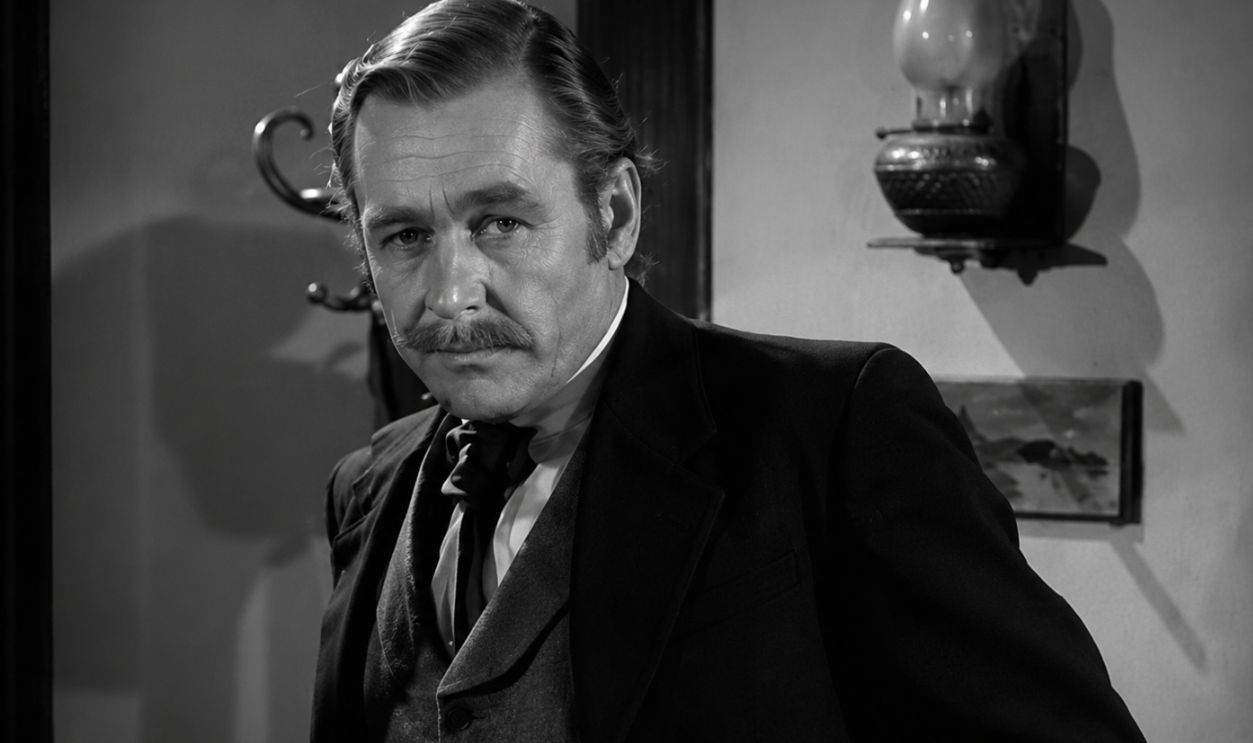
The firefight ended with one warrior reportedly killed and the other Comaches retreating without inflicting any casualties on Allison's party. The skirmish proved Allison's willingness to extend his disputes beyond saloon shootouts and personal feuds to the dangerous frontier conflicts that went hand-in-hand with cattle ranching in the West.
 Screenshot from The Life and Legend of Wyatt Earp, ABC (1955-1961), Enhanced
The Encounter With Wyatt Earp
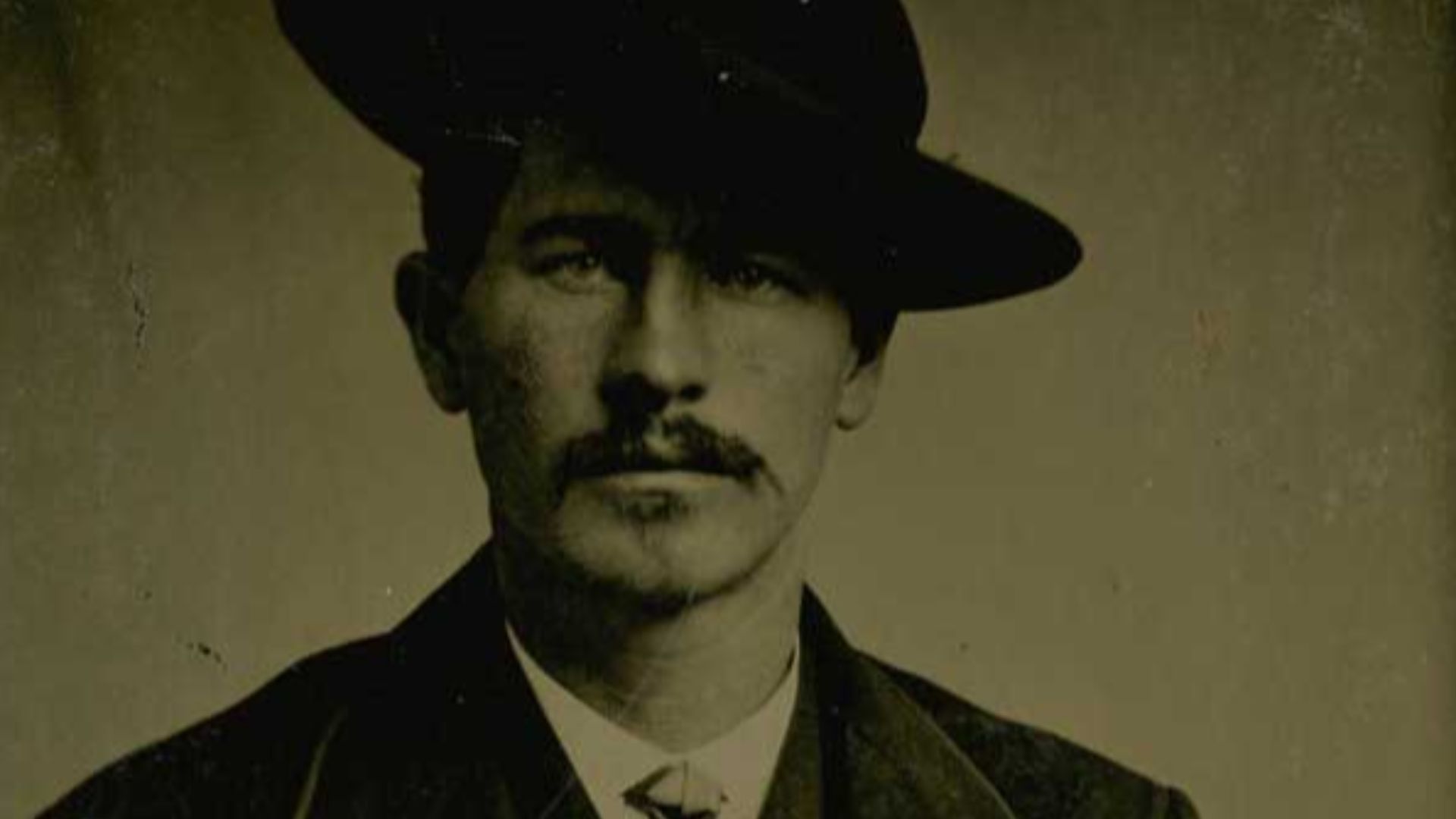
One of the most famous episodes involving Allison concerns his alleged confrontation with Wyatt Earp in Dodge City. By this point, Allison had moved to Hays City, Kansas where he was working as a cattle broker. He already possessed a formidable reputation, while Earp was establishing himself as one of the West’s leading lawmen. A violent showdown between the two seemed entirely possible.
 Unknown authorUnknown author, Wikimedia Commons
Conflicting Accounts Of The Standoff
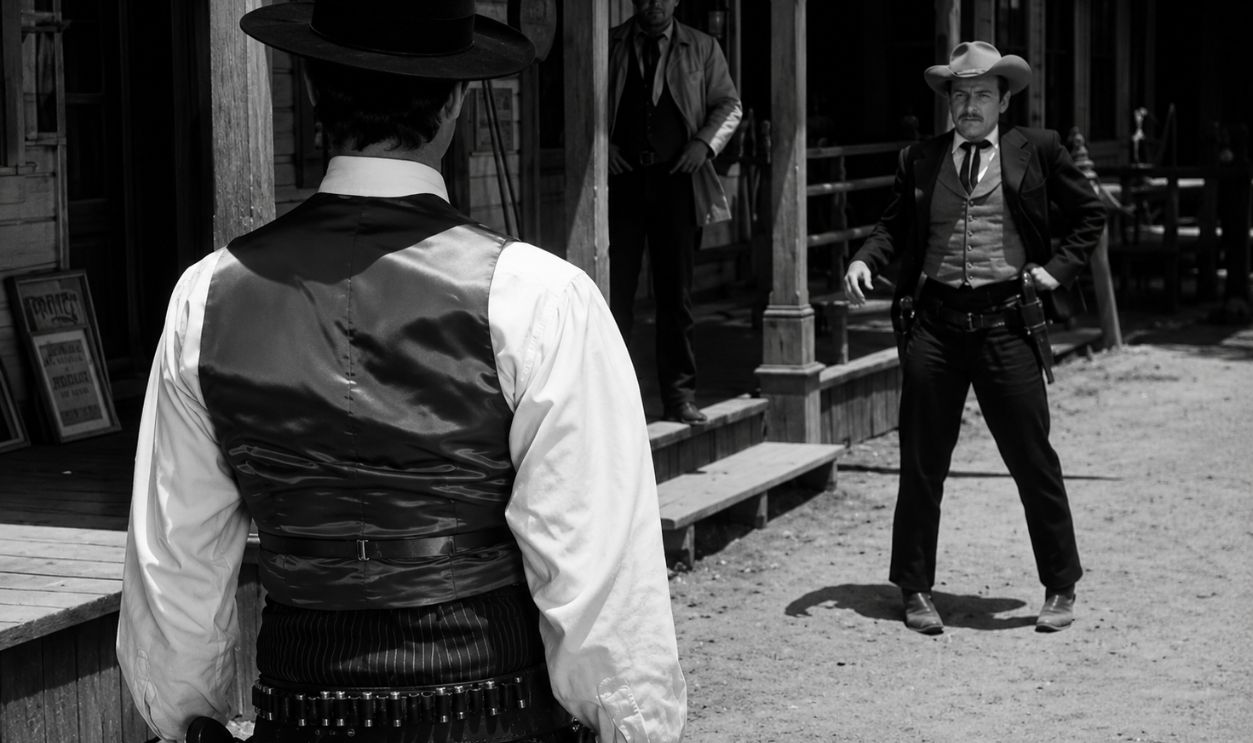
Historical accounts differ sharply regarding what actually happened in Dodge City. Some writers claim Allison aggressively challenged Earp while backed by armed cowboys. Others argue Allison had no intention of fighting and that local officials peacefully persuaded everyone involved to avoid bloodshed before the situation spiraled out of control.
 Screenshot from The Life and Legend of Wyatt Earp, ABC (1955-1961), Enhanced
History's most fascinating stories and darkest secrets, delivered to your inbox daily.
A Gunfight That Never Happened
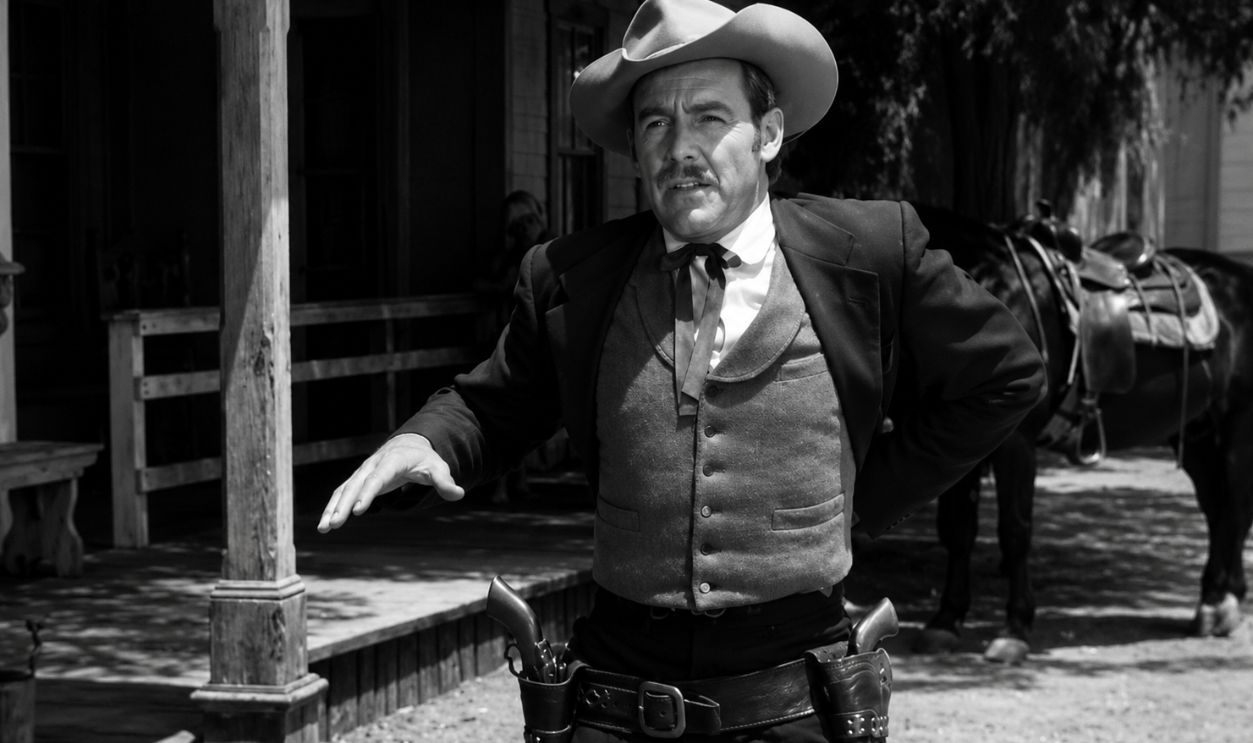
Whatever the precise details, no shots were fired between Allison and Wyatt Earp. Instead of becoming another legendary gunfight, the encounter ended peacefully. The incident nevertheless illustrates how reputations alone could influence events in the Old West, where famous gunfighters often tried to intimidate opponents without ever drawing their weapons.
 Screenshot from The Life and Legend of Wyatt Earp, ABC (1955-1961), Enhanced
Settling Down—Sort Of
During the early 1880s, Allison gradually devoted more attention to ranching than gunfighting. In 1881, he married Dora McCulloch and attempted to build a quieter life. Although he continued raising cattle and managing his ranch, stories of his earlier exploits ensured that his fearsome reputation never entirely disappeared.

A Family Man Emerges
Marriage and fatherhood brought greater stability to Allison’s personal life. Friends later suggested that family responsibilities softened some of his rougher edges, although nobody believed he had become harmless. Even as a rancher and family man, he remained someone whose violent past commanded both respect and caution throughout the region.
Still Living Dangerously
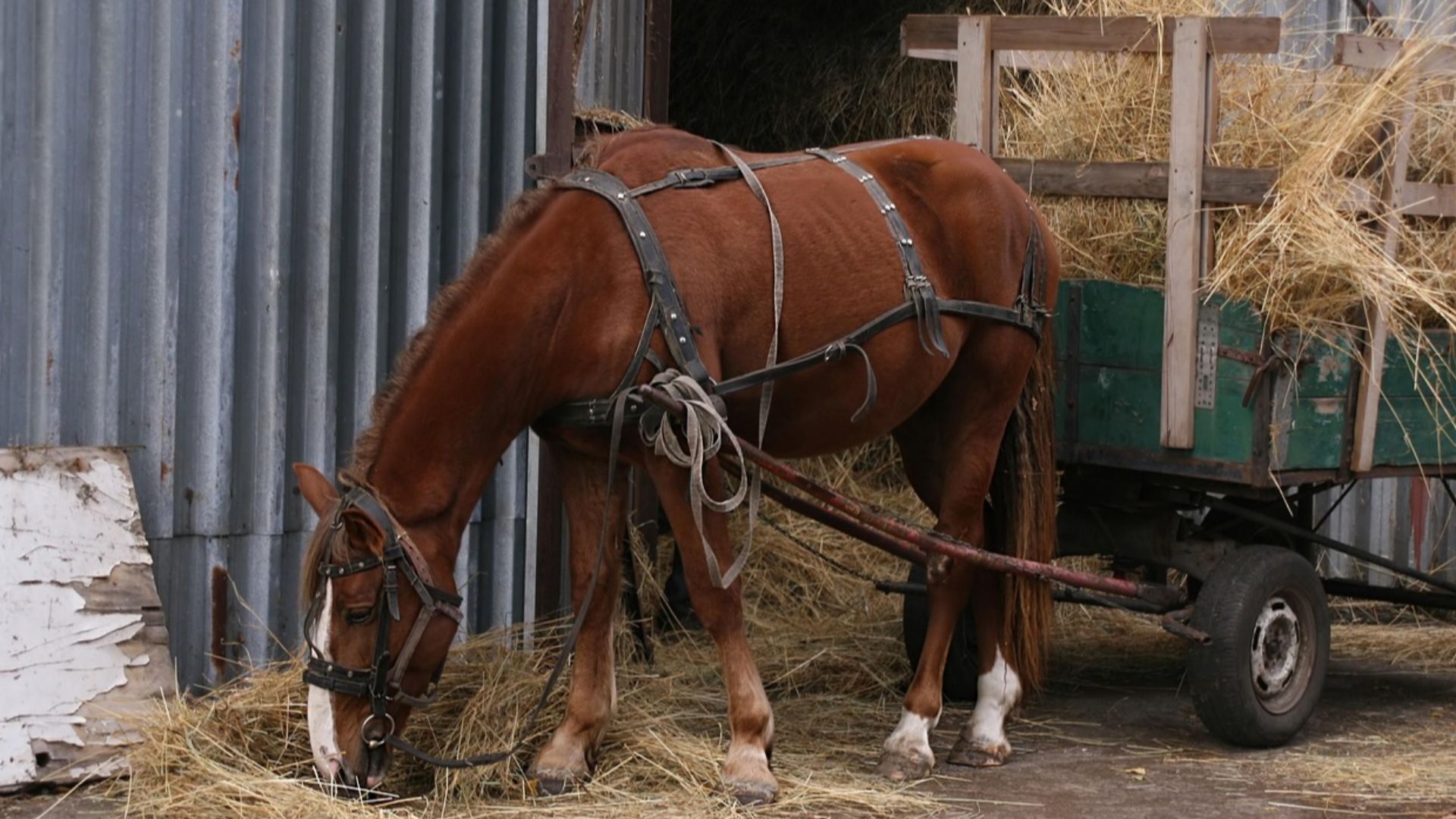
Despite leaving most of his gunfighting behind, Allison’s everyday work remained physically demanding. Ranching required handling livestock, driving wagons, and transporting heavy loads across difficult terrain. Frontier life offered countless opportunities for accidents, proving that danger did not disappear simply because a man retired from violence.
Klutzy Killer
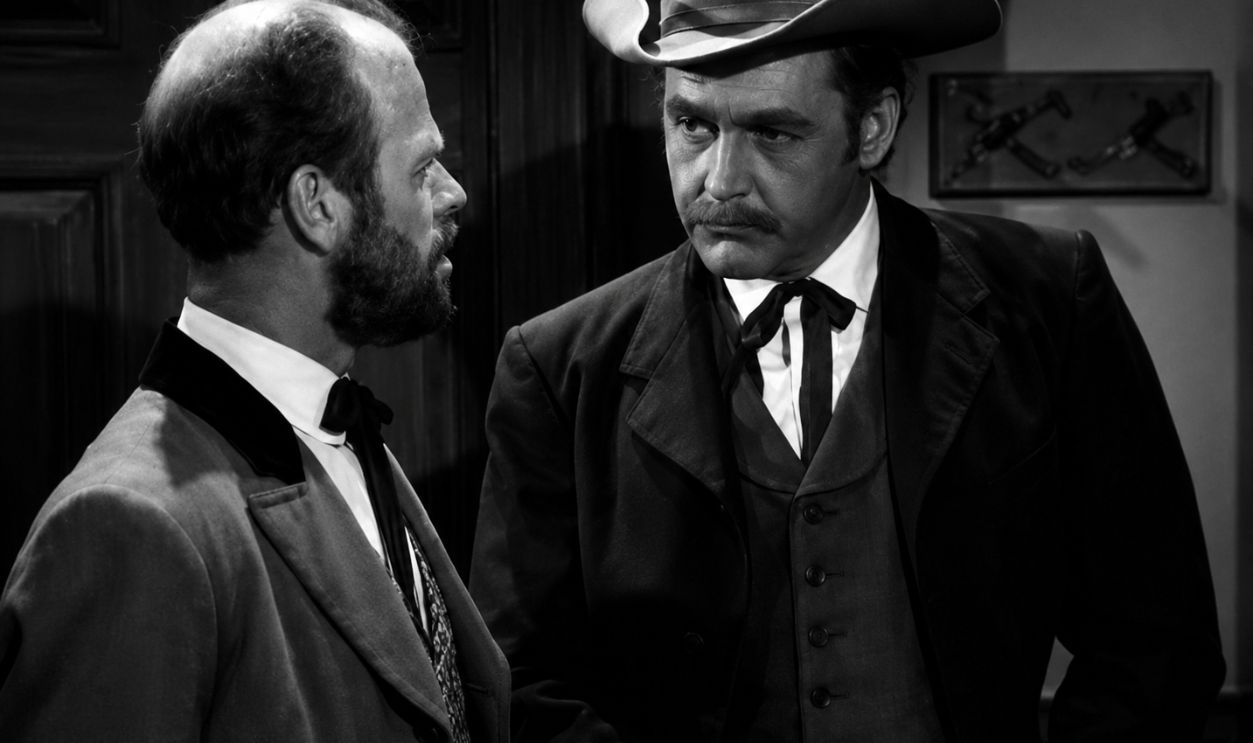
Clay Allison occasionally proved to be his own worst enemy. According to accounts from his New Mexico years, he once accidentally shot himself in the foot while handling one of his revolvers, an embarrassing mishap for a man celebrated for his marksmanship. For all his success in gunfights, he was sometimes surprisingly accident-prone during the ordinary routines of everyday life. It was a feature of his character that would one day prove fatal.
 Screenshot from The Life and Legend of Wyatt Earp, ABC (1955-1961), Enhanced
A Sudden And Unlikely Death
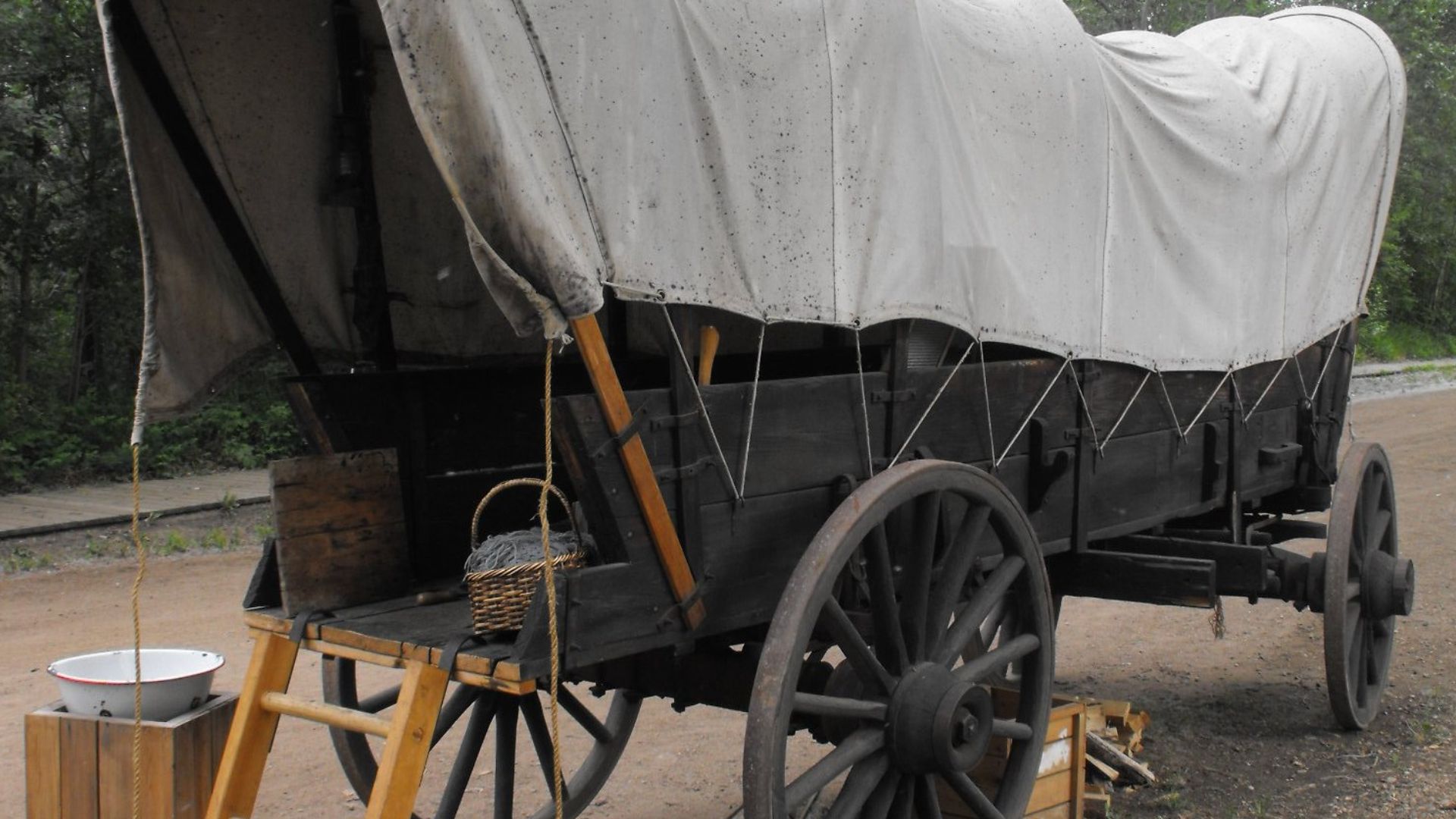
On July 1, 1887, Allison met an end that few could have predicted. While hauling supplies, a sack of grain fell off the wagon. As he reached instinctively to grab it, he fell off his box seat. The heavy wagon rolled across him, breaking his neck and killing him almost instantly, ending one of the Old West’s most colorful careers.
 Verne Equinox, Wikimedia Commons
History's most fascinating stories and darkest secrets, delivered to your inbox daily.
Not The Death People Expected
For a man who survived years of warfare, numerous gunfights, and countless dangerous confrontations, Allison’s accidental death seemed deeply ironic. Rather than dying in a dramatic shootout, he was killed performing ordinary ranch work. The unexpected ending only added another memorable chapter to the legend that surrounded his life.
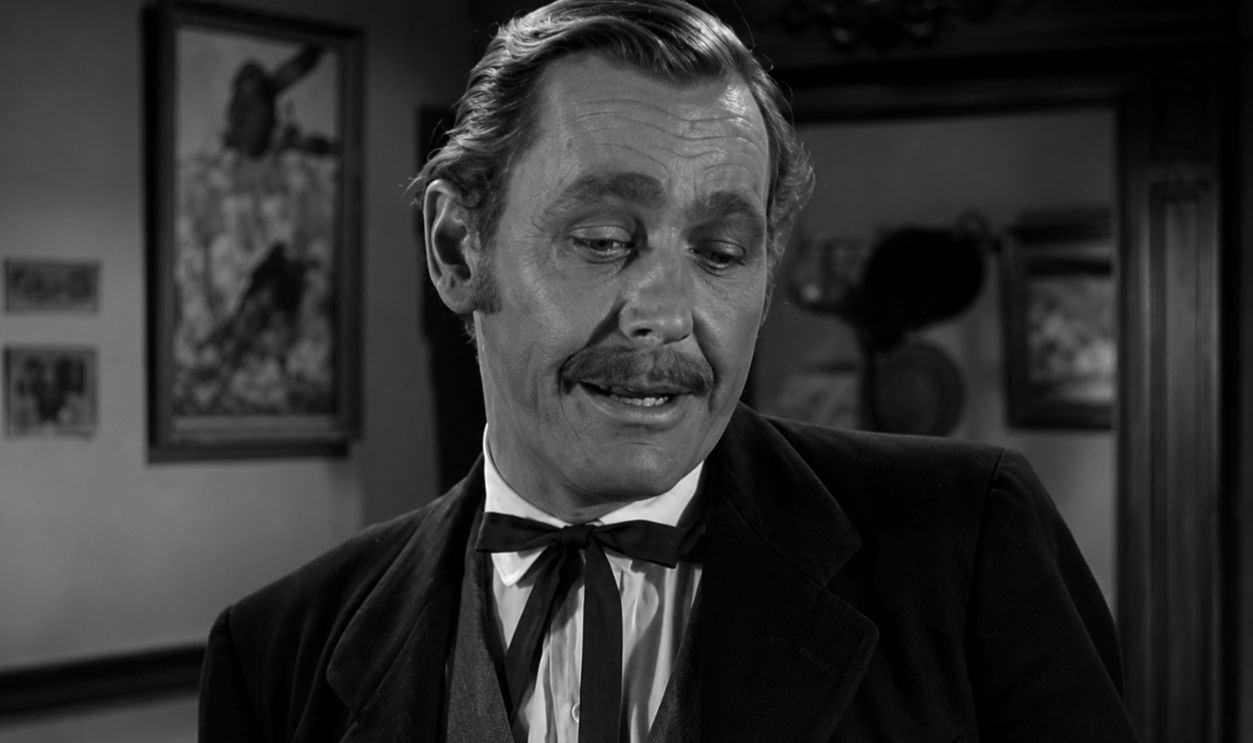 Screenshot from The Life and Legend of Wyatt Earp, ABC (1955-1961), Enhanced
Legacy Of A Frontier Enigma
Clay Allison remains one of the American frontier’s most controversial figures. Depending on the source, he appears as a ruthless killer, an effective vigilante, or simply a product of an exceptionally violent era. His mixture of documented history and colorful legend continues to make him one of the Old West’s most compelling personalities.
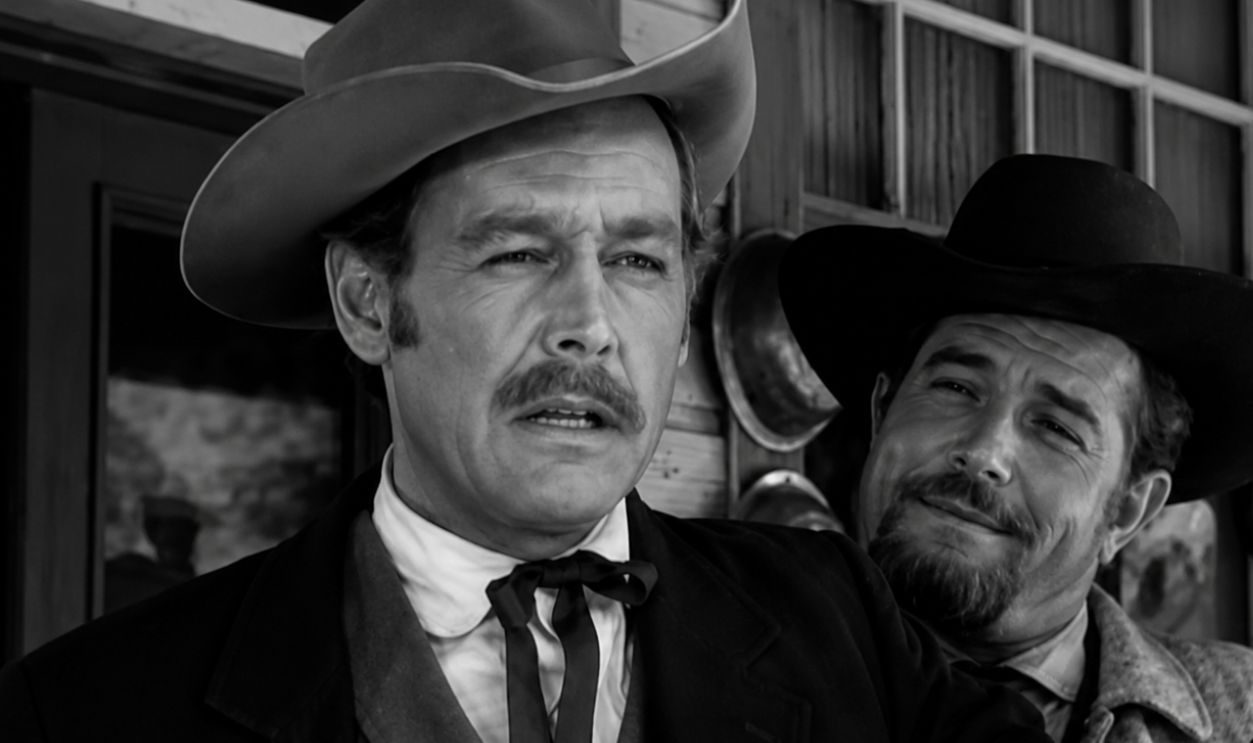 Screenshot from The Life and Legend of Wyatt Earp, ABC (1955-1961), Enhanced
You May Also Like:
Gunslinging Facts About Wyatt Earp, The Infamous Lawman
Gun-Slinging Facts About Legendary Outlaws