Mother Teresa's Halo Had Shadows
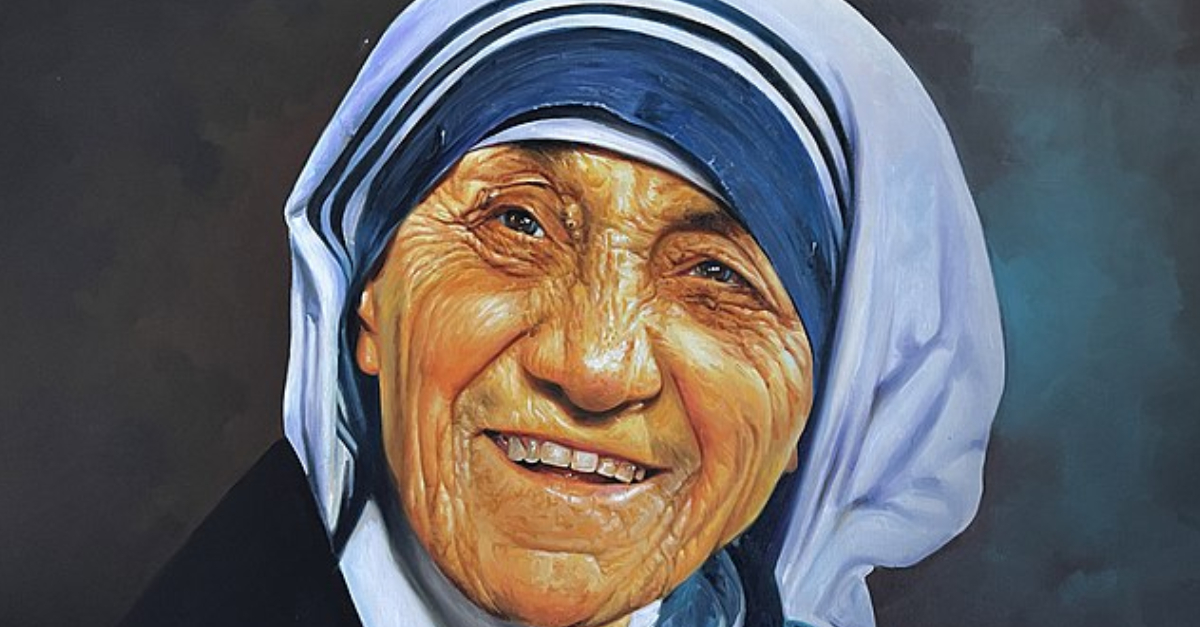
During her lifetime, Mother Teresa was praised as a living saint—a beacon of selflessness among the poor of Calcutta. After her death, the Church made it official, bestowing actual sainthood upon her. But behind the halo lies a far more complicated—and deeply controversial—truth about her methods, beliefs, and motives, raising real questions about whether her sainthood was truly justified.
From Agnes to “Mother”
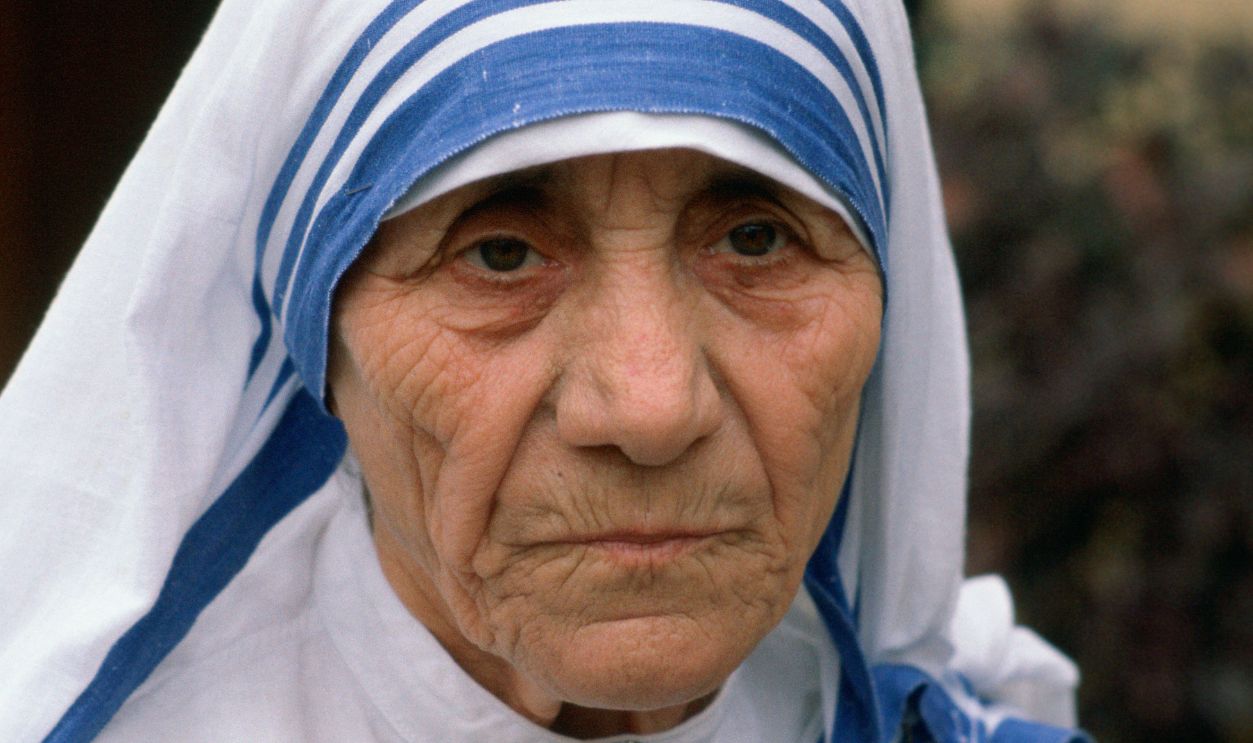
Born Agnes Gonxha Bojaxhiu in 1910 in Skopje, she joined the Sisters of Loreto at 18 and later founded the Missionaries of Charity in India. Her mission quickly grew worldwide. She often said her calling came from “a voice within,” which she believed to be Jesus asking her to serve “the poorest of the poor.”
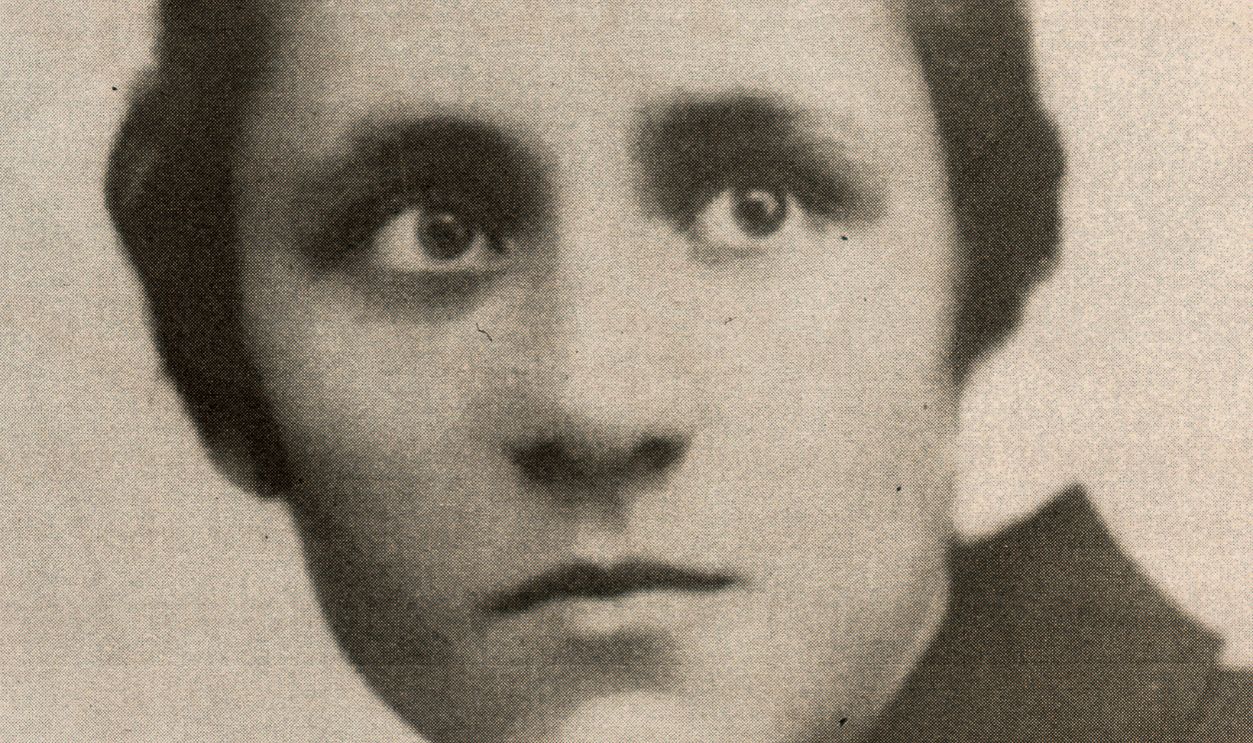 Vittoriano Rastelli, Getty Images
A Saint for Television
By the 1980s, Mother Teresa’s image was everywhere—from *Time* magazine to BBC documentaries. Western media adored the humble nun who “made poverty beautiful.” Christopher Hitchens later wrote that her fame relied on “a cult of suffering and subjection,” suggesting her image comforted the rich more than it helped the poor.
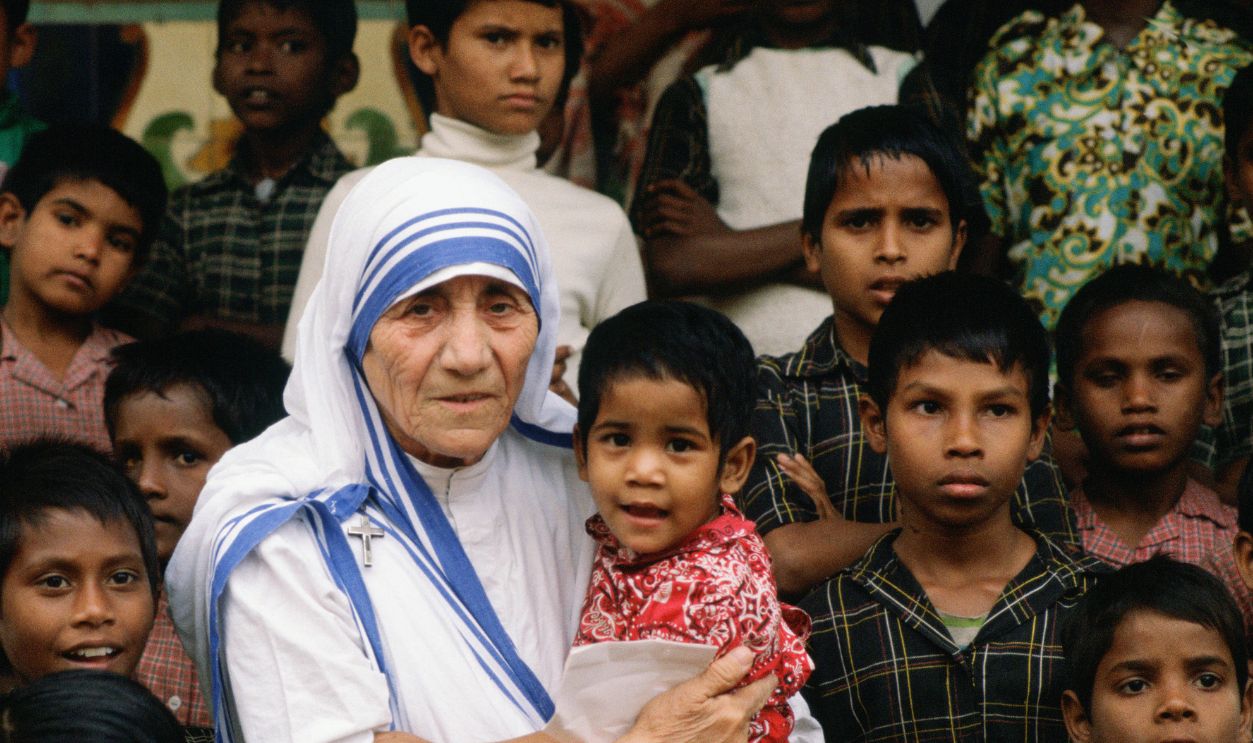
The Missionaries of Charity
The order’s motto was simple: “To care for the hungry, the naked, the homeless, the crippled, the blind.” Yet reports from volunteers described a lack of basic hygiene and medical care. Dr. Aroup Chatterjee, who investigated her clinics, said, “The suffering was not alleviated—it was celebrated.”
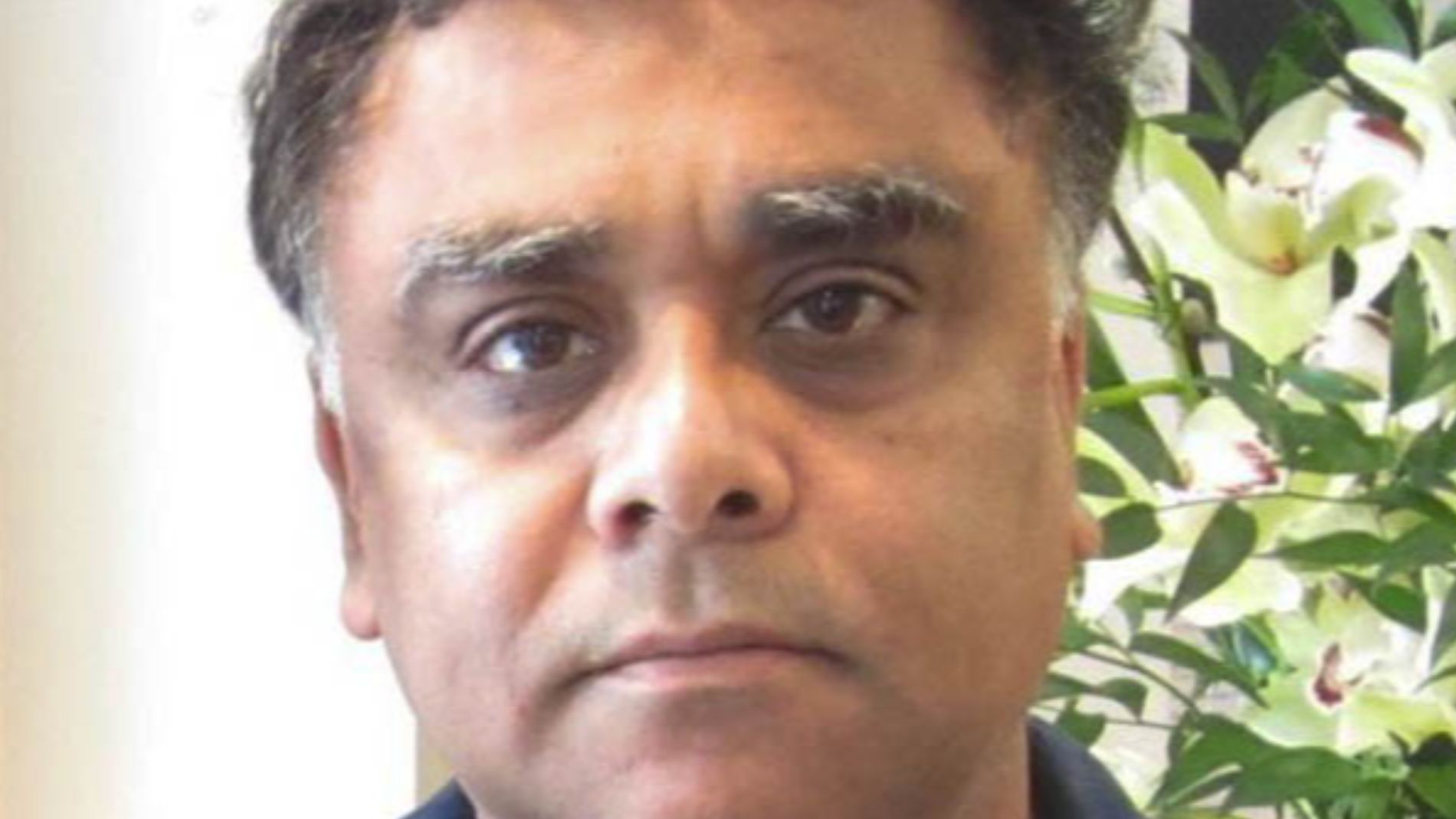 Aroup Chatterjee, Wikimedia Commons
The Meaning of Suffering
Mother Teresa famously believed pain brought people closer to God. “Suffering is a gift from God,” she once told an interviewer. To many followers, this reflected spiritual strength. To critics, it bordered on cruelty—an ideology that justified leaving patients without adequate relief or dignity.
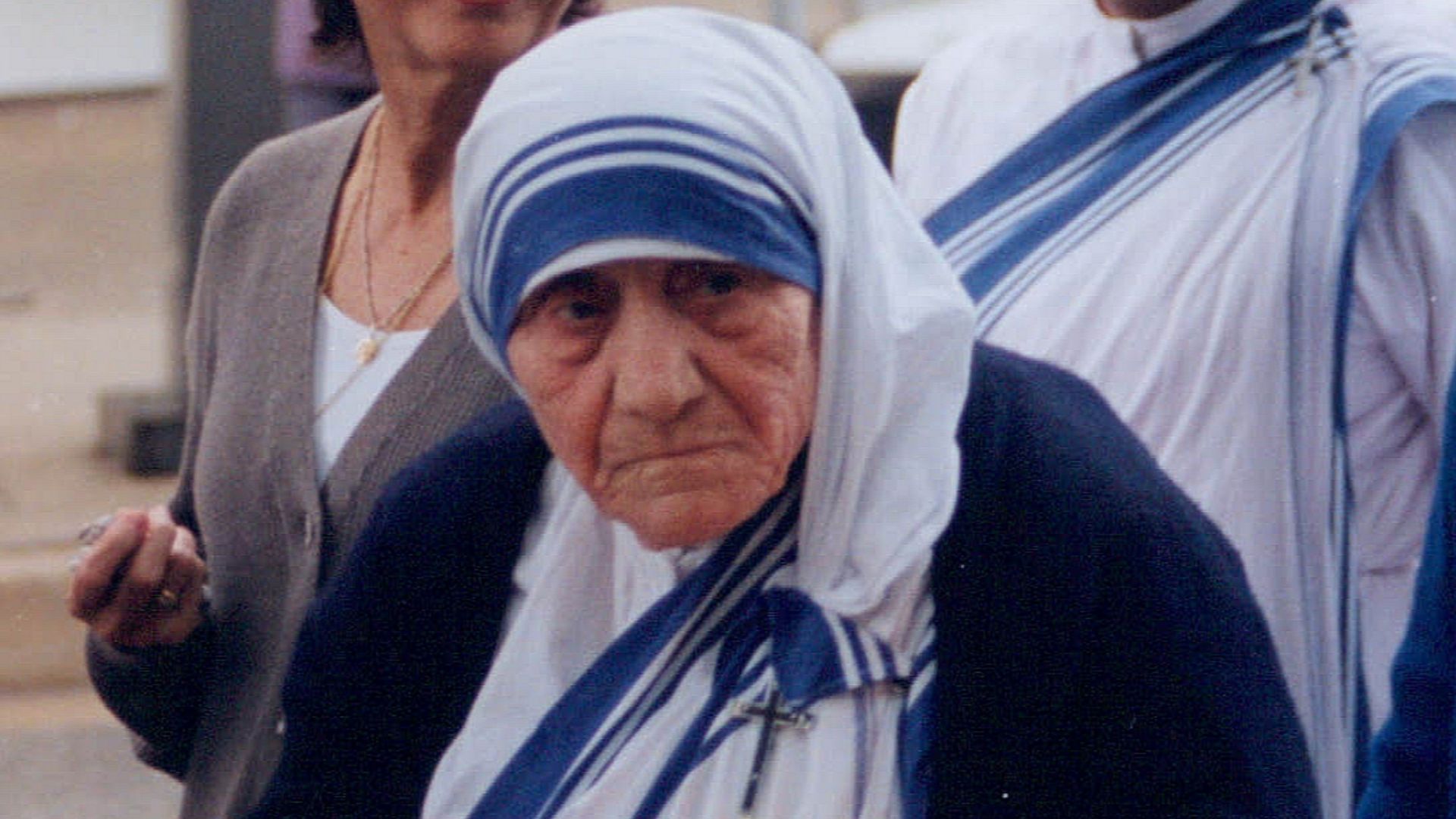 John Mathew Smith & www.celebrity-photos.com from Laurel Maryland, USA, Wikimedia Commons
Hospitals Without Healing
Doctors who volunteered in her homes spoke of reused needles, poor sanitation, and untrained staff. One physician said patients “died without diagnosis.” Hitchens argued her facilities were “less than primitive,” noting she often declined modern medicine while seeking care at expensive Western hospitals herself.
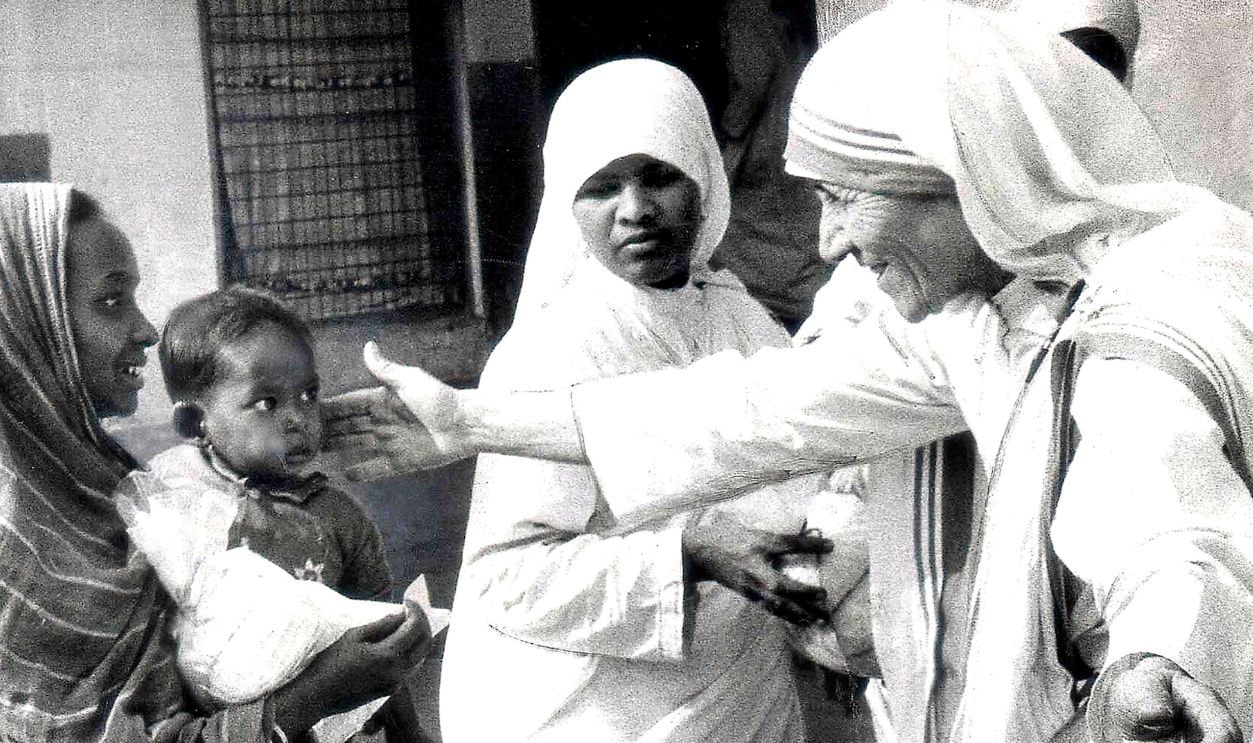
The Power of the Image
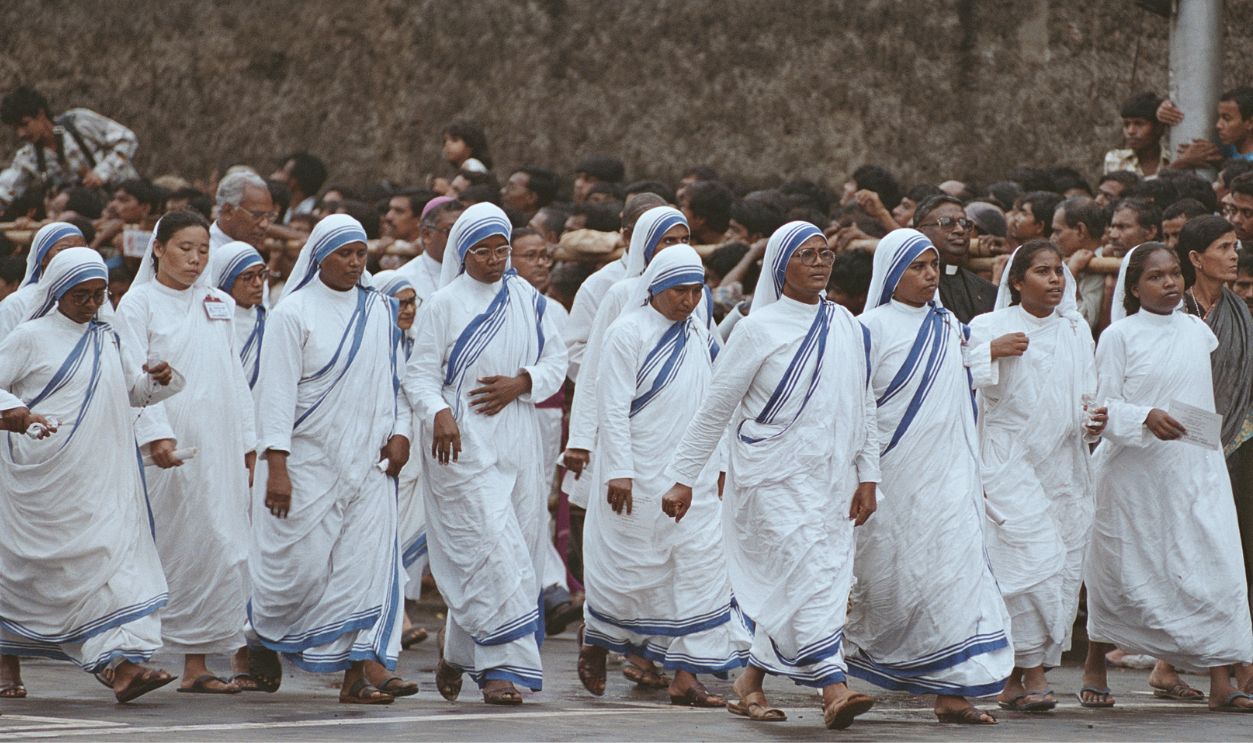
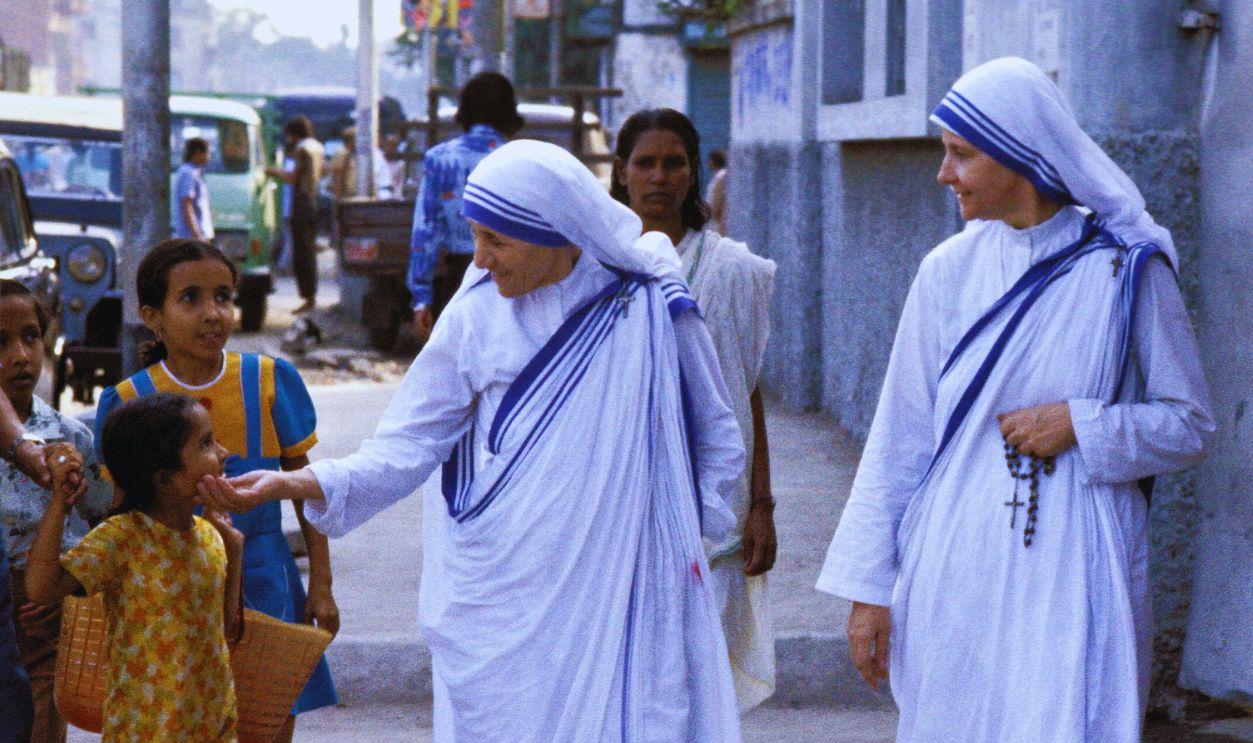
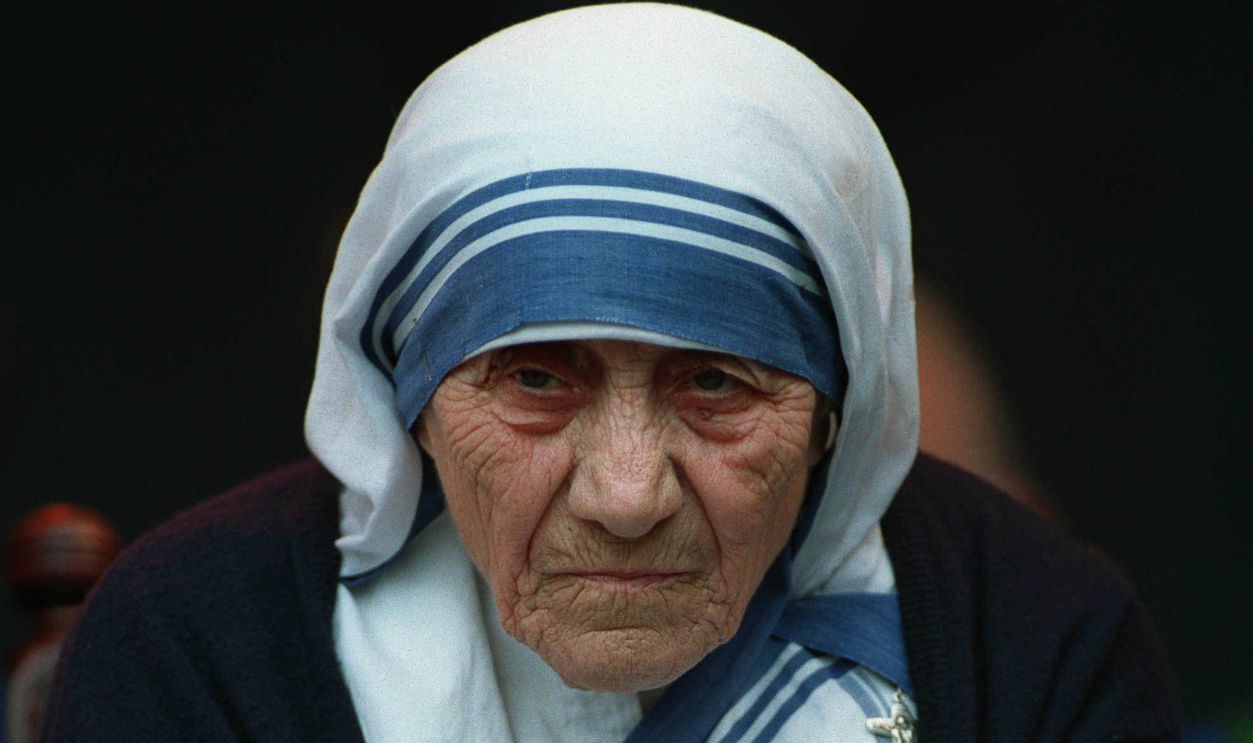
Her white-and-blue sari became a global symbol of compassion. Yet that image—tiny nun among the dying—also reinforced a colonial gaze. Chatterjee said her portrayal of Calcutta as “a city of death” ignored the millions who were working to improve it. Poverty became a backdrop to her sainthood story.
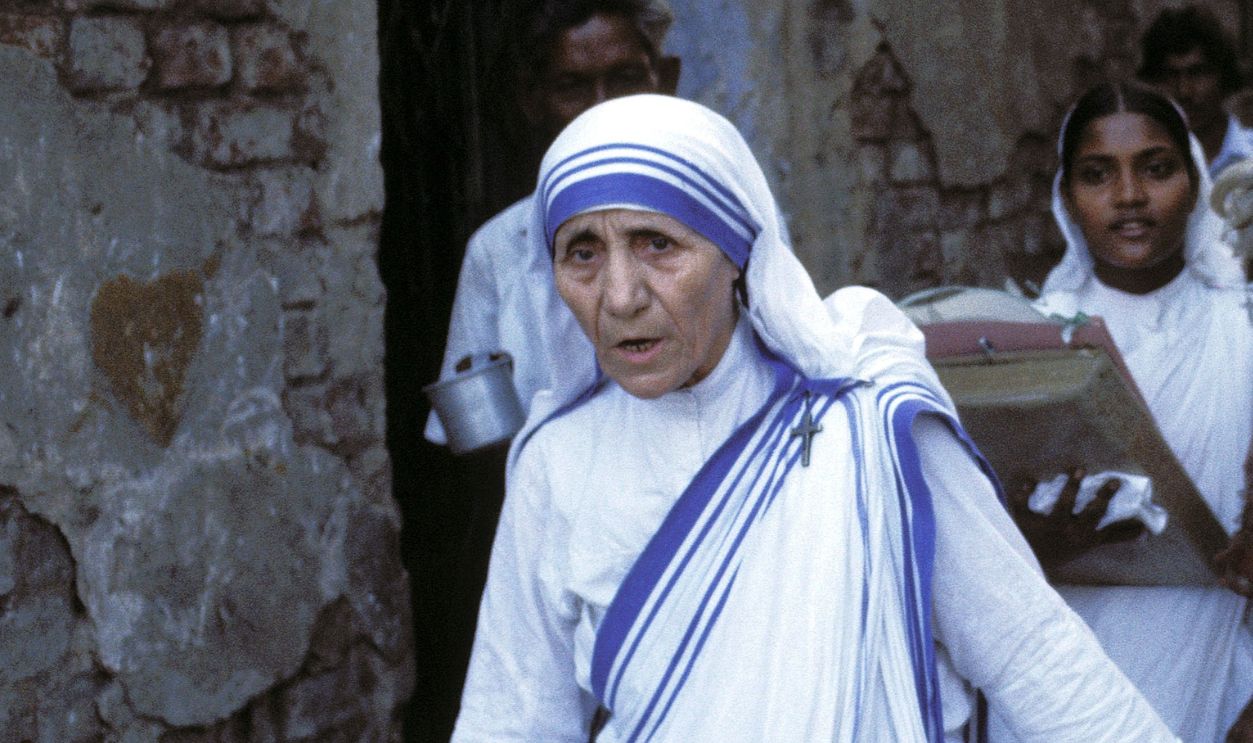 Jean-Claude FRANCOLON, Getty Images
The Funding Question
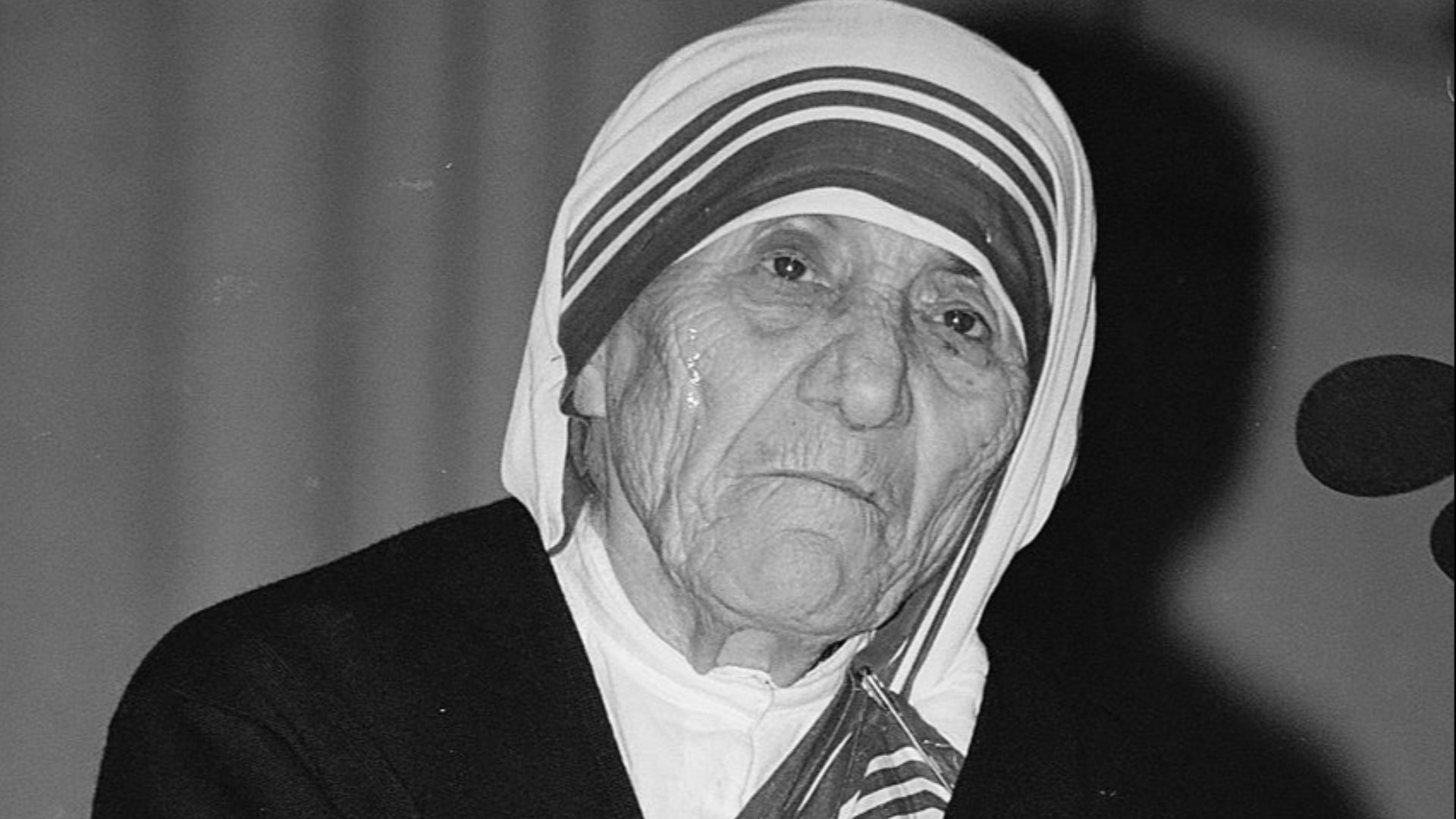
Millions flowed into the Missionaries of Charity through donations. Yet journalists found few financial records and little evidence that funds improved facilities. When asked about transparency, she replied, “God provides. We do not ask questions.” Admirers called it faith; critics called it deflection.
 John Mathew Smith & www.celebrity-photos.com from Laurel Maryland, USA, Wikimedia Commons
Friends in High Places
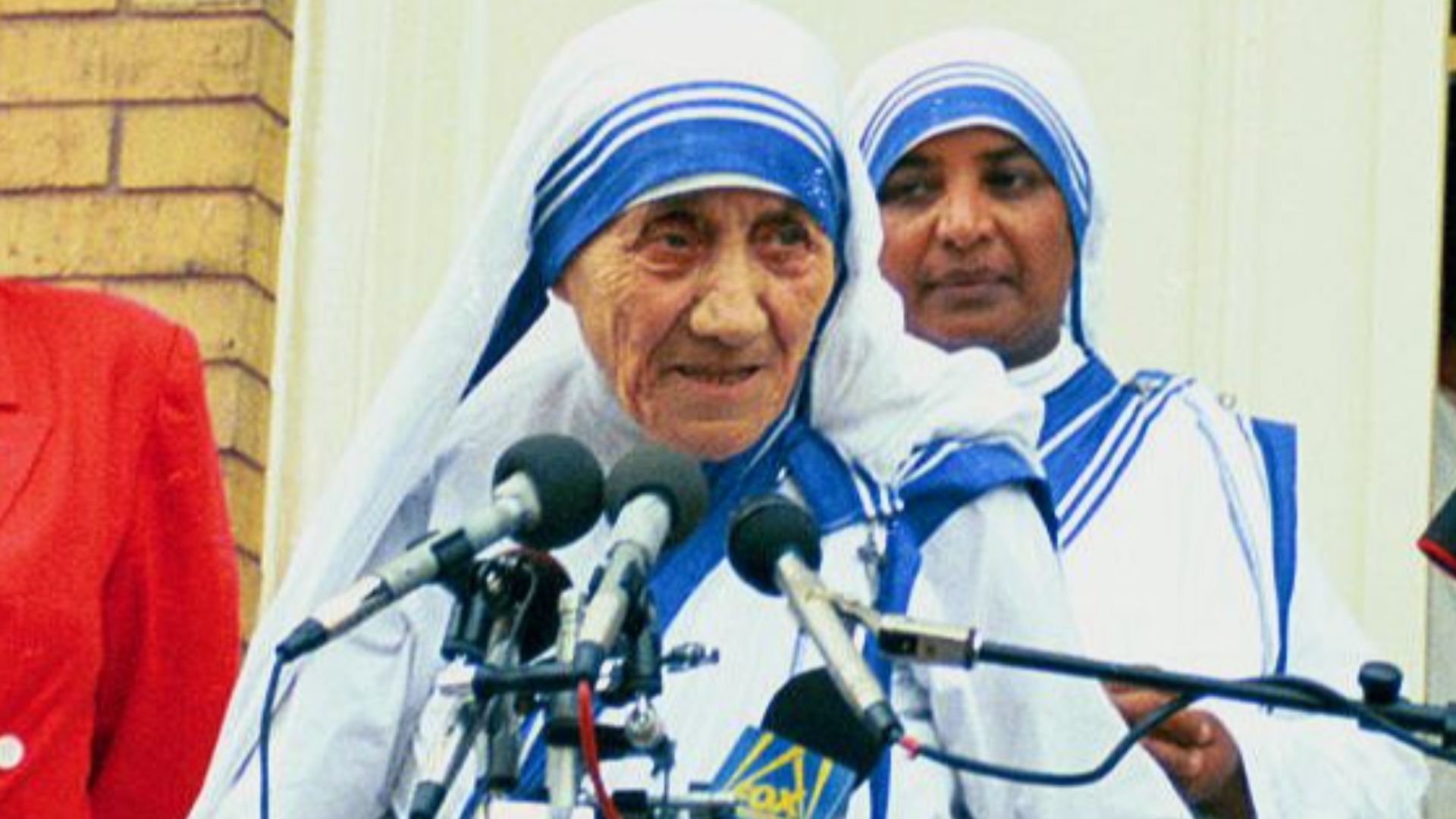
She accepted money from dictators like Haiti’s Jean-Claude Duvalier, praising him publicly as “a friend of the poor.” She later said, “I never judge those who give.” To supporters, this showed impartial gratitude; to others, it meant moral compromise in exchange for visibility and influence.
 John Mathew Smith & www.celebrity-photos.com from Laurel Maryland, USA, Wikimedia Commons

History's most fascinating stories and darkest secrets, delivered to your inbox daily.
Faith Over Choice
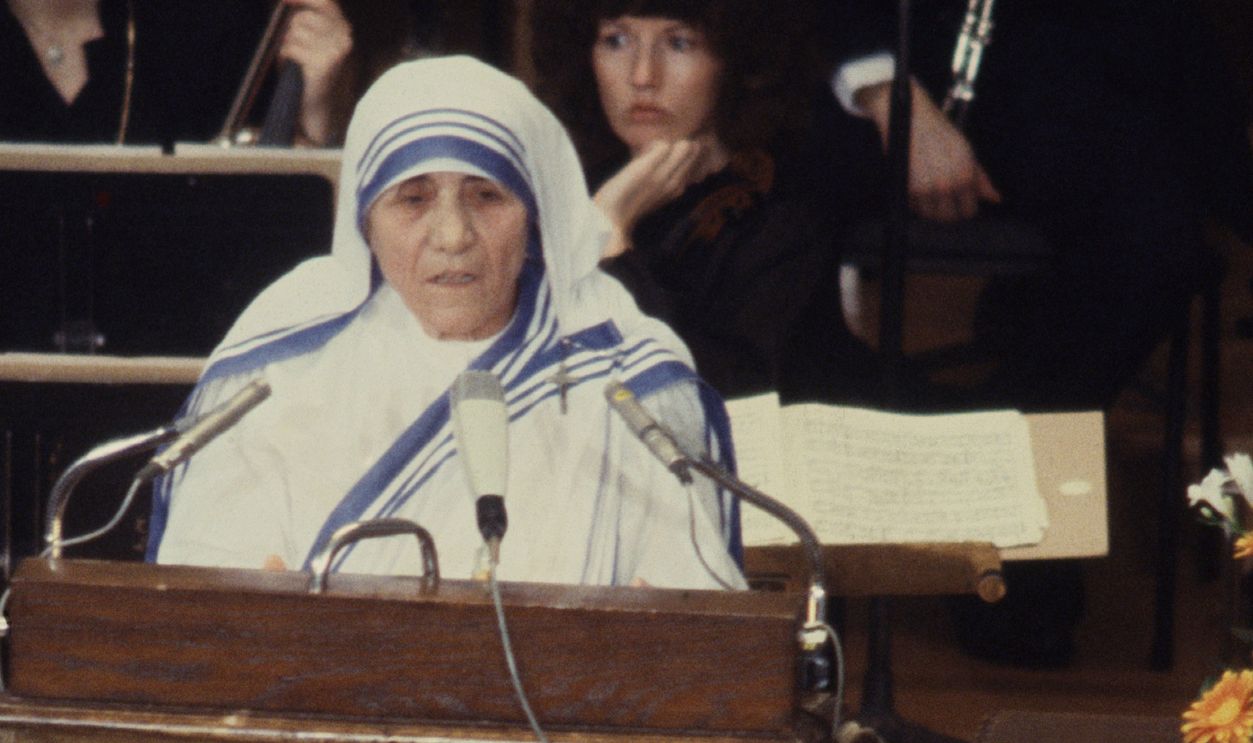
Mother Teresa’s strict opposition to abortion and contraception defined her global activism. At her 1979 Nobel Peace Prize speech, she declared, “Abortion is the greatest destroyer of peace today.” Supporters heard moral conviction. Women’s-rights advocates saw harm in denying reproductive autonomy to those already living in poverty.
Political Endorsements
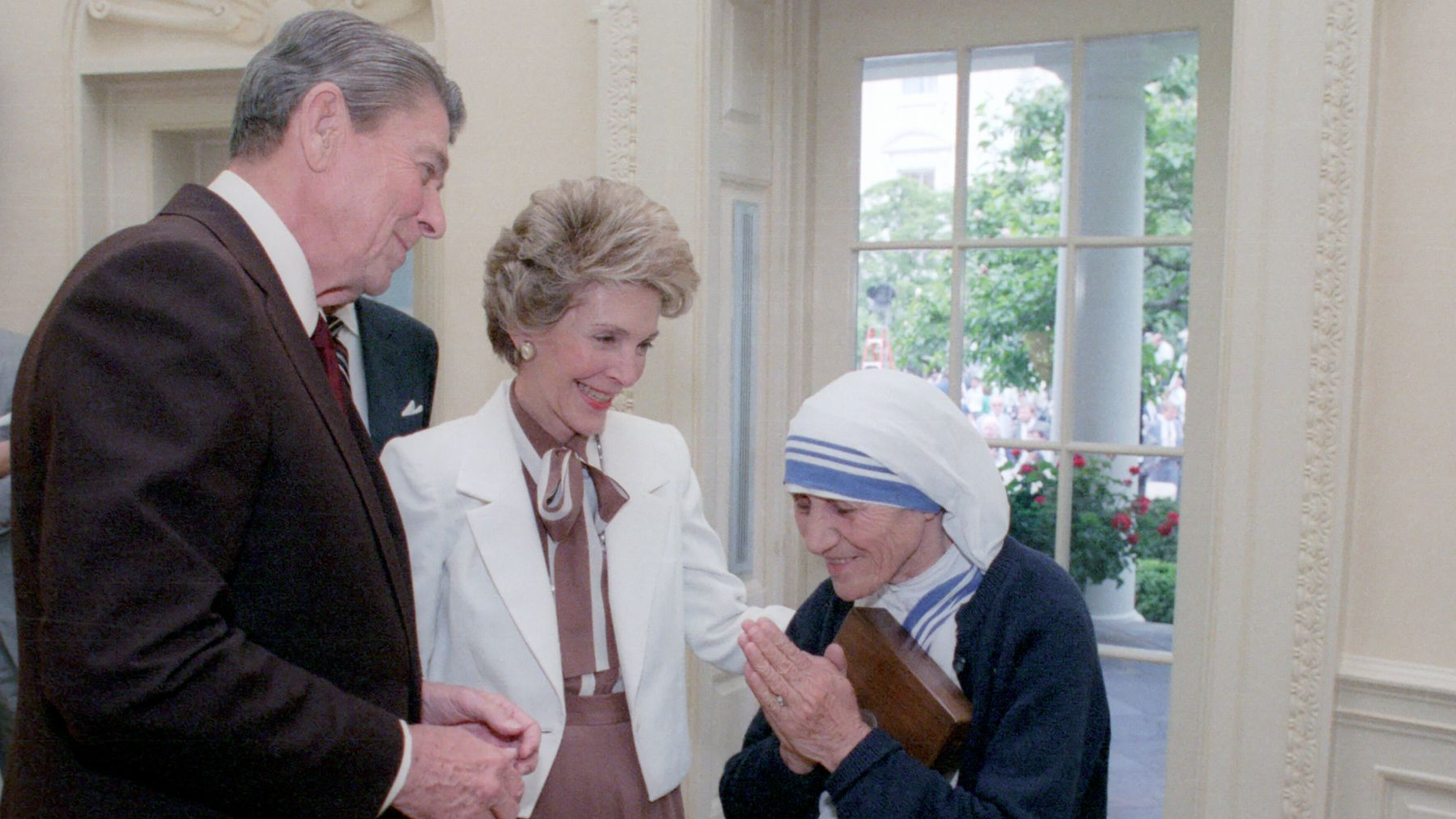
Her alliances with conservative leaders—like Margaret Thatcher and Ronald Reagan—sparked criticism that her mission aligned with politics more than compassion. She maintained she was “not interested in politics,” but her praise for policies opposing birth control complicated that claim.
A Crisis of Faith
Letters published in *Come Be My Light* revealed her decades-long doubt. “There is so much contradiction in my soul,” she wrote. “Heaven means nothing to me.” To many Catholics, her hidden torment showed deep humility. Others saw it as proof of how public sainthood can mask private despair.
The Race to Sainthood
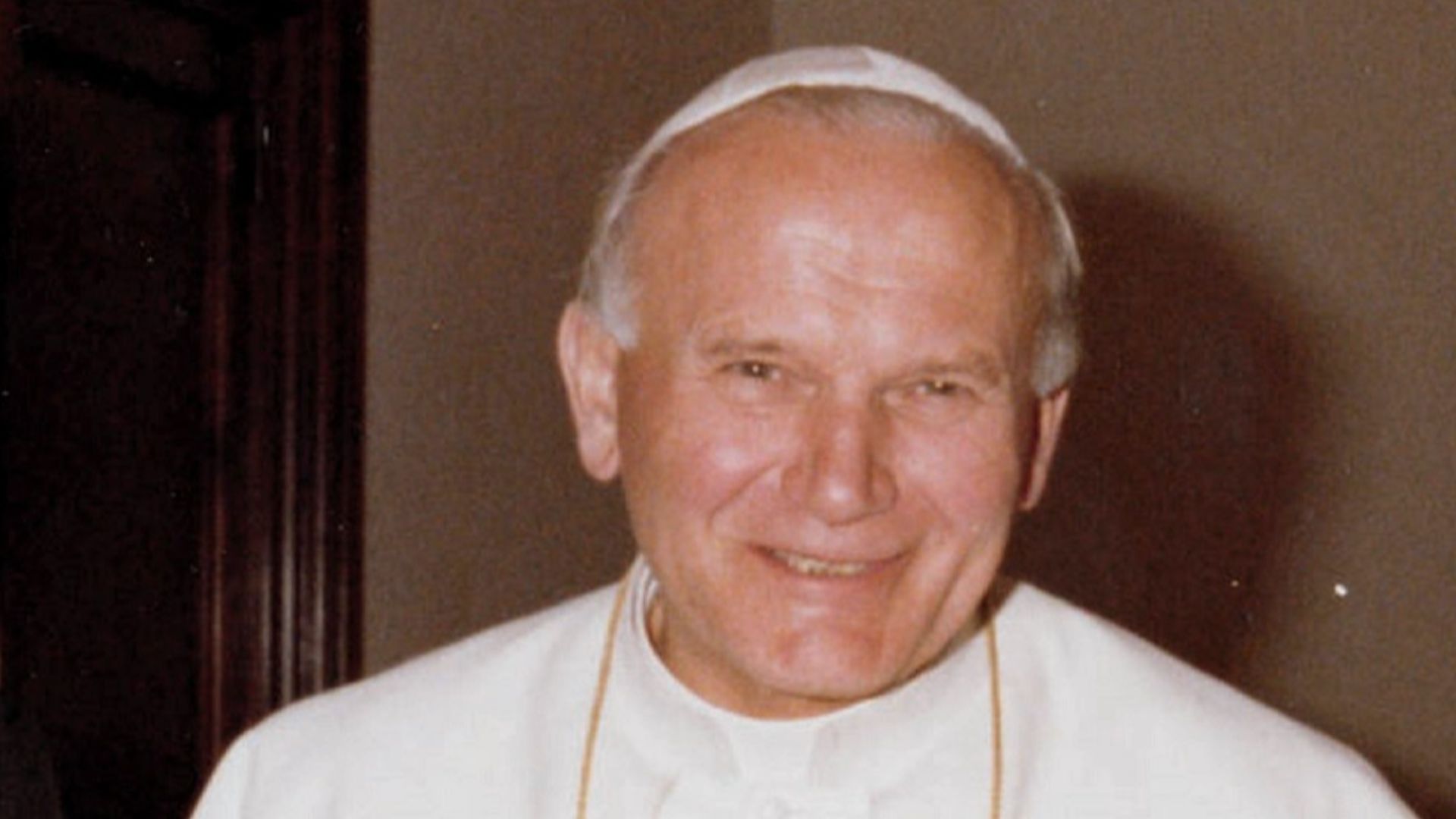
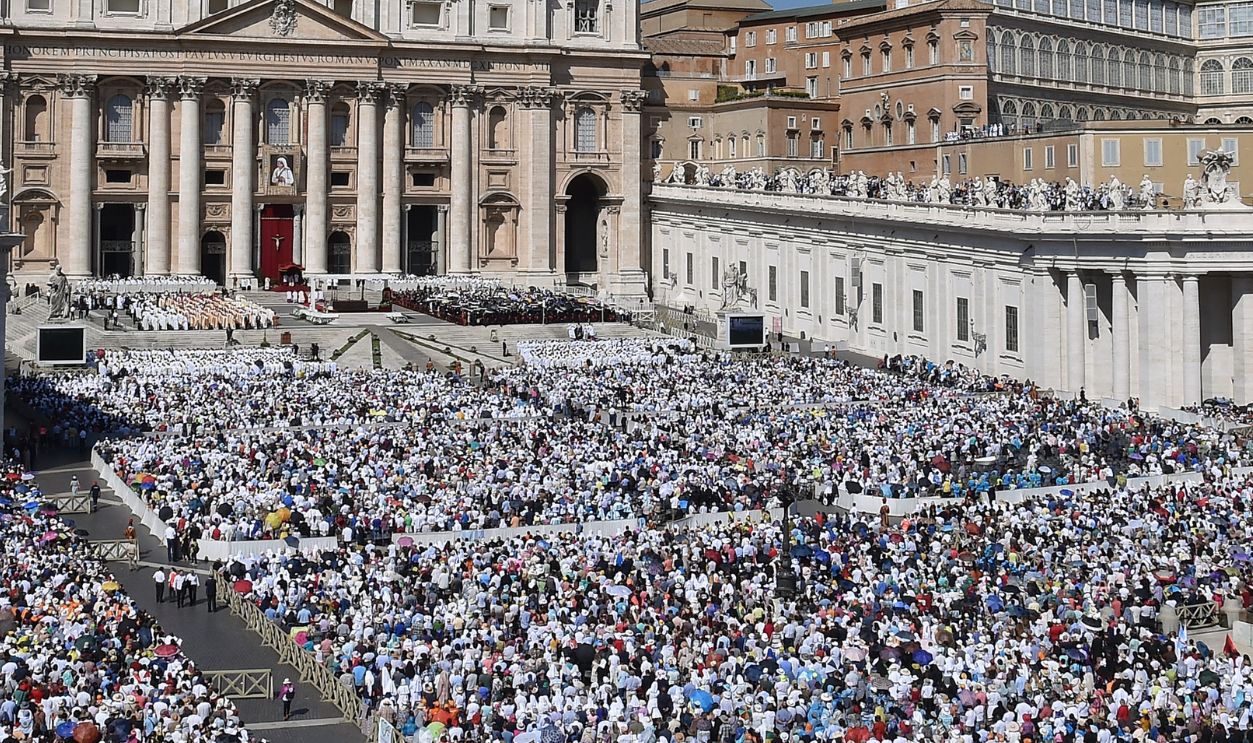
The Vatican fast-tracked her canonization, waiving the usual five-year waiting period after death. Pope John Paul II, a personal admirer, called her “an icon of charity.” The speed prompted some theologians to ask whether her holiness was being canonized—or her brand.
 Unknown authorUnknown author, Wikimedia Commons
Questionable Miracles
One “miracle” credited to her involved a woman said to be cured of cancer after praying to her. The woman’s doctor later testified that medical treatment explained the recovery. The Church dismissed the objection, but journalists questioned whether canonization should rest on unverified claims.
The Western Gaze
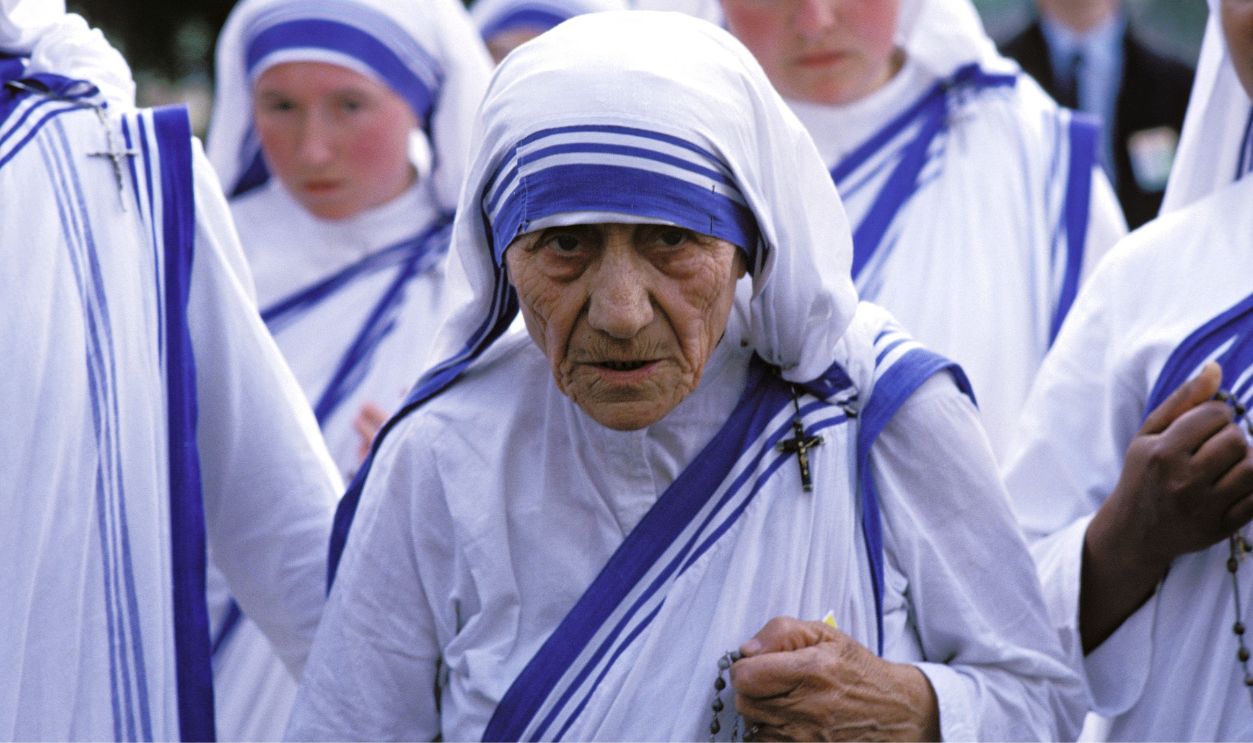
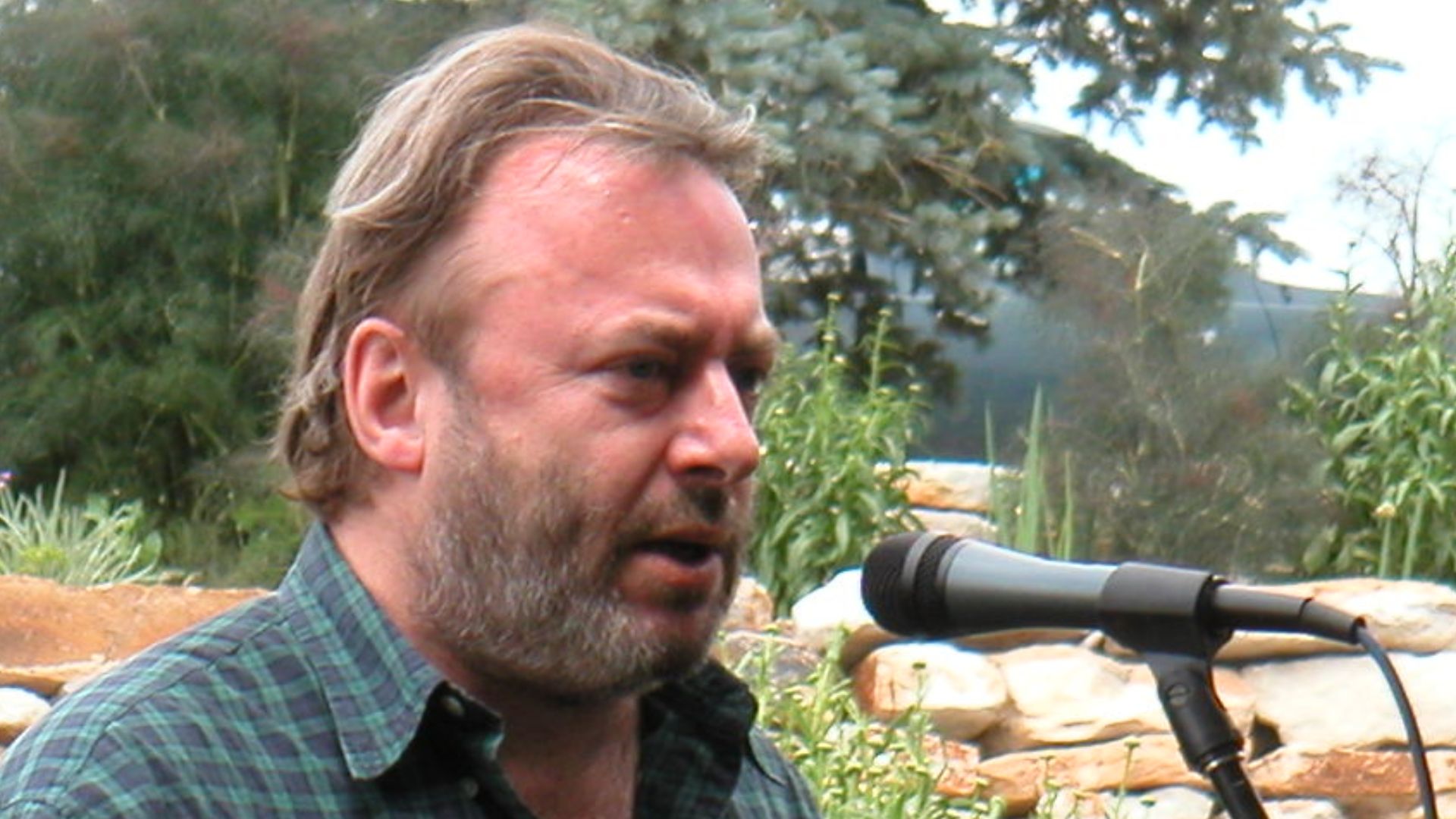
Western media cast her as a solitary angel amid chaos. Hitchens argued this framing turned “Indian poverty into a moral spectacle.” Her story made audiences feel compassion—but not necessarily responsibility—to change the systems that caused such suffering in the first place.
 Ari Armstrong, Wikimedia Commons
Critics in India
Some Indians viewed her legacy with resentment. Writer Navin Chawla noted that “she made Calcutta famous for all the wrong reasons.” Dr. Chatterjee added, “We became the world’s laboratory of pity.” Supporters countered that her homes still cared for thousands who had no one else.
Evangelism vs. Service
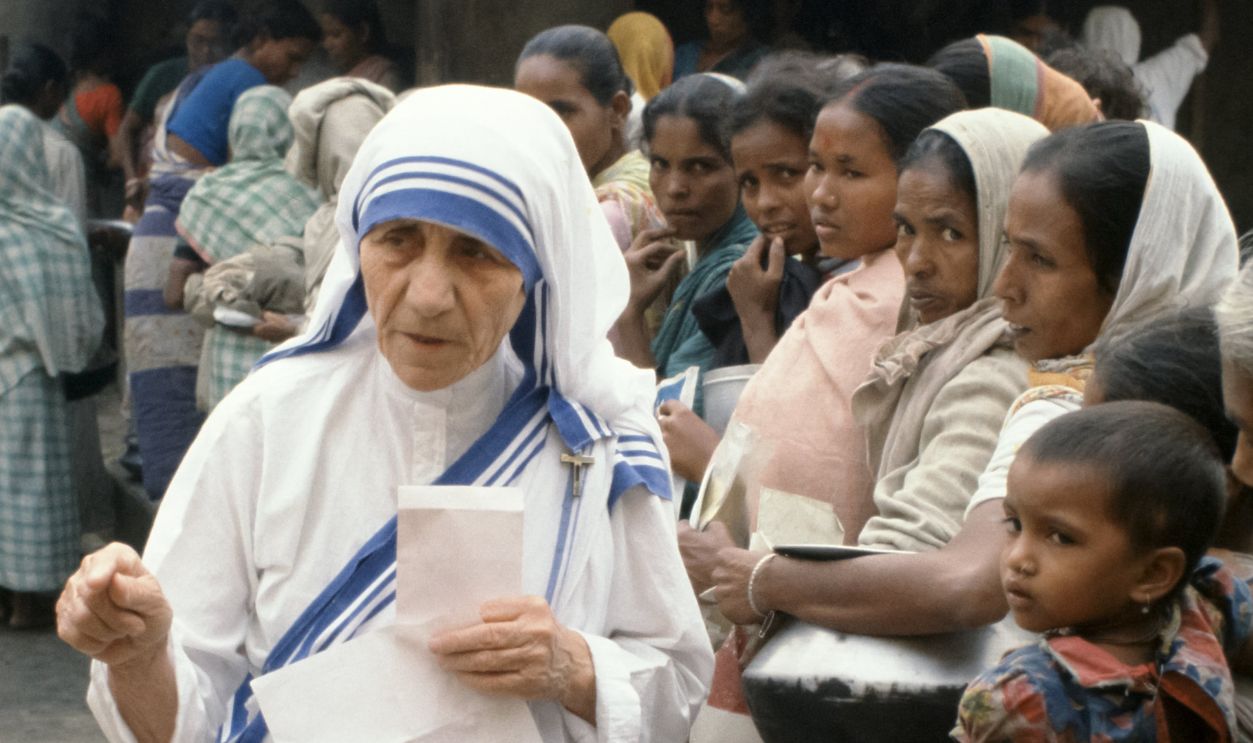
Her mission’s ultimate goal, she said, was “to bring souls closer to God.” Critics argue this blurred the line between charity and conversion. Former volunteers recalled nuns whispering prayers to dying patients of all faiths, sometimes baptizing them without consent—a practice she defended as “saving souls.”
Measured Results
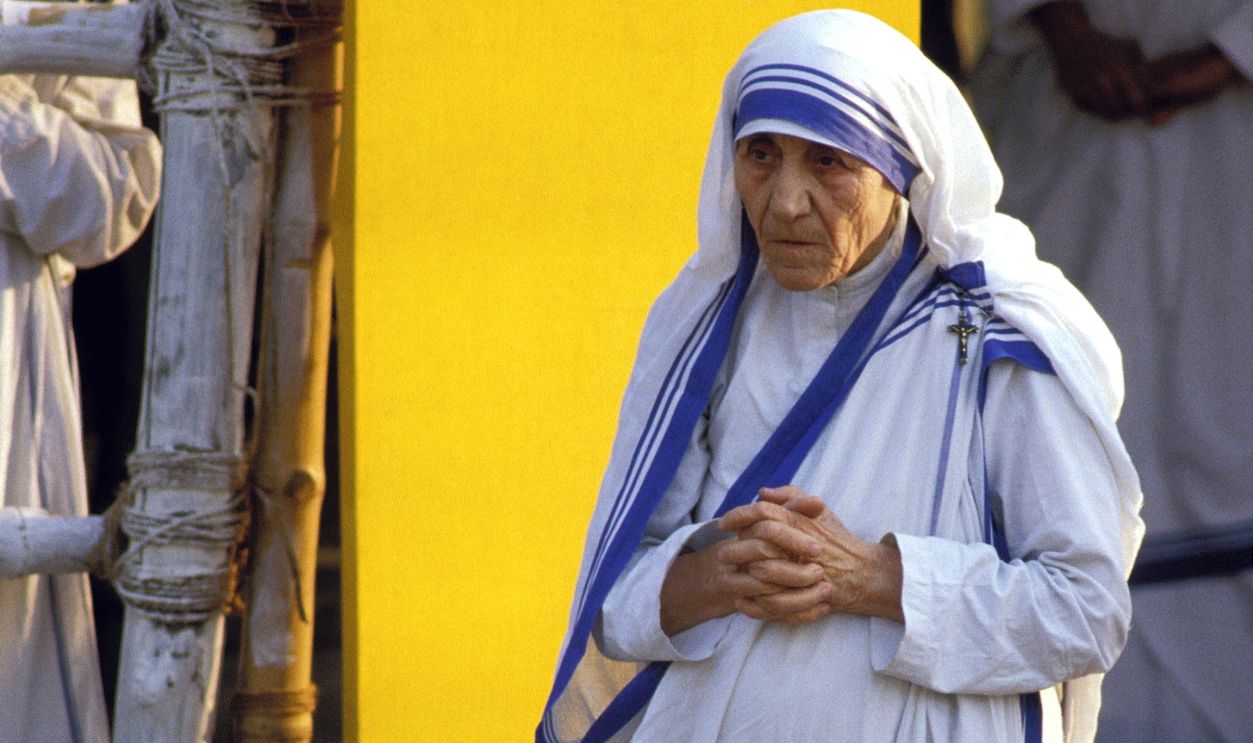
By the 1990s, the Missionaries of Charity ran over 500 missions in 120 countries. Yet, as Chatterjee observed, “There were no audits, no measurable results—only testimonies.” Her defenders countered that her success couldn’t be measured in data, only in devotion.
Media vs. Reality
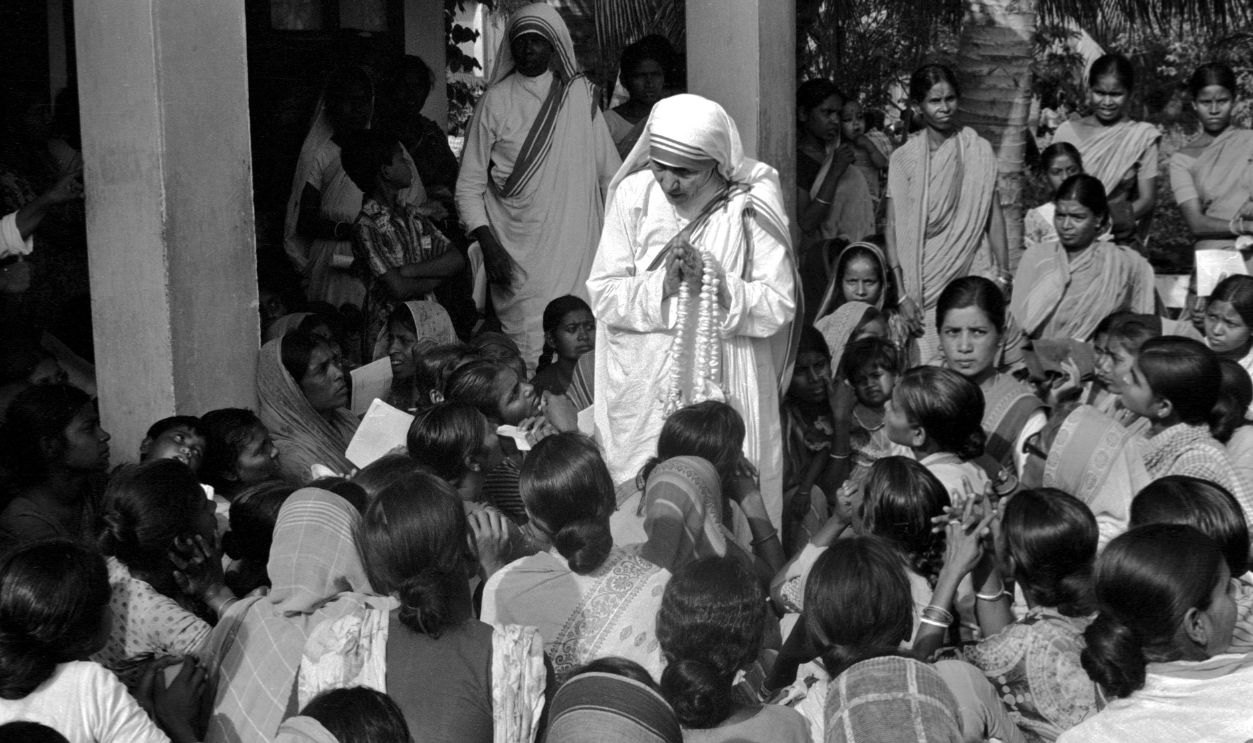
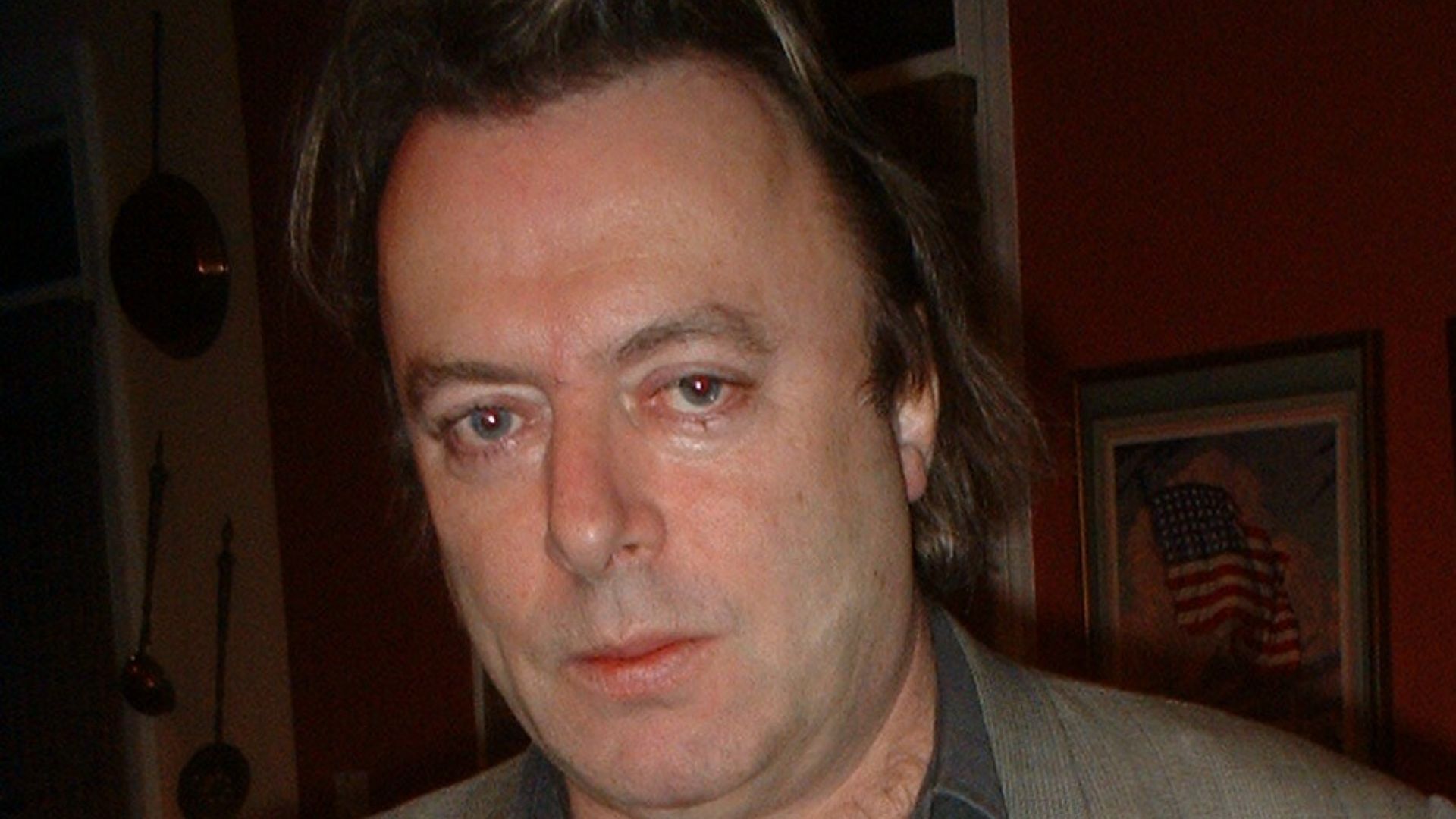
Hitchens’s documentary *Hell’s Angel* (1994) revealed contrasting footage of overcrowded wards and outdated practices. He claimed she “kept people in misery instead of helping them out of it.” The film was controversial—but it opened a conversation about the difference between image and impact.
 Hugh Greentree, Wikimedia Commons
The Money Trail
Financial reports suggested millions in undisclosed donations. A German magazine investigation found funds sitting unused in bank accounts. Her order said, “We serve the poor, not paperwork.” The response didn’t quiet questions about accountability—it deepened them.
Defenders Respond
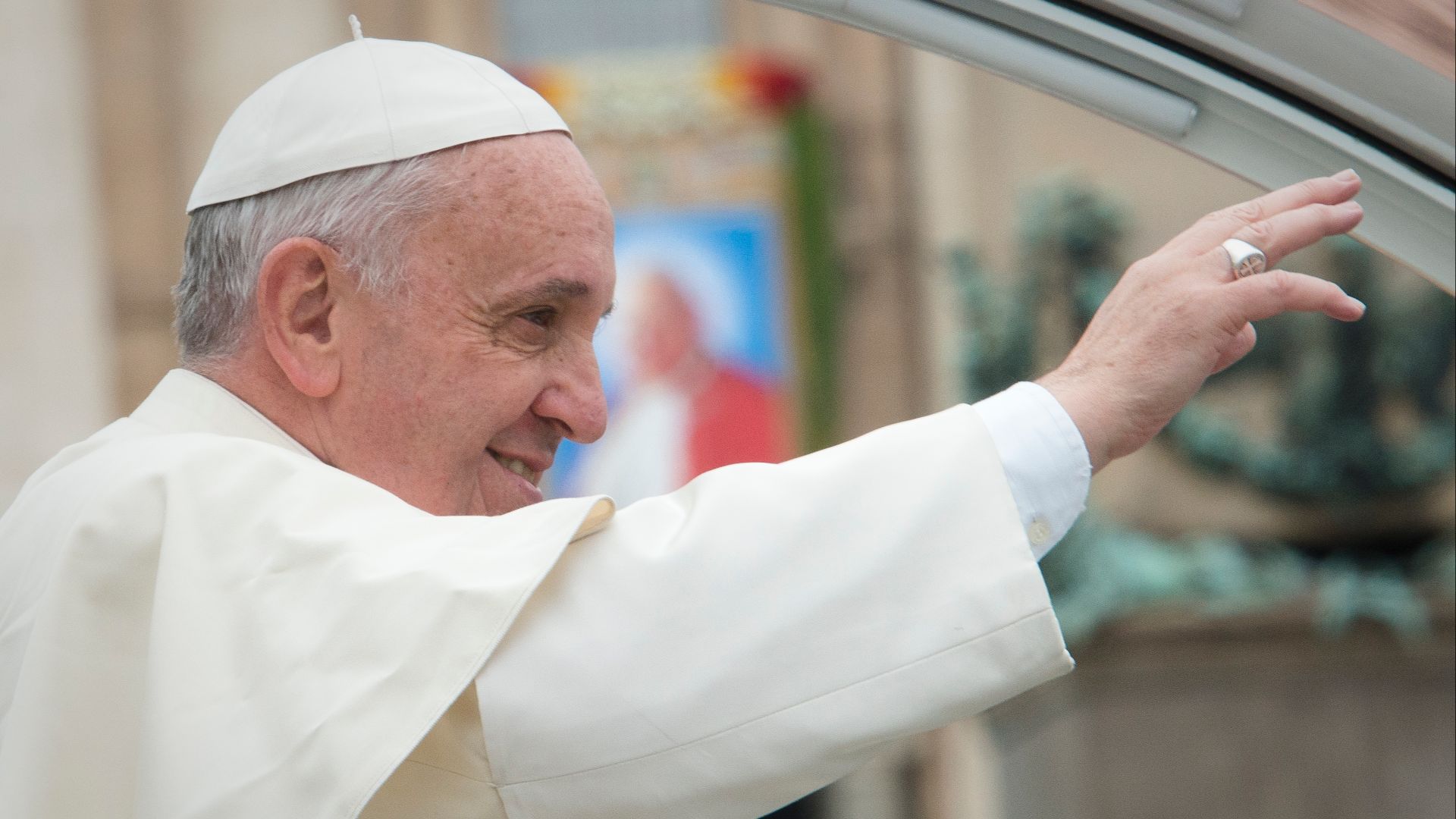
Supporters stress her humility and unwavering service. Even critics concede she lived simply, often sleeping on a wooden cot. Pope Francis described her as someone who “made the Church present on the streets.” Admirers say her imperfections make her relatable, not fraudulent.
 Jeffrey Bruno from New York City, United States, Wikimedia Commons
Intentions vs. Outcomes
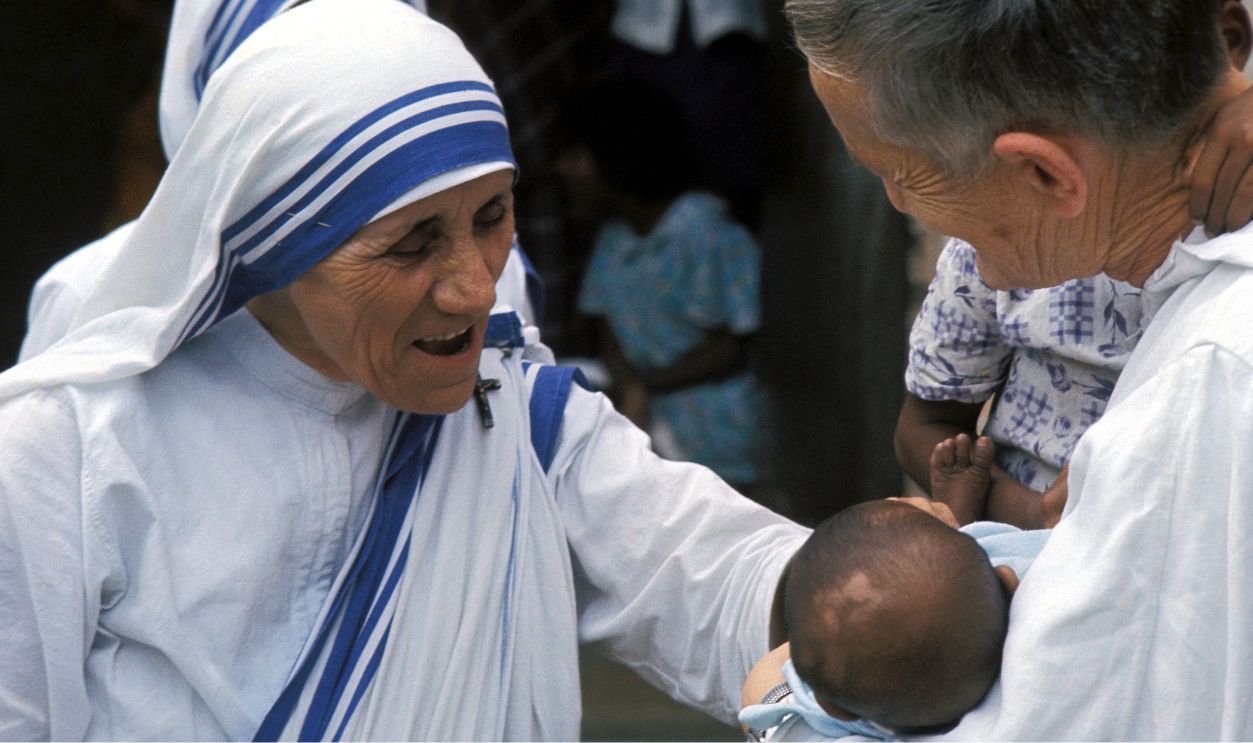
Good intentions do not guarantee good outcomes. Her belief that “it is not how much we do, but how much love we put into doing it” guided her life. Yet love alone couldn’t sterilize needles or fund proper medication—and that’s where ethics meet faith.
Pain as a Path
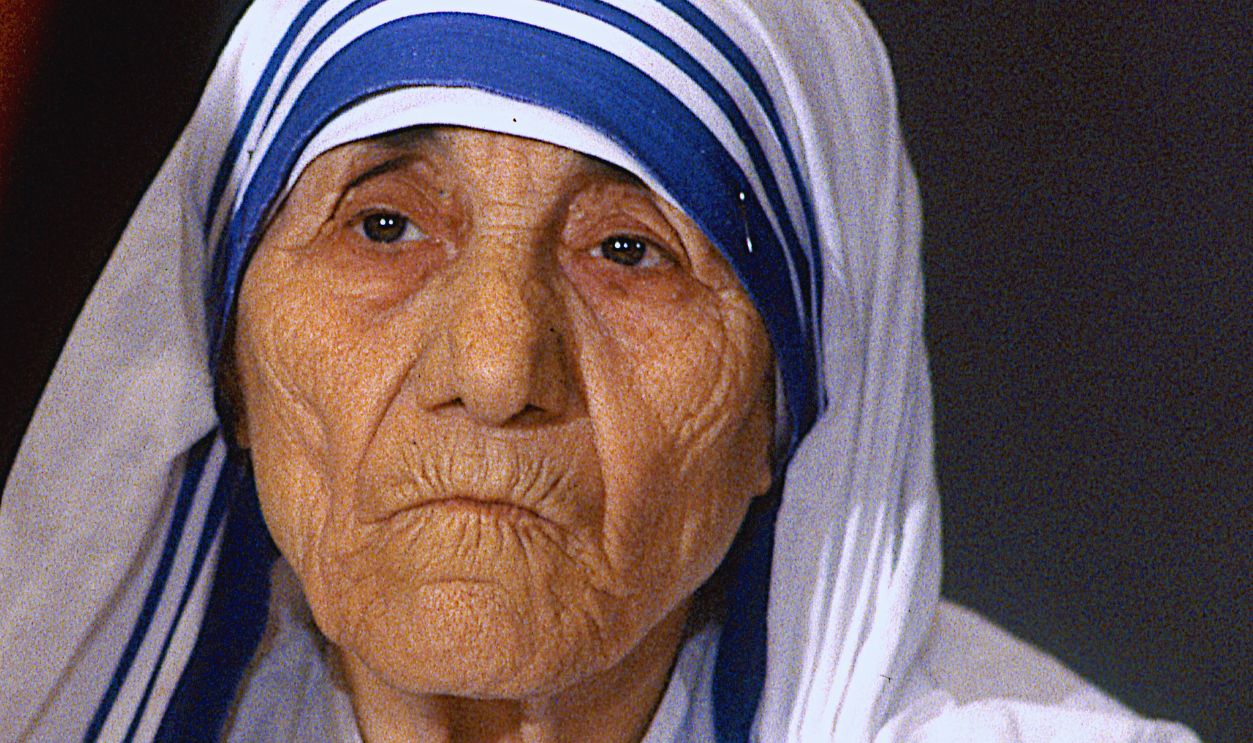
Her view that “pain and suffering are the touchstones of love” shaped her philosophy. Critics argue that equating pain with holiness risks turning suffering into spectacle. To them, compassion must alleviate pain, not sanctify it.
Saint of the Poor—or Symbol of Poverty?
To her supporters, she gave dignity to the dying. To detractors, she turned poverty into performance. Hitchens wrote, “She was not a friend of the poor; she was a friend of poverty.” That quote still divides audiences decades later.
 Jean-Claude FRANCOLON, Getty Images
The Church’s Champion
After a wave of scandals in the 1990s, the Vatican needed a figure of pure faith. Mother Teresa’s canonization in 2016 offered that redemption. Her image became a rallying point for believers—a saint the modern Church could stand behind.
The Legacy of Paradox
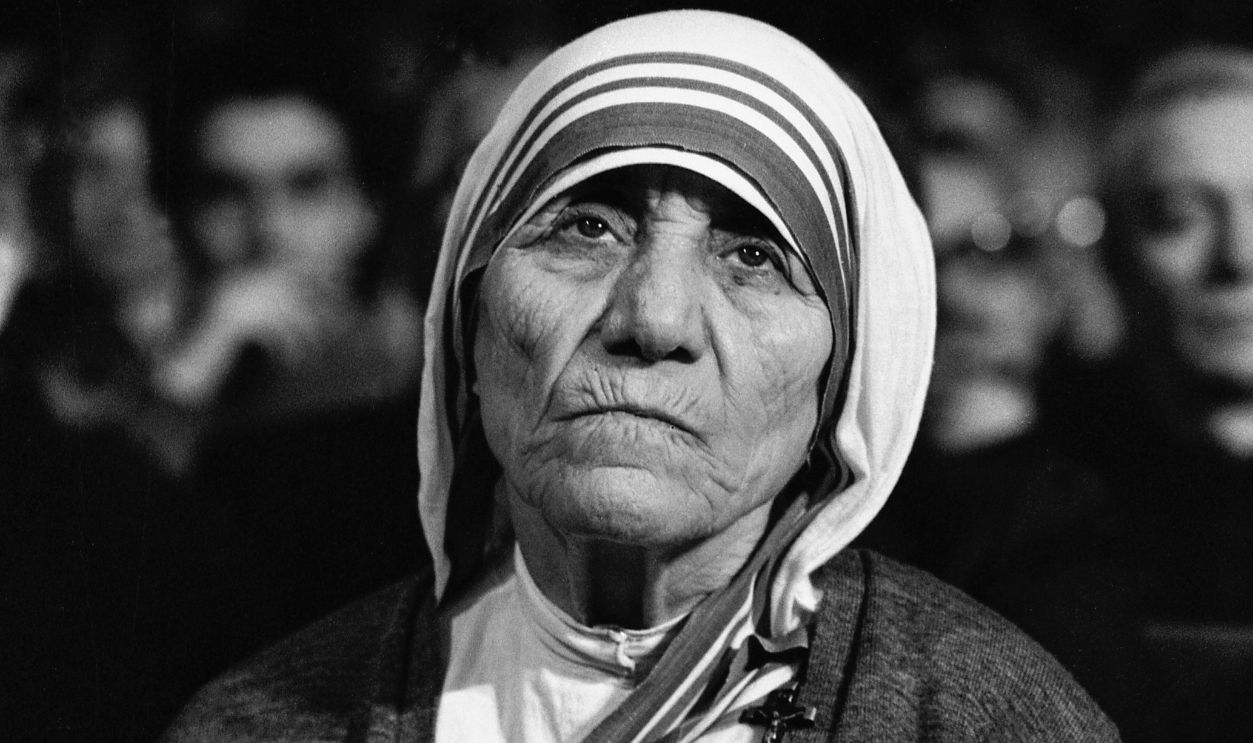
Her story is one of devotion and contradiction. She comforted the dying but resisted change that could have prevented their suffering. She was both a symbol of mercy and a reminder of how faith and fame can blur together.
 Edoardo Fornaciari, Getty Images
The Harder Question
Was she a fraud? Not exactly. But was she flawless? Certainly not. Like many icons, she reflected our desire for simple heroes. Her sainthood endures, but so do the uncomfortable questions about what it truly means to do good.
The Complicated Truth
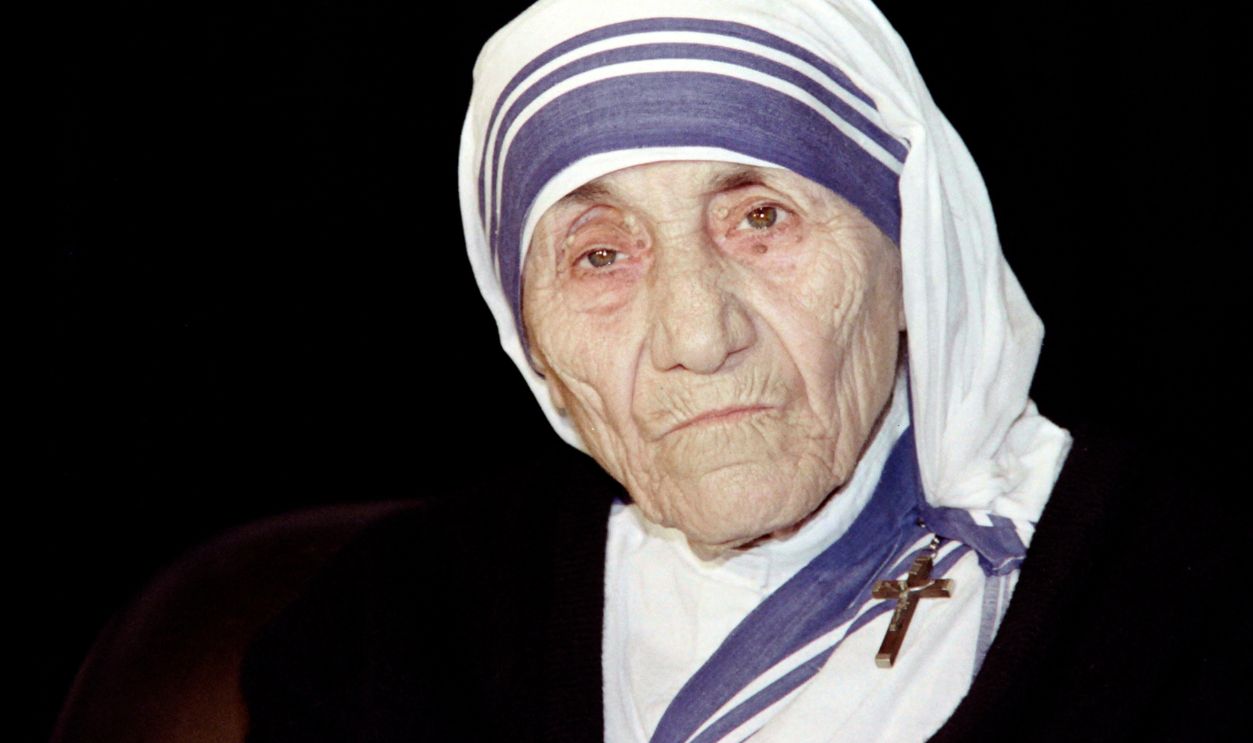
Mother Teresa lived for others, but her methods remain under scrutiny. Perhaps sainthood shouldn’t require perfection—but it should demand transparency. And honesty says: her story, like her legacy, is still being rewritten.
 Sportsphoto/Allstar, Getty Images
You Might Also Like:
Tragic Facts About Queen Victoria, The Widow Of Windsor
Messy Facts About Cary Grant, The Iconic Leading Man
Unfortunate Facts About Pope Clement VII, The Unluckiest Pope