
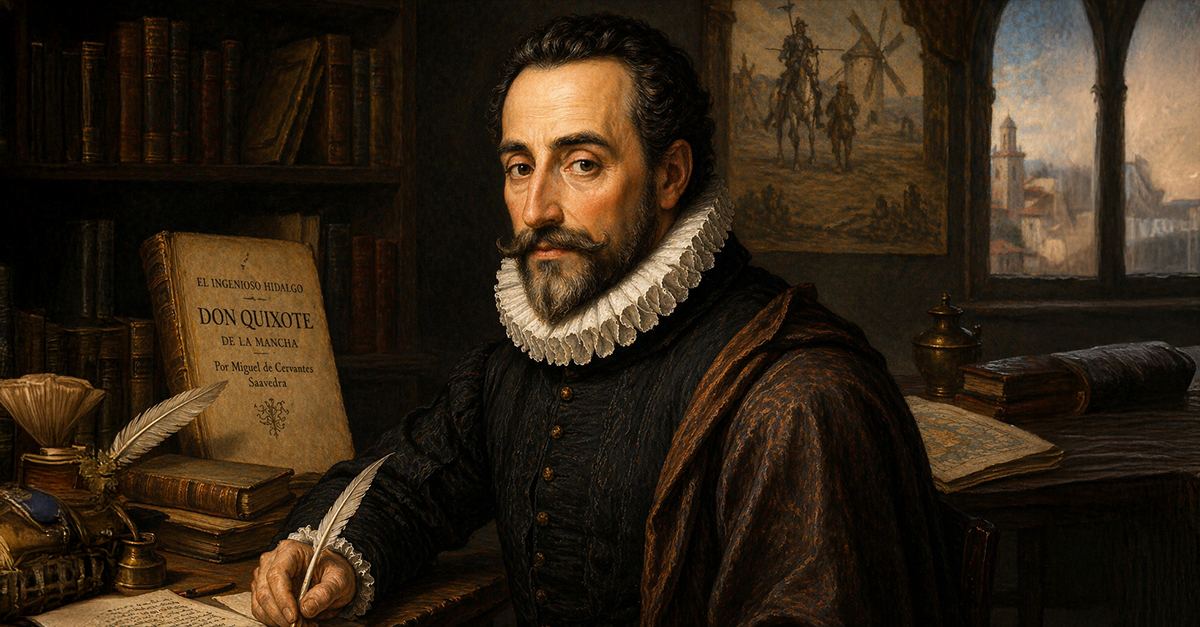
Soldier, Prisoner, Writer
Before he gained fame as the author of Don Quixote (1615), Miguel de Cervantes lived a life filled with hardship, danger, and resilience. Captured by North African pirates, he went through years of captivity and made multiple daring but unsuccessful attempts to escape. These experiences shaped Cervantes’ later life and the way he wrote his masterpiece.
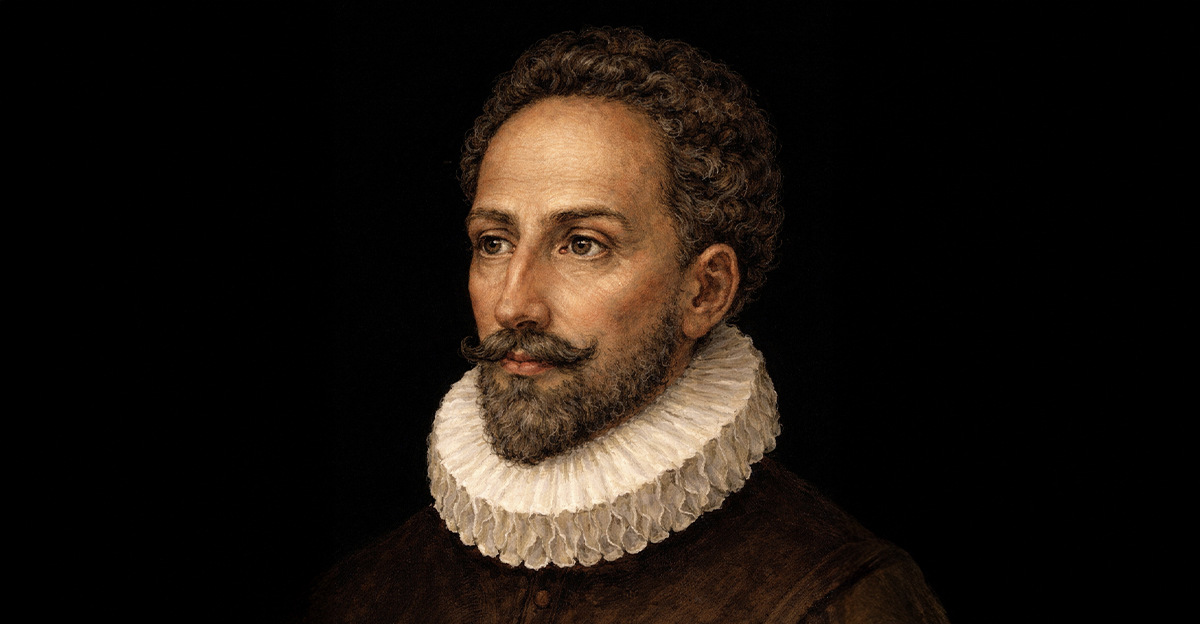
Humble Beginning In Spain
Born in 1547 in Alcalá de Henares near Madrid, Cervantes grew up in a struggling family. His father worked as a barber-surgeon, a modest profession that kept the family moving constantly through Cervantes’ youth. Financial insecurity continuously overshadowed his early life, but it also had the advantage of exposing him to a wide range of people and experiences that would later be a big factor in his storytelling.
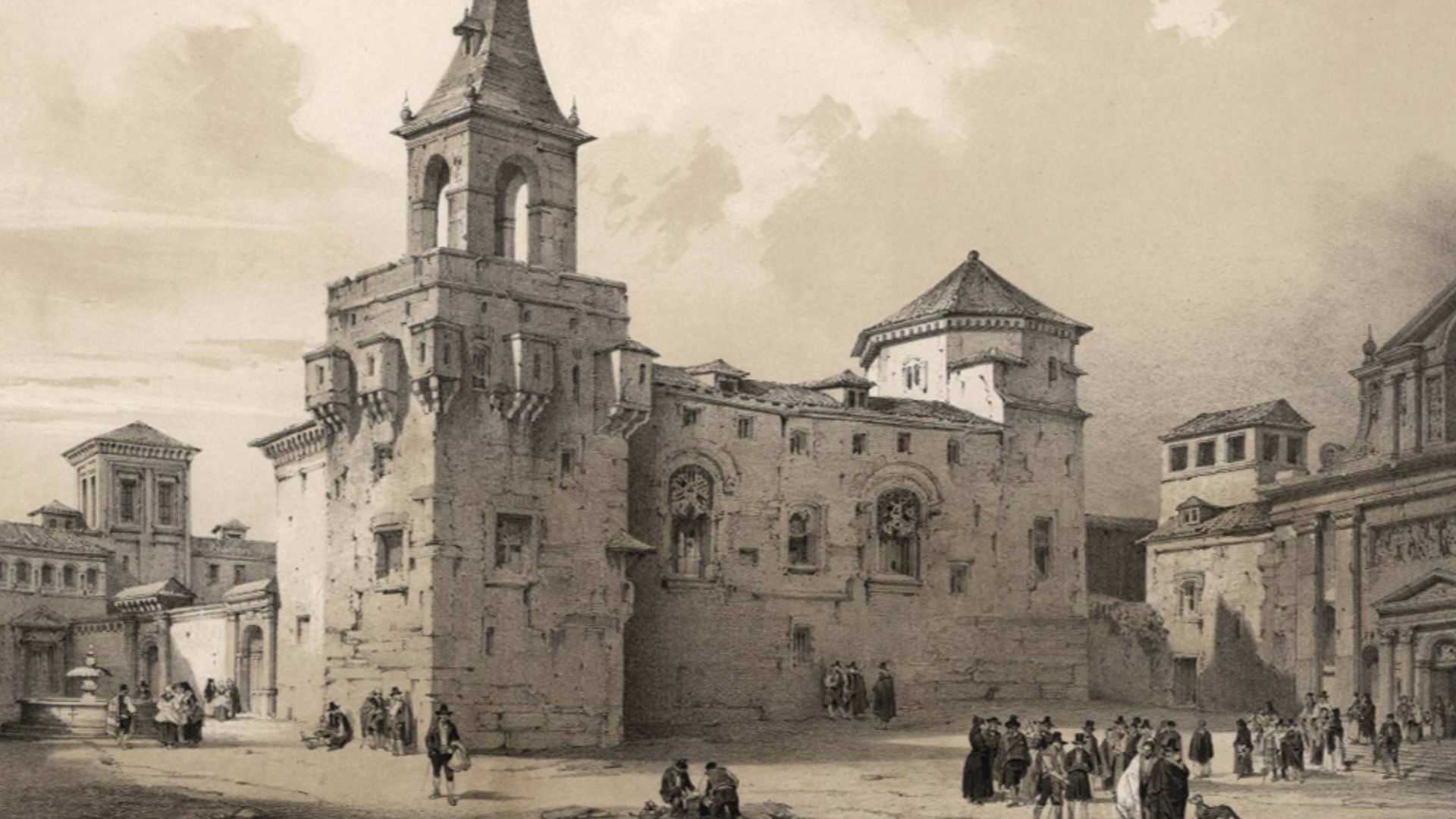 Genaro Pérez Villaamil / Auguste Mathieu, Wikimedia Commons
Early Adventures And Education
Even as a young man, Cervantes showed the spark of intellectual curiosity and a fascination with literature. He studied in Madrid, where he cultivated a love for poetry and classical works. But his idyllic life as a student couldn’t keep from getting into trouble.
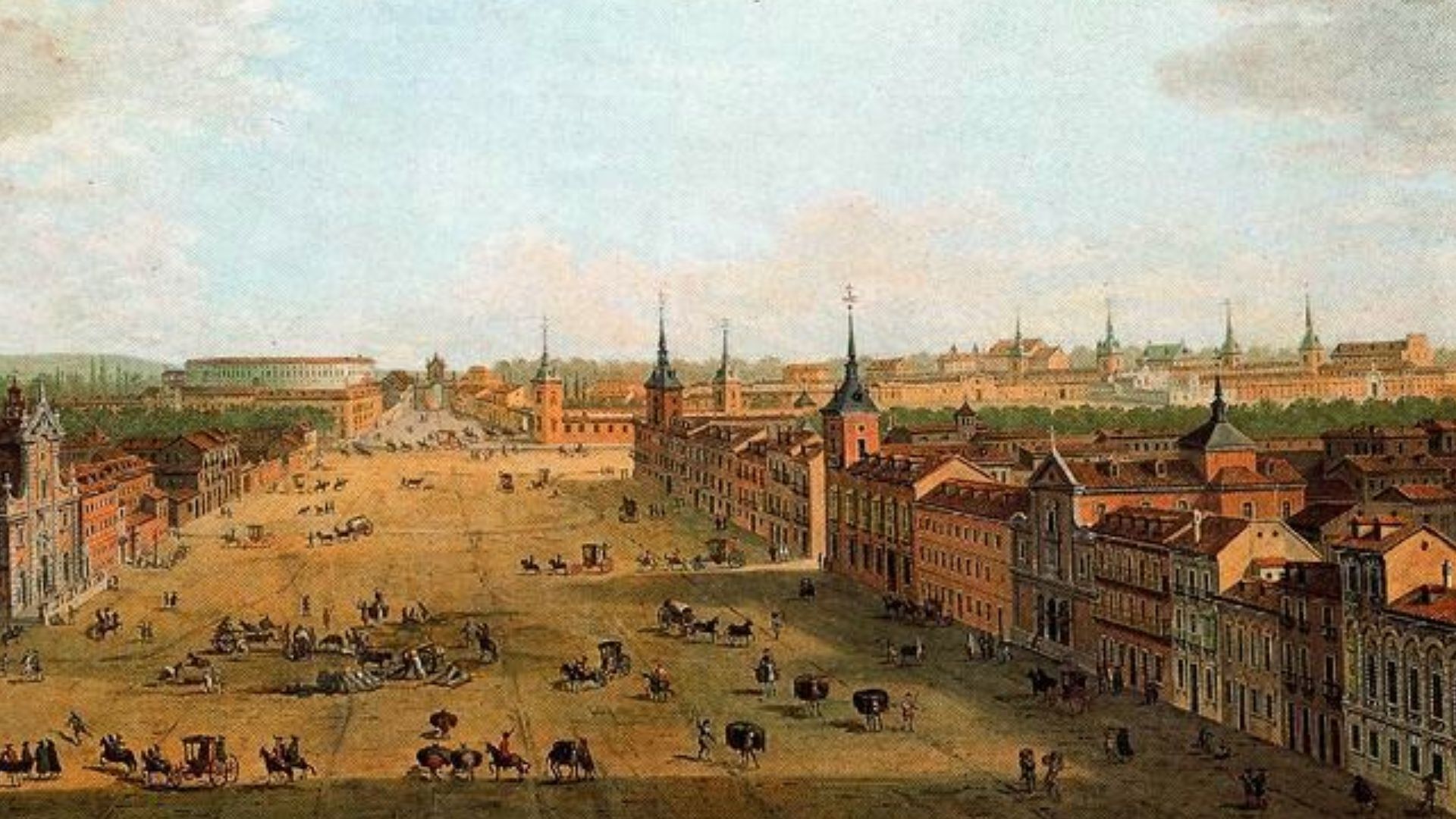 Antonio Joli, Wikimedia Commons
Fleeing Spain After A Duel
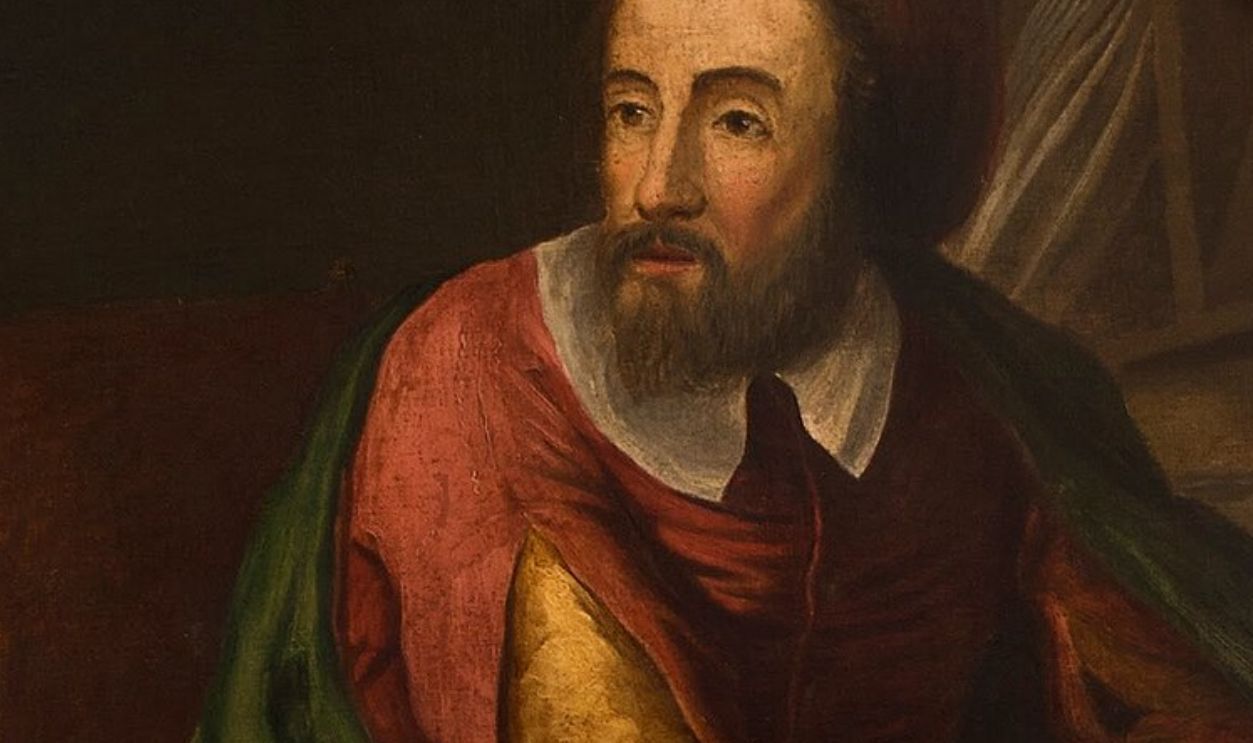
Miguel de Cervantes was forced to flee Spain under a cloud of legal trouble. In 1569, he was accused of wounding a man in a duel in Madrid, an offense that carried severe penalties. To avoid punishment, he escaped to Italy, a decision that would ultimately lead him into military service and totally change the course of his life.
 Museo Casa de Cervantes, Wikimedia Commons
Joining The Spanish Military
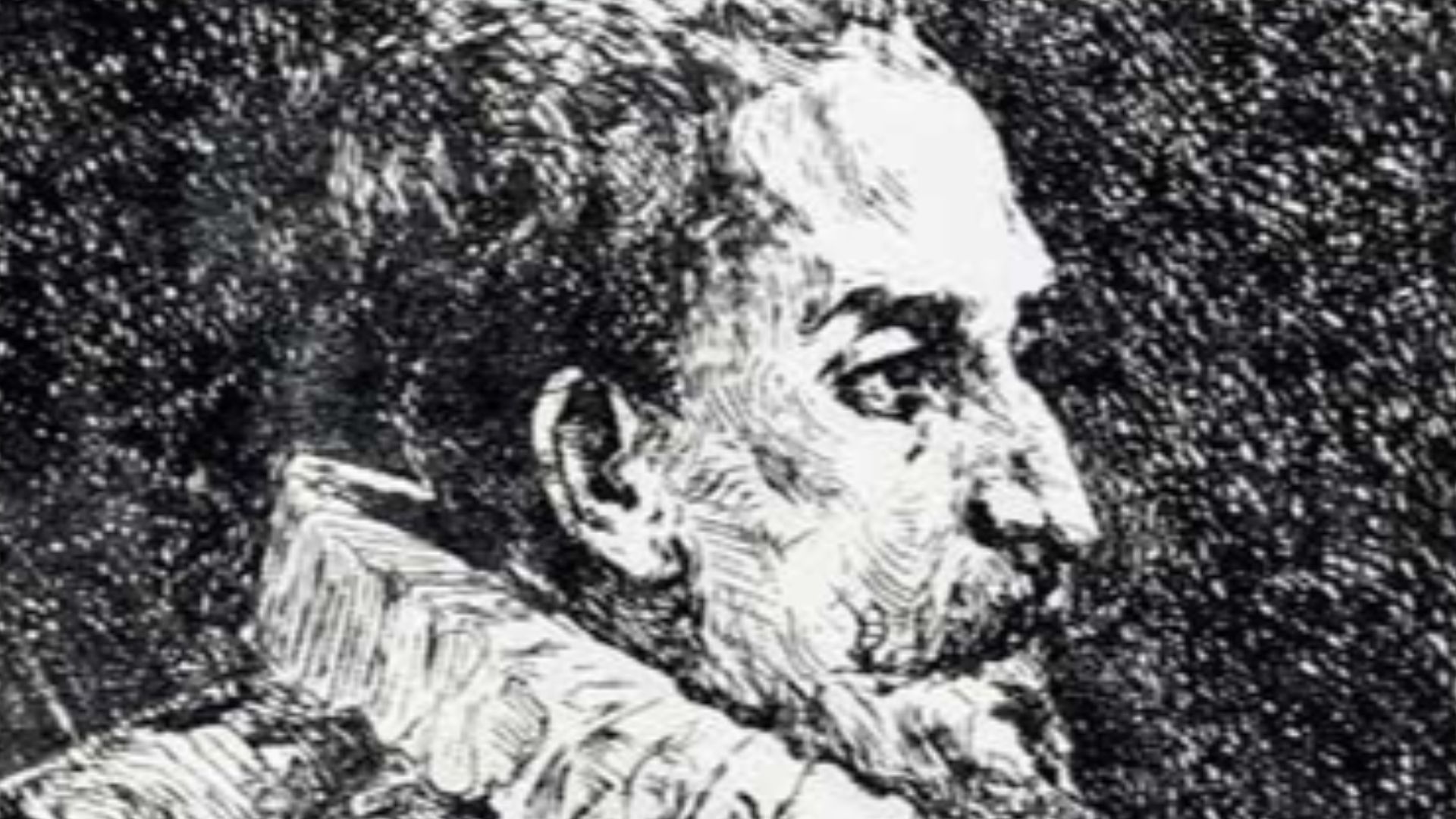
In his early twenties, with the charges resulting from the duel still hanging over him, Cervantes left Spain for Italy. There, he met up with his brother Rodrigo, and the pair enlisted in the Spanish navy. This decision instantly put him at the heart of European conflict. Military life had the promise of both opportunity and danger, and Cervantes dove into it, anxious to prove himself in battle and earn recognition through service.
 G. Gómez Terraza y Aliena, Wikimedia Commons
The Battle Of Lepanto
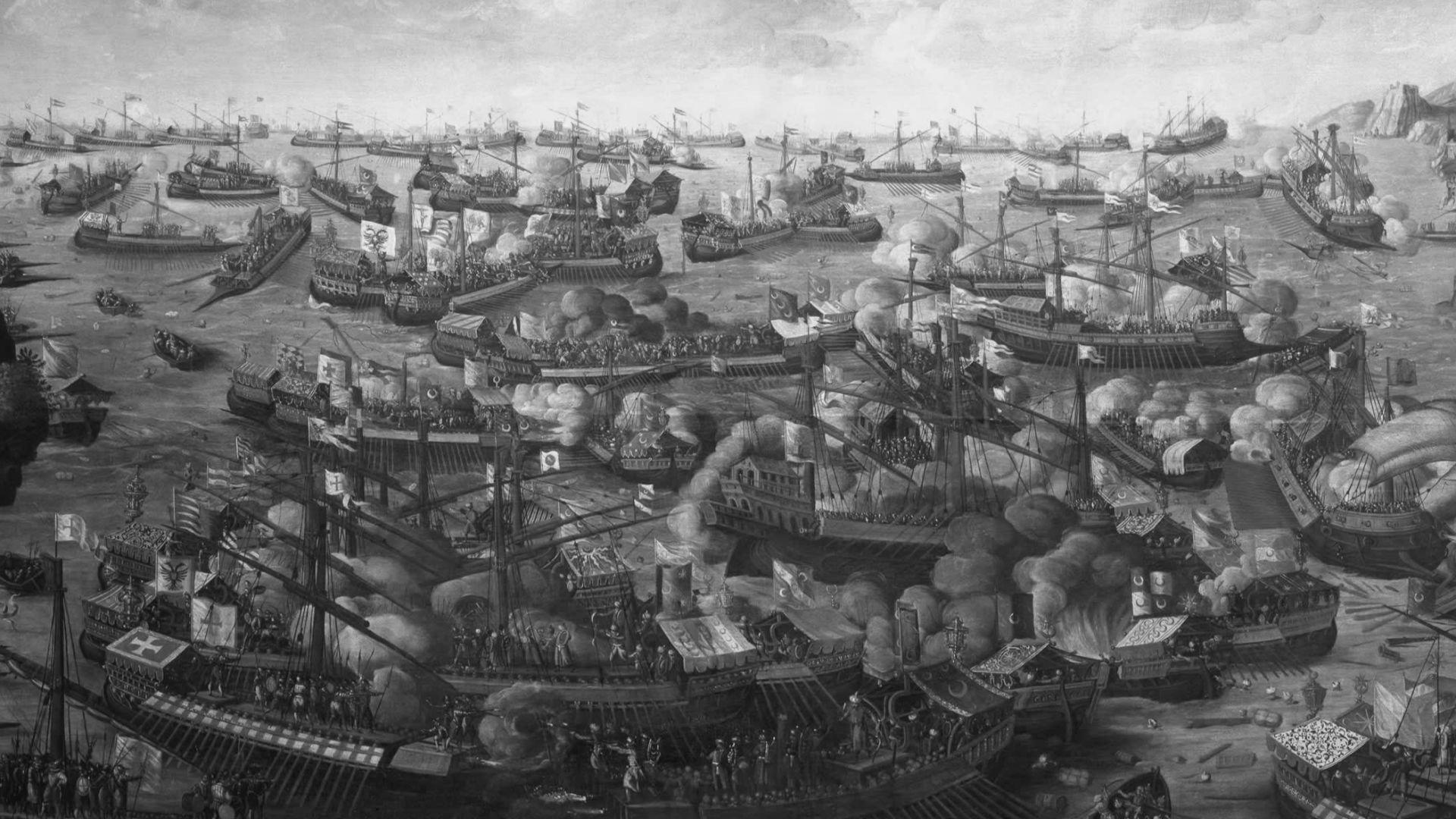
Cervantes fought in the Battle of Lepanto against the Turks in 1571, one of the most significant naval clashes of the 16th century. He was severely wounded, losing the use of his left hand while in command of a 12-man skiff. He later looked back on the battle as one of the proudest moments of his life.
 Unidentified painter, Wikimedia Commons
Return Journey Gone Wrong
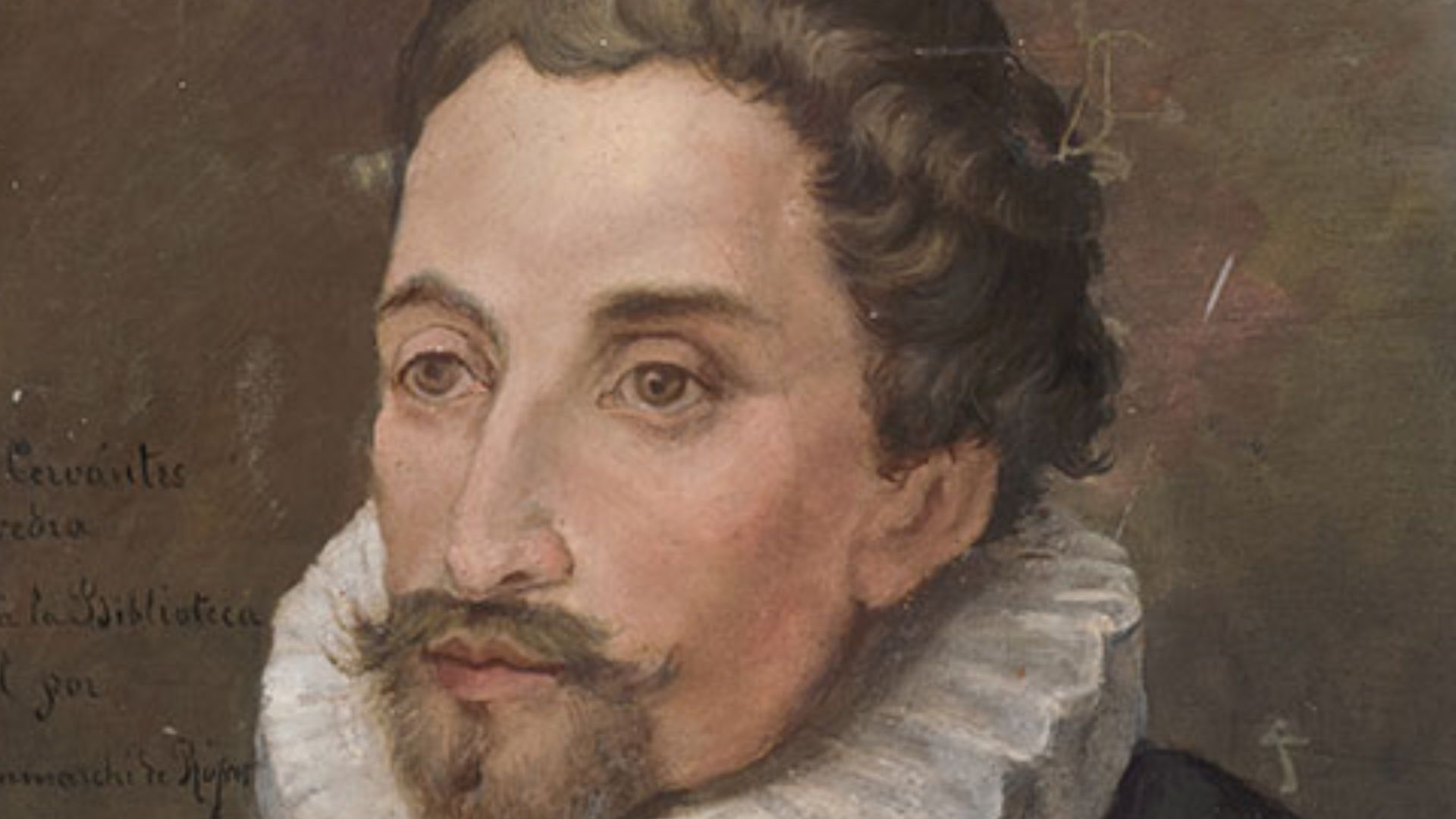
In 1575, Cervantes and his brother boarded a ship to return to Spain after years of military service. Carrying letters of recommendation that highlighted his bravery, he had high hopes for advancement. But his dreams of future success took a disastrous turn when his ship was intercepted by corsairs (pirates) roaming the Mediterranean.
 Rosa Ponce de Portocarrero, Wikimedia Commons
Captured By Barbary Pirates
The attackers were Barbary pirates from North Africa, who seized Cervantes, his brother, and other passengers not far from Barcelona. Reading through his letters, the pirates immediately assumed that he was a person of high importance and demanded a substantial ransom. Cervantes was taken to Algiers, a major hub for international slave trading at the time.
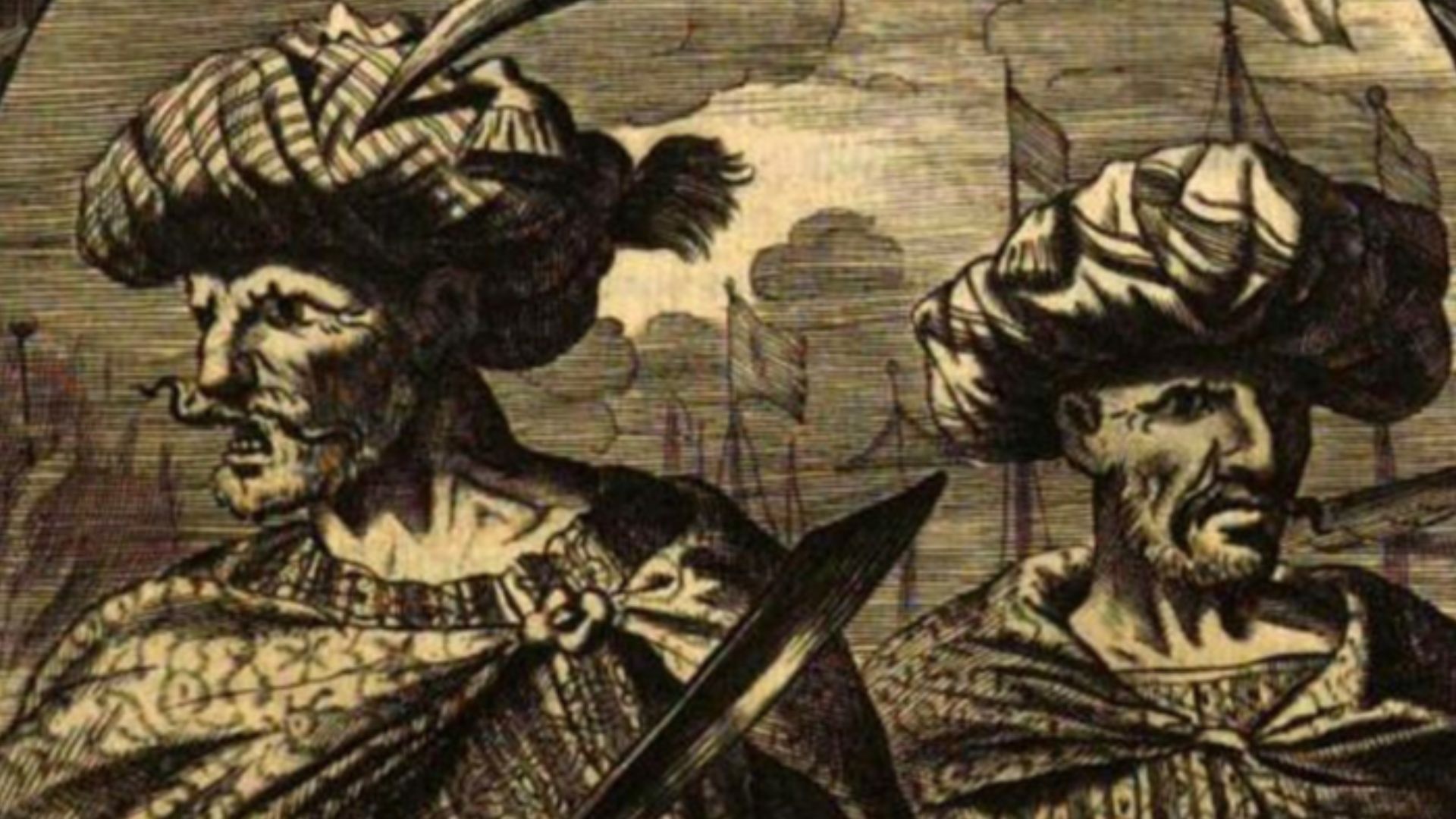
Life As A Slave In Algiers
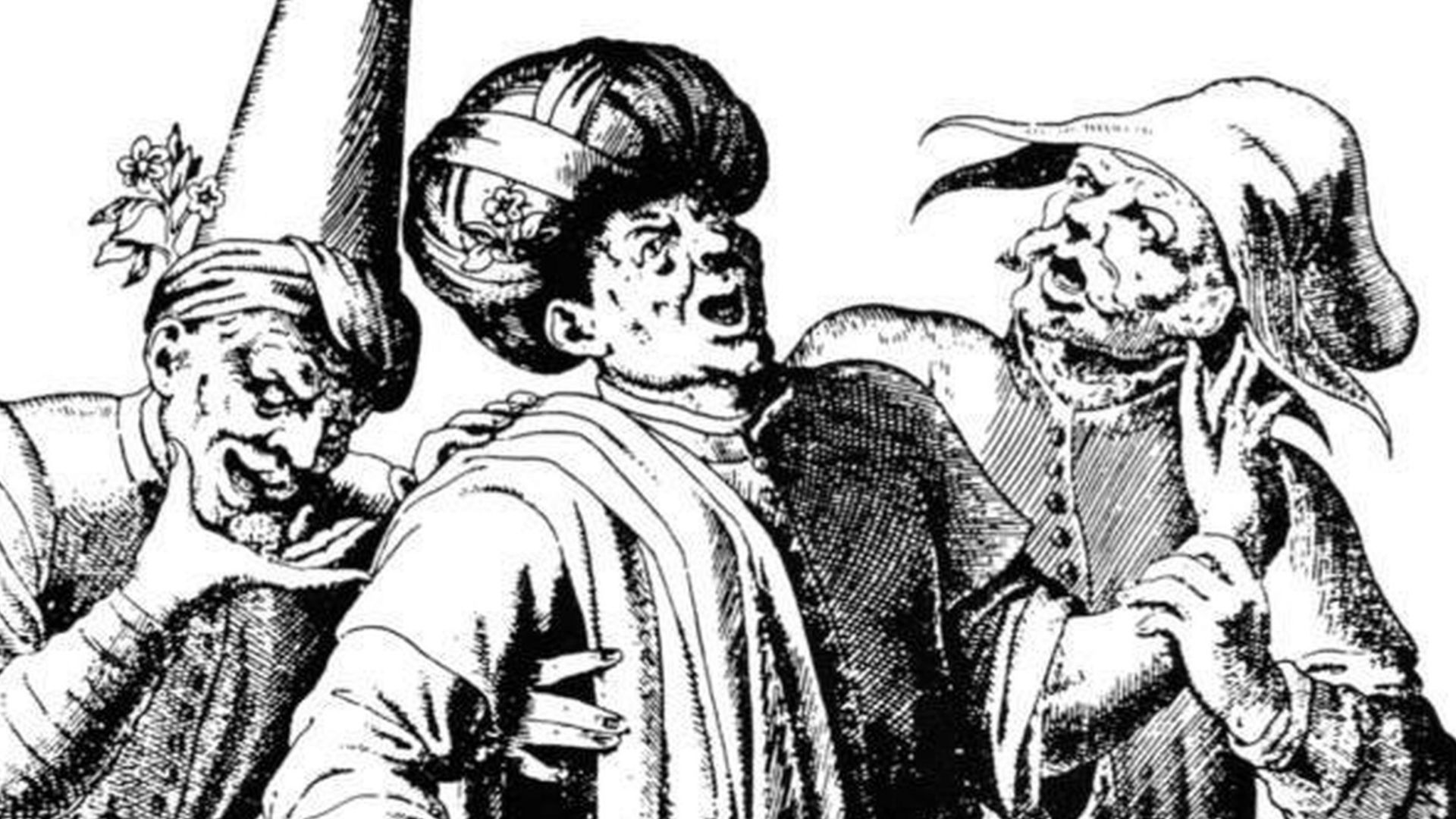
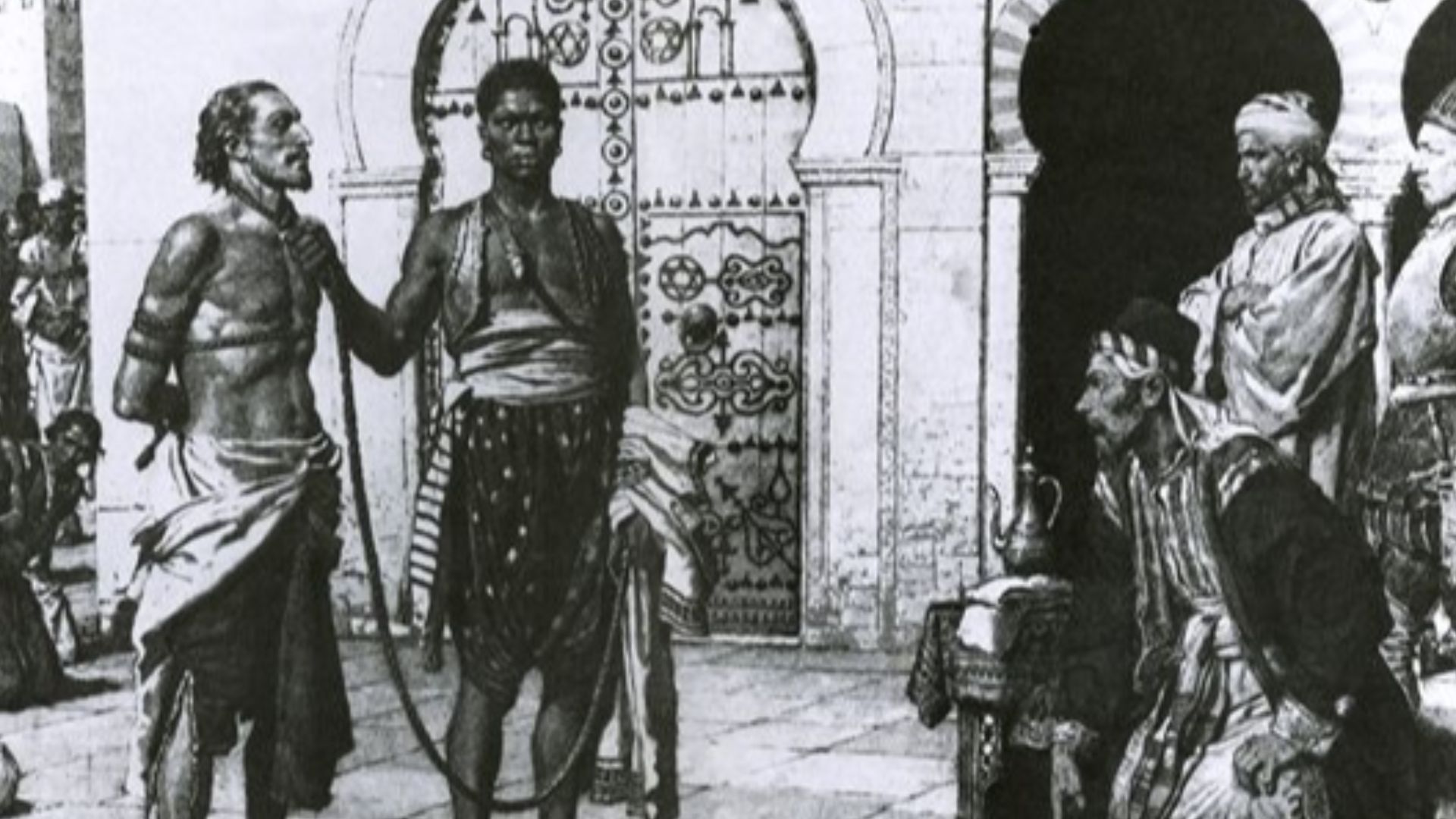
Cervantes spent five years in captivity in Algiers, undergoing harsh conditions. Enslaved under a local ruler, he was weighed down by constant uncertainty and danger. Despite this, he quickly became known among fellow captives for his leadership, courage, and relentless determination to resist his captors.
 Unknown authorUnknown author, Wikimedia Commons
First Escape Attempt
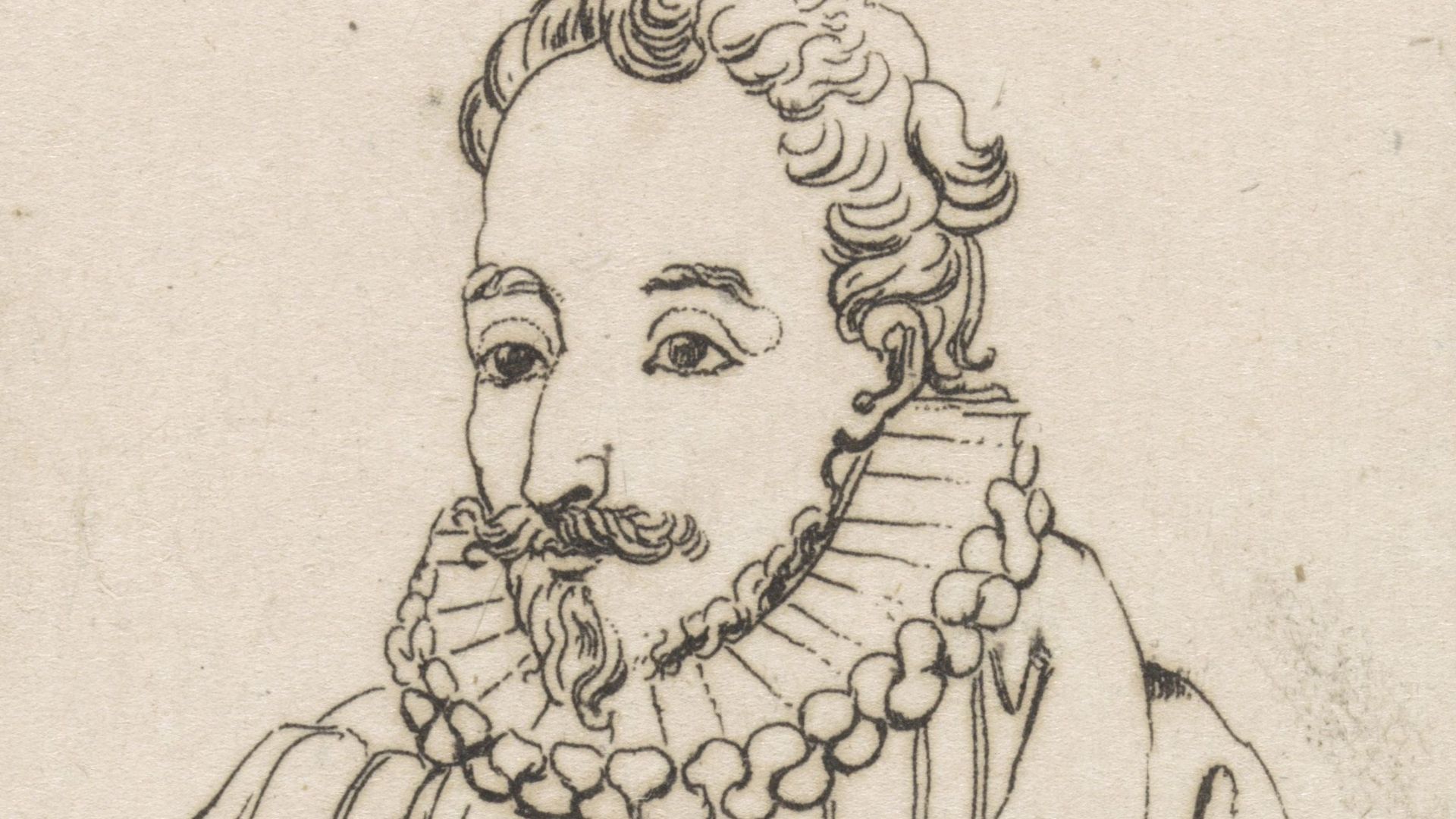
Cervantes’ first escape attempt centered around organizing a group of prisoners to flee by land. The plan was ambitious but was doomed to failure when it was discovered. Cervantes took full responsibility, shielding his accomplices from punishment, a pattern that would define his conduct through his entire time in captivity.
 Rijksmuseum, Wikimedia Commons
Leader Among Prisoners
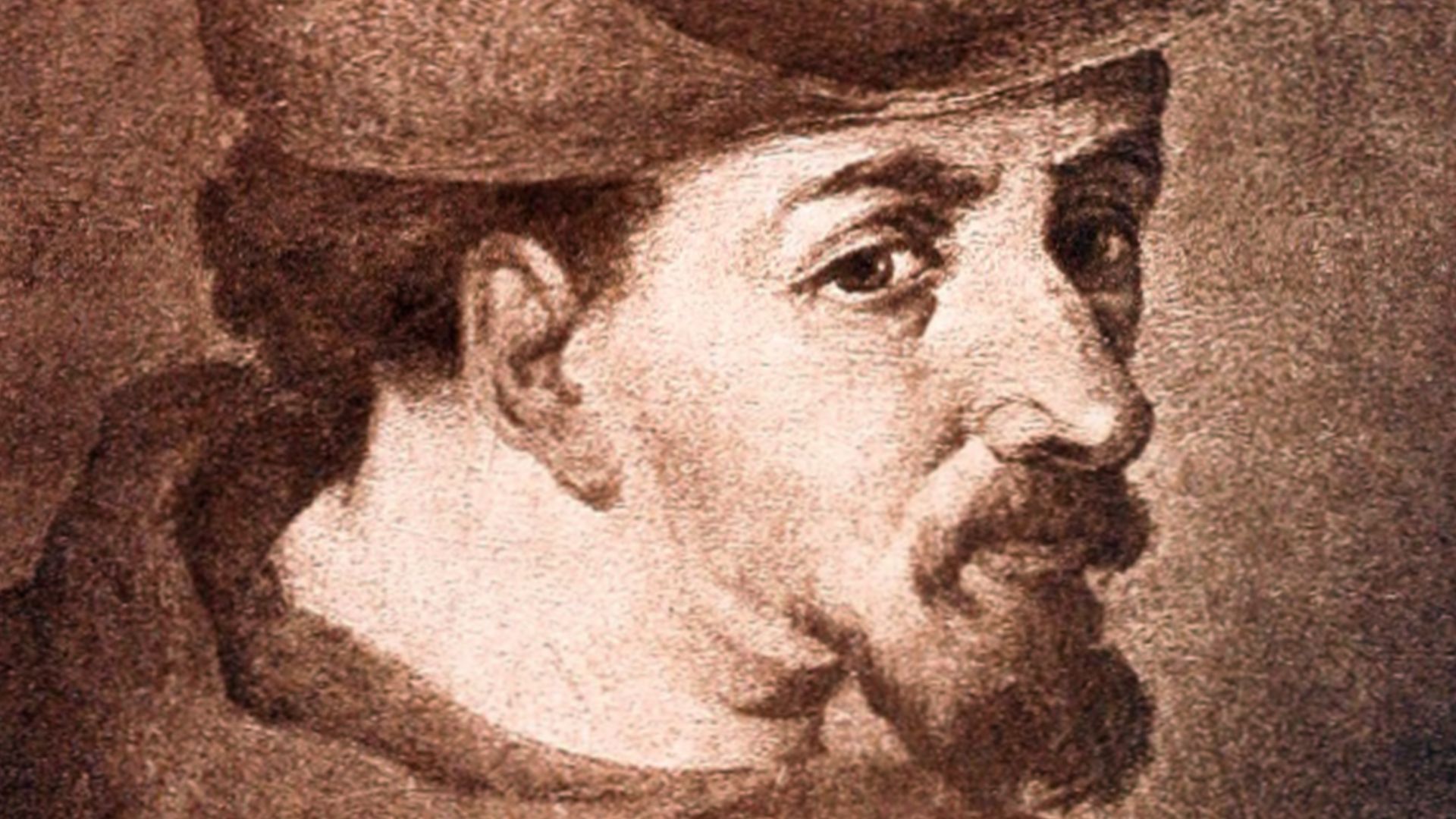
Even in failure, Cervantes had gained the respect among captives and even some of his captors. He became a main ringleader in organizing resistance and keeping everyone’s morale up. His ability to inspire others would later come to fruition in the characters and themes of loyalty and perseverance that are seen all through his writing.
 Author Miguel de Cervantes Translator John Ormsby Artist after Pacheco, Wikimedia Commons
Second Attempt By Sea
In another daring plan, Cervantes arranged for a boat to spirit the escapees across the Mediterranean to freedom. The fanciful scheme required a great deal of coordination and secrecy, but sadly, betrayal once again doomed the effort. The consequences were severe, as the local commander sentenced Cervantes to five months in confinement. But Cervantes continued to shield his companions from the worst reprisals.
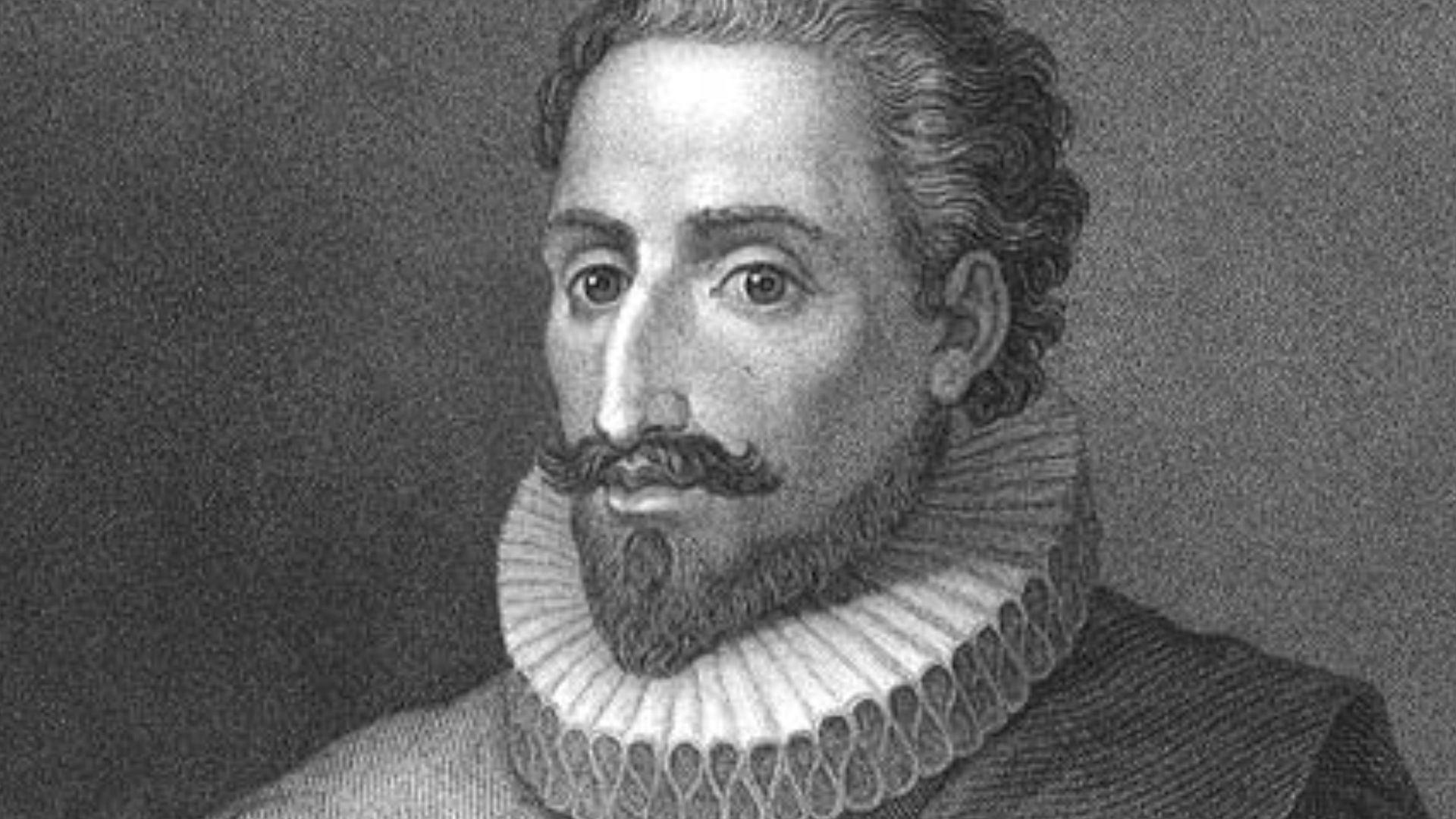 Frederick Mackenzie, Wikimedia Commons
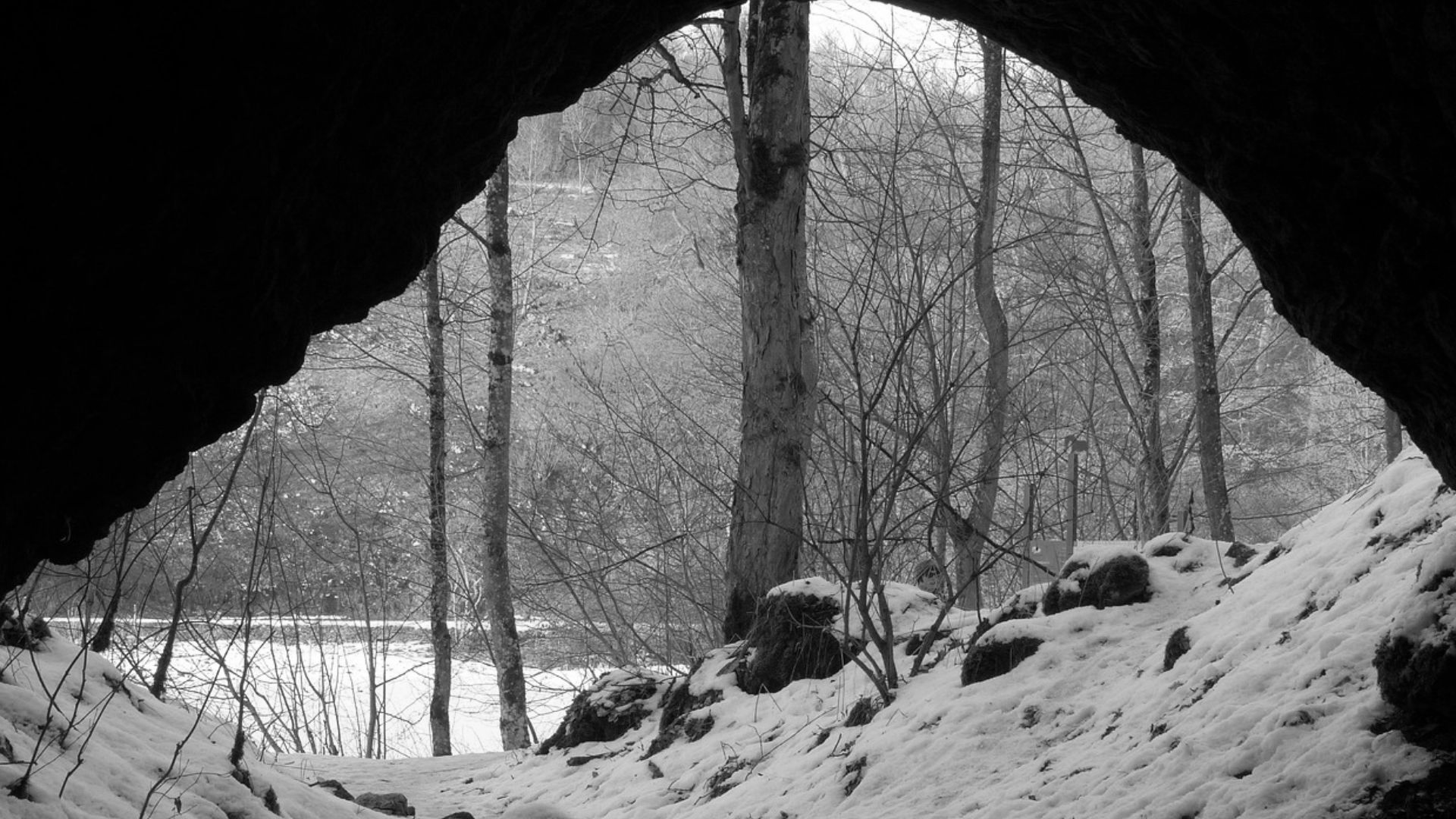
Hiding In A Cave
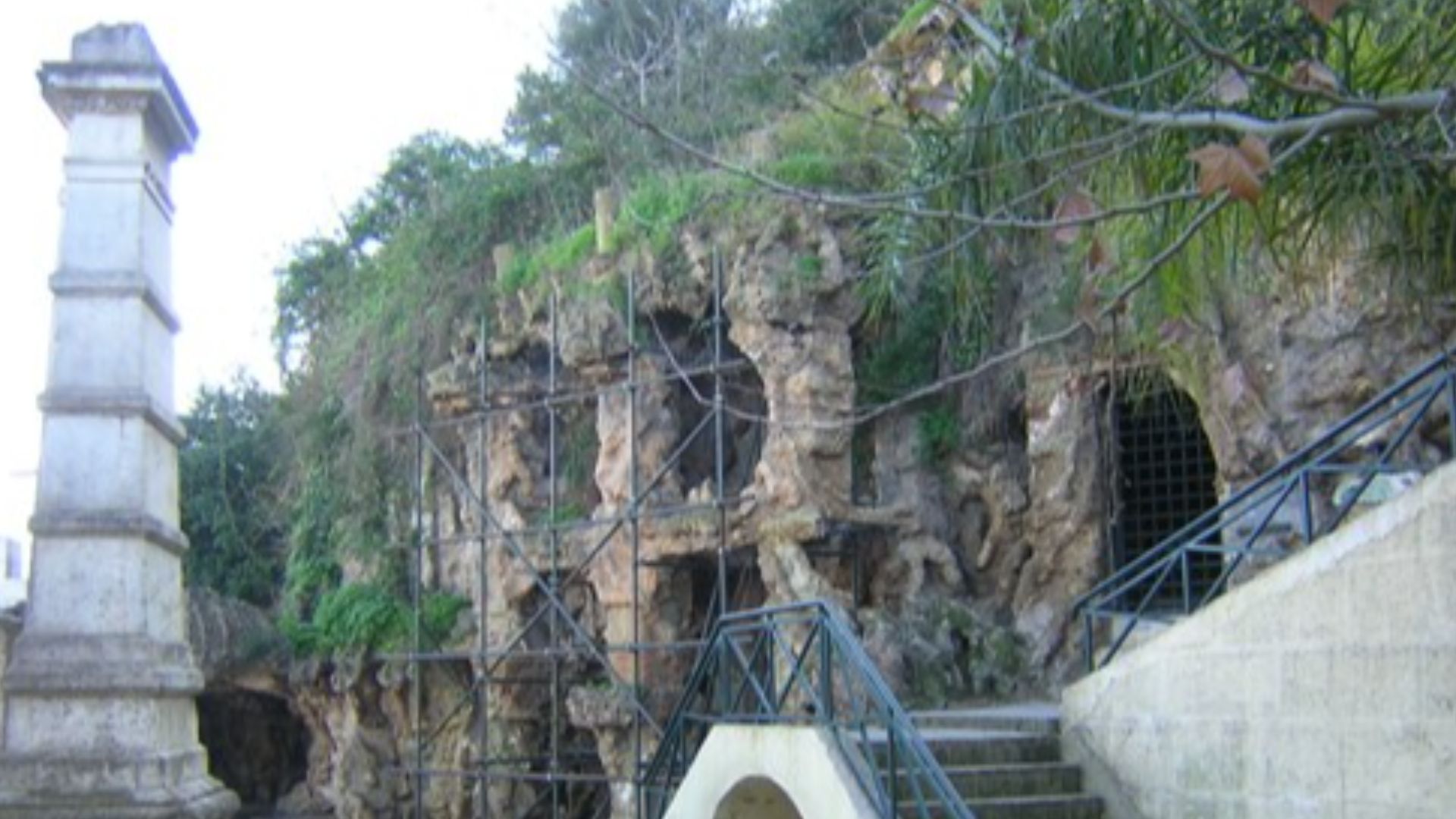
Cervantes’ second escape attempt involved hiding in a cave near Algiers while awaiting rescue. This location has since become memorialized as a symbol of hope and desperation. The plan ultimately fell through, but it highlighted his willingness to risk everything for freedom.
The Third Escape Attempt
During his time in hiding, Cervantes maintained contact with allies and sought opportunities to flee. However, the plan again imploded when authorities discovered the hideout. Once again, he accepted blame, reinforcing his reputation as a man of extraordinary courage and selflessness.
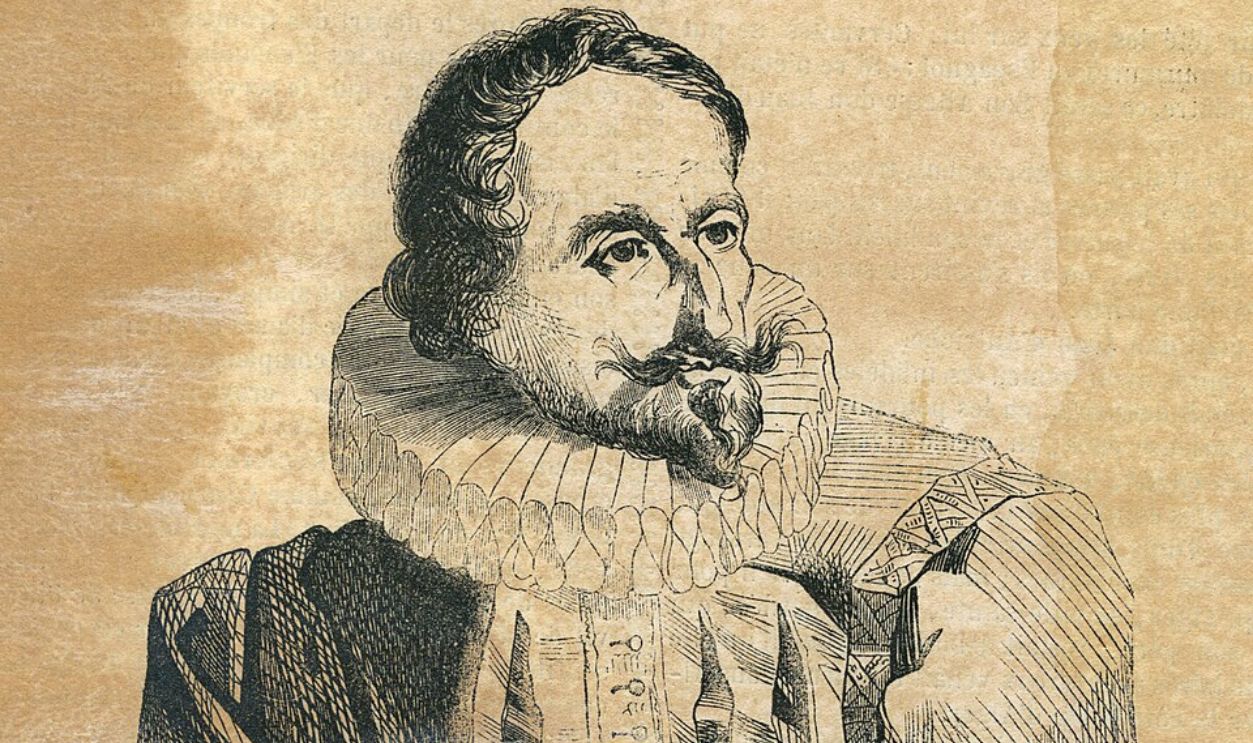 Bibliothèque interuniversitaire de Santé, Wikimedia Commons
A Final Failed Effort
Cervantes’ fourth escape attempt was equally bold but ended in failure. By this point, his captors recognized him as a persistent threat. Despite repeated setbacks and the risk of execution, he refused to abandon hope, demonstrating remarkable resilience in the face of adversity.
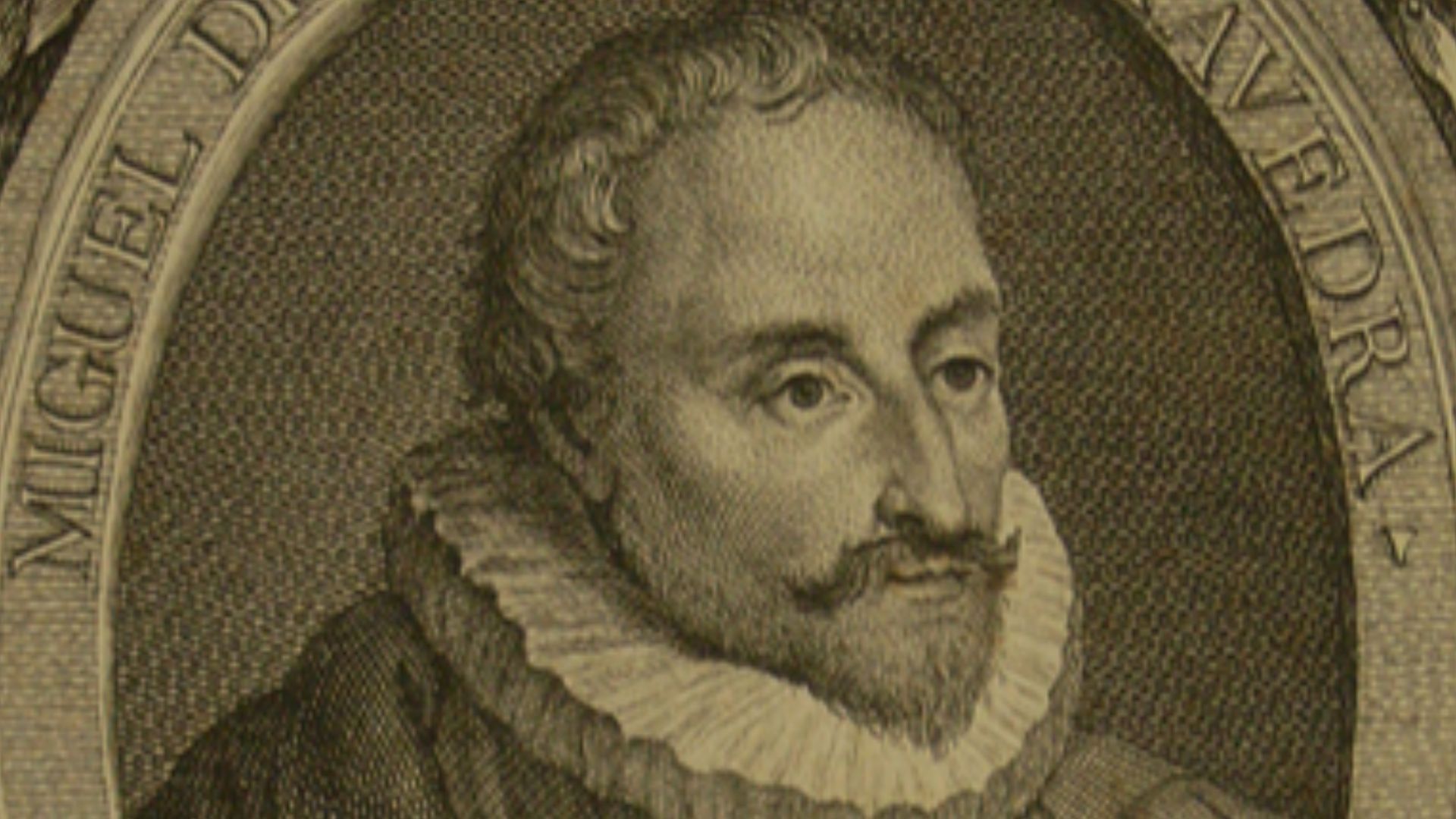 Mariano Brandi, Wikimedia Commons
Ransom And Release
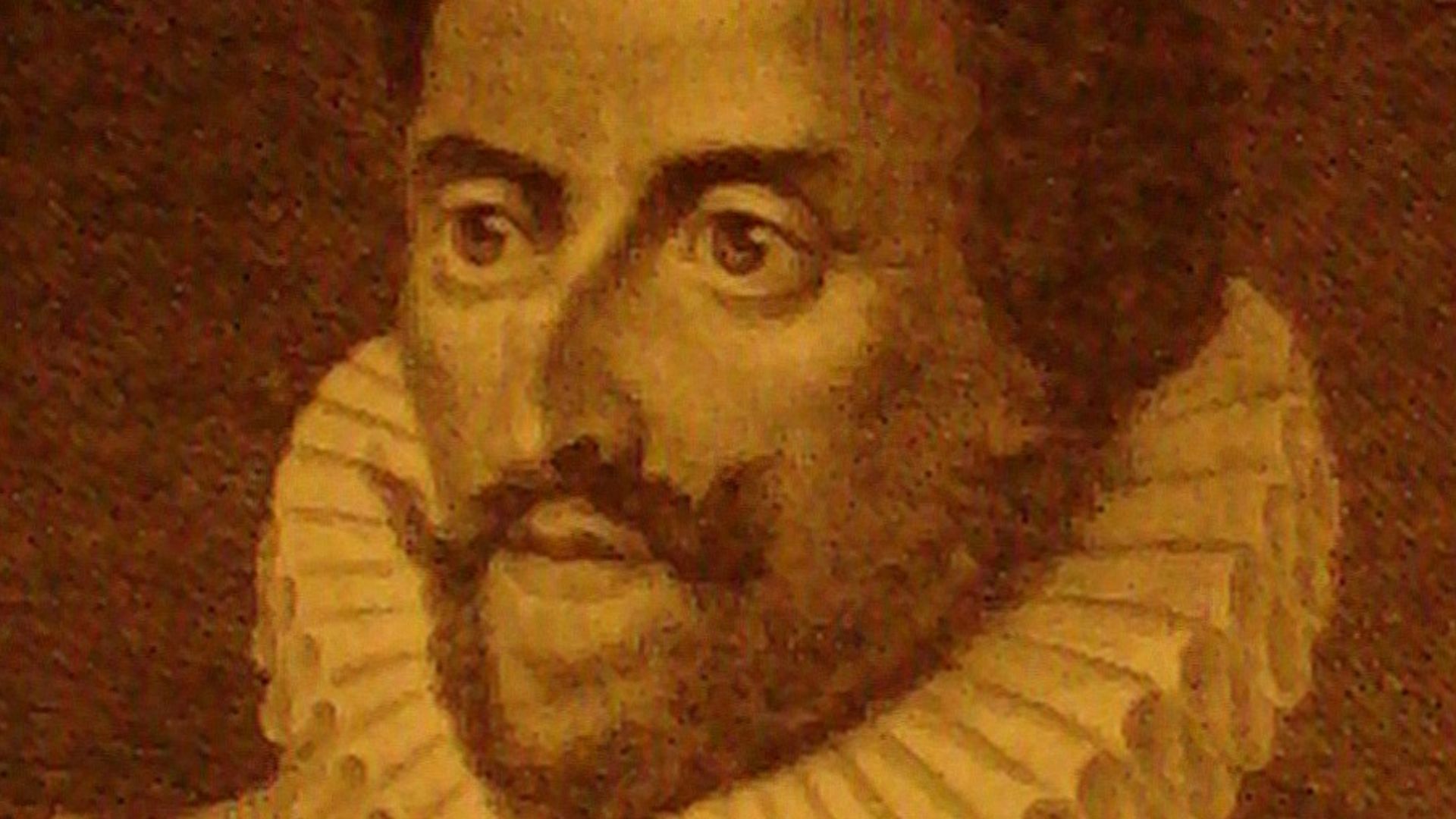
In 1580, Cervantes was finally freed after Trinitarian monks negotiated his ransom. This was years after his brother Rodrigo had been successfully ransomed. His family had struggled to raise additional funds, but those prolonged efforts finally secured his release. After five years of captivity, he returned to Spain, forever changed by his ordeal.
 Kl833x9~commonswiki, Wikimedia Commons
Returning To A Changed Life
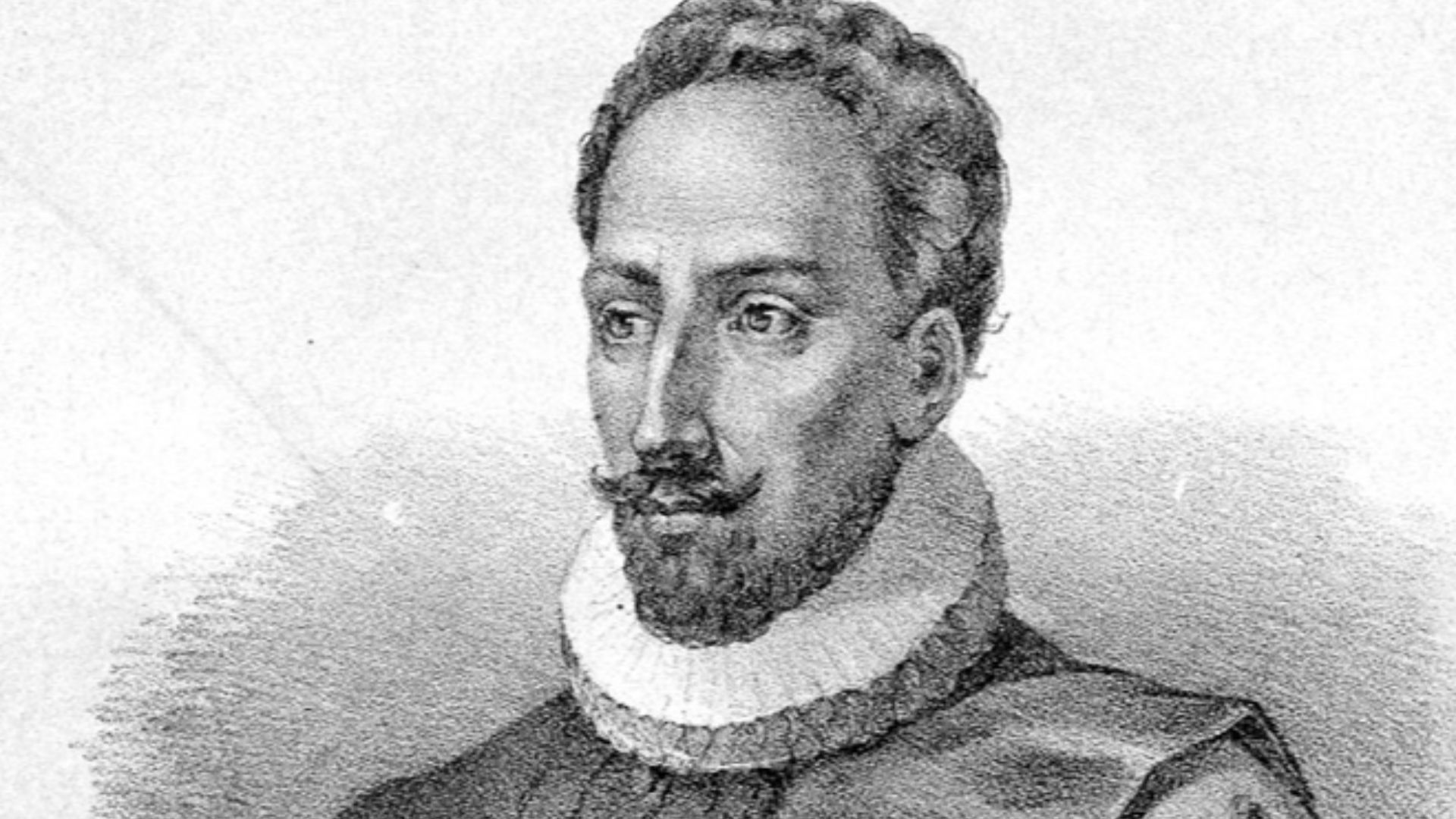
Back in Spain, Cervantes faced a whole raft of new challenges. His military service and captivity gave him notoriety, but that didn’t translate into financial stability. He struggled to gain steady work and often relied on low-level office work, which brought limited income and frequent frustrations.
Turn To Writing
Whiling away his time doing menial clerical work, Cervantes was bored out of his mind, He started to focus more seriously on writing, drawing from a deep well of varied life experiences. His early works met with modest success, but he hadn’t yet achieved lasting recognition. Still, his time in Algiers was a rich reservoir of raw material that would later define his greatest work.
 William Kent / George Vertue, Wikimedia Commons
The Creation Of Don Quixote
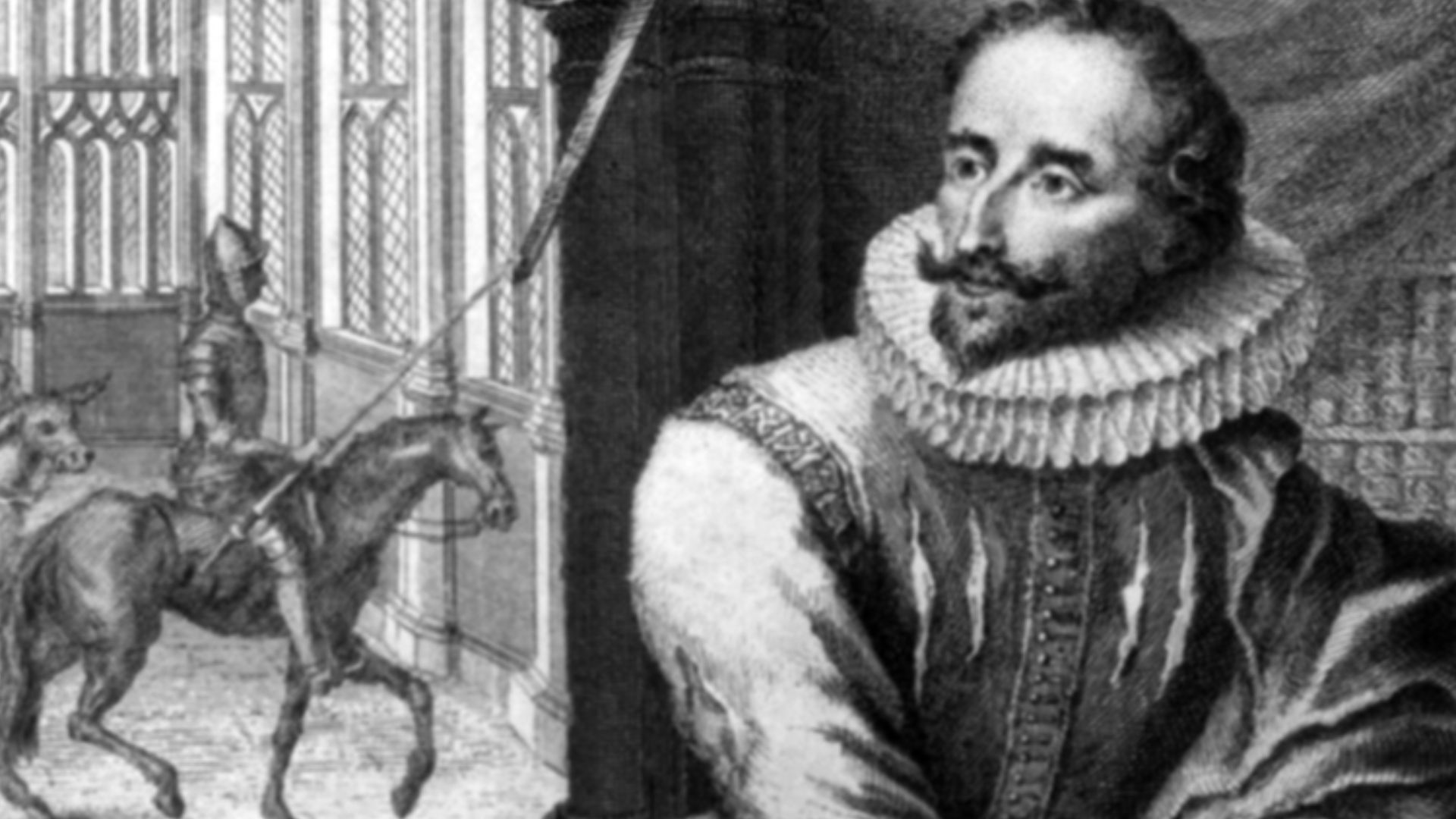
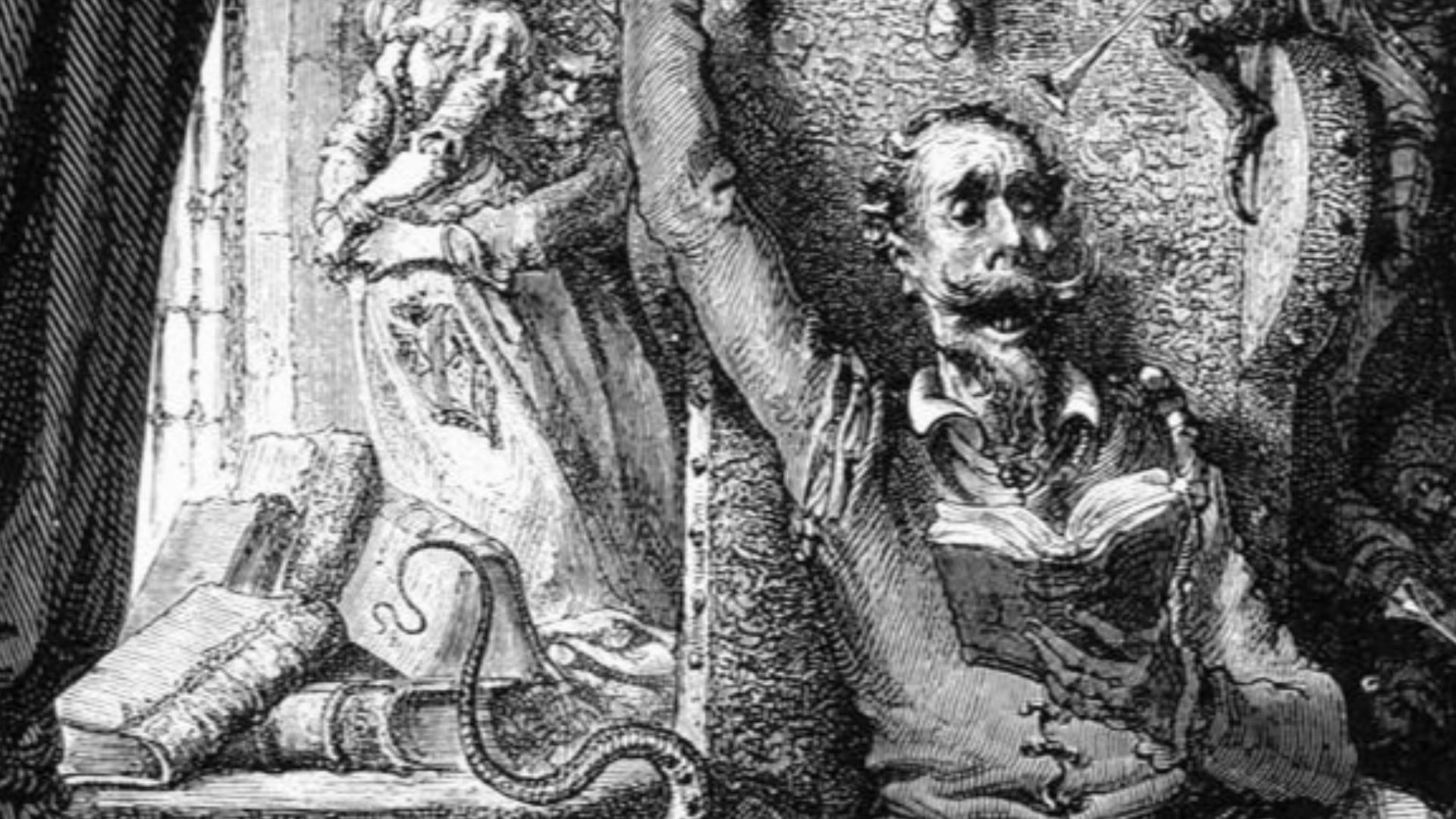
In 1605, Cervantes published the first part of Don Quixote, a groundbreaking novel that blended humor, satire, and deep human insight. It found immediate success, and quickly established him as one of the most important writers in the Spanish language.
 Gustave Doré, Wikimedia Commons
Echoes Of Captivity In The Novel
Many episodes in Don Quixote reflect Cervantes’ experiences in Algiers. Themes of imprisonment, illusion, and the struggle for freedom appear throughout the narrative. His firsthand knowledge of captivity lent authenticity and emotional depth to these elements.
![Portada de la primera edición de la primera parte de El ingenioso hidalgo Don Quixote de la Mancha, libro de Miguel de Cervantes. Publicado en Madrid, en 1605, en la imprenta de Juan de la Cuesta.
Texto: EL INGENIOSO HIDALGO DON QVIXOTE DE LA MANCHA,
Compueſto por Miguel de Ceruantes Saauedra
DIRIGIDO AL DVQVE DE BEIAR,
Marques de Gibraleon, Conde de Benalcaçar, y Bañares, Vizconde de la Puebla de Alcozer, Señor de las villas de Capilla, Curiel, y Burguillos.
Año, 1605.
CON PRIVILEGIO,
EN MADRID, Por Iuan de la Cueſta.
Vendeſe en caſa de Franciſco de Robles, librero del Rey nr̃o. ſeñor.
Iconografía: El escudo del impresor muestra un halcón de cetrería, un león dormido y la divisa «Post tenebras spero lucem» (Espero la luz después de las tinieblas). [1]](https://www.factinate.com/storage/app/media/factinate/2026/4/6/17754601275f3dbe1e7d144a3a3cf760b504f1353b2242ac06.png) Miguel de Cervantes, Wikimedia Commons
Miguel de Cervantes, Wikimedia Commons
The Tale Of The Captive
One section of Don Quixote, known as the “Captive’s Tale,” closely reflects Cervantes’ own experiences. It describes life in Algiers, escape attempts, and the complexities of haggling over ransom. This semi-autobiographical section gives insight into his experience as a prisoner, while not missing a beat in terms of its entertainment value.
 Unknown authorUnknown author, Wikimedia Commons
Fame Late In Life
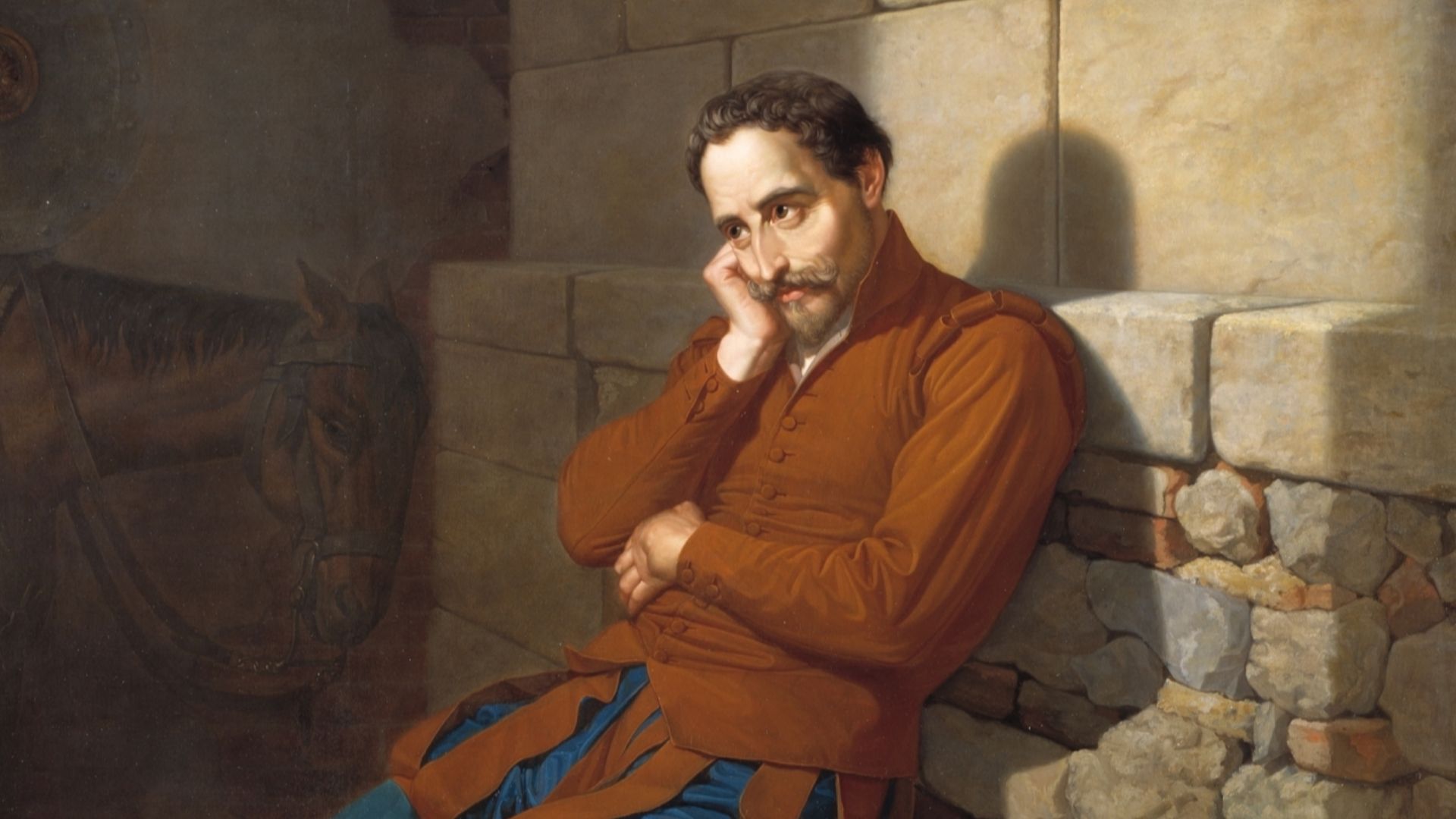
It’s a surprising thing, but despite the success of Don Quixote, Cervantes never achieved great wealth. But he did gain widespread recognition and respect. His later years saw him continue with further great writing and a growing appreciation by the public for his contributions to Spanish and world literature.
 Tiberioclaudio99, Wikimedia Commons
Legacy Of An Ordeal
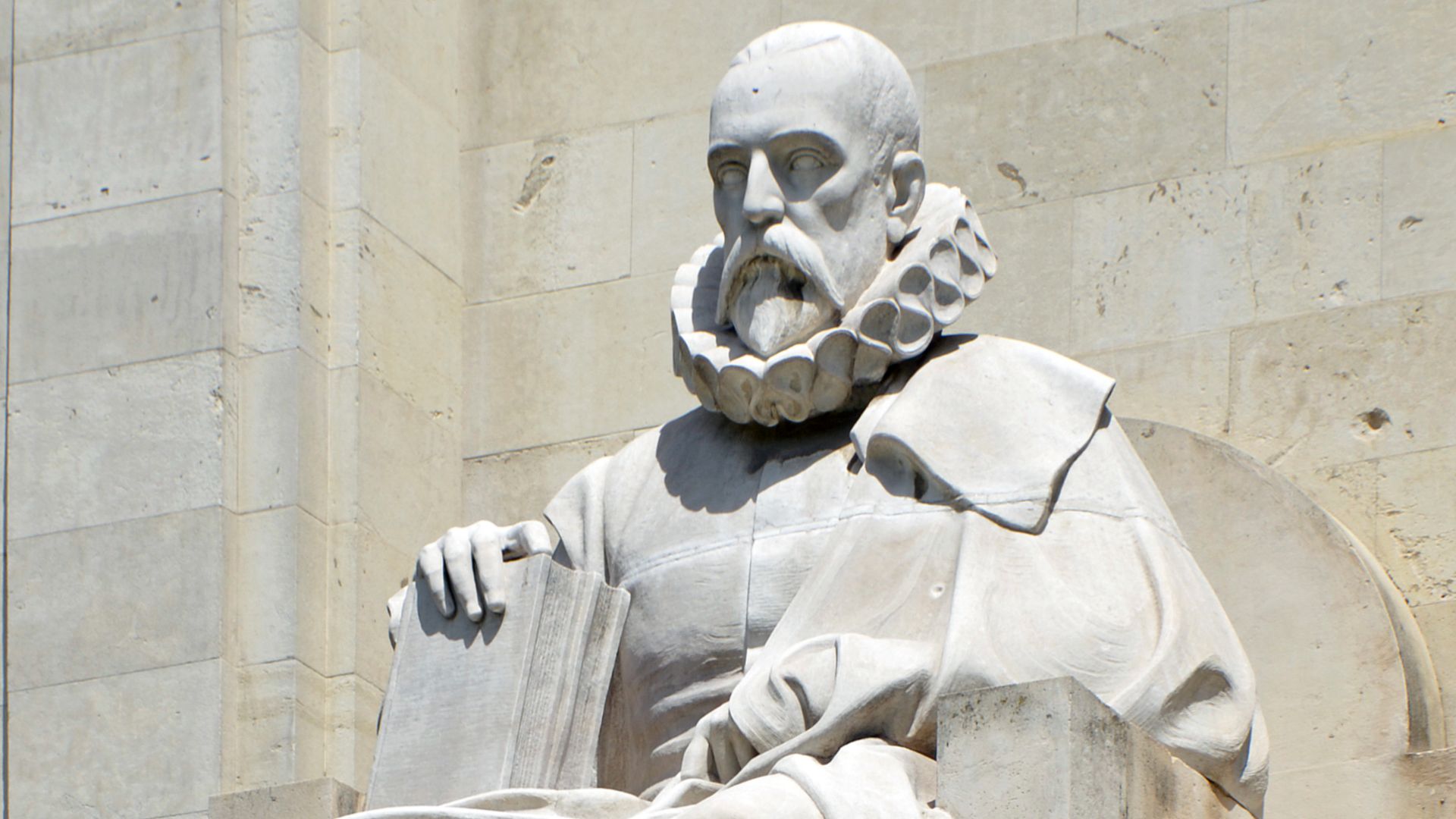
Cervantes’ captivity shaped his writing and his worldview. His works are a great exploration of the quest for adventure, human folly, and the enduring hope for freedom. These themes resonate deeply because they are rooted in his own life experiences rather than abstract imagination.
Rediscovering Cervantes’ Cave
Modern efforts have focused on identifying and preserving the cave in Algiers where Cervantes once hid. Archaeological and historical research has brought renewed attention to this site, giving it cultural and literary significance.
He Never Gave Up
The story of Cervantes’ captivity and relentless drive to escape adds great depth to his achievements as a writer. It’s proof that behind the humor and brilliance of Don Quixote was the wisdom of a man marked by hardship, courage, and determination to overcome life’s harshest circumstances.
You May Also Like:
Regal Facts About Isabella of Portugal, The Queen Who Made Spain Mighty
Audacious Facts About Ferdinand Magellan, The Man Who Circled The Globe








_-_Miguel_de_Cervantes_-_Google_Art_Project.jpg%20)
