The Woman Who Found Her Voice
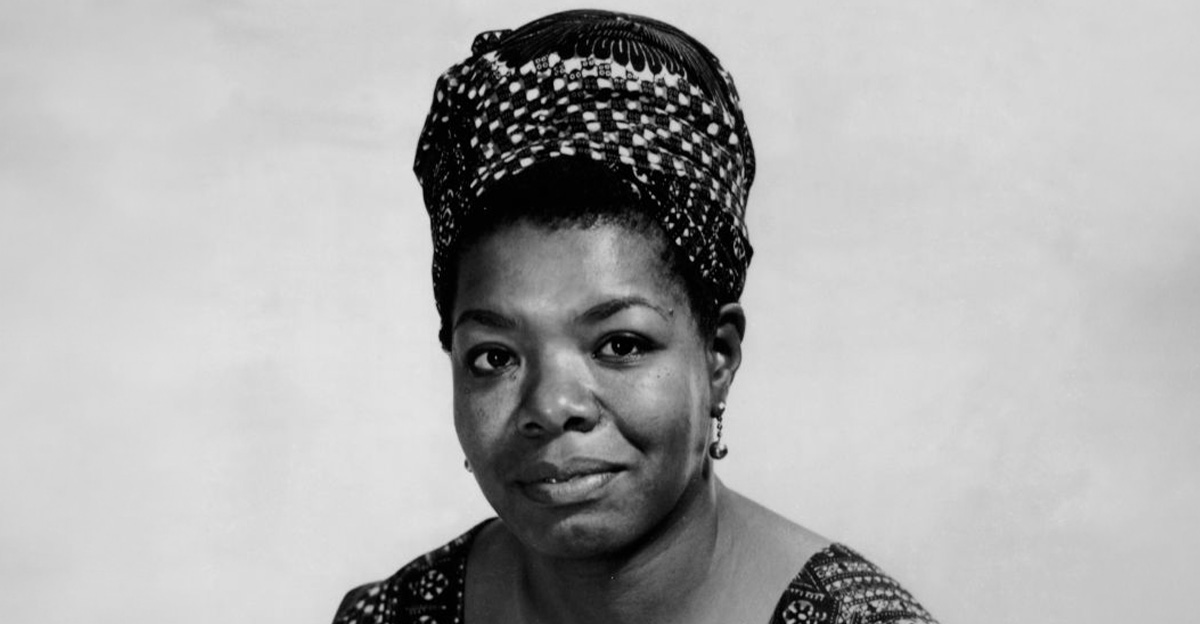
Maya Angelou was one of America's most beloved poets, known for her powerful words and unforgettable voice. But for several years during her childhood, she barely spoke at all. A terrible experience had left her afraid to use her voice. Nobody could have guessed that this frightened little girl would one day inspire millions.
A Difficult Start In Life
Born Marguerite Annie Johnson on April 4, 1928, in St. Louis, Missouri, Maya didn't have the easiest childhood. Her parents separated when she was young, and she and her older brother, Bailey, were sent to live with their grandmother in Stamps, Arkansas. It was a big adjustment for two young children.
Growing Up In The Segregated South
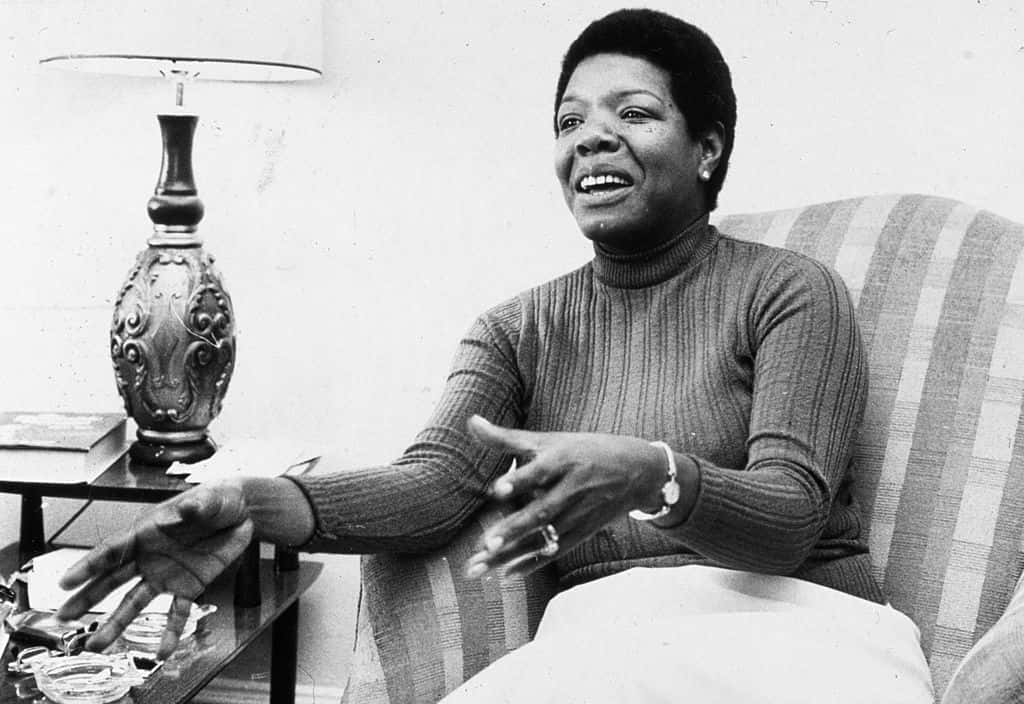
Life in Arkansas during the 1930s was difficult for Black families. Maya's grandmother ran a general store, which provided the family with some financial security. But outside their home, racial discrimination was everywhere. Maya would never forget those early experiences, and they eventually became a major part of her writing.
Her Brother Gave Her A Famous Name
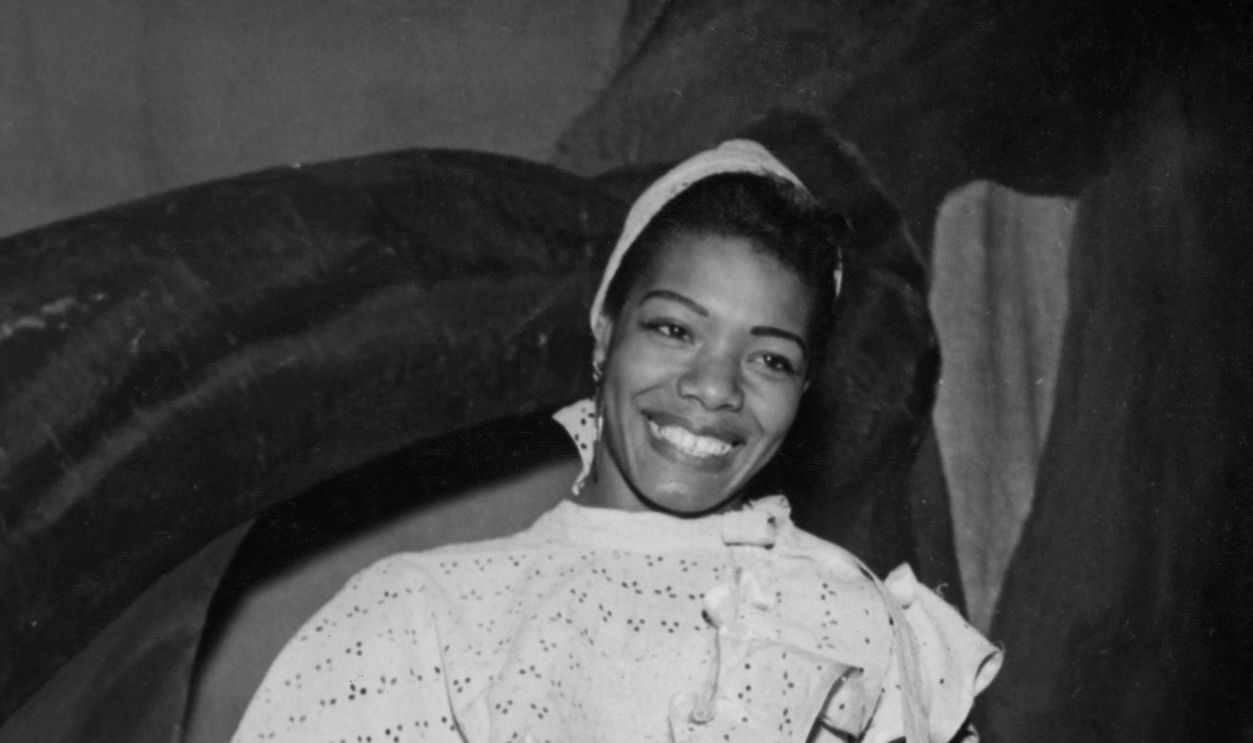
Maya was especially close to her older brother, Bailey. He was her best friend and often protected her when things got difficult. He also gave her the nickname Maya, which stuck for the rest of her life. Years later, the name would become familiar to readers around the world.
 The Washington Post, Getty Images

History's most fascinating stories and darkest secrets, delivered to your inbox daily.
The Tragedy That Changed Everything
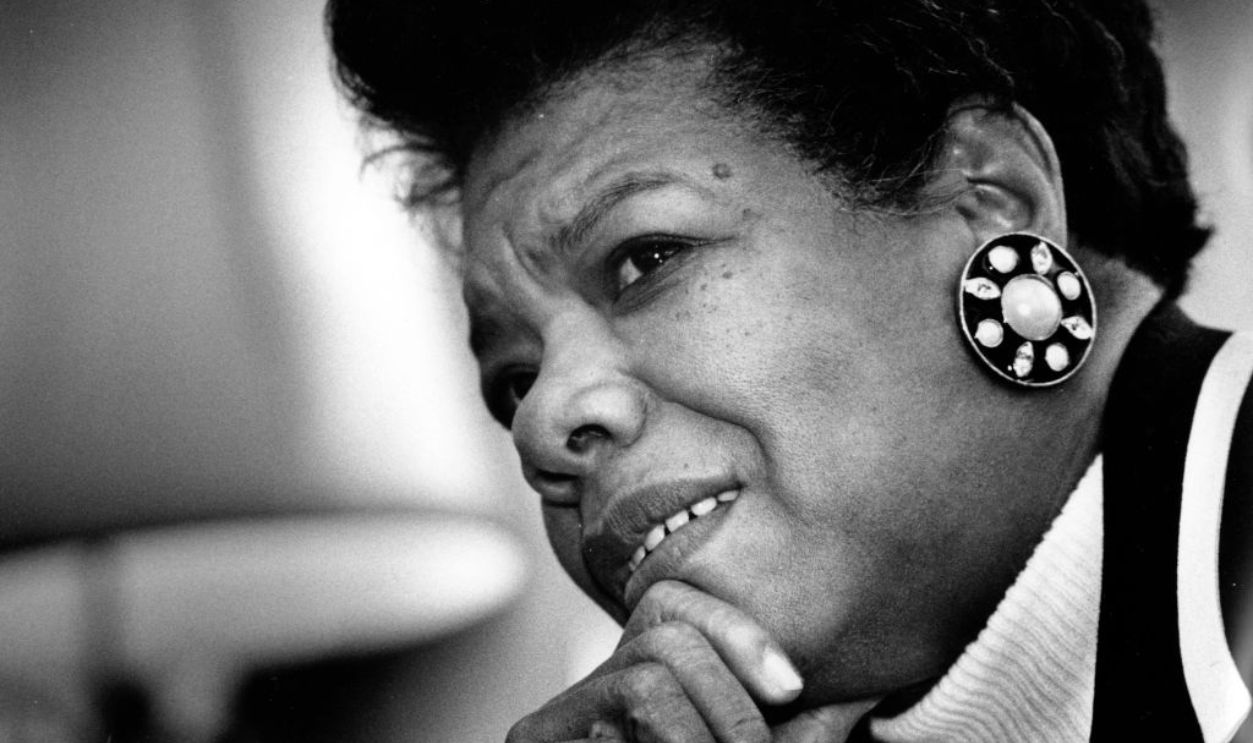
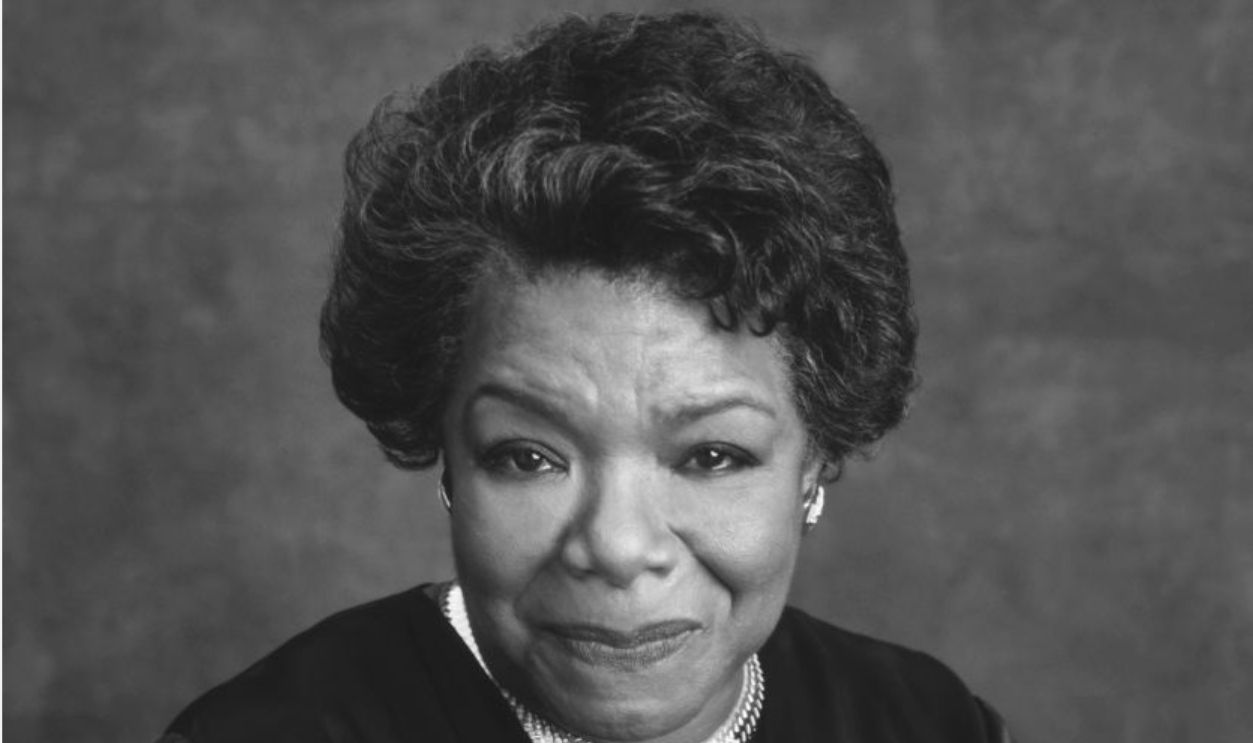
When Maya was eight, she was assaulted by her mother's boyfriend. After she told her family what had happened, the man was killed. Maya believed her words had somehow caused his death. The experience left her deeply traumatized, and she became terrified of speaking.
Five Years Of Silence
For approximately five years, Maya barely spoke to anyone except Bailey. She hadn't lost the ability to talk, but she feared what her words might do. While her family worried about her silence, Maya spent much of her time reading. Books became her escape from a world she struggled to understand.
Finding Comfort In Books
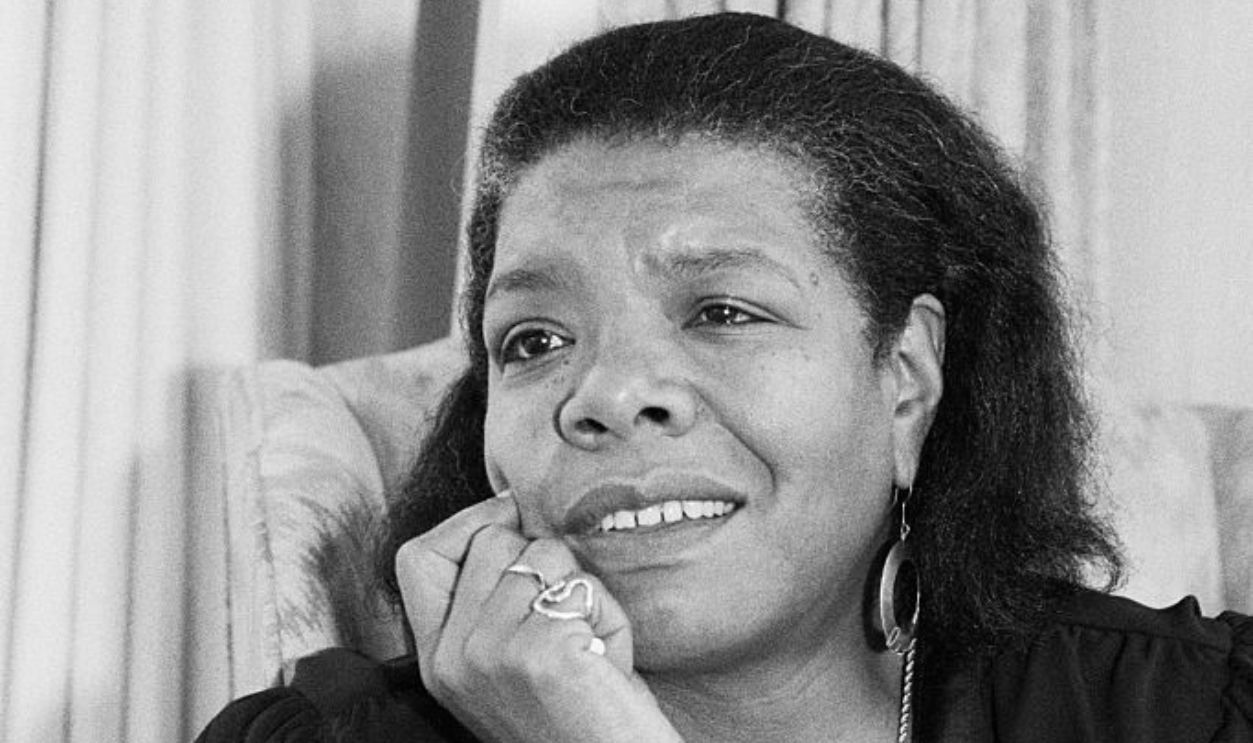
Maya developed an enormous appetite for reading. She discovered Shakespeare, Charles Dickens, Edgar Allan Poe, and Black poets such as Paul Laurence Dunbar. She loved the way writers could explain feelings that ordinary conversation couldn't. Without knowing it, she was preparing herself for a future in literature.
 Afro Newspaper/Gado, Getty Images
The Teacher Who Saw Something Special
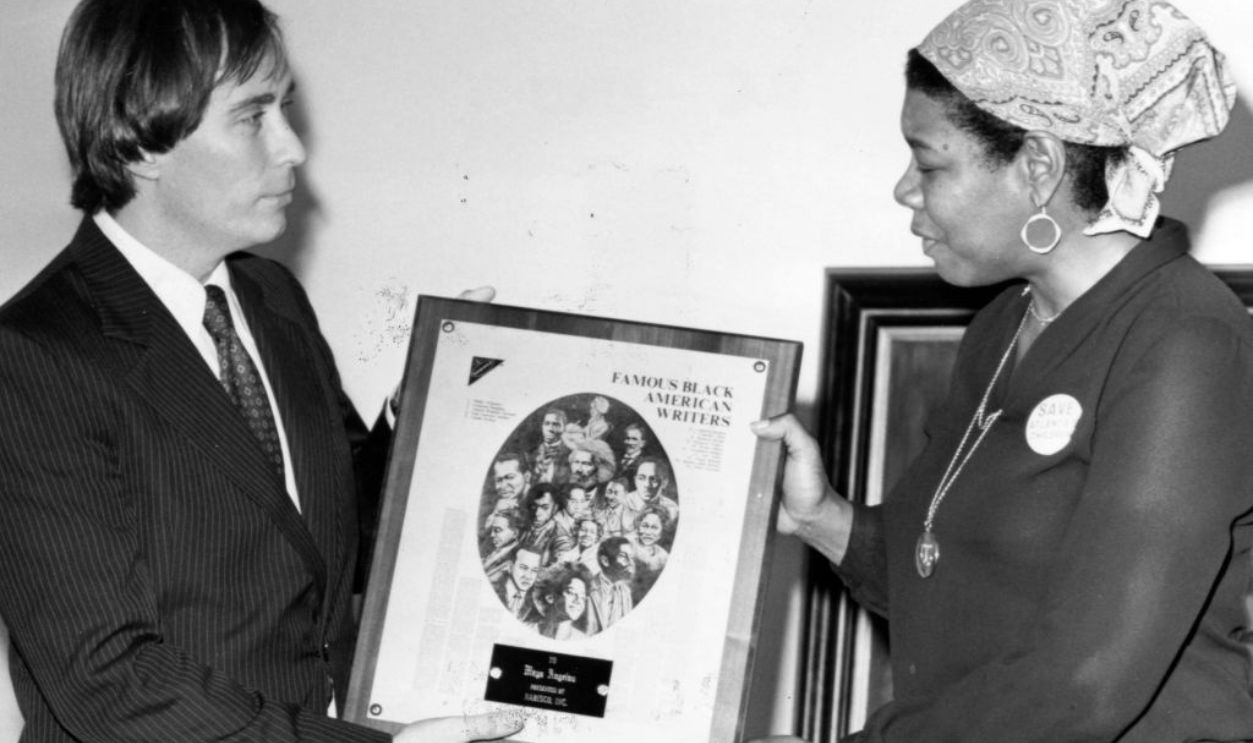
Everything began changing when Maya met Bertha Flowers, a respected woman in Stamps. Flowers recognized that the quiet girl was exceptionally bright. Instead of forcing Maya to speak, she introduced her to poetry and literature. She believed that Maya needed to experience the beauty of words spoken aloud.
Learning To Speak Again
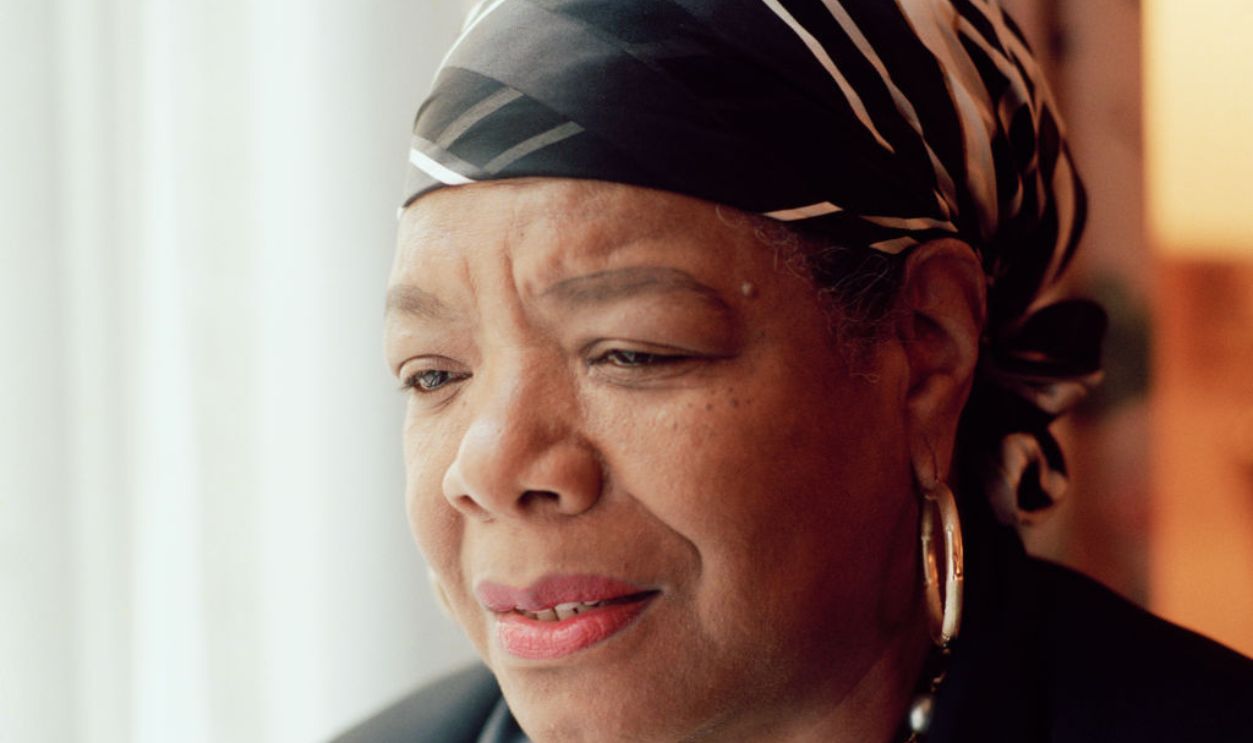
Flowers encouraged Maya to read poetry aloud, explaining that the human voice gave written words another dimension. Slowly, Maya began speaking again. It wasn't an instant transformation, but it changed her life. The little girl who had feared her own words was beginning to discover what they could accomplish.
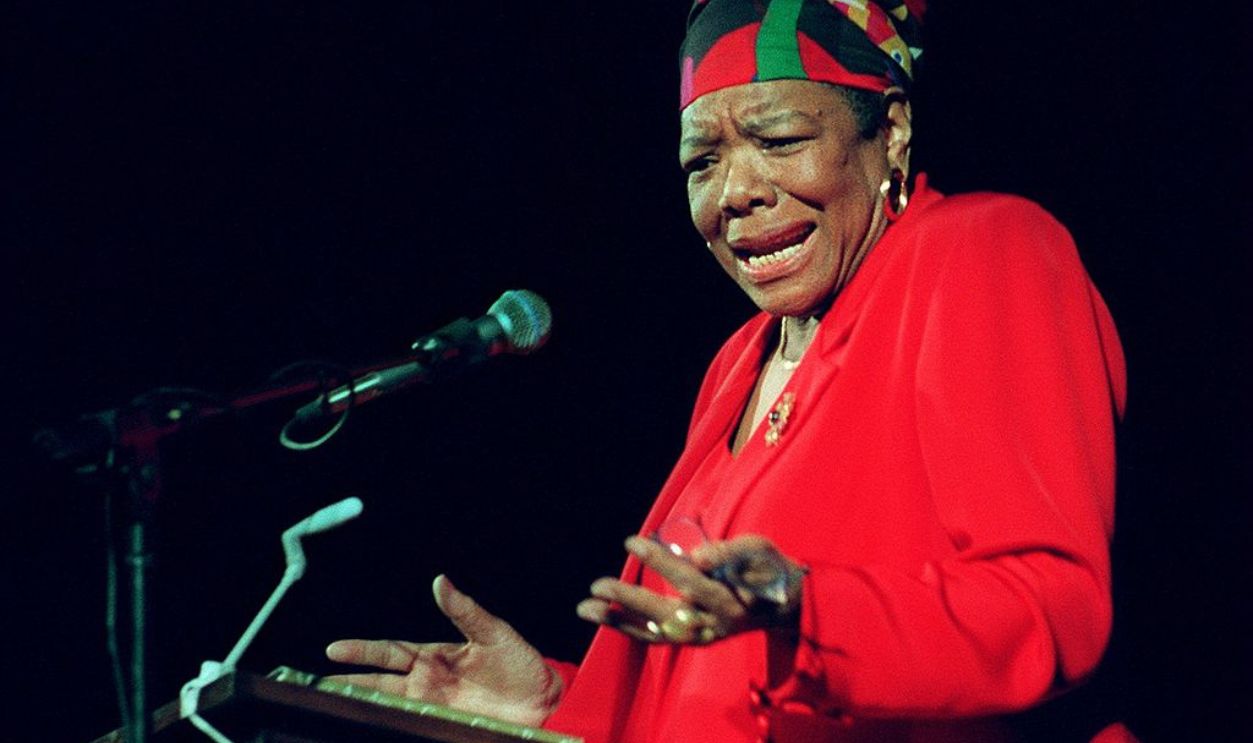
A New Life In California
During her teenage years, Maya moved to California and attended George Washington High School in San Francisco. She became interested in drama and dance, activities that would have seemed impossible during her silent years. For the first time in a long while, she was beginning to enjoy expressing herself.
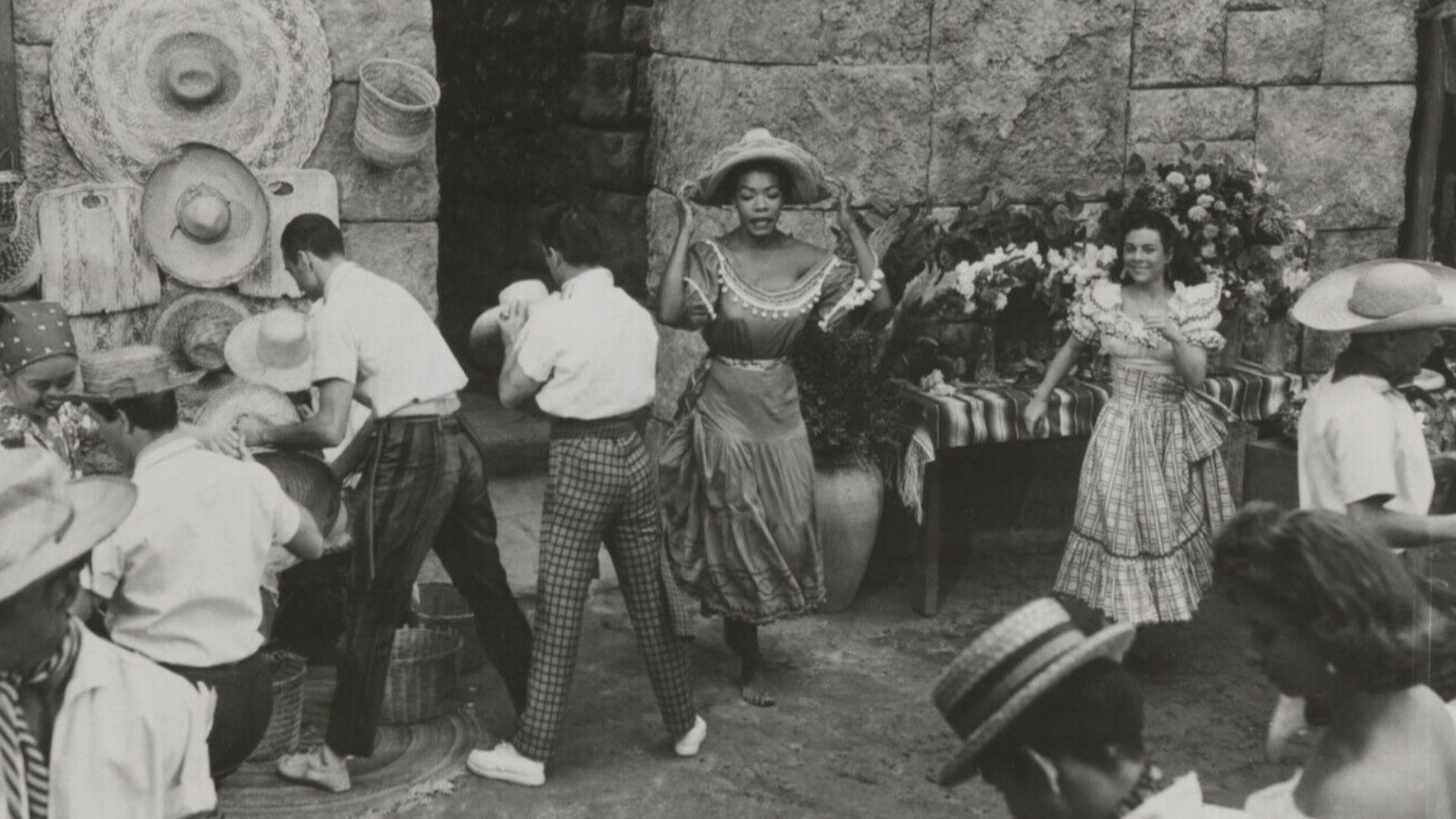 Columbia Pictures Corp., Wikimedia Commons
History's most fascinating stories and darkest secrets, delivered to your inbox daily.
Breaking A Barrier At Sixteen
At just 16, Maya became one of San Francisco's first Black female streetcar conductors. Getting the job wasn't easy, especially during the 1940s. But she refused to accept rejection and kept pursuing the position. That determination would serve her well throughout a career filled with unexpected turns.
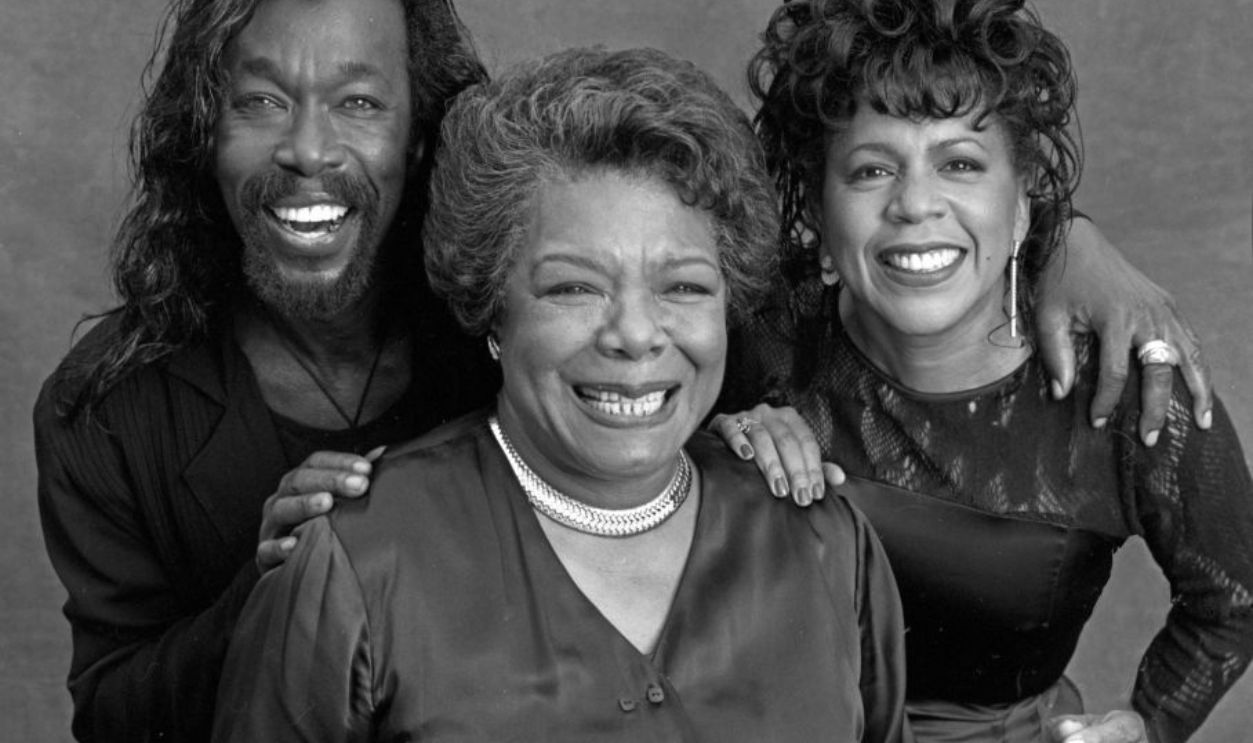
Becoming A Mother At Seventeen
In 1945, shortly after graduating from high school, Maya gave birth to her son, Guy. She was only 17 and suddenly responsible for raising a child. Money was often tight, and she worked different jobs to support them. Those early struggles gave her plenty of experiences to draw upon later.
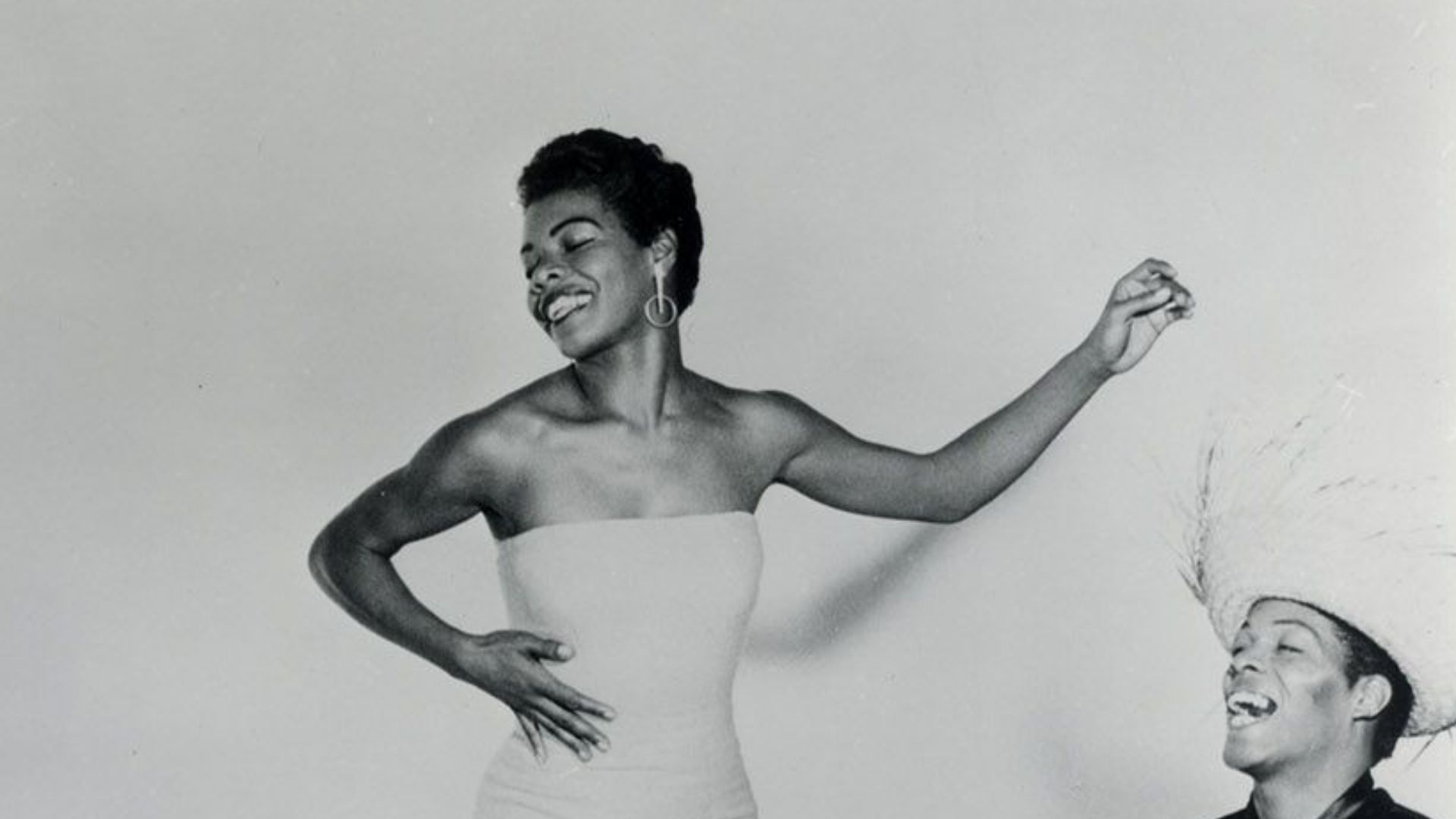 Columbia Pictures Corp., Wikimedia Commons
Taking Her Talents To The Stage
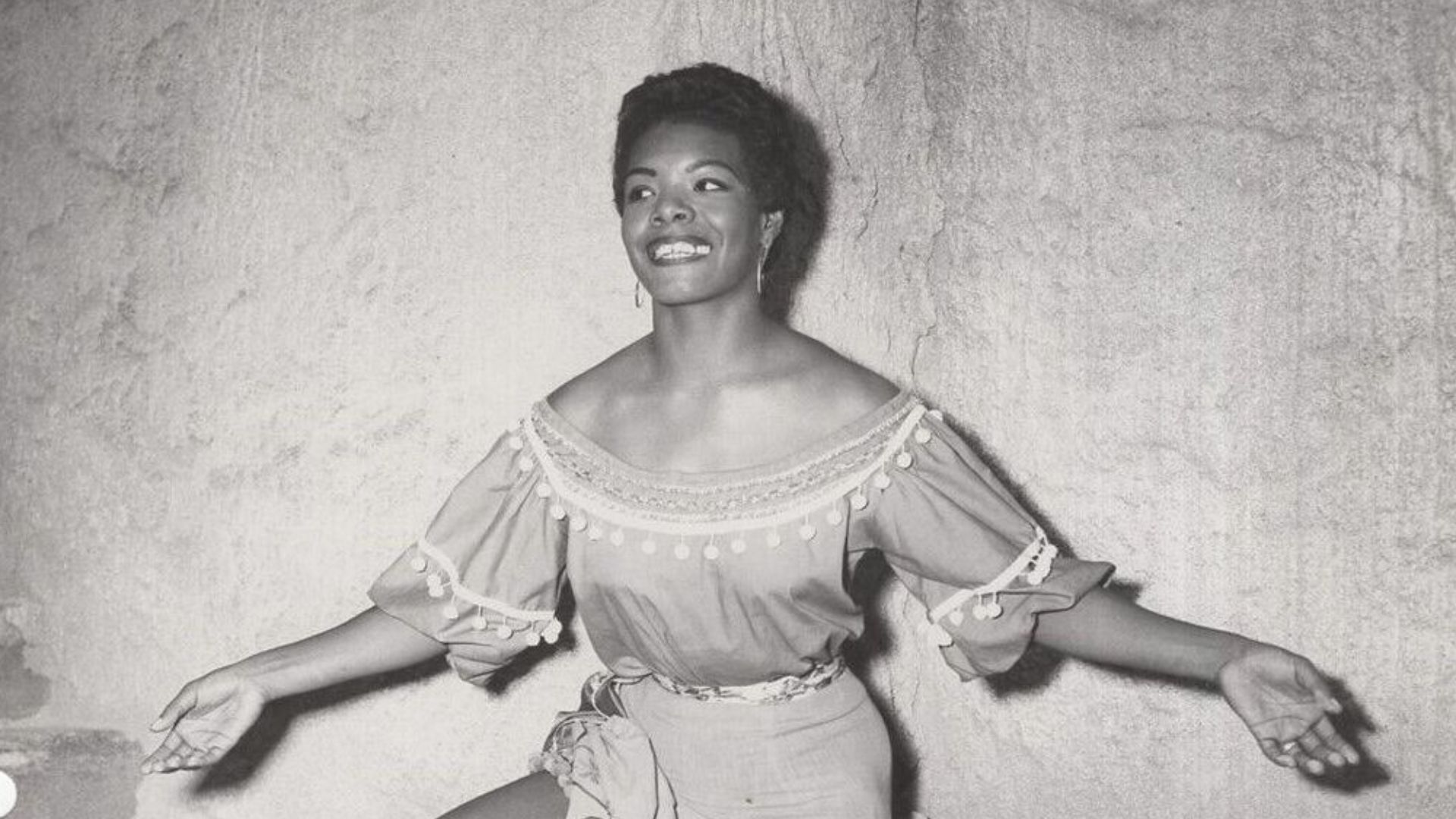
During the 1950s, Maya began building a career as a singer and dancer. She performed in nightclubs and eventually toured internationally with the opera Porgy and Bess. It was quite a change from her childhood. The girl who once refused to speak was now performing before audiences around the world.
 Columbia Pictures Corp., Wikimedia Commons
Becoming Maya Angelou
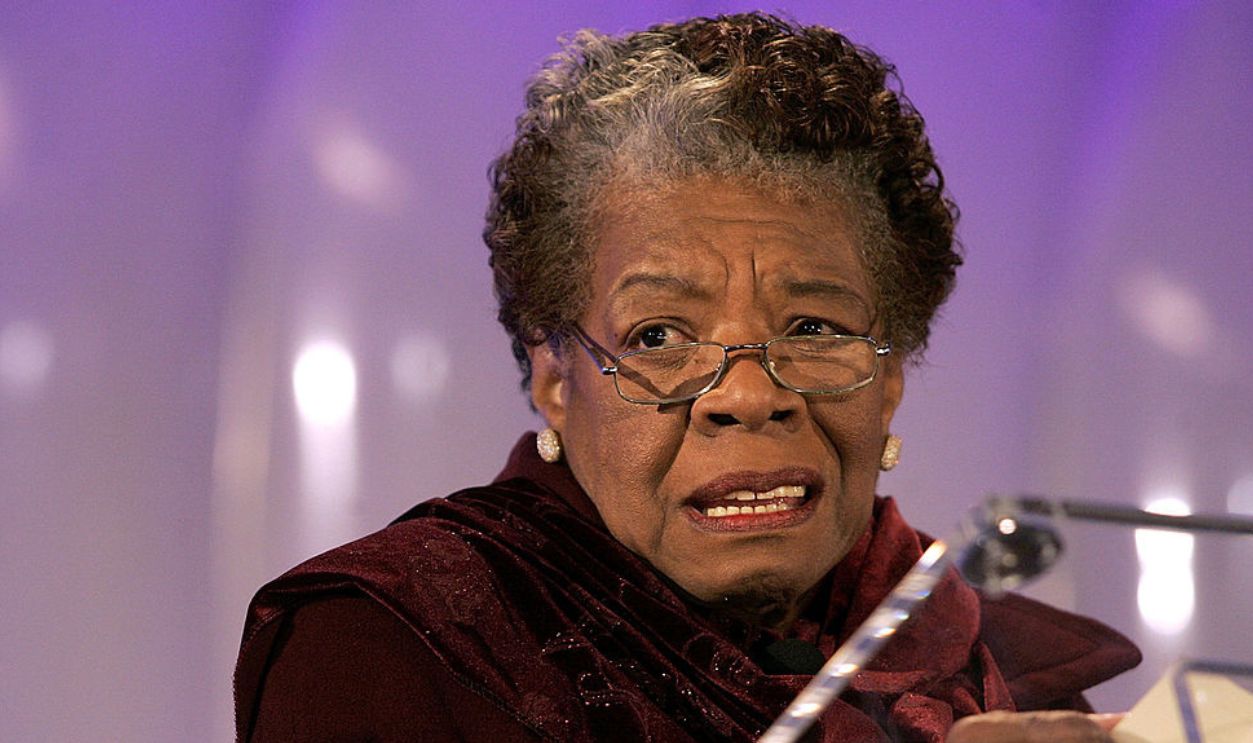
Around this time, she adopted the professional name Maya Angelou. Maya came from Bailey's childhood nickname, while Angelou was adapted from the surname of her former husband, Tosh Angelos. She wanted a memorable name for her performing career. She certainly got one, although her greatest fame was still years away.
 Chip Somodevilla, Getty Images
Adventures Around The World
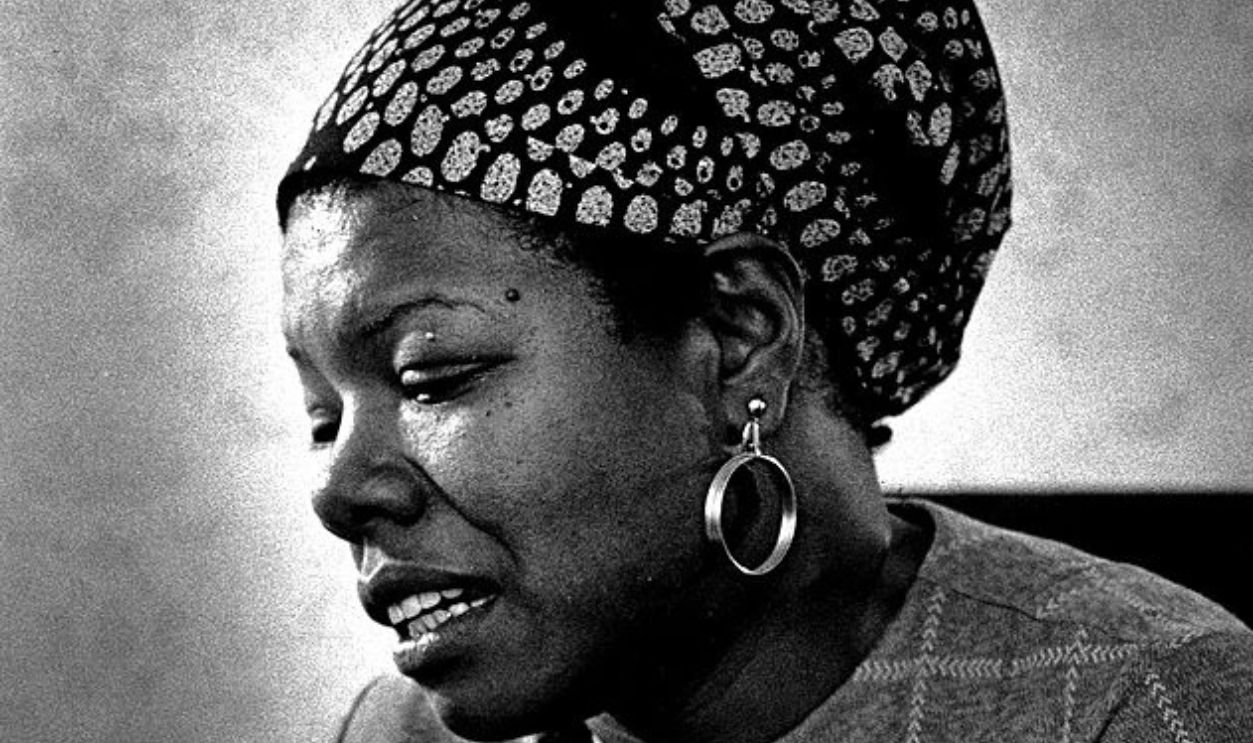
Angelou's career took her far beyond the United States. She lived in Egypt and Ghana during the early 1960s, working as a writer and editor. Her travels introduced her to different cultures and political movements. These experiences helped shape her views about race, identity, and what it meant to be American.
 The Washington Post, Getty Images
Joining The Civil Rights Movement
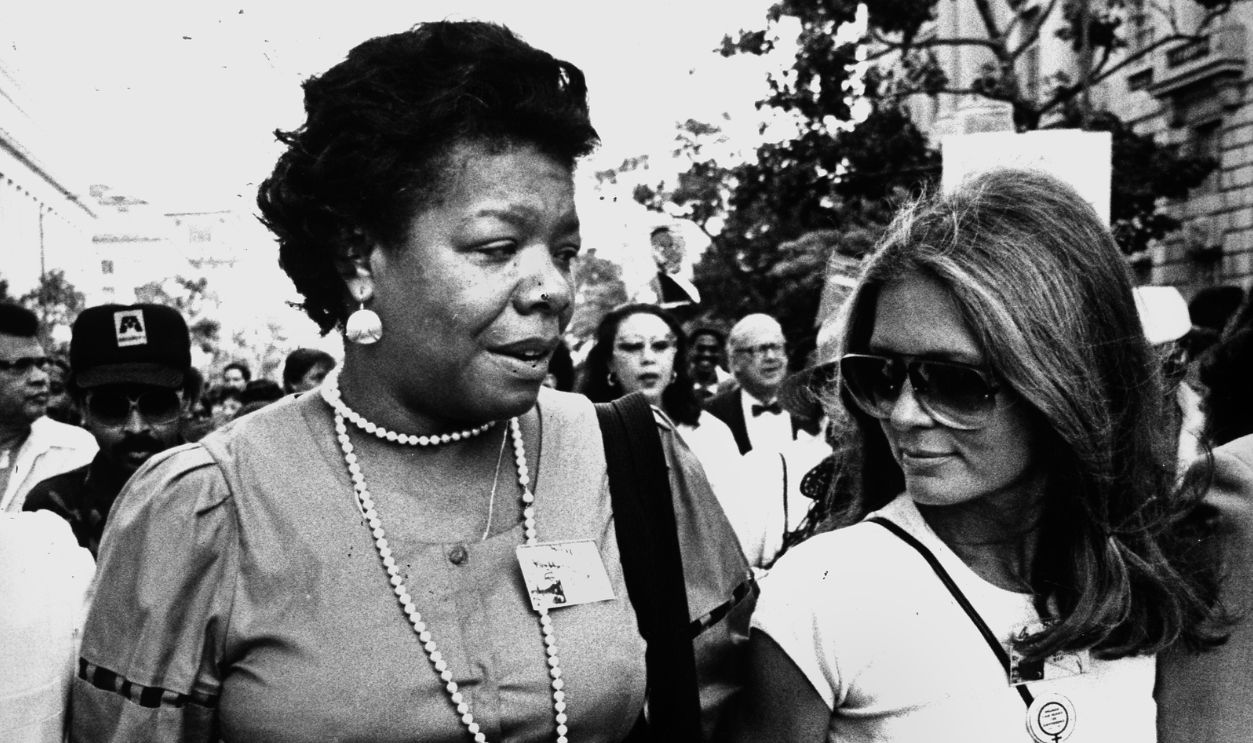
Angelou became involved in the Civil Rights Movement, working with Martin Luther King Jr. and Malcolm X. She helped organize events and supported efforts to fight racial discrimination. For Angelou, speaking out against injustice was deeply personal. She knew what it meant to be silenced, and she wasn't going to remain quiet.
 The Washington Post, Getty Images
History's most fascinating stories and darkest secrets, delivered to your inbox daily.
A Heartbreaking Birthday
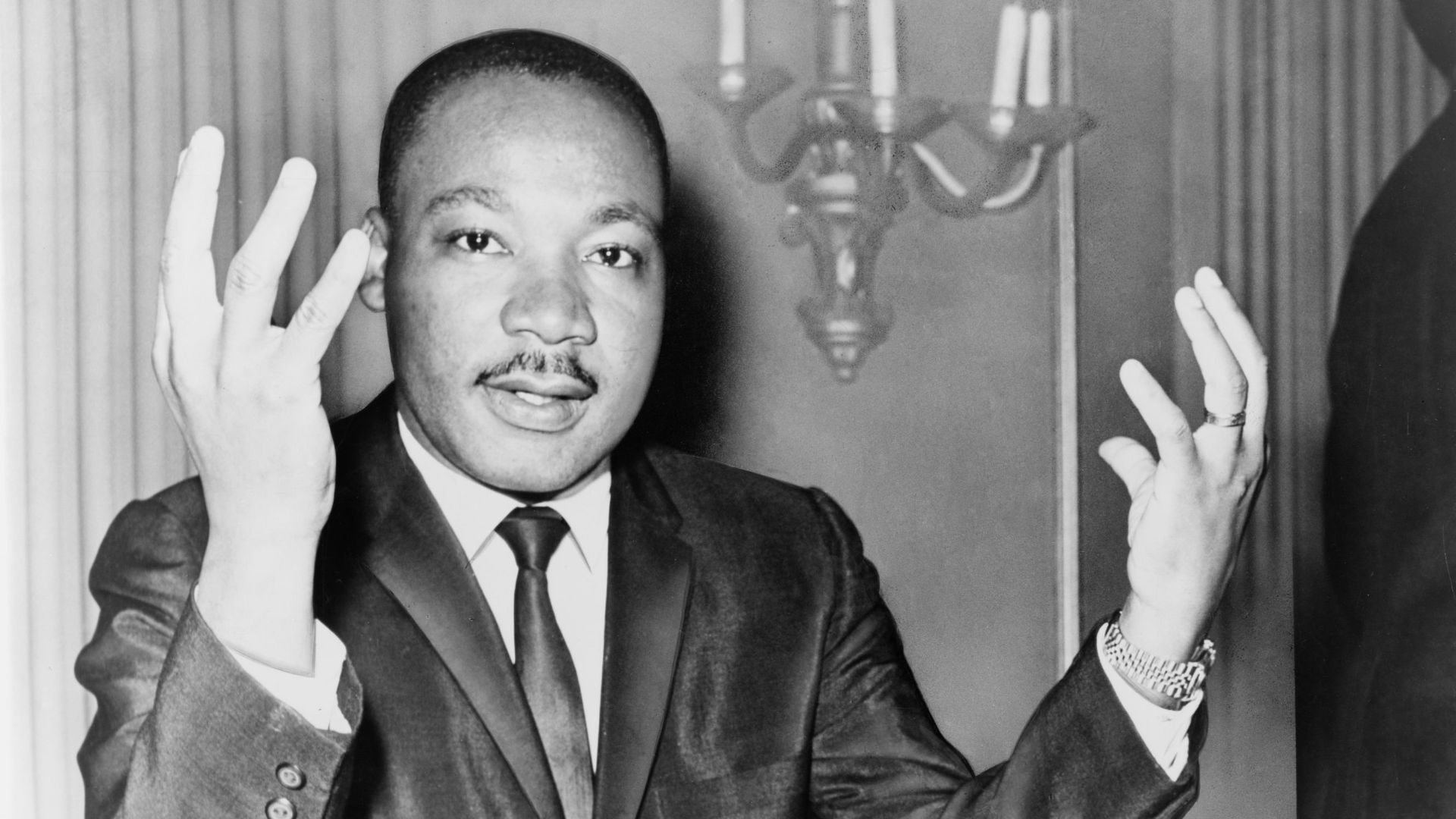
On April 4, 1968, Martin Luther King Jr. was assassinated. It was also Angelou's 40th birthday. The coincidence devastated her, particularly after Malcolm X had been killed three years earlier. She struggled with celebrating her birthday afterward, but remained committed to the causes her friends had championed.
Encouragement From James Baldwin
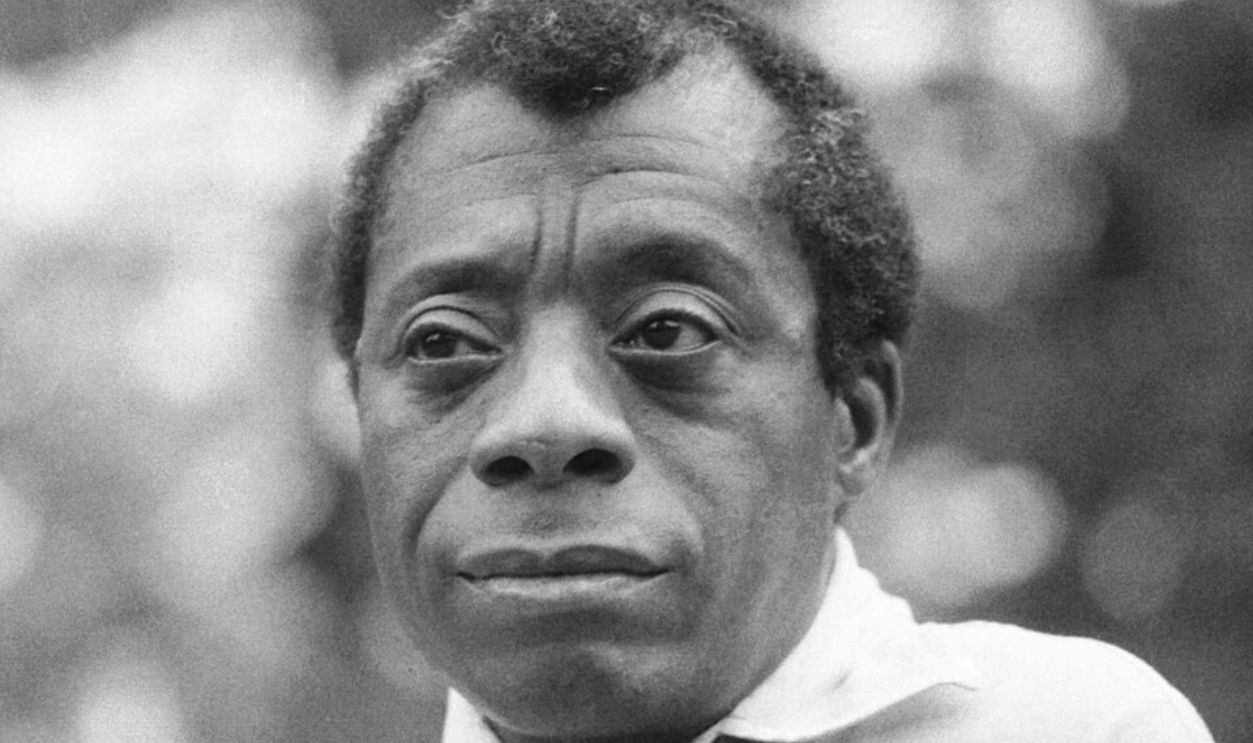
The novelist James Baldwin became an important friend and encouraged Angelou's writing. With support from Baldwin and others, she began working on a book about her childhood. She had plenty of painful memories to confront, but she was determined to tell her story without hiding the difficult parts.
 Allan warren, Wikimedia Commons
The Book That Made Her Famous
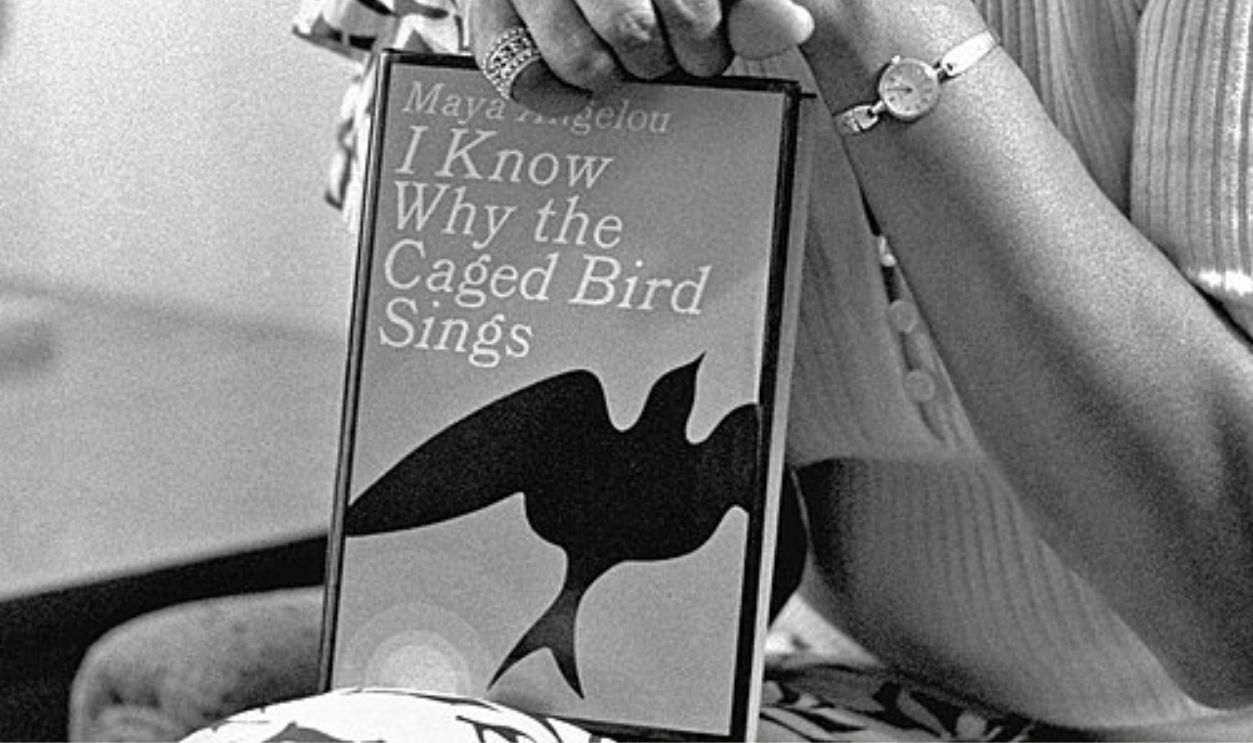
In 1969, Angelou published I Know Why the Caged Bird Sings. The memoir described her childhood, the racism she experienced, and the trauma that had left her silent. Readers were struck by its honesty. At 41, Angelou had finally become a literary star, although her career was only getting started.
Not Everyone Welcomed Her Honesty
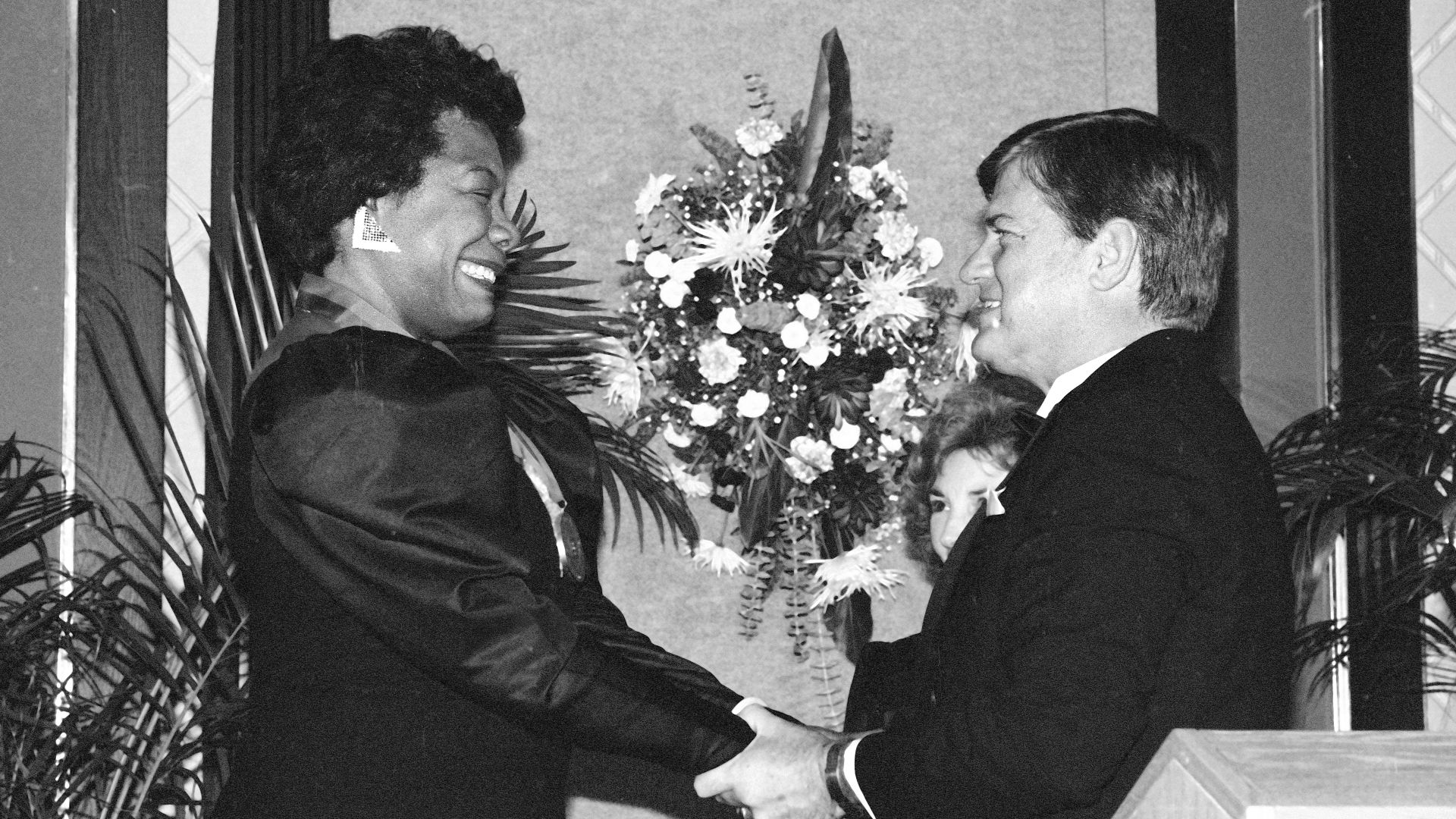
The book became a bestseller and earned a National Book Award nomination. However, its frank discussion of abuse and racism also attracted controversy. Some schools attempted to remove it from their libraries. Angelou's willingness to discuss uncomfortable subjects made her work all the more important to many readers.
 State Archives of North Carolina, Wikimedia Commons
Poetry Became Her Calling
In 1971, Angelou published Just Give Me a Cool Drink of Water 'fore I Diiie, which received a Pulitzer Prize nomination. Her poems explored love, loss, injustice, and hope. She had a gift for making difficult emotions understandable, even to people who hadn't picked up a poetry book in years.
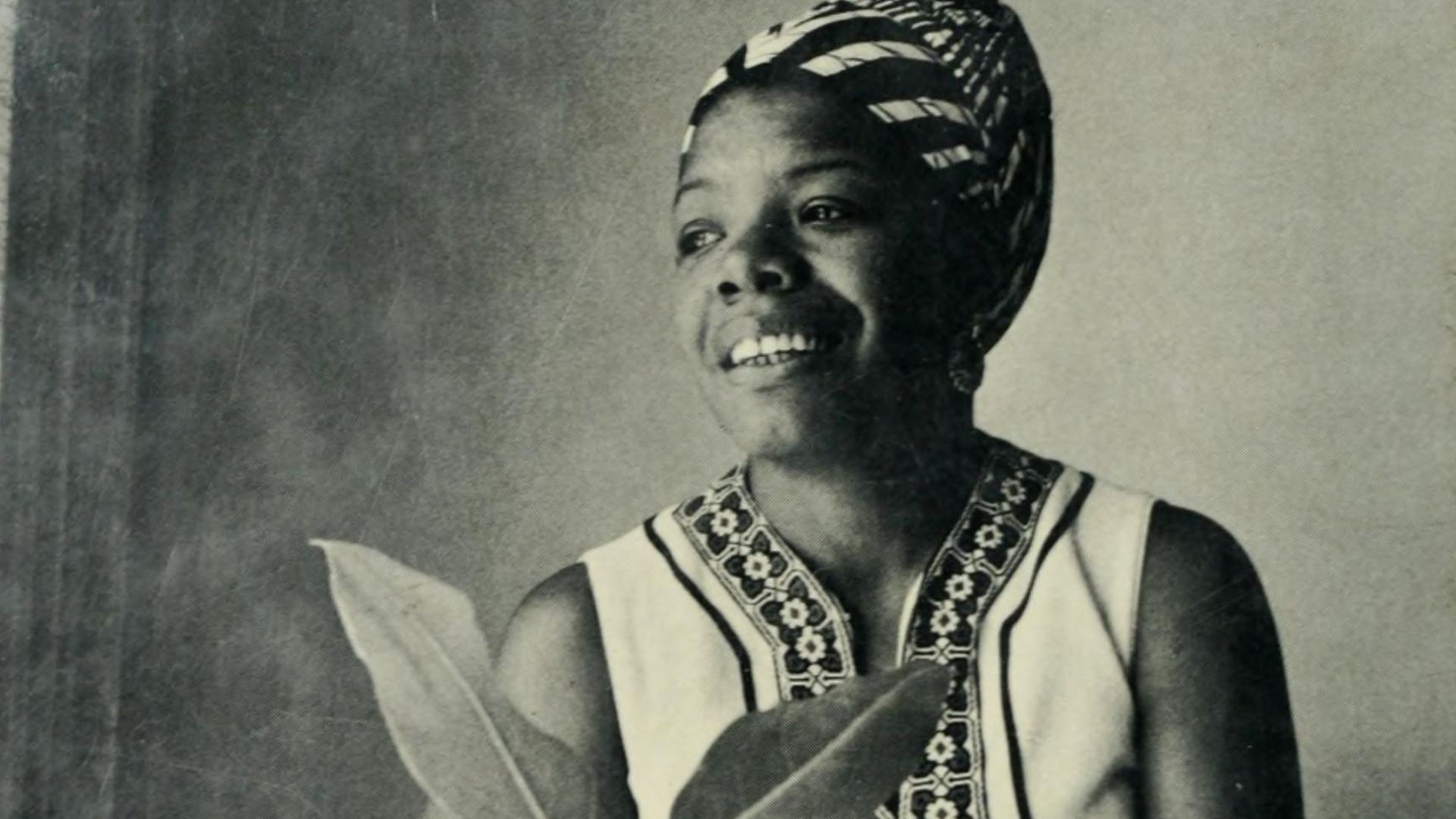 Photo by Jill Krementz Jacket design by Janet Halverson, Wikimedia Commons
Still I Rise
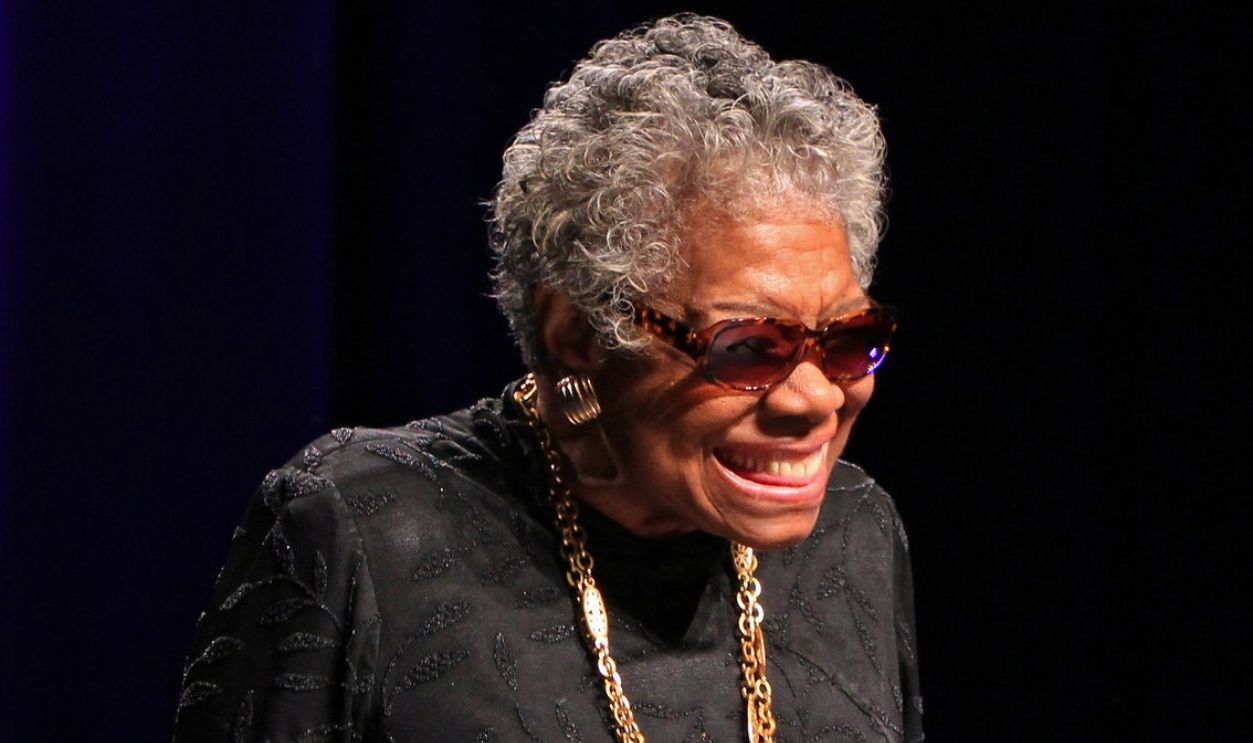
Angelou published Still I Rise in 1978, and it became one of her best-known poems. Its message was simple but powerful: no matter how badly life treats you, you can keep going. The poem struck a chord with readers facing their own struggles and remains popular today.
History's most fascinating stories and darkest secrets, delivered to your inbox daily.
A Familiar Face On Television
Angelou wasn't limited to writing. She appeared in the groundbreaking 1977 television miniseries Roots, playing Kunta Kinte's grandmother. She also worked as a screenwriter and director, eventually directing the 1998 film Down in the Delta. There seemed to be very little she couldn't turn her hand to.
 kyle tsui from Washington, DC, USA, Wikimedia Commons
Speaking Before The Nation
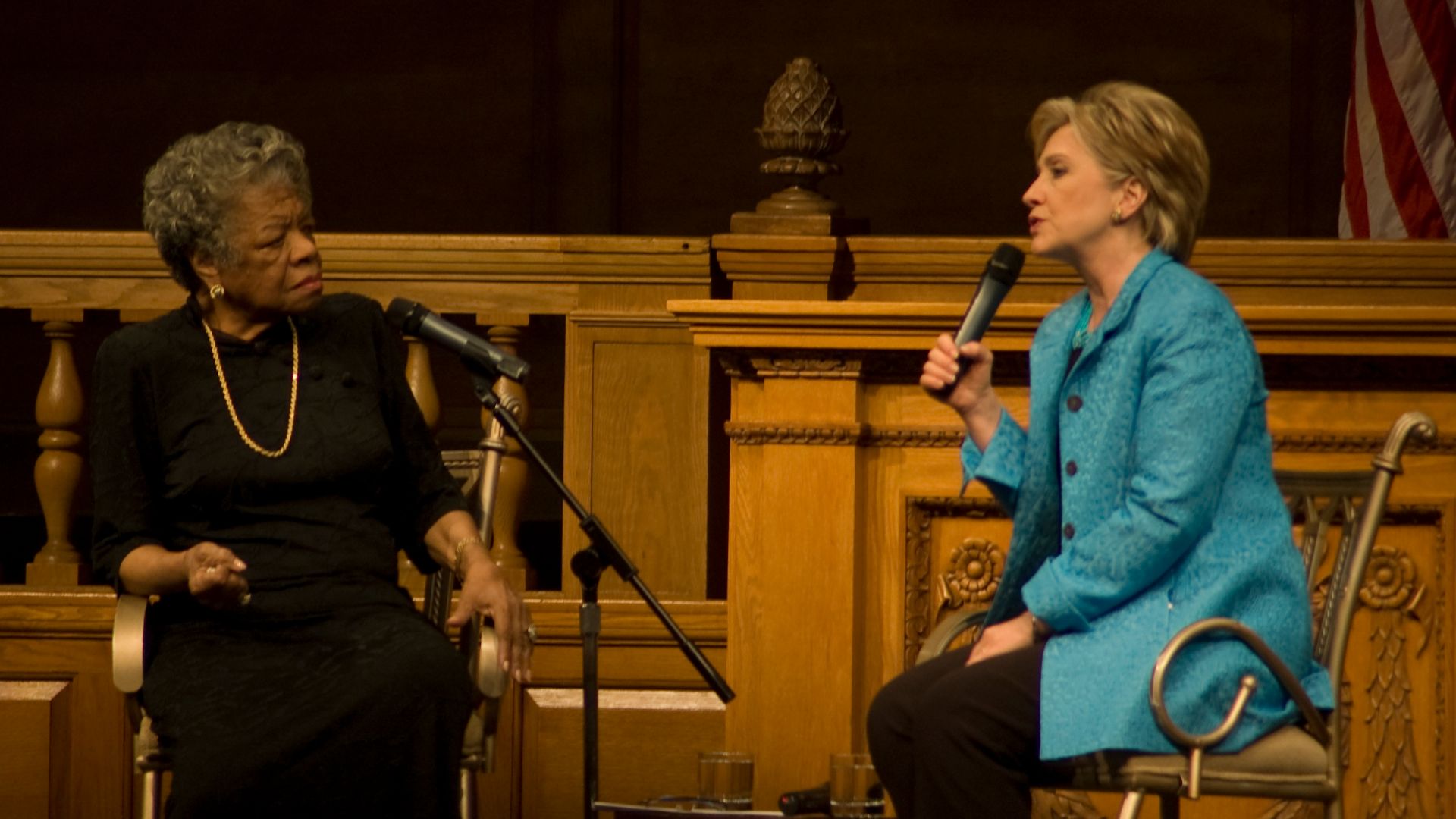
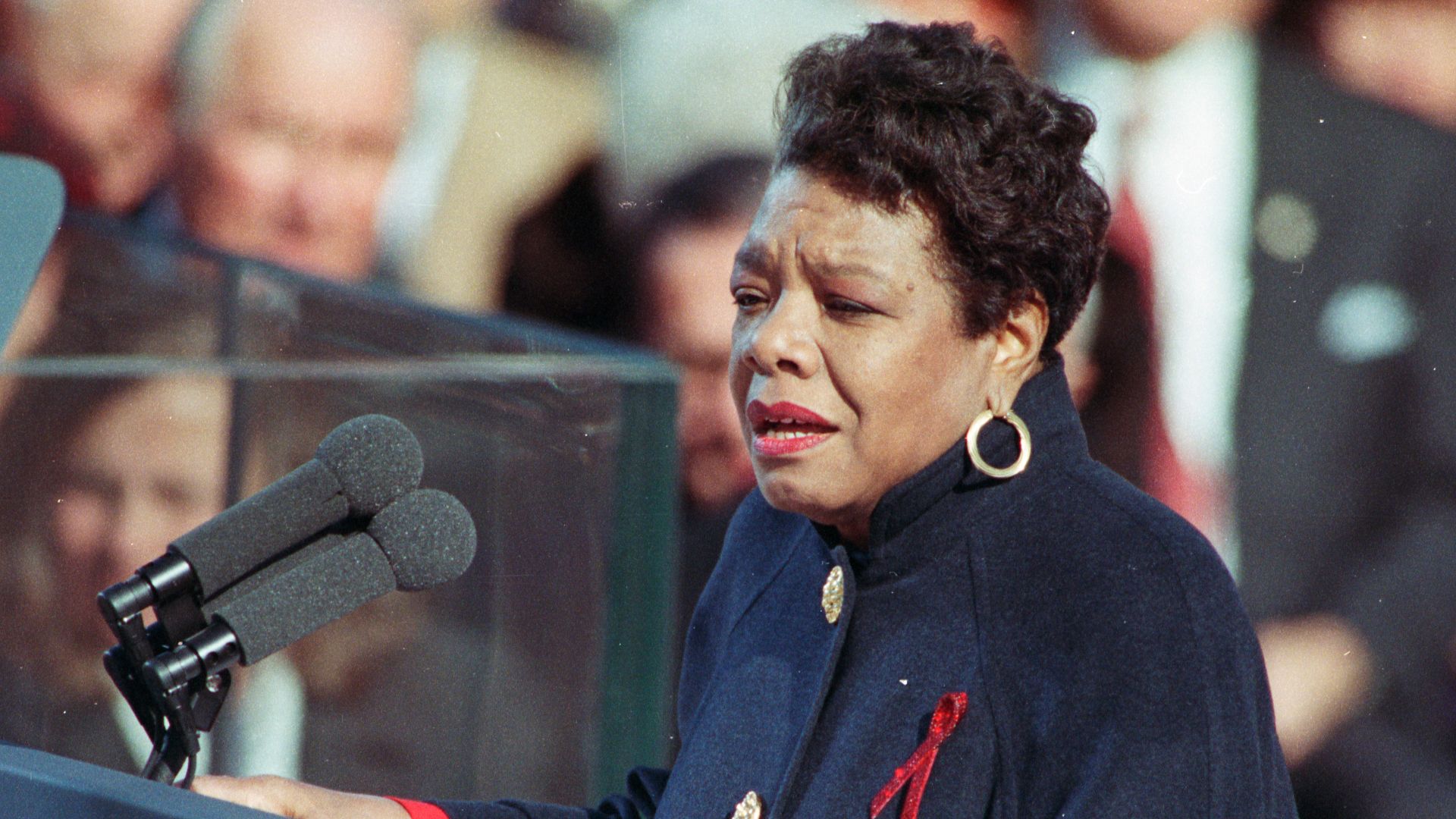
One of Angelou's proudest moments came in January 1993, when she recited On the Pulse of Morning at President Bill Clinton's inauguration. Millions watched her deliver the poem. For someone who had once been afraid to speak, standing before the nation was an extraordinary achievement.
Recognition From The White House
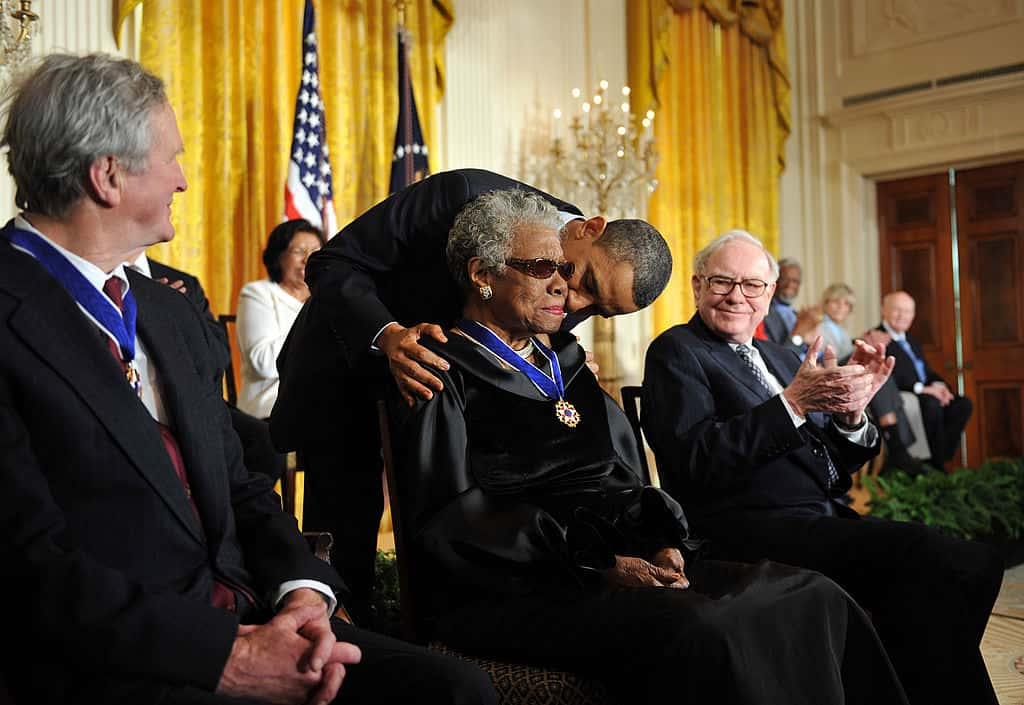
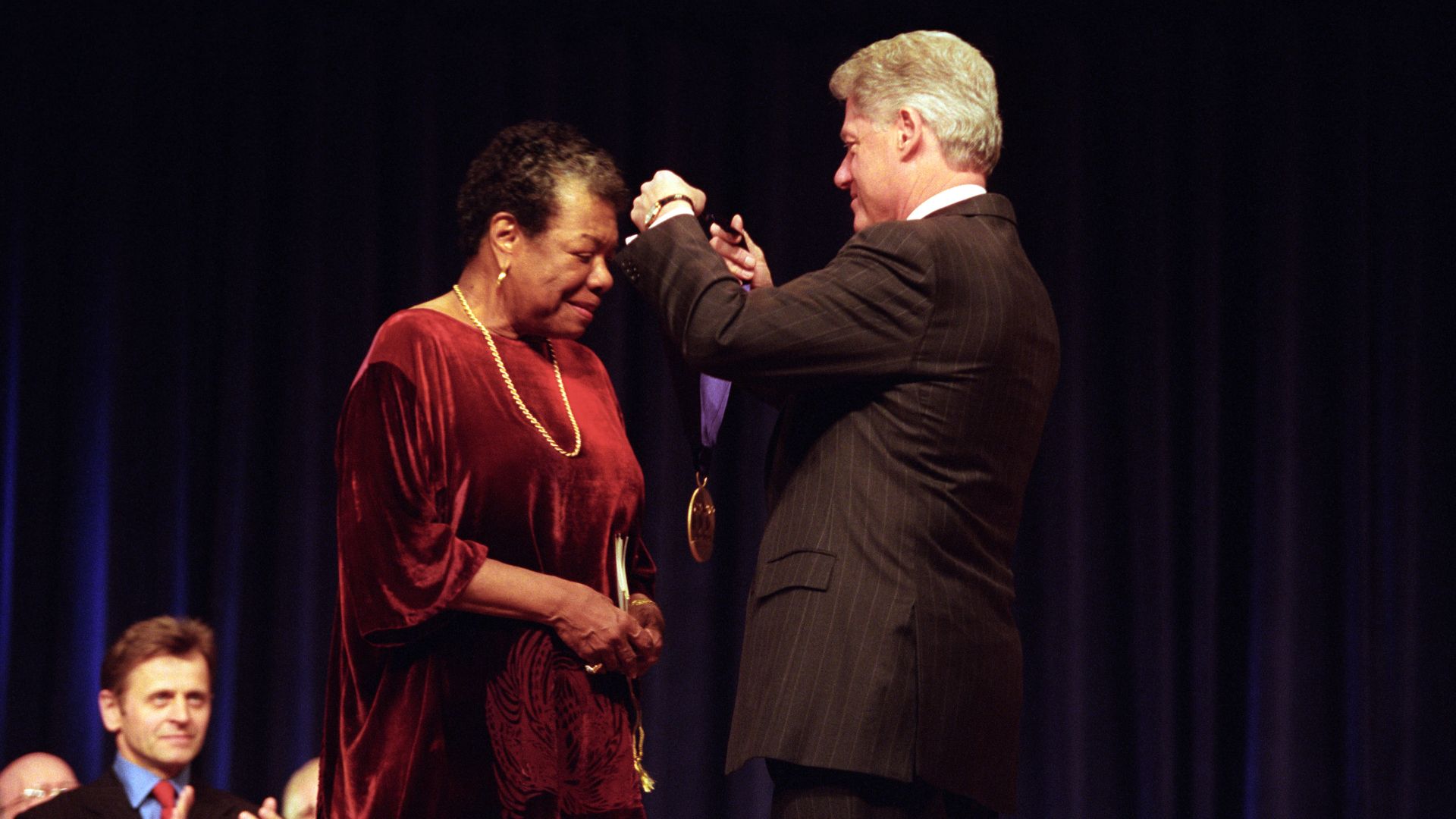
Over the years, Angelou received numerous honors, including three Grammy Awards for spoken-word recordings. In 2011, President Barack Obama awarded her the Presidential Medal of Freedom. She had become much more than a successful poet. To many Americans, she represented strength, wisdom, and the importance of perseverance.
Saying Goodbye To An American Icon
Maya Angelou died on May 28, 2014, at the age of 86. Tributes came from political leaders, celebrities, fellow writers, and ordinary readers. Many remembered her remarkable voice, while others spoke about how her books had changed their lives. Her passing marked the end of an extraordinary career.
The Voice That Never Really Disappeared
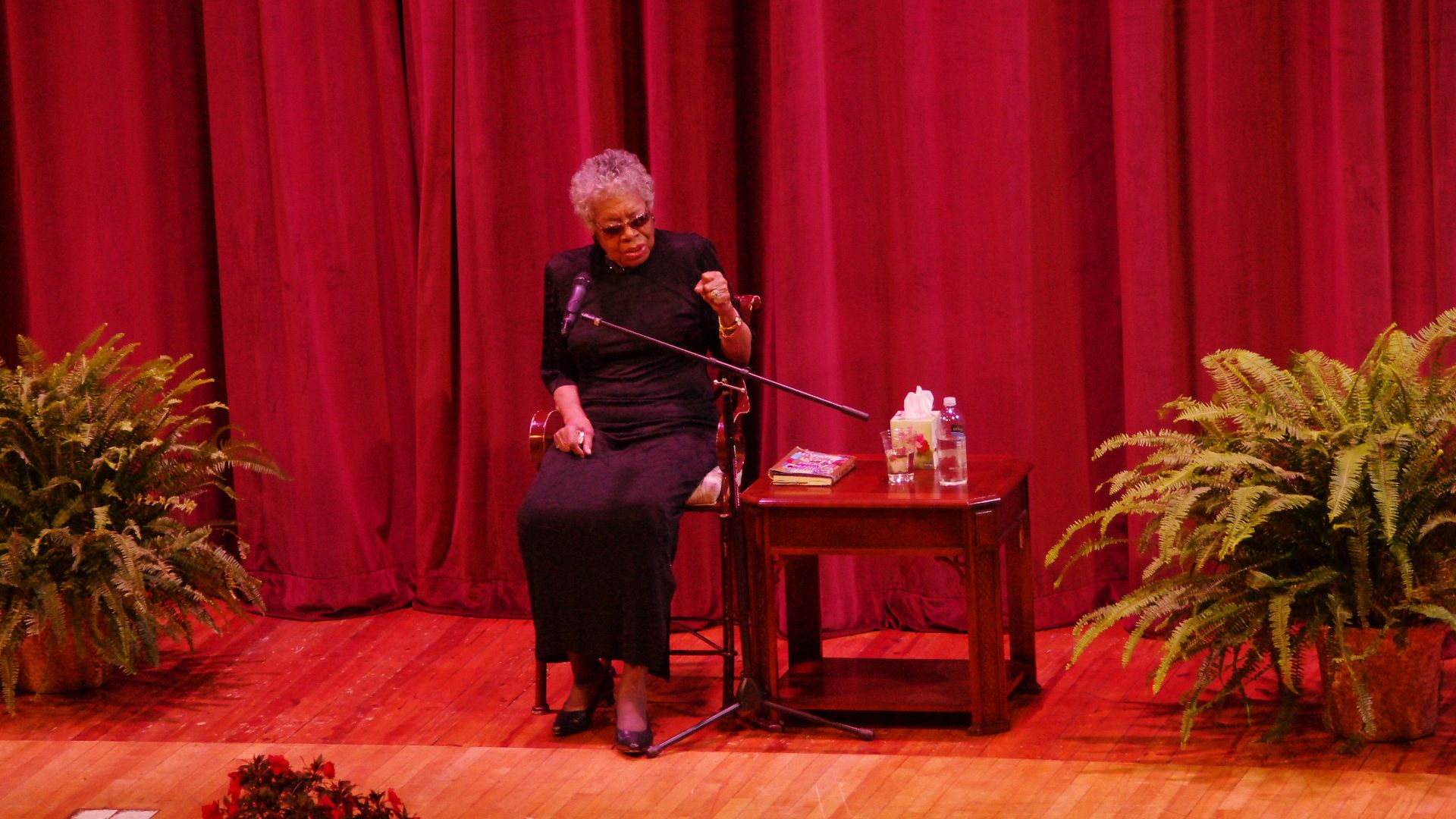
Maya Angelou's life was full of hardships, but she never allowed them to define her entire story. From years of childhood silence to becoming one of America's greatest literary voices, she achieved something remarkable. Her poems continue to inspire new generations, proving that words can have a lasting impact long after their author is gone.
 Brian Stansberry, Wikimedia Commons
You May Also Like:
Household Products From The 1960s That Were Everywhere, Now Don't Even Exist
The Tragic Story Of Ronnie Peterson, Formula One's Forgotten Superstar
Everyday Household Items From The 1980s That We All Used, But Would Definitely Confuse Gen Z