
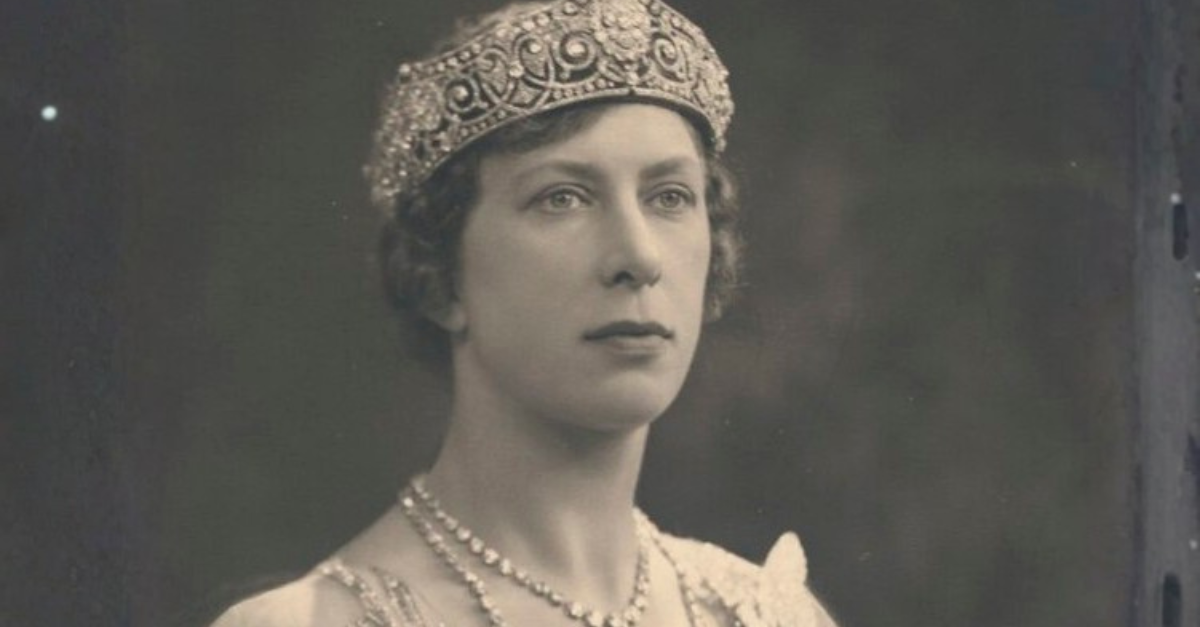
One Of The Good Ones
Mary, Princess Royal stands out in British royal history for one almost-unheard-of reason: she never became a scandal headline. No affairs, no explosive feuds, no jaw-dropping controversies—just a lifetime spent quietly using her status to uplift people who had far less. But that doesn't mean her story is boring. While others in the palace made the papers for all the wrong reasons, Mary turned privilege into purpose, becoming living proof that compassion and solidarity can exist even behind the thickest palace walls.
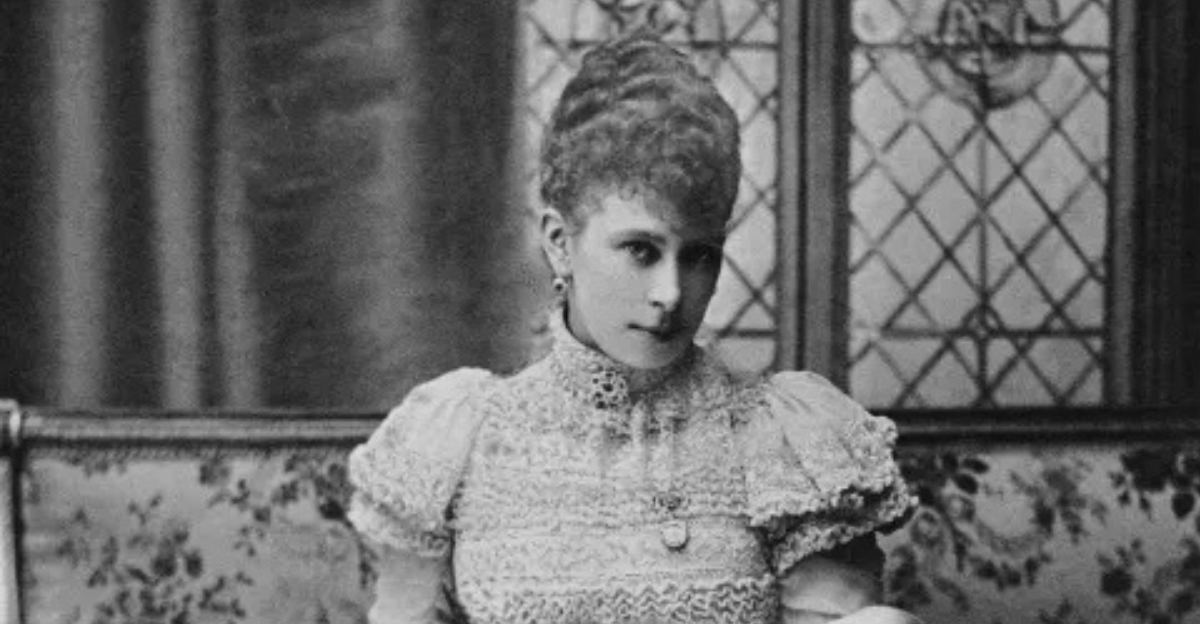
1. She Entered The Reigning Family
Mary, Princess Royal was born on April 25, 1897, in the waning years of the reign of her great-grandmother, Queen Victoria. A direct descendant of the monarch in power, it set Mary for life from the moment she entered the world. The elite story behind her name further backed this up.
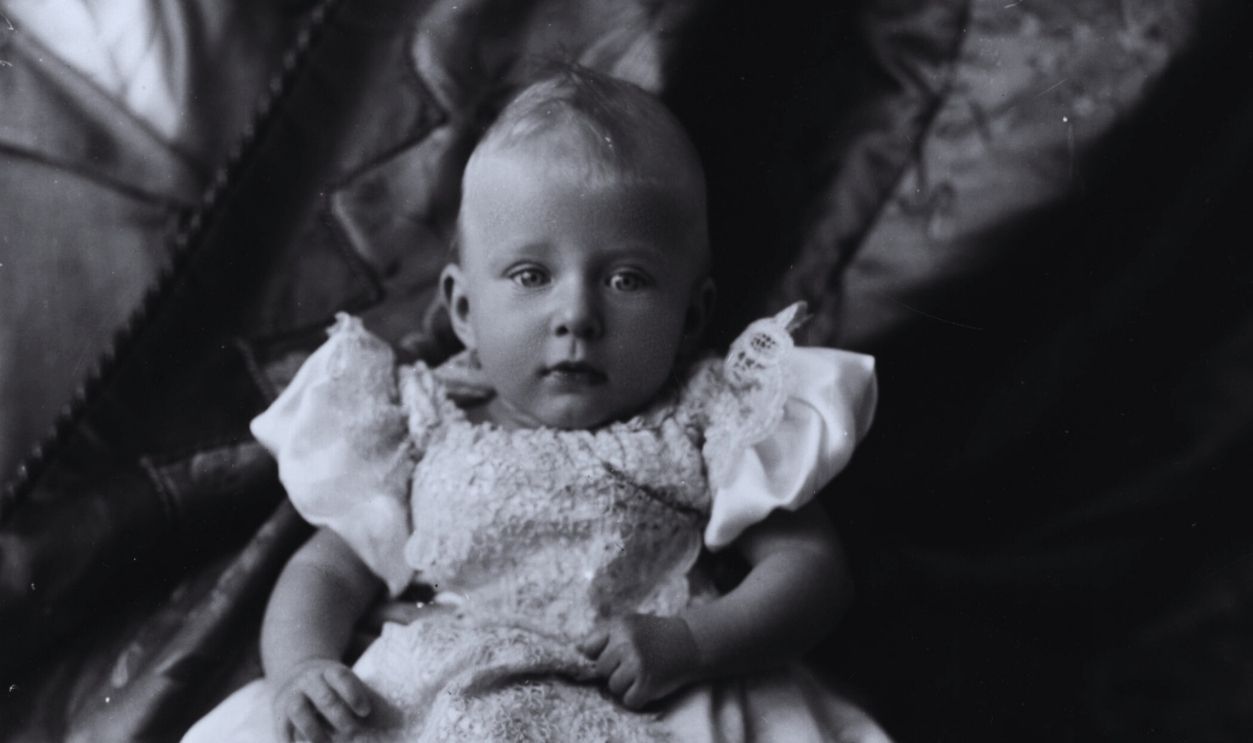
2. She Had Royal Names
Mary was actually born Victoria Alexandra Alice Mary, and her namesakes show the extent of her royal bona fides: Victoria for the reigning Queen, her great-grandmother; Alexandra for the Princess of Wales, her paternal grandmother; Alice for the Grand Duchess of Hesse and by Rhine, with whom she shared a birthday; and Mary for Mary Adelaide, Duchess of Tech, her maternal grandmother.
Mary took the last of her Christian names, of course. But she would need more than just a name to stand out in such a powerful family.
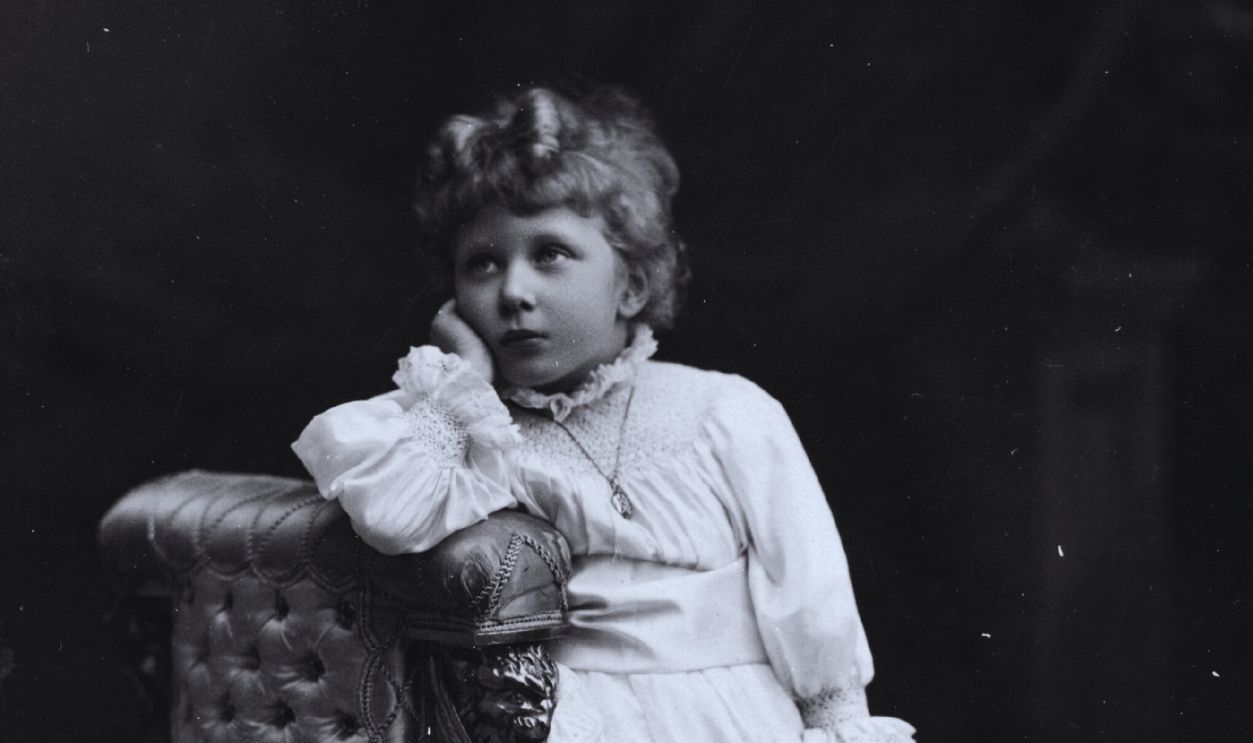
3. She Was The Only Girl
Mary, Princess Royal was the third child of the Duke and Duchess of York and would end up being the only daughter they had. With two older brothers, the deck was already stacked against her in terms of power, and it didn’t improve in subsequent years.
 Alexandra of Denmark, Wikimedia Commons
4. She Got Bumped
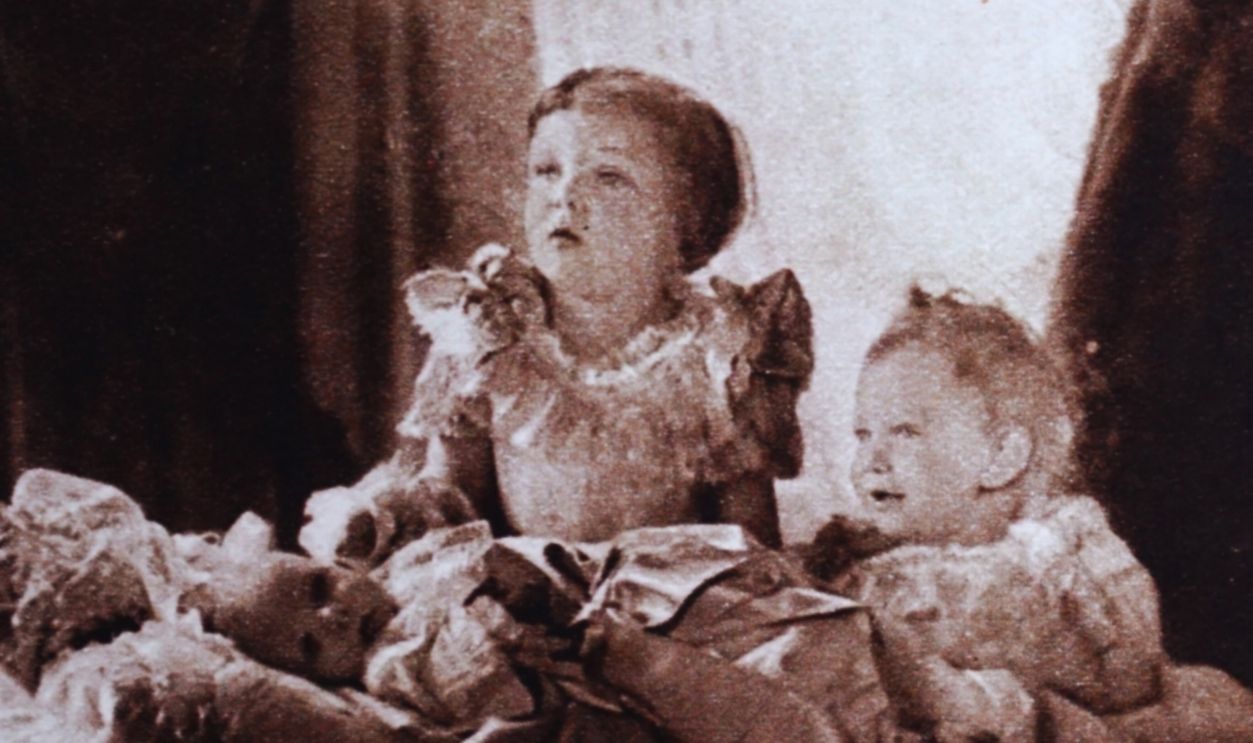
At the time of her birth, Mary, Princess Royal was fifth in the line of succession for the throne, far from the worst place to find oneself. However, because of the patrilineal nature of the Royal Family, she got moved further down the line after the birth of her three younger brothers. Indeed, she could barely move without touching a monarch.
 Universal History Archive, Getty Images
5. Royalty Surrounded Her
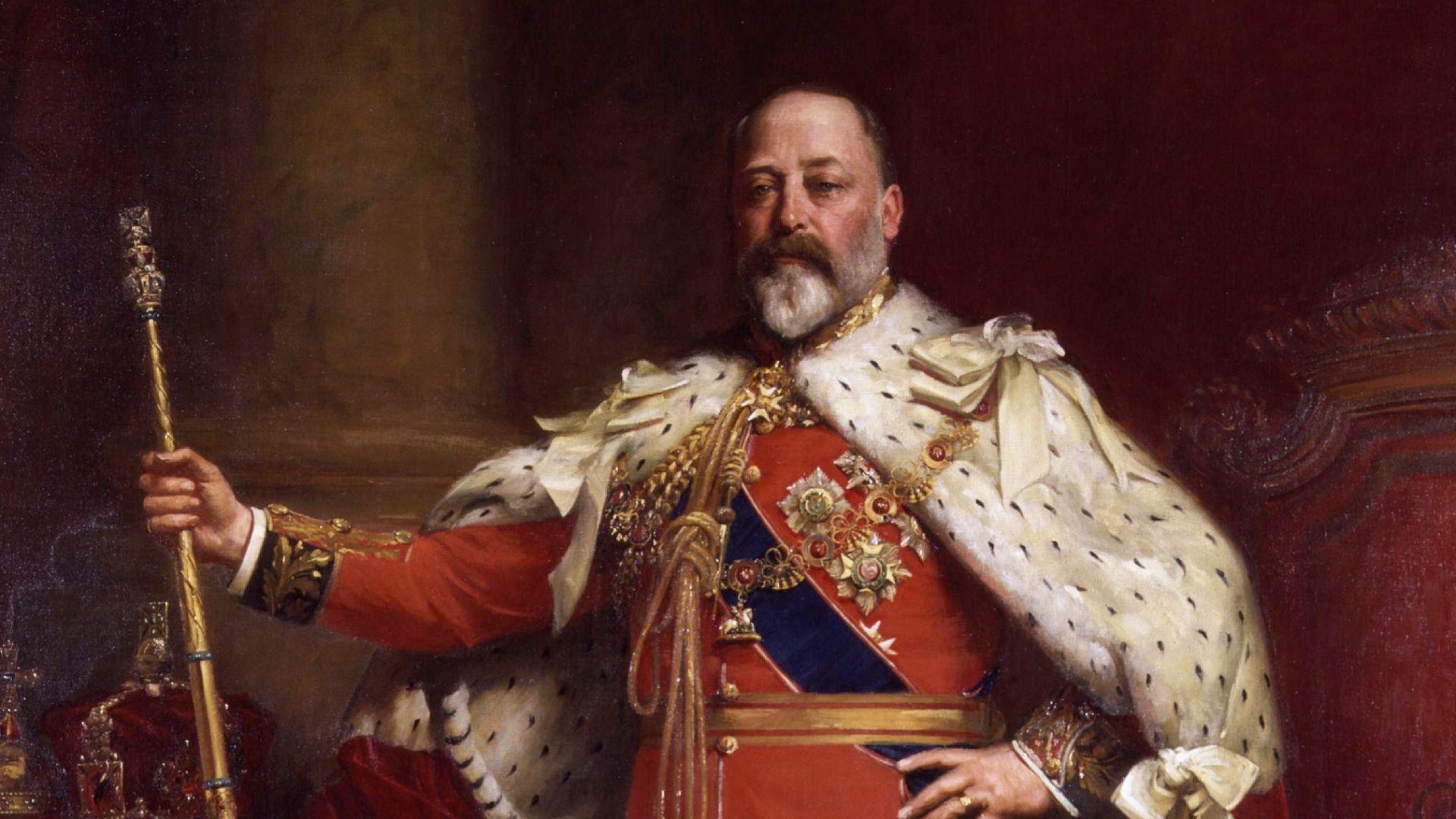
Mary had an astounding direct connection with many Kings of Britain. Other than the aforementioned royalty of her namesake, her grandfather and father would later become Kings Edward VII and George V respectively, and her two older brothers would eventually reign as King as well. And her royal rolodex extended beyond the British Isles.
 Luke Fildes, Wikimedia Commons
6. She Had A Star-Studded Christening
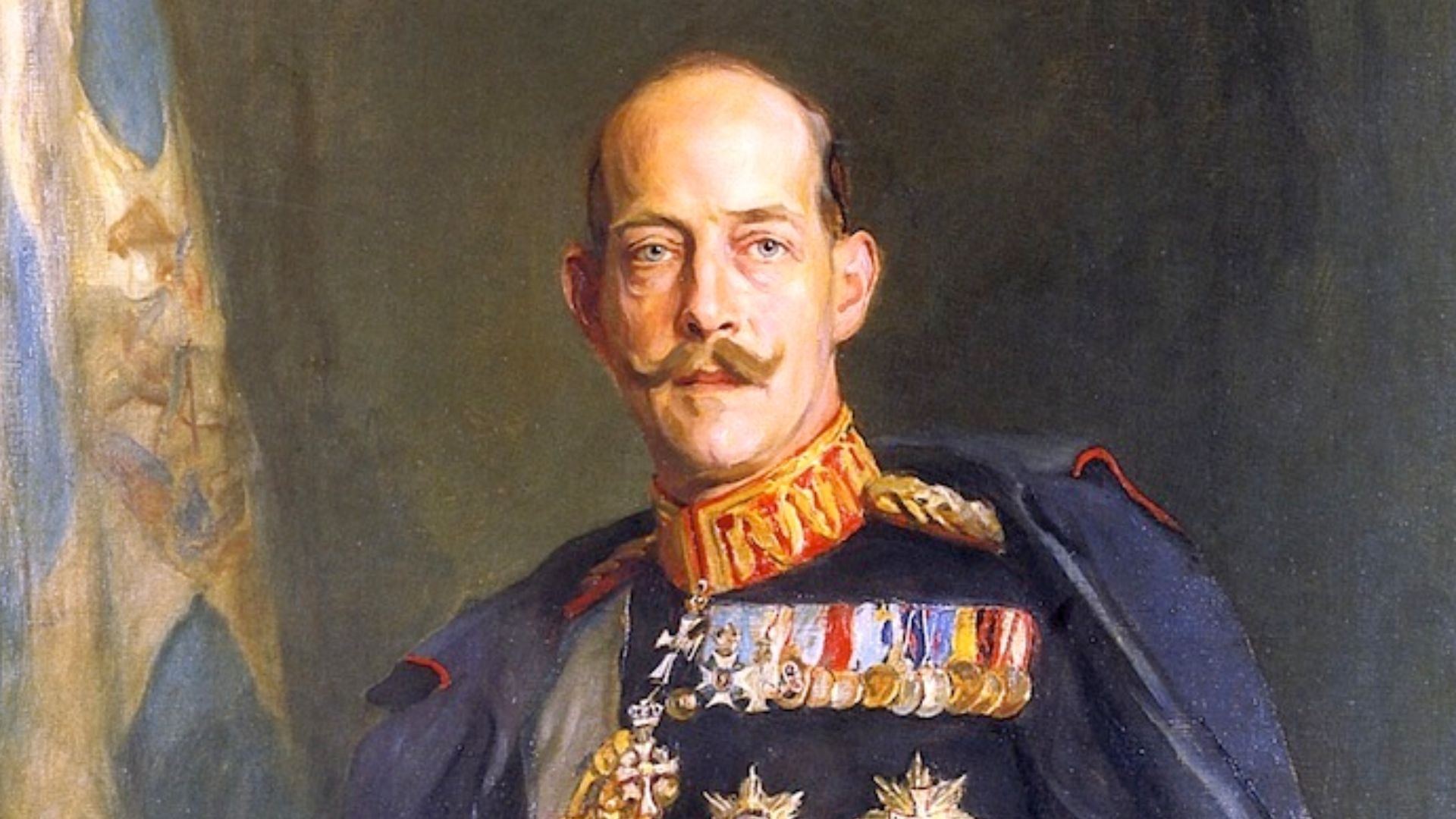
Mary’s baptism on June 7, 1897, was a who’s who of royal guests. Not only was she baptized by the Archbishop of York, but her godparents also included the reigning Queen, the King of Hellenes (Greece), the Dowager Empress of Russia, the Prince and Princess of Wales (who would be reigning monarchs within three years), the Duchess of Teck, Princess Victoria of Wales, and Prince Francis of Teck. Now baptized, her family set to work molding Mary into a proper little royal.
 Philip de Laszlo, Wikimedia Commons
7. She Got Homeschooled
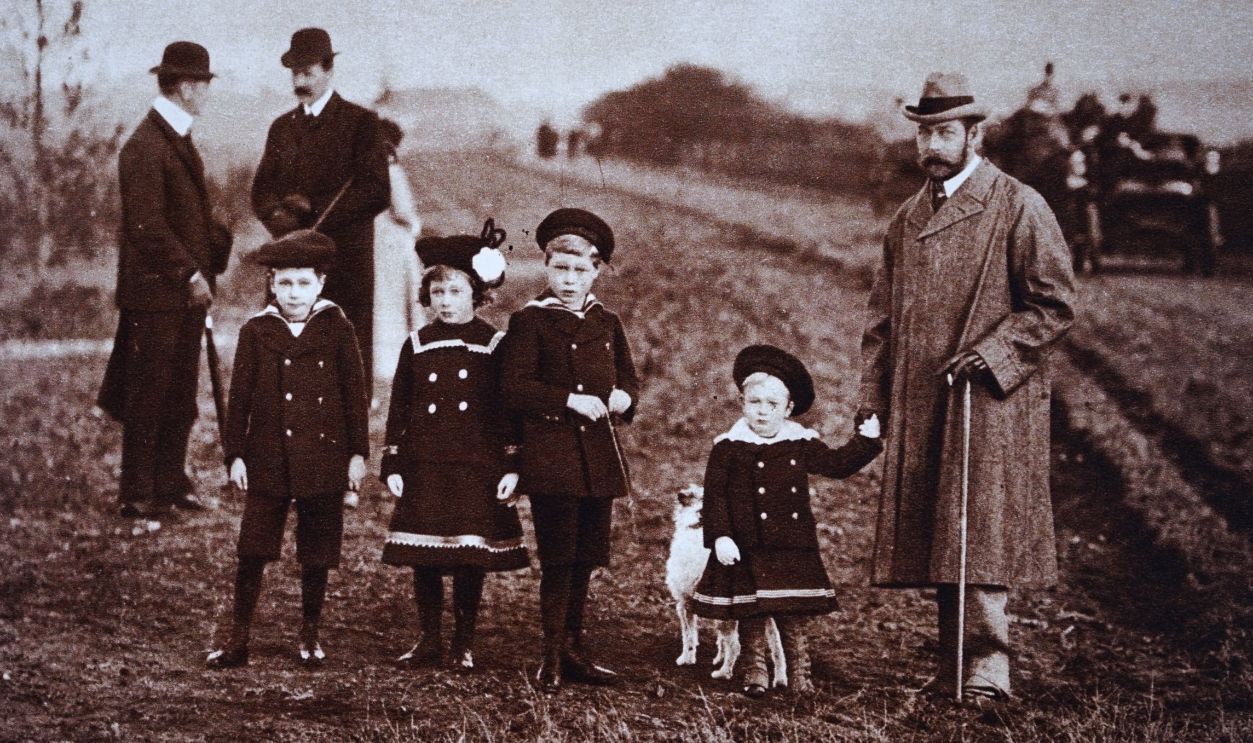
As was common among royal children at the time, the young Mary received her education at home from various governesses. And while there was traditionally a gender divide in royal education, Mary, as the only girl, ended up sharing a few lessons with her brothers for practical purposes. And lucky for her, she proved to be a gifted student.
8. She Had An Aptitude For Language
Mary, Princess Royal received tutoring in a variety of languages, and at an impressively young age, she became fluent in German and French. A diligent student who always worked hard, the young princess did not lack for leisure time either.
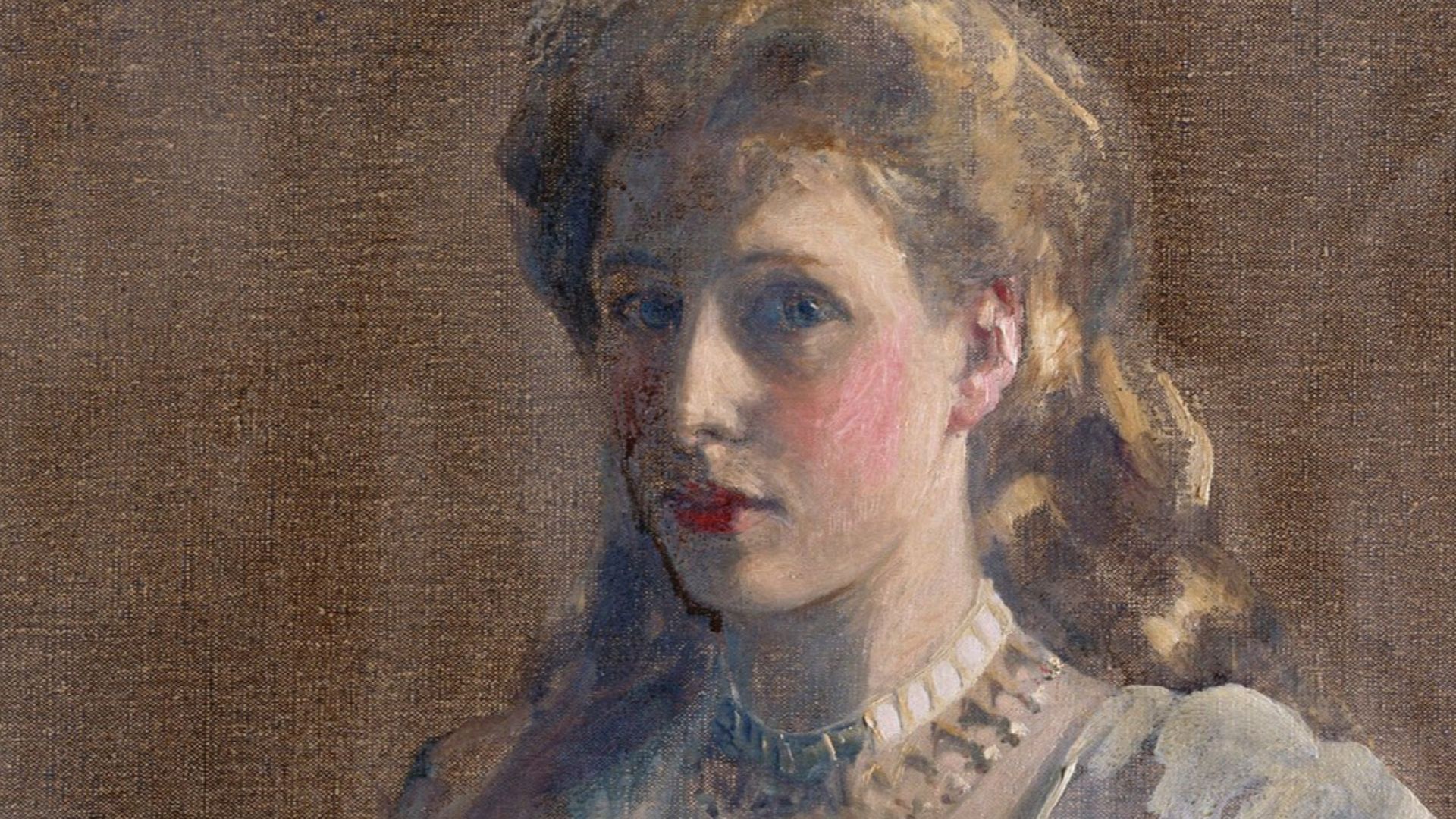 John Lavery, Wikimedia Commons
9. She Developed A Lifelong Interest
As a young girl, Mary took up a hobby that remained her passion for the rest of her days. She took a keen interest in horses and developed great enthusiasm for horse racing. In time, the Princess proved a charming young girl who would capture the nation’s attention, though not in the ways many other monarchs did.


History's most fascinating stories and darkest secrets, delivered to your inbox daily.
10. She Debuted
Mary’s first state appearance took place on June 22, 1911, where the young princess joined the lavish ceremony celebrating the coronation of her parents, King George V and Queen Mary. The younger Mary made an impression on the British public at the lavish ceremony at Westminster Abbey, and her popularity would only increase with the beginning shockingly tragic world events.
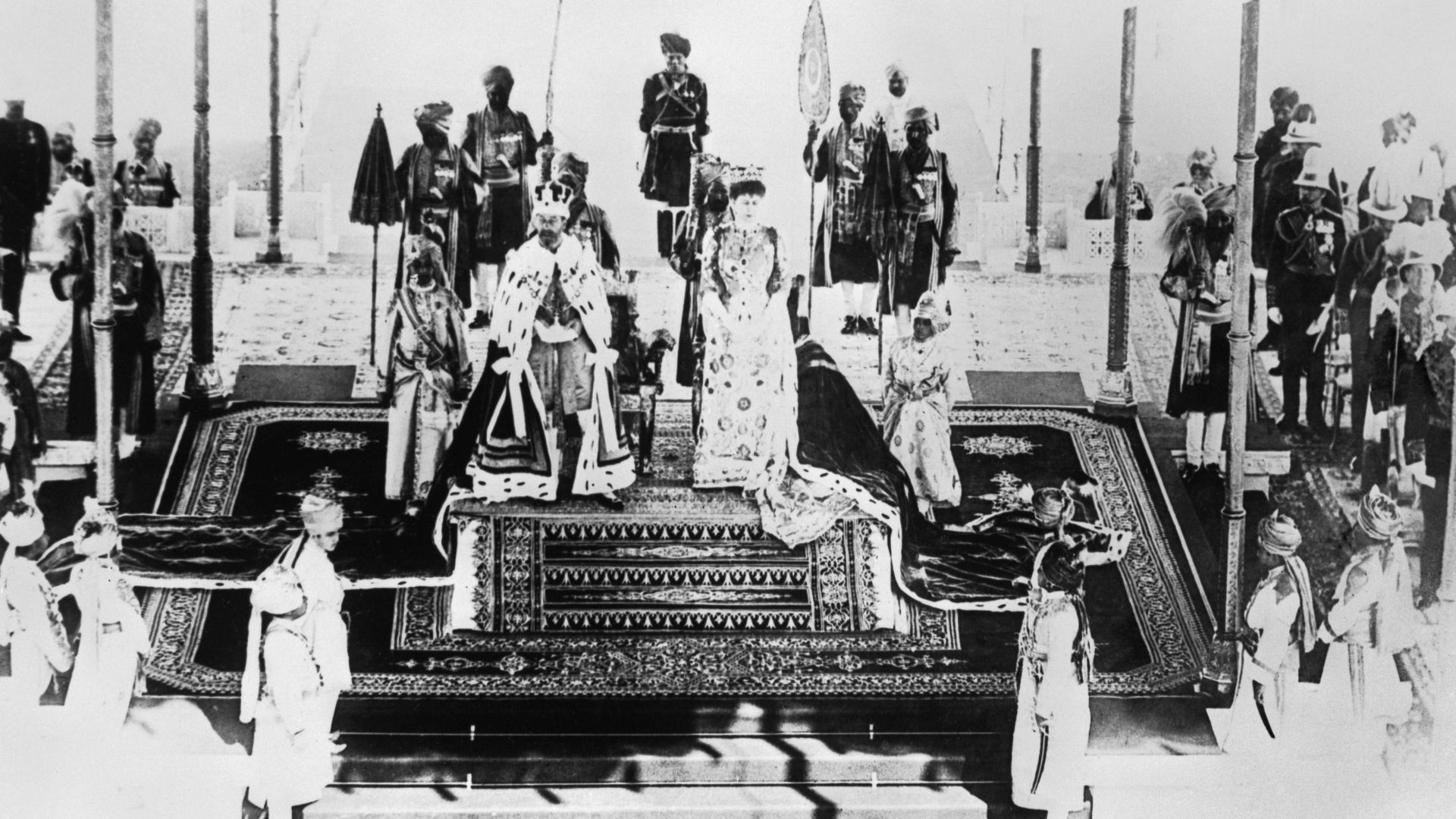 Unknown authorUnknown author, Wikimedia Commons
11. She Found Her Life’s Path
With the outbreak of WWI, Mary, Princess Royal found her calling. She became widely loved throughout Britain for her charity work in support of servicemen, as well as their families. Her philanthropic work would largely define the remainder of her life, but she started young.
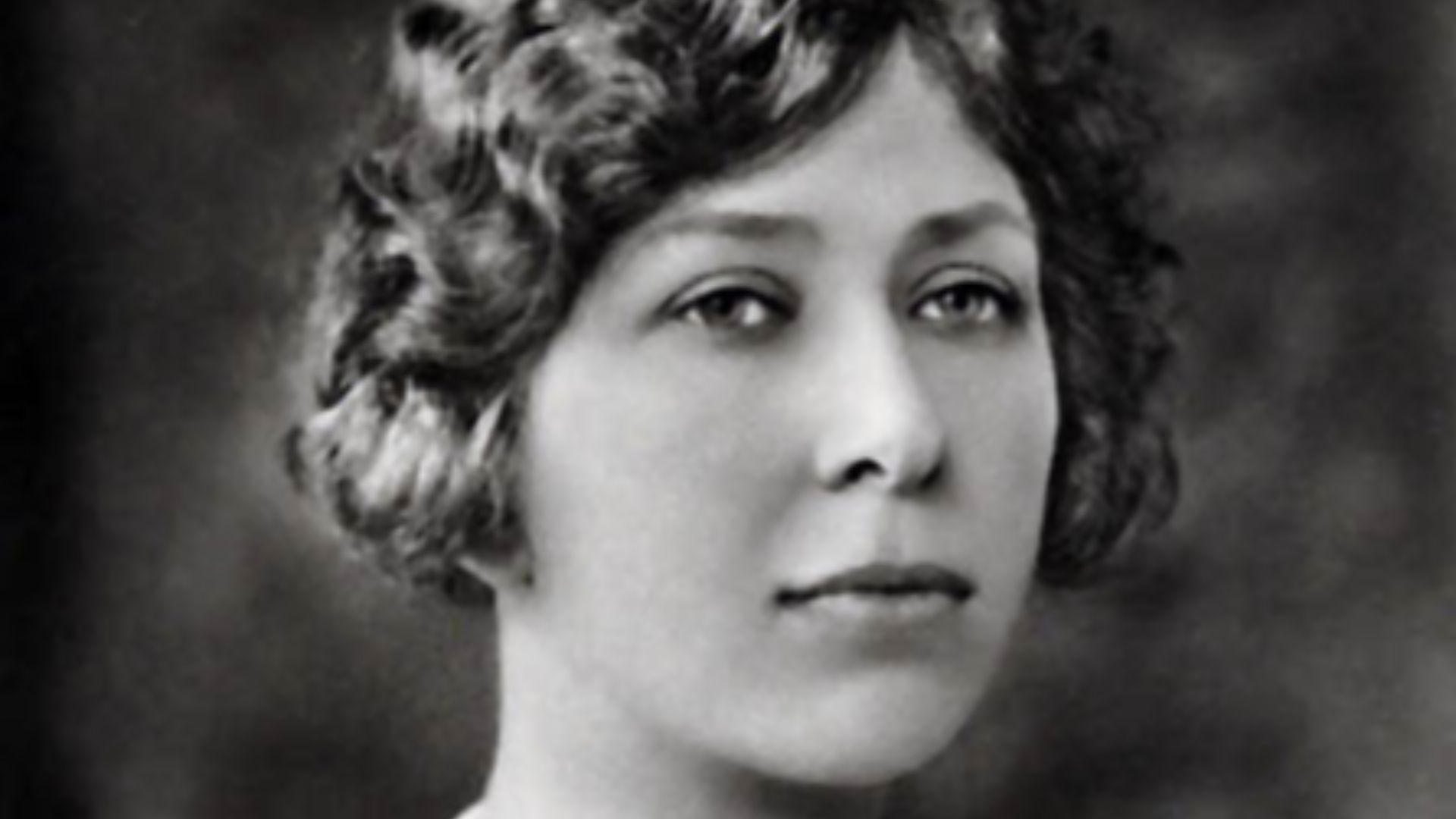 Speaight Ltd, Wikimedia Commons
12. She Visited The Infirm
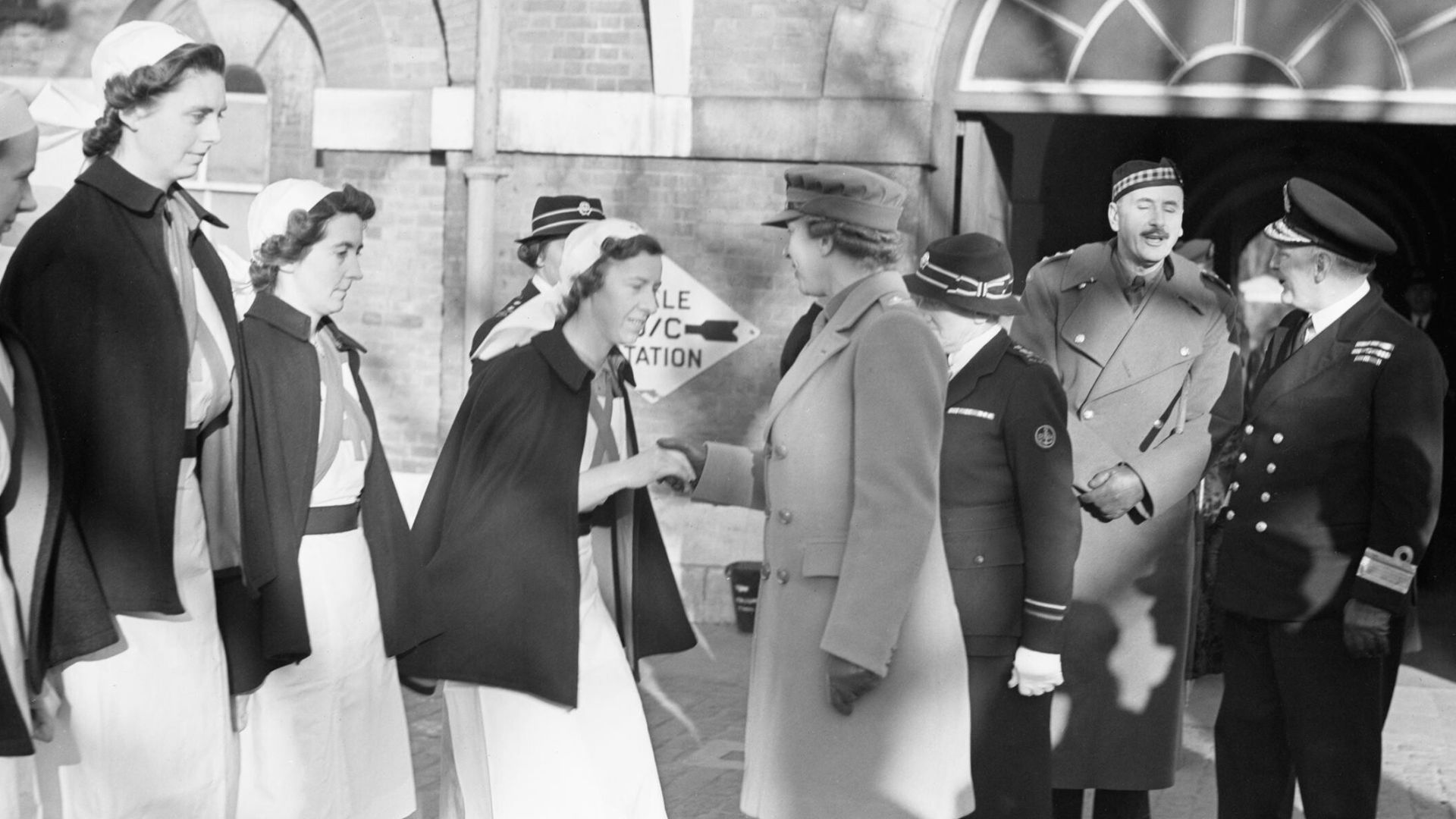
Mary was just 17 years old at the outbreak of the conflict and initially accompanied by her mother. The two would visit hospitals and welfare organizations, contributing to projects that would assist British servicemen and comfort their families. One project in particular was surprising for a girl her age...
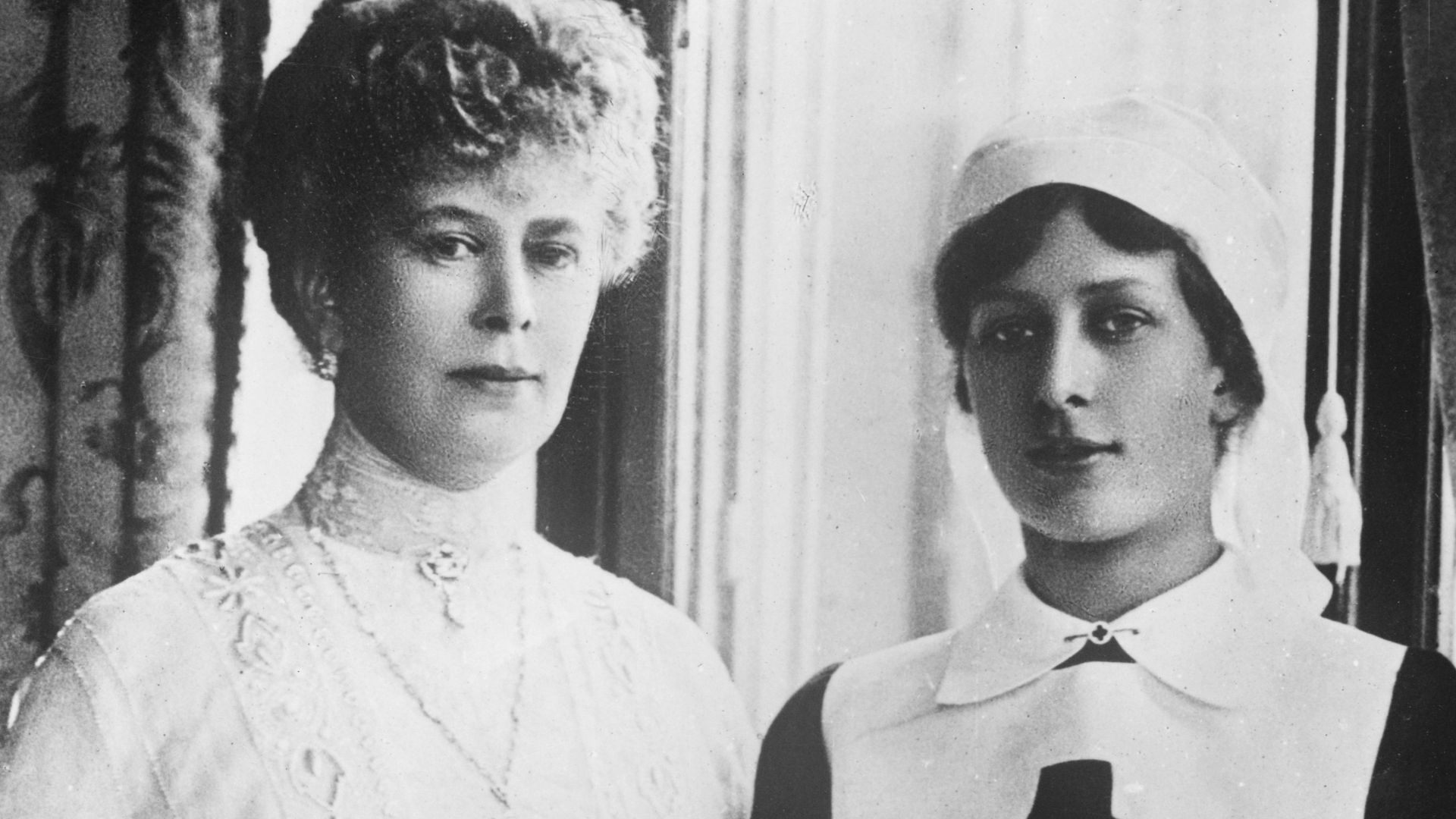 Bain News Service, Wikimedia Commons
13. She Sent Gifts
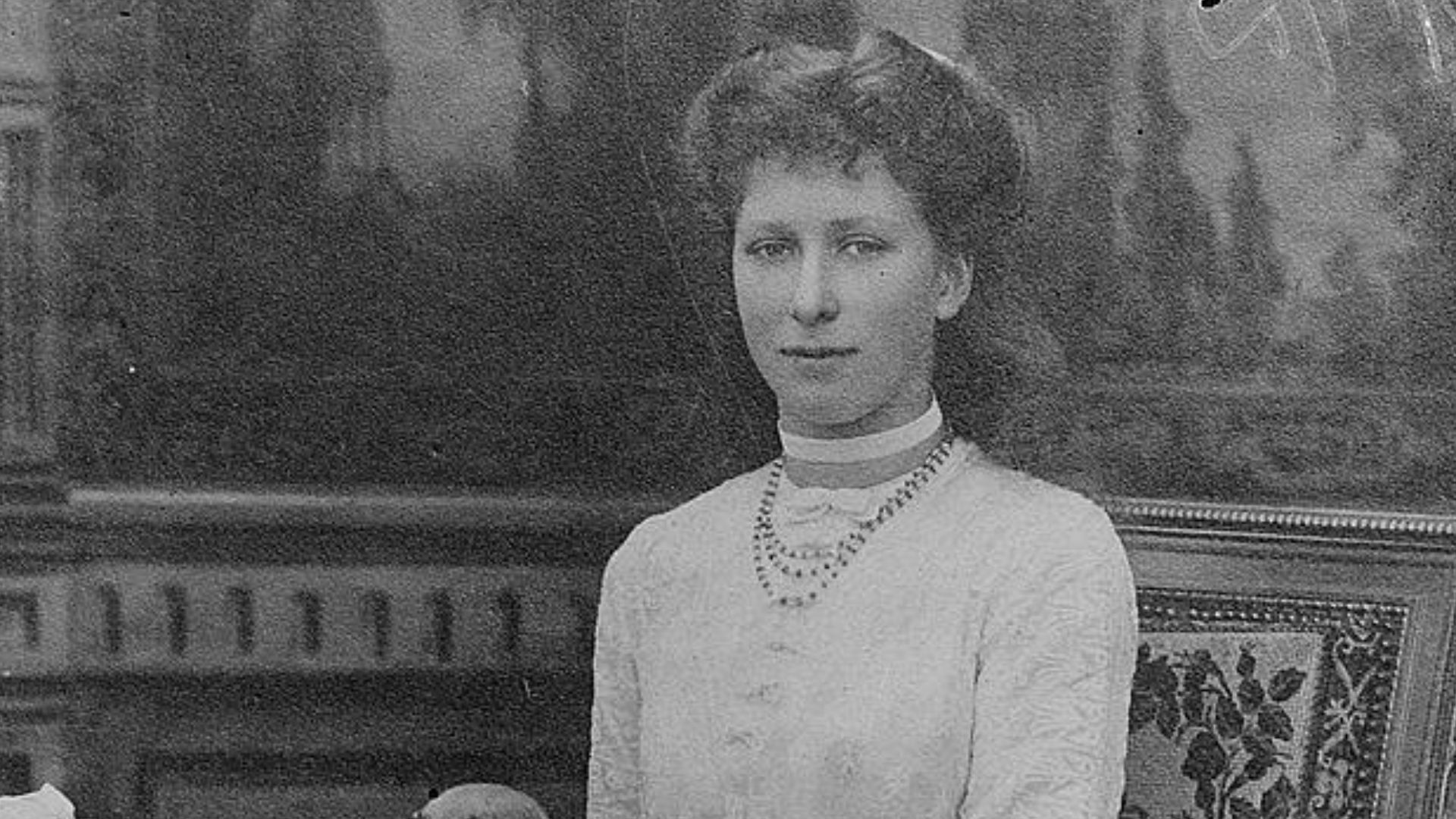
One of Mary’s own charitable ideas was to send a Christmas gift to every member of the armed forces. Known as Princess Mary’s Christmas Gift Fund, she launched an appeal that raised over £162,000 (£15 million today) to send brass tins containing various items (tobacco and chocolate, for example) to all servicemen. The Princess’s kindness was not forgotten.
 Bain News Service, Wikimedia Commons
14. She Won Hearts And Minds
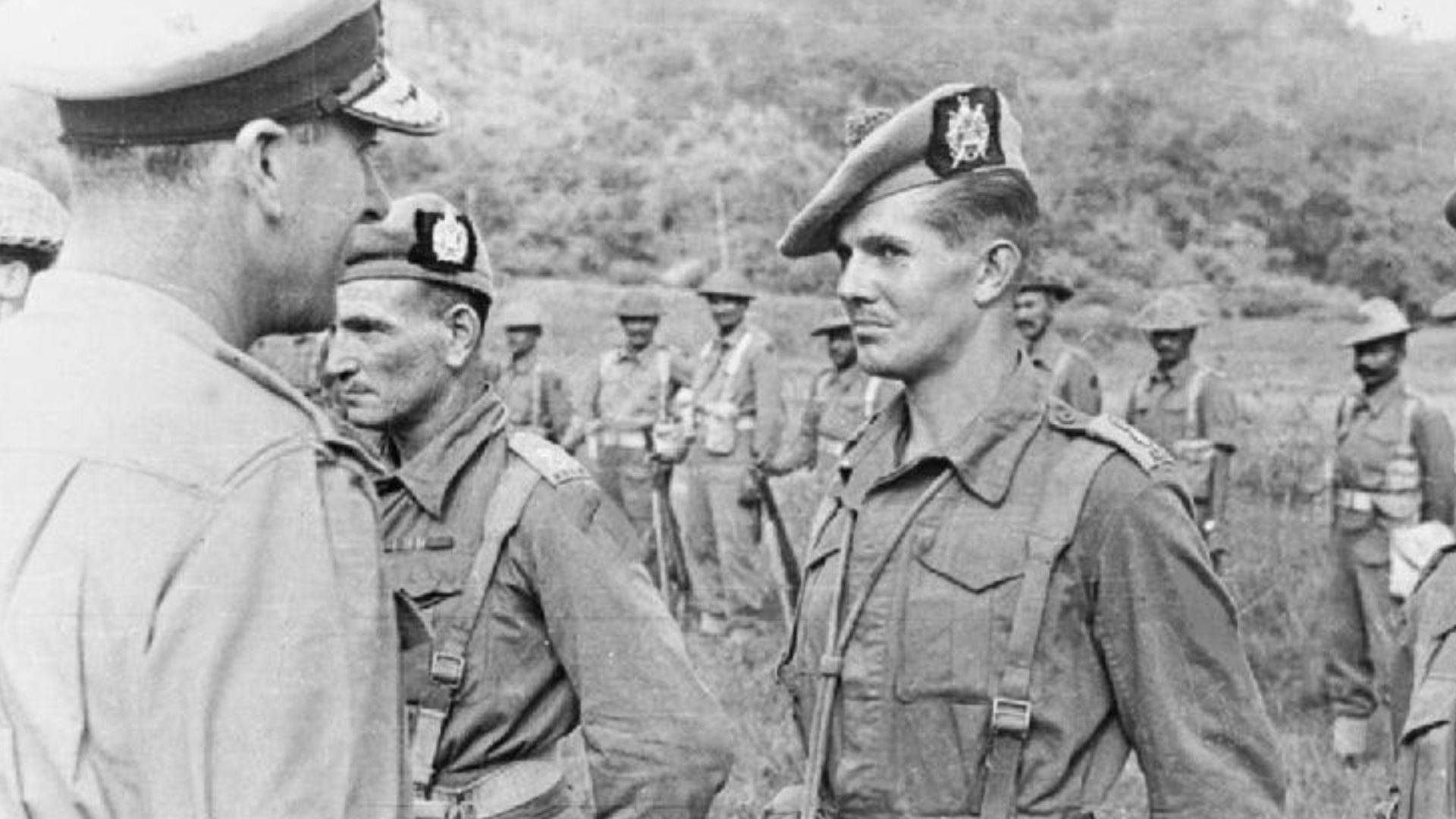
The gift boxes were a huge hit with the men of the armed forces; many sent their tins home to their families to preserve as a keepsake. Decades later, Mary, Princess Royal would tour Canada (part of the British Empire) and, touchingly, Canadian veterans brought their precious tins to show the Princess. But Mary did not limit her work to men.
 No 9 Army Film & Photographic Unit, Wikimedia Commons
15. She Encouraged Young Girls
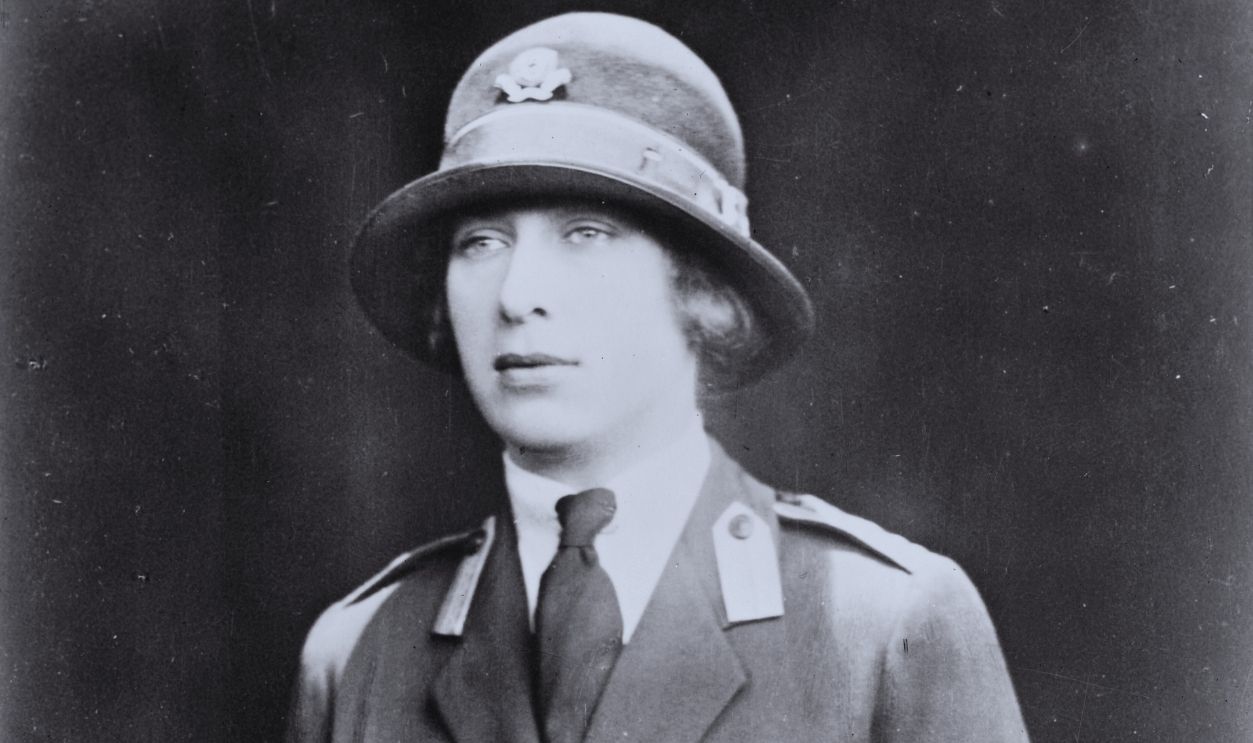
Mary was also an enthusiastic advocate for the future and independence of young British women. She became a passionate and active promoter of various women-and-girl-focused organizations such as the Girl Guides, Land Girls, and the Voluntary Aid Detachment. And as she came of age, she got her hands dirty with an unusual royal request.
 Bain News Service, Wikimedia Commons
16. She Got A Unique Birthday Present
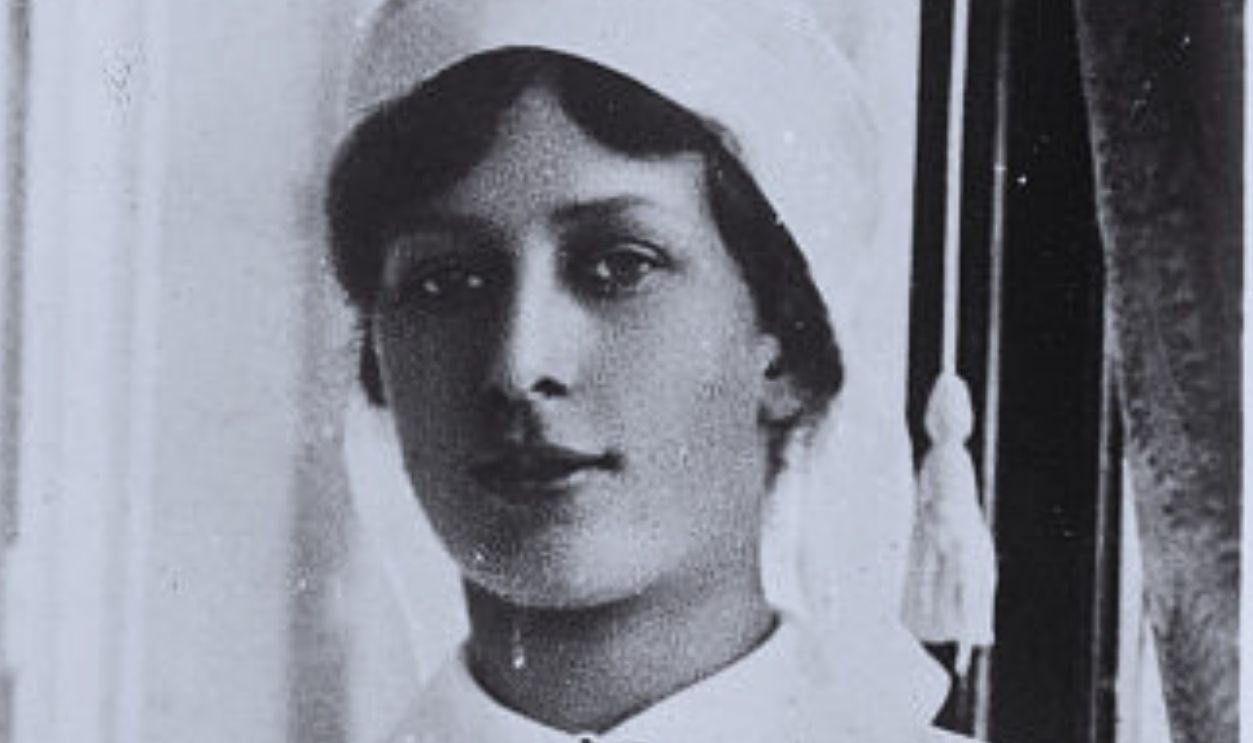
Further displaying her compassionate heart, when Mary turned 21, she asked her father for a unique gift (especially for a royal): she requested permission to train and work as a nurse. The King agreed, and she became the first child of a monarch to train at Great Ormond Street. But she did not lord her status over anyone.
 The Library of Congress, Wikimedia Commons
17. She Believed In Equality
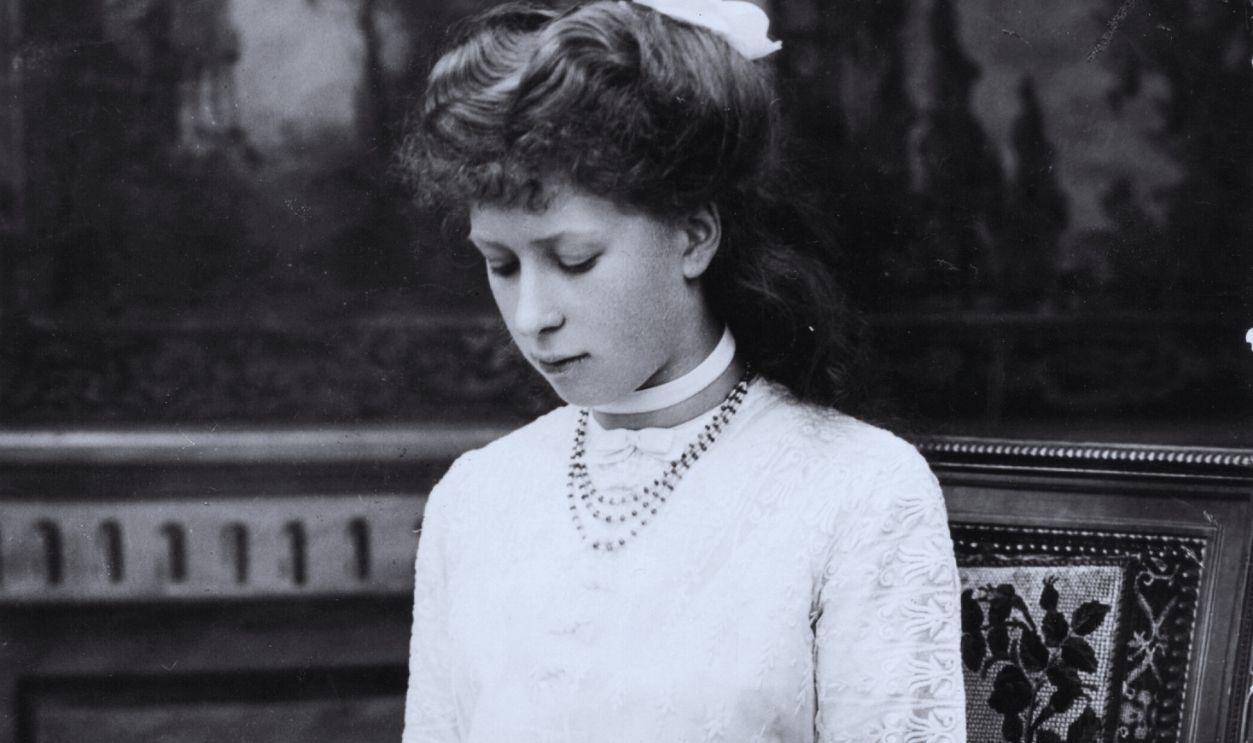
The school stationed Princess Mary on the Alexandra Ward for her training. She impressed the matron with her work ethic, aptitude, and above all, her insistence that she be treated the same as all the other trainees. Such modesty was rare for a royal, but Mary wasn’t like any other princess.
18. She Visited The Front Lines
On November 20, 1918, following the official conclusion of the conflict nine days previously, Mary became the first royal to visit France. There, she visited wounded infantrymen, and her presence delighted all. But it wasn’t all-work-and-no-play for the princess.
 State Library of New South Wales collection, Wikimedia Commons
19. She Got A Ride
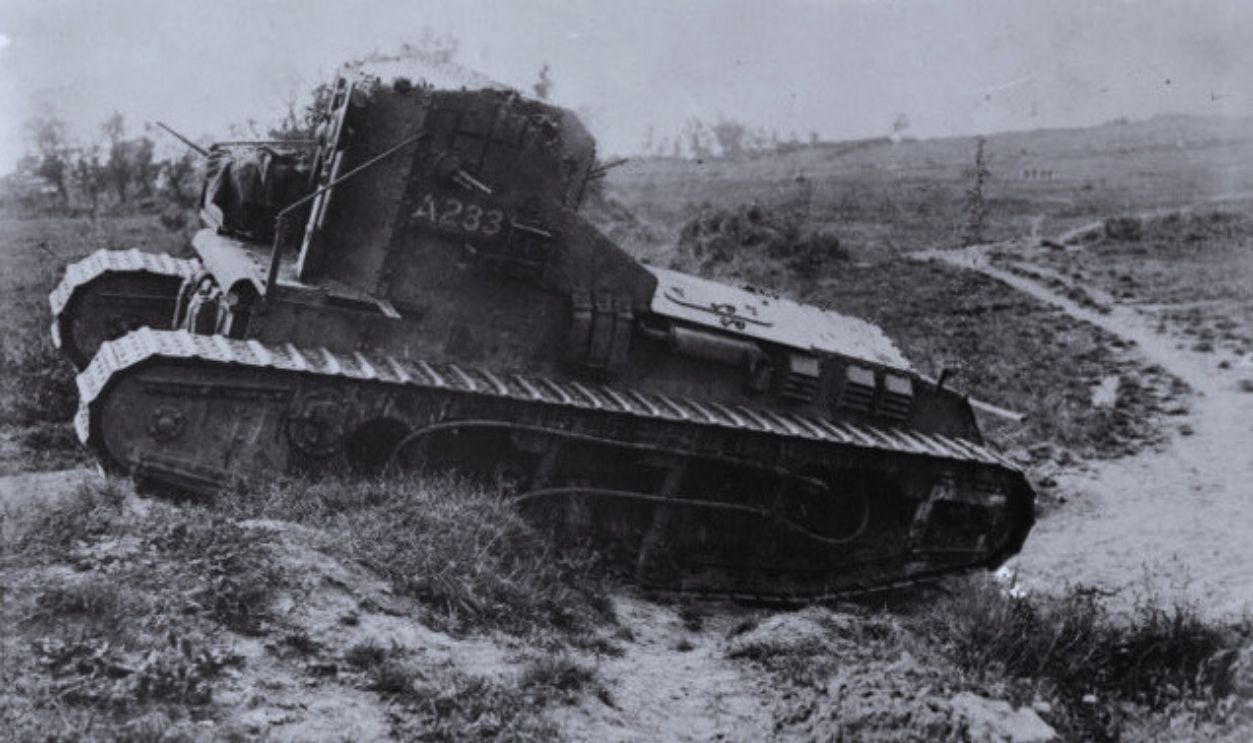
While visiting Allied servicemen in Le Tréport in Normandy, Mary had time to have a little fun. After tending to the wounded, the servicemen gave the Princess a ride in a whippet tank, which one reporter present described as a “great experience” for all involved. Back home, she took on important new responsibilities.
 Henry Armytage Sanders, Wikimedia Commons
20. She Got A Lifelong Appointment
Given her steadfast commitment to women’s organizations, Mary received an important position in 1920 when made honorary president of the British Girl Guide Association. The Princess’s dedication was clear as, incredibly, she held and worked in the position for the rest of her life. She also hosted a warm welcome home for the nation’s heroes.
21. She Came Round For Tea
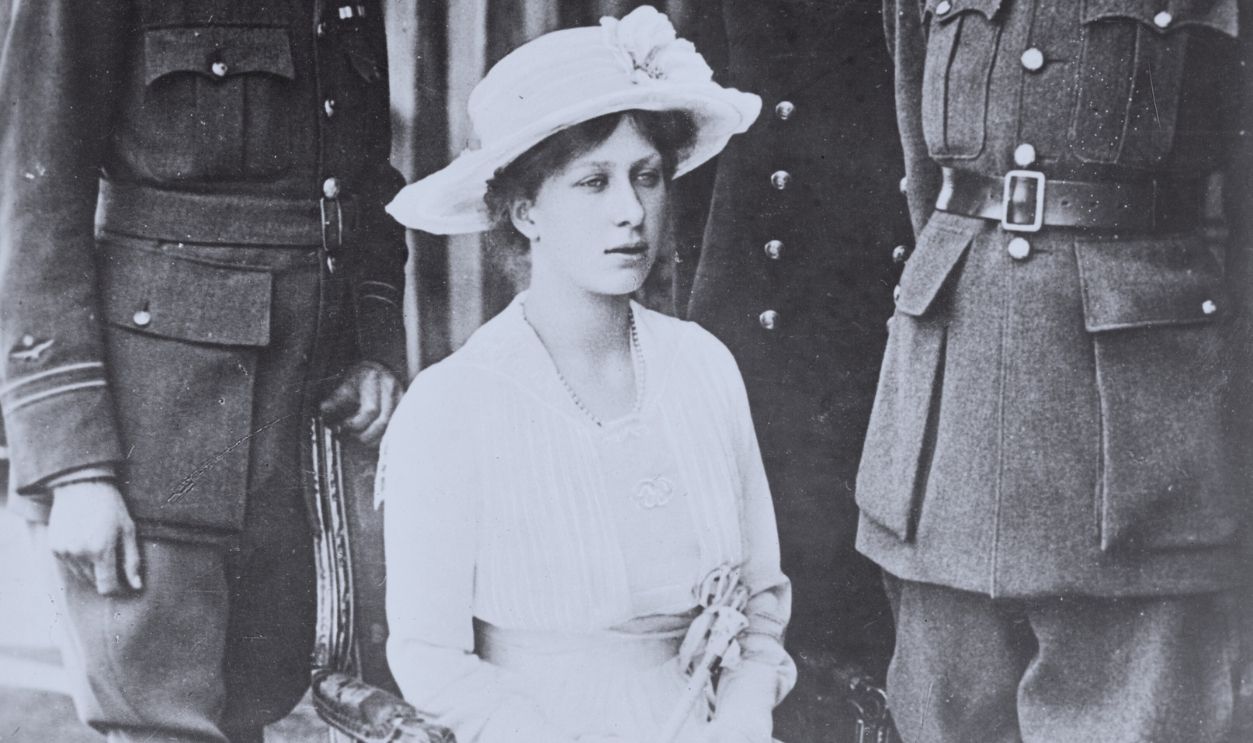
In 1921, the Princess got another lifelong appointment as the first patron of the Not Forgotten Association, a charity serving ex-servicemen. That year, Mary organized a Christmas Tea Party on behalf of the Association and invited 600 wounded servicemen to enjoy afternoon tea with her at St James’s Palace. The event has become an annual staple held every year since. In her work, Mary was particularly ahead of her time in one unique aspect.
22. She Had Good Instincts
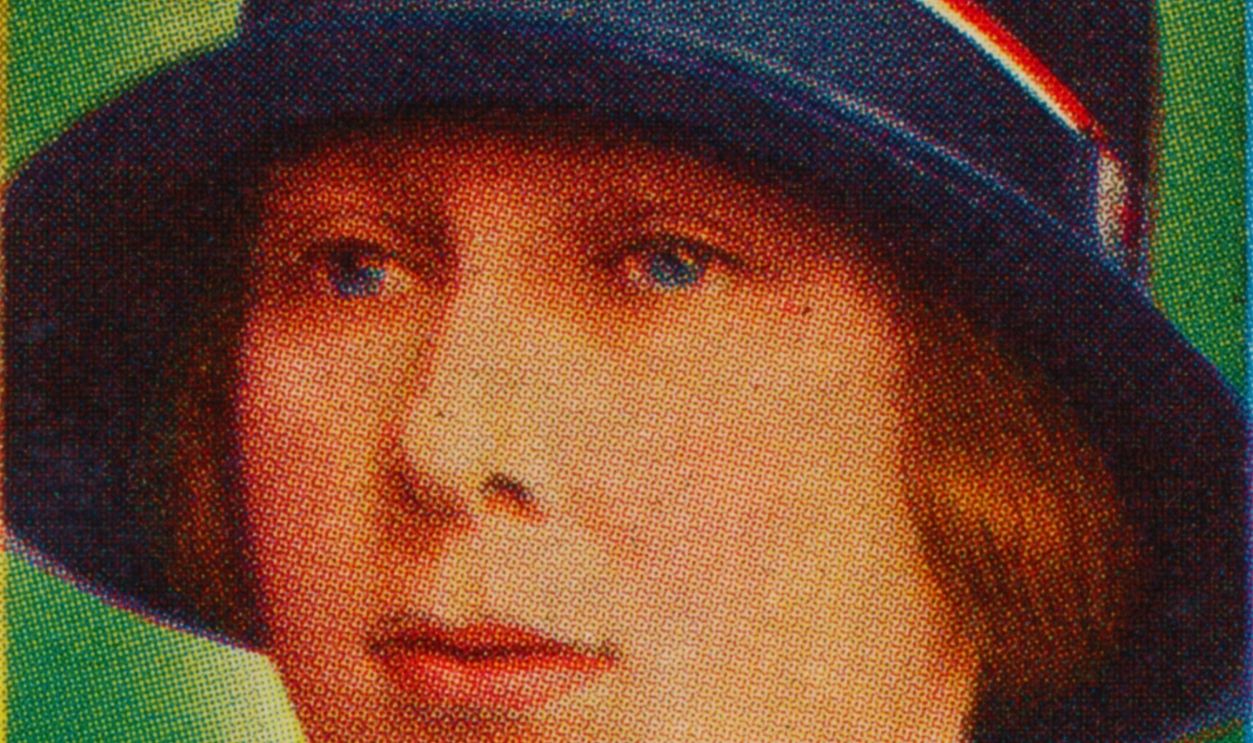
Mary’s work with wounded and disabled soldiers occurred in a time long before there was any true understanding of PTSD, but the Princess seemed to have an awareness of the proper course of treatment, nonetheless. She passionately advocated for the rehabilitation of wounded and disabled servicemen, and for assisting their families in reintegrating the returning fighters to normalcy. Mary’s kind heart made her a lot of famous friends.
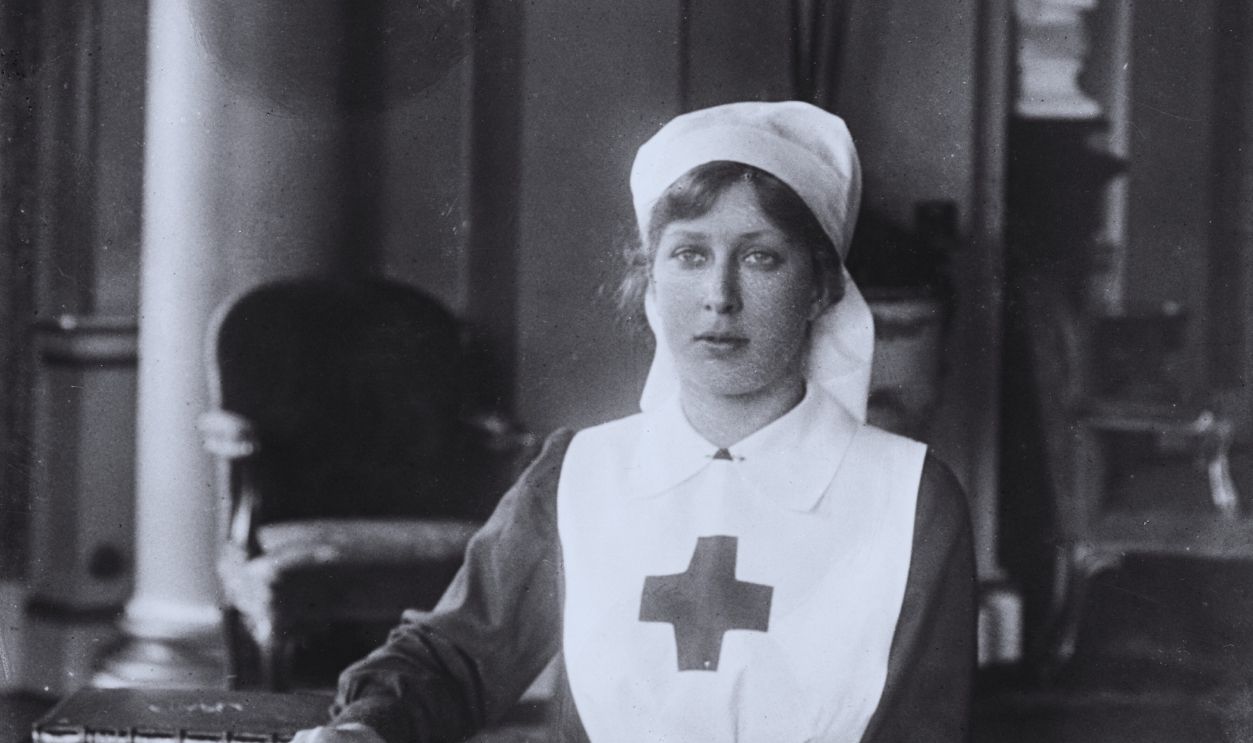 London Stereoscopic Company, Getty Images
23. She Had A Vibrant Social Life
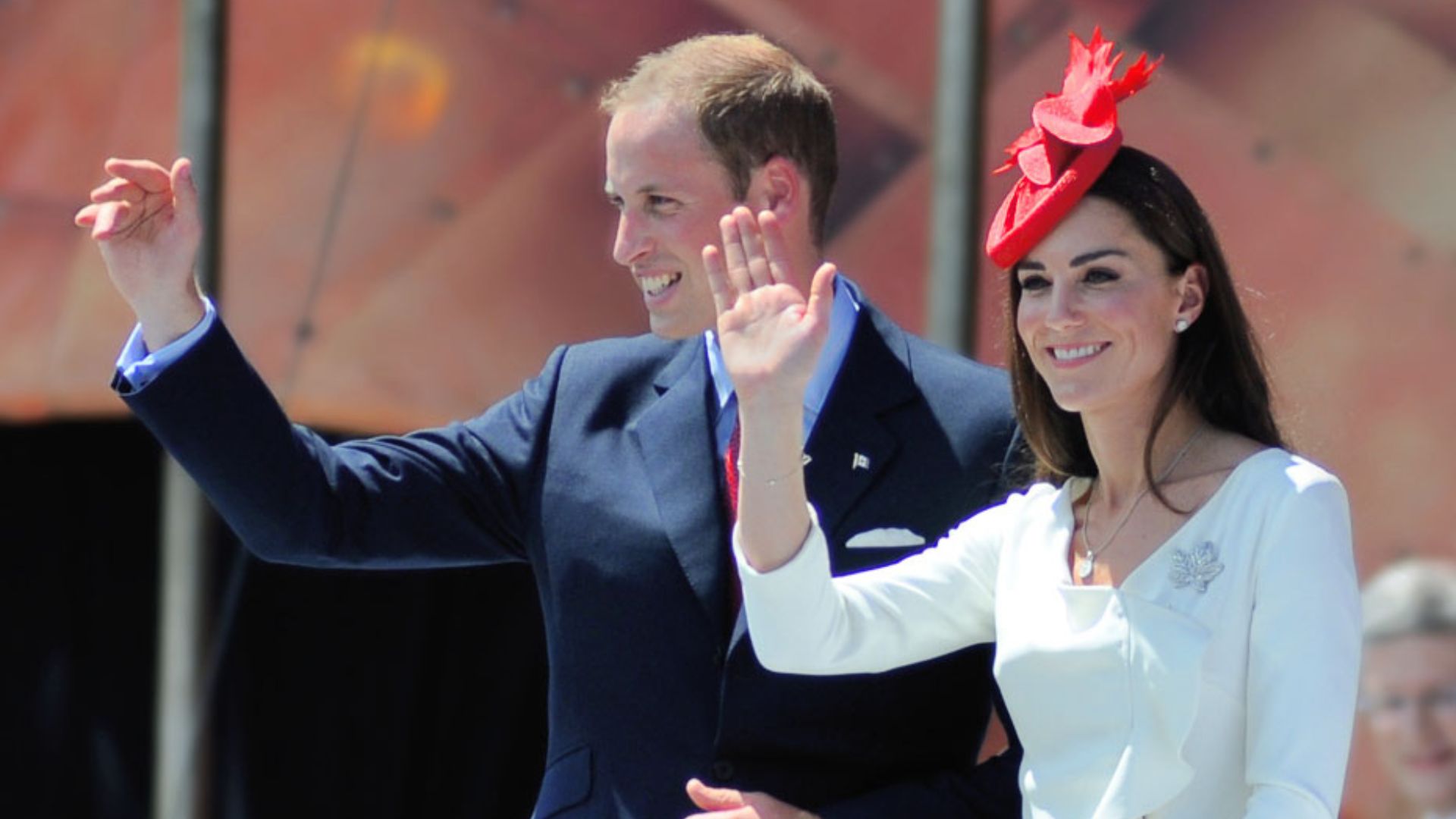
Through all her charity work, the Princess made time for leisure too. Her socializing would echo through the ages, in fact: newsreel footage discovered from the 1920s showed Mary being hosted by the ancestors of none other than Kate Middleton, who would later marry Prince William in 2011. The Princess was a patron of culture too.
 tsaiproject, Wikimedia Commons
24. She Loved Music
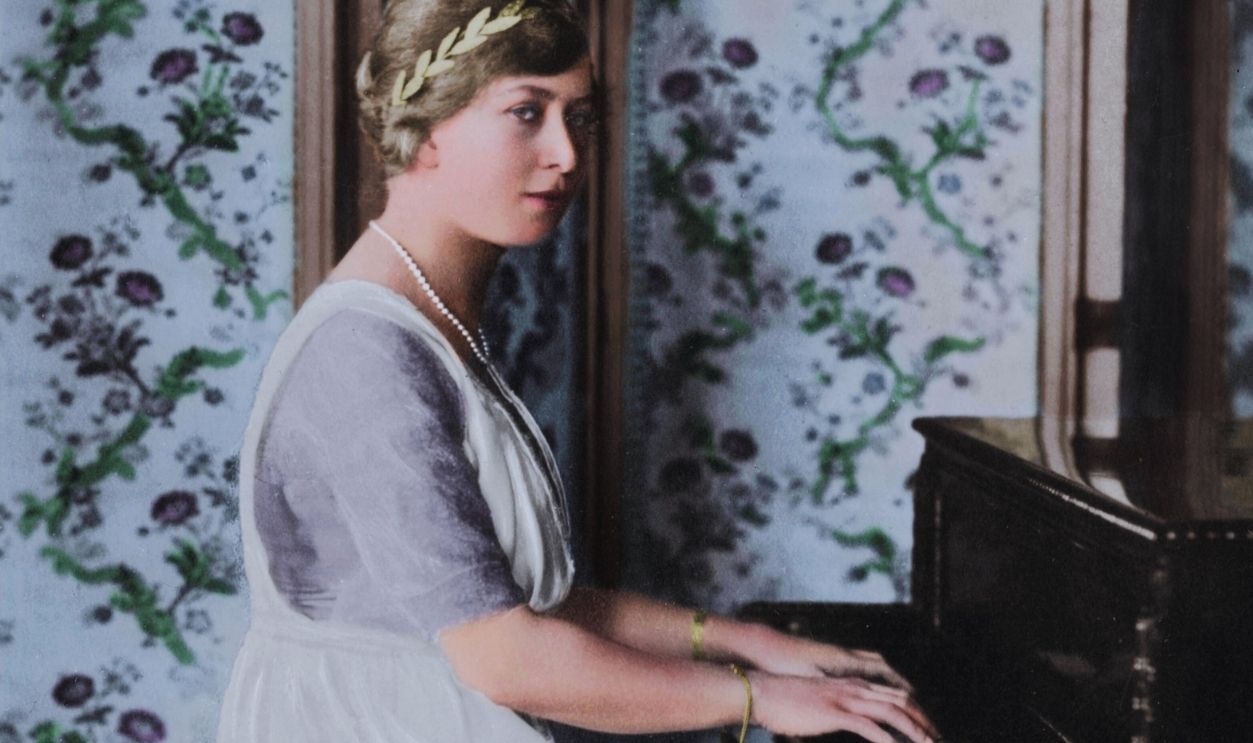
The 1920s also saw Mary become a patron of the Leeds Triennial Musical Festival, and she would attend many performances there throughout her life. Her son George would later become a music critic, inspired by some of the festival shows he saw with his mother. But to get to her kids, we need to backtrack to her wedding.
25. She Got Married
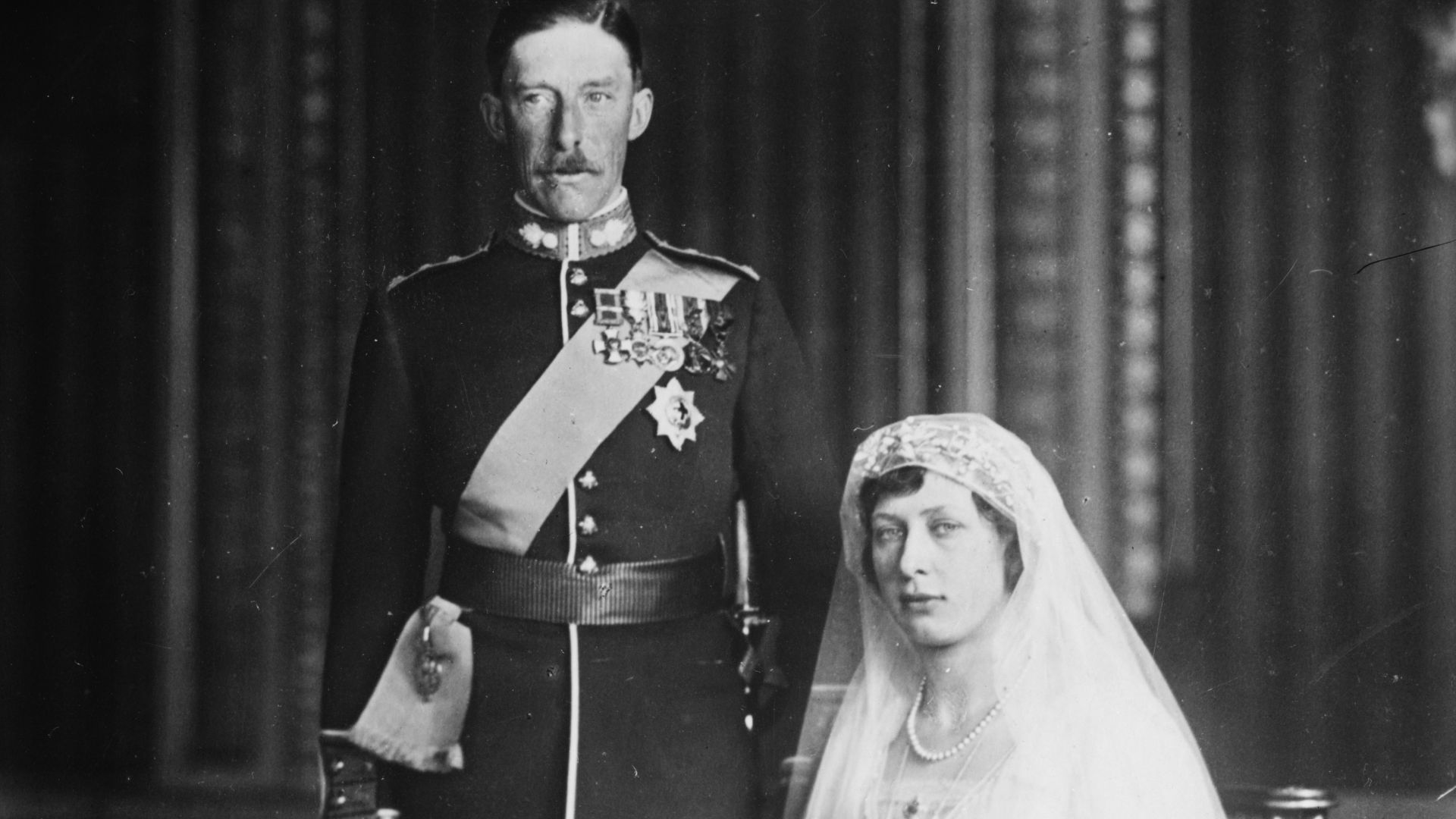
As part of her royal duty, Mary bore an expectation to marry someone of her social standing, and she happily carried out her duty. On February 28, 1922, the Princess married Viscount Lascelles, the eldest son of the Earl of Harewood. On the surface, though, they were an odd match.
 Bain News Service, publisher, Wikimedia Commons
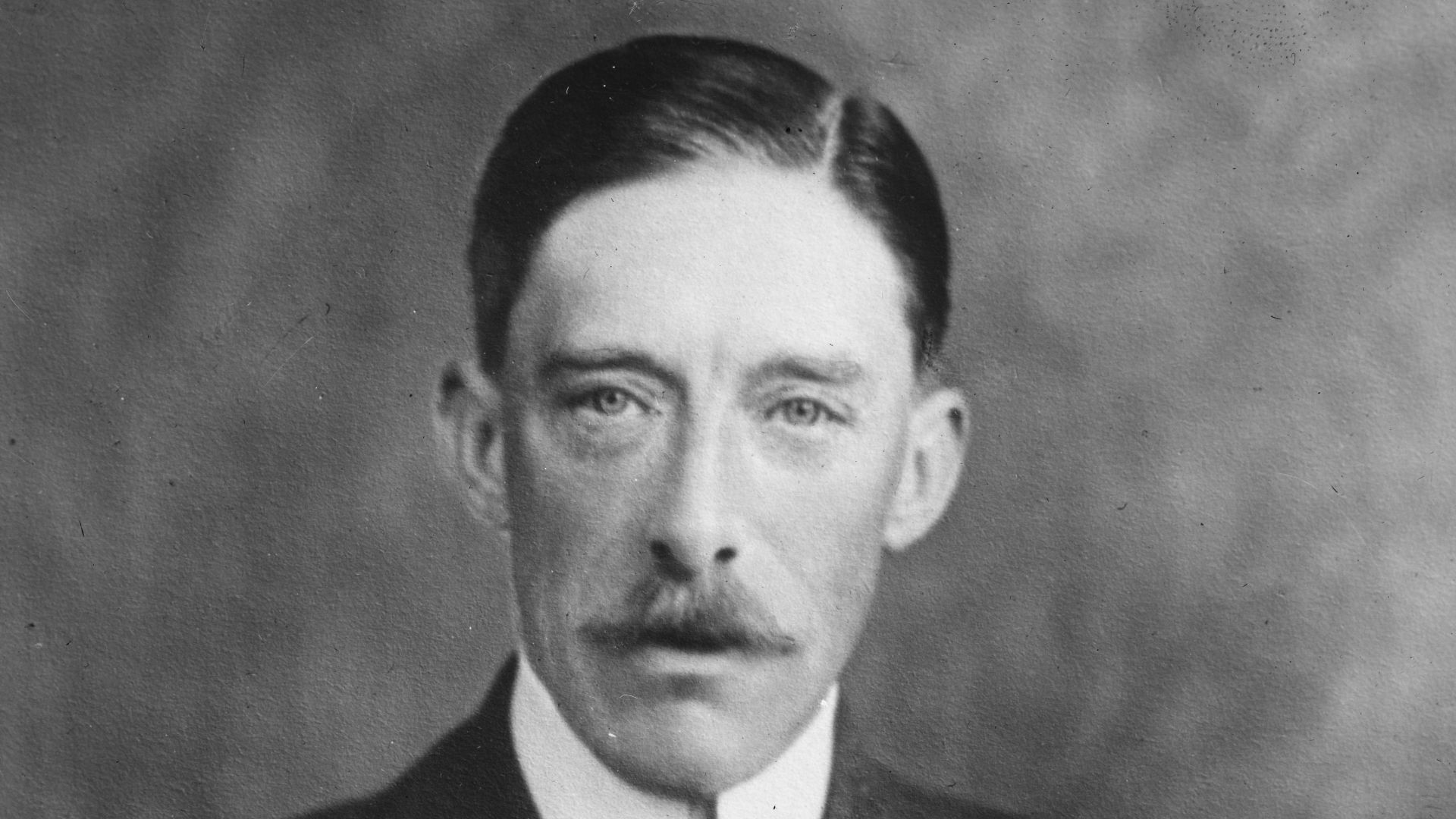
26. She Had An Older Husband
Viscount Lascelles, known as “Harry”, was 39 when he married the 24-year-old Princess, meaning there was an almost 16-year age gap between the couple. It didn’t help that Harry looked a lot older than his 39 years too. Many scoffed at the match, thinking it impossible that two people so different could have anything in common. They were wrong.
 AnonymousUnknown author, Wikimedia Commons
27. She Had A Good Marriage
Mary and Harry’s companionship turned out to be very strong, and adorably, the two remained deeply fond of each other for their entire marriage. It helped that they had plenty in common: they both enjoyed art, culture, gardening, and horseracing, and shared a passion for rhododendrons. Their wedding attracted much good will too.

28. She Got A Gift From The Marys
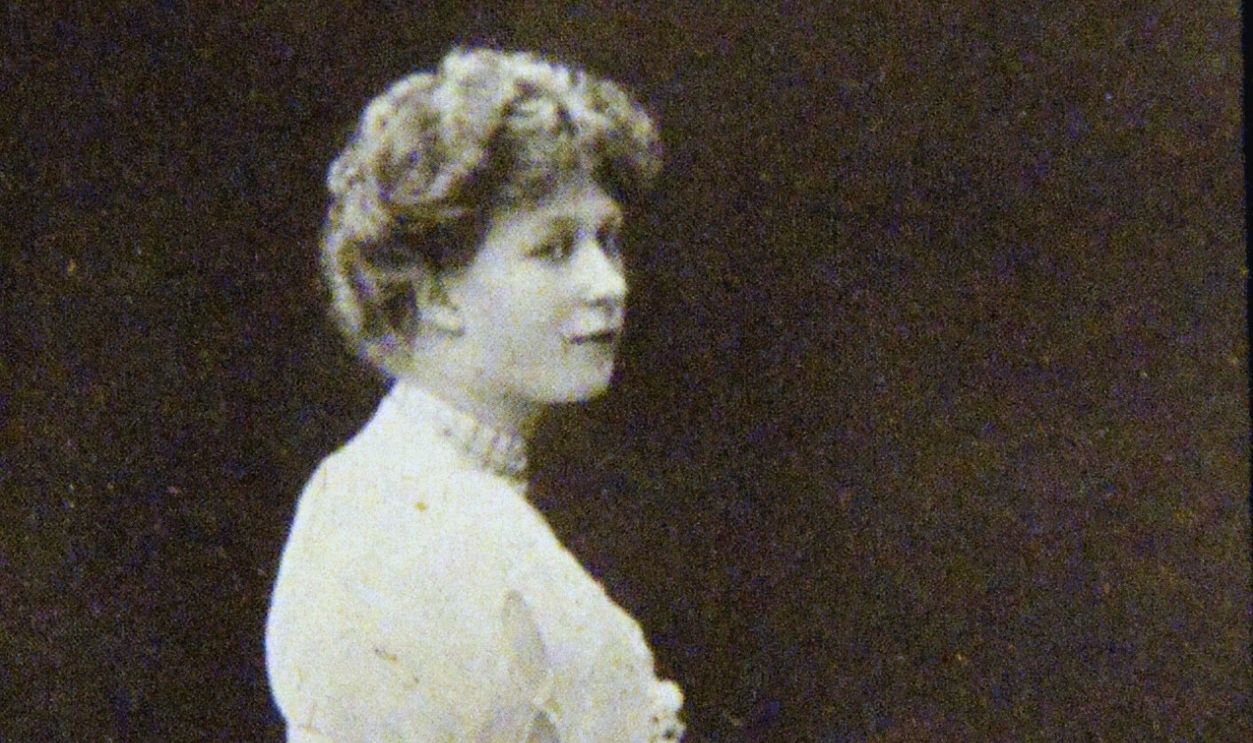
In 1911, following Queen Mary (senior)’s coronation, an organization called “The Marys of the Empire” formed, comprising all the girls/women in the Empire named Mary or any of its variants. In 1922, further displaying Princess Mary’s goodwill among the British people, the Marys banded together to send the Princess a wedding present. Mary’s wedding received press attention too.
 Osama Shukir Muhammed Amin FRCP(Glasg), Wikimedia Commons
29. She Made The Fashion Mags
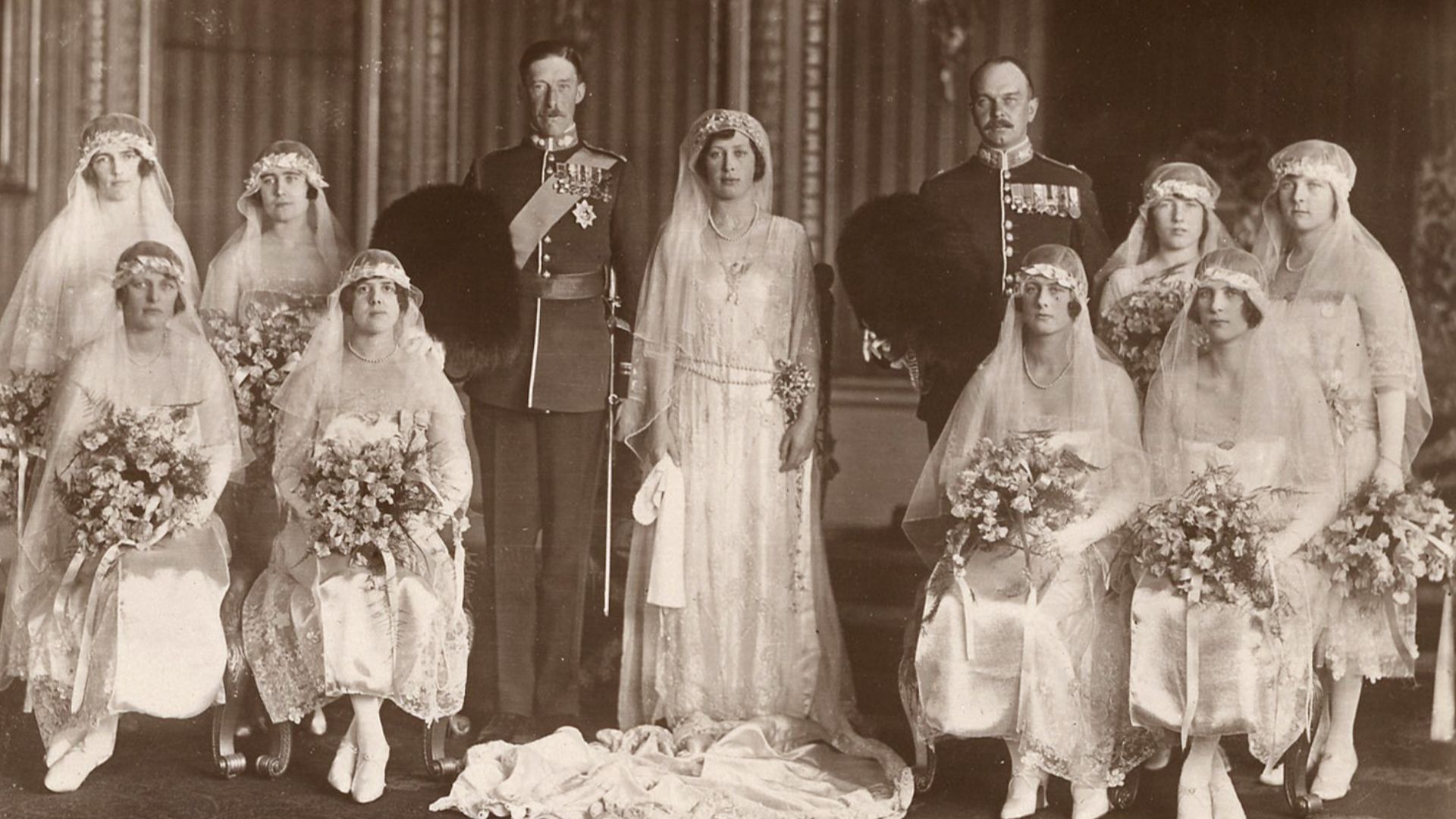
Mary and Harry’s wedding, held at Westminster Abbey, attracted a large audience. It was also the first royal wedding ever covered in fashion magazines, most notably with a spread in Vogue. And considering her penchant for modesty, she definitely gave the people something to talk about with her dress...
 Vandyk photographic studio, Wikimedia Commons
30. She Had A Gorgeous Dress
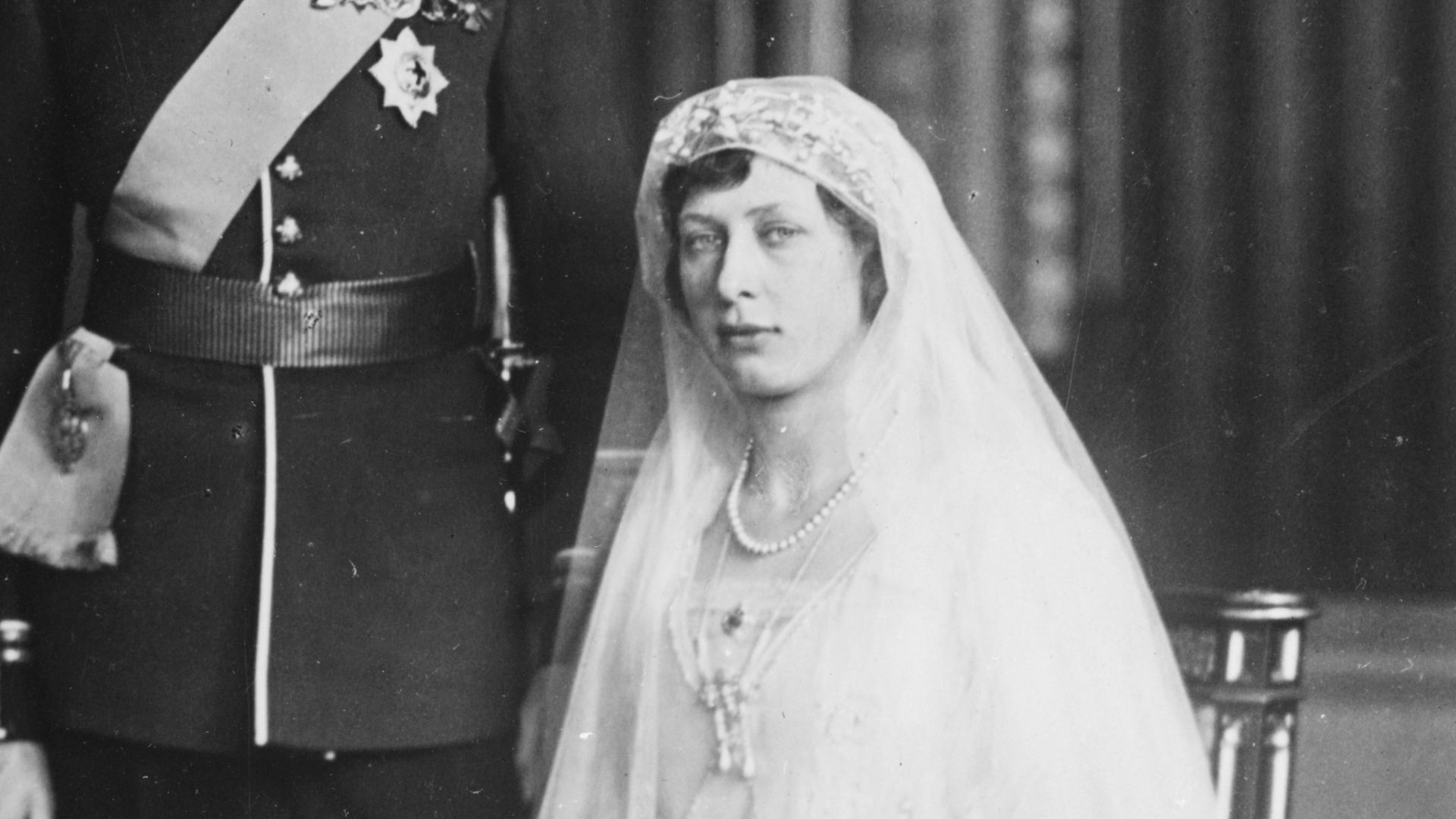
Mary’s wedding dress gained particular attention from the fashionistas of the day. Designed by Messrs Raville, the gown was adorned with a trelliswork of roses in pearls and crystal beads, featuring emblems of Britain and India. Vogue described it as a combination of “youthful simplicity with royal splendour”. After such a lavish wedding, Mary was ready to settle into a quiet family life.
 Bain News Service, publisher, Wikimedia Commons
31. She Resettled
Marrying Harry meant Mary had to move to the North of England, where the couple took up residence first in Goldsborough Hall. They had two sons together, and over the next 40+ years, Mary became beloved among the local people, who saw her as their “Yorkshire Princess”. She knew how to make a house a home.
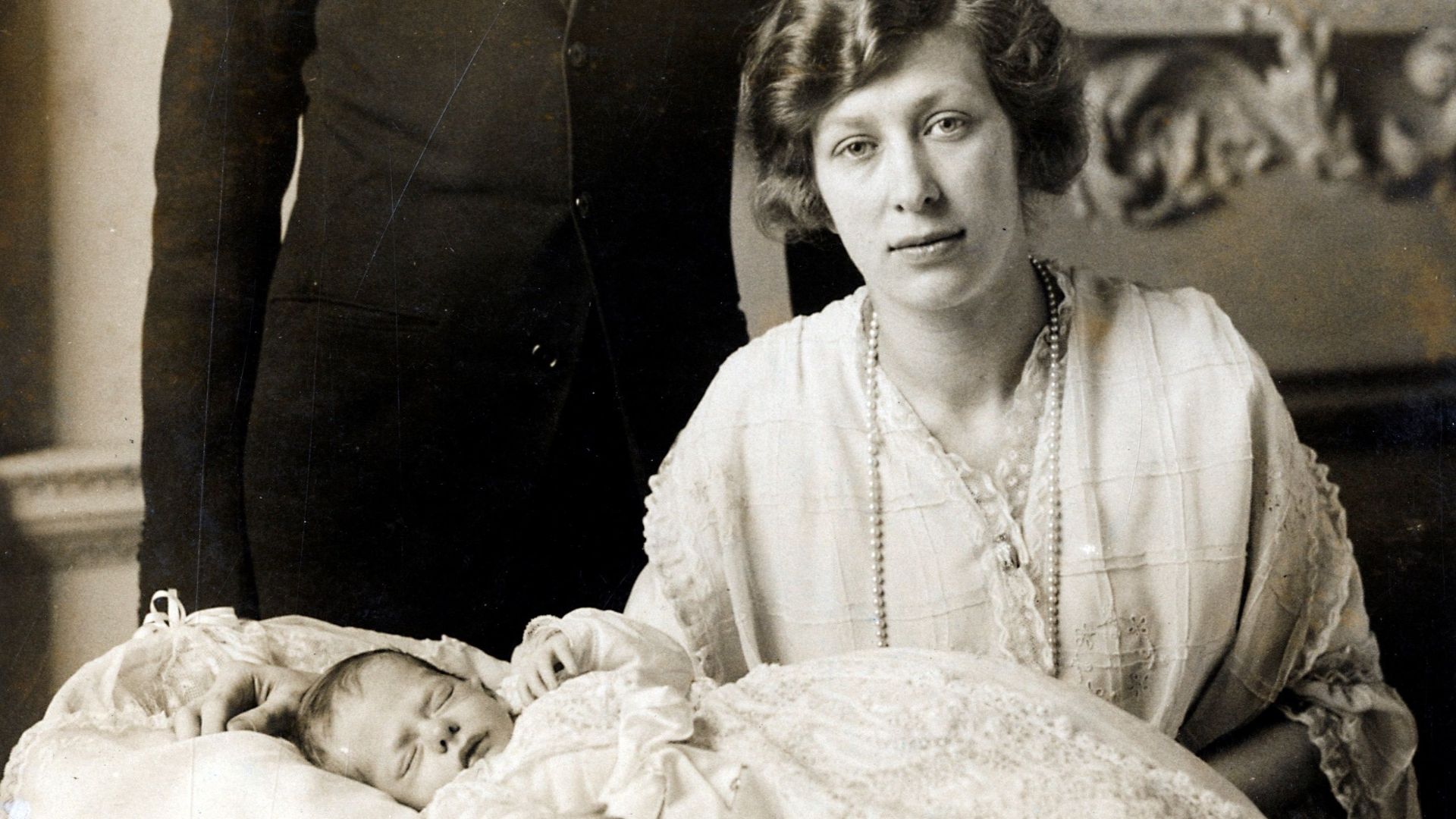
32. She Took On A New Interest
In 1930, Mary’s father-in-law passed, and Harry and her became the Count and Countess of Harewood, moving into the estate’s ornate house. Here, Mary developed a passion for interior design, lavishly decorating the property so that it was more akin to a palace. But she didn’t hesitate to get a little bit country too.
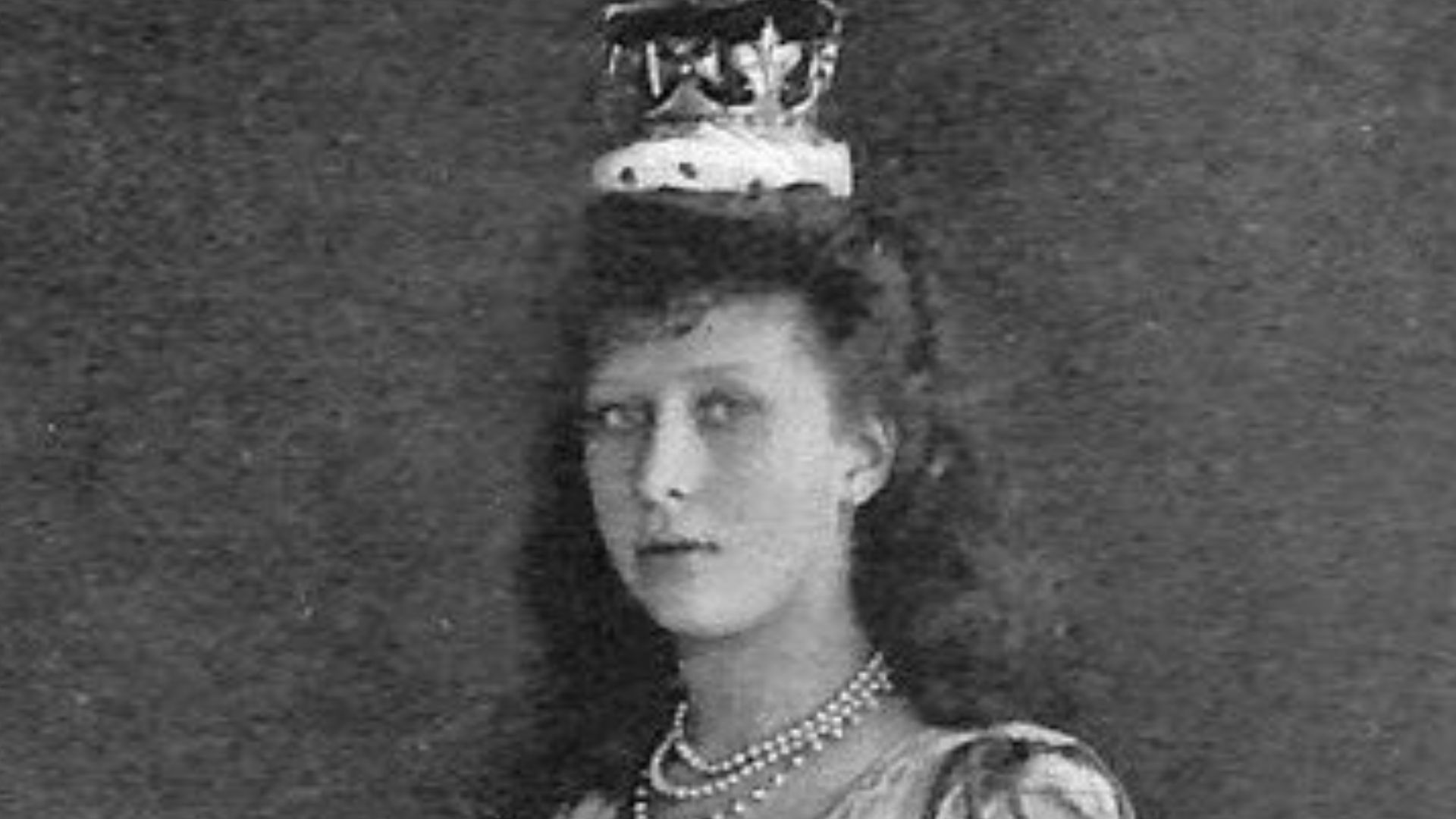 Campbell-Gray Ltd., Wikimedia Commons
33. She Became A Farmer
In Yorkshire, Mary settled into a quiet, private life. She spent her time decorating and raising her children, but also became an expert in a very local profession: that of cattle breeding. One might have thought her a wealthy but humble Yorkshire native, if not for her arsenal of titles.
![Gettyimages - 1055136434, HRH Princess Mary H.R.H. Princess Mary', circa 1920. Mary, Princess Royal (1897-1965), daughter of King George V and Queen Mary of Teck, wearing a fur stole. [J. Beagles & Co., Ltd., London, circa 1920]. Artist Unknown.](https://www.factinate.com/storage/app/media/factinate/2026/1/6/15.jpg)
34. She Cycled Through Positions
Mary had many tiles over her lifetime. She was born “Princess Mary of York”, though it was not until 1898 that she received the title of “Her Royal Highness”; she was later known as Princess Mary of Cornwall, then of Wales, and later still, “Her Royal Highness The Princess Mary, Countess of Harewood”. Finally, in 1932, she got her snappy signature moniker.
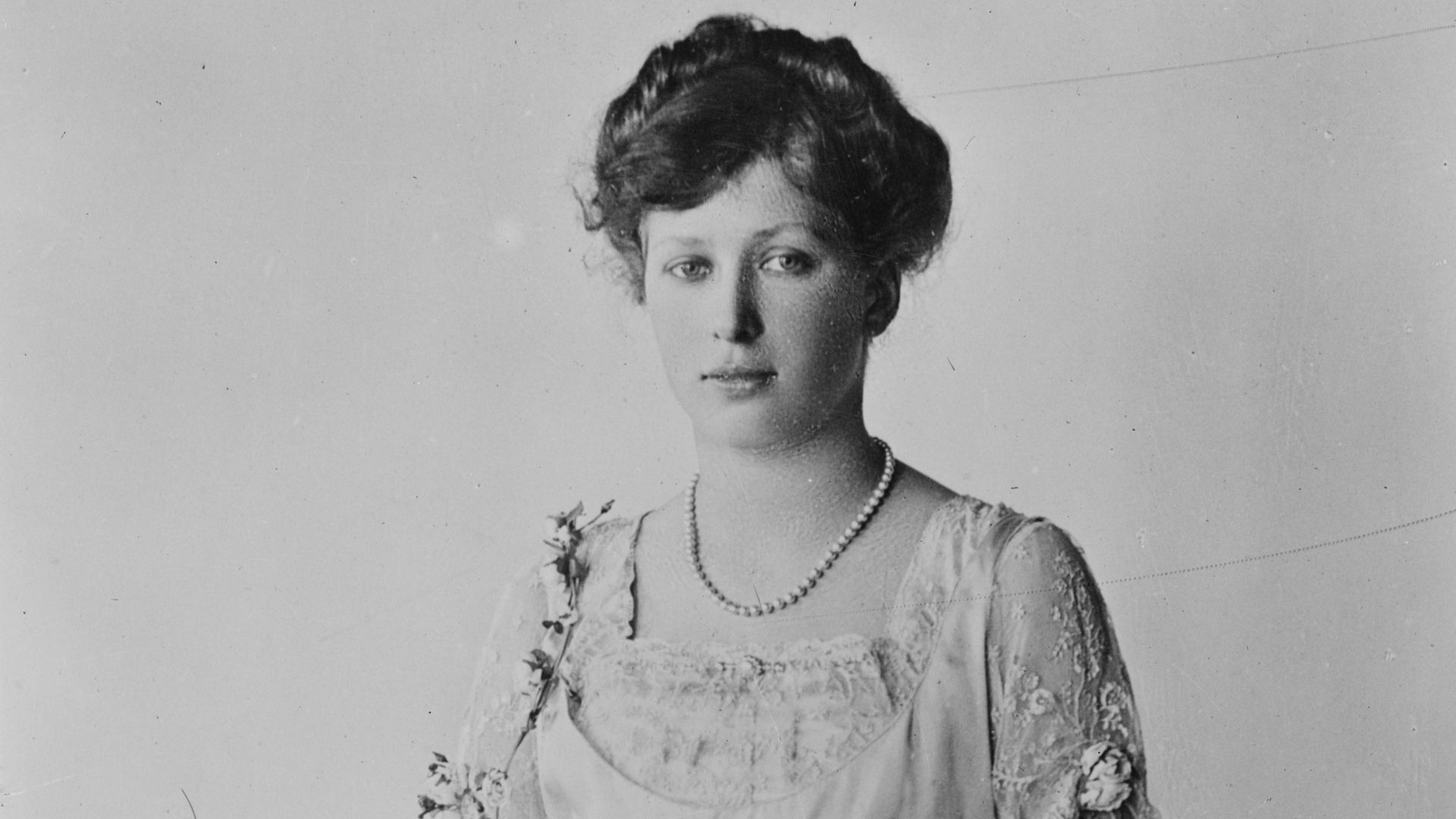 Bain News Service, publisher, Wikimedia Commons
35. She Got Her Best-Known Name
A year after the passing of Mary’s aunt Louise, the Princess took on the late woman’s title. Her father, the King, dubbed her Mary, Princess Royal, a title she bore with pride. But world events would again rock Mary’s quiet life.
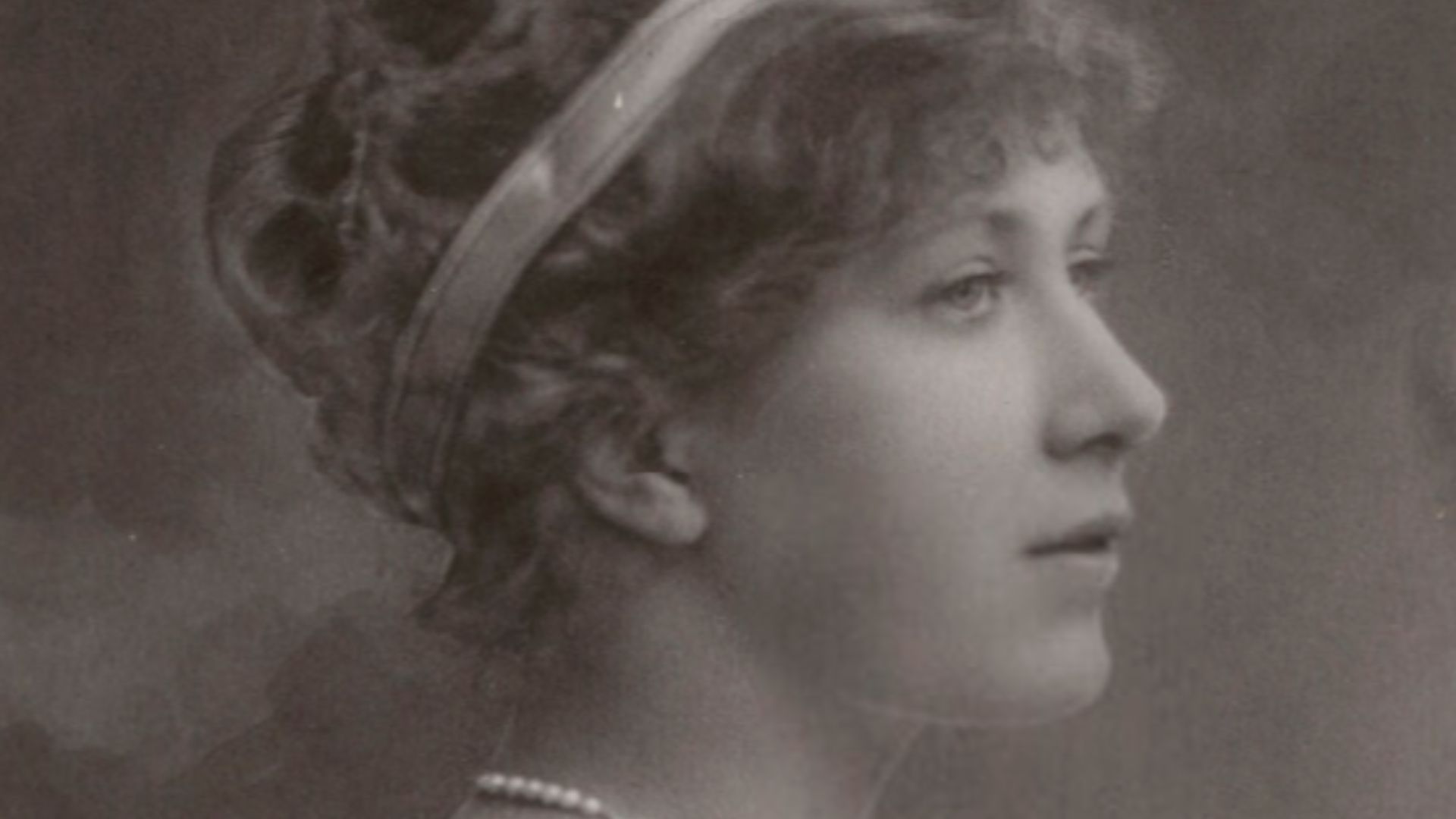 Alice Hughes, Wikimedia Commons
36. She Got Back In The Action
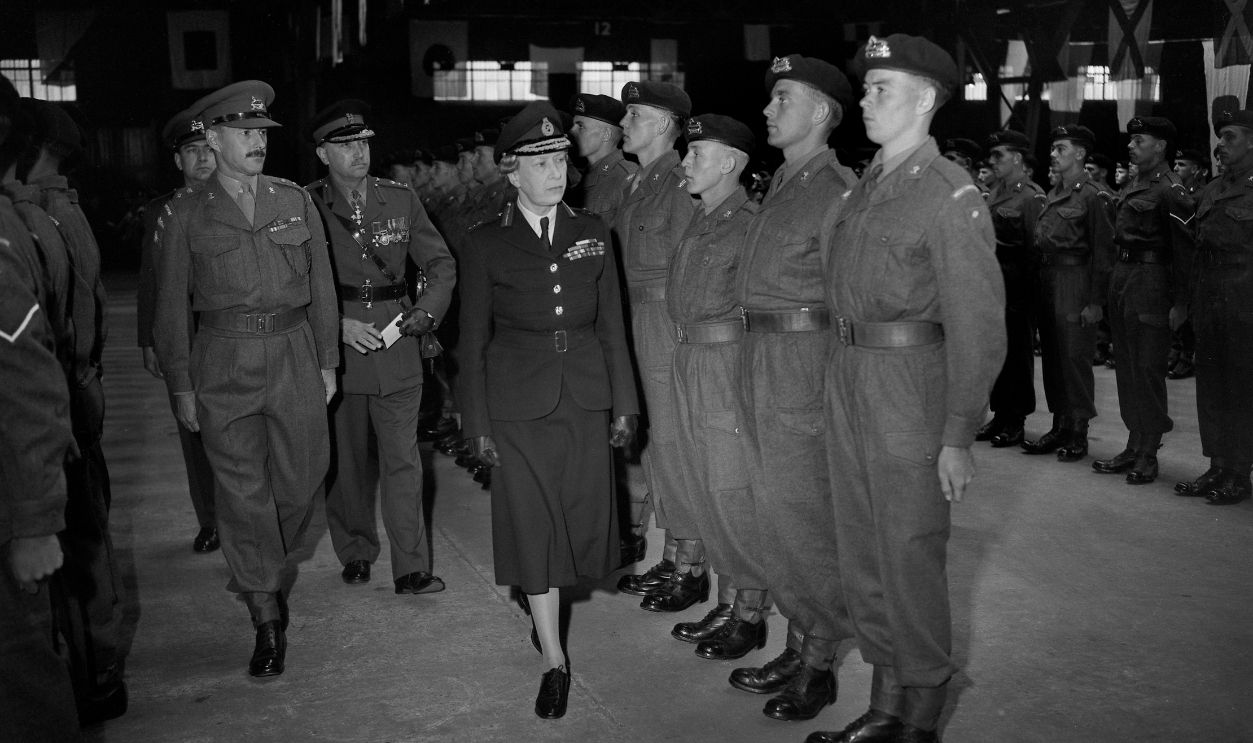
With the outbreak of WWII, Mary, Princess Royal once again heard that patriotic call. Named chief controller and commandant of the Auxiliary Territorial Service (later renamed the Women’s Royal Army Corps), she once again toured the country, visiting units, and assisting with welfare organizations. She even received yet another lofty title.
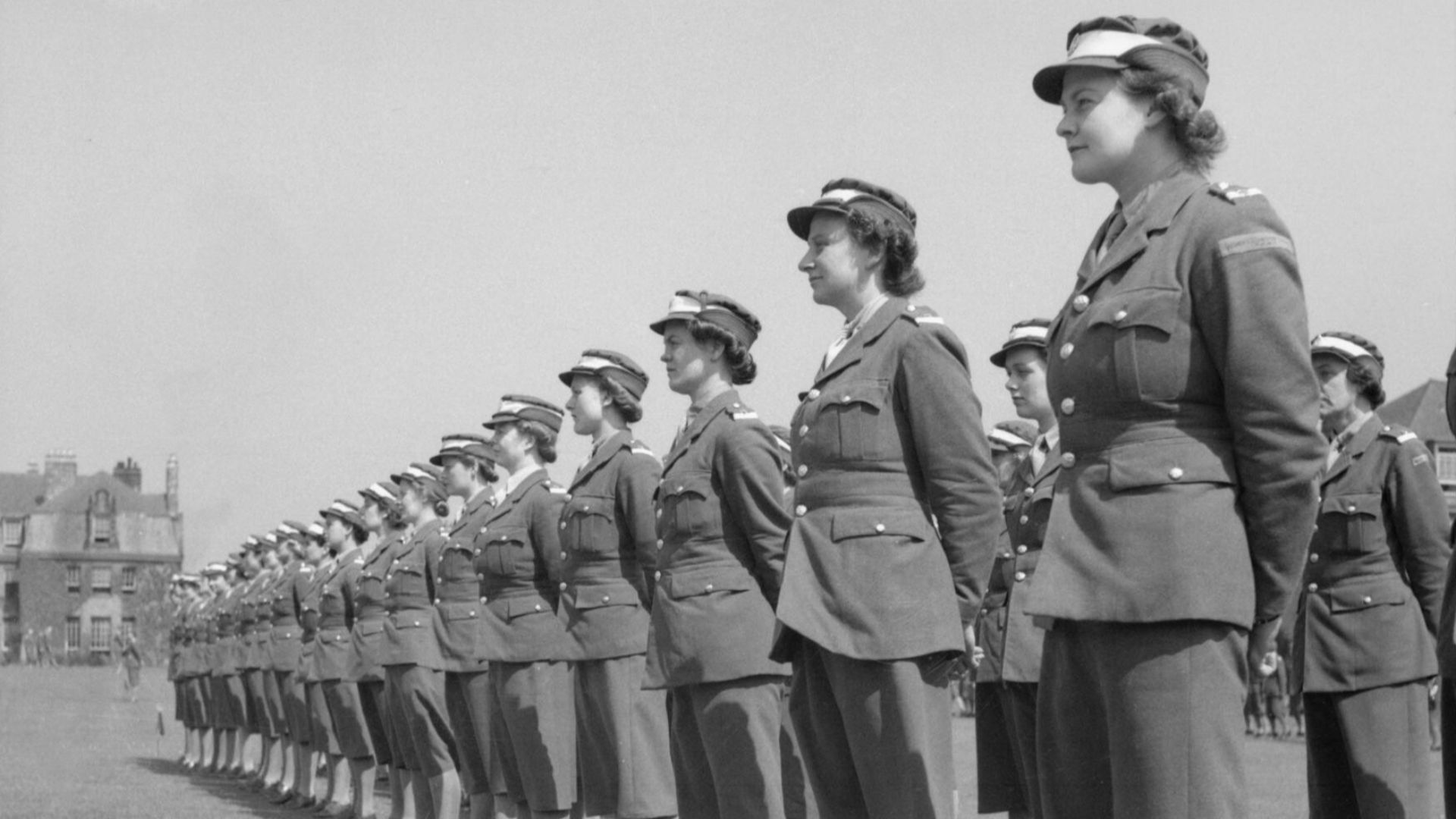 Lockeyear W T (Lt), War Office official photographer, Wikimedia Commons
37. She Got A High Rank
After the conflict had ended, in 1950, the Princess Royal became air chief commandant of a service named in her honor, Princess Mary’s Royal Air Force Nursing Service. Six years later, she received an honorary rank of general in the British Army. The battle cry “For King and Country!” was especially relevant to the Princess Royal.
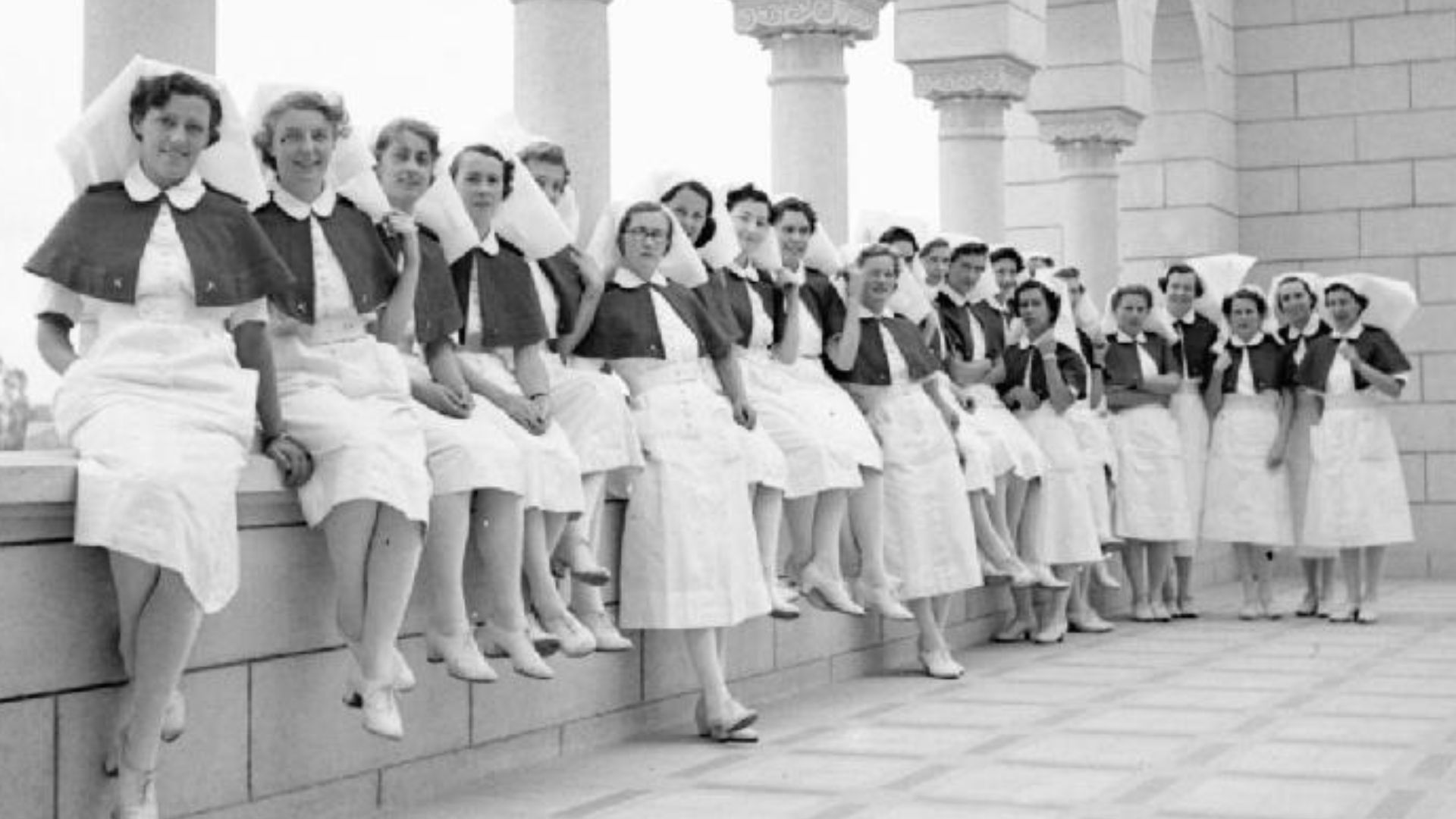 Royal Air Force official photographer, Wikimedia Commons
38. She Had A Favorite Brother
Over the years, Mary, Princess Royal had grown particularly close to her eldest brother, the Prince of Wales. Most of his close family knew him as David. The world, from 1936 onwards, would know him as King Edward VIII. But not for long.
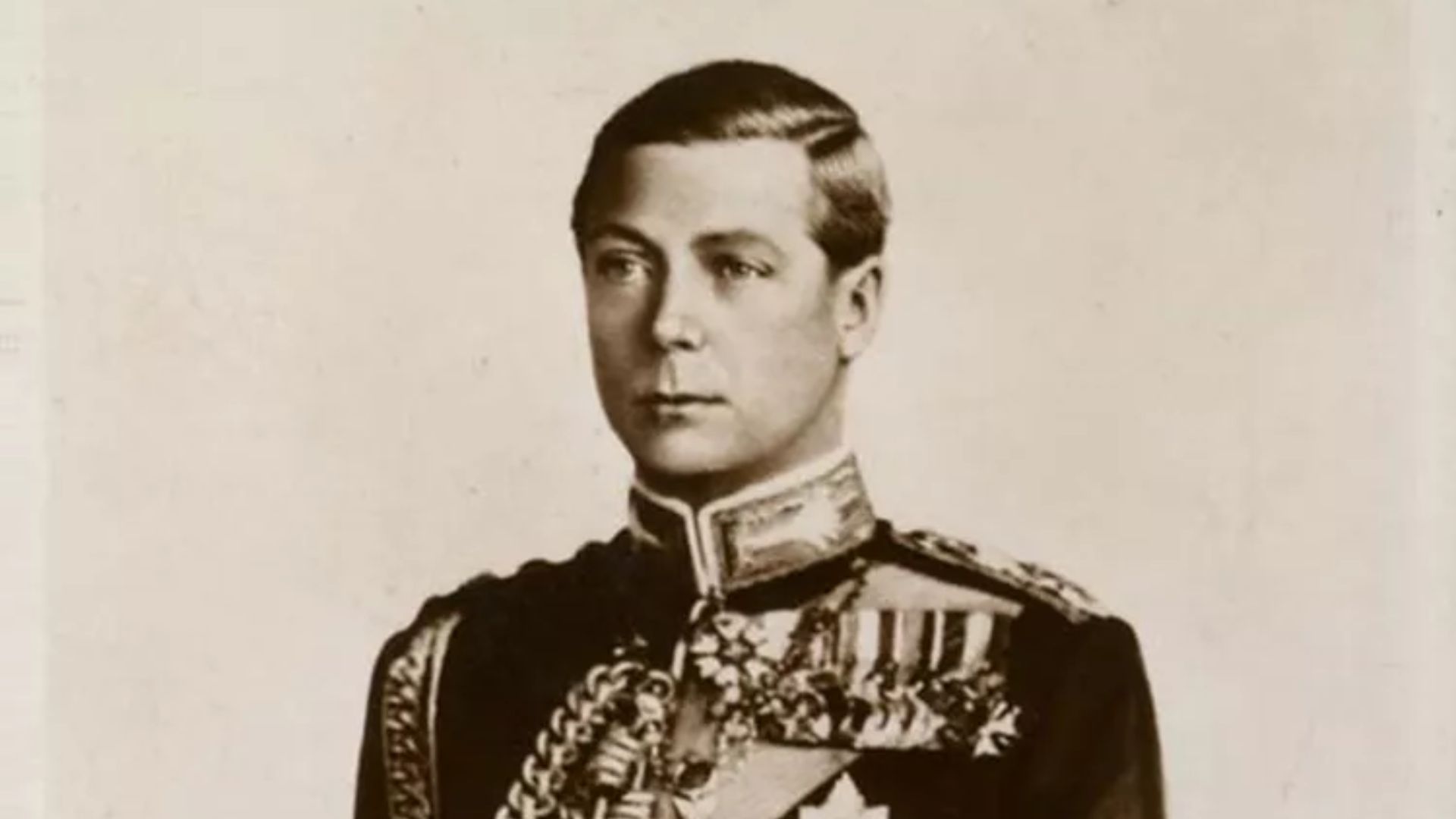 Vandyk (active 1881-1947), Wikimedia Commons
39. She Snubbed A Future Queen
Edward VIII would only reign for a little under a year; in December of 1936, he triggered an abdication crisis when he opted to marry twice-divorced American socialite, Wallis Simpson. The Royal Family and British government rejected this scandalous marriage, and David abdicated the throne for love.
Because of this, the disgraced former King did not receive an invitation to the wedding of Princess Elizabeth (the future Queen herself). Mary, who remained loyal to David throughout the ordeal, declined to attend her niece’s wedding when she learned of the snubbing of her dear brother. And she used the oldest trick in the book to get out of it.
 National Media Museum from UK, Wikimedia Commons
40. She Called In Sick
The Princess Royal could not outright refuse to attend Lizzie’s wedding. So instead, she feigned sickness and cited her ill health as the official reason for her non-attendance. But the Princess Royal had another reason that excused her from public appearances that year.
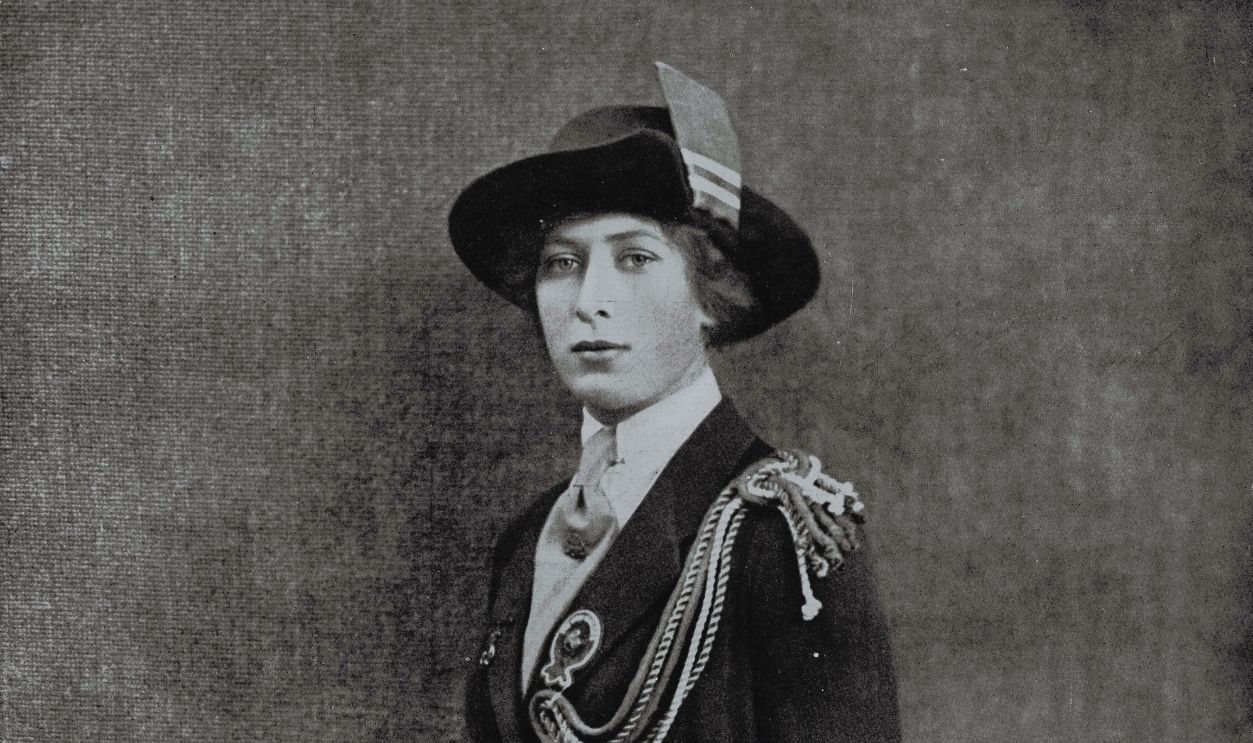
41. She Grieved
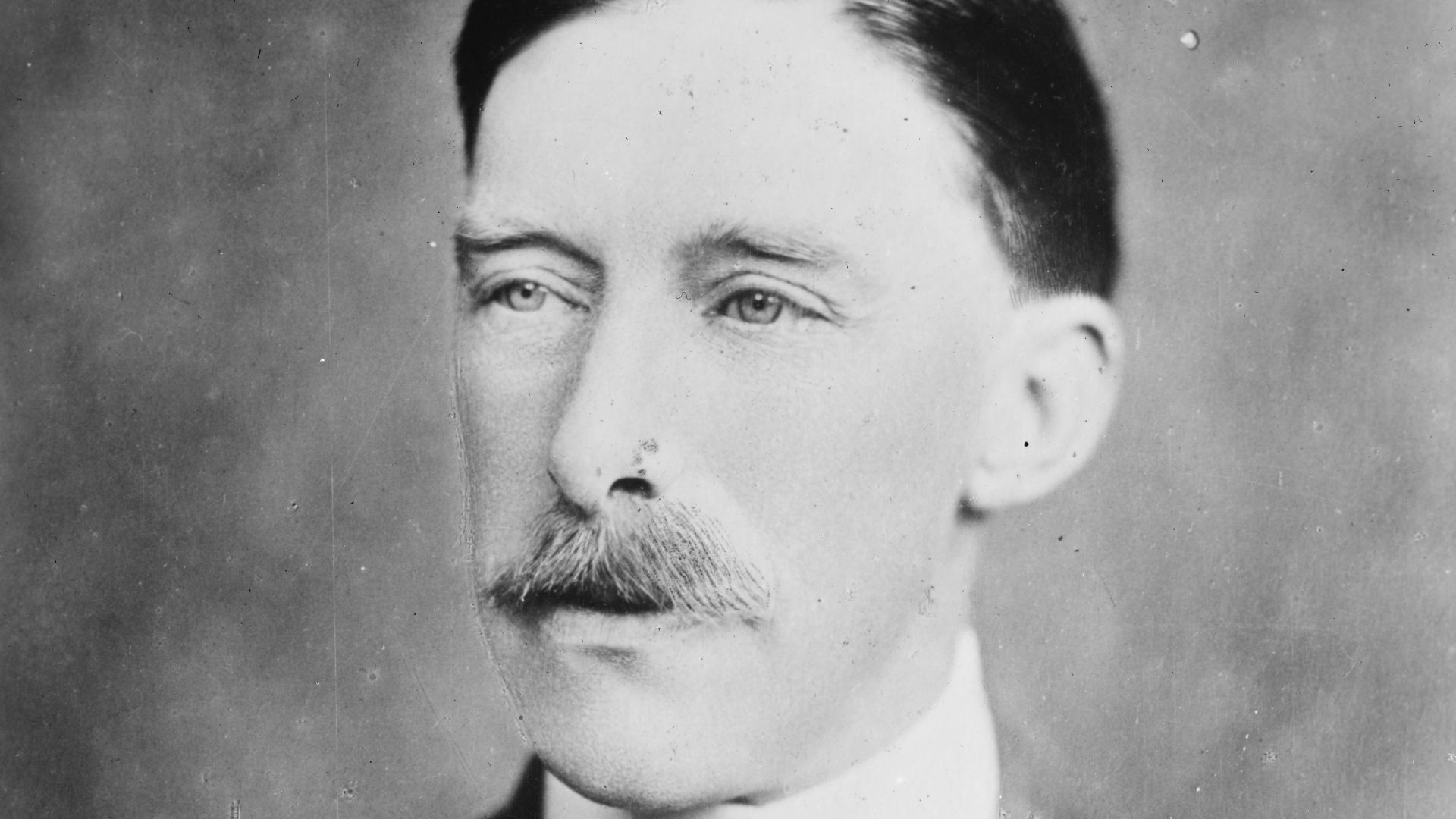
Mary’s beloved husband passed in 1947, and the Princess Royal took it extremely hard. From that day forward, she refused to make any changes to Harewood that Harry had implemented. She also posed for her annual Christmas card portrait under a painting of her late husband every year for the rest of her life. Mary needed some new projects to distract her from her grief.
 Bain News Service, publisher, Wikimedia Commons
42. She Pivoted To Education
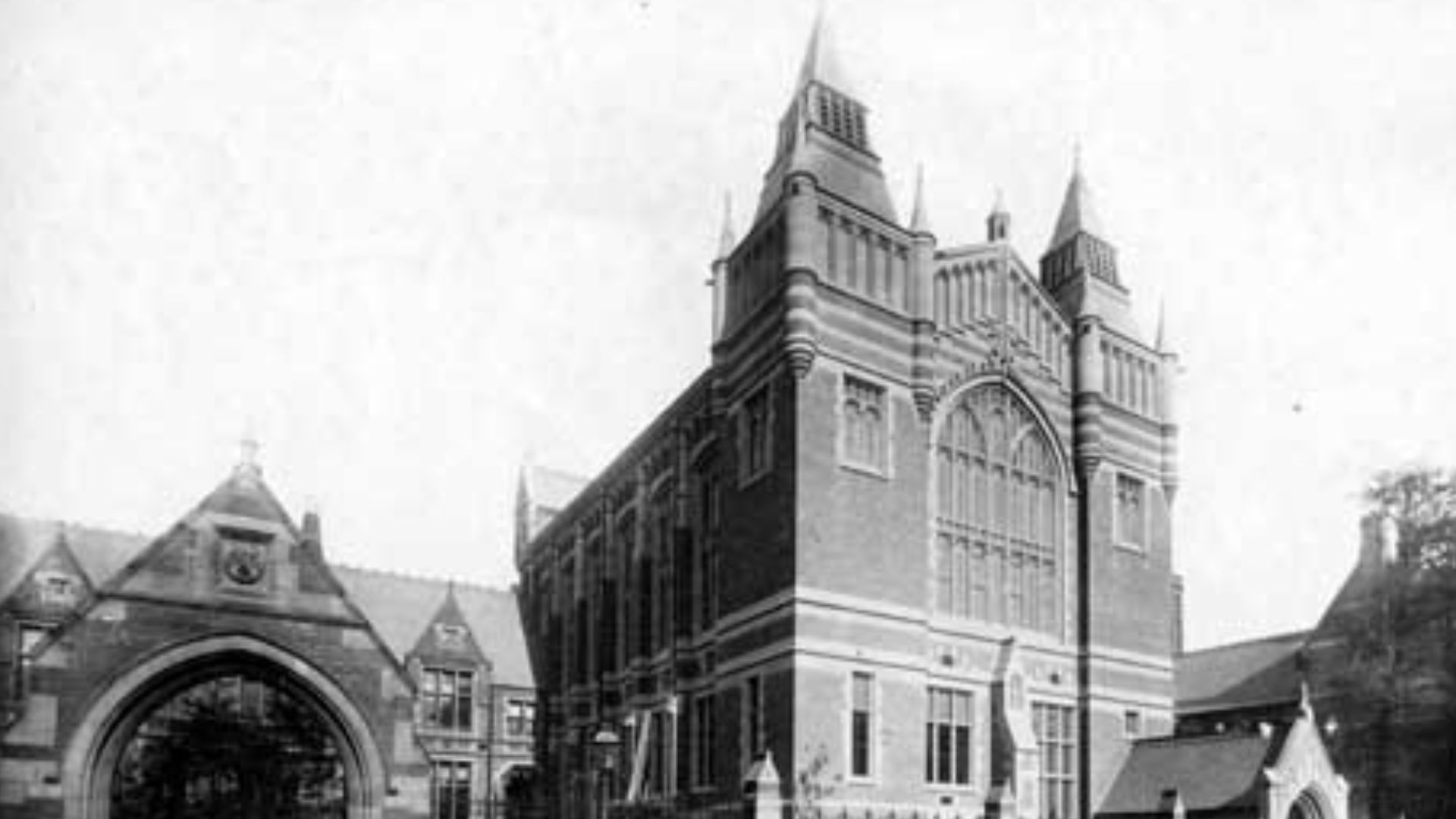
In 1951, Mary, Princess Royal took on yet another new position. The University of Leeds installed her as its new chancellor. The move reflected a broader project that the Princess Royal had undertaken.
43. She Advocated For Learning
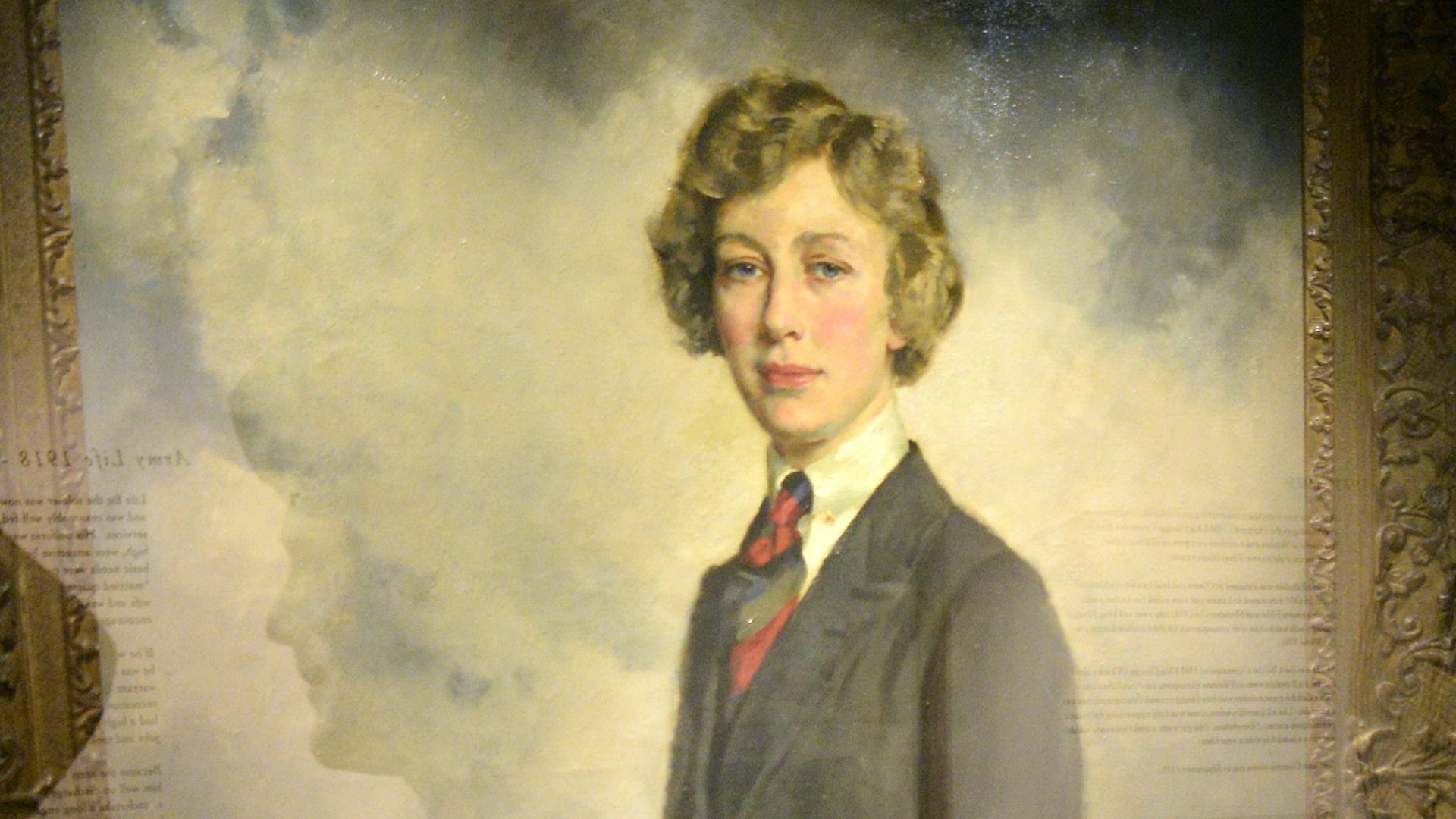
In the 1930s, the Yorkshire Ladies Council of Education appointed Mary, Princess Royal as a patron. This, along with her new position at the University of Leeds, represented big steps in her lifelong advocacy for the education of women and girls, particularly within Higher Education. Her work helped pull her out of her grief slump.
 Osama Shukir Muhammed Amin FRCP(Glasg), Wikimedia Commons
44. She Made A Comeback
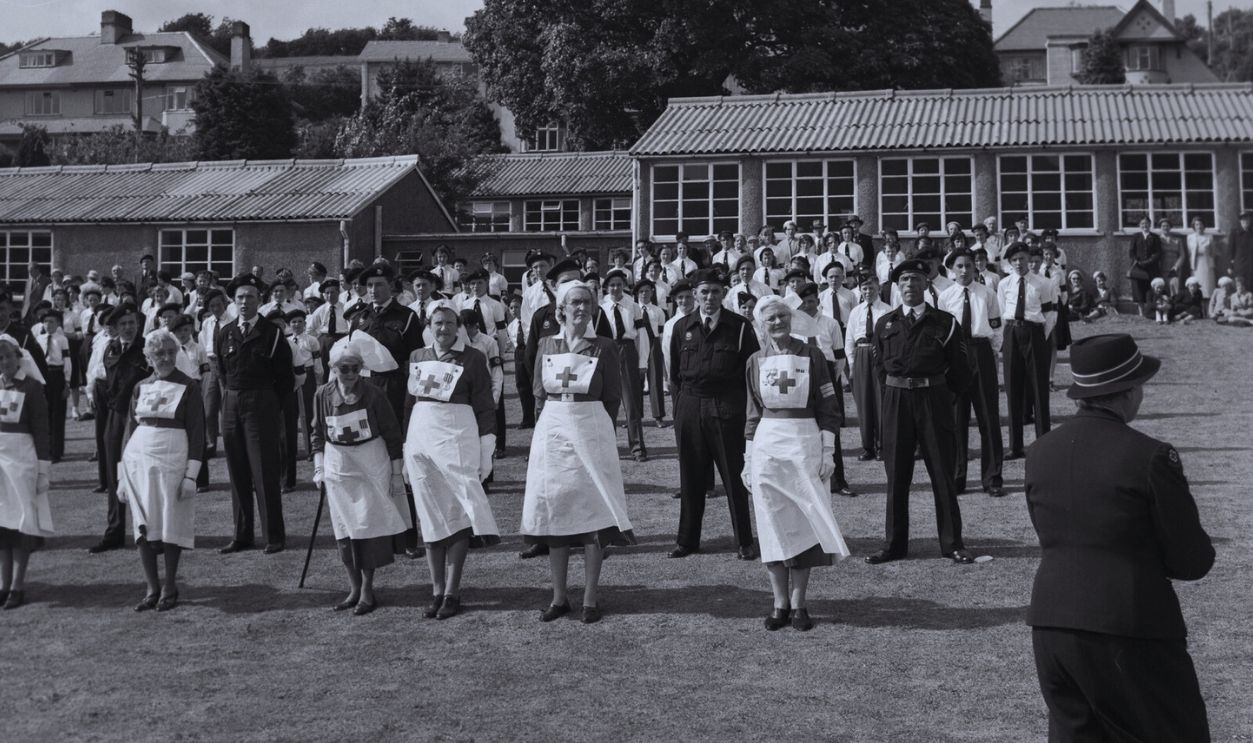
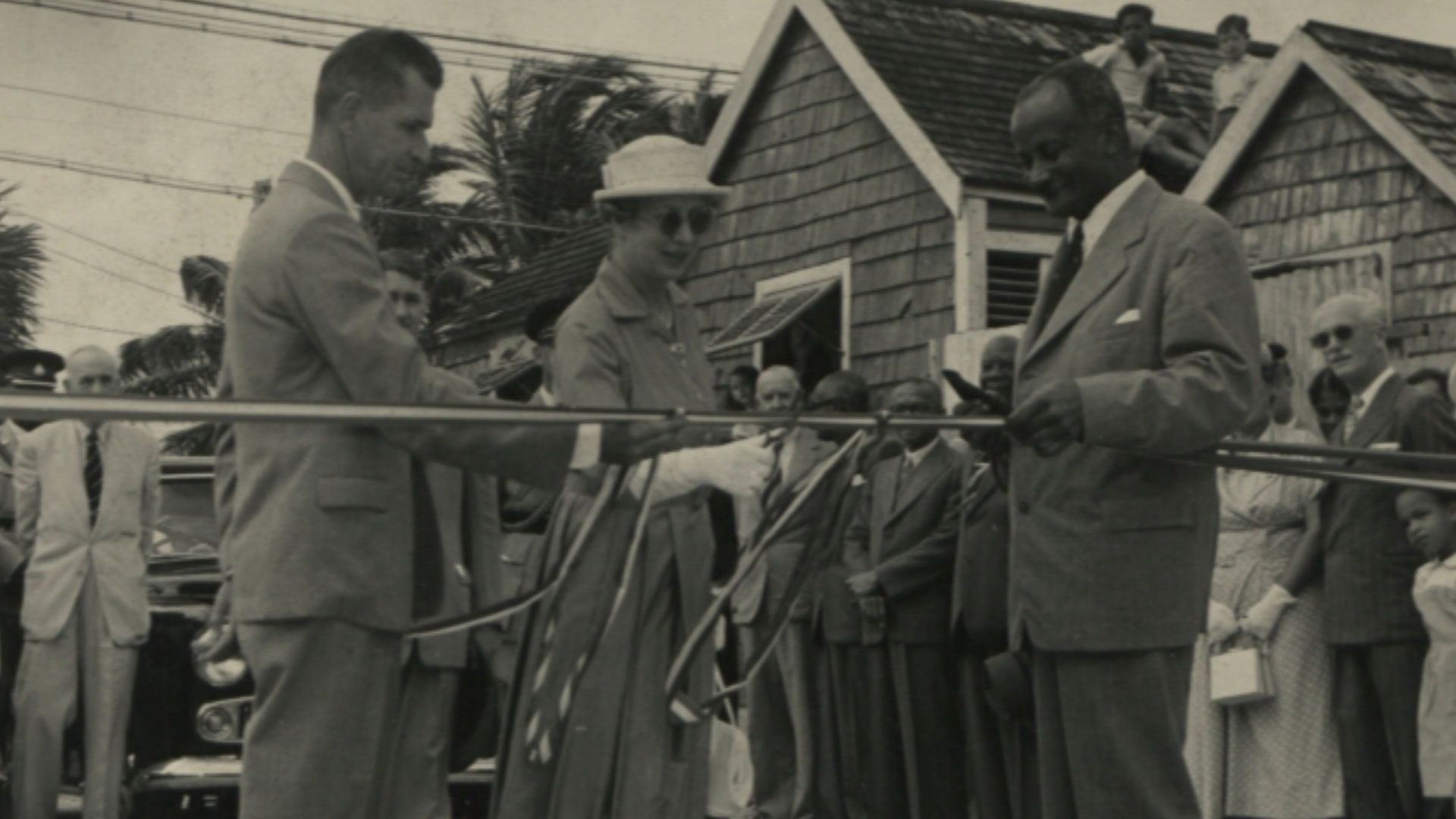
The late 1950s saw the Princess Royal make something of a resurgence in public life. She had apparently buried the hatchet with now-Queen Elizabeth and was called upon to represent the Crown at many independence day celebrations among former British colonies. It was an exciting way to wind down an accomplished life.
 Geoff Charles, Wikimedia Commons
45. She Departed The Earth
On March 28, 1965, while on a walk with her eldest son and his children, the Princess Royal had a fatal heart attack on the grounds of her beloved Harewood House estate. She was 67 years old. Leaving behind an enduring legacy of charity and advocacy, Mary, Princess Royal had lived through quite an interesting time for the Royal Family.
 Evening Standard, Getty Images
46. She Saw A Lot Of History
Over the course of her lifetime, Mary, Princess Royal lived through the reign of six different British monarchs. It was a family affair too, as the six comprised her great-grandmother, her grandfather, her father, her two brothers, and her niece. But one thing sets the Princess Royal apart from most of the rest of her family.
 Pelman, L (Lt), Royal Navy official photographer, Wikimedia Commons
47. She Had No Scandals
The most interesting thing about the Princess Royal, compared to the rest of her family, is how relatively uninteresting she was. Most widely consider her an uncontroversial figure of the royal family. Perhaps this was because of her reserved manner.

48. She Kept It Lowkey
Though without controversies, the Princess Royal was certainly not without achievements. However, many of them went by unnoticed, likely because of her nature as a shy and private person who disliked the limelight. But we should give credit where it is due.
49. She Was An Accomplished Philanthropist
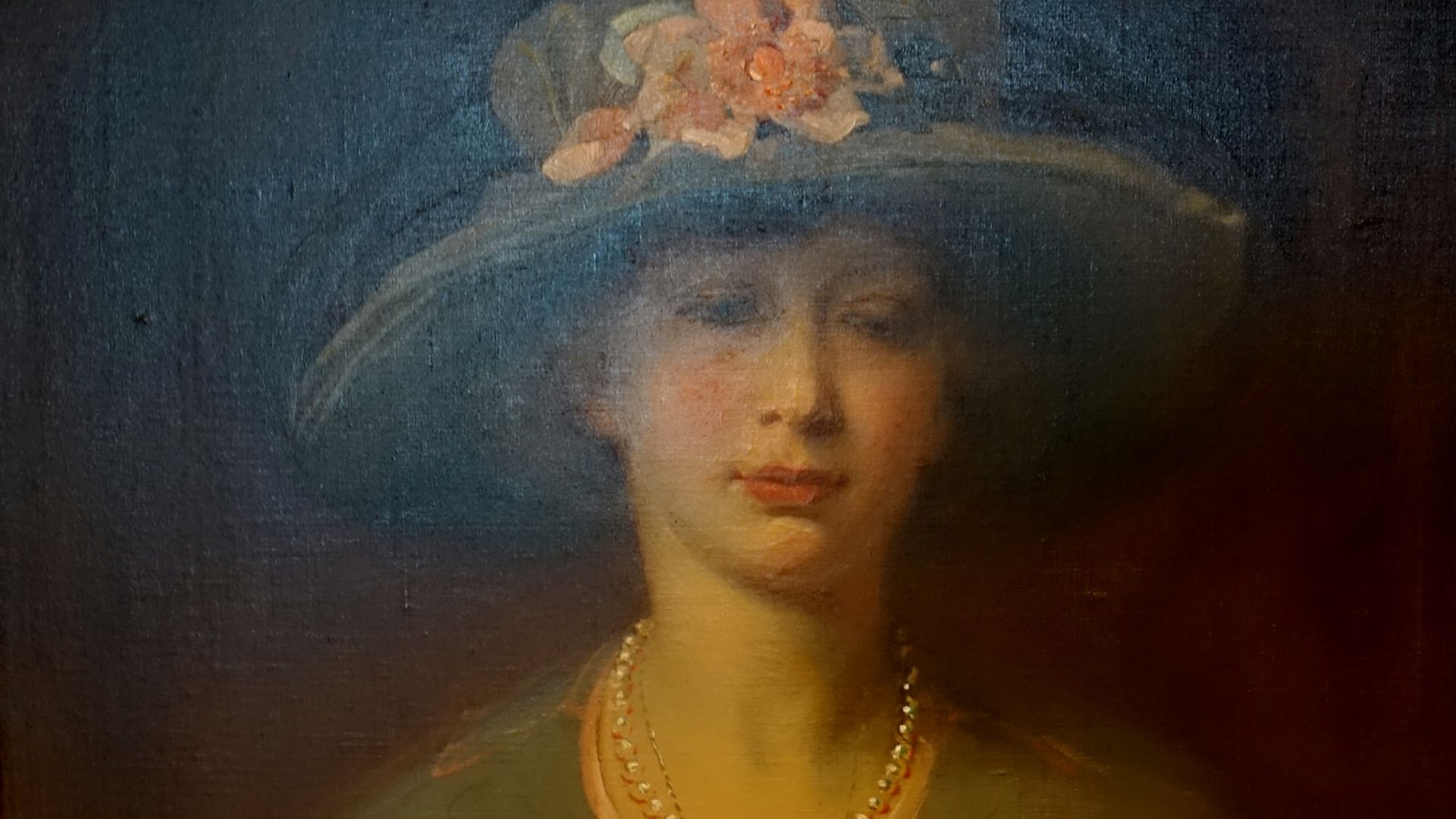
The sheer number of patronages held by the Princess Royal perfectly encapsulates not only her charitable nature but her tireless work ethic. Indeed, she held over 50 patronages, a monumental achievement. But her reserved nature has led to some unfortunate misrepresentations.
 The National Archives UK, Wikimedia Commons
50. She Received An Inaccurate Portrayal
Kate Phillips portrayed the Princess Royal in the 2019 film of the TV show, Downton Abbey. The depiction was inaccurate, however: Mary’s character was unhappily married with a morose demeanor. But considering her loving marriage and kind-hearted nature, nothing could be further from the truth of the real woman.
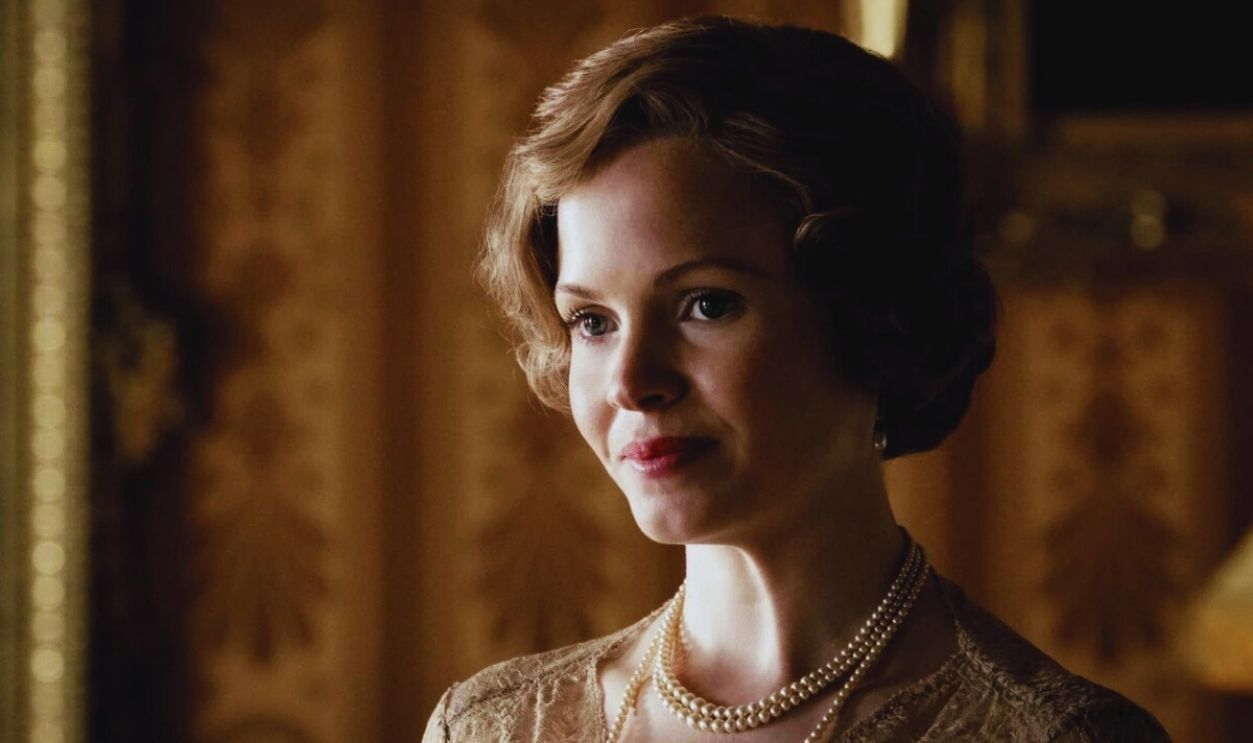 Screenshot from Downton Abbey, ITV / Carnival Films (2010–2015)
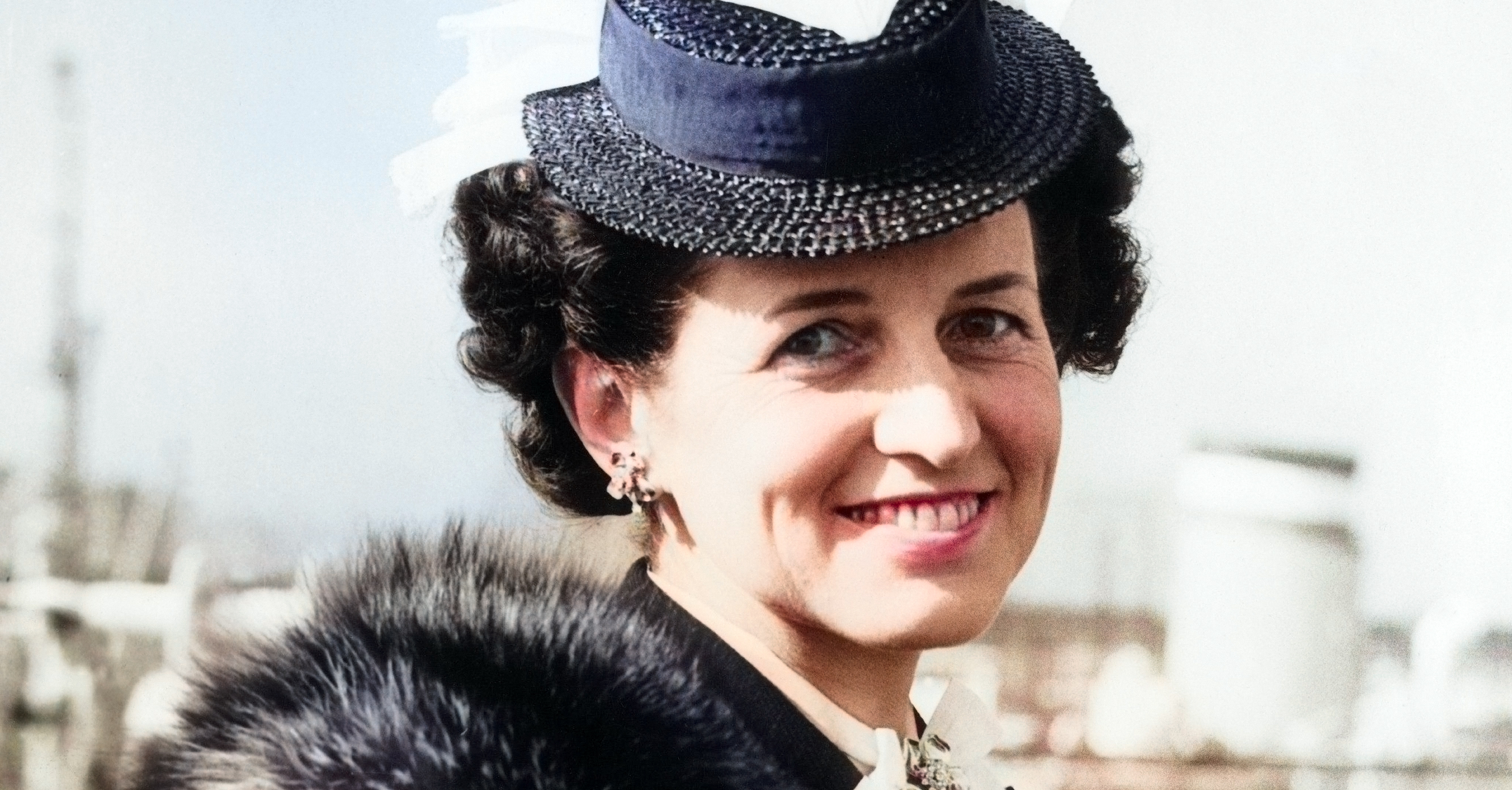











_and_the_Royal_Regiment_of_Scotland._Edinburgh_Castle.jpg%20)
.jpg%20)