She Couldn’t Outrun The Truth
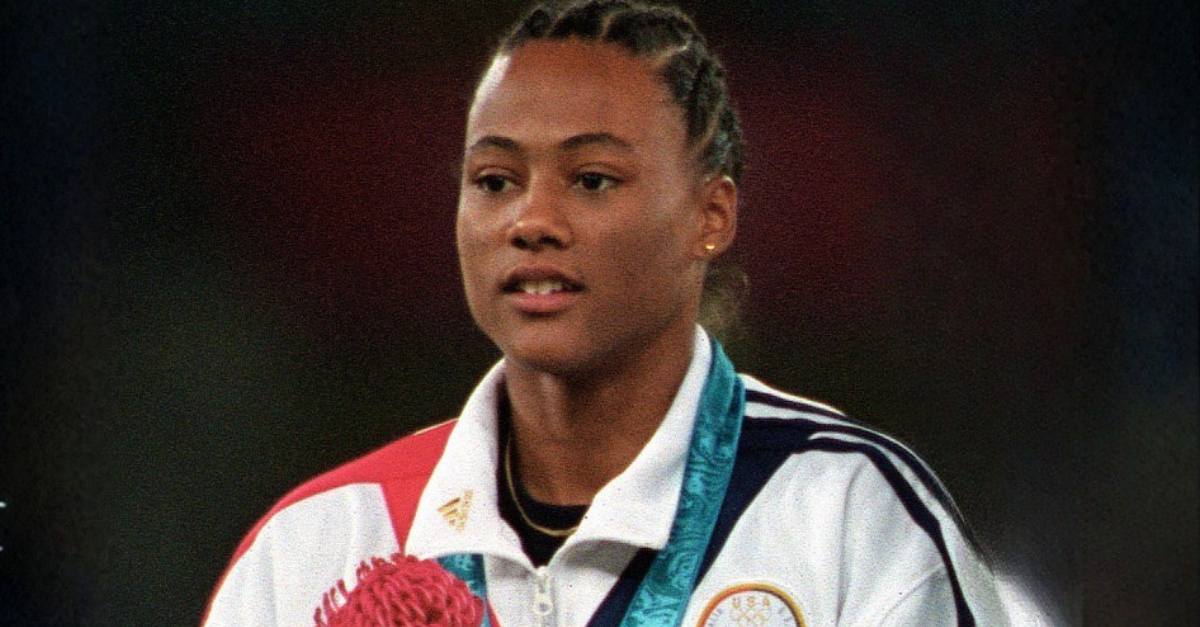
Marion Jones sprinted and jumped her way to Olympic fame. But she racked up more doping allegations and scandals than gold medals. In the end, she couldn’t outrun her past mistakes—but she could sprint towards her hopeful future.
1. She Had Mixed Beginnings
Marion Lois Jones bolted off the starting block on October 12, 1975, in Los Angeles, California. But she couldn’t have been further from Olympic glory. Her father, George, owned a self-service laundry while her mother Marion worked as a medical and legal secretary. Because her mother was an immigrant from Belize, Jones claimed dual citizenship from the US and her mother’s home country.
Sadly, she hit a stumbling block early on.
 Marion Jones, Wikimedia Commons
2. Her Father Left Early
Marion Jones barely knew her father before her parents split up. Her mother took on the full responsibility of raising Jones and her older half-brother, Albert Kelly, as a single parent. Thankfully, her home didn’t stay broken for long. An expert “baton pass” gave her another father.
3. She Gained A Father
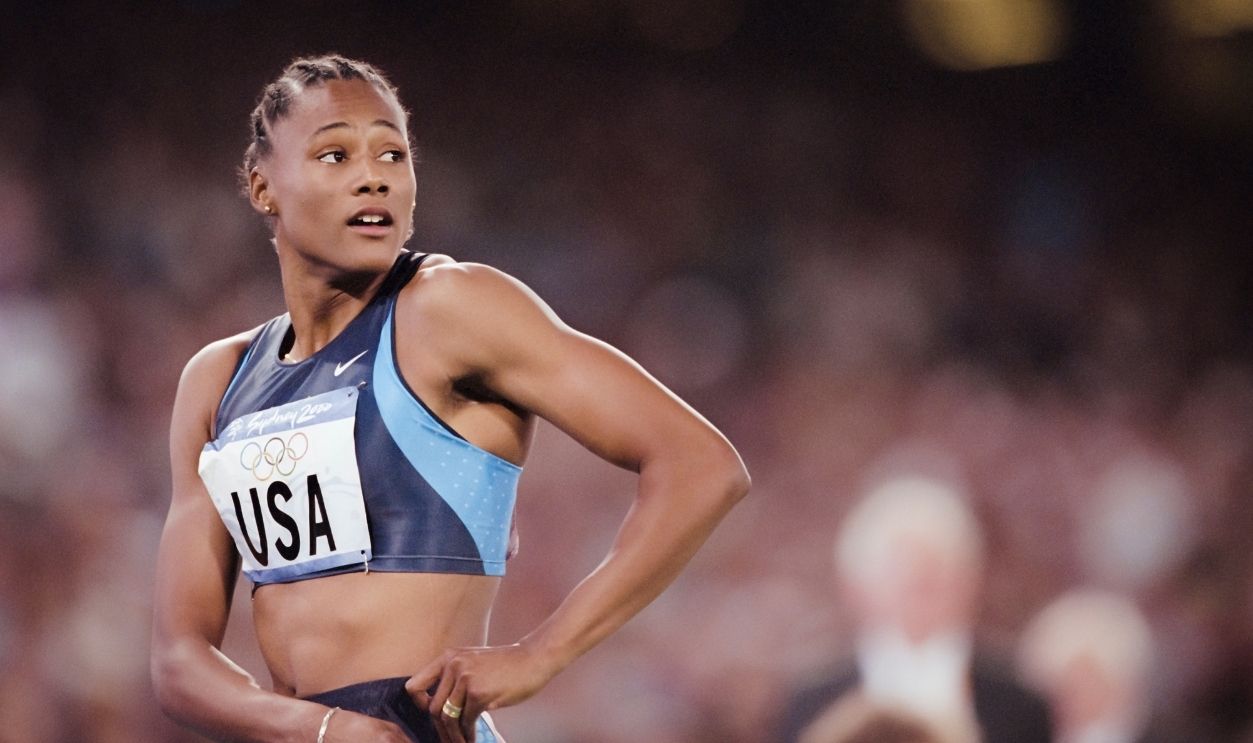
When Jones turned seven in 1983, her mother remarried, tying the knot with a retired postal worker, Ira Toler. Toler gleefully embraced his role as a stay-at-home father—but there was a hurdle that he couldn’t overcome. And Jones would be the one taking the fall.
 https://www.flickr.com/photos/tfa/ Thomas Faivre-Duboz, Wikimedia Commons
4. She Lost Everything Again
In 1987, a then 11-year-old Marion Jones faced another devastating loss. Toler, her beloved stepfather, collapsed from a sudden stroke, crossing life’s finish line. The stepfather who had brought stability to her world vanished in an instant. Desperate for an outlet to process her grief, Jones discovered salvation in an unexpected place.

5. She Tried Every Sport
Jones, following her older brother’s lead, threw herself into every sport she could. T-ball, soccer, baseball, ballet, gymnastics, and tap dancing filled her schedule. By age seven, she had already started competing in organized track events. This whirlwind of activities would soon narrow to a singular focus that changed everything.
 TSGT Rick Sforza, U.S. Air Force, Wikimedia Commons
6. She Found Her Calling
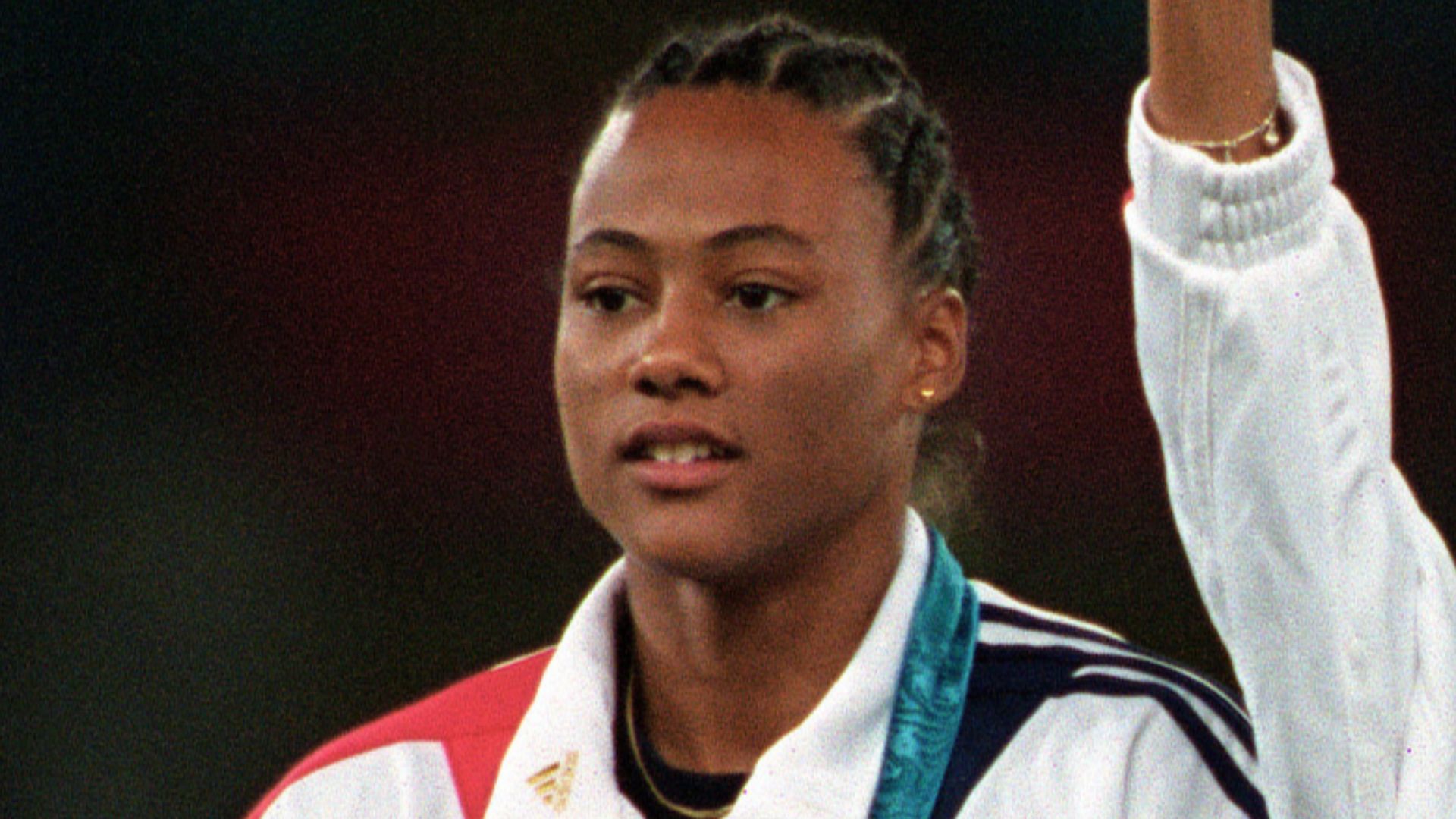
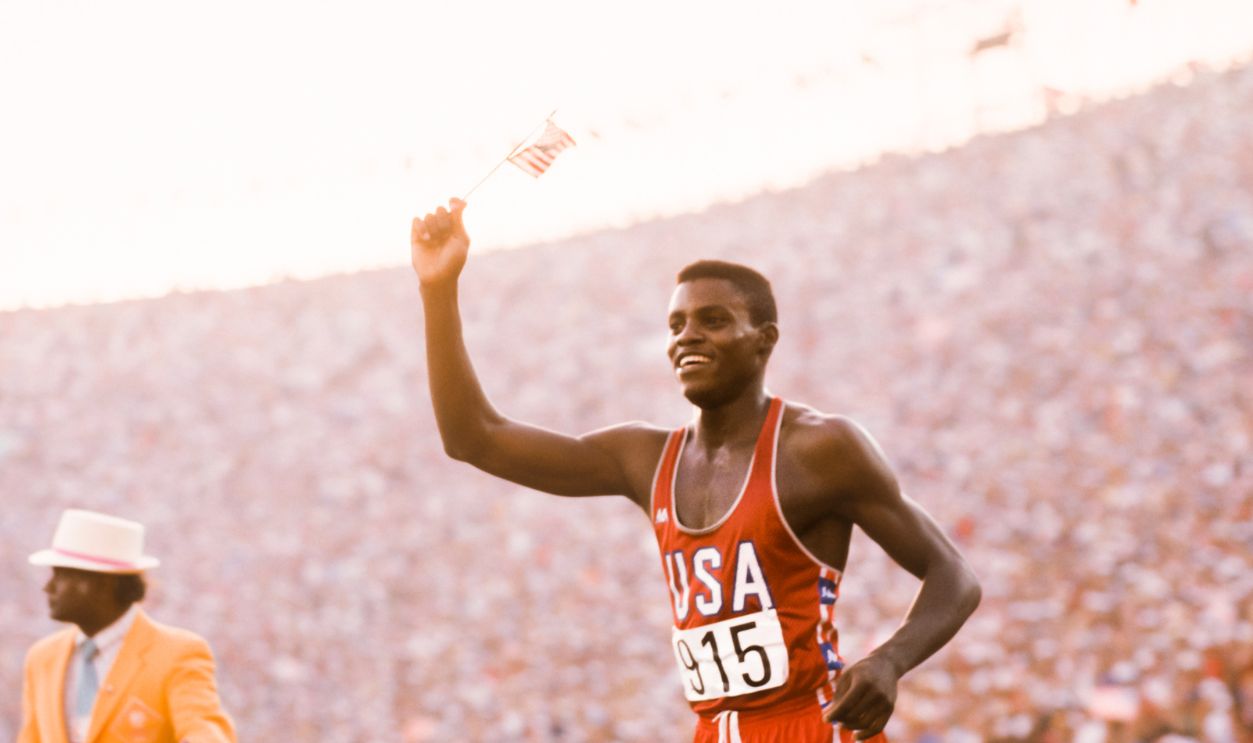
The seeds of Jones’ Olympic career were planted early. Watching Olympic champions Florence Griffith-Joyner, Jackie Joyner-Kersee, Evelyn Ashford, and Carl Lewis dominate the 1984 Olympics, she knew what she wanted to do. Jones hastily grabbed chalk and scrawled on her blackboard: “I want to be an Olympic Champion”.
Those words would haunt and drive her for decades.
7. She Dominated High School
Even before she was winning gold medals, Marion Jones dominated the track. At Rio Mesa High School, she exploded onto the scene, capturing the CIF California State Meet 100-meter title both freshman and sophomore years. Track and Field News crowned her “High School Athlete of the Year” in 1991, promising greater things to come.
Great—and terrible.
 Tomás Galindo, Wikimedia Commons
8. She Shattered National Records
During her high school years, Jones didn’t just beat her peers. She dominated the record books. Jones blazed through the 200-meter in 22.76 seconds, setting a new national high school record. She collected four state titles that season alone, establishing herself as potentially the greatest young sprinter in American history.
Her mother clearly saw her potential.
 The original uploader was Stefan Kühn at German Wikipedia., Wikimedia Commons

History's most fascinating stories and darkest secrets, delivered to your inbox daily.
9. Her Mother Made Sacrifices
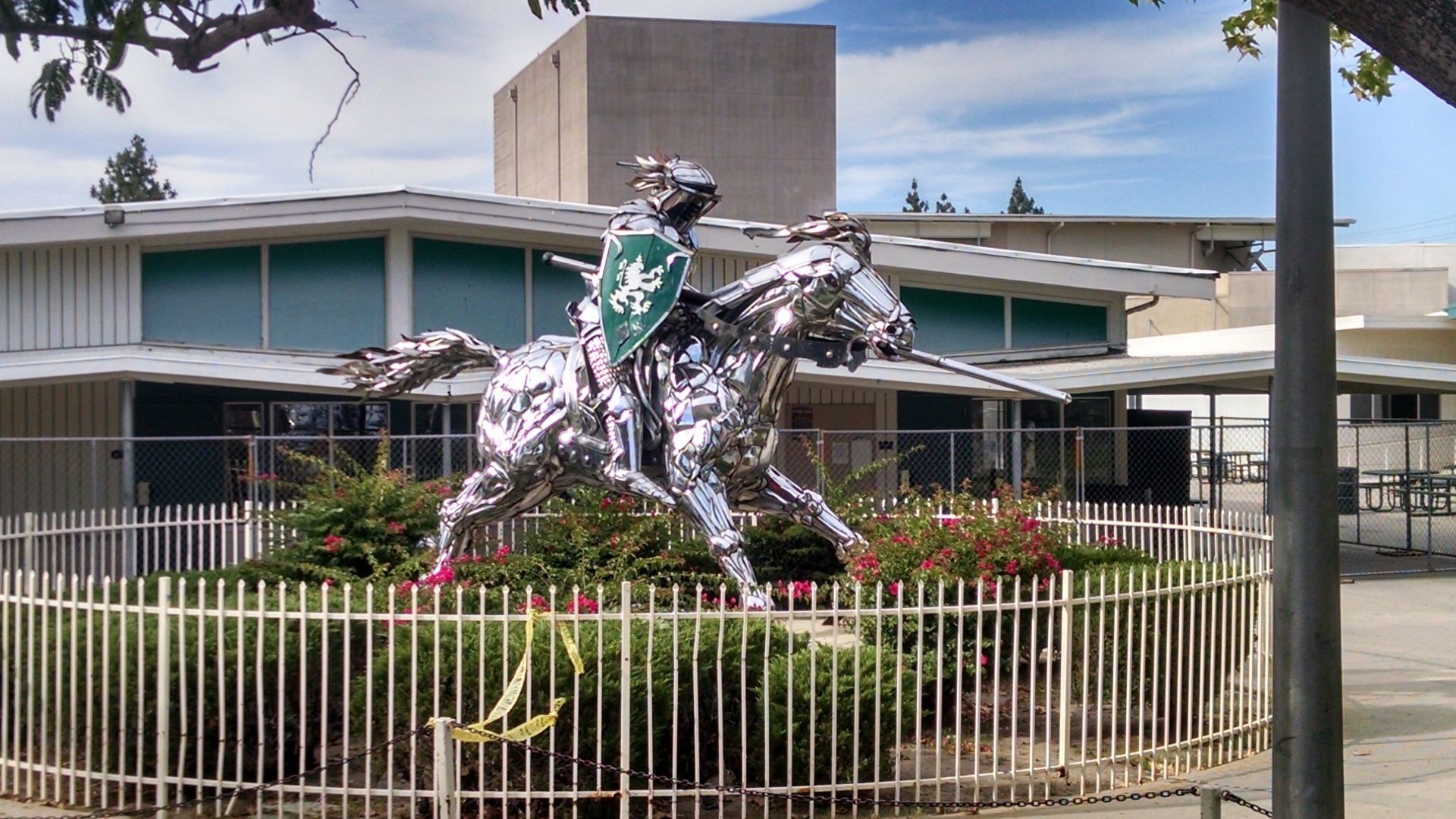
In 1992, Jones’ mother made a bold move. She uprooted the entire family to Thousand Oaks before Marion’s junior year. The move targeted Thousand Oaks High School specifically for its superior basketball program. Jones’ mother believed that she could dominate the court the way she dominated the track.
She wasn’t wrong.
10. She Made History Twice
Jones’ spectacular high school athletics career grabbed major attention. For three consecutive years between 1992 and 1994, Jones claimed the Gatorade Player of the Year award for track and field. The stellar achievement put her in rarefied company. Perhaps too rarefied, some thought.
11. She Was Already Under Suspicion
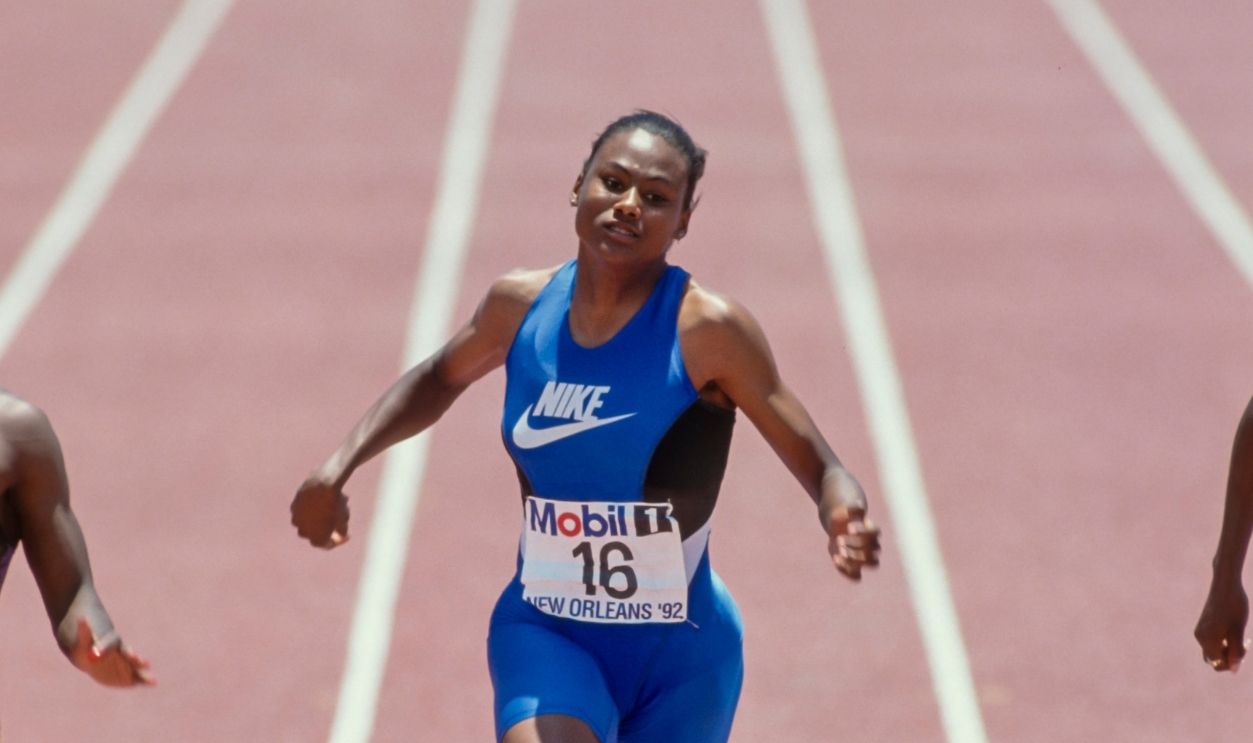
Even from her high school career, Marion Jones fielded rumors and speculation about unfair practices. Namely, doping. Right out of the gates, in 1992, Jones was hit with a four-year ban for failing to participate in a test for substances. But Jones lawyered up. She claimed that she never received the letter for the test, and her attorney successfully had the ban thrown out.
With her name cleared, she was ready for the big leagues.
12. She Turned Down The Olympic Team
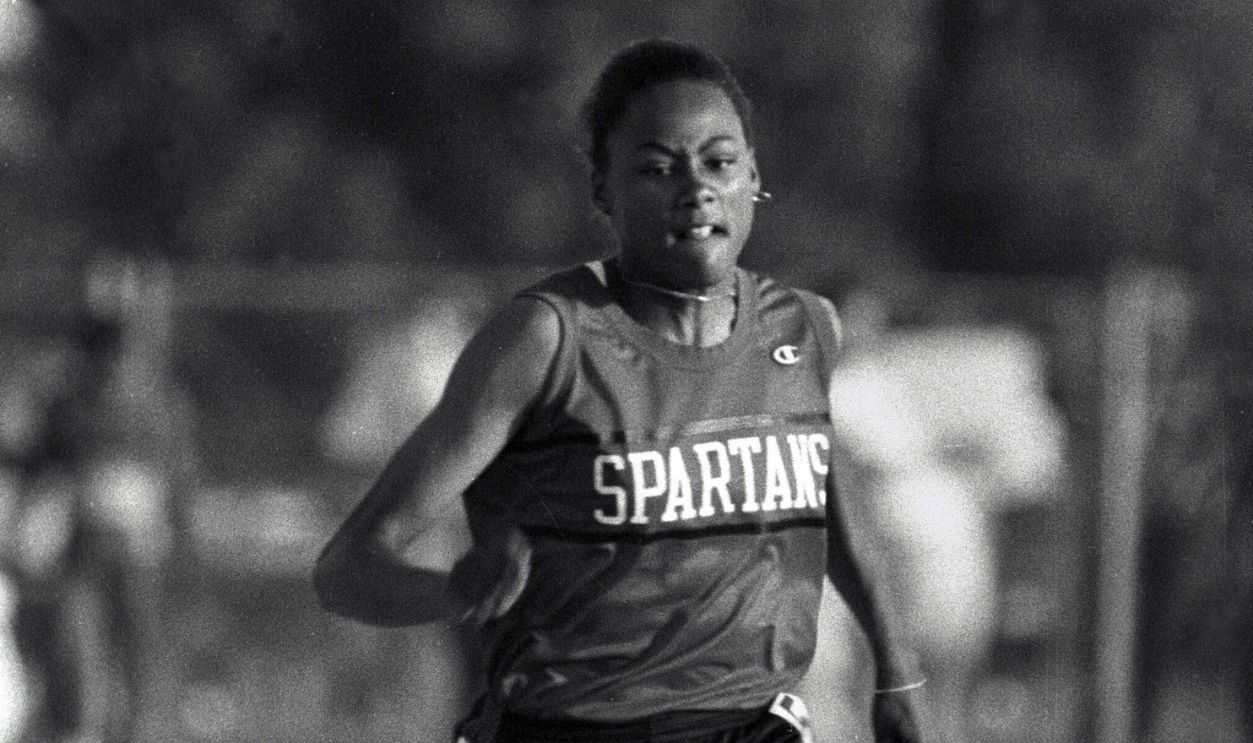
Given her stellar high school athletic records, officials invited Jones to the 1992 Olympic trials. But it might have been premature. Her 200-meter performance would only have earned her an alternate spot on the 4×100 relay team. Jones proudly declined, declaring, “When people come to see my gold medals, I want to be able to say I ran for them”.
The decision revealed her uncompromising standards.
13. She Was A Basketball Beast
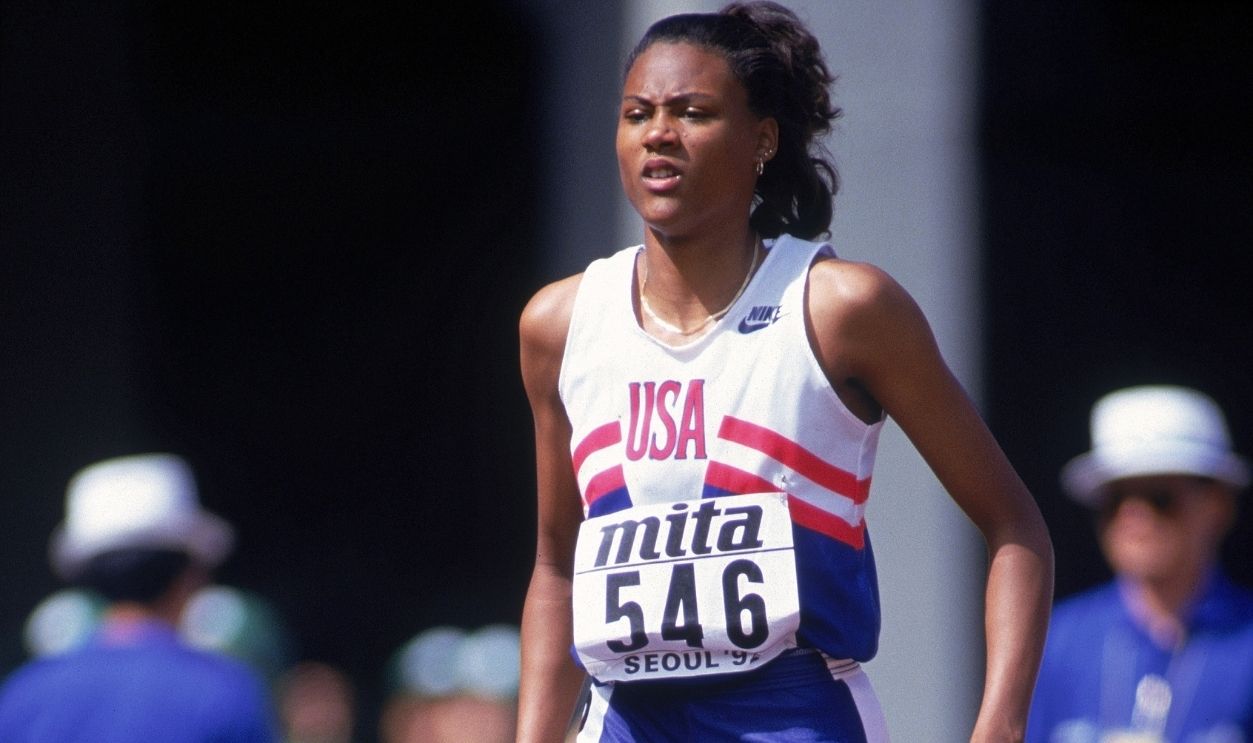
At Thousand Oaks High, Jones’ basketball performance continued to amaze. She led the basketball team to a stunning 60-4 record over two seasons and captured the 1992 state championship. As a senior, she earned California’s Division I Player of the Year, averaging 22.8 points and 14.2 rebounds per game.
Still, it was her track record that truly stood out.
14. She Never Lost Once
Jones’ accomplishments in basketball were incredible. But her achievements in track broached the impossible. Jones won the CIF California State Meet 100-meter title all four years of high school, representing Rio Mesa then Thousand Oaks. Her meet record of 11.14 seconds still stands untouched. Pretty soon, college recruiters across America were taking notice of this dual-sport phenomenon.

15. She Chose Chapel Hill
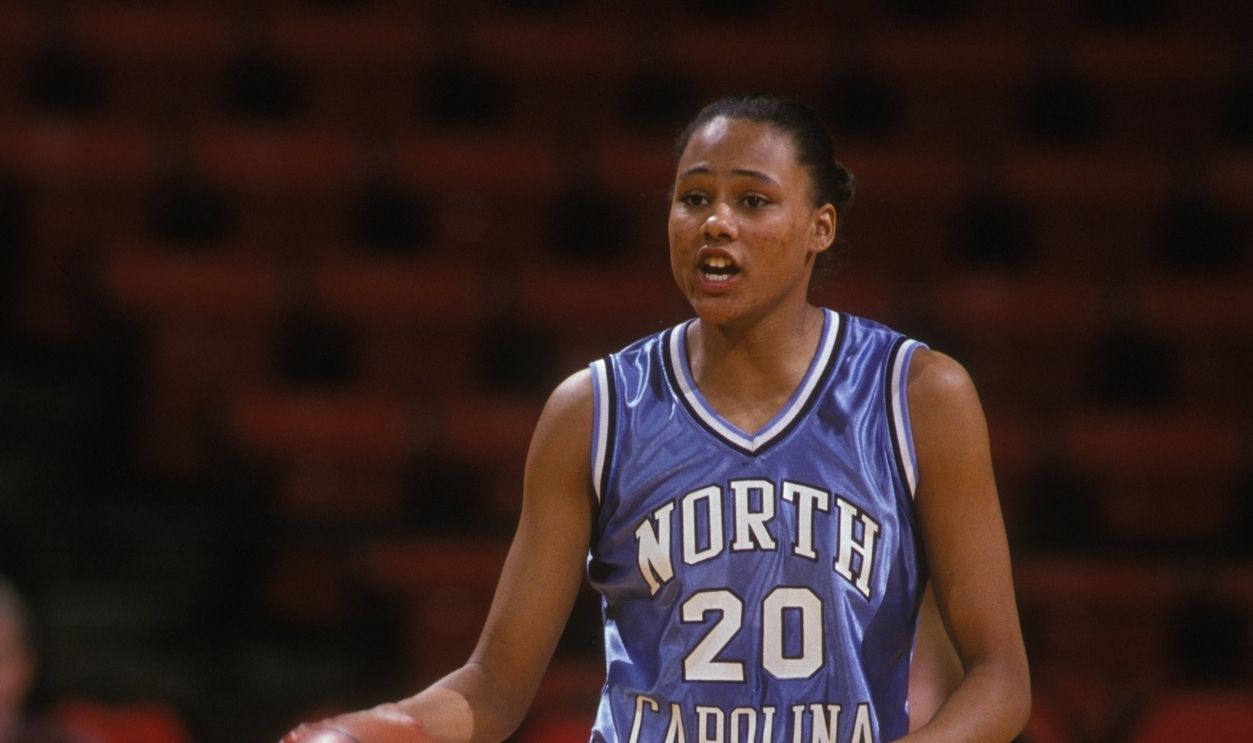
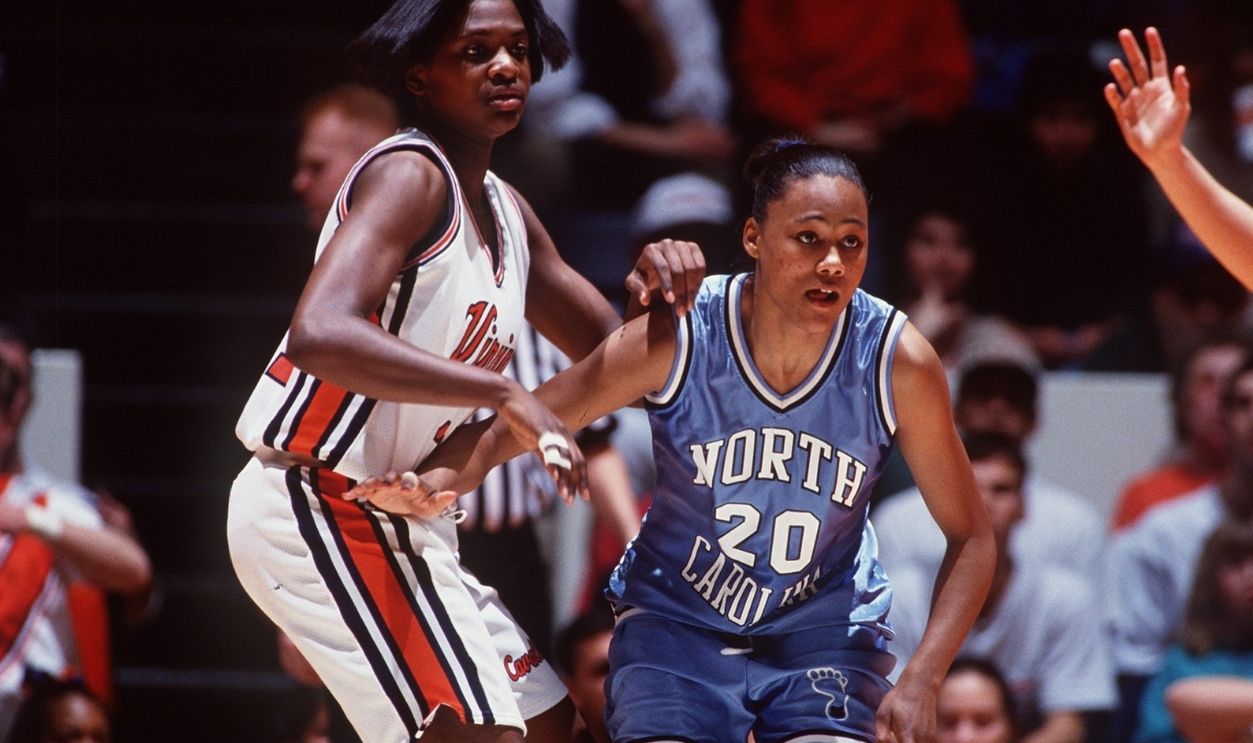
Following her high school career, Jones accepted a full scholarship to the University of North Carolina for basketball. Unsurprisingly, her total domination continued. As the Tar Heels’ point guard, she shattered the ACC freshman steals record during 1993-94. She became such a legend on campus that her jersey, No 20, hangs permanently in Carmichael Auditorium.
But she wanted more than just basketball glory.
16. Her Olympic Dream Crumbled
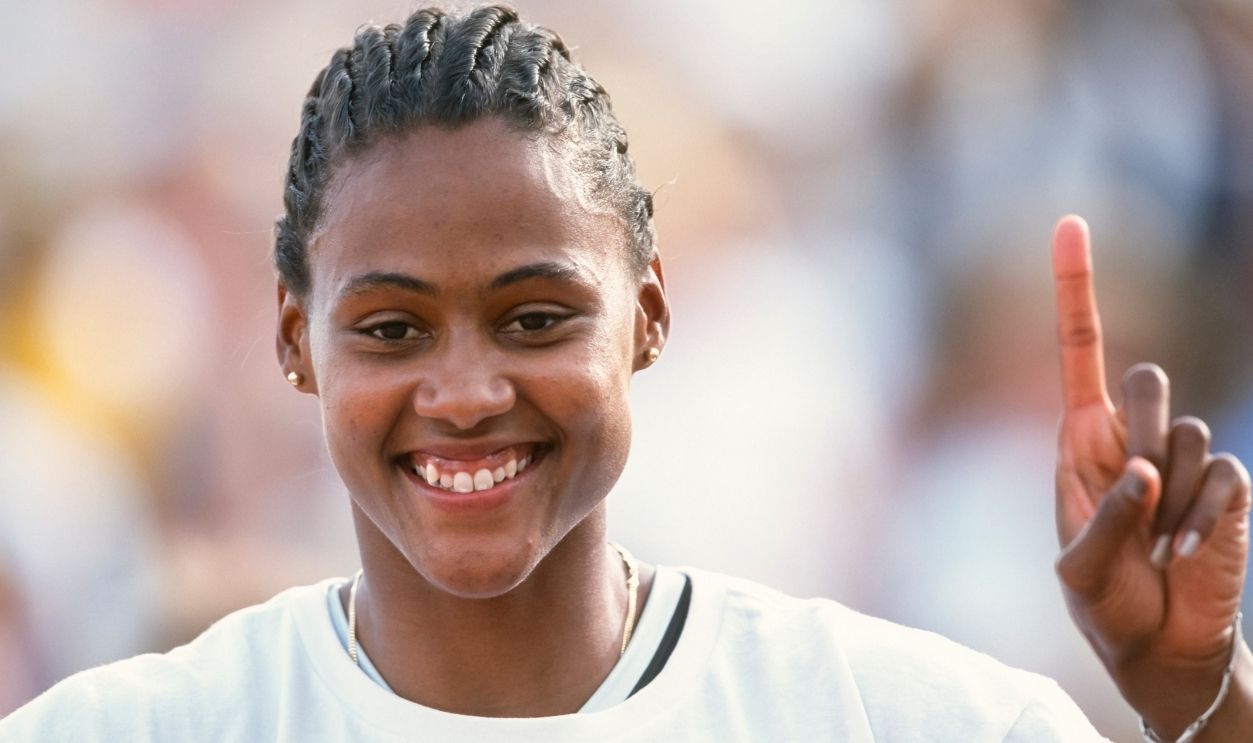
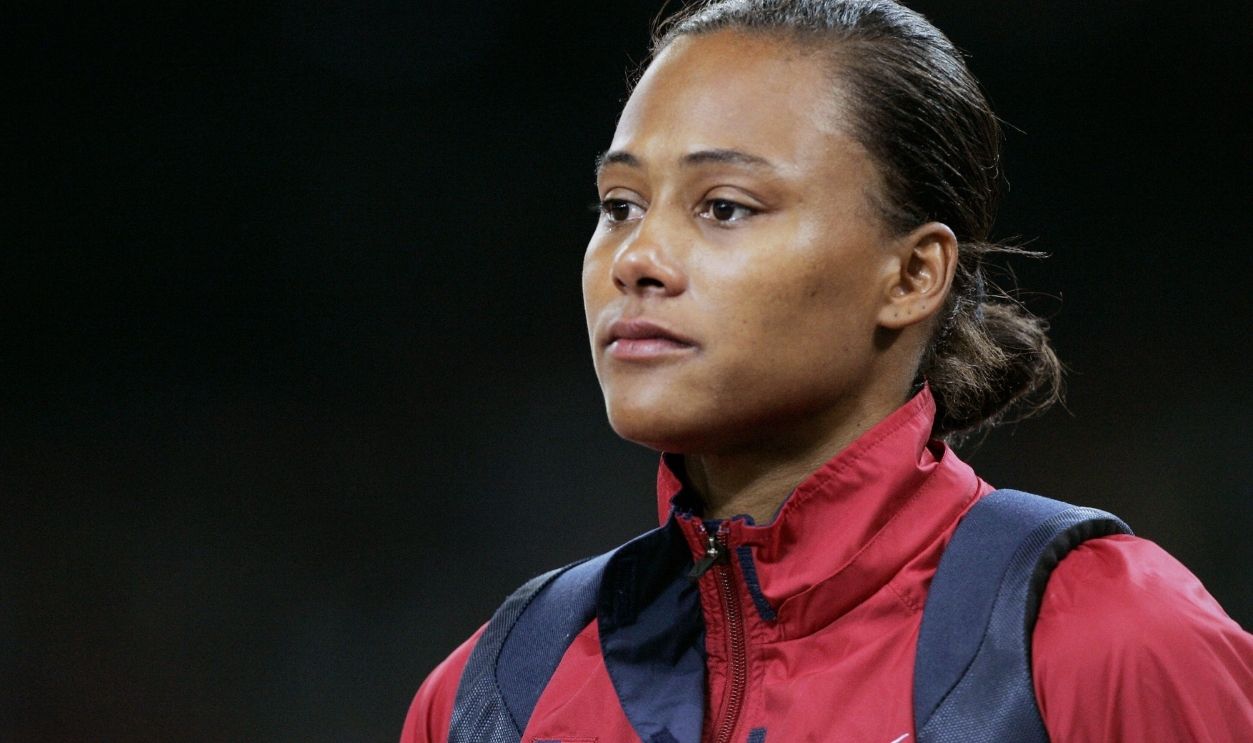
In 1996 Marion Jones took the drastic step of “redshirting” (read: delaying) her basketball season so that she could focus entirely on track. Her goal? Qualify for the Atlanta Olympics where she could compete on home soil. Sadly, before she could even get to the starting block, an injury took her out of the running.
The setback devastated Jones—but she won an unexpected consolation prize.
17. She Found Love On The Track
While earning her degree and setting records, Jones began dating shot putter CJ Hunter. But there was one catch. Hunter was one of the university’s track coaches. In a true show of devotion, Hunter voluntarily resigned his coaching position to avoid breaking the university’s rules. Then, on October 3, 1998, Jones and Hunter got married, creating a track and field power couple.
Or a problem couple.
 KEVIN T. GILBERT, Getty Images
18. She Conquered The World (Championships)
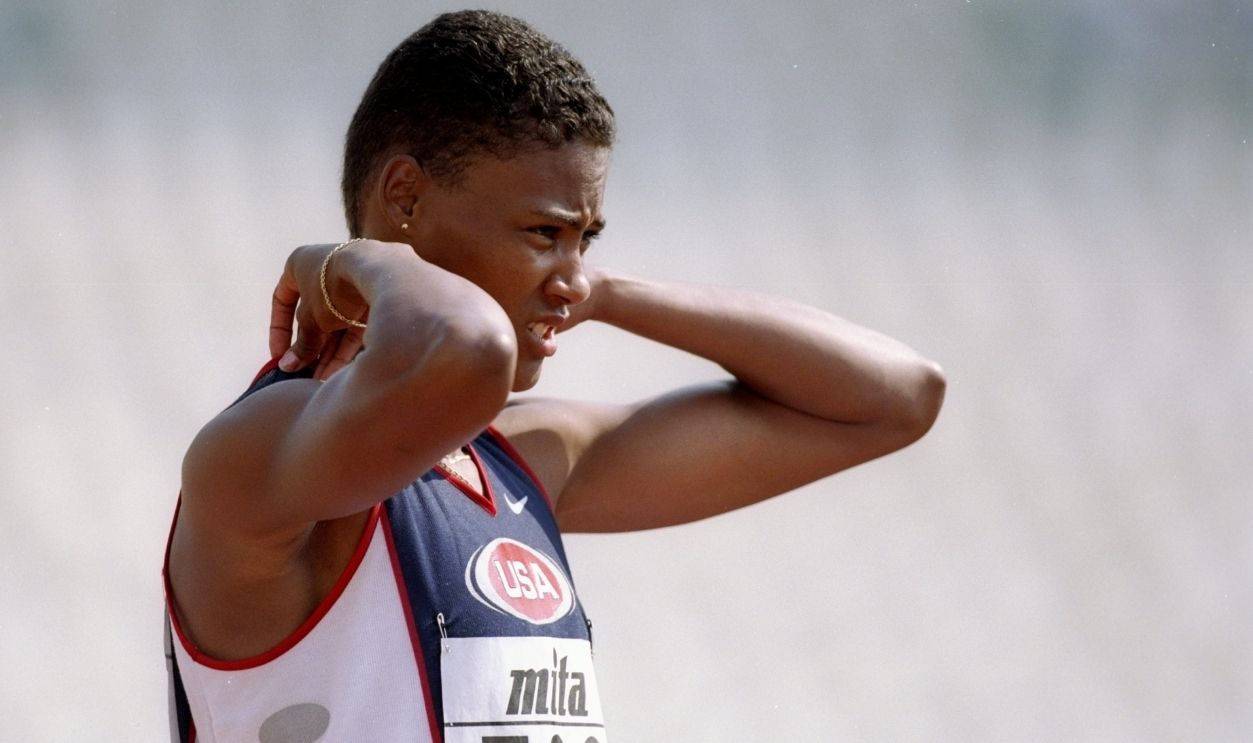
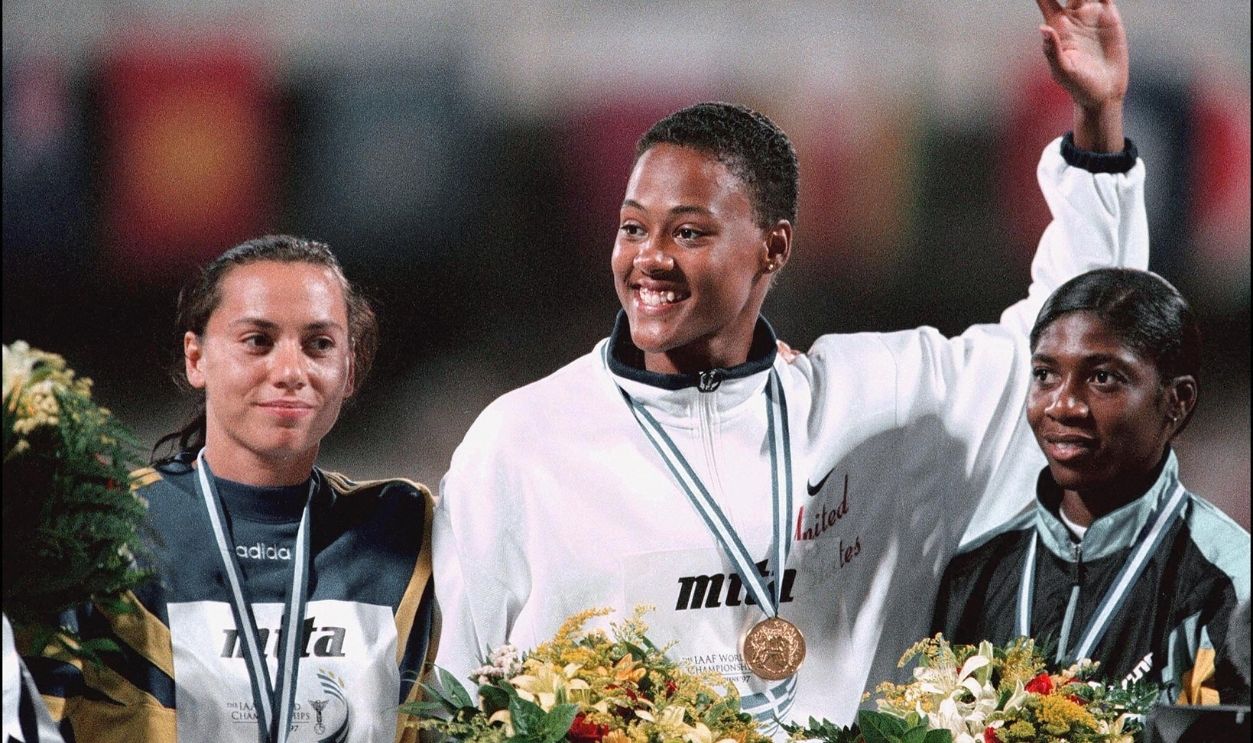
Having recovered from her injury, Marion Jones was finally able to make her debut on a global stage. And she did so in grand fashion. At her first major international competition, the 1997 World Championships in Athens, Jones blazed to gold in the 100-meter sprint. Her 10.83 seconds barely got her the gold, clinching a narrow 0.02 seconds win.
The victory announced her arrival on the global stage.
19. She Proved Her Versatility
Jones’ 100-meter win would have been spectacular enough. But she was always the over achiever. Jones also competed in the long jump at the 1997 World Championships, finishing 10th with 6.63 meters. Her dual-event participation showcased extraordinary athletic range and World Athletics honored her as World Athlete of the Year for both 1997 and 1998.
She was just getting warmed up.
20. She Set Championship Records
Marion Jones continued to dominate the World Championships. In fact, at the 1999 World Championships in Seville, she utterly destroyed the field in the 100-meter sprint. Her championship record of 10.70 seconds equaled history’s sixth-fastest time ever. The performance positioned her as the overwhelming favorite for the upcoming Sydney Olympics.
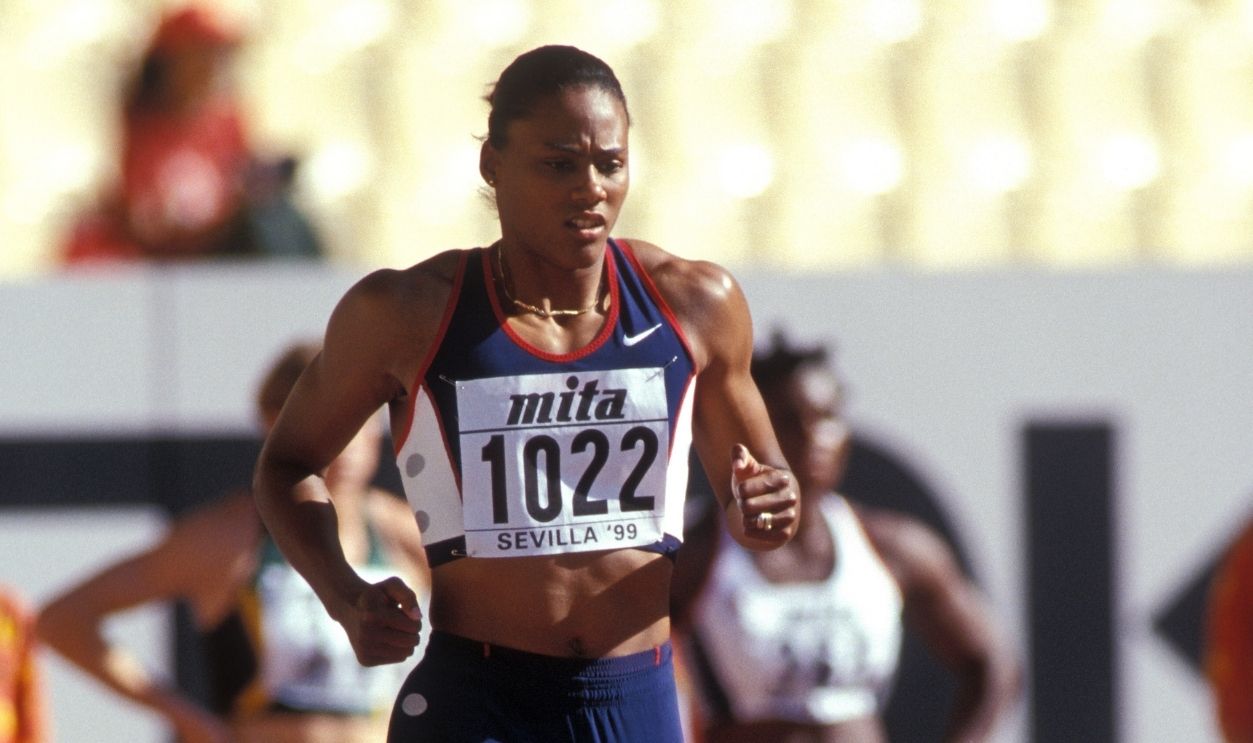 Sergio J. Carmona, Getty Images
21. She Took Bronze—Then Broke Down
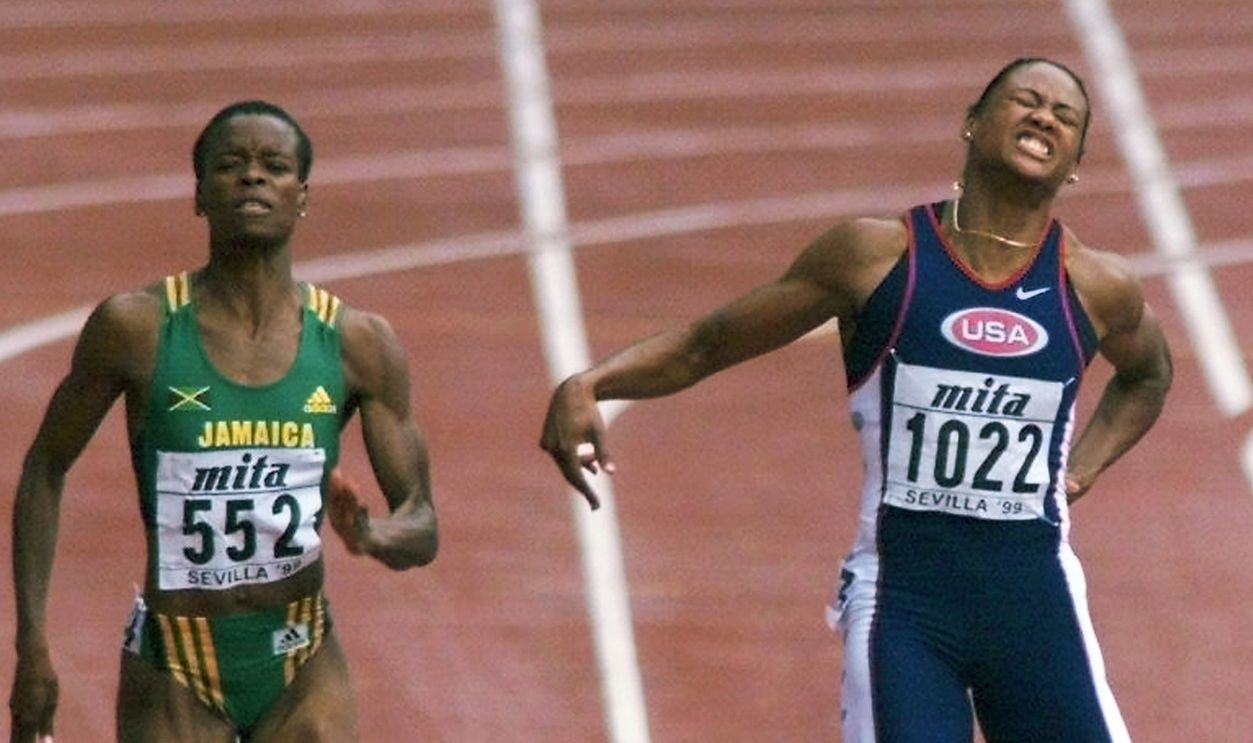
Jones’ showing at the 1999 World Championships was almost perfect. But, after claiming bronze in the long jump, disaster struck. Her winning streak ended when she injured herself in the 200-meter semifinals. All of a sudden, the 2000 Olympics in Sydney looked like it would be another missed opportunity.
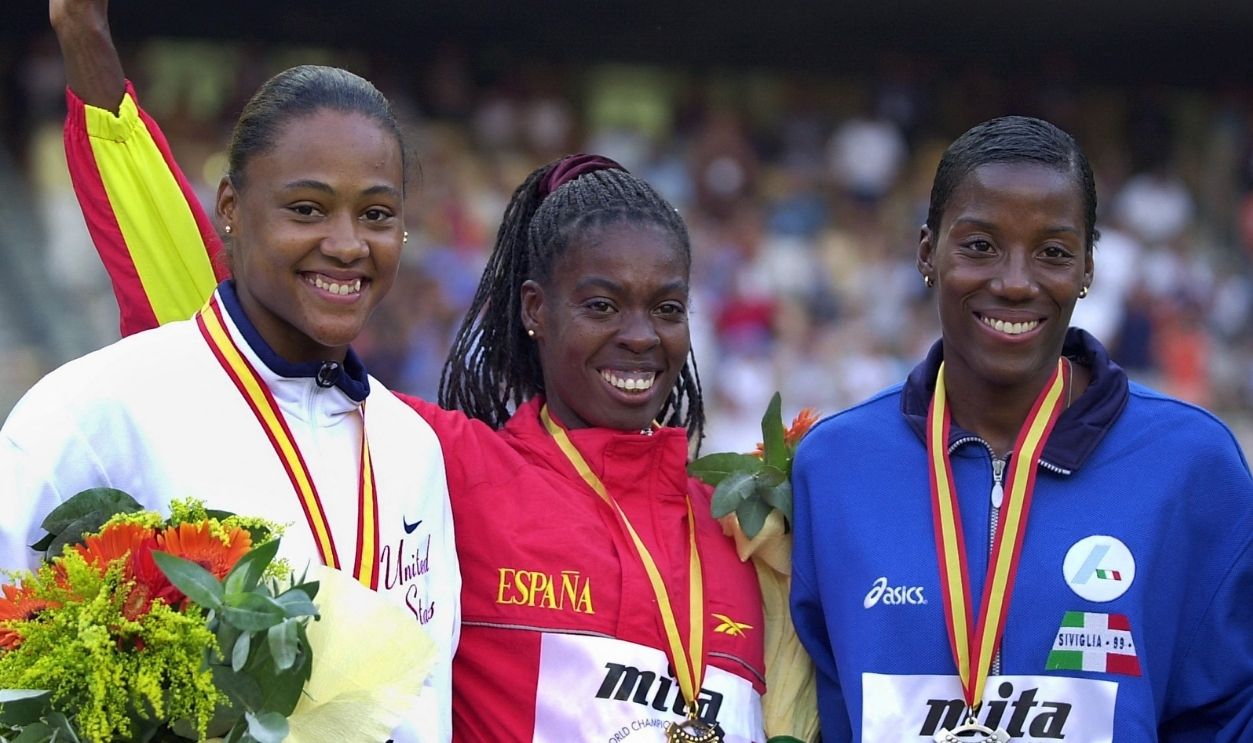
22. She Set Her Sights On Sydney
Despite suffering an injury in 1999, Marion Jones was optimistic as she prepared for the 2000 Sydney Olympics. In fact, she was outright ambitious—perhaps even audacious. Jones boldly declared that she would win five gold medals across all her events. But a scandal dampened her golden shine.
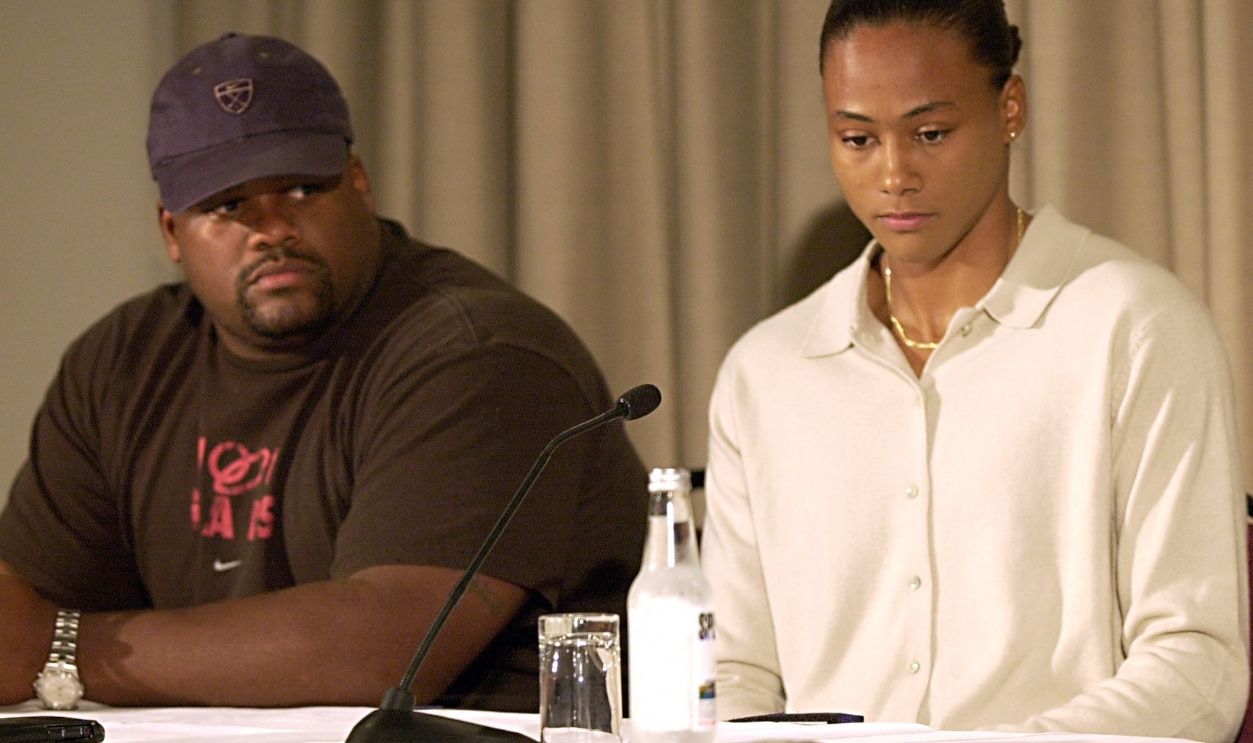
23. Her Husband Made Headlines—For The Wrong Reason
Just hours after Jones won her first gold medal in Sydney, her husband hogged the spotlight—and cast a dangerous shadow on her. In a shocking news release, the IOC revealed that Jones’ husband, Hunter, had failed four tests for the anabolic steroid nandrolone. Hunter denied everything, but the damage was done.
Scandal had sprinted into their marriage.
24. She Dominated Sydney
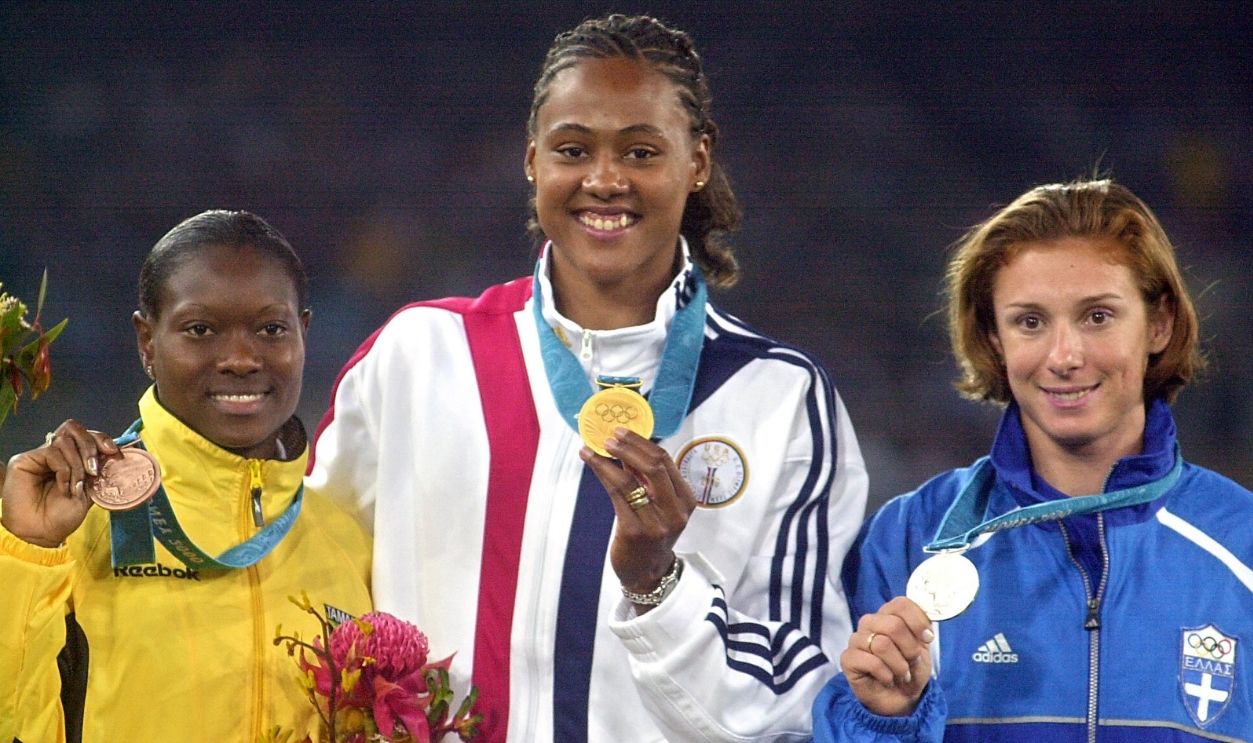
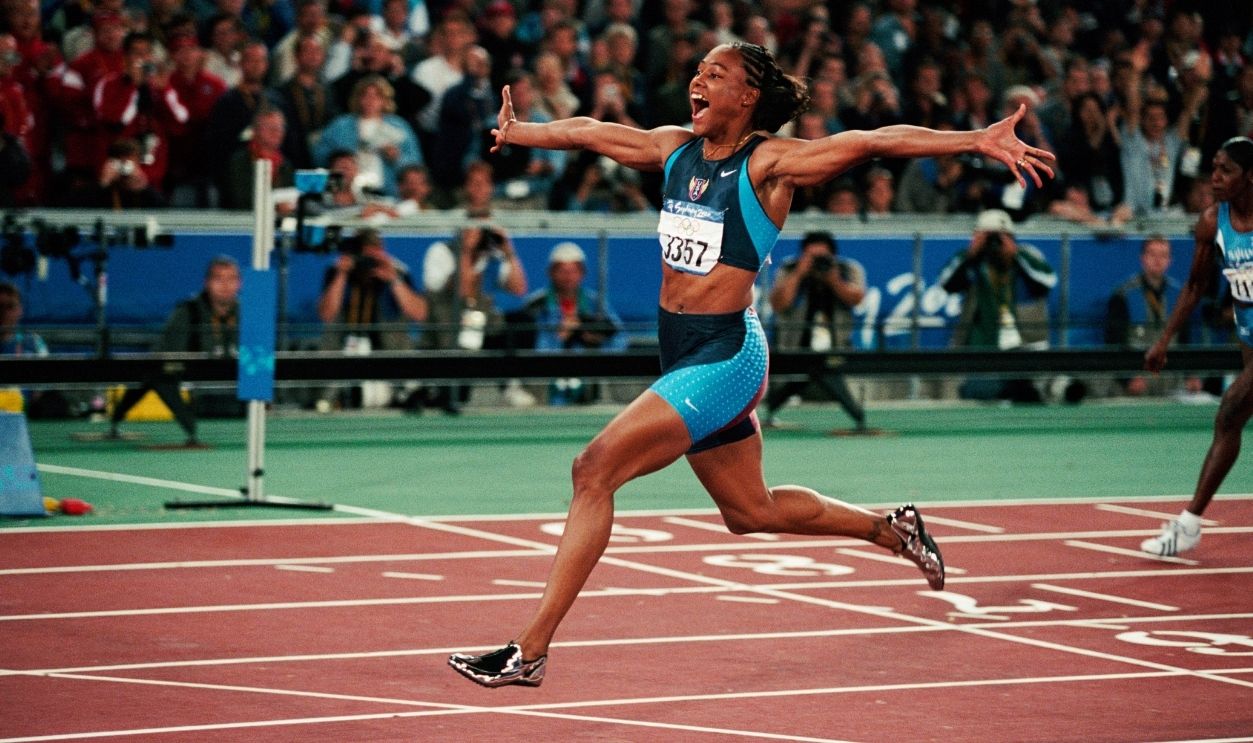
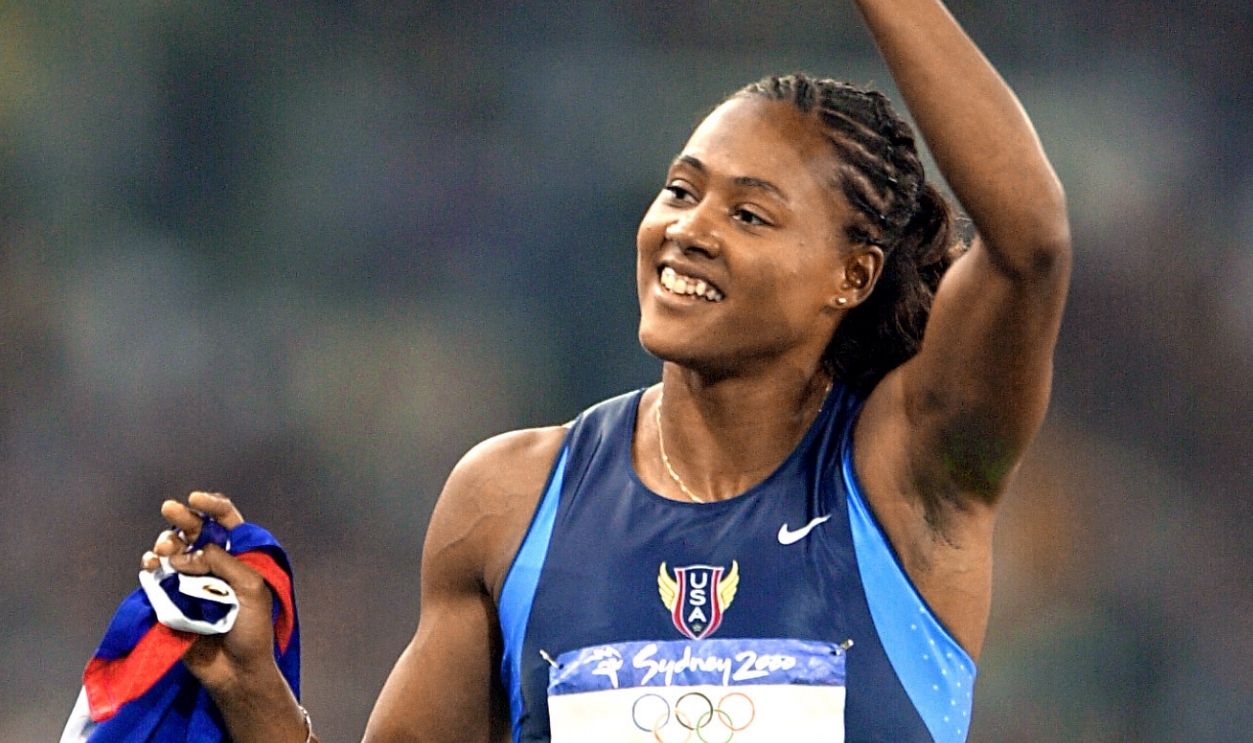
Despite the controversy, Marion Jones continued to dazzle at the 2000 Olympics. She blazed to gold in the 100-meter and 200-meter sprints and even had a team win with the 4x400 relay. Though she didn’t get 5 gold medals, she also snagged bronze in both the long jump and the 4x100 relay.
Her five-medal performance was nothing short of legendary—at least for a while.
25. She Made Olympic History
With five medals in one Olympic Games, Jones set a record that defied belief. She became the first woman in track and field history to pull off winning five medals in a single Olympiad—breaking a record that had stood since Fanny Blankers-Koen’s four-gold run in 1948. The feat cemented her as “Queen of the Olympics”.
But the crown would soon crumble.
 Jack de Nijs for Anefo, Wikimedia Commons
26. Her Marriage Cracked Under Pressure
Jones later admitted in her autobiography Life in the Fast Lane that as her Olympic career was taking off, her marriage was crumbling. Hunter’s doping scandal had devastated both their images and, more problematically, it strained their relationship. The fallout left their marriage beyond repair and, less than two years after the Sydney Olympics, the couple had gone their separate ways.
There were other cracks beginning to form in her armor.
27. She Finally Lost A Race
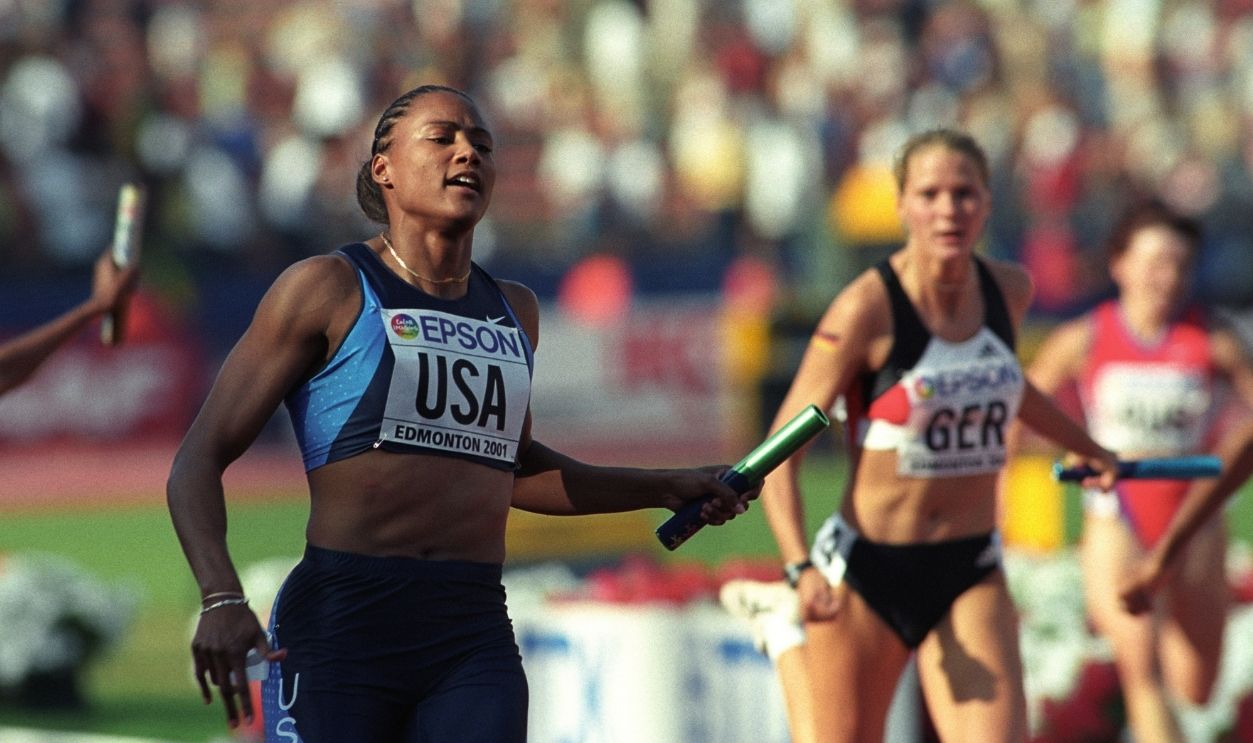
Marion Jones had gone on an unprecedented 42-race winning streak in the 100-meter sprint. But on August 6, 2001, at the World Championships in Edmonton, that winning streak came to a crushing end. Ukraine’s Zhanna Pintusevich-Block edged Jones out, running 10.82 to Jones’ 10.85.
Jones rebounded with gold in the 200-meter race—but her aura of invincibility was gone.
 Sergio J. Carmona, Getty Images
28. She Welcomed A New Teammate
Jones quickly repaired the damage to her romantic life. On June 28, 2003, she gave birth to her first child, a son named Tim Montgomery Jr. The child’s father was her then-boyfriend, world-record-holding sprinter Tim Montgomery. The birth marked a joyful new chapter in her life. But the marathon had only just begun.
 Giardino Photography, Getty Images
29. She Switched Tracks Entirely
Even with her Olympic success in track and field, Jones never lost her love for basketball. In 2003, she joined the WNBA draft, becoming a third round pick for the Phoenix Mercury team. Her basketball comeback made headlines, but critics wondered whether she was chasing a fresh start or running from her past.
Her very questionable past.
30. She Swore She Was Clean
Shortly after her WNBA draft pick, Jones sat before federal agents investigating the BALCO doping scandal—a wide-ranging doping scandal that implicated some of the biggest names in sport. Under oath, Jones denied ever using banned performance-enhancing substances. Her voice was steady, her answers absolute.
But someone was about to make a truly shocking revelation.

31. Her Truth Was Exposed
On December 3, 2004, Jones faced her biggest opponent yet—but not one on the track. BALCO founder Victor Conte appeared on ABC and dropped the baton—right on Jones. He claimed he had personally supplied her with four prohibited performance-enhancing substances before, during, and after the 2000 Sydney Olympics.
Overnight, her denials looked paper-thin, and her golden image started to corrode.

32. She Crashed In Athens
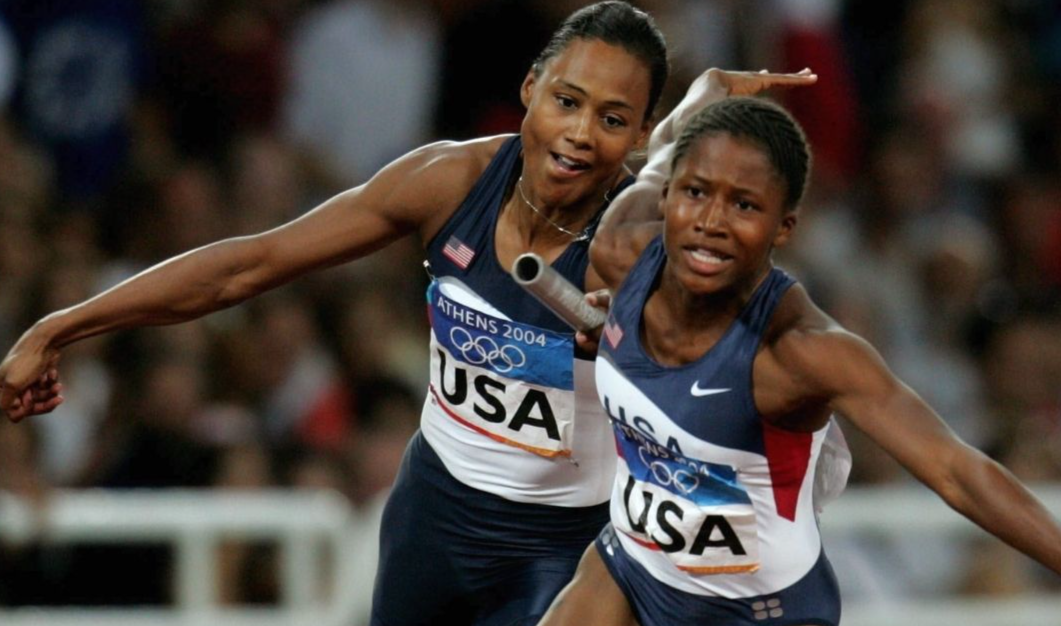
By the 2004 Athens Olympics, Jones’ magic (or, perhaps, her substances) had faded. She finished fifth in the long jump and fumbled a baton exchange in the 4x100 relay, leaving her team last. The world watched in disbelief as the fastest woman alive stumbled her way to a humiliating finish line. And things only got worse from there.
 Alexander Hassenstein, Getty Images
33. Her Partner Fell Hard
In 2005, the mountain of circumstantial evidence around Jones piled even higher. Jones’ boyfriend and the father of her son, Tim Montgomery (himself once the fastest man in the world) was hit with a two-year ban. The Court of Arbitration for Sport stripped every record and medal he’d earned since 2001.
Jones’ inner circle was collapsing and she couldn’t outrun fate.

34. She Was Involved In A Big Scheme
In June 2006, investigators linked Jones to a get-rich-quick scheme that outpaced even her best 100-meter time. The investigation uncovered a multimillion-dollar check-counterfeiting ring involving Jones’ coach, Steve Riddick, and her already disgraced boyfriend, Tim Montgomery. Unfortunately for Jones, another major investigation was underway.
 CHRISTOPHE SIMON, Getty Images
35. Her Test Sent Mixed Signals
That same summer, Jones’ woes went from bad to desperate when her “A” sample tested positive for the banned endurance substance EPO during the US Track and Field Championships. But when her “B” sample came back negative, officials had no choice but to clear her.
In the mounting evidence against her, Jones called it proof of her innocence. Her critics, however, called it a lucky break.

36. She Tried Love Again
By 2007, for reasons that remain unclear, Jones seemed to want to run a different race. On February 24, she married fellow sprinter Obadele Thompson, the 2000 Olympic bronze medalist in the 100-meter sprint. Perhaps it was her marriage that convinced her to do something no one had expected.

37. She Finally Broke The Silence
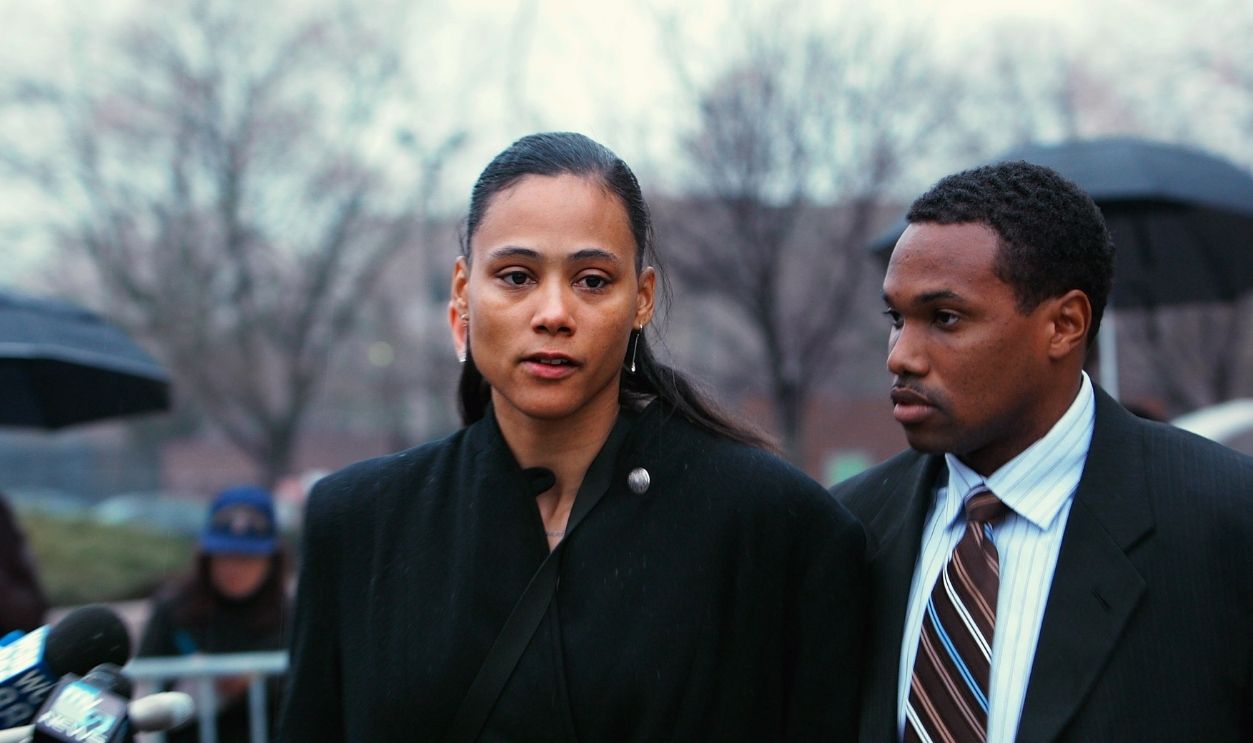
On October 5, 2007, Jones made a shocking confession in a US District Court. Holding nothing back, Jones admitted that she had lied under oath about steroid use. She pleaded guilty to making false statements in both the BALCO probe and a check-fraud case. In other words, she admitted that she was a cheater.
Even so, her honesty was jarring.

38. She Let Everyone Down
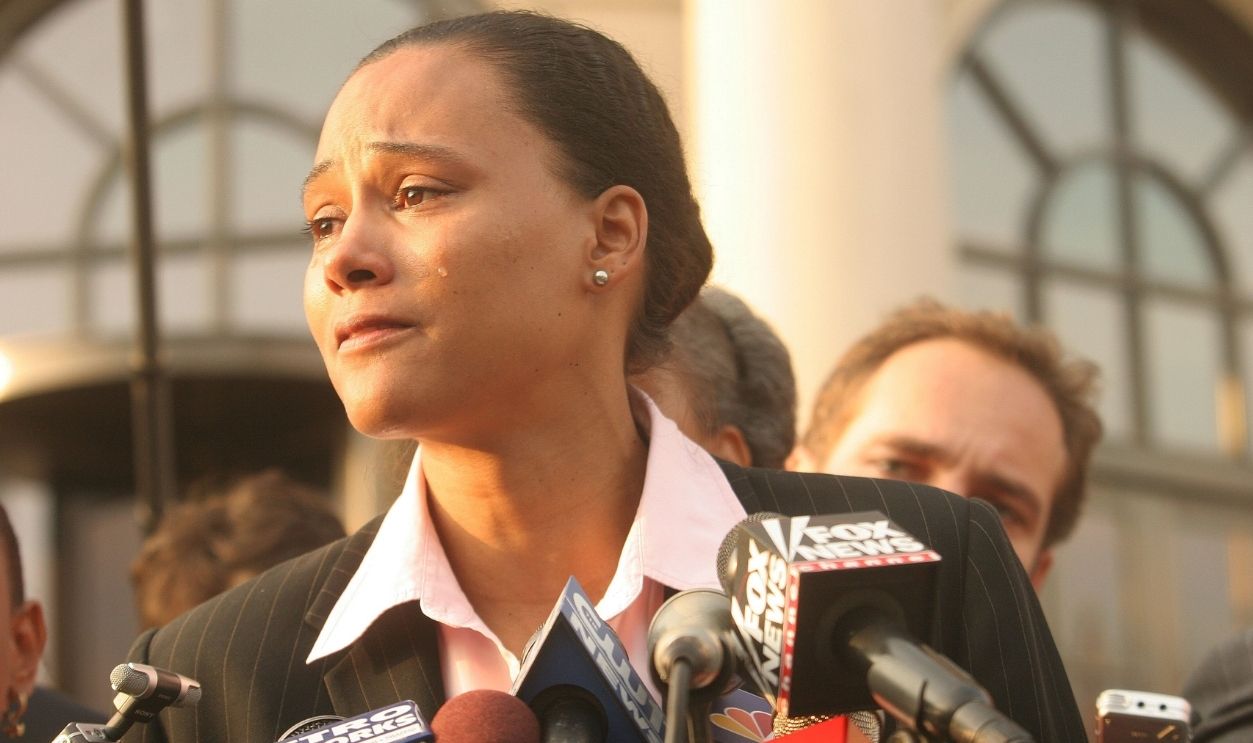
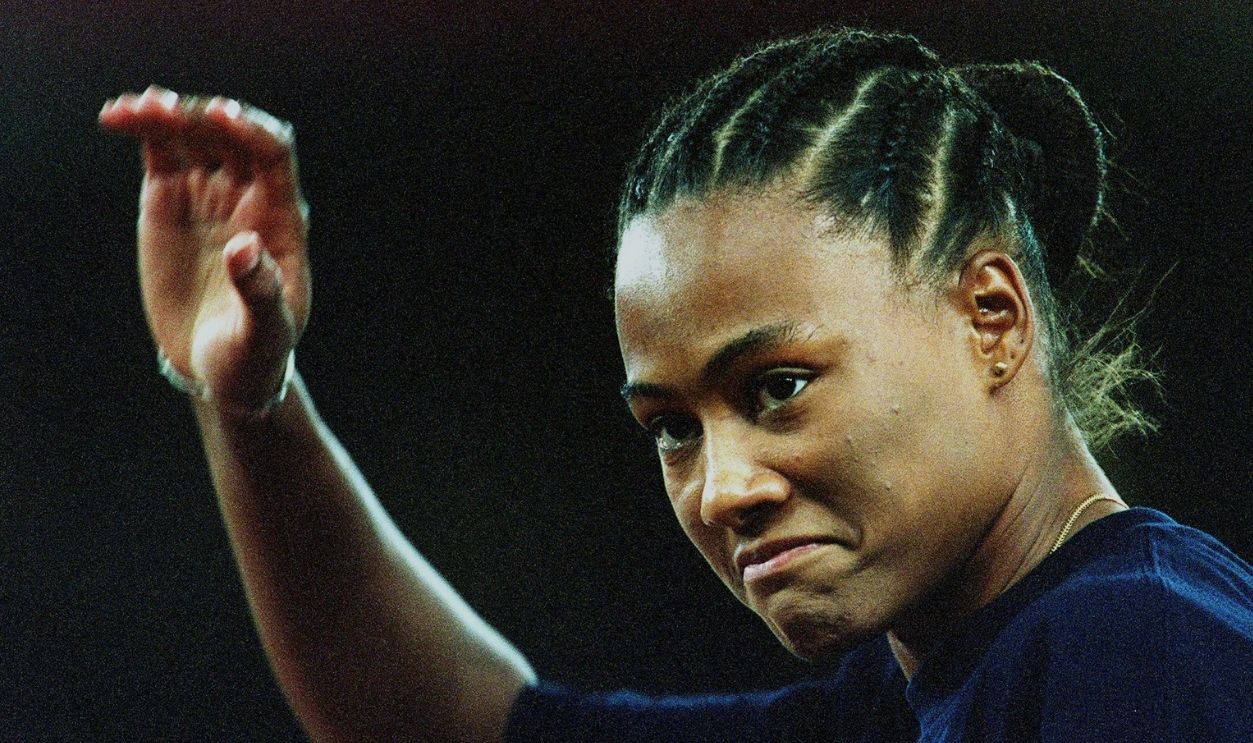
At a tearful press conference right after her guilty confession in court, Jones faced the cameras and the country she had once represented on the Olympic stage. “I have betrayed your trust,” she said, her voice cracking with emotion. “You have the right to be angry with me. I have let them down. I have let my country down. And I have let myself down”.
39. She Was In “The Clear”
In a letter later that month, Jones added some detail to her shocking confession. She admitted to using “The Clear”—the designer steroid THG—after her coach handed it to her disguised, she claimed, as flaxseed oil. “I lied when federal agents questioned me,” she wrote. “I panicked”. Her confession had devastating consequences.
40. She Lost Her Medals
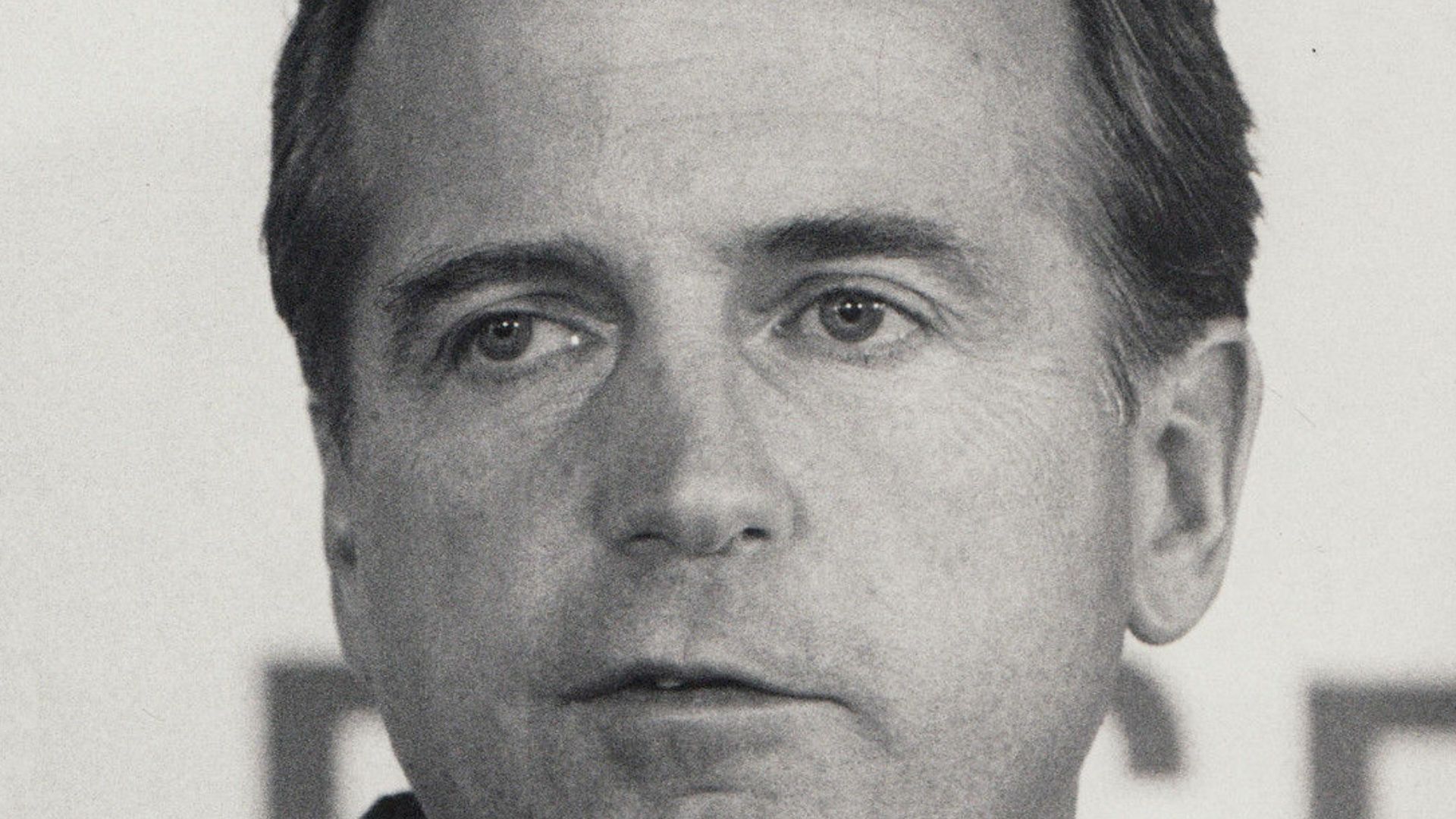
Moments after her confession, the US Olympic Committee chairman, Peter Ueberroth, issued a blistering statement. He called on Jones to “immediately step forward and return the Olympic medals she won while competing in violation of the rules”. To add insult to injury, Ueberroth continued, saying that Jones’ confession was “long overdue” and that it emphasized “the shame and dishonor that are inherent with cheating”.
Losing her medals wasn’t even the worst part.
 Unknown authorUnknown author, Wikimedia Commons
41. She Beat Her Cancellation To The Finish Line
Jones preempted her career cancellation. Right after her confession, she made the heartbreaking announcement of her immediate retirement from track and field. USADA issued a largely symbolic two-year suspension from competition. Then, on October 8, 2007, she physically surrendered her five Olympic medals.
Still, no amount of apology seemed to be enough.
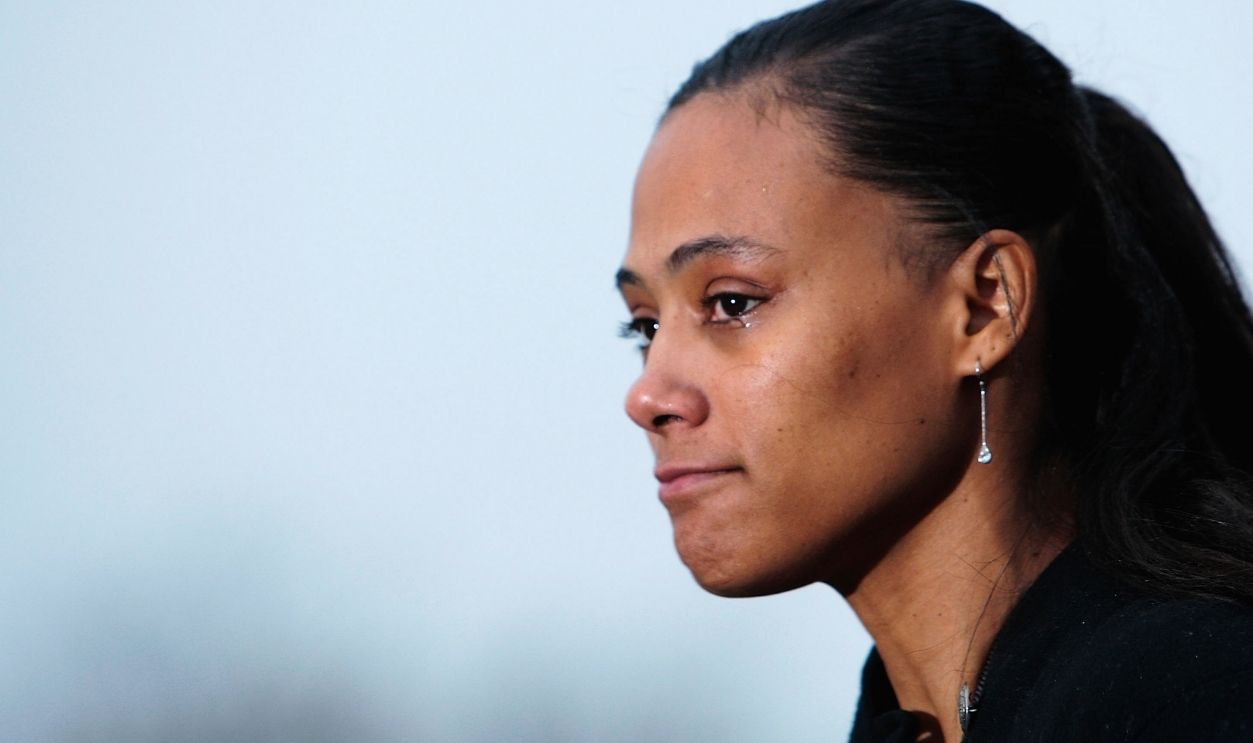
42. She Was Sport’s Greatest Villain
The International Association of Athletics Federations president delivered the harshest verdict of all against Jones. “Marion Jones,” he declared, “will be remembered as one of the biggest frauds in sporting history”. The statement crushed any hope of redemption. And there was still a higher price to pay.
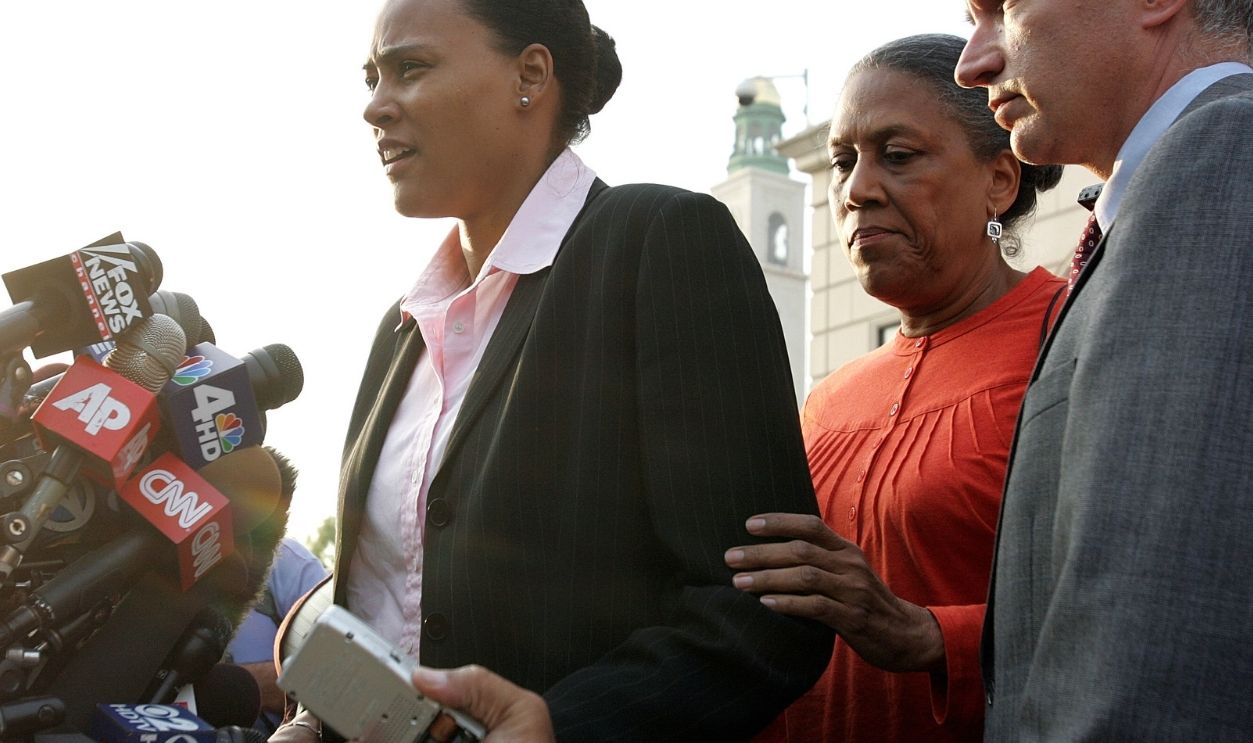
43. She Faced The Judge
In early 2008, Jones received her true and final punishment for cheating. Judge Karas sentenced Jones to six months behind bars for both her doping and her involvement in the financial scheme. “The offenses here are serious. They each involve lies made three years apart,” the judge declared. The judge emphasized that Jones’ actions had not been a “one-off mistake” and that they indicated repeated attempts to “break the law”.
For once, she had to stop running.
 Aubrey Washington, Getty Images
44. Her Sentence Continued Outside
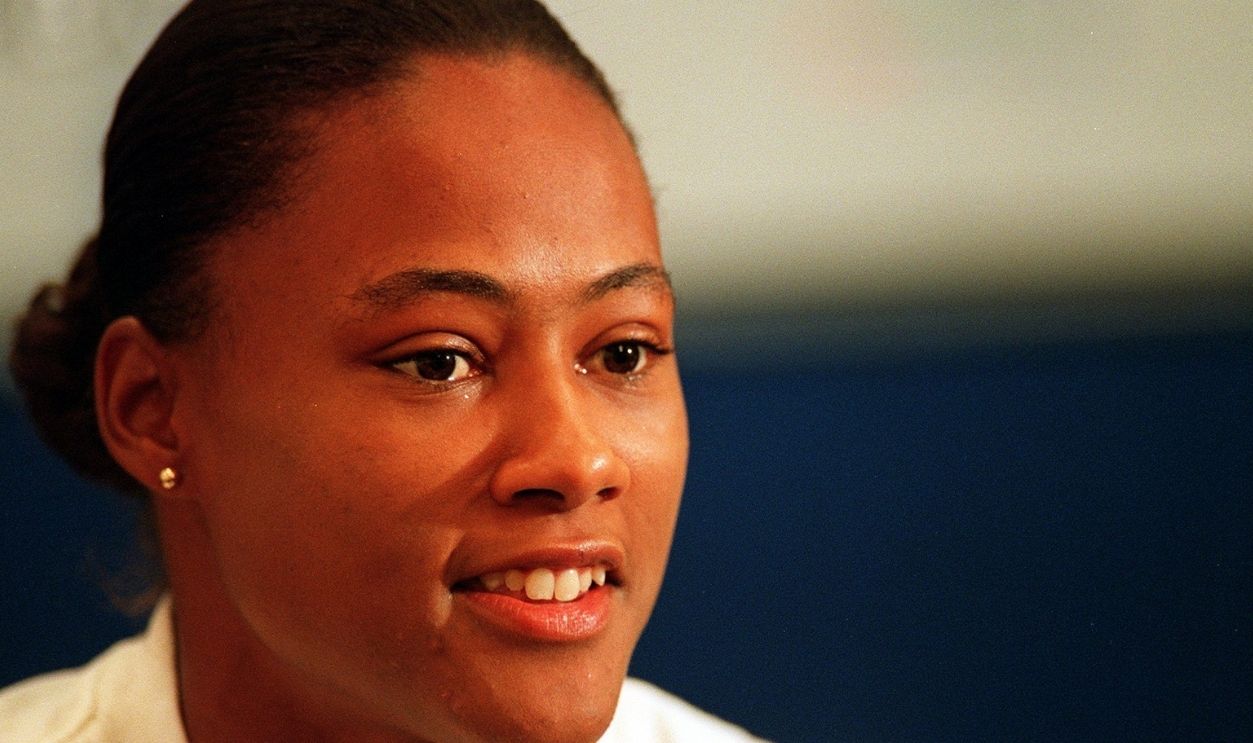
Beyond time behind bars, Jones also received two years of supervised release. The court ordered that she serve 400 hours of community service for each year—totalling 800 hours. The former Olympic champion would spend countless hours paying society back for her deceptions. Suffice to say, she had learned her lesson.
45. She Regained Her Freedom
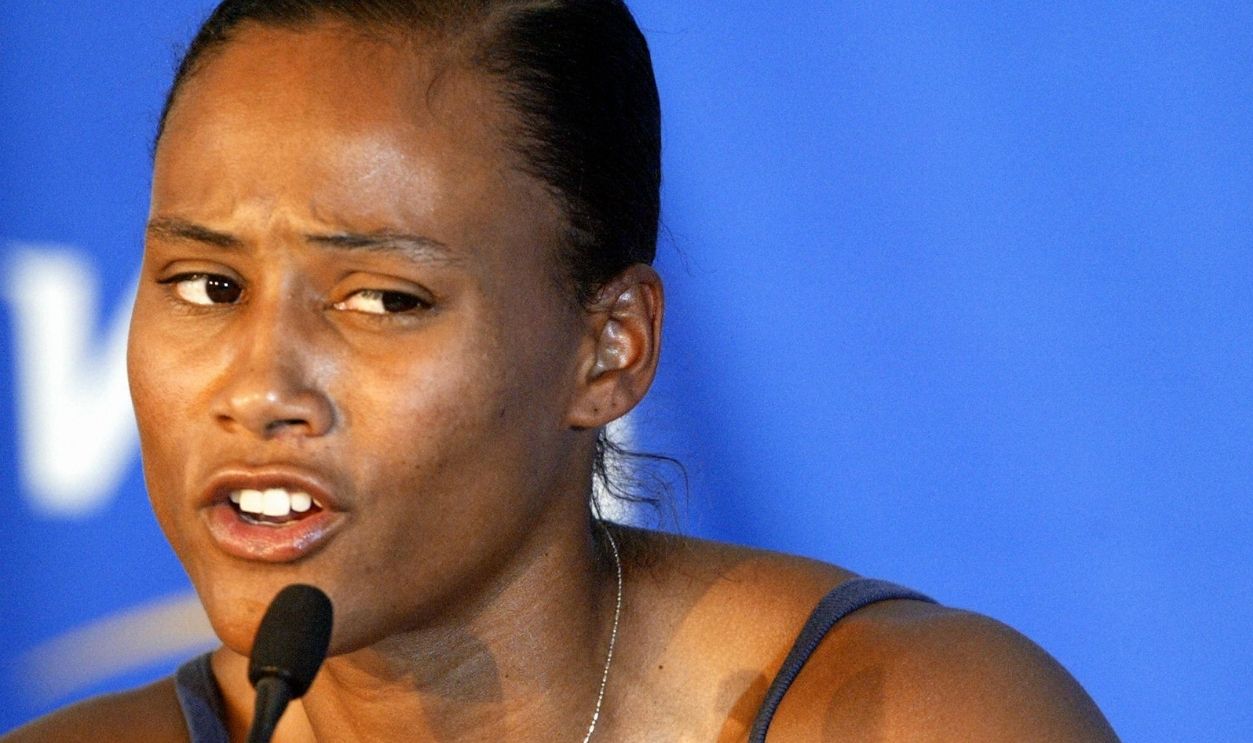
Finally, on September 5, 2008, Jones could put her past behind her. She walked free after serving her sentence and ran with enthusiasm towards a whole new life. “Words cannot begin to describe the joy I feel at being reunited with my husband and two sons today,” she declared. Despite all of the controversy, she knew one thing.

46. She Made A Bold Claim
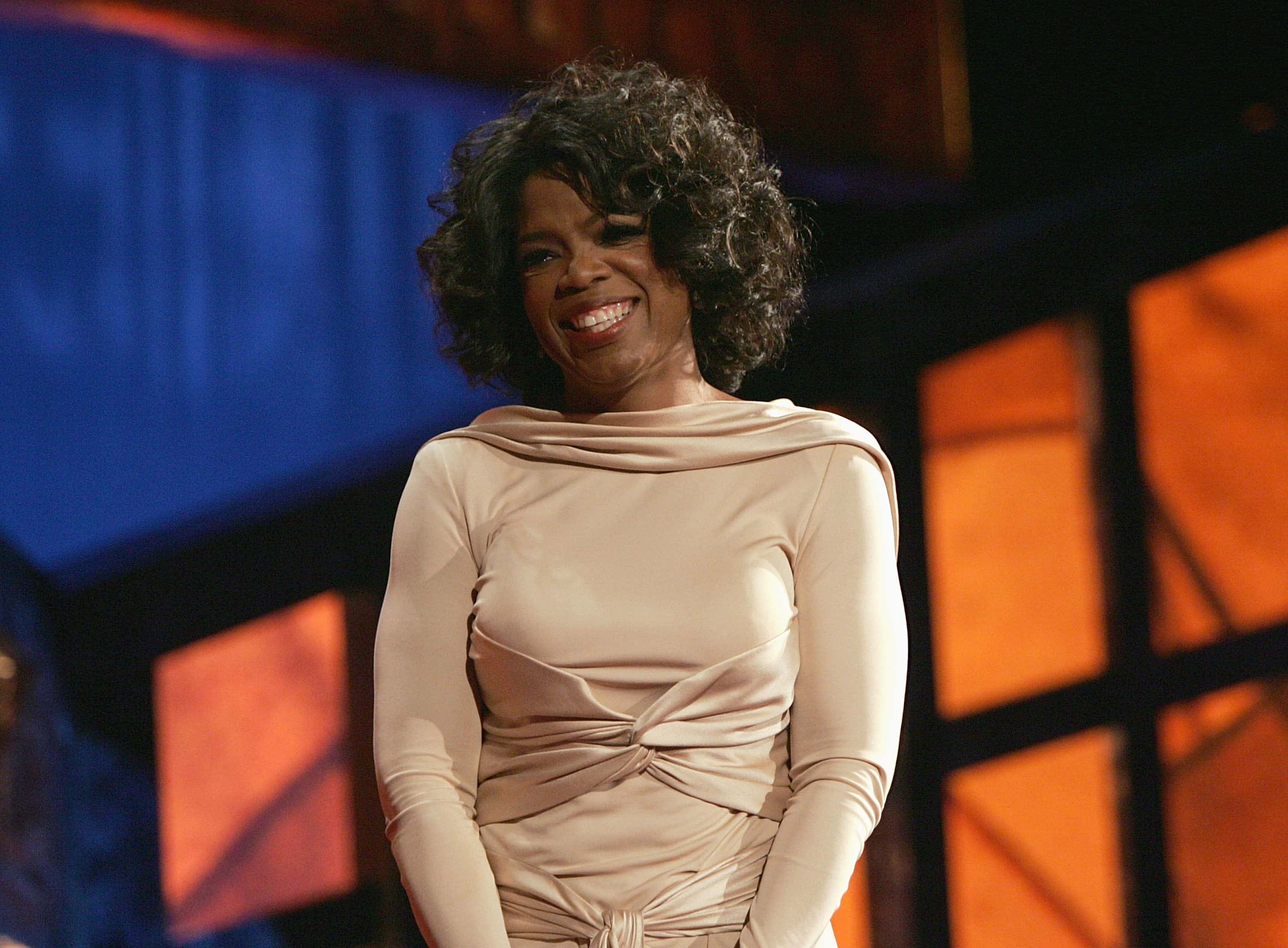
A little over a month after her release, Jones sat down with Oprah Winfrey for a brutally honest interview. But if anyone expected Jones to be less of a competitor, they were wrong. In the interview, Jones insisted that she would have won gold at Sydney…even without performance-enhancing substances.
Clearly, the need to compete was still there.
47. She Returned To Basketball
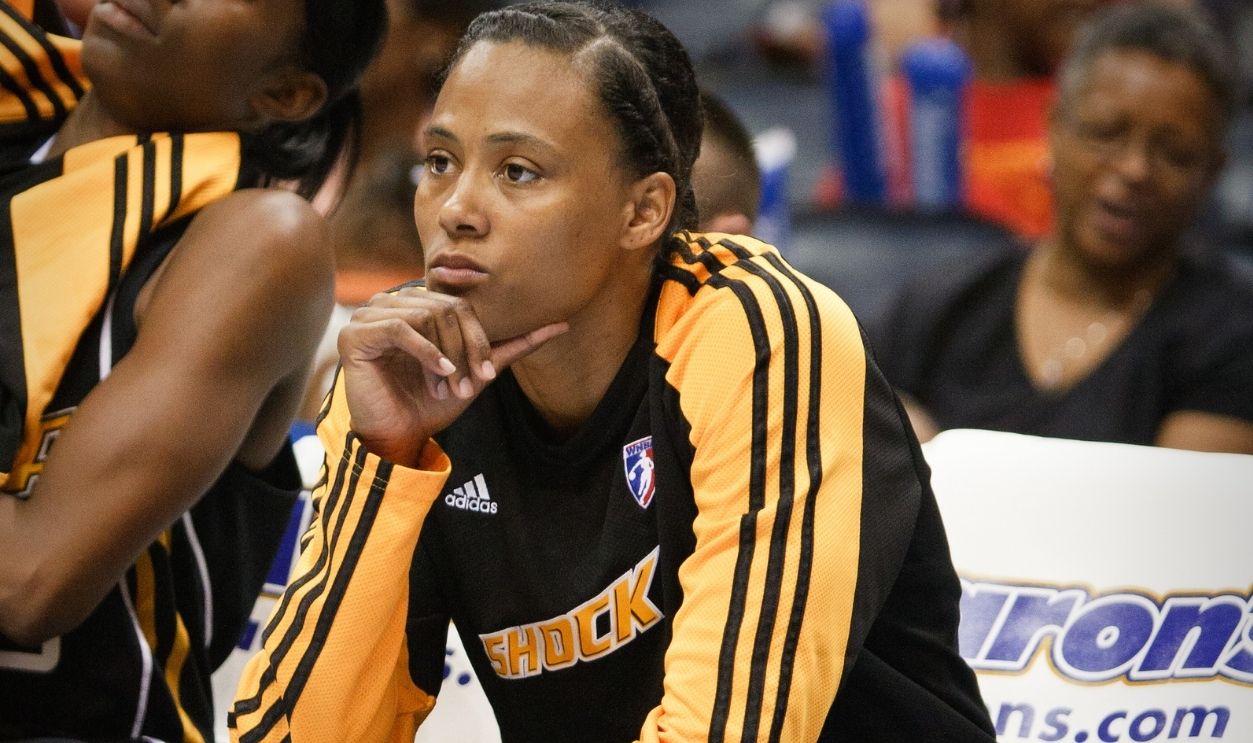
With her track and Olympic career officially over, Jones turned to her other athletic passion: basketball. In March 2010, the WNBA’s Tulsa Shock made a shocking announcement. Jones, they said, had signed with the team. She made her debut a few months later, hoping that she might repair her athletic reputation.
48. Her Basketball Dream Ended
Jones restarted her professional athletic career with a WNBA game in which she scored a career-high 15 points. But it was obvious that her best years were behind her. Across her two seasons and 47 games, she averaged just 2.6 points and 1.3 rebounds. The Tulsa Shock failed to renew her contract in July of 2011, ending her professional sports career forever.
Even so, everyone wanted to hear her story.
 Icon Sports Wire, Getty Images
49. She Wrote It All Down
During her return to professional sports, Jones wrote the book On the Right Track: From Olympic Downfall to Finding Forgiveness and the Strength to Overcome and Succeed, detailing her life’s ups and downs. Little did she know then that her life still had a few more twists and turns.
50. Her Marriage Ended Unexpectedly
After years of marriage, Jones and Thompson went their separate ways, officially calling an end in 2017. But it wasn’t until 2024 that Jones fans and followers really got an idea of what might have caused the end of her marriage.
51. She Came Sprinting Out Of The Closet
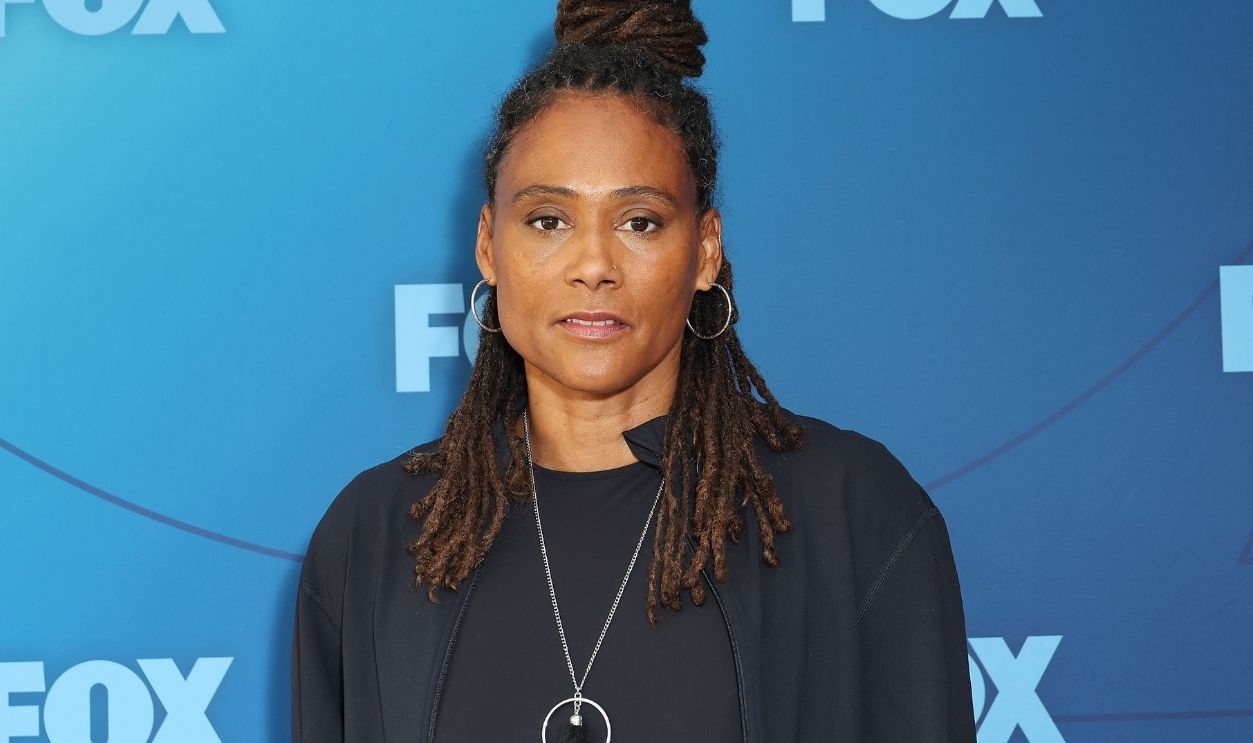
During pride month in 2024, Jones entered a new leg in the race of her life. Posting to Instagram, she boldly said, “I do identify with the LGBTQ community, I have for a long time…It's something that has shaped who I am as a human being…in my childhood, I started to feel different as a woman of color, as a queer woman”. Since then, Jones has revealed that she has a partner named Adele.
52. Her Comeback Is Bigger Than Her Setback
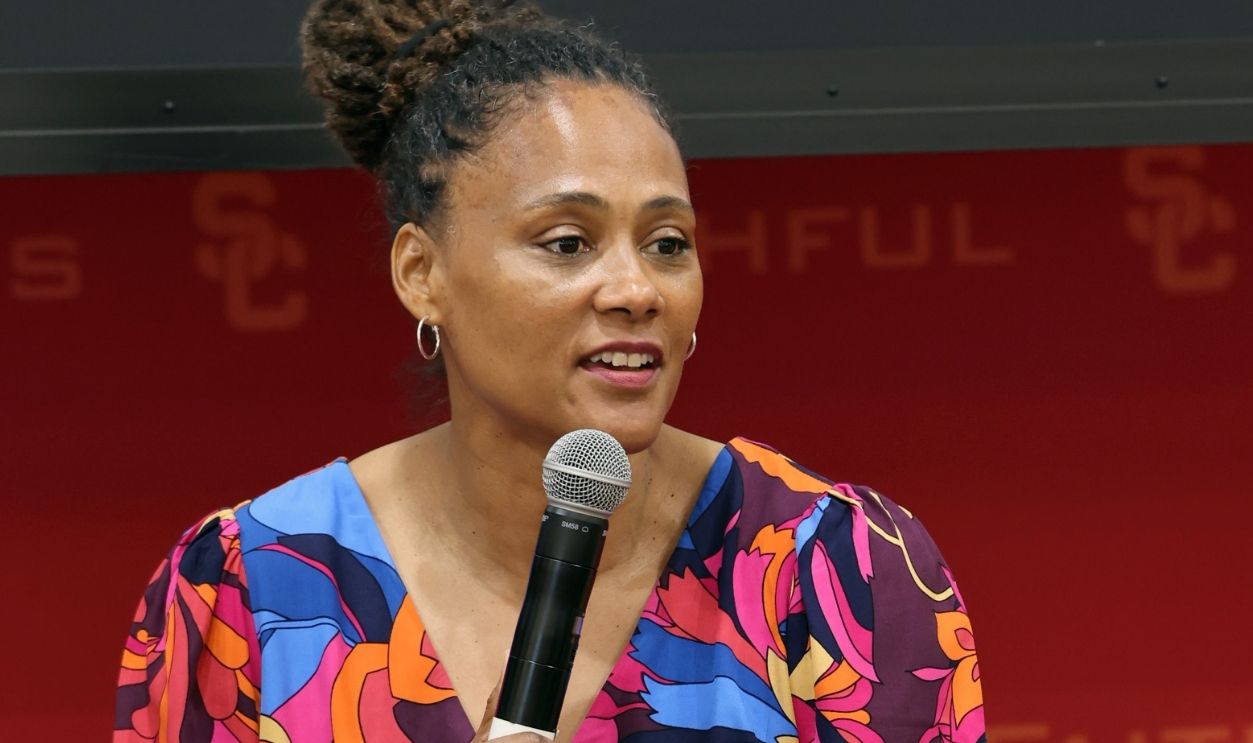
Since ending her rollercoaster ride of an athletic career, Jones has worked as a public speaker, coach and trainer. Given her own background, she has a unique view on the resilience it takes to become as mentally tough as one is physically tough. “I share with people that their comeback from hard stuff is bigger than their setback,” she stated.
53. She’s Still The Champion (In Her Own Mind)
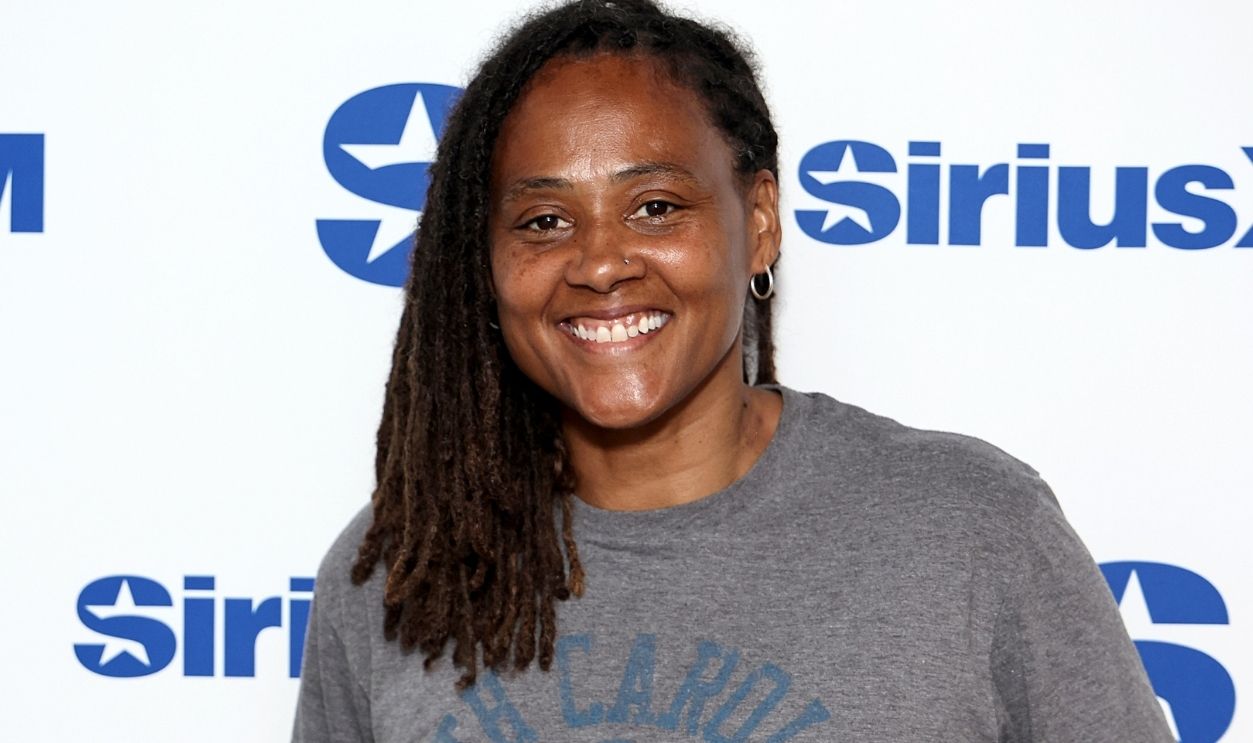
Even though she has atoned for her past cheating and given up her medals, Jones has never stopped believing in herself. In 2024, when asked whether she would have achieved all that she had without performance-enhancers, Jones was unequivocal. “The answer’s very easy for me: 1000%…I was blessed with just an enormous amount of talent”.
Even so, she confessed, “But knowing that it didn’t need to happen the way that it did always will stick with me as a moment that is hard”.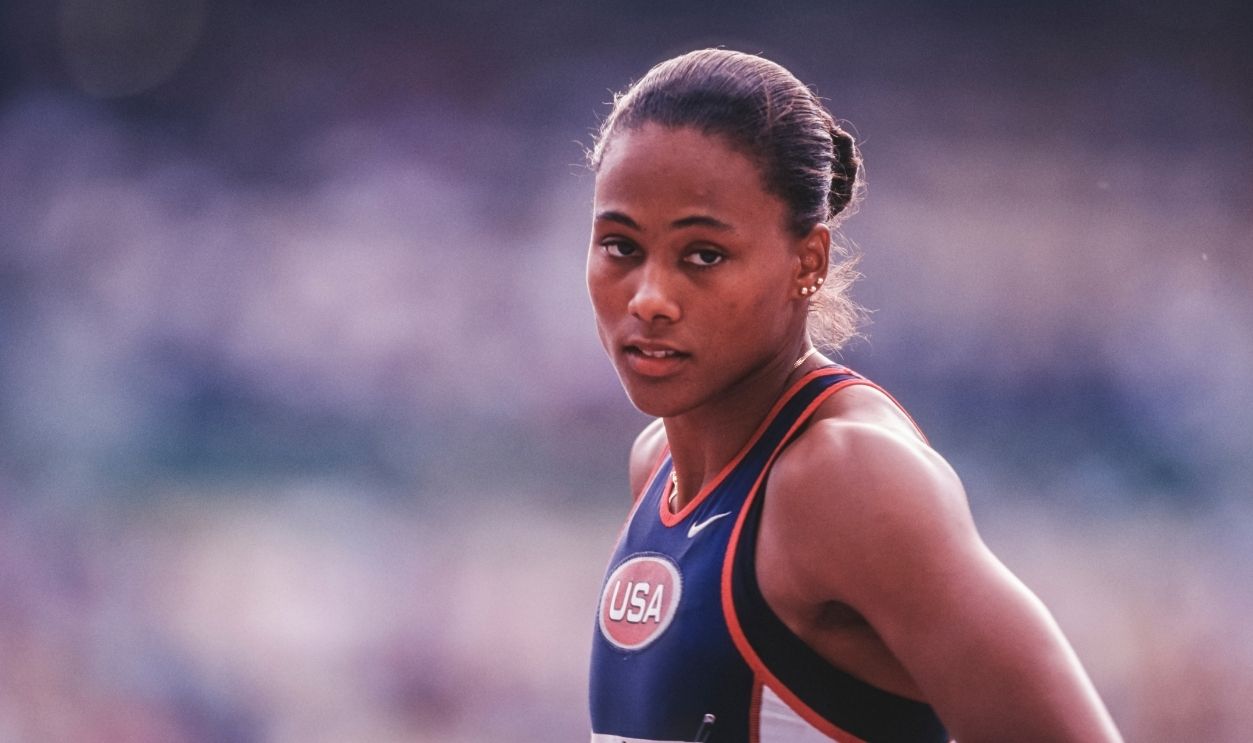 David Madison, Getty Images
You May Also Like:
The Queen Of Evangelical Television
Ambrose Bierce, Literature’s Lacerating Critic
Robert F. Kennedy Sr., The Zero-To-Hero Kennedy
Sources: 1, 2, 3, 4, 5, 6, 7, 8, 9, 10, 11, 12, 13, 14, 15, 16, 17, 18, 19, 20, 21