She Was The Mother—Or The Mastermind
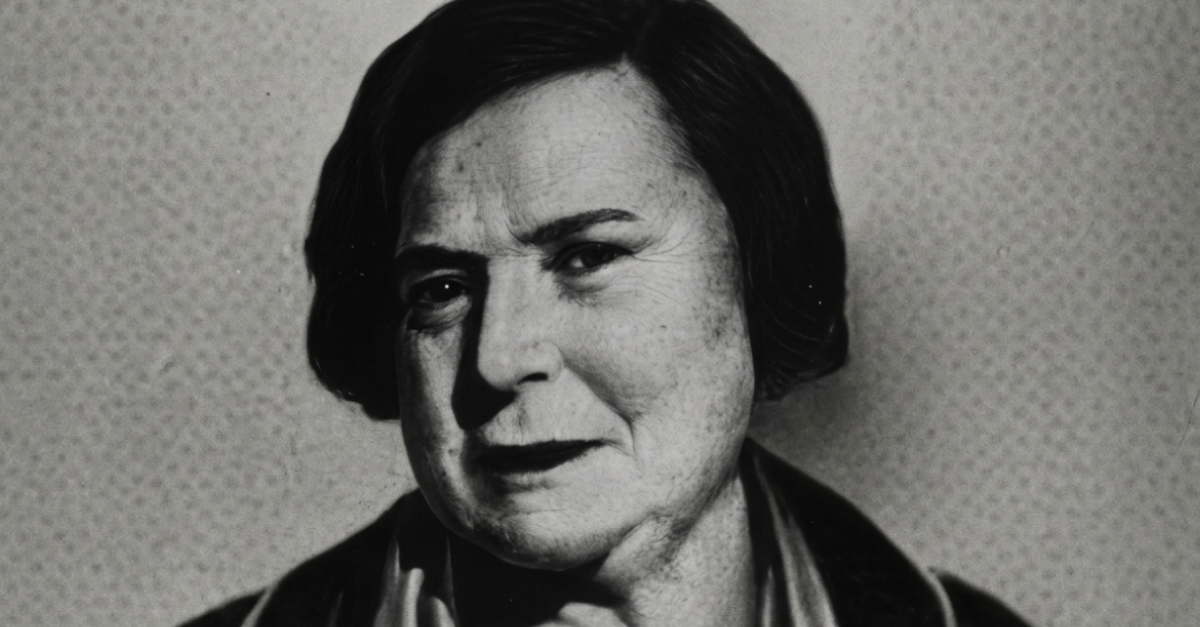
The truth about Ma Barker depends on who’s telling the story. To the FBI, she was the mastermind pulling the strings of the Barker-Karpis gang that included her four sons. But to the men actually in the gang, she was supposedly just an old woman from the Ozarks. Either way, her story ended in a hail of lead.
1. She Wasn’t Always Ma Barker
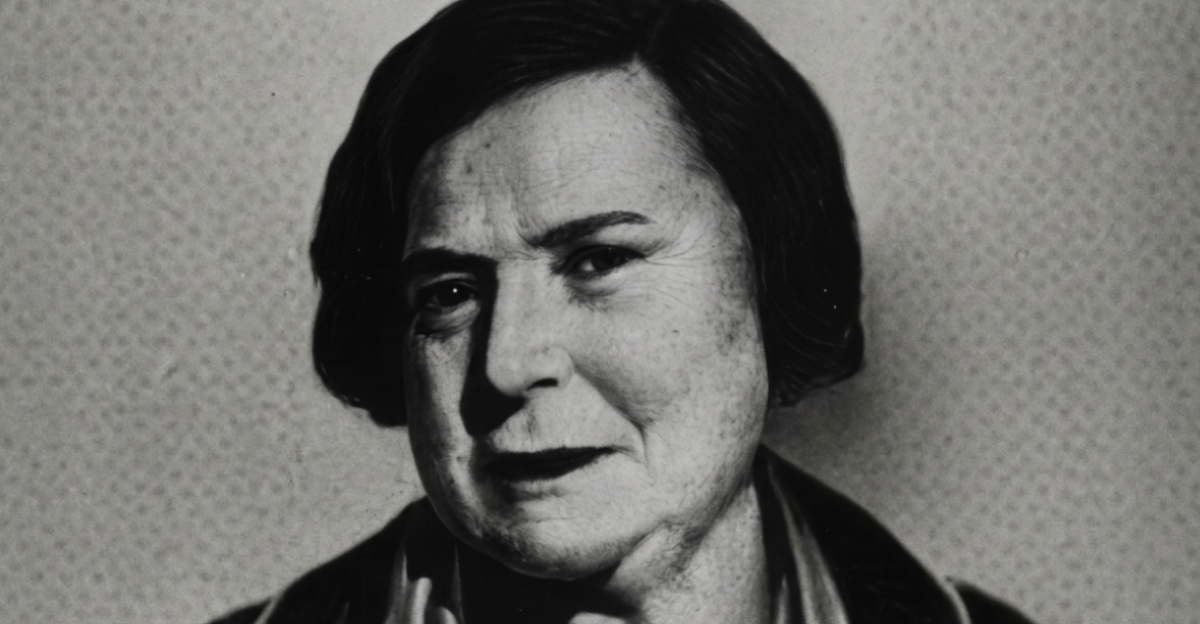
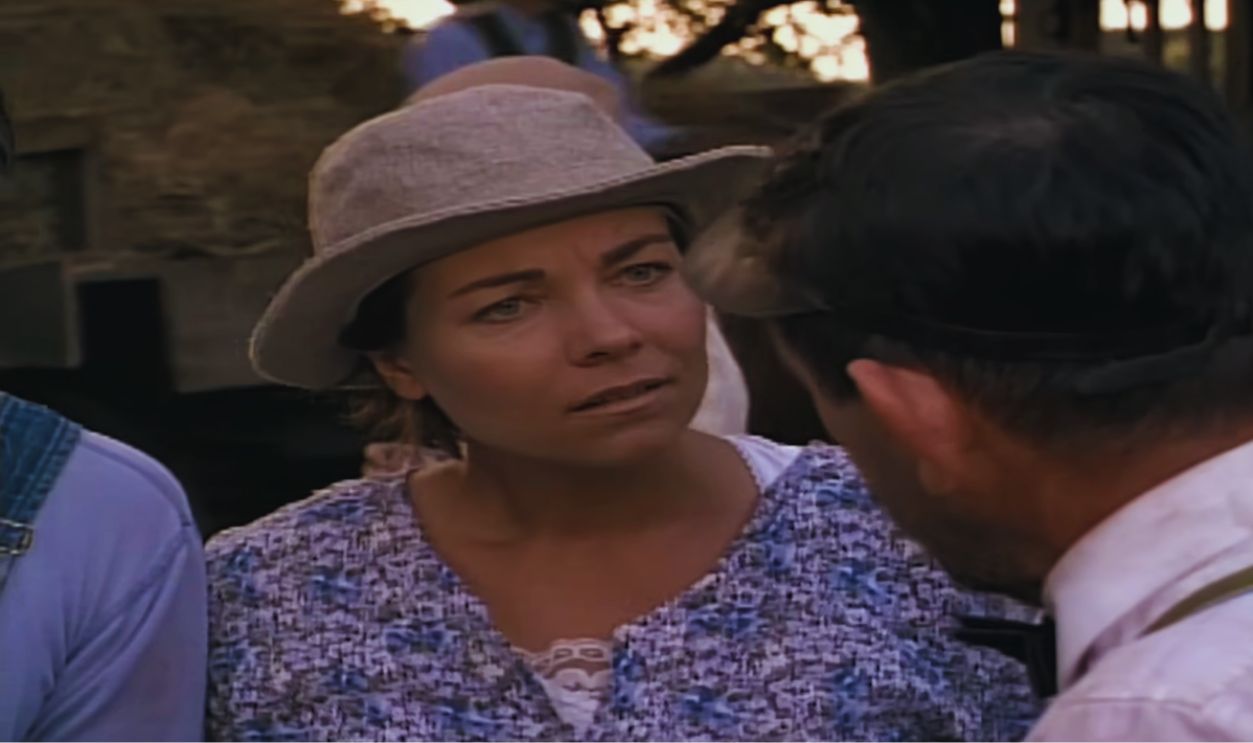
The woman who would become infamous as “Ma Barker” started life under a name that sounded nothing like an outlaw’s. Born Arizona Donnie Clark on October 8, 1873, in Ash Grove, Missouri, she went by “Arrie” to those who knew her. According to FBI records, she came from Scotch-Irish stock in Ozark country, though some claimed she also had Native American ancestry.
She did not seem destined to become an outlaw.
 Screenshot from Public Enemies, American World Pictures / Trimark Pictures (1996)
2. She Married Young
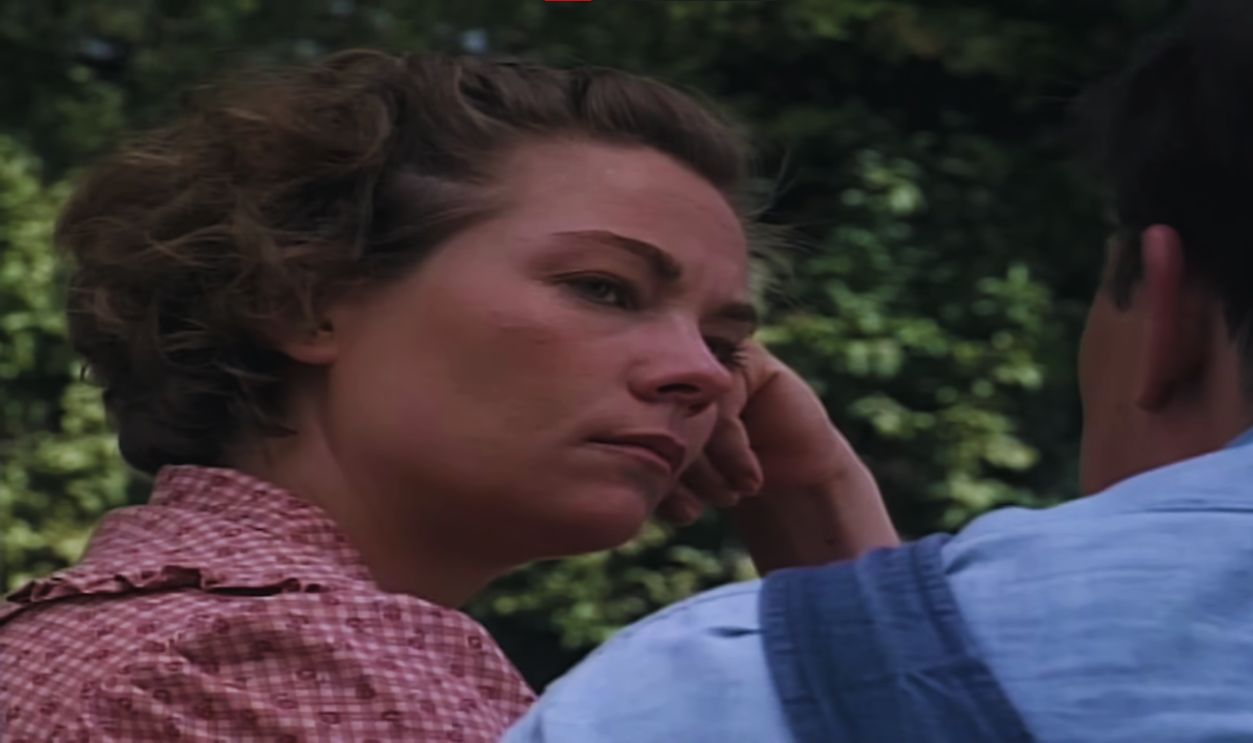
“Arrie” Clark became Arrie Barker on September 14, 1892. She was still a teenager when she tied the knot with George E Barker but the records are fuzzy on the couple’s early days. Even the location of the wedding is disputed: some records place it in Lawrence County, Missouri, while the FBI insists it happened right there in Ash Grove.
No matter the details, the fruits of that marriage would be a gang of outlaws.
 Screenshot from Public Enemies, American World Pictures / Trimark Pictures (1996)
3. She Raised Four Sons—And A Legacy
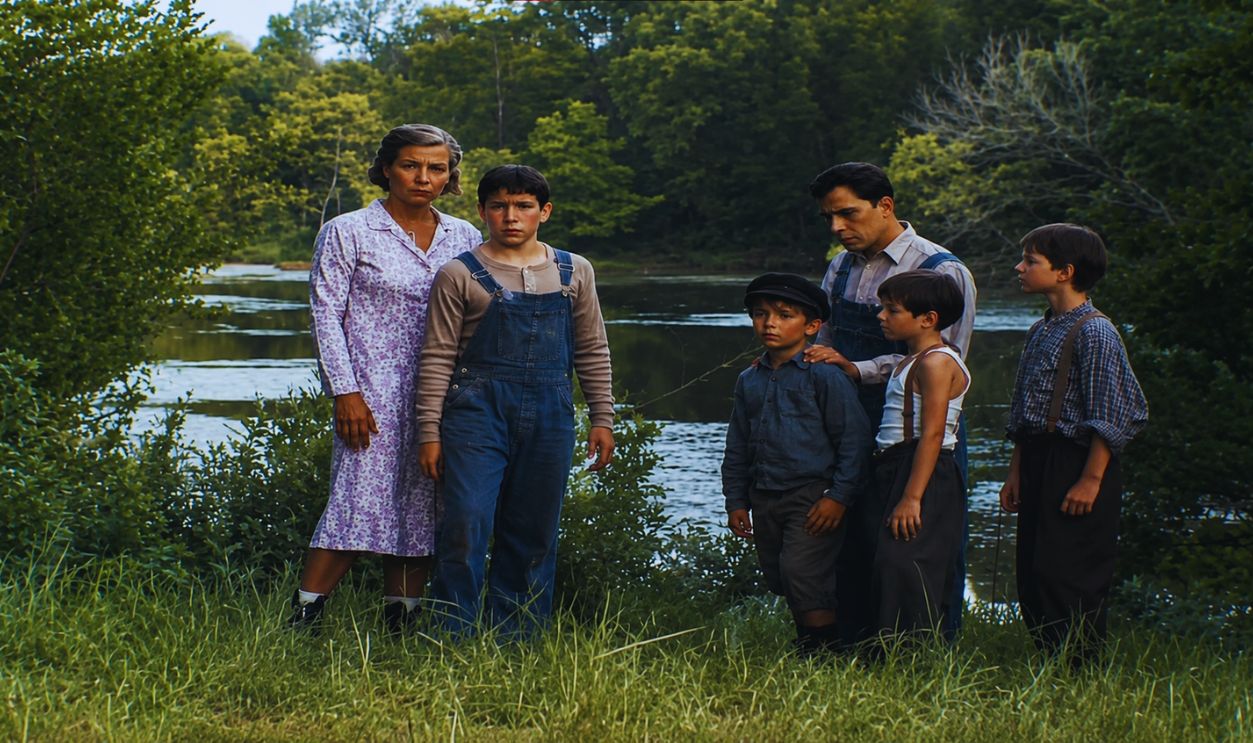
The Barker household filled up fast. “Arrie” and George welcomed four boys in quick succession: Herman in 1893, Lloyd in 1897, Arthur “Doc” in 1899, and Fred in 1901. They spent their early years in Aurora, Missouri—a quiet town that no one expected to be the birthplace of one of the most infamous gangs in history.
Not a single one of Ma Barker’s boys would meet a peaceful end.
 Screenshot from Public Enemies, American World Pictures / Trimark Pictures (1996)

History's most fascinating stories and darkest secrets, delivered to your inbox daily.
4. Her Family Drifted West
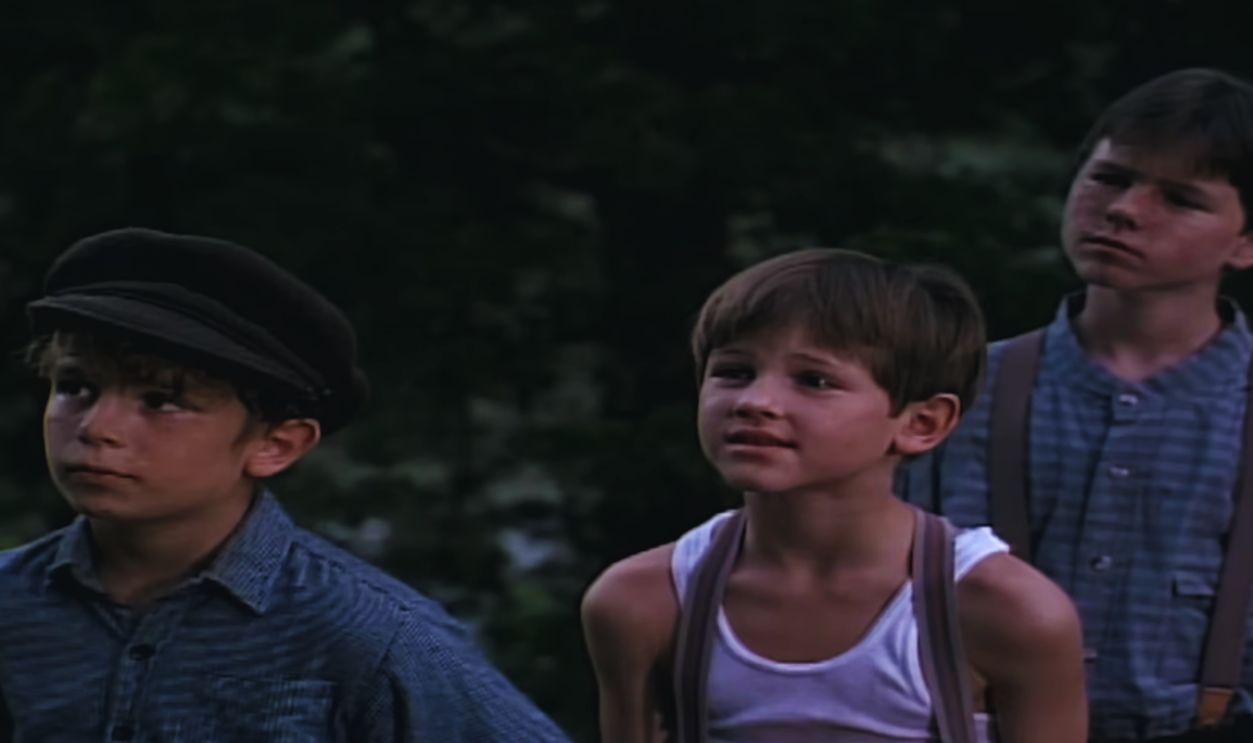
Sometime around 1903, the Barkers packed up and moved to Webb City, Missouri, where Herman and Lloyd started school. By the time Herman wrapped up his grade school years, the family had relocated again—this time to Tulsa, Oklahoma. Each move took them further from small-town respectability and closer to a dark world.
 Screenshot from Public Enemies, American World Pictures / Trimark Pictures (1996)
5. Her Husband Scraped By
Ma Barker might have felt the pressure to turn to illicit means. It was obvious from the very beginning that her husband, George, was never going to be the family breadwinner. Census records and Tulsa city directories from 1916 to 1928 paint a picture of a man bouncing between low-paying positions—farmer, then watchman, station engineer, and clerk.
Barker’s boys, on the other hand, knew how to make a buck.
 Screenshot from Public Enemies, American World Pictures / Trimark Pictures (1996)
6. She Didn’t Educate Her Boys
A later FBI assessment of the Barker household was unsparing in its description of Barker’s parenting. One document noted that neither Barker nor her husband paid much attention to their sons’ schooling—leaving the boys “more or less illiterate”. Another investigation was only slightly kinder, describing Barker as “probably just an average mother” with “no aspirations…to maintain any high plane socially”.
Average or not, her sons were about to make the family infamous.
 Screenshot from Public Enemies, American World Pictures / Trimark Pictures (1996)
7. Her Sons Started Early
With her lack of parenting, it didn’t take the Barker boys long to find trouble. As early as 1910, authorities picked up Herman for a highway holdup in Webb City after he ran over a child during the dramatic getaway. From there, the Central Park Gang of Tulsa took the brothers under its wing and gave them the education that Ma Barker hadn’t—an education in lawbreaking.
They turned out to be excellent students.
 Screenshot from Public Enemies, American World Pictures / Trimark Pictures (1996)
8. Her Eldest Son Met A Violent End
Herman Barker’s run ended on August 29, 1927, in Wichita, Kansas. After a botched heist, he found himself cornered by officers and opened fire, striking one at point-blank range after putting his piece in the officer’s mouth. Gravely wounded himself after crashing his getaway car, Herman chose the easy way out rather than face the law.
Going down instead of getting nabbed would be the Barker family way.
 Screenshot from Public Enemies, American World Pictures / Trimark Pictures (1996)
9. She Lost Everything At Once
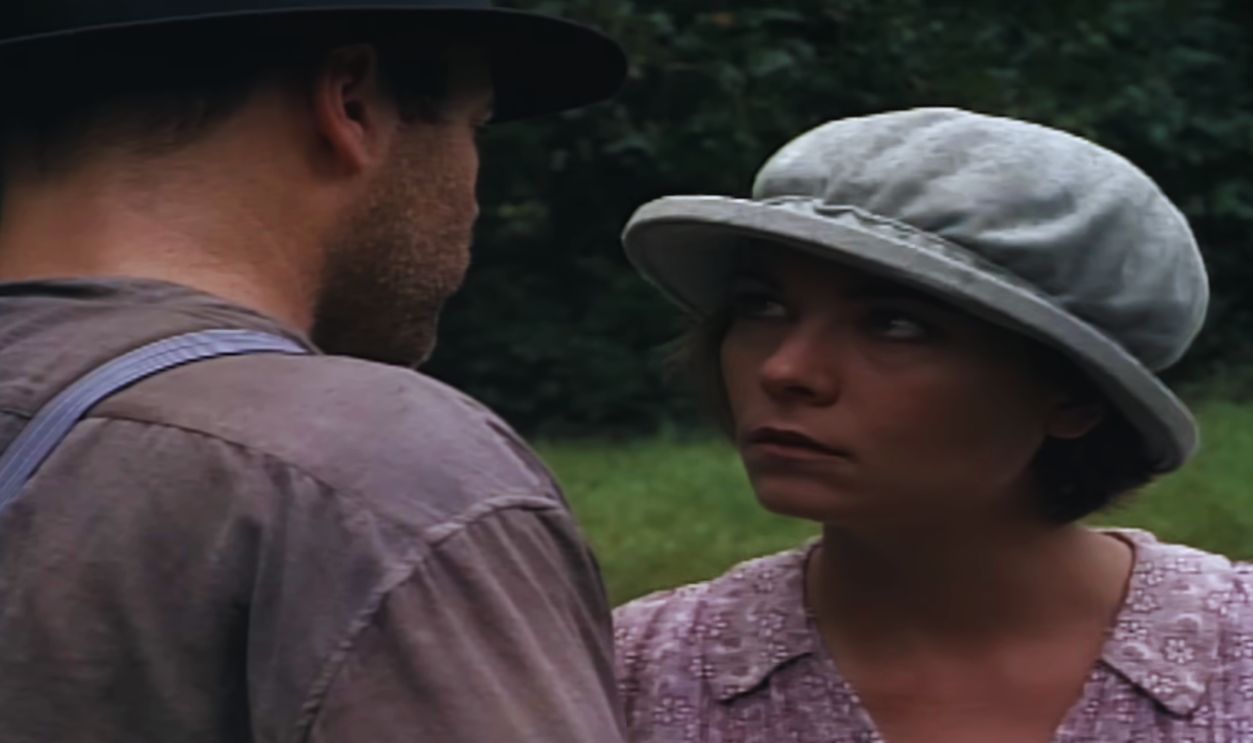
By 1928, Ma Barker’s world had collapsed. Herman was in the ground. Lloyd sat behind the walls of the federal penitentiary at Leavenworth. “Doc” was locked up in the Oklahoma State Penitentiary. Fred occupied a cell at the Kansas State Penitentiary. And George—the husband who’d been drifting away for years—finally walked out for good.
Her “gang” had disbanded.
 Screenshot from Public Enemies, American World Pictures / Trimark Pictures (1996)
History's most fascinating stories and darkest secrets, delivered to your inbox daily.
10. She Basically Endorsed Her Sons’ Actions
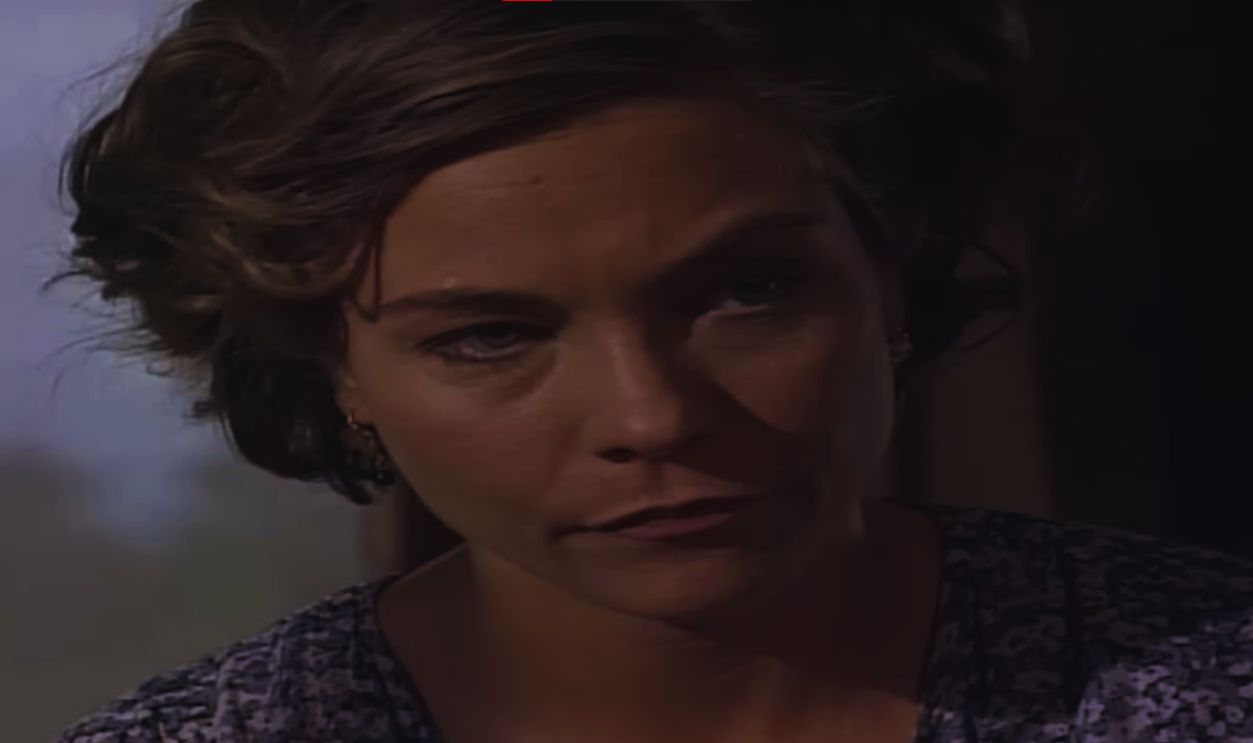
The family’s gang activity appears to have been the cause of the failure of Barker’s marriage to George. Writer Miriam Allen deFord observed that George “gave up completely and quietly removed himself from the scene” after Herman’s passing and the incarceration of his other sons. While Barker “countenanced” her sons’ activities, George denounced them.
Either way, the divide in her marriage was only growing wider.
 Screenshot from Public Enemies, American World Pictures / Trimark Pictures (1996)
11. She Was, Maybe, A Little “Loose”
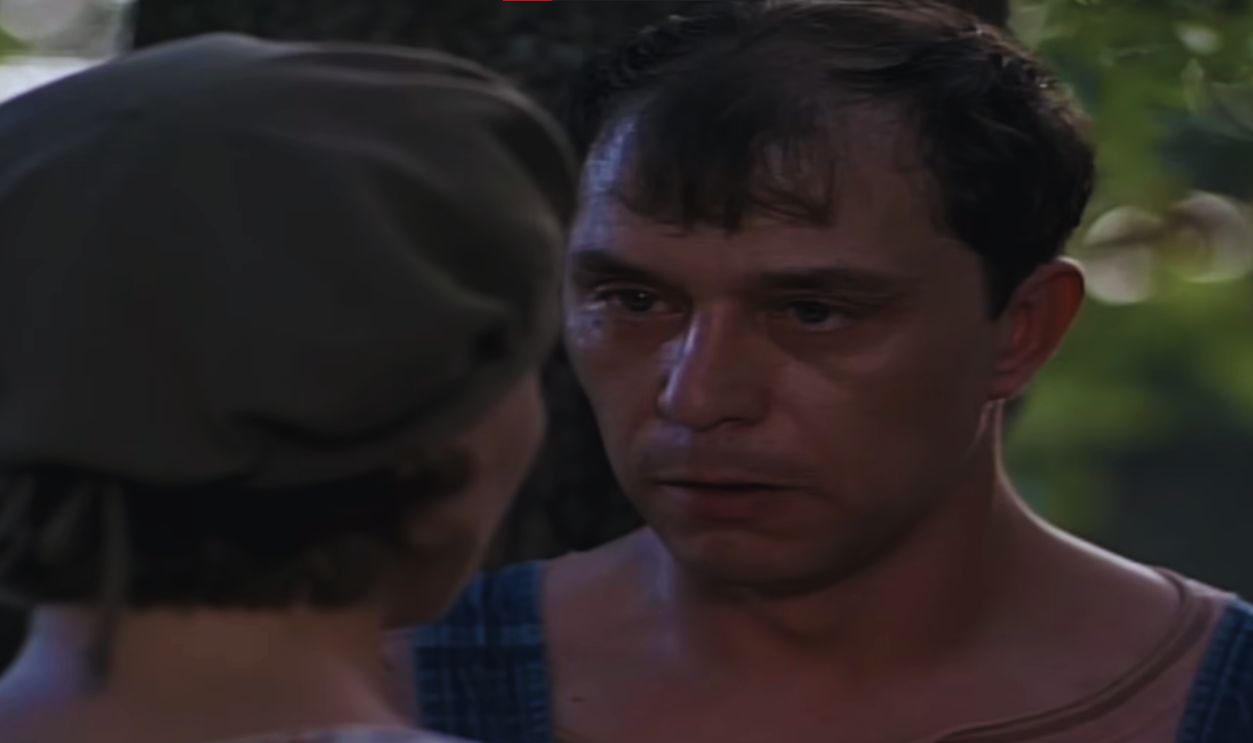
According to the FBI, George didn’t leave Barker because of their sons—he left because of her. FBI records claimed she had become “loose in her moral life” and was “having outside dates with other men”. It’s also curious that, though George himself was no outlaw, he did show up after they all passed to claim their ill-gotten assets as next of kin.
Even so, Barker had little to offer him.
 Screenshot from Public Enemies, American World Pictures / Trimark Pictures (1996)
12. She Hit Rock Bottom
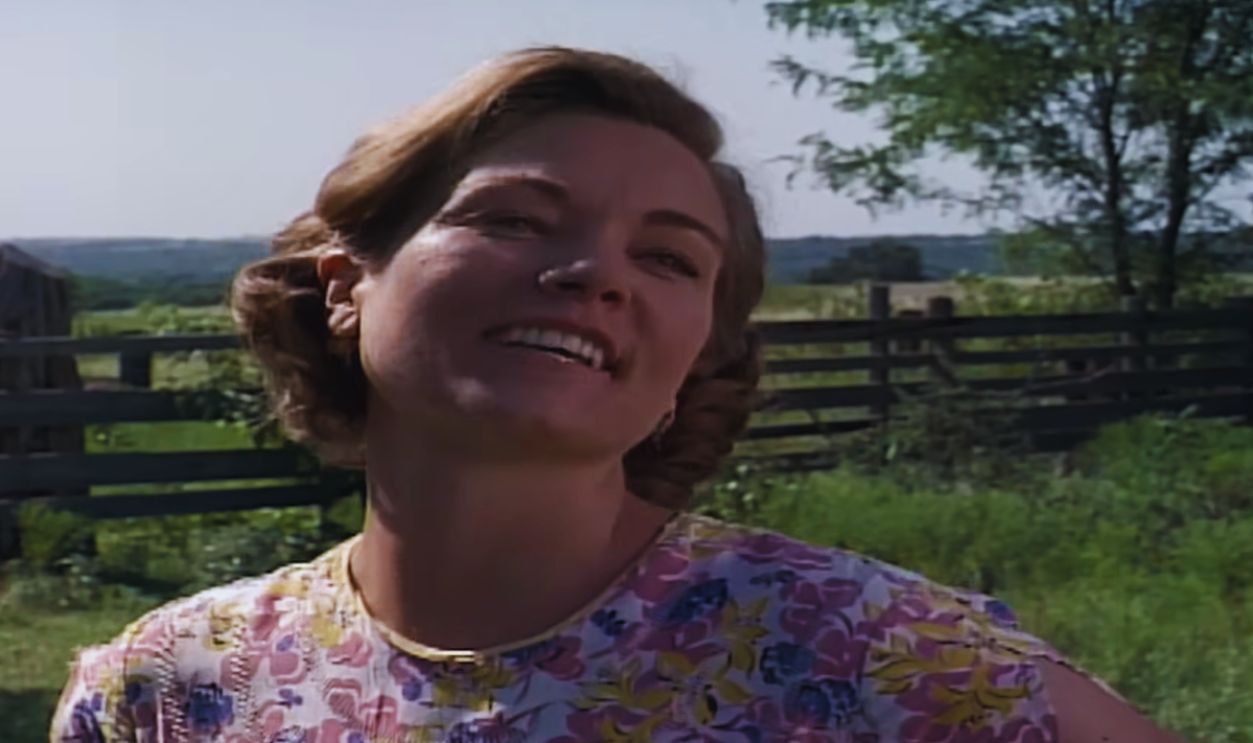
The years between 1928 and 1930 were the lowest of Ma Barker’s life. With no husband, no income, and every son either gone or behind bars, she scraped by in what one account described as a “dirt-floor shack” in “miserable poverty”. By 1930, she had taken up with a jobless man named Arthur W Dunlop, who appeared as her husband on the Tulsa census.
Her fortunes, however, were about to change—and not for the better.
 Screenshot from Public Enemies, American World Pictures / Trimark Pictures (1996)
13. Her Son Brought Trouble Home
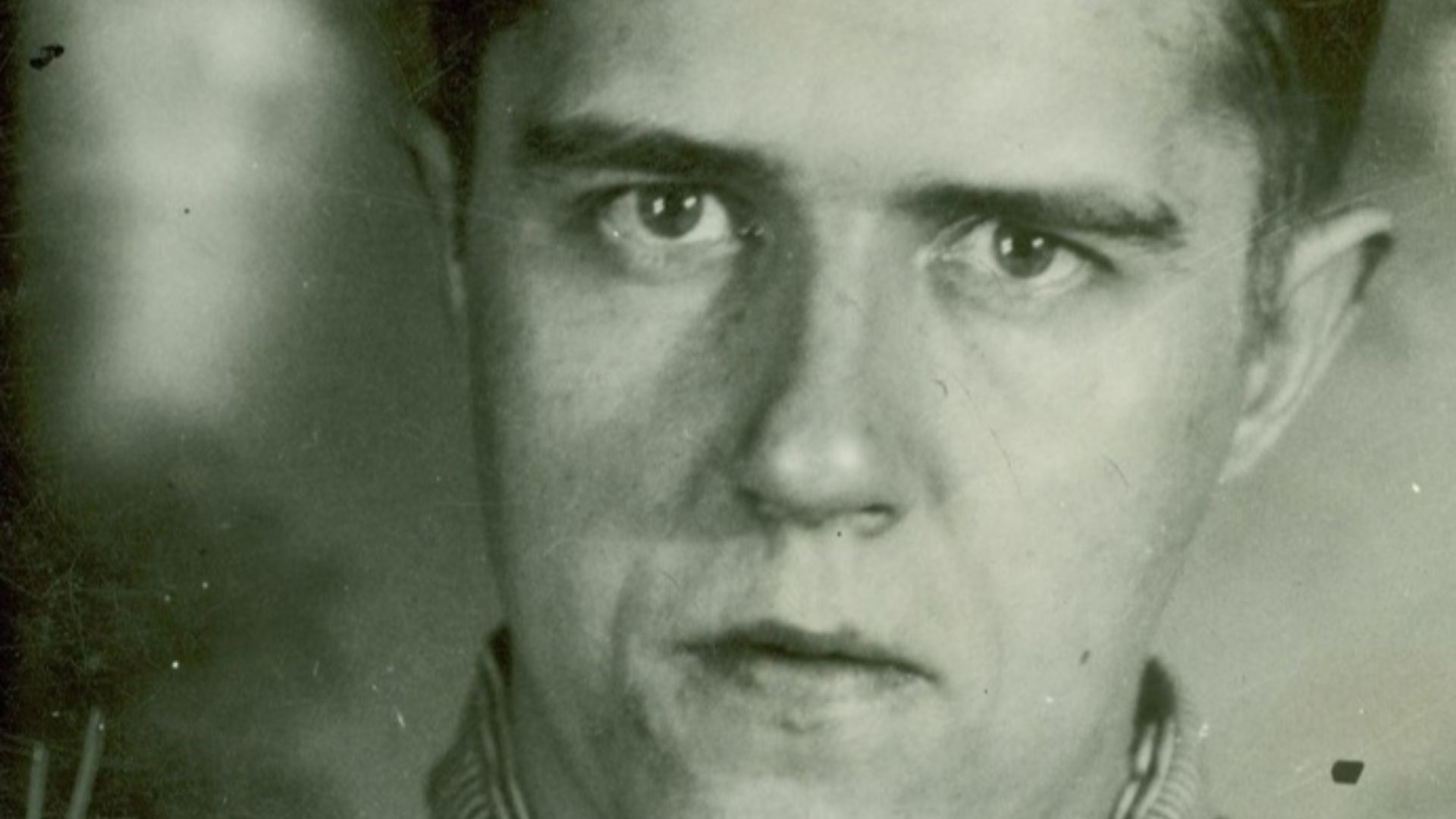
Fred Barker walked out of the Kansas State Penitentiary on March 30, 1931, and wasted no time picking up where he left off. He linked up with a former cellmate named Alvin Karpis, and together they formed what would become the Barker–Karpis Gang. By late 1931, Fred had joined his mother and Dunlop at a rented cottage near Thayer, Missouri.
The gang was taking shape again—and Ma was right in the middle of it.
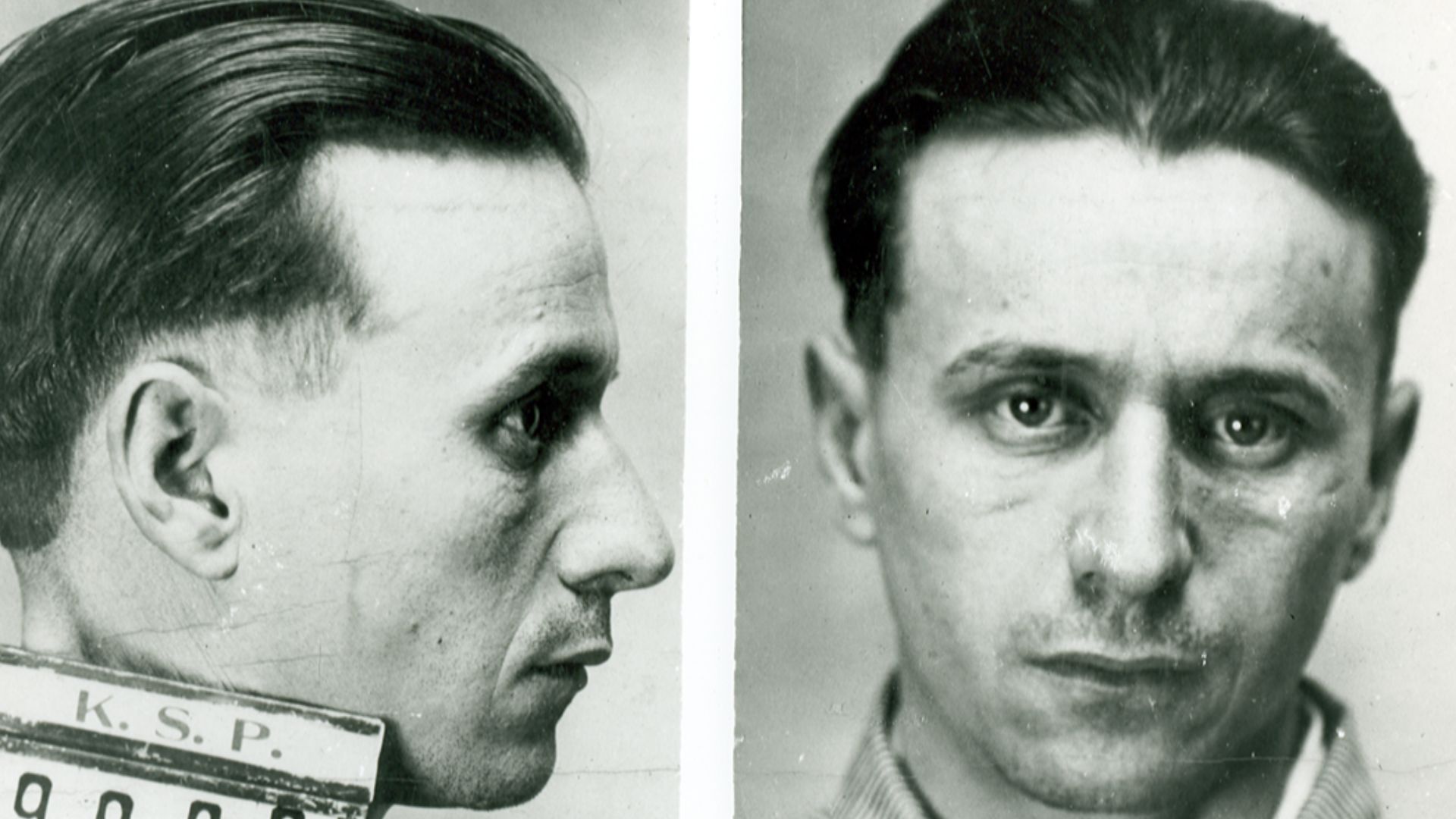
14. She Became A Wanted Woman
On December 19, 1931, Fred Barker and Alvin Karpis took the life of Sheriff C Roy Kelly in West Plains, Missouri. With the heat hot on their trail, the gang had to run. Ma Barker and Dunlop fled with them, cycling through false identities along the way—but simple name changes wouldn’t be enough. Authorities issued a wanted poster offering $100 for the capture of “Old Lady Arrie Barker”.
The quiet Ozark mother now had a price on her head.
 Comitialbulb561, Wikimedia Commons
15. She Did Not Play The Violin
The group’s first stop was Herbert Farmer’s place near Joplin, Missouri, before they moved on to St Paul, Minnesota. There, Ma, Dunlop, Fred, and Karpis rented a house. It might have been a decent hideout if not for the landlady who curiously noted the group’s “violin cases” and correctly guessed it held something far more dangerous than a string instrument.
With their cover blown, Ma and the others bolted on April 25, 1932. Not all of them made it out.
 Screenshot from Public Enemies, American World Pictures / Trimark Pictures (1996)
History's most fascinating stories and darkest secrets, delivered to your inbox daily.
16. Her Companion Was A Liability
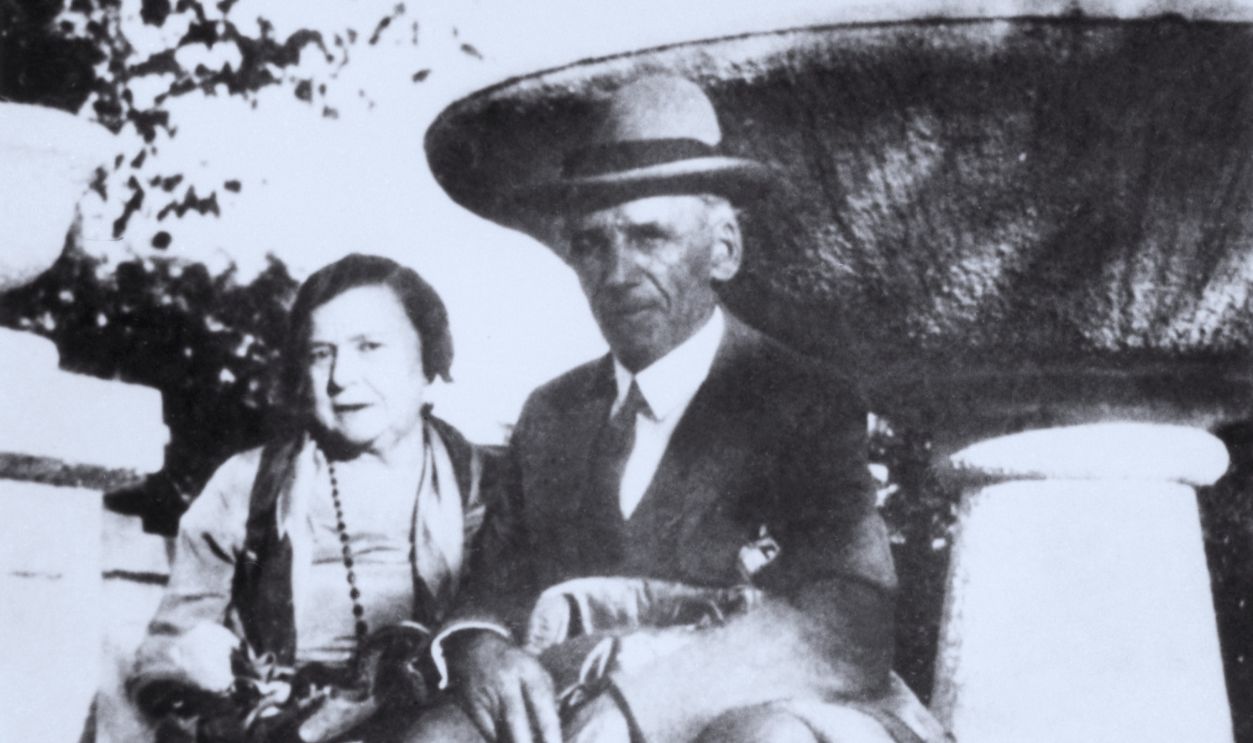
Ma Barker’s common-law partner, Dunlop, hadn’t earned the trust of the rest of the gang. Karpis considered him a nuisance, and the rest of the gang eyed his every move with suspicion. Then, while lying low at one hideout, a local resident spotted the group in the pages of True Detective magazine and tipped off the authorities.
The gang escaped—thanks to a corrupt St Paul chief named Thomas “Big Tom” Brown—but Dunlop took the fall.
17. Her Lover Paid The Price
The gang decided that it had been Dunlop’s big mouth—and not dumb luck—that had given them away. Ma Barker was powerless to stop what happened next. Dunlop’s body turned up near Webster, Wisconsin, on April 26, 1932, “stripped of its clothing” and with three close-range wounds. FBI records noted a bloodstained woman’s glove near the body.
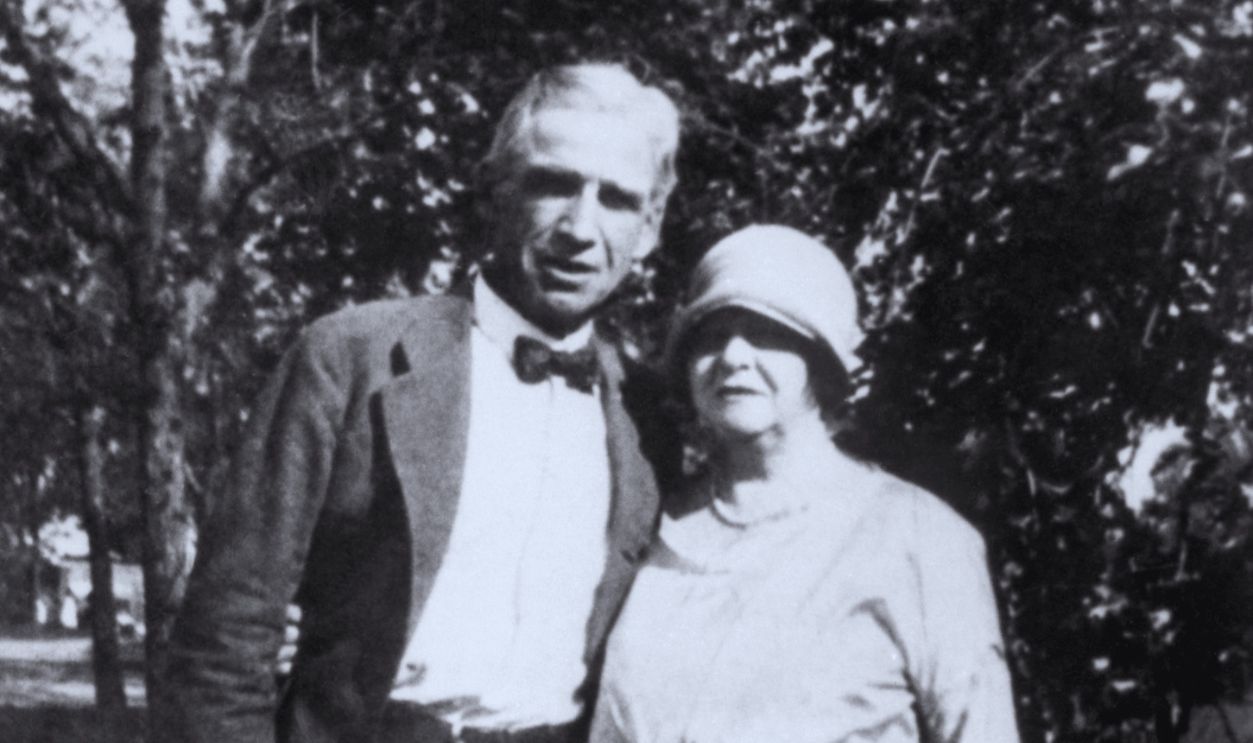
18. She Played The Part Perfectly
After Dunlop’s demise, Ma Barker relocated to Kansas City, Missouri, where the gang slipped into the costumes of ordinary citizens. She adopted the alias “Mrs AF Hunter” and bounced between a few different addresses to further obscure her identity. Her sons told anyone who asked that they were in the “insurance business”.
It was a convincing cover—for the time being.
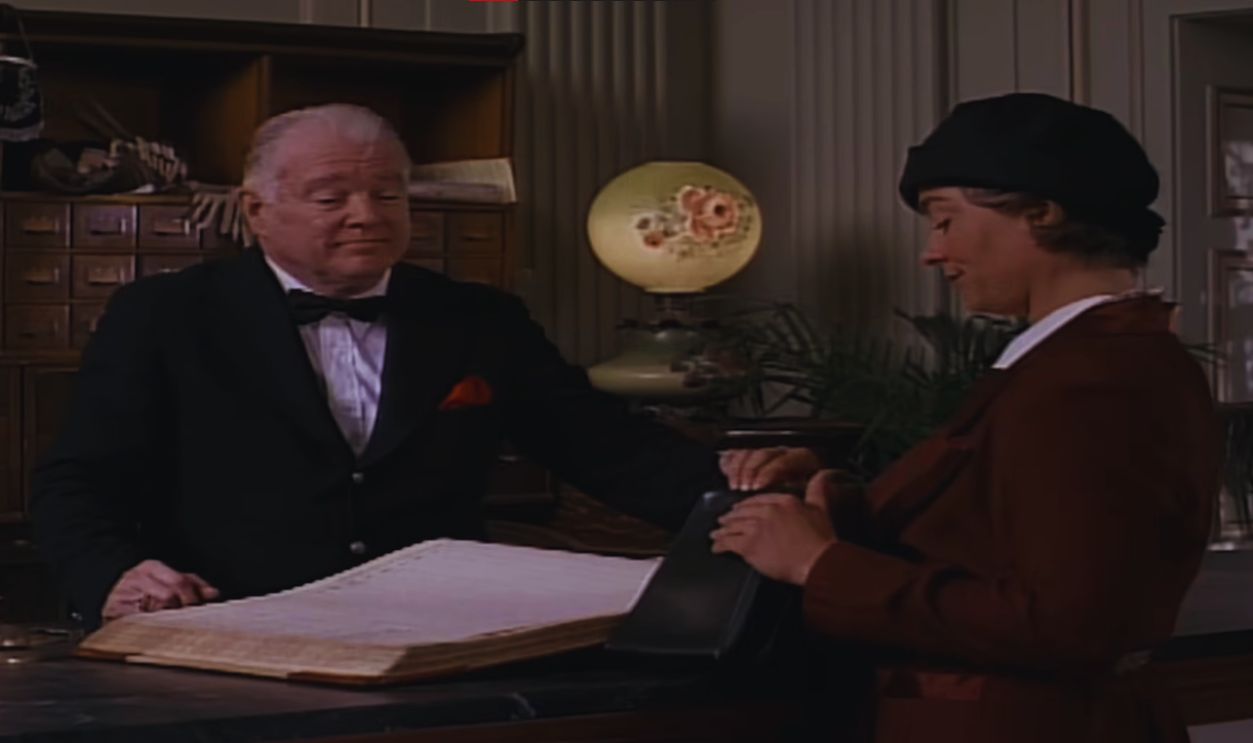
19. She Moved To An Outlaw City
The gang’s next move was calculated. On the advice of racketeer Jack Peifer, the Barker–Karpis outfit relocated to St Paul, Minnesota—a city with a well-earned reputation as a sanctuary for wanted men. Under the protection of the corrupt Chief Brown, the gang evolved from holdups to something far more ambitious: snatching wealthy men for ransom.
Ma Barker’s involvement in what came next is a matter of debate.
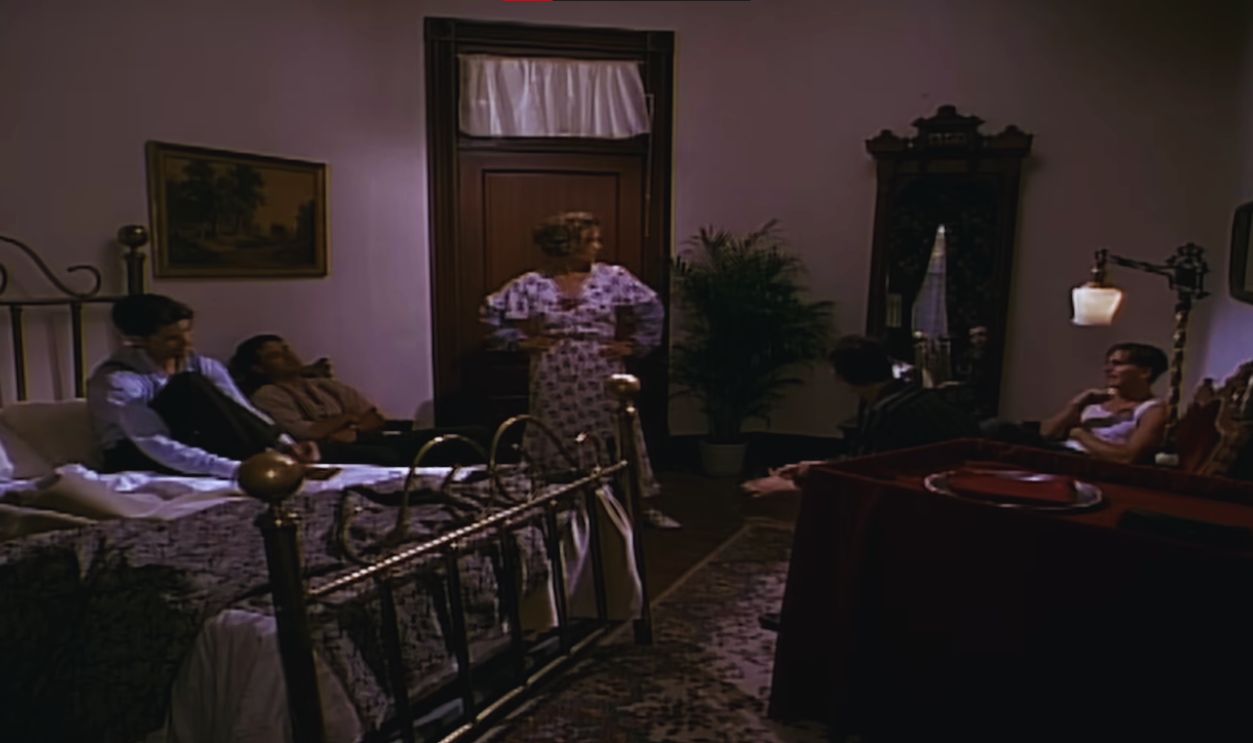 Screenshot from Public Enemies, American World Pictures / Trimark Pictures (1996)
20. Her Sons Kept Her In The Dark
“Doc” Barker walked free on September 10, 1932, and promptly reunited with Fred, Karpis, and Ma Barker in St Paul. But the reunion came with conditions. Fred made a point of stashing Ma Barker in a rotating series of hotels and hideouts—partly to shield her from the specifics of their operations, and partly because she couldn’t stand the gang’s girlfriends.
The feeling, it turned out, was mutual.
 United States Department of Justice, Wikimedia Commons
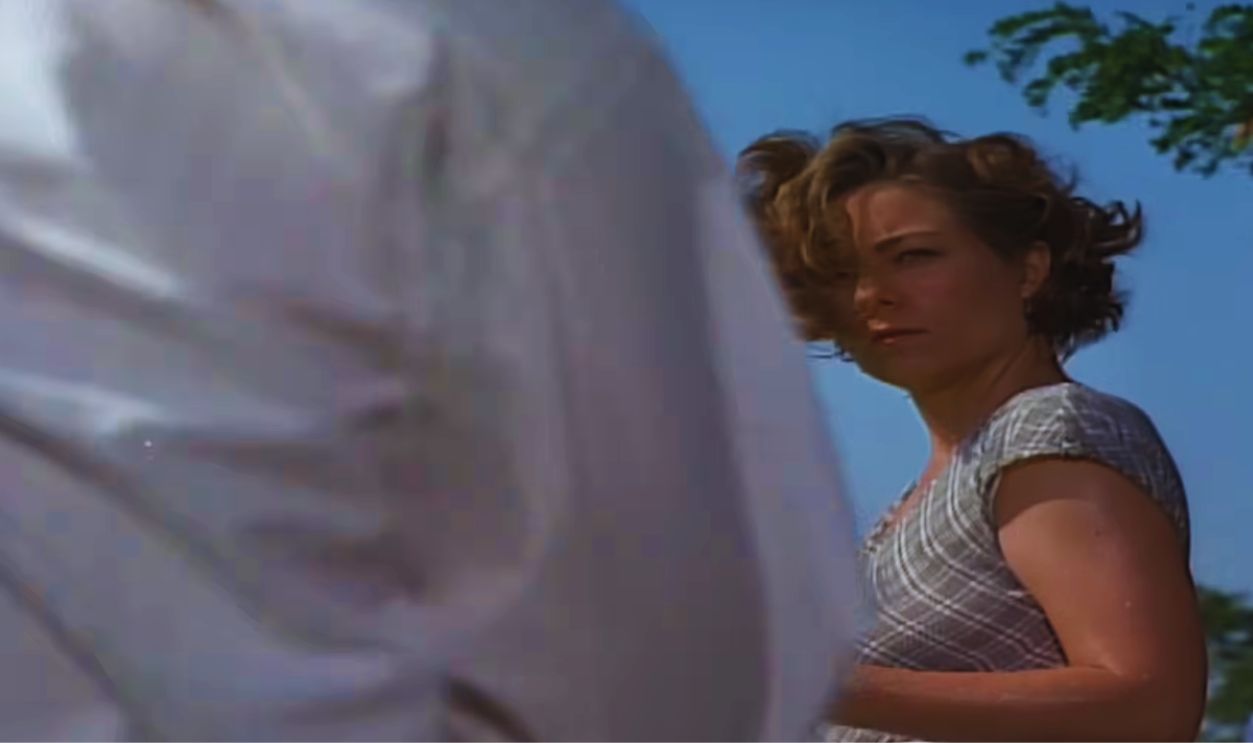
21. She Couldn’t Stand The Competition
Whether Ma Barker orchestrated her sons’ lawbreaking is a matter of debate. But she absolutely orchestrated matters of their hearts. An FBI investigation later wrote, “Kate Barker was very jealous of her boys and did not wish to have them associate with girl friends”. She reportedly manipulated her sons, sowing discord wherever she could.
The other women in the gang learned fast—stay clear of Ma, or pay the price.
 Screenshot from Public Enemies, American World Pictures / Trimark Pictures (1996)
History's most fascinating stories and darkest secrets, delivered to your inbox daily.
22. Her Sons Left Bodies Behind
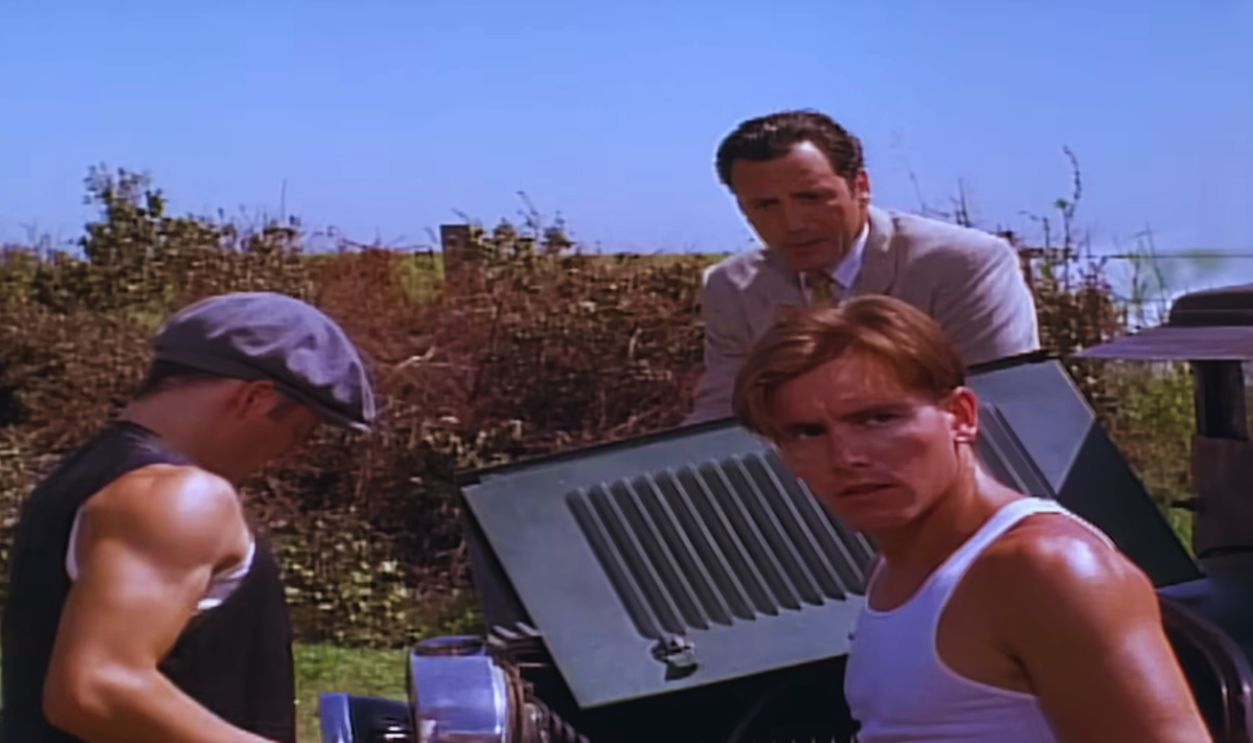
On December 16, 1932, Fred and “Doc” Barker joined Karpis and other gang members to hold up the Third Northwestern National Bank in Minneapolis. But the heist went sideways—and fast. Two officers—Ira Leon Evans and Leo Gorski—and one civilian lost their lives before the gang could make their escape.
Ma Barker’s boys were no longer just a nuisance—they were a menace to society.
 Screenshot from Public Enemies, American World Pictures / Trimark Pictures (1996)
23. Her Sons Snatched A Brewing Magnate
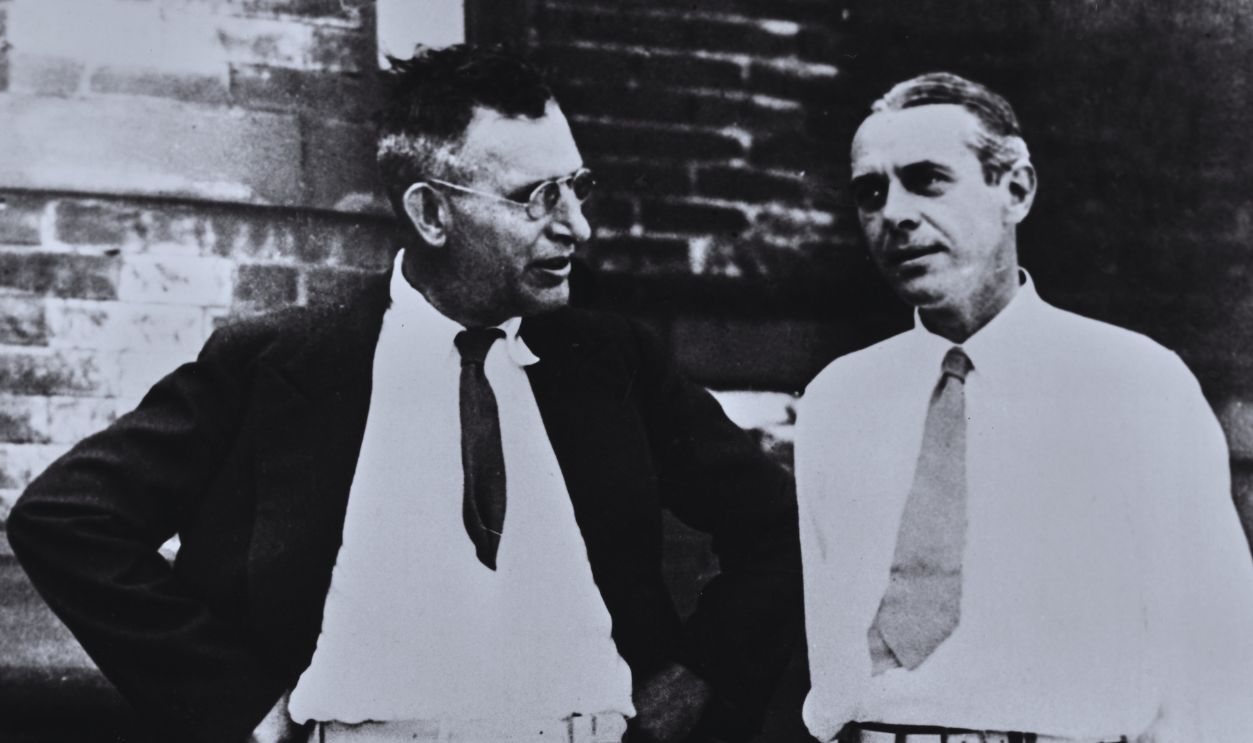
The gang’s boldest move came on June 15, 1933. Outside his St Paul office, four figures pulled William A Hamm Jr—president of the Theodore Hamm Brewing Company—into the back of a car. They spirited him to Wisconsin, forced him to sign ransom notes, then moved him to a safe house in Bensenville, Illinois. The price for his freedom: more than $100,000.
Ma Barker had total plausible deniability.
24. She Was Nowhere Near The Scene
While the gang grabbed Hamm off the streets of St Paul, Ma Barker sat in a house at 114 Home Avenue in Oak Park, Illinois, with a woman named Helen Ferguson. It was the perfect cover. Whatever her role in the outfit might have been, she was miles away when the biggest job went down. That detail would matter a great deal later.
 Screenshot from Public Enemies, American World Pictures / Trimark Pictures (1996)
25. Her Fingers Weren’t On It
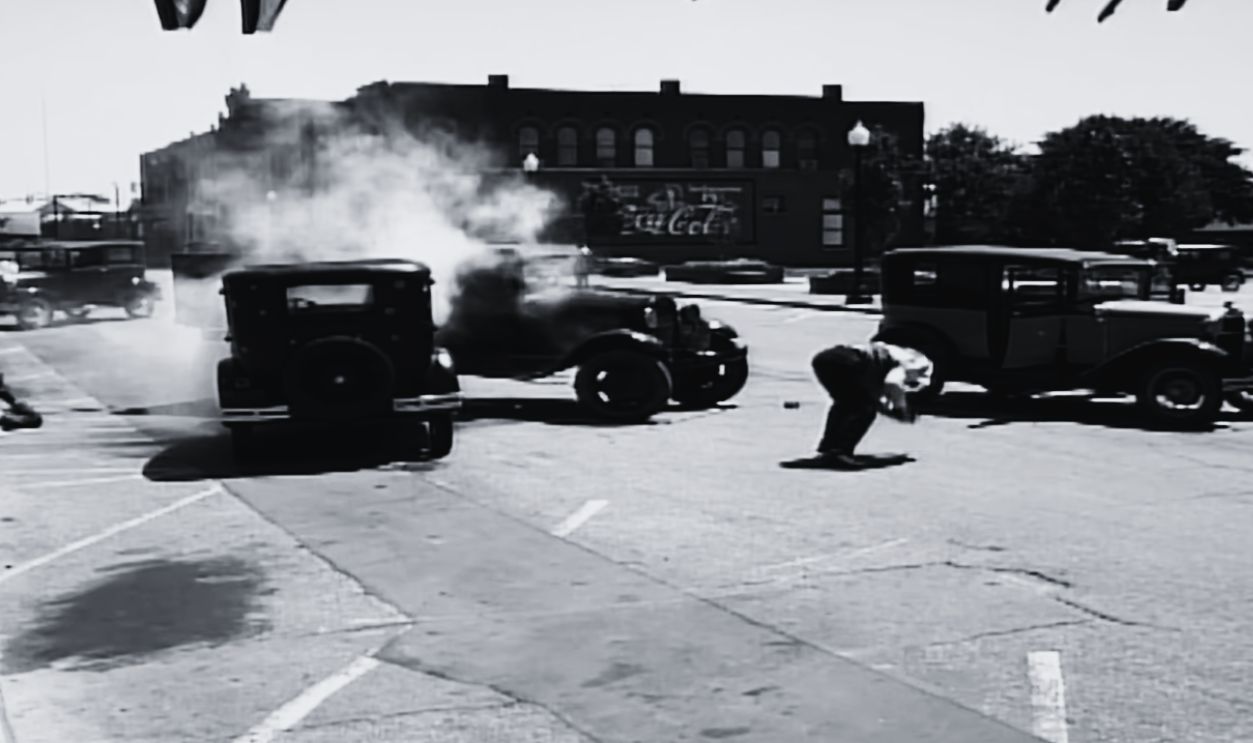
The FBI cracked the Hamm case with a technique so new it barely had a name. On September 6, 1933, Bureau scientists applied a silver nitrate solution to the ransom notes and managed to raise fingerprints from invisible traces of perspiration. The gang’s hands were, quite literally, all over the ransom demands. But Ma Barker’s hands, miles away, remained perfectly clean.
For the time being, anyway.
 Screenshot from Public Enemies, American World Pictures / Trimark Pictures (1996)
26. Her Sons Struck Again
Ma Barker’s boys wasted no time with their big “job”. On August 30, 1933, they hit the Stockyards National Bank of South St Paul, Minnesota, making off with a payroll haul. Officer Leo Pavlak lost his life in the crossfire, and another officer was left permanently disabled. The Barker–Karpis outfit was racking up a body count that even their St Paul protectors couldn’t ignore forever.
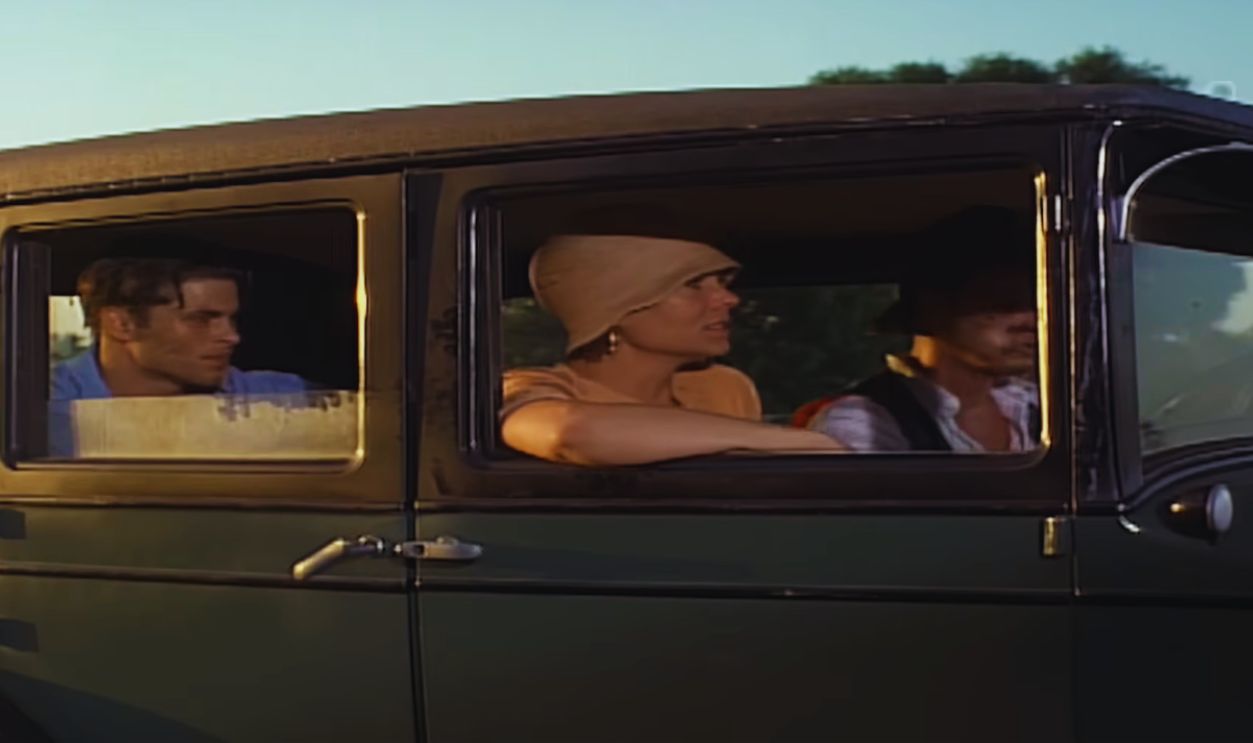 Screenshot from Public Enemies, American World Pictures / Trimark Pictures (1996)
27. Her Sons Took An Even Bigger Prize
On January 17, 1934, the gang outdid themselves. They grabbed Edward George Bremer Jr—president of the Commercial State Bank and son of one of Minnesota’s wealthiest families—right off the street in St Paul. The Bremer family paid $200,000 for his return and Ma Barker’s boys released him less than a month later. This time, the FBI eyed Ma.
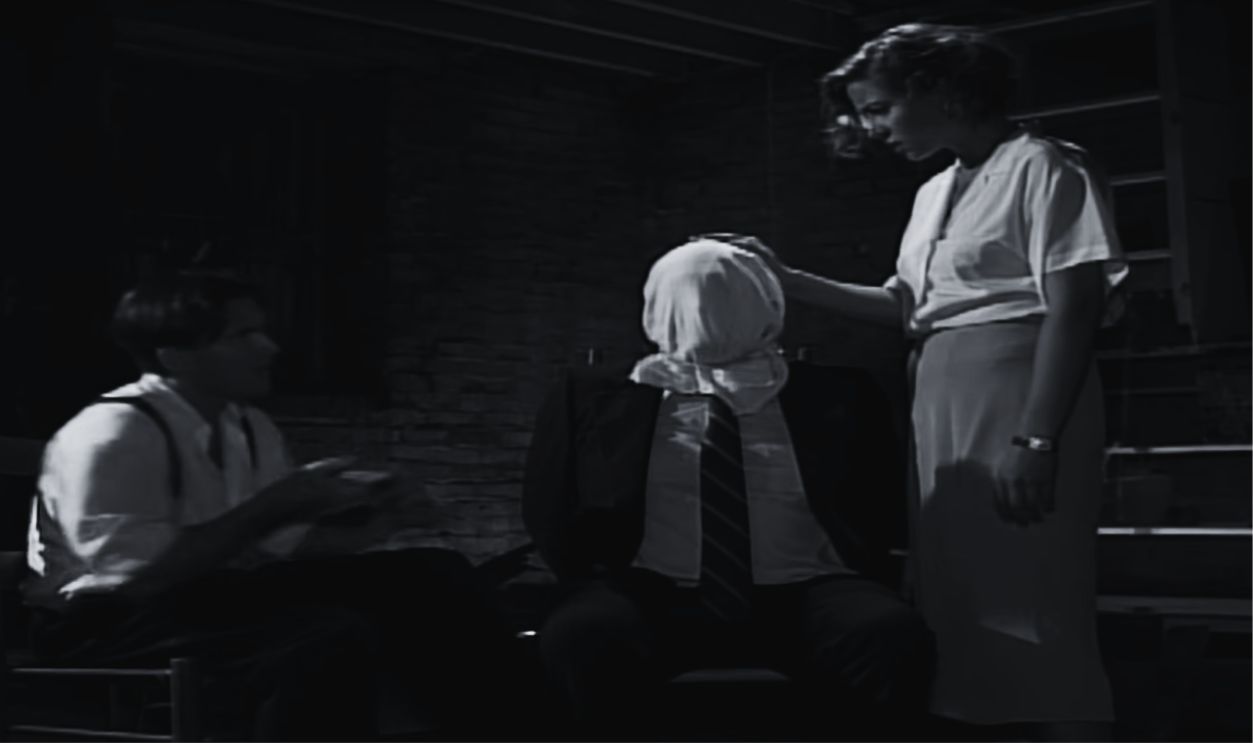 Screenshot from Public Enemies, American World Pictures / Trimark Pictures (1996)
History's most fascinating stories and darkest secrets, delivered to your inbox daily.
28. She Ruled With An Iron Will
By the second abduction, the FBI focused like a laser on the Barker-Karpis gang. More specifically, they began to question Ma Barker’s involvement, saying that “she ruled them with an iron will and found this expression of dominance easily exerted because of the submission of her sons Fred and Arthur”. They also noted that she “liked to live well” and spent the money from her sons’ exploits.
On the other hand, she may not have been involved at all.
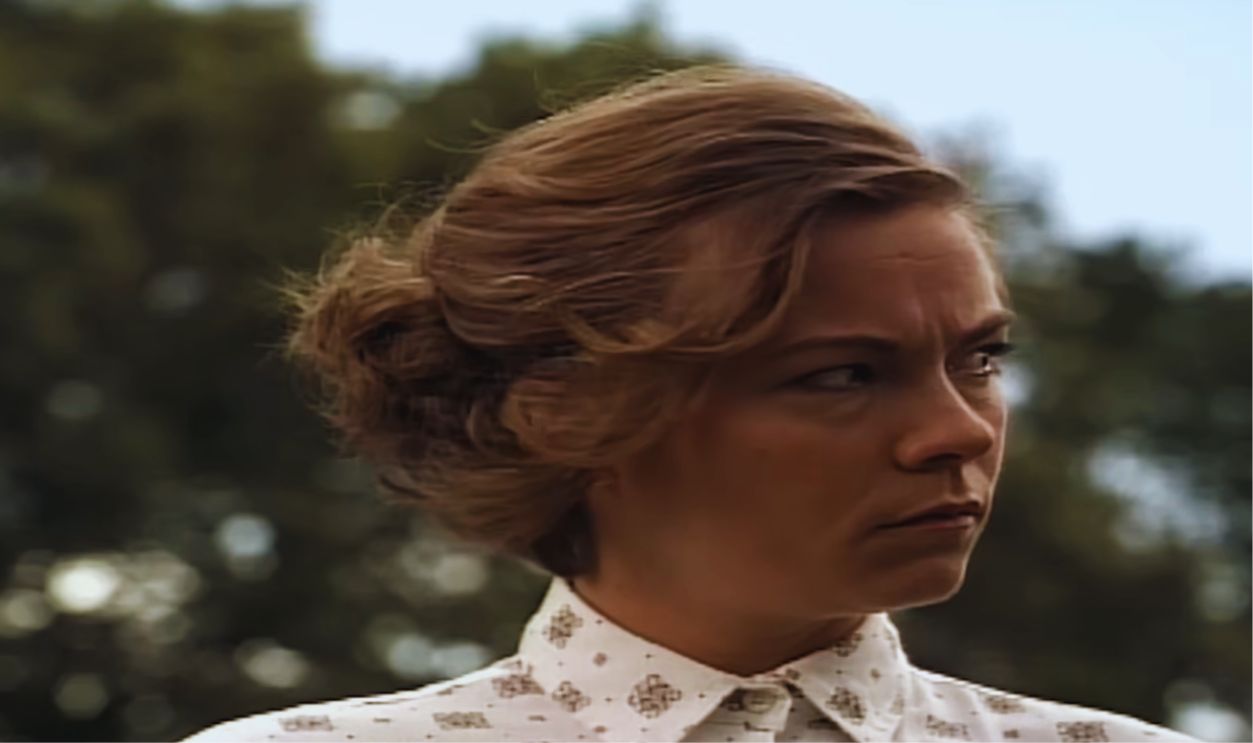 Screenshot from Public Enemies, American World Pictures / Trimark Pictures (1996)
29. She Played Housewife
The most convincing account of Barker’s actual role in the gang makes her look less like a mastermind and more like a doting mother. Gang members routinely sent her to the movies while they went to “work”. Historian Claire Bond Potter summed it up: “Her age and apparent respectability permitted the gang to hide out ‘disguised’ as a family…she rented houses, paid bills, shopped, and did household errands”.
She certainly did “pick up after” her boys.
30. She Picked Up Ransom Money
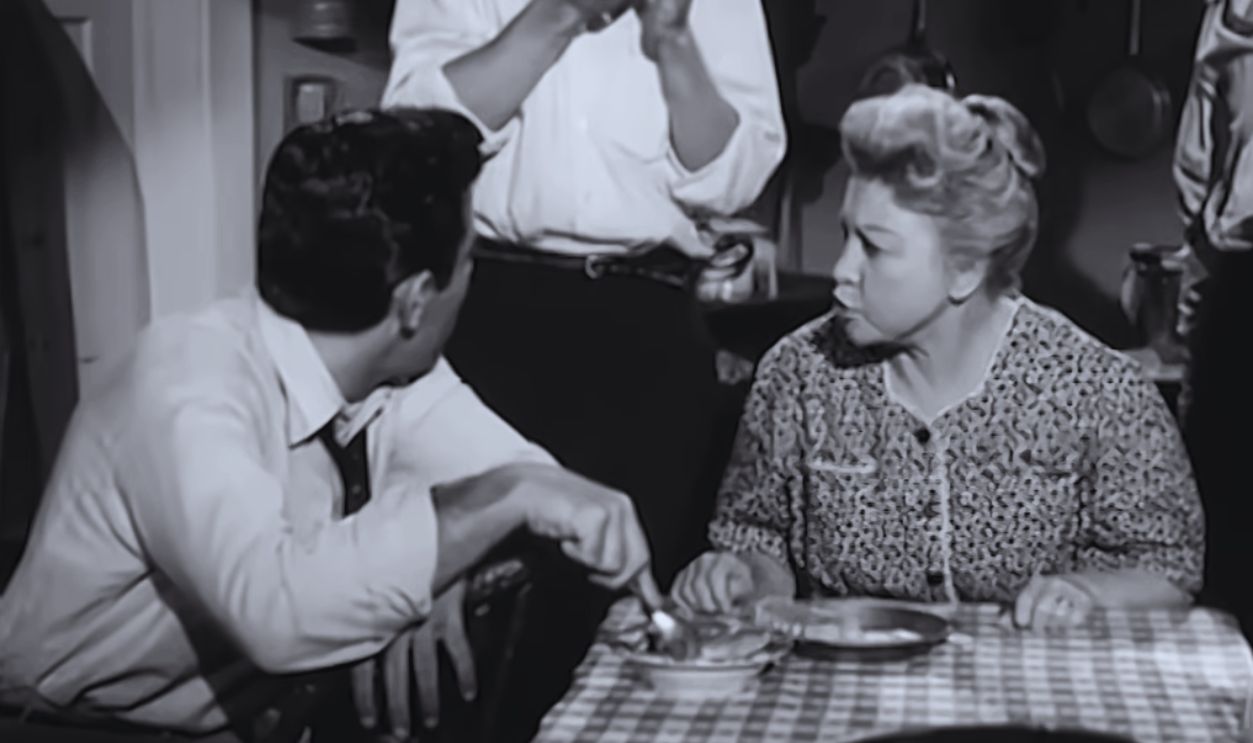
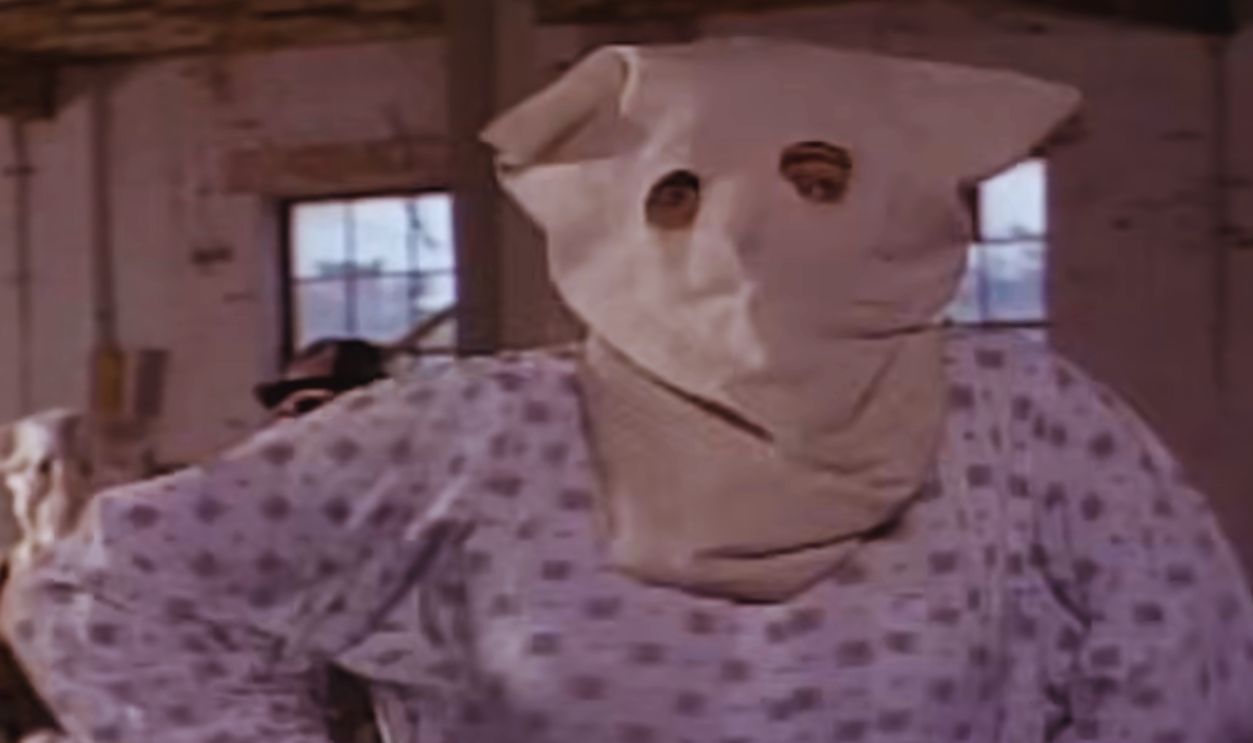
When most mothers “pick up after” their children, they’re usually talking about dirty clothes and discarded dishes. Ma Barker, on the other hand, was picking up ransom money. On March 23, 1934, Ma Barker and another woman drove to a burial site in Wilmington, Illinois, dug up a cache of Bremer ransom money, and delivered it to Fred’s apartment in Chicago.
It seemed a clea sign of her direct involvement—and the FBI took note.
 Screenshot from Public Enemies, American World Pictures / Trimark Pictures (1996)
31. She Wanted The Quiet Life
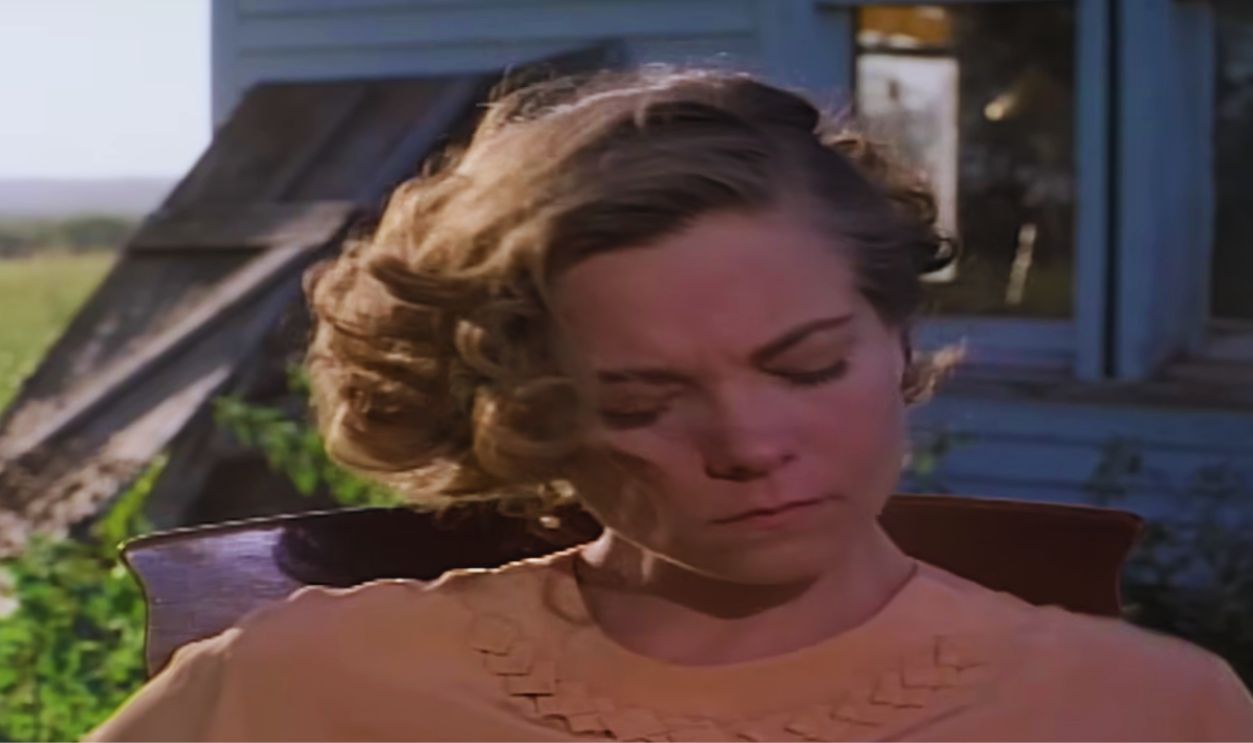
By late September 1934, Fred Barker and associate Harry Campbell checked into the El Commodore Hotel in Miami under assumed names. Ma Barker soon joined them. Fred asked the hotel manager for somewhere peaceful for his mother to live, and the manager pointed them toward a friend’s cottage on Lake Weir, in rural Florida.
It sounded like the perfect hideout. It would turn out to be a trap.
 Screenshot from Public Enemies, American World Pictures / Trimark Pictures (1996)
32. She Settled Into Her Final Home
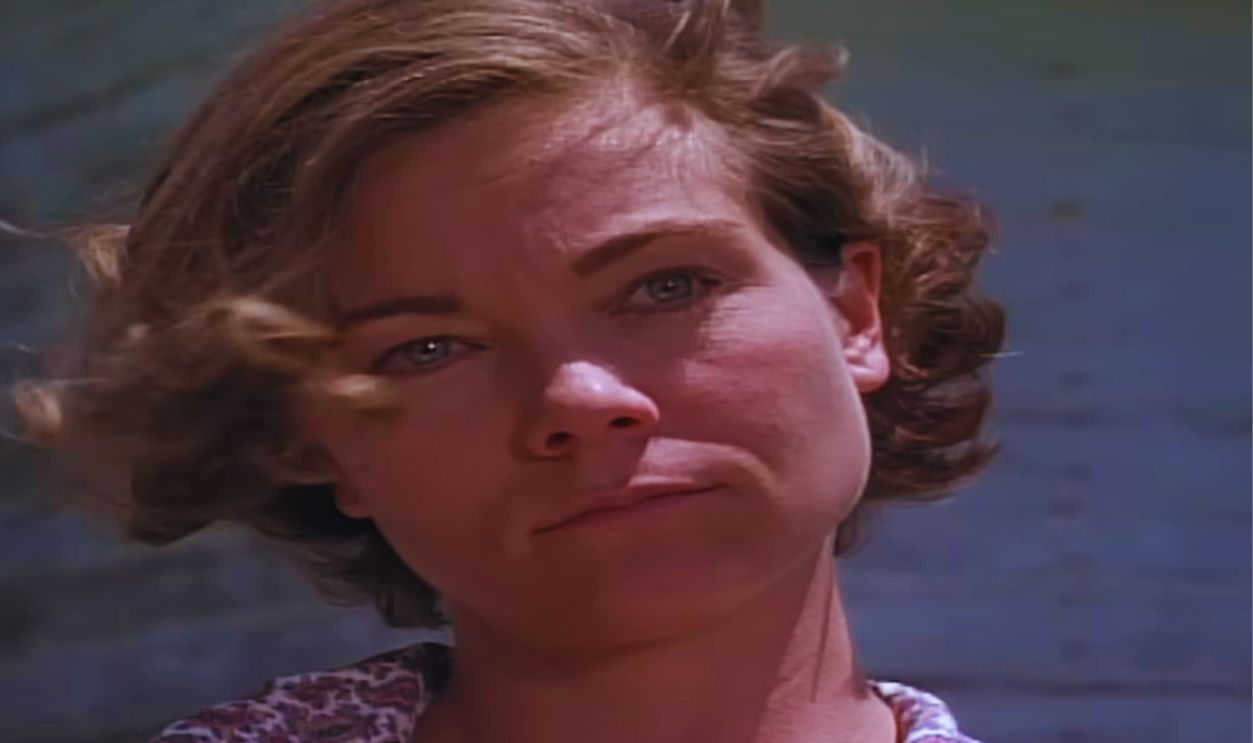
In November 1934, the Barkers rented the Lake Weir cottage in Ocklawaha, Florida, from a man named Carson Bradford. They signed the lease under the name “Blackburn” to avoid raising FBI alarms. Fred told the rental contact, Joe Adams, that he wanted a place where he and his mother could “enjoy a quiet life”. For a few weeks, that’s exactly what they got.
Then Ma Barker blew their cover.
 Screenshot from Public Enemies, American World Pictures / Trimark Pictures (1996)
33. Her Letter Gave Her Away
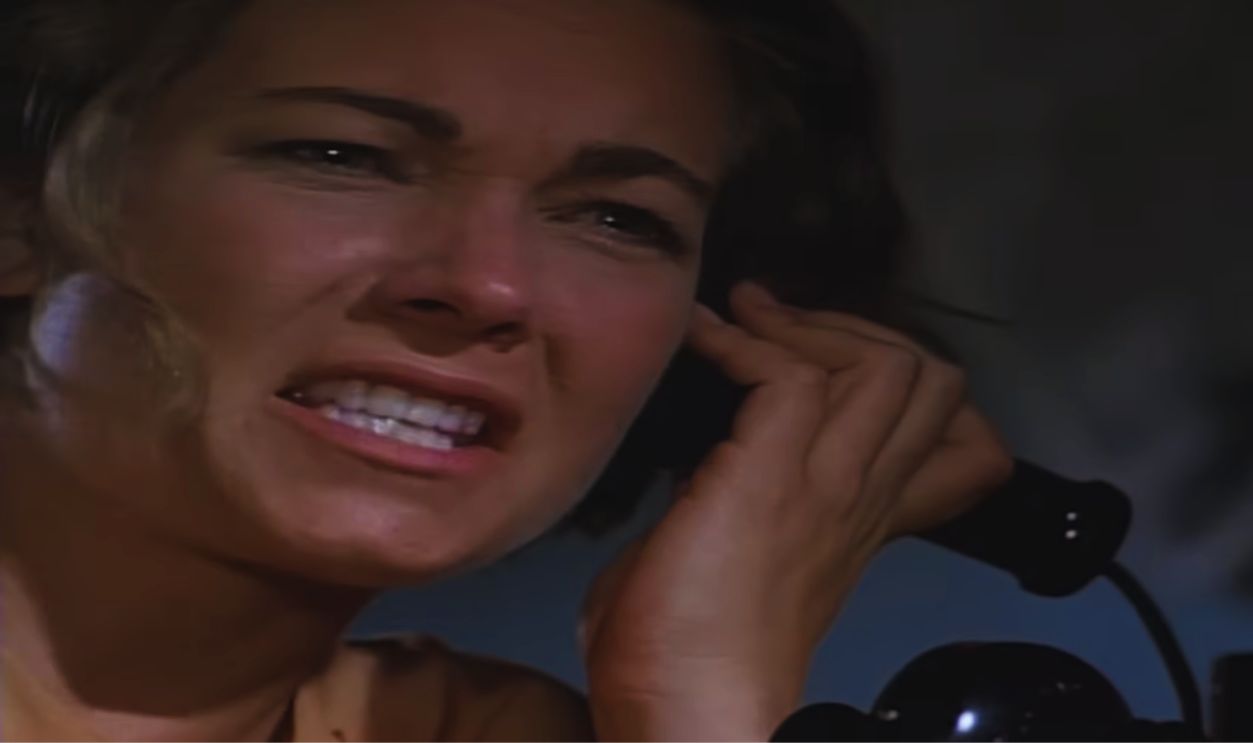
The gang started to unravel on January 8, 1935, when agents grabbed “Doc” Barker in Chicago. Inside his apartment, they found a map with the Ocala area circled. But the real break came from a letter Ma had sent to “Doc”, in which she mentioned a local alligator known as “Gator Joe”. That one detail was enough to pinpoint the house.
The FBI placed undercover agents on Lake Weir who confirmed Fred was there. Ma’s motherly correspondence had sealed her fate.
 Screenshot from Public Enemies, American World Pictures / Trimark Pictures (1996)
History's most fascinating stories and darkest secrets, delivered to your inbox daily.
34. Her Gang Slowly Went Down
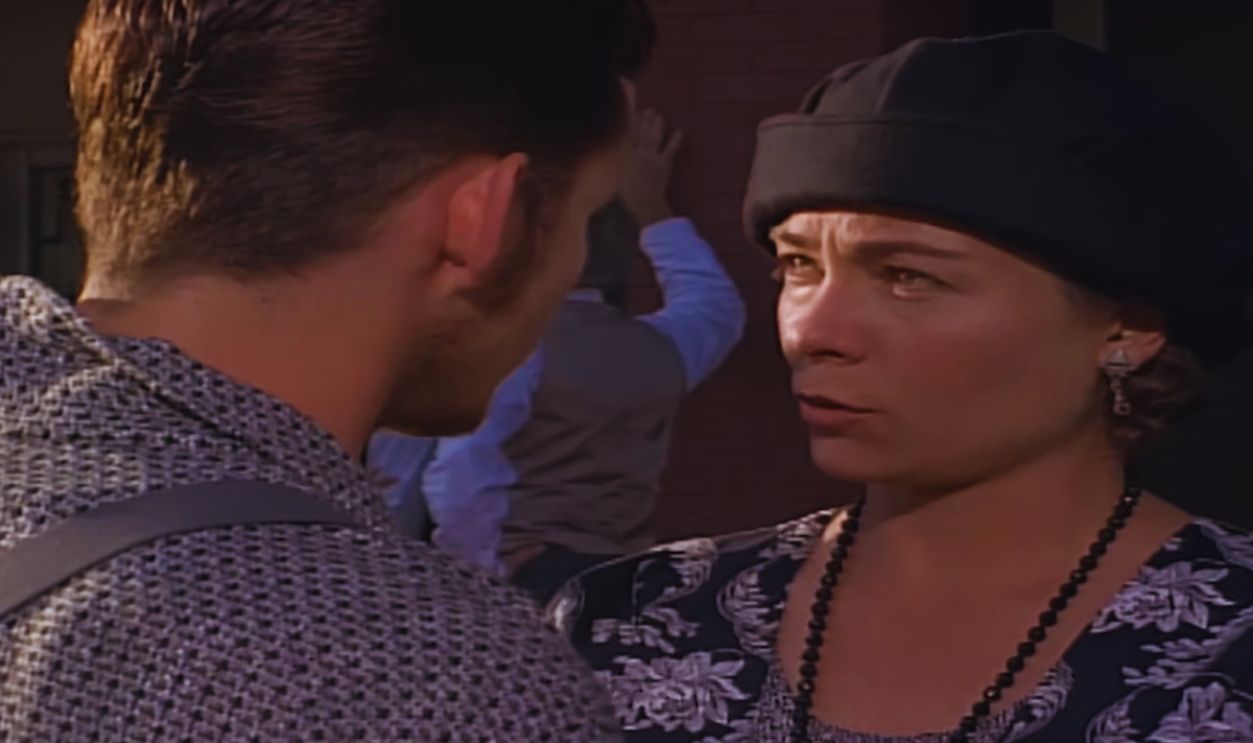
The night “Doc” went down in Chicago, agents also scooped up other Barker-Karpis associates, severely limiting the gang’s manpower. Meanwhile, Karpis and a handful of other gang members had already cleared out of the Lake Weir cottage three days earlier, on January 13. That left only two people in the house: Fred and Ma Barker.
 Screenshot from Public Enemies, American World Pictures / Trimark Pictures (1996)
35. She Was Surrounded By Elite Agents
The men that the FBI sent to Lake Weir weren’t ordinary field agents. Most came from the so-called “Dillinger Squad”—the Bureau’s most seasoned outlaw hunters, with experience taking down the country’s most wanted. Special Agent in Charge Earl J Connelley led the operation and before dawn on the morning of January 16, 1935, he had the cottage surrounded.
Ma Barker would have to choose: justice or the grave.
 Screenshot from Public Enemies, American World Pictures / Trimark Pictures (1996)
36. She Answered With Lead
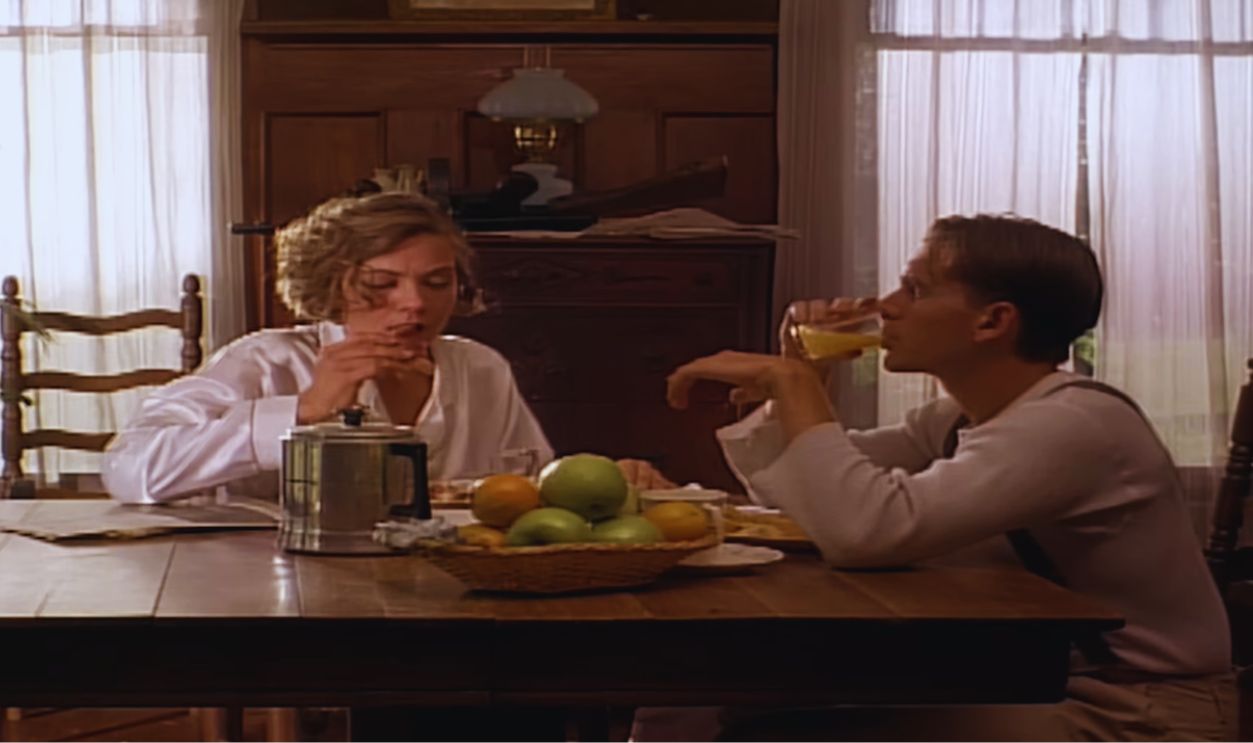
At roughly 7:00 am, Connelley called out to Fred and Ma Barker, demanding they surrender. According to the FBI’s account, a voice from inside the house shouted back: “All right, go ahead”. Then the upstairs window erupted with automatic fire. As one journal entry from an FBI agent said, “Immediately they began firing from the house”.
What ensued was right out of a Hollywood script.
 Screenshot from Public Enemies, American World Pictures / Trimark Pictures (1996)
37. She Held Out For Hours
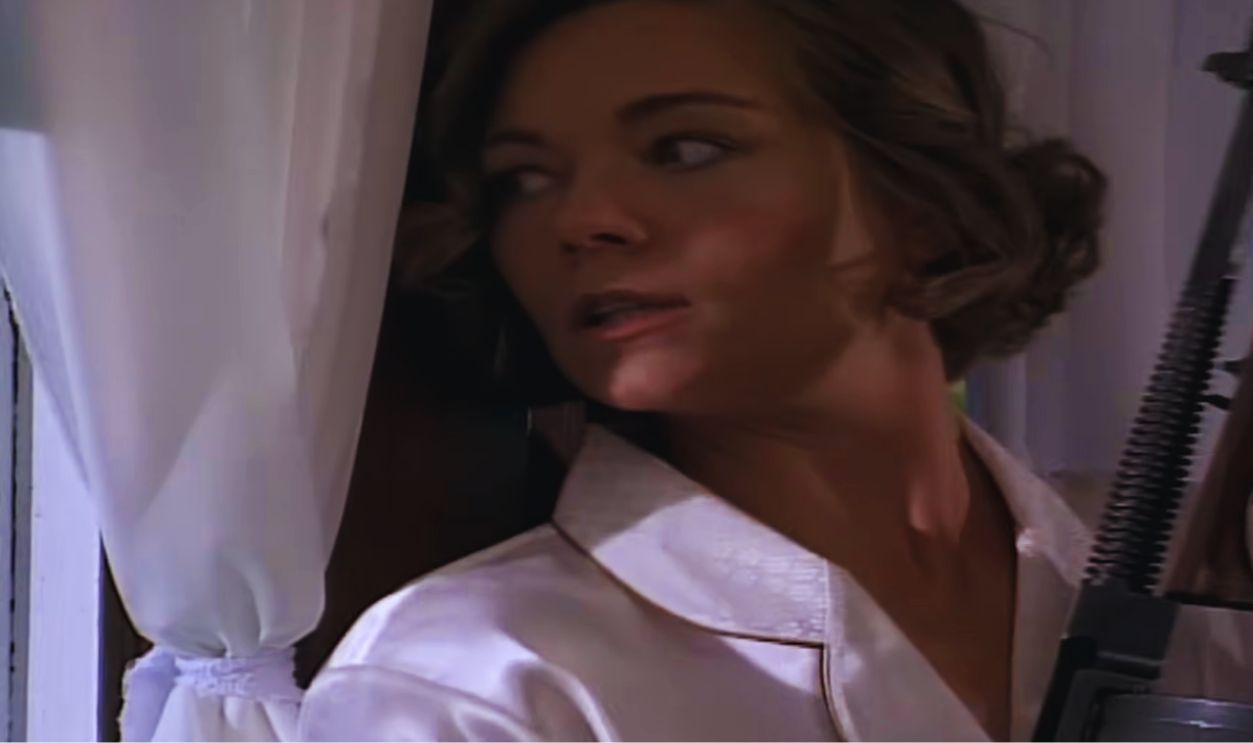
In response to the fire from the house, the FBI agents unleashed tear gas and automatic fire of their own. According to agent records, the return fire from inside the house fell silent after 9:00 am. The FBI’s official account pushes the timeline further, noting that all firing had ceased by 10:30 am. Either way, the standoff had lasted for hours—and the aftermath was devastating.
 Screenshot from Public Enemies, American World Pictures / Trimark Pictures (1996)
38. She Terrified J Edgar Hoover
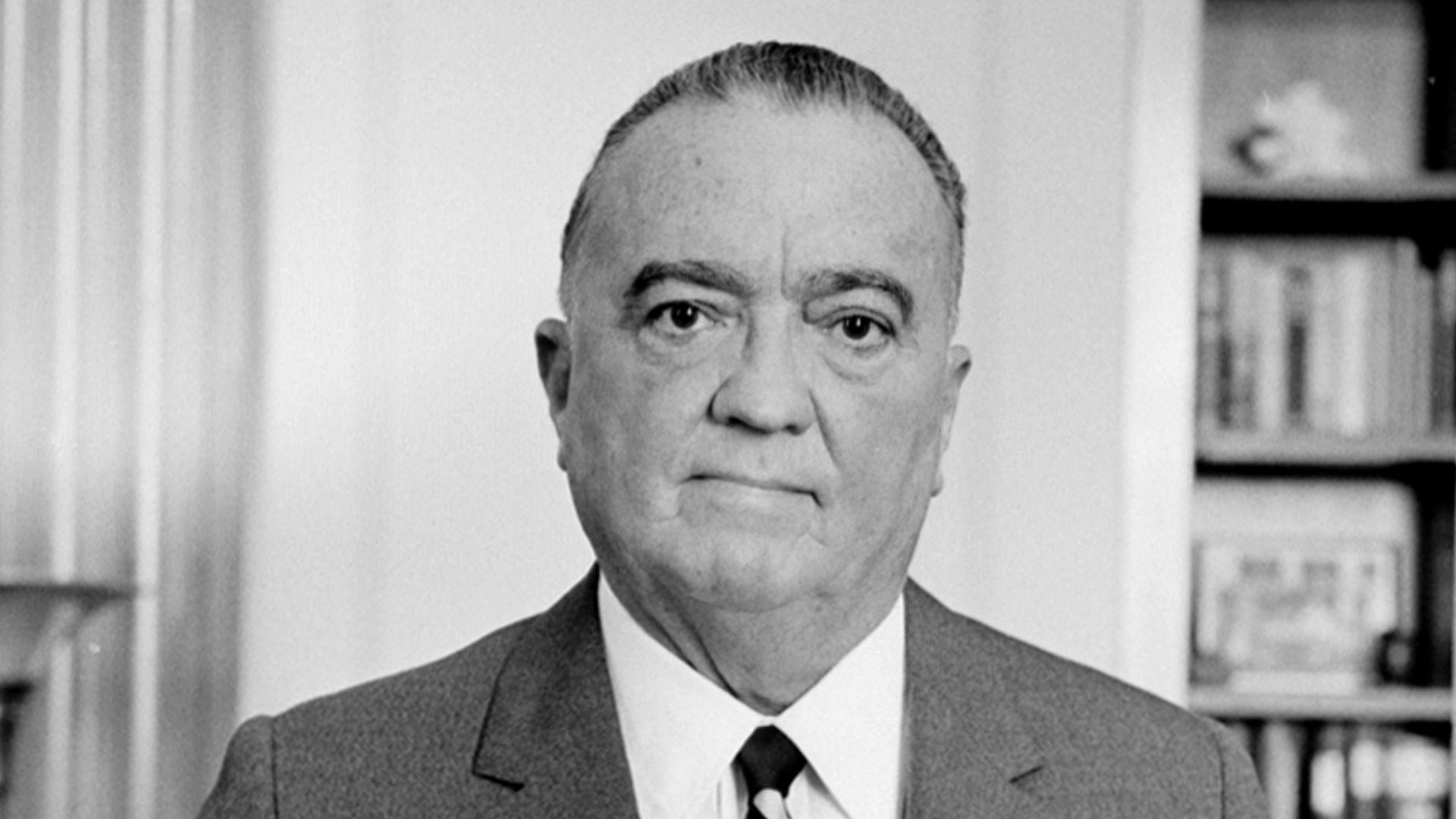
The firefight was so intense that, hundreds of miles away in Washington DC, the FBI chief J Edgar Hoover was sweating it out. He scribbled in his case notes that the Karpis–Barker outfit represented “the worst criminals in the entire country” and confessed he was “deeply concerned lest our agents exhaust their supply of equipment”.
Hoover ordered an agent in Jacksonville to charter the “fastest plane available” and rush additional firepower to Ocala.
 Marion S. Trikosko, Wikimedia Commons
39. Her Handyman Found Her
At 12:30 pm, with the house silent for hours, Connelley needed to know what was inside. He sent in Willie Woodbury—the local handyman who had worked for the people he knew only as the Blackburns—wearing a bulletproof vest. When Connelley shouted to ask what the Barkers were doing, Woodbury called back with two words: “They’re [gone]”.
 Screenshot from Public Enemies, American World Pictures / Trimark Pictures (1996)
History's most fascinating stories and darkest secrets, delivered to your inbox daily.
40. Her Son Went Down Fighting
Both Fred and Ma Barker lay lifeless in the same southwest corner bedroom. Fred was face down, his corpse riddled with rounds. Beneath him lay a .45 automatic that had jammed after a round struck its grip. A Thompson with an empty 50-shot drum rested just past his left hand. Ma Barker, lying not far from him, hadn’t fared much better.
 Screenshot from Public Enemies, American World Pictures / Trimark Pictures (1996)
41. She Went Down In A Red Dress
FBI accounts from the scene noted that Ma Barker had fallen to a single round. Agents found her in the northeast corner of the room, lying on her side in a red house dress, one slipper, and several diamond rings. A Thompson loaded with a 100-shot drum—roughly half its rounds still remaining—lay just beyond her left hand. The FBI claimed the Thompson was “lying in her hands”.
Other accounts placed it somewhere between her body and Fred’s, creating a controversy Hoover would have to solve.
 Screenshot from Public Enemies, American World Pictures / Trimark Pictures (1996)
42. Her House Was Shredded
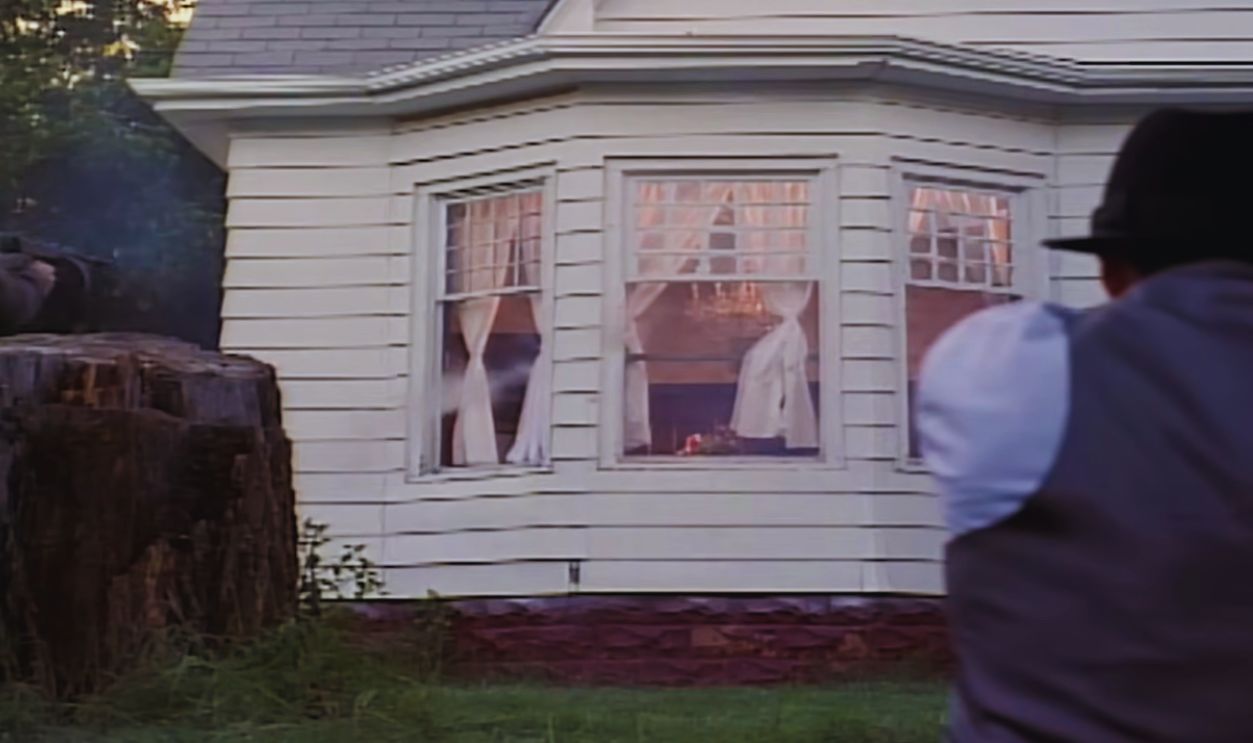
The scale of the firefight, and who was firing what, depended on who was counting. A 1935 incident report estimated that agents poured roughly 500 rounds into the cottage while the Barkers fired about 250 from inside. Some accounts claim agents later counted 641 holes in the walls. The popular figure of 2,000 total rounds is almost certainly inflated—the real number was probably closer to 900.
Whatever the count, there was little definitive evidence of Ma Barker’s involvement.
 Screenshot from Public Enemies, American World Pictures / Trimark Pictures (1996)
43. She Left Behind A Fortune
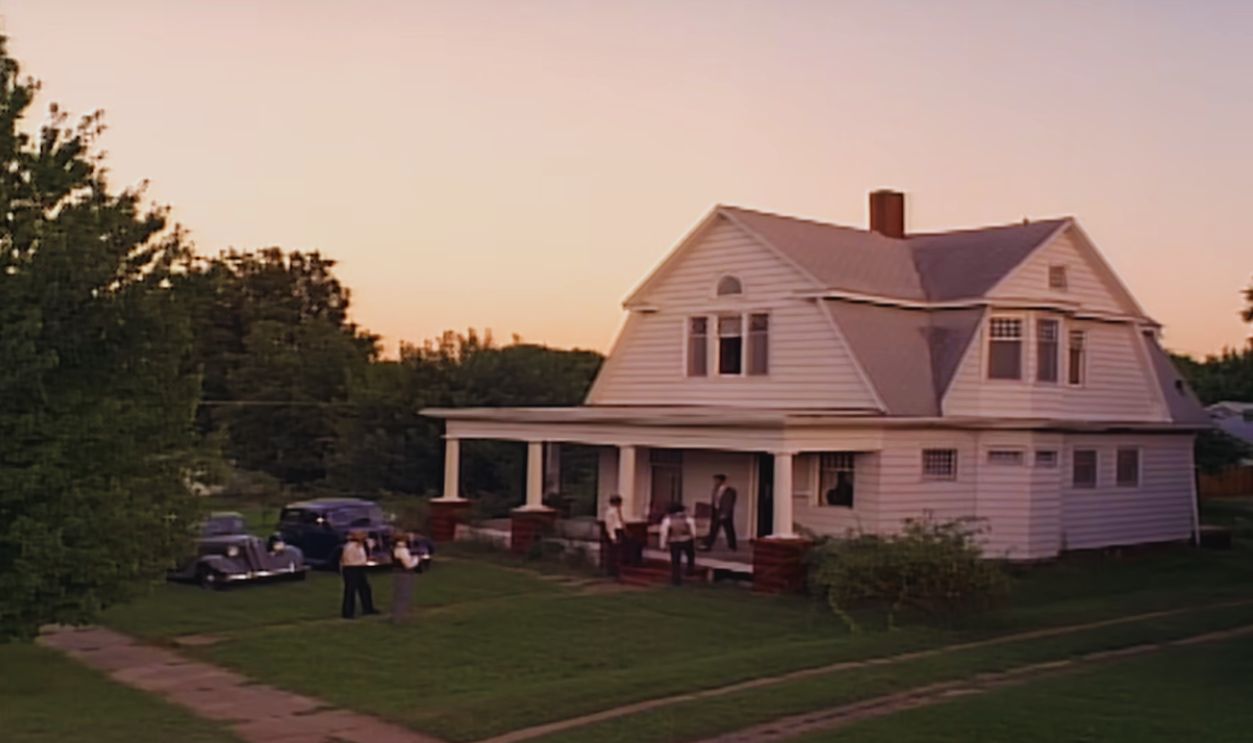
Whether she orchestrated the gang activity and participated in the firefight is unclear. But Ma Barker certainly cashed in. FBI agents recovered more than $14,000 on the bodies and inside a Buick parked in the garage—most of it in $1,000 bills. The FBI tallied another approximately $29,300 in total across smaller denominations.
Adjusted for inflation, the haul amounted to roughly a quarter of a million dollars.
 Screenshot from Public Enemies, American World Pictures / Trimark Pictures (1996)
44. Her Neighbors Brought Picnics
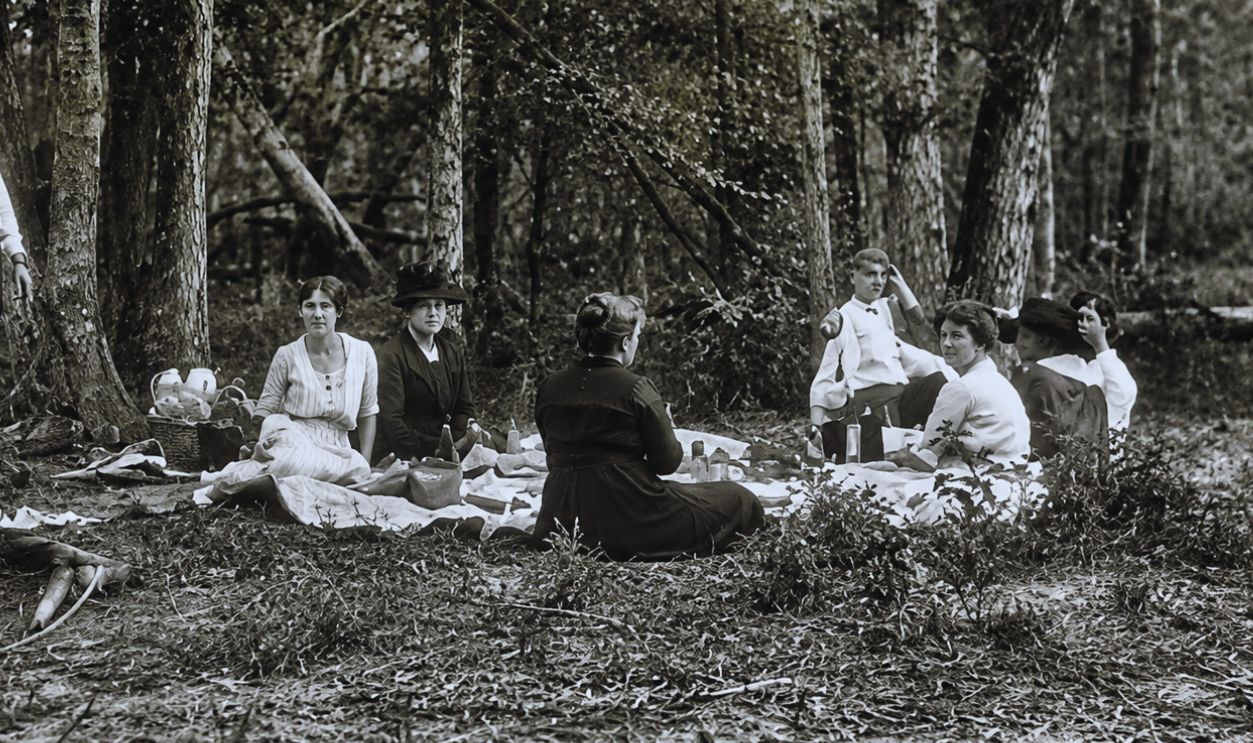
Ma Barker’s final stand on Lake Weir was making the news long before it hit the papers. Reports from the time claim that locals had gathered to watch the spectacle, with some allegedly setting up picnics to watch the…fireworks. The excitement was so intense that one spectator crouched so quickly he tore his pants, ran to the nearest hardware store, purchased khakis, and ran back to watch the finale.
 Harry Walker, Wikimedia Commons
45. She Was On Display
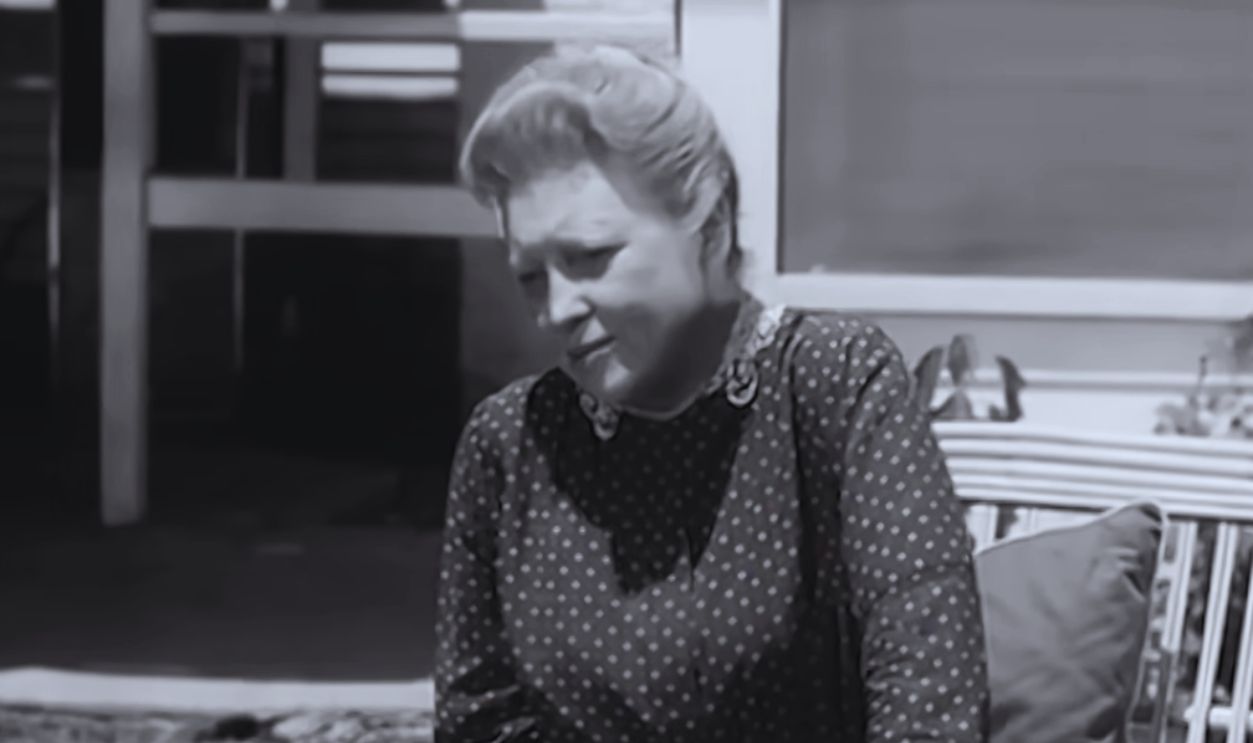
Despite their notoriety and infamy, nobody came forward to claim the bodies of Ma Barker and her son Fred. For months, they sat unclaimed—and for a time, were put on public display. It wasn’t until October 1, 1935, that relatives finally had them interred at Williams Timberhill Cemetery in Welch, Oklahoma, next to Herman. Only 25 people attended—a mix of family, curiosity seekers, and six undertakers.
History's most fascinating stories and darkest secrets, delivered to your inbox daily.
46. She Was Branded A Mastermind
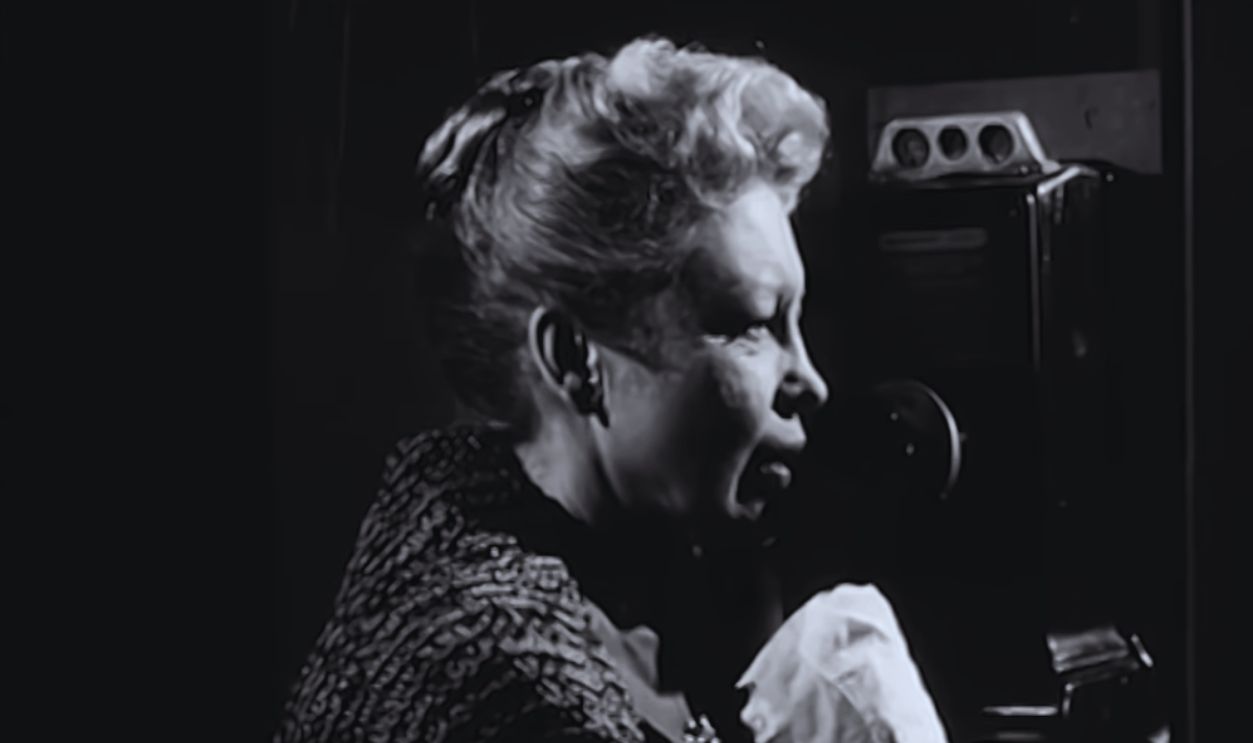
For J Edgar Hoover and his FBI, the optics were terrible: elderly woman fallen in hours-long firefight. Possibly to cover his failings, Hoover built a myth around the mother of the gang. He declared Ma Barker “the most vicious, dangerous, and resourceful [outlaw] brain of the last decade”. The image of Ma as the puppet master of the Barker–Karpis Gang quickly took root in the popular imagination.
The evidence for Hoover’s theory, however, was thin at best.
47. She Was “Generally Law Abiding”
Alvin Karpis—who most historians and law enforcement officers consider the actual brains behind the outfit—painted a very different picture. To him, Ma Barker was “just an old-fashioned homebody from the Ozarks…superstitious, gullible, simple, cantankerous and, well, generally law abiding”. Not exactly the image that Hoover wanted.
48. She Was Just There To Provide Cover
Karpis doubled-down on his portrayal of Ma Barker. He went on the record with a full takedown of Hoover’s narrative: “The most ridiculous story in the annals of [lawbreaking] is that Ma Barker was the mastermind behind the Karpis–Barker gang…She wasn’t a leader of [outlaws[ or even [an outlaw] herself…her participation in our careers was limited to one function: when we traveled together, we moved as a mother and her sons”.
“What could look more innocent?” Karpis concluded.
49. She “Couldn't Plan Breakfast”
If Karpis’ assessment wasn’t damning enough of Hoover’s fiction, Harvey Bailey—a notorious holdup man who knew the Barkers firsthand—delivered the most devastating line of all. In his autobiography, Bailey observed that Ma Barker “couldn’t plan breakfast” let alone an enterprise of outlaws. Incriminating Ma Barker helped the real bad guys get away.
 Screenshot from Public Enemies, American World Pictures / Trimark Pictures (1996)
50. Her Legend Was A Convenient Lie
Writer Tim Mahoney offered yet another theory about what really fueled the Barker–Karpis Gang. He argued the true engine was the corrupt St Paul law-enforcement apparatus under Chief Tom Brown. “Had the Barker gang never come under Brown’s protection, Ma Barker might have [passed on] lonesome in the Ozarks, an impoverished obscure widow”.
Her legend was just a cover for Chief Tom Brown.
 Screenshot from Public Enemies, American World Pictures / Trimark Pictures (1996)
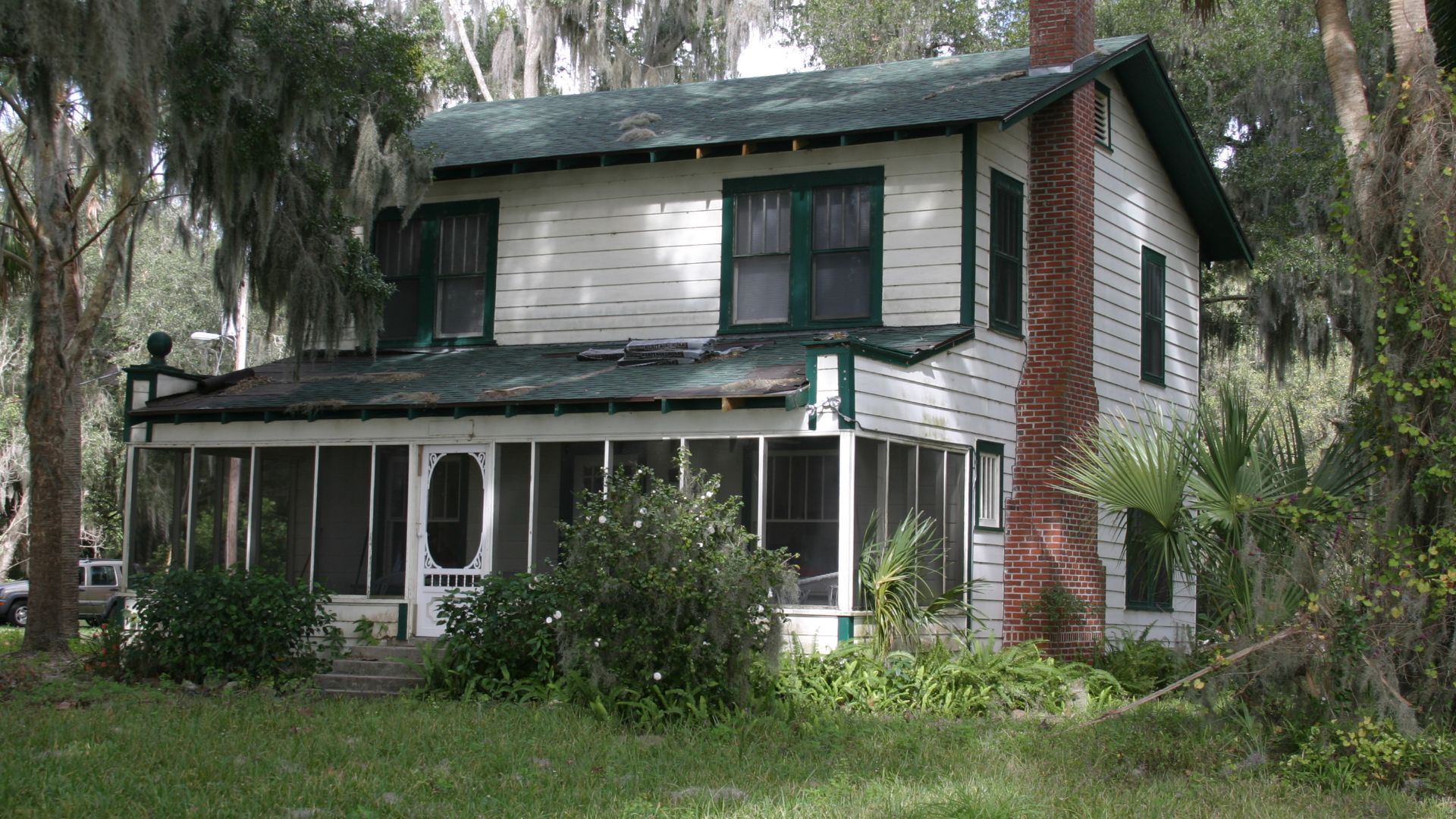
51. Her Final Home Almost Became A Museum
The cottage on Lake Weir had a strange afterlife of its own. It went up for sale in August 2012 with a starting bid of $1 million—and attracted no buyers. In 2015, the Florida state senate floated a $500,000 bill to preserve it as a historic landmark, but the measure failed. Finally, in October 2016, the house was relocated by barge across Lake Weir to Carney Island in Marion County, with the goal of opening it to the public.
Roughly 90% of the original 1935 furniture was still inside—some of it still bearing the scars of that January morning.
 TheGoodspeeds, Wikimedia Commons
History's most fascinating stories and darkest secrets, delivered to your inbox daily.
52. Her Son’s Ring Surfaced 81 Years Later
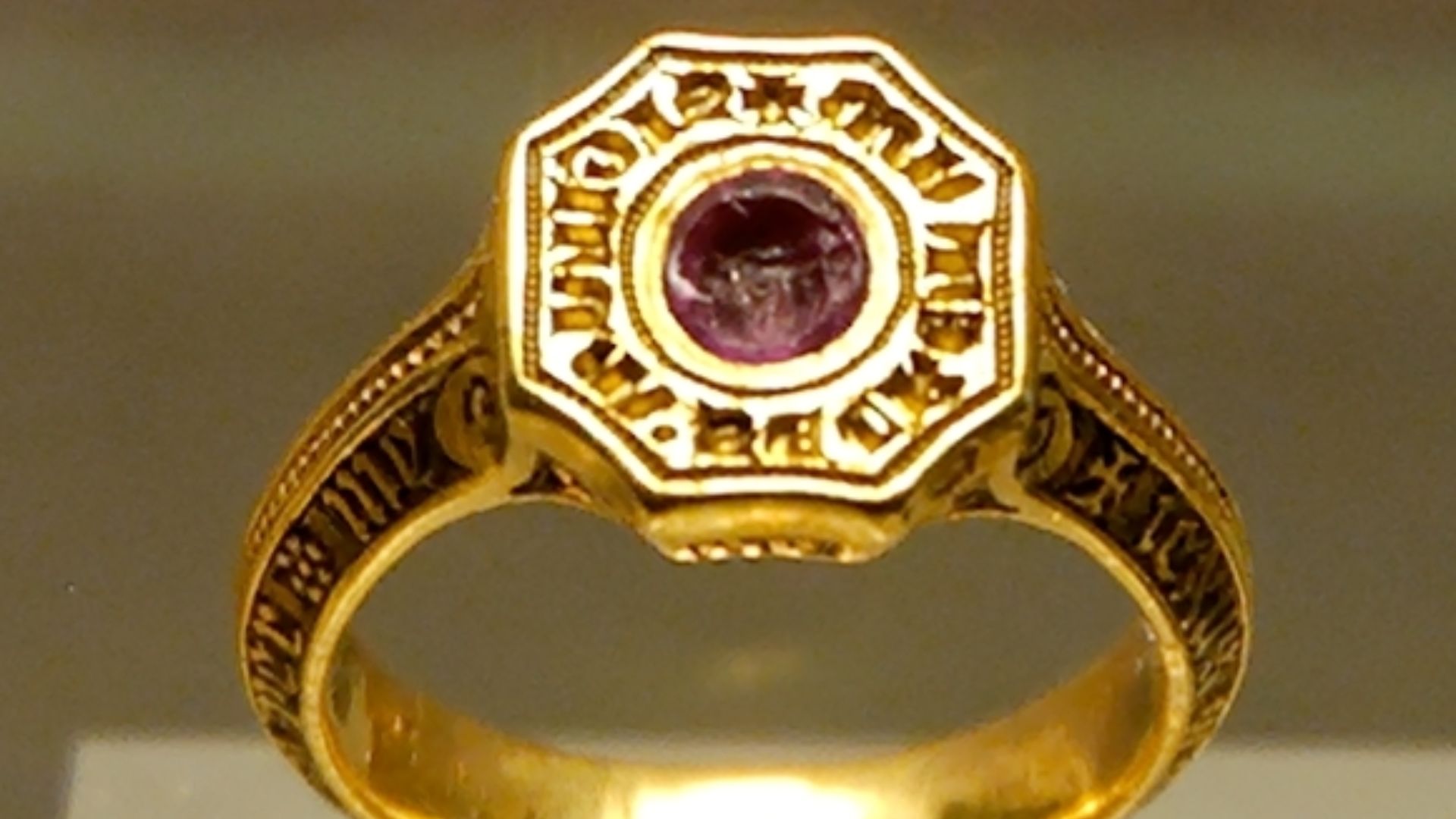
On June 11, 2016, just before the property changed hands, members of the Central Florida Metal Detecting Club swept the grounds for relics. They turned up around 30 shell casings—and then club member Alan James found something truly remarkable: a 10-karat gold signet ring. The ring was hand-engraved, bearing the initials “FGB”—Fredrick George Barker.
 Unknown artistUnknown artist, Wikimedia Commons
You May Also Like:
Scandalous Facts About Peggy Guggenheim, The Art Maven
Marie Angélique de Scorailles, The Doomed Mistress