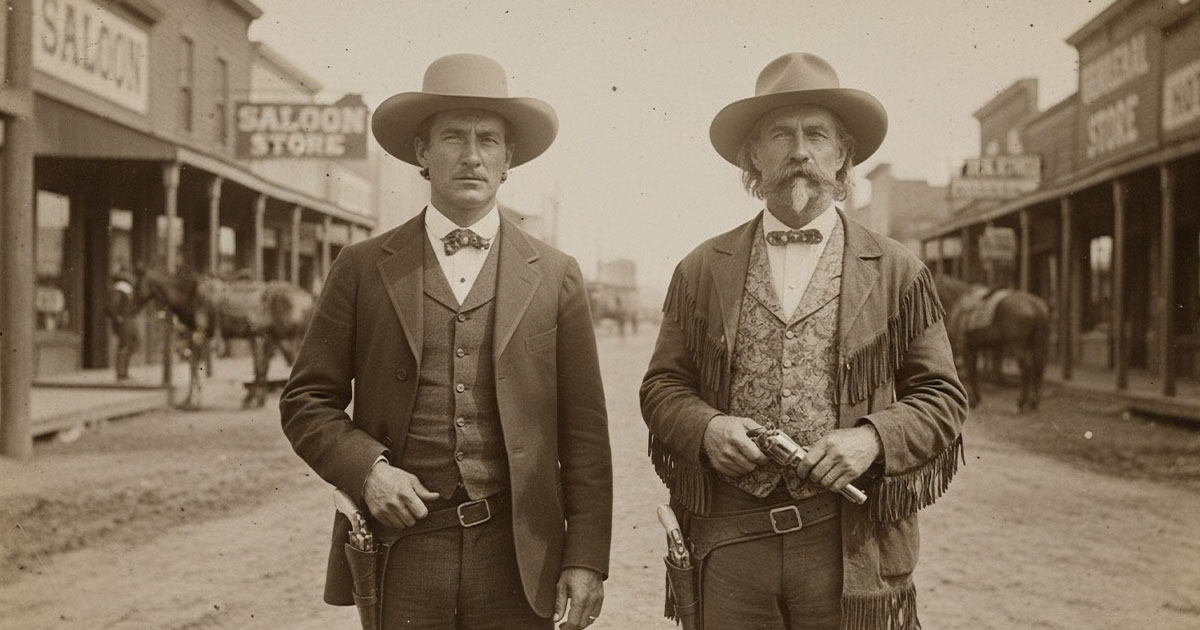
How a Preacher’s Son Became the Most Feared Gunman in Texas
More than a century after his death, John Wesley Hardin’s name still feels heavy. Stories about him linger in Texas folklore, half history and half warning. Some called him the fastest gun alive. Others called him a reckless terror. What is certain is that his life unfolded like a fuse burning toward an inevitable end.
Born Into Faith, Raised in Turmoil
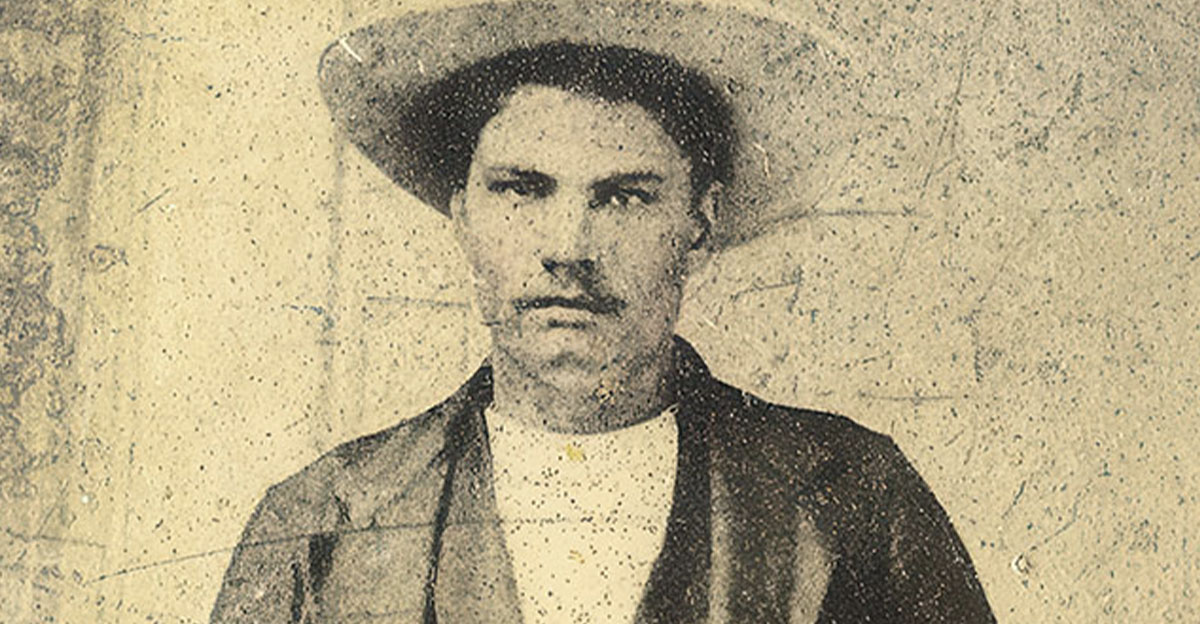
John Wesley Hardin was born on May 26, 1853, in Bonham, Texas. His father, Reverend James Gibson Hardin, was a respected Methodist minister and educator. His home life revolved around discipline, scripture, and learning. Yet outside that home, Texas was unraveling under the strain of war and political collapse.
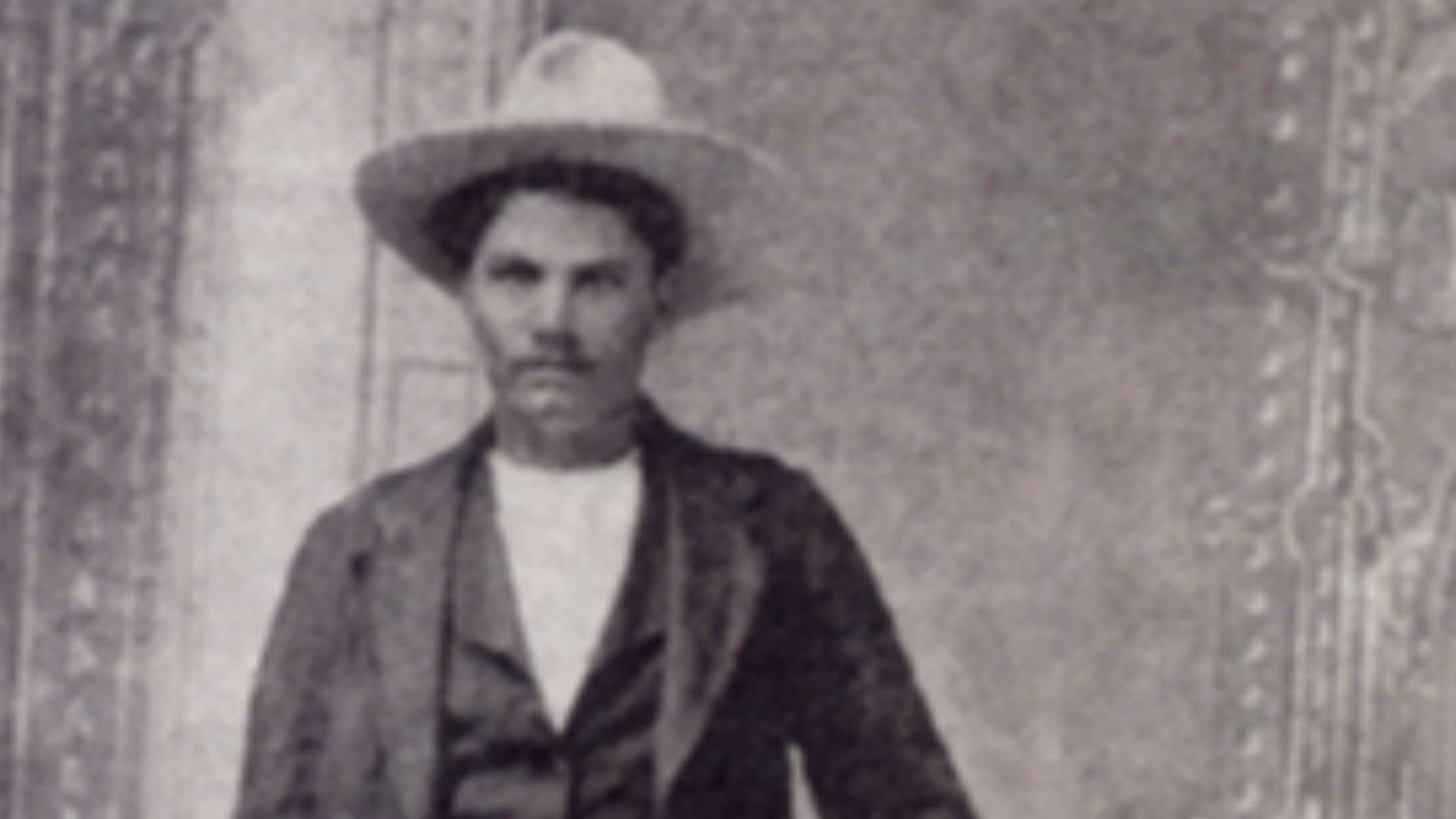 The original uploader was Shauri at English Wikipedia., Wikimedia Commons
A Childhood Marked by Intelligence and Anger
Hardin was unusually bright. He read fluently at a young age and impressed adults with his memory and logic. But he was also sensitive and quick to anger. Those who knew him later said he took insults deeply and never forgot them. That trait would shape everything that followed.
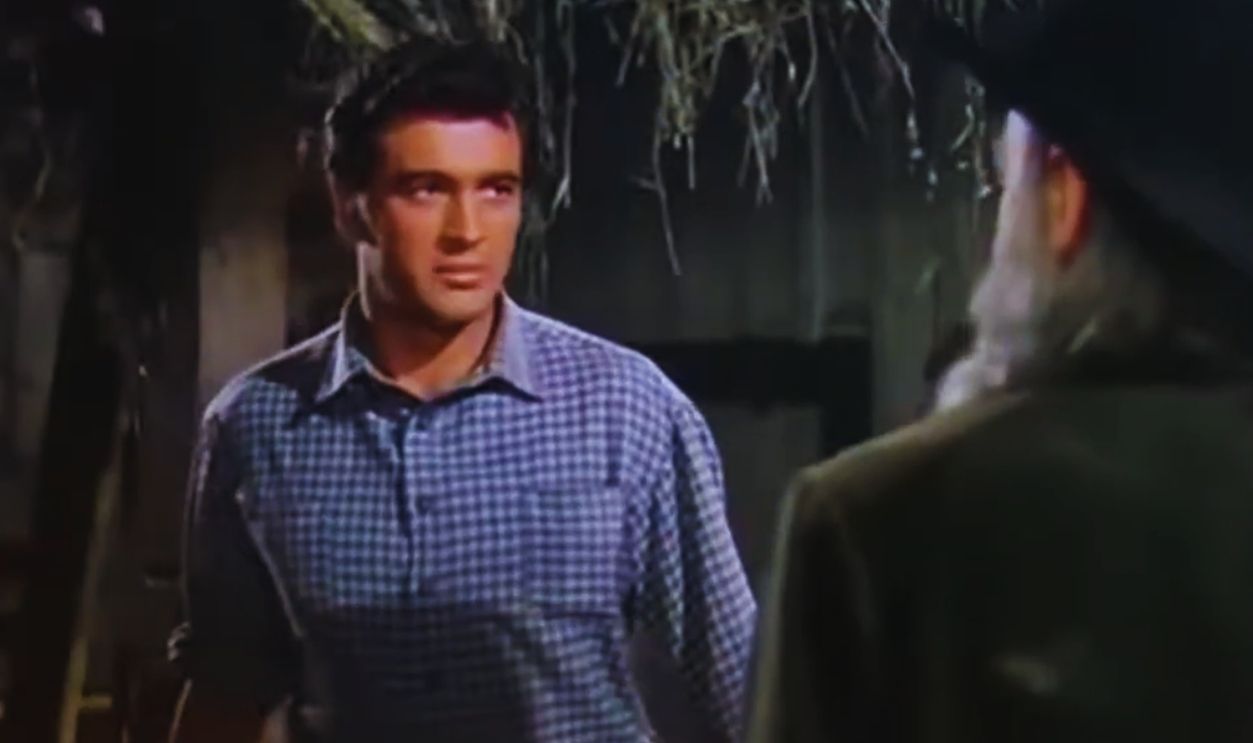 Screenshot from The Lawless Breed, Universal-International Pictures (1953)
Growing Up During the Collapse of Order
Hardin came of age during the Civil War and Reconstruction. Texas was lawless, divided, and violent. Authority was unclear. Justice depended on who was holding the weapon. For a young boy already prone to anger, the world offered no reason to believe restraint would be rewarded.
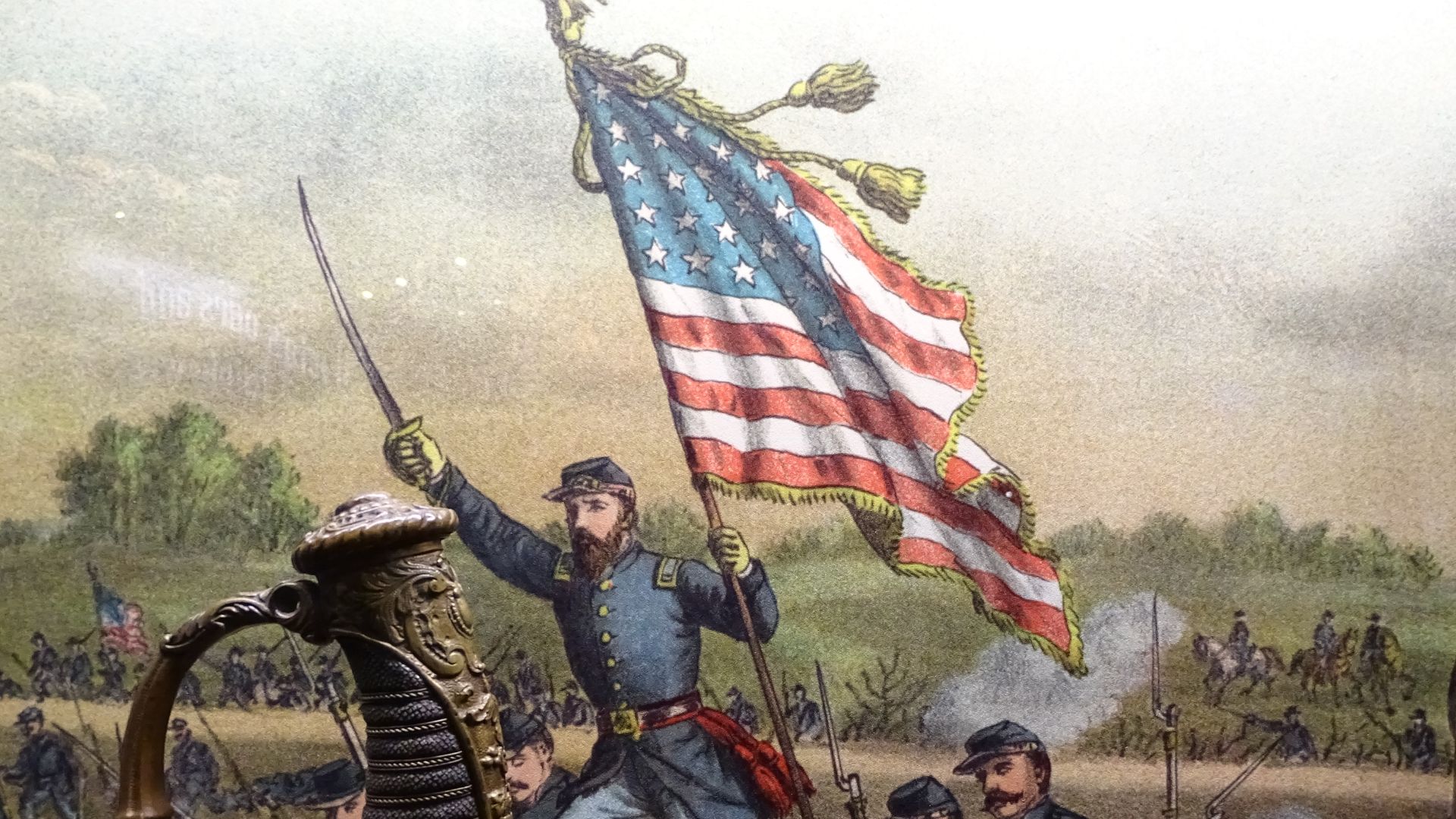 Adam Jones from Kelowna, BC, Canada, Wikimedia Commons
The First Life Taken at Fifteen
In 1868, when Hardin was just fifteen, he shot and killed a formerly enslaved man during a confrontation in Trinity County. Hardin later insisted he acted in self-defense. Regardless of the circumstances, the event changed his life instantly. He could not remain. He ran.
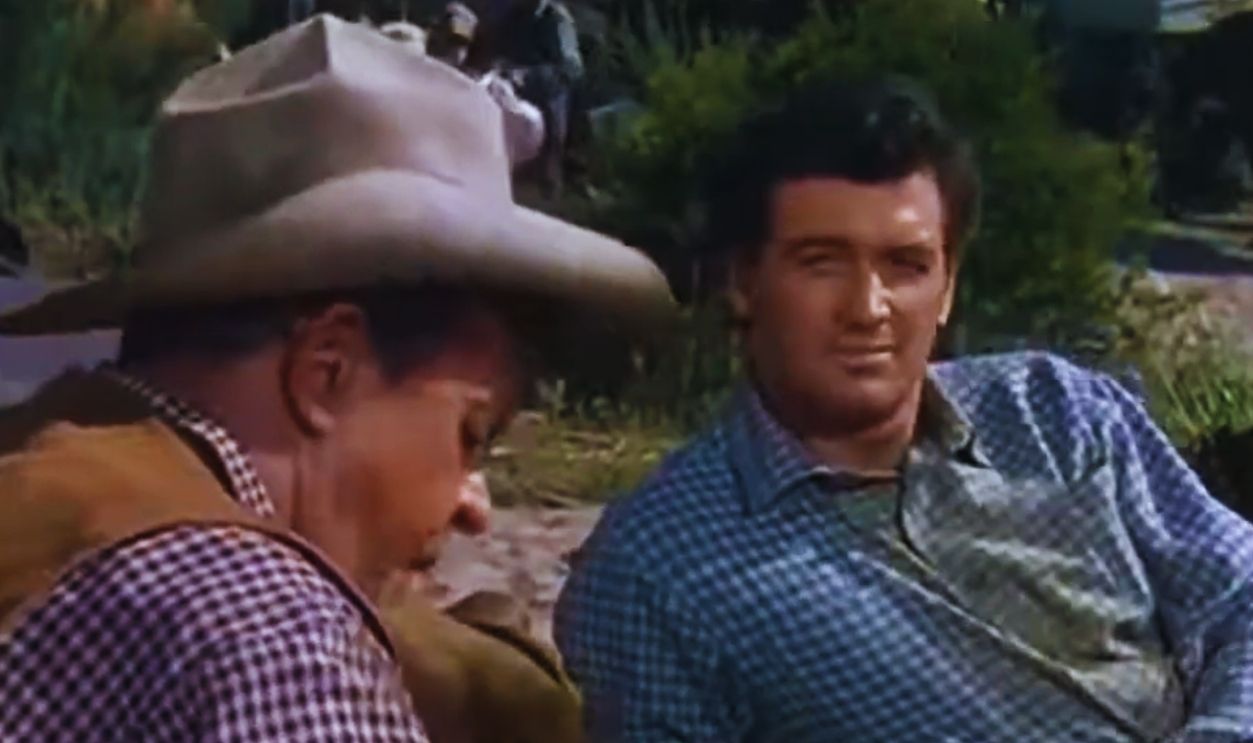 Screenshot from The Lawless Breed, Universal-International Pictures (1953)
Running Became a Way of Life
After that incident, Hardin disappeared into the countryside. He moved between counties, slept in brush, and relied on relatives and sympathizers. The constant threat of capture sharpened him. He practiced with firearms obsessively. Survival became a skill he refined daily.
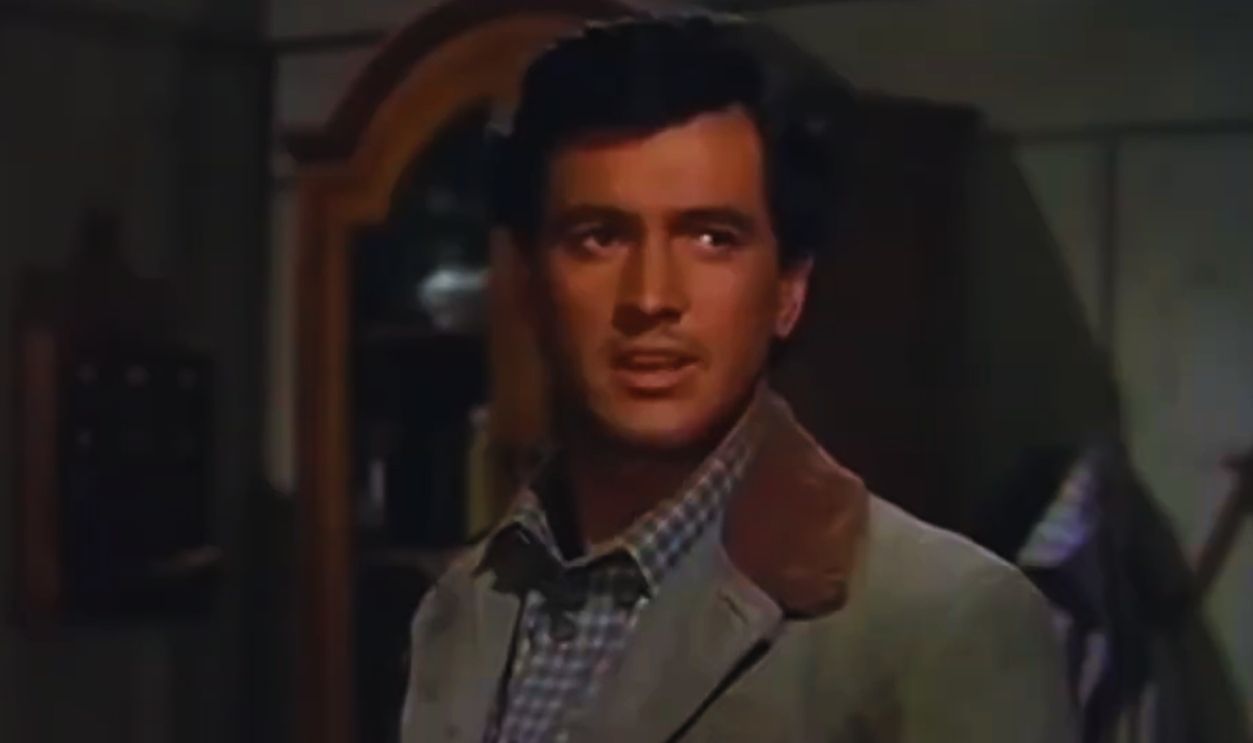 Screenshot from The Lawless Breed, Universal-International Pictures (1953)
A Young Man Learning the Language of Fear
Hardin learned quickly that reputation mattered. The faster word traveled, the safer he became. Fear protected him more reliably than friendship. As stories spread, people hesitated before confronting him. That hesitation saved his life more than once.
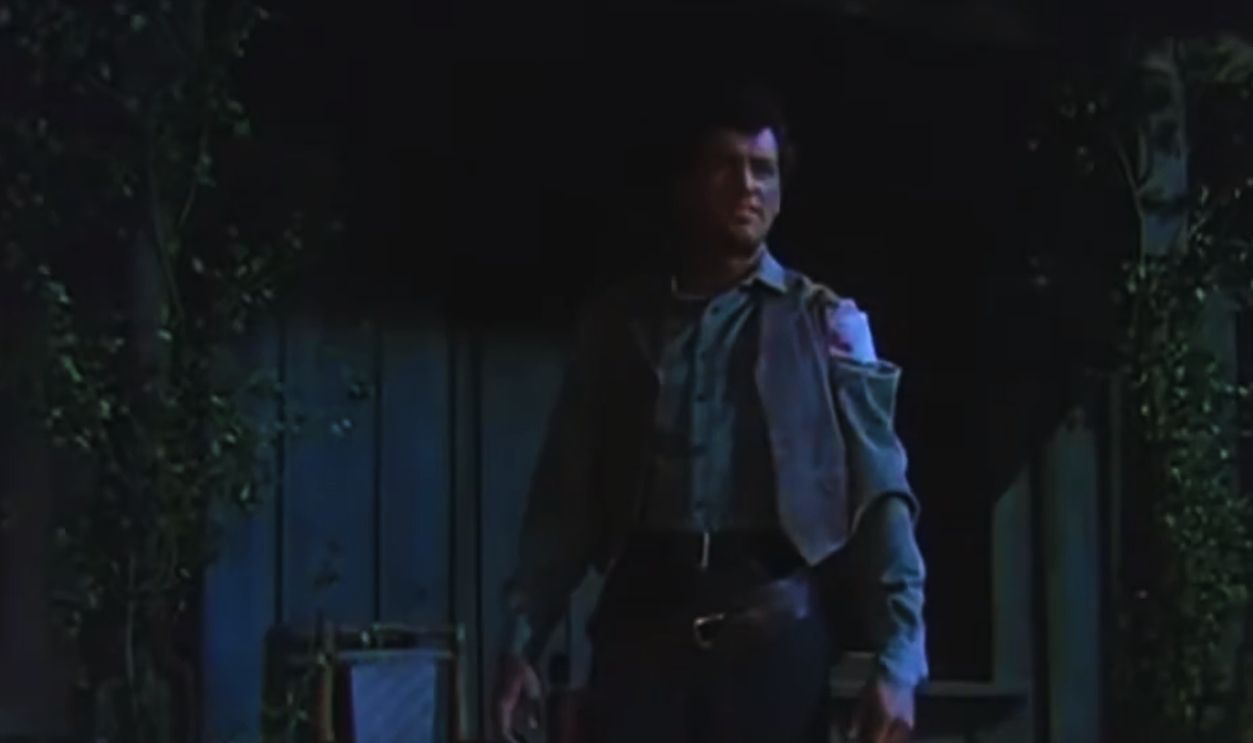 Screenshot from The Lawless Breed, Universal-International Pictures (1953)
Reconstruction Made Everything Worse
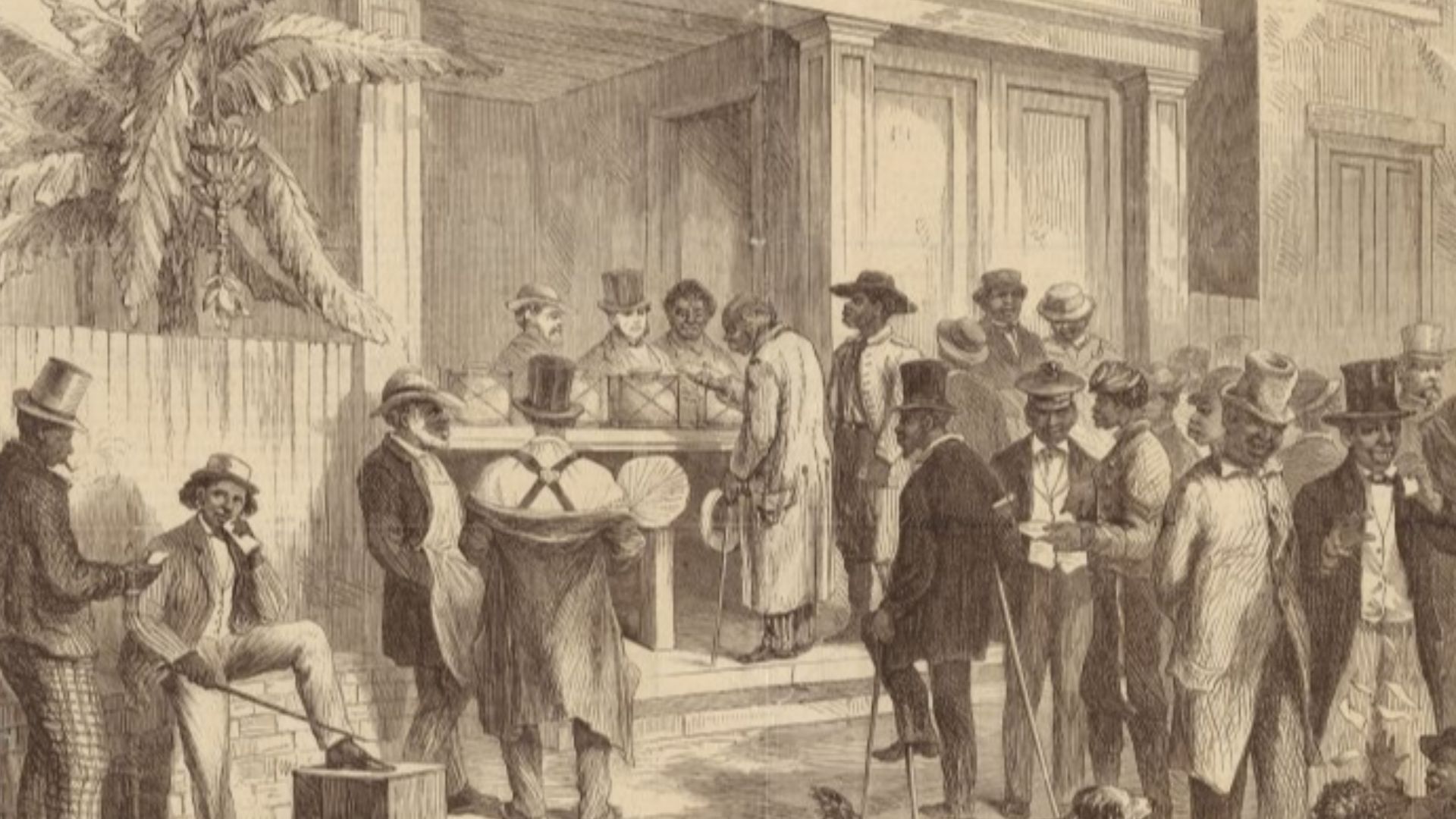
The Reconstruction era brought federal oversight, political resentment, and armed patrols. Hardin openly opposed Reconstruction authorities and aligned himself with former Confederates. Many of his confrontations occurred during this time, when violence often erupted over politics as much as personal disputes.
 Unknown authorUnknown author, Wikimedia Commons
Claims That Fed a Legend
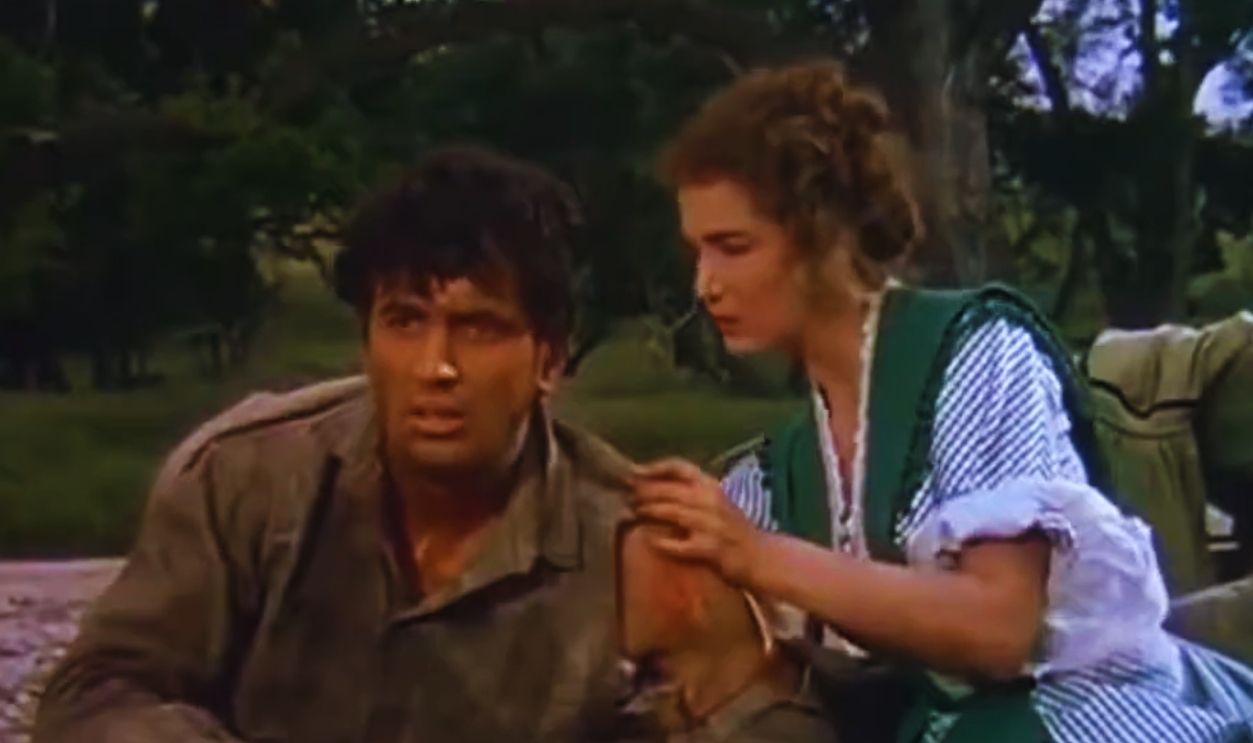
Hardin later claimed he took 42 lives. Historians strongly dispute this number. Verified cases are far fewer. Still, the claim itself became part of his legend. Some believe he exaggerated deliberately, knowing the number alone would keep challengers away. Others still believe records from back then may not have been accurate, and perhaps he did claim that many lives.
 Screenshot from The Lawless Breed, Universal-International Pictures (1953)

History's most fascinating stories and darkest secrets, delivered to your inbox daily.
Comanche County and a Reputation Sealed
In 1871, Hardin was involved in a deadly encounter in Comanche County, Texas. Members of a posse attempting to arrest him were killed. After this incident, his reputation hardened. Lawmen across Texas considered him extremely dangerous and prioritized his capture.
 Screenshot from The Lawless Breed, Universal-International Pictures (1953)
A Man the Law Could Not Catch
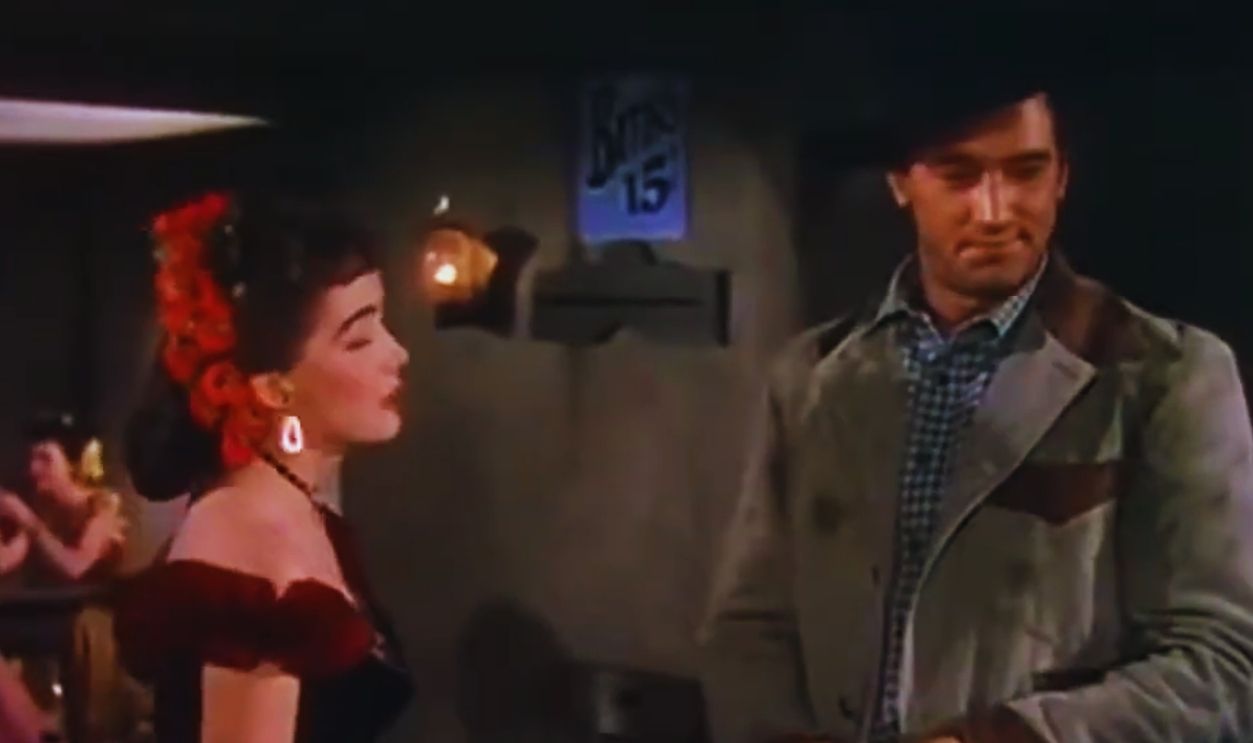
Hardin evaded arrest repeatedly. He escaped posses, outpaced riders, and used terrain to his advantage. The Texas Rangers pursued him relentlessly. Each escape added to his legend and increased the stakes for everyone involved.
 Screenshot from The Lawless Breed, Universal-International Pictures (1953)
A Meeting With Wild Bill Hickok
In 1871, Hardin crossed paths with famed lawman Wild Bill Hickok in Abilene, Kansas. Hardin later wrote that Hickok treated him cautiously. Some historians believe Hickok recognized Hardin as one of the few men who posed a genuine threat to him.
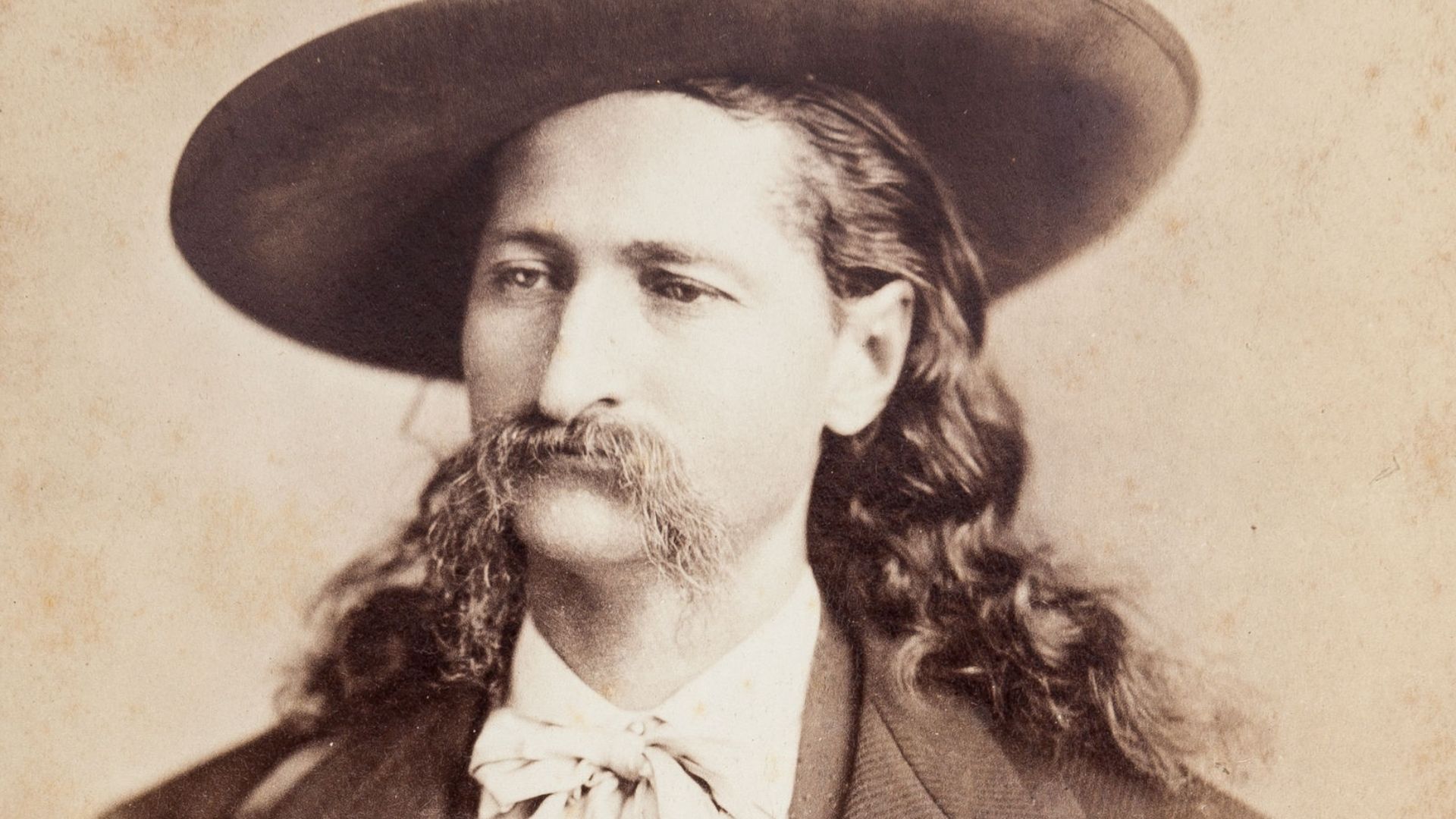 George G. Rockwood, Wikimedia Commons
The Abilene Hotel Incident That Shocked Even Veterans
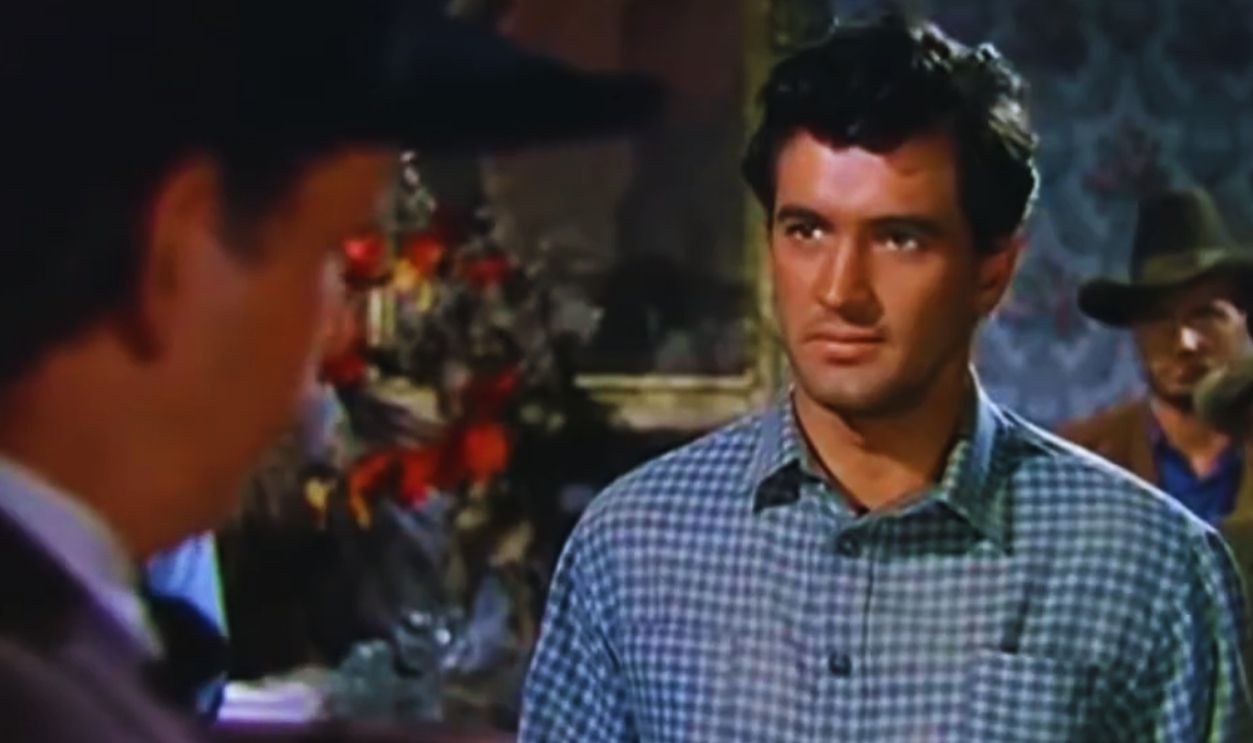
While staying at the American House Hotel in Abilene, Hardin fired a gun through a wall, killing a man in the next room. Hardin later claimed the man had been snoring loudly. Even in a violent era, the incident stunned witnesses and reinforced Hardin’s unpredictable nature.
Marriage Amid Chaos
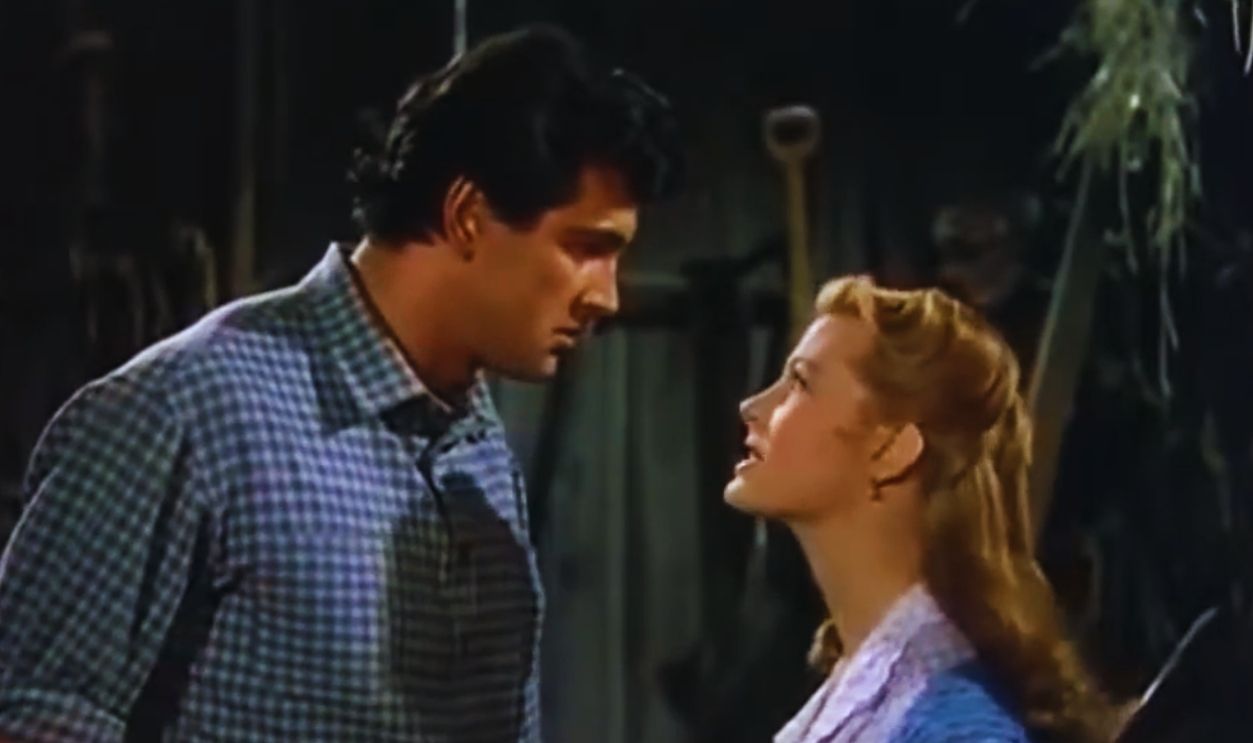
In 1872, Hardin married Jane Bowen while still a fugitive. They would have three children together. Letters suggest Hardin loved his family deeply. Yet his constant flight and danger made normal family life impossible.
Near Misses and Narrow Escapes
Hardin survived multiple close calls with the Texas Rangers. In one instance, he escaped by leaping from a moving train while handcuffed. Each escape increased the urgency to capture him and narrowed his options.
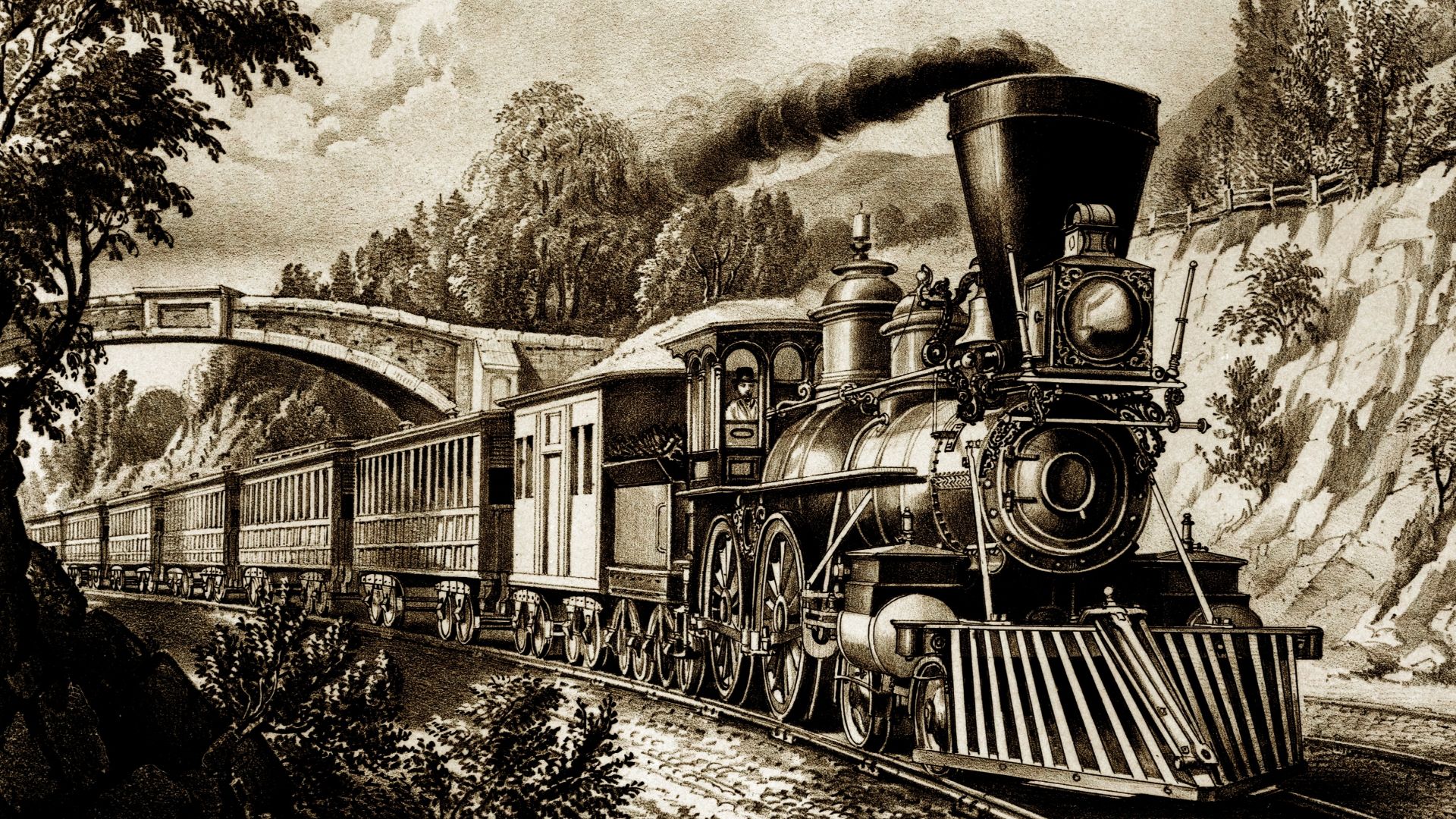 Currier and Ives, Wikimedia Commons
The Long Run Ends in Florida
On August 24, 1877, Hardin’s luck finally ran out in Pensacola, Florida. Texas Rangers John B Armstrong and John Duncan tracked him down. Hardin attempted to resist but was overpowered and arrested.
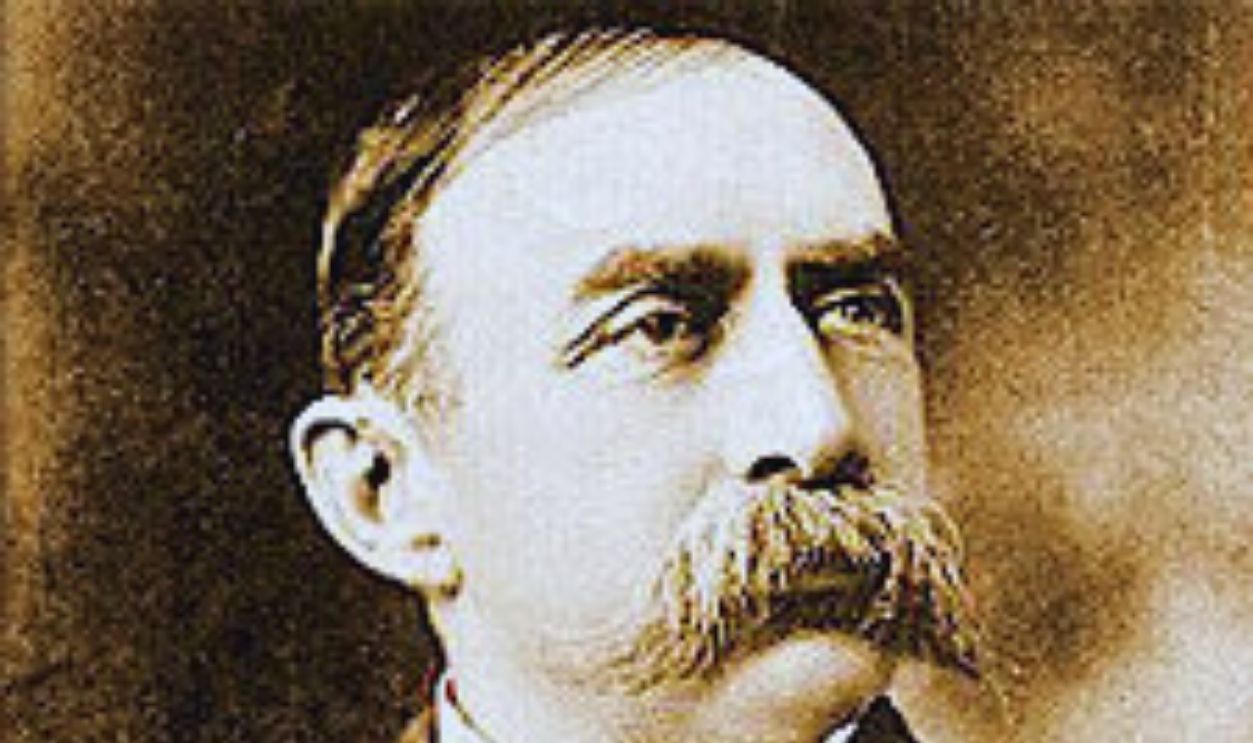 Unknown Author, Wikimedia Commons
Returned to Texas in Chains
Hardin was transported back to Texas under heavy guard. Crowds gathered to see the man whose name had terrified counties. He was charged for a killing committed in Comanche County years earlier.
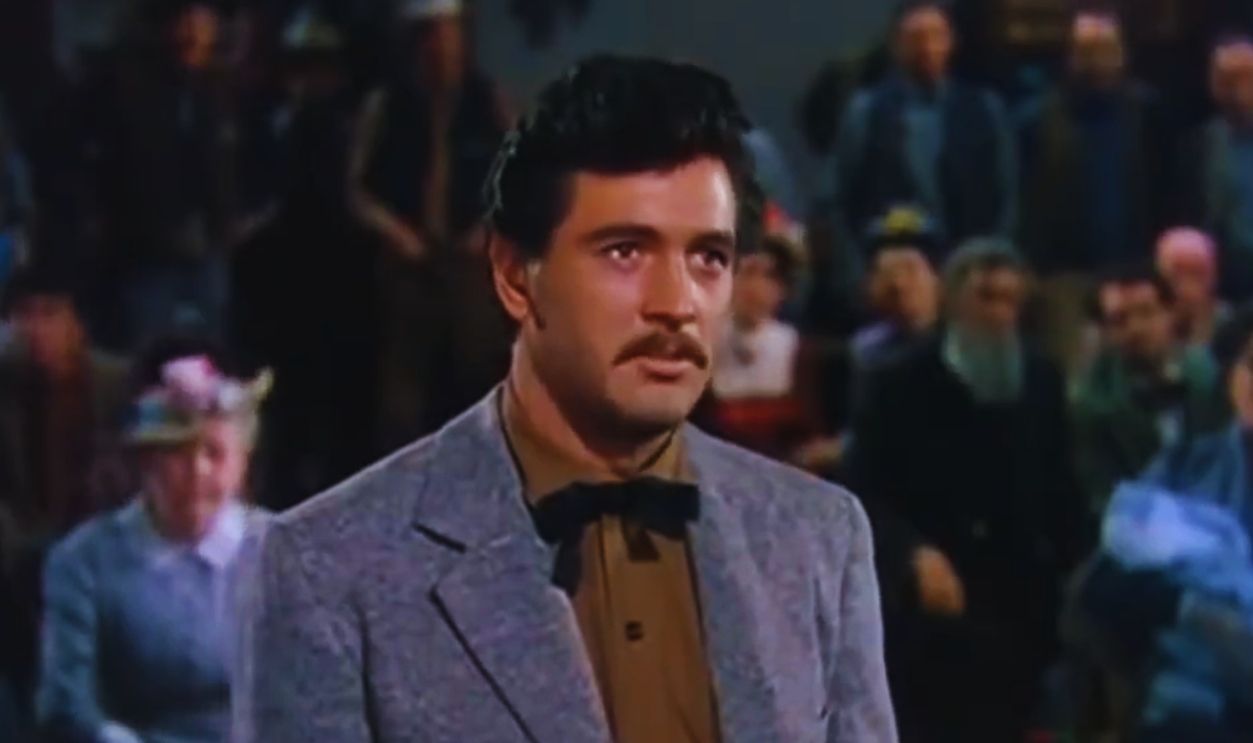 Screenshot from The Lawless Breed, Universal-International Pictures (1953)
Conviction and a Long Sentence
In 1878, Hardin was convicted and sentenced to twenty-five years in prison. He was sent to Huntsville Penitentiary. For the first time since his teenage years, he could not run.
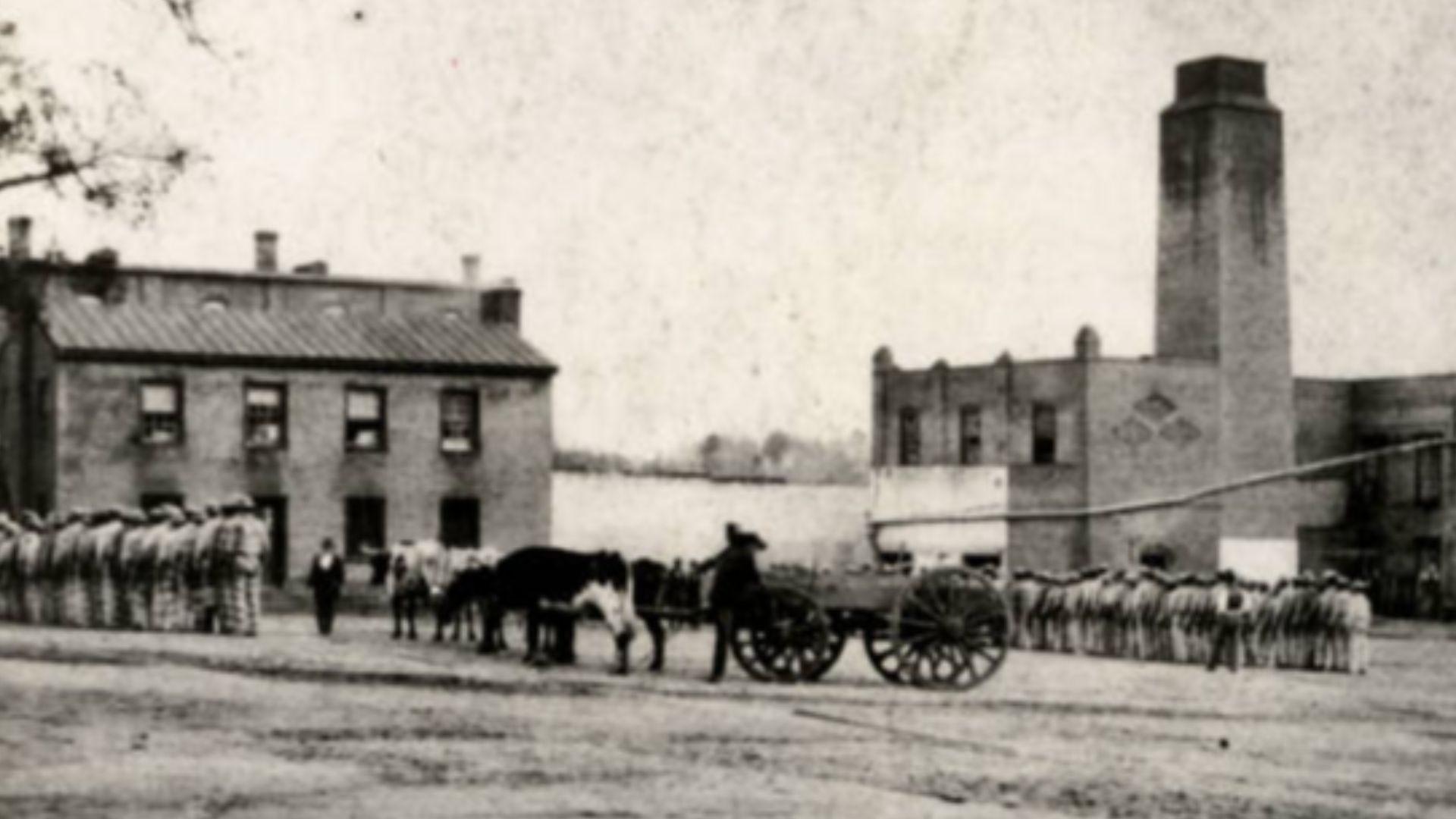 Unknown authorUnknown author, Wikimedia Commons
Prison Changed Him More Than Violence Ever Did
Prison forced stillness on Hardin. He read extensively and became deeply religious. Guards and fellow inmates later described him as calmer and more reflective. He taught Sunday school and avoided trouble.
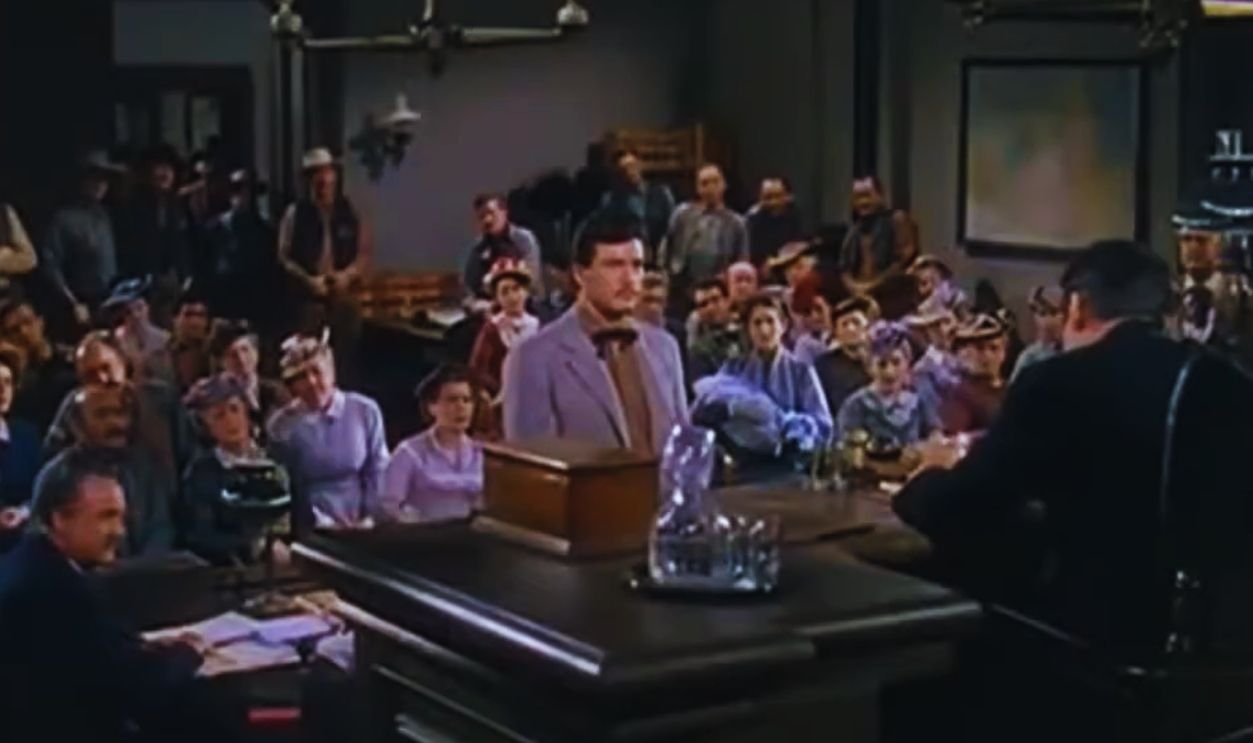 Screenshot from The Lawless Breed, Universal-International Pictures (1953)
Studying Law Behind Bars
During his incarceration, Hardin studied law seriously. He passed the Texas bar exam while still imprisoned. The achievement suggested he wanted a different future, one built on words instead of force.
Release Into a Changed World
Hardin was released in 1894 after serving seventeen years. Texas had changed. Railroads spread. Towns modernized. The Wild West he once dominated was fading.
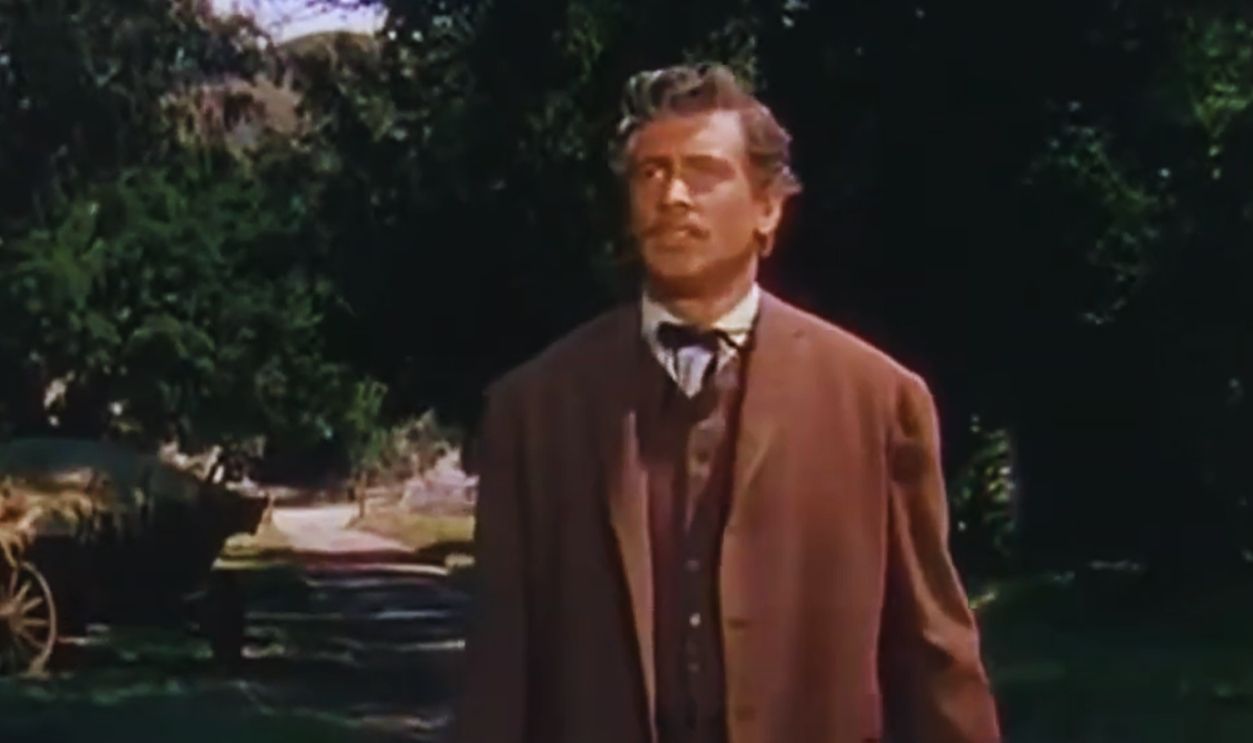 Screenshot from The Lawless Breed, Universal-International Pictures (1953)
Trying to Live Respectably in El Paso
Hardin settled in El Paso and began practicing law. Some clients sought him out because of his notoriety. Others avoided him entirely. He struggled to escape his past.
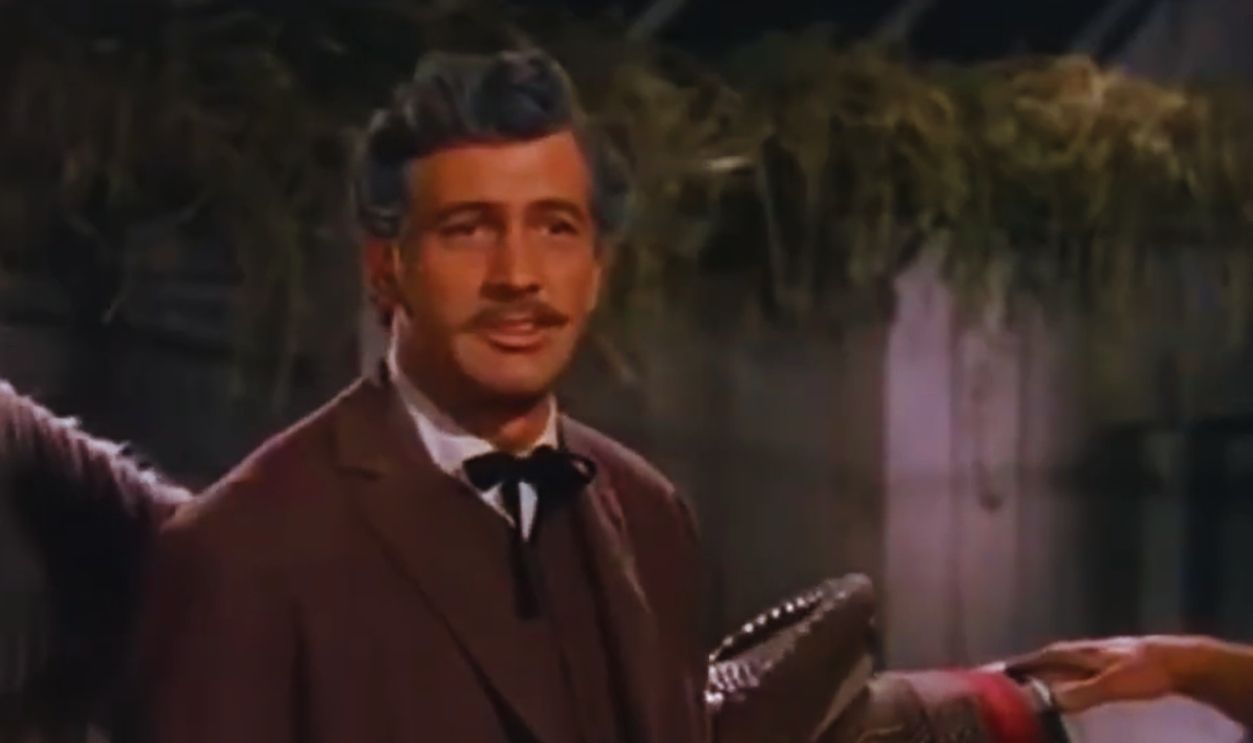 Screenshot from The Lawless Breed, Universal-International Pictures (1953)
Old Habits Resurfaced
Hardin began drinking heavily. His behavior became erratic. Friends noted that prison discipline quickly disappeared. The restraint he had learned did not survive freedom.
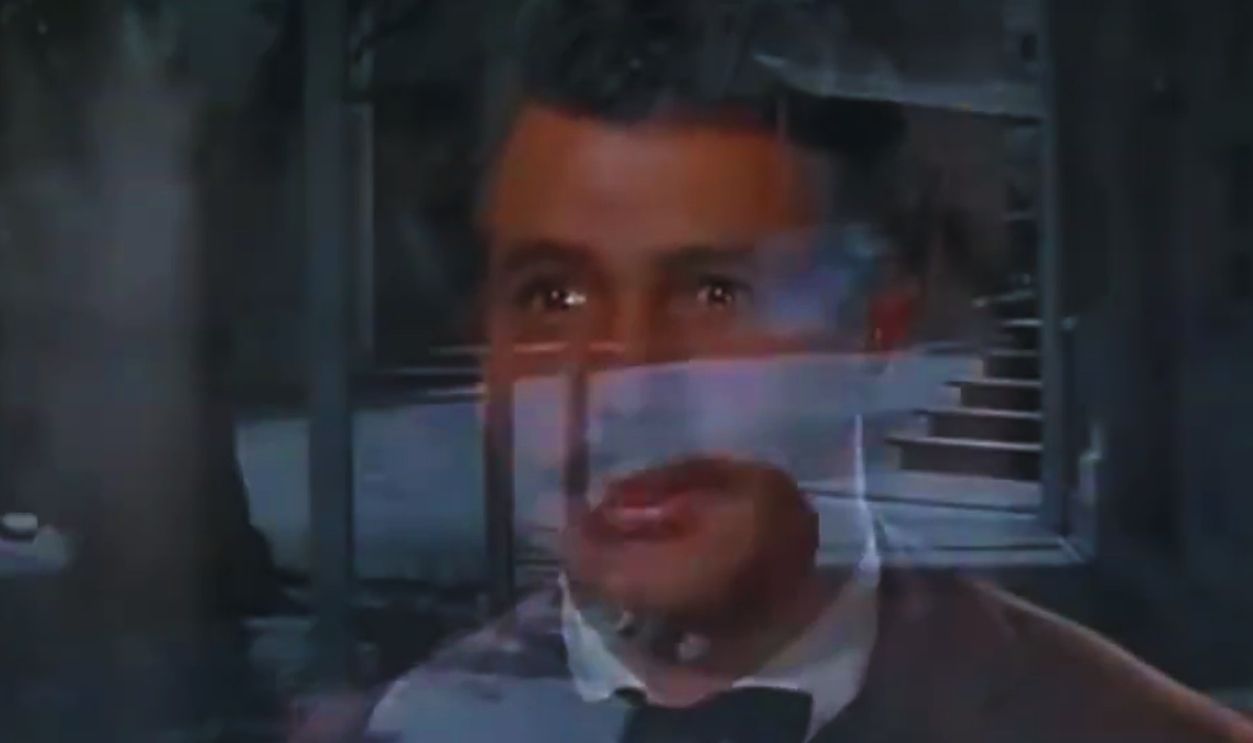 Screenshot from The Lawless Breed, Universal-International Pictures (1953)
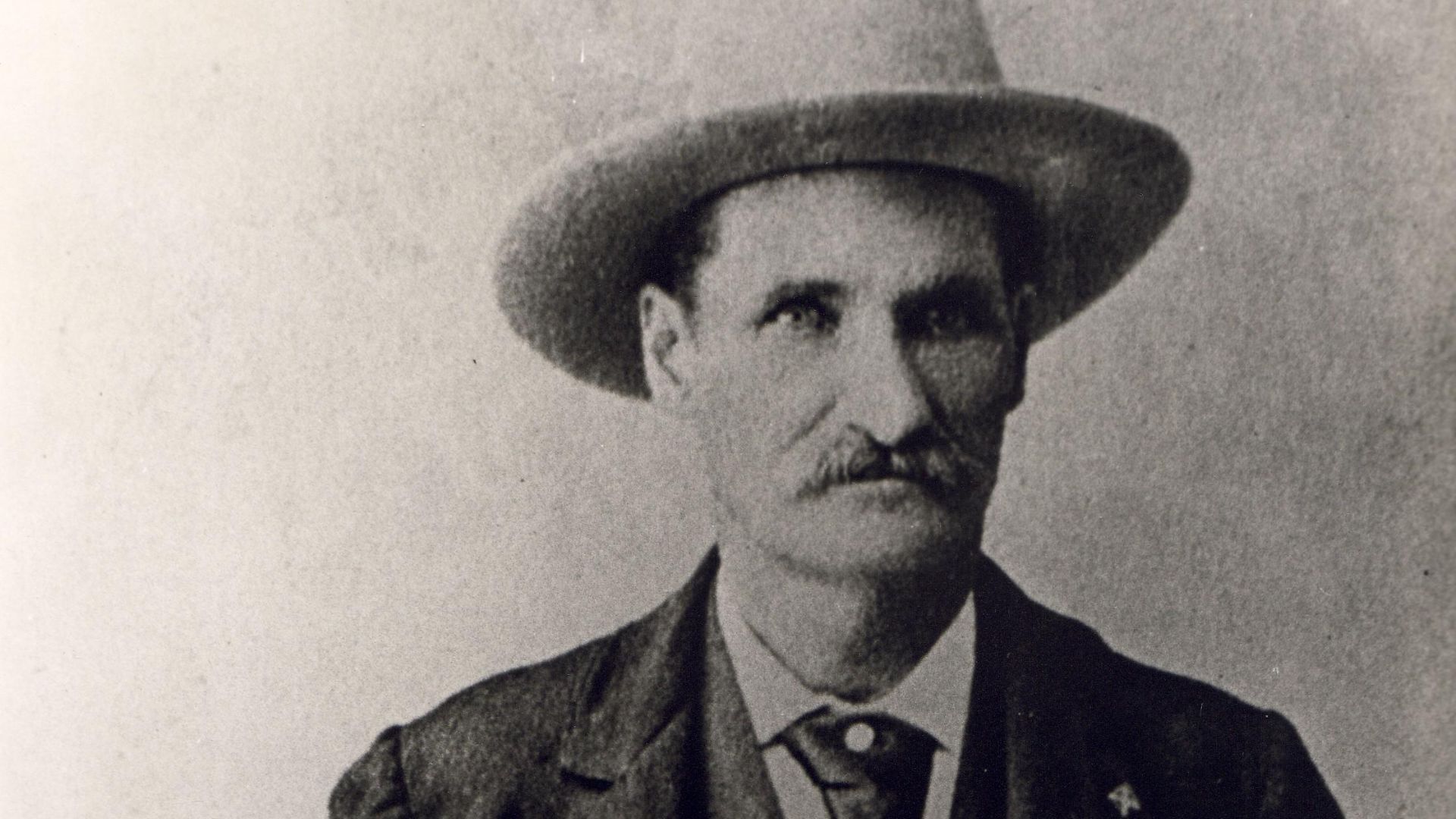
A Growing Feud With John Selman
Hardin developed a tense relationship with John Selman, a former lawman. Accounts differ on what sparked the feud. Pride, money, and lingering resentment all played a role.
 Unknown authorUnknown author, Wikimedia Commons
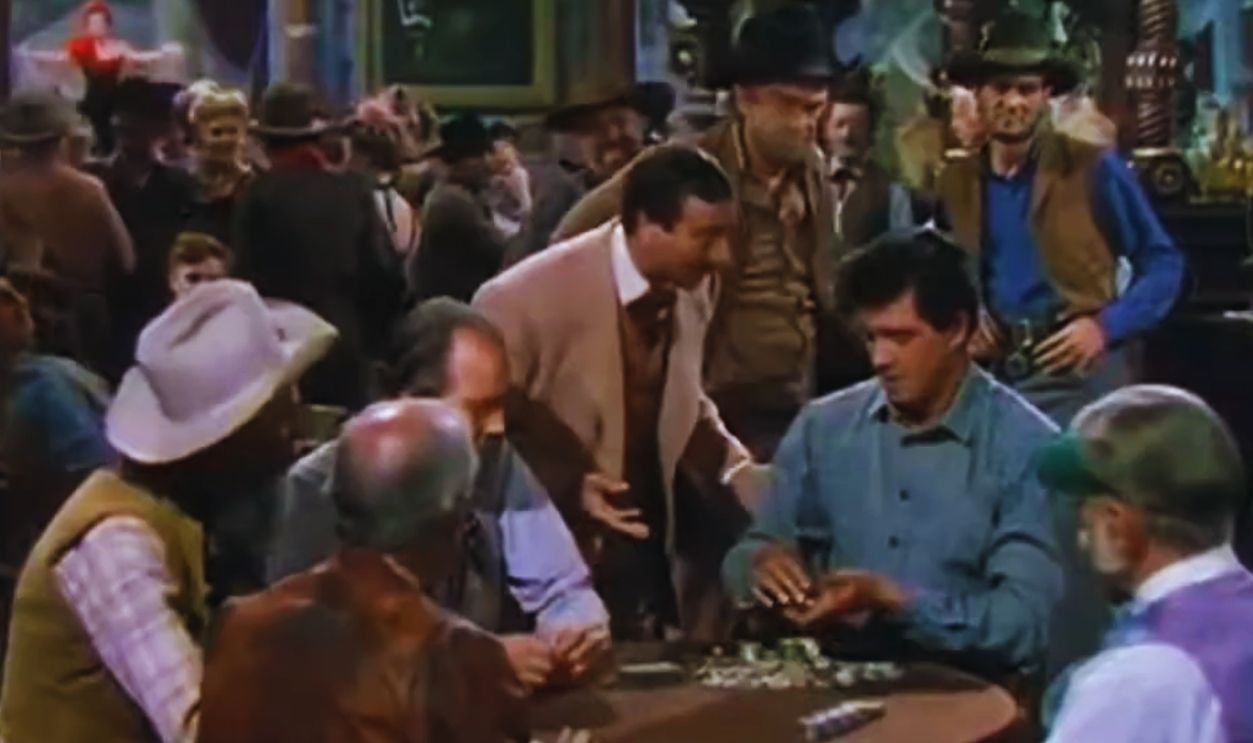
The Acme Saloon on a Summer Night
On August 19, 1895, Hardin was playing dice at the Acme Saloon in El Paso. He was relaxed and unguarded. Selman entered from behind.
 Screenshot from The Lawless Breed, Universal-International Pictures (1953)
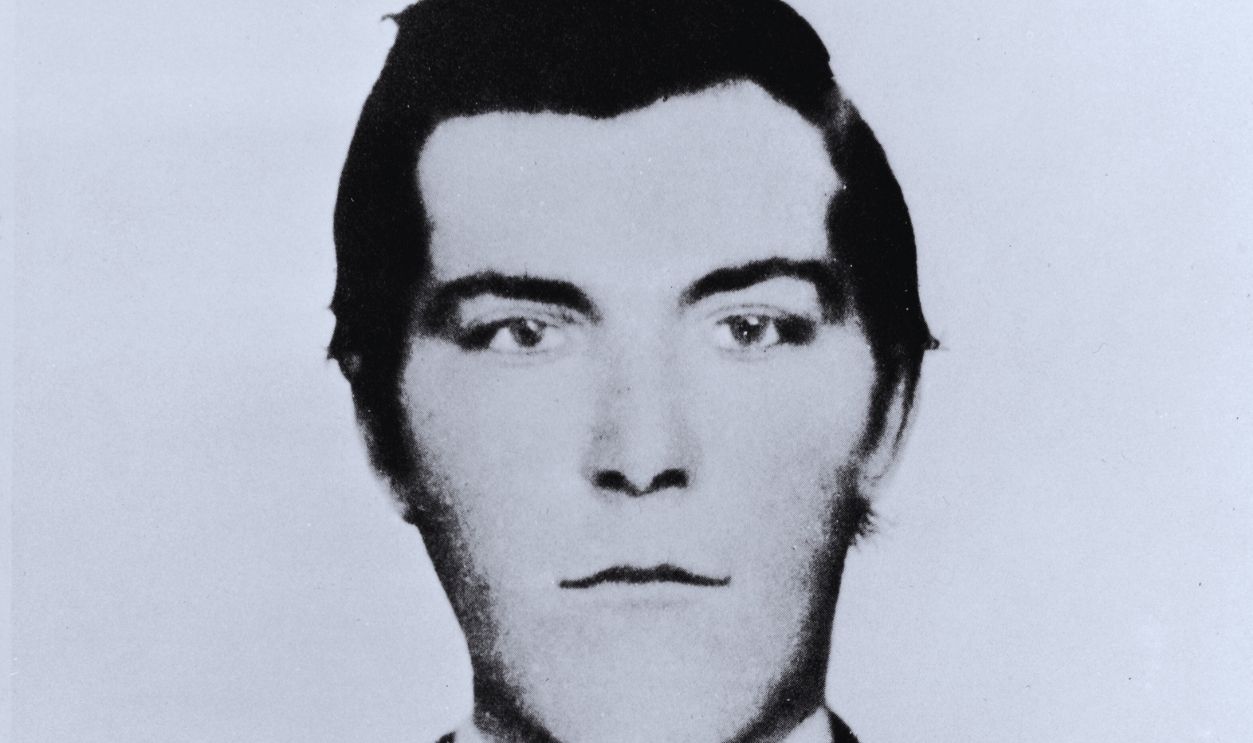
The Shot That Ended It All
Selman fired a single shot into the back of Hardin’s head. Hardin died instantly at forty-two years old. The man who had survived countless confrontations did not see the final one coming.
 American Stock Archive, Getty Images
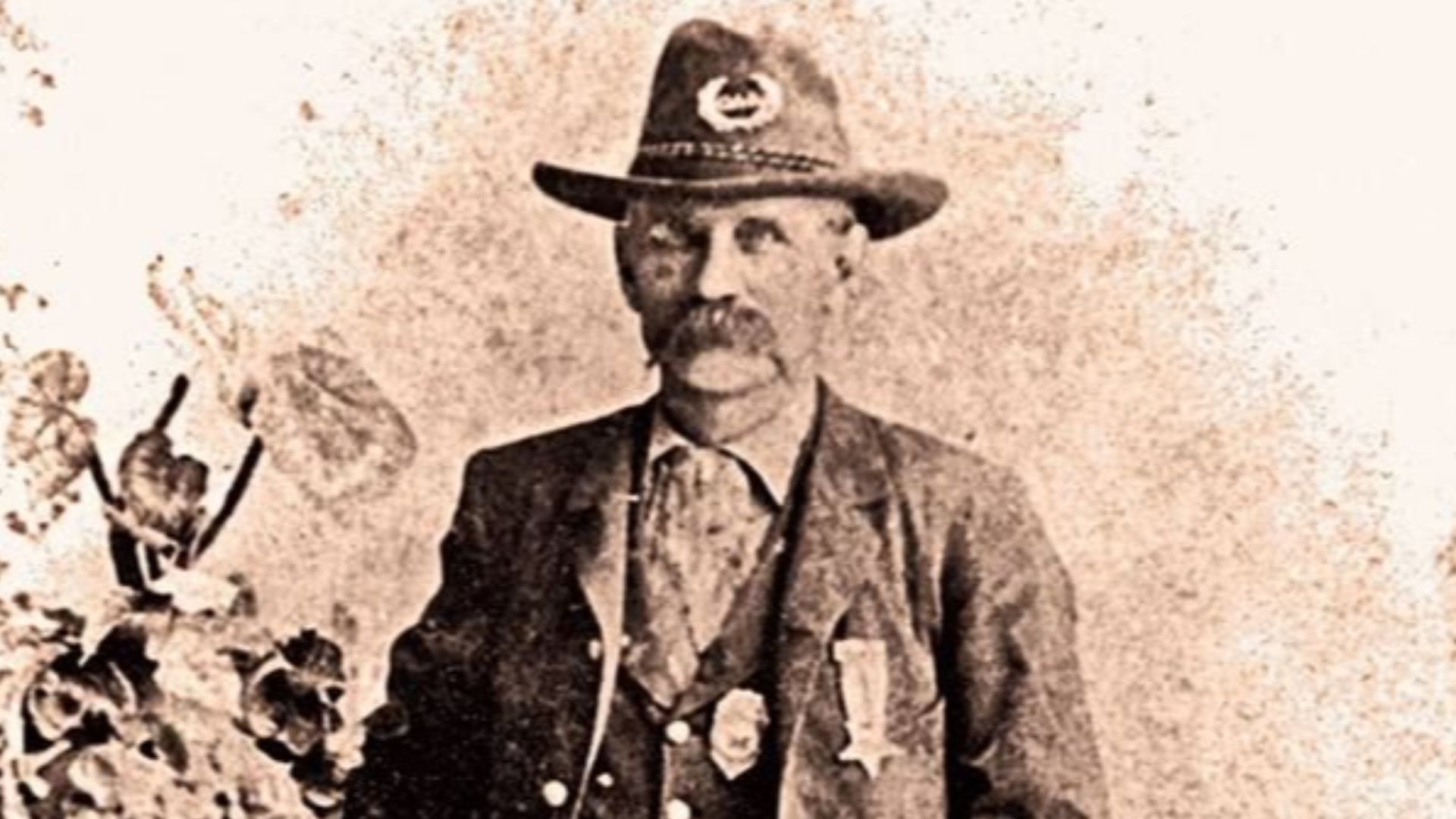
Aftermath and Irony
Selman was arrested and claimed self-defense. Before the case concluded, Selman himself was later killed in an unrelated dispute. Violence continued to claim everyone involved.
 Unknown authorUnknown author, Wikimedia Commons
Buried With a Legend
Hardin was buried at Concordia Cemetery in El Paso. His grave became a point of fascination. Visitors debated whether he was a monster, a victim of his time, or both.
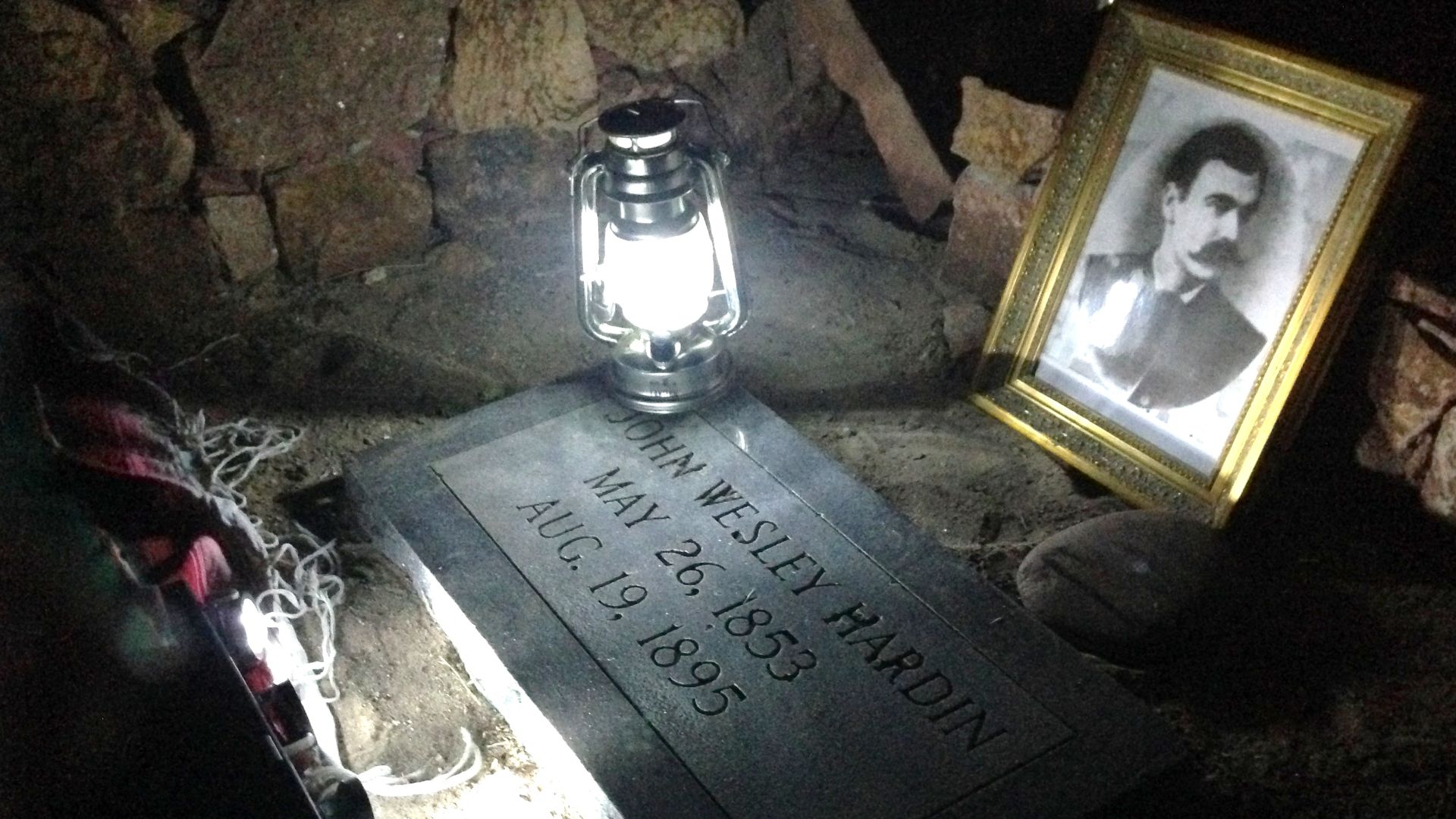 Visit El Paso, Wikimedia Commons
Myth Versus Man
Hardin carefully shaped his own legend through writings and stories. Separating truth from exaggeration remains difficult. Historians continue to argue over how much of his reputation was earned.
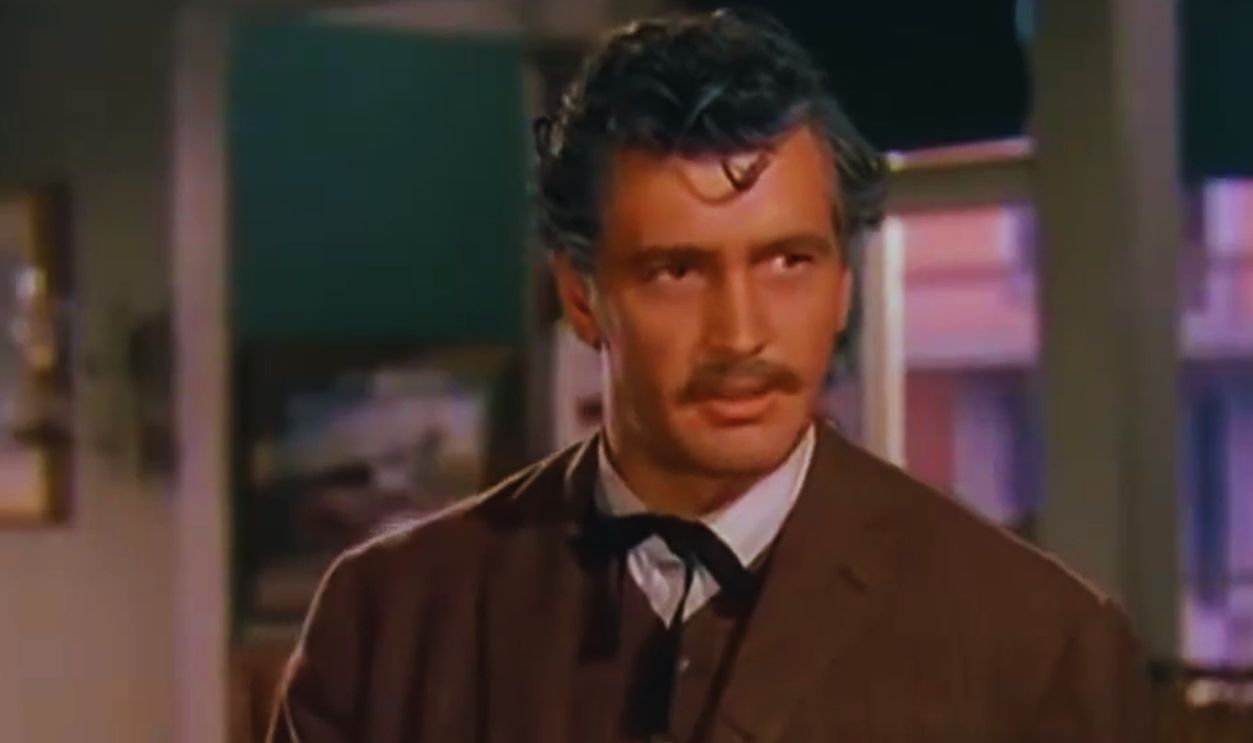 Screenshot from The Lawless Breed, Universal-International Pictures (1953)
A Product of a Brutal Era
John Wesley Hardin lived in a time when the law was inconsistent and survival depended on force. His intelligence and skill could have built something else. Instead, they sharpened his downfall.
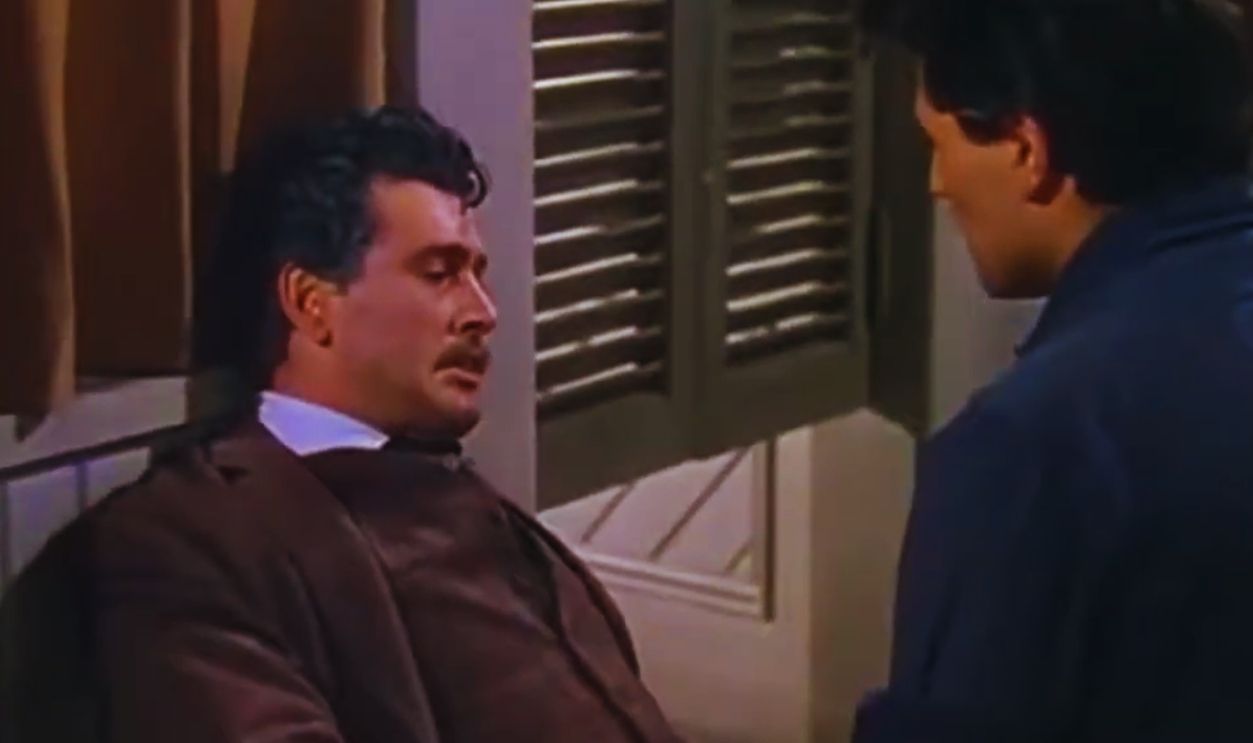
Why His Story Still Endures
Hardin’s life serves as a warning. Talent without restraint leads nowhere safe. Power without accountability consumes itself. His story endures because it shows how easily brilliance can be swallowed by violence.
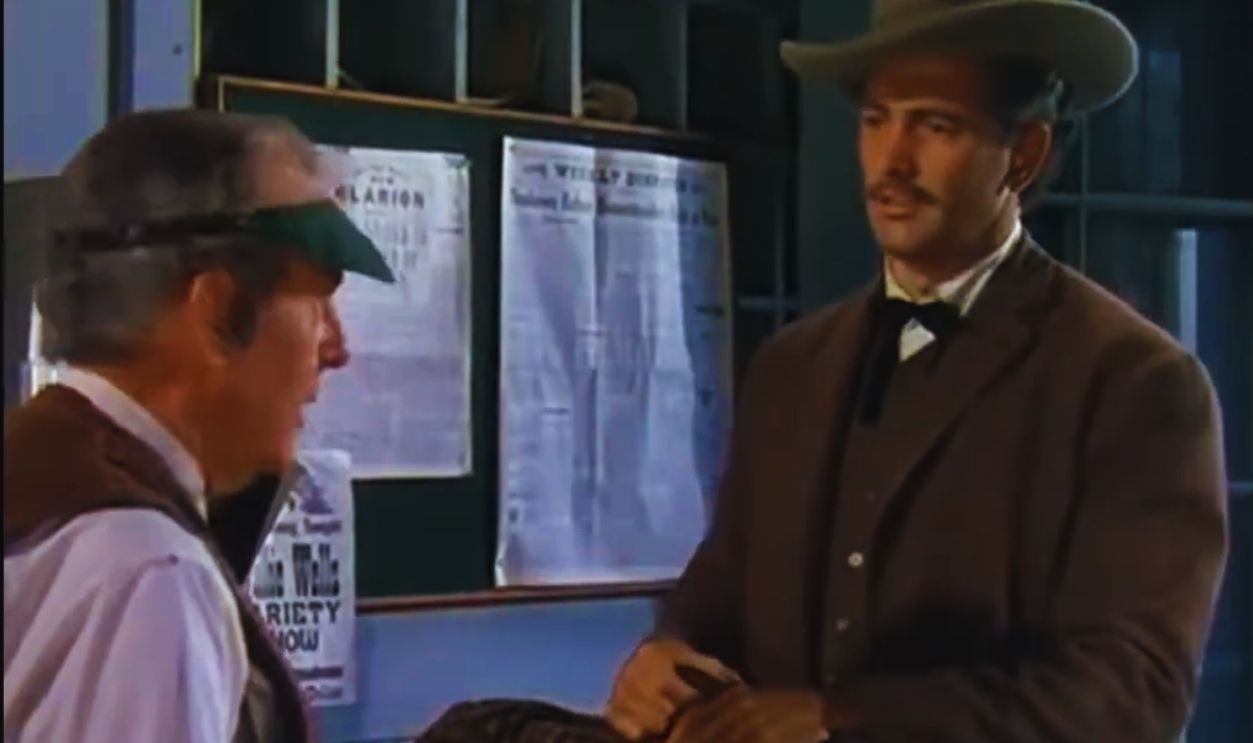 Screenshot from The Lawless Breed, Universal-International Pictures (1953)
The End of a Way of Life
Hardin’s death marked the slow fading of the gunfighter era. The West moved toward courts instead of pistols. Men like Hardin became relics of a harsher past.
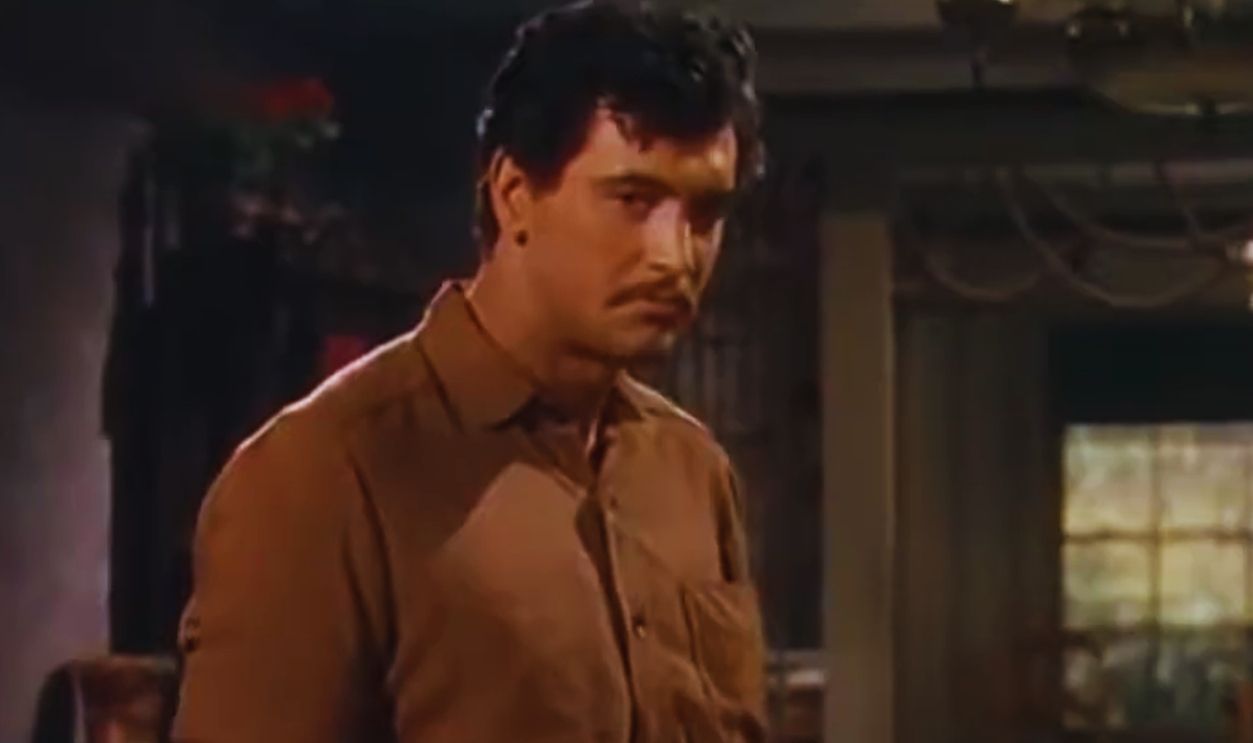 Screenshot from The Lawless Breed, Universal-International Pictures (1953)
You May Also Like:
Charming Facts About Stede Bonnet, The Gentleman Pirate
42 Infamous Facts About Wild Bill Hickok
42 Notorious Facts About Jesse James