The Shadowed Figure of Tudor England
Jane Boleyn, Lady Rochford, is remembered as one of the most reviled women in Tudor history. She’s the alleged betrayer of Anne Boleyn and her own husband, George Boleyn—a woman whose supposed treachery helped send them to their deaths. But behind that reputation lies a more complicated, tragic, and very human story.
A Young Woman Of Good Family
Jane Parker was born around 1505 into the respectable but not especially powerful Parker family. Her father, Henry Parker, 10th Baron Morley, was a scholar and courtier known for his learning. Like many young noblewomen, Jane was sent to court early, where she learned the art of charm, service, and survival under Henry VIII.
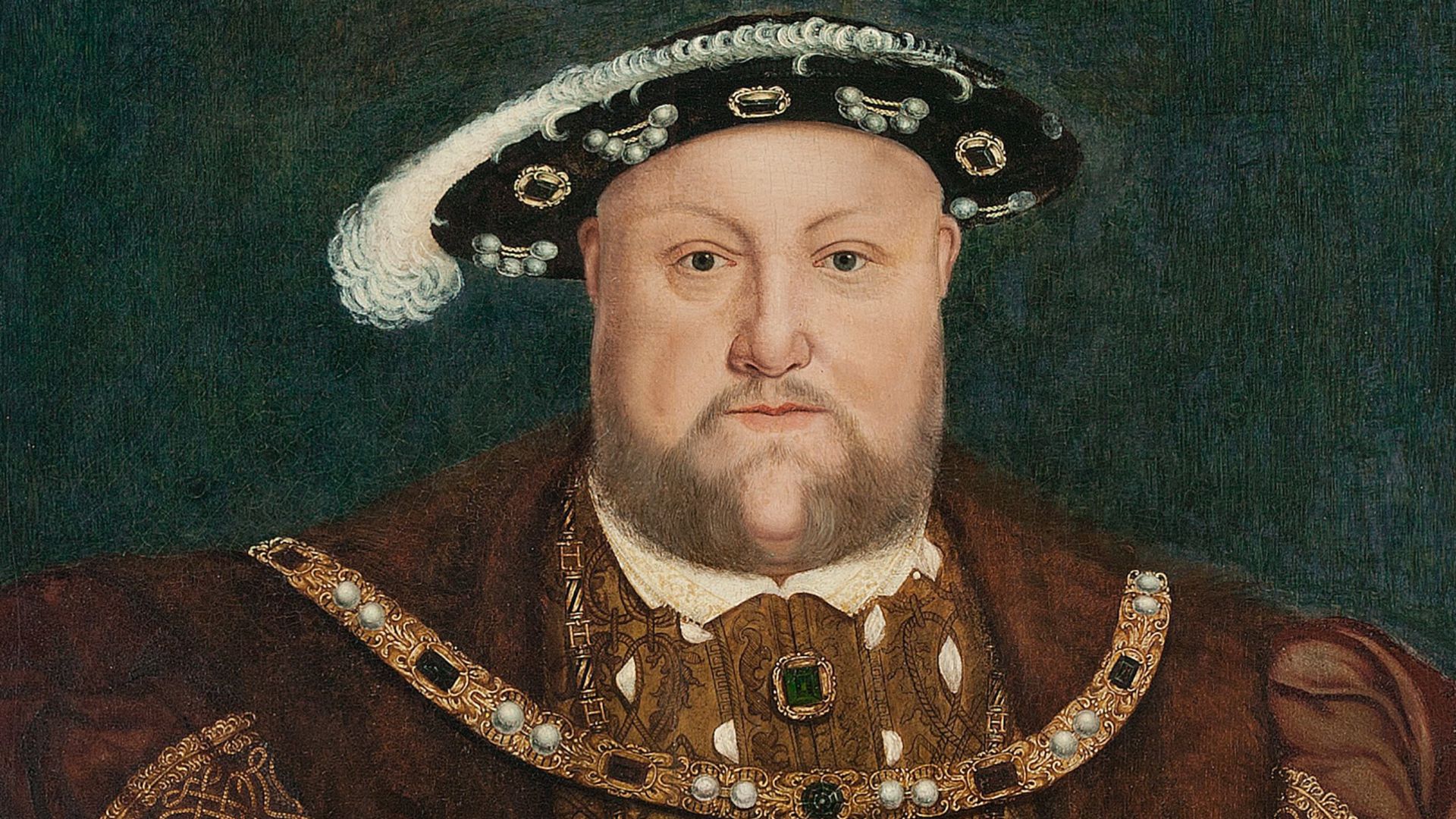 After Hans Holbein the Younger / Formerly attributed to Lucas Horenbout, Wikimedia Commons
Marriage Into The Boleyns
In the late 1520s, Jane married George Boleyn, Viscount Rochford. Her new in-laws—the ambitious Boleyn family—were rising fast thanks to George’s sister, Anne, who had caught the king’s eye. Jane’s marriage tied her to one of the most glittering—and dangerous—families in Tudor England.
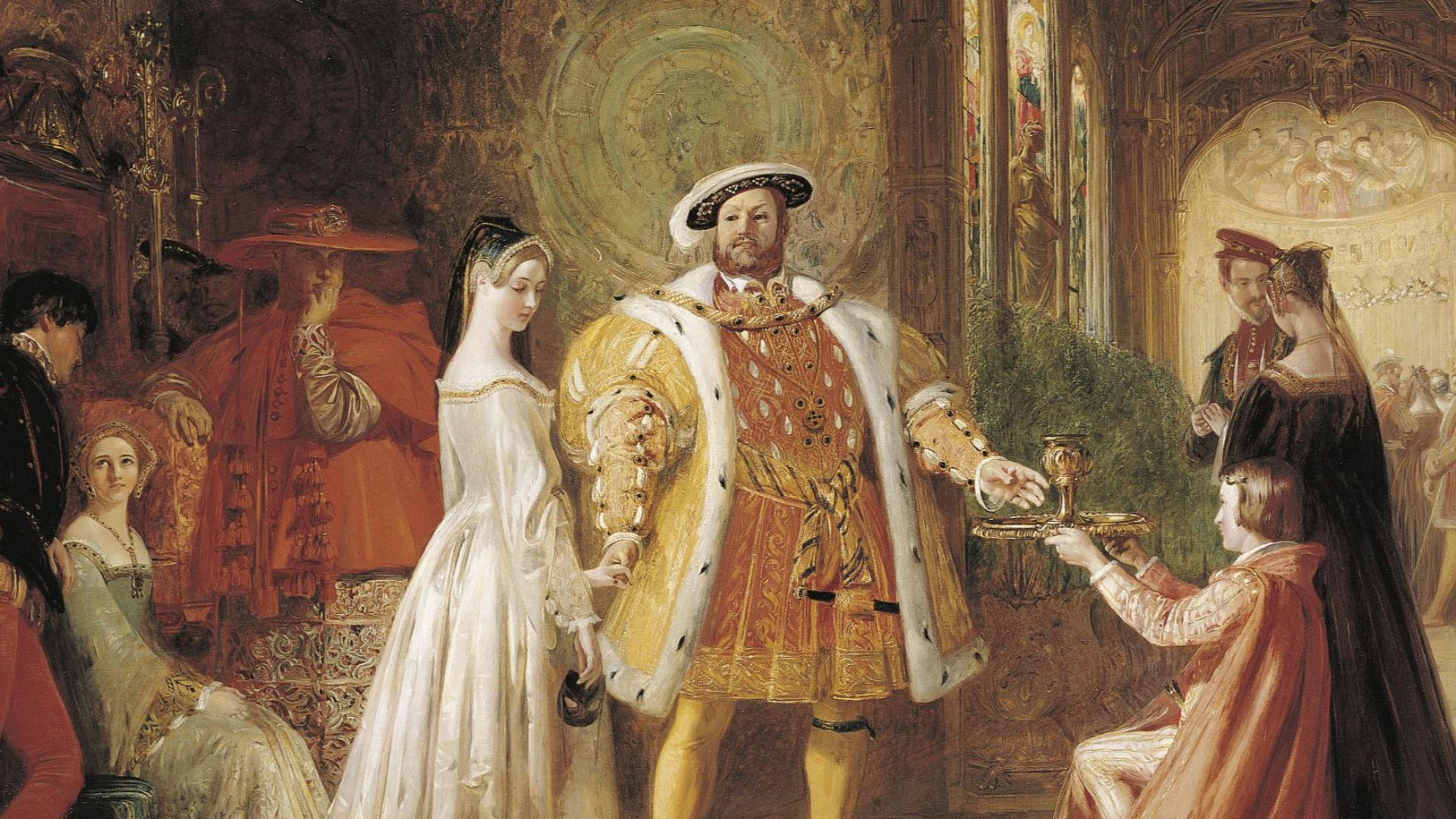 Daniel Maclise, Wikimedia Commons
The Boleyn Triumph
By 1533, Anne Boleyn had become queen, and the Boleyns dominated the English court. George was a royal favorite; Jane served as a lady-in-waiting to Queen Anne. For a few golden years, their futures looked limitless. But in Henry VIII’s world, fortune could turn faster than the swing of a sword.
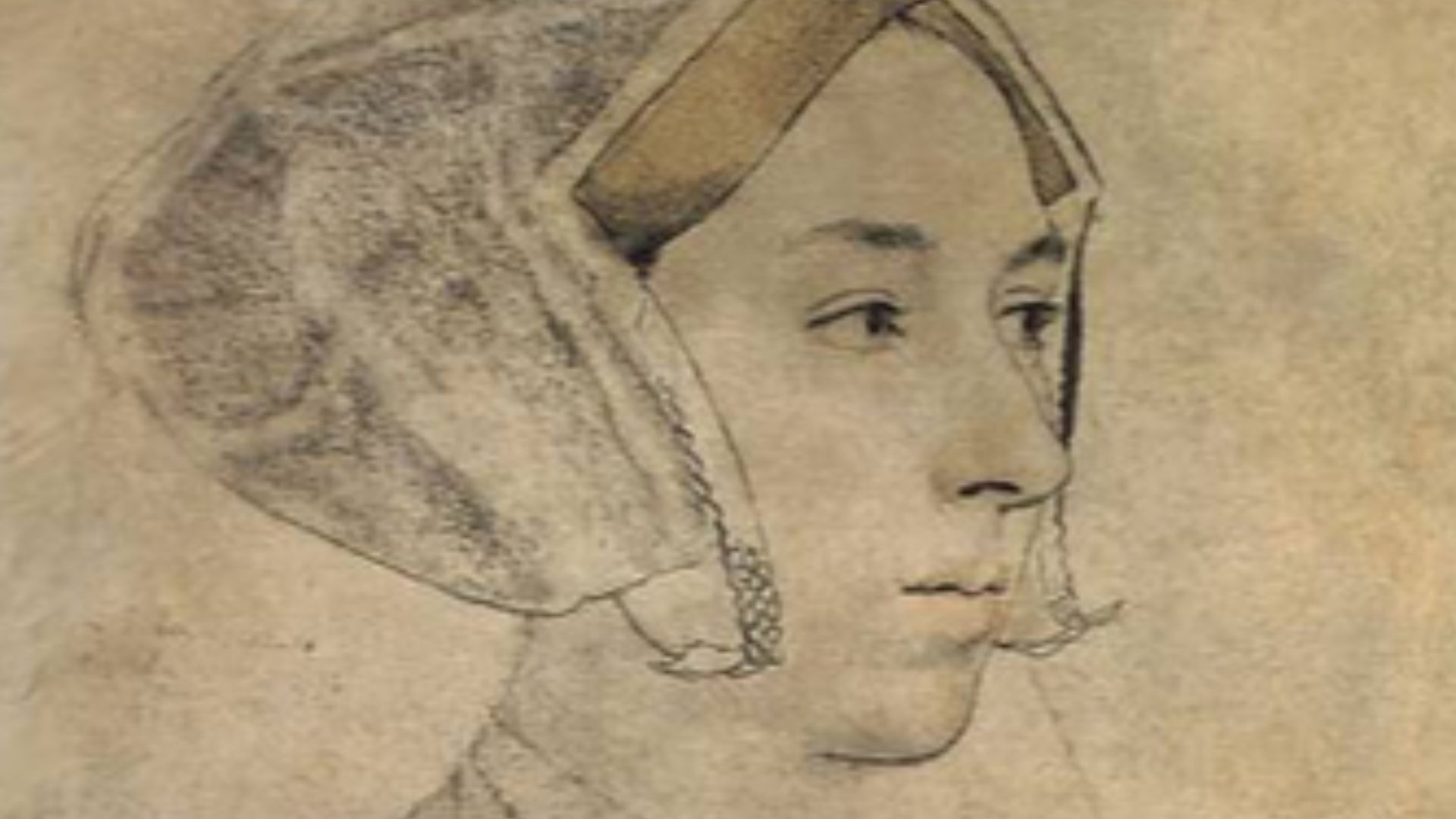 Hans Holbein the Younger, Wikimedia Commons

History's most fascinating stories and darkest secrets, delivered to your inbox daily.
A Marriage In Trouble
Contemporaries described George as brilliant but arrogant. Later writers claimed that Jane and George’s marriage was unhappy, though no solid evidence survives. The idea of Jane as a bitter, neglected wife may have been exaggerated by later storytellers seeking an explanation for her alleged betrayal.
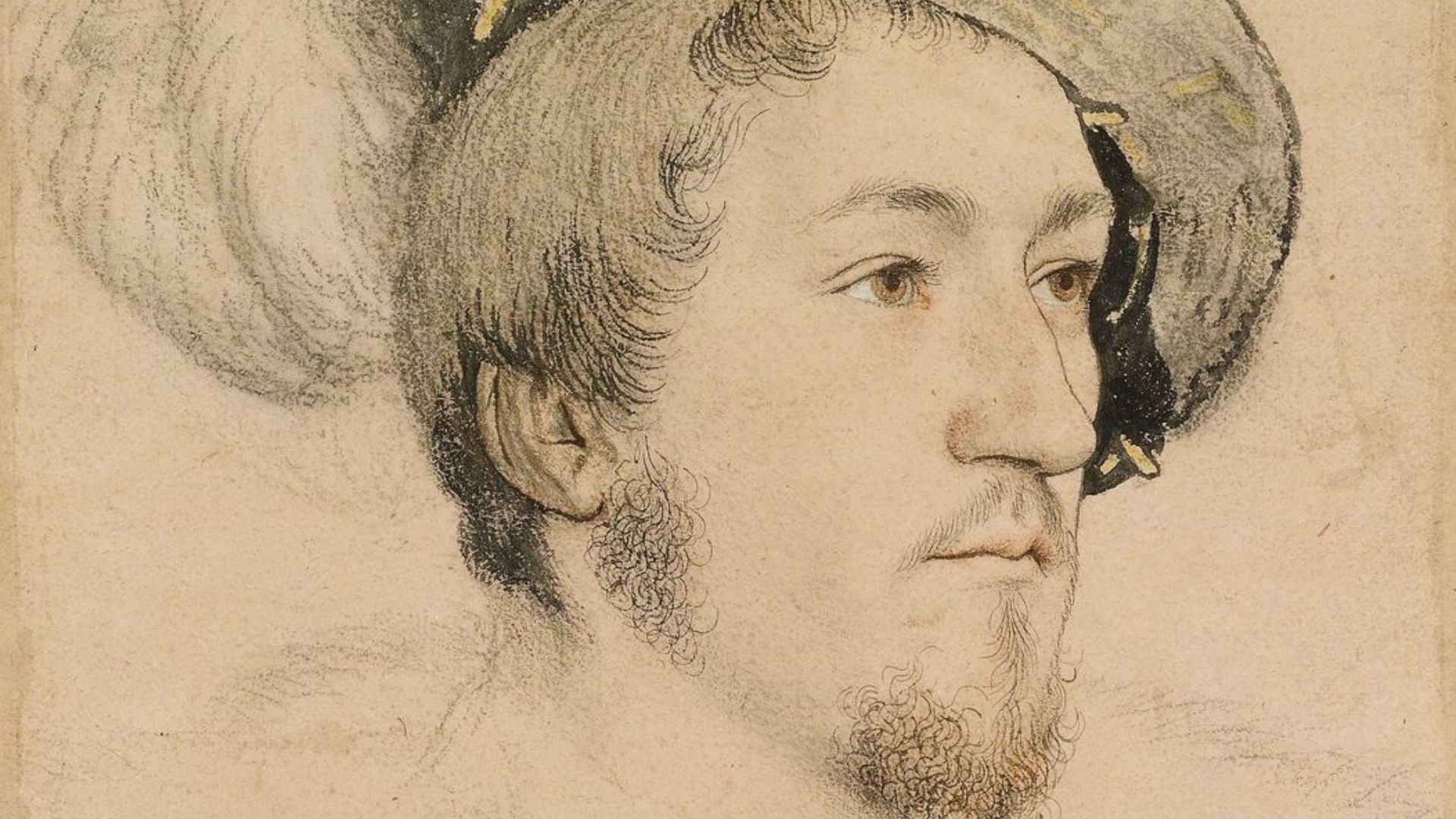 Hans Holbein the Younger, Wikimedia Commons
Anne’s Fall From Grace
By 1536, Queen Anne had failed to give Henry a surviving son. The king’s attention turned to Jane Seymour, and Anne’s enemies circled. Henry’s chief minister, Thomas Cromwell, orchestrated a plot accusing Anne of adultery—with several men, including her own brother, George.
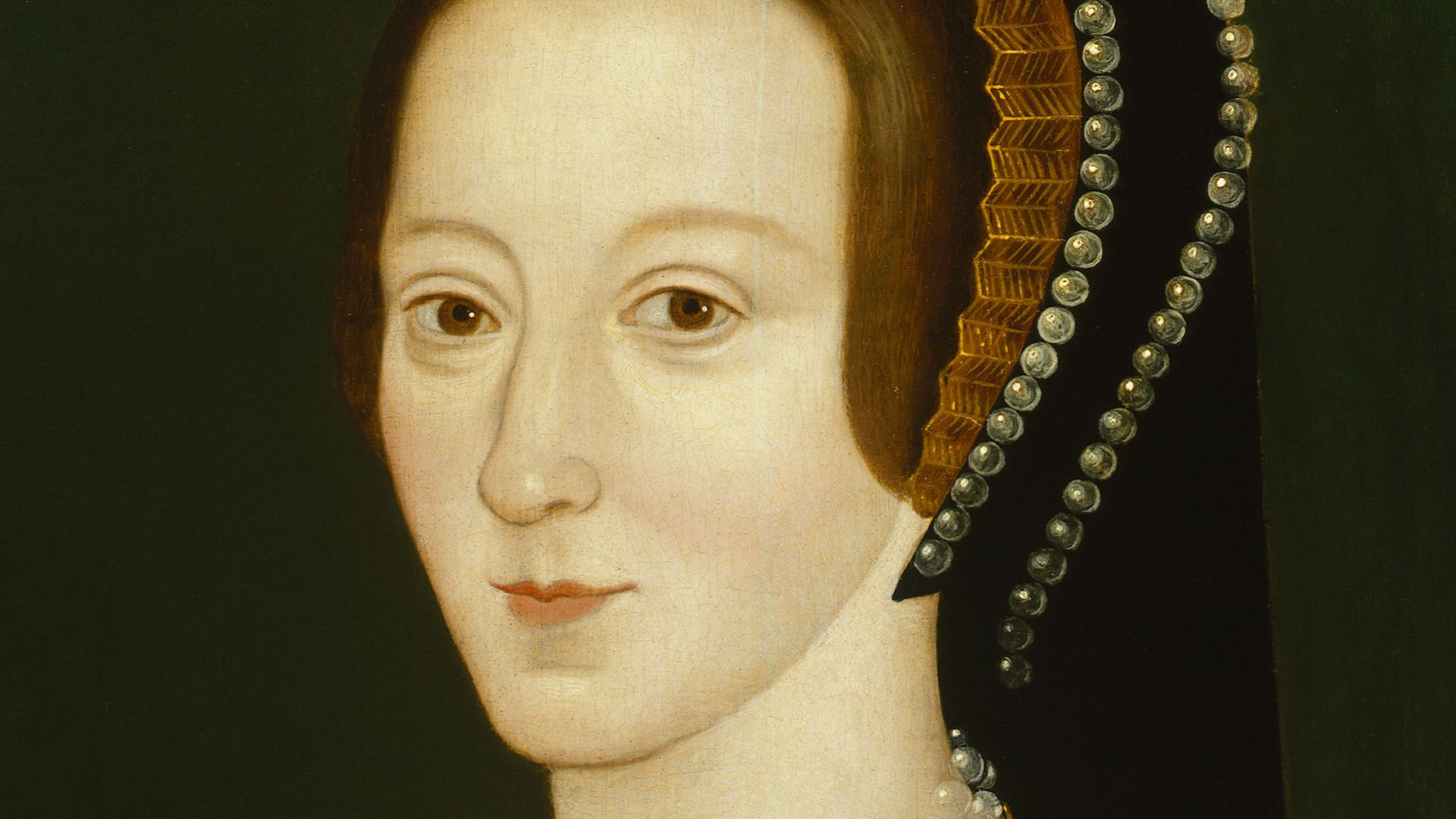 Template:Leornado Da Vinci, English, Wikimedia Commons
The Scandal That Shook England
Anne’s downfall shocked the nation. She was accused not only of infidelity but of incest and witchcraft. In a court obsessed with honor and purity, these were the most damning charges imaginable. Within weeks, both Anne and George were prisoners in the Tower of London.
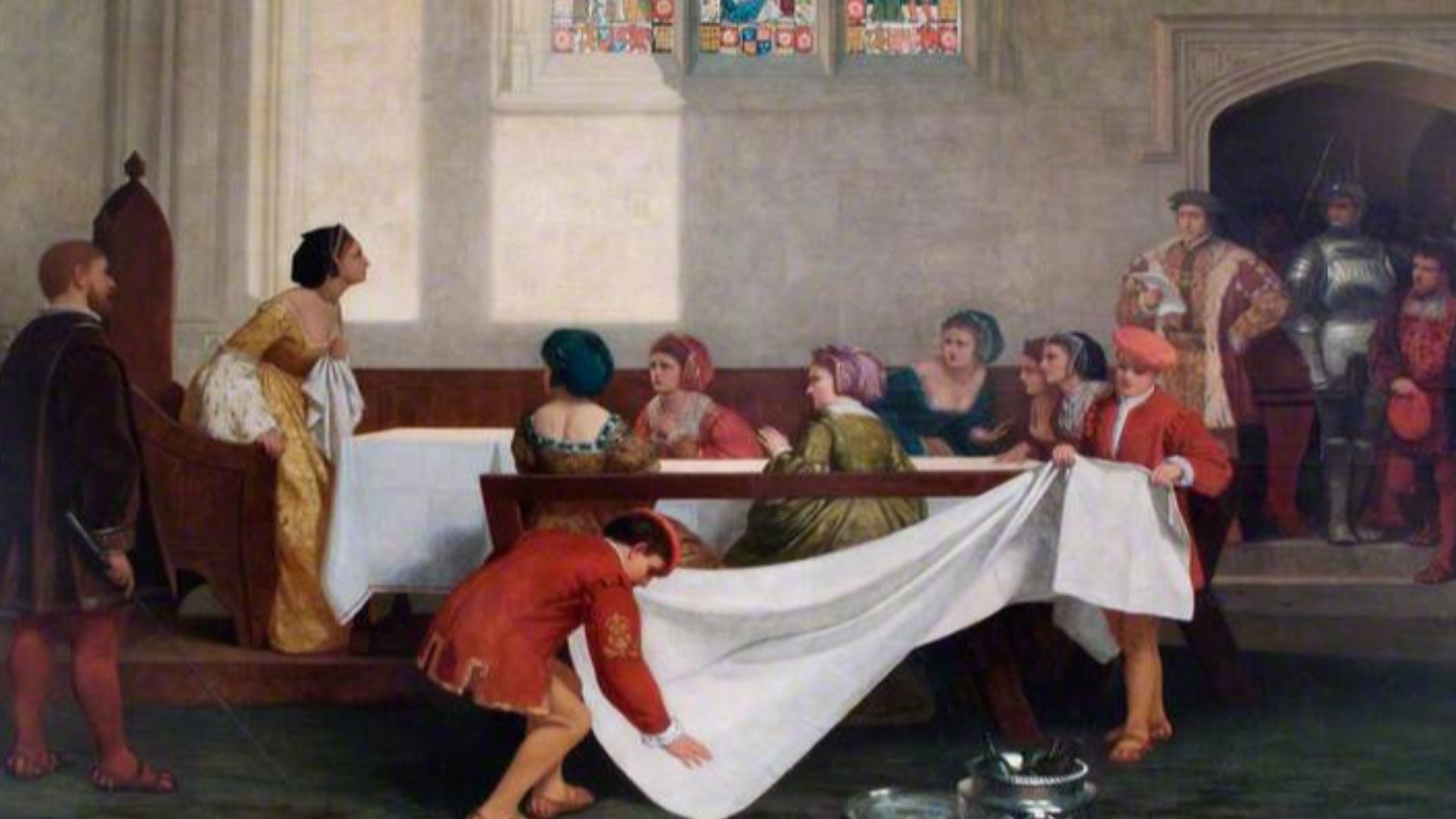 David Wilkie Wynfield, Wikimedia Commons
The Role Jane May Have Played
Here is where Jane Boleyn’s infamy begins. Many later chroniclers claimed she gave testimony against her husband and sister-in-law—perhaps out of jealousy, resentment, or self-preservation. But was that true? The historical record tells a murkier story.
The Evidence Problem
No surviving legal document directly shows Jane testifying against George or Anne. The only mention of her comes indirectly from court gossip. The prosecution’s case was built on coerced confessions and rumors spread by Cromwell’s agents. Jane may never have spoken against anyone at all.
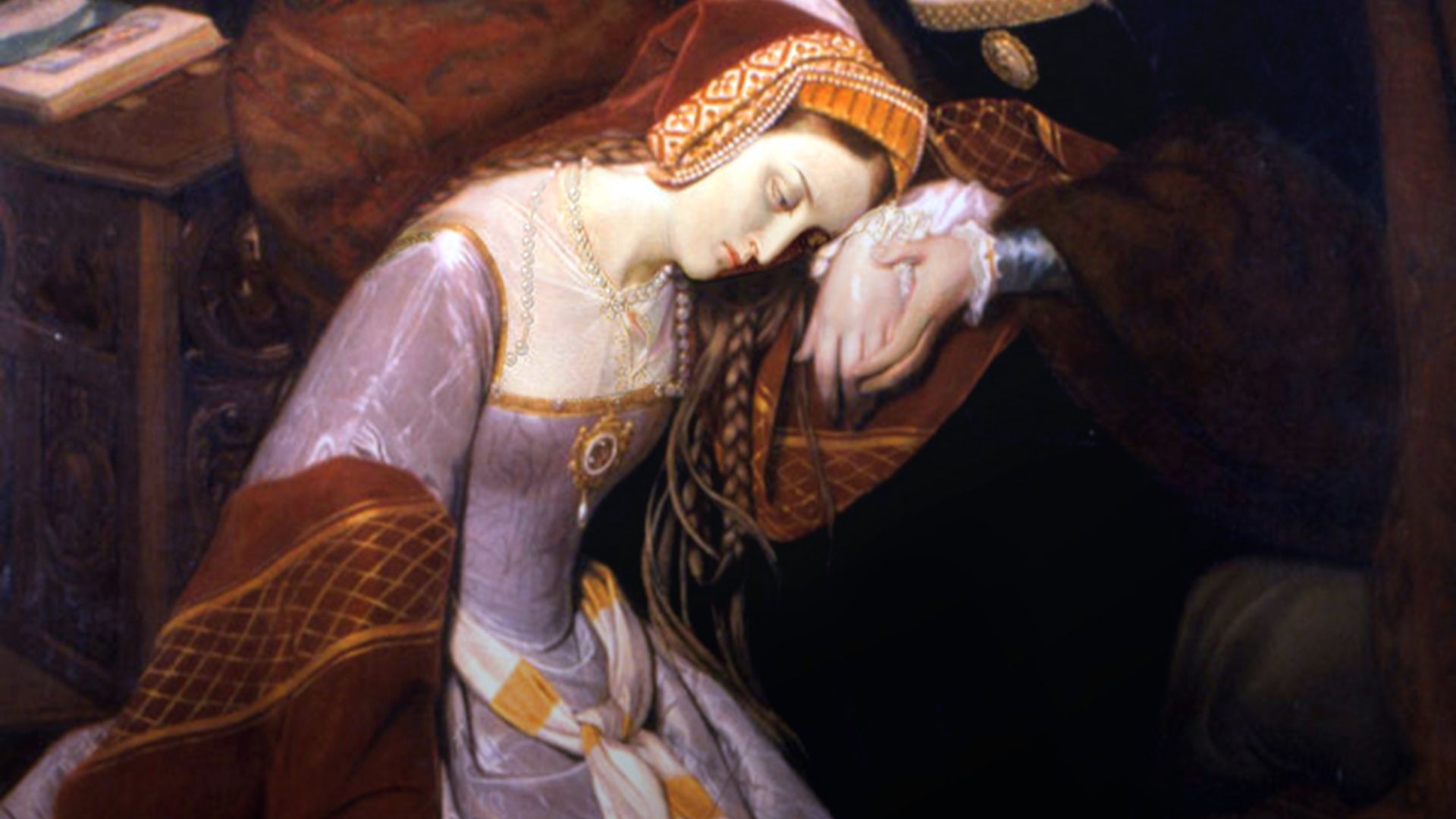 Édouard Cibot, Wikimedia Commons
The Convenient Scapegoat
So why has Jane been remembered as the betrayer? In part because her supposed treachery helped explain the unthinkable—how a queen and her brother could be condemned. Someone had to be blamed for telling tales, and Jane, the “spiteful wife,” fit the narrative perfectly.
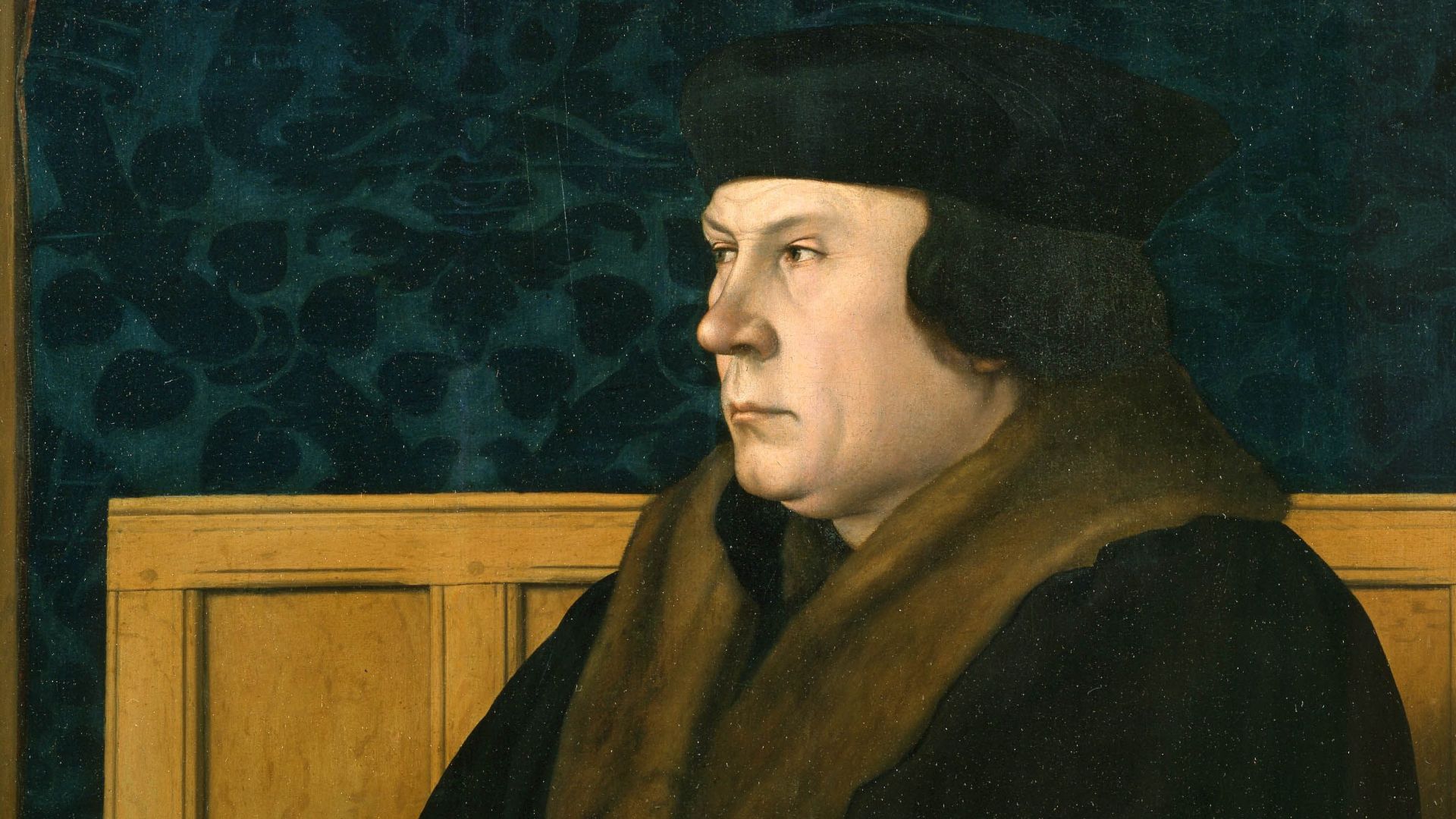 Hans Holbein the Younger, Wikimedia Commons
History's most fascinating stories and darkest secrets, delivered to your inbox daily.
George Boleyn’s Final Moments
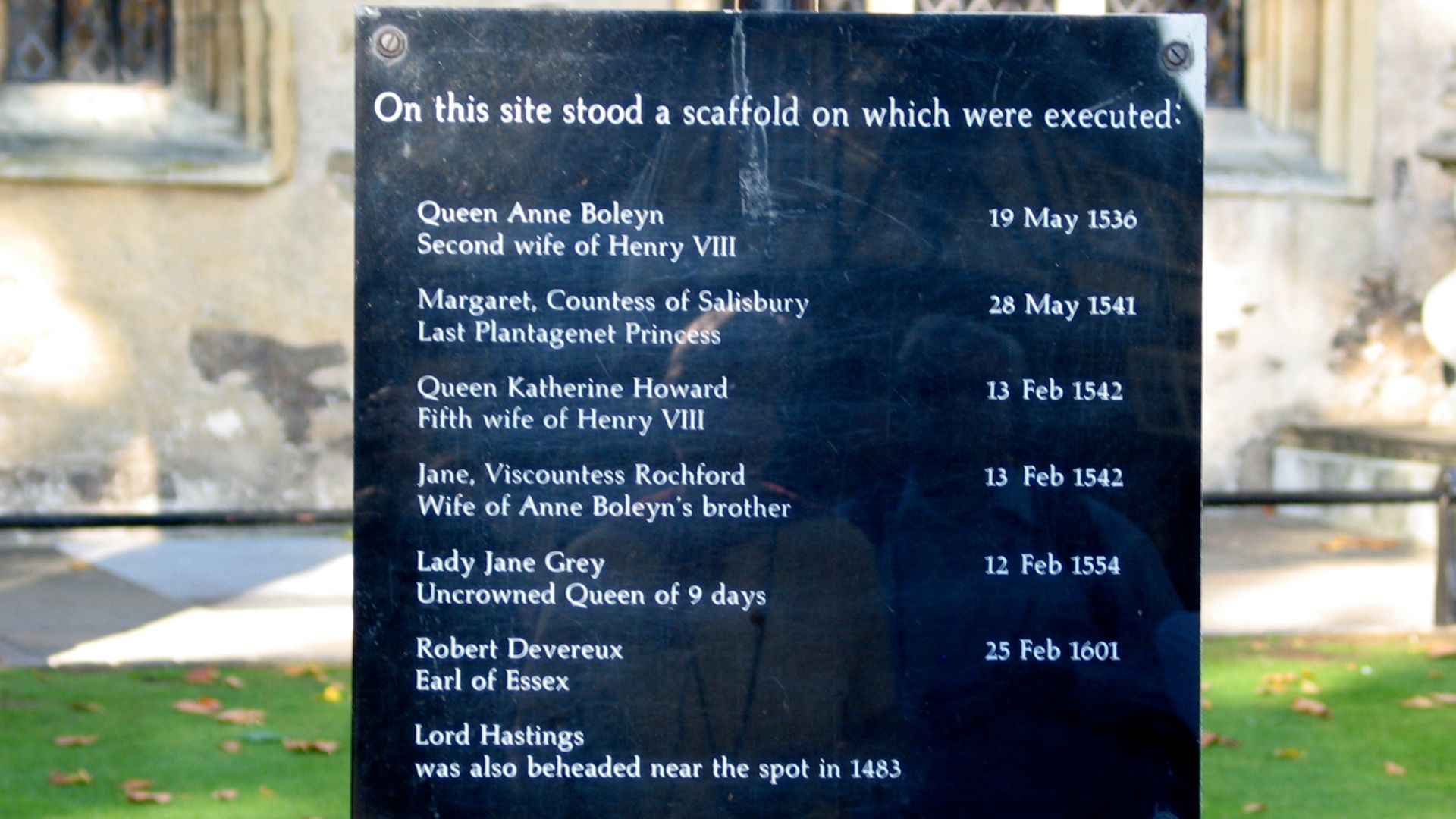
On May 17, 1536, George Boleyn was executed on Tower Hill. His speech was unusually brave, reminding the crowd that pride leads to ruin. Jane, newly widowed at about 30 years old, was left with little money and a ruined reputation.
 Bryan MacKinnon, Wikimedia Commons
The Queen’s Tragic End
Two days later, Anne Boleyn was beheaded inside the Tower of London. She maintained her innocence to the last. For those who had admired Anne, the idea that her own sister-in-law had helped destroy her was too deliciously scandalous to resist.
Jane After The Scandal
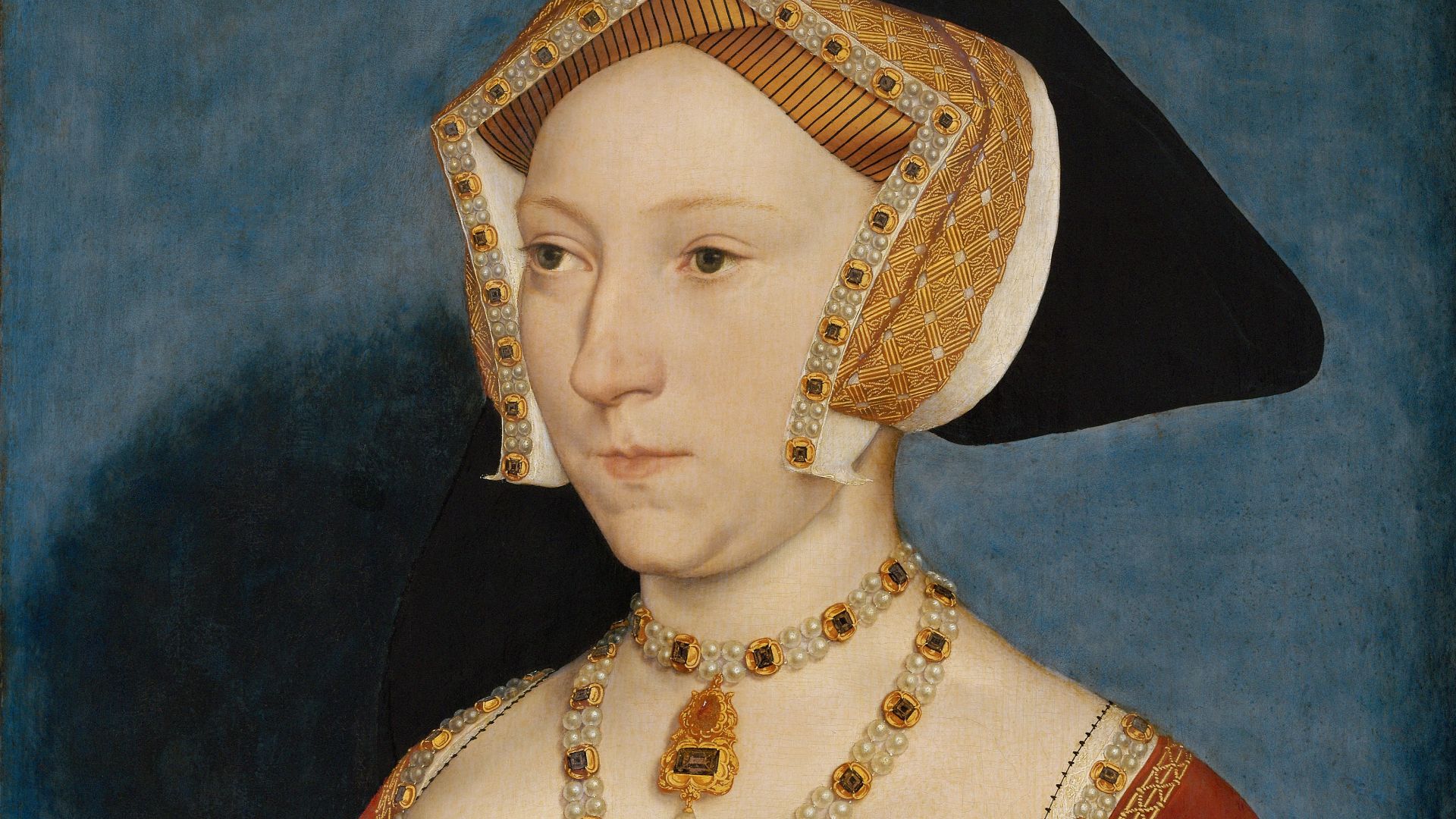
Remarkably, Jane survived. Unlike the rest of the Boleyn family, she managed to stay at court. She served later queens—including Jane Seymour, Anne of Cleves, and finally Catherine Howard. Clearly, Henry VIII himself didn’t hold her responsible for the events of 1536.
 Hans Holbein the Younger, Wikimedia Commons
A Survivor At Court
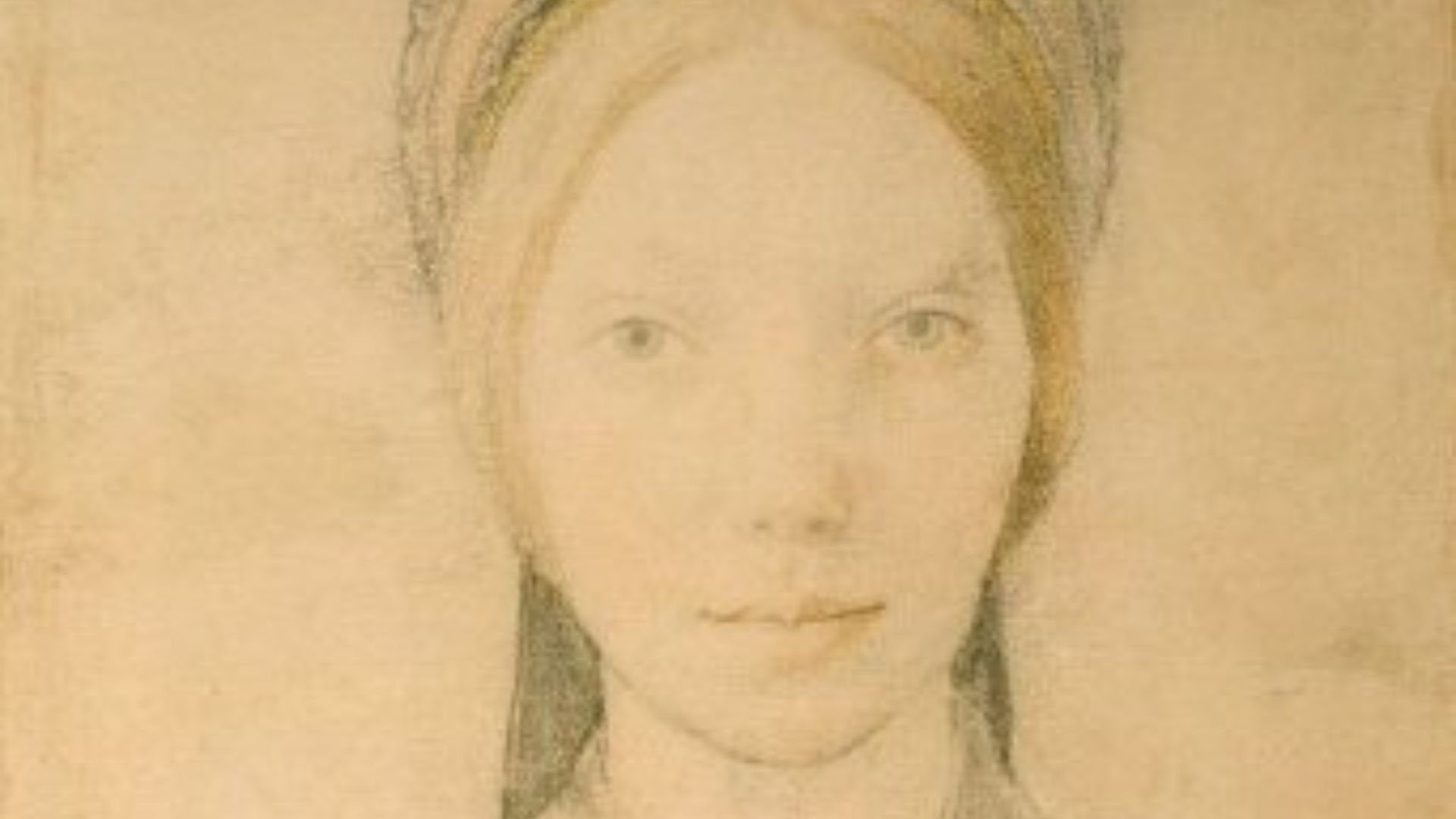
Life at court was dangerous, especially for women connected to fallen queens. Yet Jane navigated the shifting alliances skillfully for several years. Her experience and family ties made her useful in the royal household. But her final royal mistress would be her undoing.
 Hans Holbein the Younger, Wikimedia Commons
Enter Catherine Howard
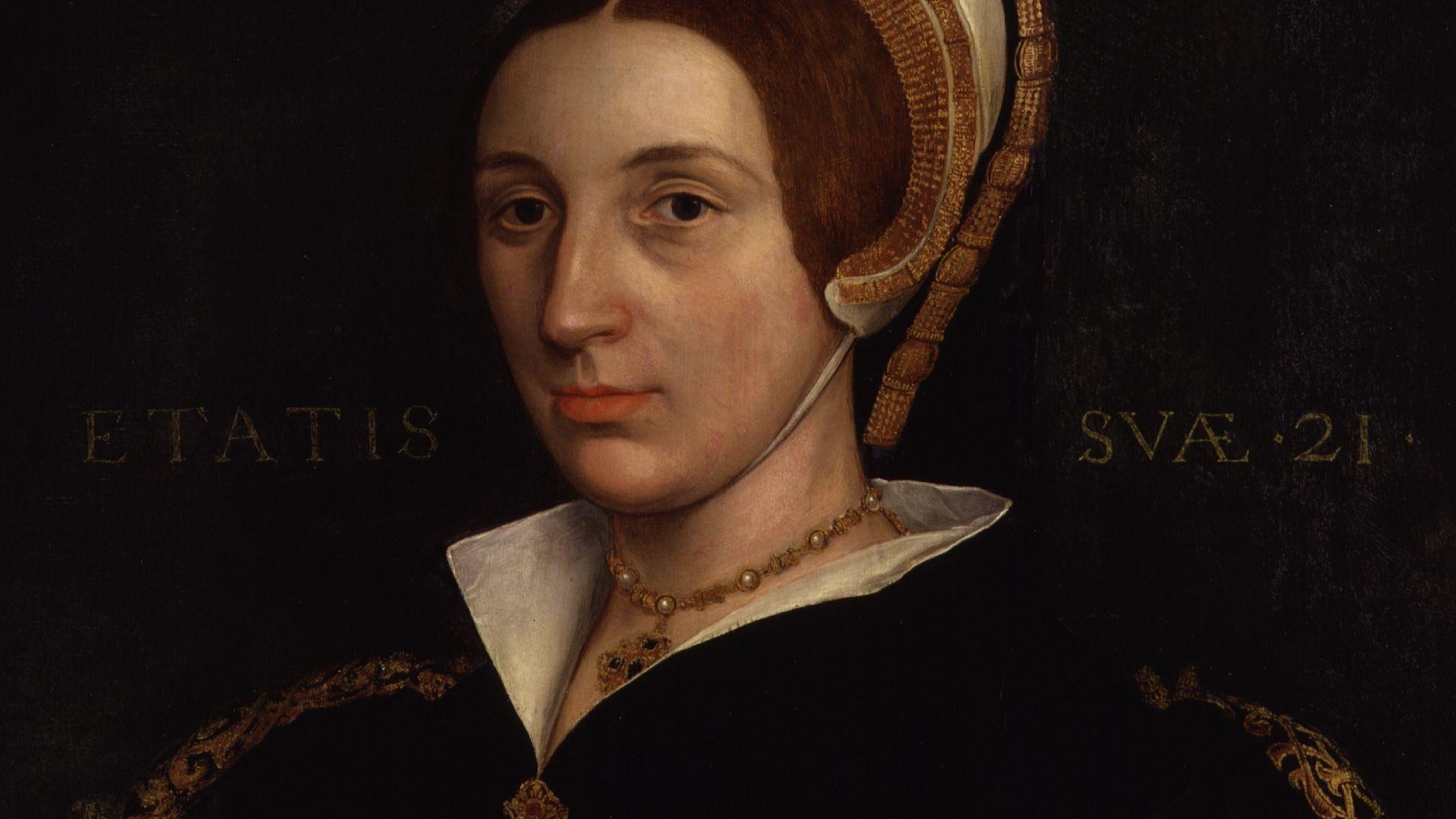
In 1540, Henry married Catherine Howard, Anne Boleyn’s teenage cousin. Catherine was lively and affectionate—qualities Henry adored but which soon led her into trouble. Jane became her close attendant and confidante, a trusted older friend.
 After Hans Holbein the Younger, Wikimedia Commons
Dangerous Secrets
Catherine began a reckless affair with a handsome courtier, Thomas Culpeper. Jane helped arrange their secret meetings, possibly thinking she was helping her young mistress keep the king’s favor—or perhaps believing she could control the situation. Either way, it was a fatal mistake.
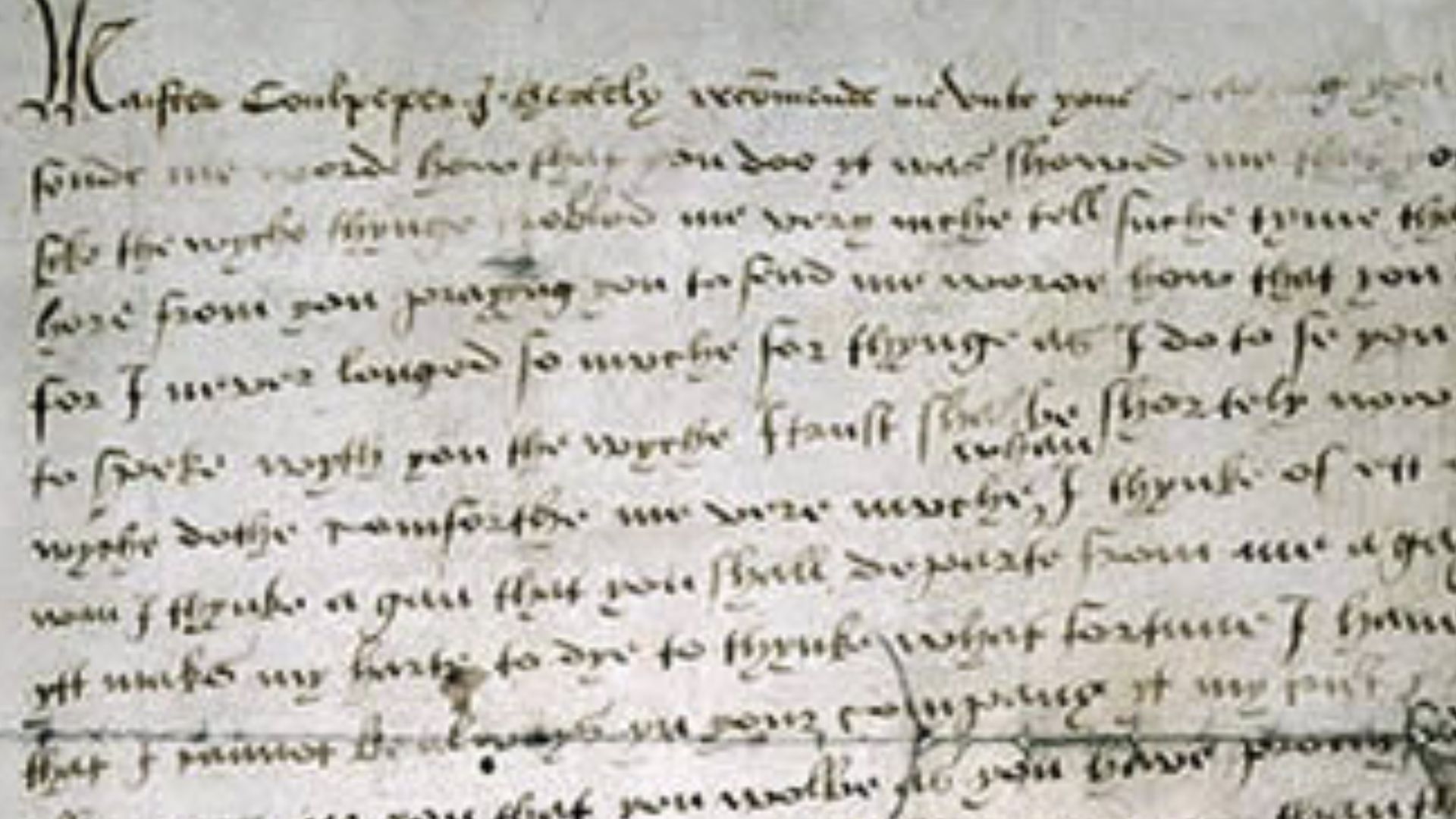 Catherine Howard, Wikimedia Commons
History's most fascinating stories and darkest secrets, delivered to your inbox daily.
The Scandal Breaks
When rumors of Catherine’s affair reached the king in 1541, Henry exploded in rage. The queen was arrested, and her servants were interrogated. Jane was accused of facilitating the affair—an act considered treason under the law.
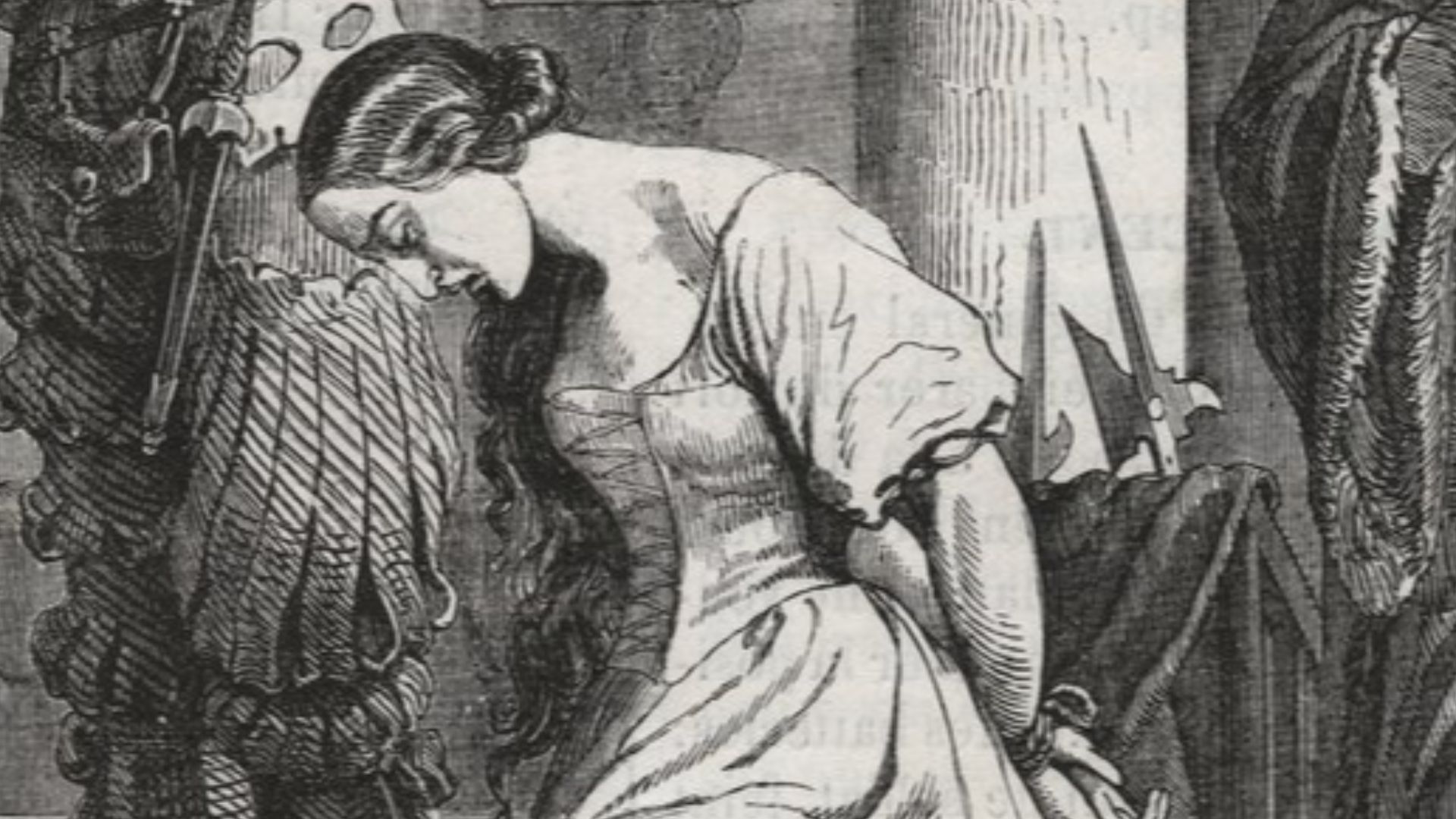 Unknown authorUnknown author, Wikimedia Commons
Interrogation & Collapse
Under questioning, Jane suffered what today might be called a nervous breakdown. Reports described her as raving and incoherent, possibly delusional. For a time, she was deemed too insane to execute—a rare moment of compassion in Tudor justice.
“Recovered” For Execution
Henry VIII’s fury knew no bounds. He ordered that Jane be nursed back to sanity just so she could face execution. Once doctors declared her “restored to reason,” the death sentence was carried out.
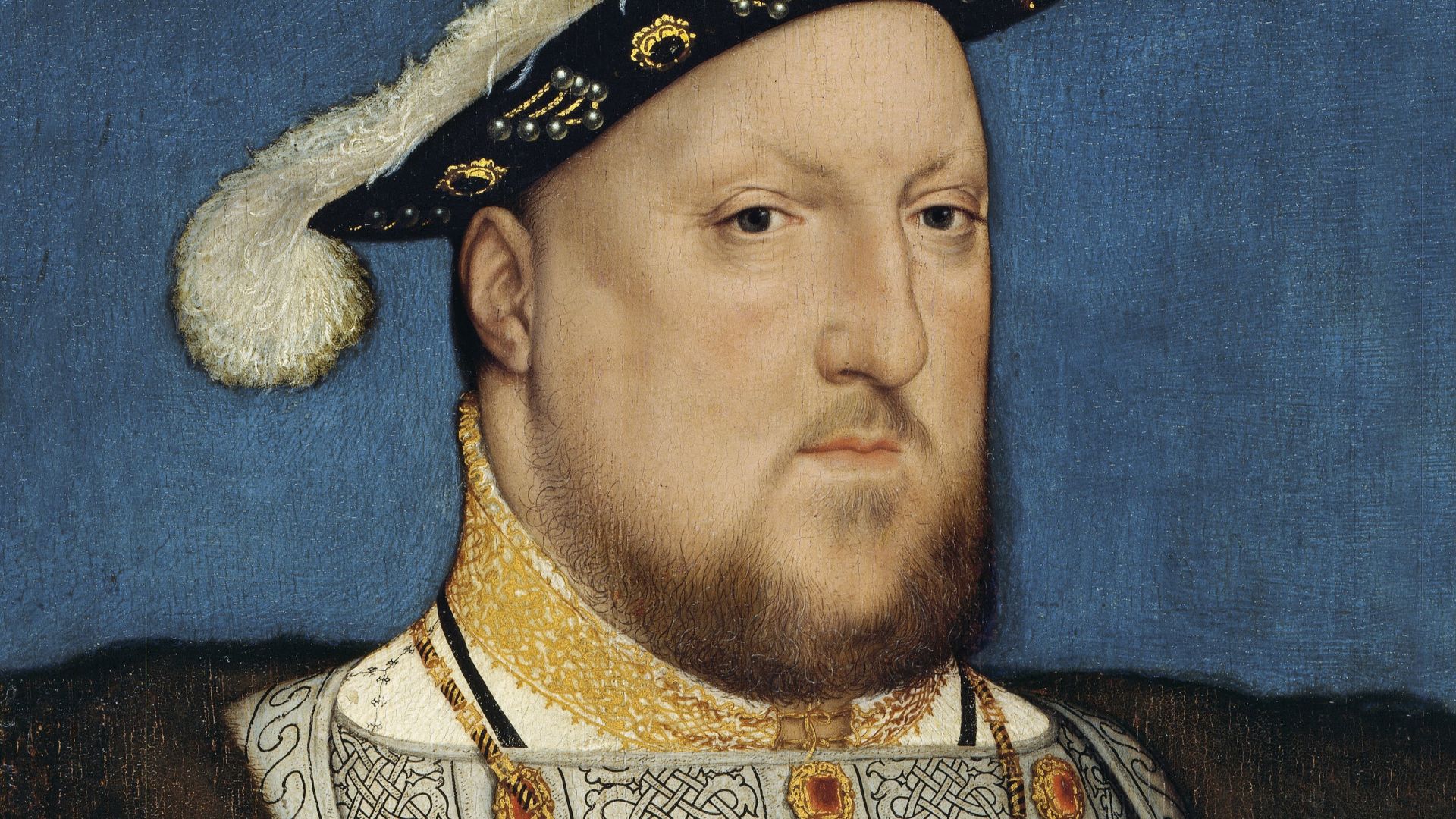 Hans Holbein the Younger, Wikimedia Commons
The Final Morning
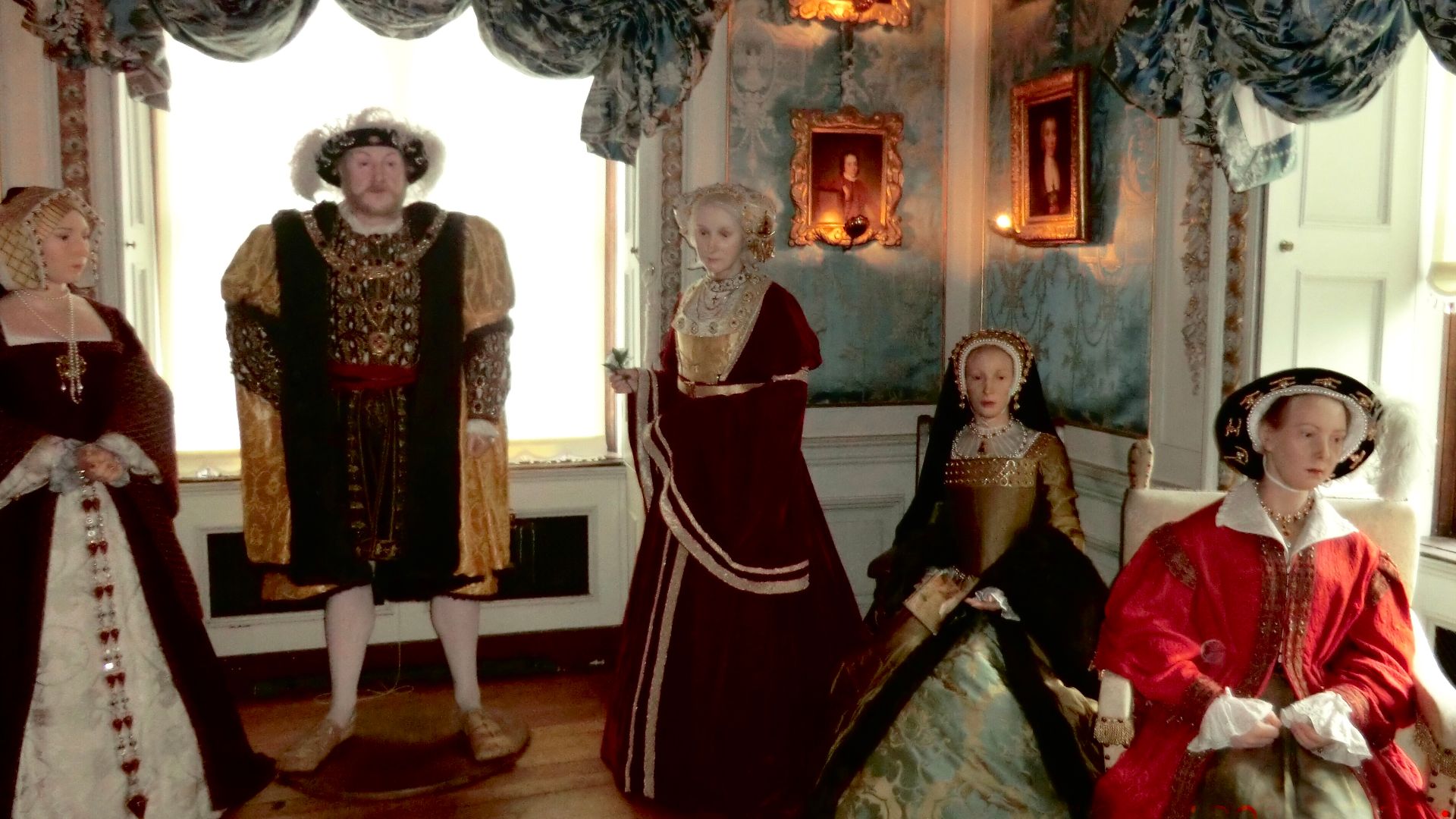
On February 13, 1542, Jane Boleyn was executed alongside Queen Catherine Howard on Tower Green. Eyewitnesses said she met death with dignity, asking those present to pray for her soul. For many, her end seemed a fitting punishment for a lifetime of deceit—though history would never quite agree on what she had actually done.
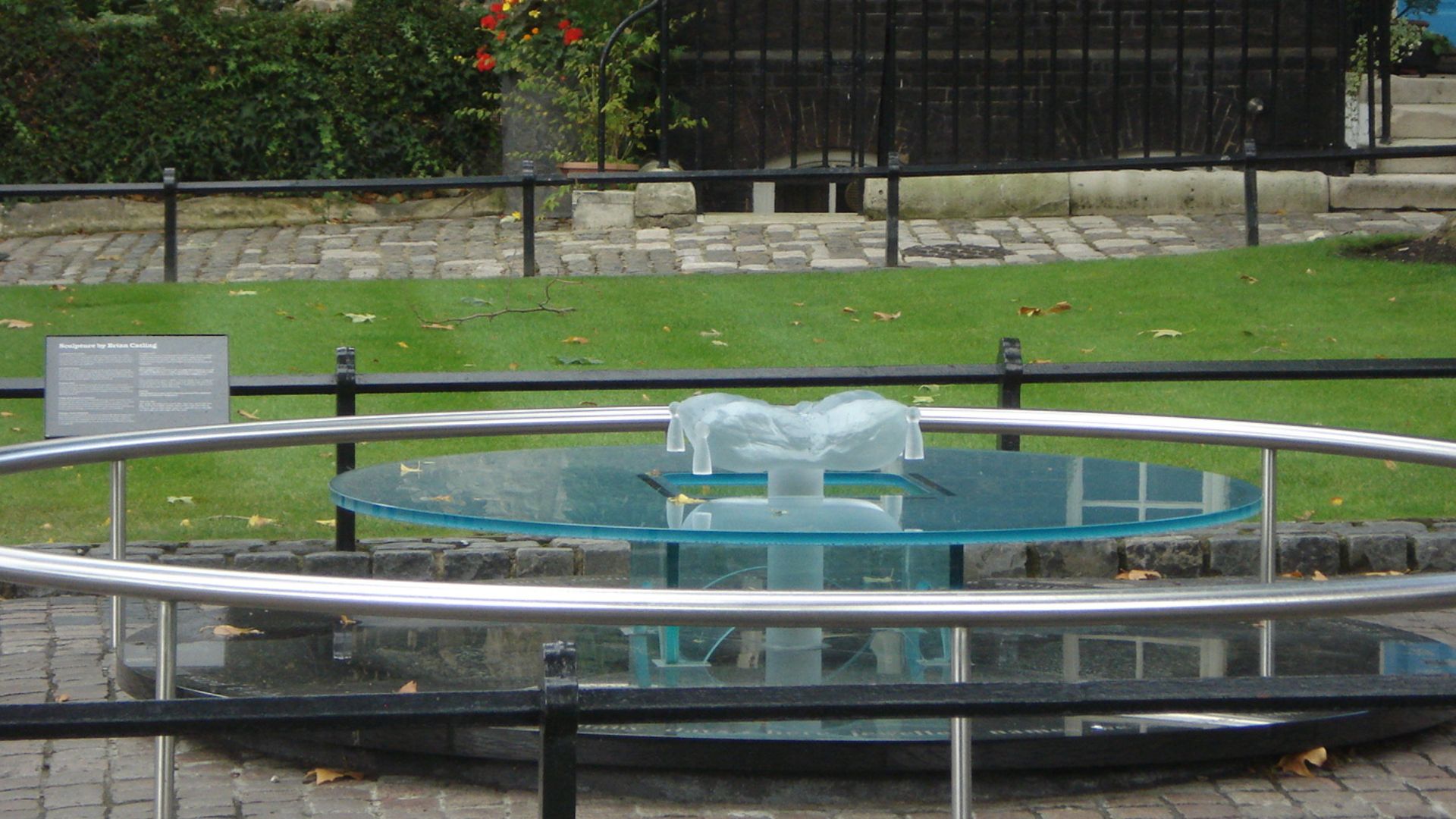
A Reputation Cemented
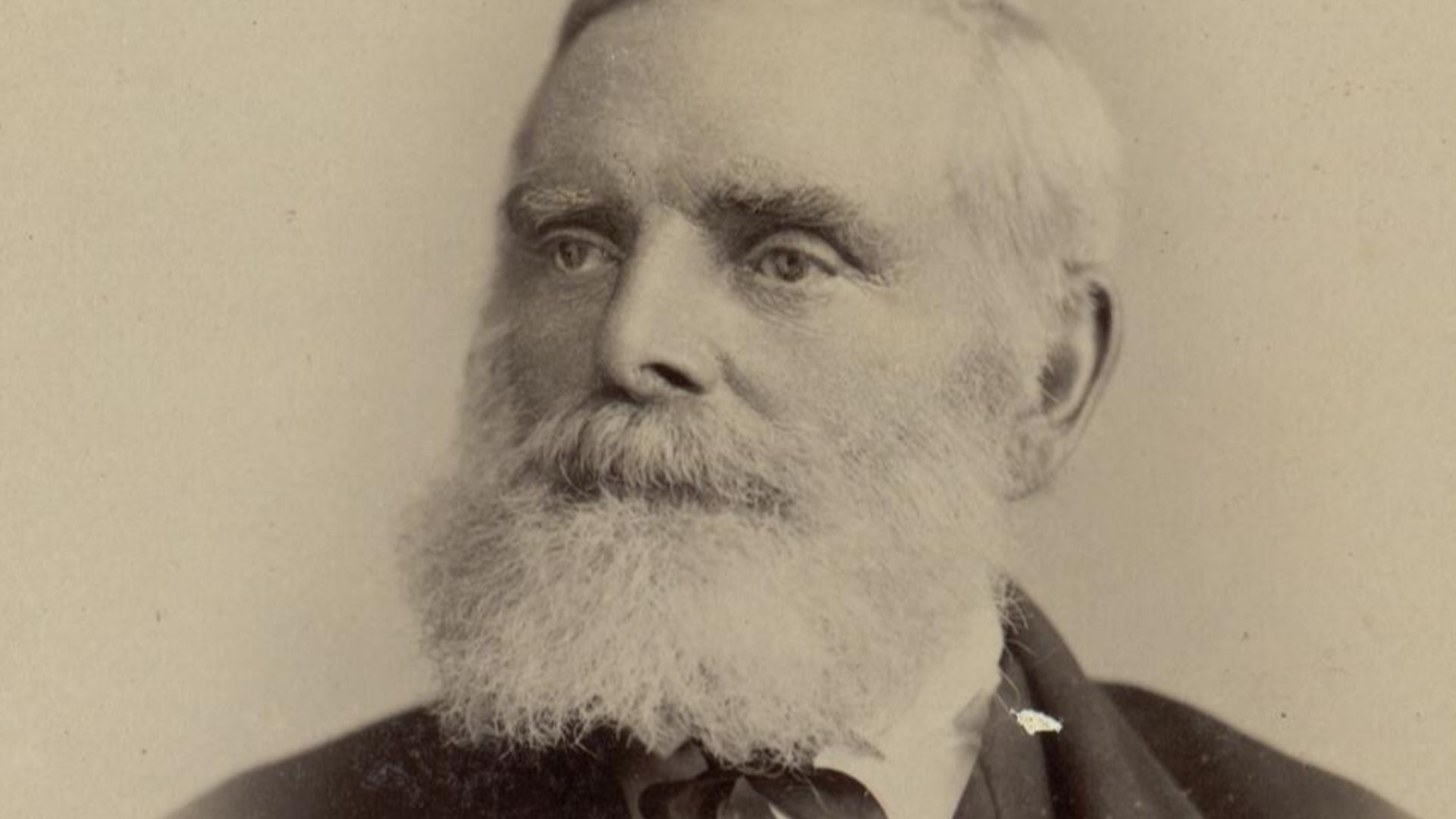
After her death, Jane’s name became shorthand for female treachery. Tudor chroniclers like Edward Hall painted her as a jealous schemer. Later writers embellished the story, turning her into the archetypal “bad wife”—a lesson in the dangers of ambition and gossip.
 Unknown authorUnknown author, Wikimedia Commons
The Politics Of Memory
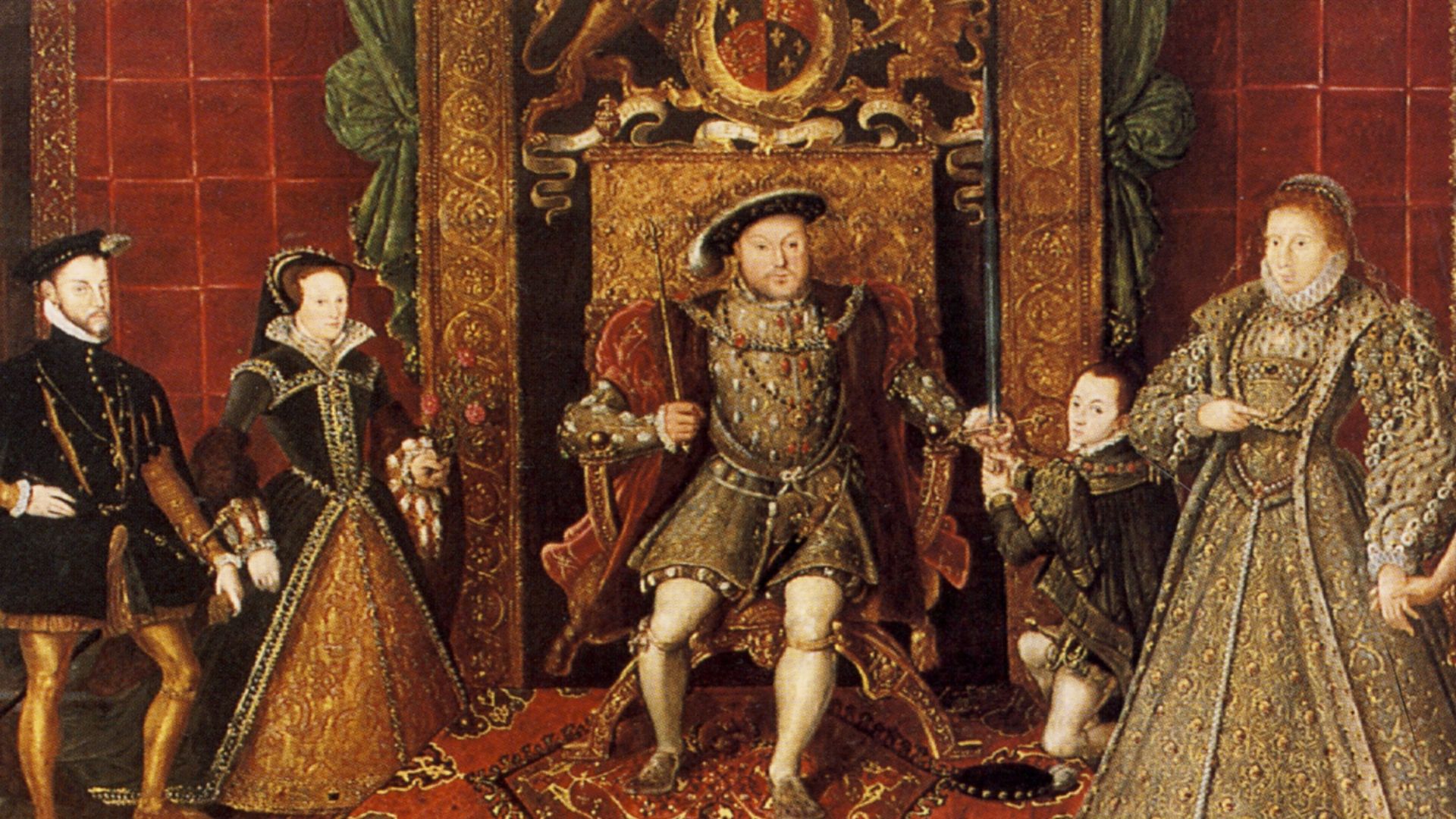
It’s worth remembering who wrote those early histories. Most Tudor chroniclers served the monarchy. Casting Jane as unstable and vindictive helped justify Henry’s brutality and deflect blame from his own paranoia.
 Lucas de Heere, Wikimedia Commons
History's most fascinating stories and darkest secrets, delivered to your inbox daily.
The Historian’s Dilemma
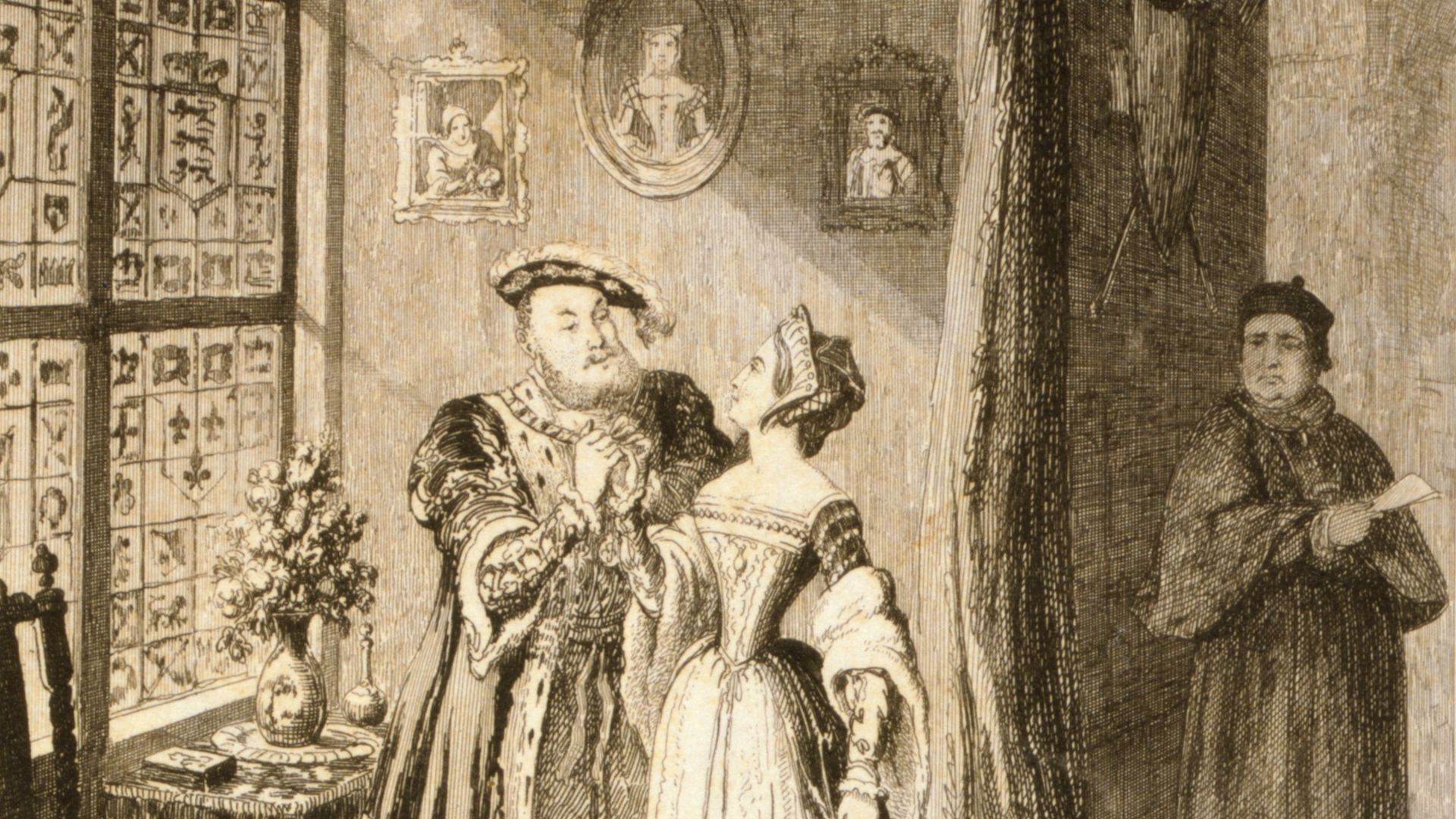
Modern scholars have reexamined Jane’s story. Historian Julia Fox argues there’s no proof she betrayed Anne or George, suggesting she was more pawn than plotter. Others, like Alison Weir and Retha Warnicke, point out that Jane lived in a world where rumor could destroy a life overnight.
 George Cruikshank, Wikimedia Commons
More Victim Than Villain
Jane’s behavior during Catherine Howard’s reign—reckless but loyal—suggests she wasn’t naturally treacherous. She may simply have been desperate to please a volatile young queen and protect her own precarious position.
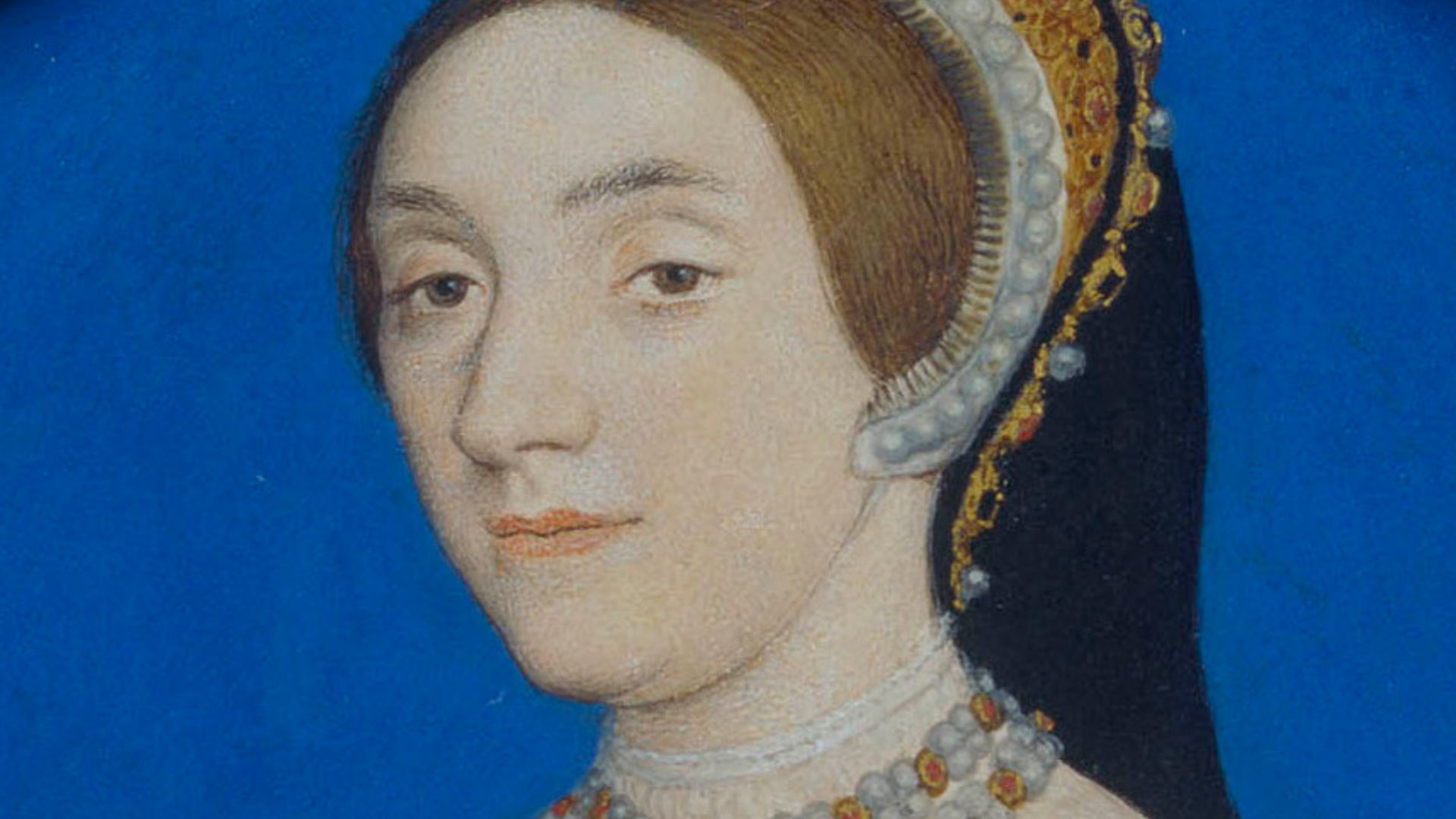 Hans Holbein the Younger, Wikimedia Commons
The Price Of Survival
In Tudor England, survival often demanded moral compromise. Court ladies were expected to obey their queens, charm their kings, and never misstep. For Jane, that impossible balancing act ended at the executioner’s block.
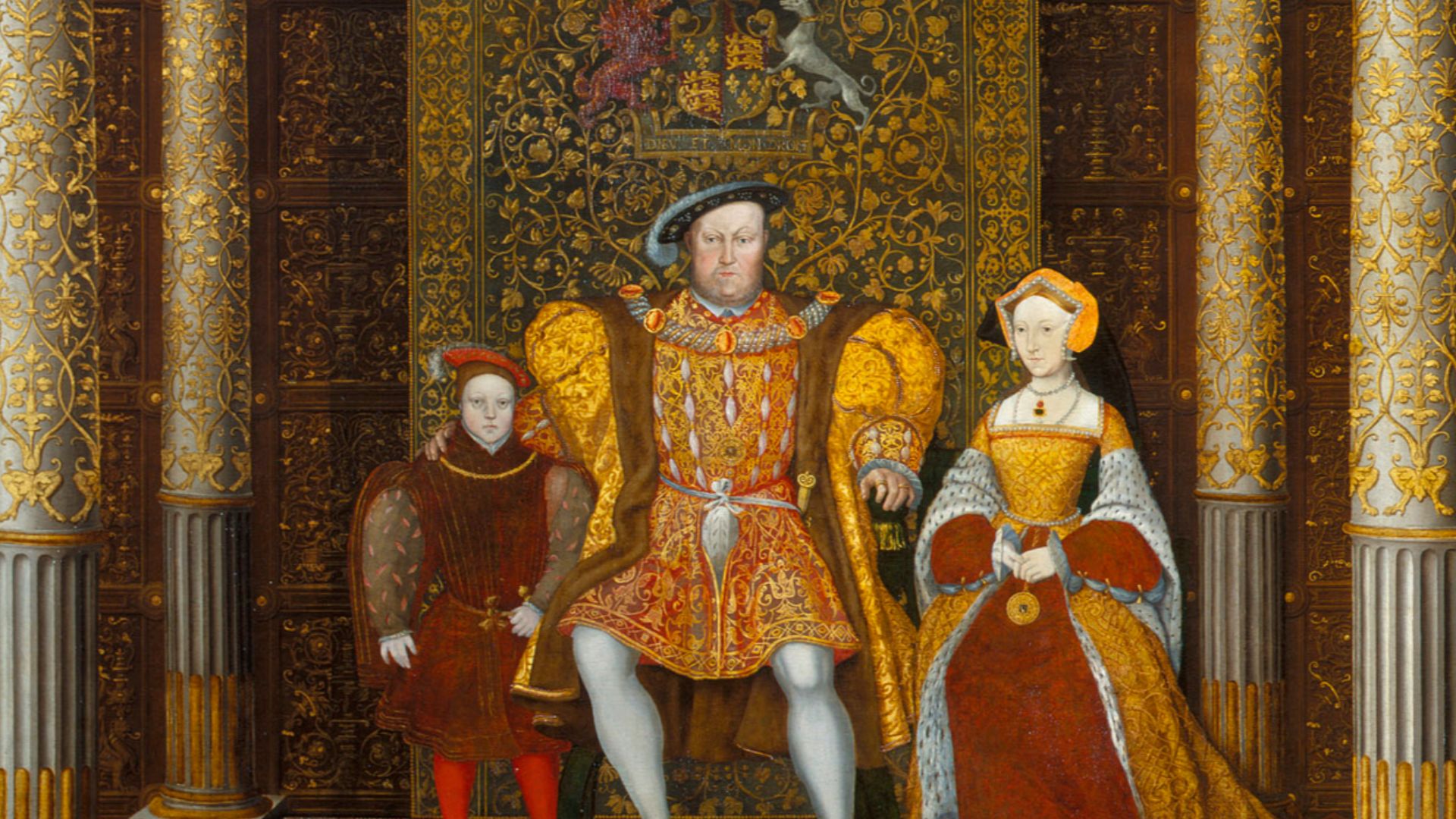 Unknown authorUnknown author, Wikimedia Commons
The Woman Behind The Infamy
Seen through a modern lens, Jane Boleyn was a complex, flawed, and intelligent woman navigating one of history’s most dangerous courts. Her so-called betrayals were likely born from fear, not malice.
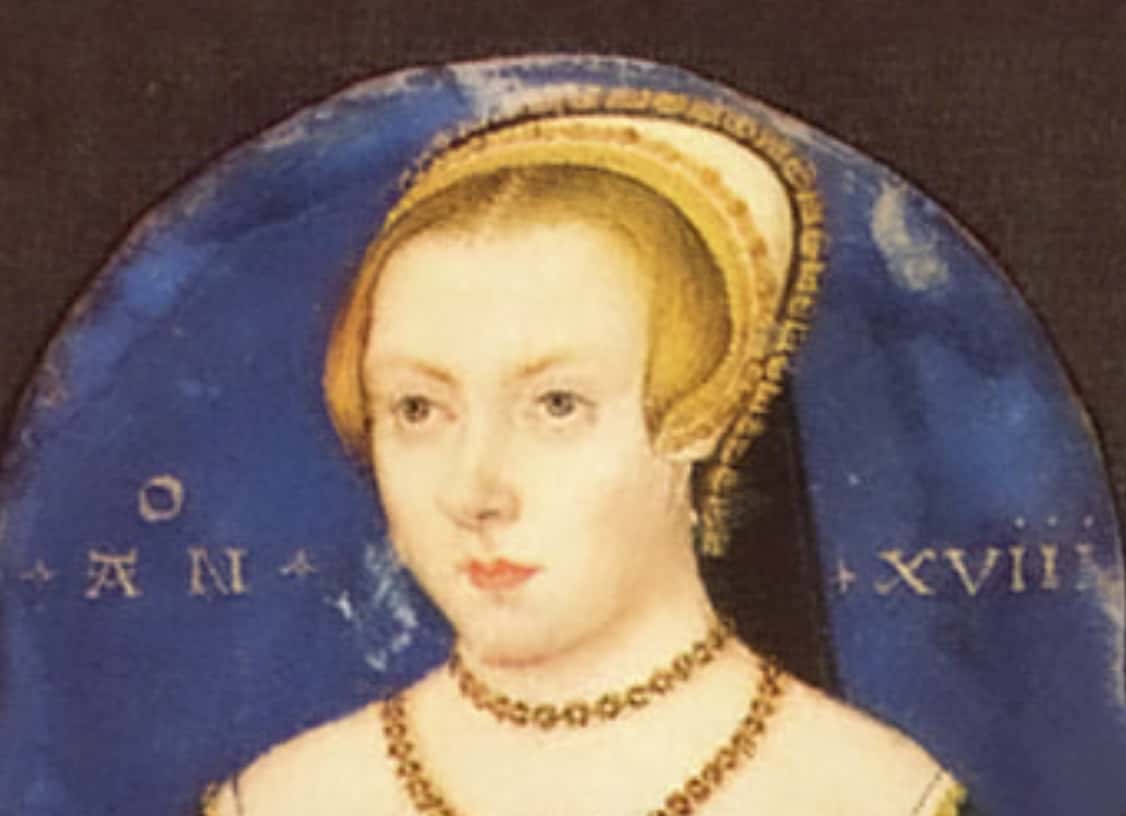
A Cautionary Tale
Jane’s story still fascinates because it captures the essence of Tudor life—where gossip could kill, love was a political act, and even loyalty could be fatal. Her name survives not because of what she did, but because of what people needed her to represent.
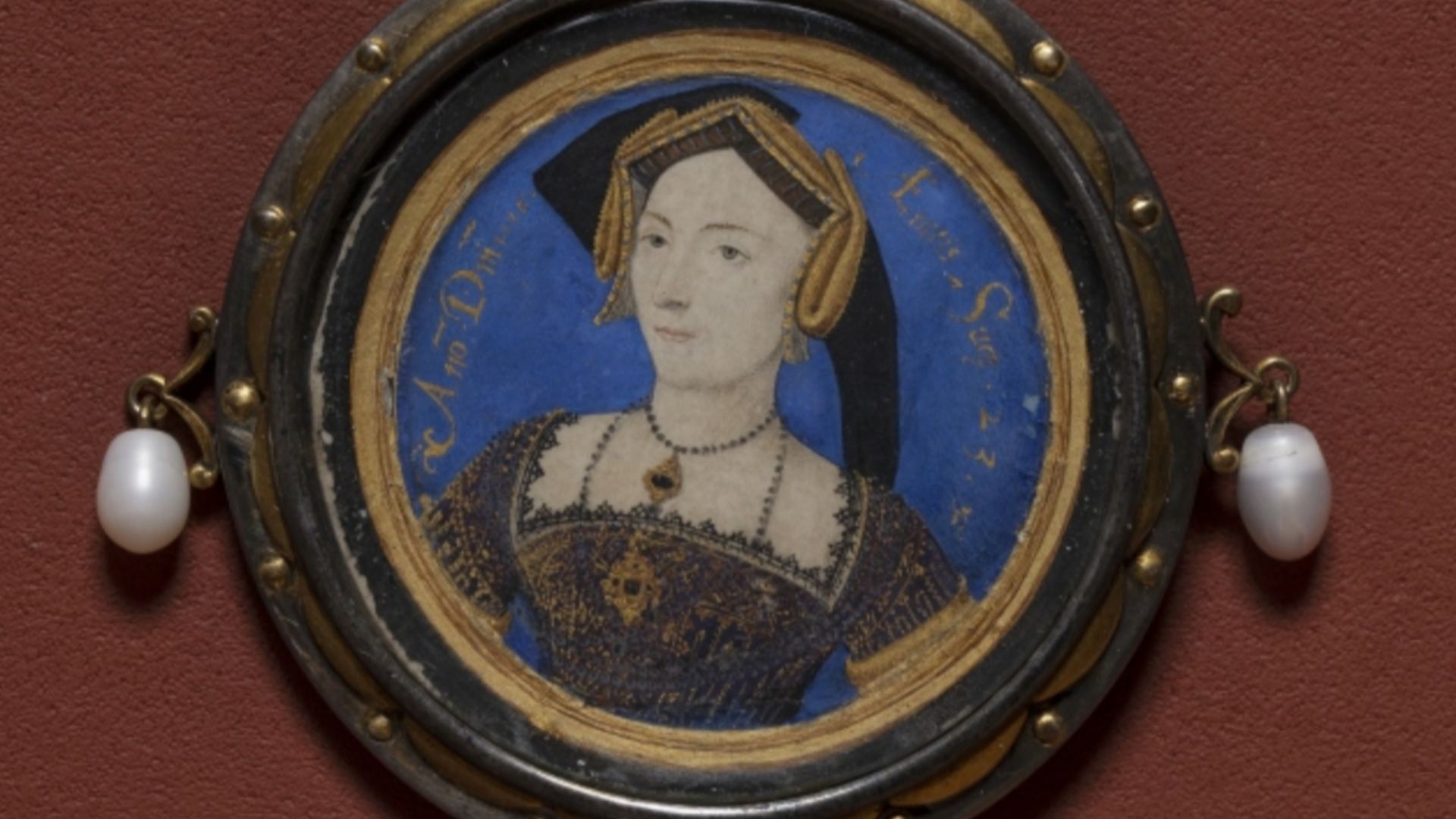 Anna Danielsson / Nationalmuseum, Wikimedia Commons
Rethinking England’s “Most Hated Woman”
For centuries, Jane Boleyn has been cast as the villainess of the Tudor age. But when we peel away the myths, we find not a schemer—but a survivor caught in a world that offered women almost no control over their fate.
In truth, Jane Boleyn was less England’s “most hated woman” than its most tragic—haunted by the choices she never really got to make.

You May Also Like:
General Bernard Montgomery Was Unbeatable—And Utterly Despicable
Alice Roosevelt Was The White House's Worst Nightmare