
Telling It Like It Is
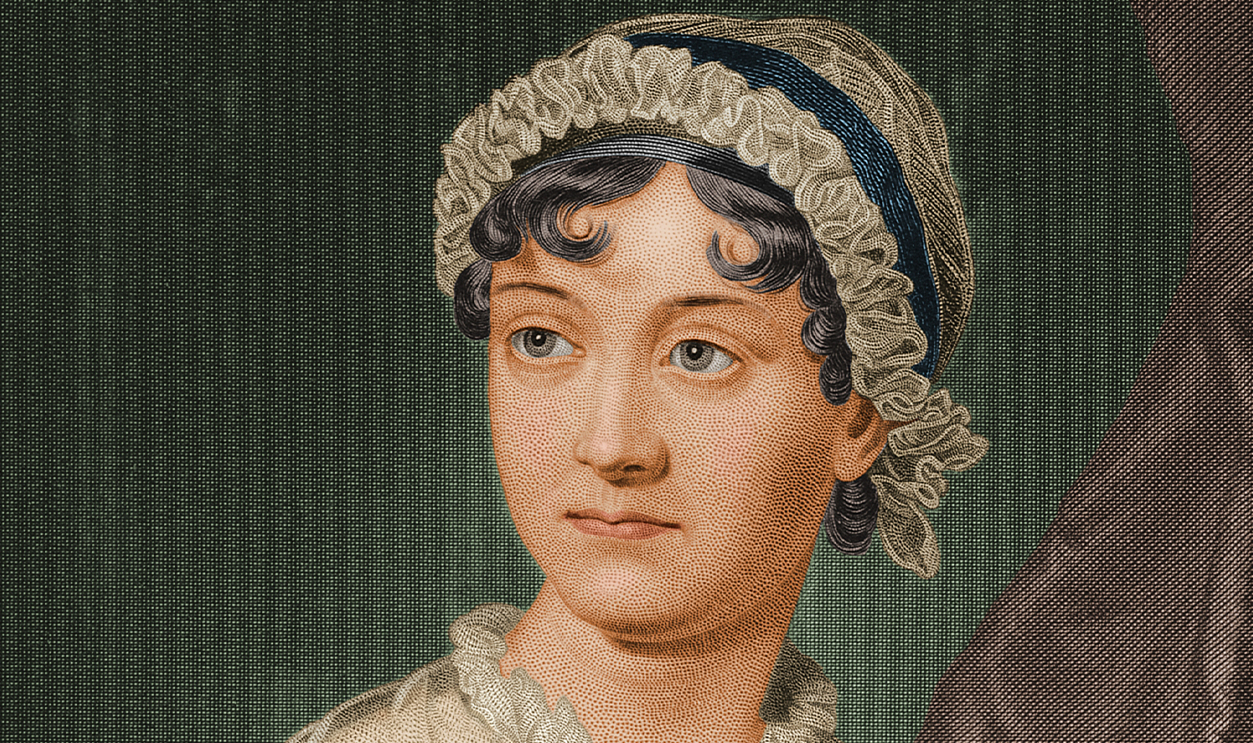
As one of history’s most famous authors, it’s surprising that Jane Austen has only six novels to her name, just four of which were published in her lifetime. Still, her stories had a lasting impact on the culture around her, especially since their whole purpose was to pick apart the sentimentalism present in literature at the time. Of course, to create such revolutionary works, she drew from her own life experience—including all the love and loss she endured.
1. She Was Late
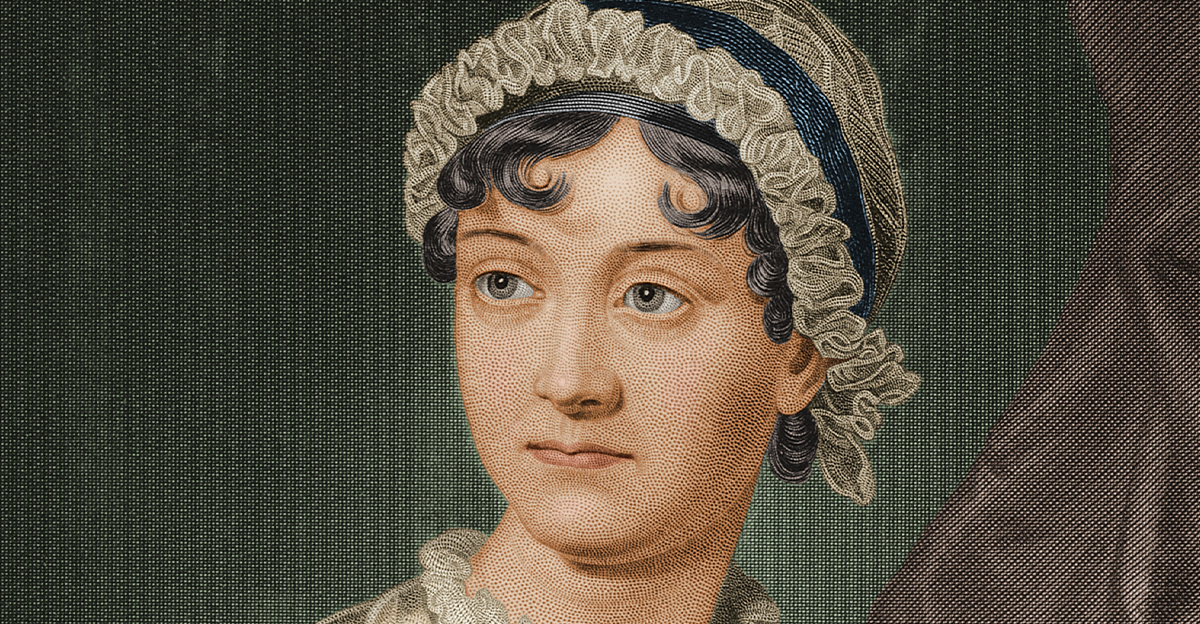
In a society that often relegated someone like Jane Austen to a quiet and unfulfilling life in a likely loveless marriage, she took a decidedly different path. However, she had been defying expectations long before her career ever took off—even from her first breath. Born on December 16, 1775, her birth was actually four weeks postterm, as her father wrote that her mother was, “certainly expected to have been brought to bed a month ago”.
Still, he could already see how beloved Jane would be.
2. They Were Best Friends
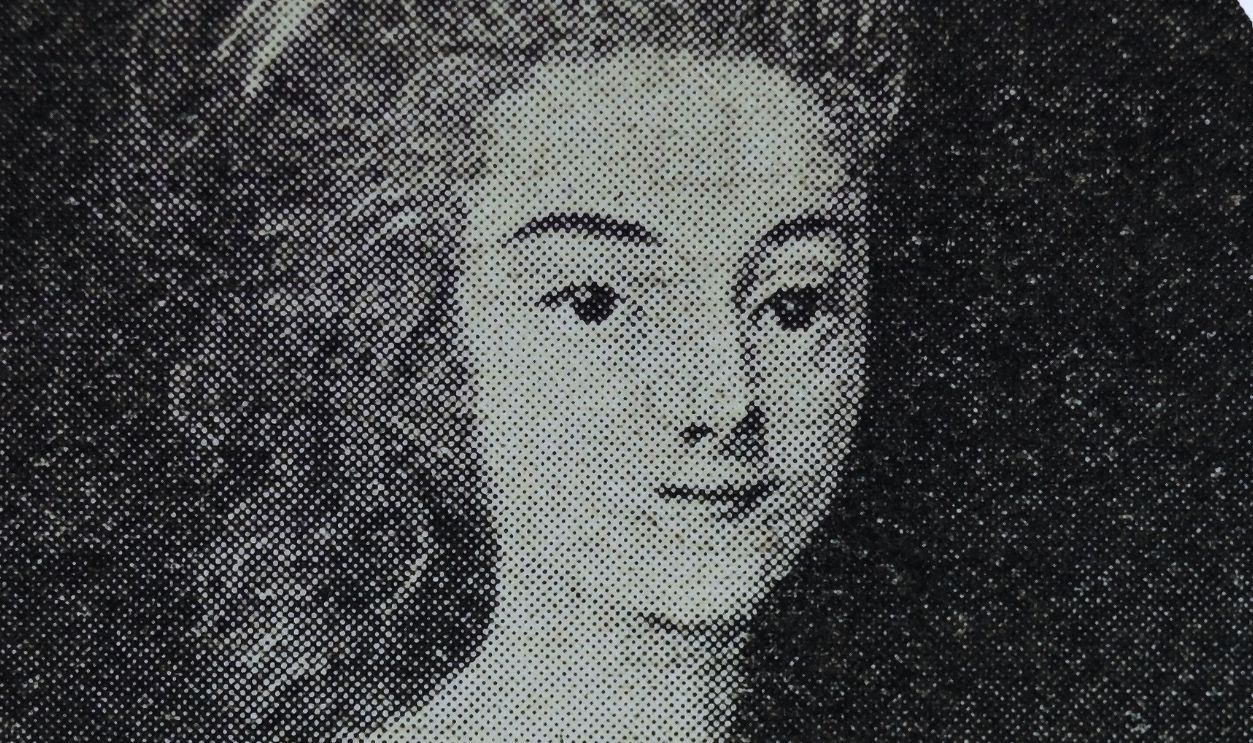
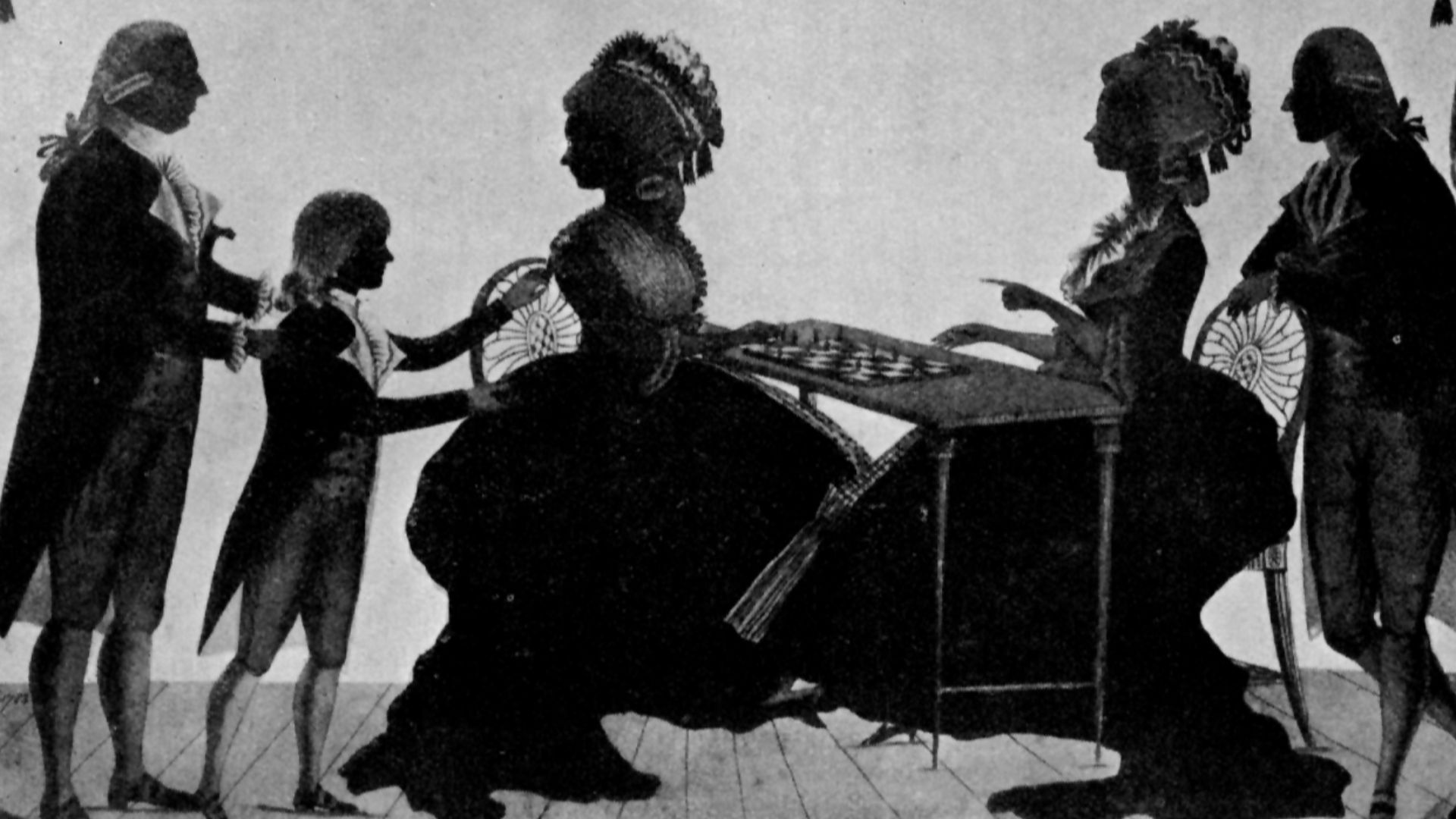
Jane’s father, George Austen, had more to say about the birth of his seventh child, believing that she would get along most with her older sister, Cassandra. Writing that Jane was “a present plaything for Cassy and a future companion,” he couldn’t have been more accurate, as the two sisters grew up practically inseparable.
This type of bond was especially important since they had little else.
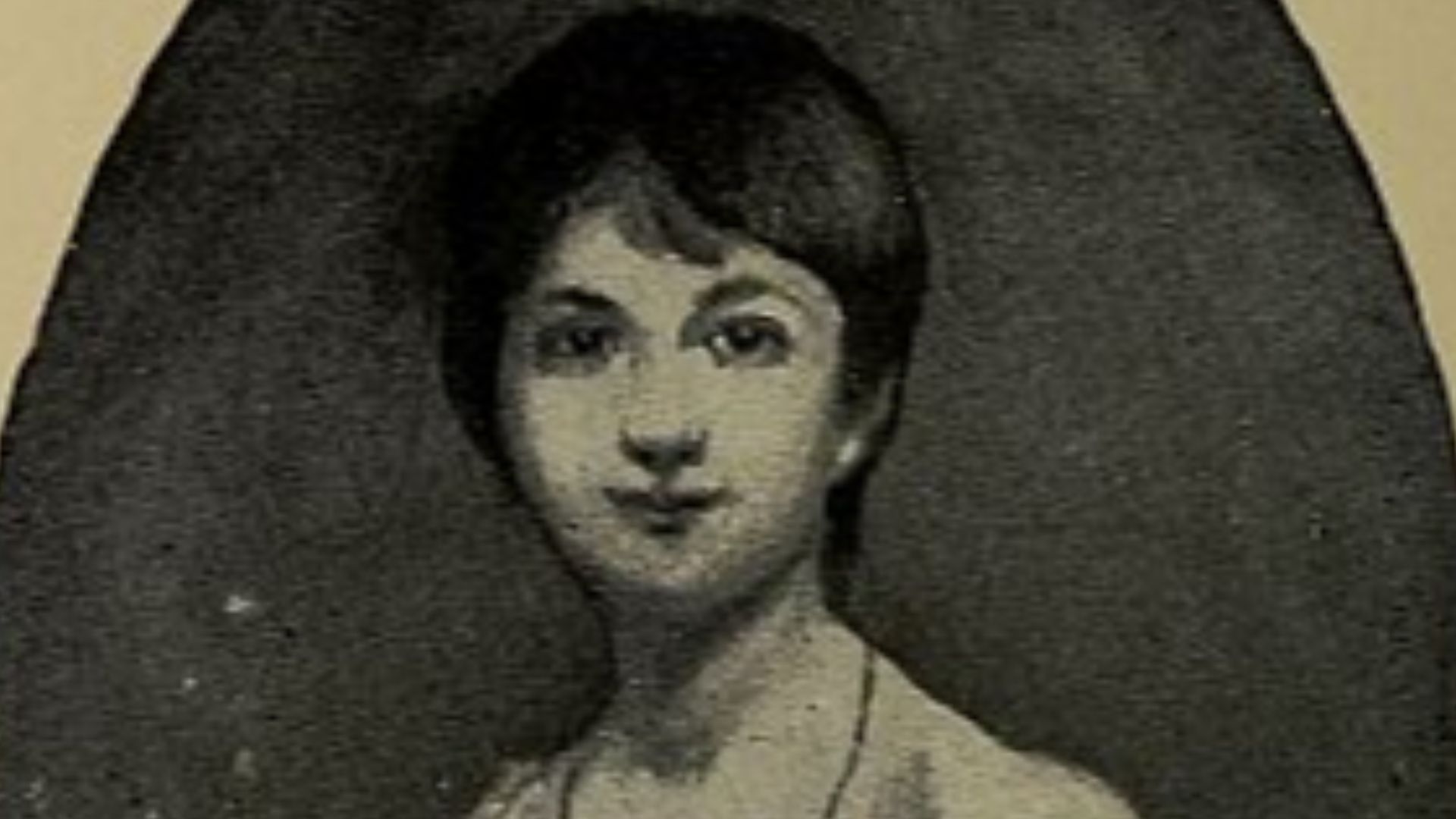 From a painting in the possession of the Rev. Morland Rice, of Bramber, Wikimedia Commons
3. He Lost Everything
Beyond any complications that came with being born postterm, Jane grew up in a family that was already facing their own struggles, most of which came from their financial status. Although George’s ancestors were extremely wealthy, the custom of only leaving an inheritance to the eldest son had left his particular family branch destitute.
Making her situation worse, Jane would soon face her first brush with illness.
 Unknown authorUnknown author, Wikimedia Commons

History's most fascinating stories and darkest secrets, delivered to your inbox daily.
4. She Was Extremely Sick
Even without much money at their disposal, Jane’s parents wanted to do the best they could for their children, so they sent Jane and Cassandra to Oxford to receive an education. However, something other than money got in the way, as both girls soon came down with a nasty bout of typhus and had no choice but to return home before the year was out. Jane’s condition was so severe that it nearly took her life, but both she and Cassandra recovered.
For a while, their parents were more hesitant to let them go.
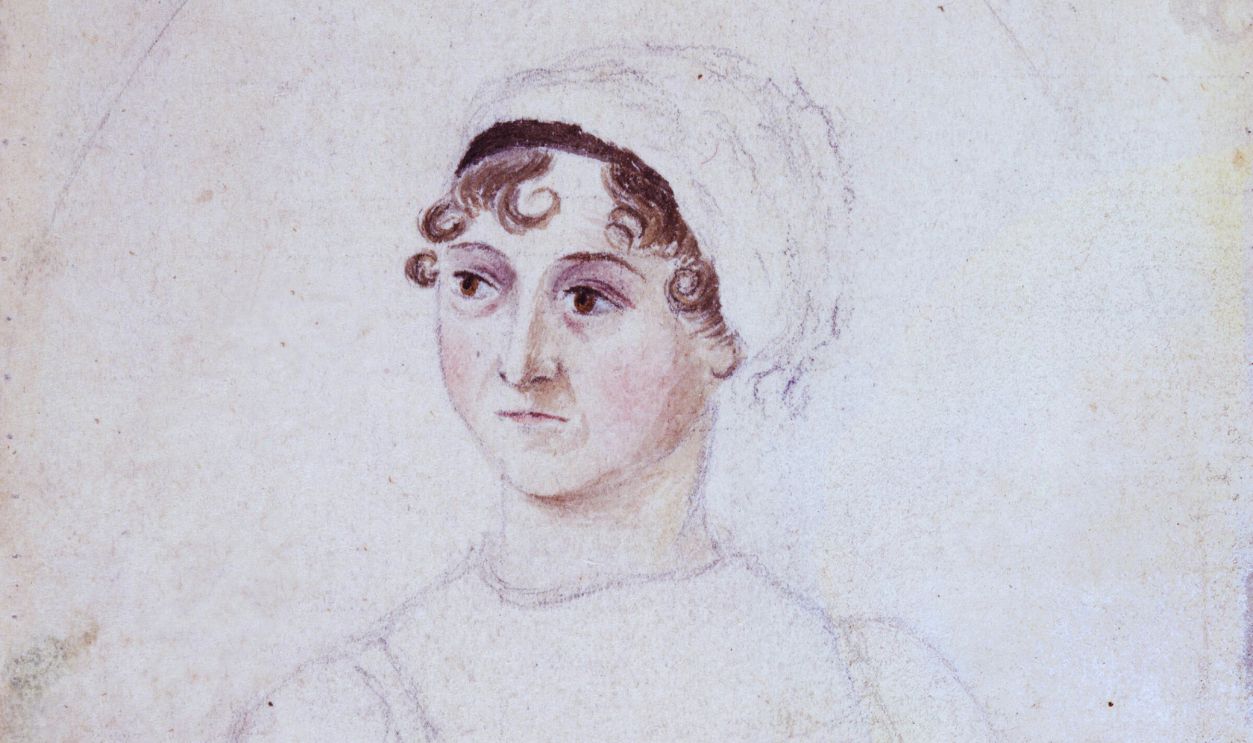 Cassandra Austen, Wikimedia Commons
5. They Didn’t Have The Money
After Jane and her sister got better, their parents took it upon themselves to homeschool them, but soon wanted to give formal education another go. Unfortunately, while they were able to send their daughters to the Reading Abbey Girls' School in 1785, this lasted only another year as the family’s money quickly dwindled.
Nonetheless, Jane had become determined to educate herself as much as possible.
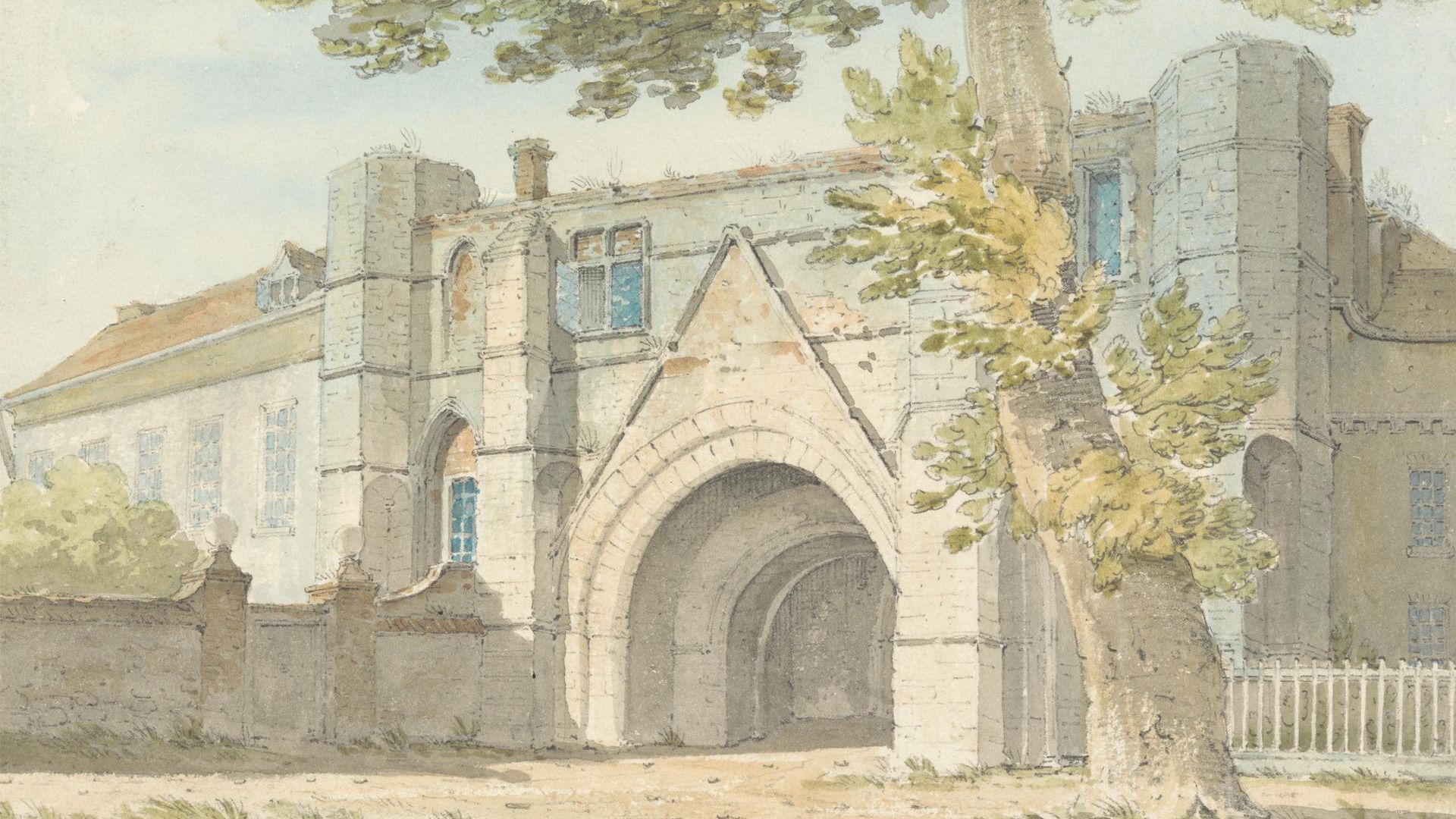 Edward Hawke Locker, Wikimedia Commons
6. She Was Well-Read
Even at 10 years old, Jane had already developed a love of learning, and neither sickness nor poverty would stop her from getting the education she craved. Luckily, both her father and a close family friend, Warren Hastings, had expansive libraries, and she would spend many hours a day poring over all kinds of literature.
In a surprising change for the time, her family couldn’t have been happier about this.
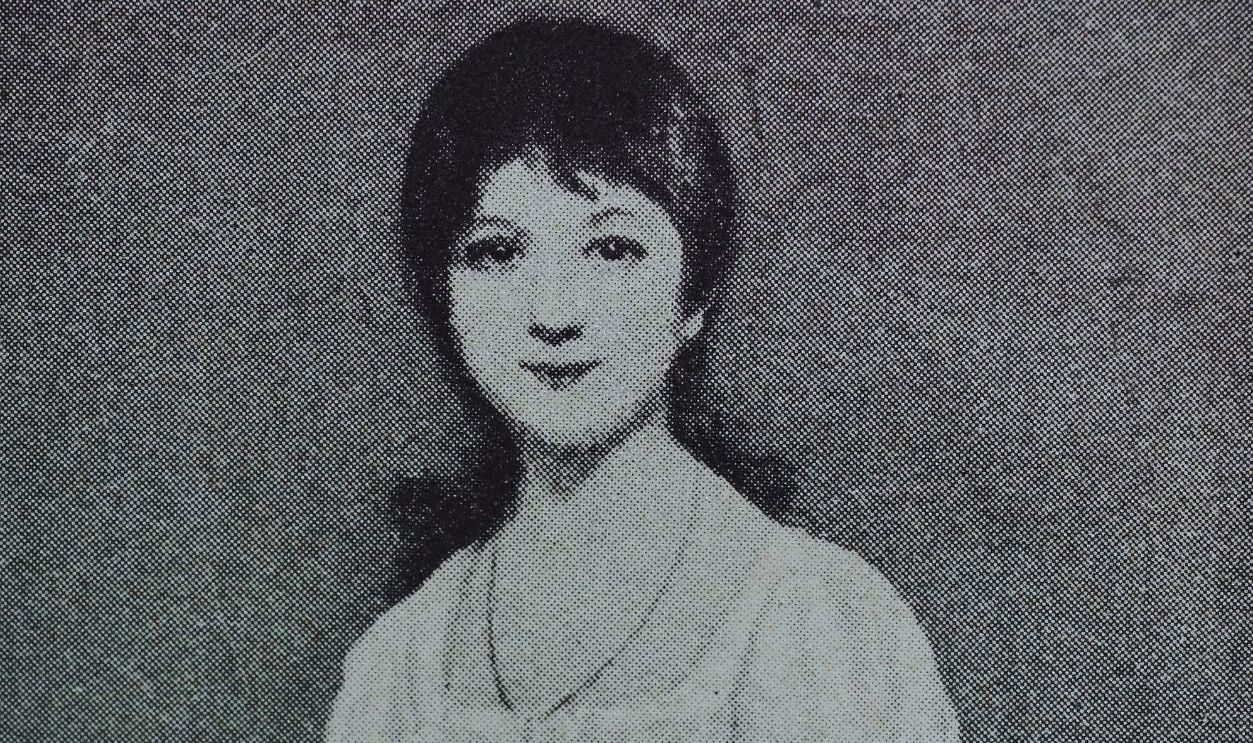
7. He Encouraged Her
Finding a passion for both learning and literature, Jane naturally began writing her own material and was already trying to push the envelope. With much of her early work varying in content, she enjoyed experimenting with all types of subject matter, especially topics that others deemed improper. However, her father always supported her and was proud of her initiative in testing the boundaries of English society at the time.
Of course, he wasn’t the only one who felt this way.
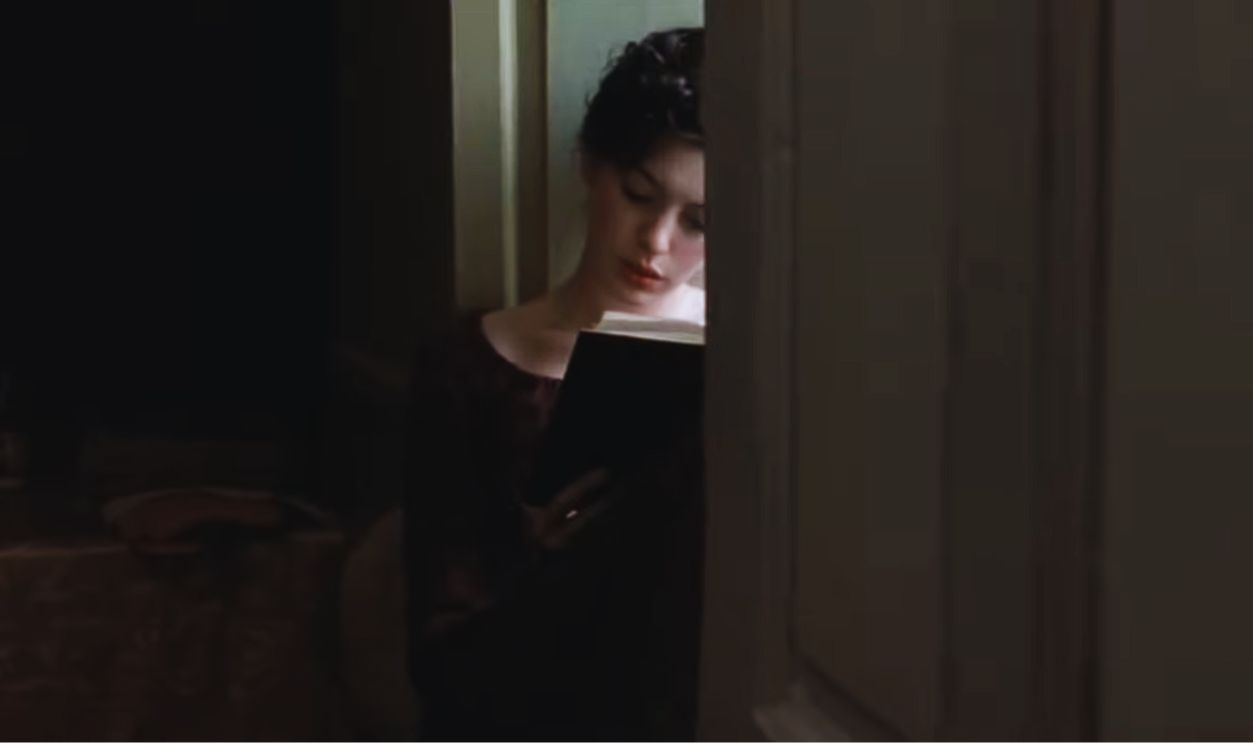 Screenshot from Becoming Jane, Miramax Films (2007)
8. They Loved Her Writing
Even when it came to some of her more adventurous writings, Jane was never shy about sharing her work, especially with her family. Her brothers had also helped to guide her self-education, and like their father, greatly enjoyed the stories she came up with—which already demonstrated a surprising grasp of satire.
With such an encouraging reception, Jane found her purpose in life.
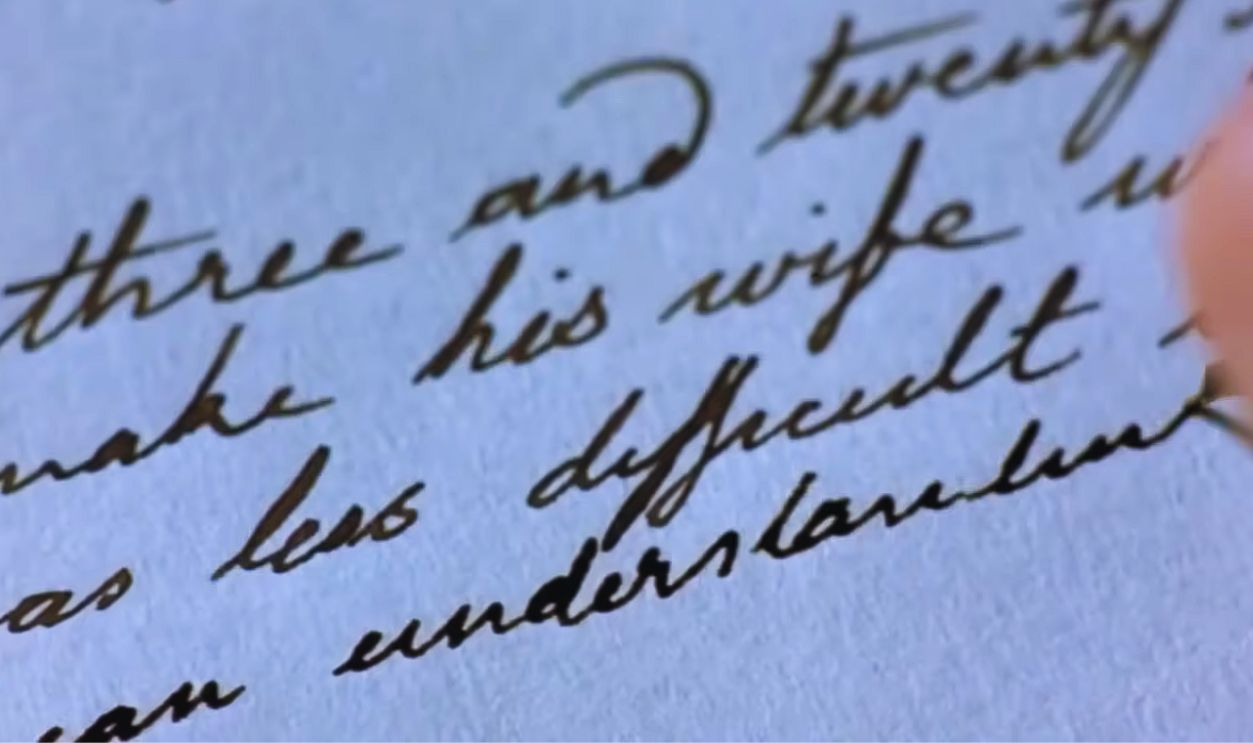 Screenshot from Becoming Jane, Miramax Films (2007)
9. She Knew What She Wanted To Do
Starting as early as 11 years old, Jane honed her craft and style over the following years, showing a remarkable aptitude for writing. Creating several manuscripts, including the novel Love and Freindship when she was only 14, she realized around this time that all she wanted to do in life was write professionally.
As such, she would soon take on her most sophisticated project yet.
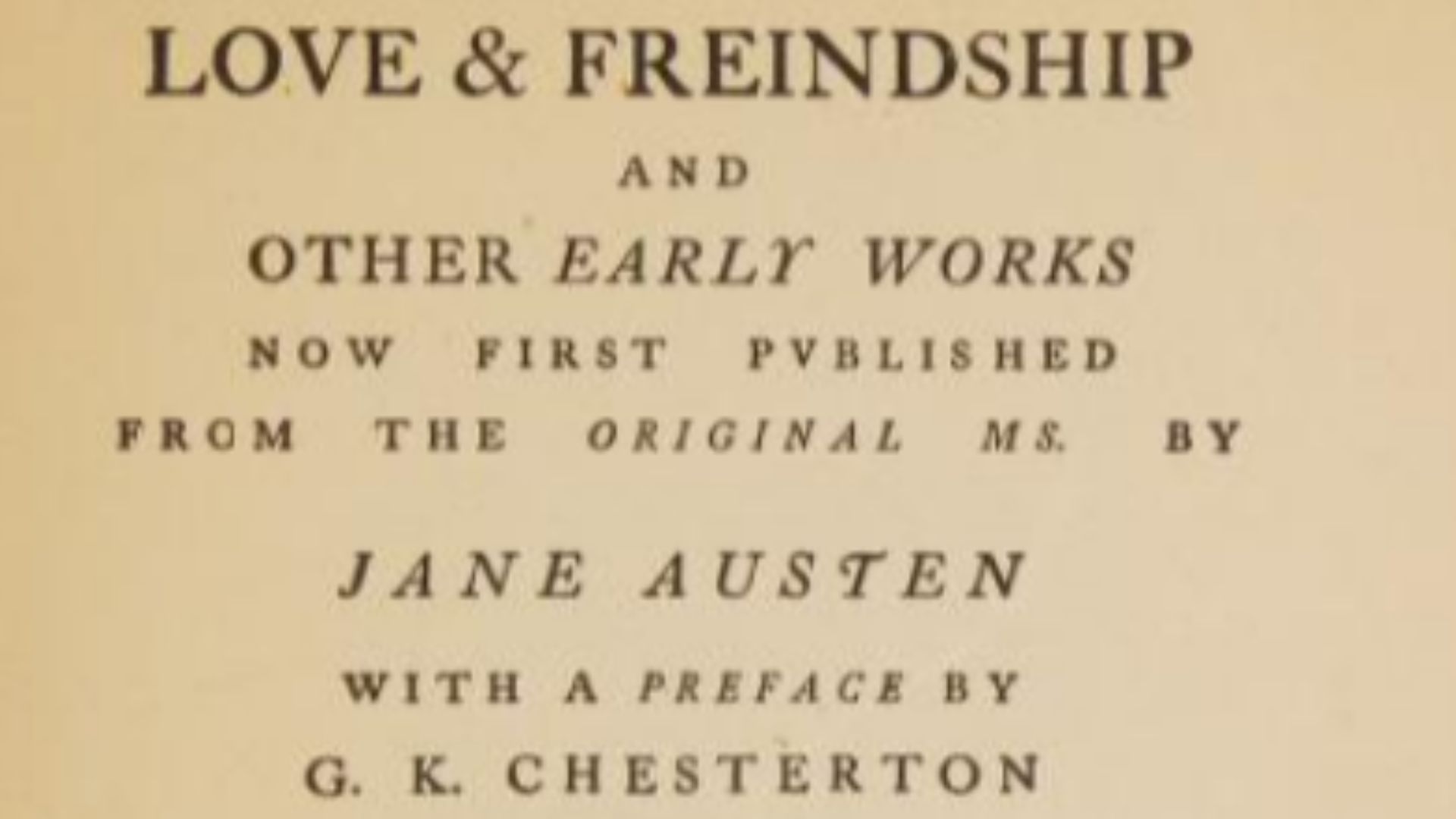 Jane Austen, Wikimedia Commons
History's most fascinating stories and darkest secrets, delivered to your inbox daily.
10. She Became A Serious Writer
The years went by, and Jane continued to write as much as was humanly possible, always wowing her family with the wit and cleverness of her stories. However, of her early works, the one that stands out above the rest is her novel Lady Susan. Written as a collection of letters, many consider this her most impressive work in this period, as it’s a harsh examination of a woman’s life in her contemporary society.
Meanwhile, she started to face the first chapters of her love life.
 Marceline fraulein, Wikimedia Commons
11. She Met Someone Special
While she was happy to spend most of her days writing, Jane still had quite a lively social life, and it allowed her to take her first true steps into romance when she was about 20. It all started when a visitor named Tom Lefroy came to her hometown of Steventon, Hampshire, and the two locked eyes at a party.
As it happened, they discovered a distinct spark between each other.
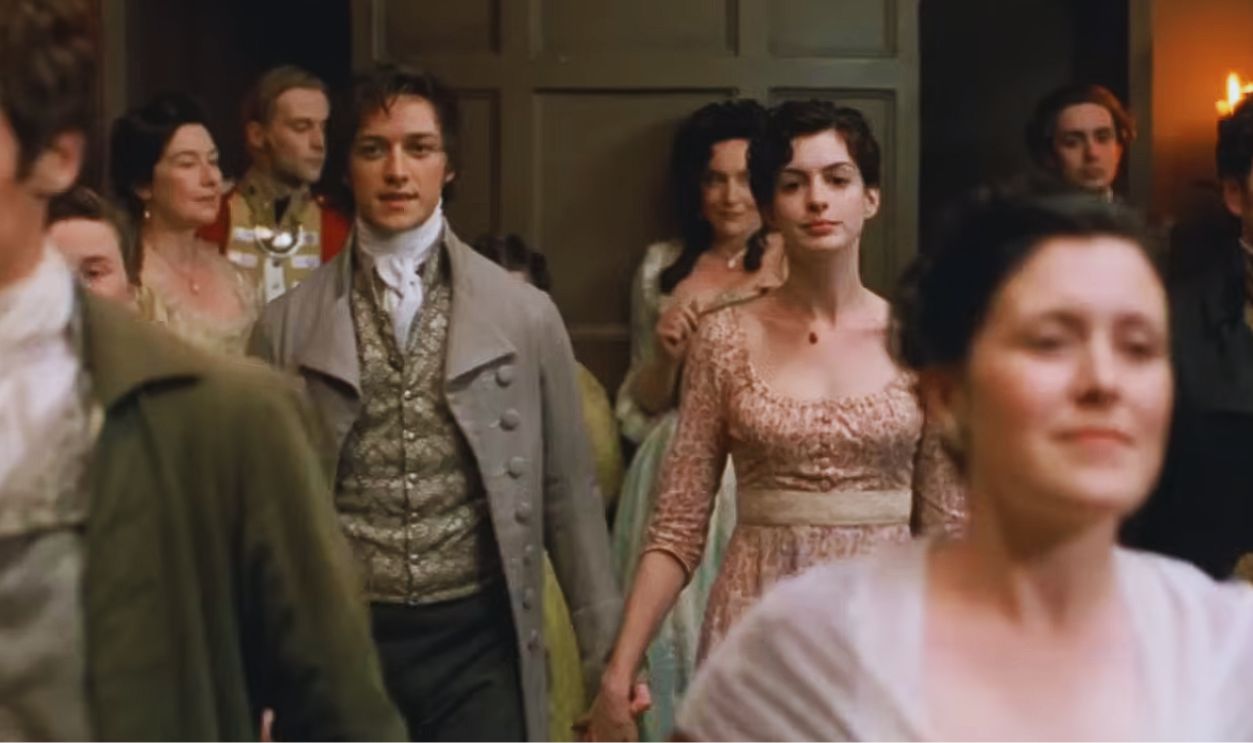 Screenshot from Becoming Jane, Miramax Films (2007)
12. They Really Hit It Off
As soon as they met, both Jane and Tom realized everything they had in common and spent the rest of the night together. Jane would later write to her sister that she was afraid to tell her what they got up to, only saying, “Imagine to yourself everything most profligate and shocking in the way of dancing and sitting down together”.
As her letters made clear, she was utterly smitten with him.
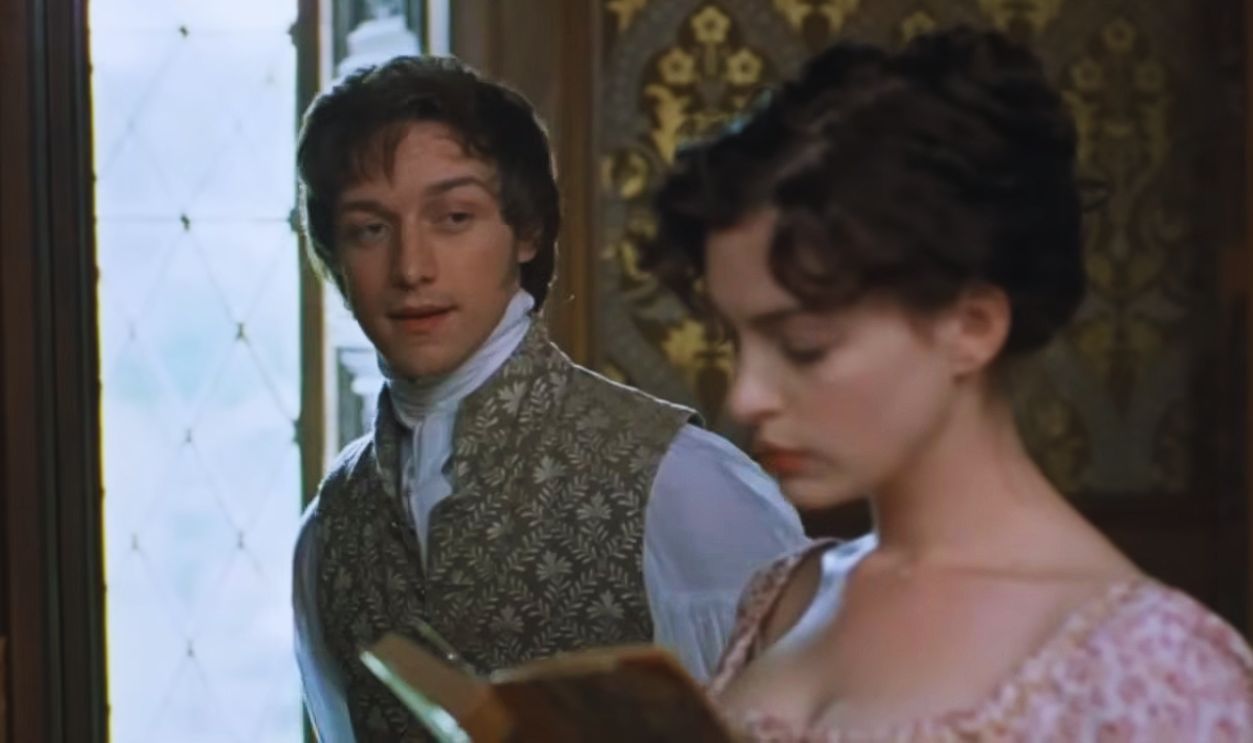 Screenshot from Becoming Jane, Miramax Films (2007)
13. She Talked About Him
Even after a couple of meetings, Tom began to occupy much of the letters Jane wrote to Cassandra, with their earliest surviving one mentioning him as a “very gentlemanlike, good-looking, pleasant young man”. The feeling seemed to be mutual, as Jane also wrote that she expected him to propose soon, all while joking that she would refuse unless he got rid of his white coat, which she disliked.
Sadly, this romance was only a fleeting moment in her life.
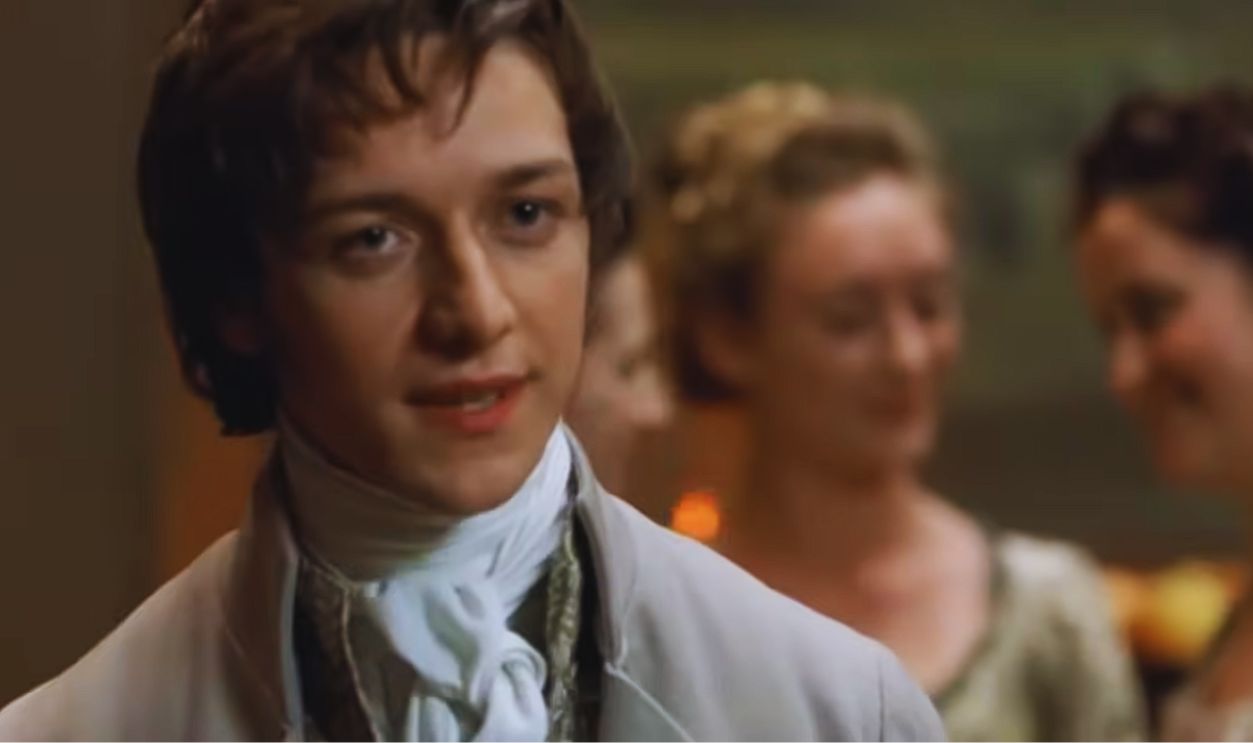 Screenshot from Becoming Jane, Miramax Films (2007)
14. She Knew It Wouldn’t Last
It appears that, although she desperately wished otherwise, Jane was under no delusions that things would work out between her and Tom. While both of them likely entertained the idea of running away together, the truth was that he was only visiting Steventon for a bit and was intending to train as a barrister in London.
Even if he wasn’t, any kind of happy ending for the two just wasn’t in the cards.
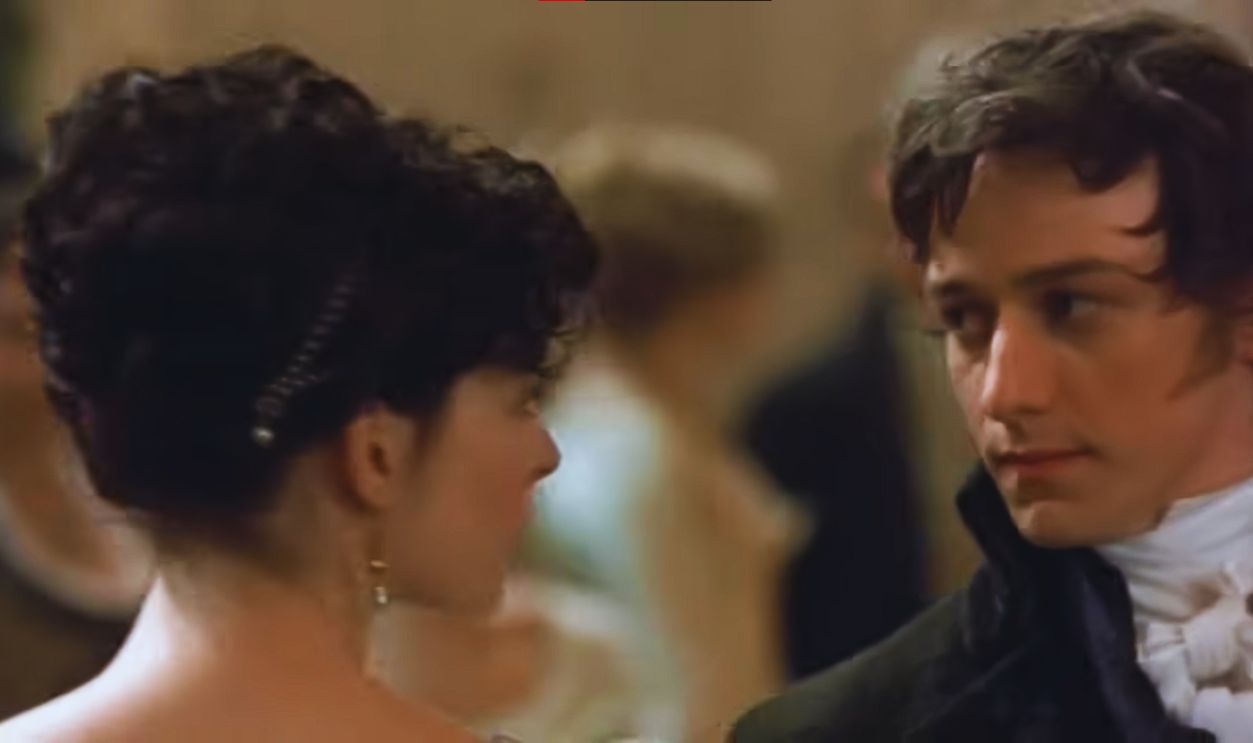 Screenshot from Becoming Jane, Miramax Films (2007)
15. They Were Star-Crossed
Jane may have been in love with Tom, but thinking realistically about how the two of them would survive if they married, it seemed impossible. Like her, Tom was also on the verge of poverty and was only able to receive an education through funding from his wealthy great-uncle—which would have stopped if he stayed in Steventon.
Ultimately, the matter was completely out of their hands.
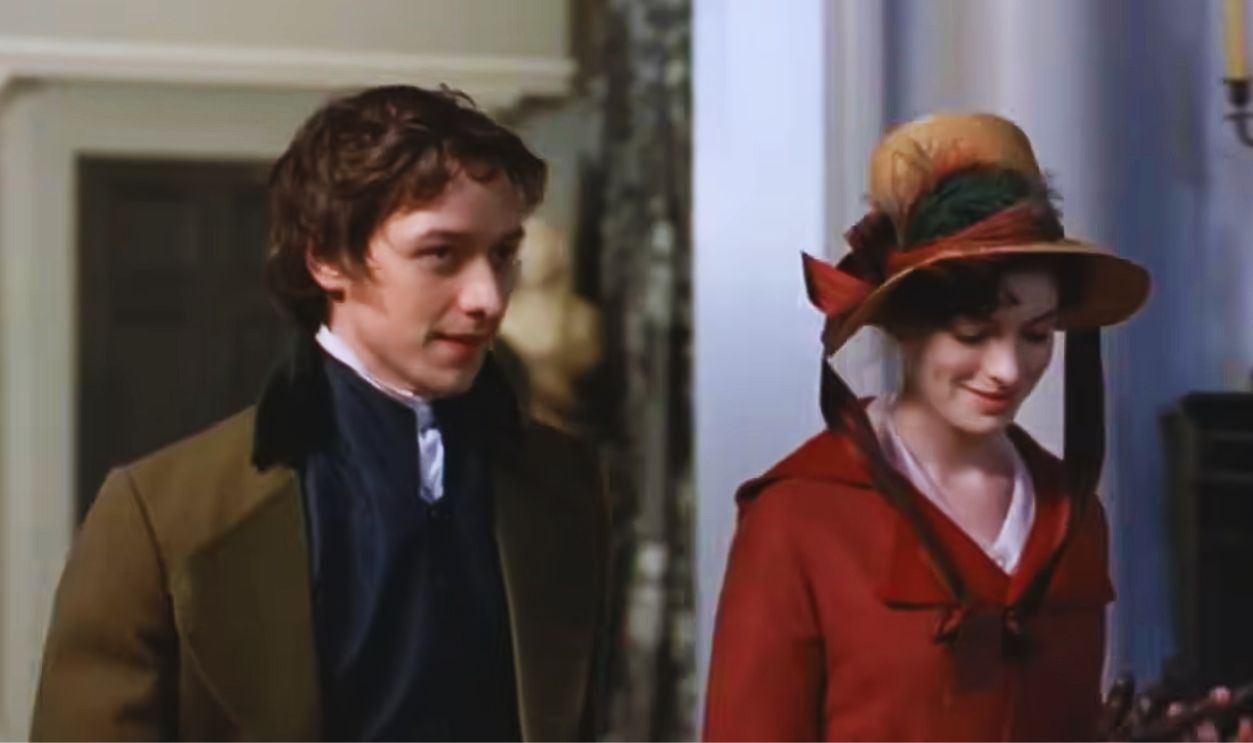 Screenshot from Becoming Jane, Miramax Films (2007)
History's most fascinating stories and darkest secrets, delivered to your inbox daily.
16. They Sent Him Away
Considering Jane had expected Tom to propose sometime soon, there’s a chance that he was at least thinking about leaving his training behind and staying with her. In the end, it wasn’t up to either of them since, as soon as his family caught wind of their romance, they sent Tom away—and Jane never saw him again.
Although they didn’t know each other long, this loss stuck with her for the rest of her life.
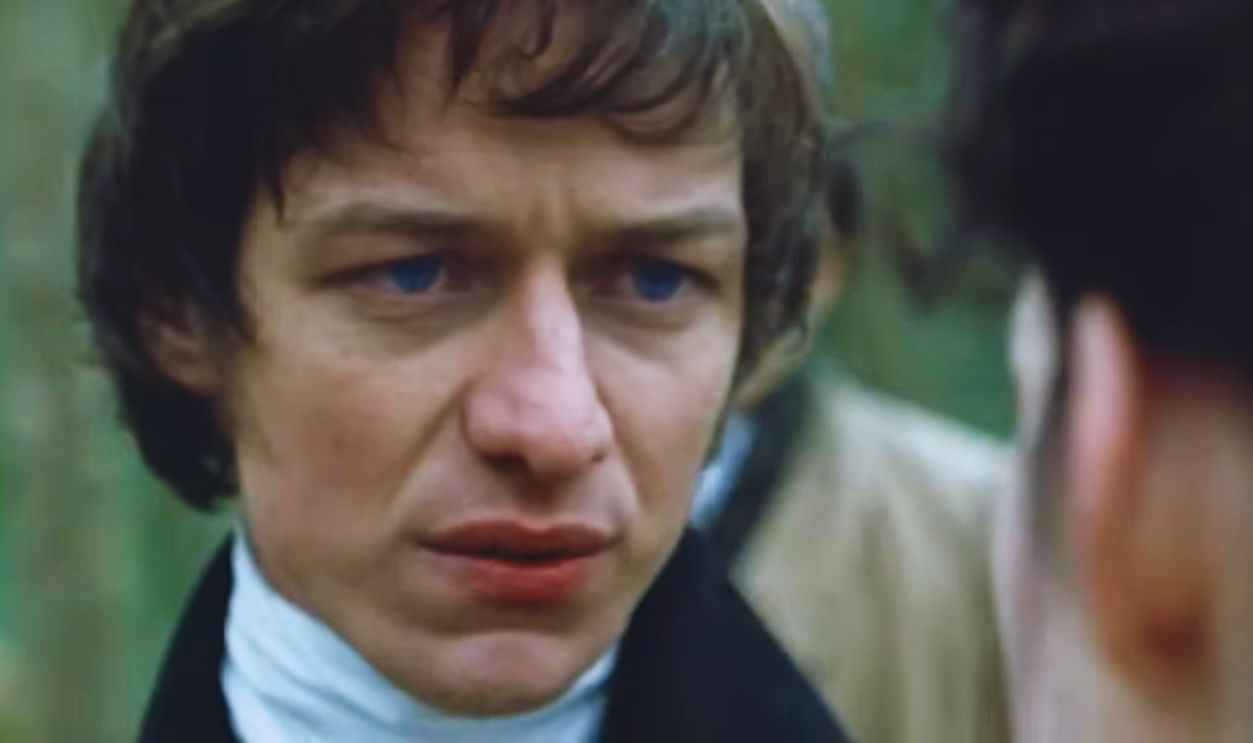 Screenshot from Becoming Jane, Miramax Films (2007)
17. He Was The One Who Got Away
In a letter to Cassandra, Jane spoke about Tom leaving and that the thought left her so inconsolable she could hardly stop crying, even as she wrote the words. While some have argued that she may have been speaking ironically—as she tended to—others have pointed out that she truly seemed to love him. So much so that, for the rest of her life, no man even came close to sharing their bond.
Still, this heartache didn’t stop her from pursuing her passion.
 Screenshot from Becoming Jane, Miramax Films (2007)
18. She Worked On Bigger Things
Jane wasn’t slowing down in her writing, and she continued to tackle longer, more complex projects, especially after she finished Lady Susan. Her next big idea would be another milestone for her, with her manuscript for Elinor and Marianne being her first full-length novel. Although it may have been very different in those early drafts, this manuscript would eventually become her hit novel Sense and Sensibility.
However, she had even more exciting ideas on the way.
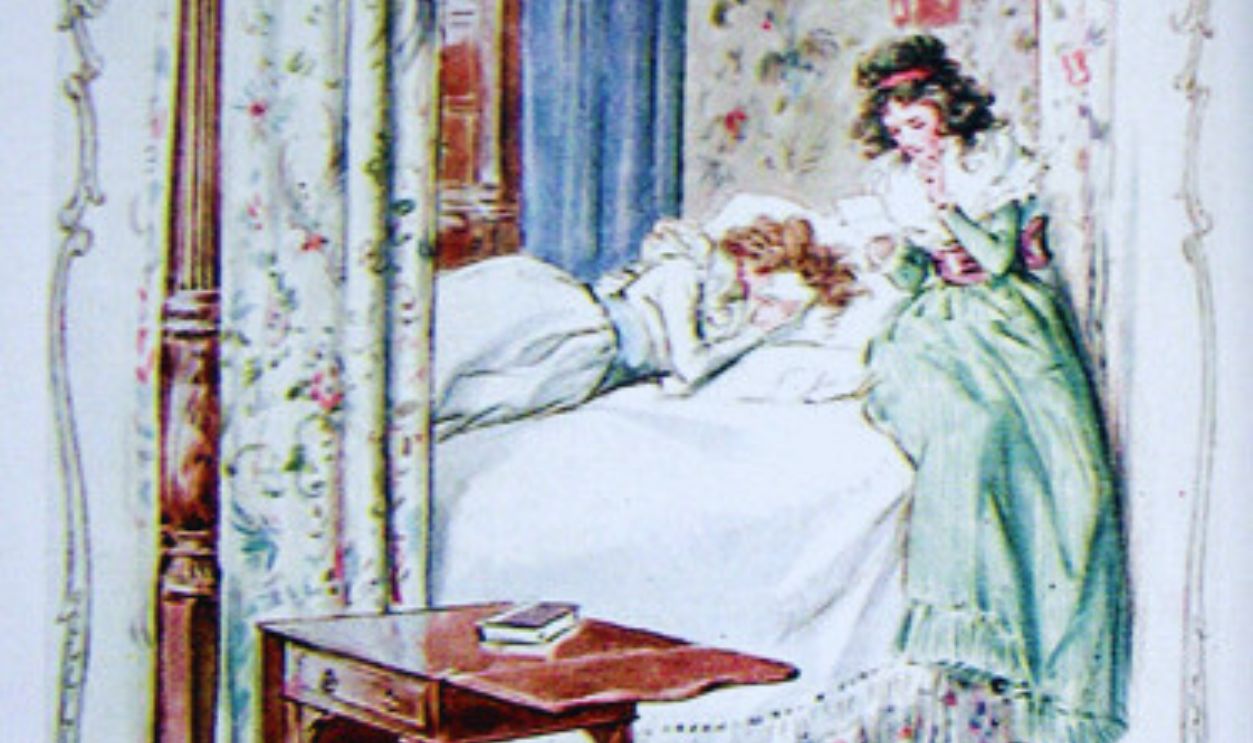 C. E. Brock (died 1938), Wikimedia Commons
19. They Loved It Most Of All
Hot from the momentum of writing her first novel, Jane dove right back into her next one with a story titled First Impressions, completing its first draft when she was about 21. As she had always done, she read the story to her family as she progressed, and they came to consider it a favorite. They weren’t the only ones, though, as the finished publication was the highly successful Pride and Prejudice.
Now that her portfolio was growing, she just needed a way to get it out to the public.
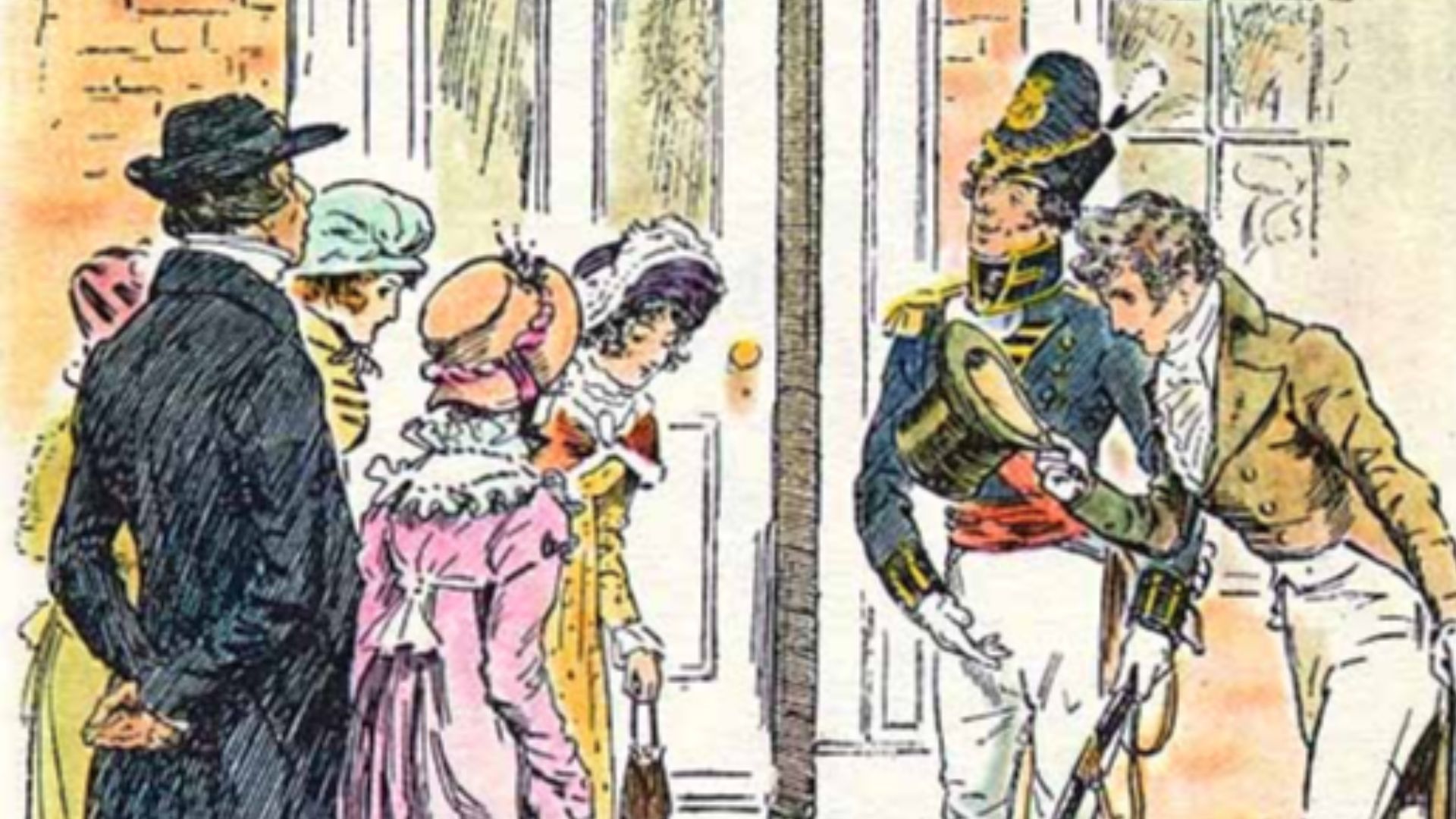 Charles Edmund Brock, Wikimedia Commons
20. He Agreed To Help Her
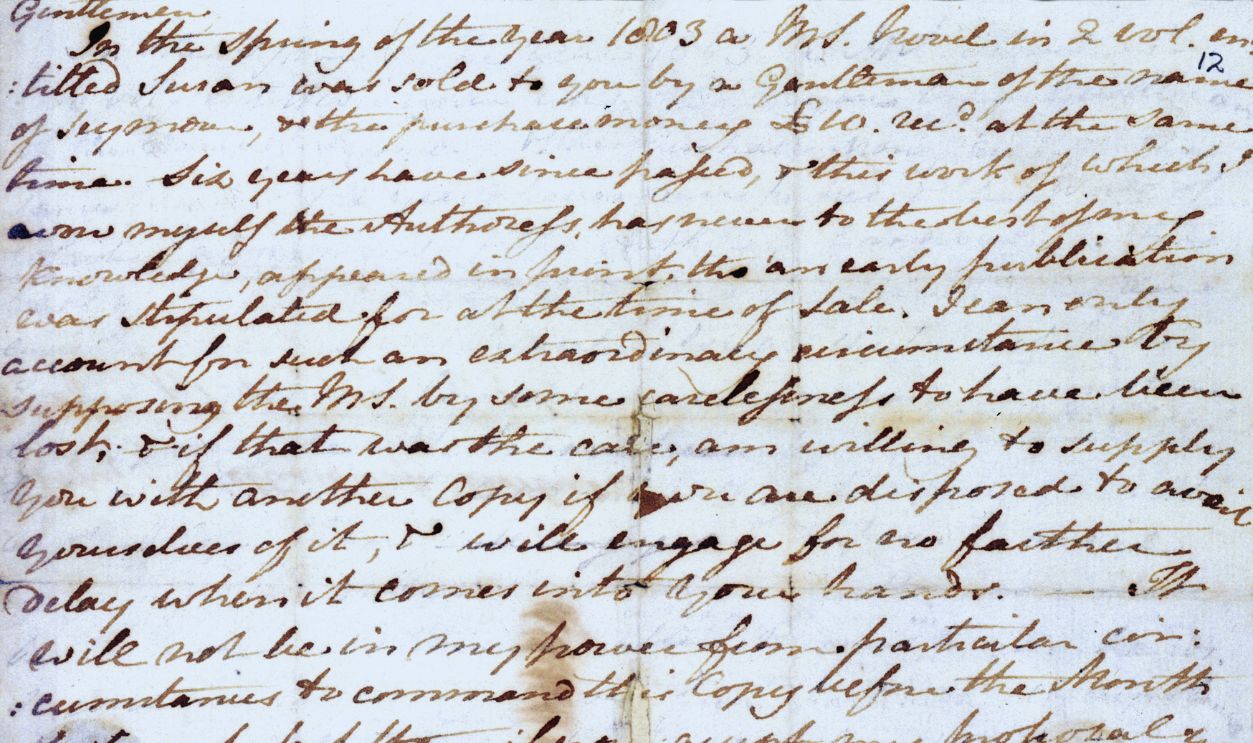
Completing her third novel, Susan, in 1799, Jane wanted to finally start publishing her works, and luckily, her family remained as supportive as ever. Operating on behalf of his sister, Henry Austen approached publisher Richard Crosby to ask if he would buy the copyright to Susan. Crosby took him up on the offer and even said he would advertise the novel in the newspaper.
Unfortunately, Jane’s life was in for another major upheaval.
21. They Packed Up And Left
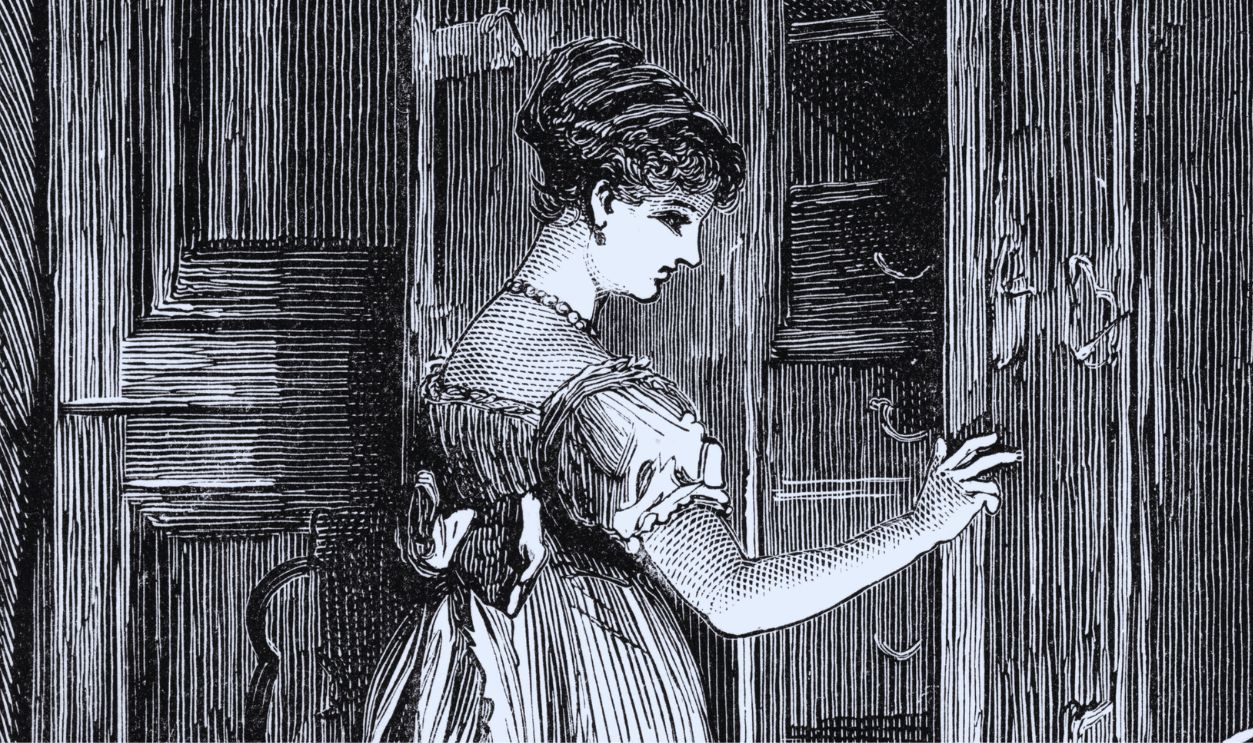
Up until this point, Jane’s father had worked as a reverend, but the now 70-year-old George Austen was ready to retire—just not in Steventon. Announcing his plans, George picked up his family and relocated to Bath, Somerset, where he and his wife could enjoy retirement. What he didn’t take into account was Jane’s feelings on the matter, and moving so far away from where she grew up was a major shock, to say the least.
Suddenly, she had other priorities to worry about than writing.
History's most fascinating stories and darkest secrets, delivered to your inbox daily.
22. She Might Have Been Busy
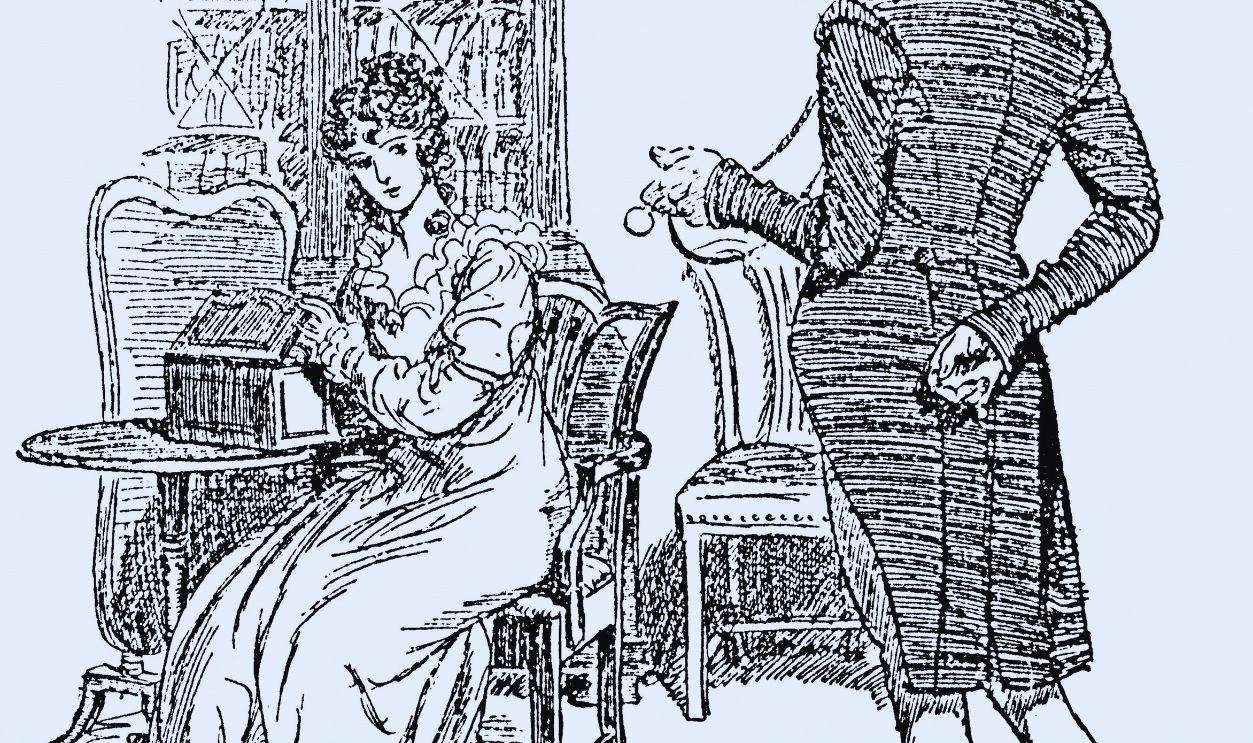
Soon after Jane and her family relocated to Bath, her writing noticeably slowed down, but the reason remains unclear to this day. Some say that she hated living there and fell into a deep depression, causing her to lose interest in writing. However, others have pointed out that she likely found an even more vibrant social life that distracted her from her work.
Supporting this theory, she came across another potential suitor.
 UniversalImagesGroup, Getty Images
23. He Asked For Her Hand
Since Tom had never actually asked for her hand in marriage, Jane only received one real proposal in her life, and it happened in the winter of 1802. This came from a man named Harris Bigg-Wither, who was the brother of a friend of hers and, like Tom, had just finished his university education. Having known him since they were both children, Jane accepted his proposal.
Regrettably, this wasn’t exactly a dream come true.
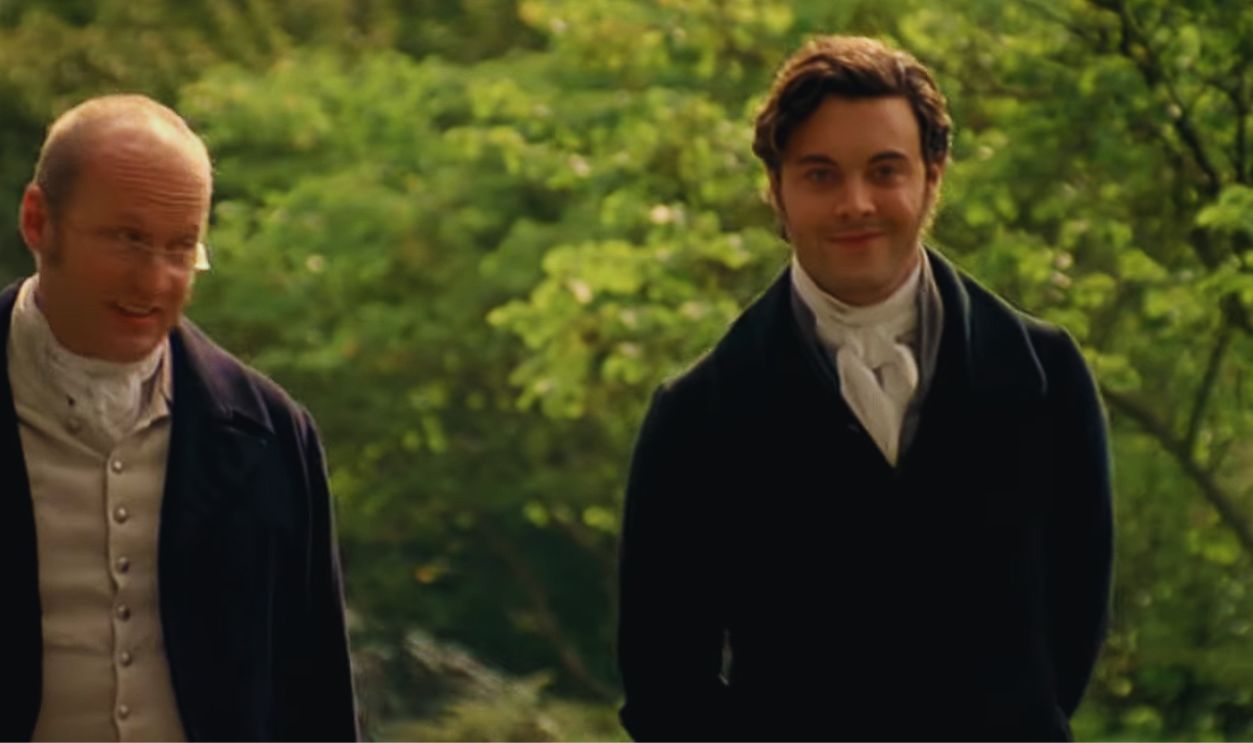 Screenshot from Miss Austen Regrets, BBC One (2008)
24. She Didn’t Like Him
While Jane and Harris seemed like a good match on paper, there wasn’t any real spark between them, much of which was due to how she felt about him. She didn’t find him physically attractive, and even when they tried to have conversations, she found him oddly insensitive and aggressive.
On the other hand, he had certain perks to offer that others didn’t.
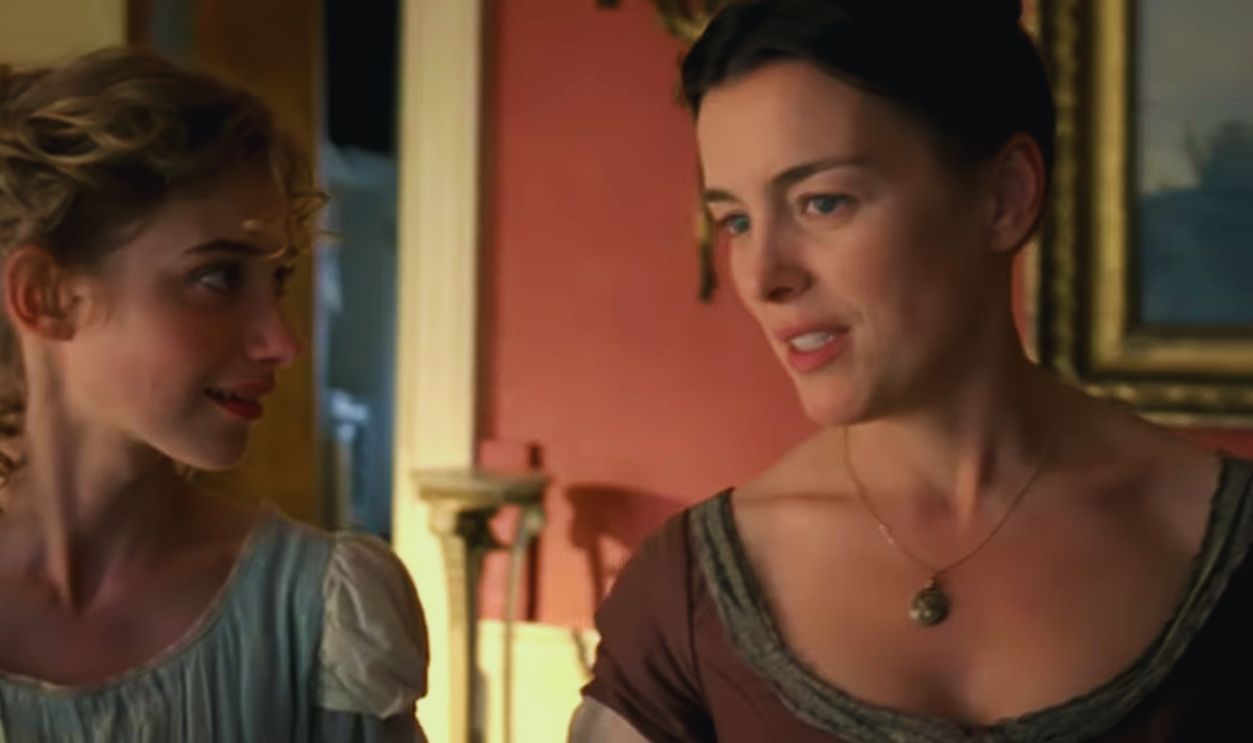 Screenshot from Miss Austen Regrets, BBC One (2008)
25. He Was A Smart Choice
Despite seemingly having no desire to spend the rest of her life with him, Jane Austen agreed to marry Harris after considering what he could do for her. He had a bright future ahead of him and was set to inherit vast estates back in Hampshire, which would allow Jane to provide for her siblings and their parents.
Ultimately, she went ahead with what she believed was right.
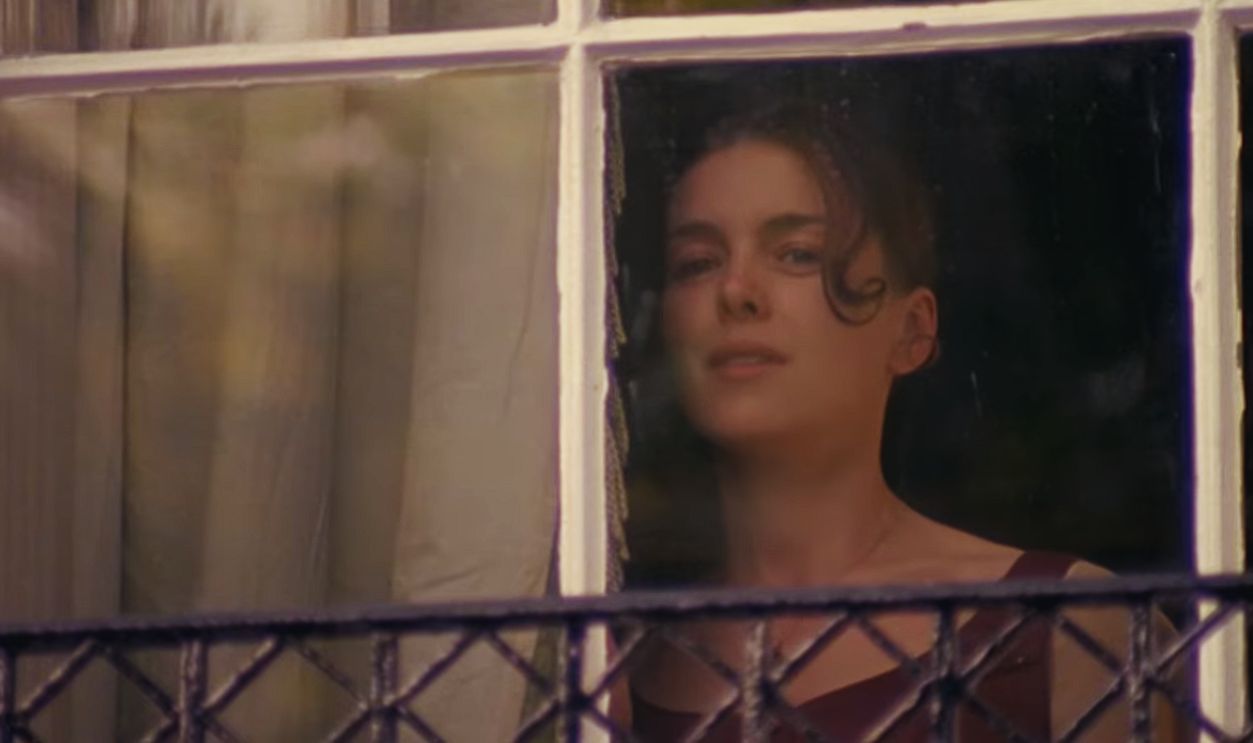 Screenshot from Miss Austen Regrets, BBC One (2008)
26. She Came To Her Senses
Of Jane’s surviving letters, none mention exactly how she felt about Harris, but it isn’t difficult to deduce from the kind of person he was. Furthermore, although she initially accepted his proposal, she took the night to think it over before making her final decision, returning to him the next morning and telling him she had changed her mind.
Through this, she reached a profound understanding of life and romance.
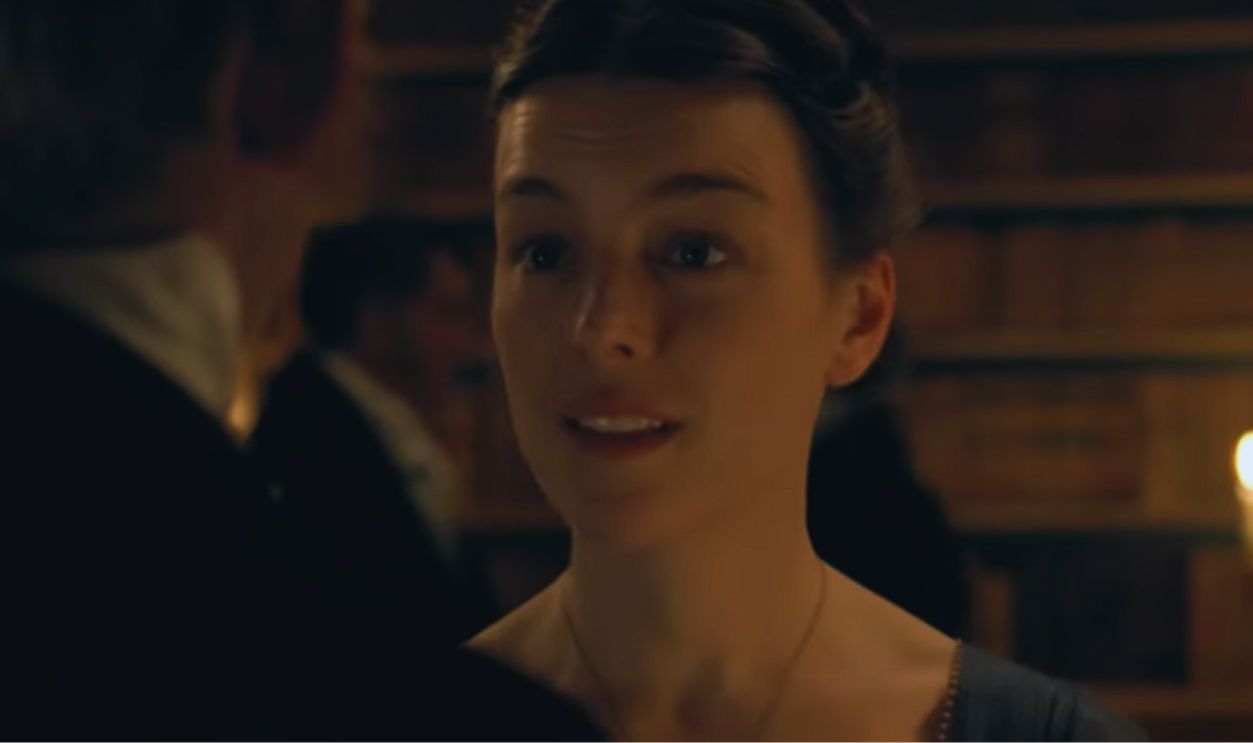 Screenshot from Miss Austen Regrets, BBC One (2008)
27. She Gave Her Advice
The situation with Harris would help frame Jane’s worldview about marriage, which came in handy when her niece, Fanny Knight, wrote to her for relationship advice concerning a marriage proposal. Jane told her niece to marry the man only if she truly had feelings for him, saying, “Anything is to be preferred or endured rather than marrying without Affection”.
Meanwhile, Jane also used this kind of life experience to fuel her writing.
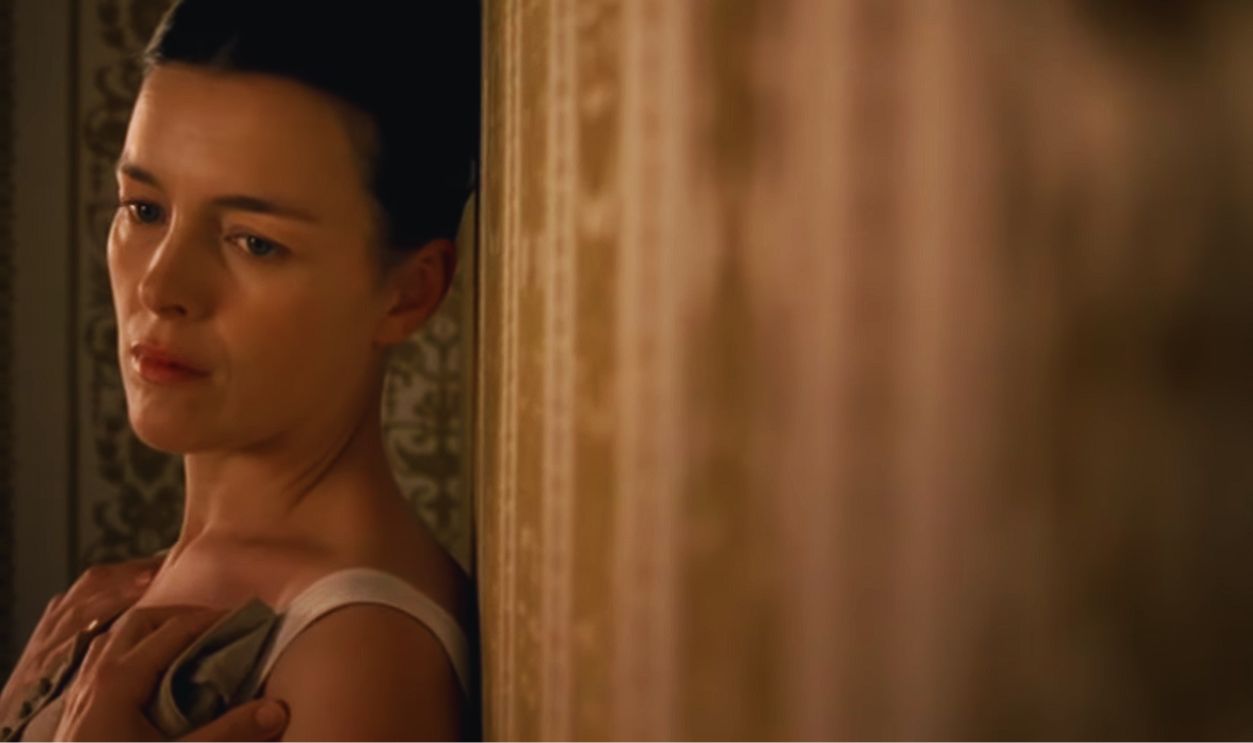 Screenshot from Miss Austen Regrets, BBC One (2008)
History's most fascinating stories and darkest secrets, delivered to your inbox daily.
28. She Started Her Next Project
Four years into her new residence in Bath, Jane Austen began writing what was meant to be her next big novel, The Watsons. Once again mimicking her real-life experiences, the story featured a clergyman trying to provide for his four daughters after they fell into poverty, and while it had the makings of a great story, she never finished it.
When she least expected it, this novel became infinitely more difficult to write.
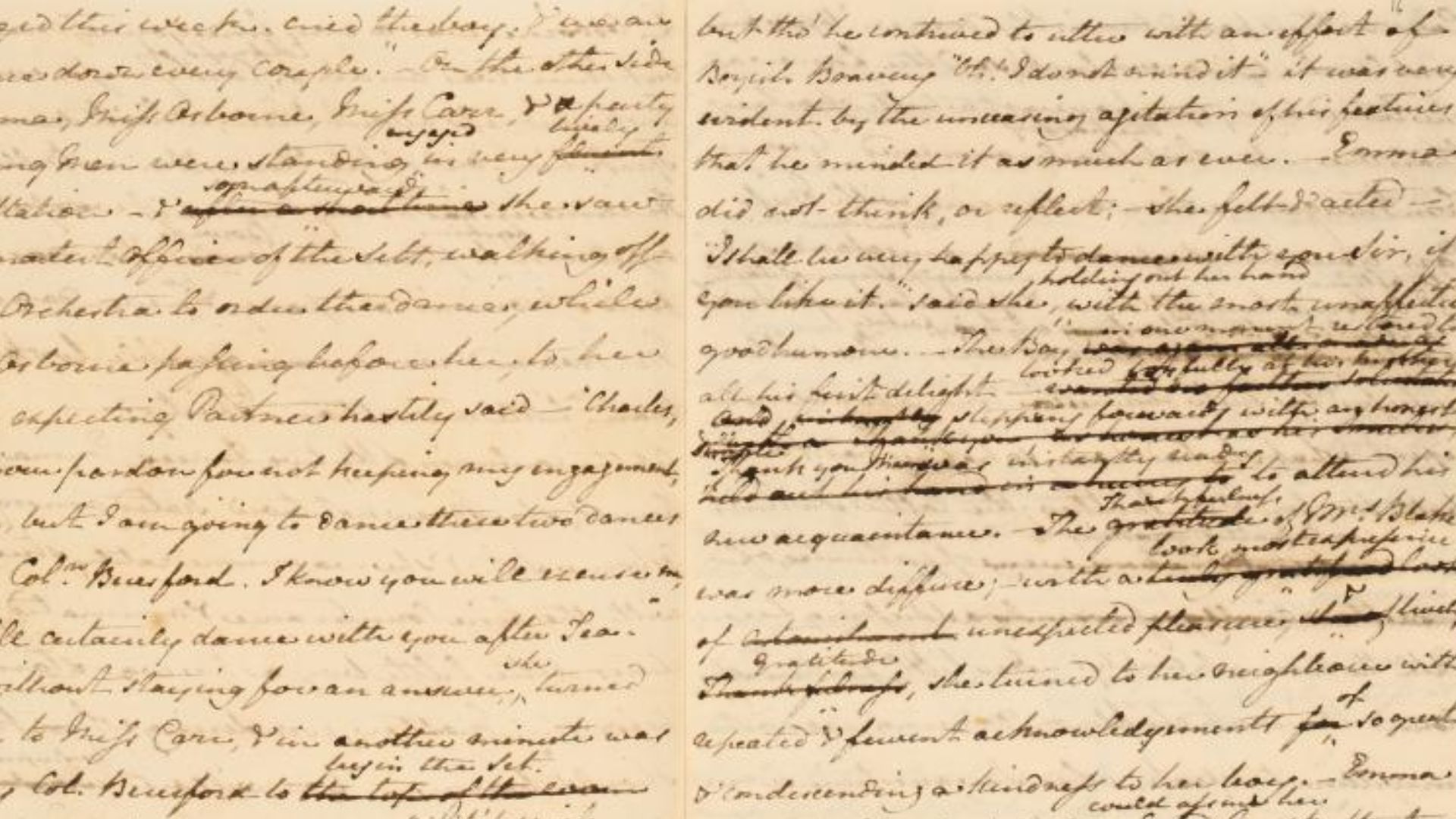 Jane Austen, Wikimedia Commons
29. She Was Too Close To It
Drawing from life experience can be both a blessing and a curse, especially when modeling characters so closely to real loved ones. While there’s no way to confirm why Jane Austen abandoned writing The Watsons, the fact that she stopped shortly after her father passed in 1805 has led historians to believe it was just too painful for her to continue.
With that, her family found themselves in an even more dire situation.
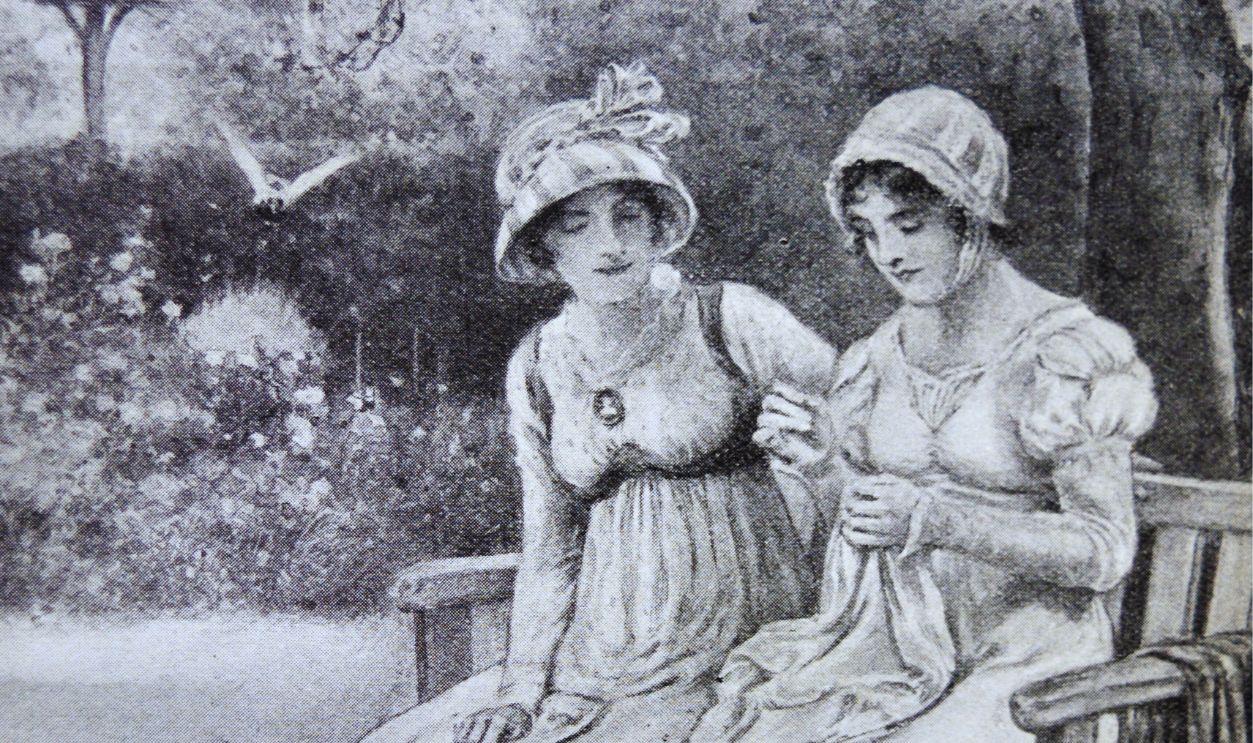 Universal History Archive, Getty Images
30. They Were In Trouble
Jane’s family was getting by during their parents’ retirement, but they weren’t exactly rolling in cash, and George’s passing only made things worse—especially for Jane, her mother, and her sister. Fortunately, her four brothers were willing to step up, and all agreed to help the family get by with yearly payments.
As for Jane, she would get what she wanted one way or another.
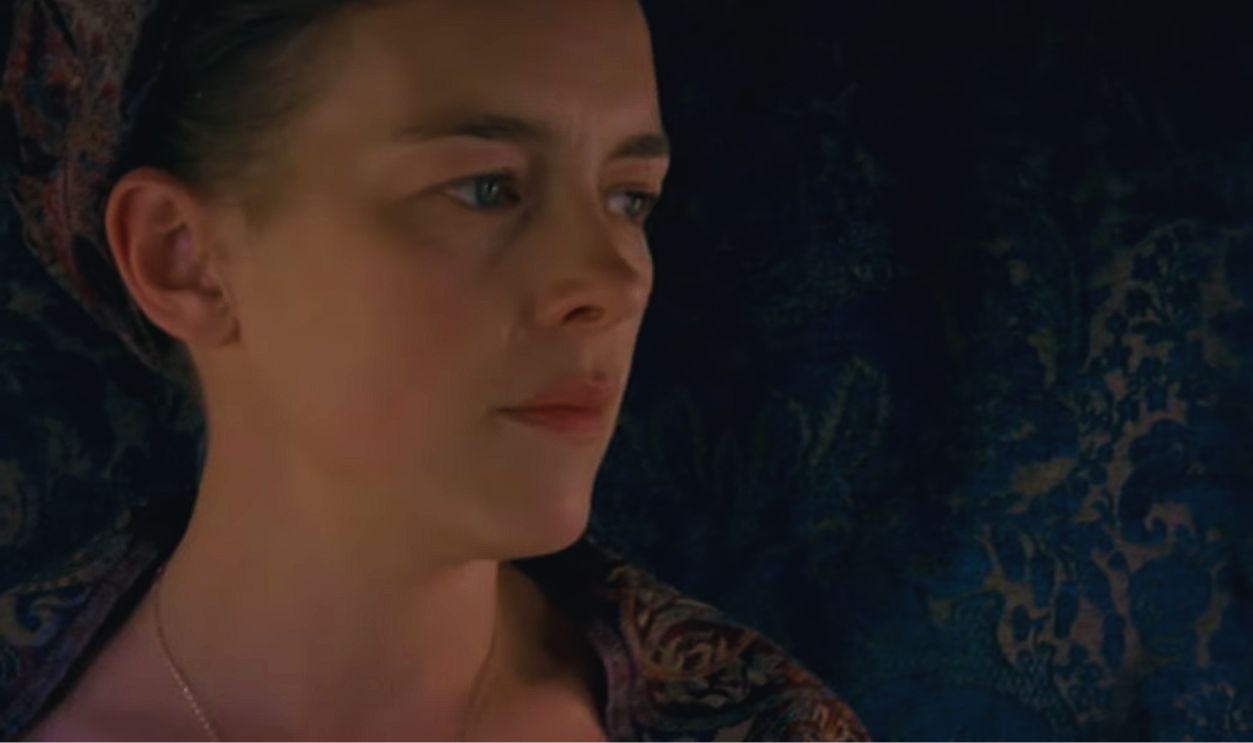 Screenshot from Miss Austen Regrets, BBC One (2008)
31. She Laid Into Him
When Richard Crosby bought the rights to Jane’s Susan, he did so with a promise to publish it, but six years passed, and he had still done no such thing. Already frustrated with her family’s financial state, Jane had reached her tipping point and sent Crosby a harshly worded letter, admonishing him and demanding the manuscript back.
Still, he wouldn’t give up his pride so easily.
 Cassandra Austen, Wikimedia Commons
32. He Sold It Back To Her
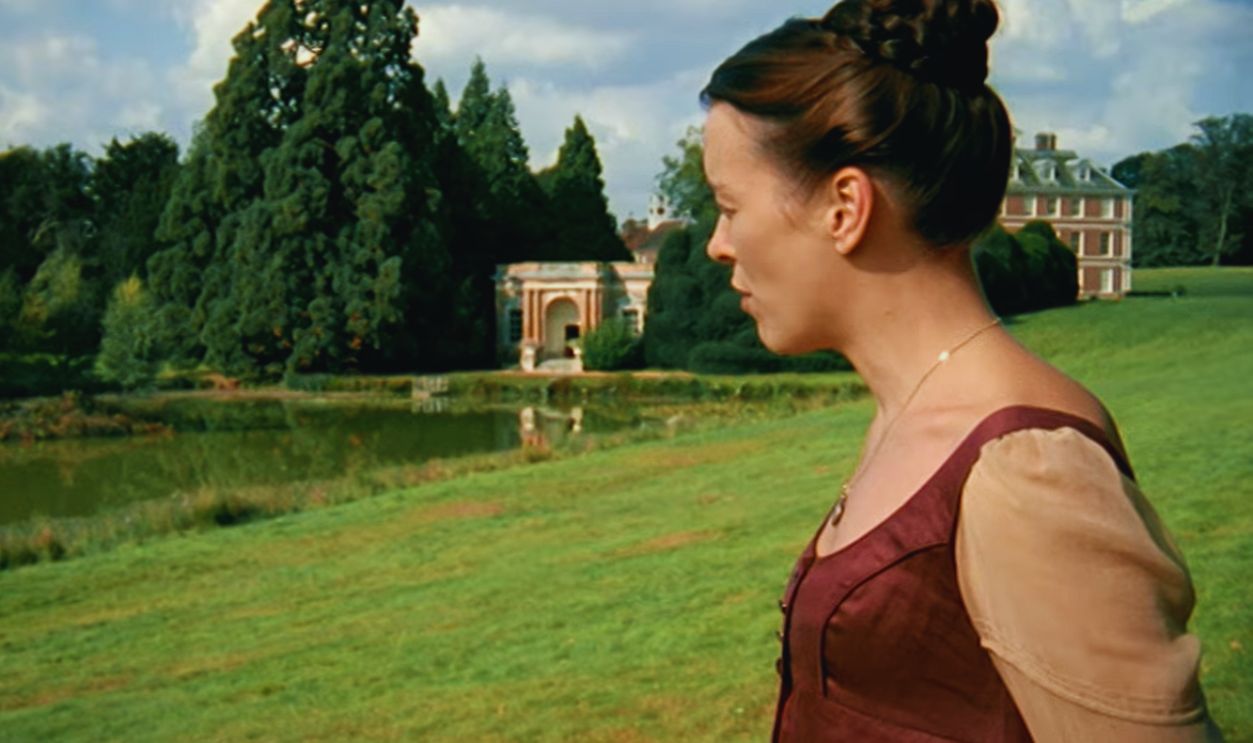
At this point, Jane Austen would rather have taken her manuscript back from Richard Crosby and sold it to another publisher, but this was easier said than done. Not only did he deny ever promising to publish the novel, but he told her she could only have her manuscript back if she purchased it at its original price. While it was impossible at first, within the next five years, she earned enough money to buy back Susan.
Even before this, though, Jane was able to get her best work out there.
 Screenshot from Miss Austen Regrets, BBC One (2008)
33. She Created Her Legacy
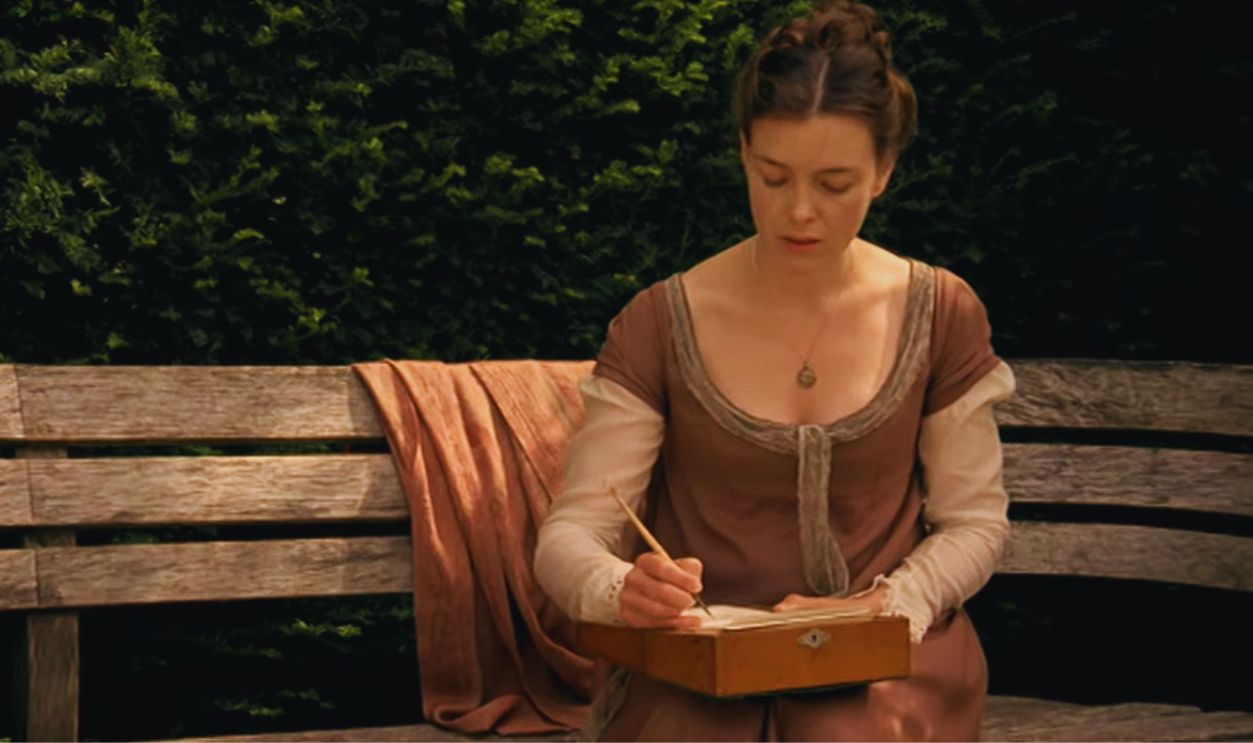
Jane’s brothers had already come through for their family in major ways, including setting them up comfortably in a cottage near Edward Austen’s house in Chawton village. Here, she threw herself back into her work and published four novels in quick succession, all of which audiences seemed to adore.
Of course, none of this meant she was any kind of famous author at the time.
 Screenshot from Miss Austen Regrets, BBC One (2008)
History's most fascinating stories and darkest secrets, delivered to your inbox daily.
34. She Remained Anonymous
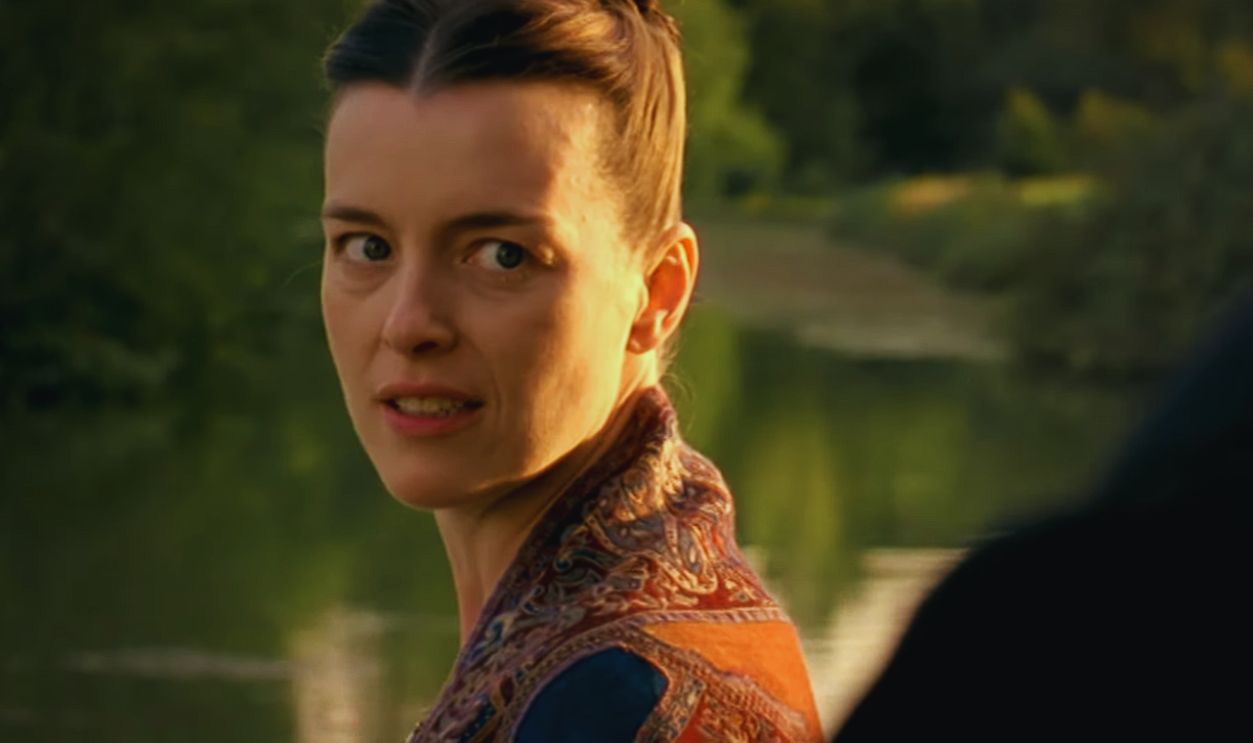
Learning from her experience with Richard Crosby, Jane Austen was much smarter when trying to get any other novels published, most of which she did during the 1810s. Still, while they each found their own success, she remained unknown to the majority of her readers. This was because English society at the time saw women writing as no more than a hobby and looked down on those who tried to take it up professionally.
This wasn’t the only risk she was taking, though.
 Screenshot from Miss Austen Regrets, BBC One (2008)
35. She Was A Massive Hit
With the exception of Pride and Prejudice, Jane published all her novels on commission, meaning she bore the majority of any financial risk. Thankfully, this was a gamble that paid off every time, such as with Sense and Sensibility, which became a favorite among the elite and earned her enough to enjoy at least some independence.
Bizarrely, she still managed to make a name for herself—even without her actual name.
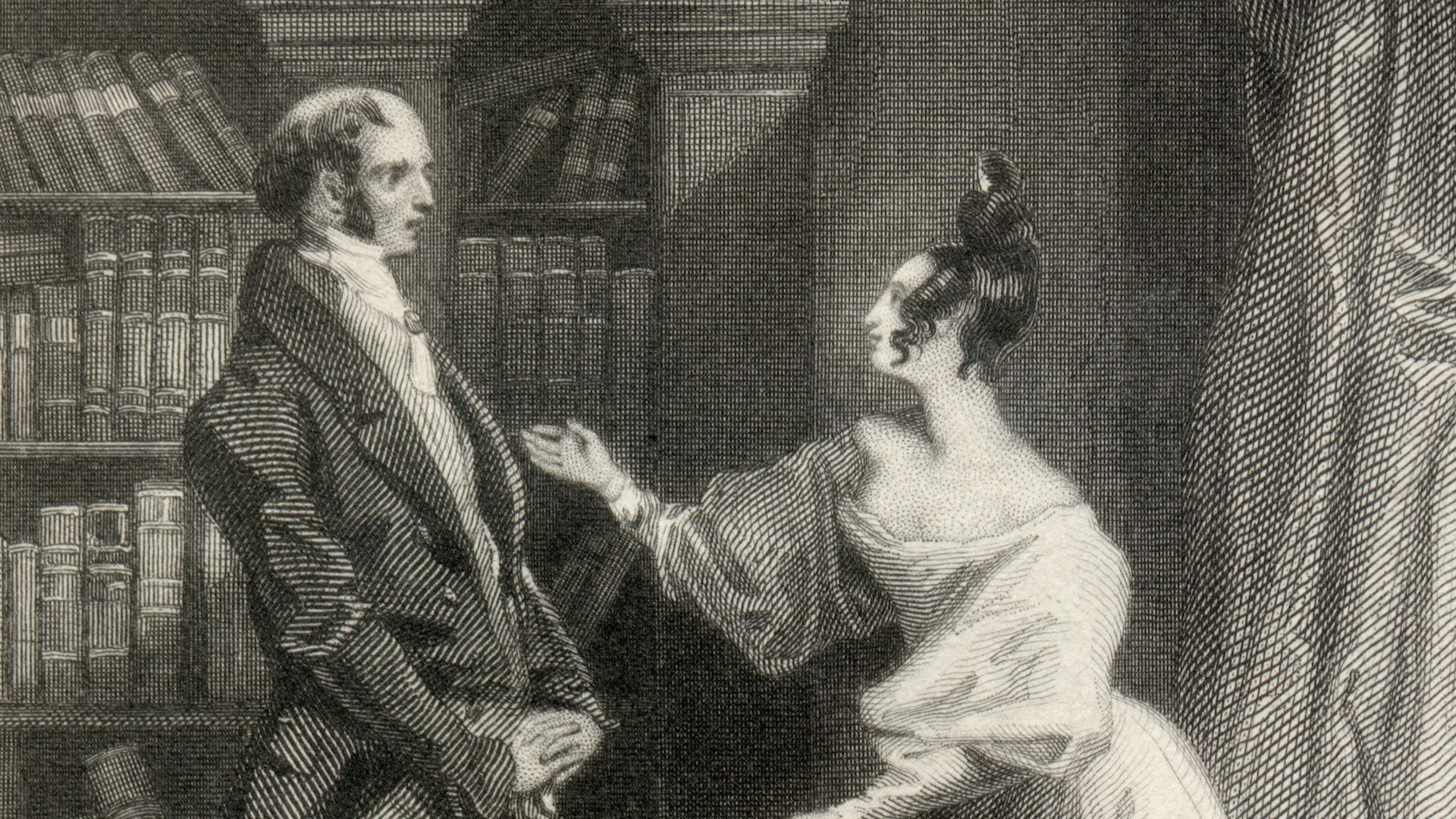 Pickering & Greatbatch, Wikimedia Commons
36. She Developed A Reputation
Since Jane Austen wasn’t able to use her name when publishing her first couple of novels, the only credit she received was that newspapers would say her books were written “By a Lady”. However, she still became famous in a small way at the time, as her later novels all appeared with the description, “By the author of Sense and Sensibility”.
With this fame in mind, one choice caused her to miss out on even more success.
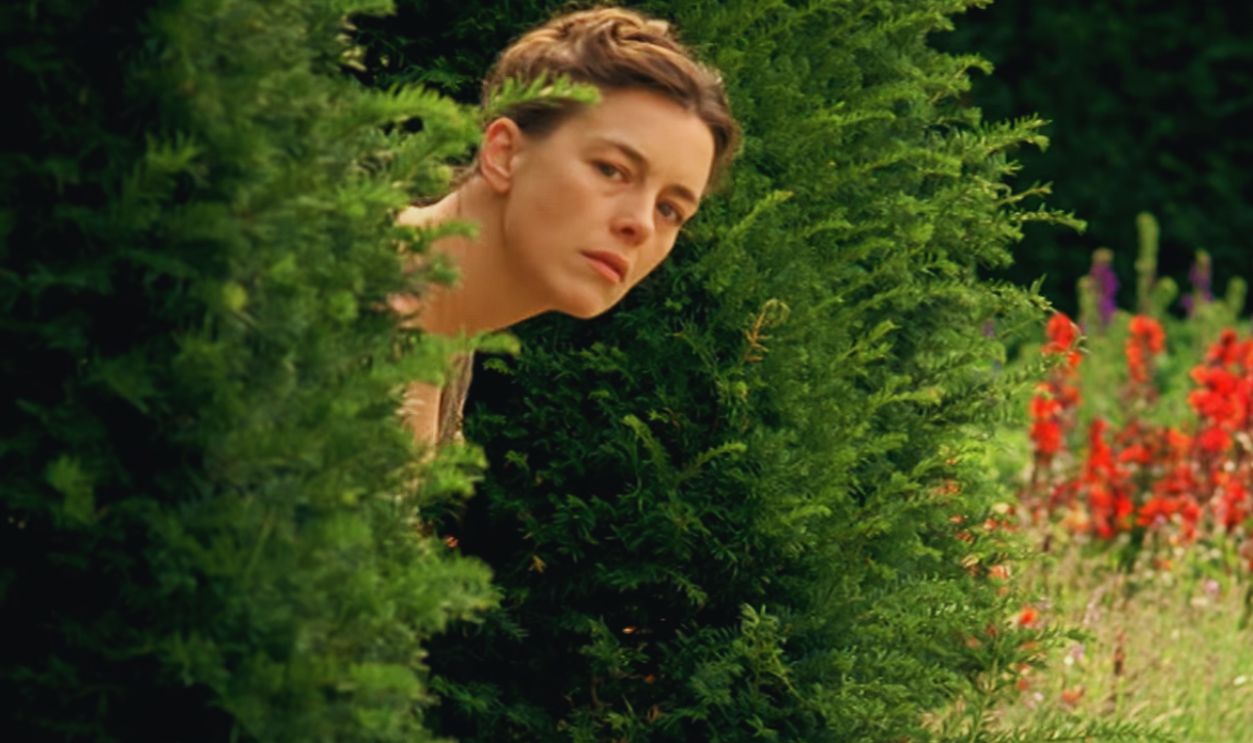 Screenshot from Miss Austen Regrets, BBC One (2008)
37. She Could Have Made More
Unlike the rest of her novels, Jane chose to sell the copyright for Pride and Prejudice to publisher Thomas Egerton, and while the story became one of her most successful, this was one of her biggest mistakes. With the sales and reviews it garnered, selling the novel on commission would have earned her at least double the amount her father had made in an entire year.
Regardless, her works became the talk of England—even among the highest nobility.
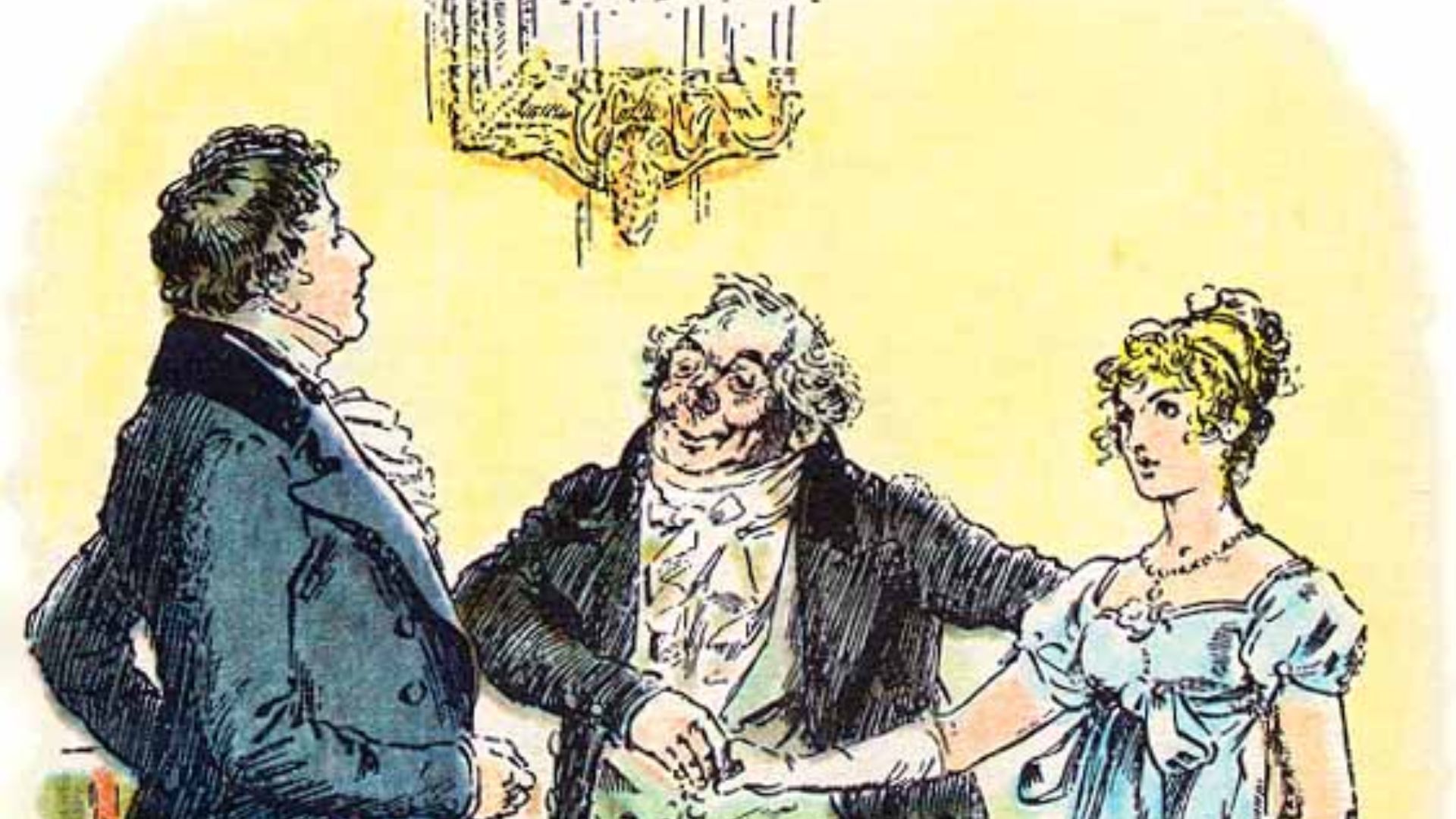 Charles Edmund Brock, Wikimedia Commons
38. She Had A Famous Fan
Although none of her books carried her name, Jane Austen couldn't remain completely anonymous, especially to those with the resources to uncover any secret. Receiving an invitation from royal librarian James Stanier Clarke in 1815, Jane discovered that the Prince Regent, George VI, had become obsessed with her work and wanted her to visit his London residence.
On the other hand, she wasn’t the biggest fan of his highness.
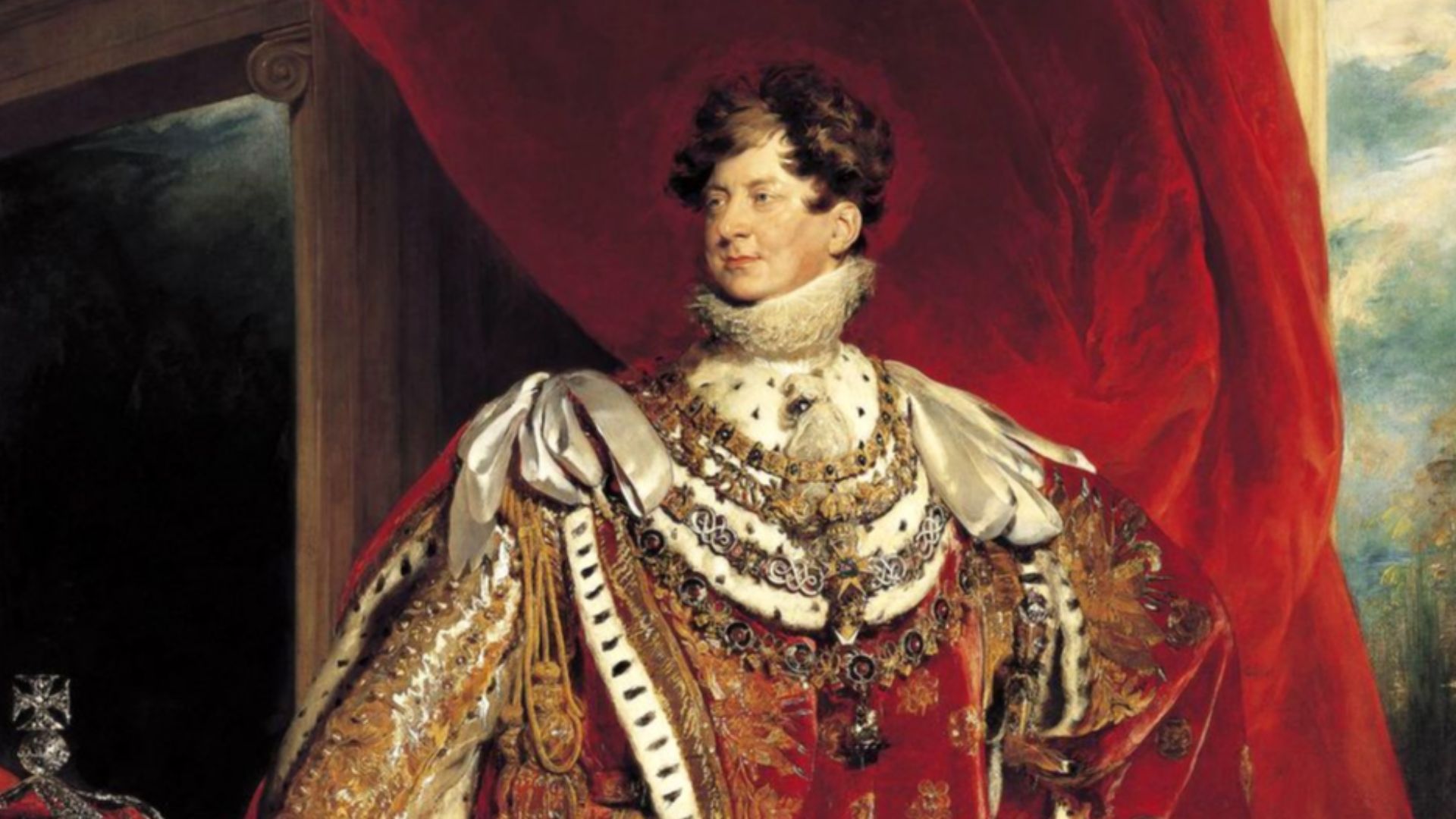 Thomas Lawrence, Wikimedia Commons
39. She Was Reluctant
Jane accepted the Prince Regent’s invitation and visited his Carlton House, but something didn’t sit right. She had long felt a disdain for the royal’s unruly behavior, such as his excessive drinking, womanising, and gambling, so this visit wasn’t much fun for her. Adding insult to injury, the royal librarian found out she was writing her next novel, Emma, and urged her to dedicate it to the Prince Regent.
Annoyingly, this wasn’t where the suggestions ended.
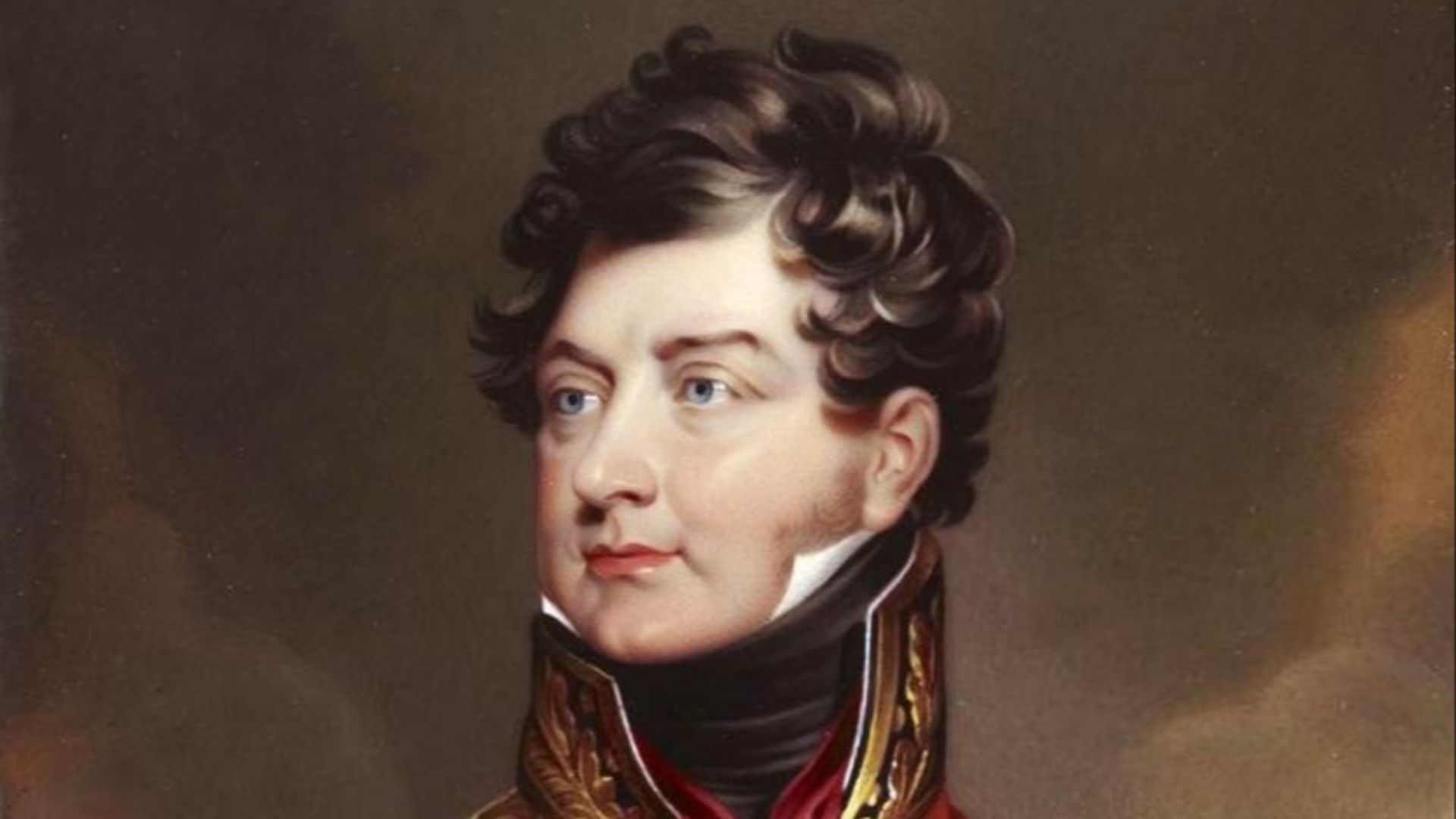 Henry Bone / After Thomas Lawrence, Wikimedia Commons
History's most fascinating stories and darkest secrets, delivered to your inbox daily.
40. She Took His Advice
Finding the royal librarian pretentious and self-important, Jane Austen hoped that her visit would be the last she heard from him—but she was sorely mistaken. He sent letters bombarding the author with “advice” for another novel, so in revenge, she gave him exactly what he wanted. Writing the satirical Plan of a Novel, According to Hints from Various Quarters, she used all his unsolicited suggestions to create what he believed would be the “perfect novel”.
Soon enough, however, she would be nearing the end of her career.
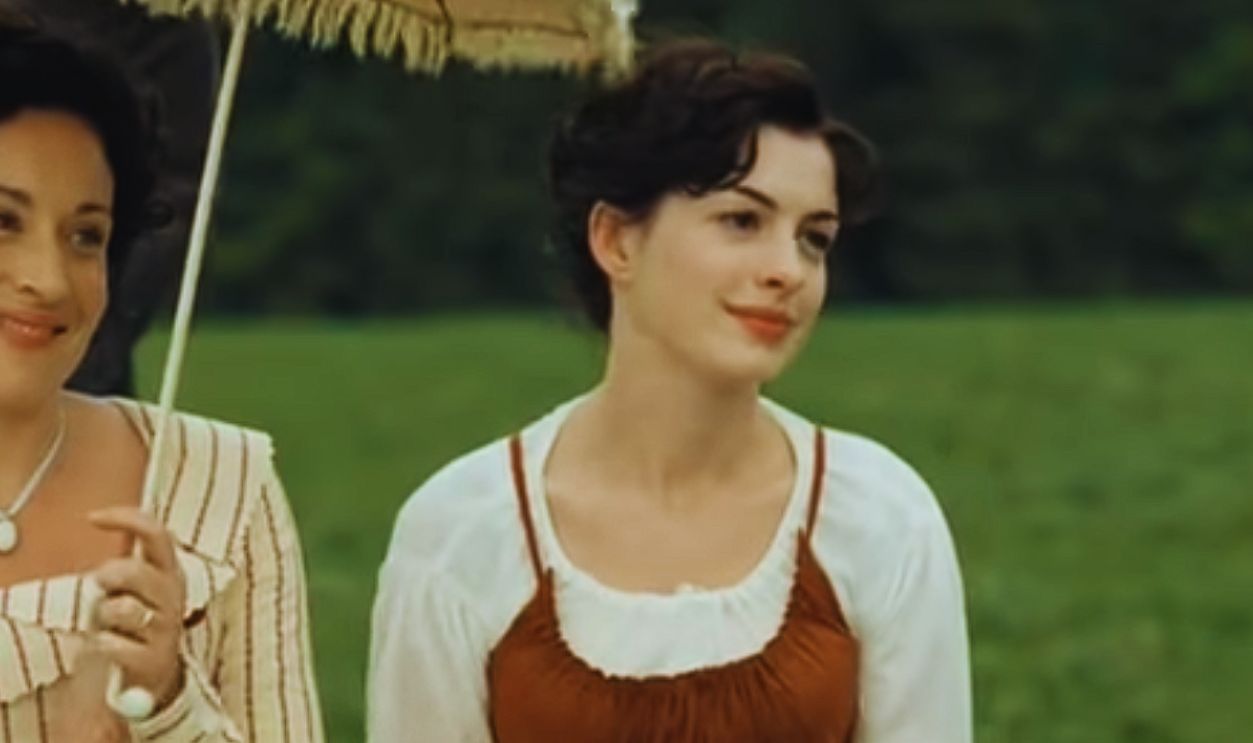 Screenshot from Becoming Jane, Miramax Films (2007)
41. She Didn’t Release Any More
Taking her talents to another, more popular publisher in London, Jane Austen released Emma with a begrudging dedication to the Prince Regent. Following this up with another edition of her previous book, Mansfield Park, Jane unknowingly rounded out her career as she published no other novels for the rest of her life.
As she would soon discover, though, life hadn’t finished throwing hardships her way.
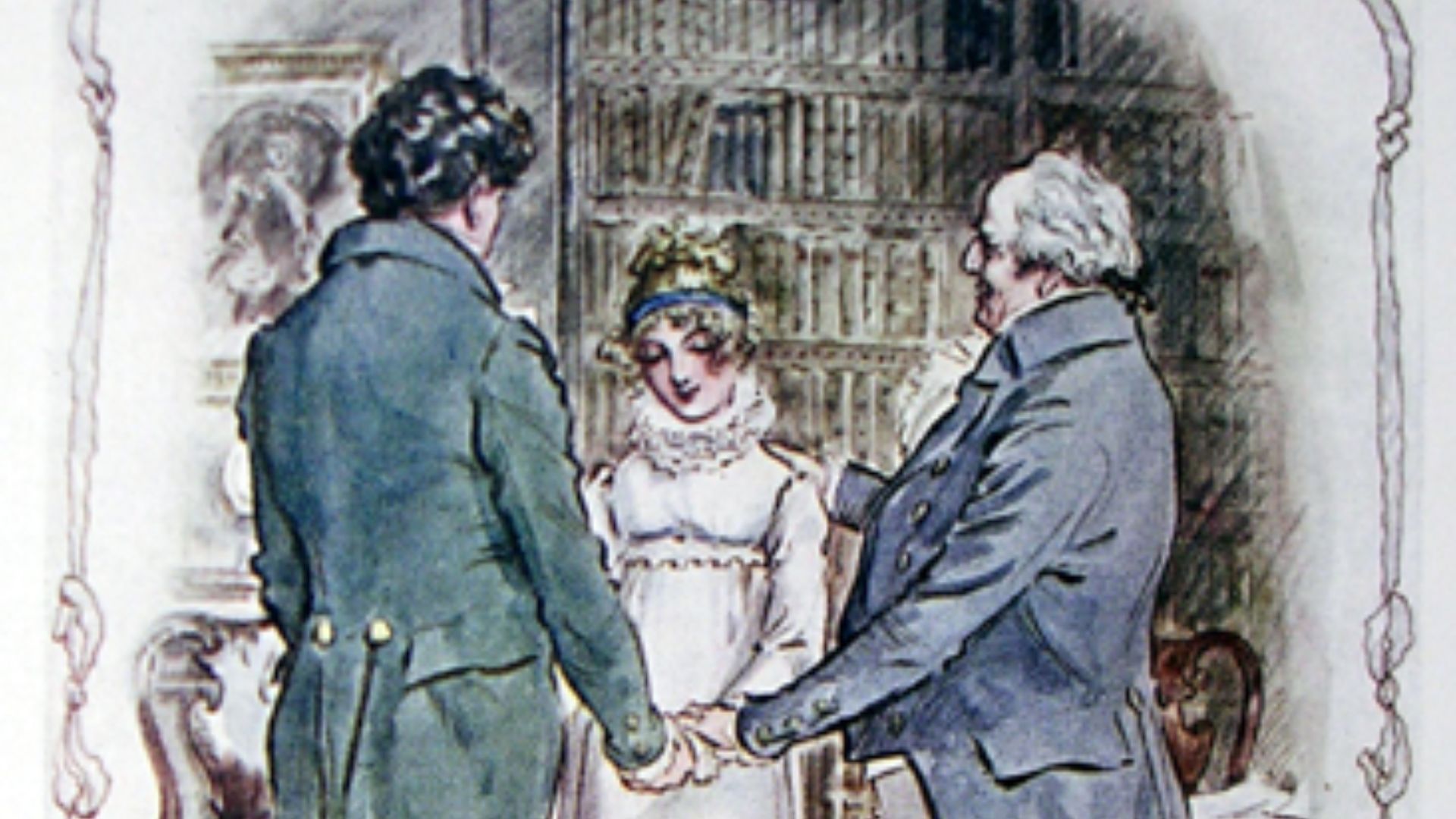 C. E. Brock (died 1938), Wikimedia Commons
42. She Had To Put It Off
Although she had published the last of her novels, Jane Austen continued to write for another year, during which she began crafting a story titled The Elliots. She completed the first draft of this new novel, but that’s unfortunately where she had to leave it. After several runs of bad luck, her brothers could no longer support the family, so Jane’s focus shifted to helping out in any way she could.
Sadly, this wouldn’t be the only thing in her way before long.
 C. E. Brock (died 1938), Wikimedia Commons
43. She Wasn’t Feeling Well
In 1816, Jane Austen had a lot on her plate to prevent her from working on her new novel, but before the year was over, she would be physically unable to continue. What started as a mild sickness took a turn for the worse within a few months, spiraling down even further after the news that her uncle had passed and left all his money to his wife instead of Jane’s family.
In retrospect, experts have narrowed down what may have been ailing her.
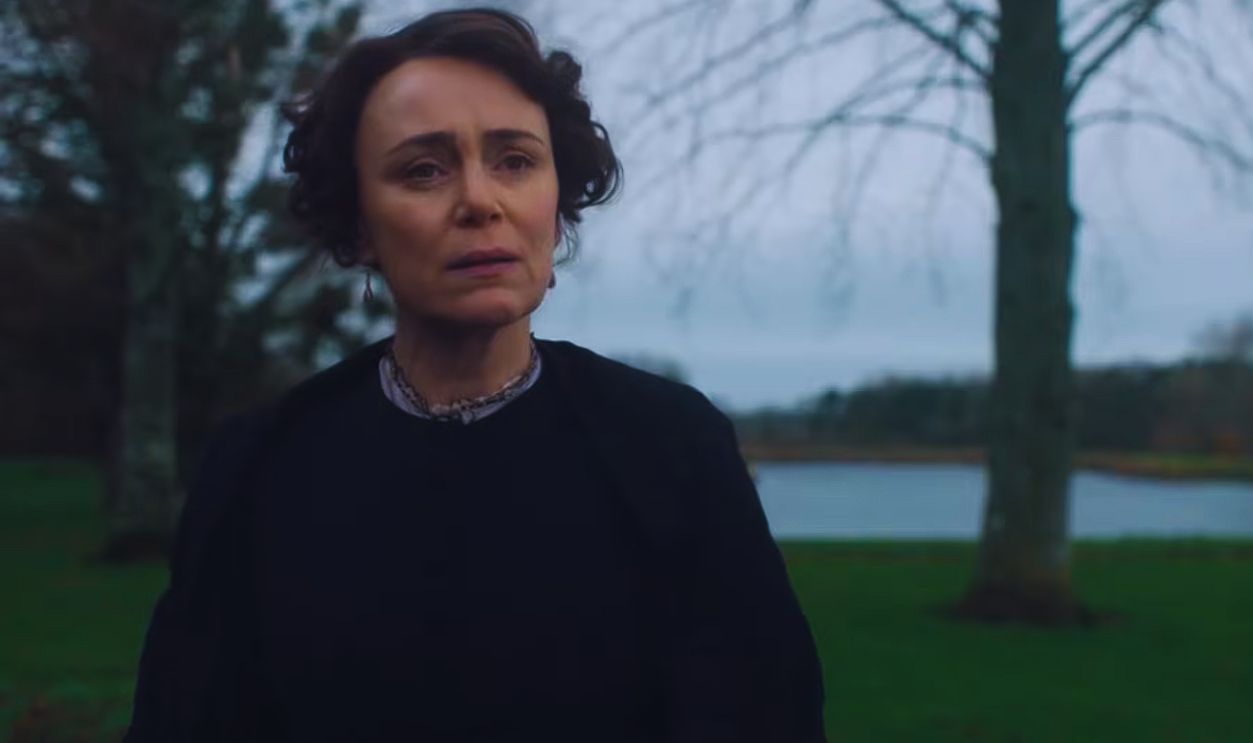 Screenshot from Miss Austen, BBC One / PBS Masterpiece (2025)
44. They Figured Out What She Had
Jane’s doctors may have had an idea what sickness she was suffering from, but even if they did, there are no surviving documents to give any sort of conclusion. Thankfully, many experts have looked back at her case, including Dr Zachary Cope, who retroactively diagnosed her with Addison's disease in 1964.
Not one to give up without a fight, Jane turned to her greatest love in life.
 Screenshot from Miss Austen, BBC One / PBS Masterpiece (2025)
45. She Tried To Keep Writing
Despite her deteriorating health, Jane Austen hadn’t lost the spark of creativity that drove her to keep writing, and she continued doing so for as long as she could. With her tenacity, she found the strength to finish The Elliots and even wrote 12 chapters of a new novel titled The Brothers, but she could only hold out for so long.
All the while, she never let her illness get the better of her.
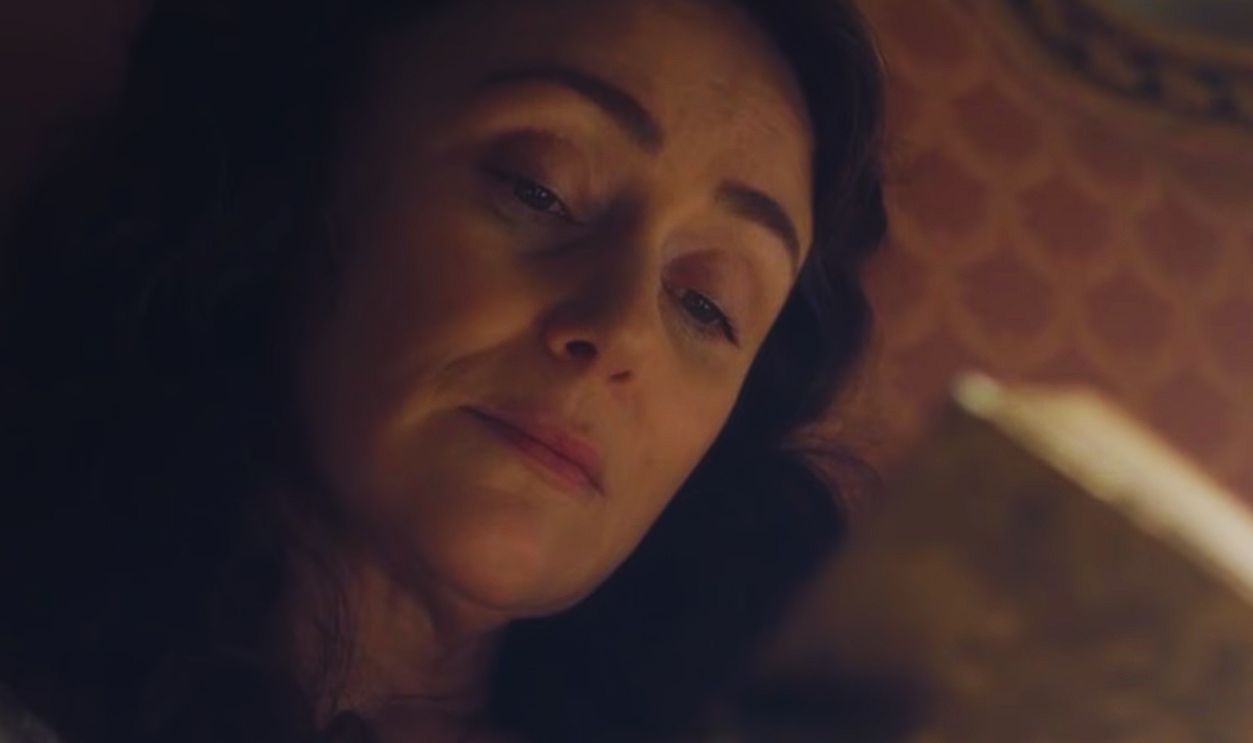 Screenshot from Miss Austen, BBC One / PBS Masterpiece (2025)
History's most fascinating stories and darkest secrets, delivered to your inbox daily.
46. She Kept Her Spirits Up
As Jane’s condition continued to decline, it was as if all of her strength was draining away, and she soon couldn’t walk without assistance. By April 1817, she had lost nearly all ability to function independently and instead lay confined to her bed, but she wouldn’t admit how bad her illness was. Throughout her final weeks, she often referred to her condition as nothing more than rheumatism or bile.
Finally, she received the recognition she had deserved all along.
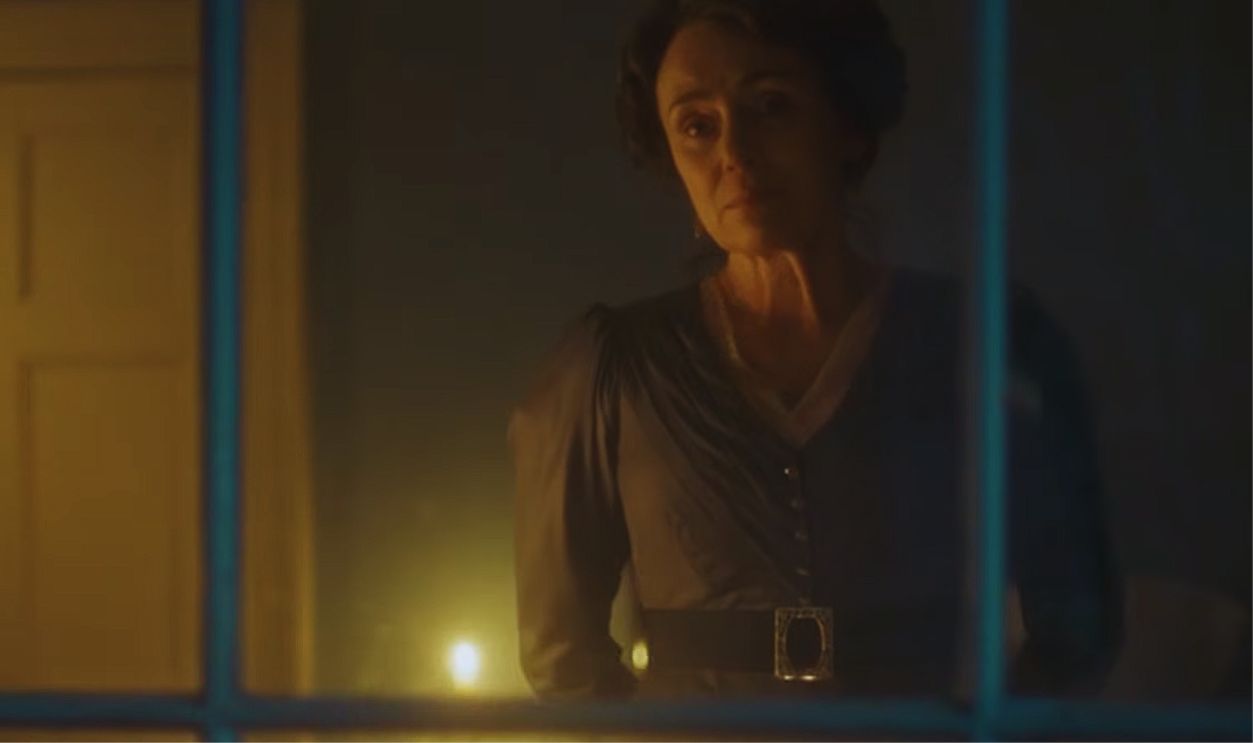 Screenshot from Miss Austen, BBC One / PBS Masterpiece (2025)
47. He Gave Her The Credit
Jane never recovered, and on July 18, 1817, she tragically passed and left The Brothers unfinished, although it would still eventually make it to print. However, immediately after her passing, her family was able to publish both Susan and The Elliots—under the new titles, Northanger Abbey and Persuasion, respectively. Furthermore, Henry included a Biographical Note naming Jane as the author of her work for the first time.
In a bizarre twist, while Jane’s brother was making her famous, her sister started erasing her.
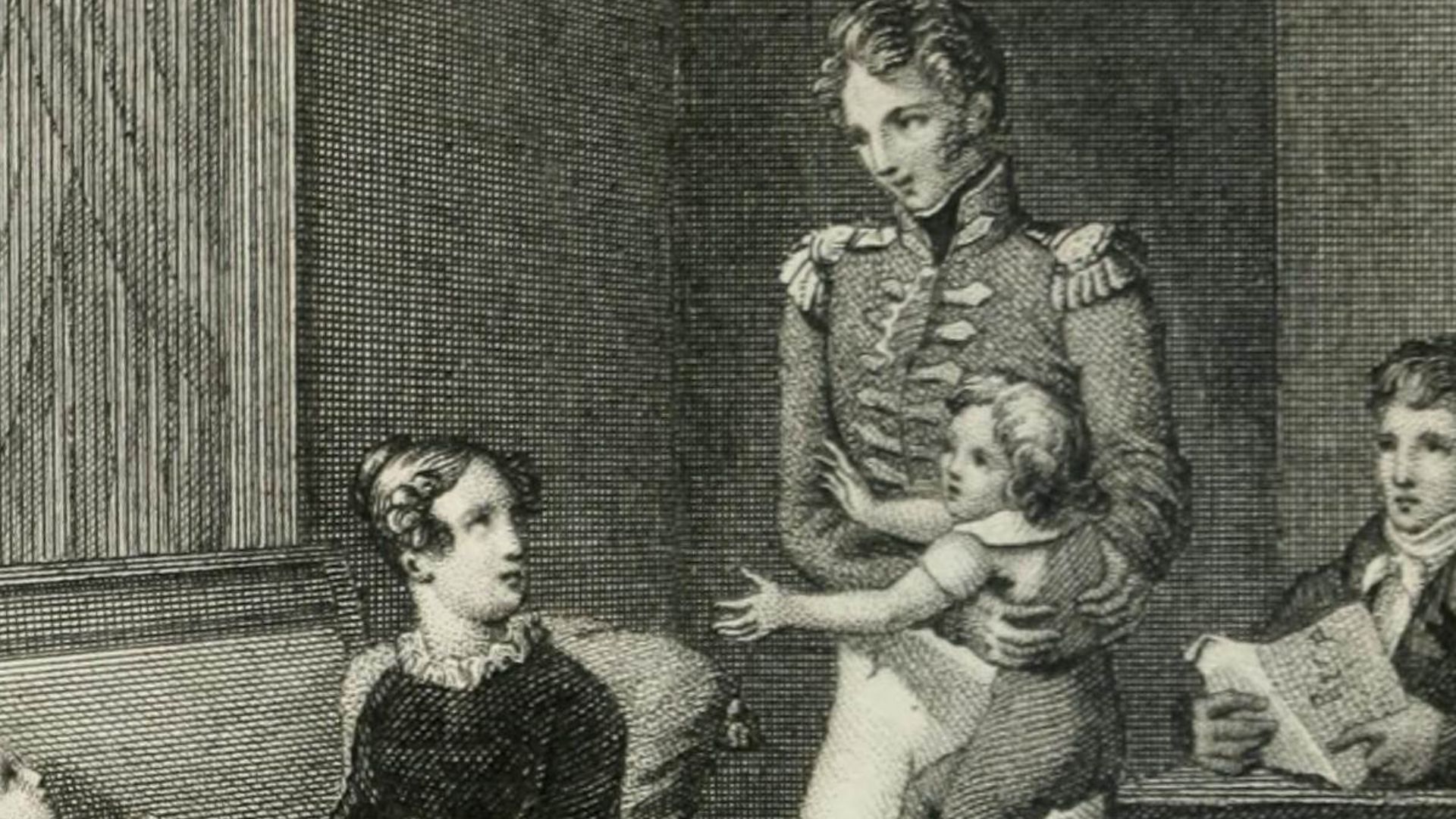 Unknown authorUnknown author, Wikimedia Commons
48. She Got Rid Of Them
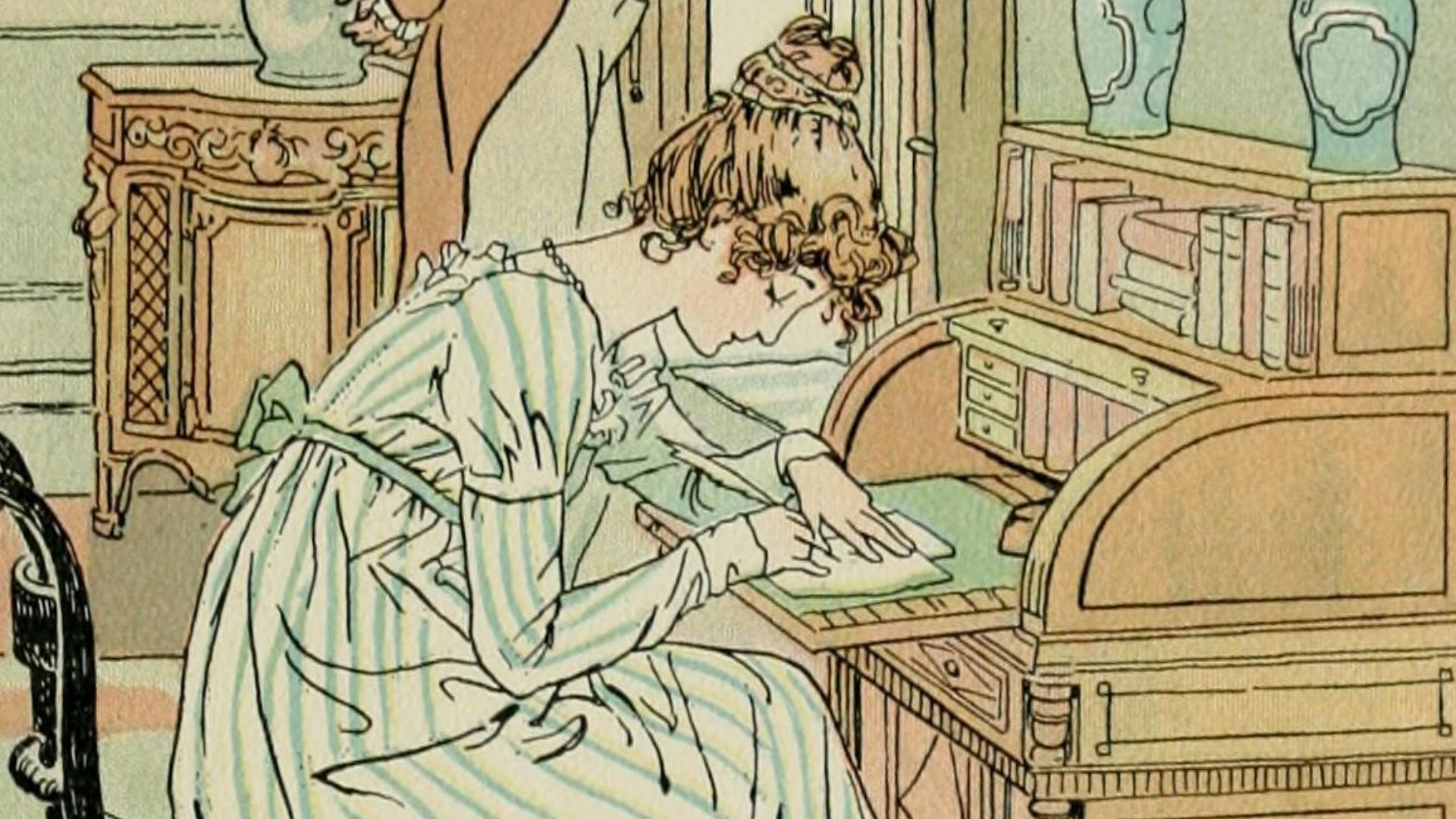
Although Jane became a highly successful, albeit anonymous, author in life, and even a celebrated one after her passing, there remains a scarcity of information about her life. This is largely due to Cassandra burning many of their letters, and similarly, her motive is a mystery to this day. According to historians, the widely accepted theory is that her sister was trying to protect her family from reading some of Jane’s more brutally honest messages.
In their place, Cassandra left an image of Jane that was all but a stranger.
 Internet Archive Book Images, Wikimedia Commons
49. They Wanted To Cover Her Up
Cassandra’s decision to destroy Jane’s letters may have had some good intentions behind it, but it ultimately painted a picture of her sister that couldn’t be further from the truth. Without them showing her real personality, her family was free to portray her as they saw fit, turning Jane into a mild-mannered woman, content with nothing more than a domestic life.
Nevertheless, Jane’s true image would shine through her work.
 Screenshot from Miss Austen, BBC One / PBS Masterpiece (2025)
50. She Made Her Mark
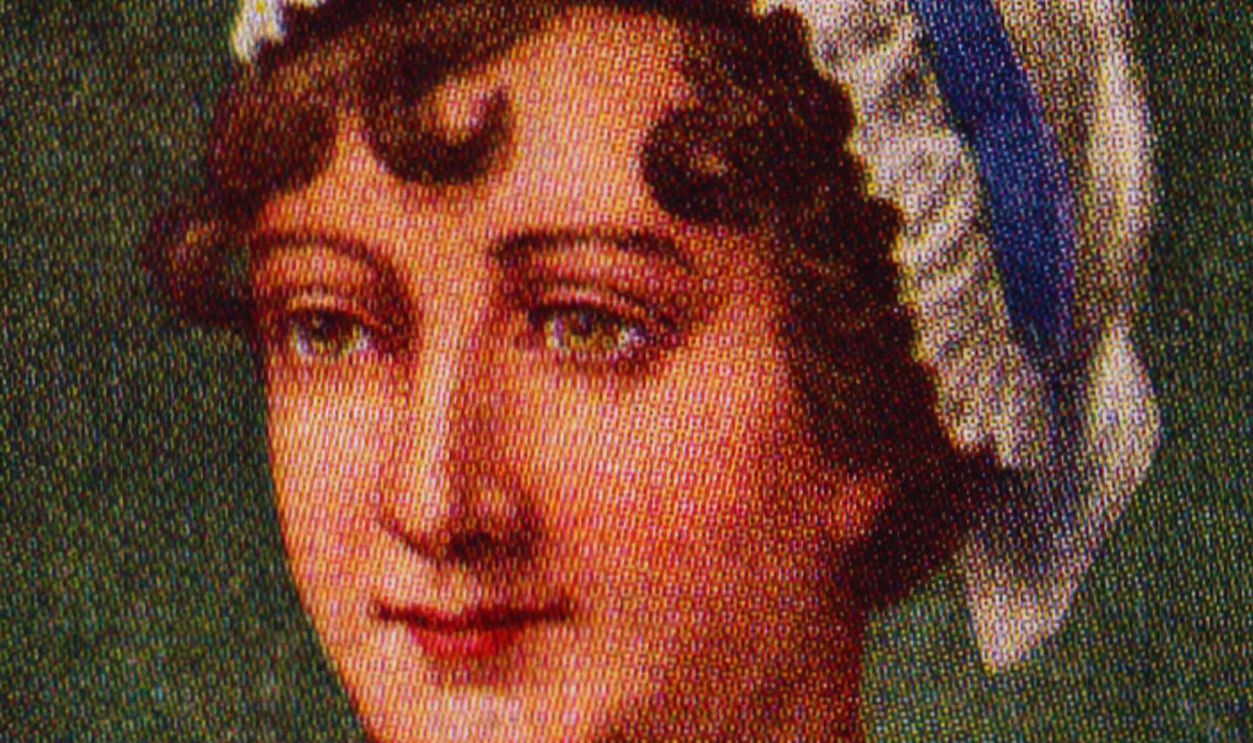
While some of Jane’s family may have wanted her to appear to the world as someone who wouldn’t rock the boat, the identity she wove into her work told a different story. With every novel, she challenged the status quo around her, whether it was the societal roles of women or the typical novels of sensibility. Helping usher in the concept of realism in literature, it's no wonder that Jane Austen is still such an important subject for scholars in the modern day.
 Universal History Archive, Getty Images
You May Also Like:
Innovative Facts About Fanny Burney, The Rebel Writer
Heart-Wrenching Facts About Harriet Spencer, Countess of Bessborough
Sultry Facts About Claudia Cardinale, The Beauty With Bravado










_hires.jpg%20)
