When The Name Outlives The Invention
Inventors usually dream about creating something that lasts. A few did something even stranger: they created names that lasted longer than their original creations. Their machines were rebuilt, redesigned, computerized, miniaturized, or made obsolete—but somehow, generations later, we are still casually saying their names.
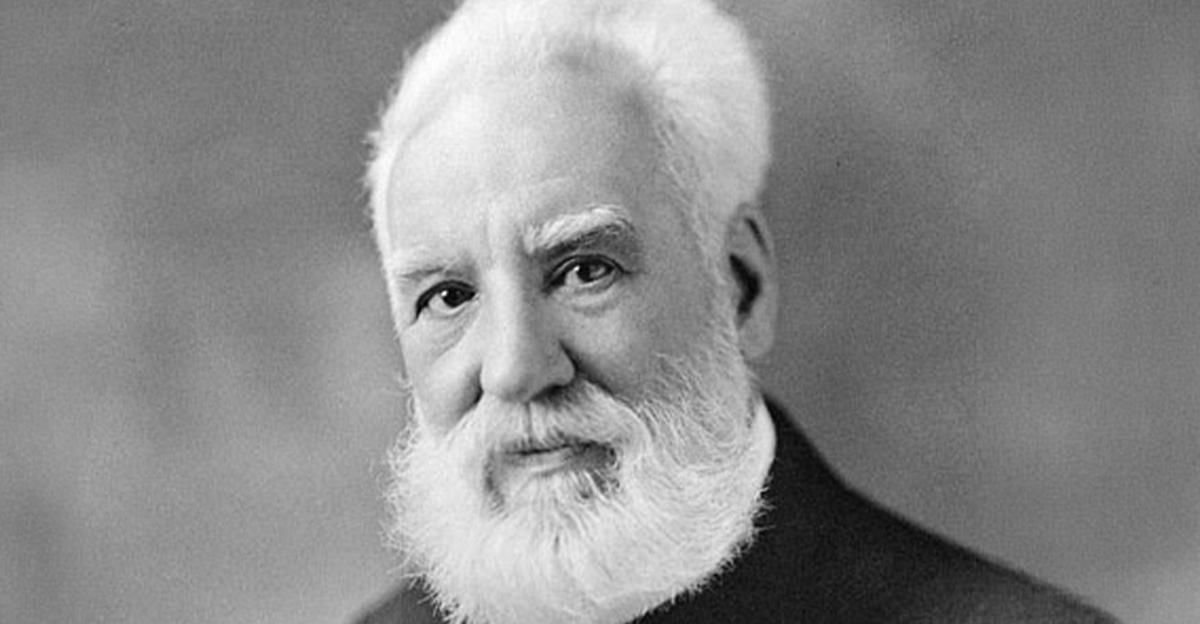 Moffett Studio, Public domain, via Wikimedia Commons
Rudolf Diesel Built A Very Different Engine
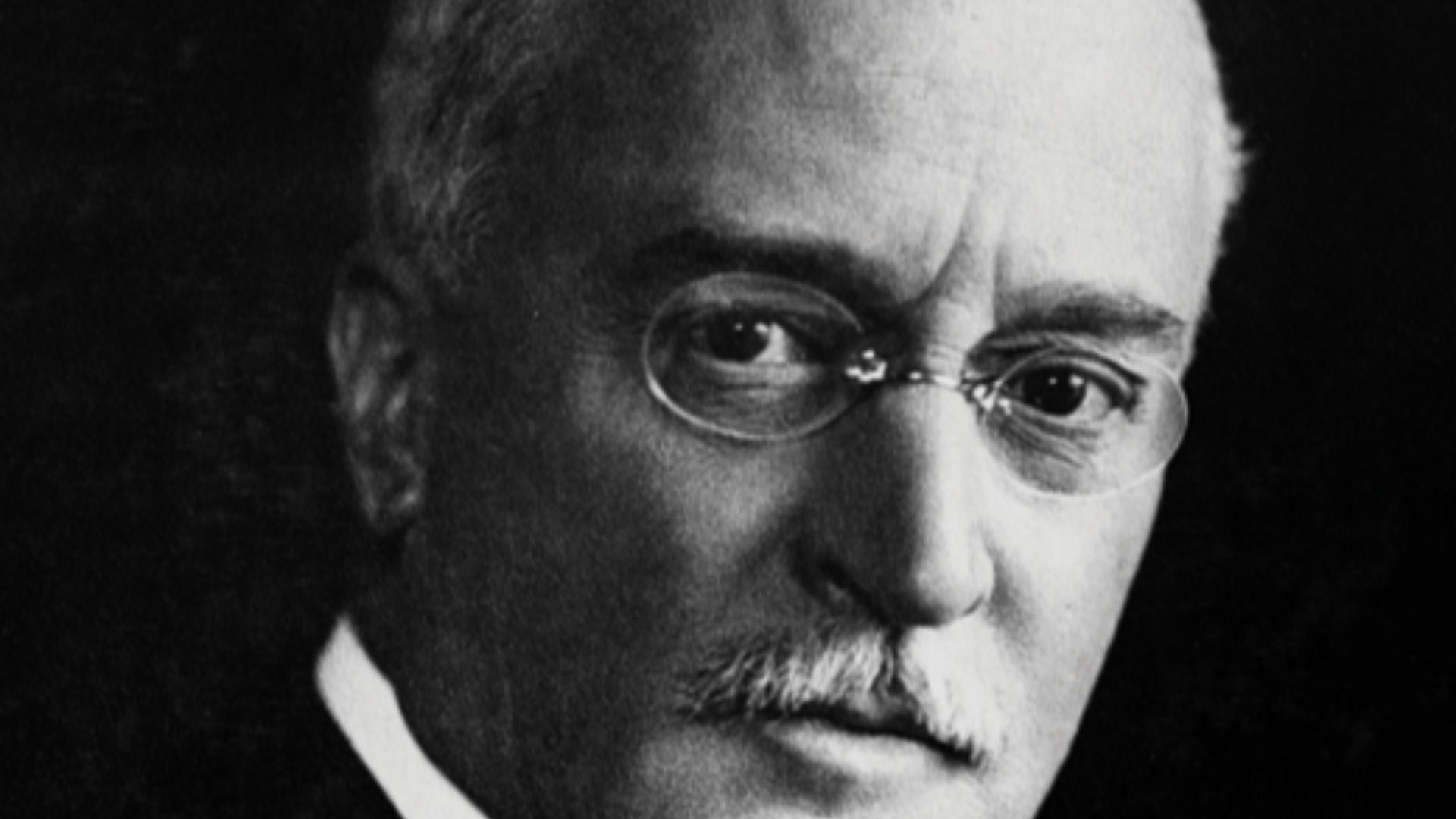
Rudolf Diesel developed his compression-ignition engine in the 1890s, dreaming of a highly efficient alternative to existing engines. Modern diesel engines have turbochargers, electronic fuel injection, emissions systems, and computer controls he never imagined. Yet every diesel pickup, locomotive, and generator still carries Rudolf’s surname.
 Unknown authorUnknown author, Wikimedia Commons
Louis BrailleBecame An Entire Language
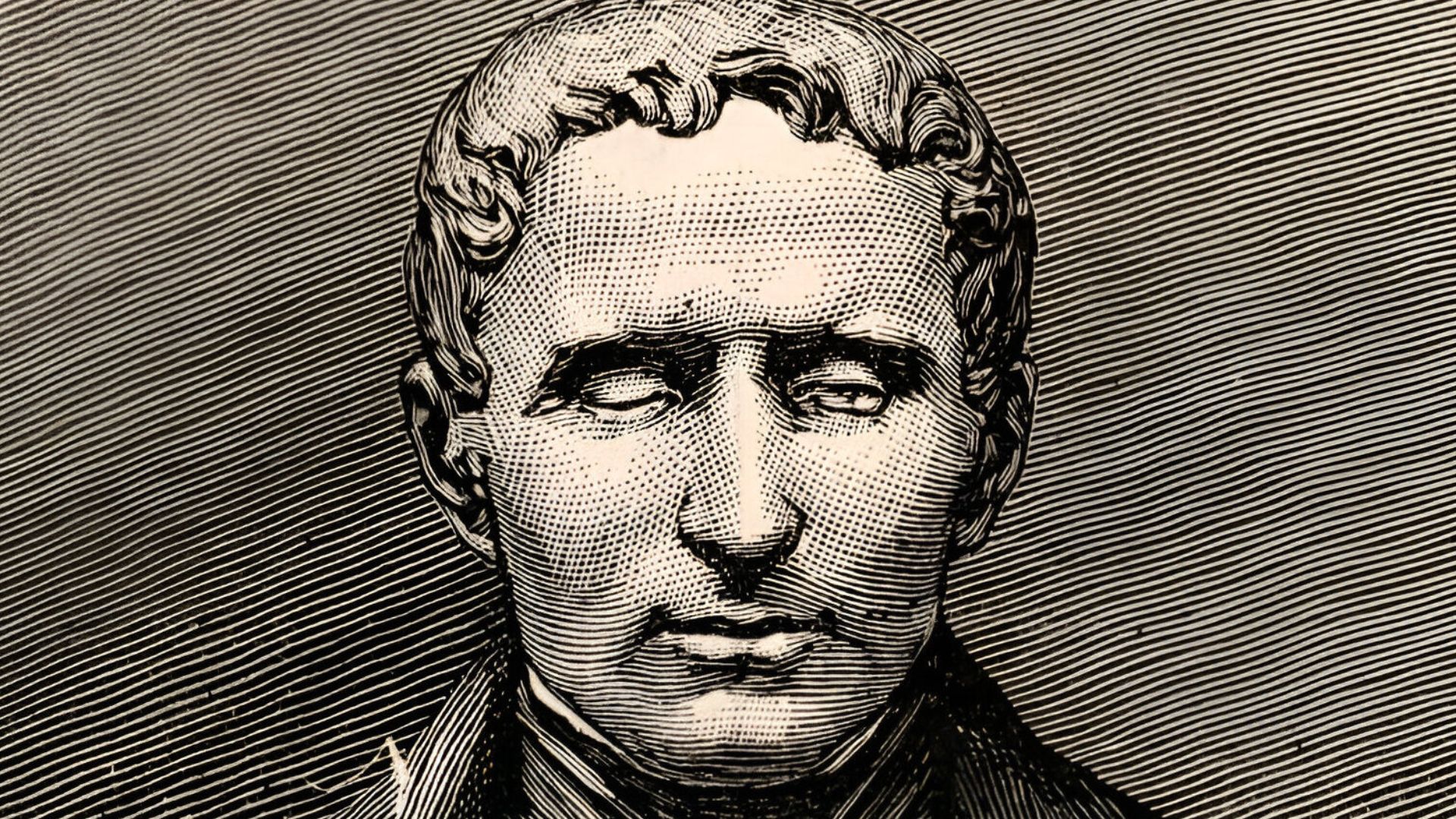
Louis Braille created his raised-dot writing system while still a teenager. The basic six-dot idea remains recognizable, but braille has expanded into mathematics, music, computers, refreshable electronic displays, and standardized codes covering many languages. His surname stopped belonging to one invention and became the word for an entire way of reading.
 Henri Thiriat, Wikimedia Commons
Samuel Morse’s Code Did Not Stay Samuel Morse’s Code
Samuel Morse’s name became permanently attached to dots and dashes, although the story is more complicated than schoolbooks suggest. Other contributors helped develop the system, and International Morse Code eventually differed from the American version. Telegraph machines mostly disappeared, but “Morse code” survived them.
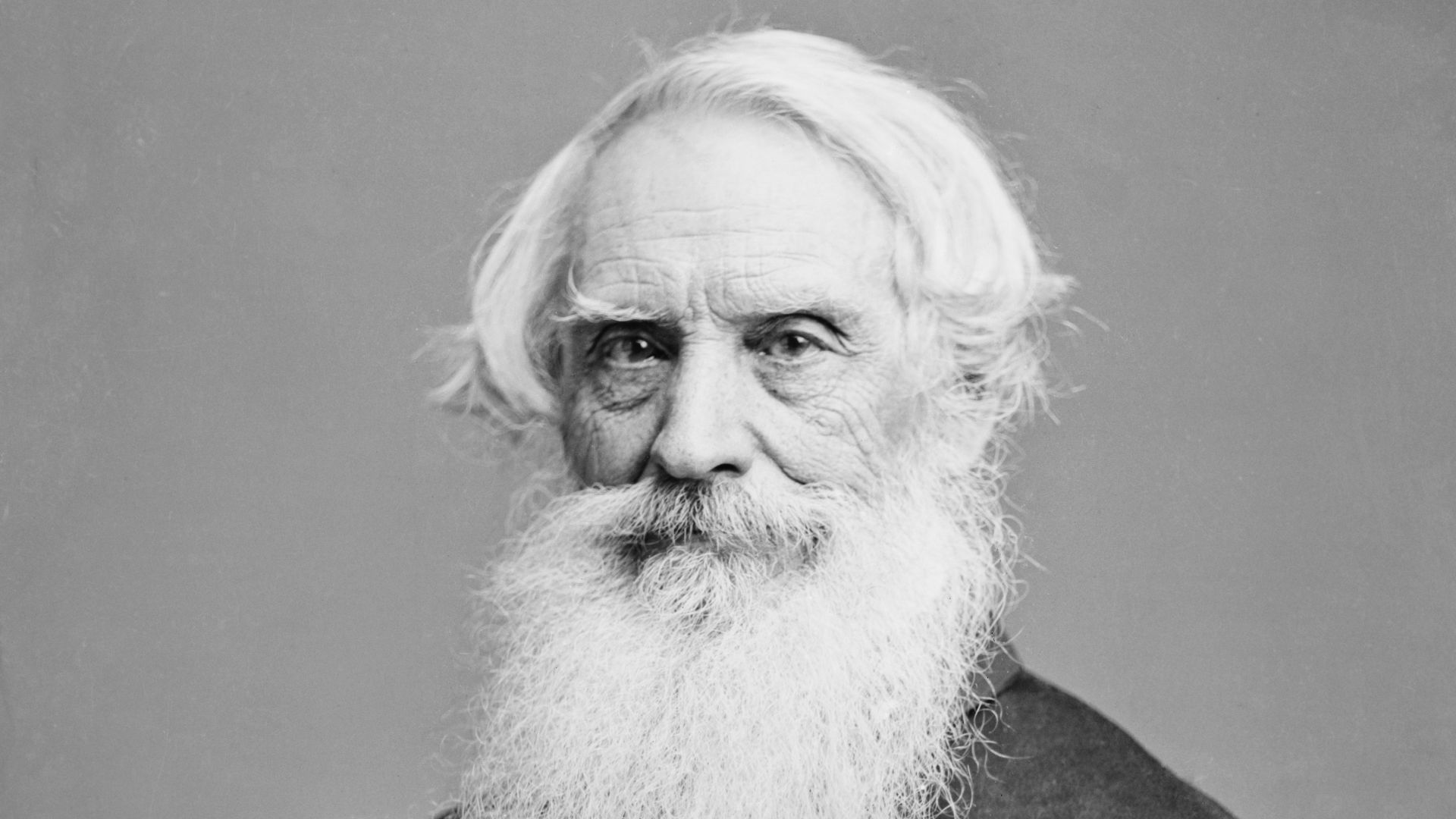 Mathew Benjamin Brady, Wikimedia Commons
George Ferris Created Something Much Smaller
George Washington Gale Ferris Jr. designed the enormous wheel built for Chicago’s 1893 World’s Columbian Exposition. Today’s observation wheels can have climate-controlled cabins, sophisticated braking systems, computers, and structures dwarfing early versions. Yet people still happily call almost any rotating passenger wheel a Ferris wheel.
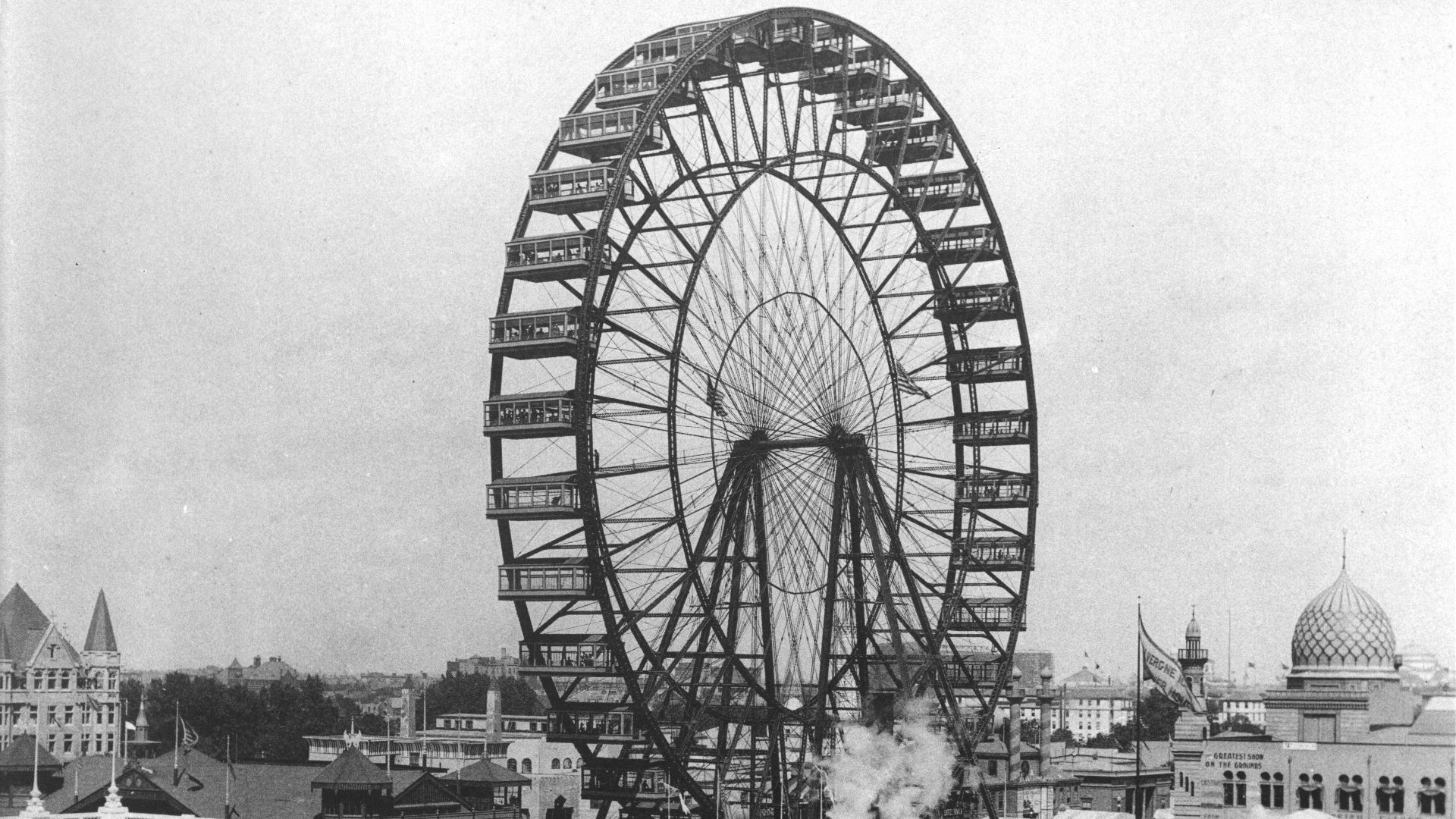 C. D. Arnold (1844-1927); H. D. Higinbotham, Wikimedia Commons
Ferdinand Zeppelin Became An Aircraft Type
Count Ferdinand von Zeppelin championed giant rigid airships built around internal frameworks. Those enormous hydrogen-filled machines belonged to another age, but his surname became so closely connected with the design that “zeppelin” became a general word for rigid airships. The technology faded dramatically. The name refused to.
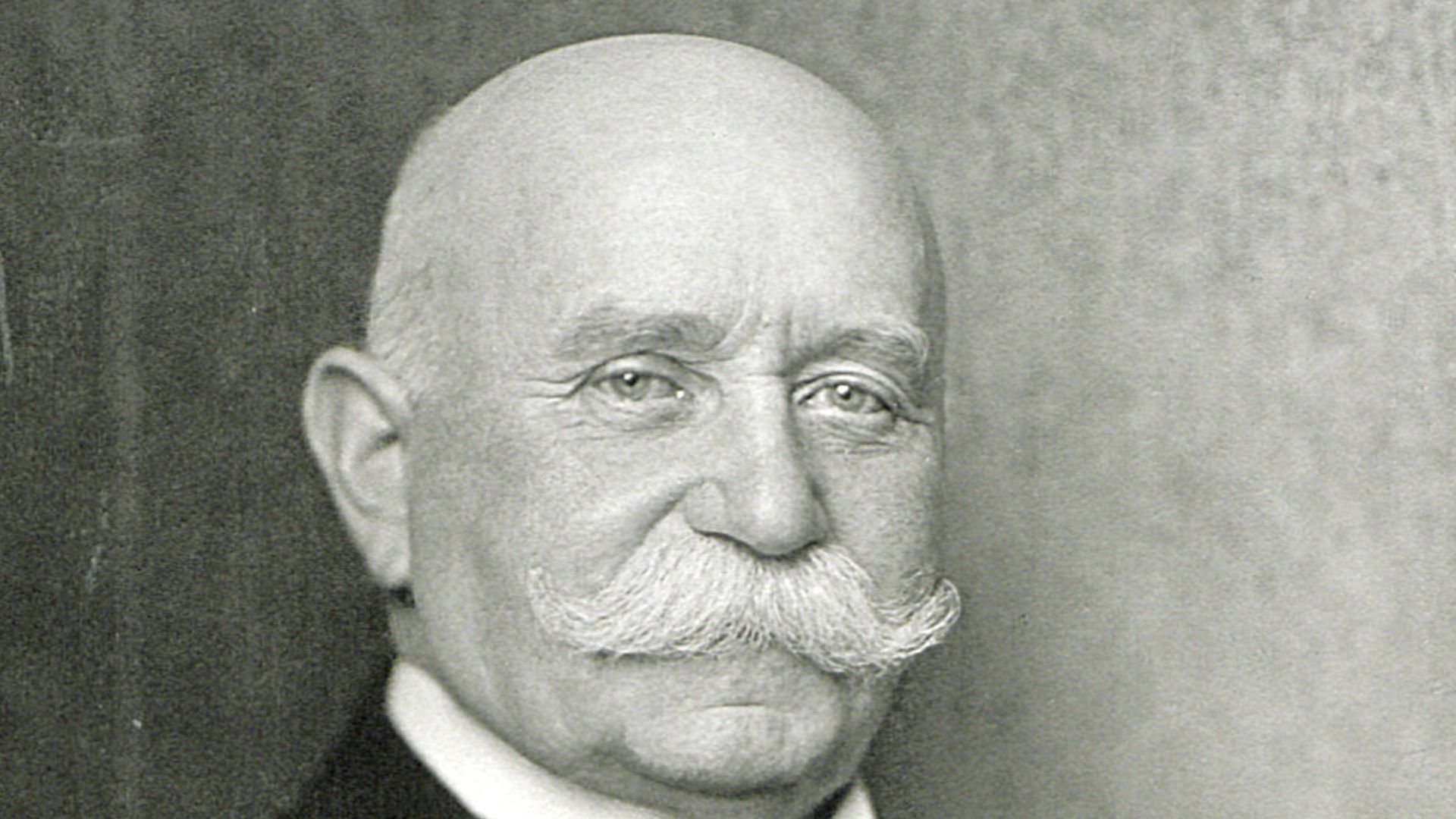 Nicola Perscheid, Wikimedia Commons
Richard Gatling’s Gun Lost Its Hand Crank
Richard Gatling patented his famous rotating multi-barrel gun during the American Civil War era. His version was manually cranked. Modern rotary weapons use electric or hydraulic power and can fire at astonishing rates. Despite that technological leap, people still regularly describe rotary weapons as Gatling guns.
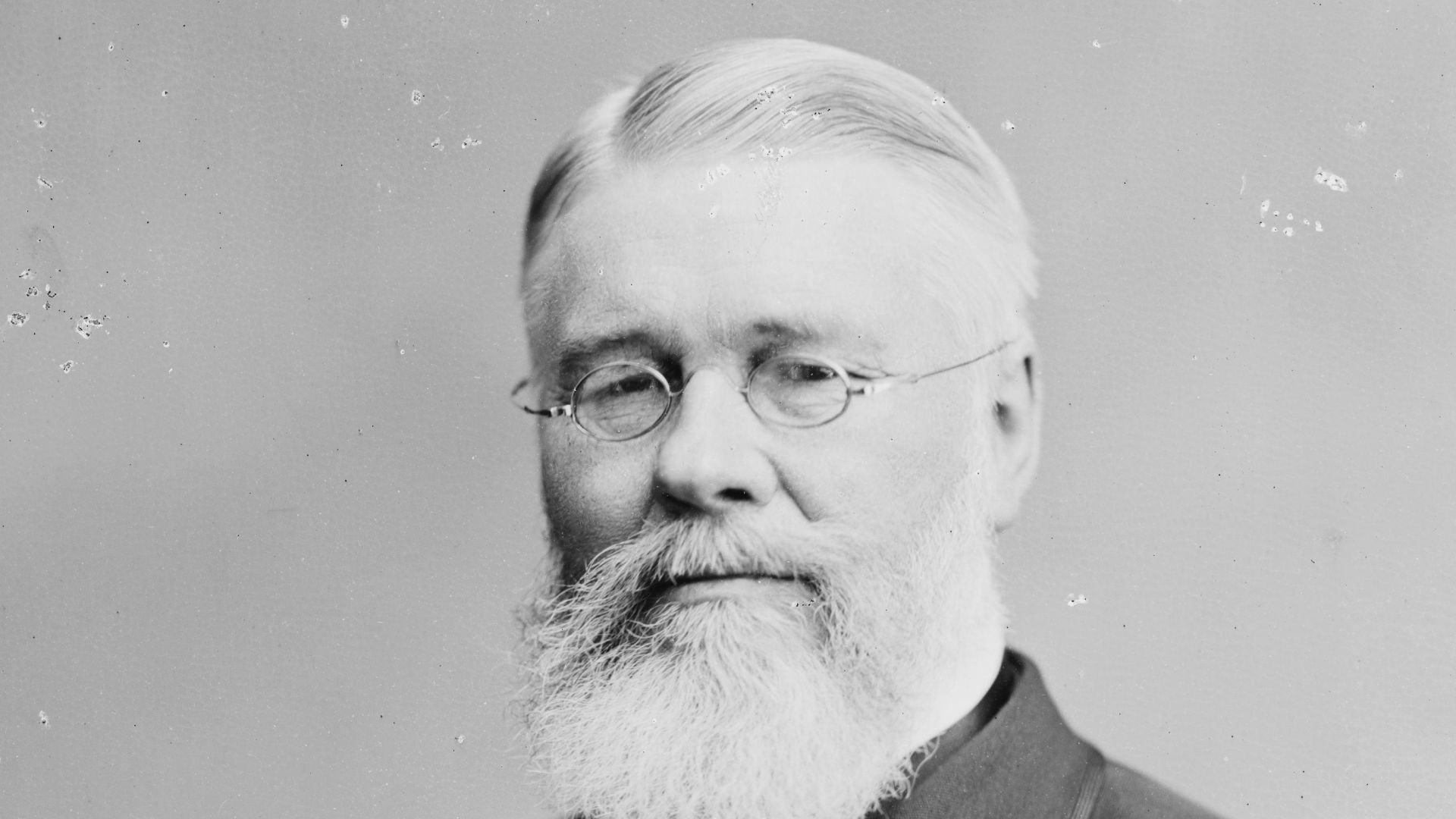 Mathew Benjamin Brady / Levin Corbin Handy, Wikimedia Commons
Henry Shrapnel Lost Control Of His Own Name
British officer Henry Shrapnel developed an artillery shell containing small projectiles that scattered over enemy troops. His actual shell eventually became obsolete. His surname did the opposite. Today, “shrapnel” commonly means flying fragments from explosions—even when those fragments have absolutely nothing to do with Shrapnel’s original invention.
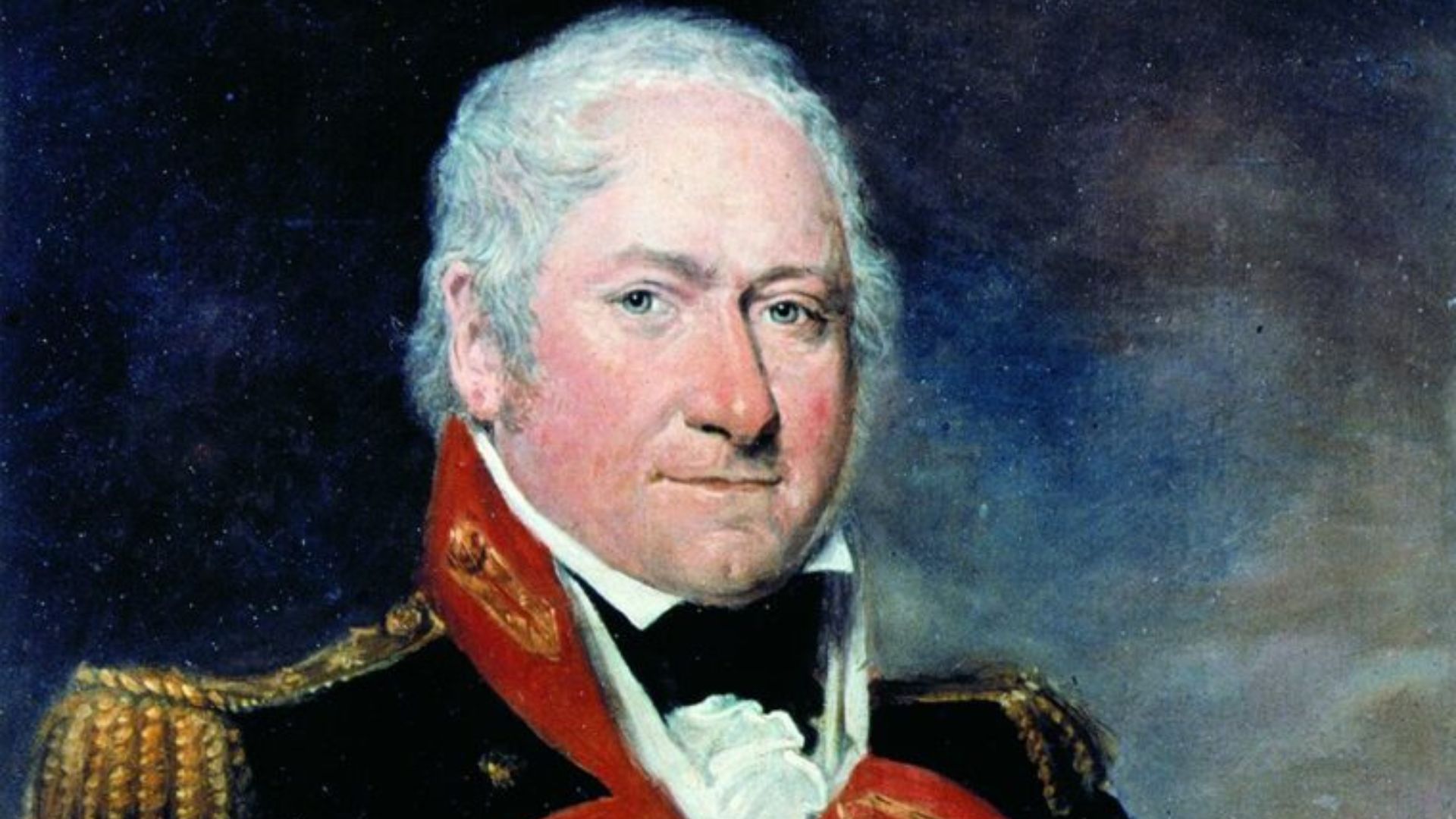 Unknown authorUnknown author, Wikimedia Commons
Jacuzzi Started With A Portable Pump
The Jacuzzi name now conjures luxurious bubbling hot tubs. The beginning was much simpler. Candido Jacuzzi developed a portable hydrotherapy pump, and the family later built jets directly into tubs. Heating, filtration, electronics, molded seats, lighting, and smart controls followed. The humble pump became an entire lifestyle.
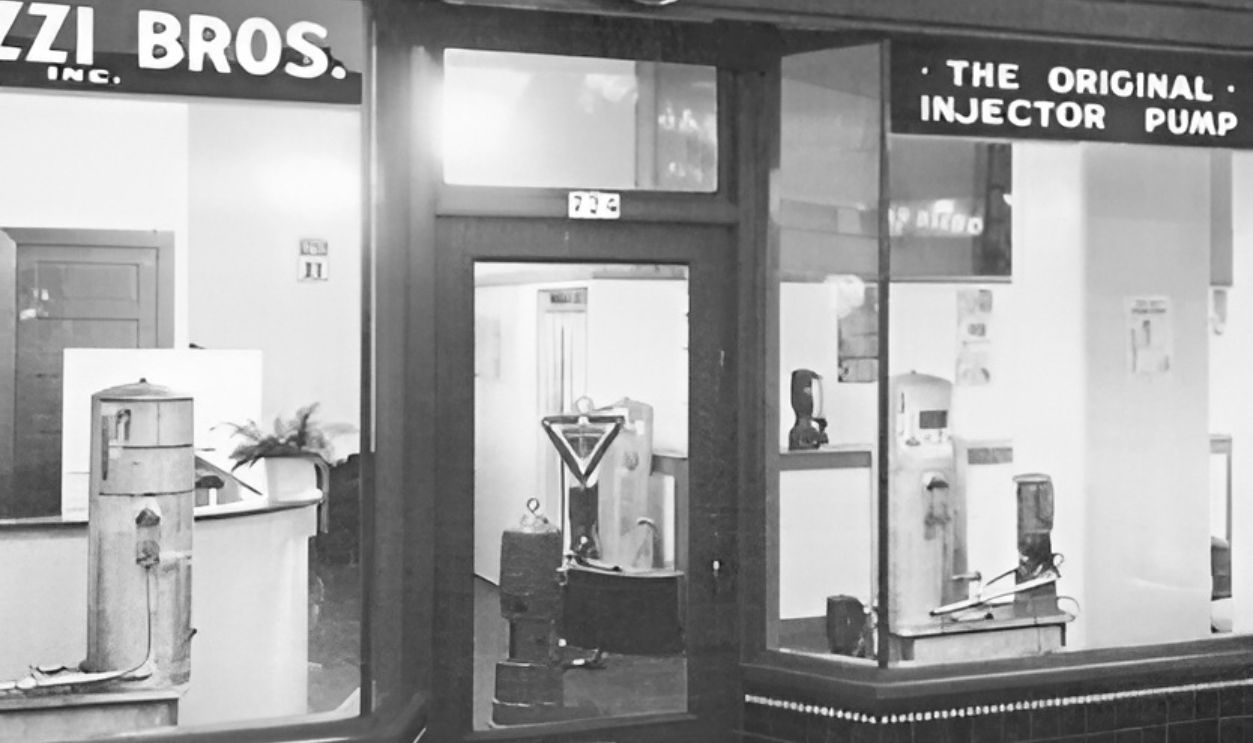 Jacuzzi, CC BY-SA 4.0, Wikimedia Commons, Enhanced
Louis Pasteur Never Saw Modern Pasteurization
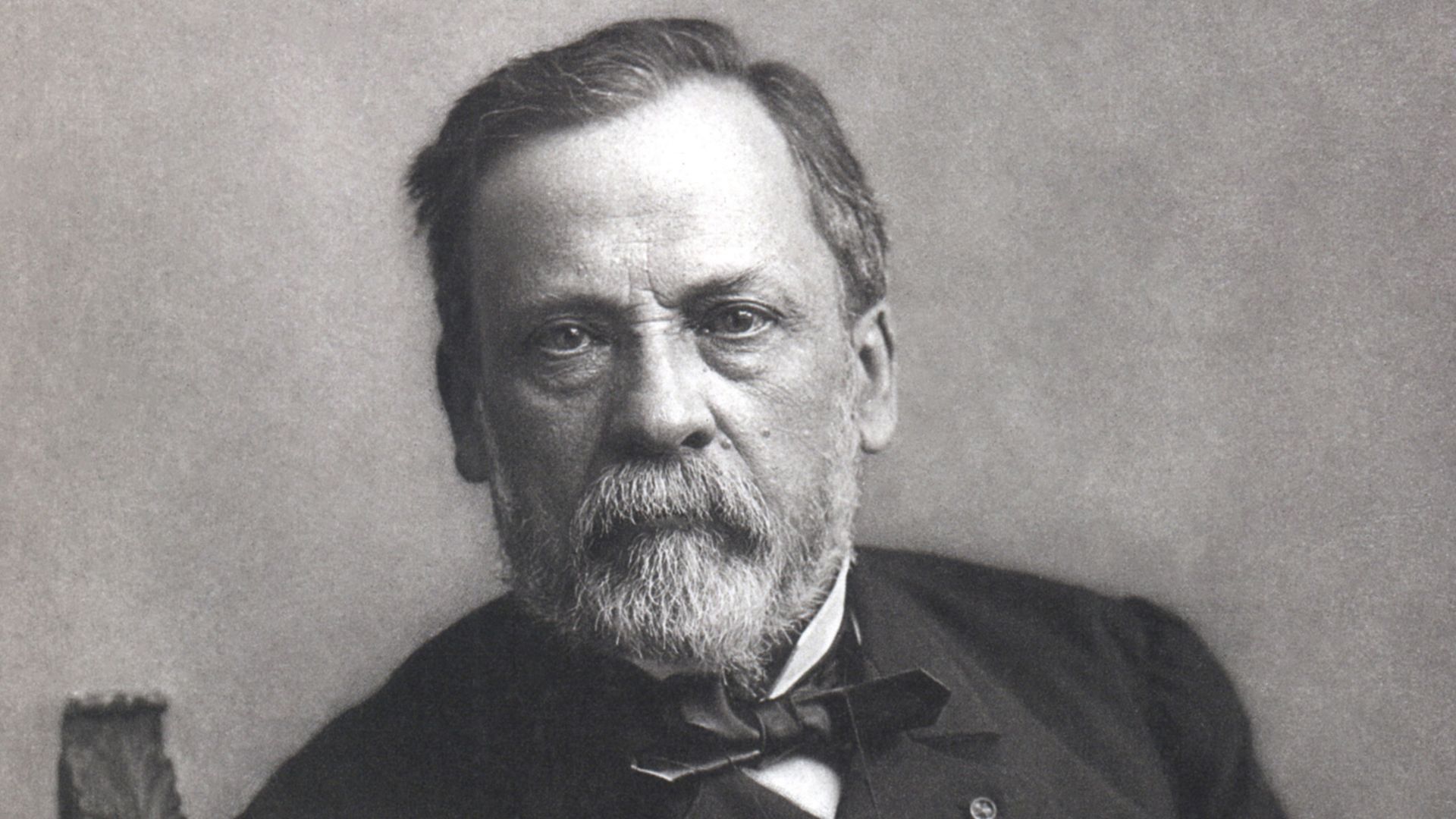
Louis Pasteur demonstrated that carefully heating liquids could reduce troublesome microorganisms, initially working with products such as wine. Modern pasteurization is industrial science, using precisely controlled combinations of temperature and time on milk, juice, eggs, and other foods. The machinery changed enormously. “Pasteurized” kept his name alive.
Elisha Otis Made Elevators Feel Safe
Elisha Otis did not invent the basic elevator. He developed a safety system that prevented a lift from plunging if its hoisting rope failed. Modern elevators use sensors, computers, sophisticated brakes, destination controls, and sometimes extremely fast motors. Otis remains one of the biggest names in vertical transportation.
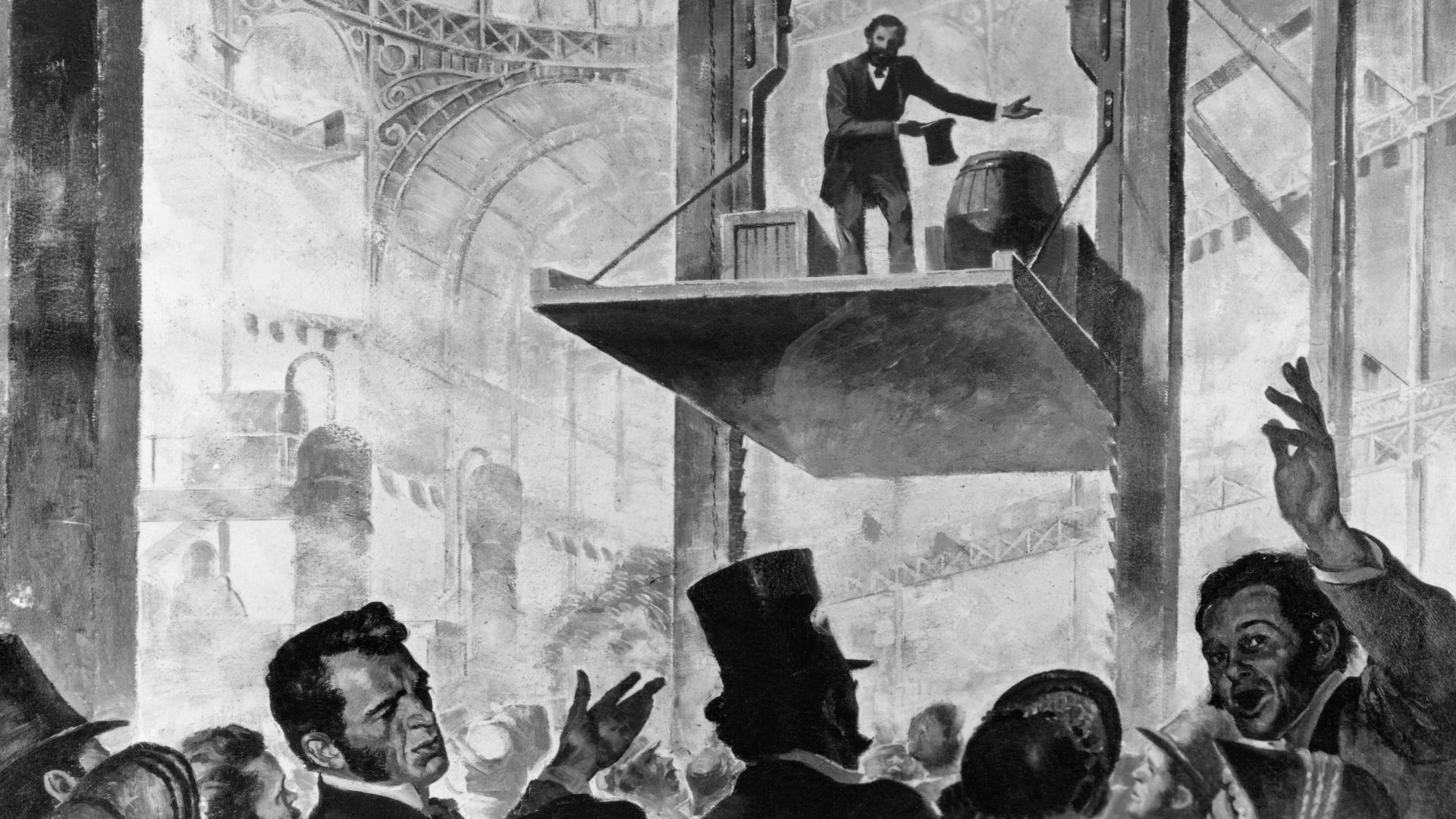 Unknown authorUnknown author, Wikimedia Commons
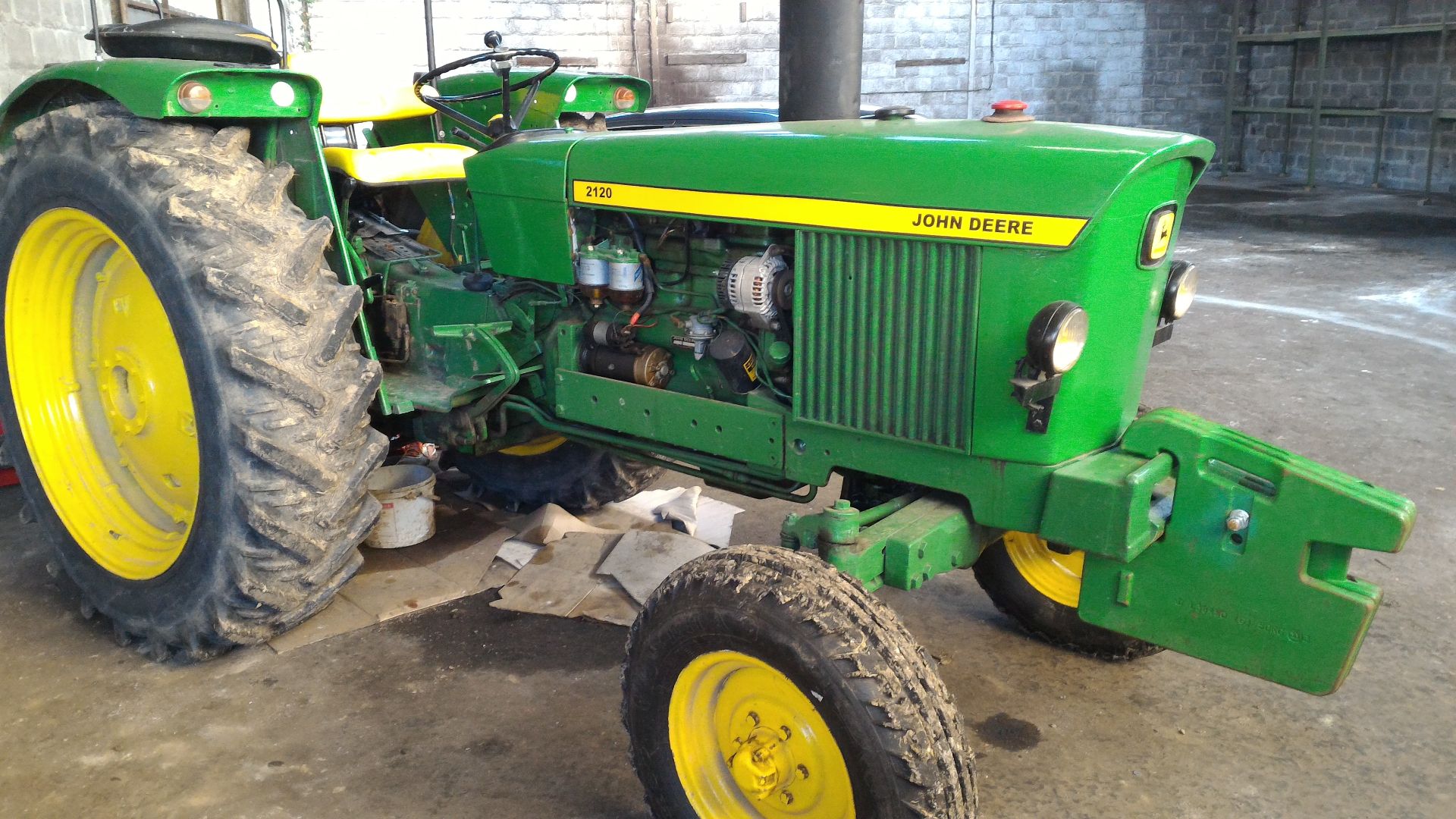
John Deere’s Name Escaped The Plow
John Deere became famous for a polished steel plow designed to handle sticky Midwestern prairie soil. Today, his name appears on enormous combines, construction machines, GPS-guided tractors, and increasingly automated equipment. Deere’s first machine was pulled through dirt. Machines bearing his name can practically drive themselves.
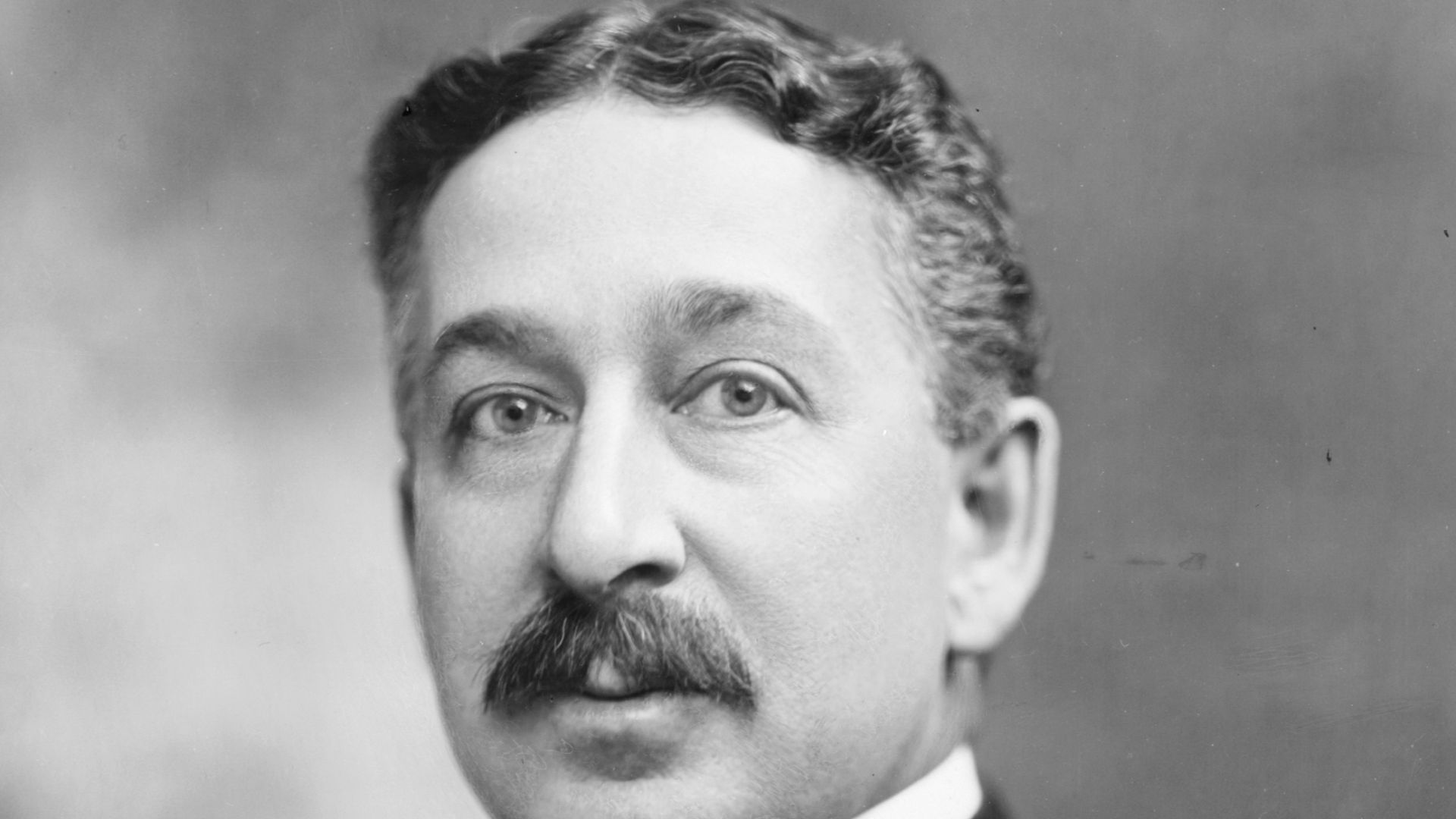
King Gillette Would Barely Recognize His Razor
King Camp Gillette’s breakthrough was an inexpensive, replaceable steel razor blade that eliminated the hassle of constantly sharpening a straight razor. Modern Gillette products have multiple blades, lubricating strips, pivoting heads, precision trimmers, and powered models. The hardware transformed while Gillette’s wonderfully unforgettable surname stayed put.
 Benjamin Joseph Falk, Wikimedia Commons
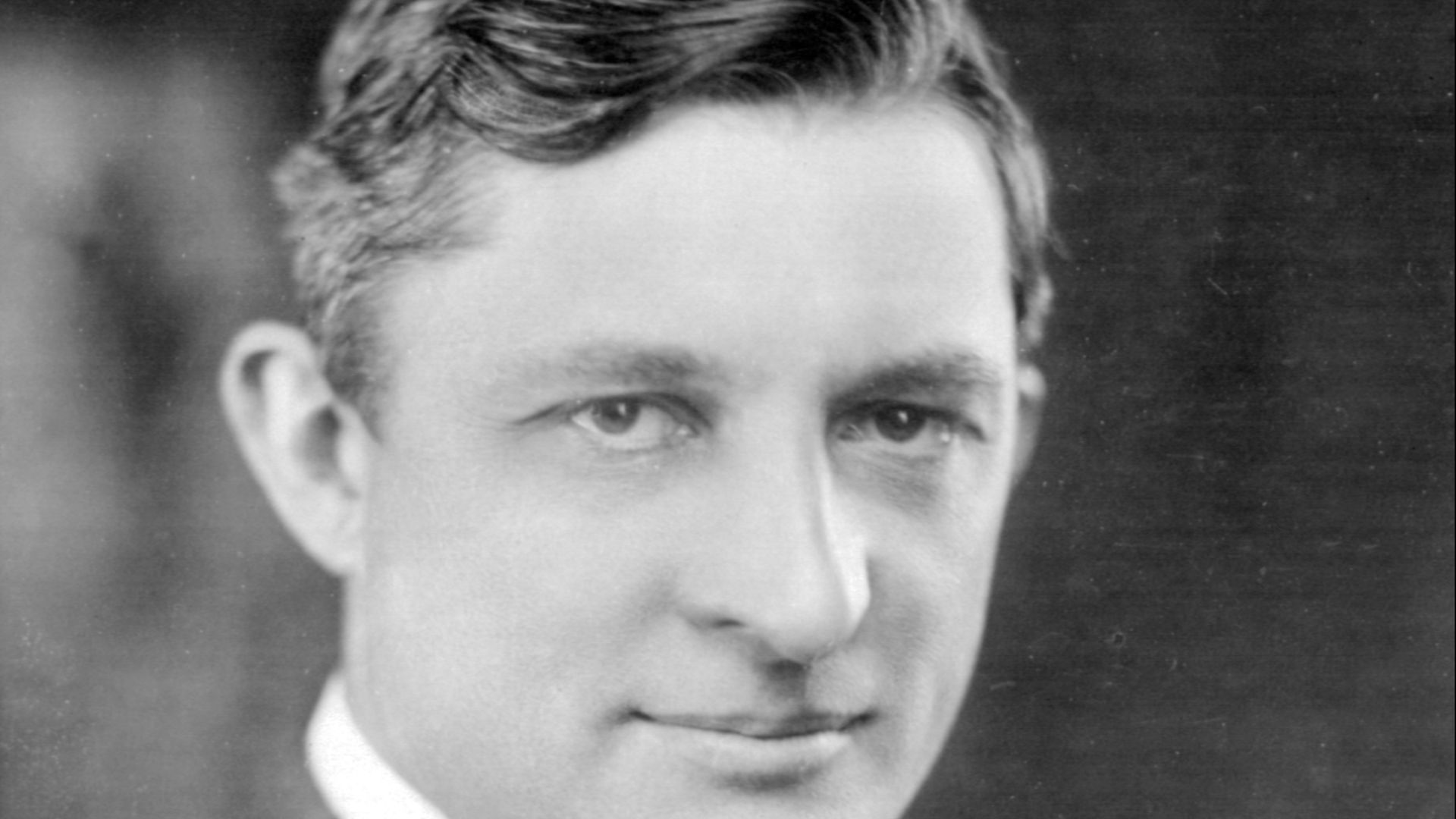
Willis Carrier’s Name Became Synonymous With Cool Air
Willis Carrier’s first modern air-conditioning system was designed to control humidity inside a Brooklyn printing plant, not keep families comfortable during heat waves. From that industrial apparatus came central air, residential units, massive chillers, electronic climate controls, and modern HVAC systems. Carrier remains written on air conditioners worldwide.
 100th Anniversary Press Kit - Carrier Corp, Wikimedia Commons
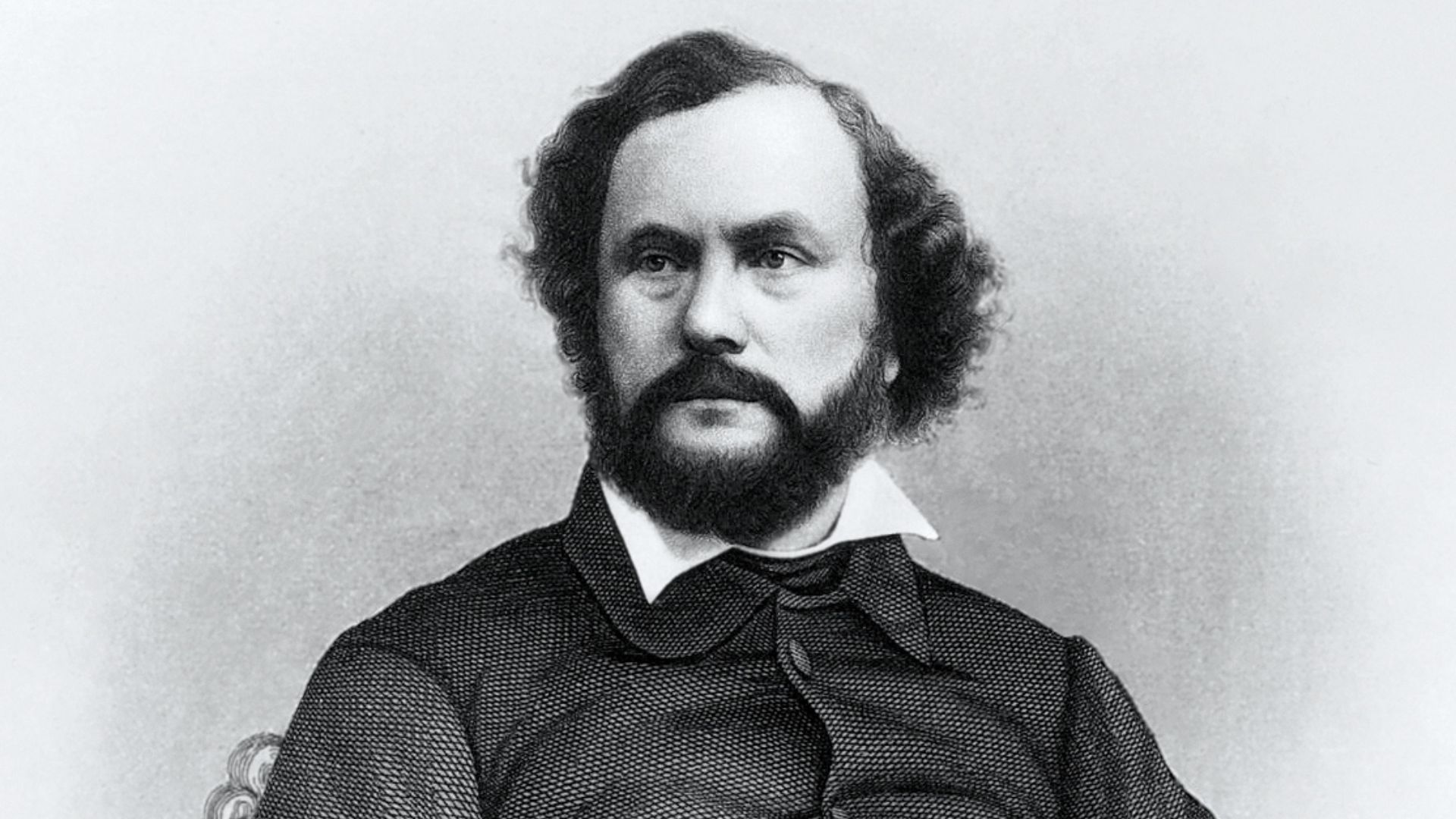
Samuel Colt Became Bigger Than One Revolver
Samuel Colt helped turn the practical revolving pistol into a commercial and manufacturing phenomenon. His earliest firearms were very different from later cartridge revolvers and modern guns carrying the Colt name. Manufacturing methods, ammunition, metallurgy, and mechanisms all moved forward, but “Colt” remained inseparable from American firearms history.
 John Chester Buttre (1821-1893)[1], Wikimedia Commons
Charles Goodyear Never Made Goodyear Tires
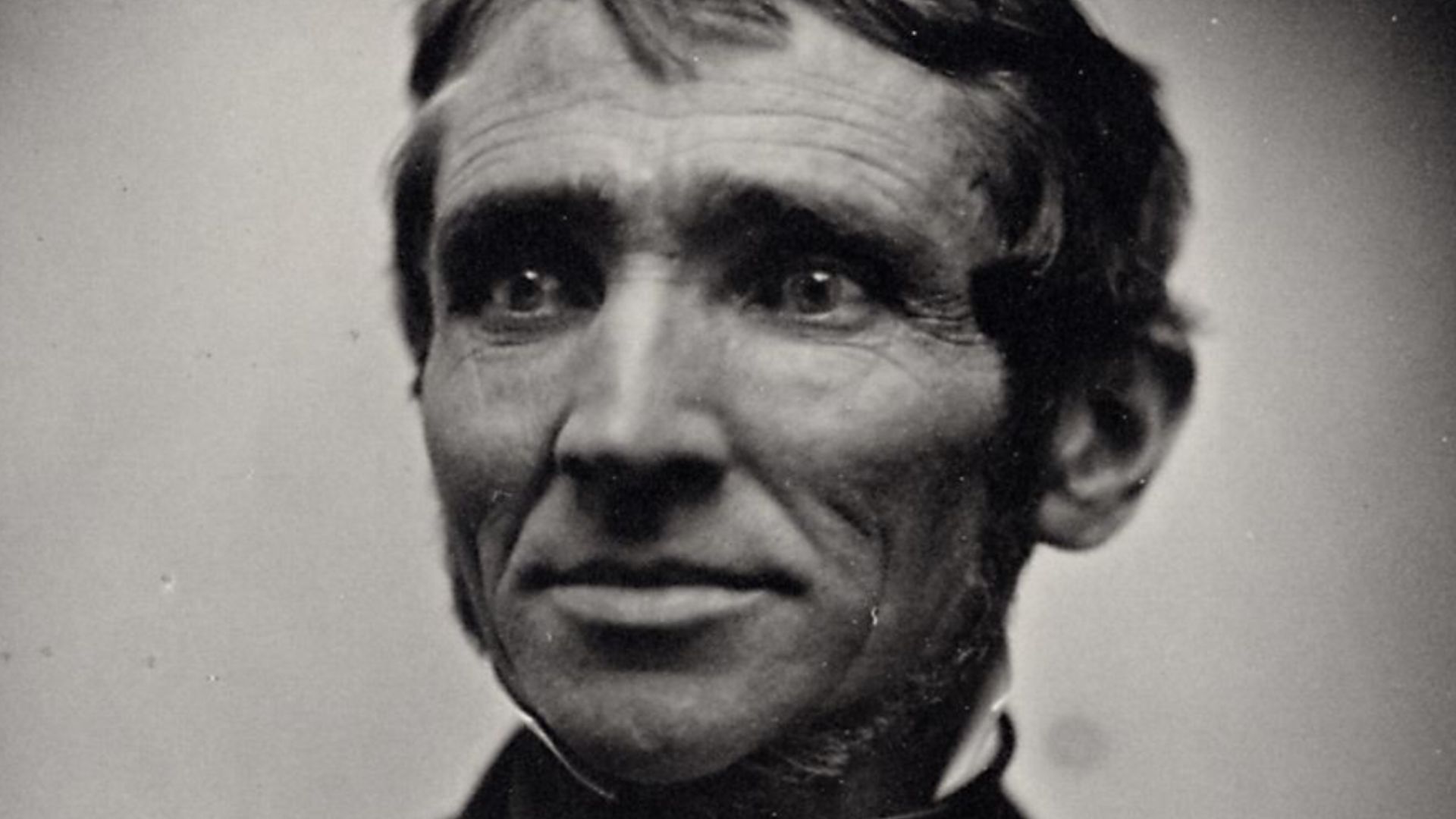
Charles Goodyear became famous for developing vulcanized rubber, which made natural rubber far more useful. Strangely, he never founded the tire company bearing his surname. Goodyear Tire & Rubber Company was established decades later and deliberately named for him. Modern tire chemistry is incredibly advanced, but his name keeps rolling.
 Southworth & Hawes, Wikimedia Commons
László Bíró Became A Pen
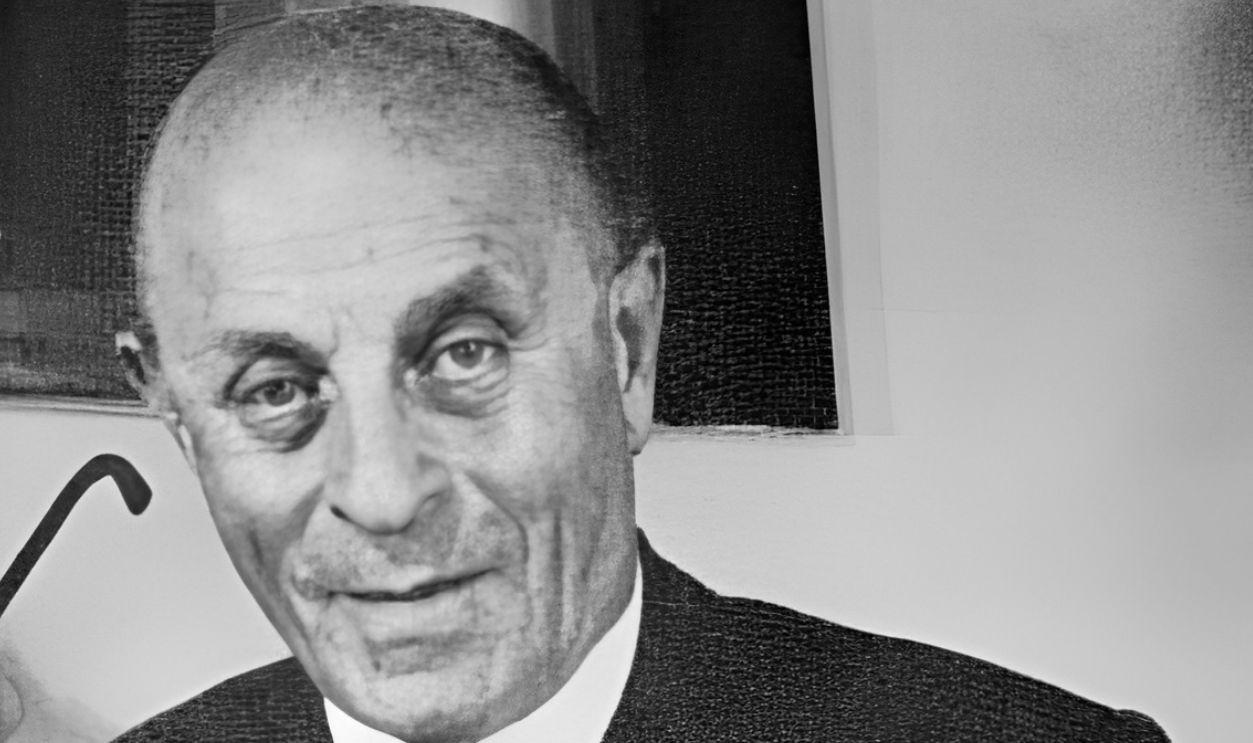
Hungarian-Argentine inventor László Bíró helped perfect the practical ballpoint pen by combining quick-drying ink with a tiny rolling ball. Pens later became cheaper, disposable, retractable, pressurized, and available in endless variations. Yet in Britain and several other places, people still casually call a ballpoint pen a “biro.”
 See page for author, Wikimedia Commons, Enhanced
Charles Macintosh Became A Raincoat
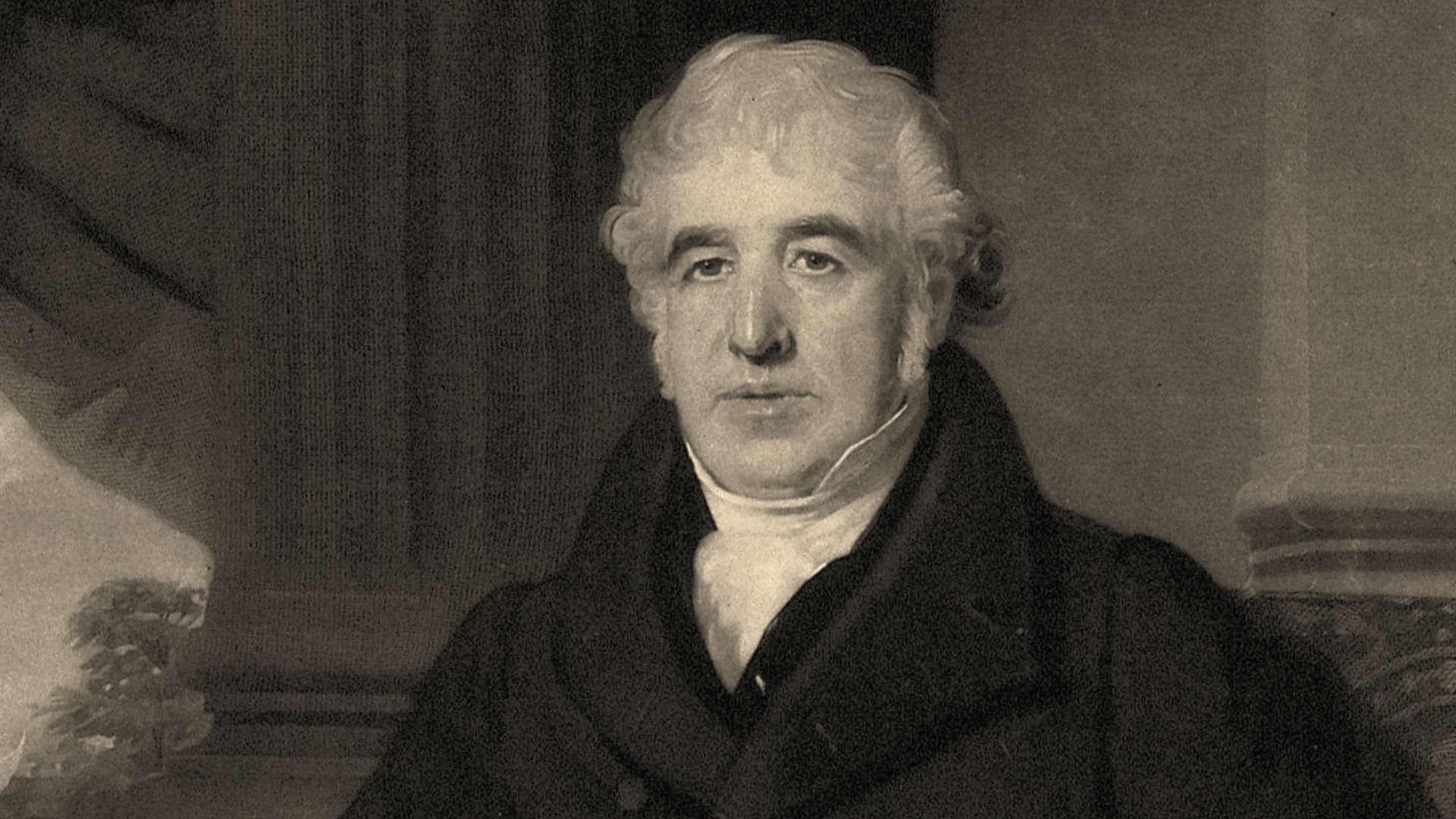
Scottish chemist Charles Macintosh developed waterproof fabric by combining cloth with rubber dissolved in solvent. Early waterproof coats could smell unpleasant and behave badly in changing temperatures. Modern rainwear uses completely different laminates, coatings, membranes, and synthetic fabrics. Yet “Mackintosh”—often shortened to “mac”—survived as a name for raincoats.
 John Graham Gilbert, Wikimedia Commons
John McAdam Is Still Under Your Tires
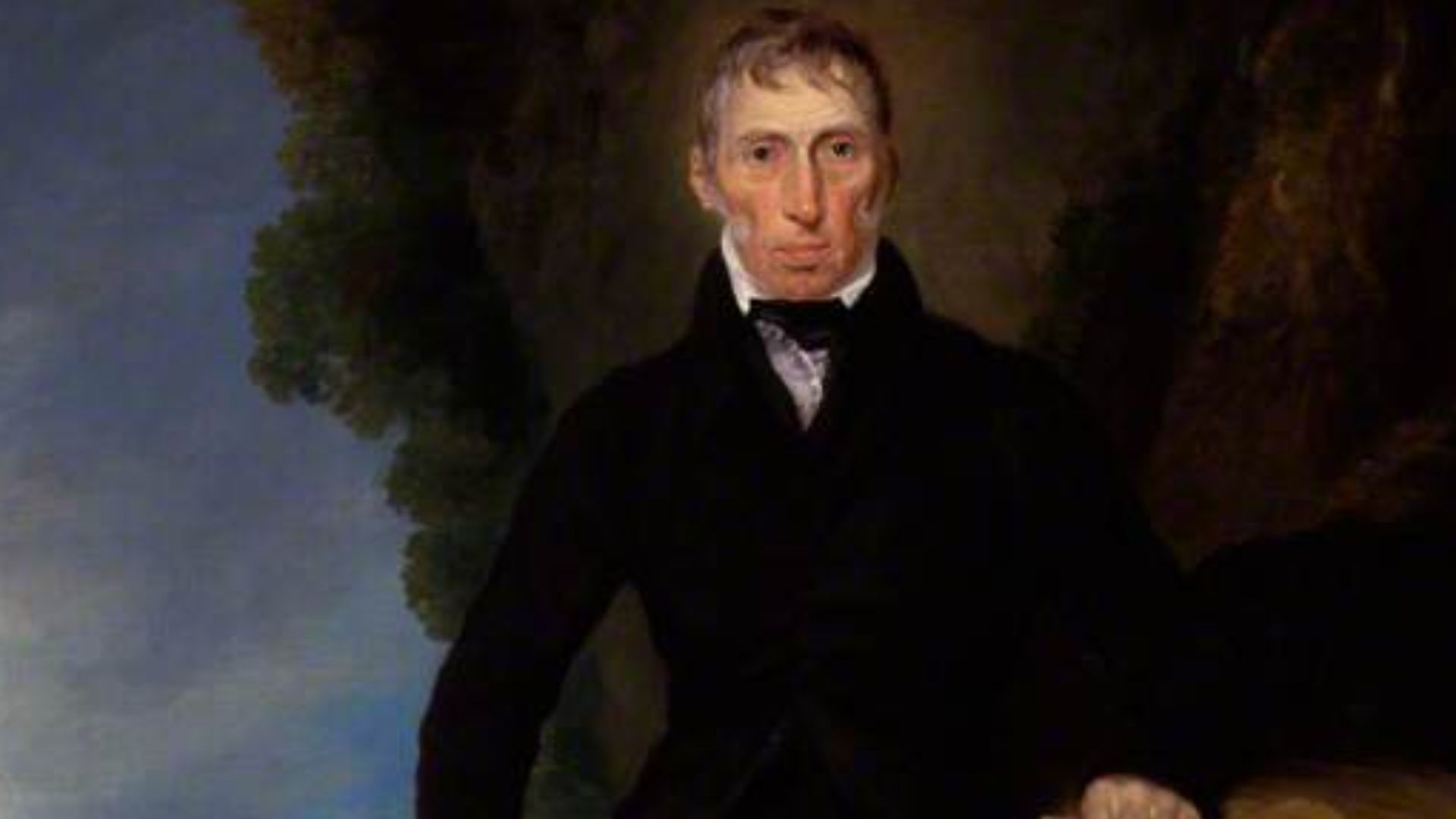
John Loudon McAdam revolutionized road construction using carefully sized layers of crushed stone. Later builders added tar, asphalt, sophisticated drainage, engineered foundations, and modern paving machinery. Roads today would look futuristic to McAdam, yet “macadam” remains a road-building term derived directly from his surname.
John Mason Is Still In Your Pantry
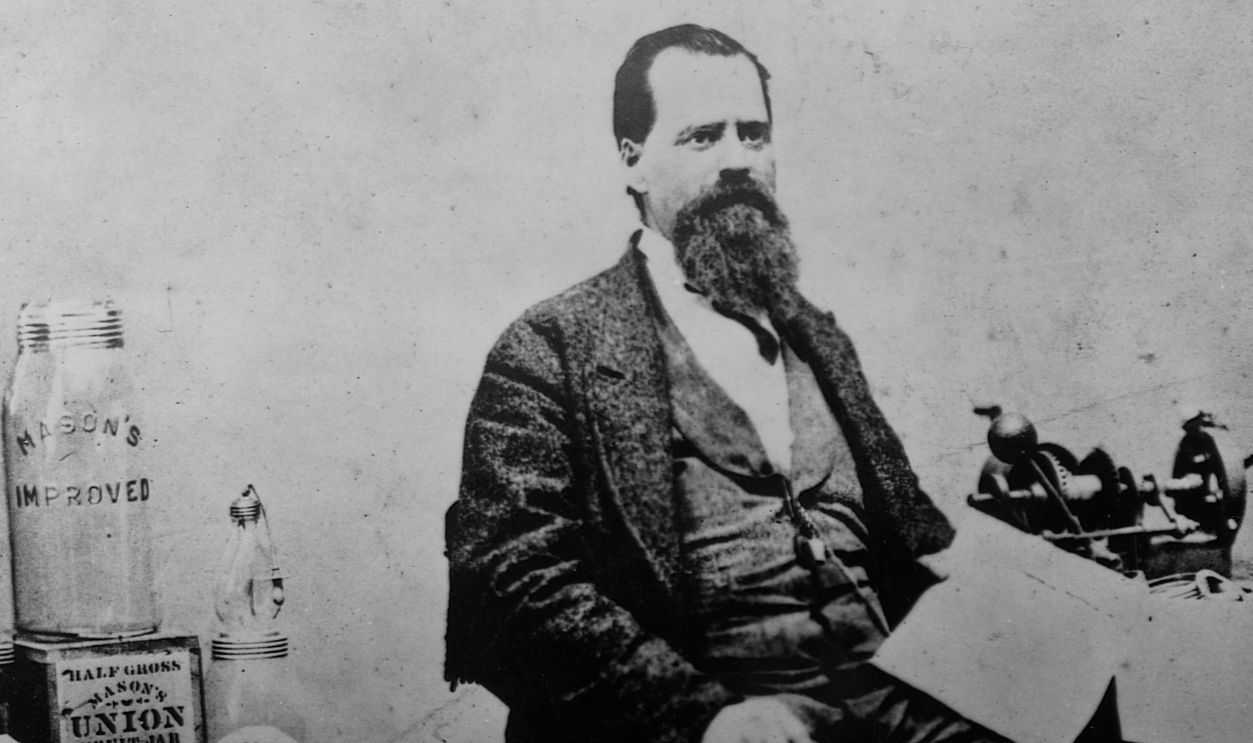
In 1858, tinsmith John Landis Mason patented a glass jar with a threaded neck and screw-on lid. Home canning technology later gained improved seals, standardized lids, safer techniques, and mass manufacturing. Yet millions of people still preserve food—or serve fashionable drinks—in something called a Mason jar.
 Library of Congress, Getty Images
Henry Deringer Accidentally Created The Derringer
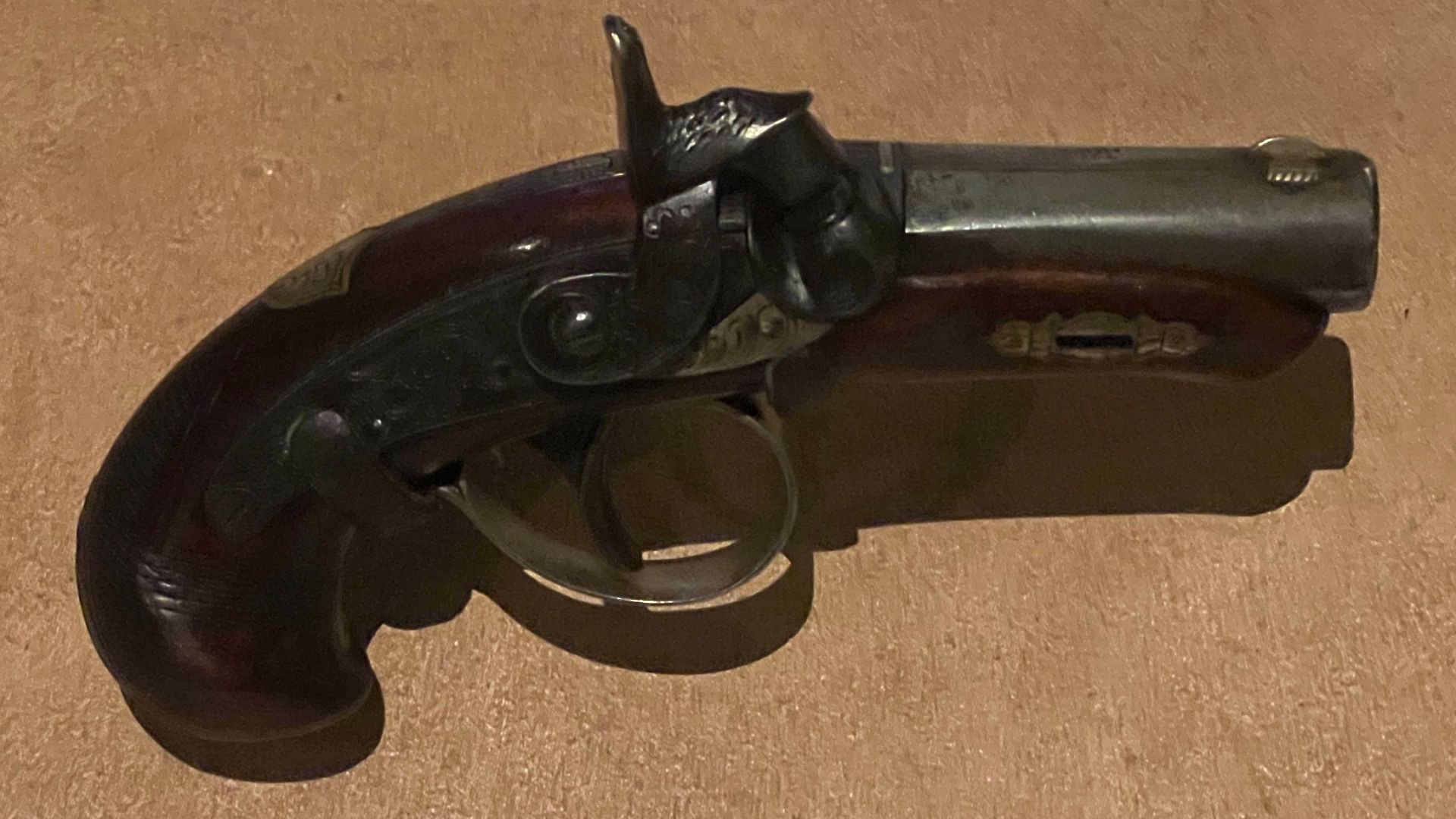
Henry Deringer made small percussion pistols popular in the 19th century. Other gunmakers copied the idea, often using the misspelled term “derringer.” Eventually, that spelling became a generic word for tiny concealable pistols, including cartridge-firing designs that were mechanically nothing like Deringer’s original muzzleloading weapons.
 TaurusEmerald, Wikimedia Commons
Alexander Graham Bell’s Name Survived The Telephone
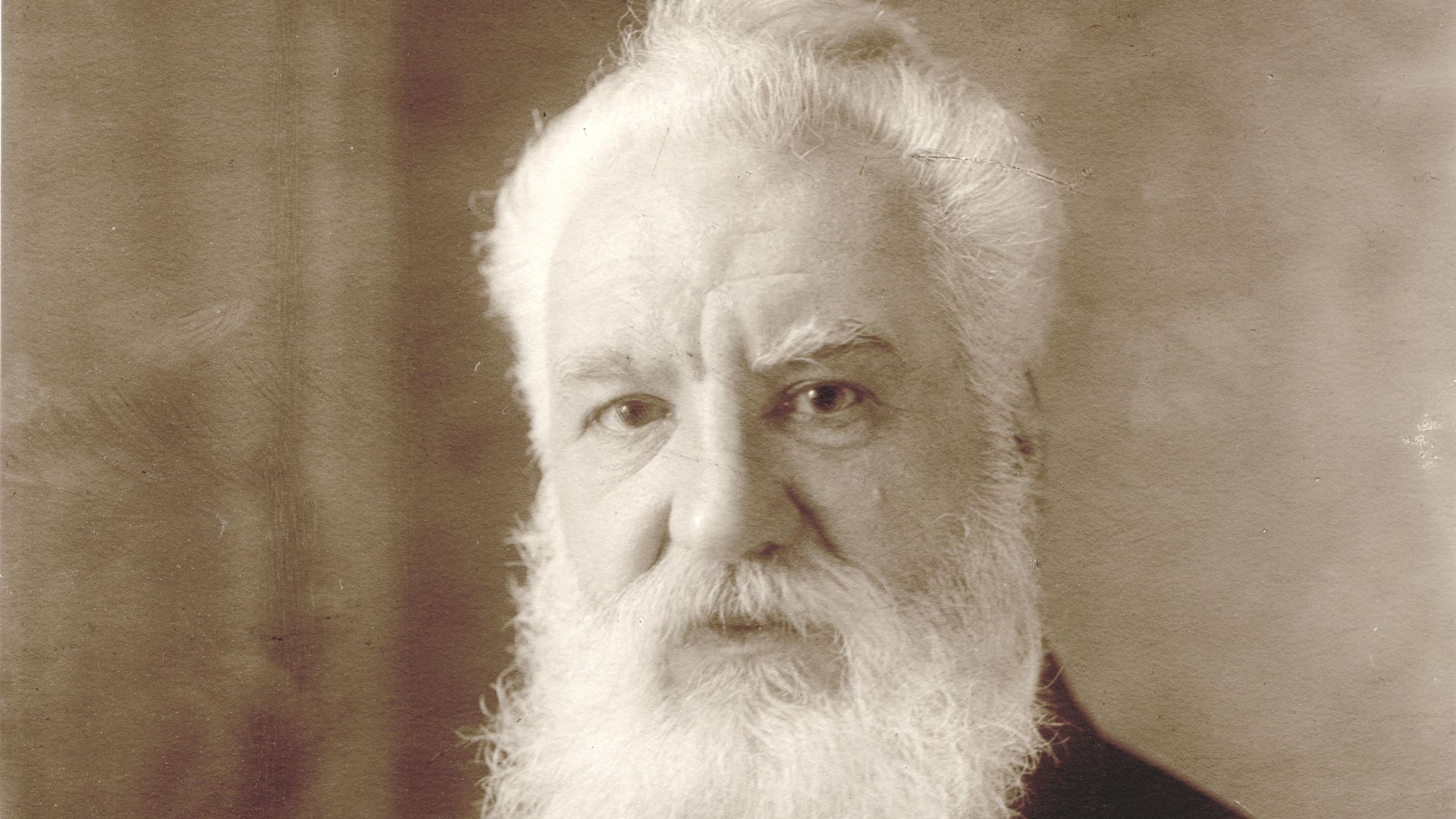
Alexander Graham Bell’s early telephone was a wonderfully primitive object compared with what followed. Rotary phones, touch-tone phones, wireless handsets, cellular networks, smartphones, fiber optics, and internet calling completely transformed communication. Yet the Bell name lived on through telephone companies, research institutions, and telecommunications businesses long after Bell’s original device vanished.
 Harris & Ewing, Wikimedia Commons
Isaac Singer’s Machine Learned New Tricks
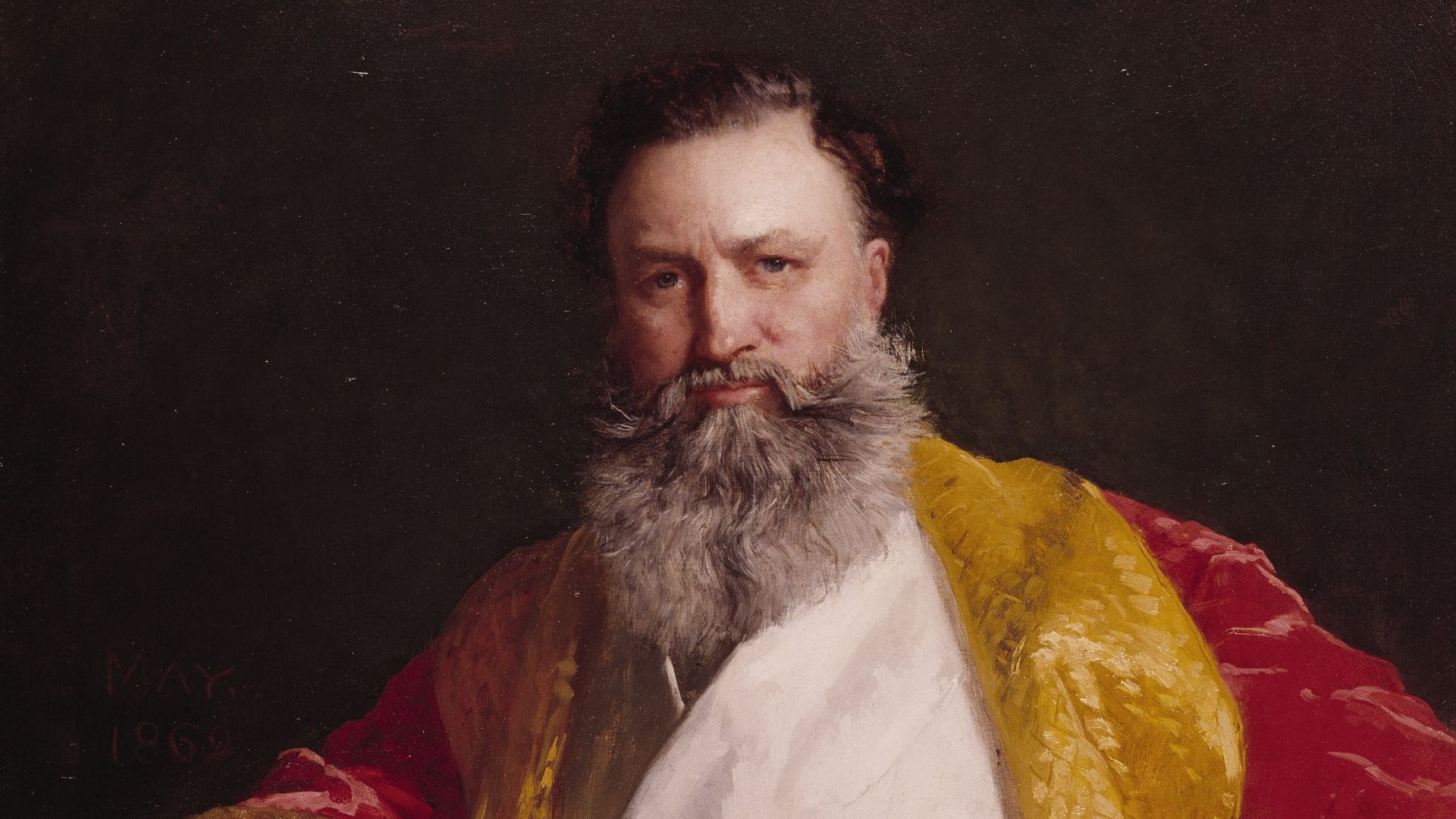
Isaac Singer did not invent the first sewing machine, but he created important improvements and built one of history’s most recognizable sewing-machine businesses. Early Singer machines were heavy mechanical devices powered by treadles. Later ones gained electric motors and eventually computerized stitching. Singer’s name survived every technological jump.
 Edward Harrison May, Wikimedia Commons
Henry Ford’s Name Survived The Model T
Henry Ford did not invent the automobile, but he transformed the way cars were manufactured and sold. Compare a Model T with a modern Ford containing airbags, computers, cameras, touchscreens, turbochargers, hybrid systems, or electric motors. Almost everything about the machine changed. The blue Ford name did not.
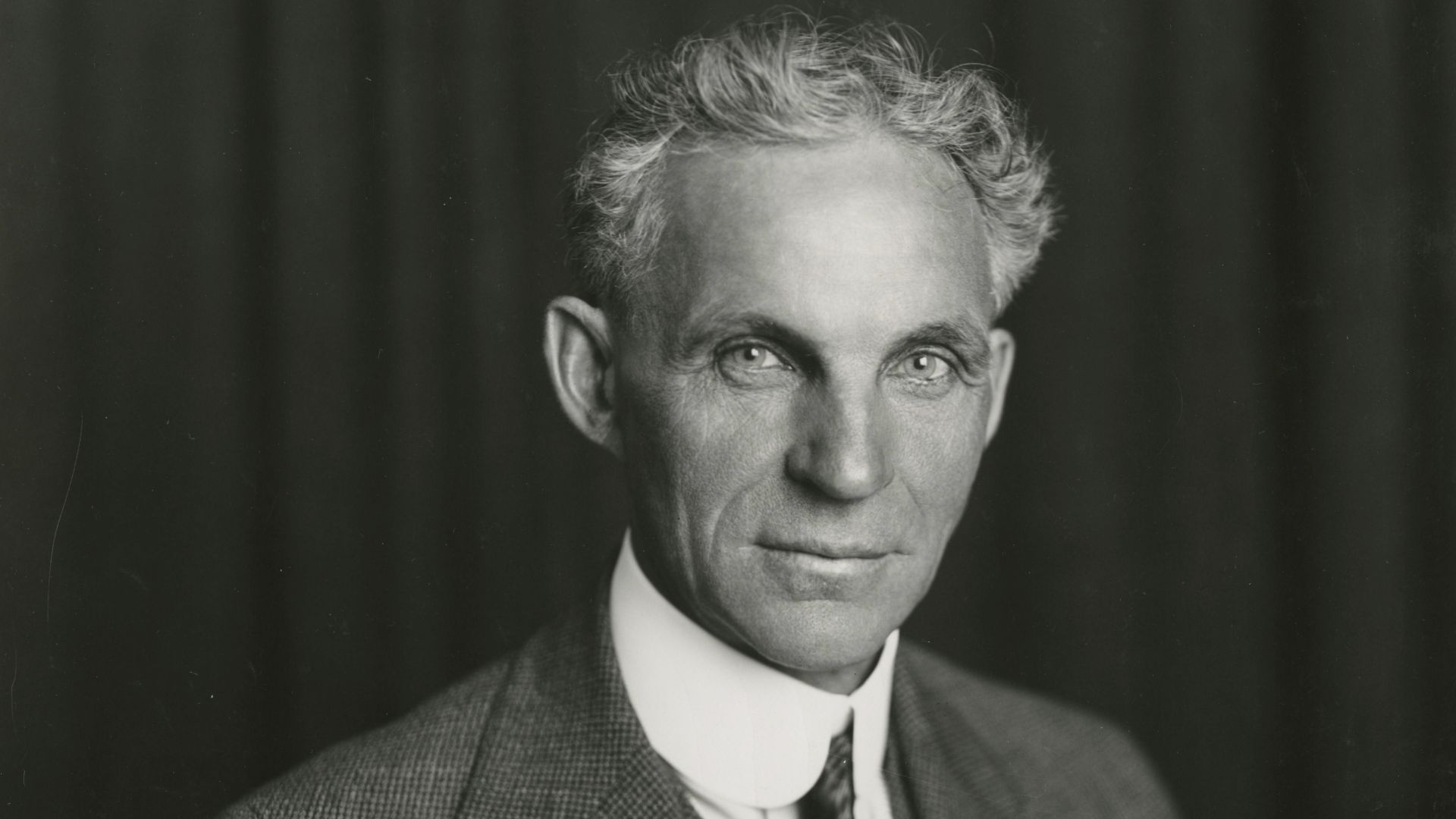 Ford Motor Company. Photographic Department, Wikimedia Commons
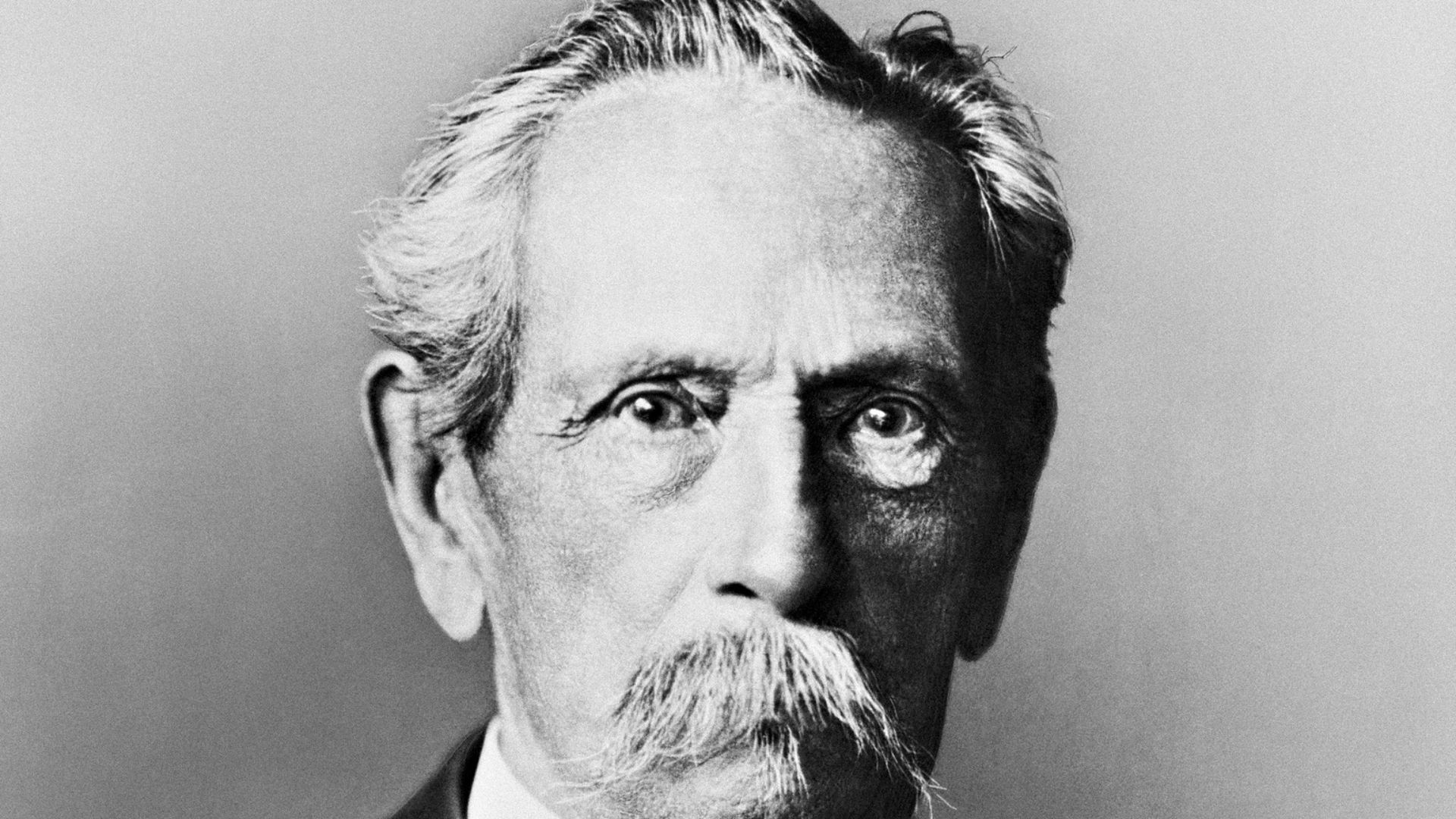
Karl Benz Could Never Have Imagined A Modern Mercedes
Karl Benz built one of the earliest practical automobiles powered by an internal-combustion engine. His three-wheeled Patent-Motorwagen looked closer to a horseless carriage than a modern luxury sedan. Today, Benz’s surname sits on technologically advanced Mercedes-Benz vehicles packed with electronics, safety systems, powerful engines, and electric drivetrains.
Clarence Birdseye Froze More Than His Name
Clarence Birdseye developed commercial quick-freezing methods after observing rapid freezing in Labrador. His early equipment helped launch the modern frozen-food industry. Today, freezing uses enormous industrial systems, automated packaging, sophisticated logistics, and carefully controlled temperatures. Meanwhile, shoppers still see the Birds Eye name every time they visit the freezer aisle.
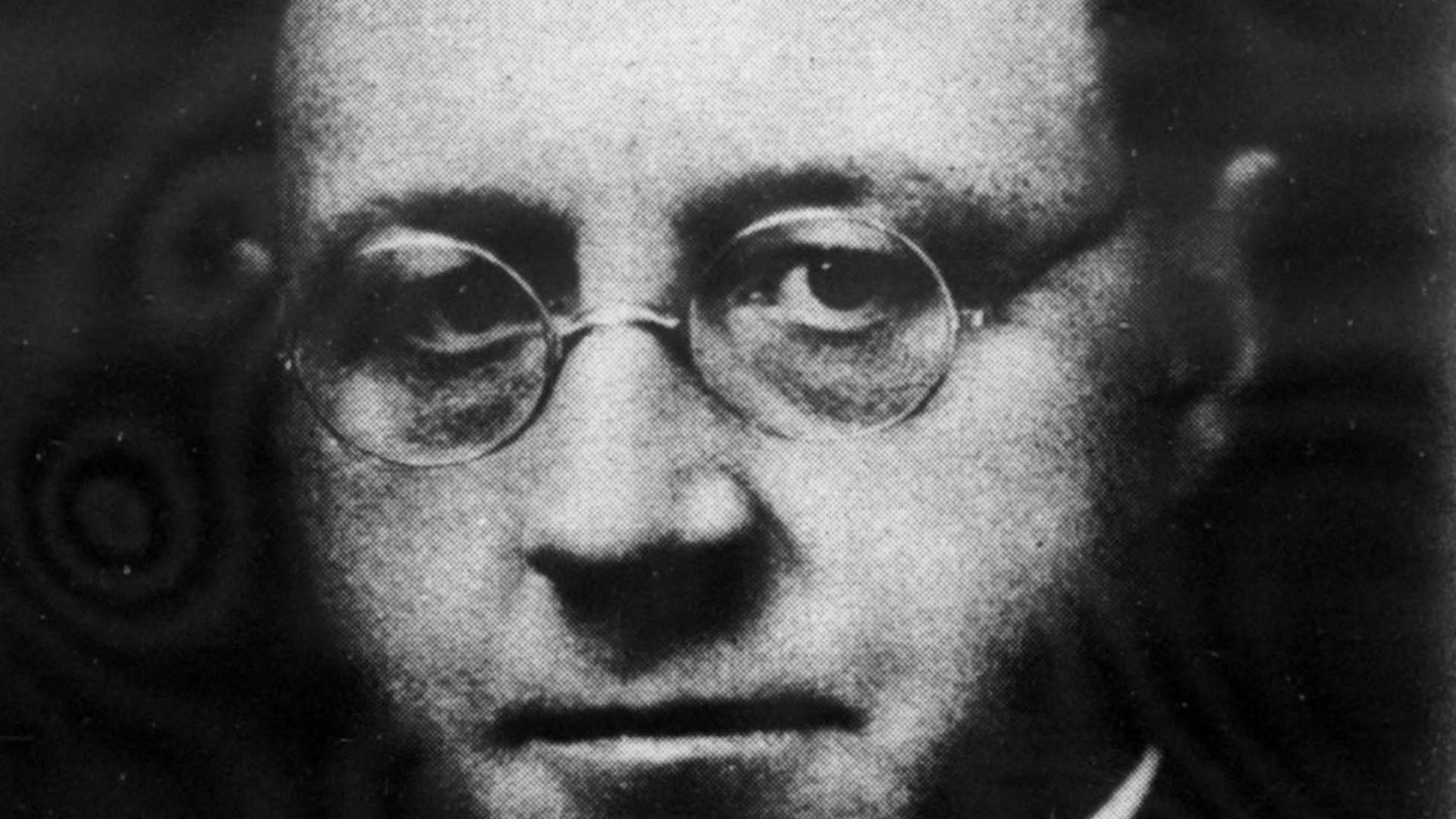 Unknown authorUnknown author, Wikimedia Commons
Their Greatest Invention May Have Been Their Name
Machines rarely remain frozen in time. Engineers improve them, companies reinvent them, and sometimes the original device disappears entirely. Yet certain inventors became so closely attached to their creations that language itself preserved them. Their inventions kept evolving, but their names became surprisingly difficult to replace.
![Portrait of Louis Pasteur [1822 - 1895], French microbiologist and chemist
Iconographic Collections
Keywords: Louis Pasteur; E. Pirou](https://www.factinate.com/storage/app/media/factinate/2026/9/3/1788439563dfbbed53c1ddfb67cb960995a93cb10e5851477d.jpg)
You May Also Like:
Fake Experts Who Built Successful Careers Before The Truth Finally Caught Up
Disney's Folly, Or: Walt's Wacky Oscar
Explosive Facts About Niki Lauda, The Godfather Of Formula One Racing