Vera-Ellen’s Fall From Grace
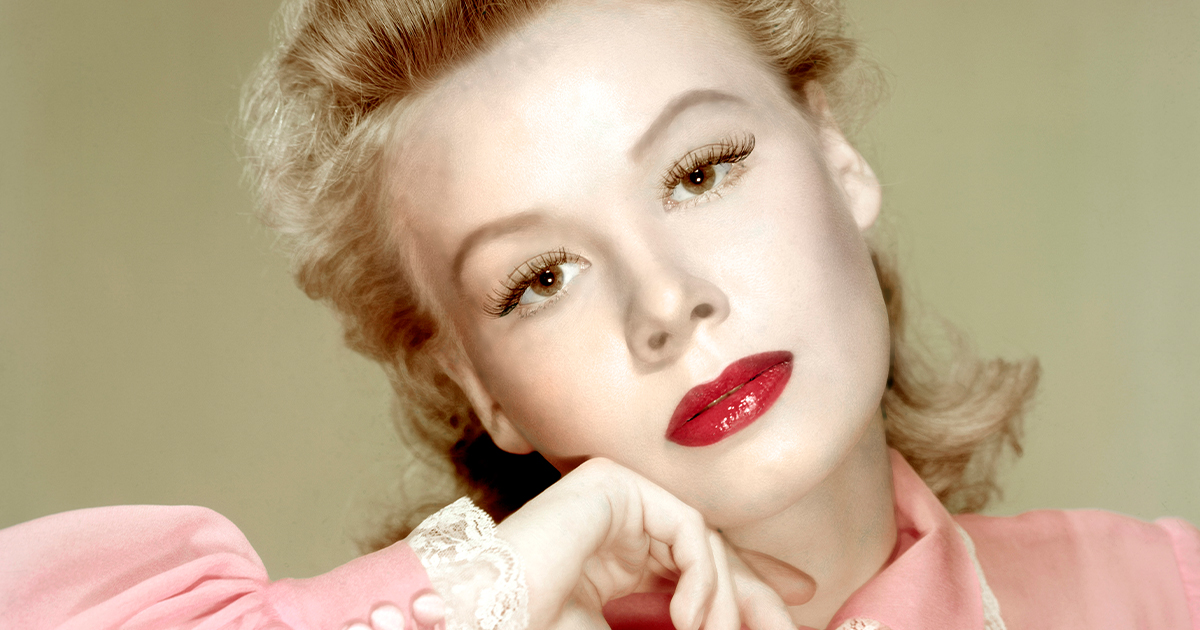
After starring in White Christmas, Vera-Ellen became the epitome of holiday cheer—but behind the scenes, her life was anything but heartwarming. In fact, her glamour and versatility on stage stemmed from brutal expectations, and her fame was earned at a punishingly high price. A price, some say, you can even see on screen.
 Screen Archives / Contributor, Getty Images
1. She Used Her Real Name
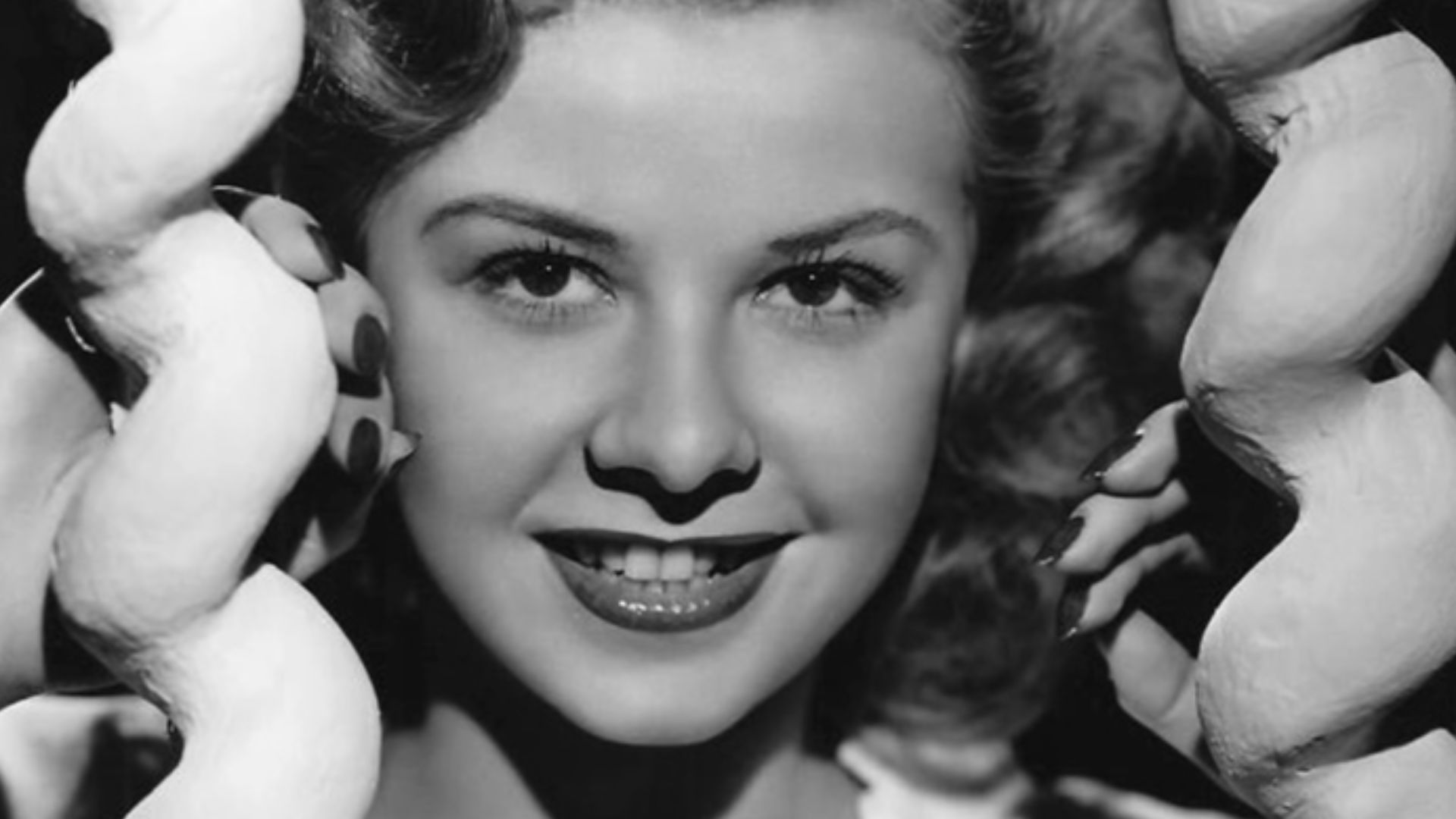
Unlike many starlets before and after her, Vera-Ellen Rohe was actually born Vera-Ellen. Her mother Alma dreamed she would have a daughter named Vera-Ellen, hyphen and all, and made the dream a reality when the baby was born in 1921 in Ohio. But Alma had other dreams for her little girl that she couldn’t possibly measure up to.
 Unknown authorUnknown author, Wikimedia Commons
2. She Was Tiny
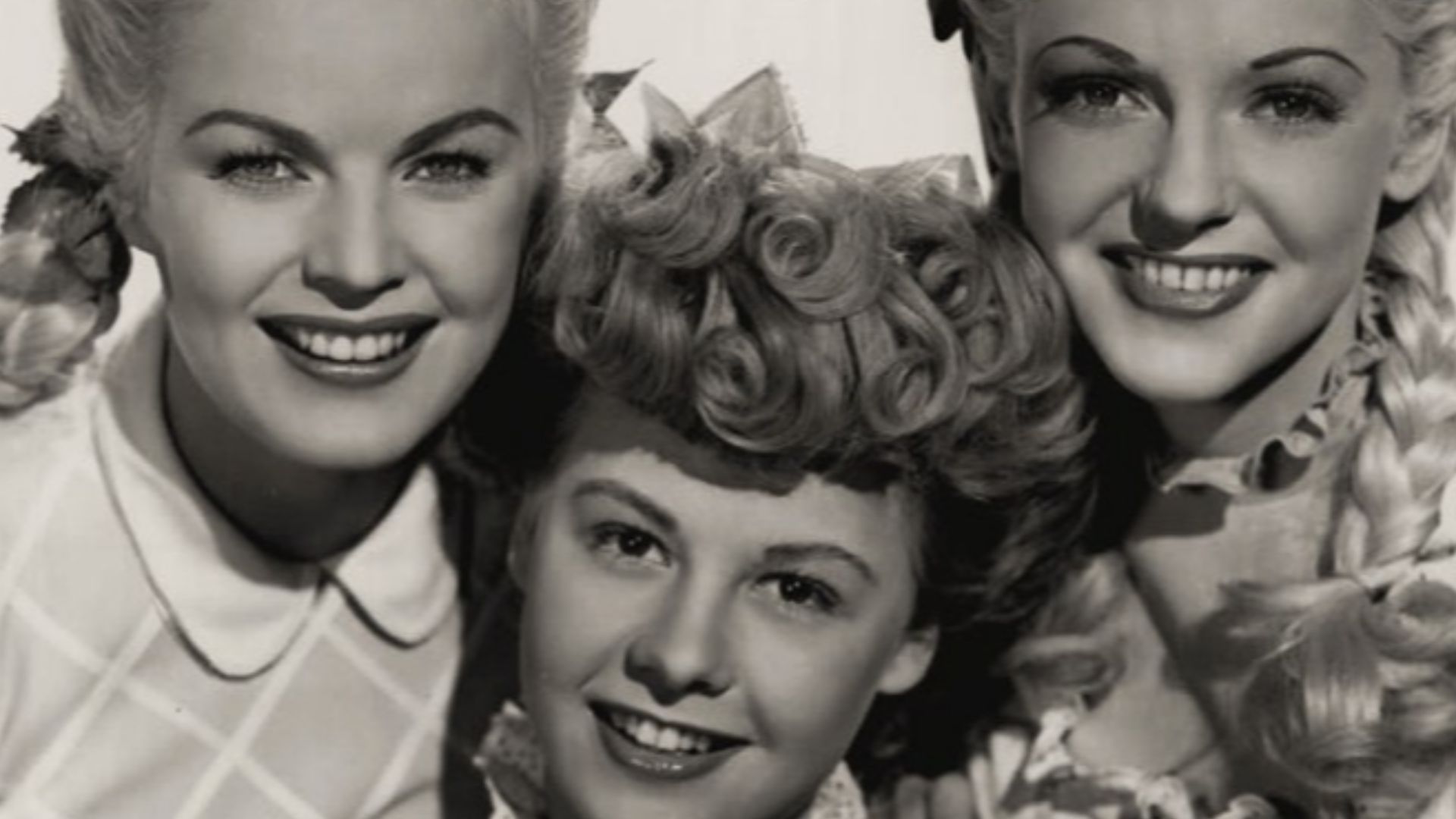
At first, Alma’s issue was that Vera-Ellen was too diminutive. At nine years old, Vera-Ellen was frequently much shorter than her friends, and Alma worried that she needed to strengthen her body. To correct this, she put the girl into dance lessons, only for both of them to find out that Vera-Ellen had astonishing natural talent. It quickly took her places.
 unknown (20th Century Fox), Wikimedia Commons
3. She Had A Natural Talent
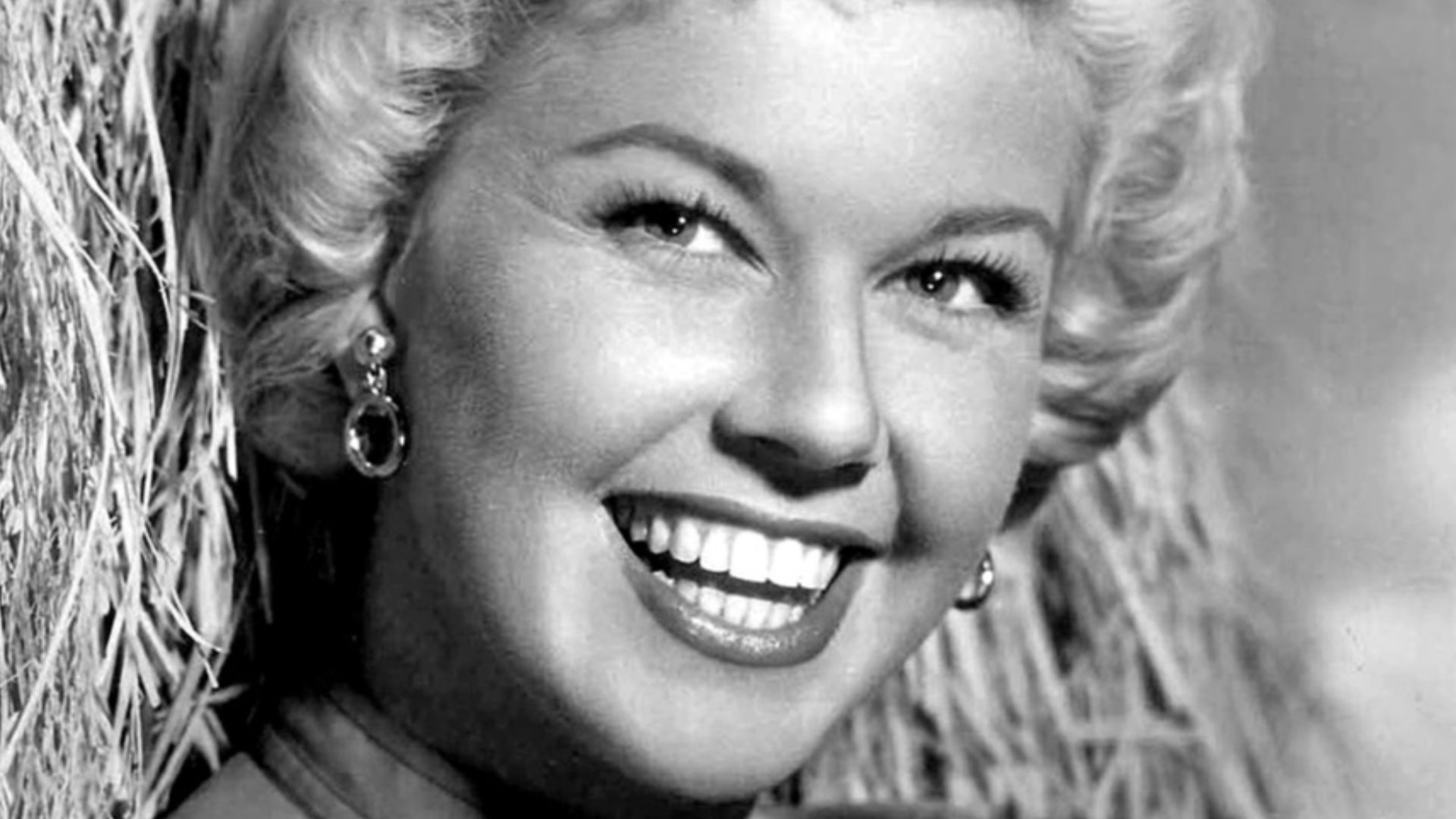
By the time she was 12 years old, Vera-Ellen was studying dance at Hessler’s Dance Studio in Cincinnati alongside another future great, Doris Day. Despite the fact that the petite tween girl looked almost half her age, she was one of the studio’s star students and, as Vera-Ellen later put it, “people seemed to like to watch me”. But still, this wasn’t good enough for her mother.
 Unknown photographer, Wikimedia Commons
4. Her Mother Criticized Her
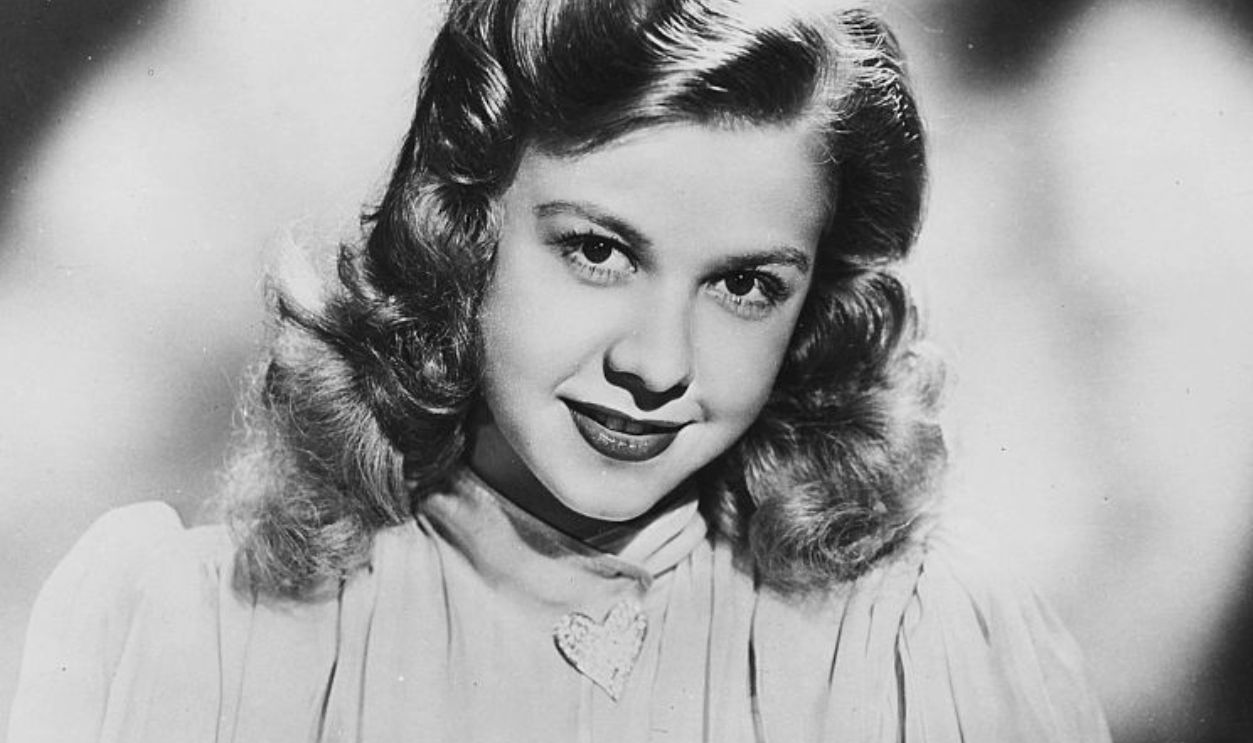
It became clear around this time that Vera-Ellen headed to the top, but this only meant that Alma pushed her daughter even harder. Case in point: After deeming that the already underdeveloped 12-year-old was too pudgy, Alma put her on a strict diet to shed the puppy fat. Its rules were disturbing.
 Keystone Features, Getty Images
5. She Had Forbidden Foods
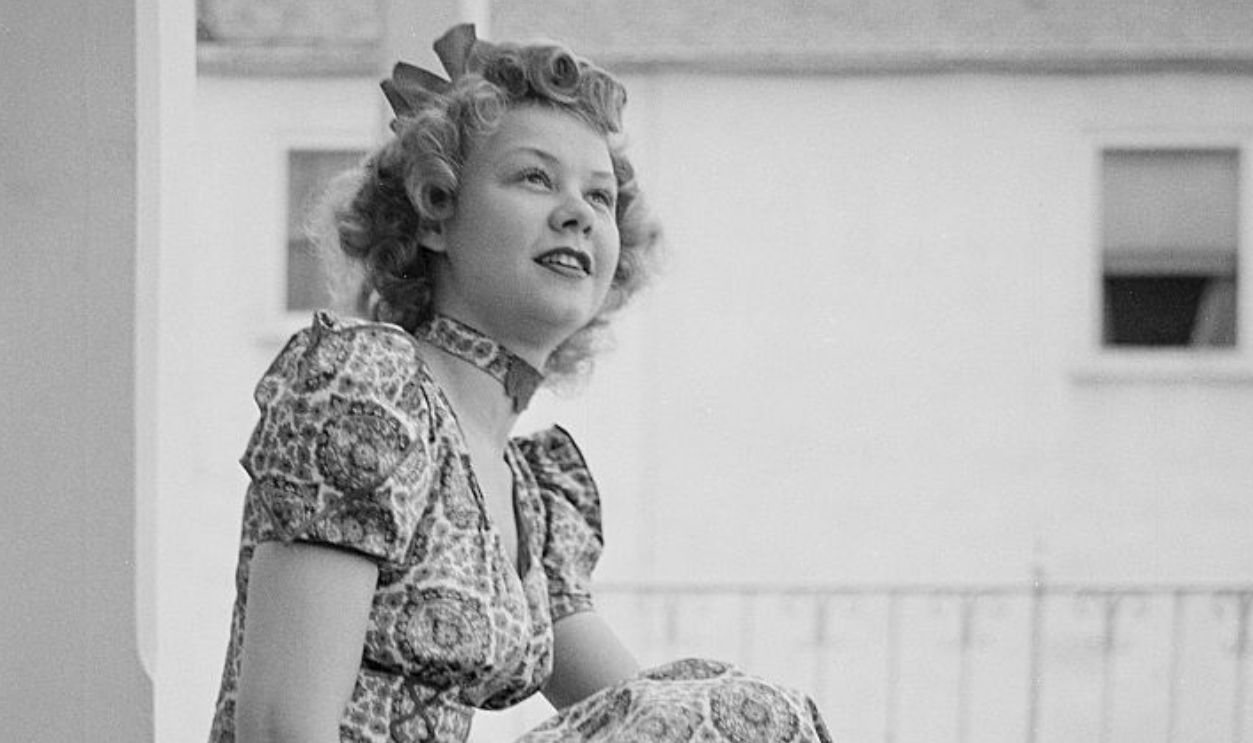
Under her mother’s watchful eye, Vera-Ellen was supposed to avoid bread, salt, pasta, and even grapefruits and lemons. What she could have wasn’t much better: She was almost entirely limited to watery stew, lima beans, and a water-cocktail with apple cider, vinegar, and honey added to it.
Bizarrely, her mother also had the strange belief that pink bananas would keep Vera-Ellen skinny. Yet sadly, whatever she was doing, it worked.
 Michael Ochs Archives, Getty Images
6. She Transformed
Suddenly, Alma had gone from wanting to get Vera-Ellen stronger, to becoming obsessed with keeping her as tiny as possible. The results were quickly apparent, and horrifying. By 1936, when Vera-Ellen started the 10th grade, she was rail thin and looked little older than she had at 12—but Alma took this as a sign that it was time to hit the big times.
7. She Took A Chance
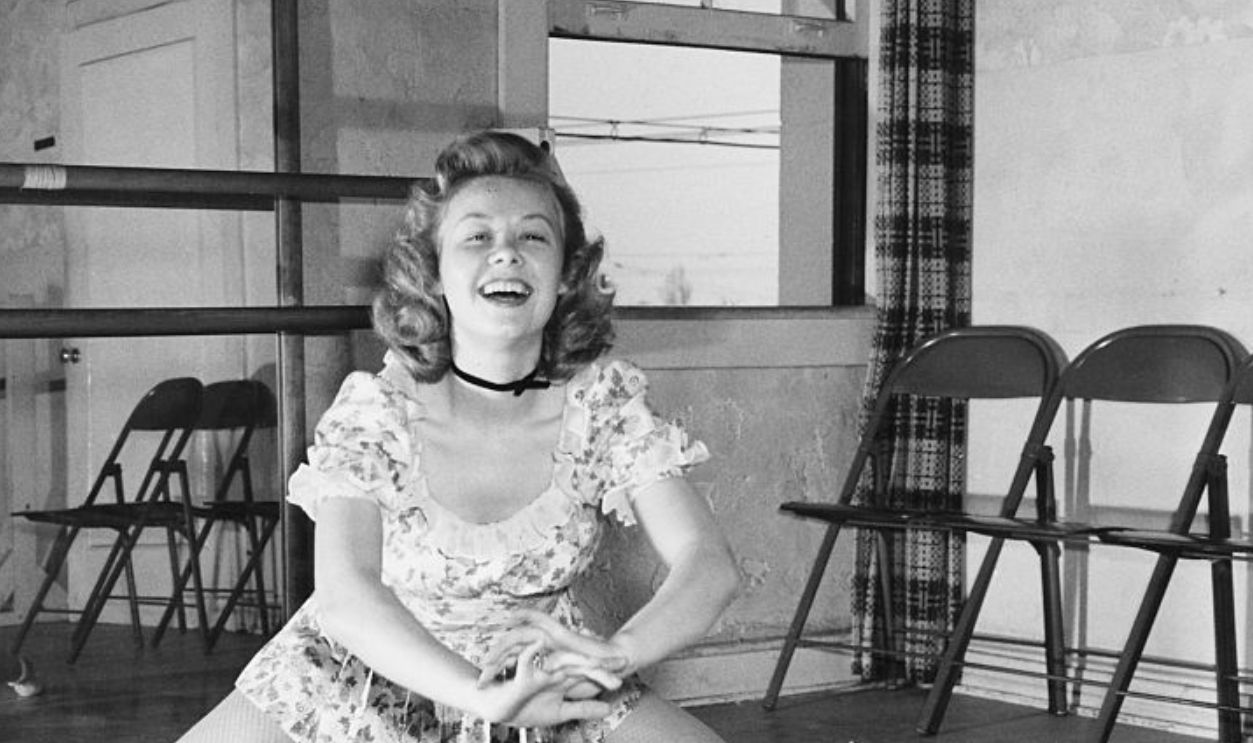
The same year she entered grade 10, a 15-year-old Vera-Ellen and her mother packed up their place in Ohio and moved to New York City, setting their sights on a Broadway career for the teenaged girl. It happened swiftly, as these things go, and in 1939 she made her debut in the musical Very Warm for May. It wasn’t the only way she made her mark.
8. She Got Fired From A Big Job
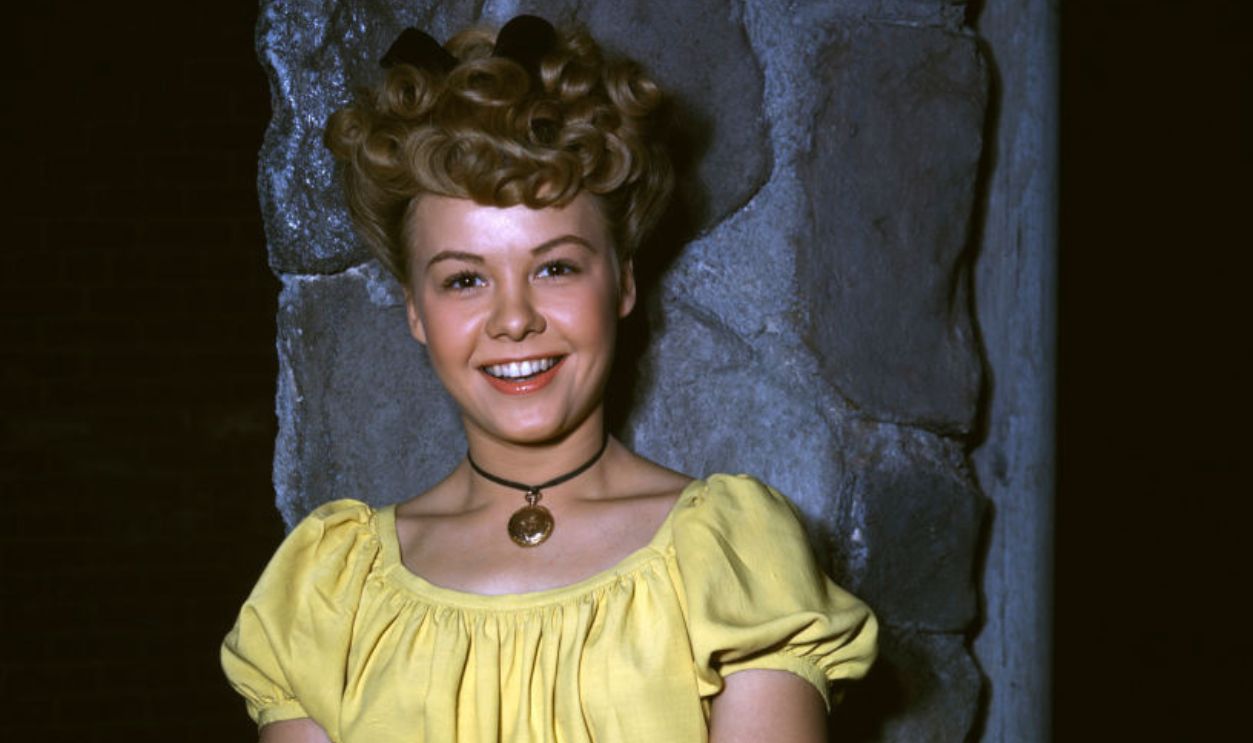
Around this time, Vera-Ellen became one of the youngest Rockettes at Radio City Music Hall—but it didn’t stay that way for long. Vera-Ellen’s talent was never destined for the chorus line, and she was fired from the role after two weeks because she showed too much “individuality”. But the right people were noticing her.

History's most fascinating stories and darkest secrets, delivered to your inbox daily.
9. She Fell In Love
For five years after her arrival in New York City, Vera-Ellen still lived under Alma’s thumb, with the mother and daughter living together and sacrificing everything together. But in 1941, Vera-Ellen married fellow Broadway dancer Robert Hightower, and the 20-year-old at last moved out of her mother’s orbit. The changes were immediate.
 John Springer Collection, Getty Images
10. She Was Feminine
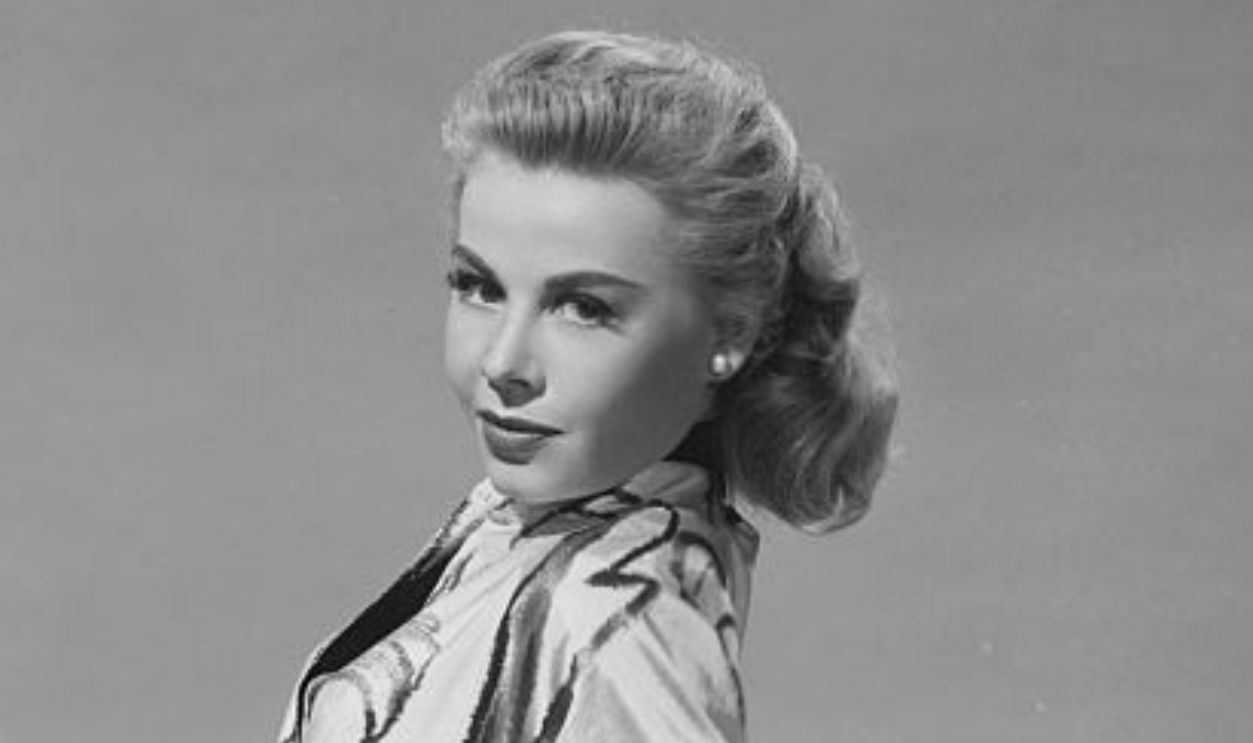
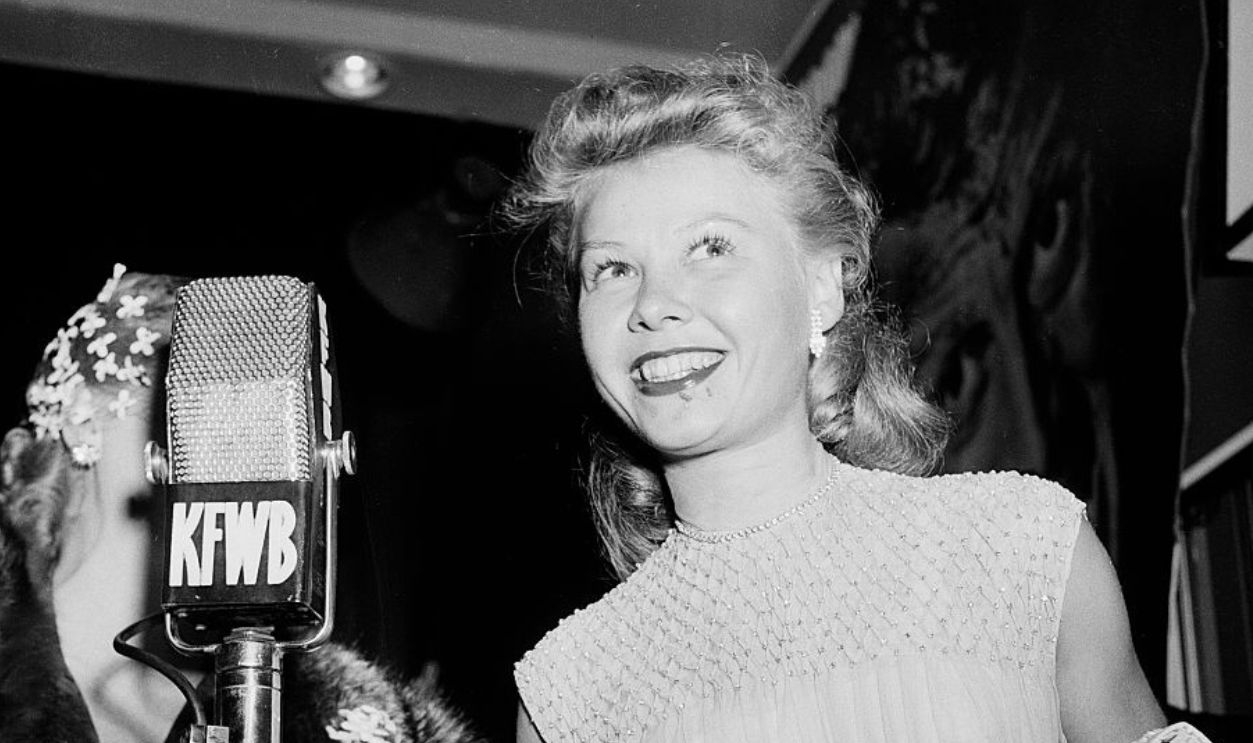
Photographs and anecdotes from the time of Vera-Ellen’s marriage to Hightower no longer show an underdeveloped girl, but a curvy, healthy woman. When Vera-Ellen performed in 1943’s A Connecticut Yankee, her future co-star Betty Garrett remarked on “this bouncy and joyous and slightly plump little person,” while another connection commented on how she was “rounded out and very feminine”.
But Vera-Ellen never seemed to be able to want more without taking away from herself.
 Michael Ochs Archives, Getty Images
11. Her Life Fell Apart
In the early 1940s, Vera-Ellen’s marriage to Hightower was a source of joy, as was her flourishing Broadway career. But as the years wore on, both of these loves got more tainted. Robert Hightower eventually went into military service for WWII, putting immense strain on their union—but it was Broadway that truly brought her down.
12. Broadway Stressed Her Out
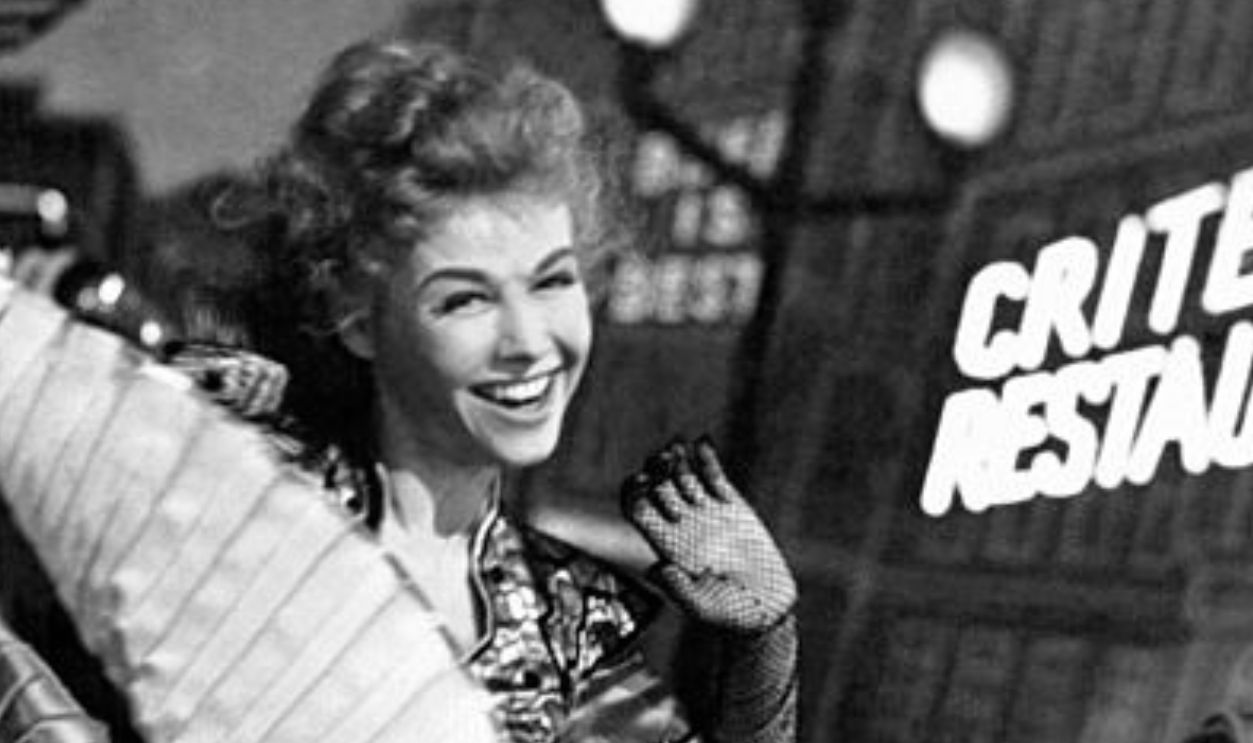
Performing live nearly every night was an immense burden for Vera-Ellen, and her health began to suffer. Likely not helped by her childhood, Vera-Ellen grew only a little taller than 5 feet, 4 inches, and around this time, while struggling with her personal life and career, she weighed under 100 pounds. In other words, it was time for a change.
 John Chillingworth, Getty Images
13. Hollywood Came Calling
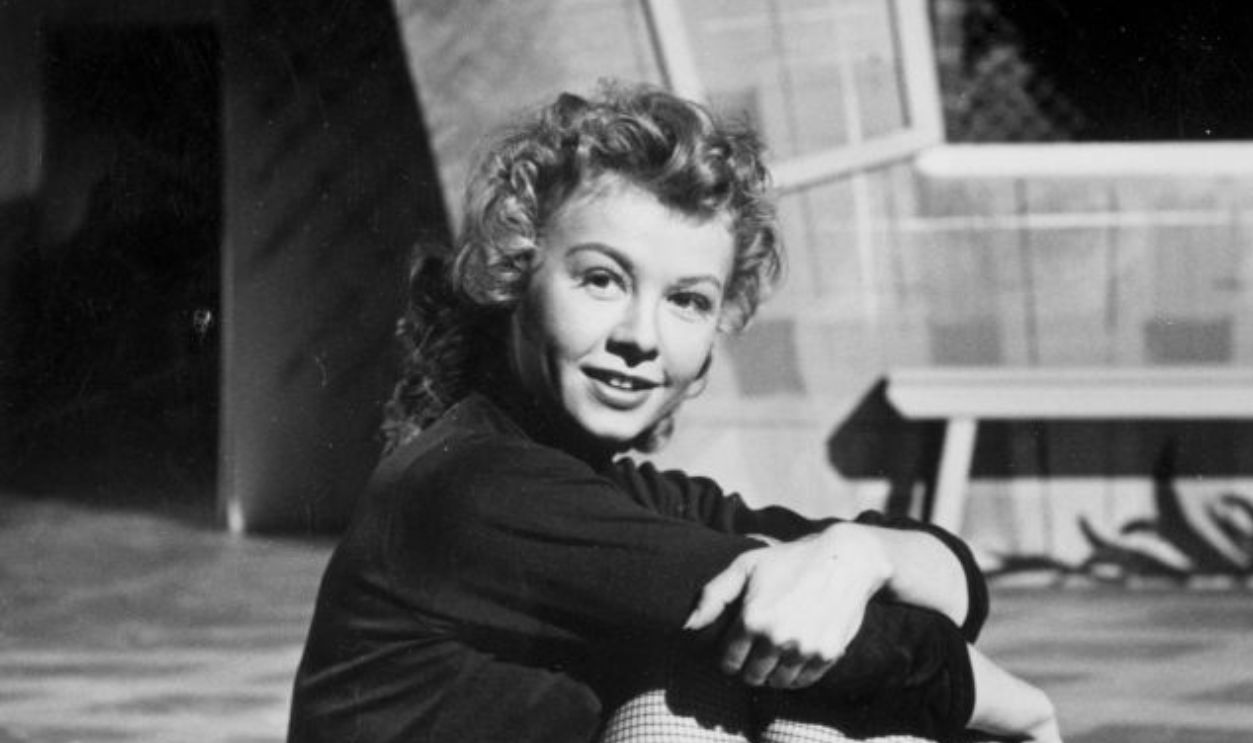
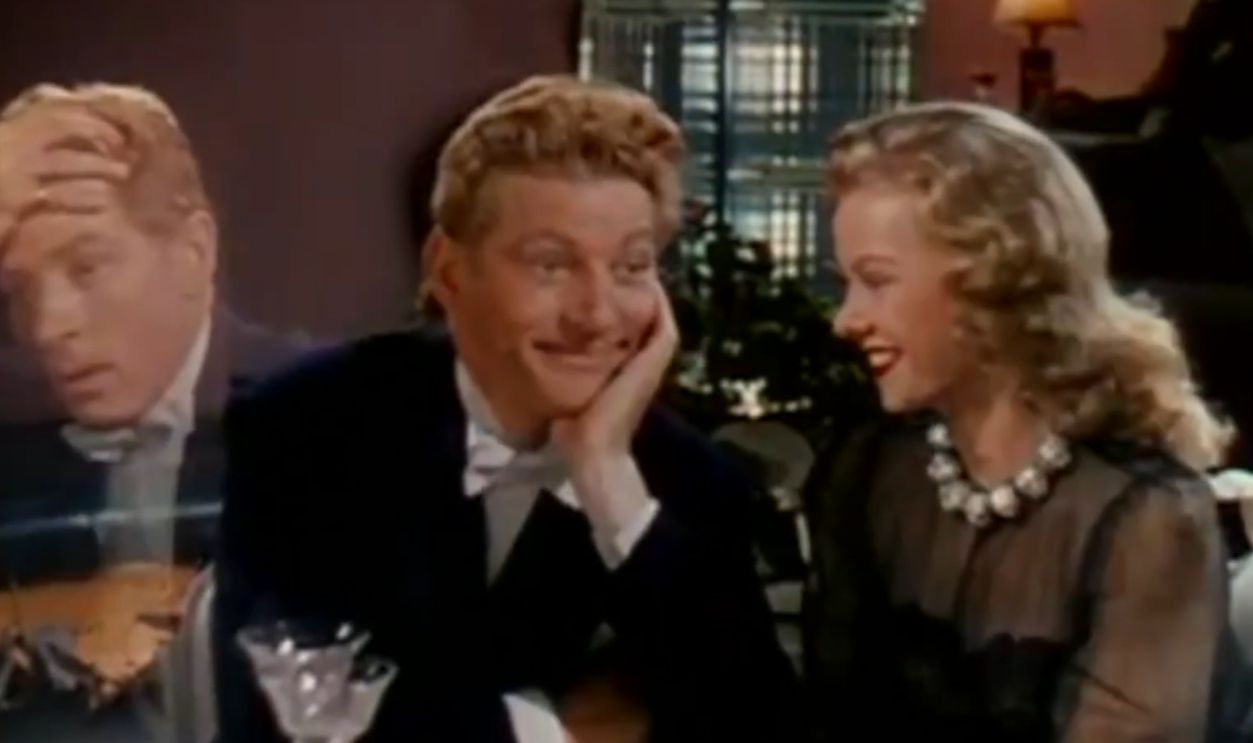
After performing in A Connecticut Yankee, Vera-Ellen caught the eye of Hollywood studio boss Samuel Goldwyn, who cast her in his upcoming film Wonder Man alongside already established headliners Virginia Mayo and Danny Kaye. It was her first big break into film, and she was billed just as “Vera-Ellen”. Yet it wasn’t everything she could have hoped for.
 Screenshot from Wonder Man, RKO Radio Pictures (1945)
14. They Dubbed Her Voice
Vera-Ellen had performed on Broadway for years, and although she was known most for her dancing, her singing voice—a comic soubrette—was nothing to scoff at, and is used in the Original Cast Album for the 1943 A Connecticut Yankee. Still, this wasn’t enough for the studios, who dubbed her singing over in Wonder Man, and continued to frequently dub her over in future films.
But if Vera-Ellen cared, she hardly showed it.
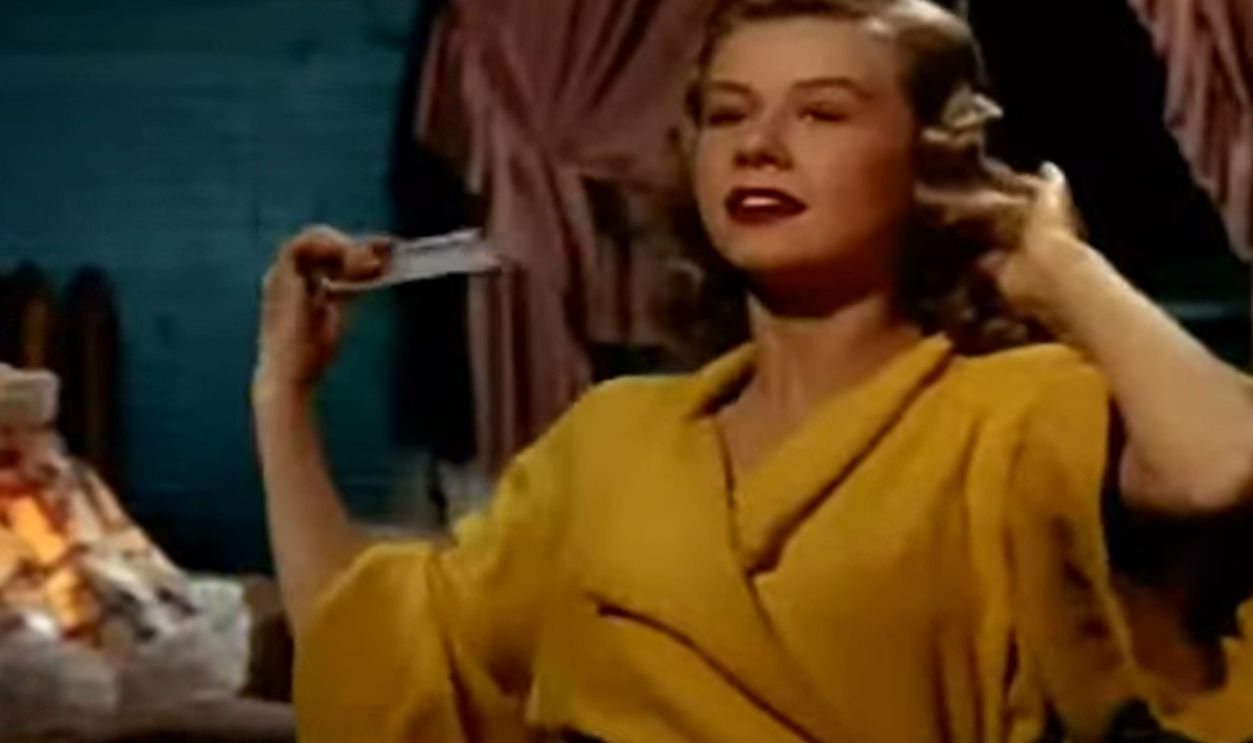 Screenshot from Wonder Man, RKO Radio Pictures (1945)
15. She Became a Film Star
By 1946, Vera-Ellen’s marriage to Robert Hightower had officially ended in divorce, but her Hollywood career was taking off, and she starred in a rapid succession of films, including The Kid From Brooklyn and Carnival in Costa Rica. Even though she was spending more time than ever with her mother, who was still in Hollywood with her, it seemed Vera-Ellen was happy. It showed in other ways.
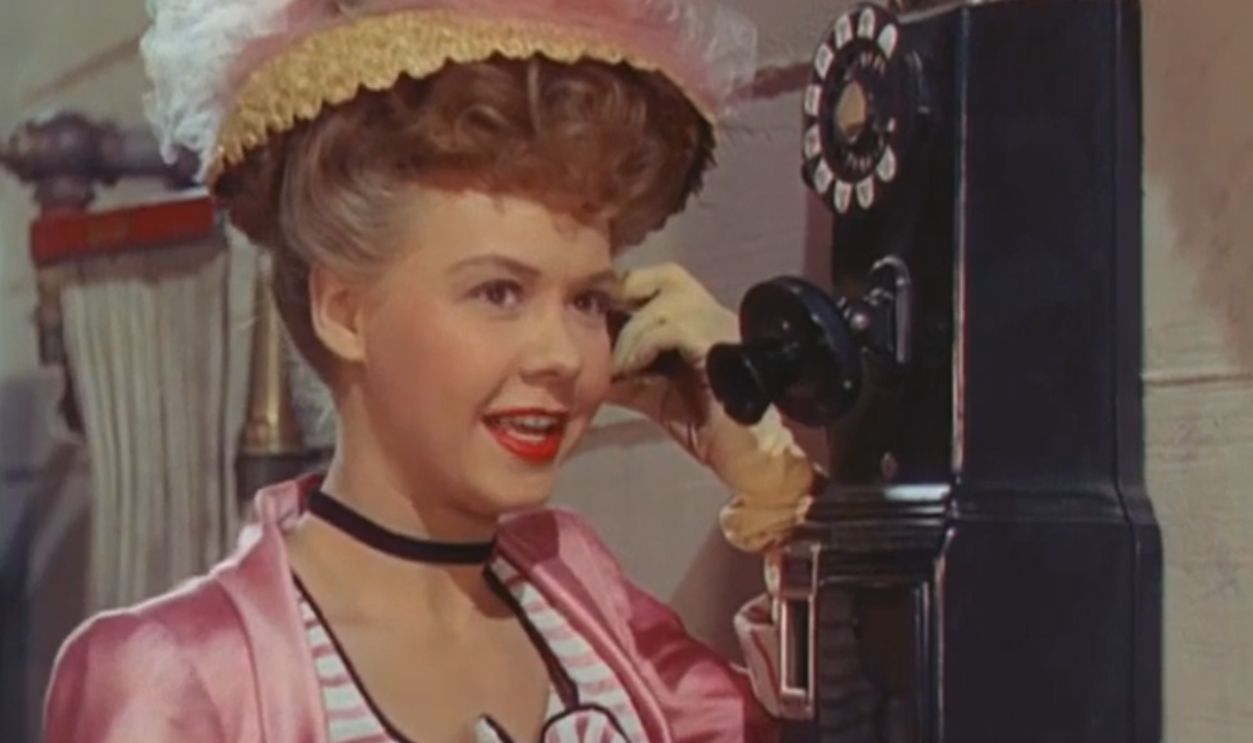 Screenshot from The Kid From Brooklyn, RKO Radio Pictures (1946)
16. She Went Back To Herself
Besides her burgeoning film career, Vera-Ellen’s physicality was also in a good place. She had put weight back on while in Hollywood and single once more, and was clearly healthy and curvy again. As she said of this early period of her Hollywood life, “Picture work is easier on the nerves I guess than the stage”. It wouldn’t always be that way.
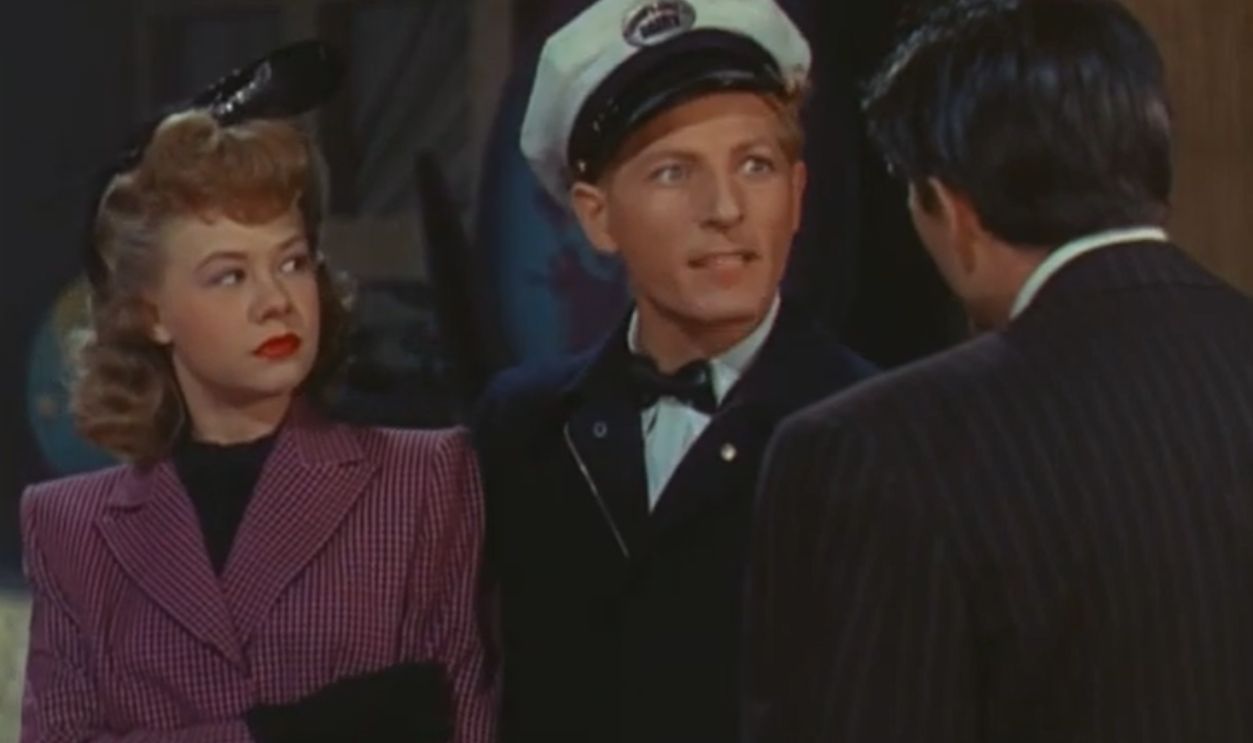 Screenshot from The Kid From Brooklyn, RKO Radio Pictures (1946)
17. She Got Signed
In 1948, Vera-Ellen had drummed up enough interest and admiration for MGM to sign her on as one of their contract players. In one way, it meant extra security, more roles, and more stardom for the actress-dancer. More than that, she seemed to have confirmation that the studio bosses were liking what they saw of her. But she was in for a rude awakening.
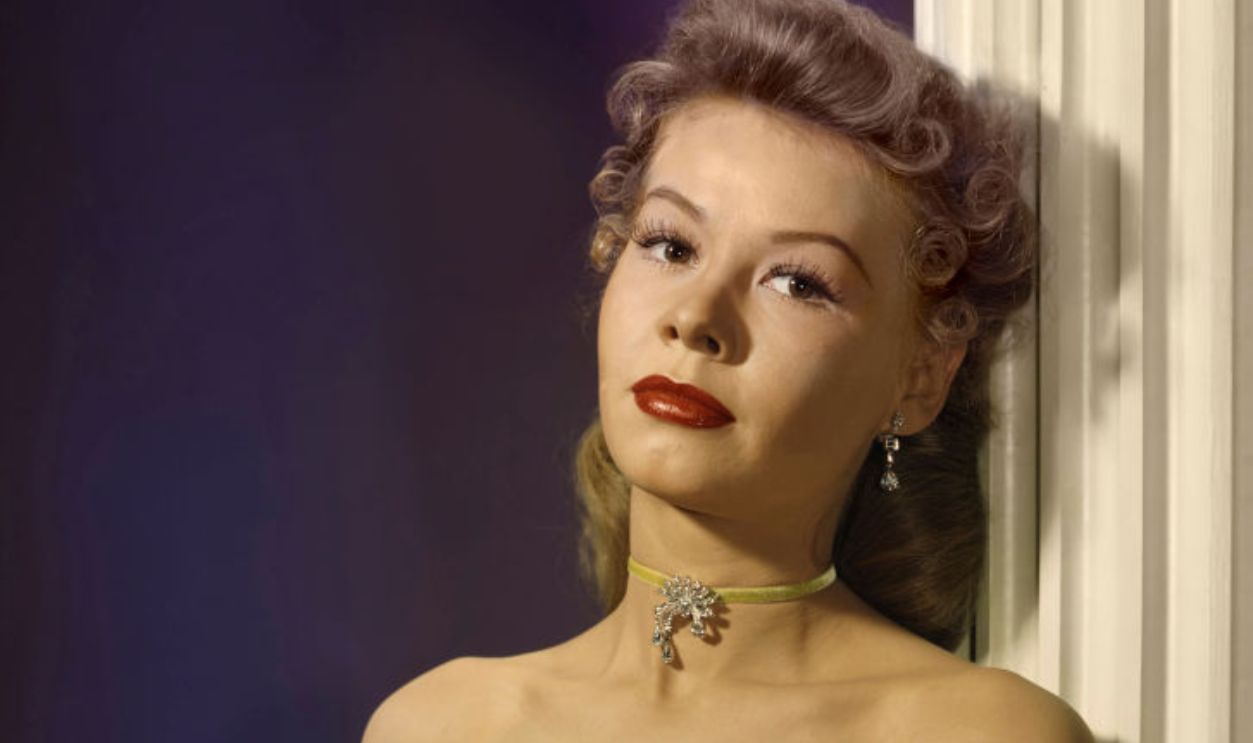
18. There Was One Feature They Hated
Vera-Ellen’s signing with MGM came with harmful strings attached. Namely, echoing her upbringing, MGM was insistent that she lose weight, and was particularly vicious about naming her thighs as a specific issue, telling her that their tops were too heavy. It was all Vera-Ellen needed to hear to start spiraling again.
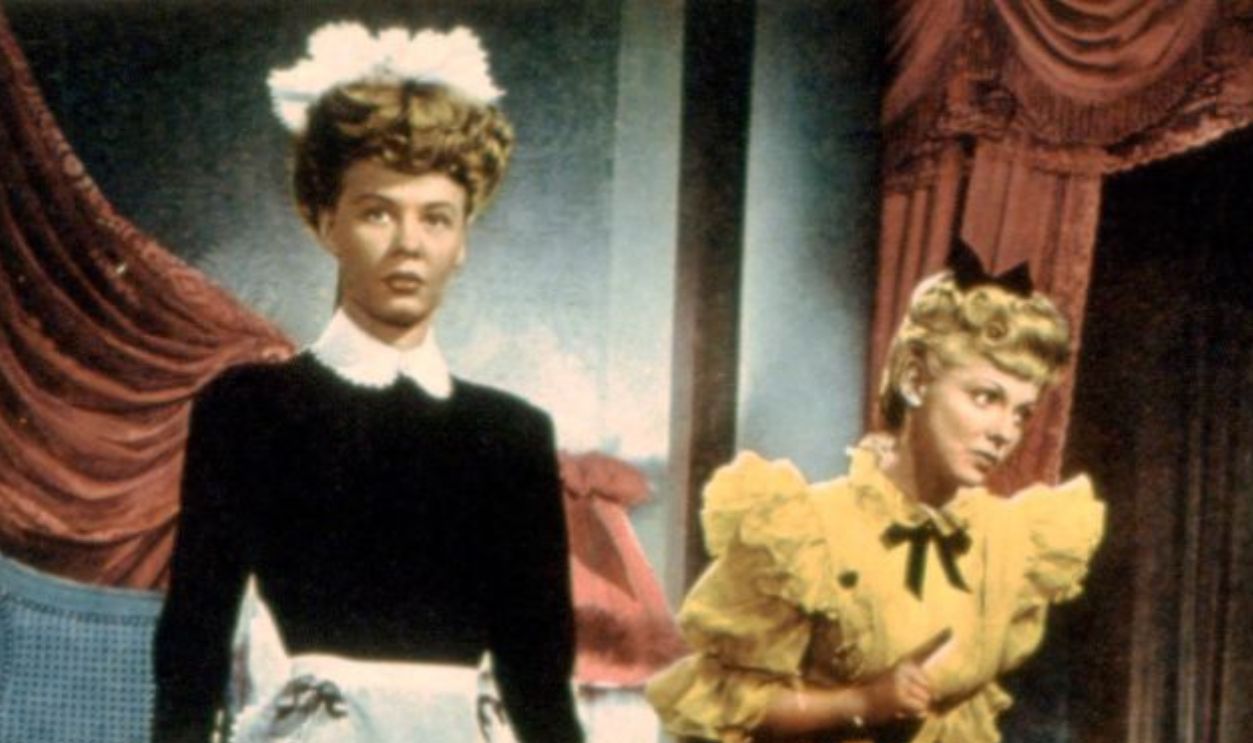
19. She Was Under Their Thumb
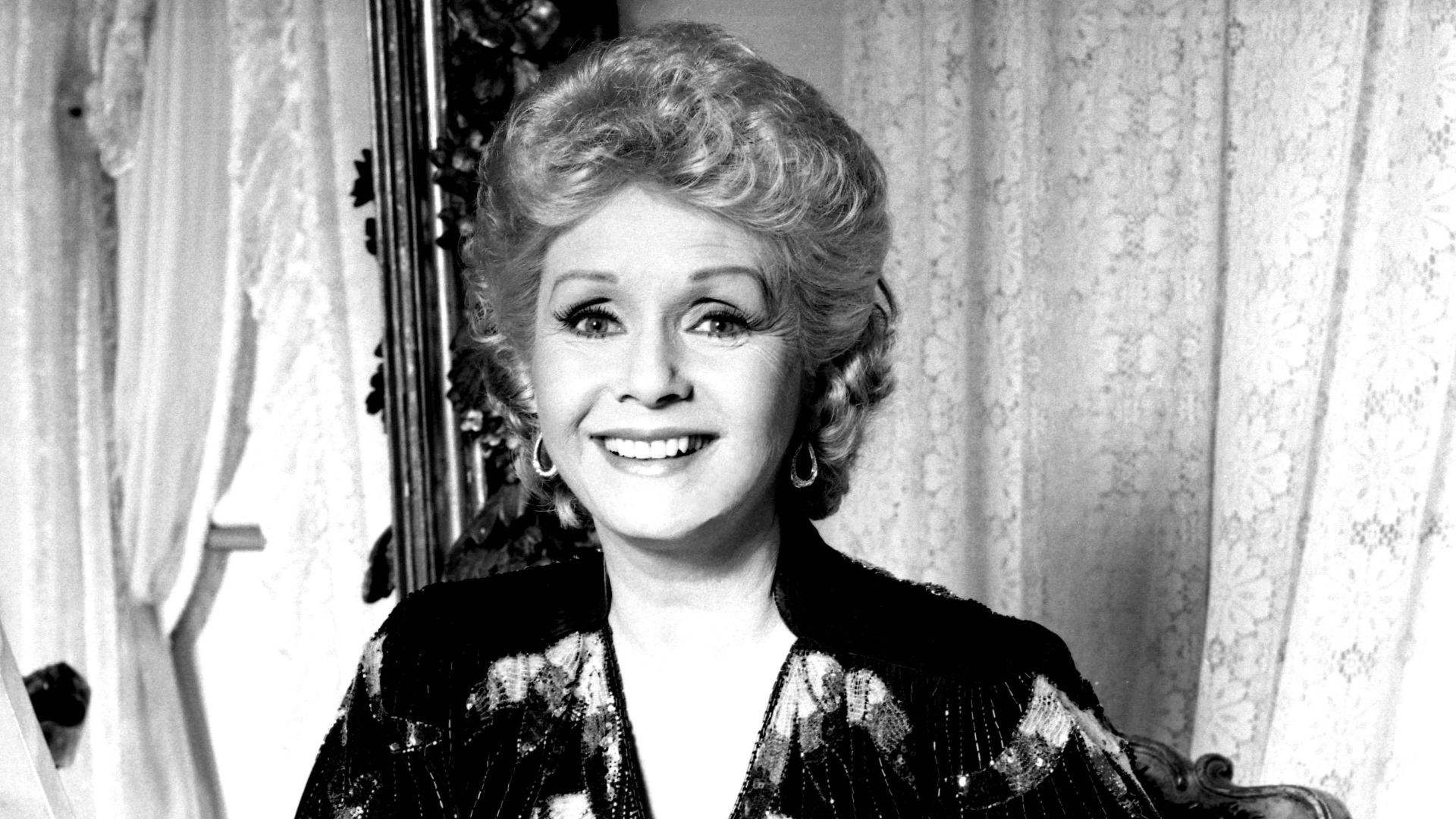
Actress Debbie Reynolds was also an MGM star at this time, and had a front-row seat to how hard Vera-Ellen threw herself into dieting again. As Reynolds related, with all Vera-Ellen’s insecurities flaring up, she believed the studio’s criticisms, “which was the worst thing she could have done”. Now, the dancer only drank coffee for most of the day before dinner of steak and a vegetable.
Worst of all, once more, this seemed to work for her.
 Allan warren, Wikimedia Commons
20. A Legend Hired Her
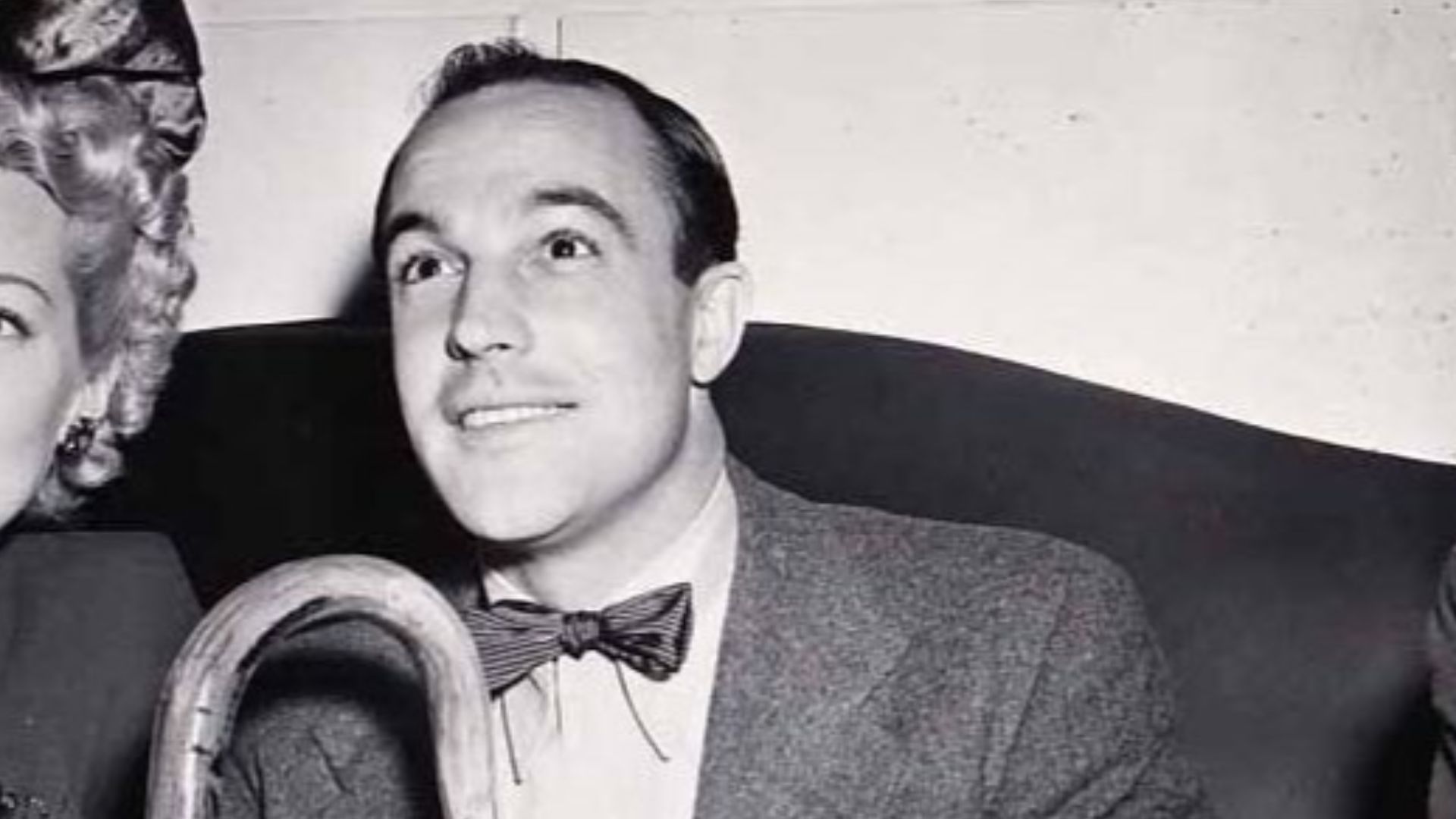
After listening to the system, Vera-Ellen was rewarded: In 1948, legendary dancer Gene Kelly selected Vera-Ellen to be his dance partner in the “Slaughter on Tenth Avenue” sequence in the now classic Words and Music. In it, Vera-Ellen plays a fiery, rhythmic character, and the part allowed her to showcase all of her hard-won skills. But it wasn’t enough.
 Unknown authorUnknown author, Wikimedia Commons
21. She Pushed Herself
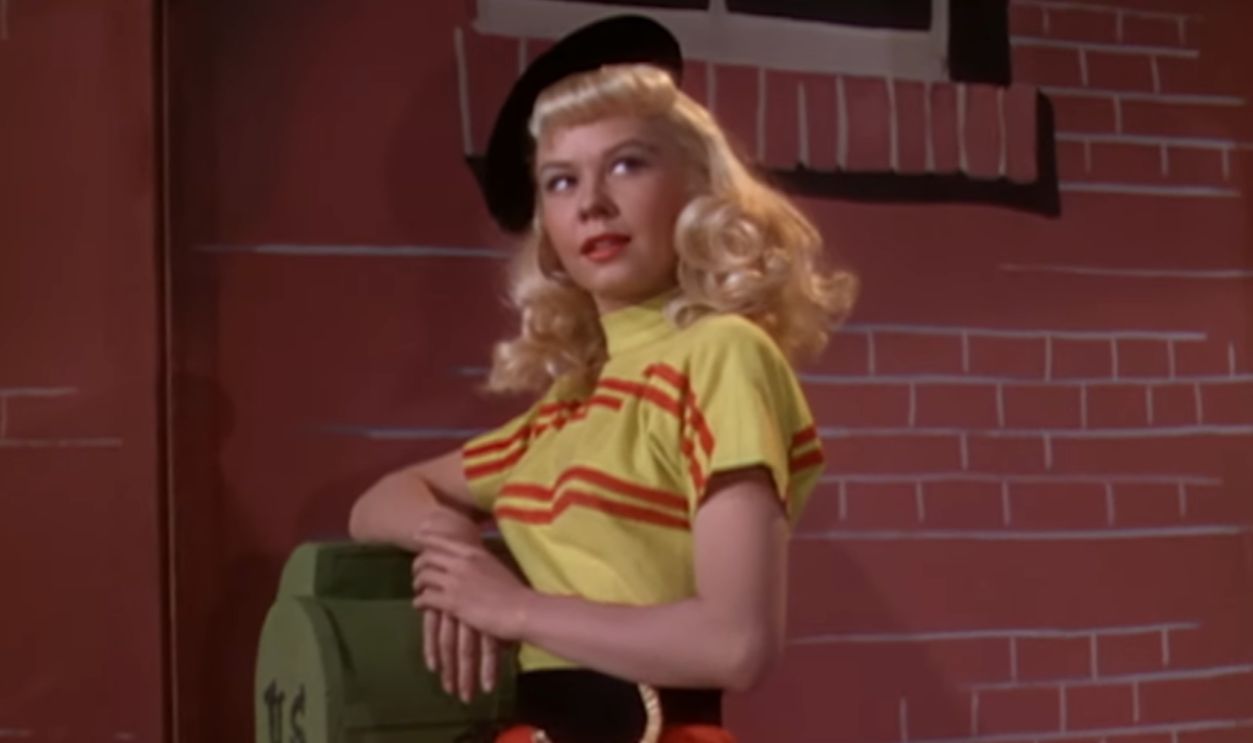
Vera-Ellen was an extremely dedicated worker, even focused to a fault. Determined to rise to the occasion for Kelly, she practiced day and night for her sequence, all while still restricting her intake. As a result, she lost even more weight, so much so that her costumes for Words and Music had to be continually taken in. Not everyone was happy about this.
 Screenshot from Words and Music, Metro-Goldwyn-Mayer (1948)
22. She Was “Strange”
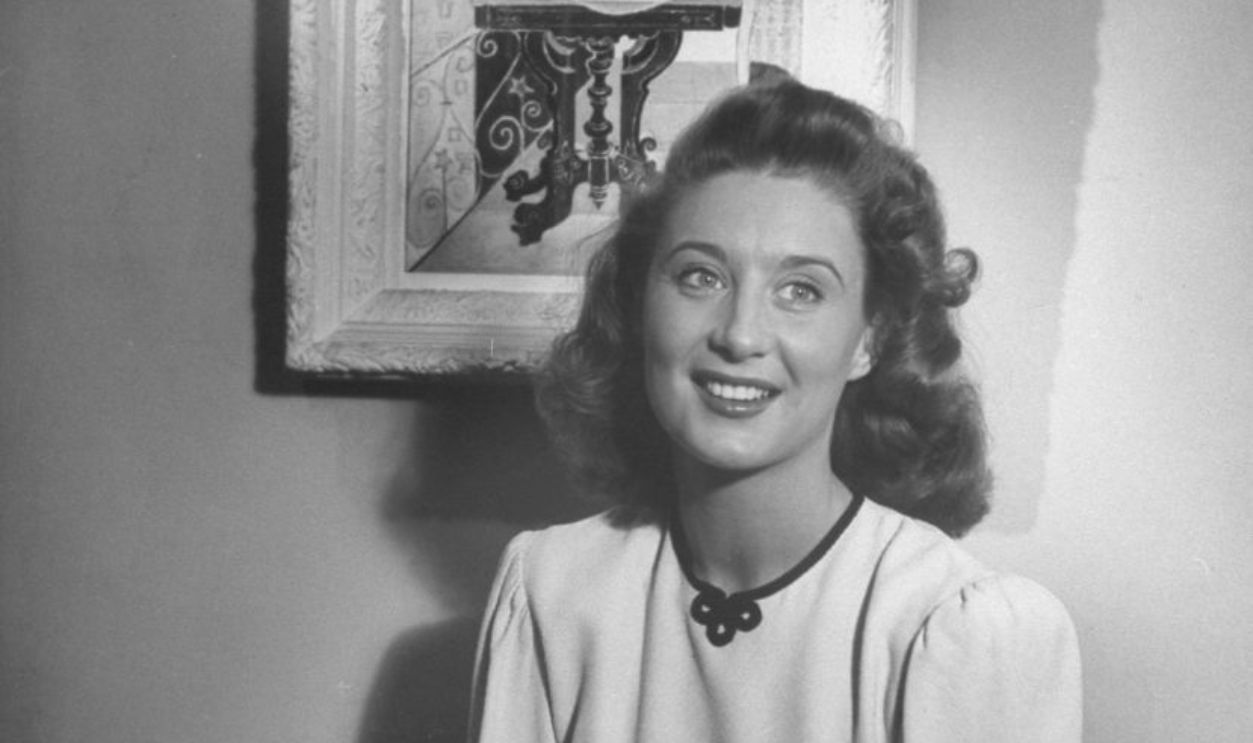
Betty Garrett, who had seen the vivacious Vera-Ellen perform in Connecticut Yankee years before, was now her co-star in Words and Music, and noted a change in the actress—not just physically but mentally. Garrett noted that she was now a “strange gal” who rarely socialized and instead obsessed about her looks. Still, Vera-Ellen pushed toward her own version of happiness.
23. She Made It Work
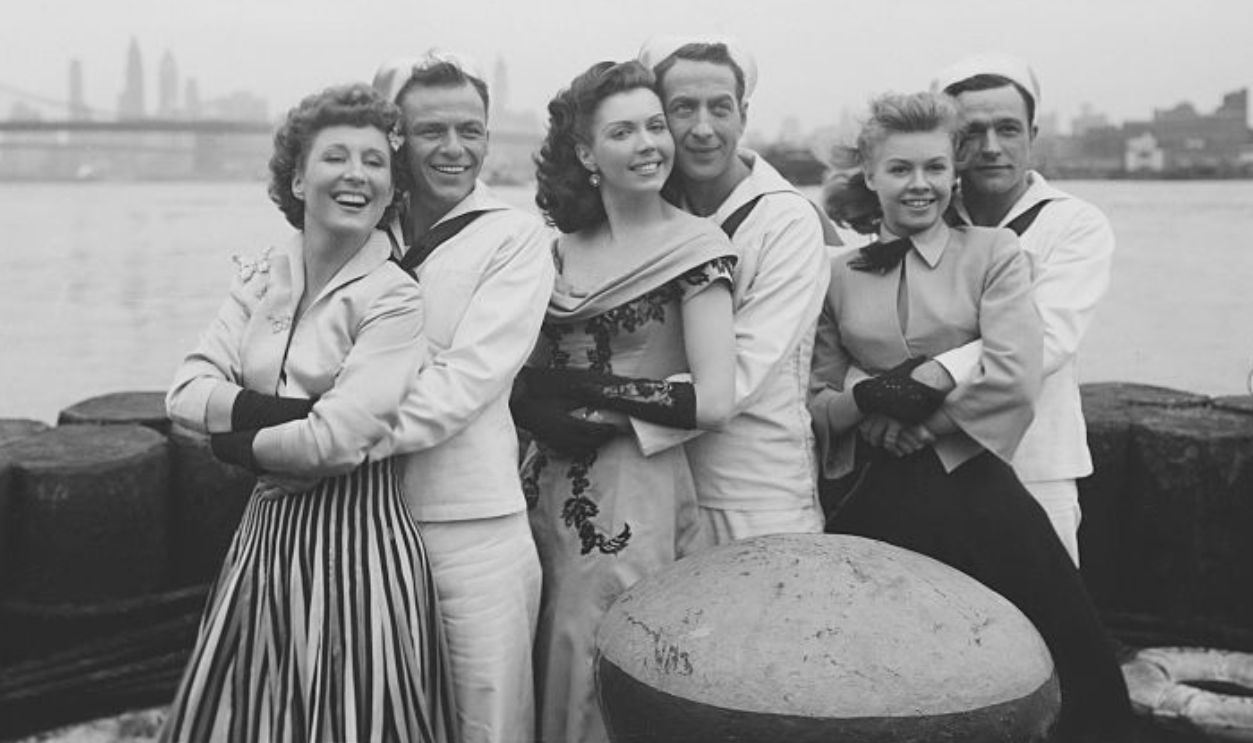
The next few years were an uneasy kind of equilibrium for Vera-Ellen. While MGM was continually dissatisfied with her “problem” thighs, Vera-Ellen snagged work in the next Gene Kelly picture, On the Town, as well as in the last Marx Brothers film, Love Happy, maintaining her hold on Hollywood. Yet her habits were growing even stranger.
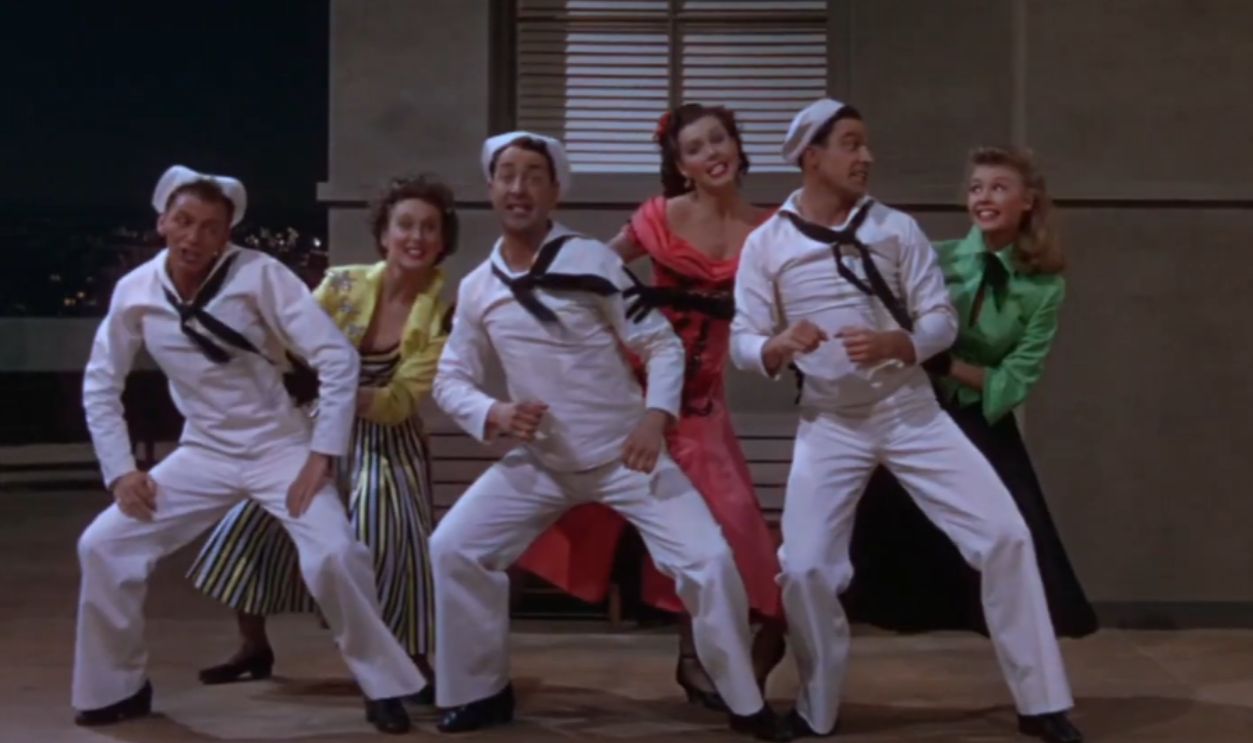 Screenshot from On the Town, Metro-Goldwyn-Mayer (1949)
24. She Had A Bizarre Habit
While Betty Garrett had noted Vera-Ellen’s withdrawn, self-obsessive behavior on set, the actress herself developed her own odd rituals in her personal life, including, as she publicly admitted during an interview, a need to raise her feet up when she wasn’t working, which she claimed helped prevent her from building muscle in her “problem” thighs. This ritual hit epic proportions.
 John Springer Collection, Getty Images
25. She Had A Signature Pose
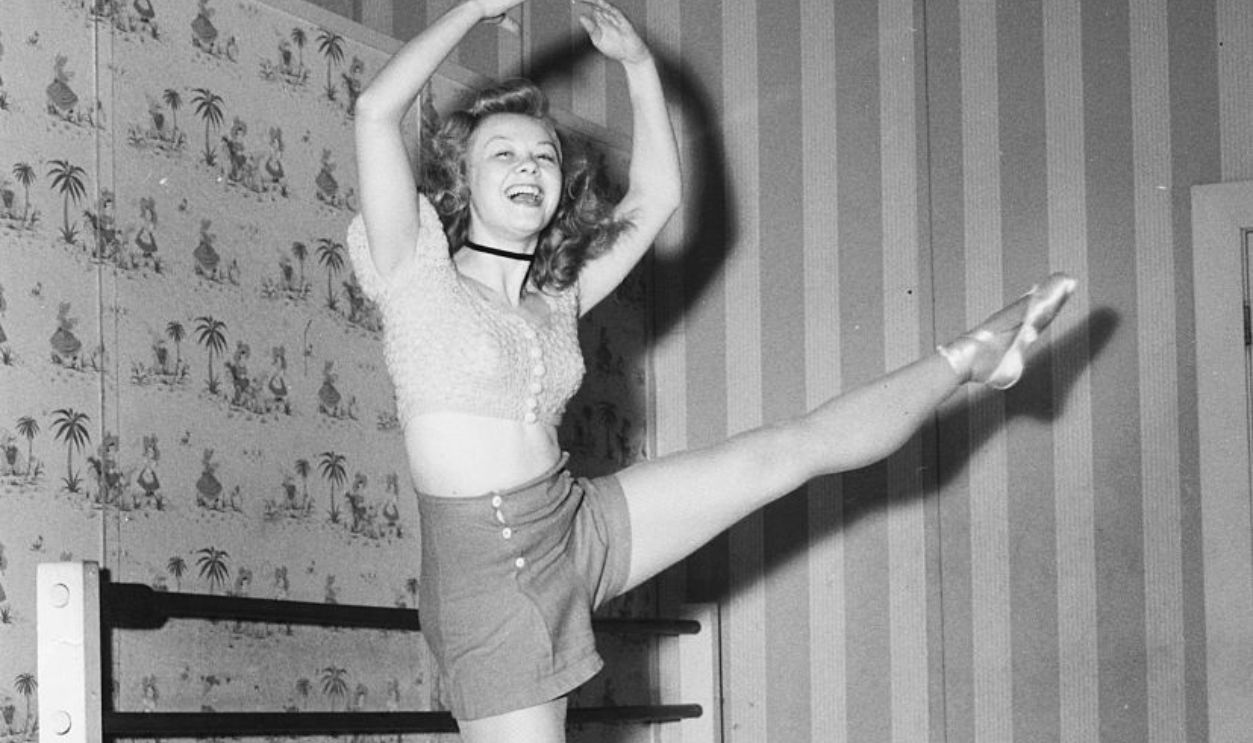
Soon, Vera-Ellen was putting her feet up everywhere she went. She admitted she did it with any date she had while at a movie theatre, and Debbie Reynolds recalled that even at the studio hair salon, “Vera-Ellen would be sitting with her legs up, but never with her feet crossed at the ankle because it hurt circulation”. It was far from her only tic.
 Keystone Features, Getty Images
26. She Wrapped Herself In Saran Wrap
Continuing her obsession with making her legs slim, Vera-Ellen also took to wrapping them in saran wrap, believing that making them sweat would thin them down. At one point, she even took to mowing the lawn—hers and those of her neighbors—with the saran wrap on to get extra sessions in.
Vera-Ellen was nothing if not disciplined, and that was precisely the problem.
27. She Was Committed
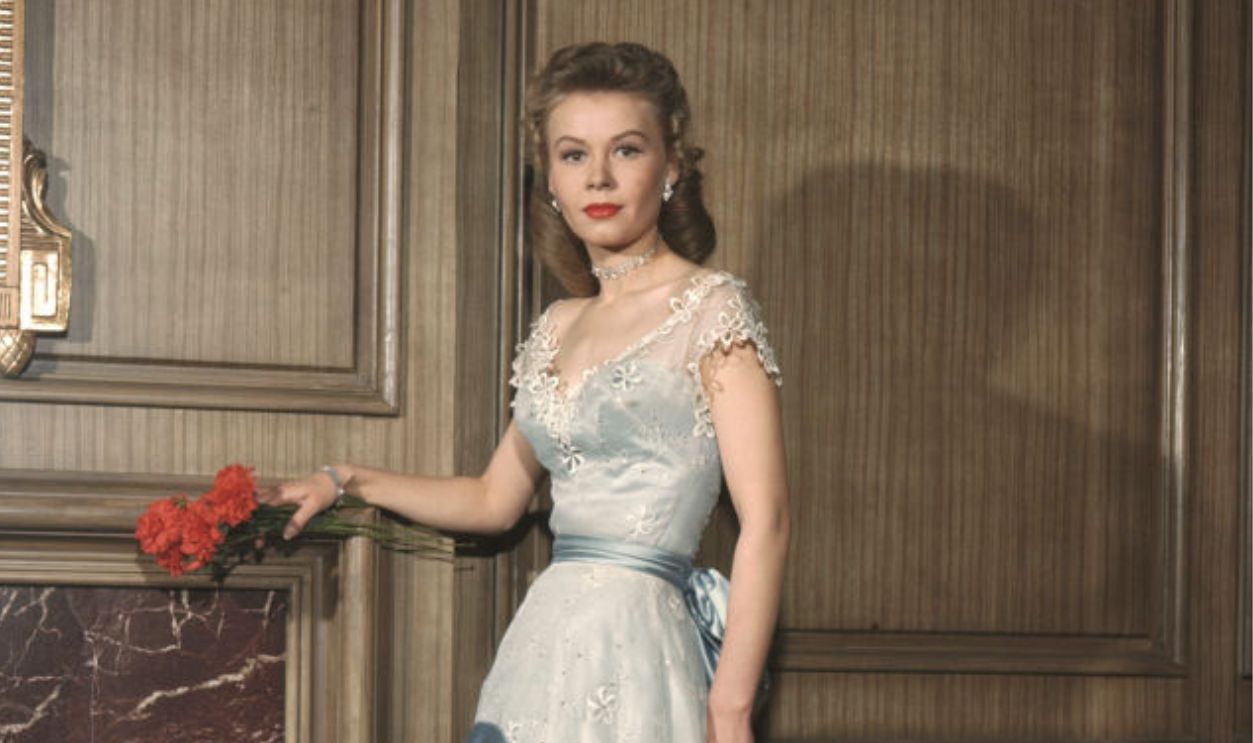
Vera-Ellen had always been fiercely devoted to her craft, so much so that some of her collaborators, Gene Kelly among them, attributed much of her weight loss to her sheer commitment to her performances, which often overshadowed fueling herself properly. As Kelly put it, she “drove herself relentlessly”.
Soon, though, it was her craft that suffered.
28. It Began To Take A Toll
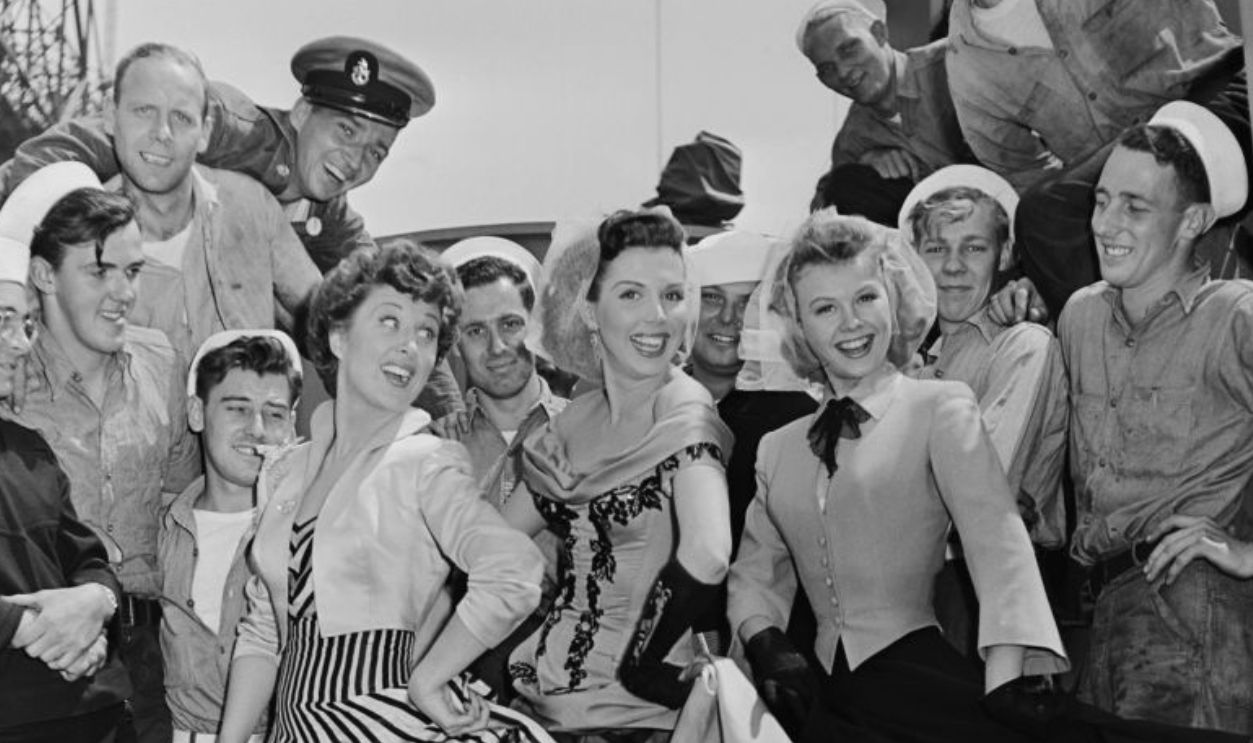
Choreographer David Lober worked with Vera-Ellen on 1951’s Happy Go Lovely, and saw first-hand how dedicated she was to her dance scenes. But he also saw how tired her lifestyle was making her. As he put it, “because of fatigue, one section of the dance took 26 takes” when something like five takes was usually plenty.
Soon, Vera-Ellen was unable to do moves she could once do in her sleep.
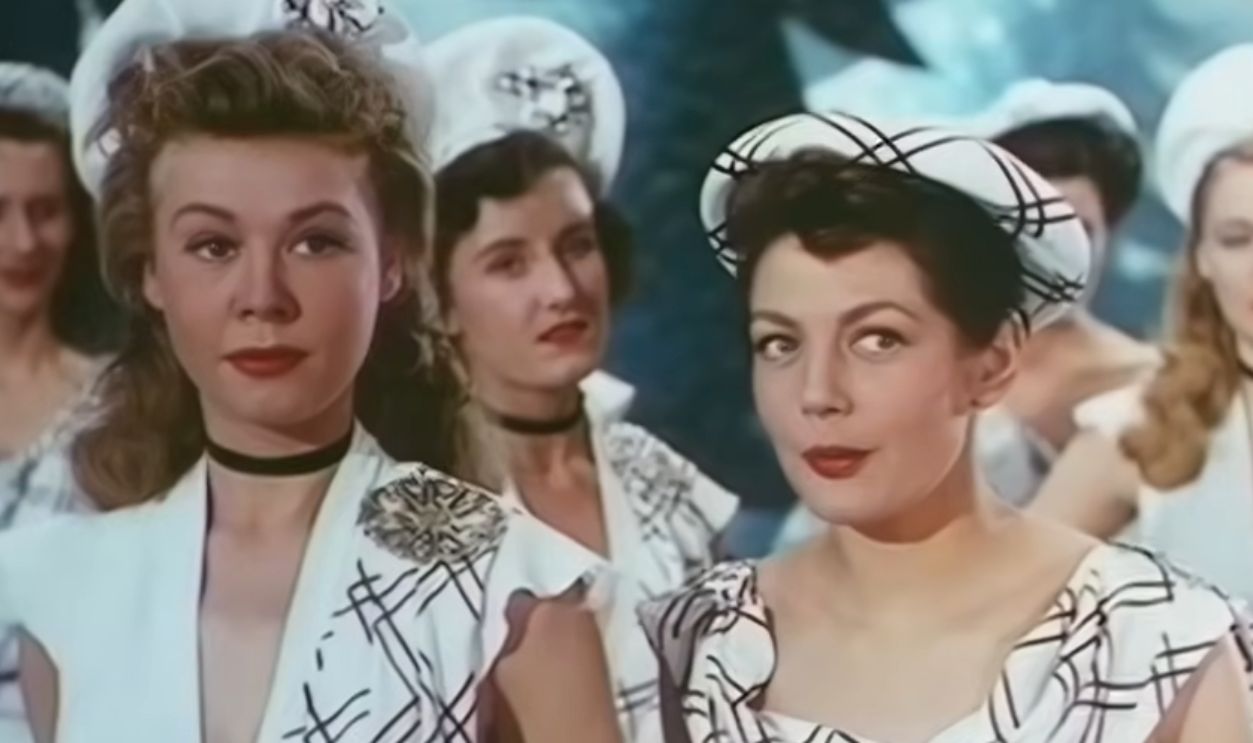 Screenshot from Happy Go Lovely, RKO Radio Pictures (1951)
29. She Weakened
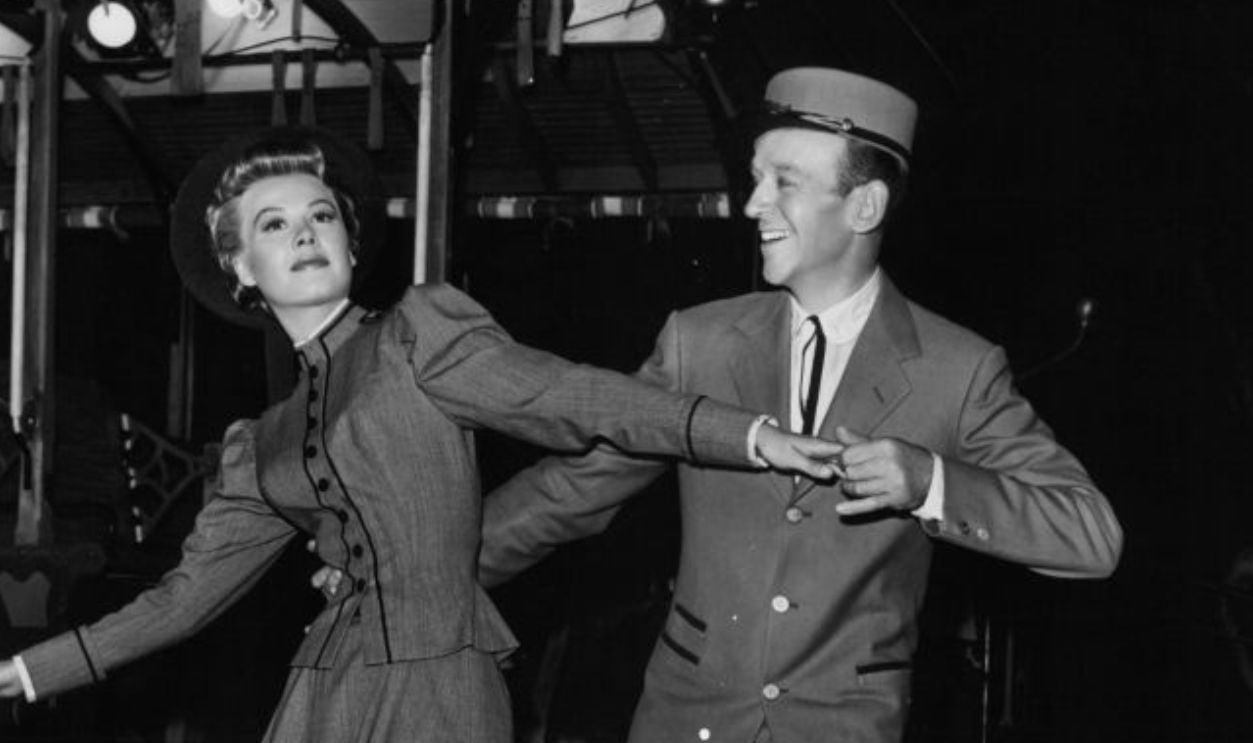
As the 1950s continued, Vera-Ellen’s profile rose—but she was having a hard time raising up herself. In The Belle of New York, she had a scene that required her to “propel herself up into Fred Astaire’s arms,” but the crew on set watched as she struggled for the strength to do so. Still, Vera-Ellen at least had a glowing career…but that, too, was on a precipice.
30. Her Moves Were Ahead Of Their Time
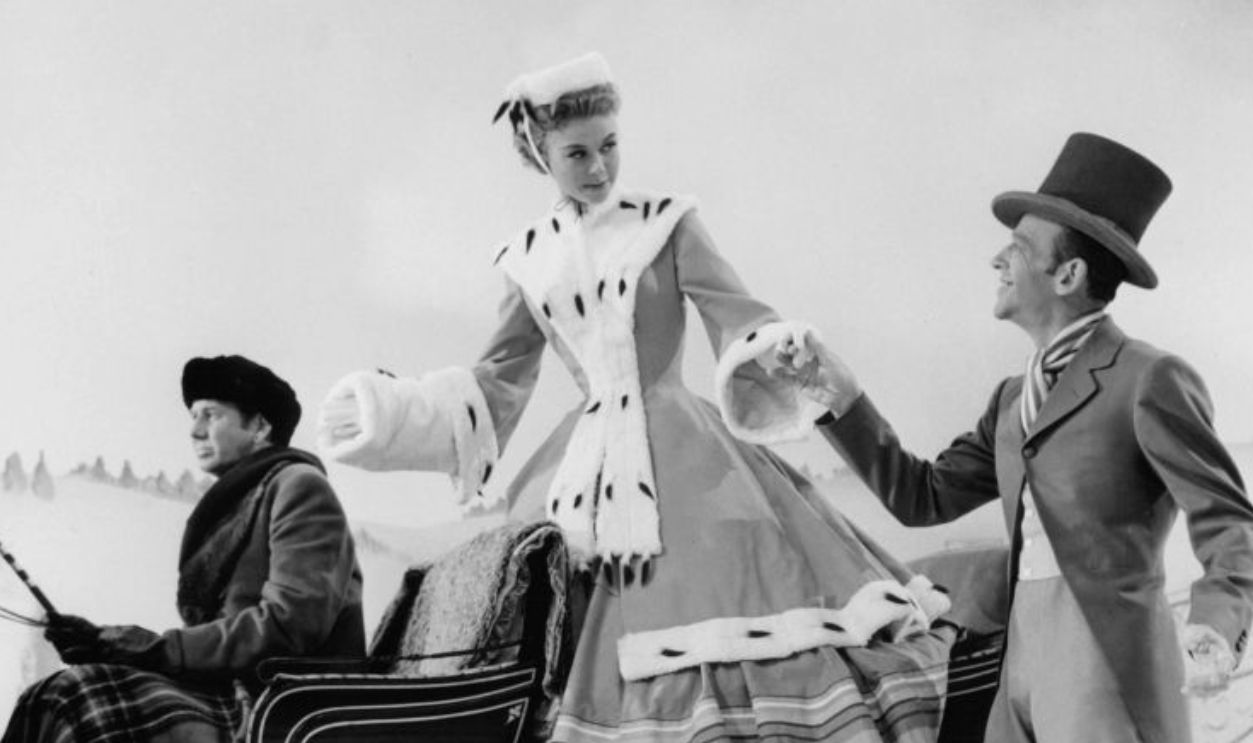
The Belle of New York was one of the first films that used a conceit where the dancers seemingly had no gravity dragging them down and thus appeared to float on air. It was a tricky concept at the time, and one that only a very technically skilled dancer like Vera-Ellen could handle.
Accordingly, Vera-Ellen got second-billing next to her co-star Fred Astaire, and it represented a huge opportunity. It was just an opportunity that didn’t work out.
31. She Had A Flop
Unfortunately, The Belle of New York was a critical and commercial failure, in part because of its avant-garde dance sequences. Astaire, who was notoriously critical of his own dancing, would later defy popular opinion and say they were some of his best, but this didn’t stop the film from losing well over a million dollars for the studio.
Then again, their days on set weren’t without tension.
32. She Tried To Change Her Face
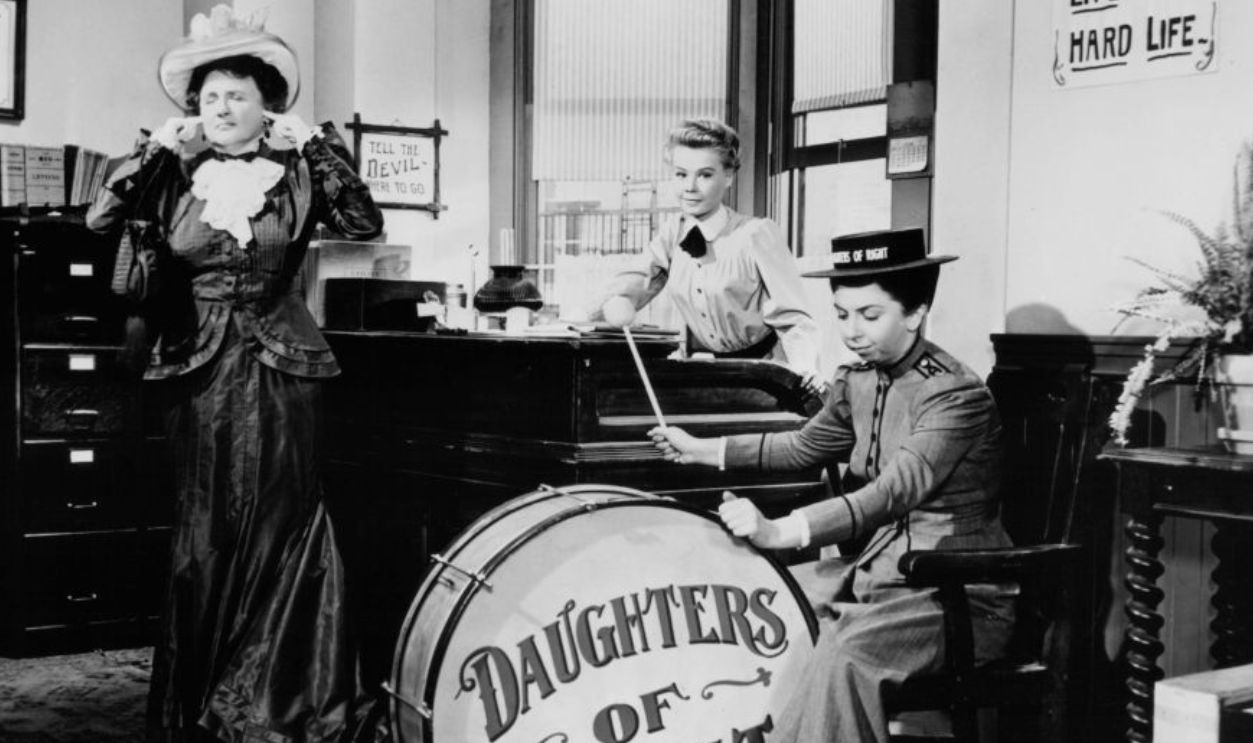
Vera-Ellen was a consummate professional, but her regimented life had also grown her insecure self-obsession and produced near-constant habits. Alarmingly, her Belle of New York co-star Astaire noticed that, apparently in order to accentuate her cheekbones, she would poke at her cheeks all day long while working with him.
But, in fairness, all of this was the exact image Vera-Ellen wanted.
33. She Was Proud Of Herself
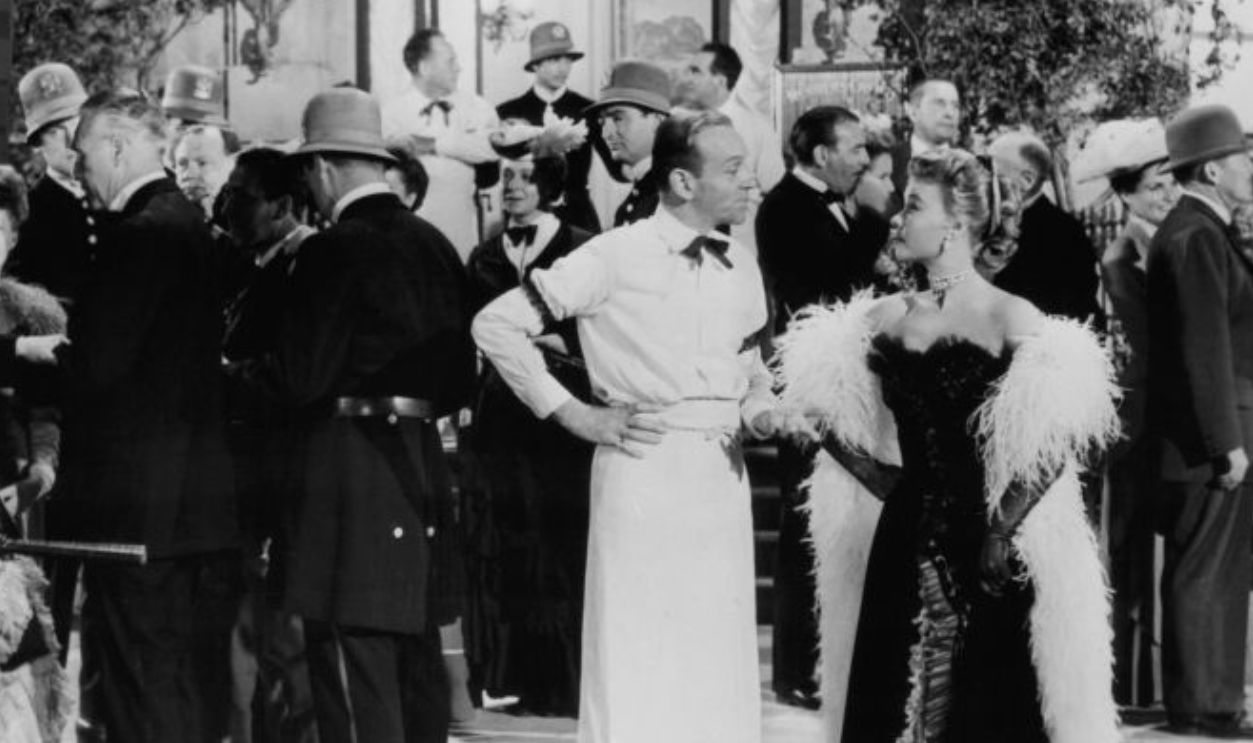
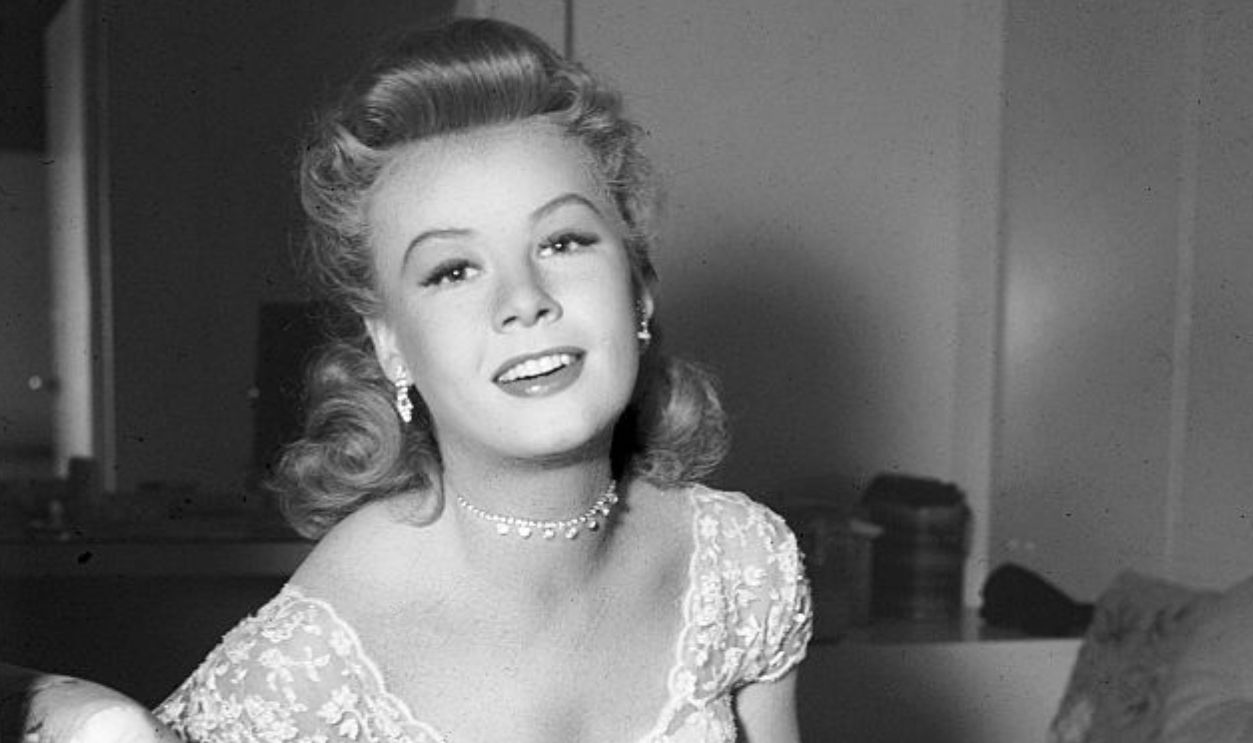
While it’s true that Vera-Ellen had succumbed to the studio’s idea of what a perfect body was, it’s also true that during these years, she claimed a lighter weight helped her artistry, better giving her the ability to “float” in her dance routines. For better or worse, she loved that “my feet scarcely seem to touch the ground when I dance”.
Vera-Ellen was, by any measure, an incredible dancer, and her next film would be her most famous. Sadly, it would also be her most infamous.
 Silver Screen Collection, Getty Images
34. She Was In A Christmas Classic
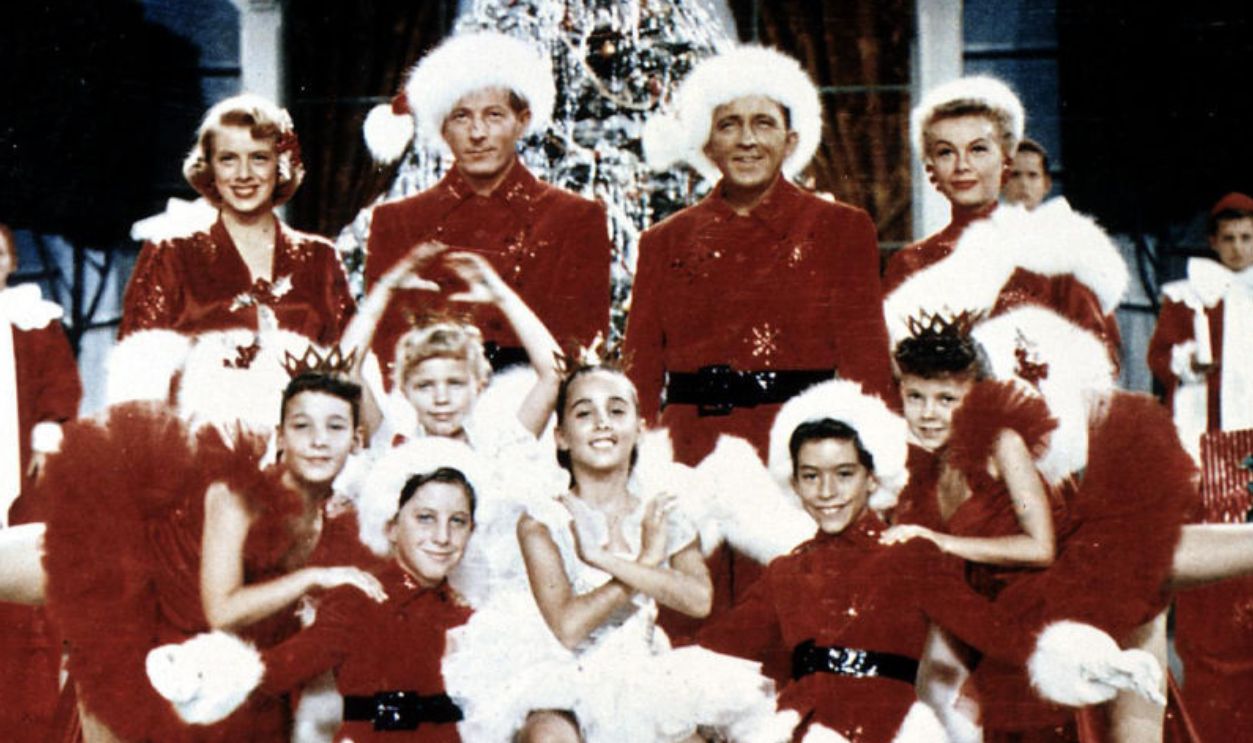
In 1954, Vera-Ellen starred alongside Danny Kaye once more, accompanied by Rosemary Clooney and Bing Crosby, in White Christmas. Though the film had a troubled production history—Fred Astaire was initially pegged for Danny Kaye’s role, and Kaye came to set with little preparation—it became the highest-grossing film of the year, turning Vera-Ellen and the rest of the cast into instant Christmas icons.
Vera-Ellen’s work in the film is at a gold standard to anyone who watches…but it’s not what people noticed at the time.
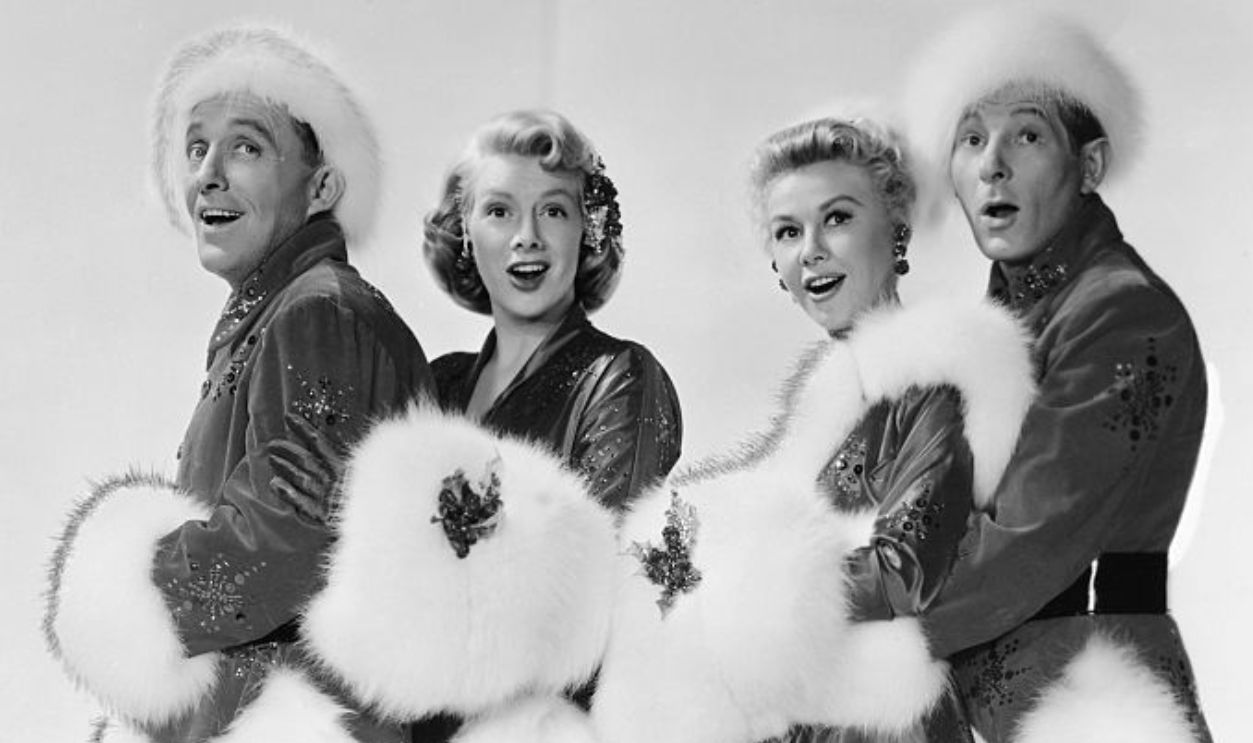
35. She Wore A Suspicious Item
When White Christmas came out, some people in Hollywood commented that Vera-Ellen’s frame was now too fragile-looking, proving that Vera-Ellen really couldn’t please the studios or their audiences no matter what she did.
More than that, this figure, coupled with her consistently high-necked costumes, started a long-standing fan conspiracy theory.
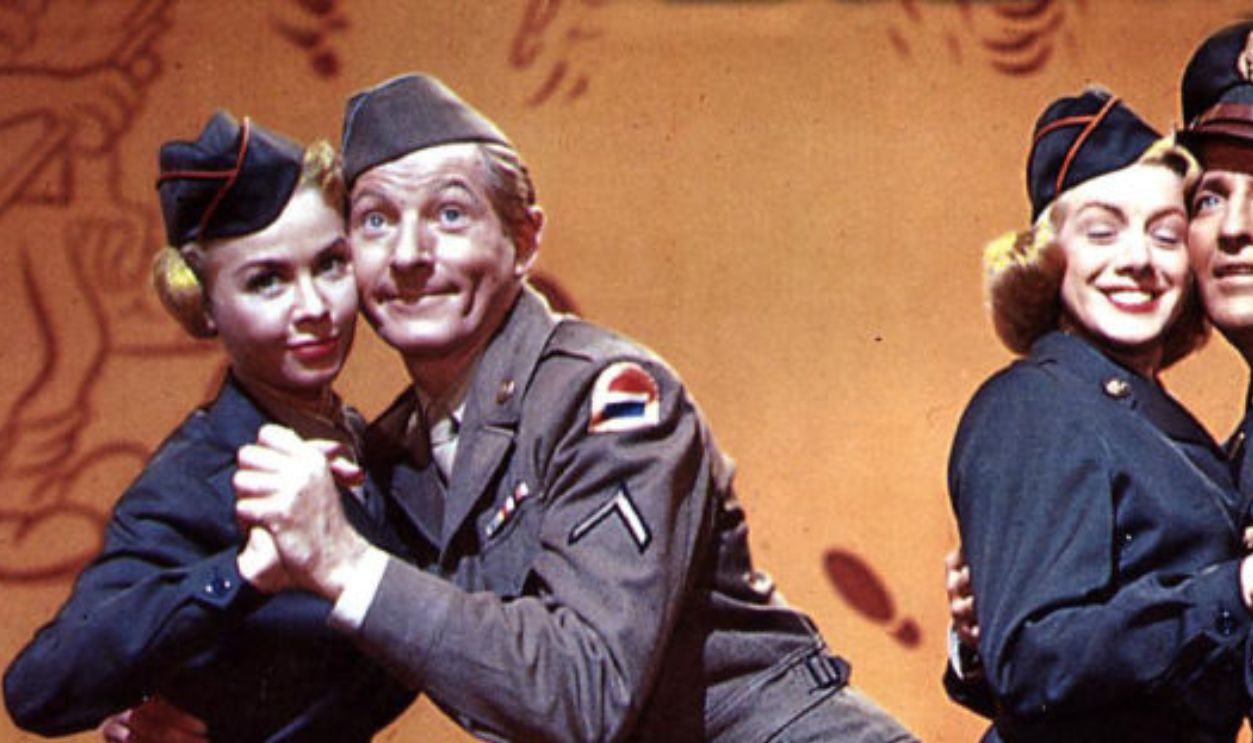
36. They Said She Was Hiding Something
According to the rumor, White Christmas’s costume designer Edith Head had purposely made practically all of Vera-Ellen’s costumes with high necks because the actress’s decolletage had been ravaged by her years of malnutrition, and was now aged beyond Vera-Ellen’s years. This is a myth—but it doesn’t mean it was far from the truth.
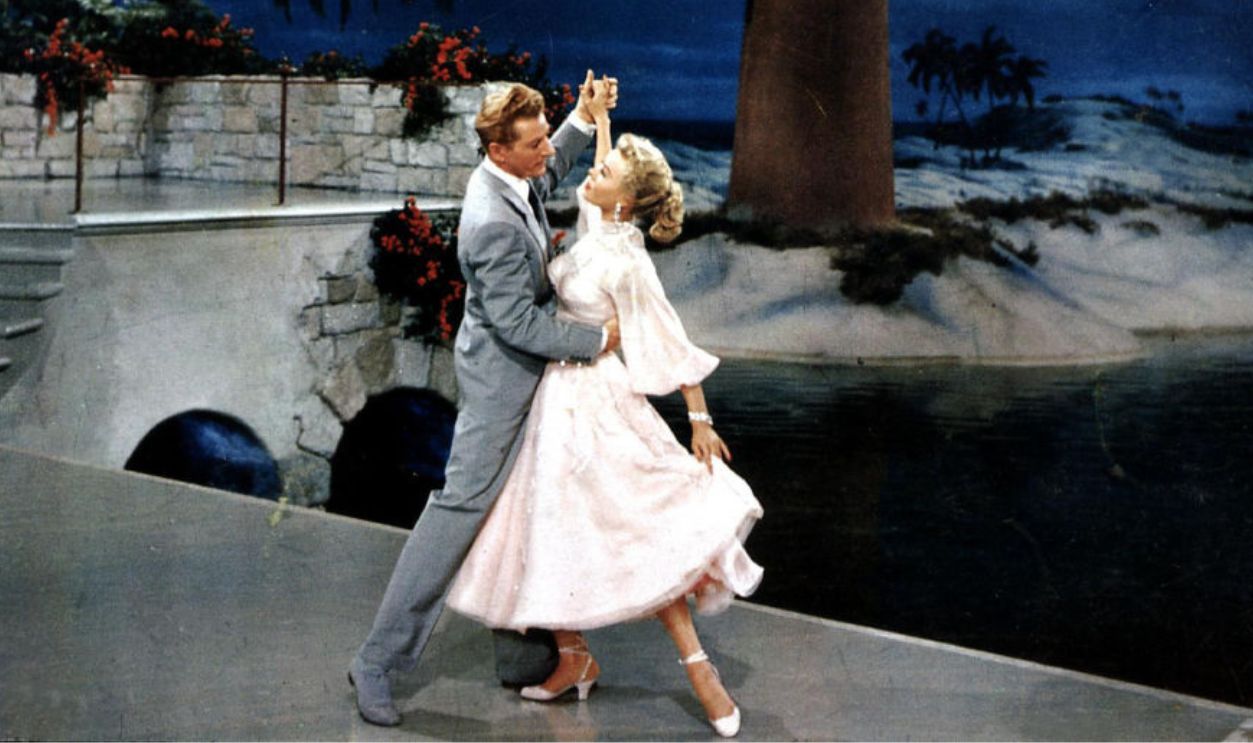
37. Photos Disprove The Theory
There are a host of photographs of Vera-Ellen after she filmed White Christmas wearing low necklines that bared her neck, and there’s no evidence of any premature aging. In 1957’s Let’s Be Happy, her character even wears a low-necked costume, albeit just once in the film, without any glimpse of damage. Still, as we’ll see, that’s only half the story.
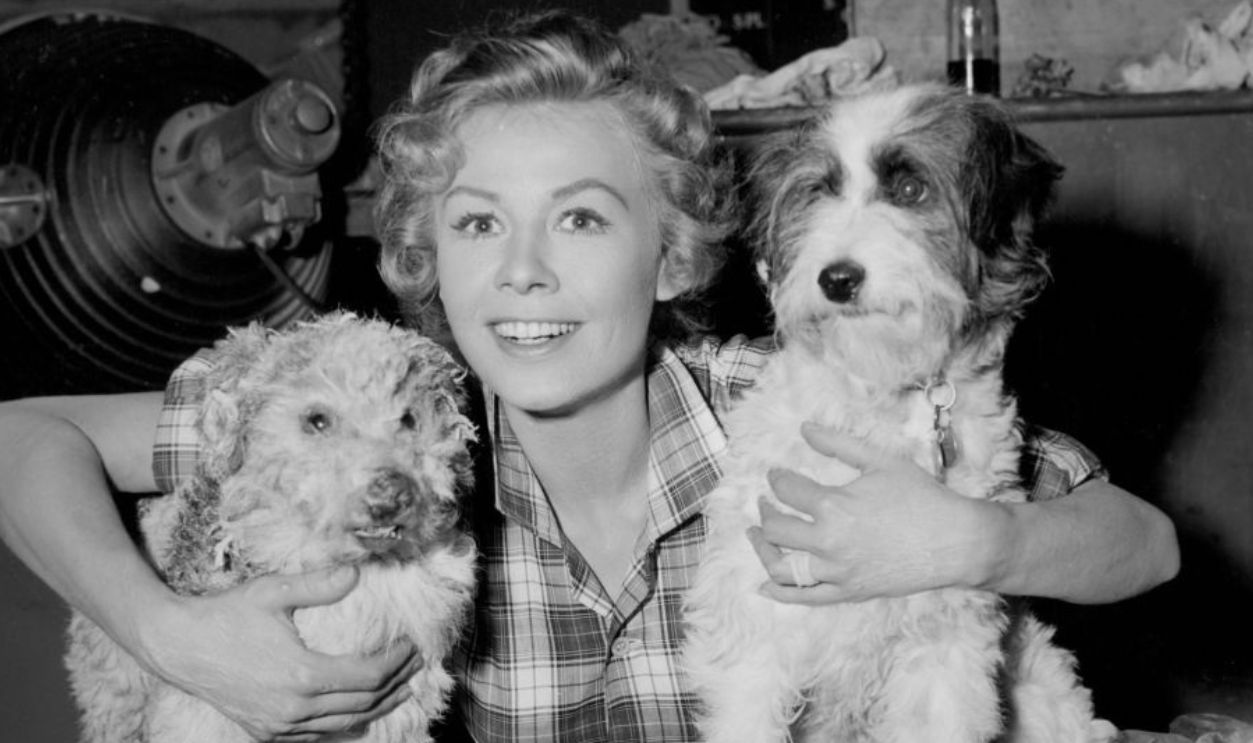
38. She Remarried
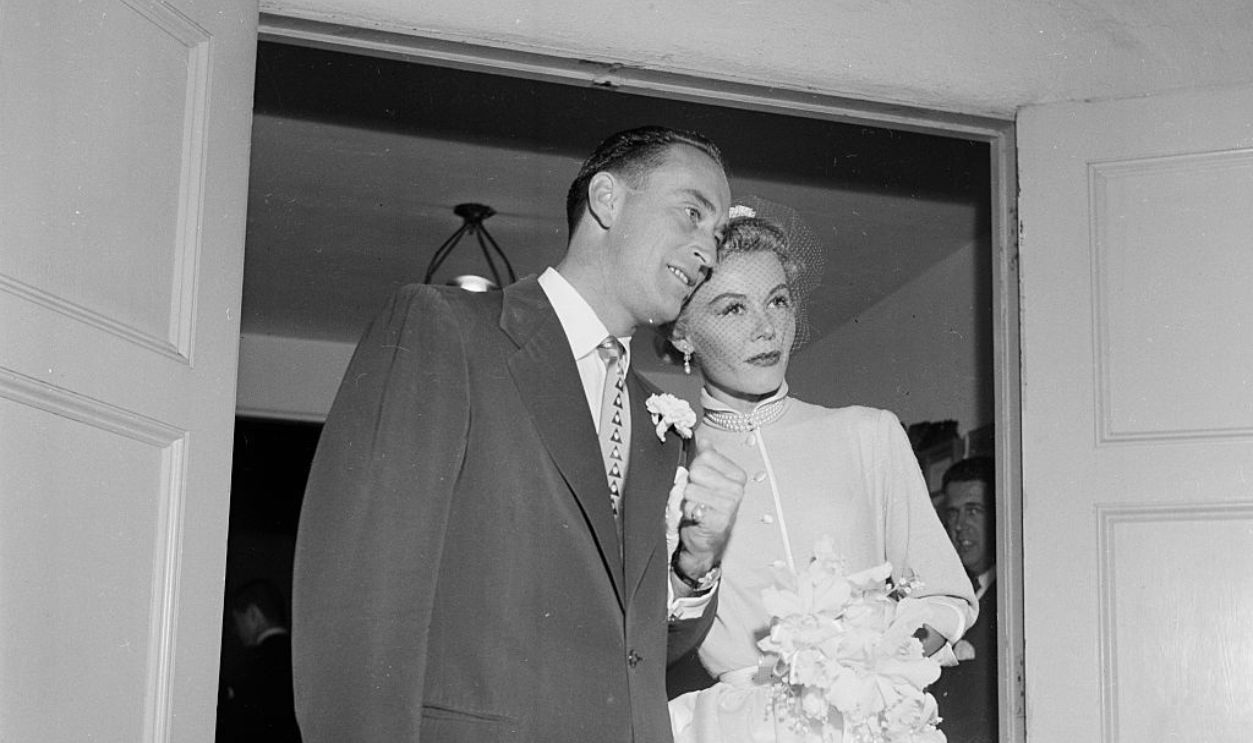
The same year that White Christmas came out, Vera-Ellen married for the second time, this time to oil man Victor Rothschild. It was, in some ways, an extremely fortuitous union: After all, Rothschild was a millionaire, and after years of toiling in Hollywood, Vera-Ellen could now settle down into retirement. She just didn’t want to.
 Michael Ochs Archives, Getty Images
39. She Didn’t Stop
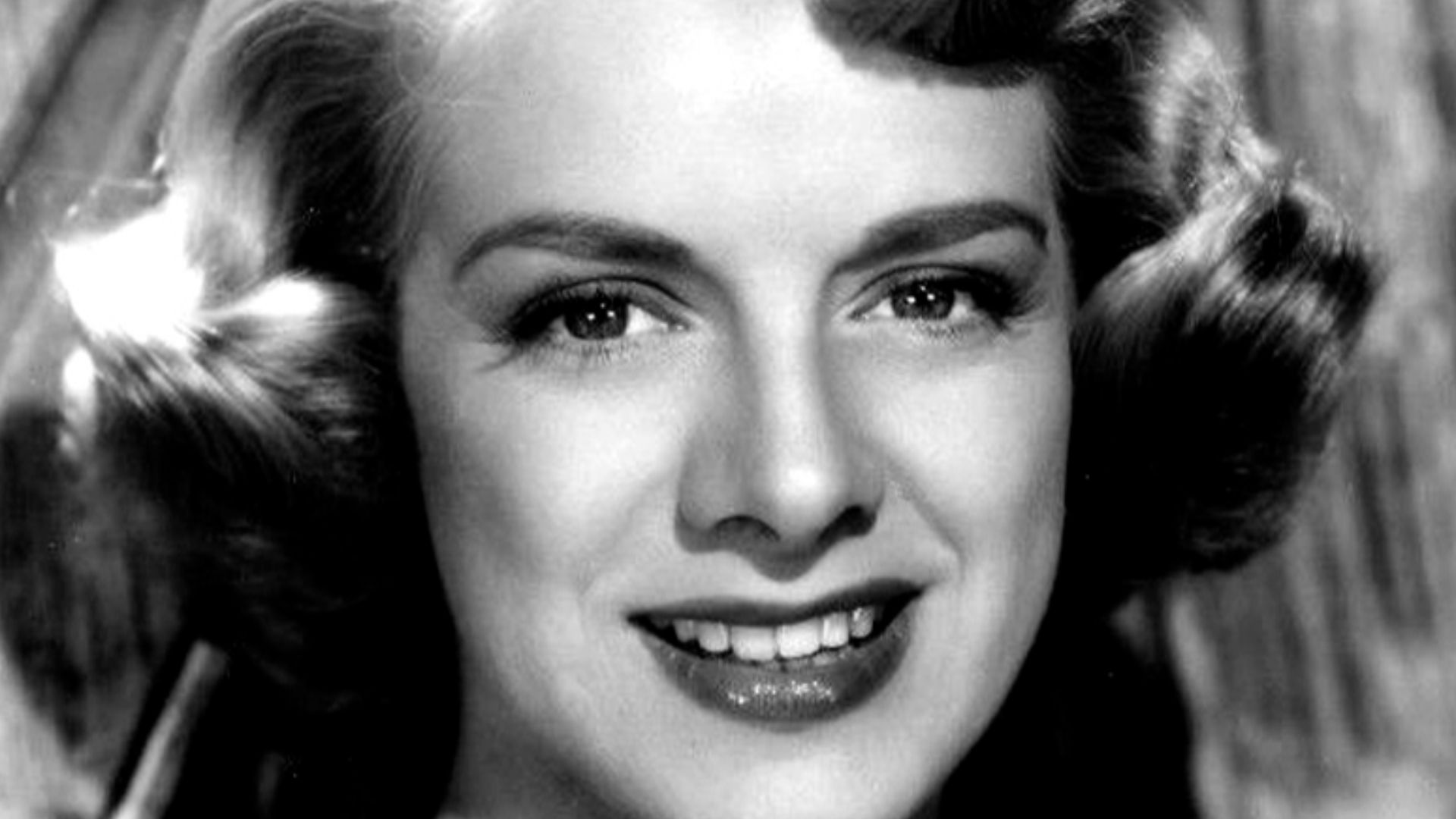
If there was one thing Vera-Ellen knew how to do, it was work, so Hollywood was surprised when it took her a full three years to follow up White Christmas with Let’s Be Happy, even as she reportedly won the role over her old co-star Rosemary Clooney. However, according to Vera-Ellen herself, this hiatus wasn’t by choice.
 Bud Fraker, for Paramount Pictures, Wikimedia Commons
40. She Lost Out On A Role
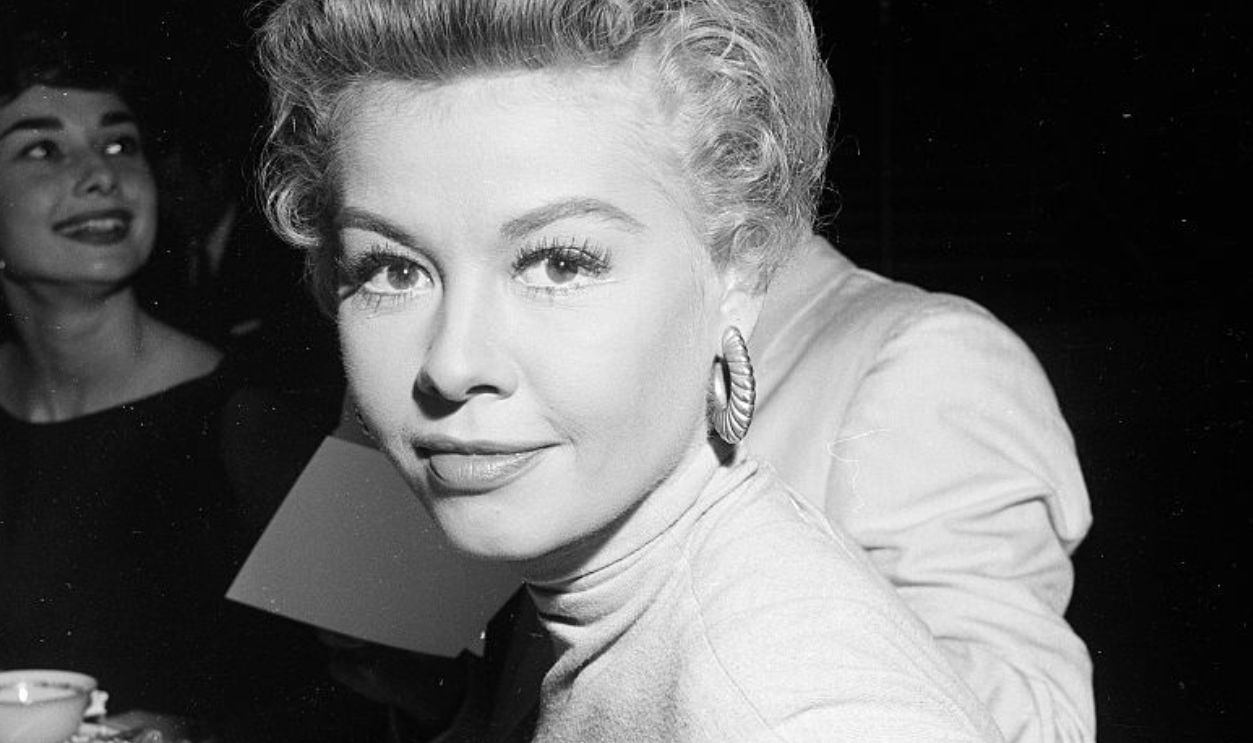
According to Vera-Ellen, she had very much wanted an undisclosed part during this period, only to find out that she had been rejected, and for alarming reasons. The studio thought she was, once more, too thin, and “the producer preferred an actress with more curves”. This all turned into a downward trend.
 Michael Ochs Archives, Getty Images
41. Hollywood Forgot About Her
Besides her new millionaire husband at home and the controversy around her figure, Vera-Ellen had other factors working against her career. Namely, studios had stopped making so many musicals but at the same time didn’t trust Vera-Ellen to hold up an acting-only role, and often skipped considering her for those parts.
Once again, Vera-Ellen wasn’t enough, but she kept going.
42. She Kept Trying
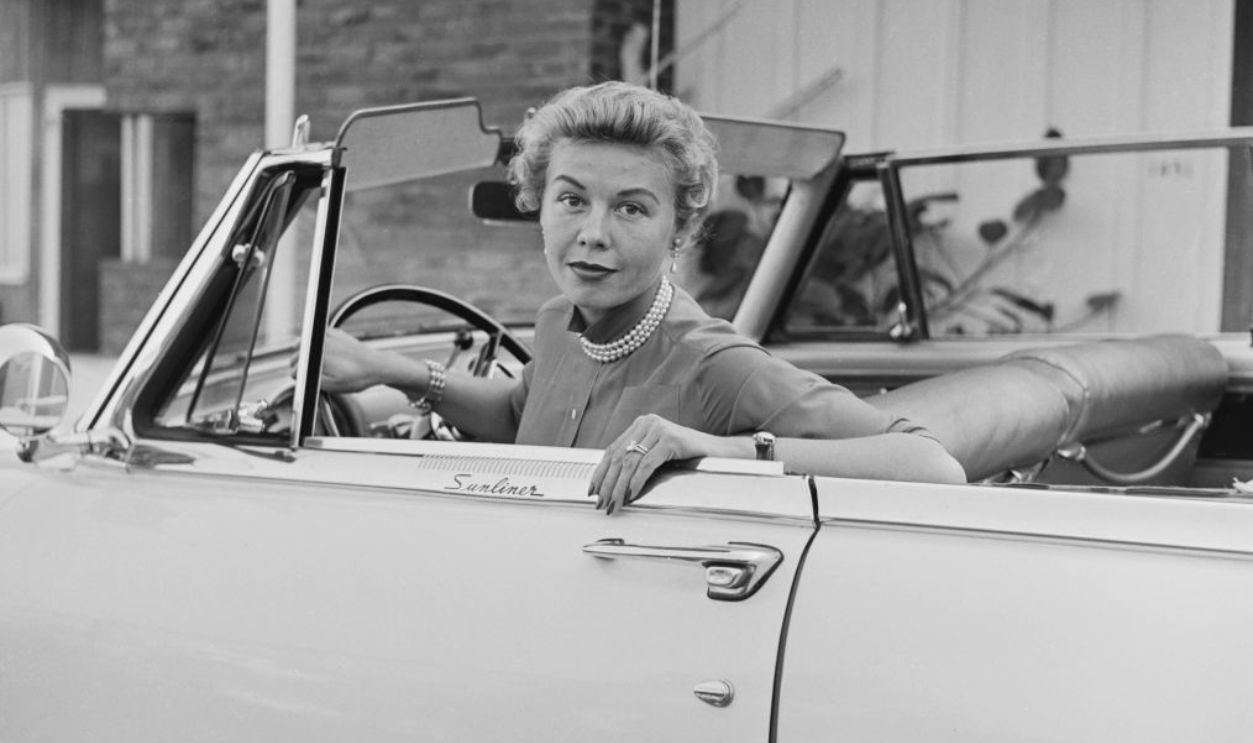
As film work dried up, Vera-Ellen turned more and more to television work; even if she didn’t need the money after her marriage, her career remained paramount. She frequently went on variety programming throughout the 1950s, and was on an episode of The Perry Como Show and The Dinah Shore Show. Eventually, though, even Vera-Ellen had to give up.
43. She Had To Surrender
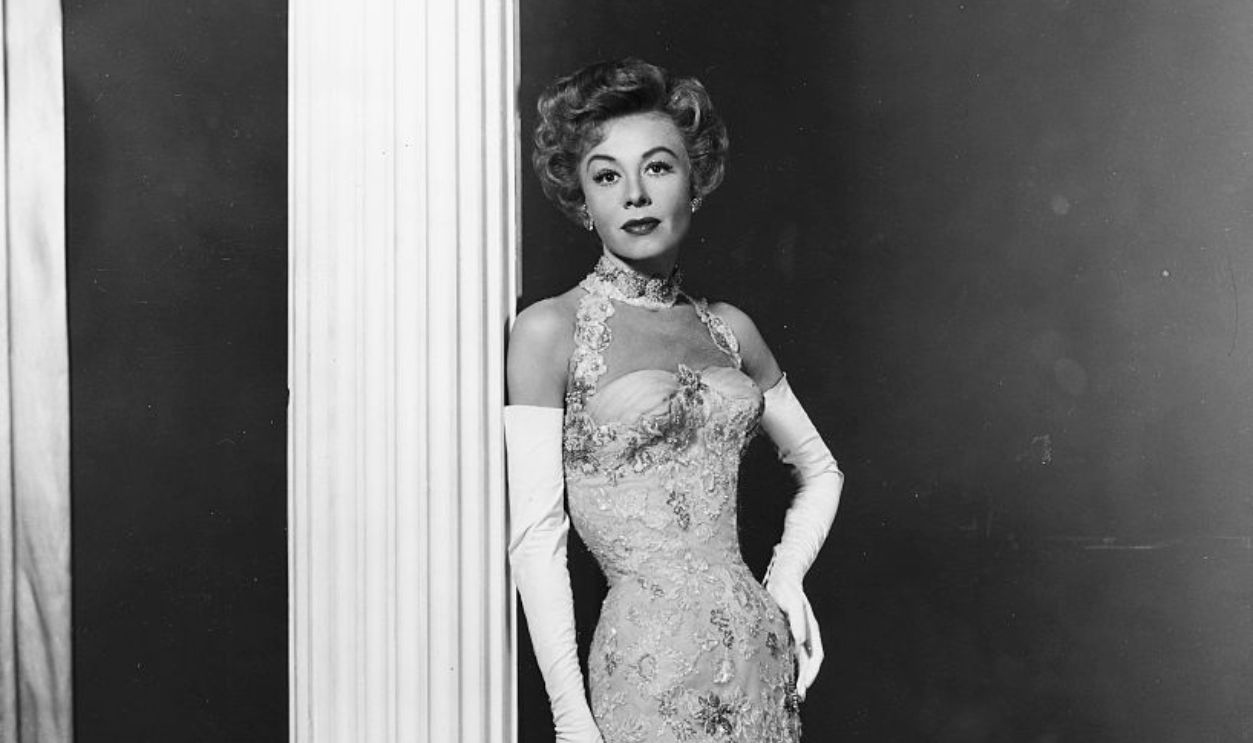
The late 1950s were some of the last screen appearances Vera-Ellen ever made. Never overly social, she also wasn’t running rampant on the Hollywood party scene, and appears to have decided to spend most of her time on her husband and their marriage in this period.
In 1963, when Vera-Ellen was in her 40s, there was a surprising development on that front.
44. She Had A Baby Girl
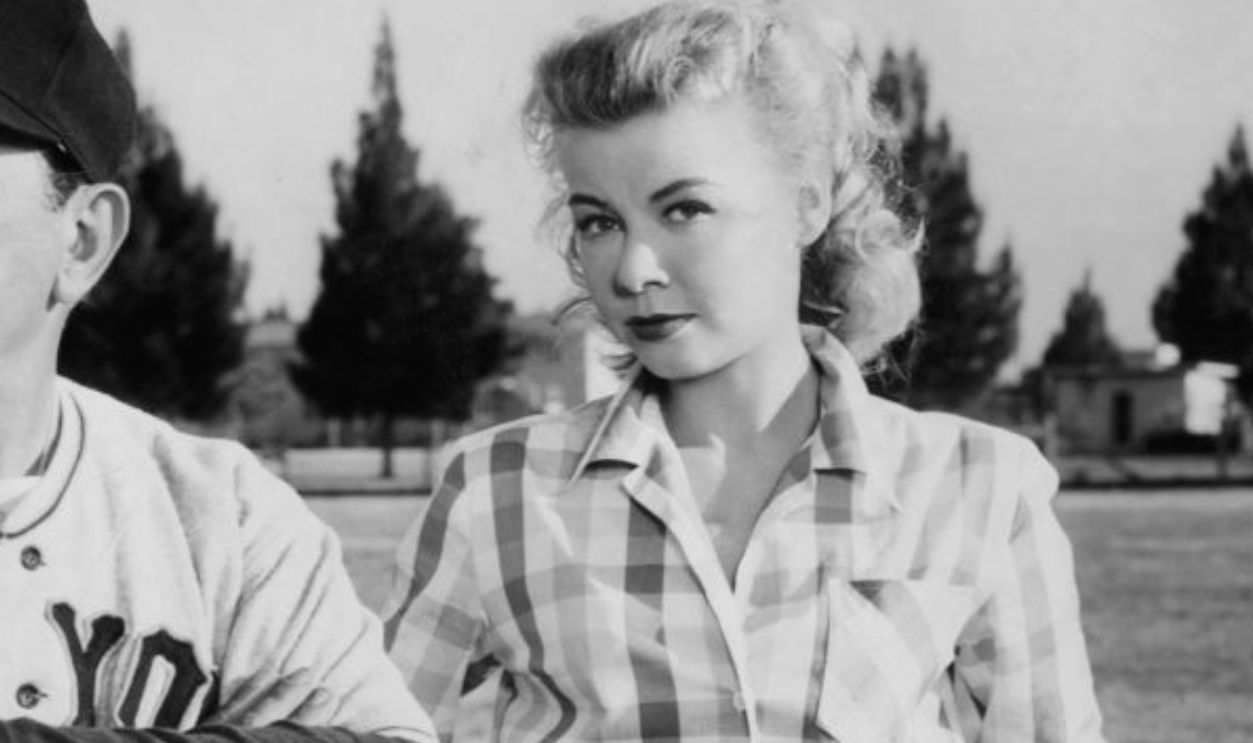
In 1963, Vera-Ellen and her husband Victor Rothschild had their first and only child together, Victoria Rothschild. Vera-Ellen, with little of her career left to focus on and knowing her prime days behind her, doted on her baby over the next weeks and months. Until, that is, her worst nightmare struck.
 Michael Ochs Archives, Getty Images
45. She Went Through A Horror Story
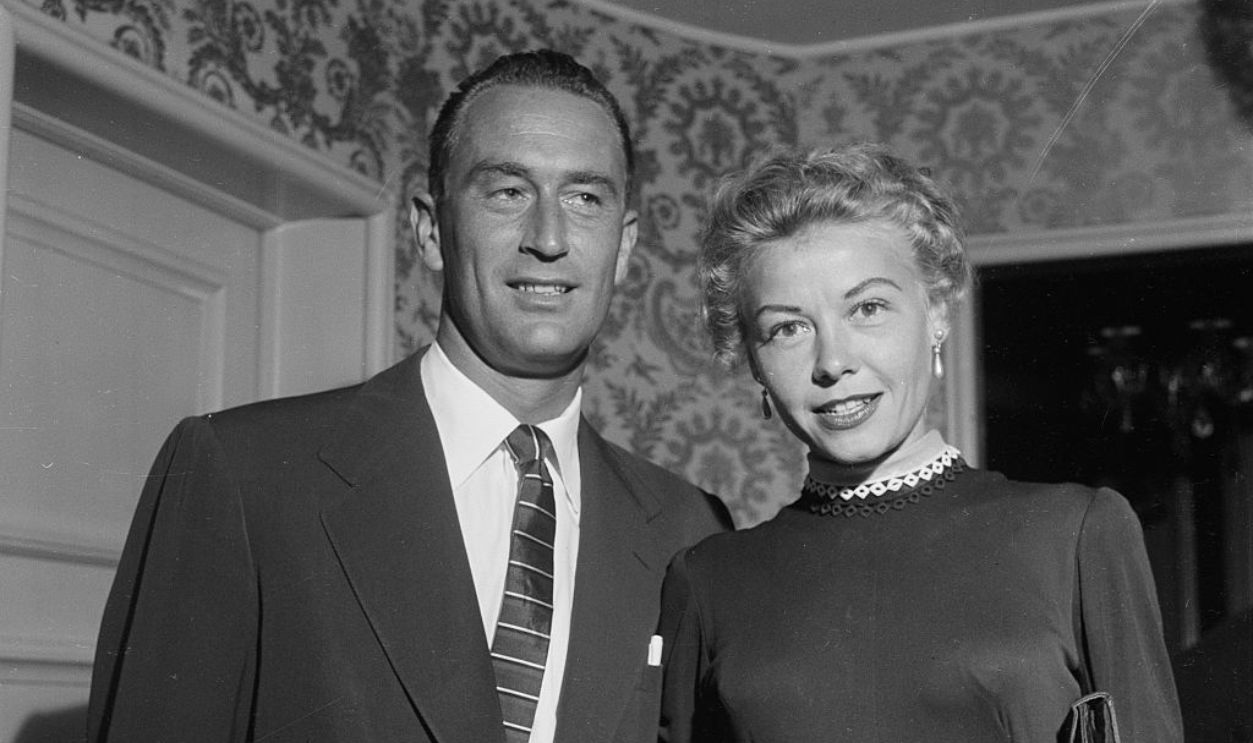
When she was just three months old, little Victoria suffered from the mysterious SIDS (sudden infant death syndrome) and perished. The toll this took on Vera-Ellen was unlike anything she experienced: where she had been elusive before she now became utterly reclusive, retreating almost entirely from public life. More consequences were to come.
46. Her Marriage Fell Apart
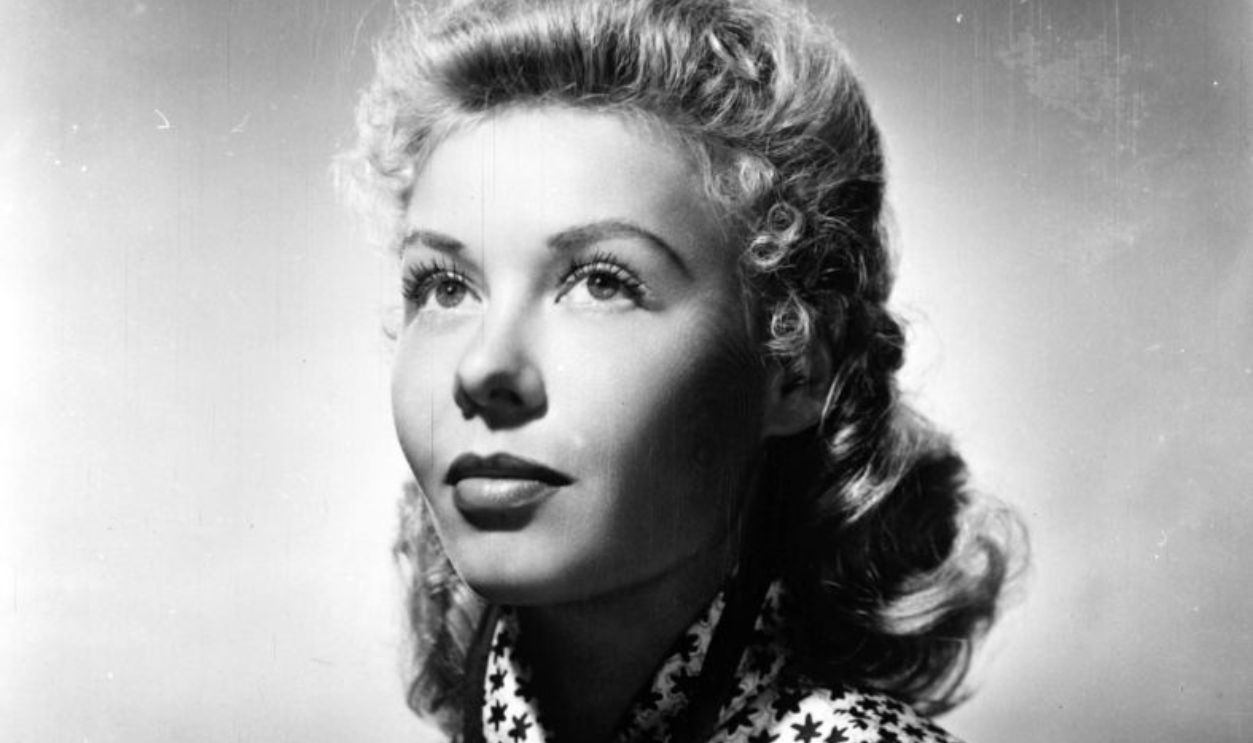
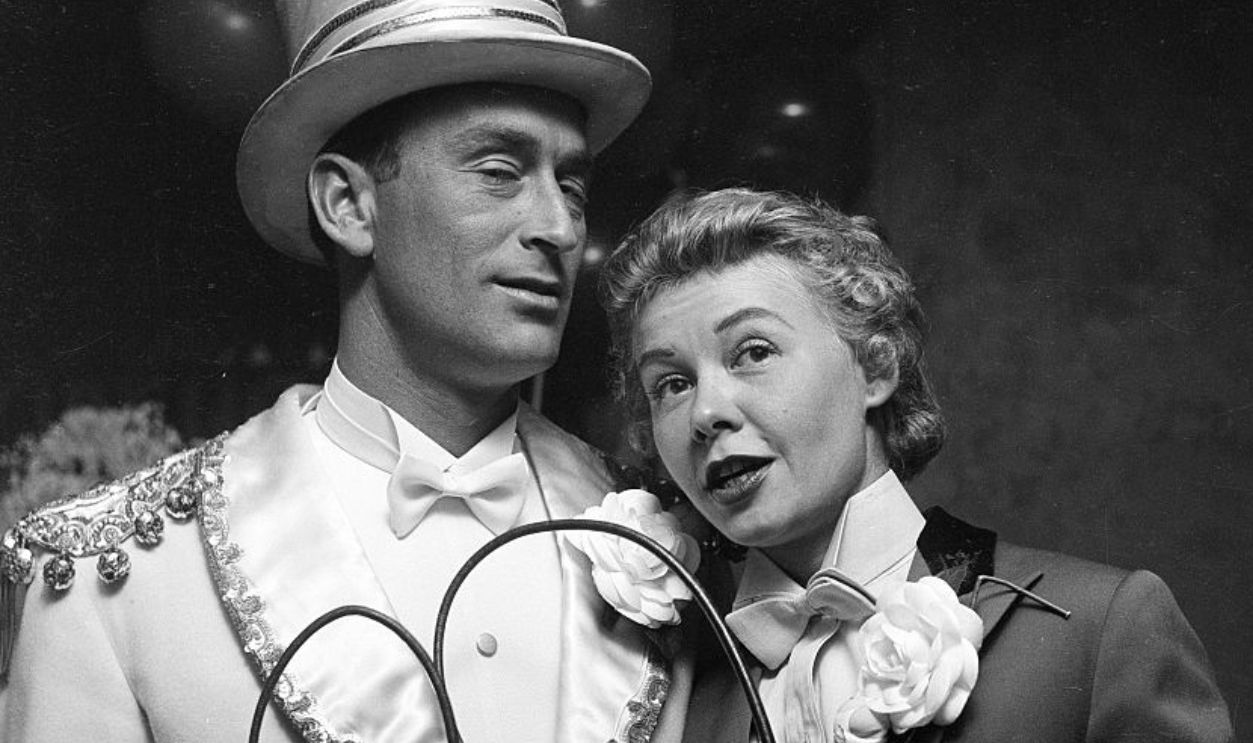
There were so many things that Vera-Ellen could grin and bear, but the death of her child was beyond the pale. At the time of Victoria’s passing, Vera-Ellen had been married to Victor Rothschild for nearly a decade, but they made it barely three more years without their daughter, officially divorcing in 1966.
Vera-Ellen spent her later years trying to hold on to everything she had left.
 Michael Ochs Archives, Getty Images
47. She Never Stopped Training
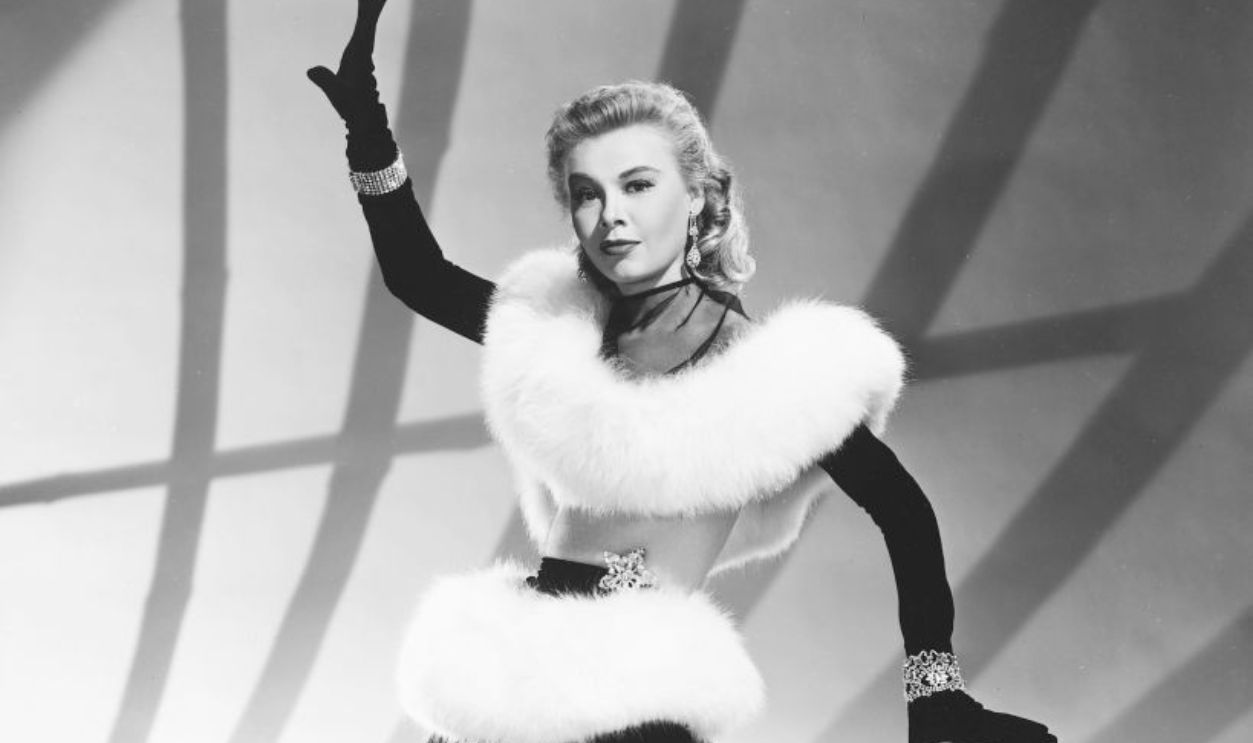
Vera-Ellen was a fundamentally physical person, and according to a niece, she “never stopped taking dance classes” or moving her body. In fact, when she suffered from a mild stroke, Vera-Ellen used a swimming program to recover some of her function. Only, none of this helped the still swirling rumors.
 Silver Screen Collection, Getty Images
48. Her Legacy Is Complicated
The whispers around the state of Vera-Ellen’s neck in White Christmas, and the state of her physical health, had only grown more prominent in the intervening years, often distracting from Vera-Ellen’s legacy as a masterful and beautiful dancer.
The truth is, while we can piece together her various habits, it’s impossible and unwise to diagnose her, especially since family members and personal friends have almost all either denied or remained silent on the matter. Or, almost silent.
49. She Had Something To Hide
Although Vera-Ellen’s neck hadn’t prematurely aged in White Christmas and thus didn’t strictly need to be covered up, her second husband Victor Rothschild once commented that, “She was easy to live with apart from not liking high collars”. Since the White Christmas costumes weren’t, then, a preference for Vera, they likely were deliberate on the part of Edith Head.
So, why have them? It likely stemmed from the same issues: to obscure how slim her upper body was at the time, if not to obscure her neck.
 Michael Ochs Archives, Getty Images
50. She Died Young
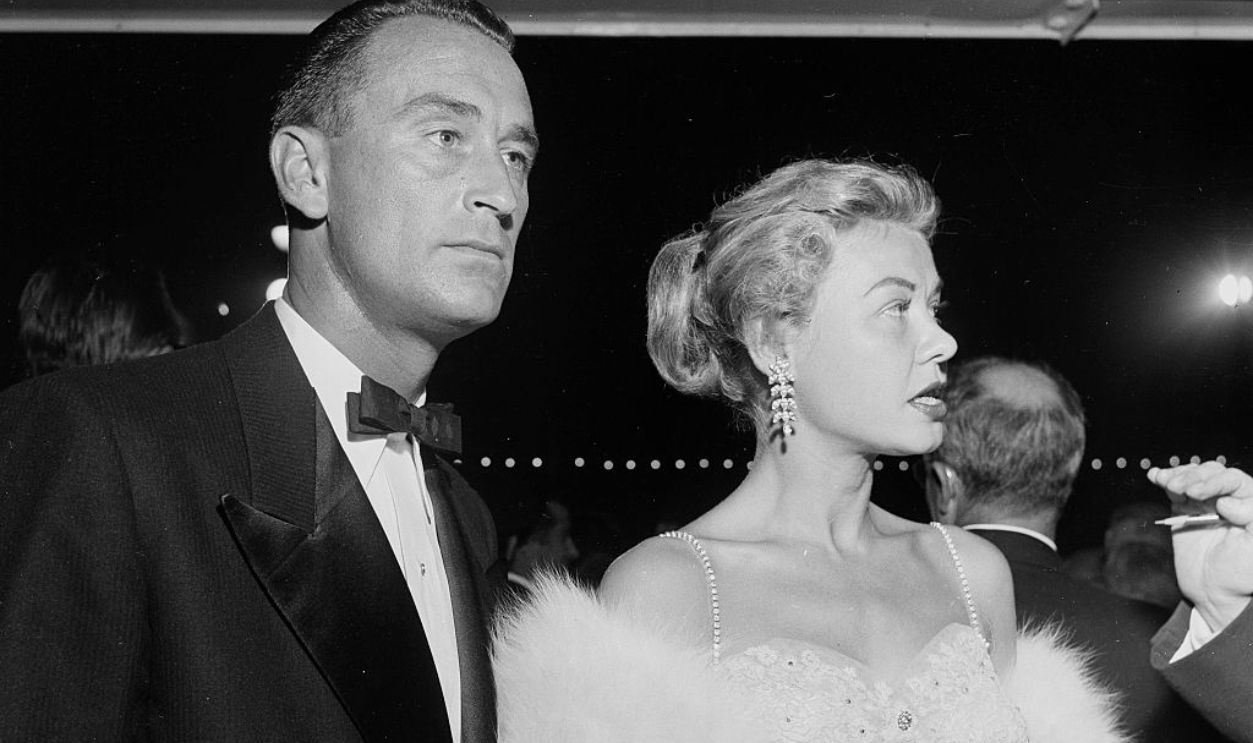
In the end, Vera-Ellen spent too little time on the stage, and too little time in life. When she was only 60 years old, she got fatally sick with ovarian cancer, passing in Los Angeles on August 30, 1981. Nonetheless, her legacy, even with all its scandal, lives on in all the movies she ever made, and all the numbers she ever nailed.
You May Also Like:
Tragic Facts About Rosemary Clooney, Hollywood's Blue Rose
Tragic Facts About Dorothy Dandridge, Hollywood's Fallen Star
Classic Facts About Marilyn Monroe, Hollywood's Iconic Bombshell