He Was Waitin’ Round To Die
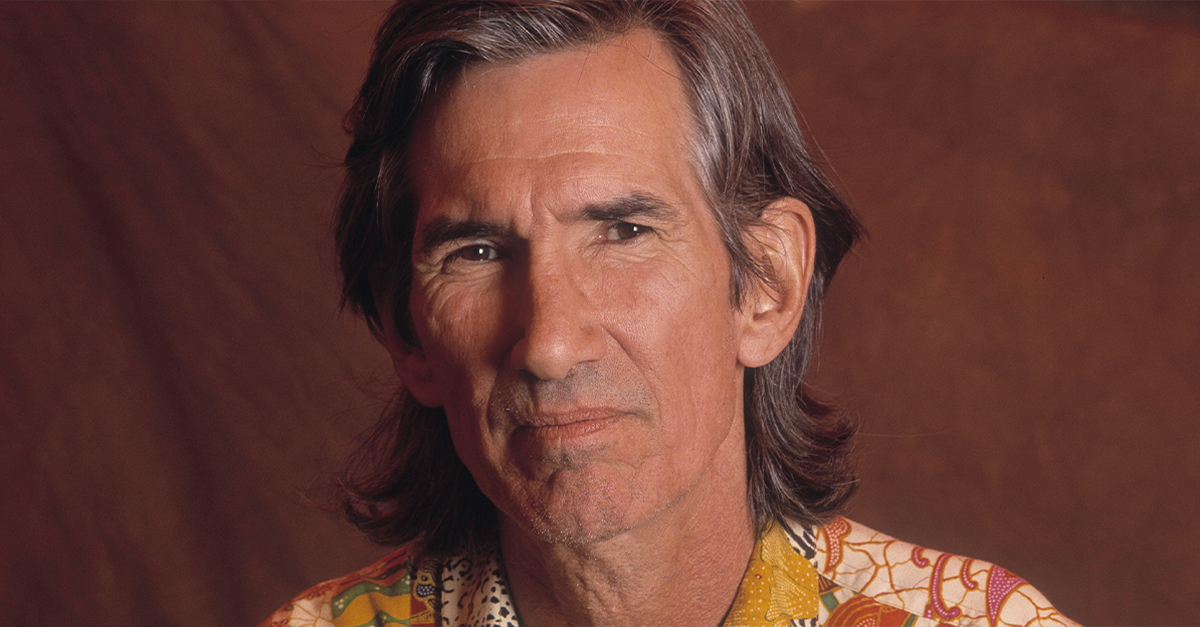
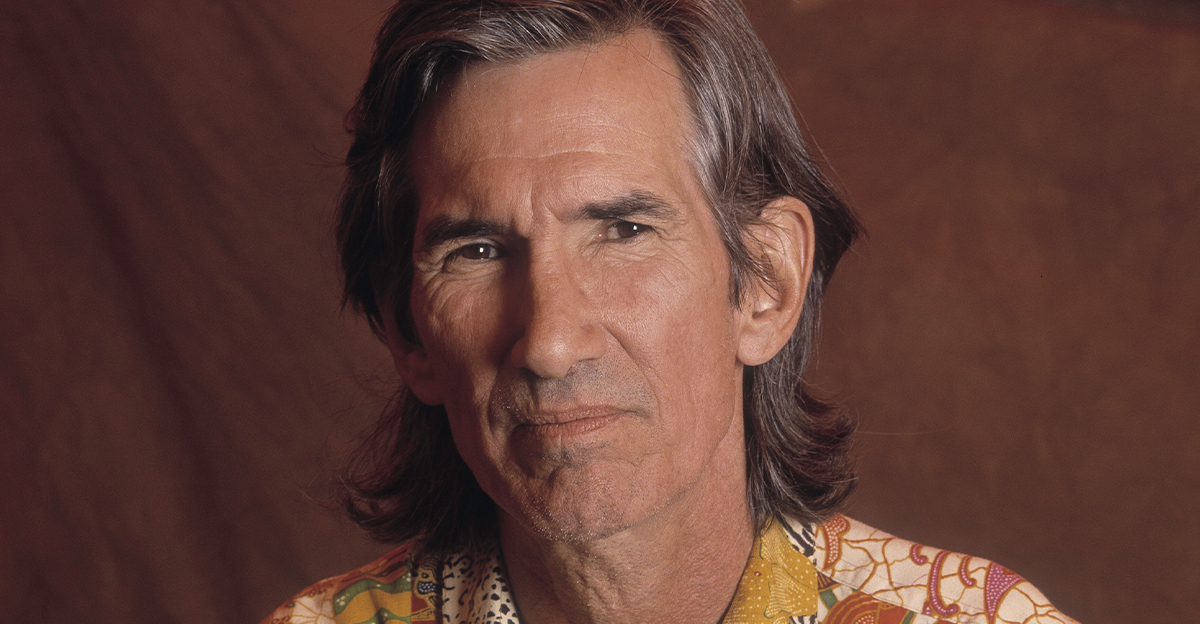
Townes Van Zandt combined folk, country, and blues to create some of the most devastating, heartfelt, and beautiful songs in music history—but sadly, he sang so achingly about heartbreak because it was a subject he knew incredibly well. Van Zandt was convinced that to play the blues, you had to know them, and he became determined to push the limits of self-destruction…all for the sake of the song.
1. He Was Practically Texas Royalty
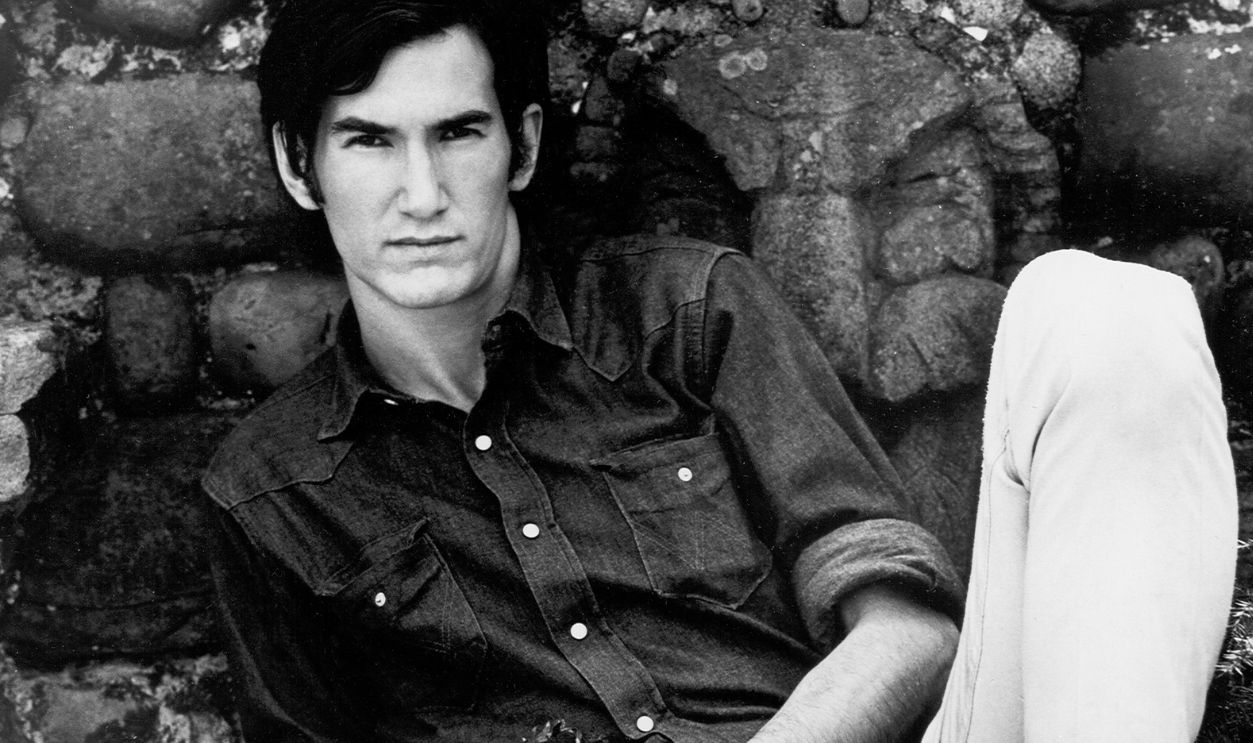
John Townes Van Zandt was born in 1944 to a wealthy political family whose roots in Texas went back generations. His father’s success in his career as a corporate lawyer took them from the Lone Star State to Montana to Colorado. There was no shortage of natural beauty in his life, and these locations would later make their way into his songs.
Though he didn’t have the same hardscrabble upbringing as many of his musical contemporaries, he quickly ended up gathering all the experience necessary to write such sad songs.
 Michael Ochs Archives, Getty Images
2. He Saw The King
It was a moment that sparked a million musical dreams. At just 12 years old, Van Zandt saw Elvis Presley play on The Ed Sullivan Show, and his life changed forever. He later said watching the King that night “was the starting point for me becoming a guitar player”. And while not every parent would be thrilled by their kid falling for rock music, Van Zandt’s father was surprisingly supportive, buying his son a guitar that Christmas.
However, it wasn’t all about following in Elvis’s blue suede footsteps.
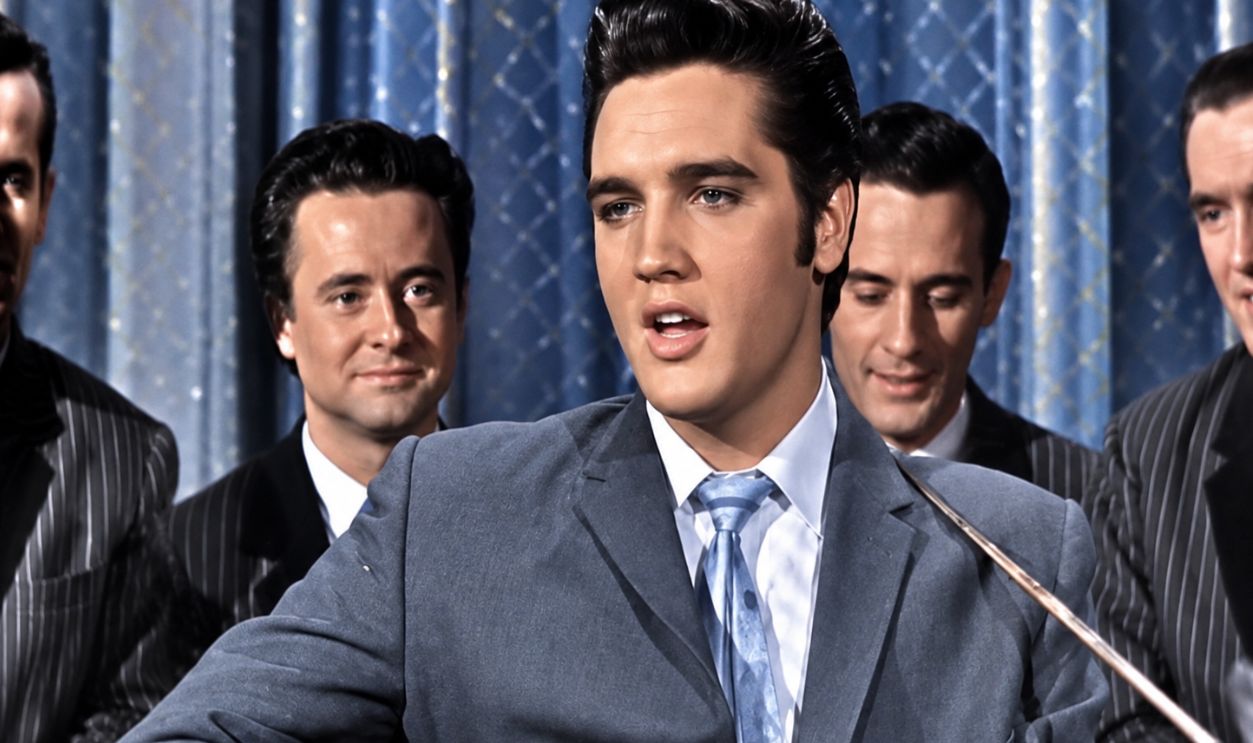 Screenshot from The Ed Sullivan Show, CBS (1948-1971), enhanced
3. He Had A Big Future Ahead Of Him
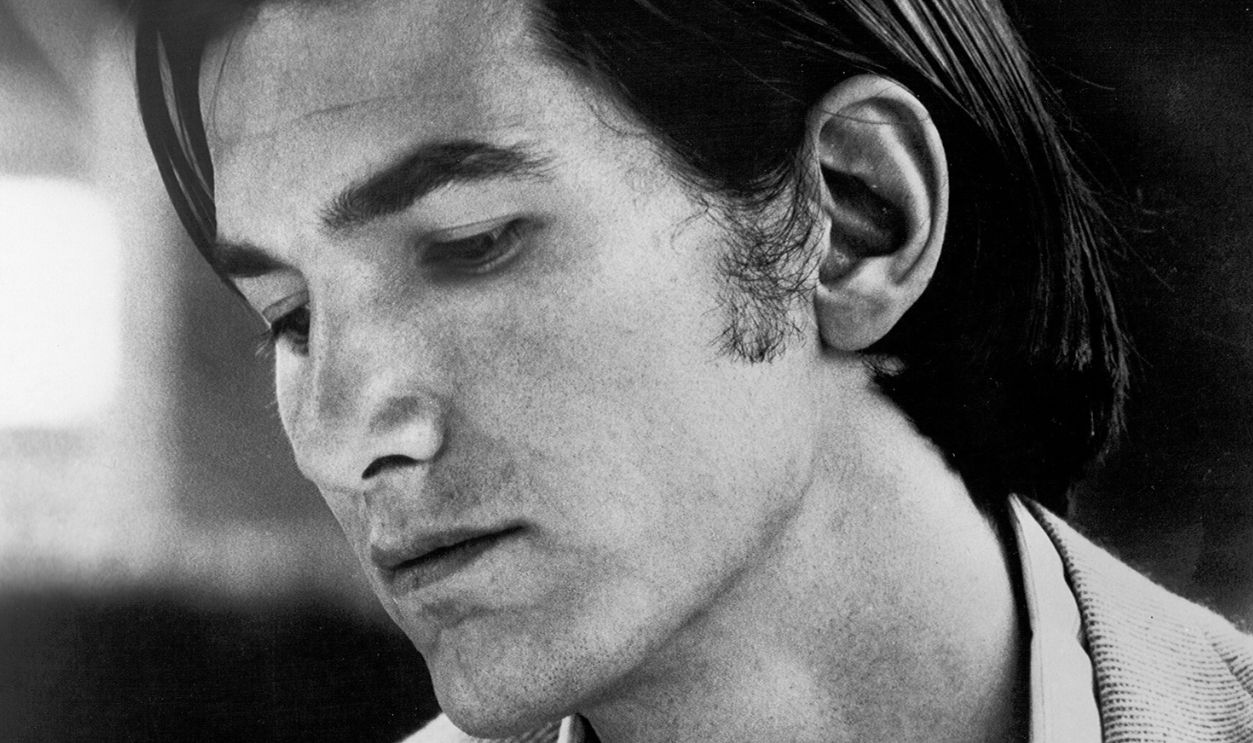
Townes Van Zandt may have had his rock and roll dreams, but he didn’t let them distract him from potentially following in his father’s footsteps. He was smart, athletic, and made great grades. His family thought he might become a lawyer, like his dad, or a senator. He was accepted into the University of Colorado Boulder—but that’s where things took a dark turn.
 Michael Ochs Archives, Getty Images
4. He Had Too Many Plates In The Air
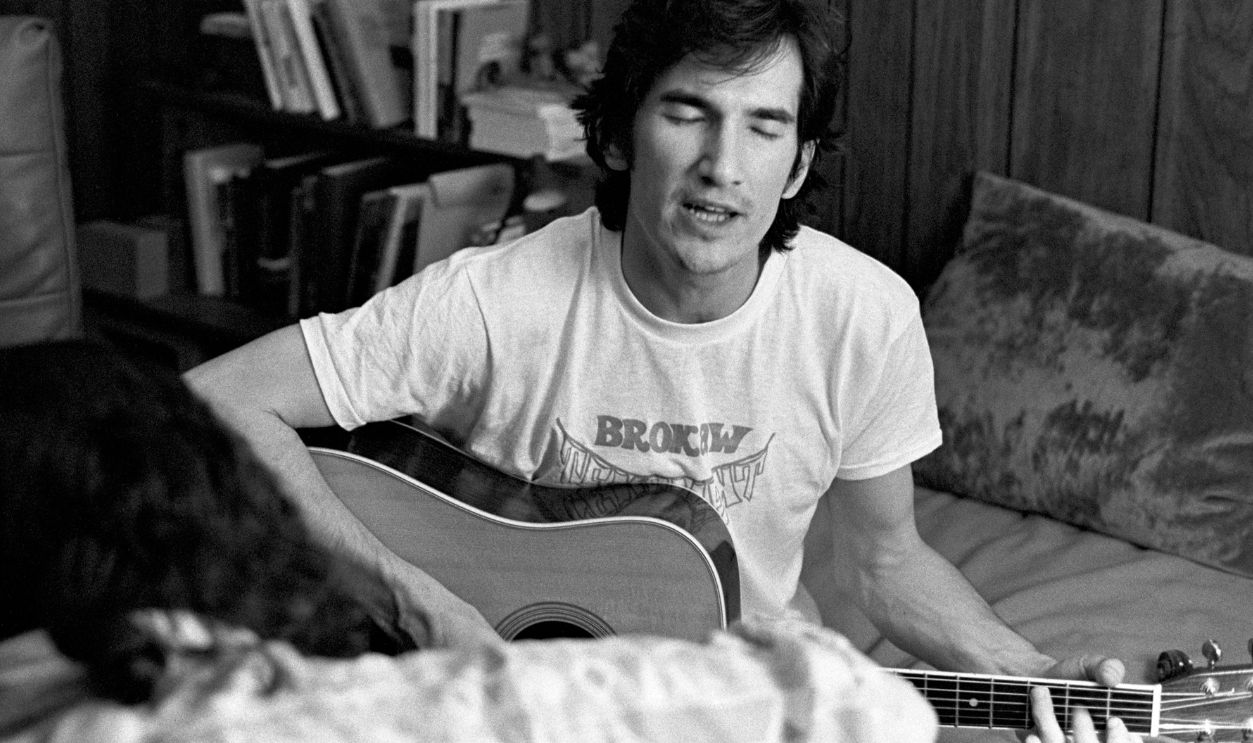
With his high IQ, Van Zandt should’ve excelled at university. He tried to balance his studies with his passion for poetry and country music and a budding romance with a young lady named Fran Peterson—but he also began to develop a drinking problem which threatened to rob him of everything he’d worked so hard for.
Eventually, his family got scared. And then, things blew up.
5. He Lost It
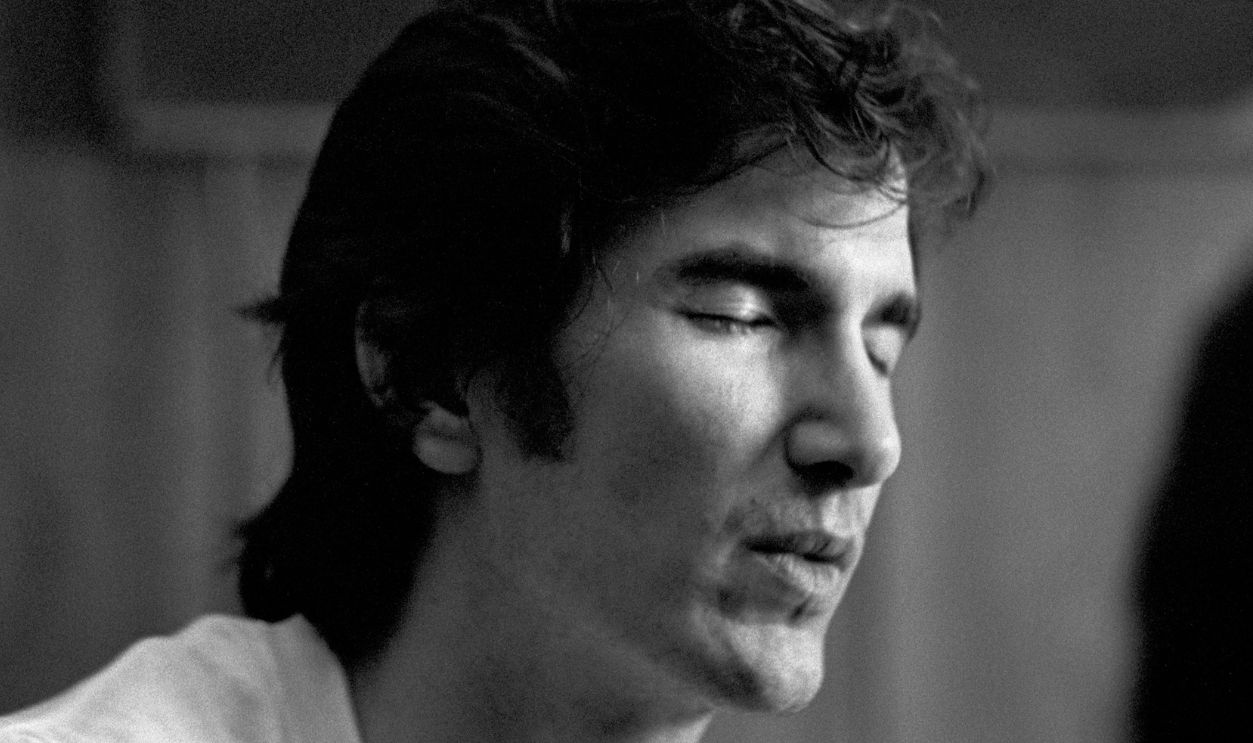
During his second year of university, Townes Van Zandt had a full nervous breakdown. His family brought him back to Texas, where doctors at the University of Texas Medical Branch diagnosed him with manic depression with schizophrenic tendencies. He was hospitalized for months, and the treatment he faced was horrific.
Suddenly, his once-bright future seemed like nothing more than a dark shadow.
6. He Tried To Start Over
When Townes Van Zandt was finally discharged from his long hospitalization, he was a changed man, but he still fought hard to get back the normalcy he’d lost. He got into the University of Houston’s pre-law program, joined a frat, and tied the knot with Fran. He even tried to enlist in the Air Force—but although actions speak louder than words, the phrasing of the rejection was absolutely brutal.
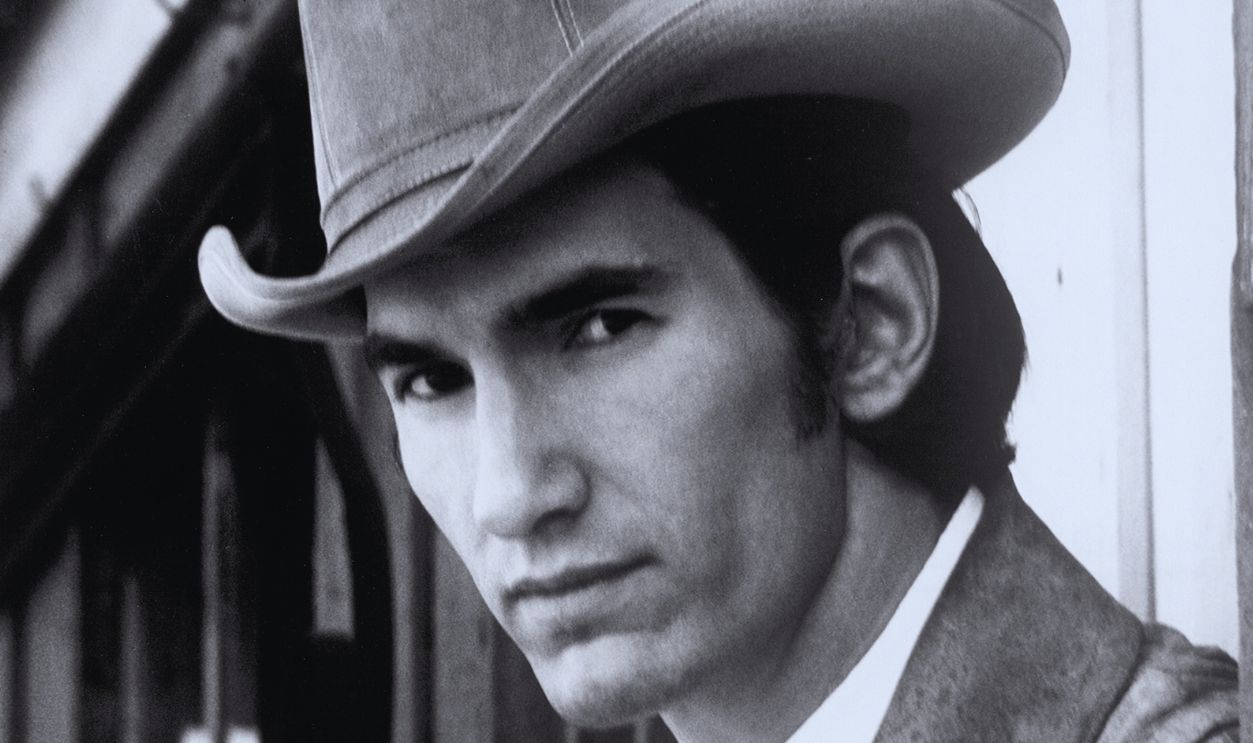 Michael Ochs Archives, Getty Images
7. They Thought He Didn’t Want To Get Better
The doctor’s statement that led to Van Zandt being rejected said that he was "an acute manic-depressive who has made minimal adjustments to life". To his family, that was putting it too simply. According to them, it was Van Zandt’s sensitive nature that sent him spiraling all too often.
And a tragedy was lurking around the corner—the effects of which would reverberate for the rest of his life.
8. His Paths Diverged
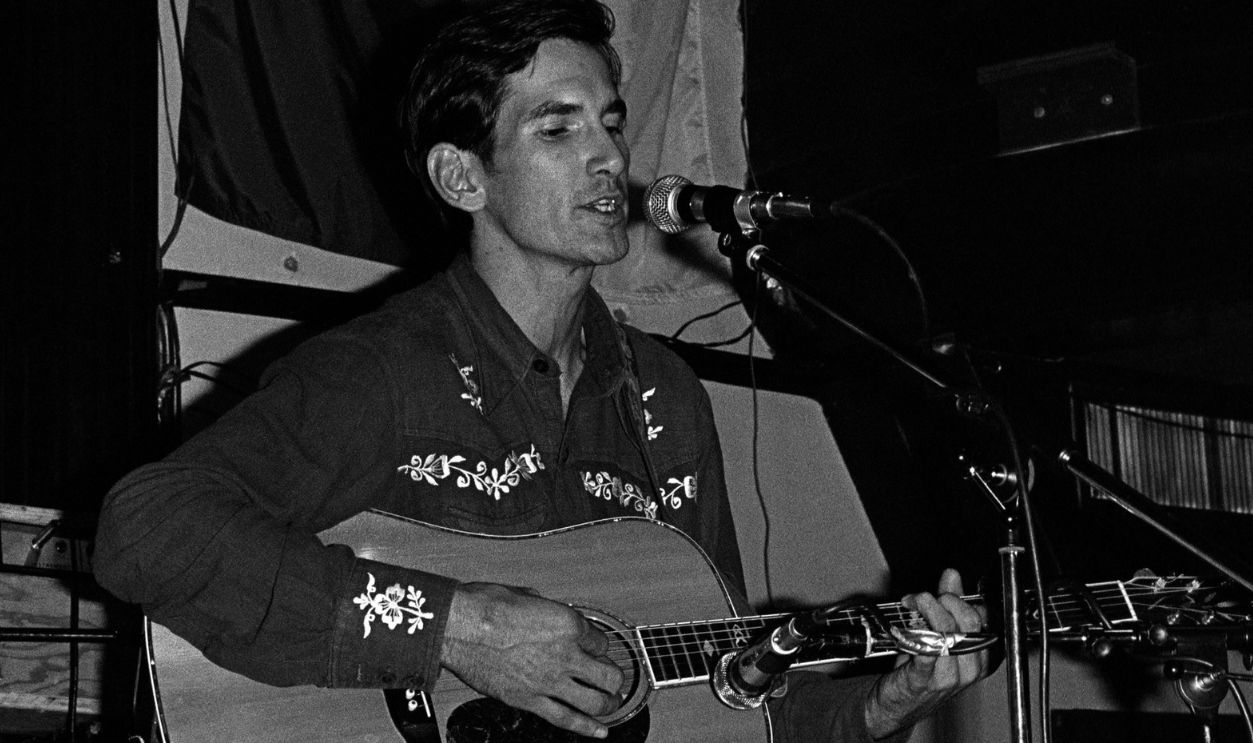
In 1966, when Townes Van Zandt was just 21, his father passed on. All of a sudden, he had a decision to make. His family had wanted him to become a governor in Texas—but he felt irresistibly drawn to his true passion: music. In any case, he ripped off the band-aid as quickly as he could, dropping out of school and heading out on the road.
As influential as his family had been in shaping his life, he now wanted to follow in the footsteps of the singer-songwriters whose music had become such a huge influence. And unexpectedly, it may just have been what his father wanted.

History's most fascinating stories and darkest secrets, delivered to your inbox daily.
9. He Fulfilled His Father’s Wish
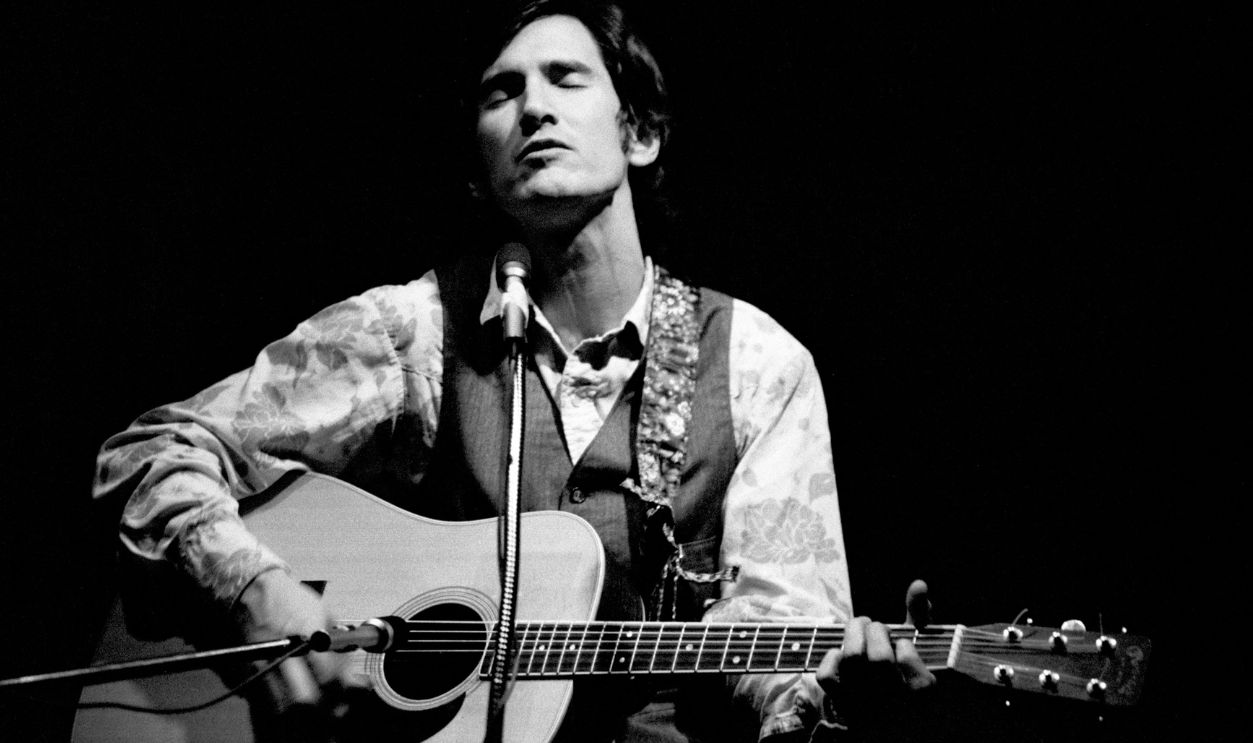
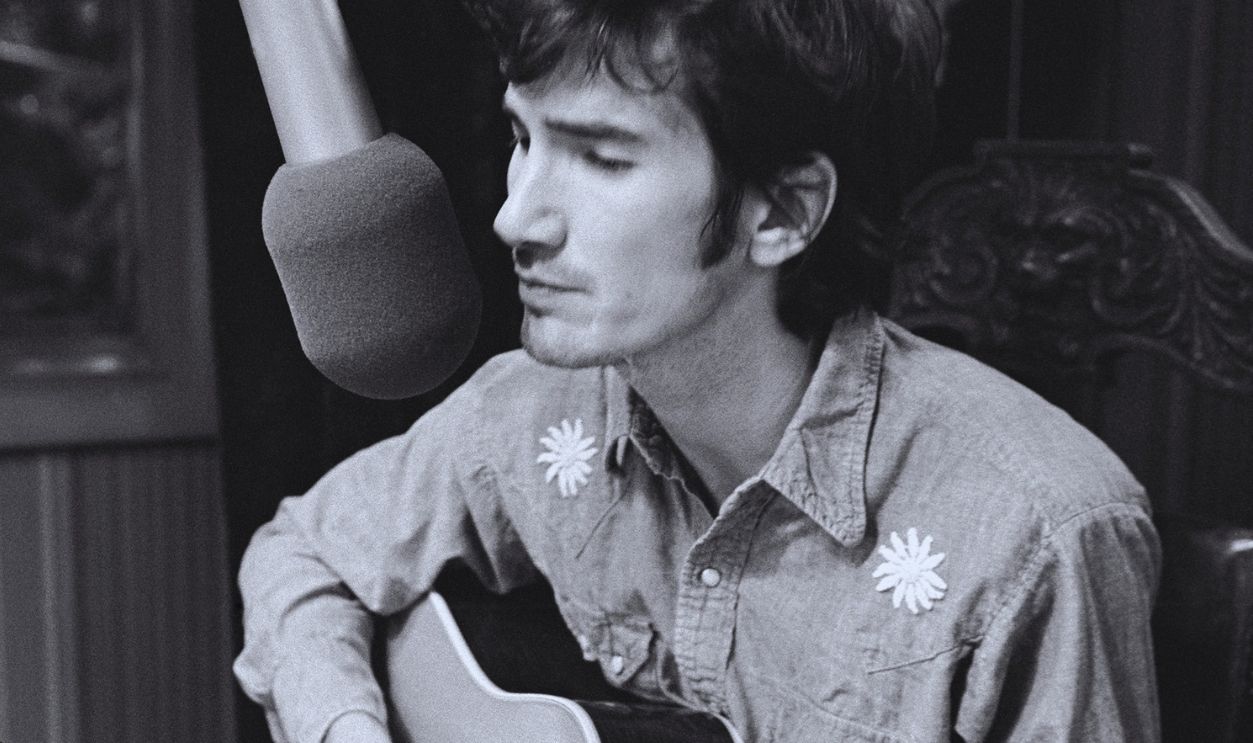
Harris Van Zandt had not only been the one to buy his son his first guitar—but before his death, he’d also encouraged Townes to start writing his own songs. And though he was still mostly playing folk covers in coffee shops, he started to pick up momentum, and as the decade came to a close, he was making important connections—and the creative fires in his brain began to spark and turn into full-on flames.
 Al Clayton Photography, LLC, Getty Images
10. He Was A Bona Fide Recording Artist
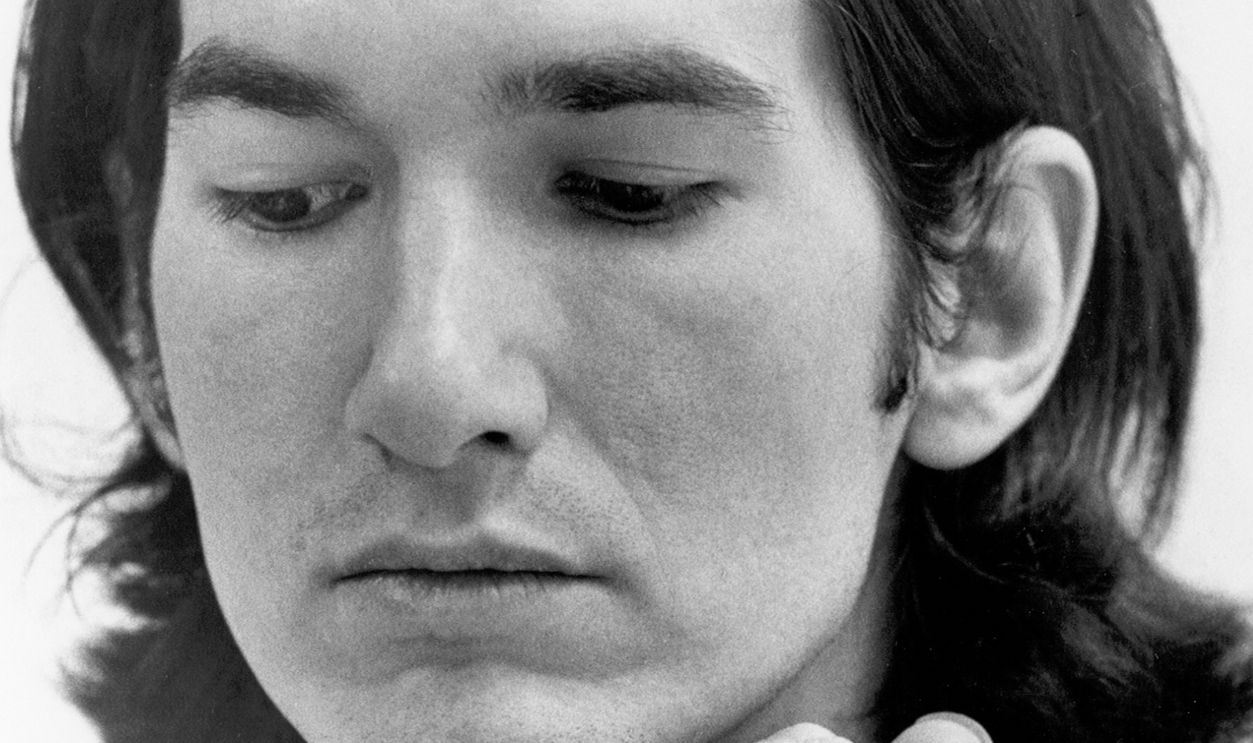
The end of the 60s brought massive changes to Van Zandt’s life, as he released his first album, For the Sake of the Song, in 1968. However, his relative inexperience proved to be something of a problem. He’d already gained a fan base in folk circles, but the production on the album overshadowed Van Zandt’s greatest strength: his songwriting. And fans weren’t the only ones who were surprised.
 Michael Ochs Archives, Getty Images
11. His Deep Melancholy Came Out
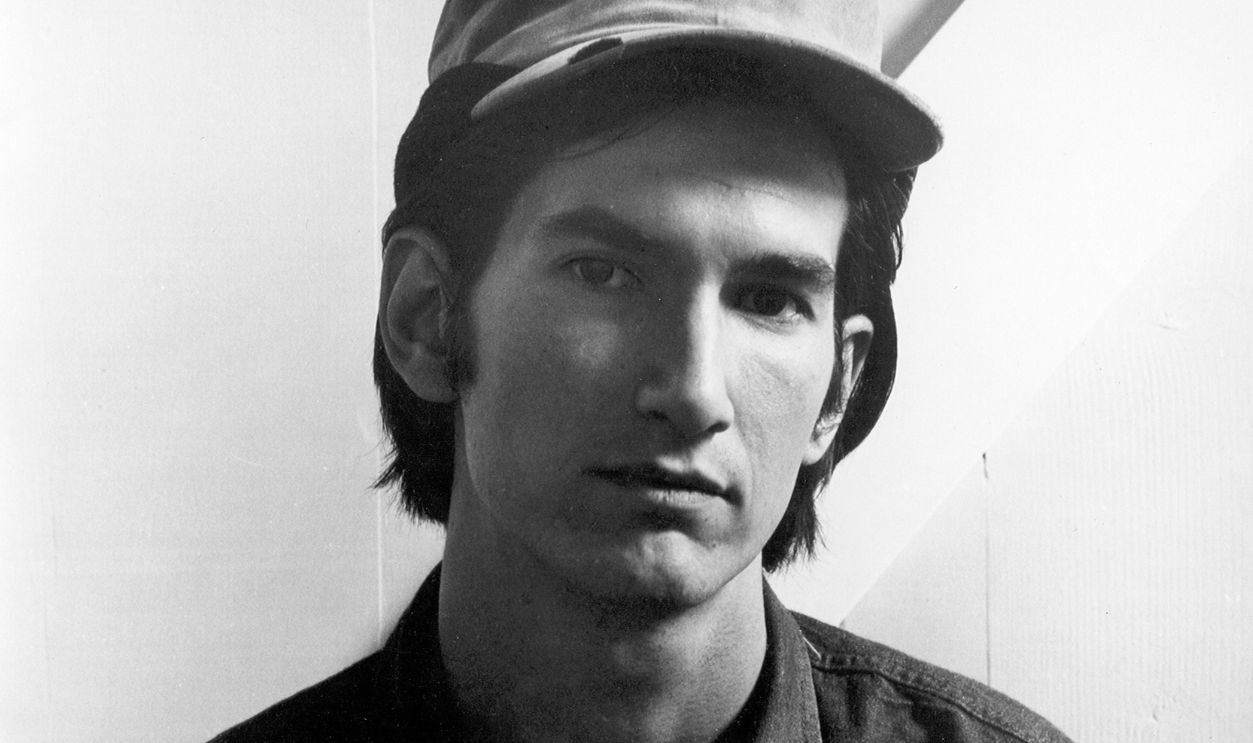
Van Zandt’s wife Fran recalled how he threw himself into songwriting in their newlywed years, using a closet in their home as a makeshift studio. And when he emerged with a song, it wasn’t exactly a tribute to their young love. Instead, “Waitin’ Around to Die” was an ode to the pleasures of oblivion: namely, booze and pills.
However, any qualms she may have had weren’t about to come out then—they were waiting on something big.
 Michael Ochs Archives, Getty Images
12. It Was A Wild Year
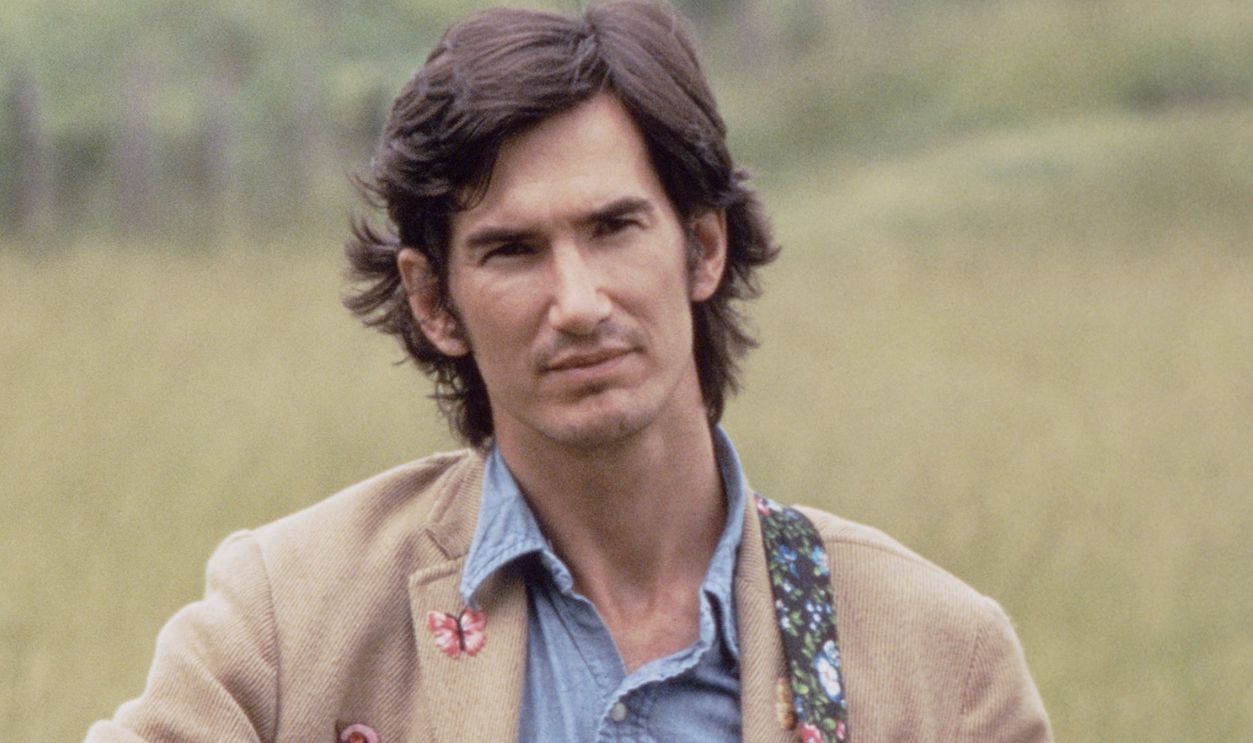
More exciting changes followed the year after his debut album. Not only did Townes Van Zandt release two albums in 1969, but his wife Fran also gave birth to a son, John Townes "JT" Van Zandt II. However, the joy over having a beautiful baby boy couldn’t mend the issues in their relationship, and they divorced the following year.
The heartbreak of the split may have been just another tool in his arsenal.
 Al Clayton Photography, LLC, Getty Images
13. He Wanted To Be Authentic
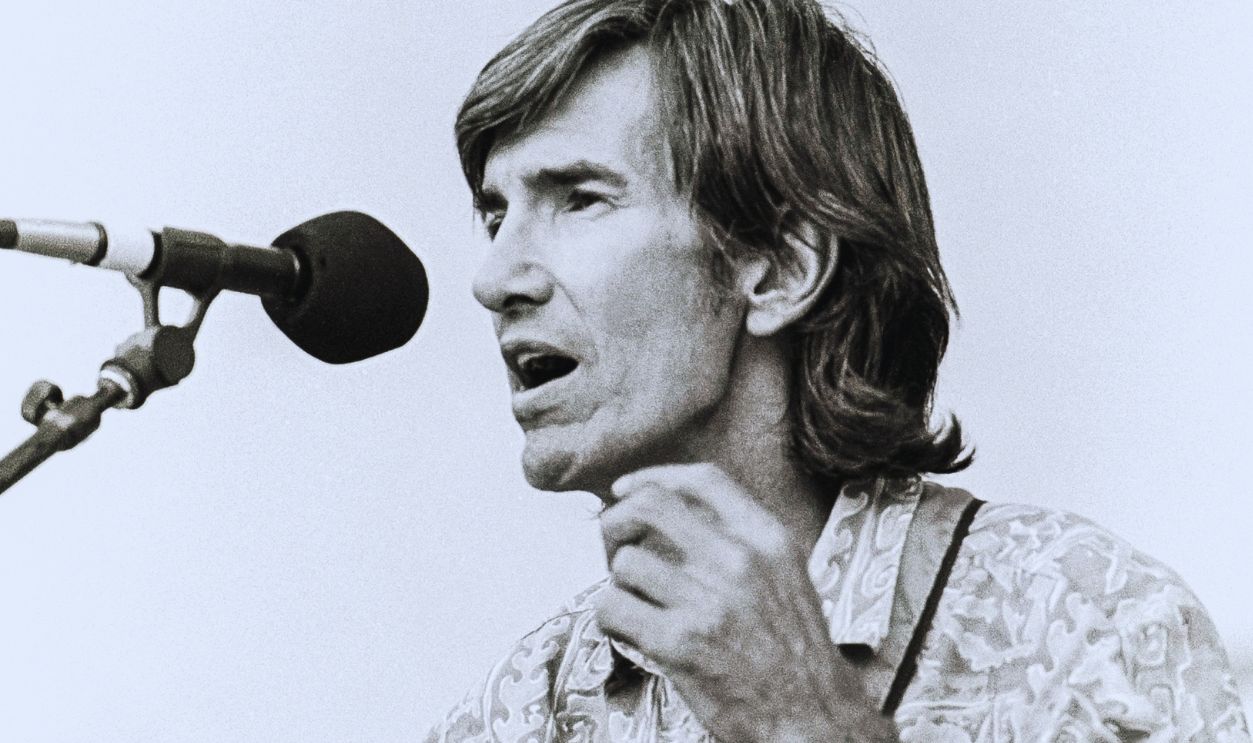
Townes Van Zandt, during his marriage to Fran, had told her, “You were living a lie if you sang the blues and hadn’t lived them”. And though he was entering the most prolific and productive period of his career—and he’d already been through quite a lot in life—he also seemed determined to earn his blues bona fides the hard way.
 Jack Vartoogian/Getty Images, Getty Images
14. He Was A Songwriter’s Songwriter
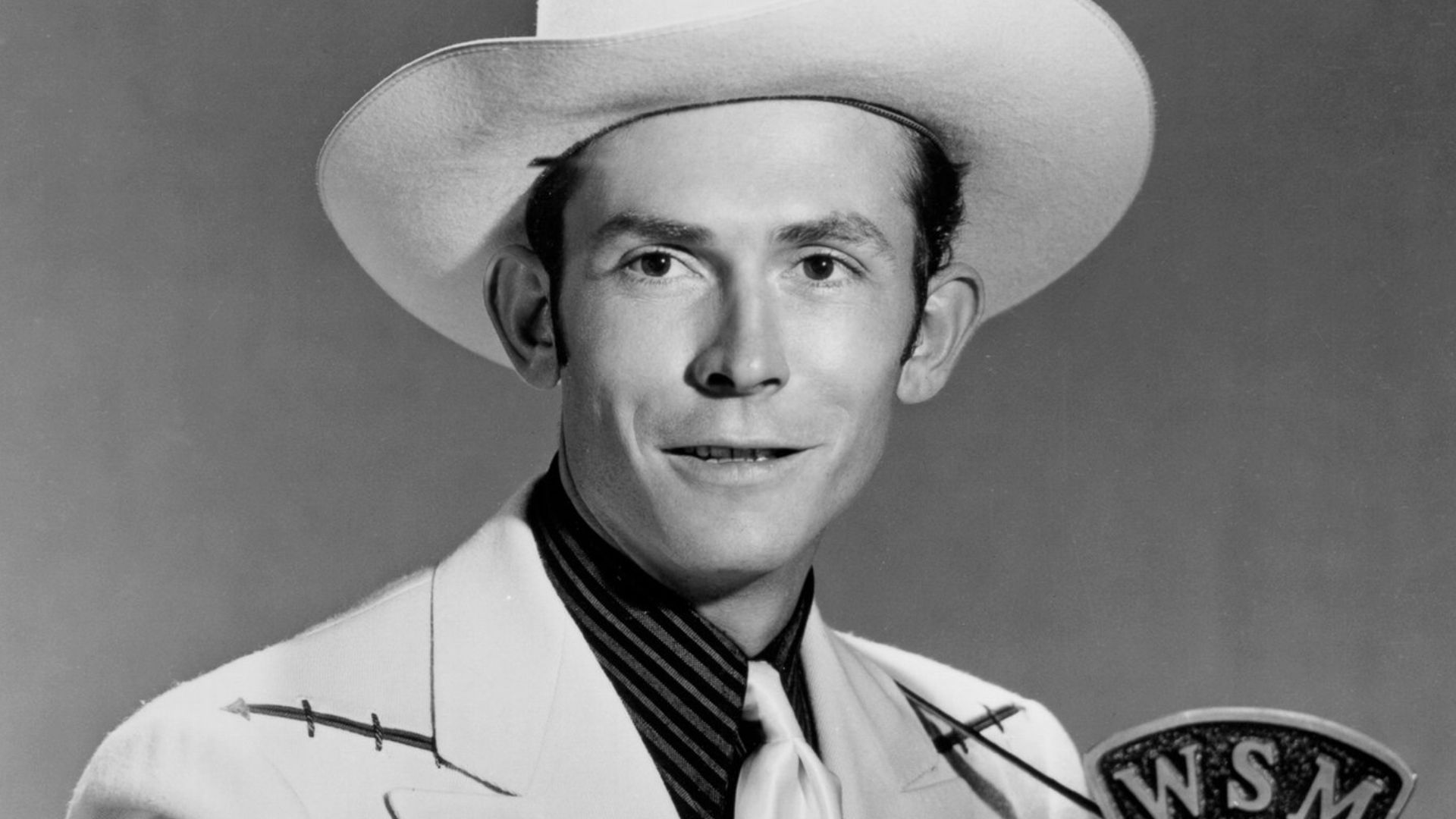
Van Zandt released three more albums during the first three years of the 70s. While they weren’t exactly climbing the charts, they were establishing Van Zandt as perhaps the most brilliant singer-songwriter of his generation. Among those in the know, he drew comparisons to his musical heroes Hank Williams and Bob Dylan.
He was working at a breakneck pace—but behind the scenes, there was trouble.
15. He Nearly Died
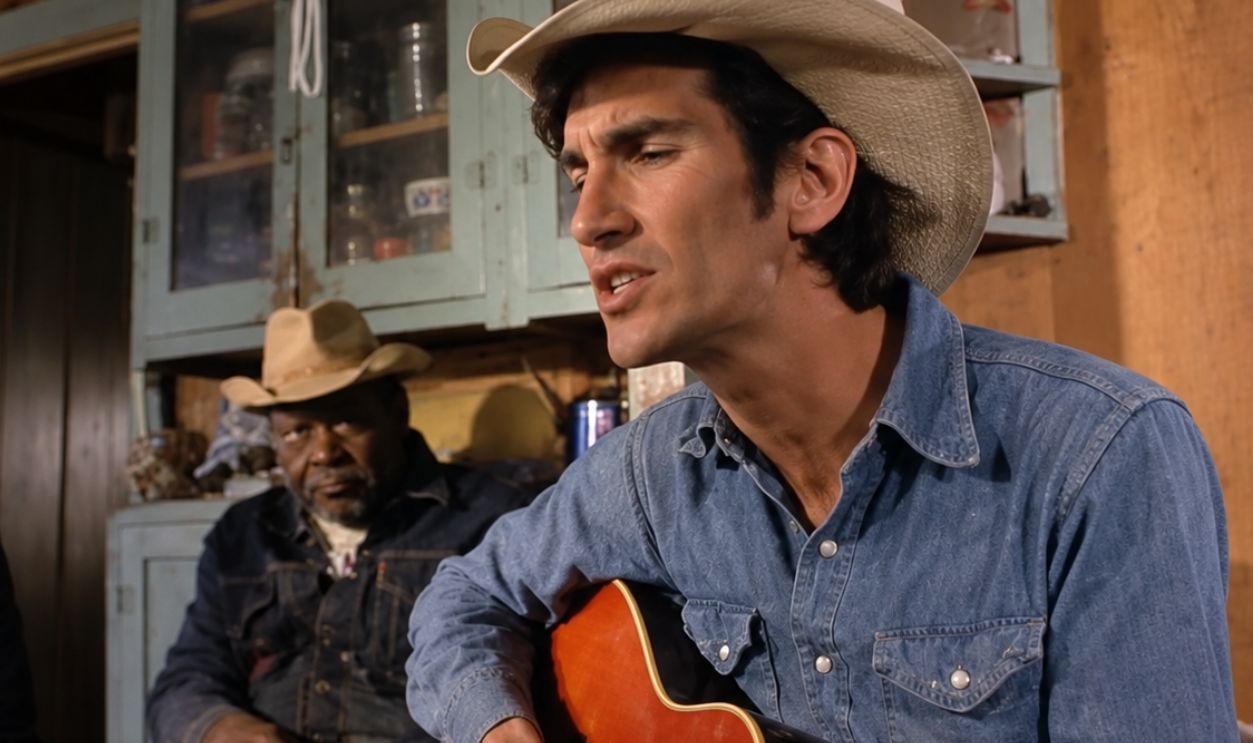
Townes Van Zandt certainly had a penchant for drinking and pills—and by the early 70s, he was also going for the harder stuff, including opioids. In 1971, he nearly lost his life during an overdose. And though these bad habits gave Van Zandt the songwriting fuel he claimed he so desperately needed, the overdose didn’t put a dent in Van Zandt’s penchant for self-destruction.
The addiction was growing and becoming a guiding force in his life.
 Screenshot from Be Here to Love Me: A Film About Townes Van Zandt, Rake Films (2004), enhanced
16. He Made A Deal With The Devil
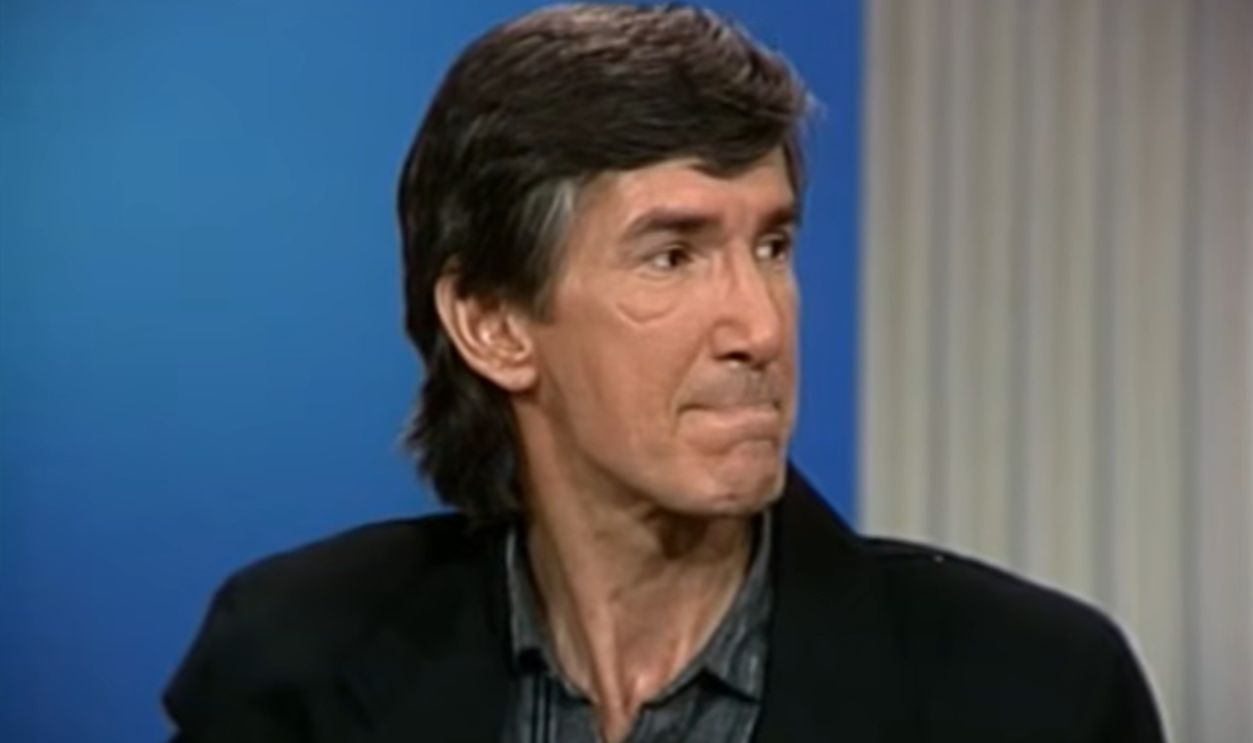
Van Zandt had released his 1968–1973 streak of six albums with one small independent label, Poppy Records. It was run by Kevin Eggers, who also acted as his manager for his entire career. But while Van Zandt was making those albums, he was also nursing an expensive hobby.
In 1973, broke, he asked Eggers for $20 in exchange for the rights to the songs on his first four albums. The consequences of this “bargain” would actually haunt Van Zandt for the rest of his life.
 Screenshot from Be Here to Love Me: A Film About Townes Van Zandt, Rake Films (2004)
17. He Wasn’t A Great Manager
Eggers was, for better or for worse, the person tasked with getting Van Zandt’s music out in the world—and like his client, he had a penchant for sticky situations. After Van Zandt recorded songs for a new album in 1972, Eggers stiffed the producer, who ended up erasing the master tapes—though not before Eggers made rough cassette copies of them.
And Van Zandt’s manager wasn’t the only troublemaker in his life.
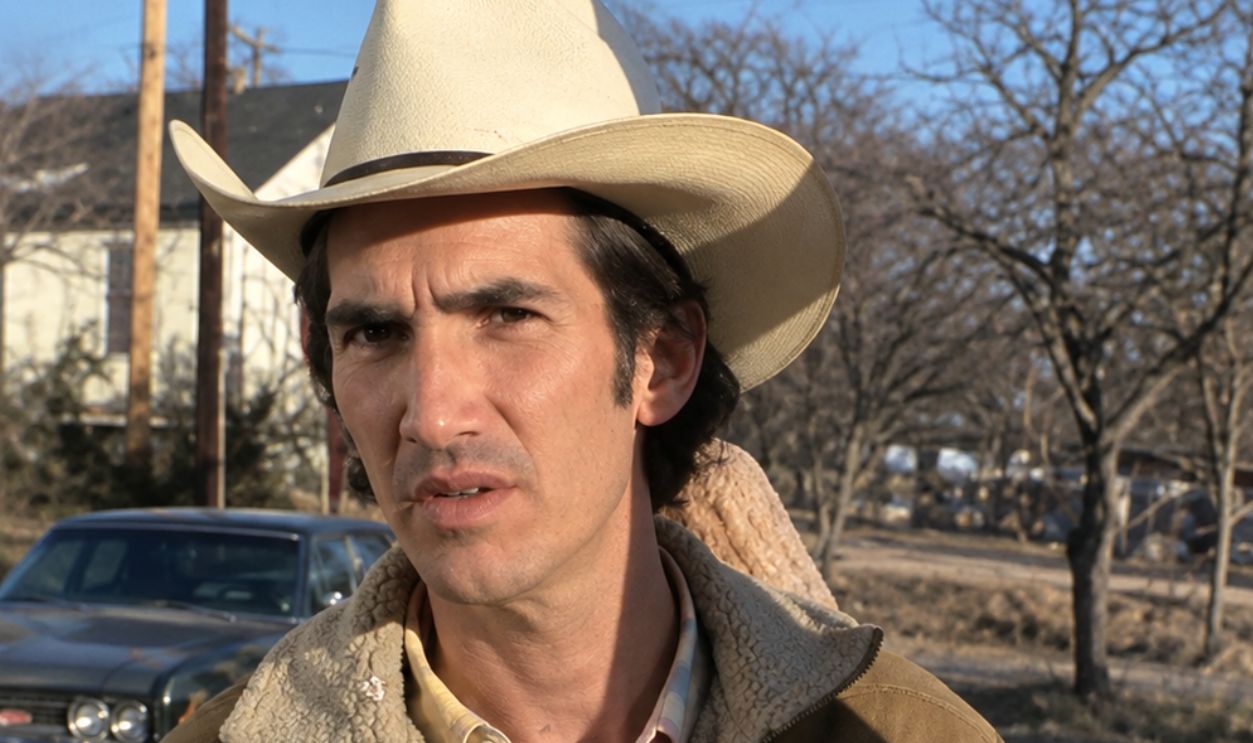 Screenshot from Be Here to Love Me: A Film About Townes Van Zandt, Rake Films (2004), enhanced
18. He Started Over Again
In 1973, Townes Van Zandt began dating a stunning redhead named Cindy Morgan. By this point, Van Zandt made little effort to hide his problems with addiction—but Morgan had a secret of her own. She was pretending to be older, but she was actually only 15 to his 30. Regardless, they tied the knot a few years later and got a dog, Geraldine. However, their home life was far from wholesome.
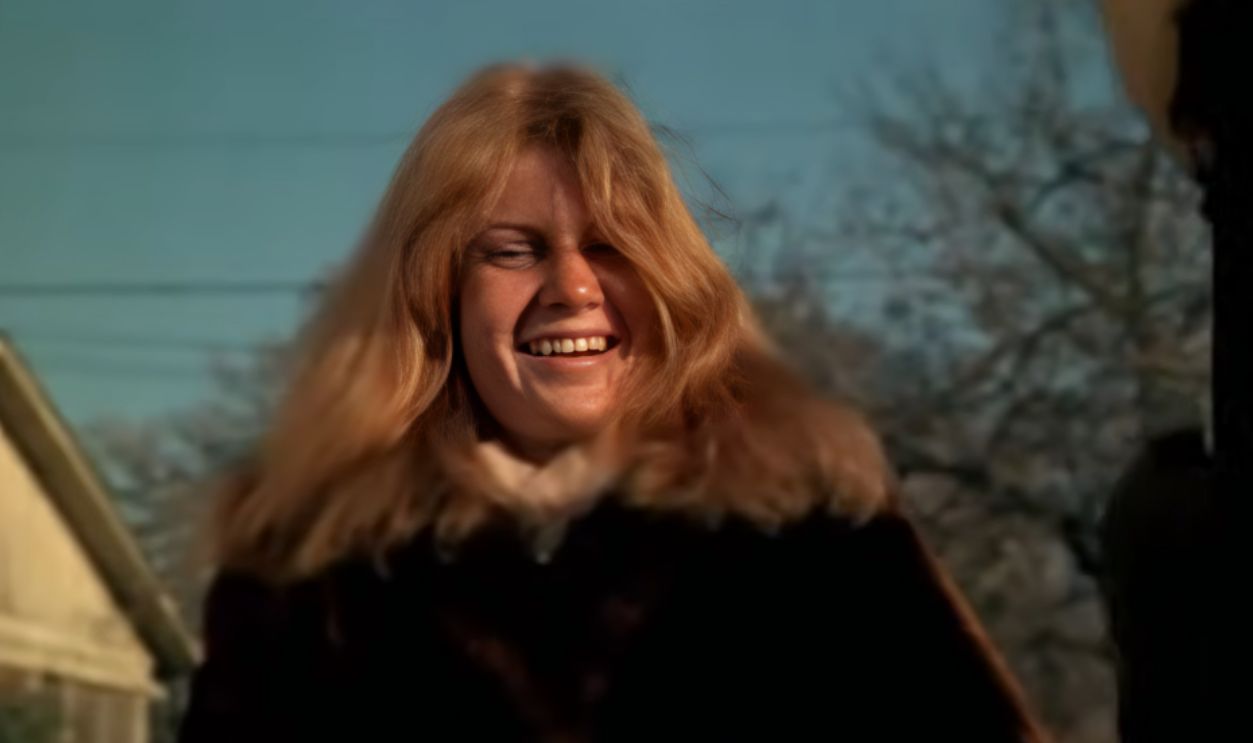 Screenshot from Be Here to Love Me: A Film About Townes Van Zandt, Rake Films (2004), enhanced
19. He Still Had A Way With The Guitar
In 1975, filmmakers documenting the outlaw country movement in a project called Heartworn Highways captured Townes Van Zandt, Cindy, and Geraldine at their trailer in Austin. He performed two songs, and as friend and fan Steve Earle said, “stole that entire film”. Though addiction and other personal troubles threatened to derail his life at any time, the film was proof that Van Zandt still had it.
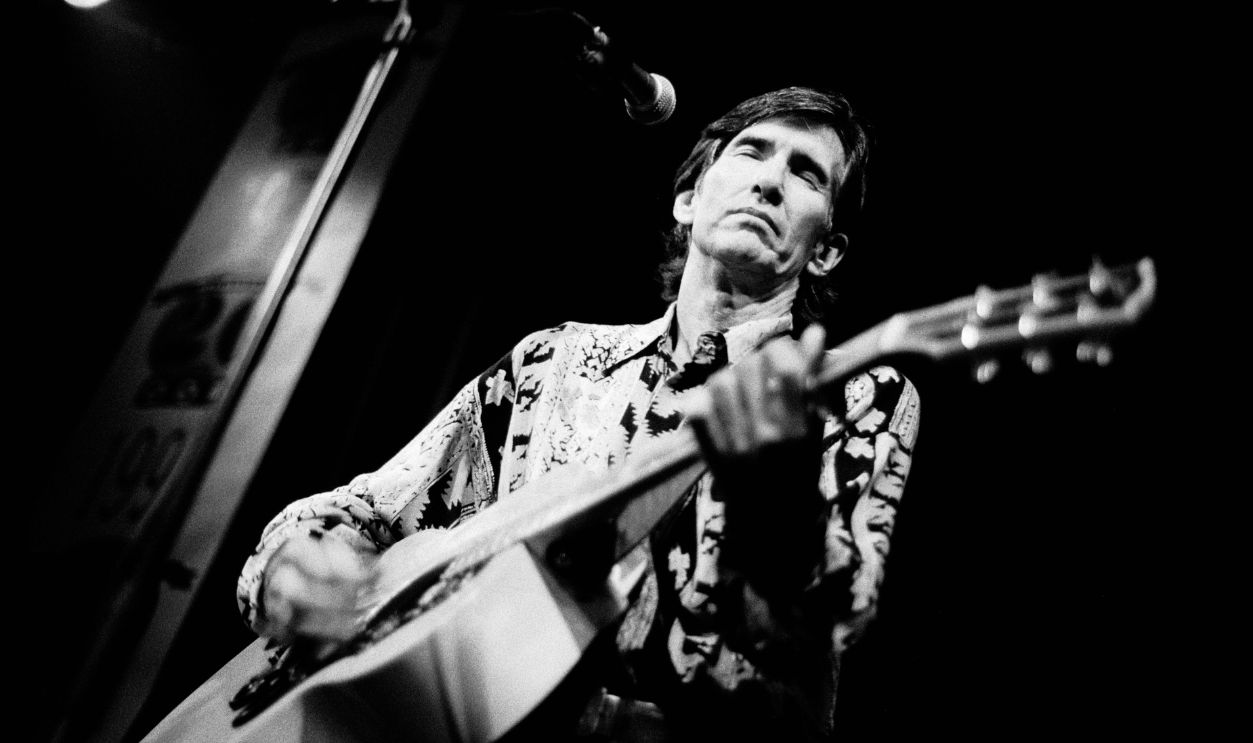 Frans Schellekens, Getty Images
20. He Tried Someone New
It wasn’t just personal problems that plagued Townes Van Zandt. In the mid-70s, he briefly fired Kevin Eggers and found a new manager, John Lomax III—despite the fact that Lomax didn’t have any experience in the field. Still, the rookie tried to achieve some career advancements for his client—among them, the establishment of a fan club and a move to Nashville.
However, even though Lomax was representing Van Zandt, Eggers continued to release re-issues of the singer-songwriter’s work. That’s when Lomax realized just how little control Van Zandt had over his music—to say nothing of his finances.
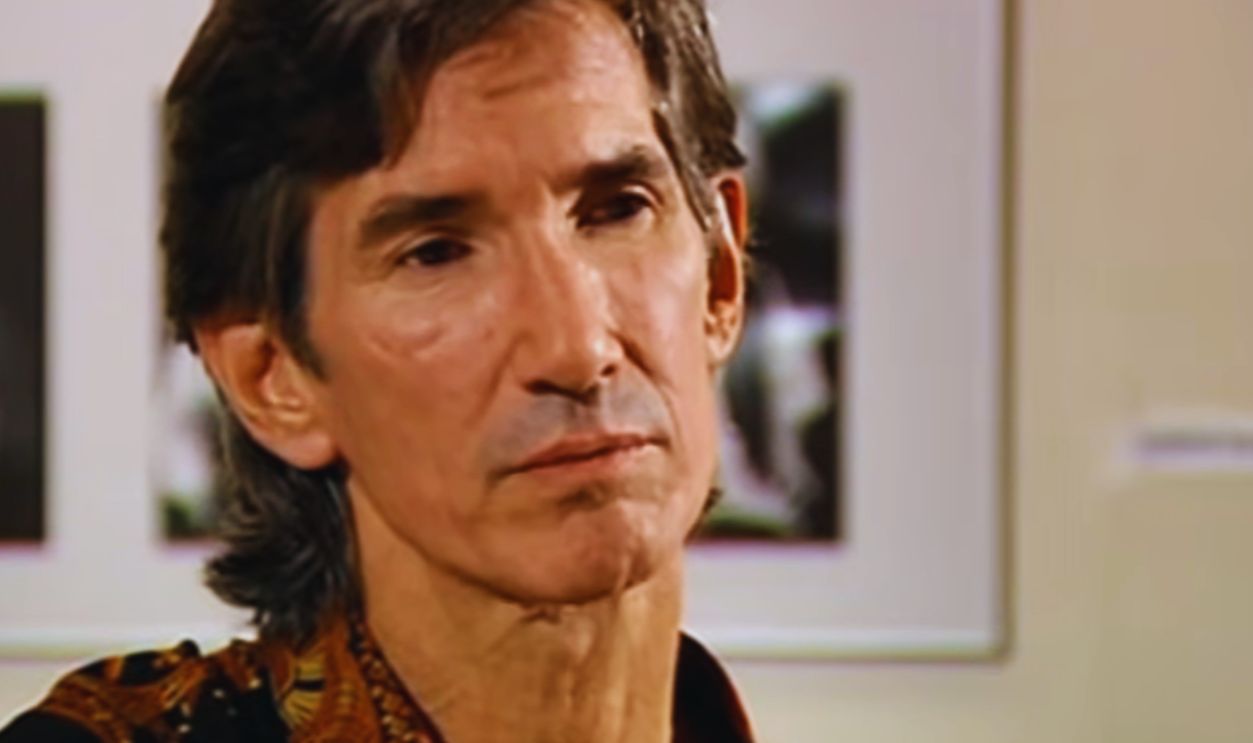 Screenshot from Be Here to Love Me: A Film About Townes Van Zandt, Rake Films (2004)
21. His Kind Side Was Fading Fast
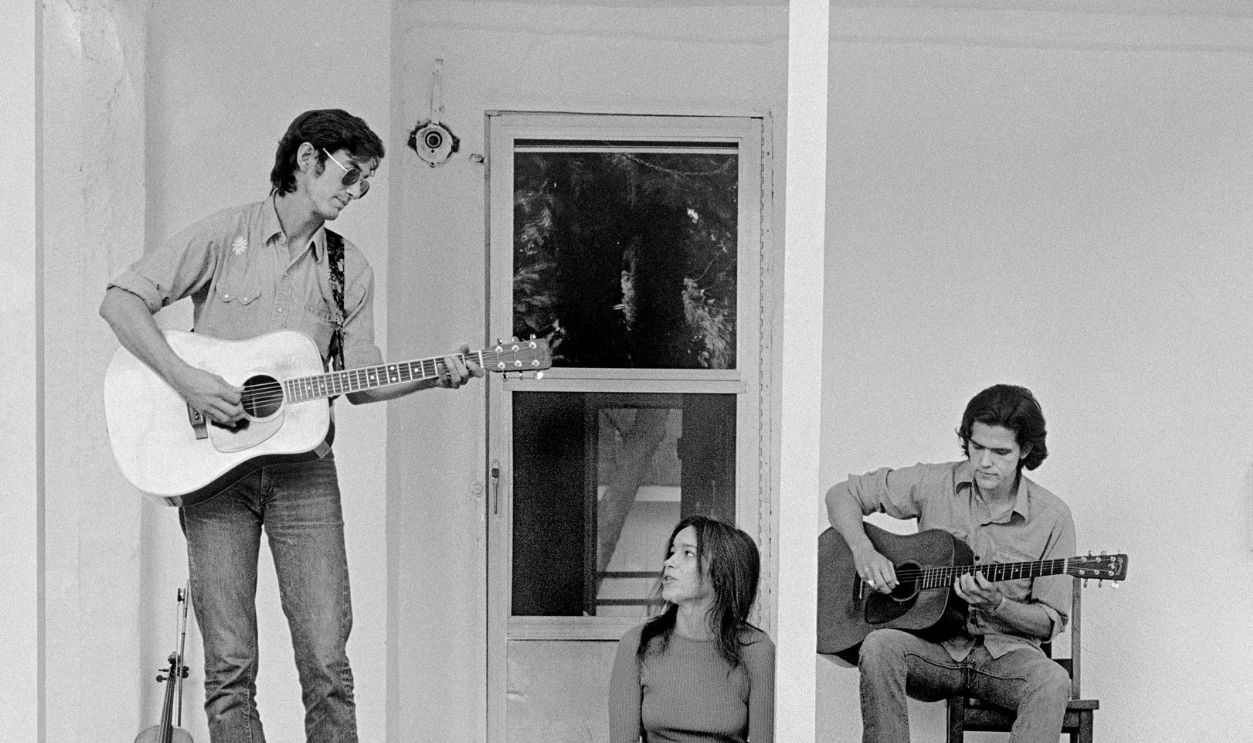
Van Zandt clearly didn’t have a mind for money—or a desire to entangle himself in the business side of his career. It’s impossible to say whether it was because of, or despite, his wealthy upbringing, but Van Zandt didn’t have a greedy bone in his body. Friends told stories of the musician purposely hitting the rough parts of town whenever he was on tour, and giving every “wino” he encountered five dollars.
Everyone from his family members to his first wife told tales of his sensitive nature and kind heart—but unfortunately, that seemed to be the part of him that drinking and substance misuse wiped out.
 Al Clayton Photography, LLC, Getty Images
22. He Wasn’t Who He Used To Be
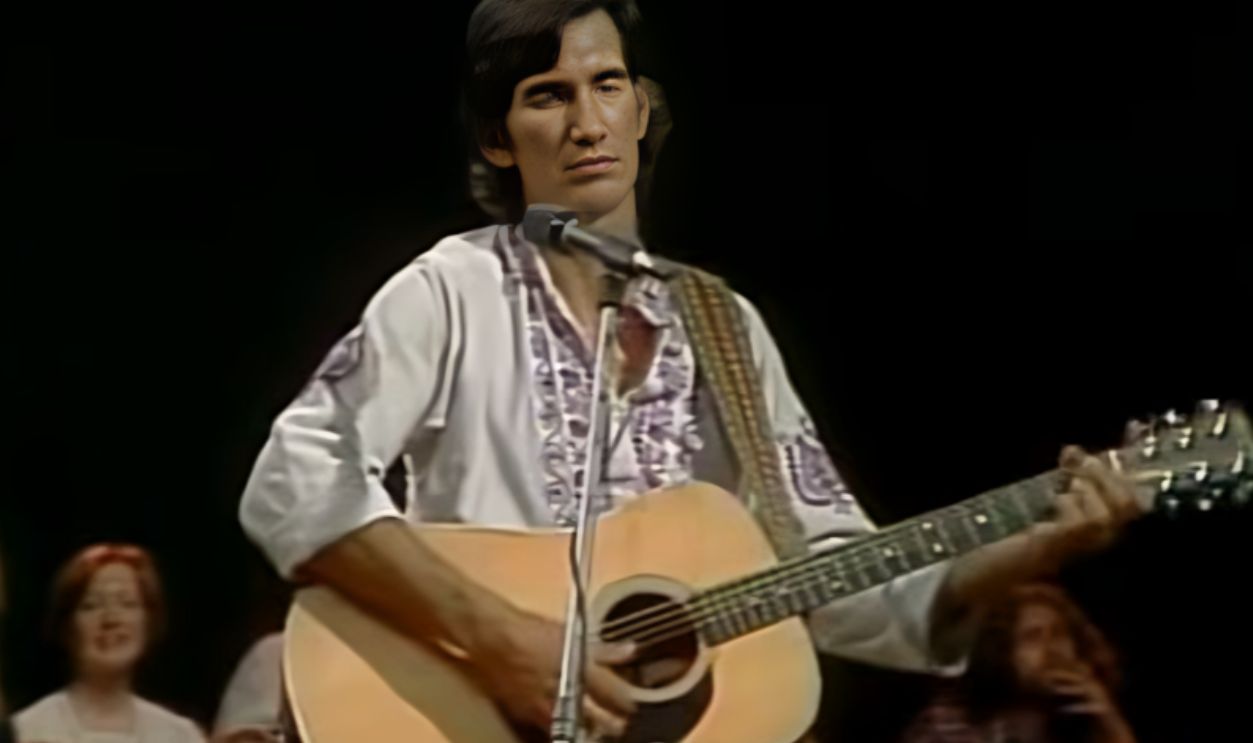
In 1978, Van Zandt’s then-nine-year-old son JT went to visit him in Nashville without his mother—and years later, he painted a chilling portrait of the man his father had become. Van Zandt lived with his wife Cindy and their dog Geraldine in a spare shack just outside Nashville. Not only was it not a hospitable place for little JT—Van Zandt quickly proved that he was no longer a hospitable man.
 Screenshot from Be Here to Love Me: A Film About Townes Van Zandt, Rake Films (2004), Enhanced
23. The Drinking Was Endless
On the short visit, JT soon clued in to his father’s routine. He’d wake up and go play with Geraldine. Shortly after Van Zandt would wake up, he’d already be drunk, often sharing a bottle of vodka with their neighbor, Michael Ewaugh. One morning, they were trying to shoot at a bird that Ewaugh wanted to feed to his hawks.
What followed was a heartbreaking scene straight out of the most gut-wrenching coming-of-age film.
24. He Gave His Son A Choice
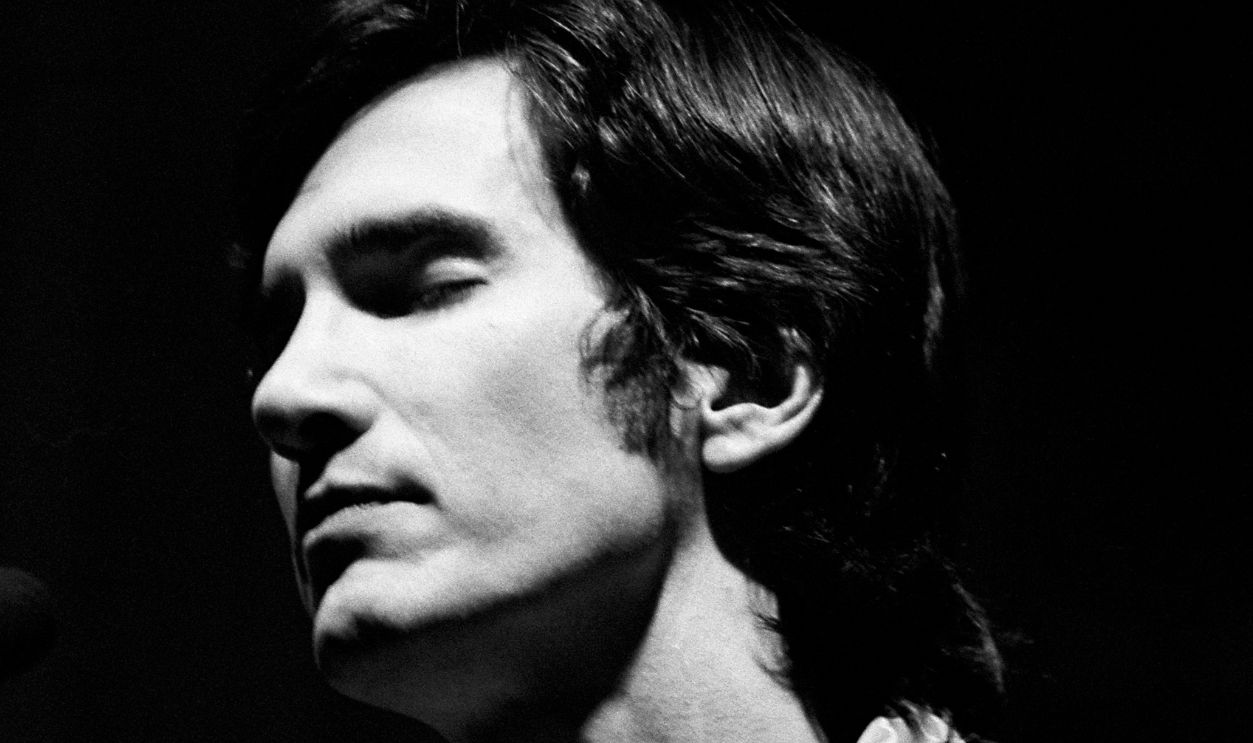
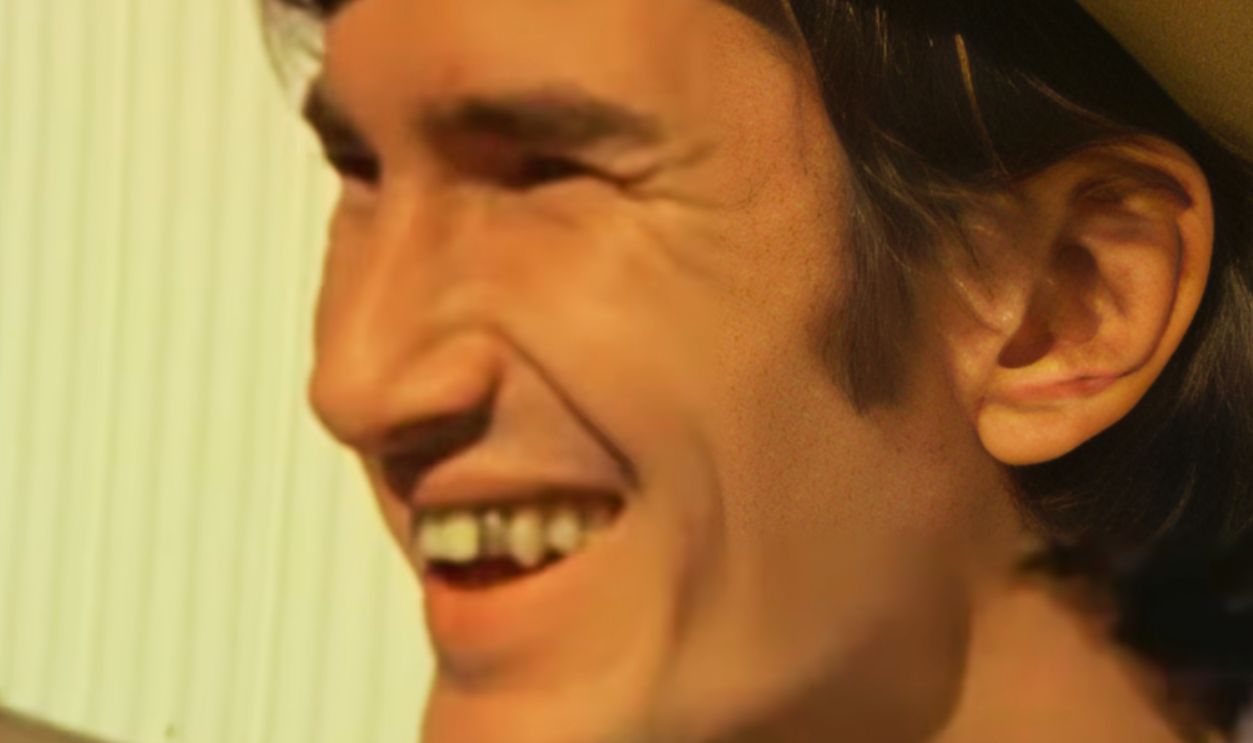
Both Van Zandt and Ewaugh were too deep in the bottle to take aim correctly—so JT joined in and took down the bird in one shot. Van Zandt was thrilled, and JT felt like he’d proven himself. That’s when the musician gave his son a choice. They’d go into town, and Van Zandt could either buy him a guitar or a BB gun like the one he’d just used.
It felt like a test—and it was.
 Screenshot from Be Here to Love Me: A Film About Townes Van Zandt, Rake Films (2004), Enhanced
25. He Didn’t Want To Be Like His Dad
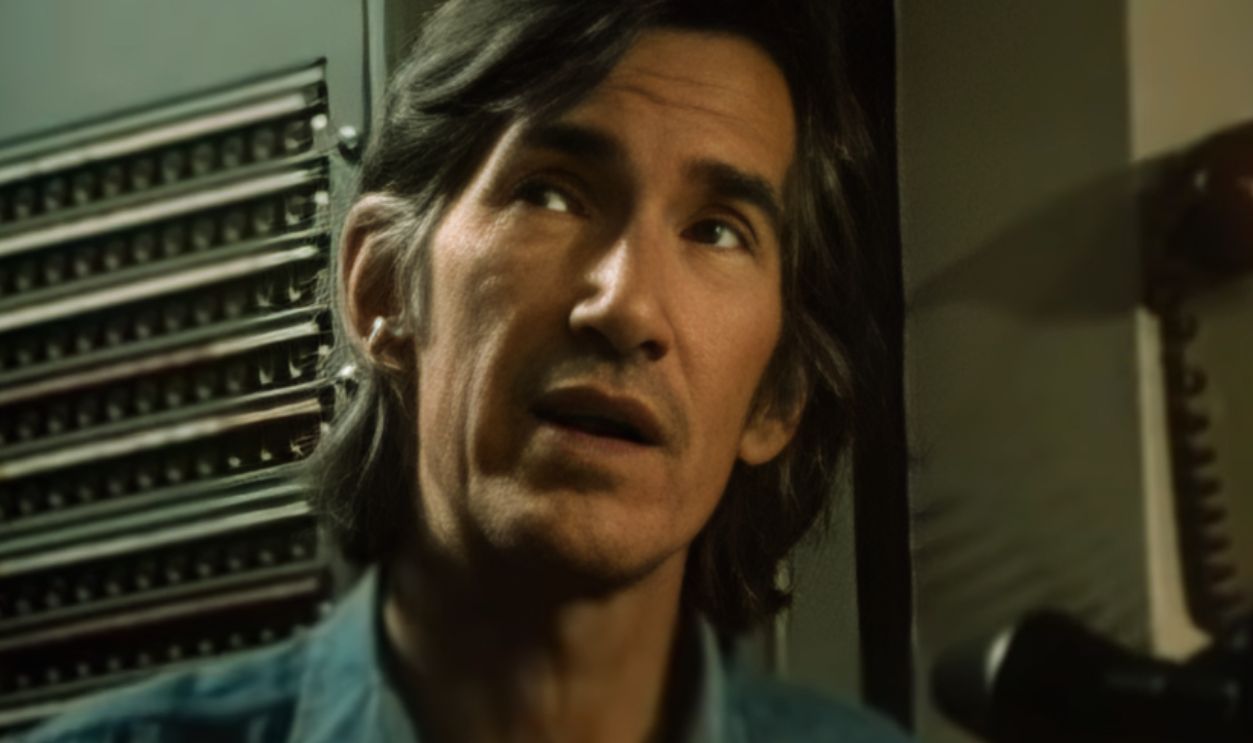
JT had already been suitably horrified by what he’d seen out there in the hills south of Nashville. The life of a musician had turned his father into a shell of a man—one who drank in the morning and shot up in front of him. JT wanted no part of it, and his father had been so proud of him for his one-shot hit.
The BB gun seemed like the right choice. But he was about to learn an even harder lesson about his father.
 Screenshot from Be Here to Love Me: A Film About Townes Van Zandt, Rake Films (2004), Enhanced
26. He Tried To Connect With Him
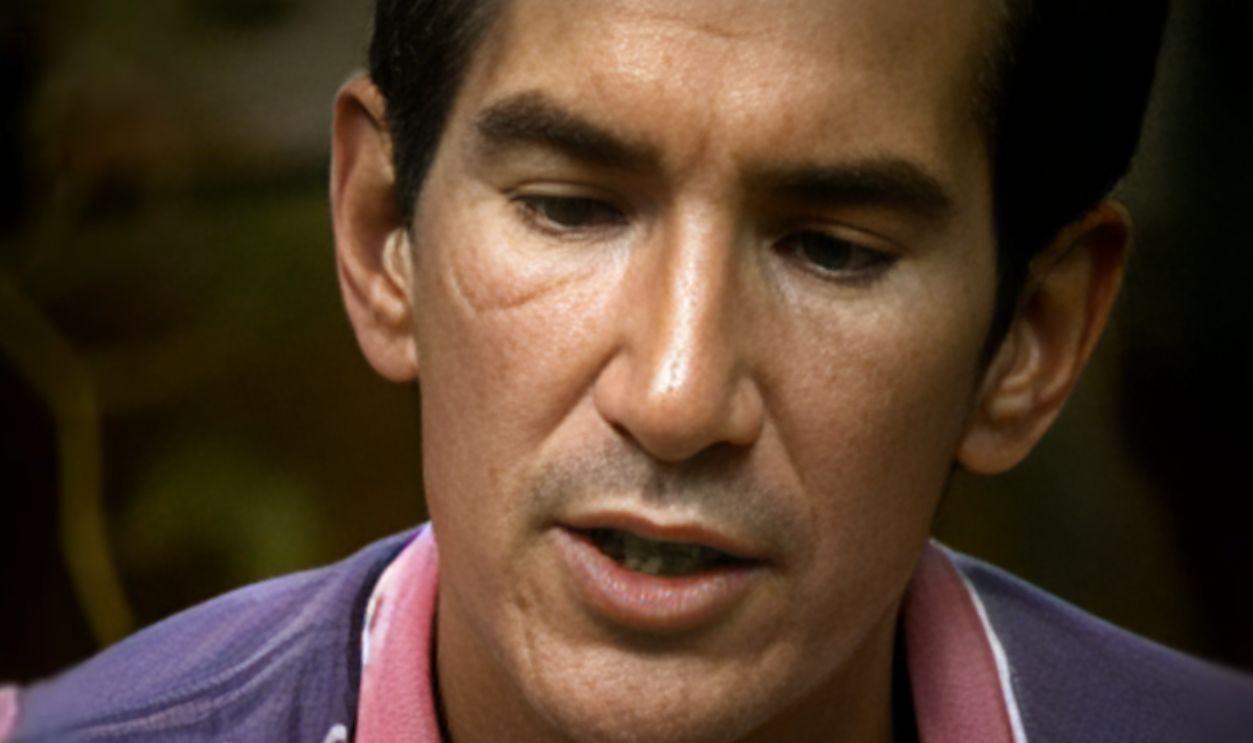
As Van Zandt’s focus shifted from his son back to his friends and his partying, JT naively brought up his triumph from earlier that day, hearing a bird’s song and asking what it was. That’s when Van Zandt turned on him, spitting out, “That's a mourning dove, you little idiot! Don't you know you shot its soul mate”?
JT, horrified, ended up hiding under the stairs and crying for hours as his father carried on with his friends. And the nightmare didn’t end there.
 Screenshot from Be Here to Love Me: A Film About Townes Van Zandt, Rake Films (2004), Enhanced
27. He Was Suffering
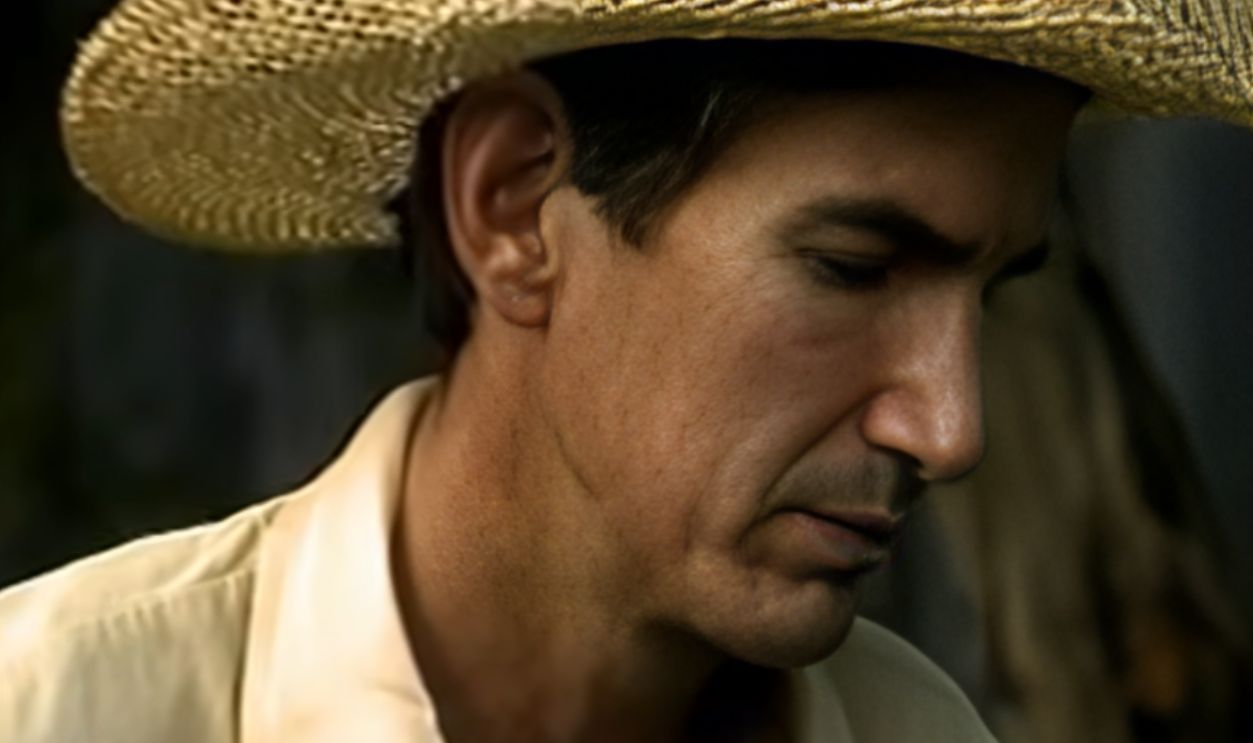
According to JT, when Van Zandt wasn’t waking up and going straight for the bottle, he was getting up, sobbing, swearing to himself, and rocking back and forth. By the end of the two-week visit, JT had seen things no child should see—but he also walked away with a deeper understanding of his dad, and how his choice to throw himself into the void in the name of art had shaped him.
 Screenshot from Be Here to Love Me: A Film About Townes Van Zandt, Rake Films (2004), Enhanced
28. He Went Back For More
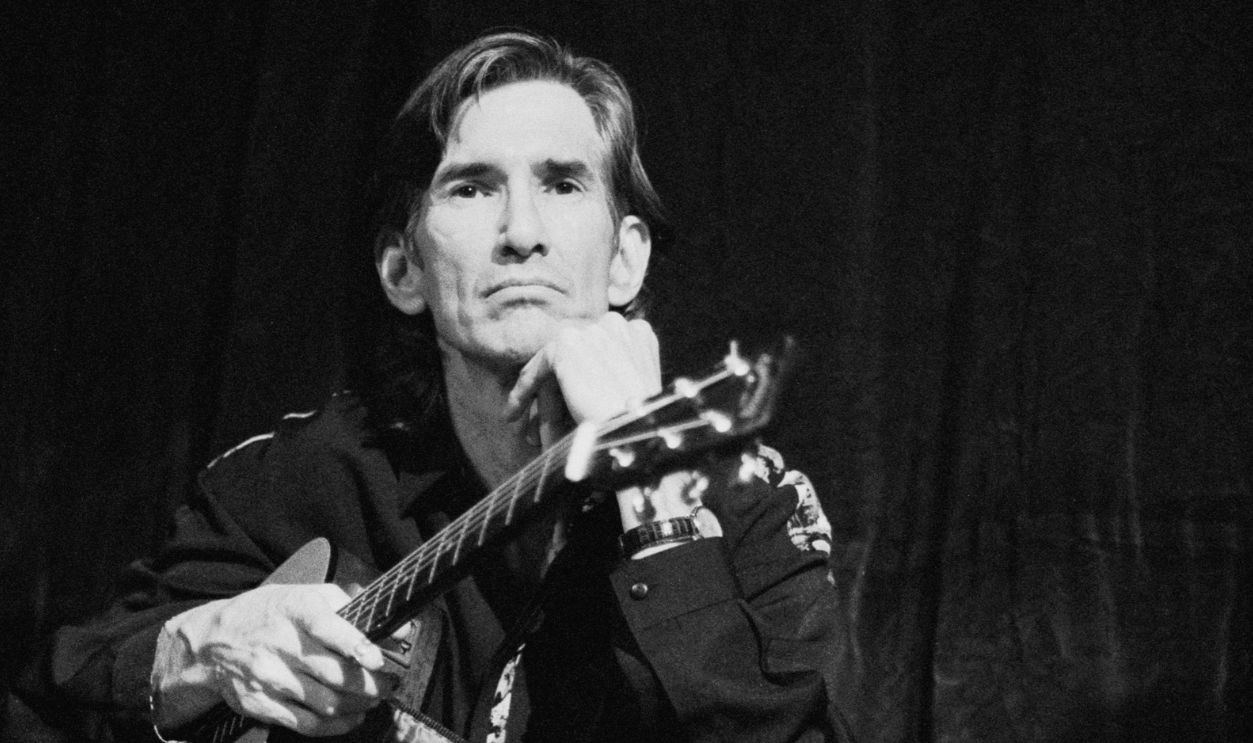
Van Zandt had been incredibly frustrated with Kevin Eggers and the way he handled the ill-fated album that ended up trashed. However, in 1978, he let bygones be bygones and rehired Kevin Eggers. He also made his first original album in five years, called Flyin’ Shoes, which included some songs from the erased album.
It seemed like a comeback for the embattled singer-songwriter—but it was anything but.
 Frans Schellekens, Getty Images
29. Taking Care Of Him Was A Full-Time Job
The temptations of the road are hard for any musician to resist—but when you’re already in active addiction, it’s near impossible to keep it together enough to make it to the stage each night, let alone say no. This was the situation in which Van Zandt’s manager found himself in the late 70s. He wound up hiring his own brother, Harold Eggers, to act as tour manager…and de facto caretaker.
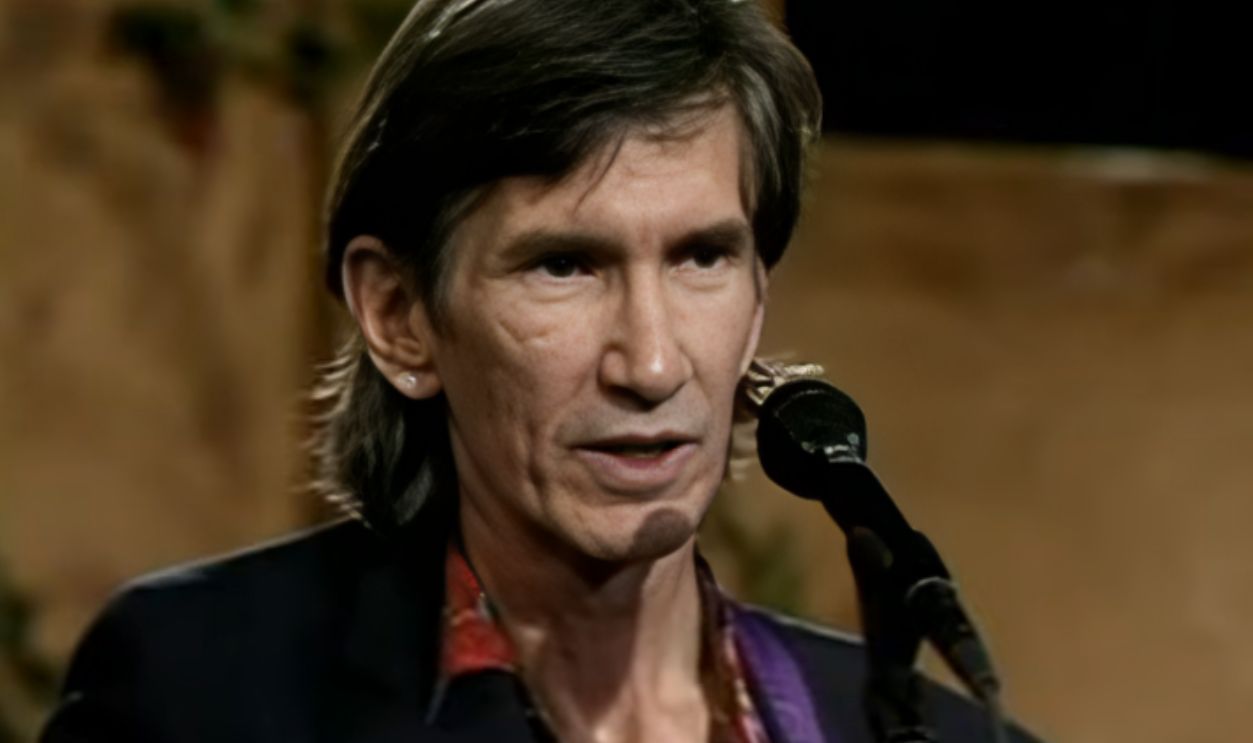 Screenshot from Be Here to Love Me: A Film About Townes Van Zandt, Rake Films (2004), Enhanced
30. He Was There For The Good And The Bad
Like his dynamic with Kevin Eggers, Van Zandt’s relationship with Harold was complicated. As Harold put it, even though he was nine years younger than Van Zandt, he considered the troubled musician his “first child”. But it wasn’t all babysitting. On tour with Van Zandt, Harold began to record each show live.
Some were masterpieces. Others were evidence of Van Zandt’s worsening drinking problem. And one day, they’d be the source of a lot of trouble.
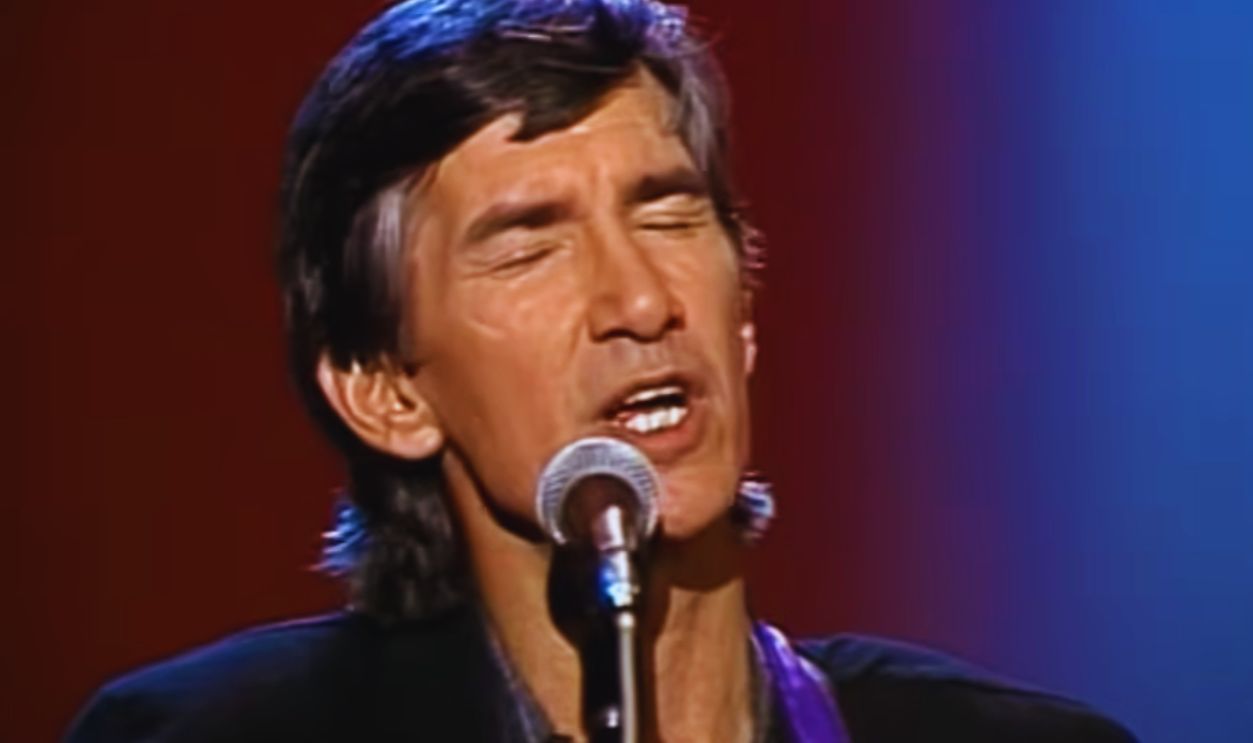 Screenshot from Be Here to Love Me: A Film About Townes Van Zandt, Rake Films (2004)
31. He Was Completely Dependent
So, how bad was Van Zandt’s drinking? In his own estimation, Van Zandt’s drinking had become a problem in 1973—unsurprisingly, around the time his creative output fell off. Then it got worse through the 70s. He tried rehab multiple times, but it never stuck. Then, Van Zandt reported, he needed a pint of vodka just to get through the day by 1982.
In those two decades, he sought treatment around a dozen times. And doctors did try to help him.
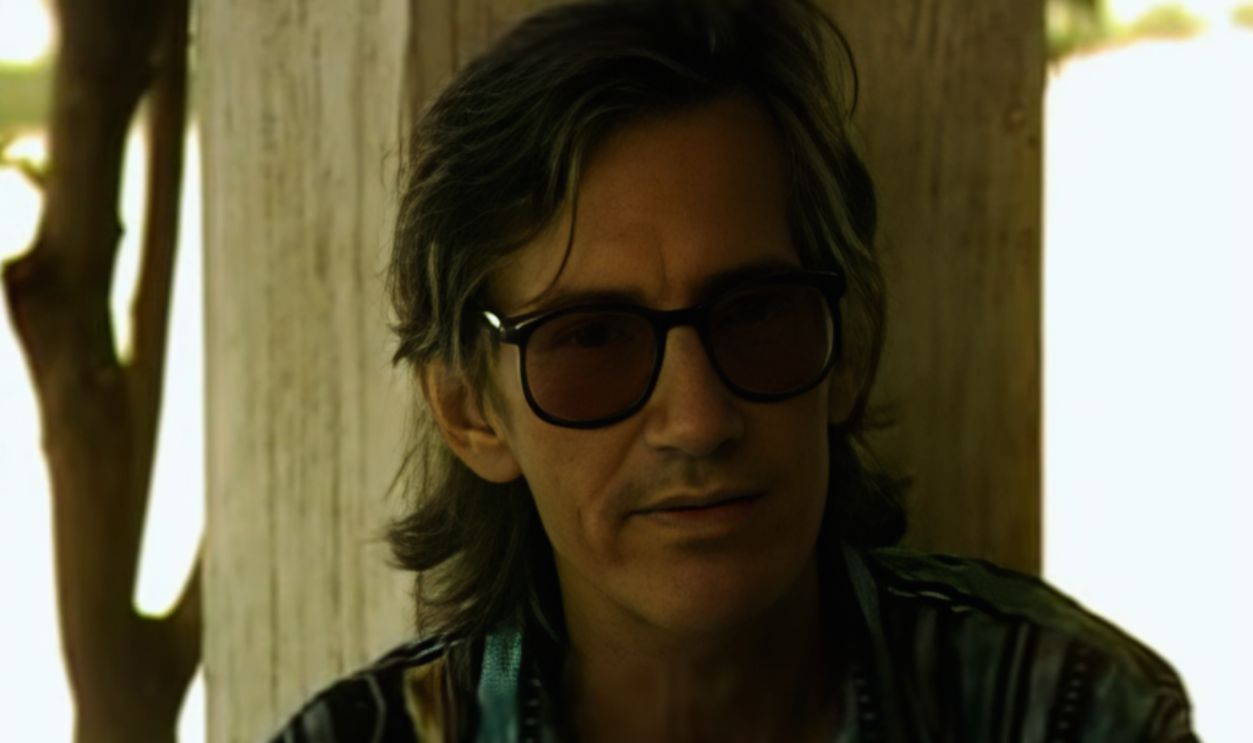 Screenshot from Be Here to Love Me: A Film About Townes Van Zandt, Rake Films (2004), Enhanced
32. They Tried To Help Him
One of Van Zandt’s biographers obtained his medical records, which stated that he heard voices, and that "Affect is blunted and mood is sad. Judgment and insight is impaired”. They tried different psychiatric medications to treat him, and his wife Cindy kept him on a regimen of lithium in the late 70s during the years at the Austin trailer and the Nashville shack.
His troubles were no secret to his friends—though often, their patience wore thin.
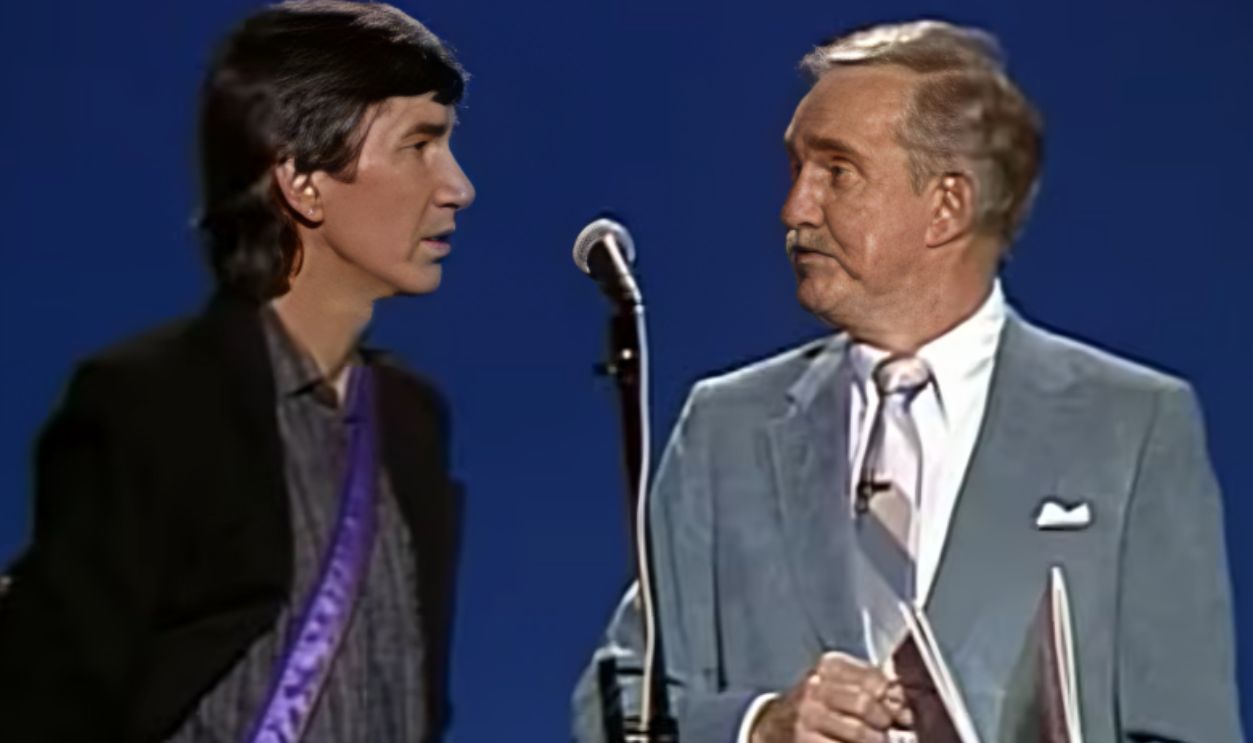 Screenshot from Be Here to Love Me: A Film About Townes Van Zandt, Rake Films (2004), Enhanced
33. He Had Two Faces
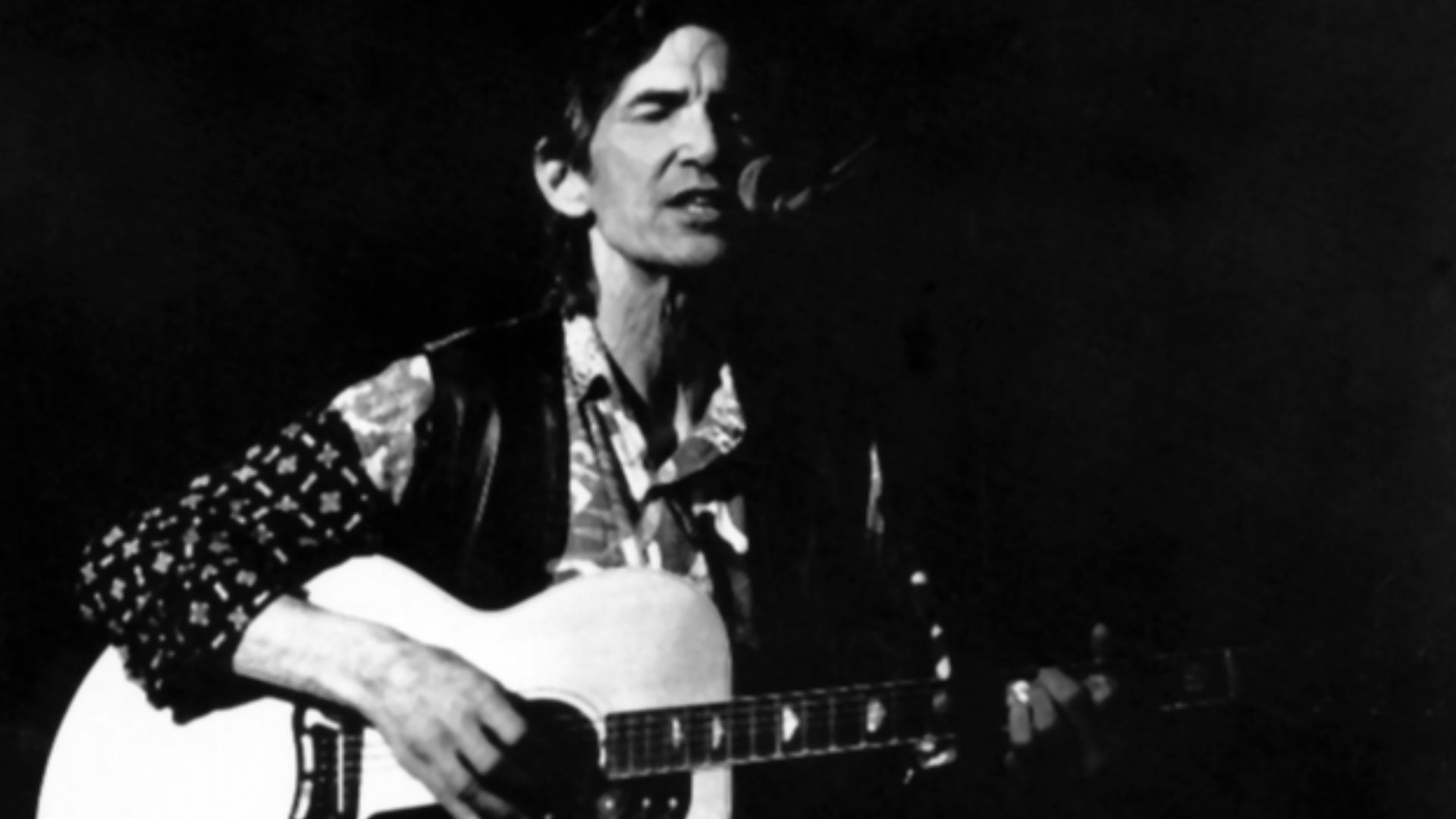
Both Steve Earle and his former manager John Lomax III’s son have referred to Van Zandt as having a Jekyll-and-Hyde disposition. During a performance at the Country Music Association convention with a slew of other stars and friends like Waylon Jennings, he was fall-down drunk—literally, falling into things on stage.
The next morning he woke up and spent the next few weeks avoiding even his close friends, ashamed of his behavior. But that was far from the worst example of his disturbing habits.
34. He Took Things Too Far
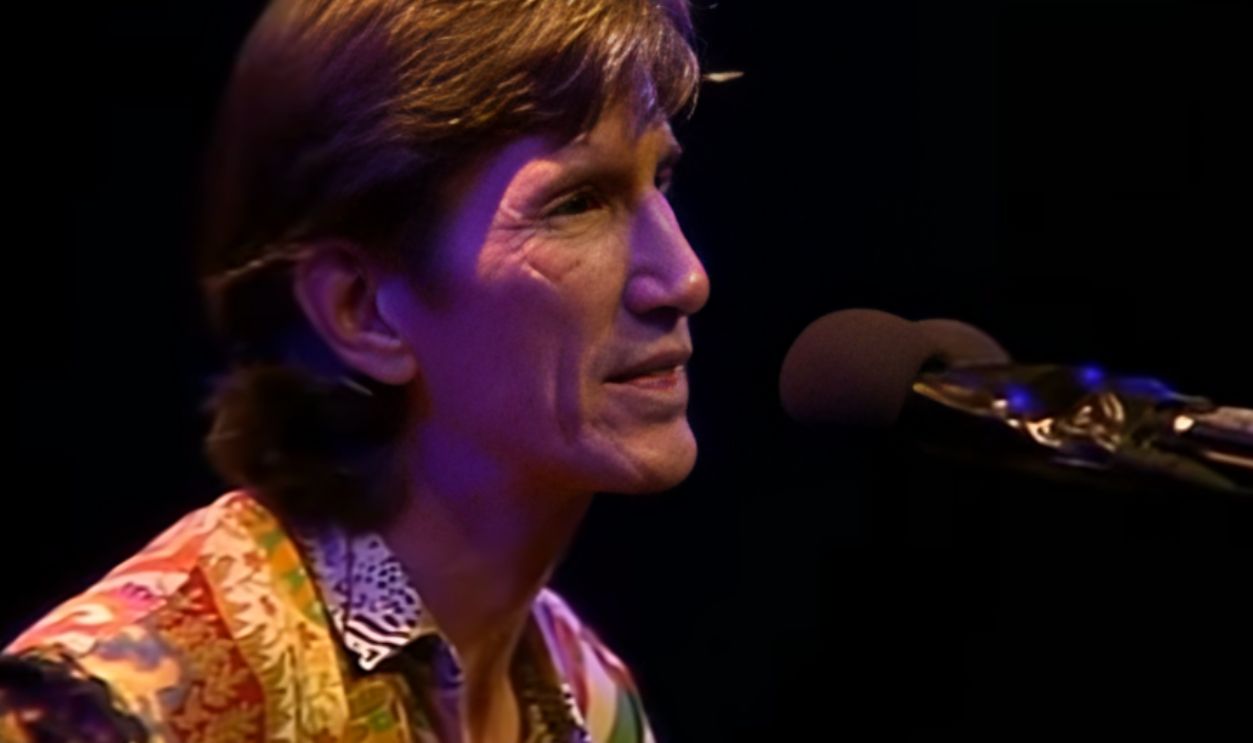
The sheer messiness of his drinking and substance misuse could come as a shock to his musician friends who were more dedicated to their craft than getting wasted. Some reported that he didn’t just drink and use—he’d actually inject alcohol in front of them. And things weren’t just desperate on that front.
Despite being one of the most beloved musicians of his generation, he was barely keeping his head above water.
 Screenshot from Be Here to Love Me: A Film About Townes Van Zandt, Rake Films (2004), Enhanced
35. He Had Nothing To Show For His Work
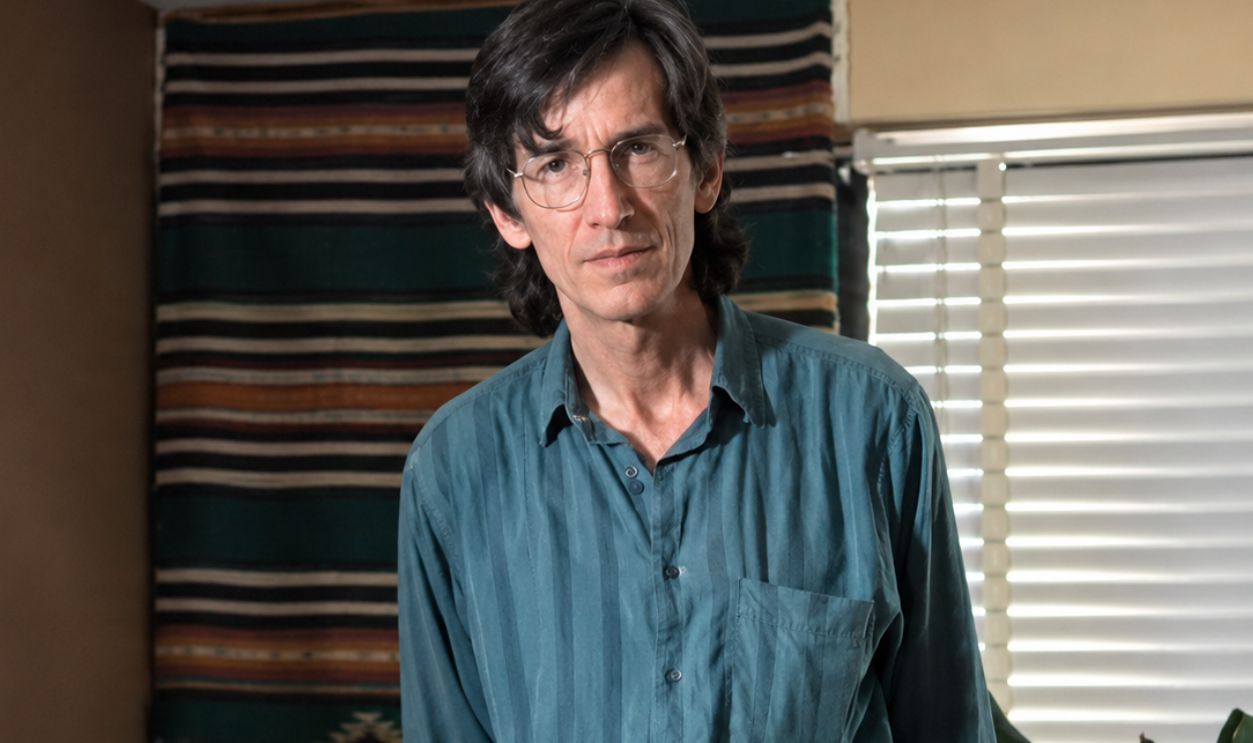
Townes Van Zandt was broke. He’d even get up to harebrained schemes with his friends in order to get money for vodka—like covering themselves in garbage before trying to go into local clubs, then asking the managers for drinking money in order to stay out. His wife Cindy had to quickly grab his paychecks after performances so he wouldn’t go out and drink it all away.
Something had to break. Van Zandt thought it would be easier to “go commercial” and sit back and rake in royalty checks. Well, that’s not exactly how things went.
 Screenshot from Be Here to Love Me: A Film About Townes Van Zandt, Rake Films (2004), Enhanced
36. His Songs Had A Second Life
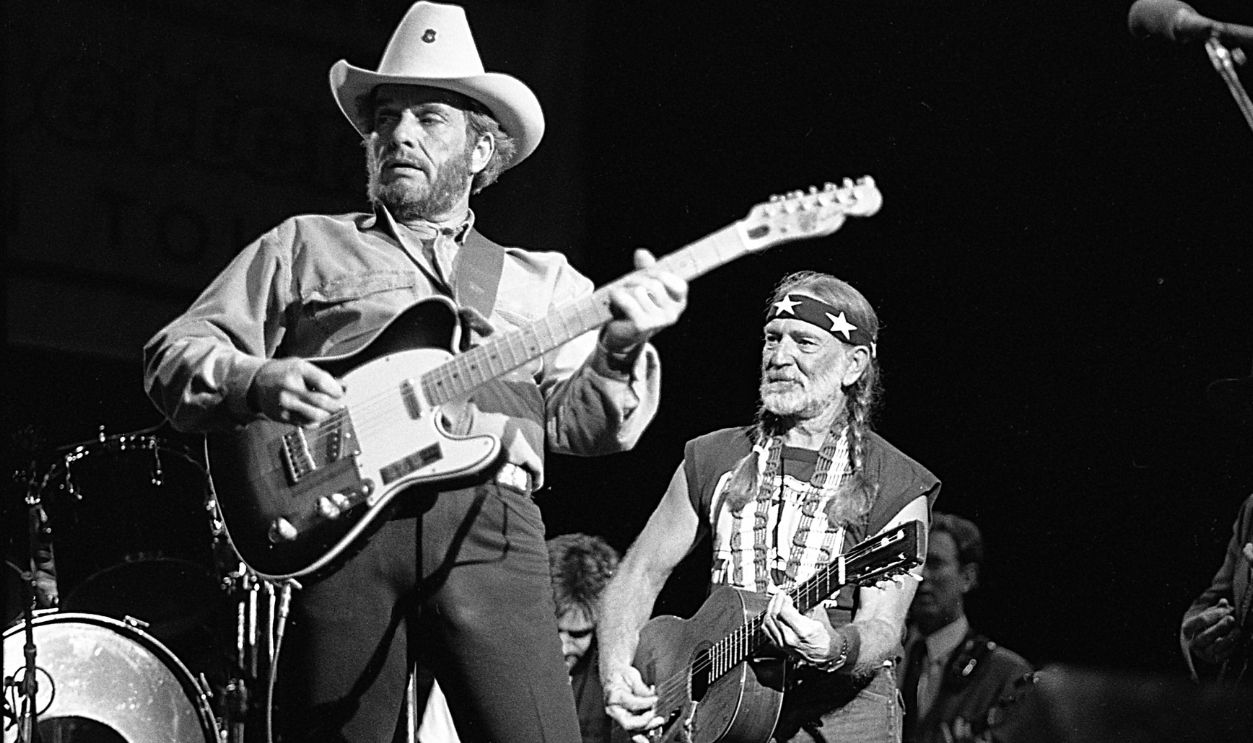
In the 80s, Townes Van Zandt got big, but not in the way he expected. Artists like Emmylou Harris, Willie Nelson, and Merle Haggard had big hits covering his songs. Not only did the royalties he got prove to be life-changing—they also couldn’t have come at a better time. He’d met a new woman, and was ready to build a life with her.
37. Everything Changed
The turn of the decade brought new challenges to Townes Van Zandt—and for once, he seemed capable of handling them. He met Jeanene Munsell in 1980, and in 1982 she got pregnant. His mother, who was terminally ill, made him promise that he’d take care of the child. So, in 1983, he divorced his estranged wife Cindy in order to marry Jeanene.
It was a fresh start…at least for a while.
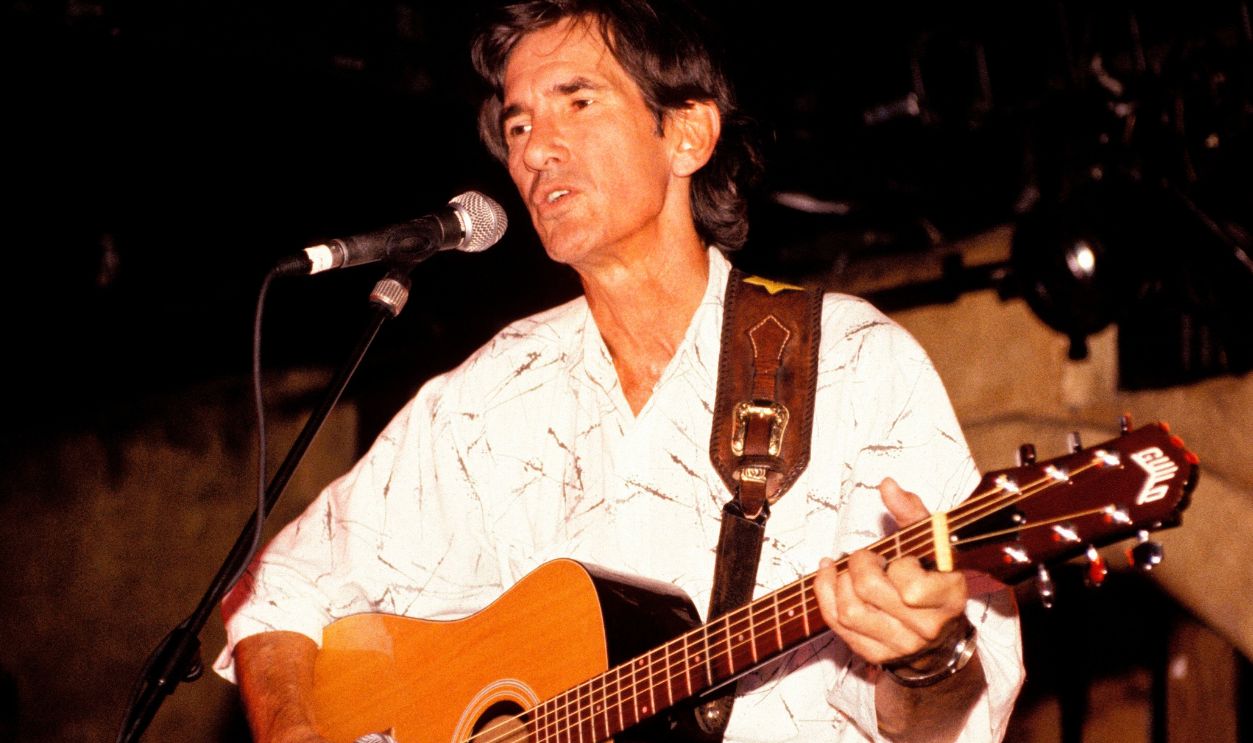
38. He Made A Comeback
Buoyed by the success of others covering his songs, Van Zandt was able to support a family for the first time in years, and he and Jeanene welcomed their son Will. In 1987, he released his first album in nine years. But one of his hardest-won accomplishments was quitting drinking in 1989.
Sadly, it was too little, too late.
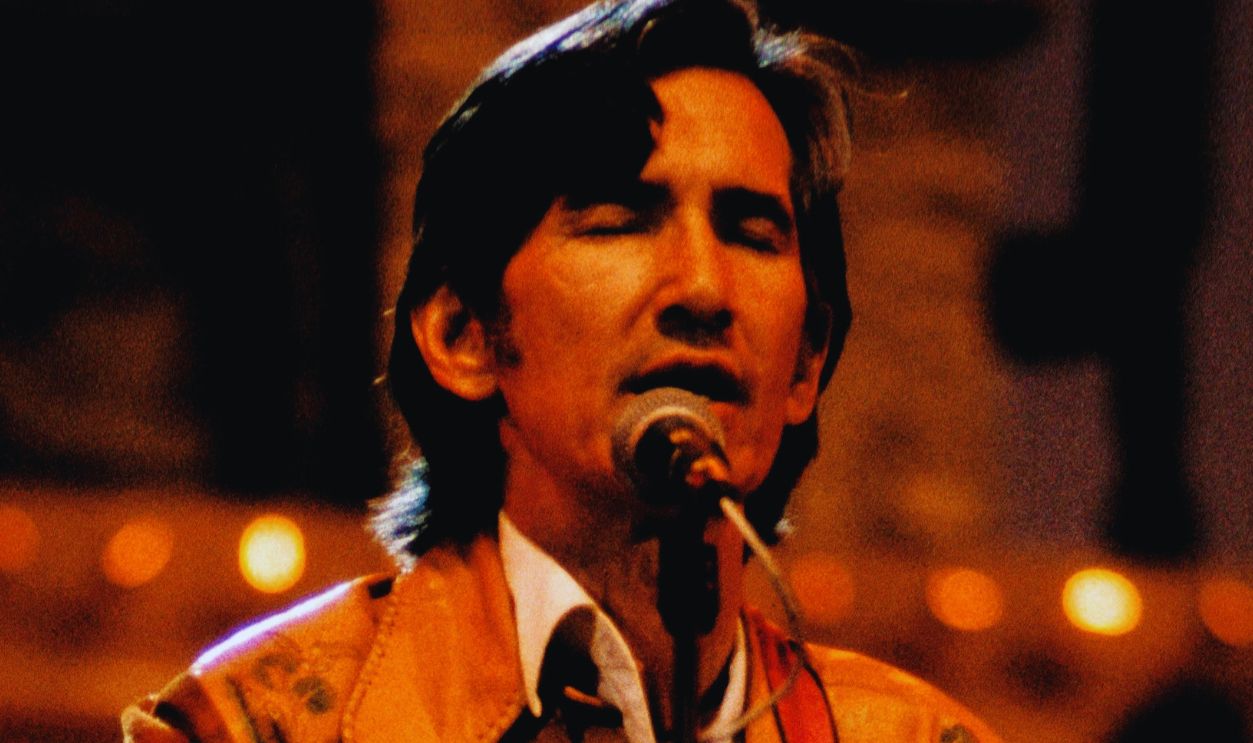
39. He Relapsed
Van Zandt was sober for about a year before he went back to the bottle. It was clear that the 90s would bring a whole other set of challenges for Townes Van Zandt—but he also had a new reason to celebrate. In 1992, Jeanene gave birth to his only daughter, Katie Belle, on Valentine’s Day. Unfortunately, it wasn’t enough to hold the couple together.
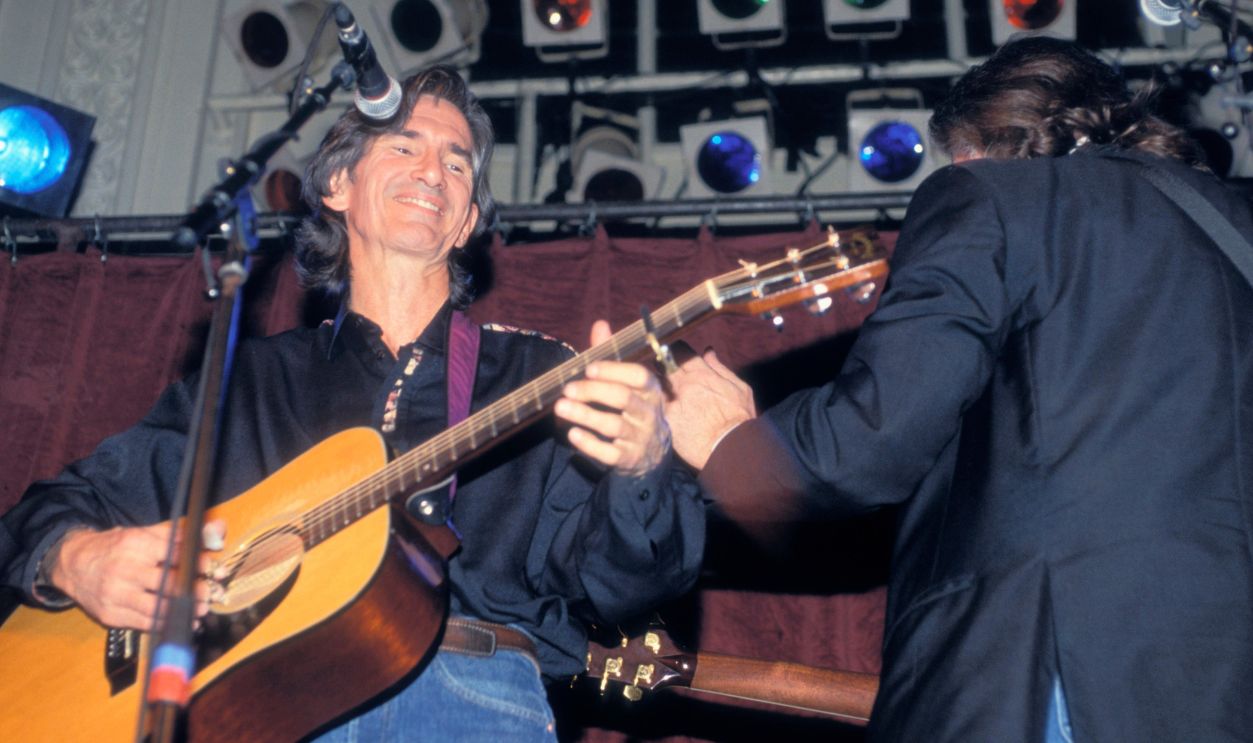 Frans Schellekens, Getty Images
40. He Gave Her Everything
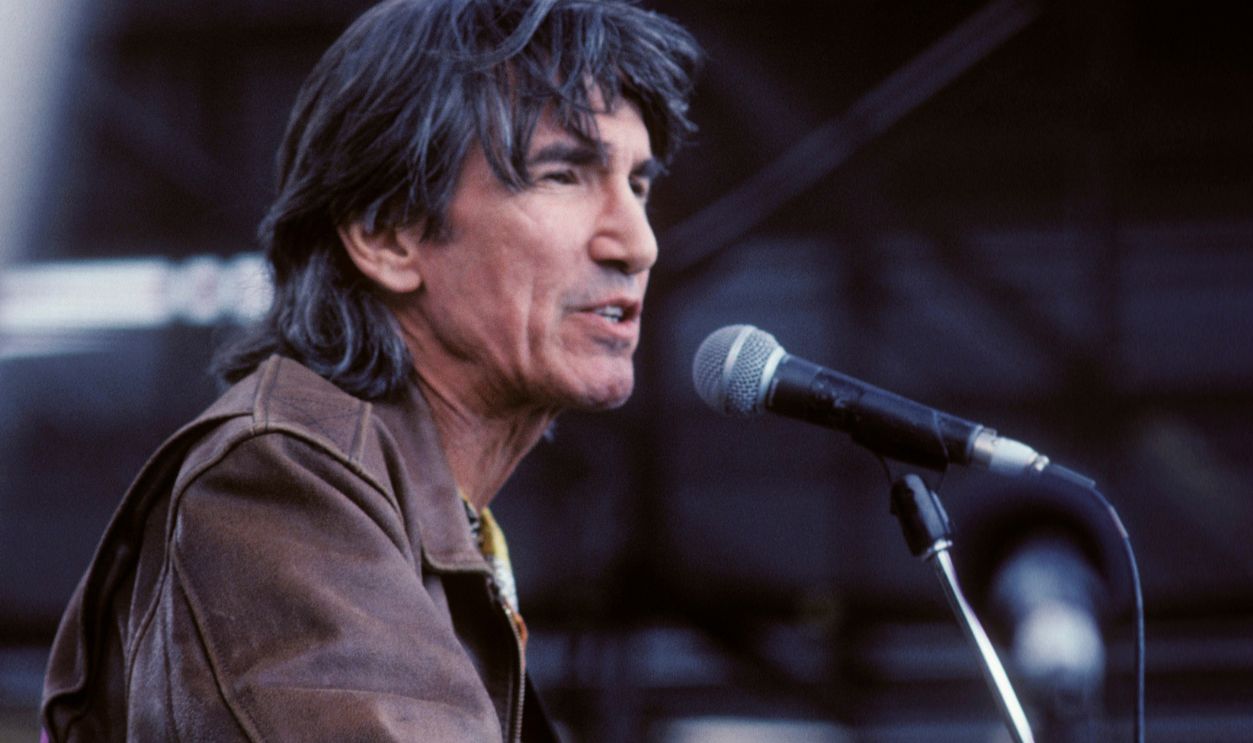
Van Zandt and Jeanene separated in the spring of 1993, and their divorce went through the following year. Despite their legal status, they stayed close—however, there was a curious side to their arrangement. Before their divorce, Jeanene had convinced Van Zandt to sign over the rights to his music to their children.
This left him with whatever he made playing shows—which wasn’t much. He’d often give whatever cash he earned to Jeanene anyway. He had some titles come down to him through his family, but he left those untouched, leaving him with just his truck, a motorcycle, and a small boat.
41. It Was A Legal Issue
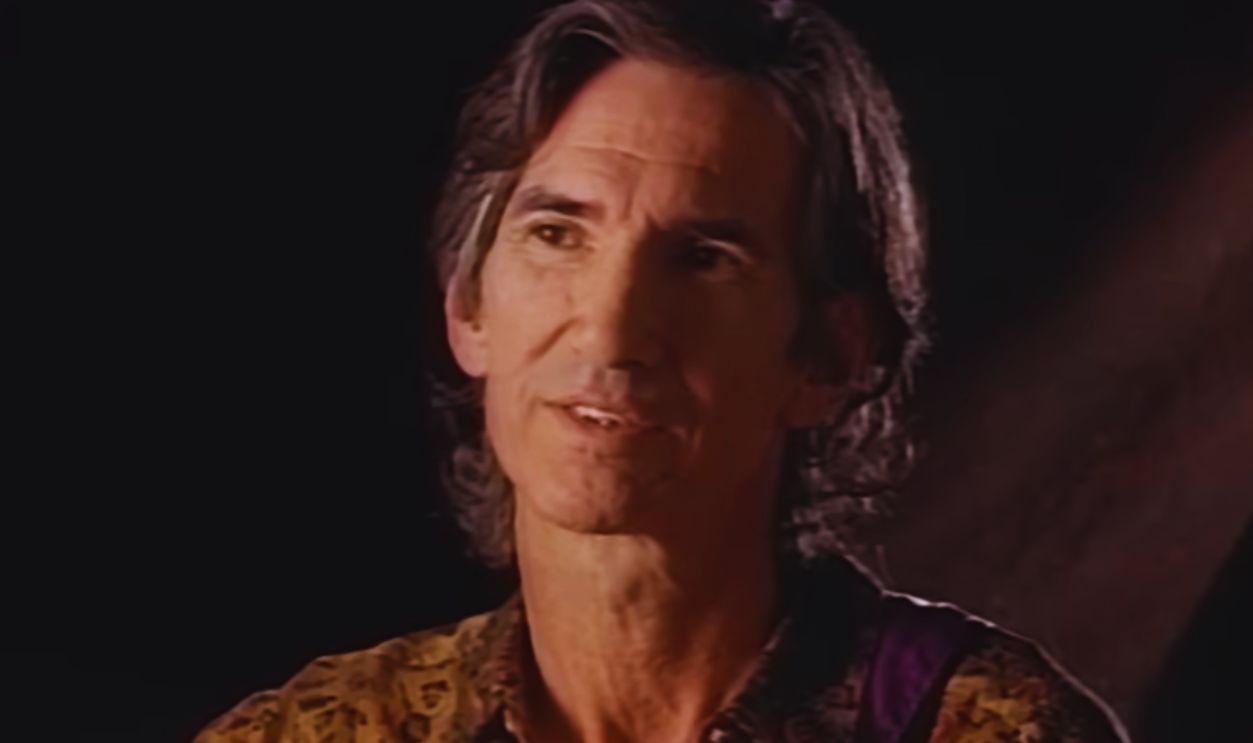
According to Jeanene, the two still loved each other very much, and their divorce was simply a matter of her not wanting to be “liable for his actions or responsible for his debts”. But that’s putting things nicely. Really, there was a fear that he’d take the car out after drinking and hurt someone, triggering lawsuits that would clean out his children’s inheritances.
And so, despite their divorce, Jeanene continued to shoulder the emotional cost of it all.
 Screenshot from Without Getting Killed or Caught, Indie Rights (2020)
42. He Couldn’t Stop
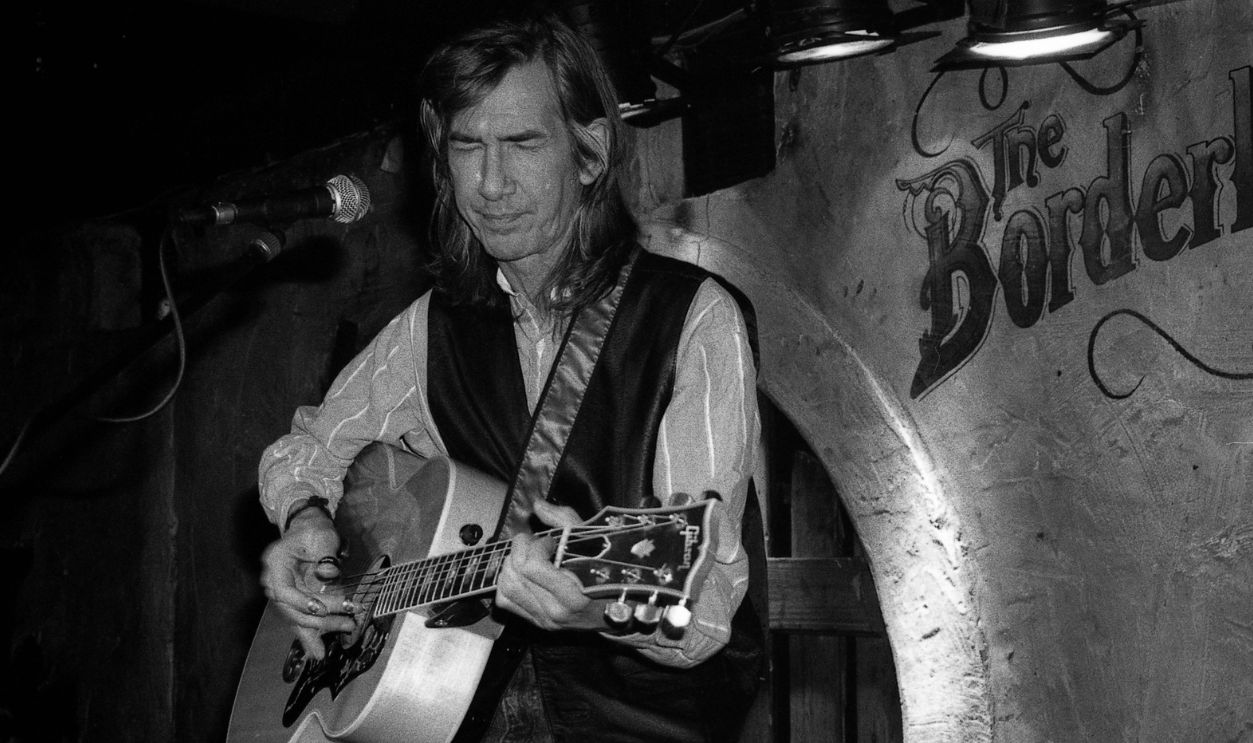
The drinking was taking a severe physical toll, so Van Zandt went to the hospital to try to detox in 1994. Jeanene was by his side—and what the doctors told her was sickening. Van Zandt’s body was so dependent on alcohol that doctors warned Jeanene that a detox would kill him. Quitting was no longer an option.
As his friend explained, it turned into a job as much as anything else. In order to perform, he’d stop from 4pm to 9pm, but then had to pick it back up again afterward.
43. He Had One Last Shot
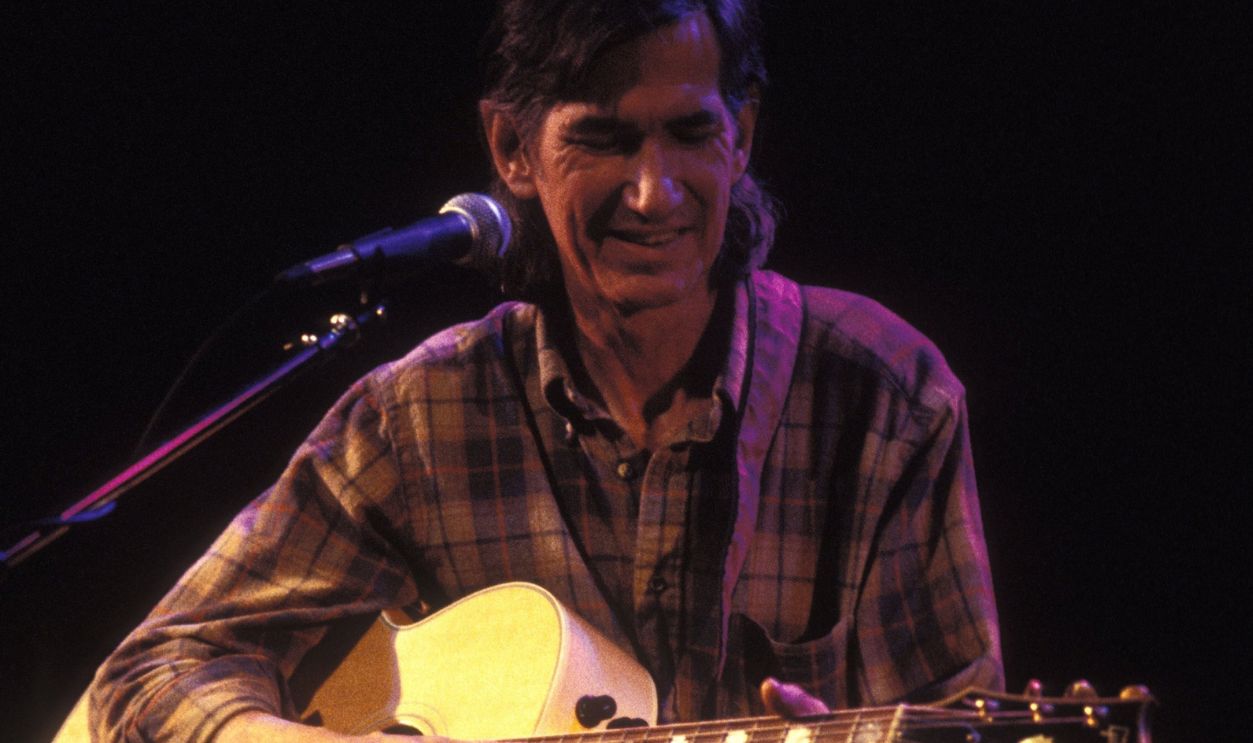
Still, when you’re as respected a musician as Townes Van Zandt, the opportunities may thin out—but they don’t stop. He released a new album in 1994, and soon after, was approached by Sonic Youth’s Steve Shelley, who wanted to release an album for him. They set up a time to record, but then tragedy struck.
Van Zandt suffered a debilitating fall at home, and lay there for an hour before someone came to help him. Still, he was determined.
44. He Was Dumped
Van Zandt feared a doctor would veto the sessions, so he refused to go to the hospital. His old friend and caretaker Harold Eggers took him to the studio in a wheelchair—but Shelley had already grown frustrated with dealing with the aging alcoholic and how unreliable he was, and didn’t want to work together anymore.
Finally, Van Zandt went to the doctor, who found he’d fractured his hip and needed surgery. However, Jeanene clashed with the doctors over her fear that detox would kill him—and she ended up taking him out of the place before they could operate on him.
45. Things Were Looking Bad
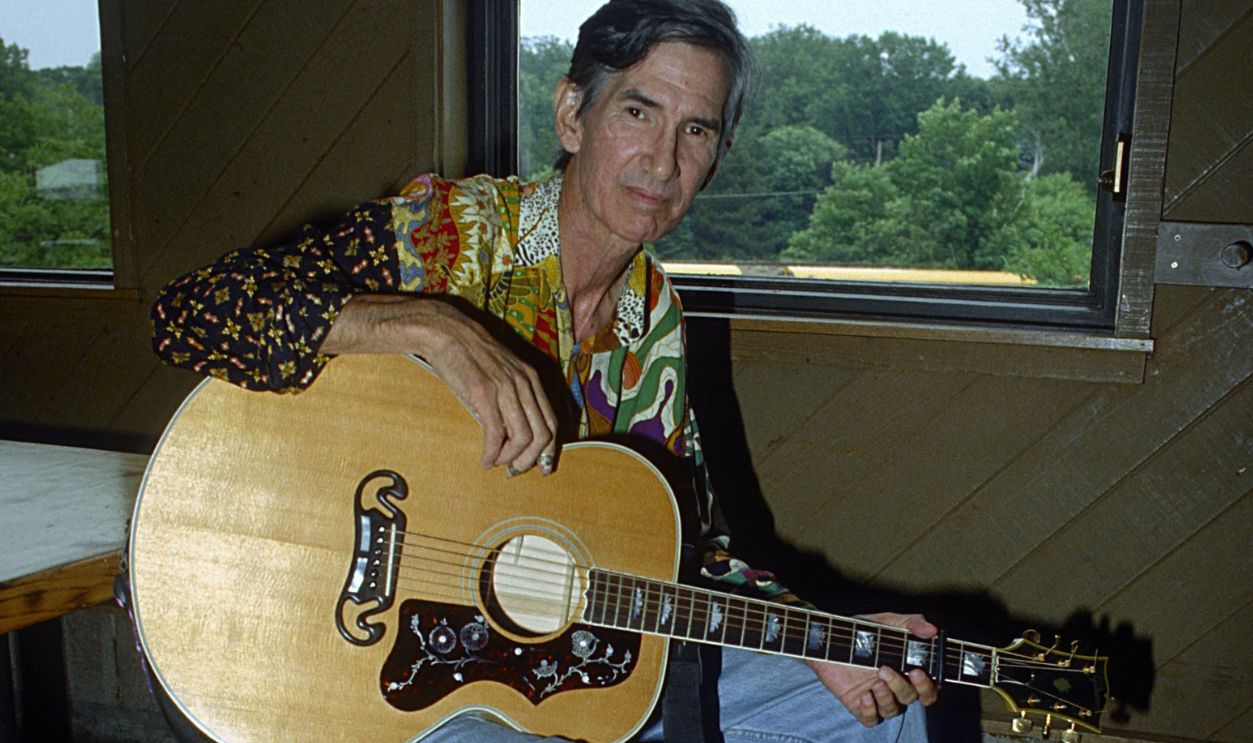
Doctors wanted to detox him under medical supervision, but Jeanene had said no. However, in the time it took to make this decision, Van Zandt had already begun to suffer from symptoms of withdrawal. Jeanene got him vodka in hopes it would calm them, as well as a puff of a joint and a few Tylenol PMs.
It worked—at least for a little while.
46. He Couldn’t Be Saved
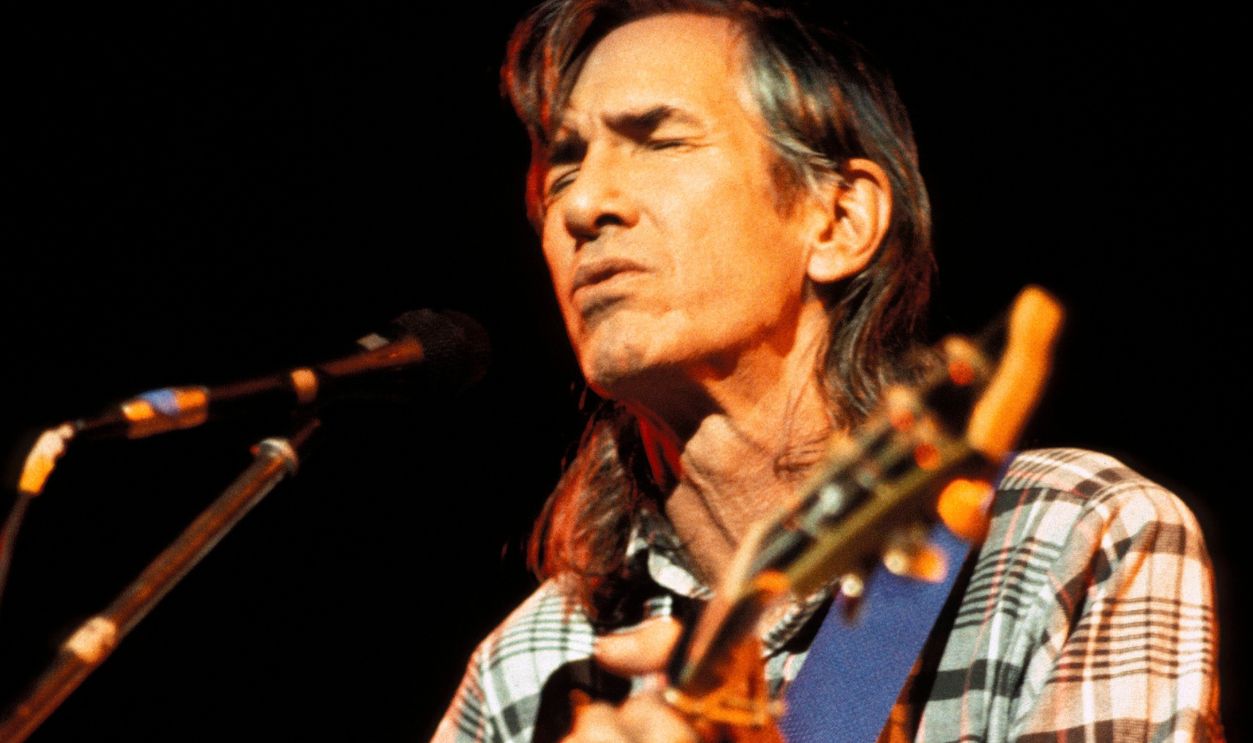
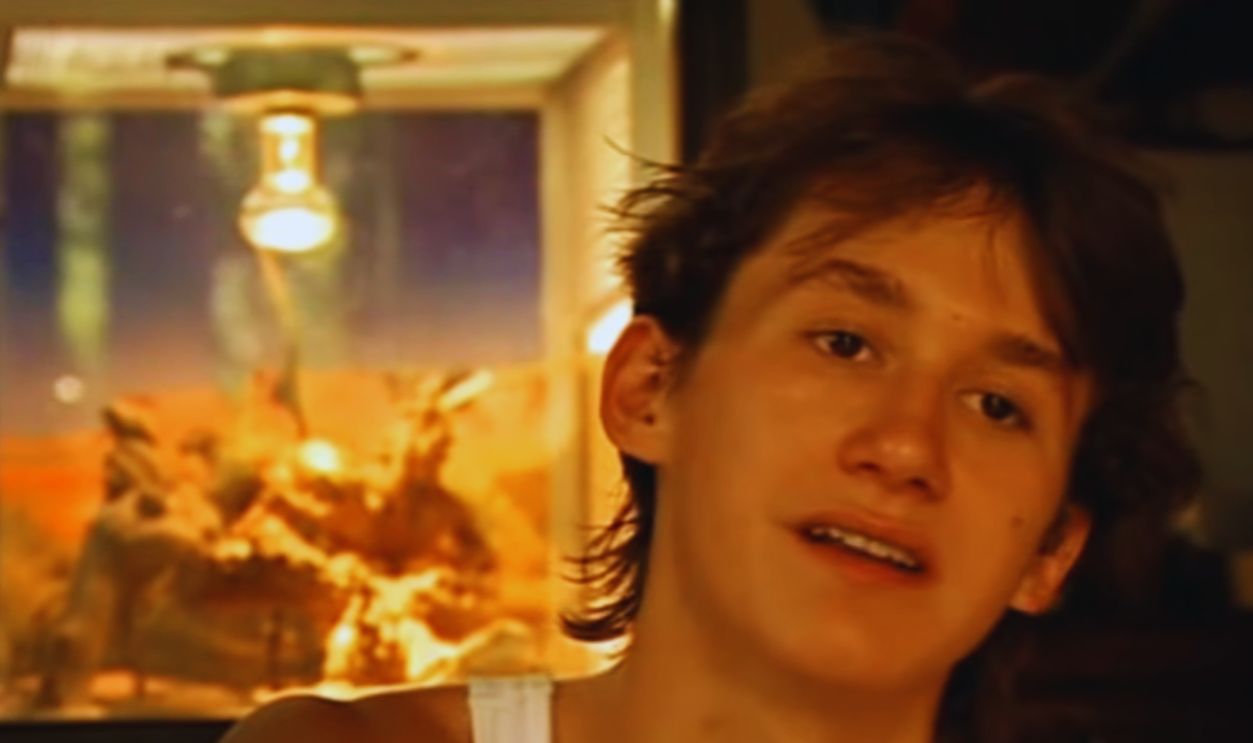
Not long after, Van Zandt’s son Will realized that his father wasn’t breathing. Jeanene tried to resuscitate him, but it didn’t work. Townes Van Zandt died at 52 years of age at his home, with his wife and two younger kids nearby. It was New Year's Day, 1997—44 years to the day after his hero, Hank Williams. The cause was found to be cardiac arrhythmia.
Van Zandt had lived a stormy life, full of bluster and turmoil. He wanted it that way—but he also inevitably sucked all those around him into his orbit. And after his passing, another storm took its place.
 Screenshot from Be Here to Love Me: A Film About Townes Van Zandt, Rake Films (2004)
47. They Saw Their Chance And Took It
Van Zandt’s ex-wife Jeanene was the executor of his estate and represented his three children, but there was also the matter of the “deal” he’d made with Kevin Eggers, exchanging his catalog for $20—to say nothing of the hundreds of live recordings Harold Eggers had taken during shows over the years.
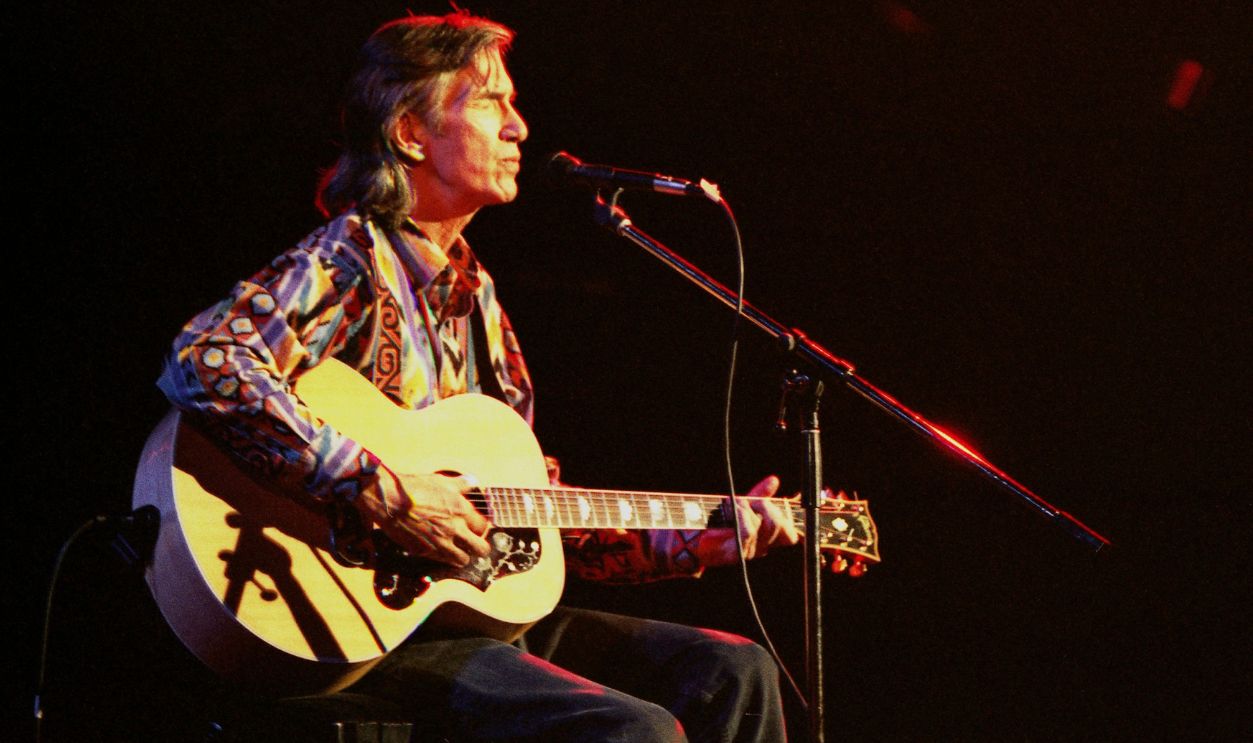
With all the attention on Van Zandt’s music thanks to his passing, the Eggers brothers began releasing album after album of old and unreleased material, as well as live recordings, sparking a long and brutal legal dispute.
48. Who Was Taking Advantage Of Who?
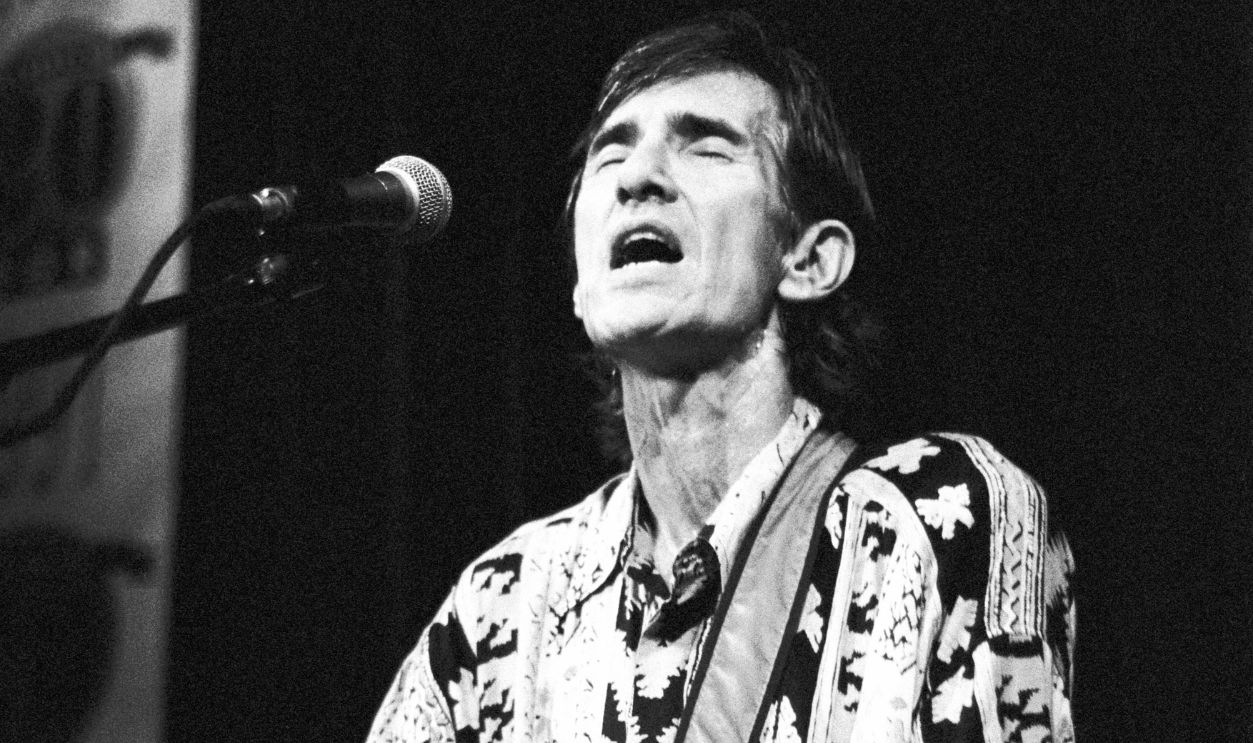
Jeanene claimed that Kevin Eggers had been ripping off Van Zandt—and that he’d been fully aware, but simply too altruistic to do anything about it: "He gave [Eggers] chance after chance literally until he died”. But some also brought up the fact that Jeanene was his ex-wife—emphasis on the ex. In fact, Zan Vandt had been seeing another woman prior to his passing and revealed to friends he was planning on marrying her.
 Frans Schellekens, Getty Images
49. It Took 10 Years
Things got ugly, and accusations flew in the months and years after his passing. Ultimately, after a decade-long legal battle, his estate won out, and Eggers was told to stop pumping out more albums and compilations of the same old material. They also got conditional control of Harold Eggers’ live recordings. It was a complicated win for his oldest son, JT.
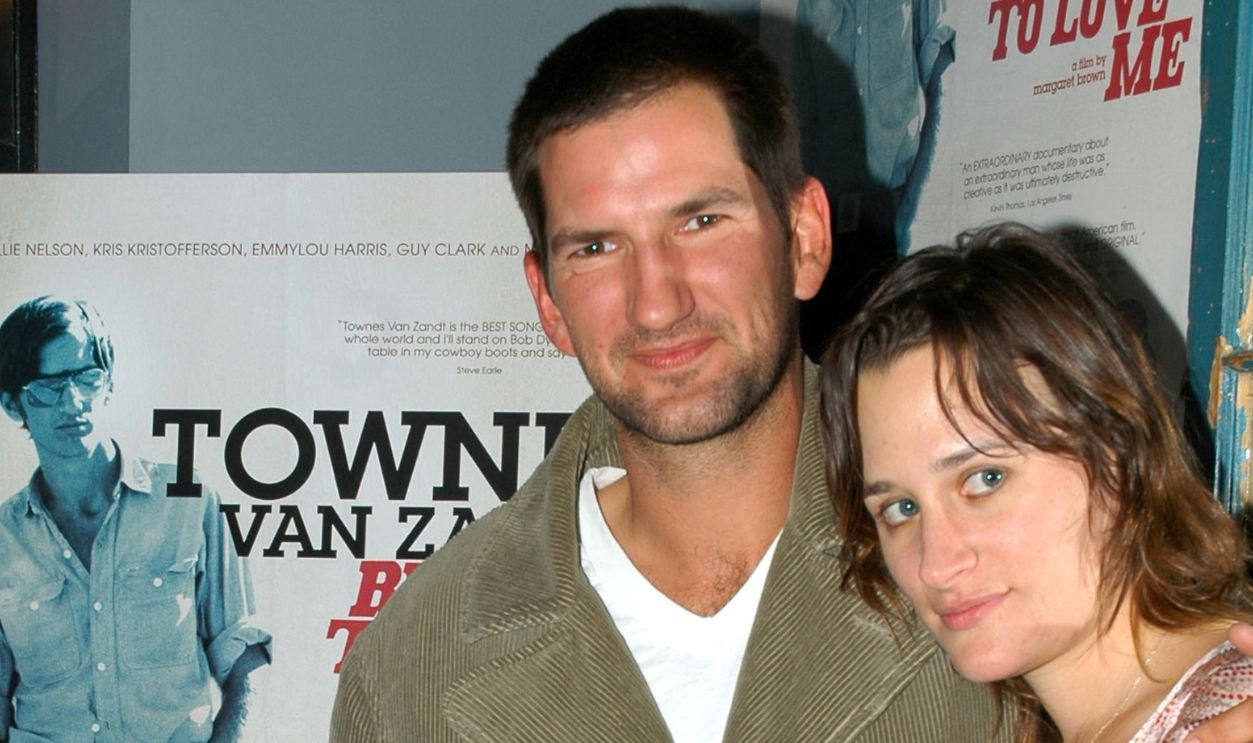
50. His Son Followed In His Footsteps
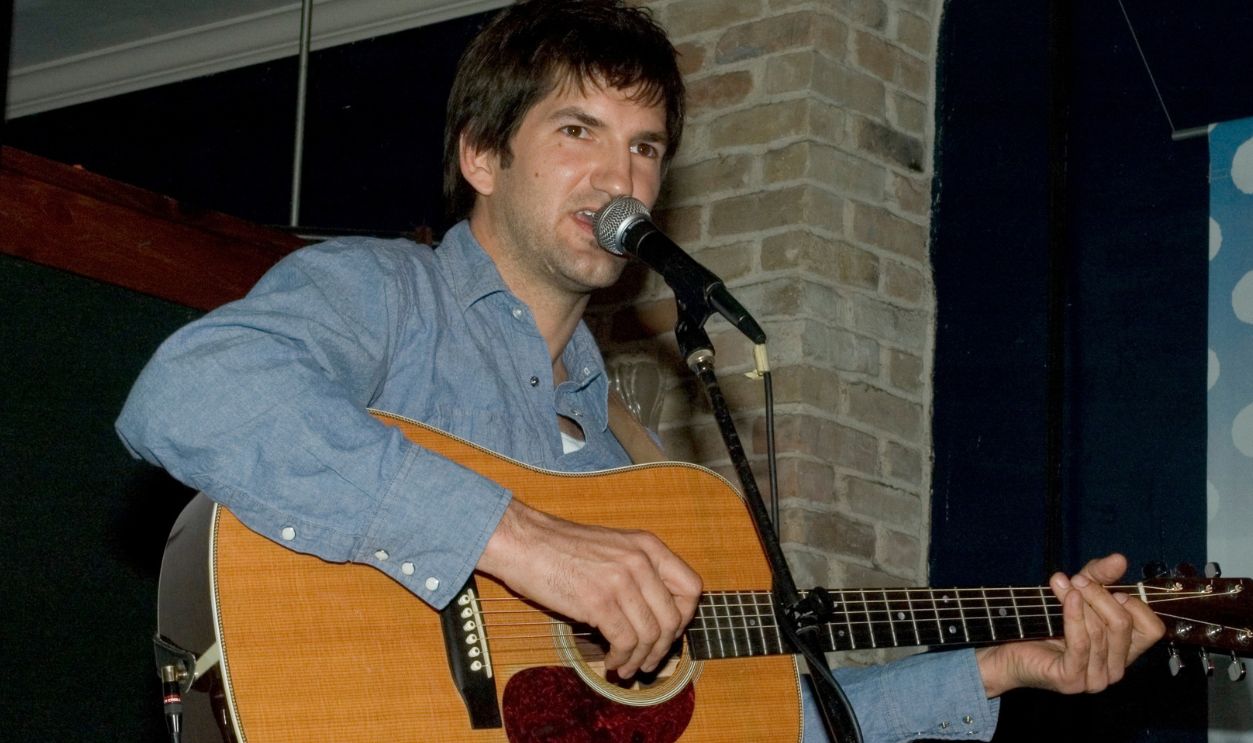
Way back in 1978, when JT Van Zandt had his first solo visit to his father, he’d been given the choice between a guitar and BB gun. He associated the guitar with all the troubles in his father’s life, and so, refused it. Years later, grappling with his father’s passing and his legacy, he picked up a guitar—and started playing for four hours a day. Since then, JT has performed on Austin City Limits during a memorial for his father, written a few songs, and had a song on a tribute album.
Still, he remains acutely aware of the dark side of it all, saying “I’ll give happiness a shot before I go out and try it”. Caution is likely a great form of self-preservation, especially when looking back at Townes Van Zandt’s history.
51. It Was Erased
Townes Van Zandt did seem bent on a path of self-destruction—but long before he’d made that decision, he was already suffering. And sadly, some of his worst suffering was thanks to an unconventional, now-disproven treatment. Back when Van Zandt had been hospitalized for manic depression in his college years, doctors had given him insulin shock therapy. In the treatment, doctors administer massive doses of insulin in order to put the patient into a series of comas, and then wake them up with glucose. The procedure has been described by one patient as “devastating, painful and humiliating”.
For Van Zandt, who experienced it for weeks during his hospitalization, it had the unfortunate side effect of erasing his long-memory. Afterward, his mother said that her "biggest regret in life was that she had allowed that treatment to occur".
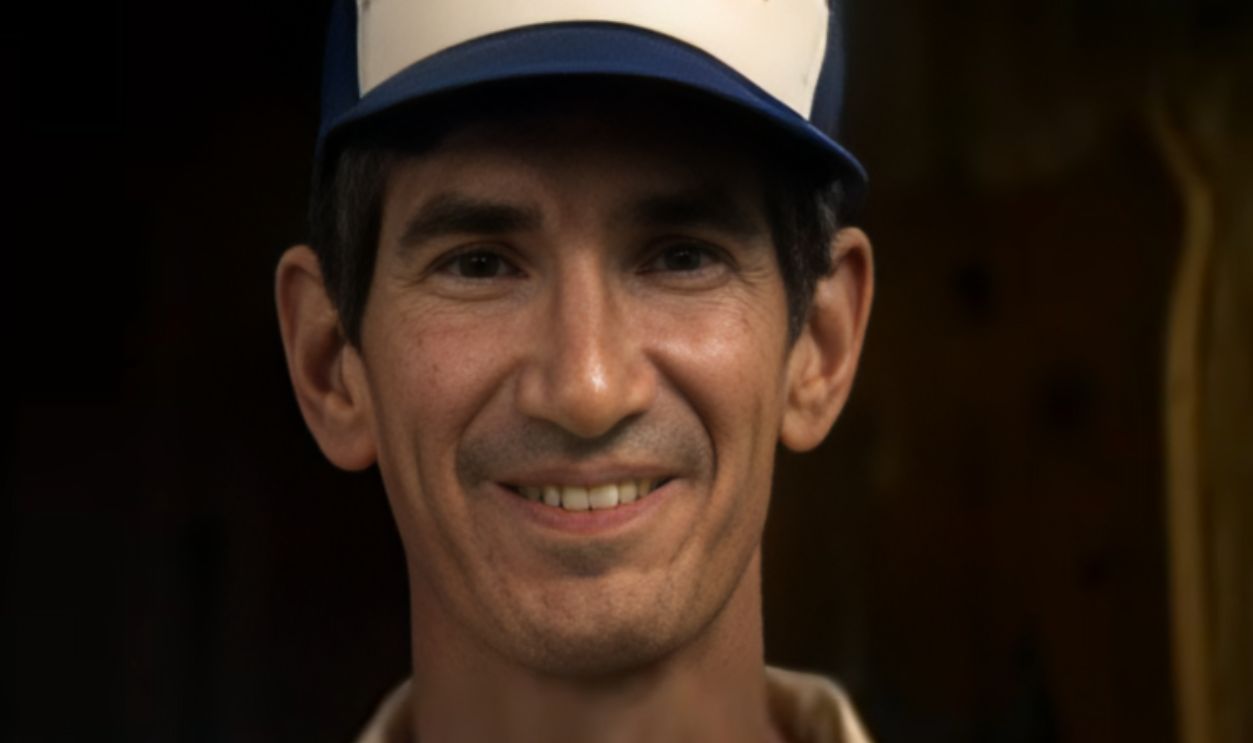 Screenshot from Be Here to Love Me: A Film About Townes Van Zandt, Rake Films (2004), Enhanced
You May Also Like:
Bold Facts About Gene Clark, The Forgotten Folk Rocker
Unlikely Facts About Michael Clarke, The Unconventional Rock Star
Alarming Facts About Gram Parsons, The Man Who Reshaped A Genre