
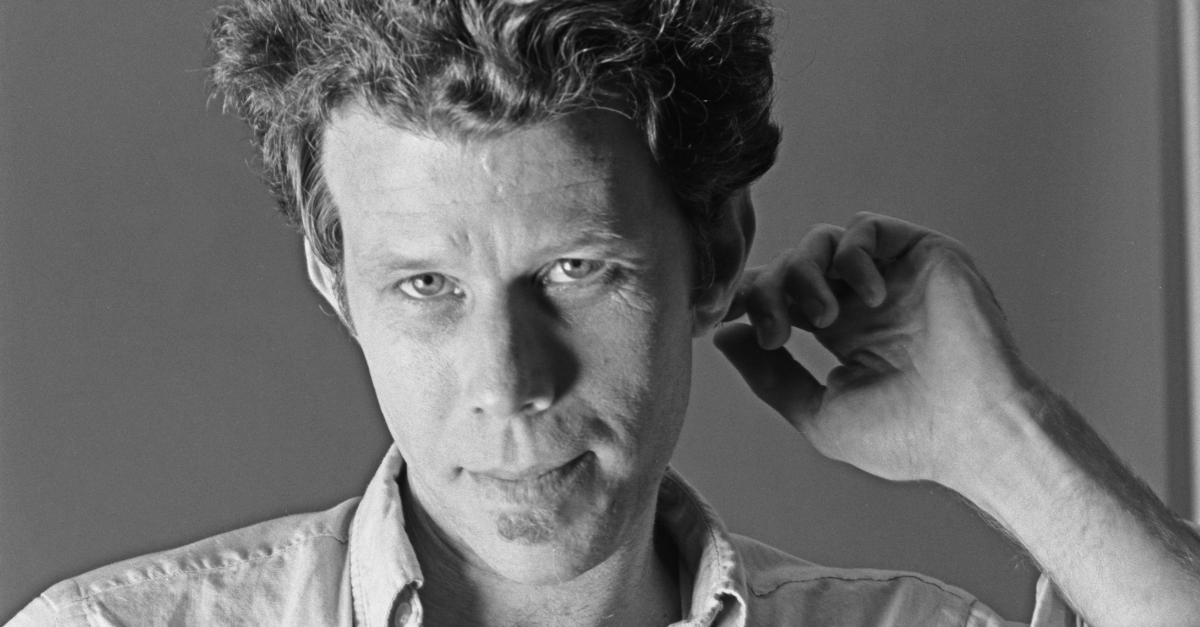
He Was The “Boho Hobo”
Tom Waits is the “boho hobo” musician whose gravelly voice and gritty lifestyle have left fans and critics divided. Whether he is the true “bard of the streets” or just a “poseur” is anyone’s guess. Either way, he breaks boundaries as a matter of course.
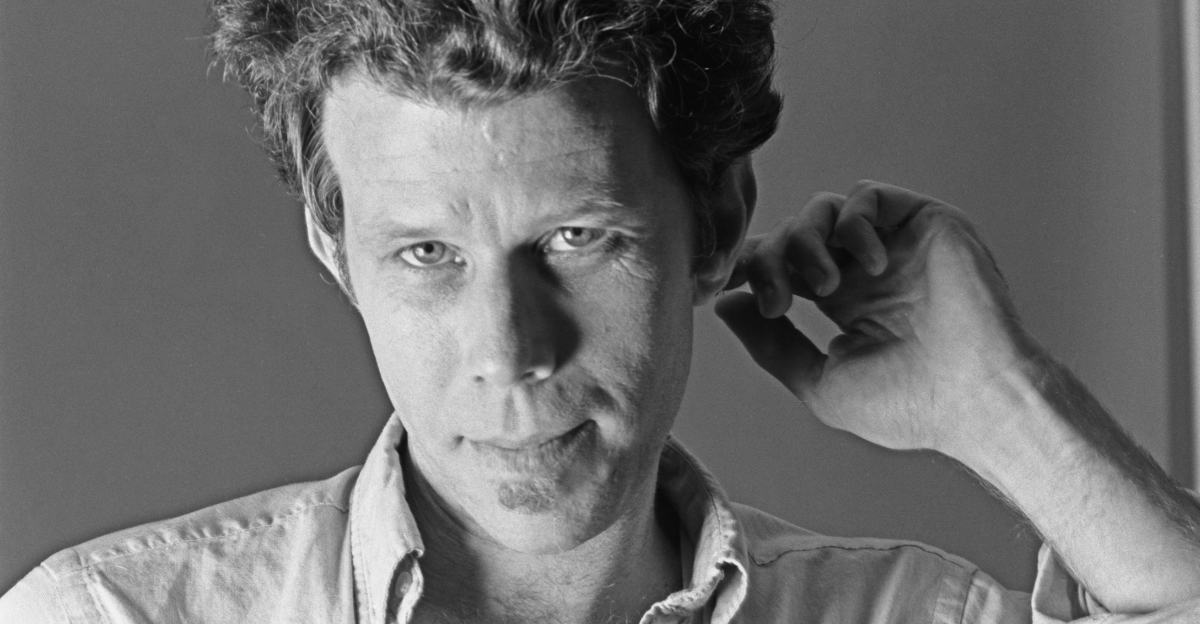 Lynn Goldsmith/Corbis/VCG via Getty Images
1. He Came From Squaresville
America’s scratchiest voice came out of the squarest possible home. Thomas Alan Waits arrived on December 7, 1949, in Pomona, California, to a thoroughly middle-class household. His father, Jesse Frank, was a Texan who taught Spanish while his mother, Alma, kept the house and made sure the family attended mass. But his father’s hard drinking habit made him “a tough one, always an outsider”.
His square suburban upbringing didn’t take.
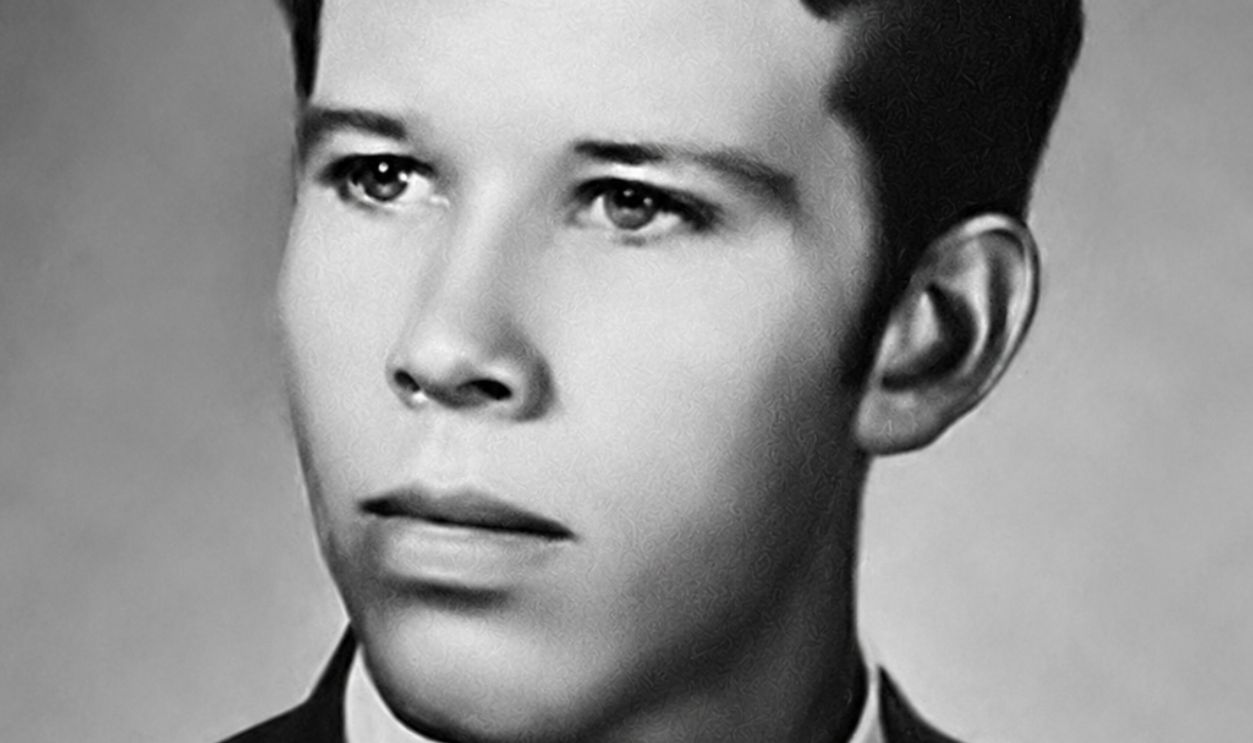 Published by the Associated Student Body of Hilltop High School, Wikimedia Commons, enhanced
2. He Found Goodies In The Gutter
Blame Kentucky Avenue. Shortly after he was born, Waits’ family pulled up stakes and put down roots in Whittier, California. There, Waits had a tree fort and a dad who (when he wasn’t drinking) taught night school. But all the while, Waits was keeping a filthy secret. “I had my first [cig] when I was about seven years old,” he later confessed.
“It was such a thrill. I used to pick ’em up right out of the gutter after it was raining”. Smokes weren’t the only things in the gutter.
 Unknown authorUnknown author, Wikimedia Commons
3. His Father Walked Out
1959—that was the year when the veneer of normalcy fell off of Waits’ childhood. He was just 10 years old when his parents split and his father walked away from the family. Waits’ mother gathered him and his siblings and started over in Chula Vista, a well-scrubbed suburb south of San Diego. But even the California sunshine couldn’t heal the pain he felt at his father’s departure.
Still, he was in a new town—and that meant new problems.
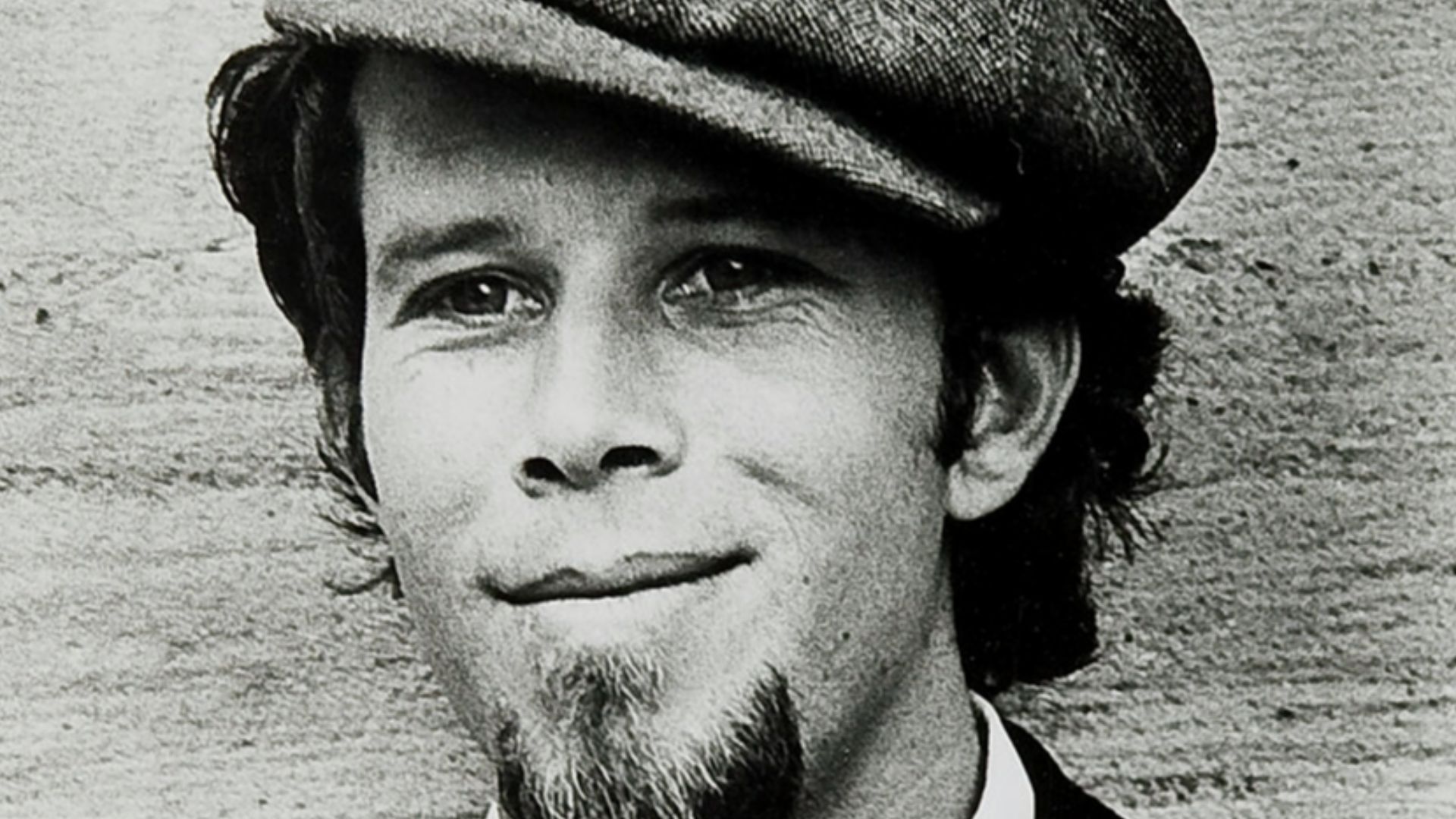
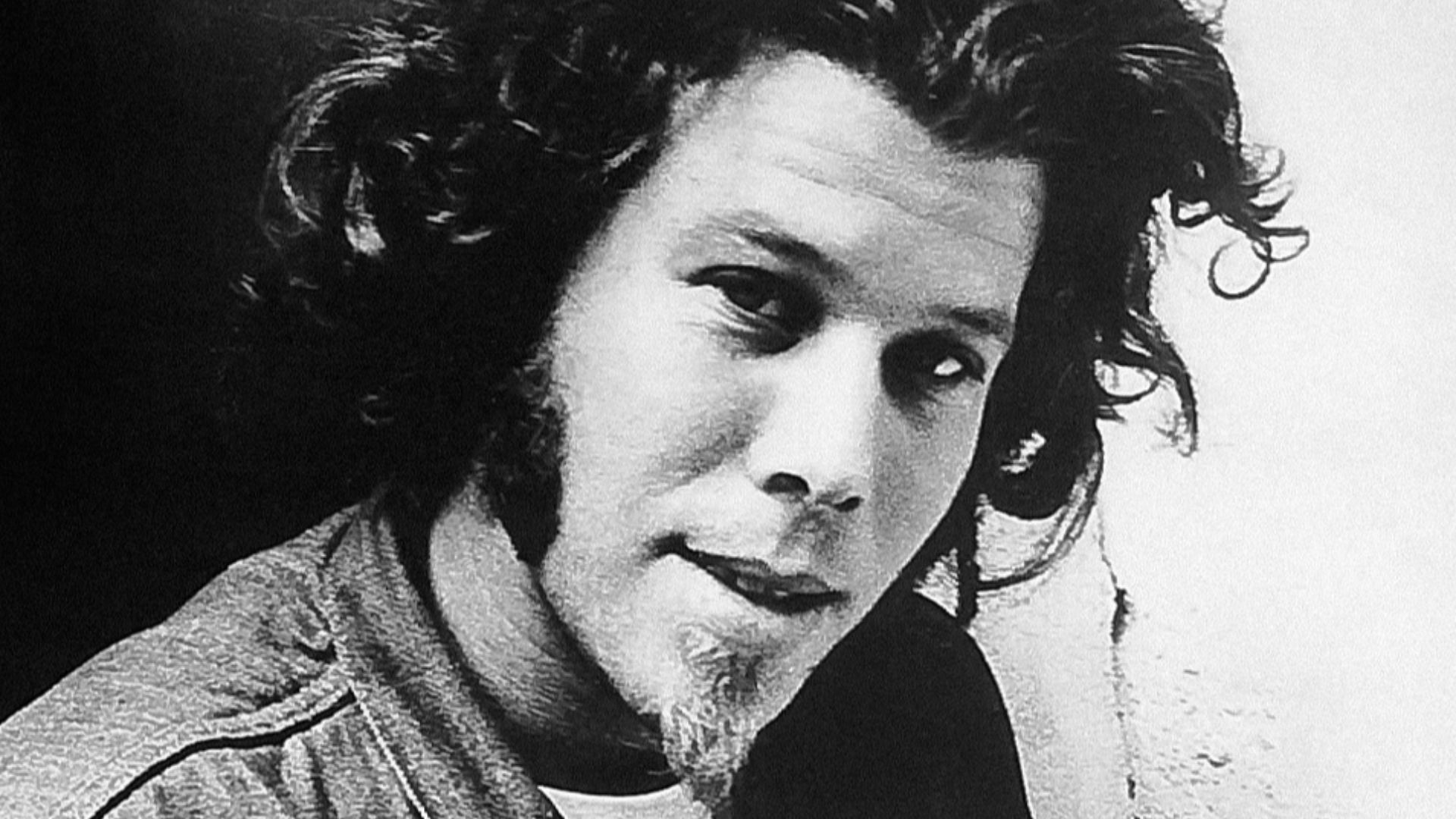 Published by Asylum Records. Photographer uncredited and unknown., Wikimedia Commons

History's most fascinating stories and darkest secrets, delivered to your inbox daily.
4. He Chased That Motown Sound
Tom Waits didn’t exactly fit in with his new California schoolmates at Jordan Elementary. The bigger kids made him a target for teasing and taunting, but Waits found refuge in music, picking up bugle and guitar. Waits eventually transferred to another school where he became the lead singer for the Systems—“white kids trying to get that Motown sound”, as he put it.
Waits, however, was never one to follow trends.
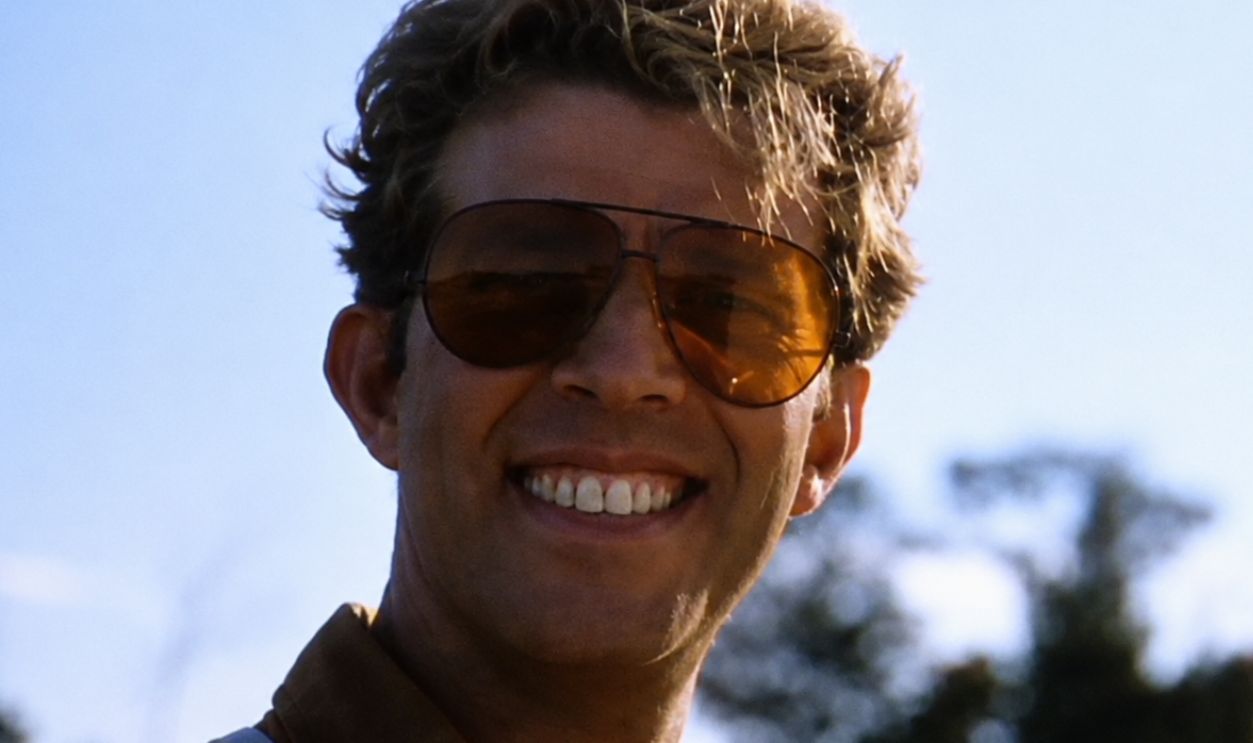 Screenshot from Cold Feet, Lionsgate (1989), enhanced
5. He Rebelled Against The Rebels
While his peers embraced the hippie counterculture, Waits looked backward to the Beat Generation, idolizing writers such as Kerouac and Ginsberg. Describing himself as “kind of an amateur juvenile delinquent” with a penchant for “malicious mischief.” He was, as he said, a “rebel against the rebels”.
Then he found a cause worth rebelling for.
6. He Saw The Sign On The Door
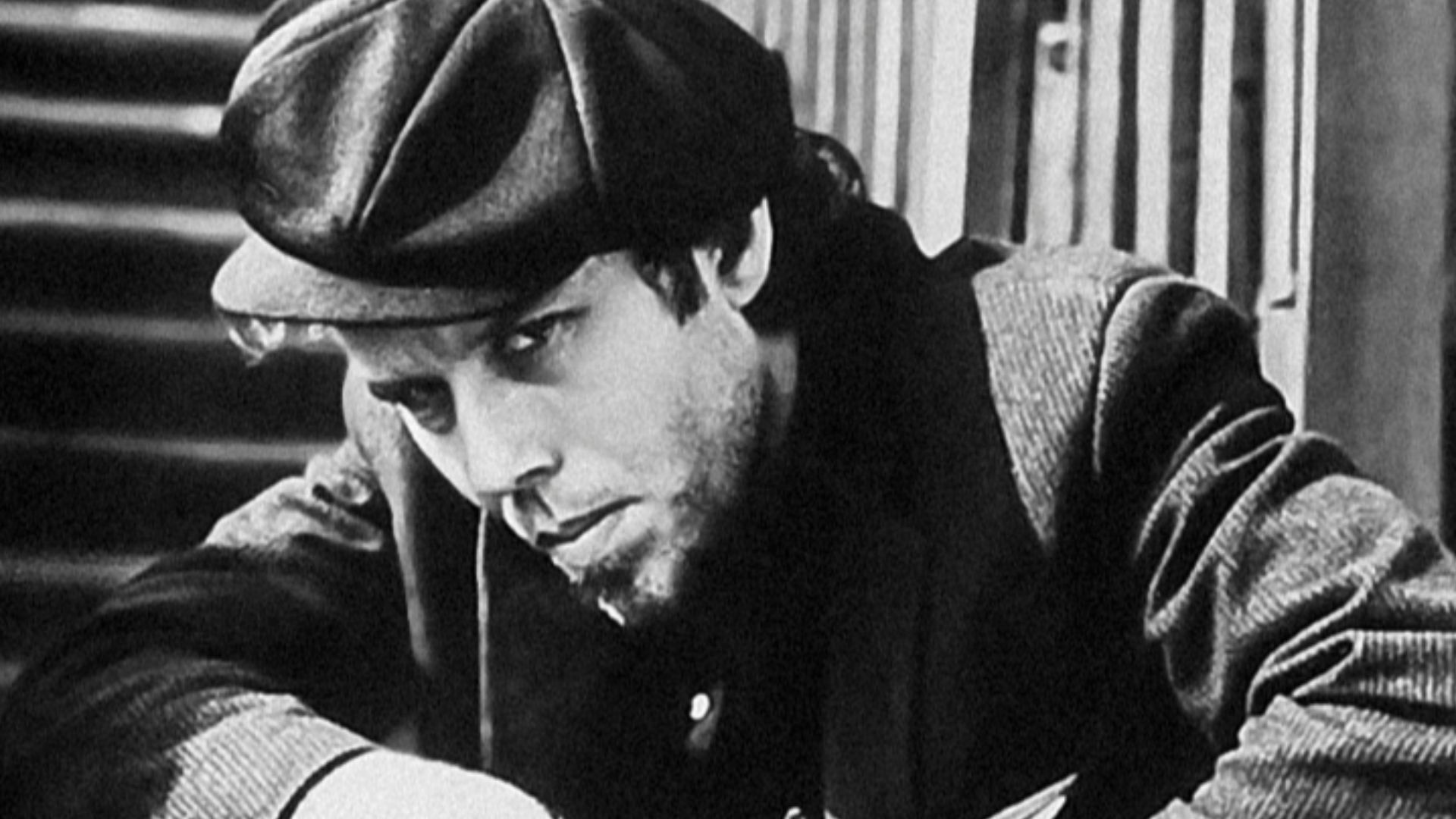
Tom Waits was just 15 when he found his calling. The mischief maker wormed his way into a Lightnin’ Hopkins show and knew immediately what he was meant to do. “Every time he opened his mouth he had that orchestra of gold teeth, and I was devastated,” Waits recalled. When Hopkins disappeared behind a door that said, “I swear to God, ‘KEEP OUT. This room is for entertainers ONLY’,” Waits knew he had to be an entertainer.
What happened next only confirmed it.
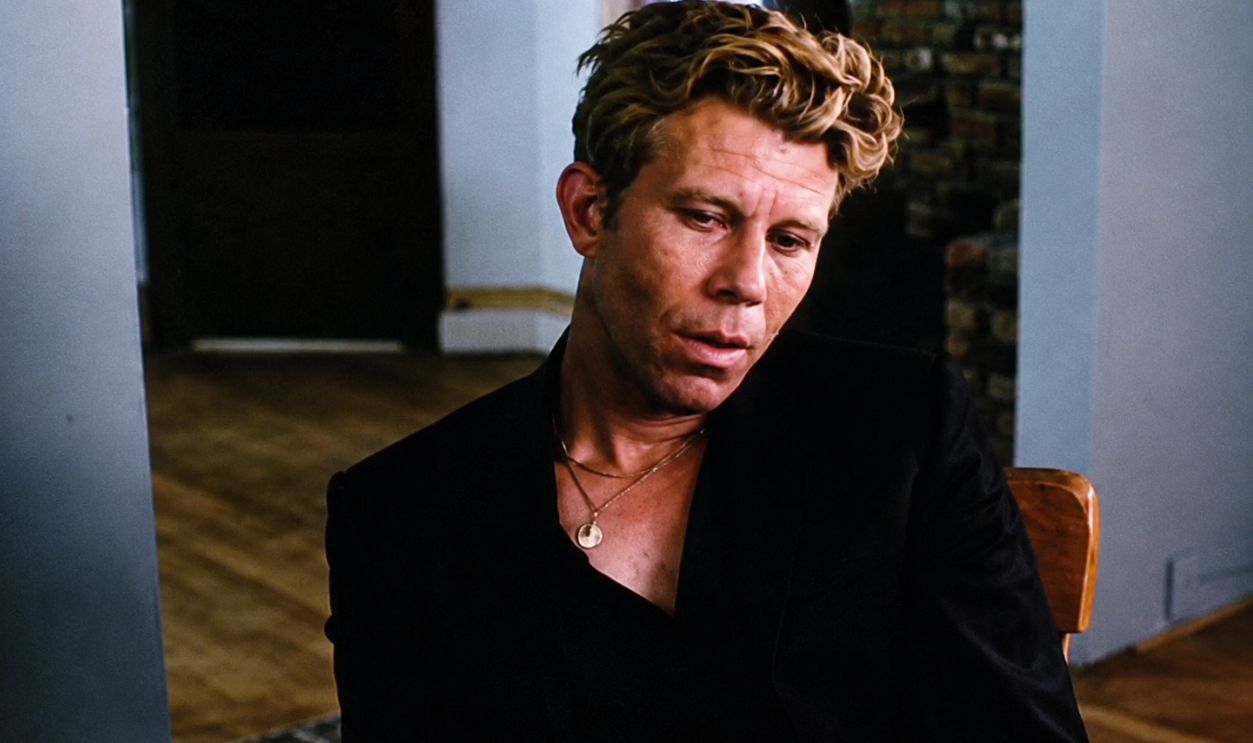 Screenshot from Cold Feet, Lionsgate (1989), enhanced
7. He Had A Practically Spiritual Experience
James Brown put on a show at an outdoor theatre in San Diego in 1962—and electrified Waits’ imagination. He called the show “indescribable” and related it to a religious experience. “It was really like seeing mass at St Patrick’s Cathedral on Christmas,” he recalled, adding that the experience felt “like putting a finger in a light socket”.
School didn’t stand a chance.
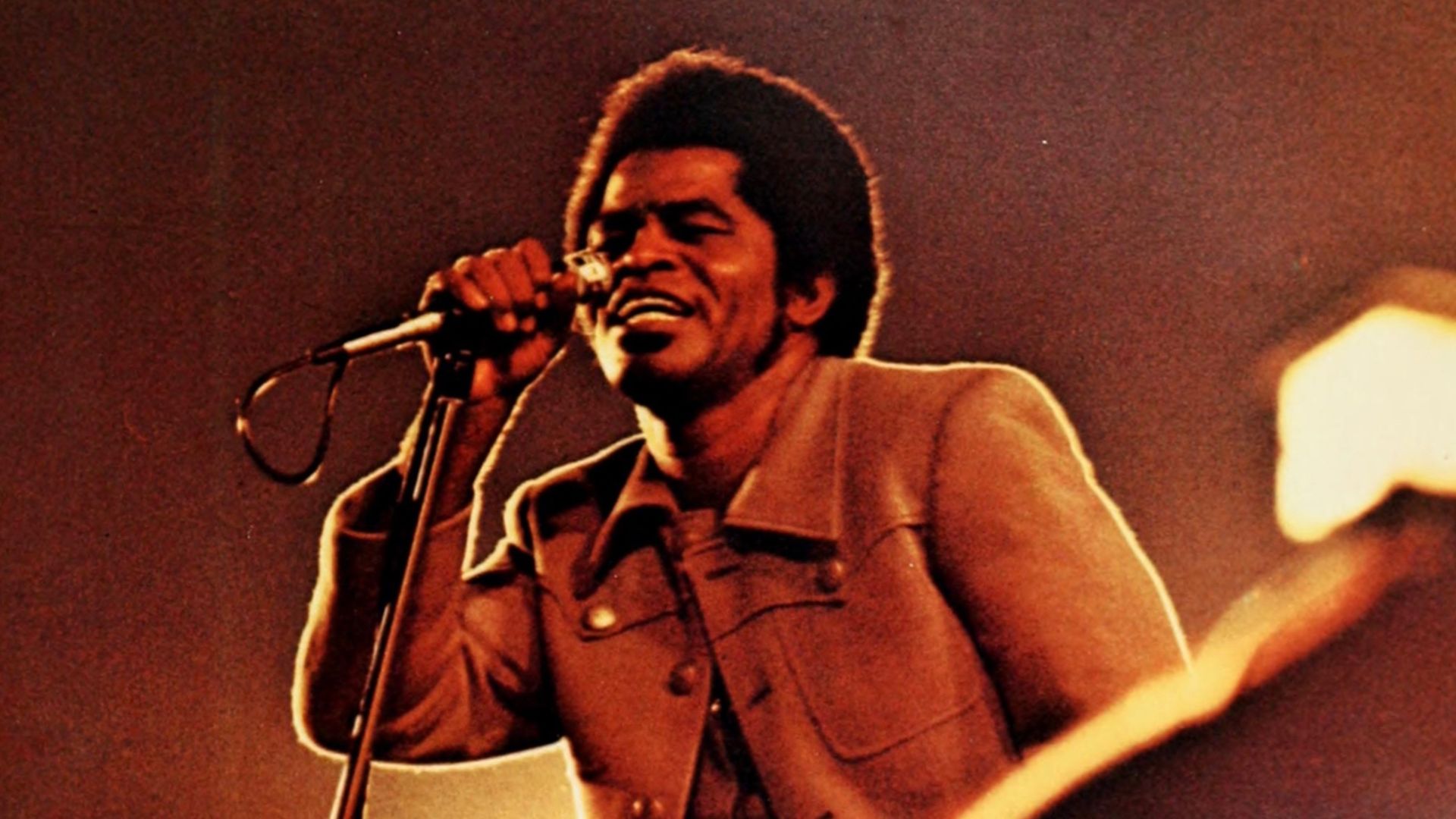 Uncredited photographer for the Jambalaya, Wikimedia Commons
8. He Skipped School And Studied At A Diner
Tom Waits dropped out of high school in 1968 and took on a string of odd jobs, from working for the forestry service to slinging pizzas at Napoleone’s in National City. But it was his stint at a diner that really inspired him. Waits recalled filling notebooks with the customers’ stray lines and hard-luck stories—exactly the kind of fodder that made for great folk music.
All he had to do was put it to music.
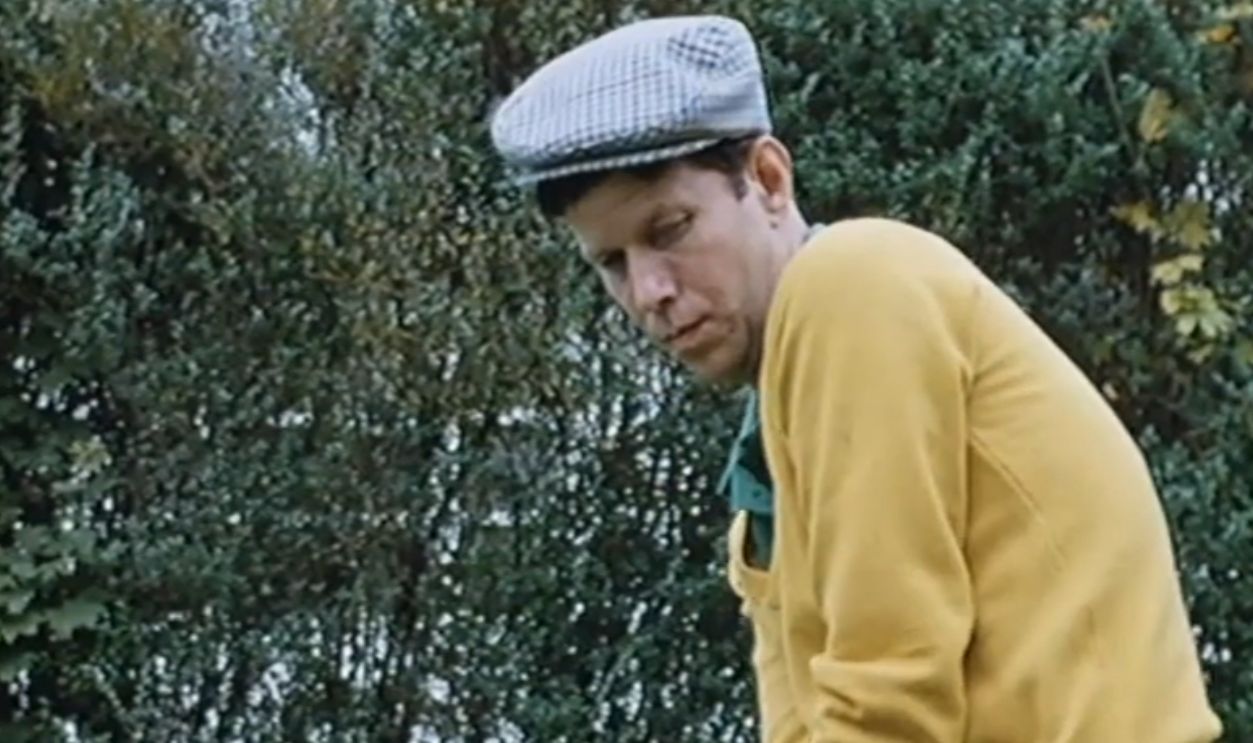 Screenshot from Candy Mountain, Film Movement (1987)
9. He Debuted His Classics
Waits didn’t wait long to put his customers’ lyrics to good use. Starting in 1969, he found a job working the door at a San Diego coffeehouse called the Heritage. But, on folk nights, you couldn’t find him checking IDs—but you could hear him and his soon-to-be-signature gravelly voice up on stage. He started with some covers, then debuted his future classics, “Ol’ 55” and “I Hope That I Don’t Fall in Love With You”.
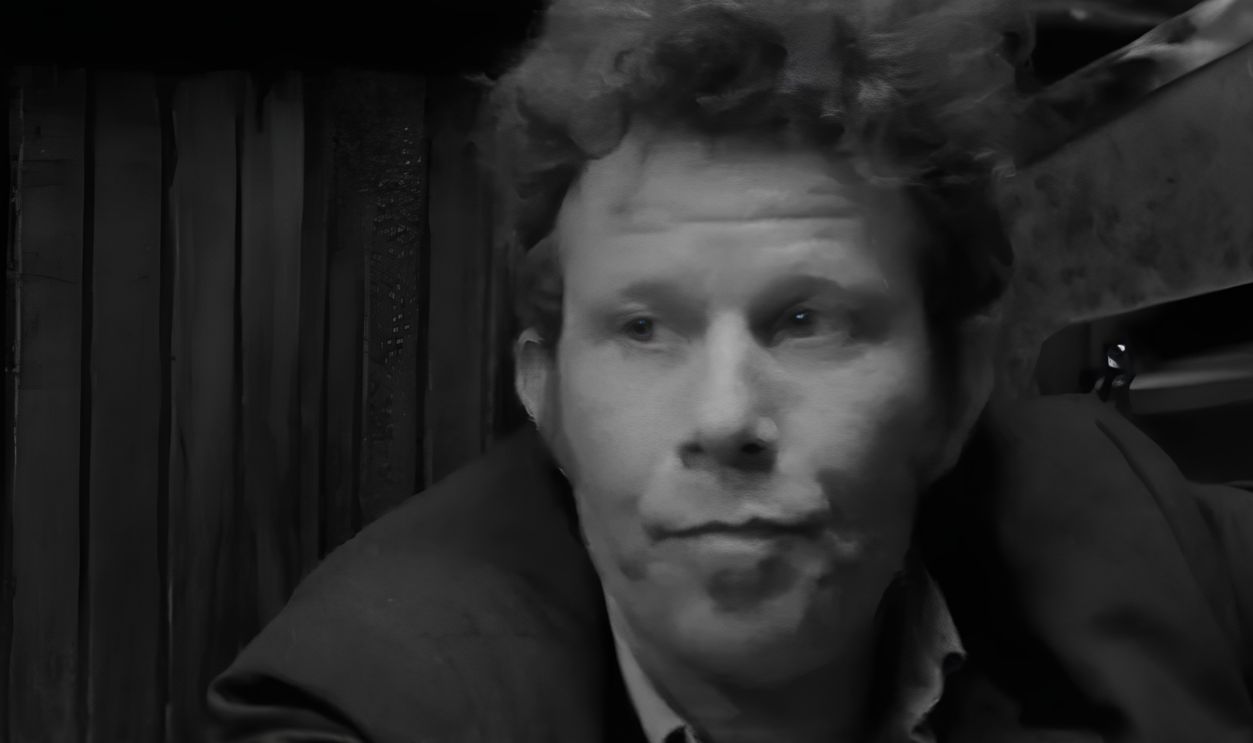 Screenshot from Coffee and Cigarettes, Amazon MGM Studios (2003), enhanced
History's most fascinating stories and darkest secrets, delivered to your inbox daily.
10. He Bet On Los Angeles
San Diego was a great city—but it wasn’t, Tom Waits knew, the right city for his budding music career. So, the intrepid young musician piled his things into a car and hit the road for Hollywood, arriving at the legendary Troubadour. His big move paid off. By late 1971, industry veteran Herb Cohen popped in and liked what he heard, snapping Waits up with a management and publishing deal.
The Troubadour wasn’t done with him yet.
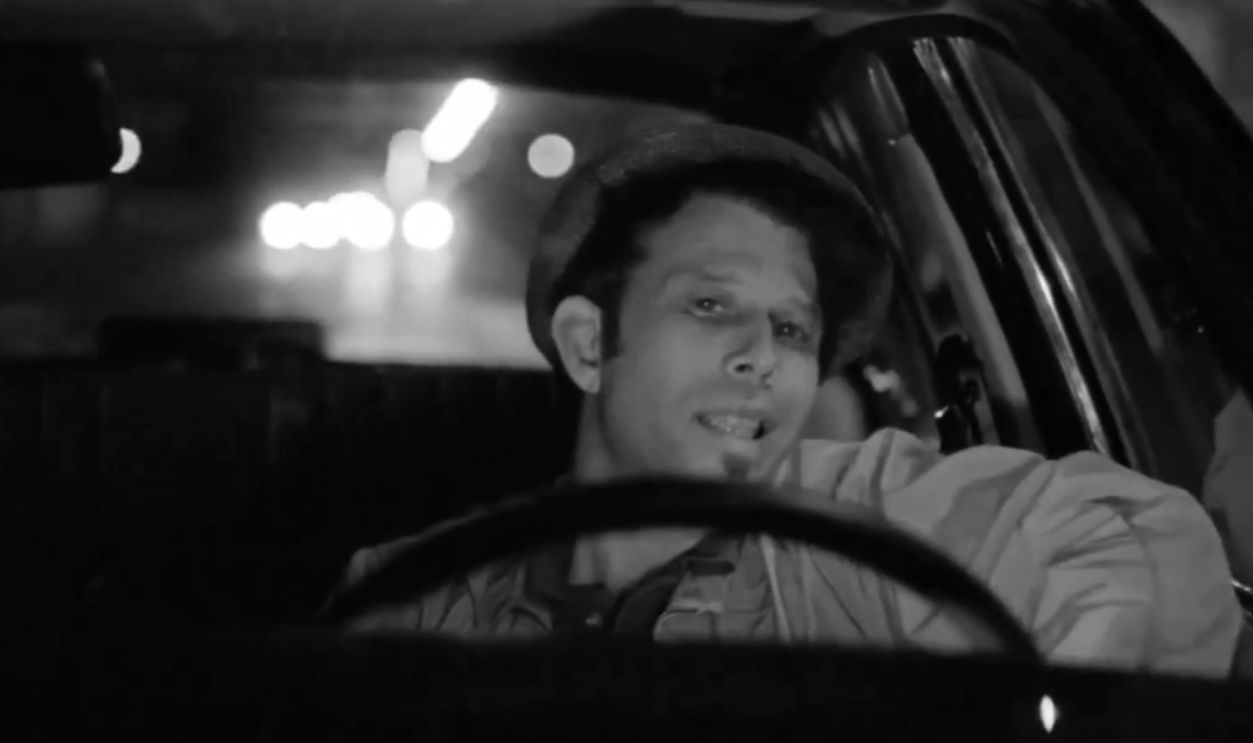 Screenshot from Down by Law, Janus Films (1986)
11. He Caught A Mogul’s Ear
The Troubadour turned out to be Waits’ perfect launchpad. Just one year after Cohen spotted him, David Geffen—one of the biggest names in the record business—caught Waits’ set and knew he had found something special. The music mogul marveled at the way Waits wove words together with melodies and offered him a deal with his label, Asylum Records.
Waits signed the deal—but it didn’t make him rich.
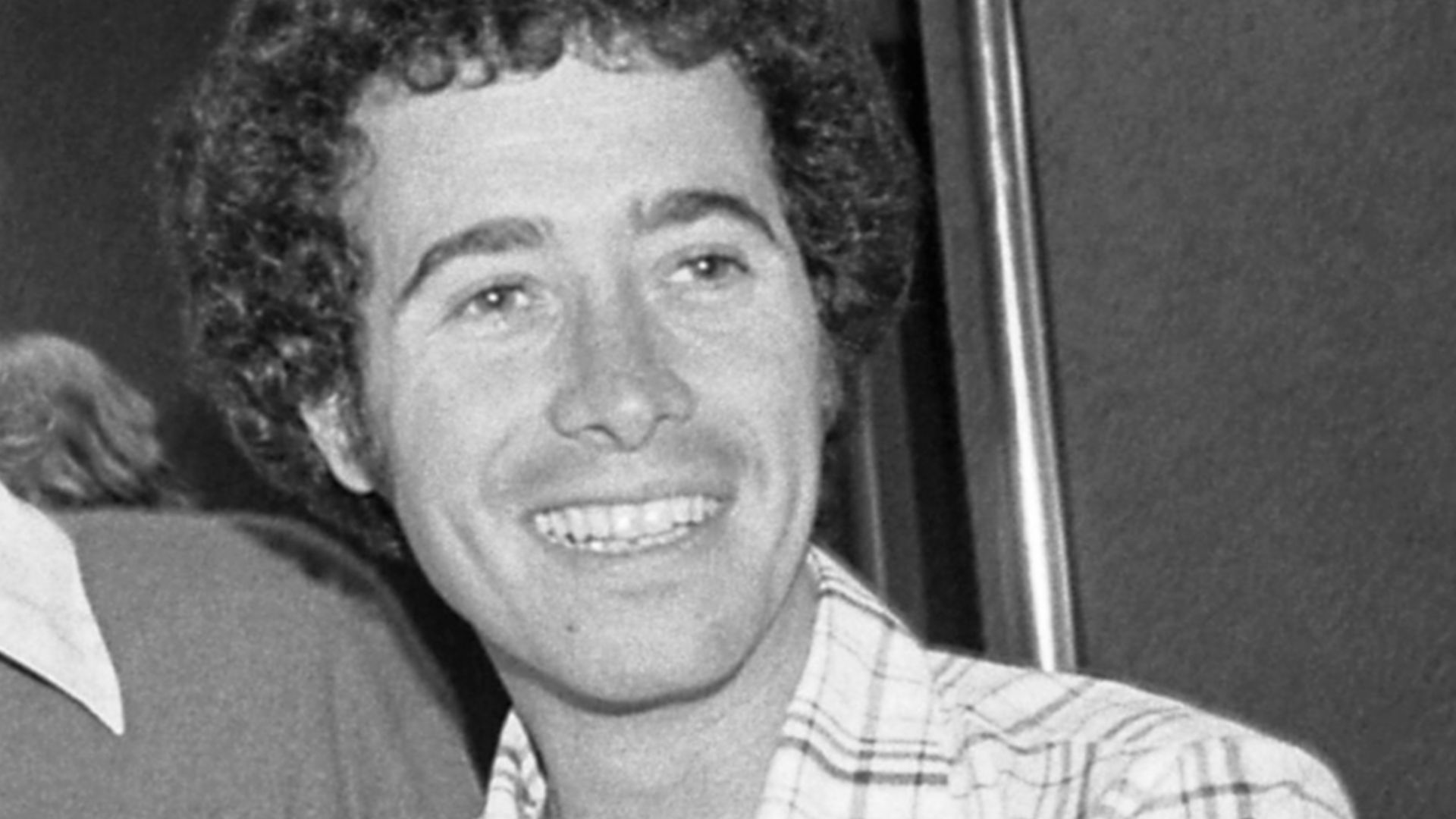 Tony Barnard, Los Angeles Times, Wikimedia Commons
12. He Went Bohemian
As soon as he signed his record deal, Tom Waits quit his job at the pizza joint. However, he wasn’t exactly living like a rock star quite yet. The first thing he did was find a cheap apartment in Silver Lake, one of Los Angeles’ scruffier neighborhoods and a longtime haven for bohemians. In other words, he moved next to the inspirations for his upcoming album.
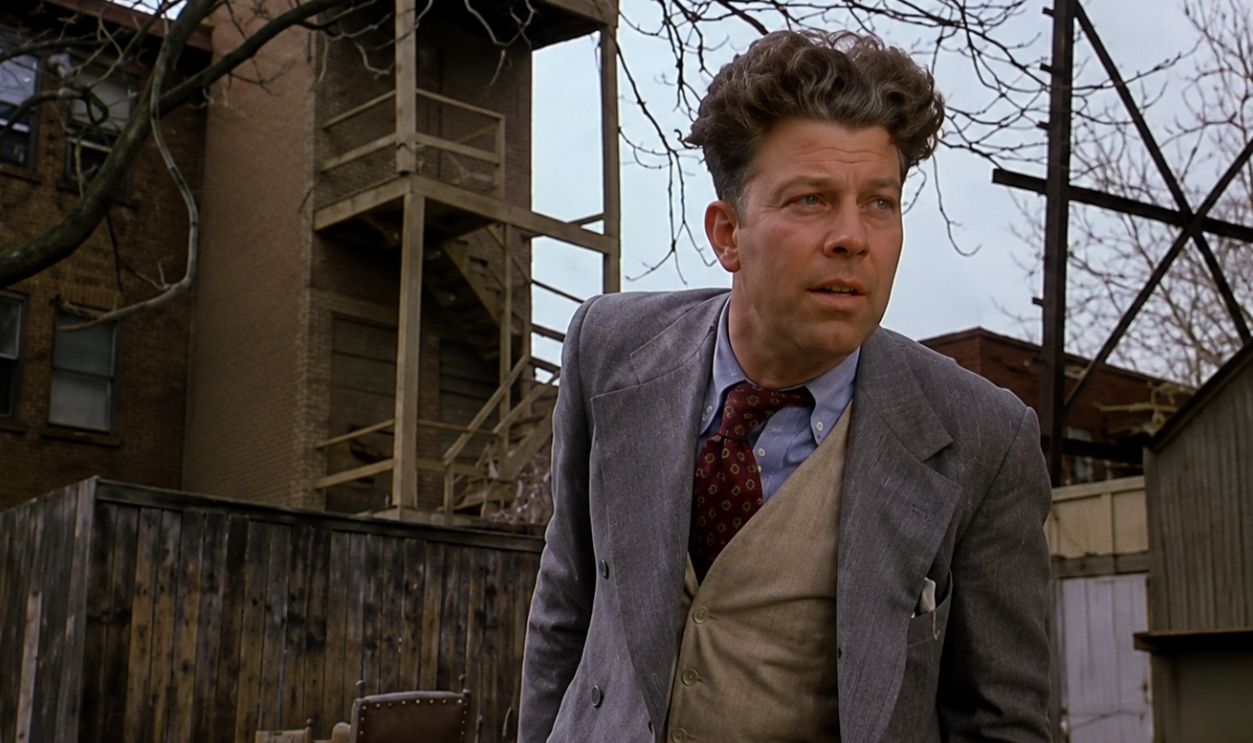 Screenshot from Ironweed, Paramount Global (1987), enhanced
13. He Started Off Smooth
Waits’ debut, Closing Time, wasn’t what anyone had expected. The album arrived in March of 1973, and it was downright respectable. Waits served up mellow, mainstream singer-songwriter fare with a southern California glow, closer to easy listening than his gritty classics. Even so, it earned him fans in high places: the Eagles later covered his song “Ol’ 55”.
Not all music legends respected his talents, though.
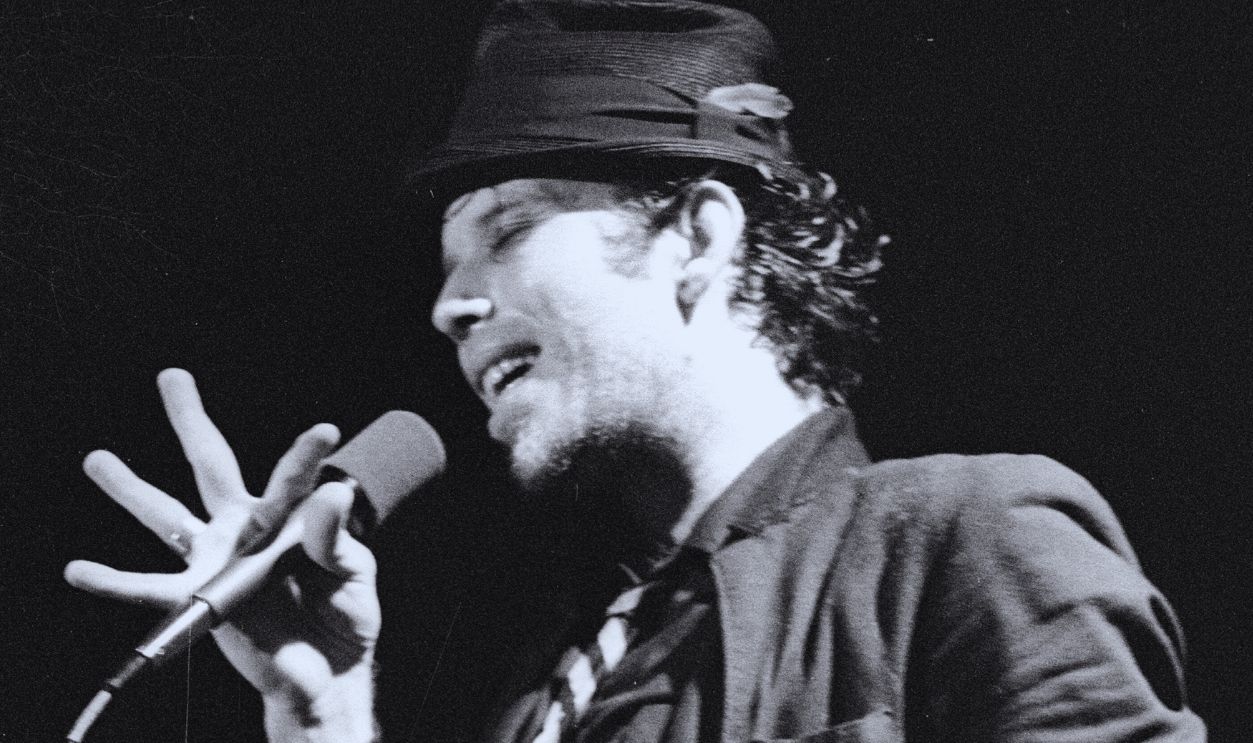
14. He Took A Rotten Gig
Following the release of his debut album, Waits’ manager, Cohen, got him a gig as the opening act for Frank Zappa’s Mothers of Invention. But there was a catch. The fans hated Zappa’s openers—the last person to take the job quit because the fans had been so vicious. And they wouldn’t be any kinder to Waits—pelting him with fruit as they booed him off the stage.
Worse yet, Zappa himself terrified Waits. Thankfully, his next job came with better company.
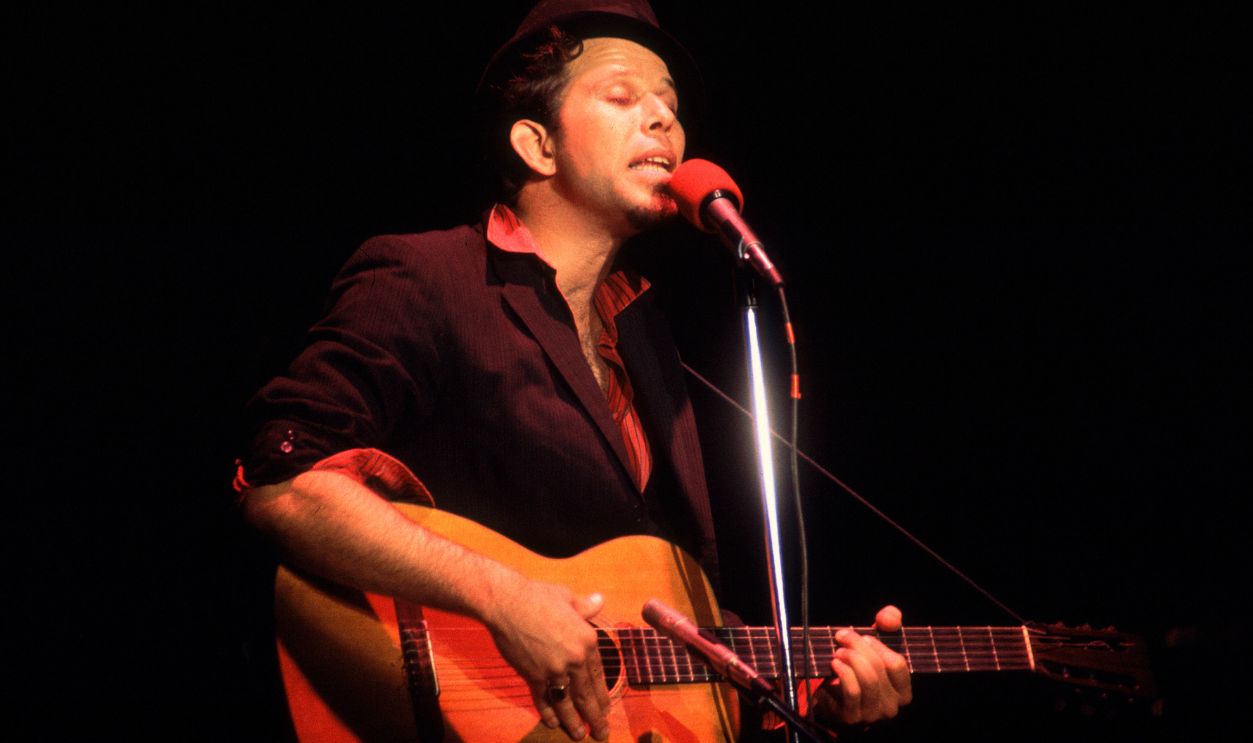
15. He Meddled With Midler
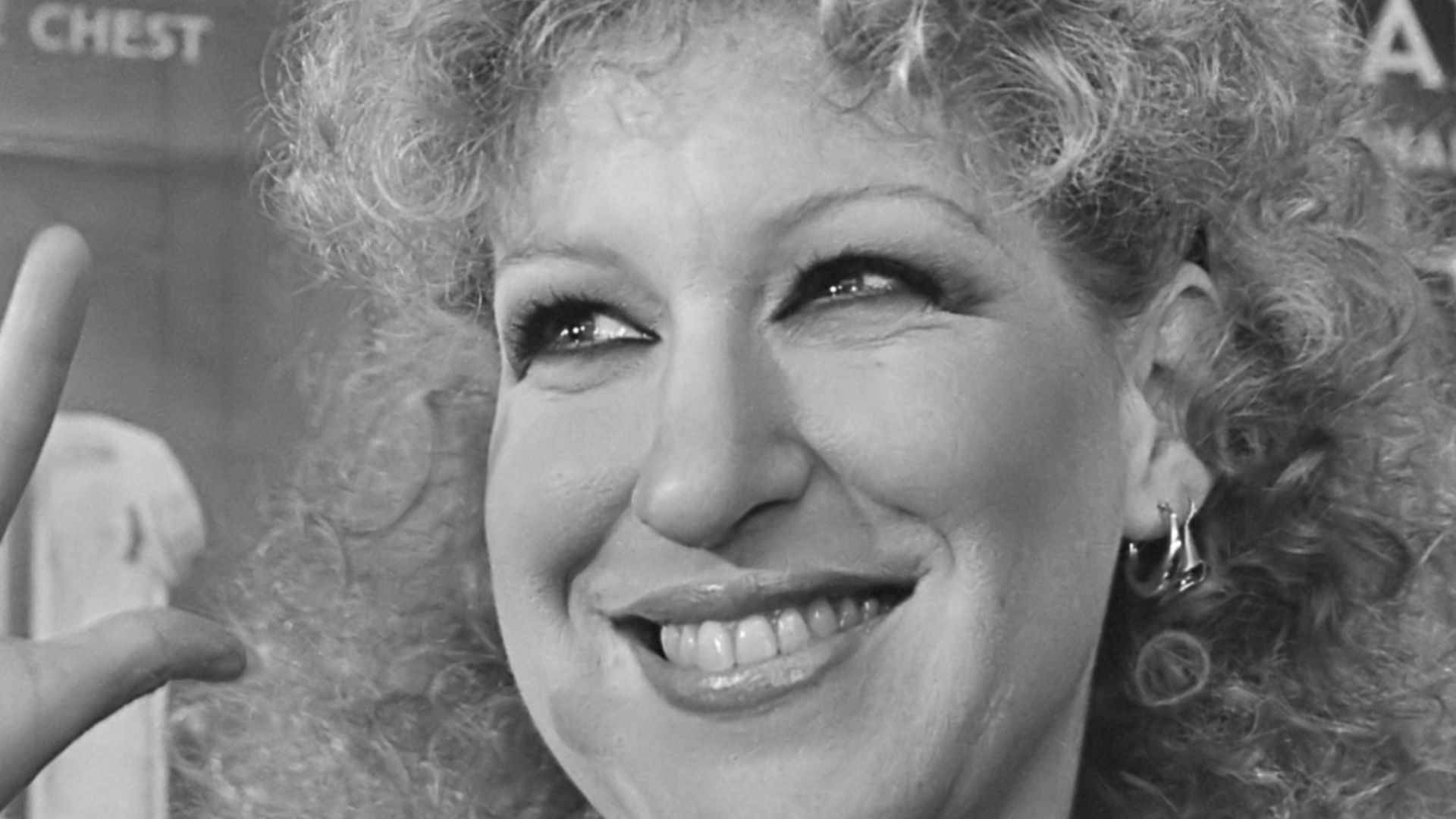
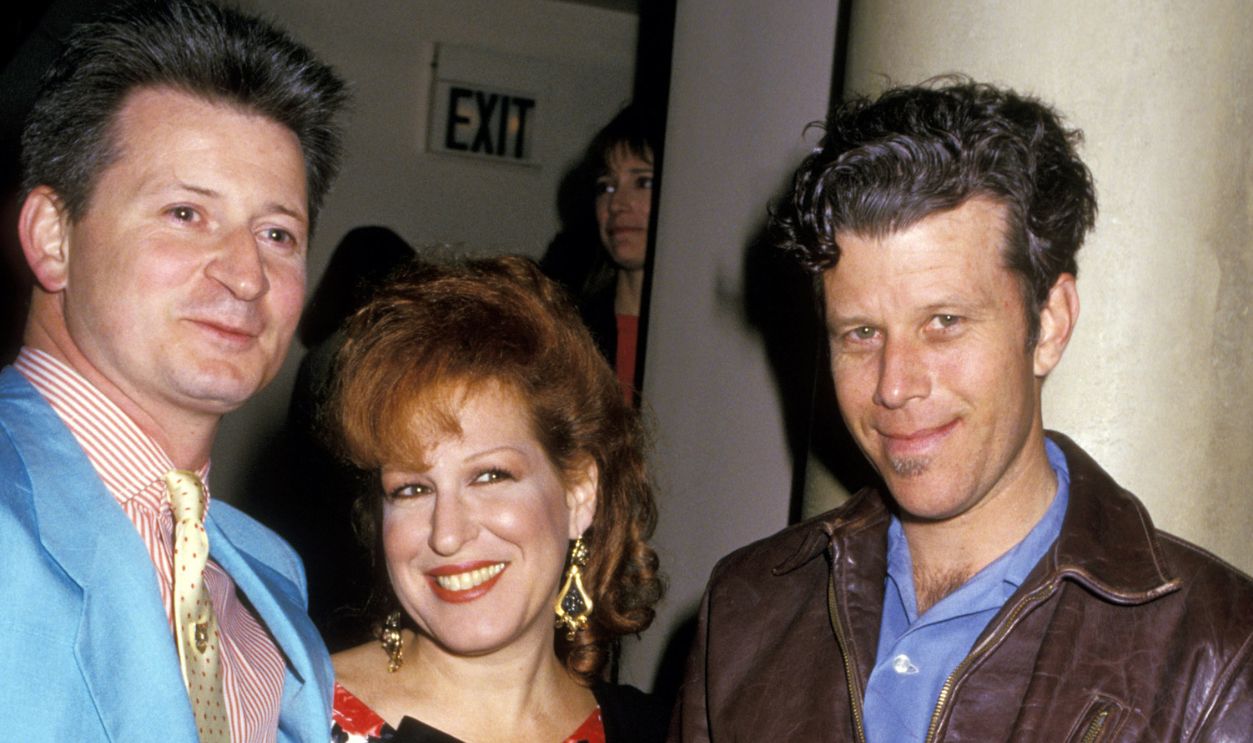
By October of 1974, Tom Waits had graduated from opener to headliner—and his new stardom was irresistible to some. While touring up and down the East Coast, Waits met singer and actress Bette Midler in the Big Apple—and the pair took a big bite. What ensued was an on-again, off-again relationship that culminated with the playful duet “I Never Talk to Strangers”.
But sometimes he did—talk to strangers, that is.
 Rob Bogaerts for Anefo, Wikimedia Commons
History's most fascinating stories and darkest secrets, delivered to your inbox daily.
16. He Staged His Next Album In A Nightclub
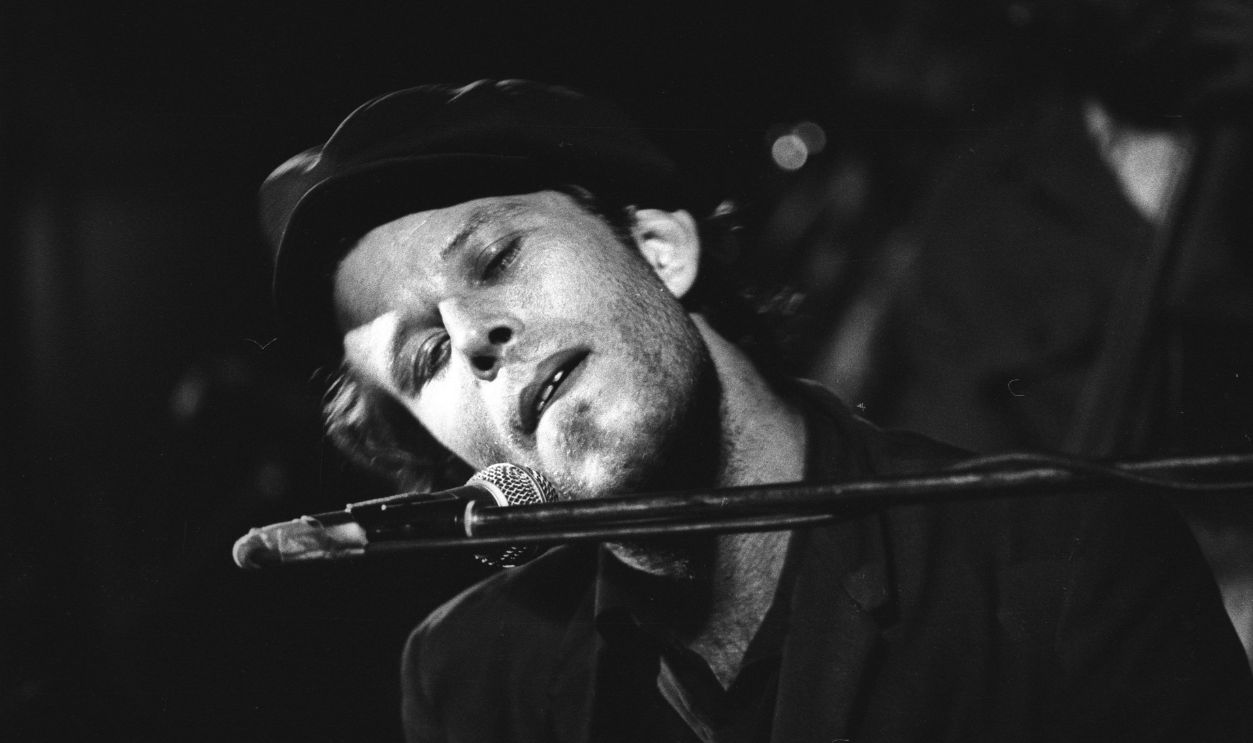
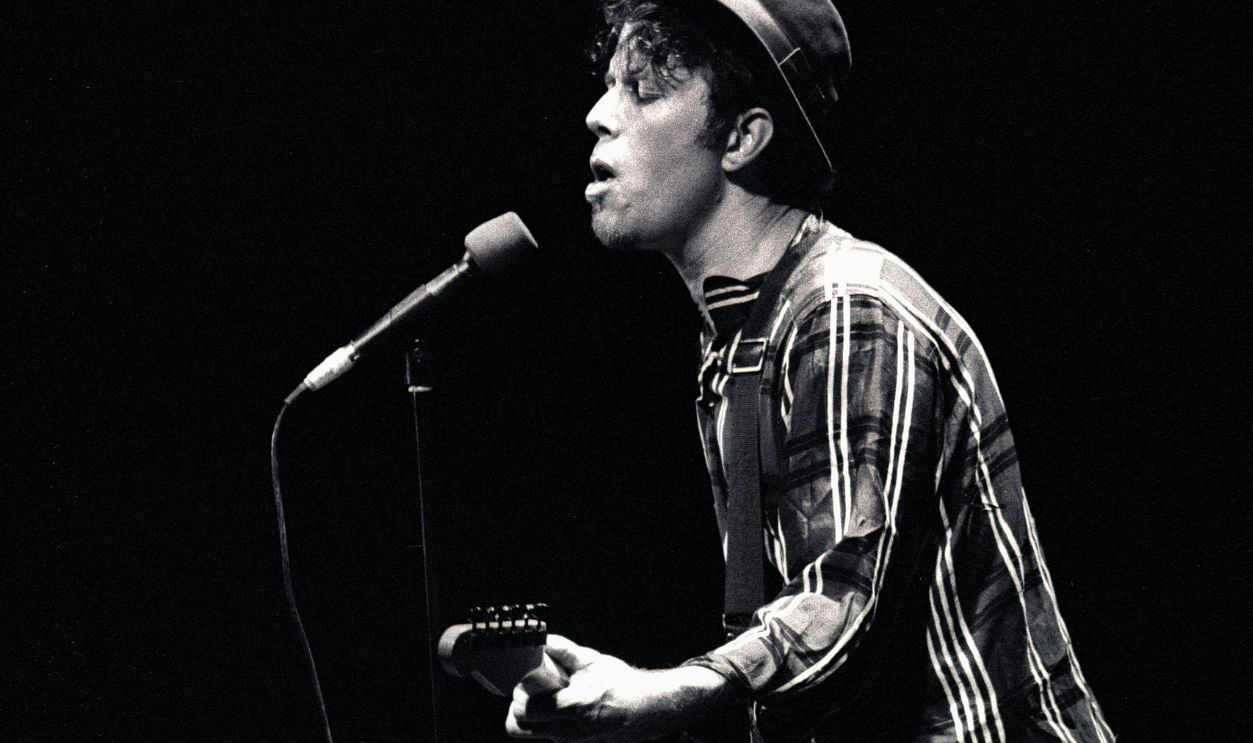
For his follow-up album, Nighthawks at the Diner, Waits didn’t bother with a conventional studio session. Taking his cue from Edward Hopper’s famous painting of a lonely diner, he invited a small crowd into the Record Plant studio and worked the room like a late-night jazz joint. As the recording ran, it picked up the background banter and Waits’ Beat-style monologues.
He was, you might say, a method singer.
17. He Lived In Squalor—On Purpose
By 1976, Tom Waits was performing in Europe. But all that sophistication failed to inspire him. After he returned home, he moved into a motel with his friend, Chuck E Weiss, and started truly living like a rock star—a poor one. Visitors to his new digs couldn’t help but notice the squalor. Waits, however, knew what he was doing.
“You almost have to create situations in order to write about them,” he told the Los Angeles Times, “so I live in a constant state of self-imposed poverty”.
 Published by Asylum Records. Photographer uncredited and unknown., Wikimedia Commons
18. He Crowned Himself “Bard”
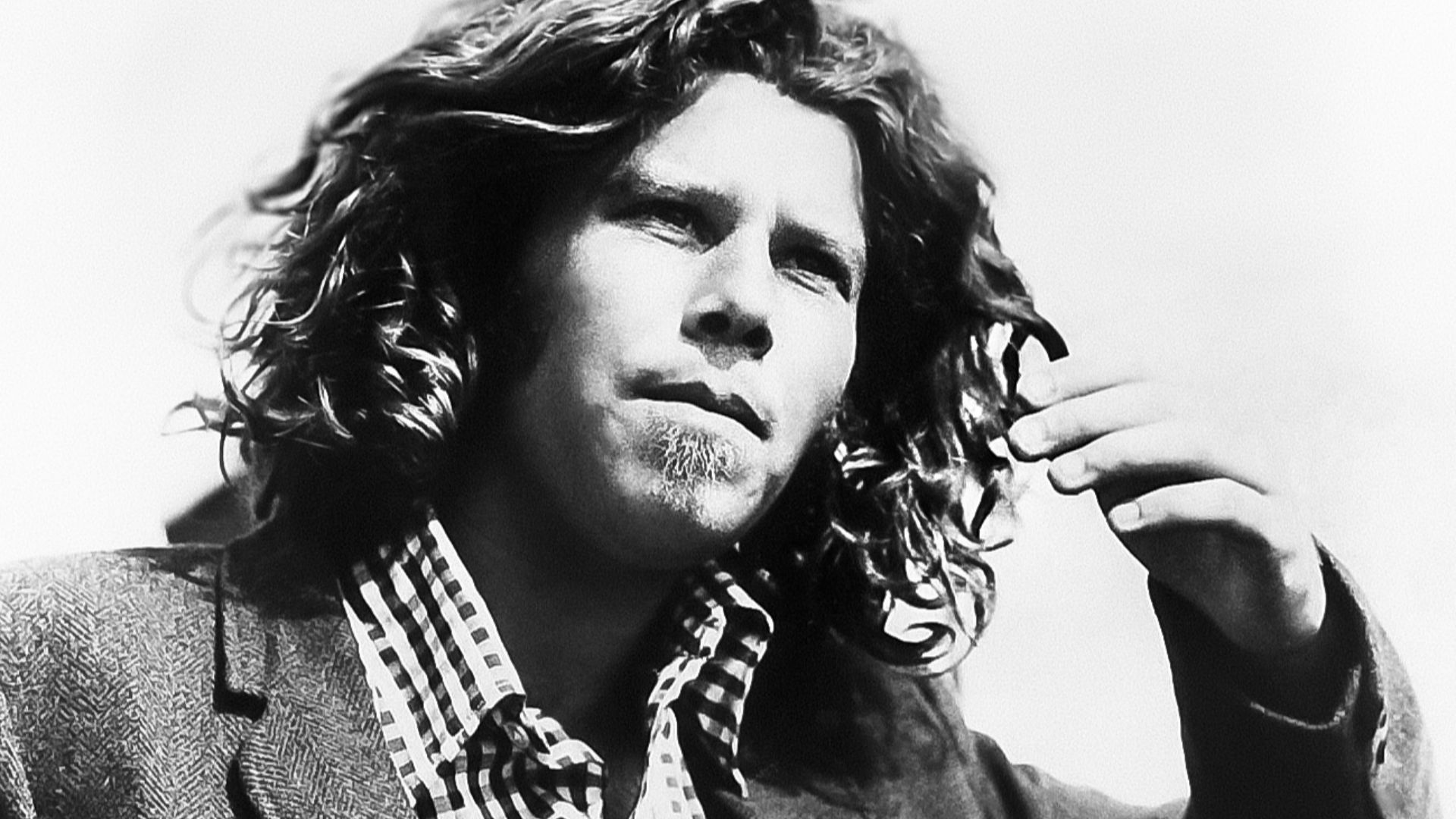
Waits’ unauthorized biographer, Barney Hoskyns, summarized this period of Waits’ life best. He referred to the emerging folk and funk music star as a skid-row “boho/hobo” persona, an “ongoing experiment in performance art”. To Hoskyns, Waits was “a young man out of time and place” who had appointed himself “the bard of the streets”.
The name stuck.
19. He Was No Longer Pretending
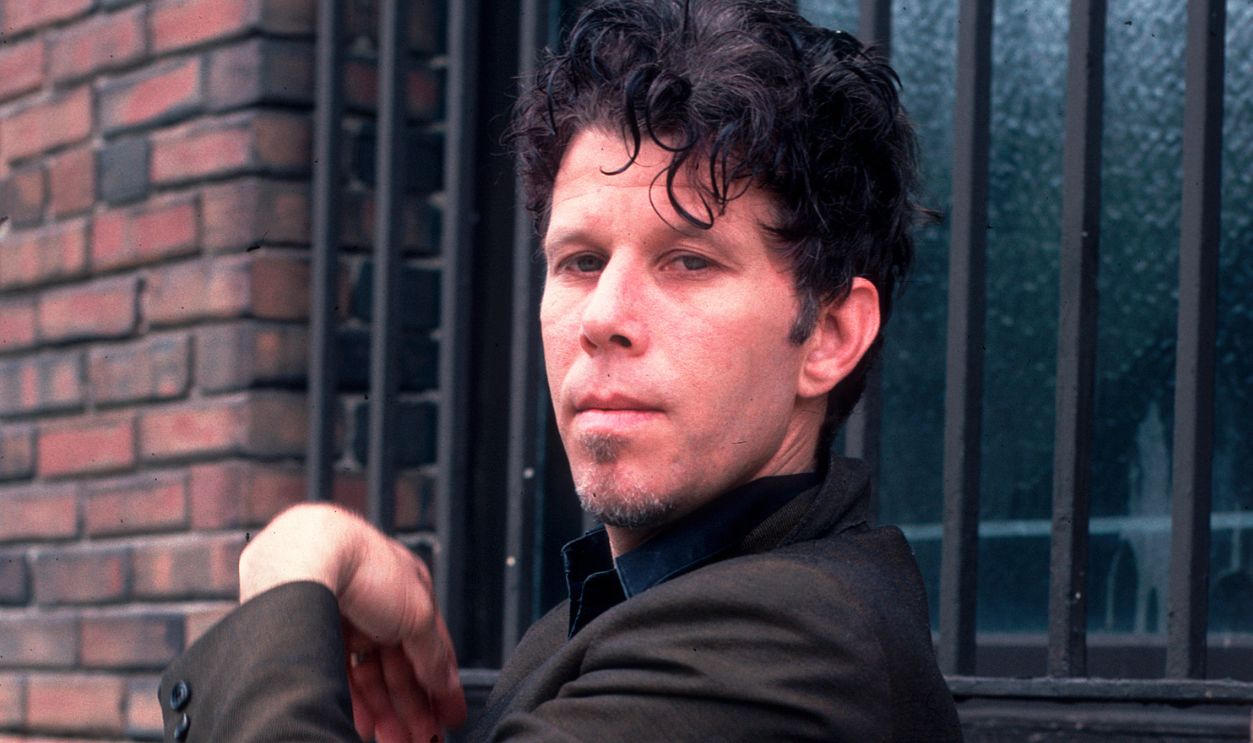
When music journalist Mick Brown sat down with Tom Waits for an interview sometime in the 1970s, he noted that Waits’ “performance art” had become all too real. Writing in Sounds magazine, Brown observed that Waits “had immersed himself in this character to the point where it wasn’t an act and had become an identity”. Some, however, saw through Waits’ act.
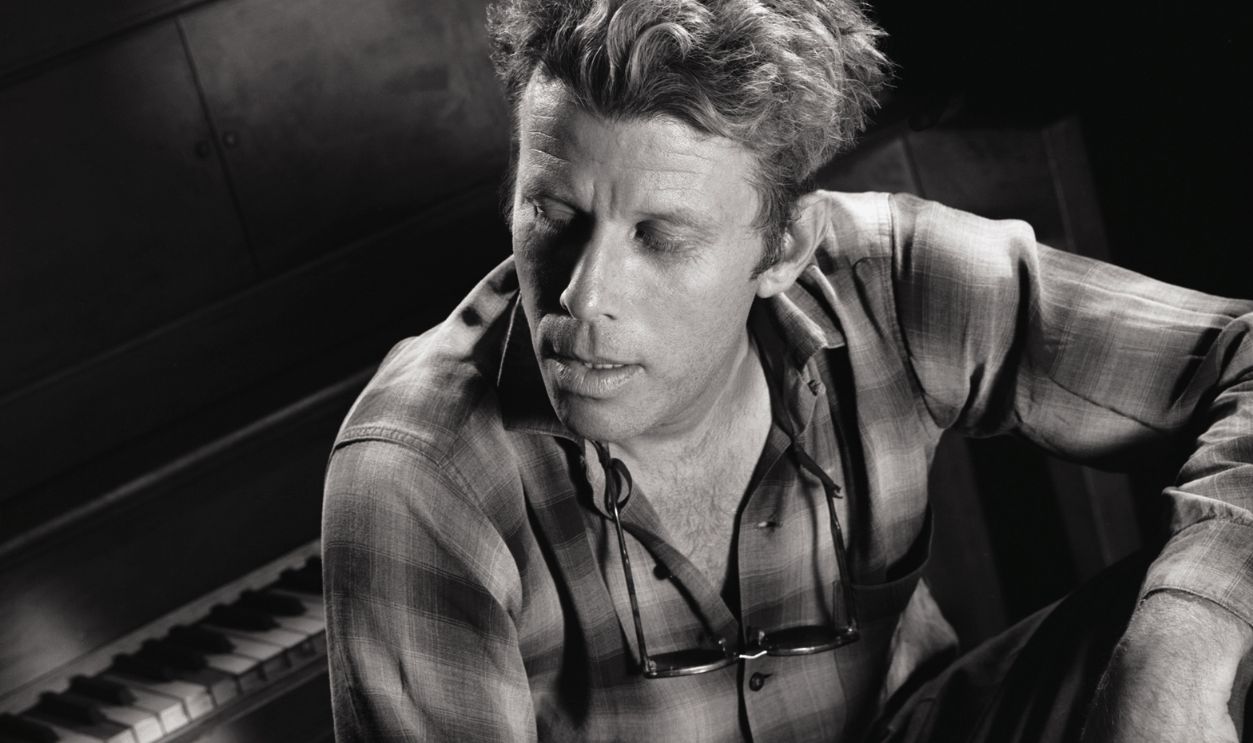
20. His Friends Saw Through Him
Robert Marchese, who had run the Troubadour in Waits’ early days, saw right through the persona. The way Marchese told it, Waits cooked up “the whole mystique of this really funky dude” to peddle “his impression of how funky poor folk really are”. The truth, per Marchese? Waits was still “basically a middle-class, San Diego mom-and-pop-schoolteacher kid”.
Marchese wasn’t the only one calling Waits a fake.
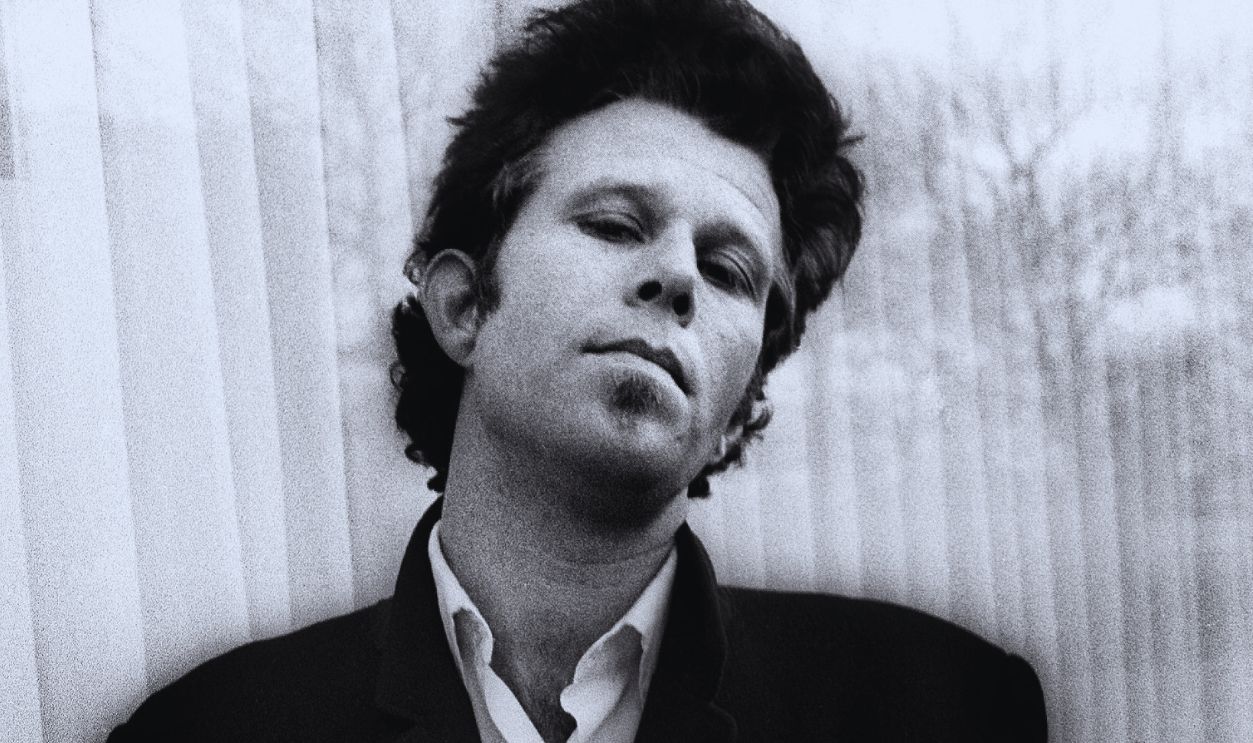
21. He Was Actually Very Buttoned-Up
According to The Many Lives of Tom Waits author Patrick Humphries, Waits was the furthest thing from a downtrodden hobo—he was a “conservative”. “Waits,” Humphries opined, “has always been more of a white-picket-fence kind of guy than you might imagine”. The truth, however, was far more complicated than Brown, Marchese, or Humphries understood.
History's most fascinating stories and darkest secrets, delivered to your inbox daily.
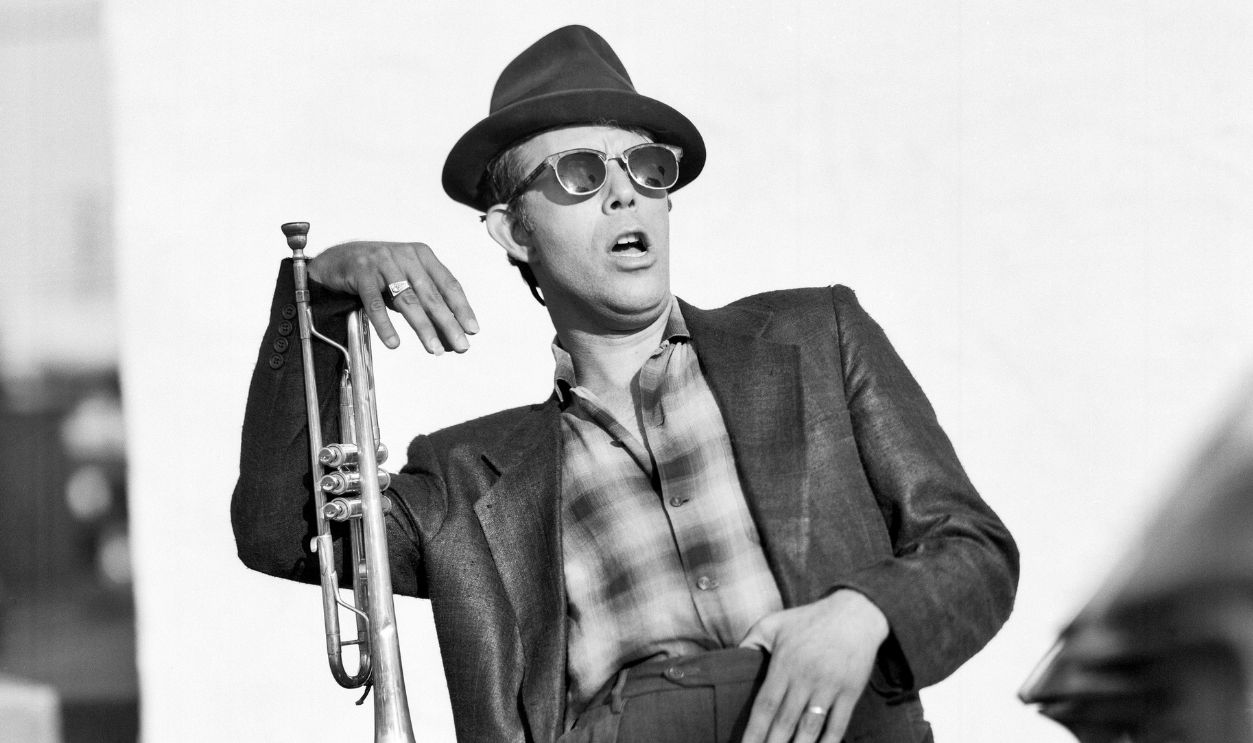
22. He Was Just An Outsider
Brown was right; Tom Waits was living the boho lifestyle. Marchese and Humphries were also right; Waits had middle-class roots. It wasn’t until Waits’ friend, Louie Lista, chimed in that Waits’ real persona came to light. “I’m an outsider,” Lista said, describing Waits’ philosophy at the time, “but I’ll revel in being an outsider”.
But, an outsider with money.
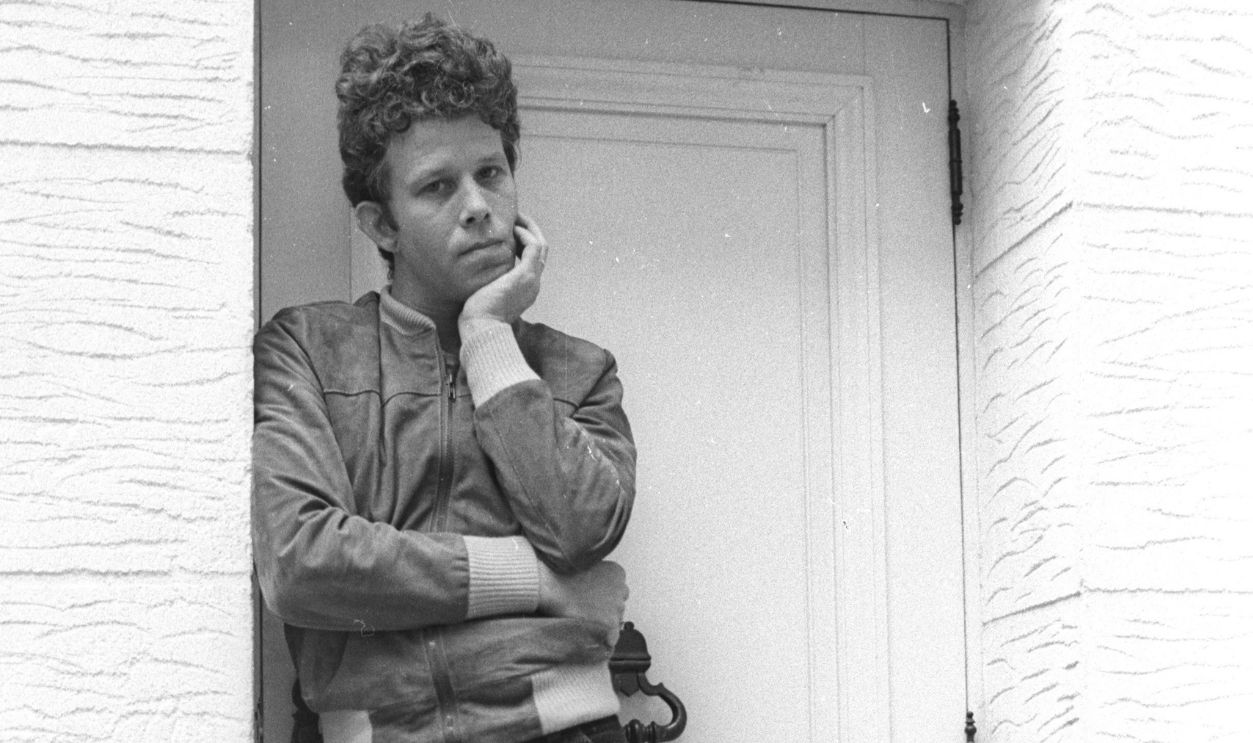
23. He Went Noir
Waits was an outsider, but that didn’t mean he had to go it alone. In 1976, he teamed up with producer Bones Howe for Small Change, an album that made a big change in his sound: boozy, hard-boiled story-songs that could’ve fallen out of a detective paperback. Numbers like “Tom Traubert’s Blues” and “The Piano Has Been Drinking (Not Me)” helped lift Waits into the Billboard Top 100.
Now it was time to start living like a rock star.
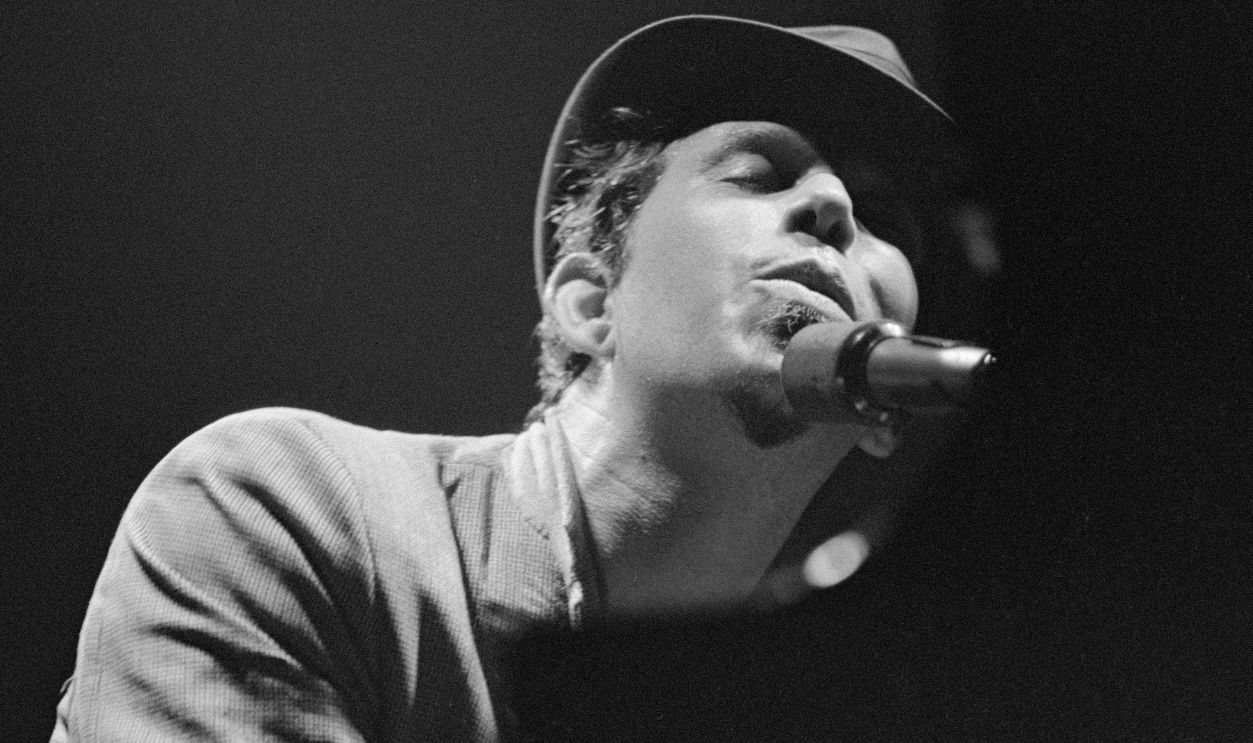
24. He Fought The Law
In mid-1977, Tom Waits found himself in hot water—or, rather, a hot cup of coffee. While at a coffee shop, he and Chuck E Weiss tangled with a group of officers, and both men ended up in custody on two counts of disturbing the peace. Thankfully, the case crumbled in court. The defense rounded up eight witnesses—every one of them telling a different story than the officers did—and Waits and Weiss walked.
Then Waits flipped the track.
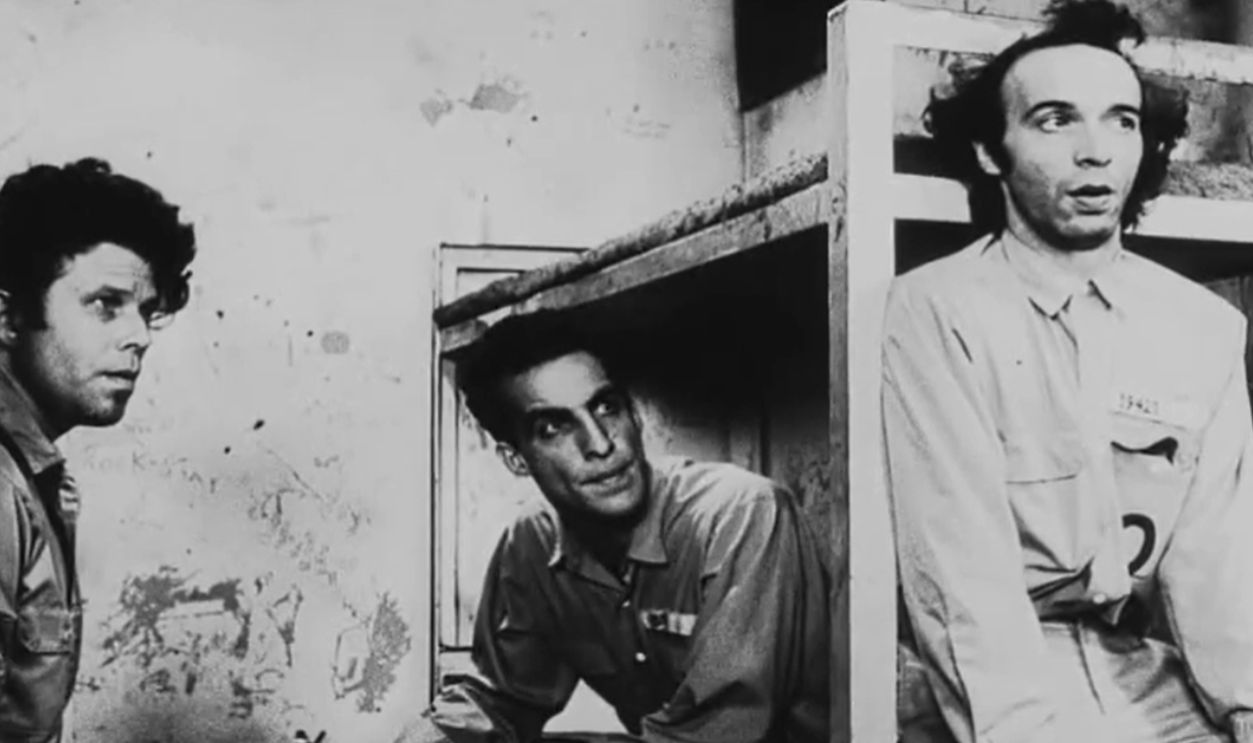 Screenshot from Down by Law, Janus Films (1986)
25. He Made The LAPD Pay
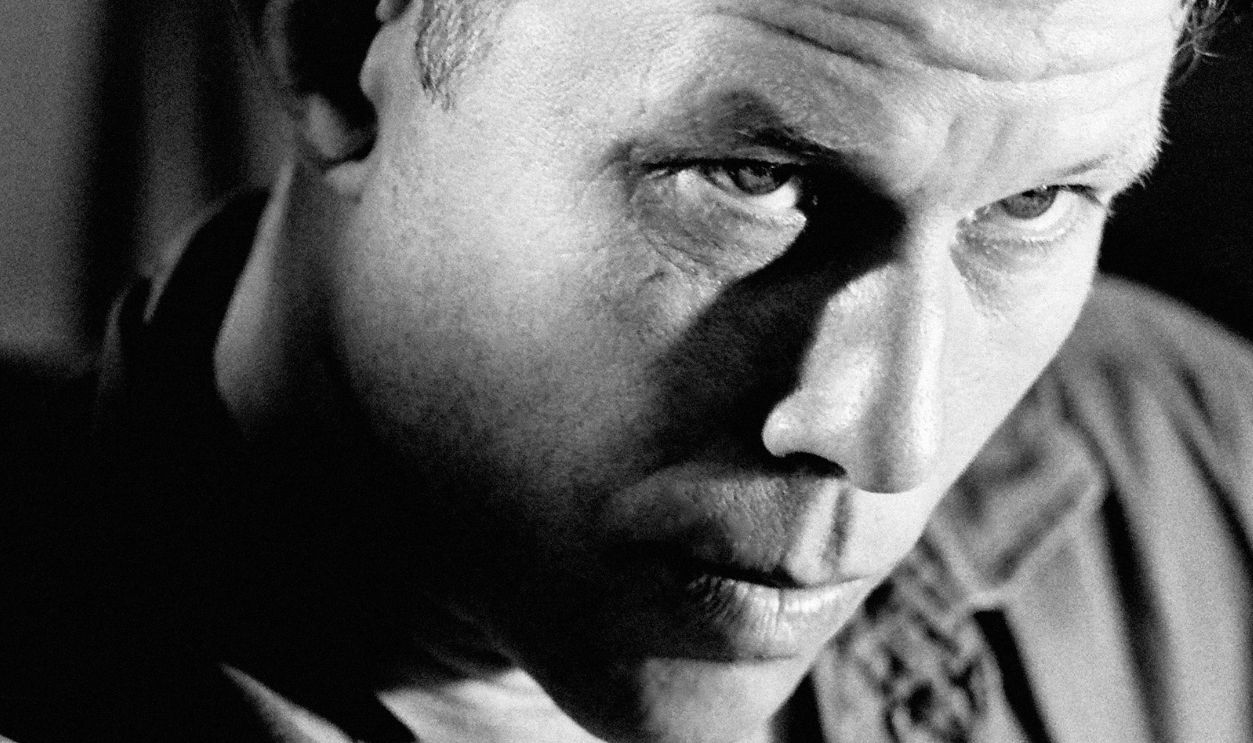
An acquittal wasn’t justice enough for Waits. He turned around and sued the LAPD over the whole affair. Justice, however, took longer than one of his rambling tracks. Five years later, however, his persistence finally paid off, earning him $7,500 in damages. Ironically, Waits also need the assistance of the same LAPD that he sued.
 Donaldson Collection, Getty Images
26. He Had An Unwanted Admirer
Fame brought Tom Waits at least one listener he never bargained for—and didn’t want. Around the same time, a woman who had recently fled a mental health facility became fixated on Waits. The troubling part? She made a habit of lurking outside of his apartment. Thankfully, the next woman to enter Waits’ orbit was a lot less creepy.
27. He Found His Partner In Rhyme
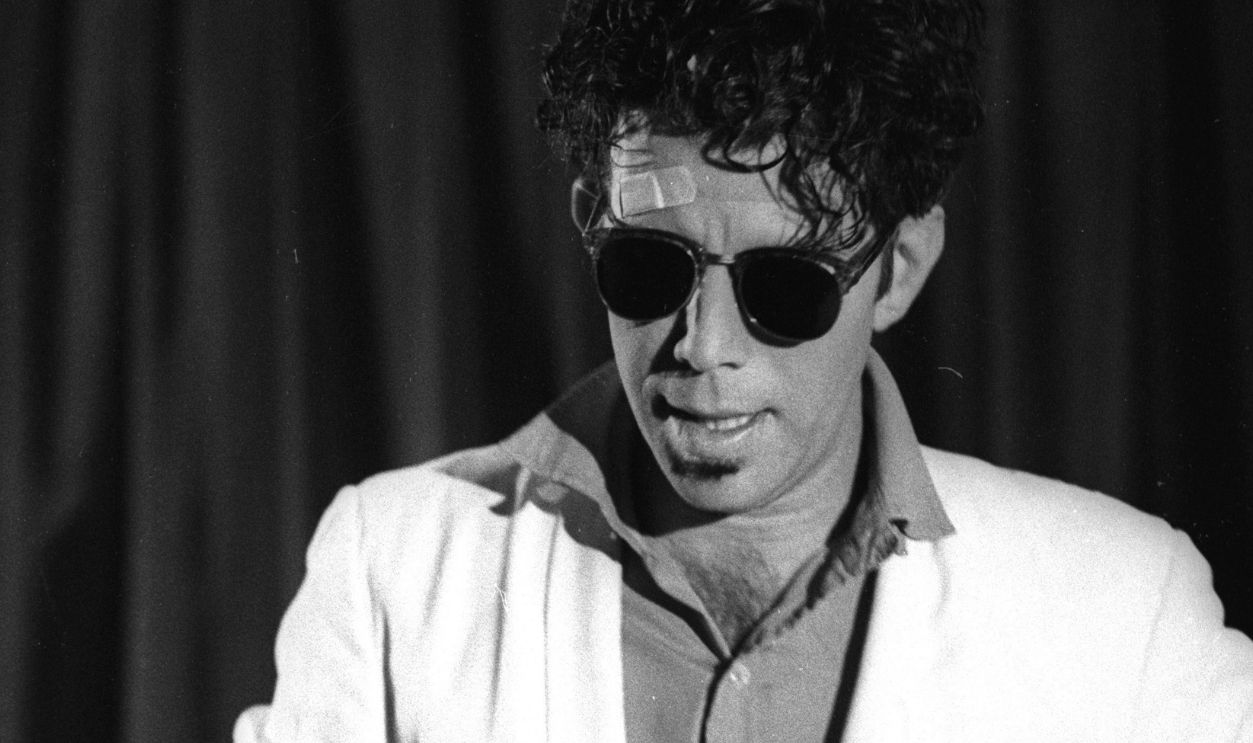
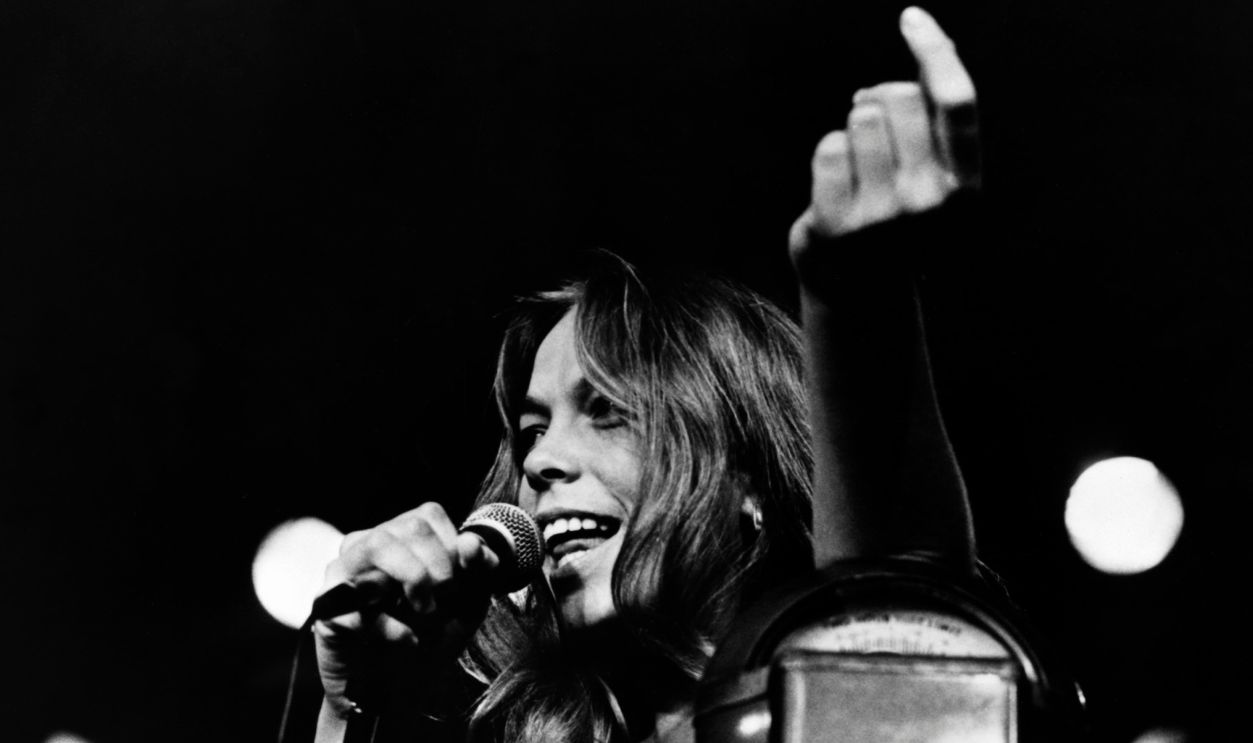
In 1977, Tom Waits began a relationship with singer-songwriter Rickie Lee Jones, a singer-songwriter cut from the same bohemian cloth. The two collaborated as much in the studio as they did in the bedroom, with Jones even making it onto the back cover of Waits’ album Blue Valentine. But the couple that sings together doesn’t necessarily stay together.
History's most fascinating stories and darkest secrets, delivered to your inbox daily.
28. His Romance Hit A Sour Note
Ironically, Jones’ big break resulted in the couple’s break up. Her 1979 smash “Chuck E’s in Love”—based on a phone call about their mutual pal Weiss—rocketed up the charts. But the success and the subject matter—along with Jones’ worsening addiction to smack—left Waits singing solo. Waits poured himself into the movies instead—where fate was waiting.
 Frans Schellekens, Getty Images
29. He Found Love On Set
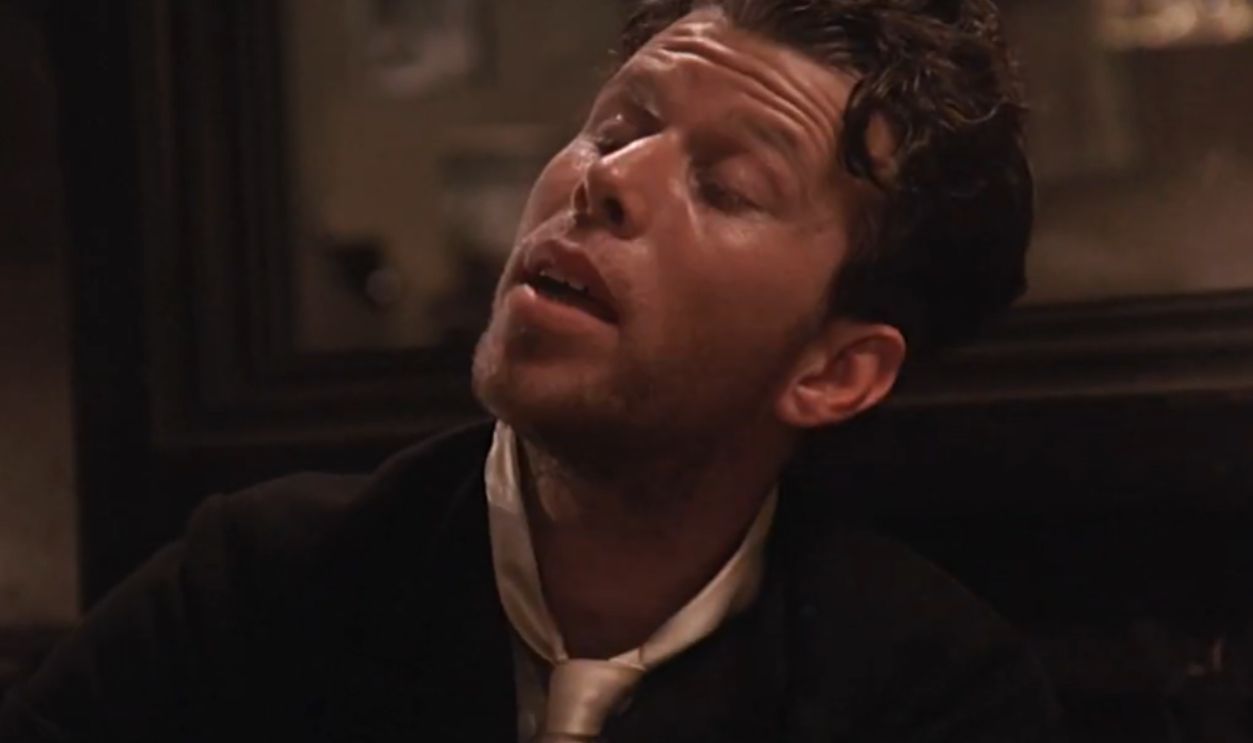
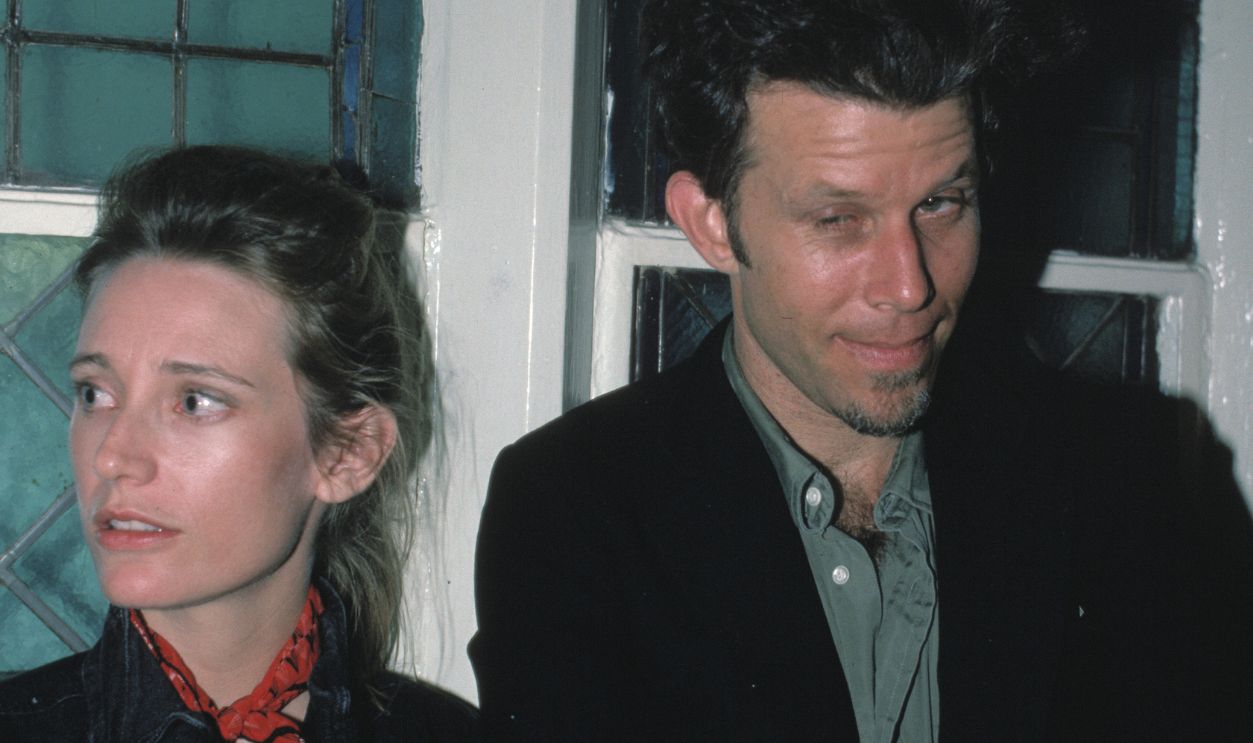
Waits made his film debut in 1978, playing—what else?—a boozy barroom piano player in Paradise Alley. However, it was on the set of his next film, One from the Heart, that he met his fate: assistant story editor Kathleen Brennan. Waits later called it “love at first sight”, and he wasn’t exaggerating. Within a week, he’d put a ring on it.
 Screenshot from Paradise Alley, NBCUniversal (1978)
30. He Rushed Down The Aisle
The wedding was almost as fast as the engagement. Waits didn’t waste time on a big guest list, menu tastings, or venue shopping. He and Brennan sped off to a 24-hour chapel somewhere on Manchester Boulevard, exchanged their vows, and set off on their Irish honeymoon. When he returned to the music studio, Waits would be a different man.
31. He Was Just The Face
Waits’ marriage to Brennan was practically providential. “She rescued me,” he later explained. “Everybody knows she’s the brains behind Pa, as Dylan might have said. I’m just the figurehead. She’s the one who’s steering the ship”. And Brennan was steering it in a radically different direction—not one that everyone would love.
32. He Only Had $20
After releasing Heartattack and Vine in 1980, Waits ditched his producer, manager, band, and label—and not a moment too soon. “I thought I was a millionaire and it turned out I had, like, twenty bucks,” Waits explained, alluding to his suspicions of Cohen’s management.
Next, Brennan changed his sound.
33. His New Sound Stained
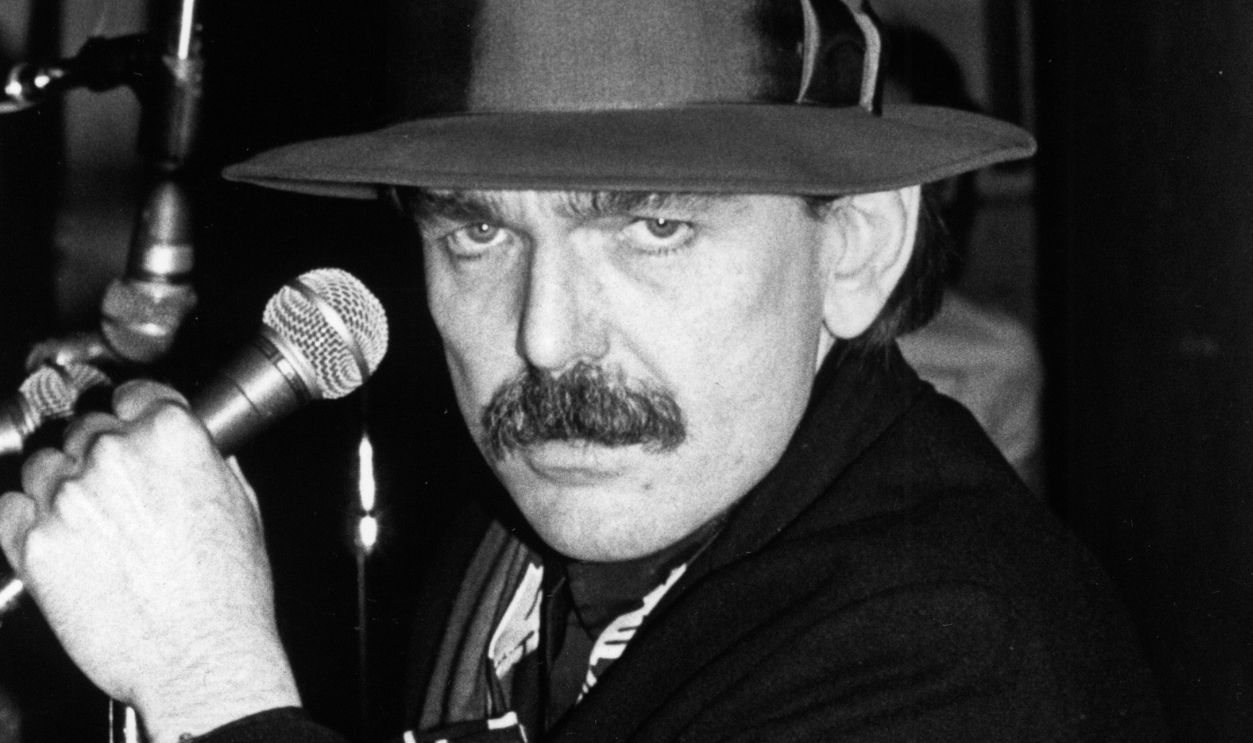
Brennan’s influence over Waits extended into the studio. She was the one who introduced Waits to the very cutting edge of music, getting him to listen to the likes of Captain Beefheart and Harry Partch. One listen was all it took. “Once you’ve heard Beefheart, it’s hard to wash him out of your clothes. It stains, like coffee or blood”.
That stain was all over his next album.
History's most fascinating stories and darkest secrets, delivered to your inbox daily.
34. He Did Away With Convention
The influence of Beefheart and Partch—read: Brennan—was all over Waits’ next album Swordfishtrombones. Freed from his previous label and producer, Waits pushed familiar instrumentation into the background and brought marimbas, unconventional percussion, and other strange textures to the foreground. To say that the new sound was divisive would be an understatement.
 Fairfax Media Archives, Getty Images
35. He Divided His Fans
When Miles Davis and Bob Dylan ditched their acoustic sound for an electric one, their fans split into two camps. Waits’ radical new sound in Swordfishtrombones had the same effect. Some appreciated the shift toward experimentation. Others missed the familiar. But all agreed: Waits was doing something in music that no one could ignore.
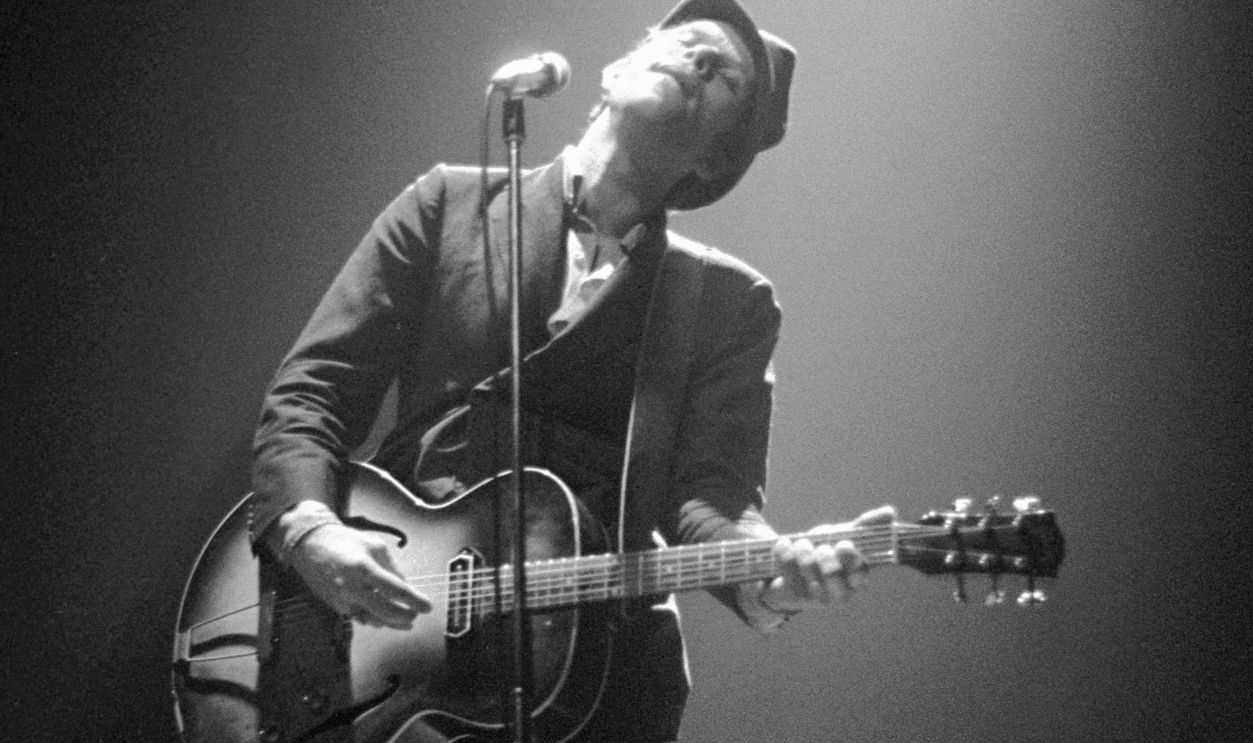
36. He Recruited A Rolling Stone
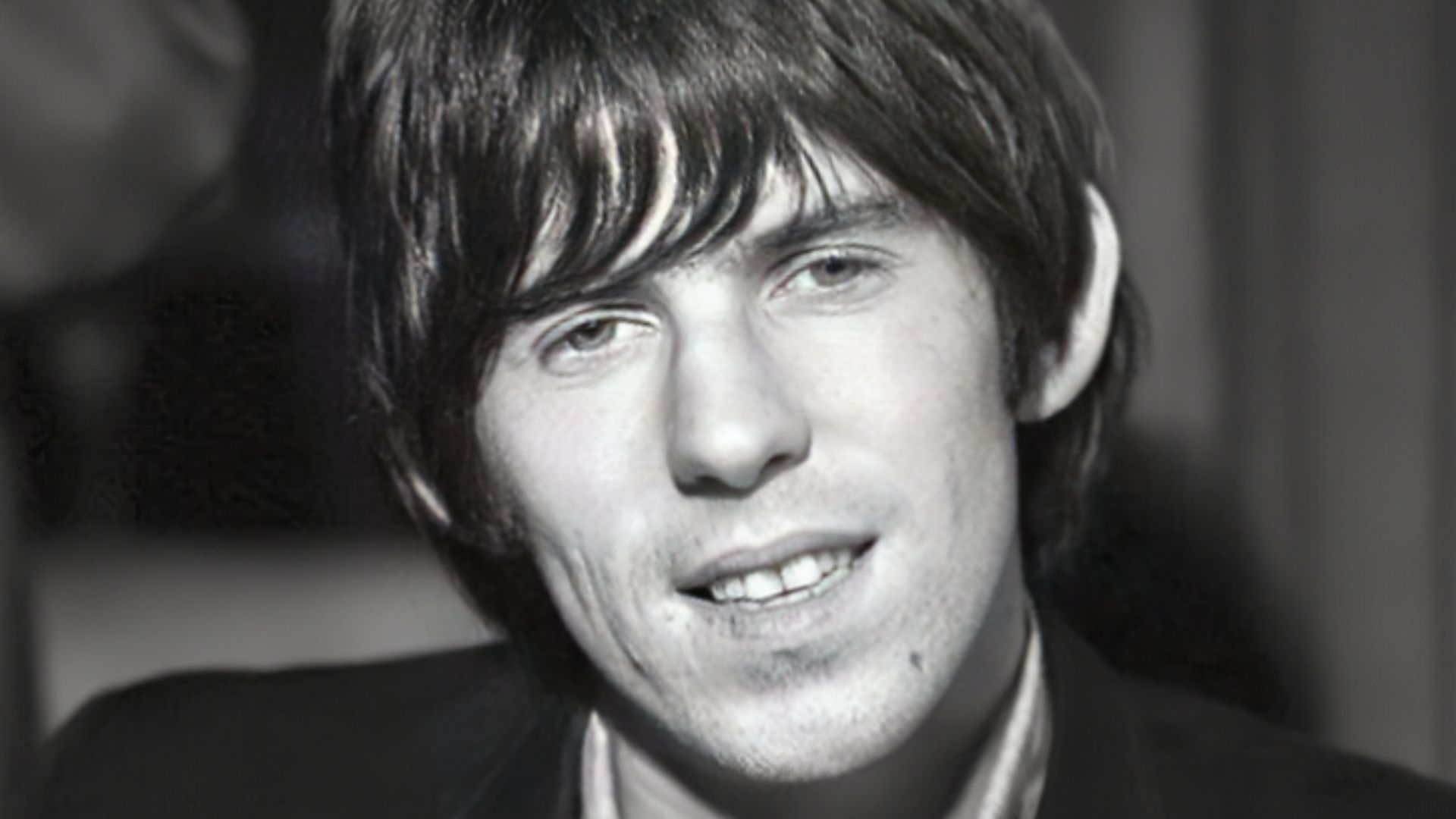
Waits amped up the experimentation with 1985’s Rain Dogs, roping in other music legends to his wild new sound. Rain Dogs marked the debut of session guitarist Marc Ribot, while Keith Richards himself laid down guitar on three tracks. It was the chest-of-drawers-drums in “Singapore”, however, that had music lovers fascinated.
As his music became less conventional, his personal life went in the opposite direction.
 Olavi Kaskisuo / Lehtikuva, Wikimedia Commons
37. He Became A Family Man
Behind all the improvised instruments and experimental albums, Waits was quietly building a very normal life. In September of 1983, Brennan delivered their daughter, Kellesimone, and the new family moved into a New York City loft. Two years later, they added to their growing brood with a son, Casey. Fatherhood, however, did not tame him.
38. He Was Not Down With Doritos
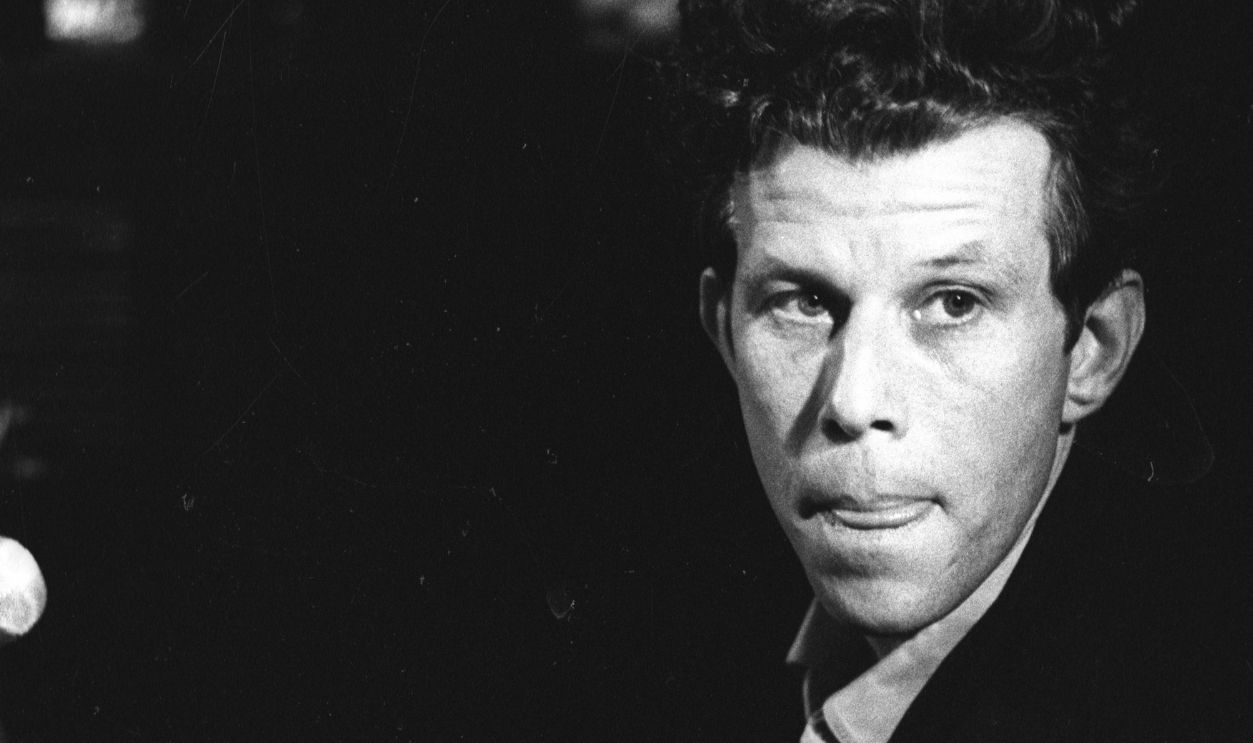
In 1988, a Doritos commercial hit the airwaves—and, to Waits, it sounded oddly familiar. The ad hired a singer to mimic Waits’ gravelly voice and deliberately borrowed the rhythmic, rapid-fire feel of ‘Step Right Up.’ Waits sued Frito-Lay, the Doritos parent company, and its ad agency for good measure, arguing they’d slapped his trademark growl on a product he never endorsed.
Frito-Lay shrugged it off—until they couldn’t.
39. He Had His Day In Court
In 1990, Waits won his case against Frito-Lay, pocketing a cool $2.5 million in damages—more than he had ever seen in record sales. But it wasn’t about the money for Waits. It was about sending a message. “Instead of this being a fly on their forehead,” Waits said of Frito-Lay’s defense, “it is now a bee in their ear”.
And he made sure it would never happen again. “Now I have a fence around my larynxization,” he quipped.
History's most fascinating stories and darkest secrets, delivered to your inbox daily.
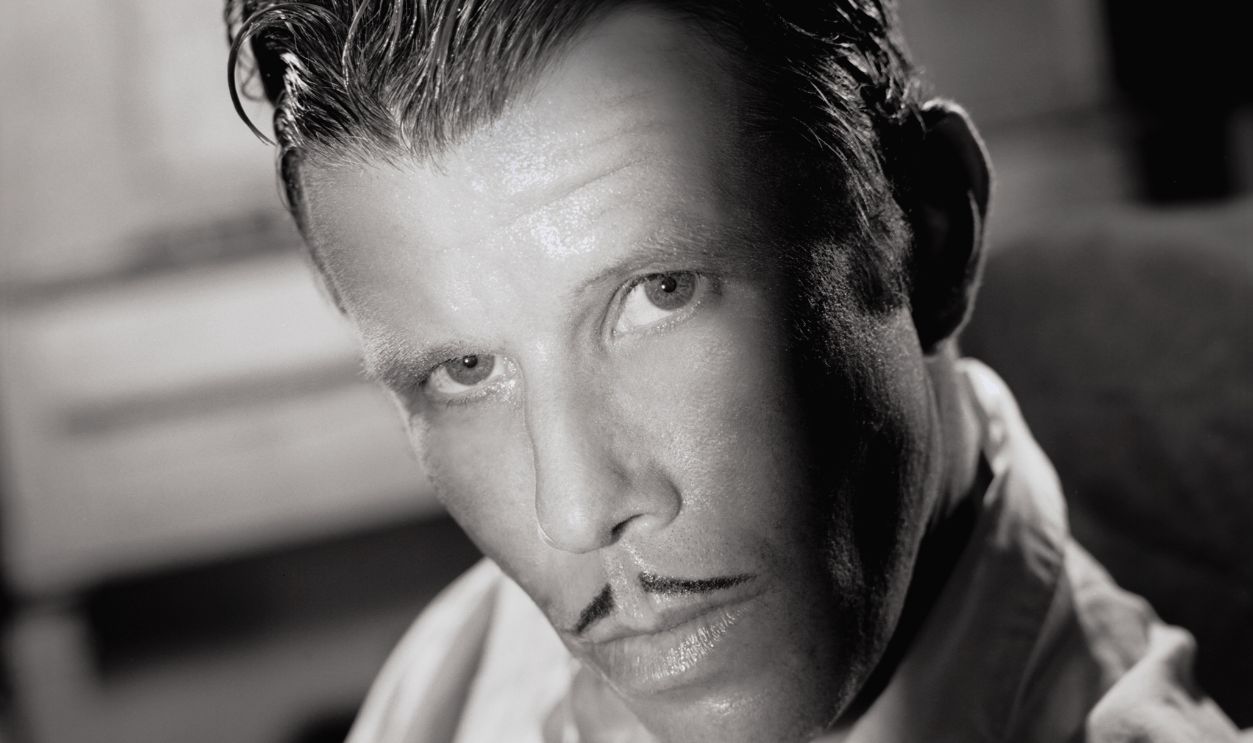
40. He Built A Bone Machine
With his signature gravel-voice legally defended, Waits put it back to work on 1992’s Bone Machine. His method, as he described it, was “to listen to the noise in my head and invent some junkyard-orchestral deviation” from everything else on the radio. Obviously, it worked. The Recording Academy called it Best Alternative Music Album and handed Waits a Grammy.
And the hits—or the “organized noise” as Waits called it—kept coming.
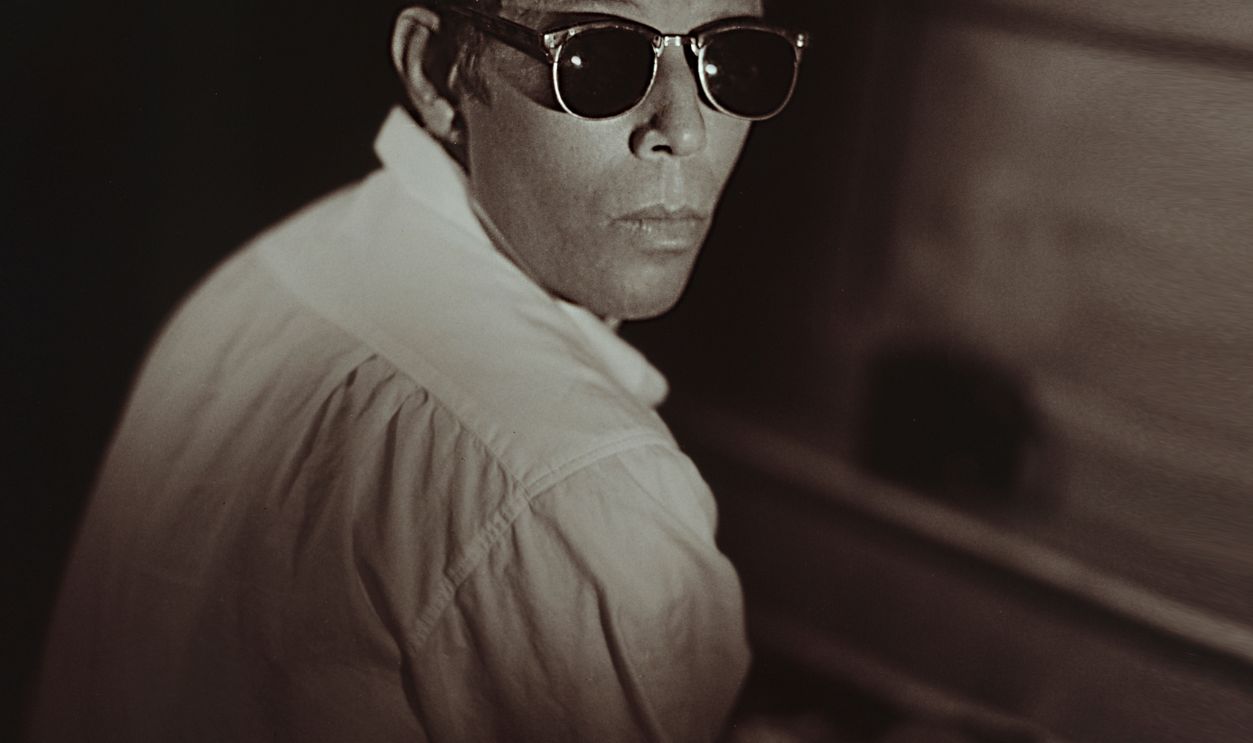
41. He Struck Gold In Storage
Waits’ next “organized noise” came out of a storage room. Inspired by Alan Lomax’s old field recordings in the Library of Congress, Waits wanted to capture the same dusty sound. So, naturally, he set up shop in a storage room to record 1999’s Mule Variations. The gamble paid off—again. The album moved more than half a million copies and bagged him another Grammy, this time for Best Contemporary Folk Album.
Music, it turns out, ran in the family.
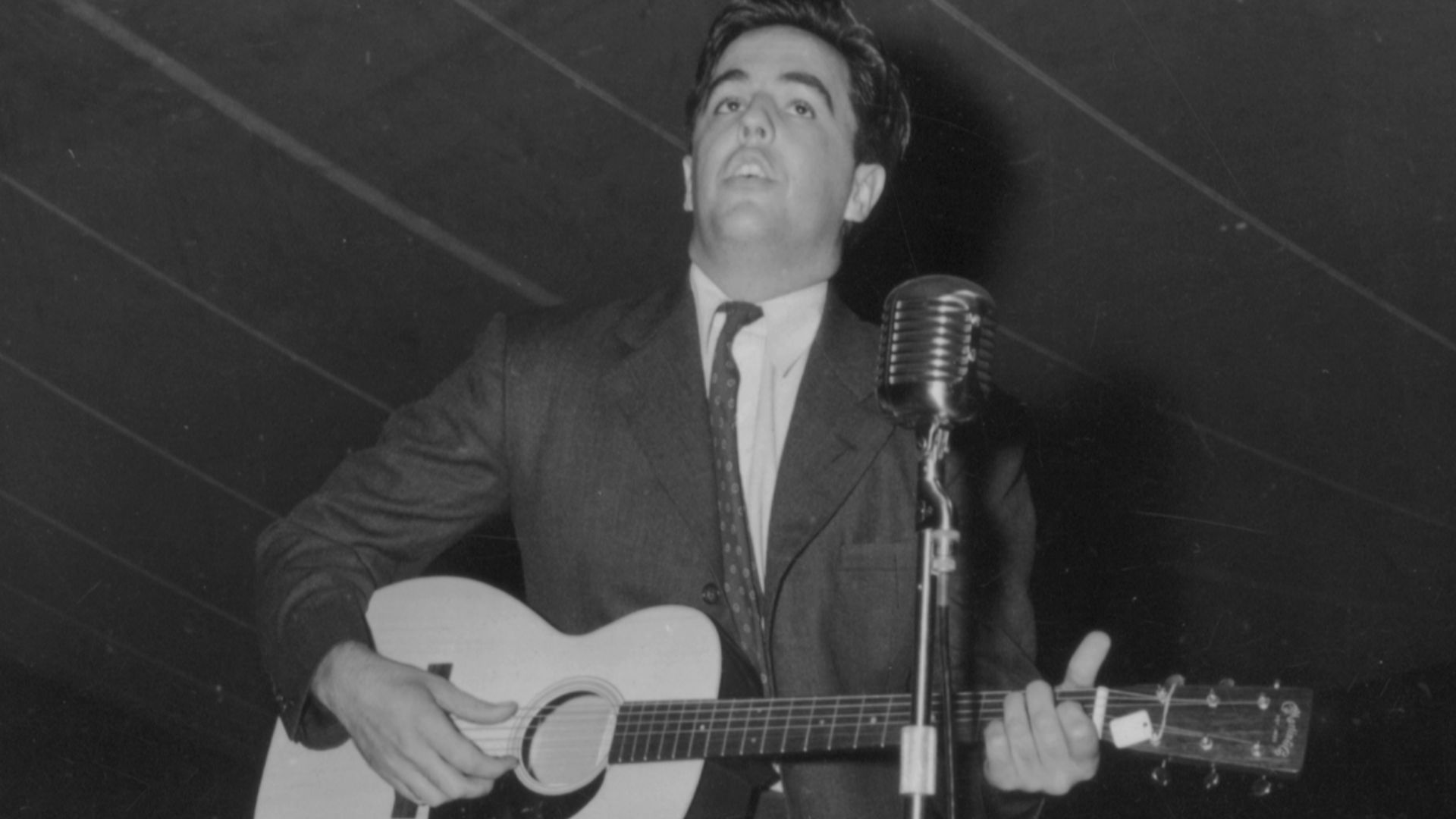 Unknown authorUnknown author, Wikimedia Commons
42. He Made It A Family Business
Brennan’s influence on Waits’ music had been apparent since Rain Dogs and Franks Wild Years. But, with Mule Variations, it became more official. From then on, Waits credited Brennan on all of his albums as co-writer and co-producer. But Brennan wasn’t the only member of the family to lend their creative talents to a Waits album.
 Jack Vartoogian/Getty Images, Getty Images
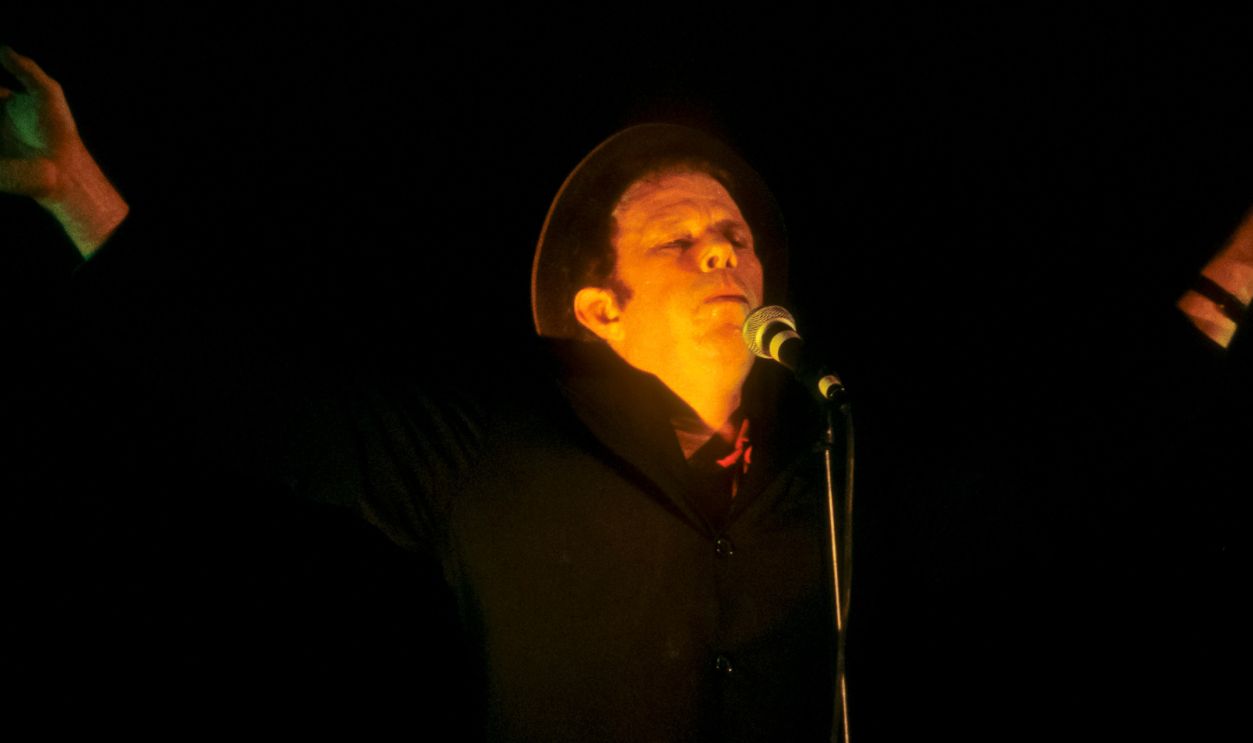
43. He Beat-Boxed In The Bathroom
On 2004’s Real Gone, the strangest instrument was Waits himself. To record part of the album, he’d holed up in his bathroom at home and started beat-boxing. Waits cobbled the tapes together to create songs in a style that he labeled “cubist funk”—perhaps because his bathroom was square. His son Casey also lent his talents to the album, manning the turntables on two tracks.
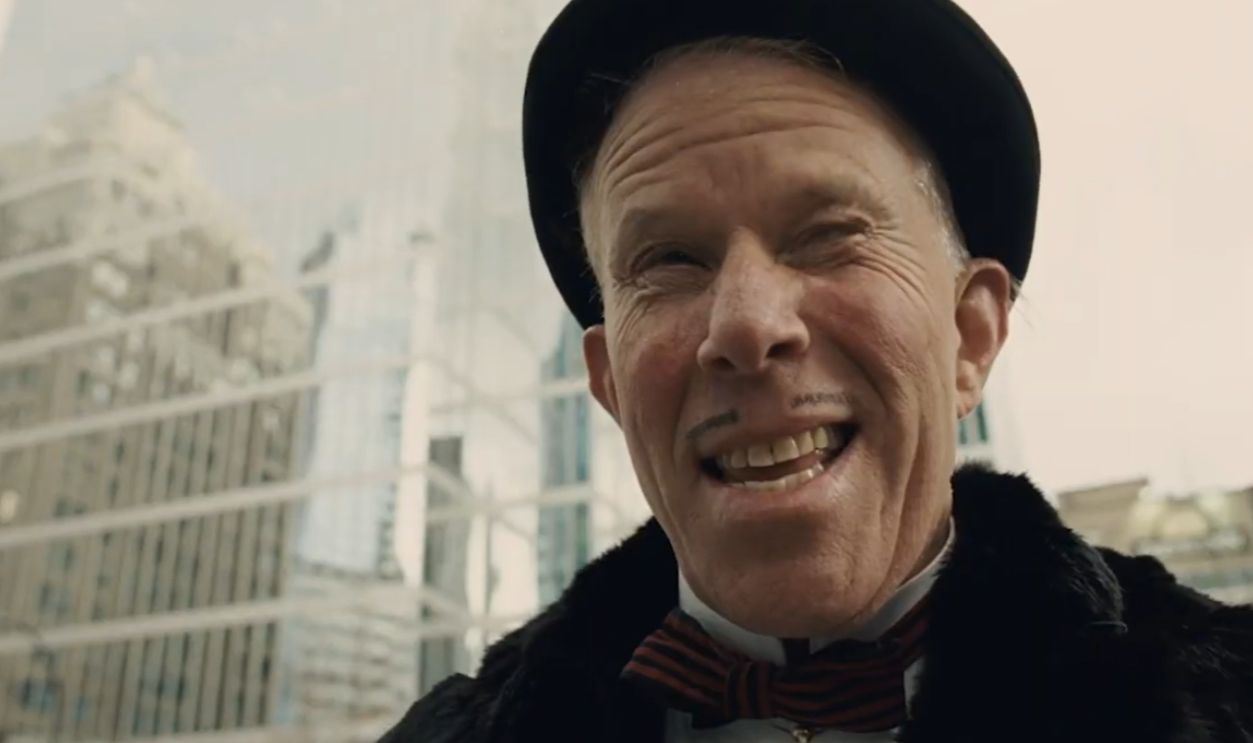 Screenshot from The Imaginarium of Doctor Parnassus, Sony Pictures Entertainment (2009)
44. He Moonlighted In The Movies
One place where Waits’ experimentation was always appreciated? Hollywood. Throughout his music career, Waits continued acting, often playing true-to-life characters. Famed directors and filmmakers like Francis Ford Coppola and Jim Jarmusch lined up to work with him. Not that Waits was necessarily easy to work with—and he knew it.
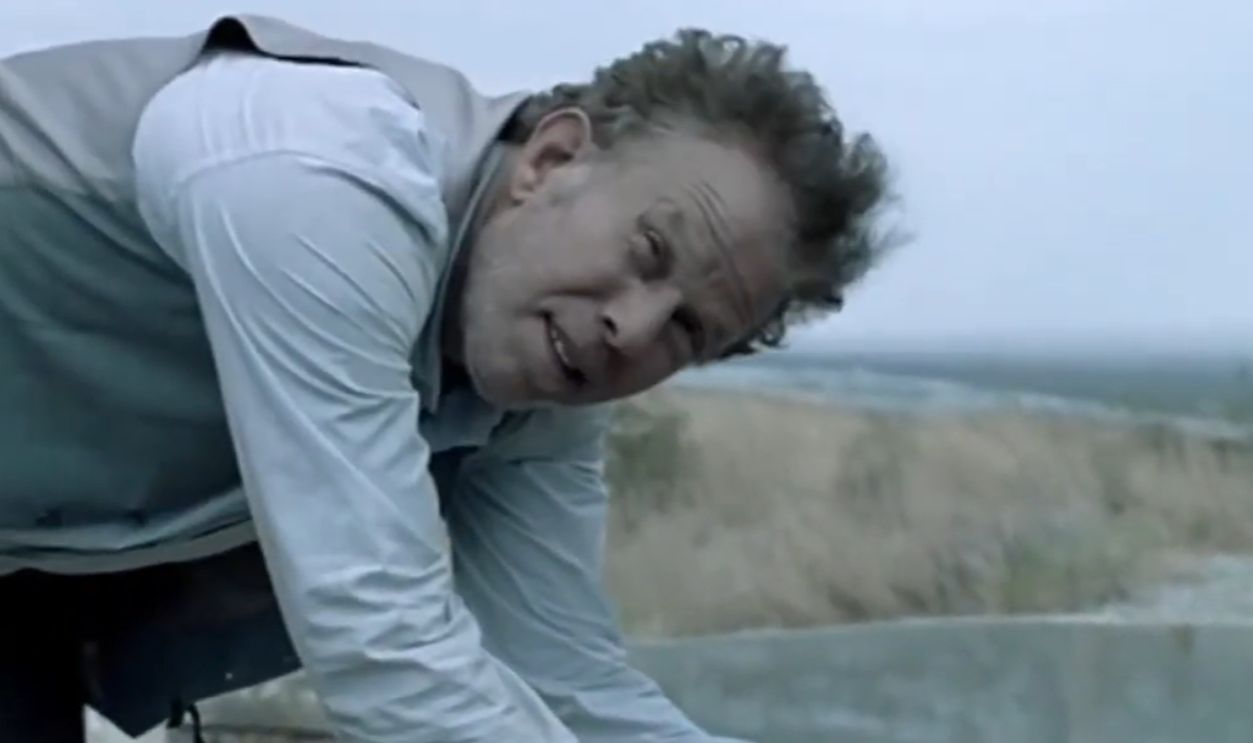 Screenshot from Wristcutters: A Love Story, Lionsgate (2006)
45. He Was Indescribable
“This next man is indescribable, and I’m here to describe him”. That’s how Neil Young introduced Waits in 2011 as he was being inducted into the Rock and Roll Hall of Fame. “He’s sort of a performer, singer, actor, magician, spirit guide, changeling,” Young continued. But it was Waits’ acceptance speech that really left his fans chuckling.
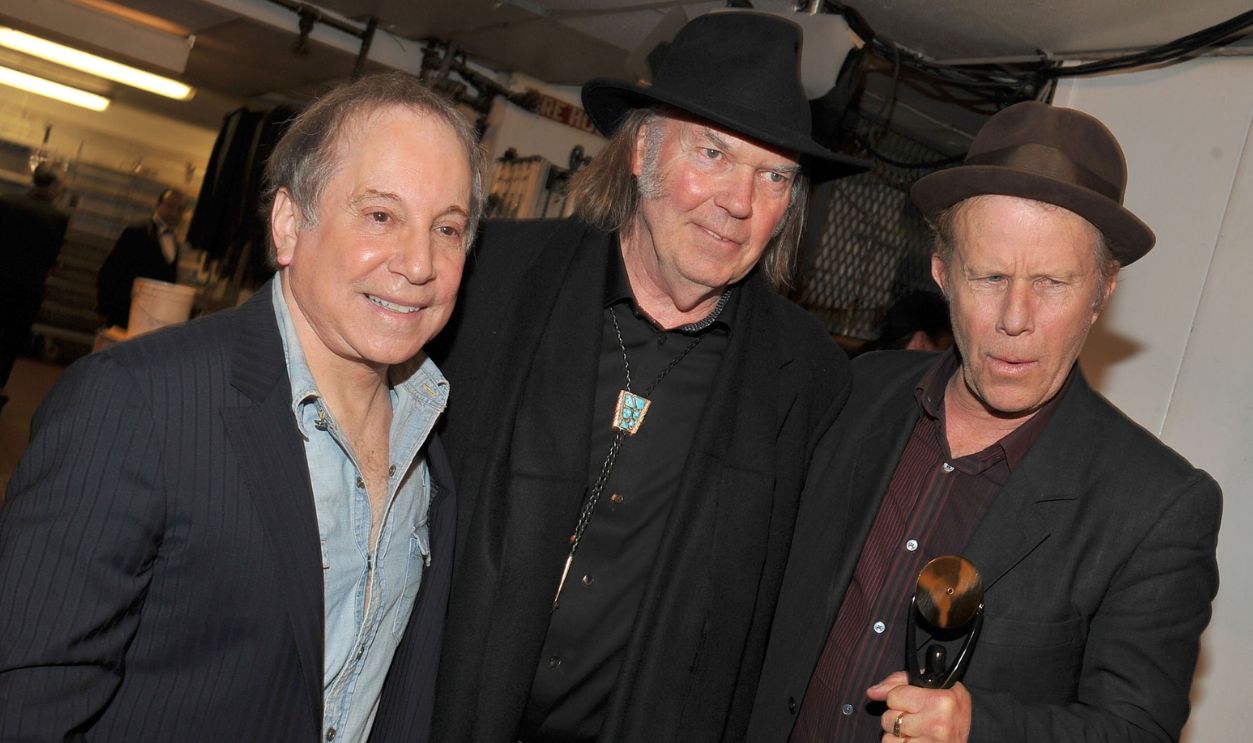
History's most fascinating stories and darkest secrets, delivered to your inbox daily.
46. He Wasn’t Easy To Work With—And Proud Of It
As Neil Young had said, it was nearly impossible to find words to describe Waits. But it was easy to say what he wasn’t. “They say that I have no hits and I’m difficult to work with,” Waits said during his acceptance speech. “And they say that like it's a bad thing!” he exclaimed. It sounded like a victory lap. It was closer to a curtain call.
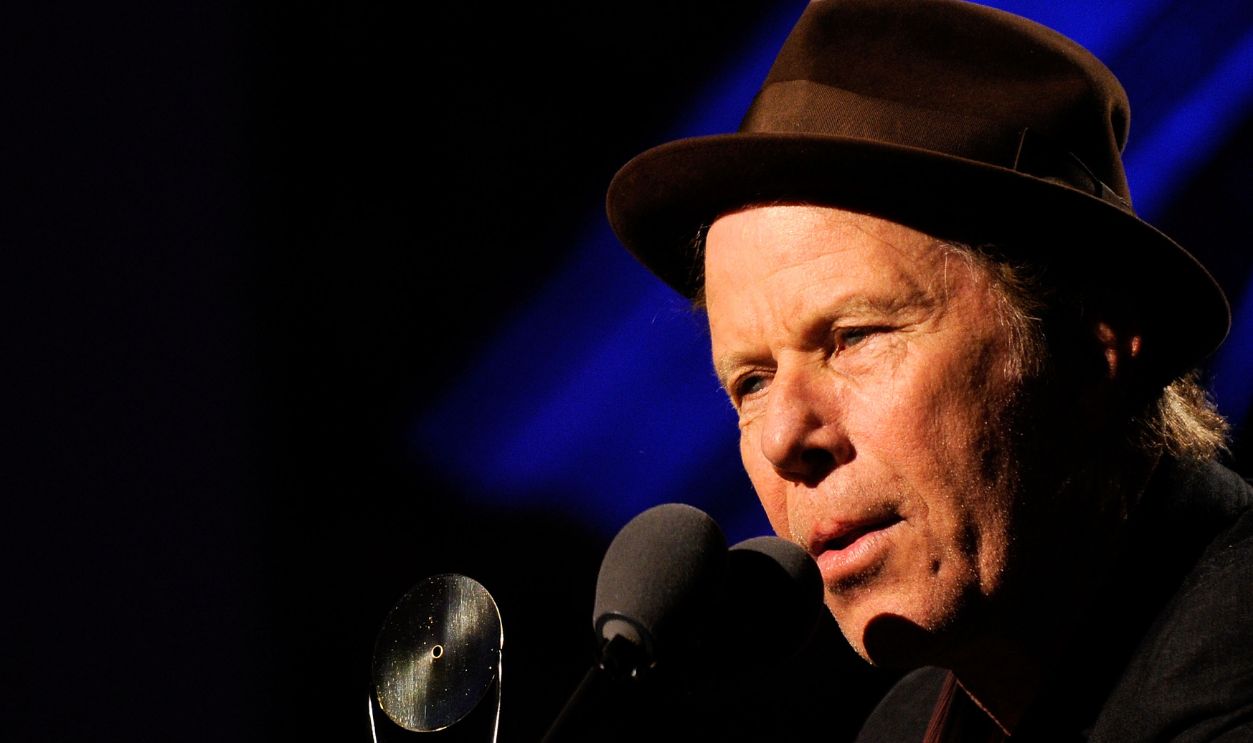
47. He Went Quiet
Almost without explanation, the noise stopped. Waits released his last album in 2011, gifting the world Bad as Me. But, by that time, he hadn’t been on tour since 2008 and seldom made public appearances. Apart from the occasional guest spot and film roles, Waits’ fans had few opportunities to see what the boho hobo was experimenting with next.
So they went back to the well.
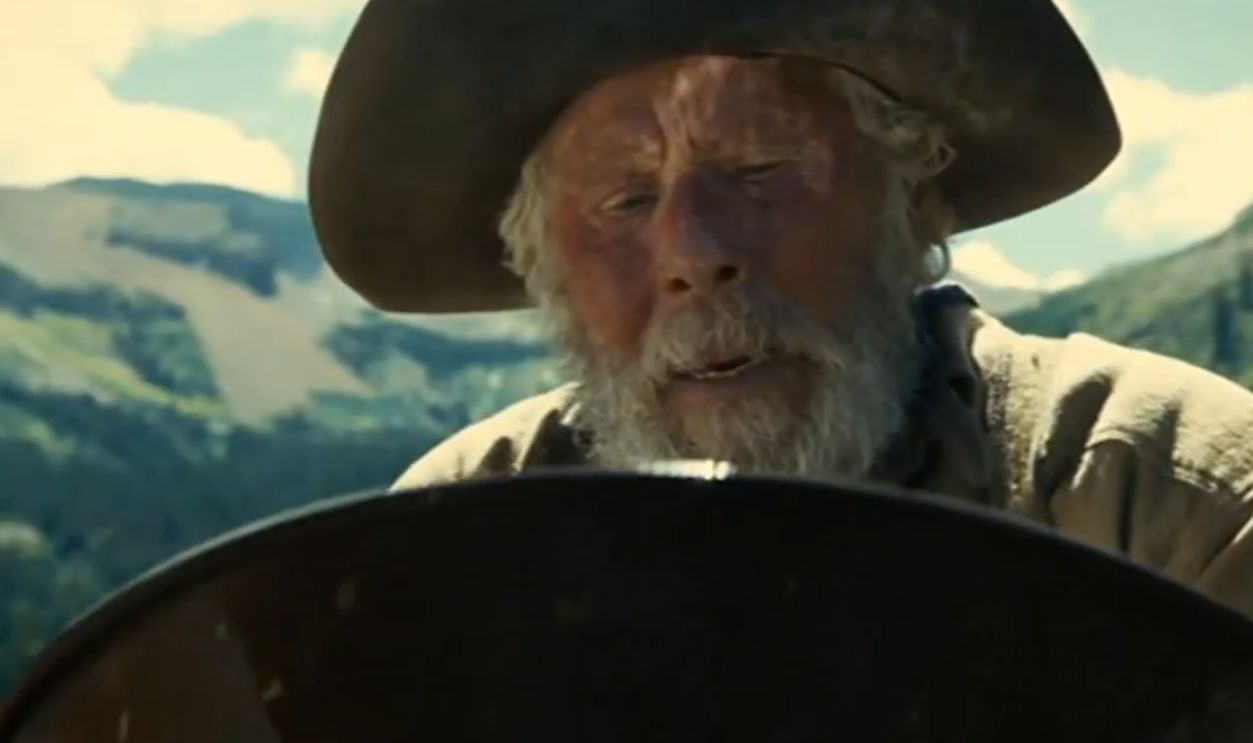 Screenshot from The Ballad of Buster Scruggs, Netflix (2018)
48. He Was Born Old
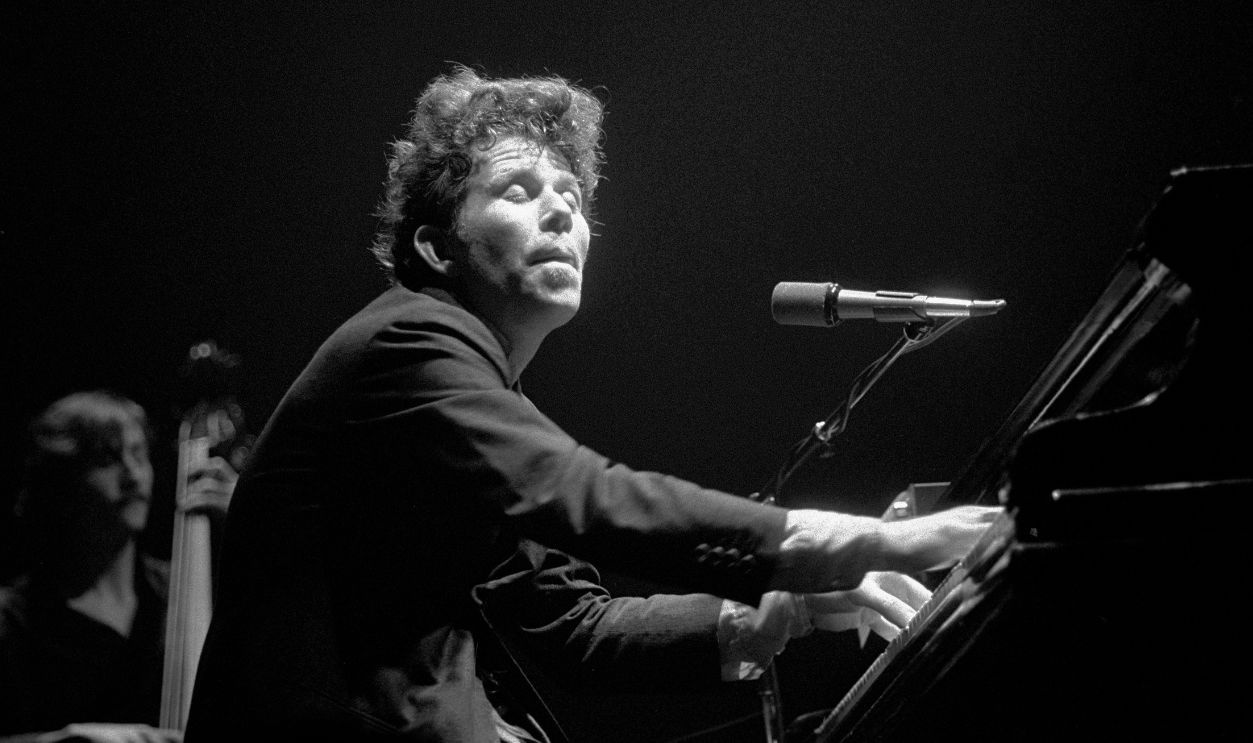
Perhaps the strangest thing about Waits was that even when he was young, he seemed old. As his fans combed through old footage of him from the 1970s, they were struck by the figure of a young man slouched at the piano with the rasp and weariness of a man three times his age, singing about greasy spoons and small-time hustlers.
Still, there was a part of himself that he never shared.
49. He Never Broke Character
Waits’ biographer Barney Hoskyns noted that the fabled musician deliberately kept his personal life separate from his public one. “Tom Waits is as much of a character created for his fans as it is a real man,” Hoskyns wrote. He described Waits’ bohemian persona as “a self-protective device, a screen to deflect attention”.
Some attention, however, can’t be avoided.
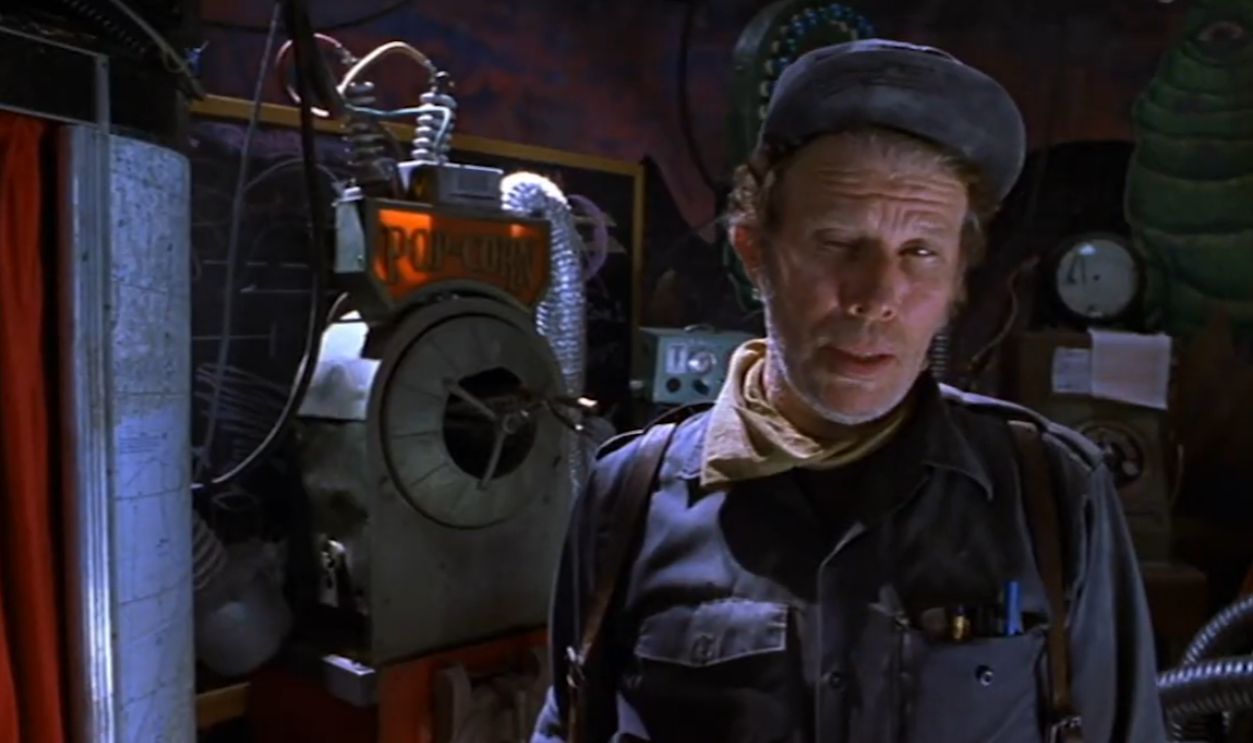 Screenshot from Mystery Men, NBCUniversal (1999)
50. His Was A Life Well Lived
Boho hobo, bard of the streets, poseur—Waits has been called all of those things, and he is simultaneously all of them and none of them. These days, however, he prefers to be called husband and father, settling into a quiet home life with Brennan and their three kids in northern California. Whatever he is, “his has been a creative life well lived. We are the richer for it”.
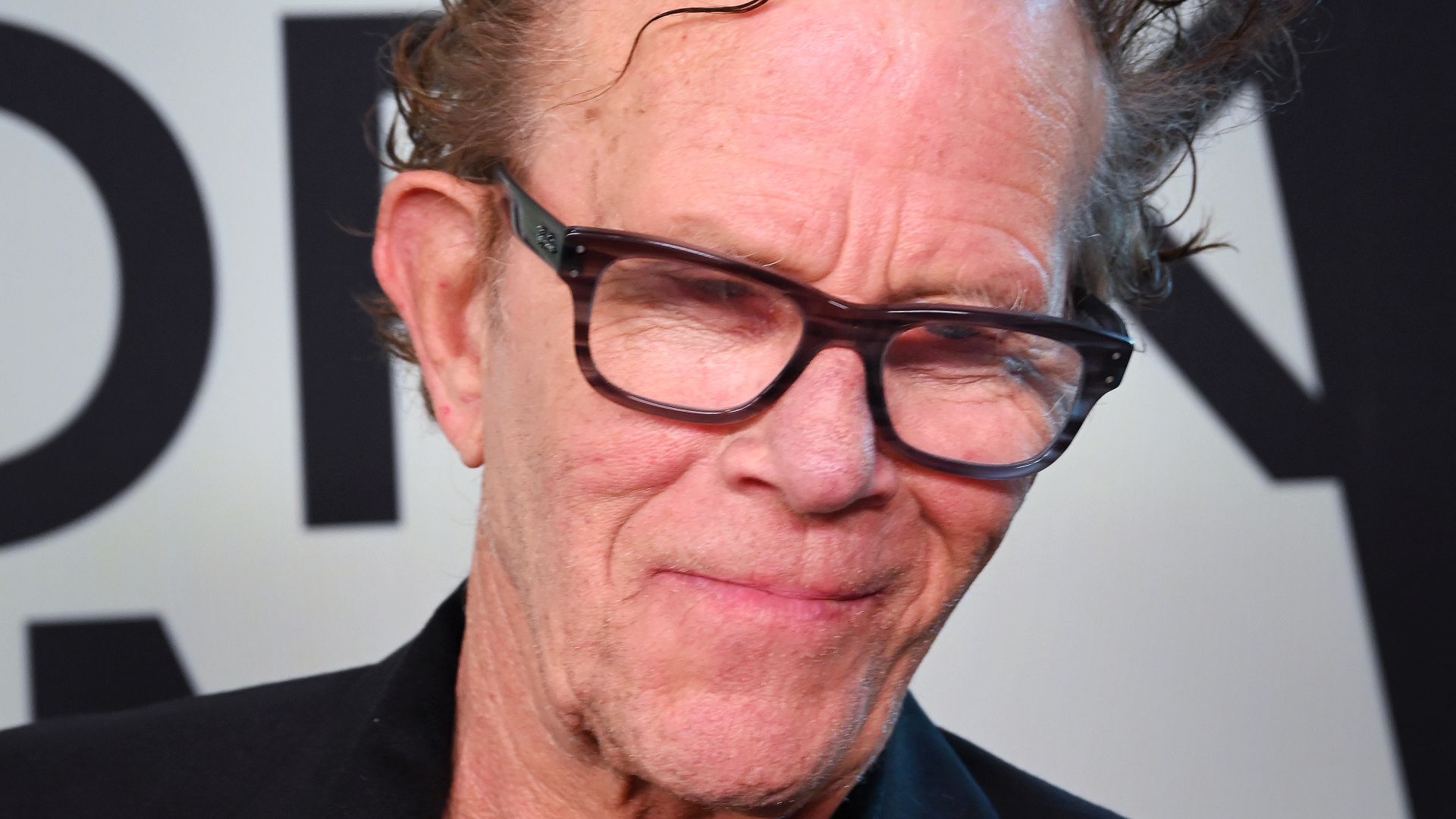 PhilipRomanoPhoto, Wikimedia Commons
You May Also Like:
Captain Beefheart, The Artist With A Temper









.jpg)