
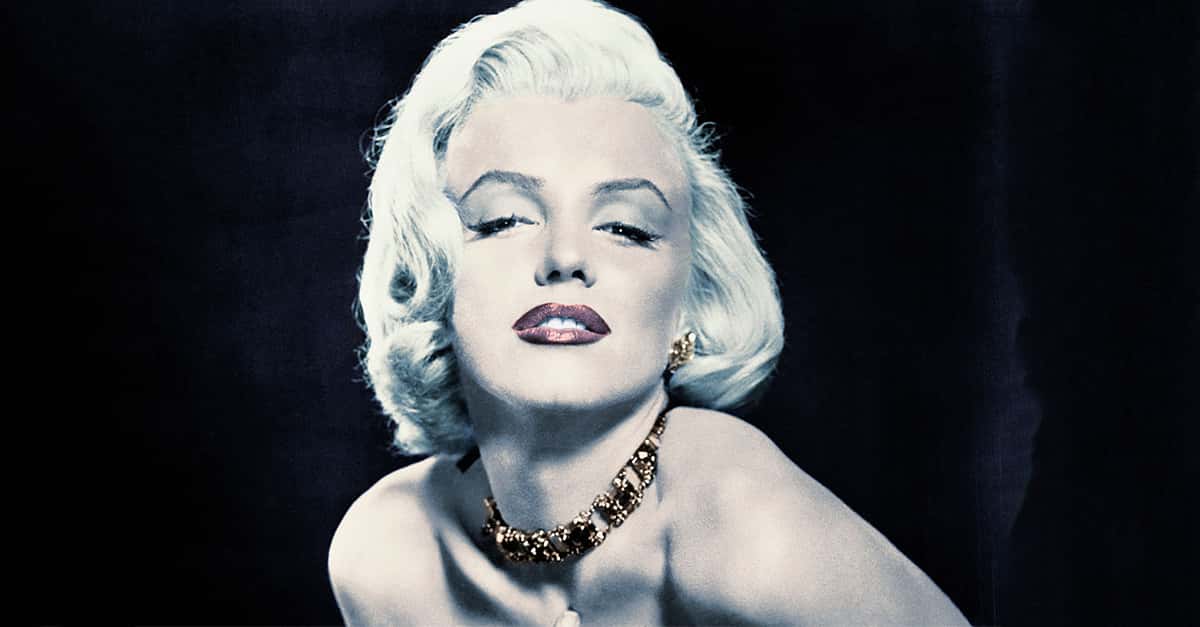
82. Sharon Tate: Gone Too Soon
Hollywood bombshell Sharon Tate was just 26 years old when she became a victim of the Manson family murders. But she was so much more than that. She was an actress, wife, soon-to-be mother, daughter, and friend. A natural beauty, she was kind and warm-hearted according to those who knew her well. But all this couldn't stop her tragic end...
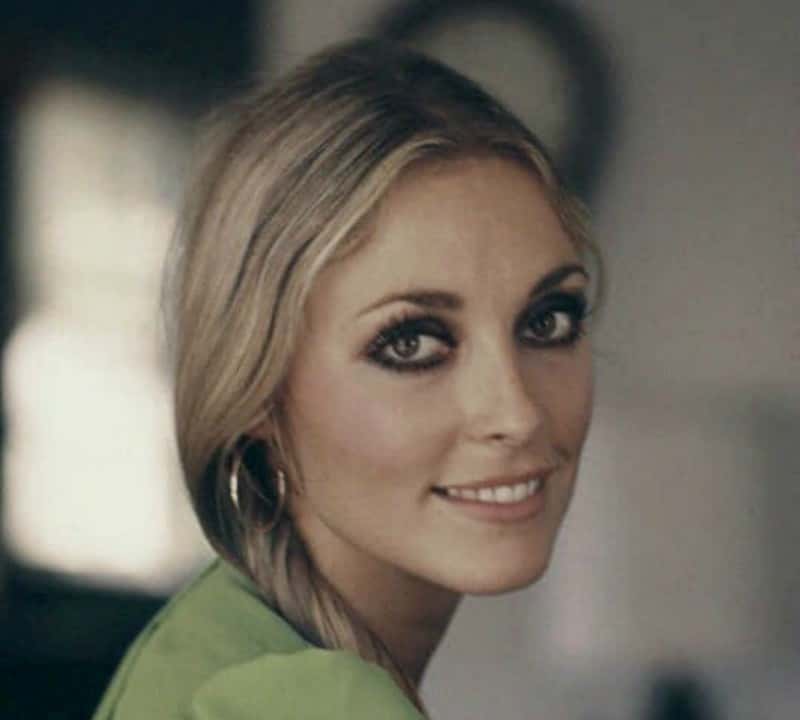
83. Not Impressed
In the late 60s, Tate met her future husband, director Roman Polanski. Soon after, Tate began lobbying for a role in Polanski's film The Fearless Vampire Killers, but both Tate and Polanski admitted that it was far from love at first sight. For his part, Polanski was a hardened perfectionist who felt that Tate was too naive and innocent—criticisms she had heard before.
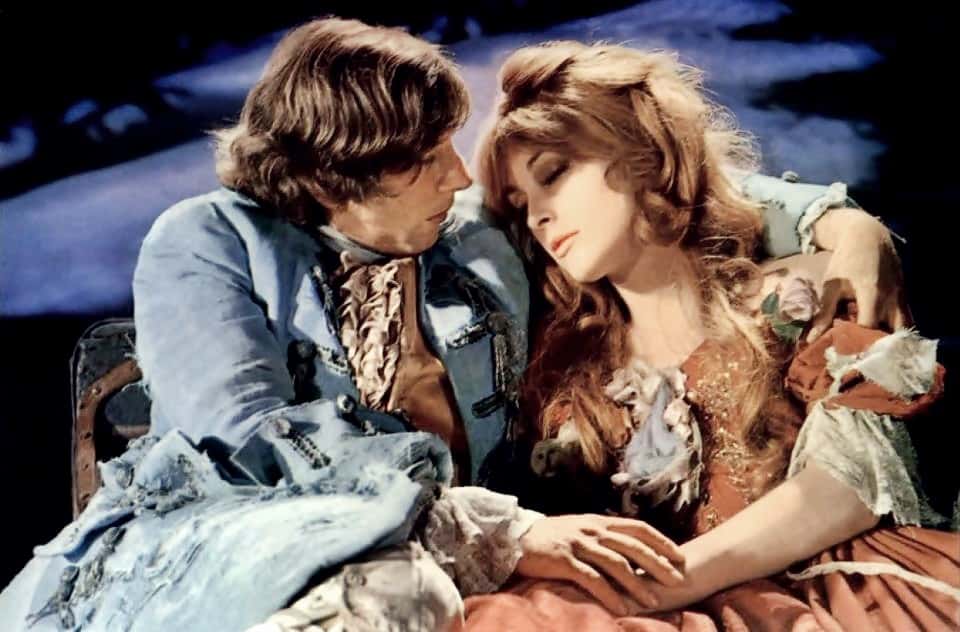
84. Love on Film
When filming started, Tate did proved her worth and impressed everybody on set. Soon enough, Polanski was praising her performances, and before they knew what was happening, the young star and her director were in love. It was fast and all-consuming: by the end of filming, Tate had even moved into Polanski's London apartment.
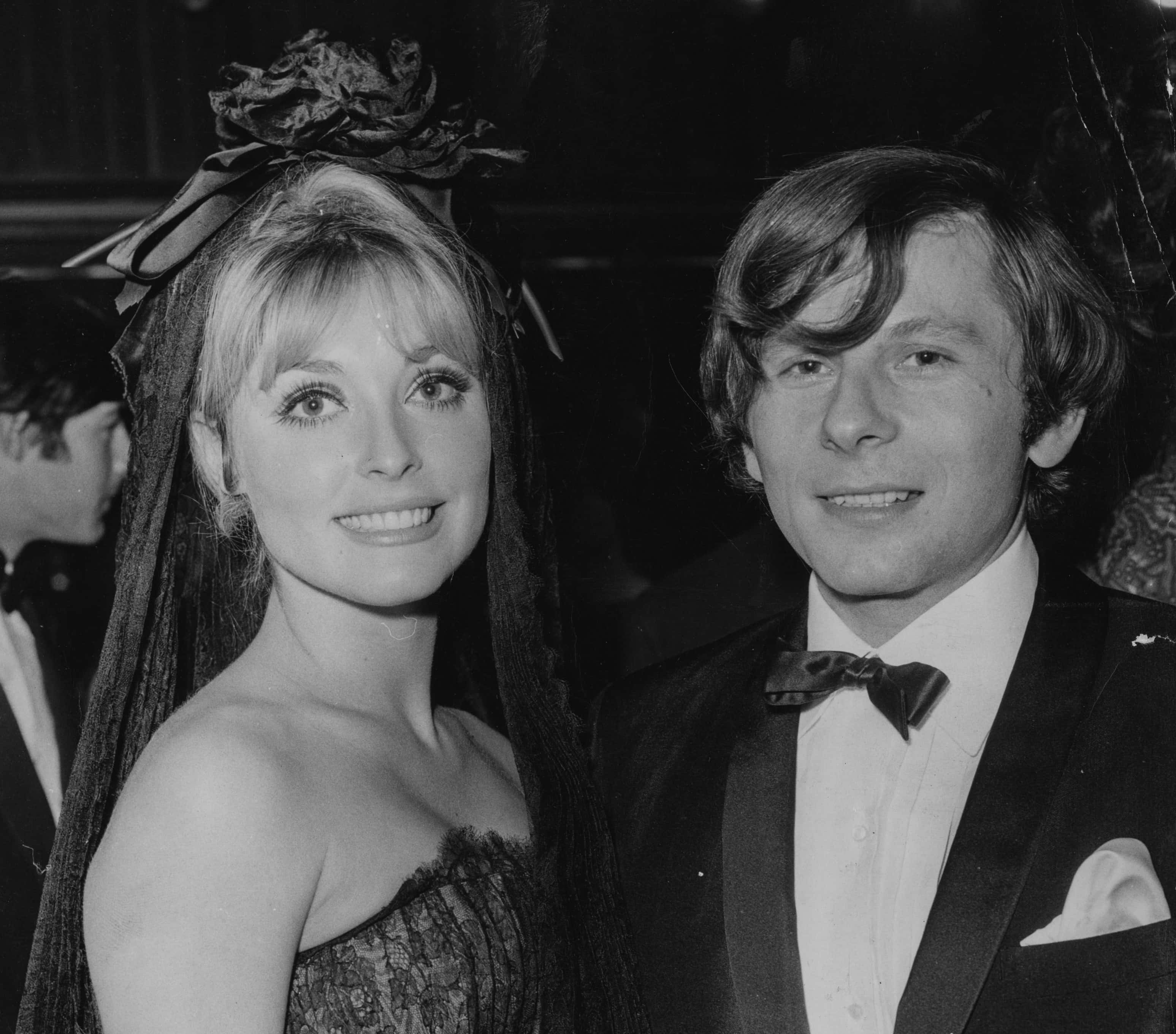
85. Passed Over
Roman Polanski wanted Tate to be the star of his now-classic film Rosemary’s Baby, which he directed and wrote. However, he felt their relationship made it impossible for him to suggest her for the part, and he kept waiting for someone else to bring her name up. That never happened, and the iconic role famously went to Mia Farrow instead.
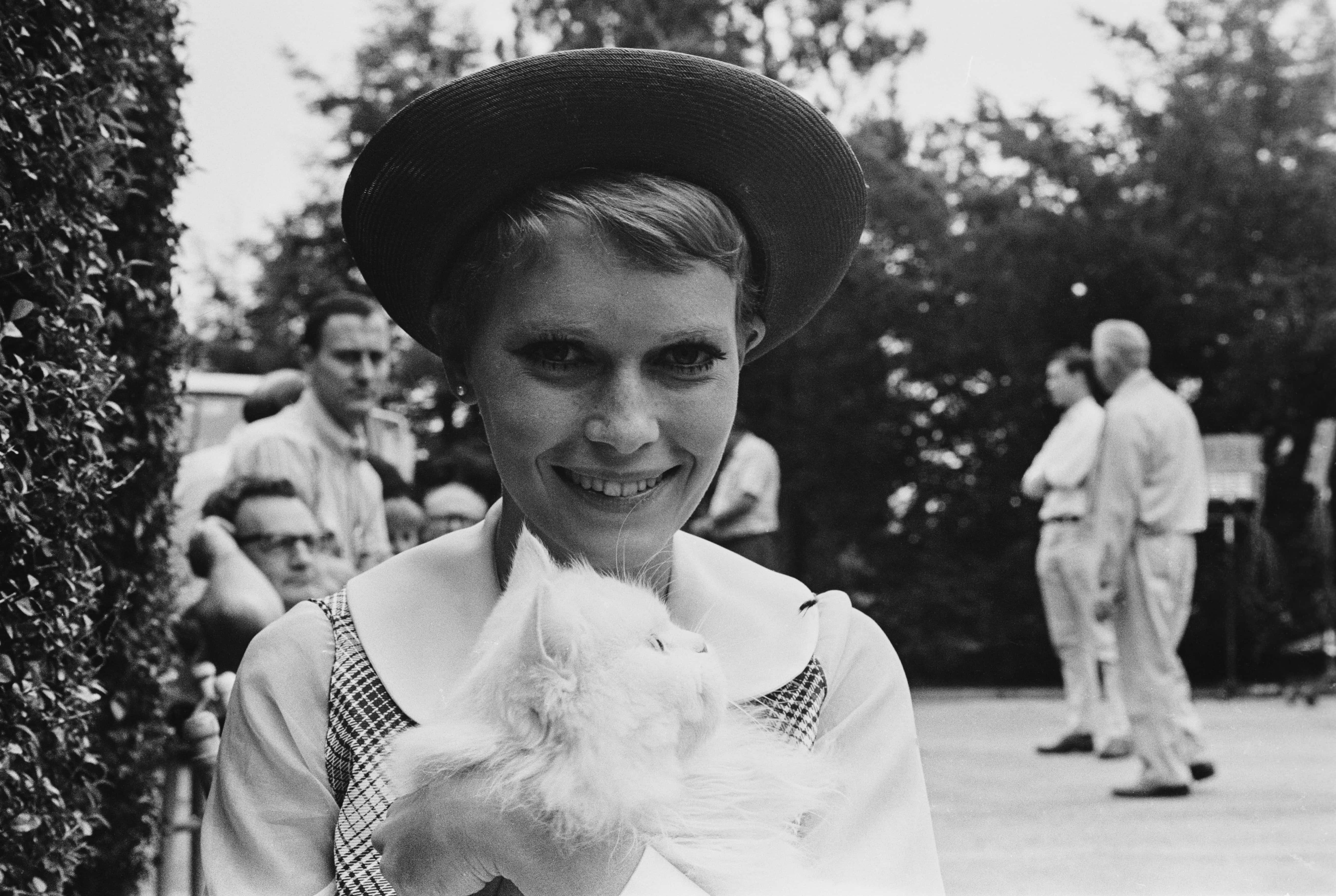
86. Wedded Bliss
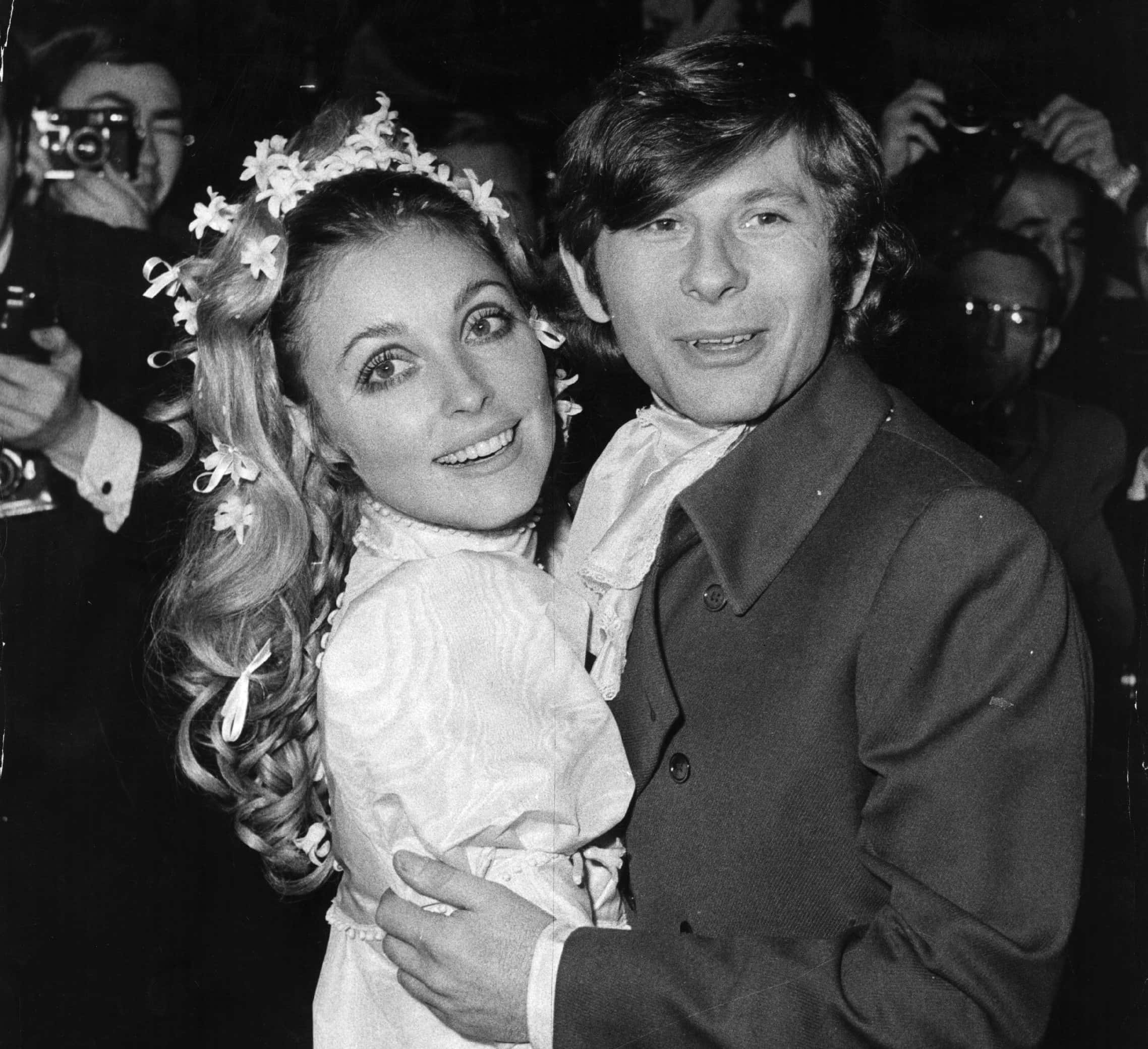
On January 20, 1968, Sharon Tate married Roman Polanski just days before her 25th birthday. Although Tate hoped marrying Polanski would help settle them down as a couple, they hid some bedroom secrets: it was far from a faithful marriage. Polanski had an unapologetically wandering eye, and called Tate's discomfort with his infidelity "Sharon's big hang-up."
For her part, Tate was said to have confided in friends bitterly, "We have a good arrangement. Roman lies to me and I pretend to believe him."
87. Love House
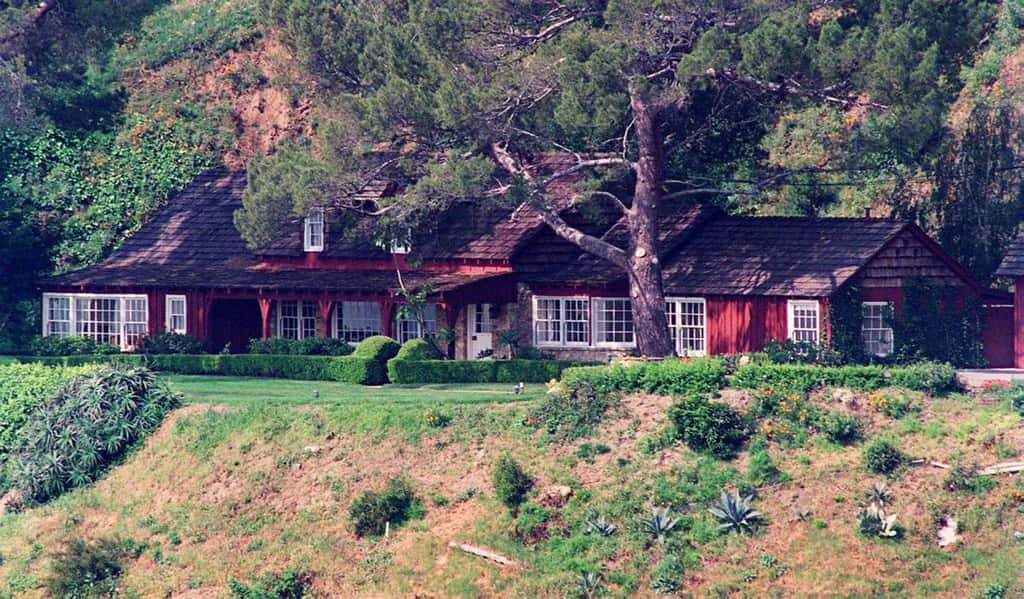
In 1969, Polanski and a very pregnant Tate moved into 10050 Cielo Drive. It was a mansion fit for Hollywood's best and brightest: nestled deep in Benedict Canyon, the house used to belong to the couple's friends Terry Melcher and actress Candice Bergen. Tate was reportedly over the moon about the move, and referred to the home as her "love house."
Infamously, it was the house she would die in.
88. Five Lives, Cut Too Short
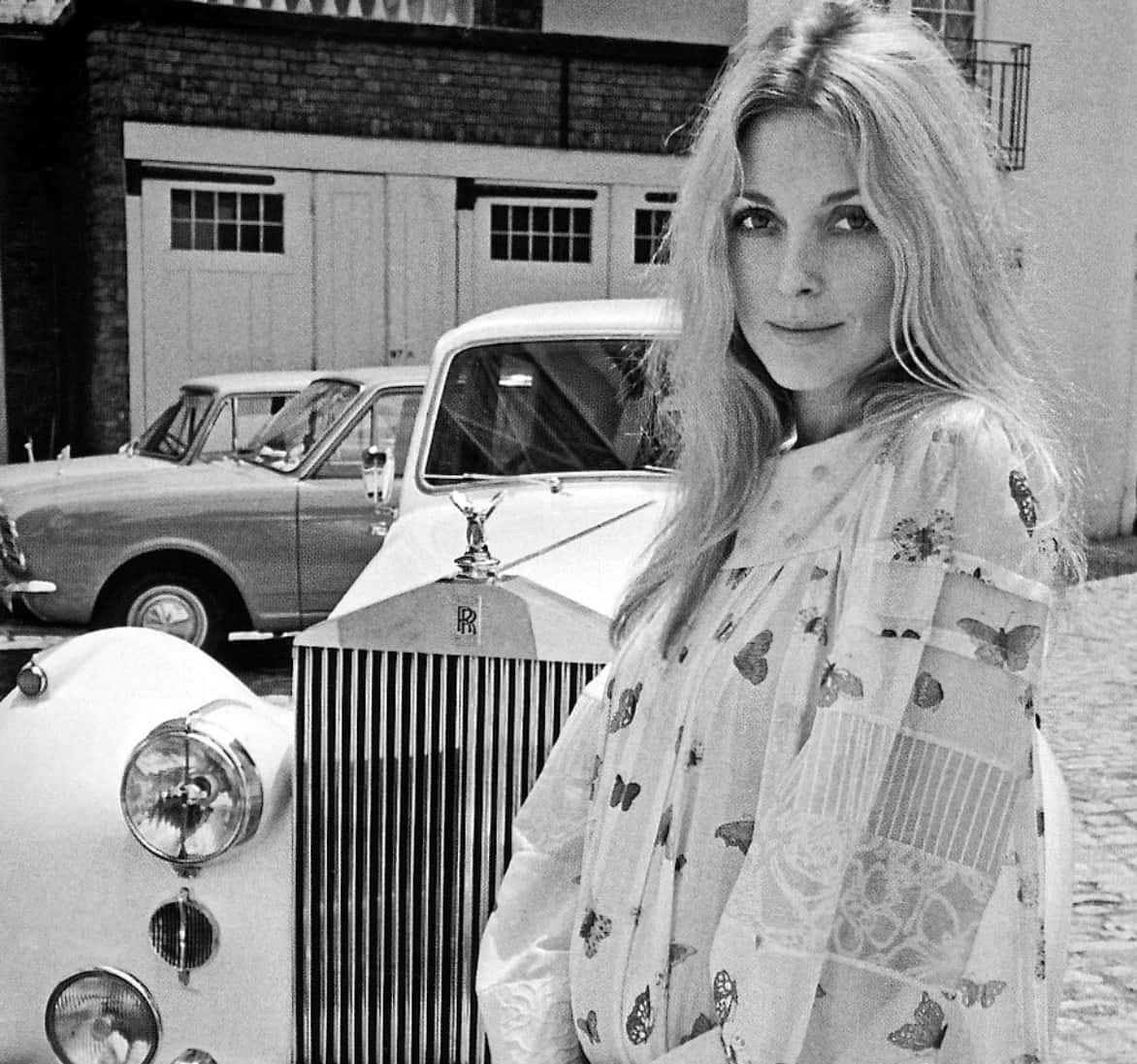
Tate’s life took a sad, cruel twist when the Manson Family burst into her home and killed her along with Abigail Folger, Voytek Frykowski, Steve Parent, and Jay Sebring. The infamous crime took place on the night of August 9, 1969 in Tate's Cielo Drive home while she was entertaining friends. It was a tragedy that shook the nation—not to mention Polanski, who was abroad at the time.
89. Mother and Son, Forever Together
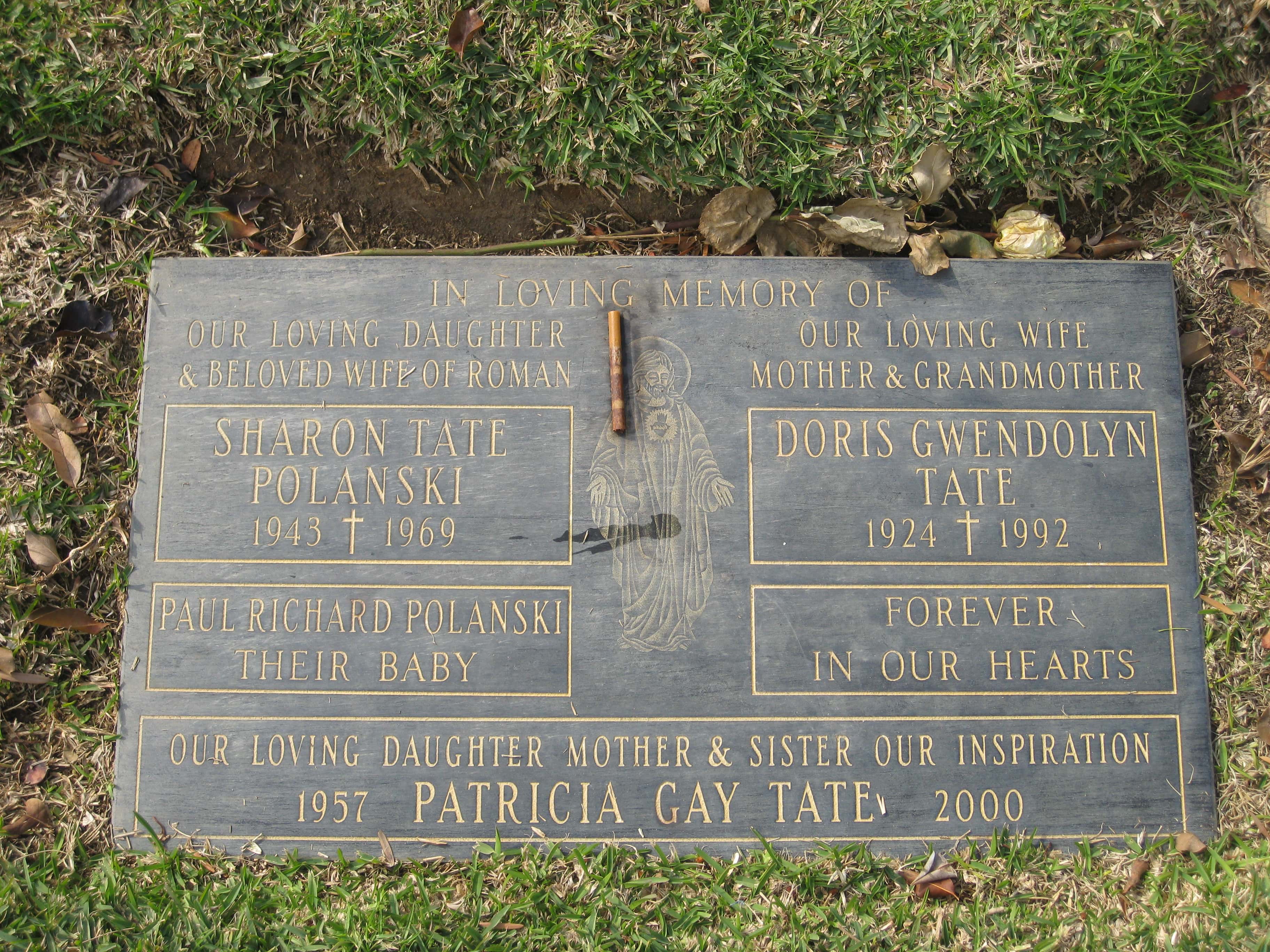
Tate's tombstone reflects both herself and her unborn son. She wanted to name him after her father—Paul Richard Polanski, and her name sits above his on the grave. At the time of her death, she was already eight and a half months pregnant.
90. Losing Love
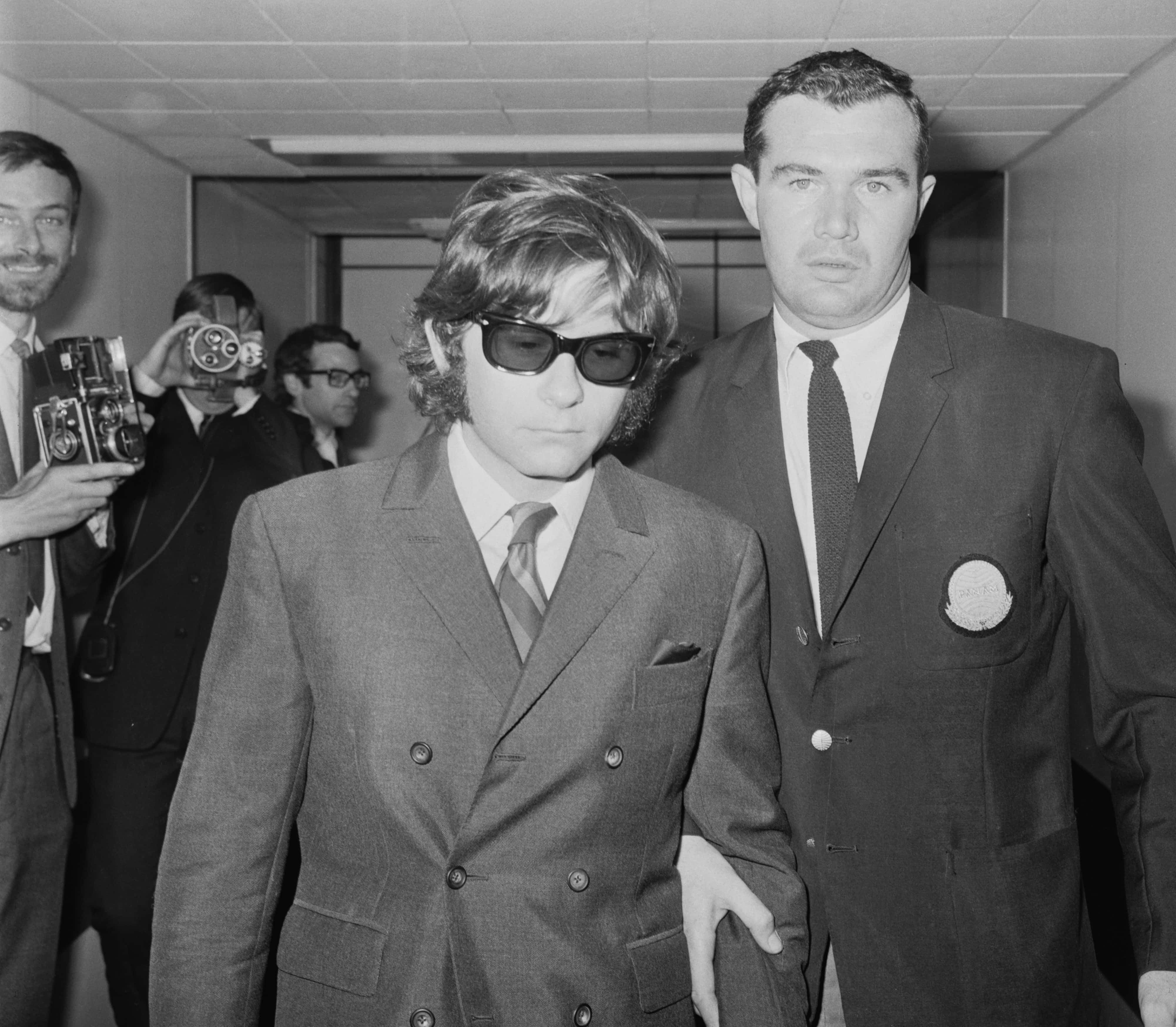
Whatever their issues, when Polanski heard about the death of his beloved wife, he was utterly inconsolable. He rushed home to mourn her, and soon gave away all his worldly possessions in the aftermath of the tragedy. He simply couldn't bear to be reminded of Tate or her unjust fate, and he later called his marriage to the actress "the happiest I ever was in my life."

History's most fascinating stories and darkest secrets, delivered to your inbox daily.
91. The Dedication
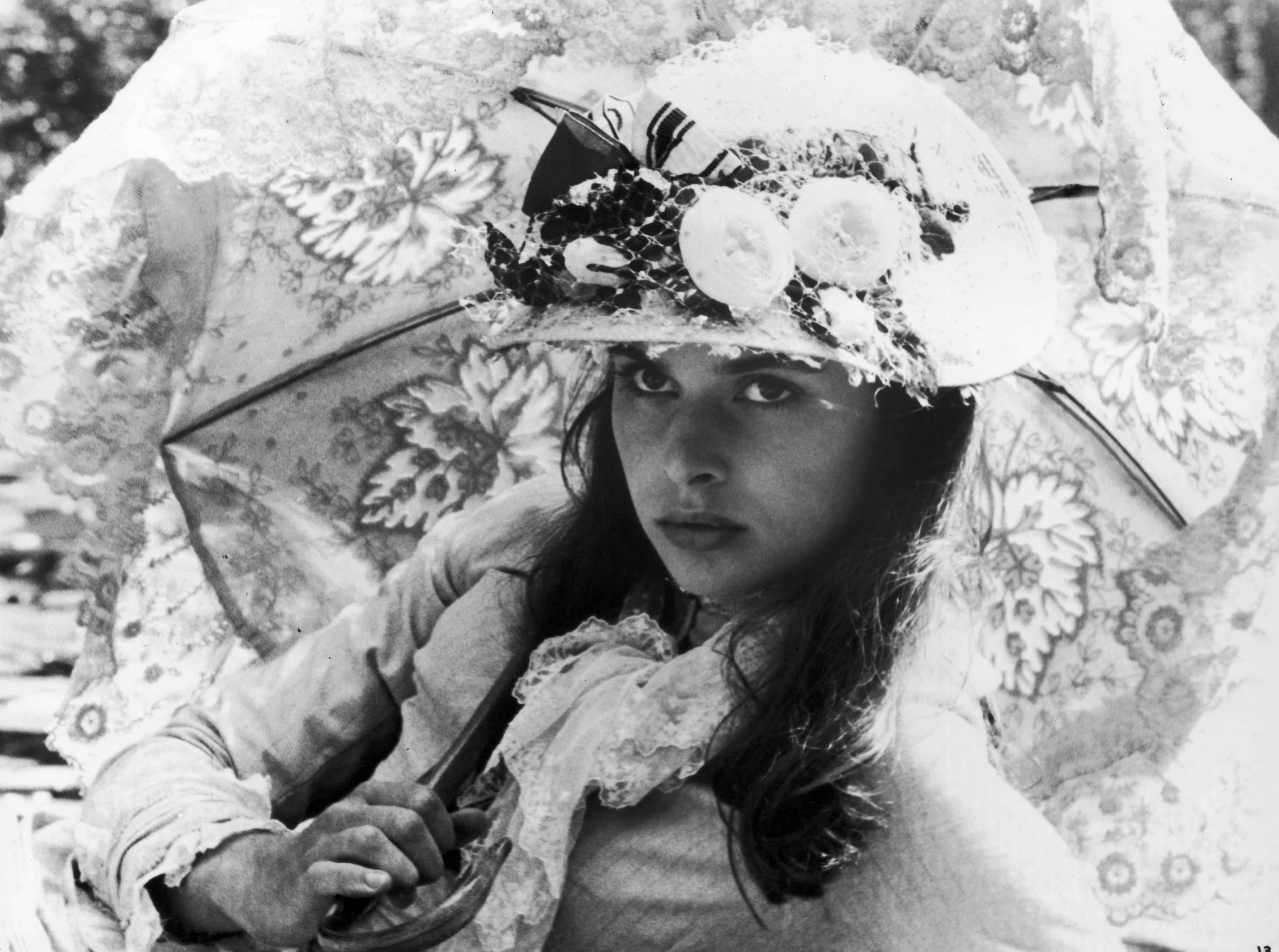
Roman Polanski decided to direct the 1979 film Tess, based on Thomas Hardy's novel Tess of the d'Urbervilles, for an incredibly heartbreaking reason. This was the last novel Tate was reading before her death, and she suggested to Polanski that it would be great as a film. The dedication for the film states simply: “For Sharon.”
92. Judy Garland: Somewhere Over the Rainbow
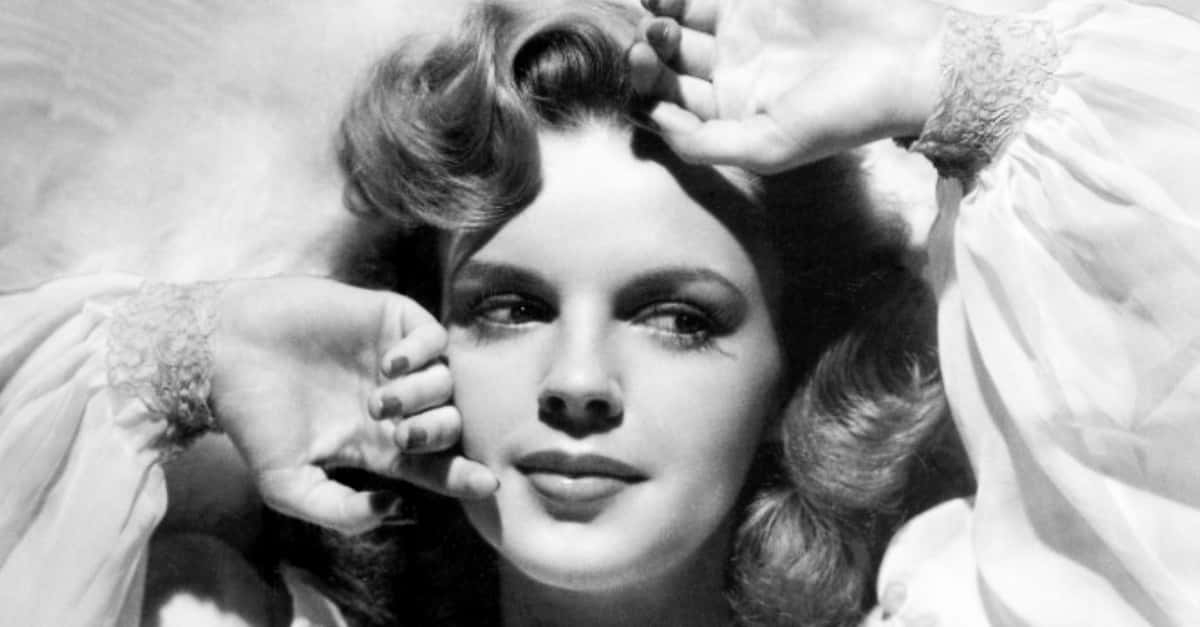
For Judy Garland, Dorothy Gale in The Wizard of Oz was just the beginning of a decades-long career that touched the hearts of millions. Throughout her musical success in Hollywood and Broadway, and through her very public battle with addiction, Garland’s setbacks and comebacks—and her enduring strength of spirit—have inspired fans for almost 50 years after her tragic death.
93. High Expectations
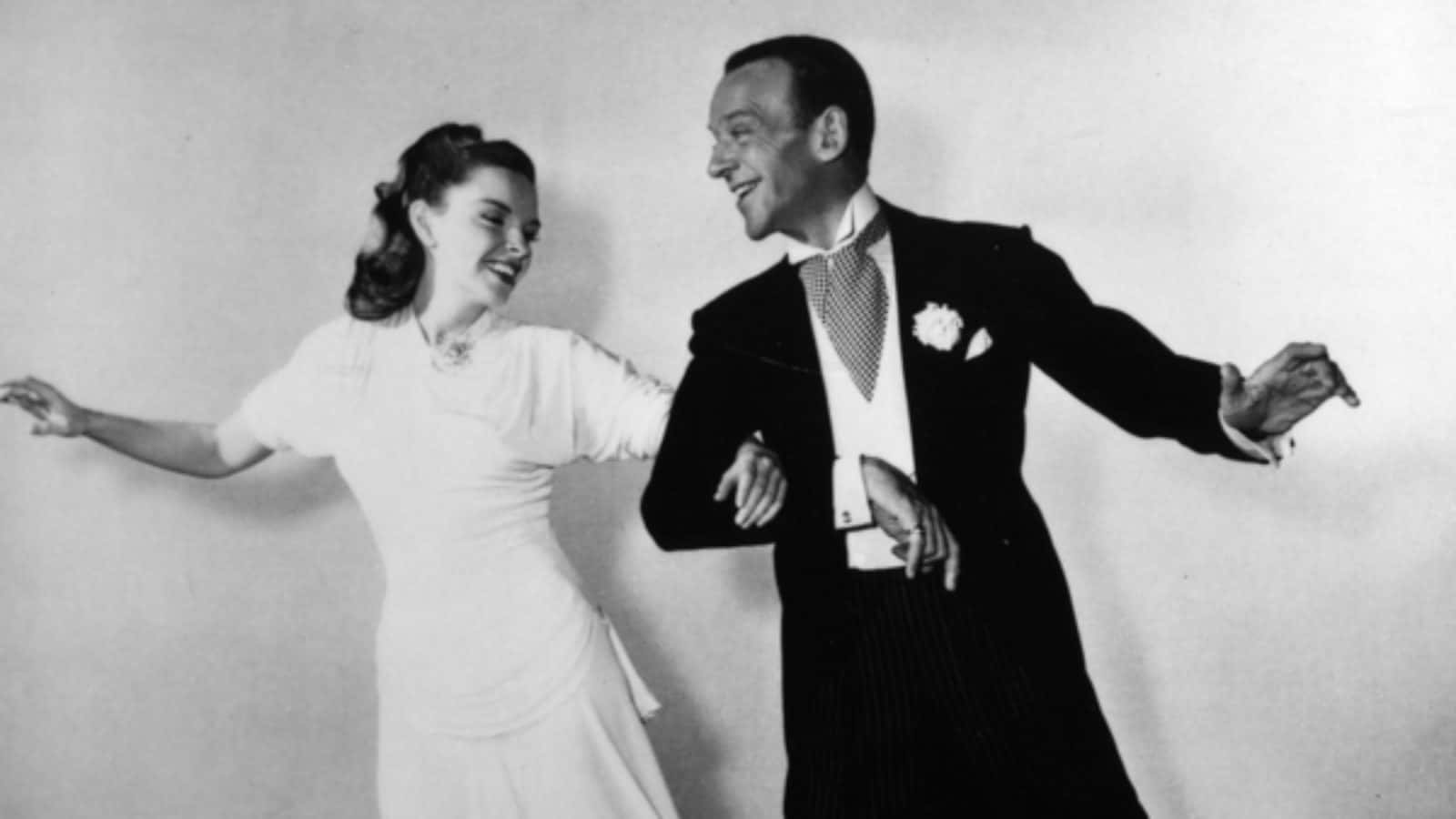
As a teenage actress, Garland endured ruthless criticism of her appearance. She was often dressed plainly and was sent for auditions for homely “girl-next-door” roles, all while attending school with silver screen beauties like Elizabeth Taylor and Ava Gardner. This insecurity had tragic consequences for the young star.
As Charles Walters, who directed Garland in several films, once said, "Judy was the big money-maker at the time, a big success, but she was the ugly duckling...I think it had a very damaging effect on her emotionally for a long time. I think it lasted forever, really.”
 Film Society of Lincoln Center
94. The Price of Beauty
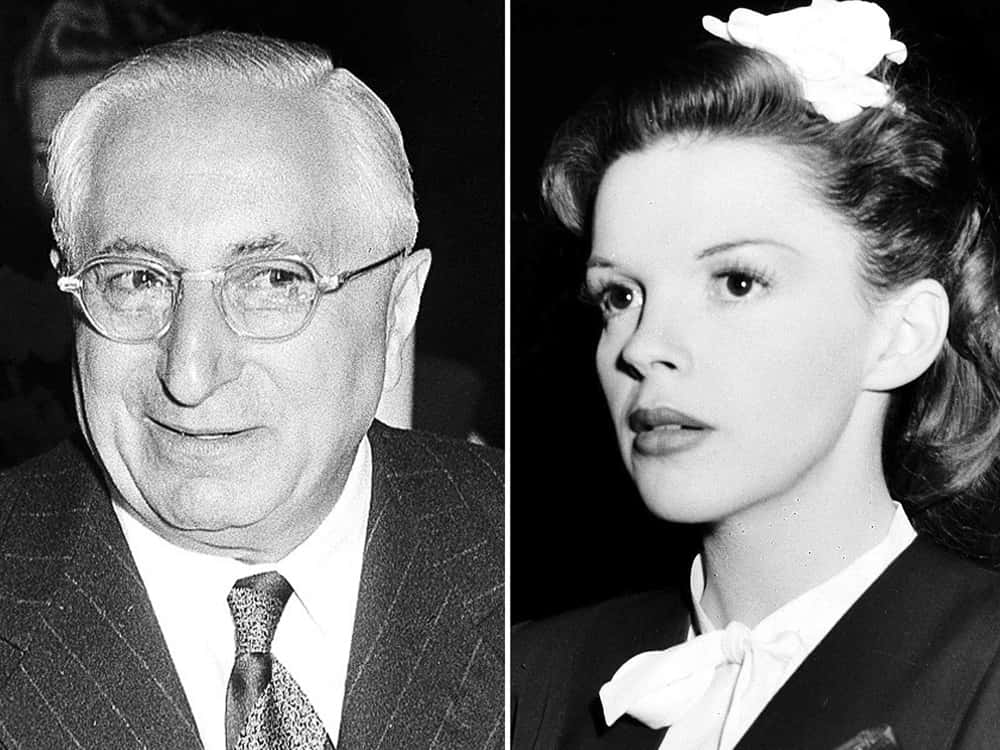
Young Judy went to great lengths to improve her appearance at the studio’s insistence. Despite dressing her in frumpy or frilly dresses to fit the “girl next door” image they were peddling, Garland was made to wear caps on her teeth and special prosthetics for her nose. Louis B. Mayer, the head of MGM, even called the teenage Garland “my little hunchback,” mocking the curvature of her spine and her short stature: even as an adult, she stood only 4’11”.
95. Body Shaming
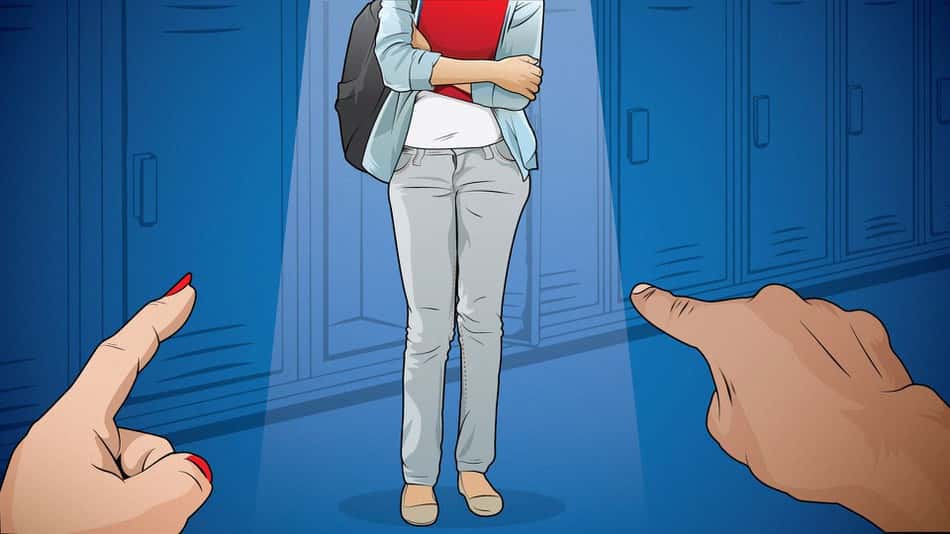
As a teenage movie star, Garland’s weight was a constant concern to the movie studio. She was forced on diets of nothing but chicken soup and cottage cheese, and was once served soup and plain lettuce when she ordered a regular meal. This was despite the fact that her weight was well within a healthy range for her age and height.
96. Dangerous Habits
Garland alleged that she was often prescribed amphetamines by the studio to energize her enough to keep up with the frantic pace of filming one movie after another. To help her sleep, she was prescribed barbiturates. This regular regime of dangerous and addictive drugs, she said, led to her lifelong battle with addiction.

97. Then Comes Marriage…
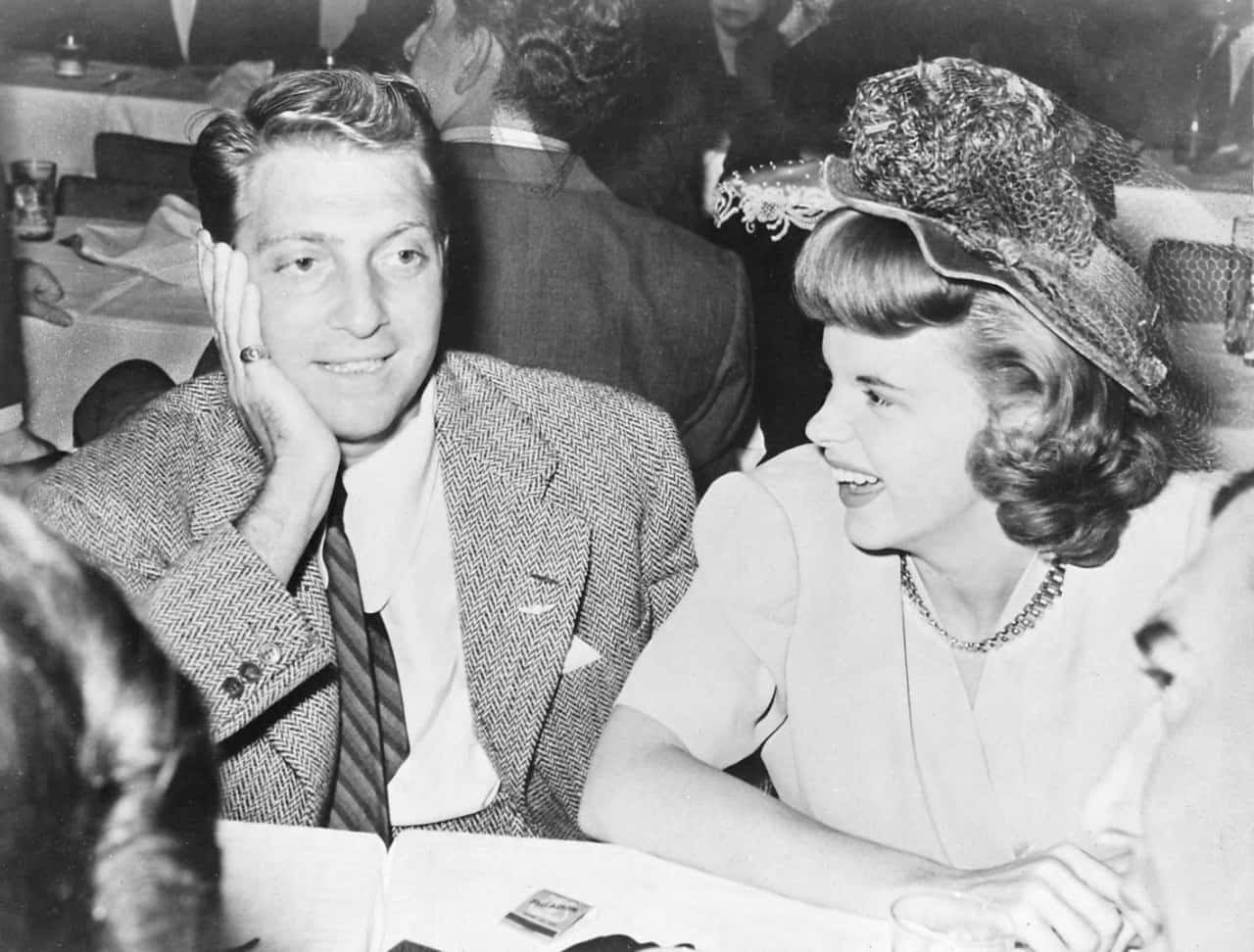
Garland began seeing musician David Rose, who presented a diamond engagement ring to her on her 18th birthday in 1938—though at the time Rose was still married to his wife. The studio successfully drove Rose and Garland apart, though after a brief break, Garland and Rose were wed in 1941. Garland was just 19 years old, and Rose was just the first of her five husbands.
98. Office Romance
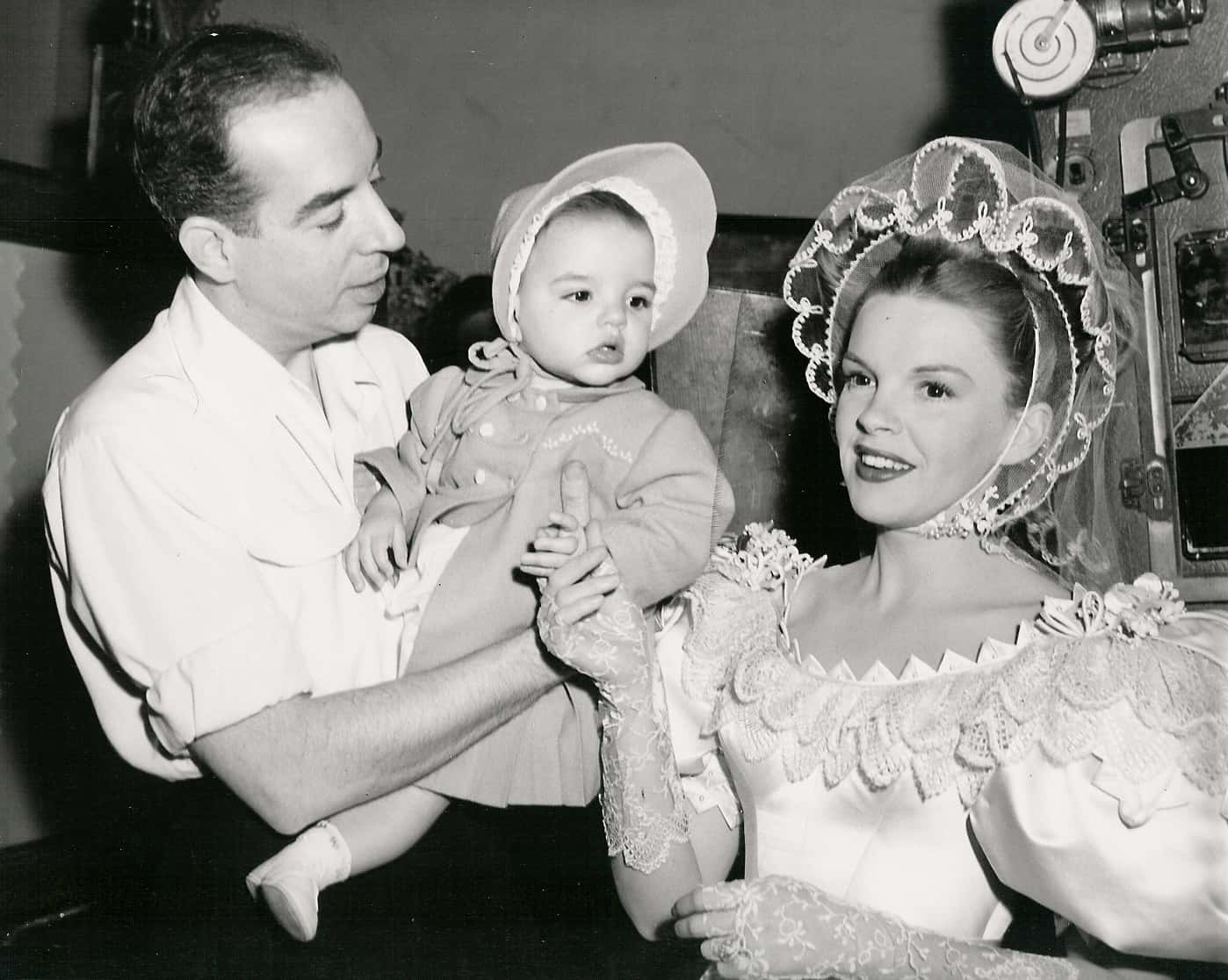
While it technically wasn’t an “office” romance, Garland met her next husband while on the job. She was cast in Meet Me in St. Louis, the second of her iconic musical roles. Director Vincente Minnelli allowed Garland to appear attractive and sexy, rather than her previous roles where she was portrayed as plain or childlike.
Garland married Minnelli in 1945, despite rumors of his homosexuality. The couple, who had a 20 year age difference between them, had a daughter, Liza, born in 1946.
99. Curtains
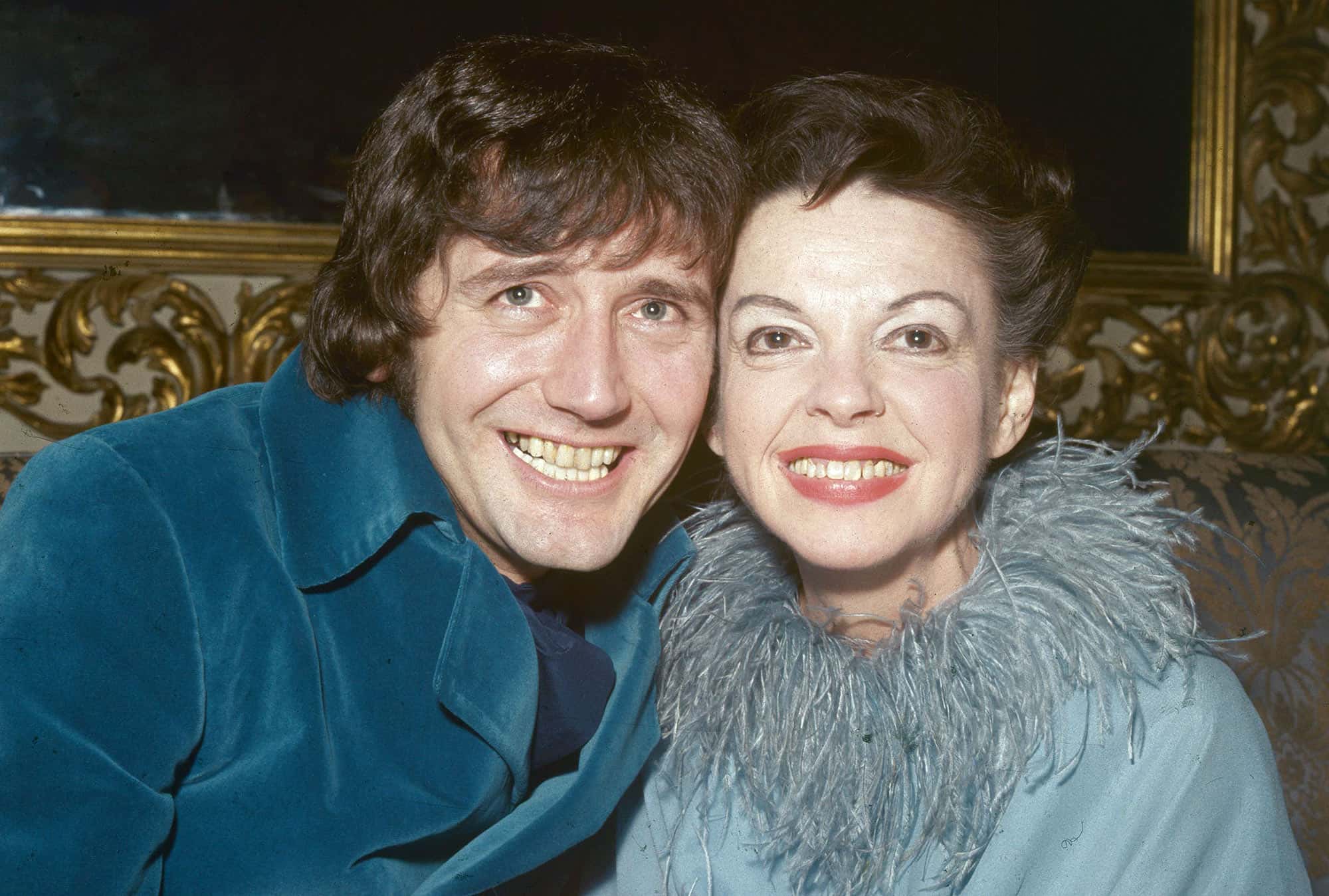
The next years of Garland's life were riddled with failed marriages, dramatic on-set antics (including not showing up for work because of her pill habit), and triumphant comeback shows. In 1969, Garland married her fifth husband, nightclub manager Mickey Deans, but it only lasted a few short months. Deans discovered Garland dead of a barbiturate overdose on June 22nd, 1969.
She was a tragically young 47 years old.
100. Dorothy Dandridge: Pioneer
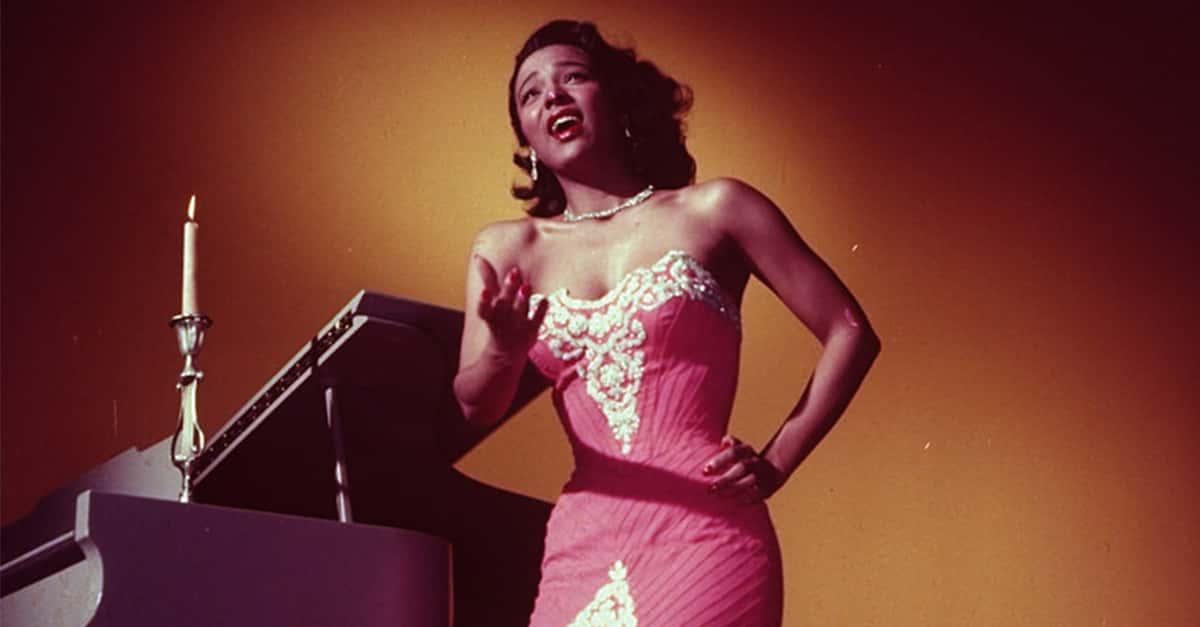
Sad Hollywood stories are a dime a dozen, but the tragedy of Dorothy Dandridge feels unique. As one of the first African-American superstars of the screen and stage, Dandridge’s life was one of huge potential, and yet it ended in utter, mysterious tragedy. How exactly did “Carmen Jones” rise and fall from grace?
101. Golden Girl
In 1955, Dandridge became the first African-American woman to be nominated for Best Actress for her titular performance in Carmen Jones.
102. A Precedent Takes a Long Time to Repeat
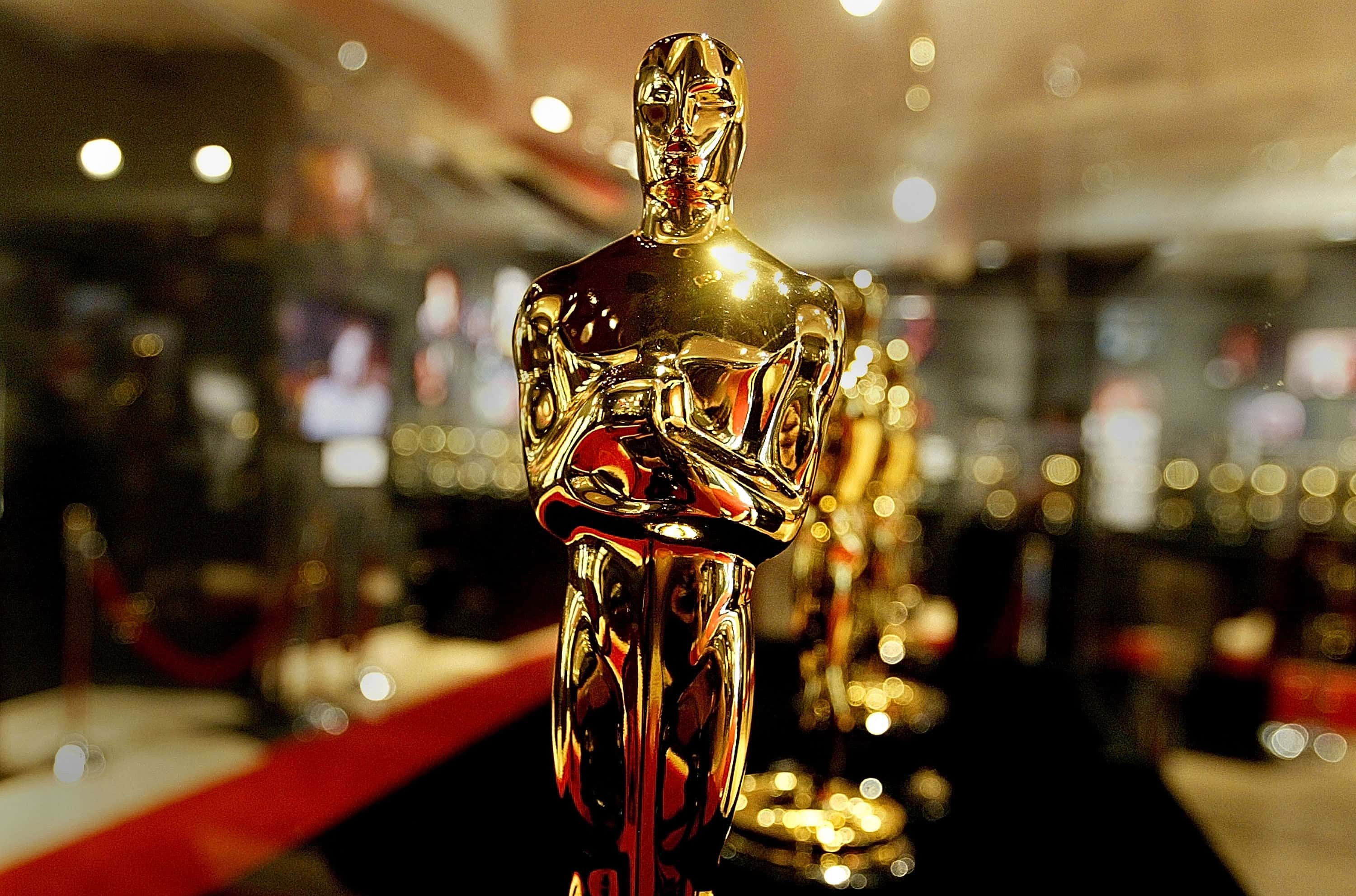
It would take almost 50 years after Dandridge for an African-American actress to finally win the Best Actress trophy at the Oscars. Halle Berry won the gold for her 2002 role in Monster’s Ball. When it came time for her acceptance speech, Berry didn't forget the woman who went before her, and she thanked Dandridge along with Lena Horne and Diahann Carroll.

103. Single Mother Blues Would Be Underselling It
In 1943, Dandridge had her first and only child, Harolyn Suzanne Nicholas, with her husband Harold Nicholas, who was a dancer and entertainer. Unfortunately, the little girl was born with brain damage and required long-term care. Within five years, Dandridge’s husband abandoned them both. But things were only going to get worse for the Hollywood starlet...

104. Swan Song
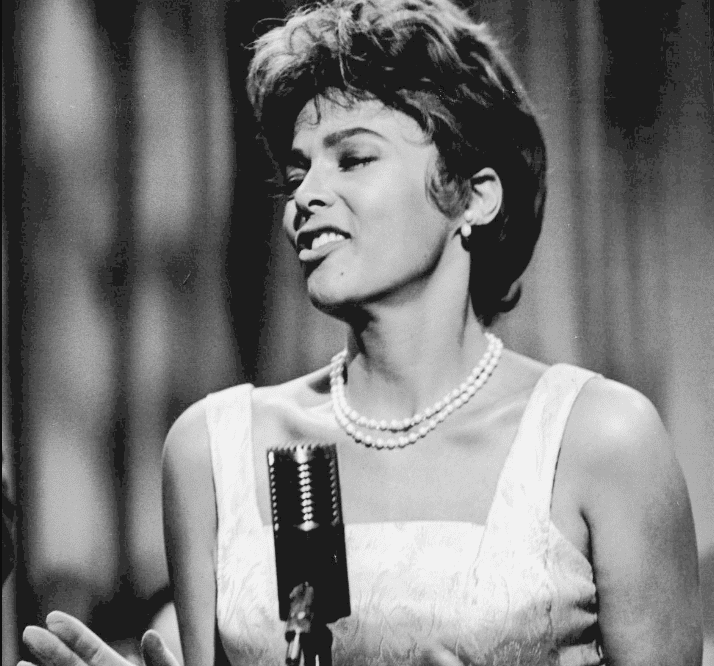
The exact circumstances of Dorothy Dandridge’s death remain a Hollywood mystery. The actress called up friends on September 8, 1965 to prepare for her flight to New York for nightclub appearances. She apparently sang Barbara Streisand’s “People” in its entirety over the phone before hanging up with these chilling last words: “Whatever happens, I know you will understand.”
105. Gone Too Soon
Several hours after her known last phone call, Dandridge was discovered naked and unconscious in her apartment by her manager, Earl Mills. She was just 42 years old.
106. This Is a Case for the FBI
Dandridge’s cause of death has conflicting stories. A pathology institute has argued that her death was caused by imipramine (an antidepressant) overdose. However, the Los Angeles County Coroner’s Office has insisted she died of a fat embolism, caused by an injury from her right foot. We may never know the true story about Dandridge's death.

107. Zsa Zsa Gabor: The Hollywood Diva
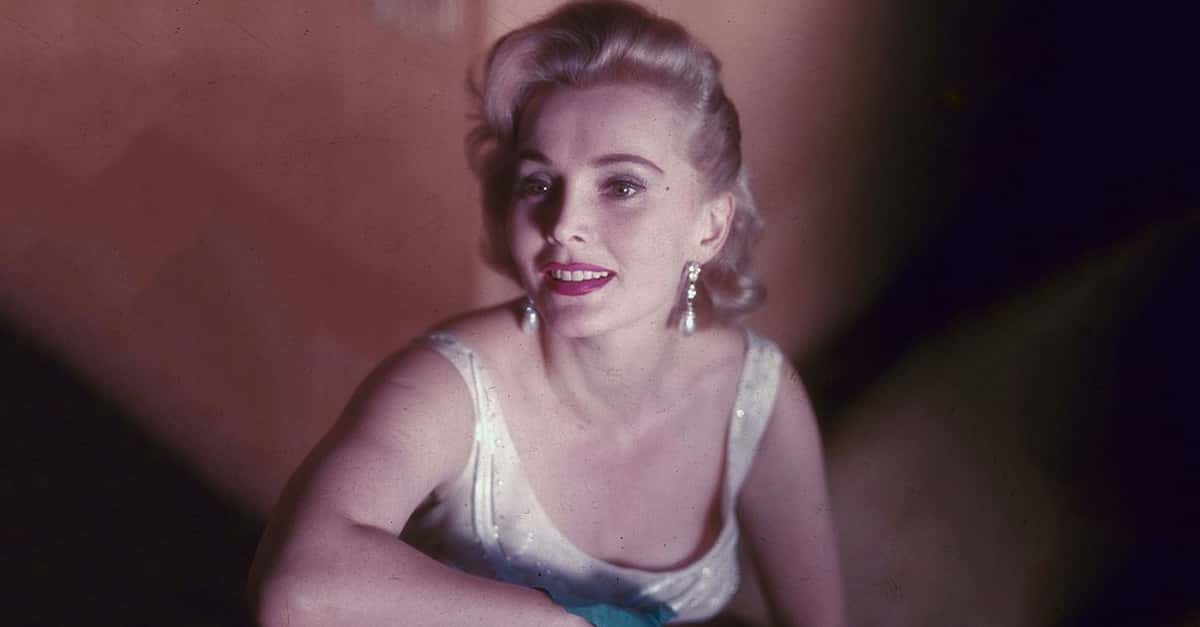
Long before the Kardashians became famous for being famous, that honor went to Zsa Zsa Gabor. While she was a noted actress in her prime, Gabor’s more lasting fame came from her scandalous socialite activities in the most elite circles of Old Hollywood. From her petty feuds to her multiple marriages, Gabor’s personal life far overshadowed her career.
108. Three Beauties
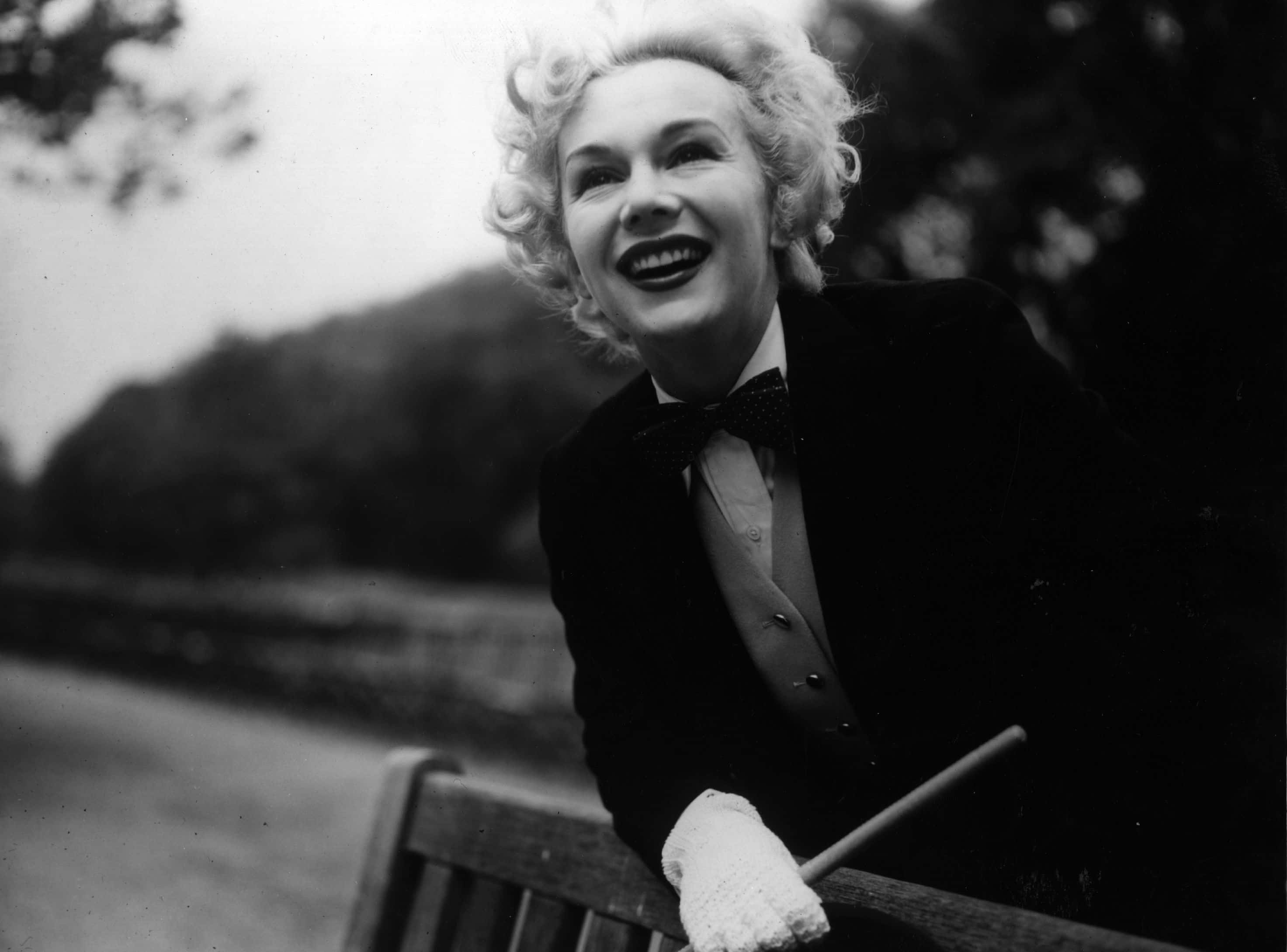
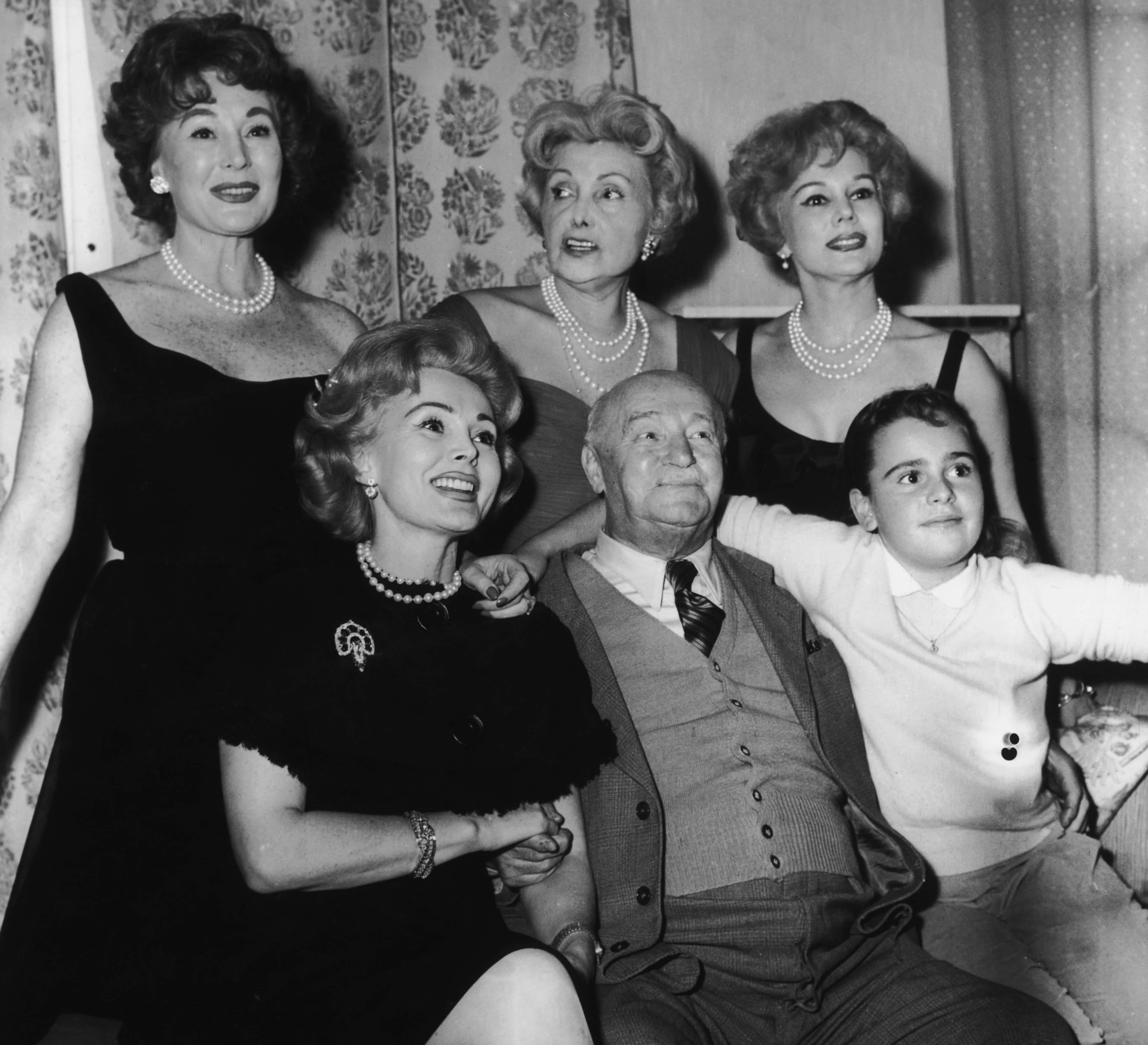
Gabor was the middle of three daughters, all of whom grew up to be exquisite beauties and celebrities in their own right. Her older sister Magda became an American socialite, while the youngest girl, Eva Gabor, became nearly as notorious a celebrity as Zsa Zsa herself. There's no telling what was in the water in that family!
Eva Gabor
109. Kept Woman
Gabor's parents were the Jewish-Hungarians Vilmos and Jolie Gabor. Jolie was a noted beauty, jeweller, and socialite in her own day, and her three daughters came by their scandalous diva ways honestly: Jolie was married no less than three times throughout her life, and her last husband was a wealthy Hungarian count.
In a 1976 interview, Jolie said of her aristocratic sugar daddy: "He takes care of me, he takes care of my business, my three homes in Florida, New York, and Connecticut. When I marry him, darling, he looks younger than me, but now, he looks older." Yep, we can definitely see where her girls got it all from...
110. Nice to Meet You, Dahling
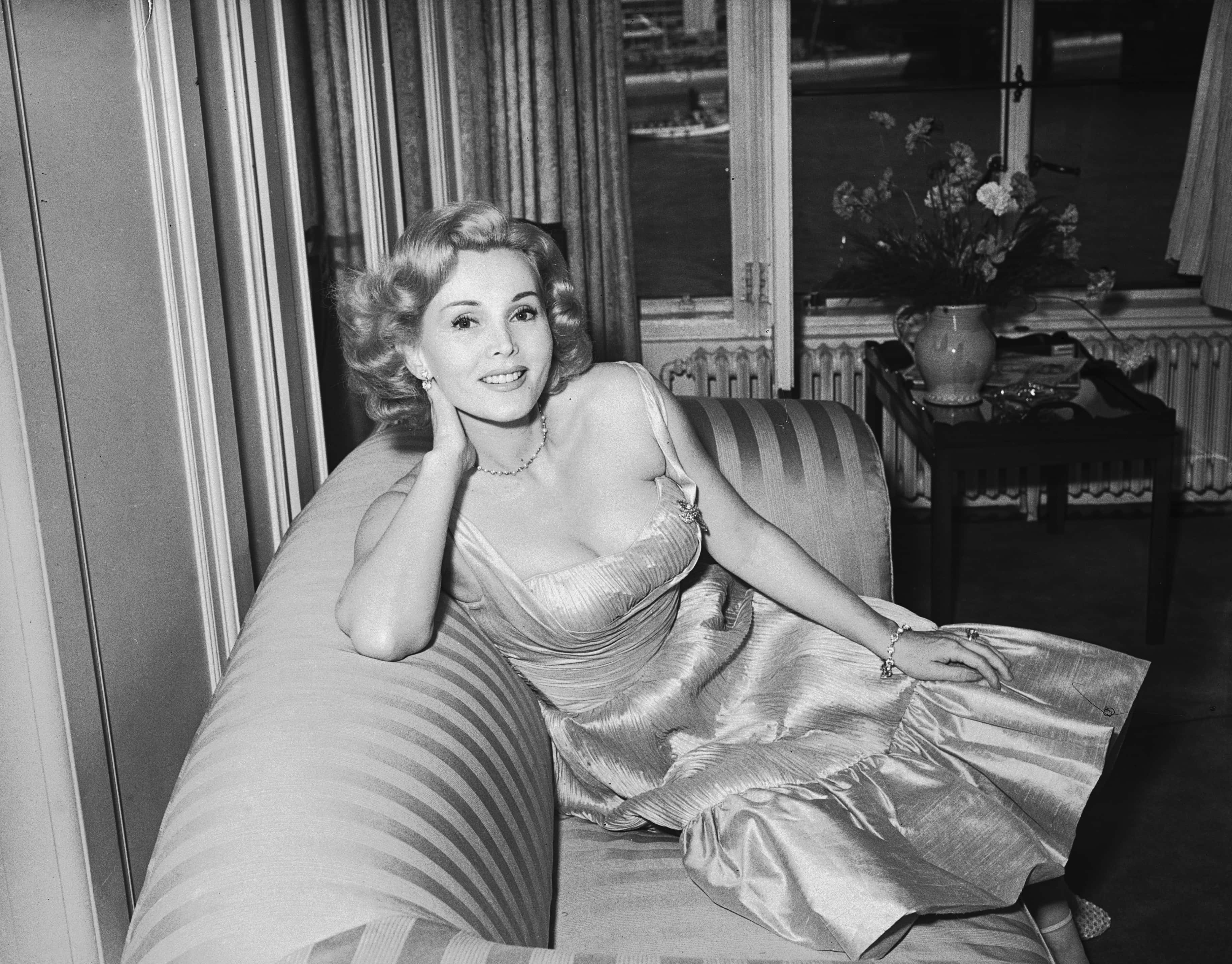
Gabor became very well-known during her lifetime for calling everyone “darling,” which her Hungarian accent turned into the drawling, sophisticated “dah-ling.” Of course, Gabor wasn't just keeping up her elegant socialite persona: during one of her many TV interviews, she admitted that she called everyone “dah-ling” because it was much easier than actually remembering people’s names.
111. Quite the Social Life
Zsa Zsa's sense of drama wasn't all she got from her mother Jolie. During her life, Gabor was married to nine different men, beating her mommy dearest by a whole bunch of husbands. Seven of these marriages ended in divorce, while another was annulled. But hey, maybe Zsa Zsa was just an utterly hopeless romantic?

112. Born Comedian
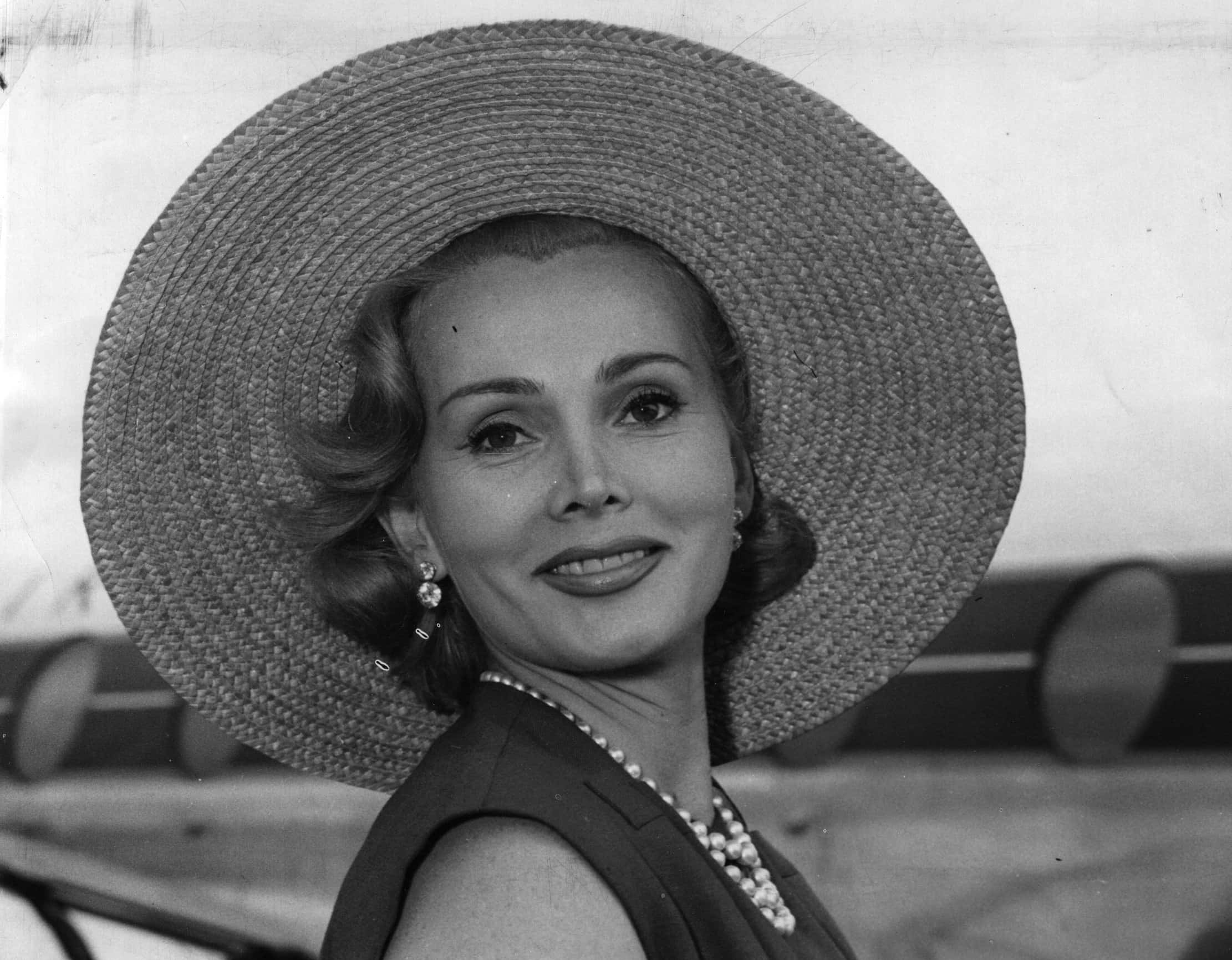
Gabor wasn't just a pretty face. She was known for her razor-sharp wit, penchant for one-liners, and self-deprecating humor. On one occasion, when talking about her notorious love life, she quipped, “A girl must marry for love and keep on marrying until she finds it.” In a reference to her many divorces, she later joked, “I am a marvelous housekeeper. Every time I leave a man, I keep his house!”
Something tells us this woman would have been legendary on Twitter.
113. Honeymoon Suite
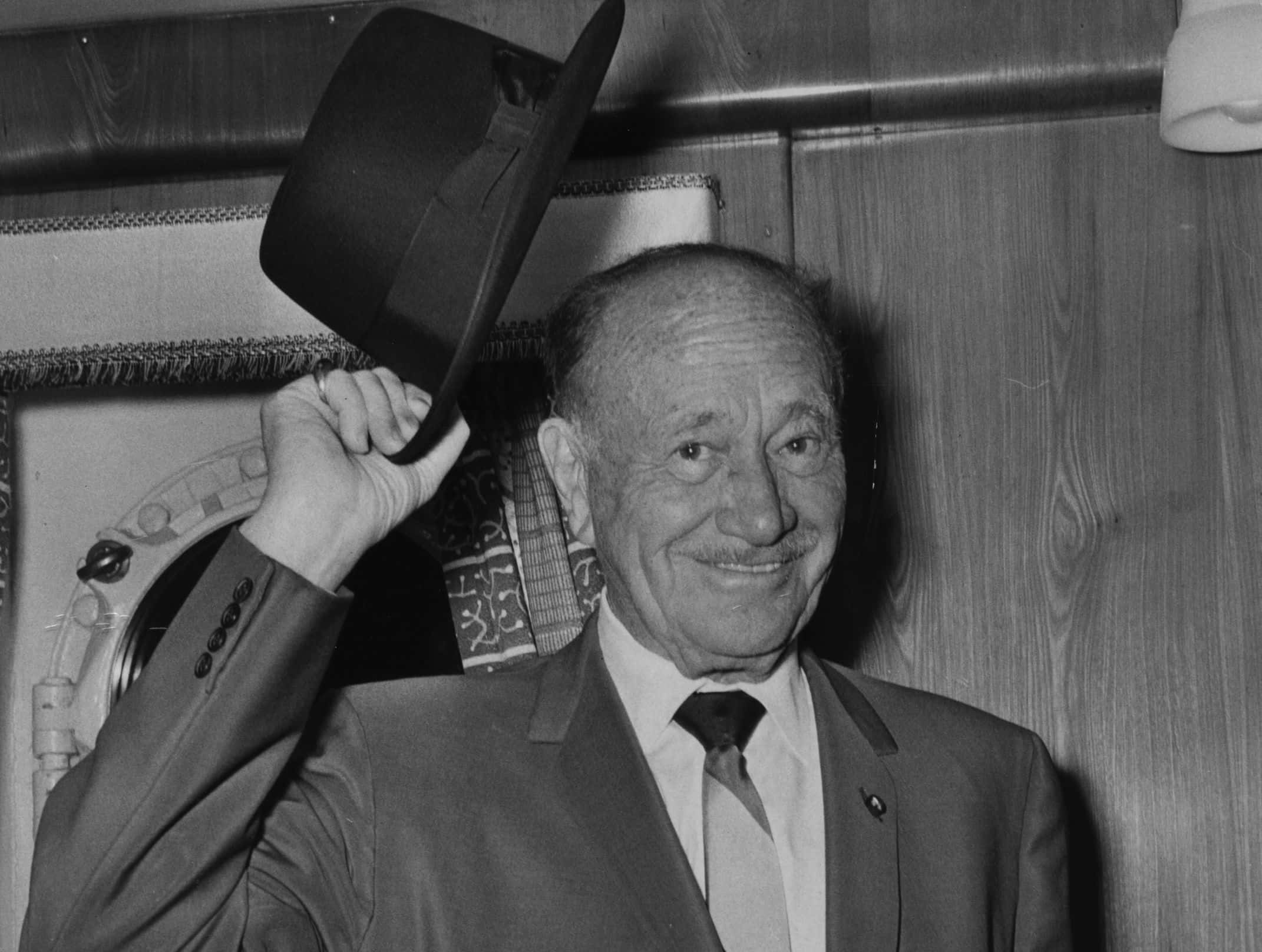
Gabor always had expensive tastes, and she liked to find expensive men to keep the cash flowing. In 1942, she thought she'd found just the man: Conrad Hilton, founder of the famous (and swanky) Hilton Hotel chain. Like most of Gabor's unions, it wasn't wedded bliss: the couple was married a handful of years, but called it quits in 1947.
114. Hard to Find the One
Collectively, the three Gabor sisters were divorced a whopping 18 times.

115. One-Kid Family
Though the Gabor girls were prolific in their marriages, they weren't so industrious when it came to children. In fact, of her sisters, Gabor was the only one to have a child. Her daughter Constance Francesca Gabor Hilton was born on March 10th, 1947 to Gabor and her then-husband, hotel magnate Conrad Hilton.
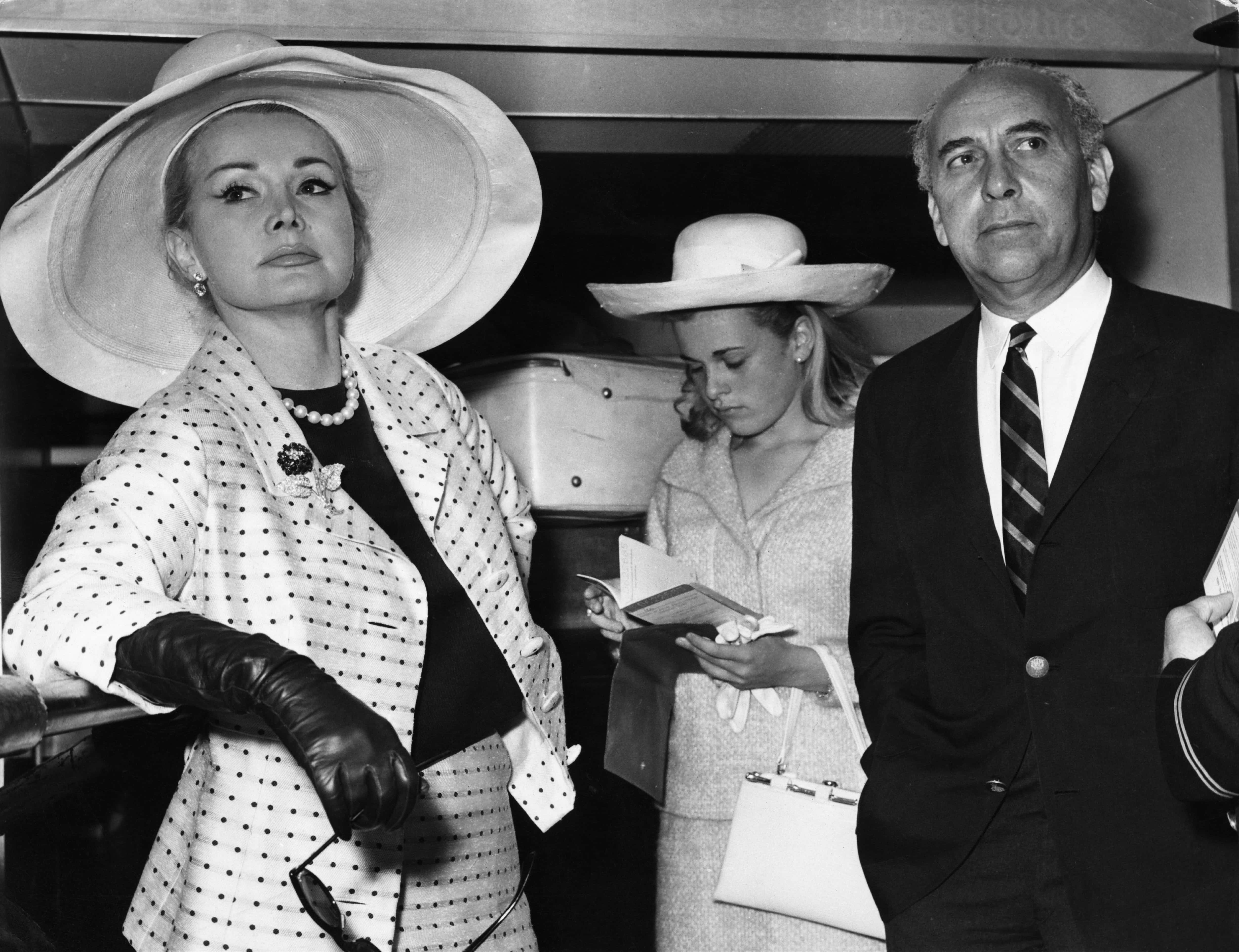
116. Oh No You Didn’t!
As with any self-respecting Old Hollywood celebrity, Gabor was involved in several feuds. The longest-running one involved a spat with German-born Hollywood star Elke Sommer. The feud began after the two women appeared on the annual television special Circus of the Stars. Reportedly, Sommer made comments about Gabor's weight: When Sommer watched her mount a horse, she muttered, "Poor horse."
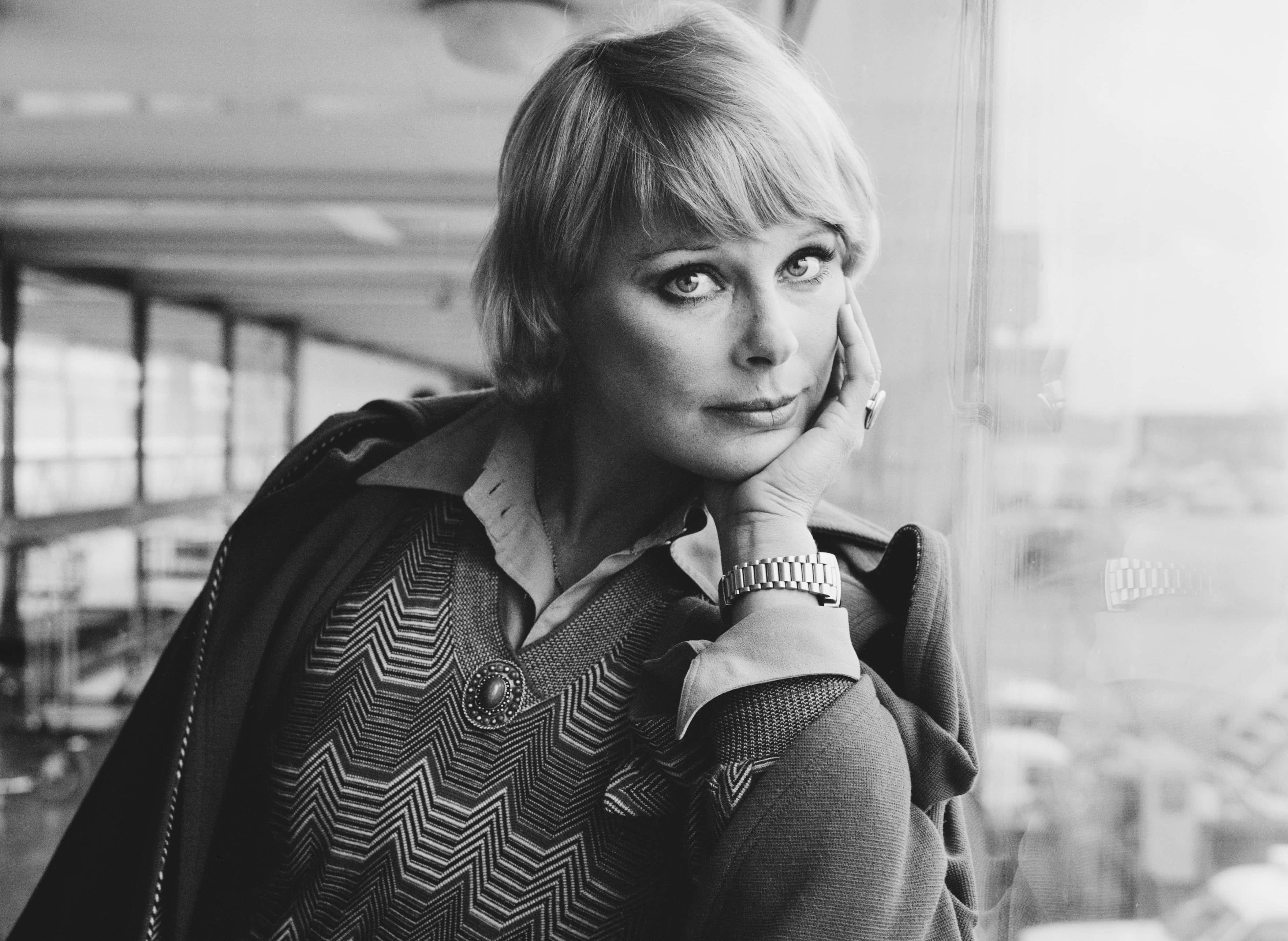
117. Keep It Classy
As time went on, the feud only got more and more bitter. Eventually, Gabor and her husband Frederic Prinz von Anhalt gave a shocking interview that called out Sommer for looking like a balding, "100-year-old grandmother." Gabor also added that the actress was so poor she "had to sell her house in Hollywood and now lives in the worst section of Los Angeles."

118. I’ll See You in Court
Eventually, the feud—and this series of colorful comments—landed Gabor and Sommer in libel court in 1992. As it turned out, Gabor's rival won, and the court awarded Sommer a nice $3.3 million in damages. Upon hearing the verdict, Gabor immediately announced her intent to appeal, stating bitterly, “I’d rather see her starve to death than give her one single dollar.”

120. Anna May Wong: Breaking Barriers
Hollywood starlet Anna May Wong defied traditions. Widely considered to be the first Chinese-American movie star in Hollywood, Wong was also the first Chinese-American actress gain recognition on an international level. However, movies aren't even the beginning of Wong's fascinating, dramatic, and scandalous life.
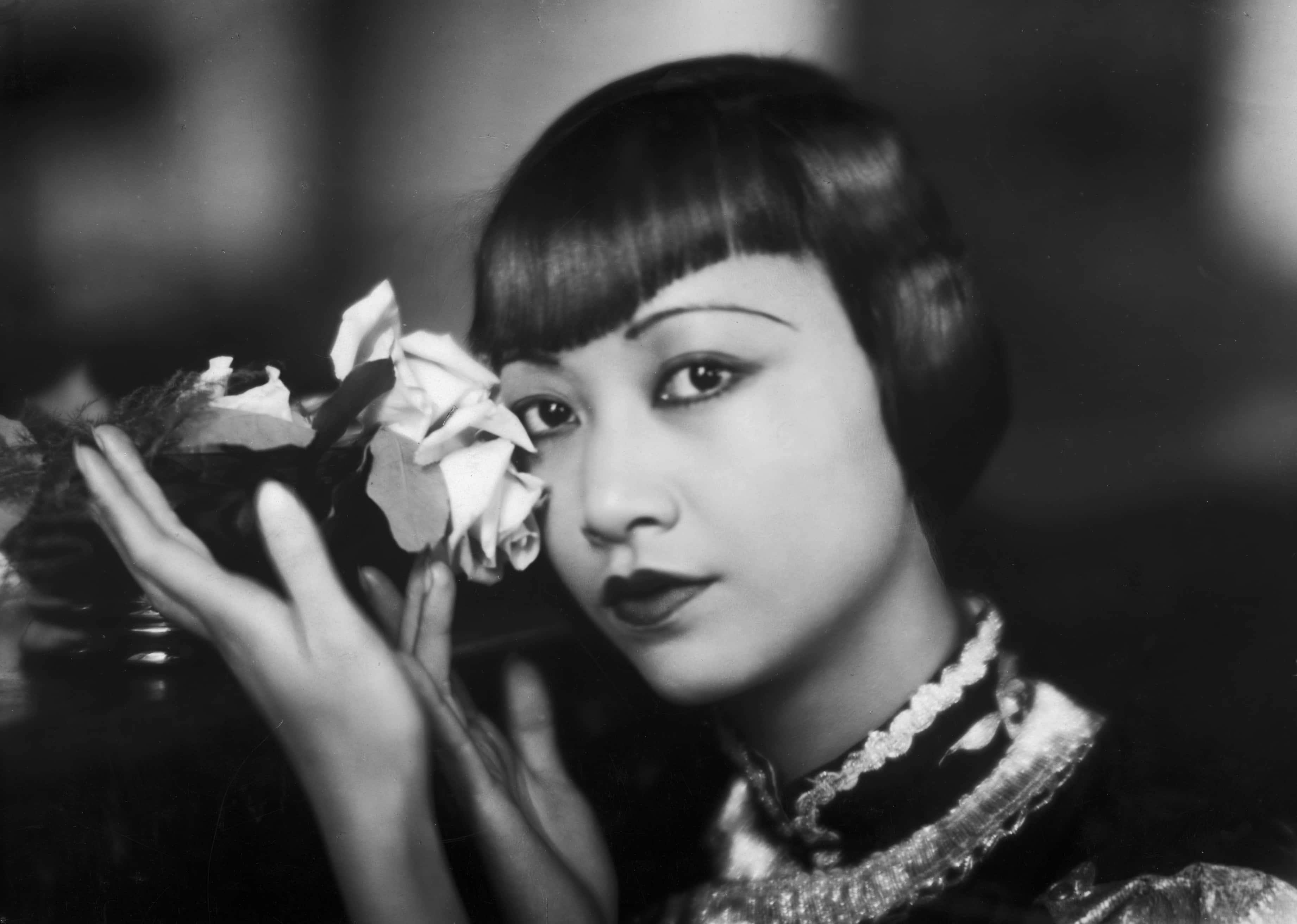
121. Forbidden Love
Despite her rising star and the strength of her acting talent, Wong’s career was hampered by Hollywood’s refusal to give her meaty roles. This was partly due to an anti-miscegenation law, which forbade an interracial couple from kissing on-screen. The lack of Asian-American film stars meant that Wong was denied leading lady roles that would have been hers if she’d been white, or if Hollywood had been less prejudicial.
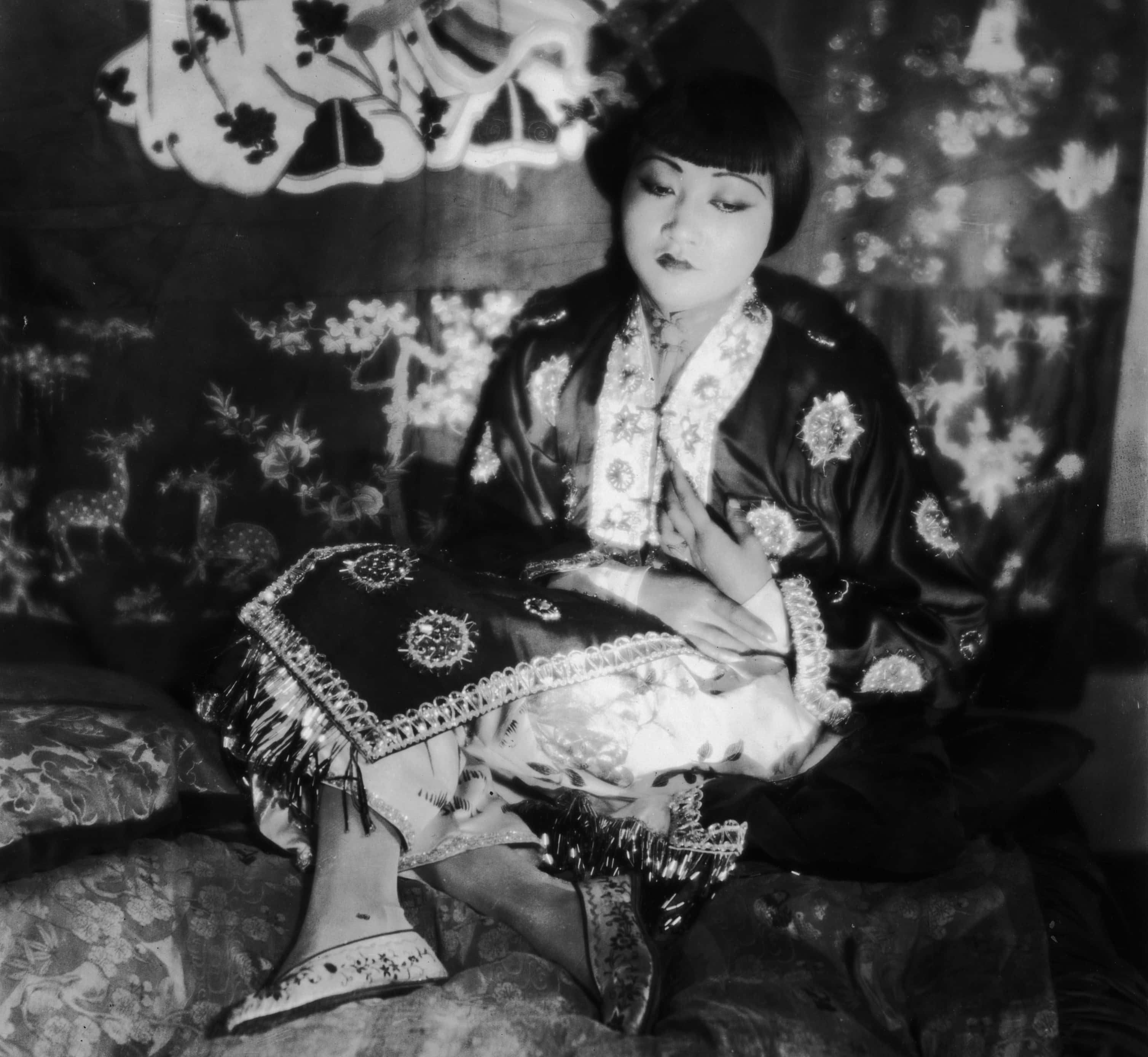
122. Dressed for the Occasion
During the 1920s and 1930s, Wong was not only a famous actress, but also an international fashion icon. New York’s Mayfair Mannequin Society chose her to be the “World’s Best-Dressed Woman” in 1934.
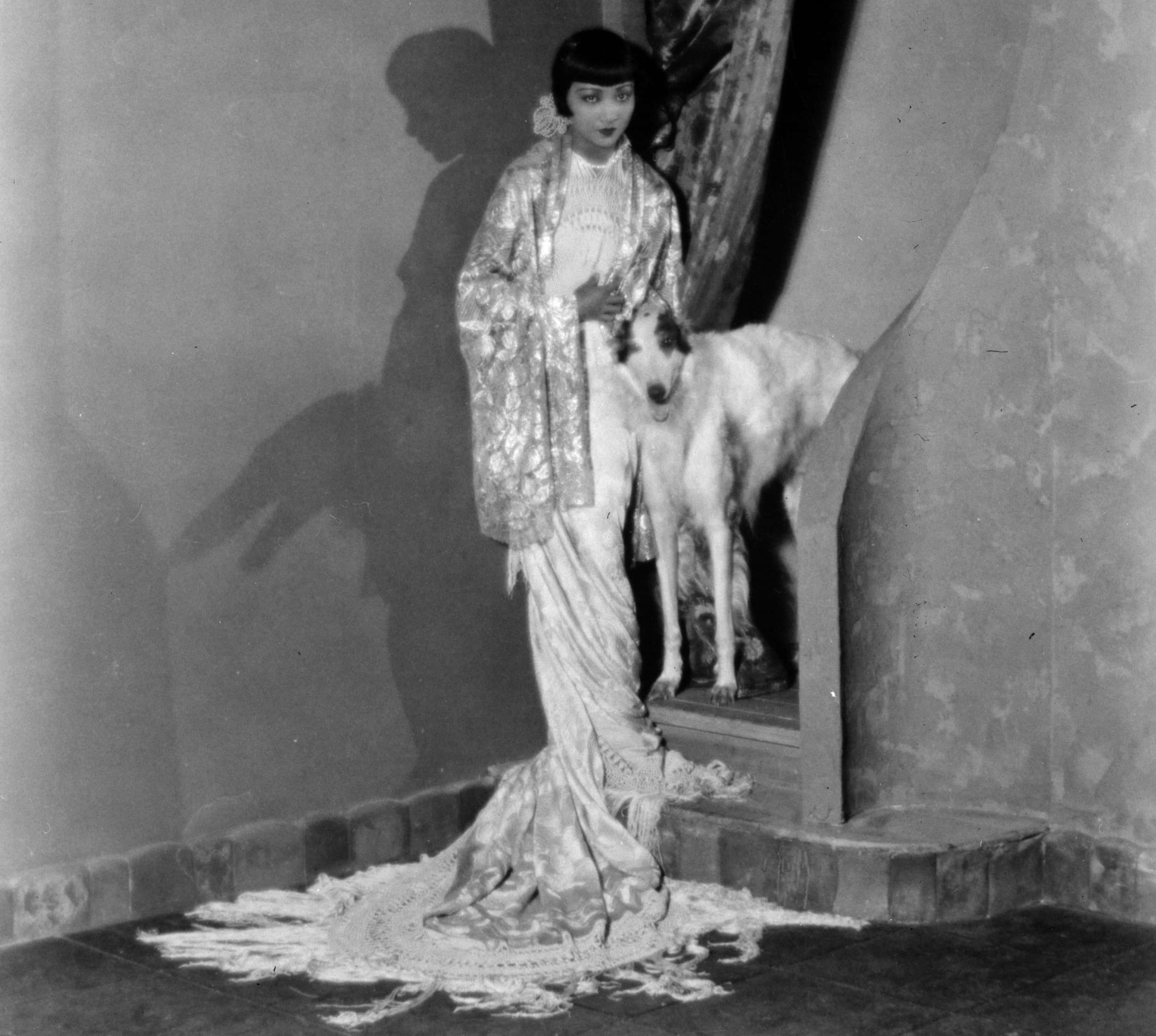
123. I’m Sorry, What?!
In the 1930s, Wong lobbied fiercely for the lead romantic role in The Good Earth. However, it would have meant that she’d be playing the wife of white actor Paul Muni (who was himself playing a Chinese character). Because Hollywood wouldn’t allow an interracial couple onscreen, Wong was not allowed to play the role of O-lan, despite being the proper ethnic background.

124. That’s Some Real Nerve
Wong was understandably insulted when she was once again denied a Chinese role in The Good Earth. Instead, to accommodate Paul Muni, the role went to white actress Luise Rainer. Wong was offered another role, the villainous character of Lotus, but she furiously and righteously refused to take part in the film at all.
To add insult to injury, Rainer eventually won an Oscar for her work playing the Chinese role.

125. All Good Things Must End
The publicity of Mary Pickford’s marriage to Douglas Fairbanks Sr. sadly contributed to their relationship’s disintegration. Their schedules were filled up with movie-making or public appearances of one form or another. Pickford and Fairbanks also struggled with the end of the silent era, leading Fairbanks to embark on an affair.
The affair was the nail in the coffin, and the two of them divorced in 1936. According to Douglas Fairbanks Jr., his father and his stepmother always regretted the failure of their marriage.
126. Maternal Affliction
When she was only 16 years old, Clara Bow’s mother fell out of a second-story window and suffered brain injuries that would later contribute to her terrifying epilepsy and acute psychosis. No longer herself, Mrs. Bow grew to resent her daughter, and even once put a knife to the teenager’s throat. After the assault, Bow's mother was committed to a sanitorium, where she later died at the age of 43.

127. Chilling…
In 1991, Zsa Zsa Gabor released her autobiography, which she titled One Lifetime is Not Enough. As you might imagine, some of the claims in the book are incredibly scandalous, though some are more serious than others. In one chapter, Gabor reveals that her only daughter Francesca Hilton was conceived through an act of non-consensual sex by Gabor’s then-husband Conrad Hilton.

128. So Fresh and So Clean
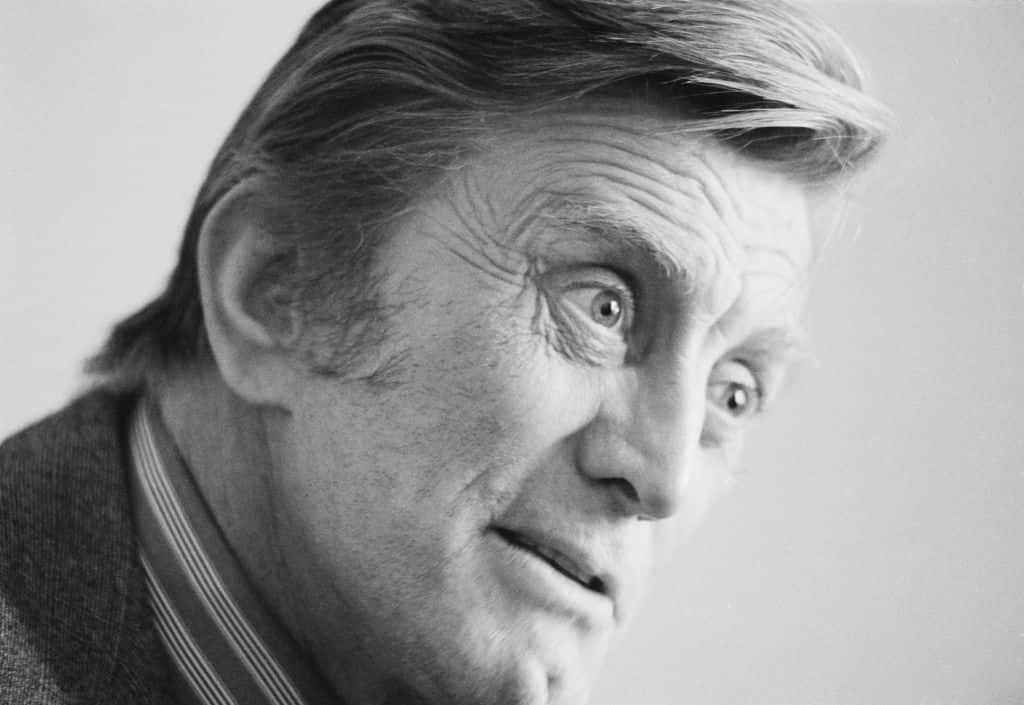
Joan Crawford's obsessive cleanliness reared its pristine head even in her bedroom affairs. In his memoirs, Kirk Douglas recalled a particularly disturbing and bizarre romantic encounter when the two stars once went back to Crawford's house. In the middle of the act, Douglas reports, Crawford leaned in and murmured into his ear—but it was far from sweet nothings.
"You're so clean," she said. "It's wonderful that you shaved your armpits when you made Champion." As Douglas put it, her passionate outburst was "a real conversation stopper." Nonetheless, Douglas admits that, “All by herself, she was equivalent to my six sisters and my mother.''
129. Are You Team Joan or Team Bette?
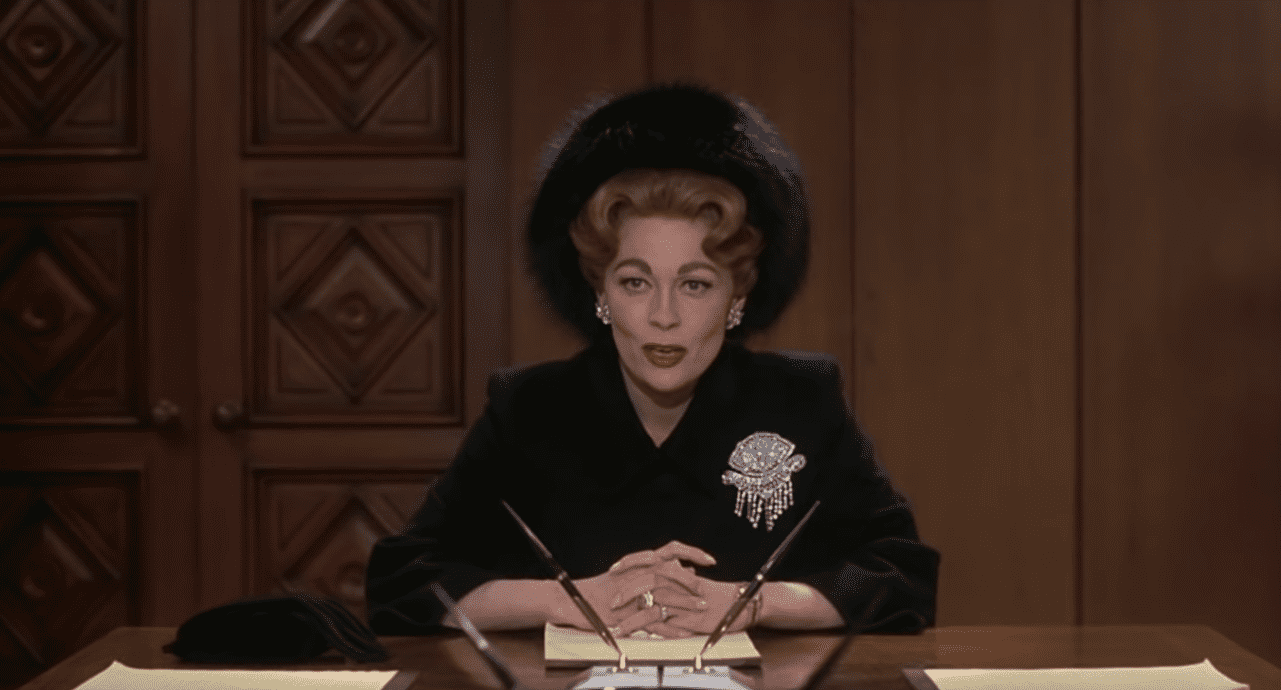
Throughout her career, Crawford found herself in competition against fellow Hollywood actress Bette Davis. The two were often up for the same roles, and reportedly even competed for the affections of Franchot Tone, Crawford's second husband. Indeed, this romantic spat was allegedly the beginning of their legendary feud.
The rivalry saw both women call each other out publicly. Davis once said of Crawford that she “slept with every male star at MGM except Lassie,” while Crawford once quipped, “Bette and I work differently. Bette screams and I knit. While she screamed, I knitted a scarf that stretched clear to Malibu.” Those are fighting words, Joan.
 Mommie Dearest, Paramount Pictures
130. Drama Queens
Despite their intense rivalry, Crawford and Davis appeared together in the 1962 film What Ever Happened to Baby Jane? They mostly got along during filming, but the trouble really started after the cameras shut off. Crawford pulled out of promoting the film, apparently because she didn’t want to share the stage with Davis (or so said Davis).
The movie about two aging actress sisters was a smash hit at the box office—but then the drama really began.
 Wikimedia Commons, Warner Bros.
131. Controversy at the Oscars
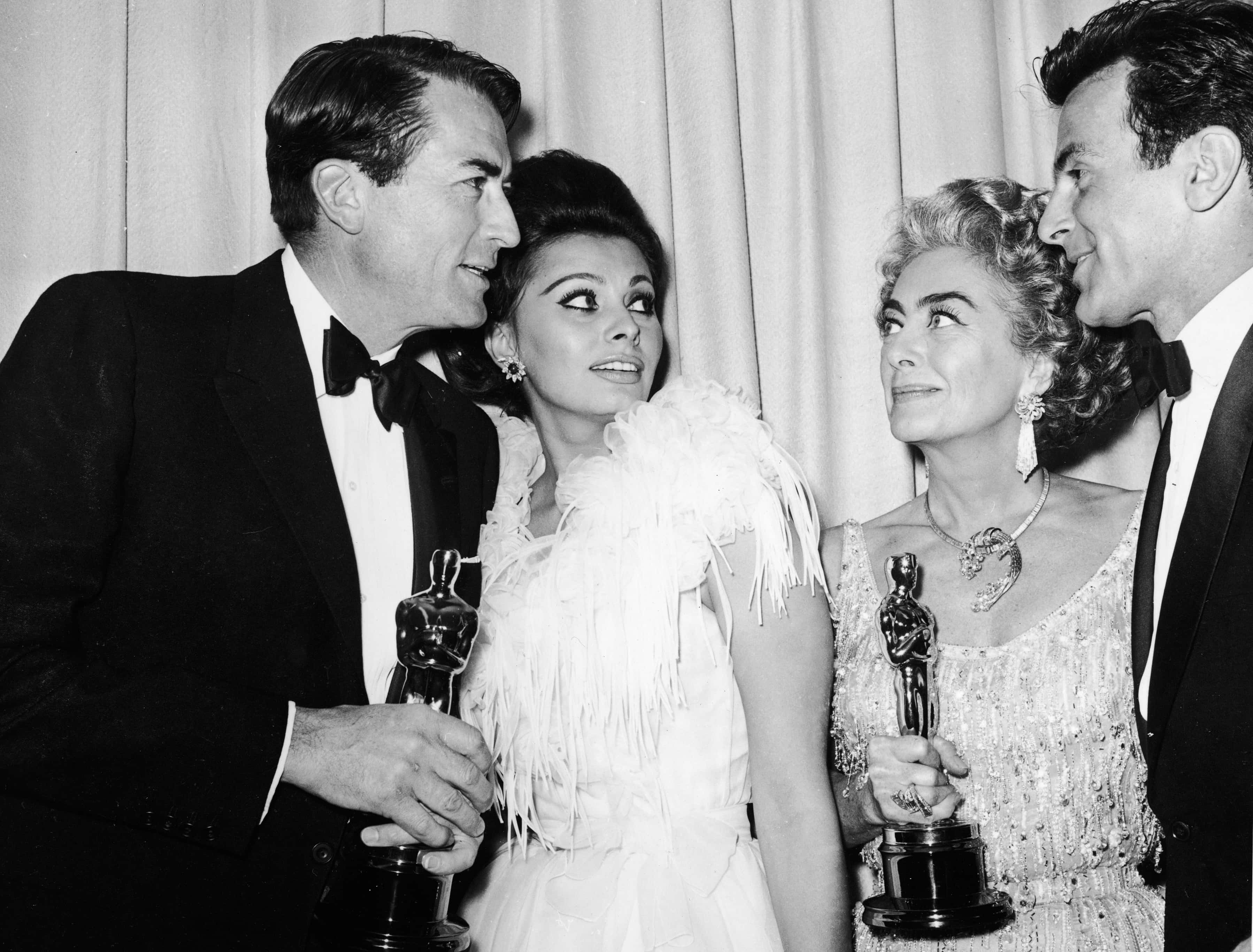
The real-life melodramatics around What Ever Happened to Baby Jane? continued at the Oscars. Davis received a nomination in the Best Actress category, while Crawford didn’t. This must have stung Crawford, because she contacted all the other Best Actress nominees and "graciously" offered to accept any award on their behalf in the event that they couldn't attend the show. Since they were all located on the East coast, they all agreed.
Sure enough, Davis lost out, and Anne Bancroft won the award for her role in The Miracle Worker. Bancroft wasn’t able to attend, so Crawford waltzed onto the stage in her place and accepted the statuette in front of an unimpressed Davis. Forever after that moment, Davis claimed that Crawford had campaigned against her in the Oscar race.
132. Head Case
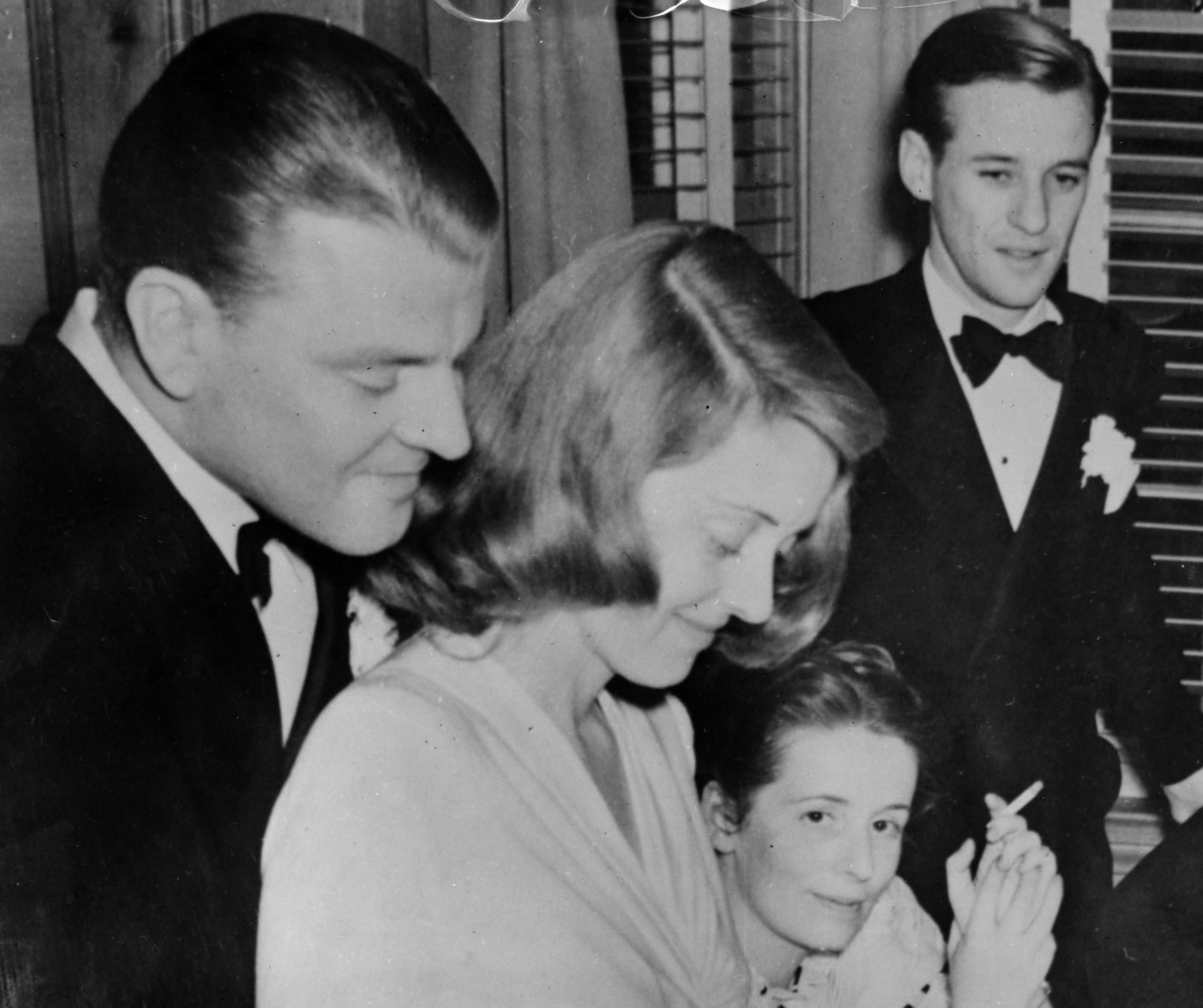
During the war, Bette Davis tragically lost her second husband, Arthur Farnsworth, but he did not die in battle. However, his death was due to violent reasons: he passed out in a Hollywood street and died two days later. When the autopsy came back, it revealed that he died from a skull fracture incurred two weeks before.
Davis testified she didn’t know what could possibly have caused the fatal injury, and the court's labeled Farnsworth’s death an accident.
Sources: 1, 2, 3, 4, 5, 6, 7, 8, 9, 10, 11, 12, 13, 14, 15, 16, 17, 18, 19, 20, 21, 22, 23, 24, 25, 26, 27, 28, 29, 30, 31, 32, 33, 34, 35, 36, 37, 38, 39, 40, 41, 42, 43, 44, 45, 46, 47, 48, 49, 50, 51, 52, 53, 54, 55, 56, 57, 58, 59, 60, 61, 62, 63, 64, 65, 66, 67, 68, 69, 70, 71, 72, 73, 74, 75, 76, 77, 78, 79, 80, 81, 82, 83, 84, 85, 86, 87, 88, 89, 90, 91, 92, 93, 94, 95, 96, 97, 98, 99, 100, 101, 102, 103, 104, 105, 106, 107, 108, 109, 110, 111, 112, 113, 114, 115, 116, 117, 118, 119, 120, 121, 122, 123, 124, 125, 126, 127, 128, 129, 130, 131, 132, 133, 134, 135, 136, 137, 138, 139, 140, 141, 142, 143, 144, 145, 146, 147, 148, 149, 150, 151, 152, 153, 154, 156, 157, 158, 159, 160, 161, 162, 163, 164, 165, 166, 167, 168, 169, 170, 171, 172, 173, 174











_1962_-_Production_photo._Robert_Aldrich,_Bette_Davis.jpg)