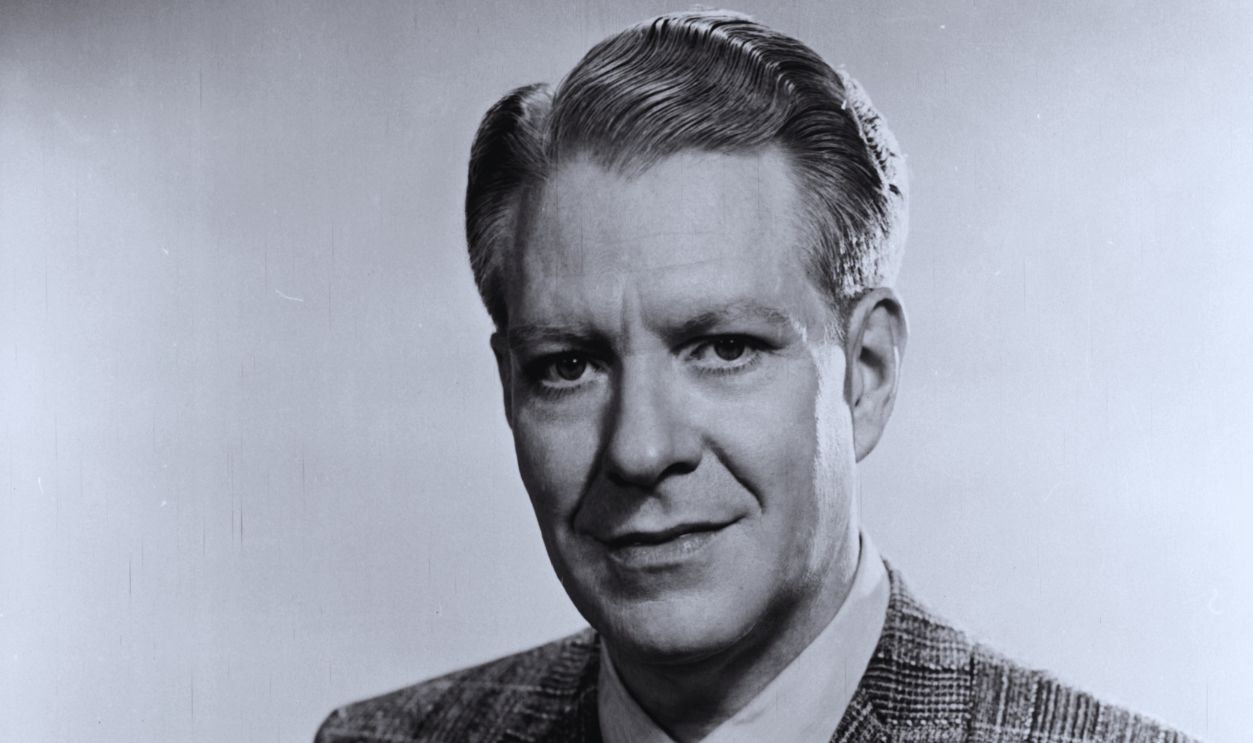
He Was A Bold Baritone
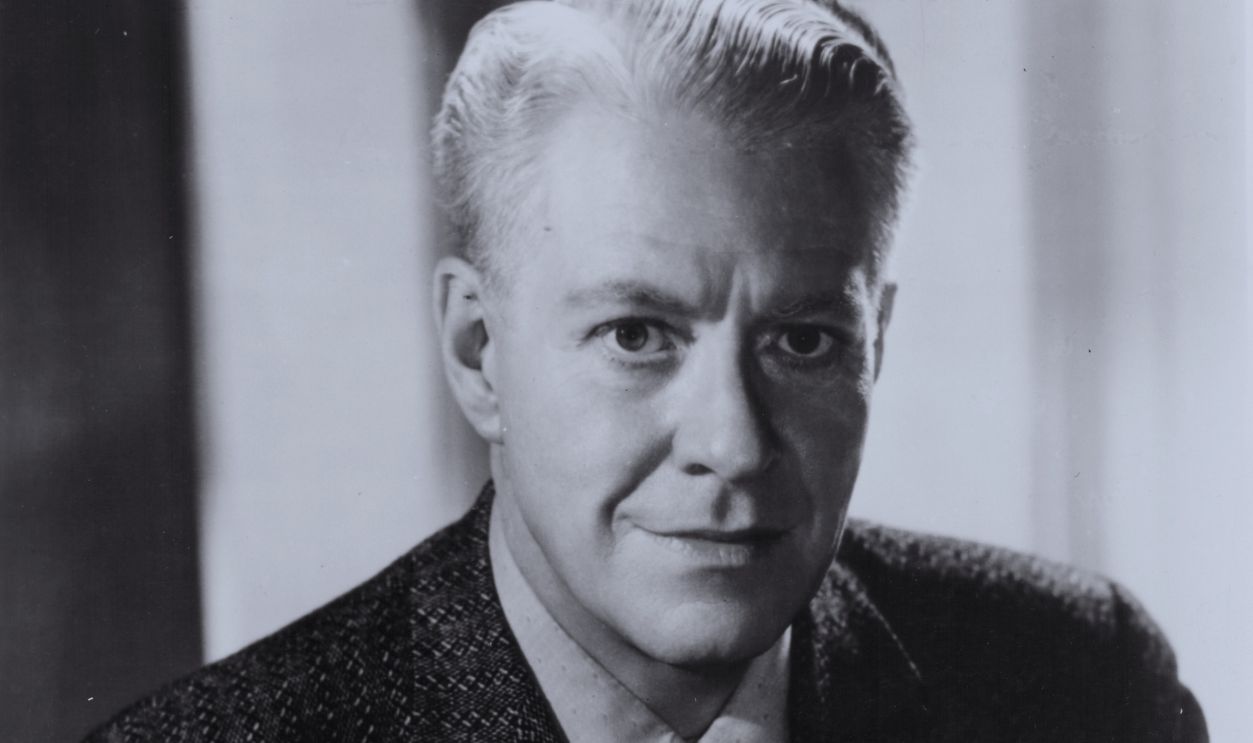
Nelson Eddy had a brassy baritone that carried him from the opera houses of Philadelphia to the sound stages of Hollywood. But when he wasn’t blasting fans away with a rousing aria, he was secretly doing his part to stop the evil Third Reich—and his dramatic finale gave new meaning to the term “swan song”.
1. He Made A Solo Debut
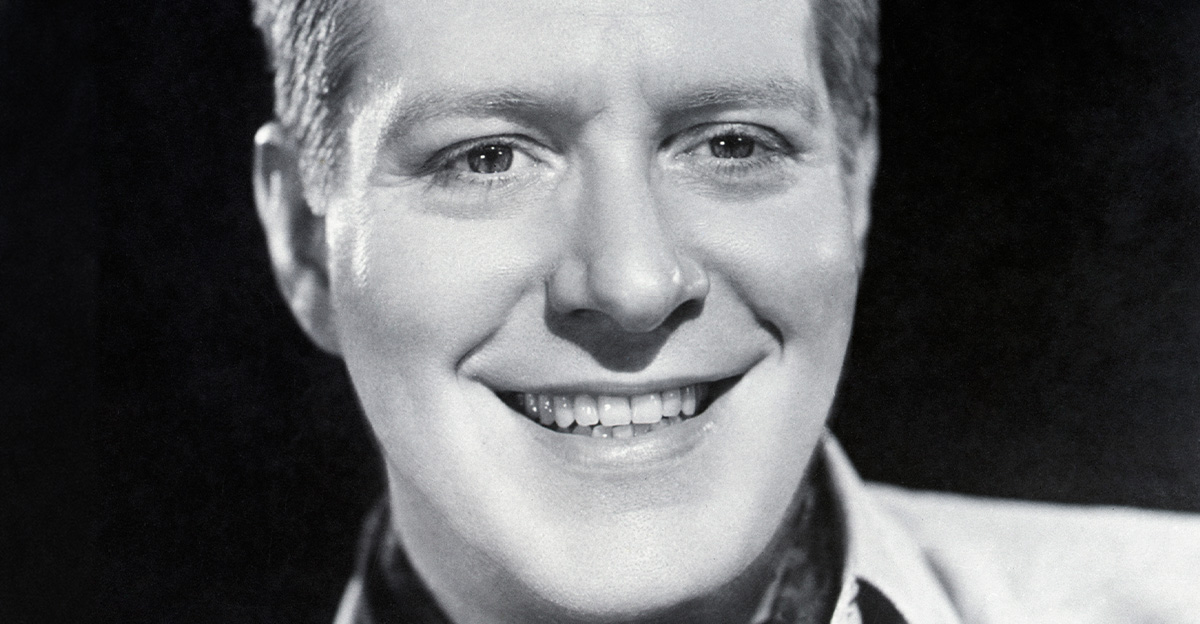
Nelson Eddy would go on to become one of the highest paid singers in American history, but his origins were nothing to write songs about. At least, not happy ones. Born in June of 1901 in Providence, Rhode Island, he was the only child of Caroline Isabel Kendrick and William Darius Eddy.
The opera was in his DNA.
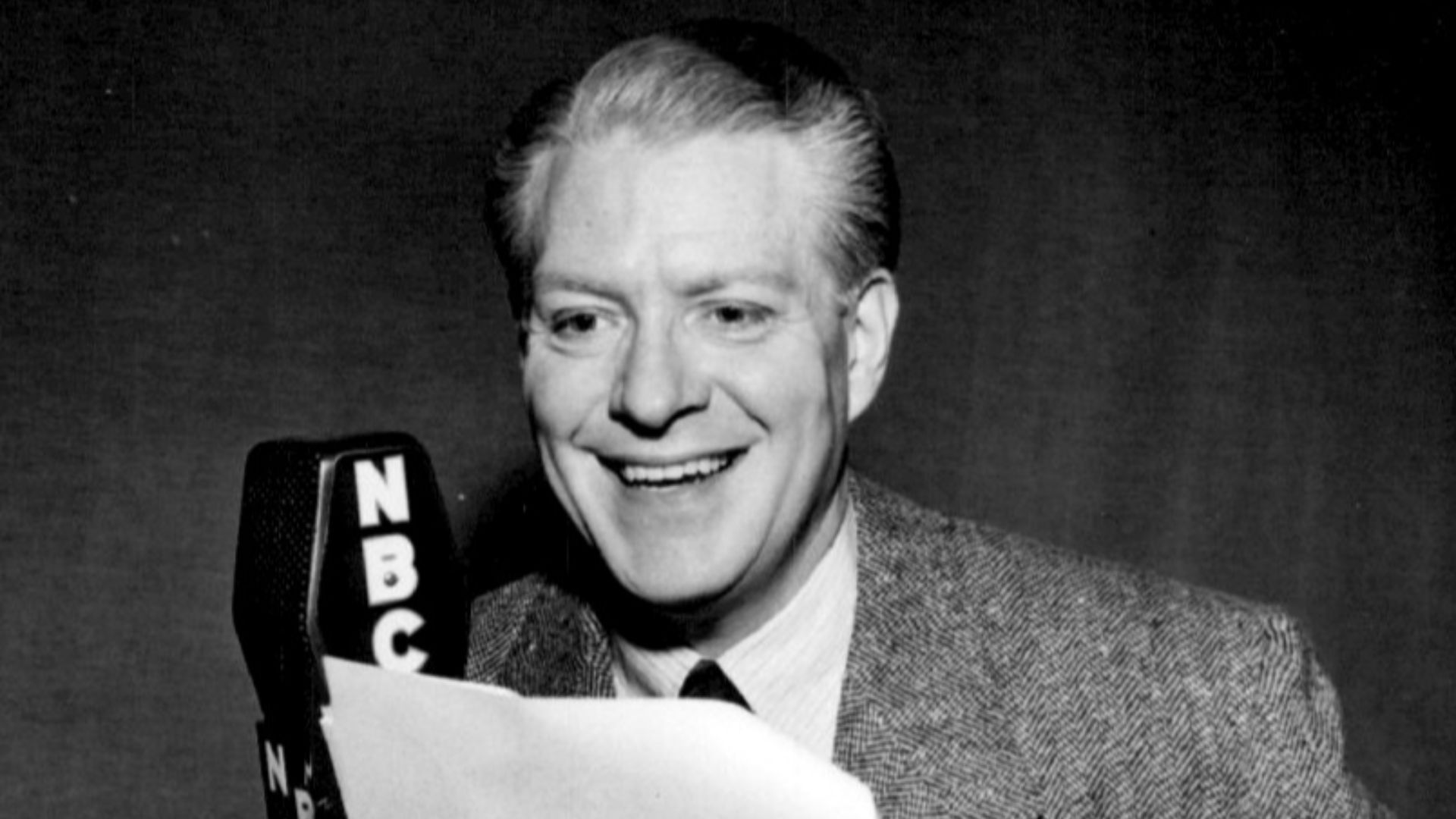 J. Walter Thompson--this was the ad agency with the Kraft Foods account., Wikimedia Commons
2. His Father Lived For The Stage
Eddy’s father earned his living as a machinist and toolmaker, yet his passions lay elsewhere. The elder Eddy regularly sang in church, played the drums, and even found work backstage at the Providence Opera House. Unfortunately, William Eddy’s day job forced the family to move around too much for him to find the spotlight.
Still, Eddy’s musical education happened at home.
3. His Mother Sang For God
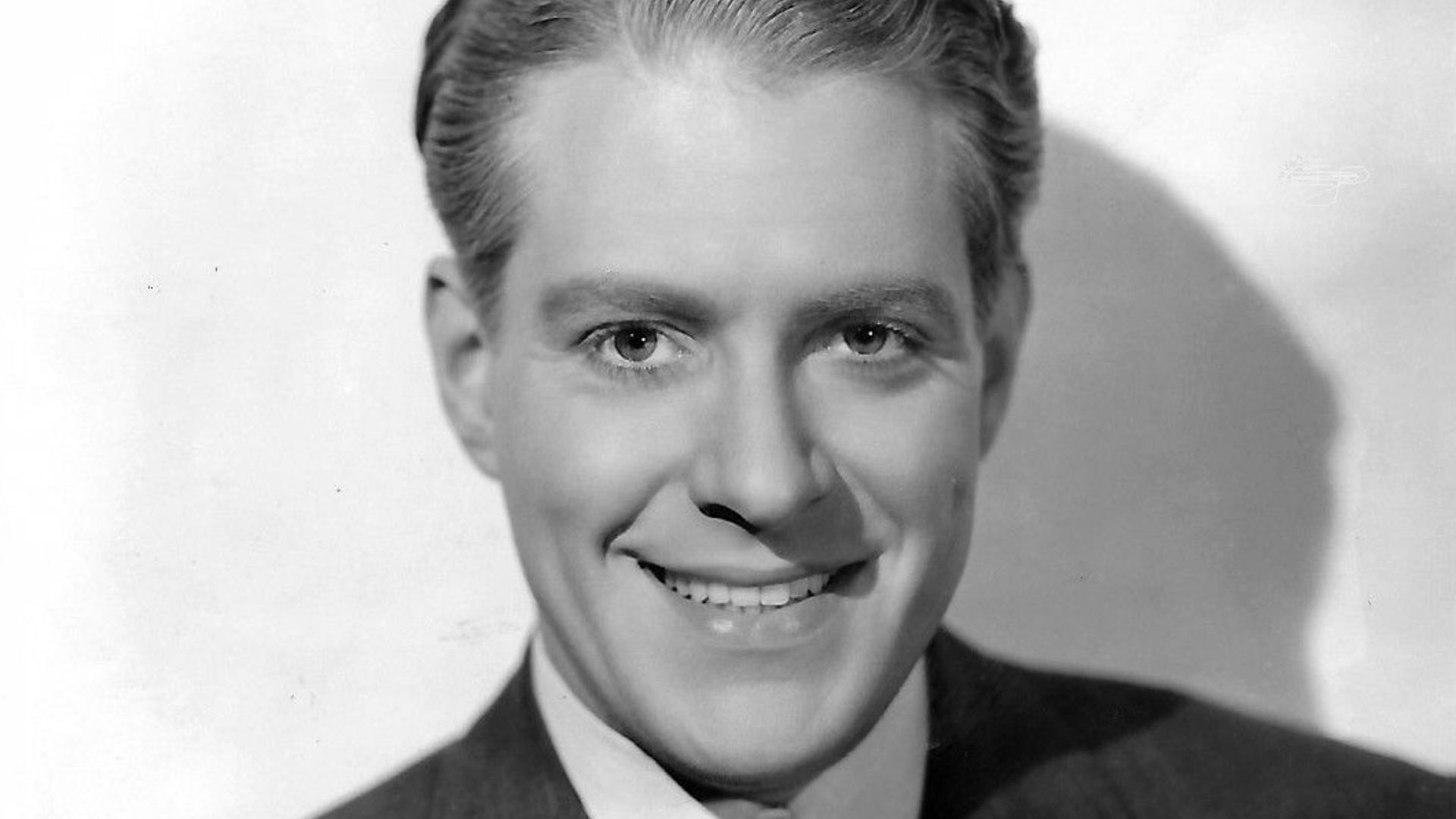
Music surrounded Nelson Eddy from every angle. His mother, Caroline Kendrick, had grown up singing solos in the church. Even his grandmother, Caroline Netta Ackerman Kendrick, had gained distinction as an oratorio performer. However, even surrounded by music, it didn’t seem like Eddy was destined for greatness.
In fact, he was kind of a laughing stock.
 Scanned from my personal collection., Wikimedia Commons

History's most fascinating stories and darkest secrets, delivered to your inbox daily.
4. He Was “Bricktop”
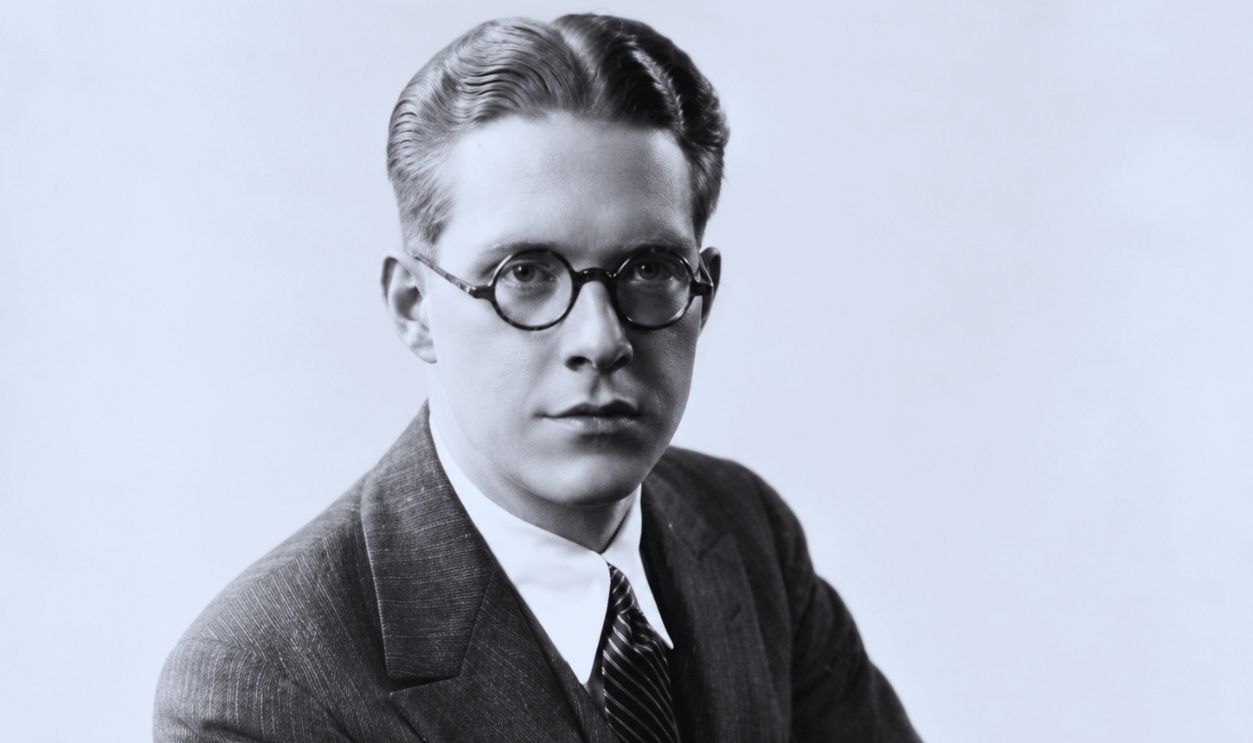
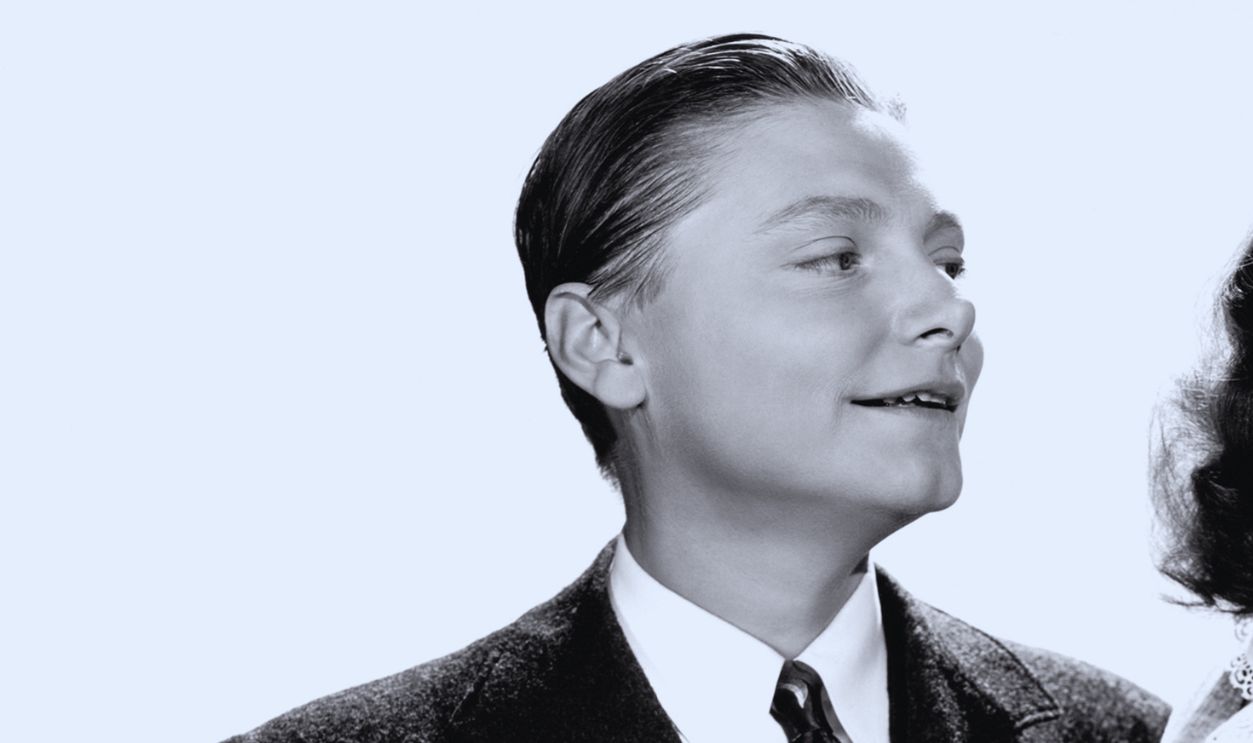
In his later years, at the height of his fame, Nelson Eddy was famous for his blonde locks. As a boy, however, he sported a slightly different hairstyle: a strawberry-blonde mop that earned him the nickname “Bricktop”. Thanks to some early whitening and harsh studio lights, his hair later appeared blonde in photographs.
Derisive nicknames were the least of his childhood troubles, however.
5. His Home Life Was Chaotic
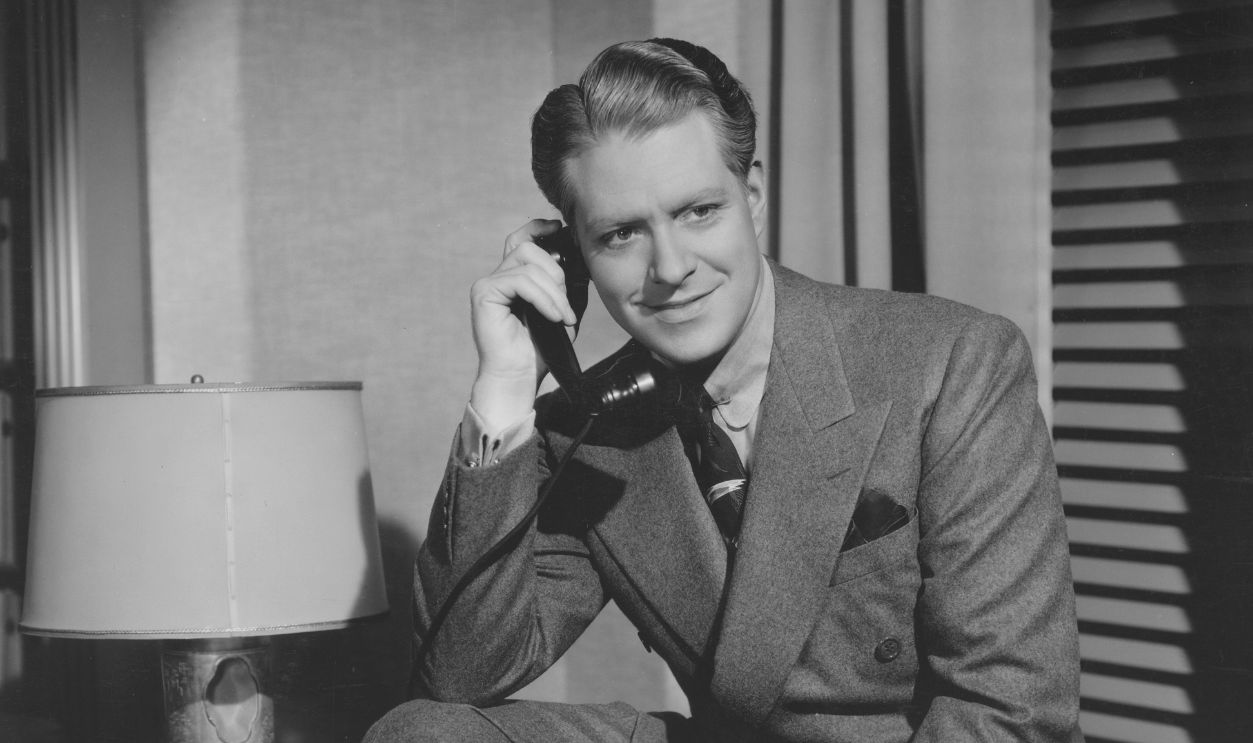
Behind the music in his household, darkness lurked. Court records from his parents’ divorce later revealed a household marred by volatility, intimidation, addiction, and chronic instability. Eddy’s father struggled to keep steady work and brought his stress home, leaving lasting scars. The only thing worse, however, was when his father didn’t come home at all.
6. His Father Abandoned Him
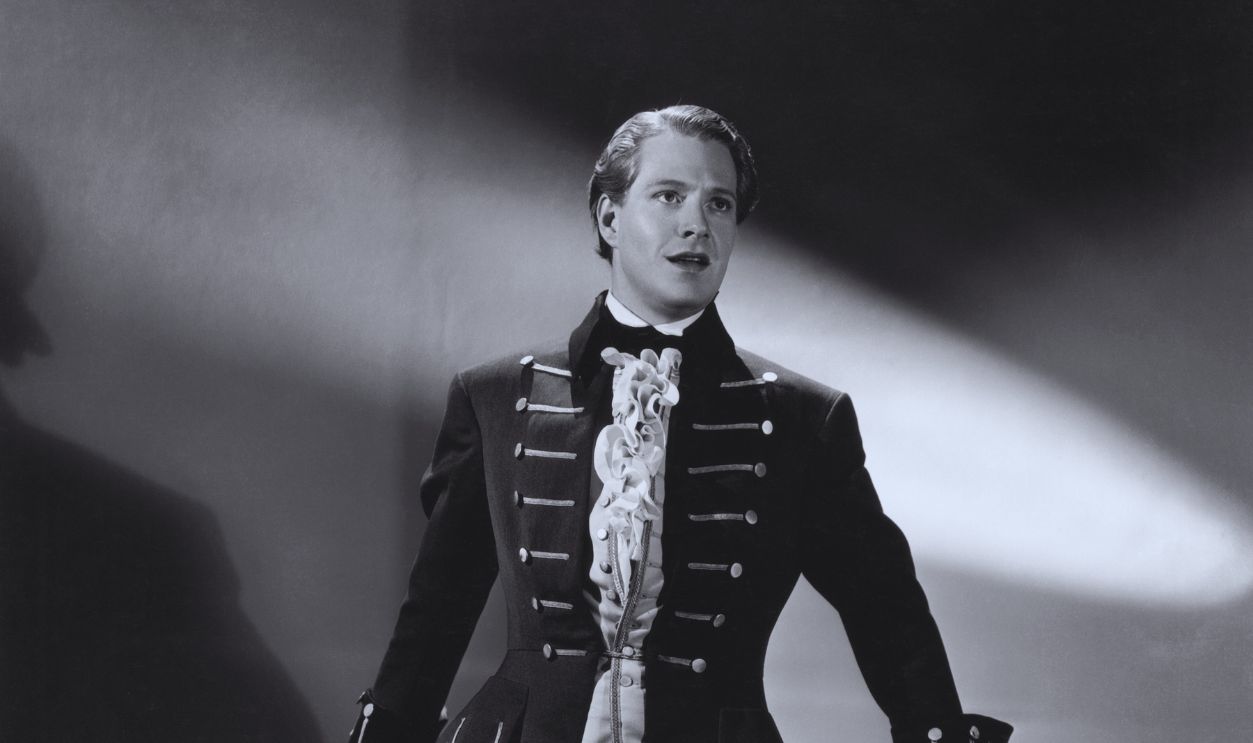
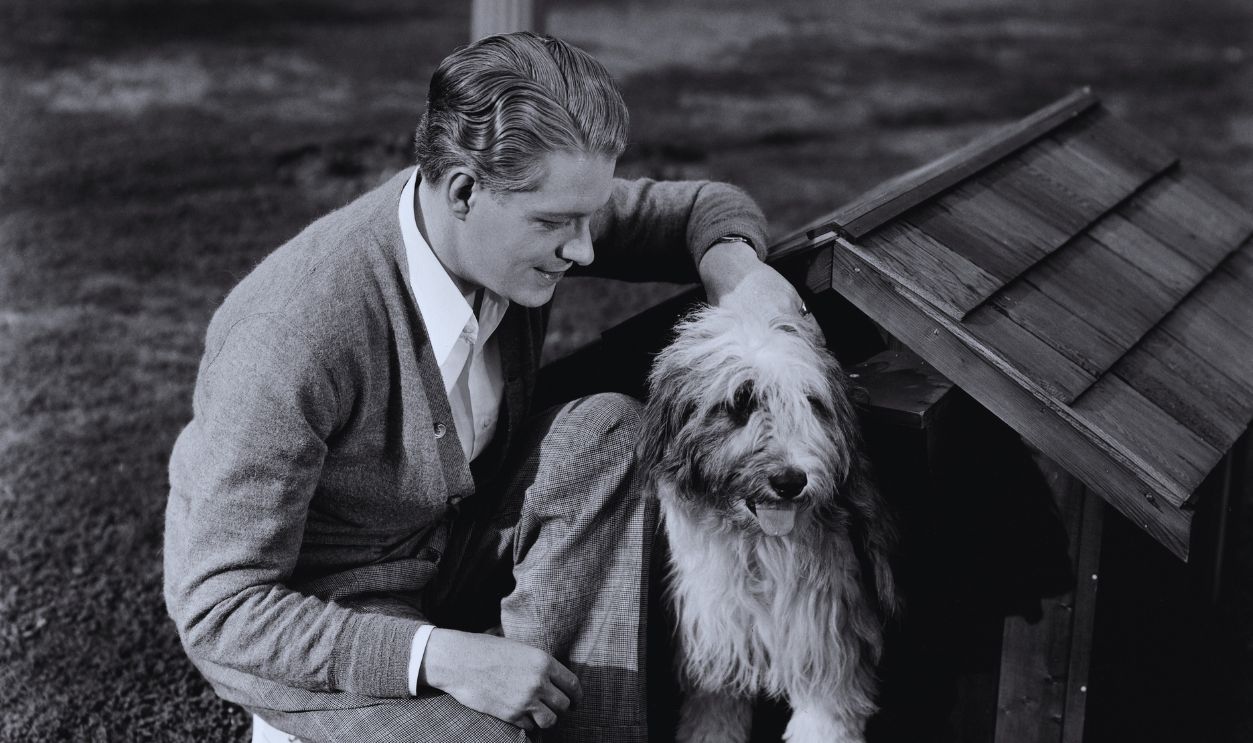
In 1915, when Nelson Eddy was just 14, he got a crash course in life’s hard knocks. Without much warning, his father simply walked out, abandoning Eddy and leaving him to care for his sick and ailing mother. When the marriage officially ended some three years later, it left Eddy with nothing but lint in his pockets and callouses on his hands.
His father, meanwhile, seemed to be living large.
 John Springer Collection, Getty Images
7. His Father Started Over Without Him
While Nelson Eddy and his mother struggled to make ends meet, his father reinvented himself. William Eddy remarried in 1923—at a chapel at the prestigious Vassar College, no less. Just two years later, a daughter, Virginia, followed and Eddy’s father provided the stability to a new family that he had never given to his first son.
Eddy would have to learn to hack it on his own.
 Michael Ochs Archives, Getty Images
8. He Grew Up Poor In Philadelphia
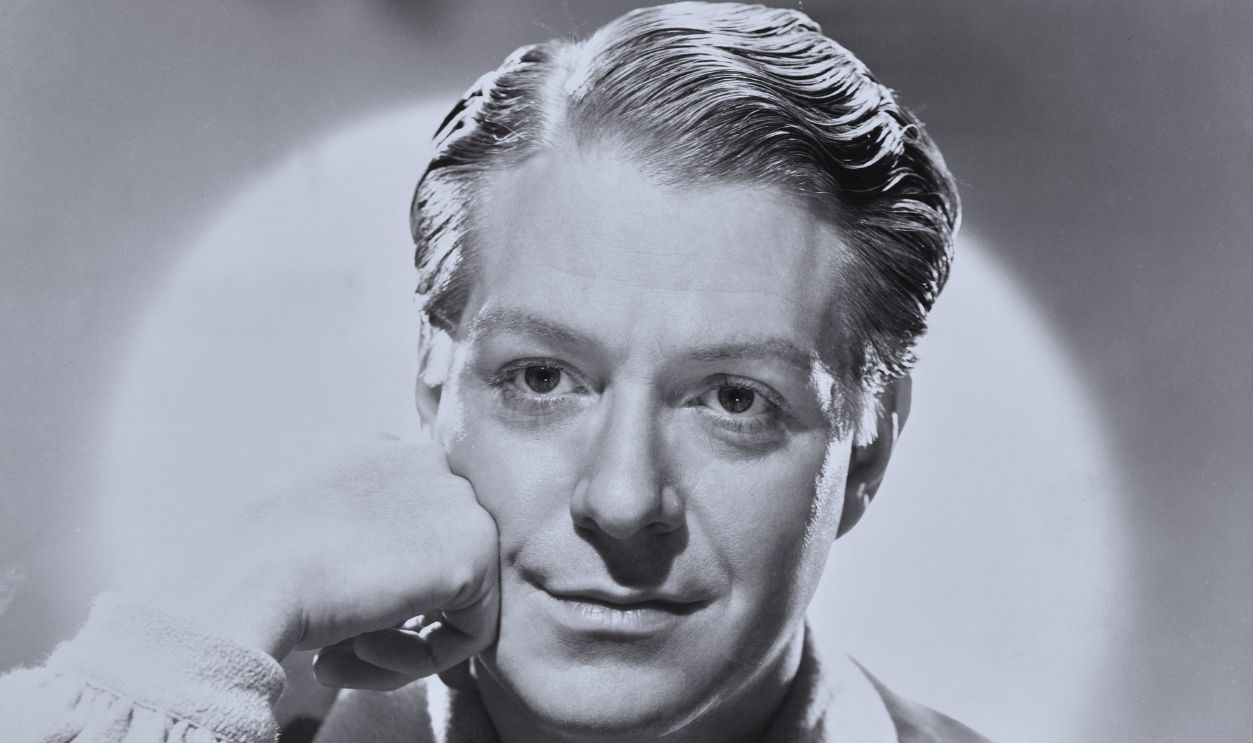
Financial hardship forced Eddy to leave school and relocate with his mother to Philadelphia. Once there, they were able to rely on Eddy’s maternal uncle, Clark Kendrick, to help them get back on their feet. Unfortunately, by that time, any hope that Eddy had had of reclaiming a normal child faded away like a quiet coda.
9. He Educated Himself Relentlessly
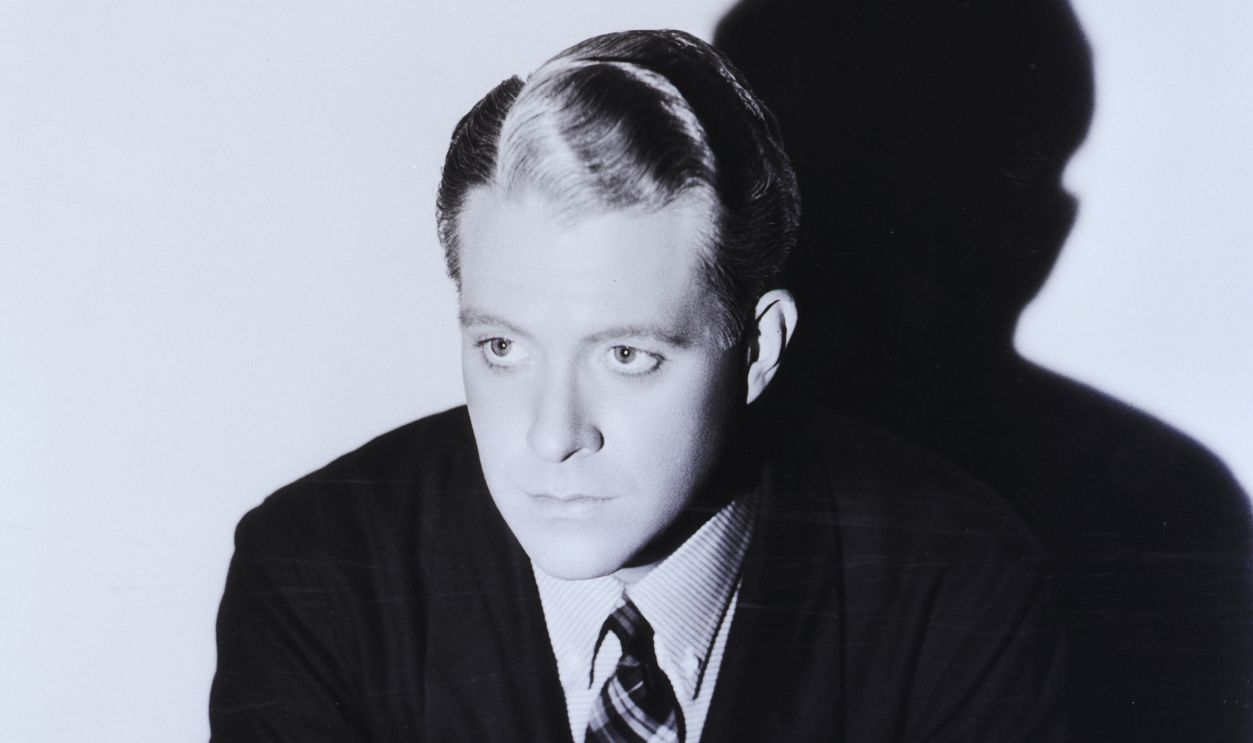
Given the instability in his life and the need to provide, Eddy never returned to school after the family moved to Philadelphia. But that didn’t mean that he wasn’t still getting an education. Instead of stuffy classrooms, Eddy taught himself through correspondence courses, reading voraciously and sharpening his intellect outside of the usual academic avenues.
It’s a wonder he found time to study at all.
History's most fascinating stories and darkest secrets, delivered to your inbox daily.
10. He Started Behind A Switchboard
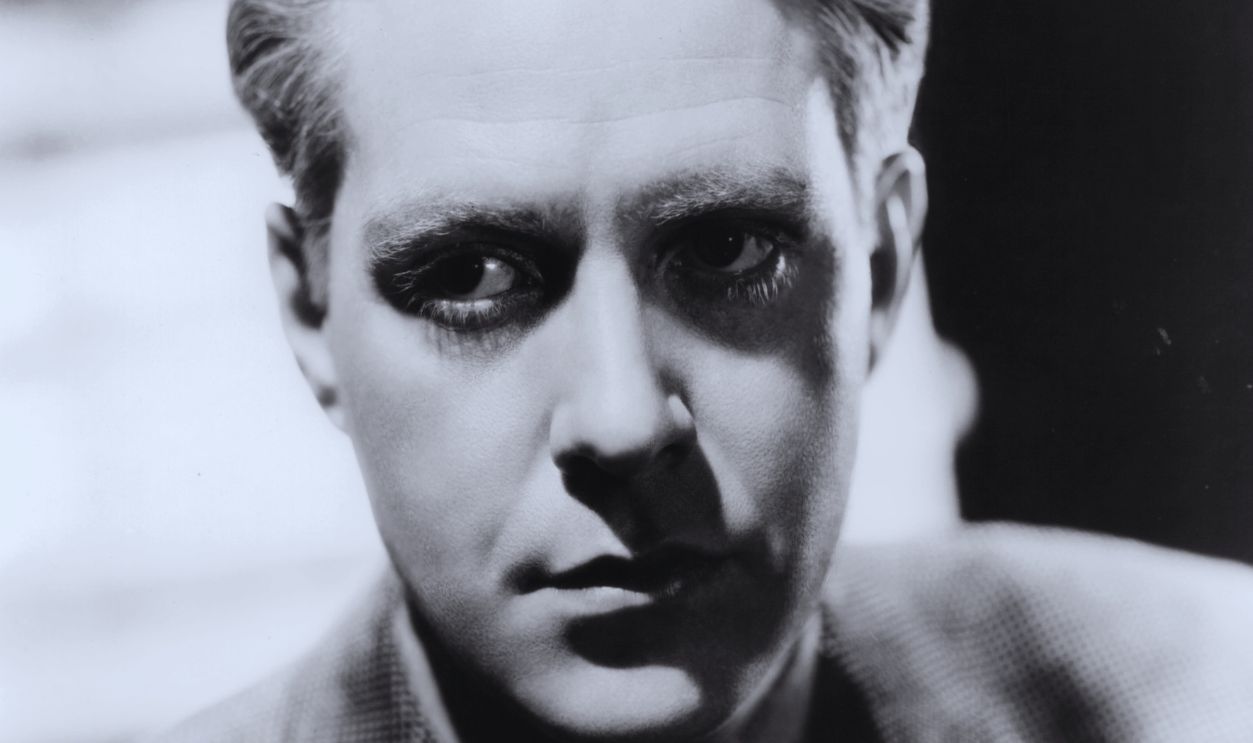
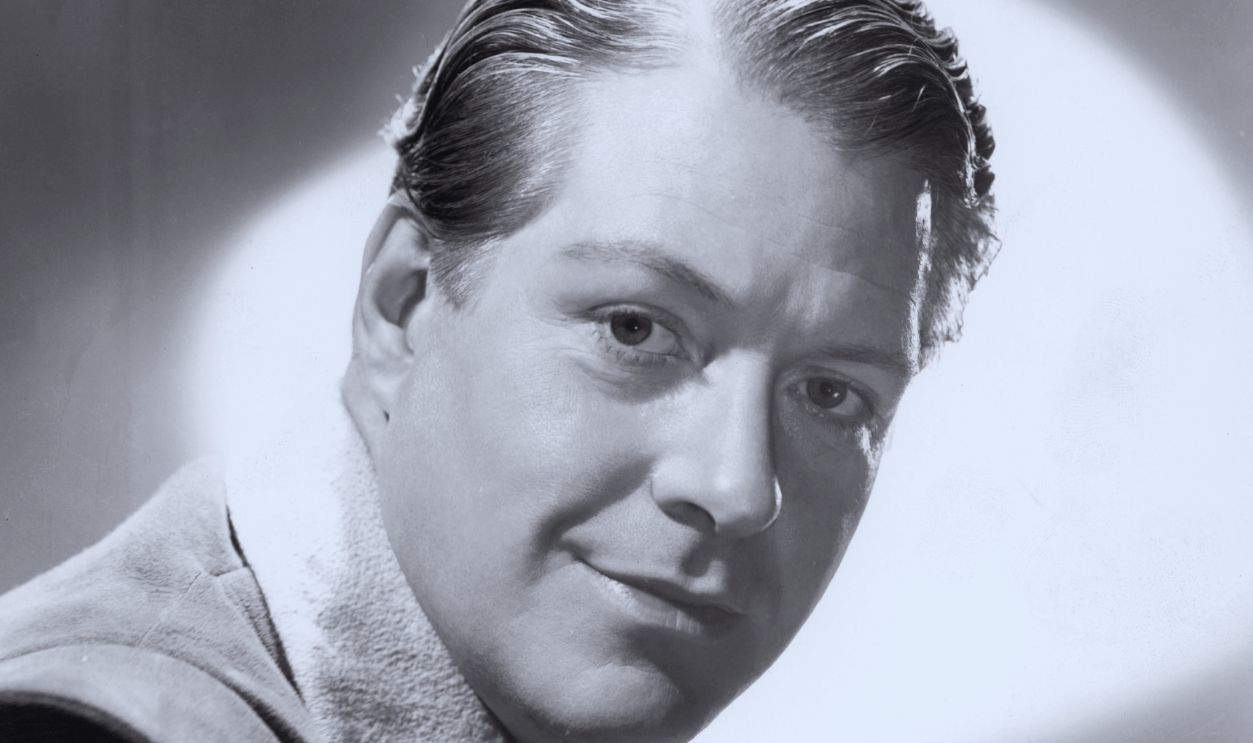
With help from his uncle, Clark Kendrick, Eddy landed a clerical job that helped him support his mother and himself. The gig at Mott Iron Works, a plumbing supply company, wasn’t glamorous but it was work. Working as a switchboard operator, he spent his days connecting other people’s calls—awaiting the day that fate would call him.
Or hear him.
 Michael Ochs Archives, Getty Images
11. He Sang On Company Time
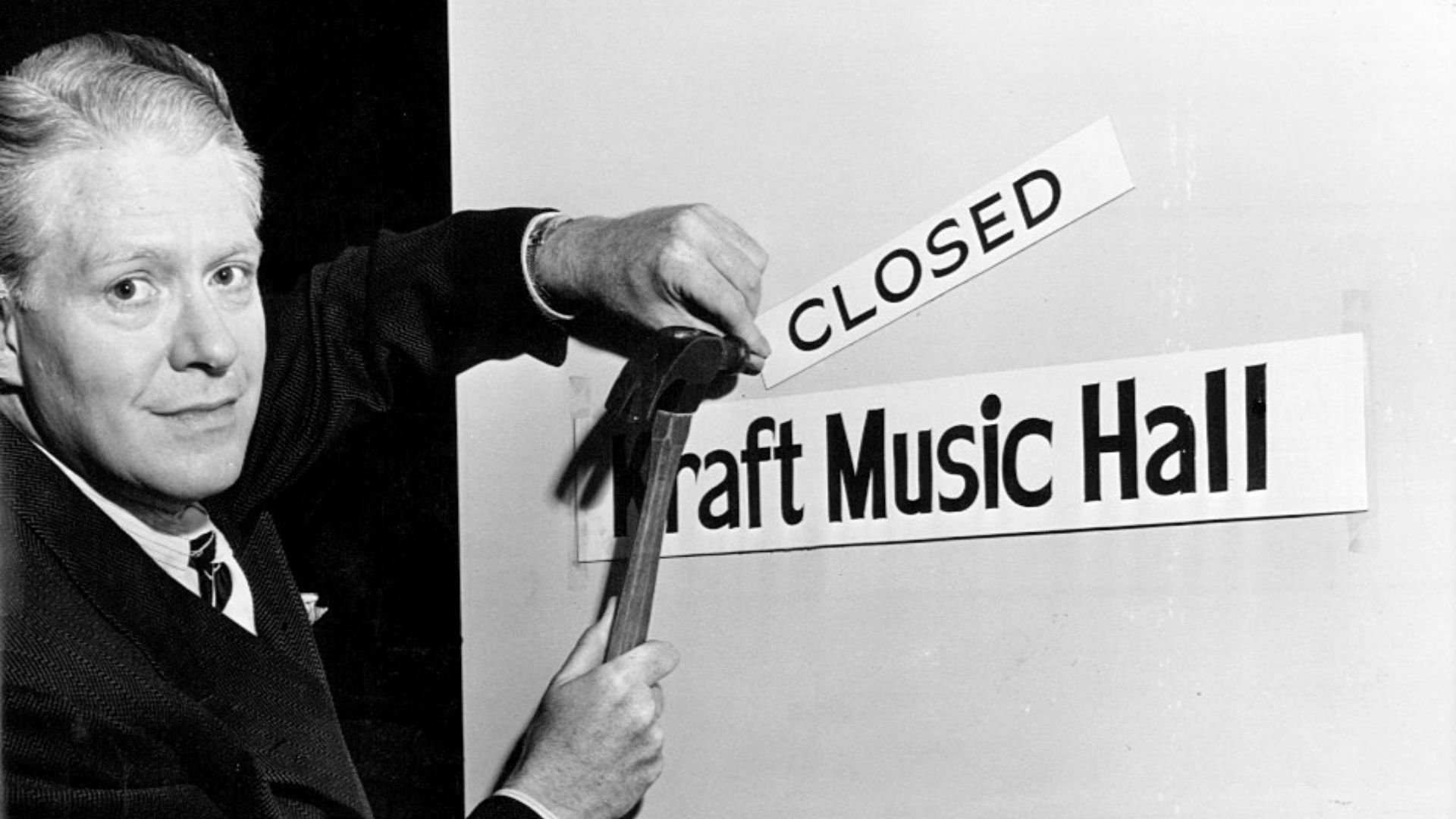
It would be a while before Eddy’s brassy baritone made him famous. In the meantime, he worked as a reporter with The Philadelphia Press, the Evening Public Ledger, and the Philadelphia Evening Bulletin. He even had a brief stint as a copywriter before they had to fire him because he couldn’t stop singing at his desk. Music was the only thing on his mind.
 J. Walter Thompson, ad agency for Kraft, the show's sponsor., Wikimedia Commons
12. He Copied The Greats
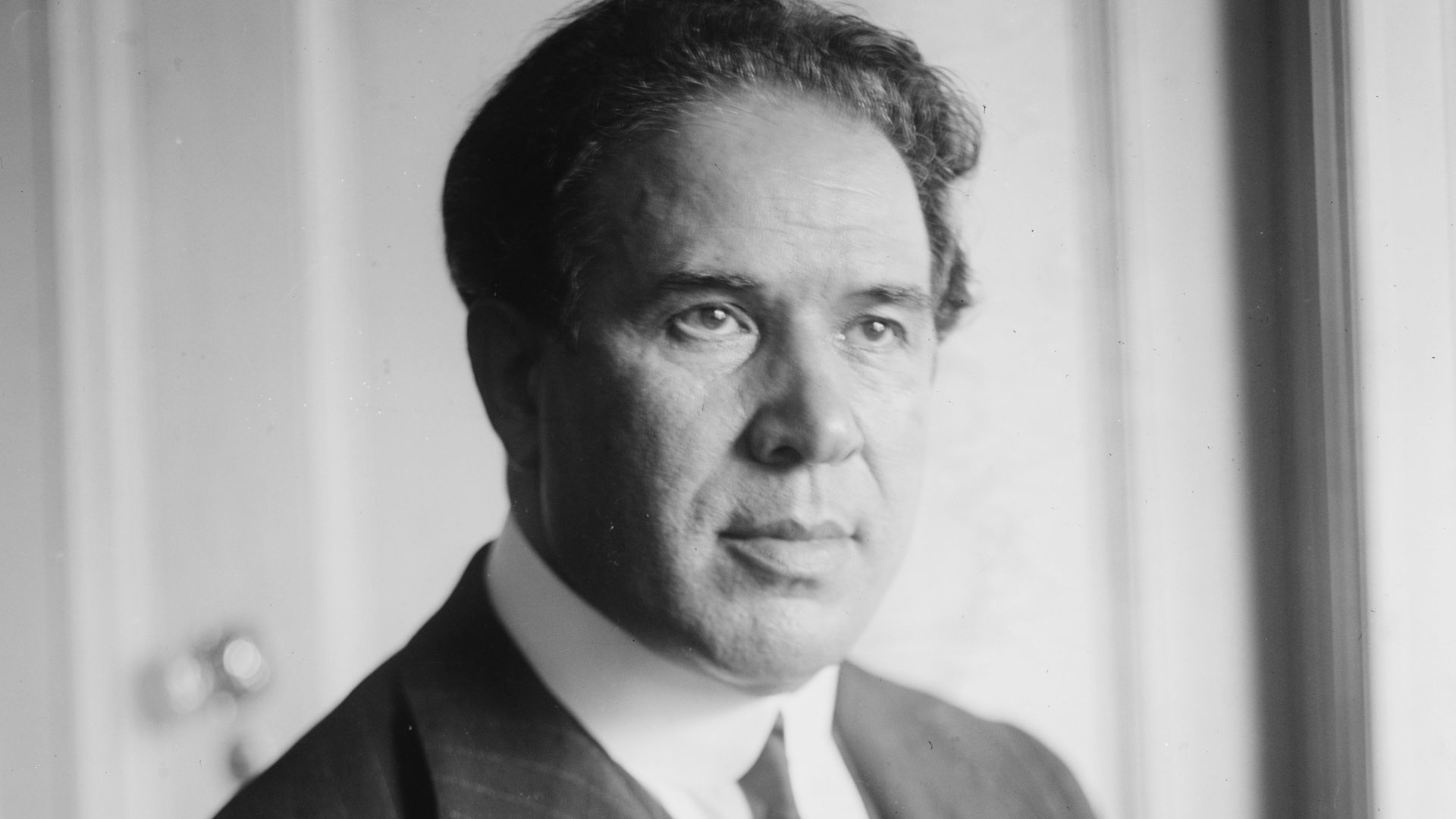
As a teenager, Nelson Eddy had trained his ear as much as his voice, idolizing the great baritones the way boys his age idolized baseball players. Eddy would spend countless hours listening obsessively to the recordings of singers like Titta Ruffo and Antonio Scotti, mimicking their rich notes until his pitch matched their own.
His secret singing sessions were about to pay off.
 Bain News Service, publisher, Wikimedia Commons
13. He Got All The Credit—Without Any Credit
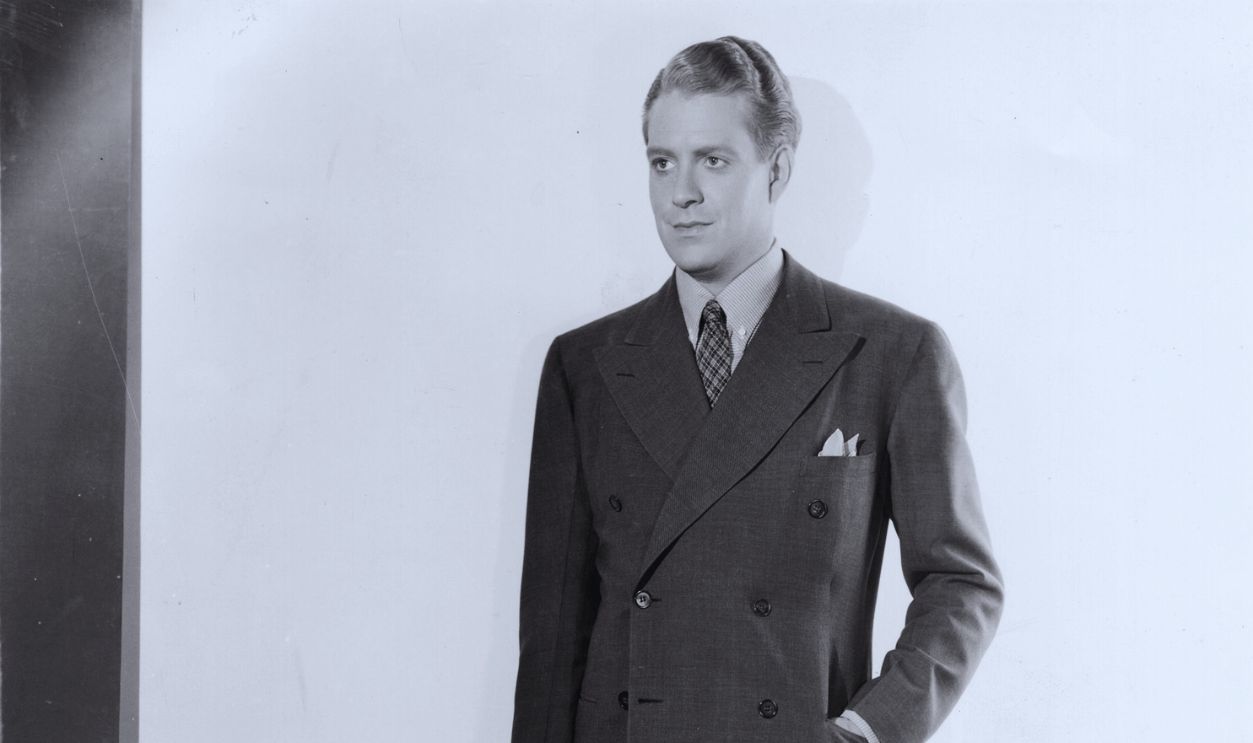
Eddy’s first brush with fame and acclaim came in 1922 when he appeared in a “society theatrical” called The Marriage Tax. While Eddy’s name didn’t appear on the marquee—or even the show’s program—he got something even better: a press mention. Despite the fact that he went uncredited in the production, critics singled out Eddy for praise, introducing his name to the Philadelphia opera crowd.
It was all up from there.
14. He Mastered Comic Opera
Nelson Eddy turned his early success in The Marriage Tax into more operatic roles. Joining the Savoy Company, he dove headfirst into the collaborative comedic operas of Gilbert and Sullivan. Starting in 1922, he took on the lead role in Iolanthe, following that up the next year with a turn as Major-General Stanley in The Pirates of Penzance.
He was almost ready for the spotlight.
15. He Won His First Big Prize
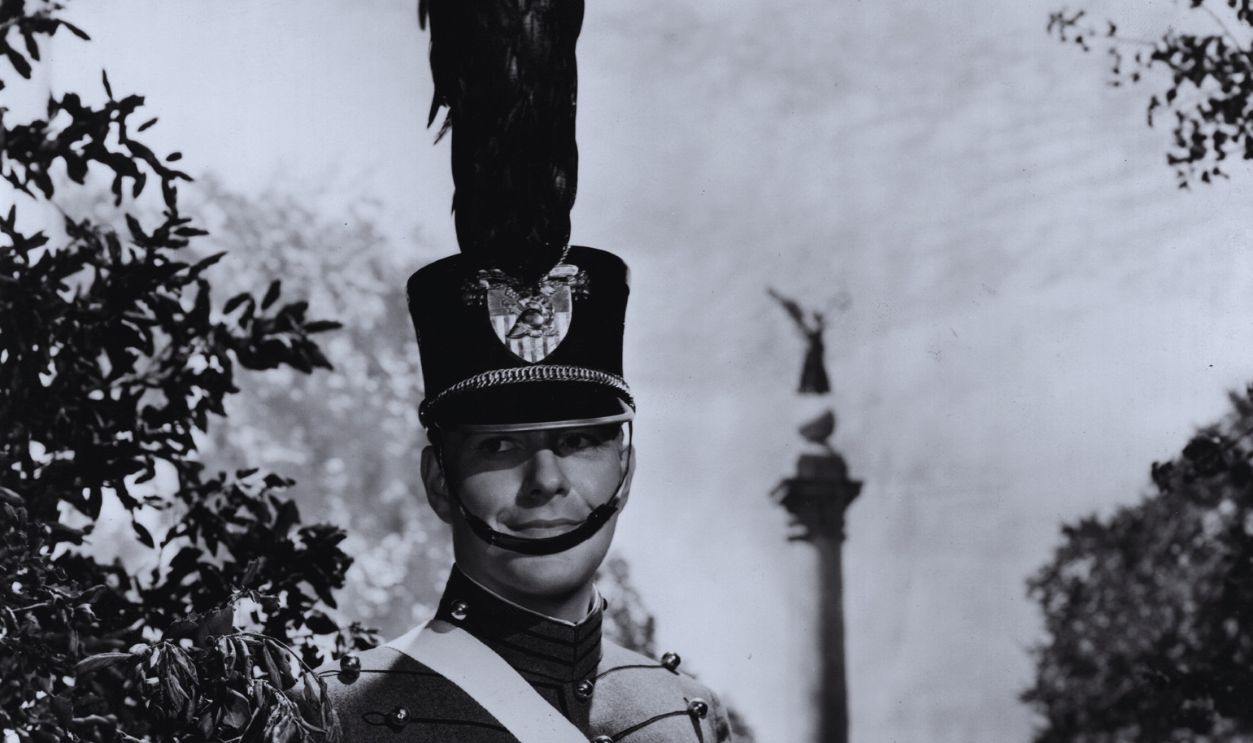
In 1924, Eddy’s talent earned him more than applause and a shoutout in the newspaper. He captured first place in a major vocal competition, with the prize including a coveted opportunity to appear with the Philadelphia Civic Opera Company. It was the small opening that he needed to make a big splash in the competitive world of opera.
History's most fascinating stories and darkest secrets, delivered to your inbox daily.
16. He Learned From A Legend
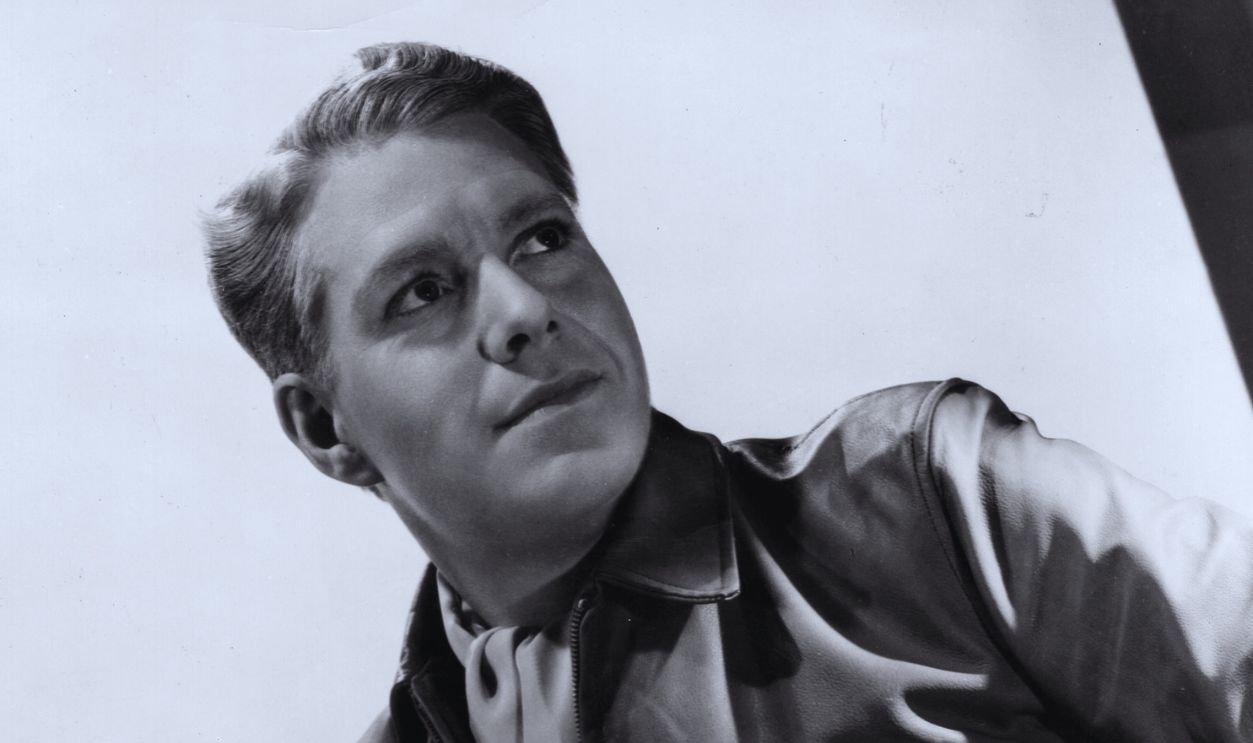
With a big win under his belt, Eddy knew that it was time to take his singing far more seriously. He briefly studied under David Bispham, a revered former Metropolitan Opera star. Sadly, Bispham passed suddenly in 1921, ending the mentorship, and forcing Eddy to place himself under the tutelage of William Vilonat instead.
Before long, the student would become the teacher.
17. His Teacher Followed Him West
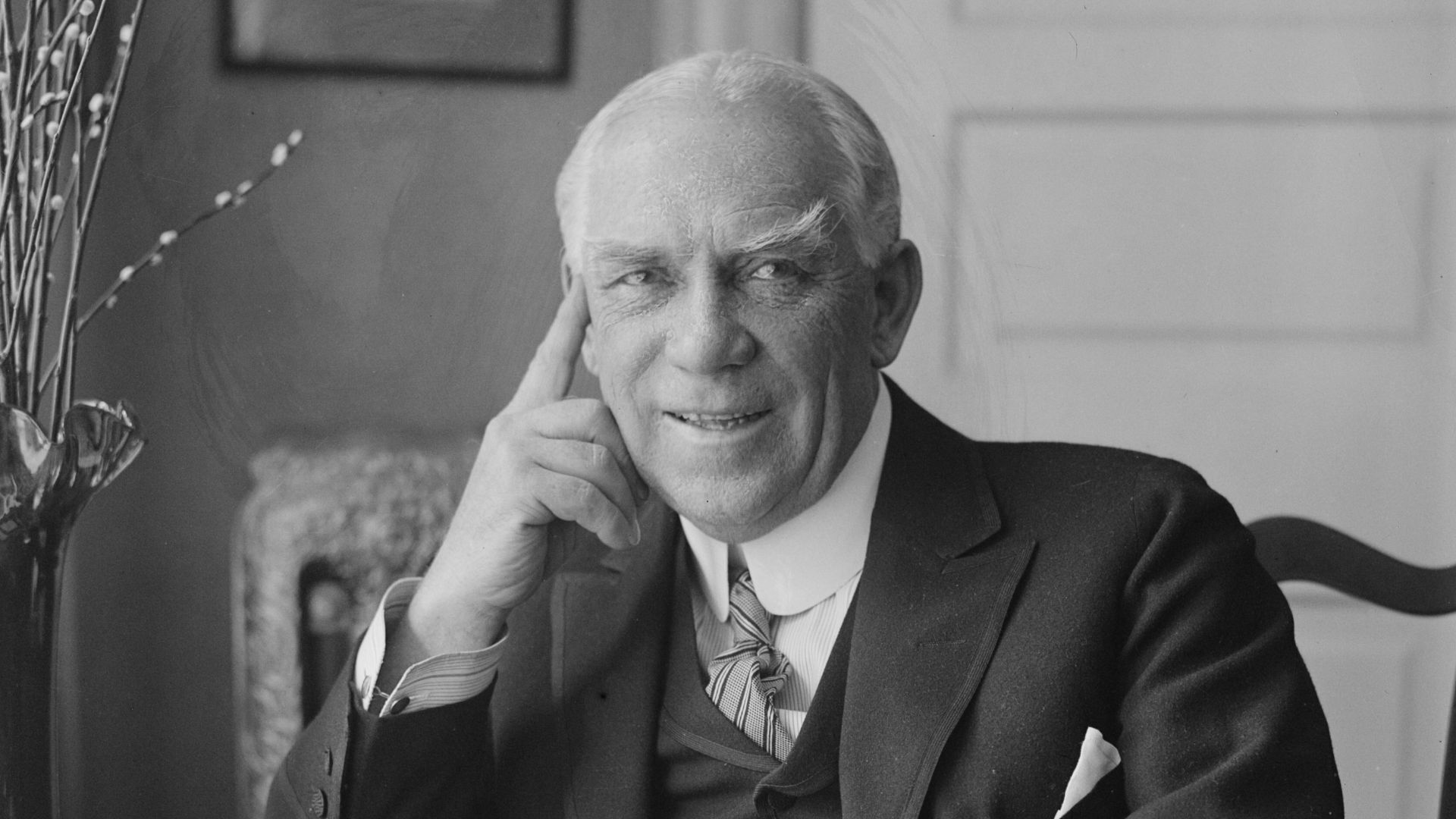
By the early 1930s, Eddy had swapped vocal coaches once again, training primarily with Edouard Lippé who shaped his mature vocal style. Their bond ran deeper than the typical student-teacher bond. Years later when Eddy moved to Hollywood, Lippé followed him and even appeared in a small role in Naughty Marietta in 1935.
But before he could conquer Hollywood, he had to conquer Dresden.
18. He Studied Where It Mattered
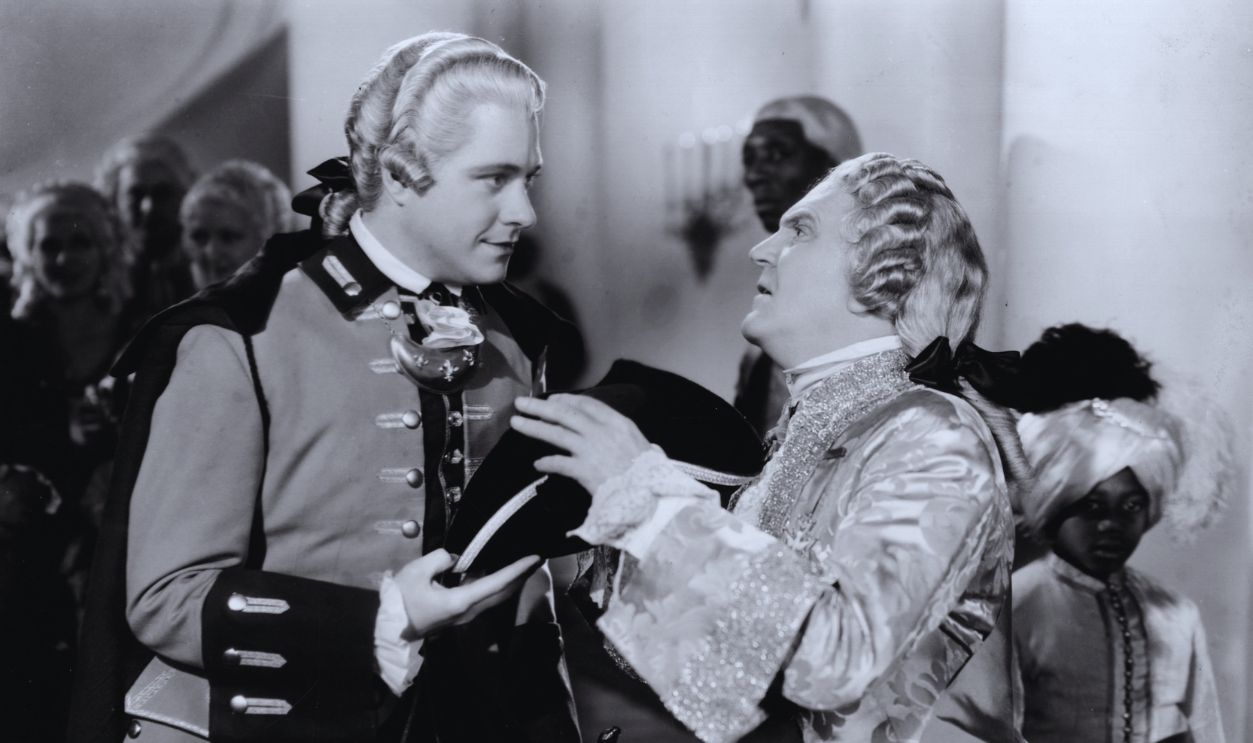
In 1927, Lippé hopped across the pond and traveled to Dresden—the ultimate destination for any serious opera singer. Seeing an opportunity, Eddy scraped together what money he could and borrowed the rest, following Lippé to the opera training capital of the world. Unsurprisingly, Eddy’s baritone blasted the Dresdeners away and he was offered a position there.
But bigger stages and brighter lights called him back home.
19. He Found His Musical Partner
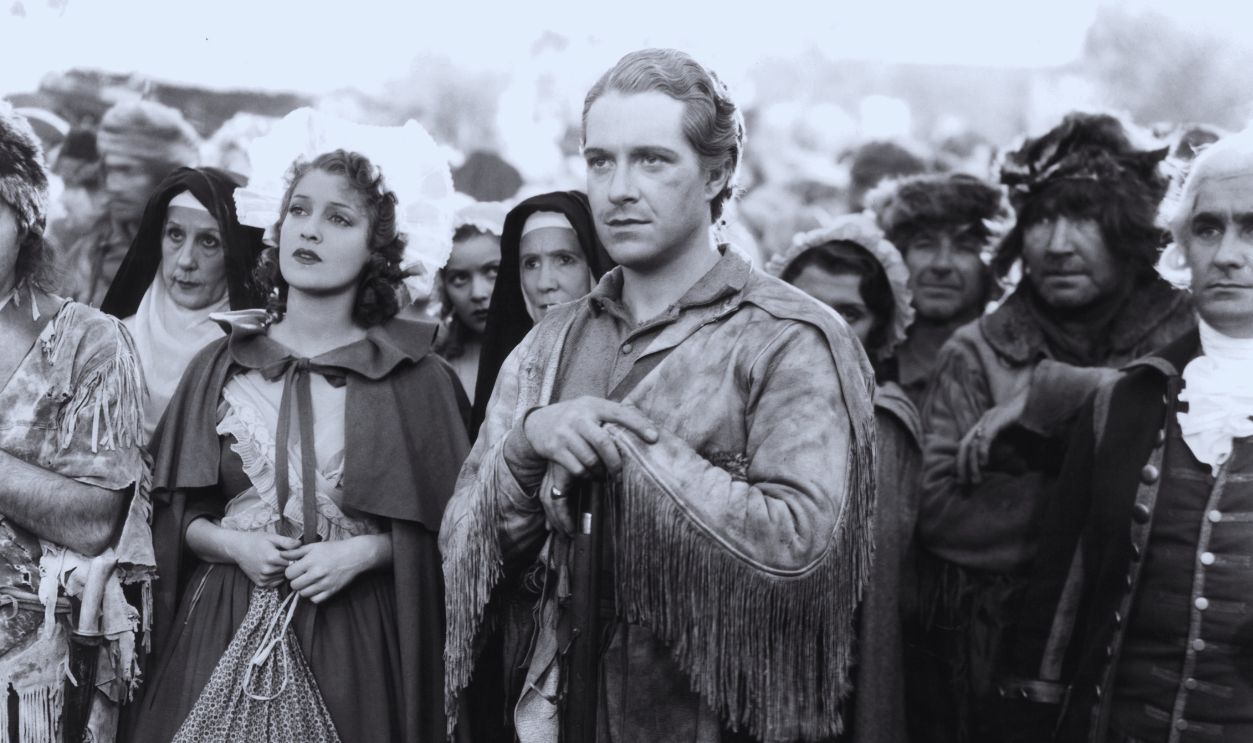
A year later, Eddy met a young pianist named Theodore “Ted” Paxson and the two began a musical partnership that would last through the ages. Paxson became Eddy’s first concert accompanist and their collaboration lasted for almost four decades after that, anchoring every one of Eddy’s performances in loyalty and harmony.
Plus, Paxson was the only one who could keep up with Eddy.
20. He Built A Massive Repertoire
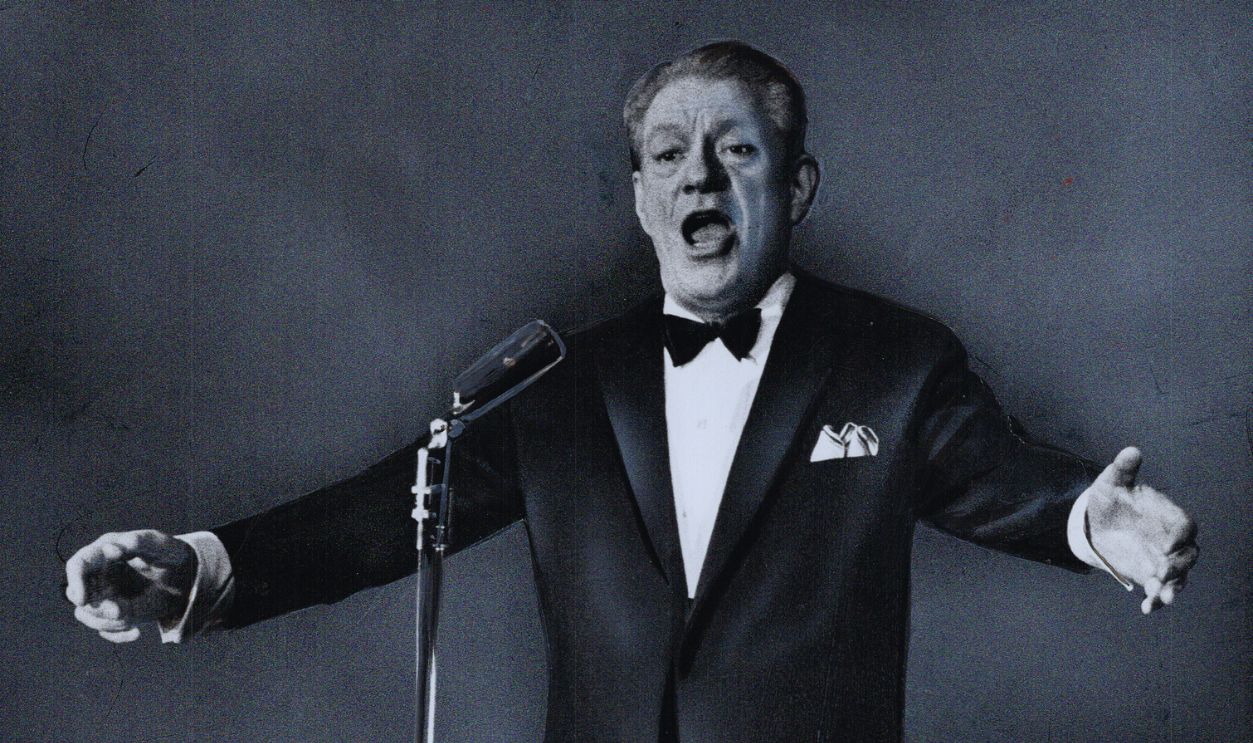
Eddy’s trip to Dresden yielded immediate and lasting results. Returning home, he became a regular performer with the Philadelphia Civic Opera Company and developed an enviable repertoire. He could sing an astonishing 28 operatic roles, ranging from the tragic Italian solos of Aida to the soaring songs of The Magic Flute.
In fact, Eddy was breaking new ground in American opera.
21. He Brought Strauss To America
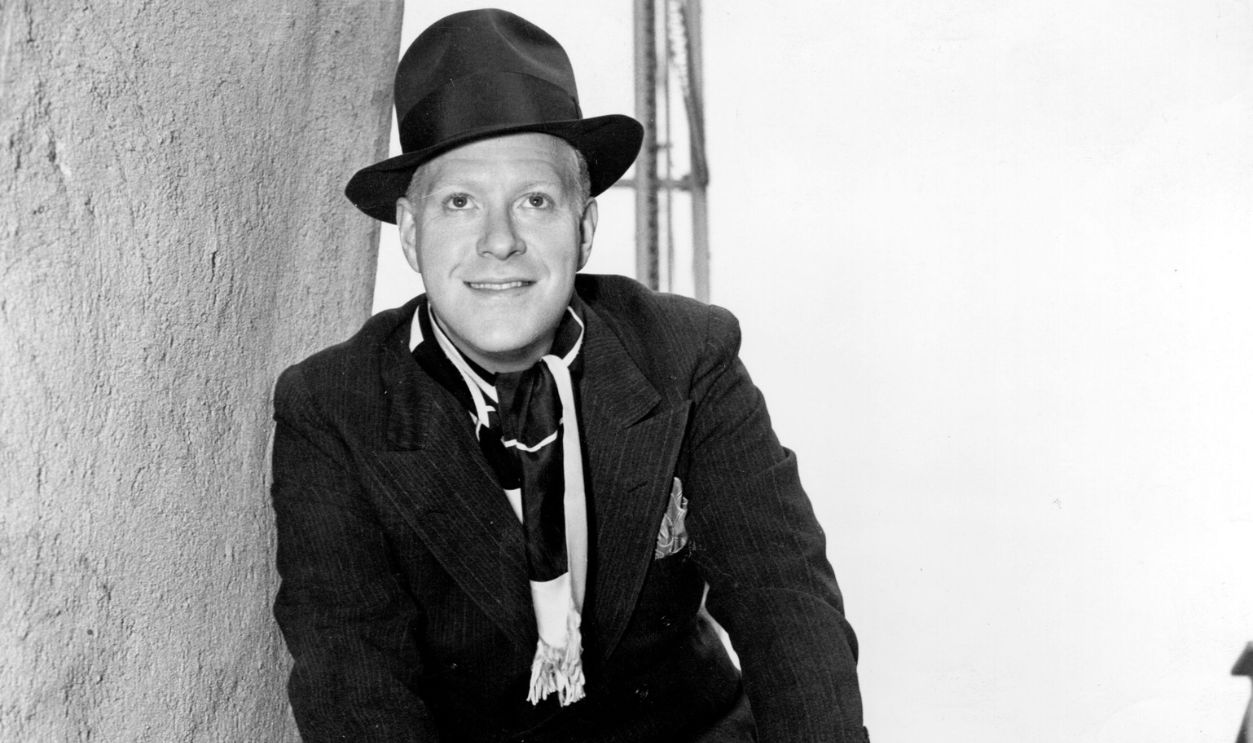
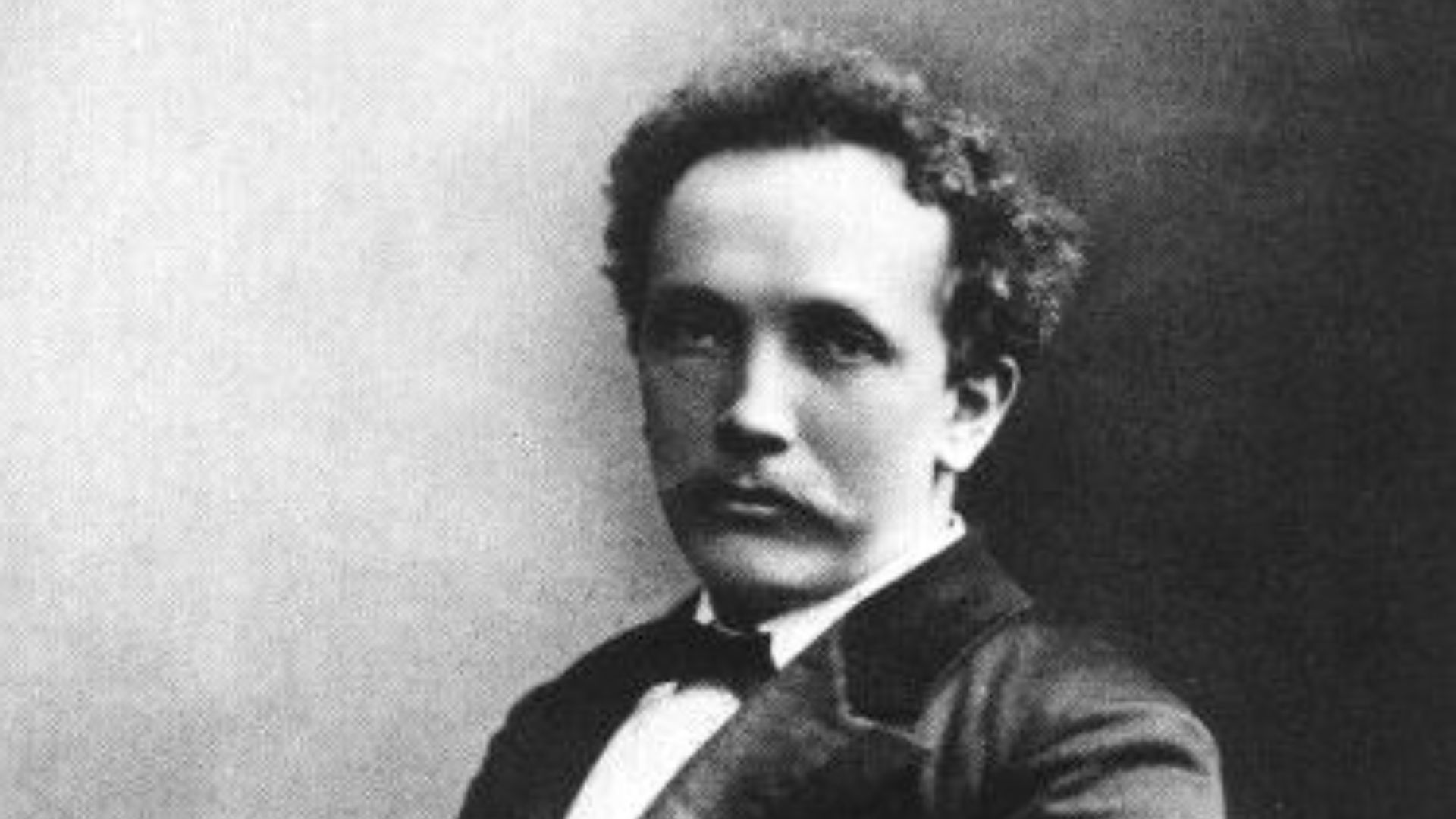
Nelson Eddy made history with the Philadelphia Civic Opera in 1927 in a way that few opera singers could. He became the first American singer to perform Richard Strauss’ Feuersnot, introducing audiences to something they previously had to travel on a steamboat to hear. The following year, he did it again, bringing the house down with Ariadne auf Naxos alongside soprano Helen Jepson.
His familiarity with European composers was impressive.
 Franz Leximeliaman, Wikimedia Commons
History's most fascinating stories and darkest secrets, delivered to your inbox daily.
22. He Made A World Premiere
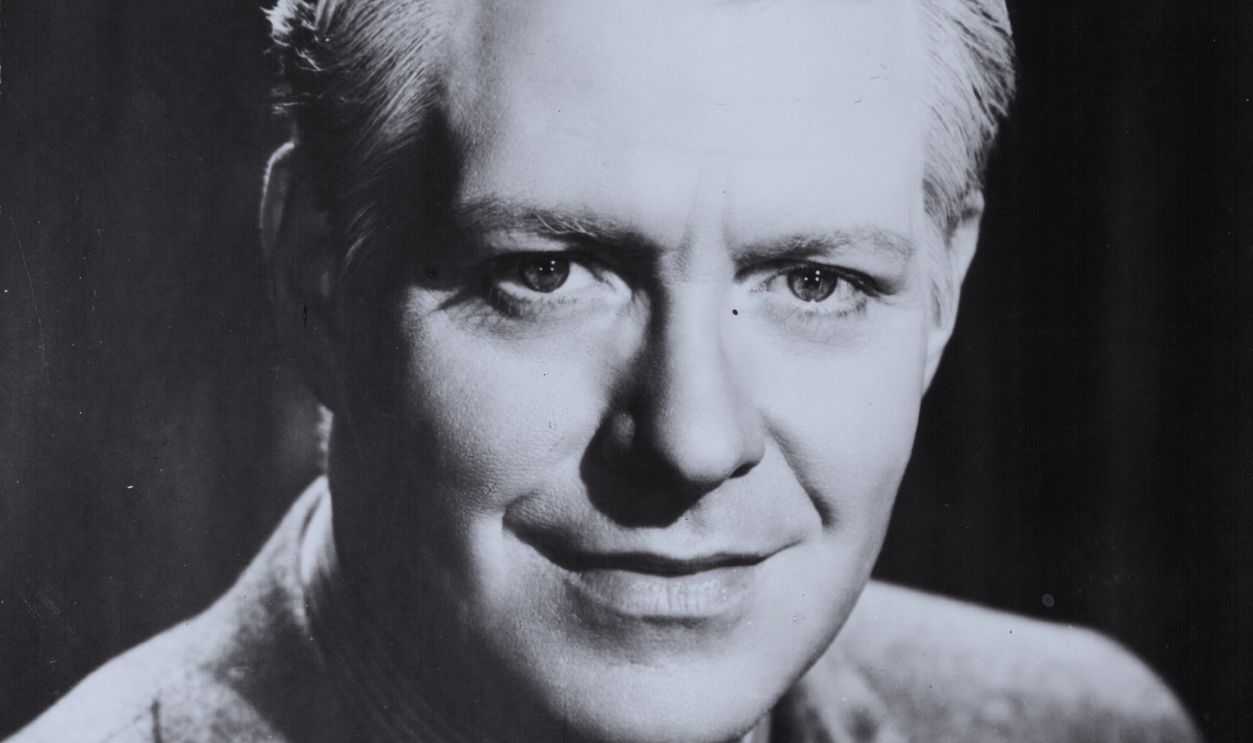
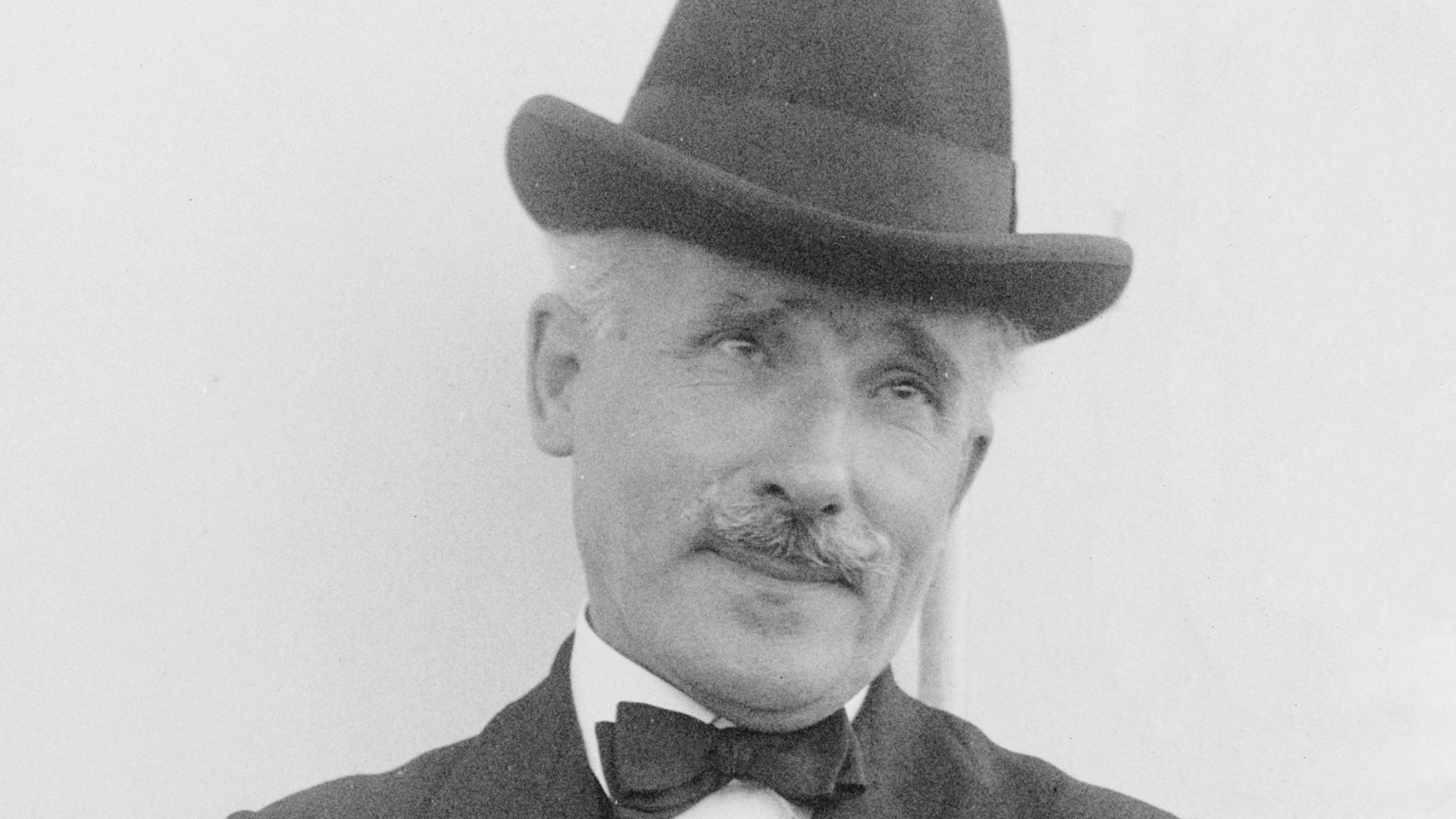
On Christmas Day in 1931 at Carnegie Hall, Eddy took part in the world premiere of Maria egiziaca (Mary in Egypt). But, when the opera’s famed conductor, Arturo Toscanini, suddenly fell ill, the whole production seemed in doubt. Thankfully, composer Ottorino Respighi, the man who created the piece, stepped in to conduct and the show went on without a hitch.
But Eddy still wanted to impress Toscanini.
 Pictorial Parade, Getty Images
23. He Never Forgot Toscanini
Even years later, Eddy still wanted the opportunity to perform for Toscanini. Luckily, he would get that chance—and in style. When Toscanini visited the MGM studio lot, Eddy greeted the legendary conductor not with words, but with music. He sang a few bars from Maria egiziaca, instantly transporting them both back to that chaotic Christmas premiere.
His voice carried far and wide.
 Bain Collection, Wikimedia Commons
24. He Sang Wagner On The Airwaves
On March 31, 1933, Eddy tackled the demanding role of Gurnemanz in a radio broadcast of Wagner’s Parsifal. Rose Bampton shared the performance, with Leopold Stokowski conducting. The broadcast carried Eddy’s mellifluous baritone far beyond the opera house, into homes all across the nation. Hollywood, it seemed, was listening.
25. He Replaced A Diva Overnight
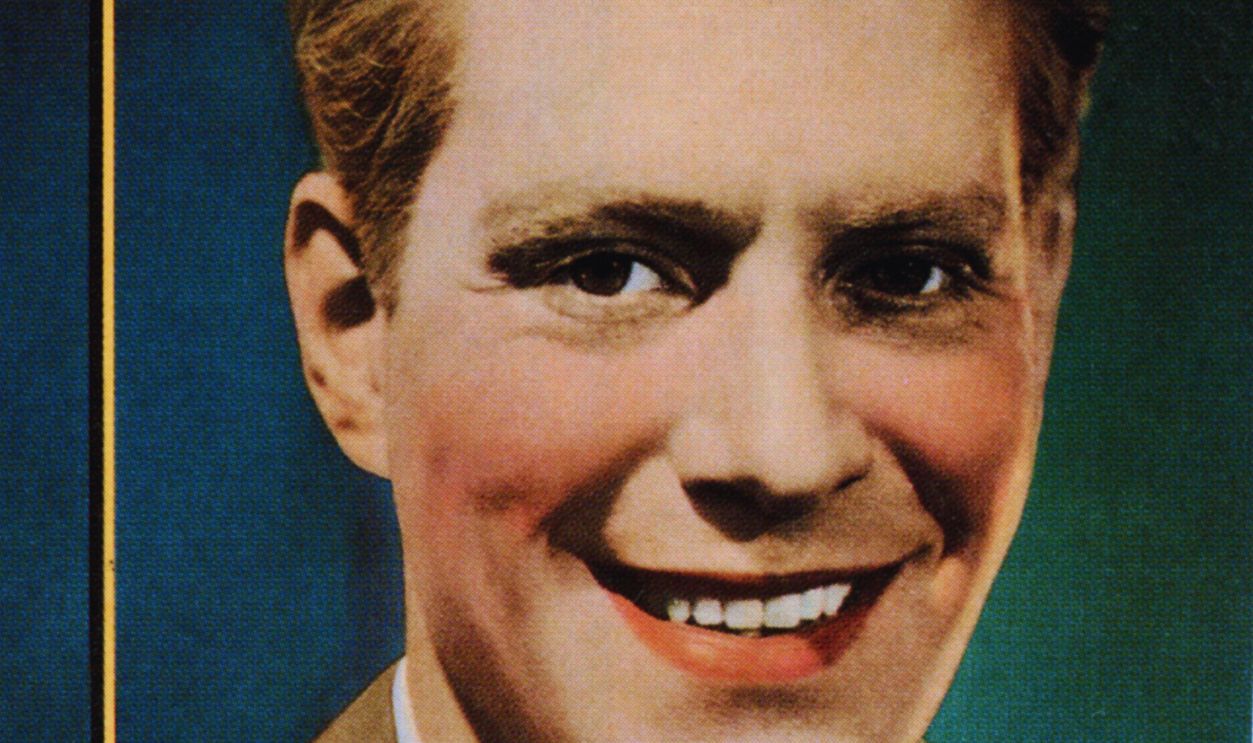
A last minute substitution led to Eddy’s big break. The day was February 28, 1933 and the famed soprano Lotte Lehmann had to back out of a packed Los Angeles concert. Eddy stepped into the spotlight in her place and delivered the performance of a lifetime, earning a staggering 18 curtain calls. Before the lights in the theater dimmed, Eddy was getting offers from Hollywood.
26. He Chose Film Reluctantly
While most performers would have jumped at the opportunity to make movies, Nelson Eddy agonized over the decision to go to Hollywood. He believed concerts were his “real work” and relished the idea of performing opera—in the opera house. But he couldn’t deny one thing: screen exposure would grow his live audiences. Plus, like his father, Eddy was fascinated by machines and gadgets and the mechanics of movies excited him.
There was just one thing left to do.
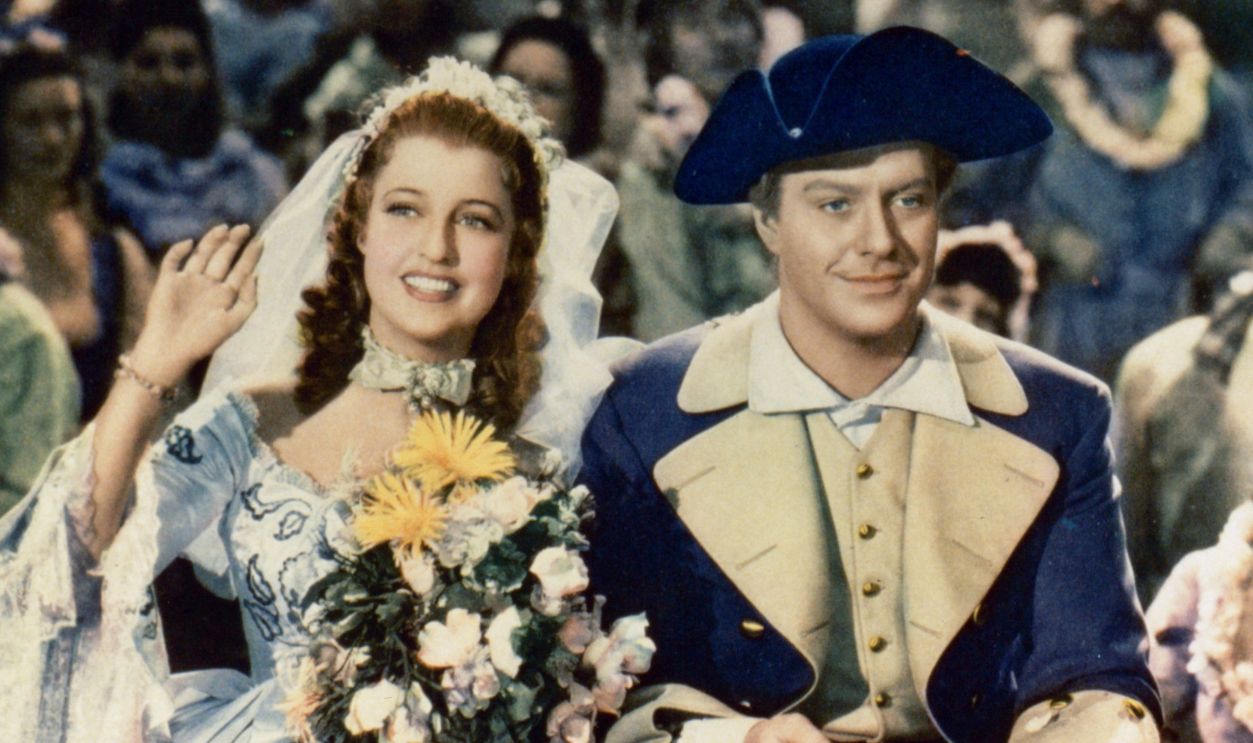
27. He Left Opera On A High Note
Even with major Hollywood studios circling him like sharks, Eddy continued singing opera. Still, he relished the opportunity to perform for opera-diehards before his films made him a household name. So, in 1934, he delivered some of his last opera performances, sharing the stage with Elisabeth Rethberg, Giovanni Martinelli, and Ezio Pinza.
But he could never truly say goodbye to the stage.
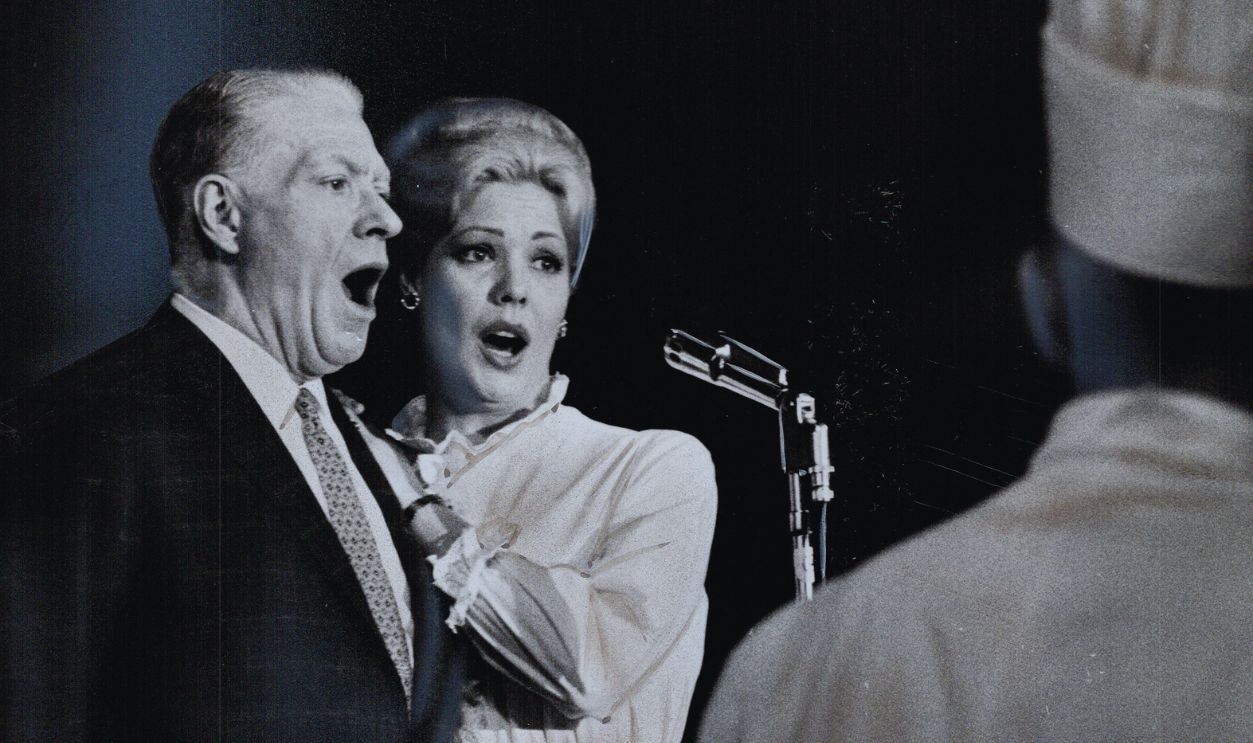
History's most fascinating stories and darkest secrets, delivered to your inbox daily.
28. He Negotiated Time For Music
Eddy eventually gave in to the unrelenting demands of Hollywood and signed with Metro-Goldwyn-Mayer. But he wasn’t going “all-in” on movies just yet. Crucially, Eddy negotiated his contract with MGM to guarantee him three months off every year—time that he reserved exclusively for live concert tours. Very expensive live concert tours.
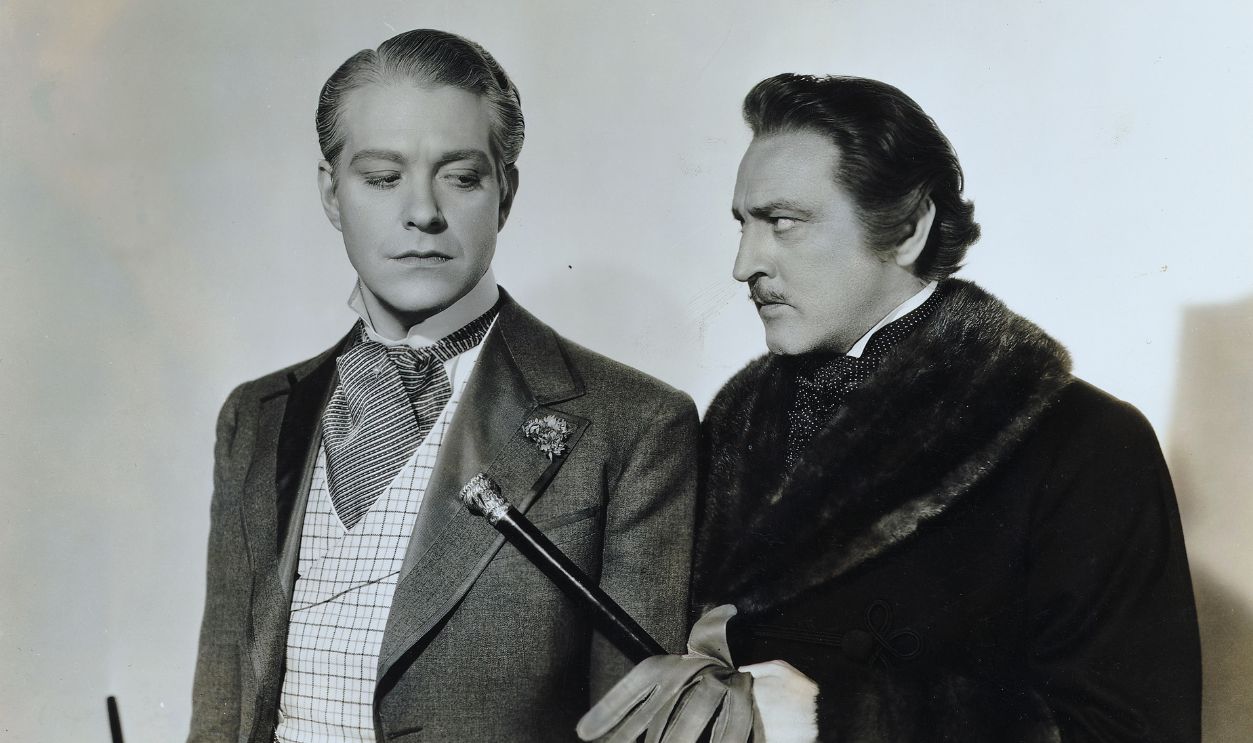
29. He Made Insane Bank
Eddy had been right: Hollywood fame would bring more people to the theater to hear him sing live. As his movie career took off, Eddy’s fee for live performances soared higher than a “High C” in Allegri’s Miserere. Prior to his Hollywood acclaim, Eddy commanded $500 per performance. But after? A bass-dropping $10,000 per appearance.
It was more than movies paid him—at first.
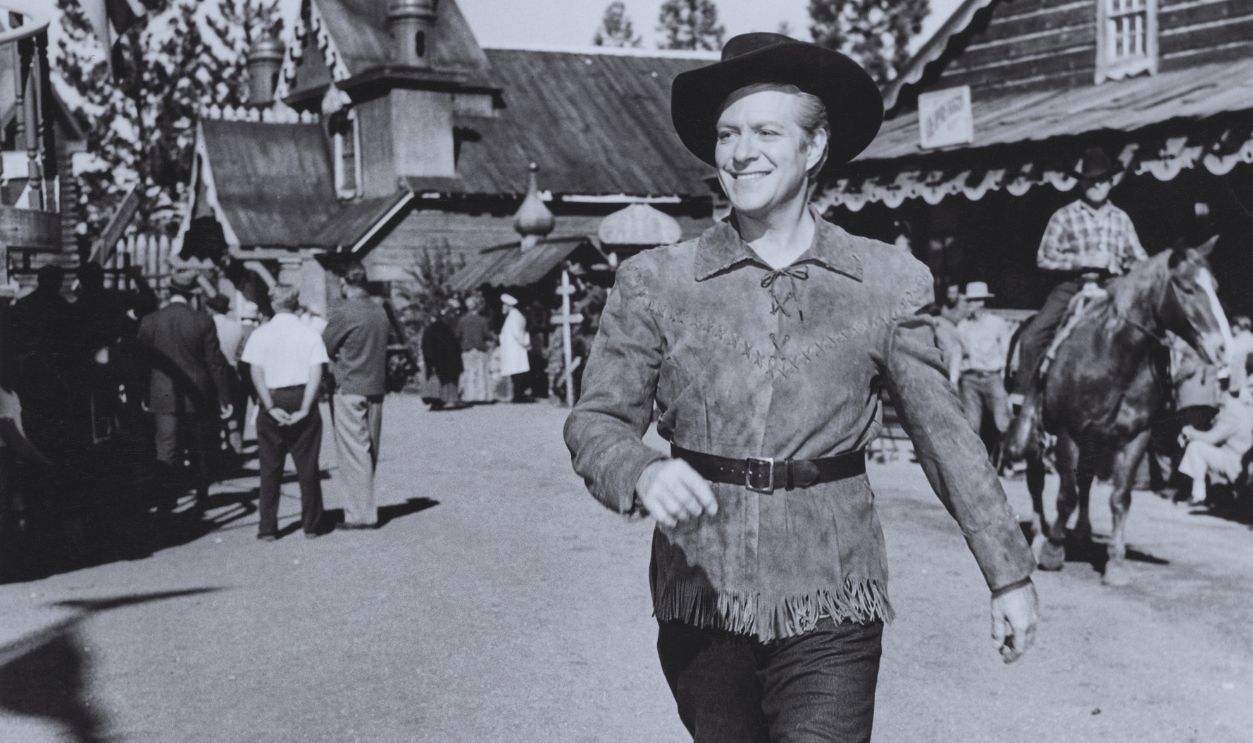 Michael Ochs Archives, Getty Images
30. He Waited On MGM’s Benches
Despite MGM’s eagerness to sign Nelson Eddy—and Eddy’s cushy contract—the studio struggled to find a place for the talented baritone. He spent his first year in Hollywood with little to do, appearing only briefly in Broadway to Hollywood and Dancing Lady in 1933, then Student Tour in 1934. His big breakout role, however, was one that no one had seen coming.
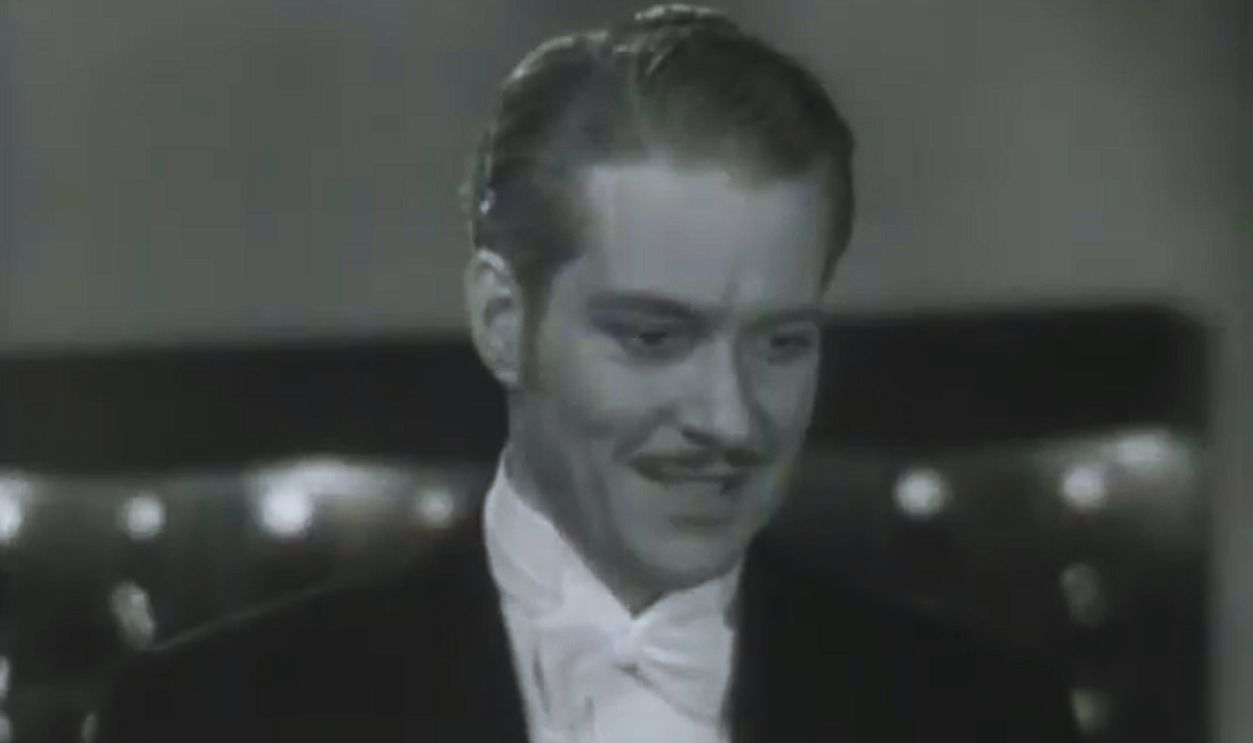 Screenshot from Student Tour, Metro-Goldwyn-Mayer (MGM) (1934)
31. He Turned Naughty Into Nice
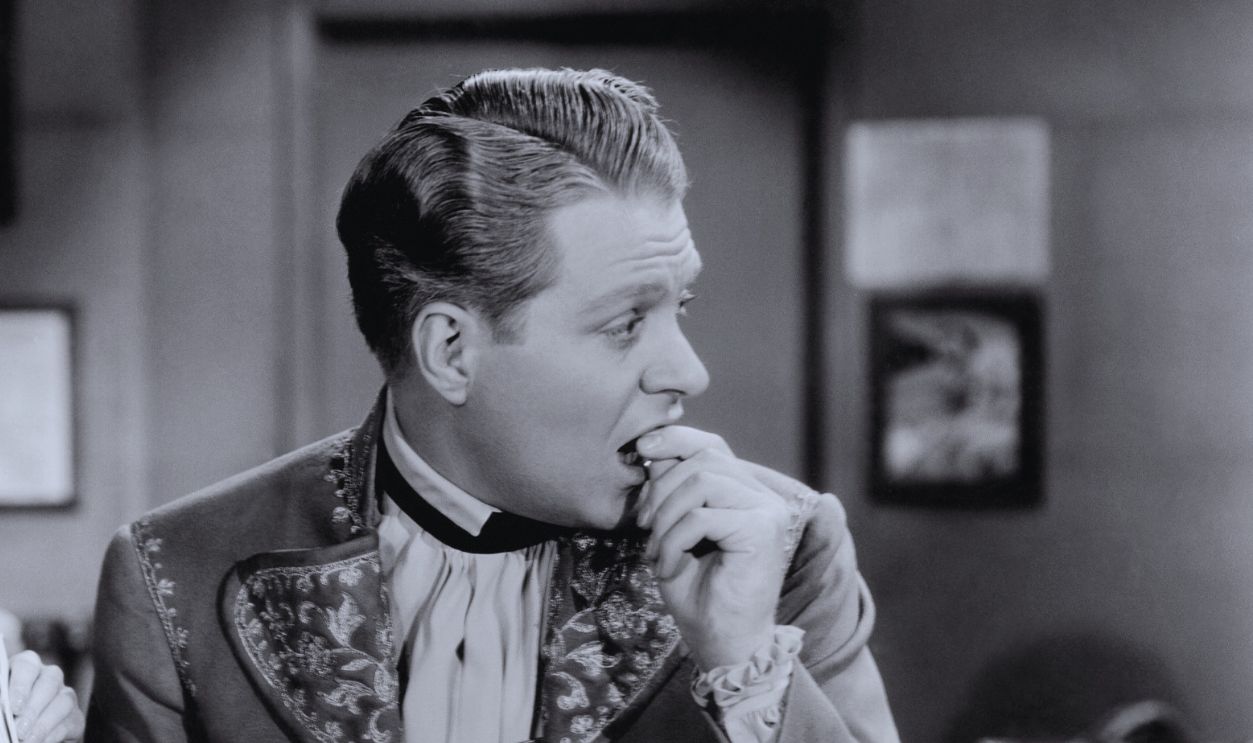
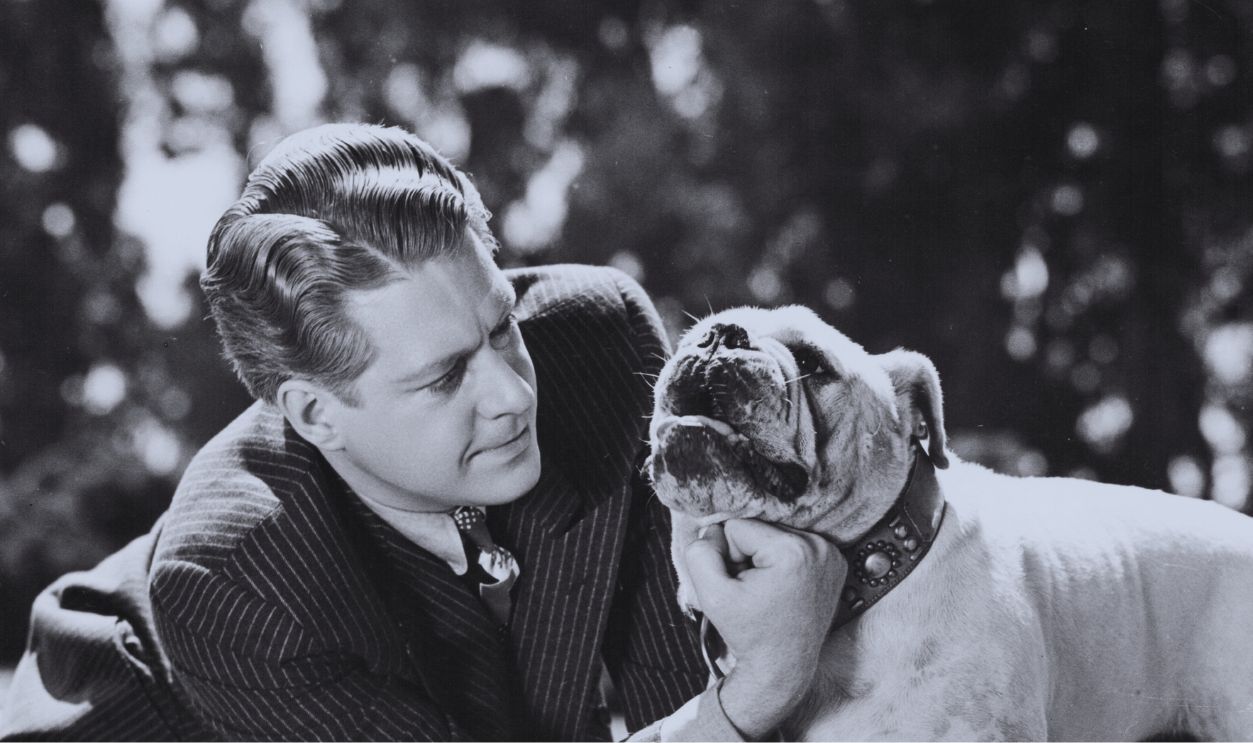
Eddy’s performance in 1935’s Naughty Marietta changed everything. Cast opposite Jeanette MacDonald, Eddy was the male lead in what turned into that year’s surprise sensation. Its signature song, “Ah! Sweet Mystery of Life” became a runaway hit, earning Eddy his first gold record and cementing him as a movie star almost by accident. The awards soon followed.
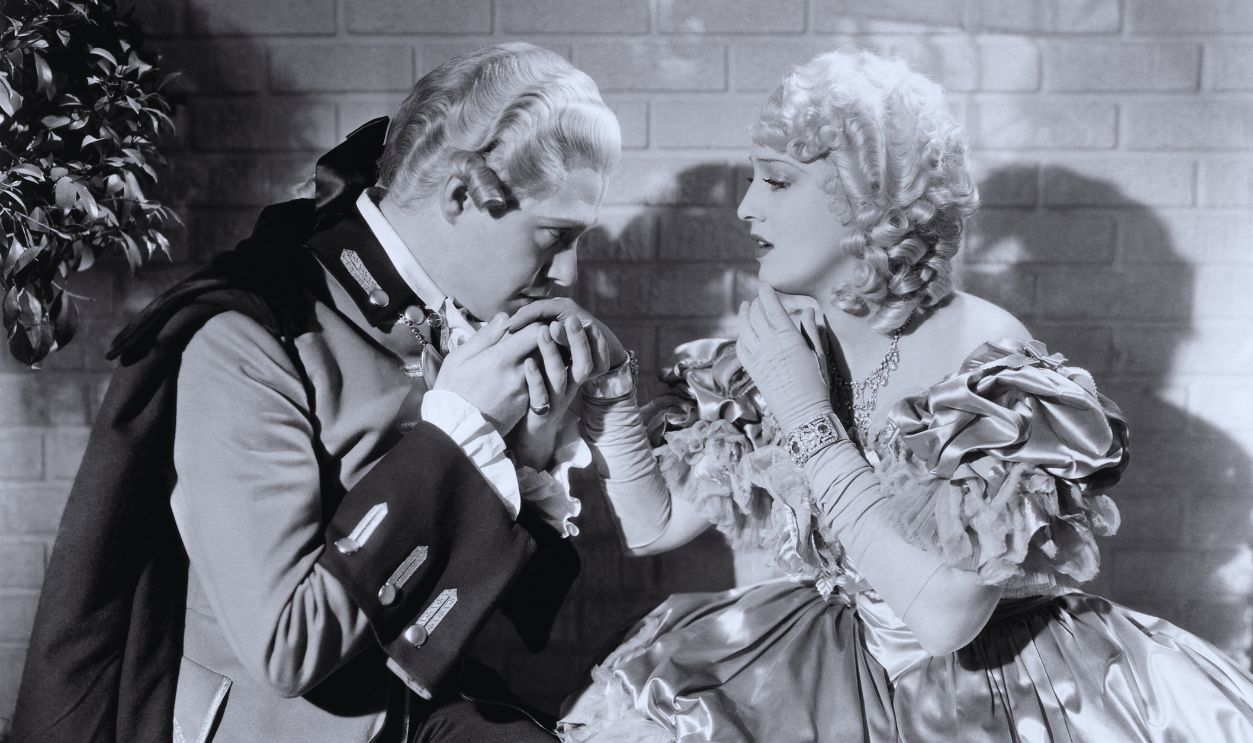 Donaldson Collection, Getty Images
32. He Sold A Million Duets
Between 1935 and 1938, Eddy and his Naughty Marietta co-star, Jeanette MacDonald, both recorded for RCA Victor. That overlap made it possible for the recording studio to press Eddy’s and MacDonald’s on-screen chemistry into recording gold. Hits like “Indian Love Call” and “Ah! Sweet Mystery of Life” sold over a million copies and later earned a place in the Grammy Hall of Fame.
By that time, Eddy was almost everywhere.
33. He Became A Mountie Icon
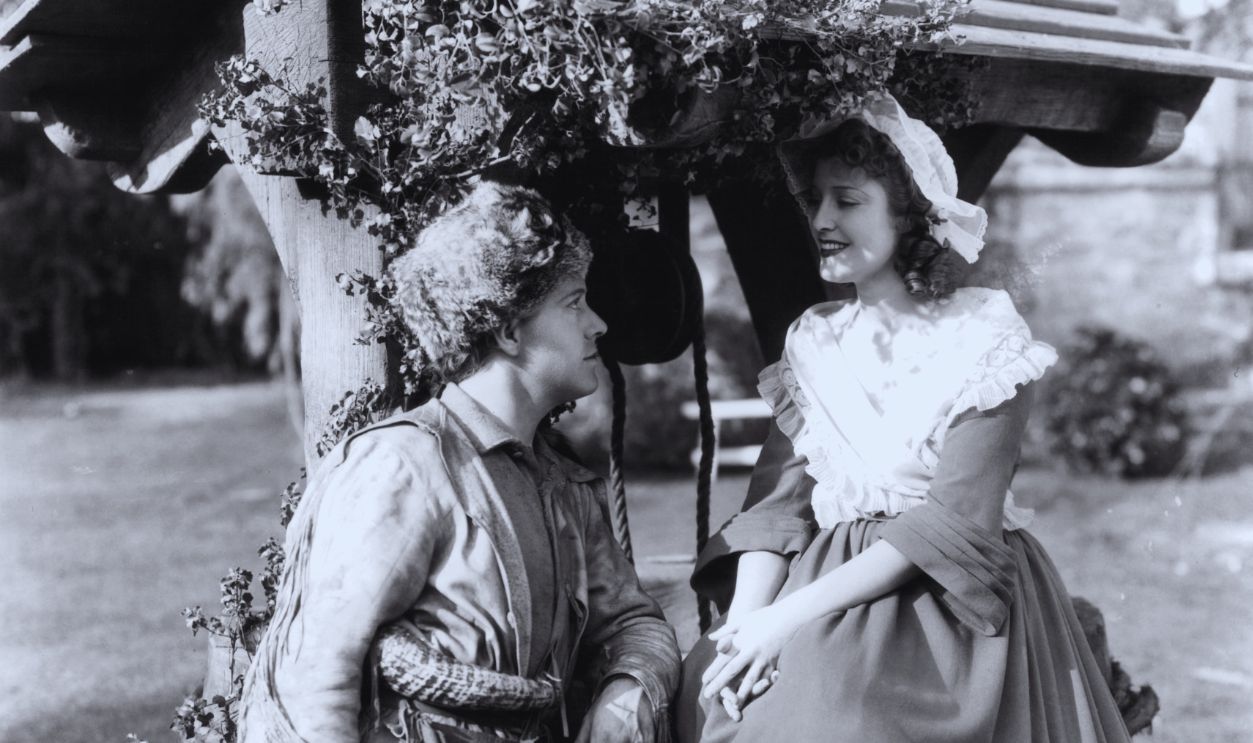
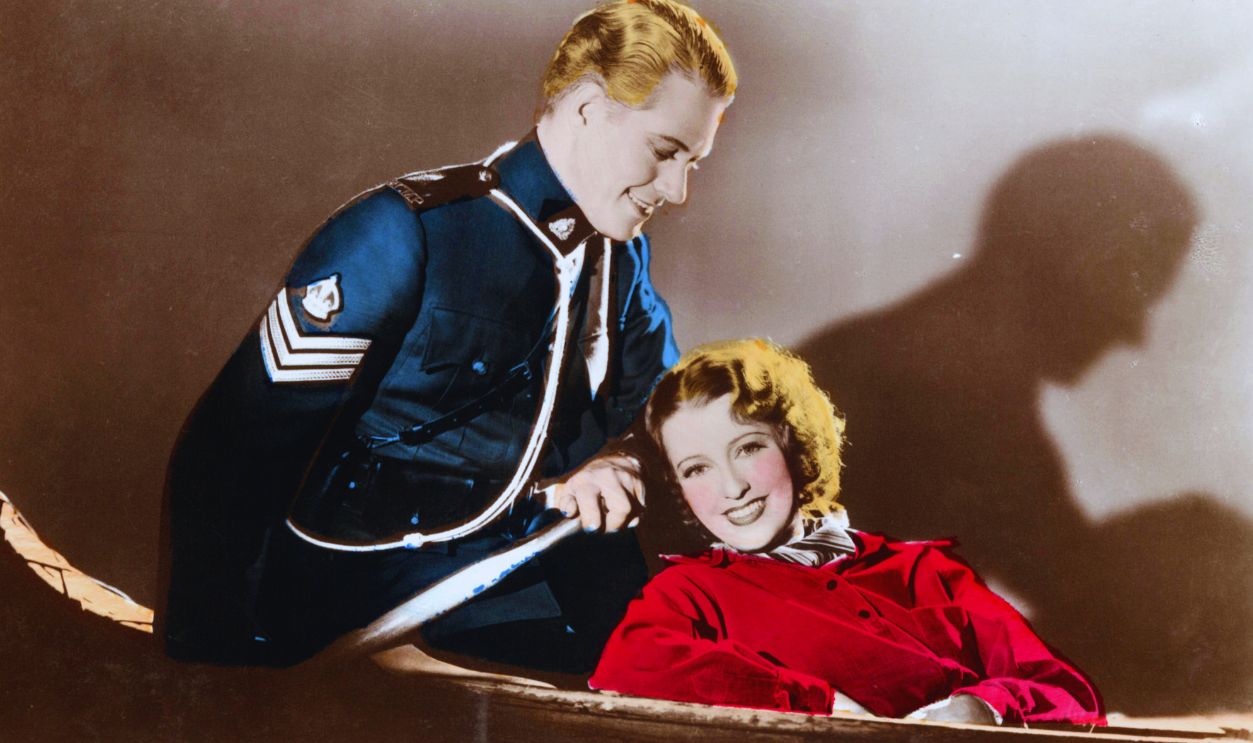
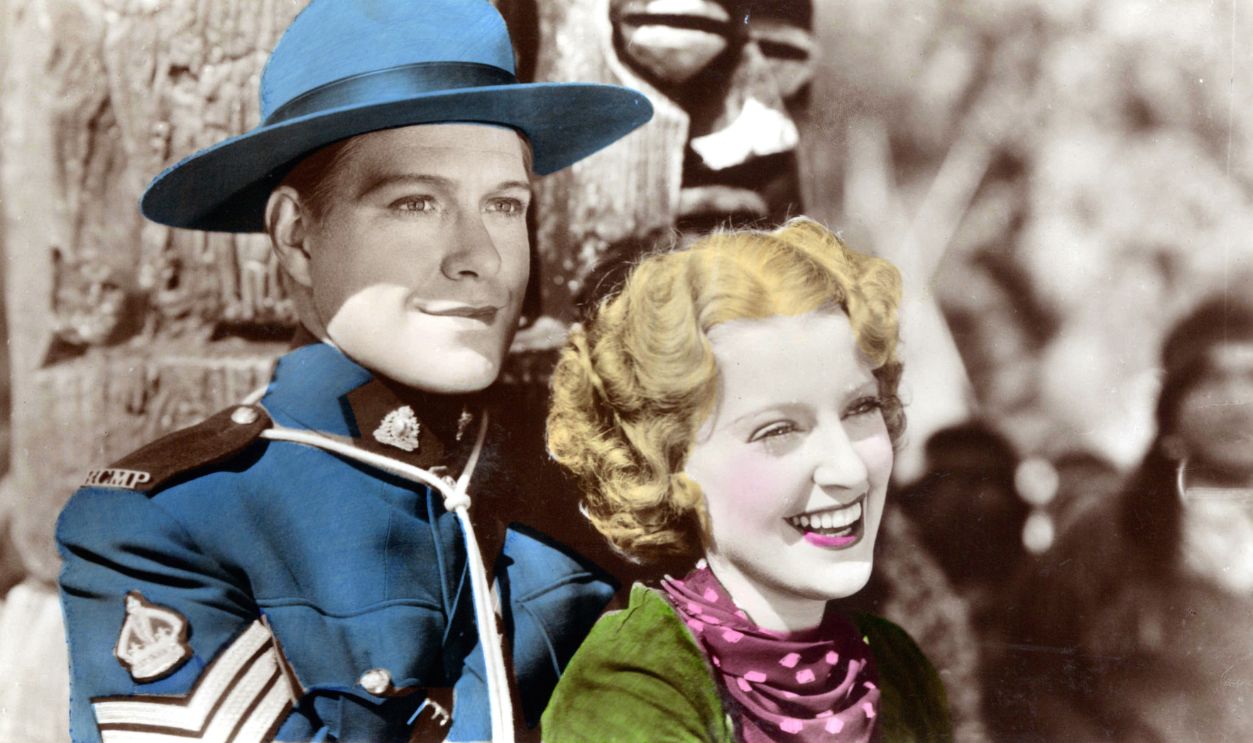
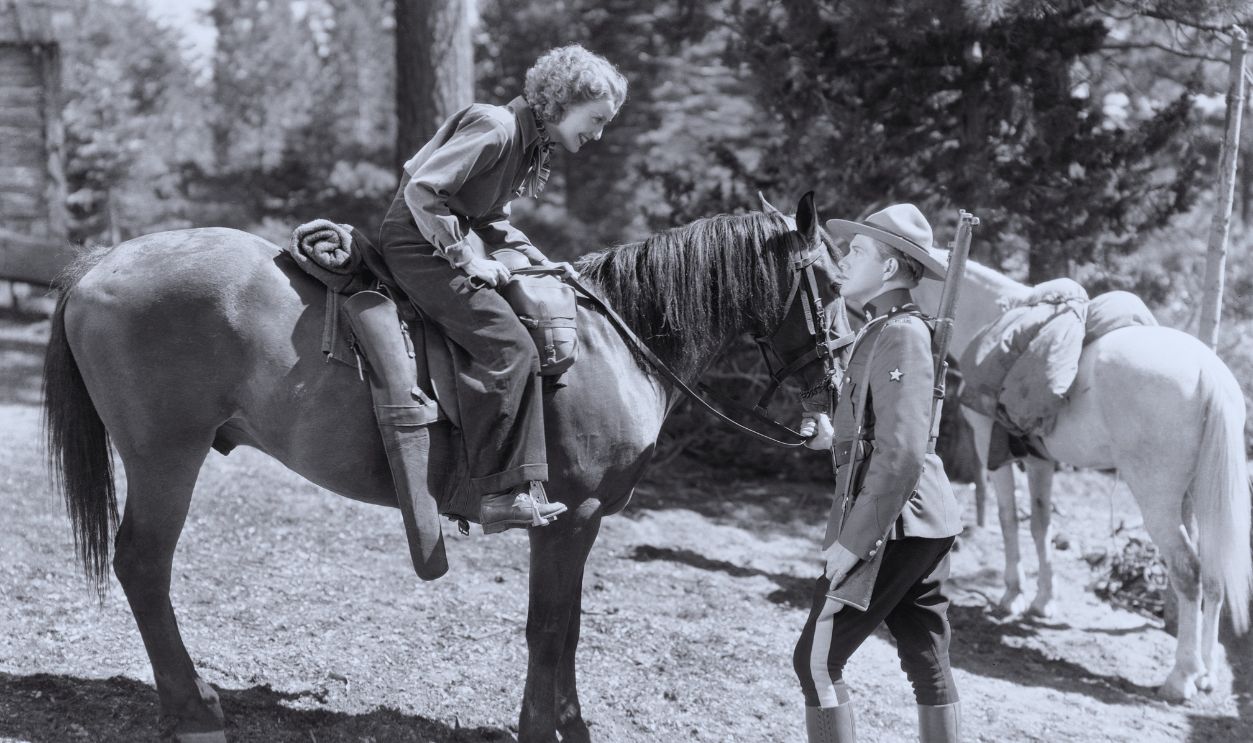
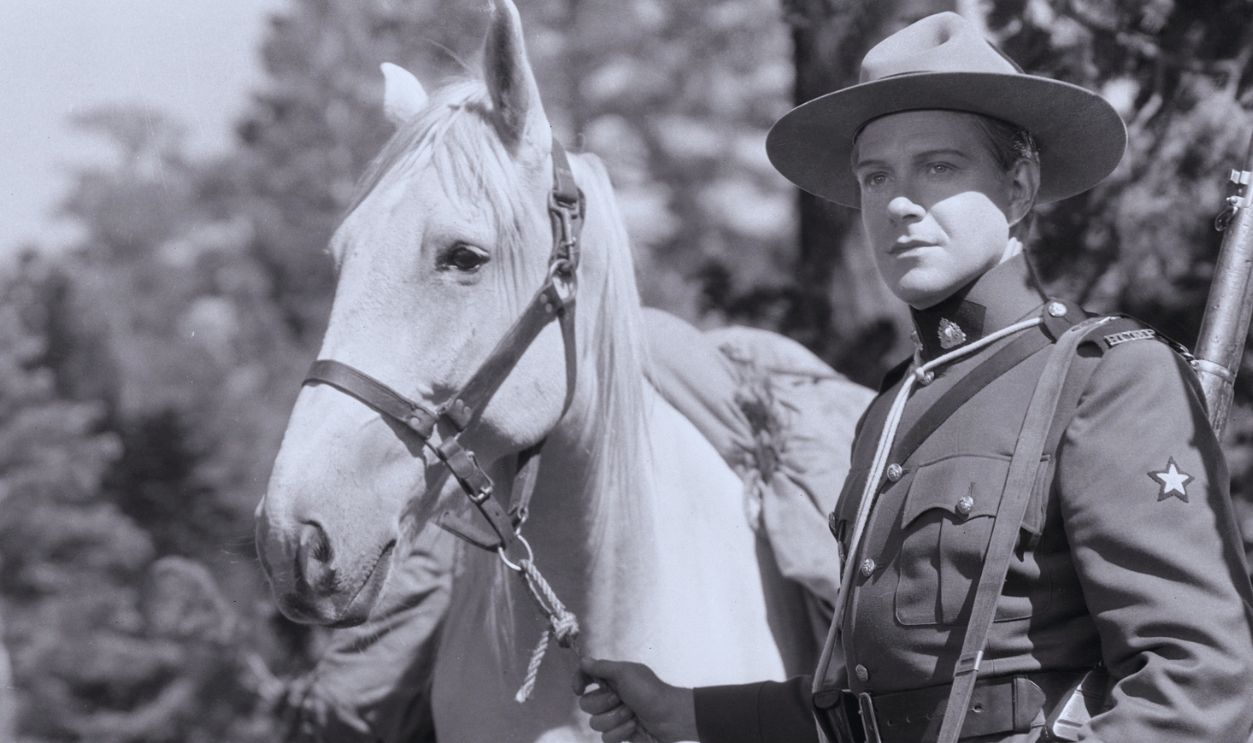
If there was one role that defined Eddy’s film career, it was that of a mountie in 1936’s Rose Marie. His performance—belted out through “Song of the Mounties” and “Indian Love Call”—proved unforgettable. The character lodged itself into pop culture, spawning affectionate parodies in cartoons and television for decades afterward. But his movie heydays weren’t meant to last.
History's most fascinating stories and darkest secrets, delivered to your inbox daily.
34. He Ended A Legendary Pairing
When, in 1938, Nelson Eddy signed with Columbia Masterworks, he was closing a chapter in American cinema that no one was ready to say goodbye to. The new contract took Eddy away from his frequent on-screen and in-studio partner, MacDonald, leaving audiences without their musical match. Eventually, the two would reunite on record with Favorites in Stereo in 1959, but the sonorous duo went their separate ways.
Plus, Eddy had another woman in his life.
35. He Married Away From Cameras
In early 1939, Eddy finally took himself off of the marriage market. In a quiet Las Vegas ceremony, away from the flashbulbs and tabloids, he married Ann Denitz Franklin. His new bride had previously been married to director Sidney Franklin, and Eddy became stepfather to her son, Sidney Jr. While the couple had no children of their own together, they enjoyed a happy marriage.
When Eddy wasn’t away on secret missions, that is.
 John Springer Collection, Getty Images
36. He Sang For The Troops
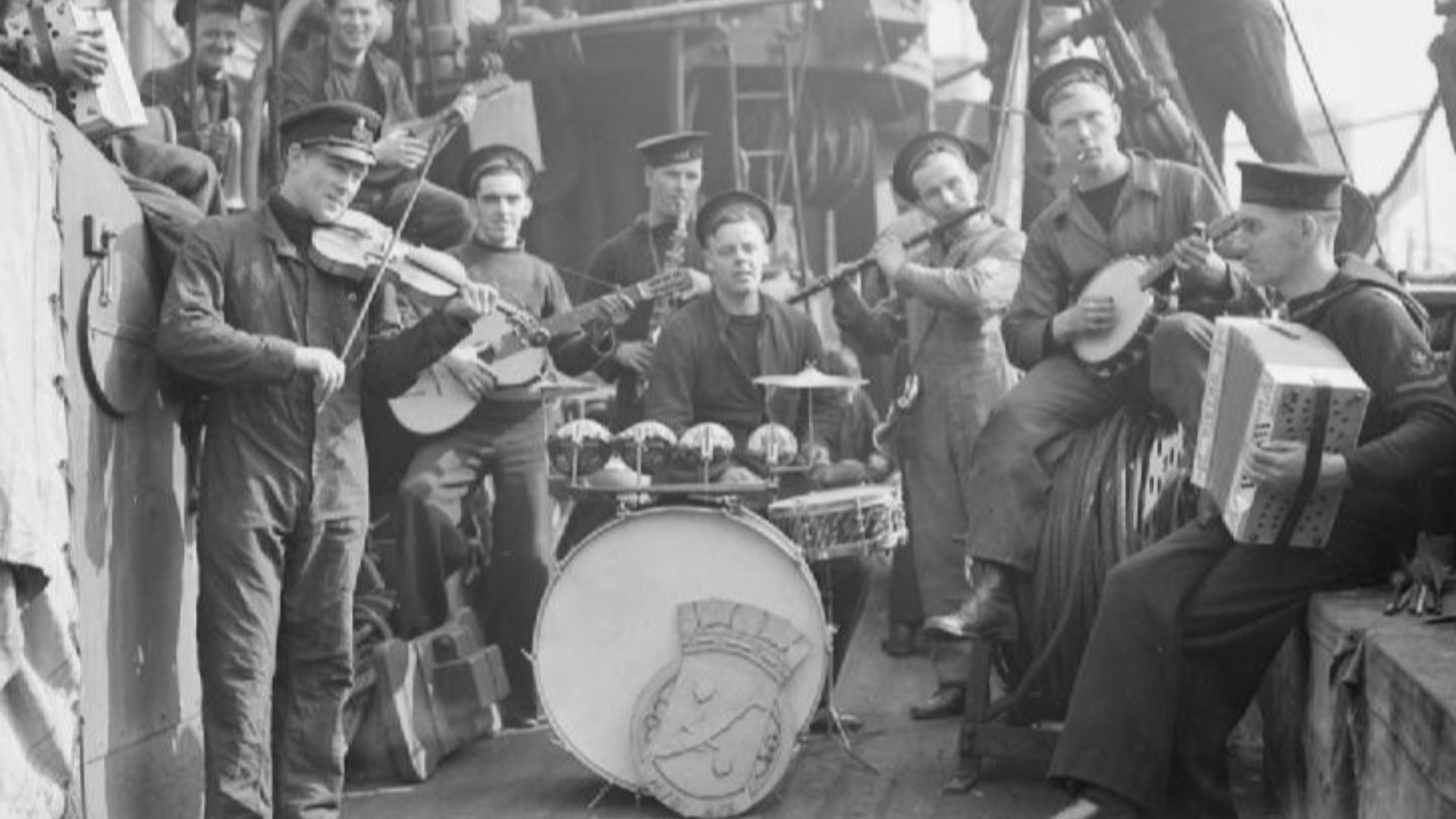
When WWII erupted, Eddy stepped forward—or belted forward, as the case might be. Unable to join the front lines, he opted instead to sing for peace, hosting benefit concerts, broadcasting to service members, and even sinking hour upon hour into the Hollywood Canteen. His efforts doubtlessly raised piles of money and boosted morale. Even the top brass wanted to hear from the baritone.
 Royal Navy official photographer, Tomlin, H W (Lt), Wikimedia Commons
37. He Sang For A President
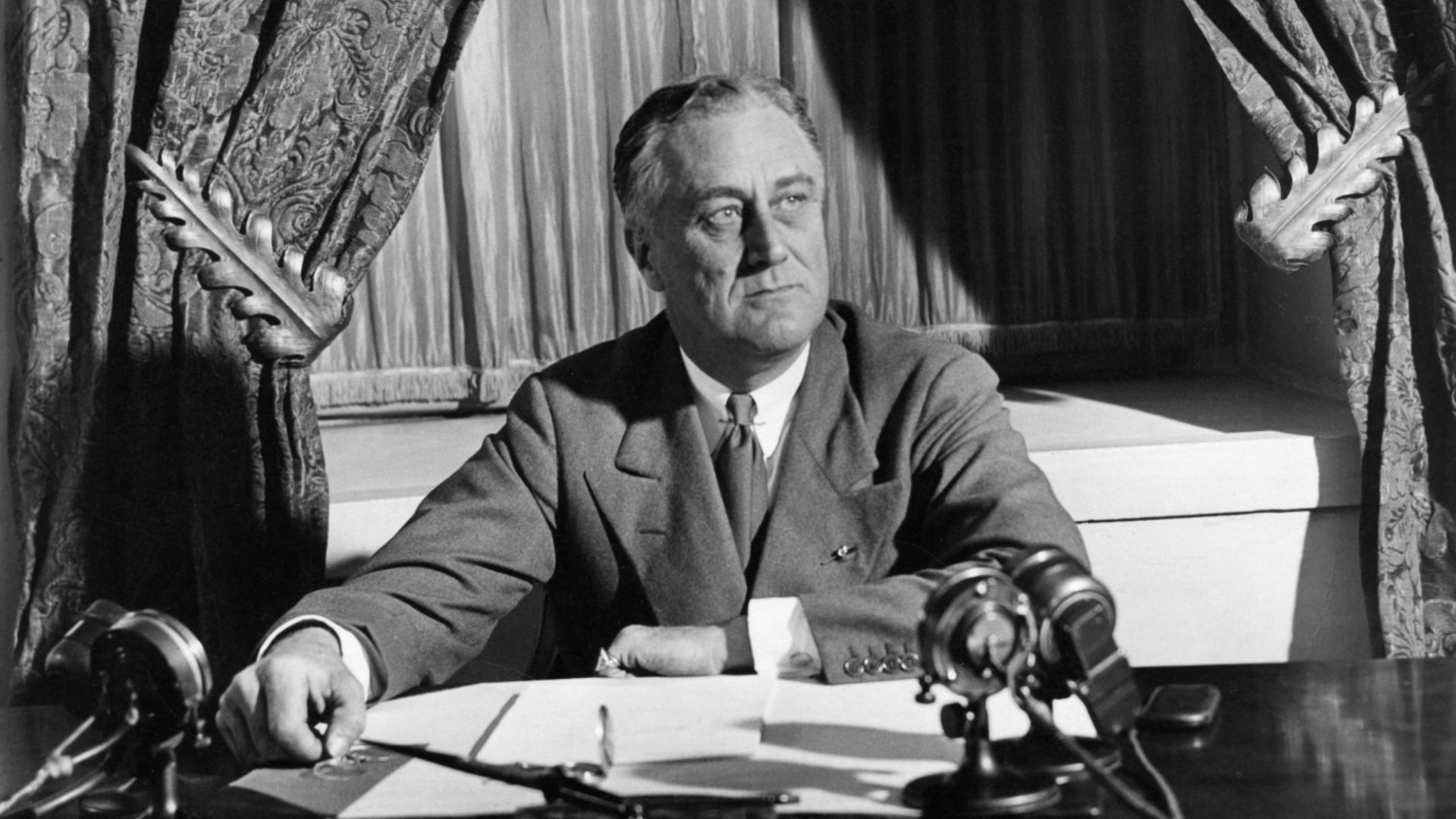
Nelson Eddy didn’t just perform for the troops—he performed for the commander-in-chief. The night before Franklin D Roosevelt’s third inauguration, Eddy performed for the nation’s first family at Constitution Hall. He delivered spirited performances of “The Crown of the Year”, “The Blind Ploughman”, and “How Do I Love Thee” to presidential applause.
His service to his country was far from over.
 Unknown or not provided, Wikimedia Commons
38. He Sang Around The Globe
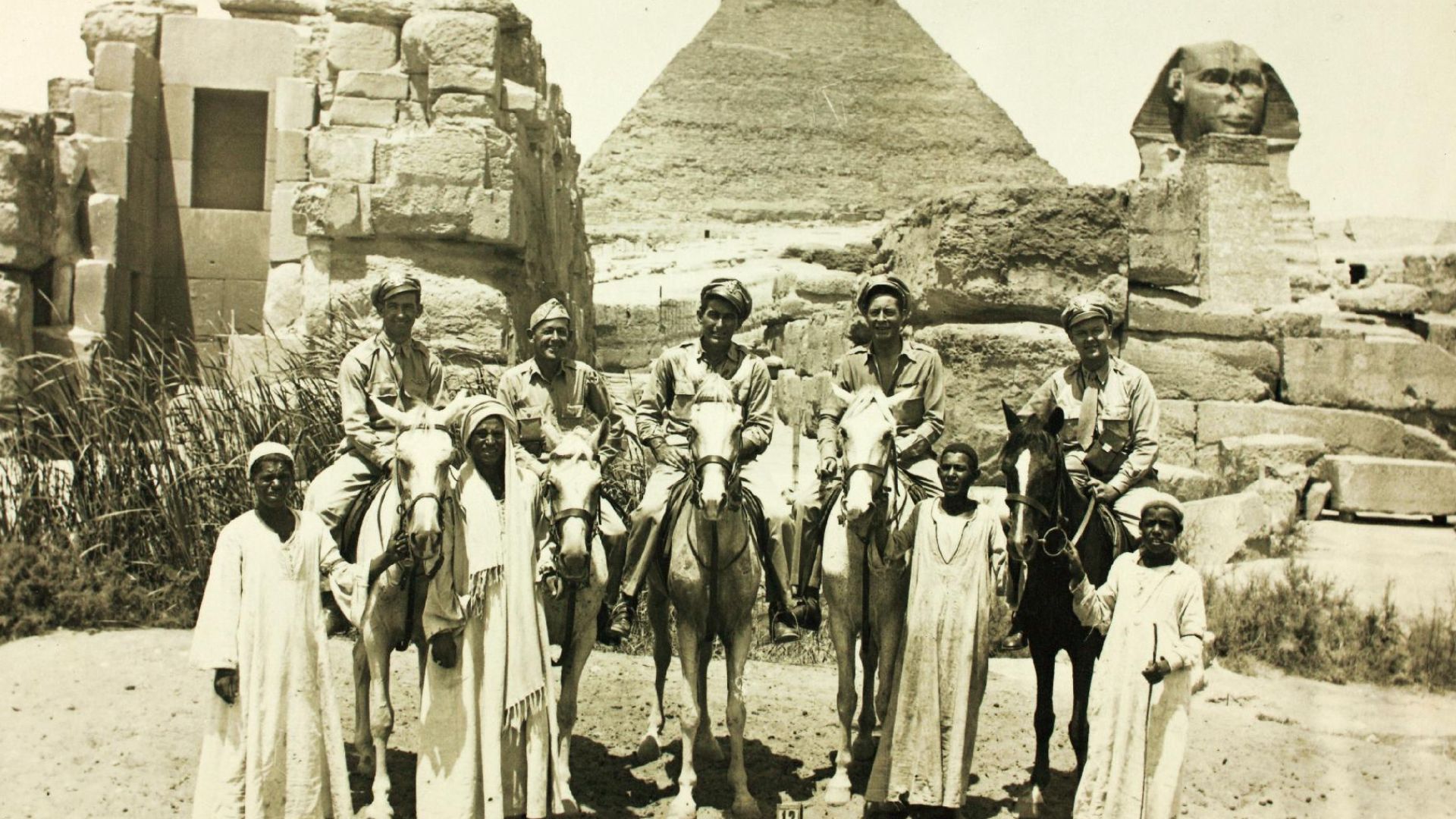
In 1943, Eddy kicked things into high gear, pulling out all the stops to support the boys on the front lines. In a bold campaign of his own, Eddy embarked on an exhausting two-month tour covering roughly 35,000 miles. His tour took him wherever the boys needed a little operatic courage, from Brazil and West Africa to the Middle East and the Atlantic islands.
He may, however, have been up to more than just singing.
 Pictorial Parade, Getty Images
39. He Worked In The Shadows
Eddy’s fluency in German—honed during his Dresden studies—made him valuable for more than just Die Fledermaus. Throughout WWII, the Allied Forces used Eddy as a spy, carrying out covert missions in plain sight. He may well have been an operatic operator, but a daring assignment in Cairo exposed his secret plans and nearly cost him his life. While the details of the operation are lost to history, Eddy remains a hero.
He did, after all, have a thing for disguise.
 SDASM Archives, Wikimedia Commons
History's most fascinating stories and darkest secrets, delivered to your inbox daily.
40. He Sang Every Voice Himself
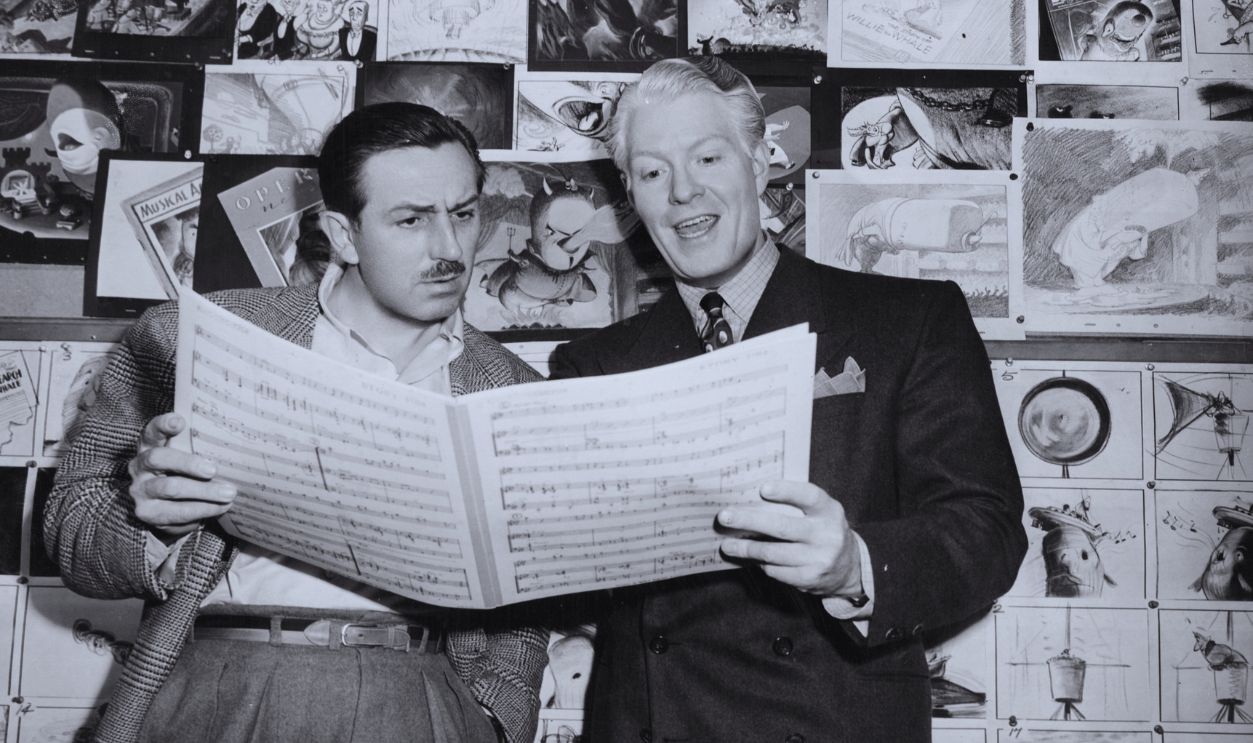
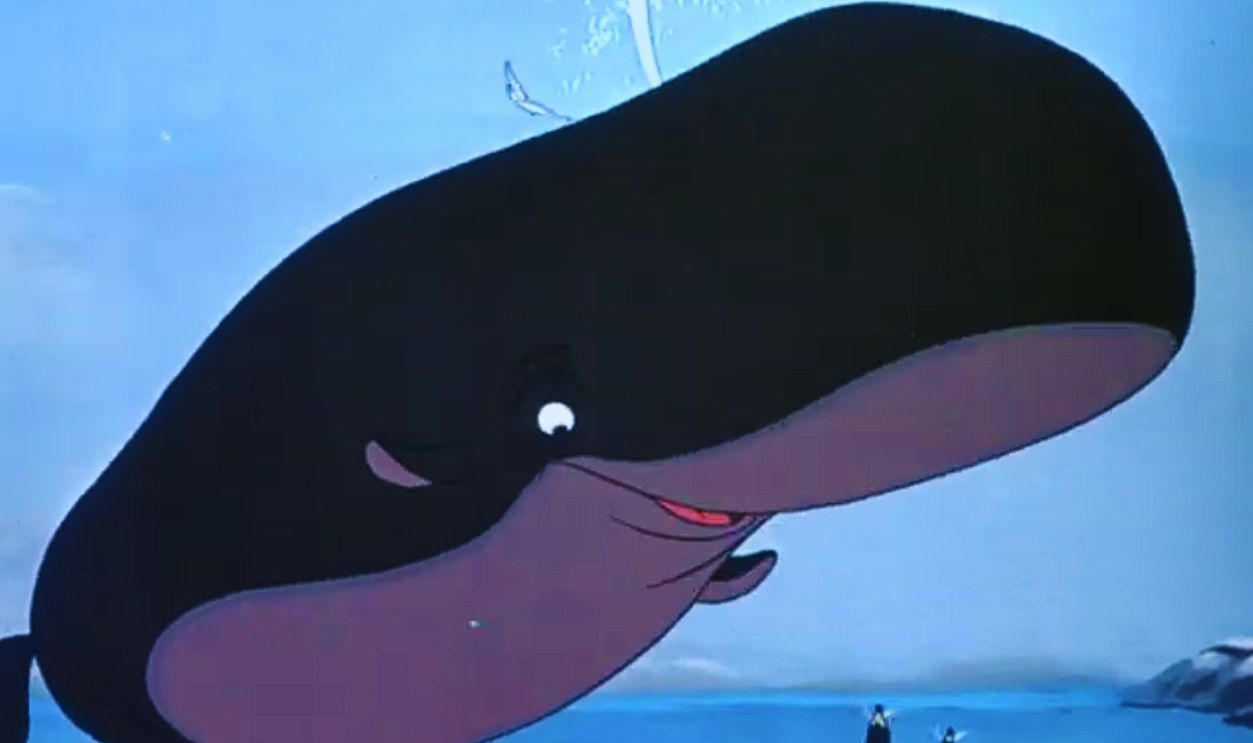
In Disney’s Make Mine Music (1946), Eddy did something extraordinary. For the segment “The Whale Who Wanted to Sing at the Met” he voiced—and sang—every role, from bass to soprano. Using experimental recording techniques at home, he layered sextets with himself. The technique was so impressive that Disney later released it as a short film, Willie, the Operatic Whale.
Technology, it seemed, was moving faster than Eddy himself.
 Screenshot from Make Mine Music, Walt Disney Productions (1946)
41. He Reinvented Himself Again
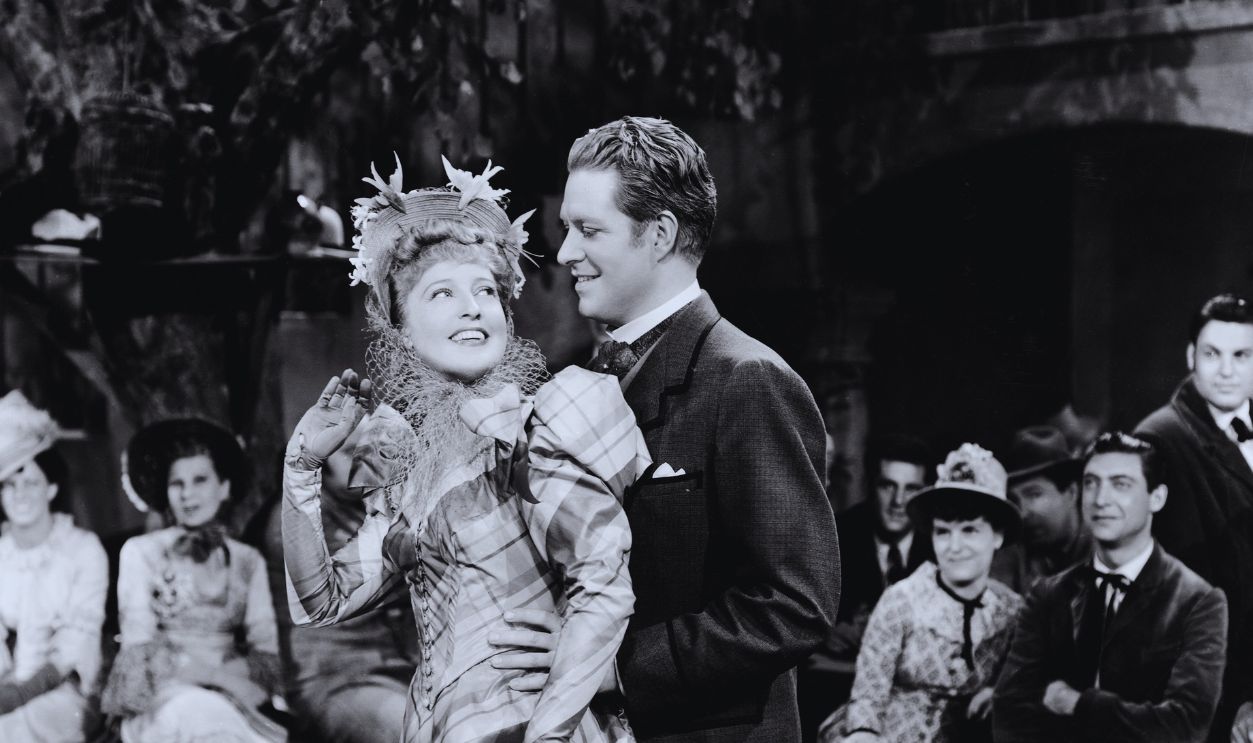
By the early 1950s, the rise of television quietly drained the once-thriving concert circuit and film schedule that had sustained Nelson Eddy for decades. Rather than wait out the shift, he reassessed his future and made a bold pivot. The solution wasn’t opera or film—but something more intimate, flexible, and immediate. With his voice ready, Eddy entered the nightclub business.
It would be like nothing he had ever done before.
 John Springer Collection, Getty Images
42. He Owned The Nightclub Scene
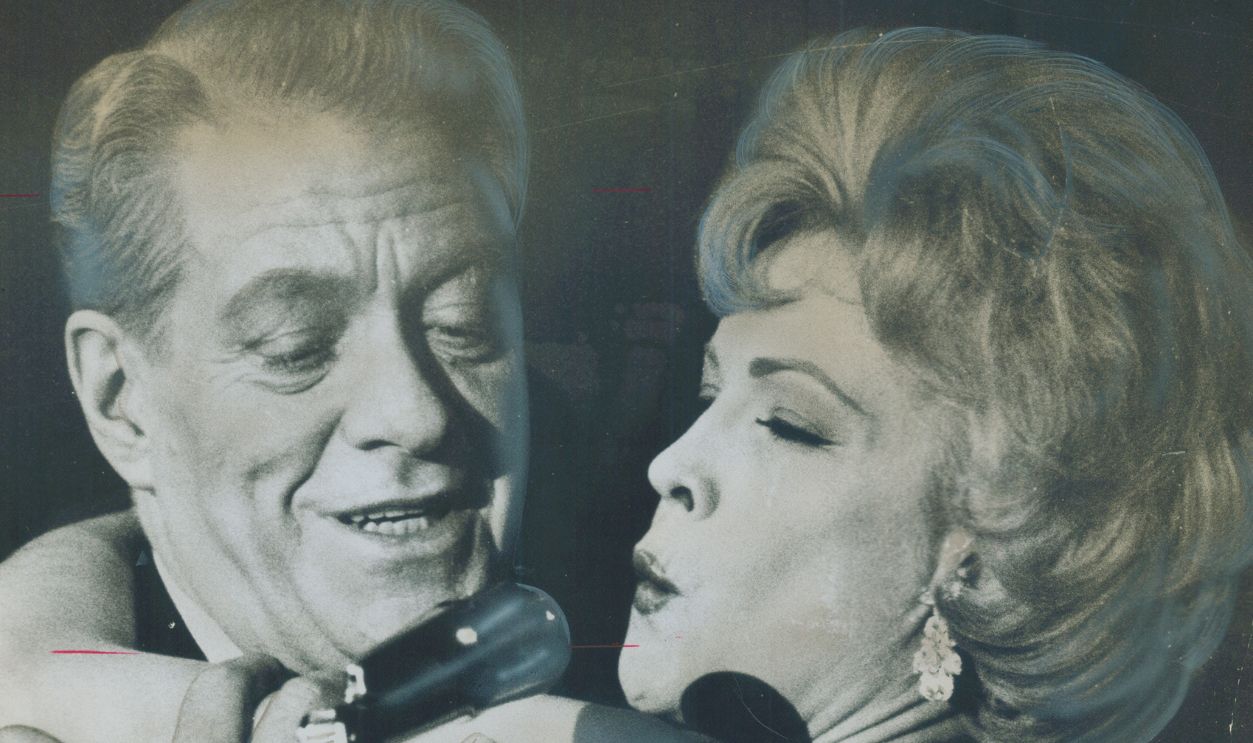
Eddy’s nightclub act debuted in January 1953 with singer Gale Sherwood at his side and Ted Paxson (of course) at the piano. Audiences, accustomed to seeing Eddy on the big screen, flocked to catch him live. Even the critics at Variety magazine had to write, “Nelson Eddy, vet of films, concerts, and stage, required less than one minute to put a jam-packed audience in his hip pocket in one of the most explosive openings in this city’s nightery history”.
There just wasn’t enough Eddy to go around.
43. He Sang More Than Anyone
Across nearly three decades, Eddy recorded more than 290 tracks spanning opera, film songs, folk music, and even popular standards. His baritone was so flexible that he even became a favorite of the teenage “bobby soxers”. Eddy once estimated he sang “Rose Marie” roughly 7,000 times—proof that his fans never tired of listening to his songs.
Fortunately, he gave them something that would last forever.
44. He Left An Impression On Hollywood
Over the course of his storied career, Nelson Eddy earned three stars on the Hollywood Walk of Fame—one each for film, recording, and radio. But the real impression that he left on Hollywood wasn’t a star at all. Eddy was one of the few stars big enough to press his footprints into the wet concrete at Grauman’s Chinese Theatre. With his legacy secured, however, he sensed that the end was near.
45. He Seemed To Forget The Words
On March 5, 1967, Eddy stood onstage at Miami Beach’s Sans Souci Hotel doing what he always had—but this performance would be different. After finishing one song, Eddy immediately transitioned into another, but something faltered. Seemingly without explanation, he paused and asked the audience, “Will you bear with me a minute? I can’t seem to get the words out”.
Had he really forgotten the lyrics?
 De Carvalho Collection, Getty Images
History's most fascinating stories and darkest secrets, delivered to your inbox daily.
46. He Tried To Push Through
Despite the odd and uncharacteristic break in his performance, Eddy seemed determined that the show would go on. Turning to his pianist, he asked calmly, “Would you play ‘Dardanella’? Maybe I’ll get the words back”. But, mere seconds later, Eddy once again broke off. “My face is getting numb,” he stated. “Is there a doctor here?” This was not for operatic effect.
 Donaldson Collection, Getty Images
47. He Suffered A Hemorrhage
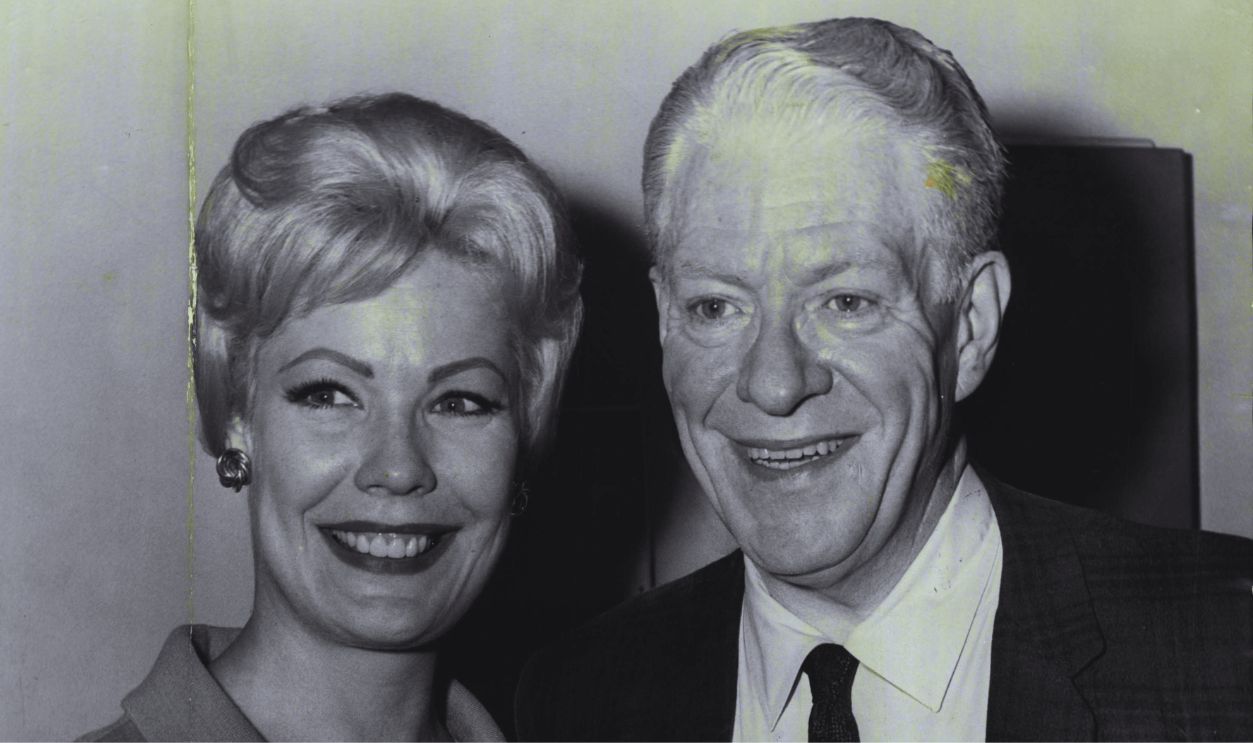
As the emergency unfolded, Eddy’s closest collaborators were already beside him. Gale Sherwood and Ted Paxson—his singing partner and lifelong piano accompanist—rushed to his aid when they realized that something, truly, was wrong. To their horror, Eddy collapsed from a cerebral hemorrhage. If they were hoping for a deus ex machina, they would be sorely disappointed.
 Fairfax Media Archives, Getty Images
48. His Final Curtain Fell Quietly
Medical staff rushed Eddy to Mount Sinai Medical Center in Miami Beach, hoping to save the legendary baritone from an untimely demise. Sadly, early that Monday morning, on March 6, 1967, Eddy took his final bow having sung his swan song. His physicians attributed his demise to a stroke brought on by a blood clot on the brain. At just 65, Nelson Eddy had fallen silent.
49. He Was Laid To Rest Privately
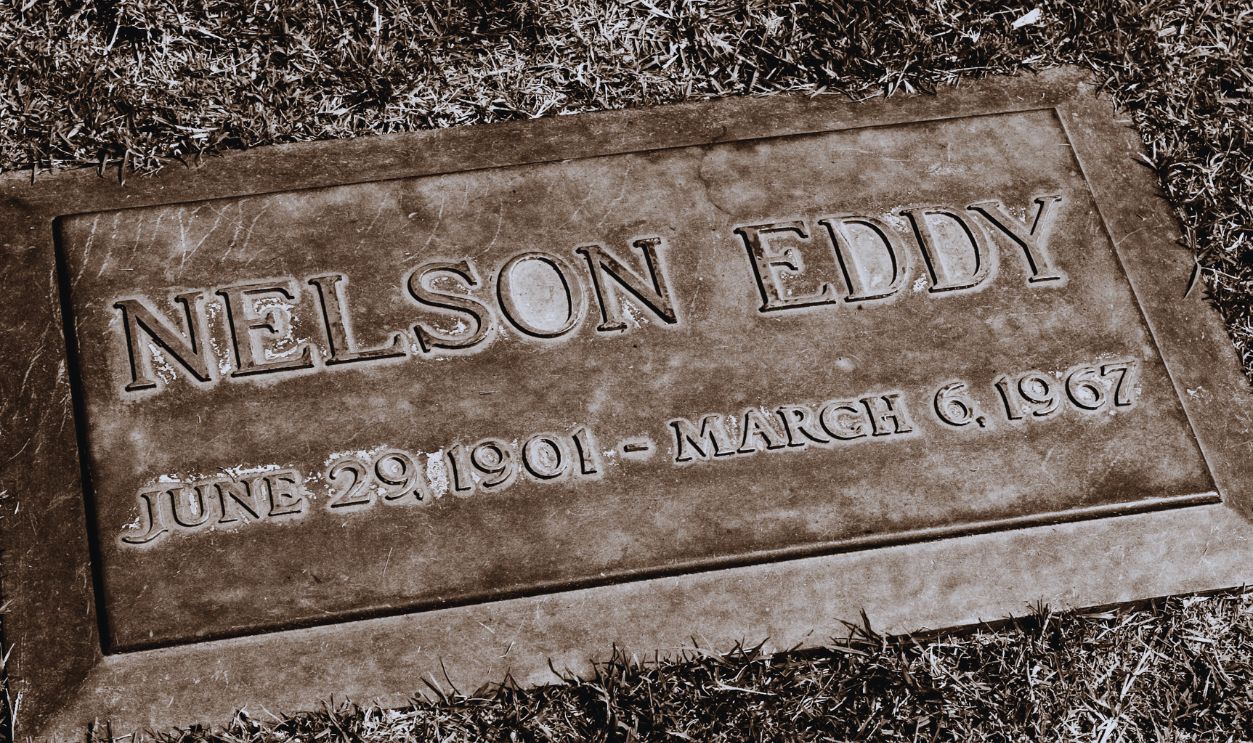
Eddy’s surviving family and friends held funeral services that Thursday at Hollywood Memorial Park Cemetery. Despite Eddy’s fame and universal popularity, his loved ones deliberately kept his final farewell small and private—no marquee, no orchestra, no encore. Just a quiet closing for a man whose life had so often unfolded beneath bright lights.
50. He Went Out The Way He Wanted
Eddy’s widow, Ann Eddy, would survive him by a lonely and quiet 20 years, passing on herself in 1987. In the end, however, Eddy was interred at what is now Hollywood Forever Cemetery, laid to rest between his mother and his widow. Eddy wouldn’t have wanted it any other way, having once said, “I want to keep going until I drop”.
You May Also Like:
Demented Facts About Lydia Locke, The Scandalous Soprano
Operatic Facts About Lillian Russell, Broadway’s Boisterous Beauty
Spiteful Facts About Pablo Picasso, The Artist Who Was Never Satisfied