She Who Shifted The Tides
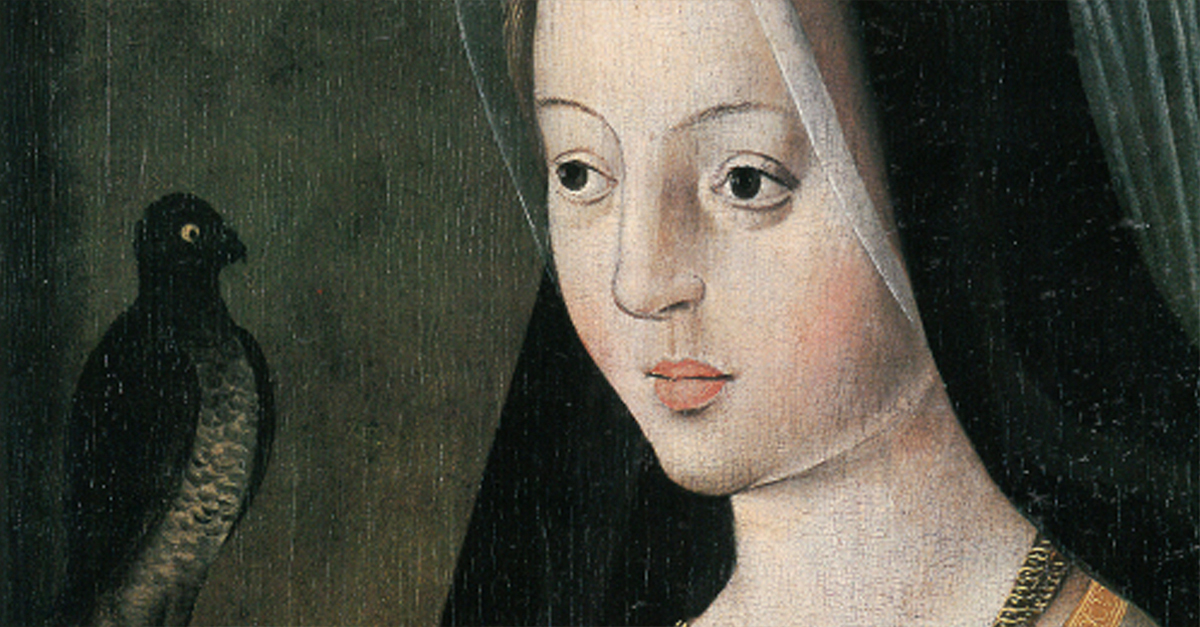
Mary of Burgundy was a powerful 15th-century heiress, whose vast land holdings made her an attractive marriage prospect for lords, dukes, and princes in Europe. Indeed, the search for a husband was like a grim episode of The Bachelorette, with several of her suitors falling to unfortunate circumstances.
When she did finally marry, her union to a Habsburg prince changed the course of history.
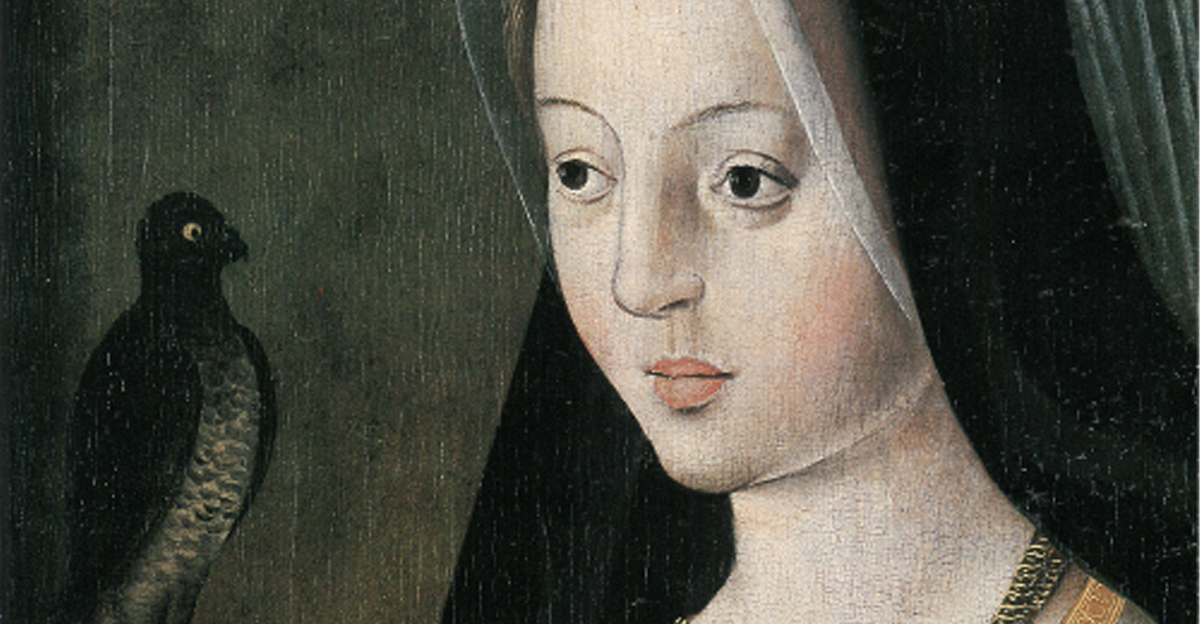 Master of the Legend of the Magdalene, Wikimedia Commons
1. She Made A Booming Entrance
Mary of Burgundy was born on February 13, 1457, in Brussels, then part of the Burgundian Netherlands. The sky itself celebrated the infant’s arrival: a court chronicler of the time recounted how her birth coincided with a single clap of thunder which boomed from a clear and cloudless sky. This legend befitted Mary’s high stature.
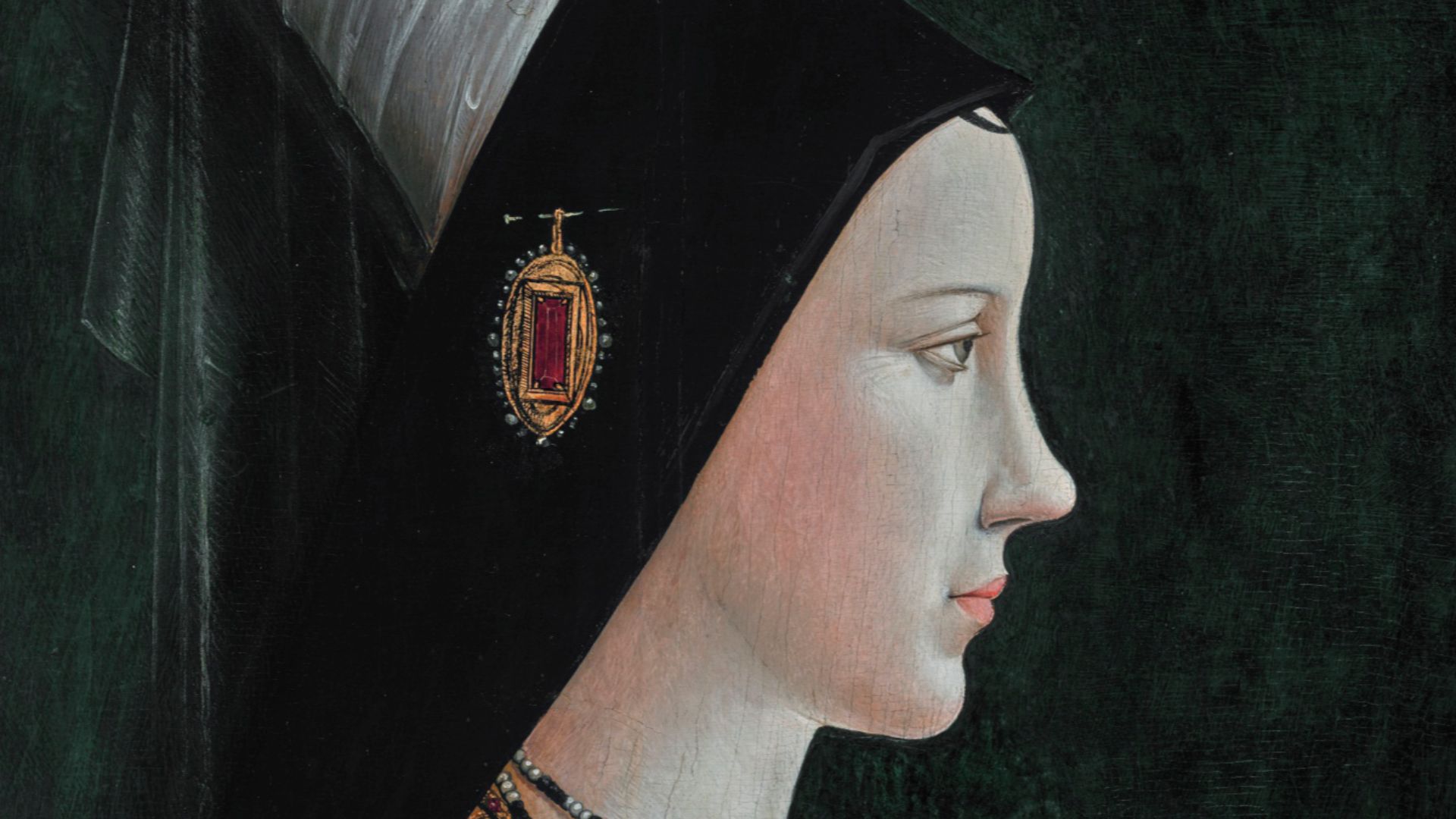 Possibly Michael Pacher, Wikimedia Commons
2. She Was Noble
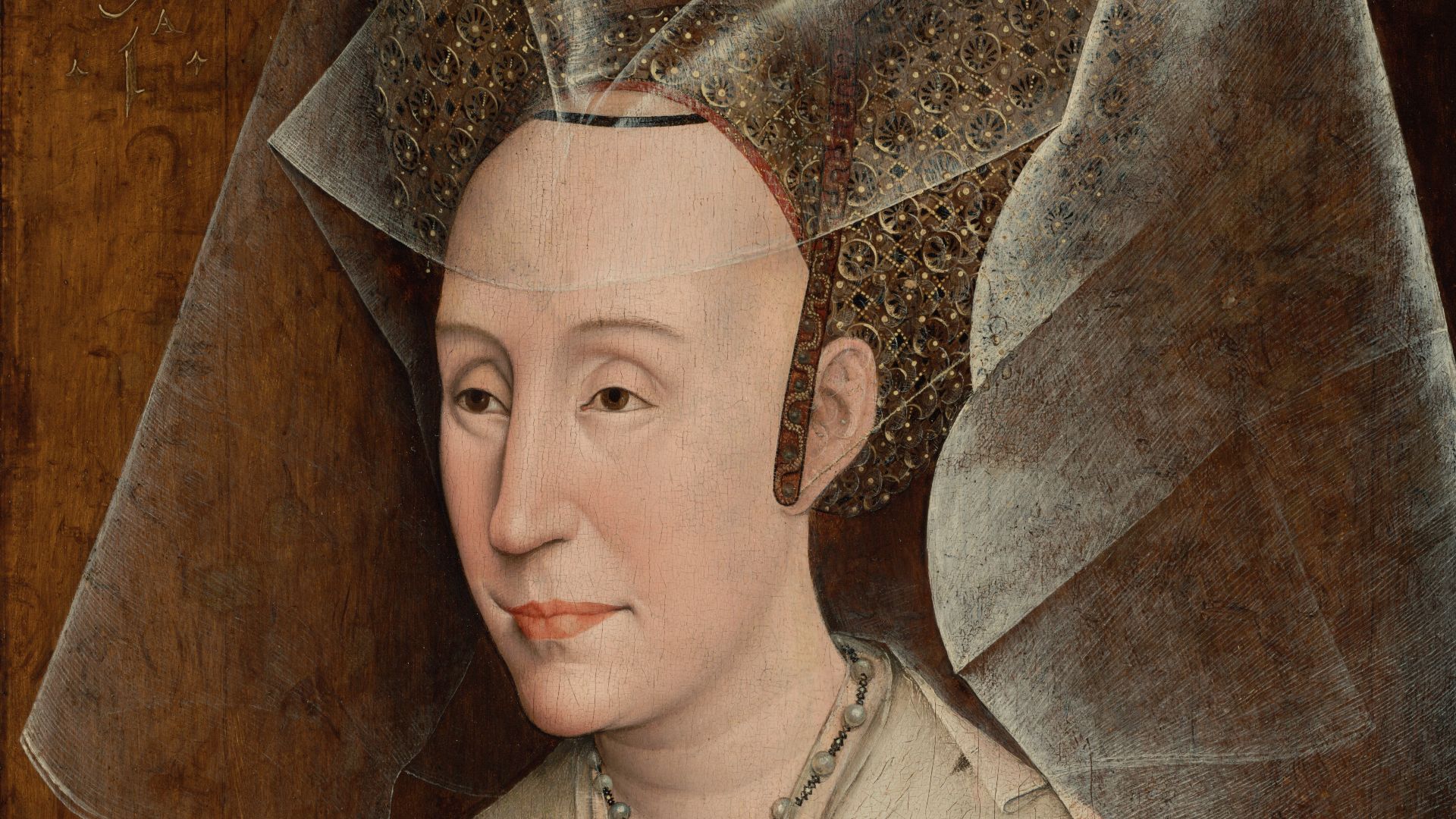
Mary entered the world as a member of the powerful House of Valois-Burgundy: her father was Charles the Bold, who was, at the time of her birth, the son of the Duke of Burgundy, and her mother was Isabella of Bourbon, from another influential Burgundian noble family. Notably, Mary would be the couple’s only child, setting her up for a significant inheritance.
But that was the furthest thing from anyone’s mind when she was born.
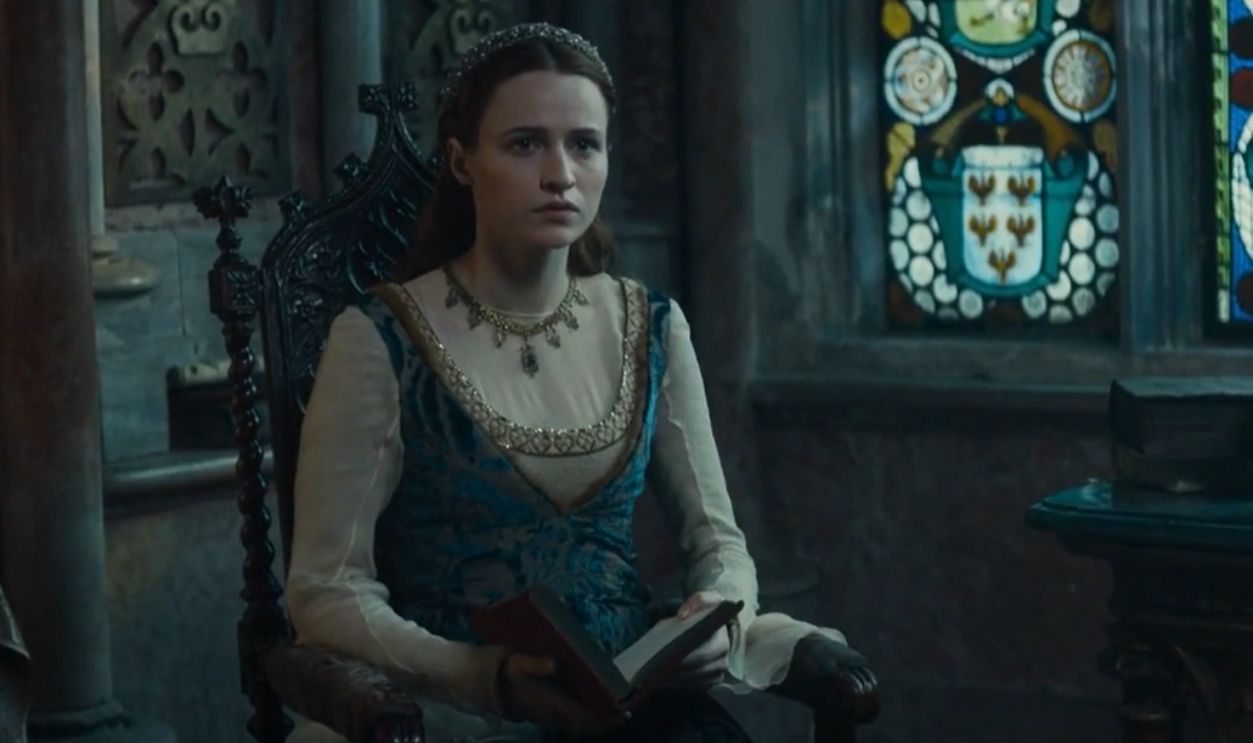 Screenshot from Maximilian, Beta Film (2017)
3. She Got Shunned By Her Own Blood
Mary’s grandfather was the Duke of Burgundy, Philip the Good, though, when it came to his granddaughter, the duke did not live up to that name. Disappointed at the birth of a child whom the duke assumed would not inherit his lands, he opted to skip the infant’s baptism because “it was only for a girl”. Luckily, Mary had some other family members looking out for her.
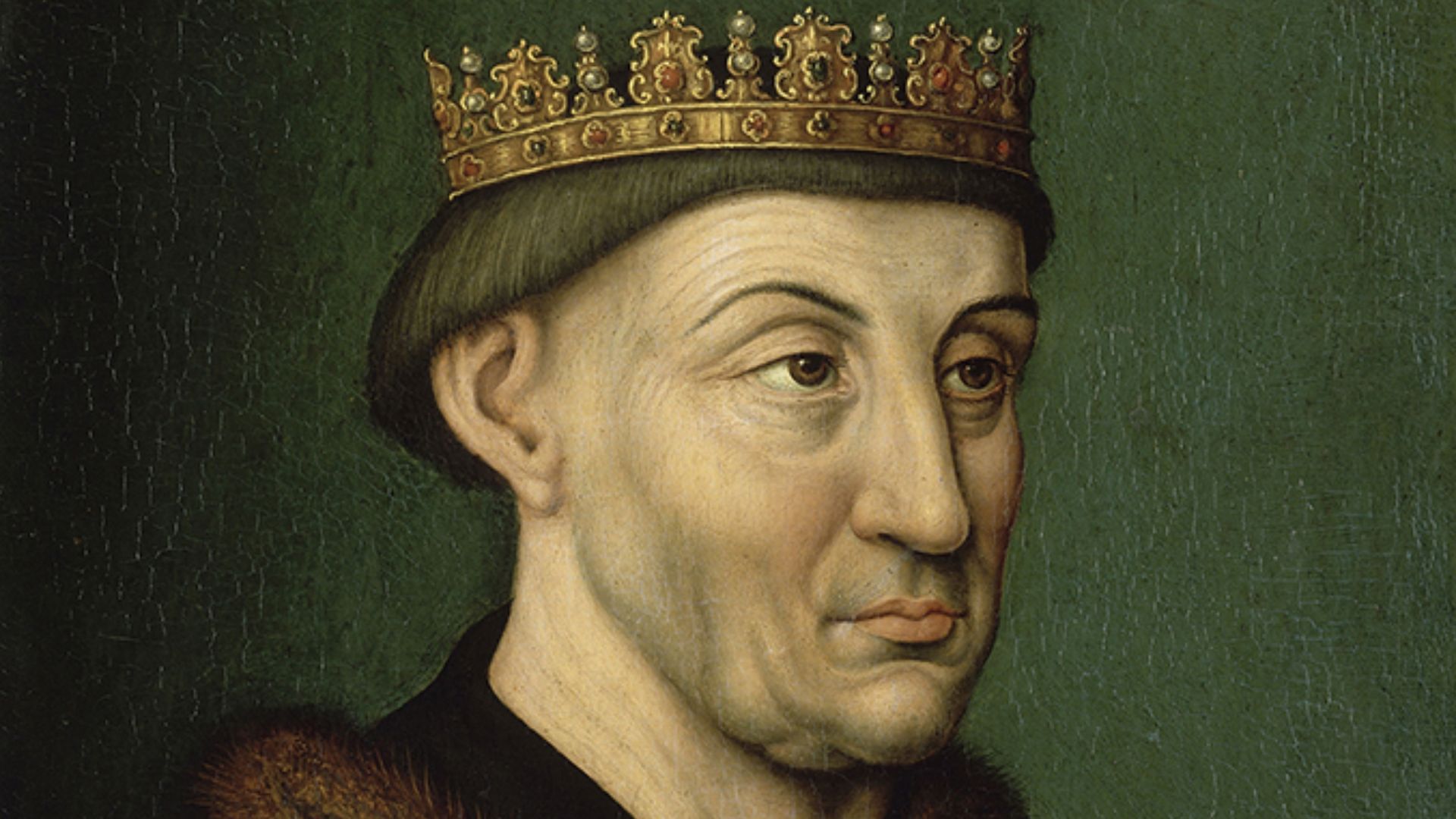 Unknown authorUnknown author, Wikimedia Commons
4. She Had Confidants
The women of the Burgundy nobility were much happier at Mary’s arrival: her grandmother, Isabella of Portugal, felt overjoyed by the arrival of her granddaughter, and her aunt took charge of the girl’s education. Anne also assigned a governess, Jeanne de Clito, to guide Mary as she grew, and the two remained friends for the remainder of the Burgundy girl’s life.
In the end, Mary would have the last laugh over her cold-hearted grandfather.
5. She Became Next-In-Line
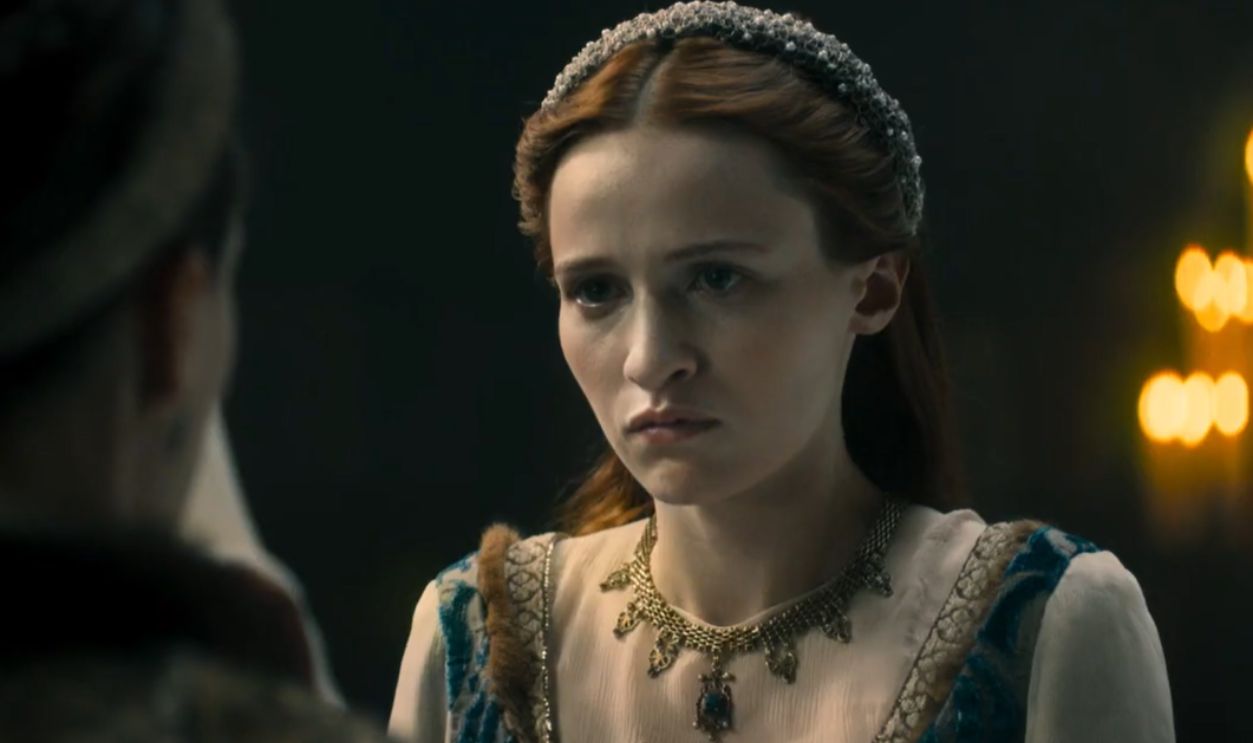
In 1467, Duke Philip the Good of Burgundy passed at the ripe old age of 70, and his son, Mary’s father, became Duke Charles the Bold. The ascending duke had still not sired any other children, and thus, upon her grandfather’s demise, Mary became the heir presumptive of Burgundy. This set her up to inherit quite a lot—and as such, made her quite an attractive prize.
 Screenshot from Maximilian, Beta Film (2017)
6. Her Family Was Rich
The domain controlled by Mary’s family was expansive and full of resources and wealth. The Burgundy lands stretched across the Duchy of Burgundy, the Free County of Burgundy, and most of the Low Countries. It was little wonder, then, that Mary earned her nickname.
 self-created, Wikimedia Commons
7. She Was A Baller
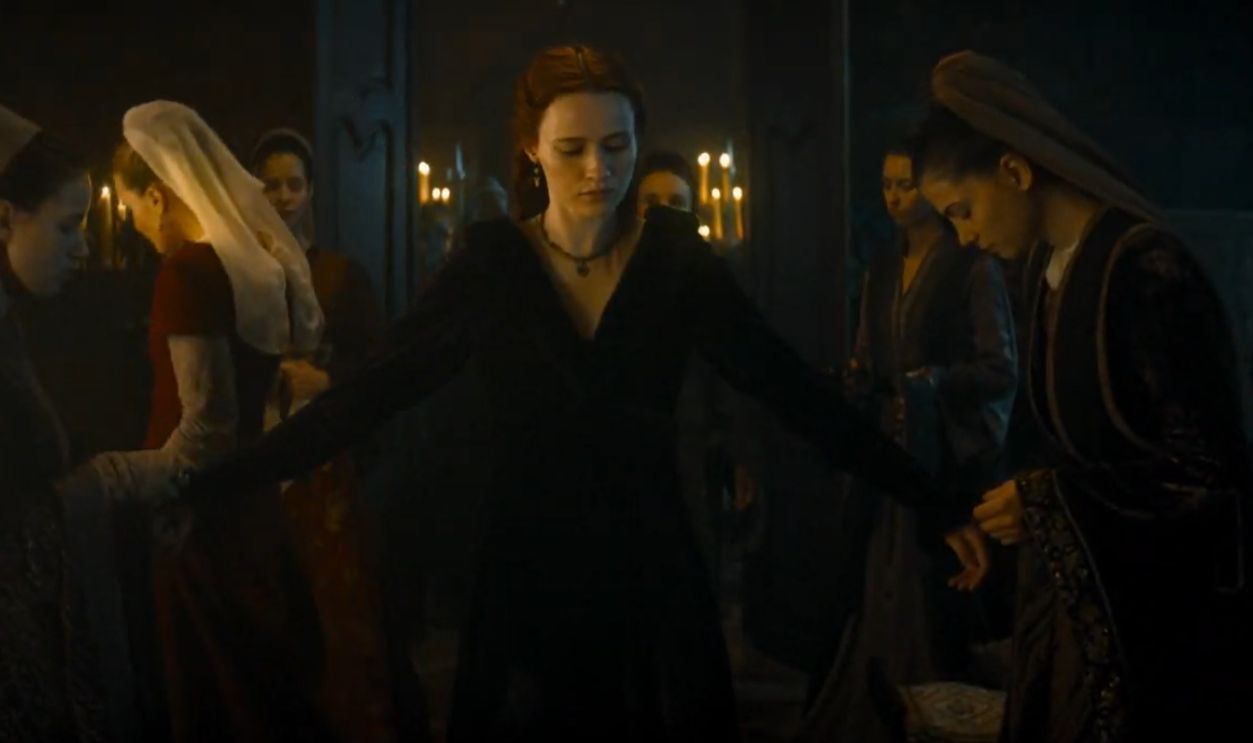
Like Philip the Good and Charles the Bold before her, Mary of Burgundy needed a moniker, and her family’s vast wealth and land holdings pointed the way: she became known to history as Mary the Rich. This fact, of course, meant that men across Europe clamored for her hand in marriage, and with it, a piece of the Burgundy pie.
 Screenshot from Maximilian, Beta Film (2017)
8. She Became A Target
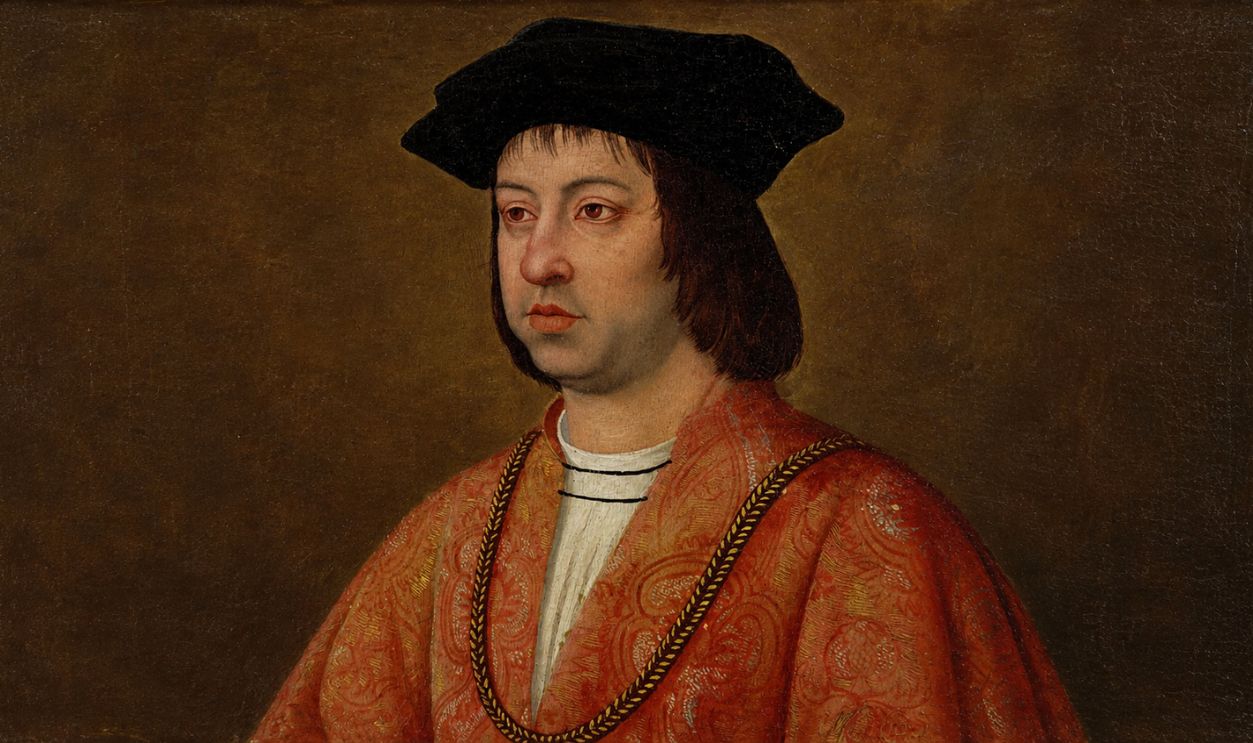
Owing to her vast inheritance, Mary naturally became an attractive marriage prospect, and noblemen across the continent wanted nothing more than to claim her as their own. She received her first proposal when she was just five years old, when the future King Ferdinand II of Aragon appealed to her father to grant him the marriage. Her father politely declined, but the proposals kept coming.
 Michael Sittow, Wikimedia Commons, Enhanced
9. She Got Another One
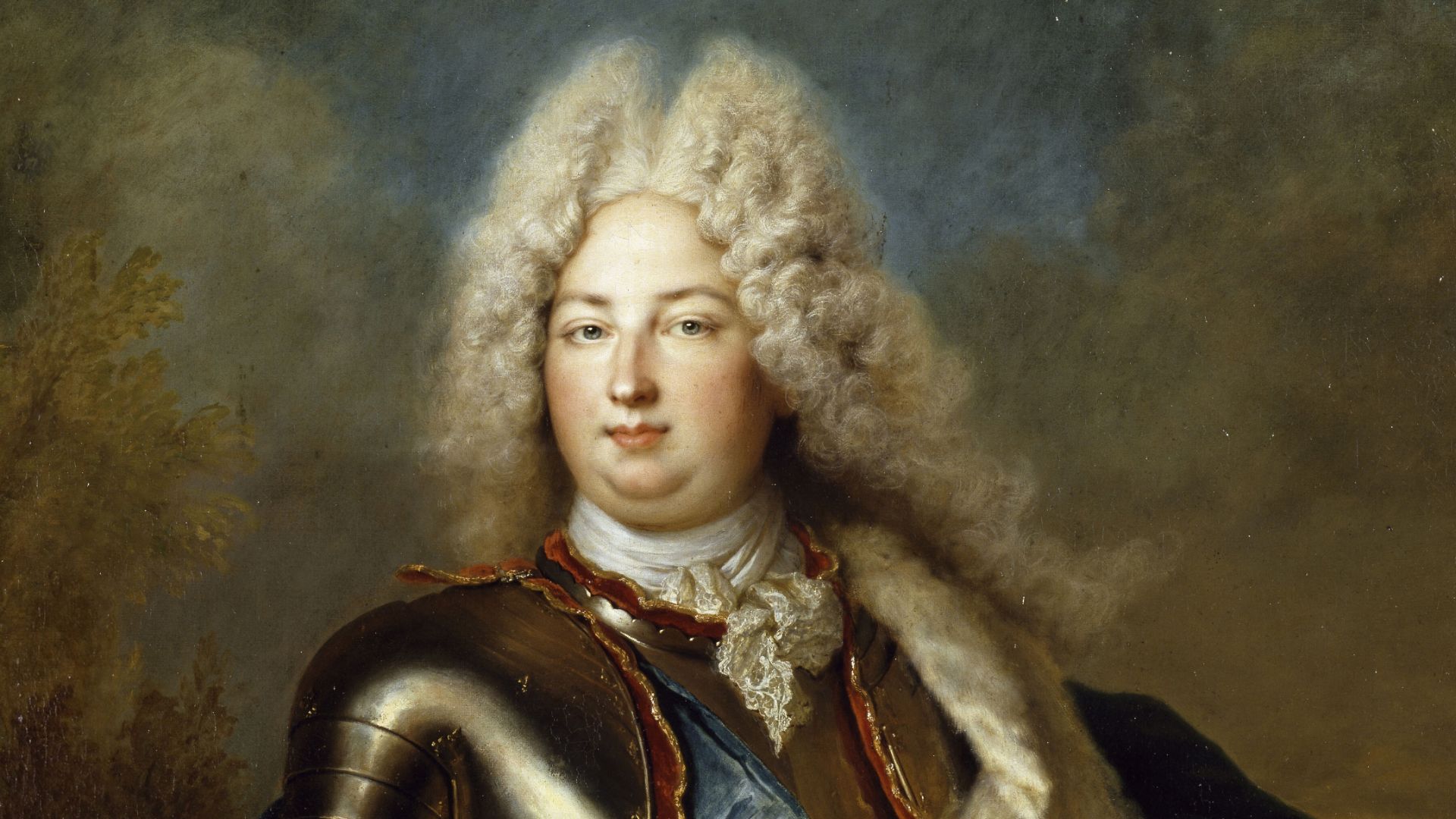
The next nobleman to propose marriage to Mary of Burgundy was Charles, Duke of Berry, who was himself the younger brother of French King Louis XI of France. Charles’ attempt greatly angered his brother, and the King intervened to block the papal dispensation for consanguinity.
This would begin, for Mary, a lifelong association with King Louis, a man who would play a significant part in her story to come. He even offered a proposal of his own.
 Nicolas de Largillière, Wikimedia Commons
10. She Got An Offer From An Infant
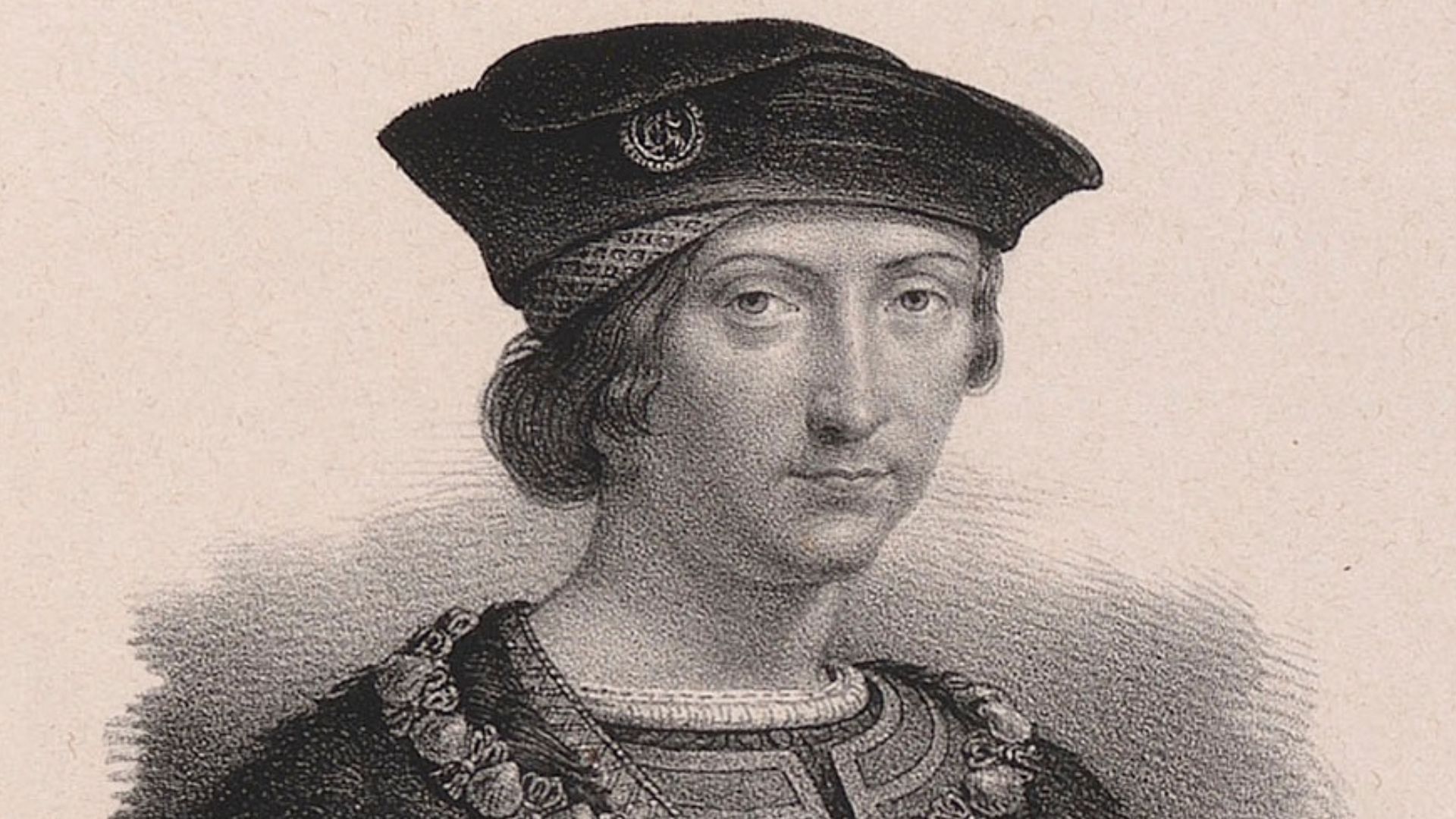
In 1470, King Louis XI finally, after multiple attempts, had a son who survived infancy. Seeing his newborn as a way to gain access to the Burgundian holdings, the French King immediately proposed a marriage between the infant future King Charles VIII of France and the 13-year-old Mary of Burgundy. The family once again politely declined, but Louis wasn’t ready to give up yet.
 François-Séraphin Delpech, Wikimedia Commons
11. She Lost Another Suitor
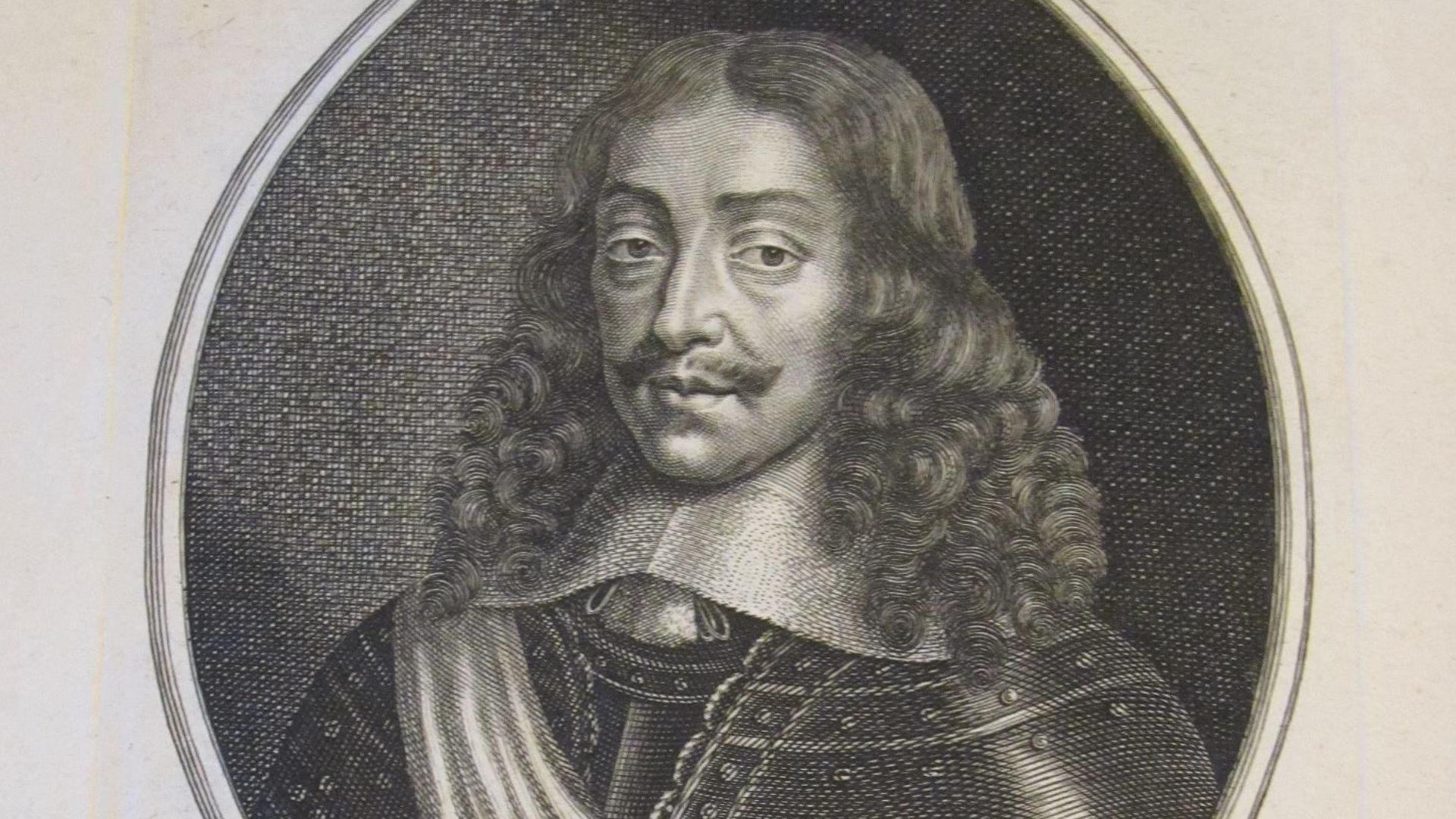
The next in line to propose to Mary of Burgundy was Nicholas I, Duke of Lorraine. The duke was nine years her senior and ruled over a duchy just outside the Burgundian territory. Nicholas' courtship was abruptly cut short by tragedy. He perished unexpectedly in 1473, after suffering from stomach pains for three days. Many believe the duke perished from poison.
For Mary, there was more drama to come.
 Marc Baronnet, Wikimedia Commons
12. She Started A Conflict
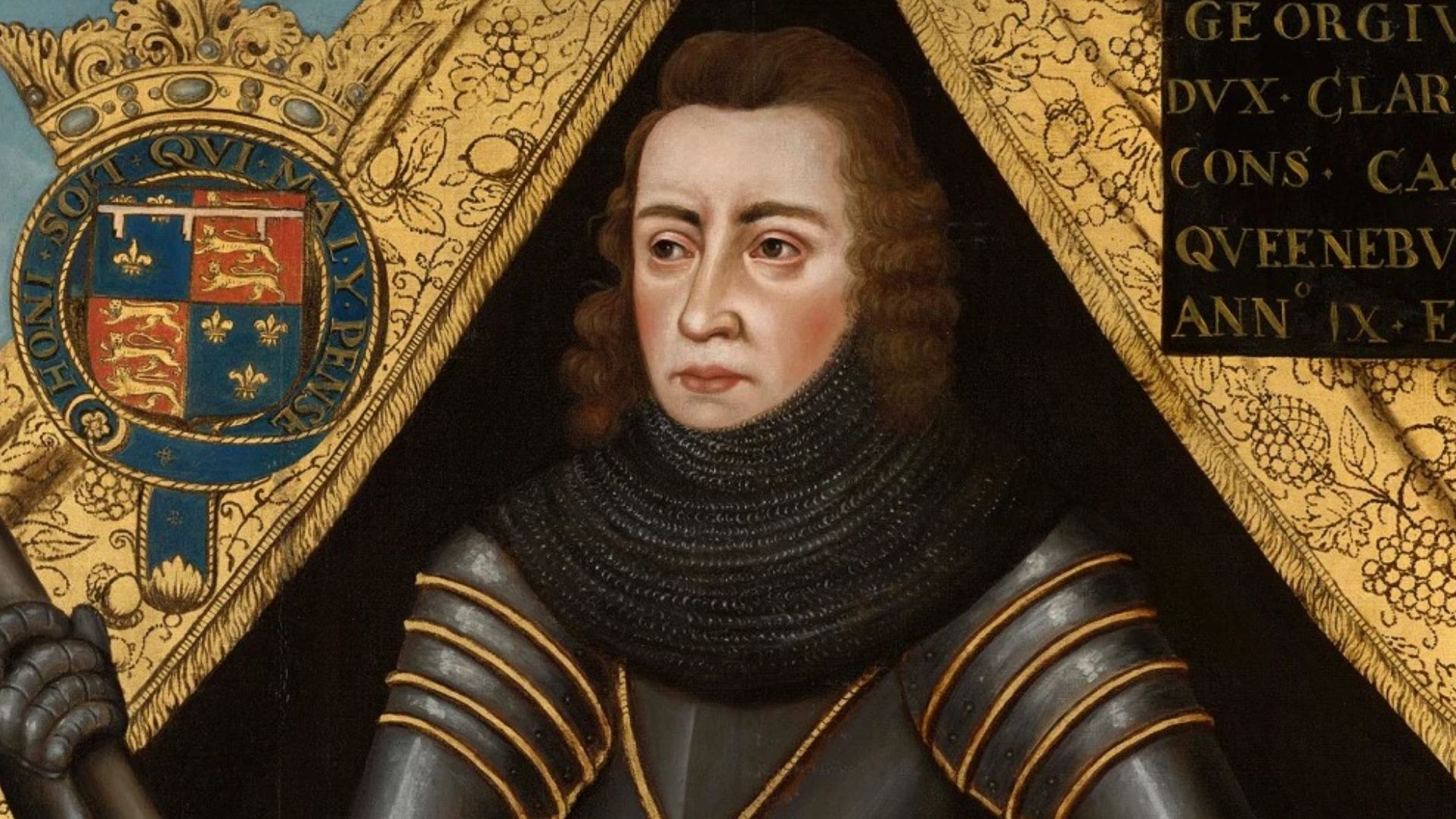
Yet another suitor for Mary of Burgundy followed Nicholas, this one George Plantagenet, the Duke of Clarence. George was the brother of Mary’s stepmother, who enthusiastically promoted the union. His other sibling stepped in, however. George's brother was none other than King Edward IV of England, who put a stop to the union.
The duke was so angered by the king’s interference that he started a major conflict with his brother. This didn't bode well for him, and the rivalry played a role in his eventual demise. Mary’s suitors clearly had a stretch of bad luck—and eventually, her father fell victim to this association too.
 Lucas Cornelisz de Kock (1495-1552), Wikimedia Commons
13. She Lost Her Father
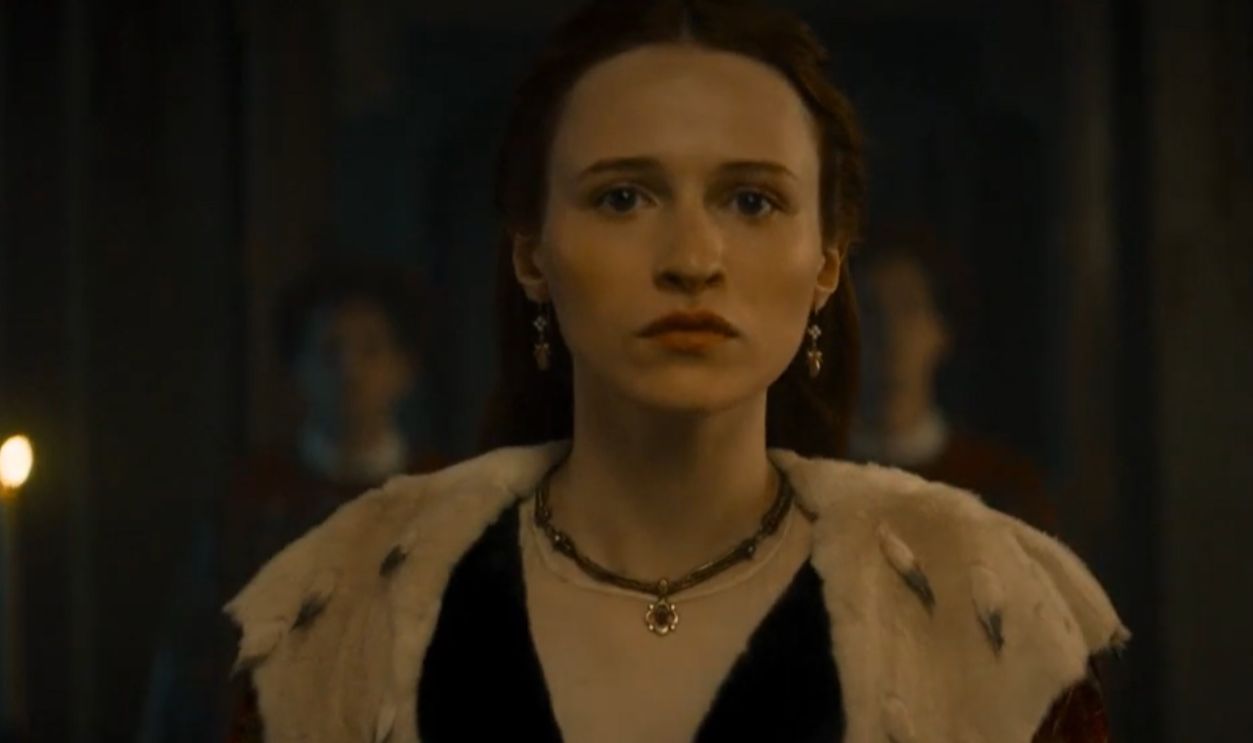
The final battle of the Burgundian conflict was the Battle of Nancy, which took place on January 5, 1477, and cost the dynasty heavily: Mary’s father met his end while fighting at just 43 years old. And though devastated by the tragedy, the young duchess benefitted from the loss of her father in a twisted way.
 Screenshot from Maximilian, Beta Film (2017)
14. She Ascended
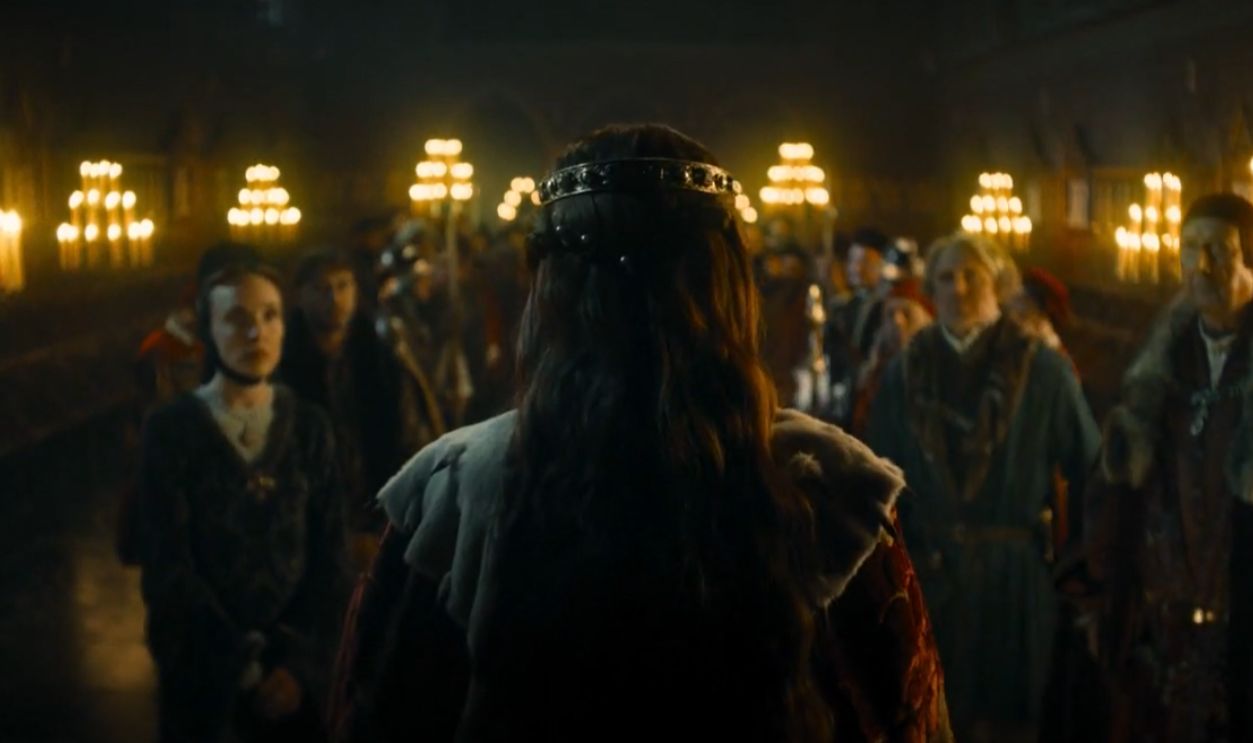
With the loss of her father, Mary of Burgundy immediately claimed her inheritance, becoming ruler of Burgundy at just 19 years old. Her subjects reacted with little resistance, and they accepted her rule without question in a significant number of her domains, a promising sign for a female ruler of the era. Indeed, she seemed to do just fine without a man by her side.
 Screenshot from Maximilian, Beta Film (2017)
15. She Made Enemies
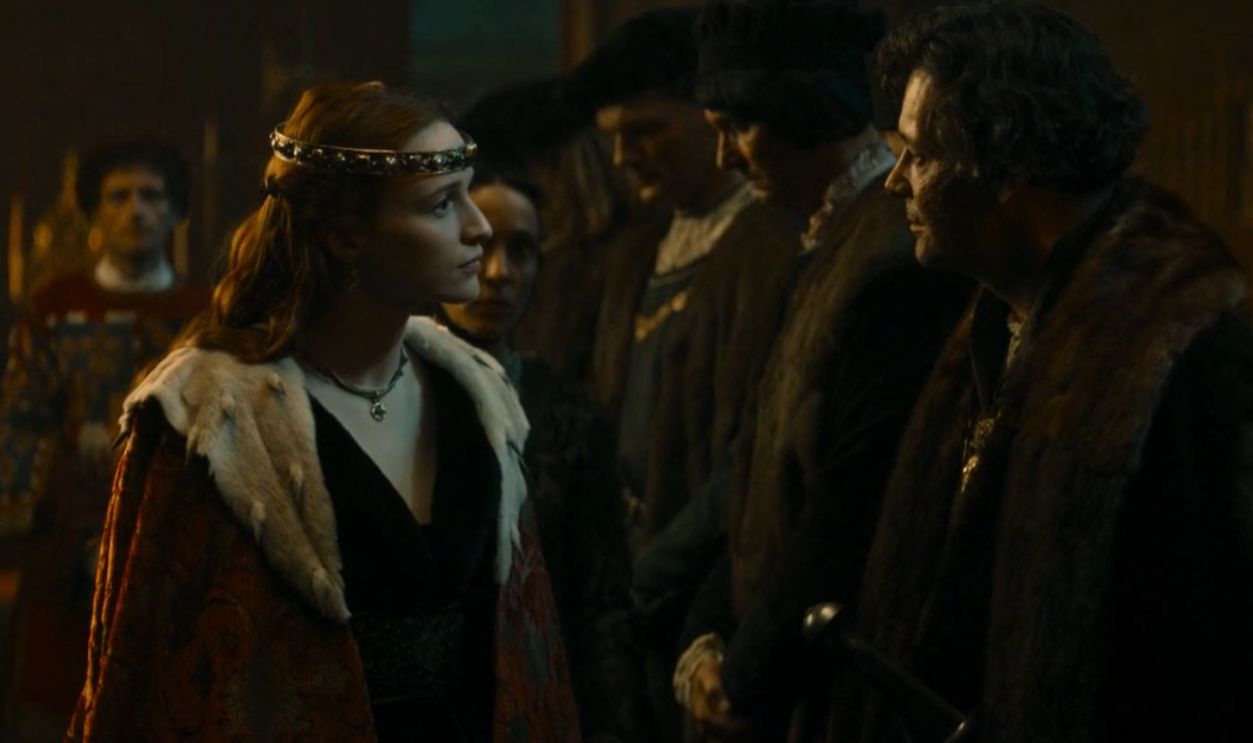
Following her ascension, and not yet married, Mary became ruler in her own right over the vast Valois-Burgundian lands, an extremely uncommon position for a 15th-century woman to find herself in. However, one man was not happy about this turn of events—and he had a sinister plan to turn Mary's life into a downright nightmare.
 Screenshot from Maximilian, Beta Film (2017)
16. She Got Blocked
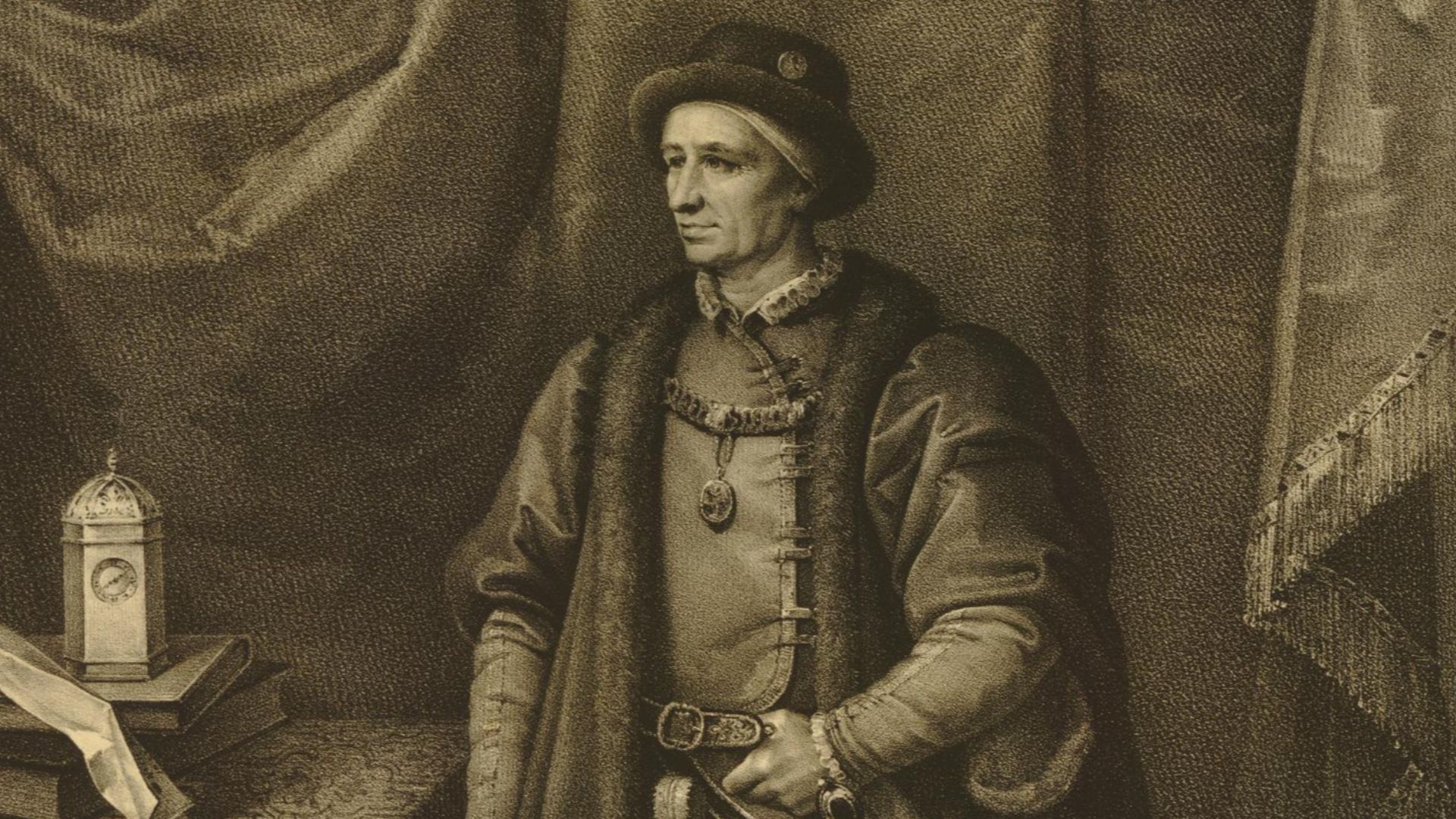
The most prominent figure who did not recognize Mary’s newfound ruling position was King Louis XI of France. He wanted dominion over her land—and so, the king sprang into action and seized a handful of Valois-Burgundian domains, notably the Duchy of Burgundy (which belonged to the French realm) and the Free County of Burgundy (which fell under Holy Roman Empire territory).
These were fightin’ words, and they threw Europe into chaos.
 Print made by: Antoine Maurin dit l'aîné Printed by: Charles Motte, Wikimedia Commons
17. She Retaliated
King Louis’ seizure of Mary’s lands plunged Europe back into war, despite the Burgundian conflict having only just ended. The new state of affairs became known as the War of the Burgundian Succession and lasted until 1482 (though some historians argue it stretched all the way to 1493). Mary began the proceedings by remaining defiant in the face of French aggression.
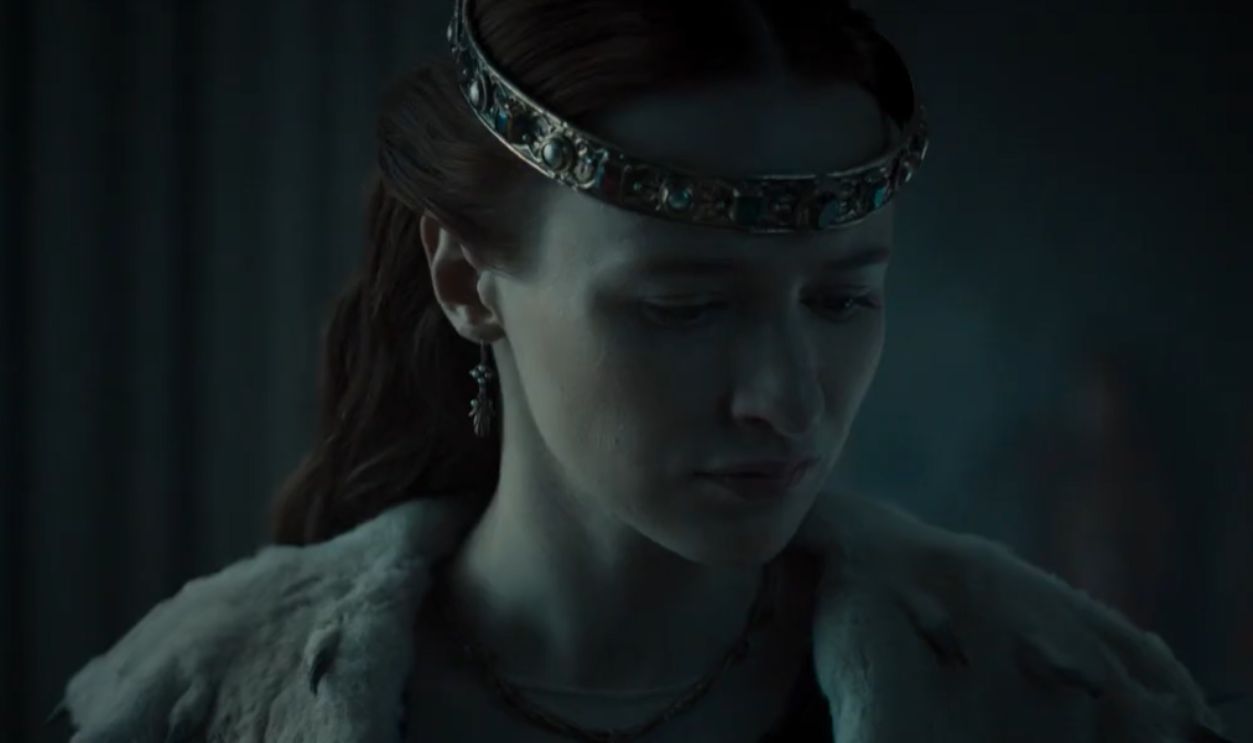 Screenshot from Maximilian, Beta Film (2017)
18. She Rallied Her People
To this day, there exist preserved letters written by Mary of Burgundy in which she appealed to her people to remain loyal against the French incursion—and her people heeded the call. In the town of Arras, for example, the residents refused to submit to King Louis after the monarch took over. They paid a horrifying price.
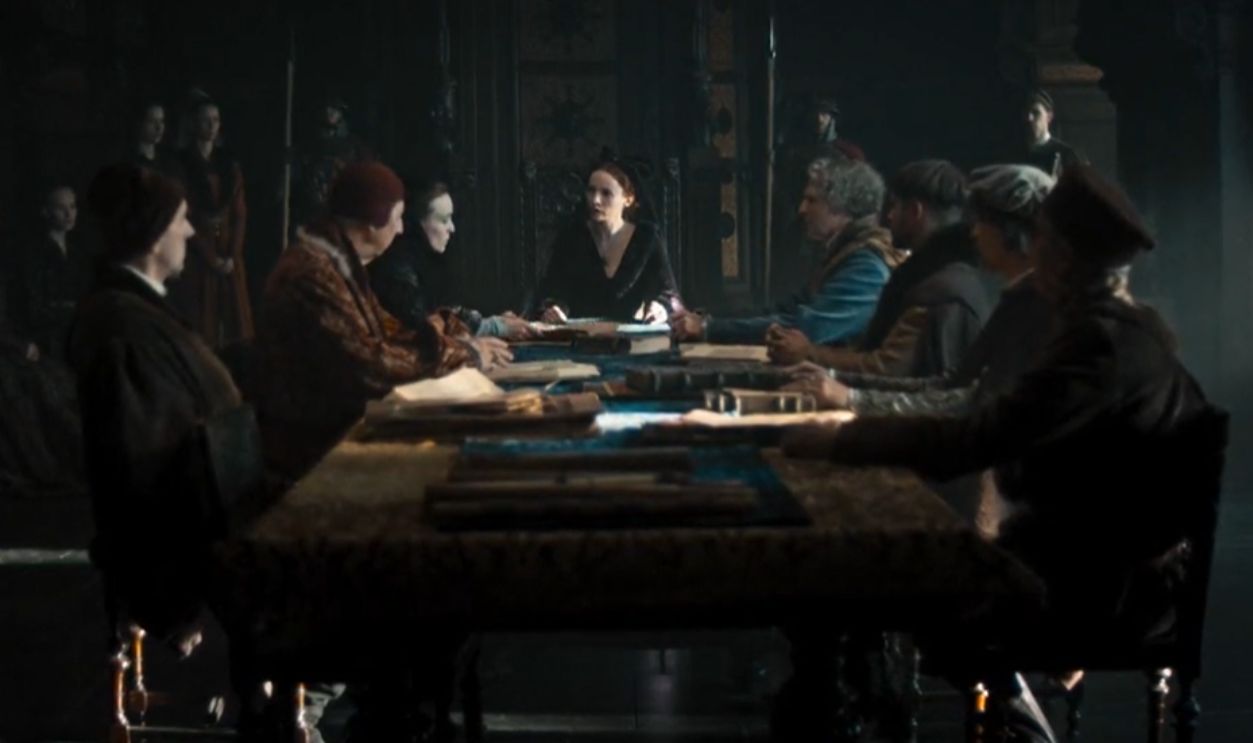 Screenshot from Maximilian, Beta Film (2017)
19. Her People Remained Loyal
The defiance of Mary’s supporters in Arras prompted a bloodbath in response: Louis discovered 18 burgesses as they were attempting to flee the area in order to link up with their young ruler, and the king decapitated every single one of them. The monarch then ordered a mass expulsion of the town before renaming it. He even had the gall to make Mary another offer.
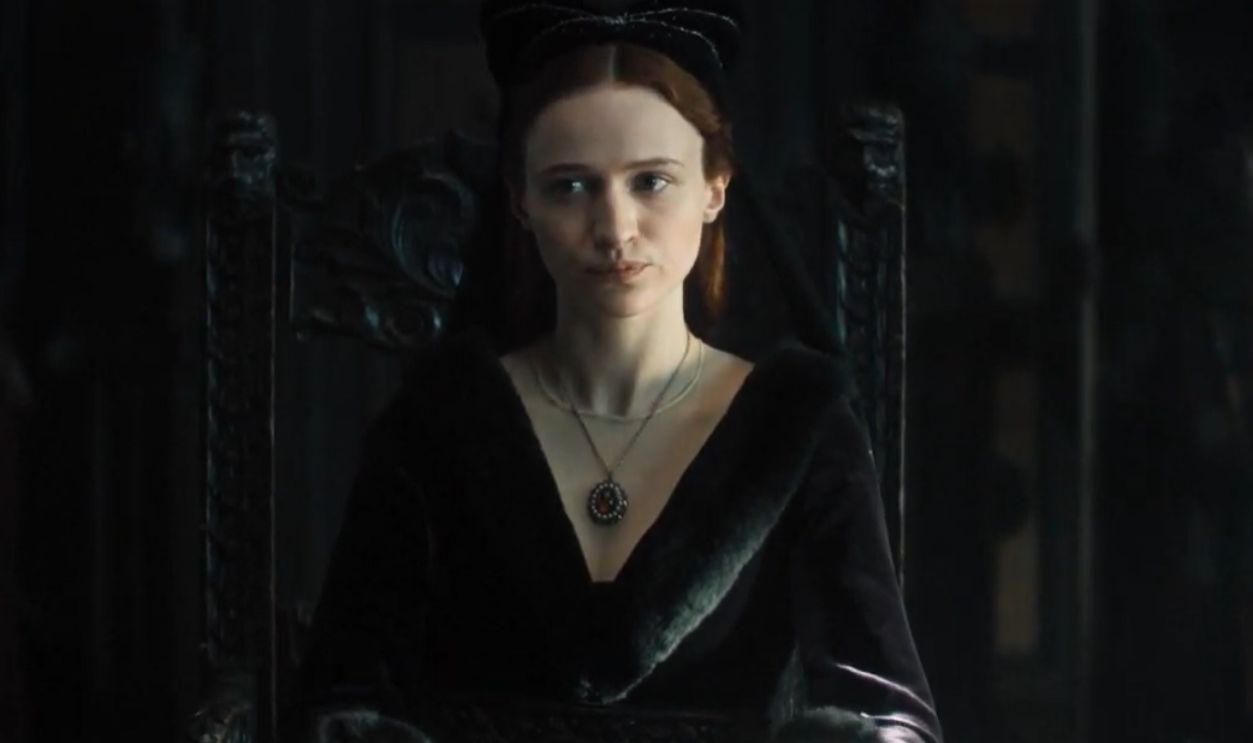 Screenshot from Maximilian, Beta Film (2017)
20. She Heard Another Pitch
Louis was still determined to settle the matter through the marriage of his young son to Mary of Burgundy, hoping to secure the Low Countries for his descendants. The King wasn’t merely offering, however: he was prepared to secure the marriage against her will. Mary quickly ran out of options.
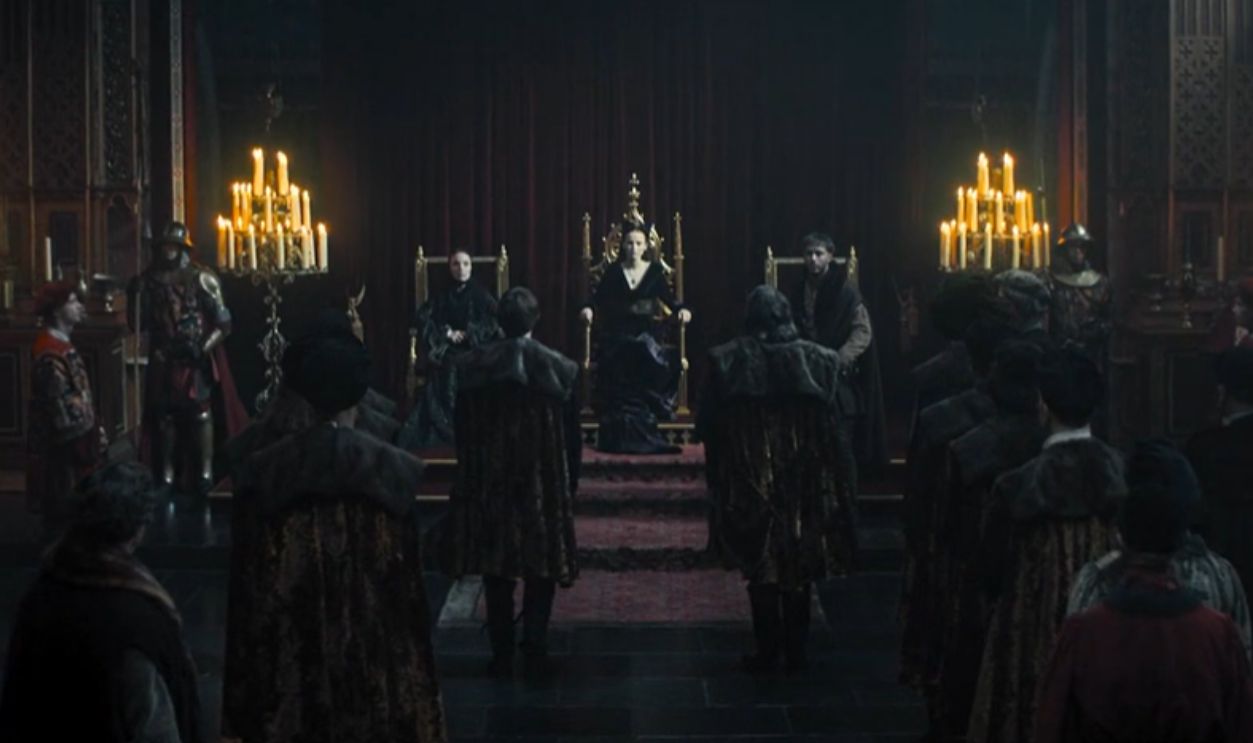 Screenshot from Maximilian, Beta Film (2017)
21. She Came To The Table
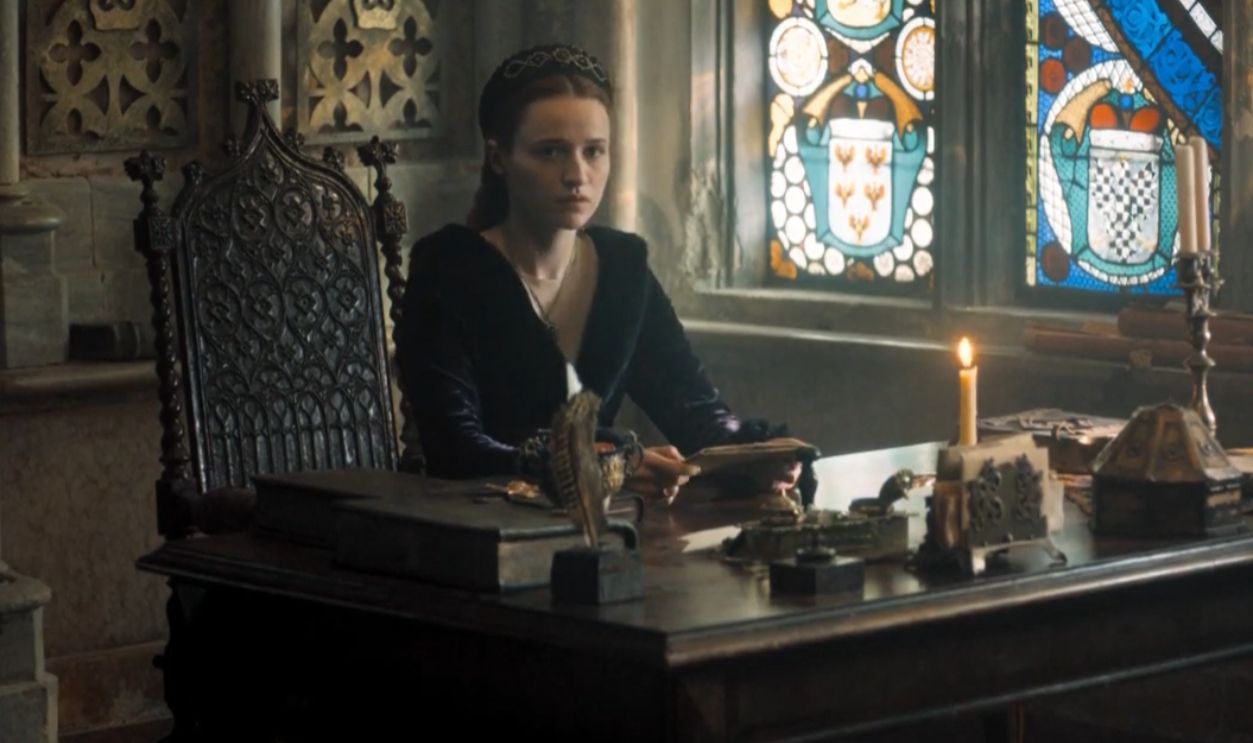
One month into her reign, things were not looking good for Mary. The French army vastly outnumbered the Burgundian forces, and the duchess’ advisors informed her that surrender was likely. Thus, Mary agreed to send a delegation to negotiate a potential marriage between her and the King’s six-year-old son. Things quickly fell apart.
 Screenshot from Maximilian, Beta Film (2017)
22. She Stood Firm
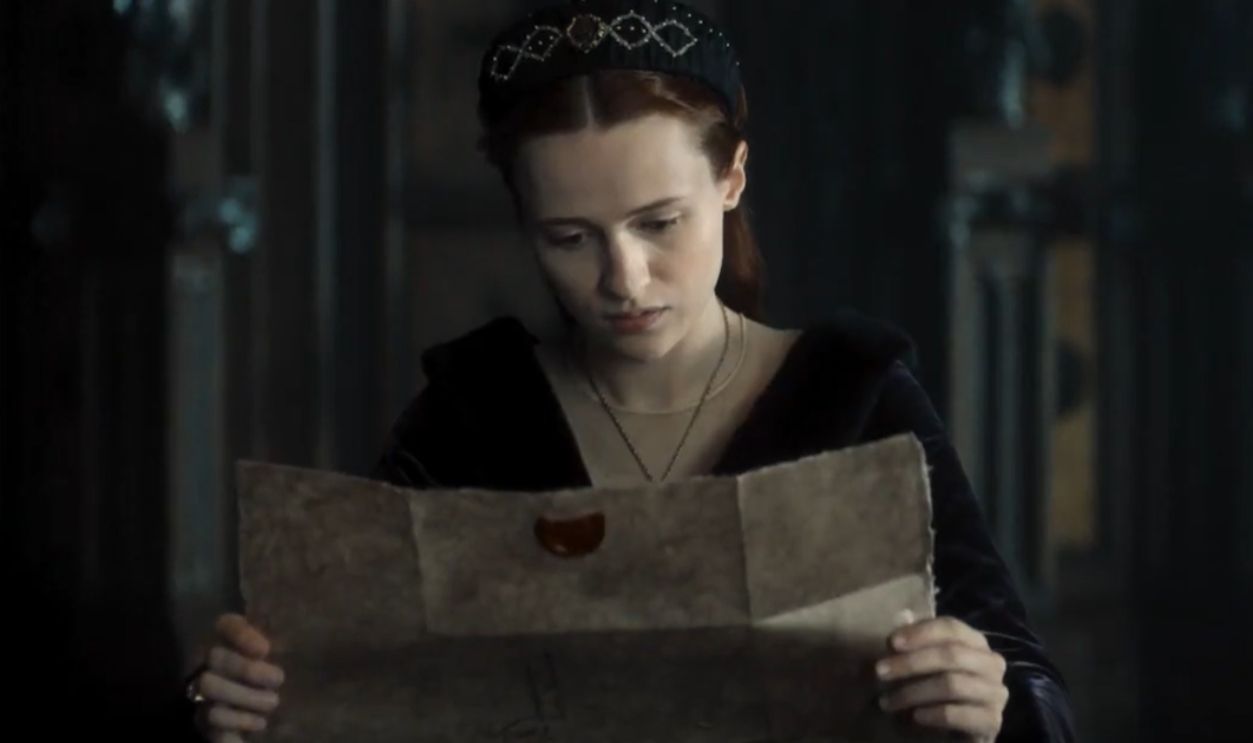
King Louis knew he was in a much better negotiating position than Mary of Burgundy, but even then, he overplayed his hand. Talks broke down completely after the monarch insisted that, along with a promise of marriage to his son, Mary would have to forfeit the Duchy of Burgundy and the French territories won by her father and grandfather. Mary’s representatives left the negotiations in anger, and the King played his next tyrannical hand.
 Screenshot from Maximilian, Beta Film (2017)
23. Her Secrets Got Revealed
King Louis remained determined, and he resorted to dirty tactics to get one over on Mary. The French monarch leaked secret correspondence to the burghers of Ghent, who felt horrified that Mary was negotiating with France. The consequences were chilling.
The burghers arrested two of her father’s councilors, both named in the letters. Mary begged that they be spared, but her desperate pleas went unheard. The men were executed on April 3, 1477. King Louis’ tactics may have been dirtier even than they initially appeared.
24. She Fell Victim To Lies
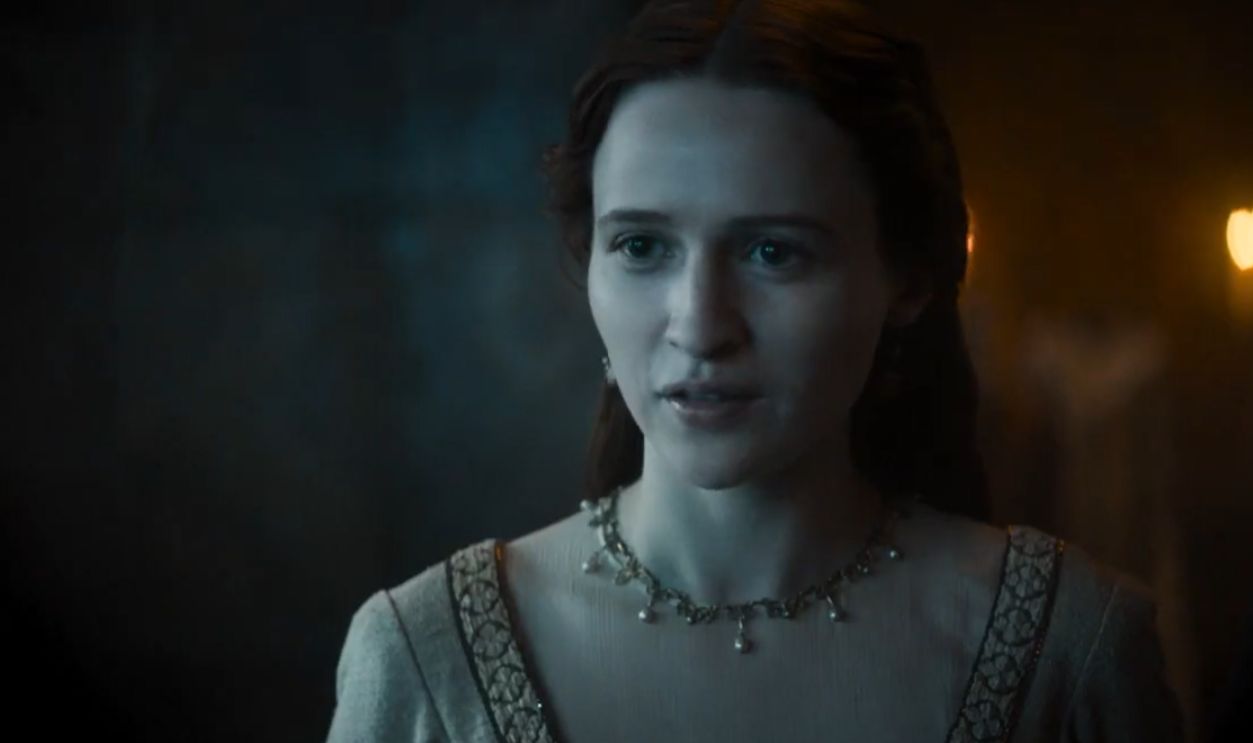
The worst part about the loss of Mary’s advisors is that she may not even have been indirectly responsible: one historian suspects that King Louis likely forged the damning letters, in yet another odious move to force the duchess to give up her lands. All the while, Mary’s day job of politicking continued.
 Screenshot from Maximilian, Beta Film (2017)
25. She Legislated
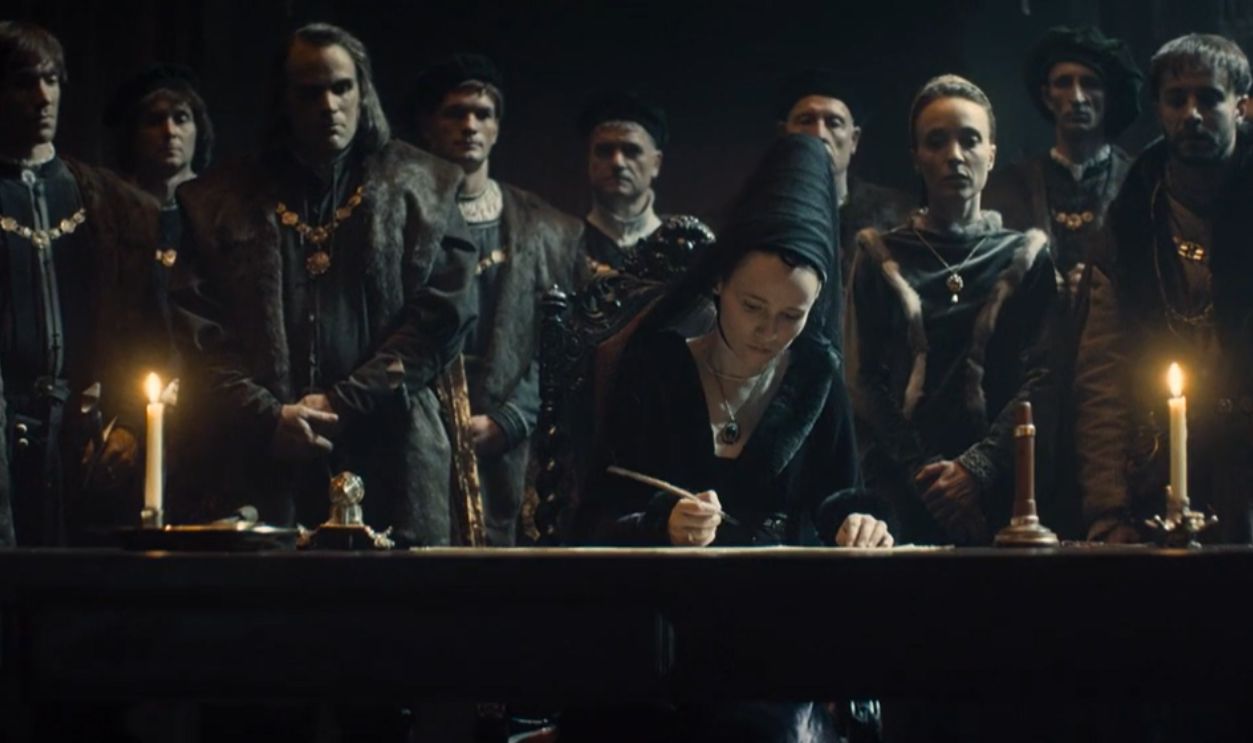
Five weeks into her reign, before the demise of her advisors, Mary of Burgundy had already jumped into her duties, signing into law the Great Privilege. This document ensured local rights and the strengthening of the local languages and helped to keep the Dutch on her side in the conflict with France.
With this diplomatic success, Mary sought further support elsewhere.
 Screenshot from Maximilian, Beta Film (2017)
26. She Found A Match
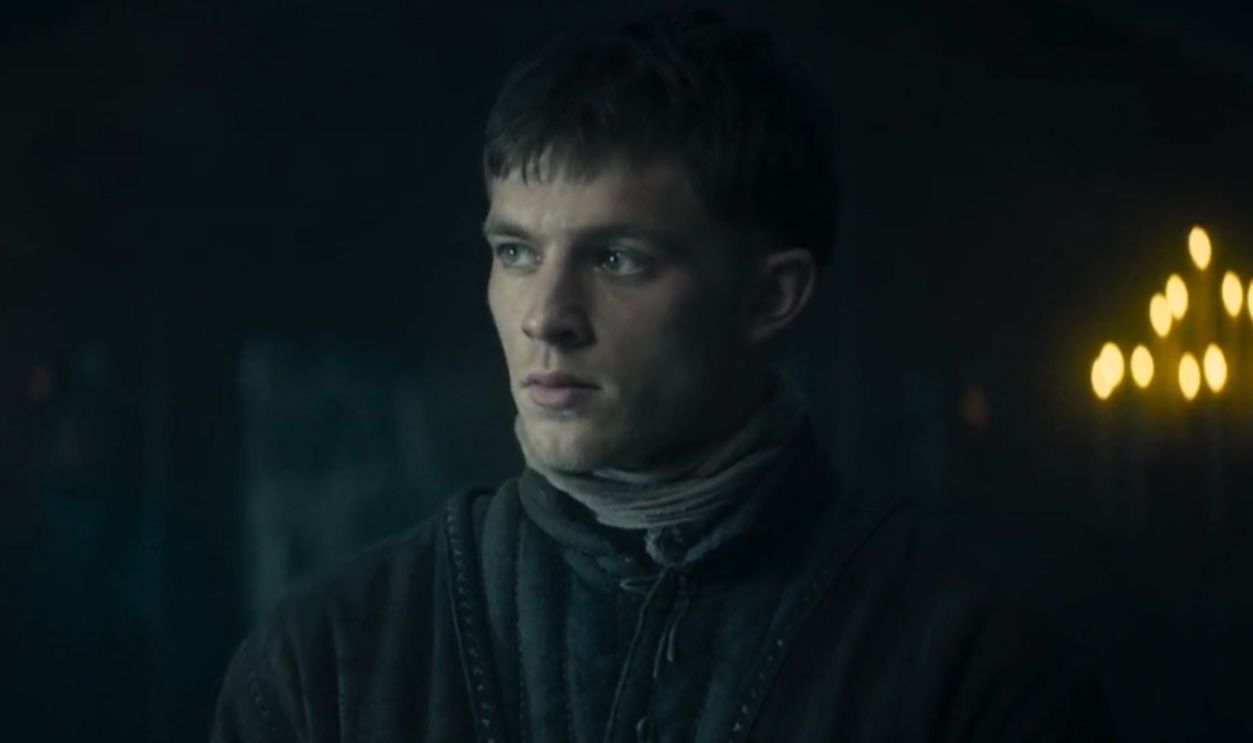
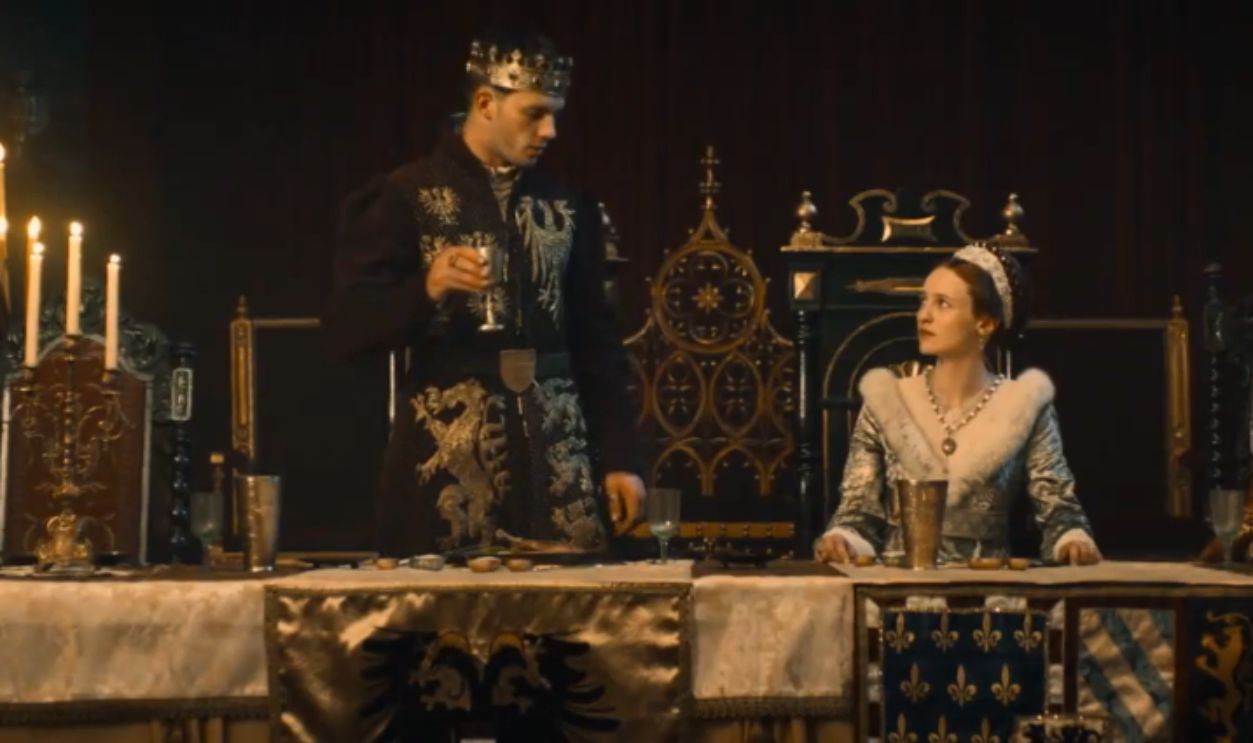
To shore up support against King Louis, Mary agreed to marry Archduke Maximilian of Austria, and the wedding took place on August 19, 1477. It was a good move: Maximilian was the son of Holy Roman Emperor Frederick III, and a member of the Habsburg dynasty, meaning Mary secured the powerful family’s support in her conflict against France. It was easy enough to arrange.
 Screenshot from Maximilian, Beta Film (2017)
27. She Married Family
Mary’s father and Maximilian’s mother were both grandchildren of John I of Portugal and Philippa of Lancaster, meaning the newlyweds were second cousins. On the day of their wedding, Mary was 20 years old and Max two years younger. Their union represented so much more than the joining of two houses, however.
 Screenshot from Maximilian, Beta Film (2017)
28. She Changed History
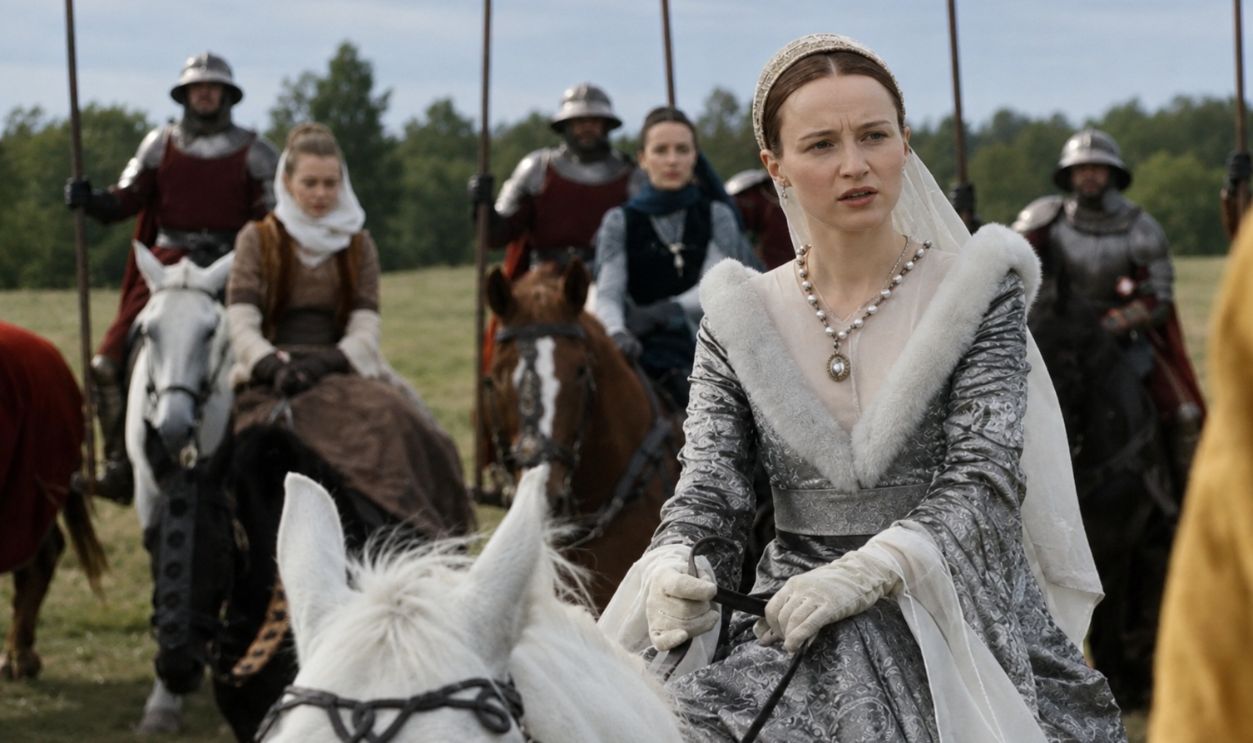
Though neither of them knew it, Mary and Maximilian’s marriage represented a seismic shift in European politics. Because of the duchess’s conflict with King Louis, she unwittingly played a key role in beginning what would become a centuries-long rivalry between the Habsburgs and the French. But with their burgeoning romance, the newlyweds were none the wiser.
 Screenshot from Maximilian, Beta Film (2017)
29. She Entered The Honeymoon Phase
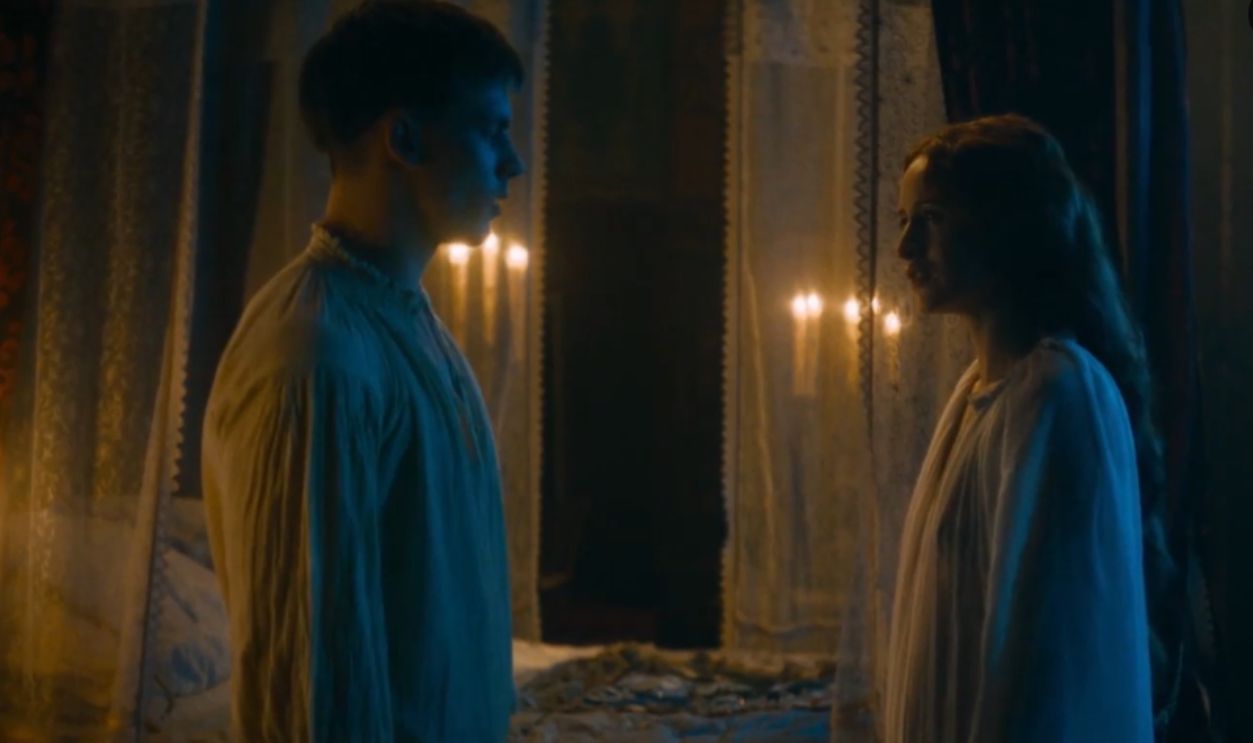
Mary of Burgundy and Maximilian’s marriage appeared to be a happy and healthy one. The couple spent much of their free time together engaging in various hobbies that they mutually enjoyed. These activities included dancing, music, and hunting. The two also shared a love for animals. Max didn’t take to everything his new wife liked, however.
 Screenshot from Maximilian, Beta Film (2017)
30. She Tried To Teach Him
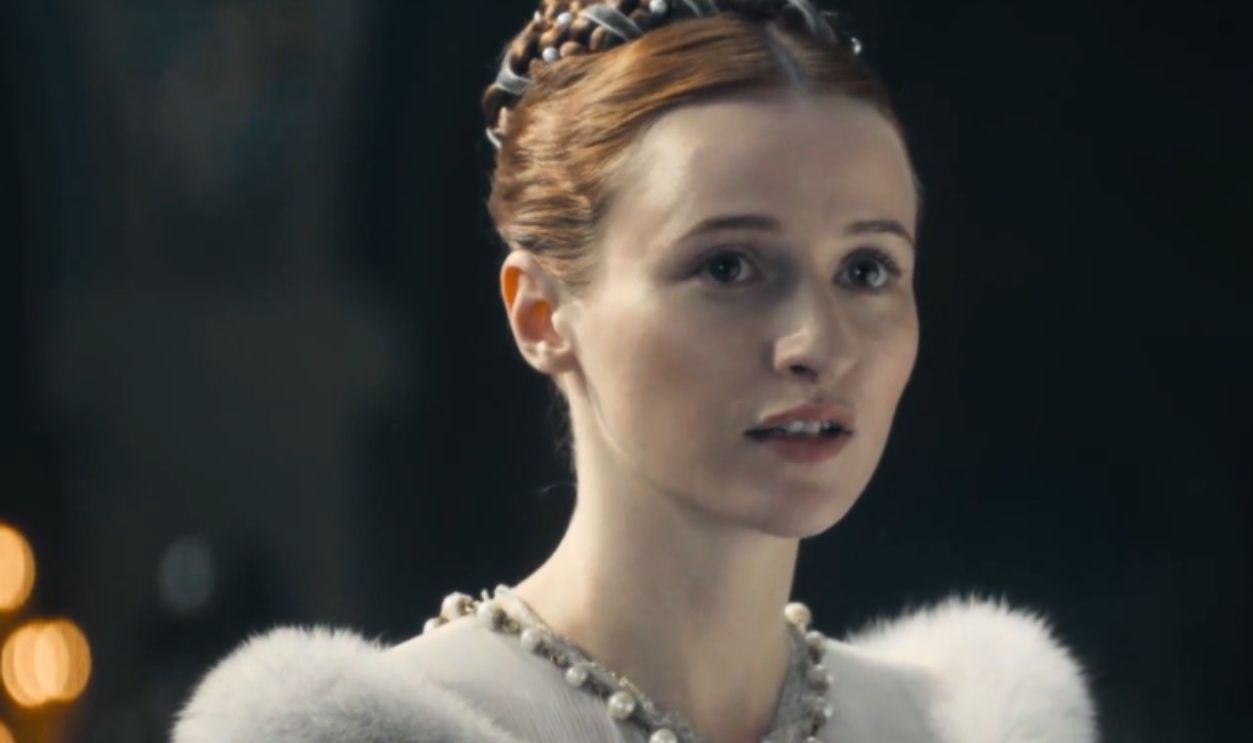
Being from the cold plains of Burgundy, Mary was an enthusiastic ice skater. She tried to share this love with her new husband, attempting to instruct him in the skill. Maximilian struggled to get a grip on the ice, however, never truly mastering it. Luckily, they had other interests that encouraged intimacy.
 Screenshot from Maximilian, Beta Film (2017)
31. She Had Intimacy
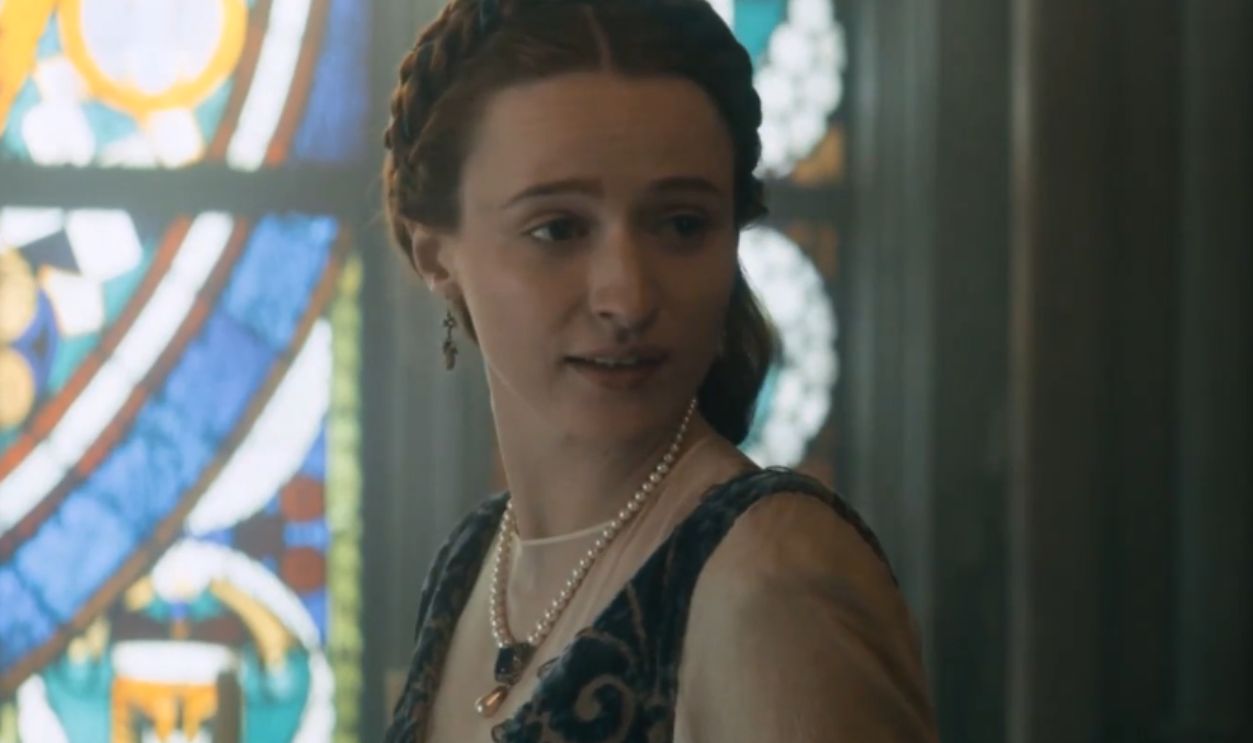
Mary of Burgundy and her husband also shared a love for language. The two would often read romances together, and because they did not share a first language on their wedding day, the two at first communicated through Latin. Over time, Mary taught French to Maximilian (or tried to, at least) and he taught her German. They also invited some other critters into their hearts.
 Screenshot from Maximilian, Beta Film (2017)
32. She Loved Animals
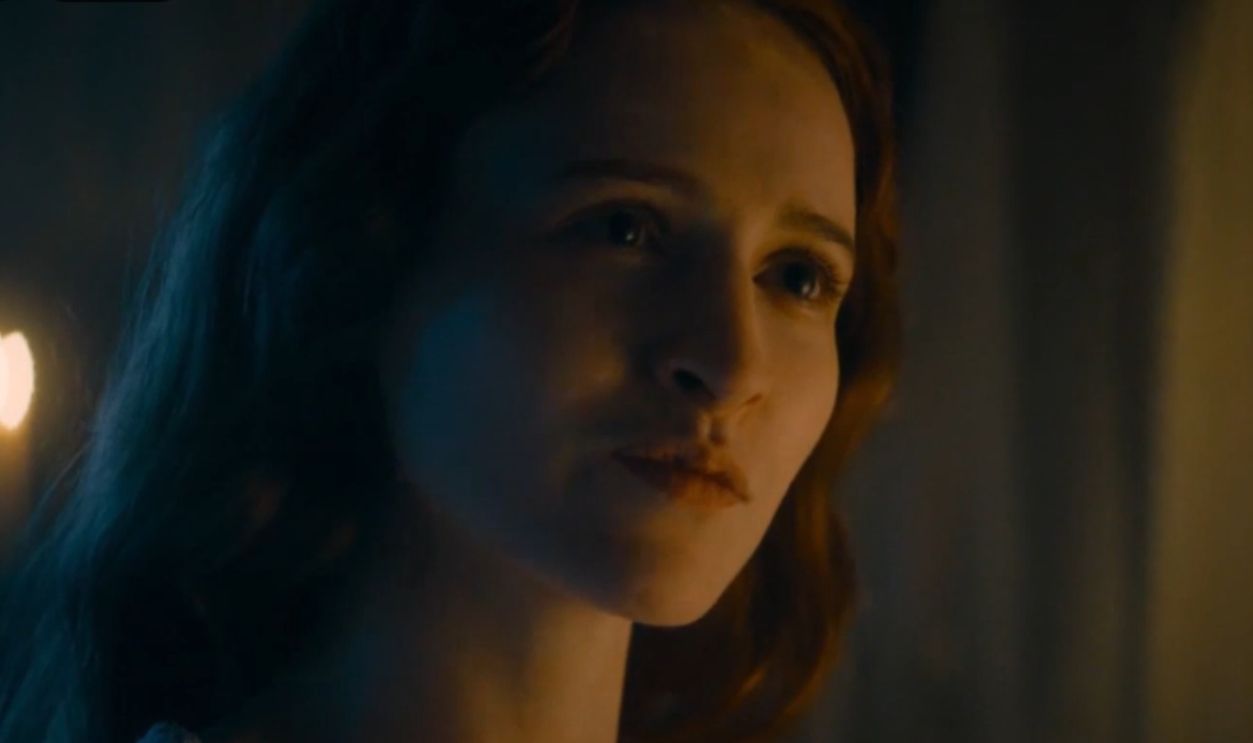
As mentioned, Mary and her husband shared a great affection for animals, and they kept them around whenever they could. The duchess was passionate about falconry and brought the birds into the couple’s bedchamber within a few nights of getting married.
They also had a greyhound who shared their room. And, speaking to their notable intimacy, the lovers did indeed share a room, opting not to have separate bedchambers as many noble couples did at the time. The two seemed to have fallen for one another quickly, and that became evident in their inheritance rights.
 Screenshot from Maximilian, Beta Film (2017)
33. She Changed Her Mind
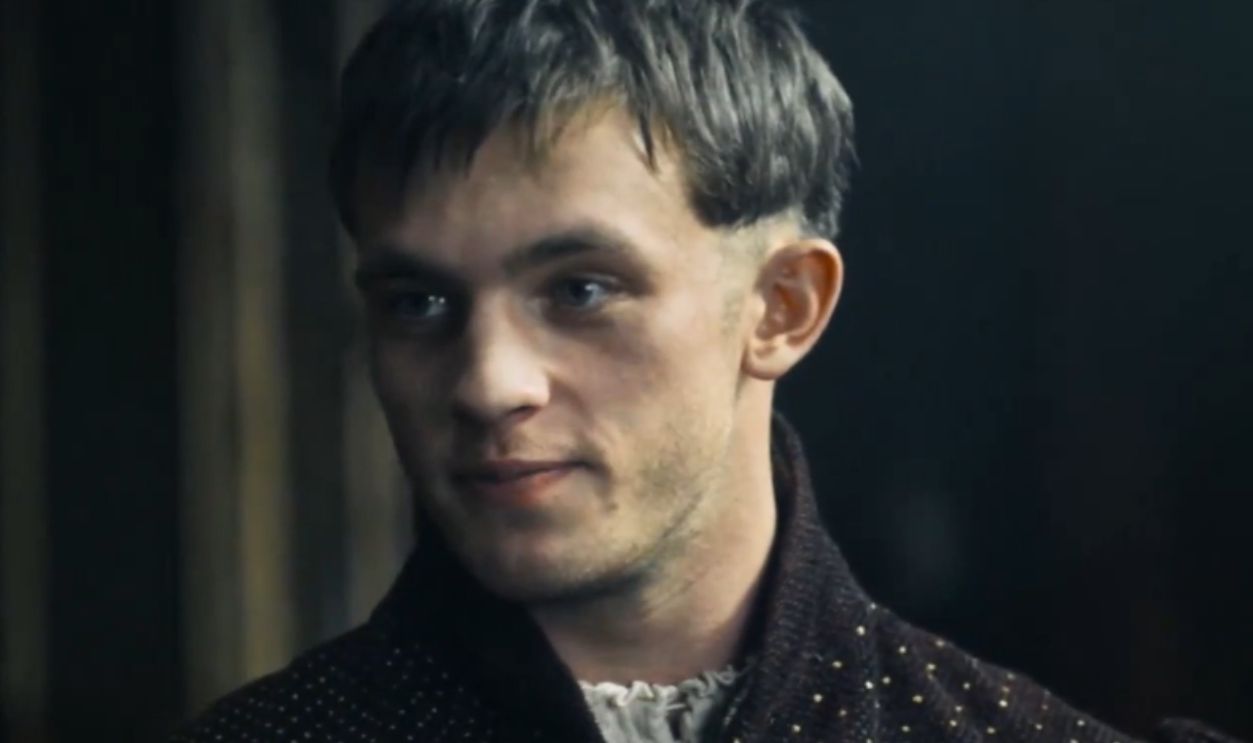
Mary and Maximilian’s initial marriage contract contained something of a prenup, originally stipulating that, in the event of Mary’s untimely demise, Max could not inherit her lands. Speaking to their quickly deepening intimacy, however, the duchess altered this stipulation just one month into the marriage, naming Maximilian her heir if the couple had no children. This would not remain relevant for long.
 Screenshot from Maximilian, Beta Film (2017)
34. She Started A Family
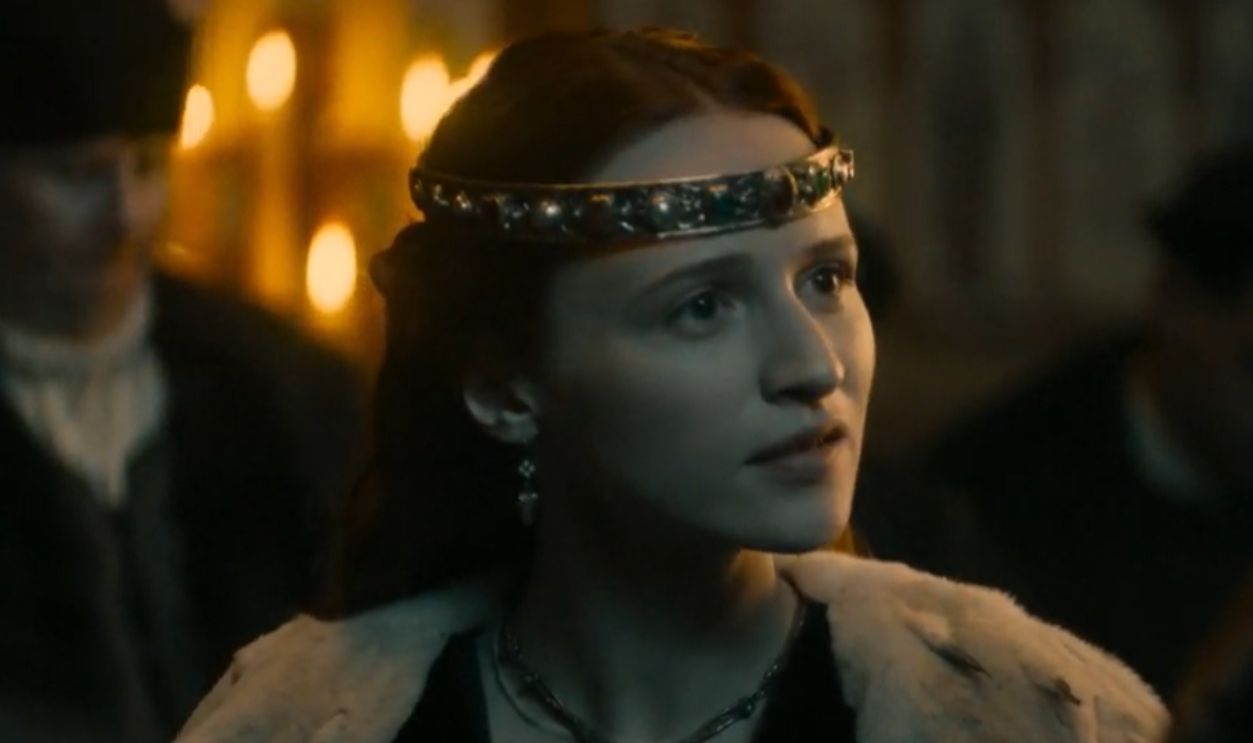
Mary would have three children with Maximilian, though only two survived infancy. She seemed to be an affectionate and loving mother too, opting to nurse the children herself rather than use a wet nurse, a common custom for nobles of the era. The children likely had a wonderful upbringing, considering their parents’ tendency to embrace the good life.
 Screenshot from Maximilian, Beta Film (2017)
35. She Had Fun
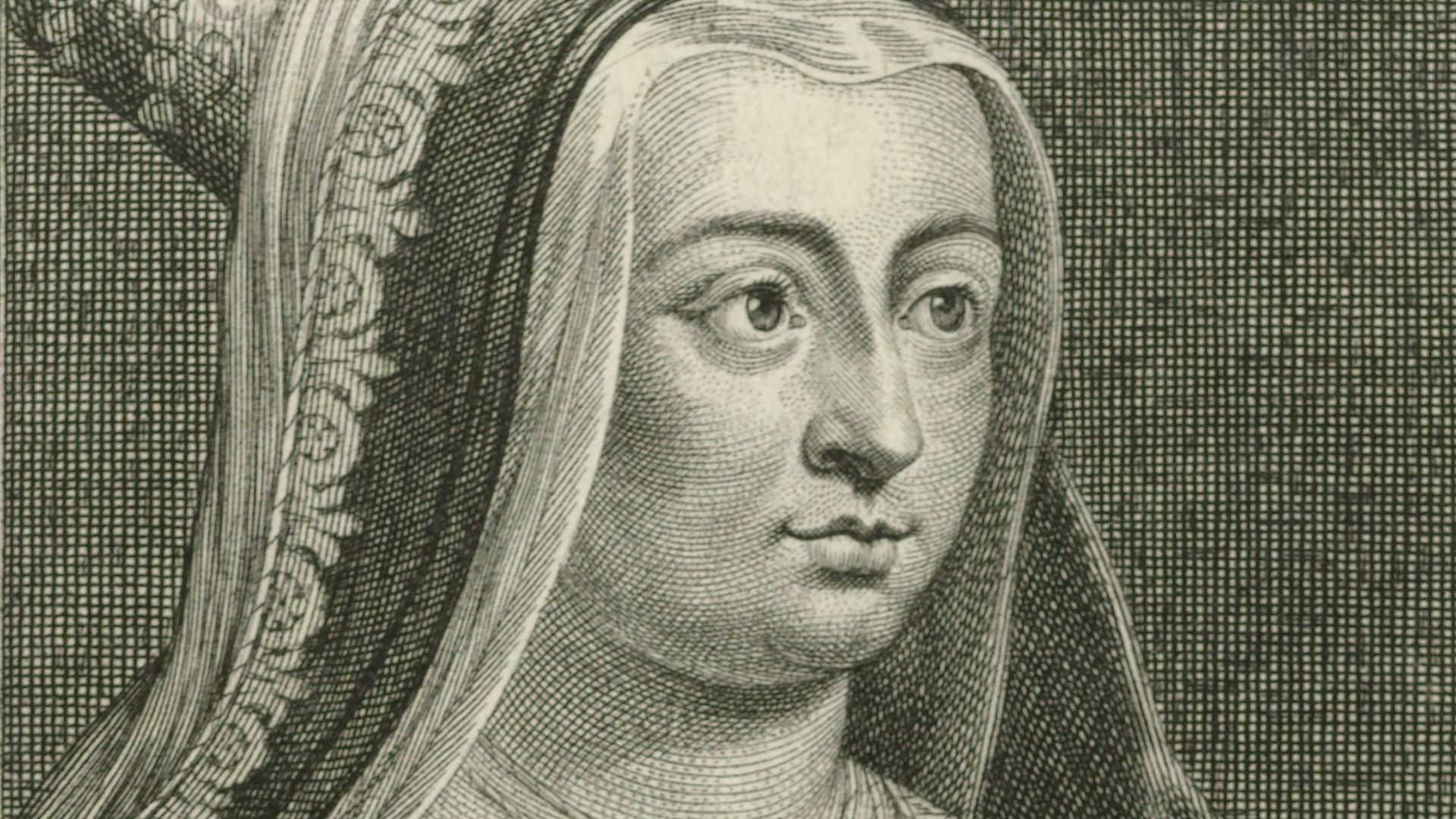
With her privileged stature in life, Mary embraced all the benefits that came with nobility. She held fine feasts with menus she personally oversaw, dined out with merchants, and enjoyed watching her husband joust in tourneys, a sport he had a great talent for. Even politically, the young lovebirds seemed to complement each other well.
 Pieter de Jode II / After Rogier van der Weyden, Wikimedia Commons
36. She Formed A Power Couple
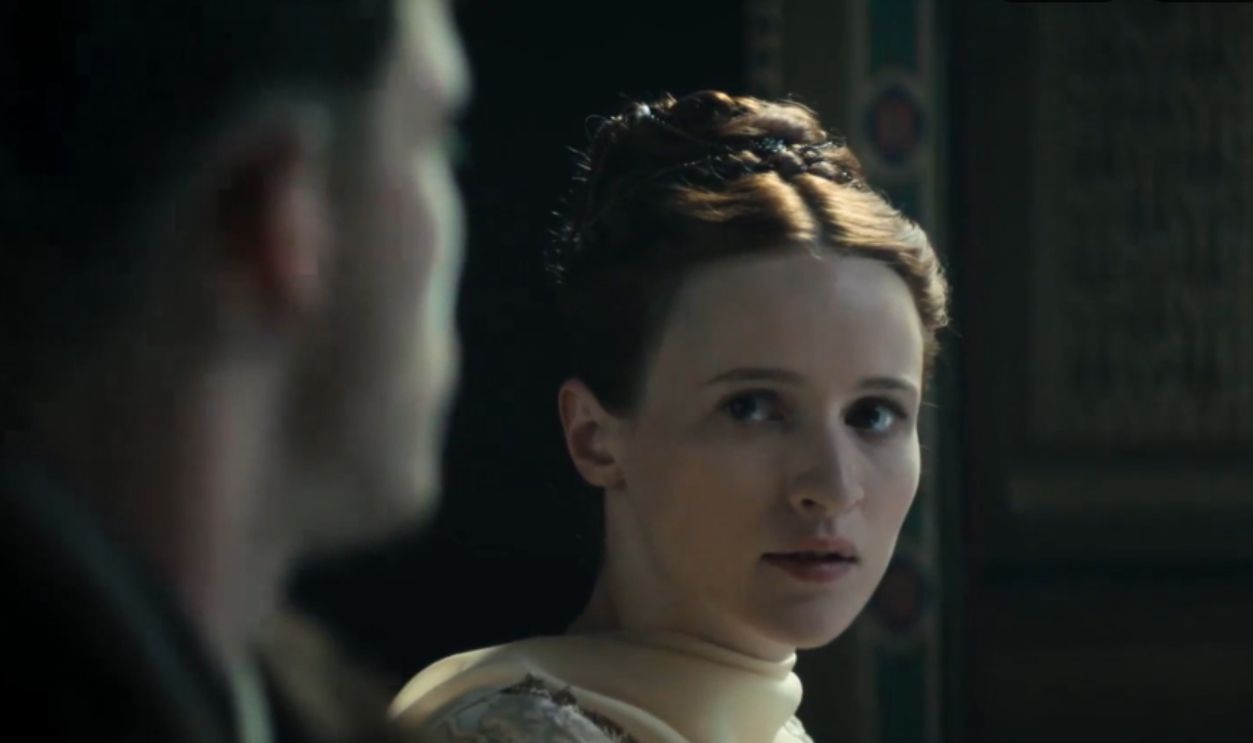
With Maximilian’s status as a member of the powerful Habsburgs, Mary’s position significantly strengthened in both the military and political domains. The couple served as co-rulers, and Max proved himself a competent strategist (at least at first), taking over the effort in the conflict against France. The situation wasn’t completely rosy yet, however.
 Screenshot from Maximilian, Beta Film (2017)
37. She Was Broke
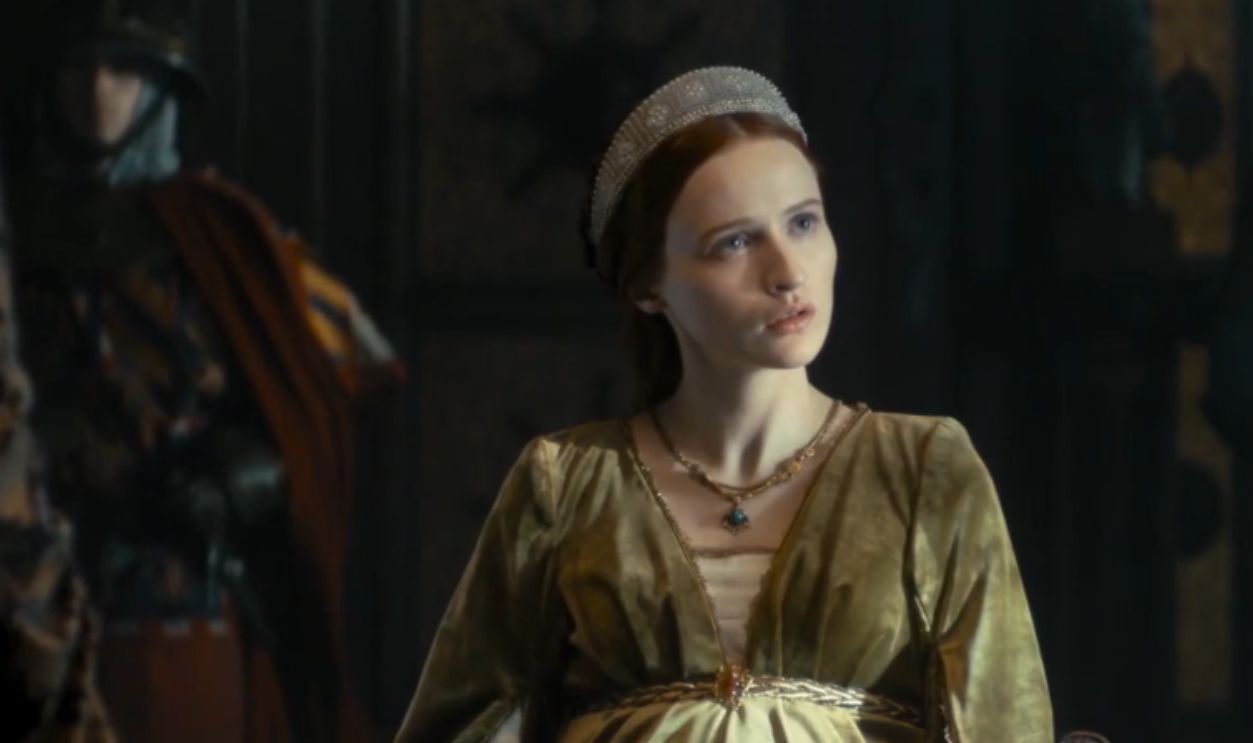
Unfortunately, the conflict with France had been incredibly costly for the Burgundian duchess, and Maximilian, though he had his strengths, came with basically no financial benefit. This forced Mary to pawn off numerous family heirlooms to financially support her armies. The results were mixed.
 Screenshot from Maximilian, Beta Film (2017)
38. She Got A Partial Victory
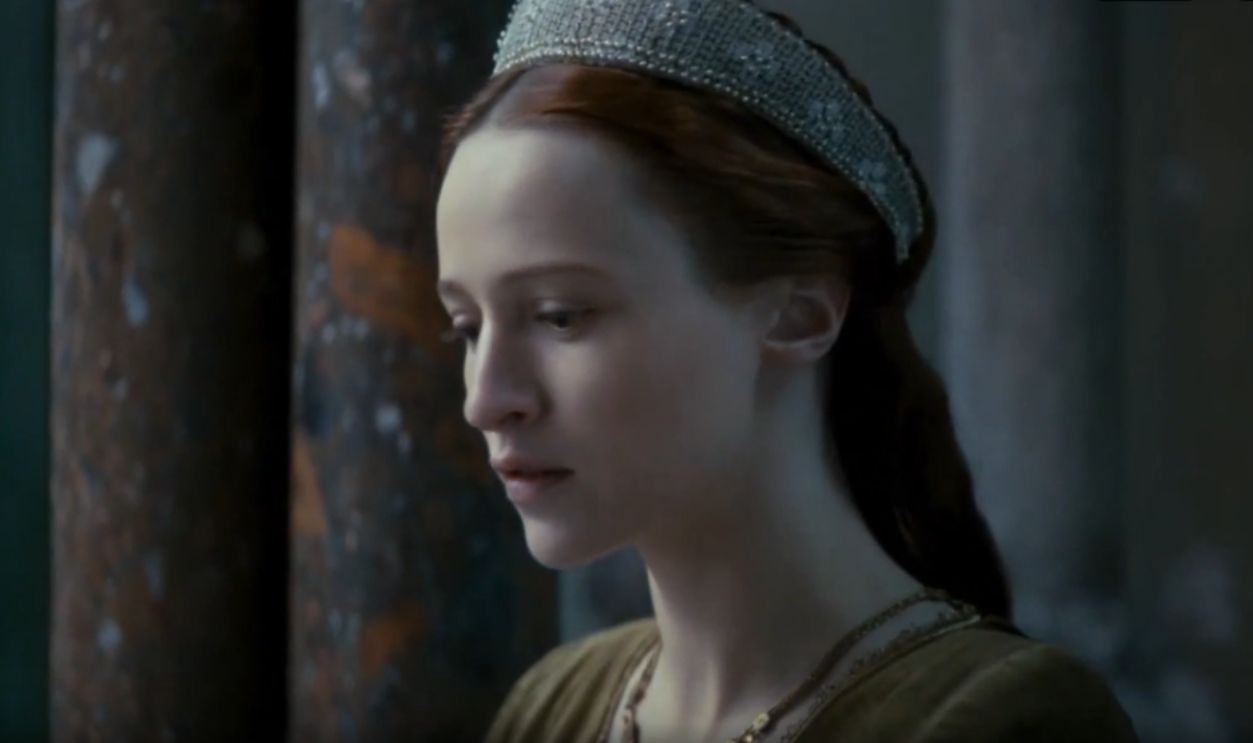
Through her efforts, Mary secured most of the Burgundian Netherlands, an impressive feat in its own right. On the other hand, the French occupation proved too powerful in the domains Louis had captured, and the duchess failed to re-secure them. And while her marriage remained strong, her husband’s stature dipped somewhat.
 Screenshot from Maximilian, Beta Film (2017)
39. She Stayed Top Dog
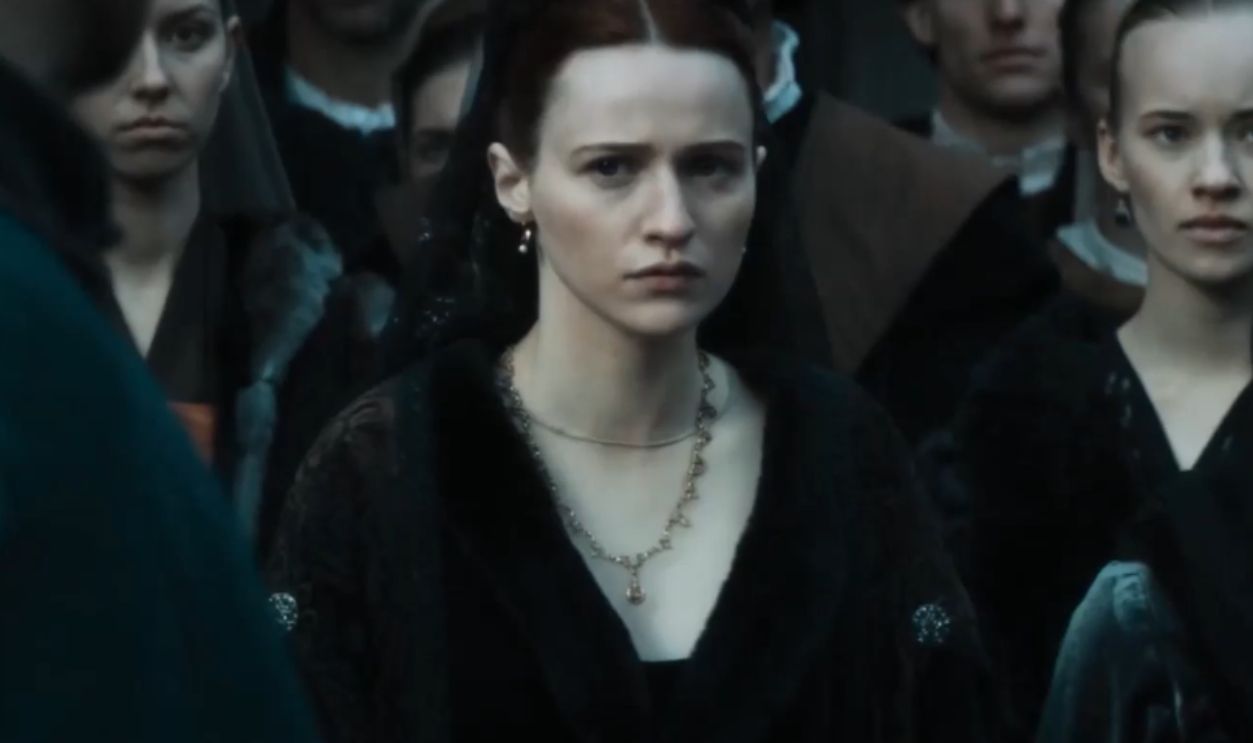
Though they were co-rulers, Mary retained political primacy in Burgundy, largely due to her subjects’ mistrust of Maximilian. They viewed the archduke as a suspicious foreigner with potentially dangerous ambitions, and these fears were not unfounded. But his lethargy somewhat tempered Max’s ambitions.
 Screenshot from Maximilian, Beta Film (2017)
40. Her Husband Was Lazy
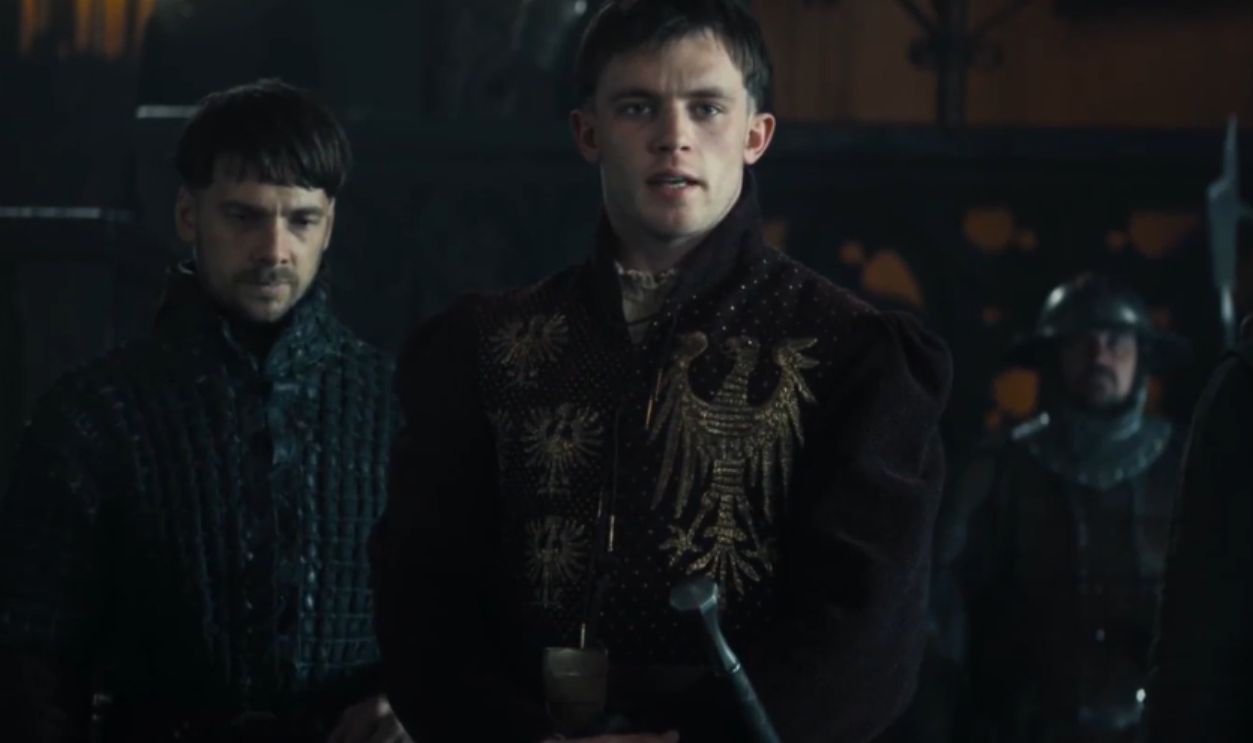
As mentioned, Mary made an honest attempt to teach her husband French, and he received tutoring in Dutch too. Maximilian was resistant to these efforts, however, and was, in fact, quite a disappointing student. Thus, in Max, Mary found a confidant who was also compliant.
 Screenshot from Maximilian, Beta Film (2017)
41. Her Husband Followed Her Lead
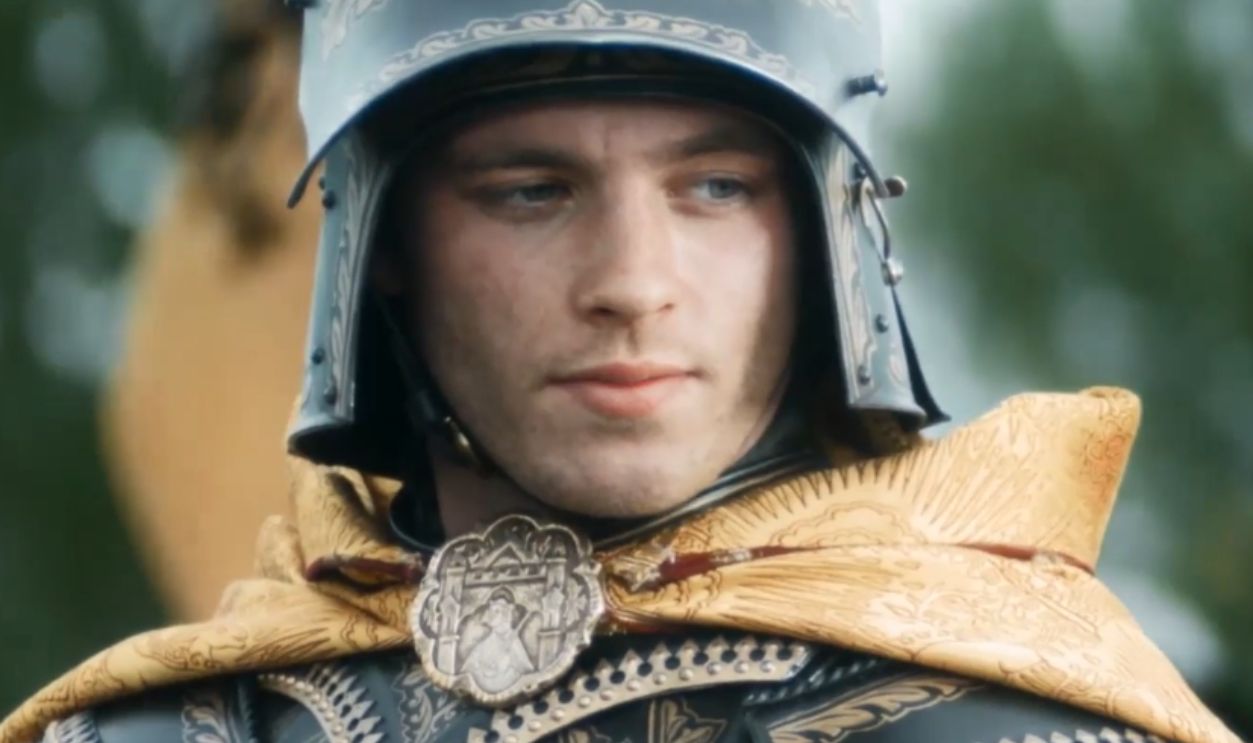
Mary certainly seemed to wear the political pants in her relationship, even if she strategically made it seem otherwise. When dealing with political issues, the duchess always consulted her husband. This may have been purely for show, however, as she would always operate her administration in ways that befitted her wishes and desires.
After all, her passive husband would never oppose her decisions, even if sometimes his air-headedness got out of hand.
 Screenshot from Maximilian, Beta Film (2017)
42. She Deceived
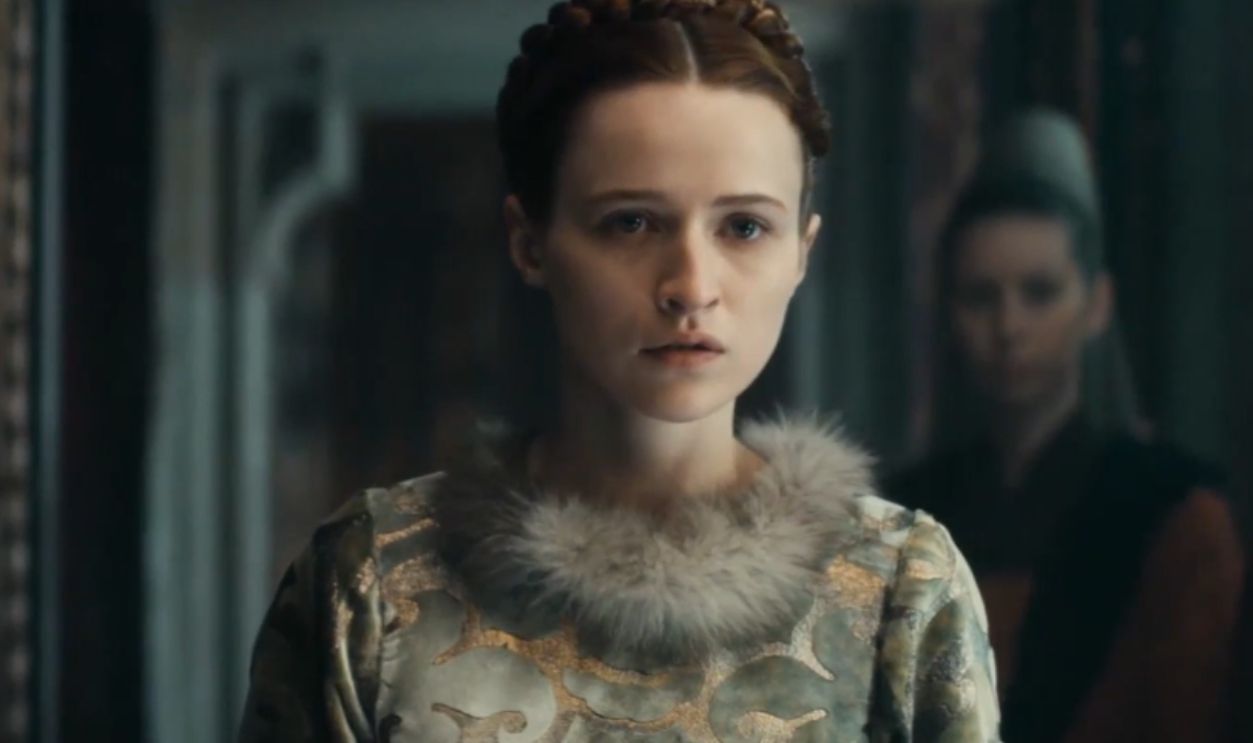
Sometimes, Maximilian’s overconfidence in matters of conflict would get the better of him, and this forced Mary to step in. On one occasion, for example, Max was determined to launch an attack on a gathering French army that was far more powerful than the Burgundian forces. His advisors, strongly against this move, asked Mary to dissuade him. The duchess told her husband that he was free to launch the attack—but only after he came to their chambers to tell her goodbye.
What she did next was downright diabolical.
 Screenshot from Maximilian, Beta Film (2017)
43. She Locked Him Up
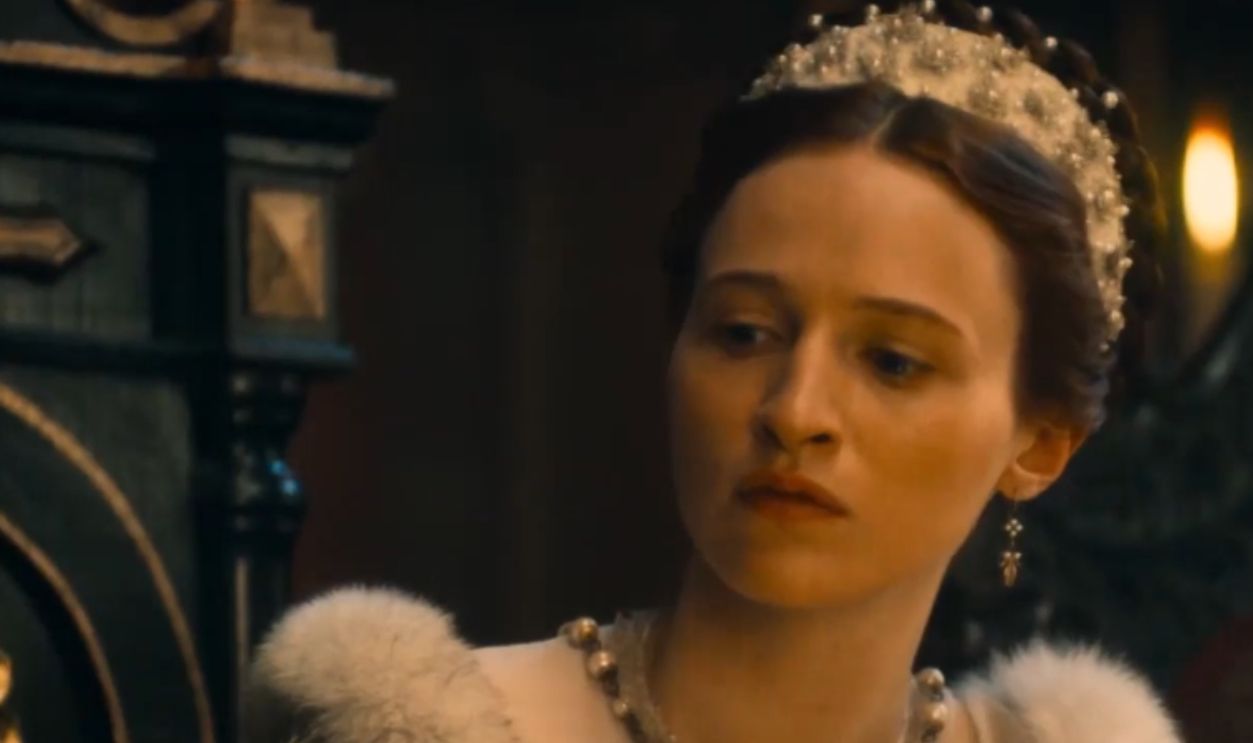
When the unsuspecting Maximilian reached his wife, she locked him in his apartment to prevent his reckless plan from coming to fruition. Hilariously, Mary eventually let her husband out of his room after a long negotiation through the door resulted in him agreeing to go dancing instead! Thus, the couple, though deeply in love, cut starkly contrasting figures.
 Screenshot from Maximilian, Beta Film (2017)
44. She Was Inspiring
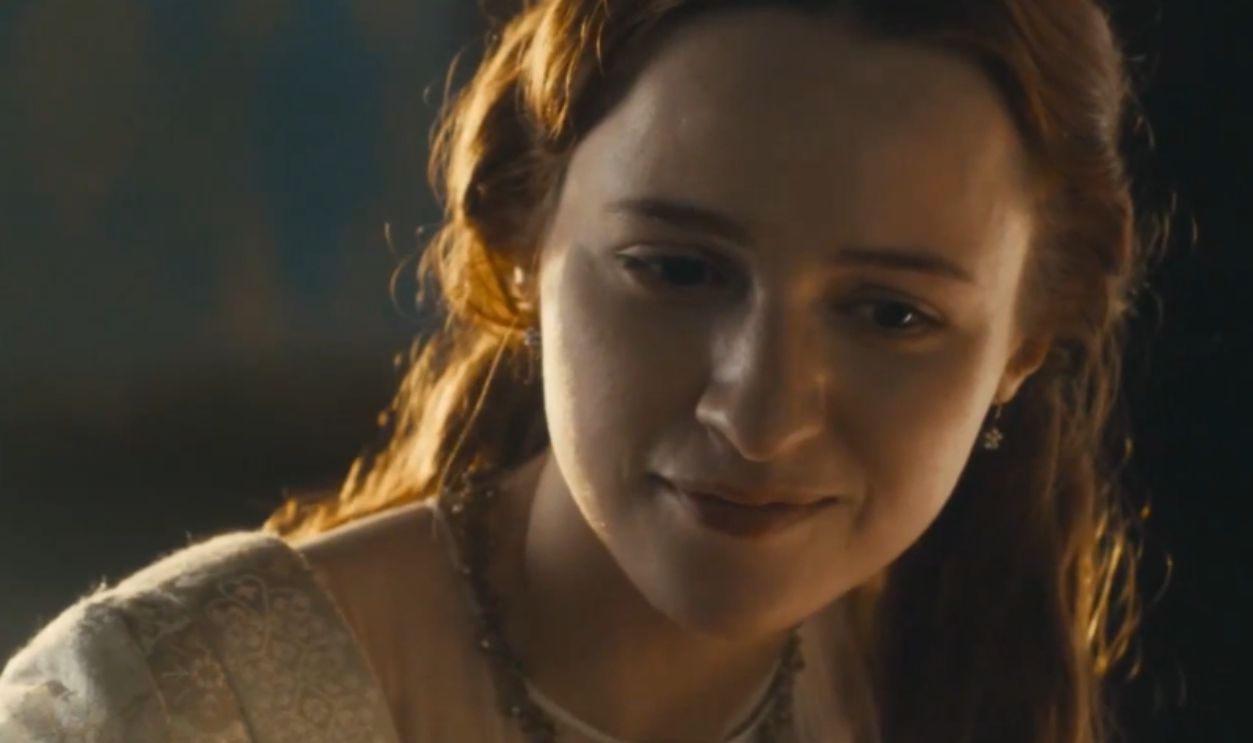
Mary was a strong ruler, and her people clearly thought so too: many official depictions of the era epically present the duchess as an active and commanding leader, often shown on horseback with one of her trusty hawks on her arm. And though she was ultimately more passive than her father before her, she always emphasized her strength by ensuring her husband remained behind her in many images and presentations. She was not afraid to be seen in real life either.
 Screenshot from Maximilian, Beta Film (2017)
45. She Maintained An Image
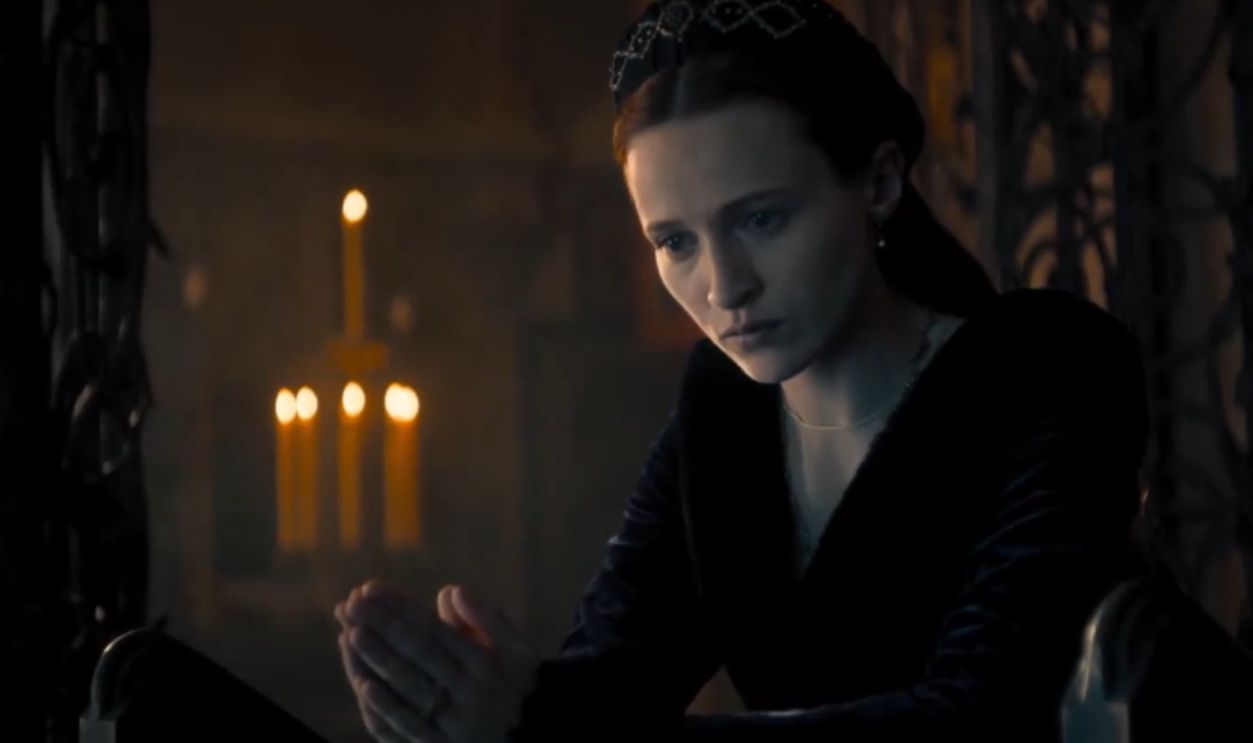
With her tenuous position as a female ruler, Mary knew she would have to work extra hard to maintain the support of her subjects, and she did just that. The duchess focused largely on public appearances to endear herself to her people and bolster support. Many of these appearances were displays of piety, reassuring her subjects that she was spiritually pure. Thus, it was the Burgundian lands as a whole that mourned when tragedy struck the duchess unexpectedly.
 Screenshot from Maximilian, Beta Film (2017)
46. She Took A Fall
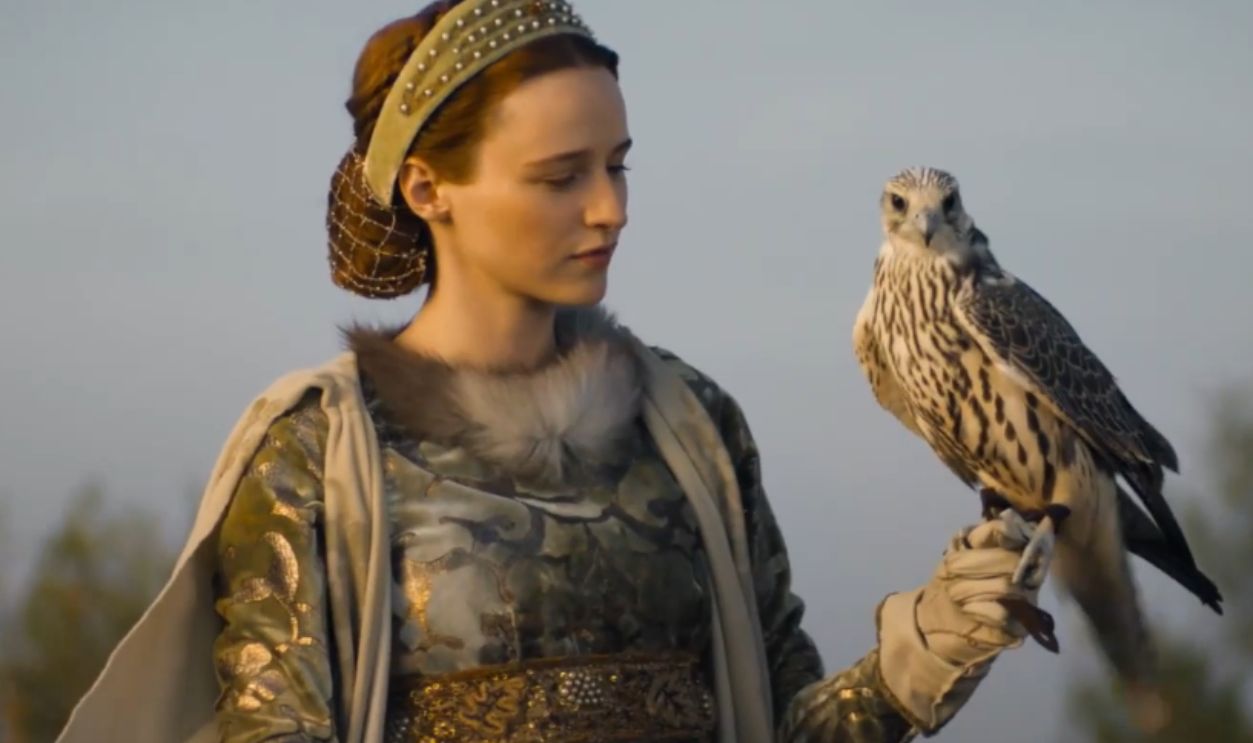
In early 1482, Mary unsuspectingly set out through the woods on a falcon hunt, one of her favorite pastimes, which she often undertook with her husband and her court knights. On this fateful day, however, misfortune would strike: Mary’s horse tripped, causing her to tumble into a ditch. To make matters worse, the horse toppled onto her, breaking her back instantly. Things did not look good for the duchess.
 Screenshot from Maximilian, Beta Film (2017)
47. Her Husband Panicked
Upon returning to Wijnendale Castle, the outlook was grim for Mary. She remained steadfastly determined to get her affairs in order, but her husband was inconsolable: Maximilian completely freaked out, to the point where his wife had to hide the extent of her injuries from him and even asked him to leave her chamber because his hysteria was preventing her from discussing matters of state and succession with her nobles.
In the end, Mary went out with dignity and poise.
 Screenshot from Maximilian, Beta Film (2017)
48. She Lost The Battle
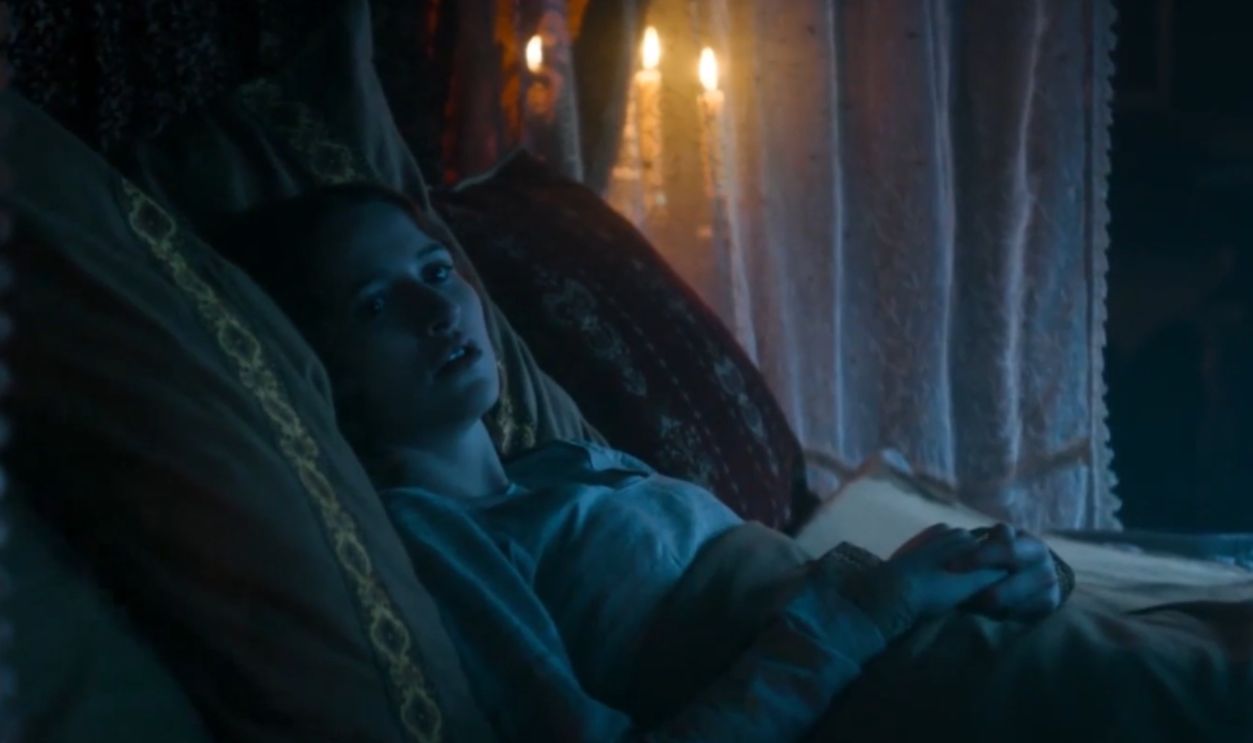
Mary of Burgundy succumbed to her injuries on March 27, 1482. She was tragically young, perishing at just 25 years of age, and her husband wasn't even by her side when she uttered her final words. Even more devastatingly, the duchess was with child at the time of her passing. And though her husband had been little help in her waning days, he expressed his grief in the most touching way.
 Screenshot from Maximilian, Beta Film (2017)
49. Her Husband Grieved
At the time of her demise, Mary’s court was still completely bankrupt. Her husband refused to honor her with a modest funeral, however, opting to melt down all the family’s silverware so the occasion could feature opulent decoration befitting a duchess.
 Screenshot from Maximilian, Beta Film (2017)
50. She Left A Legacy
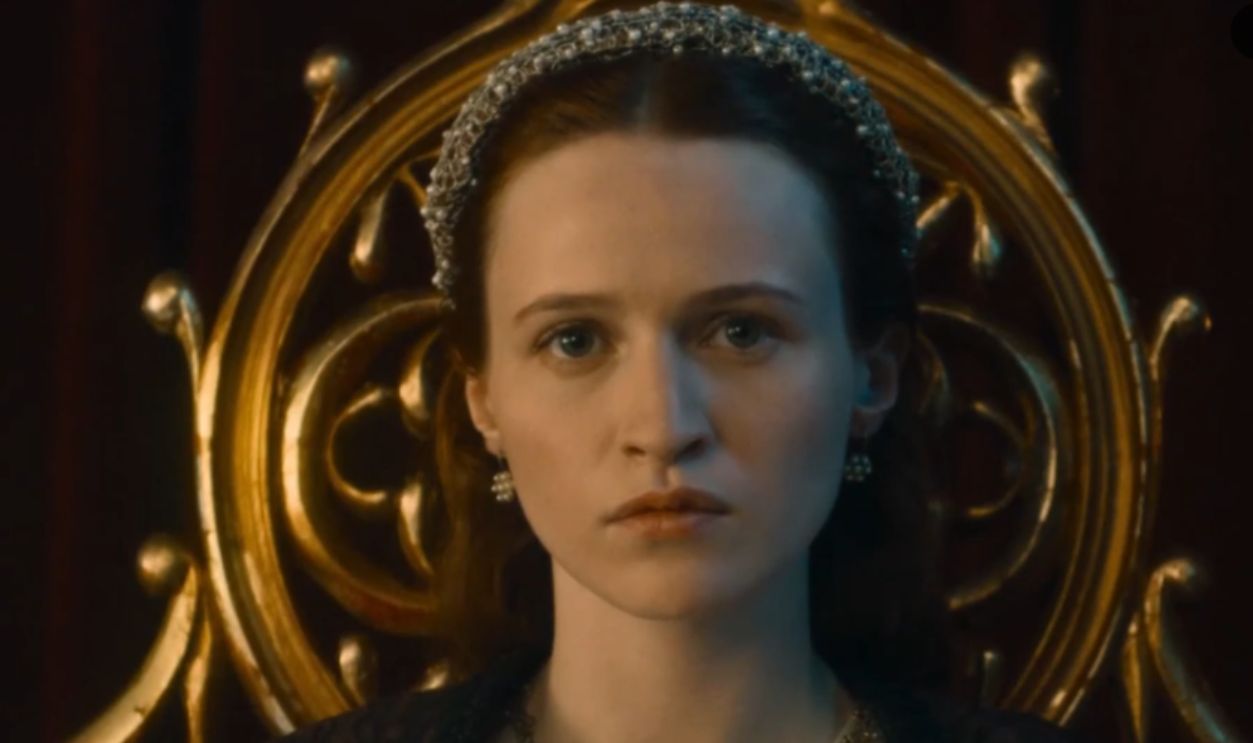
Mary of Burgundy’s legacy has a complex history. Contemporarily adored by her subjects, historians, who dismissed her impact as unimportant, likely for sexist reasons, later sidelined her. However, in more recent times, the Duchess has received recognition and honor from her country’s modern historians and residents, and her legacy has stood the test of time.
 Screenshot from Maximilian, Beta Film (2017)
You May Also Like:
Jadwiga Was The Mighty “King” Of Poland—And She Tragically Lost Everything
The House Of Spencer’s Centuries’ Old Tragedy
Anne Seymour Clawed Her Way To The Top—But Paid A Terrible Price