Palace Intrigue
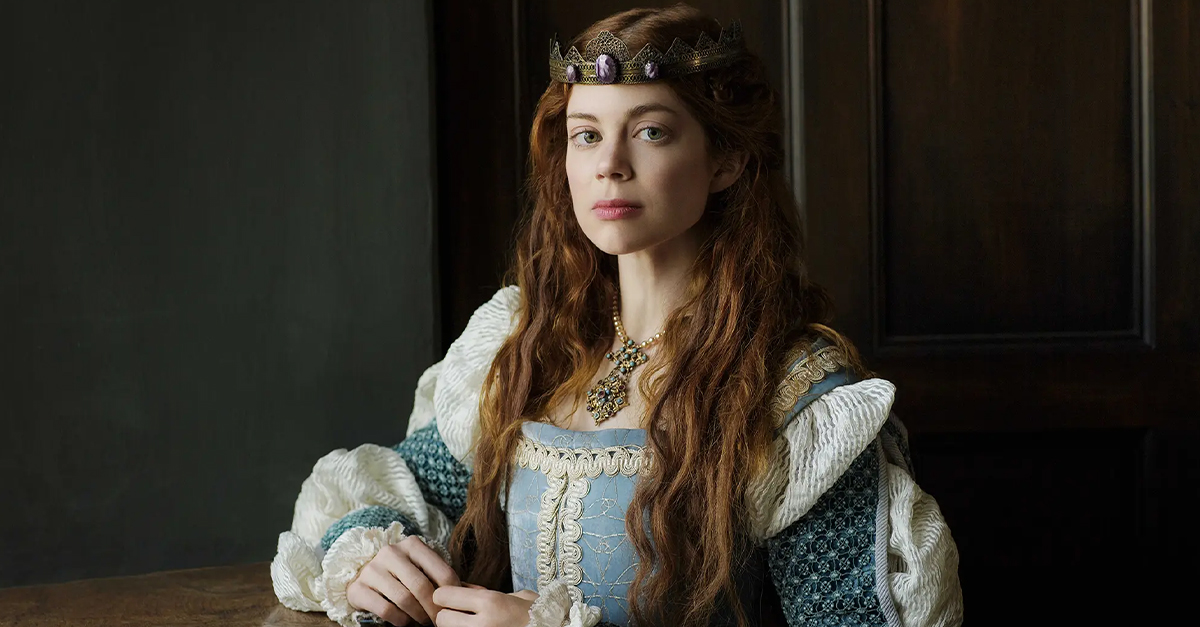
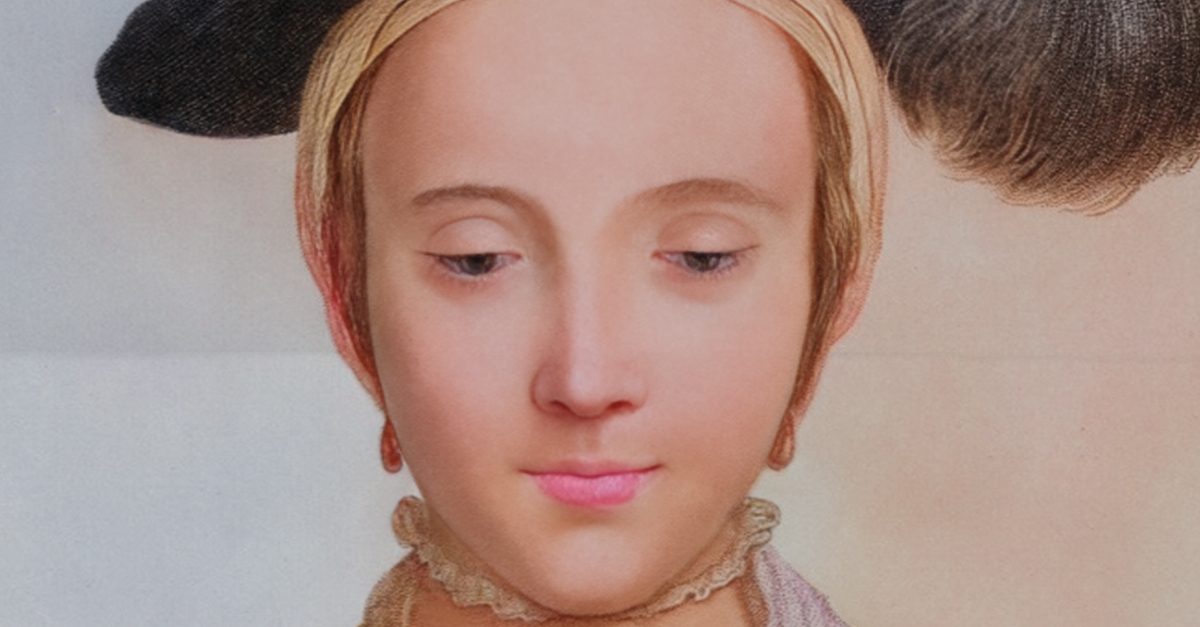
Mary FitzRoy was born into a powerful and ambitious noble family in 16th century England, and her prospects only improved when she married the illegitimate son of the King. The untimely loss of her husband, however, threw the young Duchess into a whirlwind of political brinksmanship, betrayal, and battle. The unassumingly clever Mary, however, proved more than capable of handling herself.
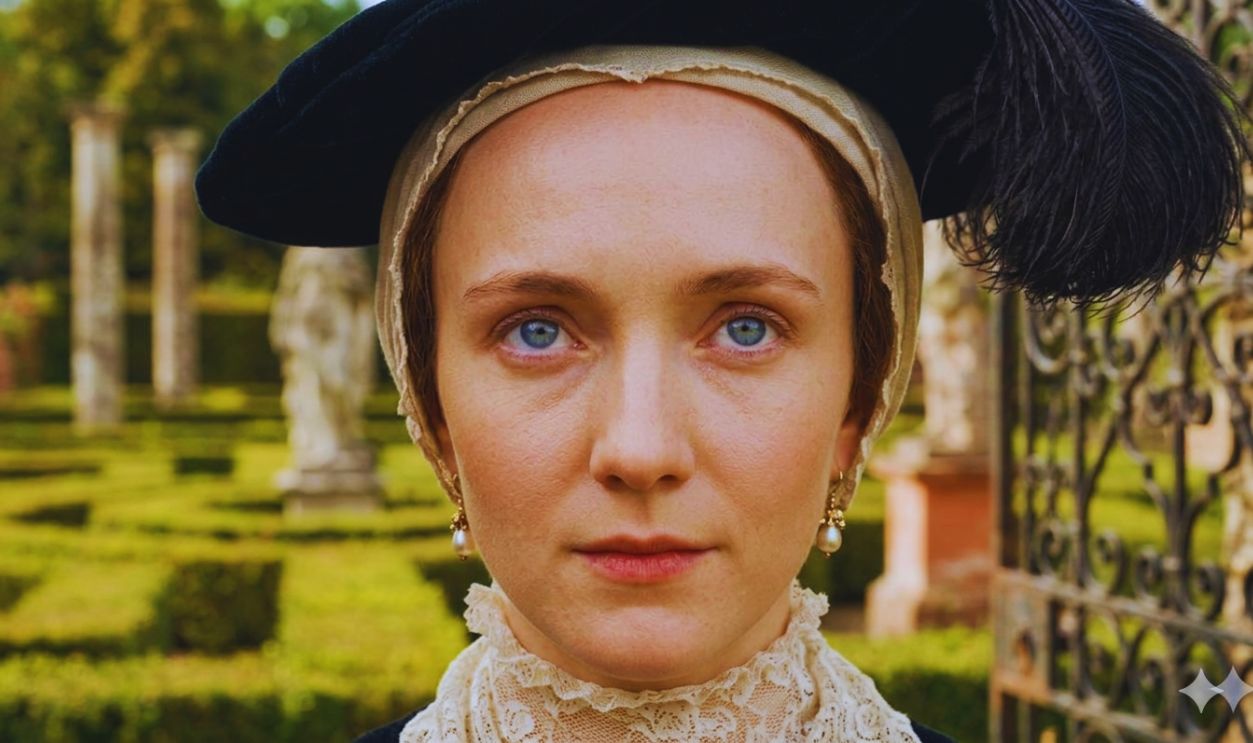
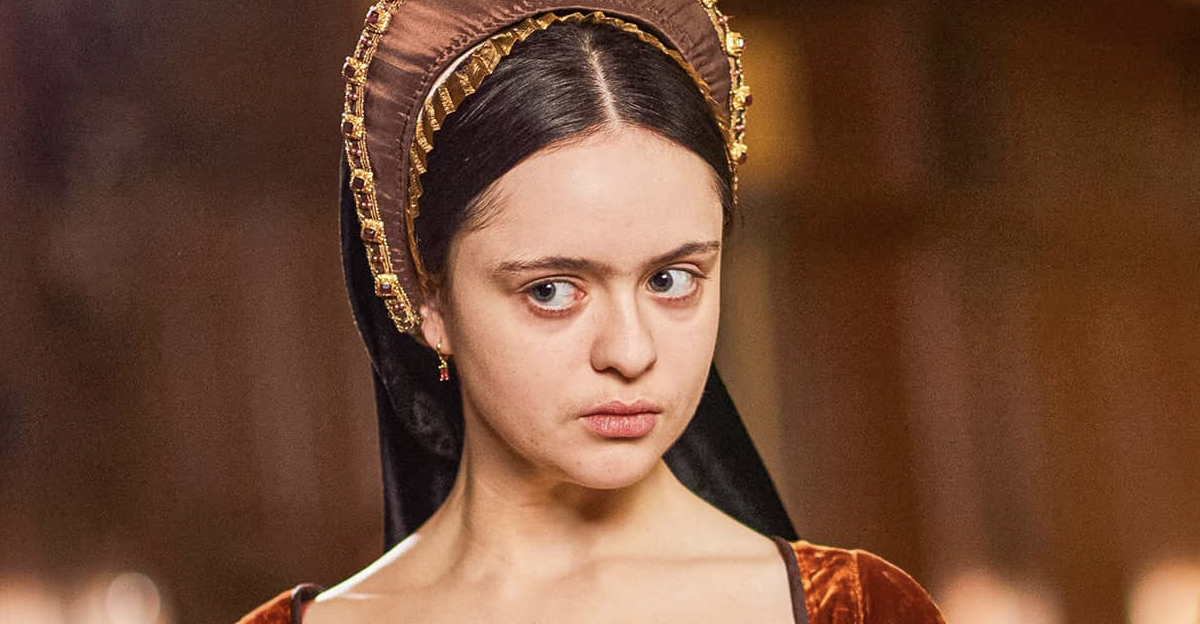 Wolf Hall: The Mirror and the Light (2024), BBC One
1. She Was Set Up From Jump
Born Mary Howard in 1519, our young hero was the third of five children of Lady Elizabeth Stafford and Thomas Howard, the Earl of Surrey, meaning that Mary’s position was a privileged one from birth. And though any noble birth in England was a good existential dice roll in the 16th century, Mary found herself particularly well positioned. Among her numerous family members, she counted many of the most powerful people of the Tudor era—starting with her pop.
2. Her Father Was Powerful
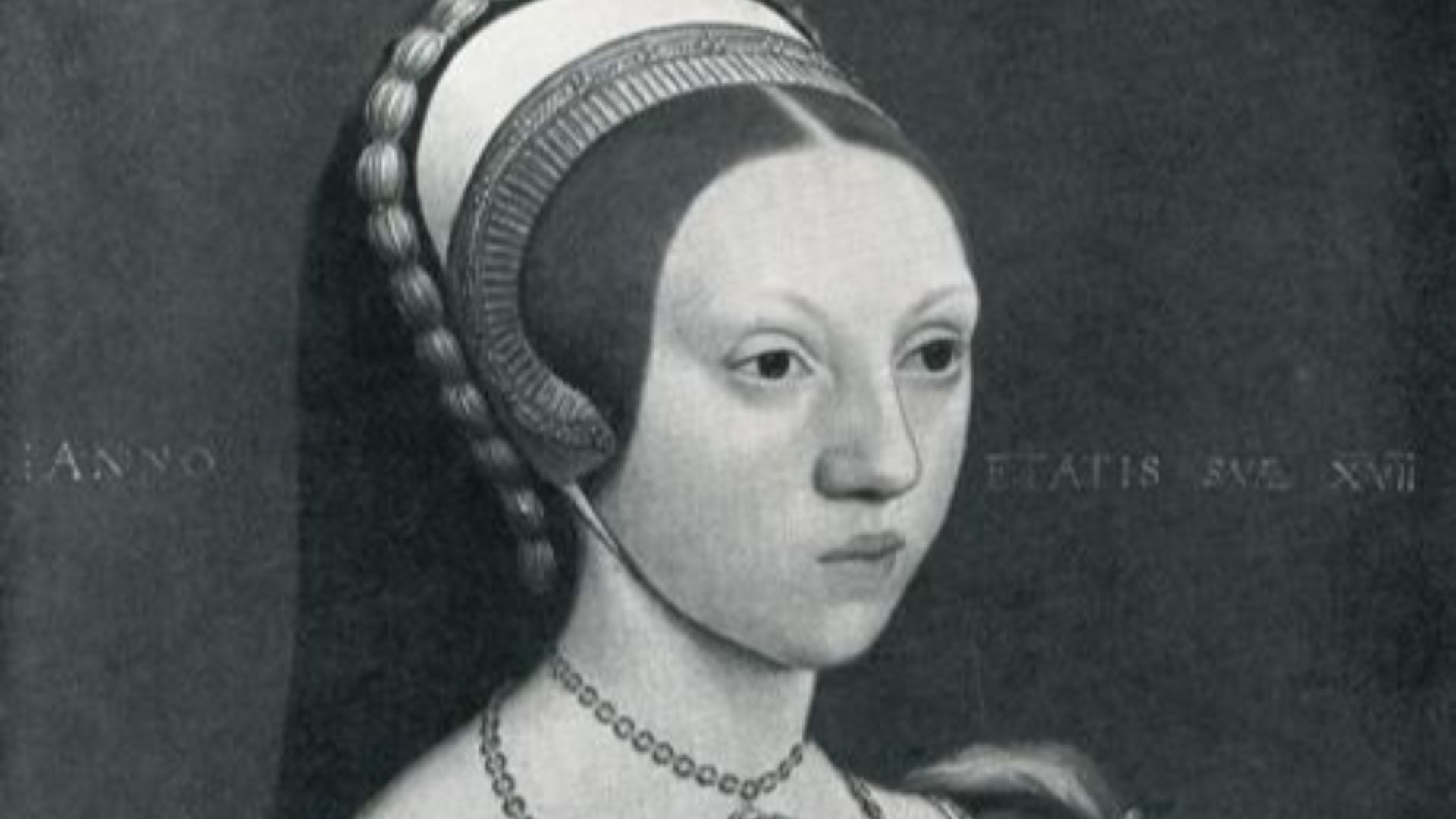
At the time of her birth, Mary’s father, Thomas Howard, the Earl of Surrey, was the third highest-ranking nobleman in England. He held the influential court positions of Earl Marshal and Treasurer of the Royal Household, further cementing his sway over matters of great importance for the kingdom. Mary’s father, of course, had not worked his way up from nothing.
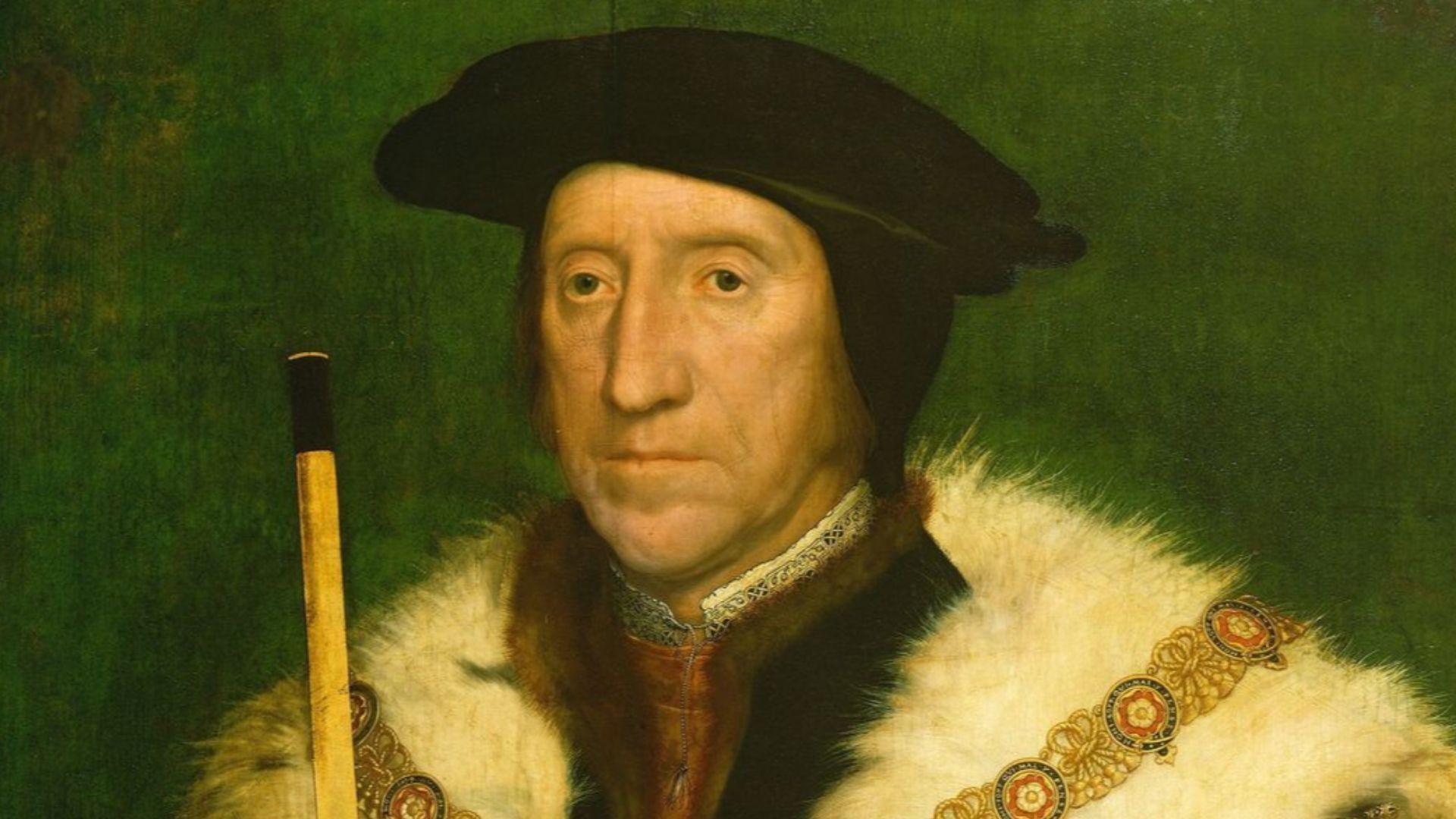 Hans Holbein the Younger, Wikimedia Commons
3. Her Grandparents Had More Power
Mary’s father was the third most powerful nobleman in England, but the two ahead of him were no strangers: in fact, they were Thomas’ father and his father-in-law. Mary’s powerful grandparents were the Dukes and Duchesses of Norfolk and Buckingham respectively, making both of her grandfathers the most powerful peers in the Kingdom, and her family a significant political force.
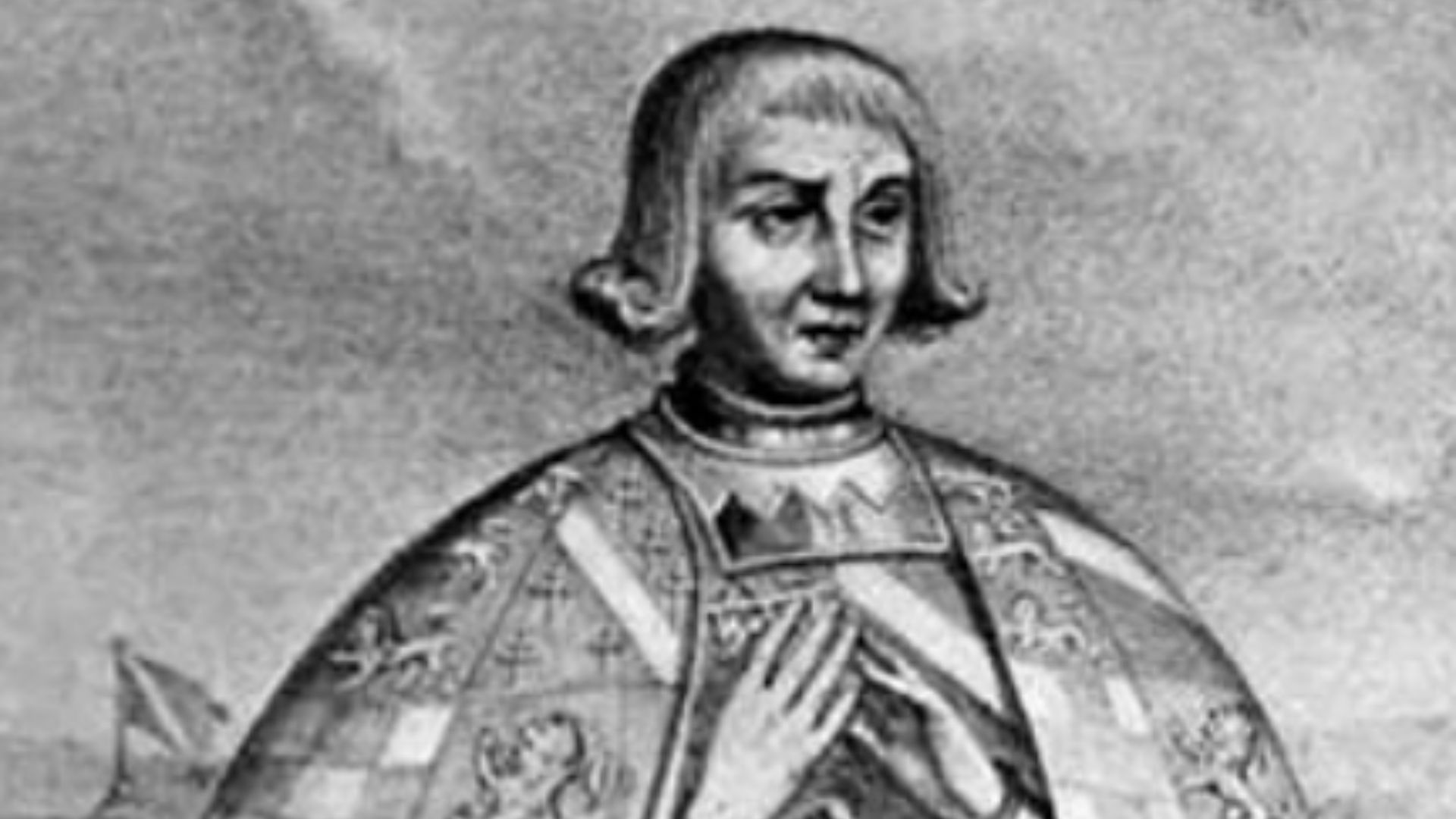 Gerald and Edward Phillips Statham, Wikimedia Commons
4. Her Family Was Historied
The Howard family, into which Mary was born, wielded significant influence in the Kingdom of England, both politically and militarily. Indeed, her father had led English forces to a decisive victory in the Battle of Flodden, where he crushed the Scottish opposition and cemented his position in the King’s good graces…for now. Mary’s family were riding the waves of the broader shifts occurring in English high society.
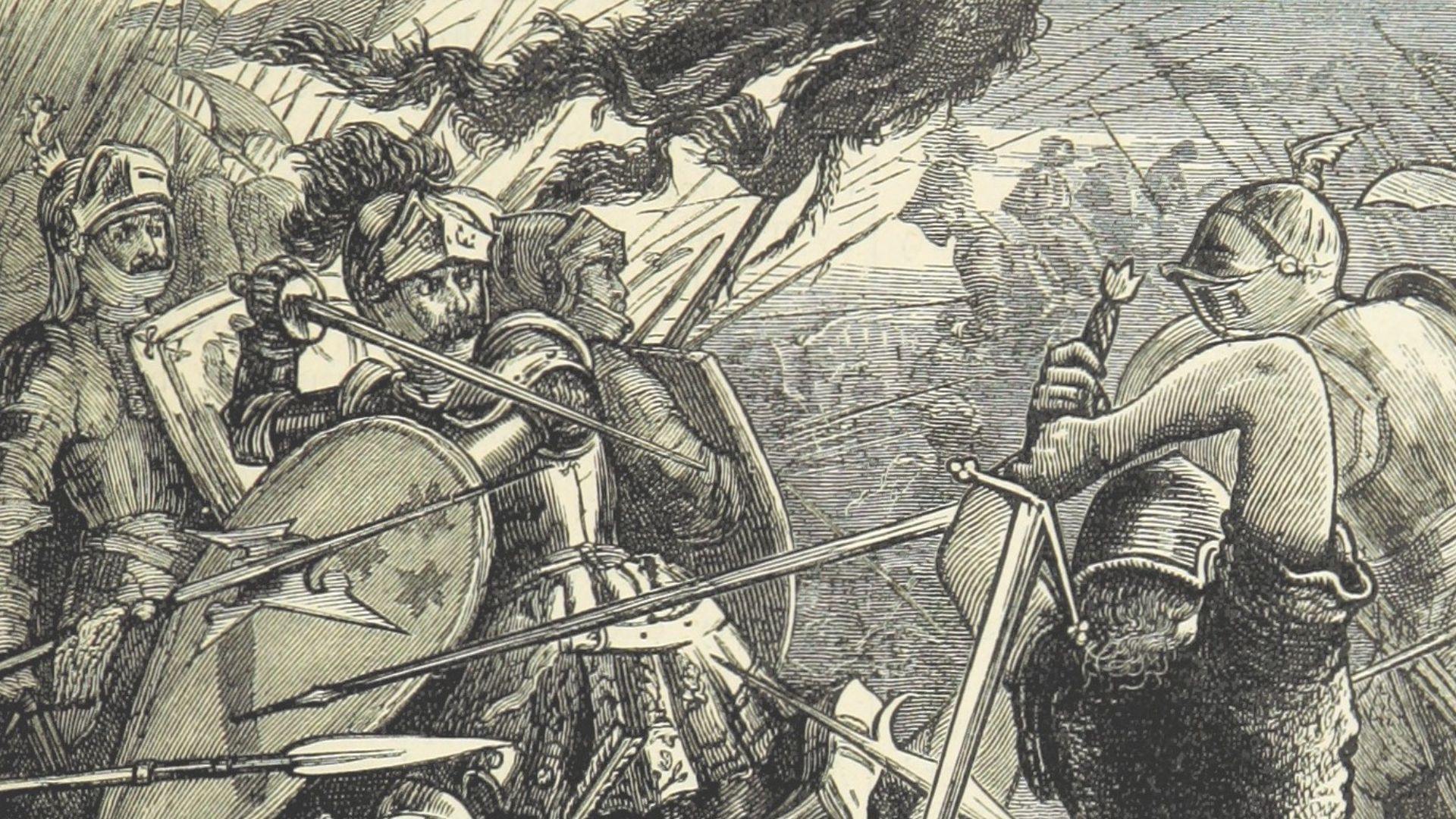 James Grant (book author), Wikimedia Commons
5. Her Family Had Its Dramatics
Mary’s family were a well-established dynasty with great ambitions toward power, and they weren’t afraid to wield their influence, even if, at times, it risked alienating them from those in power. Indeed, throughout their history, the Howards became well known for falling in and out of royal favor, a result of their constant scheming and factionalism. It was into this political climate that Mary was born, and she experienced it alongside some notable figures.
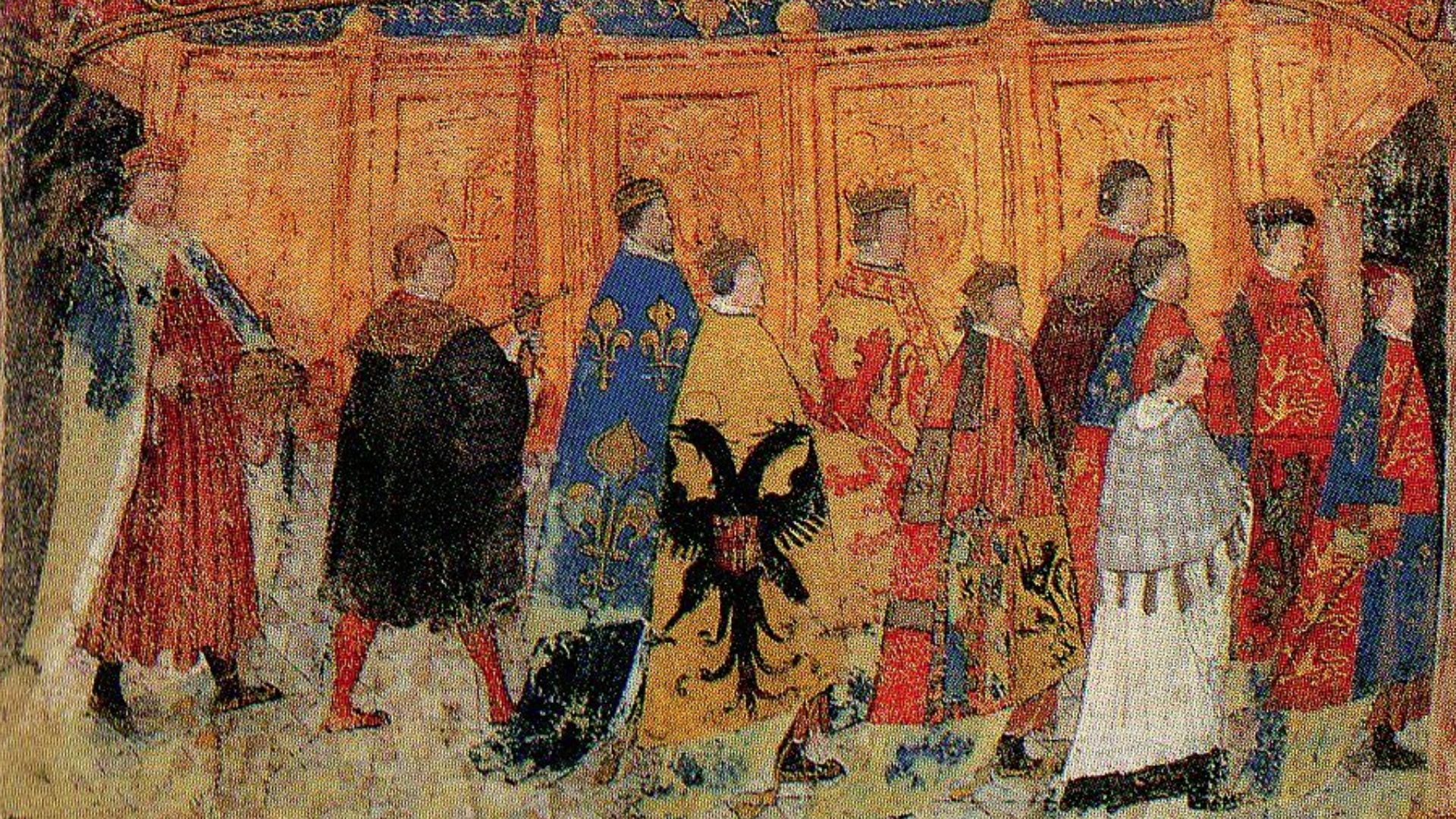
6. She Had Influential Cousins
Mary’s powerful family tree did not stop at her parents and grandparents. Among her cousins, she counted Anne Boleyn, the Henry VIII’s second wife, Catherine Howard, his fifth wife, and Jane Seymour, Mary’s second cousin, and—you guessed it—yet another wife of the King, his third bride. Each of these wives tried to exert their influence over the King, and Mary’s family watched with bated breath from the sidelines, waiting to make their next move.
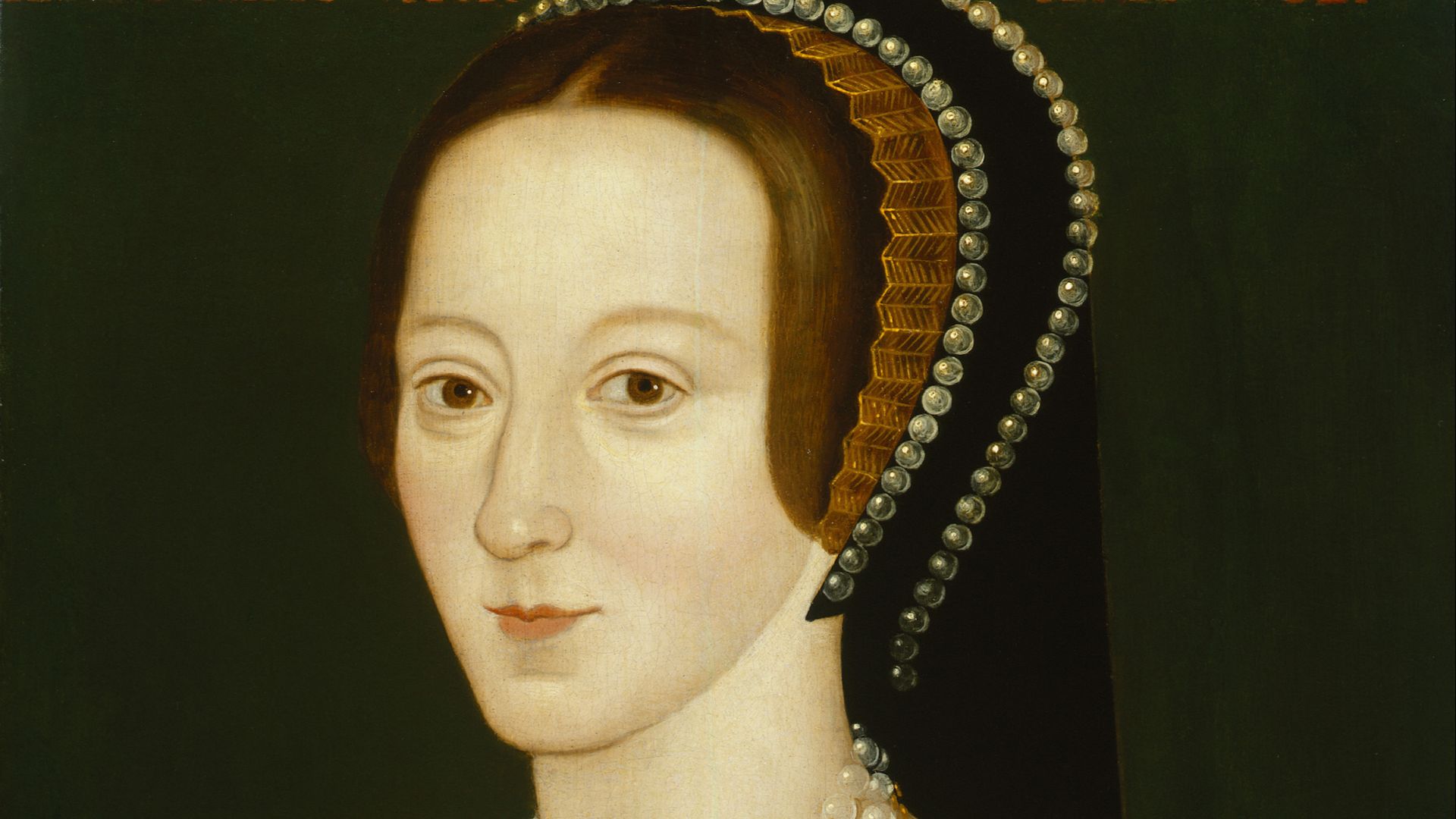 UnknownUnknown , English, Wikimedia Commons
7. Her Family Were Traditionalists
King Henry VIII’s reign was a significant one, with seismic shifts in England’s religious landscape occurring during his tenure—namely that of the Protestant Reformation, spurred on by his desire to divorce his first wife (and those that followed). Mary’s family maintained an outlook of conservative Catholicism, however, instilling these values in her from a young age. Not all her siblings necessarily toed this line, however.
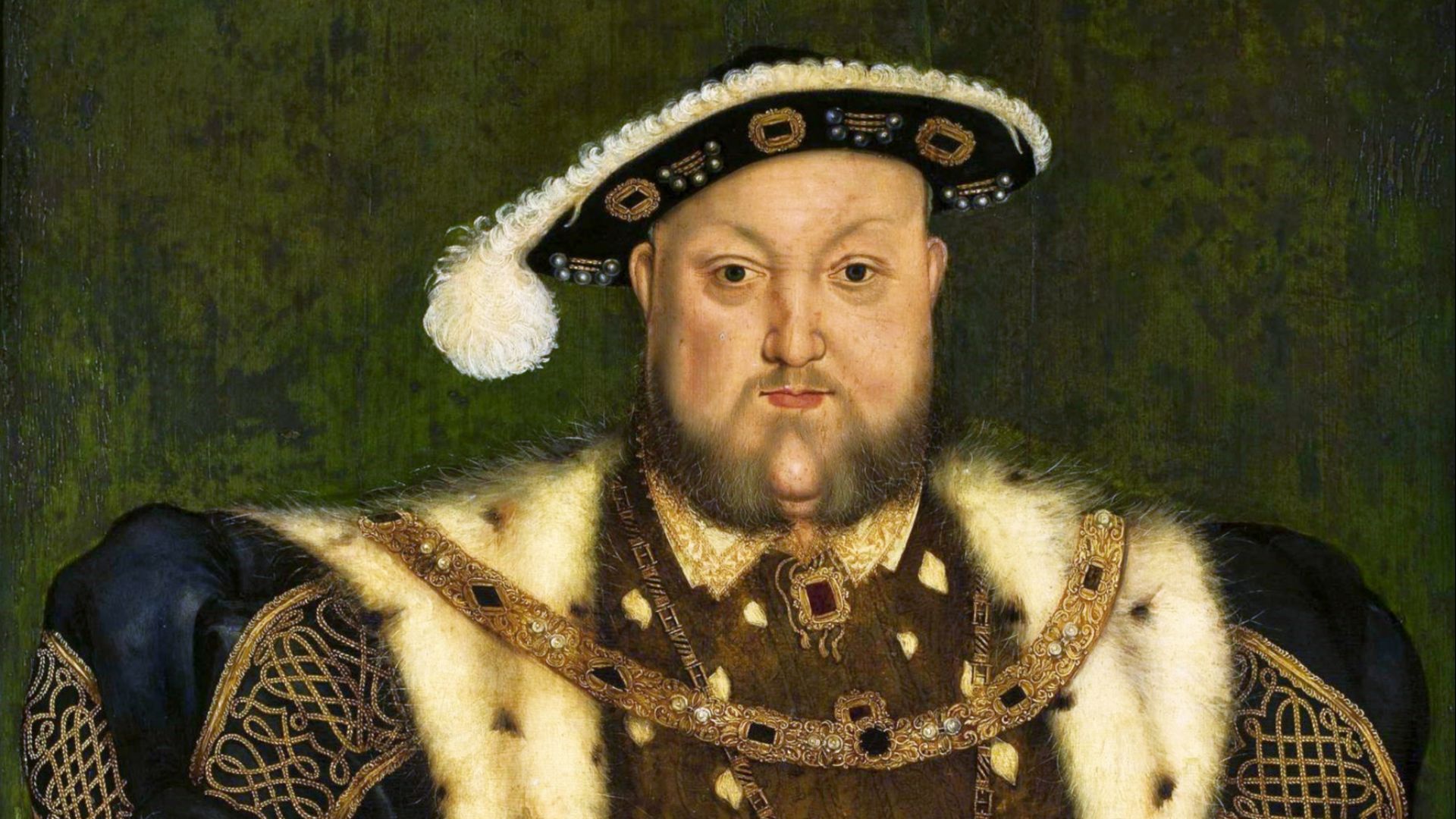 Attributed to Lucas Horenbout / Workshop of Hans Holbein the Younger, Wikimedia Commons
8. She Had Varied Siblings
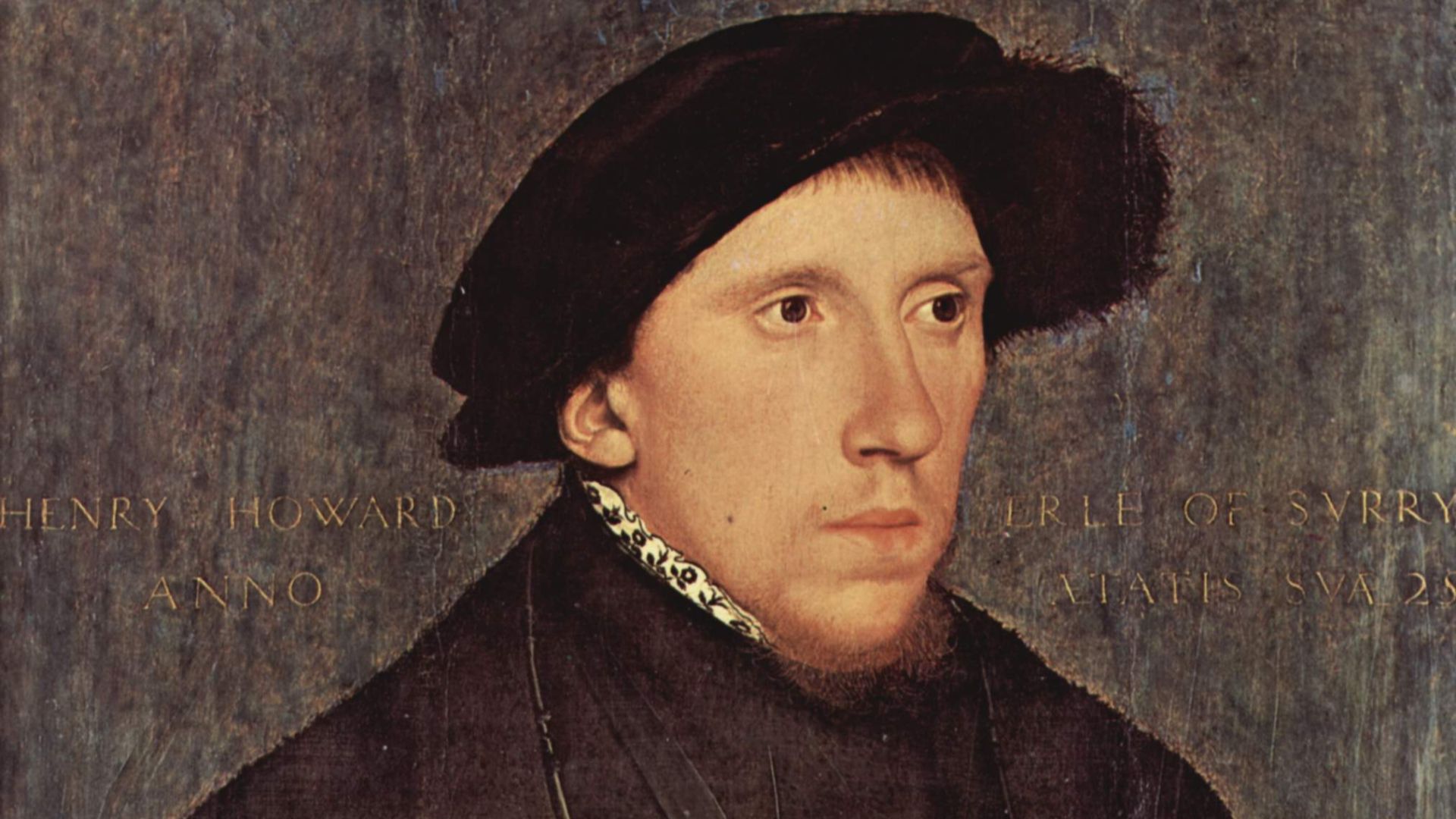
Mary had two brothers and two sisters, and their interests and personalities varied. While her sisters achieved little of historic significance, her brothers were different. Mary’s older brother, Henry Howard, became a well-known poet and founder of the English Renaissance poetry movement.
Her younger brother, Thomas, however, became a politician more in line with the family’s values, and would later feud with his poet brother. But no one could say the Howard children had a tough childhood.
9. She Was A Rich Kid
Mary grew up primarily across her family’s many properties in the idyllic area of East Anglia. There are little surviving specific details of her upbringing, but she likely experienced the best childhood that any kid of the time could desire, with lavish parties, servant-filled homes, and the best food England had to offer. And she even got to do a little travel.
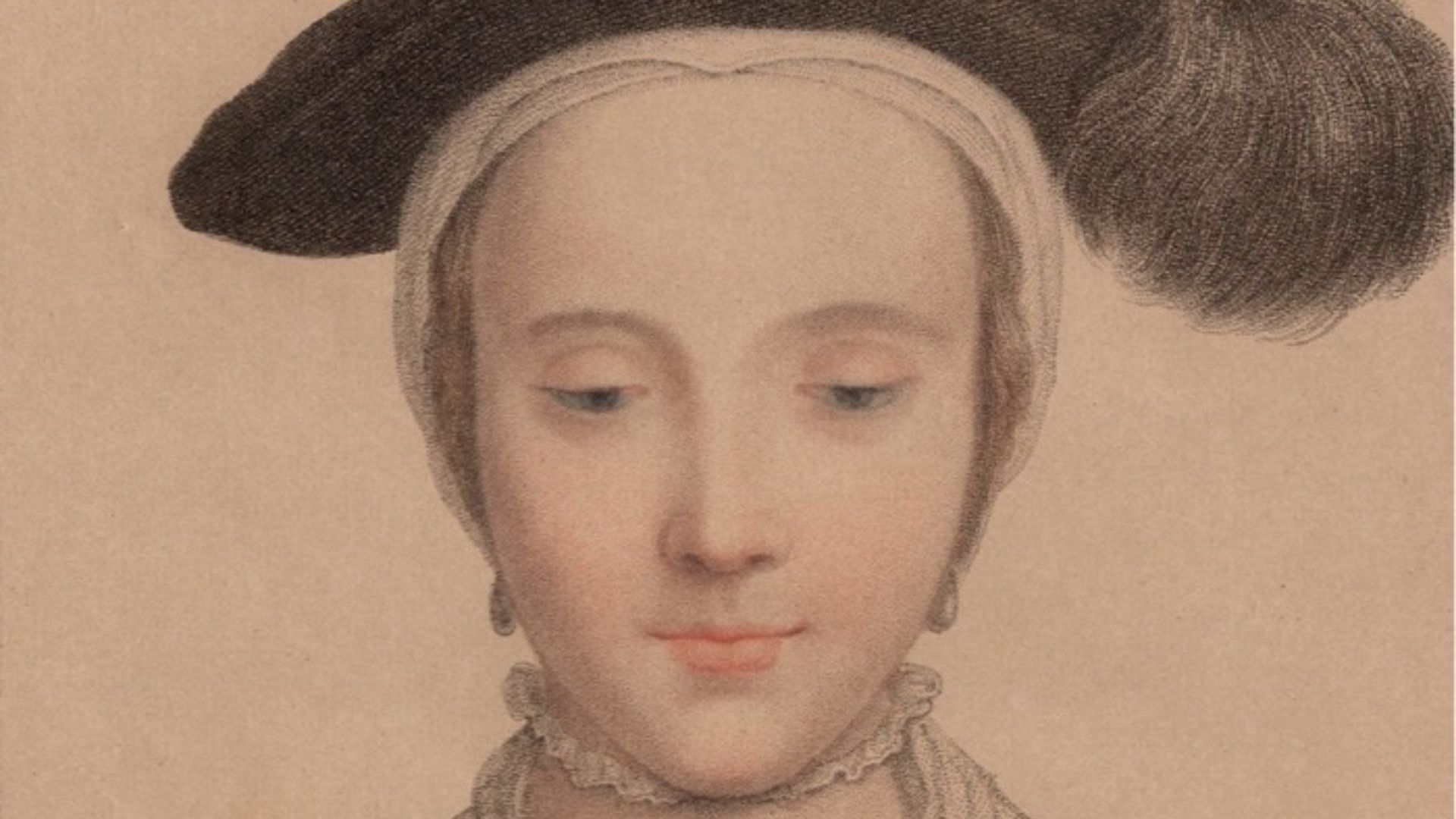 Hans Holbein the Younger and Francesco Bartolozzi, Wikimedia Commons
10. She Visited The Colonies
In 1520, with the Emerald Isle under the brutal boot of English colonial rule, Mary’s father was appointed Lord Deputy of Ireland, and he made regular visits to fulfill his authoritarian duty. It is very likely that Mary accompanied her father on at least a few of these trips and probably learned a bit about governance along the way. Her childhood was not always easy, however.
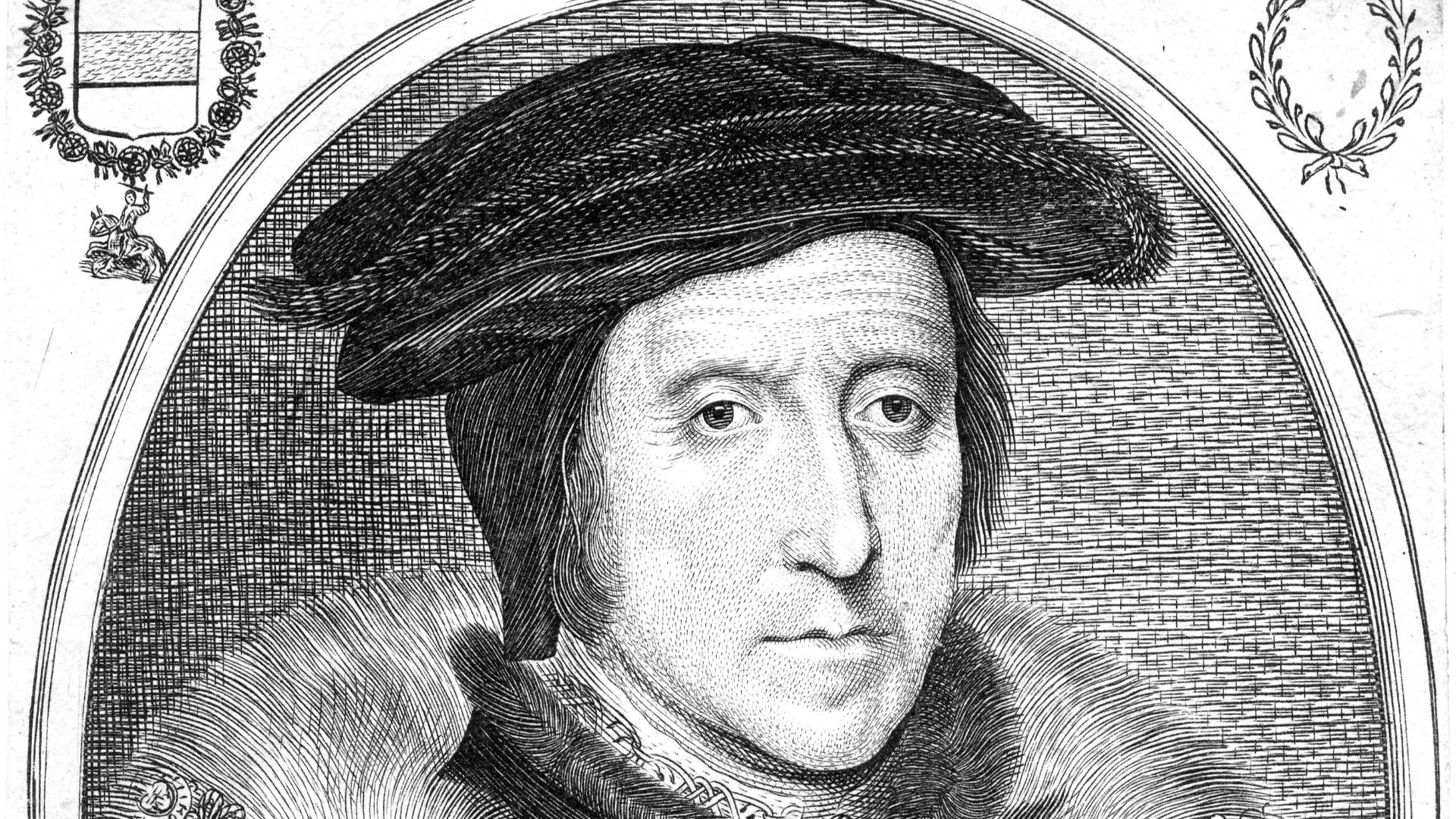 Balthasar Moncornet, Wikimedia Commons
11. She Lived Amid Tension
Mary’s parents, because of their conservative Catholicism, were very strict. But as with so many strongly religious people throughout history, hypocrisy was rife, especially with her father. Tensions within the household peaked in 1527 when, after the deterioration of her parents’ marriage, Mary’s father took a mistress, Elizabeth Holland, and moved her into the family home! Despite these difficulties, however, Mary exceled in other areas.
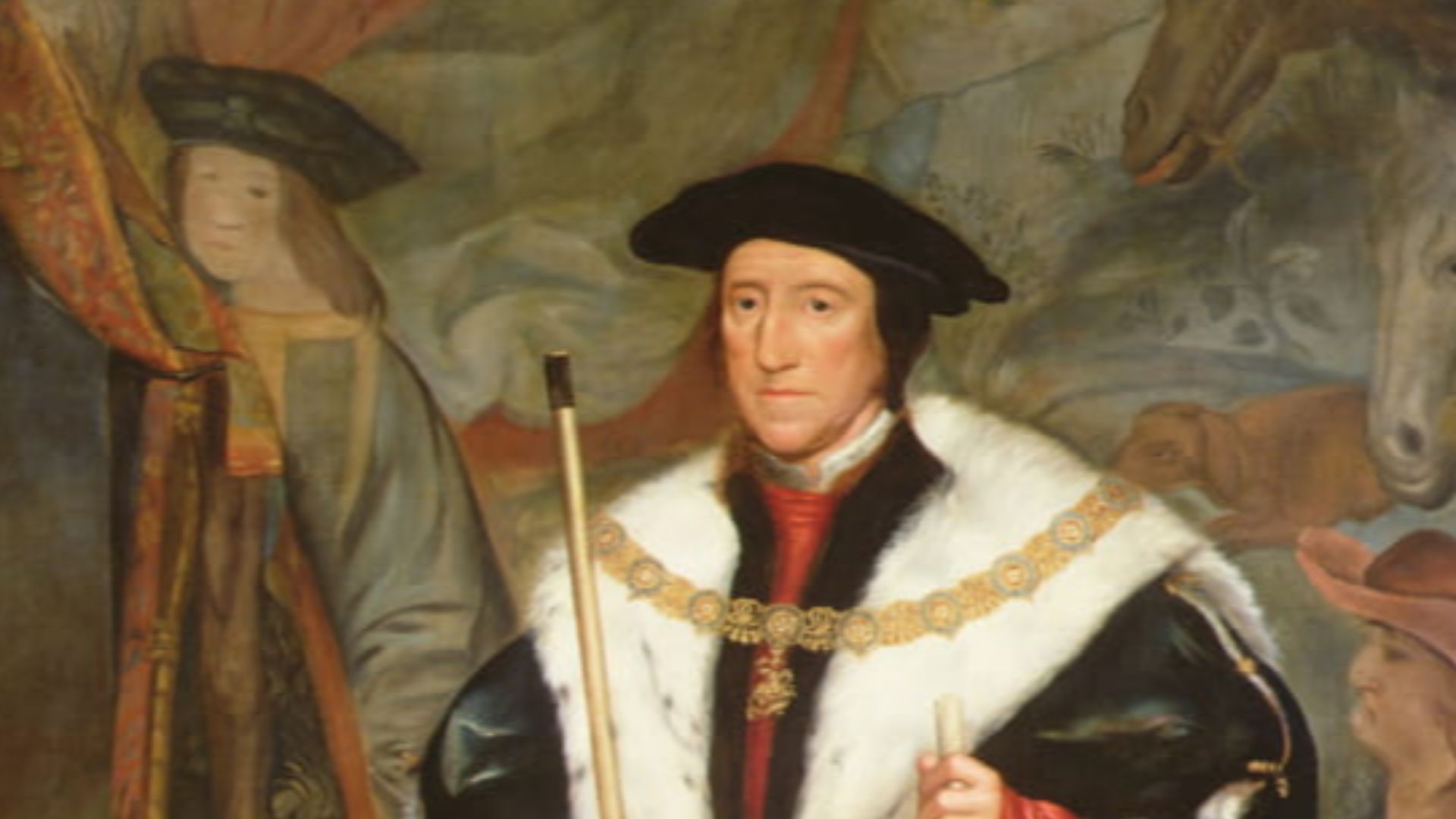 After Hans Holbein the Younger, Wikimedia Commons
12. She Had Looks And Smarts
As she got older, Mary proved to be an intelligent and capable girl, and received an education appropriate to her standing, which would have been nothing to sniff at. Along with her smarts, the young girl was also incredibly beautiful, and she would deploy both traits skillfully in her adult years. With family troubles rising, she would need all her wits about her.
13. She Experienced Family Drama
Mary’s maternal grandfather, the 3rd Duke of Buckingham, was as ambitious as any of the Howards, and made many high-profile connections with other aristocrats outside the King’s inner circle. The King eventually grew suspicious of this and ordered one of his cardinals to investigate Buckingham. After the Cardinal gathered evidence, Mary’s grandfather got tried and sentenced to execution for treason. Oddly enough, this meant good news for her father’s side of the family.
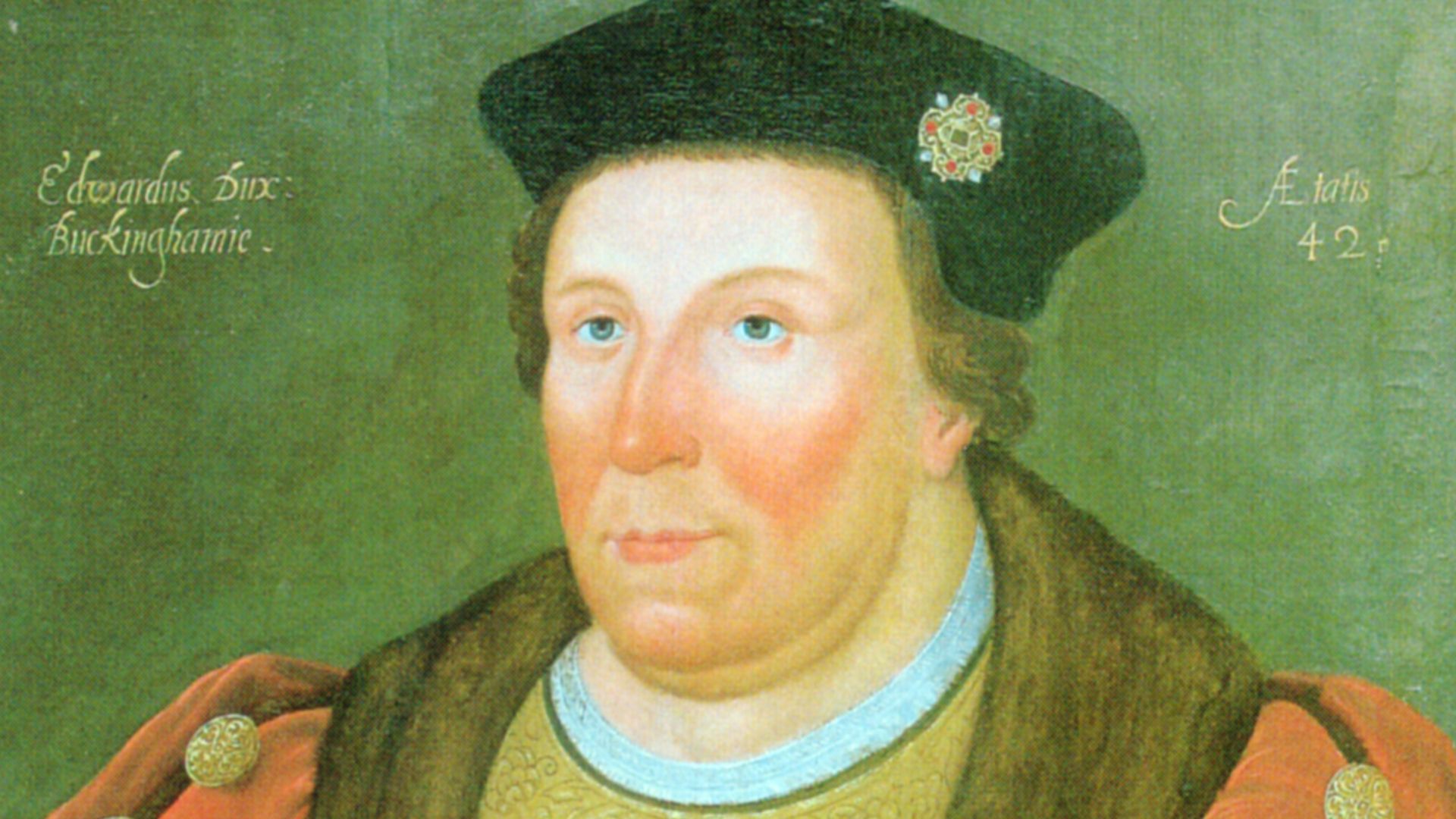 Unidentified painter, Wikimedia Commons
14. Her Father’s Family Rose
With Buckingham now out of the picture, there remained only two dukes in the kingdom of England: the Duke of Suffolk and Mary’s paternal grandfather, the Duke of Norfolk. The latter perished in 1524, raising Mary’s father to the position of Duke, a huge step up in her standing too. Her father’s position would not remain exclusive for long, however.
15. Her Father’s Position Changed
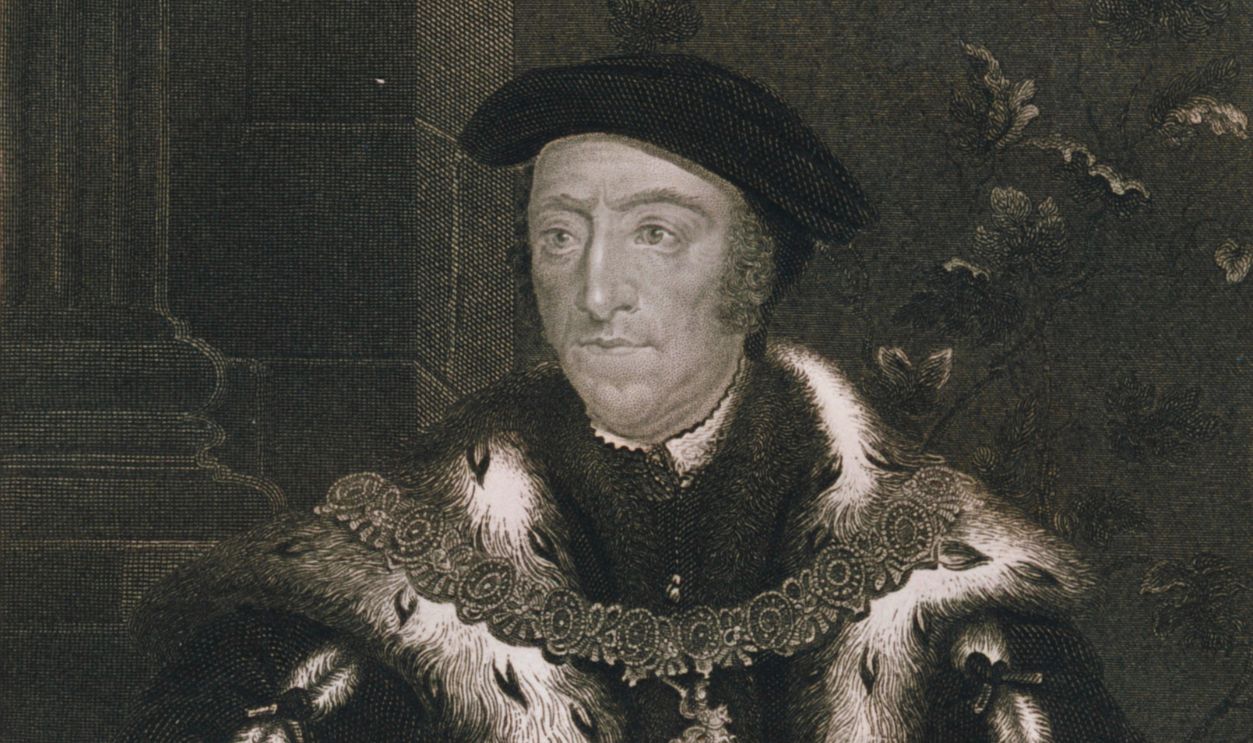
In 1525, the King ordained a new Duke through the elevation of his illegitimate son, Henry FitzRoy, naming him the Duke of Richmond and Somerset. Mary’s father’s position of importance had taken a slight dip, but the politically astute Duke of Norfolk seized another opportunity when it presented itself.
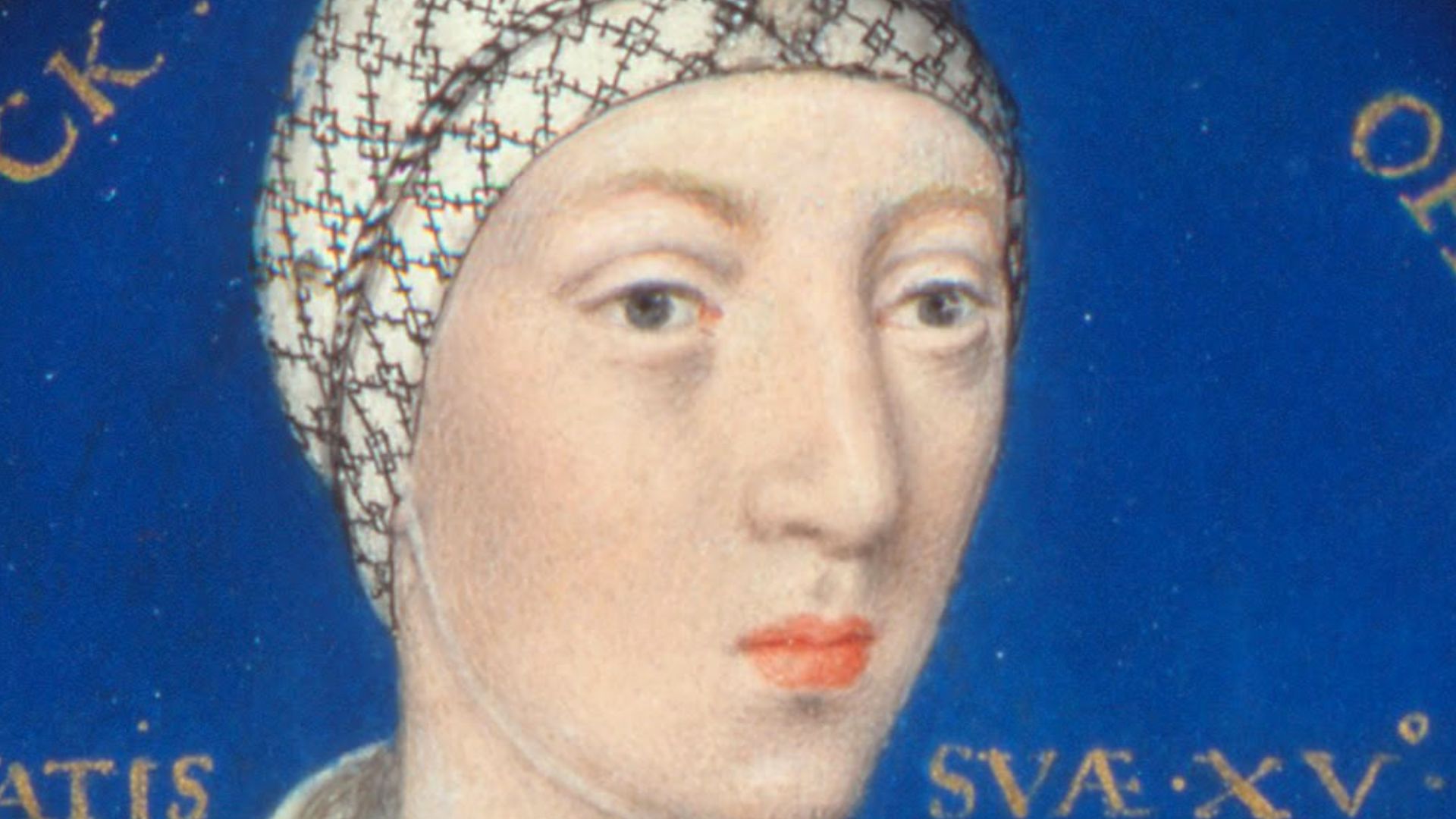 Lucas Horenbout, Wikimedia Commons
16. Her Father Saw His Chance
The King had placed his elevated son into the care of Cardinal Thomas Wolsey. Henry VIII was a fickle man, however, and when Wolsey failed to secure an annulment for the King’s marriage, the Cardinal fell from grace and got imprisoned. Mary’s father saw his opportunity: he volunteered to take Henry FitzRoy under his guidance, to which the King agreed. And with that, Mary became the perfect bargaining chip.
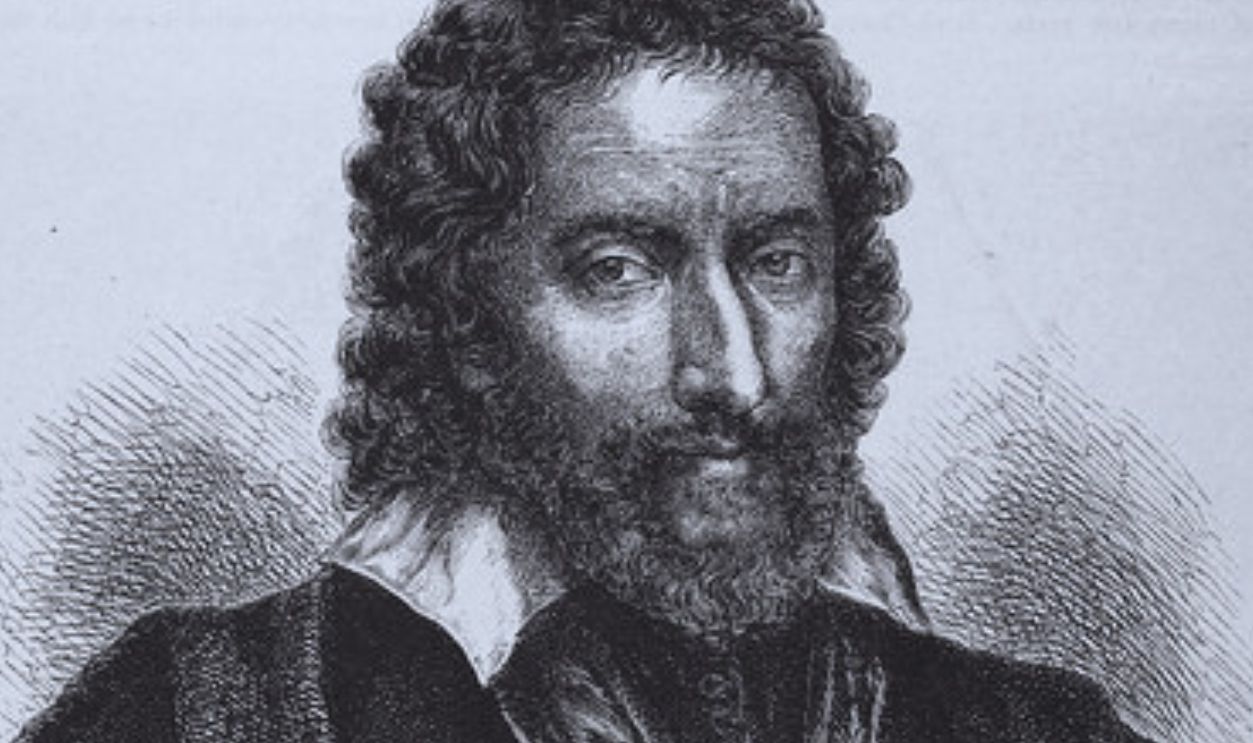 Unknown Author, Wikimedia Commons
17. She Became A Marriage Target
The King was pleased with the progress his son made under Norfolk, and soon, he sought to join his family with the duke’s. The idea got pitched—conceived either by the King himself or by Anne Boleyn, who was close to the Howard family—that the newly elevated FitzRoy should marry young Mary Howard. They hastily made arrangements.
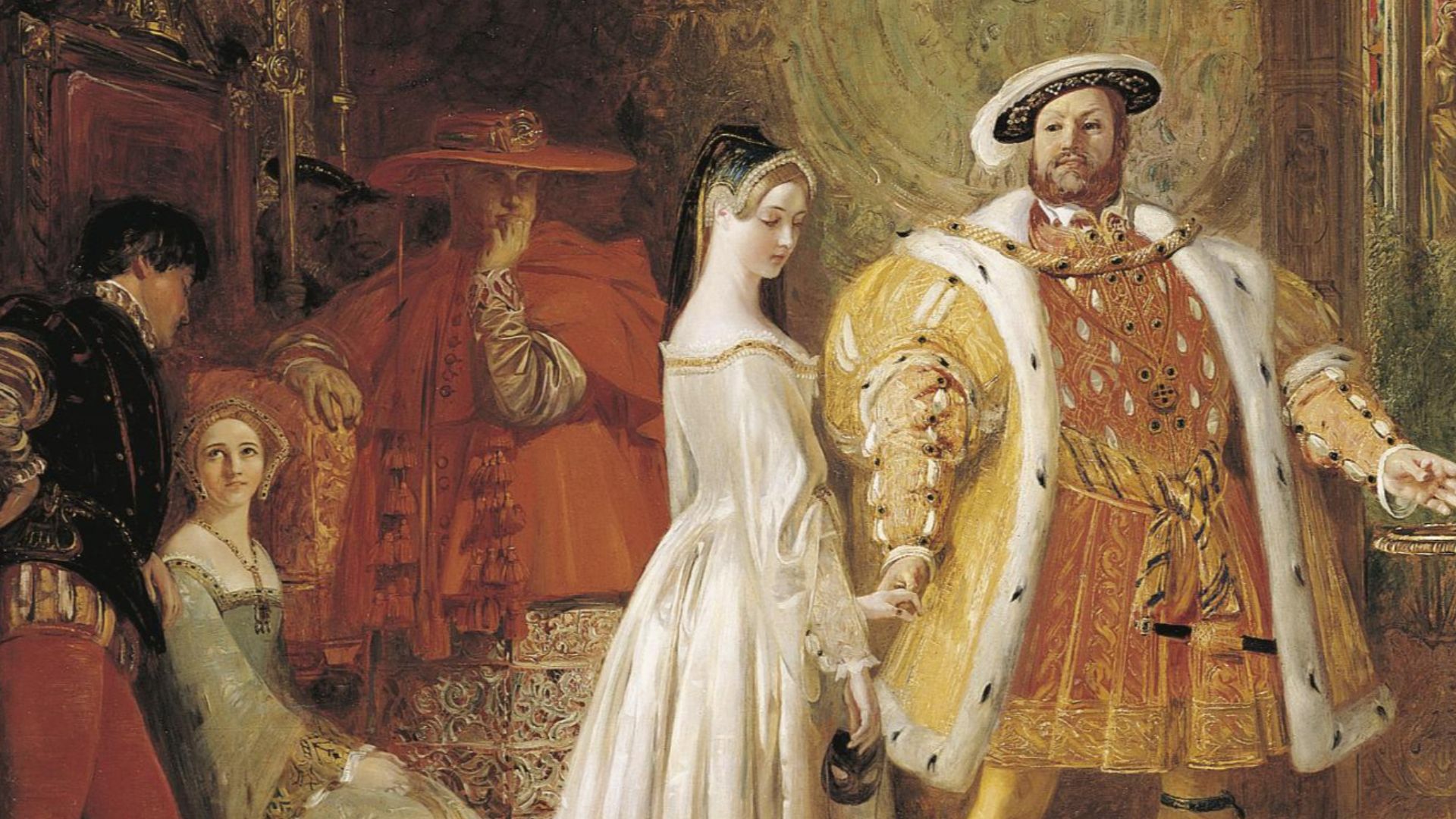 Daniel Maclise, Wikimedia Commons
18. She Got Married
The parents quickly completed the marriage negotiations, and in November 1533, Mary Howard wedded the King’s illegitimate son, Henry FitzRoy. It was a triumphant moment for both the Howard and Boleyn families, their political ambitions materializing before their very eyes. The two newlyweds, of course, had little say in the matter.
19. She Married Young
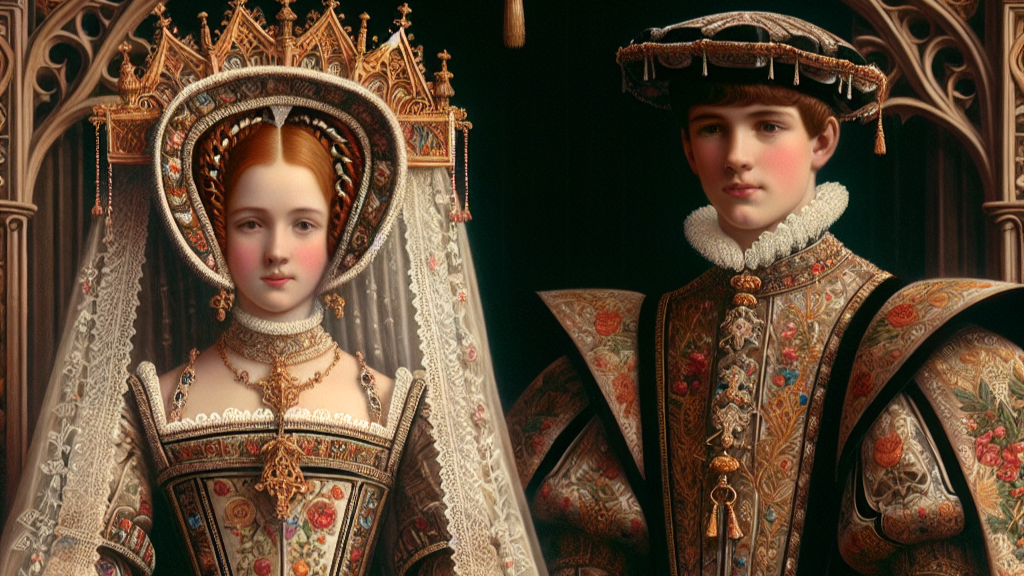
At the time of their wedding, Mary FitzRoy and her new husband were very young, an unfortunately common practice in arranged aristocratic marriages of the era. Henry FitzRoy was 14 years old on his wedding day, and Mary was as young as 13. Their status as young teenagers would play a significant role in the dramatics that followed. But for now, the young Mary found her position significantly elevated.
20. She Got Her Title
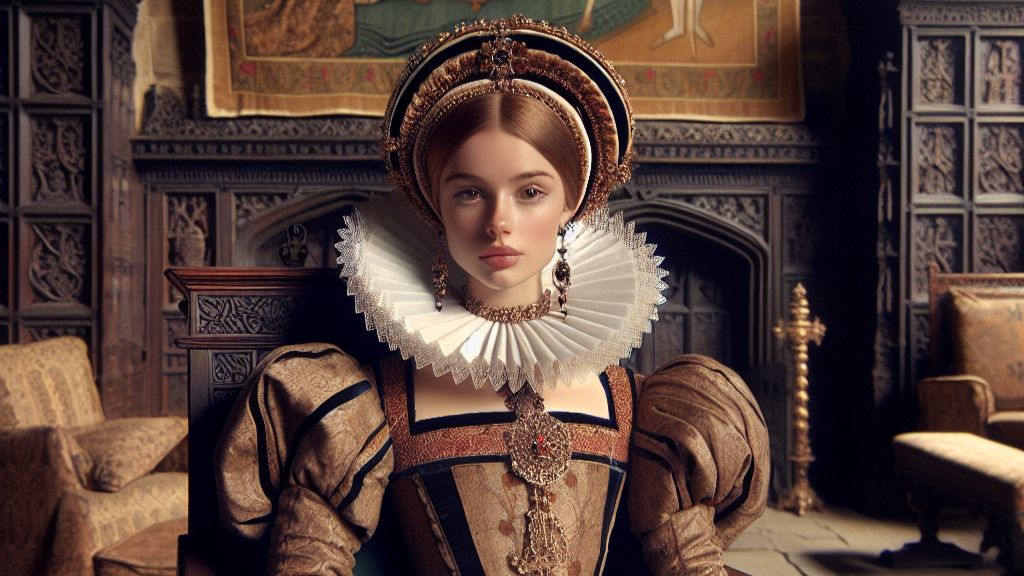
With her marriage to Henry FitzRoy, the newlywed bride was now Mary FitzRoy, Duchess of Richmond and Somerset. It elated the Howard family to have both a Duke and Duchess in the family now, their daughter proving to be a lucrative political bargaining chip. The Howards were not the only ones satisfied with the match.
21. She Had Cheerleaders
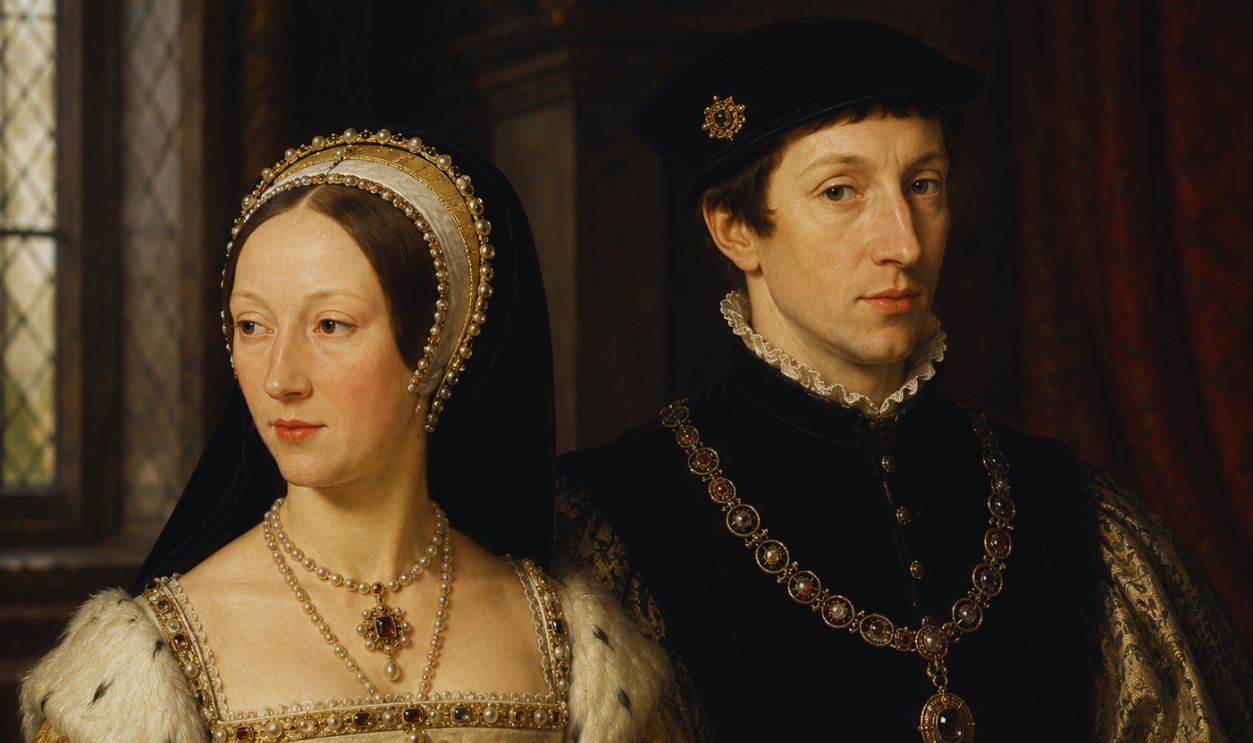
As previously mentioned, Mary’s marriage to Henry FitzRoy elated the Boleyn family. The new Duchess was a former member of Queen Anne’s household, meaning the ambitious Boleyns knew her well and could bend the young girl to their will. Mary also seemed open to religious reform, something the Boleyn family strongly advocated for. But the young girl was not just a pawn—the marriage set up her position well too.
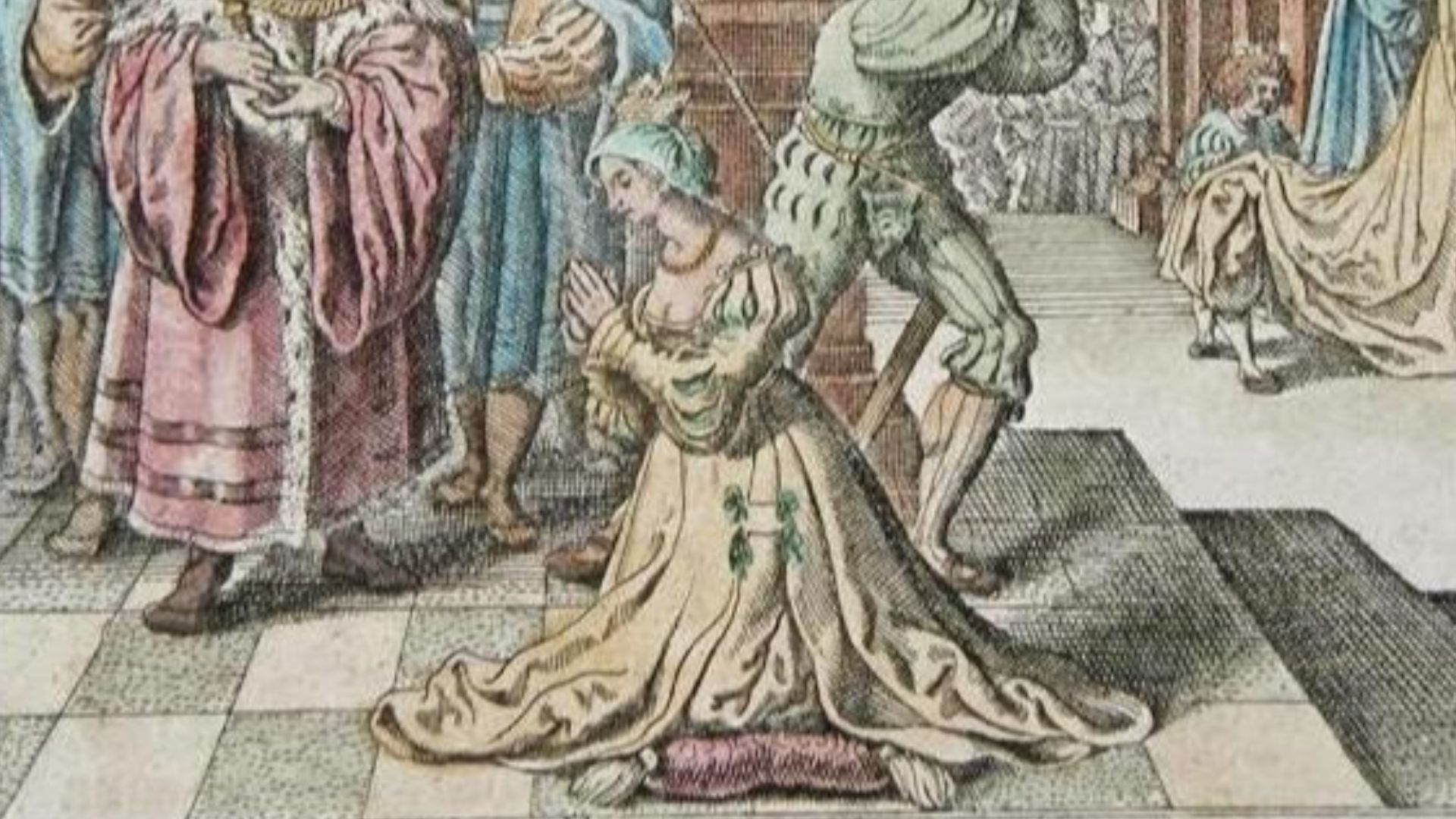 AnonymousUnknown author, Wikimedia Commons
22. Her Husband Got Groomed For Power
At the time of Mary’s wedding, King Henry VIII had no legitimate sons, meaning there was no male heir to the throne. Now elevated by his father, Henry FitzRoy was seen as the most likely candidate for succeeding the King on the throne. Mary likely already had dreams of getting crowned Queen of England. But fate rudely interrupted those dreams.
23. She Became A Young Widow
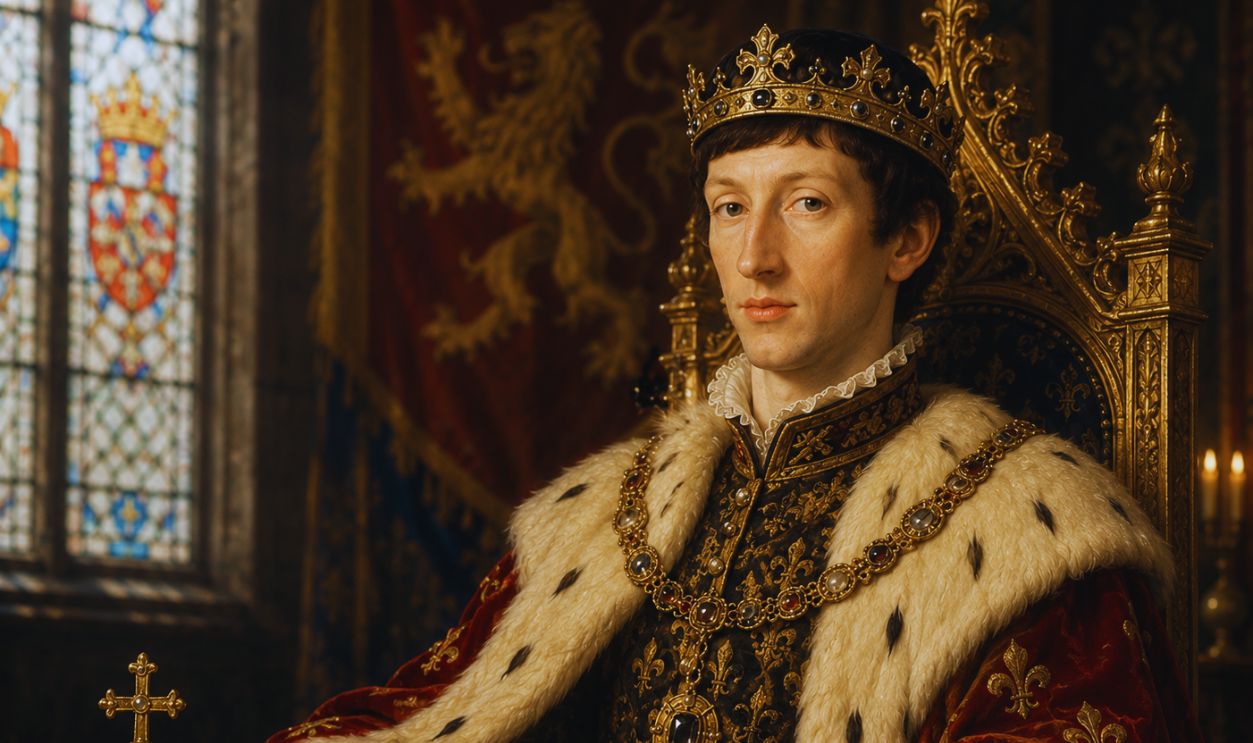
Three years into their marriage, Mary’s husband contracted tuberculosis. He would not survive the bout. On July 23, 1536, Henry FitzRoy tragically perished from consumption, a little over a month after his 17th birthday. Mary’s shot at the throne shattered before her eyes, and things would only get worse for the young widow.
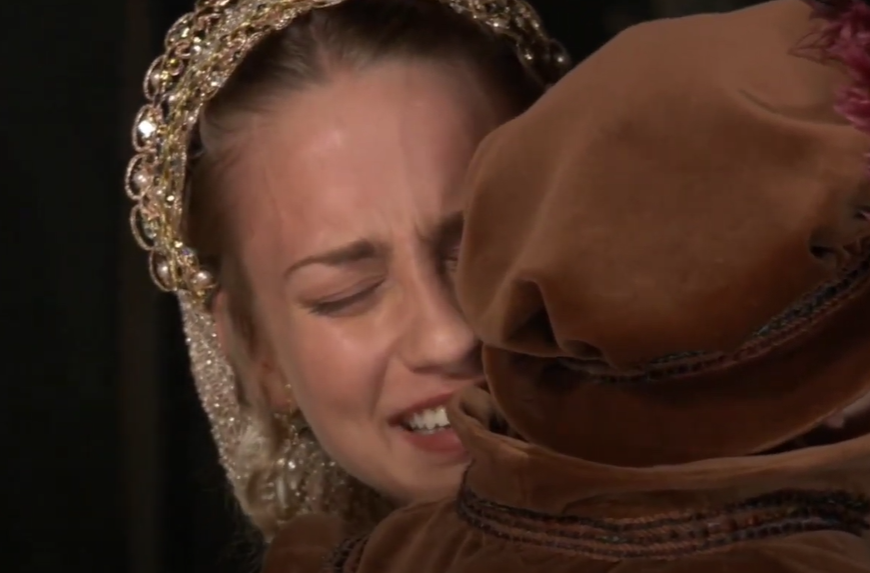 Screenshot from The Tudors, Peace Arch Entertainment / TM Productions / Showtime (2007–2010)
24. She Was A Virgin
Upon Mary’s marriage to Henry, the King, fearing that bedroom activity too early was unhealthy, forbade the newlyweds from consummating their marriage. After losing her husband, this agreement came back to bite the young Duchess: King Henry VIII quickly insisted that, because they did not consummate it, the marriage was not a true one. This had material consequences for the grieving young widow.
25. She Lost Her Assets
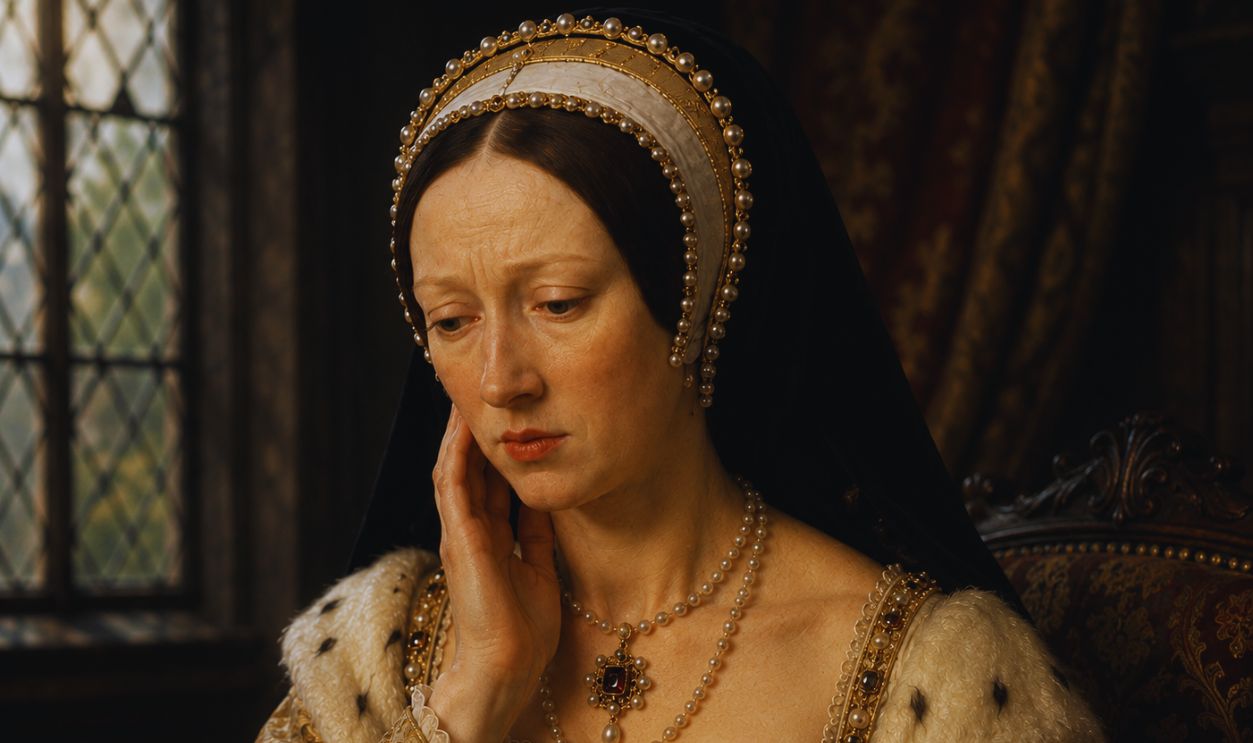
In normal circumstances, marriage entitled aristocratic widows to lands in the event of their spouse’s untimely demise. Because of the King’s assertion that her marriage was not legitimate, however, Mary got stripped of many of the lands she would otherwise have inherited. Luckily, she didn't face complete exile.
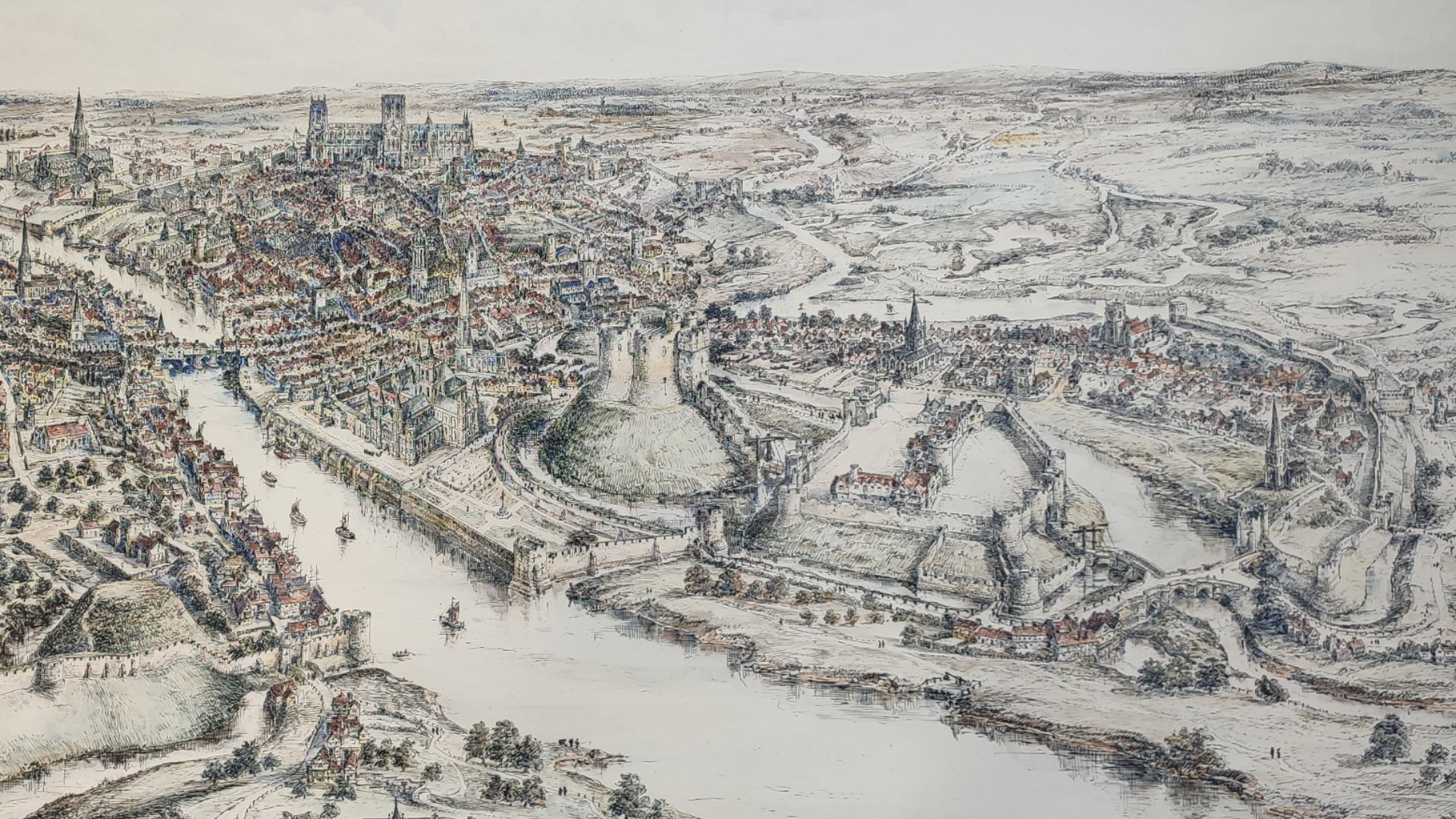 E. Ridsdale Tate (1862–1922), Wikimedia Commons
26. She Hung Around
While the King remained tight with his purse strings, he also kept Mary FitzRoy in his good graces, and the royal family permitted her to stay at court. She settled into a quiet widowhood amongst her fellow courtiers and continued building her social circle.
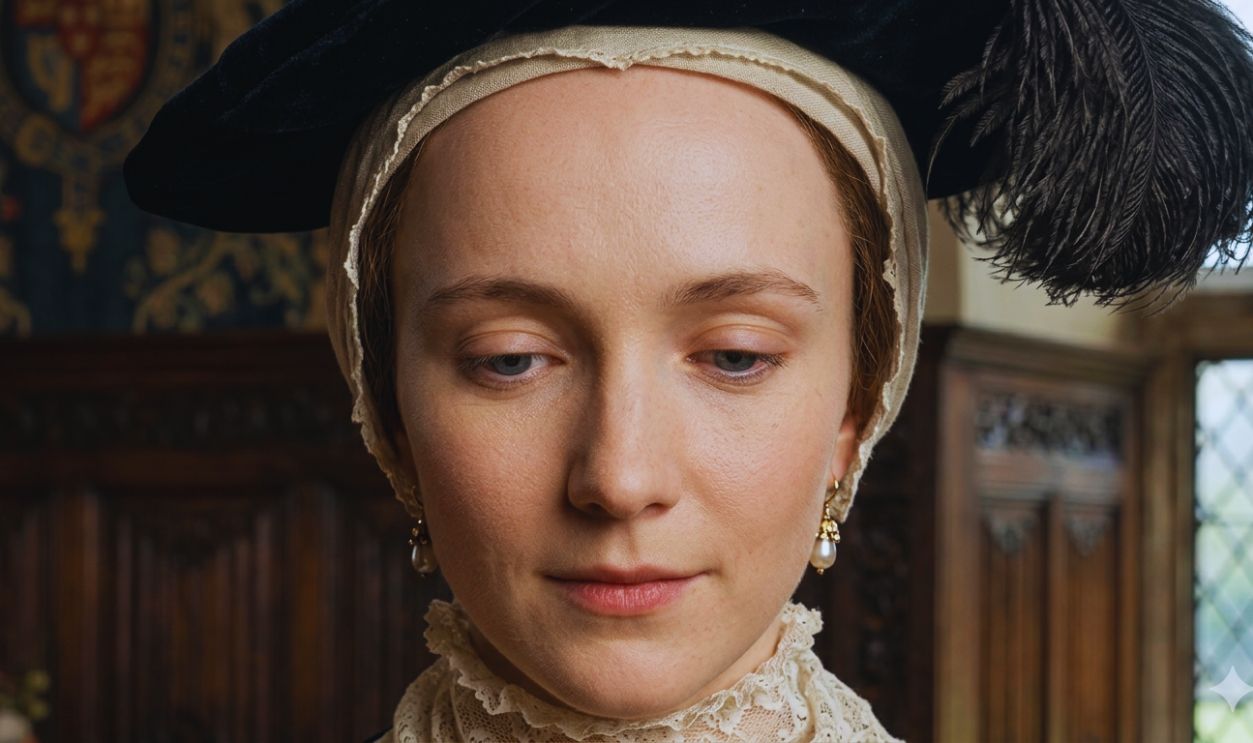
27. She Made Some Friends
Mary FitzRoy was a jovial and well-liked presence at court, and she had a few of her own favorites among her fellow aristocrats. She grew particularly close to her late husband’s cousin, Margaret Douglas. Together, the two women undertook an impressive project.
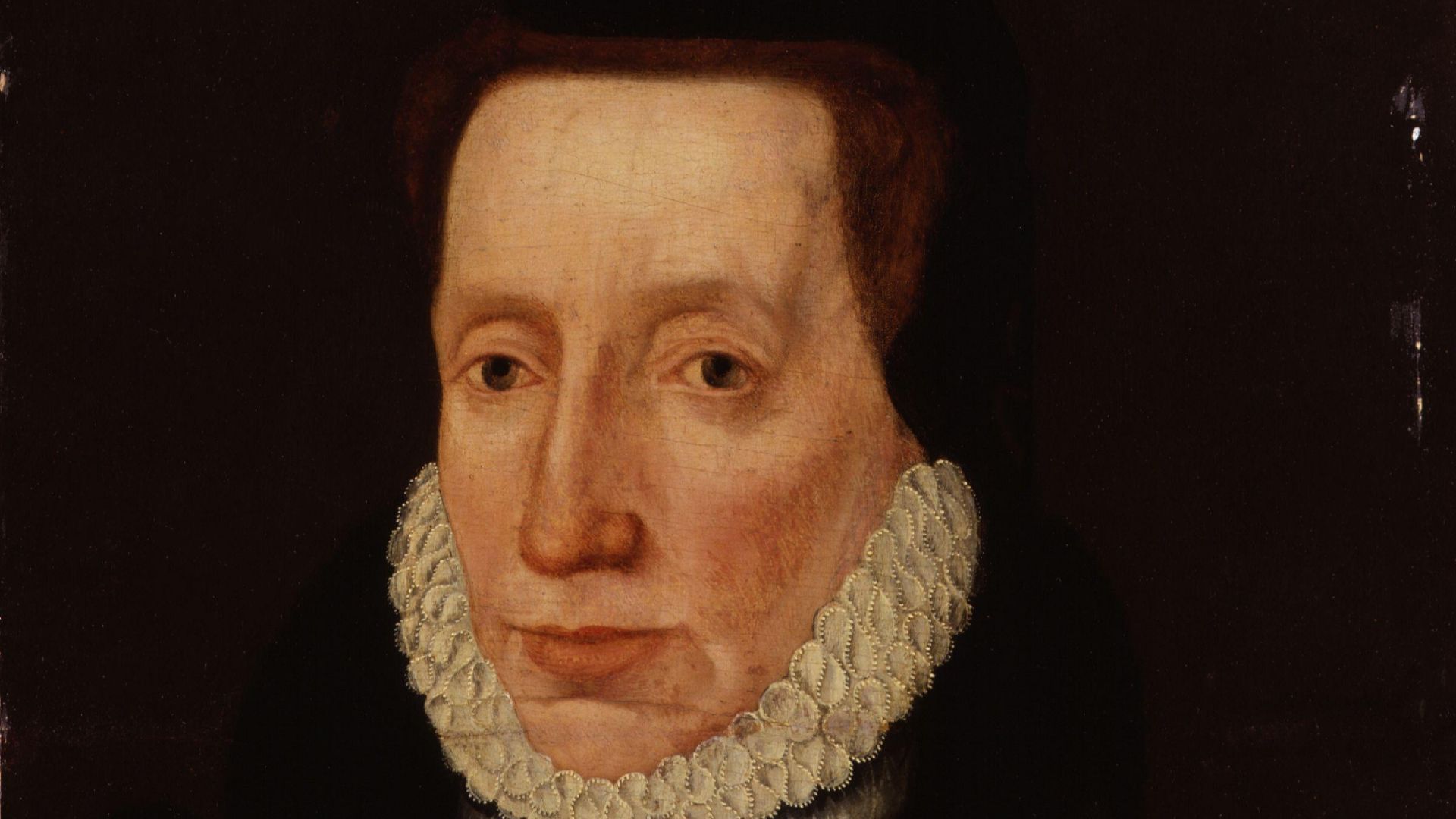
28. She Got Creative
Pushing politics to the side, Mary and Margaret decided to pursue an ambitious creative project. Together, the two women curated and contributed to the Devonshire Manuscript, an impressive collection of Tudor-era poetry, featuring works by the women themselves along with several pieces by various court poets. Mary was not always original, however.
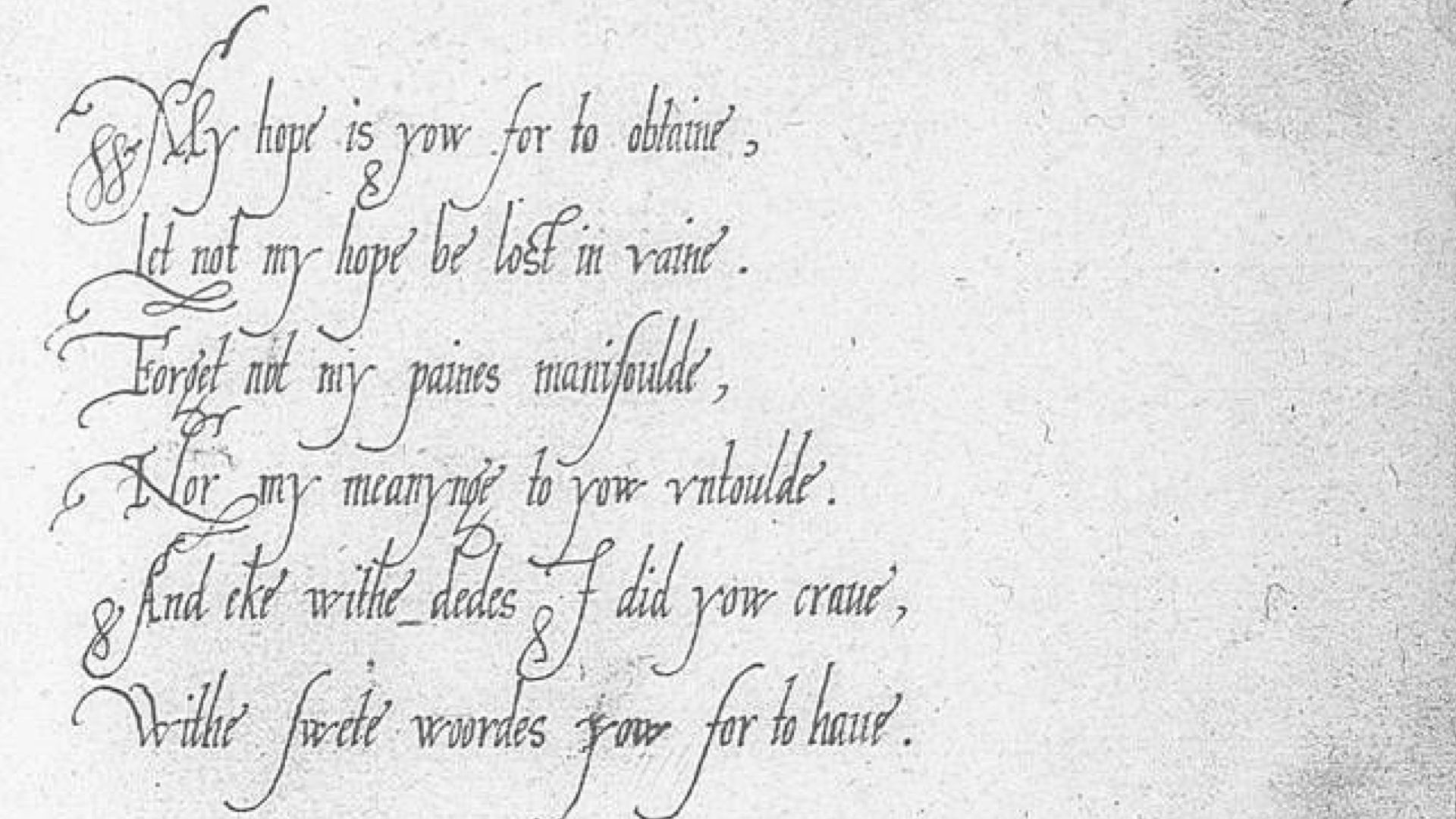
29. She Copied Work
Mary FitzRoy very likely held and owned the Manuscript, but historians debate her level of contribution. In fact, one poem attributed to her is thought to actually be a copy of “O Happy Dames”, one of her brother’s poems. Mary seemed perfectly content to live out her days creatively, but soon political scandal reared its head.
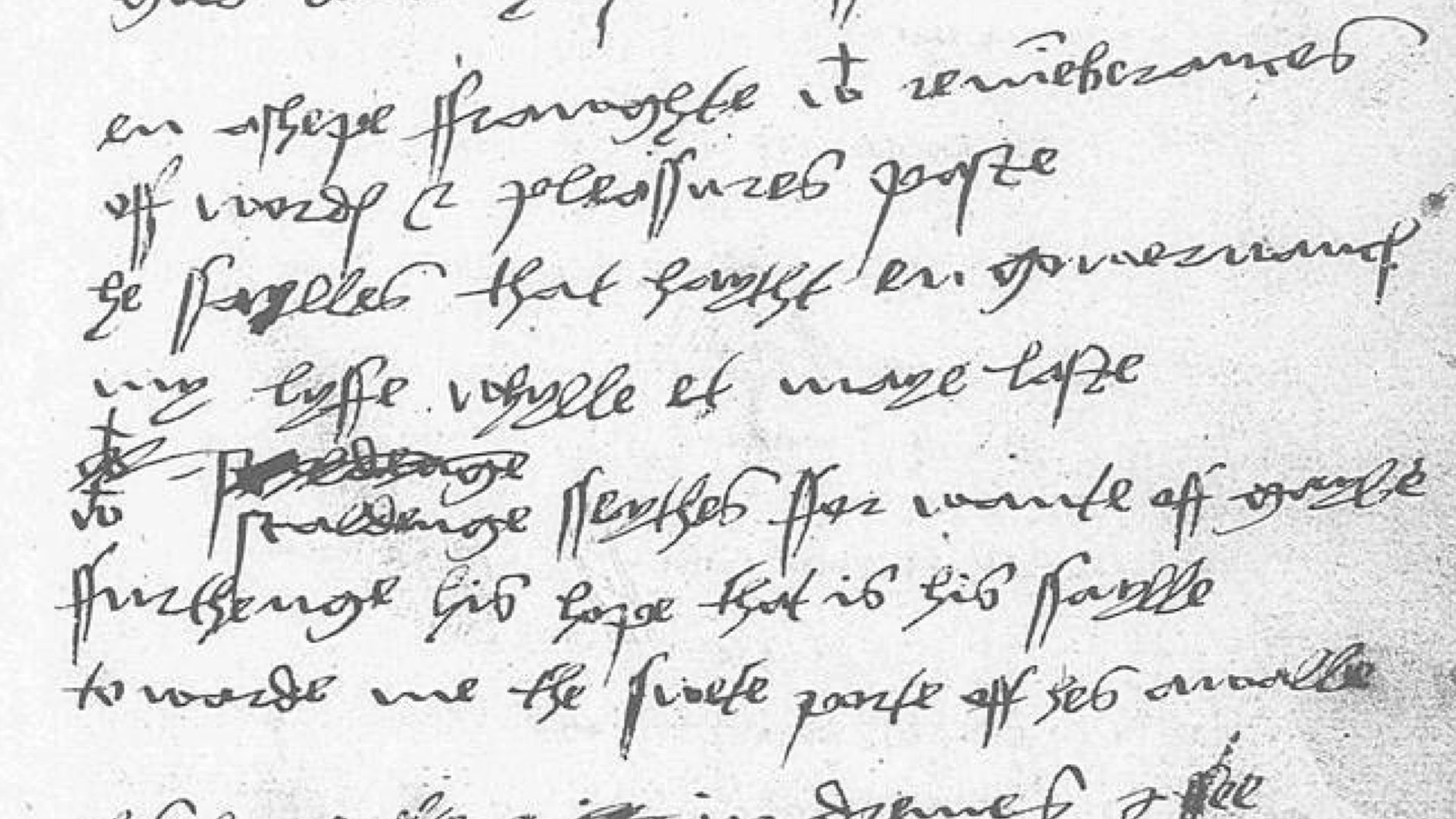
30. She Got Locked Up
By 1542, King Henry VIII had married his fifth wife, Mary’s first cousin Catherine Howard. After hearing allegations of Catherine’s infidelity, however, the King imprisoned his wife, and her entire extended family alongside her. Mary FitzRoy ended up in the Tower of London with the rest of the Howards. Her father immediately sought a way out for his daughter.
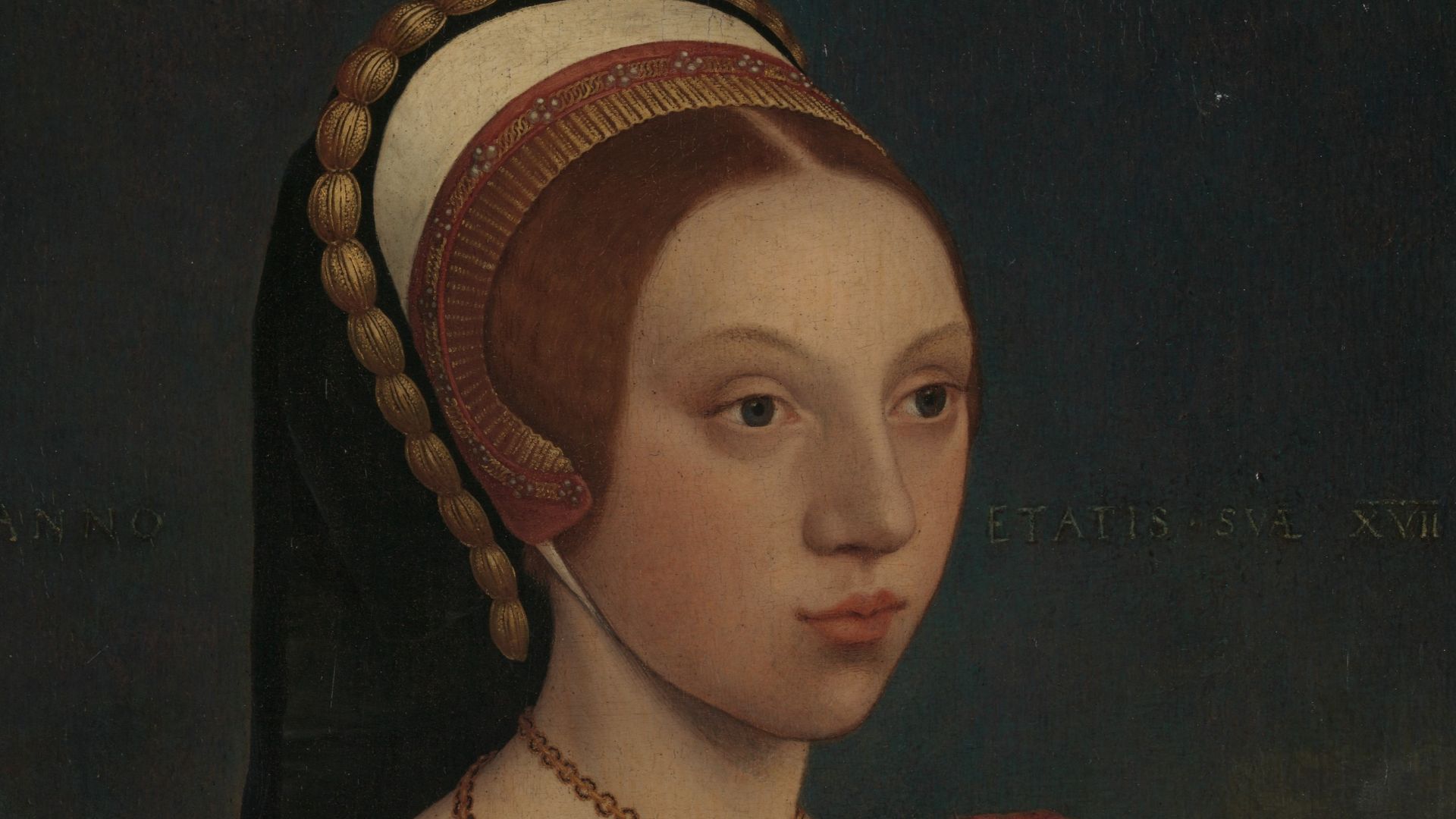 Workshop of Hans Holbein the Younger, Wikimedia Commons
31. She Got Matched Again
The Howards found themselves in a tricky bind, and Mary’s father could think of only one way out for his daughter: marrying her off again. The Earl petitioned the King for Mary to marry his third wife Jane Seymour’s brother, Thomas Seymour. The family waited with bated breath for the royal decree.
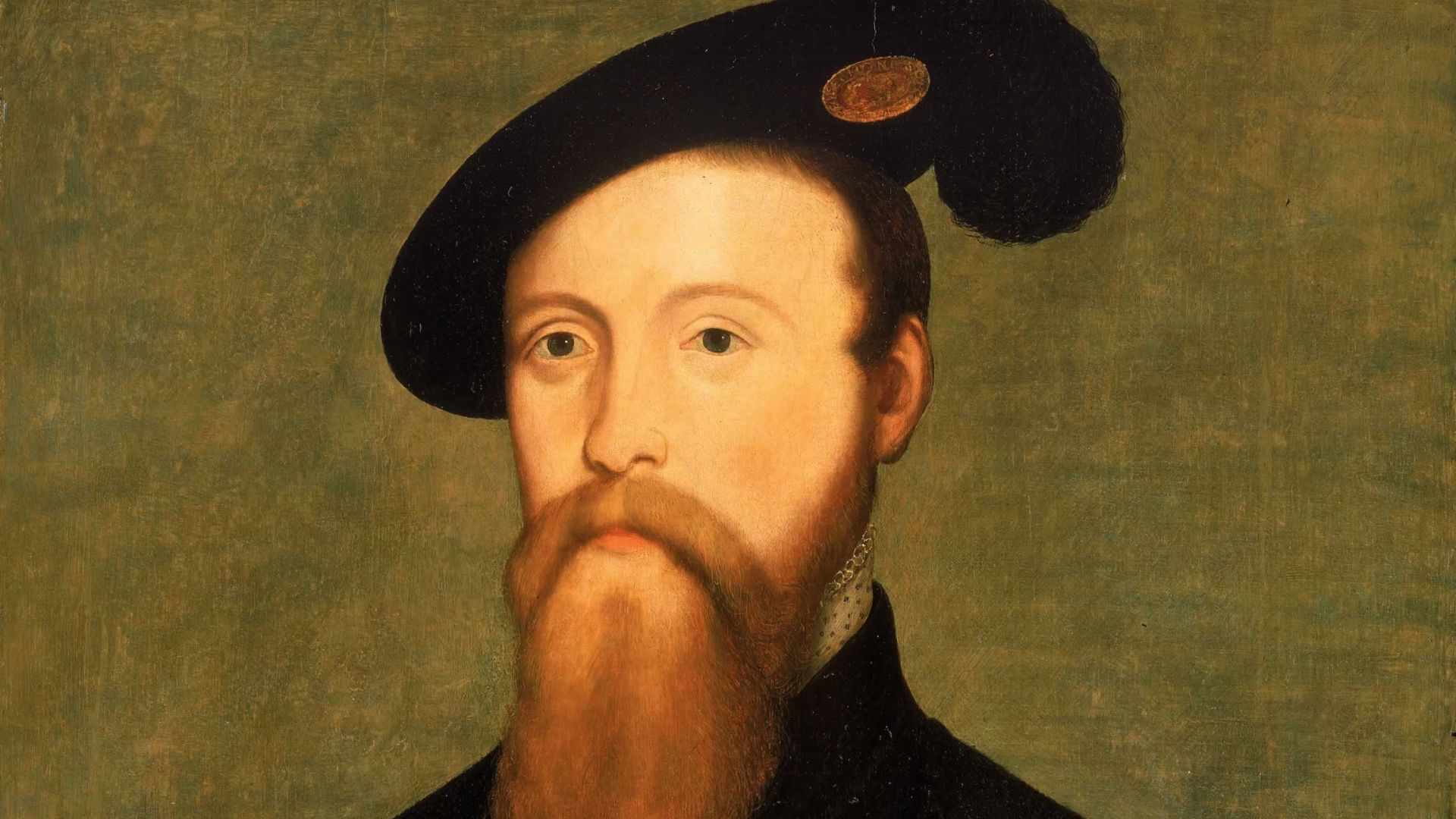 Nicolas Denizot, Wikimedia Commons
32. She Got The Go-Ahead
Surprisingly, King Henry VIII gave the approval for Mary FitzRoy to marry his ex-brother-in-law. The Howards breathed a sigh of relief as they saw a potential way back from their fall from grace through their treasured daughter. But not all Howards were on board—especially not the one that mattered.
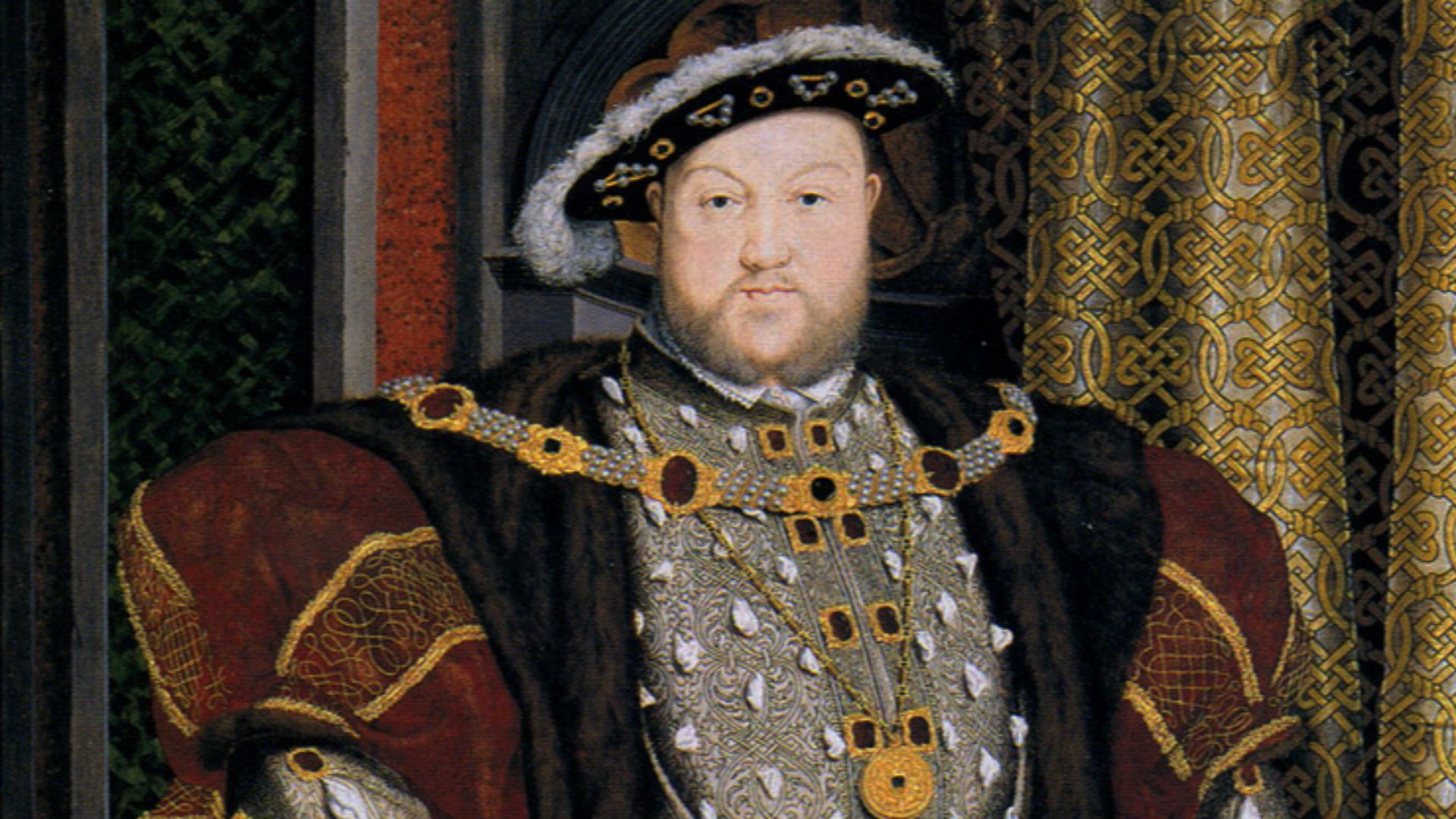 Unknown authorUnknown author, Wikimedia Commons
33. She Had No Interest
Despite her predicament and the way out they offered her, Mary FitzRoy had no interest in marrying Thomas Seymour. She strongly objected, and as a result, the marriage never took place. Mary wasn’t alone in her protest; her brother Henry, the Earl of Surrey, also objected to the match. It turns out he had an idea of his own…
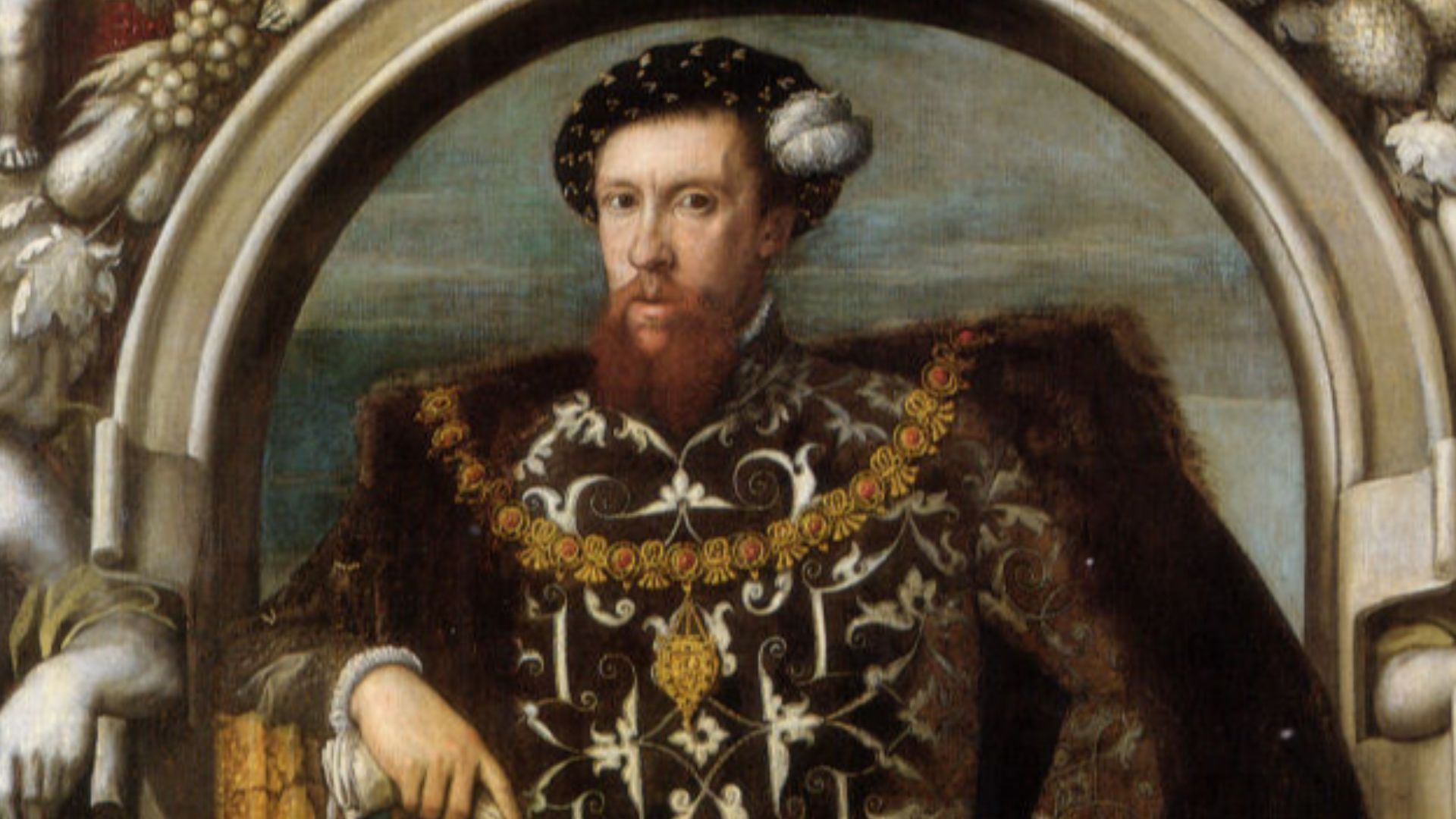 Attributed to William Scrots, Wikimedia Commons
34. She Got A Suggestion
Mary’s brother was scheming independently of his father to get the Howard family into the King’s good graces, and like his father, the Earl of Surrey was not hesitant to use his sister as a pawn in his plot. Surrey suggested Mary seduce the now-aged King Henry VIII with the hopes of becoming his mistress to wield influence over the old man. Mary was not enthusiastic about the idea.
 Hans Holbein the Younger, Wikimedia Commons
35. She Stood Up
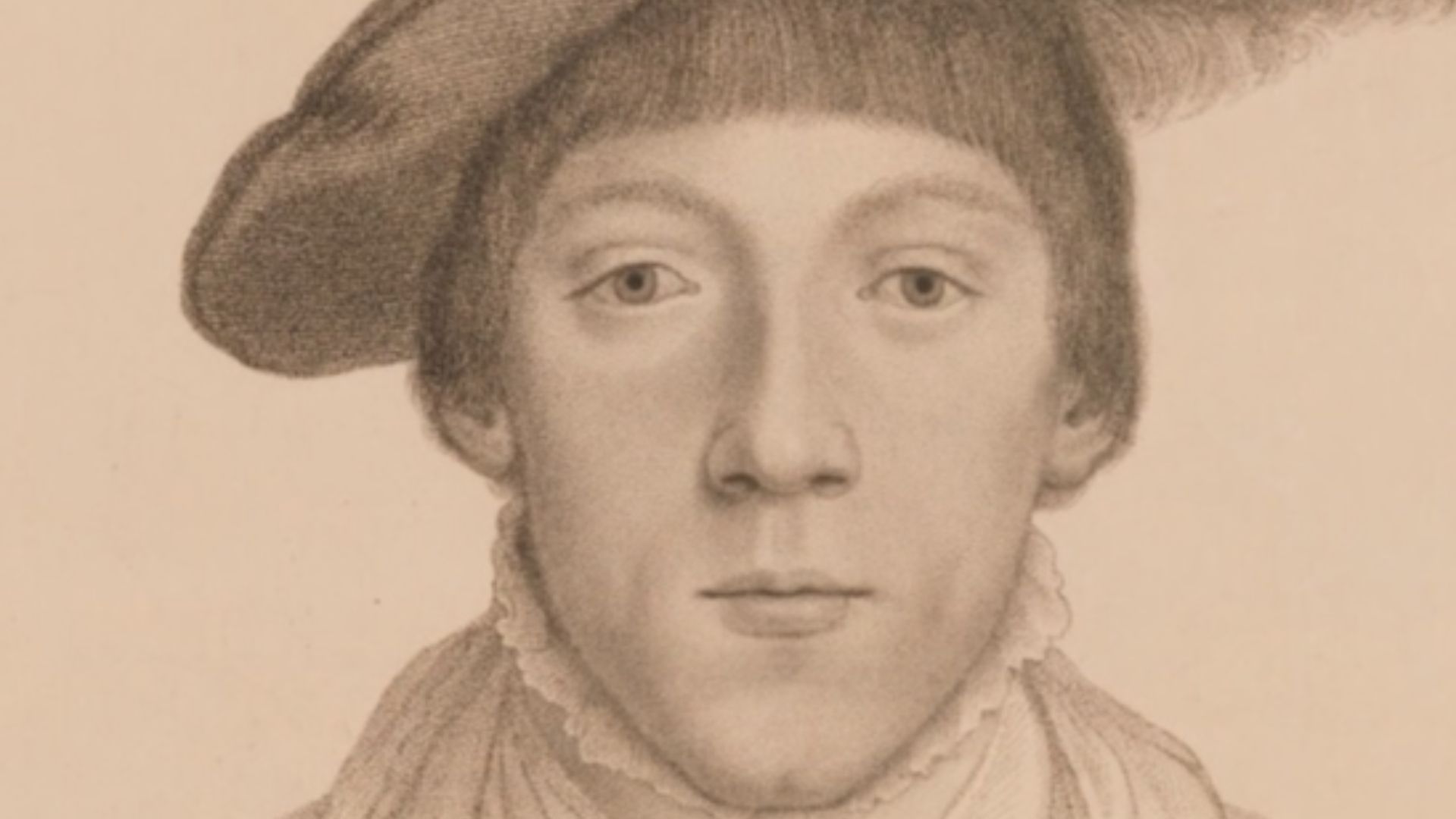
Mary's brother's suggestion outraged the young Duchess, and she wasn’t shy about making her feelings known. In response to Surrey’s plan, Mary declared she would rather "cut her own throat" than "consent to such villainy". Her dramatic refusal only created further rifts among the Howards.
 LuisCanelo.MJ, Wikimedia Commons
36. She Created Family Drama
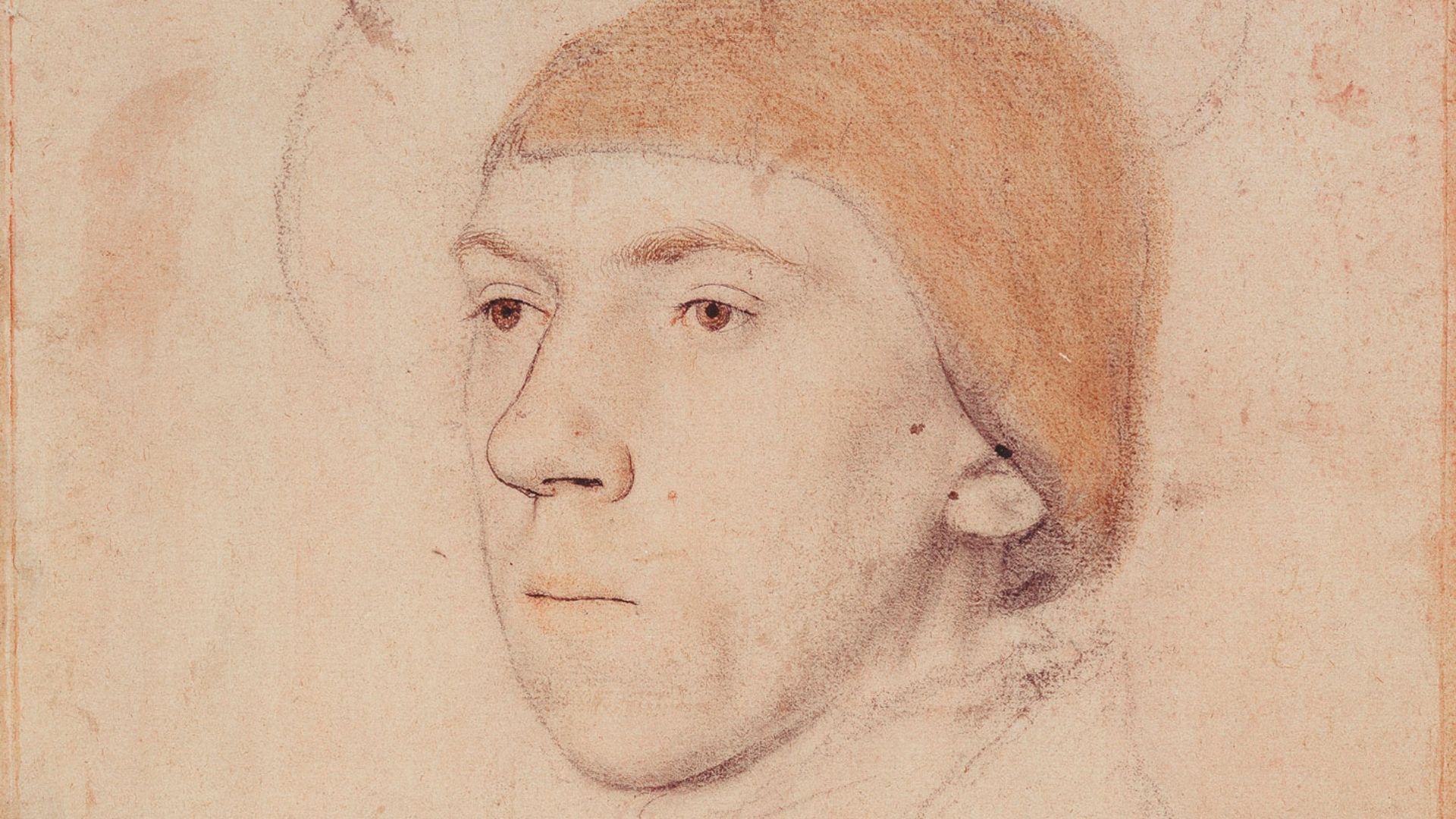
Mary’s brother was as ambitious as any other Howard, and he was furious that his sister refused to go along with his plan. Mary, to her credit, stood her ground and held firm in her own beliefs. The two stubborn siblings had a falling out and ceased all communication with one another. This would have devastating consequences for her brother.
 Hans Holbein the Younger, Wikimedia Commons
37. She Doubled Down
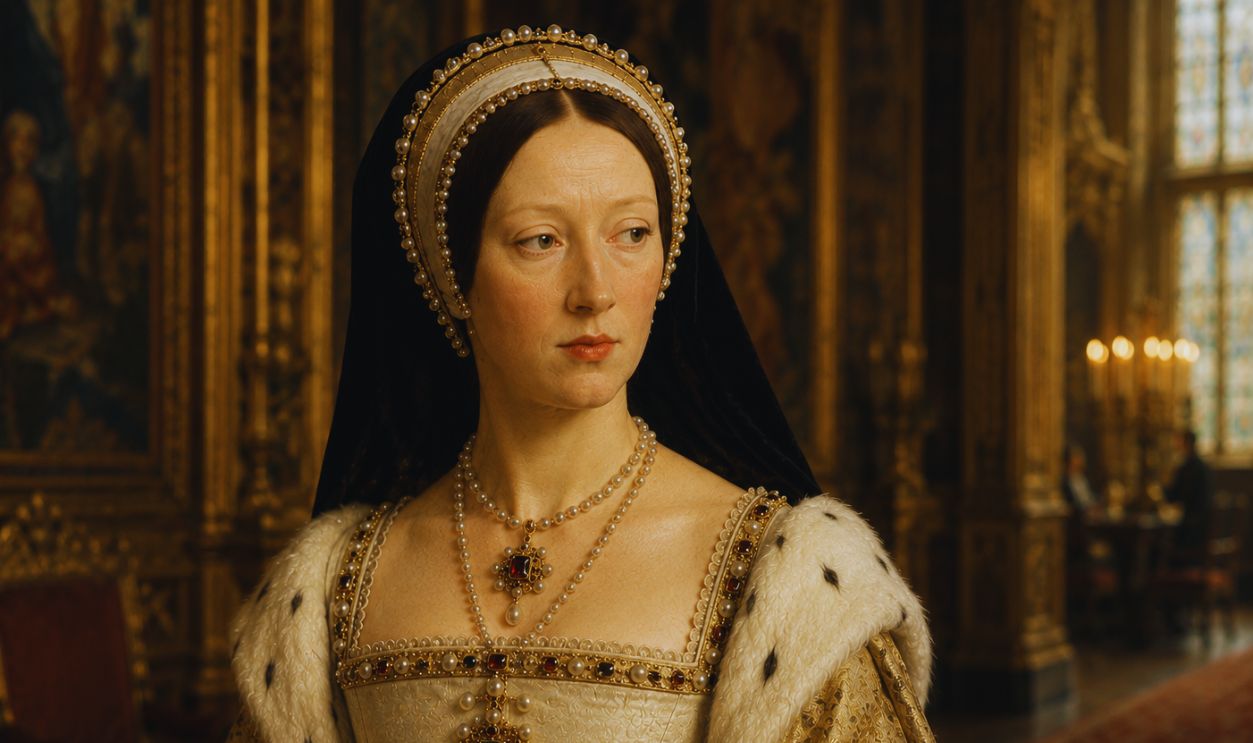
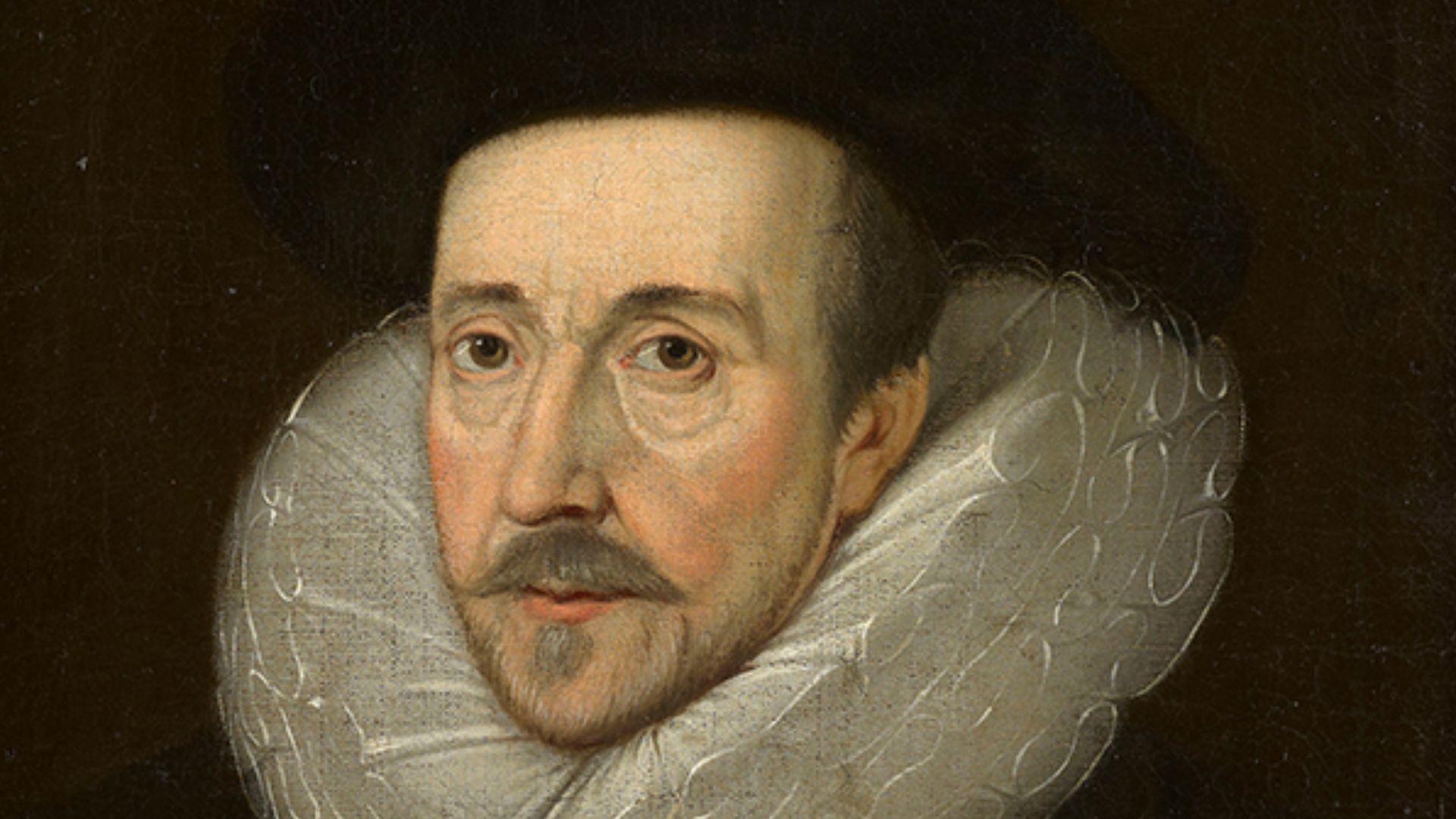
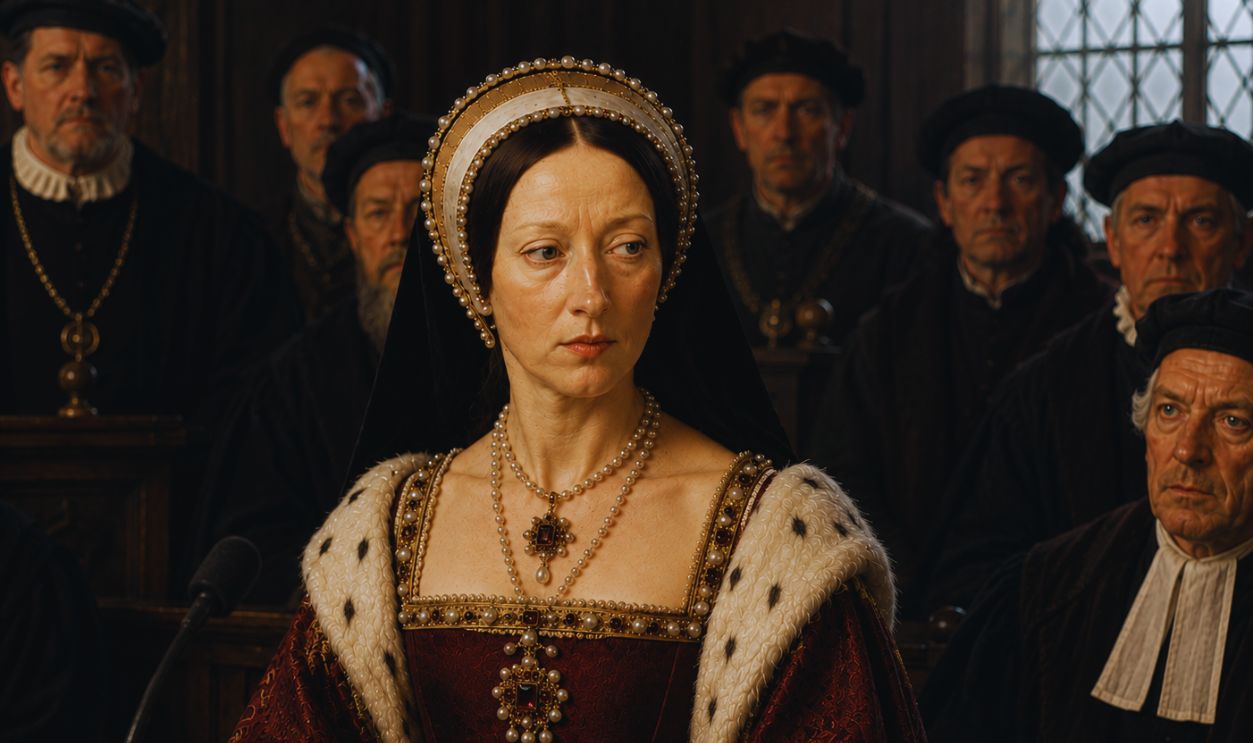
Soon after, Mary’s father and brother ended up on trial for treason, and Mary’s next move shocked everyone. She testified at the trial—against her family members. Whether acting out of self-interest or from her genuinely held beliefs, Mary’s dramatic testimony sealed the fates of two of the most powerful Howards and represented a complete severance of familial ties for the cunning Duchess.
38. She Signed Her Brother’s Warrant
Shockingly, royal authorities found Mary’s father and brother guilty of treason, with both sentenced to execution. Her brother, the Earl of Surrey, faced the music on January 19, 1547, when his life came to a grisly, state-sanctioned end. Mary’s father was next on the chopping block, but he was saved by the knell.
 Circle of Marcus Gheeraerts the Younger / Formerly attributed to Federico Zuccari, Wikimedia Commons
39. Her Father Got Spared
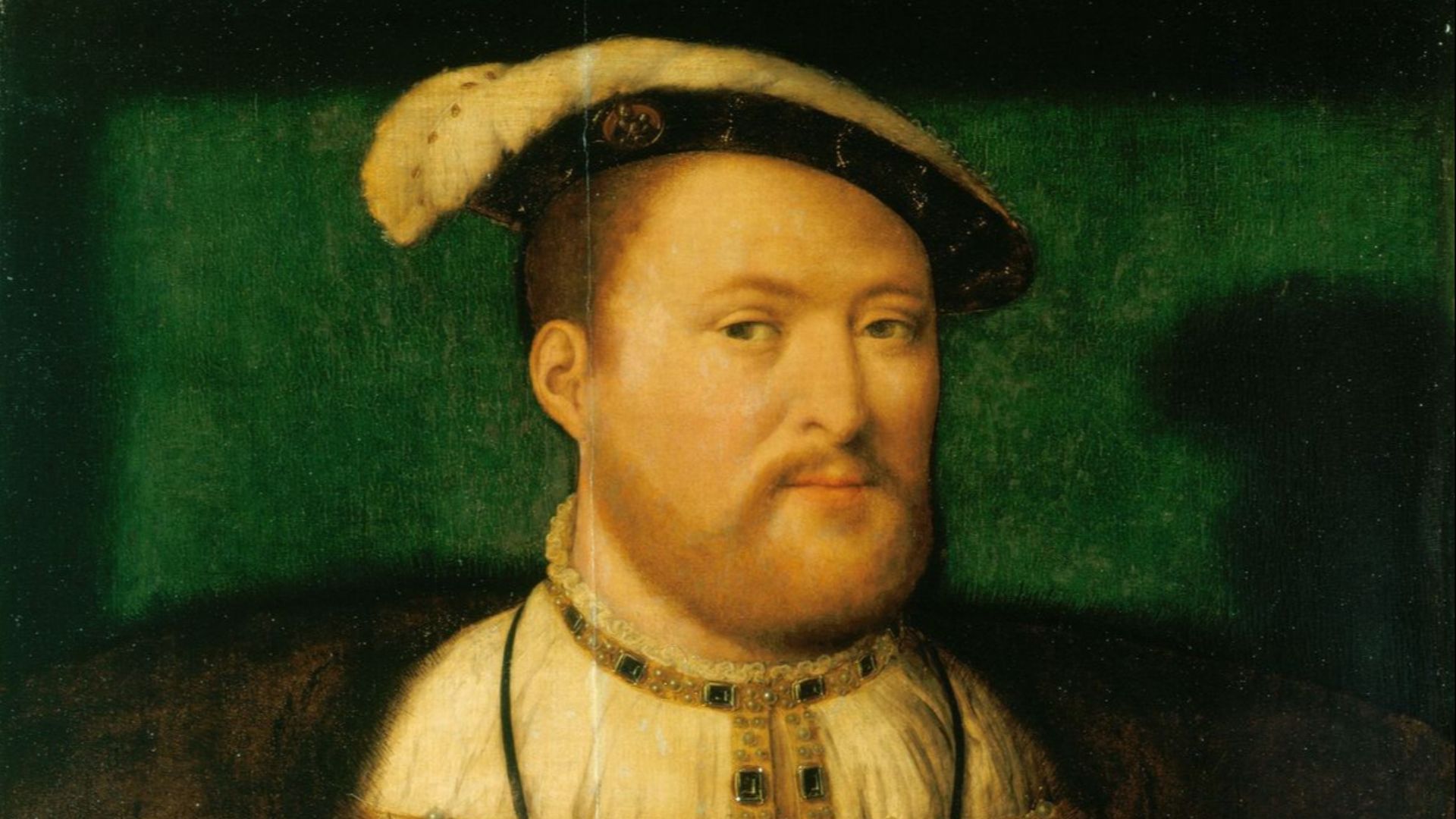
Authorities scheduled Mary’s father to have his sentence carried out on January 28, nine days after his son. However, a stroke of cosmic luck spared his life. In the early hours of the morning of his scheduled execution, King Henry VIII passed, throwing the kingdom into disarray. Thomas Howard’s sentence got sort of forgotten about amidst the commotion. Mary would never see her father free again, however.
40. Her Father Remained Locked Up
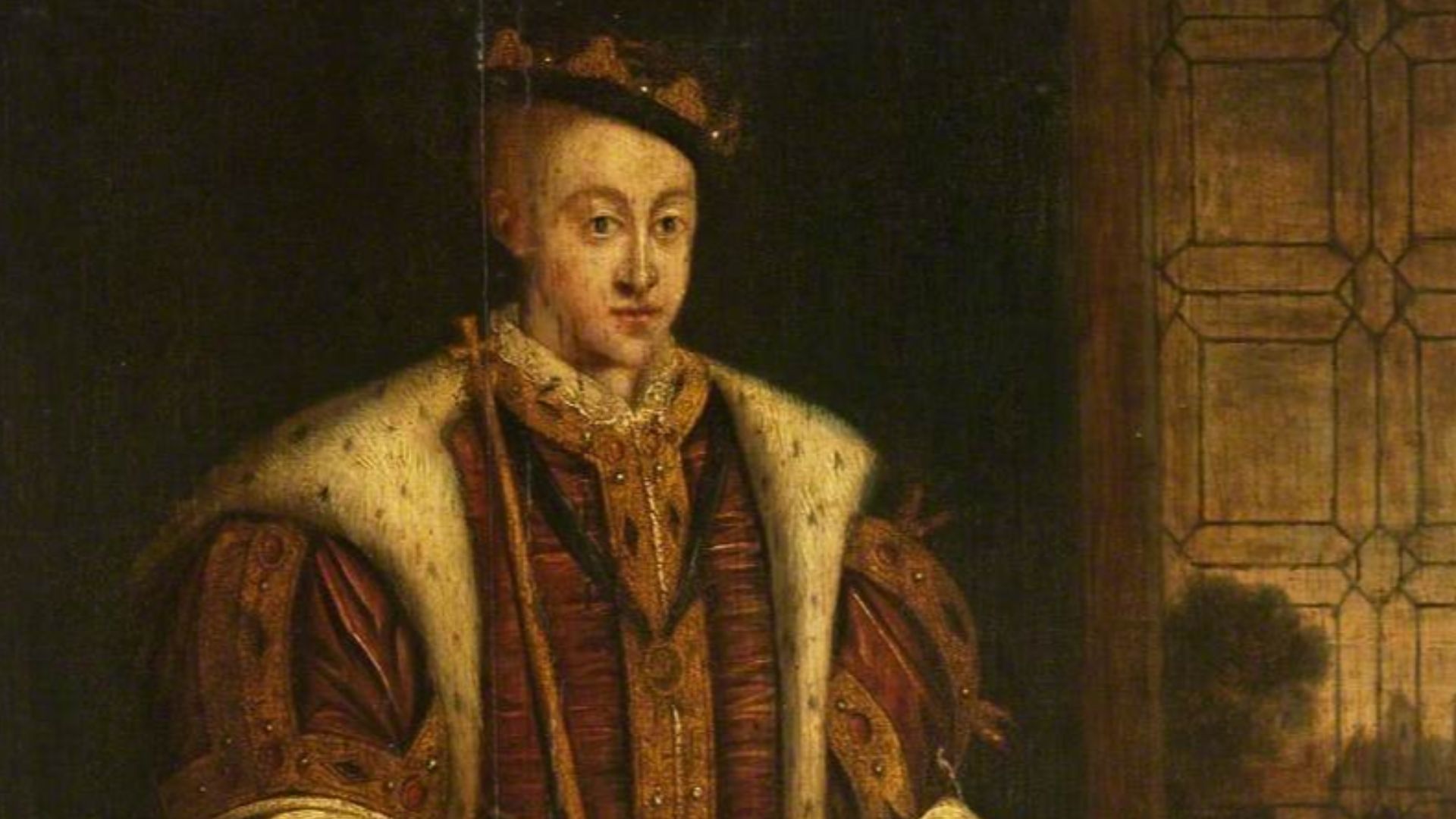
King Edward VI ascended to the throne after his father’s demise, and he never bothered to see through the execution of the man who got charged with treason against his predecessor. Mary’s father remained imprisoned in the Tower of London for the remainder of the new king’s reign, however. With her controlling family members now out of the way, Mary was free to further exercise her characteristic independence.
41. She Was Open-Minded
As previously mentioned, Mary FitzRoy grew up in the traditional faith of Catholicism—her father, in fact, was the premier Roman Catholic nobleman in England. Despite her pious upbringing, however, Mary was much more sympathetic to reformist ideas than the other Howards, a contrarian position that perhaps explains her willingness to turn on her family in their darkest hour. Indeed, it was this independent streak that had always made her father nervous.
42. She Was Too Smart For Some
Mary’s willingness to go against the grain of family orthodoxy gave pause to those closest to her—for good reasons, in the end, as far as her brother and father were concerned! This independent streak once caused her father to remark that the young Duchess was “too wise for a woman”. Perhaps this proved a good thing, given her new responsibilities.
43. She Raised Some Kids
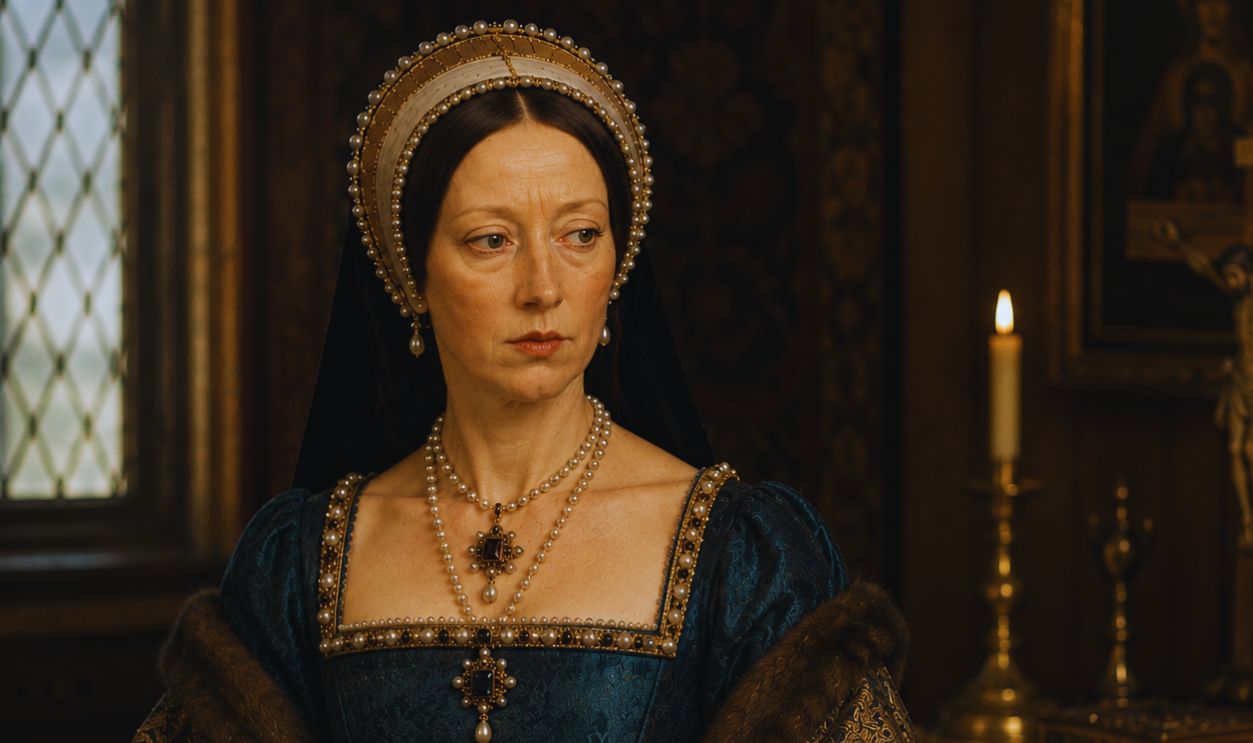
Though she never had any children of her own, Mary took charge of her brother’s five children after their father’s execution. Given the direction of the religious currents at court, the Duchess set her wards up wisely, hiring Protestant martyrologist John Foxe to tutor the kids and ensure they remained in the royal family’s good graces. Mary, meanwhile, busied herself with hobbies for the remainder of her days.
44. She Worked With Her Hands
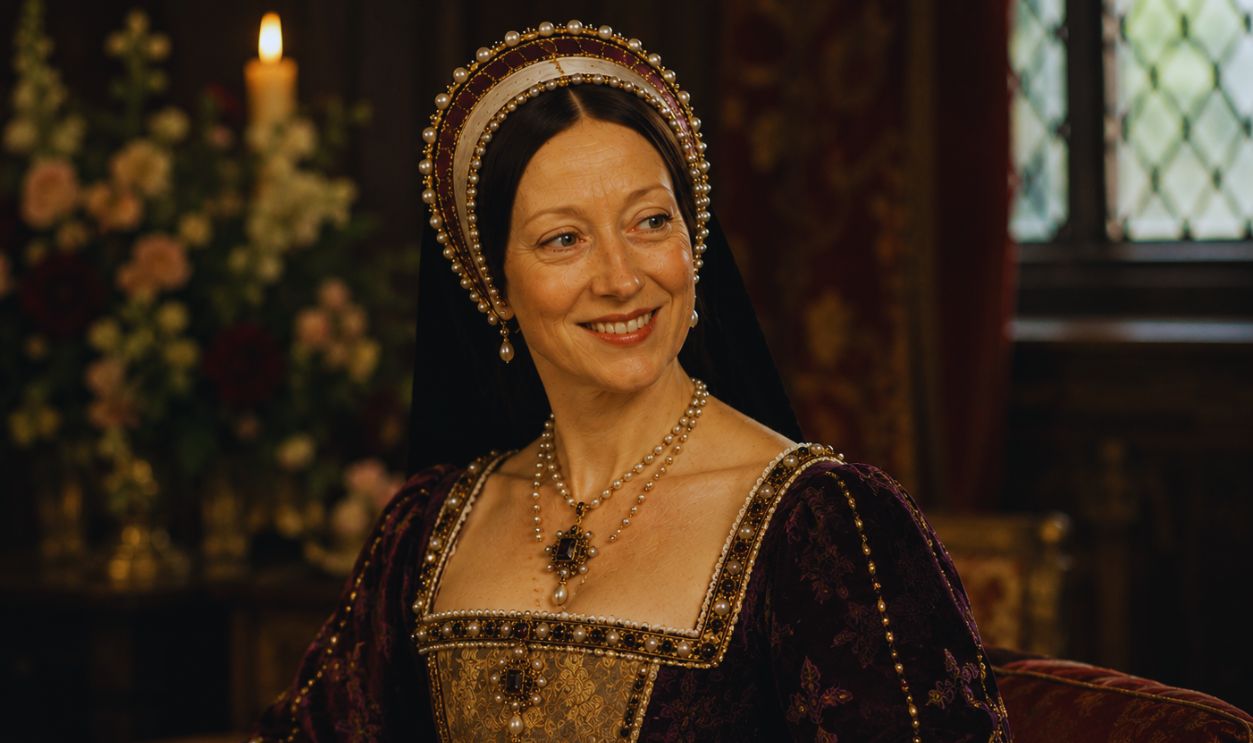
Historical records suggest what Mary FitzRoy got up to in her remaining days as a widowed courtier. A list of her possessions from the time period mentions that she owned a Flemish coffer which contained patterns for embroidery, suggesting her creative pursuits stretched beyond poetry. One thing for certain, though, is that Mary seemed to enjoy being a widow.
45. She Remained Widowed
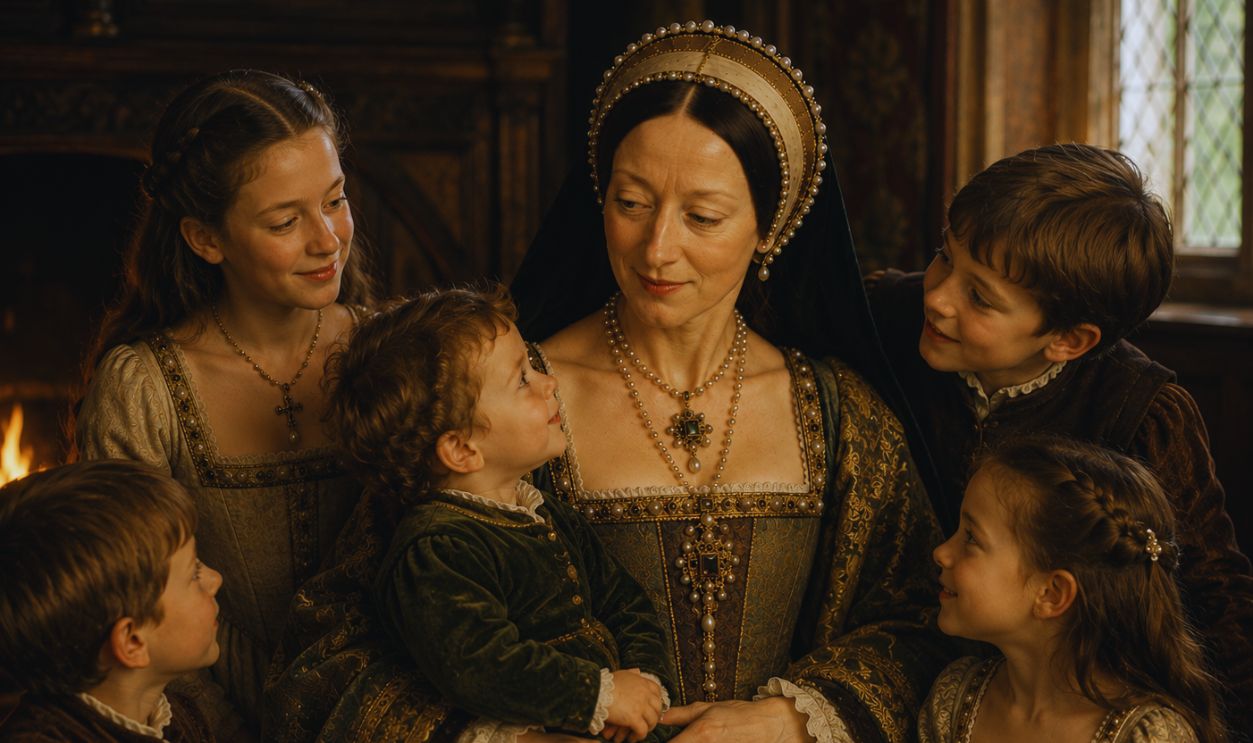
Interestingly, Mary never remarried after losing her husband. This is particularly strange considering her stature, the young age at which she got widowed, and the fact that she never (officially) consummated her marriage to begin with. Perhaps it speaks further to the Duchess’ autonomous nature. Or perhaps she just wanted to keep her head down after her family’s dramatics.
46. She Went Under The Radar
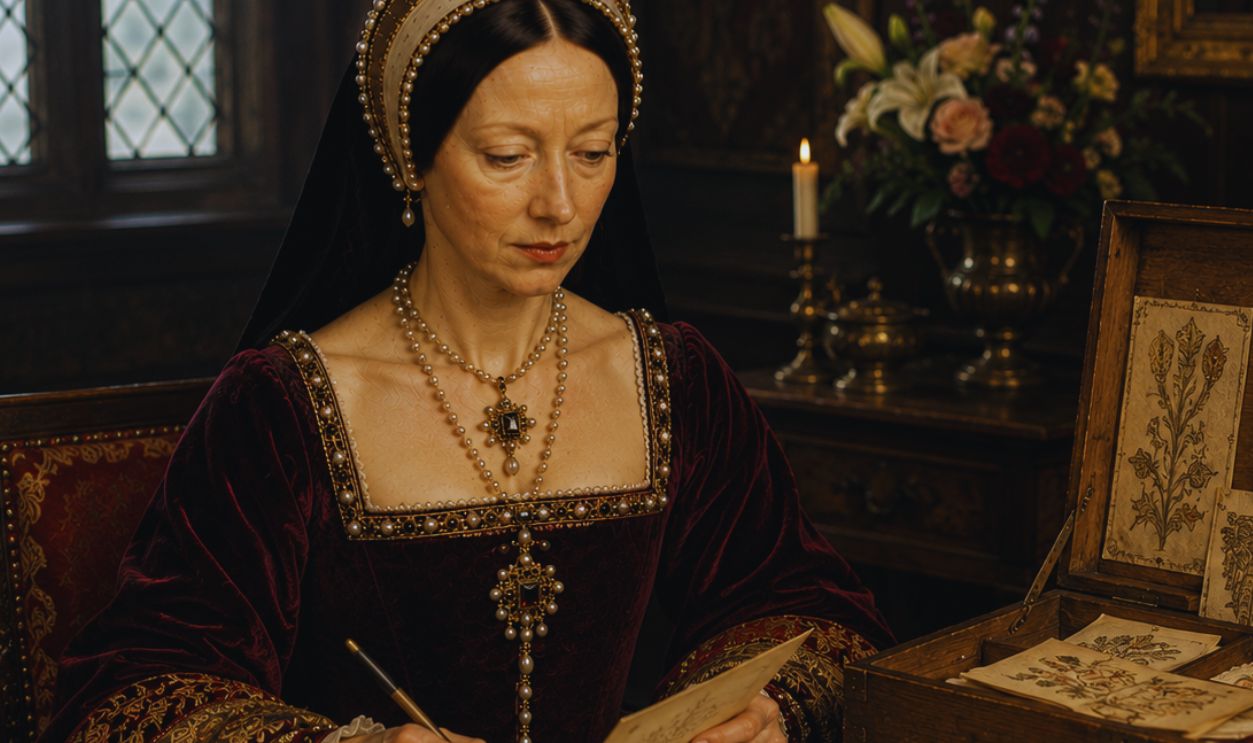
Mary FitzRoy largely faded into the background after the demise of King Henry VIII, becoming essentially a faceless courtier, exercising no meaningful power or influence again. She was probably more than happy to do so, and of course, her family ties always shored up her position.
47. She Had A Royal Relative
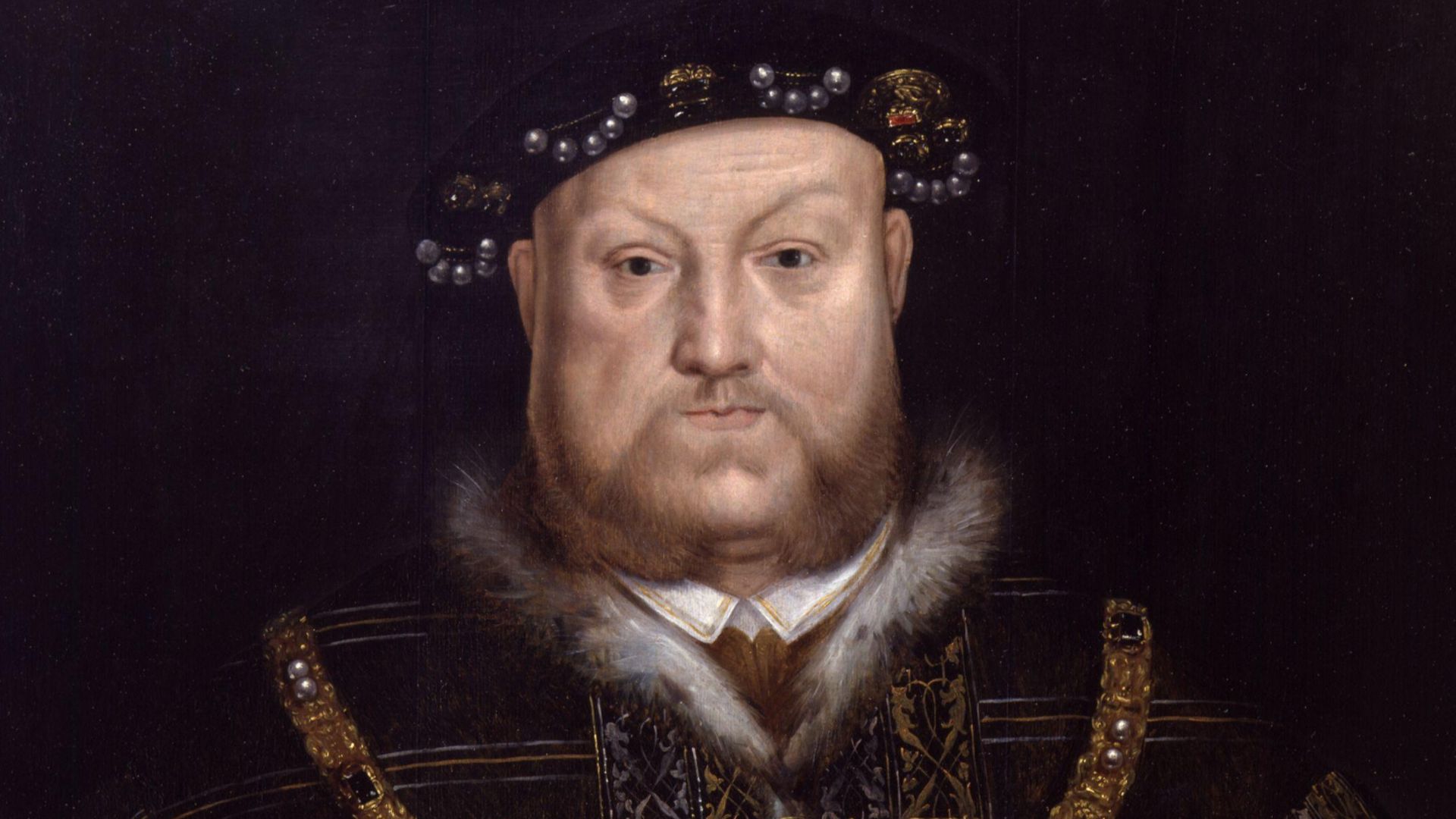
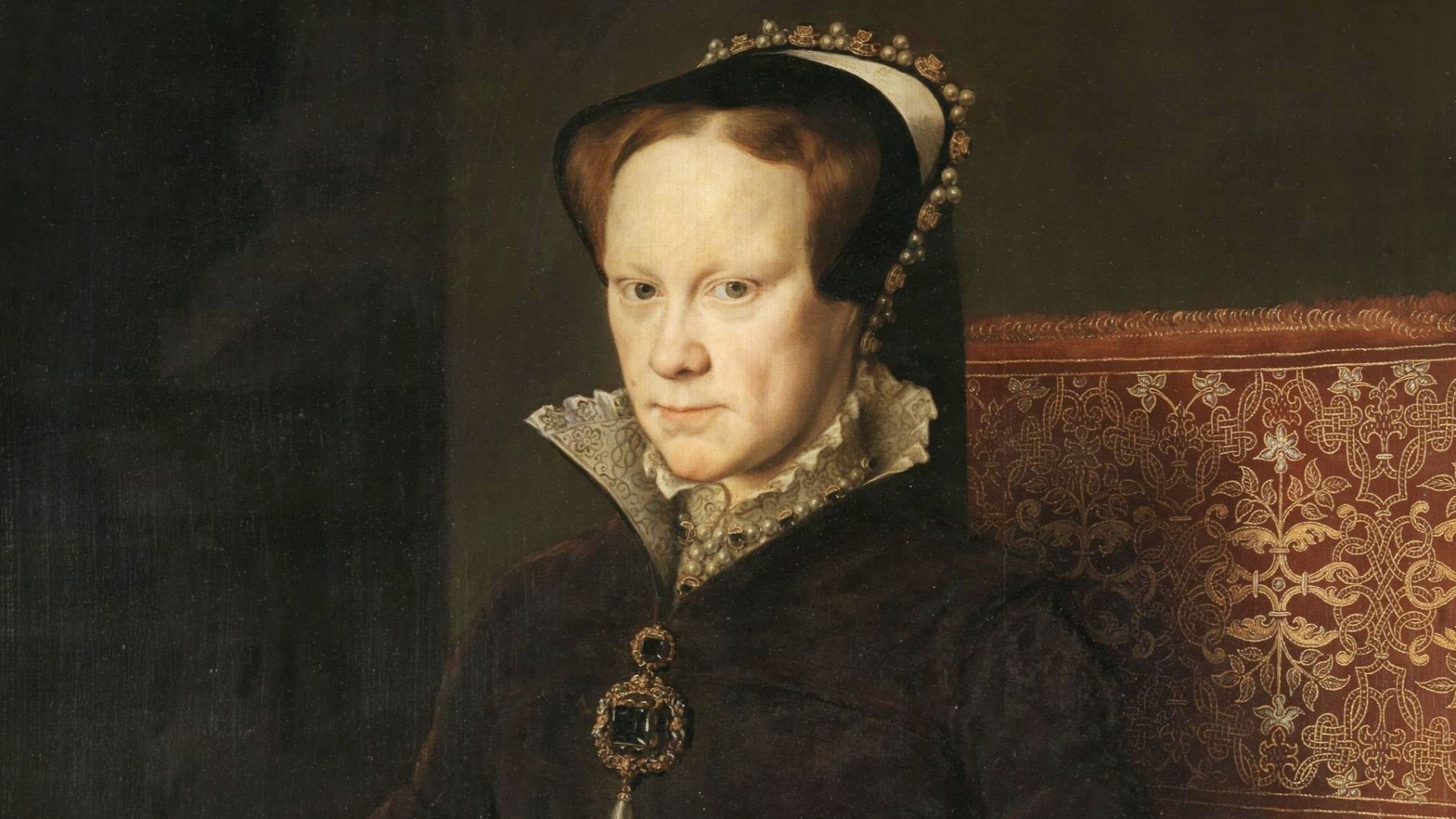
January of 1556 saw the beginning of the reign of Queen Mary I, a period of upheaval and sea change in the English monarchy. The Queen attempted to reverse many of the reforms implemented by her father, and though Mary FitzRoy had advocated reform in the past, she was not worried about facing the Queen’s wrath—because she was her sister-in-law. Indeed, Mary didn’t stick around long enough to see William FitzRoy’s sister’s heyday.
 Antonis Mor, Wikimedia Commons
48. She Passed Young
Mary FitzRoy, Duchess of Richmond and Somerset, perished on December 7, 1557. Tragically, she was only around 37 or 38 years old. There are varying accounts that detail the cause (and exact date) of her passing, but one likely story posits she didn’t go too peacefully.
49. She Was Sick
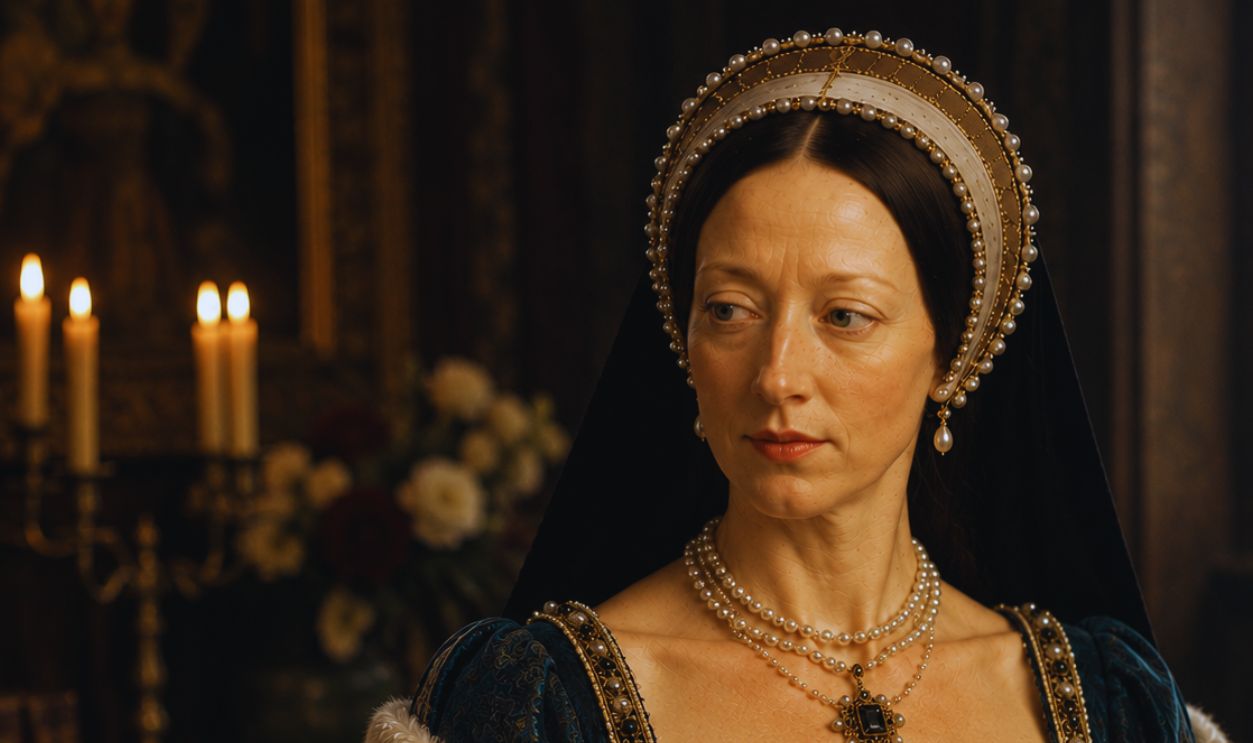
Historian Heather Darsie contends that Mary FitzRoy perished after a difficult bout with influenza, an often-fatal virus in those days of archaic medical practice. Regardless of the cause, the Duchess left behind a legacy of quiet independence and wisely deployed political smarts. It made her a fascinating subject for storytellers.
50. She Got Fictionalized
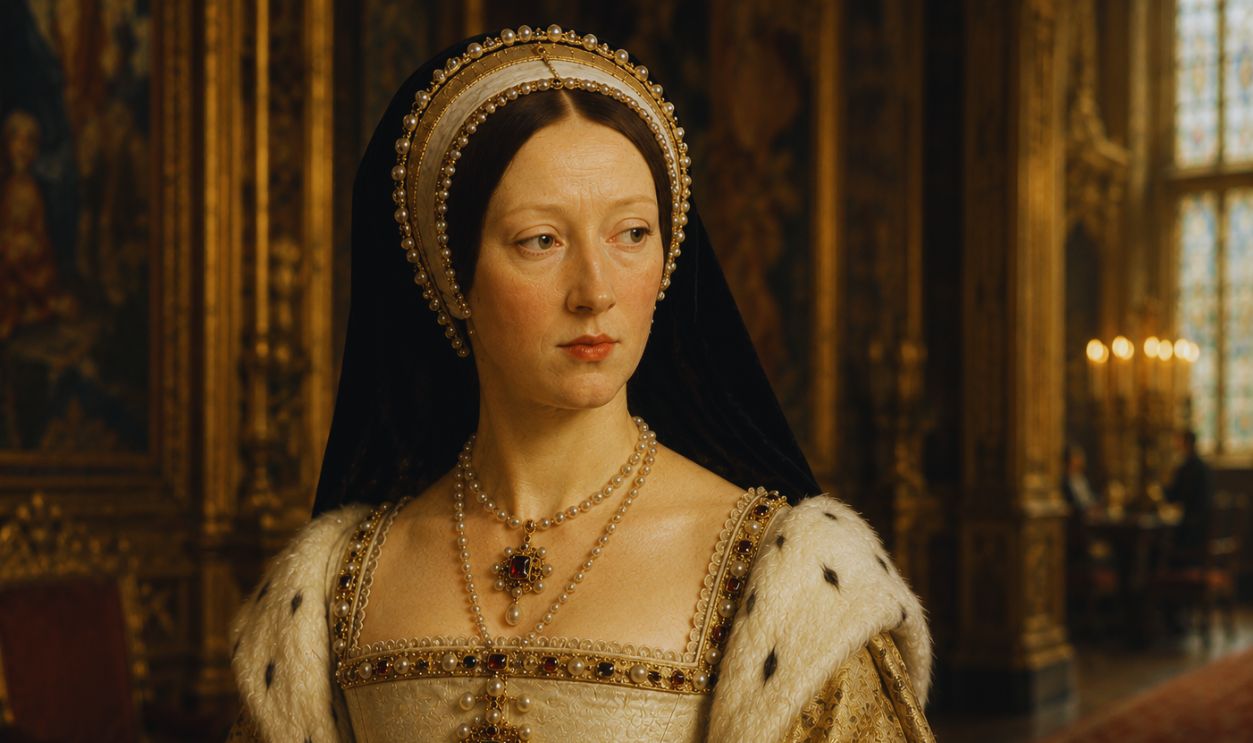
Mary FitzRoy has been portrayed in many notable works of historical fiction. The most well-known of these are The Secrets of the Tudor Court by Darcy Bonnette, where Mary is the main protagonist, and The Sixth Wife, where Mary serves as the foil for Catherine Parr. She has also been portrayed in film and television, speaking to the huge impact she made despite her humble story.
You May Also Like:
Defiant Facts About Christina Of Denmark, The Lost Tudor
Cunning Facts About Bess of Hardwick, The Tudor Secret-Keeper
Vicious Facts About Margaret Beaufort, The Scheming Mother Of The Tudor Dynasty