
Hopelessly Devoted
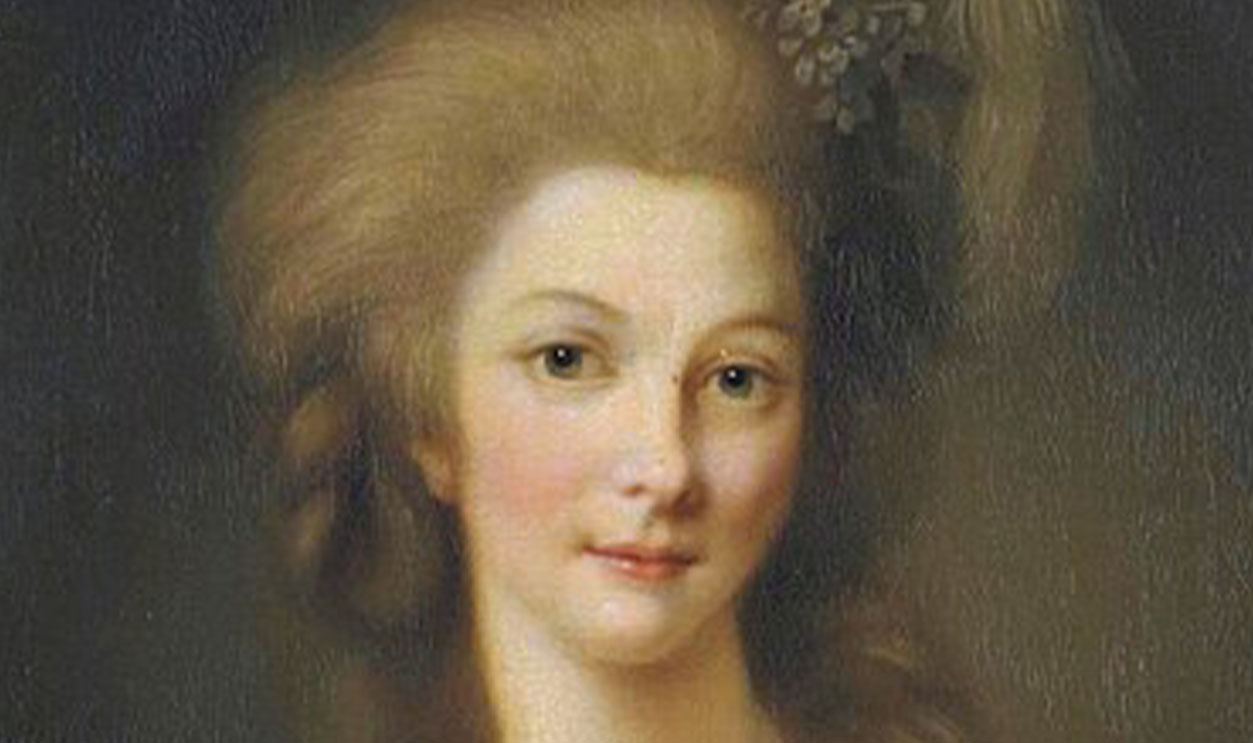
Born in the decades counting down to the French Revolution, Marie Thérèse Louise of Savoy climbed her way to the top of the ladder of nobility at the worst time. When everything came crumbling down, she was far from being in a safe position, as the majority of the public had come to despise her. Still, she served as the Queen’s favorite, and her devotion to her never faltered—even as she approached a horrific end.
 Marie-Victoire Lemoine, Wikimedia Commons
1. She Was Of Noble Birth
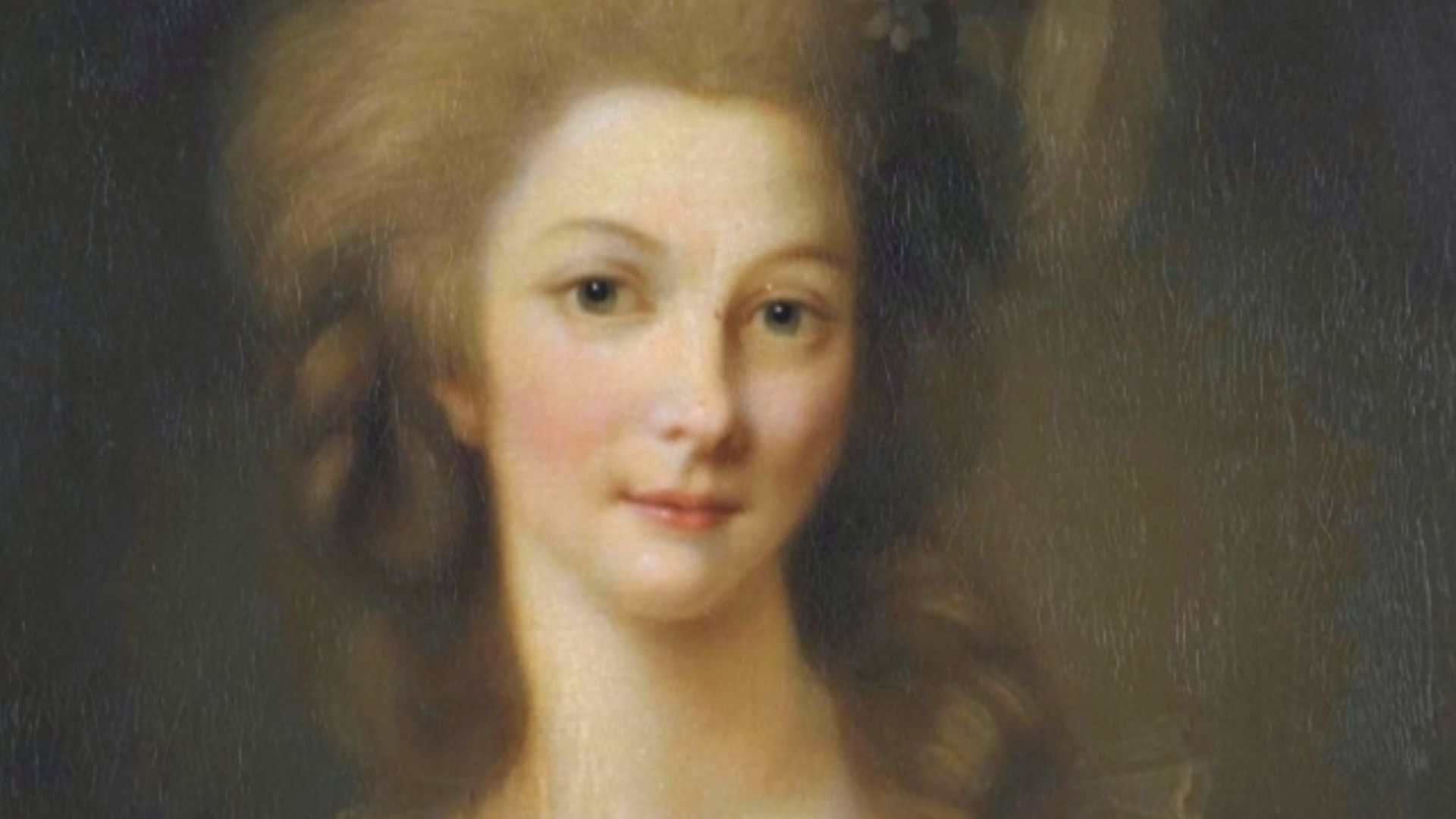
By the end of her life, Marie Thérèse Louise of Savoy had become one of the most influential figures in France, but even from the beginning, she was far from insignificant. Born in Turin, Italy, on September 8, 1749, she received the birth name Maria Teresa Luisa from her parents, who were already of noble bearing. Her father was Prince Louis Victor of Carignano, a member of the House of Savoy, while her mother was Princess Christine of Hesse-Rotenburg.
At least at this point, the public was ecstatic to hear about her.
 Elisabeth Louise Vigee Le Brun, Wikimedia Commons
2. They Took To The Streets
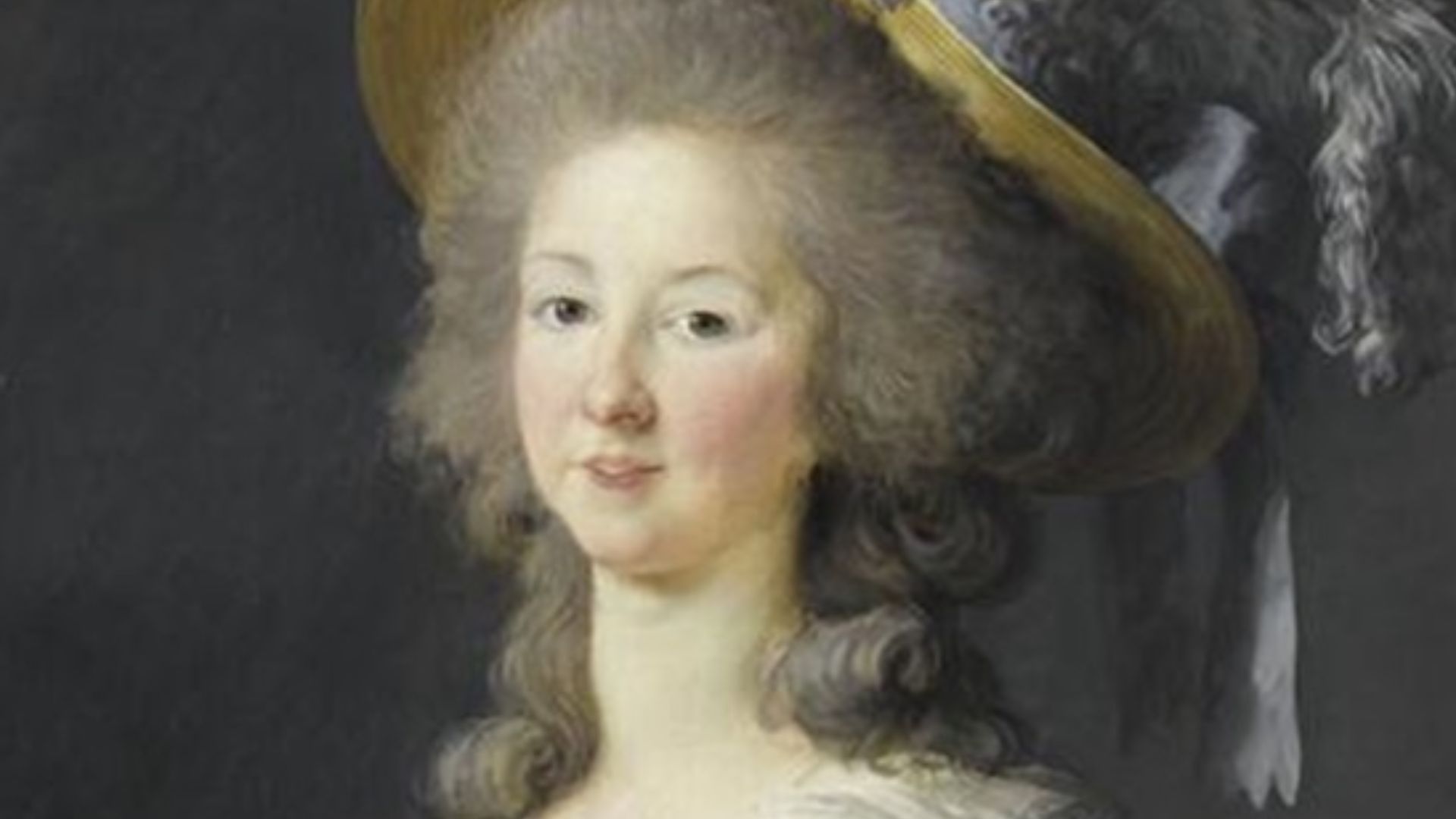
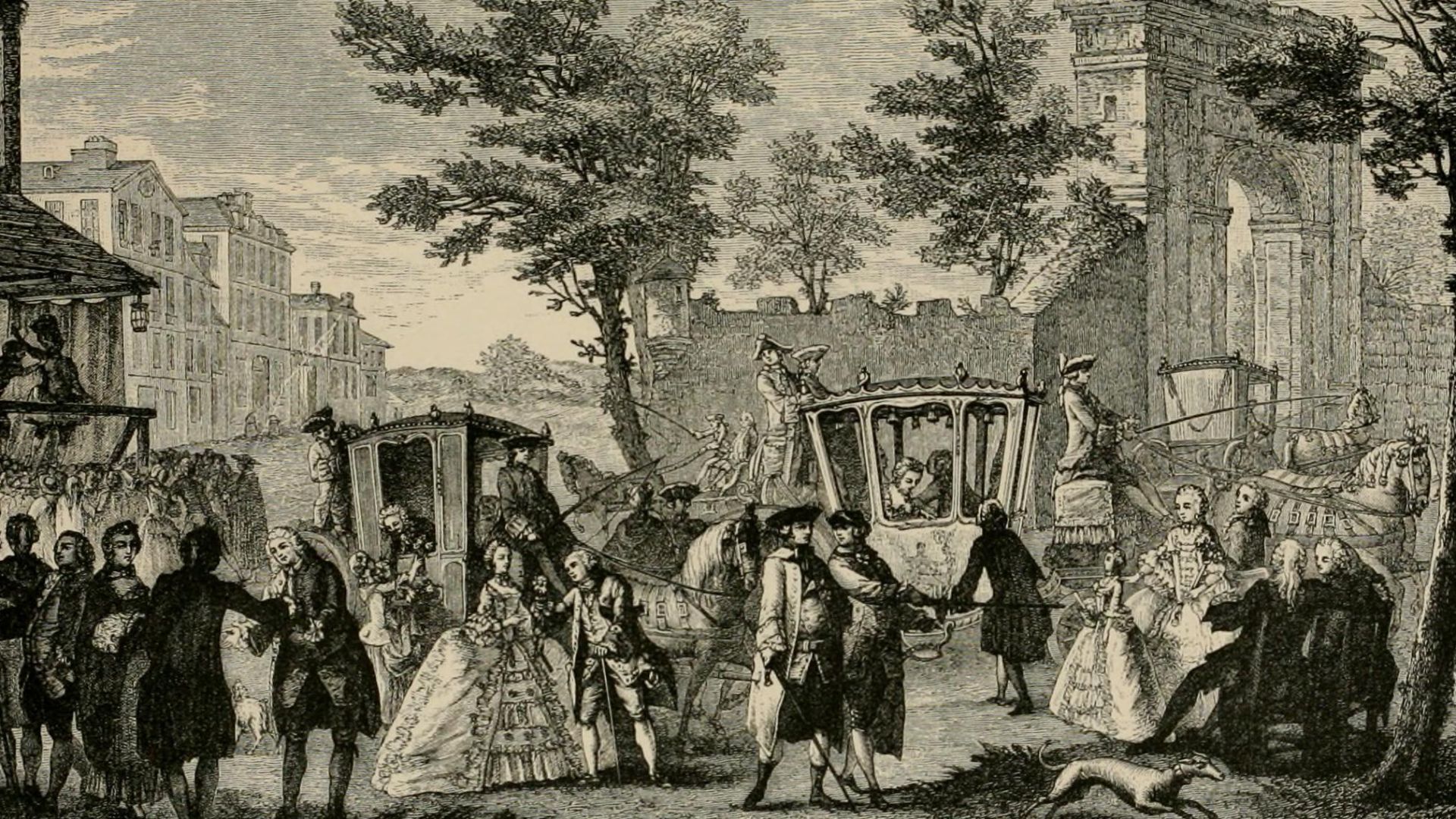
For a long time after her demise, the general public looked unfavorably upon Maria Teresa’s place in France’s history, but this disdain wasn’t always present in Italy. According to the story, her birth was a time of celebration, as everyday citizens filled the streets to sing and cheer over the news.
Eventually, she would take on the first of her major royal duties.
 Internet Archive Book Images, Wikimedia Commons
3. She Entered A Union
As with all members of royalty in that era, the time came for Maria Teresa’s parents to arrange her marriage with the most beneficial suitor. They didn’t have to search for too long, as the King of France, Louis XV, suggested she marry a relative of his, Louis Alexandre de Bourbon, the Prince of Lamballe. Through their marriage, they cemented an alliance between the two houses.
As it happened, this was not their first meeting.
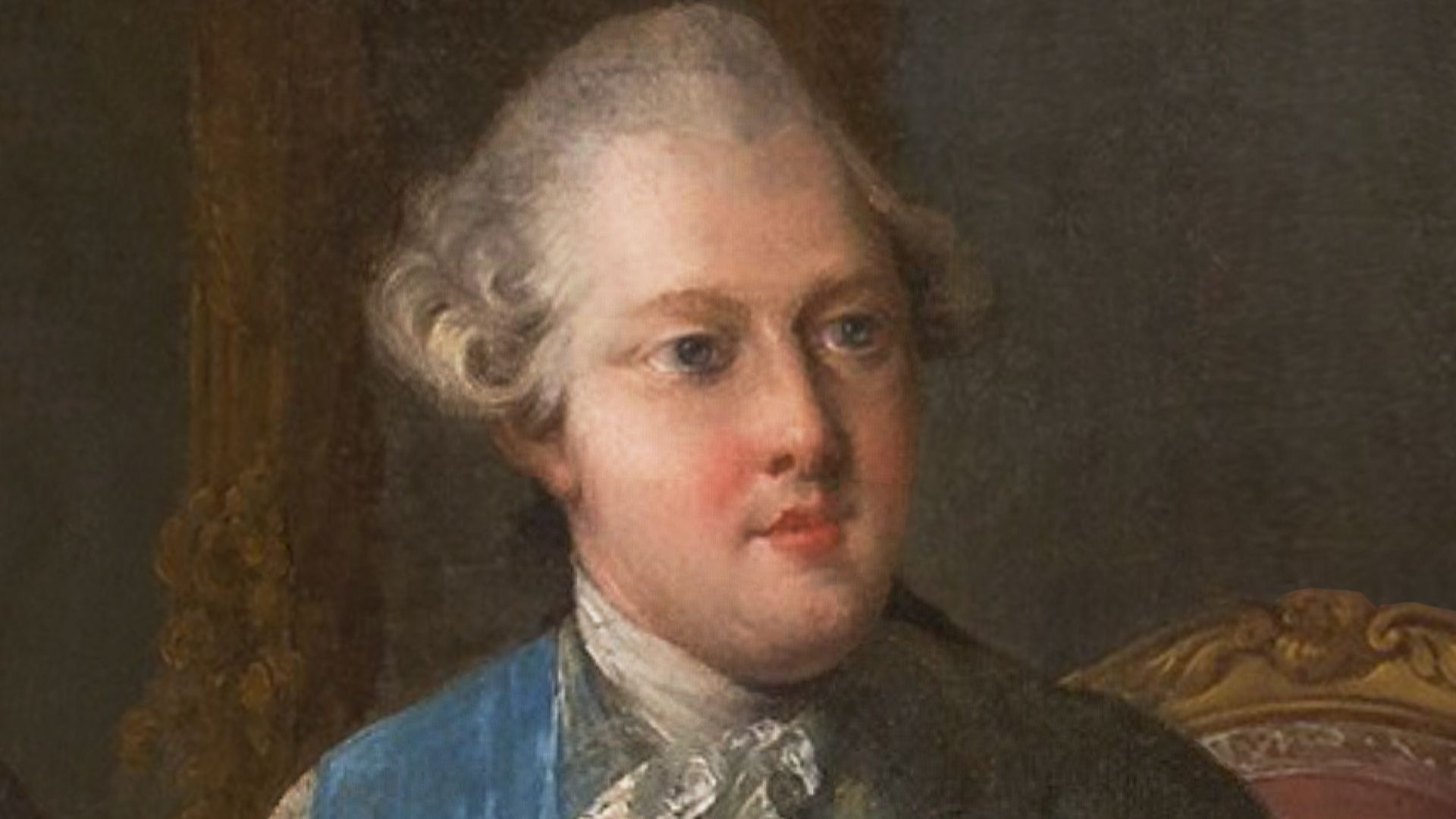 Jean-Baptiste Charpentier the Elder, Wikimedia Commons

History's most fascinating stories and darkest secrets, delivered to your inbox daily.
4. He Wanted To See Her
For most royals involved in an arranged marriage, it was common for both bride and groom to meet for the first time either right before the wedding or while standing at the altar. However, Louis Alexandre couldn’t wait that long, so he disguised himself as a servant and met Maria Teresa without revealing his identity—only giving her a bouquet from his “master”.
Of course, she would eventually find out about this.
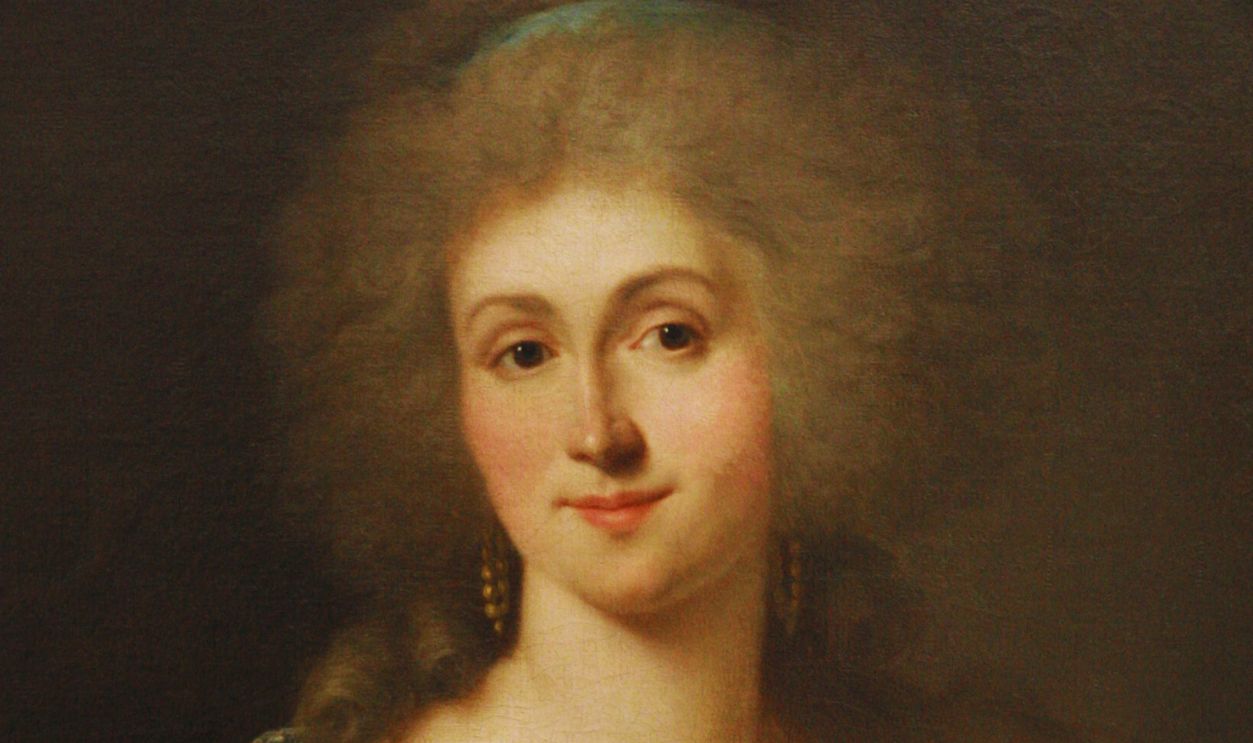 Joseph-Siffred Duplessis, Wikimedia Commons
5. She Was Pleasantly Surprised
Although Louis Alexandre wore a disguise when he first met Maria Teresa, it wasn’t good enough to hide his identity forever, especially once the big day arrived. The two of them married on January 31, 1767, and when she saw his face, she was taken aback as she recognized him immediately and fell in love.
With this, she was no longer Maria Teresa Luisa.
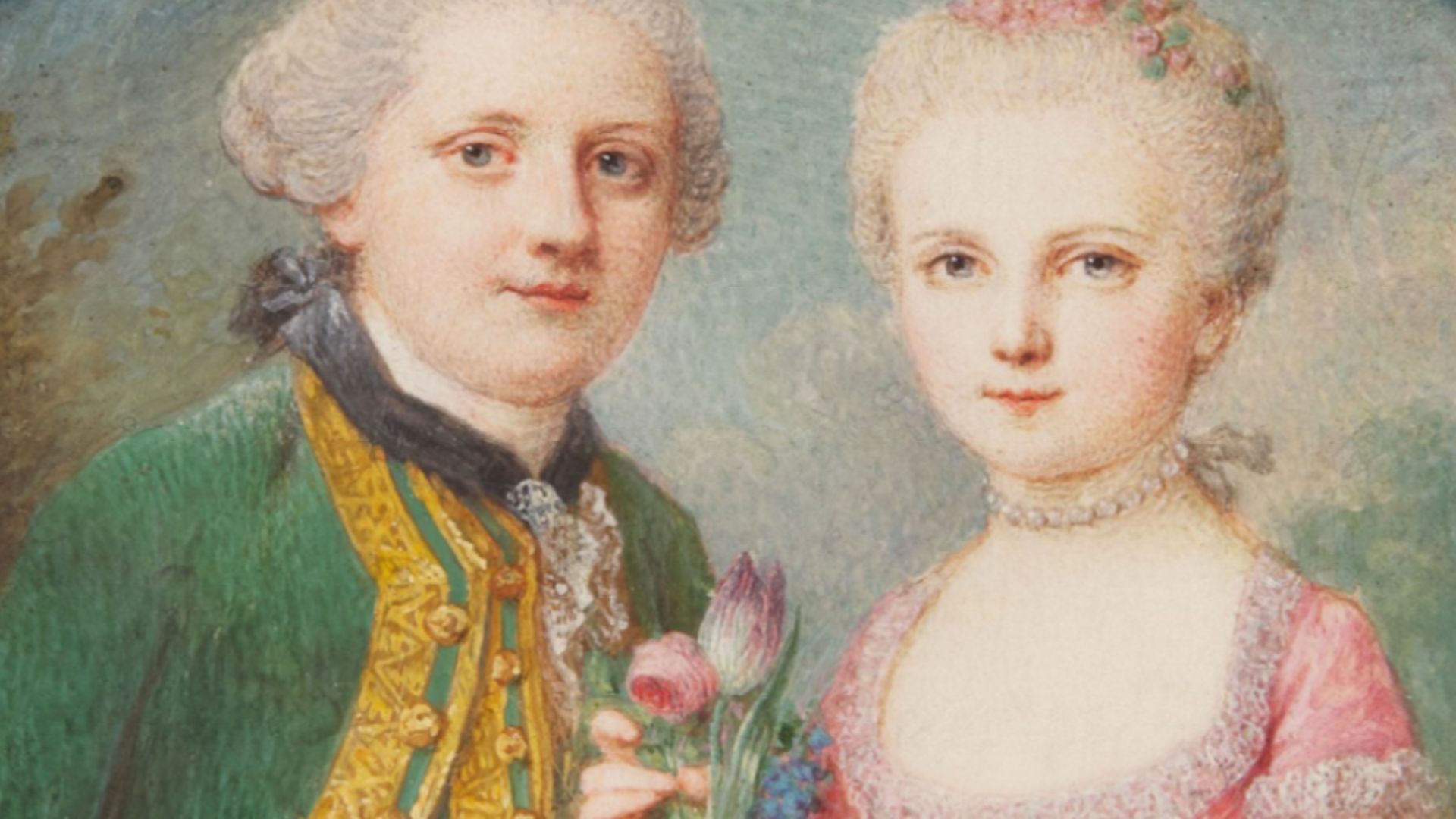 Unidentified painter, Wikimedia Commons
6. She Left Her Life Behind
With her marriage into the French royal family, Maria Teresa would have to give up her life in Italy, and it was a change she wouldn’t be able to put off for long. In fact, days before the wedding took place, she had to leave her Italian attendants behind as she crossed the bridge from Savoy to France, joining her new entourage—and taking the French name Marie Thérèse.
Sadly, the good years of their marriage were all too short.
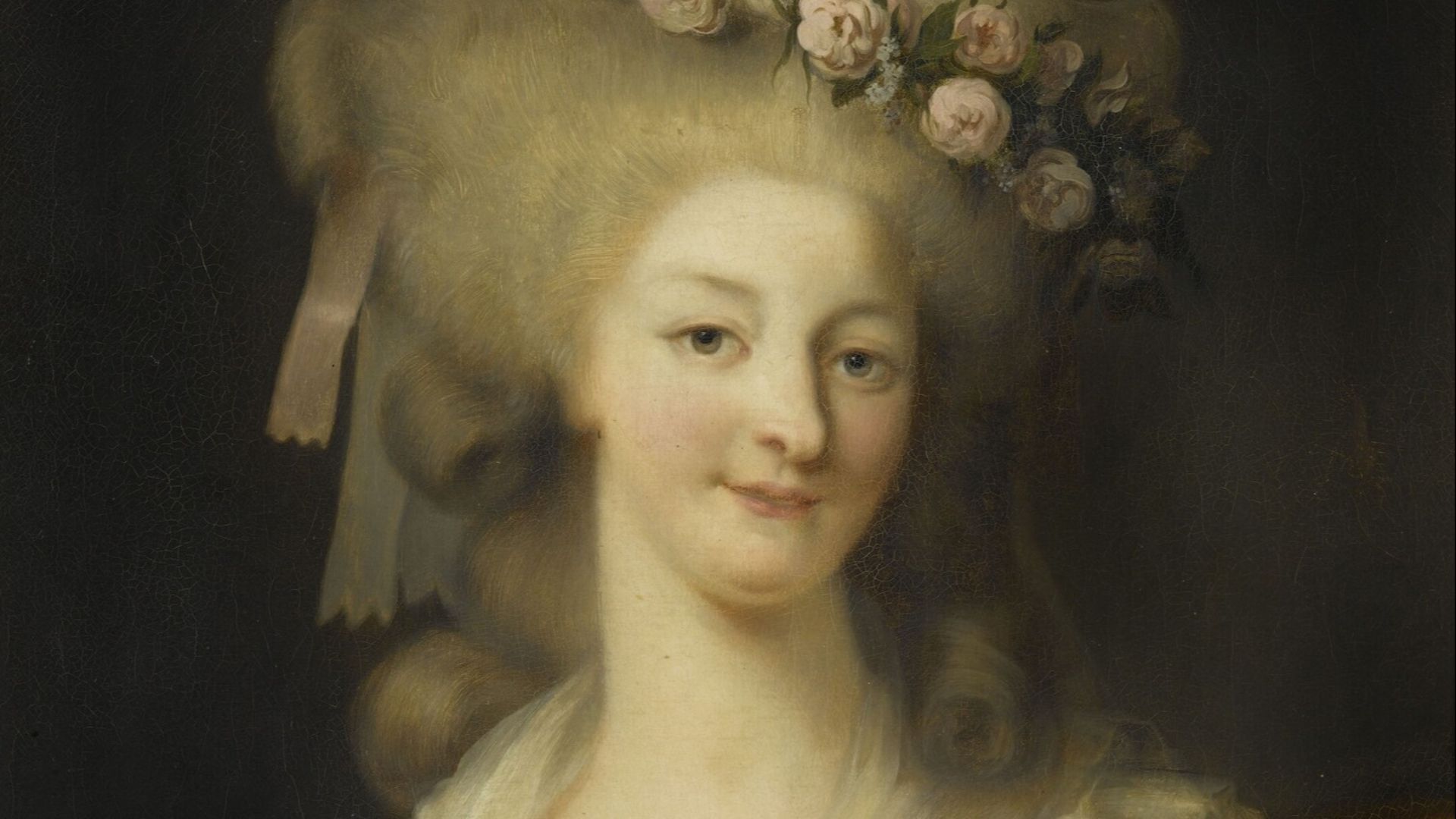 Louis-Edouard Rioult, Wikimedia Commons
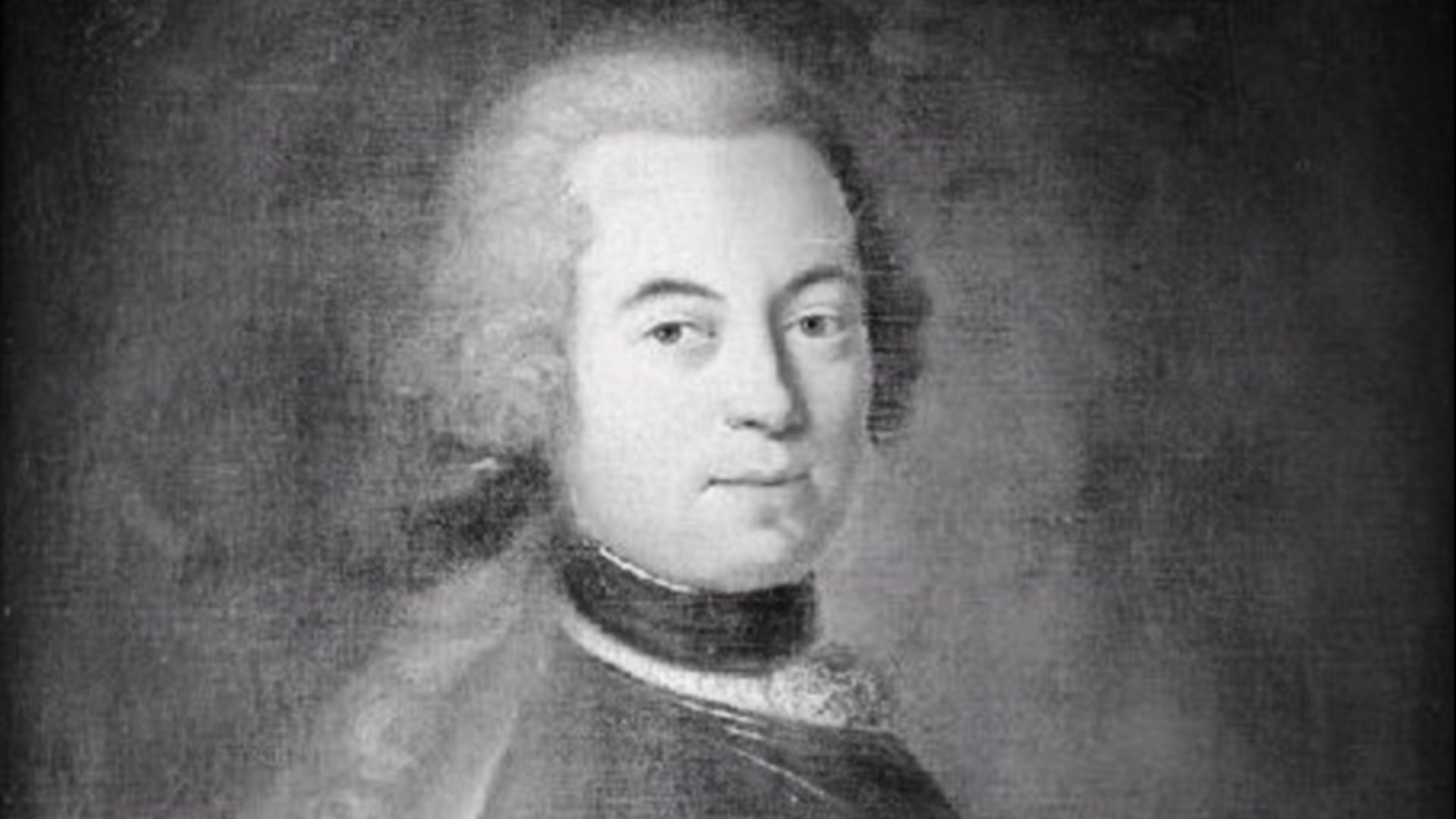
7. They Became Unhappy
While both Marie Thérèse Louise of Savoy and her husband seemed to enjoy each other's company from the get-go, their relationship quickly turned sour, in no small part due to Louis Alexandre. Although he may have found himself entranced by her at first, he remained devoted to her for only a couple of months before becoming unfaithful—and breaking her heart.
In a twist of fate, she would only have to put up with this unhappiness for a few months.
 Unknown authorUnknown author , Wikimedia Commons
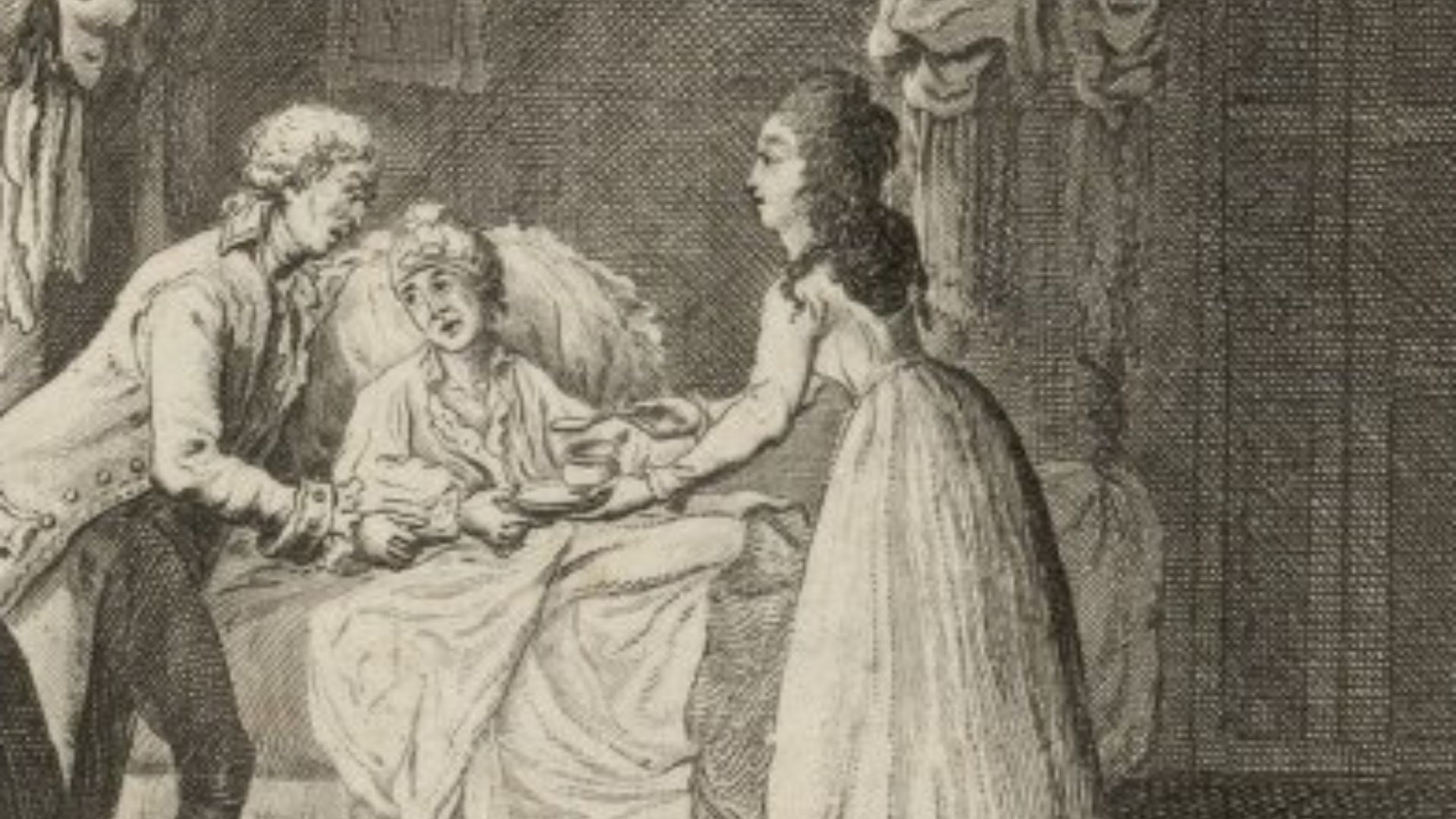
8. She Became A Widow
No matter how poorly Louis Alexandre treated her and how much she suffered during their union, Marie Thérèse’s love for him never faltered. This made it even worse for her when, after a year of their marriage, he passed from venereal disease. Grief consumed her, and she decided to renounce her titles and join a convent.
Still, she had an unexpected loved one she could rely on.
 Unidentified engraver, Wikimedia Commons
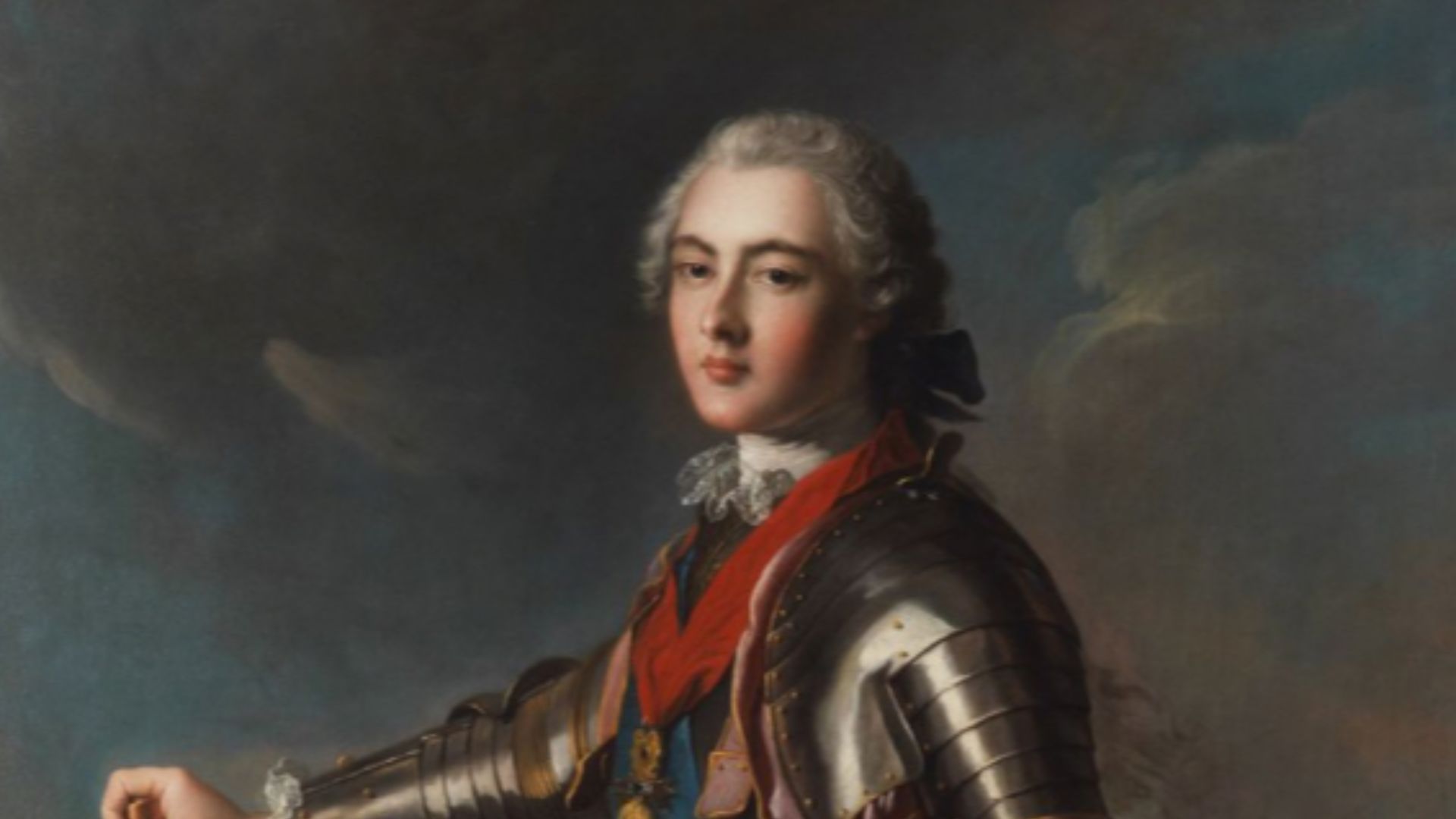
9. She Was There For Him
Away from her home and separated from her family, Marie Thérèse’s first year in Italy was likely one of her most difficult, but she thankfully wasn’t completely alone. Early on, she found an unlikely friend in her father-in-law, Louis Jean Marie de Bourbon, who came to see her as his own daughter. After speaking with him in the wake of her husband’s passing, she chose not to become a nun and instead took her turn to comfort him.
However, someone was about to arrive who would change her life forever.
 After Jean-Marc Nattier, Wikimedia Commons
History's most fascinating stories and darkest secrets, delivered to your inbox daily.
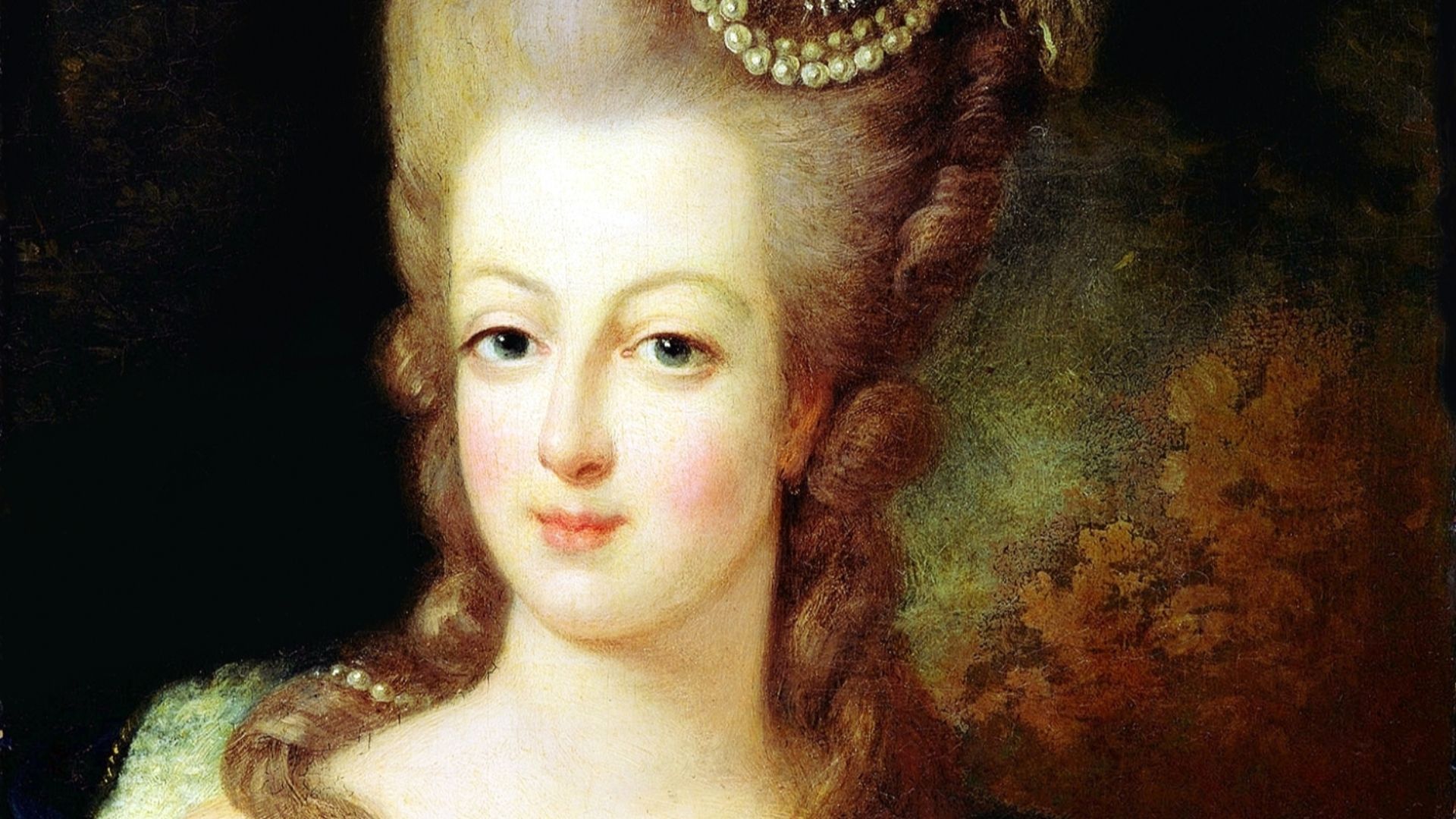
10. She Had A Royal Visitor
Despite the passing of Louis Alexandre, Marie Thérèse Louise of Savoy was still a member of the French court, so she had several regular duties to attend to. Many of these were mostly ceremonial, but one event in 1770 proved to be much more. Joining an array of other nobles, Marie Thérèse was present to welcome Marie Antoinette when she arrived in France.
This chance meeting meant the world—to both of them.
 Probably Jean-Baptiste Gautier Dagoty (1740-1786), Wikimedia Commons
11. She Was Taken With Her
As the new wife of the dauphin, the Austrian-born Marie Antoinette empathized with the loneliness Marie Thérèse felt in marrying into another country’s royal family. Beyond this, upon their first meeting, the Queen-to-be immediately found Marie Thérèse’s company the most enjoyable—something that everyone noticed.
Suddenly, it looked like Marie Thérèse would never be lonely again.
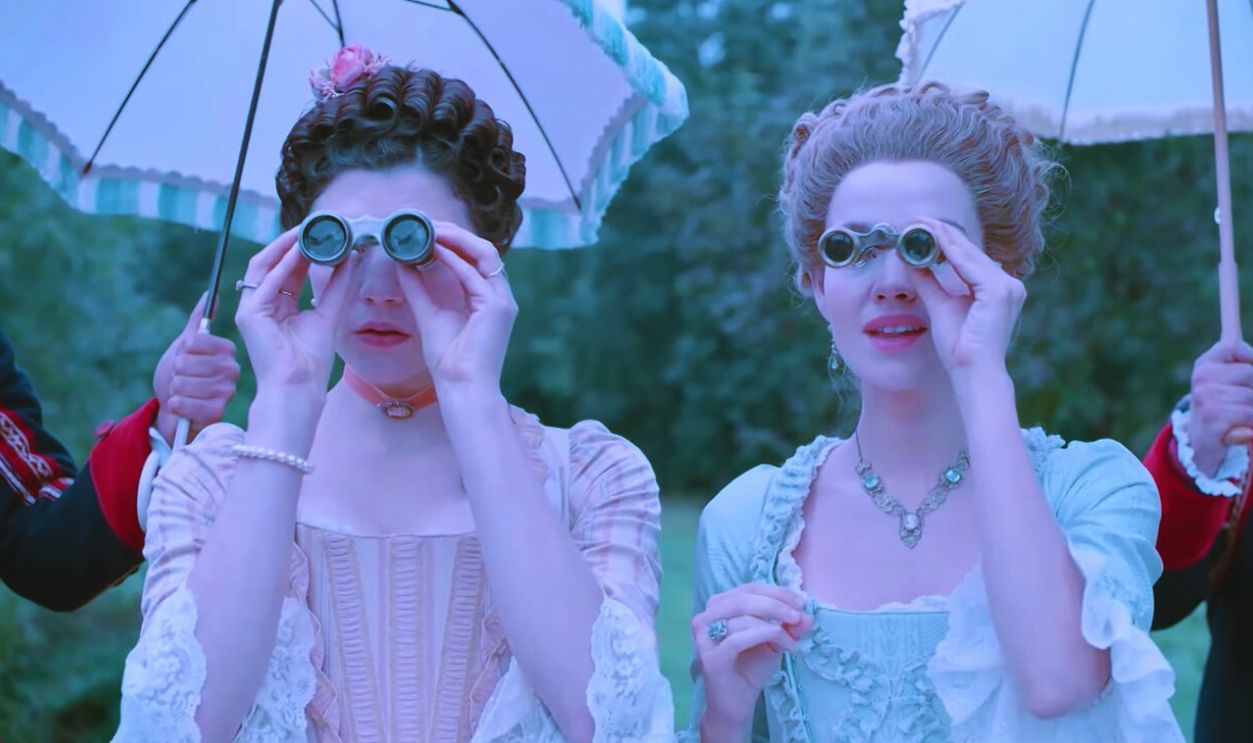 Screenshot from Marie Antoinette, Canal+ (2022–2023)
12. They Were Inseparable
As the 1770s progressed, Marie Thérèse Louise of Savoy wouldn’t be the only one in her family to join the French court, as two of her cousins married into France’s royalty. This further solidified her and Marie Antoinette’s relationship, and she was soon considered family by the future Queen, who seldom left her side.
Of course, this friendship was still subject to someone else’s approval.
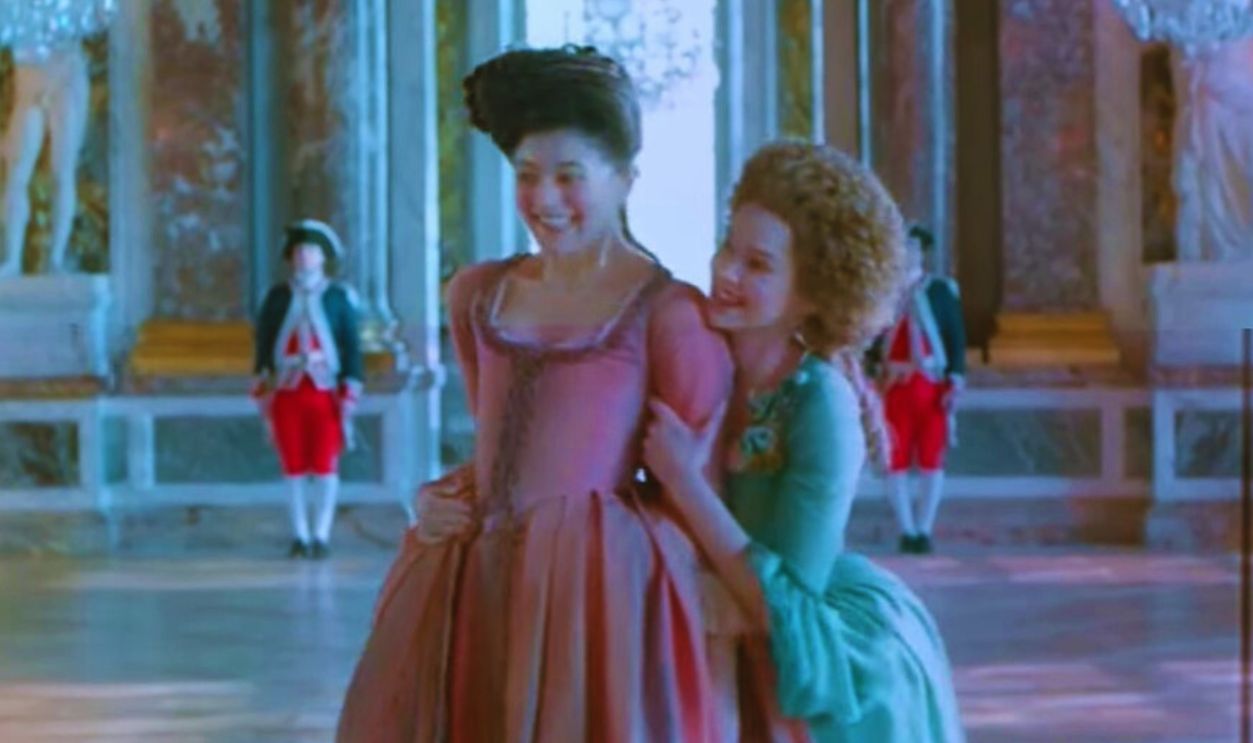 Screenshot from Marie Antoinette, Canal+ (2022–2023)
13. He Was Fine With It
Just within the first year of them knowing each other, the two women had become each other’s best friends and confidants, but one person still could have ended it. Had the dauphin, Louis Auguste, taken issue with the Princess of Lamballe, he could have ordered her away with little effort. Thankfully, he was happy for his wife and supported her choice of Marie Thérèse as her favorite upon their coronation.
Among her many qualities, one made her stand out most from the other nobles around her.
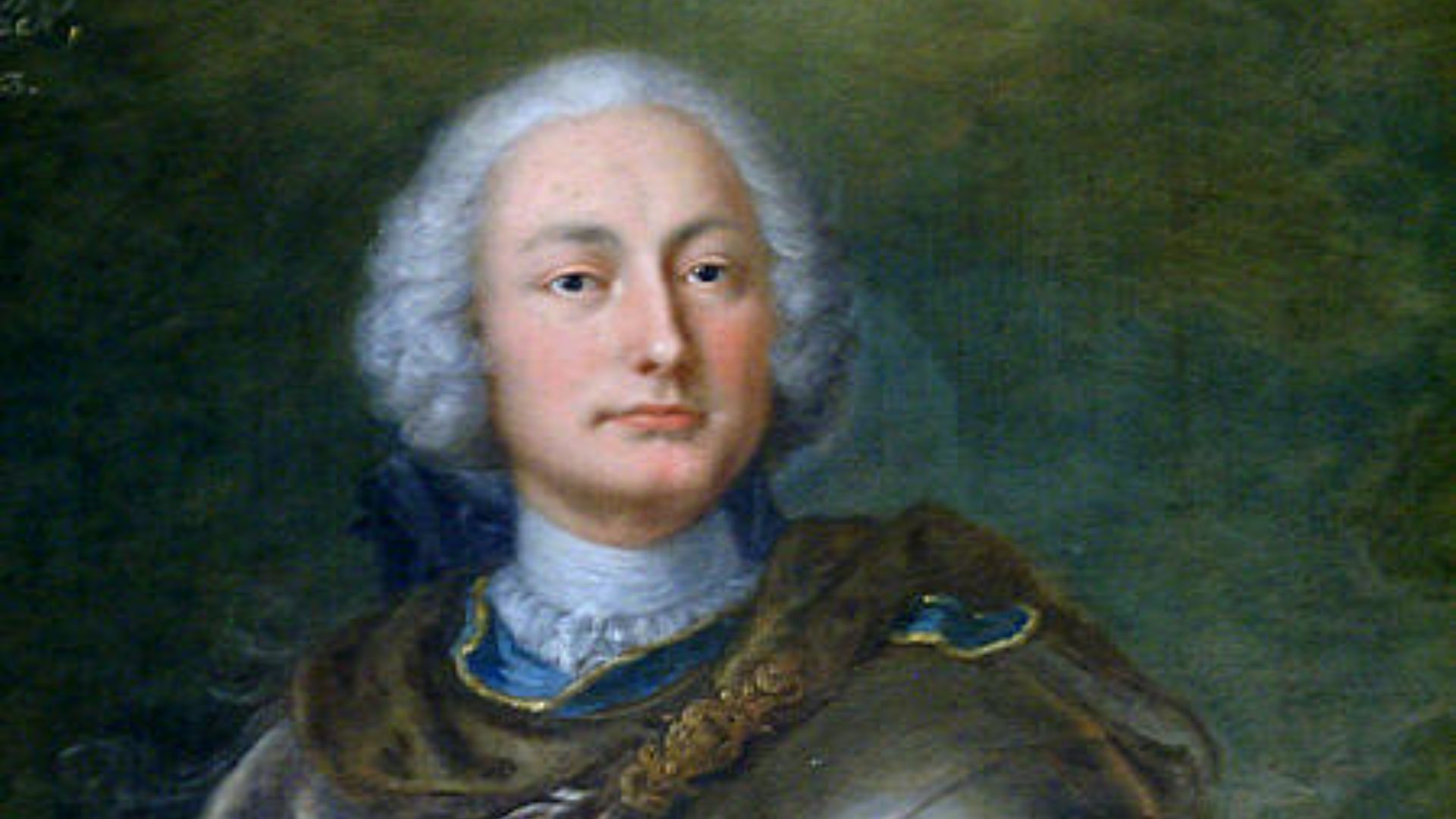 Unidentified painter, Wikimedia Commons
14. She Was Quiet
When Marie Antoinette or any other admirers mentioned Marie Thérèse’s best qualities, they would mostly speak of her grace and endearingly proud nature. However, not many saw these attributes, as Marie Thérèse spent most of her time alone or with the Queen in private, rather than engaging in the typical activities of the French court.
At the same time, this was the result of a more challenging condition.
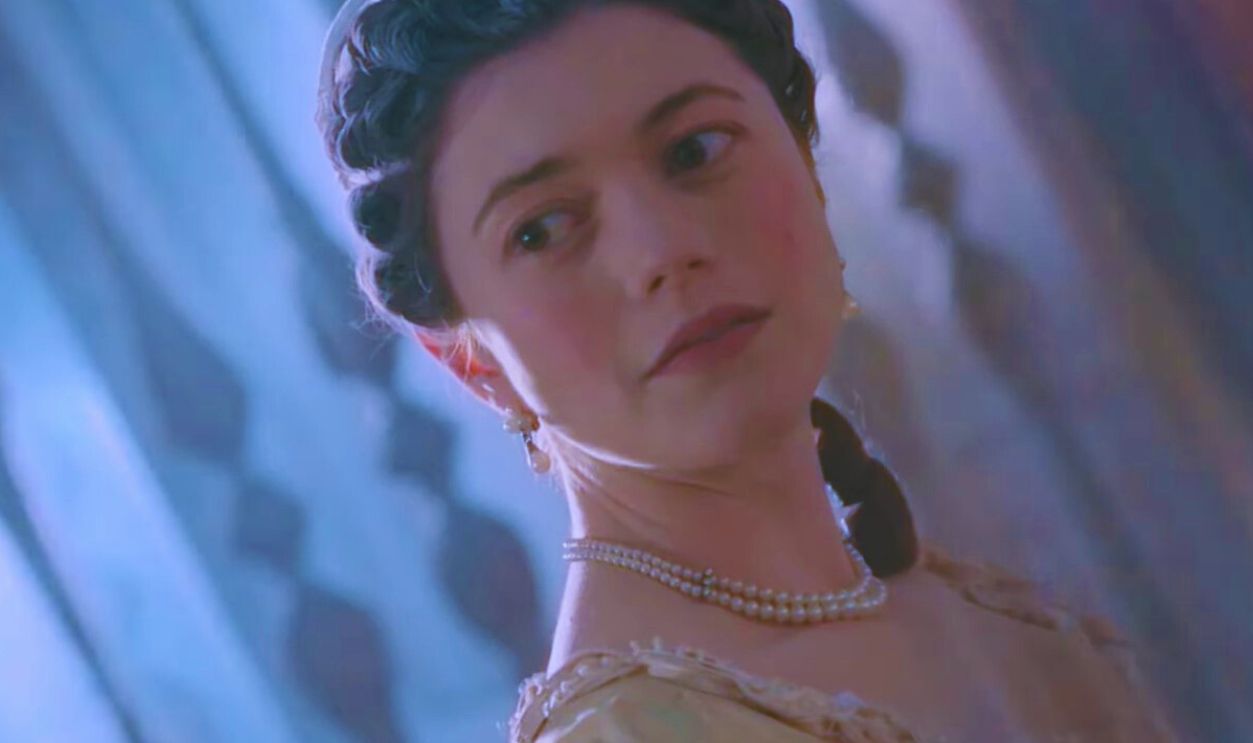 Screenshot from Marie Antoinette, Canal+ (2022–2023)
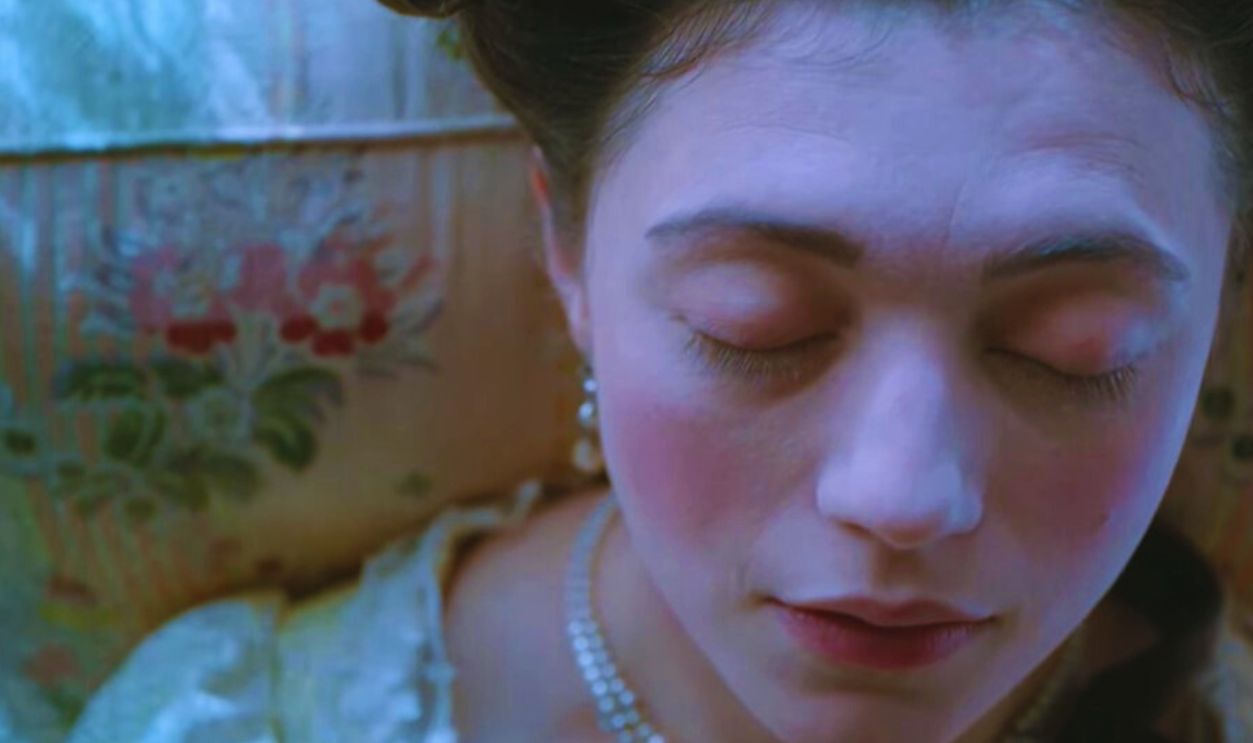
15. She Suffered From Anxiety
Marie Thérèse’s choice to stay reclusive among the other nobles was not only out of preference, but stemmed from a deep-seated condition that she struggled with. While we may call it anxiety today, her contemporaries described her as in a state of frequent “nerves” and “convulsions,” and she was extremely prone to fainting—sometimes for hours.
Meanwhile, one person close to the Queen wasn’t so happy about their friendship.
 Screenshot from Marie Antoinette, Canal+ (2022–2023)
History's most fascinating stories and darkest secrets, delivered to your inbox daily.
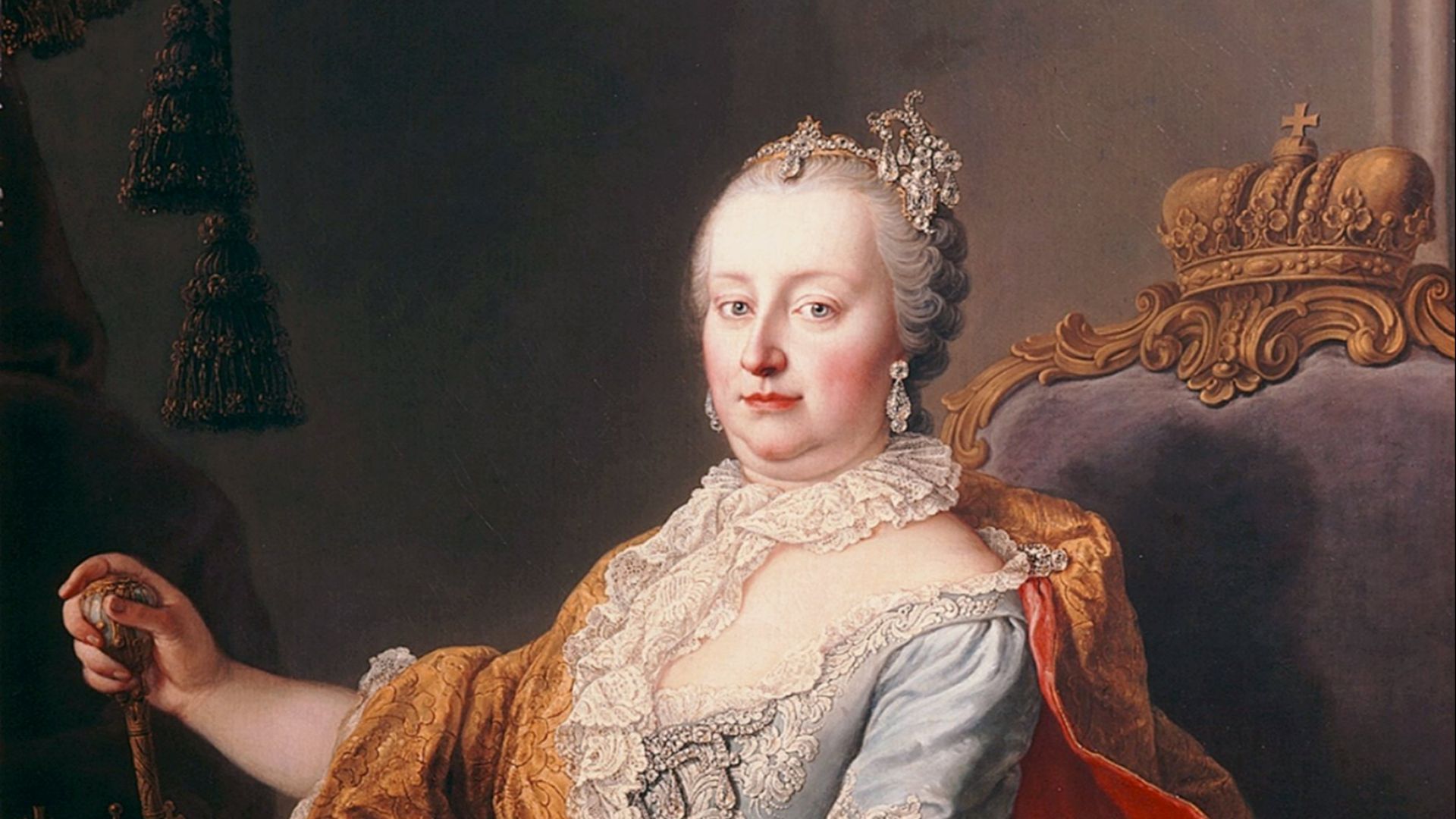
16. She Wasn’t Happy About It
Although Marie Antoinette’s husband endorsed her friendship with Marie Thérèse Louise of Savoy, the Queen’s mother, Empress Maria Theresa, wasn’t a fan of it from the very beginning. This disapproval came from a place of distrust, as the Empress believed Marie Thérèse was only using the Queen to benefit her family in Savoy.
Nonetheless, Marie Thérèse wasn’t going anywhere.
 Martin van Meytens, Wikimedia Commons
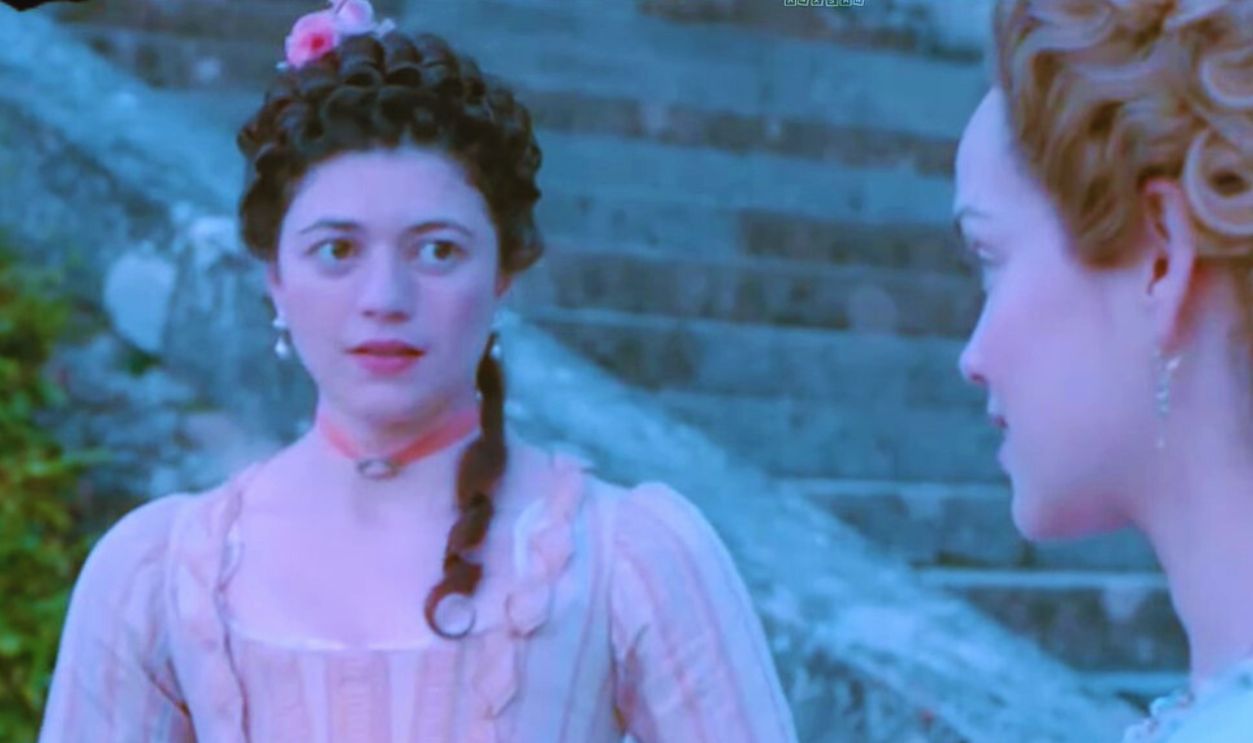
17. She Got A New Job
A little over a year after Marie Antoinette became Queen, she wanted to reward Marie Thérèse’s friendship with a more significant role in her court. Appointing her the Superintendent of the Queen's Household, the Queen not only gave Marie Thérèse a paid position, but also made her the highest-ranked of the royal ladies-in-waiting.
Suddenly, the list of Marie Thérèse’s critics grew longer.
 Screenshot from Marie Antoinette, Canal+ (2022–2023)
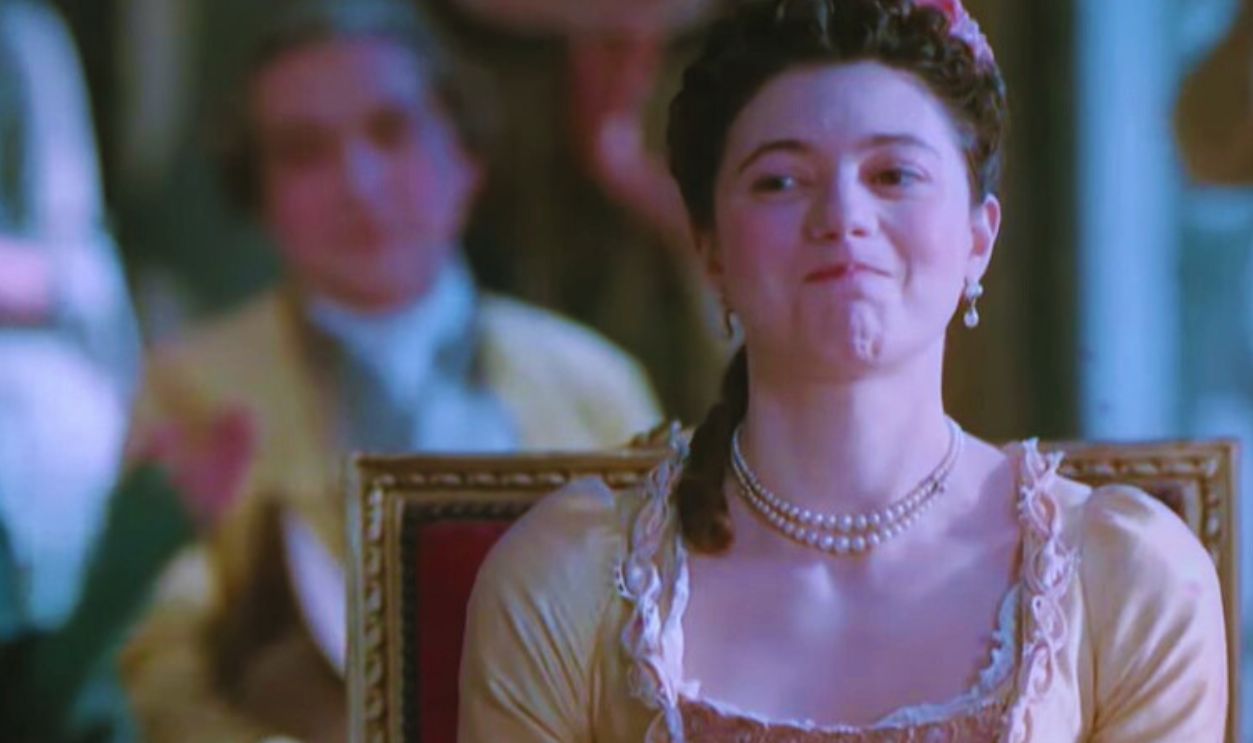
18. She Created A Stir
Marie Thérèse’s appointment as Superintendent of the Queen’s Household came as a surprise to most in the French court, and not a welcome one. Beyond the fact that many considered her too young for it, the job itself was largely seen as an unnecessarily powerful position, which had led to it being unoccupied for 30 years till that point.
Not to mention that one big decision placed her on everyone’s bad side.
 Screenshot from Marie Antoinette, Canal+ (2022–2023)
19. They Thought It Was Too Much
Another reason why most disliked the position of Superintendent was that it didn’t seem worth its expense, with Marie Thérèse Louise of Savoy receiving an annual salary of 50,000 crowns. This was especially problematic since France wasn’t in the best financial place, and Marie Thérèse had already inherited her late husband’s wealth.
At the end of the day, the Queen’s word was final.
 Screenshot from Marie Antoinette, Canal+ (2022–2023)
20. She Disagreed With Them
With complaints against Marie Thérèse’s new position growing, it wasn’t long before several nobles formally asked her to relinquish the enormous salary. However, she would not be swayed so easily and proclaimed that she would take the job with all its benefits or refuse it completely. Naturally, the Queen sided with Marie Thérèse and approved the salary.
In a matter of a few years, the favorite’s publicity had utterly tanked in France.
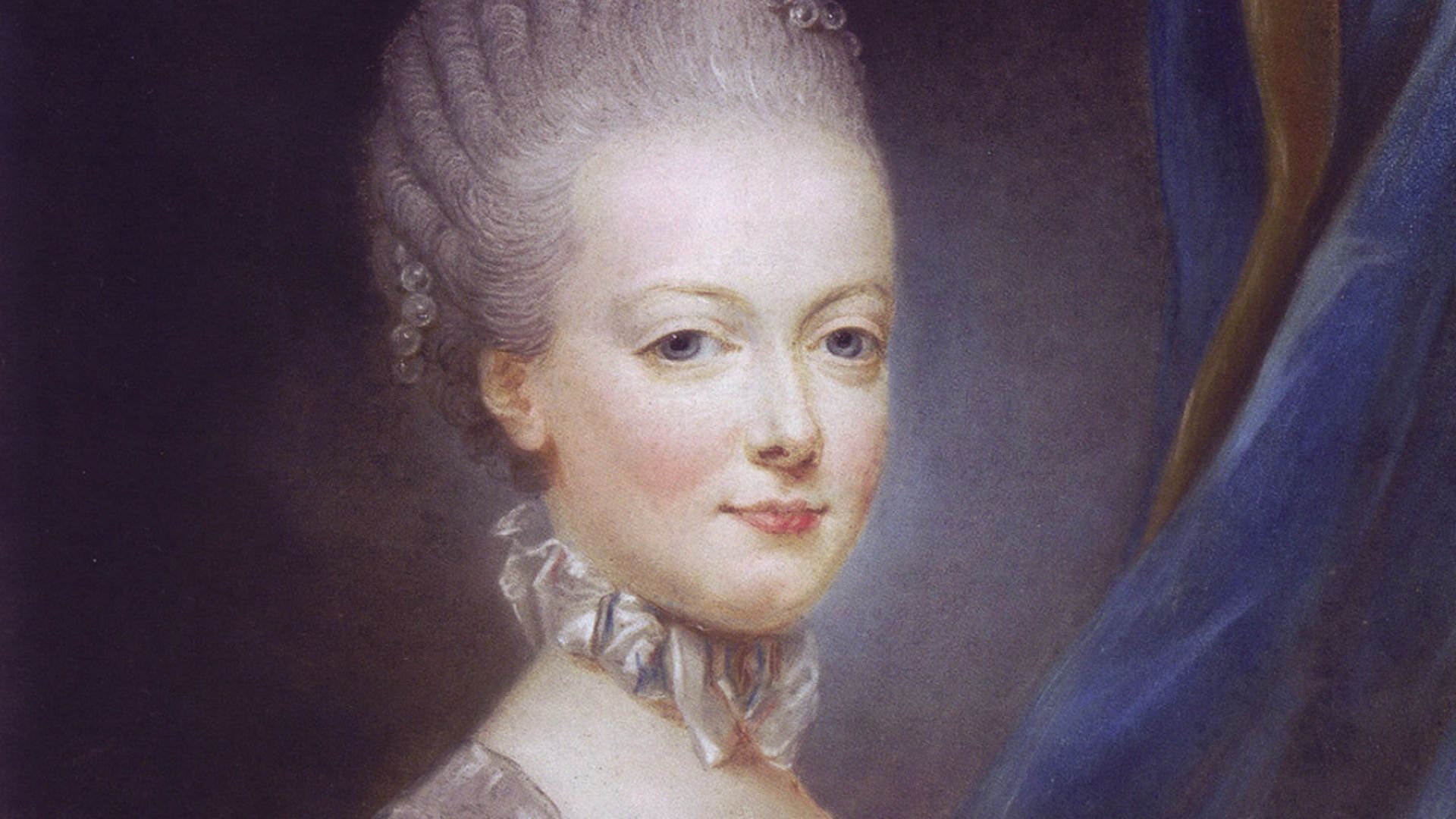 Joseph Ducreux, Wikimedia Commons
21. They Started To Turn On Her
Marie Thérèse’s appointment and her subsequent decisions had caused her reputation among the other French nobility and the public to deteriorate quickly. Almost overnight, her closeness with the Queen and her unique qualities became topics of ridicule. People saw her as greedy and manipulative, and accused her of faking her fainting episodes.
As a result, she no longer held the same favor in the French court.
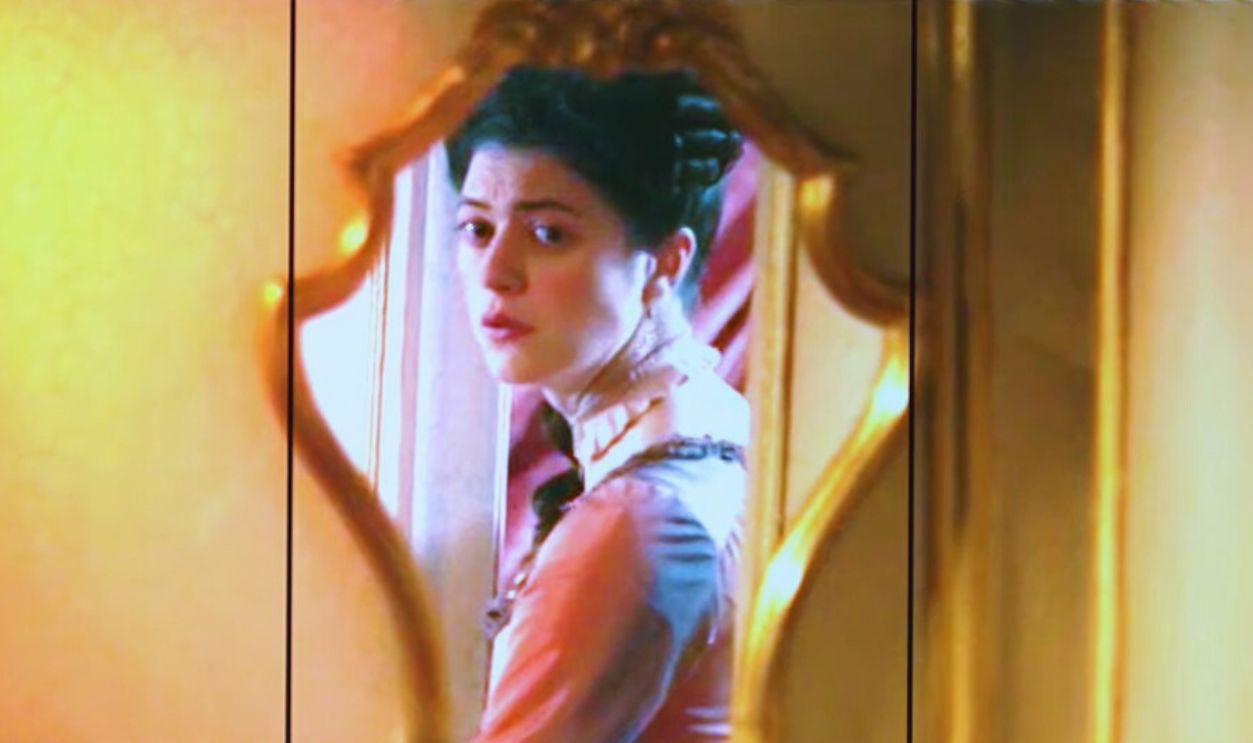 Screenshot from Marie Antoinette, Canal+ (2022–2023)
History's most fascinating stories and darkest secrets, delivered to your inbox daily.
22. She Took A Step Back
Likely due to the widespread disdain she received, Marie Thérèse’s reclusive nature became worse, and the Queen began to look elsewhere for friendship and amusement. Enter the Duchesse de Polignac, Yolande de Polastron, whom Marie Antoinette found so charming that she slowly became her new favorite instead of Marie Thérèse.
Understandably, Marie Thérèse didn’t get along with this new addition to the court.
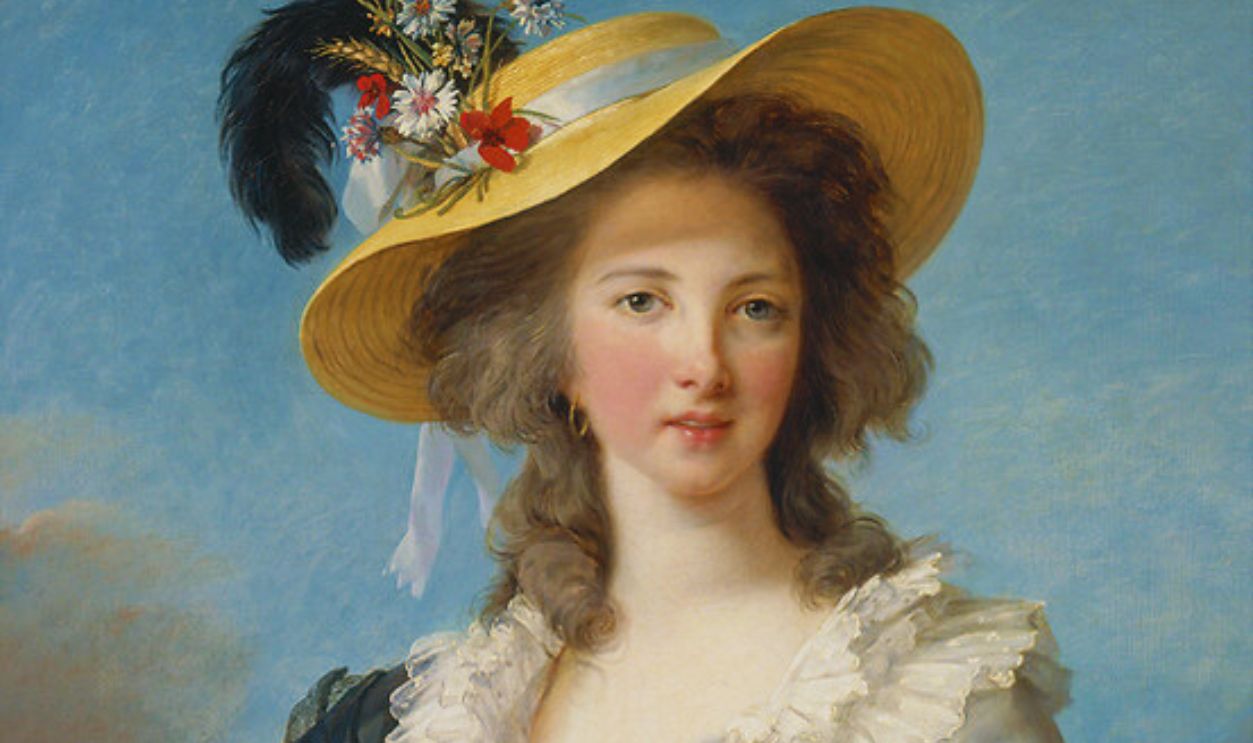 Elisabeth Louise Vigée Le Brun, Wikimedia Commons
23. They Butted Heads
Marie Thérèse Louise of Savoy often avoided confrontation and wasn’t one to engage in battles of wit, but Yolande de Polastron had no issues with either. The new favorite was far more extroverted and openly insulted the Princess of Lamballe for being a “boor”. For her part, Marie Thérèse’s only concern was for the Queen, seeing Yolande as a poor influence.
Even so, nothing could get in the way of the deep connection she and the Queen shared.
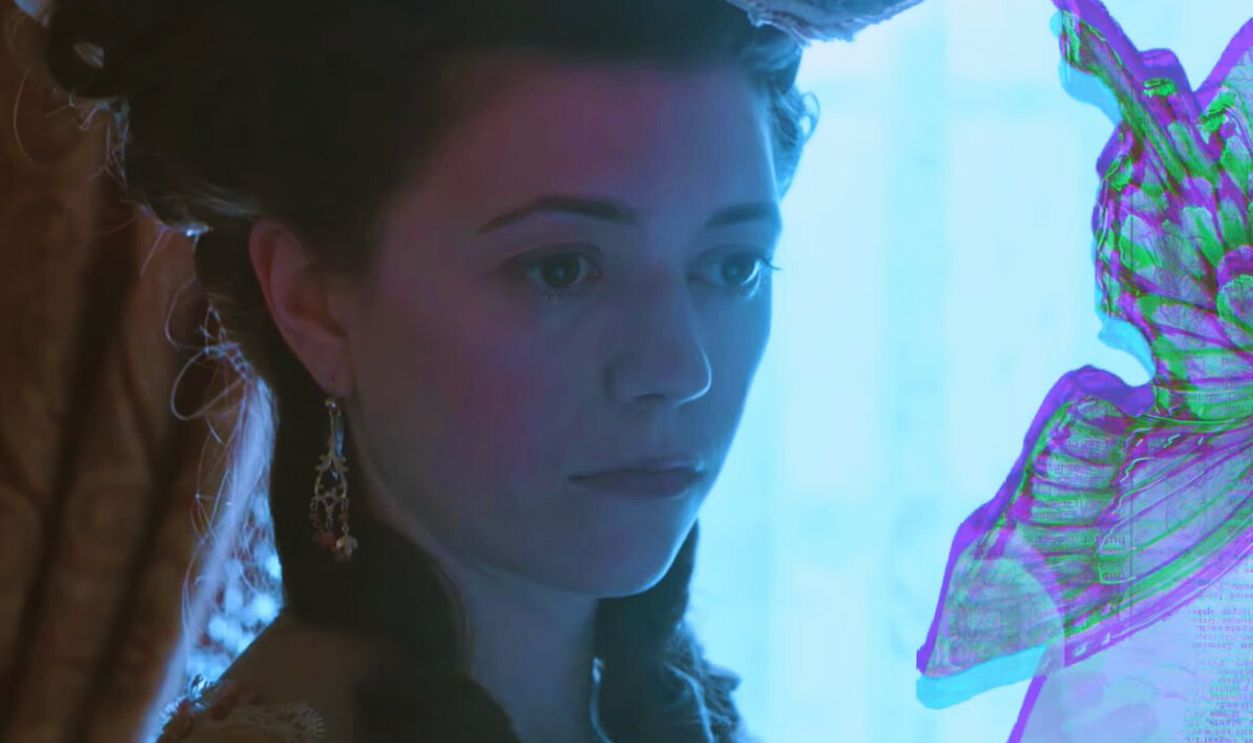 Screenshot from Marie Antoinette, Canal+ (2022–2023)
24. They Were Still Friends
While Marie Antoinette may have come to prefer the company of Yolande, whom she found more fun and energetic, her heart never truly abandoned her first favorite. Marie Thérèse remained loyal to her, and whenever the Queen needed respite from all the amusement Yolande provided, she enjoyed the peace and calm of Marie Thérèse’s company.
Unfortunately, even her job soon became impossible.
 Screenshot from Marie Antoinette, Canal+ (2022–2023)
25. She Became Sick
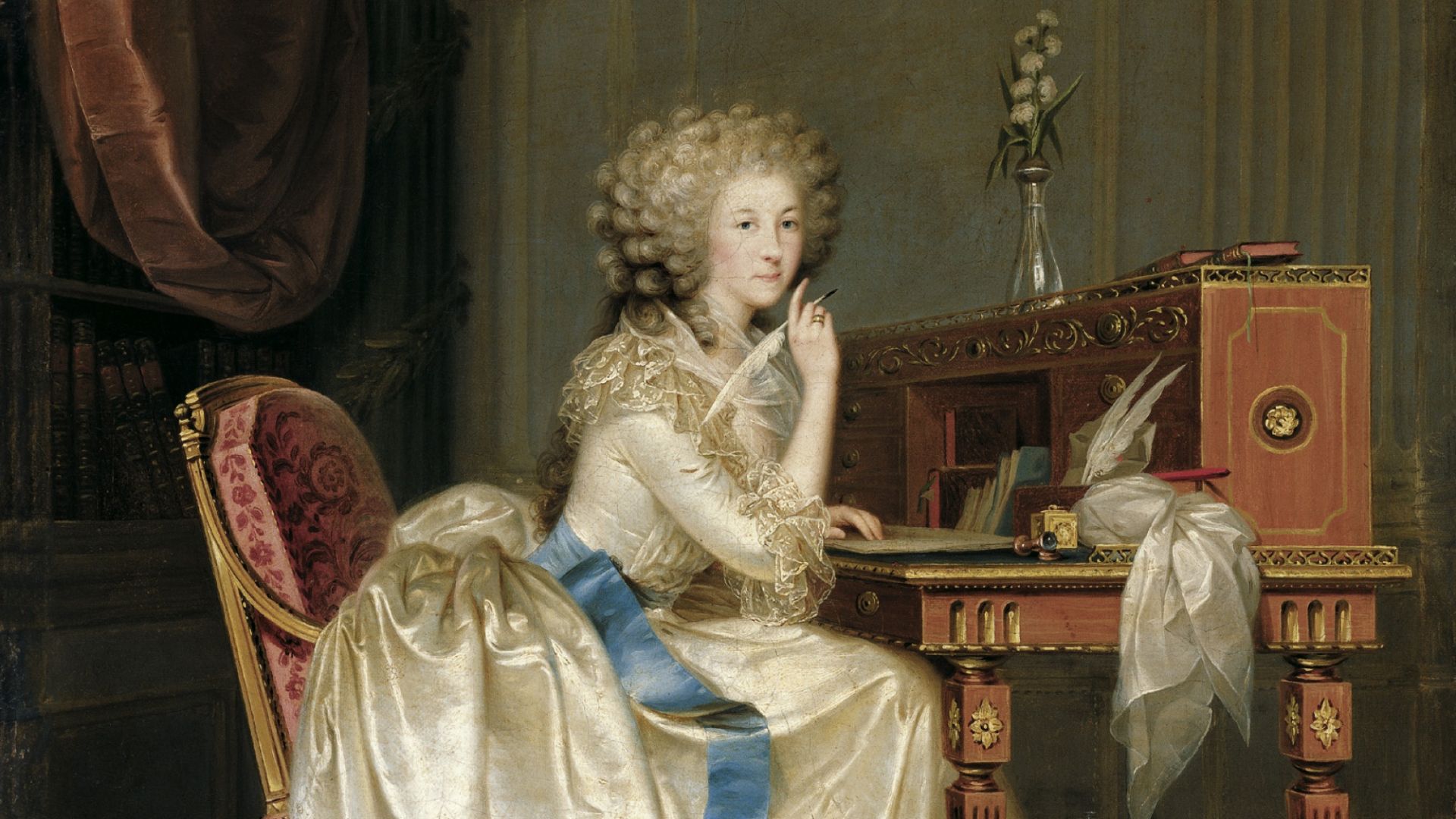
Despite losing her position as the Queen’s favorite, Marie Thérèse Louise of Savoy maintained her duties with dedication and sincerity—at least until her health got in the way. She had long suffered a poor constitution, but passing into the 1780s, her condition became so bad that she had to take a hiatus from her role as Superintendent.
As was probably for the best, she decided to take some time off.
 Anton Hickel, Wikimedia Commons
26. She Took A Trip
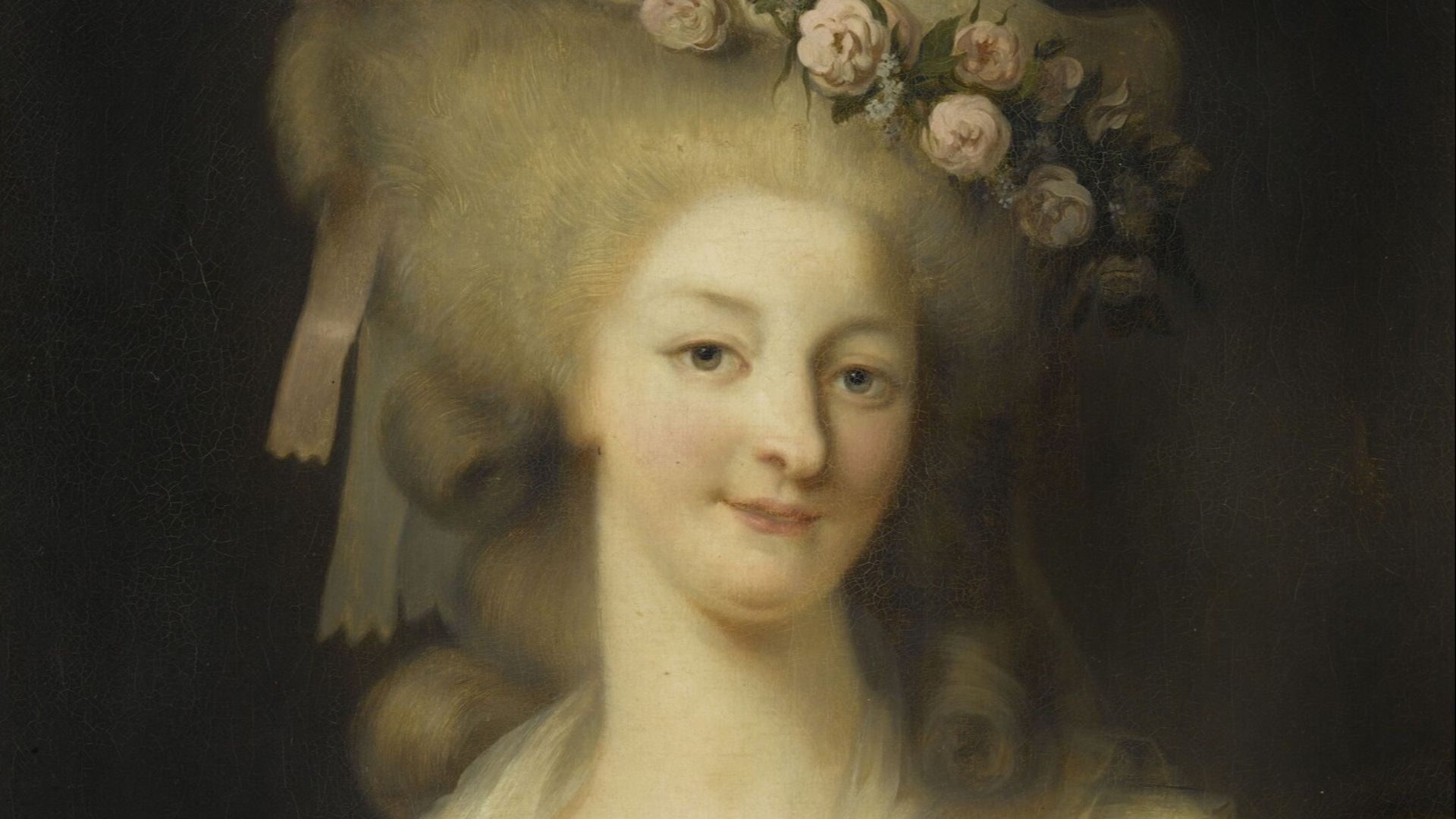
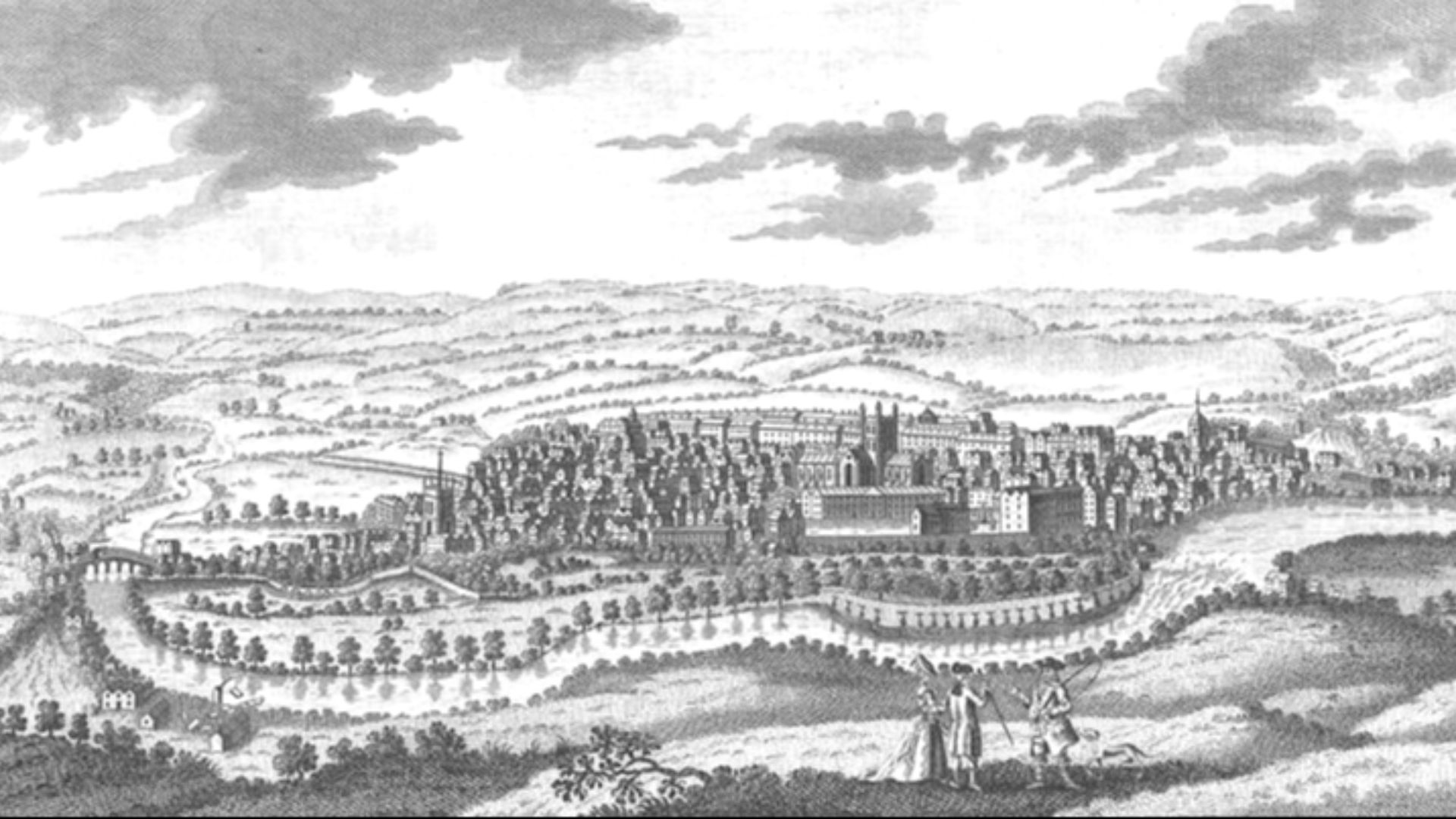
After attempting a few methods of treating her poor health—including hypnosis—Marie Thérèse heeded the advice of her doctors to get some fresh air and time away. Traveling to Bath, England, in 1787, the public became suspicious of her absence over the summer, theorizing that she was on a secret mission for the Queen.
Luckily for her, this turned out to be just what she needed.
 Louis-Édouard Rioult, Wikimedia Commons
27. Her Life Improved
Marie Thérèse’s doctors had suggested a trip to Bath as they believed the waters there would heal her, which was sound advice. Upon returning to France, her health had greatly recovered, and she reassumed her duties. Additionally, Marie Antoinette and Yolande had grown distant, so Marie Thérèse found favor with the Queen once more.
As she would soon dread, however, France was on the verge of a major shift.
 Artist unknown, Wikimedia Commons
History's most fascinating stories and darkest secrets, delivered to your inbox daily.
28. She Was Away From It All
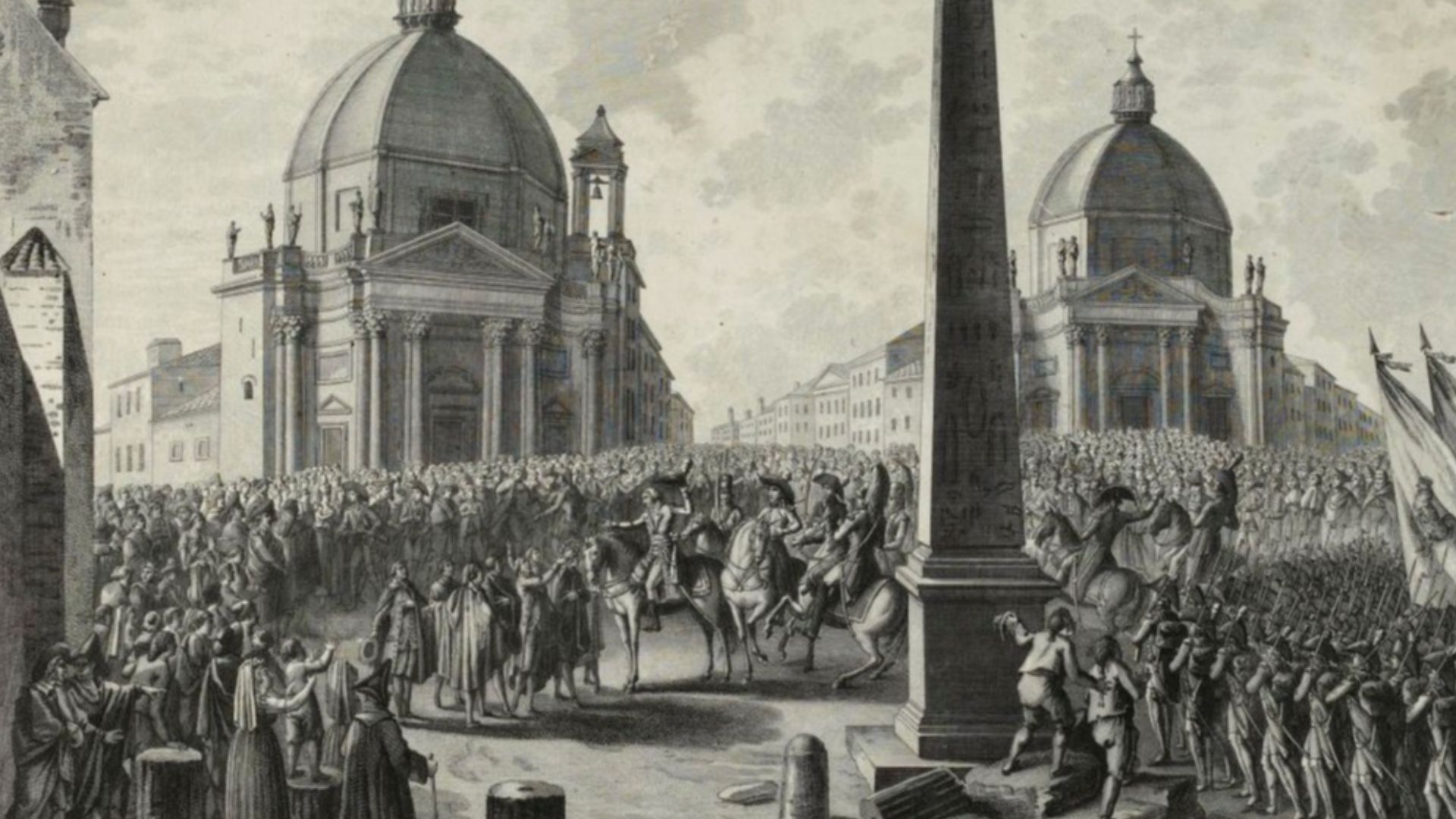
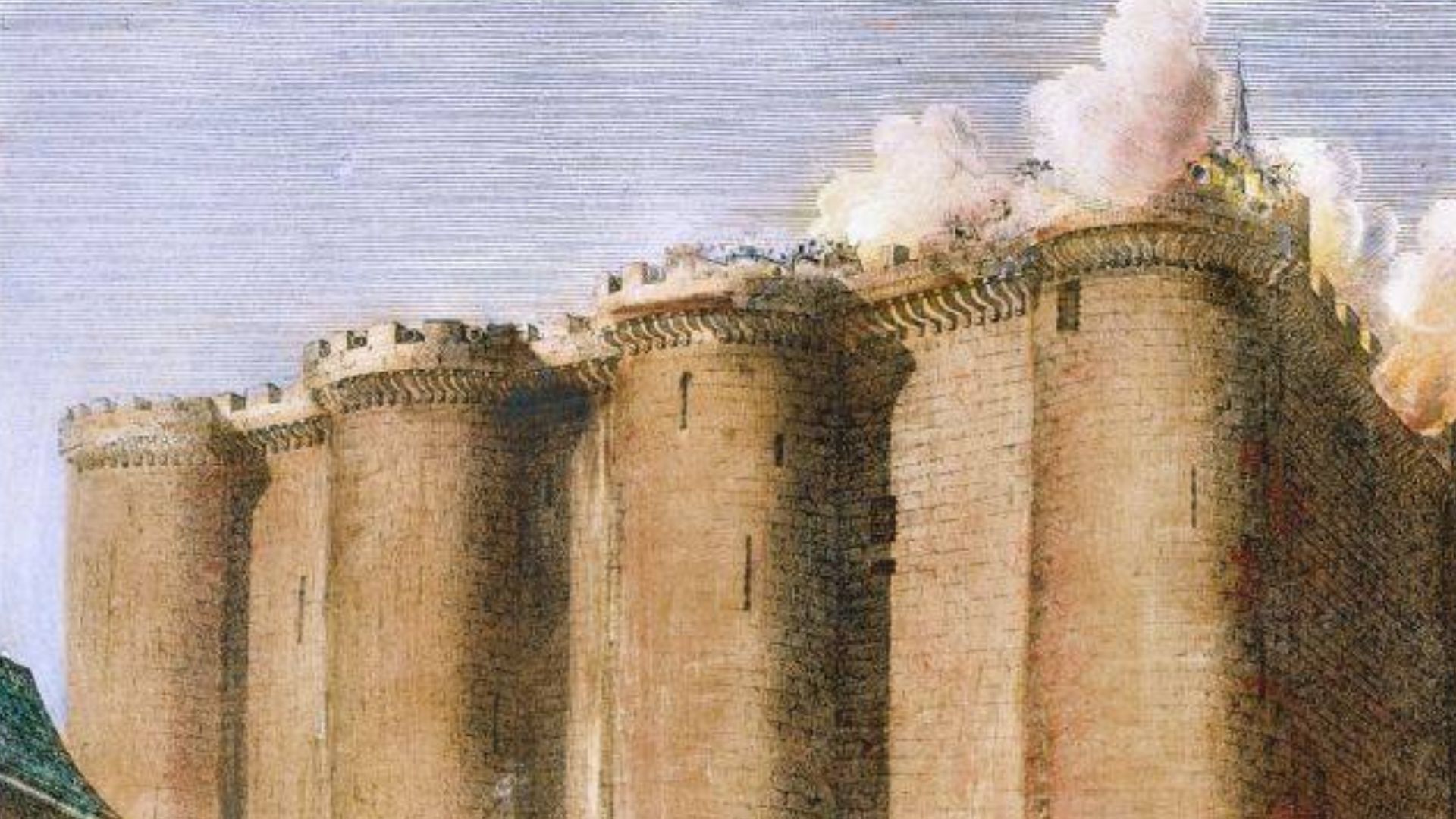
Misery and discontent had been growing rapidly among the common folk in France for years, but it all reached a tipping point in the late 1780s. Specifically, in July 1789, a group of insurgents stormed the Bastille—France’s state lockup—taking out its governor and freeing its prisoners. This marked the first major act of the French Revolution, but as for Marie Thérèse Louise of Savoy, she was away from court on a vacation in Switzerland when it happened.
Still, it wouldn’t be long before the news reached her.
 Nodet / Jean (inventeur/éditeur), Wikimedia Commons
29. She Dropped Everything
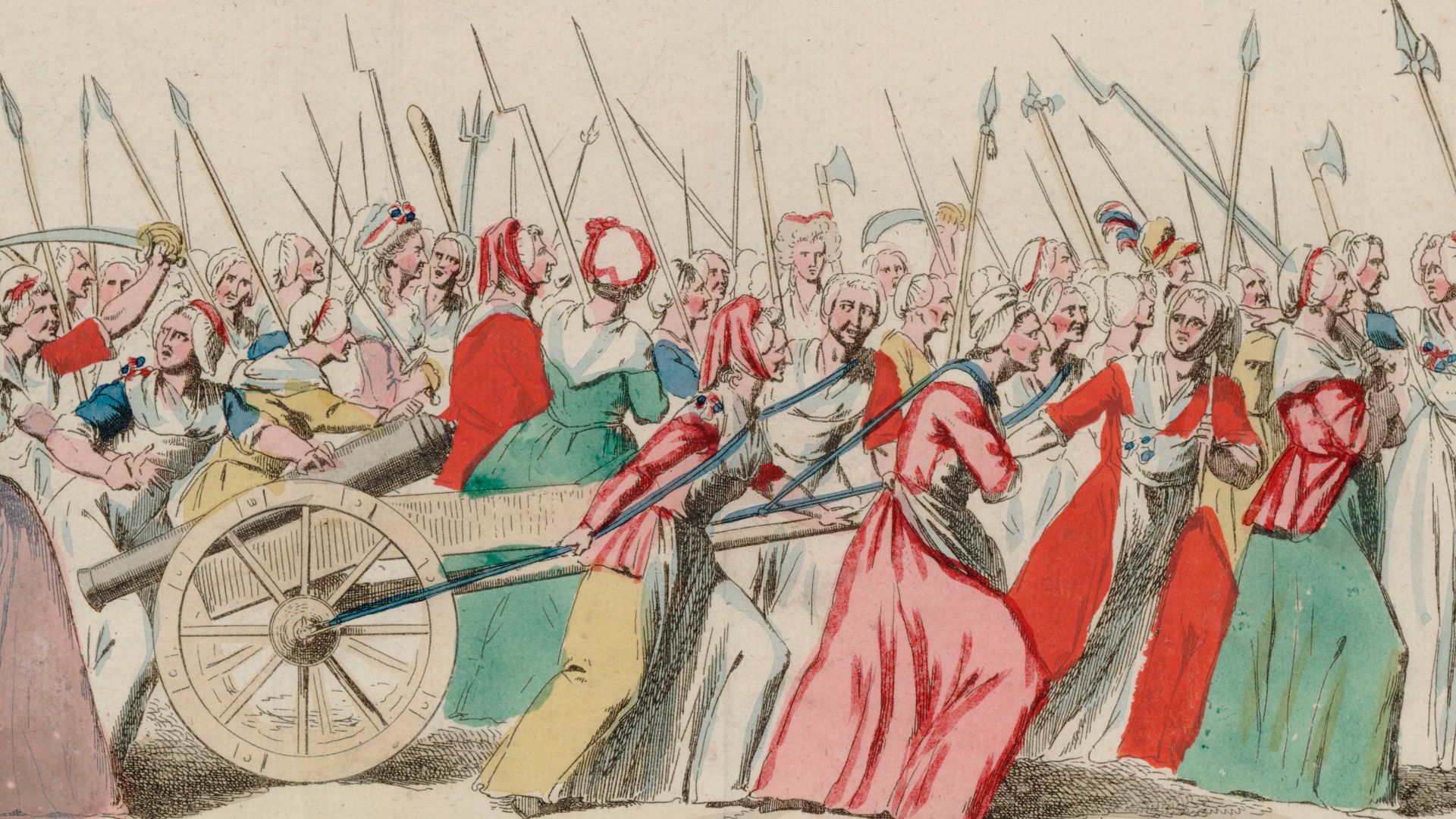
Not only did Marie Thérèse miss the Storming of the Bastille, but she was also with her father in the country during another event later that fall: the Women's March on Versailles. However, when the news reached her mere days after this, she immediately left for Paris and returned to her duties at the Queen’s side.
Even in this tumultuous time, she maintained her loyalty above all else.
 Unknown authorUnknown author, Wikimedia Commons
30. She Became More Social
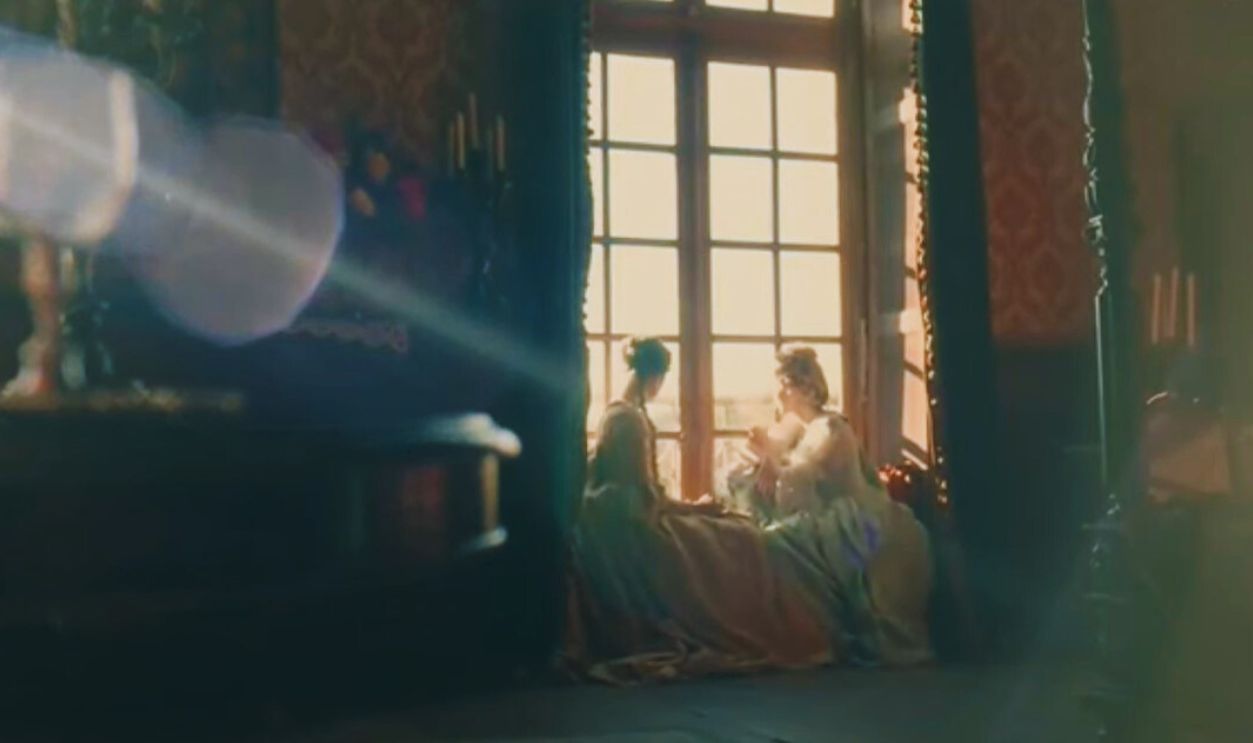
In this new political climate, Marie Thérèse had to make some stark changes, including stepping out of her comfort zone to secure allies for the Queen. In an uncharacteristically outgoing fashion, she hosted extravagant events for French nobility, hoping to secure the loyalty of those who sided with the royals—and weed out those against them.
On the other hand, the Queen was equally concerned for her best friend.
 Screenshot from Marie Antoinette, Canal+ (2022–2023)
31. She Was Warned
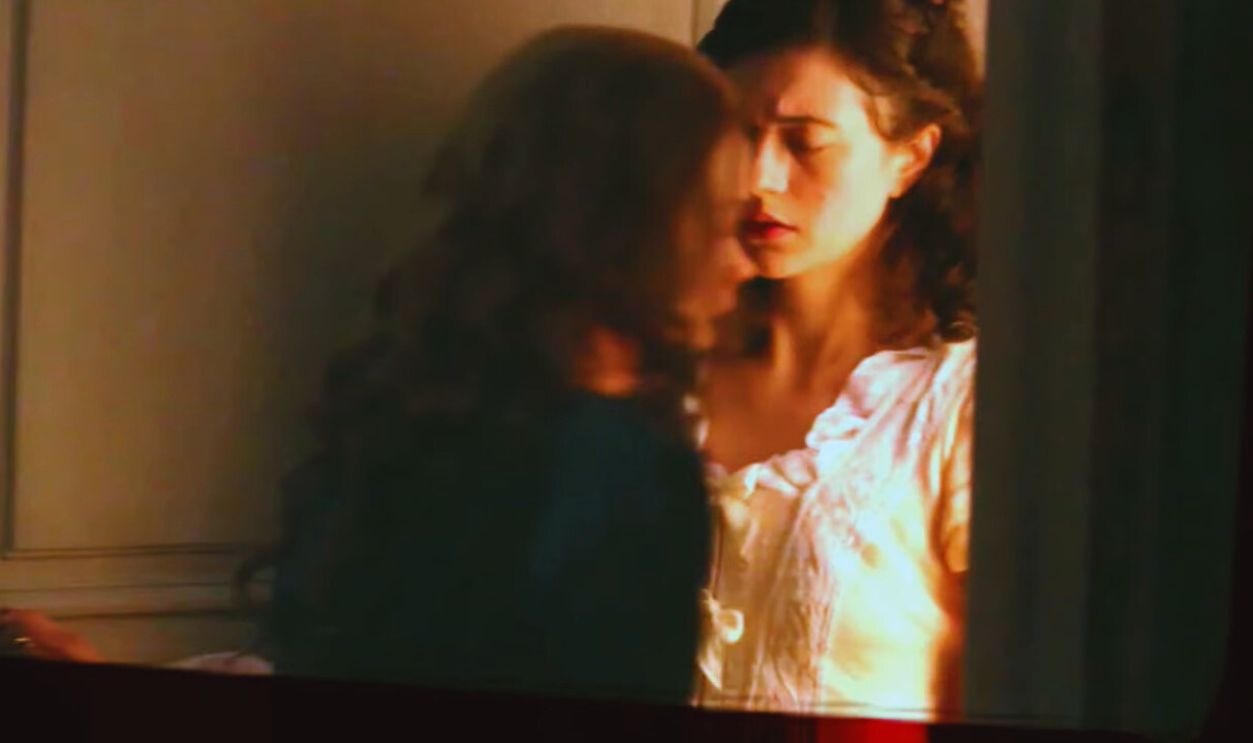
Remaining in Paris—as well as in the Queen’s company—became more risky for most nobles, so many of Marie Antoinette's closest contacts departed from France. The Queen greatly appreciated Marie Thérèse’s loyalty in being one of the few to stay behind, but also warned her that this would make her a lightning rod for public outcry.
Sadly for them, they would have to leave each other’s side soon enough.
 Screenshot from Marie Antoinette, Canal+ (2022–2023)
32. She Bid Her Farewell
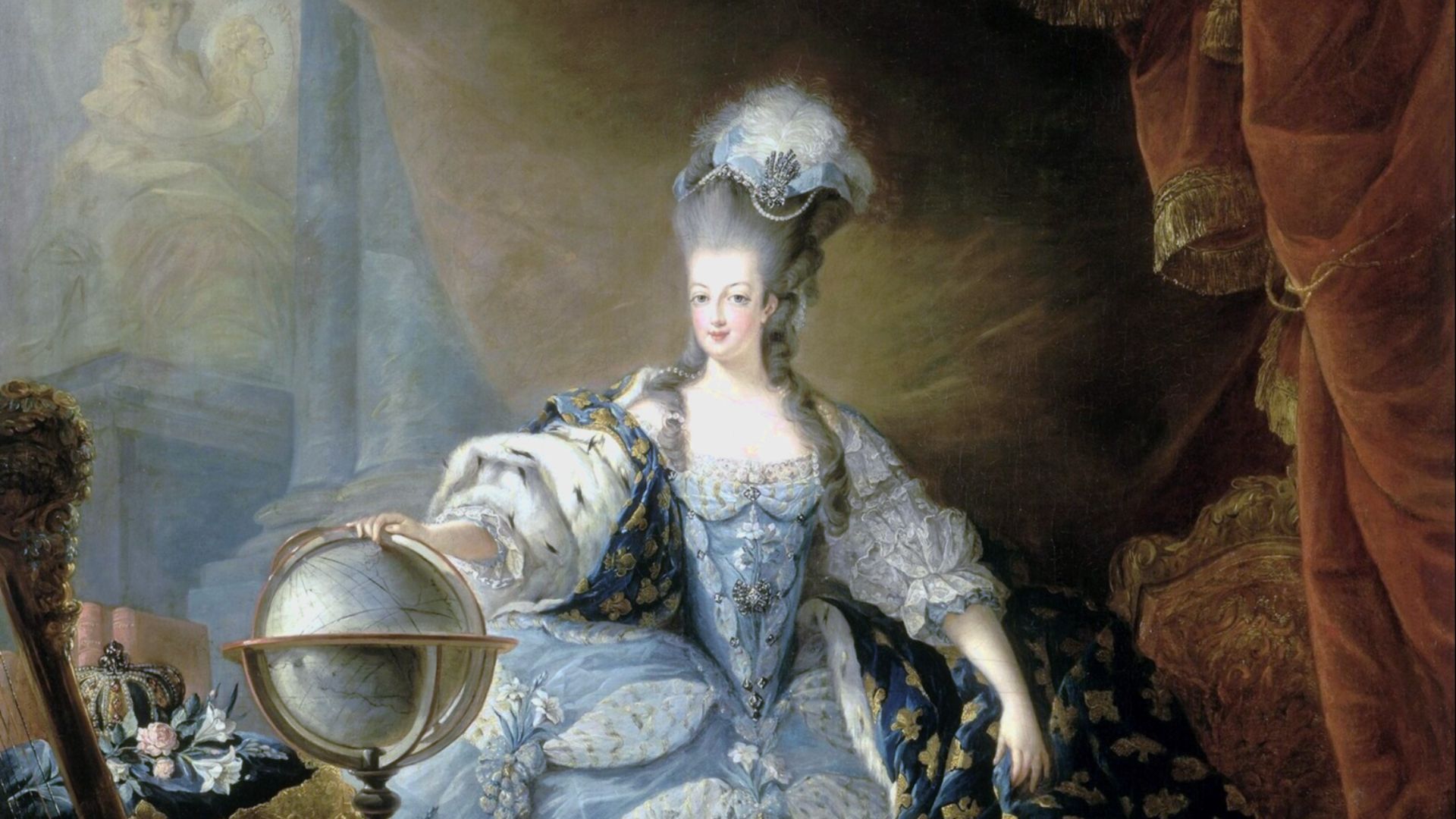
By 1791, the public threat to the royal family had grown much more dangerous, so both the King and Queen arranged to escape Paris secretly in the night. While several of their most loyal servants accompanied them, for whatever reason, Marie Antoinette decided to withhold these plans from Marie Thérèse. Instead, right before they left, the Queen simply said goodnight to her and suggested she visit the country for a bit.
Of course, Marie Thérèse Louise of Savoy wasn’t totally in the dark.
 Jean-Baptiste Andre Gautier-Dagoty, Wikimedia Commons
33. She Was Suspicious
Whether Marie Antoinette couldn’t or wouldn’t divulge their plans to escape Paris, she did her best to convince her best friend that nothing was out of the ordinary. However, Marie Thérèse knew the Queen too well and even noted her strange behavior to a friend. Nevertheless, she heeded the advice and left Paris to stay at her villa in Passy.
Before too long, the Queen contacted her once again.
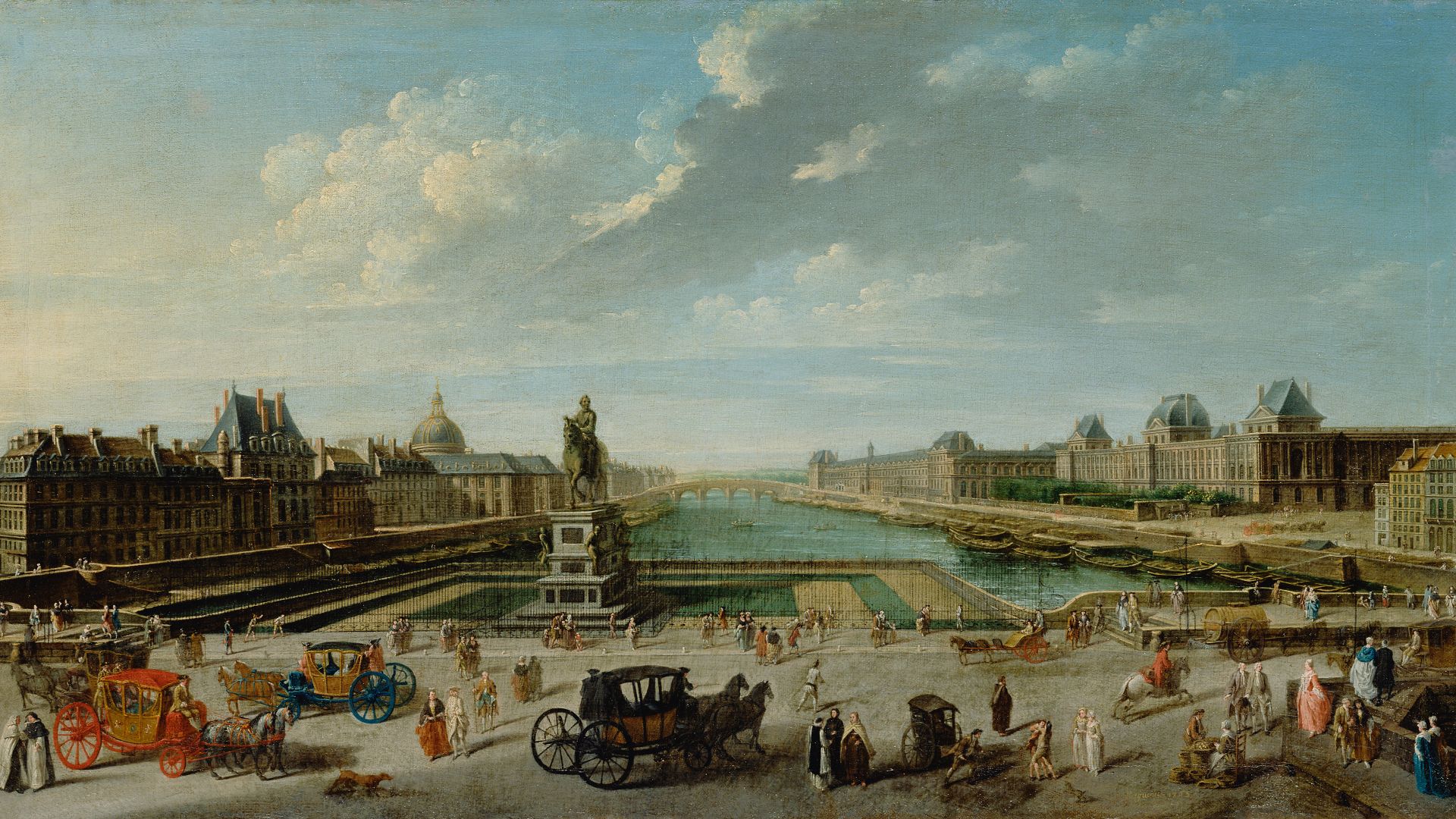 Nicolas-Jean-Baptiste Raguenet, Wikimedia Commons
History's most fascinating stories and darkest secrets, delivered to your inbox daily.
34. She Received Word
Only a day after the King and Queen’s departure, Marie Thérèse had the answer to her questions when a letter arrived from Marie Antoinette, explaining the plan. It seems they didn’t mean to exclude the favorite from the whole operation, as the Queen requested that she meet the royals in Brussels as soon as possible.
But even for Kings and Queens, plans don’t always work out.
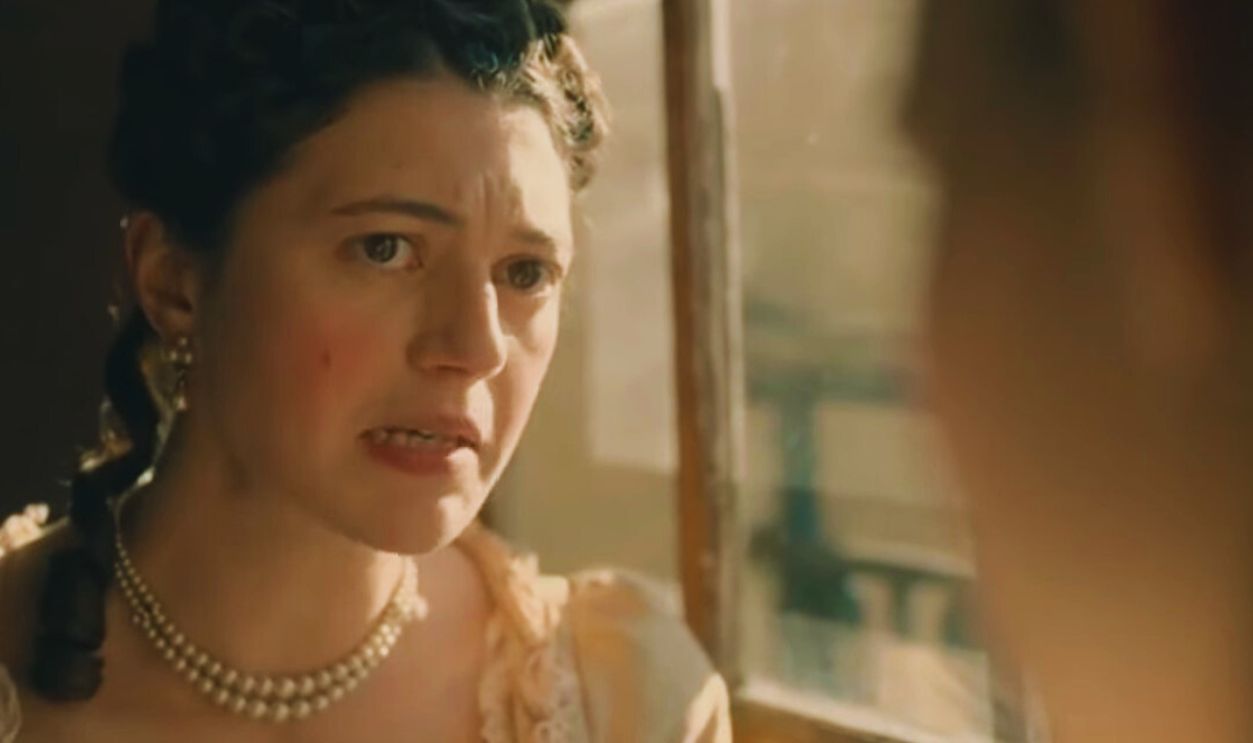 Screenshot from Marie Antoinette, Canal+ (2022–2023)
35. She Told Her Not To Come
Due to poor organization and several mishaps, the King and Queen’s escape plan failed, and they returned to Paris in the custody of the revolutionaries. As they once again essentially became prisoners within their own palace, Marie Antoinette wrote to Marie Thérèse, urging her not to return to Versailles.
Suddenly, though, the tune of these messages changed.
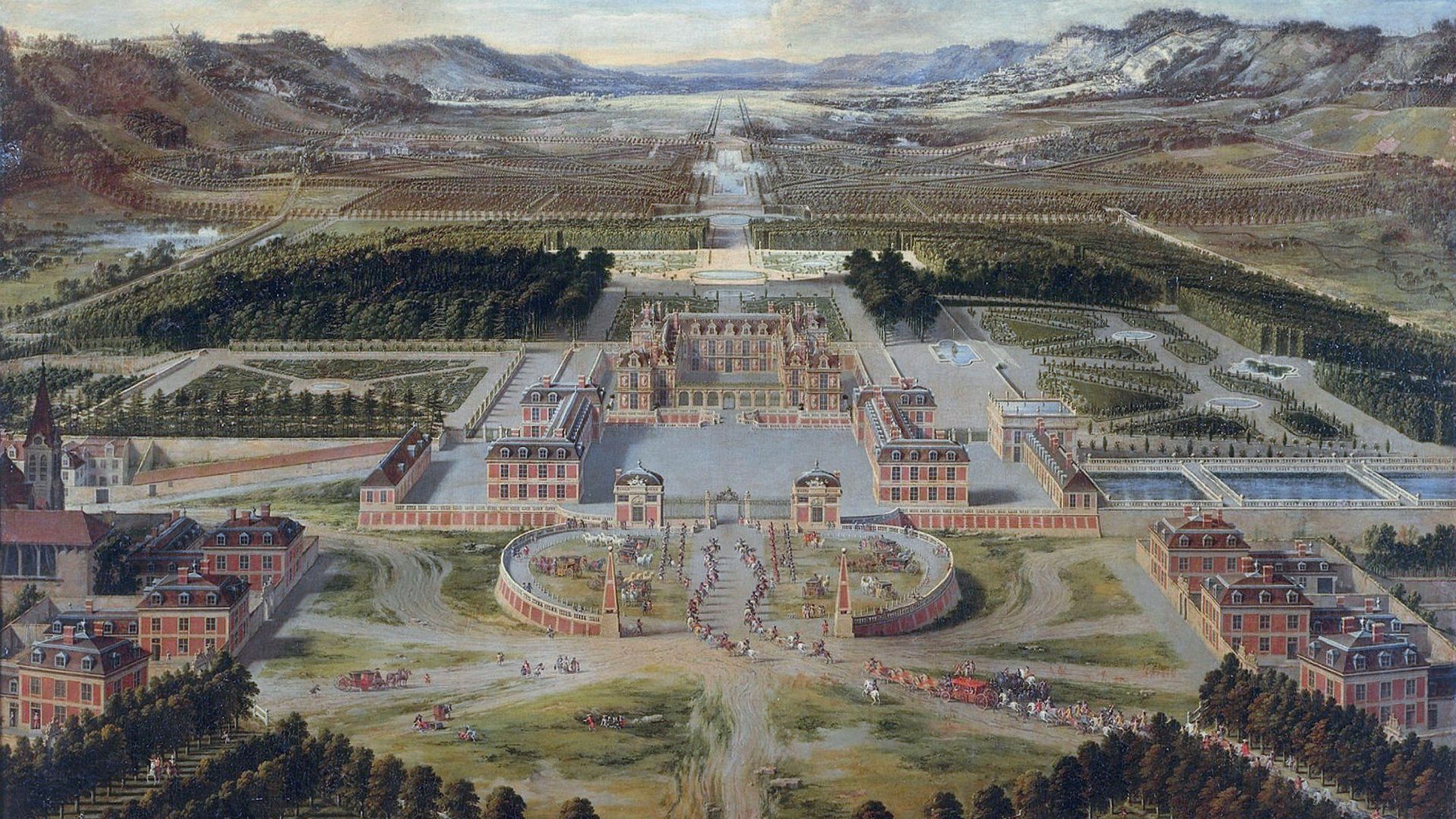 Pierre Patel, Wikimedia Commons
36. She Was Backed Into A Corner
Although the Queen wanted Marie Thérèse to remain safe outside of France, the new French Constitution forced the monarch to dismiss all office holders who weren’t currently working. With no other options, she wrote a formal letter to her favorite and gave her the choice of resigning from her position or coming back to work.
Even then, Marie Thérèse would not abandon her loyalty.
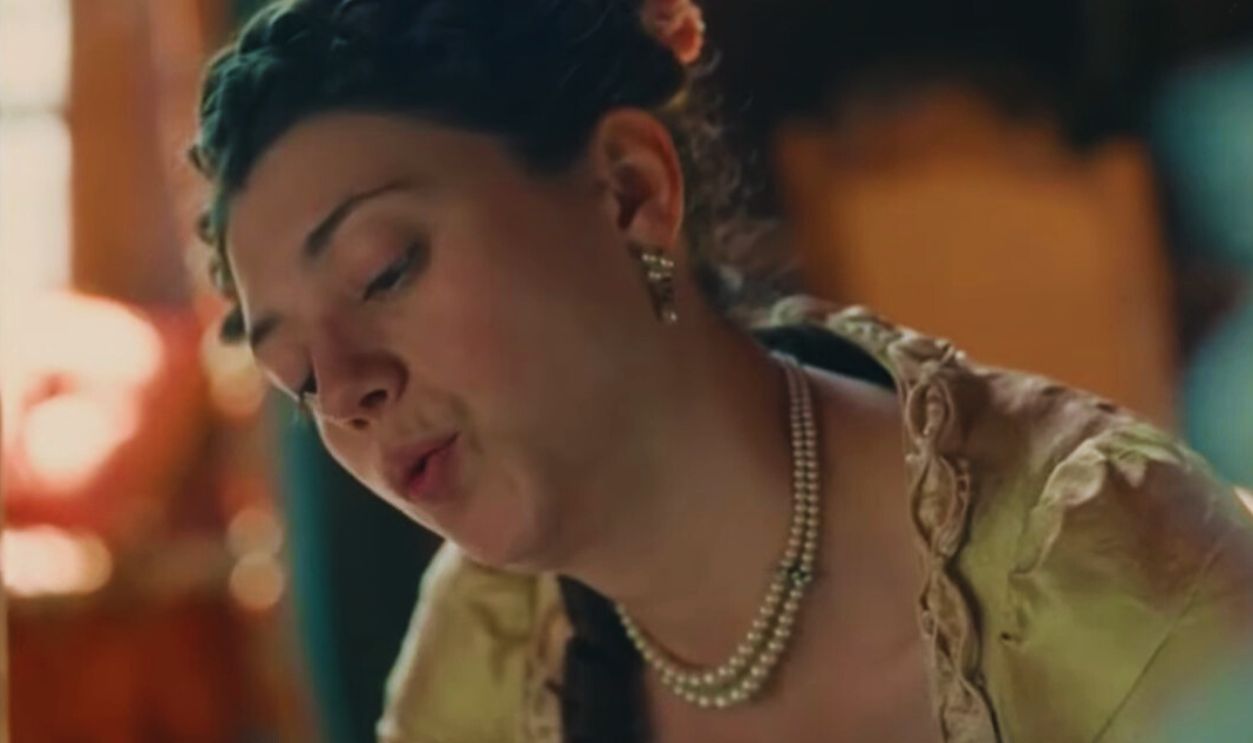 Screenshot from Marie Antoinette, Canal+ (2022–2023)
37. She Expected The Worst
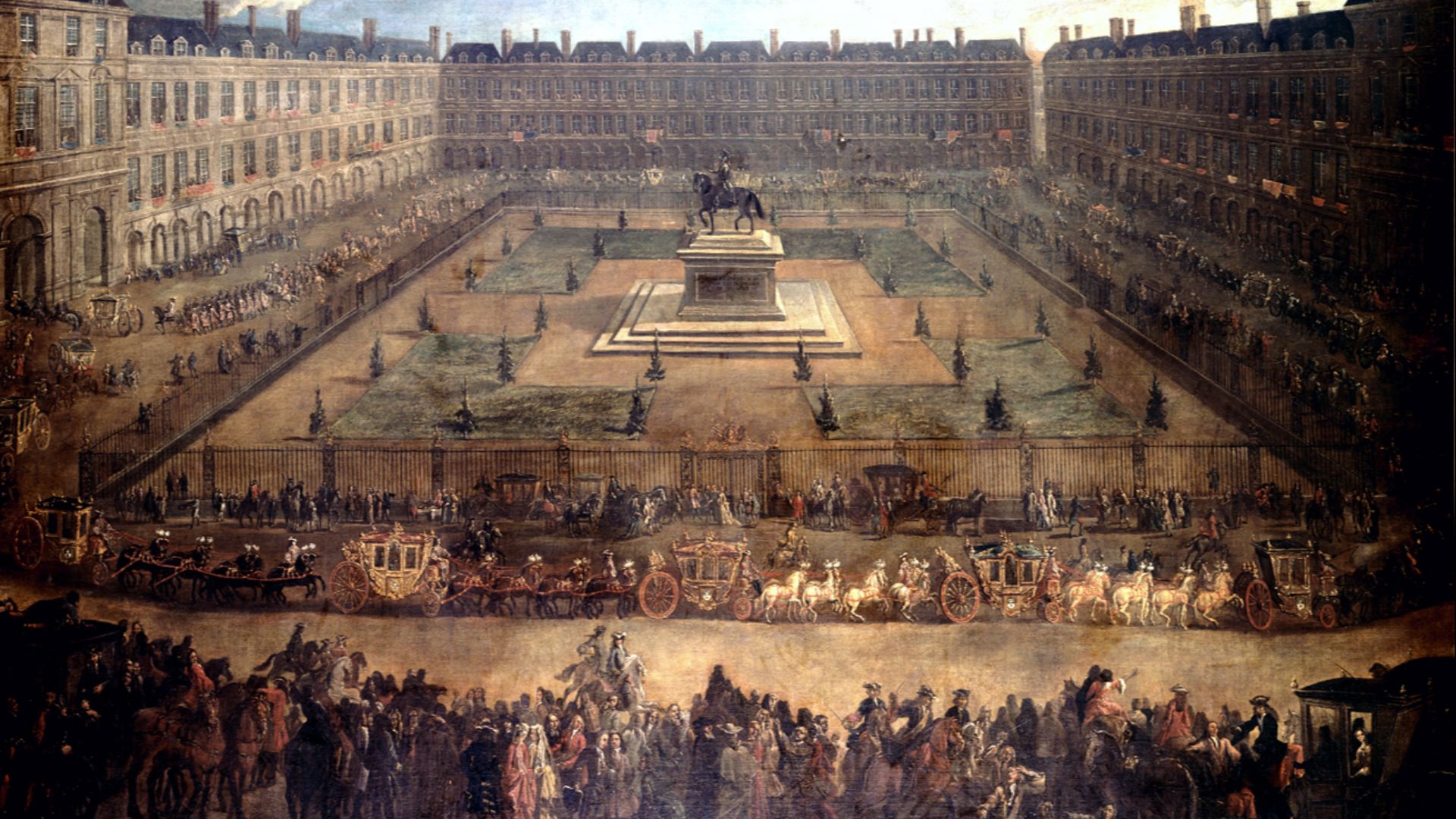
Still adamant that her place was with the Queen, Marie Thérèse announced she would return to Paris, but this didn’t mean she was ignorant of the danger there. Realizing the high chance that she was heading for her doom, she took time to write out her will before finally traveling back to the Queen’s side.
As she discovered, this fear wasn’t unfounded.
 French school, Wikimedia Commons
38. They Broke In
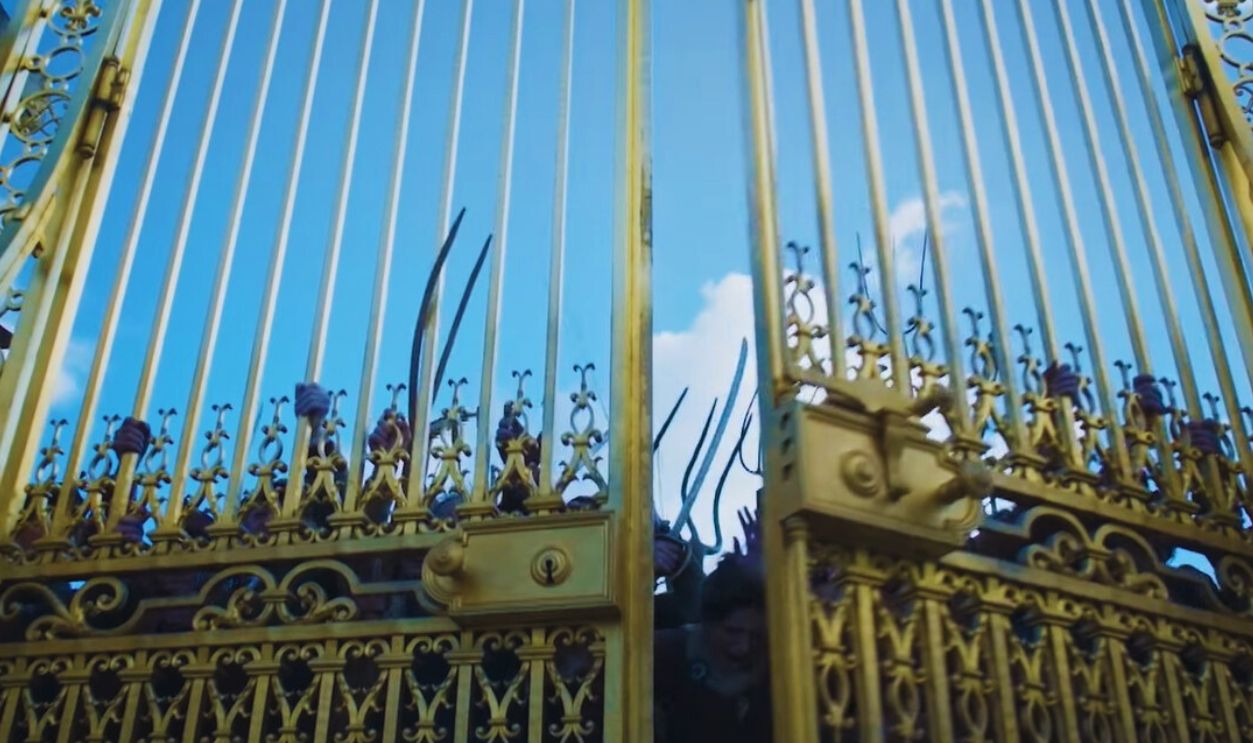
On June 20, 1792, the revolutionaries made their final attempt to get the King to agree to their conditions, although it wasn’t exactly peaceful. Armed with pikes, a mob forced their way into the palace and marched to the King. They insulted and threatened him, all while Marie Thérèse and the Queen hunkered down elsewhere in the building.
For the Princess of Lamballe, there was no other place she would rather be.
 Unknown authorUnknown author, Wikimedia Commons
39. She Stayed By Her Side
As soon as Marie Antoinette learned of the angry mob in the palace, she felt a duty to join the King as he faced the revolutionaries. However, Marie Thérèse persuaded her to remain in safety with her children. Although the mob dispersed by the end of the day—unsuccessful in their attempt to change the King’s mind—Marie Thérèse remained beside her Queen through the whole terrifying ordeal.
At last, the time came for them to depart together.
 Screenshot from Marie Antoinette, Canal+ (2022–2023)
History's most fascinating stories and darkest secrets, delivered to your inbox daily.
40. She Went With Them
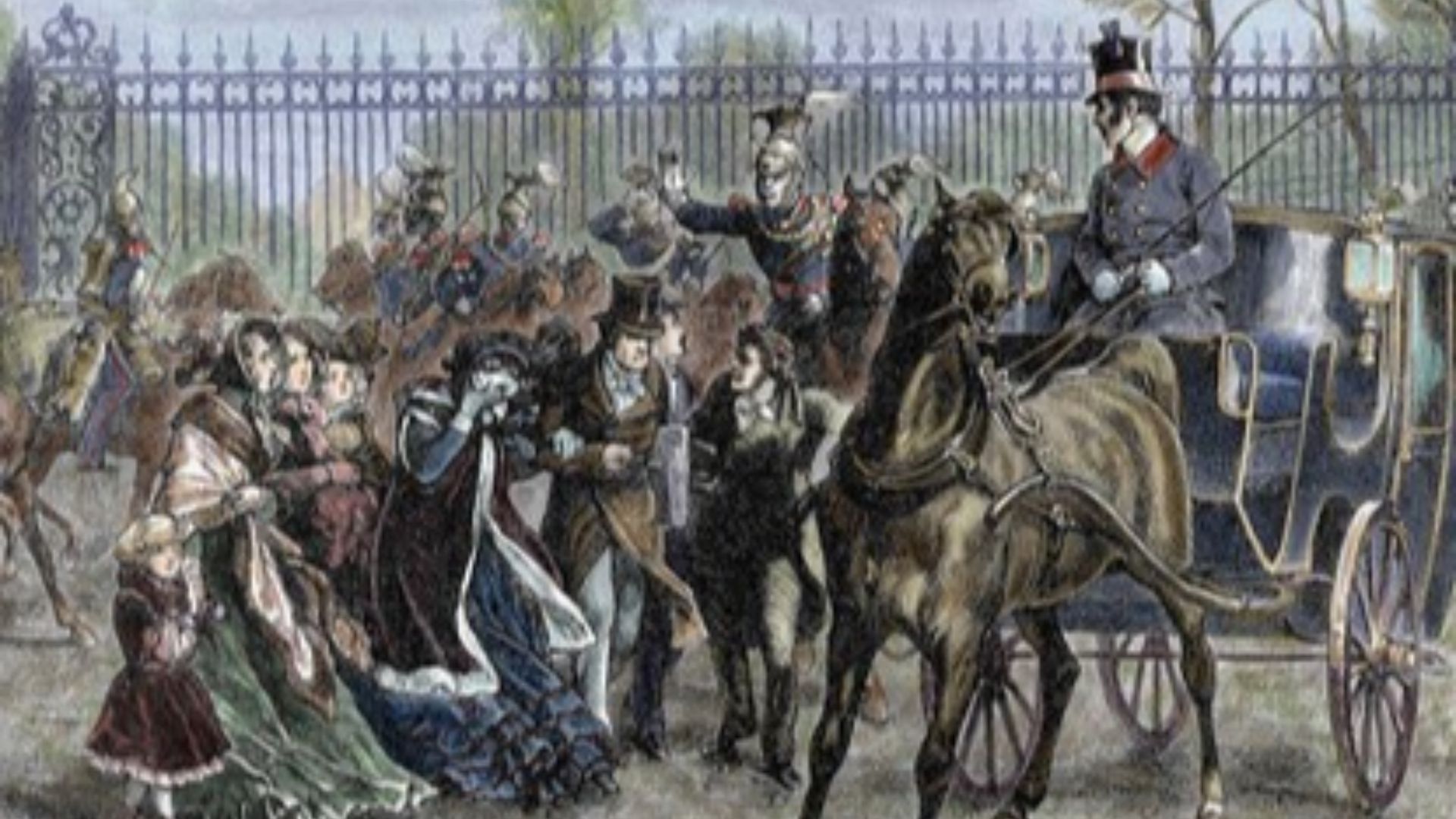
Only two months later, on August 10, the French Revolution’s most decisive event occurred when an army of revolutionaries stormed the palace, intent on dethroning the King. Fleeing from the conflict, the royal family secured themselves inside the Legislative Assembly, bringing the children’s governess and Marie Thérèse with them.
Unfortunately, something still prevented her from remaining there.
 Unknown authorUnknown author, Wikimedia Commons
41. She Was Only Away For A Bit
Marie Thérèse had resolved to stay with the Queen until the end, but in the meantime, her health struggles once again forced her to depart from them. Taken to the Feuillant convent, she did recover before much longer, but Marie Antoinette now insisted that she stay away. This time, however, Marie Thérèse’s loyalty demanded she disobey the Queen’s wishes, so she returned to the royal family.
From that point, there was no way she would leave the Queen—until she had no choice.
 Screenshot from Marie Antoinette, Canal+ (2022–2023)
42. She Was Taken Away
After Marie Thérèse returned to the royal family, whom the revolutionaries were holding captive in the Temple in the Marais, she was only able to spend a few more days with the Queen. Finally, their captors decided that the monarchs did not need their attendants, removing most who were not of the royal family—including Marie Thérèse—and incarcerating them.
Even while locked up, she found no refuge.
 Screenshot from Marie Antoinette, Canal+ (2022–2023)
43. They Swarmed The Place
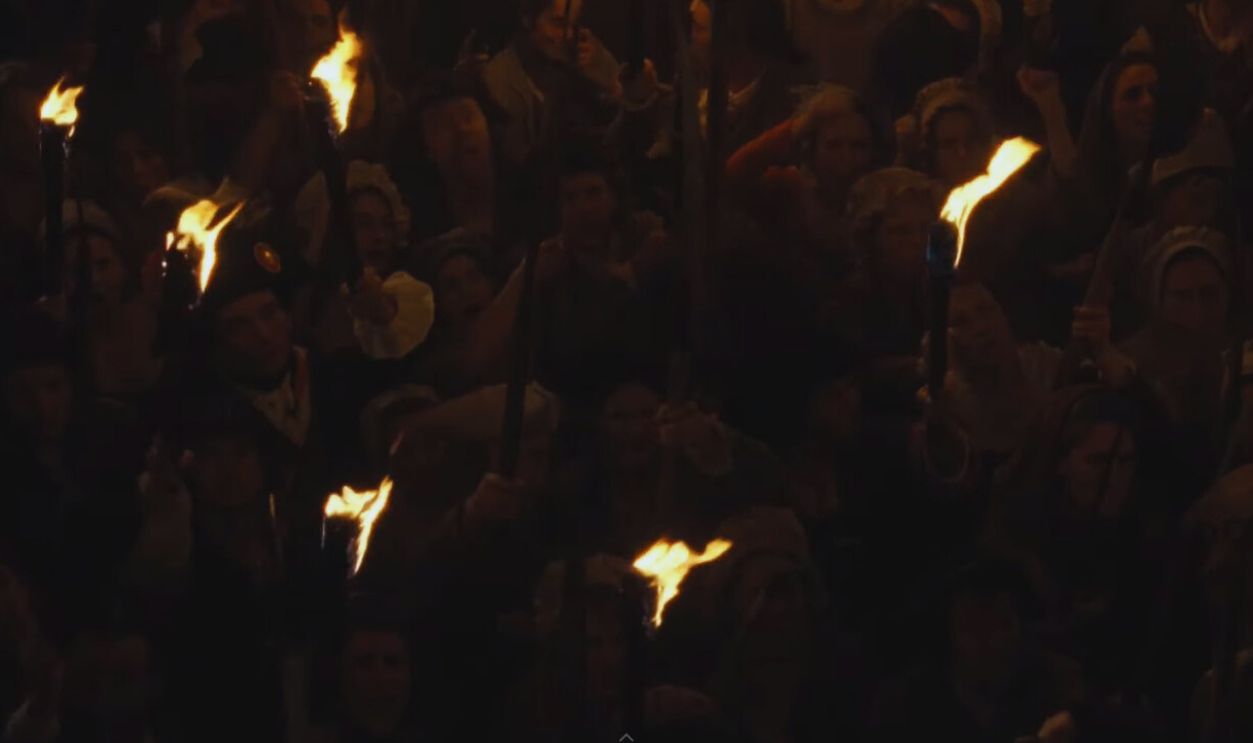
Marie Thérèse and the other staff remained imprisoned for the rest of the month, but they soon learned that even while locked up, they were not safe from the outraged public. On September 2, several mobs stormed where the royalists were being held, determined to judge each prisoner and execute any who were loyal to the crown.
If Marie Thérèse were to live, she would need to make a choice.
 Screenshot from Marie Antoinette, Columbia Pictures (2006)
44. They Demanded Her Word
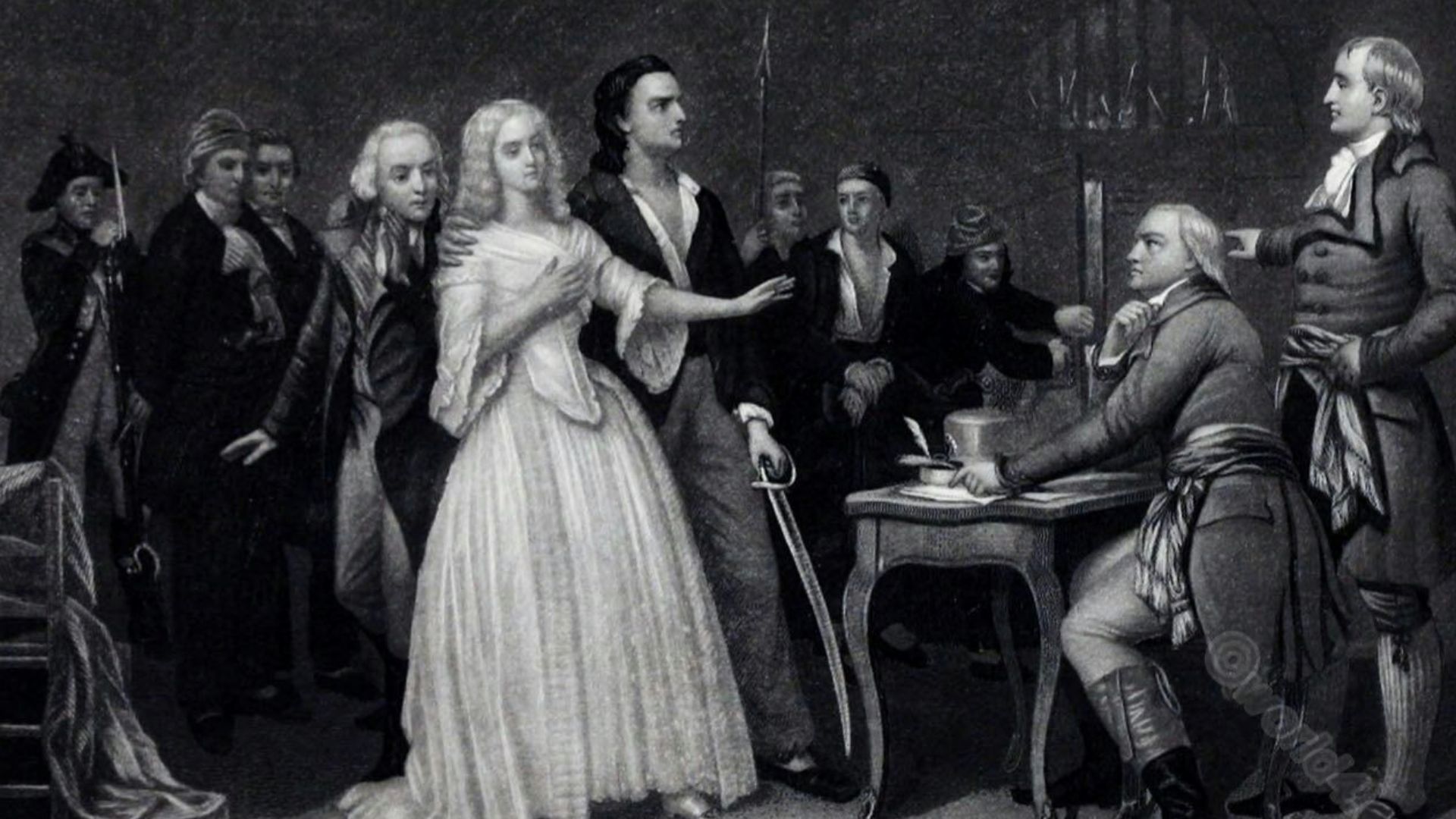
A day later, Marie Thérèse joined the many other prisoners who had gone before her and appeared in front of the makeshift revolutionary tribunal. As with everyone else, they interrogated her to determine where her loyalties lay, and in the end, demanded she “Swear to Liberty and Equality, and hatred of the King and Queen”.
Still, as she stood before the end, she maintained her resolve.
 After Louise Adélaïde Desnos, Wikimedia Commons
45. She Still Wouldn’t Budge
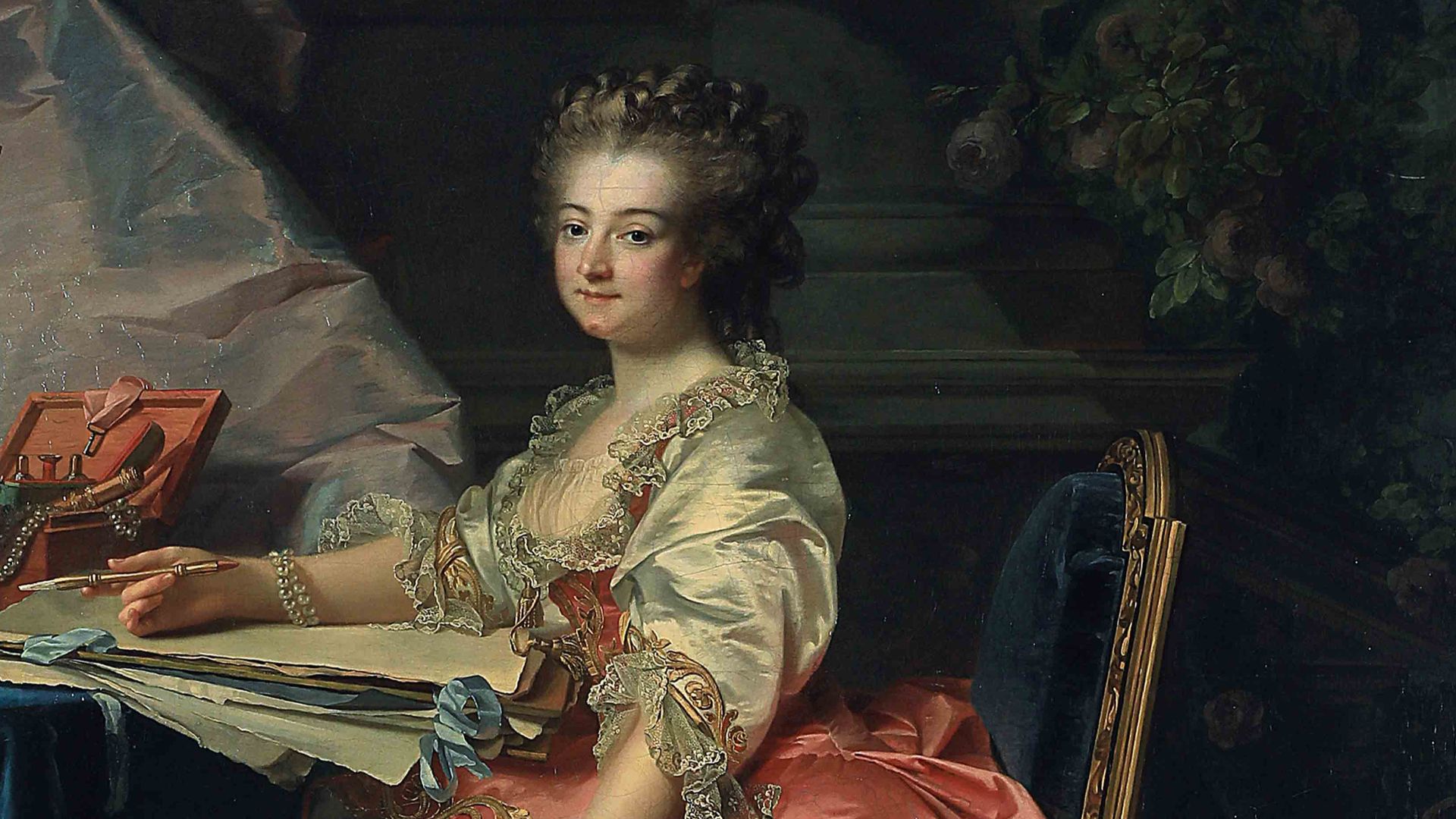
Presented with the chance of survival if she denounced the King and Queen, Marie Thérèse stated it was not in her heart to do so, even though she would swear to liberty and equality. Understanding what this decision would mean, she still doubled down on it and stated that she had nothing else to add, except to say “I have made the sacrifice of my life”.
This was her choice, and no one could persuade her otherwise.
 Jean-Laurent Mosnier, Wikimedia Commons
History's most fascinating stories and darkest secrets, delivered to your inbox daily.
46. They Tried To Convince Her
With her final statement, the tribunal judged Marie Thérèse guilty and ordered her away for execution. Among the crowd were representatives of her father-in-law, and as she walked to the yard where she would meet her end, they tried to reason with her. They urged her to denounce the monarchy, but whether she couldn’t hear them or ignored them, she just continued walking.
Understandably, she kept the Queen in her mind until the very end.
 Screenshot from Marie Antoinette, Canal+ (2022–2023)
47. She Kept A Letter
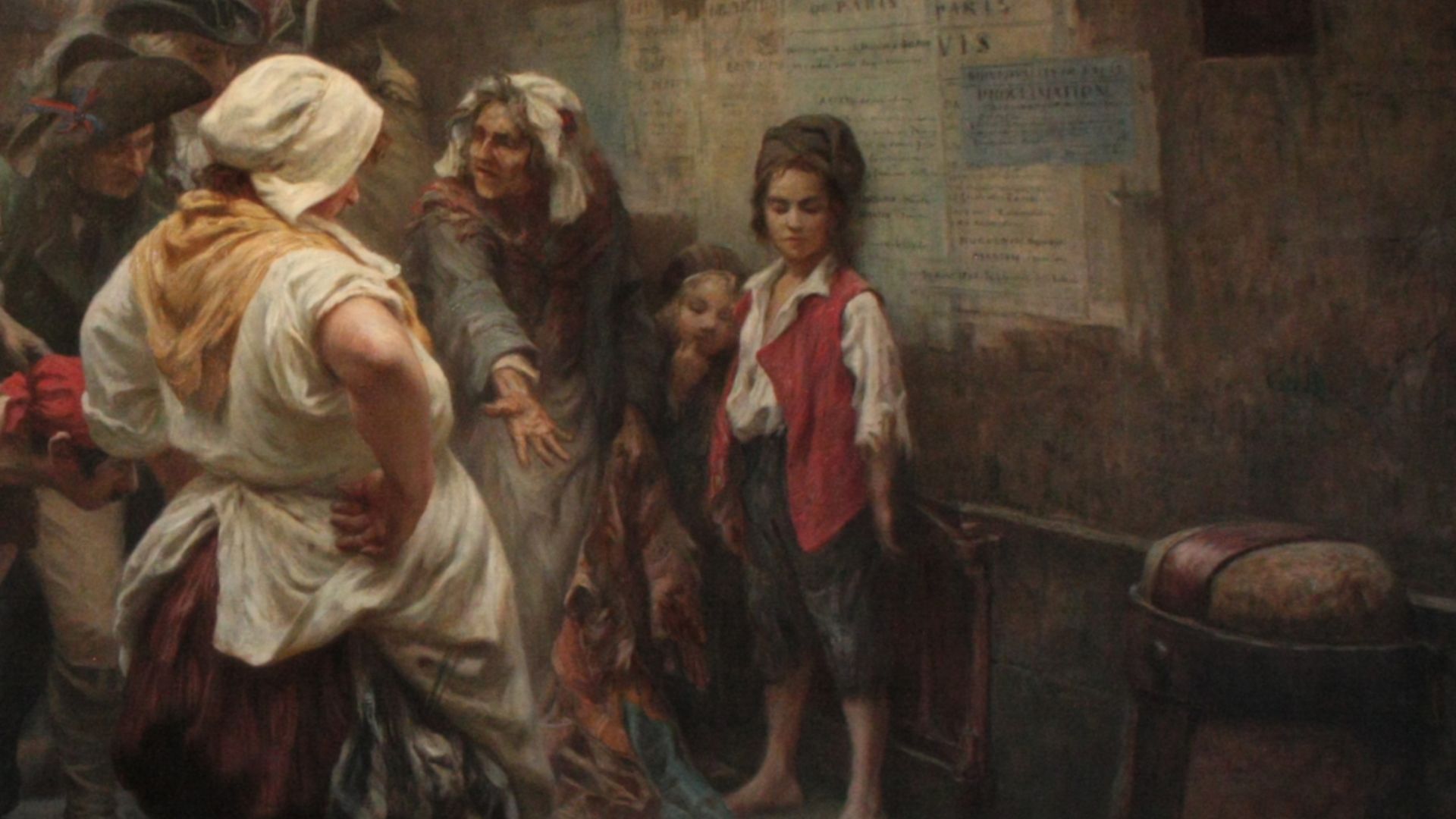
For those found guilty by this makeshift tribunal, a violent demise awaited them, as each prisoner perished at the many hands of the angry mob. For Marie Thérèse, it was no different, and as she arrived at the yard where this massacre was taking place, a man hit her over the head. At that moment, a final letter from Marie Antoinette revealed itself, which the Princess of Lamballe had previously hidden in her hair.
It would take only another brief moment for her story to come to an end.
 Leon Maxime Faivre, Wikimedia Commons
48. They Ended Her Life
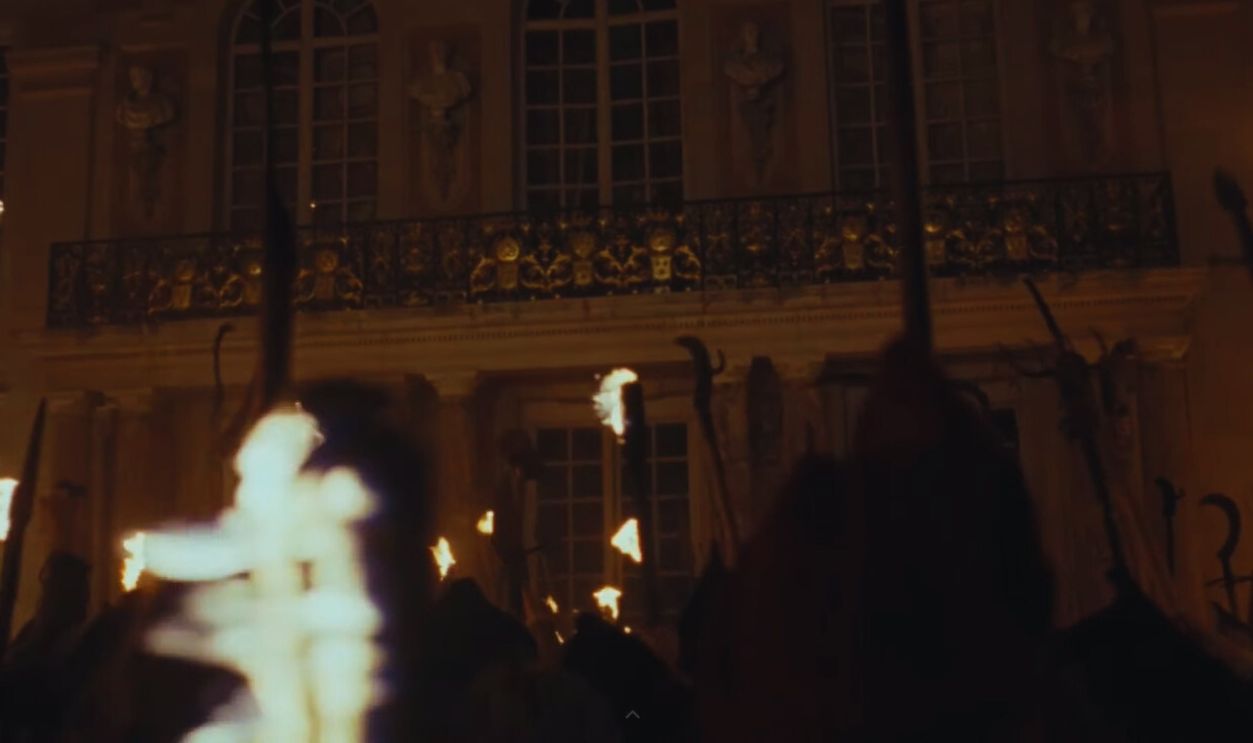
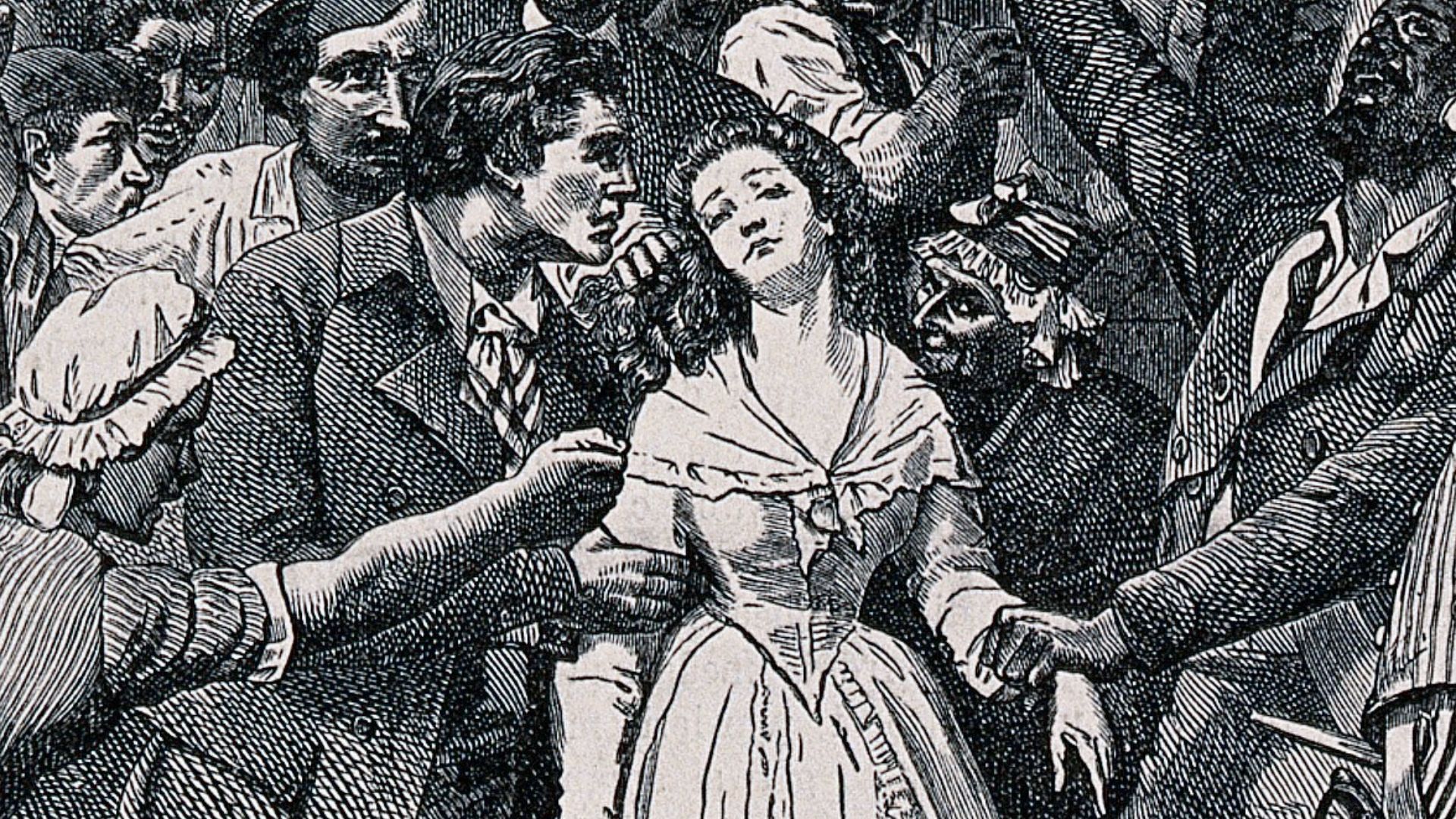
During the initial insurrection on August 10, it’s believed that the revolutionaries only targeted the men of the court, allowing each female member to escape unharmed. However, the bloodthirsty masses had no such mercy for Marie Thérèse following her verdict, swarming and stabbing her until she perished.
Even then, the revolutionaries didn’t stop there.
 Screenshot from Marie Antoinette, Columbia Pictures (2006)
49. They Were Brutal
The public had come to greatly despise Marie Thérèse, so even after they took her life, their anger continued. According to records, they began by taking the clothes from her body and beheading her. From there, they placed her head on a pike and paraded it through the streets, making sure to stop by where Marie Antoinette was being held.
Fortunately for the Queen, she received one last blessing.
50. She Never Saw It
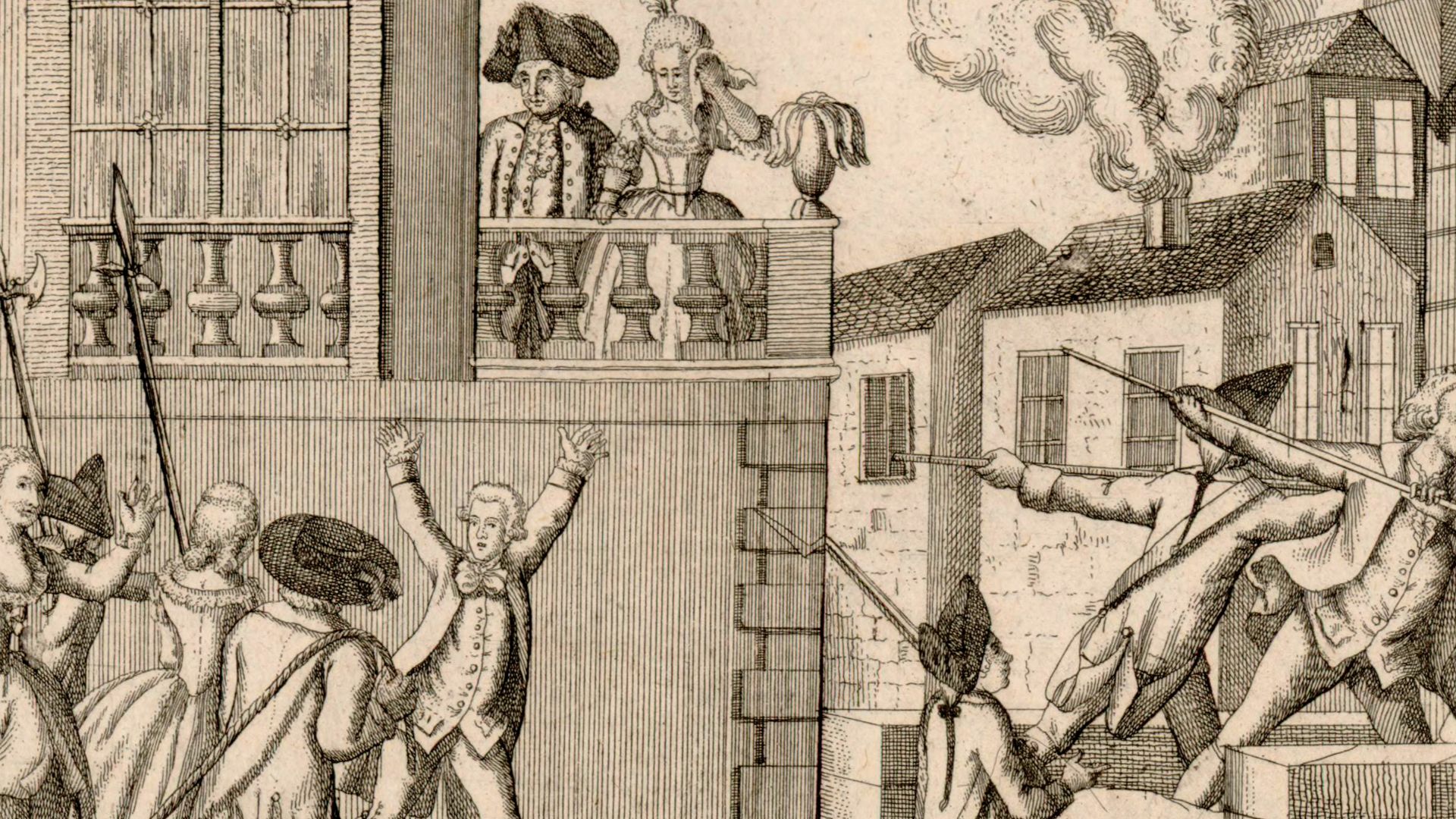
Marie Antoinette would live for another year before her own execution, but it was a year full of grief and despair. Just one moment of this misery was as the revolutionaries paraded the head of Marie Thérèse directly below her window, hoping to inflict further suffering on the monarch. Luckily, those with the Queen had the decency to shut the window shutters before she saw, but the news of what was happening caused her to faint.
 Unknown authorUnknown author, Wikimedia Commons
You May Also Like:
The “It Girl” Of The French Revolution
History’s Most Power-Hungry Duchess










.jpg%20)