She Had A Childless Marriage—And A Suspicious End
Marie Louise d'Orléans was the petite-fille de France who went on to become the Queen consort of Spain. But, without producing an heir, her new Spanish home was far from welcoming. She downed her sorrows in sweets—then fell fatally and curiously ill, just like her mother.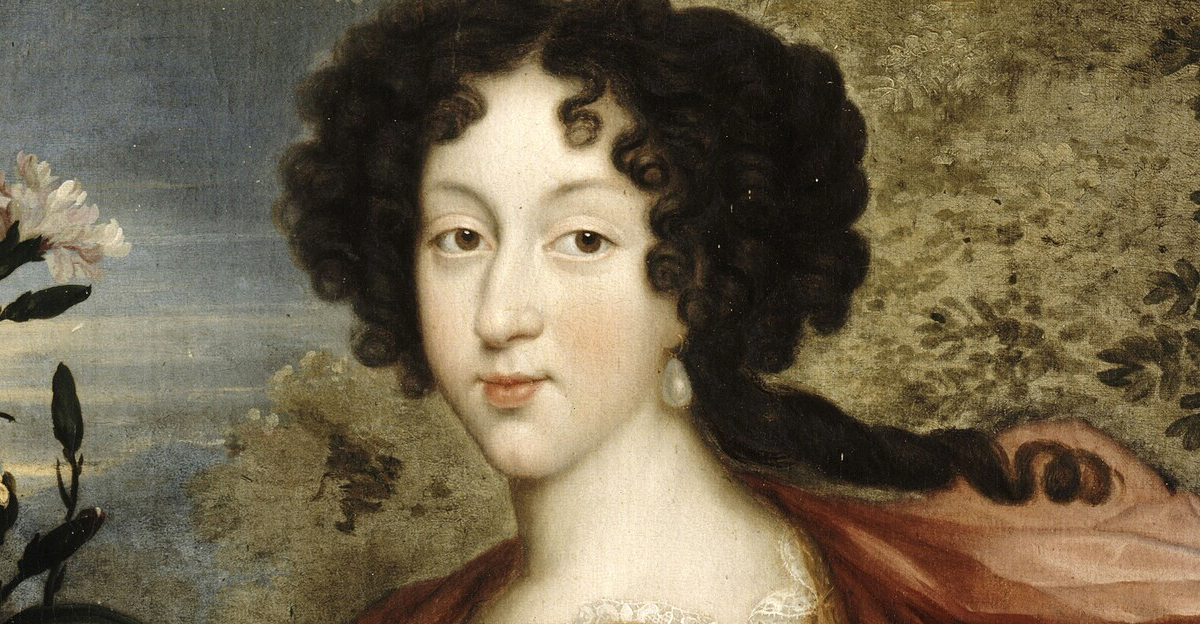 Louis Ferdinand Elle the Elder, Wikimedia Commons
1. She Came From Powerful Blood
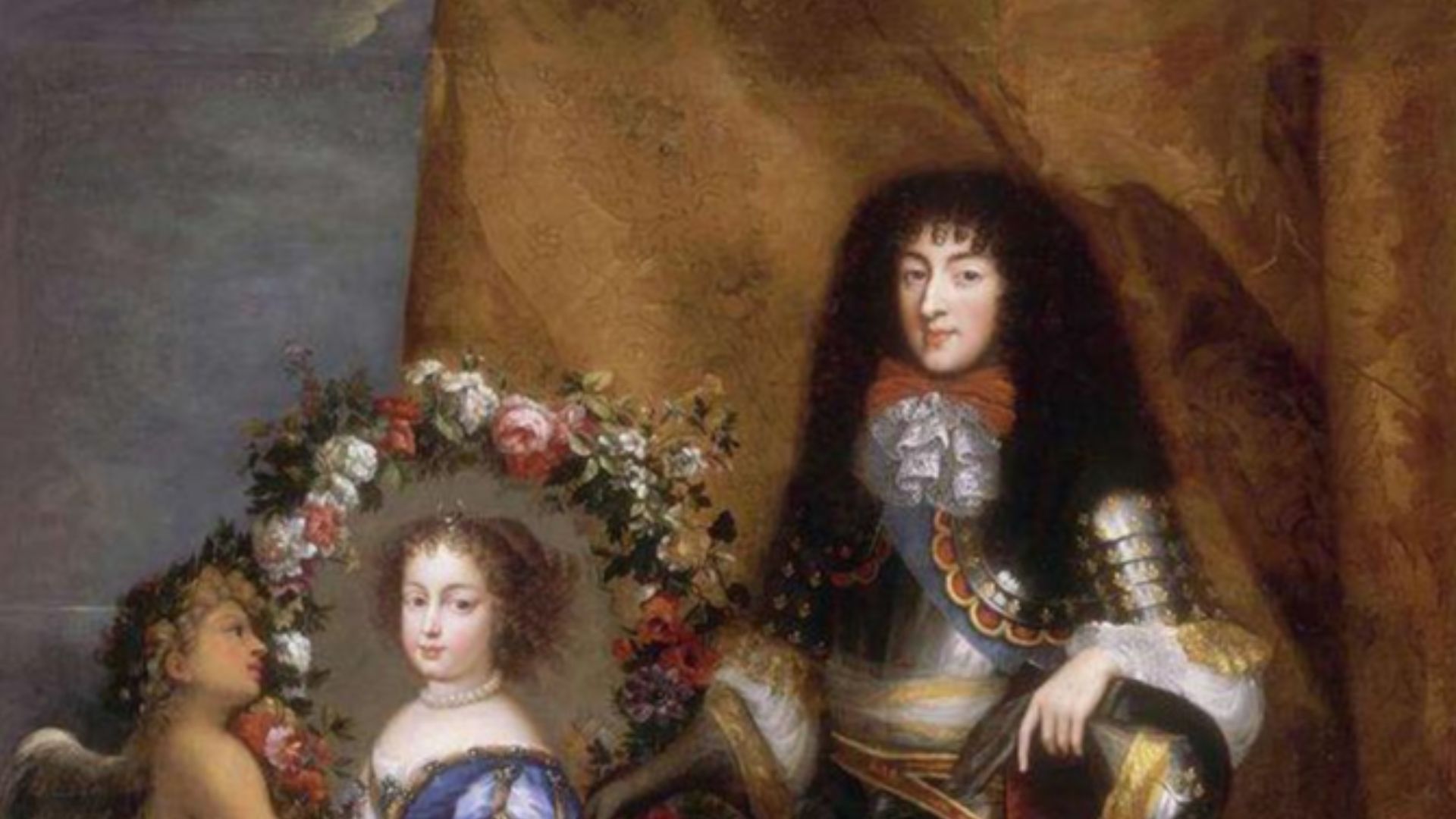
Marie Louise d’Orléans graced the French court with her birth on March 26, 1662, inside the elegant Palais Royal. As the eldest daughter of Philippe I of Orléans and Princess Henrietta of England, she belonged to Europe’s most elite bloodlines. But her lineage came with baggage.
 Workshop of Jean Nocret, Wikimedia Commons
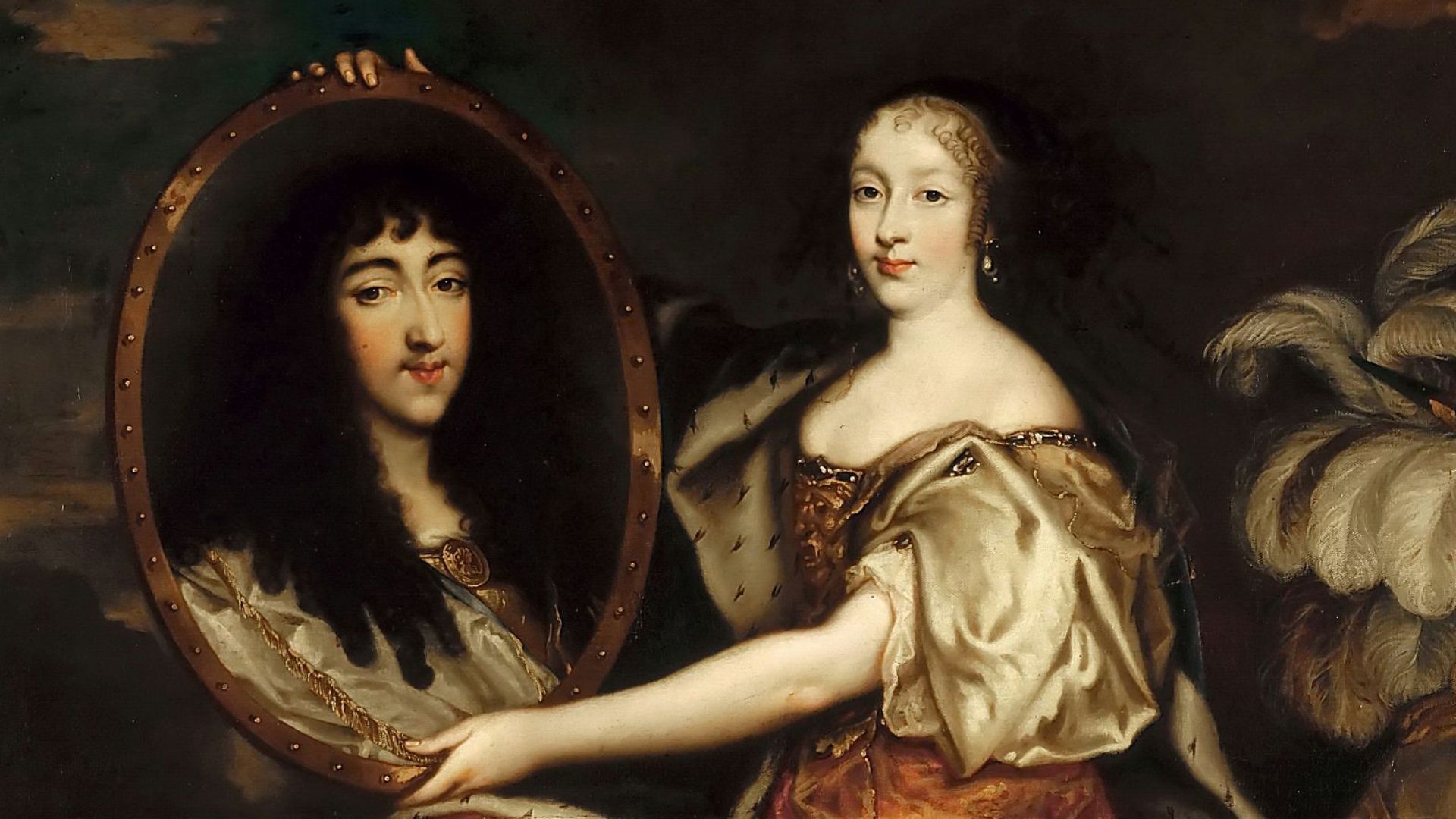
2. Her Parents Were Close—Too Close
Marie Louise’s lineage was as royal as it got—though, perhaps, too royal. Even at a time when royal inbreeding barely shocked anyone, her family tree was terrifyingly intertwined. Philippe’s father and Henrietta’s mother had been siblings, making Marie Louise the child of first cousins. She would never truly escape the consequences of a tainted bloodline.
 Antoine Mathieu, Wikimedia Commons
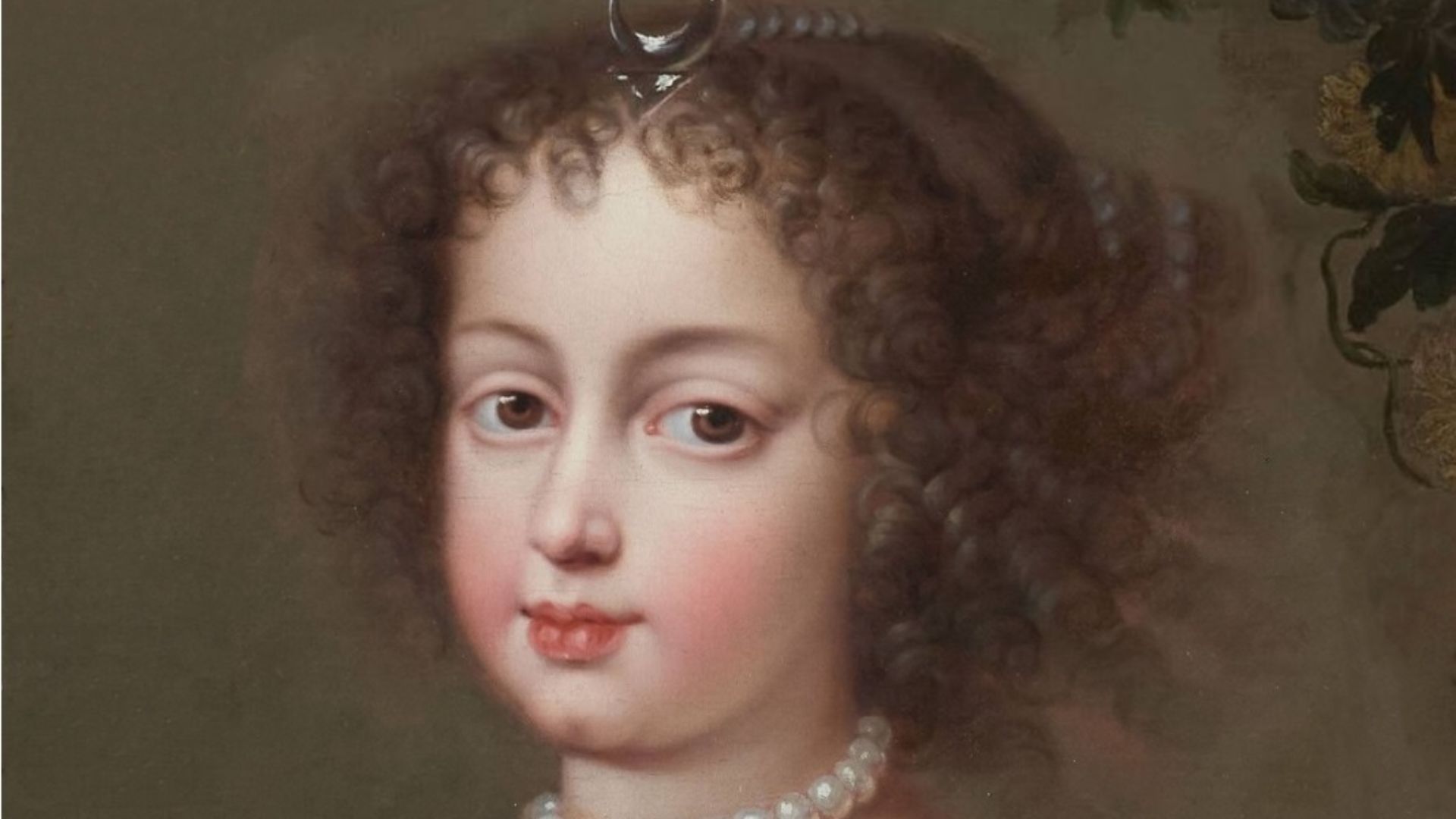
3. She Was The Little Mademoiselle
As Louis XIII’s granddaughter, Marie Louise earned the lofty title “Her Royal Highness Petite-fille de France”—a mark of immense royal prestige. Yet, the French court was simply home to Marie Louise, and she kept things informal, going instead by the honorific Mademoiselle d’Orléans. Comfy as her childhood was, it wasn’t without hardship.
 Workshop of Jean Nocret, Wikimedia Commons
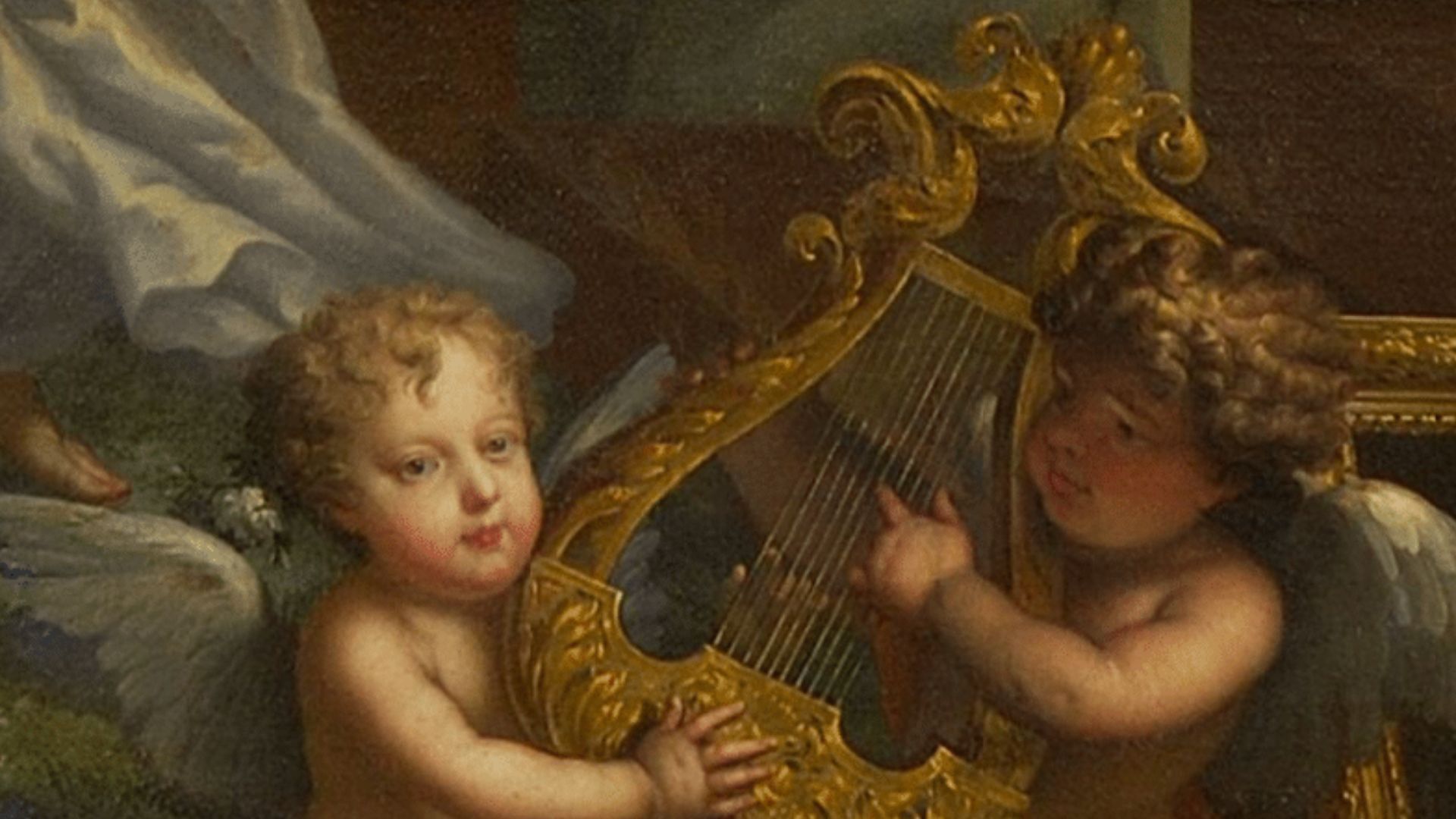
4. She Lost A Brother
Marie Louise’s childhood included both laughter and loss. Her younger brother Philippe Charles never lived to see his third birthday, leaving her as her parents’ only surviving child. Fortunately, a sister, Anne Marie, arrived in 1669. That little sister would one day thrive as the Queen of Sardinia through marriage.
Marie Louise, however, wouldn’t be so lucky.
 Jean Nocret, Wikimedia Commons
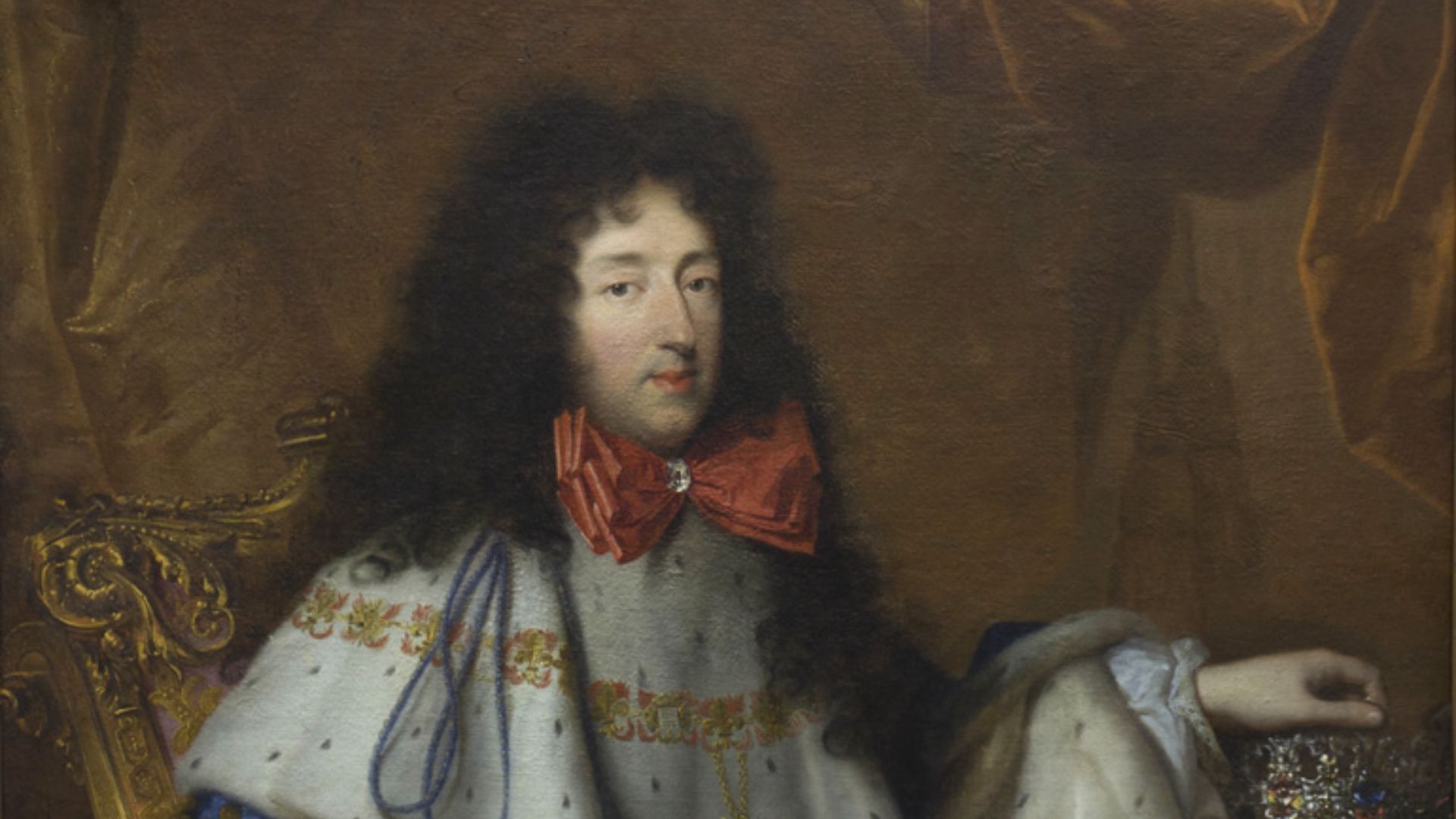
5. She Became Her Father’s Favorite
It seemed that Marie Louise had qualities that won her father’s absolute affection. Philippe I utterly adored her and made it no secret that she was his favorite child. Sadly, she wouldn’t be able to enjoy the love and protection of her father forever.
 Pierre Mignard I, Wikimedia Commons
6. She Enjoyed A Golden Childhood
Marie Louise’s childhood years had none of the suffering she would later endure. Drifting between the bustling Palais Royal and the idyllic château de Saint-Cloud, she grew up surrounded by gardens, roomfuls of attendants, and a loving extended family. But joy rarely lasted long in the Orléans family.
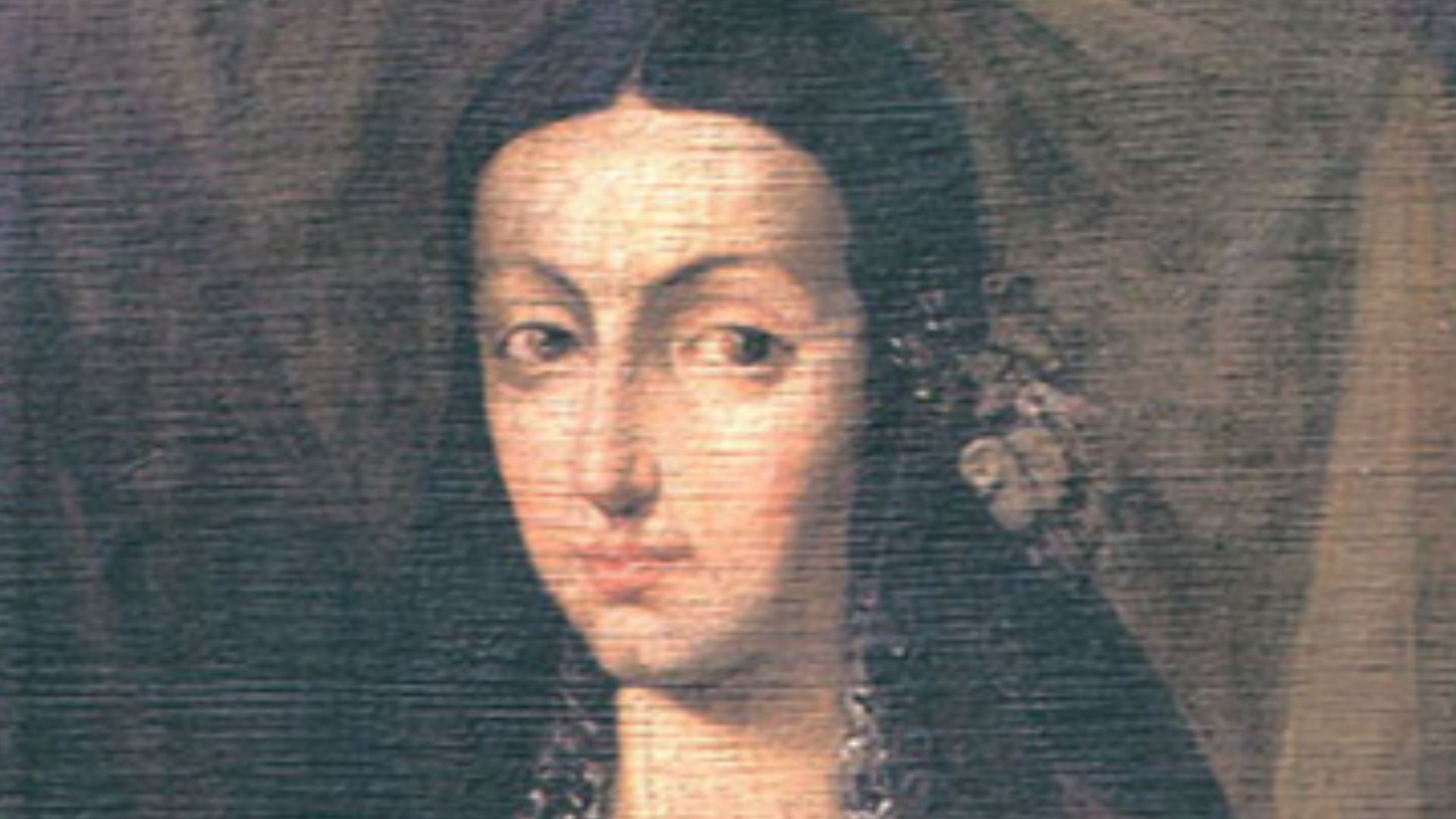 Sebastián Muñoz (1650-1690), Wikimedia Commons
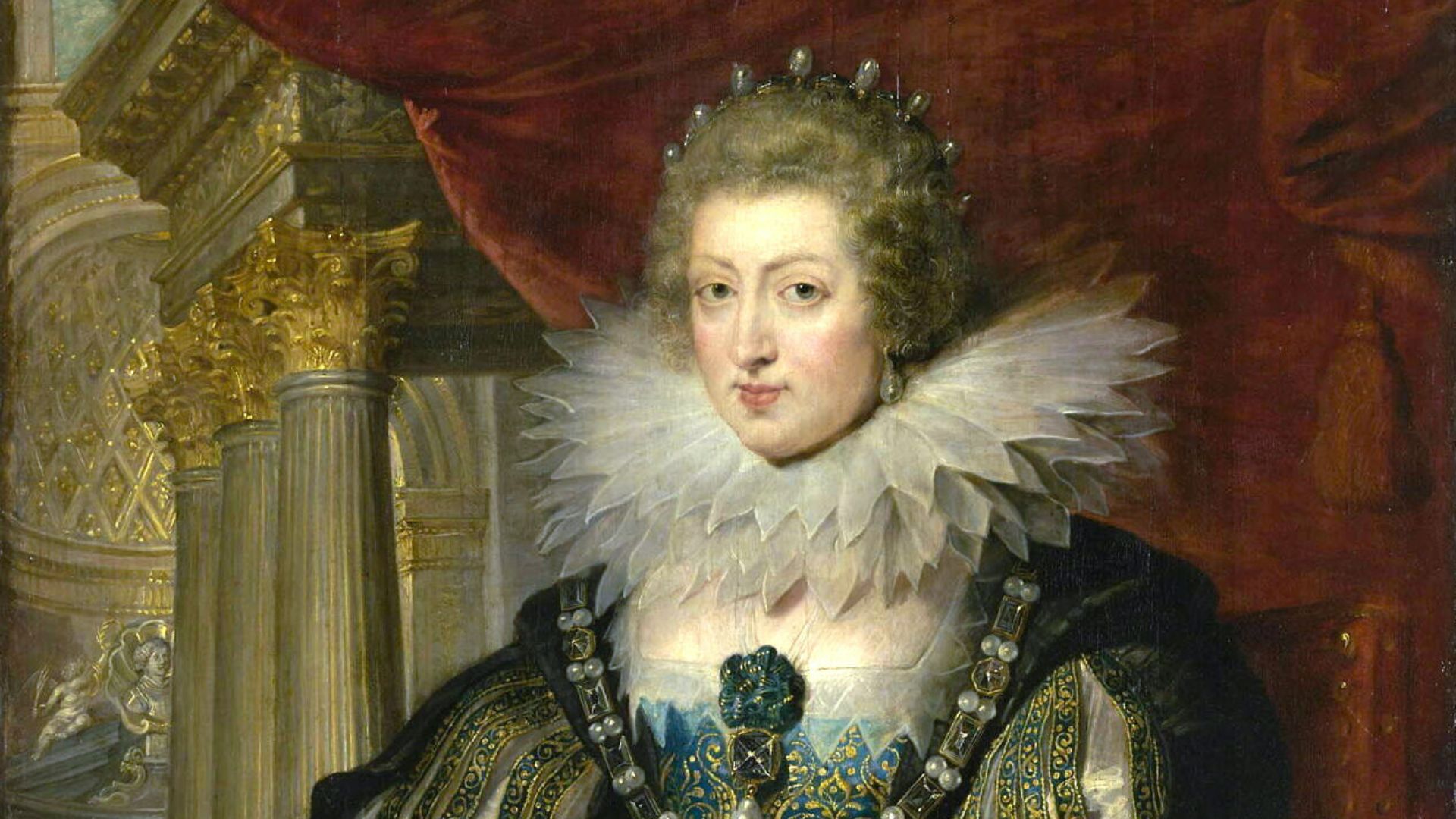
7. She Delighted Her Doting Grandmother
Between her father and her paternal grandmother, Anne of Austria, Marie Louise wanted for nothing. In her youth, she spent countless hours with her grandmother. One source said Anne “doted on her and left the bulk of her fortune to her”. Losing Anne in 1666 shattered the young princess.
Fortunately, she had other grandparents.
 After Peter Paul Rubens, Wikimedia Commons
8. She Had Another Royal Granny
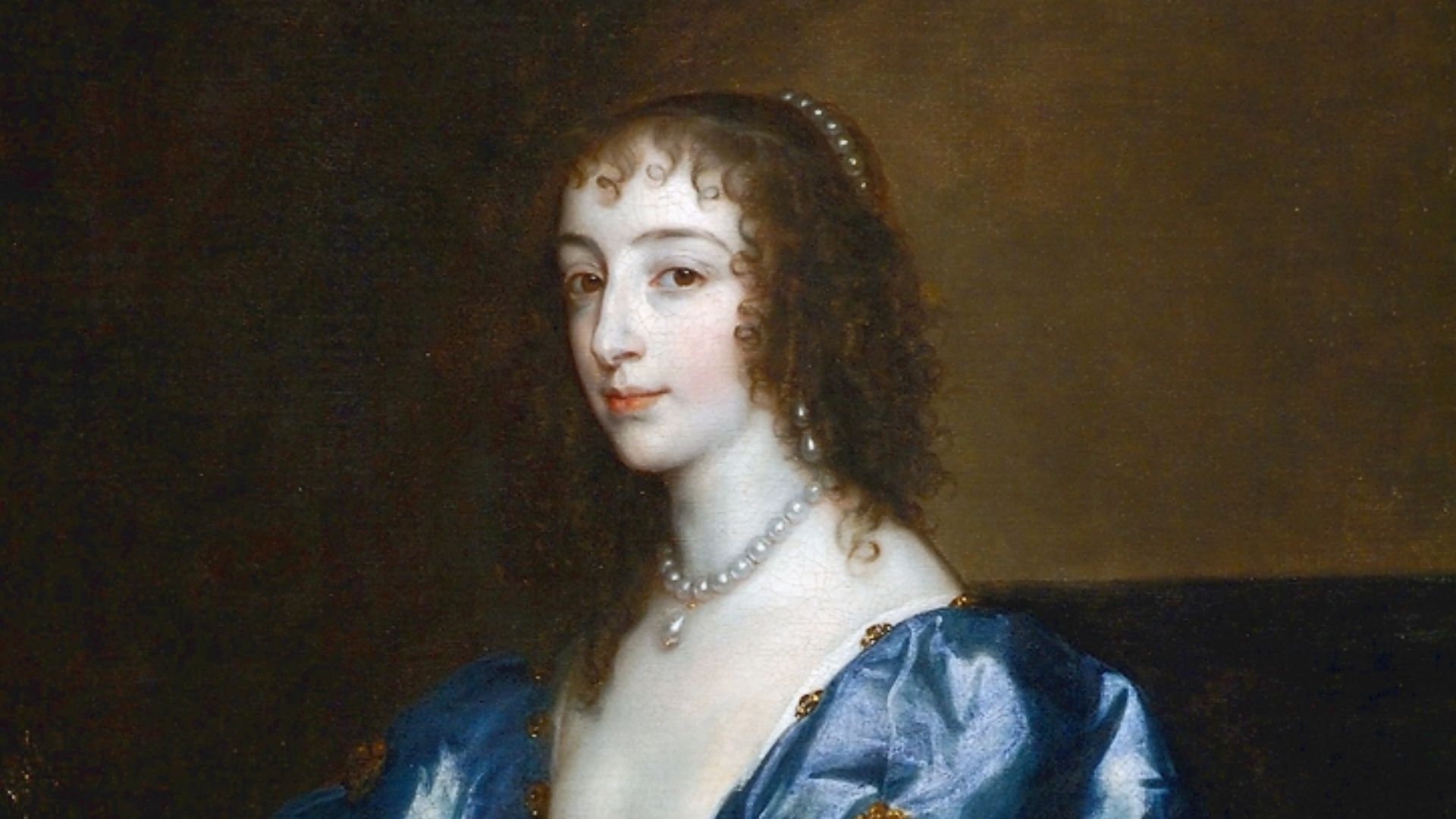
Anne of Austria wasn’t Marie Louise’s only loving grandmother. The young petite-fille de France visited her maternal grandmother, the exiled Queen Henrietta Maria, often. But it was a more somber affair, as Henrietta Maria's husband, the late Charles I, had lost his head—literally. Tragedy had a way of haunting her family.
 Workshop of Anthony van Dyck / Possibly Anthony van Dyck, Wikimedia Commons

History's most fascinating stories and darkest secrets, delivered to your inbox daily.
9. Her Mother Fell Mysteriously Ill
True tragedy struck in 1670 when the doe-eyed eight-year-old Marie Louise witnessed her mother, Henrietta, fall dangerously ill. Within hours, her mother had perished. The body wasn’t even cold before whispers of poisoning spread through the court. Modern historians have since concluded that the illness was likely the result of a ruptured ulcer.
But the rumors persisted—and would come back to haunt Marie Louise herself.
10. Her Remarried In A Heartbeat
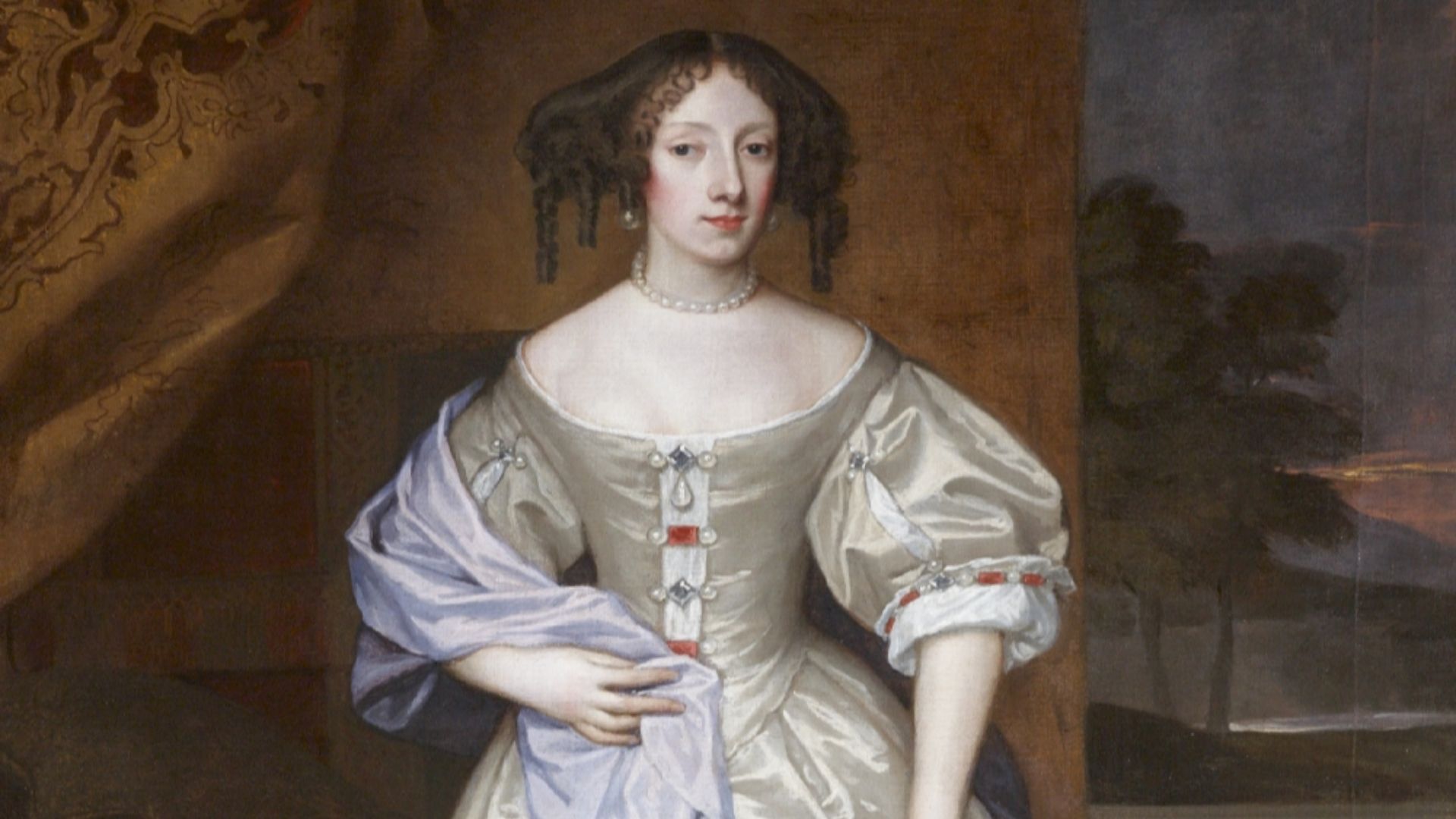
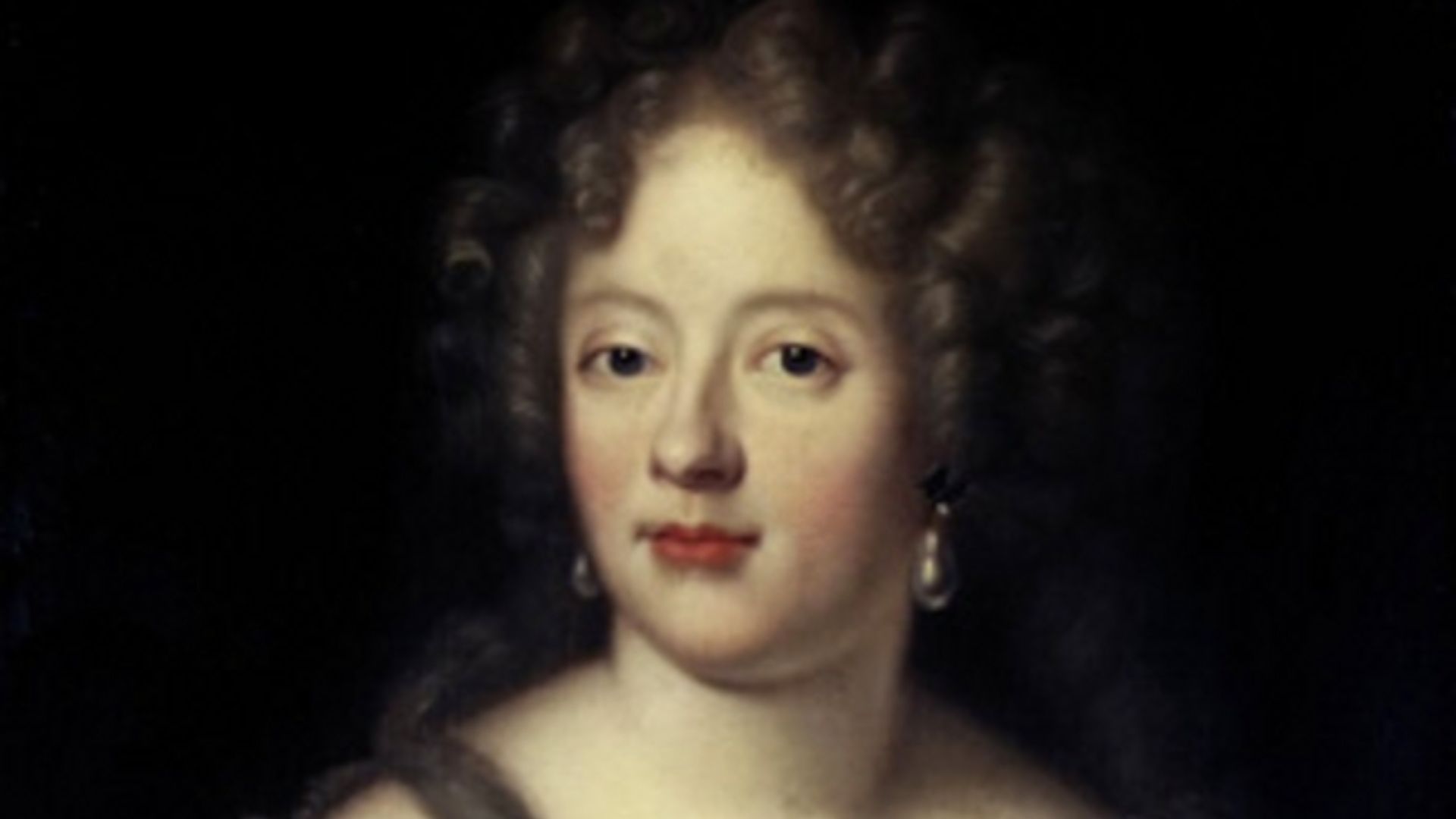
Only a year after Marie Louise lost her mother, she prepared herself to welcome a replacement when her father remarried. Her new stepmother was Elisabeth Charlotte of the Palatinate—better known as Liselotte. Thankfully, this was no “Cinderella” situation. In fact, it was just the opposite.
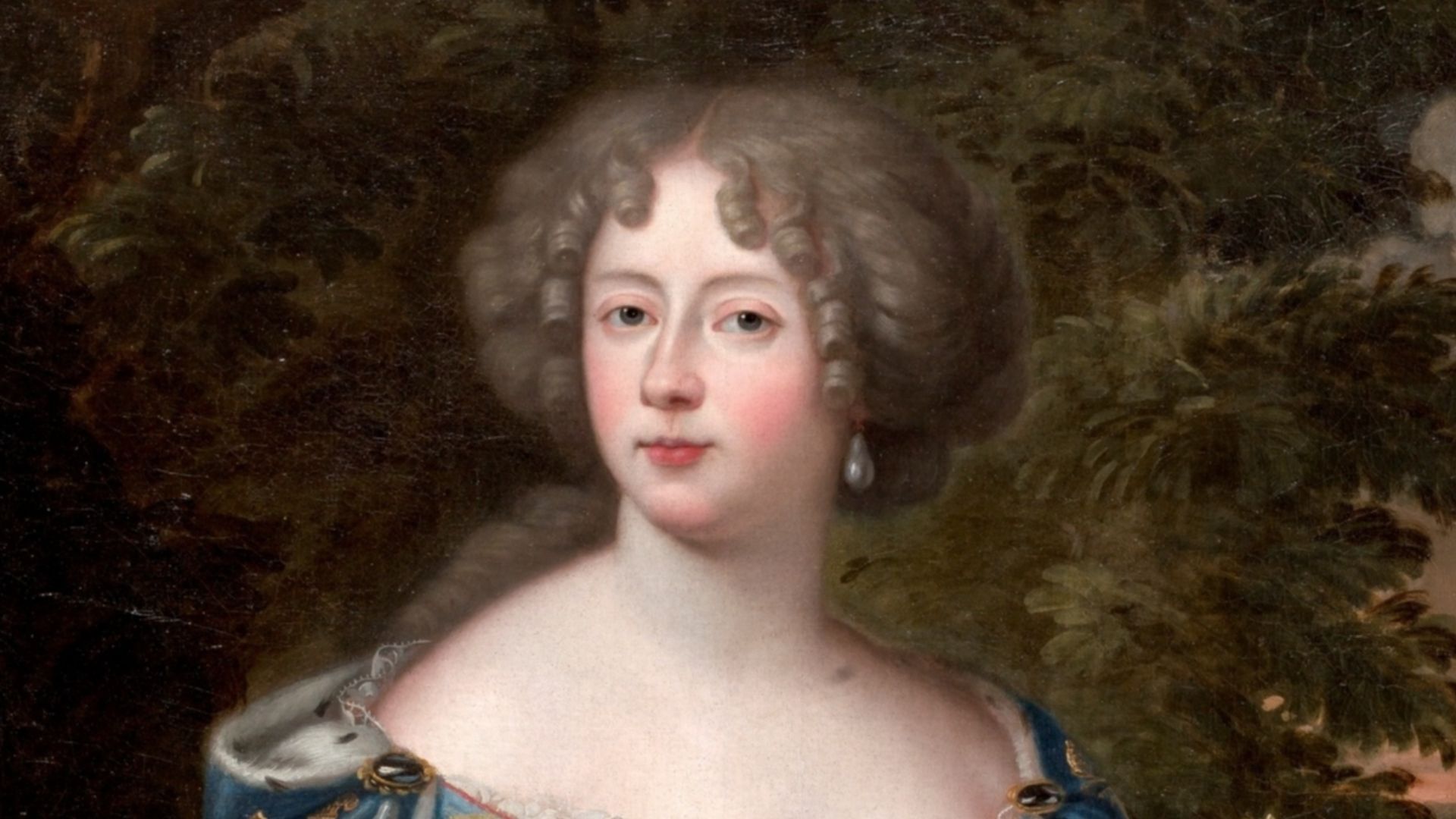 After Pierre Mignard I, Wikimedia Commons
11. She Gained A True Ally
Unlike the wicked stepmothers in fairy tales, Liselotte wasn’t out to torment Marie Louise. Instead, she embraced Marie Louise and her younger sister, Anne Marie, with warmth and humor, forming a sincere bond with both girls. They found comfort in her—just as everything else began slipping away.
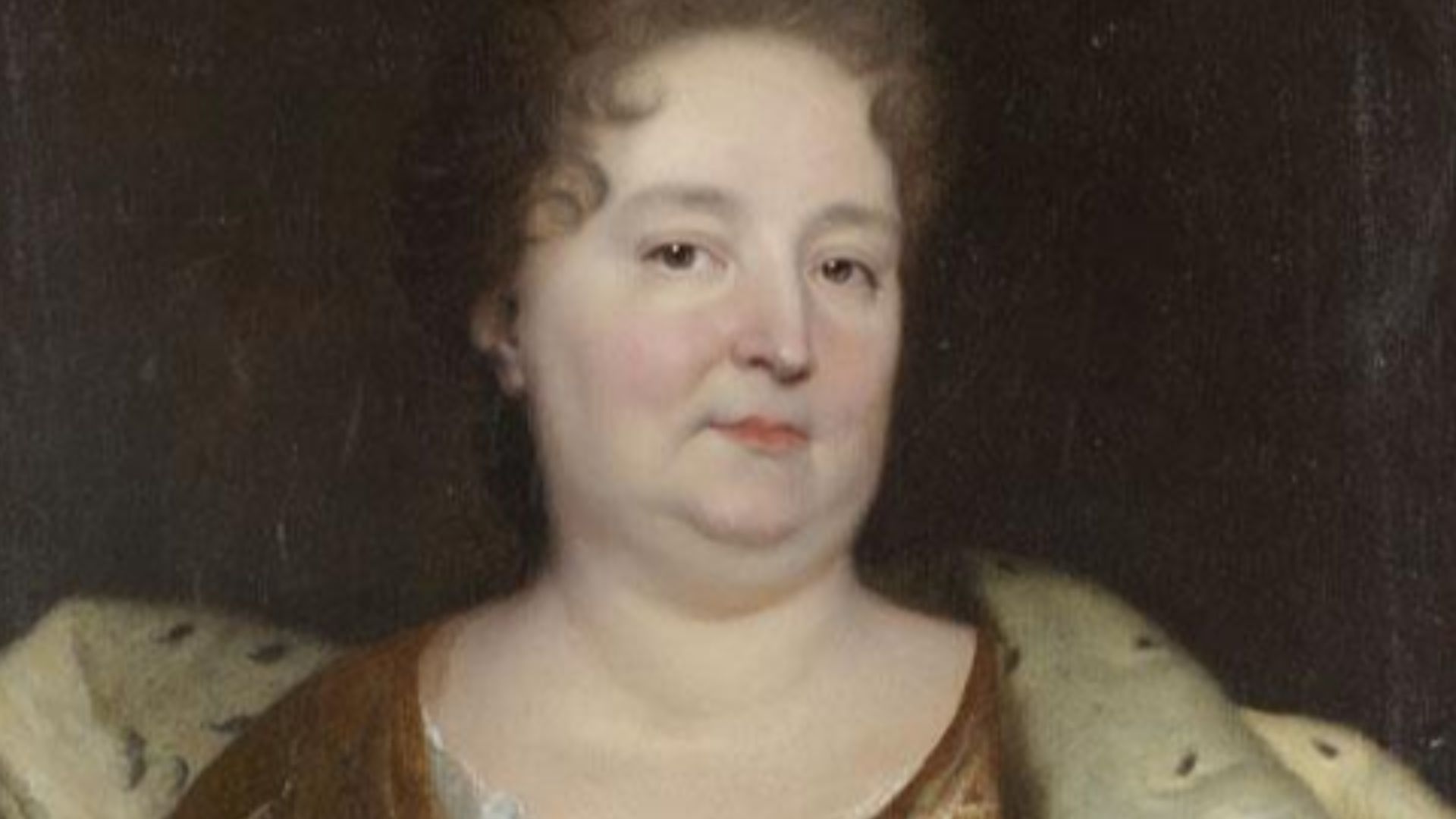 Studio of Hyacinthe Rigaud, Wikimedia Commons
12. She Trusted Liselotte Deeply
For Marie Louise, who had lost so many maternal figures in her life, Liselotte stepped seamlessly into the role of mother. She guided Marie Louise, soothed her, and later kept up long, heartfelt correspondence through her troubles in Spain. Troubles that were about to begin.
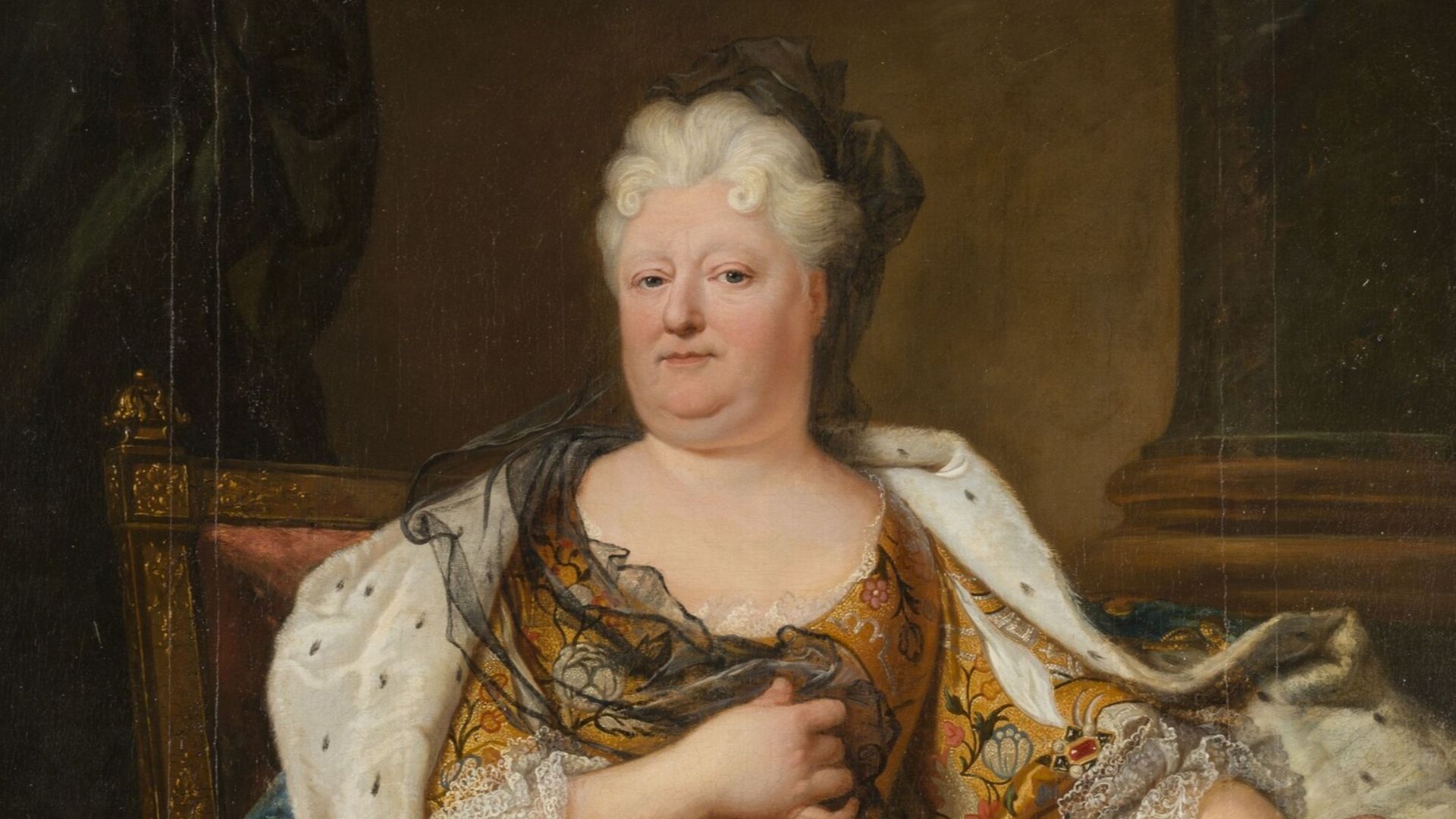 After Hyacinthe Rigaud, Wikimedia Commons
13. She Became A Diplomatic Pawn
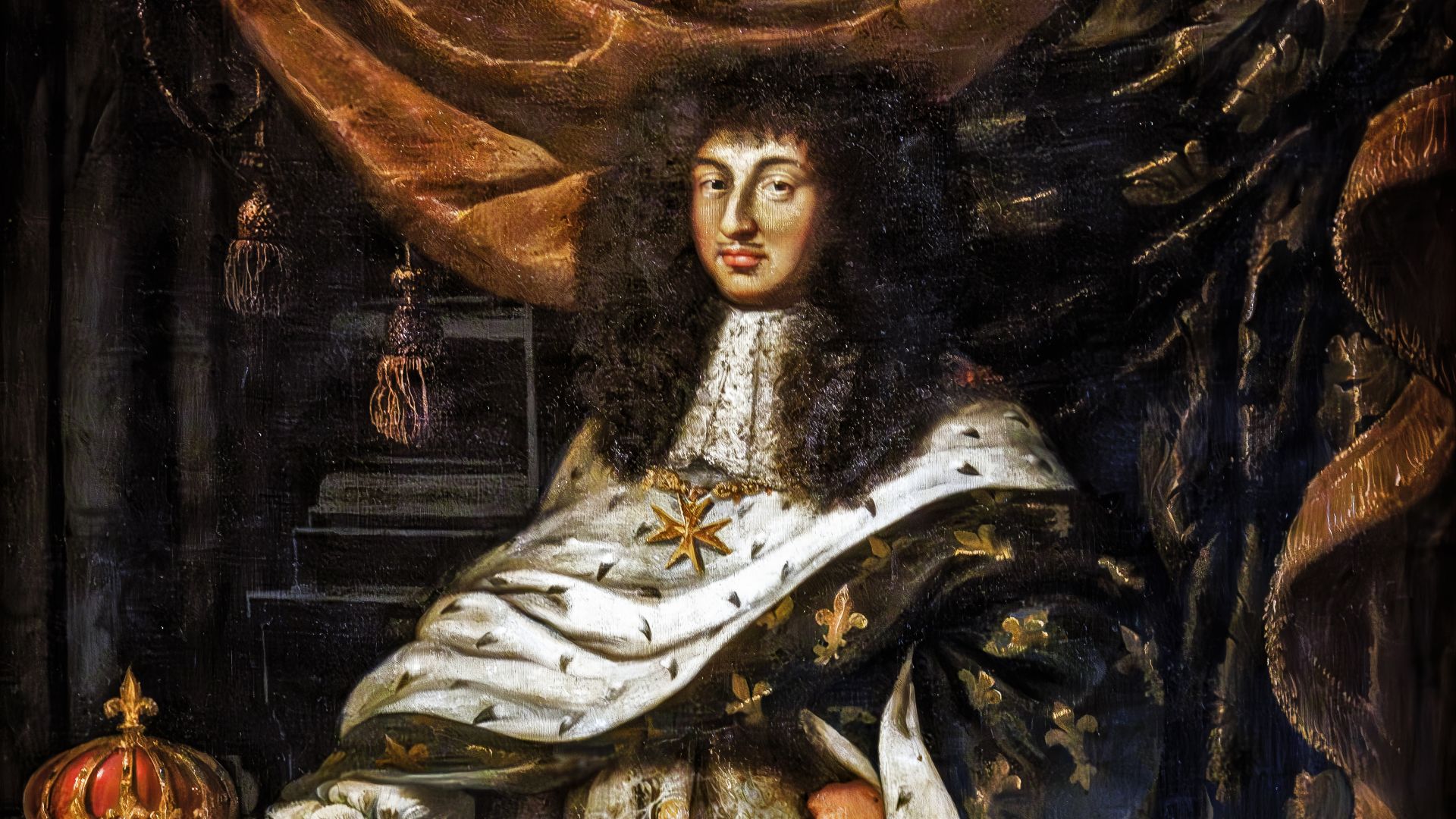
In 1678, Marie Louise’s uncle, King Louis XIV, signed a treaty with Spain. But the tenuous peace between the two kingdoms needed some reassurances—namely, Marie Louise. To solidify the Treaties of Nijmegen, King Louis XIV agreed to marry Marie Louise off to Spain’s troubled young king, Charles II.
At just 16, her fate was sealed.
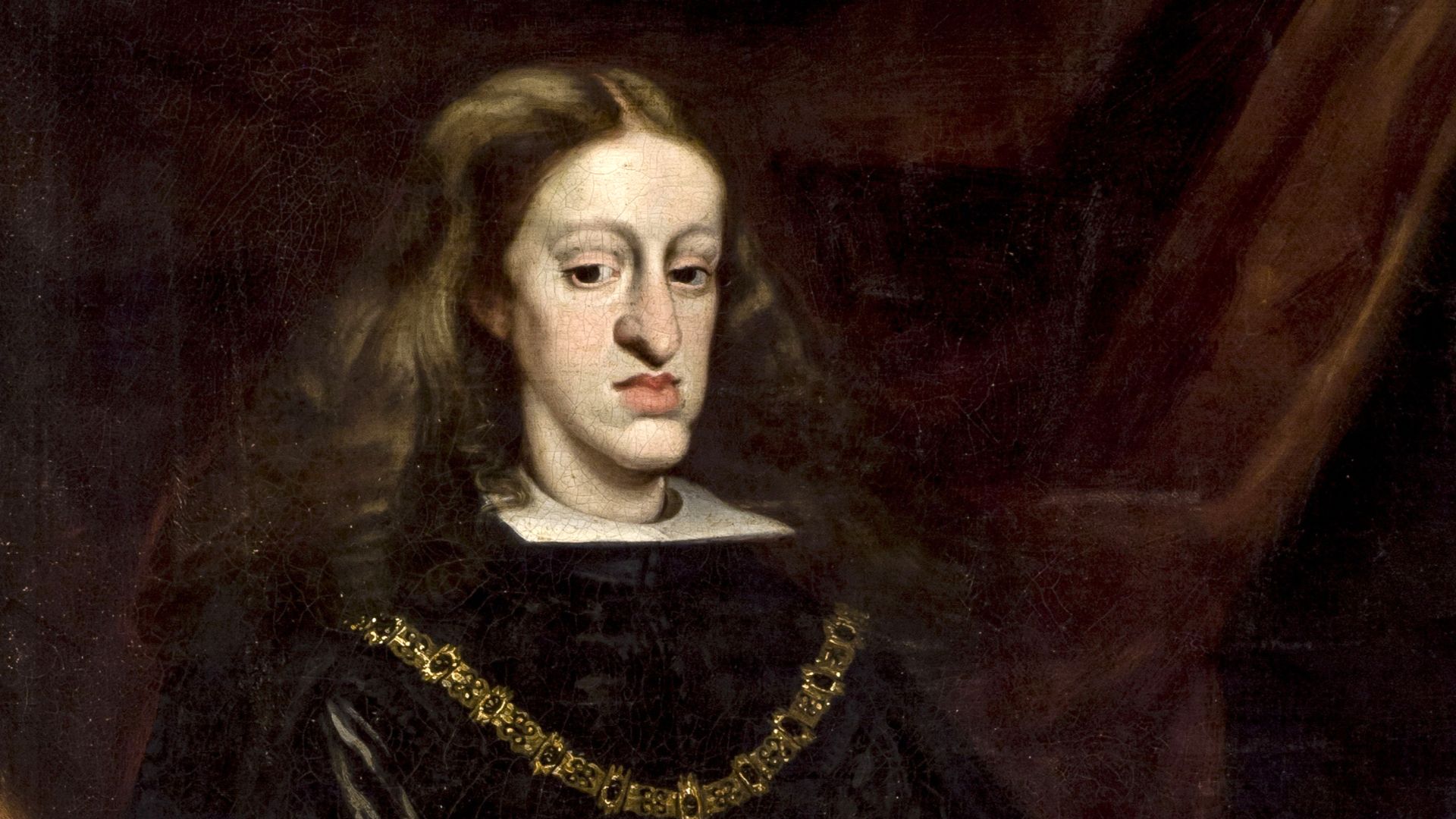 Juan Carreño de Miranda, Wikimedia Commons
14. She Learned Her Fate
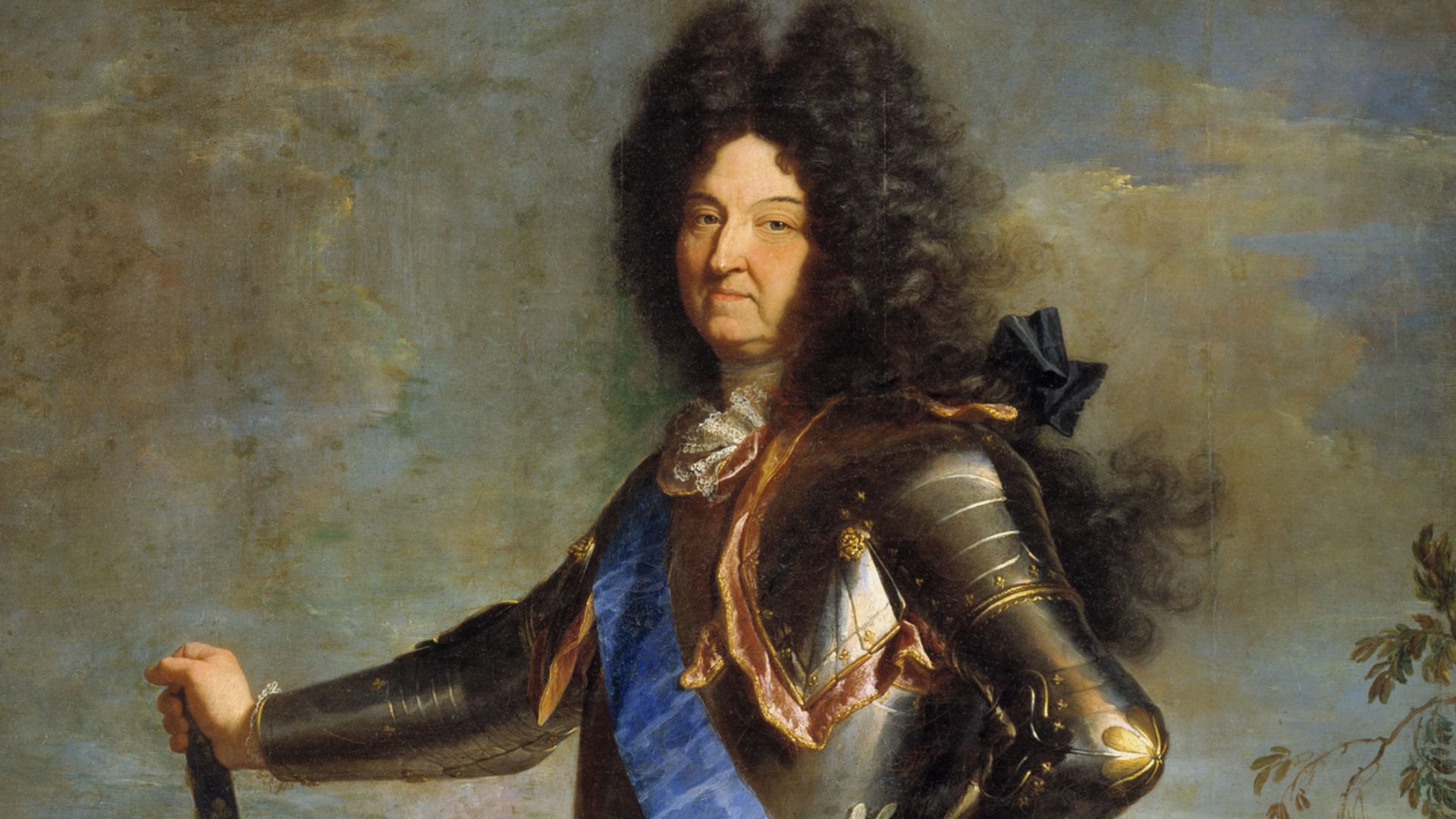
In July 1679, Marie Louise’s father and uncle, Philippe I and Louis XIV, summoned her to deliver the news. Whether she wanted to or not, she would marry Charles II, King of Spain. In that moment, she knew that her life would change. Suffice to say, she didn’t take the news particularly well.
 Hyacinthe Rigaud, Wikimedia Commons
15. She Broke Down Completely
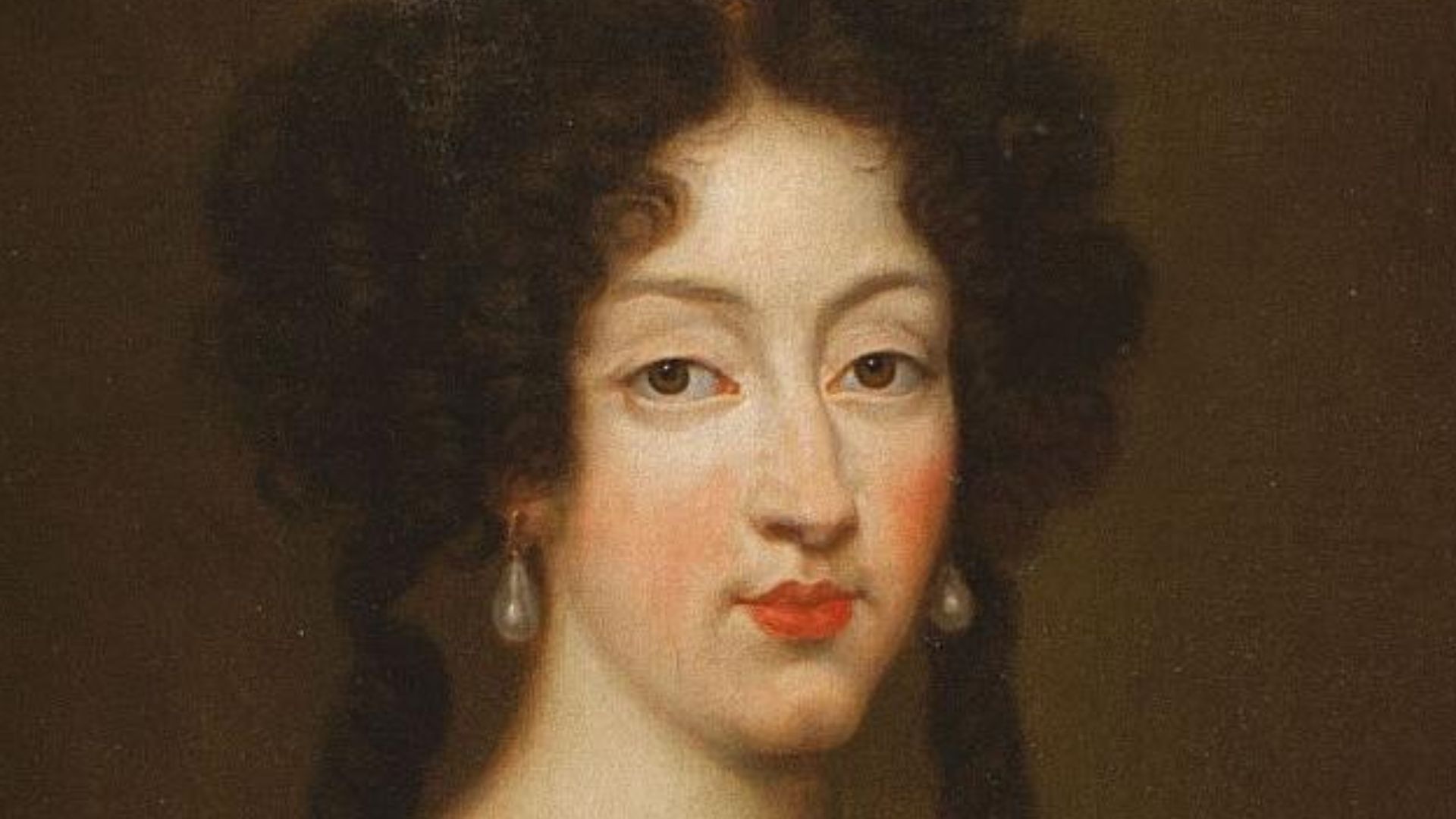
When her betrothal became official, Marie Louise didn’t hide her feelings. She was “distressed by the arranged marriage” and, according to witnesses, “spent most of her time weeping”. But the real bad news wasn’t that she was a political pawn—it was that her heart belonged to someone else.
 Pierre Mignard I, Wikimedia Commons
16. She Loved The Wrong Man
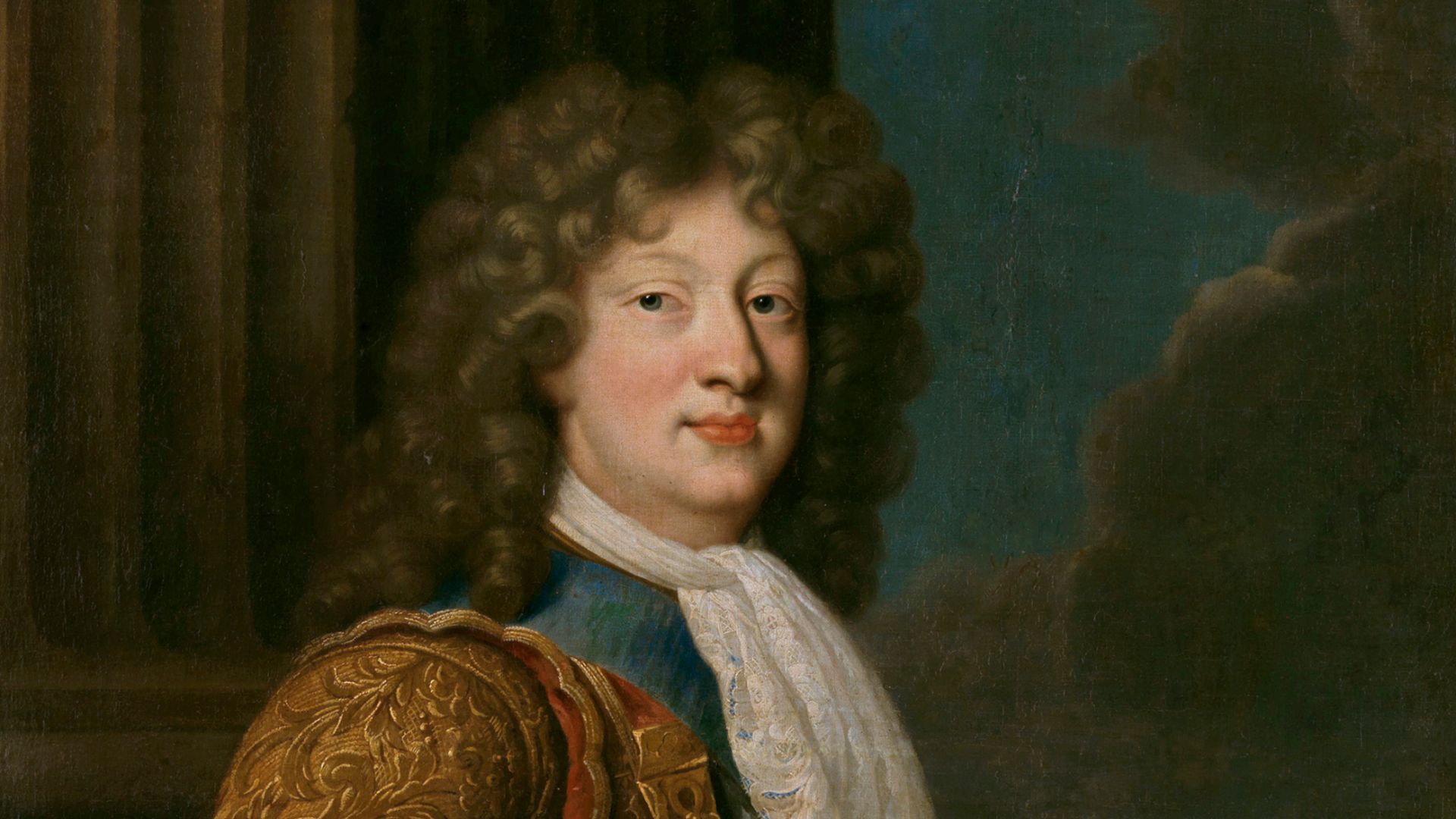
Marie Louise wasn’t just crying over having to marry the King of Spain. She was crying because her heart was broken. Ever since she was a child (or, a younger child), she had grown up alongside her cousin, Louis, the Grand Dauphin. And everyone knew; they were in love. Her uncle, the King of France, didn’t seem to care.
 After François de Troy, Wikimedia Commons
17. She Begged For A Different Husband
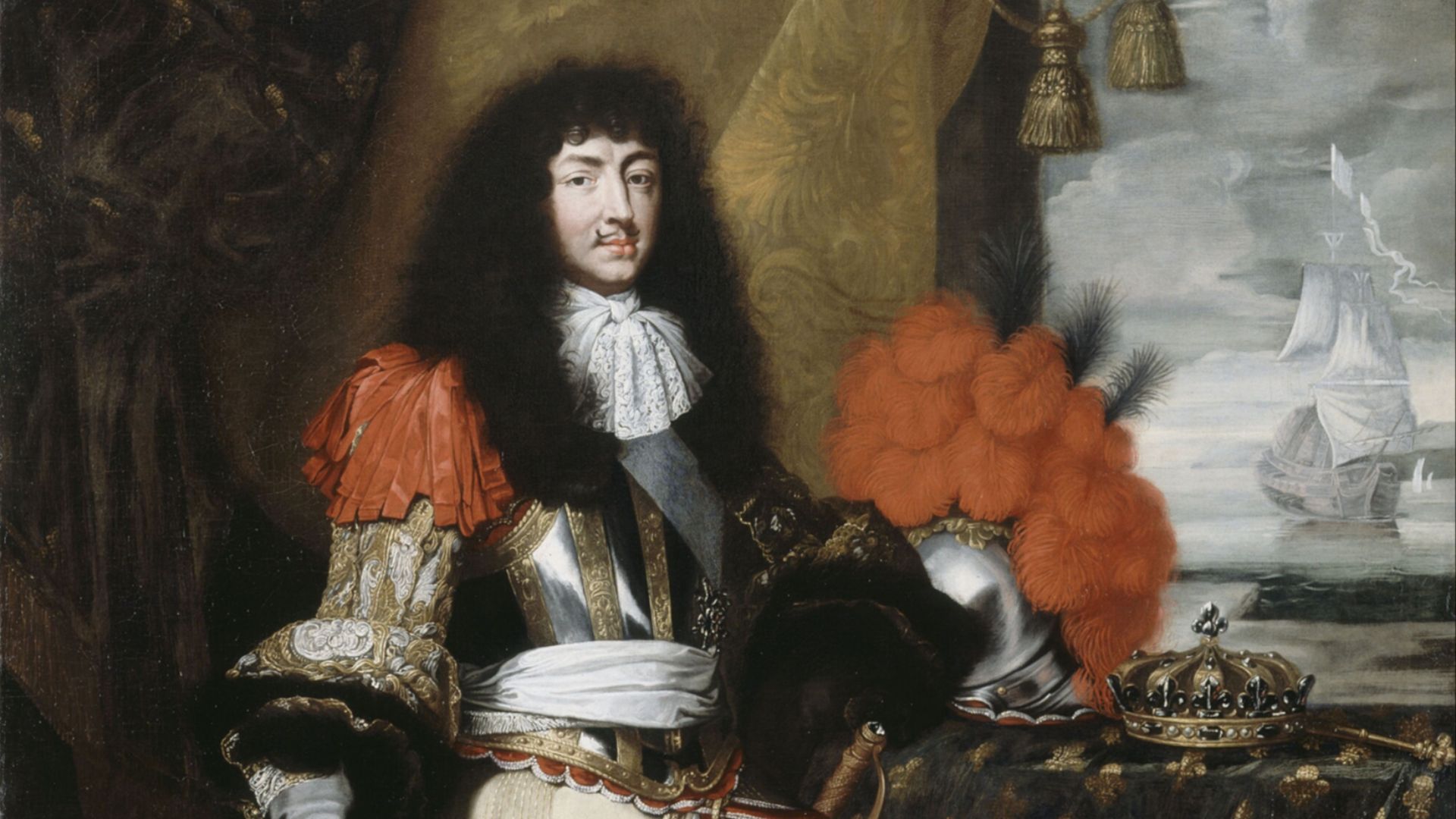
Desperate not to marry Charles II, Marie Louise confronted King Louis XIV himself. His response to her groveling, however, was downright cruel. He told her that it was disgraceful for thee "Catholic Queen" [Spanish Queens] to throw herself at the feet of ‘"The Very Christian King" [Kings of France].
Still, Marie Louise pleaded her case.
18. She Threw Shade At The Sun King
King Louis XIV pushed his niece further, asking if she thought he could have secured a better marriage than a king for a daughter of his own. Marie Louise, however, didn’t see it as a fitting match. “No,” she replied, “but you could have found a better marriage for your niece”.
To her credit, she was way out of Charles II’s league.
 Unidentified painter, Wikimedia Commons
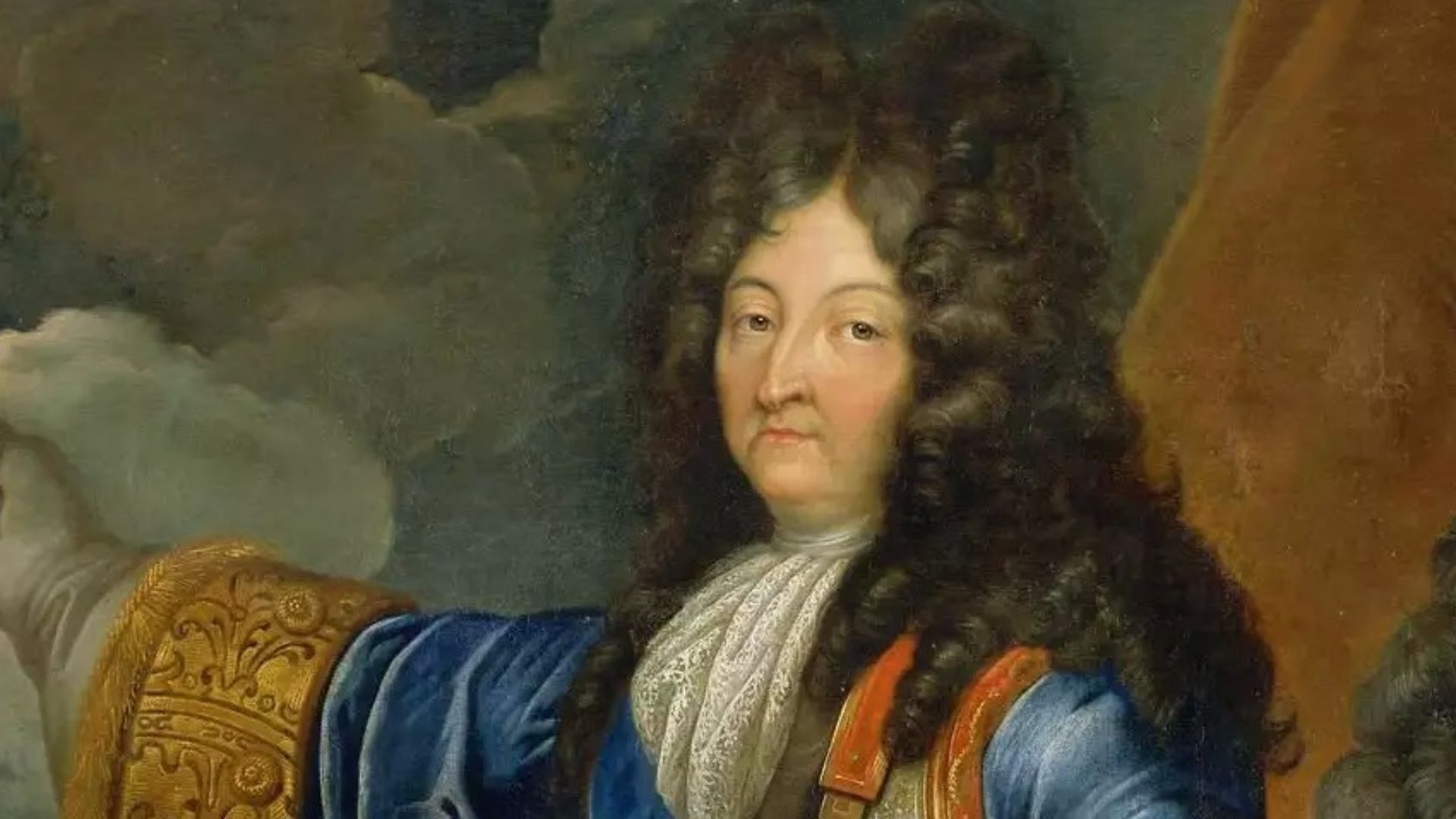
19. Her Groom Was So Ugly He “Looked Ill”
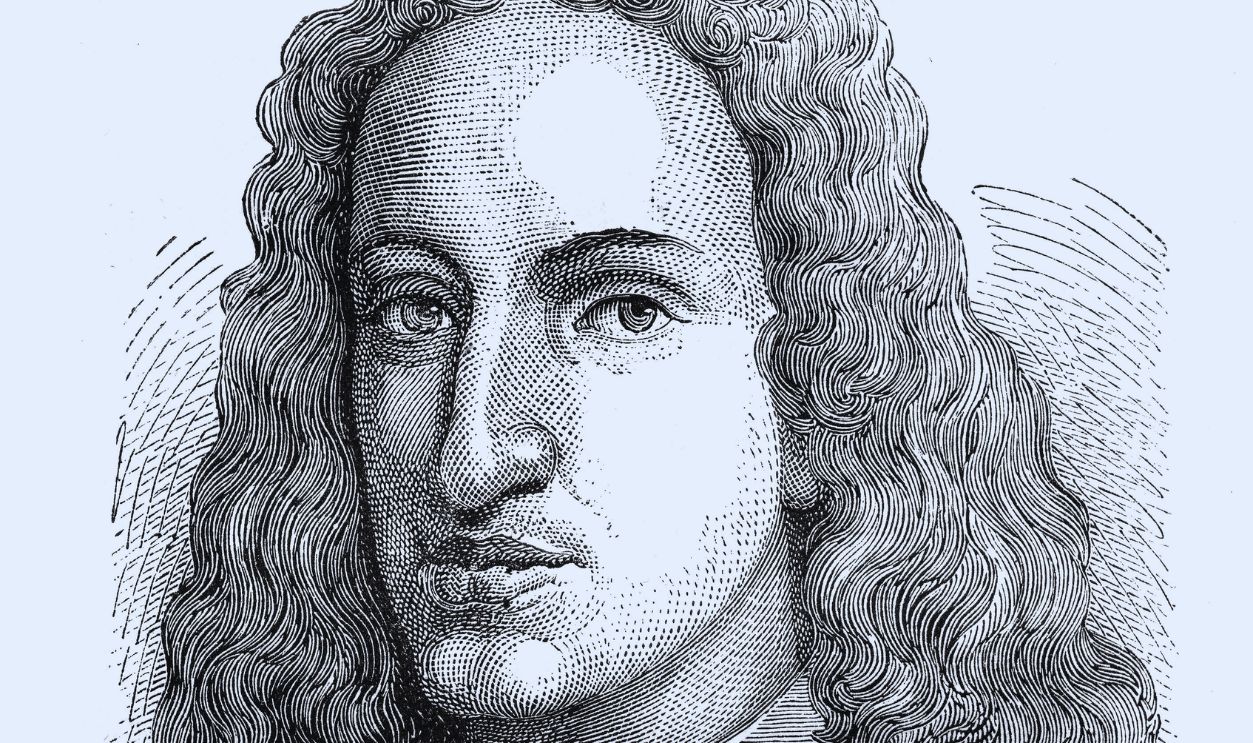
Marie Louise’s husband-to-be was a king, but he looked more like the frog that she was meant to kiss. Writing back home to the French court, the French ambassador in Spain said Charles II “is so ugly as to cause fear, and looks ill”. Sadly, the French ambassador was not exaggerating. Not even kind of.
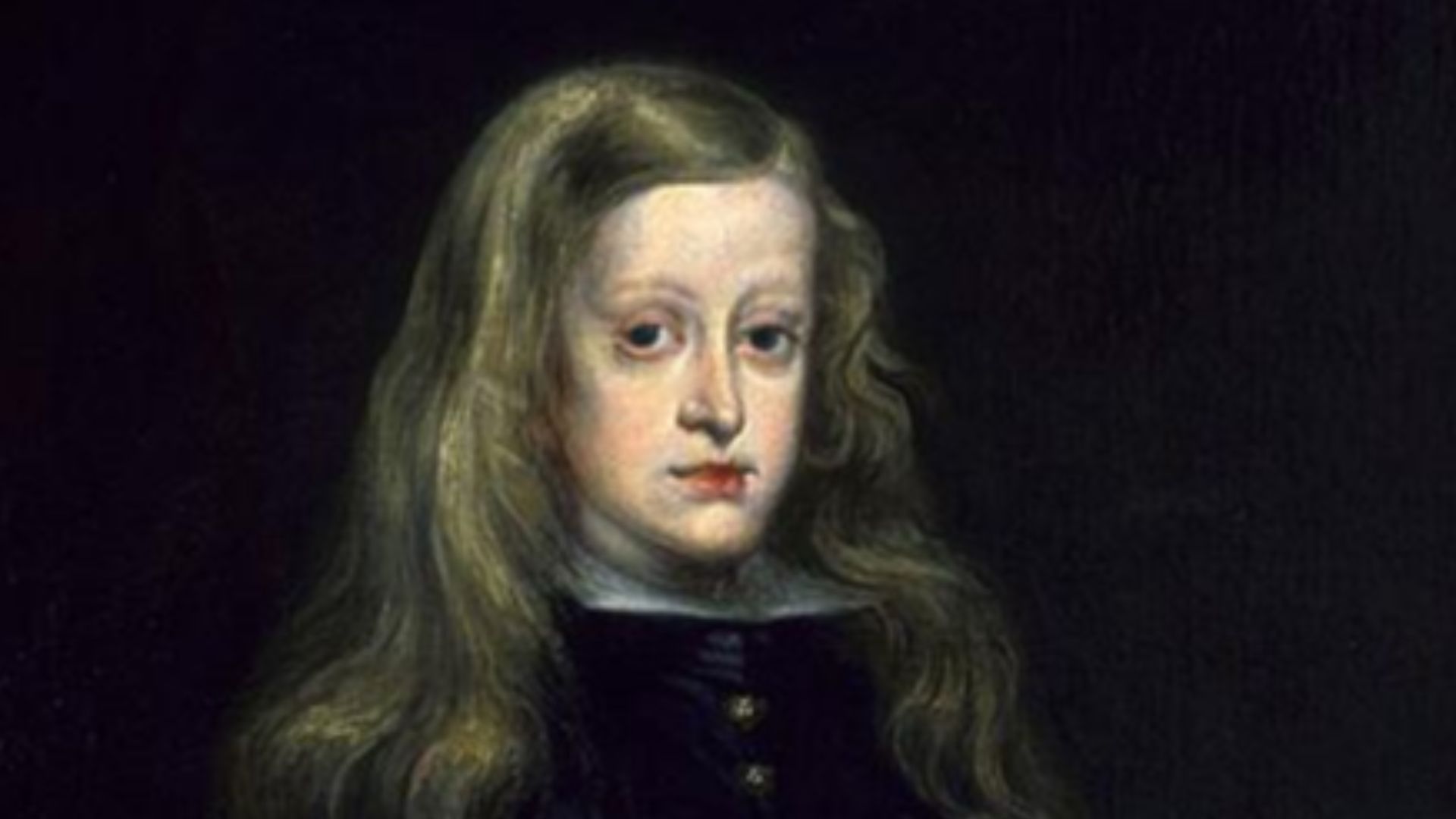 Juan Carreño de Miranda, Wikimedia Commons
20. Her Betrothed Was Challenged—In Every Way
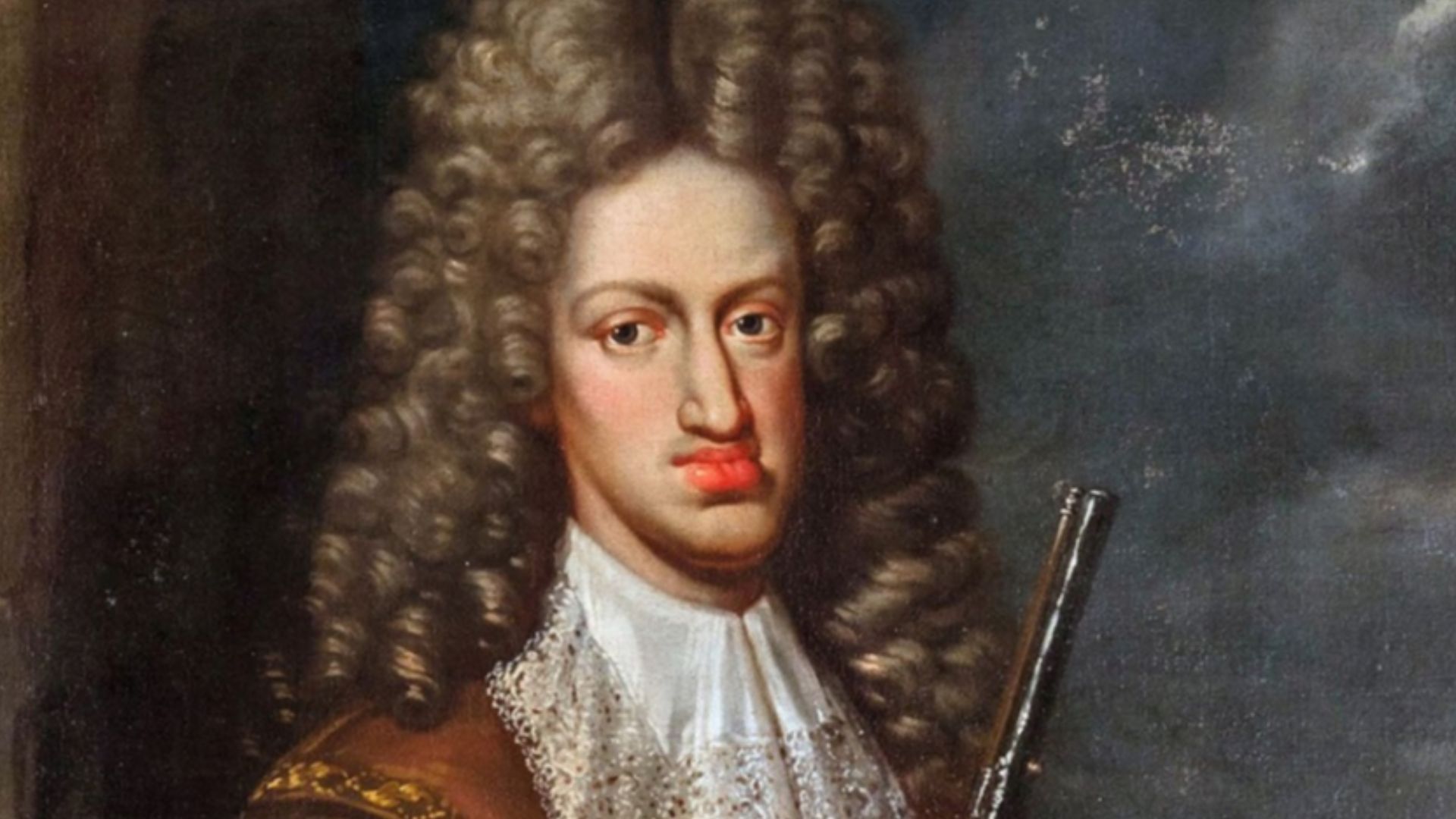
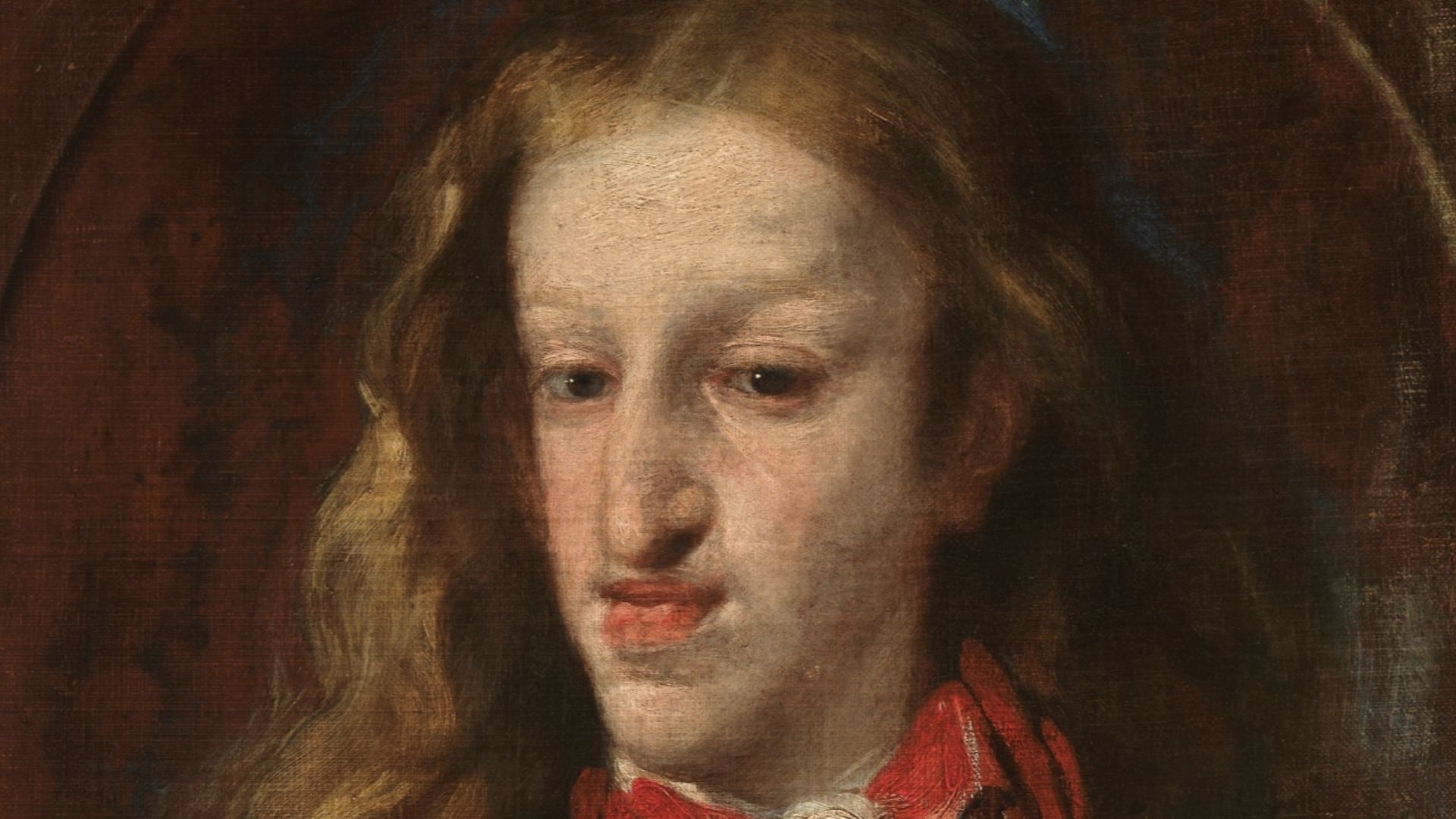
Charles II’s terrifying appearance wasn’t just unfortunate, it was the tragic result of generations of inbreeding. And it showed. His health suffered from the moment he was born, as throughout his youth he fought a number of illnesses, including the measles and smallpox. To make matters worse, he also had rickets, meaning that he needed to wear leg braces until he was five. His deformed jaw and oversized tongue meant he struggled even to chew.
Sadly, he was decidedly not the man of Marie Louise's dreams.
 John Closterman, Wikimedia Commons
21. Her Groom Wasn’t Even Educated
Though Marie Louise’s future husband was physically disabled, he still received an education. But was his mind as impaired as his physical body? Sources say that the state of his mental health cannot be known for certain. The real question on Marie Louise’s mind was why her uncle would be so cruel as to marry her to him in the first place.
 Luca Giordano / Formerly attributed to Claudio Coello, Wikimedia Commons
22. Her Uncle Had A Devious Plan
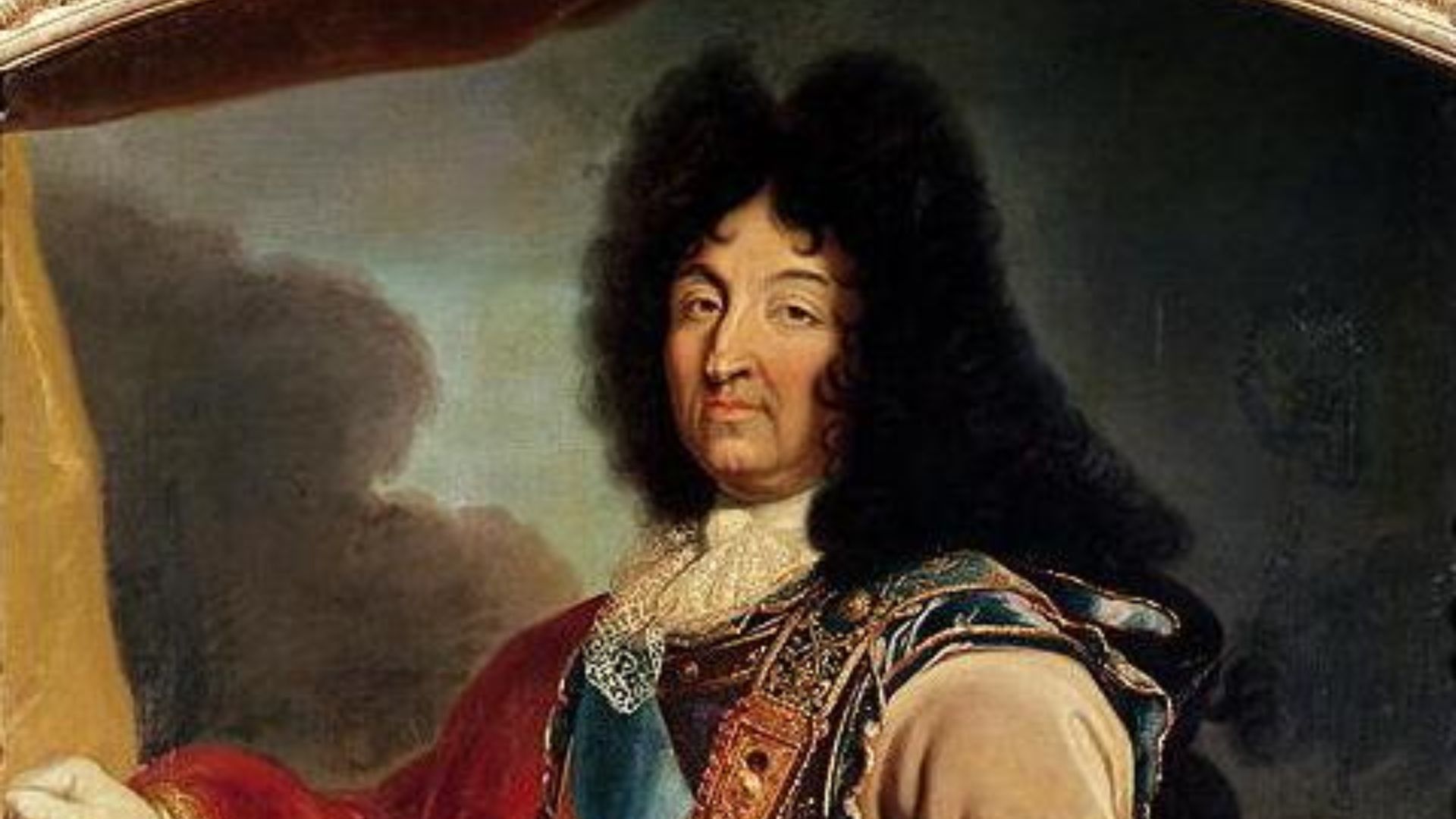
Louis XIV didn’t choose Charles II for Marie Louise out of affection—or even out of politics, frankly. His motivation was practically maniacal. Louis XIV saw Charles II “weakened by years of inbreeding in the House of Habsburg,” and wanted to control him through marriage. Marie Louise played along. Until things got real.
 Attributed to Pierre Mignard I / Attributed to Hyacinthe Rigaud, Wikimedia Commons
23. She Had A Pre-Marriage Marriage
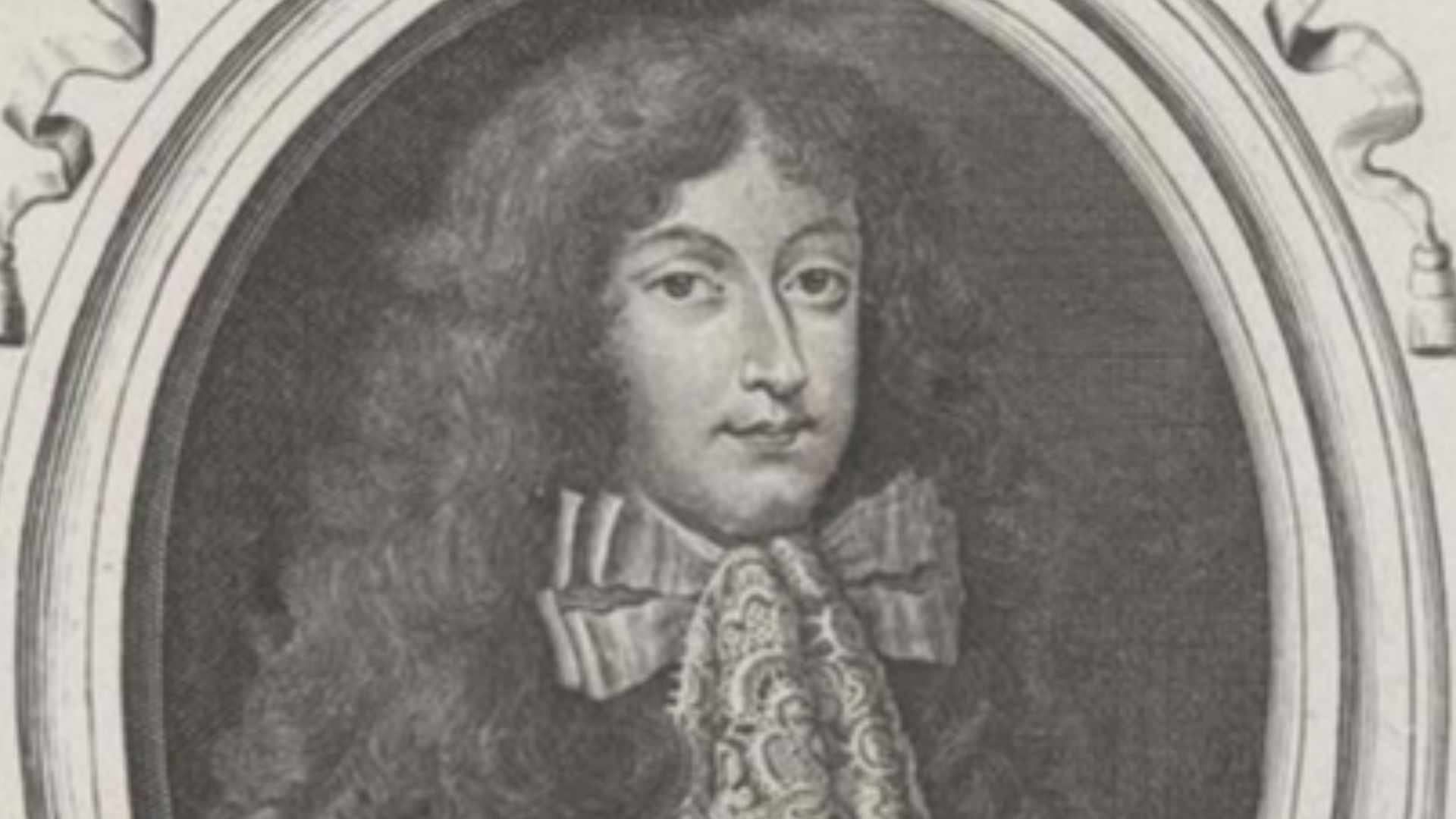
Fortunately for Marie Louise, she wouldn’t have to kiss Charles II just yet. On August 30, 1679, at Fontainebleau, she wed a proxy—her distant cousin, the Prince of Conti—who stood in for the absent King of Spain. She played her part as the bride while her cousin pretended to be the groom. The dread, however, was all real.
 XHBNx~commonswiki, Wikimedia Commons
24. She Wept After The Ceremony
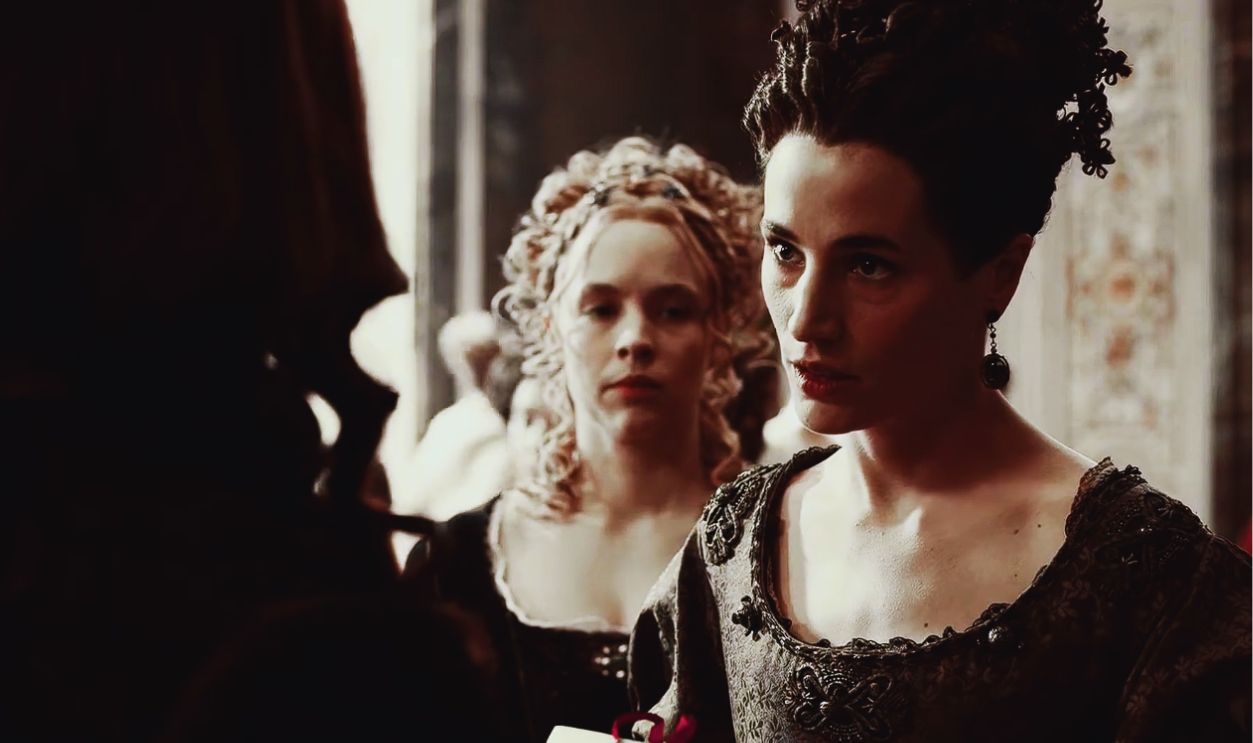
After her proxy wedding, Marie Louise collapsed. Her fate was sealed. And she could not contain her heartbreak and disappointment. According to contemporary reports, following the wedding, she was inconsolable—incessantly weeping. With the proxy wedding over, she was about to leave the only home she had ever known.
 Screenshot from Versailles, Canal+ (2015–2018)
25. She Paid One Last Visit
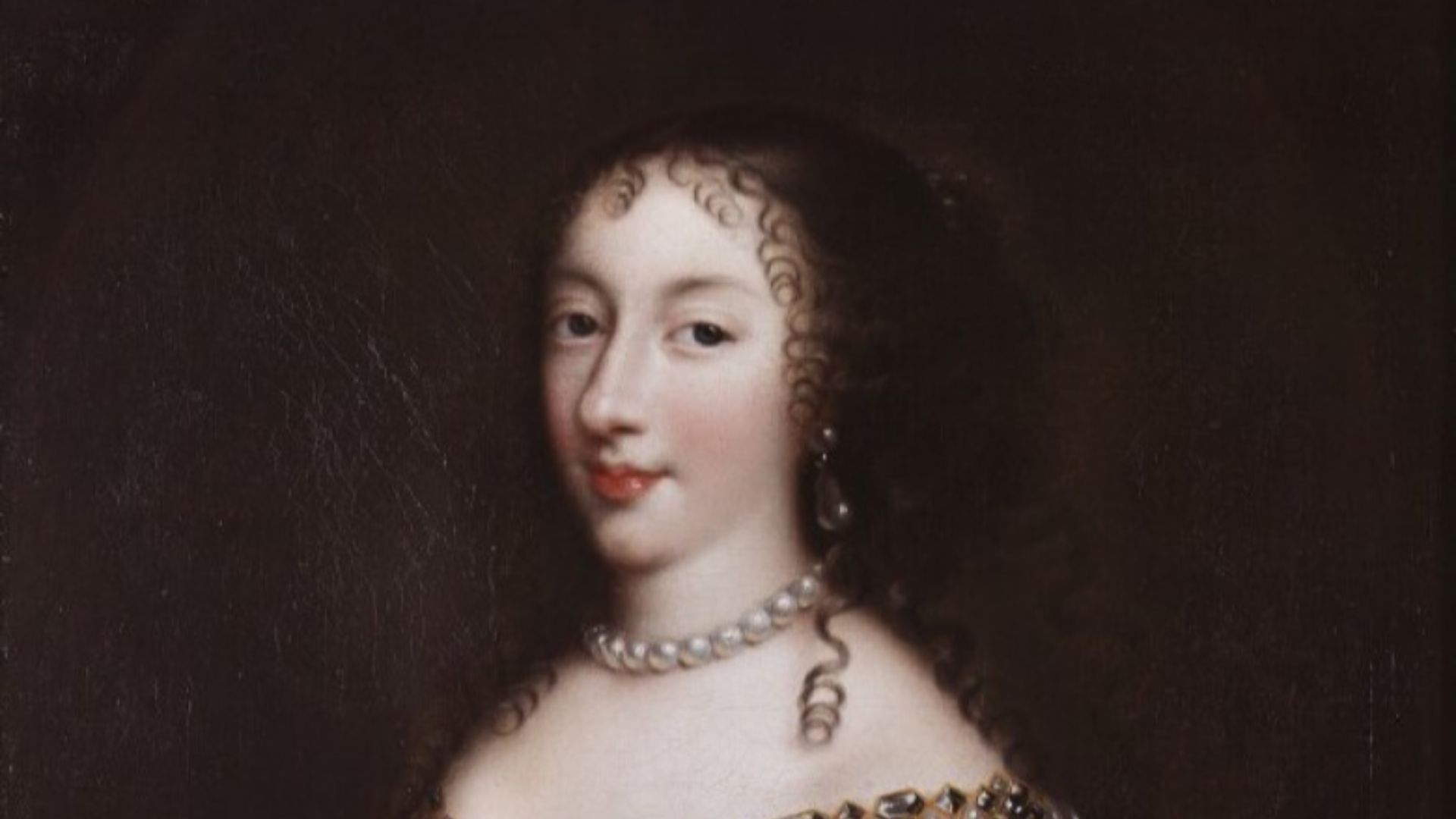
Before her departure for Spain, the French court held weeks of grand ceremonies in honor of the new Queen of Spain. But Marie Louise couldn’t help but focus on everything she was leaving behind. Before setting off for the Iberian Peninsula, she stopped at Val-de-Grâce, where her mother’s heart was kept.
It was a fond farewell. She had to prepare herself for a glum goodbye.
Marie Louise went to the convent of Val-de-Grâce, before her departure, where the heart of her mother was kept. She would never return to France.
 Pierre Mignard I, Wikimedia Commons
26. She Heard A Cruel Goodbye
Louis XIV didn’t make Marie Louise’s departure any easier. He feared that she might flee Spain like their cousin Marguerite-Louise had fled a loveless marriage in Tuscany. So, as his niece left France, he told her, “Goodbye Madame,” making sure to close with, “and forever”. Marie Louise, fortunately, had one last person who cared for her happiness.
 Didier Descouens, Wikimedia Commons
27. Her Stepmother Stood By Her
To soften the blow of her exile, Liselotte traveled with Marie Louise for part of the long journey. Even after they parted, Liselotte’s letters became Marie Louise’s emotional lifeline in Spain. She would need every ounce of comfort she could get. She was about to come face-to-face with her hideous hubby.
 Pierre Mignard I, Wikimedia Commons
28. She Finally Met Her Husband
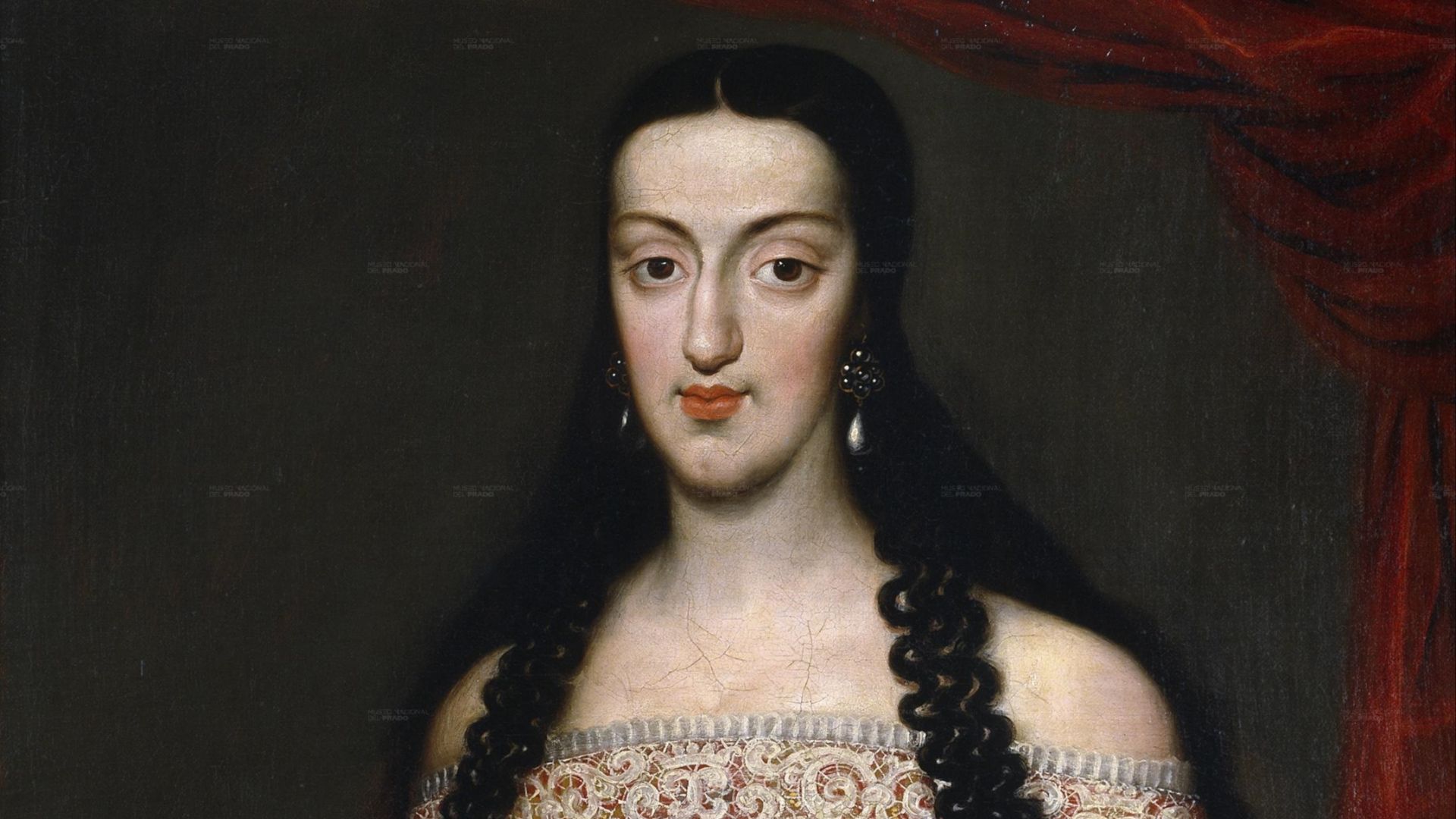
It wasn’t until late 1679 that Marie Louise finally met her husband and had the wedding she had been dreading. The arranged marriage took place in the decidedly quaint town of Quintanapalla, near Burgos. Once they said their “I dos,” Marie Louise officially became the Queen of Spain. There was just one problem.
She didn’t speak Spanish.
29. She Couldn’t Understand Her Husband
Marie Louise and Charles II shared a crown—but not a language. All throughout their already awkward wedding ceremony, the newlyweds relied on the Marquise de Villars and her husband, the French ambassador, to translate their vows and interactions. It hardly made for a romantic beginning—nor a hopeful one.
 José García Hidalgo, Wikimedia Commons
30. Her New Home Was Foreign To Her
Just as expected, Marie Louise hated the Spanish court. Their code of conduct was even stricter than France’s. Spanish custom forbade anyone—even attendants—from touching queens like Marie Louise, making for a frosty welcome. Believe it or not, but that was the least cruel custom that she had to endure.
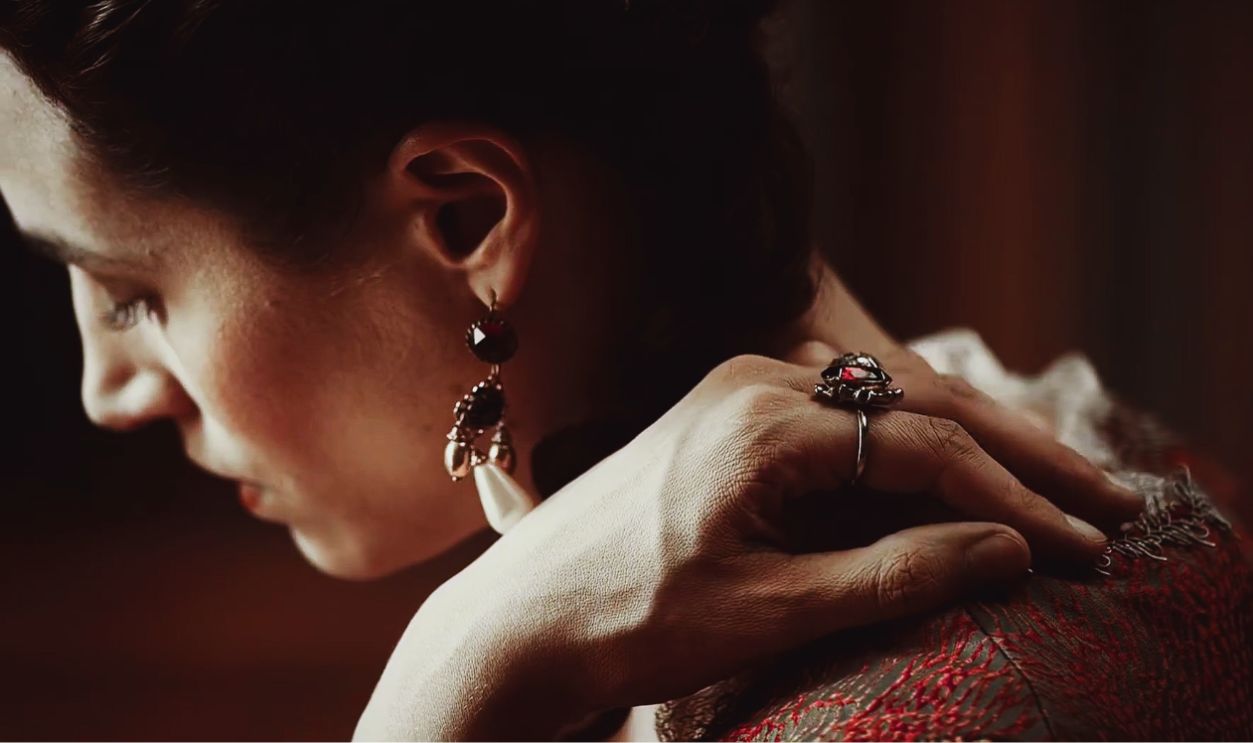 Screenshot from Versailles, Canal+ (2015–2018)
31. She Couldn’t Even Look Outside
Spanish etiquette made French etiquette look like a free-for-all. Marie Louise wasn’t just restricted—she was practically imprisoned. In her new Spanish home, Queens couldn’t even glance out a window, in case an ordinary person saw their face. The things Marie Louise saw, however, made her want to run back home.
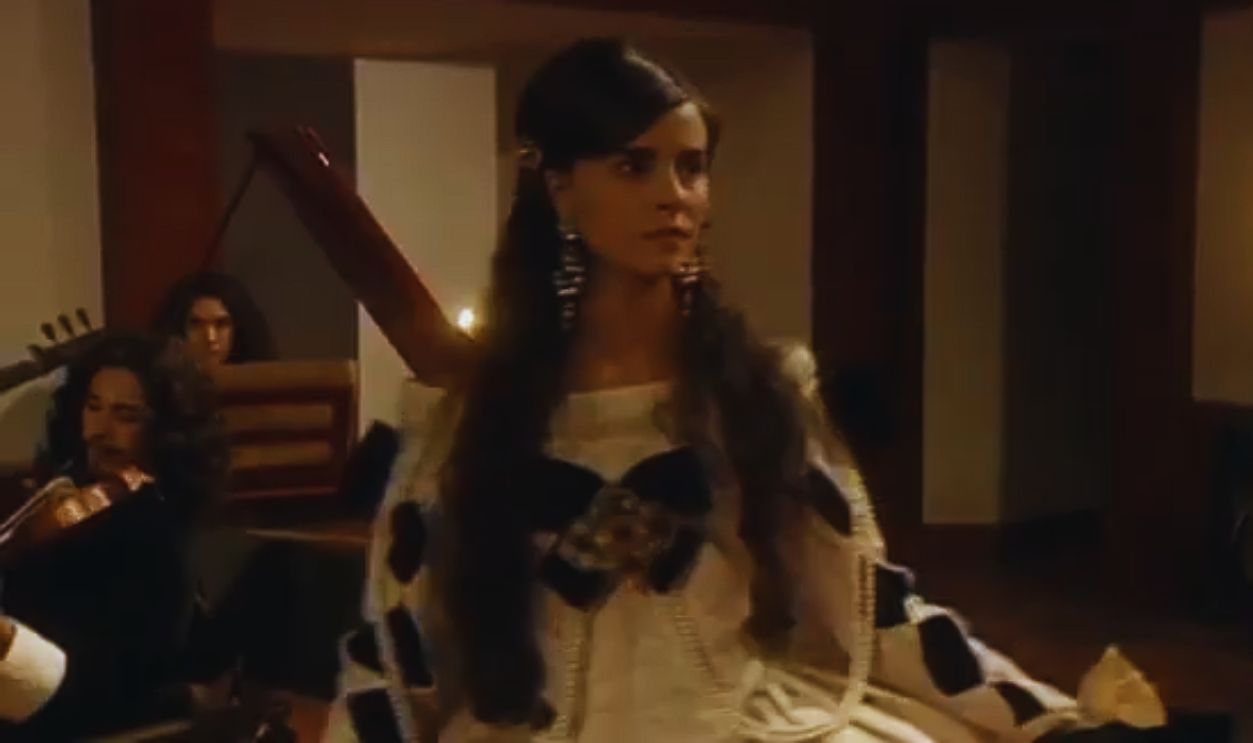 Screenshot from Versailles, Canal+ (2015–2018)
32. She Witnessed Terrifying Rituals
Even though she was Christian, Marie Louise found Spanish Catholic practices terrifying. Unlike the French version she knew, the Spanish court expected queens to witness the Inquisition’s public punishments… like burning heretics at the stake. Her inability to adapt didn’t go unnoticed.
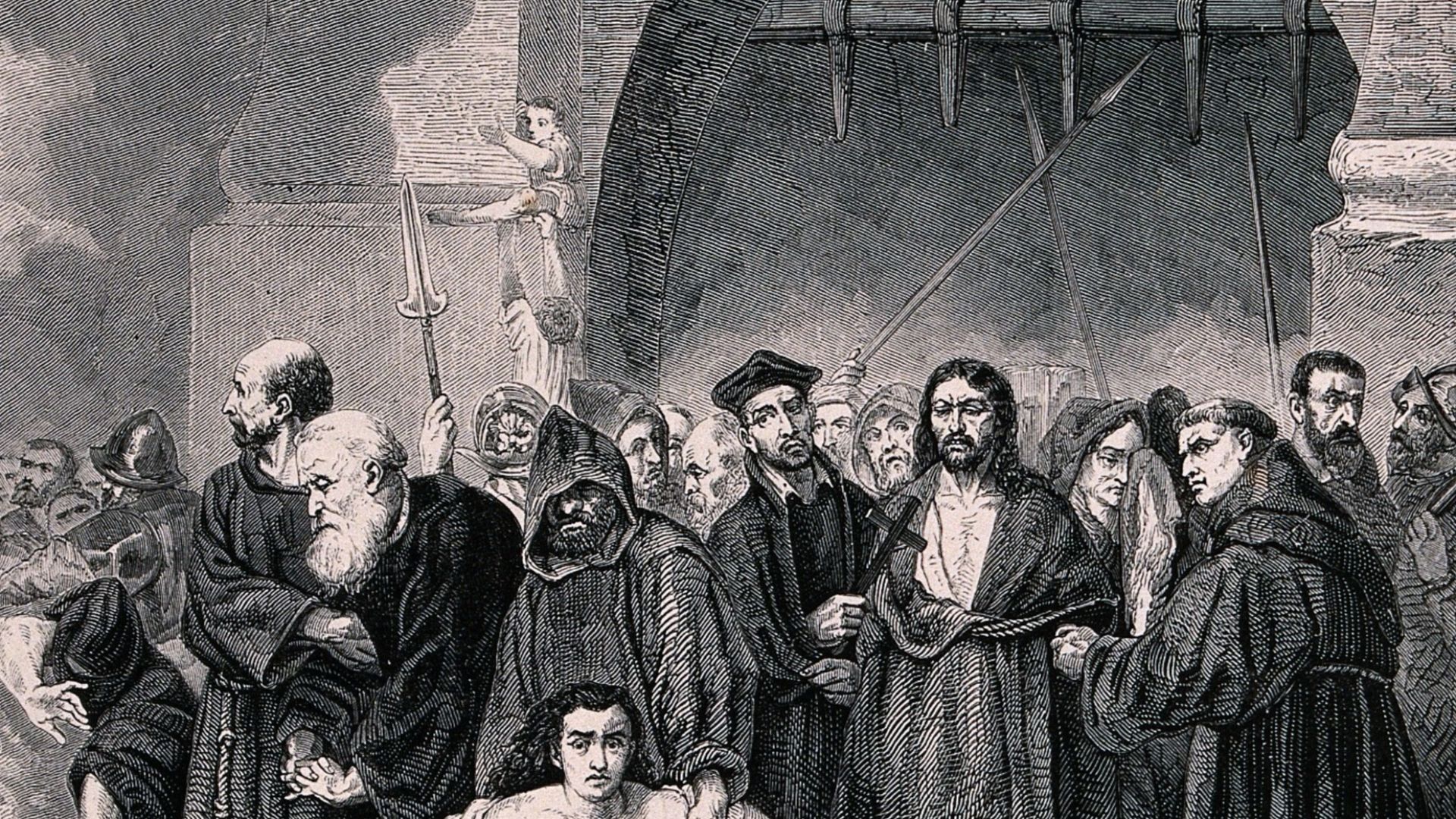 Mike Rosoft, Wikimedia Commons
33. She Was Everyone’s Least Favorite Queen
Marie Louise never stood a chance in Spain. From the moment she arrived, her new Spanish subjects hated her guts. Courtiers whispered all around her, claiming that she and her French attendants were plotting against the king. Thankfully, she had one ally at court: the only one that mattered.
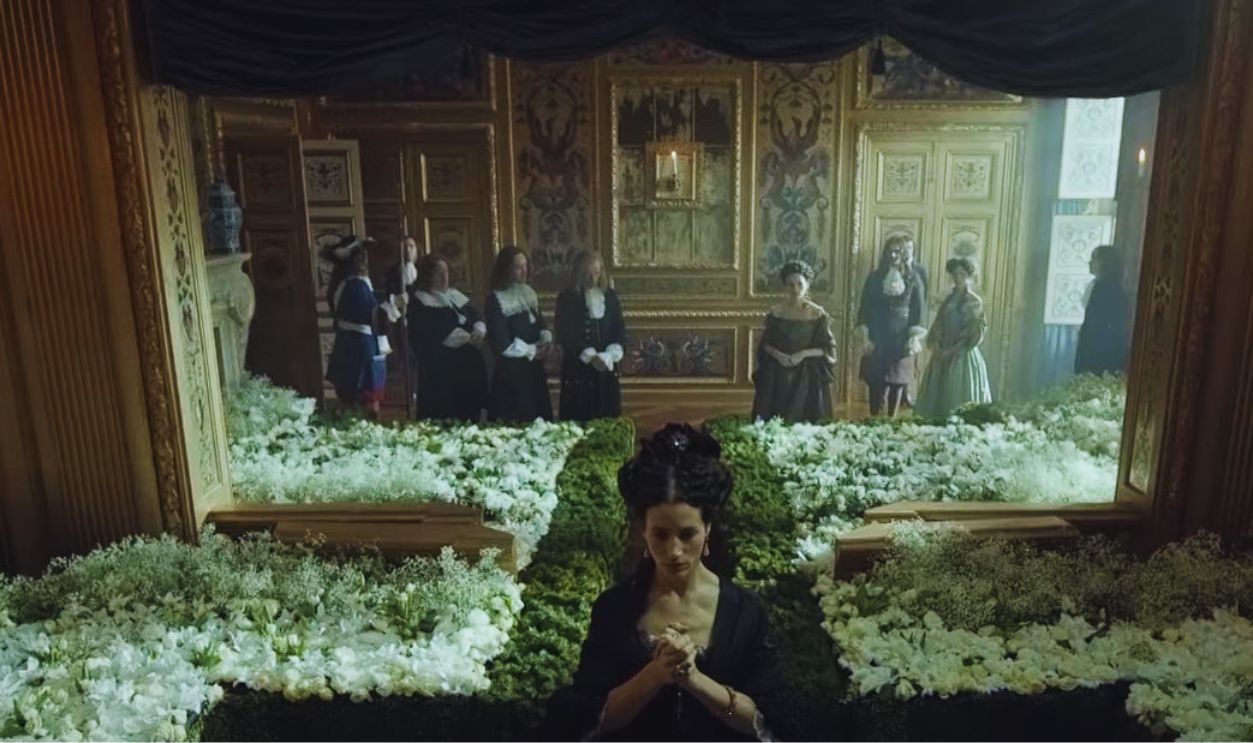 Screenshot from Versailles, Canal+ (2015–2018)
34. Her Husband Fell For Her
Despite the hostility that Marie Louise received from the citizens and courtiers of Spain, one person adored her: King Charles II himself. After seeing her portrait, he supposedly fell in love instantly, and his devotion only grew once she arrived. In a surprise turn of events, her marriage wasn’t all bad.
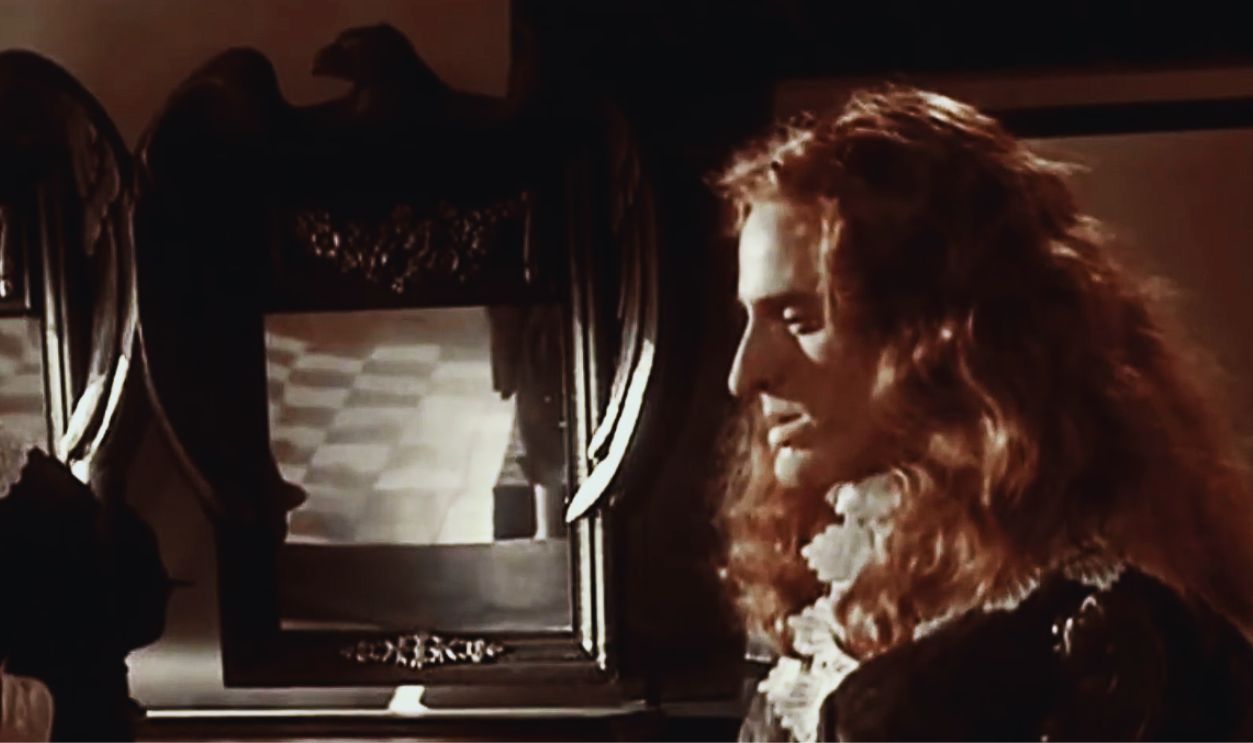 Screenshot from Versailles, Canal+ (2015–2018)
35. She Learned To Love Her Husband
Marie Louise appreciated her husband’s love for her. But her own devotion had limits. She had to confess that she didn’t share Charles II’s deep love, but she did eventually grow fond of him. They even exchanged lessons: he taught her Spanish, she taught him French. Their friendship blossomed, even as their bloodline withered.
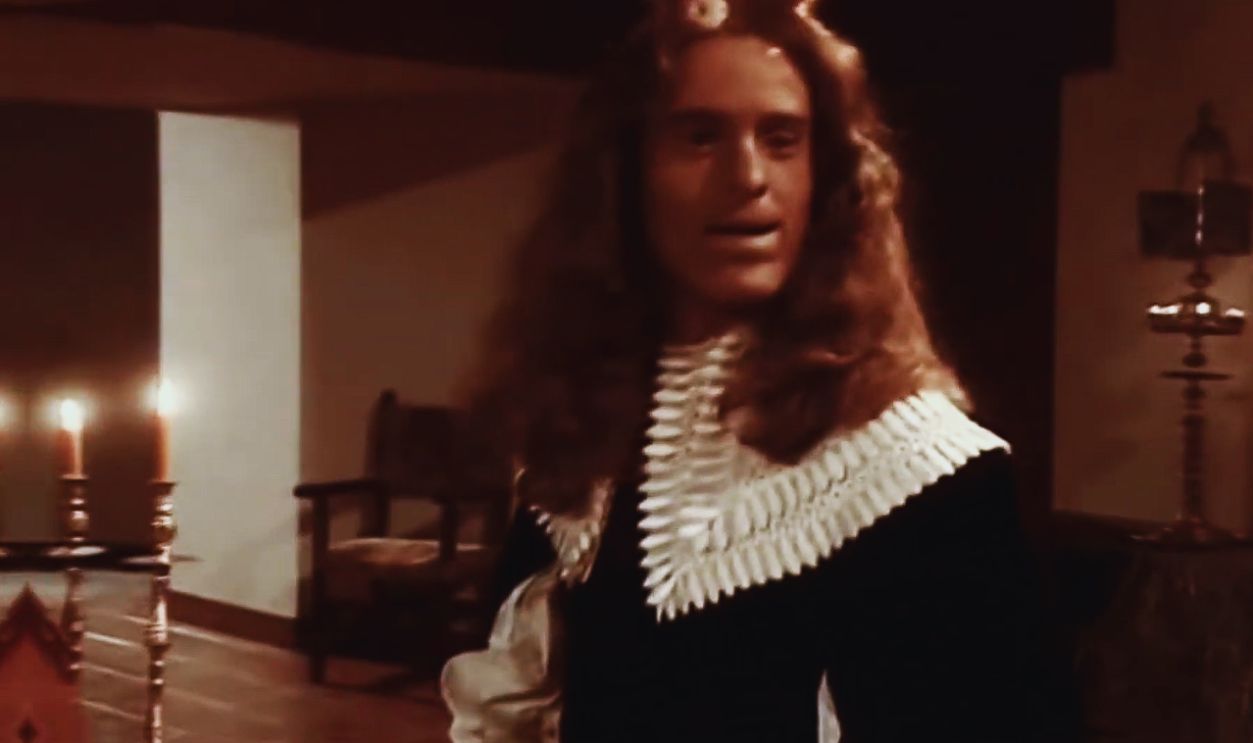 Screenshot from Versailles, Canal+ (2015–2018)
36. She Made A Shocking Confession
Marie Louise plodded on for 10 years in her marriage to King Charles II. But, despite their best efforts, the couple produced no heir. In a touching confession to the French ambassador, Marie Louise revealed the sad truth: She knew that she would never have children. Heartbreaking as it was, she knew the fault wasn’t her own.
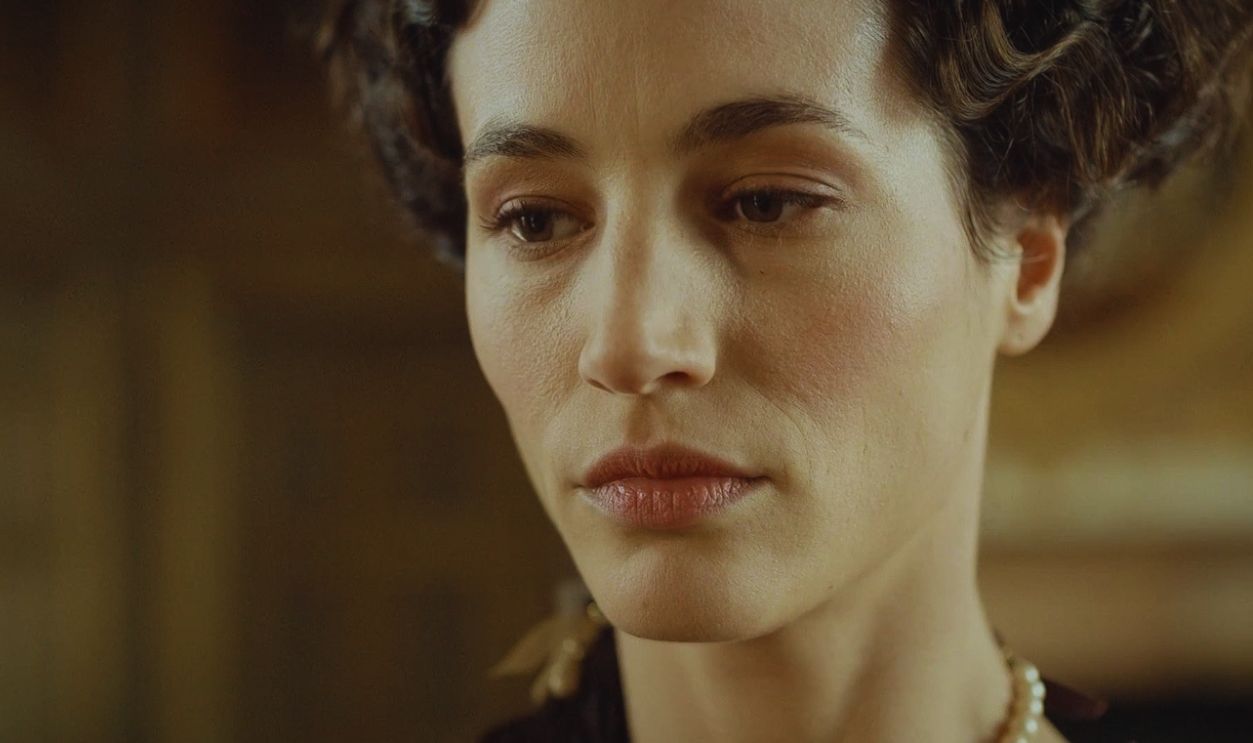 Screenshot from Versailles, Canal+ (2015–2018)
37. She Had A Childless Marriage
10 years into their childless marriage, tongues began wagging about who was to blame. However, Marie Louise’s confessions to the French ambassador hinted at what was happening behind the closed bedroom doors of the king and queen. Marie Louise blamed their infertility on Charles II.
Not everyone thought the same.
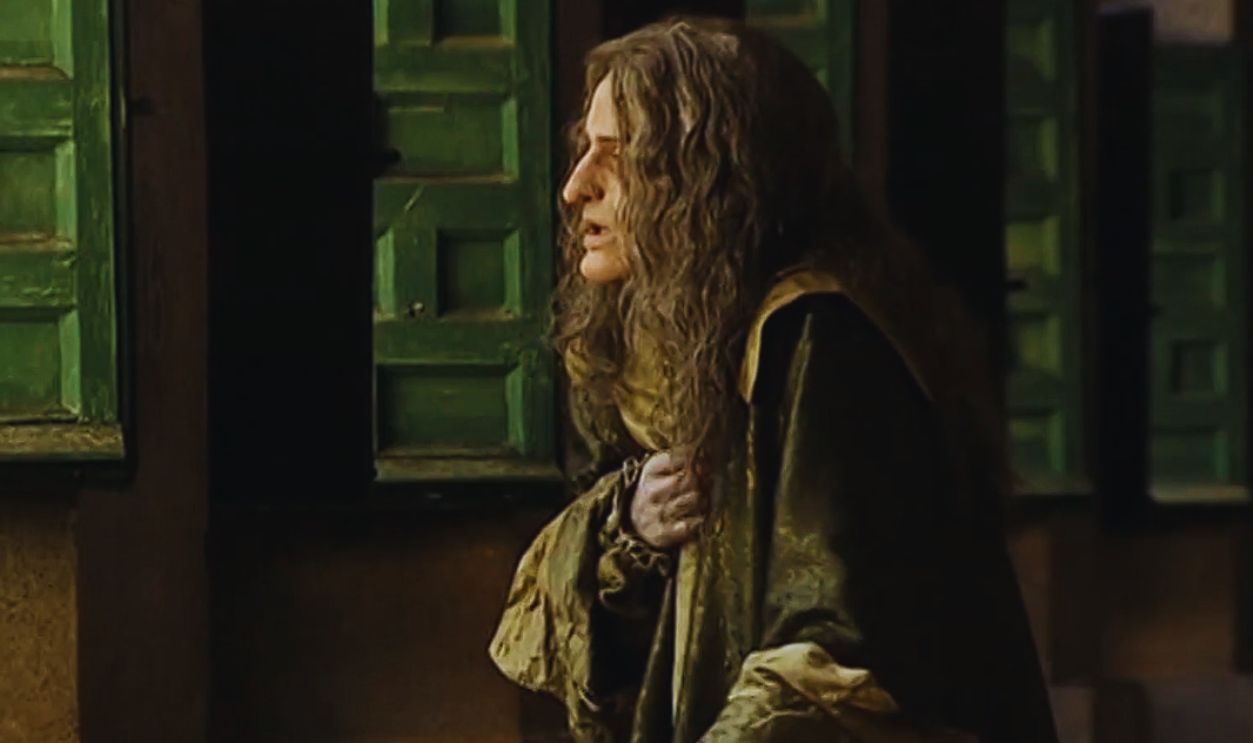 Screenshot from Versailles, Canal+ (2015–2018)
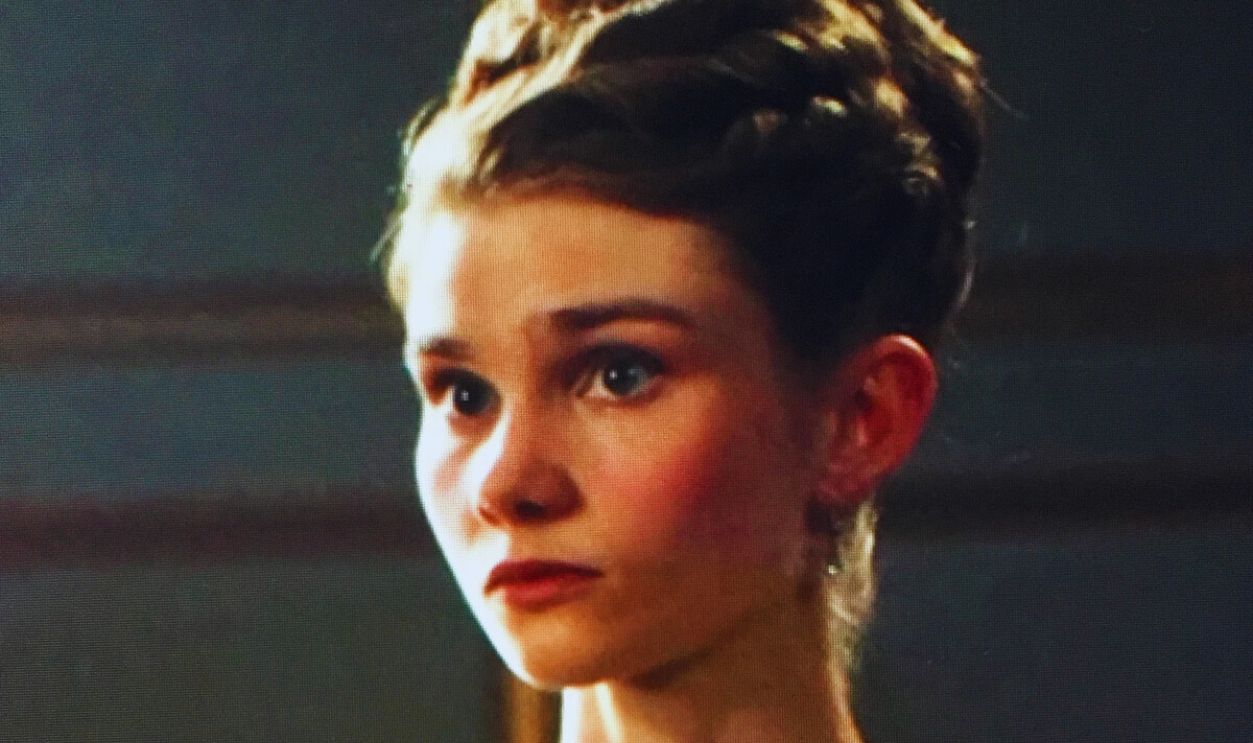
38. She Took All The Blame
With an invalid for a king and no heir in sight, the Spanish court spiraled into fear. Everyone from ministers to nobles, and commoners all scrambled for answers—and no one dared blame Charles II. Whether she was at fault or not, Marie Louise took all of the blame for the couple’s infertility.
Even though it was, as historians would find out, not her fault.
 Screenshot from Versailles, Canal+ (2015–2018)
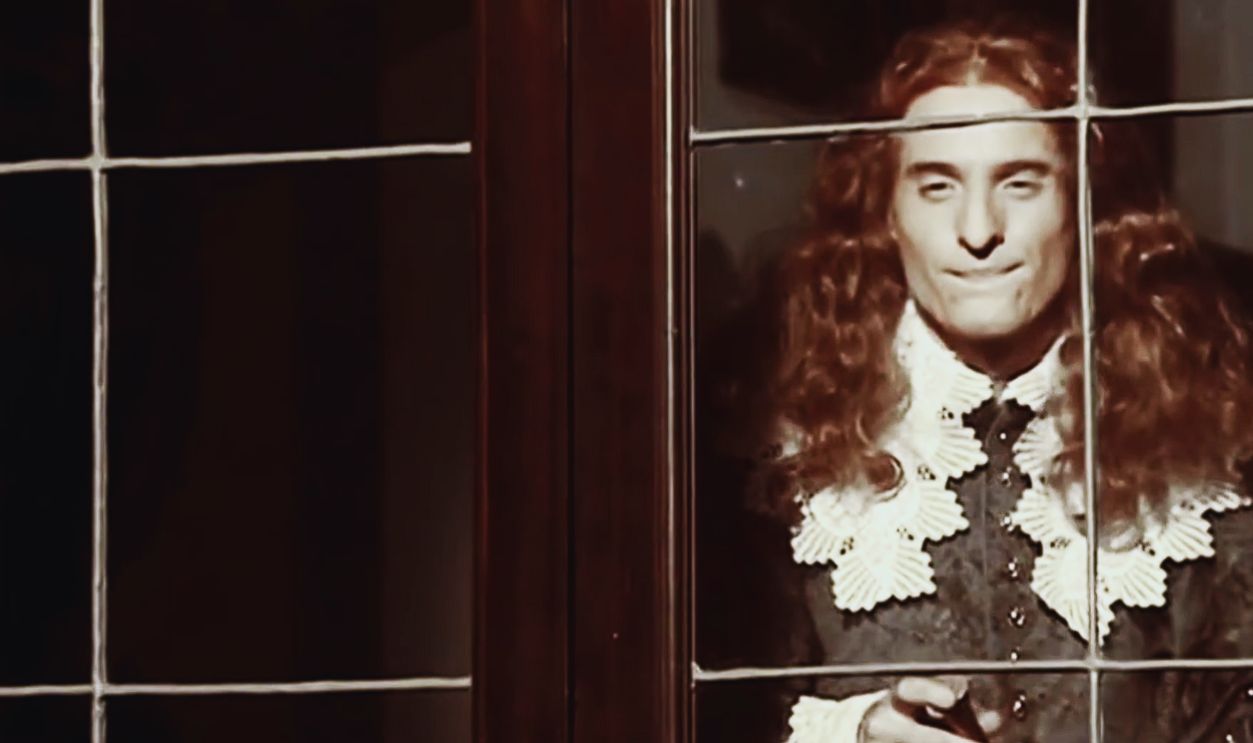
39. Her Husband Only Had One Ball
Only after Charles II’s passing did the truth finally emerge. His autopsy revealed a telling fact: He had just one atrophied testicle. It was undeniably the cause of his childless marriage to Marie Louise—and her successor. However, by that time, Marie Louise was long gone, having shouldered the blame her whole life.
No wonder her life took another dramatic turn.
 Screenshot from Versailles, Canal+ (2015–2018)
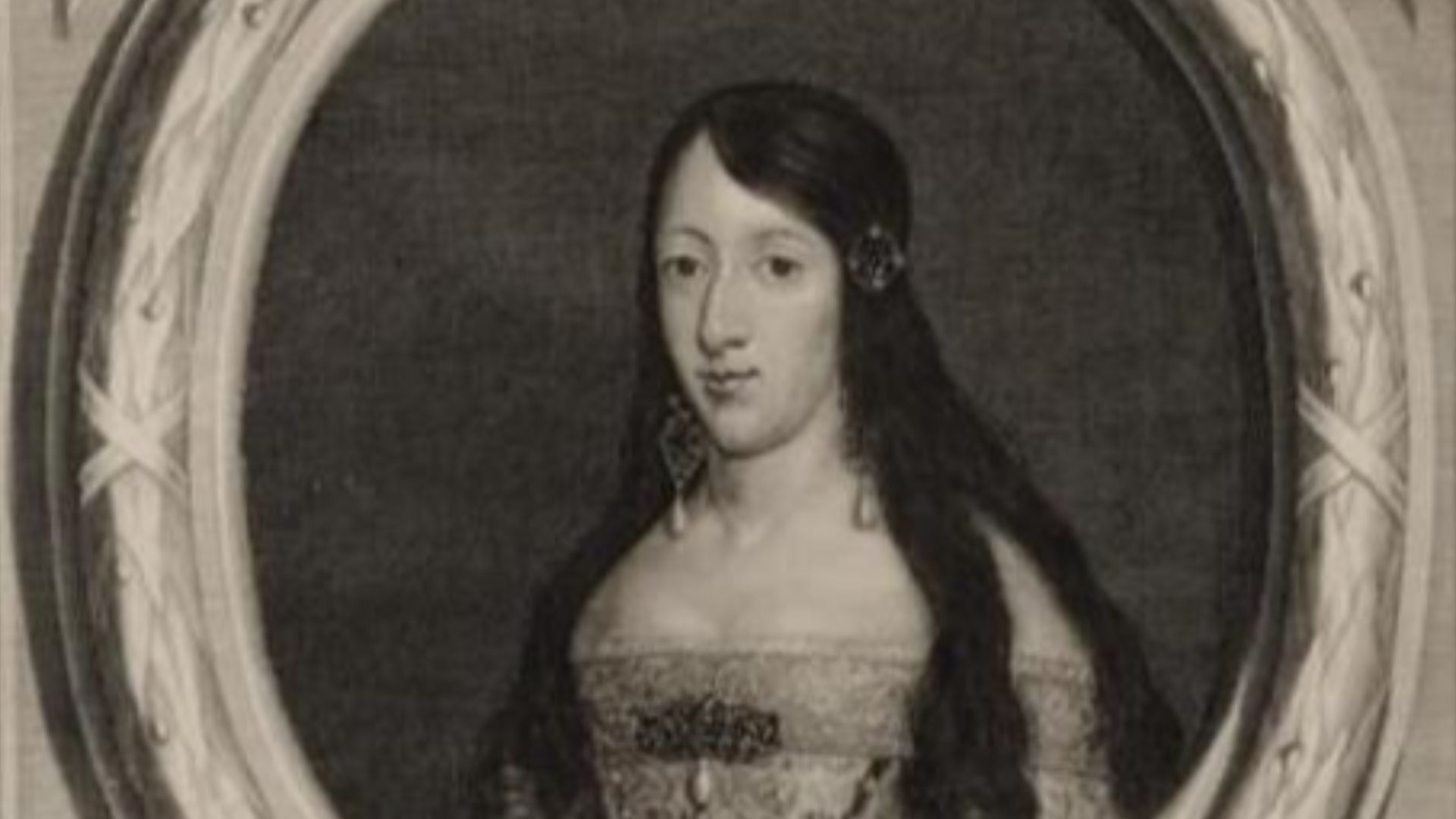
40. She Fell Into Despair
The empty nursery, the frigid court, the endless blame. It was all more than Marie Louise could take. At least, more than she could take with her slender frame. Sinking into a deep depression, Marie Louise buried her sorrows in sweets as she dreamed of her true home back in France.
All of those pastries had consequences.
 Nicolaes Jansz. Visscher, éditeur, Wikimedia Commons
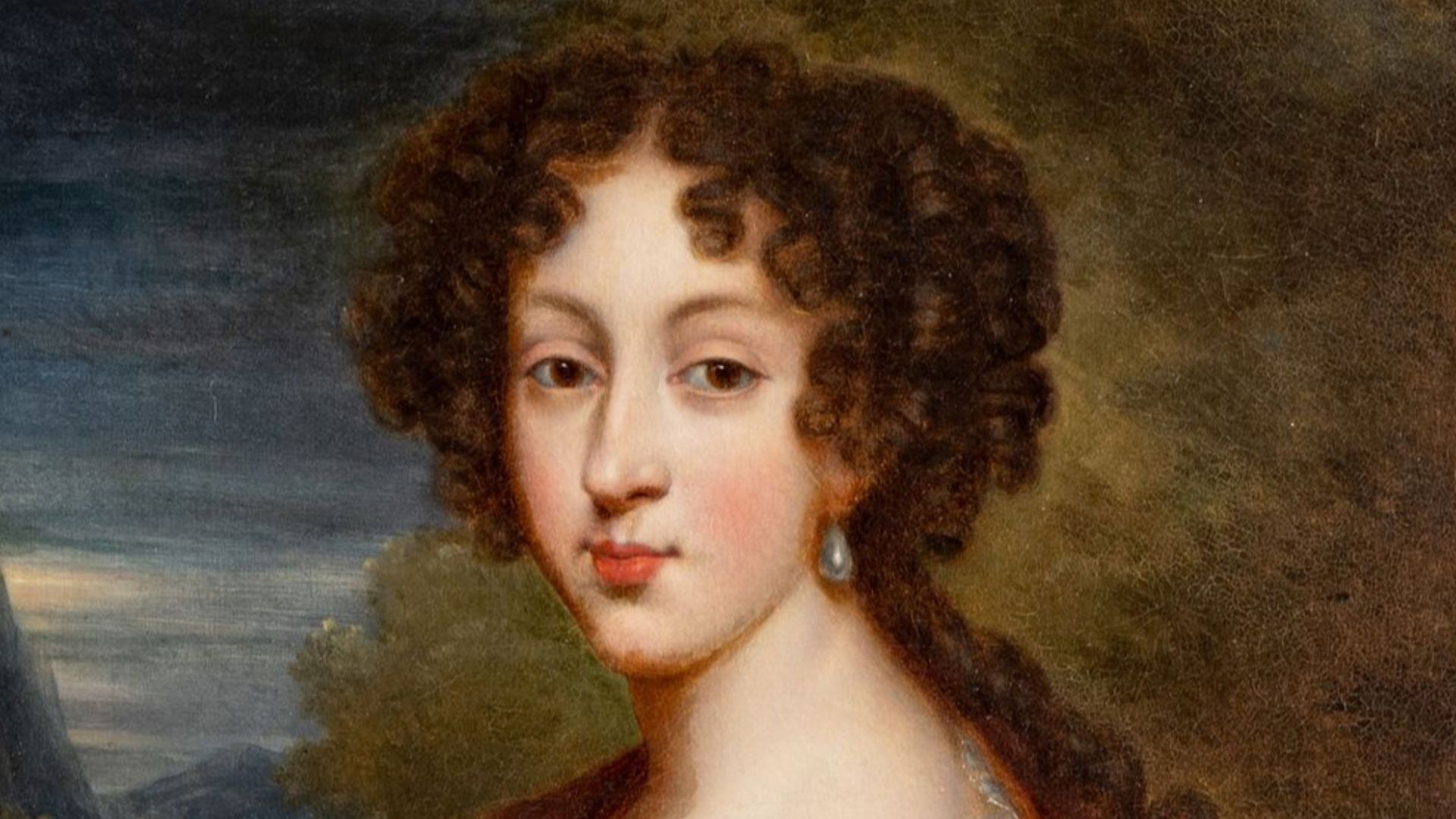
41. She Ate Her Sorrows
Marie Louise buried herself in her sorrows—and sugar. As she ate her feelings, her favorite treats were sweetened lemon and cinnamon drinks that required a staggering 32 pounds of sugar to prepare. Naturally, her sugary sweet diet caused her to become overweight. That might have led to what happened next.
 Unidentified painter, Wikimedia Commons
42. She Suddenly Collapsed In Pain
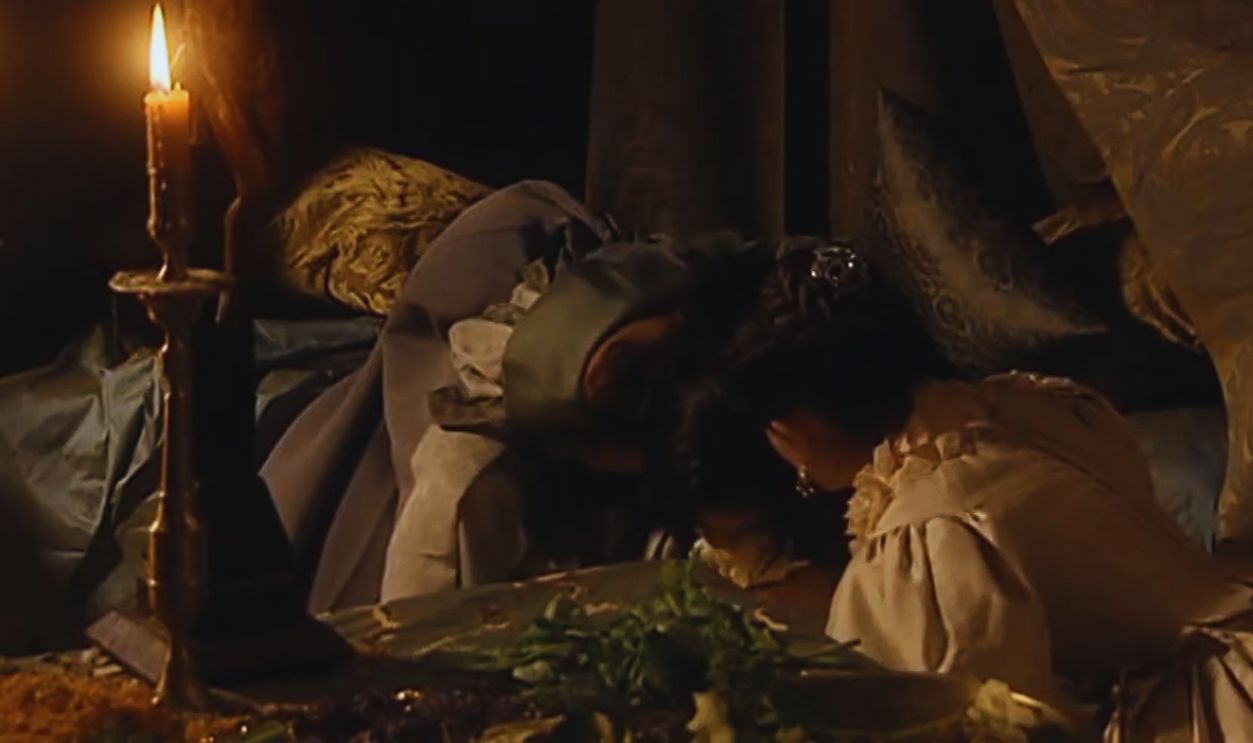
Marie Louise had gone out horseback riding on February 11, 1689. However, after her trot, she complained that she began feeling a sharp agony in her abdomen. By evening, she was suffering from powerful convulsions and bouts of vomiting. No one knew what was happening.
But they knew what the end result would be.
 Screenshot from Versailles, Canal+ (2015–2018)
43. She Had Her Last Rites
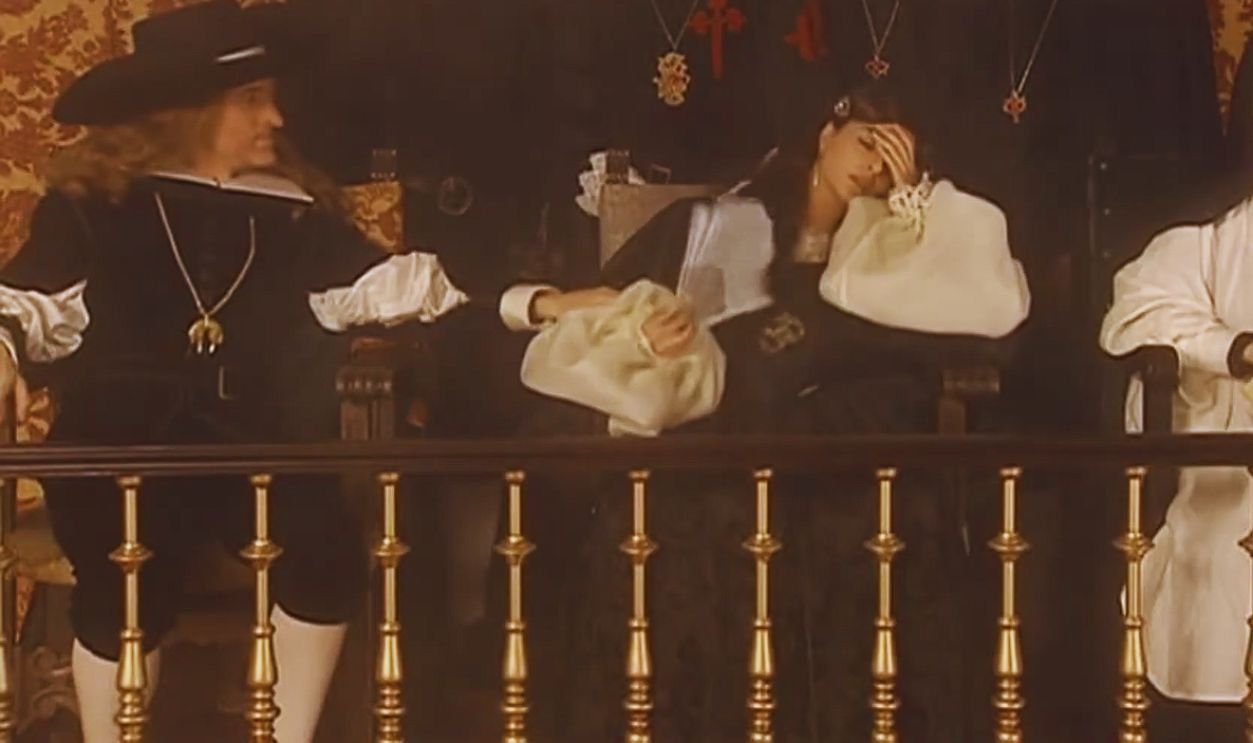
Marie Louise’s condition was not improving. So, when her doctors finally acknowledged that she wouldn’t be making a recovery, they did the only thing they could for her. They called the priest. Confessors rushed in to administer Marie Louise’s last rites as the life slipped out of her.
Her final confession was one that no one could have expected.
 Screenshot from Versailles, Canal+ (2015–2018)
44. She Declared Her Final Devotion
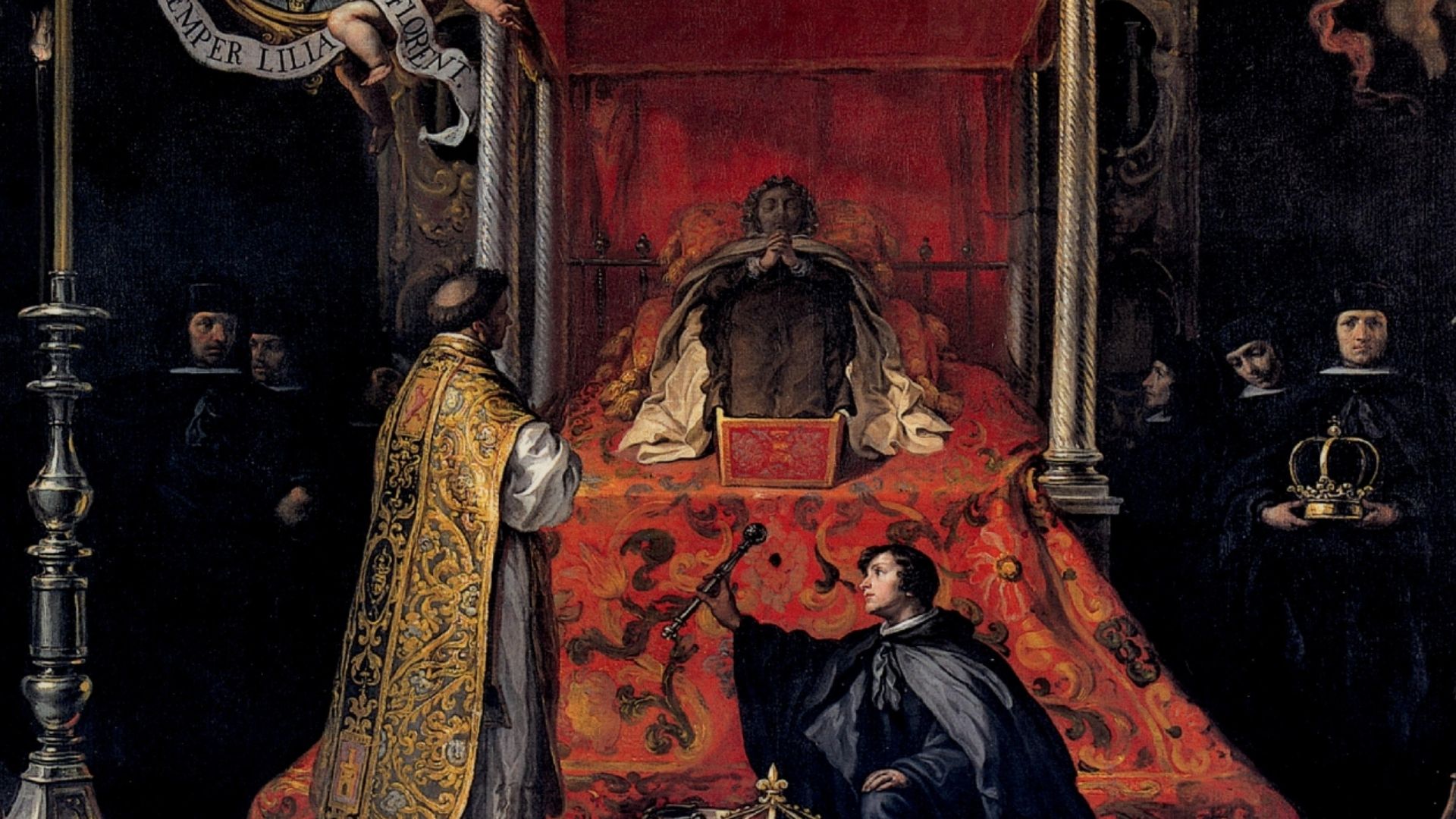
In her final moments, with her final breaths, Marie Louise told her husband words he never thought he’d hear. “Many women may be with His Majesty,” she whispered, “but none will love him more than I do”. Given how their marriage had begun, it was a fairy tale ending for an unlikely couple.
 Sebastián Muñoz, Wikimedia Commons
45. She Passed On Happily
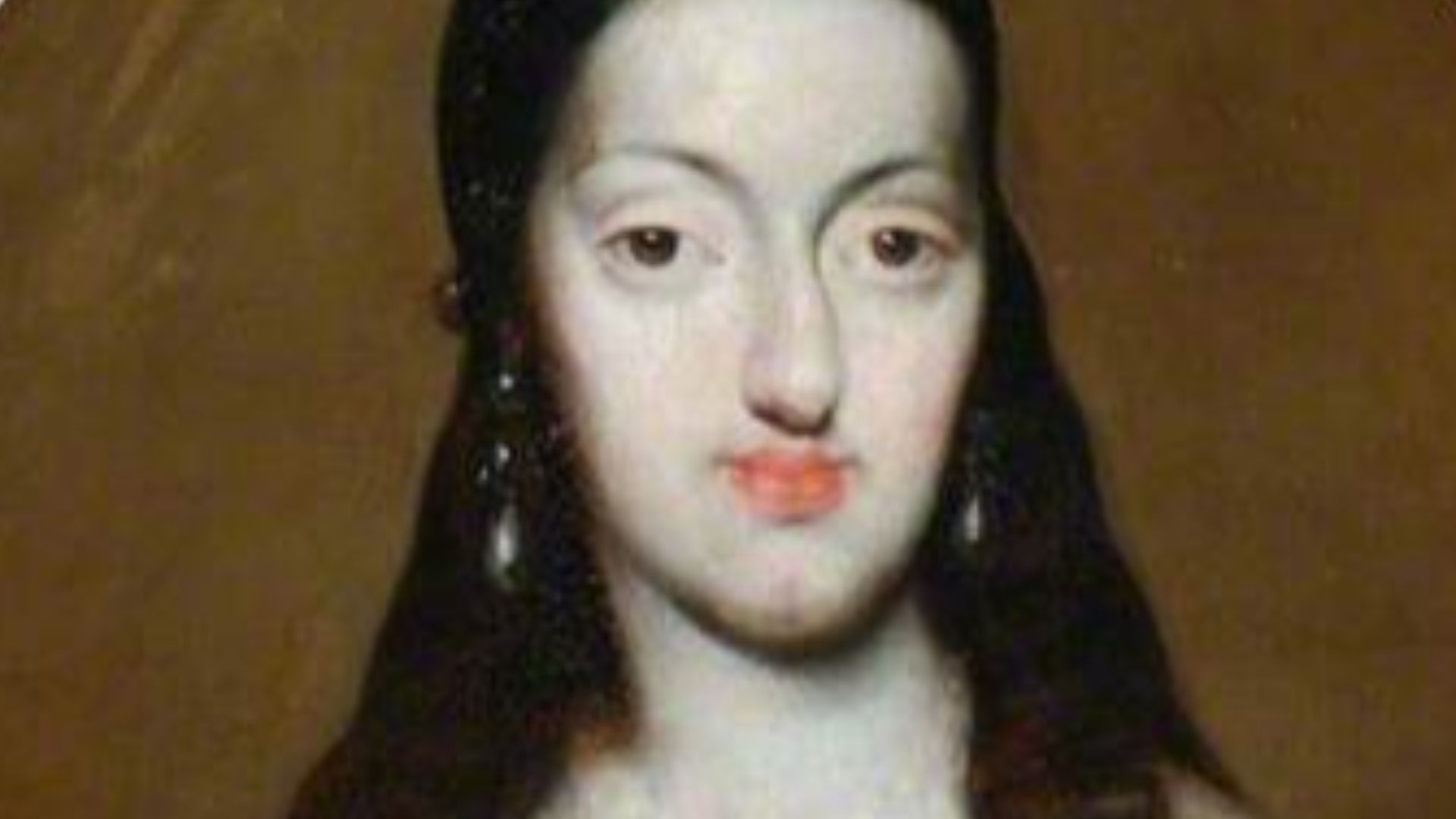
A day after her ailment had begun, on the night of February 12, 1689, Marie Louise slipped away inside the Royal Alcázar of Madrid. Just 10 years into her unexpectedly happy marriage with Charles II, at just 26 years of age, Marie Louise left behind a surprisingly grief-stricken husband. And a kingdom full of speculation.
 Francisco Ignacio Ruiz de la Iglesia, Wikimedia Commons
46. She Left Behind A Husband—And Rumors
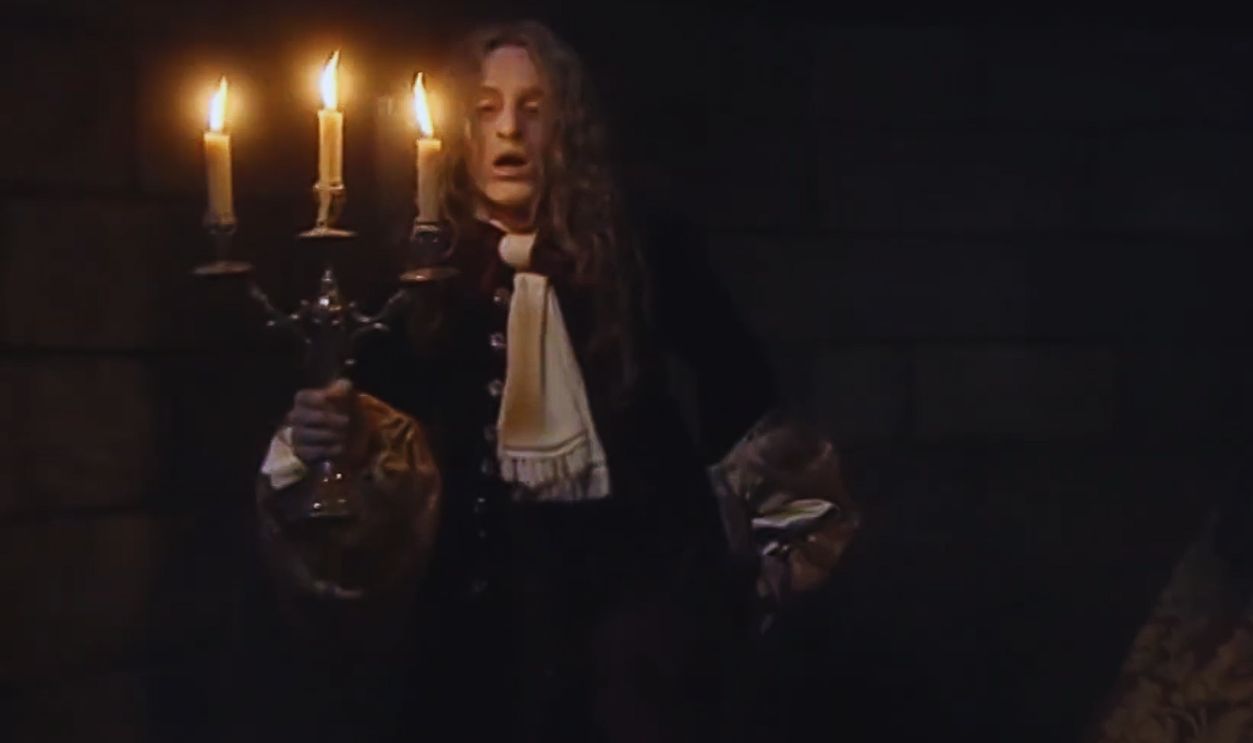
Just like with her mother all of those years earlier, Marie Louise’s sudden and fatal illness fueled wild speculation of foul play. All of the fingers pointed in one direction. Courtiers and citizens alike wondered if Marie Louise’s mother-in-law had offed her to find a more fertile heir for Charles II.
But the truth was even more shocking.
 Screenshot from Versailles, Canal+ (2015–2018)
47. She Likely Shared Her Mother’s Fate
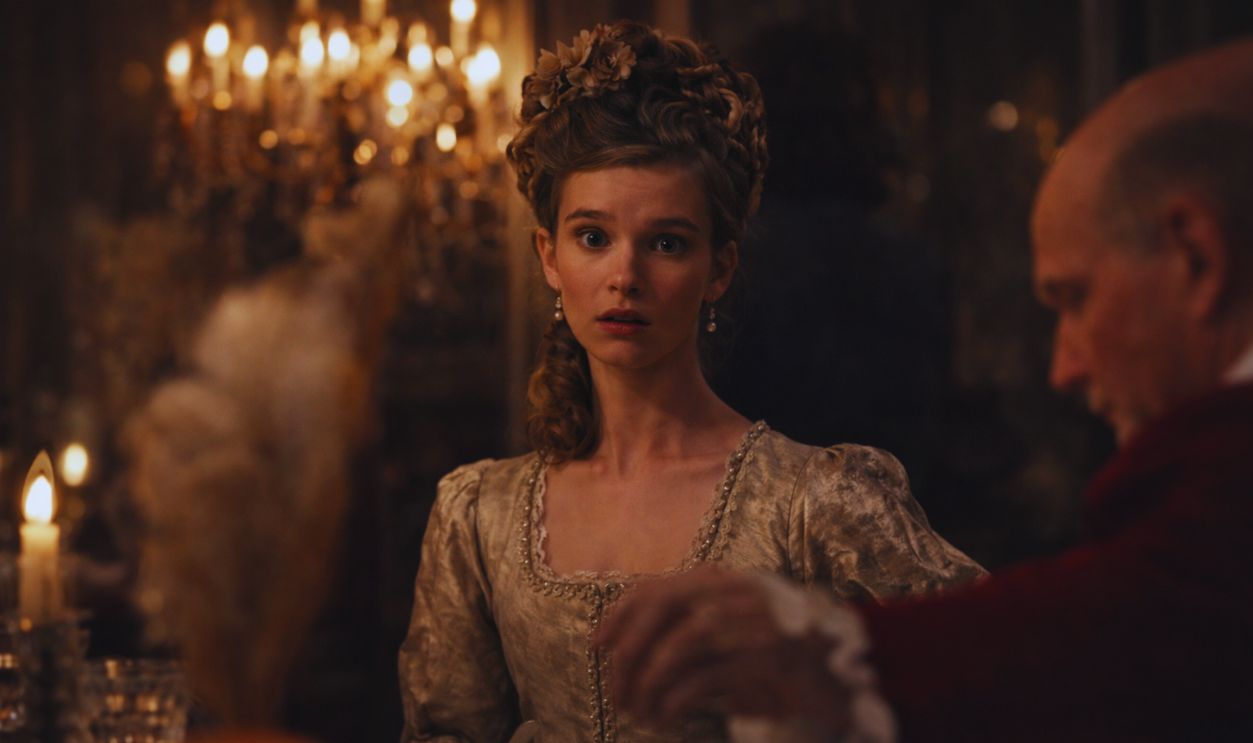
Although, during her own time, many believed that Marie Louise had been poisoned, historians believe a far simpler—and sadder—truth. Marie Louise likely succumbed to simple appendicitis, a fatal infection long before modern surgery. The origin of the rumors, not the truth of them, however, was the real scandal.
 Screenshot from Versailles, Canal+ (2015–2018), modified
48. She Was Buried To Silence Rumors
The rumors about Marie Louise’s poisoning had started back in France, where the angry Orléans were looking for an excuse to get even with their old enemy. To snuff out the rumors, however, the Spanish performed an autopsy on Marie Louise’s body, finding no trace of poison.
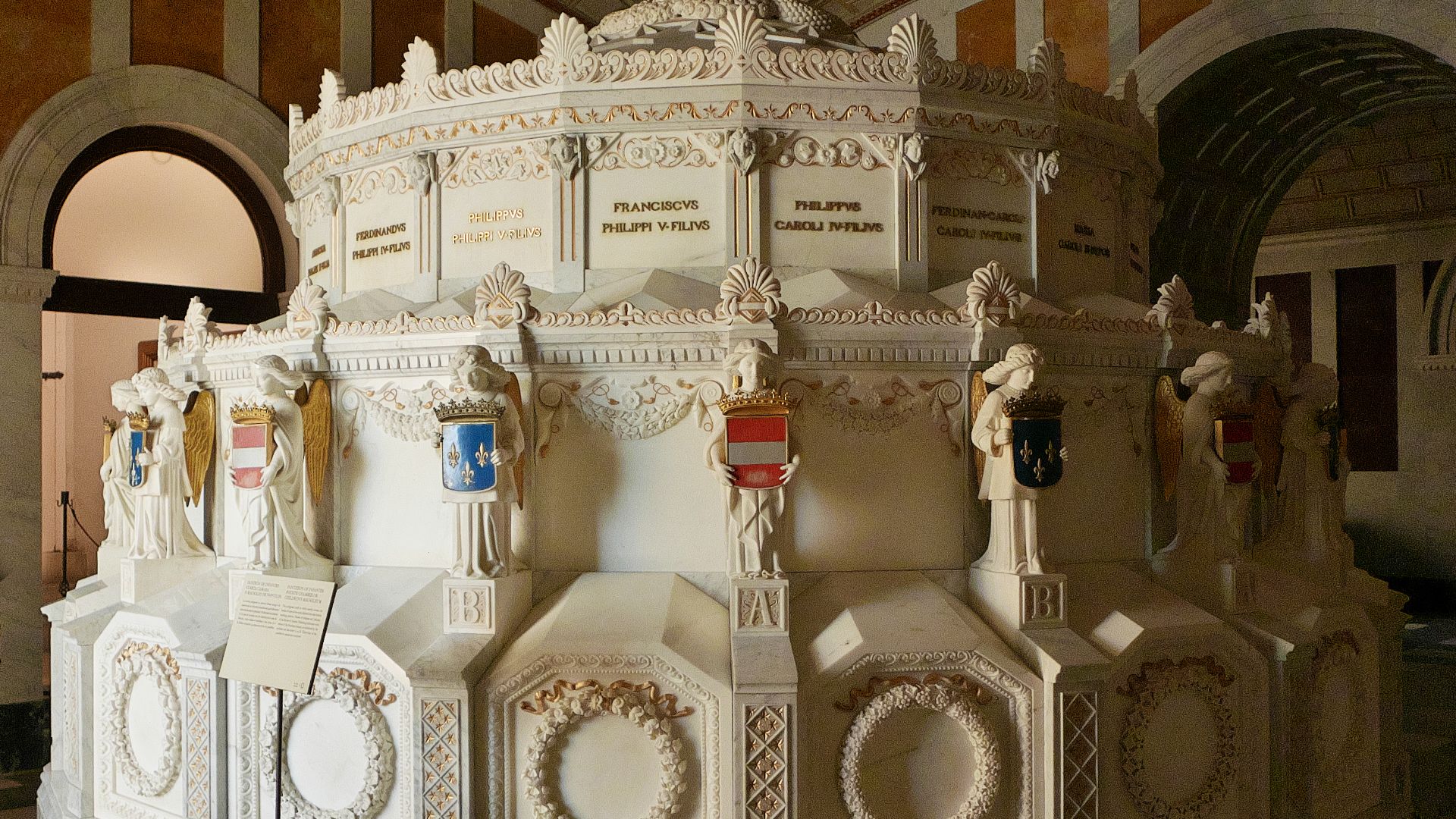
With her fate settled, Marie Louise was laid to rest in the Pantheon of Infantes at El Escorial. A dubious place for her.
 Ponciano Ponzano, Wikimedia Commons
49. She Joined A Somber Sisterhood
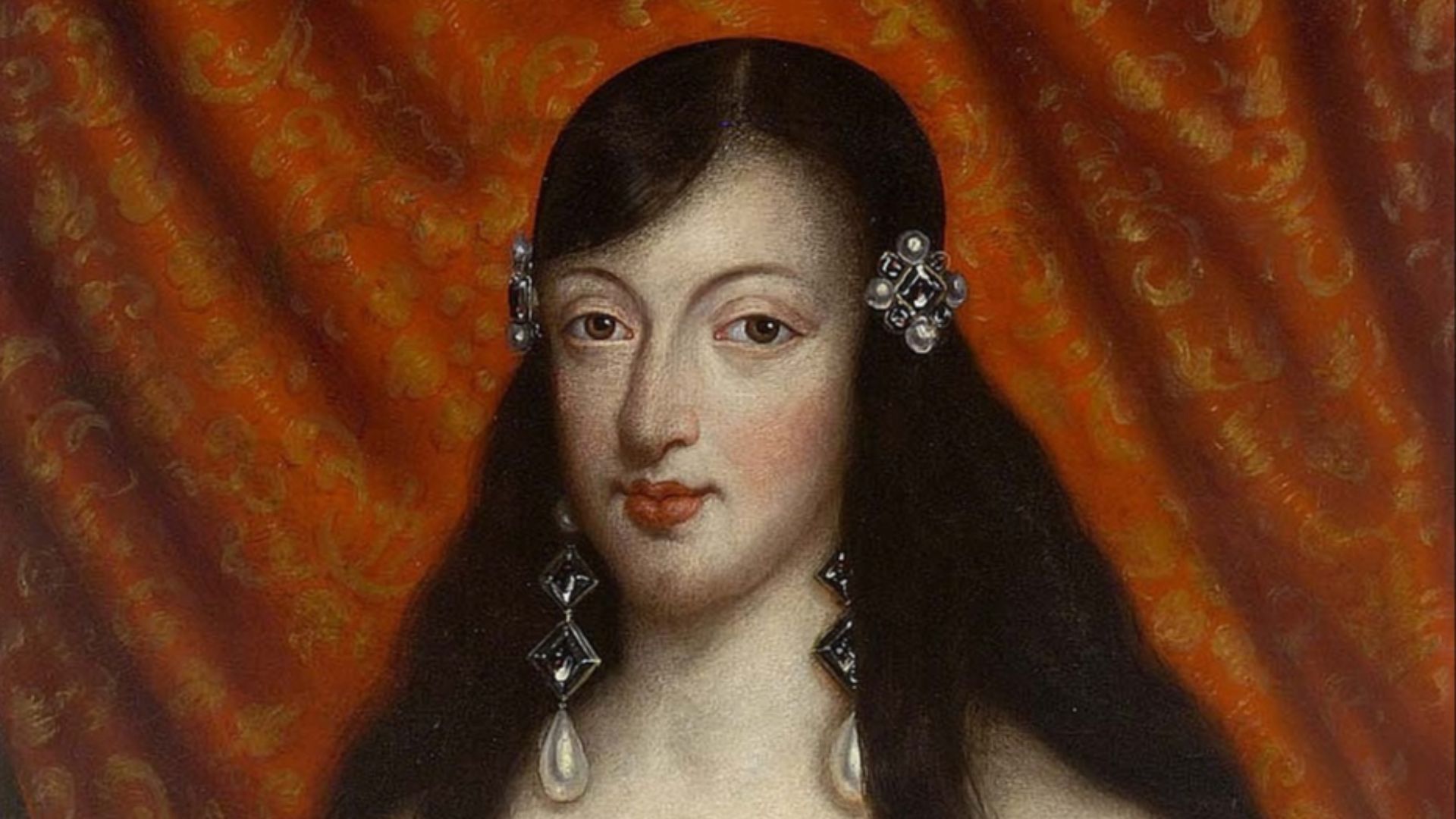
The Pantheon of the Infantes serves as the resting place for Spain’s princesses and queen consorts who never produced a future monarch. Marie Louise joined their ranks—a young French bride who dreamed of home, but found only sorrow and suspicion in Spain.
 Unidentified painter, Wikimedia Commons
You May Also Like:
Charlemagne Was The Ruthless Sword Of Christendom
The Most Reluctant Queen Of Belgium