
A Royal Curse
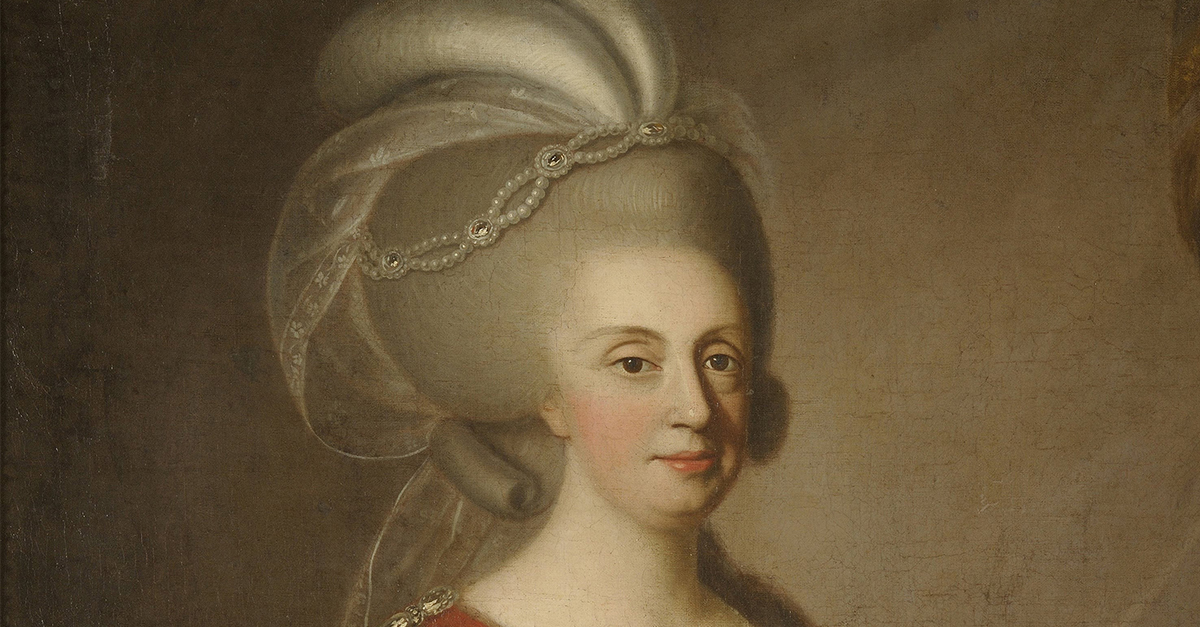
Queen Maria I was the first queen of Portugal and the first monarch of Brazil, and her reign is considered by many to be one of the country’s golden ages. Yet despite all this glory, a darkness followed Maria, starting even before she was queen—and she would eventually suffer one of the worst downfalls in history.
1. She Was The Golden Girl
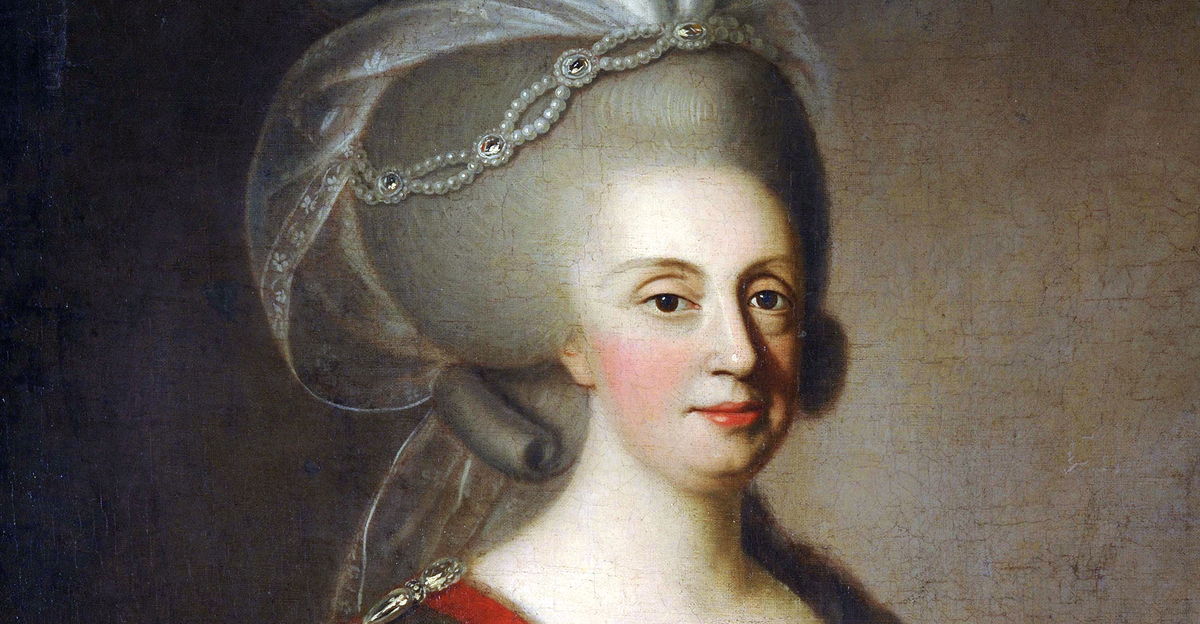
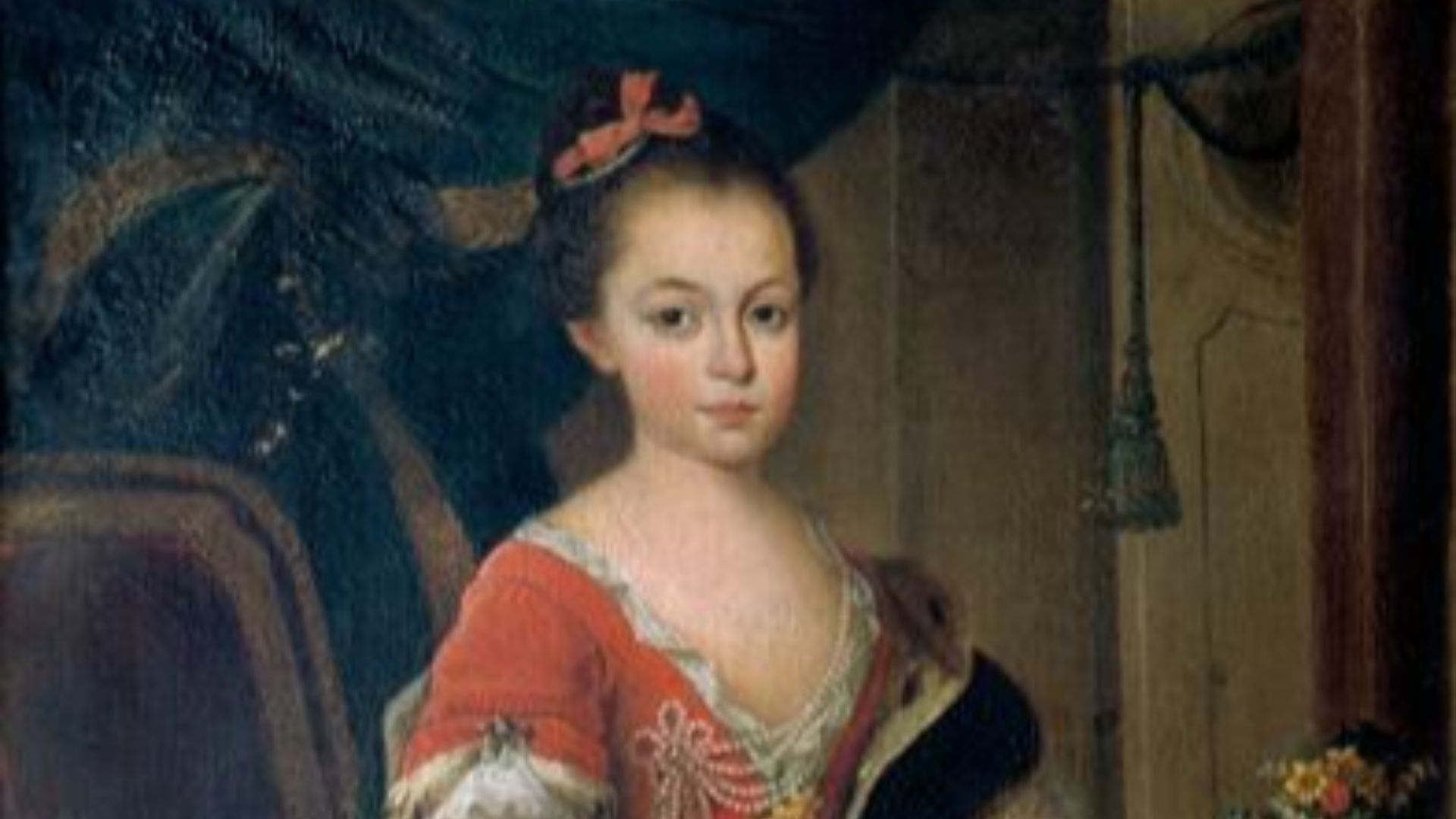
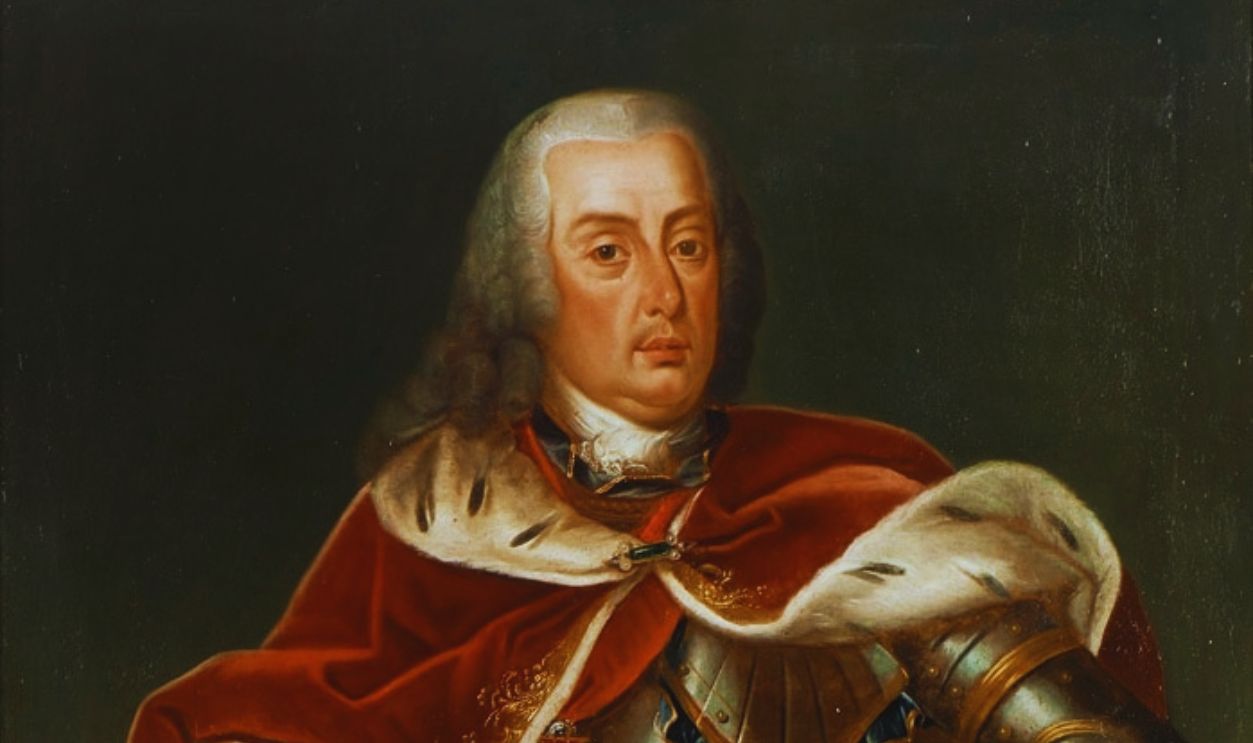
It all started well for Maria. Born at the end of 1734 in Portugal’s royal Ribeira Palace, her father Dom Jose was the next in line for the Portuguese throne, while her mother Mariana Victoria was a daughter of a King of Spain. And although Maria was “only” a girl, she would become the eldest of four daughters, and be named her father’s heir.
Far from being charmed, though, her life was cursed.
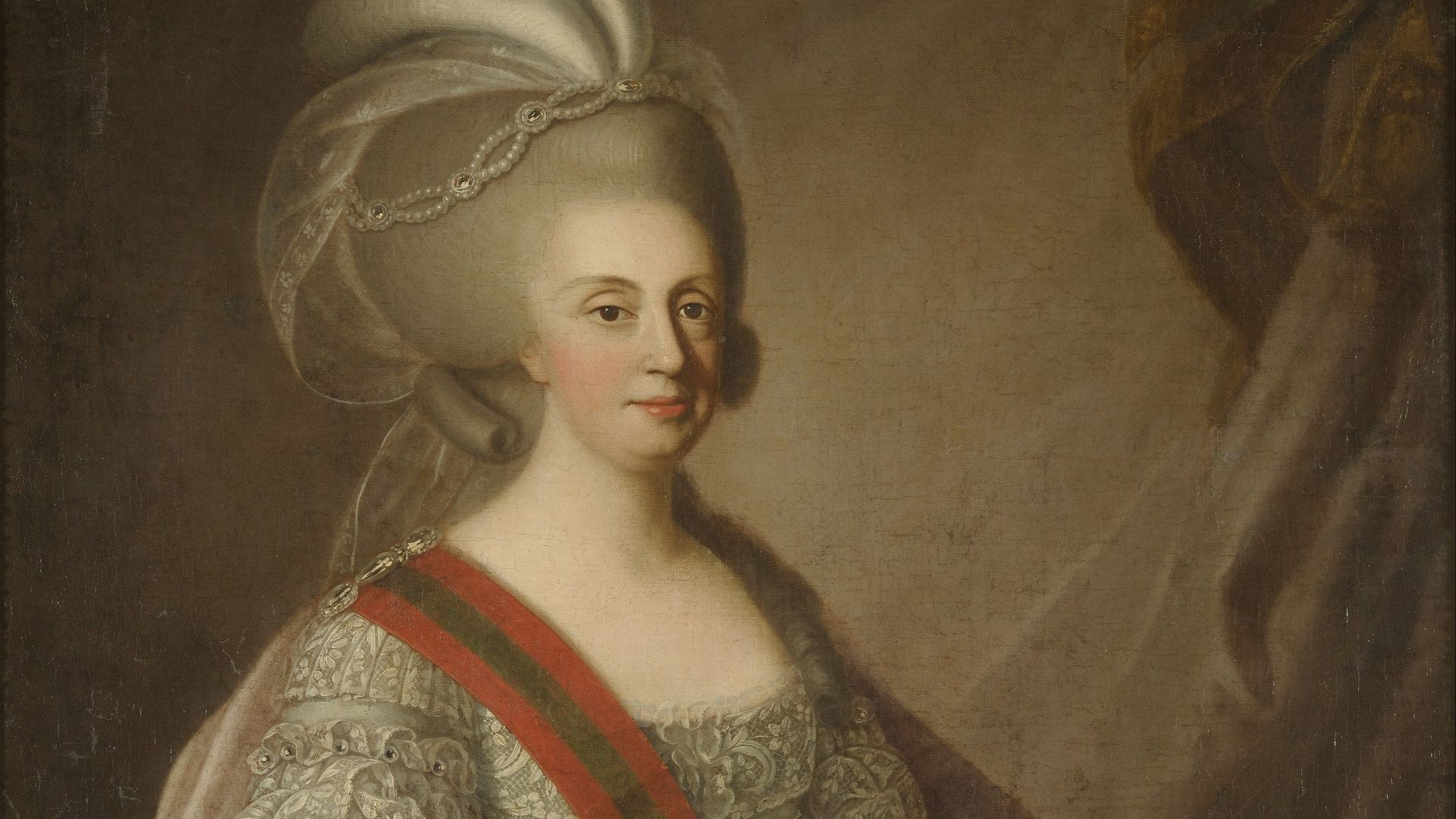 Attributed to Giuseppe Troni, Wikimedia Commons
2. She Was Nervous and Sad
By the time she was a teenager, Maria’s grandfather had passed and made her father King Jose I—but it was here her troubles started. According to reports, as early as her teen years, Maria suffered from “bouts of melancholy and nervous agitation”. Unfortunately, this kind of thing ran in the family.
3. An Earthquake Rocked Her Realm
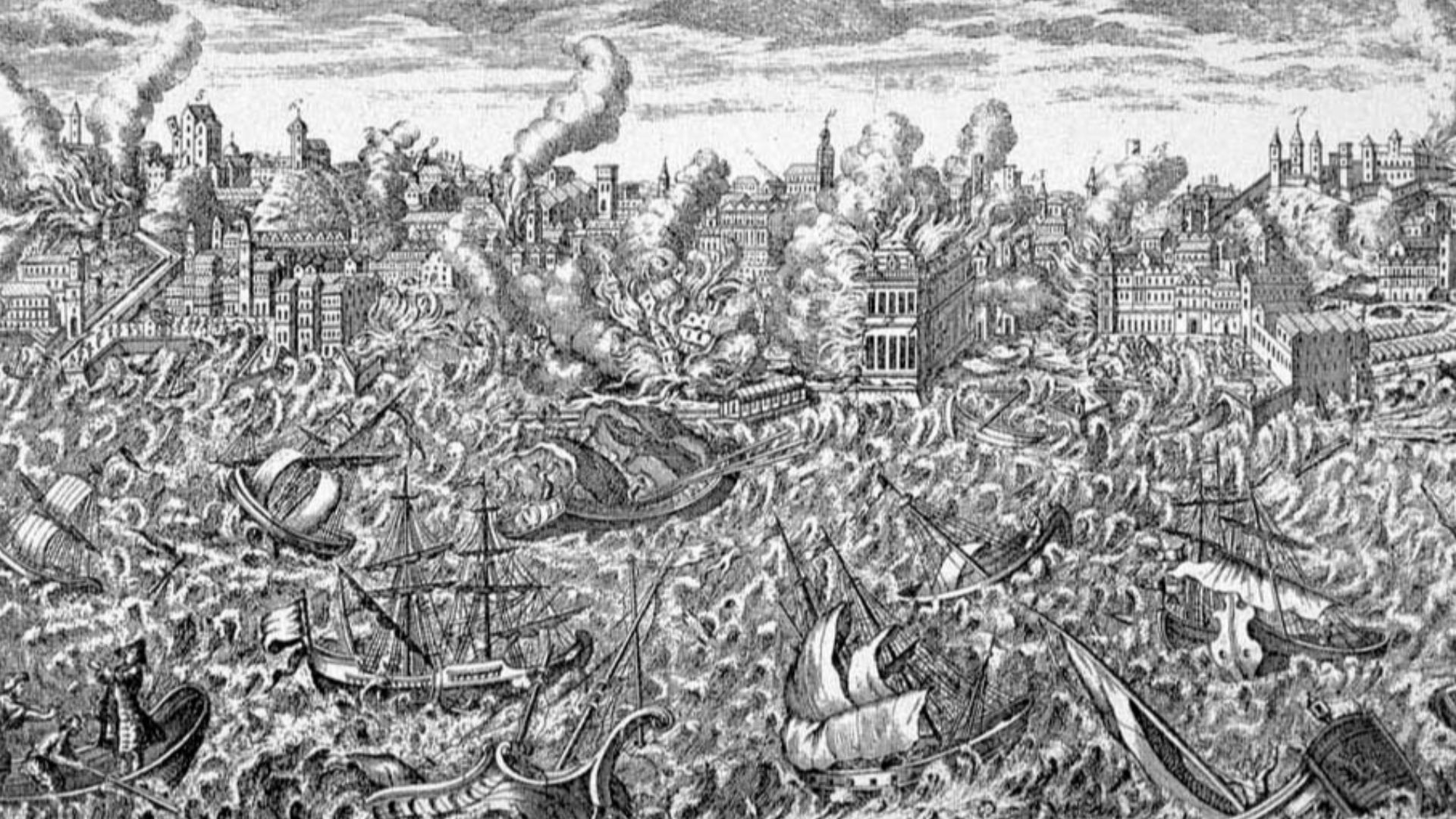
In 1755, with Maria just a young adult and her father only five years into his reign, disaster came to the land. The 1755 Lisbon earthquake, which happened in the morning of All Saints Day, November 1, ravaged the city and the surrounding area, with thousands of people losing their lives. The disaster triggered something dark and deep in her father.
 Unknown authorUnknown author, Wikimedia Commons
4. Her Father Fell Apart
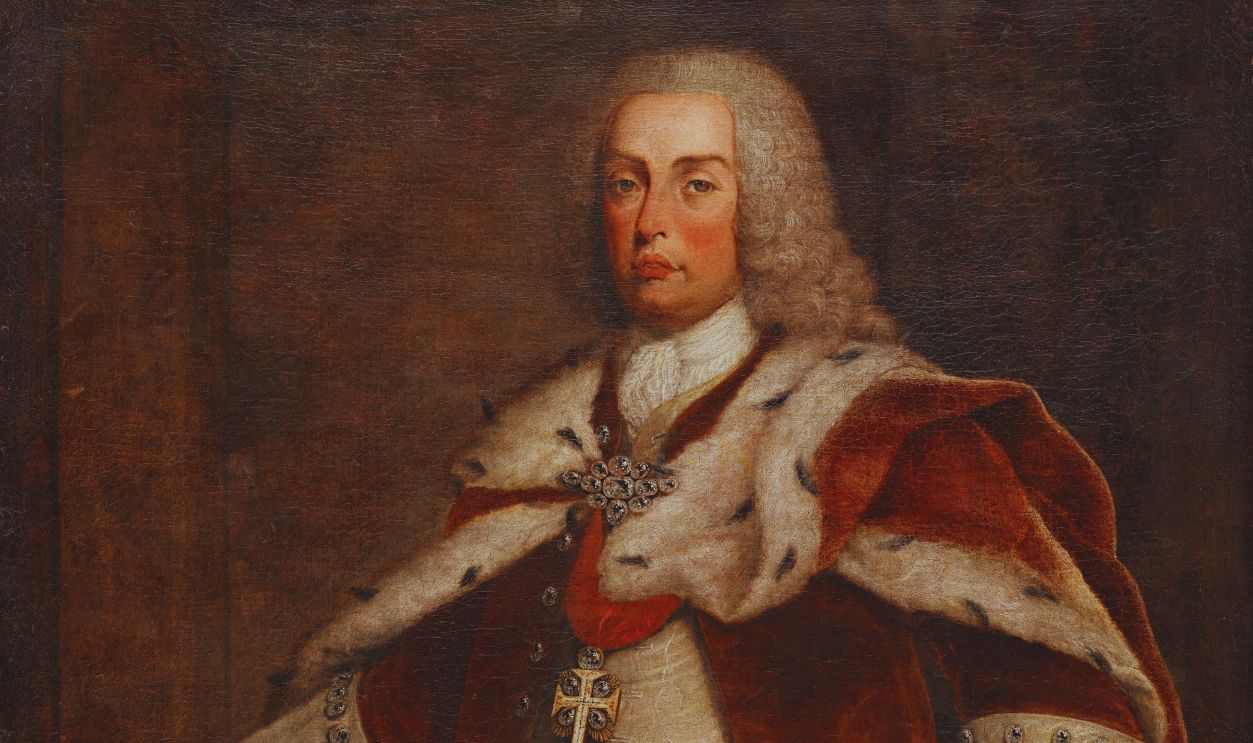
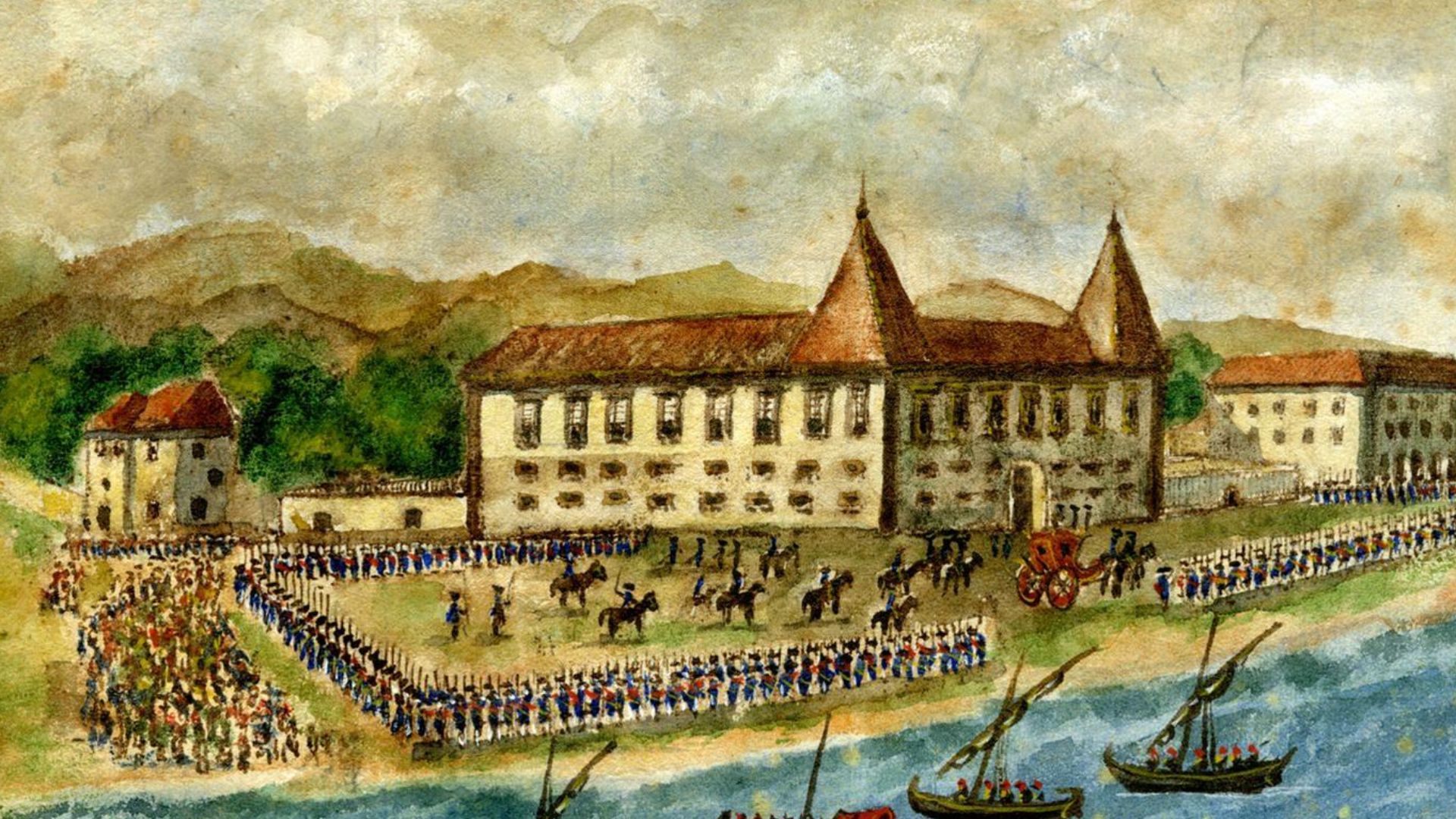
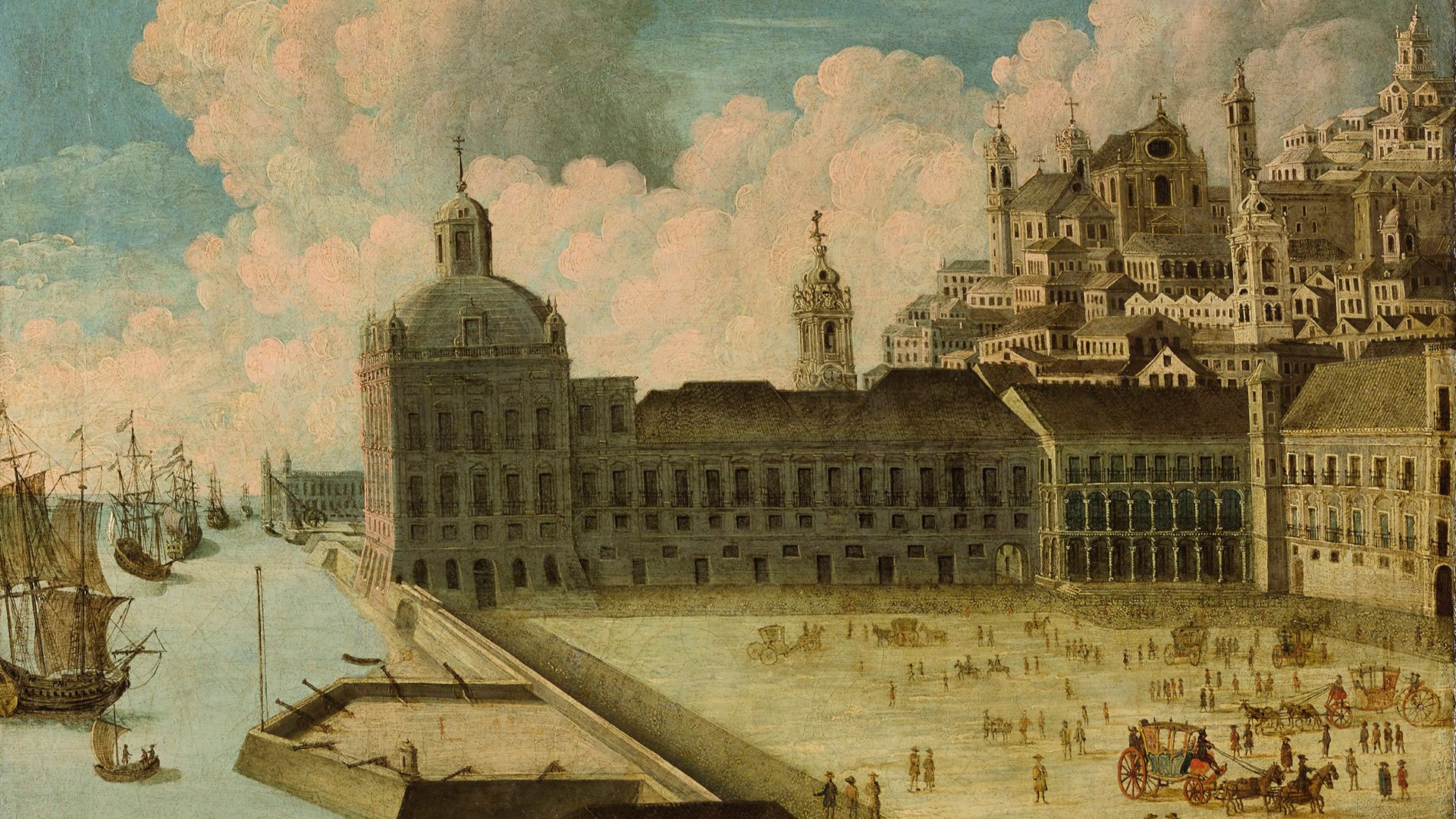
The aftermath of the earthquake destroyed Maria’s father’s nerves, and the king developed an intense case of claustrophobia, hating to be in enclosed spaces. This neurosis soon grew to nearly unbearable proportions, and eventually he insisted on never living in a walled building again. His solution was…interesting.
 Andre Goncalves, Wikimedia Commons
5. Her Court Was In Shambles
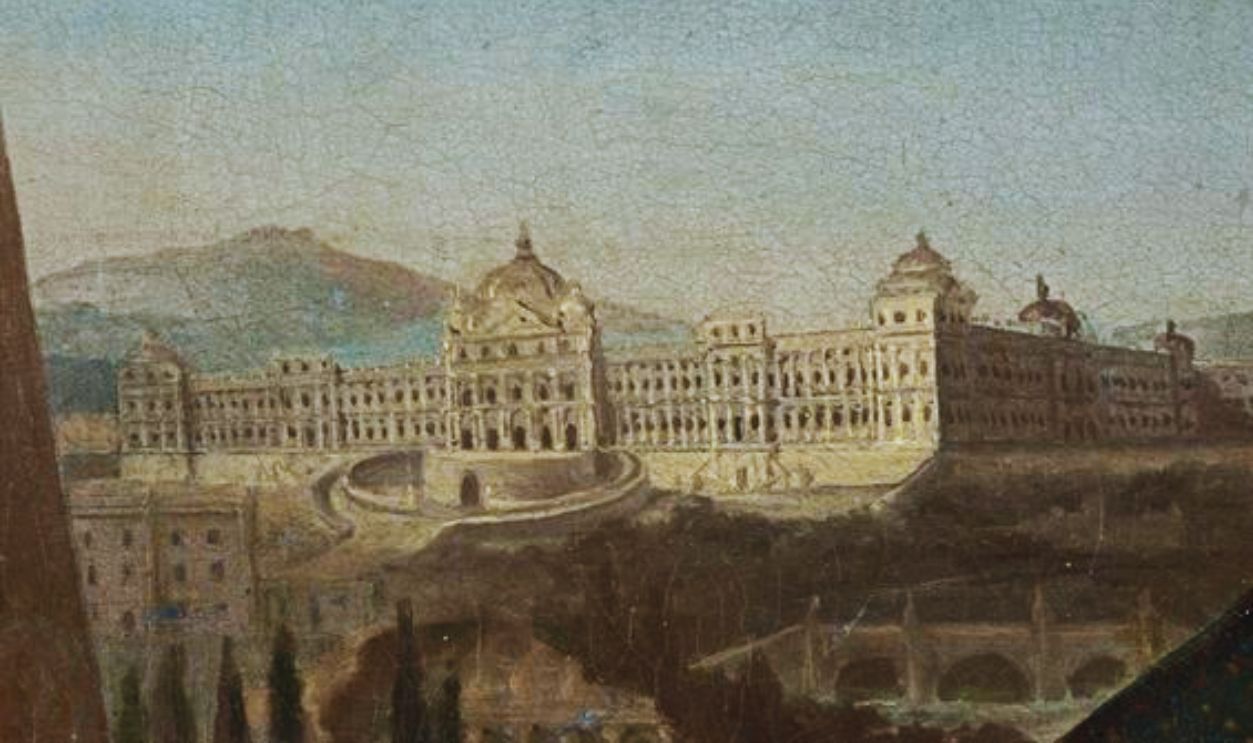
The palace that Maria had been born in was destroyed in the earthquake, and, in the throes of his phobia, Maria’s father moved his court into what’s been described as a “series of tents.” Although he also built a palace in Ajuda, far away from the city center, it was entirely made of wood—apparently less claustrophobic for him—and people called it the “Real Barraca de Ajuda” or “The Royal Hut of Ajuda.”
Maria must have been aghast, but nothing compared to the next development.
 Domingos Sequeira, Wikimedia Commons
6. She Made An Enemy At Court
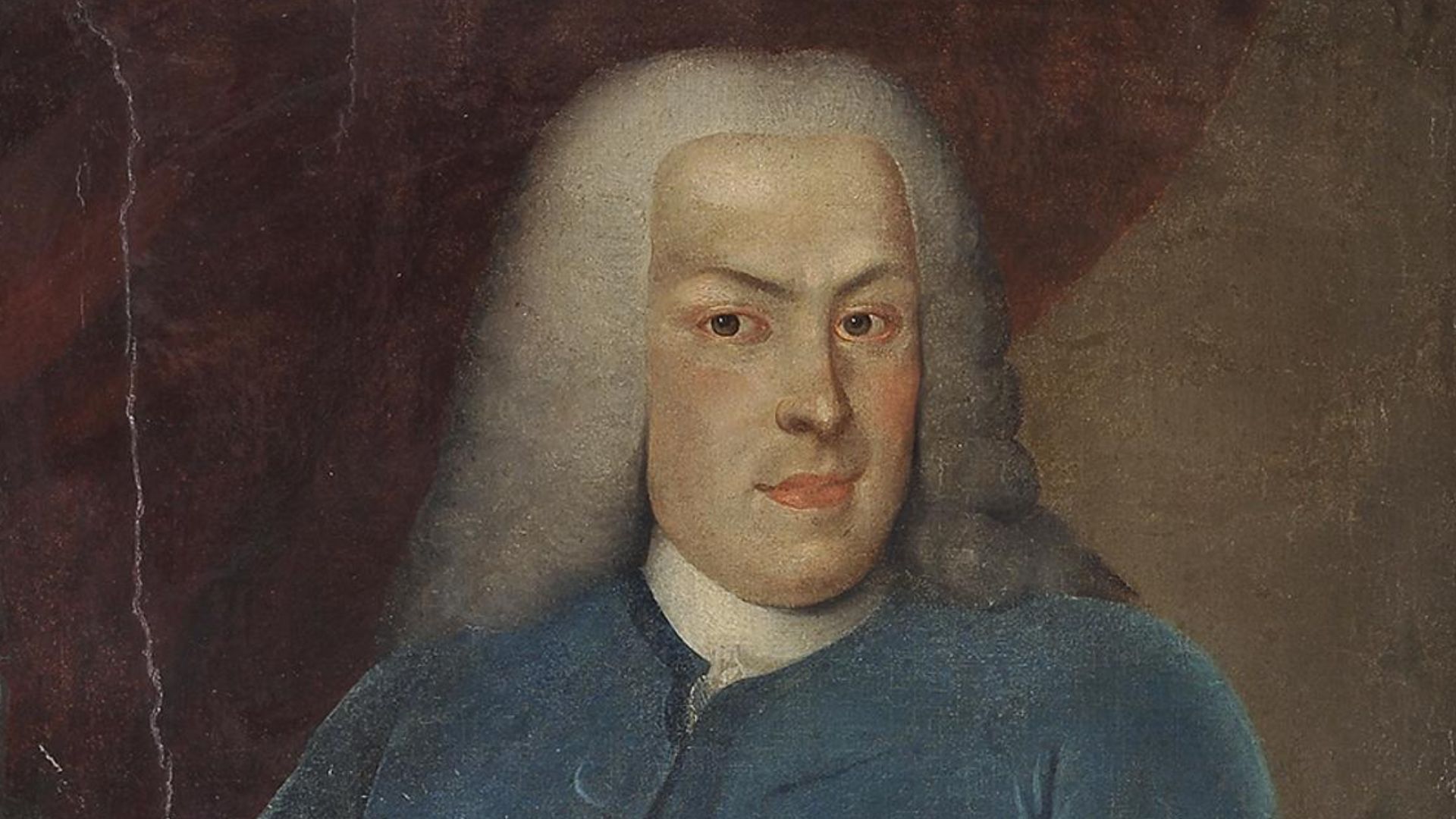
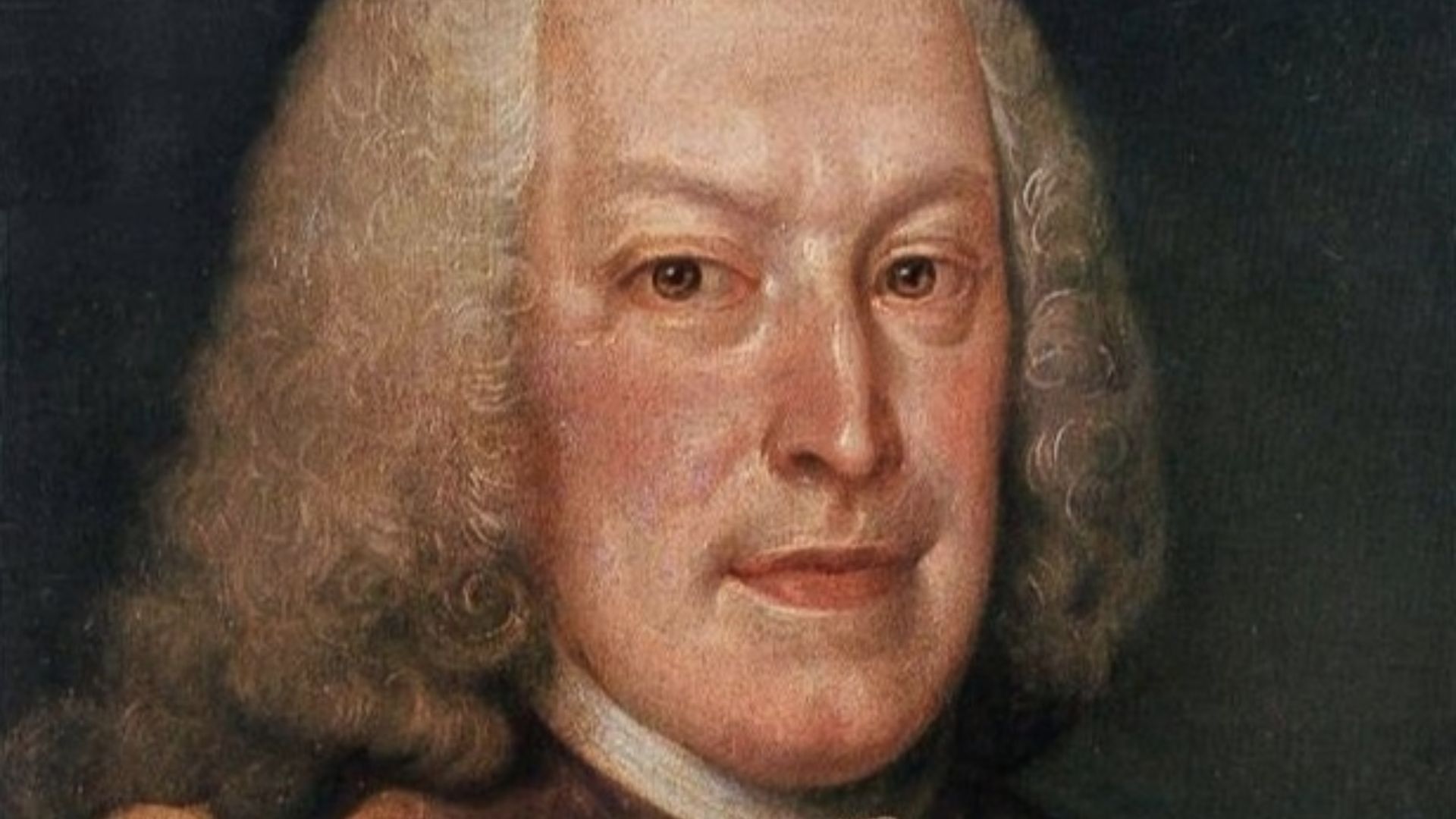
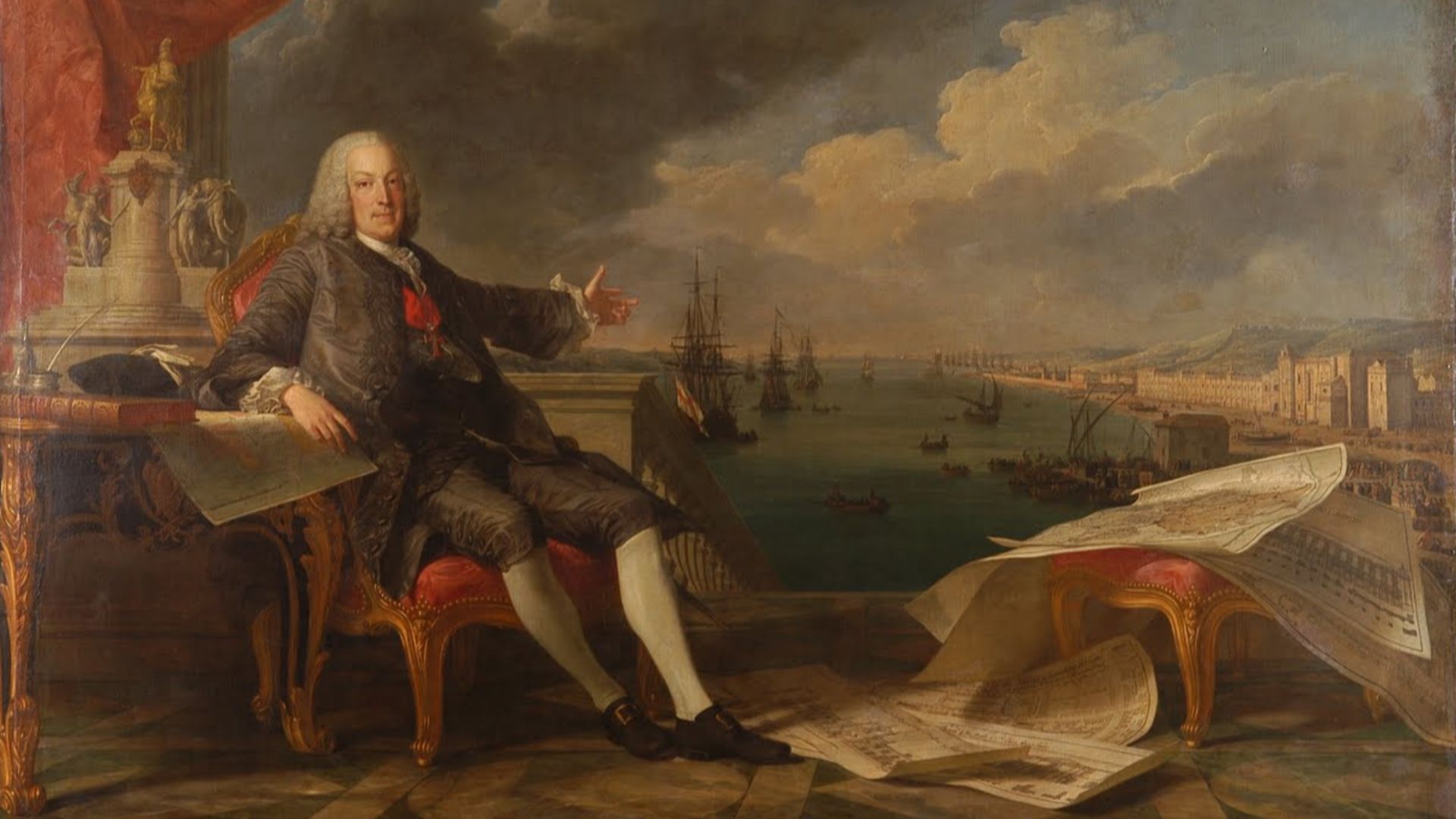
As the King of Portugal retreated more and more into his fears, his courtier the Marquis de Pombal took over the running of the country, and soon Pombal was king in all but name. This incensed Maria, who had no love lost for the man: Pombal was the son of a country squire, and his disdain for old aristocratic families like hers irked her.
These tensions soon exploded.
 Unidentified painter, Wikimedia Commons
7. Her Father Almost Lost His Life
In 1758, Maria got a sharp reminder of the dangers of absolute monarchy when, one evening, a small group of men jumped out at her father on a carriage ride and fired at him, hitting him in the arm. The would-be assassins then escaped, leaving the king wounded and confused.
At this, Maria’s hated Marquis de Pombal jumped into action—for all the wrong reasons.
 Unknown Author, Wikimedia Commons
8. Her Rival Pounced
Seemingly overnight, Pombal ended up rounding up the powerful Tavora family, putting the clan’s fathers, mothers, and children alike in prison cells. Maria immediately suspected foul play. The Tavoras, after all, were the kind of old aristocratic family that Pombal despised, and it seemed he was using the opportunity to purge the court of them.
She watched in horror at the unfolding crisis.
 Unknown authorUnknown author, Wikimedia Commons

History's most fascinating stories and darkest secrets, delivered to your inbox daily.
9. She Was In The Middle of A Scandal
By 1759, Pombal had coaxed confessions out of hundreds of so-called conspirators, generally with the use of force, and both old and young members of the Tavora family were sentenced to death, causing instant scandal in the “Tavora Affair.”
Most of them went to the gallows, with Pombal not bothering to even spare relatives and servants, but Maria managed one small victory.
 Bartolomeu da Costa, Wikimedia Commons
10. She Saved Her People
Historians are doubtful today that the Tavoras really had anything to do with the attempt, but Pombal managed nonetheless to rig the courts and hand down execution sentences even to women and children. Which is when Maria had enough. She and her mother intervened, and managed to save most of them from the executioner.
All the while, her father had sat back and nothing. In fact, his mind was on an entirely different matter.
 Louis-Michel van Loo / Joseph Vernet, Wikimedia Commons
11. She Married Her Uncle
Because Maria was a mere woman, her father now became obsessed with somehow really carrying on his legacy, and in 1760 he married Maria off to her uncle, his brother Pedro, who was the first male in the line of succession and more than 15 years her senior.
The idea, of course, was to double down on his family lines rather than diluting them. But as we’ll see, the family philosophy was too much of a “good” thing.
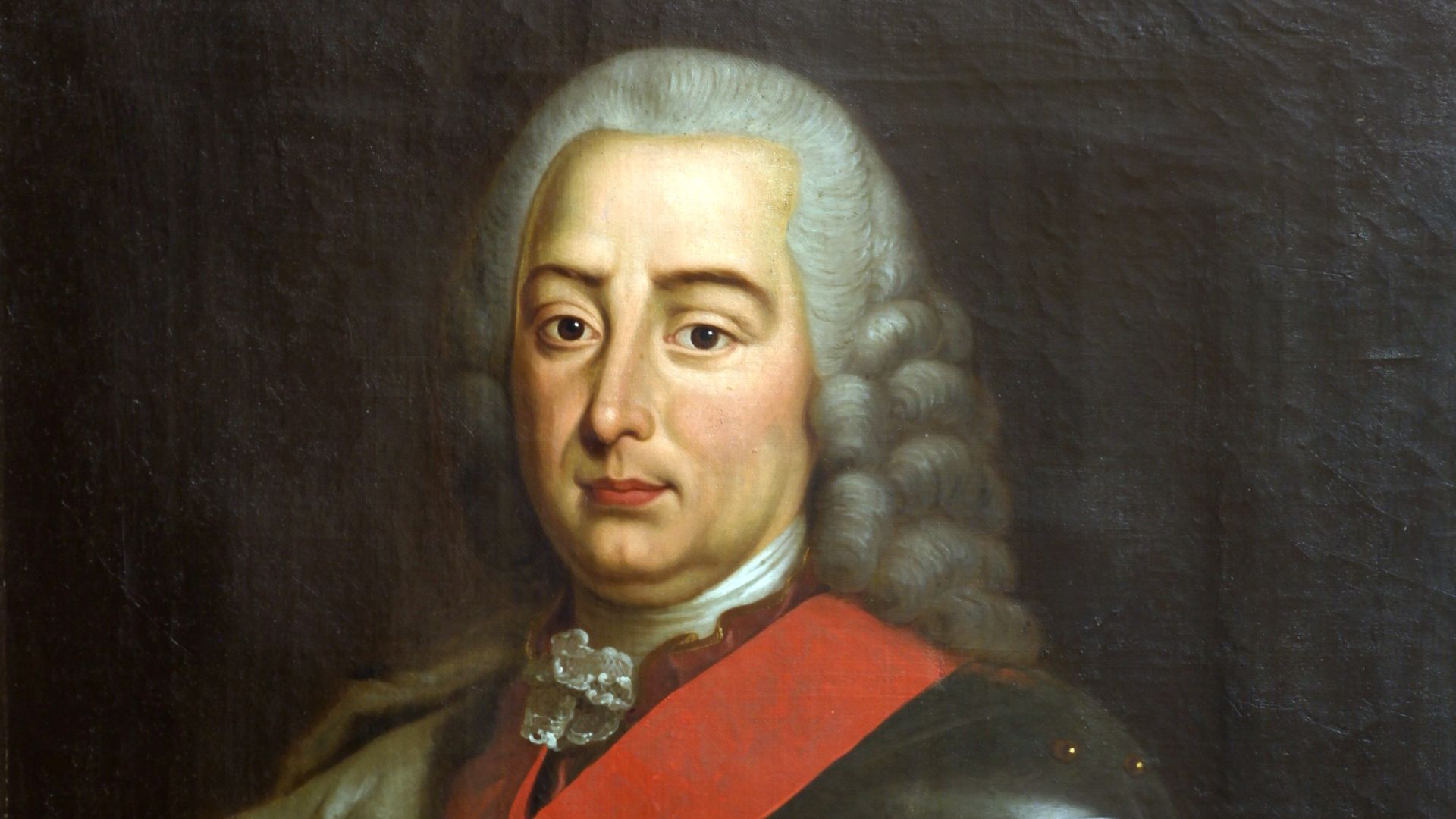 Unknown authorUnknown author, Wikimedia Commons
12. She Had A Happy Marriage
Despite the ick factor of their marriage, Maria and Pedro had a happy union, and the couple appeared to dote on each other. Pedro was mostly happy with his hunting and his royal life, and they settled easily into domesticity. In 1761, the year after their marriage, Maria even gave birth to a healthy baby boy, Jose, thus bringing a male heir into the front of the succession at last.
Not everything, though, was rosy.
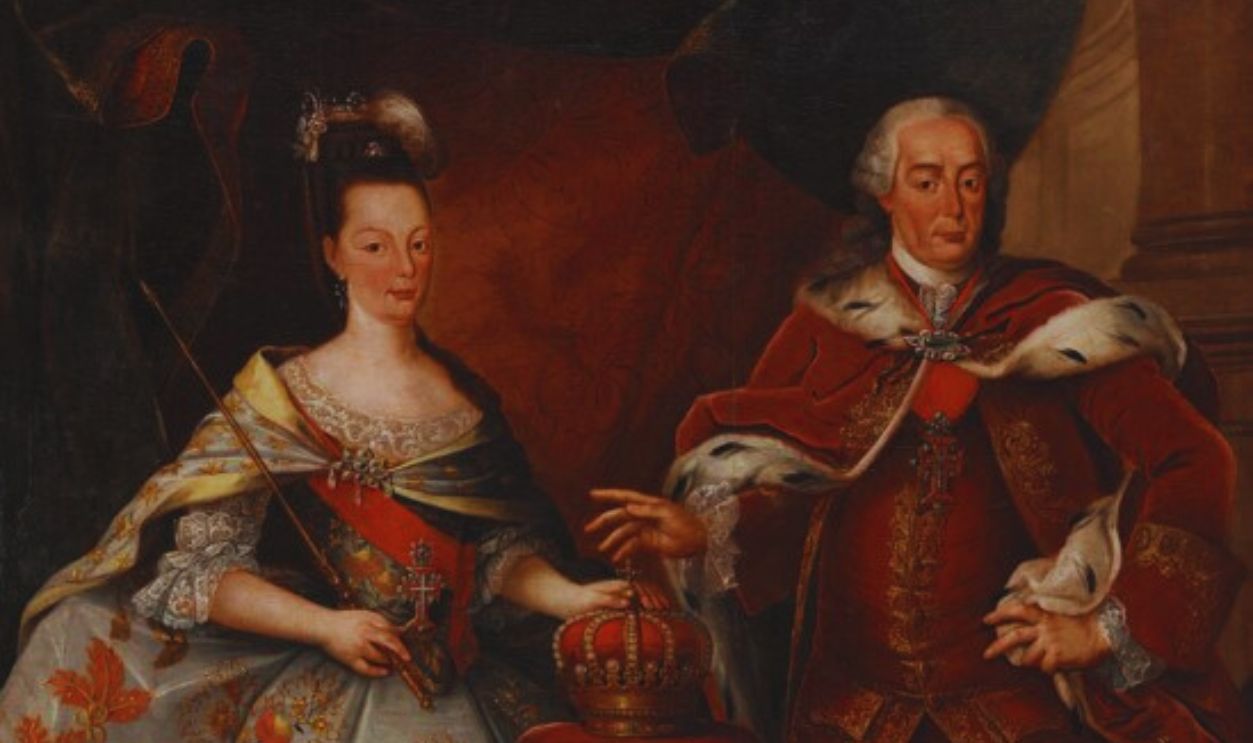 Miguel Antonio do Amaral, Wikimedia Commons
13. She Went Through A Stillbirth
Buoyed by the success of her very first pregnancy, Maria was soon pregnant again in 1762. This time, it ended in tragedy. Records show that she gave birth to a stillborn, another boy, this year. Afterwards, she had to hastily piece herself back together in order to provide Portugal with even more heirs. She did it, but at a cost.
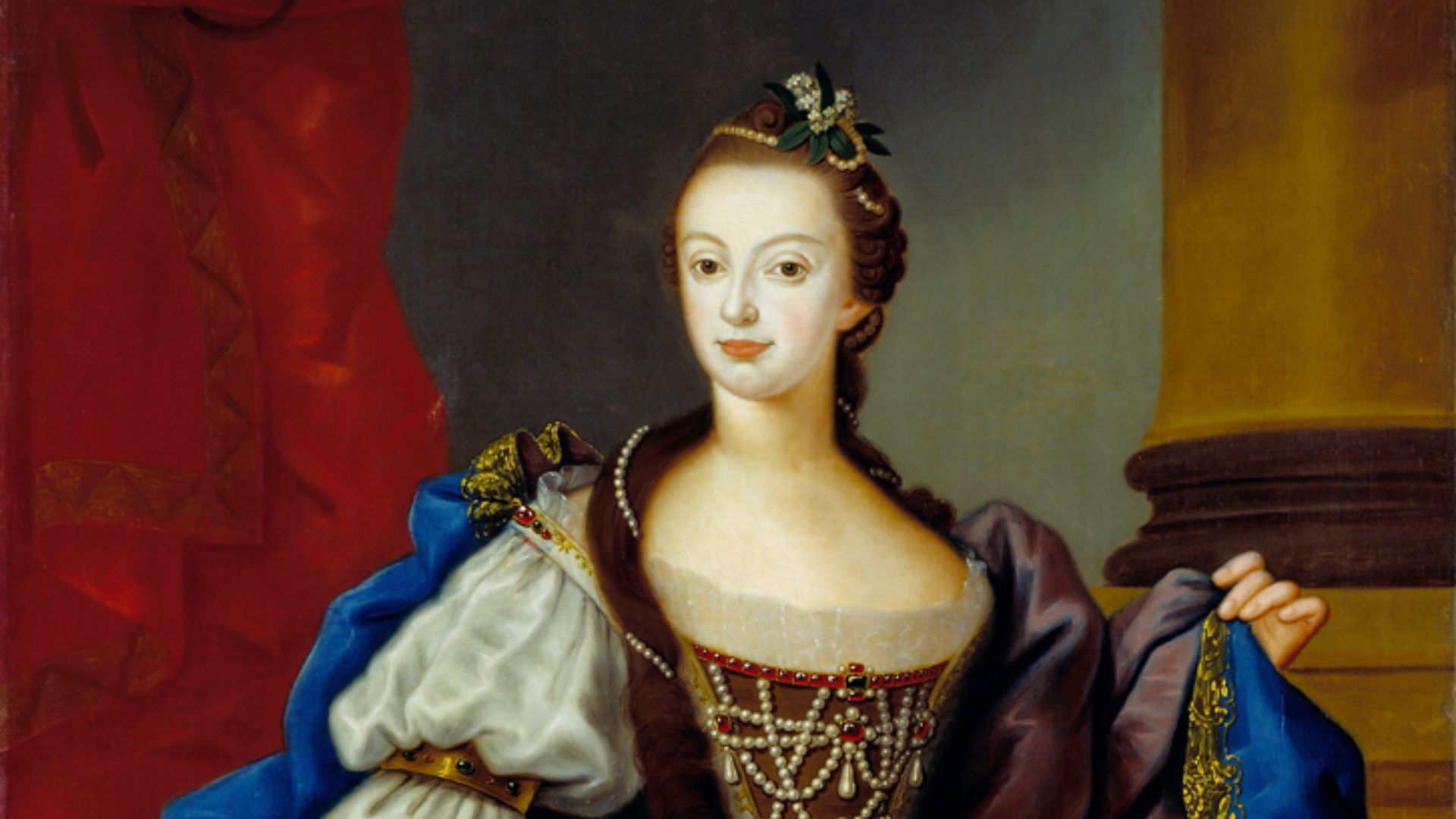 Vieira Lusitano, Wikimedia Commons
14. She Lost Half Her Children
In total, Maria eventually gave birth to six living babies: Three sons in succession, and then three girls in succession. She had done her duty, yes, but darkness still permeated her life. In the end, only three of them—Jose, Joao, and Mariana Vitoria—survived into adulthood.
Still, for now, Maria kept gritting her teeth and kept going. But loss was always coming for her.
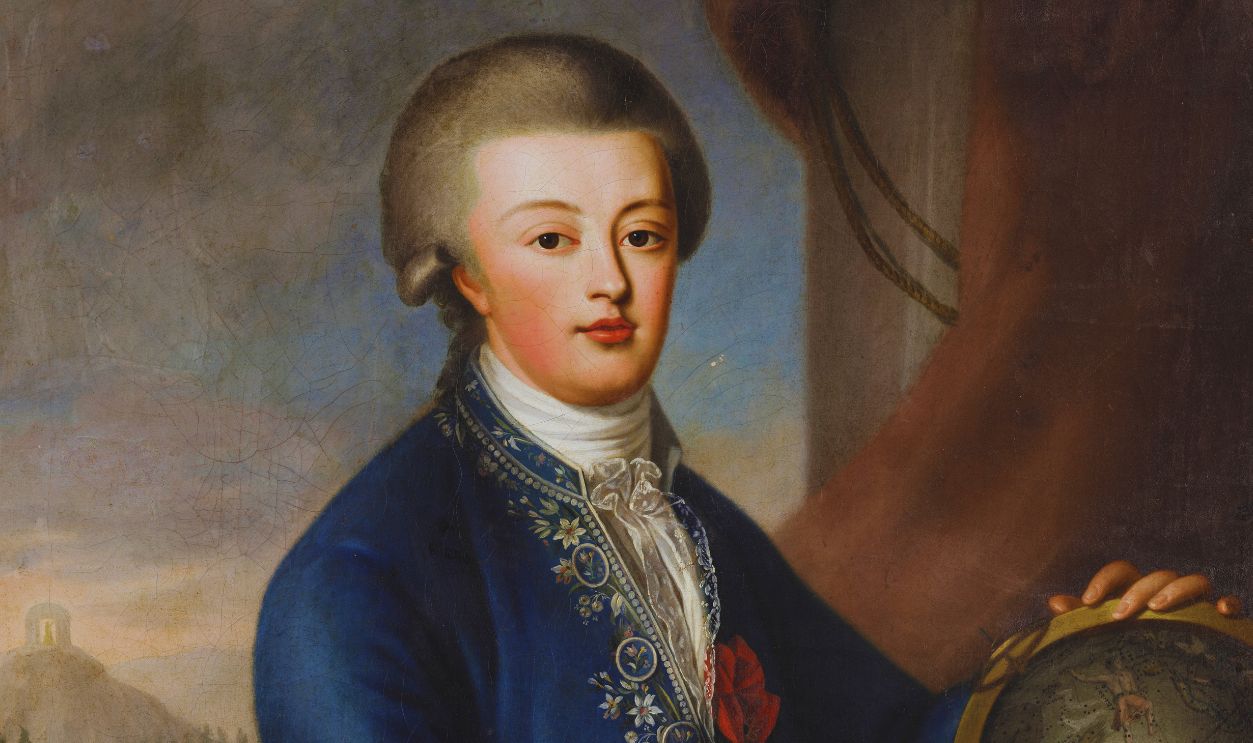 Unidentified painter, Wikimedia Commons
15. Her Sister Became Sick
The kind of niece–uncle marriage that Maria had with Pedro wasn’t uncommon for the royal family, and in 1764 it may have caught up with them. That year, Maria’s sister Doroteia fell suddenly ill, and was described as “hysteric” and displaying “an almost total lack of appetite which has reduced her to a state of extreme weakness”. Darker days were ahead.
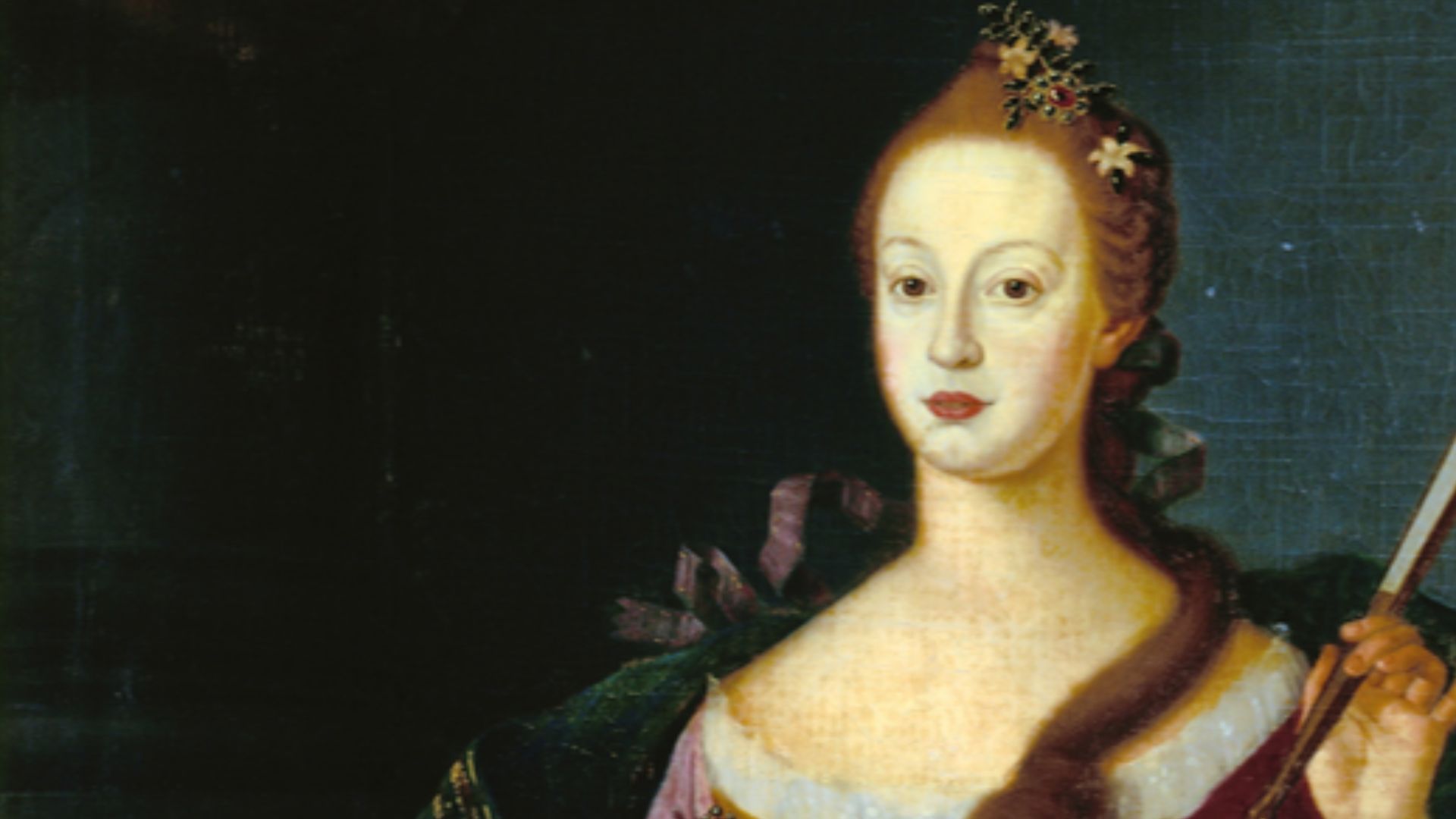 Vieira Lusitano, Wikimedia Commons
16. She Watched Her Sister Die In Agony
For years, no one could quite get a handle on Doroteia’s illness, though historians have since noted the mental instability of many royals of the time may have been exacerbated by the practices of inbreeding. Not that the knowledge would have helped Doroteia: after an excruciating course of bleedings, she finally perished in Lisbon in 1771 at the age of just 31.
It could have been a warning to them that inbreeding wasn’t always best. But they didn’t listen.
17. She Married Her Son To Her Sister
Maria’s marriage to her uncle had gone so well that she decided to repeat the same experiment with her own son Jose. In 1777, her eldest son married Maria’s younger sister, his aunt Benedita. While the groom was just 15 years old, his aunt—although considered highly attractive—was 30.
Then, just three days after the wedding, death came to the royal family.
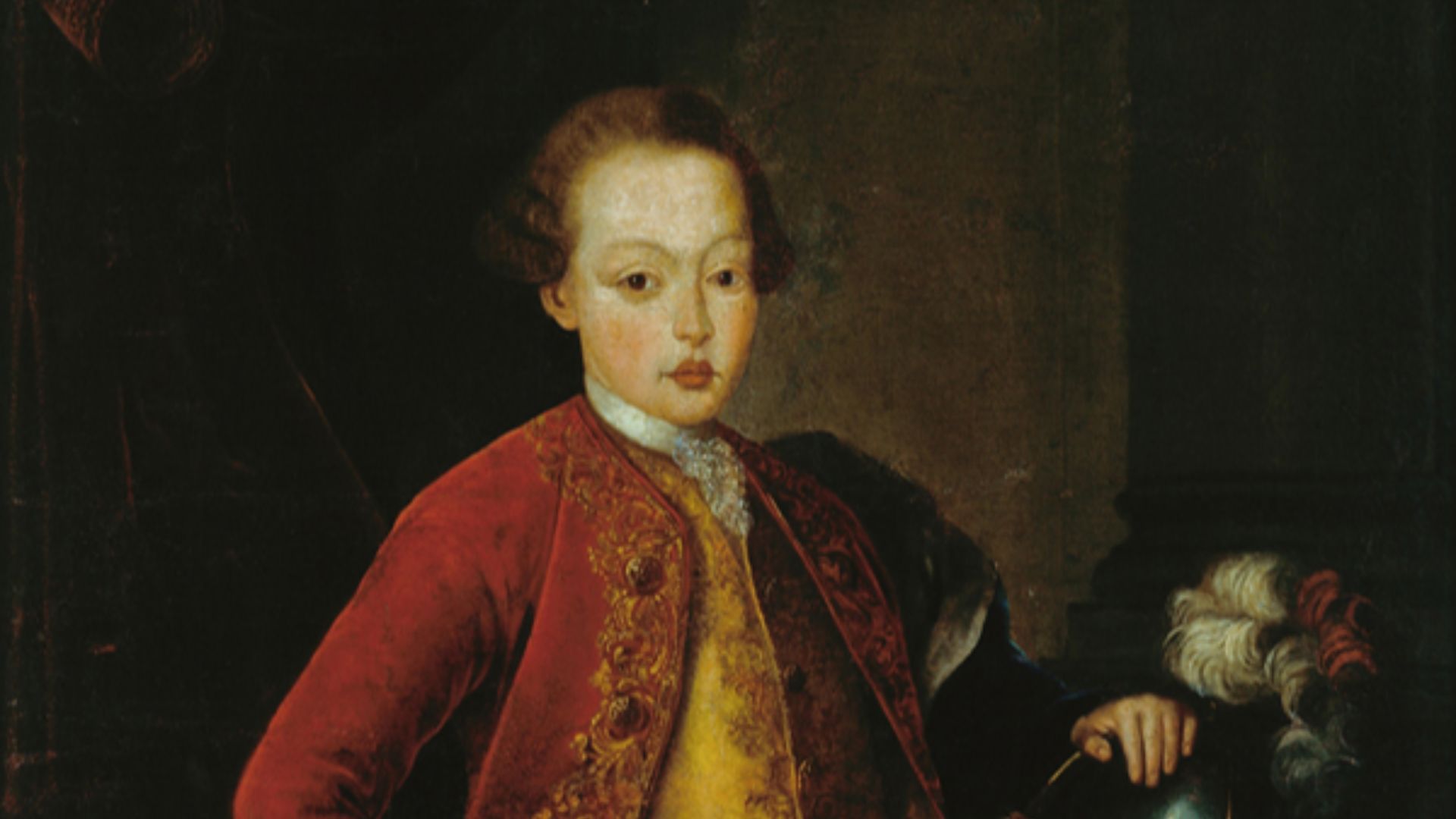 Miguel Antonio do Amaral, Wikimedia Commons
18. She Became the First Queen Of Portugal
In late 1776, Maria’s father King Jose suffered through a series of strokes that left him debilitated and clinging to life, with Maria’s mother taking over as Regent in his stead. February of 1777, right after the royal wedding, the ailing king finally passed, and Maria became the first Queen Regnant of Portugal in her 40s. Her first act was revenge.
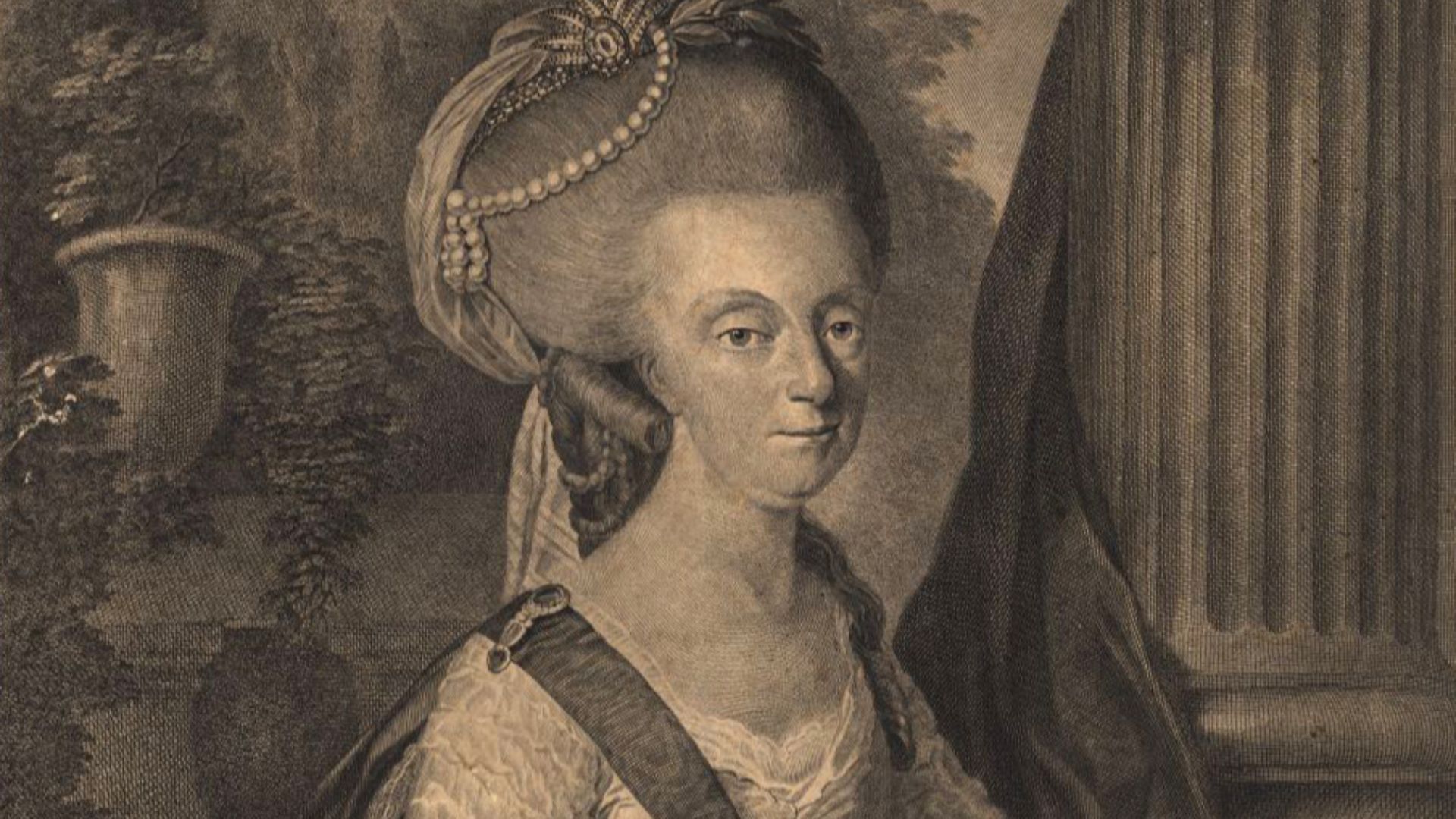 Gaspar Frois Machado / After Thomas Hickey, Wikimedia Commons
19. She Got Revenge
Maria I of Portugal never forgot how her father’s courtier the Marquis de Pombal had taken all the power for himself, and as soon as she was able she inflicted her royal might on him. She immediately dismissed Pombal from his positions and reinstated the dignity of the remaining Tavora family after reviewing their sham trials. But she didn’t stop there.
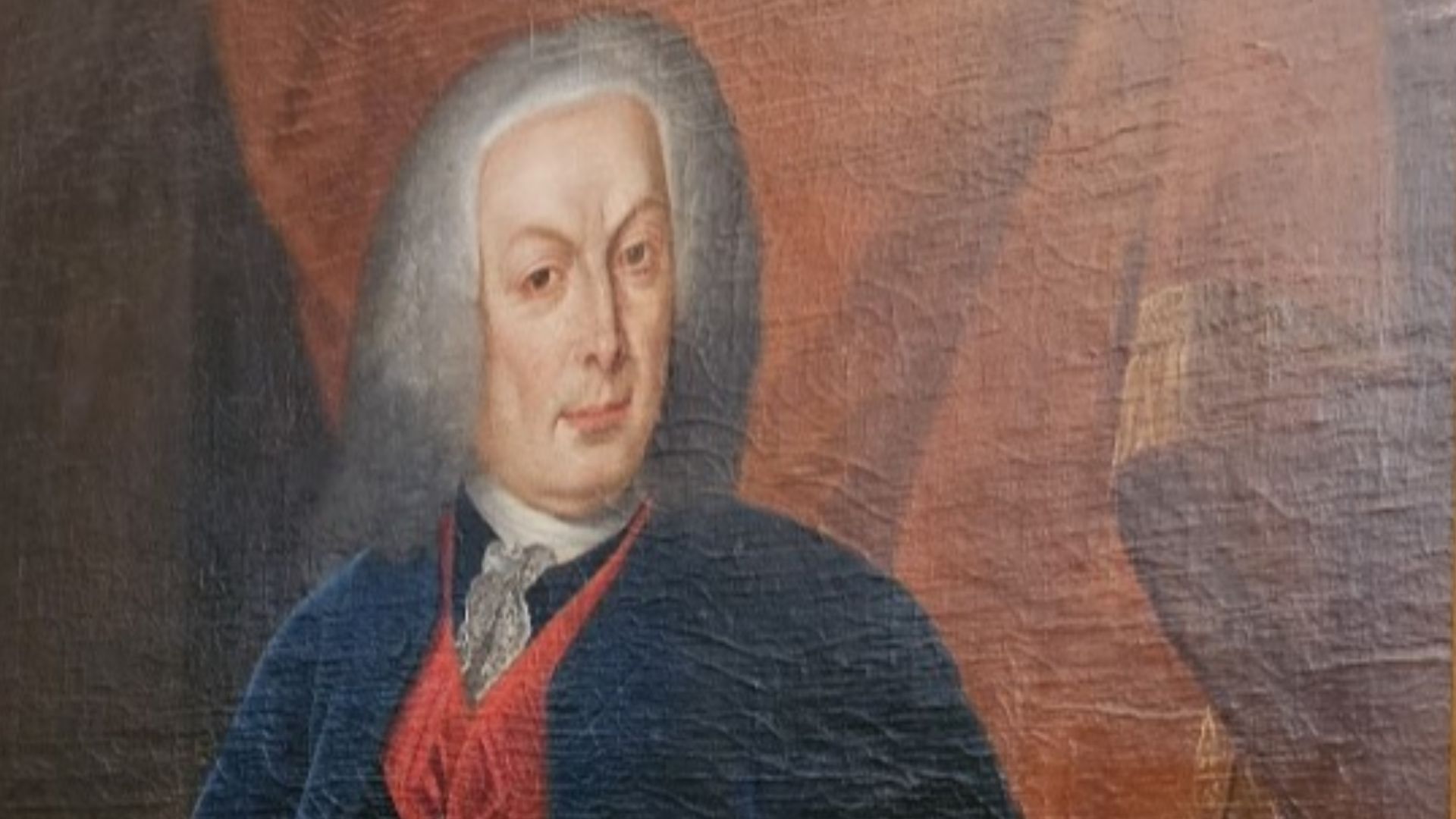
20. She Was Deliciously Petty
It wasn’t enough for Maria I of Portugal to have Pombal know just how far he had fallen; she also had to make it personal. She also issued a restraining order against him, which commanded that he not get within even 20 miles of her presence. This meant that if she ever even came near his estates, he’d have to move from his own home.
Yet then Maria took an even more surprising turn.
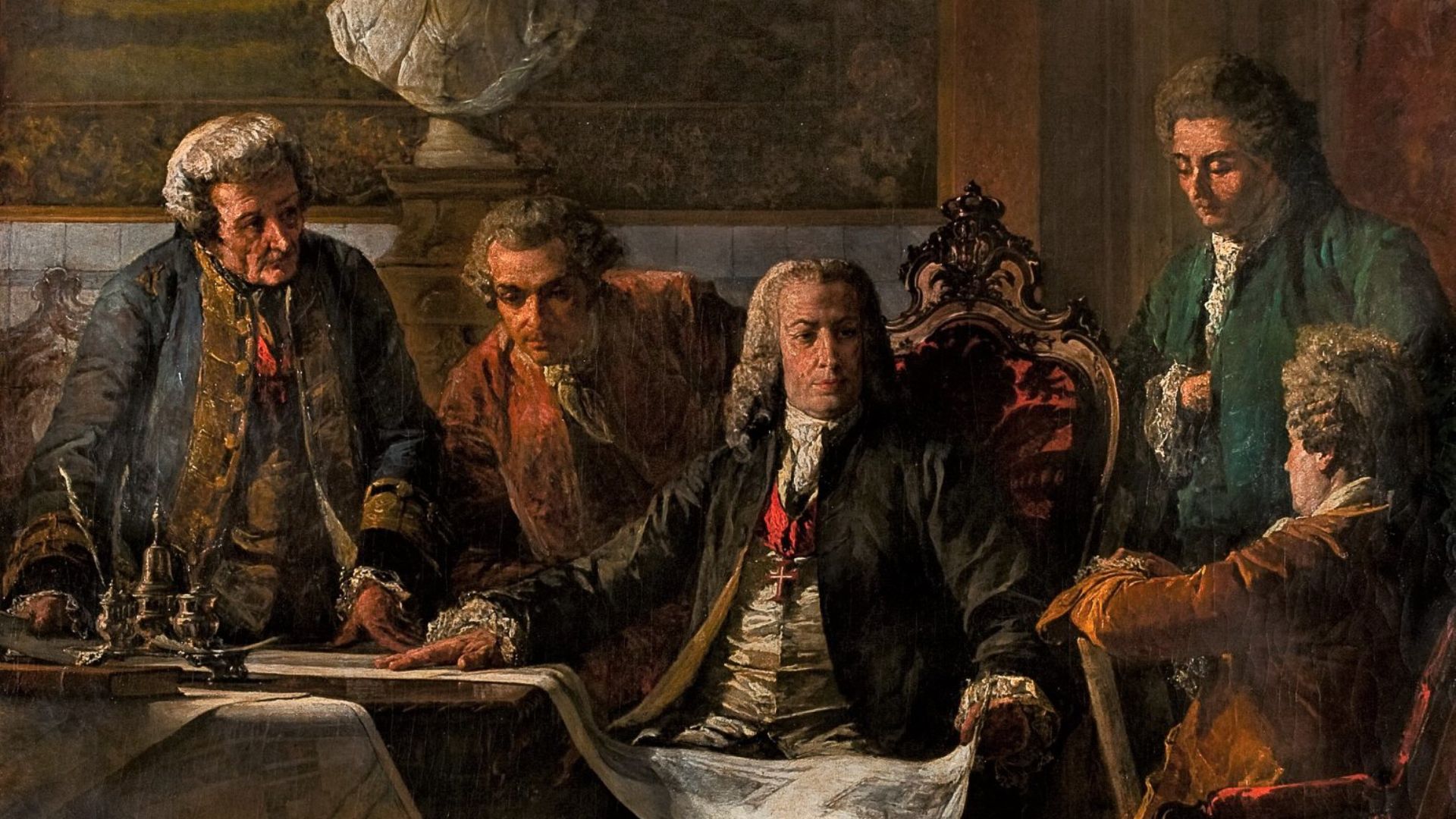 Miguel Angelo Lupi, Wikimedia Commons
21. She Was A Good Queen
Although Maria I of Portugal began her reign with revenge, she was determined to rebuild her country without the Marquis de Pombal’s influence—and to the astonishment of many, she did an excellent job. With her husband Pedro staying mostly in the background, she handled her own affairs and was seen as a good ruler.
Then everything began to shift.
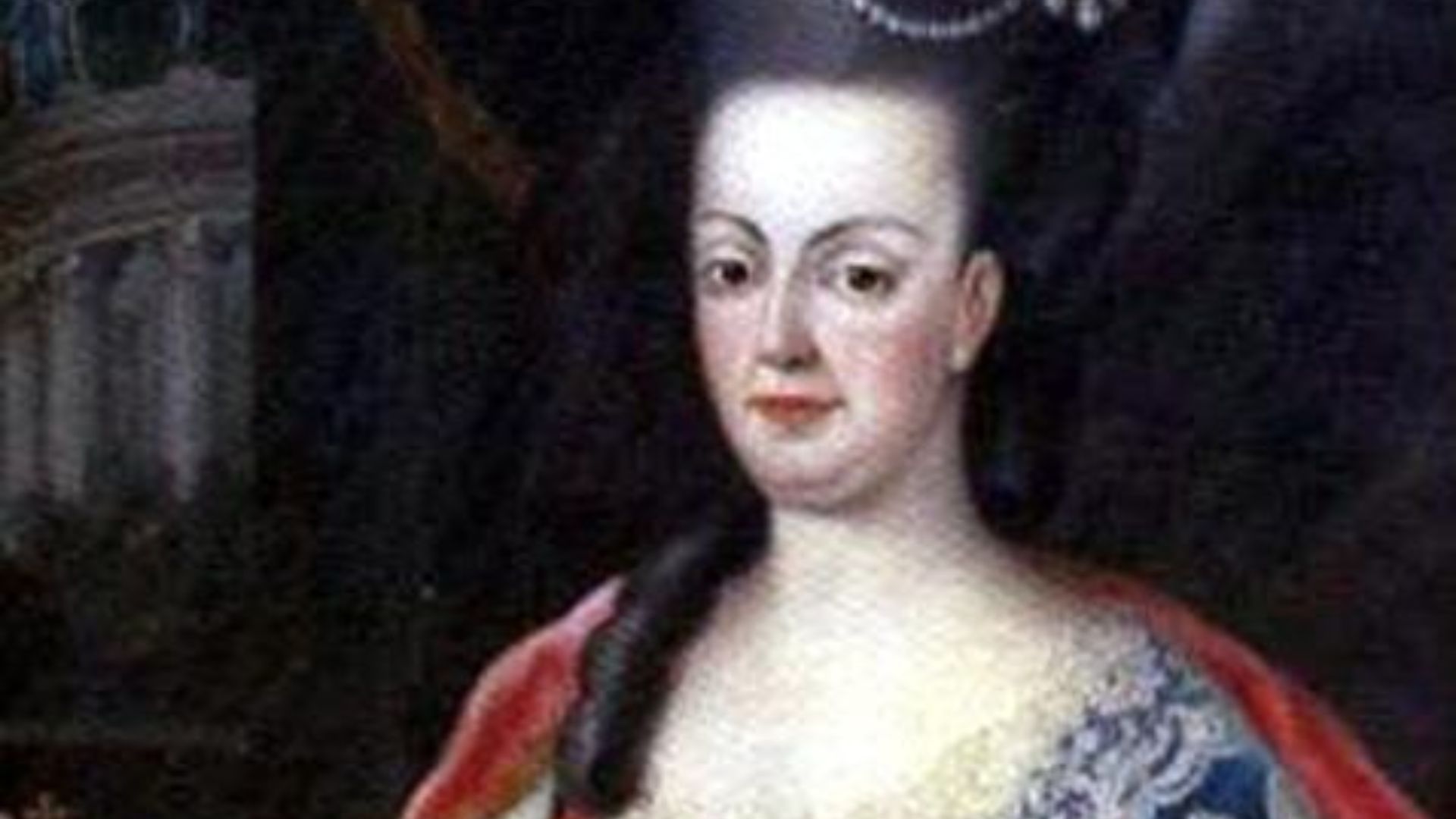 Unidentified painter, Wikimedia Commons
22. She Went Into A Fugue State
In 1786, a terrifying symptom came over the Queen of Portugal. That year, for one reason or another, Maria fell into a sudden state of delirium, and no one seemed to be able to snap her out of it. Fearful for their queen, attendants had to bodily carry her back to her apartment.
It couldn’t help but be reminiscent of Maria’s ill-fated sister Doroteia, and everyone held their breath it would pass. Fate wasn’t so kind.
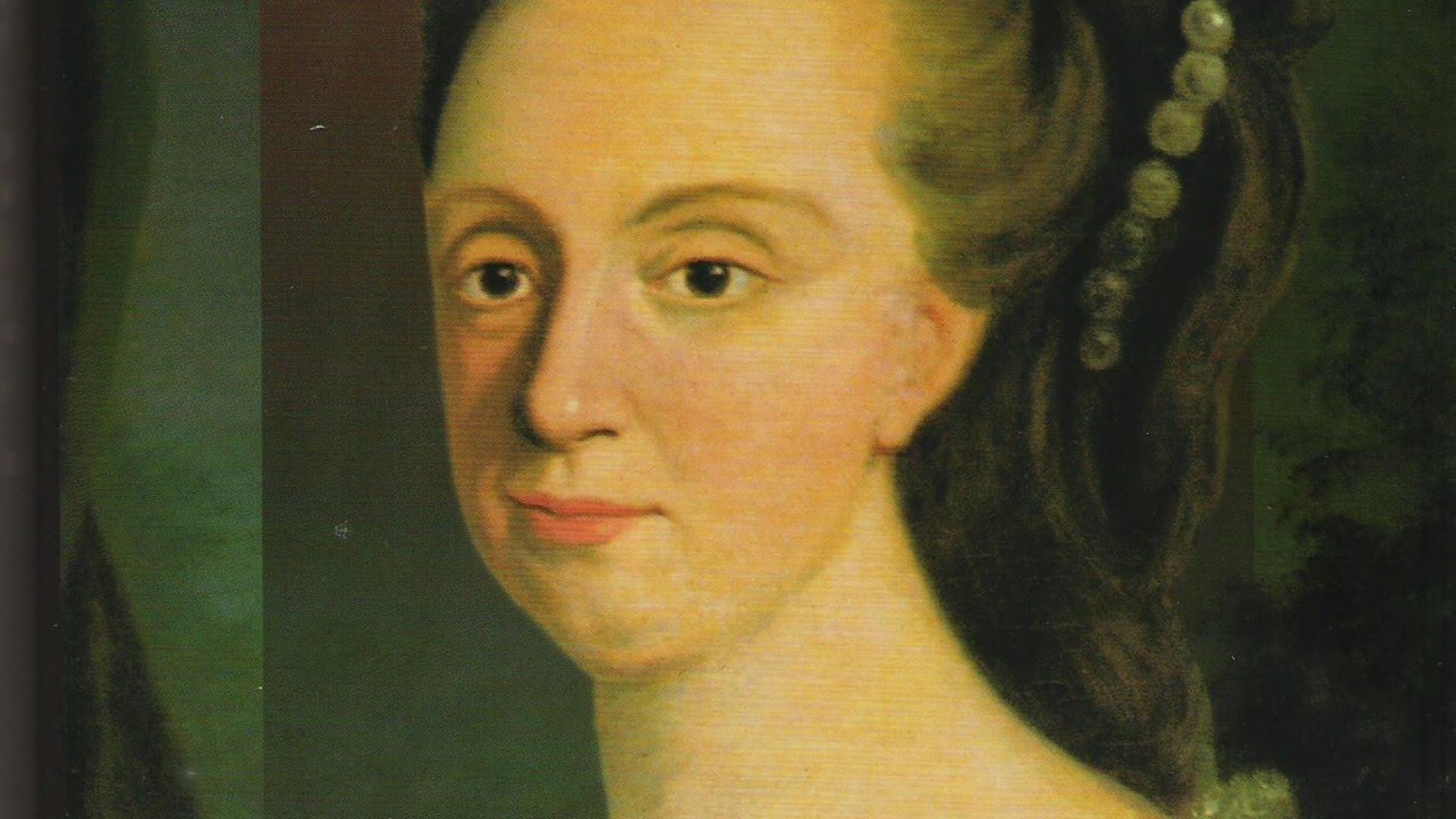 Unknown authorUnknown author, Wikimedia Commons
23. She Lost Her Husband
1786 ended up being a horrific year for Maria I of Portugal , and for her realm. On May 25, right around this state of delirium she experienced, her husband King Pedro perished at the age of 68, ending their marriage of over 25 years and—since her mother had passed in 1781—leaving Maria truly alone with her crown for the first time in her life. She didn’t cope well.
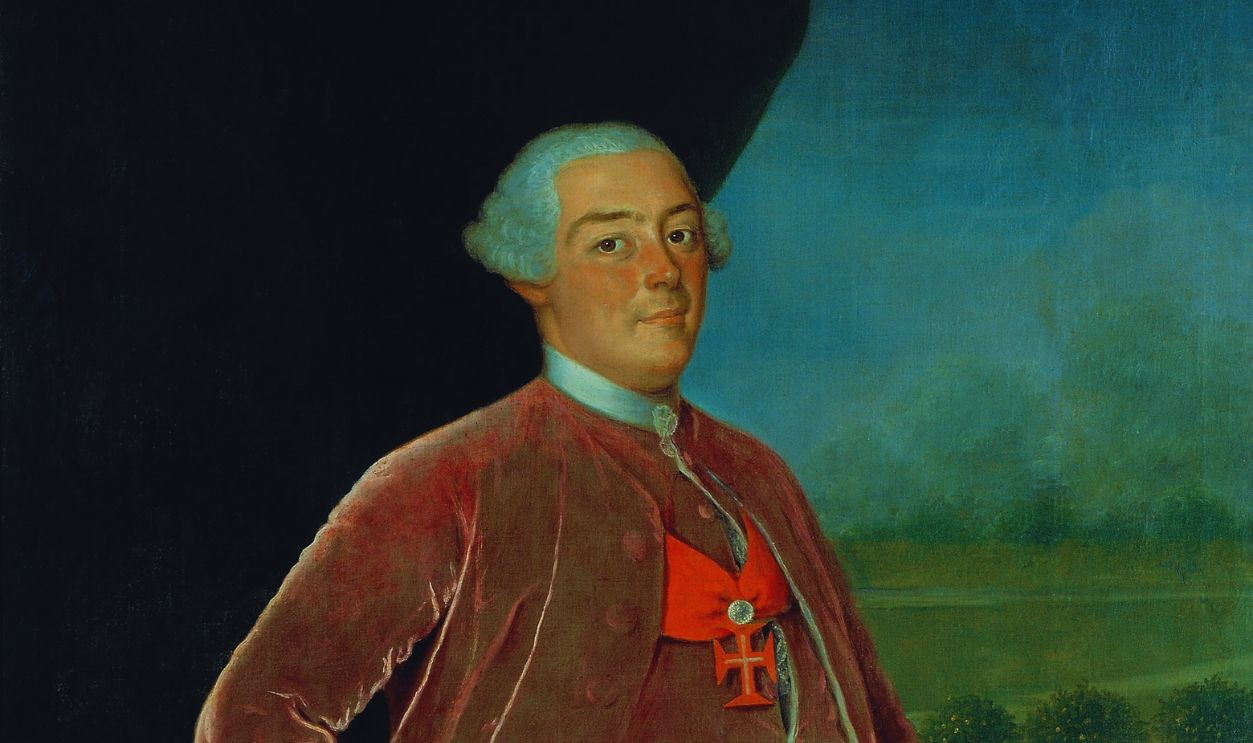 Attributed to Vieira Lusitano, Wikimedia Commons
24. Her Court Turned Black
At first, Maria’s mourning for her husband seemed in proportion to her grief, and she understandably banished any court entertainments in the wake of her husband’s passing. Only, she went further than that. According to one account from the time, when she did begin having state festivities, they now were dour and somber, and felt more like religious ceremonies than celebrations.
Everyone was eyeing each other nervously, then the next blow hit.
 Unknown authorUnknown author, Wikimedia Commons
25. She Grieved Her Son and Heir
For 27 years, Maria I of Portugal had raised her eldest son Prince Jose as her heir. Just two years after her husband’s death, it all came crashing down around her. In 1788, Jose caught a bout of smallpox, and was dead by that September. This would have been enough to break any mother’s heart, but destiny wasn’t done with Maria yet.
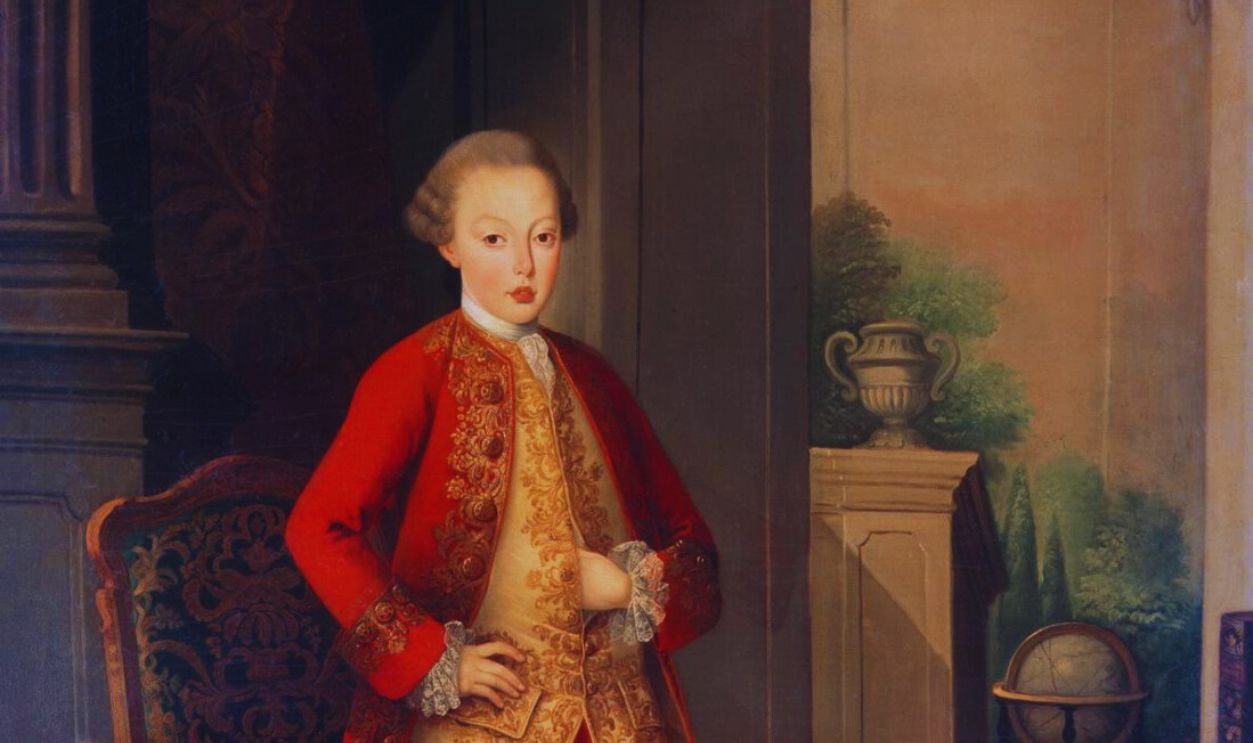 Miguel Antonio do Amaral, Wikimedia Commons
26. Her Daughter Passed Weeks Later
Maria had barely caught her breath from her husband’s passing before her eldest son died, but just two months after that, on November 2, she heard more tragic news. Her only surviving daughter Mariana Vitoria also perished, from smallpox again, just a handful of days after giving birth to her third child. She was only 19 years old.
And still it wasn’t over.
 Unidentified painter, Wikimedia Commons
27. Her Support System Collapsed
Throughout this series of tragedies, Maria no doubt leant on the advice and consolation of her confessor, Inacio de Sao Caetano. Then, in yet another example of fate’s cruel sense of humor, she even lost him four weeks after losing her daughter.
If 1786 pummeled her, then 1788 destroyed her…and she ended the year a much different woman than she began.
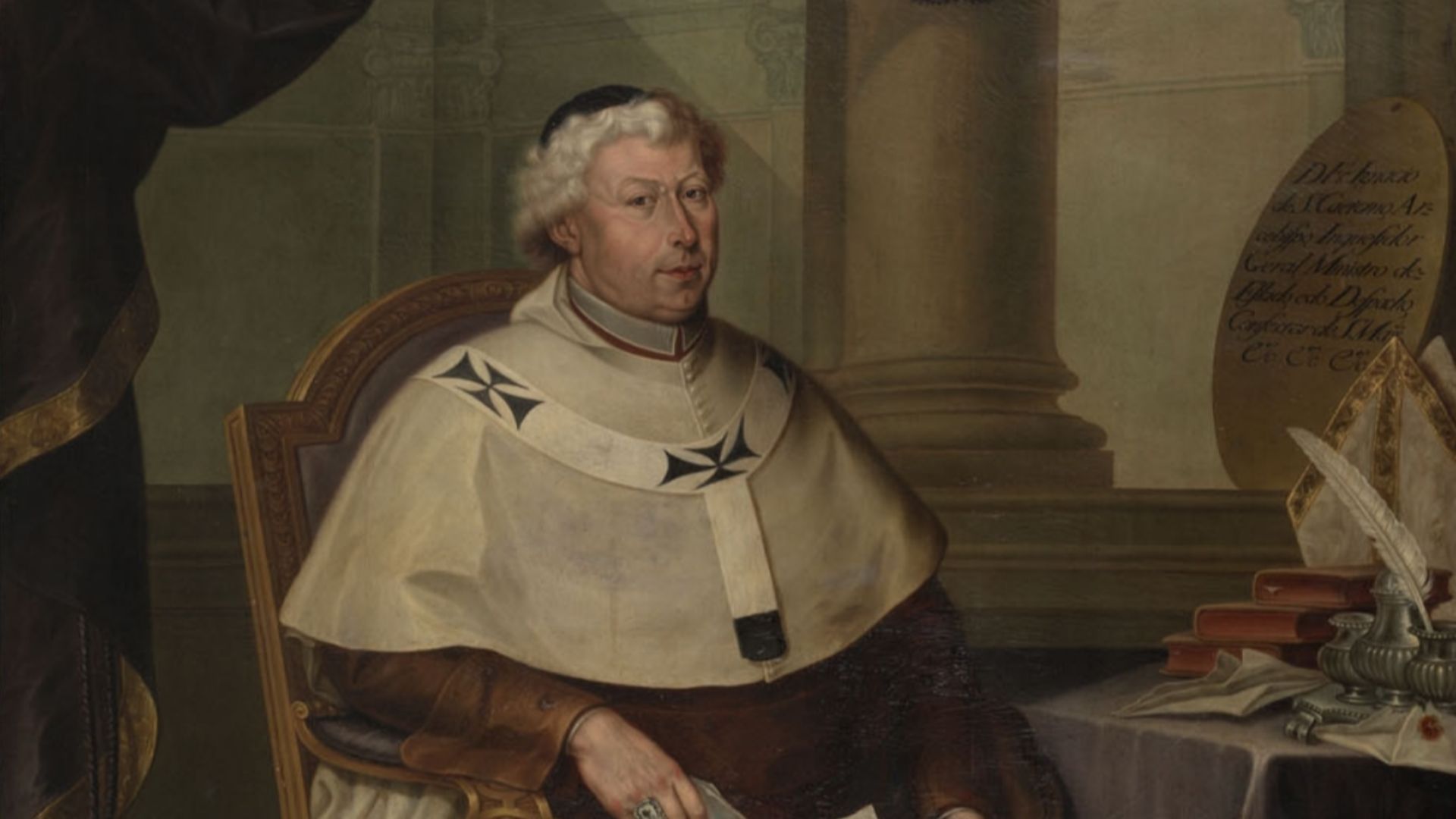 Inácio da Silva Coelho Valente, Wikimedia Commons
28. She Couldn’t Take It
This turn of events would likely be unbearable for anyone, but Maria I of Portugal was already in a fragile state of mental health when it all began. It truly broke her. Starting around this time, she fell into what was likely an intense state of depression, and everyone around her began noticing her melancholia. Soon, they noticed a lot more.
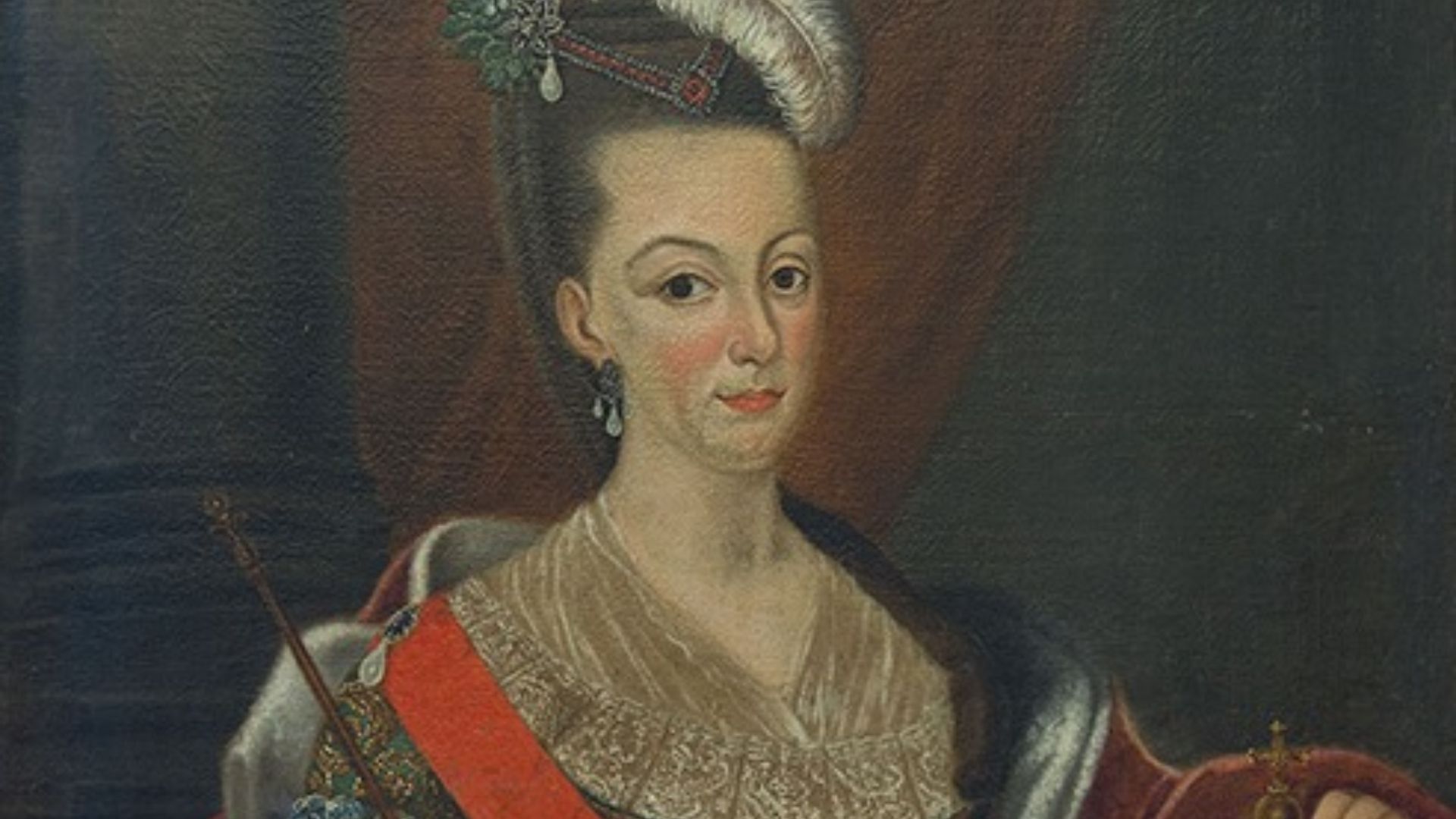 Unidentified painter, Wikimedia Commons
29. Her Castle Burned Down
In 1794, Maria I of Portugal lost one of the last memories she had of her father, disturbing as it was: the Real Barraca de Ajuda, his wooden “hut” of a palace, burned down that year, and the entire court was forced to move to Queluz and rebuild once more. It was one disaster too many, and Maria’s reaction terrified her courtiers.
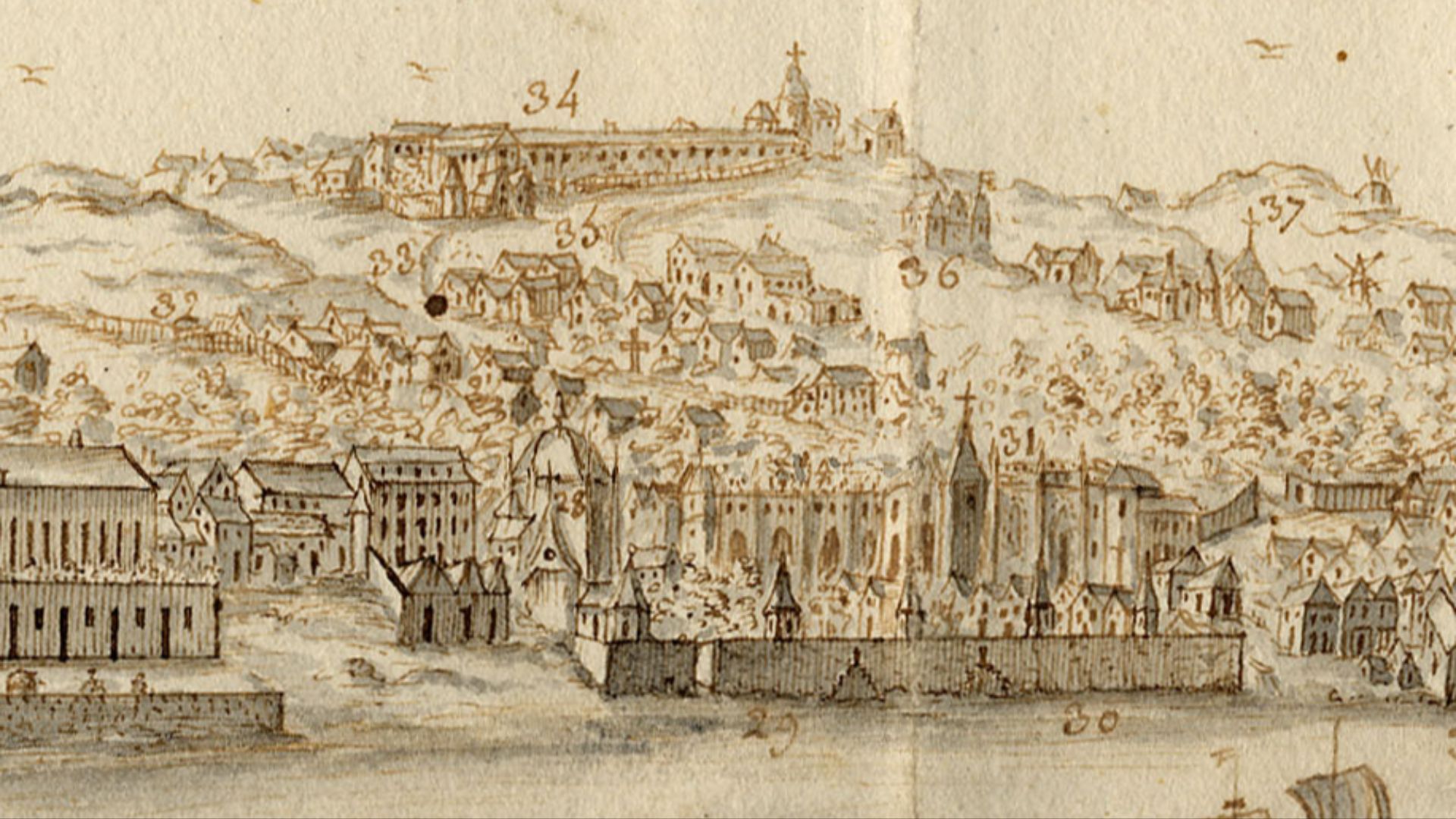 Bernardo de Caula, Wikimedia Commons
30. She Was Barely Alive
Now set up in Queluz, Maria once more did not acclimatize well. First, her symptoms appeared as a kind of lethargy, and where she once took an active role in her government, she now lay in her apartments all day, barely moving or speaking to anyone. It would get far, far worse.
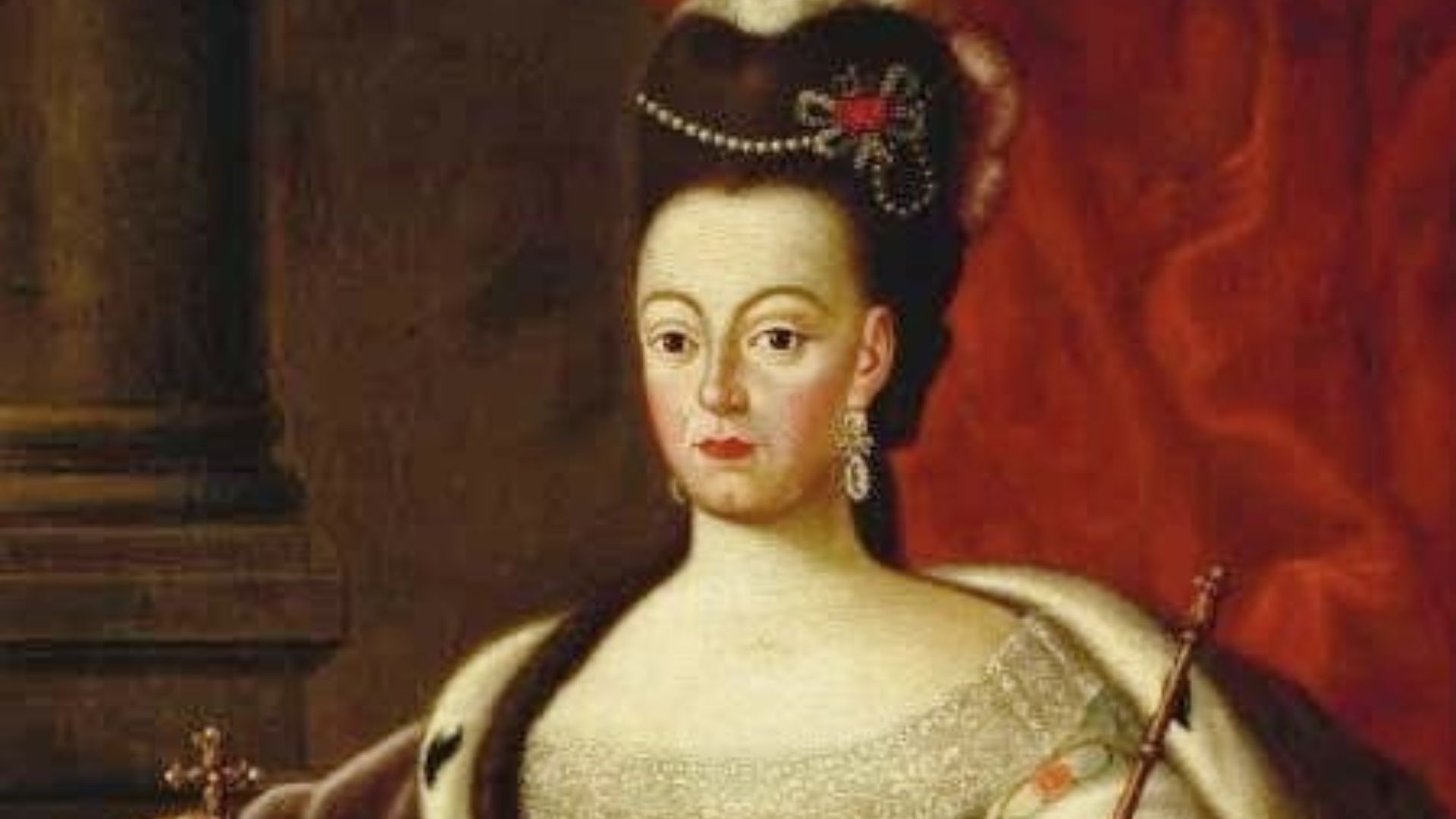 Unidentified painter, Wikimedia Commons
31. She Haunted Her Palace
Wracked with mental anguish, Maria I of Portugal turned into something like the palace’s resident ghost,
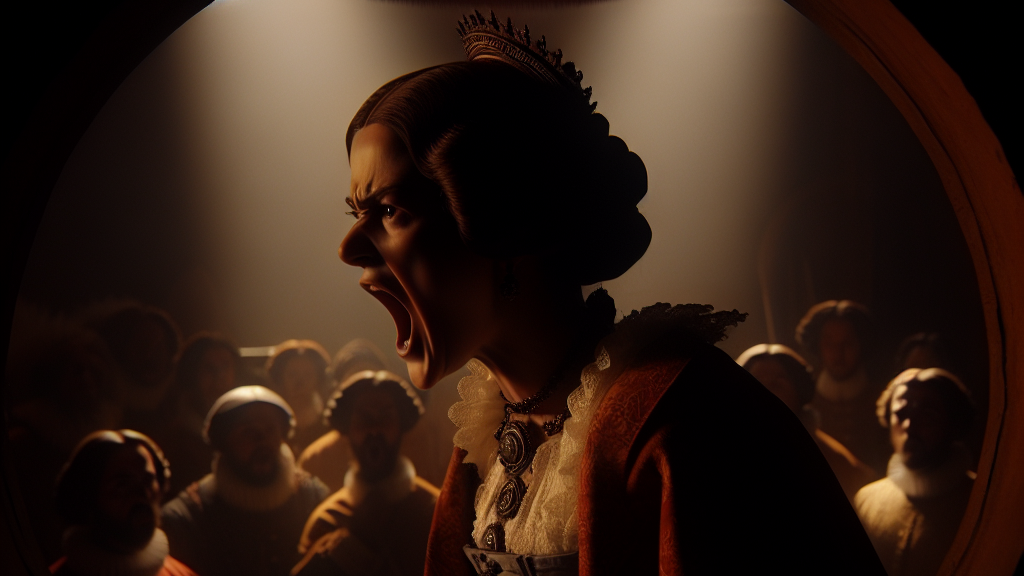
—and a vengeful one. Visitors to the opulent surroundings would complain that they could hear the queen’s “most agonising shrieks” through the walls and echoing down the hallways, which “inflicted…a sensation of horror”.
When anyone got to see Maria, the horror continued.
32. She Was Possessed
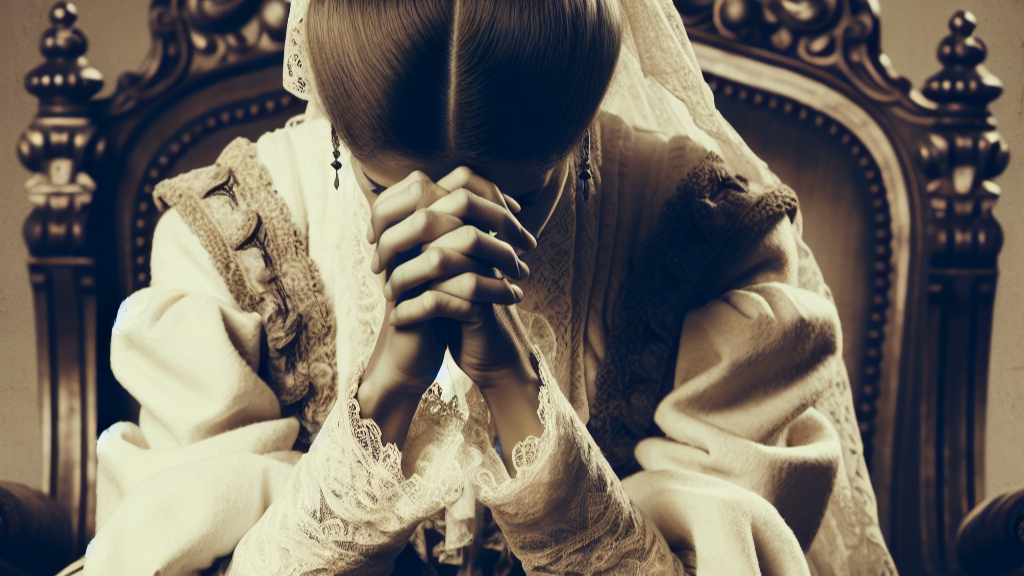
During this time, reports indicate that Maria I of Portugal had delusions she was possessed by a kind of devil, and frequently ranted about a demon being inside her. More than that, it’s said she also began using “unchaste” language to hiss and scream at those around her.
It was clear something had to be done.
33. A Famous Doctor Assessed Her
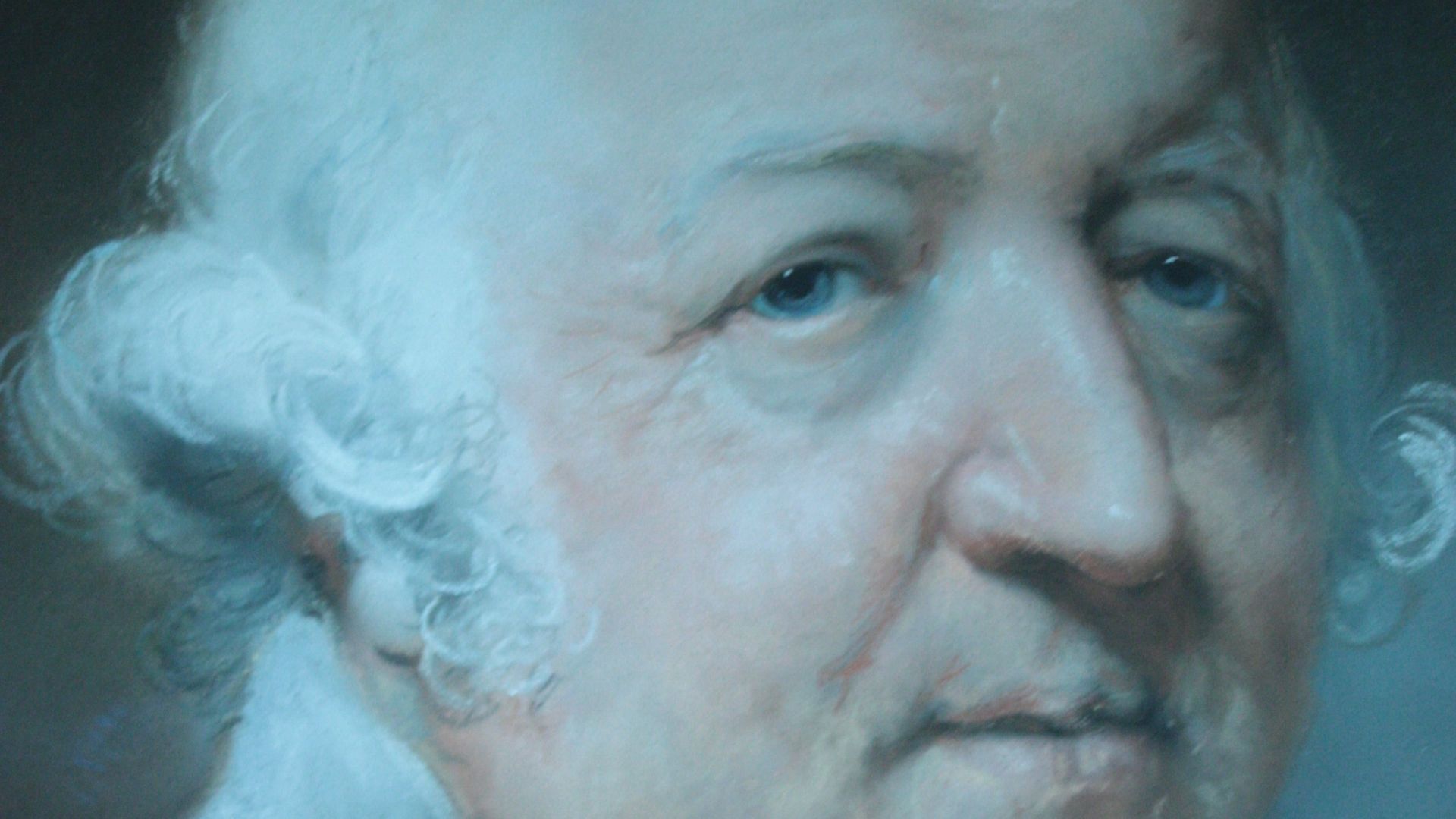
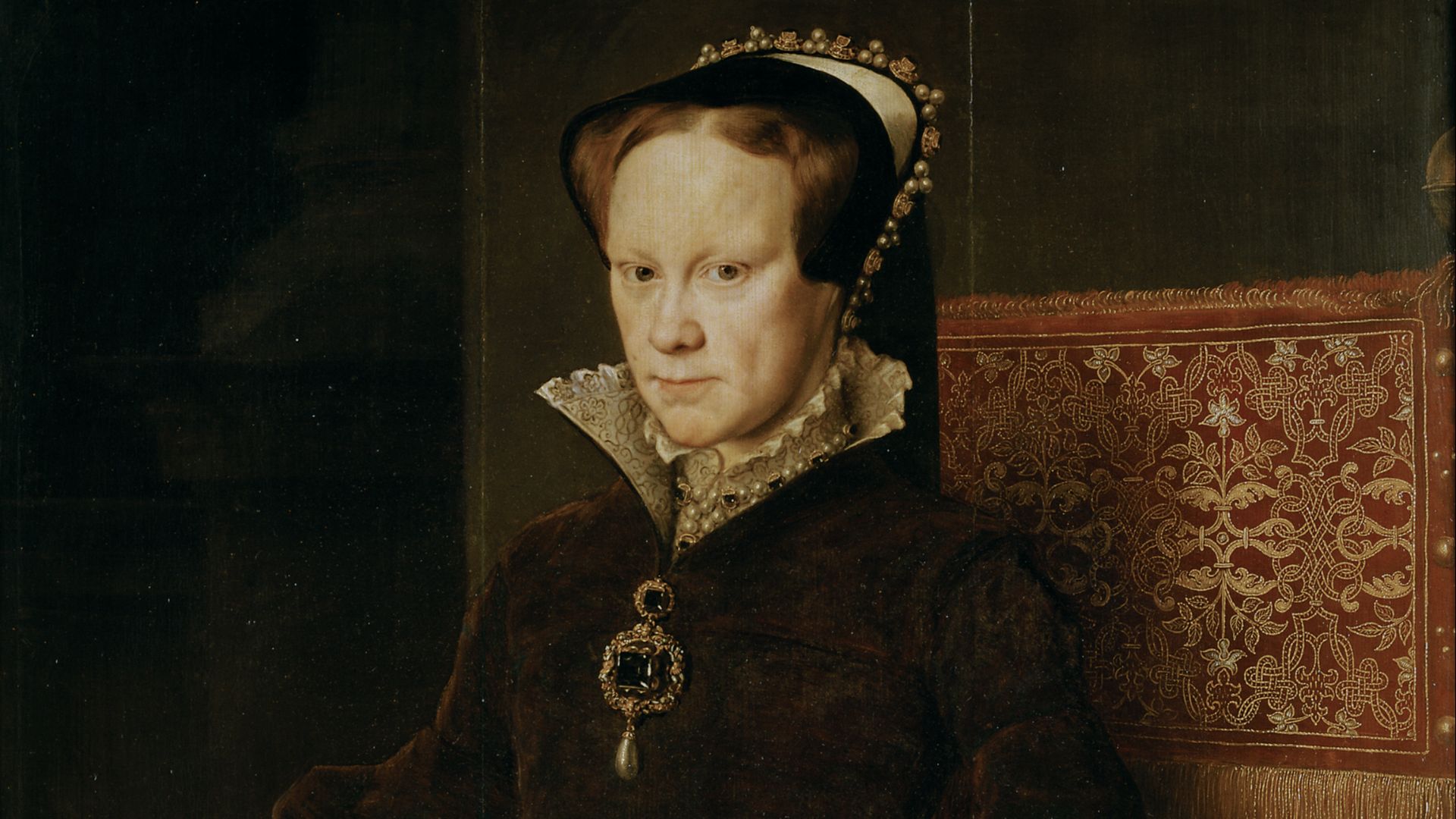
Around this time, Maria’s family arranged for an English doctor named Francis Willis to come look at her. After all, Willis had attended no less than the British King George III in his infamous bouts of mental illness, and he would be in his element when assessing the Portuguese queen. But this was not the Hail Mary it appeared to be.
 Stephencdickson, Wikimedia Commons
34. She Almost Moved To England
After assessing the queen and agreeing that she was, by now, utterly insane, Francis Willis suggested that they move Maria to England so that she could be treated closer to where he lived. But the Portuguese court, perhaps worried about how this would look, refused the suggestion—and it had grave consequences.
35. She Was Incurable
Shortly after getting the news that he couldn’t take Maria I of Portugal back with him, the doctor gave the royal family a chilling diagnosis. Whether or not it was motivated by Willis’s resentment about their refusal, he nonetheless told them that Maria’s illness was incurable, and they should abandon all hope of a recovery. The government took him very seriously.
 Antonis Mor, Wikimedia Commons
36. The Government Replaced Her
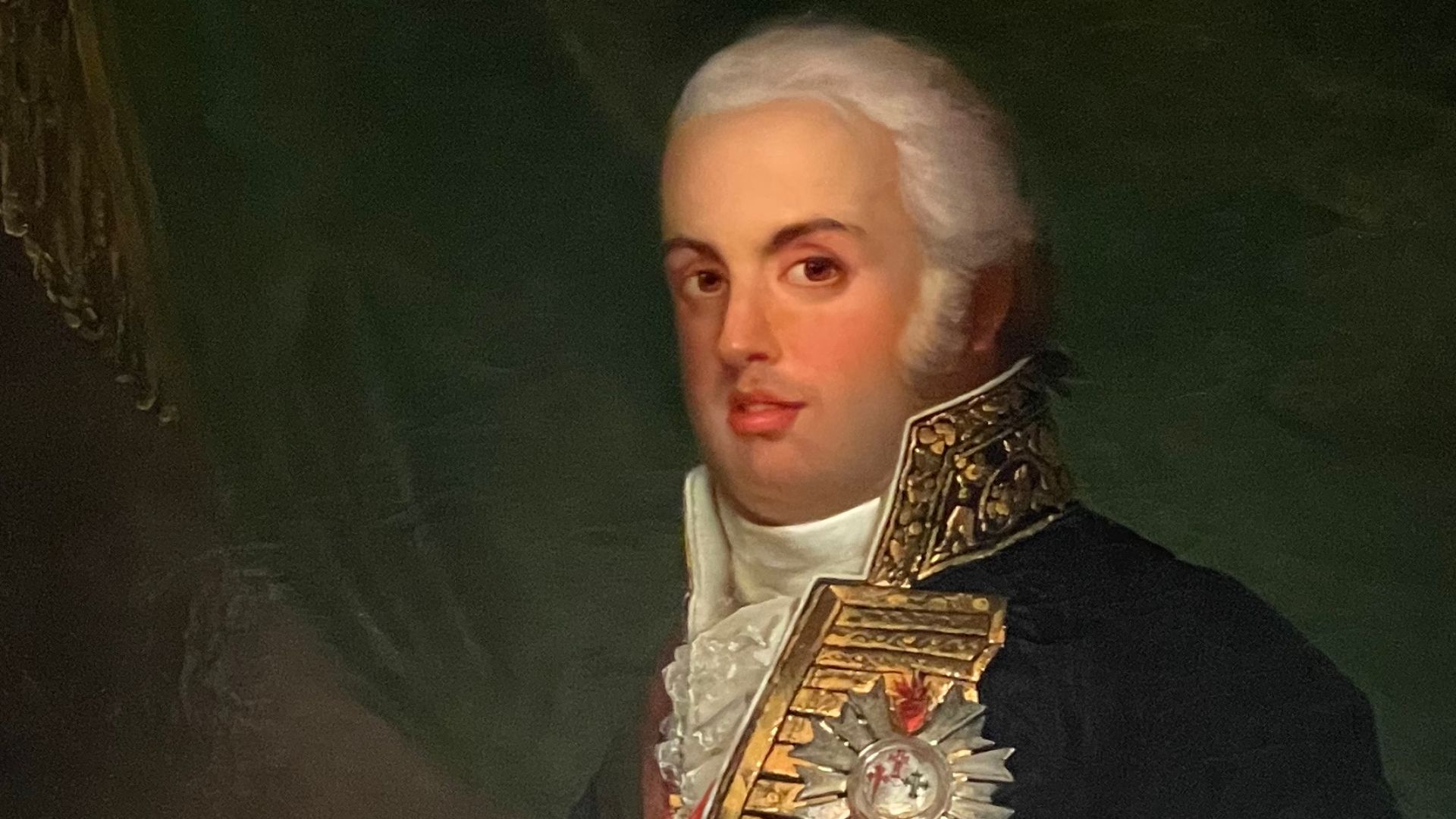
With this official diagnosis, it took little encouragement for Maria’s government to decide that her mental health had deteriorated to the point where she was no longer fit to rule. Shortly after, Maria’s one remaining child, Joao—her second son after the late Jose—took over ruling in her name, eventually taking on the title of Prince Regent in 1799.
But their troubles were just beginning.
 Henri-Francois Riesener, Wikimedia Commons
37. A New Enemy Appeared
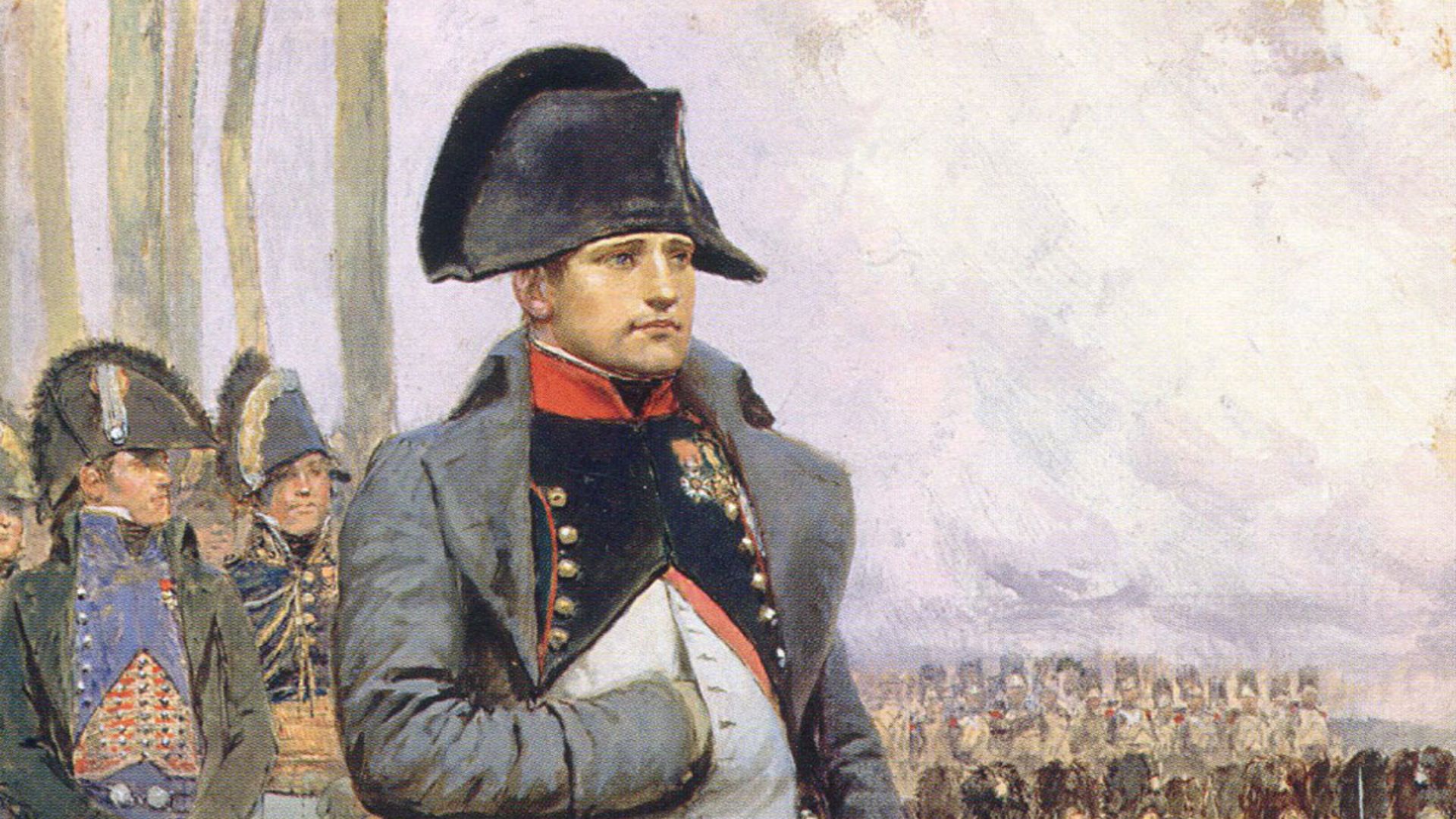
With their queen falling to pieces and her son trying to gather together the scraps left of the government, Portugal was in a precarious time. It was about to get downright dangerous. As Maria was descending into madness, Napoleon was coming into power in France, and in 1801 his ally Spain launched an attack on Portugal.
Portugal managed to cling on to most of its lands, but it was the start of a conflict that would upend Maria’s life, right until her bitter end.
 Edouard Detaille, Wikimedia Commons
38. Her Country Was In Danger
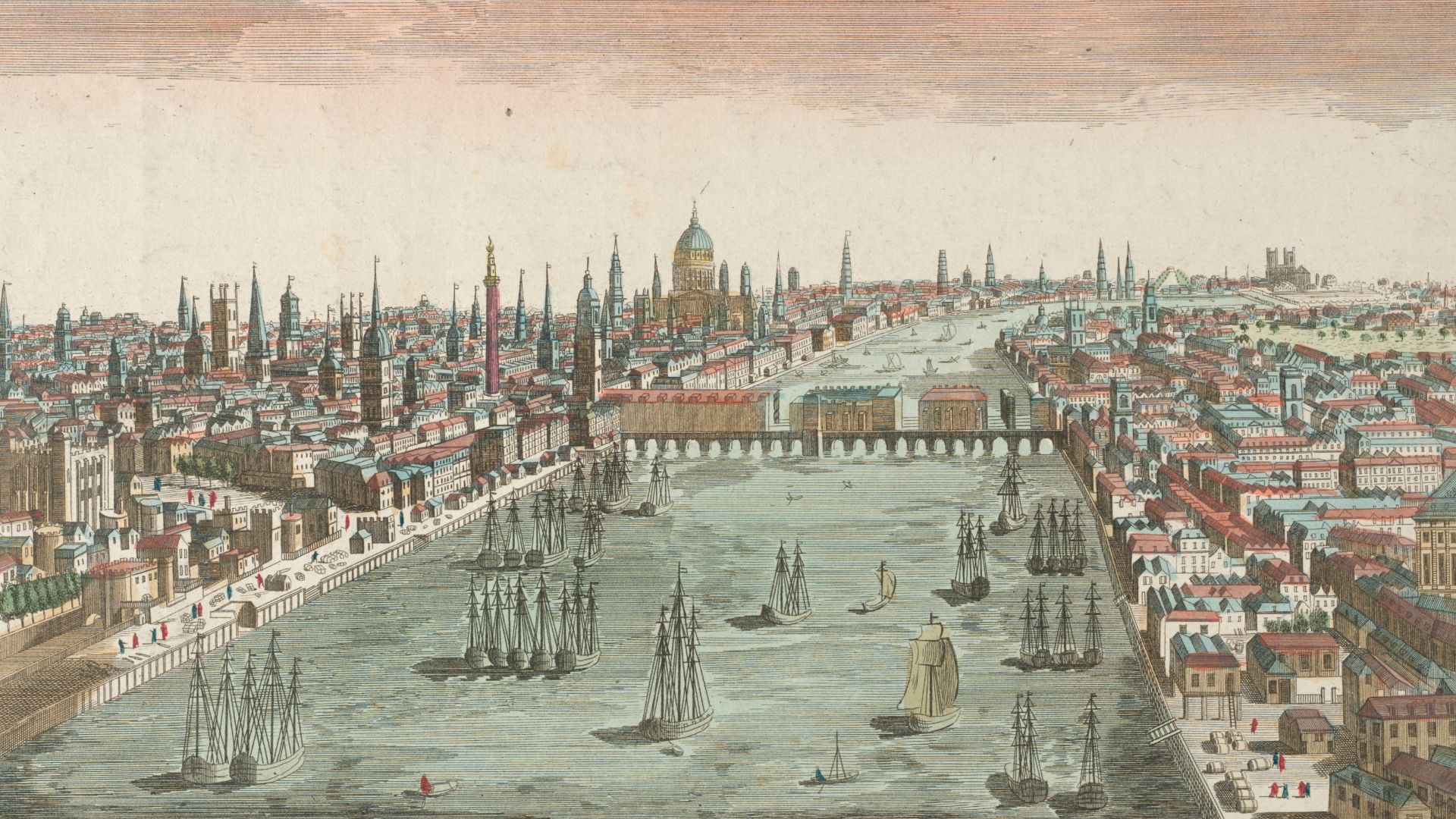
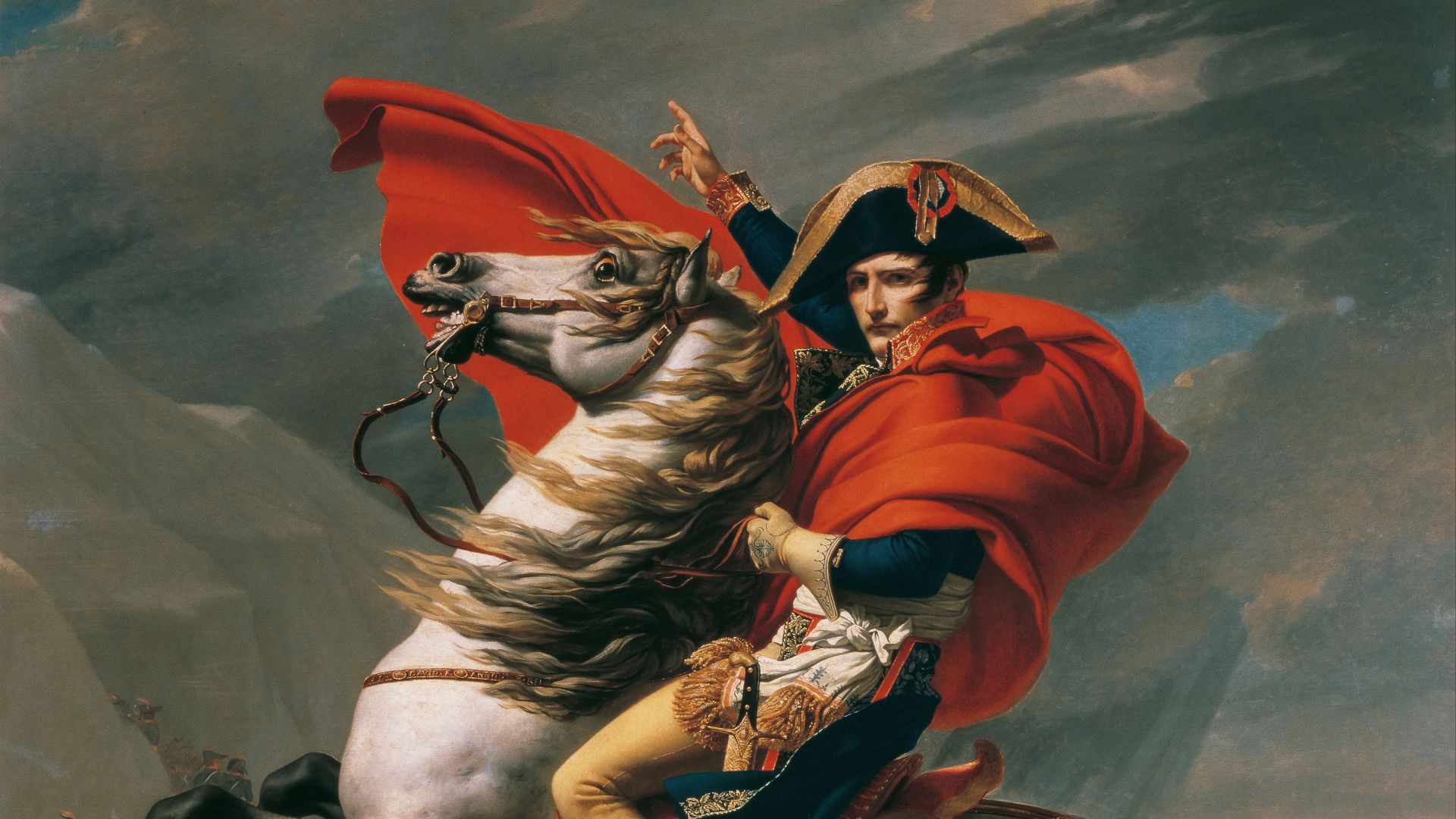
By 1807, Napoleon was tearing through continental Europe and had his eye on Britain. Seeking to shore up even more allies, he invited Portugal to join the Continental Blockade against the British Isles—and when they refused, he invaded them once more. This time, Maria’s realm blinked first.
 Jacques-Louis David, Wikimedia Commons
39. They Had To Flee
With Napoleon seemingly unstoppable at this time, Maria’s family made an enormous decision. At the urging of the British government, Maria’s entire House of Braganza fled on November 29, 1807 to their territories in Brazil, where they planned to establish a government in exile.
Incapacitated as she was, Maria had very little to do with this decision. But she made her presence known.
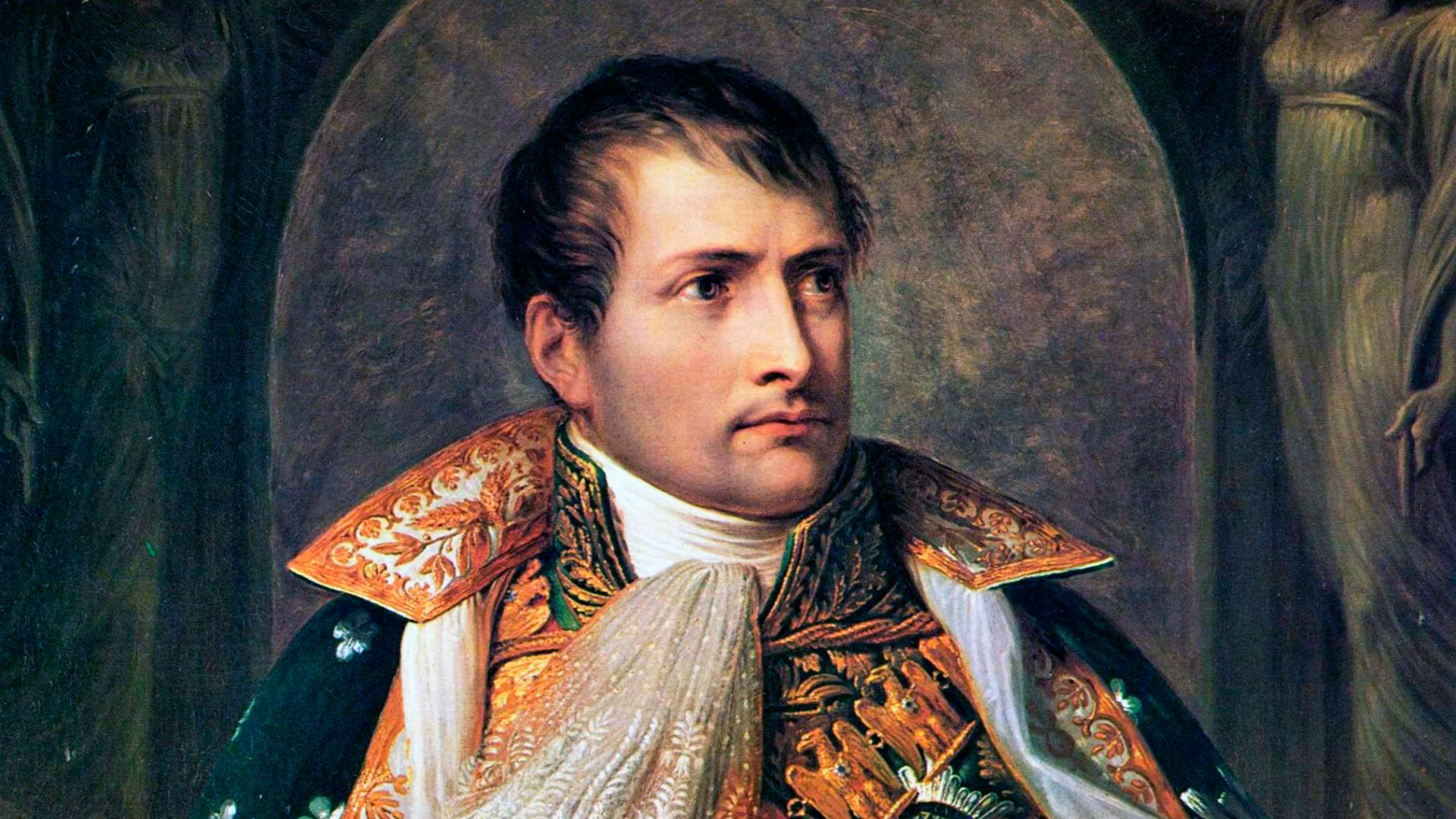 Andrea Appiani, Wikimedia Commons
40. She Couldn’t Be Reasoned With
Maria and most of her family boarded the Principe Real, taking whatever belongings they deemed most necessary, to begin the long journey to Brazil. But even in all the chaos and hubbub, one voice could be heard among them all: People could hear their queen screaming at the top of her lungs as attendants moved her from the carriage, through the crowd, and onto the boat. Her reasons weren’t much comfort.
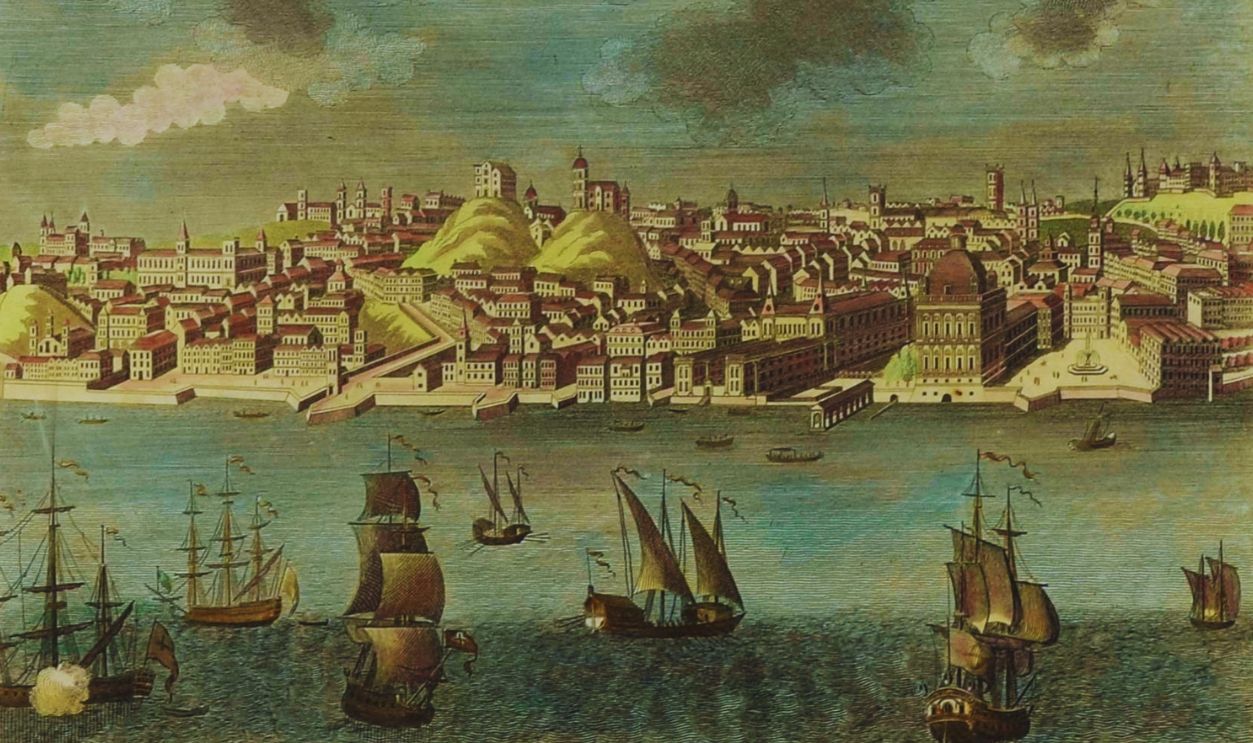 English School, Wikimedia Commons
41. She Thought She Was Being Kidnapped
Maria I of Portugal was intensely sensitive to drastic changes in her life now, and her dementia had also grown. That day, she was reportedly convinced that her servants, who were only trying to get her to safety, were actually going to torment her, rob her, or both, and she had been screaming for her life. On the boat, her state hardly improved.
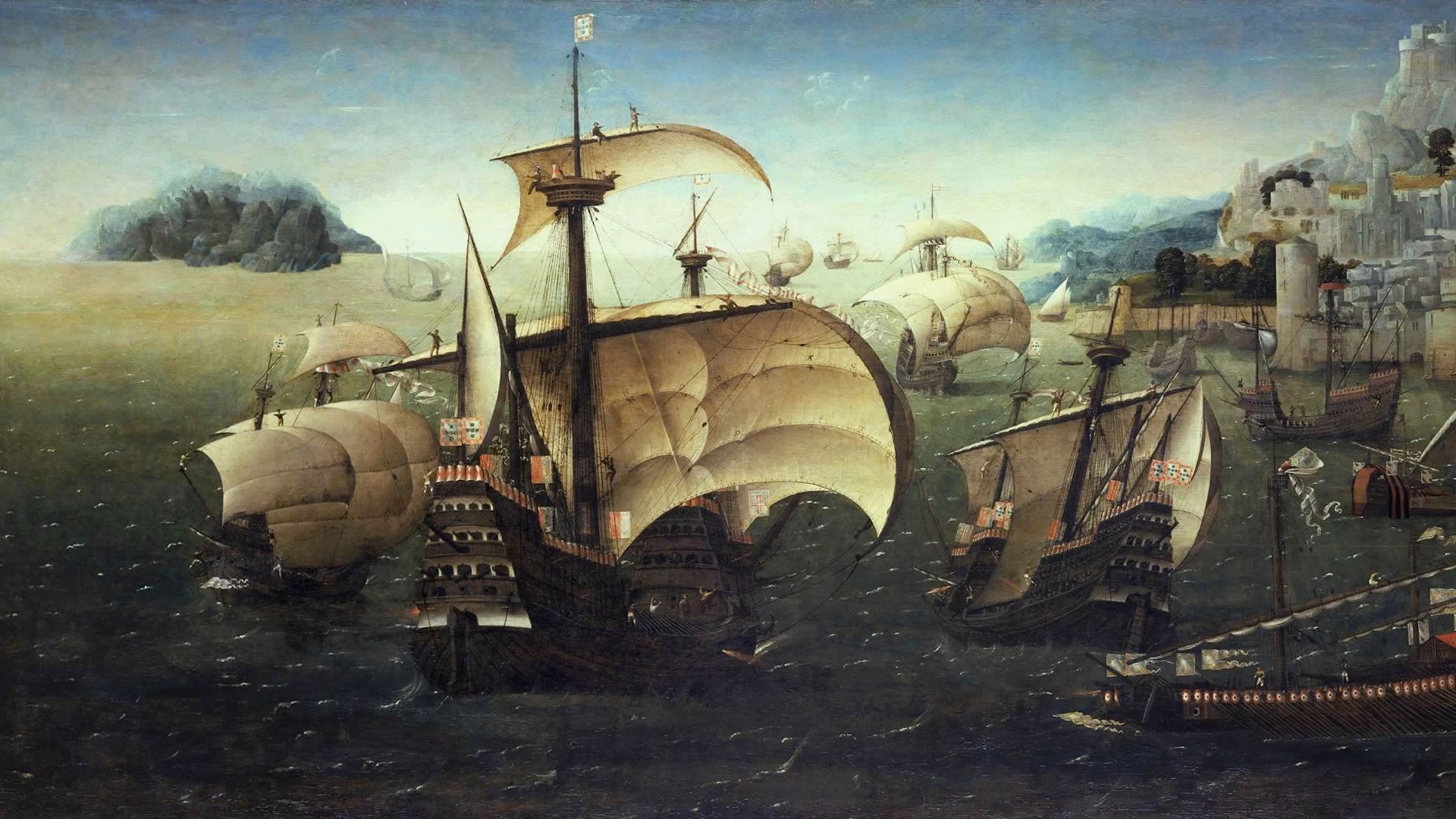 Unknown authorUnknown author , Wikimedia Commons
42. She Screamed For Months
The day they left, the fleet commander had to forcibly carry Maria I of Portugal —his own queen—onto the boat, which likely only increased her paranoia that she was about to be kidnapped or worse. Then, for the rest of the long three month voyage, Maria spent most of her days continuing to shriek, to the dismay of everyone on board.
By then, though, Maria wasn’t the only one.
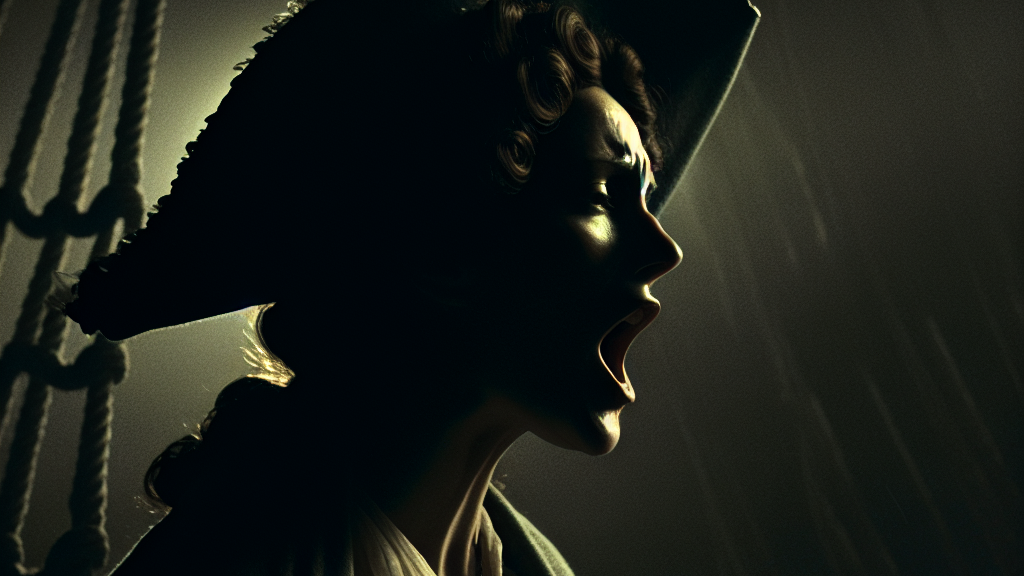
43. Mental Illness Gripped Her Sister
Maria’s remaining two younger sisters, Maria Ana and Benedita, also made the arduous crossing to Brazil with the royal family—and, around the time of their escape, Maria Ana began to suffer from similar nervous symptoms that had felled their sister Doroteia and that were plaguing Maria herself.
The House of Braganza was now hanging by mere threads, and more were about to be snipped.
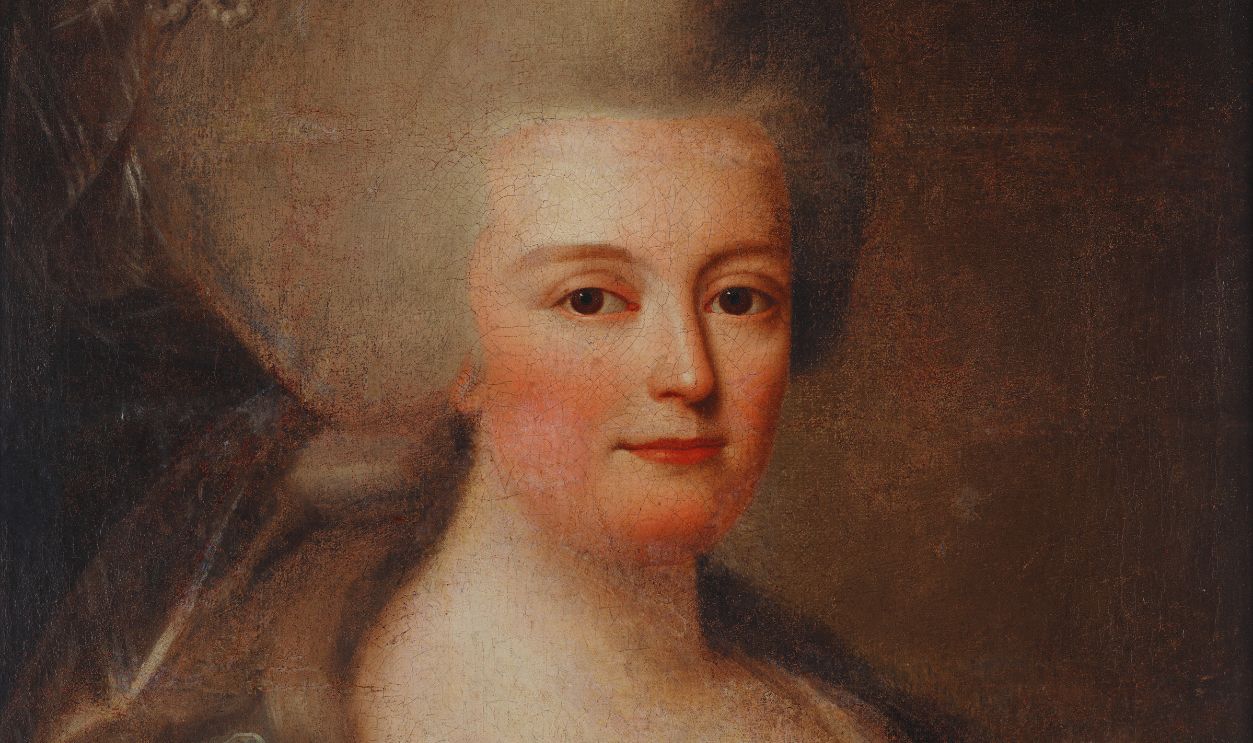 Giuseppe Troni, Wikimedia Commons
44. It Ran In The Family
The royal family eventually settled in Rio De Janeiro, but for Maria's sister Maria Ana, there was little hope left. Benedita—the only one of the four royal daughters not to apparently suffer from severe mental illness—looked after and lived with Maria Ana until she passed in May of 1813, just six years after their landing.
Then Maria and her family watched from afar as Portugal fought for its life.
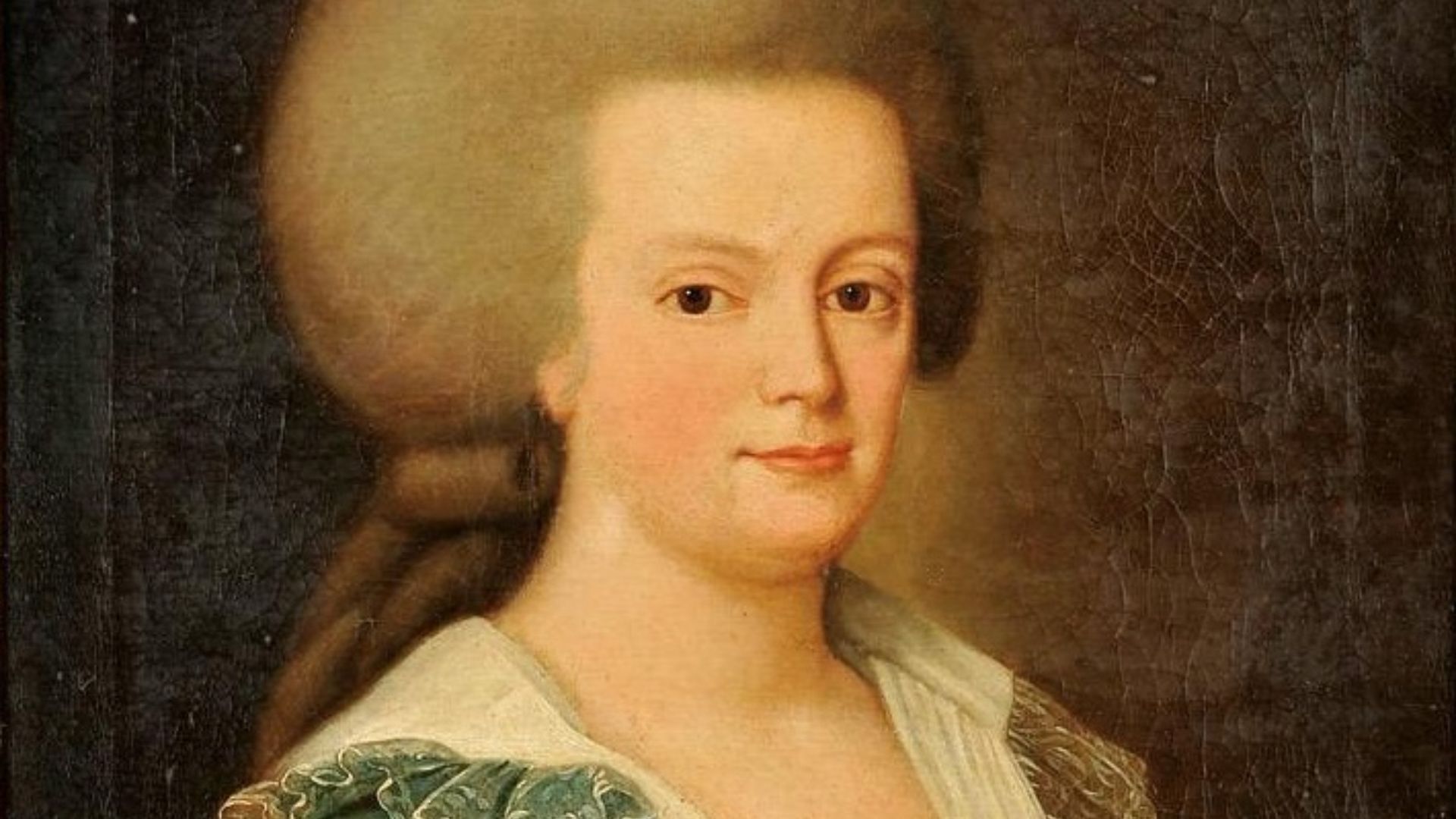 Unidentified painter, Wikimedia Commons
45. The British Fought For Her
In the summer of 1808, British General Arthur Wellesley—the future Duke of Wellington—launched the Peninsular War to get Portugal back from the French, winning victories against Napoleon for the next year with the use of Portuguese forces under British command.
There was a light at the end of the tunnel, but it took nearly a decade for the true end to come.
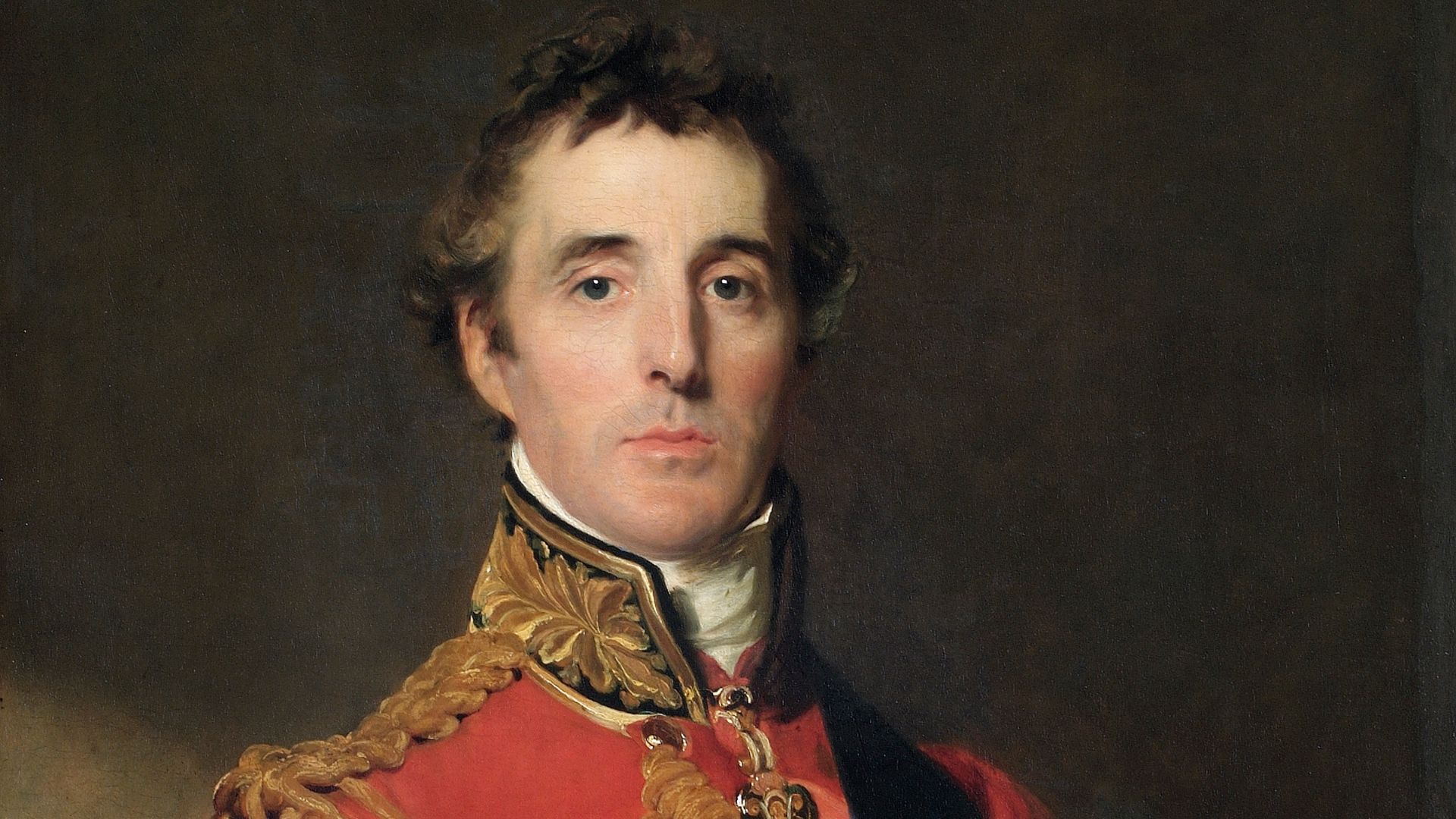 Thomas Lawrence, Wikimedia Commons
46. She Never Went Home
It was only in 1815 that Napoleon was finally defeated and it was truly safe for the Portuguese royal family to go home. By then, it was too late. Maria I of Portugal was now in her 80s, and she and the rest of her family decided to stay in Brazil rather than brave the months-long journey home. They did, however, make it worth their while.
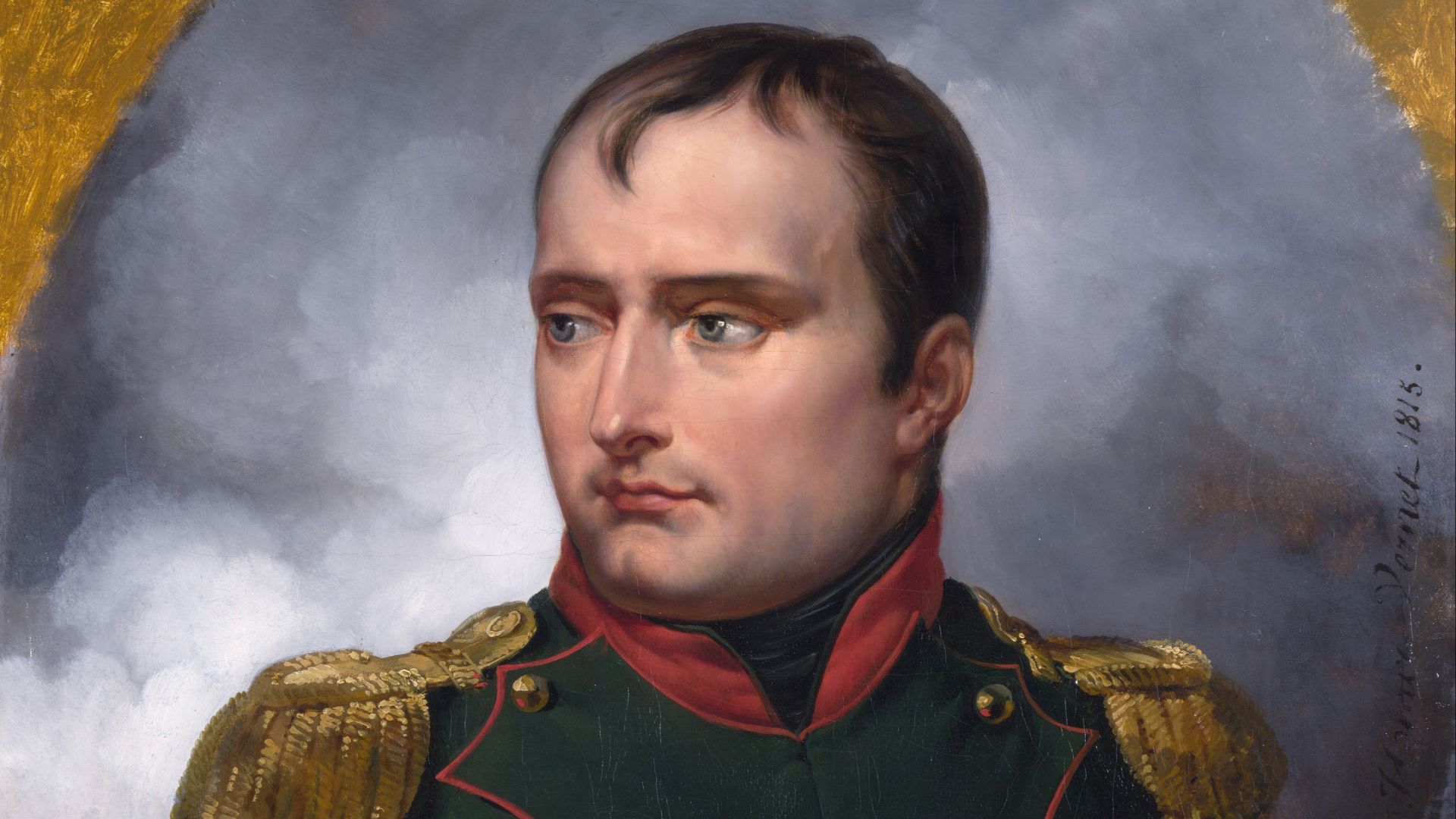 Horace Vernet, Wikimedia Commons
47. She Became Queen Of Brazil
In 1815, the same year that Napoleon was defeated, the government raised Brazil to the status of a kingdom, which in turn made Maria not only the first queen regnant of Portugal, but also the first queen and monarch of Brazil. Yet it had been long, long years since Maria had been comforted by anything.
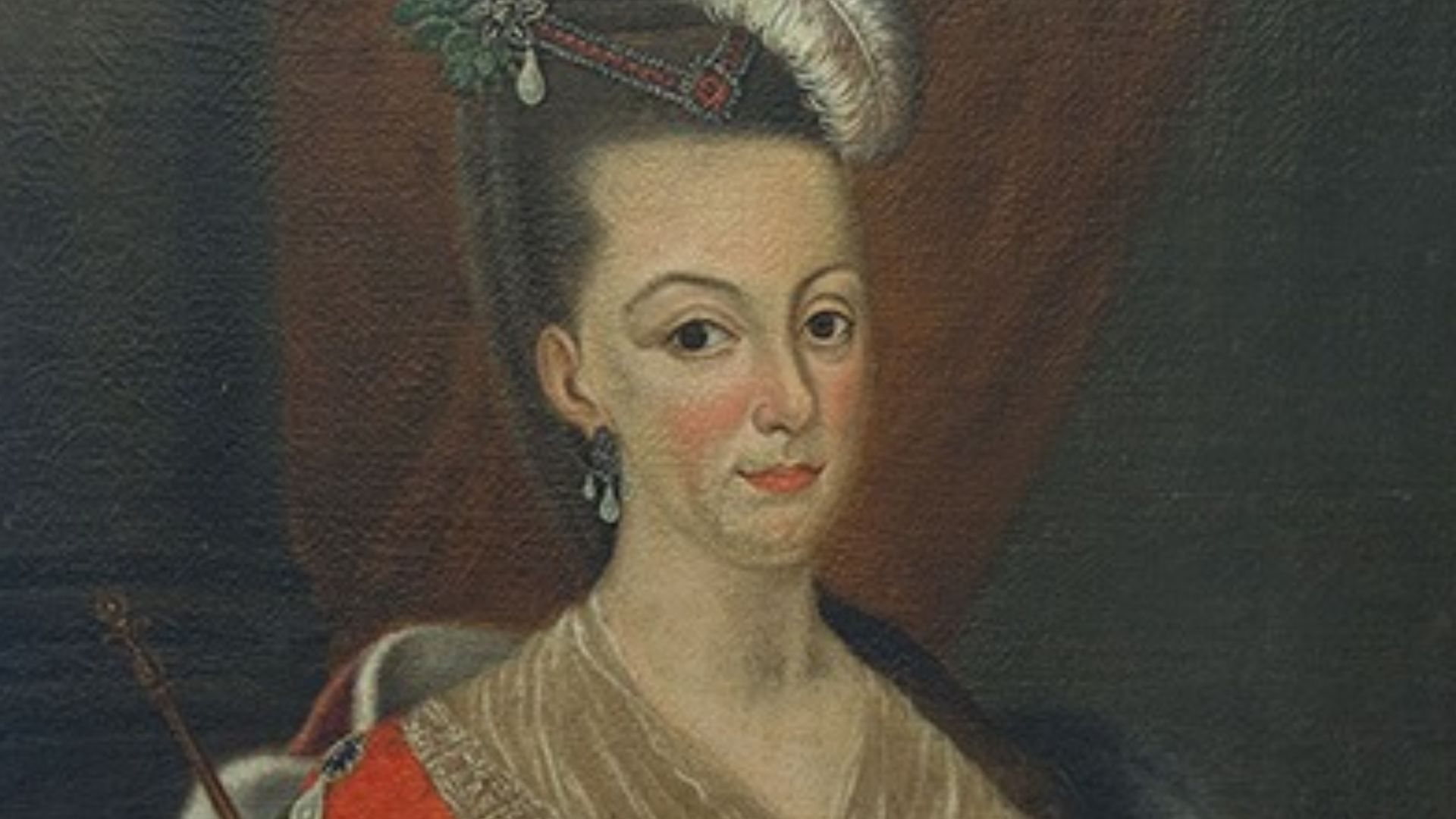 Unidentified painter, Wikimedia Commons
48. She Never Got Better
Maria I of Portugal spent a total of eight years in Brazil, and her British doctor Francis Willis was ultimately right about her diagnosis: She never recovered, and she spent the near-decade in much the same state of lethargy mixed with intense agitation that had marked the end of her time in Portugal. So when the end came, it was a relief.
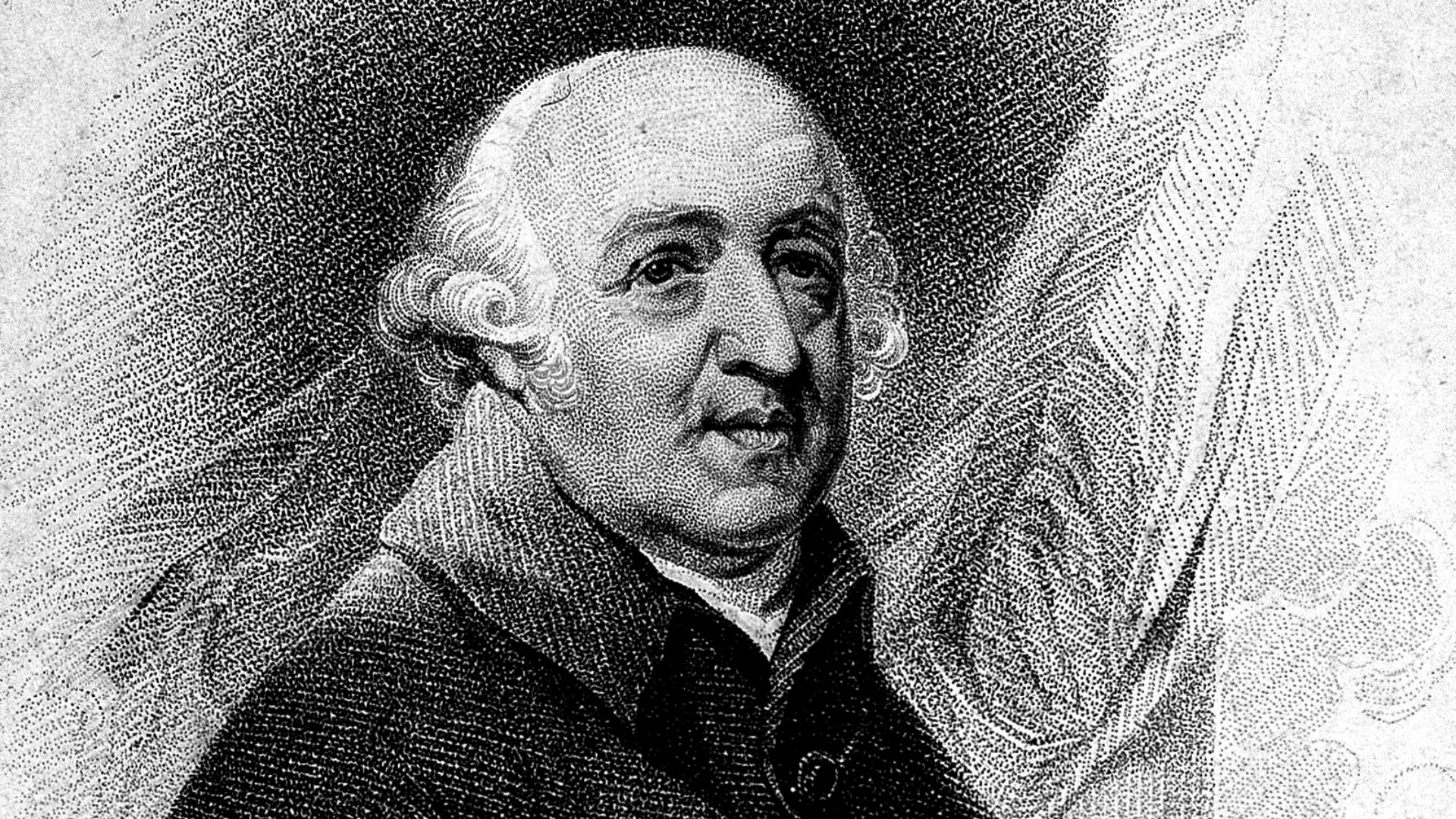
49. She Met A Sad End
On March 20, 1816, the torment of Maria I of Portugal finally came to an end. She perished at the Carmo Convent in Rio de Janeiro at the age of 81, having lasted longer than either of her two younger sisters, Maria Ana and Doroteia, who were equally beset by mental problems. Only her sister Benedita remained, passing in 1829 at 83.
Her legacy, however, still mystifies.
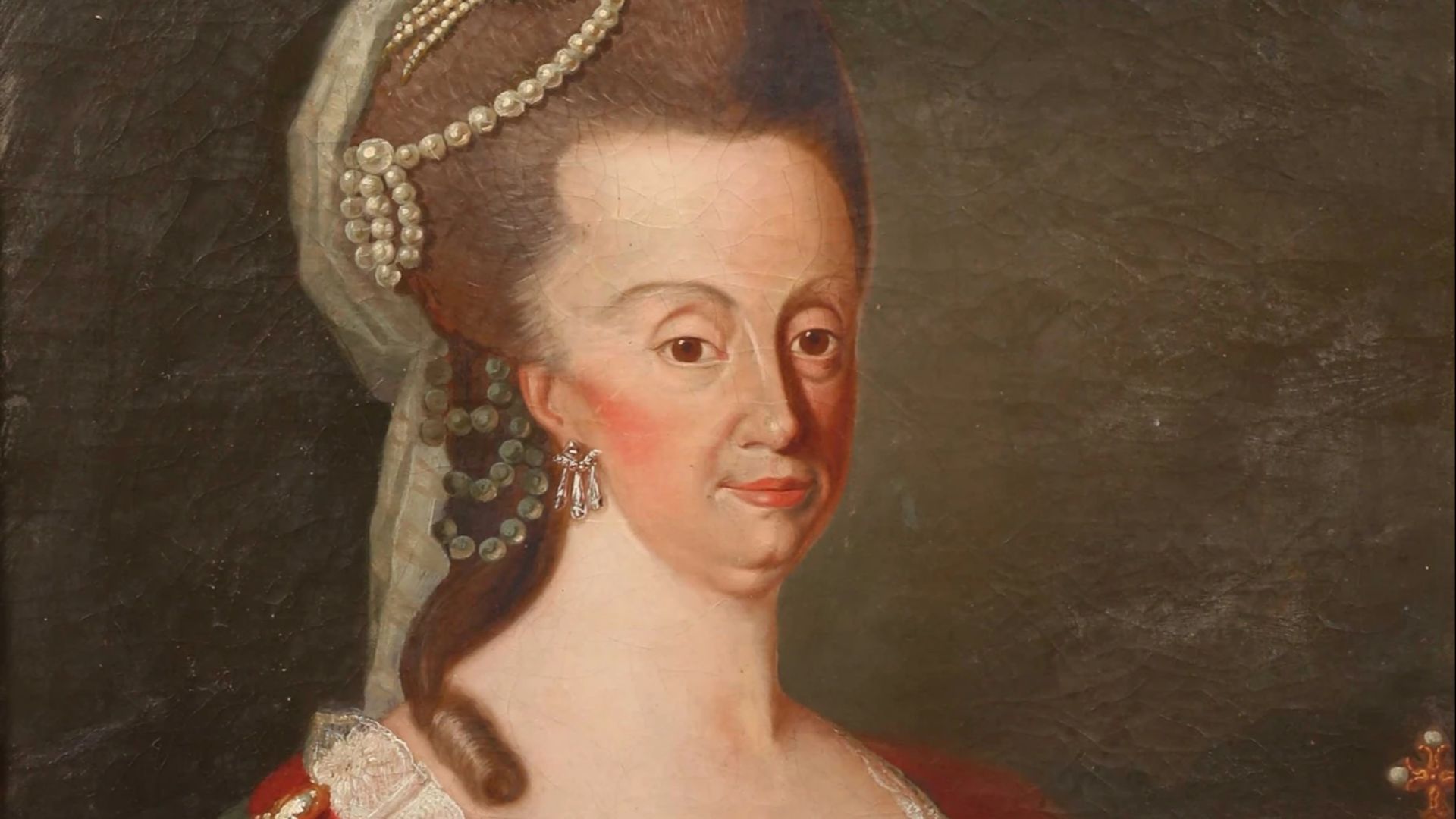 Desconhecido, Wikimedia Commons
50. It Was A Family Affair
There is compelling evidence that inbreeding truly didn’t help Maria’s family, as mental illness appeared to run in the lines they kept re-marrying into. Besides her, her two sisters, and her father, Maria’s maternal grandfather and uncle both experienced some form of mental illness at the end of their lives.
Though it’s difficult to tell today what exactly Maria and perhaps her relatives suffered from, historians have made a disturbing suggestion. Like King George III, Maria may have suffered from porphyria, though other experts suggest bipolar disorder.
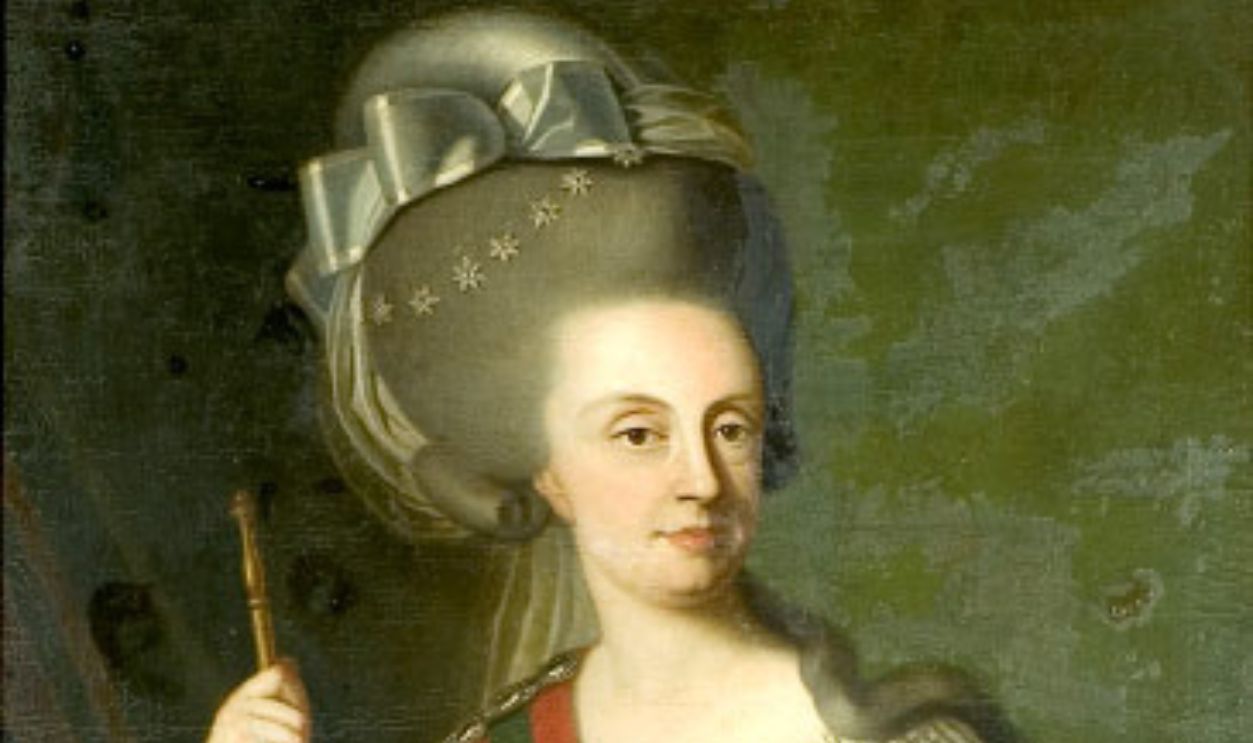 Unidentified painter, Wikimedia Commons
You May Also Like:
Unhinged Facts About Joanna Of Castile, Spain's Mad Queen
Deranged Facts About History's Most Terrifying Queens
Desperate Facts About Maria Eleonora Of Brandenburg, The Queen Of Heart











,_pormenor_Pal%C3%A1cio_da_Ajuda_-_Domingos_Sequeira.png)


_-_Museu_Hist%C3%B3rico_Nacional_do_Rio_de_Janeiro.jpg%20)
,_c._1760-70_-_Vieira_Lusitano_(Pal%C3%A1cio_Nacional_de_Queluz).png%20)


