
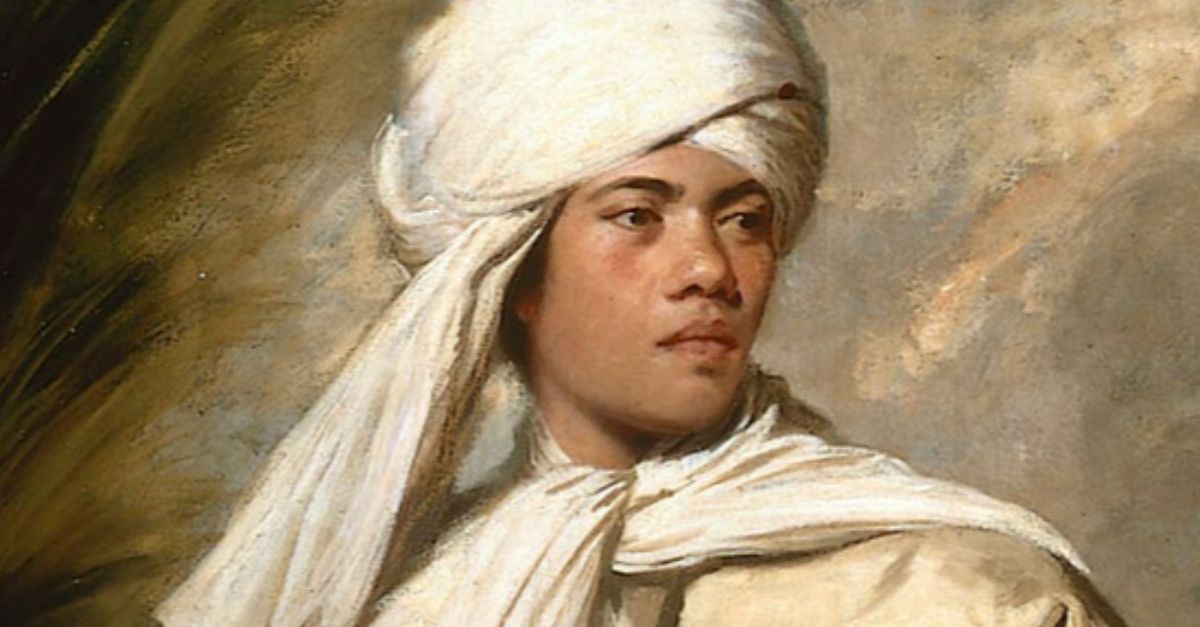
Mai: Far From Home
Mai suffered through Shakespearean levels of upheaval before he even set foot on English shores, then for two sparkling years he became the leading actor in all the gossip around Europe. In his final act, he then took part in the infamous, doomed third voyage of Captain James Cook—yet in the end, this Polynesian man suffered the greatest tragedy of all.
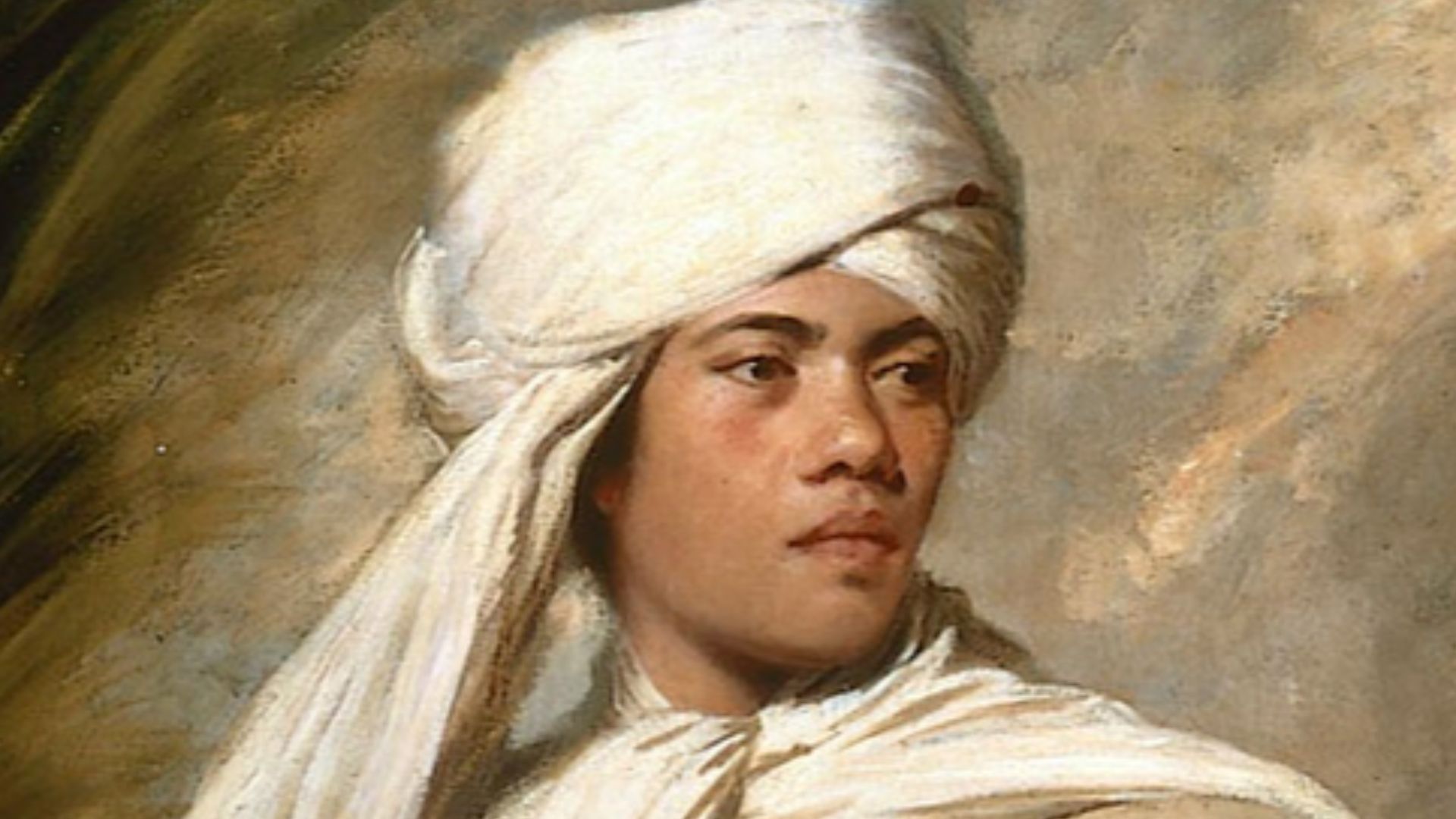 Joshua Reynolds, Wikimedia Commons
1. He Was Supposed To Be Normal
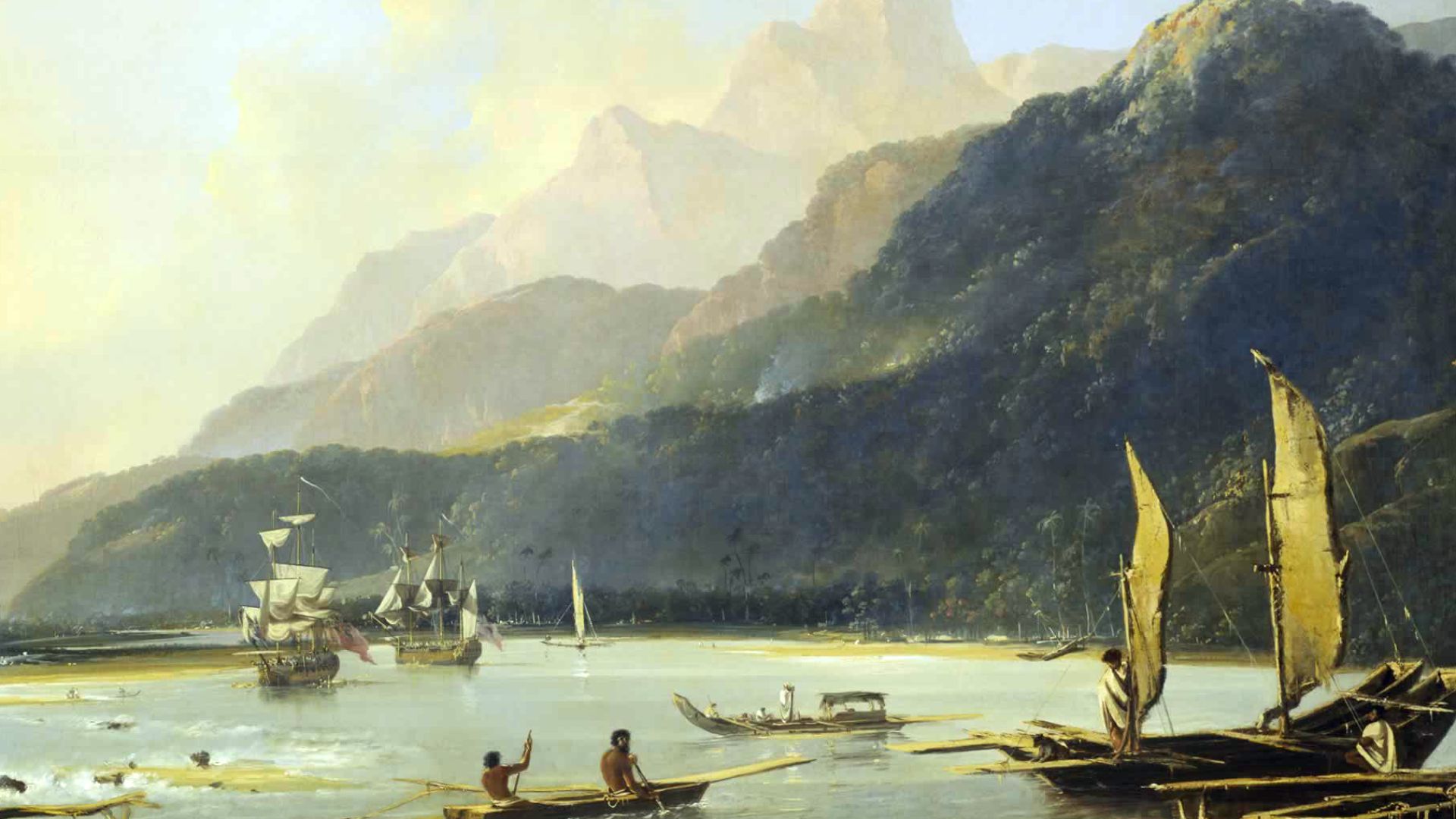
Mai was born around 1751 on the stunning volcanic island of Raiatea—meaning “faraway heaven”—which sits 130 miles northwest of Tahiti. Despite the paradise that surrounded him, Mai had an eminently normal, if comfortable, upbringing: He would describe himself as a hoa or an “attendant upon the king,” and was the child of a landowner.
It didn’t take long, however, for his life to turn hellish.
![View of the Islands of Otaha [Taaha] and Bola Bola [Bora Bora] with Part of the Island of Ulietea [Raiatea].](https://www.factinate.com/storage/app/media/factinate/2026/4/21/1776759999d00a660a30bd834ebe08462a984e3e75ab5c6ee7.jpg) William Hodges, Wikimedia Commons
William Hodges, Wikimedia Commons
2. An Invasion Ruined His Life
When Mai was around 10 or so, his whole world changed for the worse. Under the leadership of their chief Puni, men came from the nearby Bora Bora and laid waste to Raiatea, conquering it completely after a brutal three-year campaign.
Young and vulnerable as he was, Mai must have been terrified, and there was more to fear.
3. He Lost His Father As A Child
During the siege on Raiatea, the invaders spared almost nothing on the island—not sacred houses, and not Mai’s family. Mai’s own father was slain during the conflict, leaving the young boy gut-wrenchingly alone and under the Bora Borans’ control.
Desperate, Mai fled to Tahiti, just managing to make it out alive. But though he hoped for safety, he wouldn’t get it.
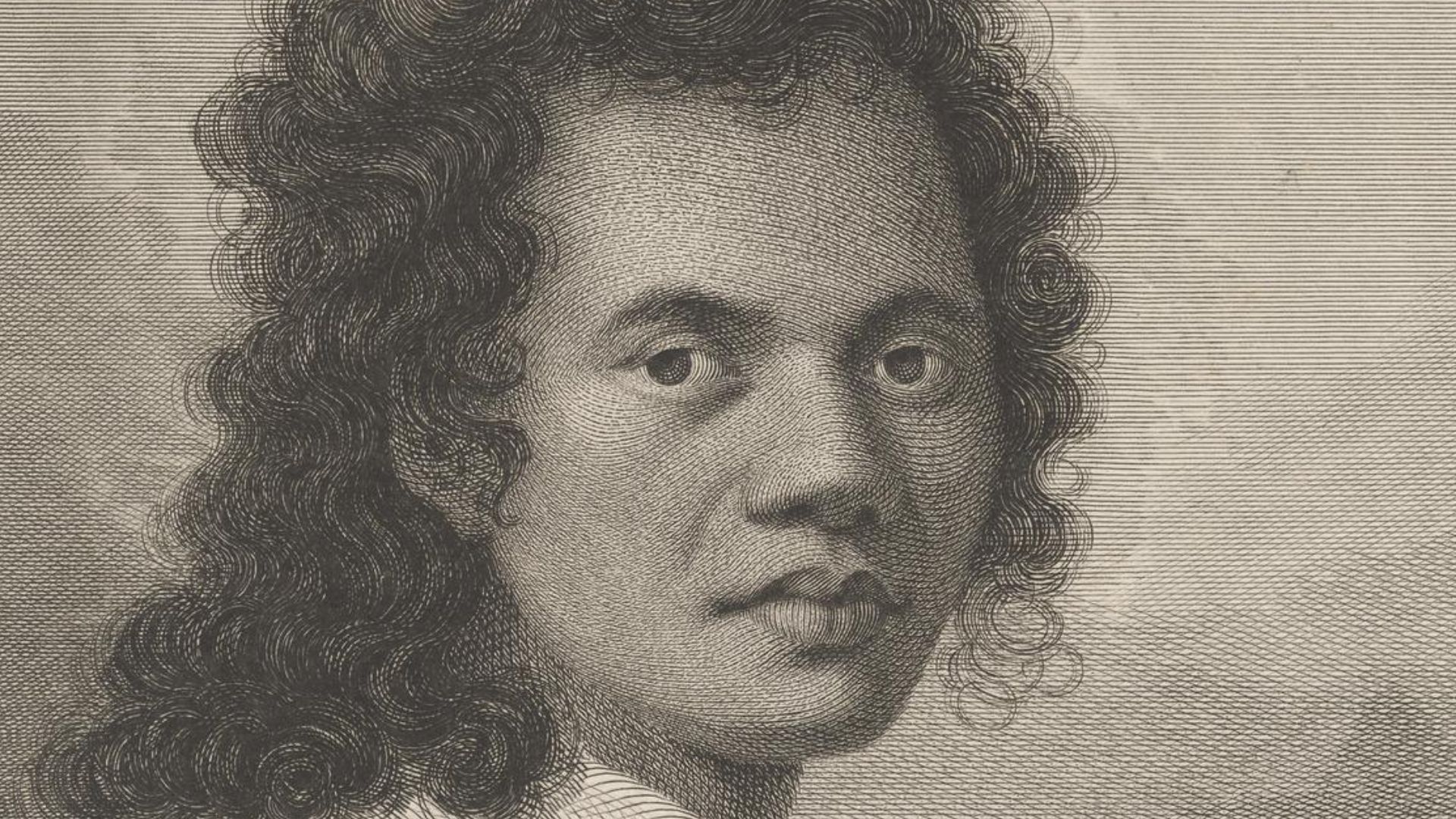 James Caldwall, Wikimedia Commons
4. He Vowed Revenge
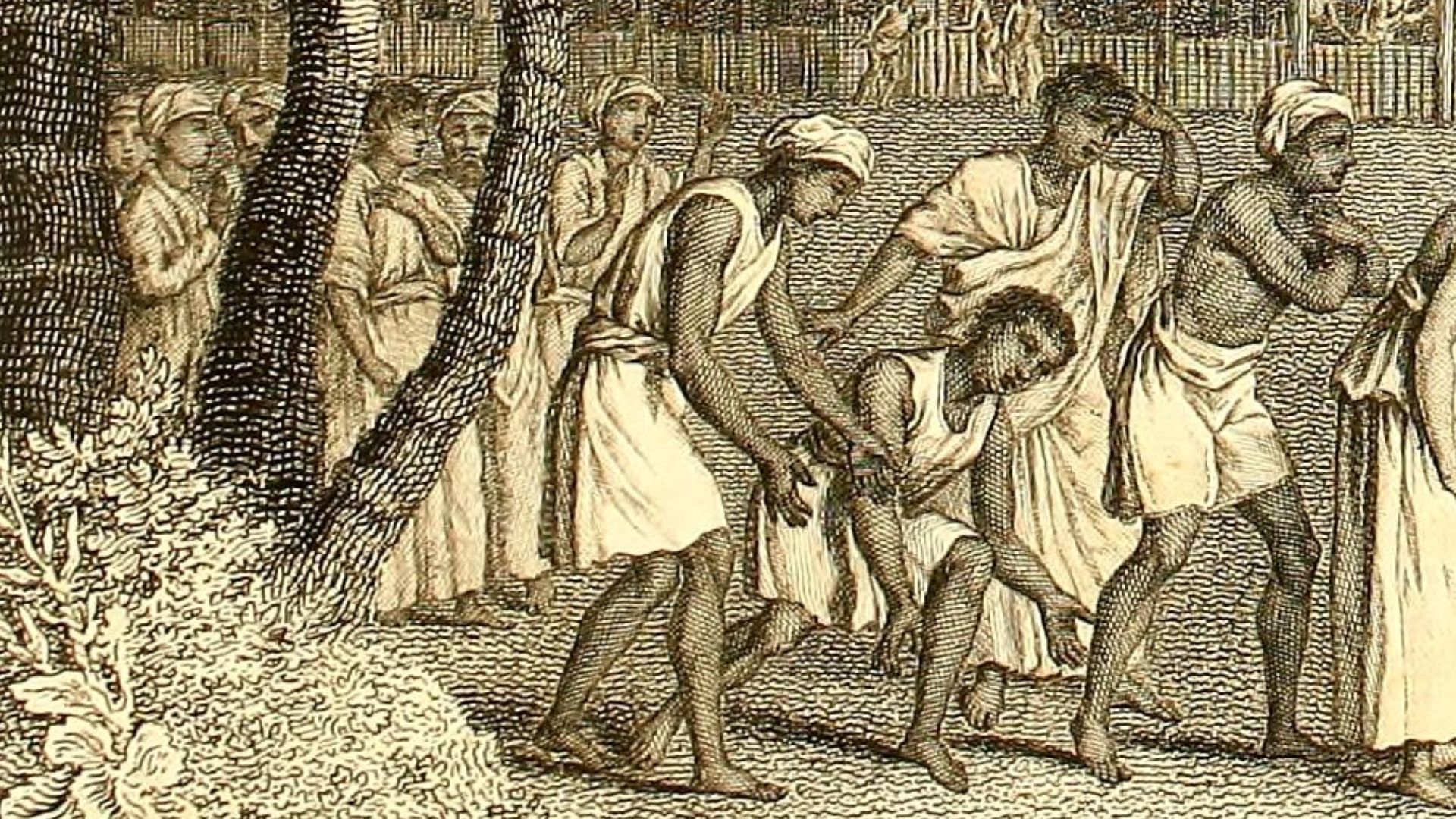
In Tahiti, Mai’s once-comfortable existence crumbled into a memory. Instead, he lived as an impoverished refugee, and had to survive by his wits and the skin of his teeth as he grew into adolescence. Yet every grueling day that passed, a fire burned stronger in Mai’s heart: Somehow, he would get revenge and reclaim his family’s honor and lands.
He couldn’t have known how tormented and tragic his road would be.
 John Hall (engraver), Wikimedia Commons
5. He Witnessed First European Contact
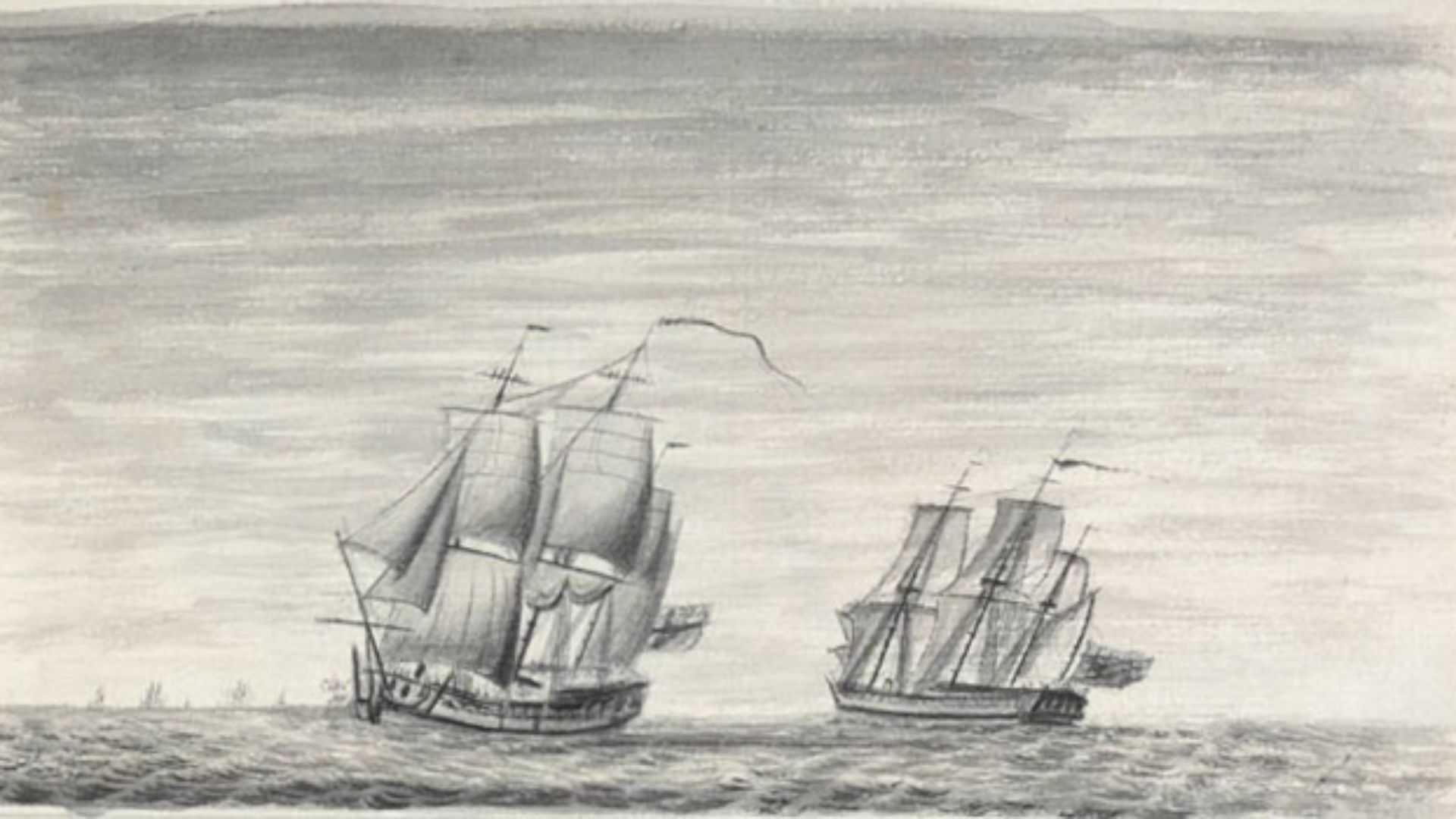
In 1767, the teenage Mai encountered yet another challenge, and this one was unlike any he, or the other islanders, had ever seen before. That year, the British navigator Samuel Wallis landed in Tahiti, becoming the first European to do so, on his ship the Dolphin.
Mai watched this new history unfolding with his own eyes, witnessing the arrival. He also witnessed the brutality that followed.
 Samuel Wallis, Wikimedia Commons
6. A Foreign King Invaded
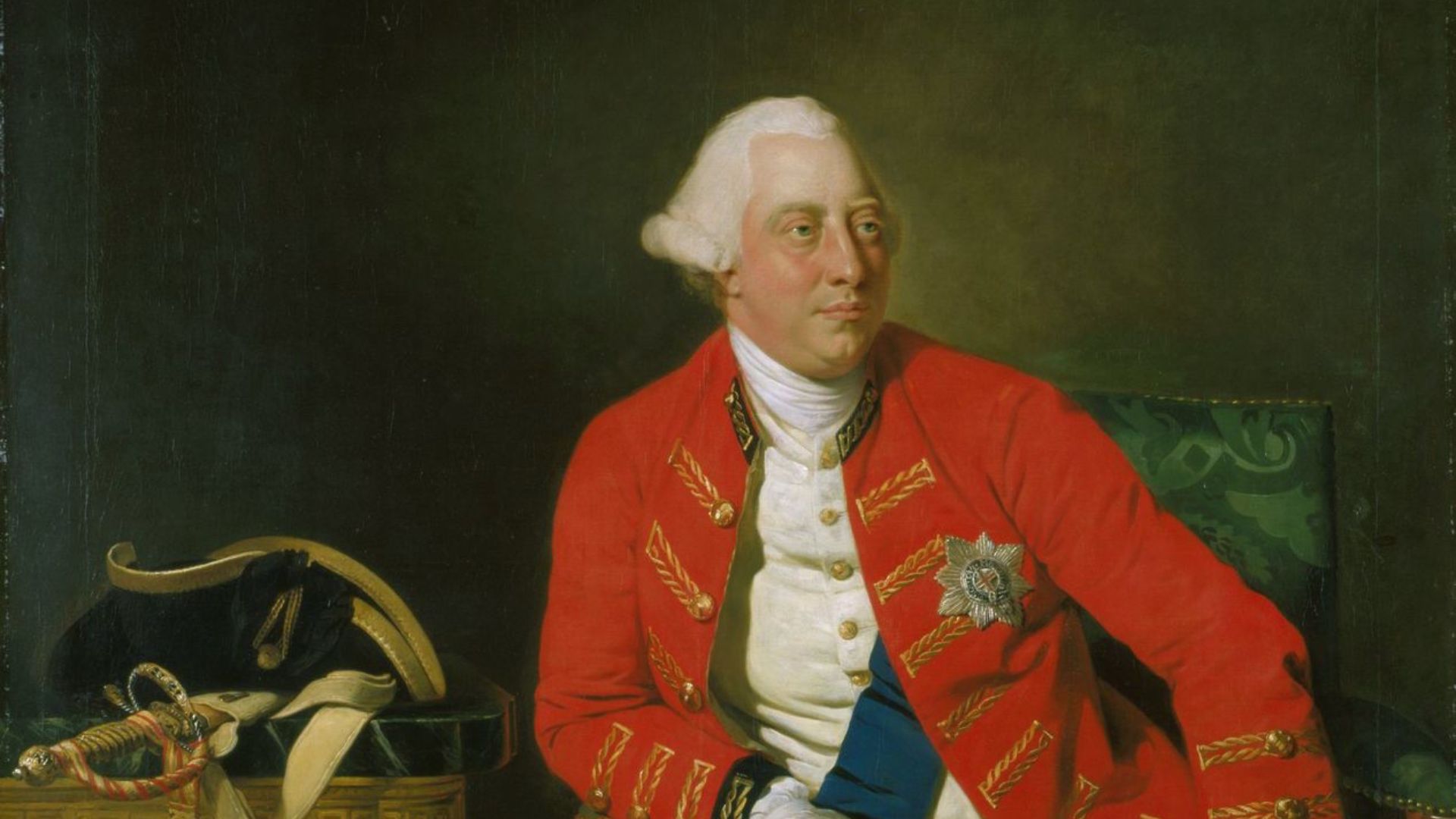
Despite the fact that Tahitians were very much present and had their own culture, Wallis immediately claimed the island for Great Britain and King George III, a monarch Mai could never have heard of and likely never thought he would meet (in this case, he was wrong).
When the Tahitians predictably became angry at this declaration, Mai was quite literally caught in the cross-fire.
 Johann Zoffany, Wikimedia Commons
7. He Carried A Scar
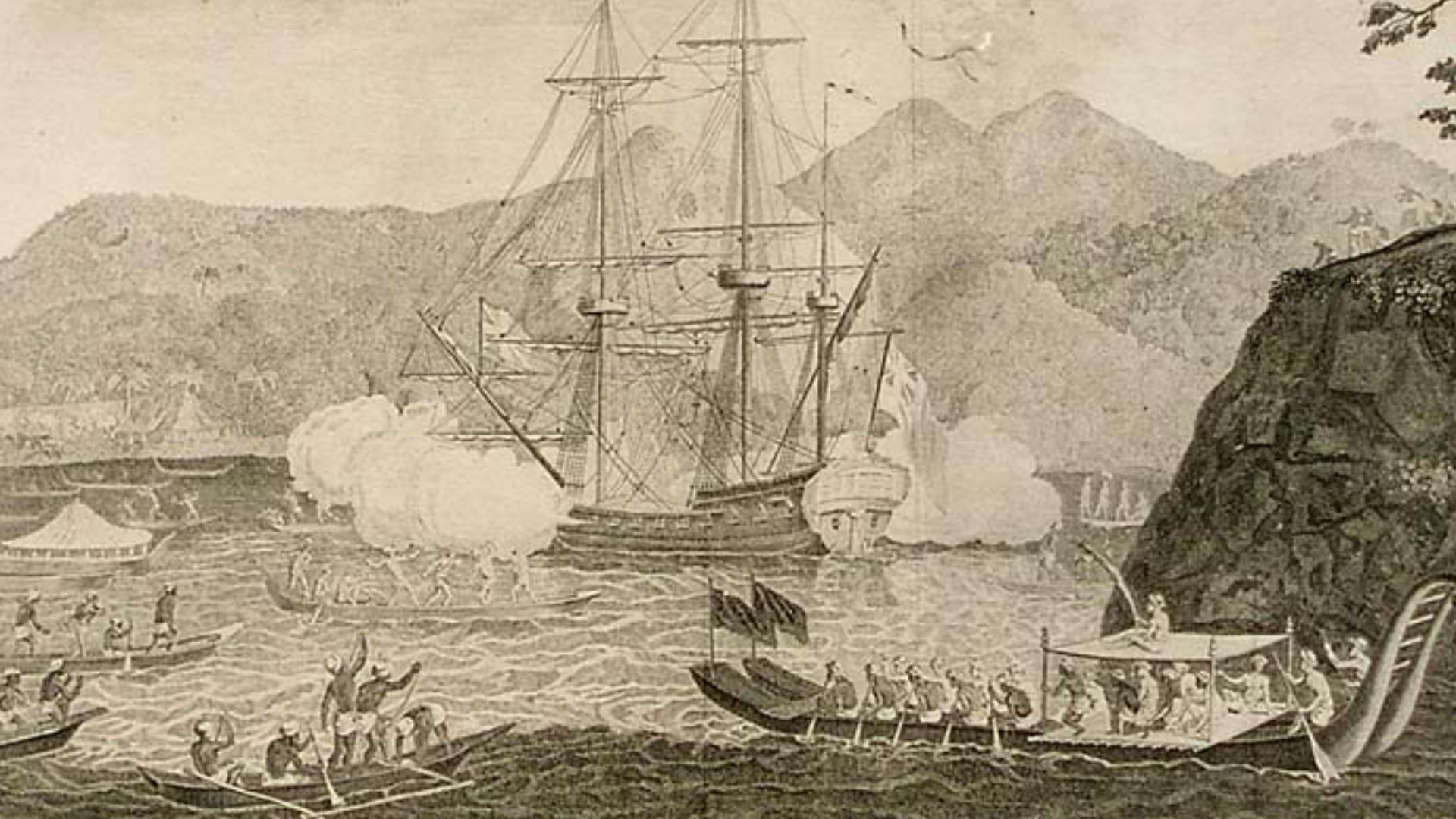
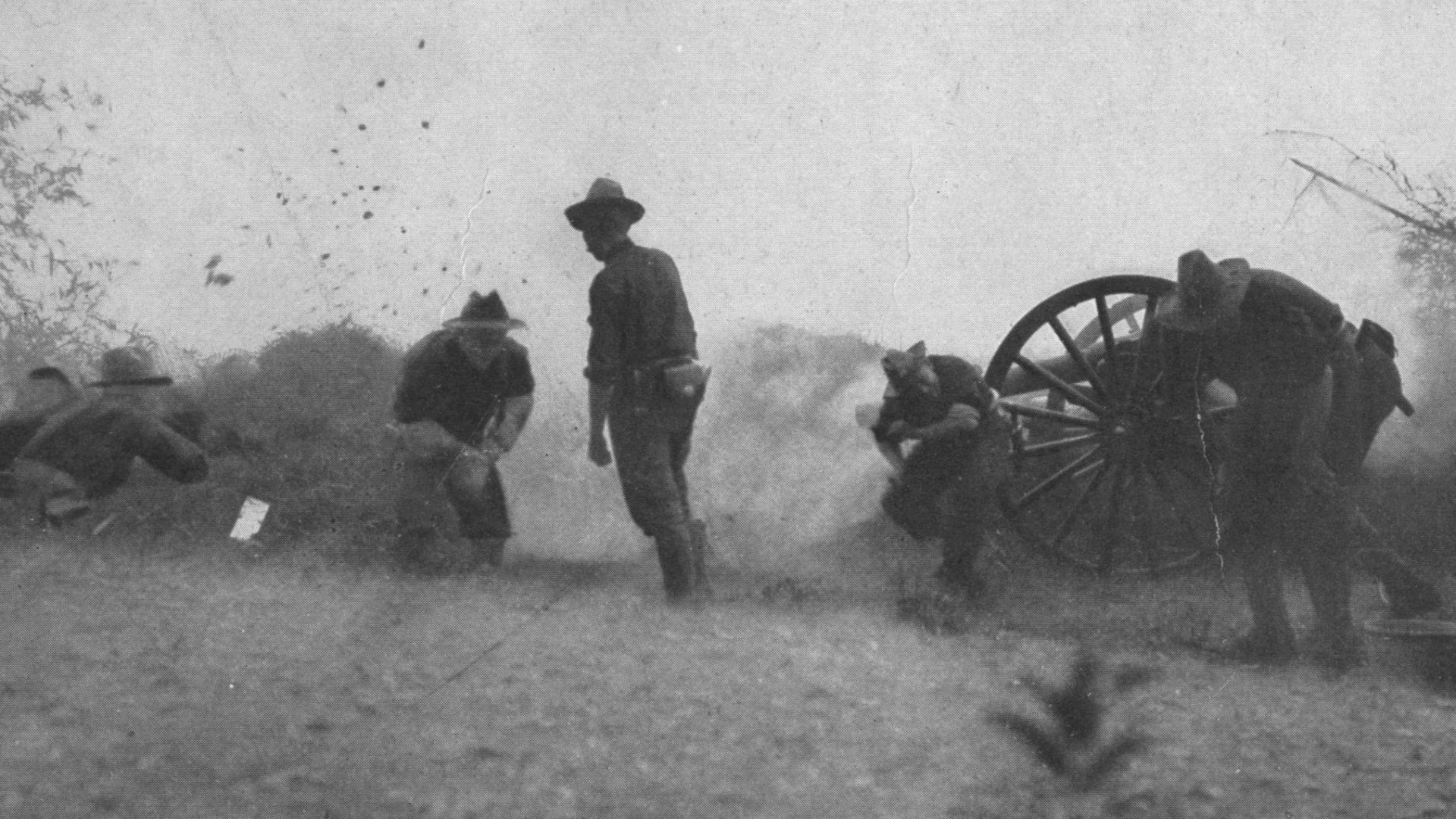
In the face of the upset crowd gathering around the Dolphin, Wallis gave the Tahitians a taste of violence they could hardly imagine: He fired his European guns out into the mass of people who had never seen a rifle, sending shrapnel everywhere—including right into Mai. Metal cut right into his side, leaving a vicious wound and a visible scar for the rest of his life.
Yet instead of turning Mai against the British, this sparked in him a different idea altogether.
 Unknown authorUnknown author, Wikimedia Commons
8. He Had A Secret Weapon
Mai was witness to this first, violent instance of European contact with Tahiti, but his most pressing thought wasn’t for his injuries; it was for just how powerful European cannons were, and how much damage they might do to his own enemies if he could get his hands on them.
From then on, Mai knew what destiny he wanted for himself. He didn’t wait long to execute it.
 Archibald Wilberforce, editor, Wikimedia Commons

History's most fascinating stories and darkest secrets, delivered to your inbox daily.
9. He Made A Bold Move
In 1773, the (in)famous Captain James Cook’s second expedition to the Pacific arrived in Tahiti, and Mai was determined not to let this European contact go to waste. Now about 20 years old, Mai went up to the captain of Cook’s sister ship the Adventure and pleaded to be taken to England. After all, England was where all the firepower came from, and Mai was ready to make his mark. But he got much more than he bargained for.
 William Hodges, Wikimedia Commons
10. He Had Charisma
The Adventure’s Captain Tobias Furneaux was, for his part, one of the first Europeans to find out Mai’s biggest asset: He could charm someone instantly. Though each man had very little idea of the other, Mai managed to persuade Furneaux to take him back.
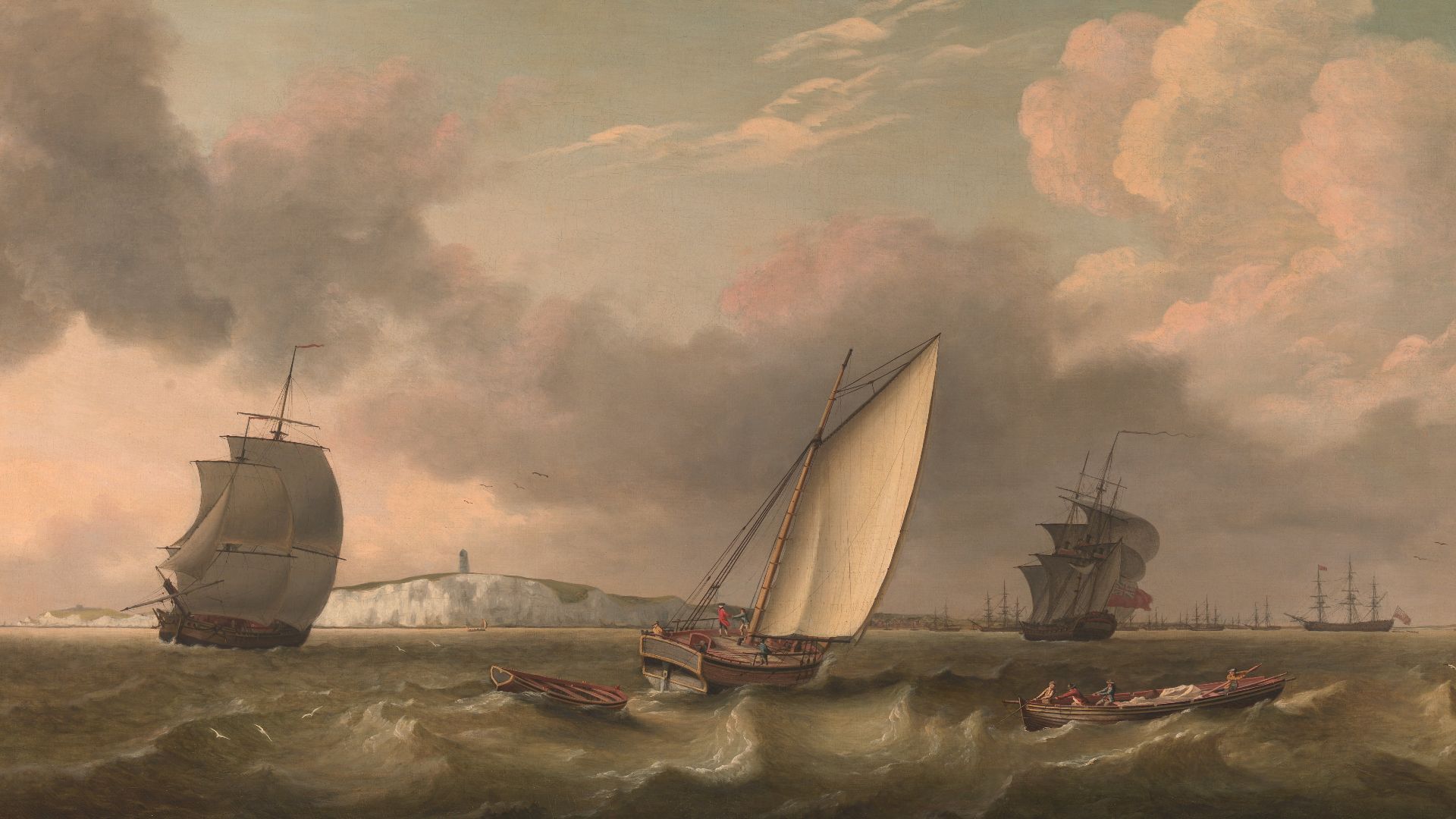
In no time at all, Mai joined ranks with a ship full of foreign sailors, setting off into the unknown. Yet this is where he proved his mettle.
 Science & Society Picture Library, Getty Images
11. He Put In The Work
To the astonishment of some of the Europeans—those who didn’t understand just how adept the Tahitians and the surrounding islands were at seafaring—Mai showed he was an able seaman. Indeed, he joined the official muster roll on his journey over to England, earning regular pay from His Majesty’s Admiralty. He also showed another side.
 Thomas Luny, Wikimedia Commons
12. The Sailors Loved Him
For all the tragedy life had thrown Mai’s way, he was at heart a genial, sociable man who loved entertaining people. He now became fast friends with the crew, who appreciated his humor, mischief, and clowning around, not to mention his ability to help them in their duties. Yet even at this early stage, there was a fundamental gap between Mai and the British.
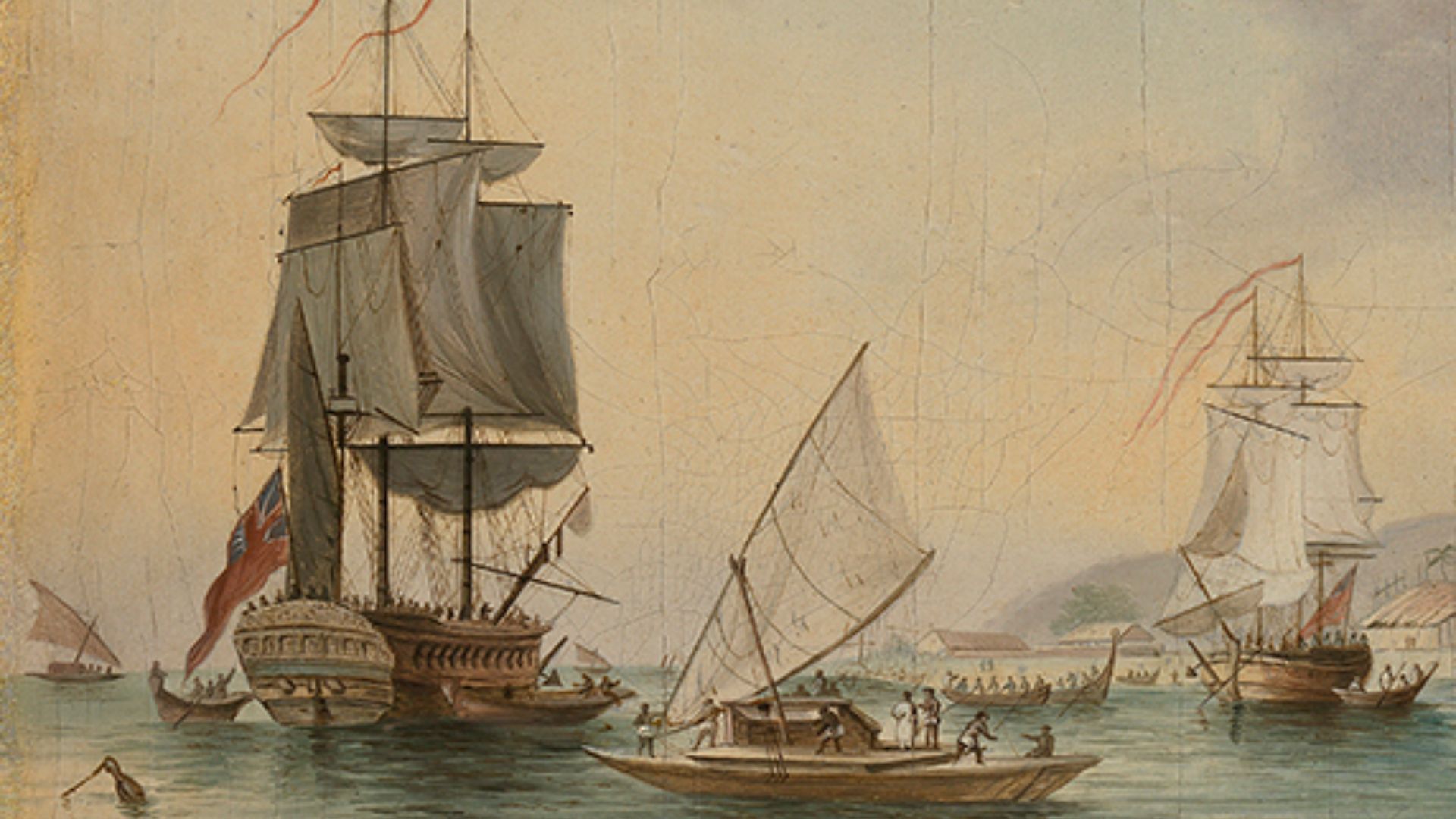 Manner of John Cleveley the Younger, Wikimedia Commons
13. They Got His Name Wrong
As they got to know him, the sailors called him “Omai” or “Omiah” instead of Mai, but this was actually a misunderstanding of the Tahitian language, where “O” means something like “here is” or “this is,” and is generally redundant. Some of the men simply took to calling Mai “Jack”.
Even so, both sides managed to overcome language barriers, and Mai arrived on English soil on July 14, 1774 with a ship full of close friends. He would need them more than he thought.
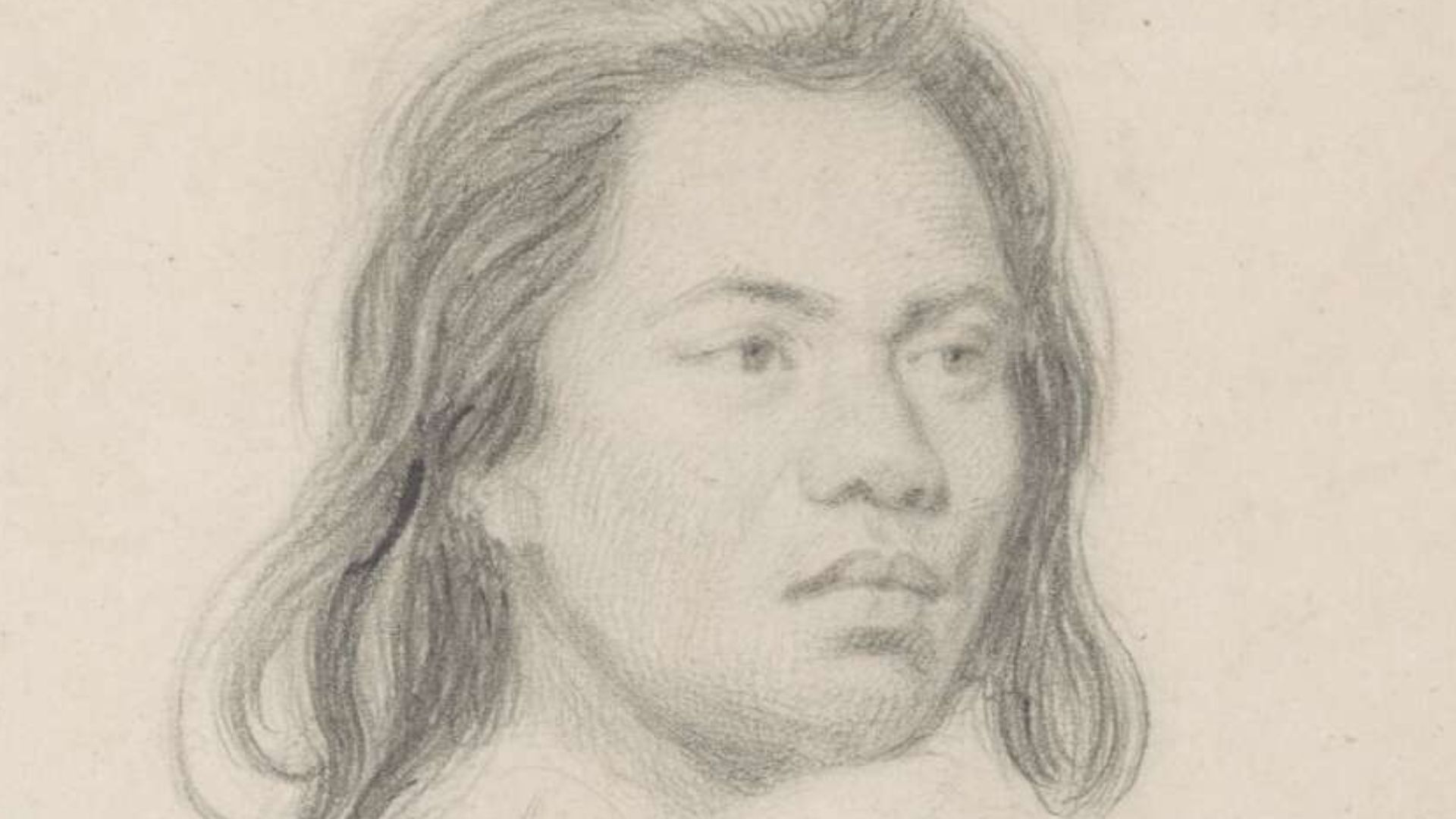 Joshua Reynolds, Wikimedia Commons
14. He Got A Mentor
To be sure, Furneaux set up his foreign charge well enough in England, placing him in the care of the botanist Joseph Banks, a man about town who had actually worked with Captain James Cook on his first voyage. It made sense then, at least on the surface, that Banks would become Mai’s gateway to England as well as his chaperone. But darker motives were at play.
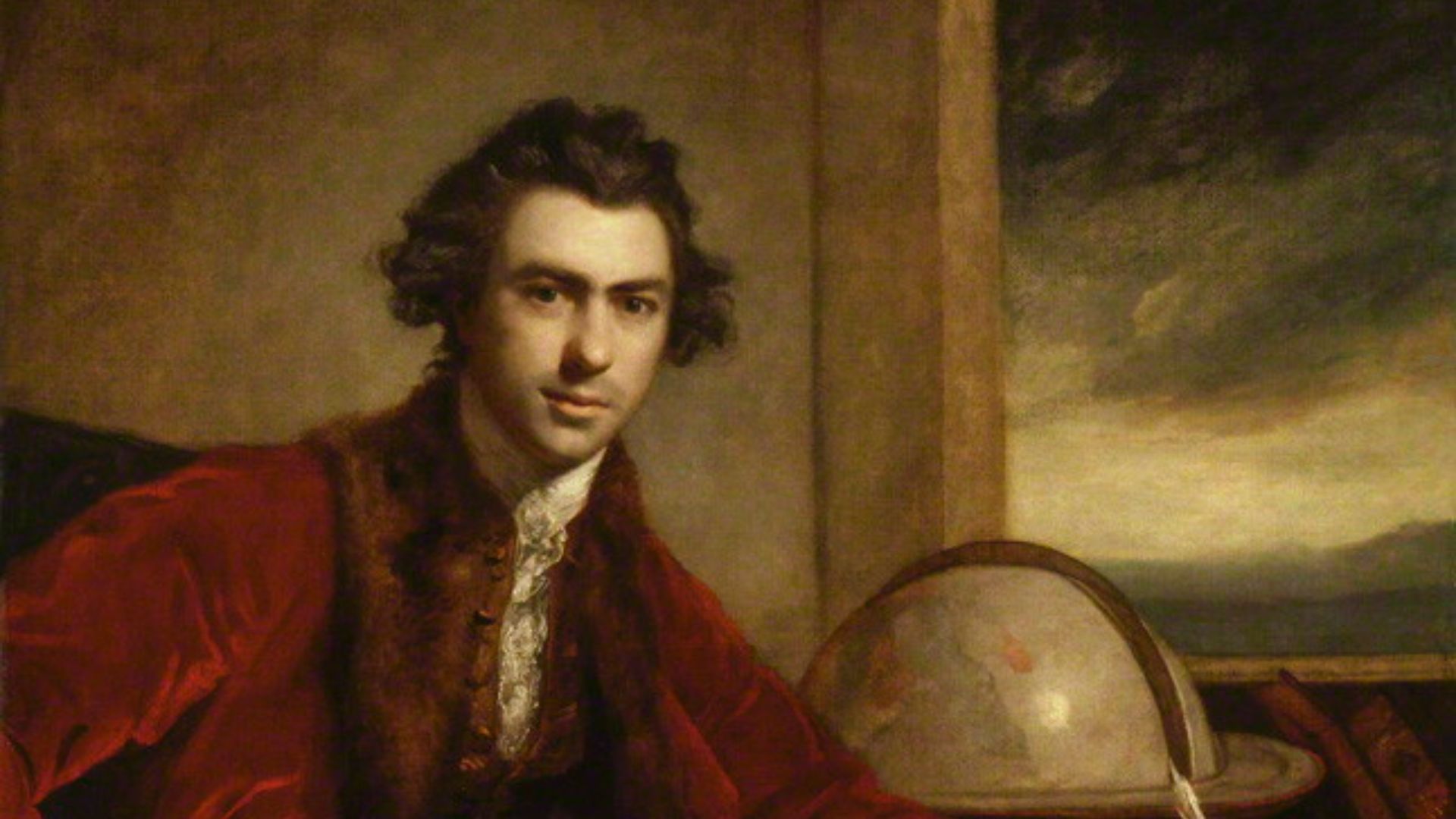 Joshua Reynolds, Wikimedia Commons
15. They Were Using Him
Joseph Banks was well-off and well-known in society, but he also had a keen interest—bordering on a fixation—for Polynesia. More than that, it was all the rage in Britain during this time to bring over exotic “pets” from foreign places, such as Pocahontas, who visited in 1616 from North America.
As such, Banks was eager for a piece of this kind of celebrity. He was also eager for an experiment.
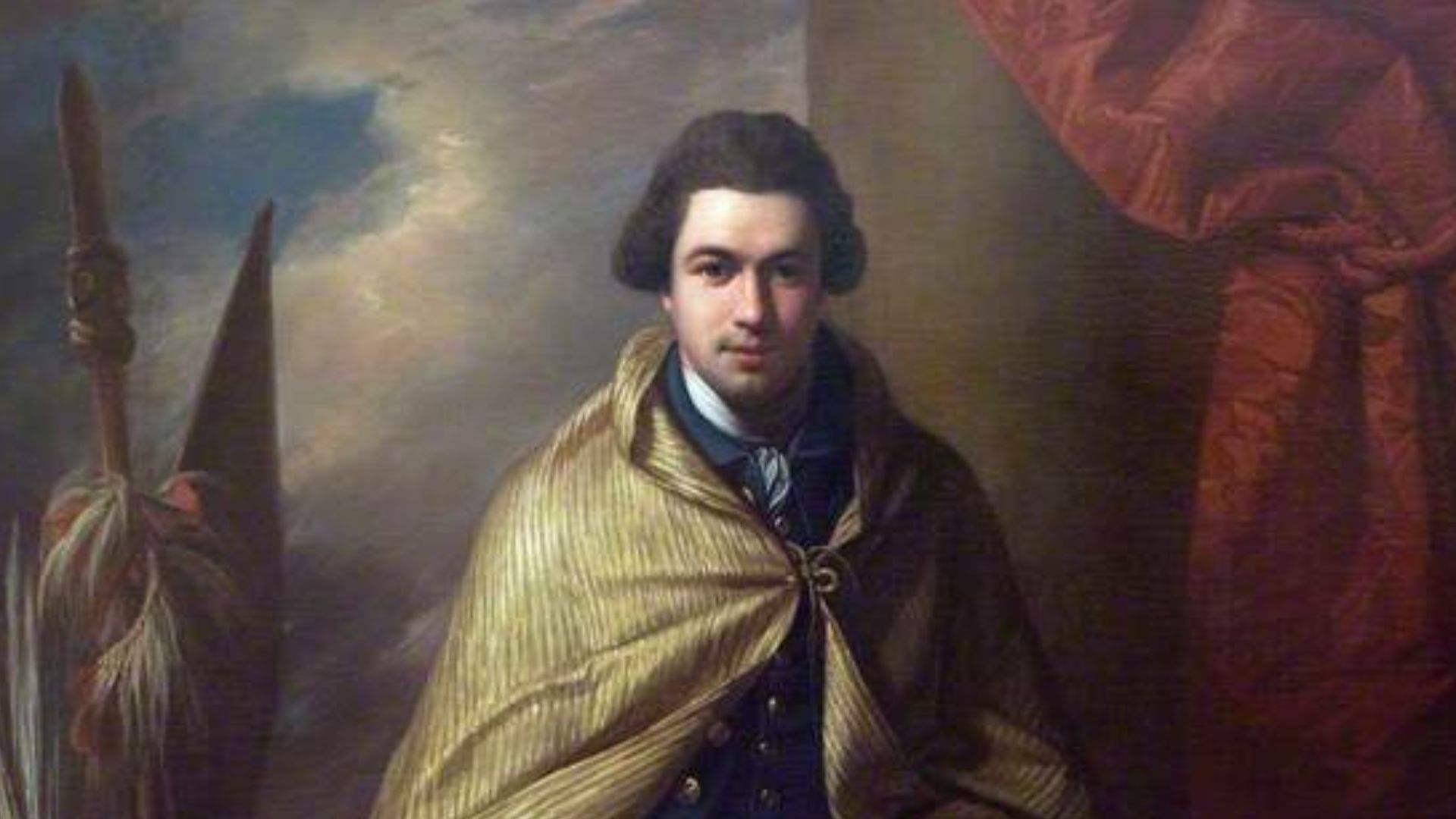 Benjamin West, Wikimedia Commons
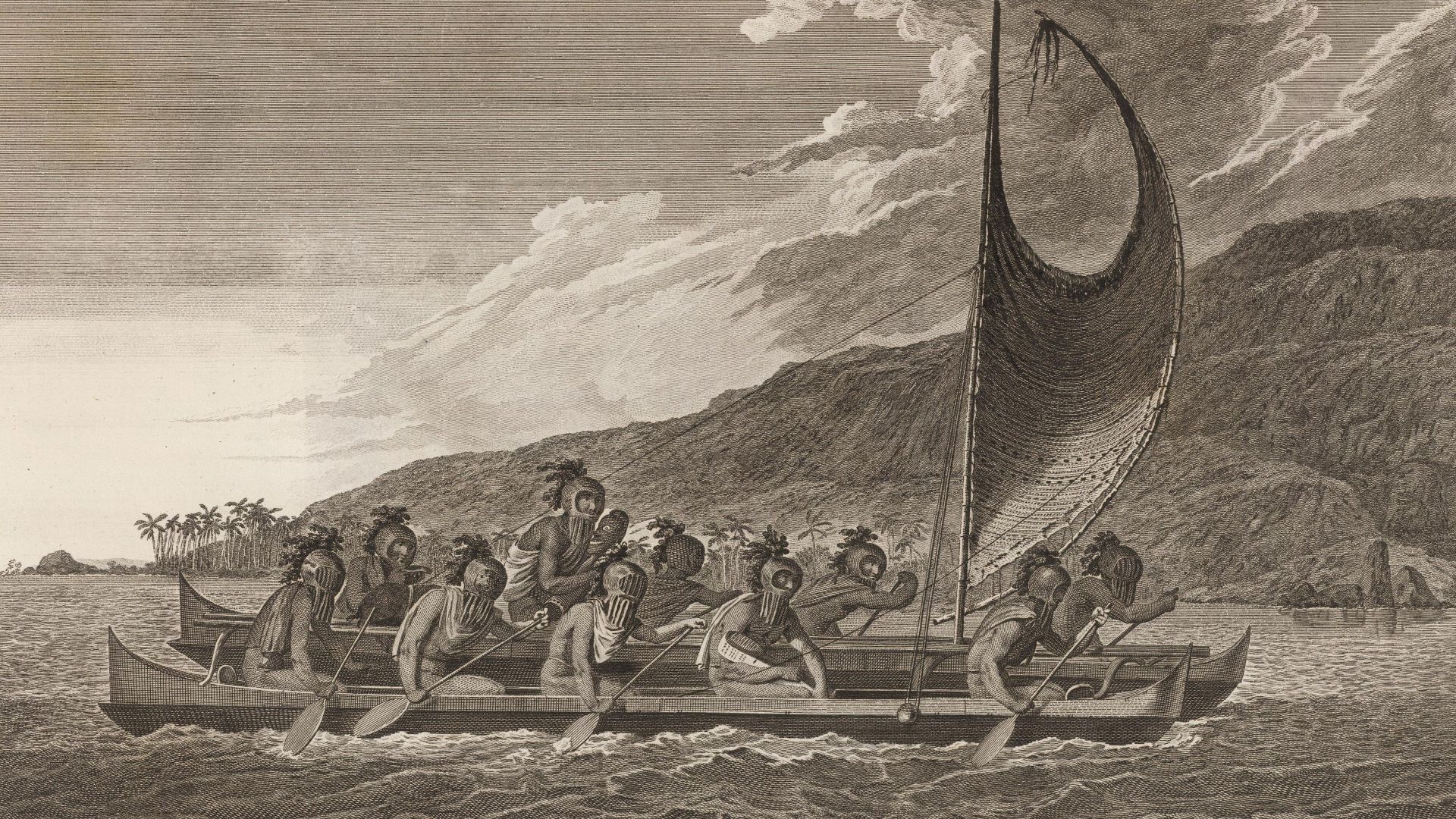
16. He Was A “Noble Savage”
One of the main fascinations surrounding these faddish transplants was a philosophical debate on what made a human, or more often, what made a “noble savage”. The British saw the Polynesian culture as close to nature and unsullied by civilization, and they wanted to look upon Mai and decide whether man was inherently good or evil.
What Mai wanted in all this, of course, was irrelevant…but the power dynamic went both ways.
 John Webber, Wikimedia Commons
17. He Gave As Good As He Got
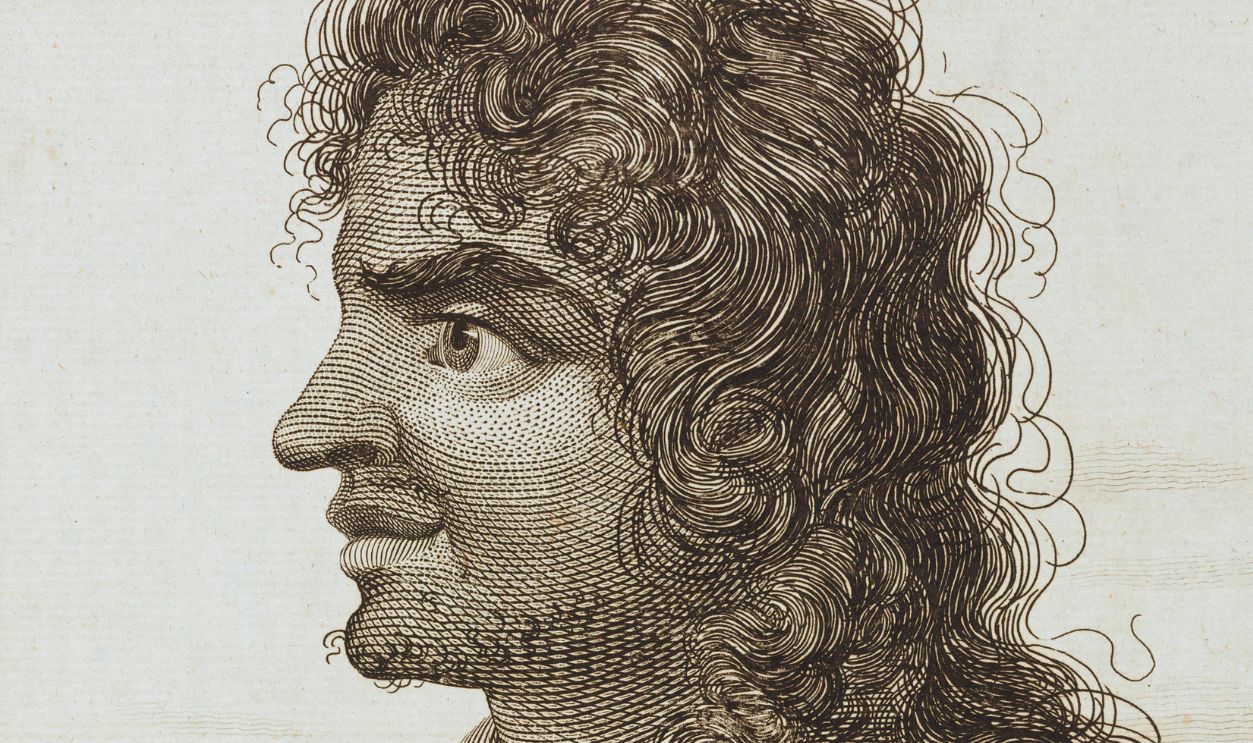
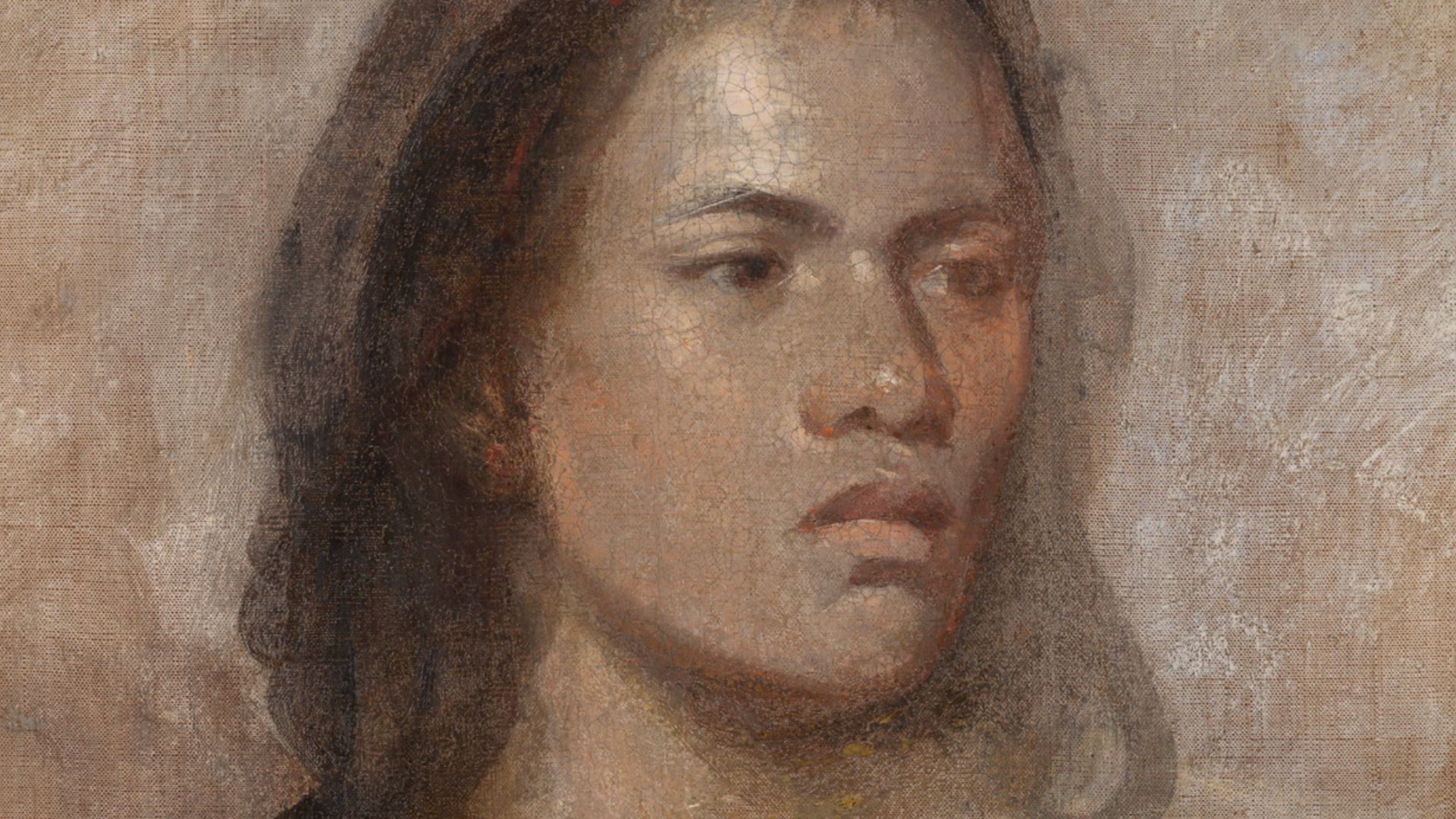
The British may have been using Mai, but Mai also knew how to use the British. Well aware of his good looks—he had piercing eyes, flowing dark hair, and seemingly preternaturally white and straight teeth—he honed the charm he first exhibited on Furneaux, and soon had many Londoners eating out of his hand.
As historian Richard Connaughton put it, “Certain people in England had been on a quest for the perfect person, the quintessential person, to represent this archetype, and here he was, made to order”. Not that Mai relied just on his looks.
 Joshua Reynolds, Wikimedia Commons
18. He Was A Great Hunter
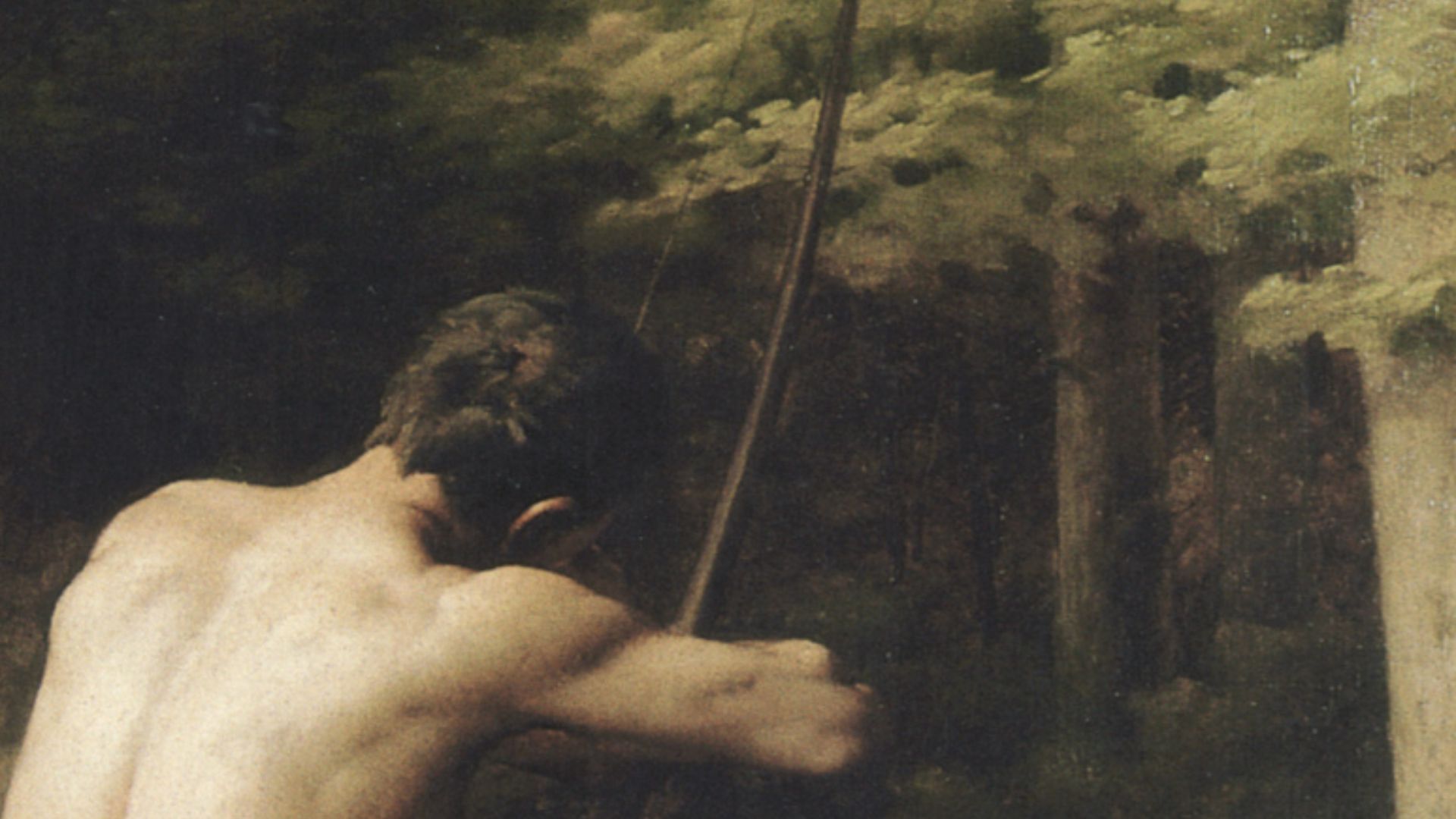
It didn’t take long for the British aristocracy to find out that, besides being a competent sailor, Mai was also an intensely skilled hunter, and could partake with the best of them when it came to running down a mark. This, too, helped his image of the “perfect noble savage,” not to mention eased his circulation among the highest societies. Yet still, that was far from all.
 Emmanuel Benner, Wikimedia Commons
19. He Was A Social Genius
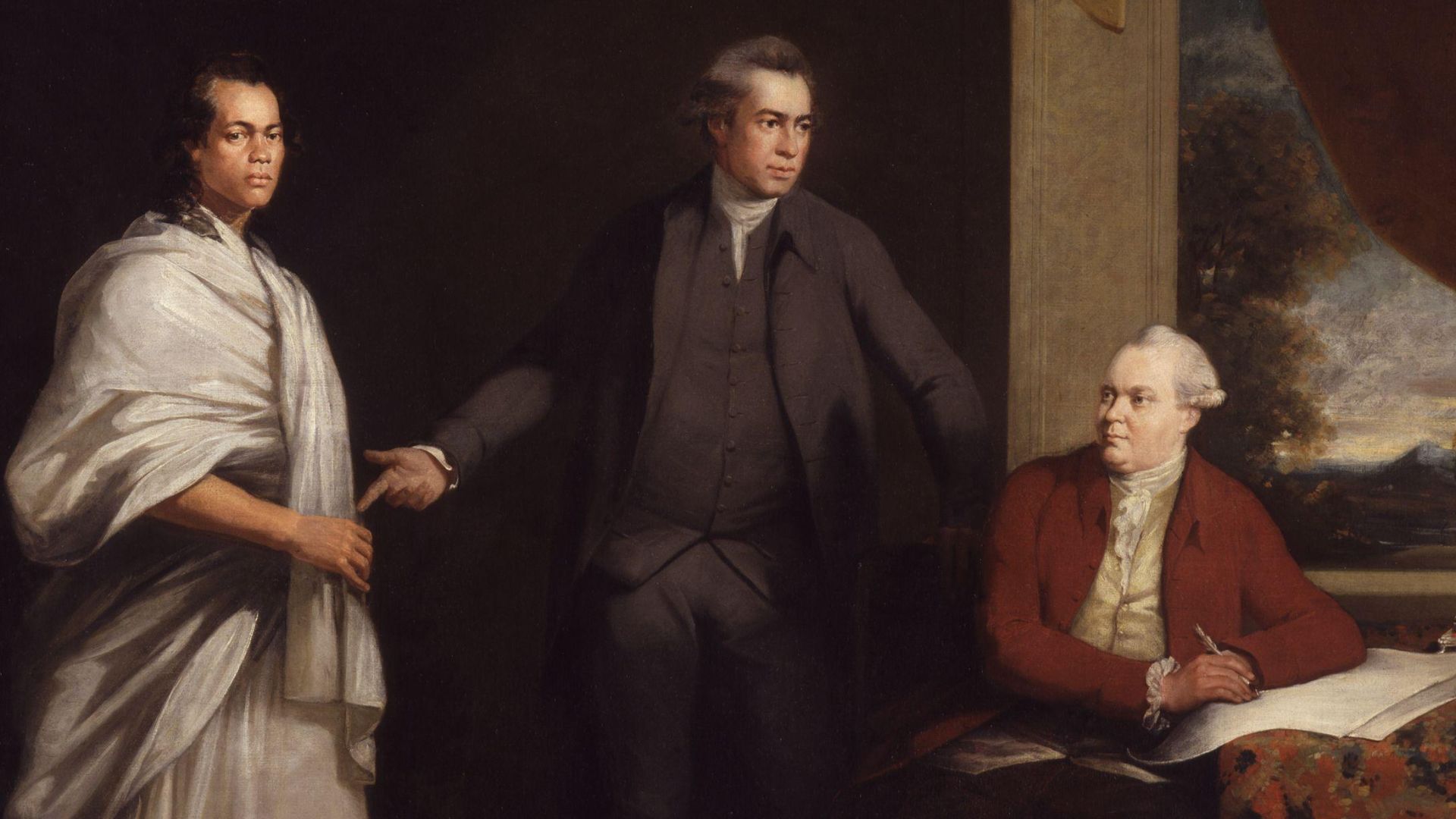
In the end, Mai had a social sharpness to go along with his ideal physicality and charm. Though he struggled at times to speak the new language of English, he picked up on understanding others quickly, and easily nailed the inflections, body language, and facial expressions of the British around him.
This ability to mirror the British was also an asset for Mai, but there were some things about European culture he simply couldn’t stomach.
 William Parry, Wikimedia Commons
20. He Despised English Cruelty
While Mai had no problem hunting, he was utterly appalled at other cruelties he saw in British society. A worm on a fisherman’s hook sent him into an upset fit, as where he grew up harming a worm was against the island’s very religion. He reportedly “turned away from a sight so disagreeable, declaring his antipathy to eat any fish taken by so cruel a method”.
Even more “civilized” pursuits could set him off.

21. He Was Emotional
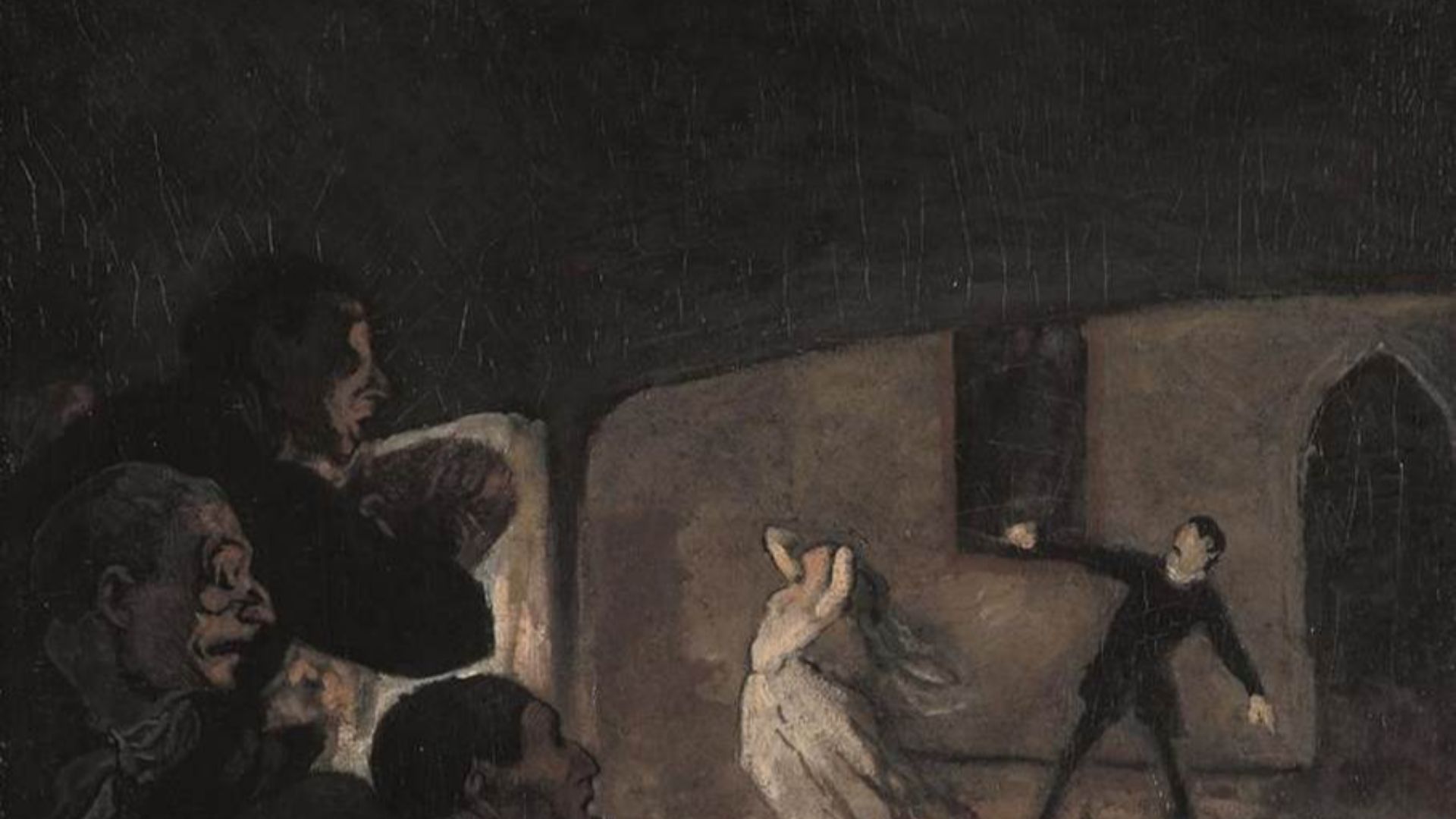
While Mai learned to (at least somewhat) ride horses, fire fowling pieces, and enjoy picnics like the British, he never got their stiff upper lip. He was incredibly sensitive to both performances and funerals: concerts and dramas would make him instantly tear up, and he couldn’t even bear sitting through a funeral service. When it came to the lower classes, he was even more disturbed.
 Honoré Daumier, Wikimedia Commons
22. One Part Of Britain Appalled Him
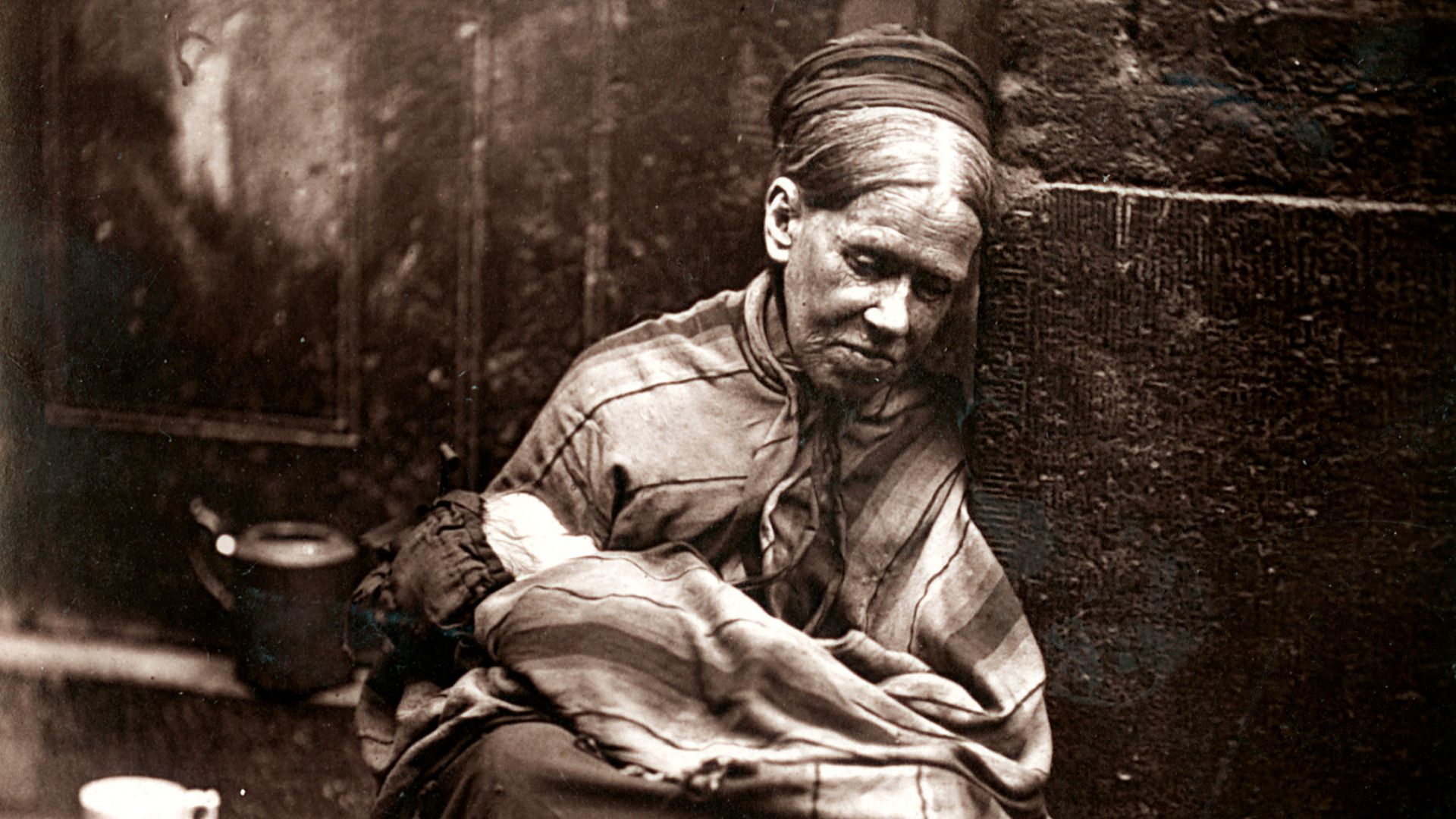
Although Mai seemed to love the life of a country squire, he never learned to love the city, especially because of London’s blatant disparity in wealth. Beggars would always elicit his pity, and the unfamiliar poverty he saw scarred him.
Throughout, though, Mai made sure to keep his eye on the prize—his revenge. He was about to get the perfect opportunity for it.
 LSE Library, Wikimedia Commons
23. He Got A Meeting With The King
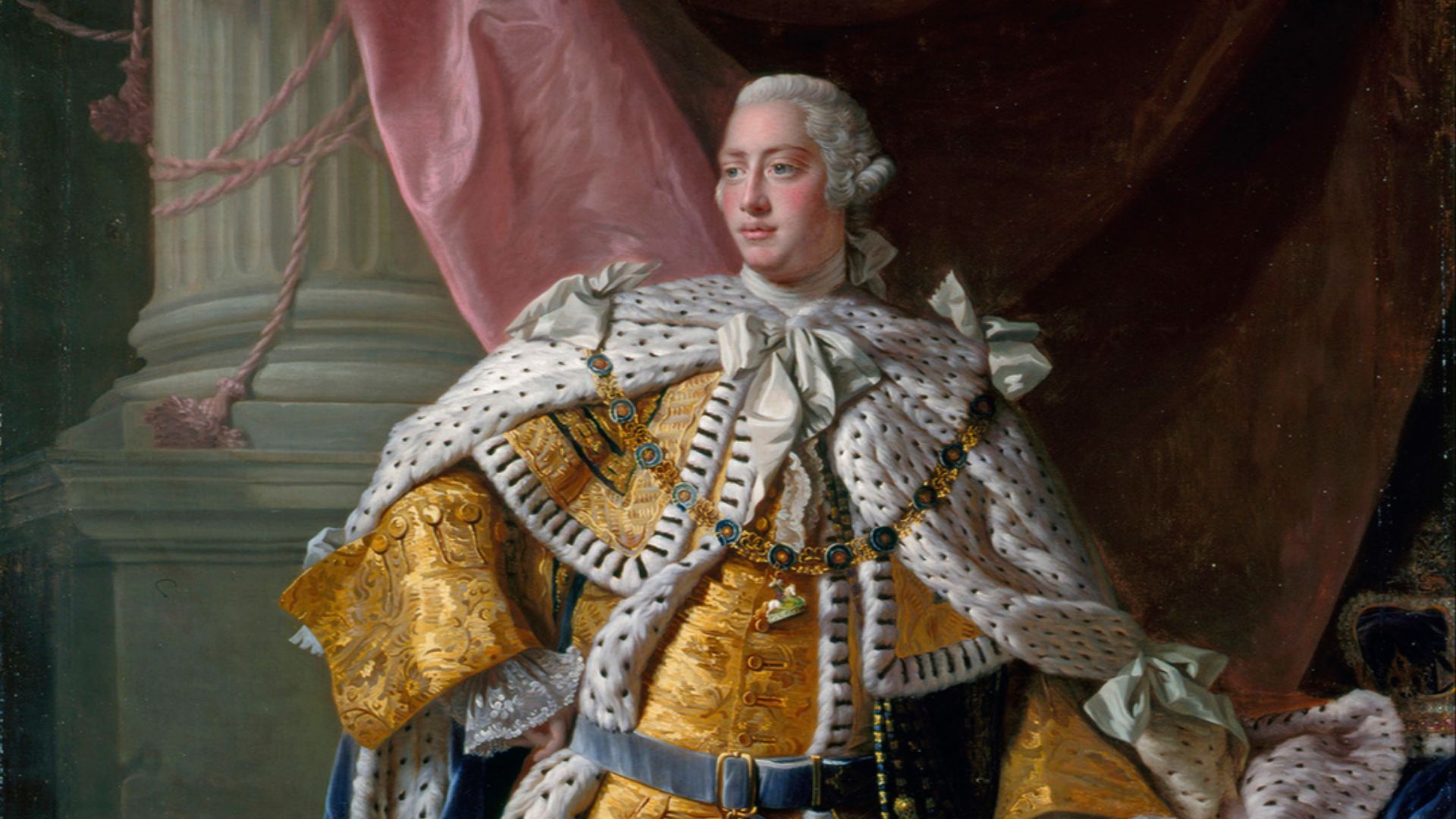
Joseph Banks knew he had something special on his hands in his ward Mai, and he managed to set up an audience with none other than George III, the faraway king Mai had first heard of on that violent day with the Dolphin. In preparation for the meeting, Banks had Mai work on his English, particularly his consonants—the Tahitian language had very little of these—-as well as his royal bow. It all went wrong anyway.
 Allan Ramsay, Wikimedia Commons
24. He Showed Off His Skills
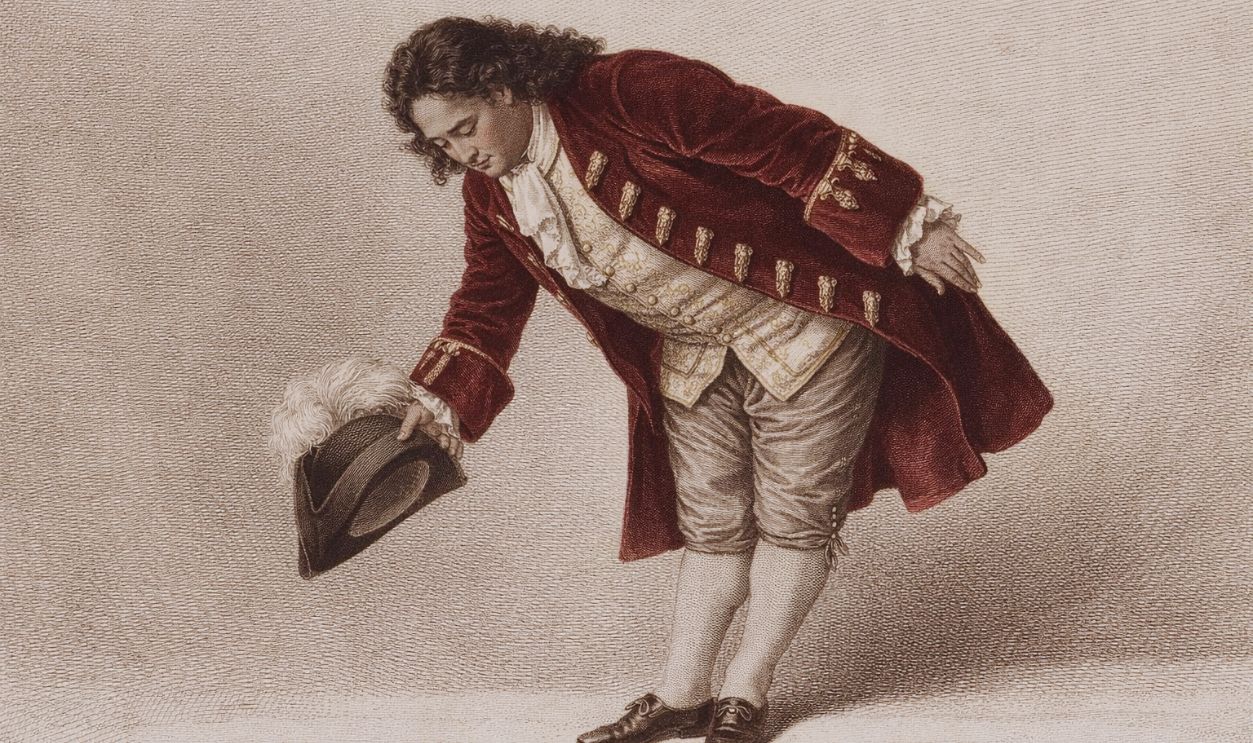
When Mai met King George III, he made sure he dressed to impress. As he entered the private audience, he wore a maroon velvet suit, along with a white silk waistcoat and gray satin knee breeches. He cut a striking figure, and managed to perform a nearly flawless bow for the monarch when he was ushered in. Only, that’s where his practice ran out.
25. He Went Rogue
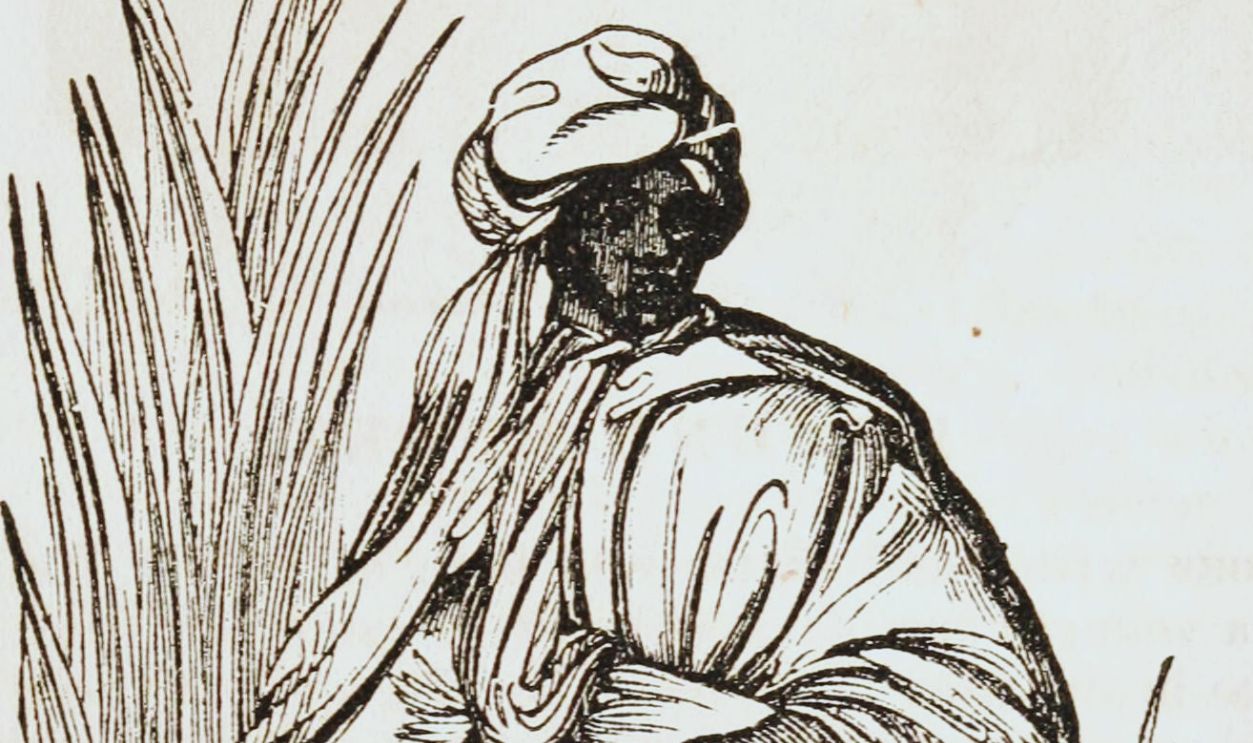
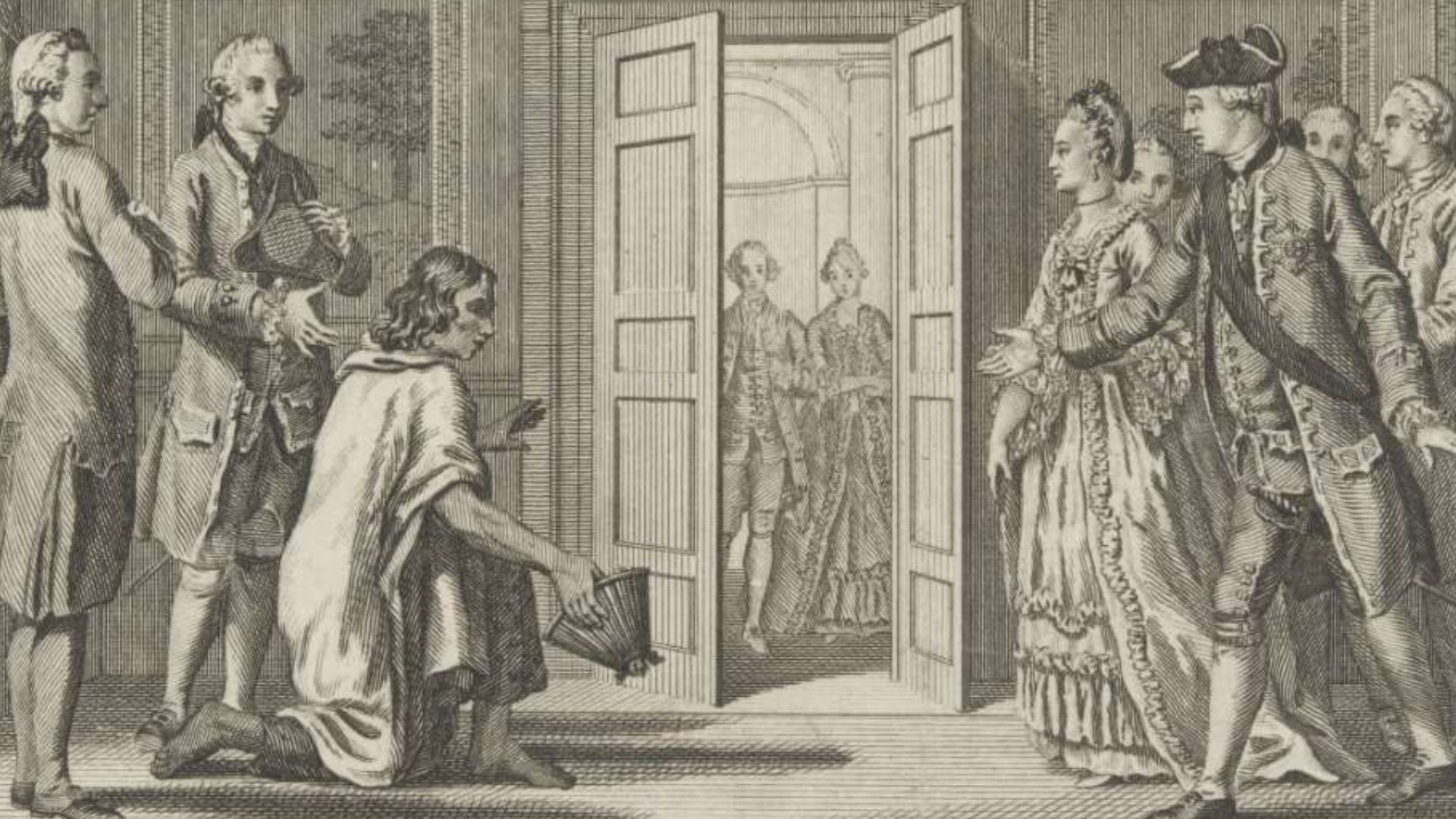
Flustered at what to do next and no doubt a little awed that he was finally seeing this legendary man in person, Mai forgot all the salutations Banks had taught him and went by instinct, grabbing the king’s hand and saying, in the best way he could pronounce “George,” “How do, King Tosh?”
Yet such was the power of Mai that it worked out for him, at least partly.
 Internet Archive Book Images, Wikimedia Commons
26. He Made The King A Proposition
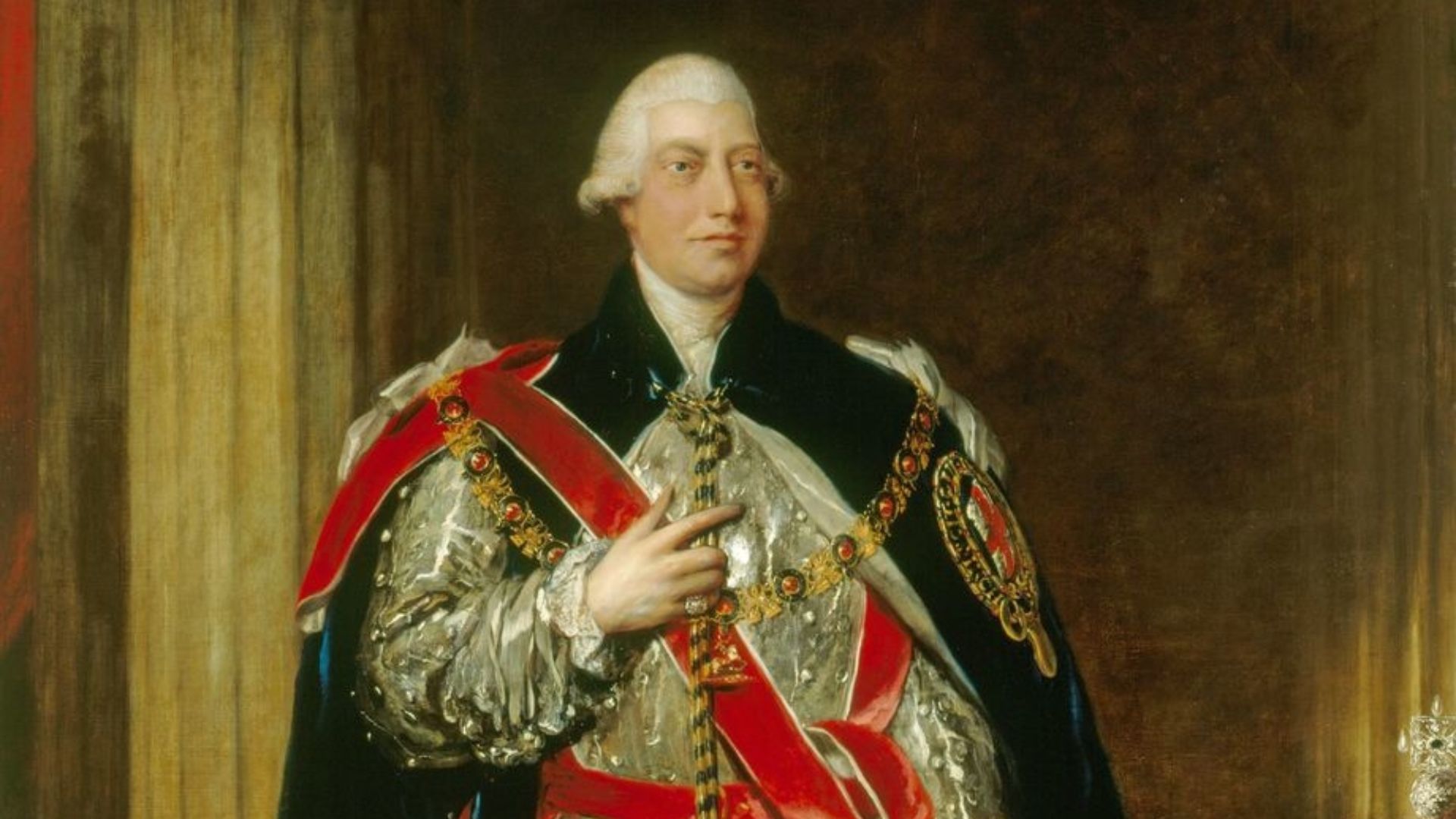
King George, like everyone else, seemed charmed by the Polynesian, and went on to present Mai with a sword. It was this act, perhaps, that let Mai recover himself most and remember his goal. In the next moments, he declared to George III, “Sir, you are King of England, King of Tahiti. I am your subject, come here for gunpowder to destroy the people of Bora Bora, our enemy”.
Mai didn’t get the response he was hoping for.
 Gainsborough Dupont, Wikimedia Commons
27. The Monarch Snubbed Him
George III seemed as rapt with Mai as everyone else, but he had no desire to start a foreign war that would have little benefit to him—he wanted Tahiti, and that was enough. Accordingly, George steered Mai to other topics and left his gunpowder off the table, though he did promise to send Mai back home on the next expedition.
For Mai, this had to be enough. For now.
 Unknown authorUnknown author, Wikimedia Commons
28. He Became A Celebrity
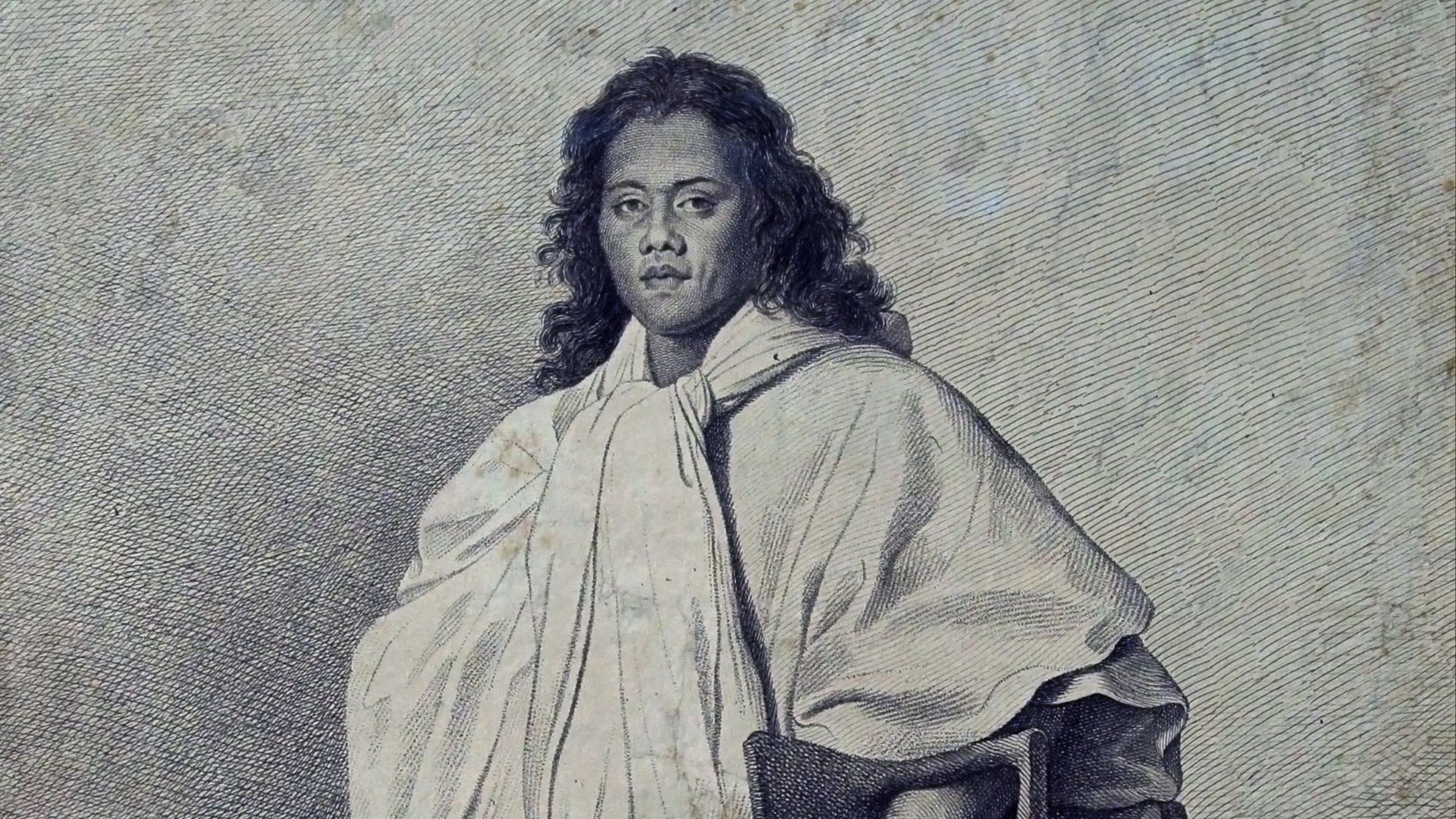
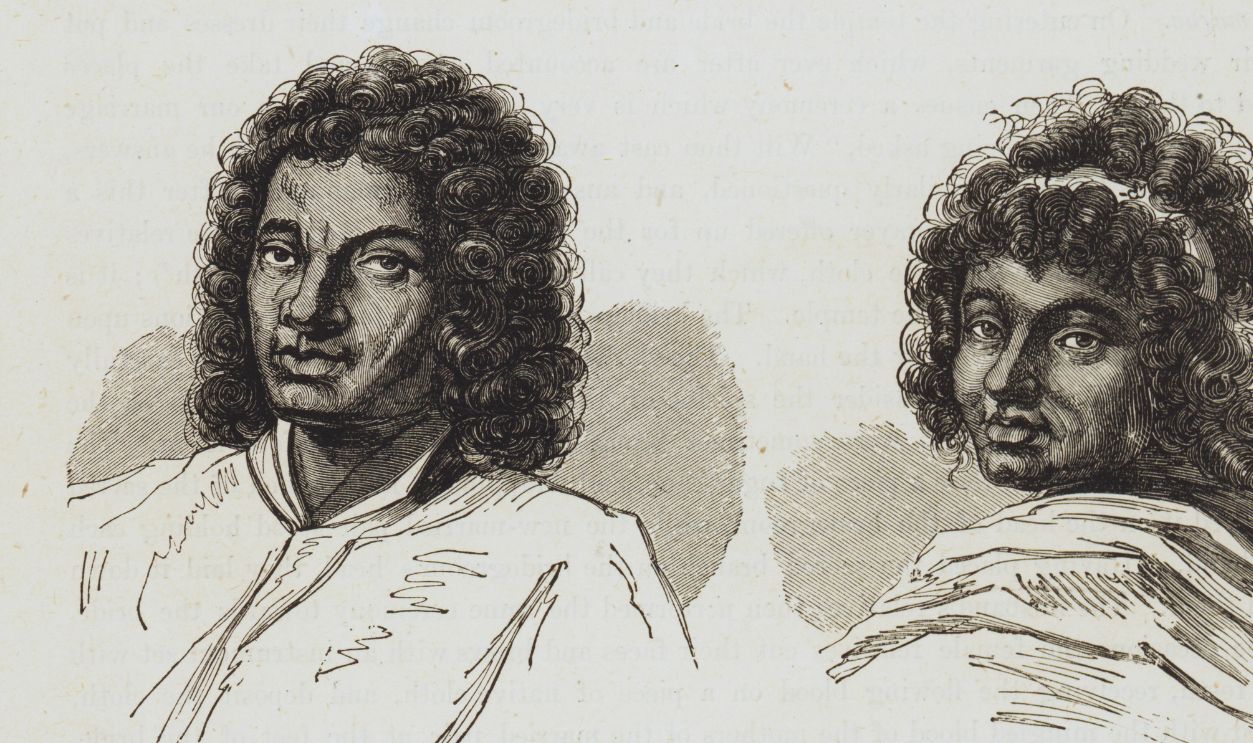
Mai eventually spent two years in England, and yet the fascination the British had for him only seemed to grow: He was painted by the likes of the famous portraitist Joshua Reynolds, among others. Moreover, these artists often depicted Mai in ways that indicated he was Tahitian nobility —with triumphant poses and luxurious clothes—even though he wasn’t. In one way, this is where the trouble began.
29. They Thought He Was A Noble
For Europeans born into an aristocratic hierarchy, it was easy, even comforting, to see the pleasing, beautiful Mai and view him as some kind of Polynesian prince. After all, it doubled down on the idea that those in power were inherently worthy. To be fair, it also helped Mai, who gained potential supporters of his revenge, but this didn’t mean it was a good thing.
30. He Was Going to Waste
While Joseph Banks was immensely pleased that his Polynesian project was the picture of “gentility,” others worried that the circles Mai was socializing in weren’t ultimately good for him. As one clergyman put it, “I do not find that any steps have been taken toward giving him any useful knowledge”. It wasn’t the only concern.
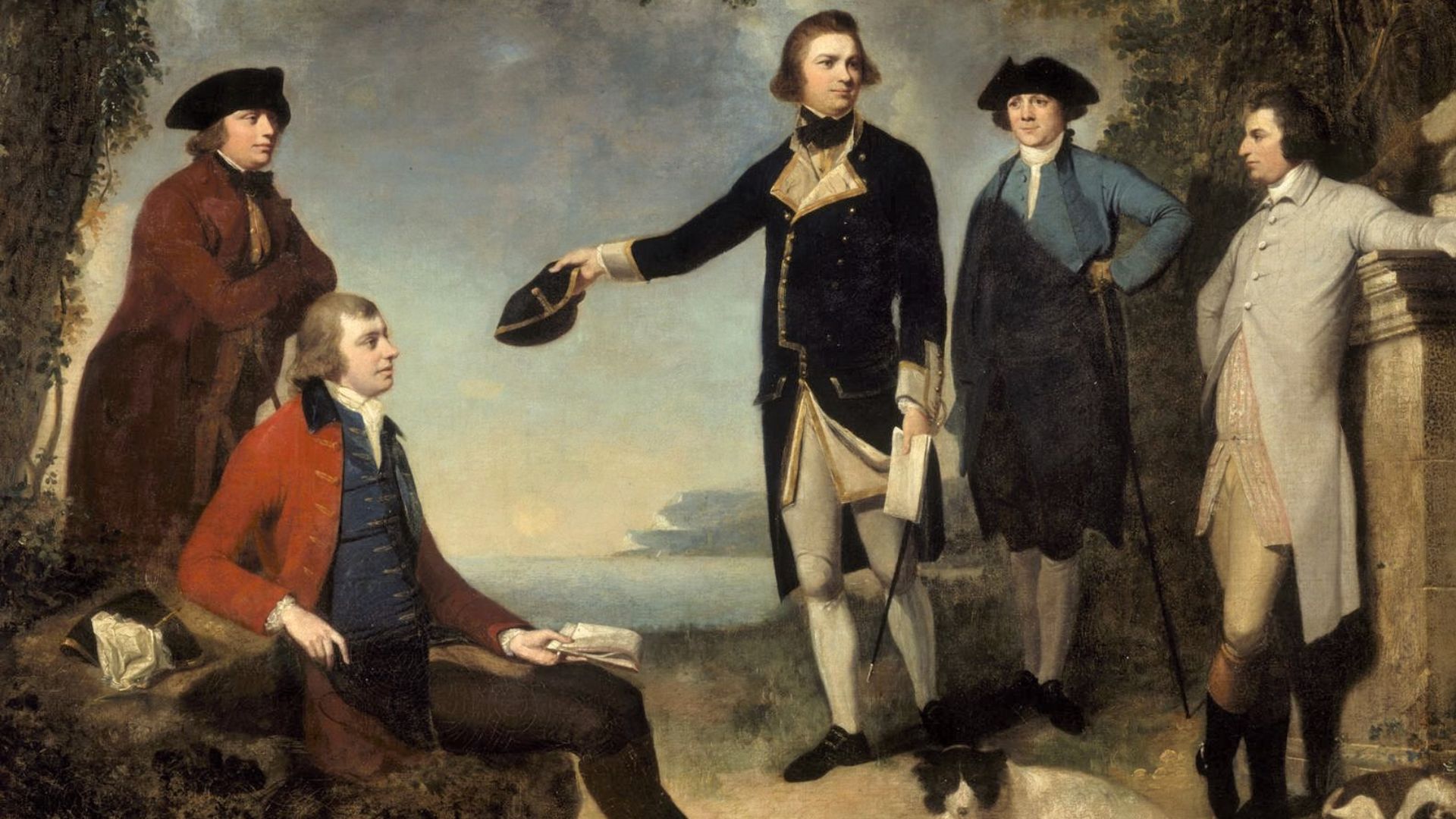
31. They Were Ruining Him
Mai’s lack of useful knowledge was one thing, but others also worried for his future back in Tahiti. One Scotsman pitied the “poor” man for all his experiences in Britain, saying “he will only pass for a consummate liar when he returns, for how can he make them believe half the things he will tell them?” The commenter was all too right.
 Thomas Gosse, Wikimedia Commons
32. He Missed His Home
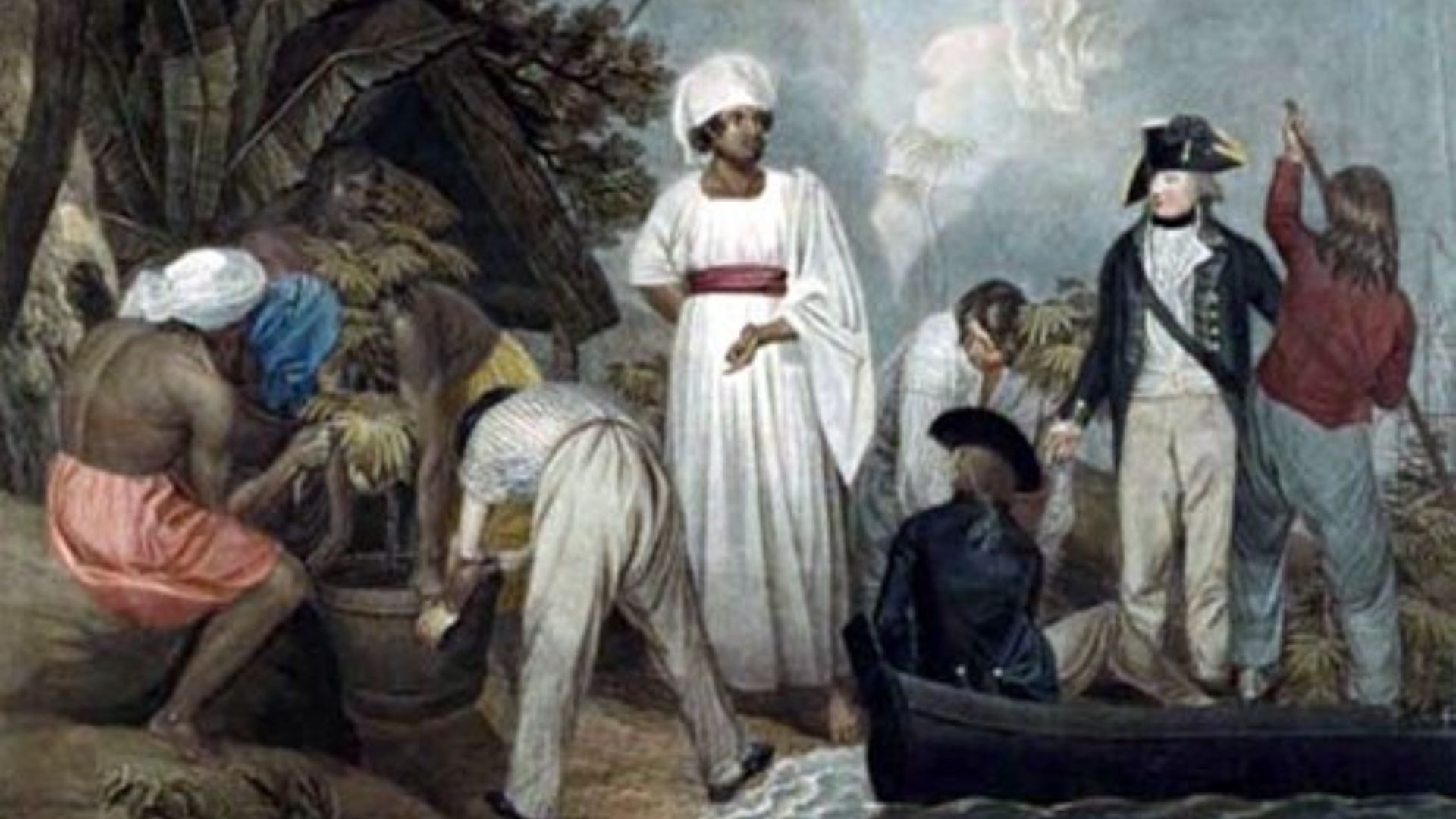
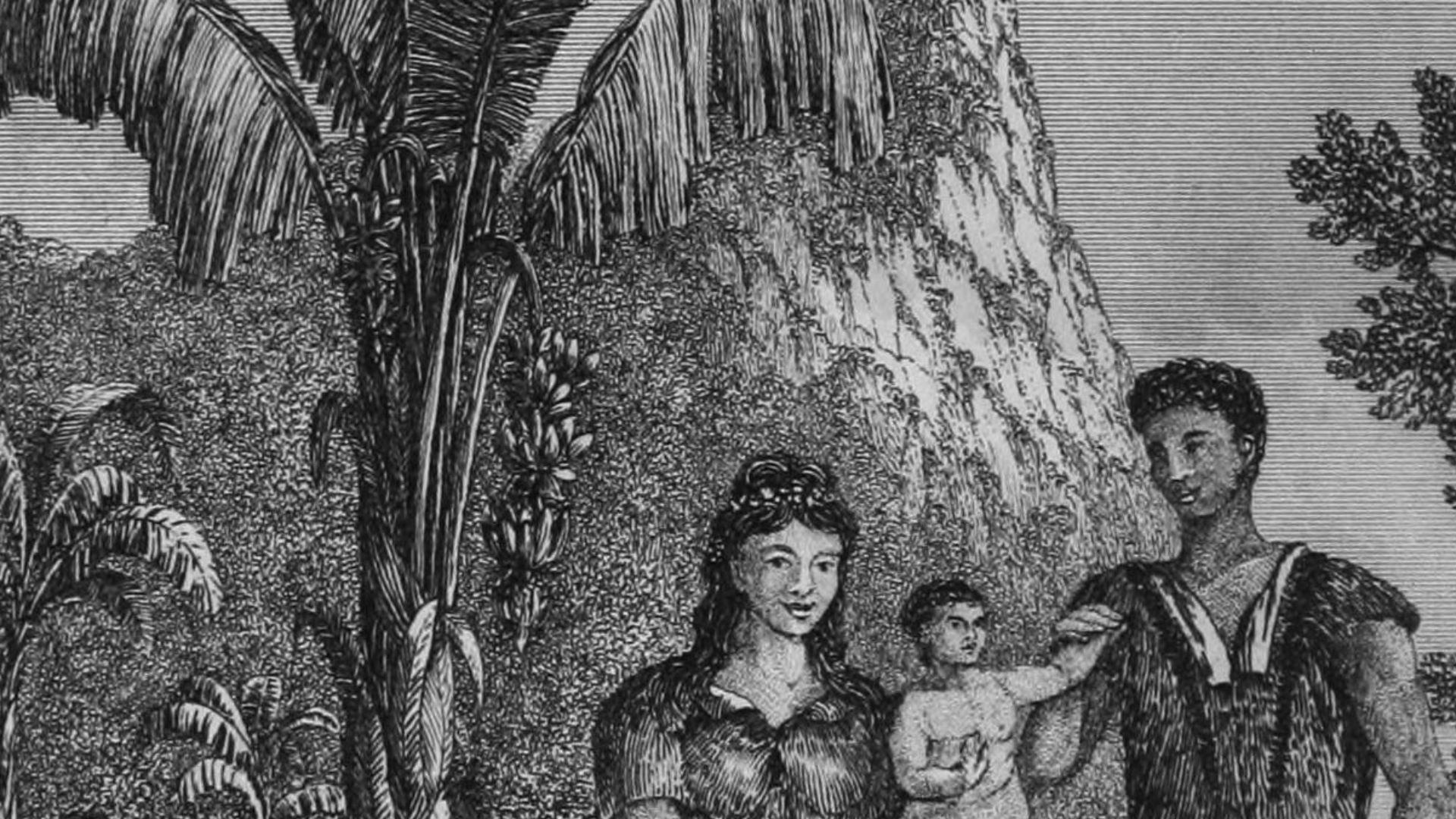
Eventually, even all the “unbelievable” wonders of Britain wore thin for Mai. For one thing, within months he discovered this was a far less hospitable environment than Tahiti. He grew homesick and depressed in the English winters, and people could hear him crying out as he wandered the streets at night.
Both luckily and unluckily, his time in England was coming to an end.
 Lieutenant Colonel Robert Batty (1789–1848)[1], Wikimedia Commons
33. He Sparked An Expedition
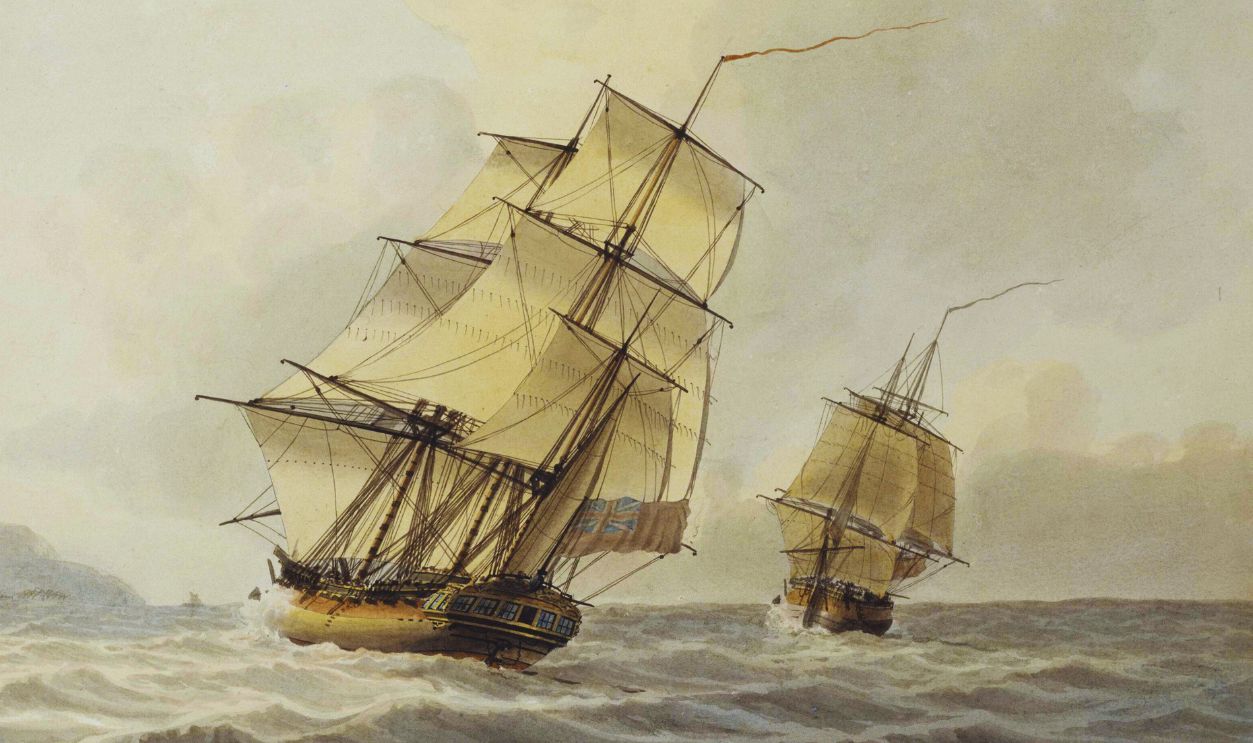
In 1776, another golden opportunity dropped into Mai’s lap: the venerable Captain James Cook was about to make his third expedition to the Pacific, and Mai was set to accompany him. In fact, the British Admiralty, although they secretly wanted Cook to search for the fabled Northwest Passage, declared to the adoring public that the entire purpose of the journey was to return Mai to his home.
With Mai as Cook’s mascot, they set off. It would be a disaster for everyone involved.
34. He Brought Reinforcements
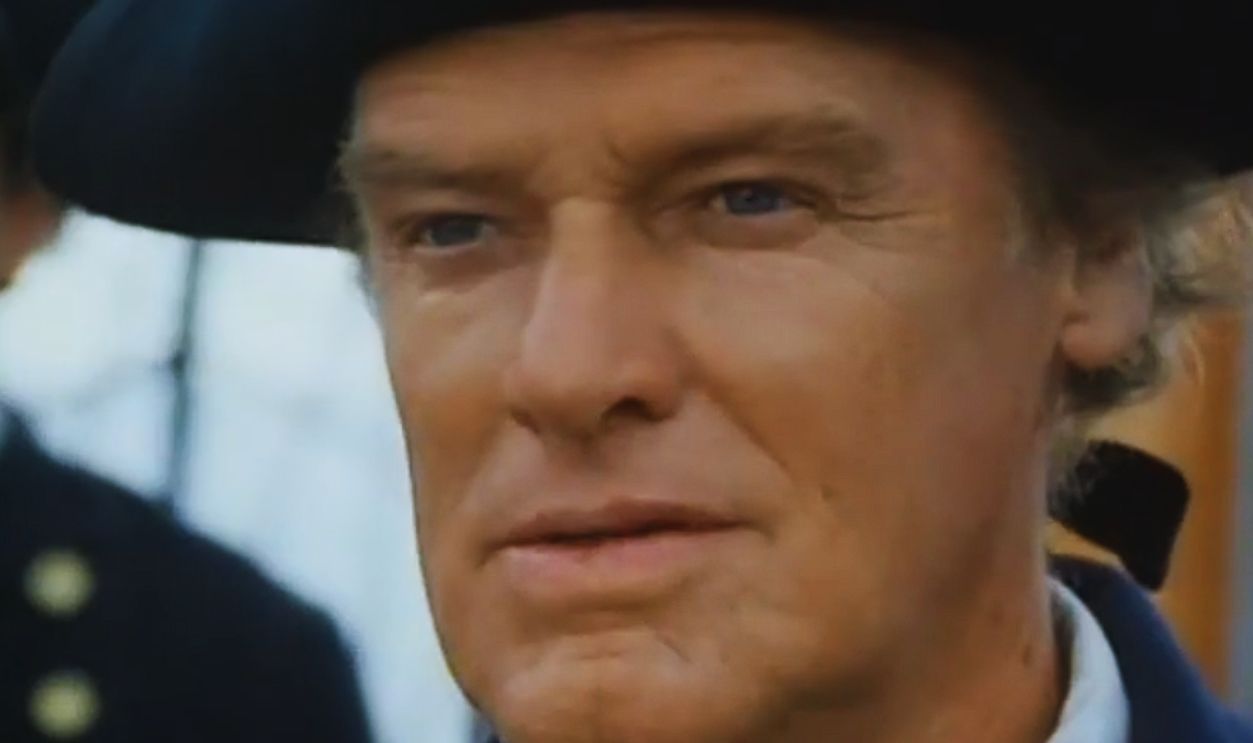
Cook’s third—and final—voyage to the Pacific would have an infamous end, but Mai and his fellow sailors could hardly have known that at the time. Though he felt melancholy leaving England, Mai was excited to return to his home a vengeful hero, and he made sure his cargo reflected his intentions: On the voyage, Mai carried muskets, bullets, a suit of armor, and a hand-organ, all with the intent to use them against the Bora Borans if needed.
 Samuel Atkins, Wikimedia Commons
35. He Was Fast Friends With The Captain
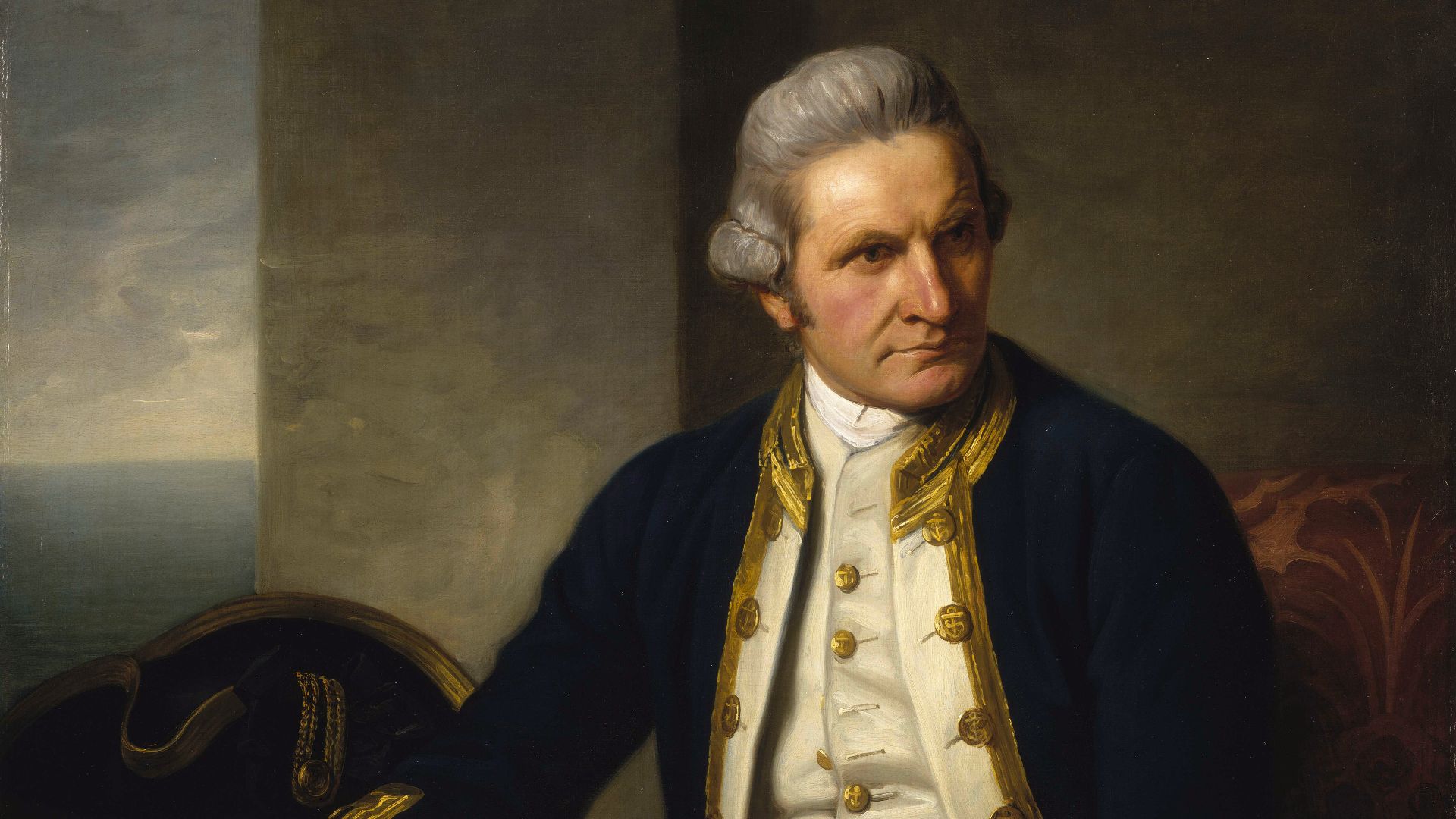
During the long journey to the Pacific islands, Mai’s charms worked wonders on those around him again, with Captain Cook in particular taking to the brash young Polynesian. It seemed impossible, then, that Mai could land in Tahiti and not be immediately embraced by the locals who once knew him too. Sadly, Mai was about to learn that you can’t really go home.
 Nathaniel Dance-Holland, Wikimedia Commons
36. He Had A Triumphant Homecoming
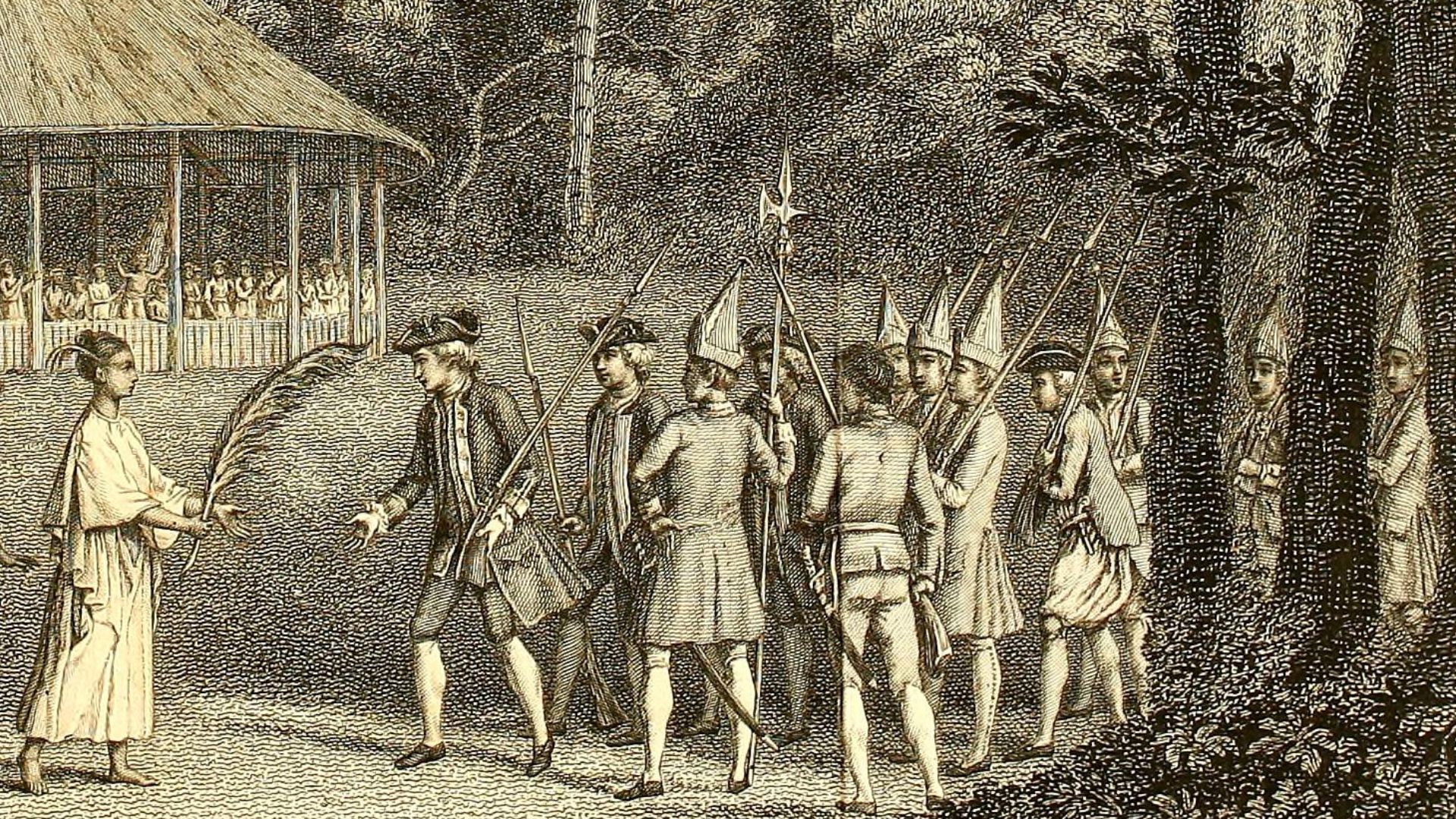
When Mai and Cook landed in Tahiti, Mai proudly showed off all the riches and valuables he had gathered from the British in his two years away. For a time, it worked: the locals were promptly drawn to him, with his sister greeting him heartily.
For Mai, it was (almost) everything he had been dreaming about since he asked Furneaux to take him to England. But, basking in all this glory, Mai missed one crucial thing.
37. He Had Bad Taste In Friends
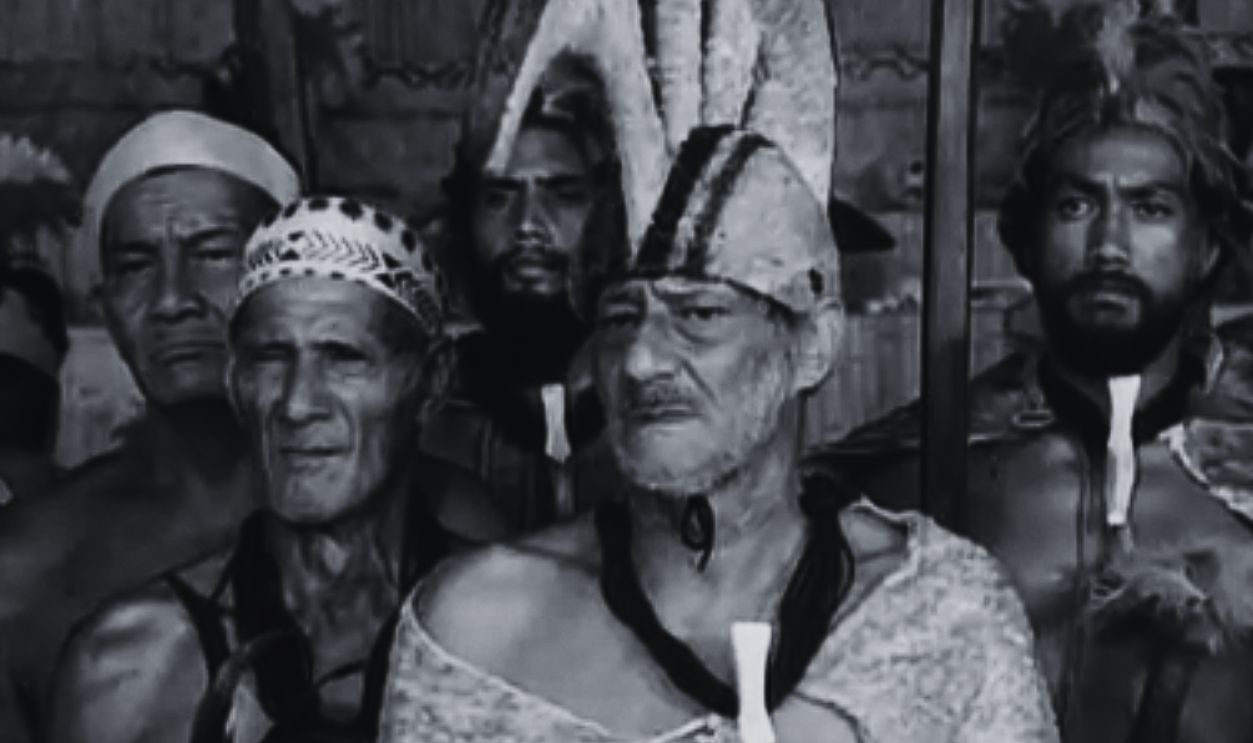
Mai may have gotten too used to the fawning crowds in Britain treating him like a prince, and he now seemed to believe he was destined for a high stature no matter what—even in Tahiti where most had known him first as a beggar refugee. Perhaps because of this, he failed to notice that most of his hangers-on were just that: people eager to take advantage of his newfound wealth and treasures. It soon caused difficulties.
 John Hall (engraver), Wikimedia Commons
38. They Made Fun Of Him
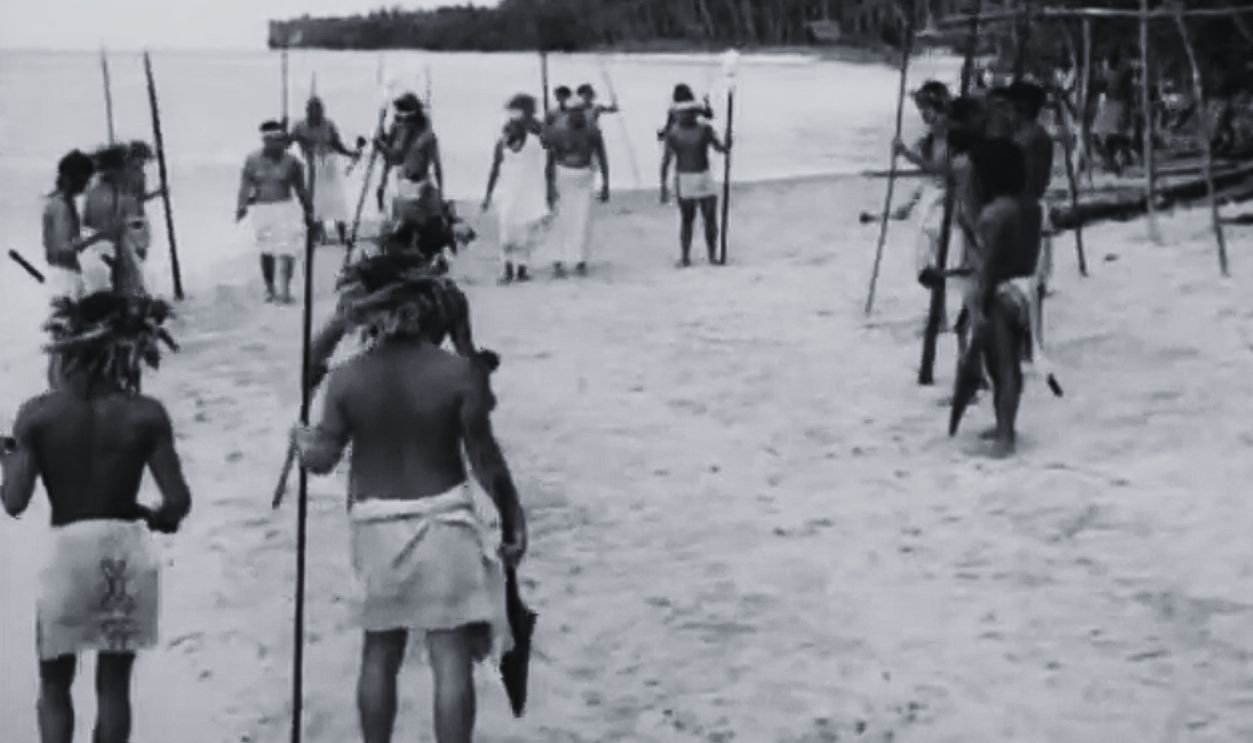
As some had predicted, Mai struggled to fit back into society, both because of his own sense of superiority and the amount of people using him. He fell in with an unsavory crowd, frittered away his property, and tried and failed to impress important people with improper displays of hubris and luxury. Soon enough, though it’s unclear how much Mai was aware of it, he was a figure of ridicule—hardly the hero he wanted to be.
39. The Captain Tried To Protect Him
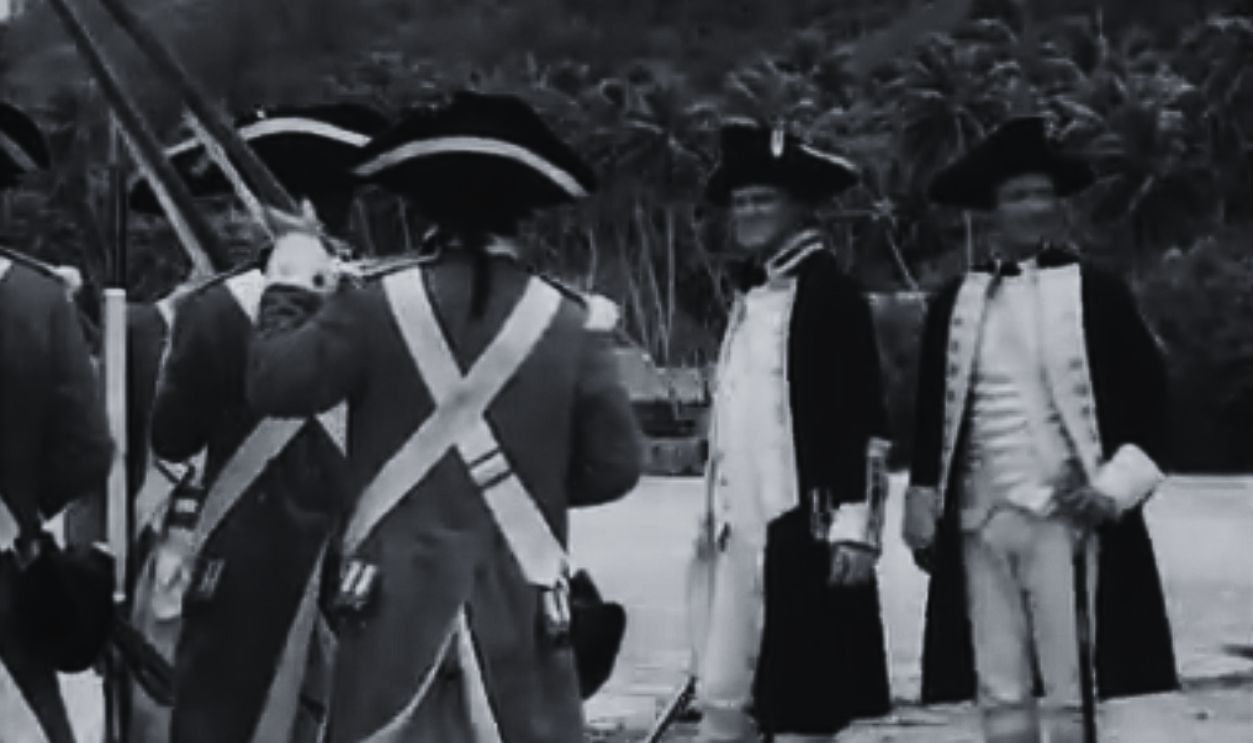
Captain Cook had truly grown close to Mai over their journey, and he felt deeply paternalistic toward the Polynesian. Seeing how denigrated Mai was becoming in Tahitian society, he feared for the young man’s future and prosperity, and did try to intervene several times on Mai’s behalf when it came to appeasing the locals and protecting him. But betrayal was still in Cook’s heart.
40. He Had No One Truly On His Side
For all that Captain Cook empathized with Mai, he wasn’t prepared to see him as an equal, or ultimately treat him like one. In fact, Cook believed the Polynesian would change his mind about Tahiti and want to go back to England, an eventuality he intended to avoid by up and leaving Mai before he got cold feet.
Before that happened, both men would get their hands bloodied.
41. The Situation Turned Tense
His relationship with Mai aside, Captain Cook hardly had a good track record with Pacific Islanders. On this third voyage in particular, Cook became obsessed with keeping natives in line and doled out cruel punishments, sometimes going so far as to cut off the ears of thieves.
So when a goat was stolen one day, Cook went on a disproportionate rampage to get it back—and Mai was right there along with him.
42. He Flaunted His Might
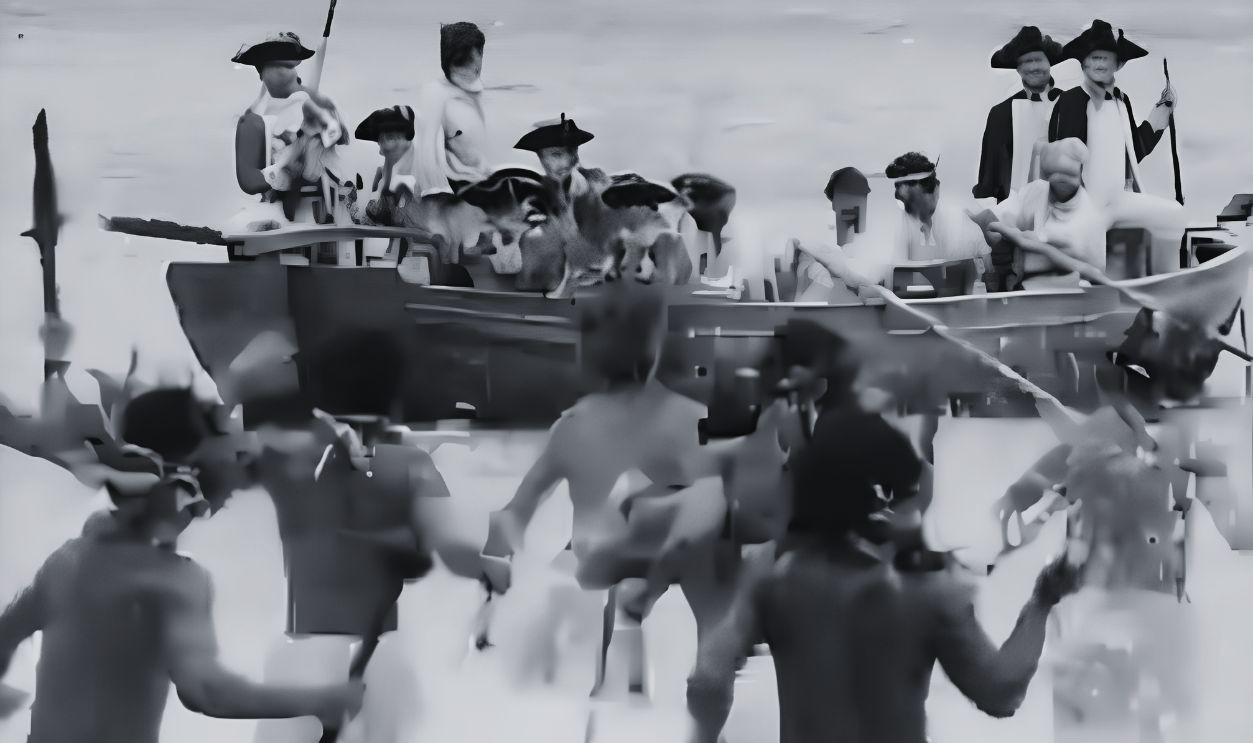
Mai had waited years to get strong and get vengeance, and now that he was back in the Pacific he seemed not to care where or how he vented his frustrations. As Cook carried on his reign of terror over the goat, burning canoes and scaring locals, Mai and his cronies jumped in on the violence until someone quietly returned the offending animal.
Even still, Cook searched for ways to safely offload Mai.
43. He Found A New Home
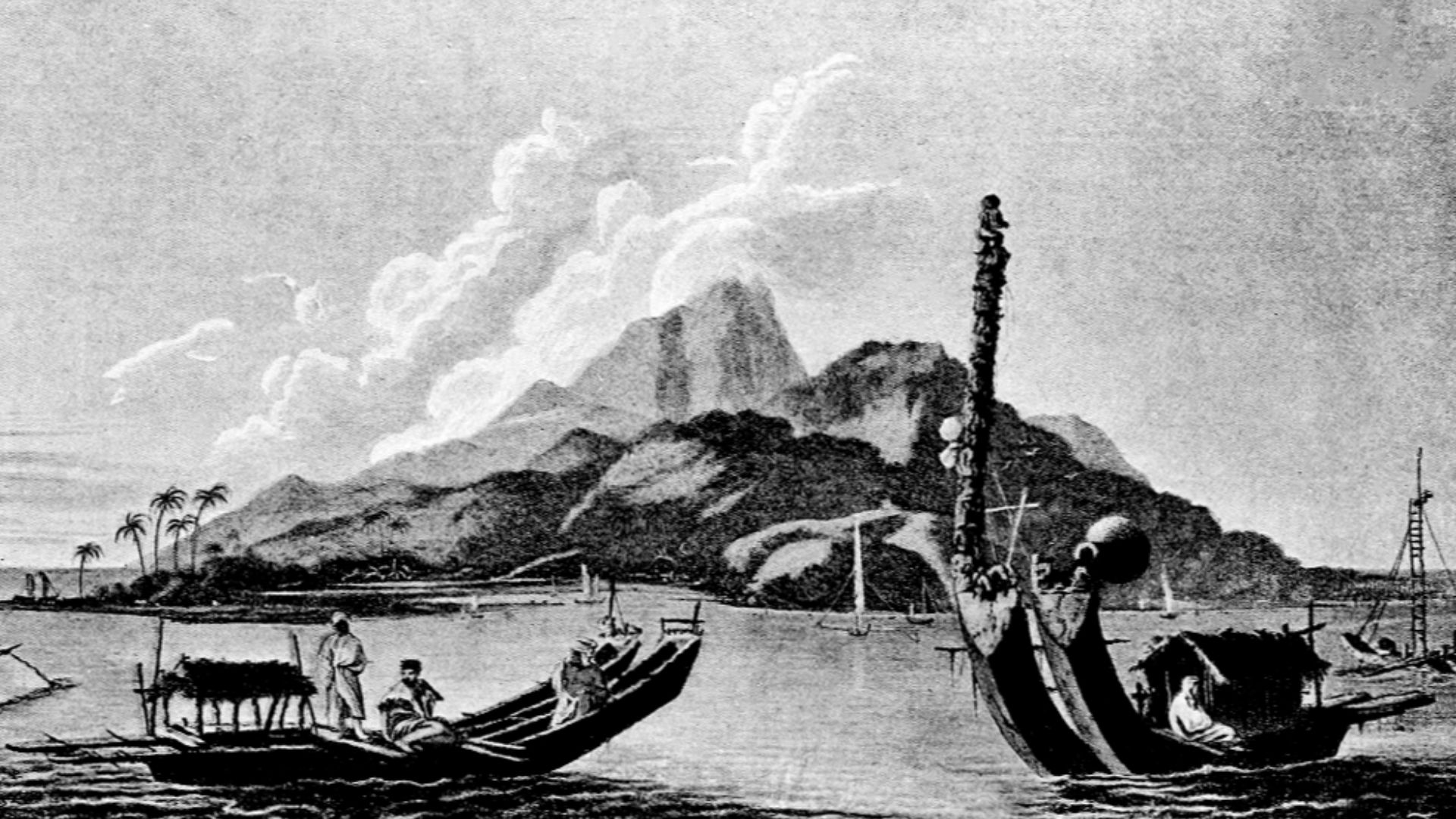
Although it was Mai’s dream to reclaim his father’s land in his birthplace of Raiatea, Captain Cook—and possibly Mai himself—knew that would never be possible, especially not with Mai’s current shambolic reputation. Instead, Cook made an agreement with the chiefs on the isle of Huahine to let the Europeans build a British-style house there, complete with a garden, for Mai to live in.
With this compromise set up and Mai moved in, it was time for the final goodbye.
44. The Europeans Left Him
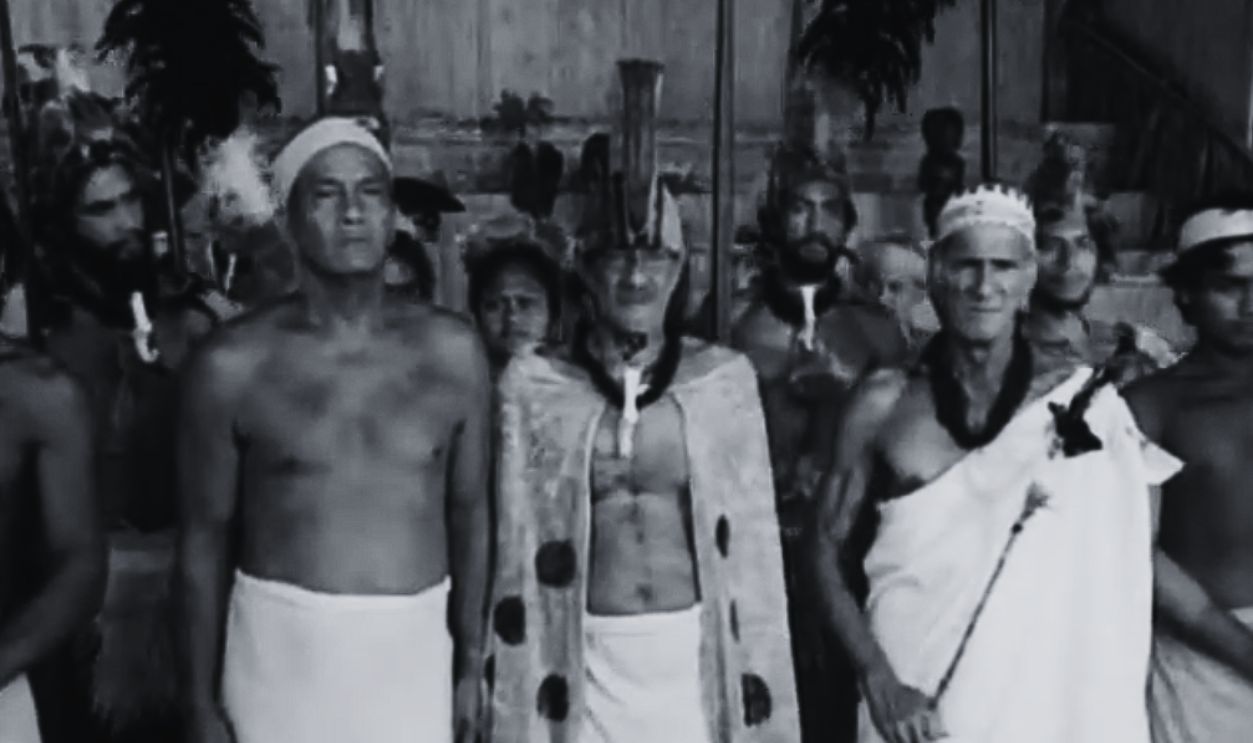
Captain Cook remained skeptical of Mai’s possibility for success, but he did leave him with a handful of animals along with, crucially, some gunpowder for the firearms. Their farewell was tearful, at least on Mai’s part, and he clung to the captain and wept before the British man sailed away, leaving Mai to his fate. It was a cruel one.

45. He Gave One Last Effort
Although a bitter destiny was about to come to both Captain Cook and Mai, Mai made the most of his time on Huahine, at least according to his own sense of honor. Still chomping at the bit for a fight, Mai reportedly did use his European weapons to fight a battle against an enemy tribe—a battle that he won. It would be his last victory.
46. He Ran Out Of Time
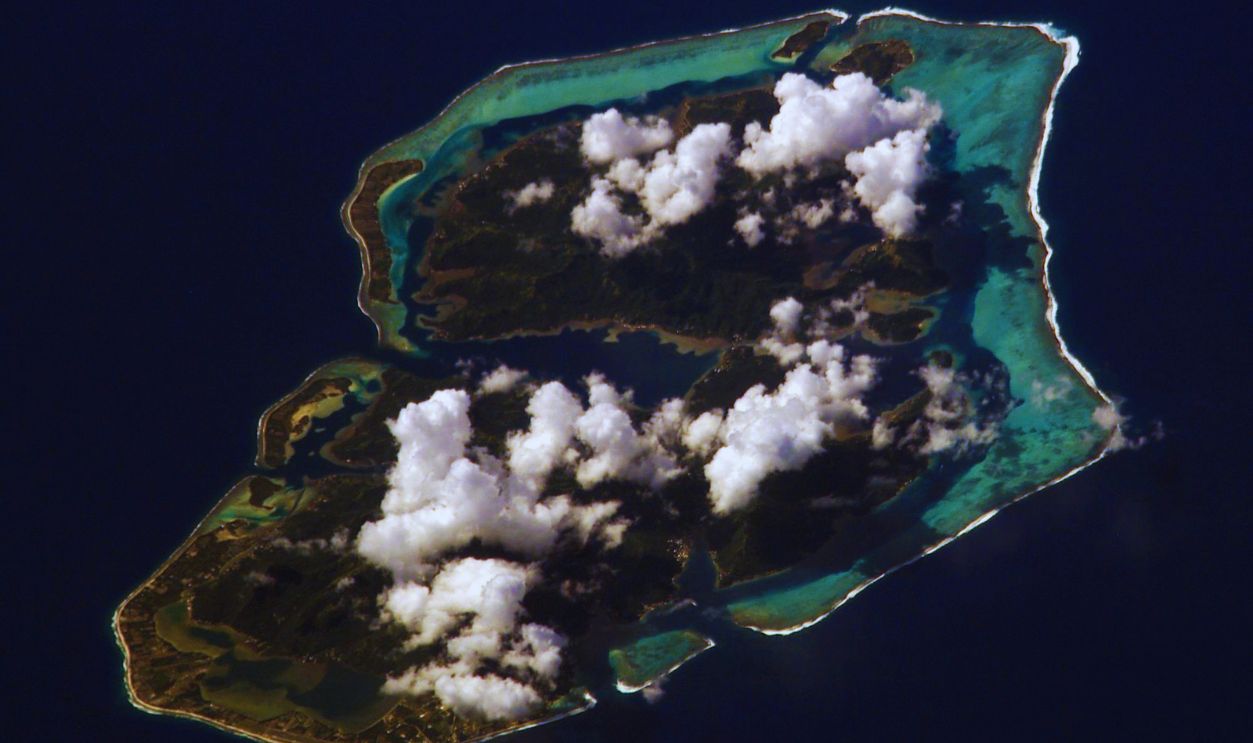
In the end, Mai never achieved what he dreamed for himself all those years ago, never returning to Raiatea to claim what was once his. And while his hubris certainly got in the way of this goal, the real tragedy is that he never had the time to even try to fulfill these ambitions.
In 1789, a new British captain, William Bligh, sailed on a new ship, the Bounty, to Tahiti, and made a heartbreaking discovery.
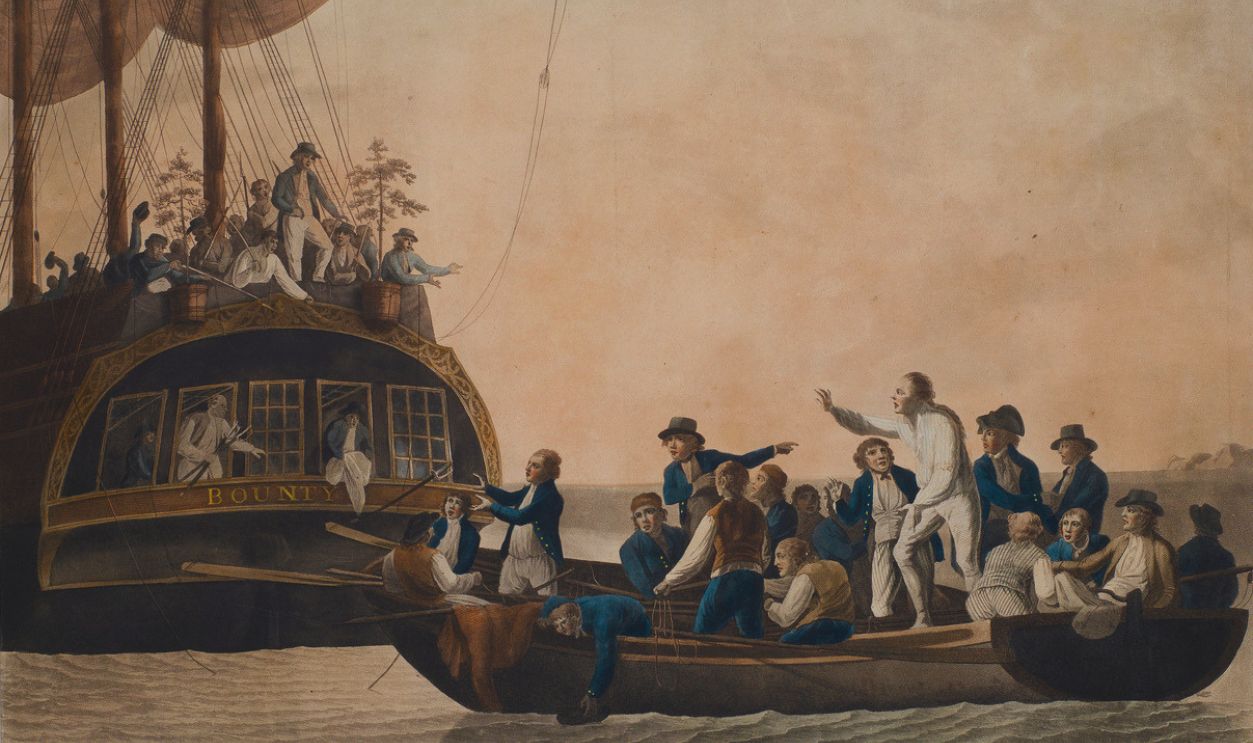 Dodd, Robert (artist and engraver); Evans, B B (publisher), Wikimedia Commons
47. He Perished Young
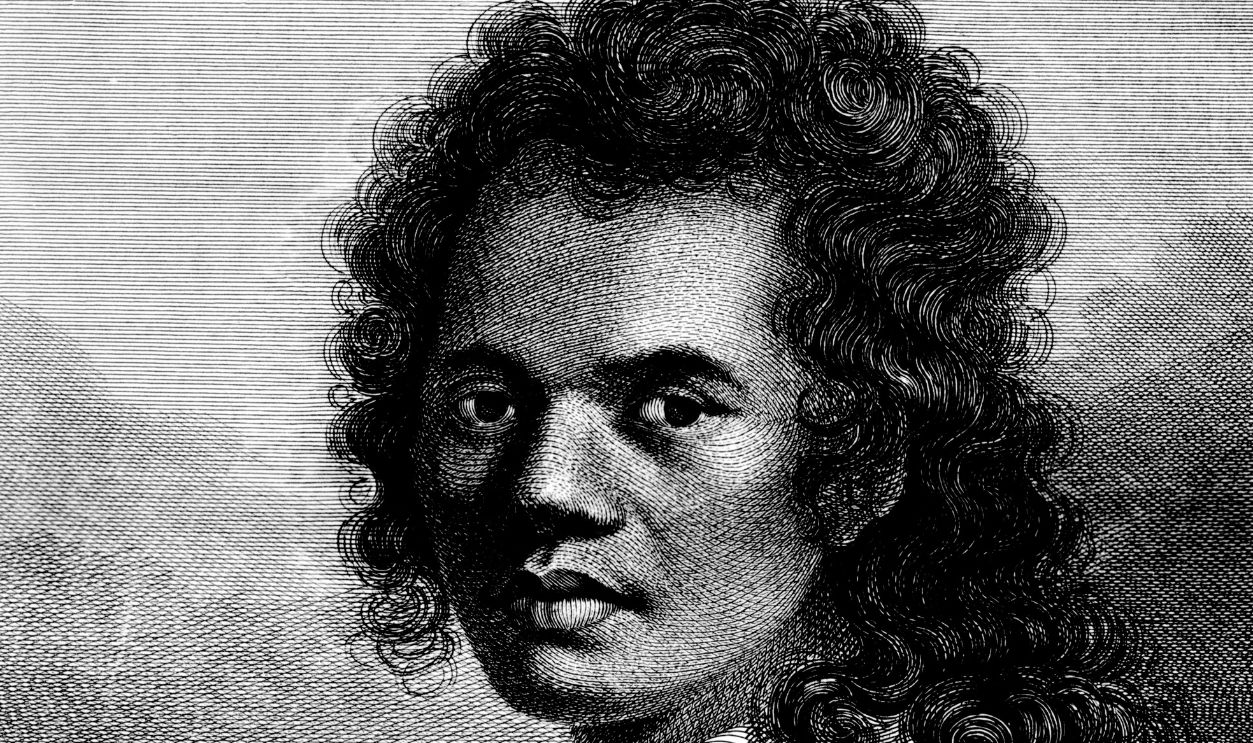
When he landed in Tahiti, Bligh naturally asked after the Polynesian man who had so set British society alight. The response was that poor Mai was long dead—that he had perished shortly after Cook left him in November of 1777. From the best historians can tell, Mai died within 30 months of saying goodbye to Cook, likely from an infectious disease. He was still only in his 20s.
But Mai still outlived Captain Cook.
48. His Friend Met A Gruesome End
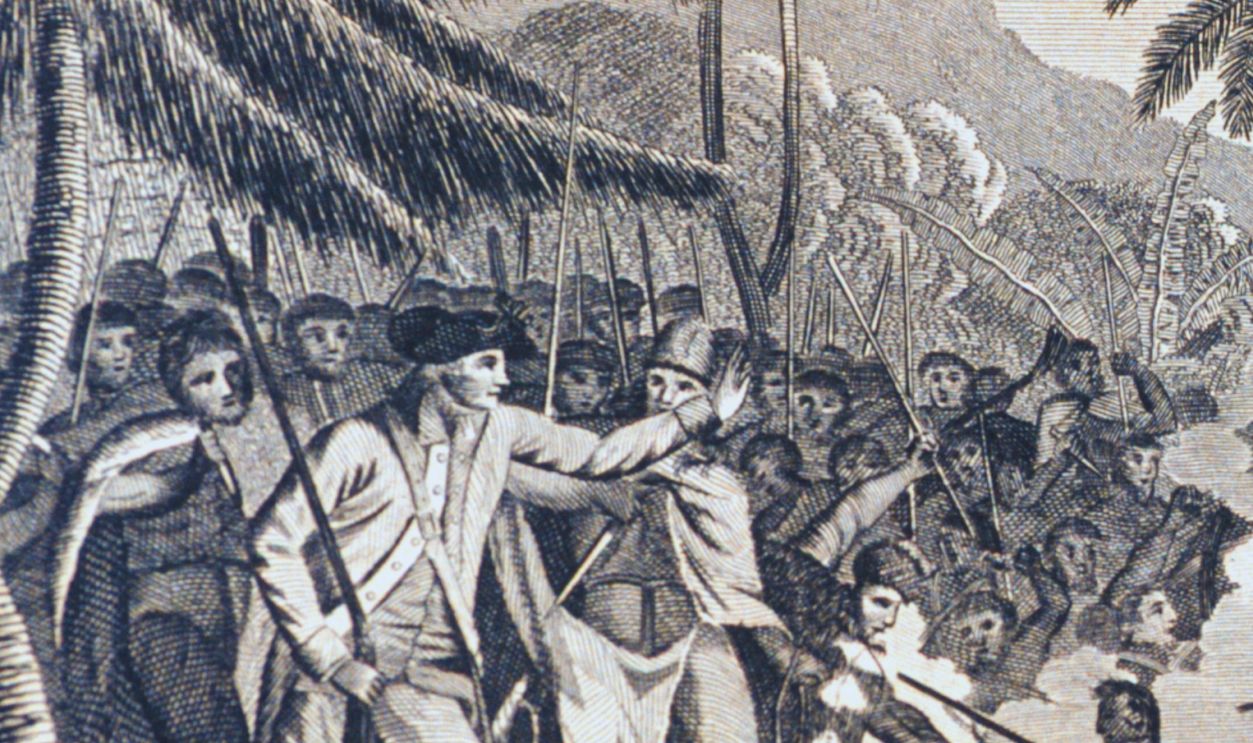
Cook and Mai’s parting was one of the final milestones for both men. Just months after taking his leave, in early 1779, Cook got into yet another tense local altercation, this time with Hawaiians, and an angry crowd beat him to death. Perhaps most disturbingly for British tastes, they then cooked his flesh and distributed his body among chieftains. Thus passed the glory of the two world travelers.
 Universal History Archive, Getty Images
49. He’s Still Famous
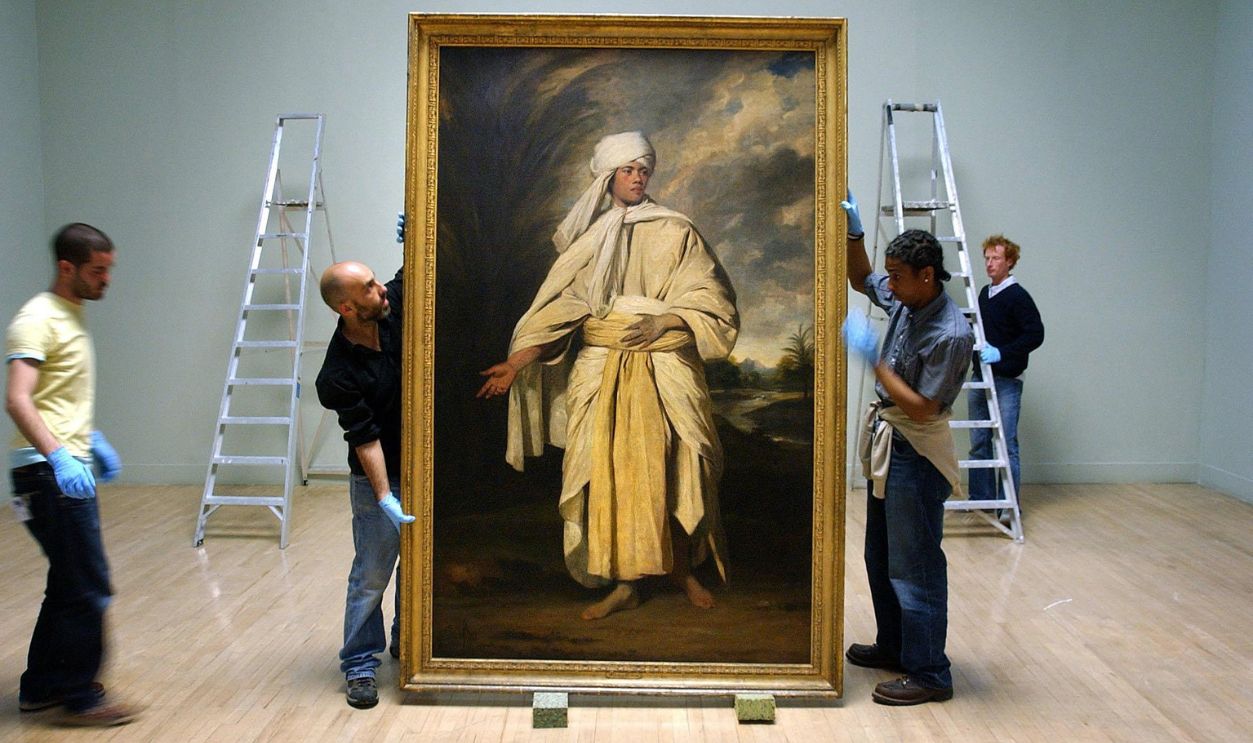
Joshua Reynolds’ famous portrait of Mai is now one of the more valued pieces of art in the world. In 2022, it was valued at 20 million British pounds, and shortly afterward the Getty Museum in Los Angeles and the National Portrait Gallery in London jointly acquired it. Though originally titled Portrait of Omai, the name of the piece is now Portrait of Mai (Omai) to accurately reflect Mai himself.
 Matthew Fearn - PA Images, Getty Images
50. His Story Endures
Like so many European exoticisms—Pocahontas, Sarah Forbes Bonetta, and Jeffrey Hudson among them—Mai was feted in Britain to the point of exhaustion, then he was discarded just before the next oddity rolled around. Even so, Mai was a force unto himself, only stopped too soon and too tragically.
 DE AGOSTINI PICTURE LIBRARY, Getty Images
You May Also Like:
Disruptive Facts About Sophia Singh, The Rebel In Queen Victoria's Court
Ill-Fated Facts About Princess Ka’iulani, The Hawaiian Rose








.jpg%20)

_RMG_S0713_(cropped).jpg%20)