Chivalrous Cavalry
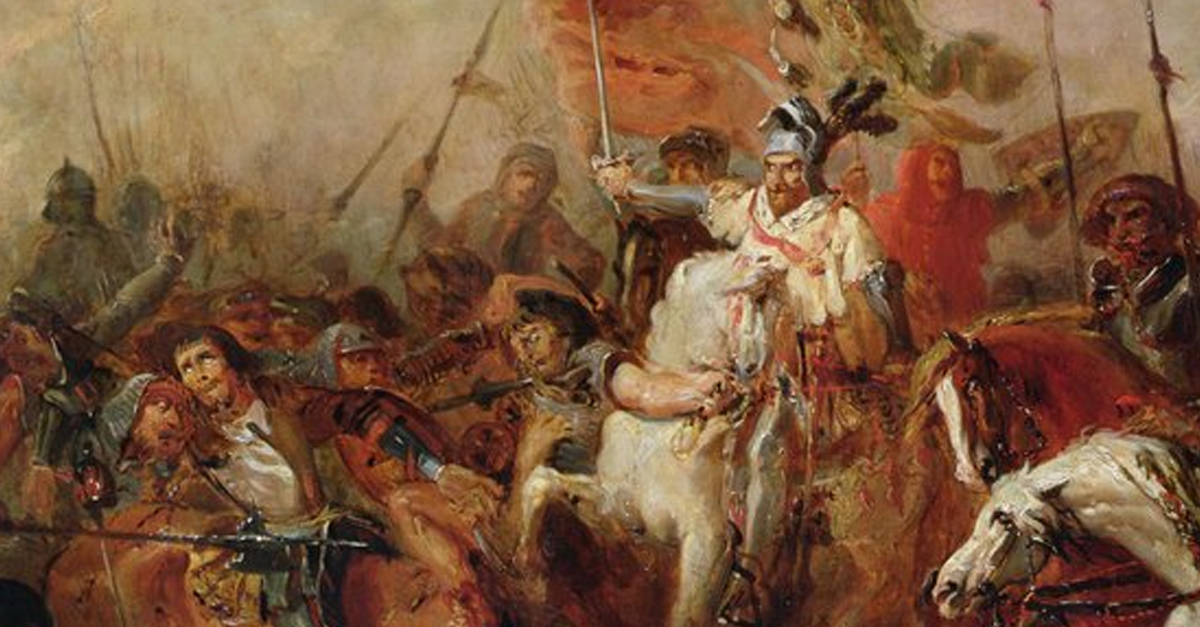
With the huge success of HBO’s A Knight of the Seven Kingdoms, it has renewed interest in what life was like for medieval knights in our own world. There are many similarities to their Westerosi counterparts, but many crucial differences, too. The life of a knight was undeniably desirable in the Middle Ages and afforded the lucky selected an existence much cushier than that of a common peasant—though there were certainly downsides, as well.
 Kiselev Andrey Valerevich, Shutterstock
1. The Word Tells A Story
The etymology of the word knight is interesting and reveals something about the standing and identity of the position. It appears to be a variation on the Old English word cniht which meant “boy”, connoting the gendered nature of the rank—indeed, there were almost no female knights.
Cniht seems to have descended from the German word Knecht, which meant “servant”, “bondsman”, or “vassal”, revealing the ultimately subordinate nature of knighthood. But where did the concept itself originate?
 Zachi Evenor, Wikimedia Commons
2. A Classical History
The very idea of knighthood may have its origins in ancient European history and is likely inspired by the Greeks and Romans. The Greek term hippeis connoted cavalry, influencing knights’ main function in battle. Roman equites also appeared to have played an influential role, those being the second-highest propertied class in the Empire, much like the social position of knights. And indeed, knights certainly had a leg-up by design in medieval culture.
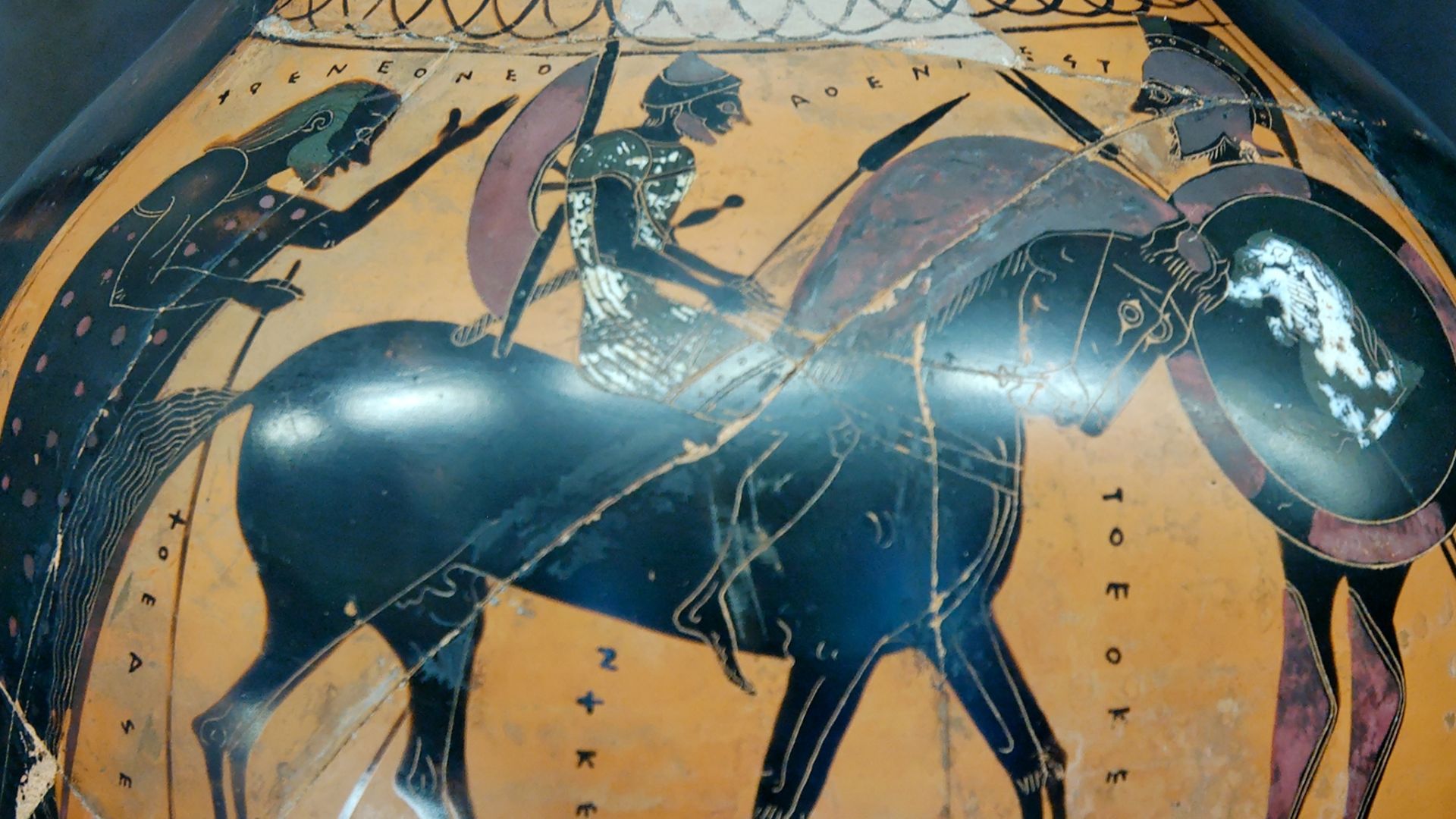 Marie-Lan Nguyen, Wikimedia Commons
3. Friends In High Places
The very attainment of the title of knight meant one was already at least somewhat associated with higher-born individuals. Another knight, a head of state (usually a monarch), a monarchical representative, or the Pope were the only figures that could bestow the honorary position on someone. They were not just dishing out the title to anyone, either.
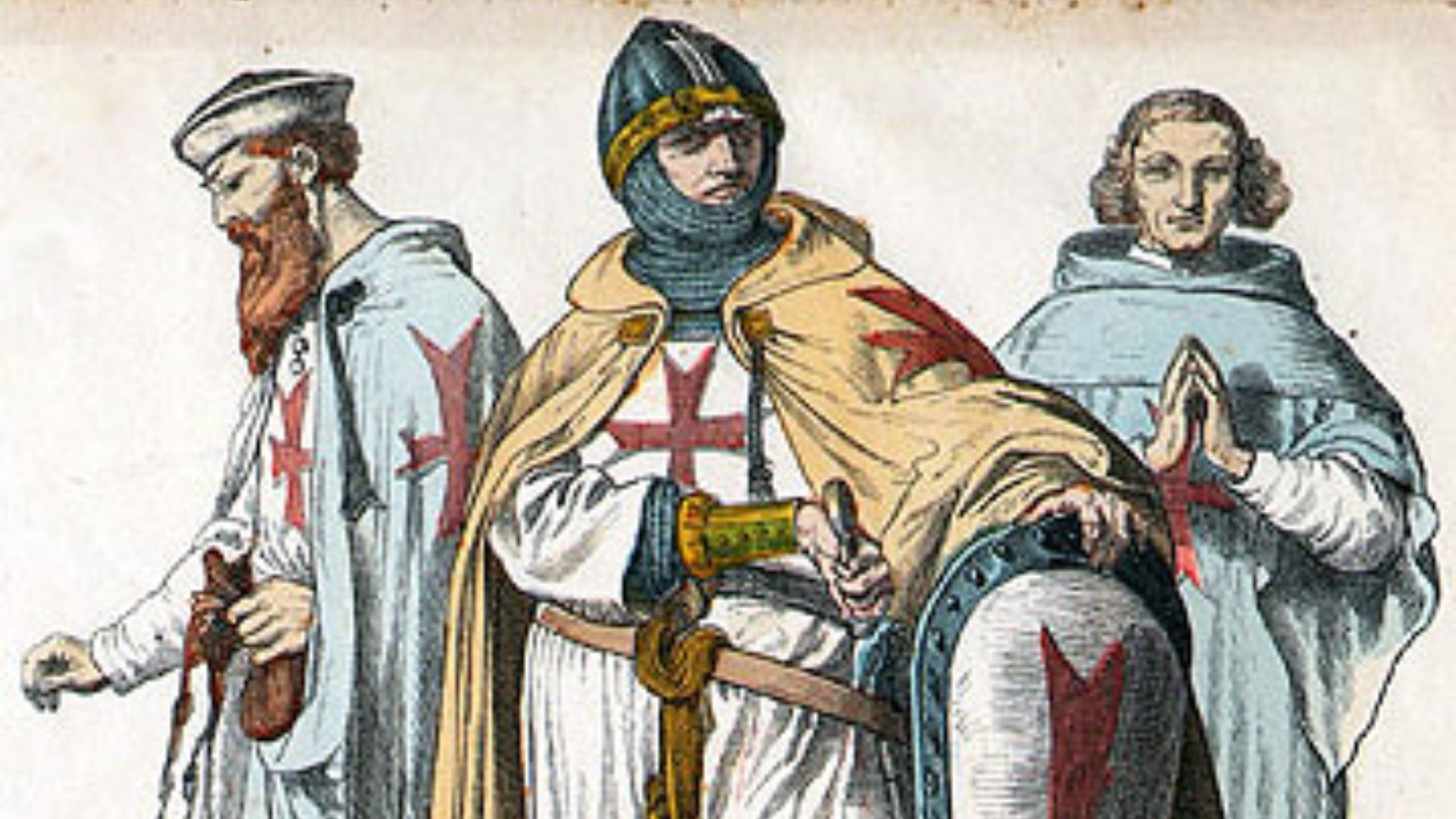 Unknown authorUnknown author, Wikimedia Commons
4. Prowess On Horseback
As suggested by their taking inspiration from Greek cavalry, authorities almost exclusively conferred knighthood upon mounted warriors, largely in Western Christian Europe in the Middle Ages—though there are some notable exceptions to this, with at least one knight known from the Muslim world. And the title did not come easily to these horsed men.
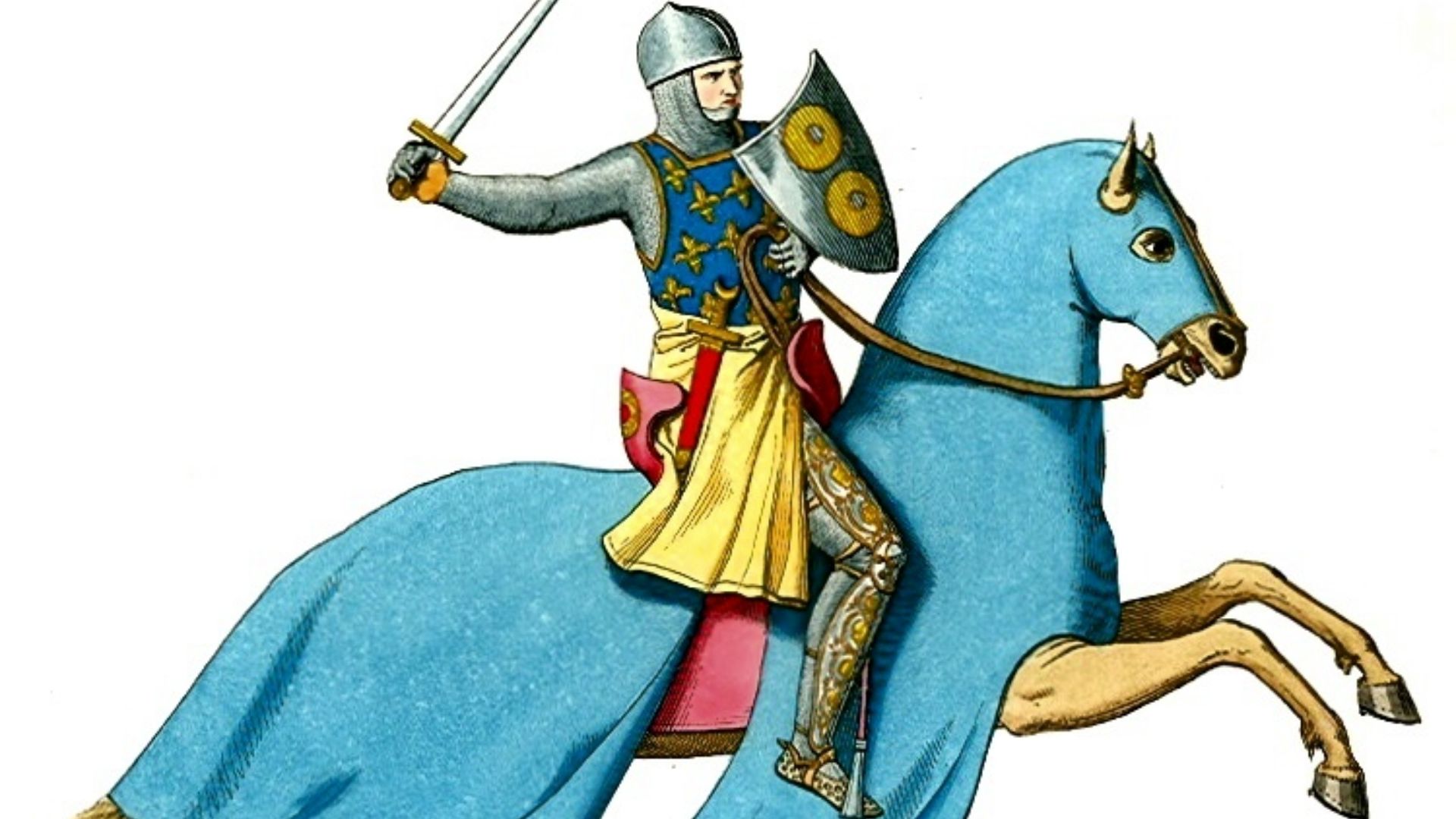 Paul Mercuri, Wikimedia Commons
5. A Title Earned
It could be trusted that most knights were competent and accomplished warriors. This is because, particularly in the early days of the practice, the title got bestowed on men who showed bravery and skill in service to the monarchy, church, or country, meaning almost all early knights received the position because of thrilling feats in battle. And while most were from the upper crust of society, the position afforded some the potential for upward mobility.
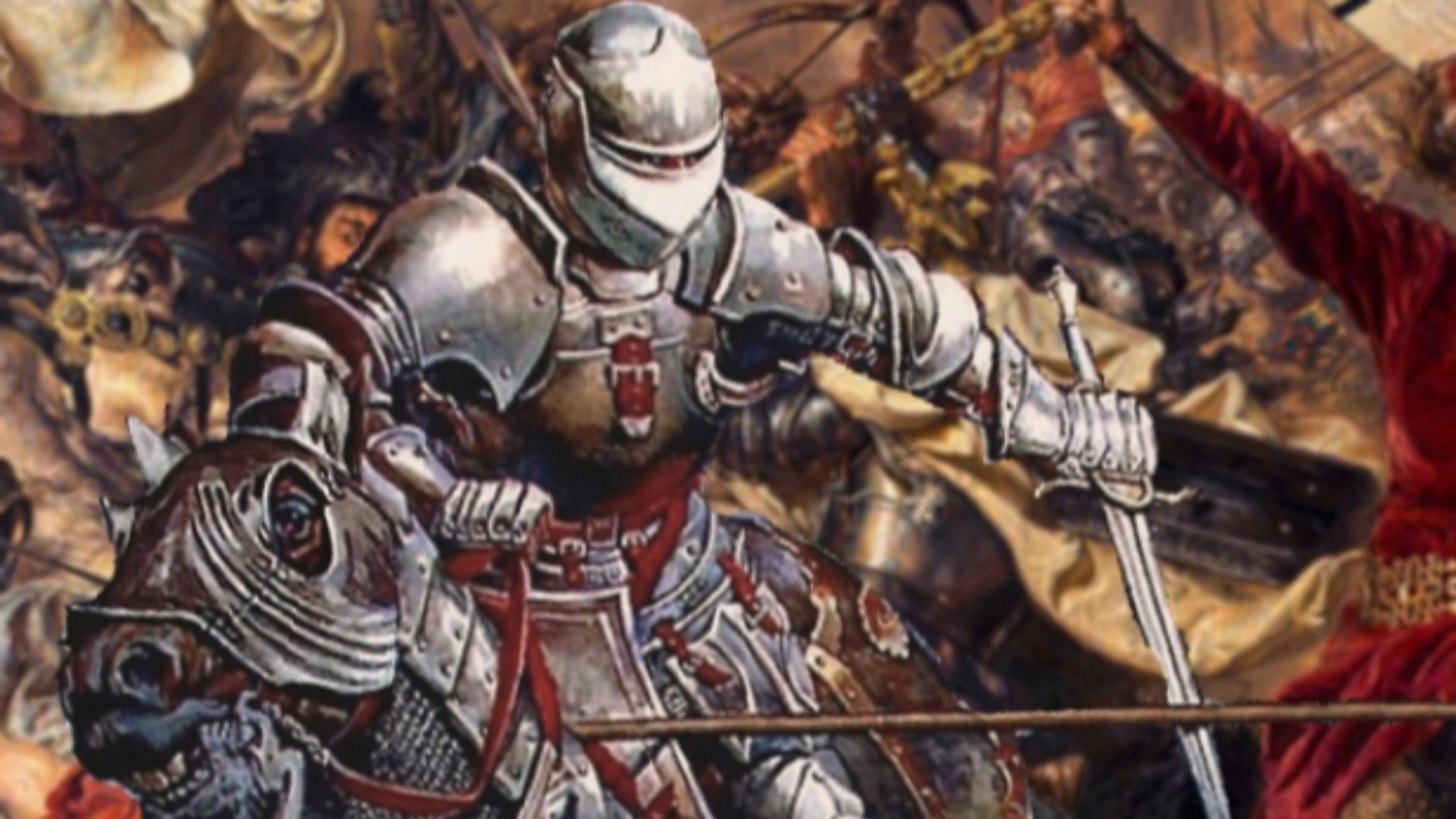
6. A Way Out
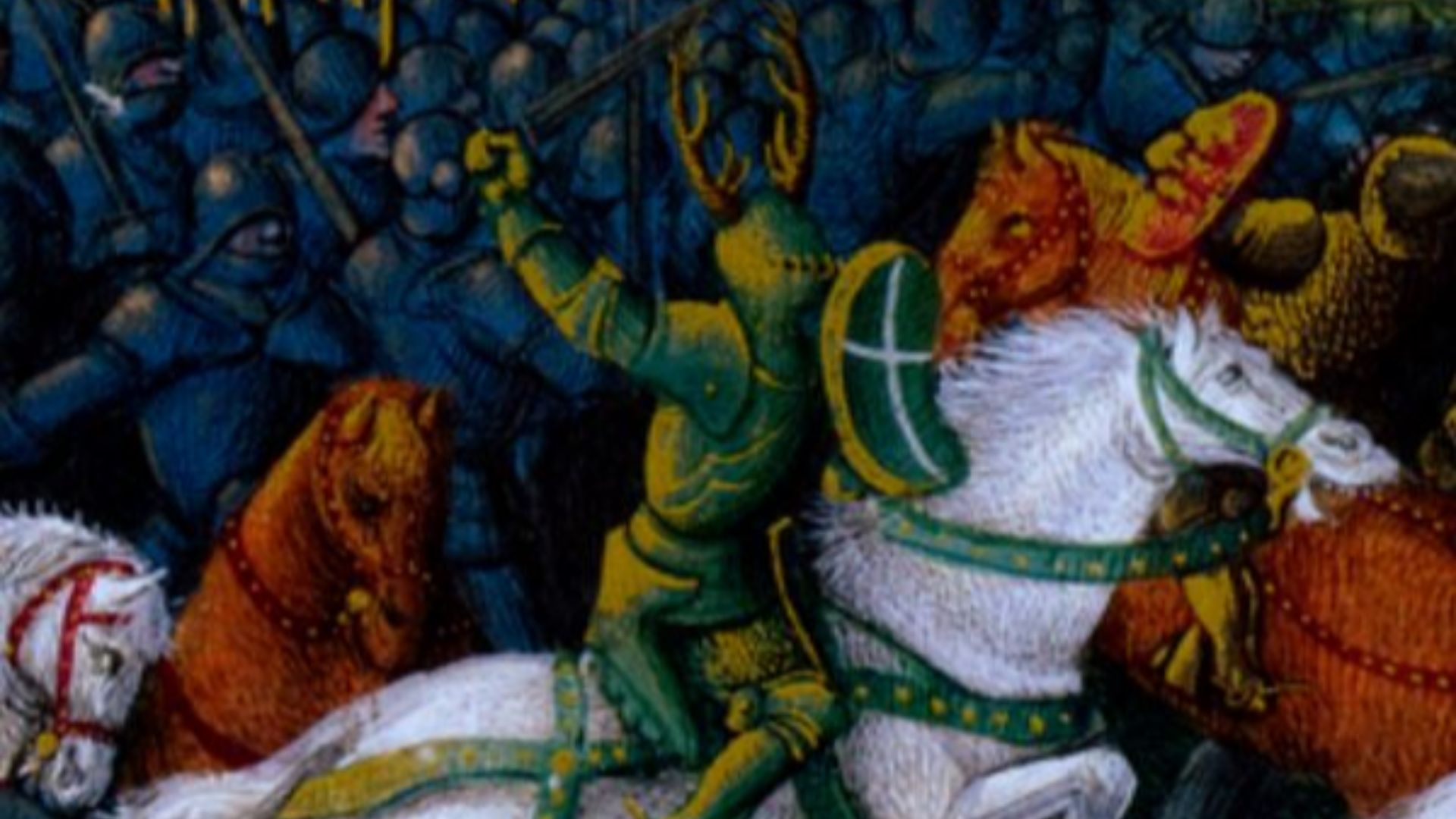
Most knights were noble born, typically already sons of knights or lords. However, there were rare exceptions. If a commoner showed extraordinary bravery or capability in battle, there was a chance a person of authority could knight them as reward for their service, making it one of the few avenues for class mobility in the Middle Ages. At times, there was even a sharp increase in knighthoods given.
 Jean Colombe, Wikimedia Commons
7. Boom Times
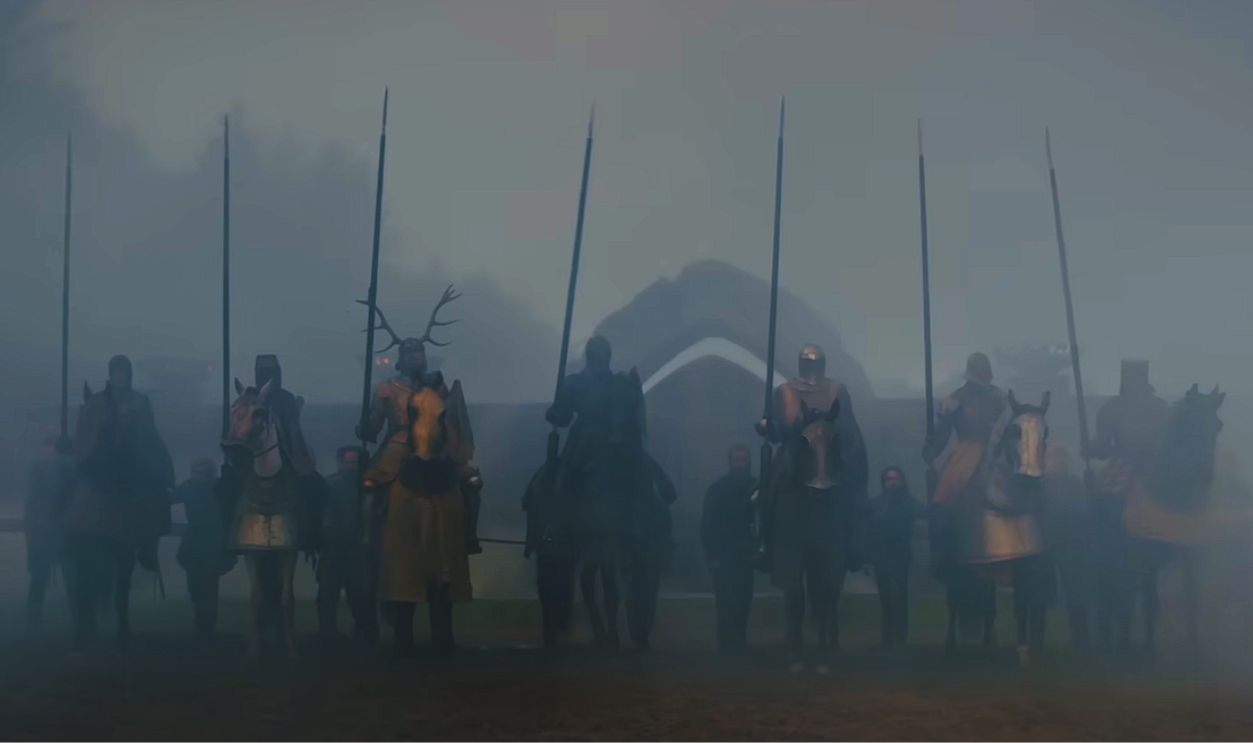
Because knights were invaluable on the battlefield, it followed naturally that the number of knighthoods would greatly increase during times of conflict. European monarchs were desperate for skilled fighters for their armies, and the allure of knighthood was a good motivator for capable warriors of lower birth. And every man, from king to commoner, has a price.
 Screenshot from A Knight of the Seven Kingdoms, HBO (2026–present)
8. Pay To Play
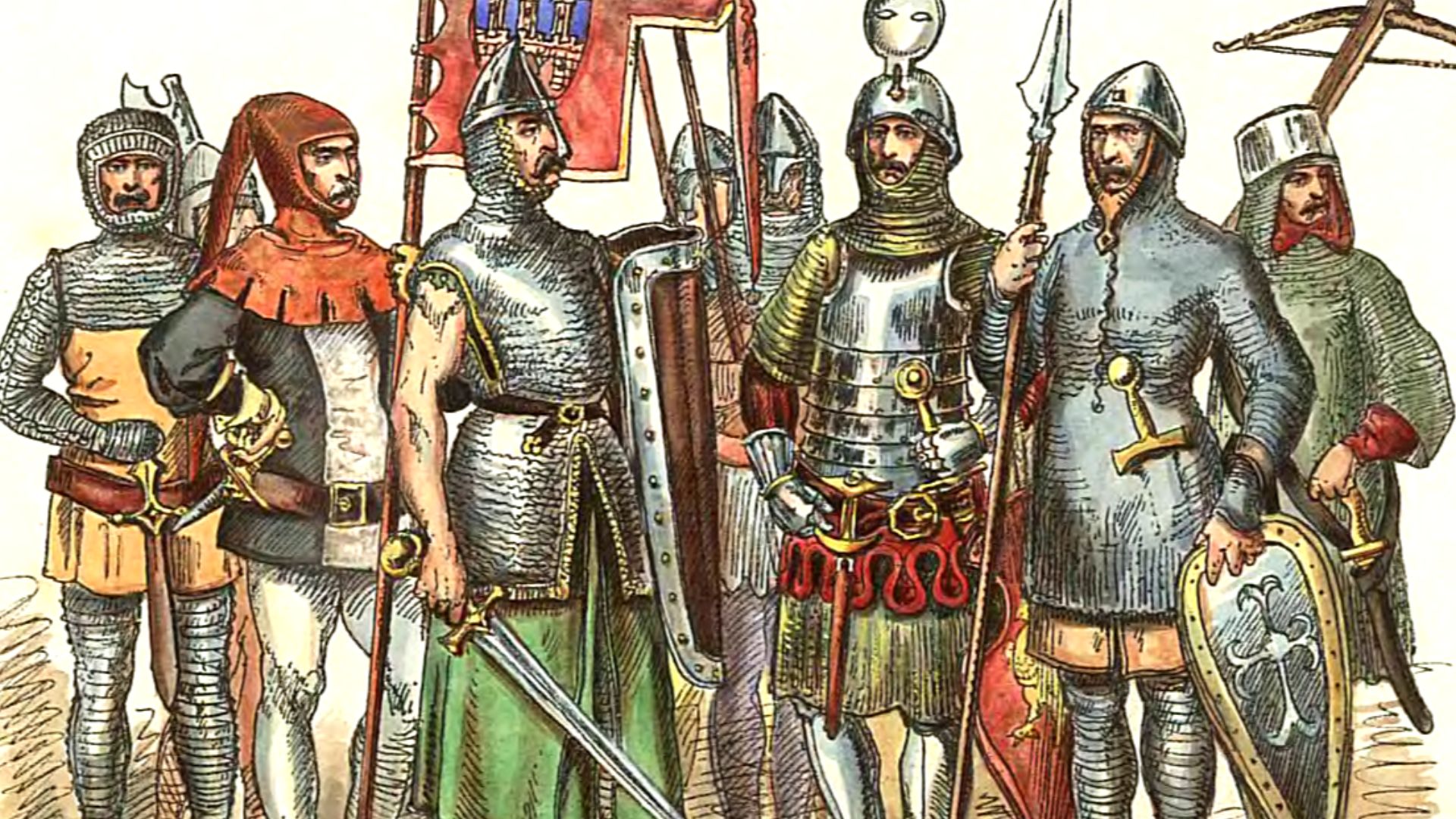
Of course, kings needed money for conflict as well, and thus the position of knight was purchasable by wealthier noble families who did not yet count the title among their family honors. This practice, too, was more common outside of peacetime. But for the vast majority of knights, the process was a grueling matter of climbing ranks.
 Jan Matejko, Wikimedia Commons

History's most fascinating stories and darkest secrets, delivered to your inbox daily.
9. Page One
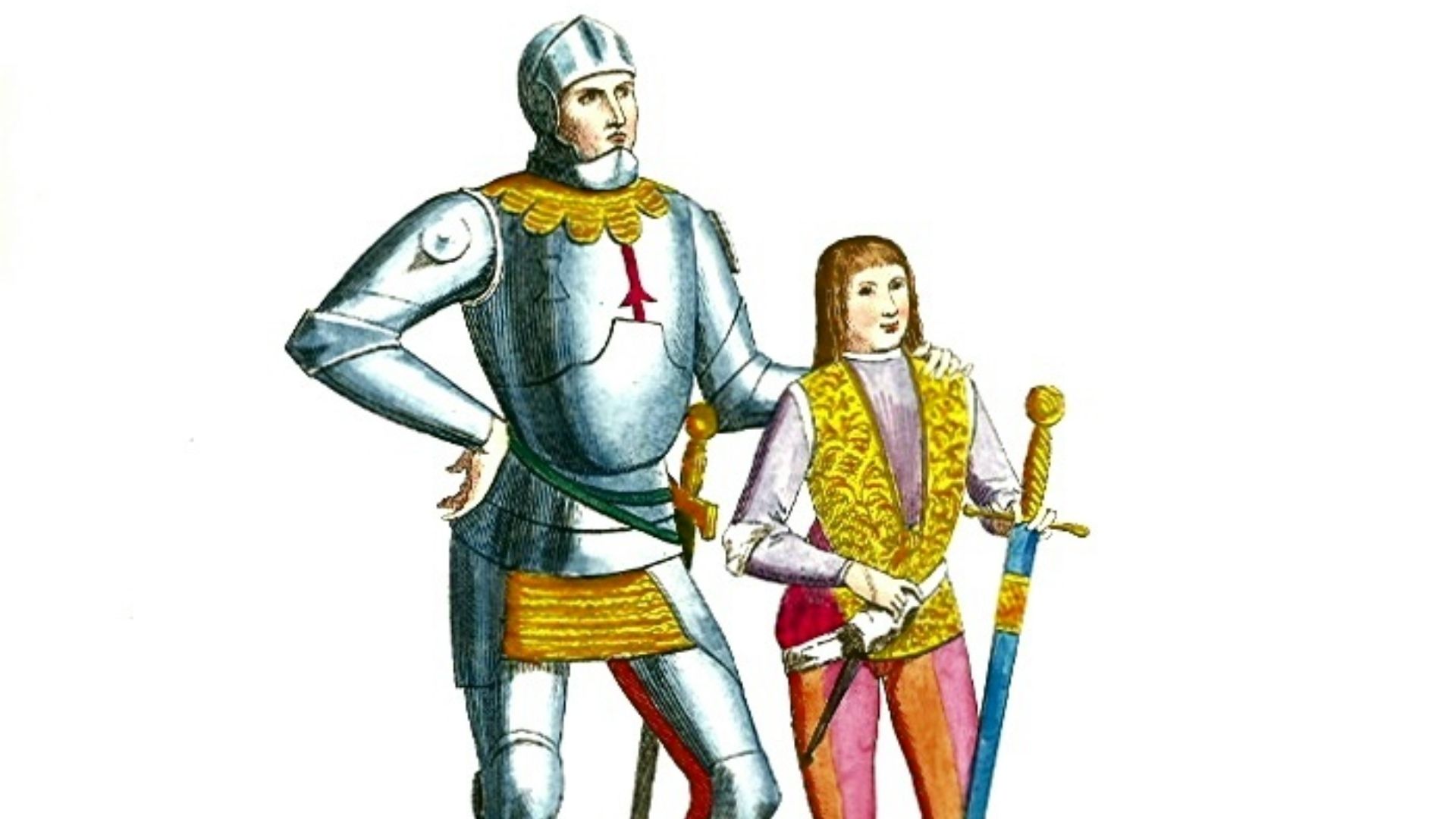
The most typical route to knighthood was generally undertaken by the son of a lord or other knight, and it began at around seven years of age. These young boys received the title of page and taken into the care of a castle’s lords for training. They started off with the easy stuff.
 Paul Mercuri, Wikimedia Commons
10. Playing Pretend
The page stage generally lasted from the age of seven to around 13 years old and involved a relatively intense training regime. Lords in charge made sure the children’s lives were not in serious danger, however. A page’s initial training was done with mock weaponry, and it taught them to respect the risks of fighting with real swords. They weren’t just confined to the castle, either.
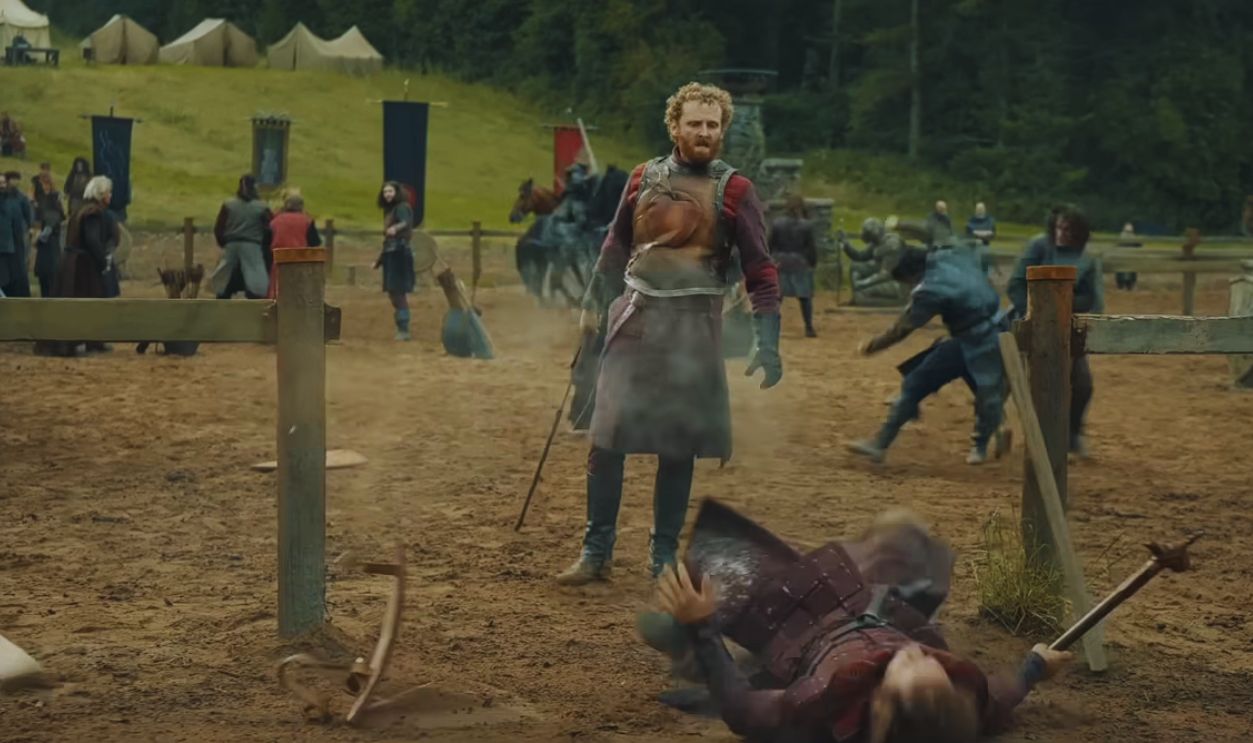 Screenshot from A Knight of the Seven Kingdoms, HBO (2026–present)
11. Animals 101
A page’s education was not just about swordcraft. They also received early familiarity with horses, both riding and caring for the animals, and got tasked with working the stables. Teachers also brought pages along on hunting trips, where they received instruction in catching dinner and taught the beginnings of self-sufficiency. And like everything else in medieval life, their comfort during all this depended on their social standing.
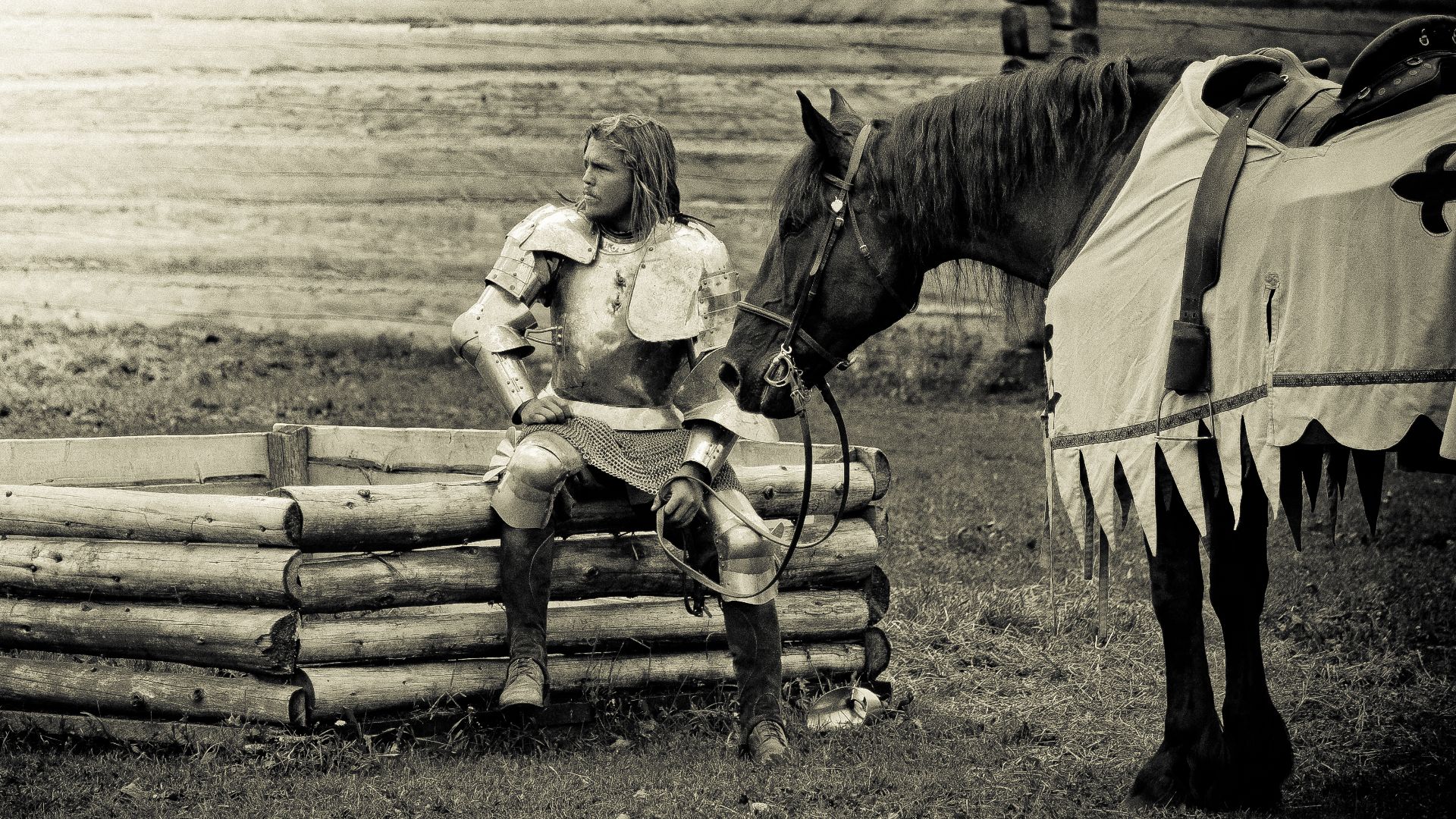
12. Sliding Scale Lodgings
The location of a page’s training varied based on their class. A young man from a noble family was most commonly sent to the King’s court for such training. Youths from more modest aristocratic families and commoners, however, were more likely trained at their local castle by the knights and men-at-arms stationed there. But regardless of the environment, the next rank was the same.
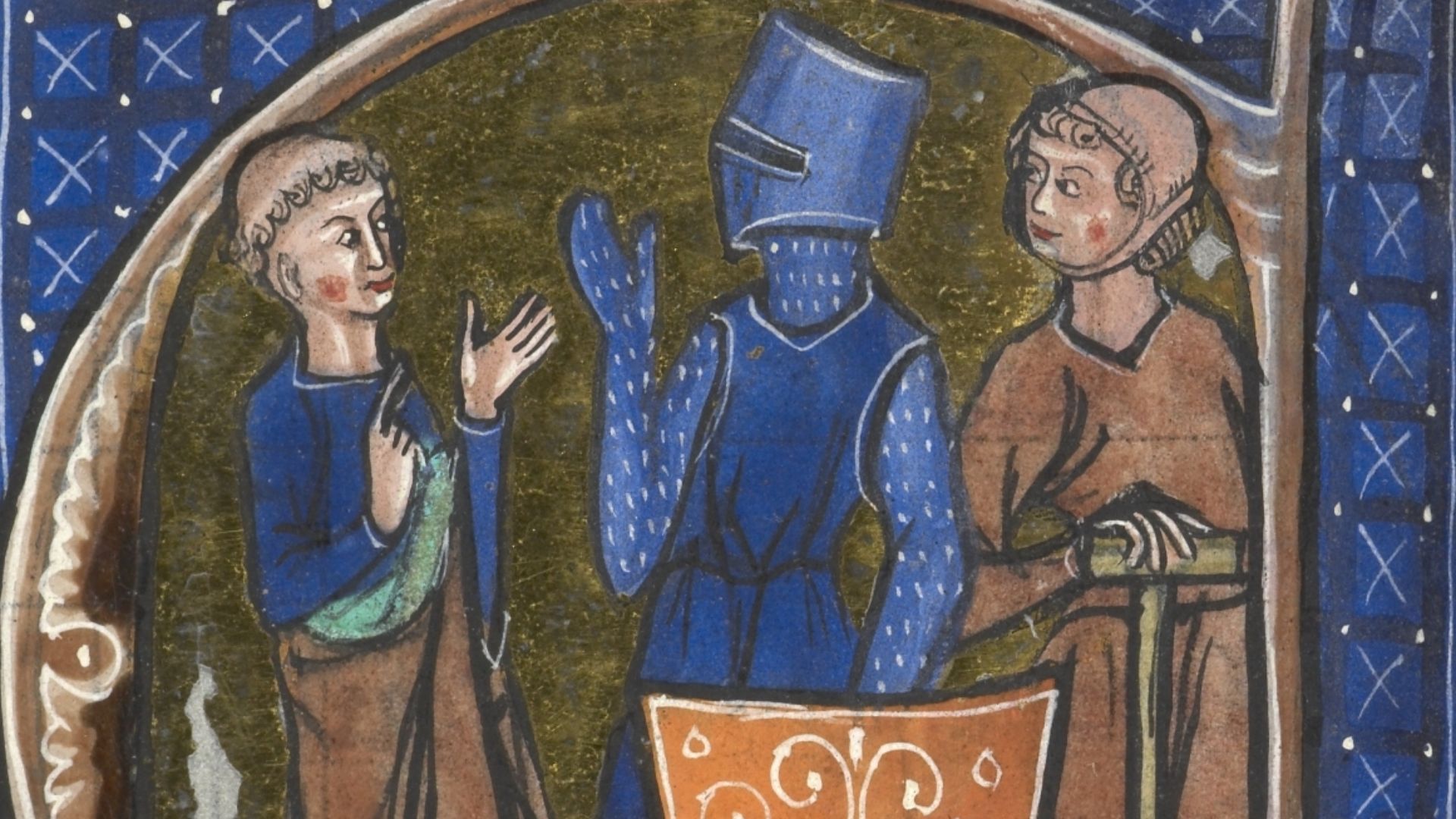 Unknown authorUnknown author., Wikimedia Commons
13. Squire Away
After graduating from pagehood at around the age of 14, a boy next became a squire. This transition involved a religious ceremony where the new squire would swear upon a consecrated sword that he would uphold his duties to his lord’s household. And though it was a step up, a squire’s work was not much more glamorous than that of a page.
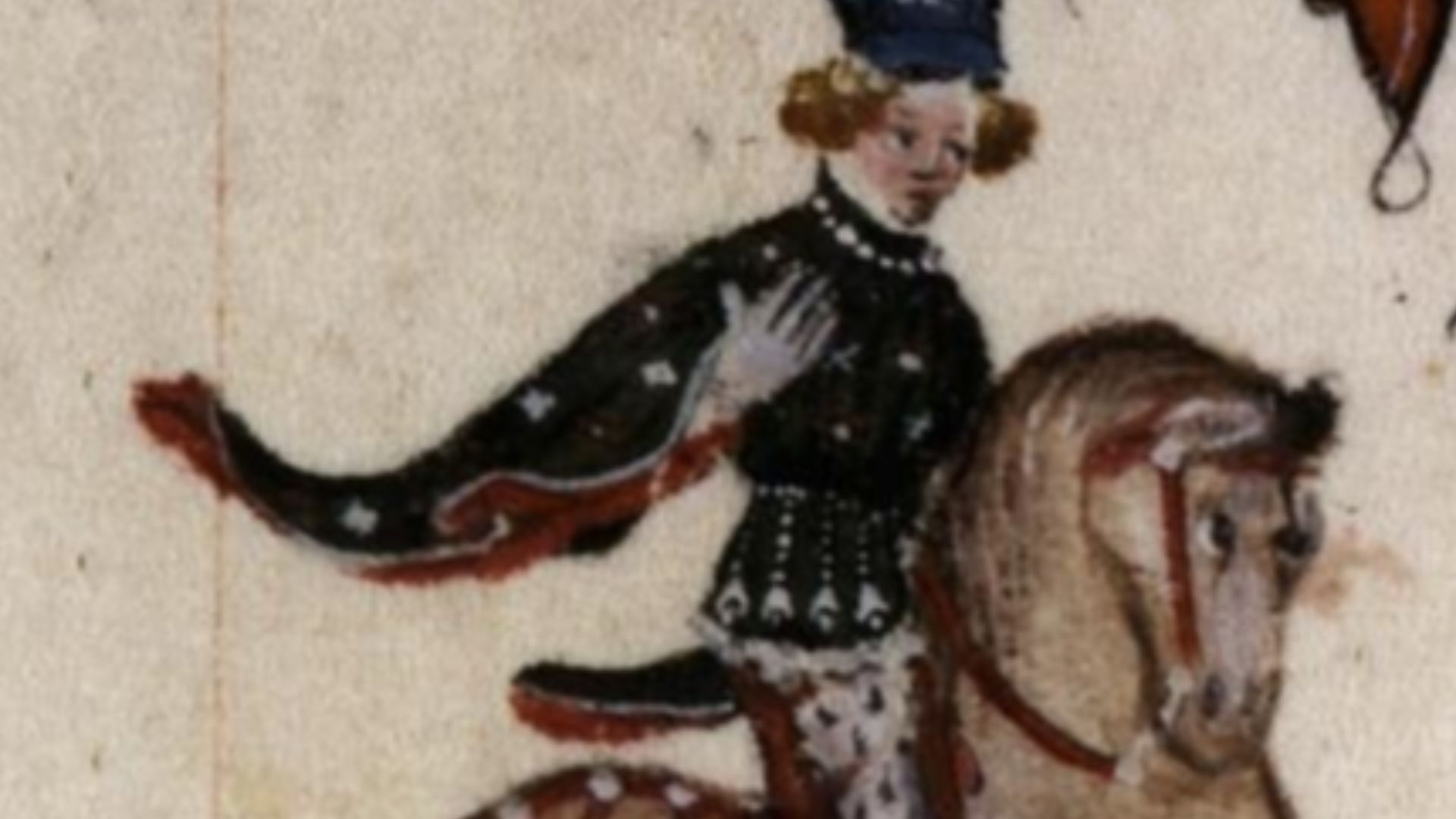 AnonymousUnknown author, Wikimedia Commons
14. Personal Assistants
A squire’s principal duty was to look after their master, a full knight. This involved a laundry list of chores: a knight expected his squire to clean his master’s sword, polish his armor, look after his horses, help him dress for battle, hold his shield and lance until required, and much more. There were some benefits to promotion too, of course.
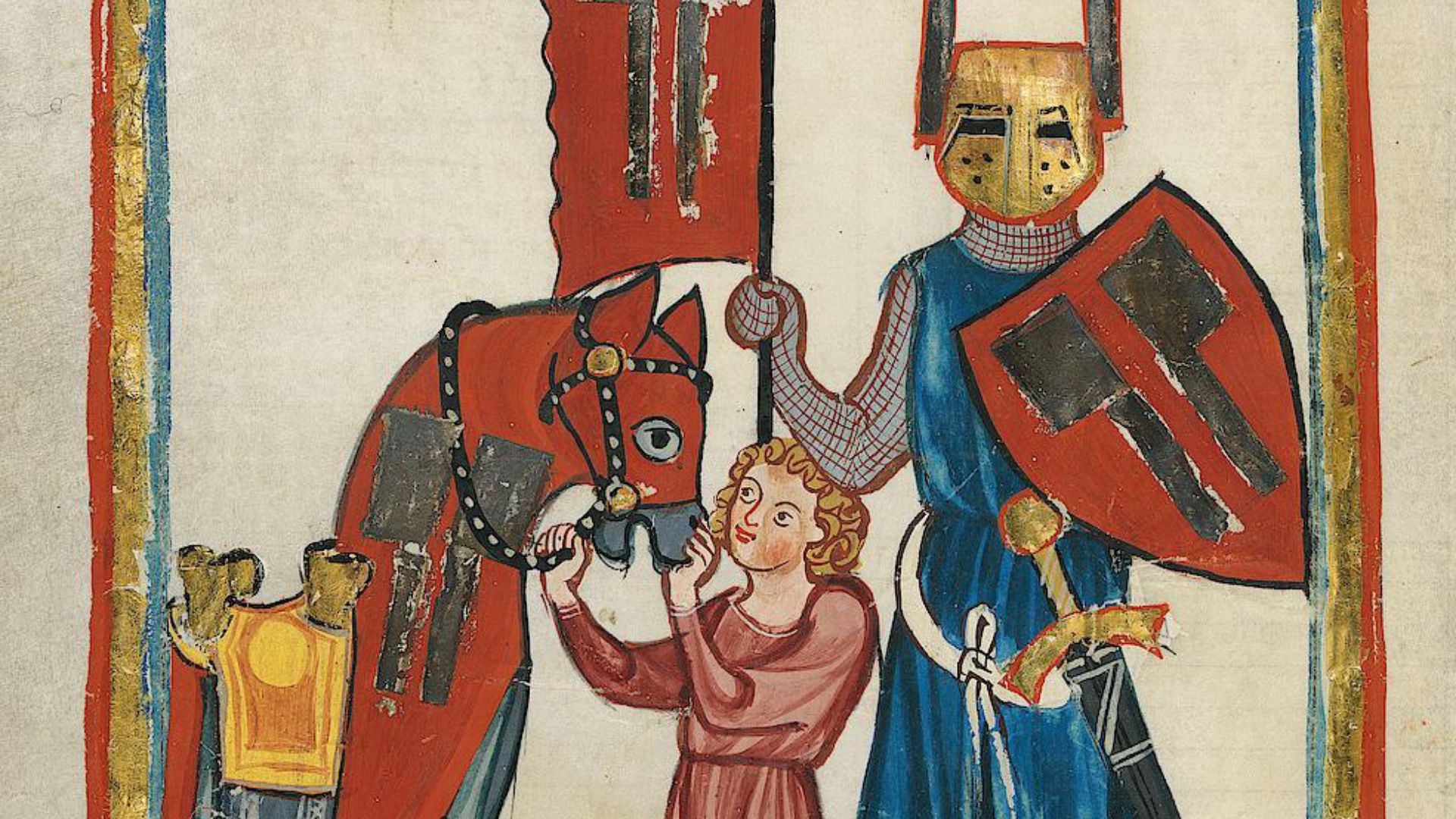 Master of the Codex Manesse, Wikimedia Commons
15. The Real Stuff
Squires were no longer considered kids, and with that came the responsibility of danger. The young lads could now train with real swords and properly hone their skills in horsemanship. Their knightly masters made sure they got proper training, too.
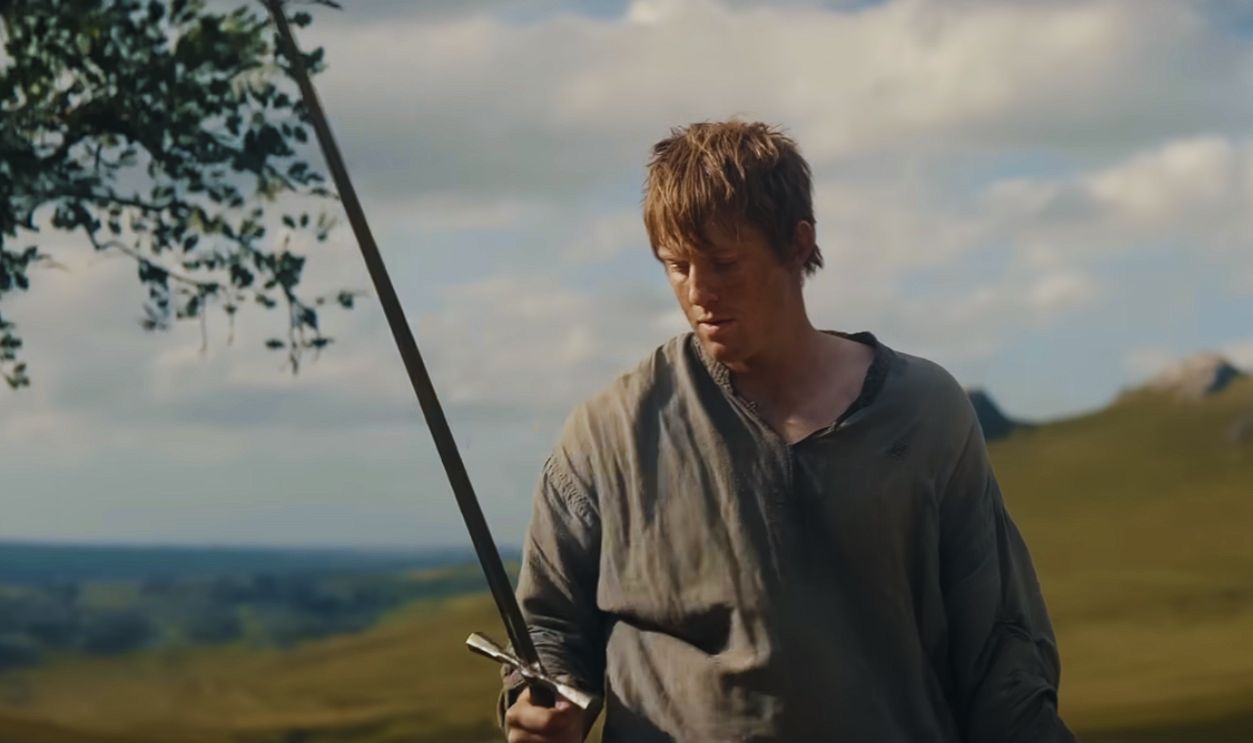 Screenshot from A Knight of the Seven Kingdoms, HBO (2026–present)
16. Heavy Is The Hand
Squires trained with both sword and lance, and knights had some creative methods for beefing up their underlings. They often made swords intentionally heavier than used in actual battle later. There were two reasons for this: for one, it would strengthen the growing boys’ muscles; the other clever advantage was that heavier practice instruments made real fighting seem like a breeze by comparison. They had brawn covered, but squires needed brain training too.
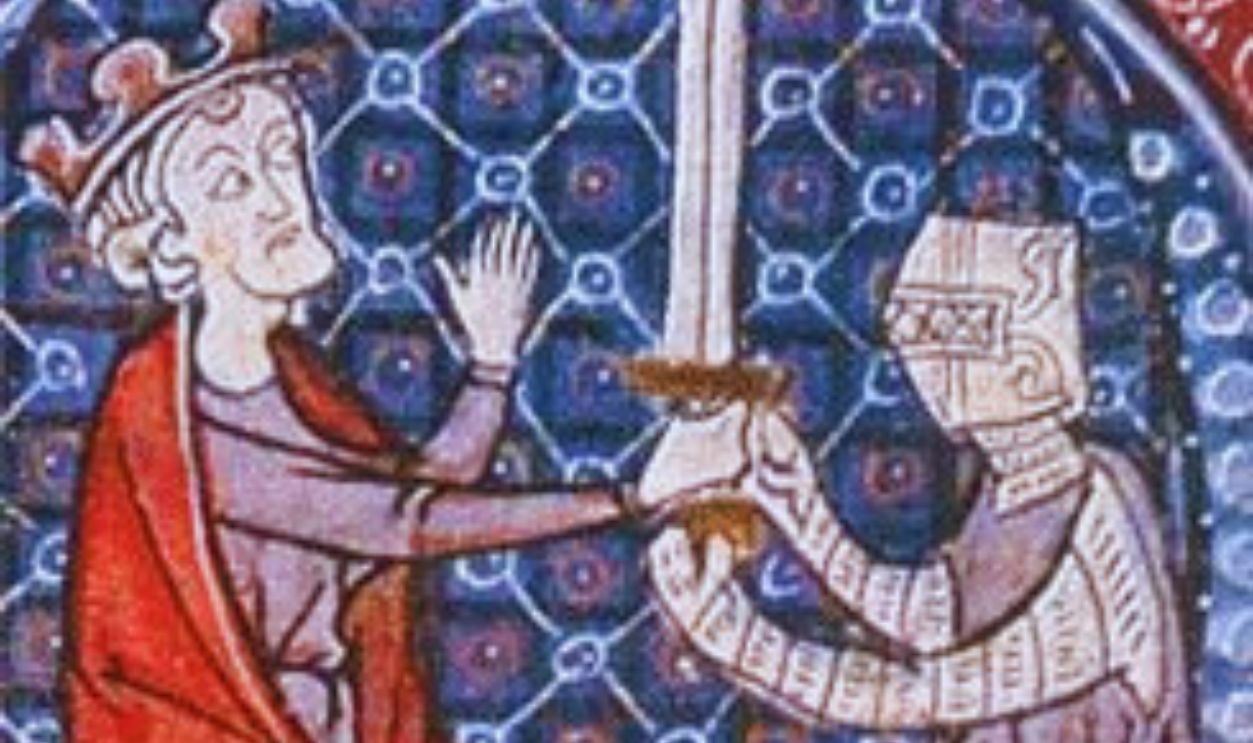 http://manuscriptminiatures.com/3913/14012/, Wikimedia Commons
17. Knights Of The Well-Rounded Table
Upon becoming a squire, a boy’s academic education became more of a focus, too. Squires would study music and dance and would learn to read and write in Latin and their local language. But there was one subject that was a requirement for any would-be knight.
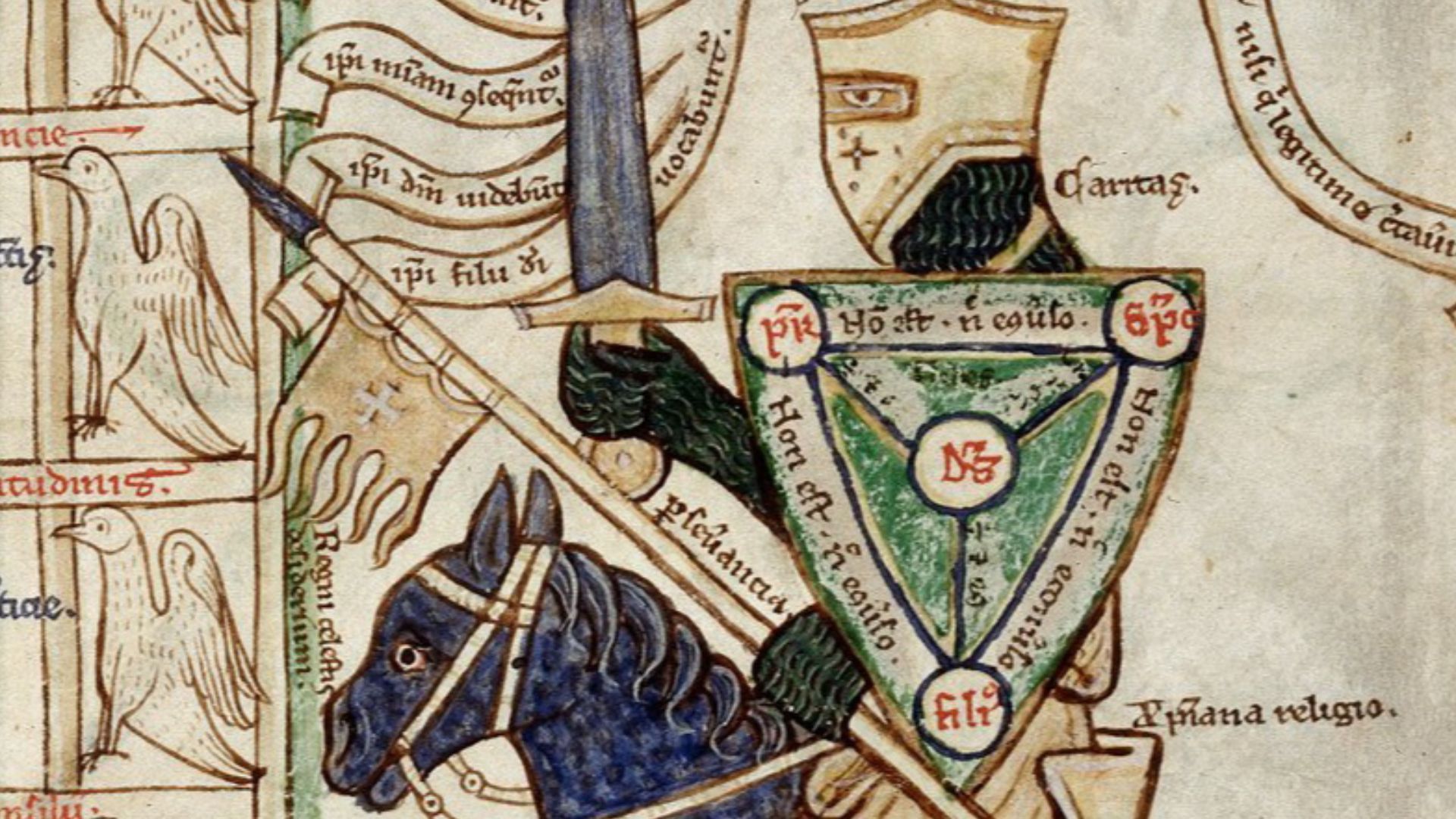 Guilelmus Peraldus, Summa de virtutibus et vitiis, Wikimedia Commons
18. Knightly Manners
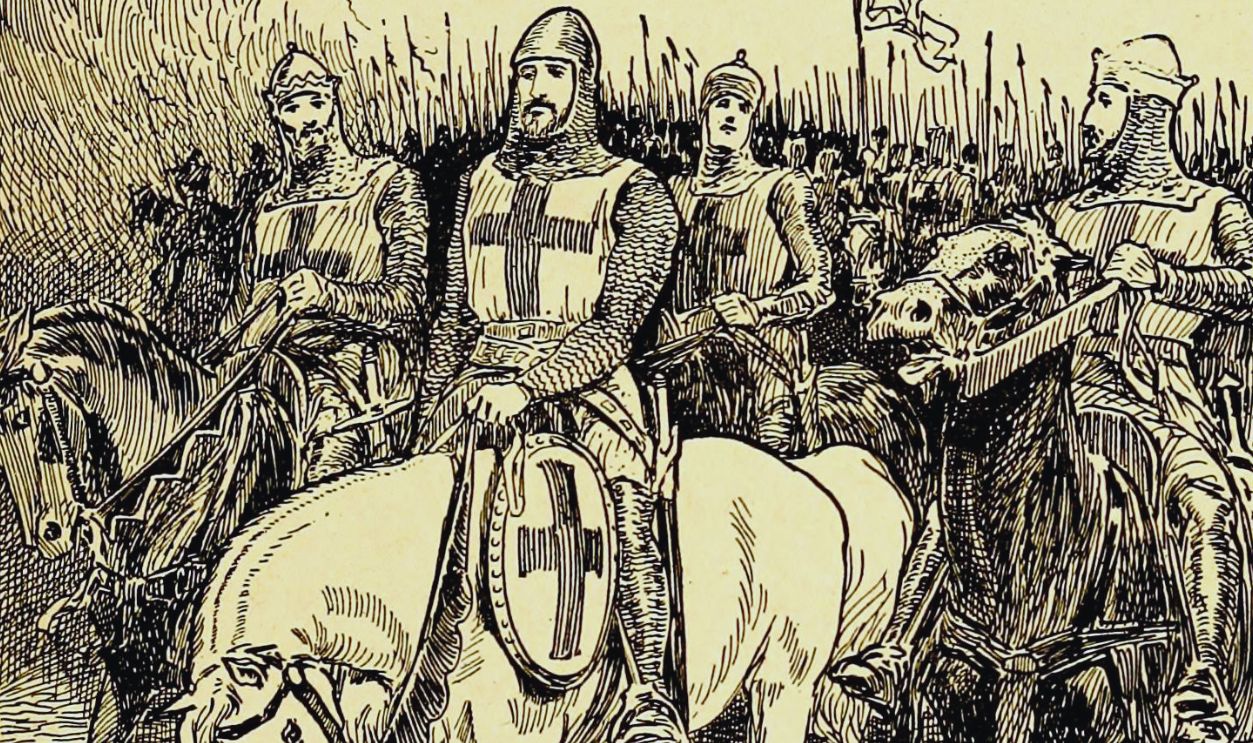
There is one quality associated with knighthood that is ubiquitous in any mention of them, so much so that it was a topic of study for squires: chivalry. Indeed, trainee knights were required to pour over tomes on the subject of chivalry and tested on their familiarity with chivalrous customs. They learned humility too.
 Internet Archive Book Images, Wikimedia Commons
19. To Protect And Serve
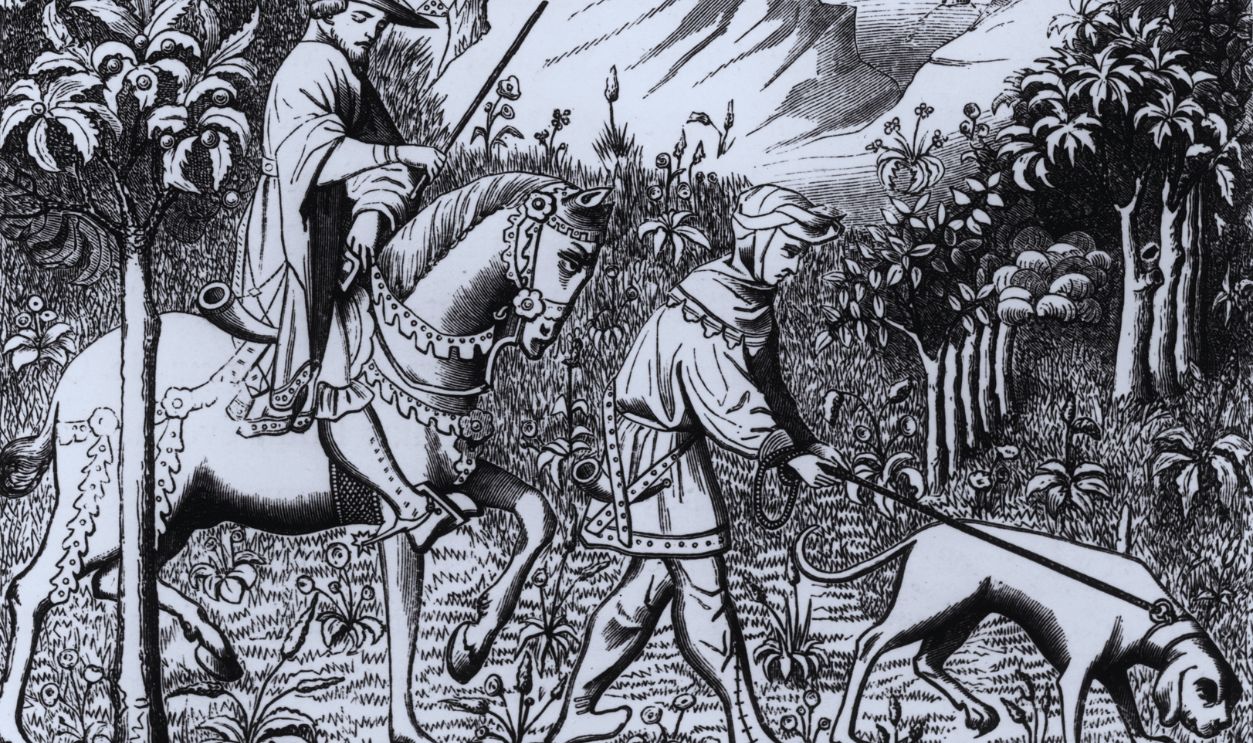
Squires were now given the responsibility of leading hunts of their own, but they would quickly send the meat they acquired on their excursions up the ranks, forming the basis of their master’s meals. And if that wasn’t enough, knights also expected squires to serve at their table, waiting on their masters and filling their cups. They got a taste of power too, however.
20. Pay It Forward
One duty that most squires likely relished was their responsibility for the pages, with whom knights permitted them to pass on knowledge and dish out discipline as needed. It must have been nice for the put-upon squires not to feel at the very bottom rung of the ladder. But duty sometimes called them to the front lines, too.
 Screenshot from Kingdom of Heaven, 20th Century Fox (2005)
21. Battlefield Assistance
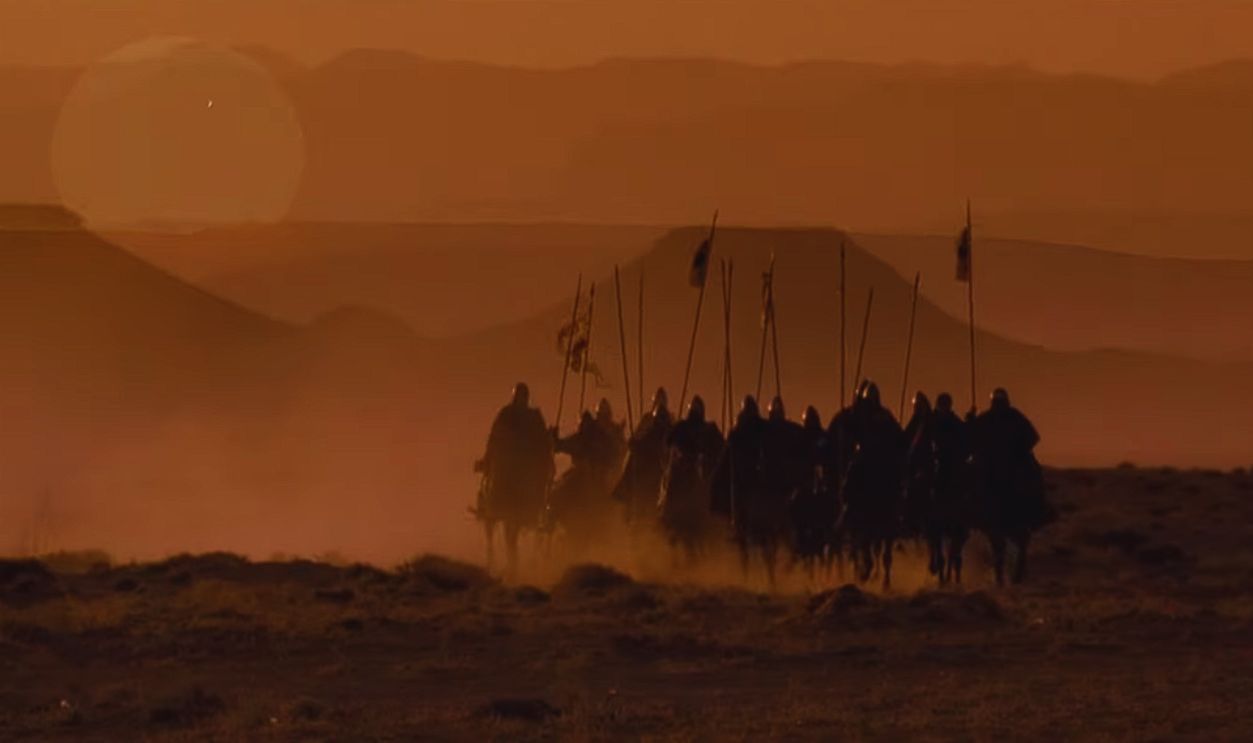
Perhaps the most terrifying time of a squire’s life was when they followed their masters to battle. On the way to the battlefield, squires would ride ahead of knights with extra horses and supplies. Once the fighting kicked off, the squire would follow the knight with an extra, providing him with his lance and shield and replacing his horse if it got felled. Squires were even responsible for extracting wounded knights from the battlefield.
It was a terrifying but valuable opportunity to show their bravery, and truly separated the men from the boys.
22. Graduation, Resignation, Or Stagnation
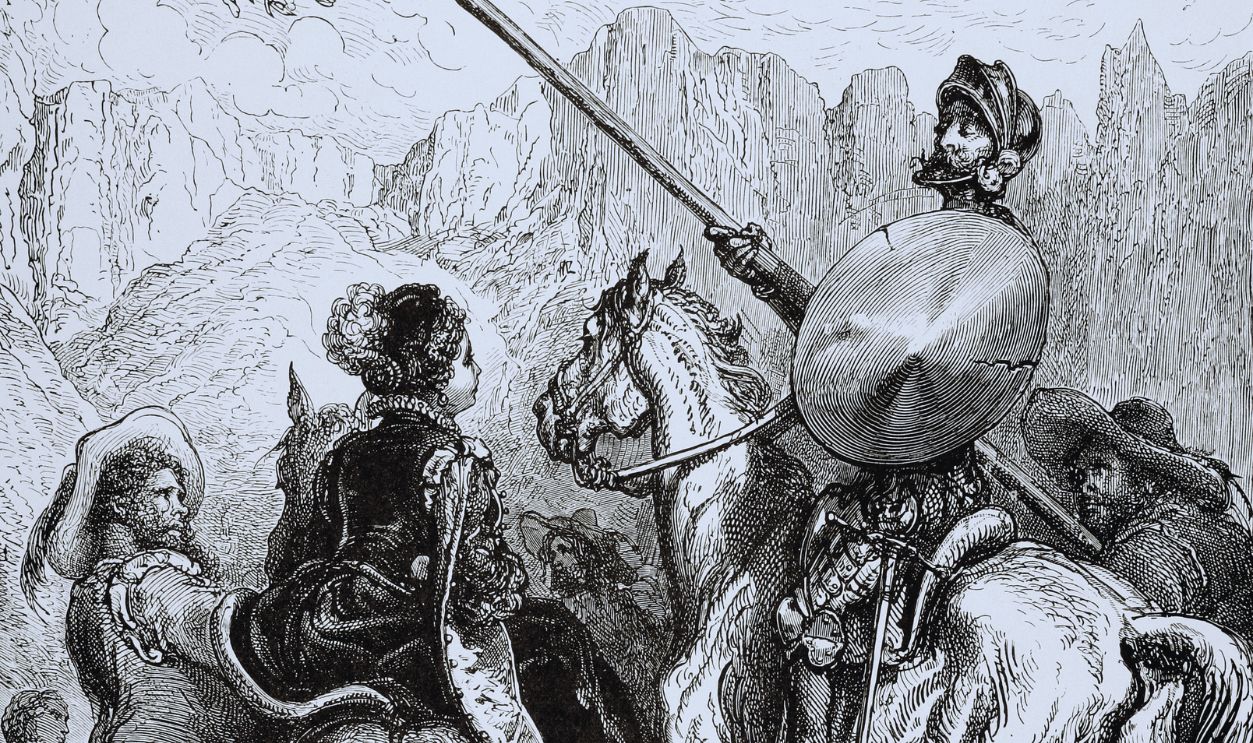
By the age of 18 or so, a squire’s training was usually complete—but not all made the jump to knighthood. Some would fail the training and instead take on a role in the church or at court; others simply remained a squire for life, serving knights as a career, often out of financial necessity because they could not afford the costs of knighthood. But for those skilled (and rich) enough to make the leap, a grand ceremony awaited them.
23. I Dub Thee
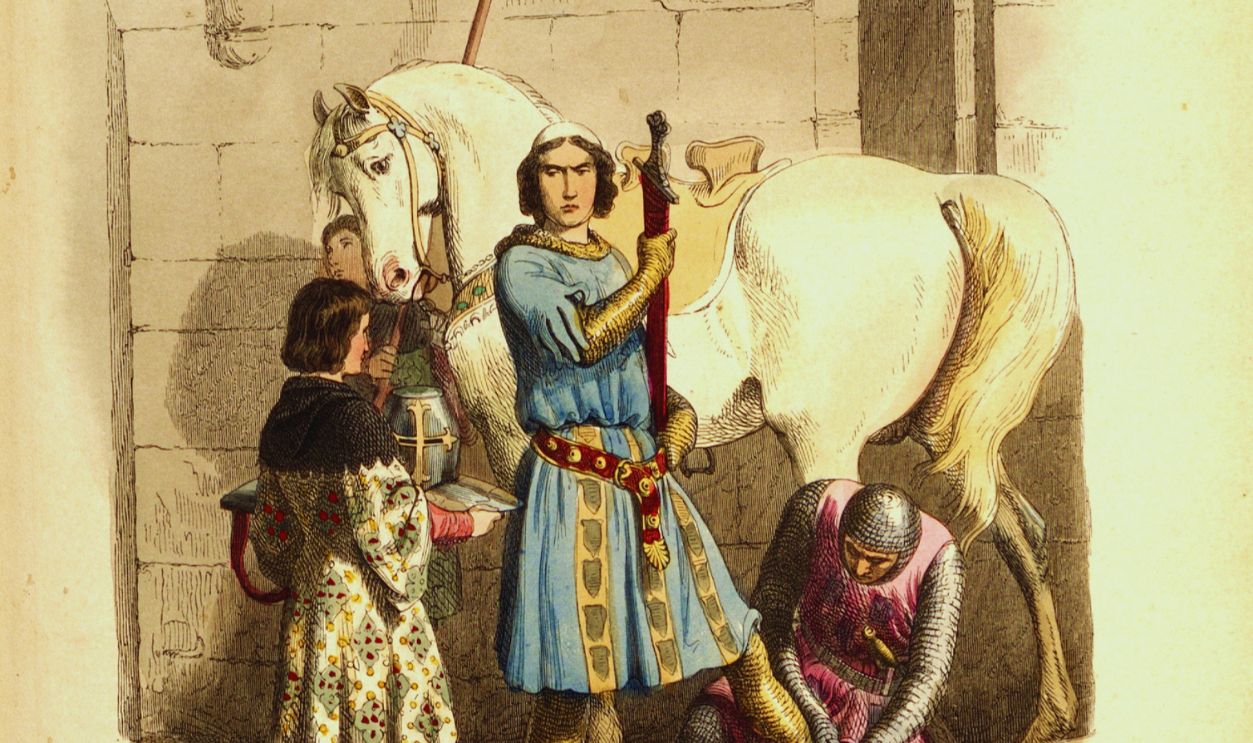
The knighting ceremony was called “dubbing” and was a celebrated and elaborate ceremony. Preparation began the day before with the knight-to-be scrubbing up with a bath and a shave. They spent the night before in quiet prayer and contemplation in the chapel, their ceremonial sword resting on the altar.
The ceremony itself involved the squire, dressed in a symbolic outfit of white, black or brown, and scarlet, kneeling before a knight (or the king), who tapped the squire on the shoulders with a sword. The young man kneeled a humble squire and rose into a new life.
24. Class Mobility
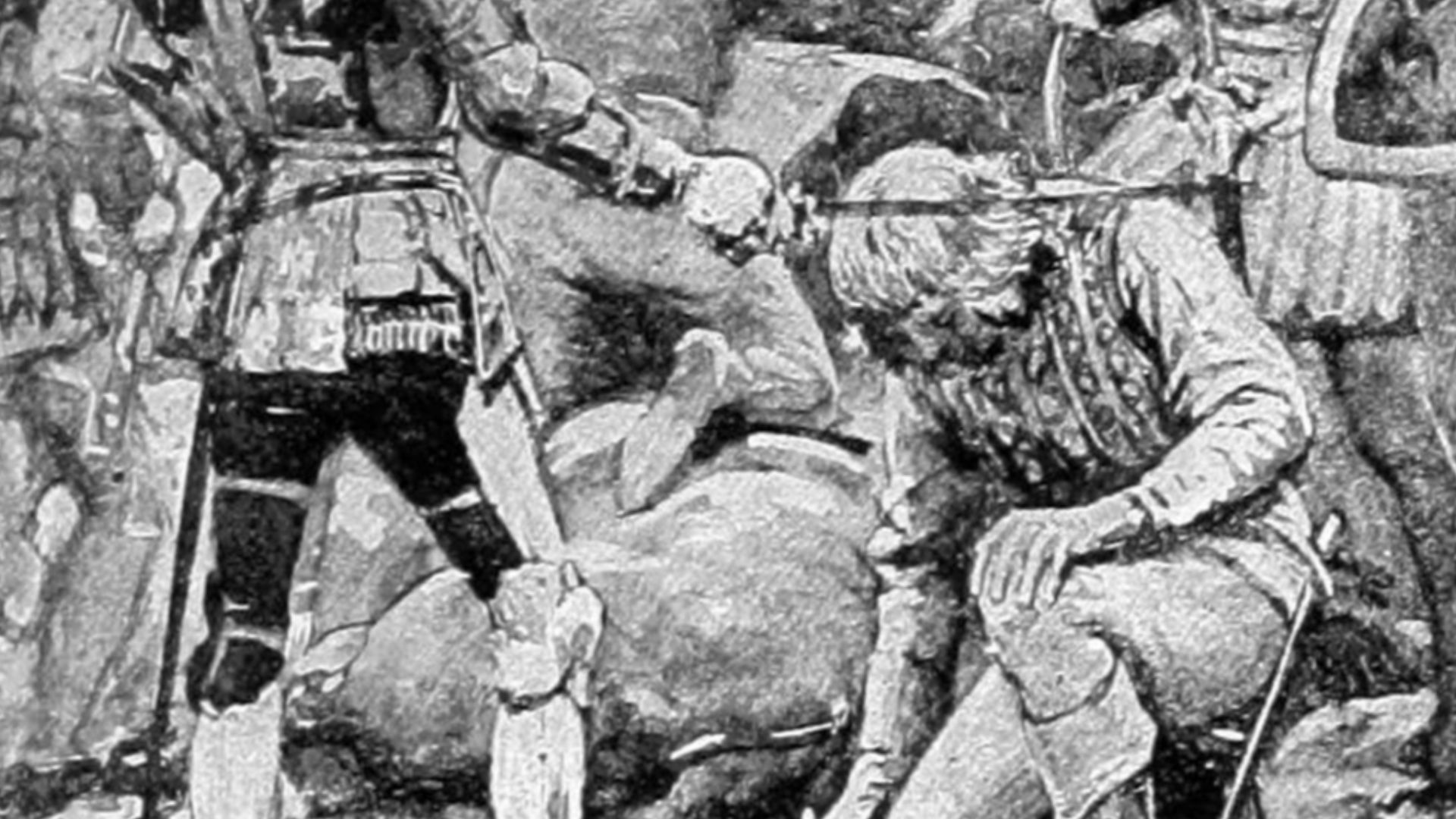
During the Middle Ages, society considered knighthood a petty noble class. For most knights of relatively high birth, this would not have been much of a change from their previous standing, but for knighted commoners, this represented a huge step up the social ladder. Regardless of previous class, however, authorities expected all knights to uphold the same ideals.
25. Staying On Brand
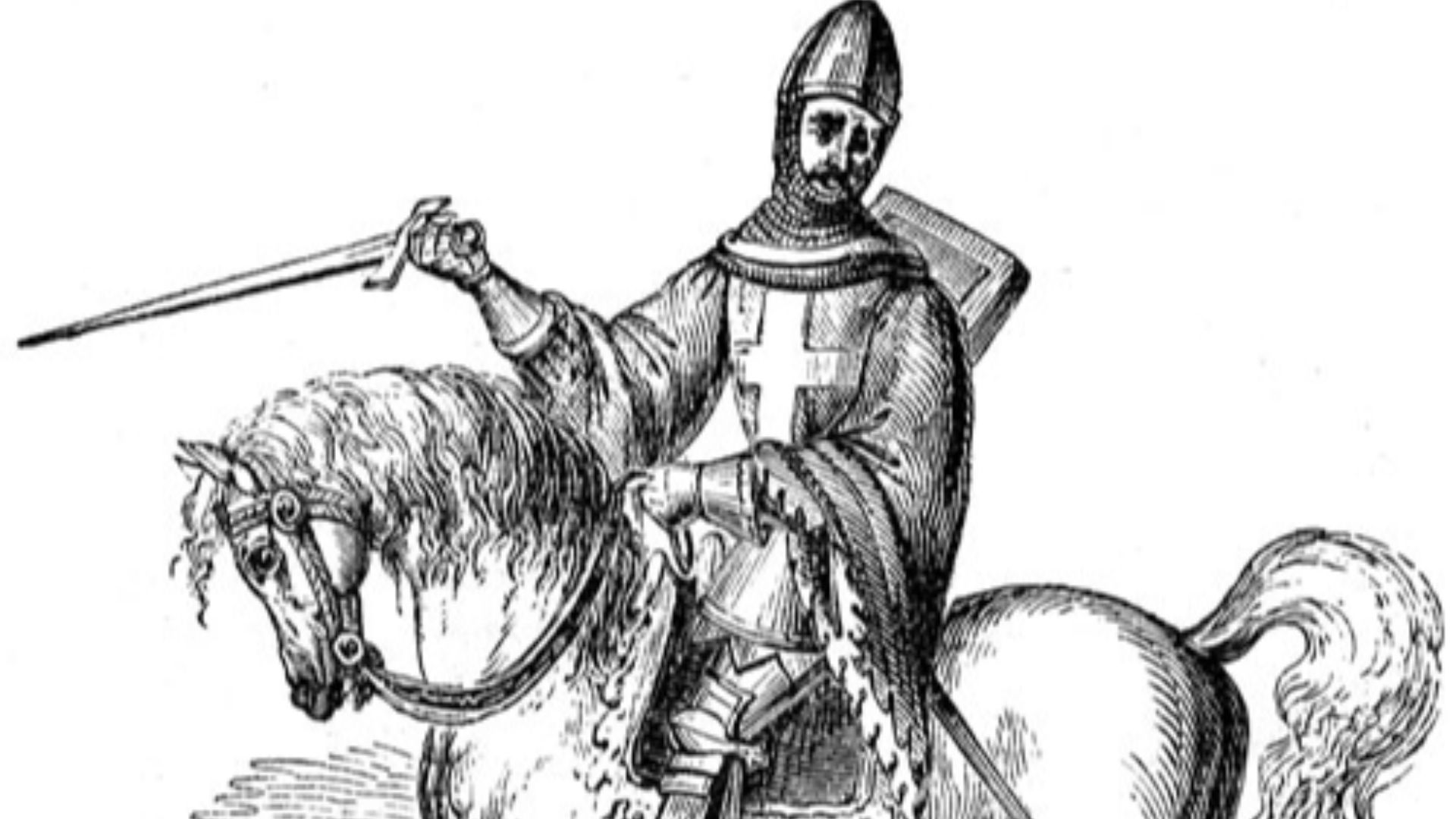
From its origins, the rank of knight quickly became associated with the ideals of chivalry and a knightly code of conduct studied at the squire level. The role was inseparable from the dominant religion of the time too: a knight’s code was intended to create the perfect courtly Christian warrior. Rather than guiding young knights, however, the code of conduct was more of a deterrent.
26. Do’s, But More Don’ts
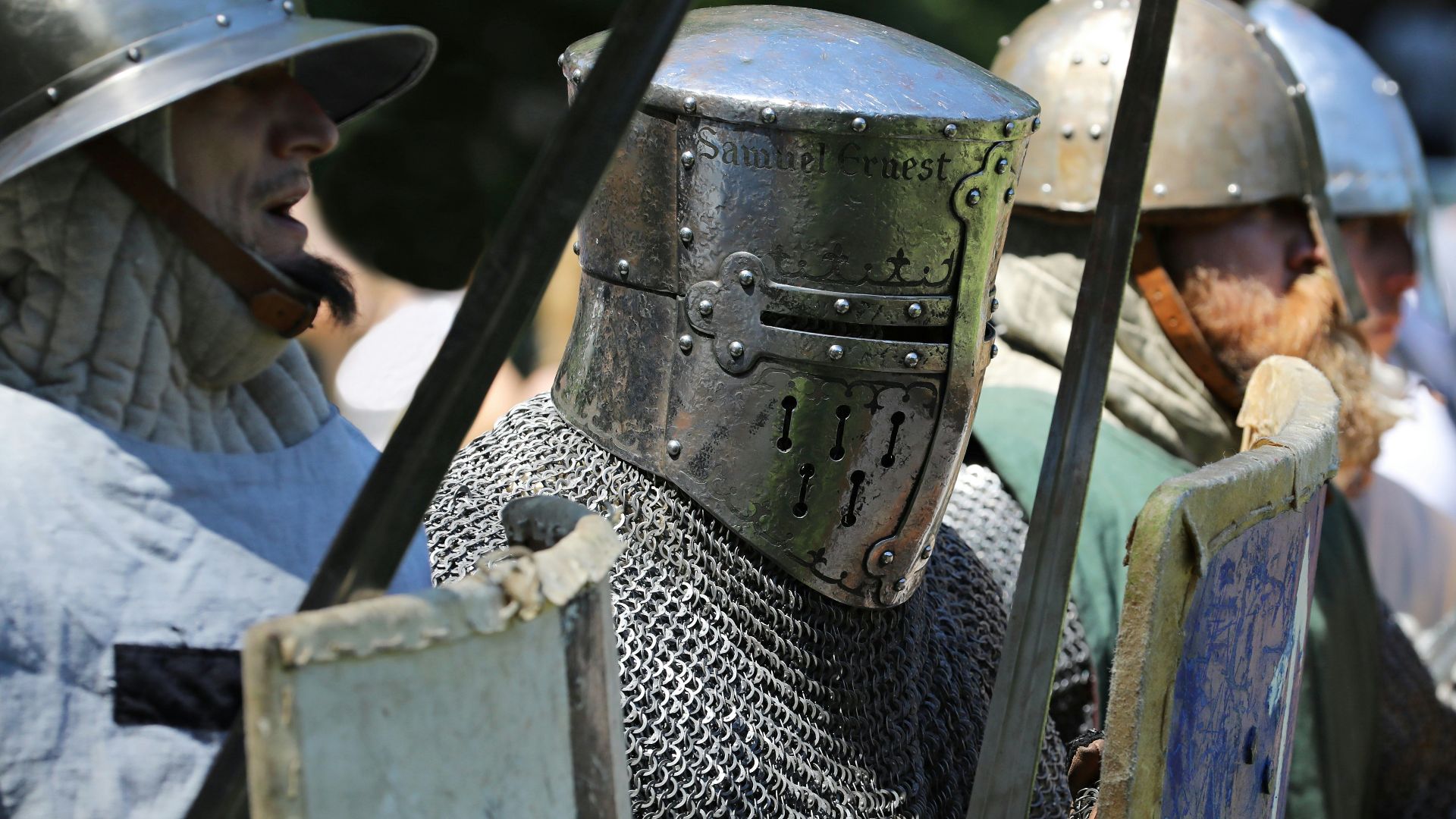
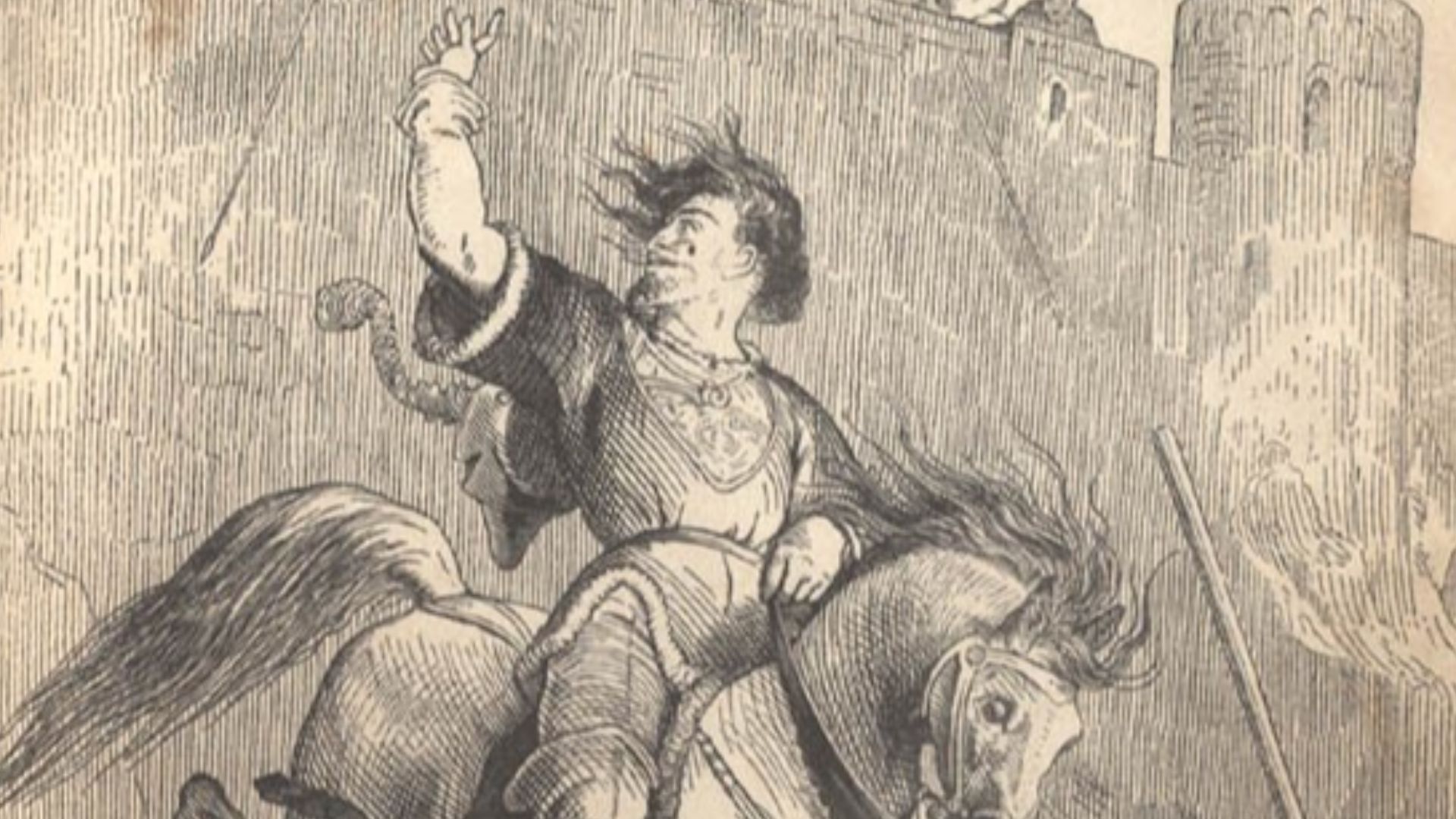
The knight’s code of chivalry was less a list of noble obligations and more a list of what not to do, an attempt to keep young knights in line. The actions forbidden by the list included beating priests, stealing cows, hurting women, pyromania, robbing, kidnapping, and harming the innocent. And given the actions of some knights, this list was crucial.
 Anton Muttenthaler, Wikimedia Commons
27. Unchecked Power
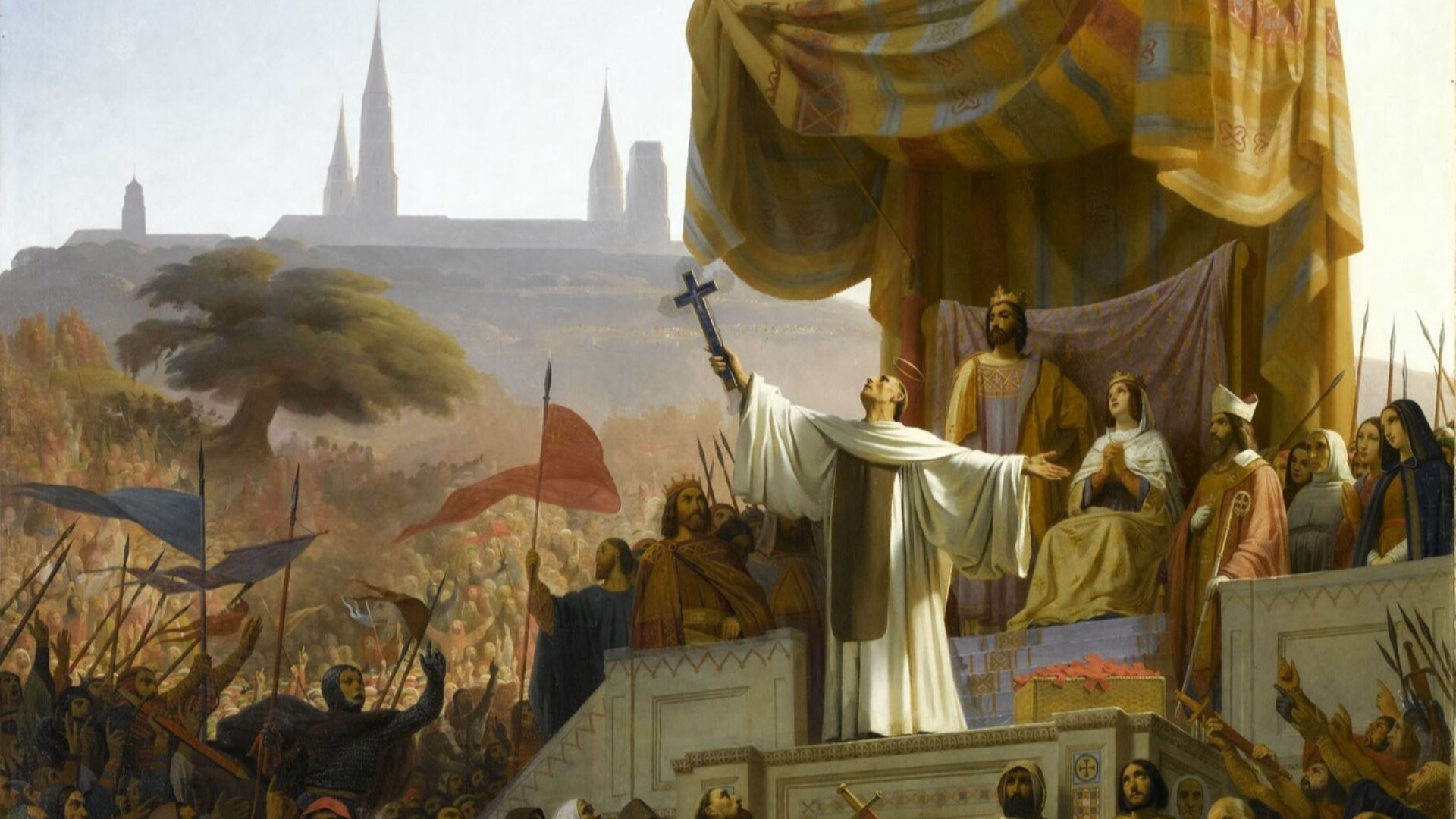
Despite their alleged representation of perfect Christian warriors, the Church often opposed the practices of knights. Indeed, there was widespread reporting of knights harming women and innocent civilians. Such was the ubiquity of the unethical behavior that St Bernard de Clairvaux decreed that knights served the devil, not God, and publicly called for reform. Unfortunately, however, they were just too militarily important.
 Émile Signol, Wikimedia Commons
28. Too Big To Fail
Because of their meticulously honed skills and impressive inventory of weapons and armor, the knight was the most important element of the medieval army, and often a decisive factor in victory on the battlefield. Their position placed them higher than all other infantrymen—figuratively and literally.
29. High Riders
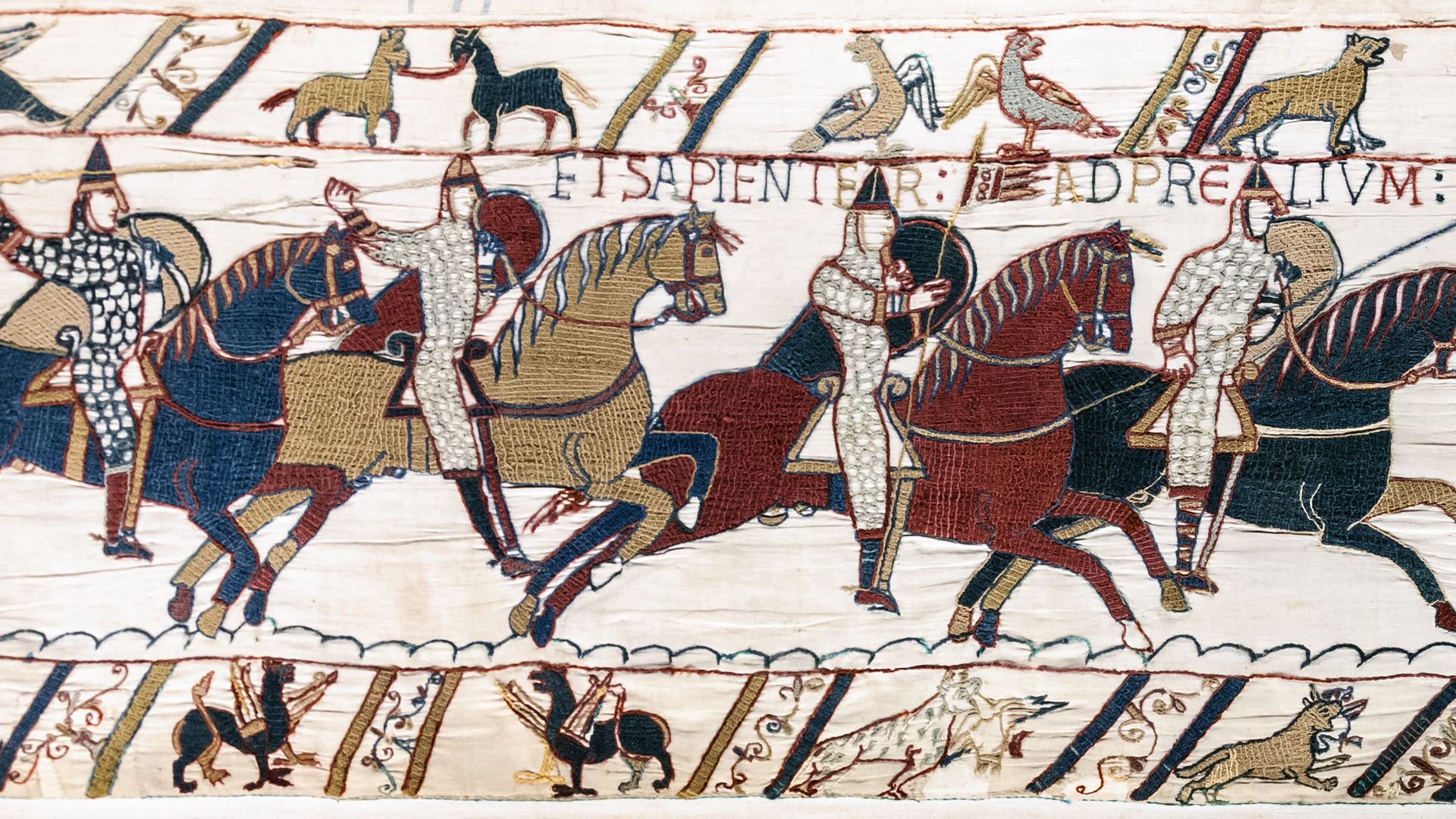
As mentioned, knights made up the bulk of the medieval army’s cavalry, making them a crucial tactical element of battle. Because of their training, no other soldier was more skilled in horseback fighting than a knight. It was a very specific set of skills.
 Screenshot from Kingdom of Heaven, 20th Century Fox (2005)
30. Multitasking
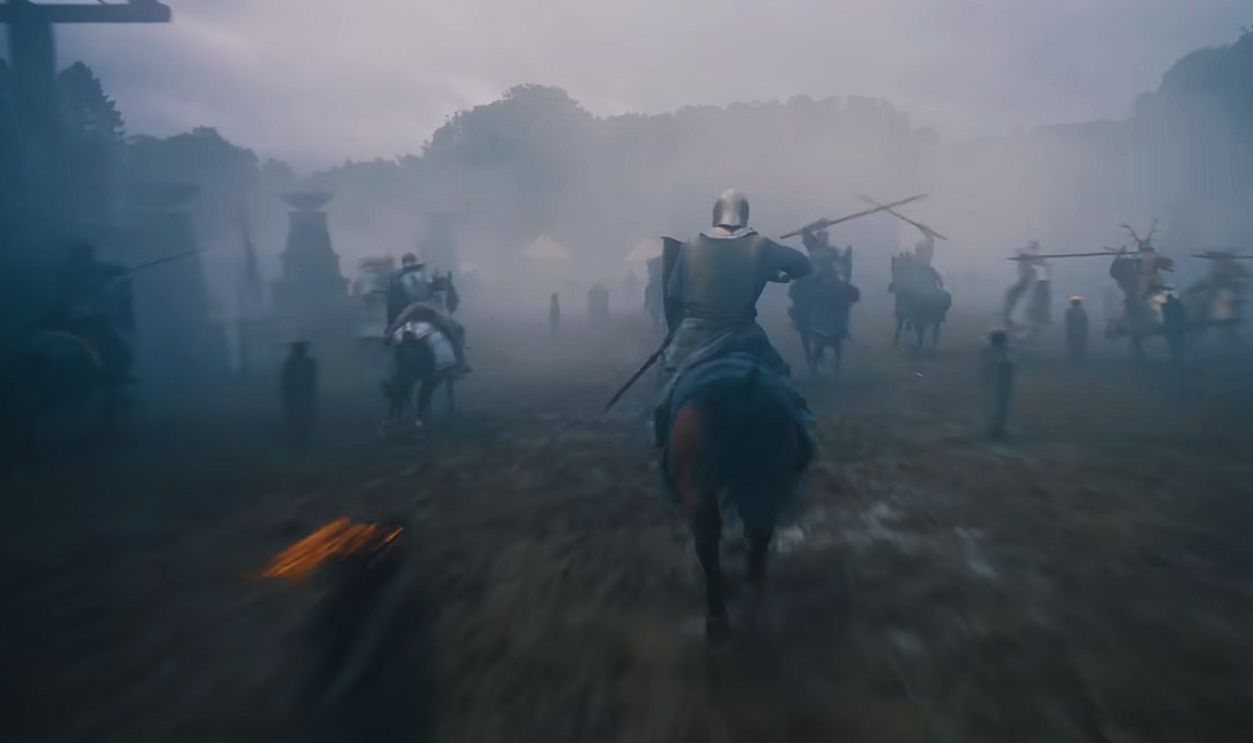
Most horseback riders required reigns to control their steeds, but they built knights different. Because of their need to carry a shield and lance or sword on horseback, they developed the very difficult skill of controlling a horse with simply their knees and feet. Such high standing in the army gained them the respect of all involved, even the enemy.
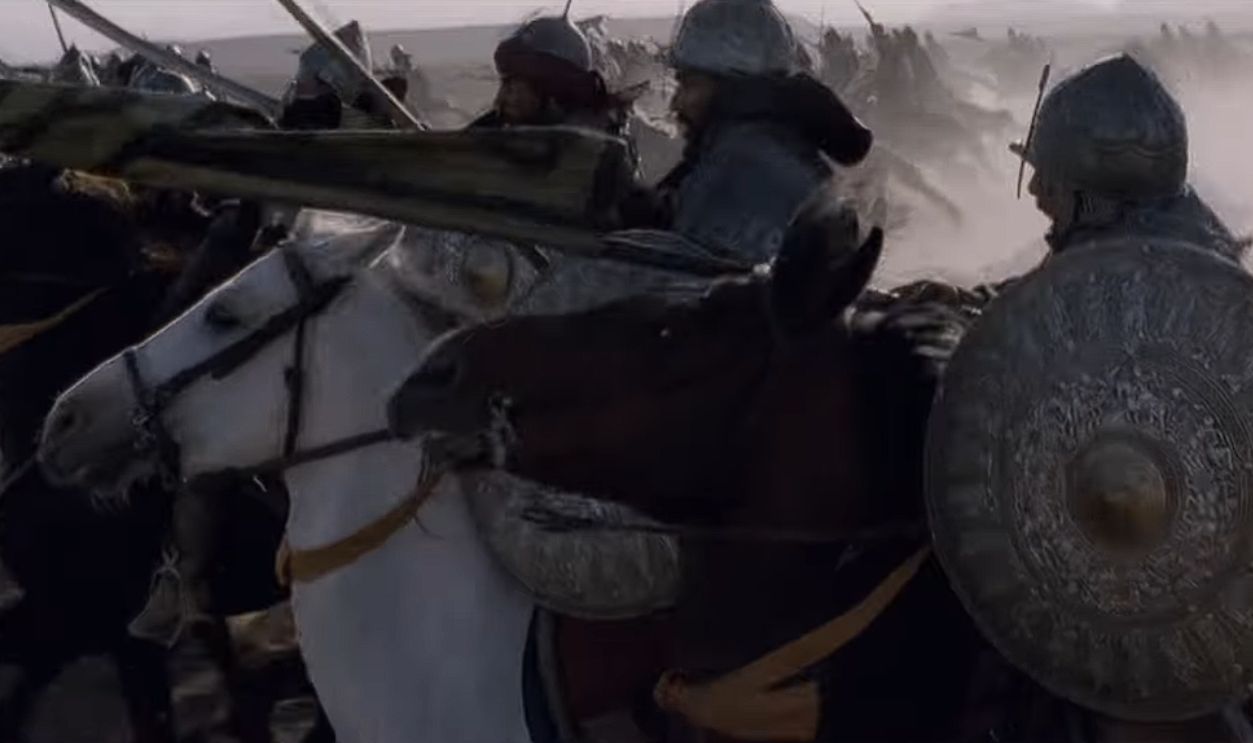 Screenshot from Kingdom of Heaven, 20th Century Fox (2005)
31. Pampered Captors
During medieval conflicts, when one side would capture archers or infantrymen from the other side, they were often immediately slaughtered. The same standard did not apply to knights, however; imprisoned knights got held in comfortable surroundings and often traded back to their own side for ransom. The lodgings were not far from what they experienced in peacetime.
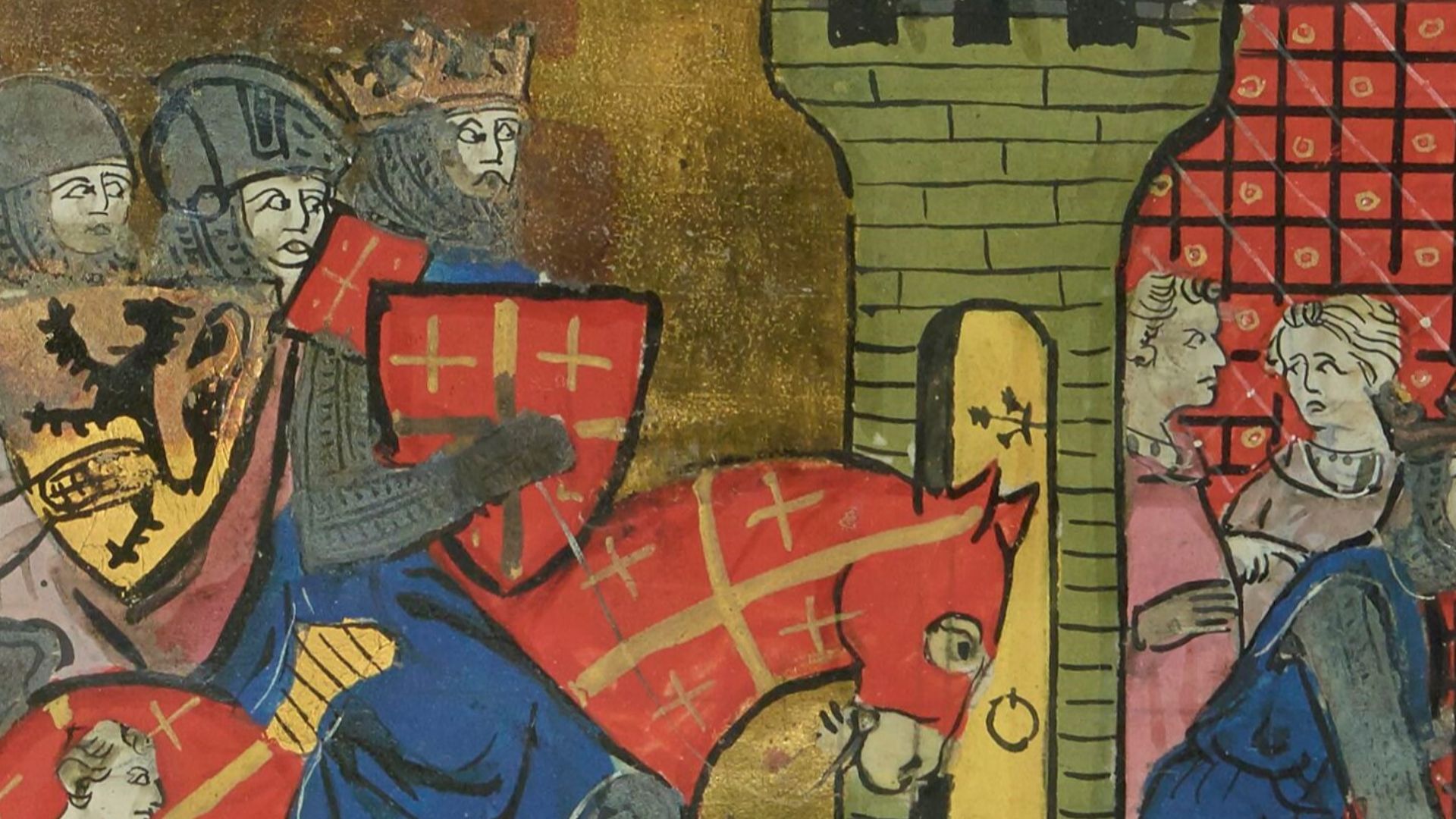 AnonymousUnknown author, Wikimedia Commons
32. Day Job
Of course, knights were not at battle all the time. When they were not required to fight on the field, most knights served as bodyguards or personal elite fighters for a lord. The knight would receive payment in the form of land holdings, setting his lineage up nicely. But compensation went far beyond room and board.
 Screenshot from A Knight of the Seven Kingdoms, HBO (2026–present)
33. A Life For Service
The nobles that employed them took good care of their knights. Most lords provided their knights with all of life’s necessities, including lodging, food, armor, horses, and money. And while this was a common position for knights to find themselves in, there were exceptions.
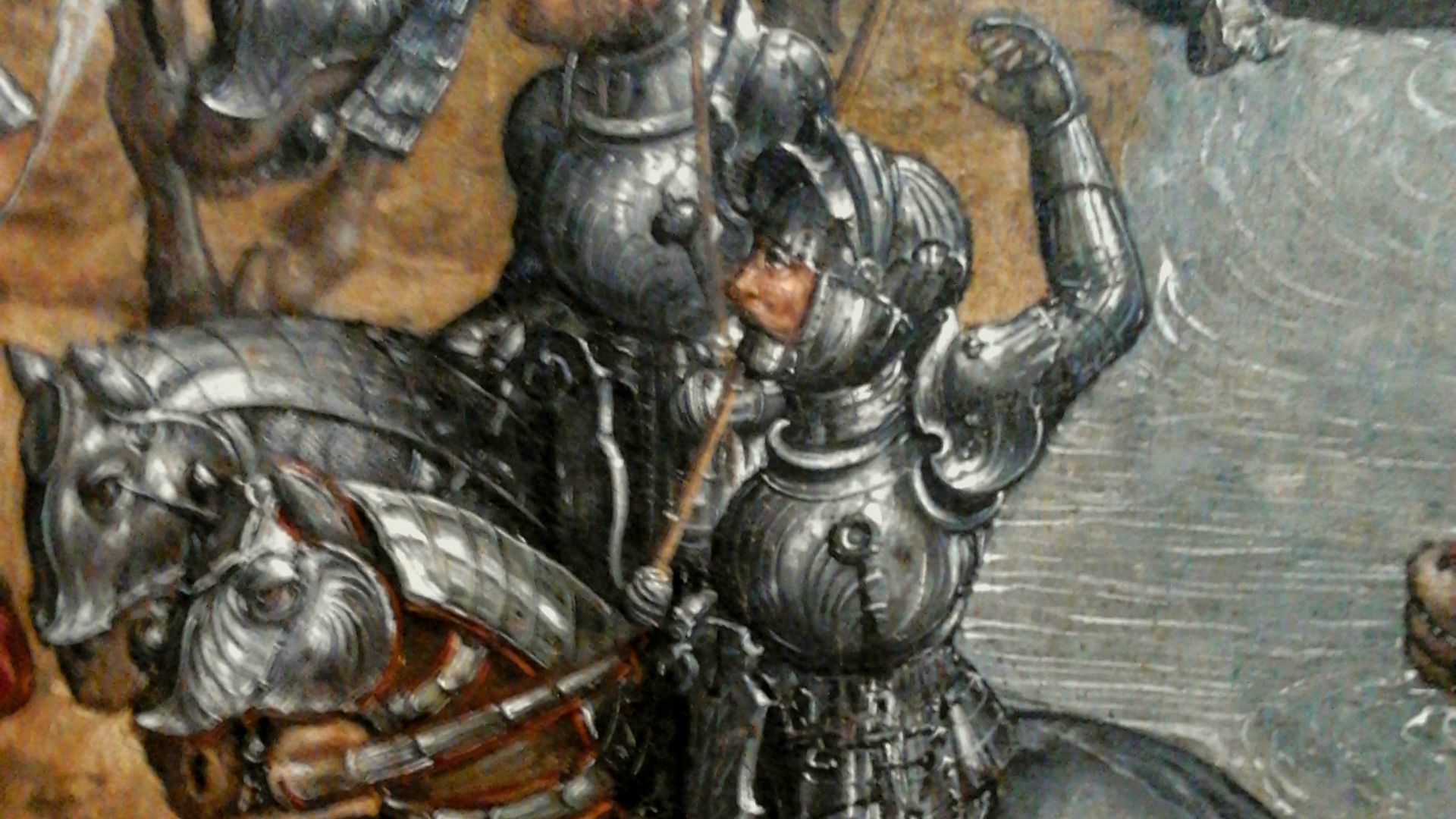 Attributed to Hans Krell, Wikimedia Commons
34. Nomad Knights
Some knights swore no fealty to anyone, preferring to work as a sword-for-hire. Employers certainly paid these mercenary knights handsomely, though likely much more so during times of conflict. Some knights also fought for religious causes, such as those that took part in the Crusades. Indeed, the lifestyle had religion deeply interwoven.
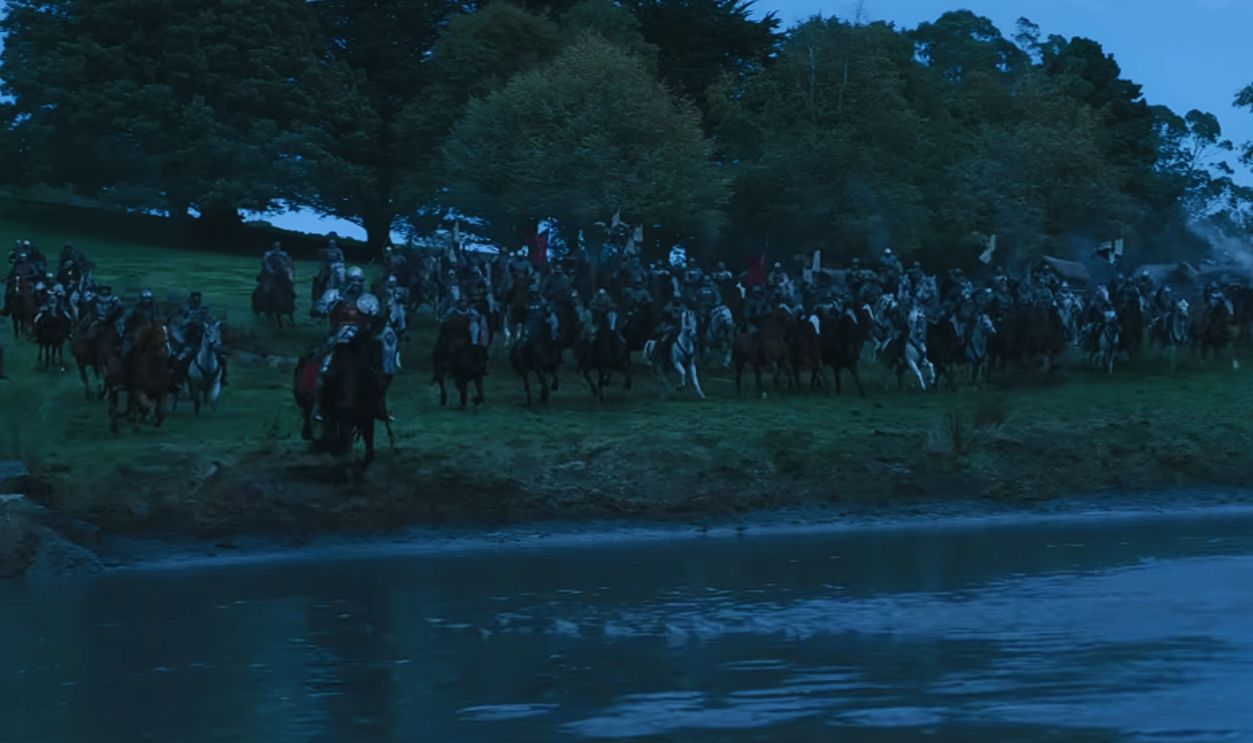 Screenshot from The Last Duel, 20th Century Studios (2021)
35. Piety And Prayer
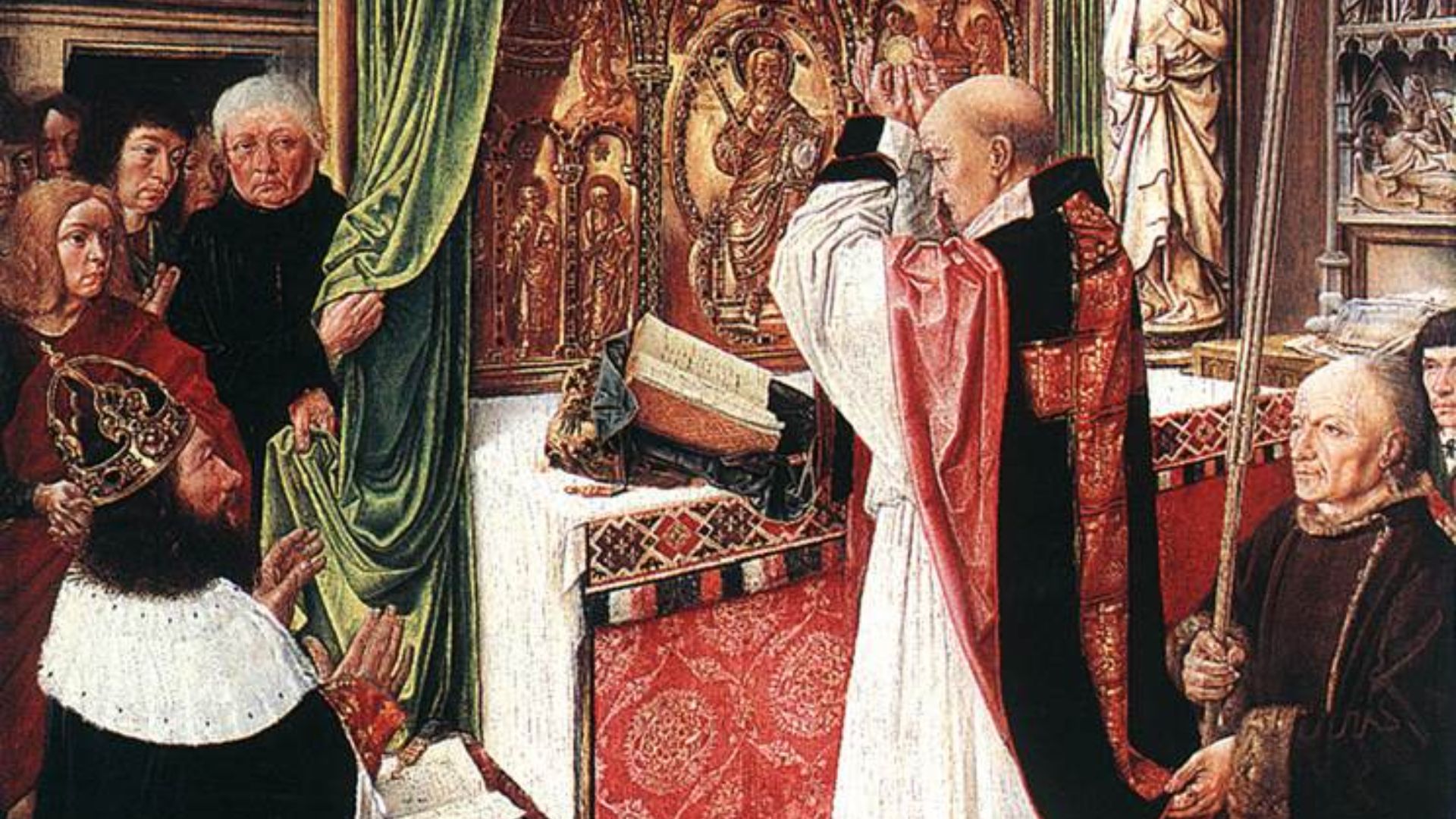
Almost every single person in medieval Europe was a Catholic, and knights were no different. It was custom for most knights to begin every single day with a morning Mass. The knight's code of chivalry enshrined this time for prayer and reflection. Indeed, most must have felt blessed with the elevated lifestyle they led.
 Master of Saint Giles, Wikimedia Commons
36. Chivalrous, Carnivorous
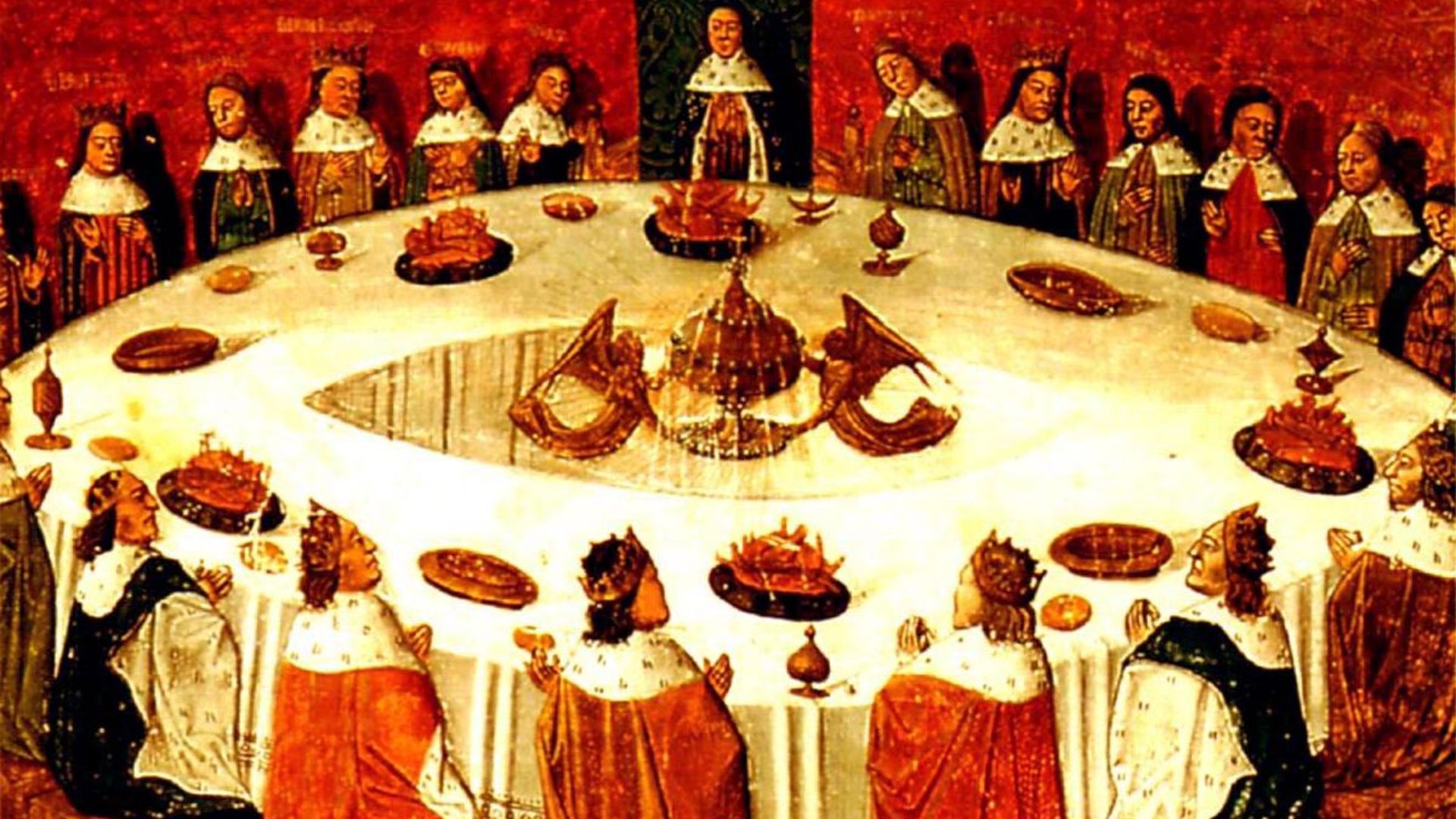
Vegetables were not very popular in medieval Europe, with most believing them to be poisonous. Most meals, therefore, consisted almost solely of meat and bread. And like everything else in feudal society, this had a class element: low peasants would eat mostly pork, with pigs considered dirty animals. Knights’ higher social status, however, afforded them access to higher quality meats, namely beef and lamb. They had another dietary staple too.
 Évrard d'Espinques, Wikimedia Commons
37. In Their Cups
Knights were notorious for drinking like fish. Indeed, because of the paranoia around contaminated food and drink of the era, booze saw wide consumption because it guaranteed itself to be sterilized. Most knights, therefore, drank almost every day, and this would often result in rowdy behavior and fist fights between them. These fights had no royal sanctioning, but other competitive events did.
 Unknown authorUnknown author, Wikimedia Commons
38. Testing Their Mettle
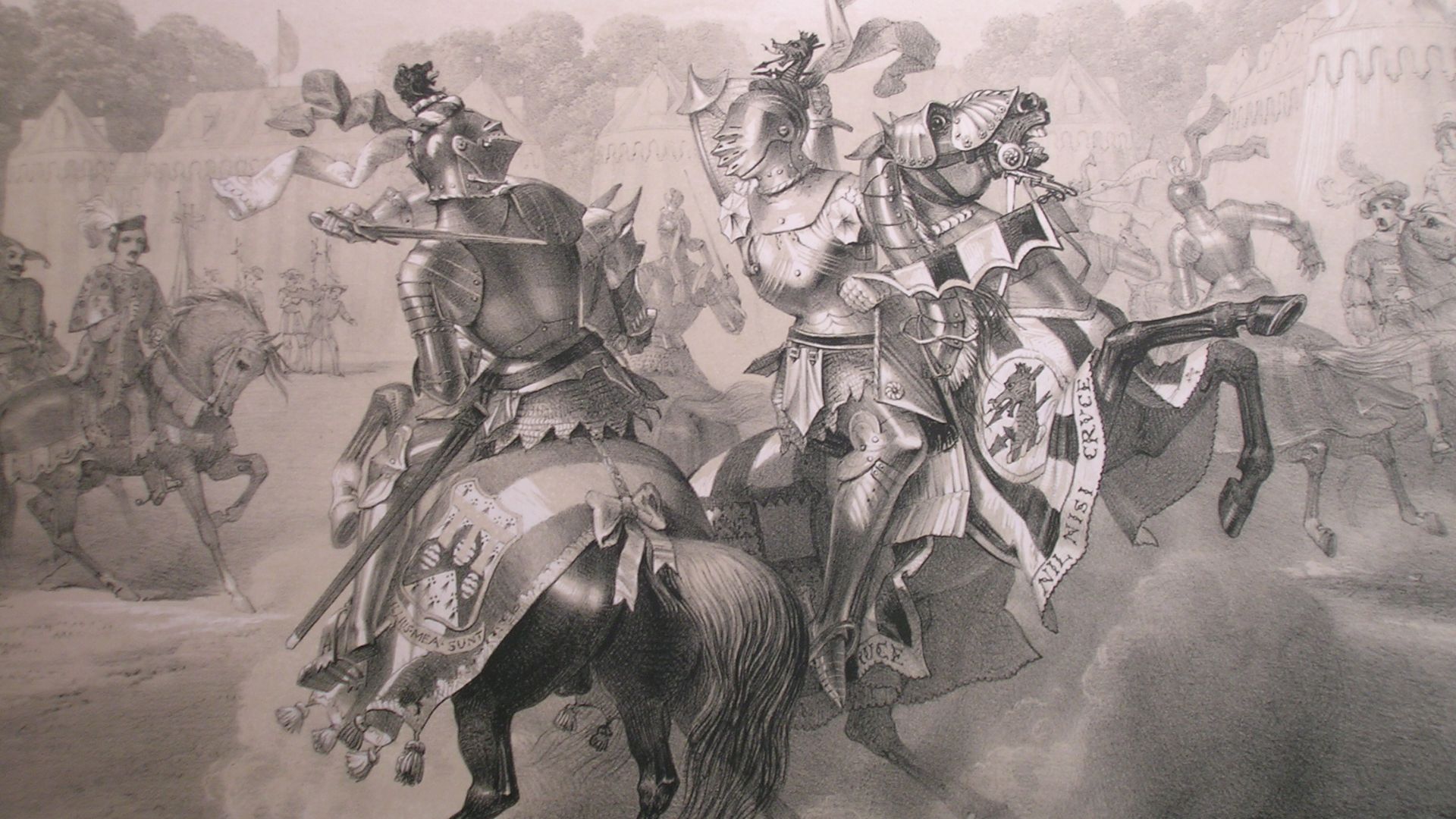
One of the most well-known and romanticized knighthood activities was, of course, the joust. Jousting tournaments were a popular way for knights to show their battle hardiness during peacetime, and many of them enthusiastically took part in the spectacle for the entertainment of king and peasant alike. A knight’s skills got employed in matters of law, too.
39. Knight Court
Outside of formal tournaments, courts often employed knights to settle disputes through judicial duels—essentially trials by combat. One side would select a knight as the champion representing a party involved in the dispute and would fight their opponent’s rival champion, with the victor considered having their side vindicated by God. This required some branding by the knights.
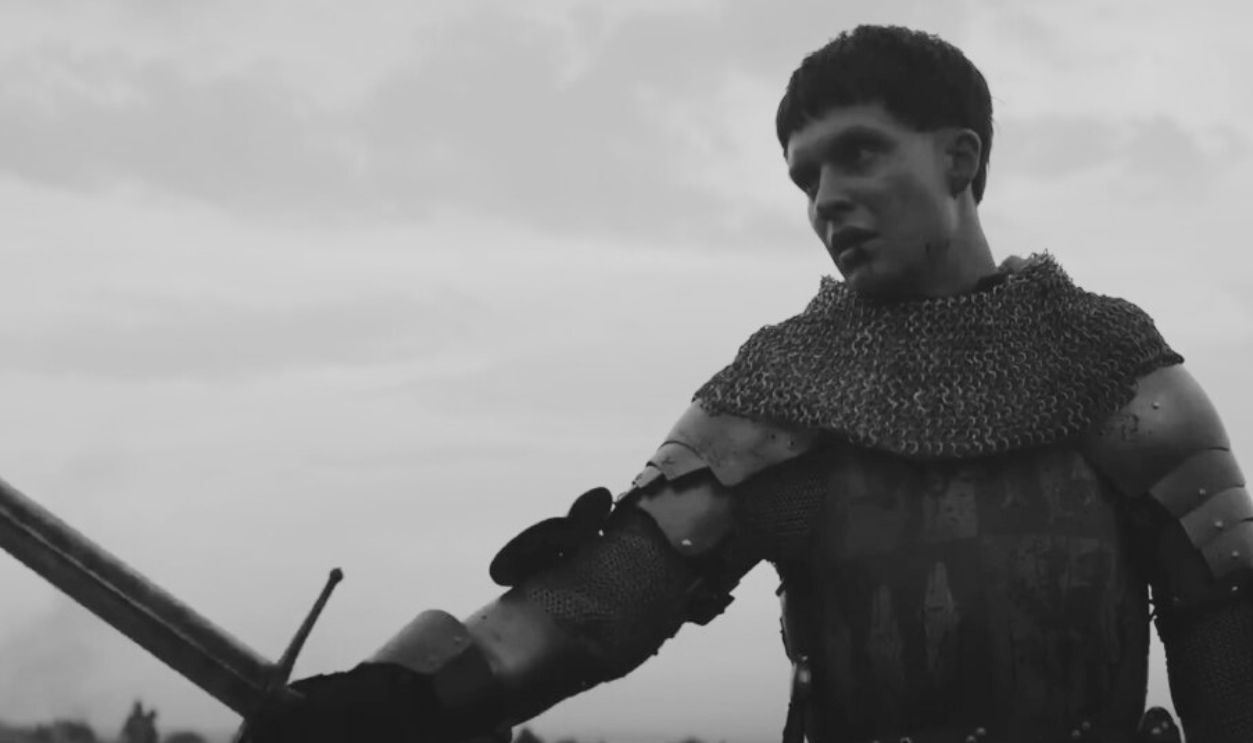 Screenshot from The King, Netflix (2019)
40. Brand Recognition
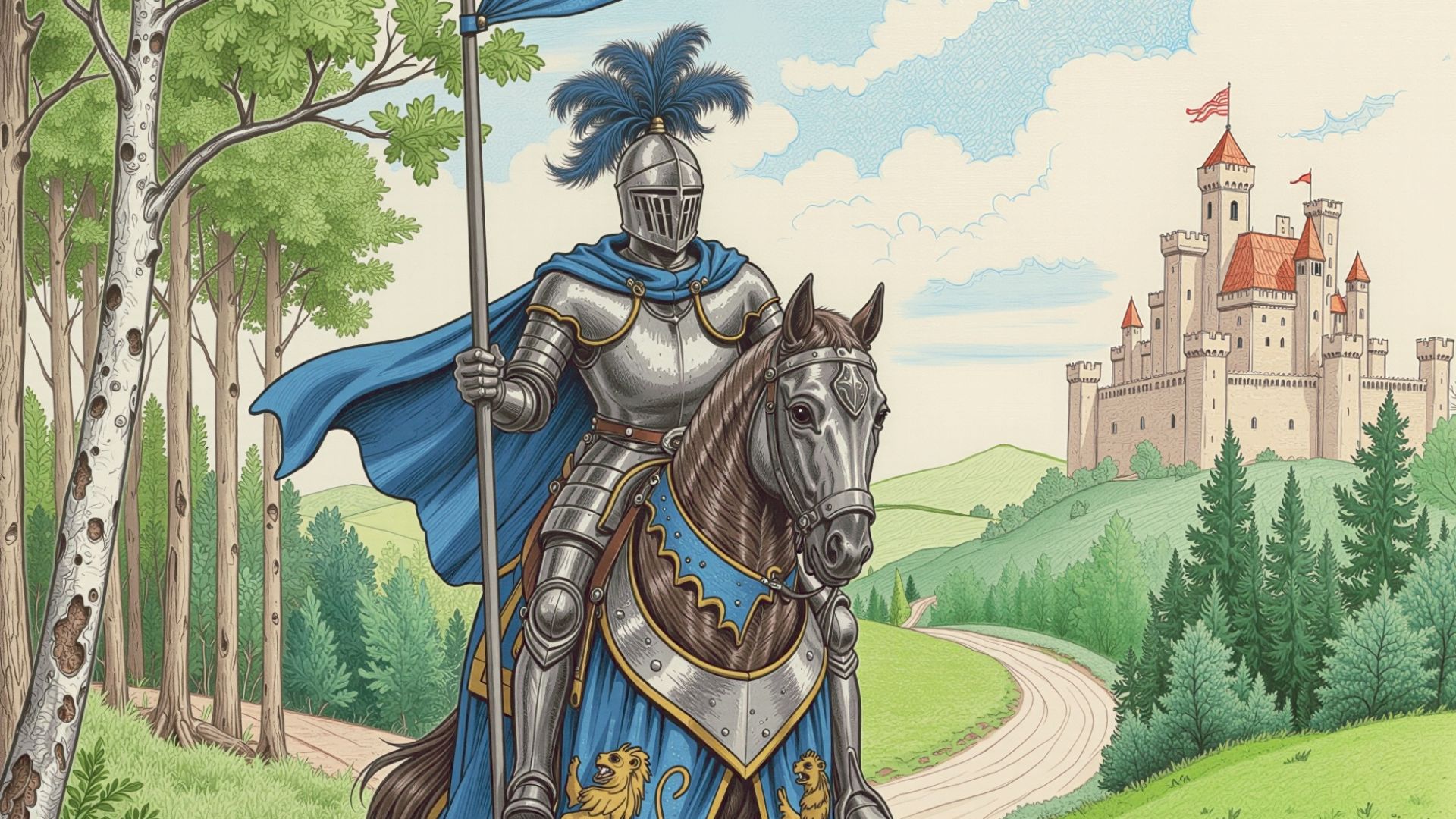
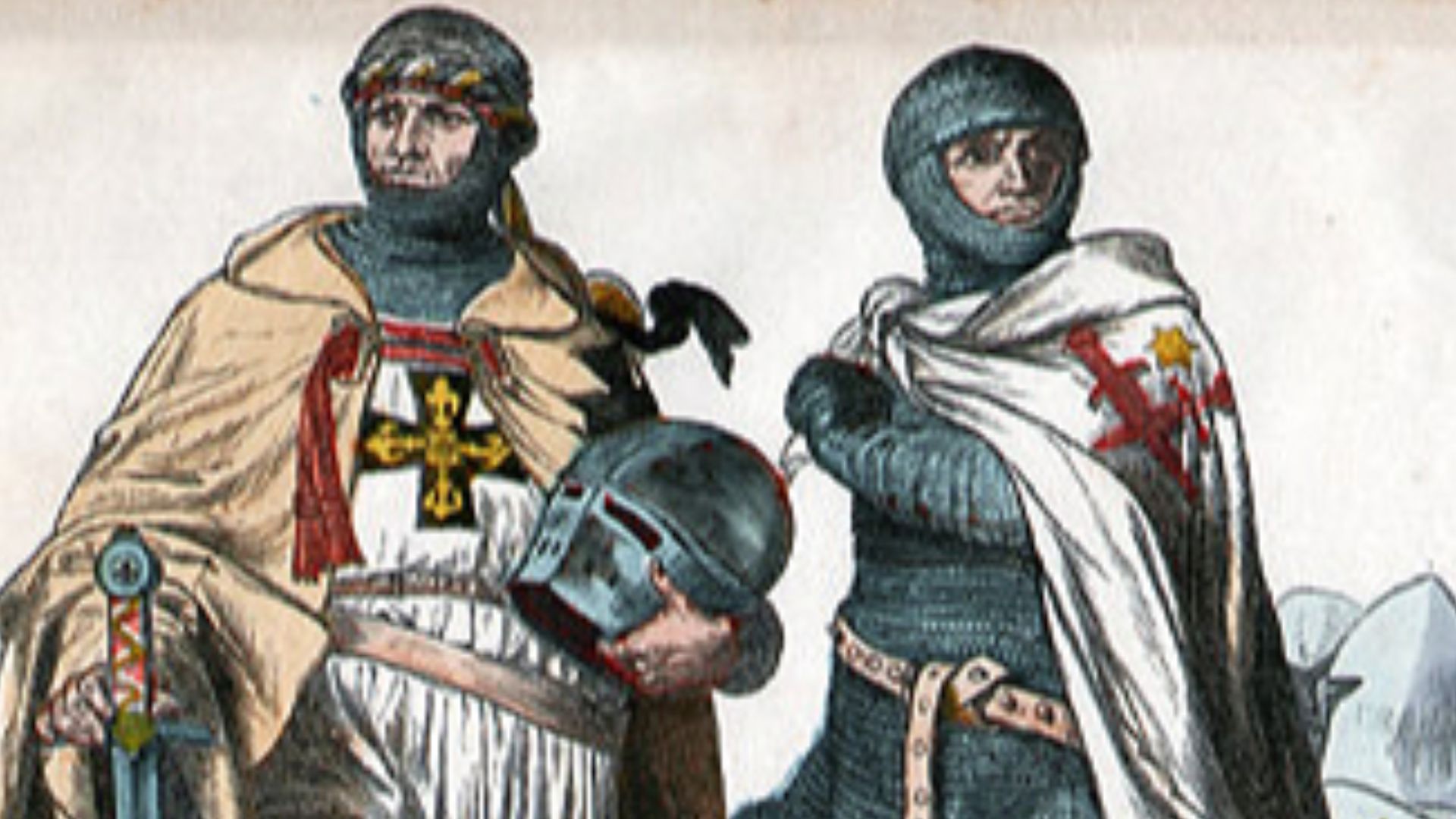
A distinct feature of the knightly class was their flying of colored banners, sigils, or coats of arms. This would distinguish each knight in a tournament or battle, and it was common practice for knights to wear their heraldry on their shields. And while this was the item that most advertised an individual knight, they were often elaborately kitted out.
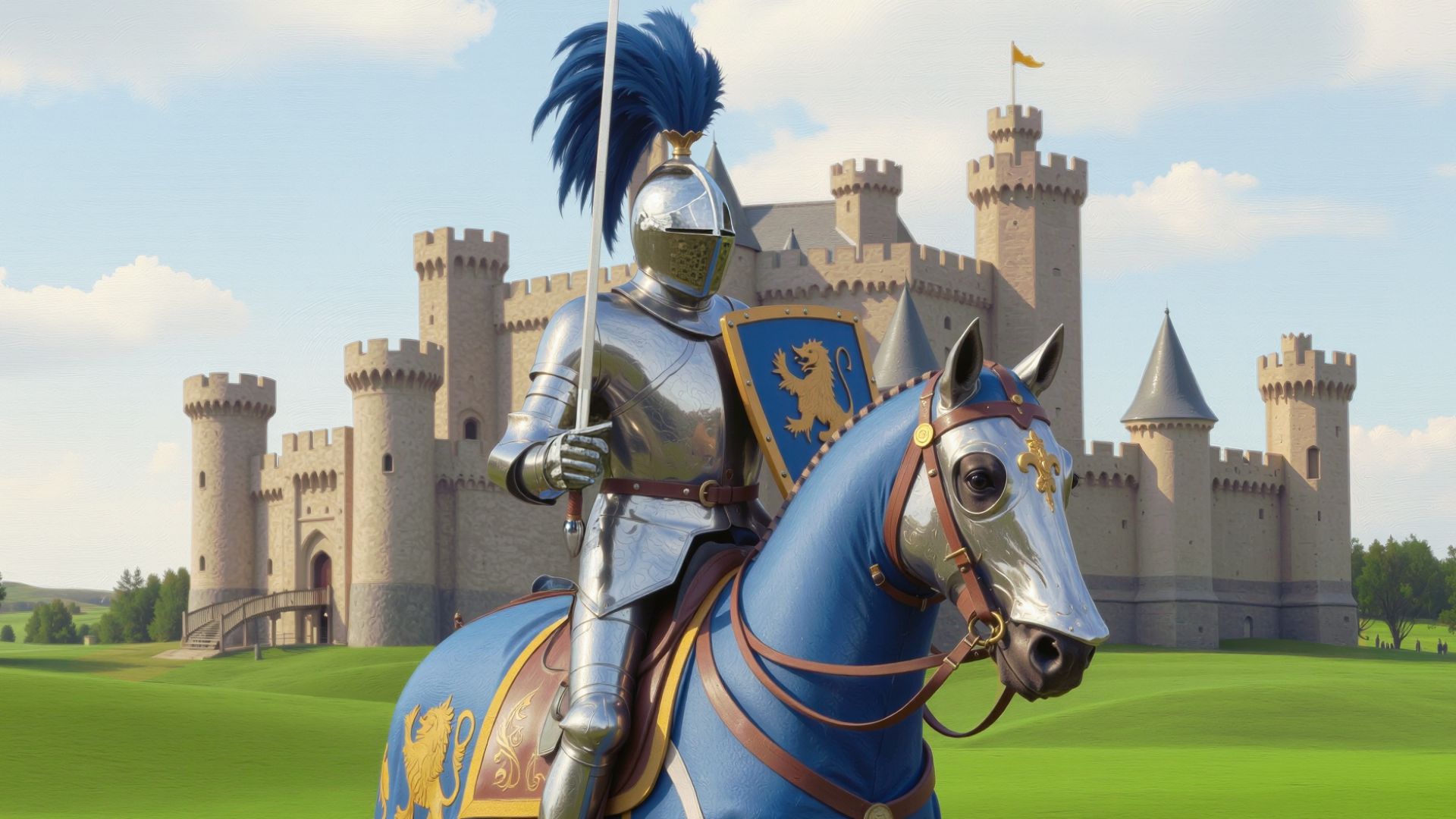 Zachi Evenor, Wikimedia Commons
41. The Best Of The Best
A typical knight’s weapon of choice included maces, axes, or swords, and they were generally quite skilled at wielding them. Perhaps the most well-known association with knights, however, was their armor: the traditional knightly plate armor, helmet, cuirass, and gauntlets is one of the most recognizable medieval symbols in pop culture. Knights did not always walk around with such cumbersome equipment, of course.
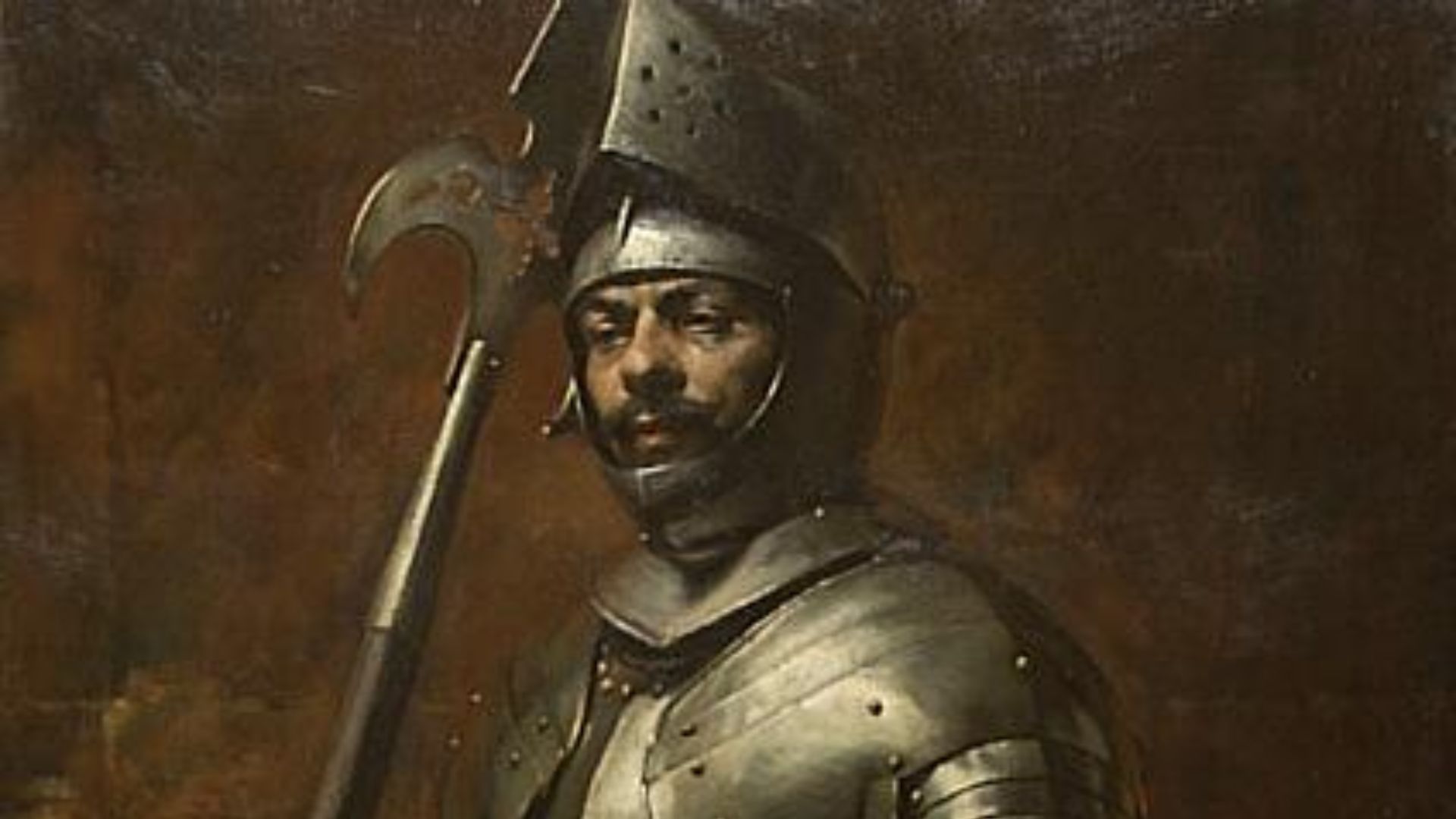 Robert Atkinson, Wikimedia Commons
42. Chivalrous Rizz
When not wearing their signature armor, most knights gained notoriety for their flashy and fashionable clothing. Indeed, many of them represented the fashion icons of their time, and their bombastic and elaborate outfits would inspire other nobles to follow suit. It was a two-way street, however, with knights following the orders of nobles—even at the expense of those they should have protected.
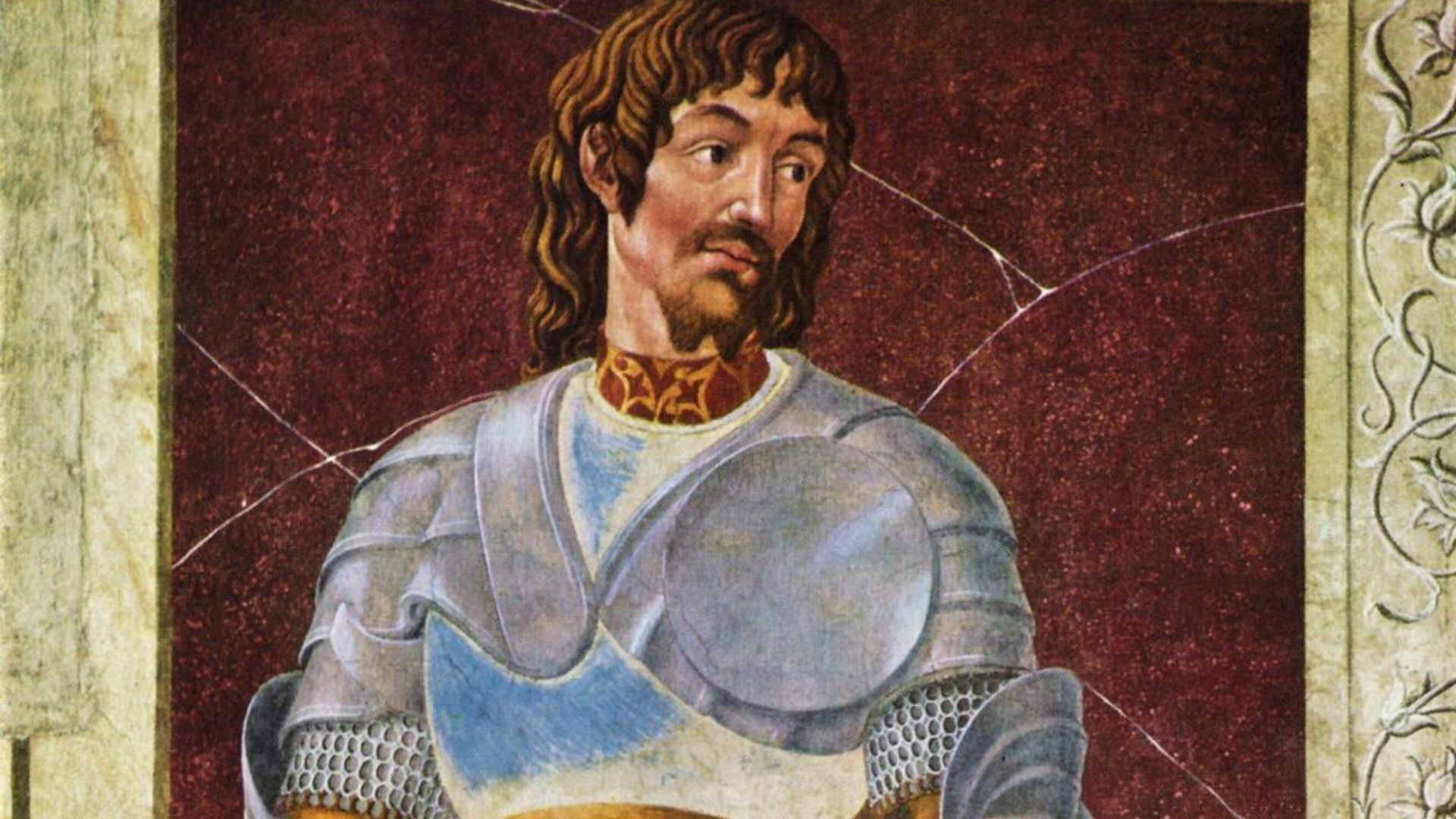 Andrea del Castagno / Andrea del Castagno / Andrea del Castagno, Wikimedia Commons
43. Counterrevolutionaries
With the rise of cities and the unprecedentedly close proximity of common people living together, civil unrest was inevitable in the face of royal oppression. Rather than show solidarity with the common folk, however, many knights were instead called in to clamp down on large insurgencies, uprisings, and revolts, revealing the true class loyalty of these petty nobles. Authorities handsomely rewarded them for this, of course, in life and beyond.
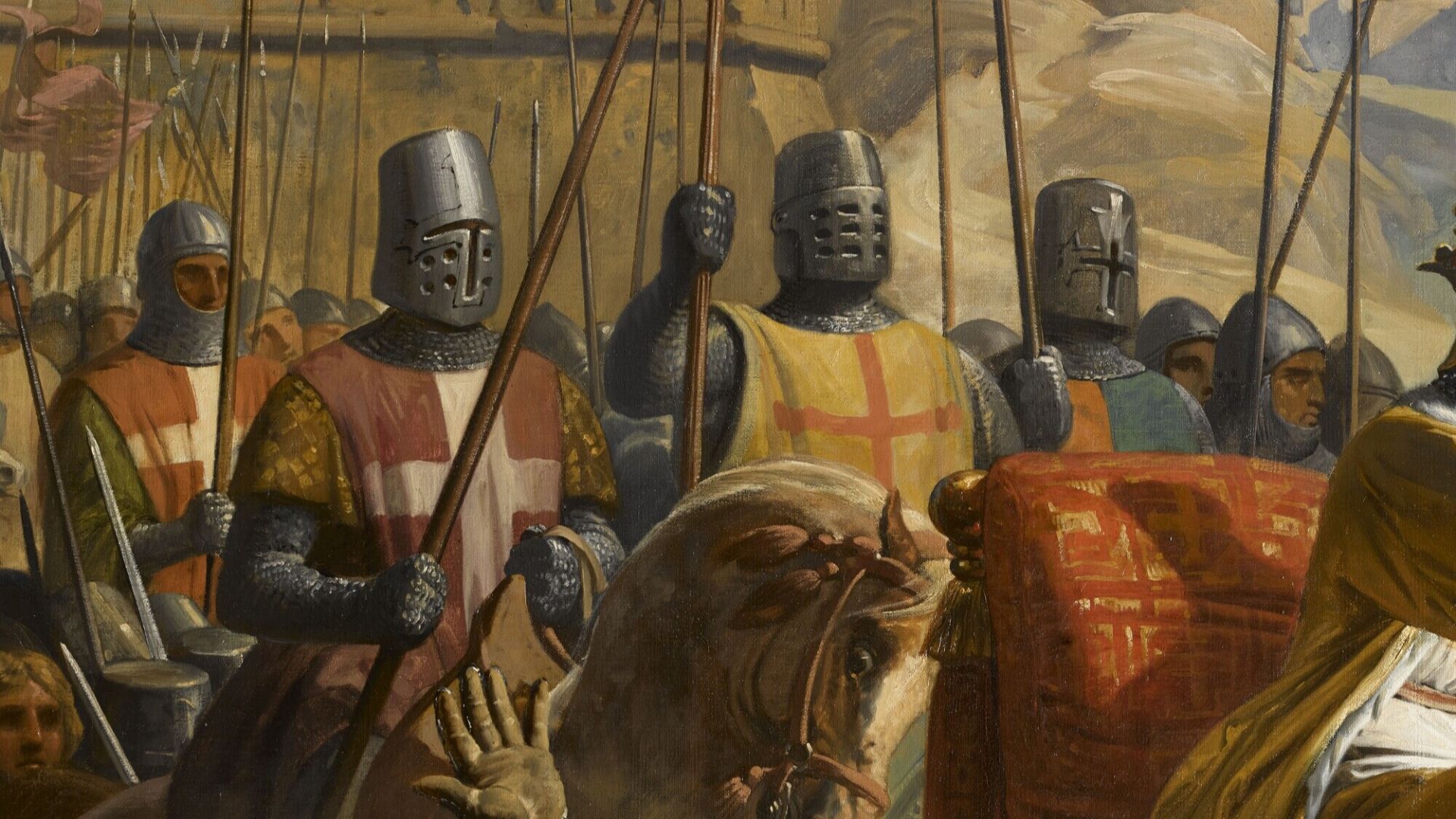 Charles-Philippe Larivière, Wikimedia Commons
44. In Memoriam
As in life, powers that be gave knights special treatment when their time came too. Upon their passing, they entombed knights in ornate mausoleums, and they marked their graves with a skillfully carved statue of themselves in their full knightly armor. Those knights who lived long enough, however, would eventually see their position deteriorate.
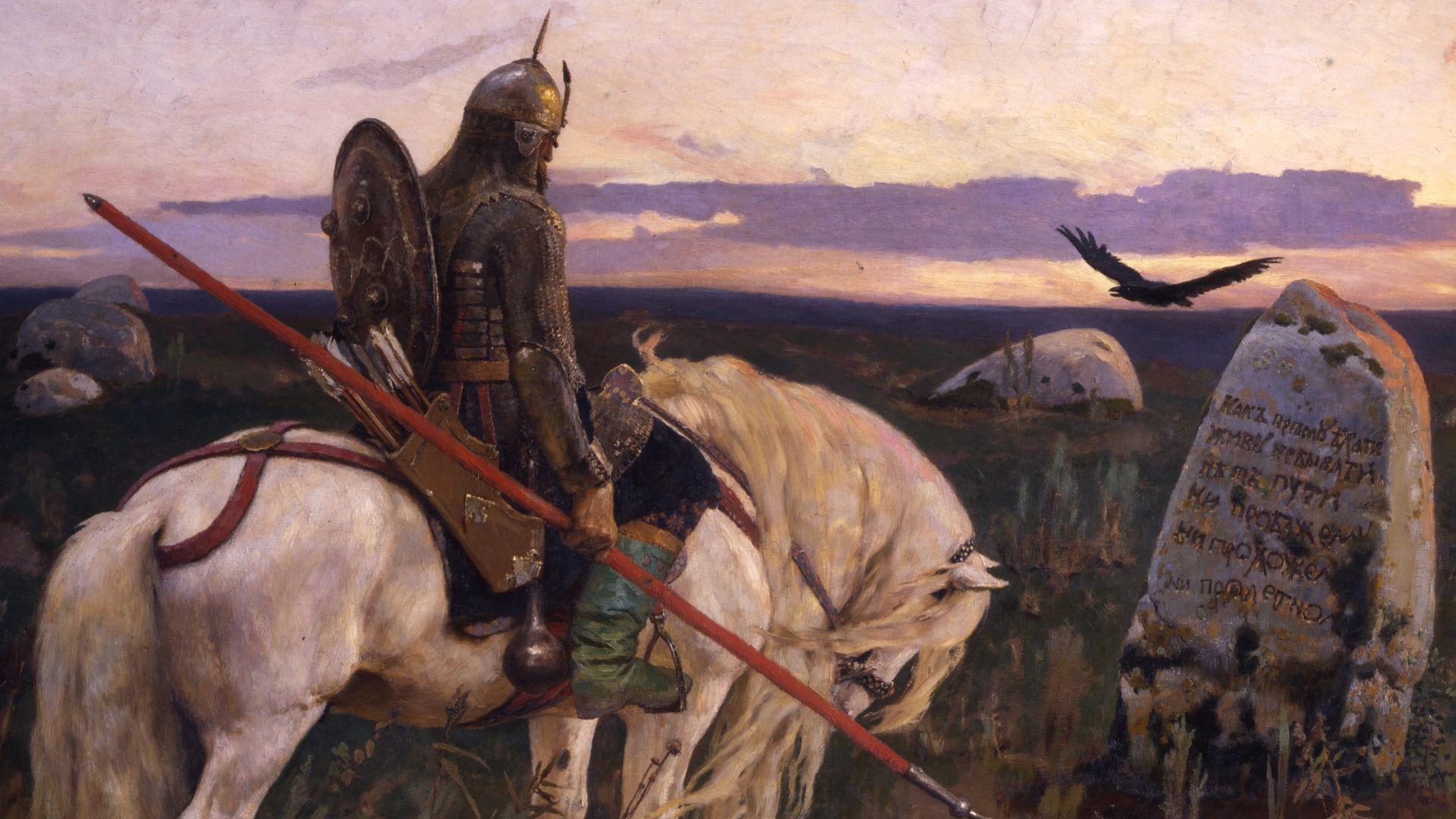 Viktor Vasnetsov, Wikimedia Commons
45. The Fall-Off
The Late Middles Ages saw the emergence of new methods of warfare, namely cannons and gunpowder. With these technological developments, modernity gradually rendered knights obsolete; their necessity in battle dwindled further and further, and though the title itself remained in many countries, it was the beginning of the end for the golden age of knighthood.
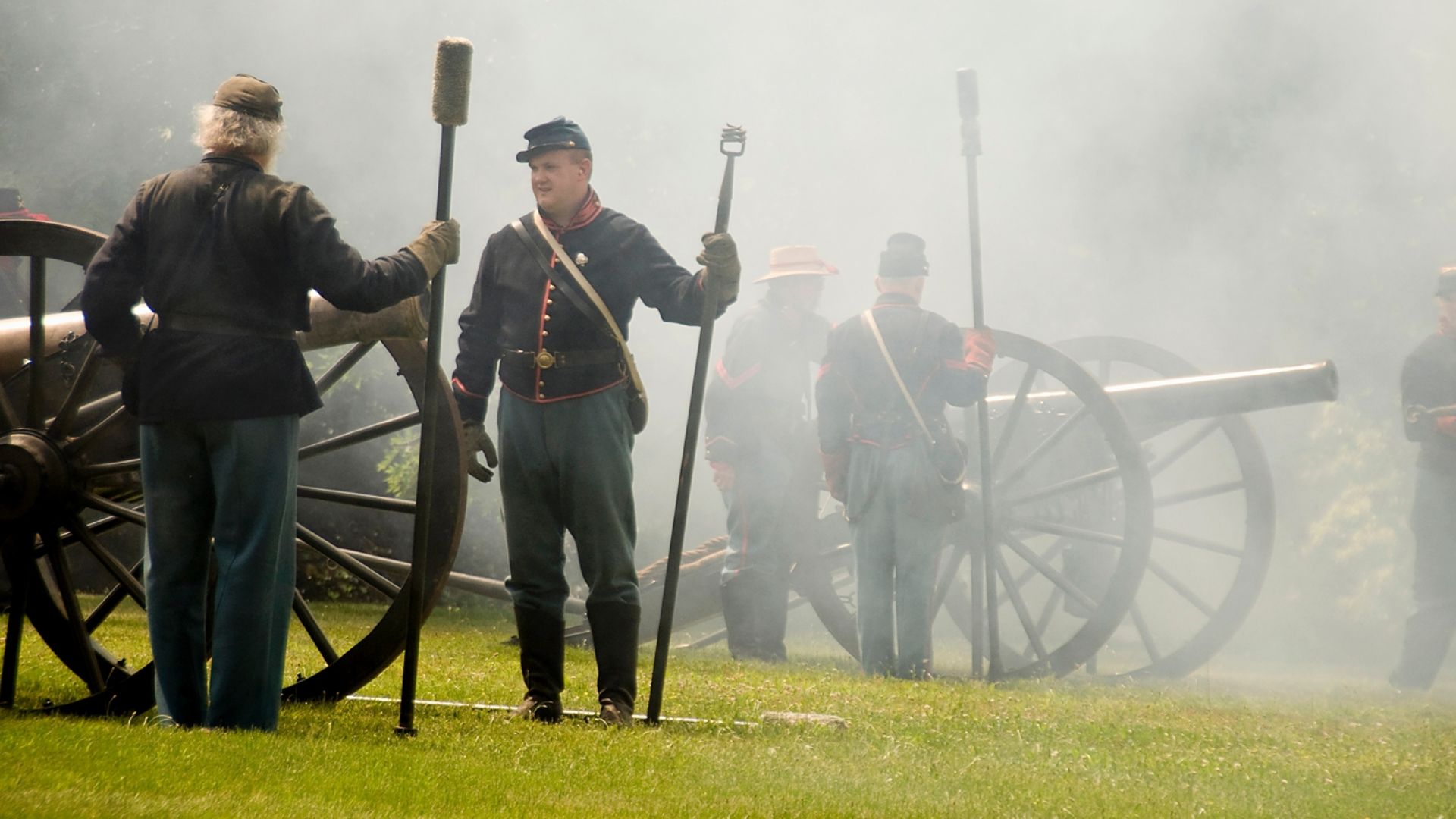 National Park Service, Wikimedia Commons
46. Normalization
By the end of the Middle Ages, professional standing armies had largely absorbed knights into their ranks. And though their lineage afforded the last few remaining knights a higher rank than most infantrymen, their distinctive identity had completely faded. This was a gradual process, though there is one man considered the last.
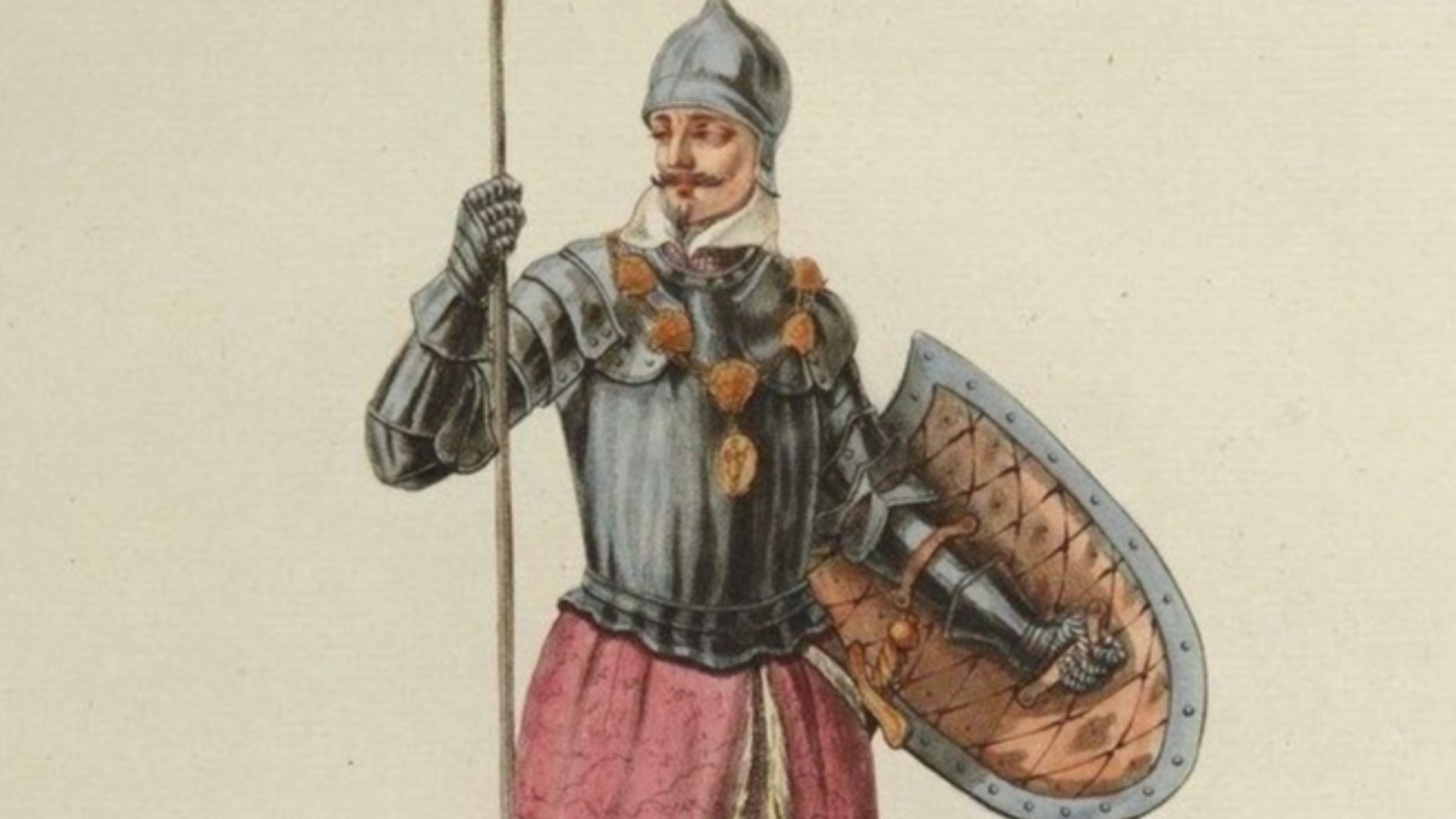 Jacques Charles Bar, Wikimedia Commons
47. End Of The Line
Holy Roman Emperor Maximilian I, prominent in the 15th and early-16th centuries, as the position of knighthood was fading, was a knight who had a reputation as a courageous fighter in battle and a ruthless leader in times of conflict, earning him the posthumous nickname of “the last knight”. And though knights were no longer socially relevant, their legend sustains to this day.
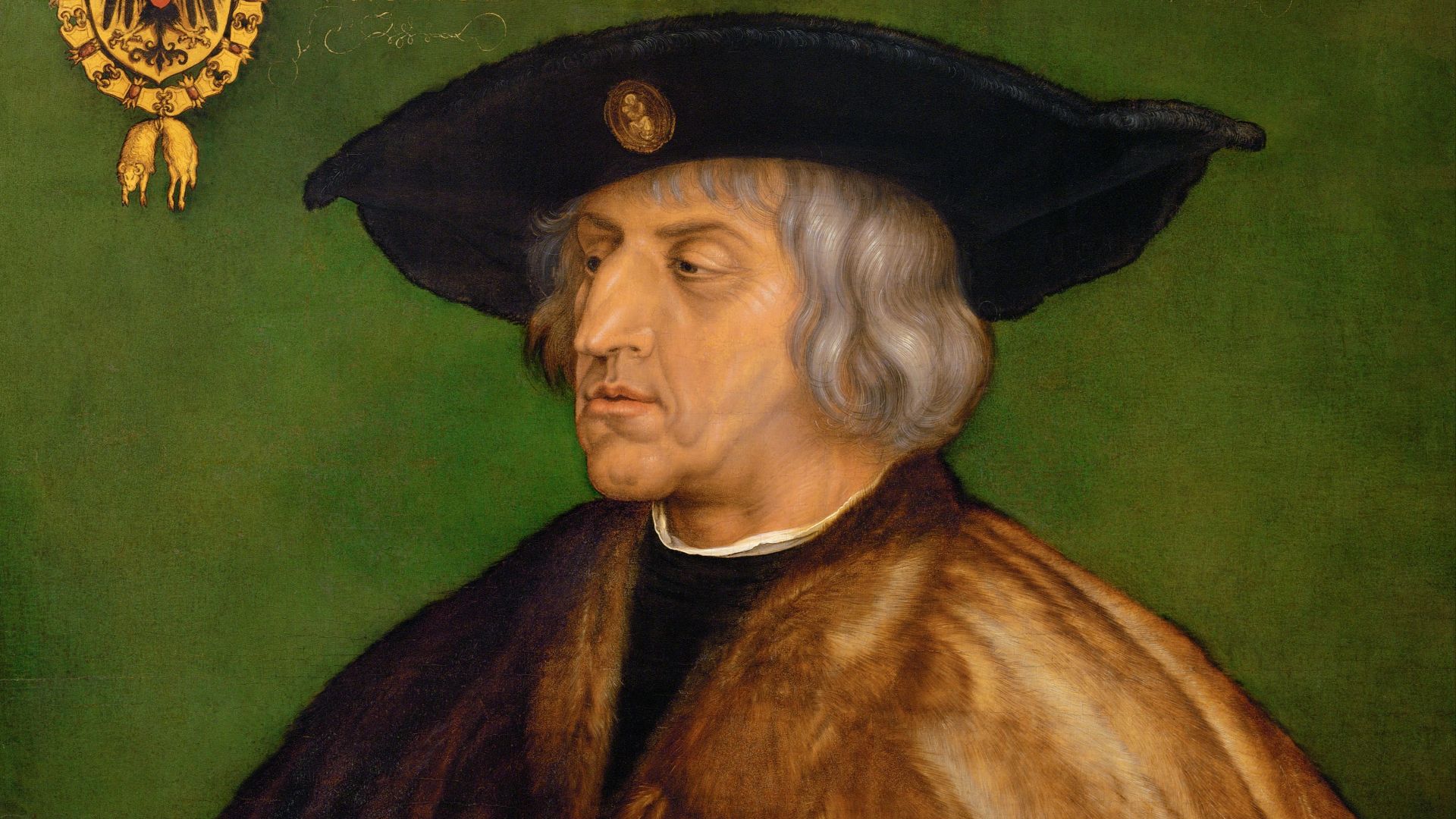 Albrecht Dürer, Wikimedia Commons
48. A Classic Tale
Society has immortalized no legendary knights more than King Arthur and the Knights of the Round Table, a story with its origins in British folklore and medieval literature. King Arthur is the platonic ideal of a great and chivalrous knight and has greatly inspired our modern fascination with the position. Indeed, his legend may be partly responsible for the survival of the title today. But not all knights were so chivalrous…
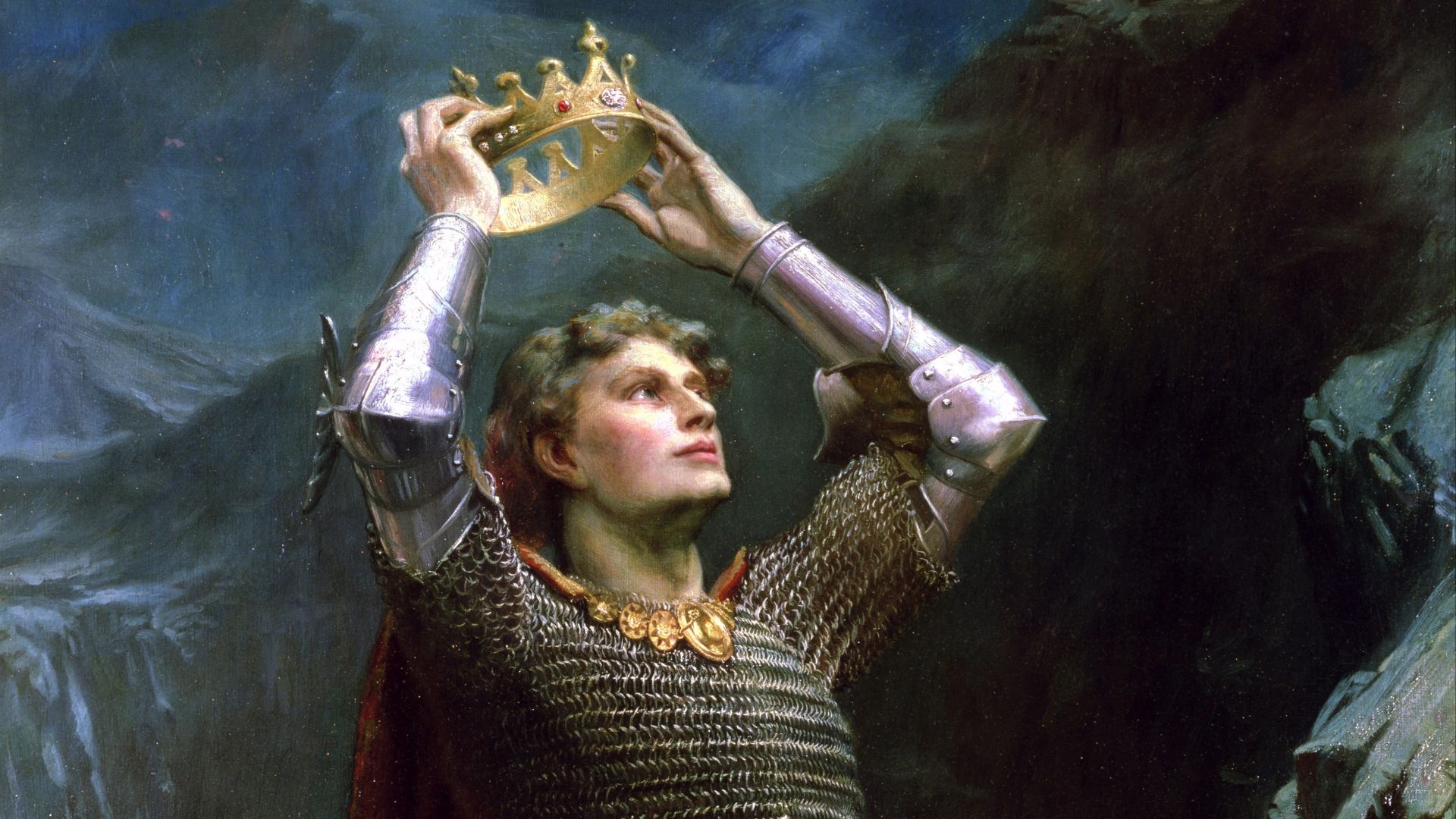 Charles Ernest Butler, Wikimedia Commons
49. He Dishonored His Title
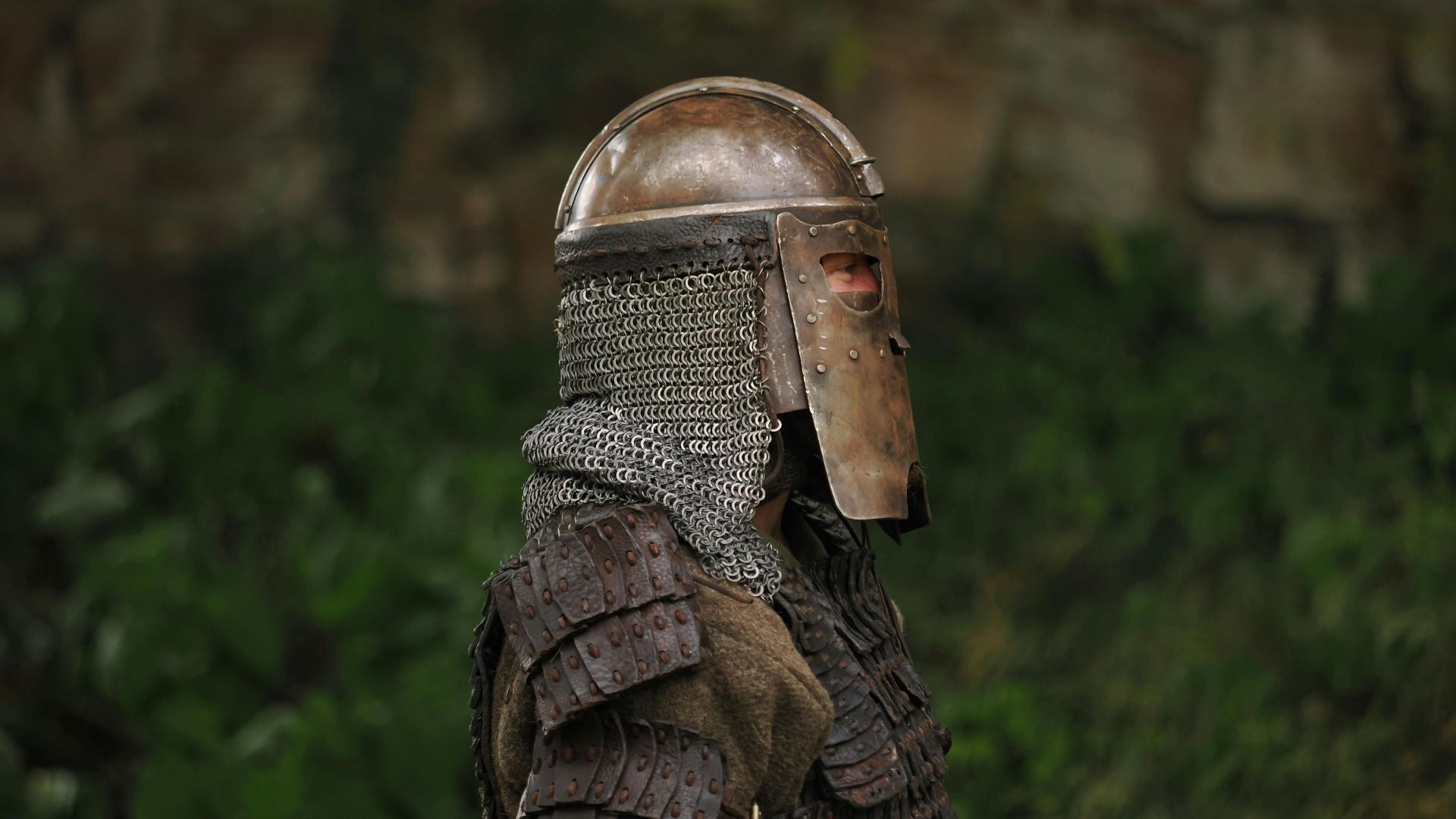
We’d all like to think that medieval knights were honorable, but the truth is that some of them really weren’t. Case in point: Sir John Arundel, who, in 1379, convinced the nuns at a convent to let him stay for a few nights. Wanting to see the best in him, the nuns agreed. But Arundel and his men took advantage of the situation, looting the nunnery and kidnapping several nuns.
Then, the men stormed a nearby church and kidnapped a newly-married bride before finally heading back out to sea and throwing their hostages overboard. And Arundel wasn’t the only bad egg.
50. They Broke Their Vows
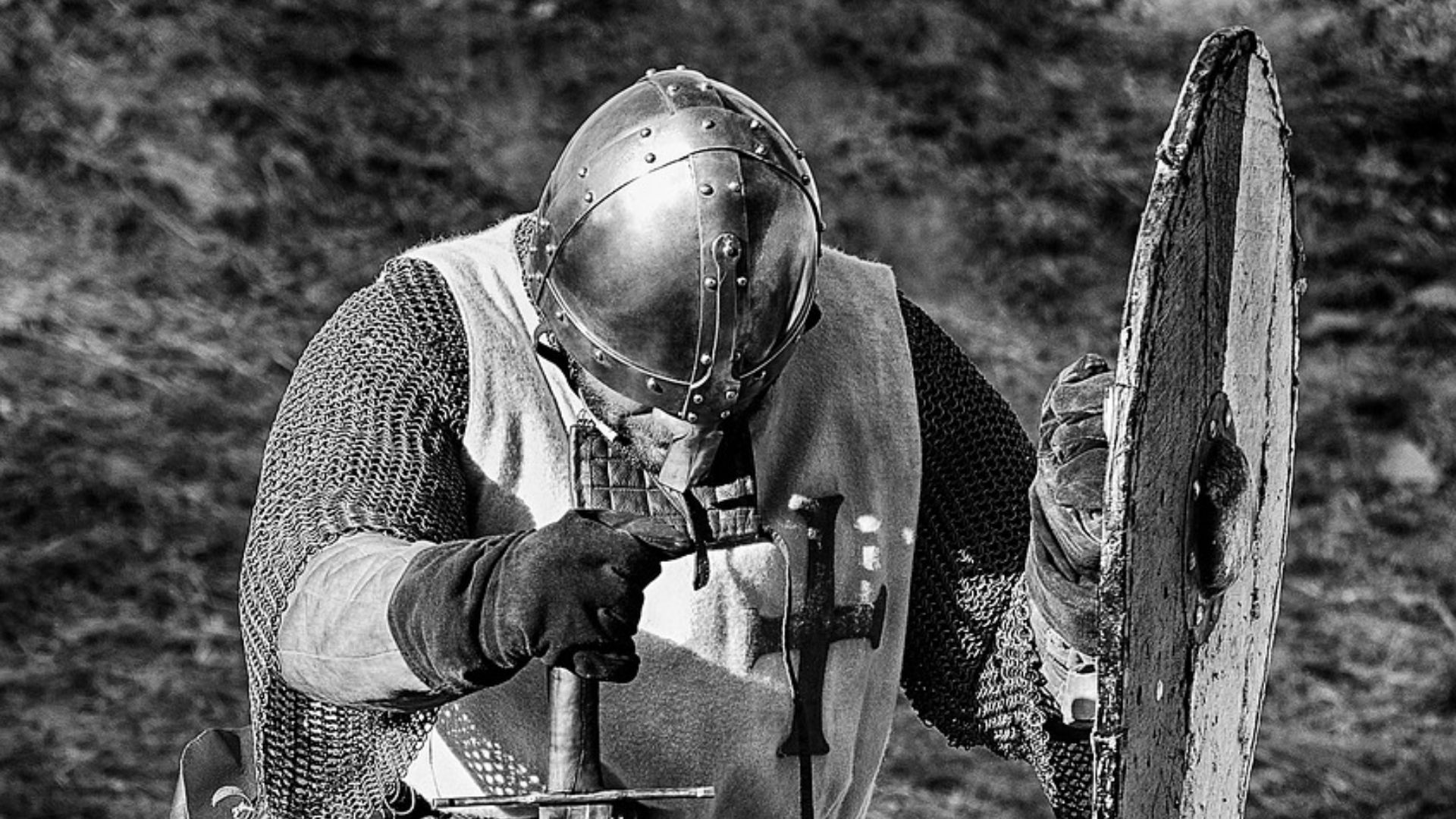
Behind closed doors, many knights quietly broke their vows by giving in to an act the Church fiercely condemned. Knights were expected to remain celibate outside of marriage, but in reality, many knights did not live up to that ideal. Affairs were common, mistresses were quietly kept, brothels operated openly in many medieval towns, and courtly love culture romanticized pursuit and desire even when it crossed marital lines.
Knights projected an image of honor and restraint, while their private lives often told a very different story.
51. They Had A Common Enemy
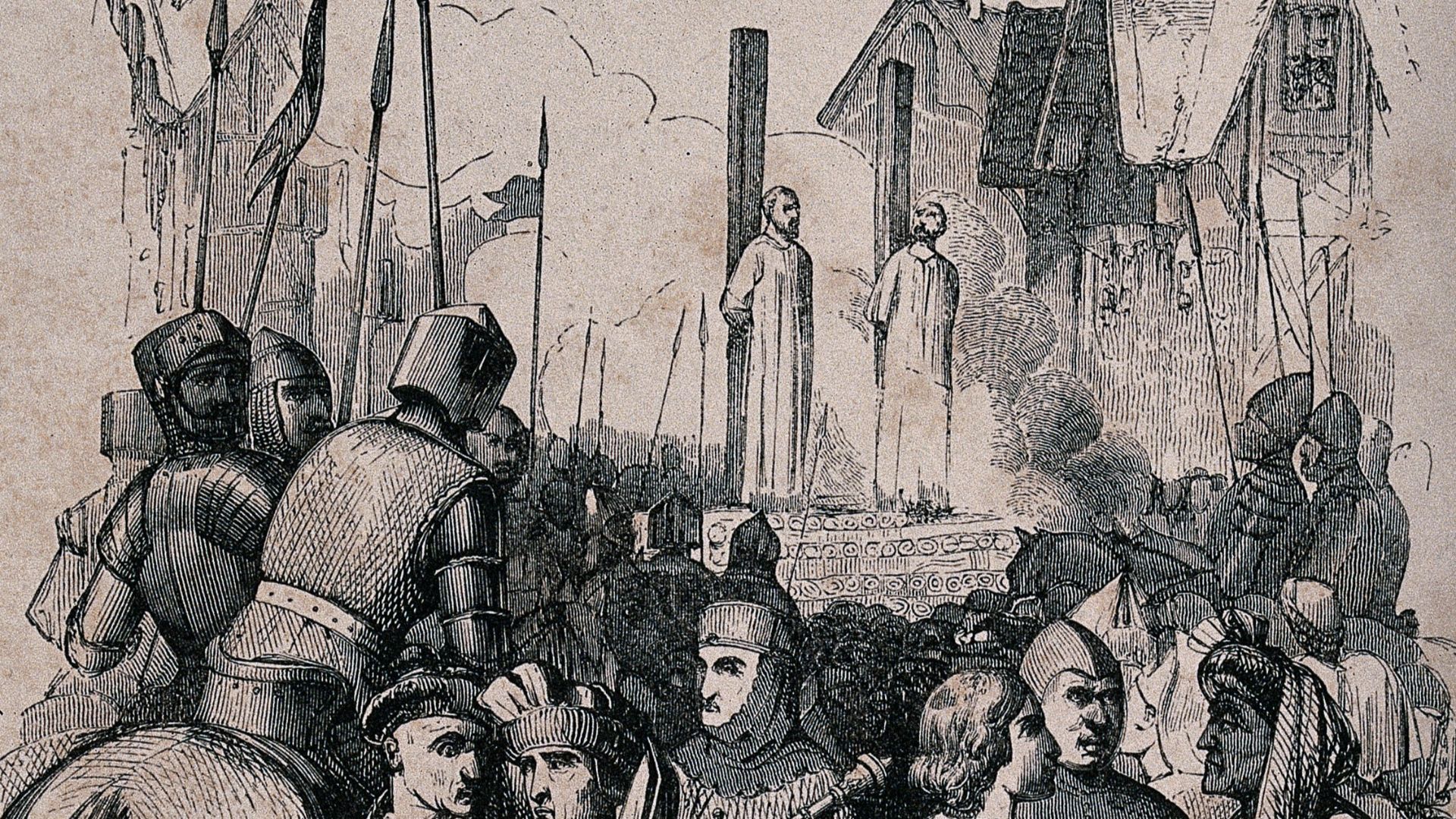
King Philip of France ordered two knights to be burned at the stake after they publicly revealed that he coerced their confessions. But as the Templar Grand Master was burning alive, he laid a horrific curse upon Philip, which some say led to his demise shortly after.
52. Knights And Dames
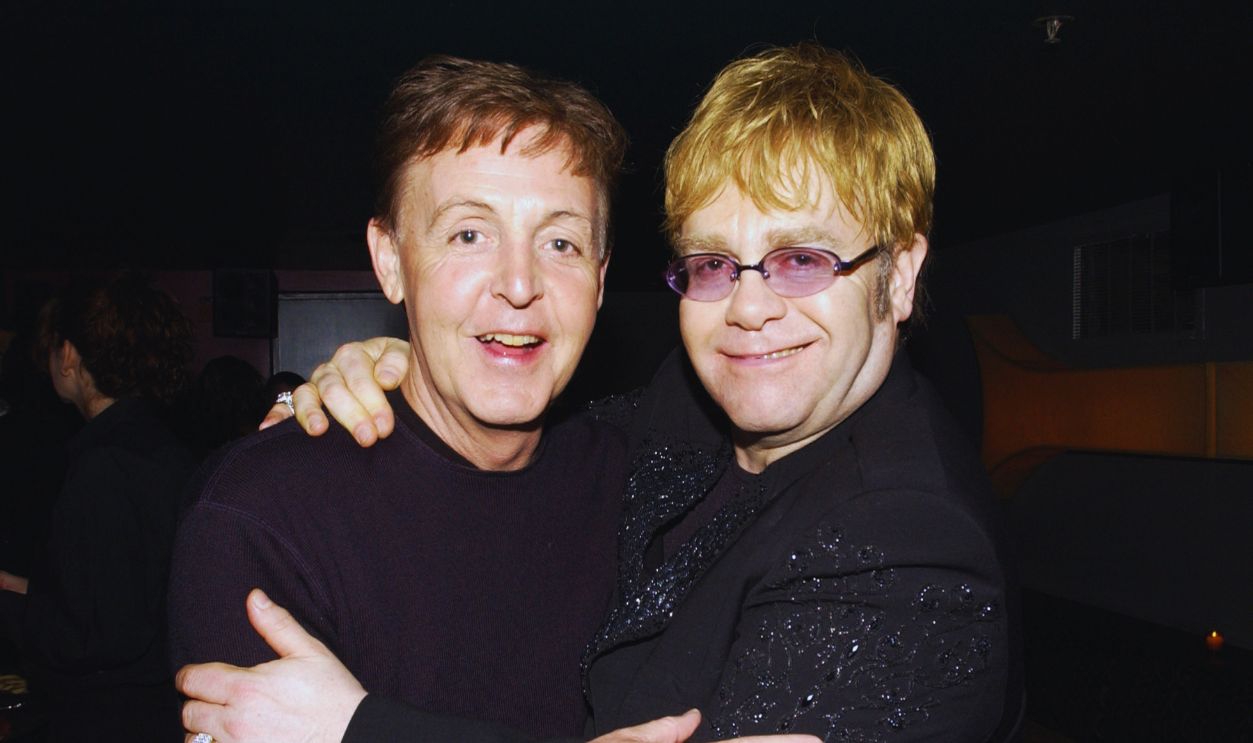
Many countries today, particularly those with surviving monarchies, still bestow the title of knight to citizens who do great service to society in the form of charity, art, or other non-martial deeds. The best known of these is the Order of the British Empire, with notable knights like Sirs Elton John and Paul McCartney.
The position is now, finally, bestowed upon women as well, though the title is more commonly Dame than Sir. Indeed, knights may forever occupy a heroic place in our collective consciousness, evolving alongside the values of society.
You May Also Like:
Valiant Facts About Medieval Knights
Down And Dirty Facts About Medieval England