
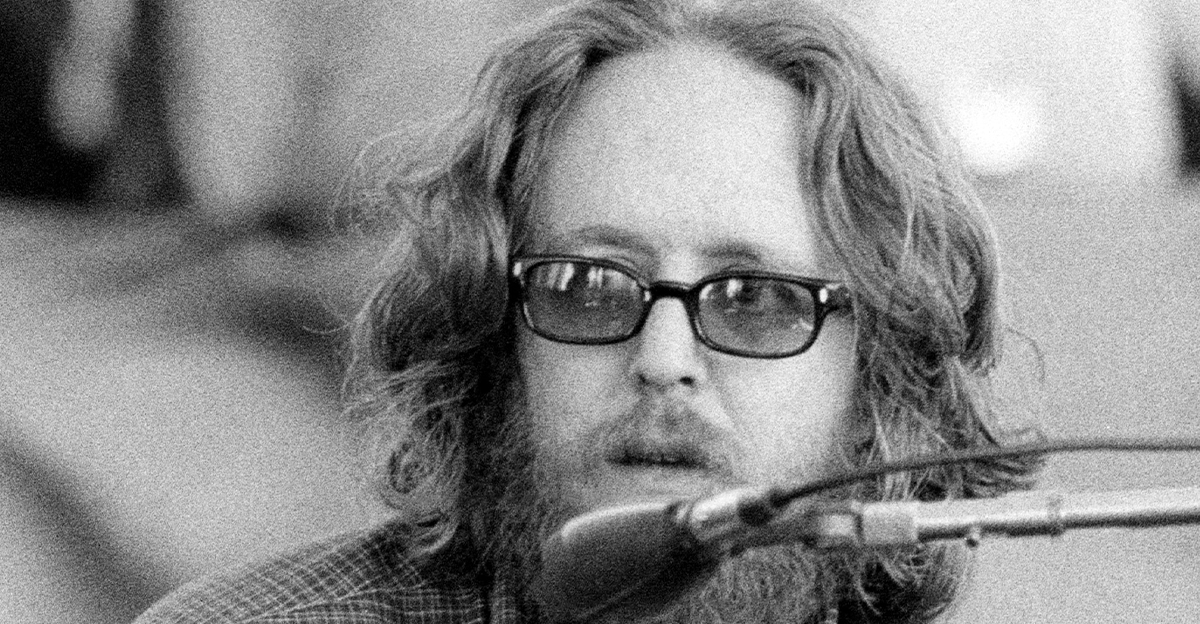
The Most Unlikely Rocker
Most of the greatest musicians in history earned their success through countless hours of study and practice, but once in a while, someone pops up who takes the music world by storm out of sheer natural talent. Such was the case with Keith Godchaux, a pianist who, as many would observe, had little understanding of how to play his part in a band, but also one who the Grateful Dead couldn’t have made it without—if only he were around for longer.
1. He Pushed Him To It
For many musicians, following their dreams means striking out on their own with little to no support, but this wasn’t the case for Keith Godchaux. Born in 1948, he spent most of his childhood in the San Francisco Bay Area, and while he could have pursued any number of careers, someone set him on his path early. Being a professional musician in his own right, Keith’s father arranged for him to start piano lessons when he was five years old.
Thankfully, he gained some proper experience before too long—though not exactly how he wanted.
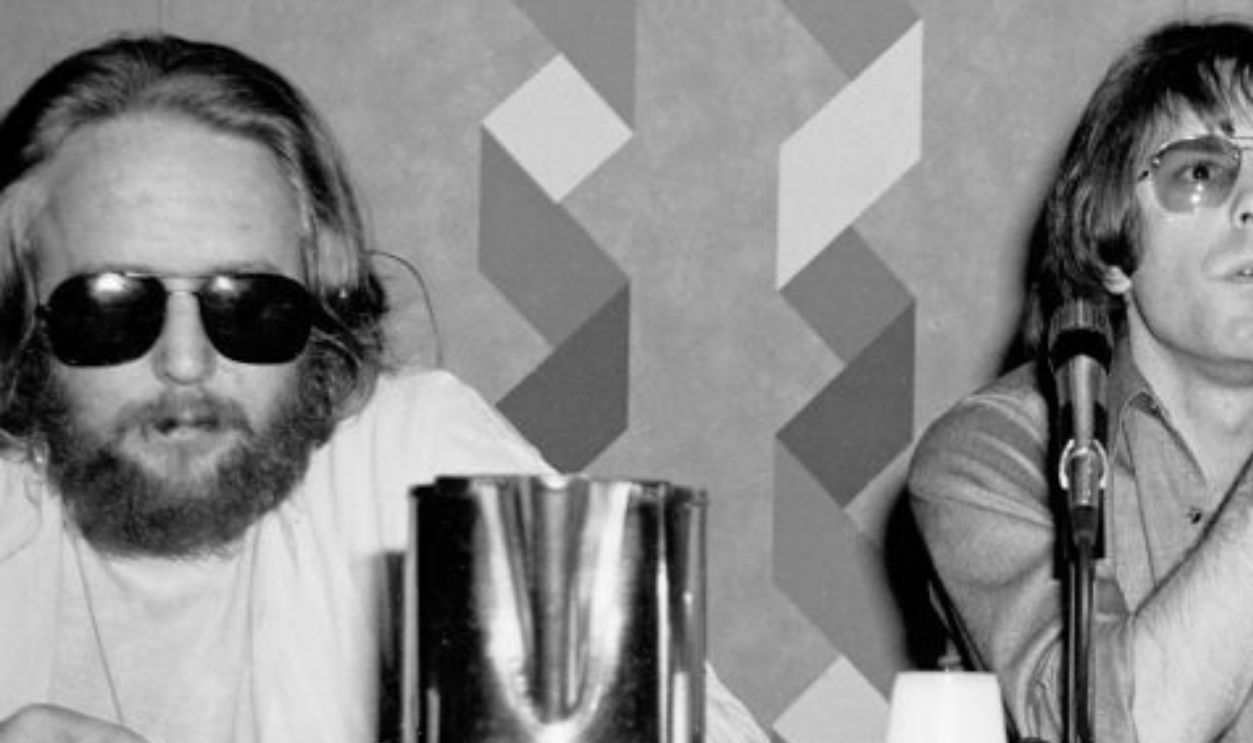
2. He Got His Experience
After studying the piano for years, Keith began using his talents to support himself as a teenager, and the easiest way was to play in any band that would take him in. At the time, this meant he often took gigs in country clubs or accompanying lounge musicians, playing mostly cocktail or Dixieland jazz.
Many would have loved this kind of stability as a musician—but not Keith Godchaux.
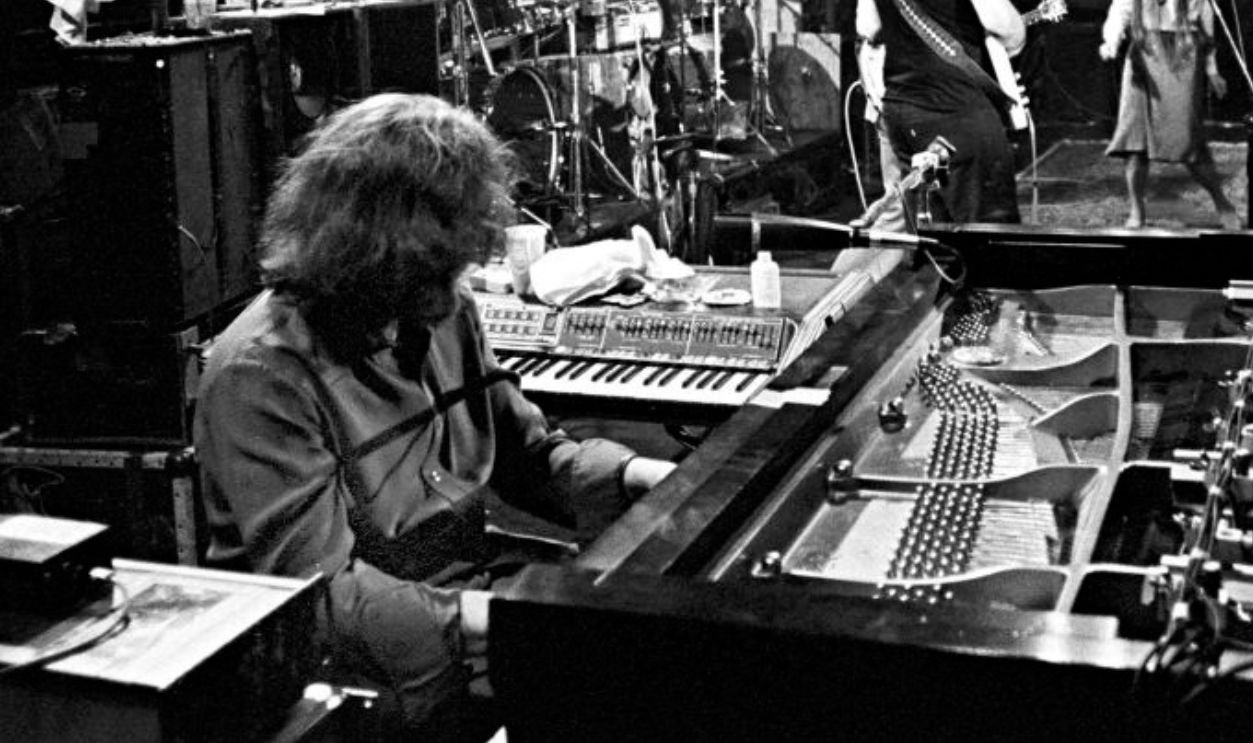
3. He Hated It
Although these gigs allowed Keith to have a steady income while technically doing the thing he loved, his heart just wasn’t in it. Ultimately, he found that part of the music world too fake, as the musicians he worked with often had to play whatever was popular rather than what they really wanted.
Little did he know that his career was about to get a major upgrade, and it all started when he met her.
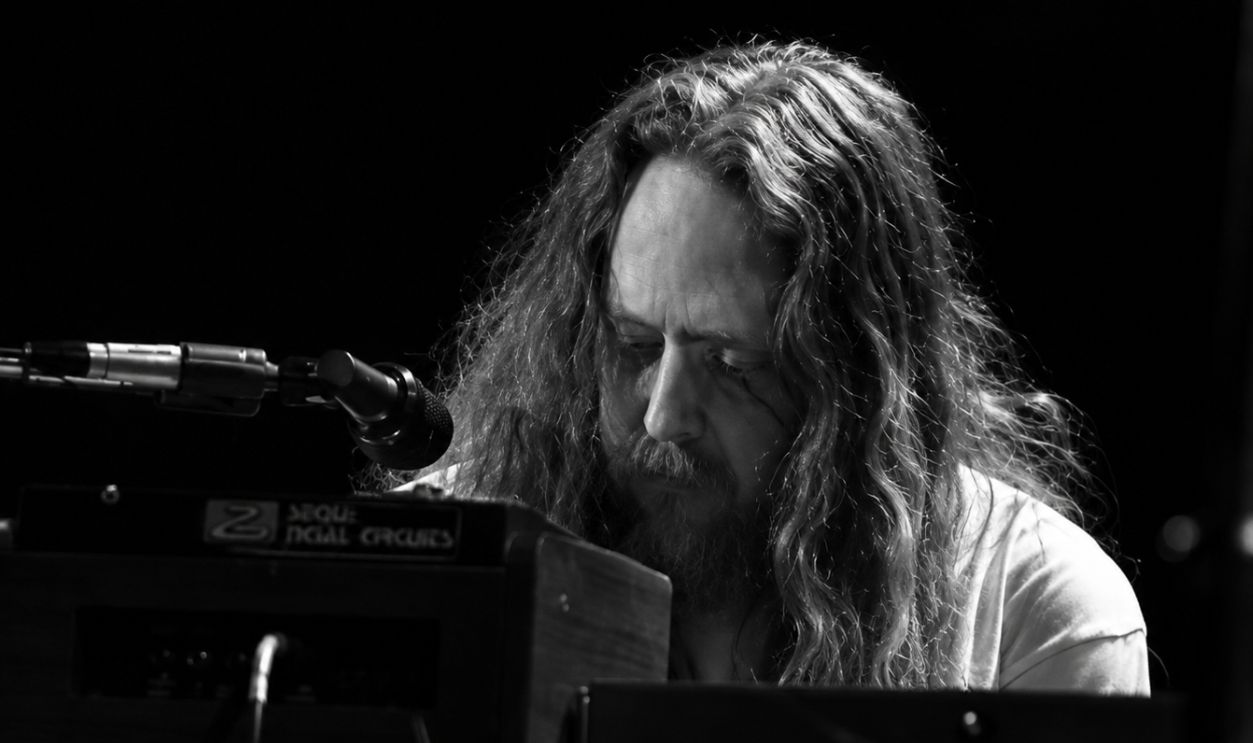 Screenshot from Keith and Donna Concert, Round Records (1975), Enhanced
4. He Met Someone Special
Continuing this kind of career into his 20s, it would have been easy for Keith Godchaux to feel like his life was one long stretch of monotony—but then she came along. Among several connections throughout the music industry, Keith met Donna Jean Thatcher, a former session vocalist for FAME Studios. The two instantly hit it off, and in November 1970—the same year they met—they threw caution to the wind and tied the knot.
Keith had found someone to spend the rest of his life with, and who was willing to support him.
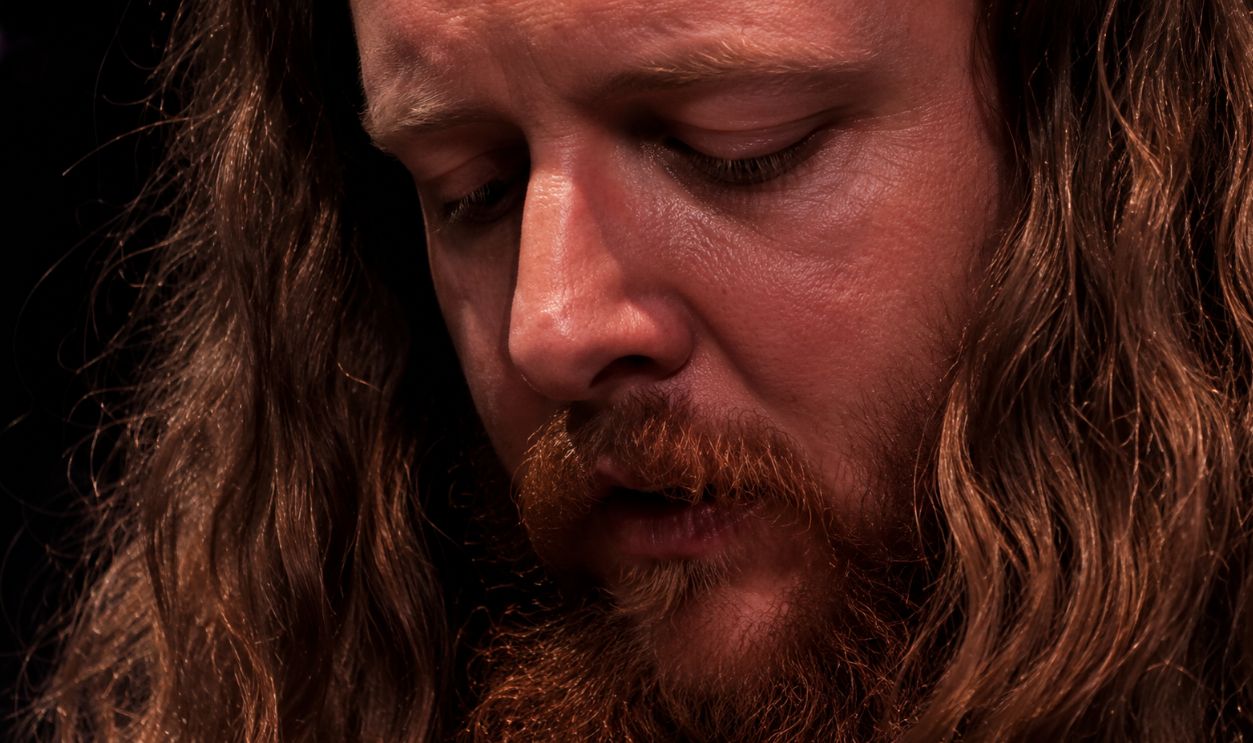 Screenshot from The Grateful Dead Movie, Monarch Films (1977), Enhanced
5. She Was There For Him
Likely taking an emotional toll on him as he played the same gigs over and over, Keith’s career ended up slowing down in the 1970s, but he thankfully had someone to help. While he did take the occasional gig as a lounge pianist, he and Donna only survived their first few years of marriage because she supported them both.
Of course, he couldn’t always afford to be as picky as he was before.
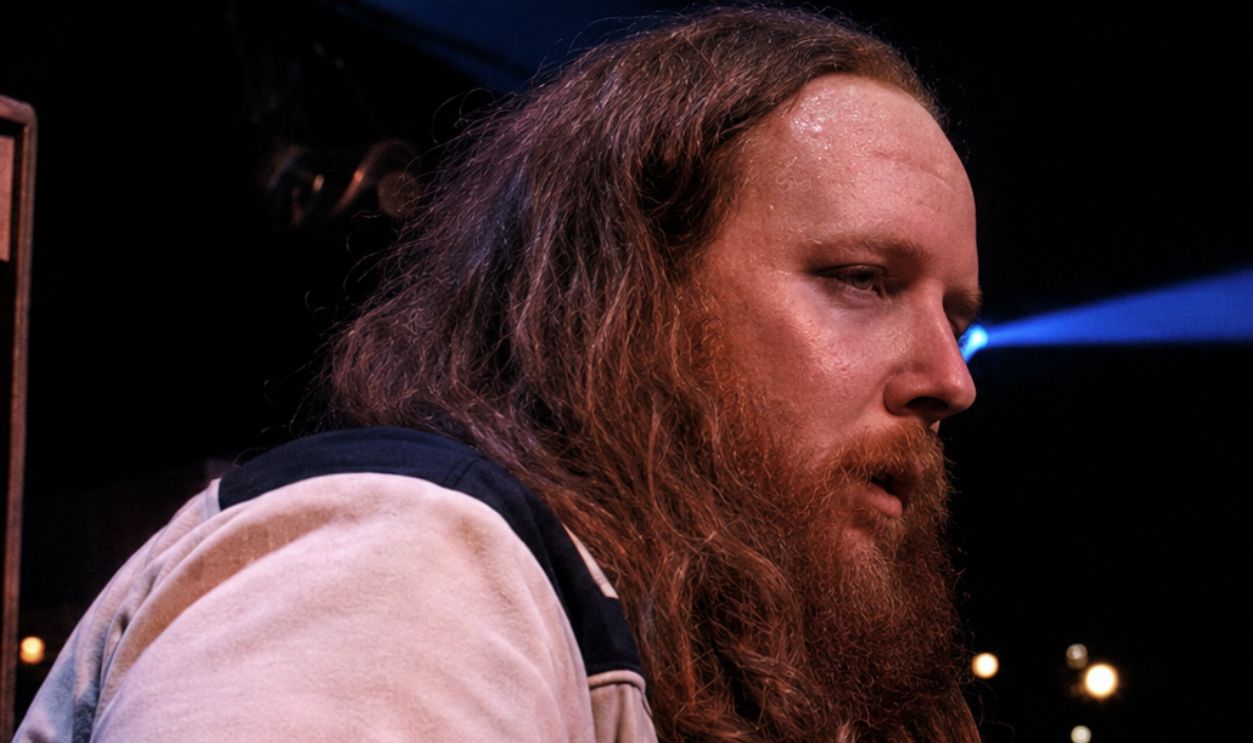 Screenshot from The Grateful Dead Movie, Monarch Films (1977), Enhanced
6. He Worked With Others
Keith certainly had his own opinions about the music scene he was part of, but at least he enjoyed the type of music he often played. On the other hand, he was quite vocal about his disdain for jazz rock, being much more drawn to styles like swing and bebop. However, times were tough, and it’s said he began to work with several rock bands to make ends meet.
However, he was about to witness the group that would change his life forever—and he wasn’t even a fan at first.
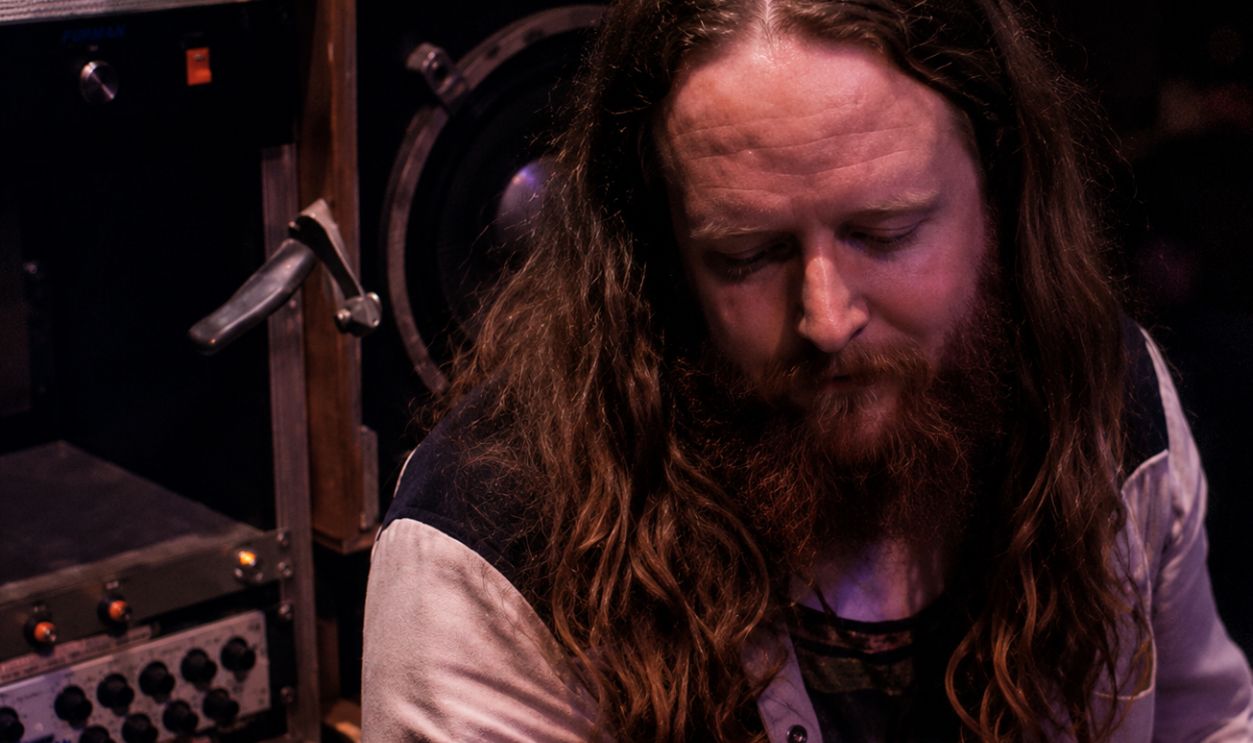 Screenshot from The Grateful Dead Movie, Monarch Films (1977), Enhanced
7. He Tagged Along
When he wasn’t working, Keith still immersed himself in the world of music, even if it wasn’t necessarily his choice. One night in the early 1970s, Donna invited him to a concert with her and her friends, who were apparently huge fans of the band that was playing. With nothing better to do, Keith accompanied them and stood in the crowd until he finally saw the group take the stage: a band called the Grateful Dead.
They weren’t what he expected them to be, but he still couldn’t look away.
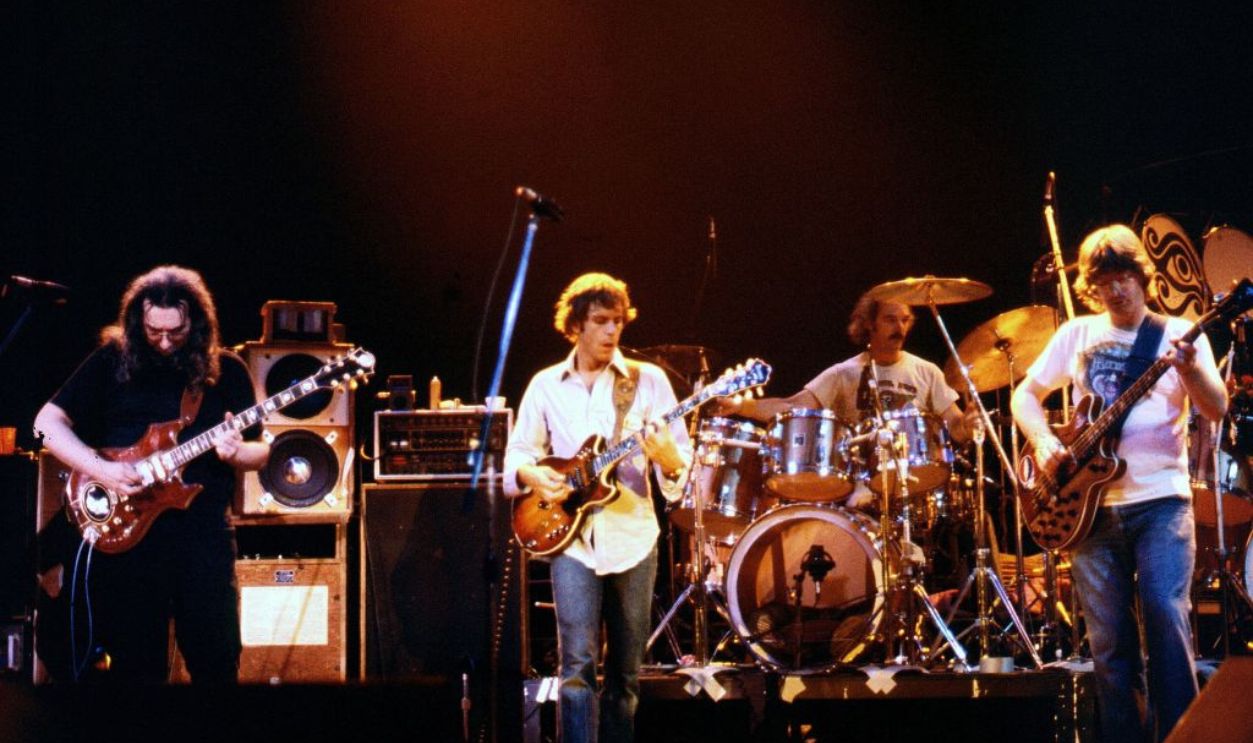
8. He Was Captivated
Keith had attended this concert without expecting much from the band, but as soon as he watched them perform, he knew his life would never be the same. He would go on to describe his first impressions of the band, noting that rather than having a more electrifying sound like he thought they might, he instead found a sincere beauty in their style.
Something was drawing him to this relatively new group, and thankfully, he had an edge.
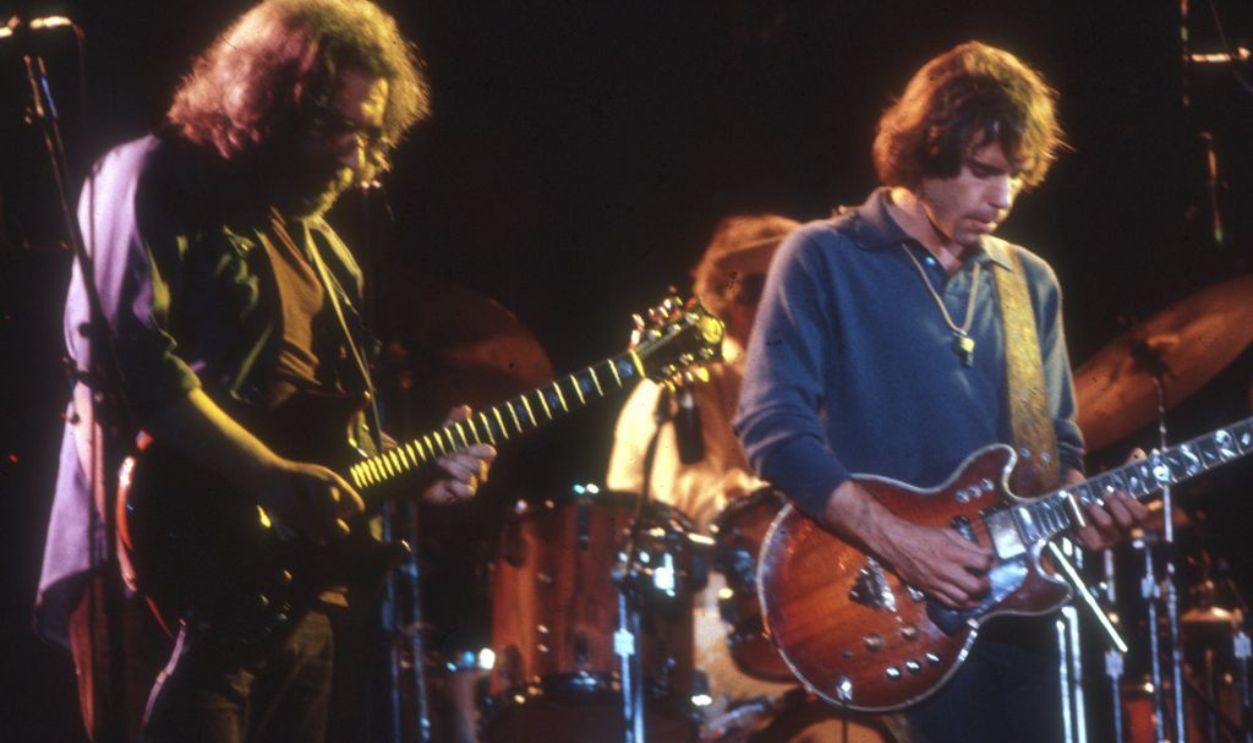
9. He Had A Connection
While there’s no way he could have known about his future with the band, Keith would find that the stars seemed to align that way, especially since he already had a link to them. Having previously worked with sound engineer Betty Cantor-Jackson, he found a bridge to the group, as she also worked for the Grateful Dead.
However, this wasn’t the only thing he had going in his favor.
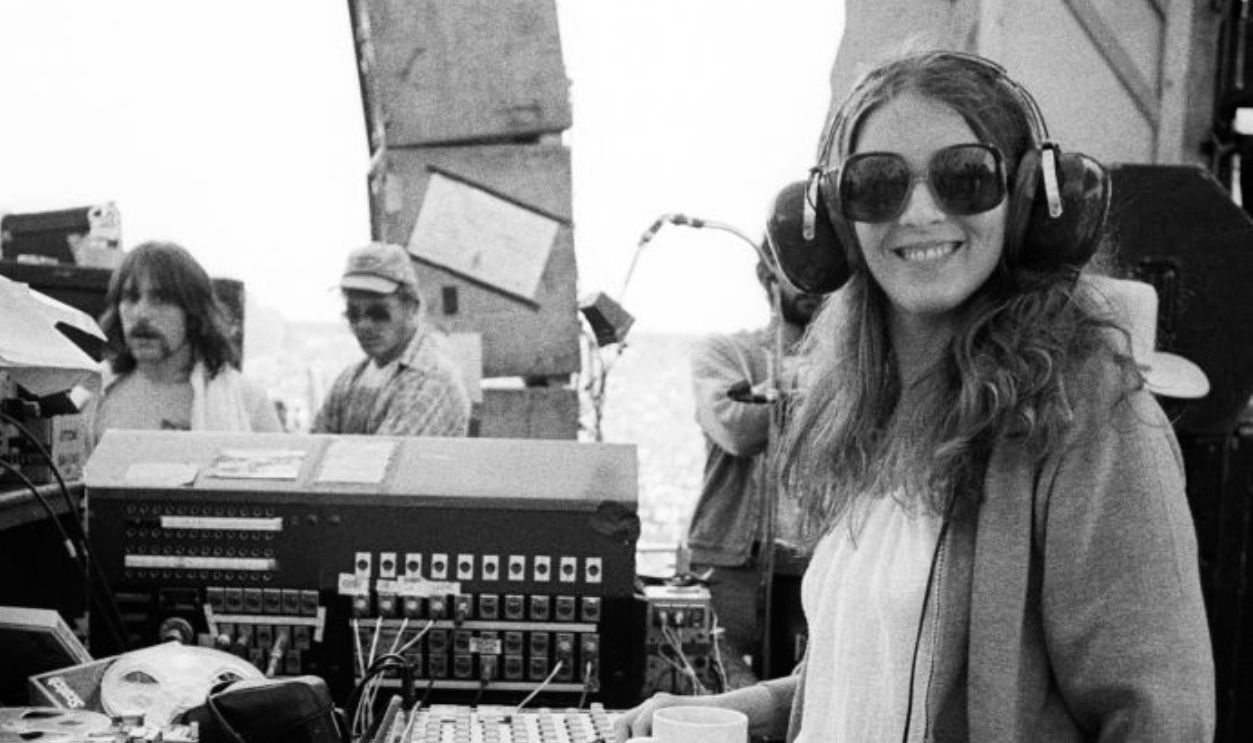
10. He Was Down For The Count
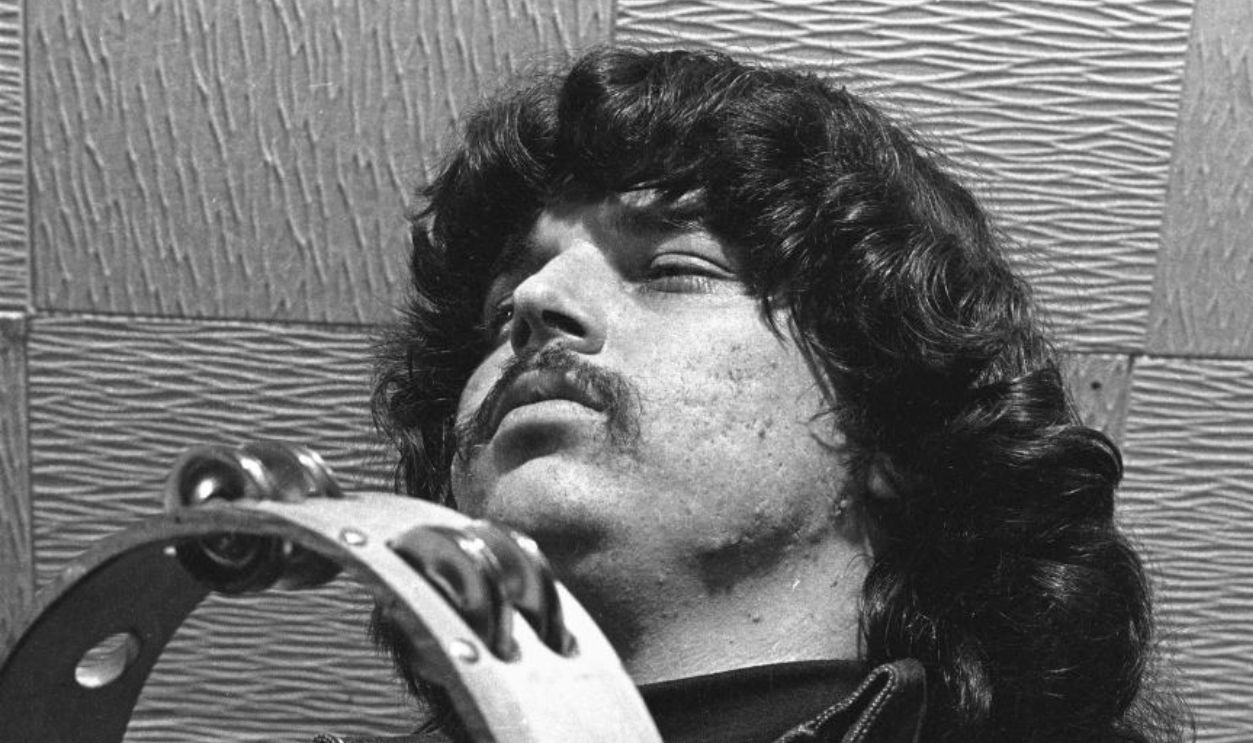
While Keith Godchaux may have envisioned himself as part of this beautiful new band, there was likely no chance he believed he could actually join, especially since they already had a pianist—or so he thought. Up till this point, Ron "Pigpen" McKernan had served as the band’s keyboardist, but as he started to suffer from more intense health issues, they needed someone to stand in for him.
In the end, these advantages weren’t necessary. Keith had someone else batting for him.
11. She Approached Them
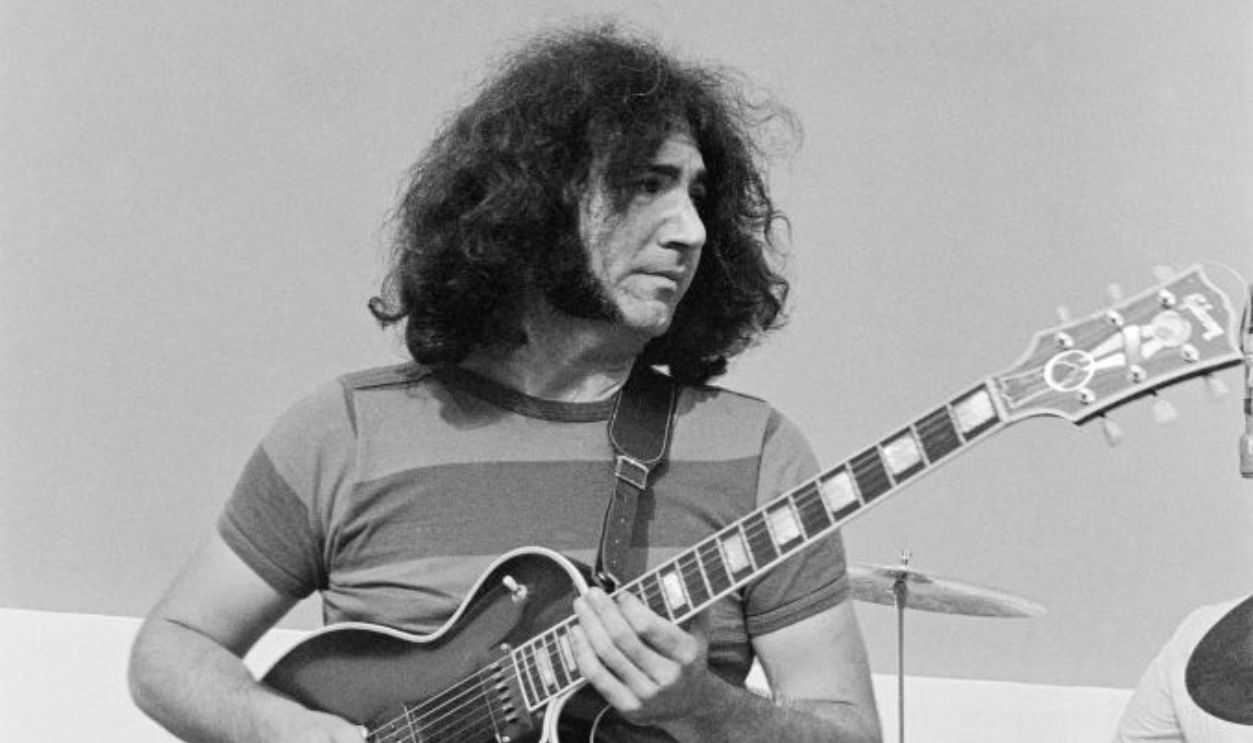
Even if Keith believed he deserved a place in the band, there was no way he was about to even speak to the members, let alone ask if he could join. Fortunately, that was where Donna came in, and being much more confident than her husband, she marched right up to the band’s leader, Jerry Garcia. However, she wasn’t looking for an audition or an invitation for Keith; she simply informed him that she had found their new keyboardist.
This seemed to work, and before long, he was right where he needed to be.
 Michael Ochs Archives, Getty Images
12. He Wanted To Hear Him
Giving Keith a chance to play with them, Jerry invited him to one of their rehearsals, where the pianist had no trouble immediately making an impression. Calling up the band’s drummer, Bill Kreutzmann, Jerry urged him to rush over and see for himself, at which point they both realized they had found someone special.
Of course, he hadn’t secured a permanent spot yet—but that was only a matter of time.
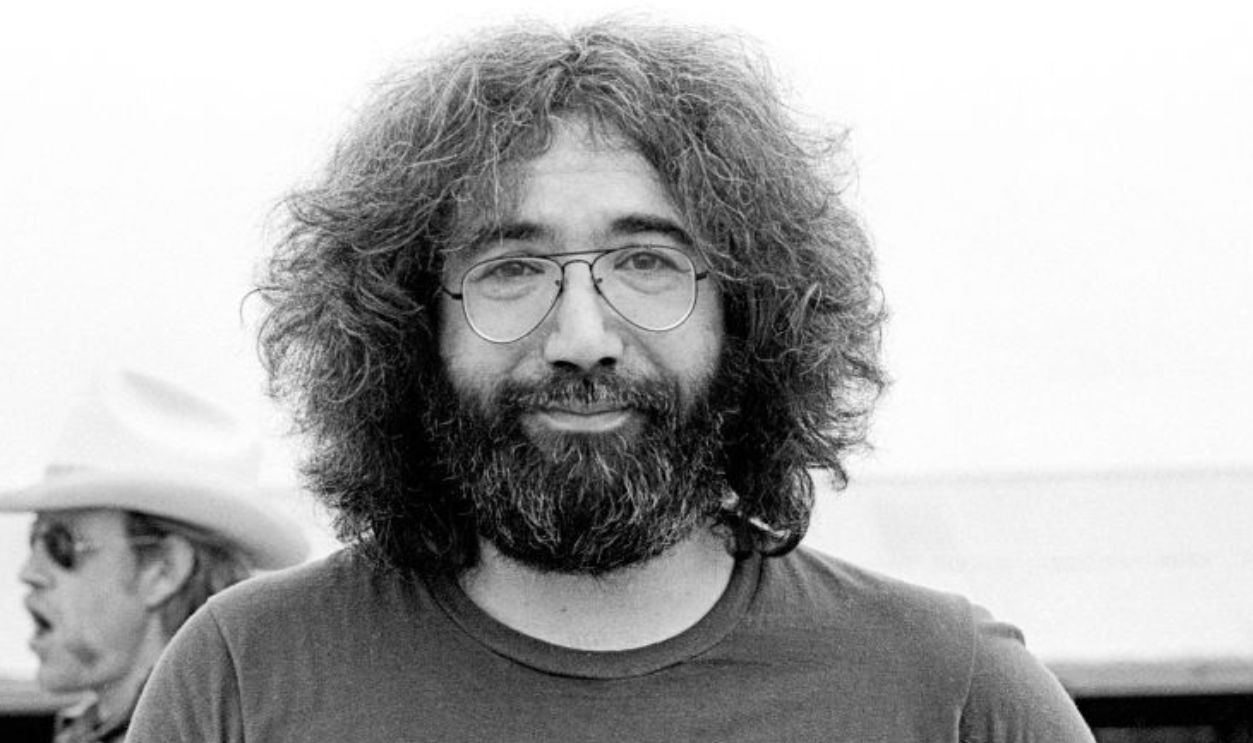
13. They Wanted Him To Stay
While Keith Godchaux was certainly talented, he was far from the only keyboardist the band knew, so he became just one of the session musicians they would call in when needed. Still, none of them could deny that there was just something that set him apart from the others, so in the Fall of 1971, they asked him to take his place as a permanent member.
At the same time, he wasn’t their only new addition.
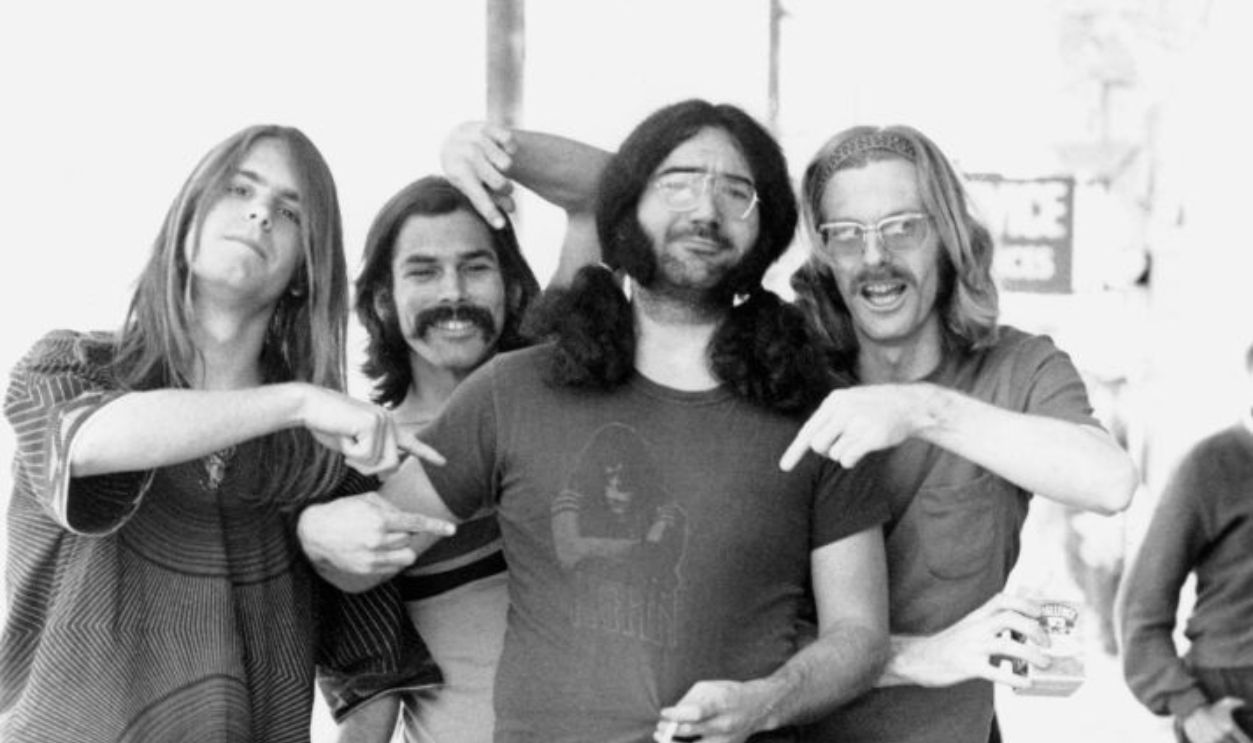 Michael Ochs Archives, Getty Images
14. She Went With Him
Over the moon about this once-in-a-lifetime opportunity, Keith naturally agreed to join the band as their new keyboardist—but he wouldn’t be going alone. He wasn’t the only musician in his relationship, and just as he became a permanent member, so did Donna, who began contributing as a new vocalist for the group.
All that was left was to make his first appearance. Luckily, he wouldn’t have to wait long.
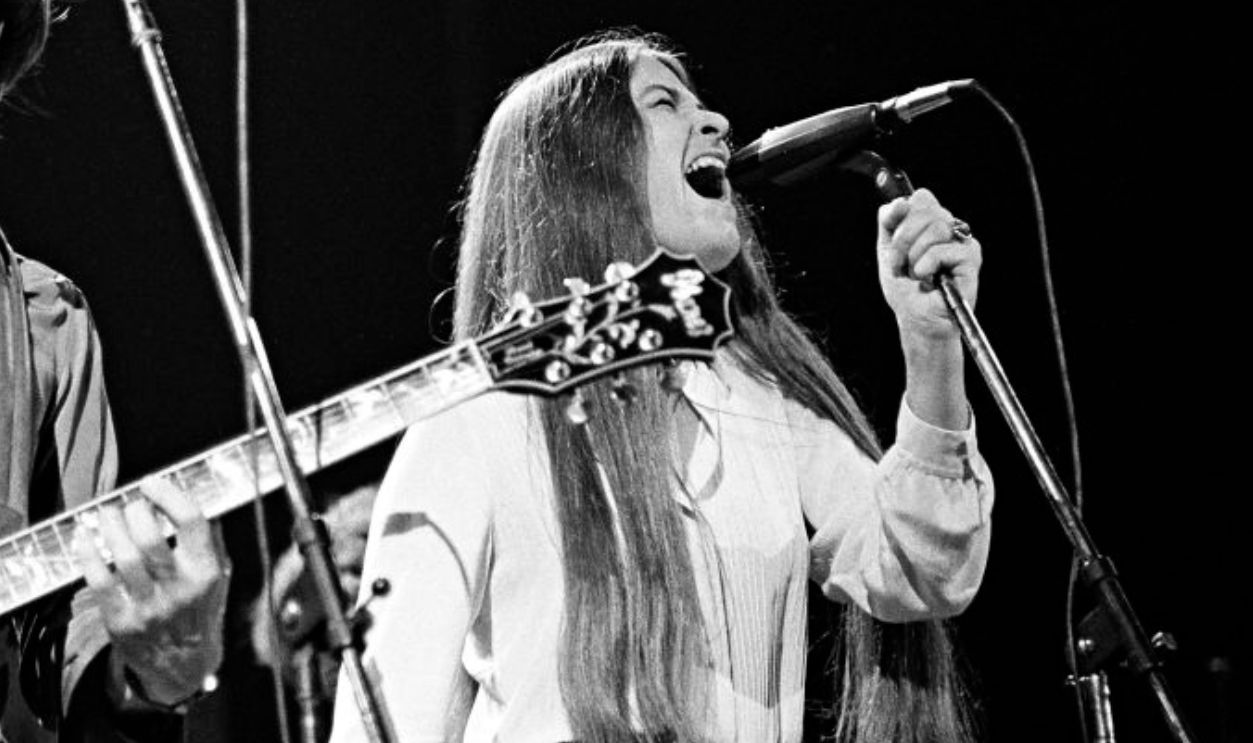
15. He Made His Debut
For the first couple of decades of his life, Keith had grown used to performing in places like lounges or country clubs, with bands he was never overly attached to—but all that had changed. Just one month after officially joining the band, he debuted as its keyboardist in a concert at the University of Minnesota.
Still, it wasn’t like the band had completely moved on from his predecessor.
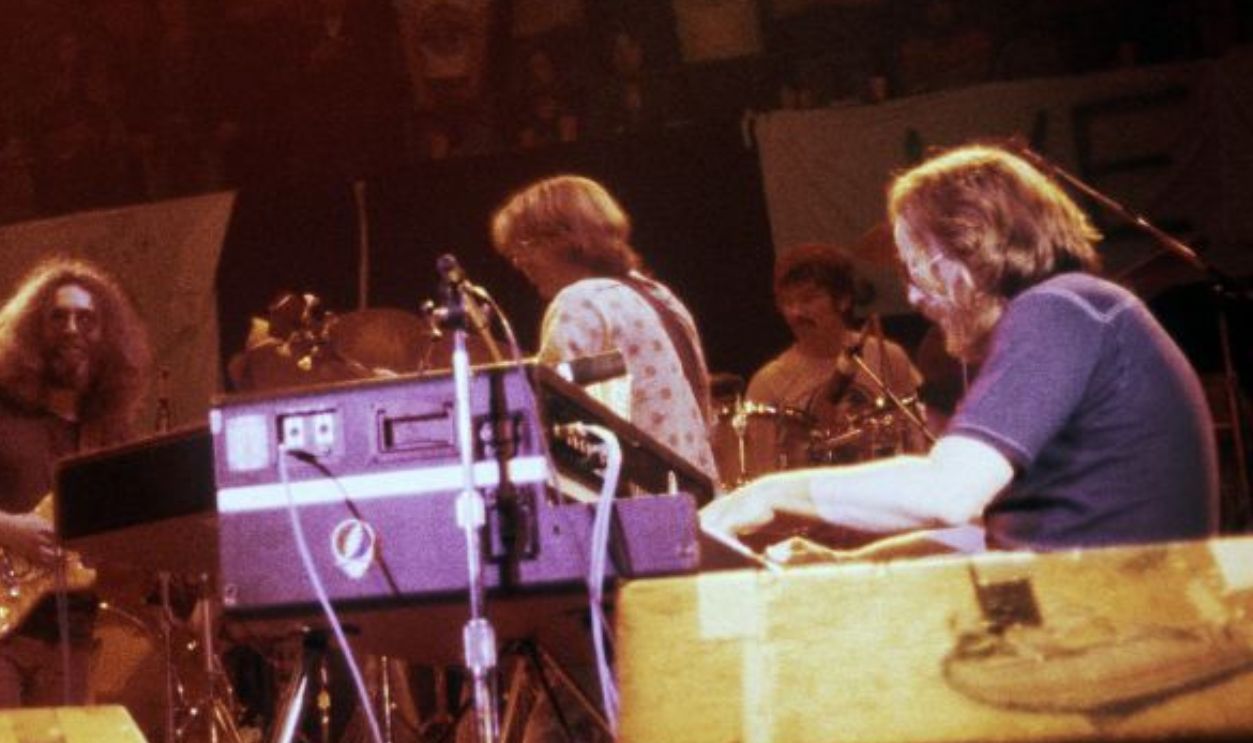
16. They Complemented Each Other
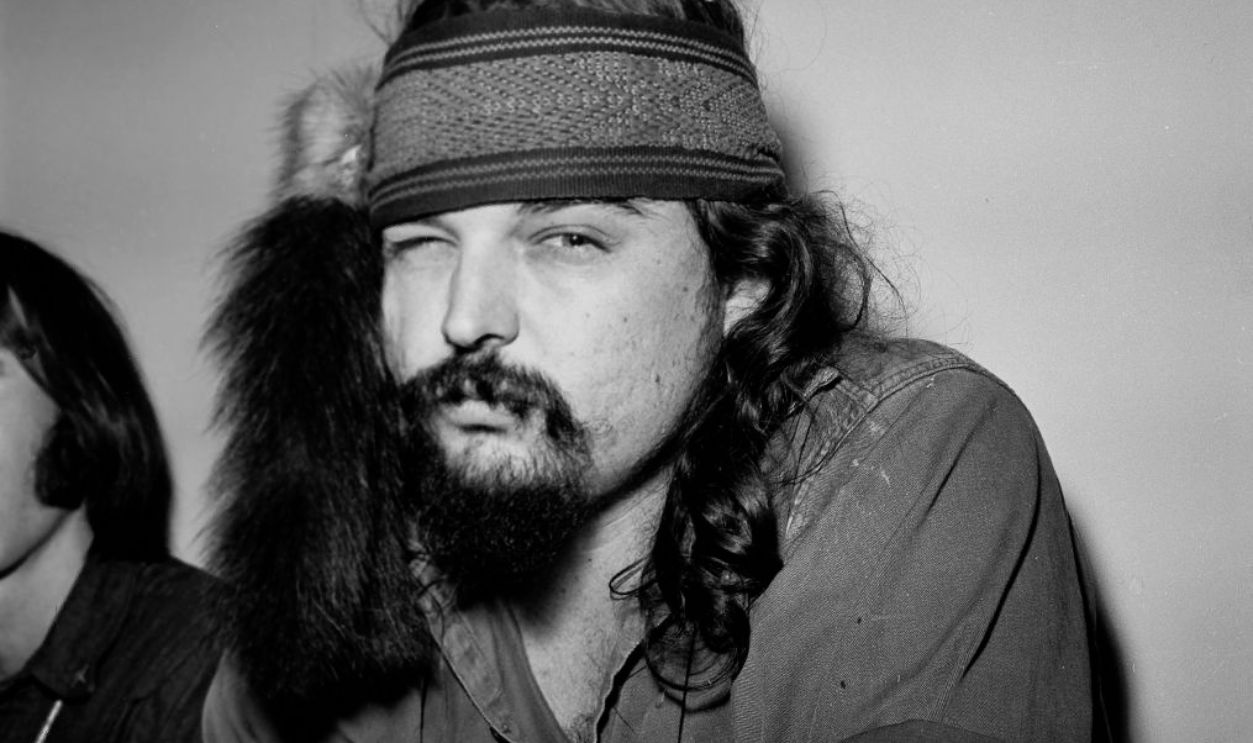
Although Keith Godchaux had taken over for Ron "Pigpen" McKernan due to the latter’s illness, these health issues wouldn’t last forever, meaning Pigpen was eventually ready to get back in the saddle. Luckily, the band had plenty of room for both of them, and while Keith mostly played the acoustic piano from then on, Pigpen took up the organ instead.
This truly seemed like the perfect setup for the band—specifically, Keith and Donna.
 San Francisco Chronicle/Hearst Newspapers, Getty Images
17. They Hit Their Stride
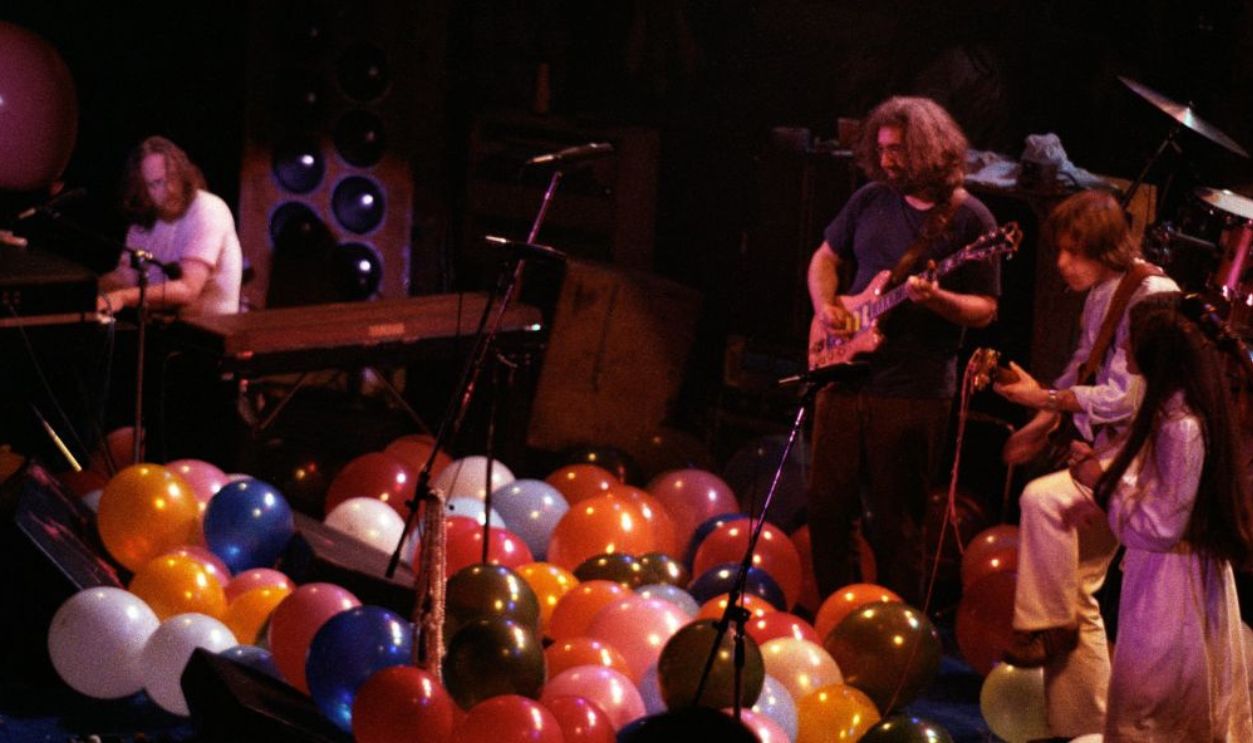
Coming into the band off of their own limited careers, both Keith and Donna still had a lot to figure out about what kind of musicians they were—and now they had their chance. As they continued with the band during the early 1970s, and especially during their 1972 European tour, the married musicians truly discovered their musical identities and were better for it.
It took no time at all for the band to realize they had made the right choice, especially for their specific needs.
18. He Had His Own Style
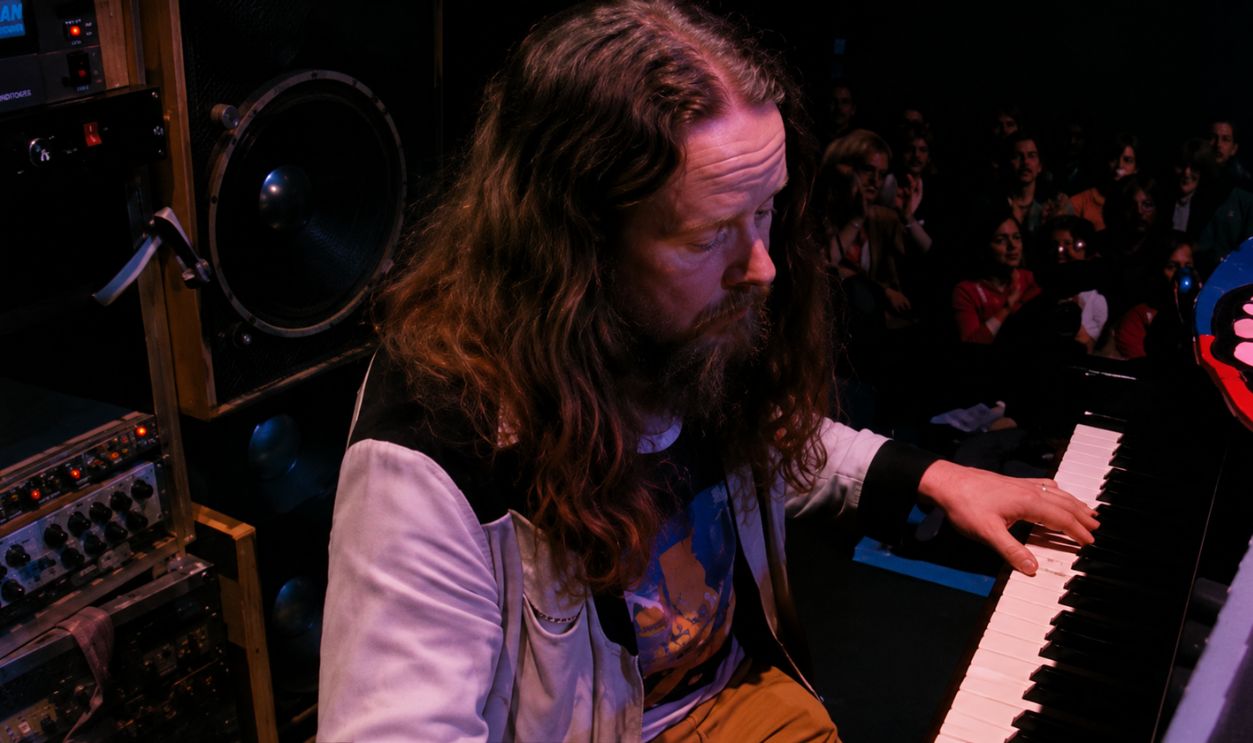
Keith had already begun developing his own style, but as he spent more time with the band, he honed it into something utterly unique to him. Taking a lot of inspiration from the boogie-woogie genre, he created a brand new style that critic Robert Christgau described as “a cross between Chick Corea and Little Richard”.
While Keith didn’t know it in advance, this was exactly what the band needed.
 Screenshot from The Grateful Dead Movie, Monarch Films (1977), Enhanced
19. He Was A Perfect Fit
While the band could have had any capable keyboardist join them, they hadn’t been looking for someone with talent alone—whoever it was would also have to keep up with them. Specifically, they needed someone whom they could trust to handle more improvisational performances at times without upstaging Jerry Garcia as lead guitar. As it quickly became clear, Keith Godchaux was exactly that kind of musician.
Still, while he proved to be an amazing asset for the band, being a team player wasn’t exactly his strong suit.
20. He Was Perfect On His Own
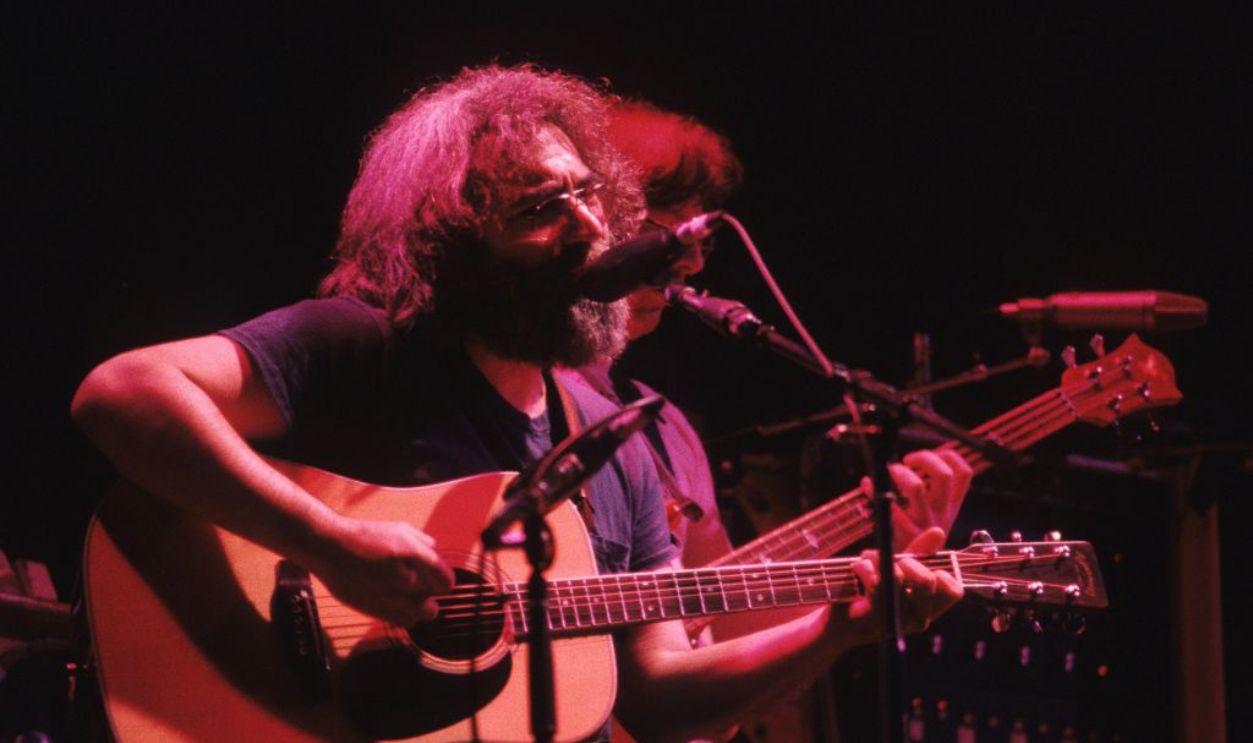
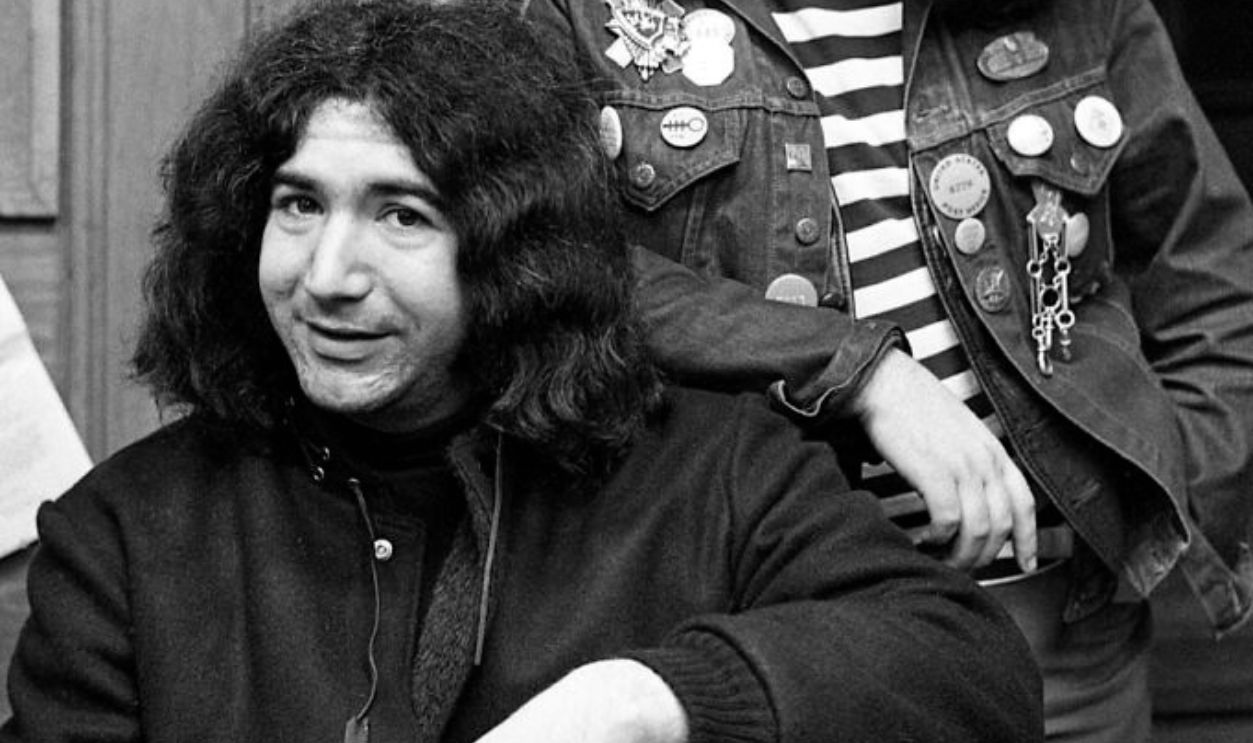
The band was certain of Keith’s talent as a pianist, but at the same time, much of the way he operated within the group baffled them. Although it was clear he knew his way around his instrument, they soon discovered that he had little understanding of how exactly it worked with the others. Even Jerry Garcia would later recall that, “Keith is one of those guys who is sort of an idiot savant of the piano”.
Even so, they allowed him much more freedom in the band than expected—even to branch out into other sections.
 San Francisco Chronicle/Hearst Newspapers, Getty Images
21. He Sang Once
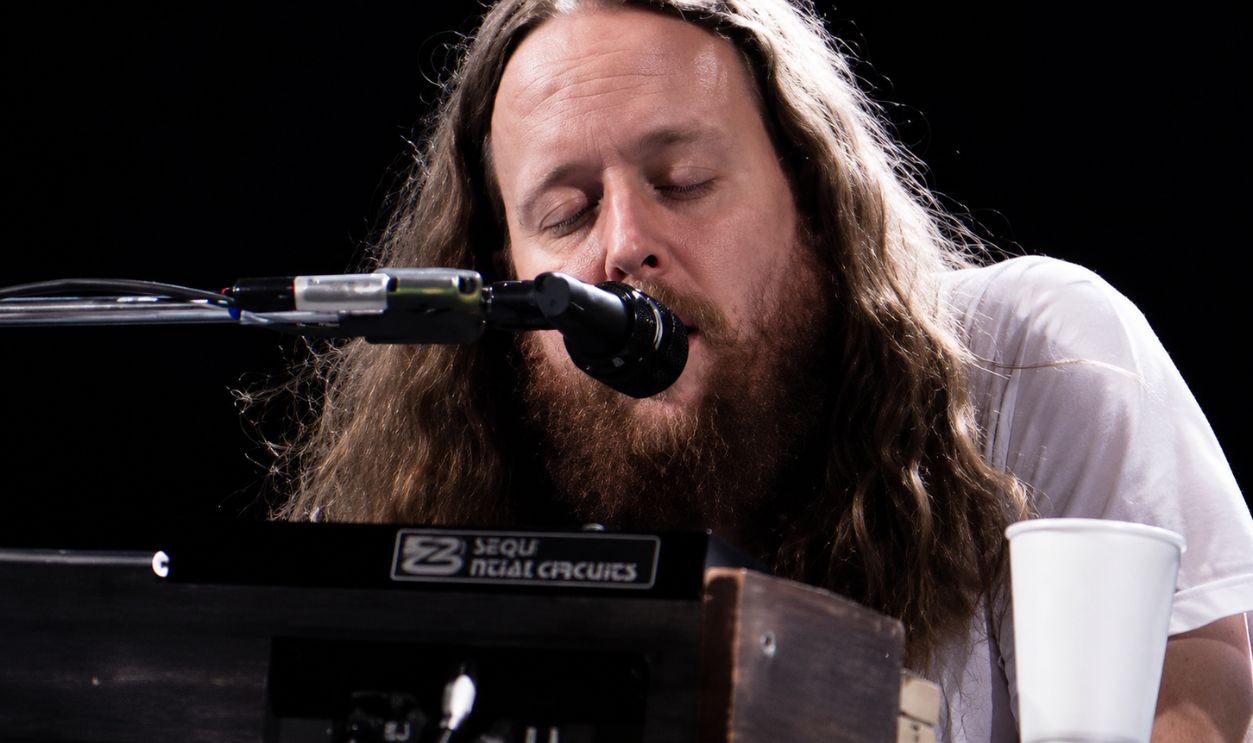
Whether keyboard or acoustic piano, Keith Godchaux was doing amazing work within the band, but they were always looking to try something new, especially if it went against the norm. Taking a page out of Donna’s book, Keith took lead vocals on one of the group’s songs, “Let Me Sing Your Blues Away,” which was also his only completely original composition.
Still, the piano was where his skills truly lay, possibly moreso than anyone else.
 Screenshot from Keith and Donna Concert, Round Records (1975), Enhanced
22. He Did The Most
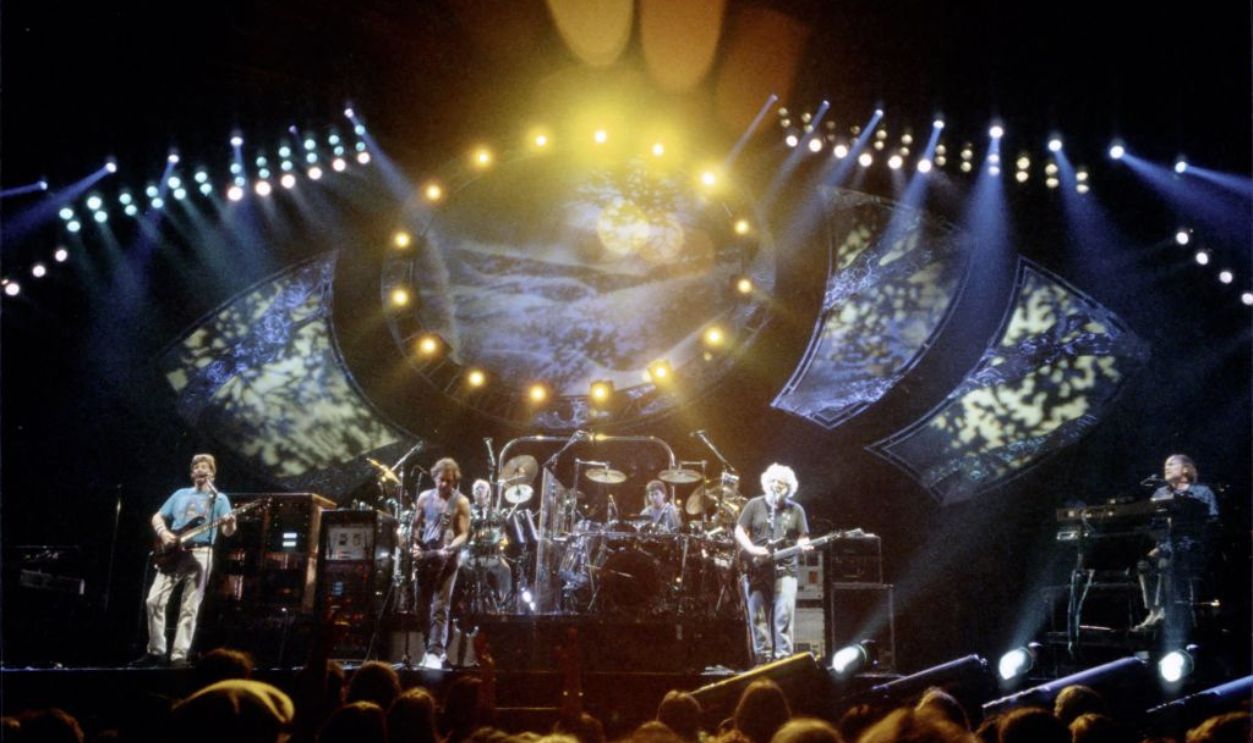
Keith wasn’t the first keyboardist for the group by far, and he also wouldn’t be the last one, but something still made him stand out from all the others. Beyond his exceptional talent, he also ended up appearing on five of their studio albums across the 1970s, which was the most out of any of the band’s keyboardists before or after him.
Unfortunately, this new career had introduced him to all the aspects of being a rock star—for better or for worse.
23. He Became Unhealthy
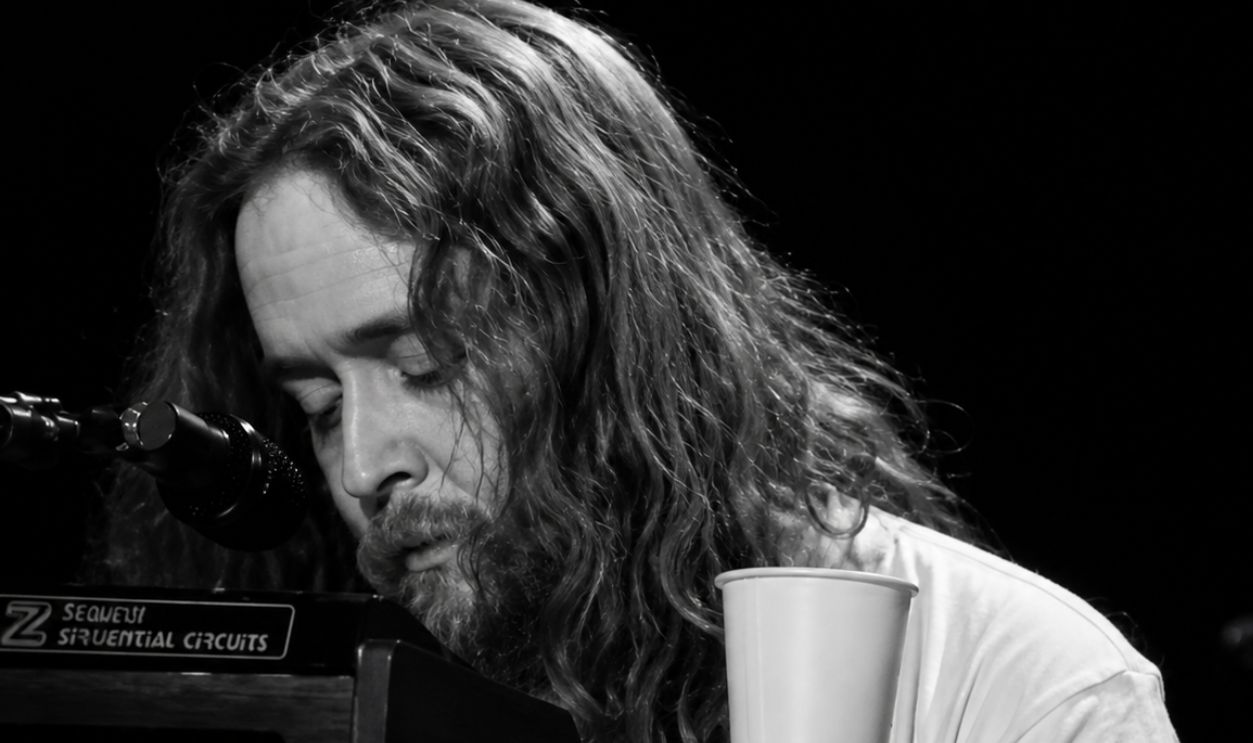
The transition from an infrequent lounge pianist to the life of a rock star was exciting, but it also quickly took its toll on Keith’s mental and physical wellness, especially with all the new temptations he now faced. Turning to drinking and substance use, he couldn’t stop himself as his health began to decline.
Sadly, he wasn’t the only one affected by these struggles.
 Screenshot from Keith and Donna Concert, Round Records (1975), Enhanced
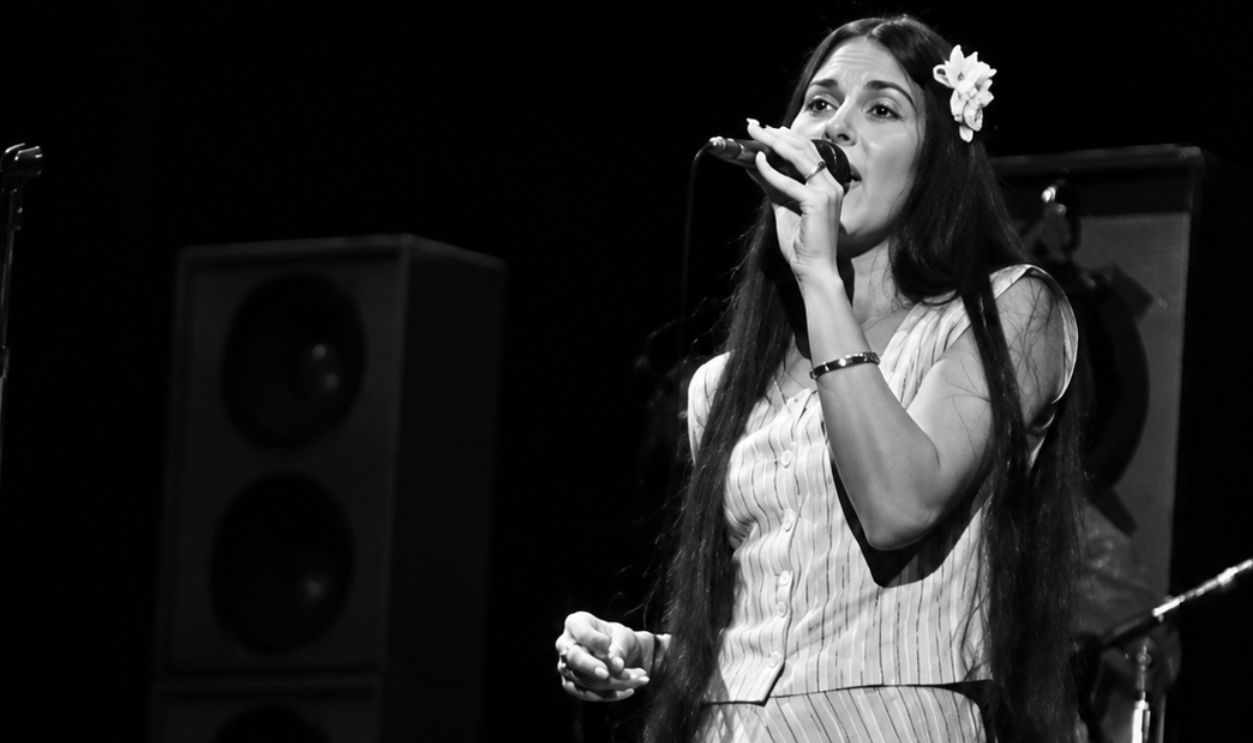
24. She Was Like Him
Keith and Donna had shared many things throughout their relationship, and had always had more than a few similarities—but these didn’t stop at their love of music. As he descended further into a dependence on more unhealthy habits, she followed suit and began drinking more and more, setting up a recipe for disaster.
These problems weren’t kept behind closed doors either, as the band knew all too well.
 Screenshot from Keith and Donna Concert, Round Records (1975), Enhanced
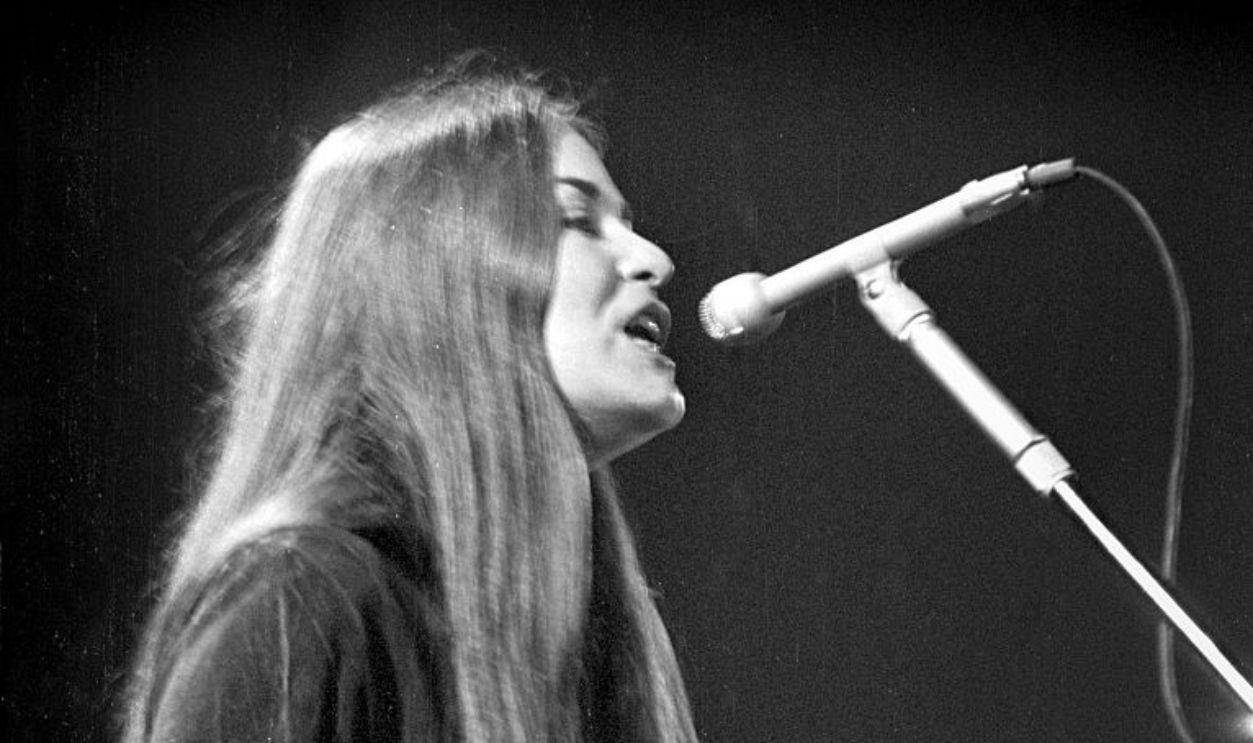
25. They Lashed Out At Each Other
As their unhealthy habits took over more of their lives, both Keith and Donna started to feel just how taxing their days of touring were, and neither handled this too well. Taking everything into consideration, it's not surprising that their emotions often bubbled to the surface, and the couple would get into epic fights that eventually began tearing the band apart.
Nonetheless, Keith would soon have even more on his plate—and all due to one tragedy.
 Gijsbert Hanekroot, Getty Images
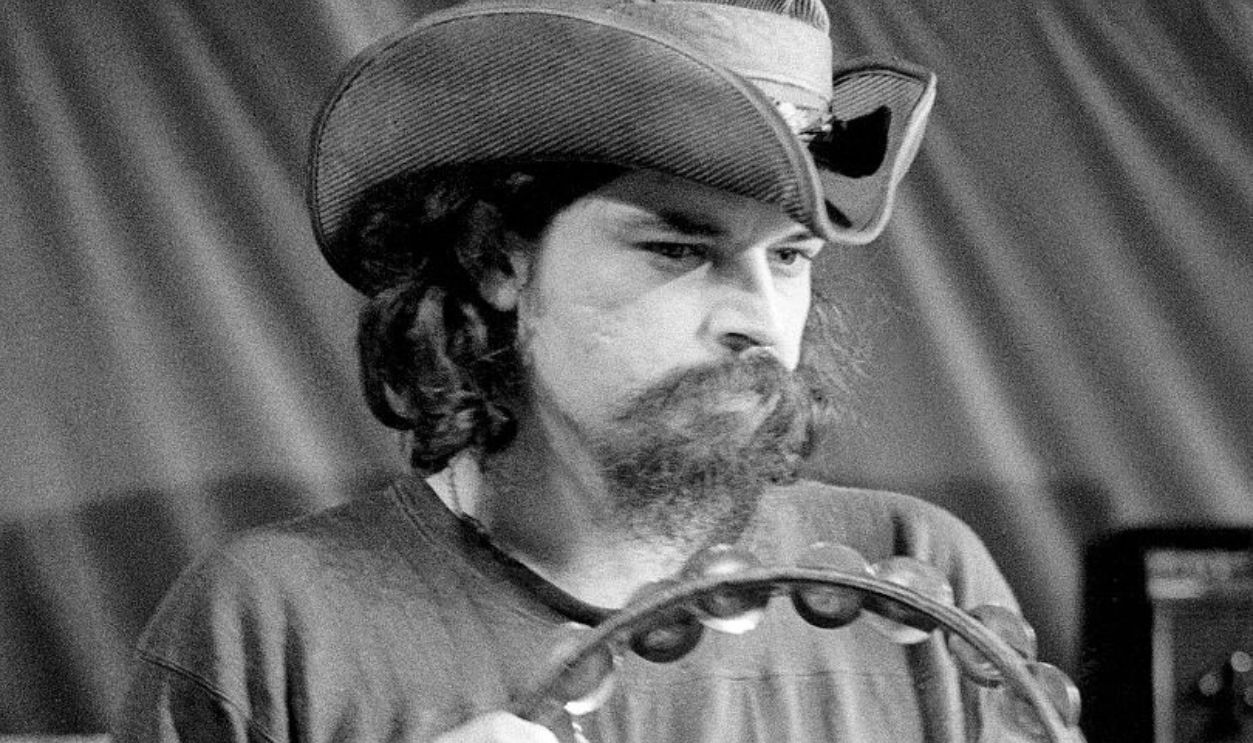
26. He Took Over The Role
Keith Godchaux and Ron “Pigpen” McKernan had the pleasure of sharing the stage for a couple of years, but the latter’s health issues hadn’t gone away completely, and the band soon had to face the inevitable. Sadly, Pigpen passed in 1973, leaving Keith to bear the weight of being the band’s only keyboardist, despite all the problems he was dealing with on his own.
Suddenly, Keith was responsible for a much larger contribution, even if it didn’t show.
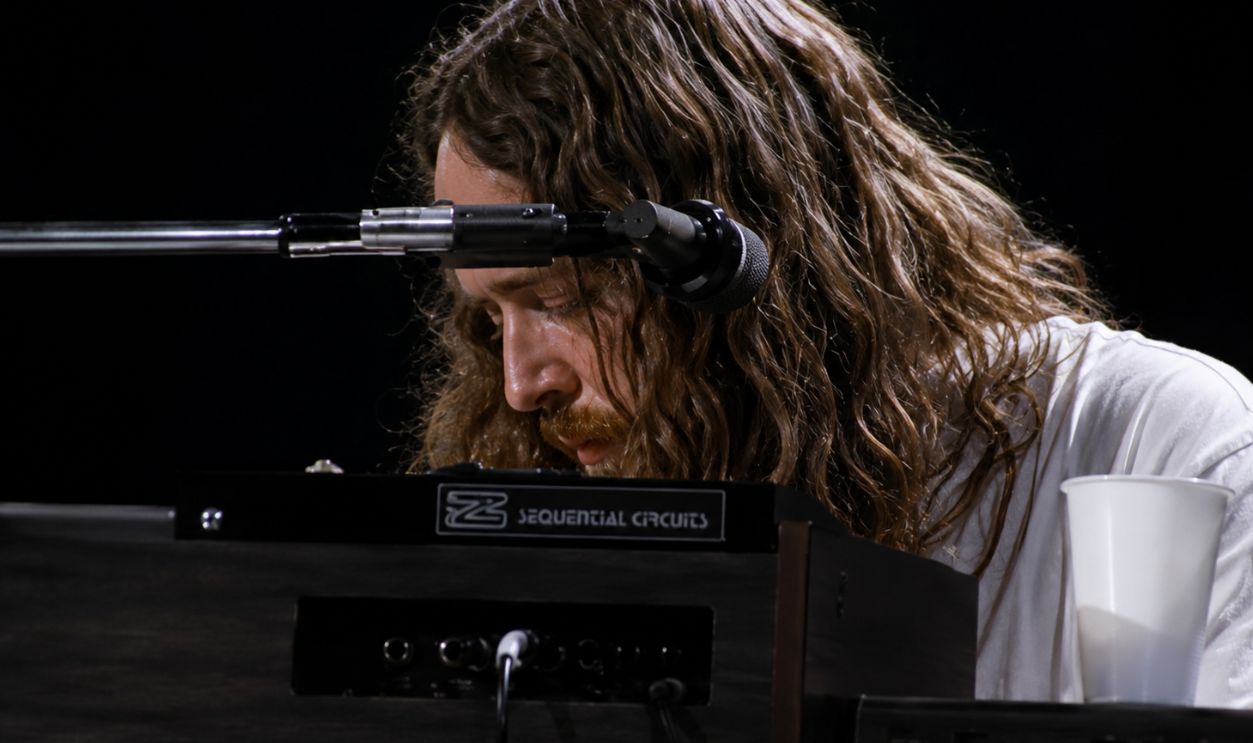
27. He Stopped Putting In Effort
As the effects of his unhealthy habits and all his time on the road took a bigger toll on Keith, the impact of this lifestyle began to bleed into his performances for the public to see. Where he used to be one of the group’s most standout players, he now seemed just like any average pianist they could have brought on.
While it’s natural for musicians to evolve and change their styles, that wasn’t what was happening here.
 Screenshot from Keith and Donna Concert, Round Records (1975), Enhanced
28. He Lost His Spark
By this point, the band had already established itself as one that created music beyond anything anyone could imagine—and unfortunately, Keith Godchaux no longer fit. Speaking on how his talent and presence had changed in these years, biographer Blair Jackson recalled that they “no longer had that sparkle and imagination that marked his best work”.
No one could say that he had somehow become a worse pianist, but something was different.
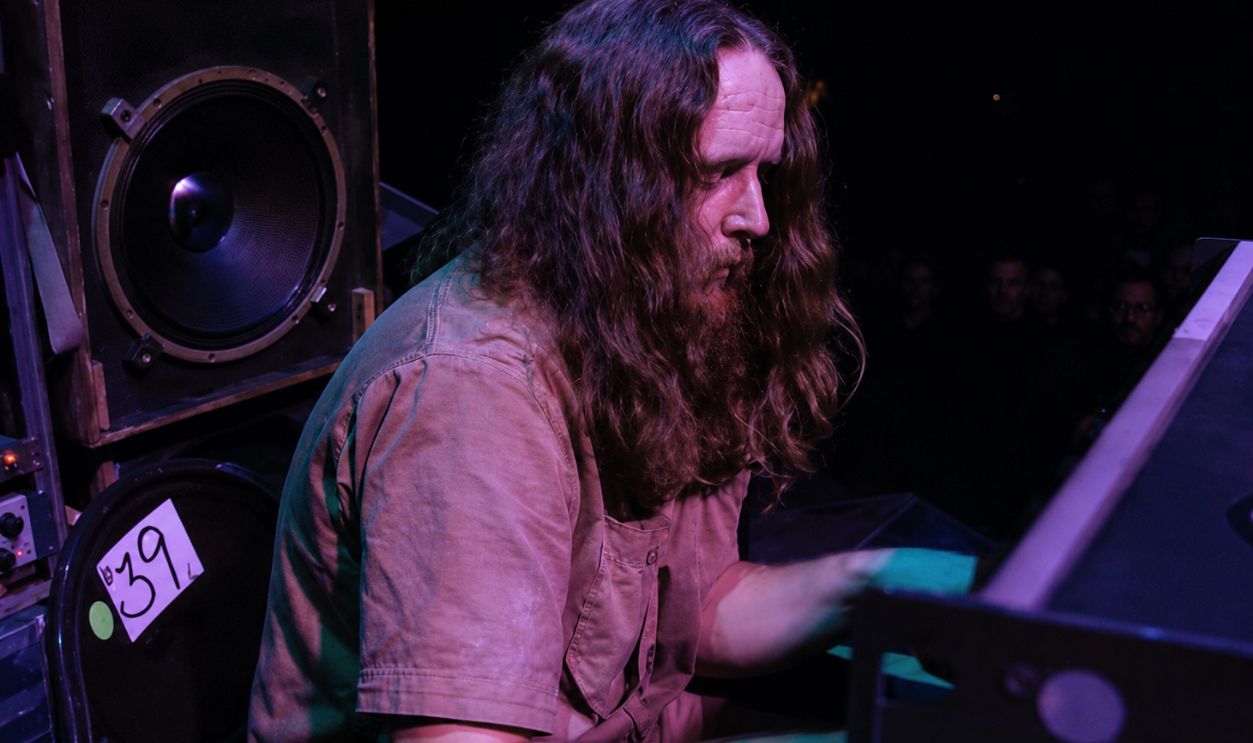 Screenshot from The Grateful Dead Movie, Monarch Films (1977), Enhanced
29. He Wasn’t Helping At All
Keith’s performances at this time would have been suitable for many bands out there, and for all his drop in quality, he never became a worse musician—technically speaking. However, he lost all motivation to think outside the box and improvise, with Blair Jackson again saying that “he was just taking up sonic space”.
Finally, he and his wife knew that something had to change, but it wasn’t an easy decision.
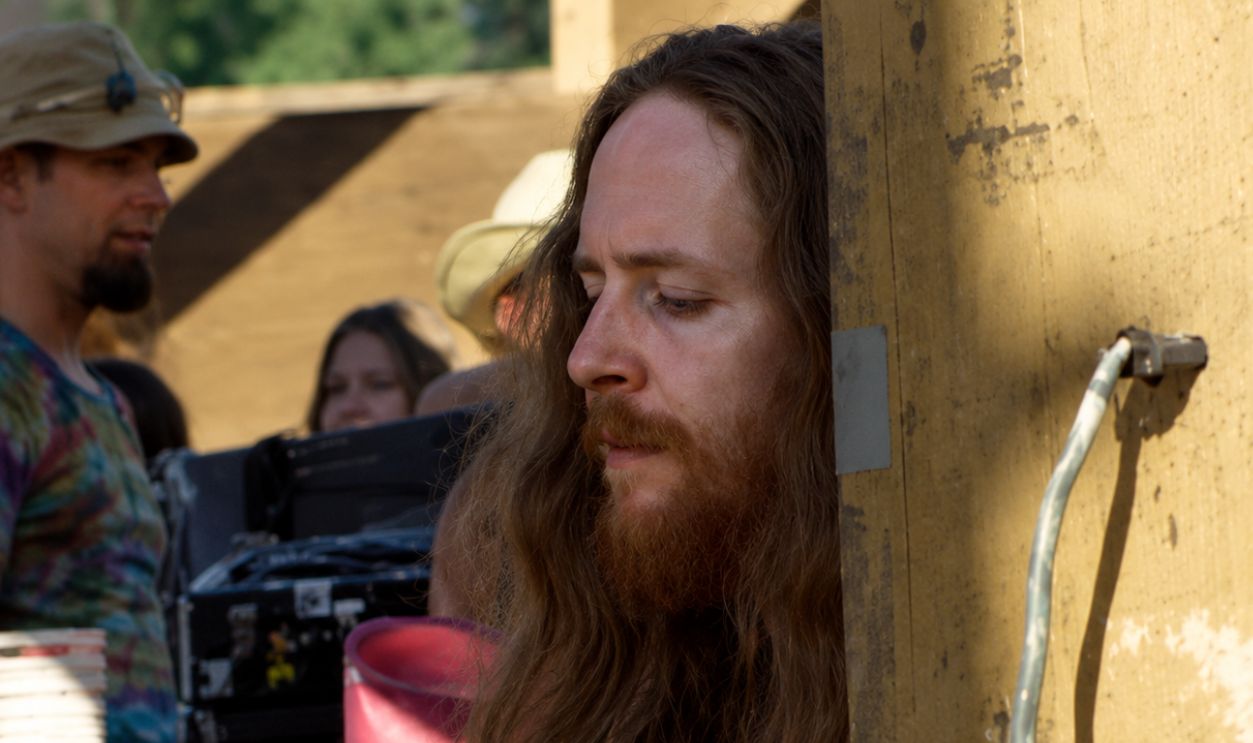 Screenshot from Sunshine Daydream, Rhino Entertainment (2013), Enhanced
30. They Wanted To Leave
Keith Godchaux wasn’t oblivious to how his playing had changed over the years, and not only that, but Donna also couldn’t just turn a blind eye to everything her husband was going through—even if she shared similar struggles. At the end of the day, they both decided it was time for them to leave the band behind and embark on a new adventure.
While it would be one of the hardest conversations of their lives, they couldn’t avoid it for much longer.
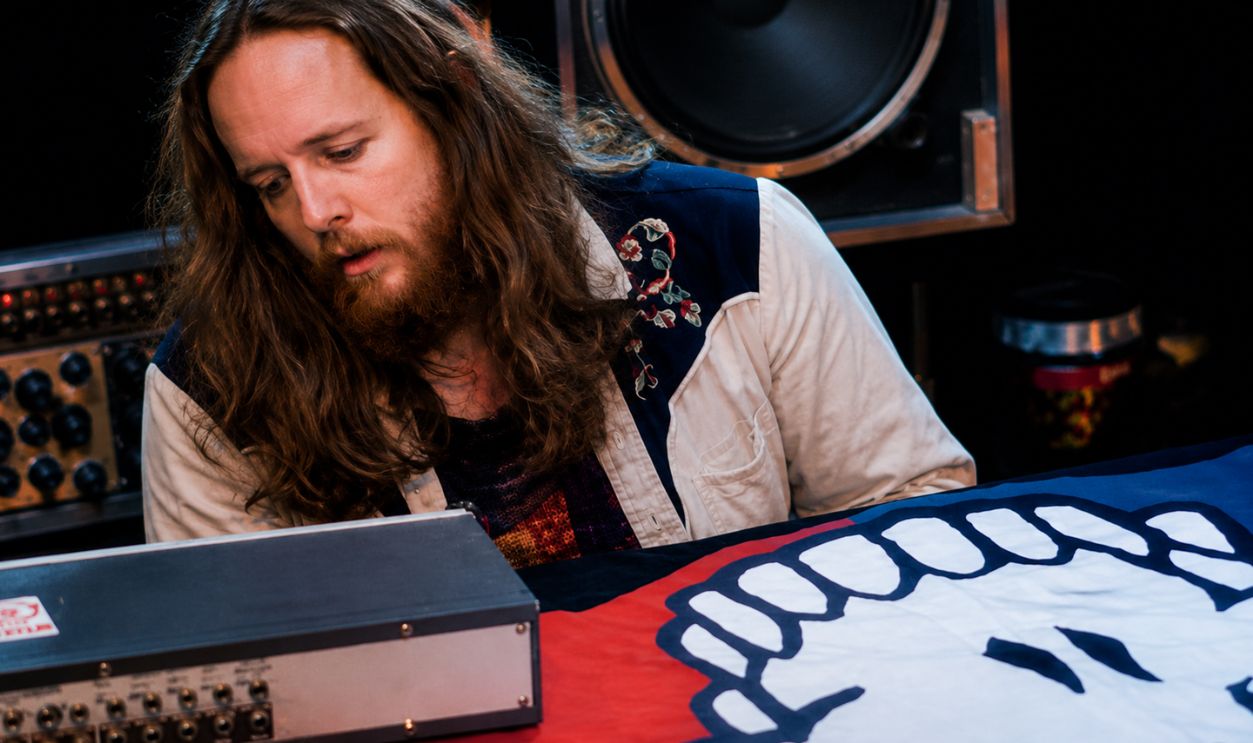 Screenshot from The Grateful Dead Movie, Monarch Films (1977), Enhanced
31. They Talked About It
Keith and Donna had decided on their future, but that didn’t mean it would be any easier to see it through. Still, the first step was to bring it up with the rest of the band and notify them that they would once again need to find a new keyboardist. After they performed a benefit in February 1979, the couple sat the band down and broke the news that they were thinking about leaving.
As it turns out, they weren’t the only ones who had come to this conclusion.
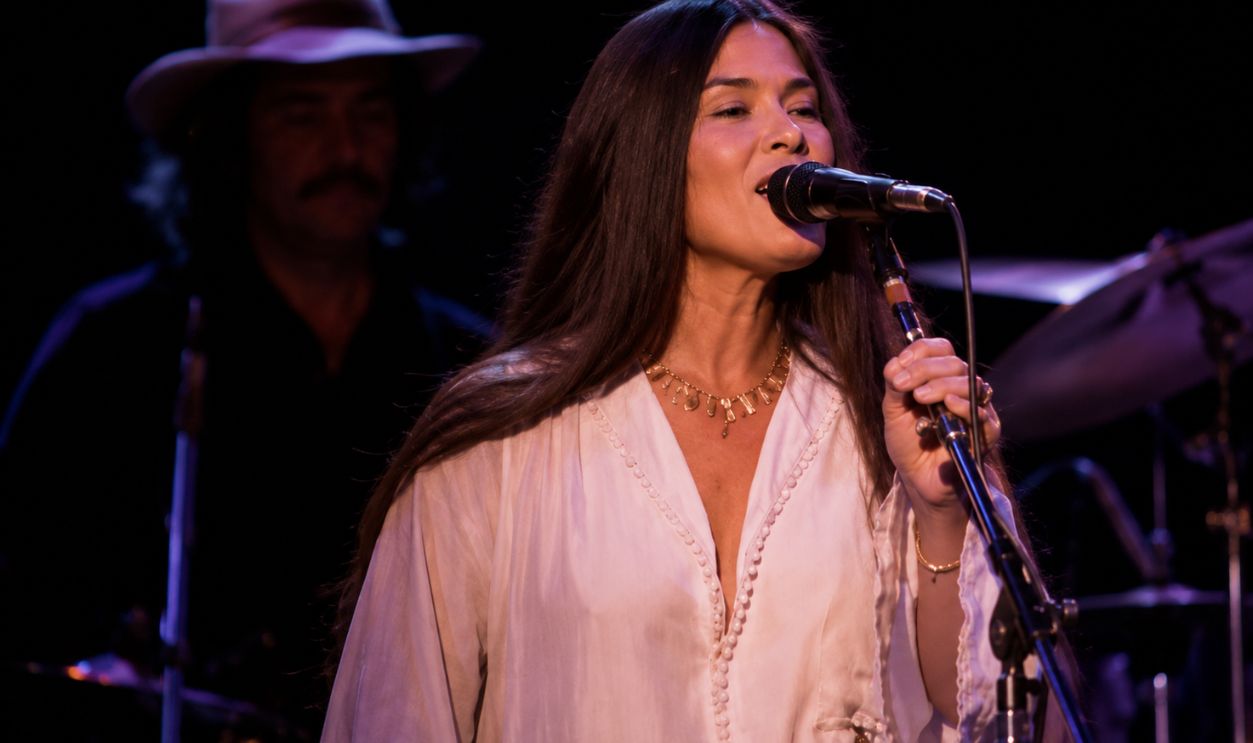 Screenshot from Grateful Dead: The Closing of Winterland, Rhino Entertainment(1978), Enhanced
32. They All Agreed
Keith and Donna said their piece about how they just couldn’t go on with how things were progressing, but little did they know, their bandmates were of the same mind. Everyone came to the somber realization that the couple had to go, and while there was no bad blood between them and the others, Keith and Donna officially quit the group.
Fortunately, since the rest of the band had seen this coming, they already had a replacement in mind.
33. They Had Someone Else
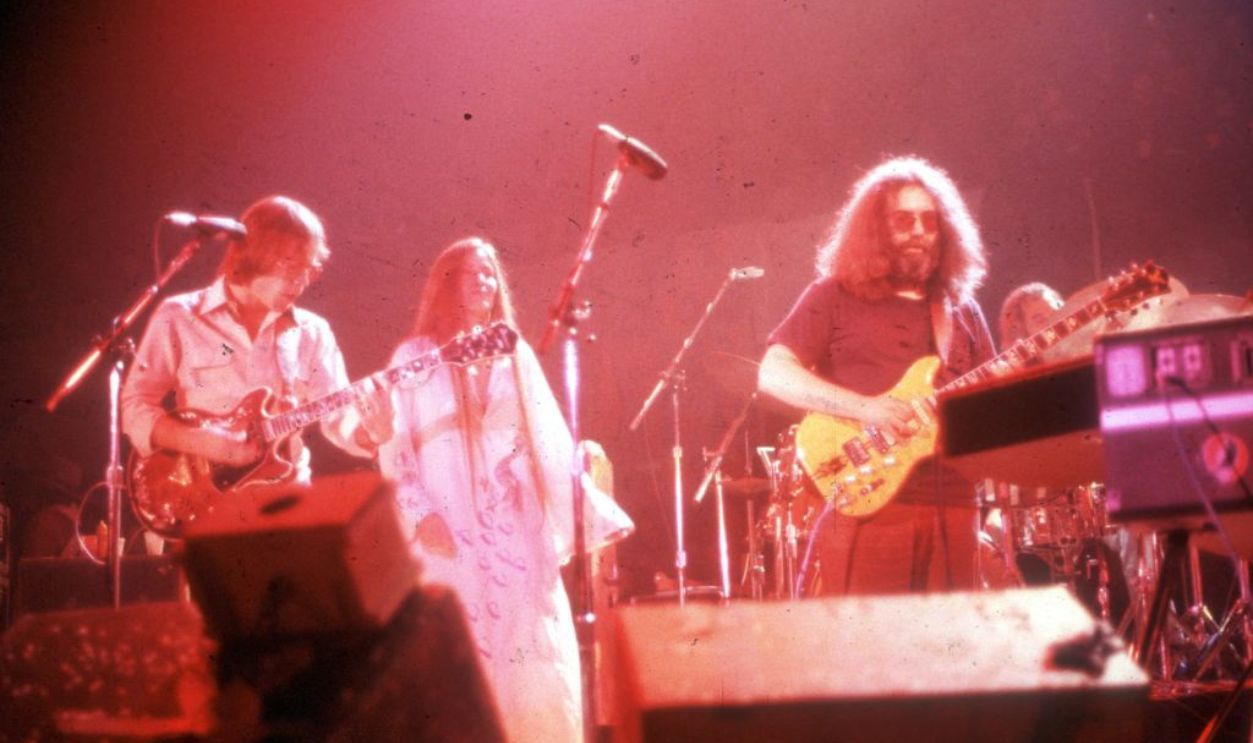
Jerry Garcia and the rest of the band had expected that, whether it would be Keith’s decision or their own, he would have to leave the band. Knowing this, they had begun looking for a possible replacement much earlier, settling on keyboardist Brent Mydland and taking about a year to get him ready to play. Finally, fans realized Keith’s time with them was truly over as Brent made his debut with the band in April 1979.
Meanwhile, the Godchauxs could finally get what they needed most: some time off.
 Richard McCaffrey, Getty Images
34. They Took A Vacation
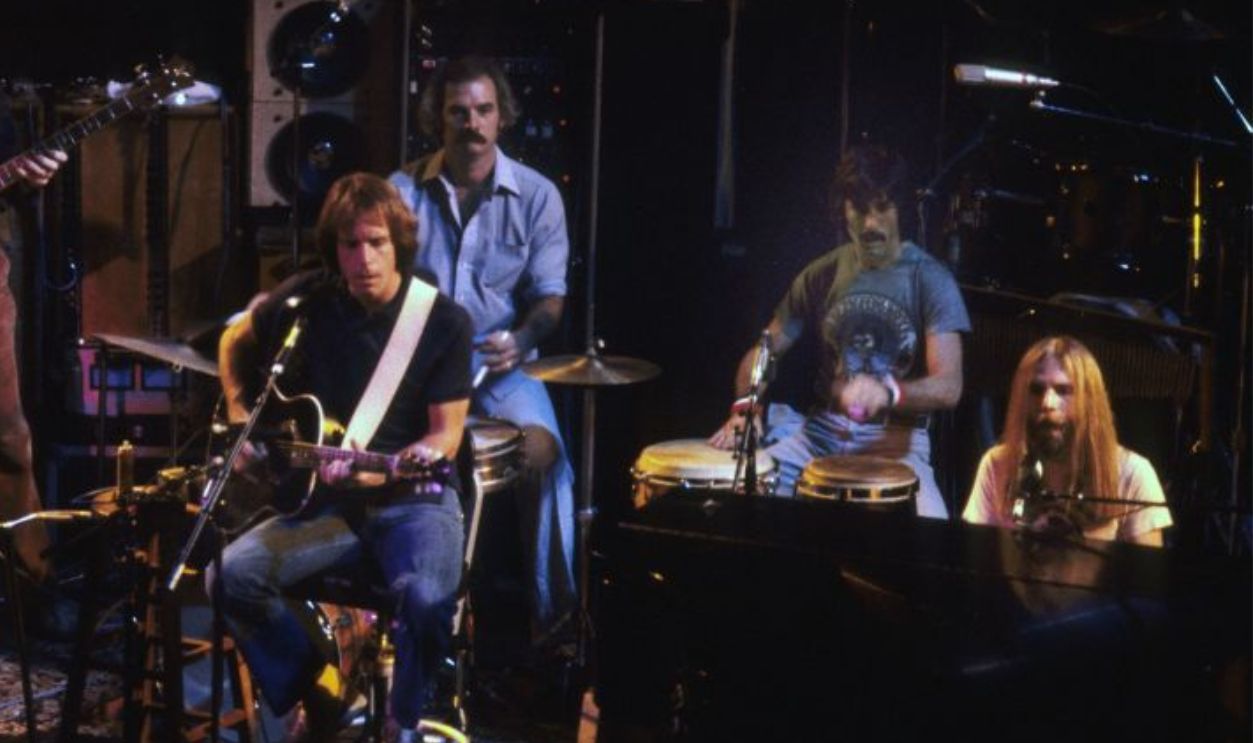
For years, Keith and Donna had been burning the candle at both ends as they tried to keep up with life in a rock band, but now they could finally put themselves first. Although they both wanted to create a group or project of their own, they first decided to return home to Alabama, where they could simply relax and spend time with their families.
Nonetheless, Keith never forgot the friendships he had—and he wasn’t against returning for a good reason.
 Screenshot from Keith and Donna Concert, Round Records (1975), Enhanced
35. He Stayed In Contact
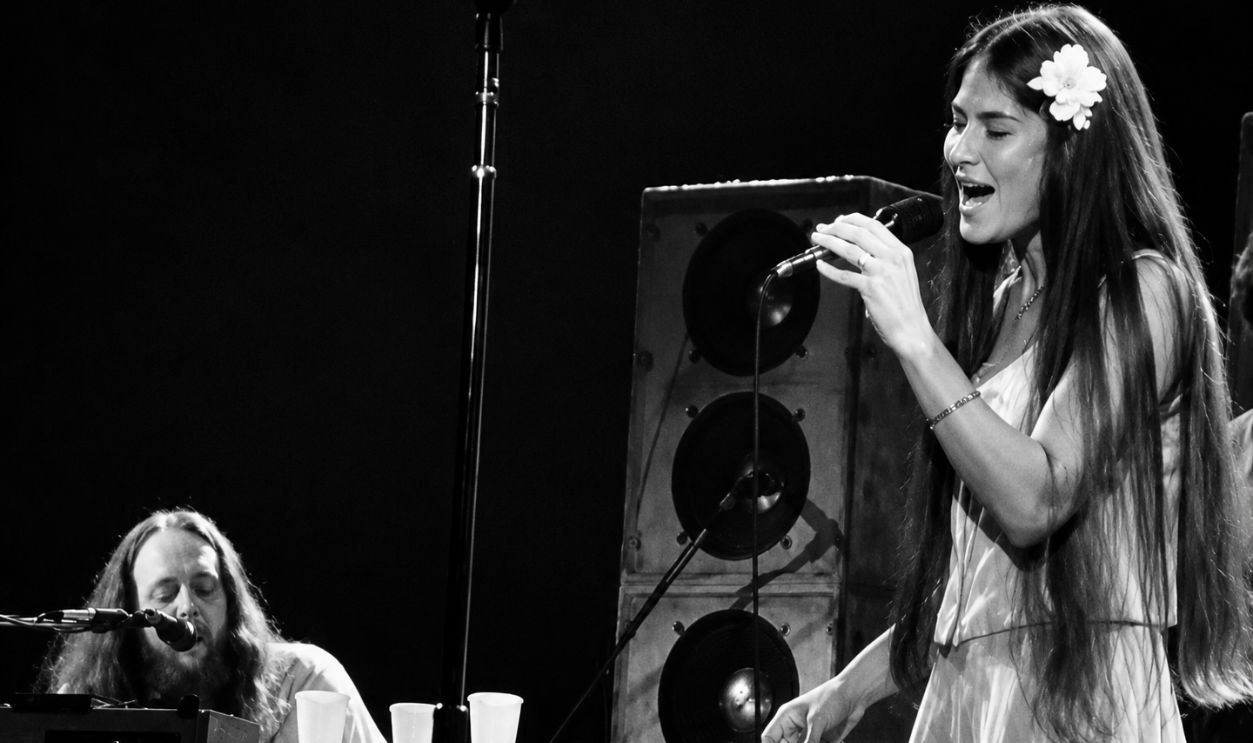
Despite some of the unpleasantness that Keith and Donna displayed during their time with the band, they hadn’t left it with any hostility or bitterness, meaning there was always a chance for collaboration. Over the following years, Keith would keep in touch with most of his bandmates and even perform with a couple of them on occasion.
Eventually, though, he and Donna wanted to make names for themselves outside the band. Luckily, they already had some experience.
 Michael Ochs Archives, Getty Images
36. They Released Their Material
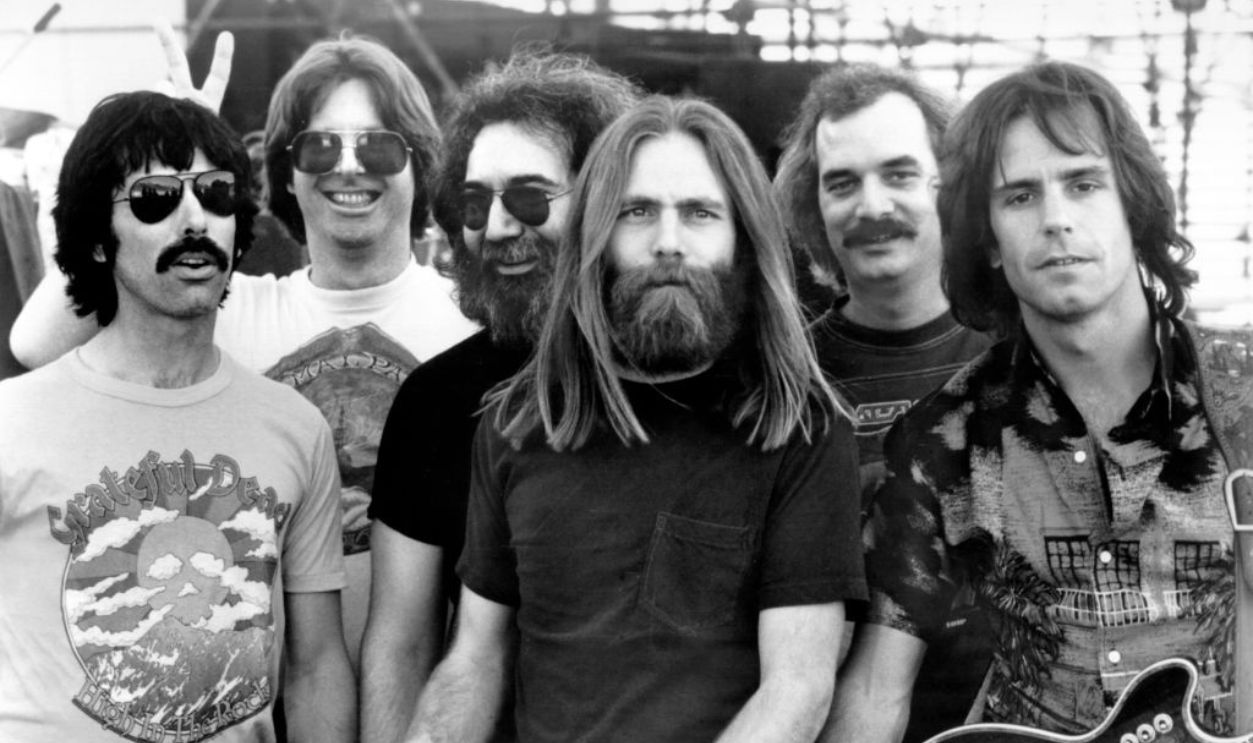
Even before they officially departed the band, Keith and Donna weren’t total strangers to the idea of striking out on their own. Back in 1975, they had proven they could create an album apart from the group with Keith & Donna, which they mostly wrote themselves, albeit with some help from other musicians, including Jerry Garcia.
They were already in love with working as a duo, and this wasn’t a one-time thing either.
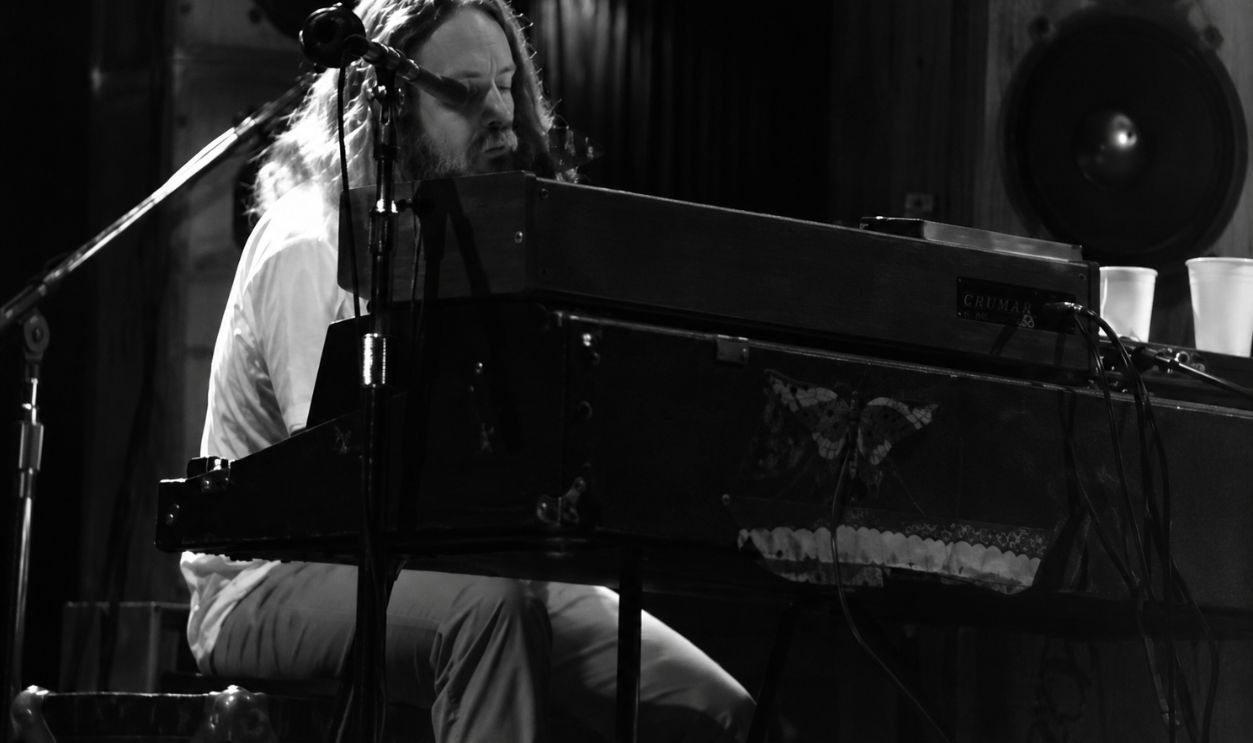 Screenshot from Keith and Donna Concert, Round Records (1975), Enhanced
37. They Went On Tour
As this was still in their earlier days with the band, the couple hadn’t yet reached a breaking point with life on the road, so they took their Keith & Donna Band on tour that same year. With help from a couple of their bandmates, they traveled from venue to venue, staying within their wheelhouse as they often opened for bands with the same vibe as the Grateful Dead.
However, while they certainly wanted something of their own, it wasn’t all they were open to.
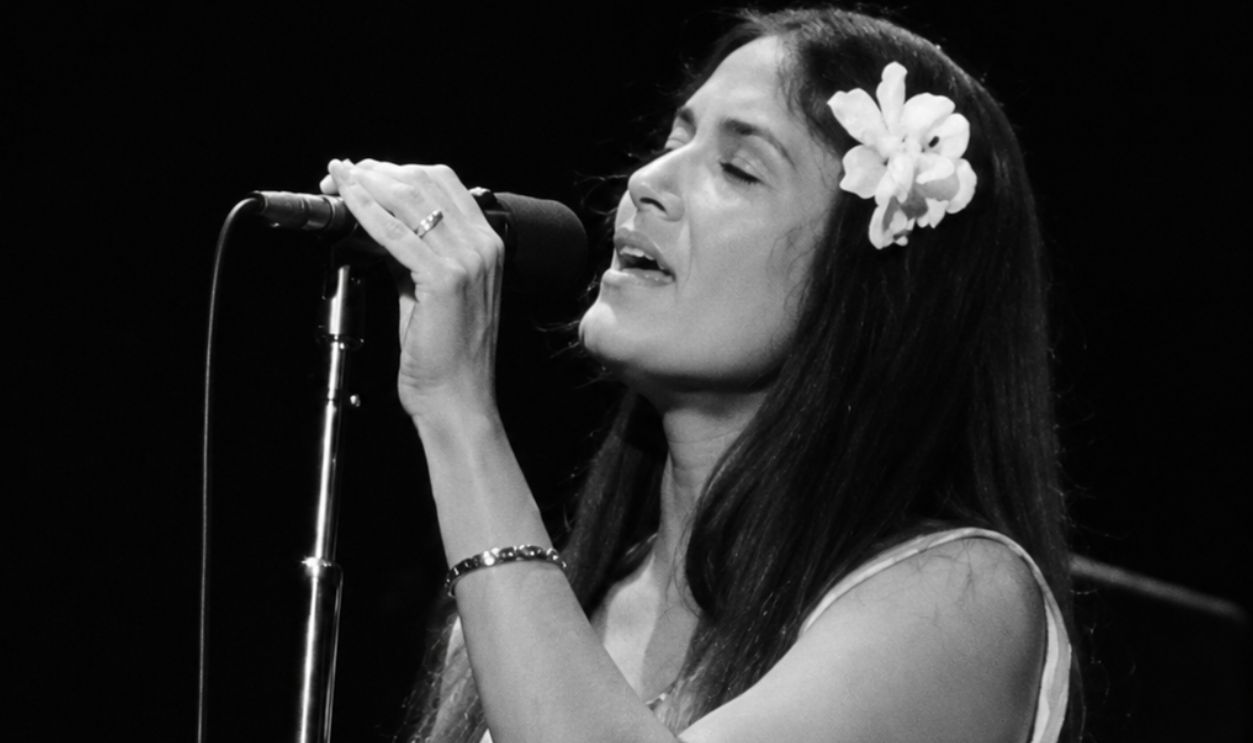 Screenshot from Keith and Donna Concert, Round Records (1975), Enhanced
38. They Joined Him Again
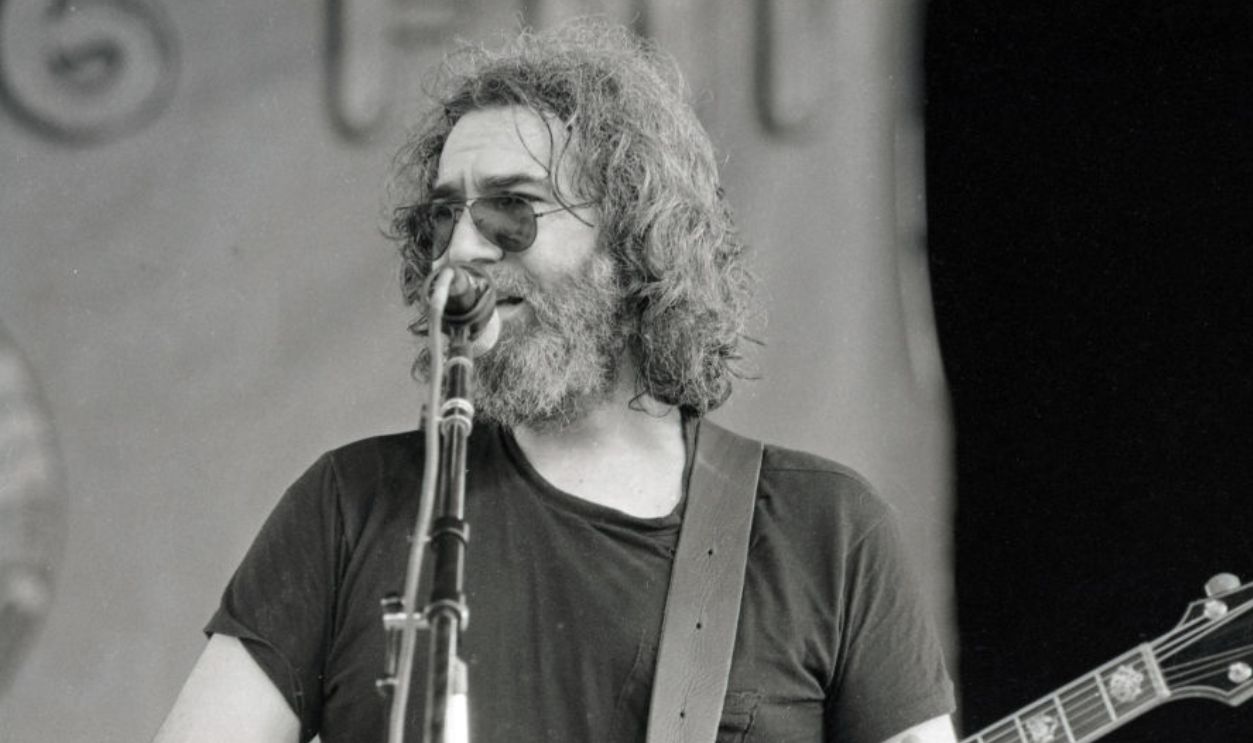
The Keith & Donna Band lasted about a year, after which they embarked on another project separate from the Grateful Dead—even if it included many of the same members. Just as he had helped them many times before, the couple accompanied their leader as he started his own venture, joining the Jerry Garcia Band in 1976.
However, now that they had left the band behind, they wanted to do something that was completely theirs.
39. They Made Their Own Group
Although they bore no ill will toward their former bandmates, Keith and Donna wanted to start fresh with a new group of musicians, forming a band called The Ghosts shortly after their departure. However, this was only temporary, as they eventually changed their name to The Heart of Gold Band.
Already, they could sense a bright future ahead of them—but something horrific was on the horizon.
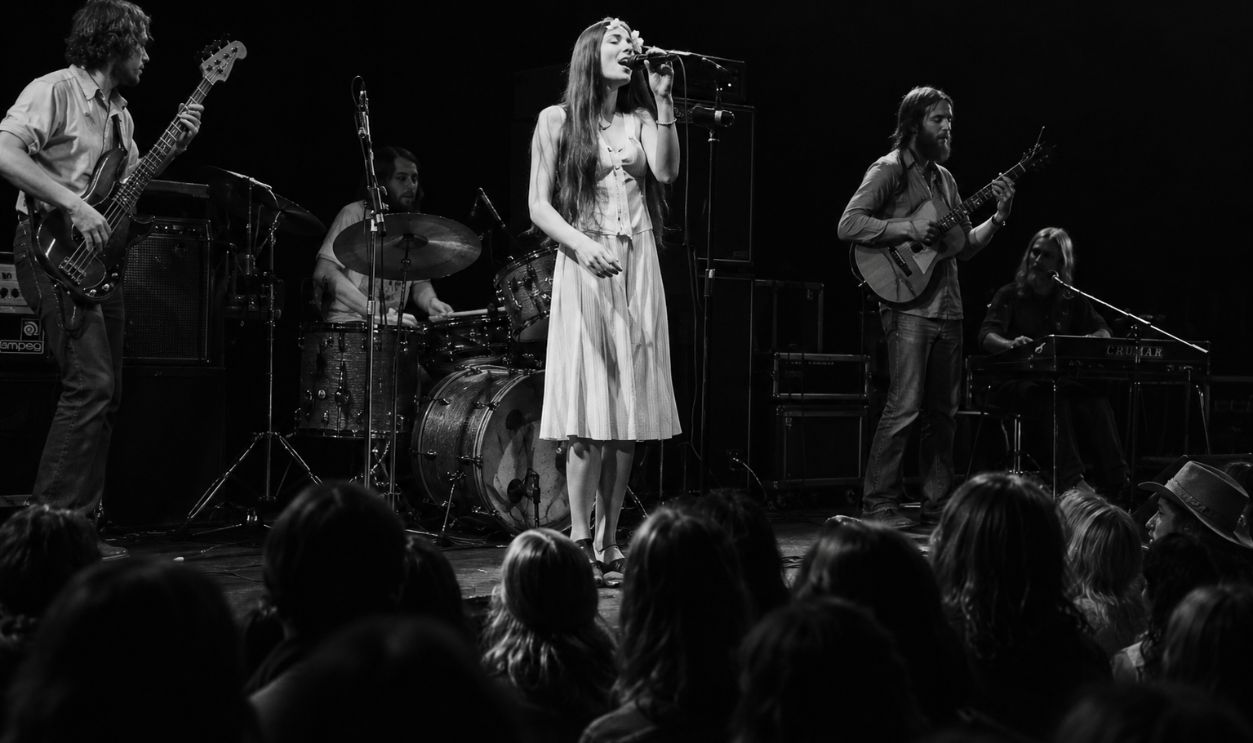 Screenshot from Keith and Donna Concert, Round Records (1975), Enhanced
40. They Stayed With Him
Keith and Donna had recruited four other musicians to join their new band in 1980, but while all of them were certainly talented, they still needed to figure out their sound together. Still new to the scene, they wanted a space to rehearse, and thankfully, a friend of theirs, Courtenay Pollock, was happy to open his home to the couple.
For the first time in a long time, things were looking up. If only they knew.
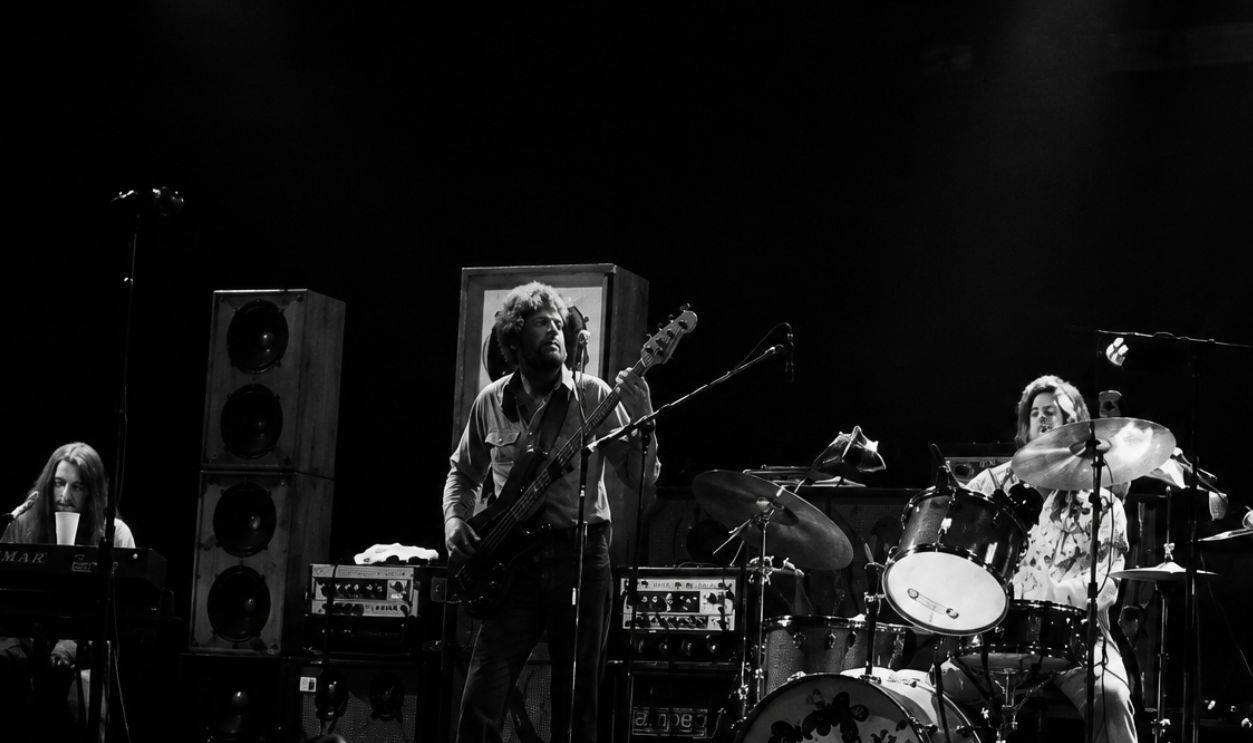 Screenshot from Keith and Donna Concert, Round Records (1975), Enhanced
41. He Was Content
Keith Godchaux was falling in love with performing music all over again, and just when he thought things couldn’t get any better in 1980, he went out for his birthday on July 19 and had a lovely time. On the way back home, driven by Courtenay Pollock, he couldn’t help but express his joy, remarking that he was “the happiest I've ever felt in my life”.
Truly, Keith had never been so hopeful for the future—making what happened next all the more tragic.
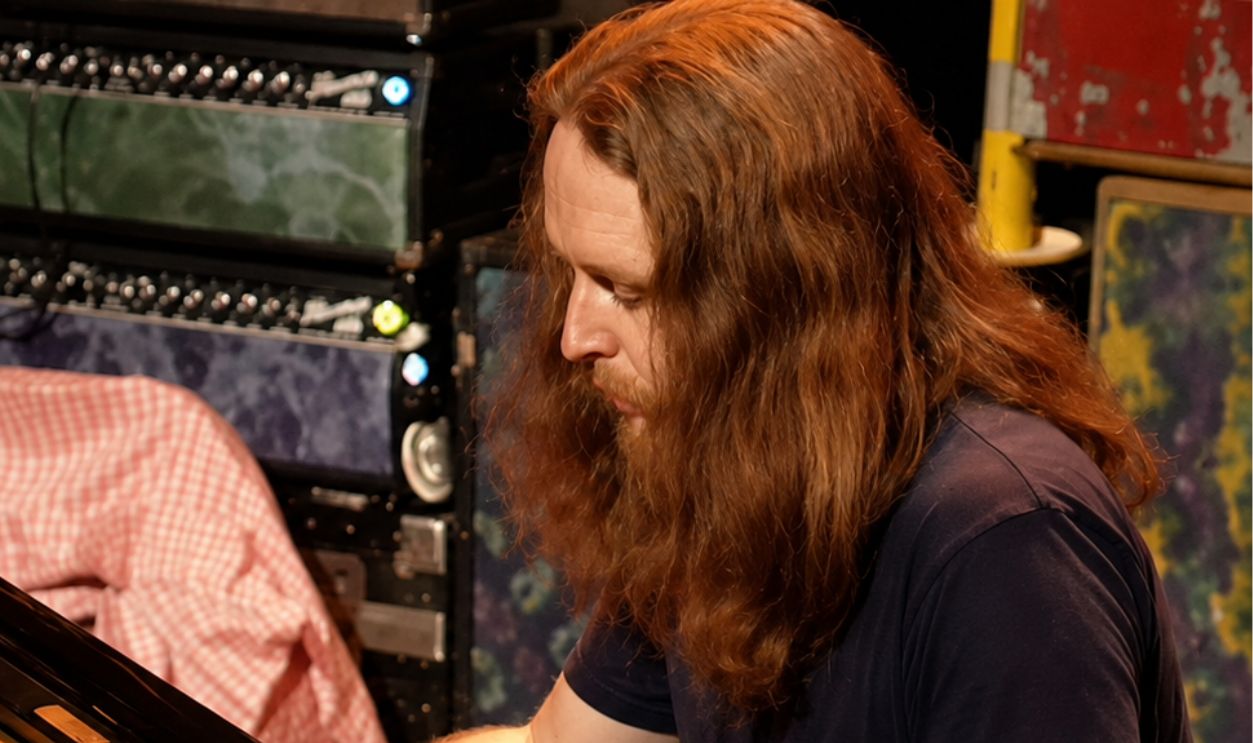 Screenshot from Grateful Dead: The Closing of Winterland, Rhino Entertainment(1978), Enhanced
42. They Were In An Accident
Everything was starting to go well for Keith, but he was about to learn just how quickly things can take a turn for the worse, and it wasn’t even his fault. While on the drive home as Courtenay’s sole passenger, the car that Keith was riding in suddenly lost control, and the pair of them crashed.
While he survived this horrible event initially, he was already too far gone.
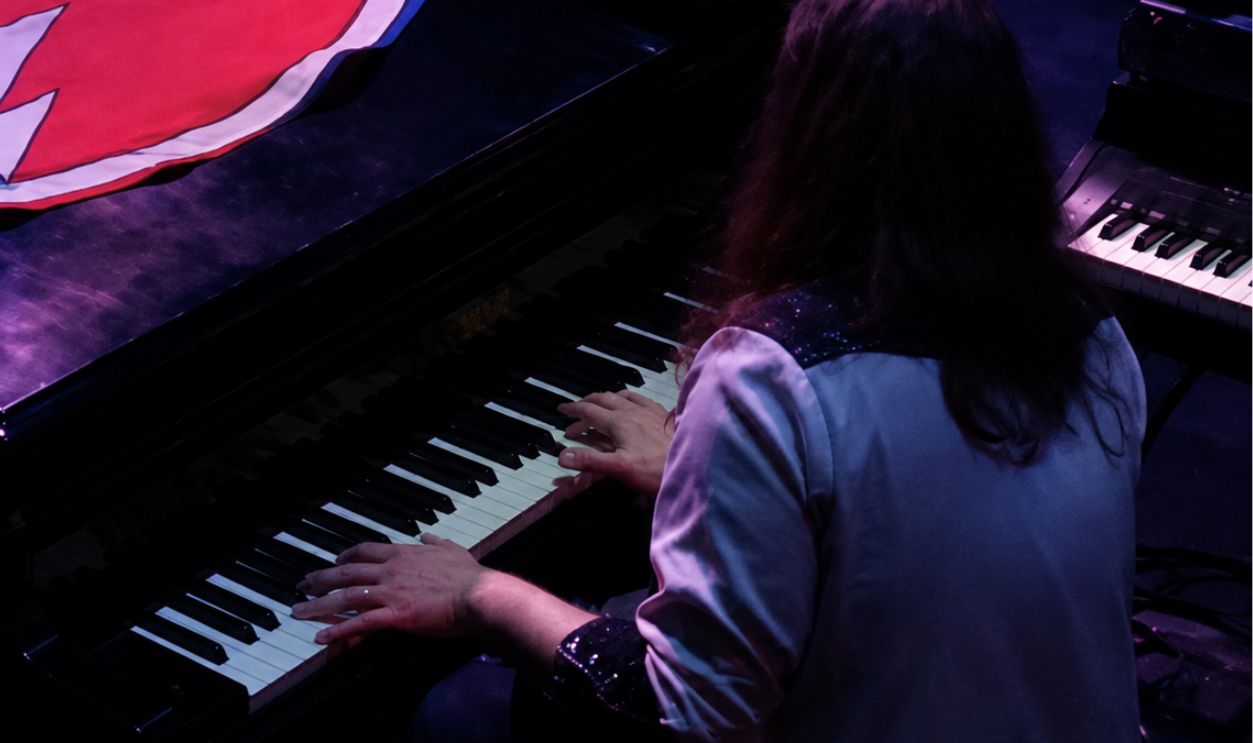 Screenshot from The Grateful Dead Movie, Monarch Films (1977), Enhanced
43. He Lost His Life
While not many details of the car crash remain known, it’s clear that it was a particularly severe collision, but Keith didn’t perish on impact. Still, he had suffered a serious head injury that kept him in the hospital for four days as the doctors tried everything they could to treat him. Tragically, they could only do so much, and on July 23, 1980, he ultimately passed from his injuries.
Meanwhile, his bandmates did their best to carry on his legacy—which was easier said than done.
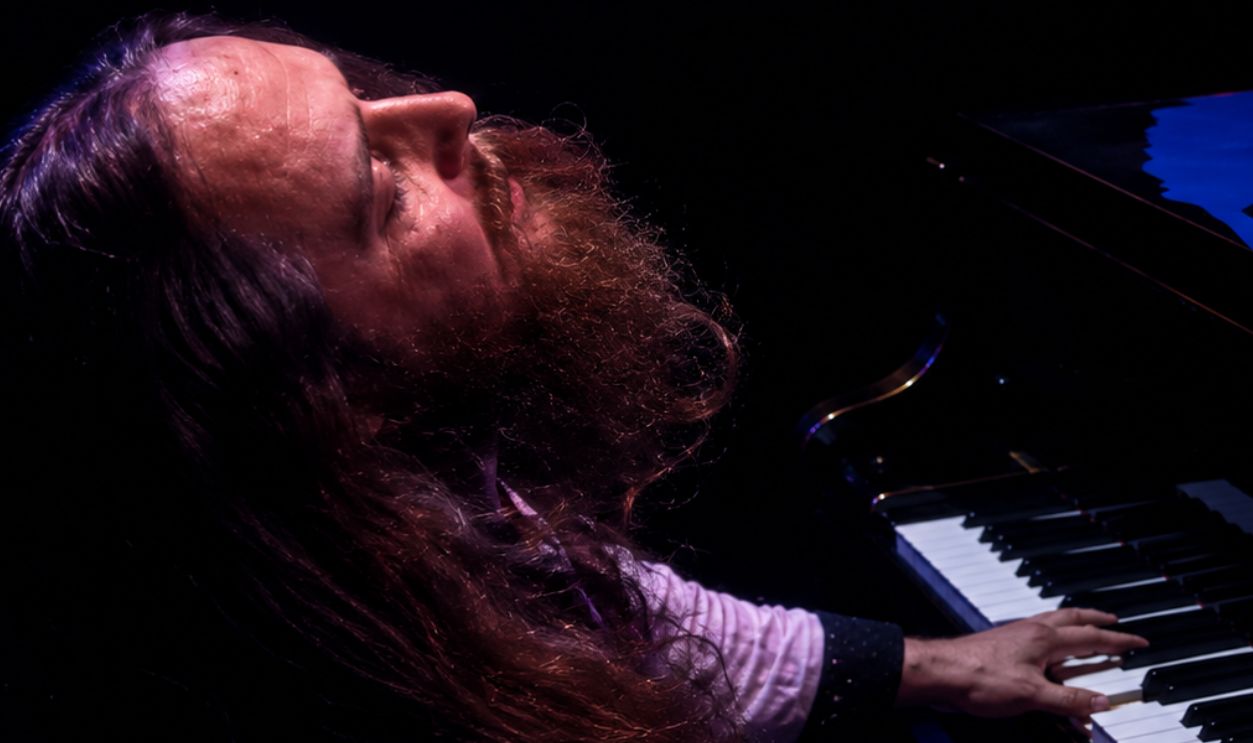 Screenshot from The Grateful Dead Movie, Monarch Films (1977), Enhanced
44. They Tried To Go On
Keith Godchaux had cared so much about The Heart of Gold Band that Donna refused to let the group perish with him, pushing to move forward with their plans while sadly replacing her husband’s role in it. After bringing on keyboardist Mark Adler and adding bassist David MacKay—whom she would later marry—the band lasted for about a year before they called it quits.
Luckily, Keith had someone else set to carry on the torch.
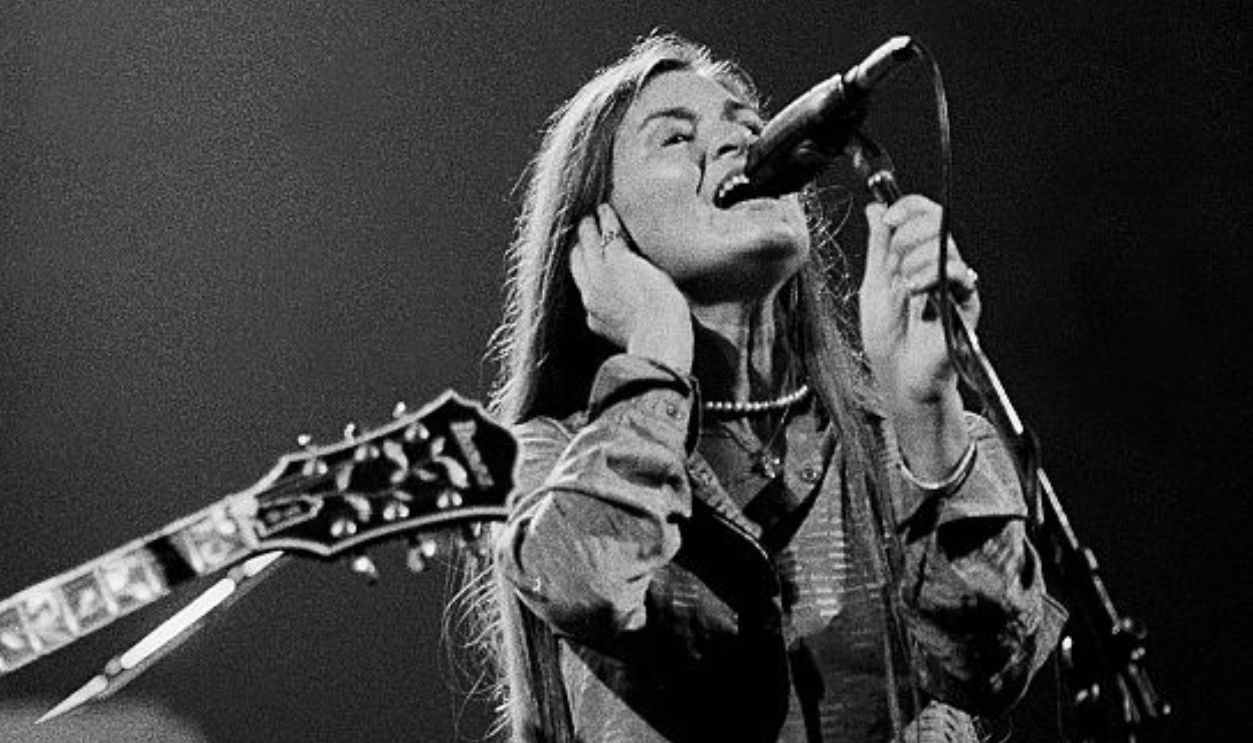
45. He Took After Them
Keith and Donna had welcomed their only child, Zion, back in 1974, and of course, with parents like his, it was obvious what kind of career he was headed for. As he grew up, Keith and Donna passed down their passion for music to him, and years later, he co-founded the rock duo BoomBox.
Eventually, he would have a chance to pick up right where his father had left off.
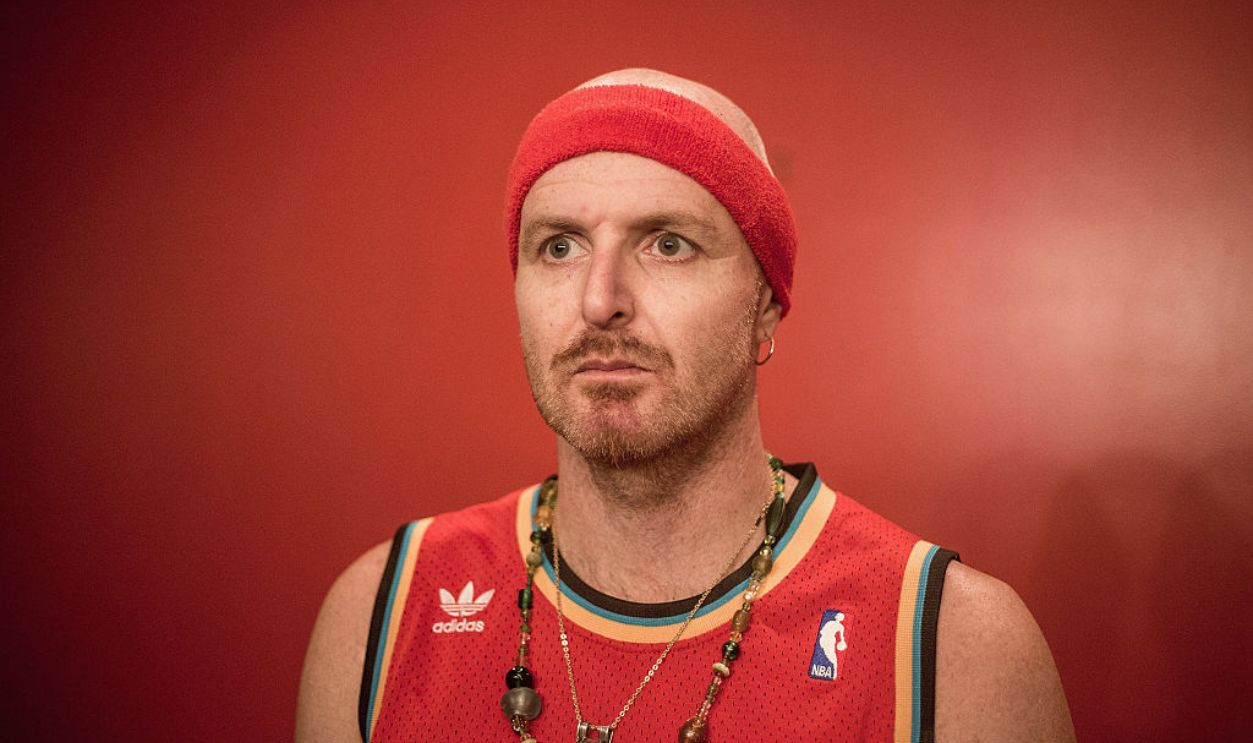
46. They Made It Again
Zion Godchaux may have created his own music career, but in the early 2000s, he also had the chance to honor Keith’s legacy when Donna decided to reform The Heart of Gold Band—but with a twist. This time, it was largely a family affair, as the band consisted of Donna and Zion, as well as Donna’s new husband and son, and Keith’s brother, Brian.
Still, Keith’s earlier contributions were never forgotten, no matter how many years passed.
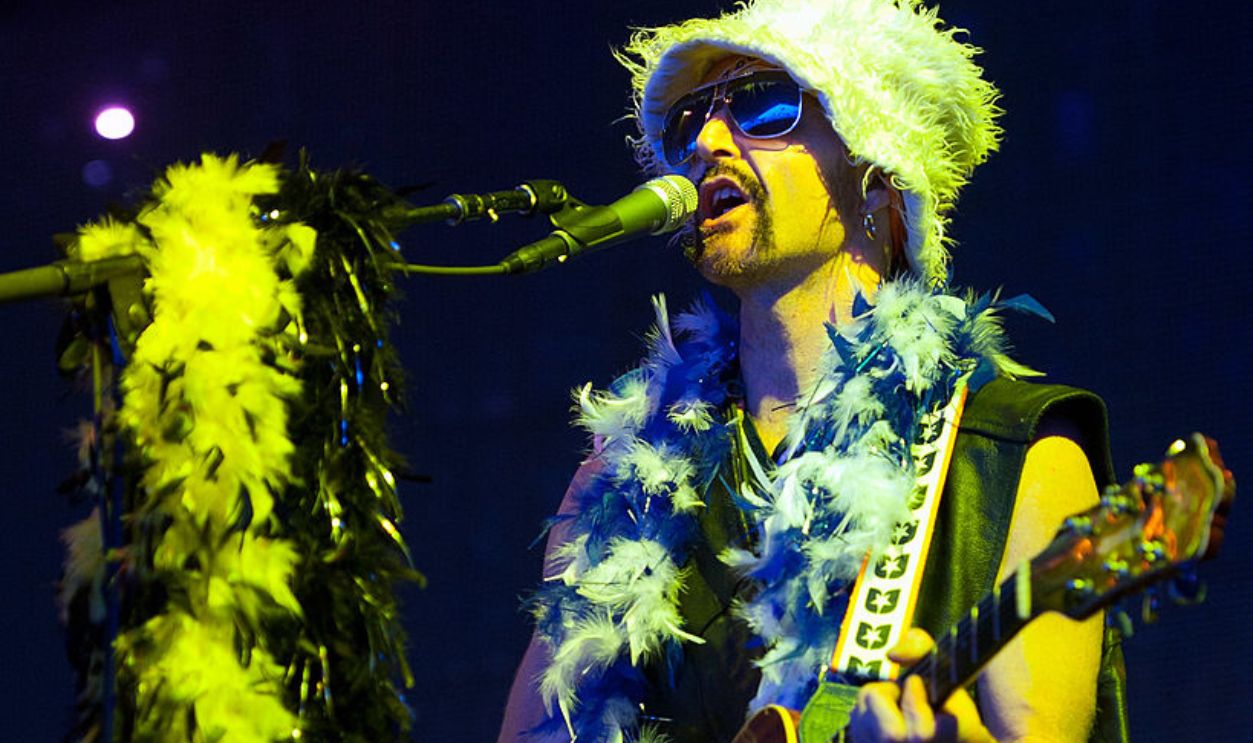
47. He Was Honored
Considering the Grateful Dead’s long career, Keith Godchaux was only a member for a fraction of their lifespan, but the impact he made lasted forever. Even a decade after his passing, he received the honor that many rock musicians only dream of: being inducted into the Rock and Roll Hall of Fame along with the rest of the band.
Although he was just one cog in the band’s machine, he always had a way of standing out from the others.
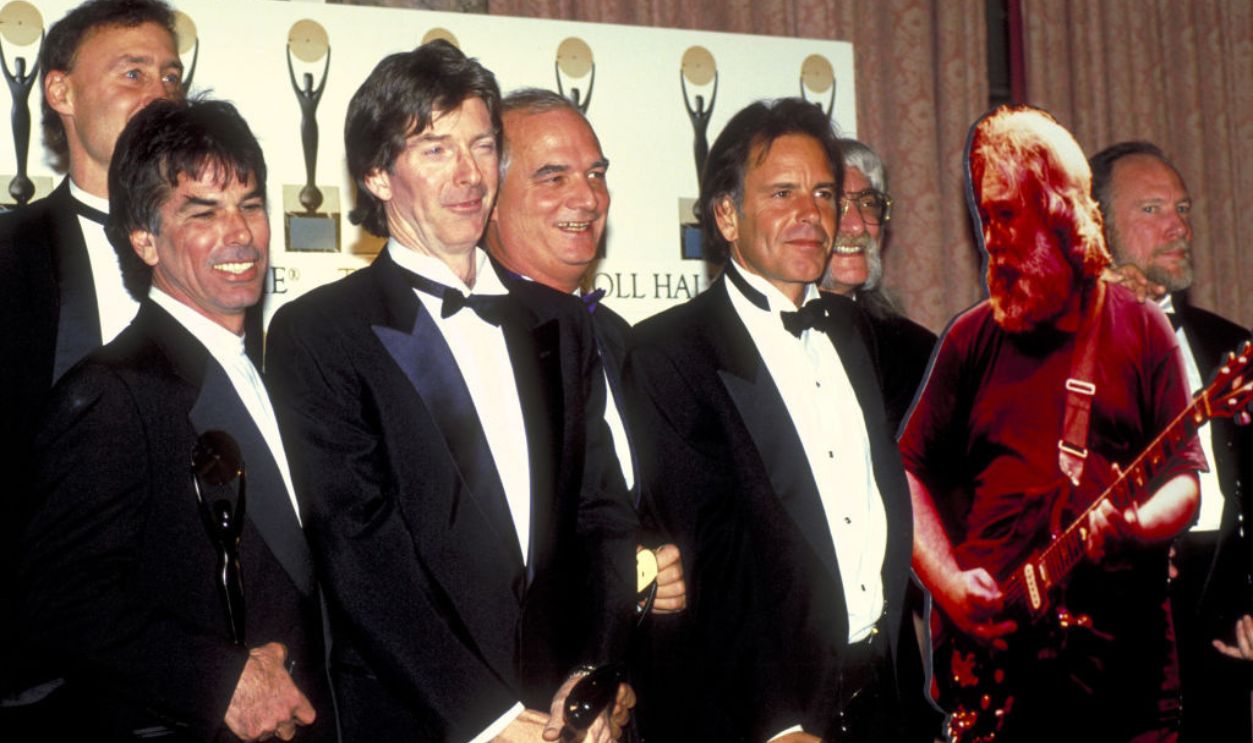
48. He Was The Best
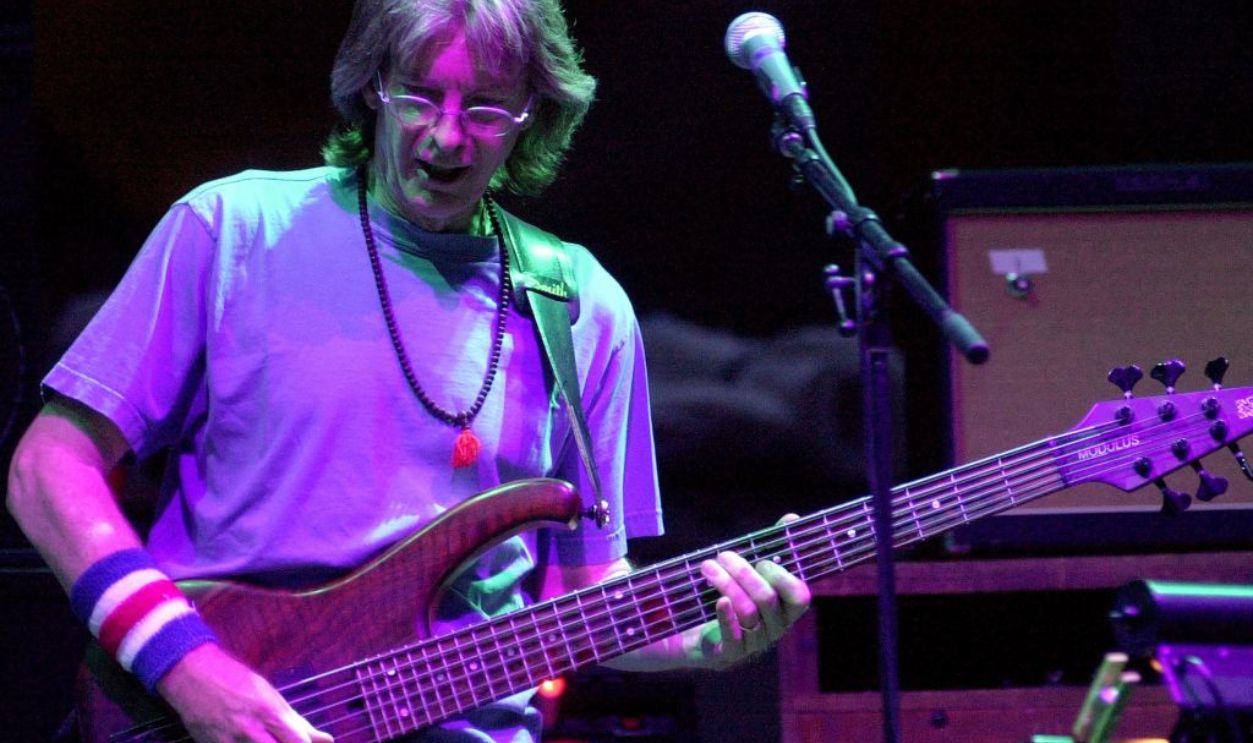
Not only did many fans notice the distinct shift in quality once Keith joined the Grateful Dead, but they would always look back at his work and see just how much he had elevated the band. Later on, the band’s bassist, Phil Lesh, would state that the mid-1970s, when Keith really hit his stride, were some of the group’s greatest years.
However, this kind of talent was a double-edged sword, especially for the band.
49. He Was Utterly Unique
Of course, the band certainly didn’t need Keith Godchaux to be successful, and would continue to change the world of music over the following decades without him, but some believe there was always something missing. As Phil Lesh would go on to say, the group was “never quite the same” as when Keith was in his prime.
Even in the end, the mark he left on his bandmates never went away.
50. He Praised His Talents
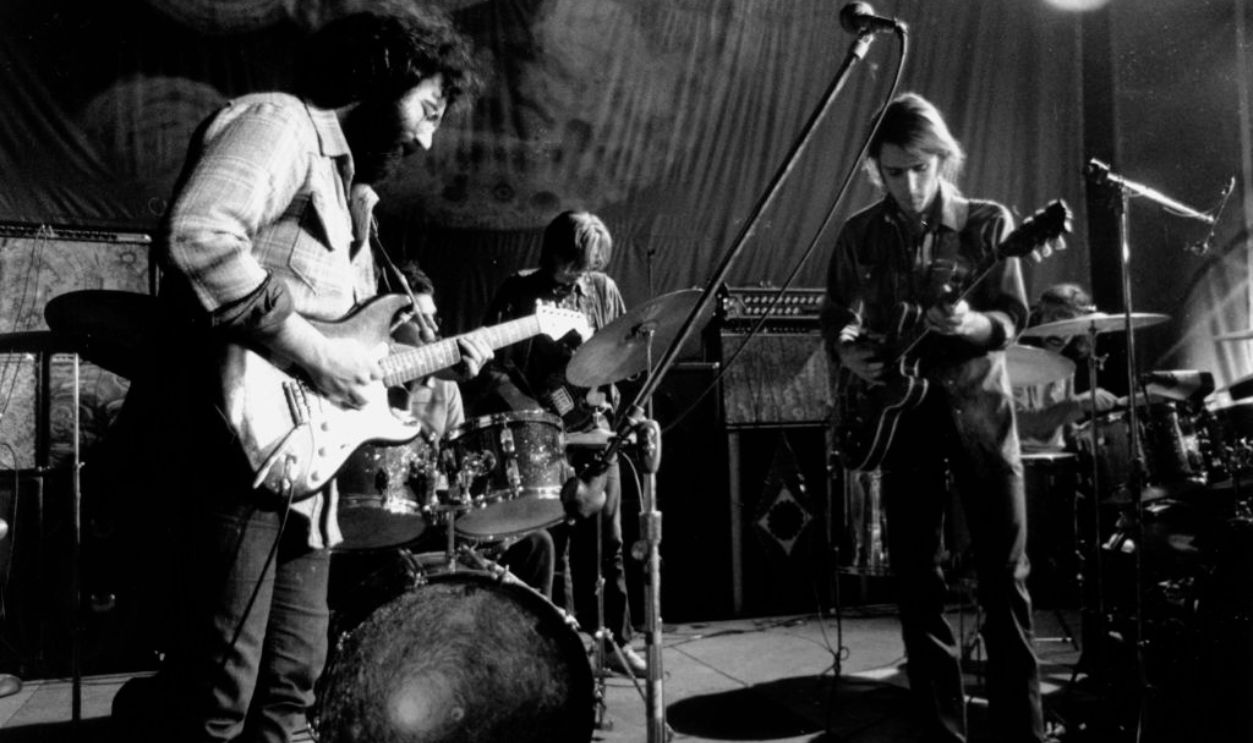
Even with all the keyboardists the band employed over the course of its career, Keith Godchaux would always occupy a special place in the hearts of the fans and his bandmates alike, with most admitting he was on a whole other level. Remembering him fondly, Bill Kreutzmann would later state, “He was one of the best, if not the best, keyboardists that I’ve had the honor of playing with”.
You May Also Like:
Wonderful Facts About Pattie Boyd, Rock’s Greatest Muse
Tormented Facts About Tim Buckley, Music’s Most Mesmerizing Self-Saboteur
Ungentlemanly Facts About Tommy Dorsey, The Bandleader With A Harsh Tone









