It Pays To Be Funny
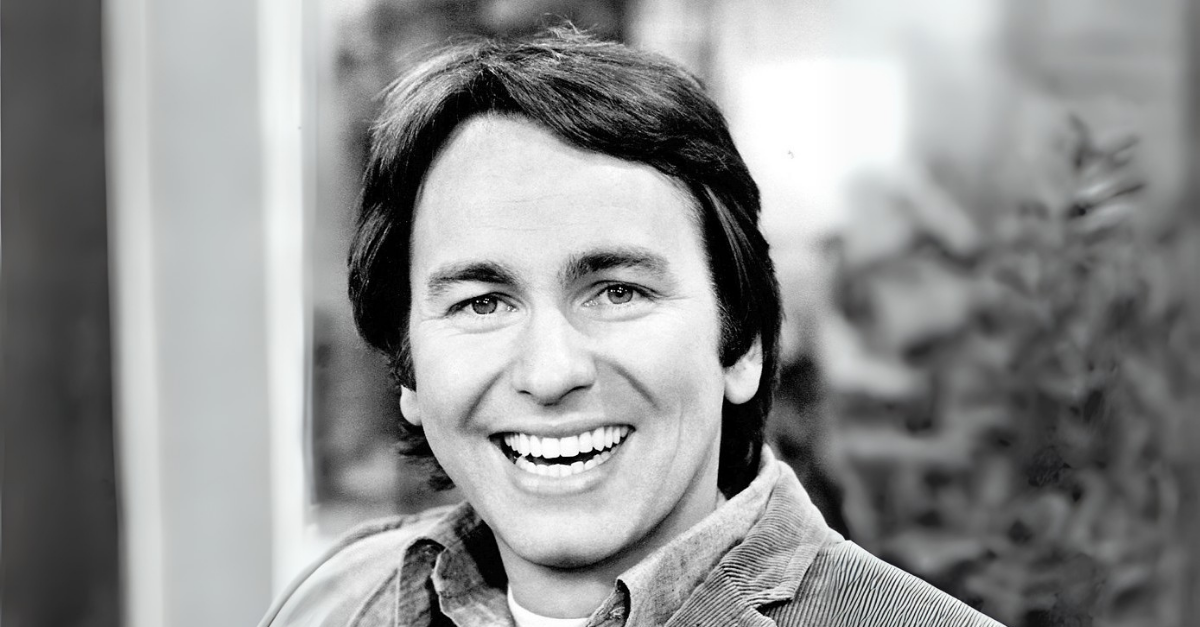
From the 1970s through the early 2000s, John Ritter lit up screens with his quick wit, flawless physical comedy, and uncanny charm. But behind the laughter and lovable characters was a man with a heart just as big as his talent. And when tragedy struck, the sudden loss of such a beloved figure left fans—and even Hollywood itself—reeling in disbelief.
1. They Were Entertainers
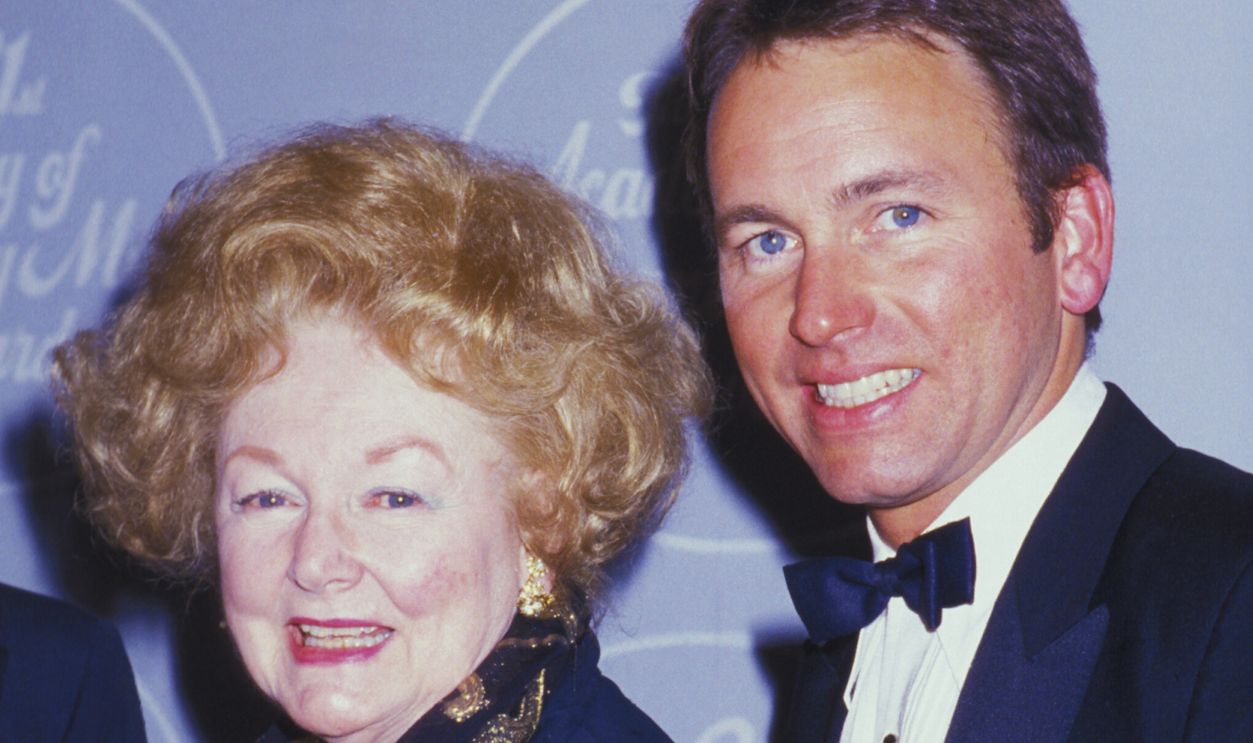
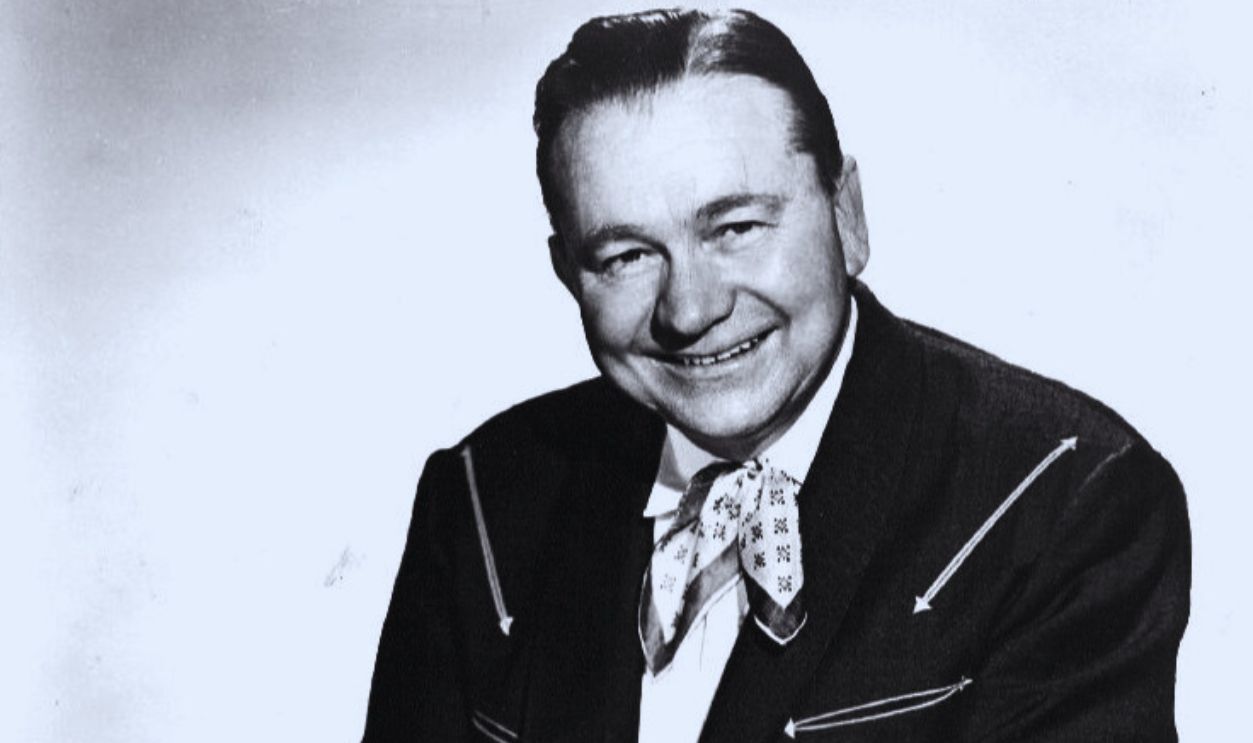
Performance was as natural to John Ritter as breathing, and although he improved his skills by the time he became a household name, the foundations were there from the beginning. Born on September 17, 1948, the art and skill of entertainment were already in his blood, as both his parents came from that world. His mother, Dorothy Fay, was an actress in Westerns, and his father, Tex Ritter, was a singing cowboy.
Even so, John’s career almost ended far before it even began.
2. He Was Injured
As John grew up in California, one freak incident as a teen caused him to suffer a life-altering injury. While riding in a car with the windows down, an unknown projectile struck John in the right eye, causing permanent damage. From then on, he could only see through his peripheral vision in that eye, and its pupil was noticeably different.
He survived the shocking incident—but came dangerously close to living a life we’d hardly recognize today.
 ABC Television, Wikimedia Commons
3. He Almost Took A Different Path
After graduating from high school, John made a surprising choice. Despite growing up surrounded by the sparkle of the entertainment world, he pursued a very different type of life for himself. He planned on a career in politics and enrolled at the University of Southern California to pursue a psychology major.
But something just wasn't right.
4. He Made A Change
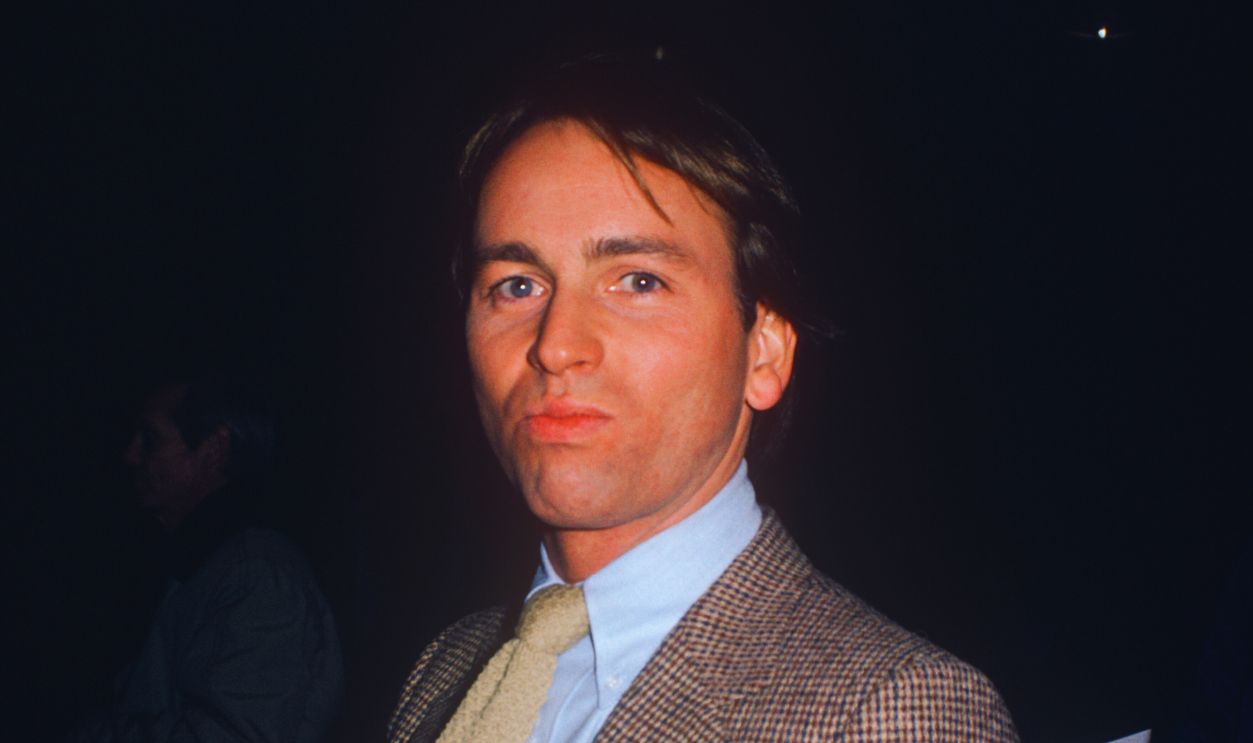
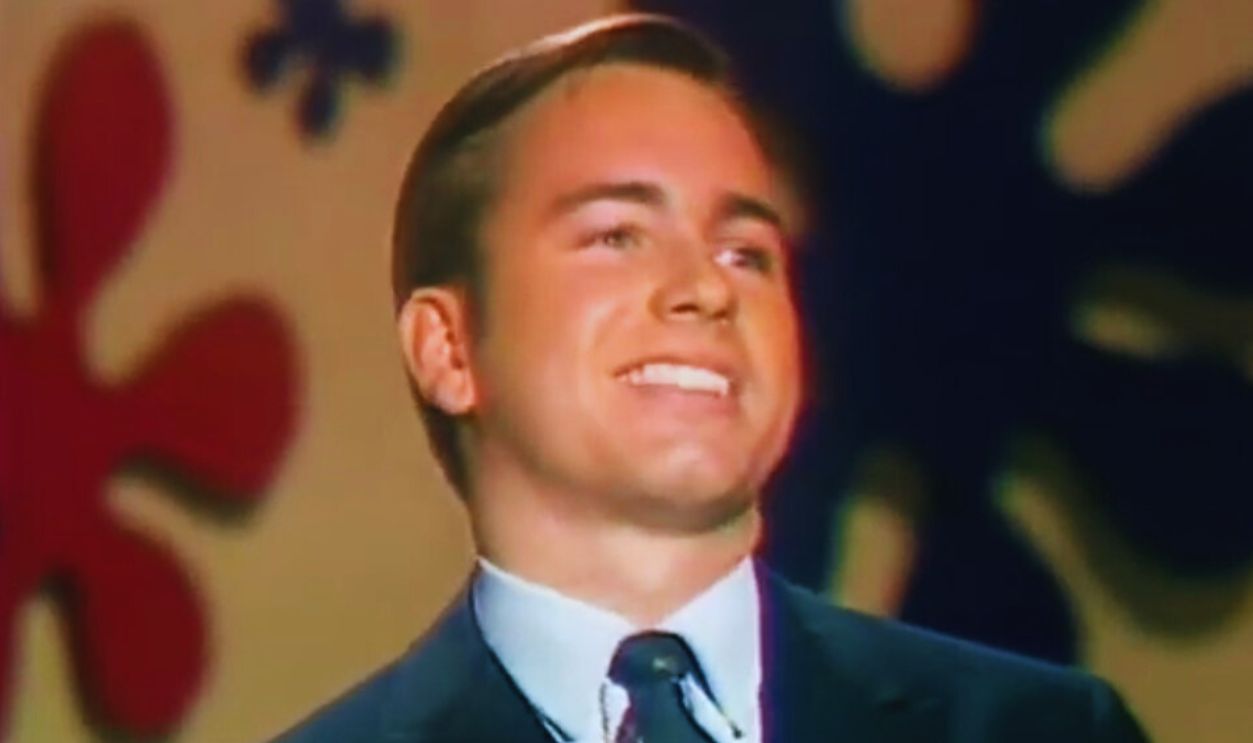
While his family had experience in the world of performance, John didn’t have his first taste of on-screen work until 1966, when he appeared briefly on The Dating Game. He won a vacation on the show, and more than that, got bit with the entertainment bug. Shortly after, he joined an acting class, and, soon enough, switch over to the USC School of Dramatic Arts with a major in theater arts.
He finally found his flow, but everyone wasn't happy about his new life.
 Sony Pictures Television, The Dating Game (1965–1986)
5. He Disapproved
John’s father, Tex, spent much of his life making a name for himself as a Western actor and singer, which is likely why he wanted a different life for his son. Having pursued a career in law when he was young, Tex wanted John to follow in those footsteps rather than a more unstable career in the entertainment industry.
But unfortunately for Tex, his son didn't seem to care.
 Capitol Records, Wikimedia Commons
6. He Went Everywhere
Despite his father’s opposition, John seemed happy as he began studying his newly realized passion, and he jumped headfirst into every acting role he could get his hands on. Still in school, he trained through live performances, acting in plays around the world from the UK to Germany and the Netherlands.
The best was yet to come, and it looked nothing like he likely expected.
7. He Graduated
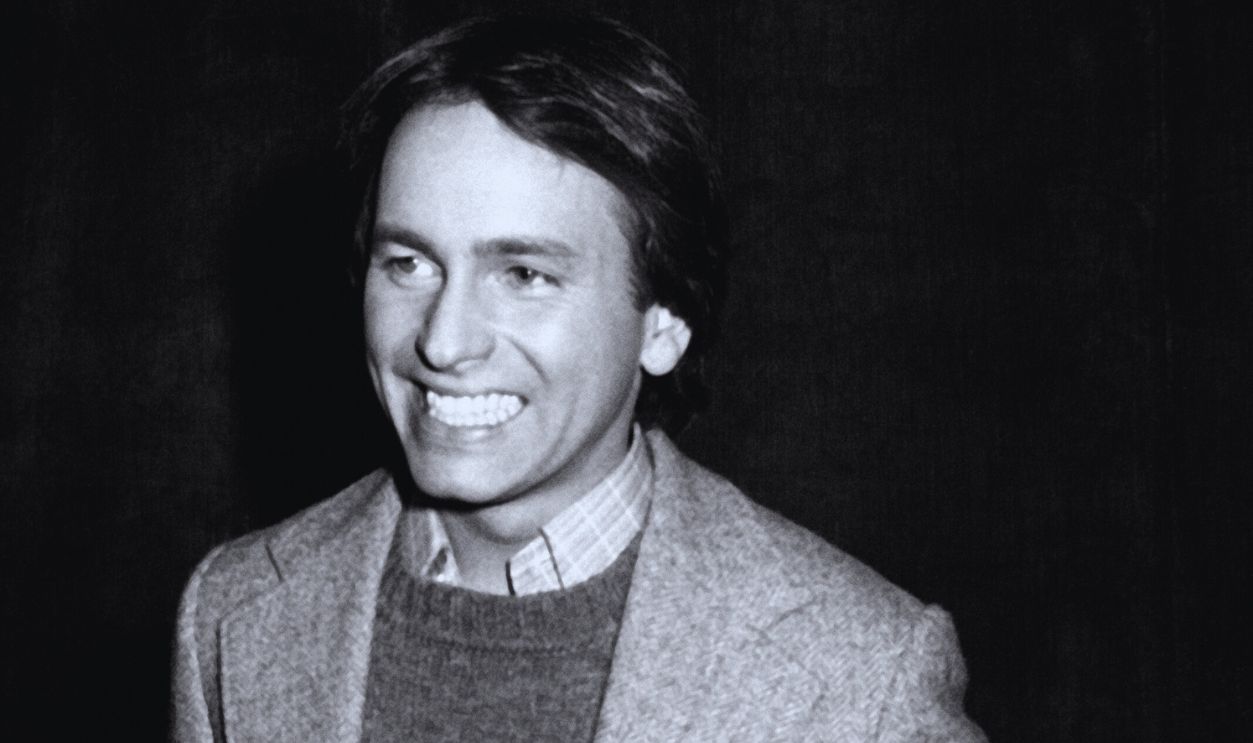
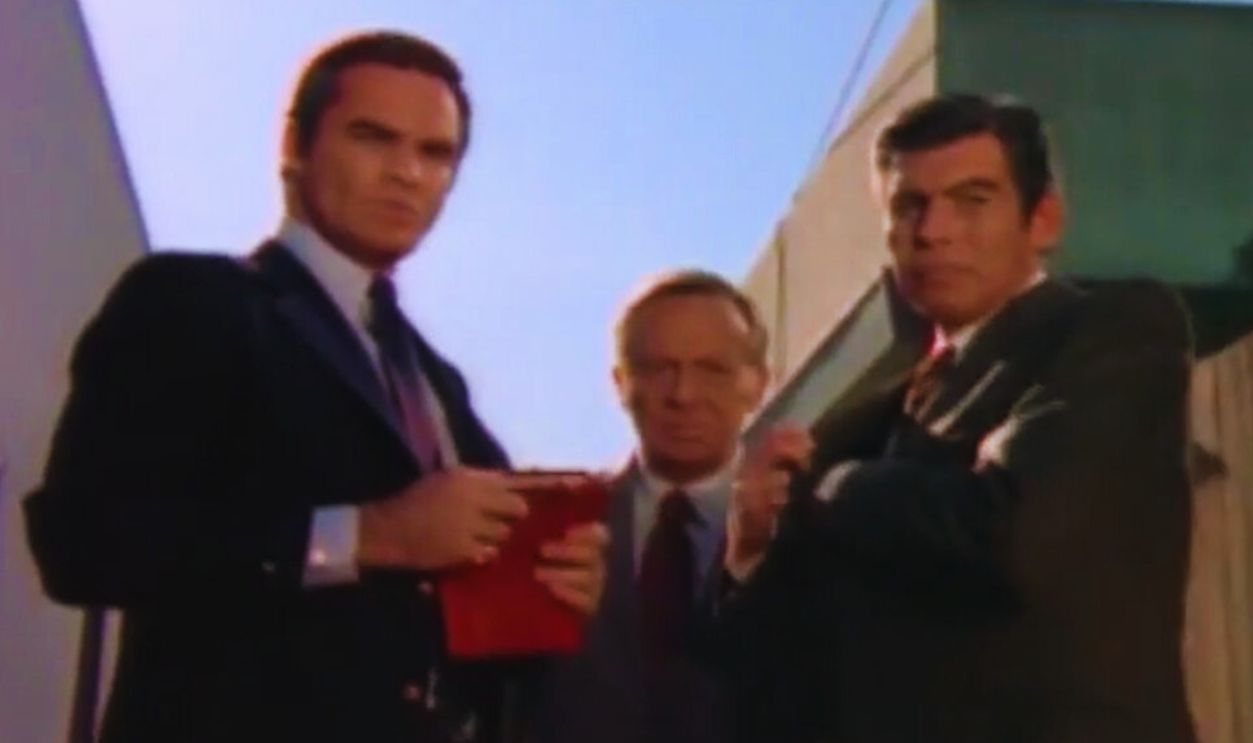
John’s switch to studying theatre wasn’t only a fleeting hobby, and he saw his studies through to the end when he graduated in 1970. Before long, he got ridiculously lucky. In that same year, he booked a television role right away with the series Dan August, in which he played a campus revolutionary in one episode.
And with that, he got on board the journey of a lifetime...
 Paramount Television, Dan August (1970–1971)
8. His Roles Kept Coming
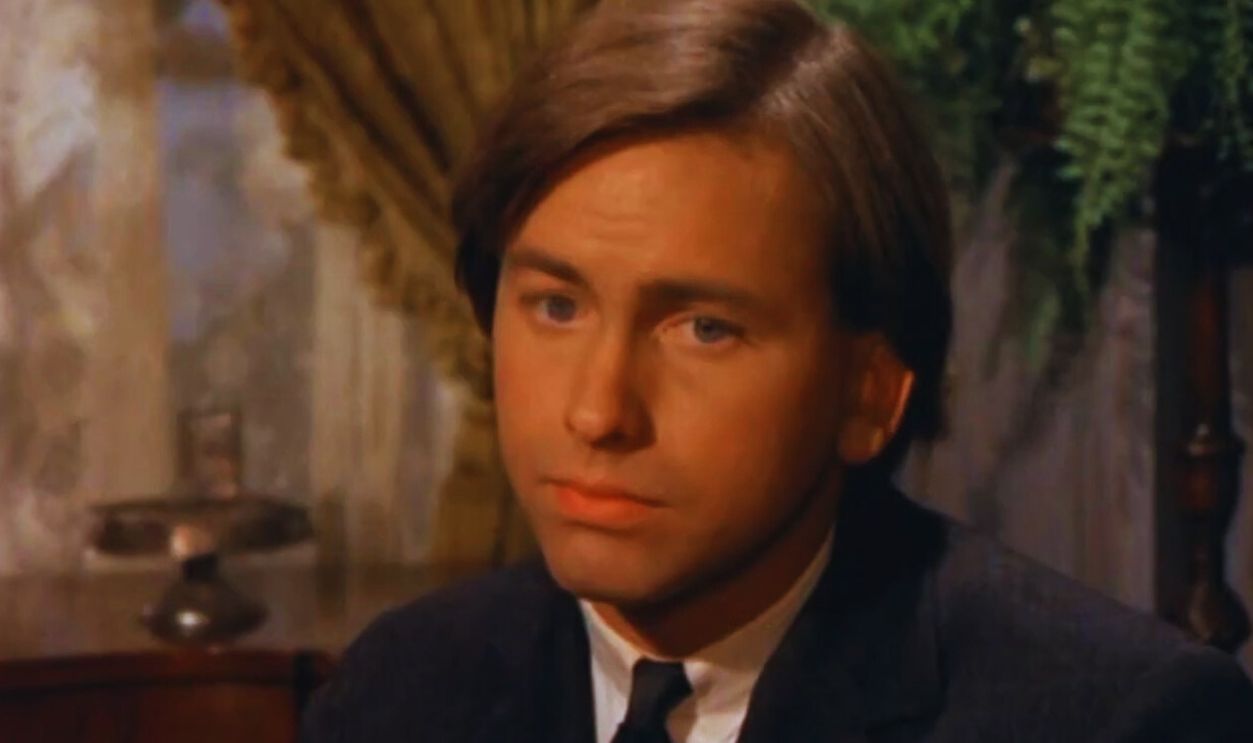
In the early 1970s, John continued to work as much as he could in television, starting with small, guest appearances in shows like M*A*S*H. In 1971, he booked his first movie role in the film The Barefoot Executive. But his real star power showed on TV, and in 1972 and he joined the hit show The Waltons as a recurring character.
With that move, he got an old naysayer on board his success train.
 Warner Bros. Television, The Waltons (1972–1981)

History's most fascinating stories and darkest secrets, delivered to your inbox daily.
9. He Had A Change Of Heart
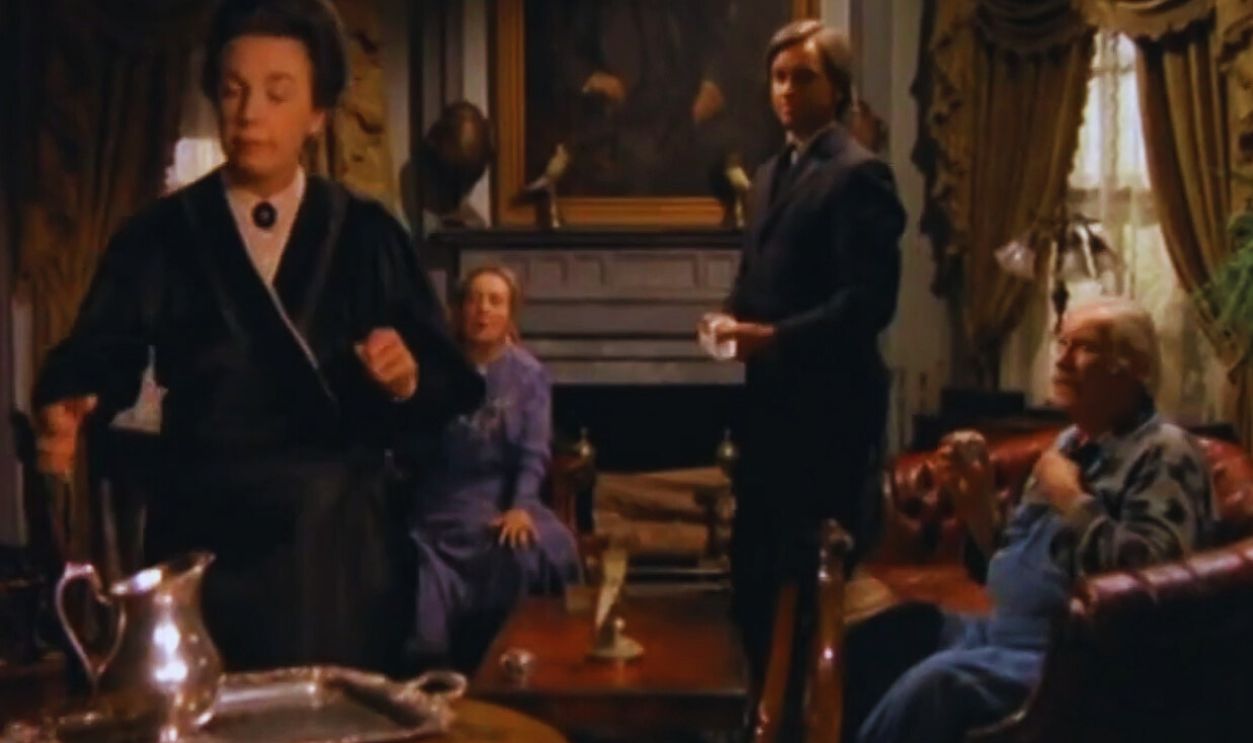
John still maintained a relationship with his father until Tex sadly passed in 1974. However, before this loss, John was able to see some validation from his previously disapproving father. This change came about due to John’s appearance on The Waltons, which reassured Tex of his son’s career choice since, as John would later reflect, “He liked that show”.
But even with that approval, his new role wasn't all it was cracked up to be.
 Warner Bros. Television, The Waltons (1972–1981)
10. He Wasn’t Full-Time
As the character of Reverend Matthew Fordwick on The Waltons, John wasn’t a regular cast member, but appeared in many episodes between 1972 and 1976. Unfortunately, it didn’t provide him with a steady income, but it did free him up to seek other jobs. That's how he managed to have plenty of time to audition for a new little sitcom in the works.
It changed his life forever.
 Warner Bros. Television, The Waltons (1972–1981)
11. He Became Iconic
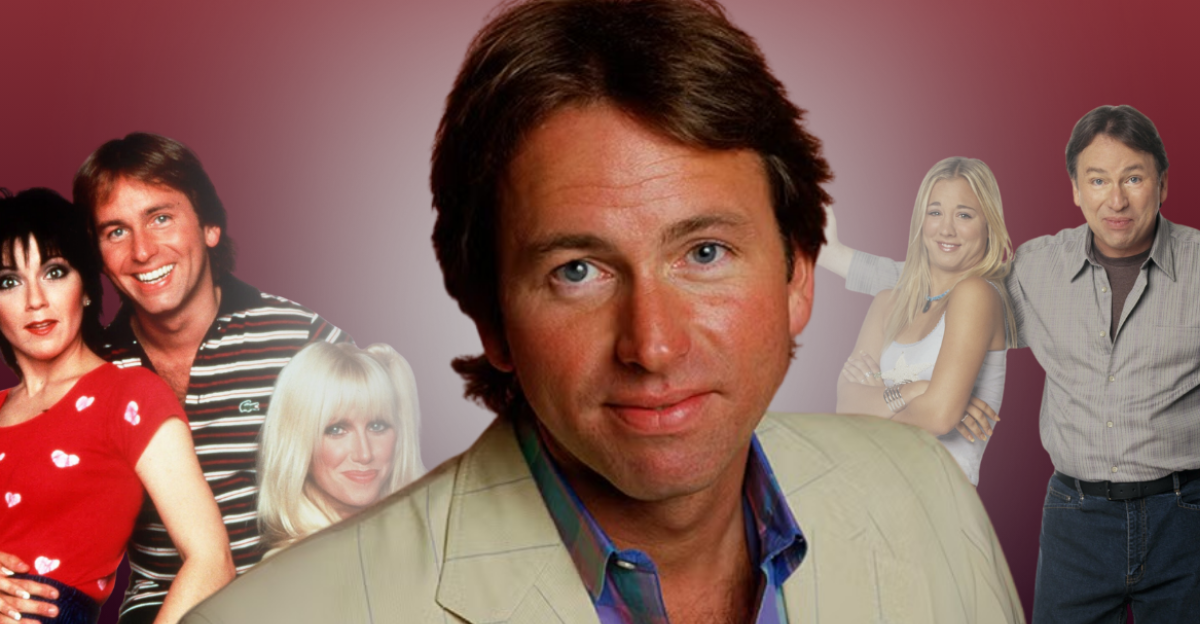
After beating out 50 other hopefuls in a grueling audition process, John Ritter landed the role of Jack Tripper in Three’s Company. The quirky sitcom about a bachelor living with two women skyrocketed to instant success. Overnight, Ritter went from a familiar face to one of TV’s most beloved stars.
But while his charm and comedic chops seemed effortless, he didn't get all his parents talents...especially the musical ones.
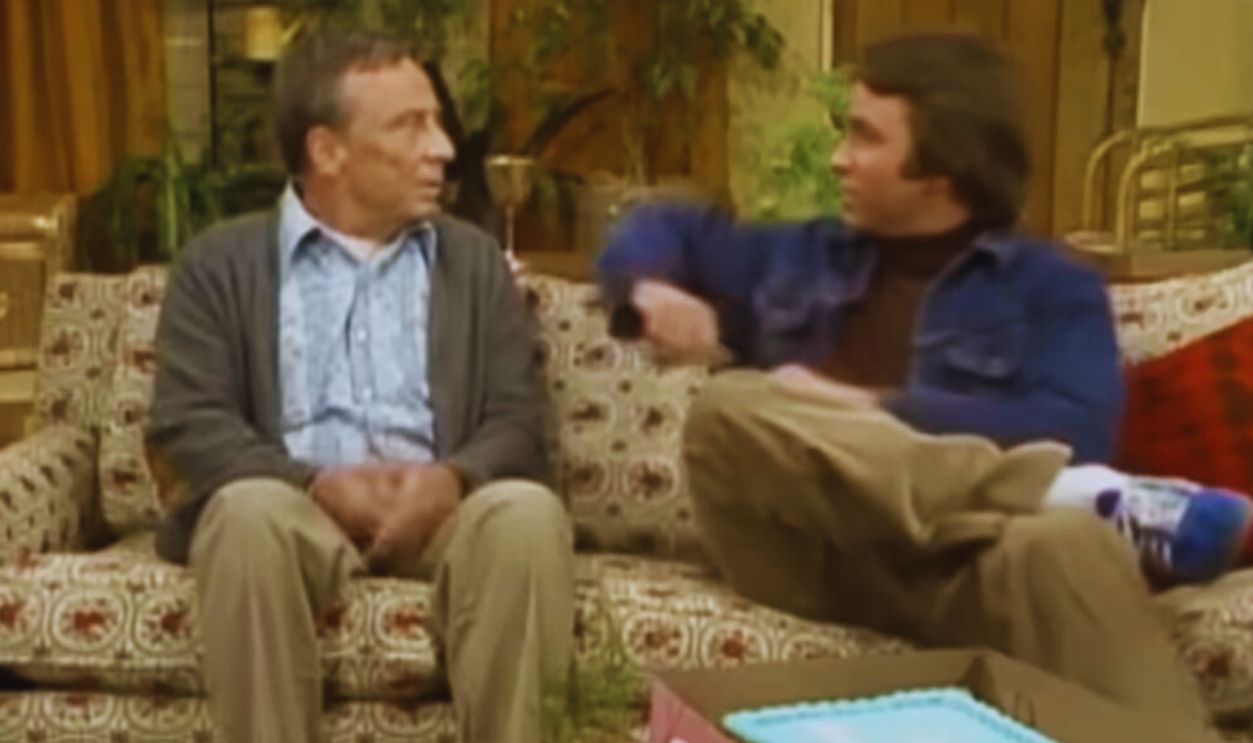 DLT Entertainment, Fremantle, Three’s Company (1977)
12. They Tried To Sing
As Three’s Company was just getting off the ground and filming the first season, an issue came up as the studio had no one to sing the show’s theme song. Taking a page out of sitcoms like All in the Family, they asked the cast to do it. John and his co-stars reluctantly agreed, but the result was so horrible that they abandoned the attempt after one afternoon.
Unfortunately, the disharmony between cast members didn’t stop here.
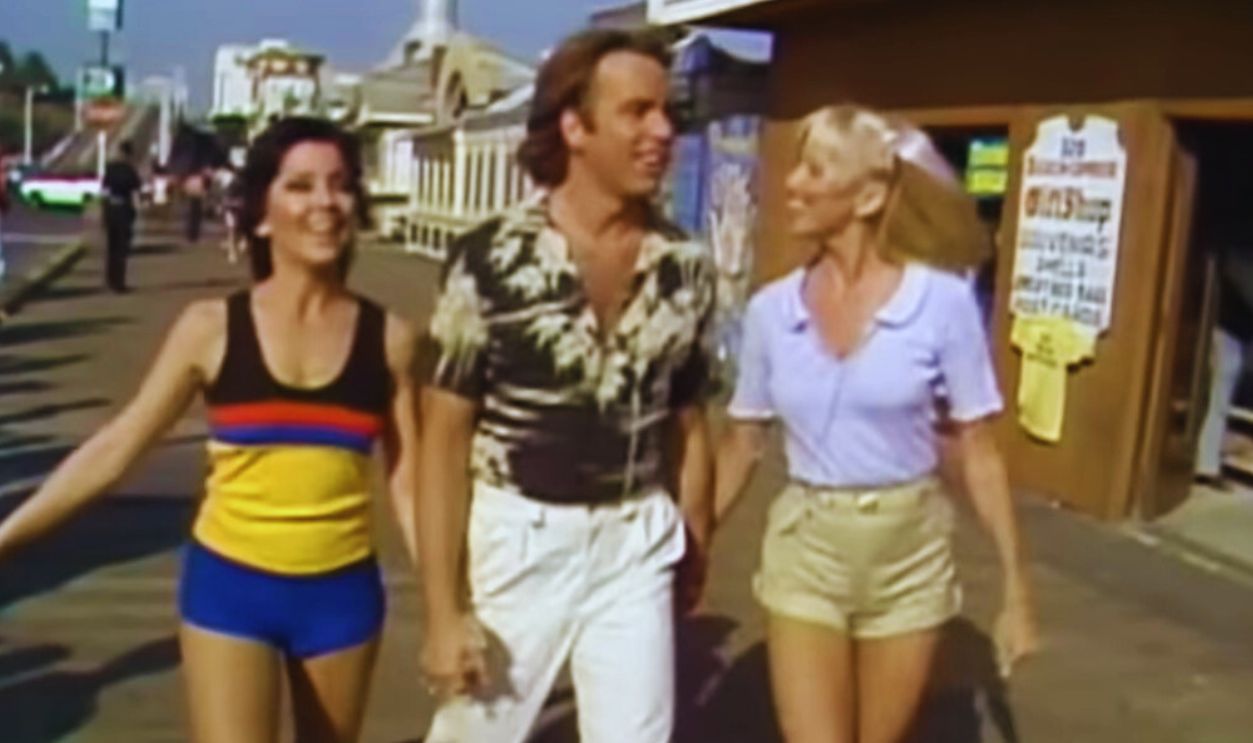 DLT Entertainment, Fremantle, Three’s Company (1977)
13. She Was A Star
According to biographer Chris Mann, the cast members of Three’s Company appeared to have differing priorities. While John and his co-star Joyce DeWitt were more focused on their acting careers and creating a good show, their other co-star, Suzanne Somers, was more preoccupied with becoming a celebrity.
As you can imagine, that eventually started some major issues.
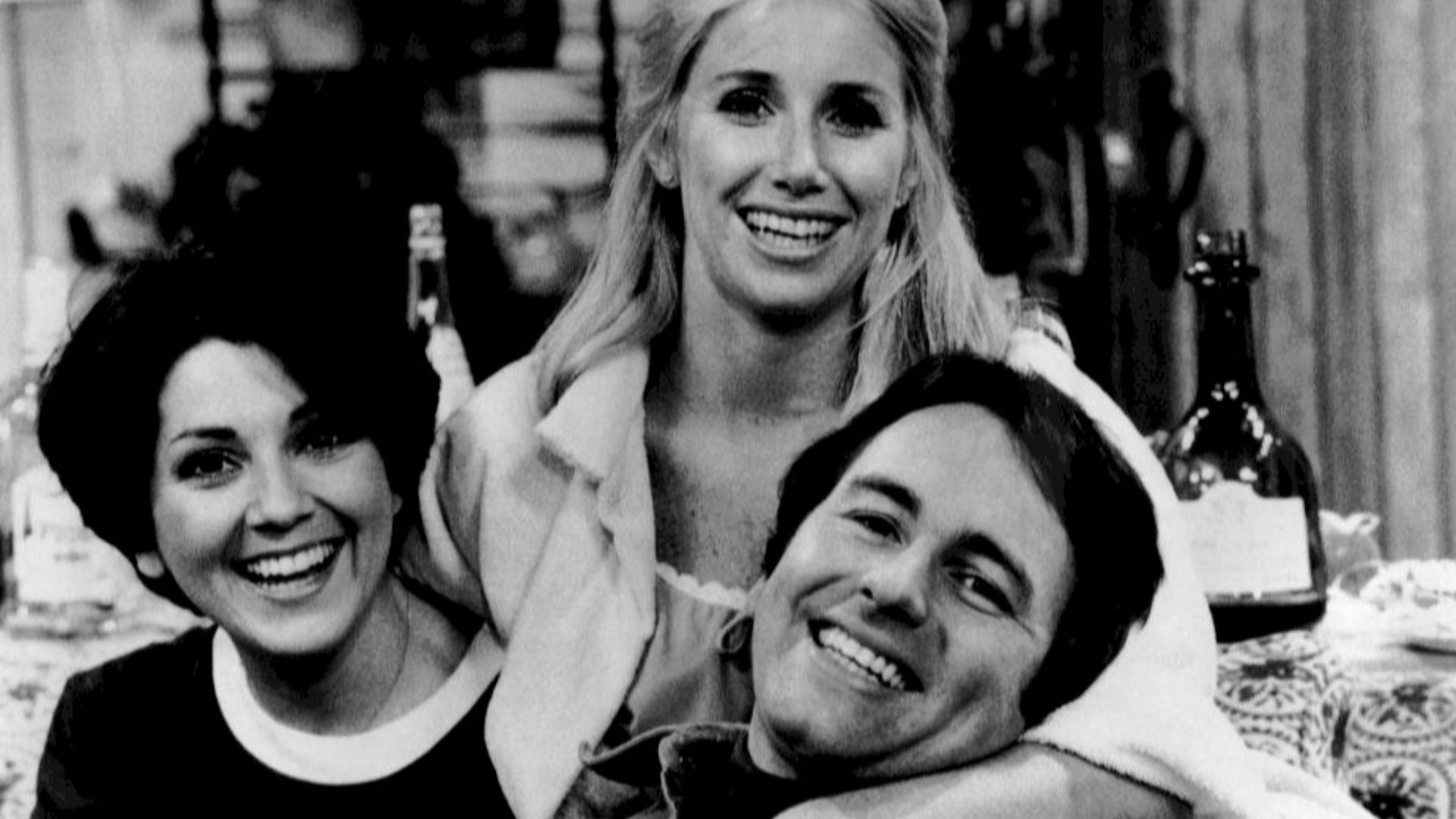 ABC Television, Wikimedia Commons
14. She Made Things Tense
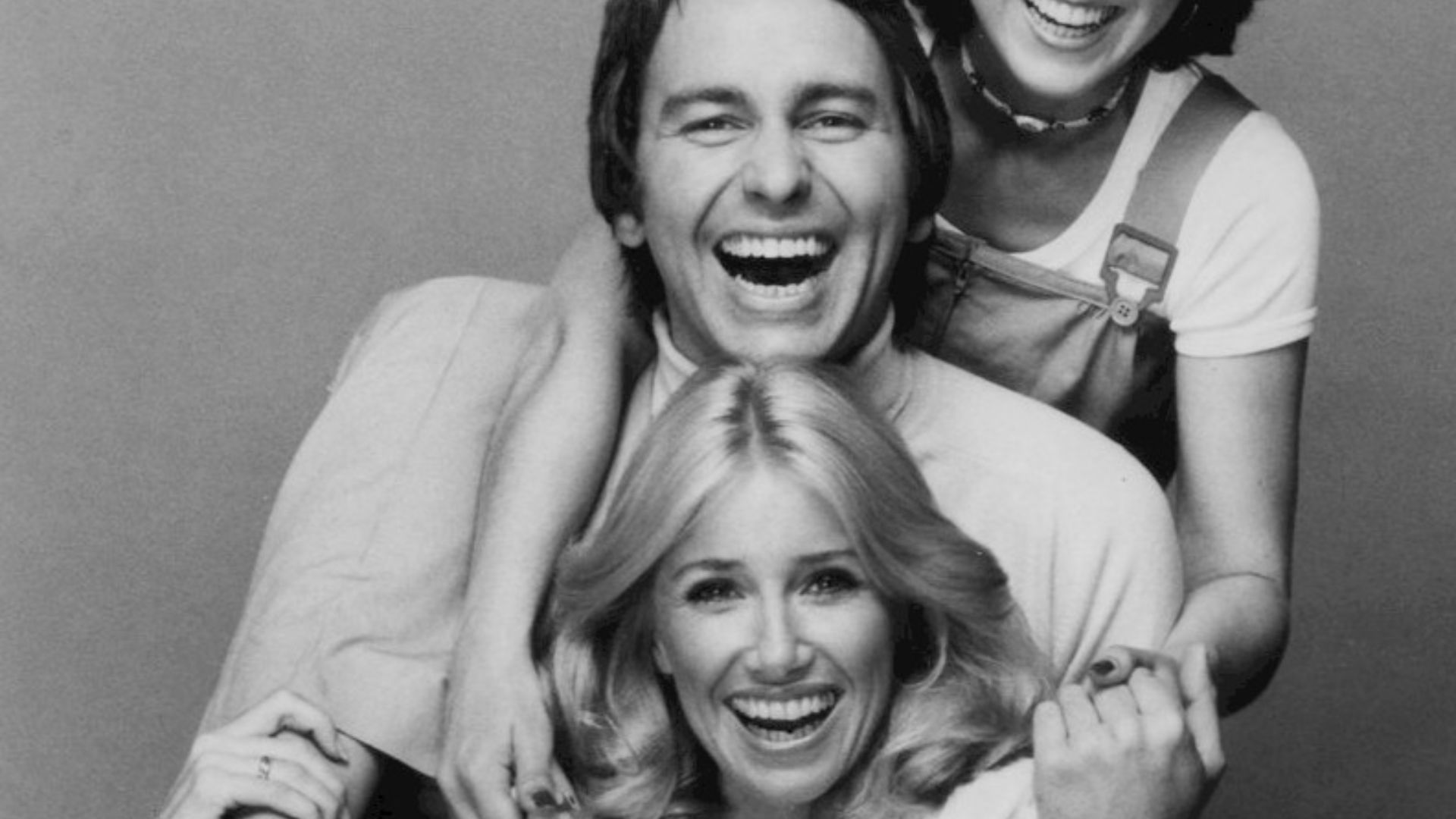
Somers’ quest for fame was obvious, but in 1978, she took having a big head to a whole new level. Leading up to an issue of Newsweek that was going to feature them on the cover, Somers went behind John’s and DeWitt’s backs to have a photo shoot. One of these shots was then superimposed over the picture of all three of them without the other two knowing.
Her co-stars didn't take it well...
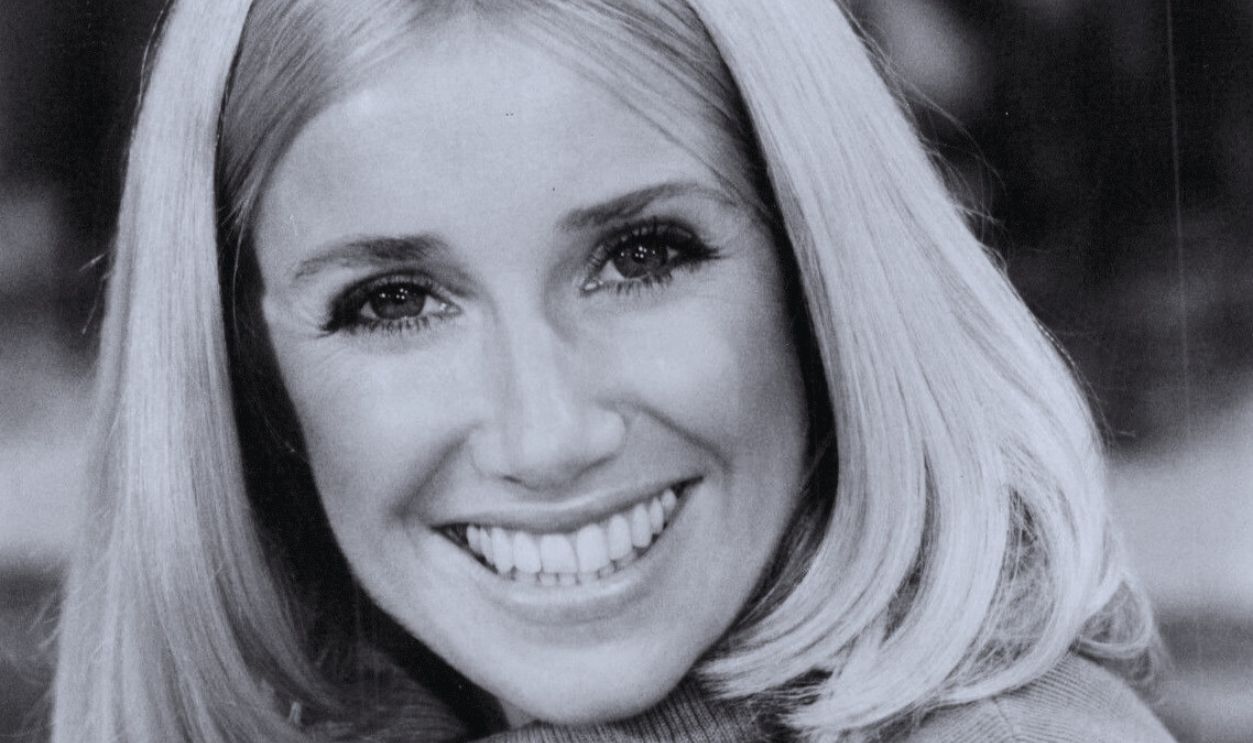 ABC Television, Wikimedia Commons
15. She Made Demands
Despite the underlying tension, John and his co-stars were professionals and continued to film Three’s Company for five seasons, which is when everything truly started to go sour. Allegedly at the urging of her husband, Somers went to the producers and insisted that they raise her pay per episode from $30,000 to $150,000.
It was the straw that broke the camel's back.
 ABC Television, Wikimedia Commons
16. He Was Fed Up
John tried his best to be cordial and accommodating during his time on Three’s Company, despite any issues behind the scenes, but he eventually had enough. In the wake of Somers’ demands for a pay increase and threats of litigation, her attitude became increasingly hostile, and John finally flat out refused to work with her anymore.
Unfortunately for Somers, this situation didn’t end as she hoped.

17. They Refused
The answer to Somers’ demands was a hard no from the producers, so she had little choice but to begin the litigation process. Surprisingly, although everyone was likely choking down their bitterness, she didn’t disappear from the show entirely during this time. Instead, the producers only included her voice, as her character called in from her parents' house.
Ultimately, they made their decision.

18. They Replaced Her
Somers’ demands may have been valid, but her attitude when fighting with the producers and the way she handled the press turned everyone against her, including John. By the end of the whole situation, the higher-ups decided it wasn’t worth it to keep her around and wrote her character out, replacing her with one played by Jenilee Harrison.
Somheow, despite all the issues, the show managed stay a hit...for a while, anyway.
 ABC television (US) public relations, Wikimedia Commons
19. It Was A Success
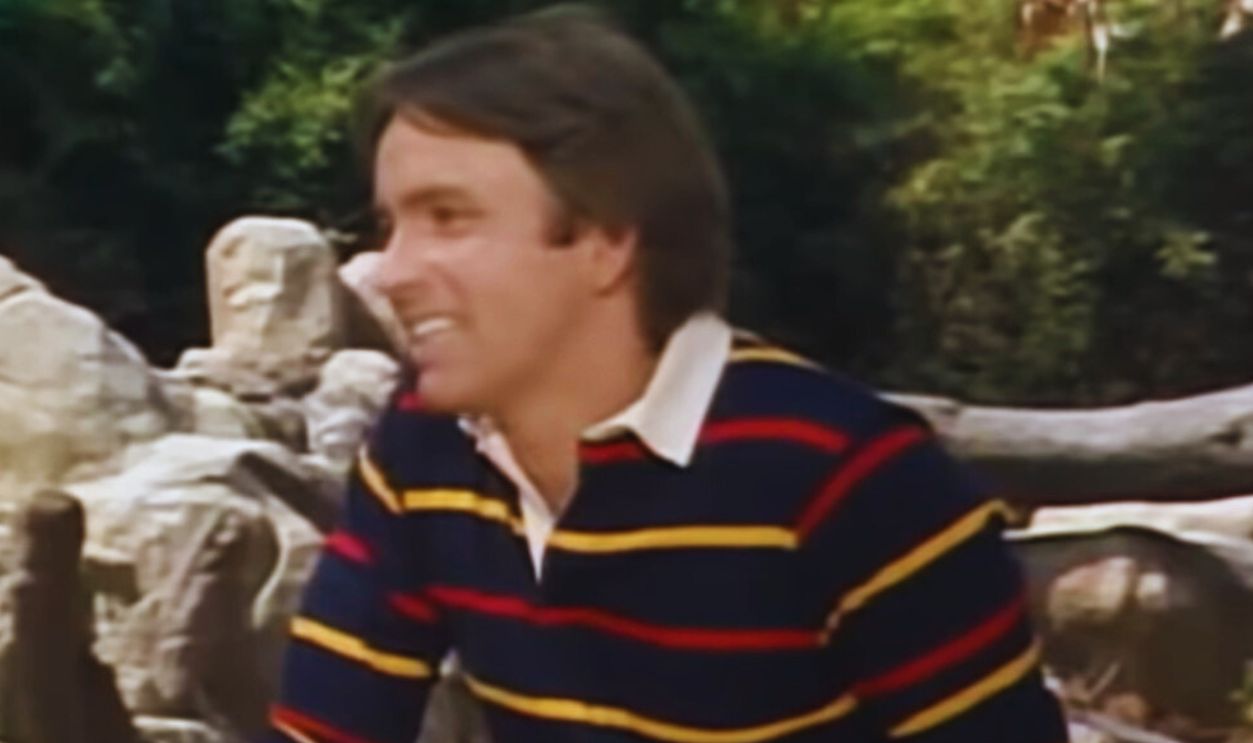
Even with all of the drama behind the scenes bleeding into the show itself, Three’s Company remained a popular sitcom in its time, and went on to have a total of 8 seasons. Still, nothing lasts forever, and while it survived for a bit after Somers’ departure, decreased ratings forced the show to call it quits in 1984. Nonetheless, it remained an iconic moment in TV history.
And thankfully for John, its achievements didn’t go unnoticed.
 DLT Entertainment, Fremantle, Three’s Company (1977)
20. He Got His Flowers
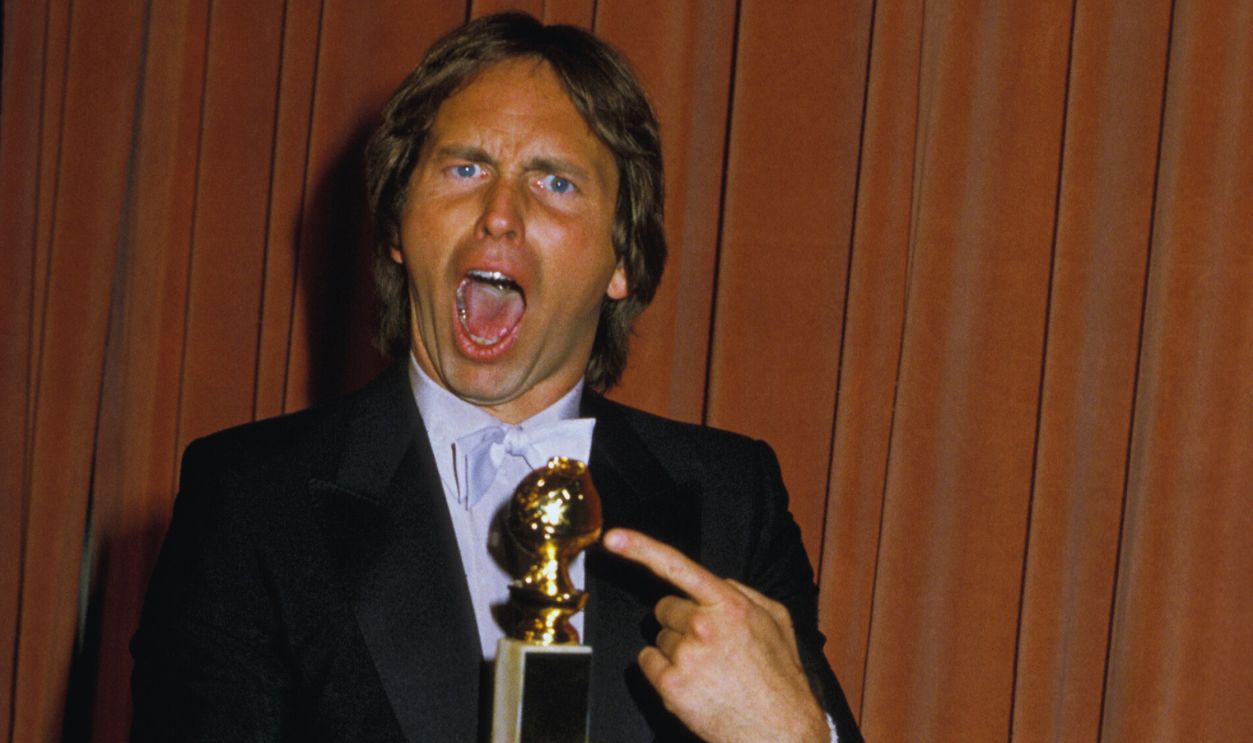
Although the show’s ratings had gone down, Three’s Company had left such an impact on pop culture that it still earned some recognition. While filming the final season, the sitcom won a People’s Choice Award for Favorite TV Comedy Program, and John won a Golden Globe and an Emmy for his performance.
Perhaps that explains what happened to his character next...
21. He Spun Off
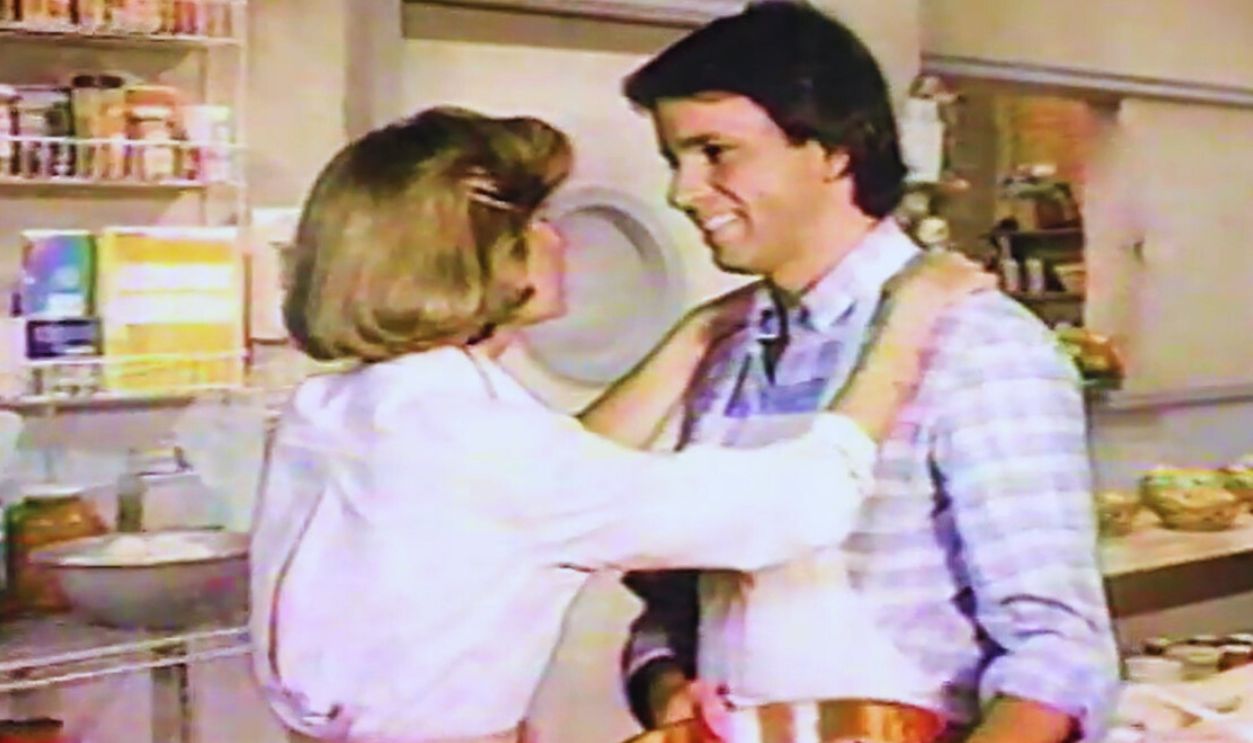
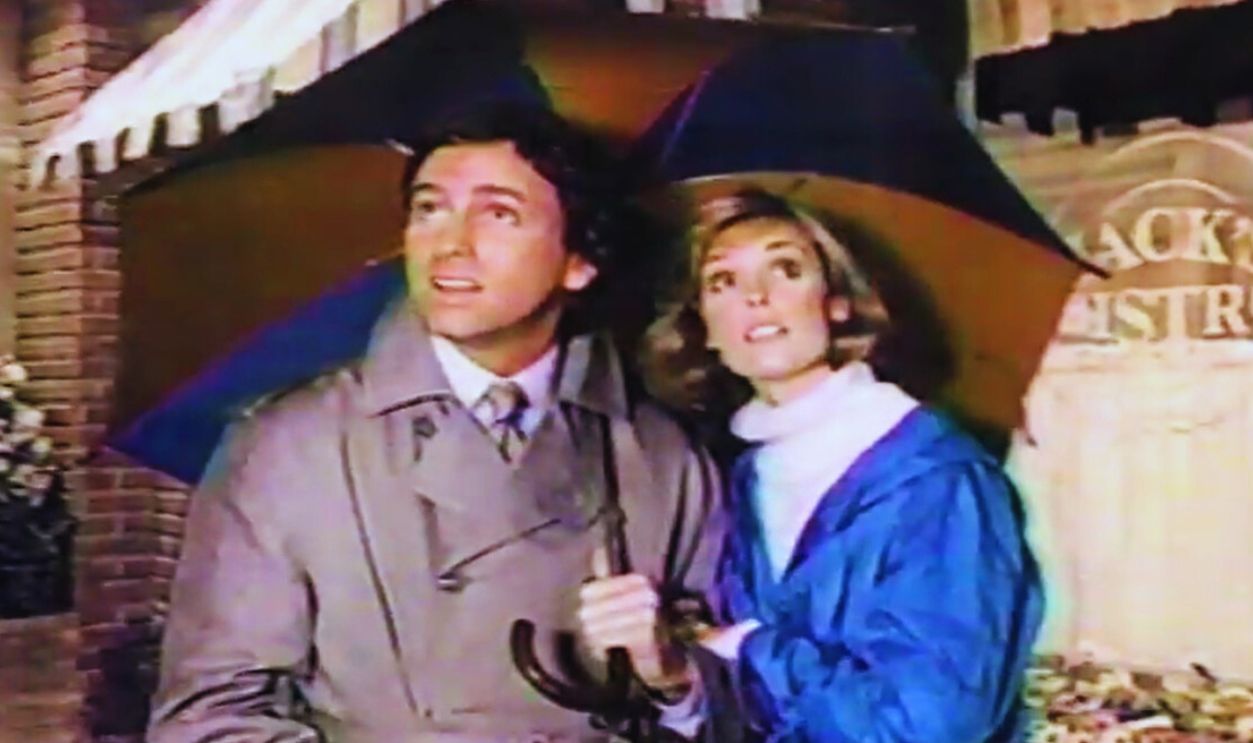
Three’s Company may not have performed so well toward the end of its life, but producers felt like its world was one worth revisiting. So, the same year as its predecessor’s cancellation, the spin-off Three’s a Crowd debuted, bringing back John’s character Jack Tripper as he lived with his girlfriend and operated his own bistro.
Regrettably, this created more tension.
 DLT Entertainment, Fremantle, Three’s a Crowd (1984)
22. She Didn’t Know
The producers planned for the spin-off early on and began auditions for Jack Tripper’s girlfriend while still filming Three’s Company, hoping to introduce her in the final season. But they kept things on the down low. John (nor anyone else, for that matter) never told his co-star, Joyce about the new show. Once she found out about the spin-off, she couldn’t help but feel betrayed by yet another castmate.
All things considered, perhaps it just slipped John's mind, considering what was happening in his personal life.
 DLT Entertainment, Three’s a Crowd (1984)
23. He Met Someone
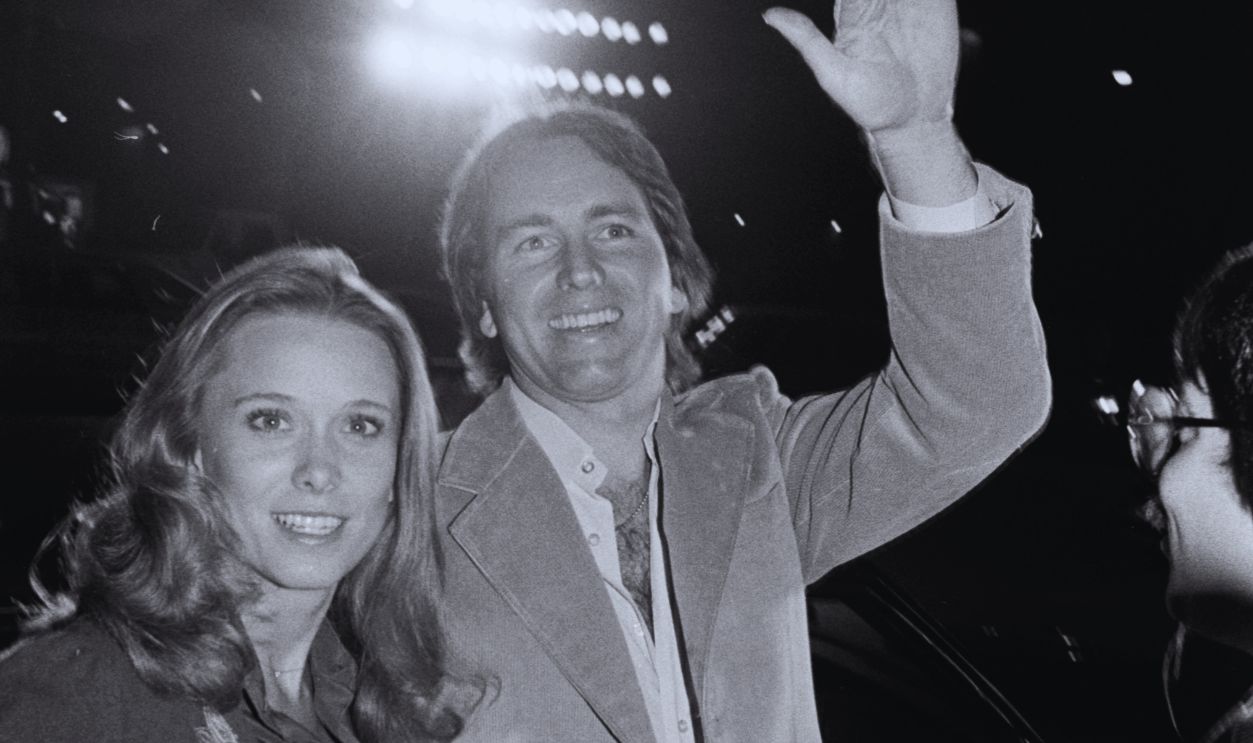
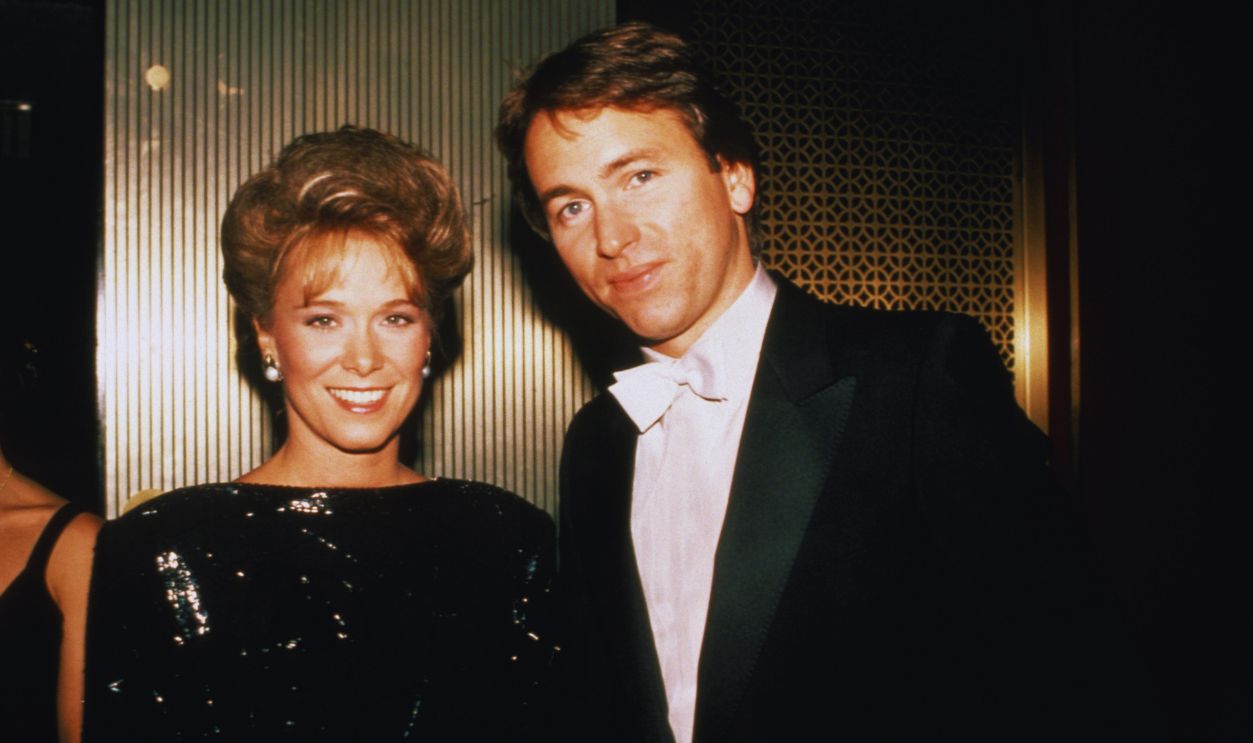
As a household name in television, John crossed paths with many others in the industry, but some were more special than others. Nancy Morgan was another budding performer in Hollywood, and after she met John, they quickly fell in love. Marrying in October 1977, the couple would be fortunate enough to work together on several projects.
But Nancy wasn't the only one who had a thing for him...
24. She Loved Him
One especially iconic sitcom legend, Lucille Ball, considered herself such a big fan of Three’s Company that she hosted a retrospective on the show in 1982. She was also in the process of filming her series, Life with Lucy, and John was happy to accept her invitation for him to guest star. While filming, John supposedly made Ball laugh so hard she had to yell “Cut!”, having only needed to do that twice before.
Even with his dalliances, though, John had plenty of his own work to attend to.
 Lever Brothers, Wikimedia Commons
25. He Flopped
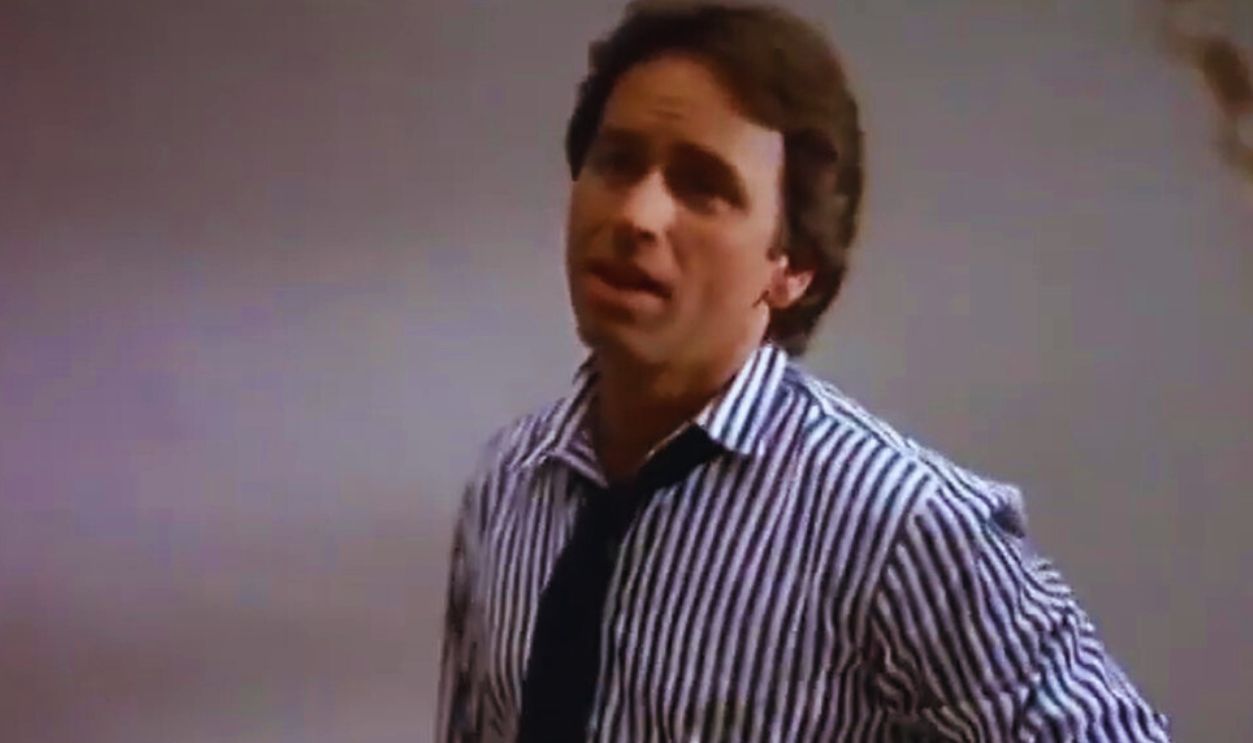
The Three’s a Crowd spin-off didn't impress, ending up on the cutting room floor after only a year. But John wasn't done with TV. In 1987, he made a comeback as the star of the series Hooperman, a comedy-drama which followed Detective Harry Hooperman as he solved mysteries and found love.
With this new role, John finally showed that he had lots more to offer than slapstick comedy.
 Warner Bros. Television, Hooperman (1987)
26. He Won Again
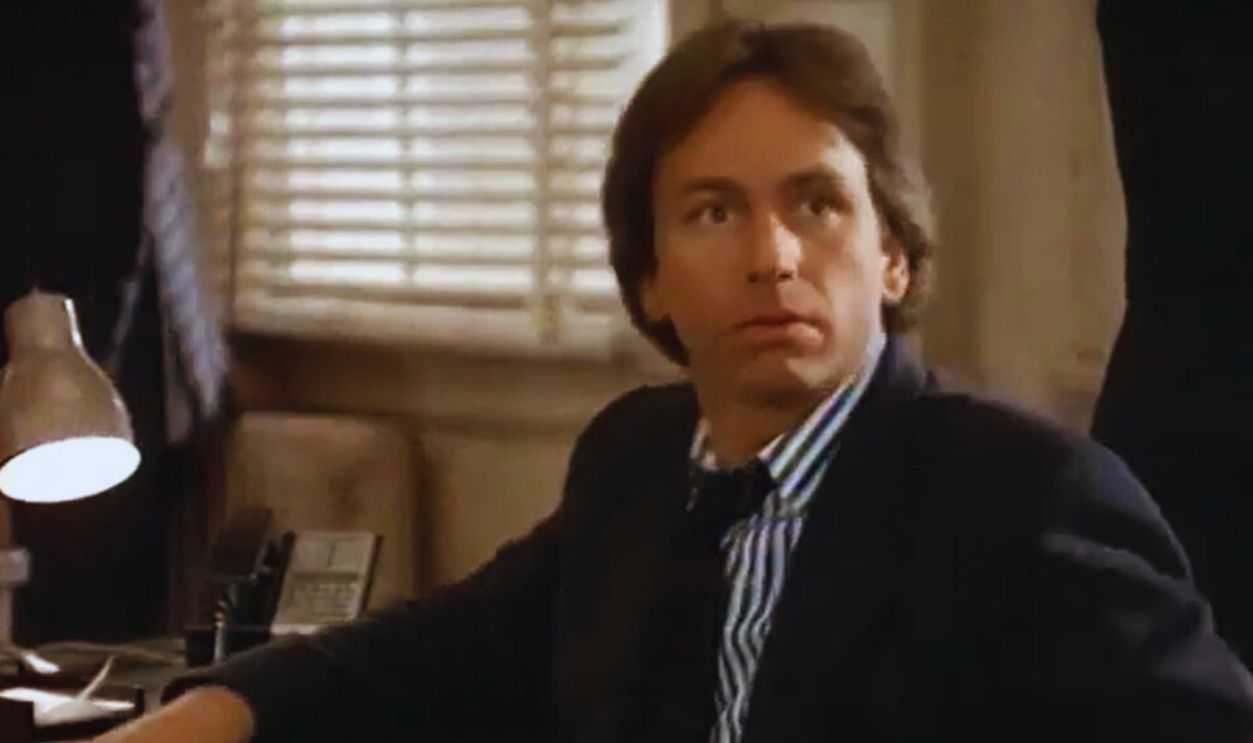
With Hooperman, John was able to utilize his comedic talents, but the series also took him in more dramatic directions. Even so, his performance was met with the usual praise from fans and earned him a lot of attention during awards season. Aside from receiving Emmy and Golden Globe nominations, he won a People’s Choice Award for his performance.
Following this, he played parts that were even more bizarre...
 Warner Bros. Television, Hooperman (1987)
27. He Took Diverse Roles
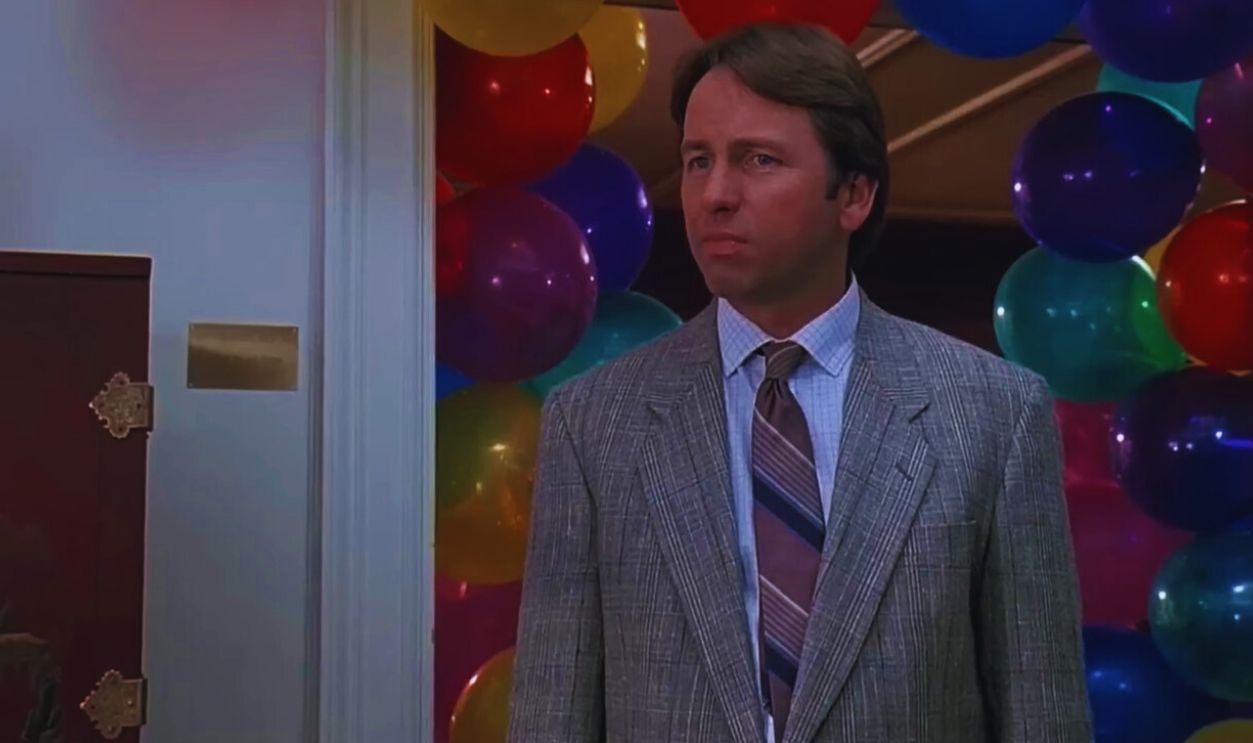
After Hooperman finished, John wanted a change of pace and took another step back from the world of TV shows to focus on his film career. Over the rest of the 1980s and the early 1990s, he explored numerous other projects, including comedic films like Problem Child, as well as more serious stories, such as Stephen King’s It.
Luckily for him, he had also reached a point where his fame alone booked him some unforgettable roles.
 Universal Pictures, Problem Child (1990)
28. He Was A Special Guest
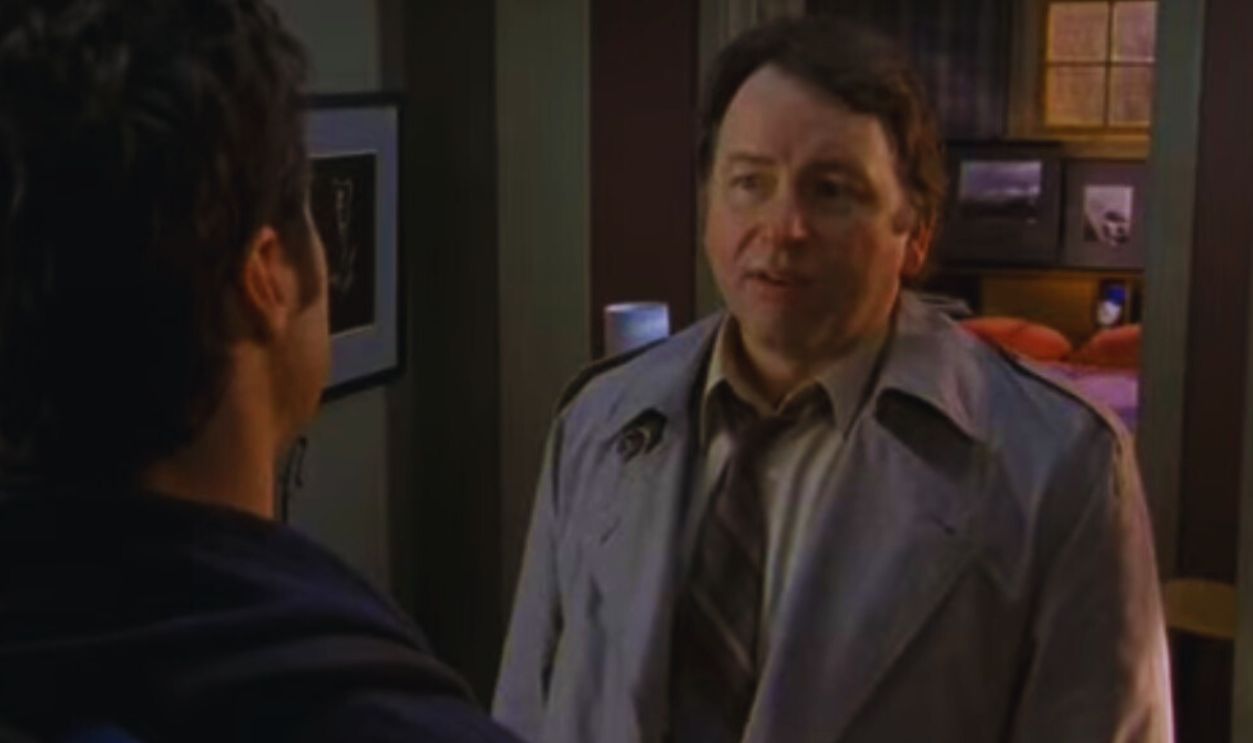
Although most of John’s fame stemmed from Three’s Company, his projects since then had kept him relevant, especially as fans of his went on to create their own shows. As a result, he received invitations to guest star in various series, including Buffy the Vampire Slayer and Scrubs, the latter of which was due to actor Zach Braff specifically requesting that John play his dad.
Meanwhile, his personal life was becoming more turbulent.
 ABC Studios, Doozer, Scrubs (2001)
29. They Were Unhappy
John and his wife, Nancy, had enjoyed their first few years of marriage, during which they welcomed three children and even hosted a charity telethon together. Sadly, by the late 1990s, their relationship had grown tiresome, and they decided the best option would be to end things, officially divorcing in 1996.
But John didn't stay single for too long...
30. He Met Someone Else
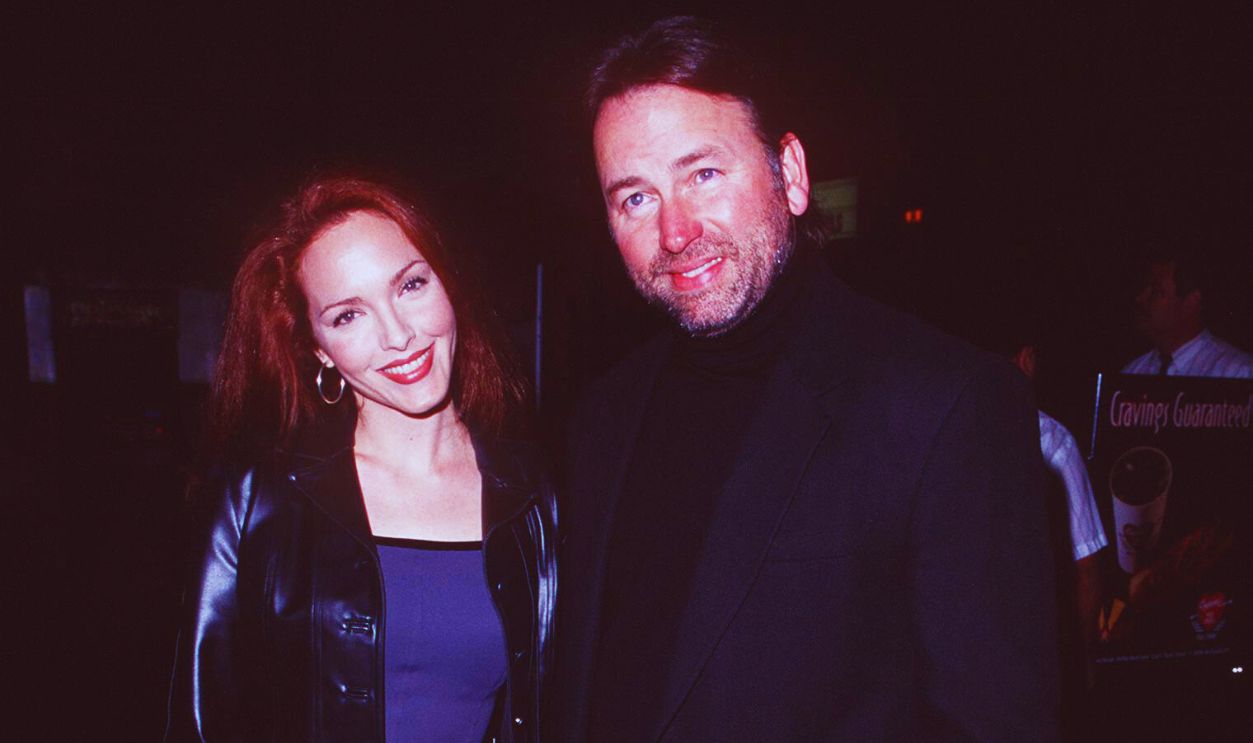
While working on the film Problem Child in 1990, John spent a great deal of time with his co-star, Amy Yasbeck, who played his on-screen wife. Their friendship continued over the years, allegedly only blooming into something more once John and his first wife divorced. Whether or not you believe that version of events, the two married in 1999, a year after welcoming their only child.
When it came to acting career, John decided to took a trip back to his roots.
31. He Took The Stage Again
John seemed to love working on-screen, whether in films or TV, but in the year following his second marriage, he greeted the new millennium by returning to where it all started. Committing himself to Broadway, he joined the cast of Neil Simon’s The Dinner Party, which earned him a Theatre World Award during its run of 364 performances.
Still, another iconic role was on the horizon.
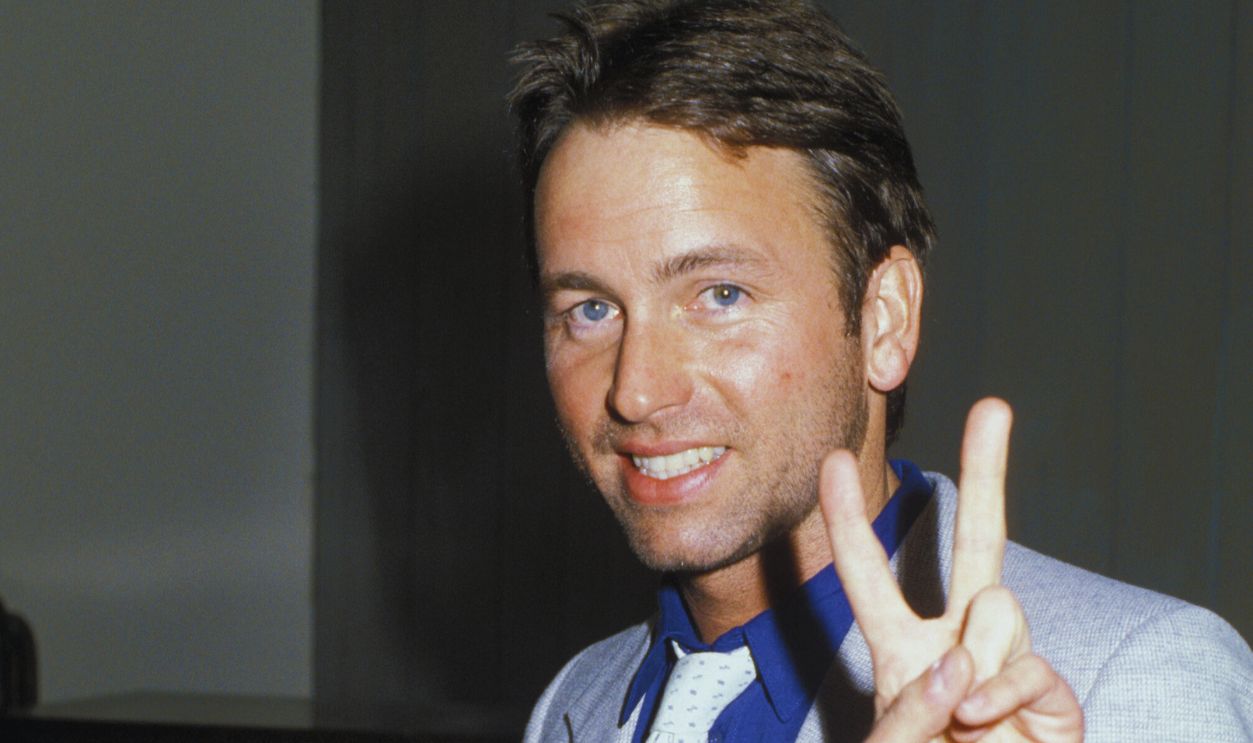
32. He Started Another Hit
Even in the latter part of his career, John hadn’t finished taking the television world by storm, as he soon joined the 2002 sitcom, 8 Simple Rules... for Dating My Teenage Daughter. This series had him playing the typical TV dad, but introduced him to a whole new generation of audiences, who naturally grew to love him just as much.
It seemed there wasn't an audience he couldn't win over, which he proved with another, more childlike role...
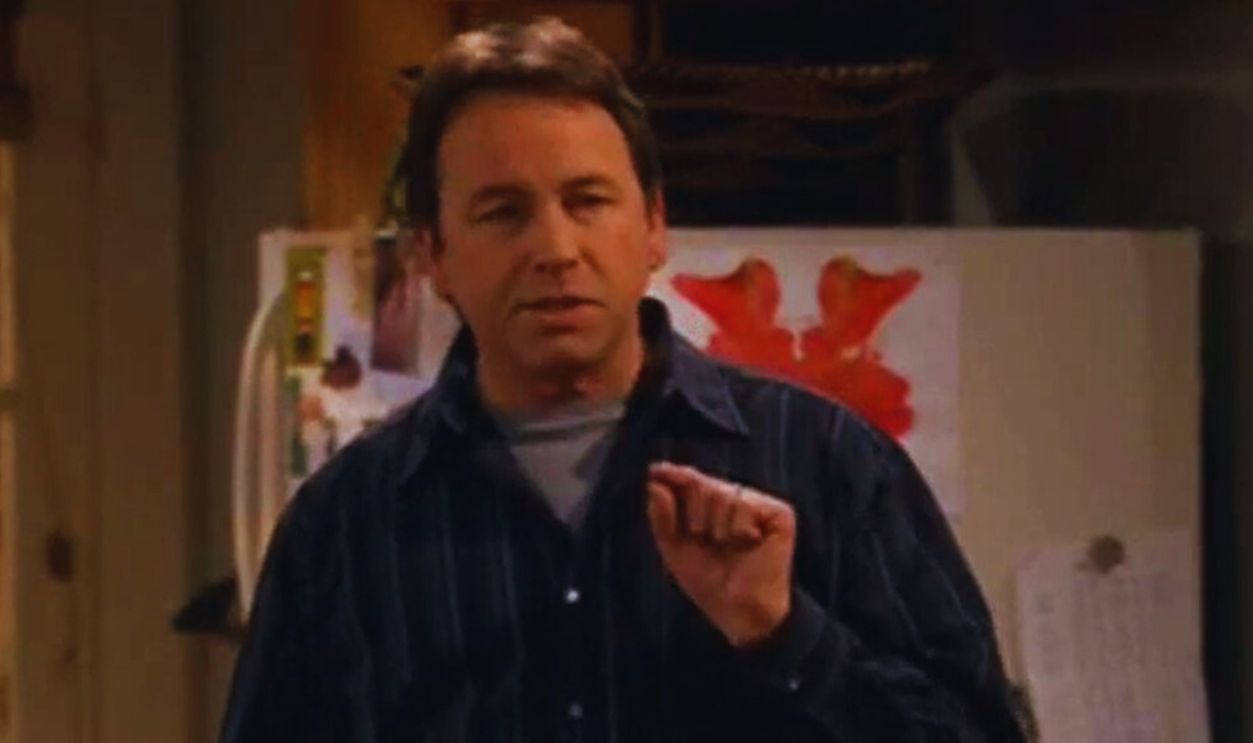 Disney–ABC Domestic Television, 8 Simple Rules... for Dating My Teenage Daughter (2002)
33. He Voiced A Cartoon
By this point, John wasn’t a stranger to acting in serious roles or even raunchy comedies, but starting in 2000, he decided to take a more wholesome route. Taking on the mantle of one of the most beloved children’s characters at the time, John voiced the titular pooch in the animated series, Clifford the Big Red Dog.
Around this time, in a nice twist of fate, he was able to repair an old friendship.
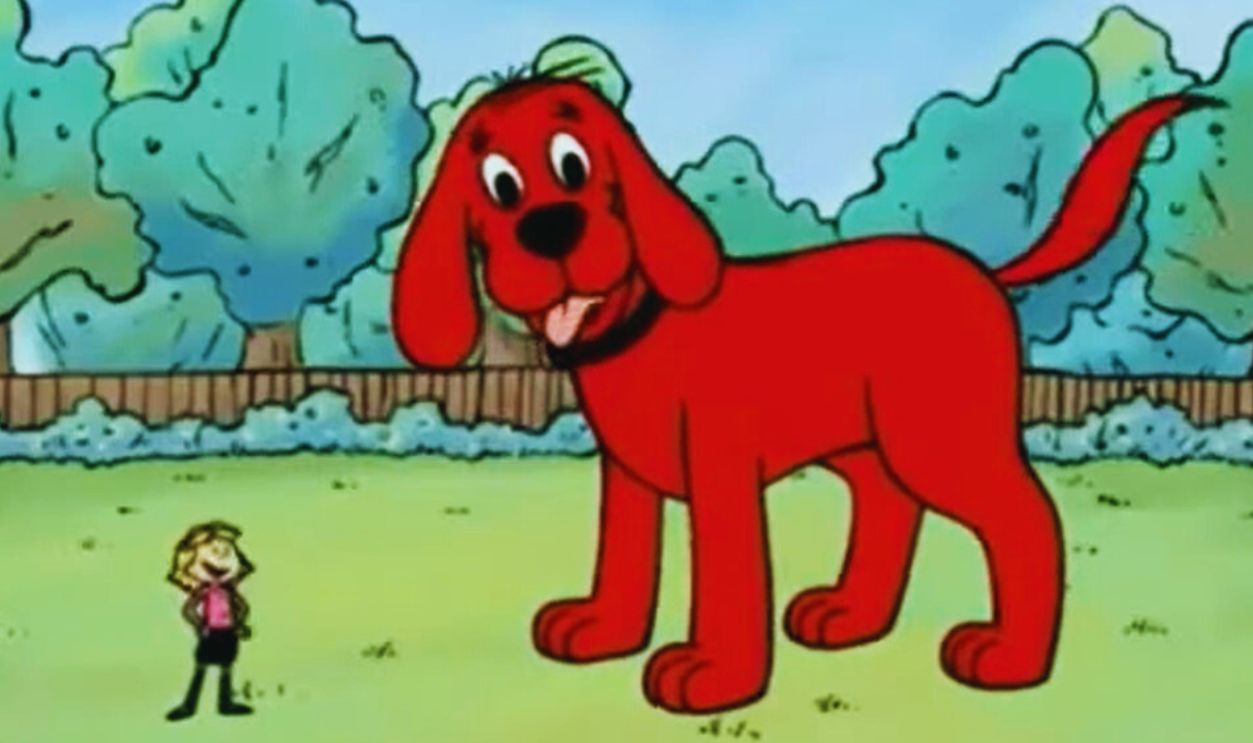 PBS Kids, Clifford the Big Red Dog (2000)
34. They Buried The Hatchet
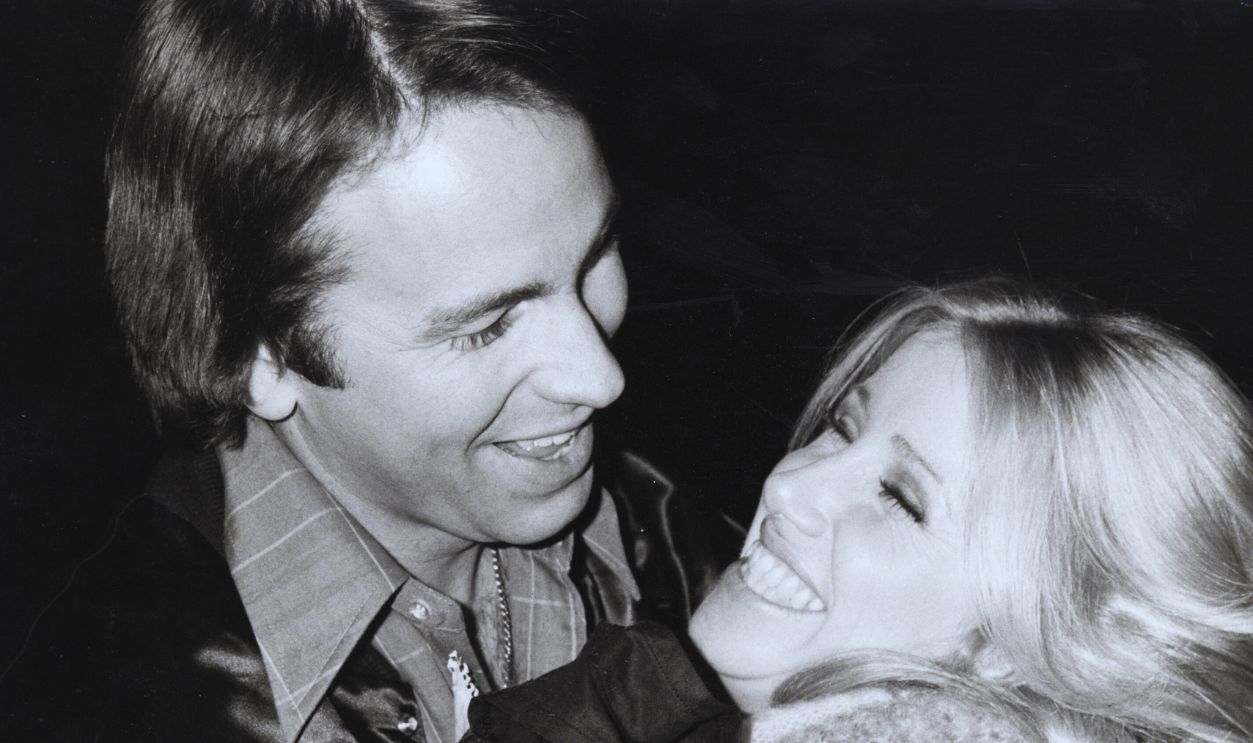
So much time had passed since all the ugliness behind the scenes of Three’s Company, but John still wanted to set things right. According to his former co-star, Suzanne Somers, John called her salon in 2003 and told her that he forgave her. She later stated that this initially gave her pause, but she quickly got over it and made sure he knew that she had always loved him.
This reconciliation wasn’t a moment too soon.
35. He Became Sick
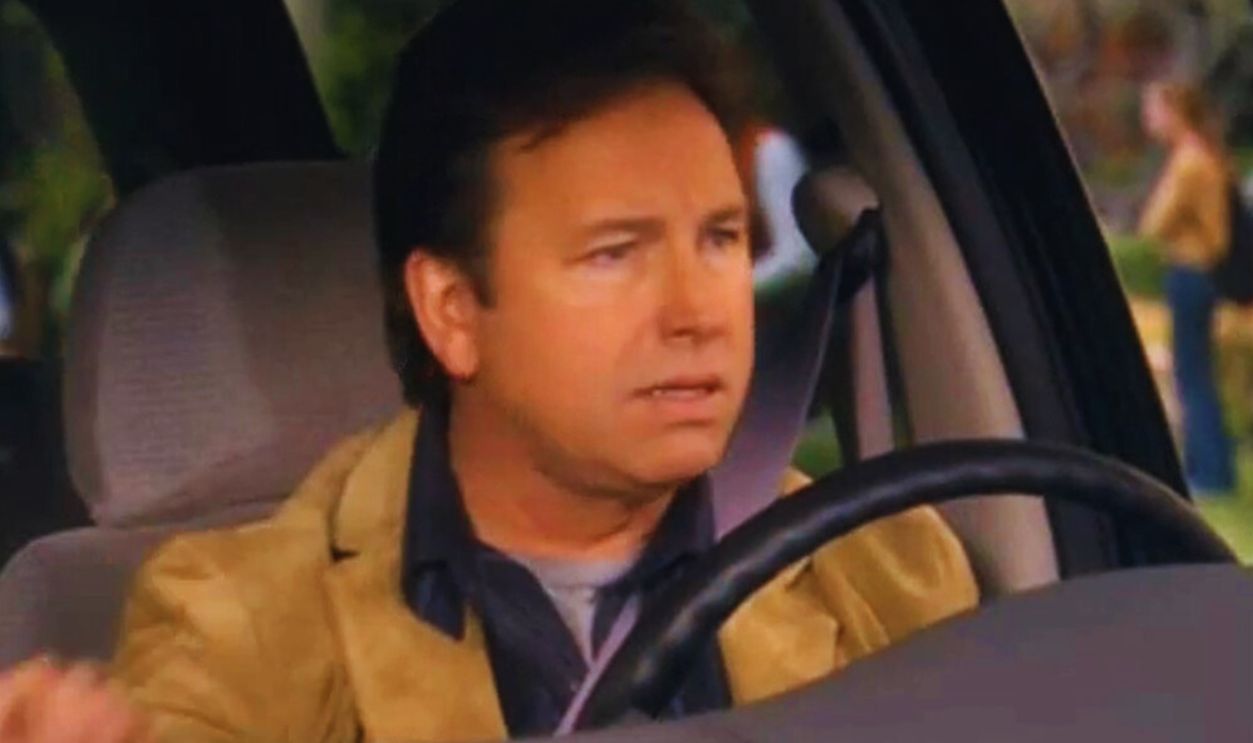
In just a single season, John had once again captured the hearts of TV audiences everywhere with 8 Simple Rules... for Dating My Teenage Daughter. However, it was during the second season that things took a tragic turn. While rehearsing his scenes on September 11, 2003, he started to experience severe chest pain and vomiting.
This wasn’t something he could just brush off.
 Disney–ABC Domestic Television, 8 Simple Rules... for Dating My Teenage Daughter (2002)
36. He Left The Set
That day, John had been working on his scenes on the Walt Disney Studios lot, which was right across the street from the Providence Saint Joseph Medical Center. In a strange coincidence, this was the same hospital where he was born, and as his condition rapidly worsened, he was immediately brought to the emergency room.
With little time, the doctors treated him as best they could.

37. They Had Their Assumptions
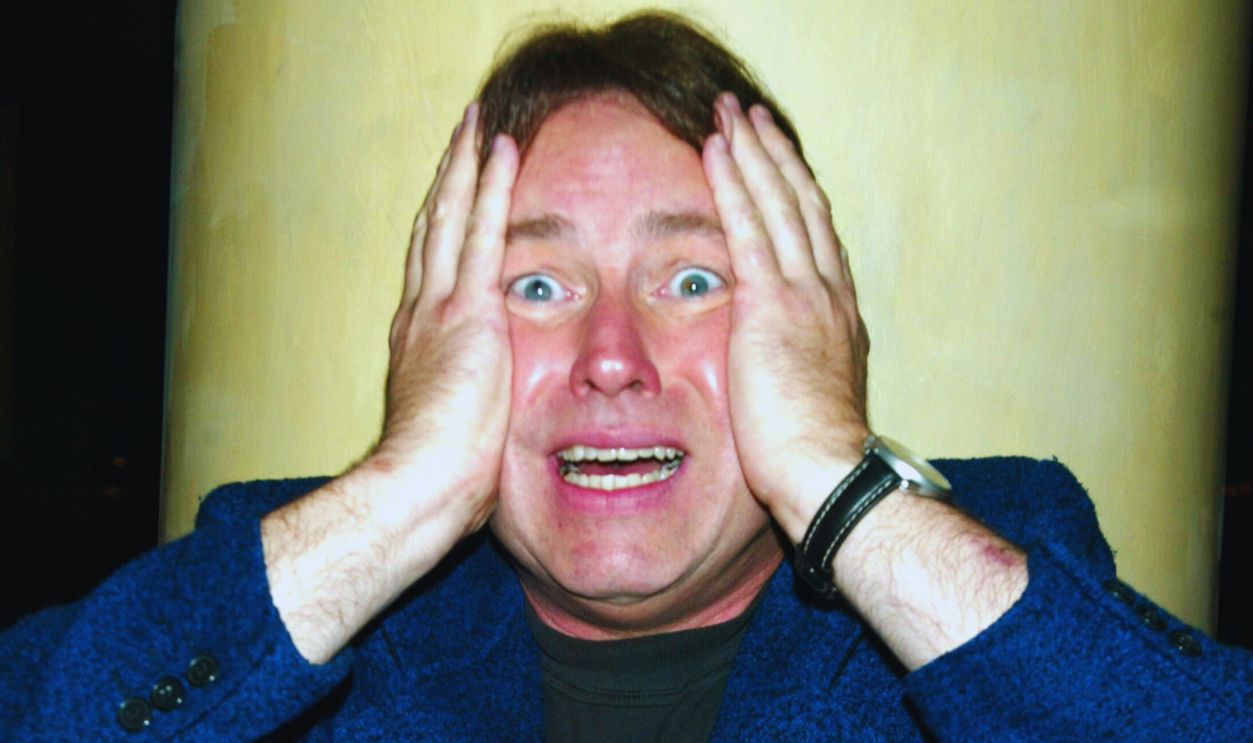
Upon John’s reception, and as he explained his symptoms to the emergency room staff, they came to believe he was experiencing a heart attack. Following the proper course of treatment, they gave him aspirin and ordered tests and x-rays specific to heart attack victims.
This proved to be a fatal mistake.
38. They Were Wrong
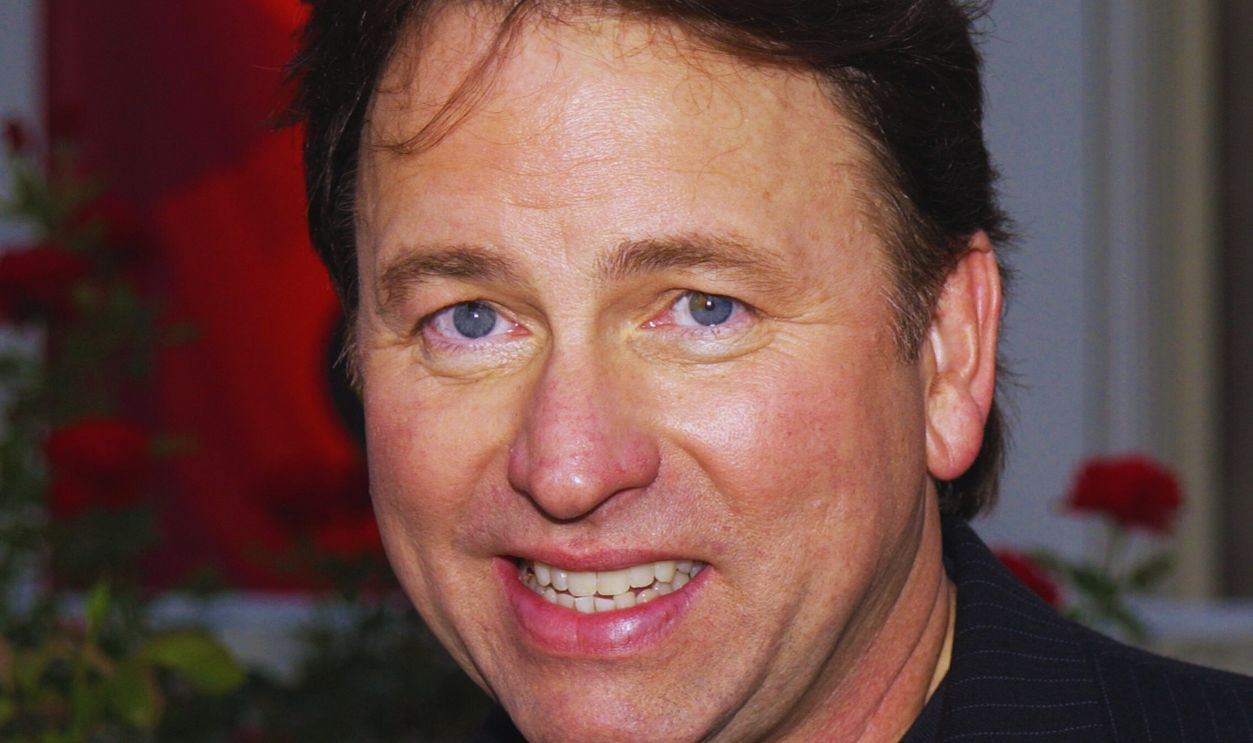
The hospital staff did several tests on John and treated his immediate symptoms, but the X-ray they ordered never happened. This was all the more detrimental since an X-ray of his chest would have informed them that their initial assumption was wrong, and that he was experiencing an aortic dissection instead.
Once they realized it, it was too late.
 Jean-Paul Aussenard, Getty Images
39. He Discovered The Problem
Still under the impression that John was suffering from a heart attack, Dr Joseph Lee administered anticoagulants to him, but this wasn’t what he needed. While getting him ready for surgery, Dr Lee finally realized the truth, but John was too far gone. They tried to treat him further, but he soon passed that night from the aortic dissection.
Suddenly, everyone else was left to pick up the pieces.

40. They Went On
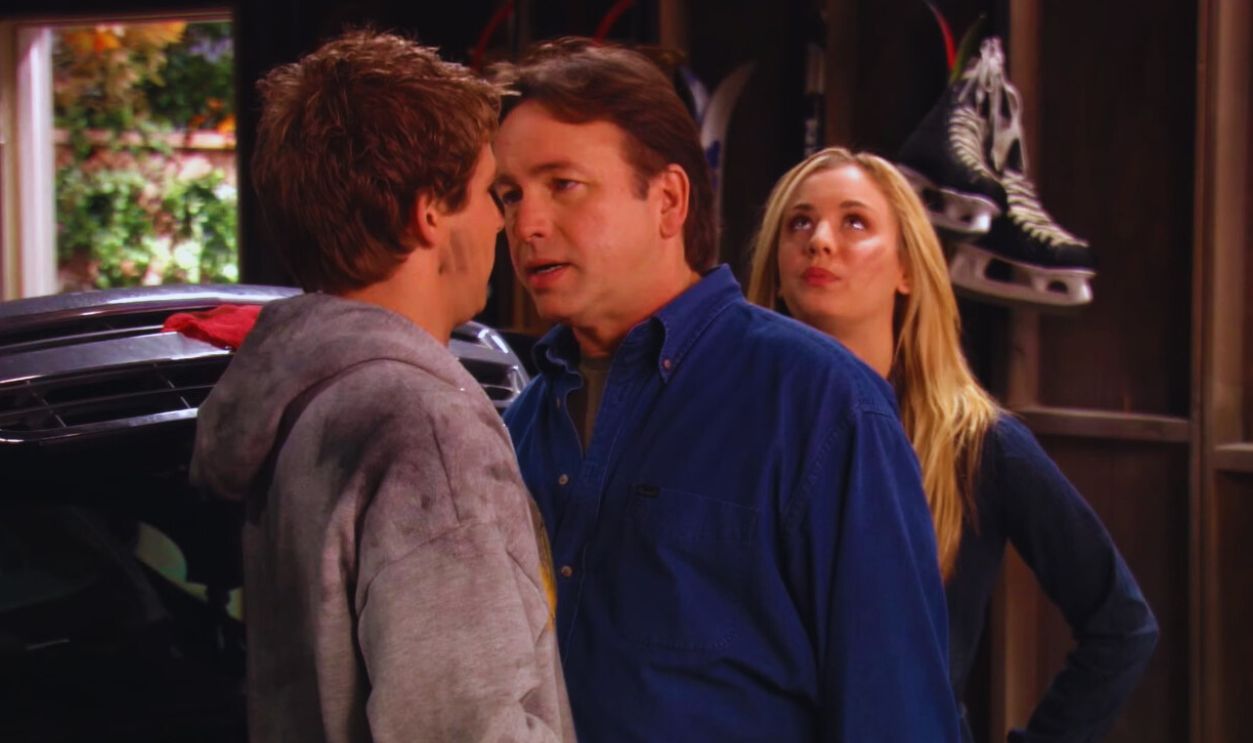
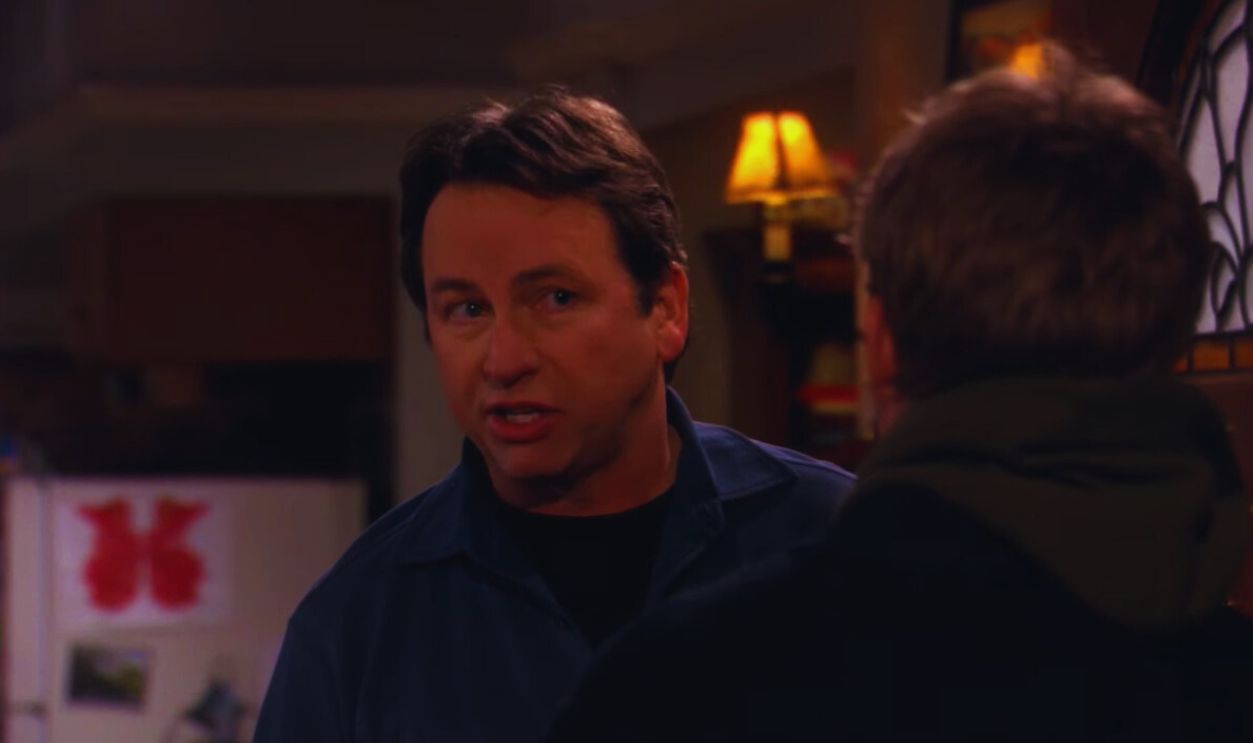
John’s passing hit everyone like a train, and obviously, no one more than his family and friends. Anyone who had worked with him was reeling, but those who were currently doing so had to figure out how to move forward. As for 8 Simple Rules... for Dating My Teenage Daughter, they decided to continue the series, but shortened the title to just 8 Simple Rules.
However, they didn’t shy away from what happened.
 Disney–ABC Domestic Television, 8 Simple Rules (2002)
41. They Included It
Rather than write John’s character off with some cliche excuse for why he left, the writers of 8 Simple Rules wanted to give him a respectful sendoff, albeit a heartbreaking one. After keeping the first couple of episodes he filmed in the season, they rewrote the story to include his character’s passing, allowing the other characters—and their actors—a chance to work through the grief.
Naturally, the industry wanted to pay their respects as well.
 Disney–ABC Domestic Television, 8 Simple Rules (2002)
42. He Was Honored
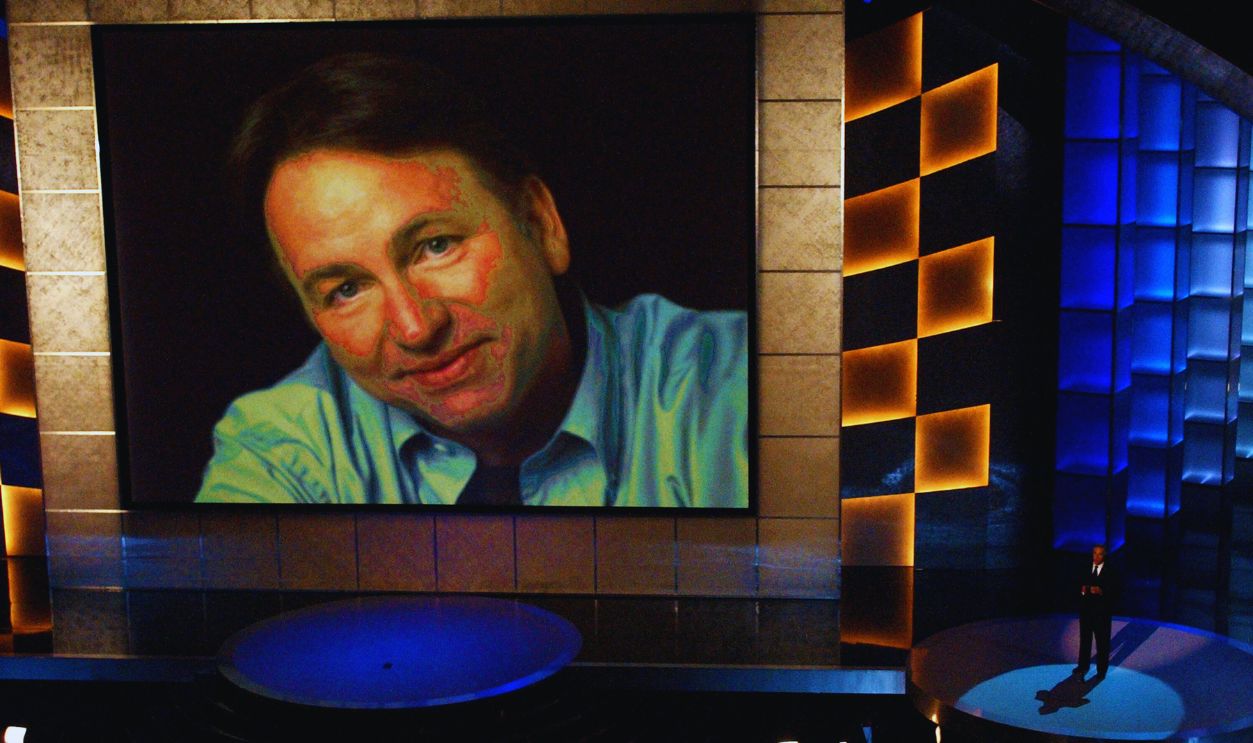
A year after John’s passing, when awards season arrived, those in charge wanted to make sure they commemorated his life and career. Therefore, for his performance in 8 Simple Rules, John posthumously received an Emmy nomination—although he did still lose to Kelsey Grammer in Frasier.
And the tributes and honors didn’t stop there.
43. They Remembered Him
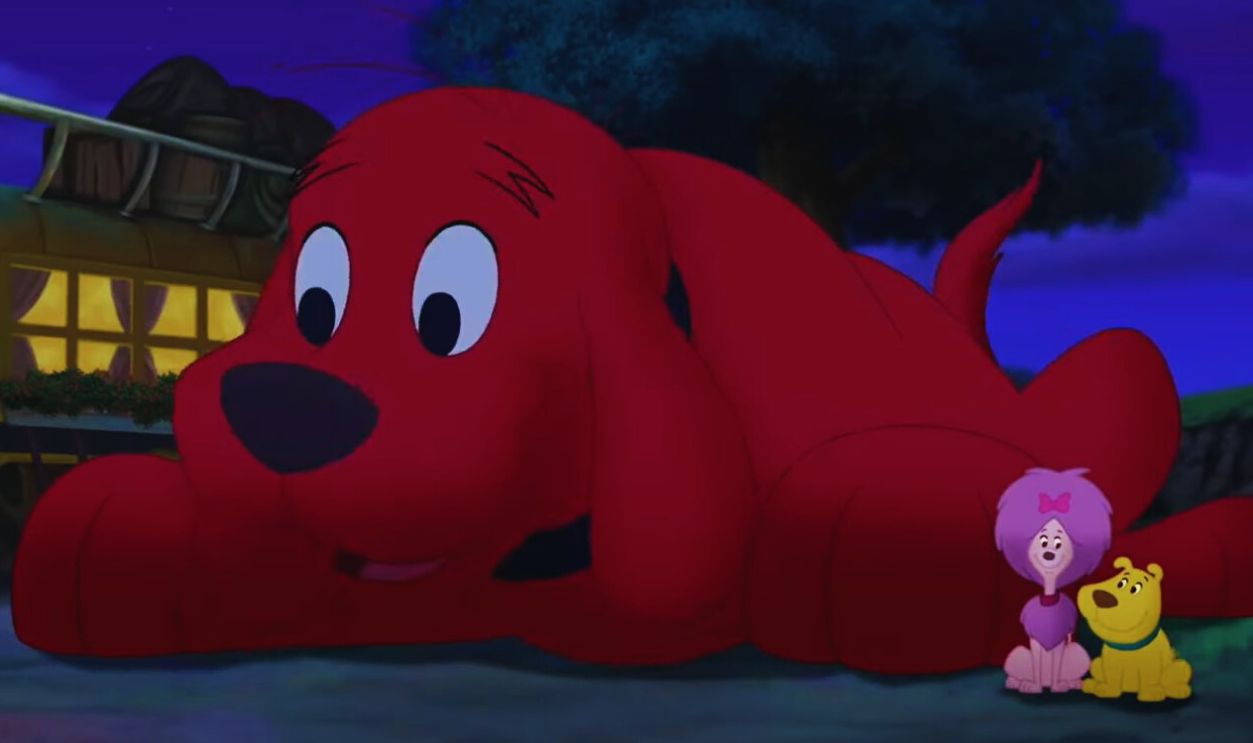
While he was dedicated to his sitcom, John was also involved in several other films and TV shows, all of which were intentional in recognizing his loss. His final feature films, Clifford's Really Big Movie and Bad Santa, both had dedications to him, as did his final episodes in shows like Scrubs, which also wrote his passing into the episode.
John’s widow, on the other hand, still had serious work to do.
 Warner Bros. Pictures, Clifford’s Really Big Movie (2004)
44. She Wasn’t Finished
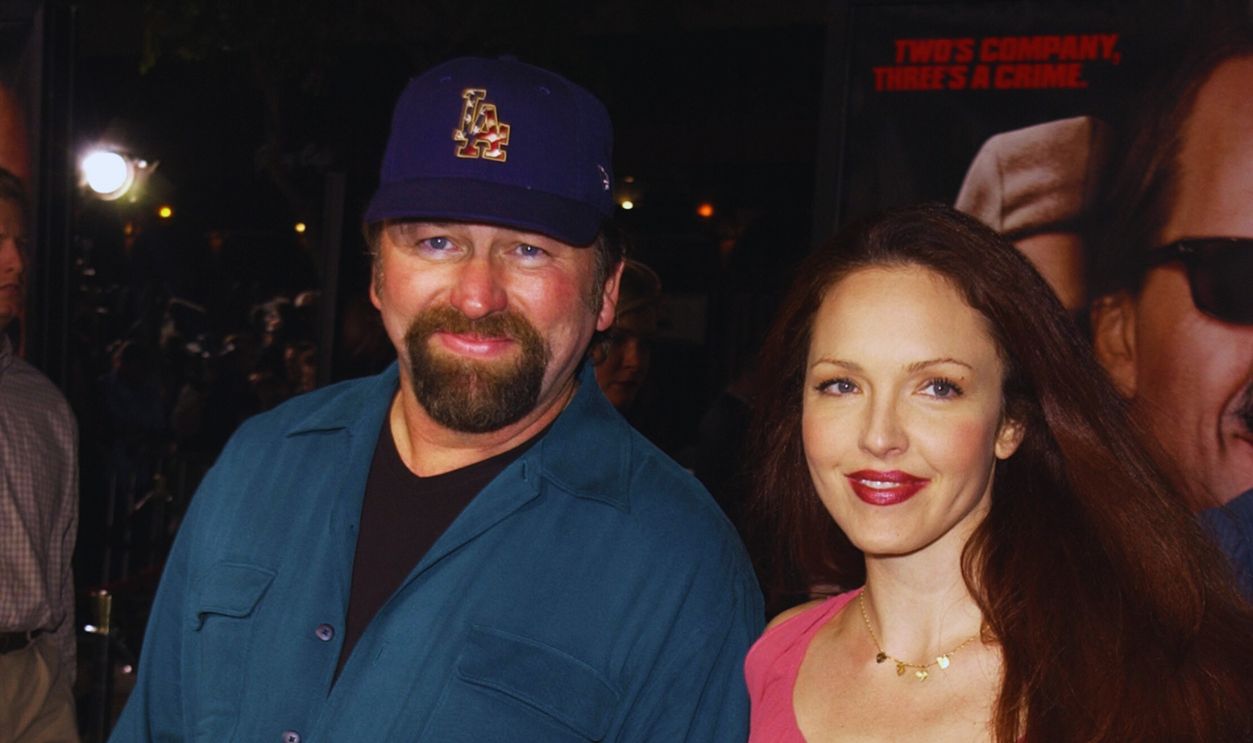
In the years following John’s passing, while his widow Amy grieved along with his other family, she also became convinced that his demise had been the result of negligence. With a desire for closure and justice for her late husband, Amy knew who she blamed for his loss, and she considered her next steps.
Finally, she made up her mind.
45. It Went Through
Believing that the hospital staff who treated John in his final moments had made a mistake and caused her late husband to lose his life, Amy Yasbeck began litigation against them. Specifically, she filed lawsuits against two doctors who were responsible for his treatment, Dr Joseph Lee and Dr Matthew Lotysch, even though Dr Lotysch wasn’t there the day he passed.
Still, she had her reasons.
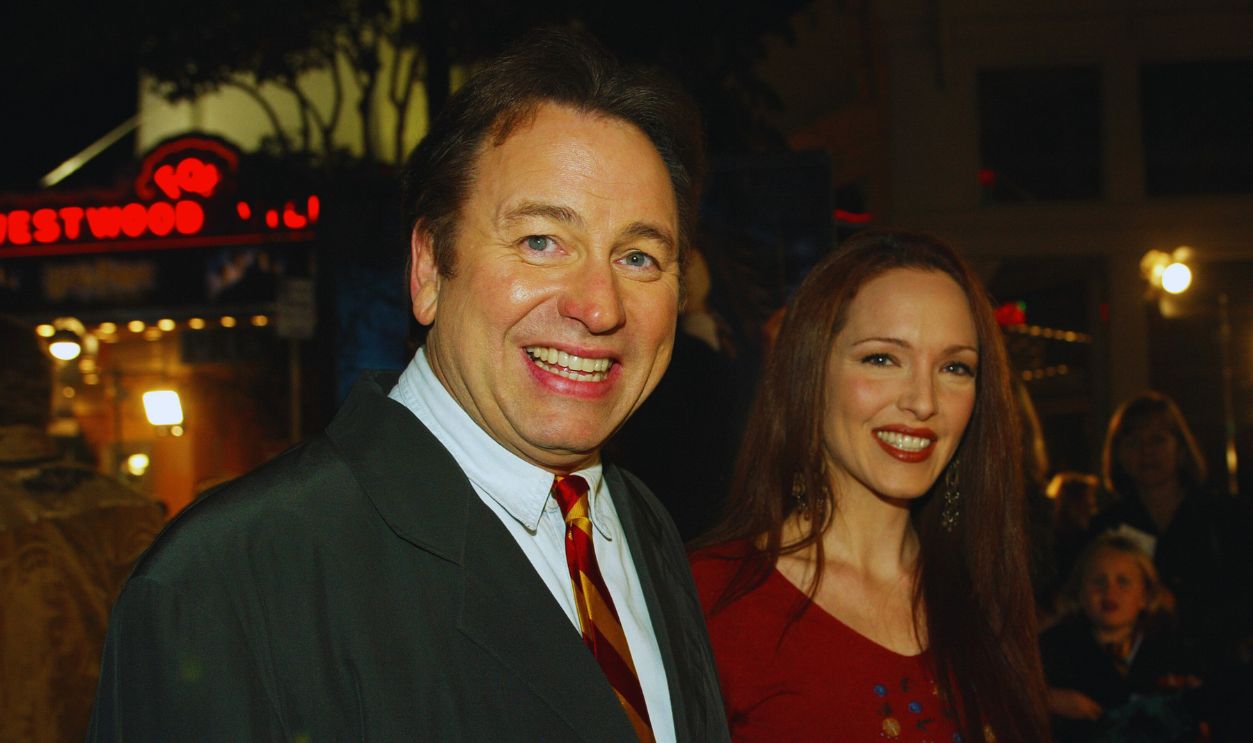
46. She Held Them Responsible
Taking the suit to trial in 2008, Amy had prepared her case and presented why she believed Lee and Lotysch were responsible for John’s passing. She claimed that Dr Lee had failed to accurately diagnose John’s aortic dissection on the day of his demise, and that Dr Lotysch had previously performed a full-body scan on John, but hadn’t identified the issue.
She then explained what happened on that dreadful day.

47. He Denied His Request
Through grief and anger, Amy spoke about John’s time in the hospital and the malpractice she claimed had occurred. In Amy’s words, Dr Lee had told both her and John that he would need an angiogram, still treating the actor for a heart attack. Unsure, John asked for a second opinion, but Dr Lee refused as they were working against the clock.
All Amy could do was comfort her husband.
 Super Festivals, Wikimedia Commons
48. She Reassured Him
In her heartbreaking testimony, Amy detailed exactly how hopeless and powerless she felt in that moment, as she could only do so much to be there for John. Specifically, she tried to ease his anxiety by telling him that the doctors knew what they were doing, and she urged him to be brave before the staff took him away for treatment.
Finally, the courts made a decision.
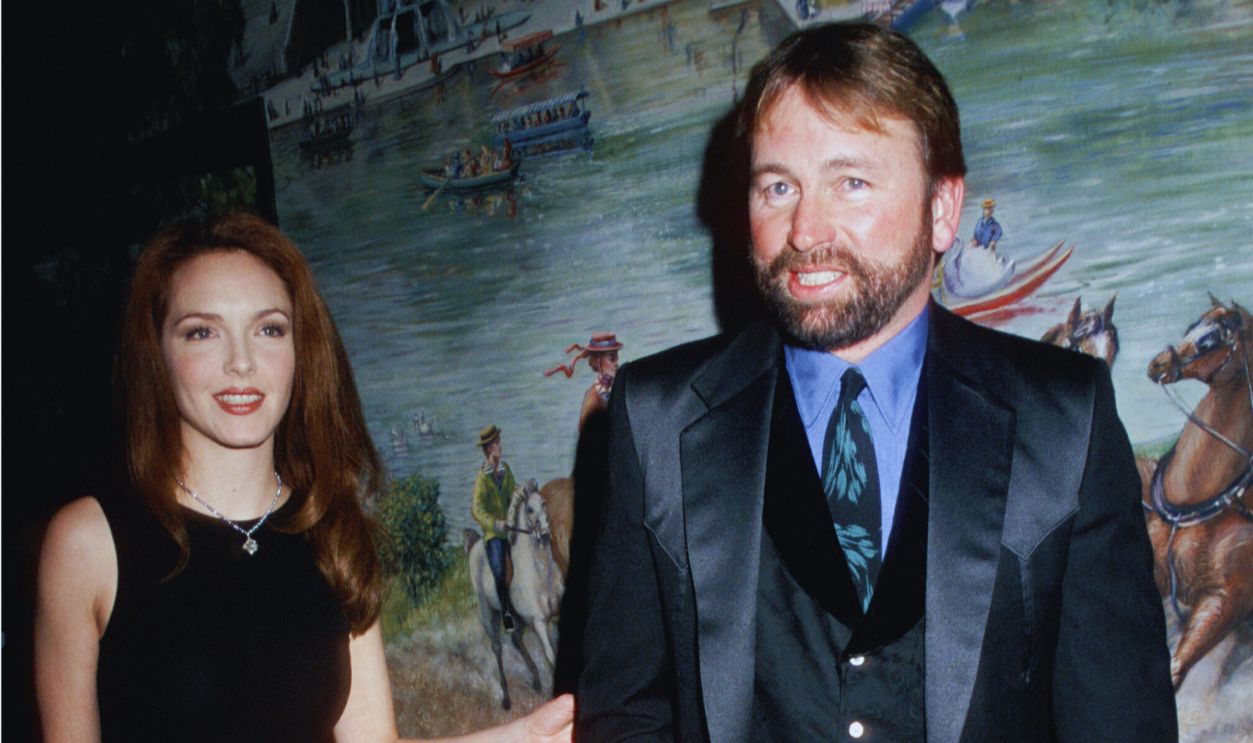
49. They Made Their Judgment
The rest of the court proceedings consisted of John’s family testifying about how much his children missed him, before the defense of Dr Lee and Dr Lotysch took time to argue their cases. Unfortunately for Amy, the final decision wasn’t in her favor, and the Los Angeles County Superior Court jury ruled that neither doctor was responsible for John’s passing.
Still, at least one positive thing came out of this tragedy.
50. He Made An Impact
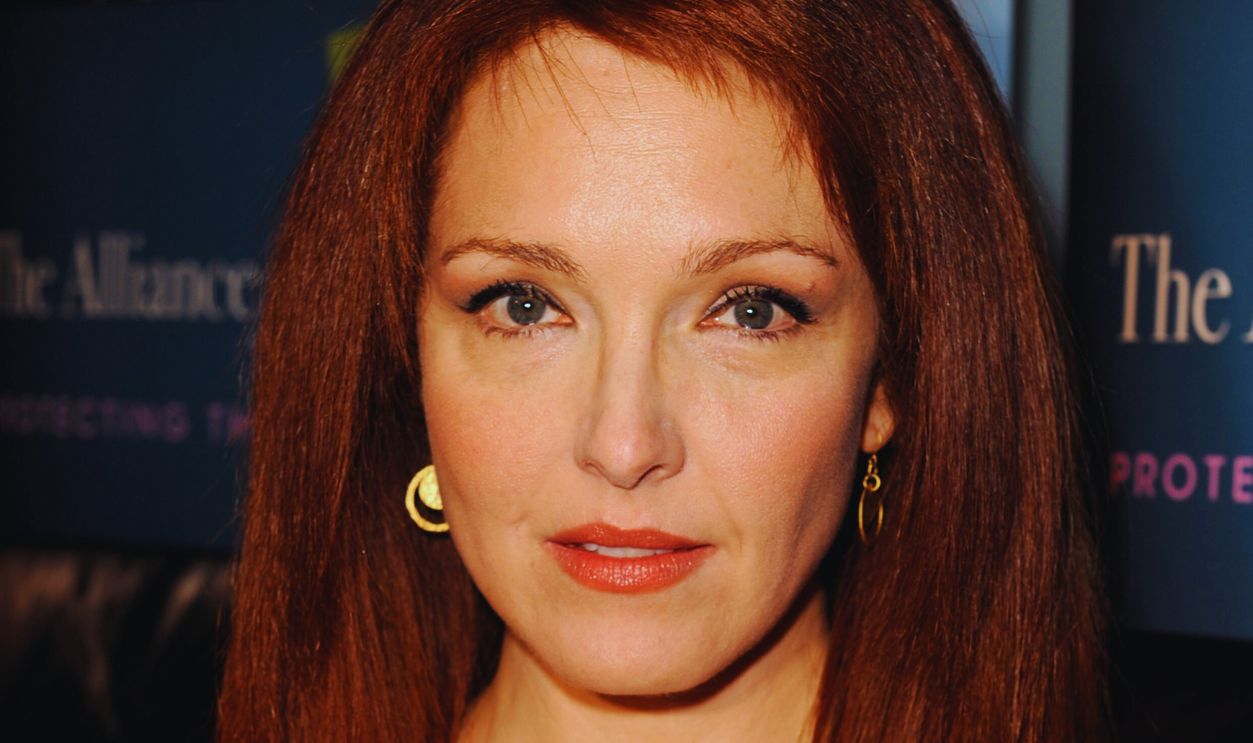
John Ritter affected the millions of people who followed his career, even though they never met him, and his wife wanted to keep that going even after his passing. In his memory, she established the John Ritter Foundation to raise awareness and support research into thoracic aortic disease.
Wanting to help others avoid the same issues, the foundation also published Ritter’s Rules to help people identify an aortic dissection if it happens.
You May Also Like:
Jeff Conaway, The Doomed Grease Heartthrob