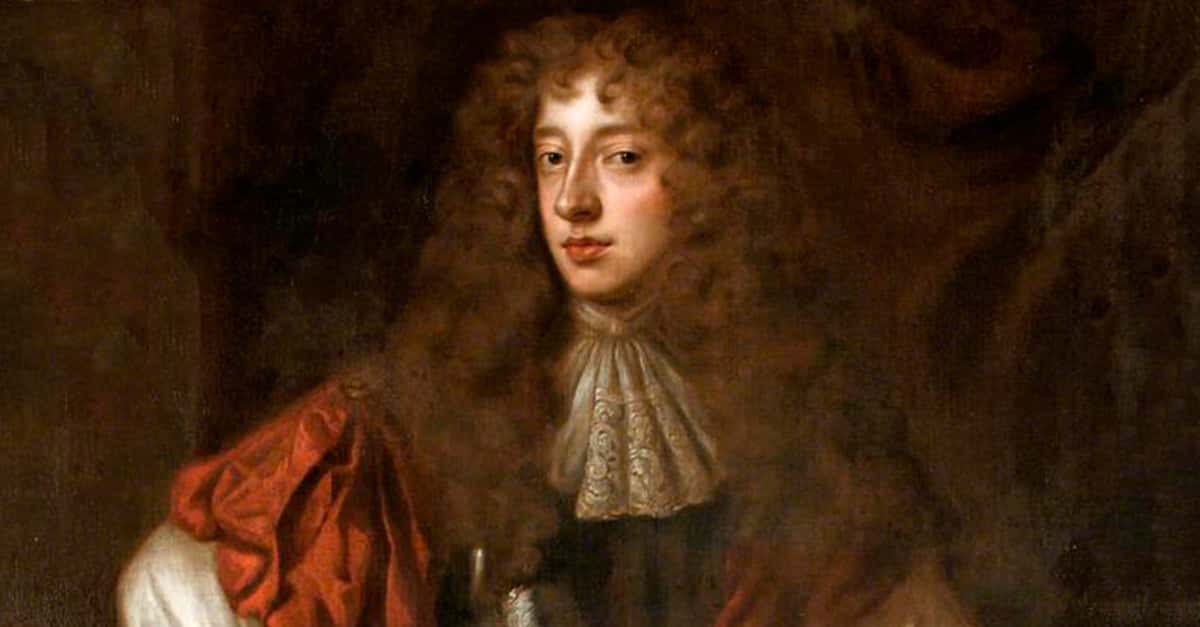
He Invented The Sandwich—Allegedly
John Montagu, 4th Earl of Sandwich was a distinguished 18th-century British statesman. His accomplishments, however, had nothing to do with the Royal Navy. Instead, history remembers him for his scandal-plagued affairs and accidental invention of everyone’s favorite lunch food: the sandwich.
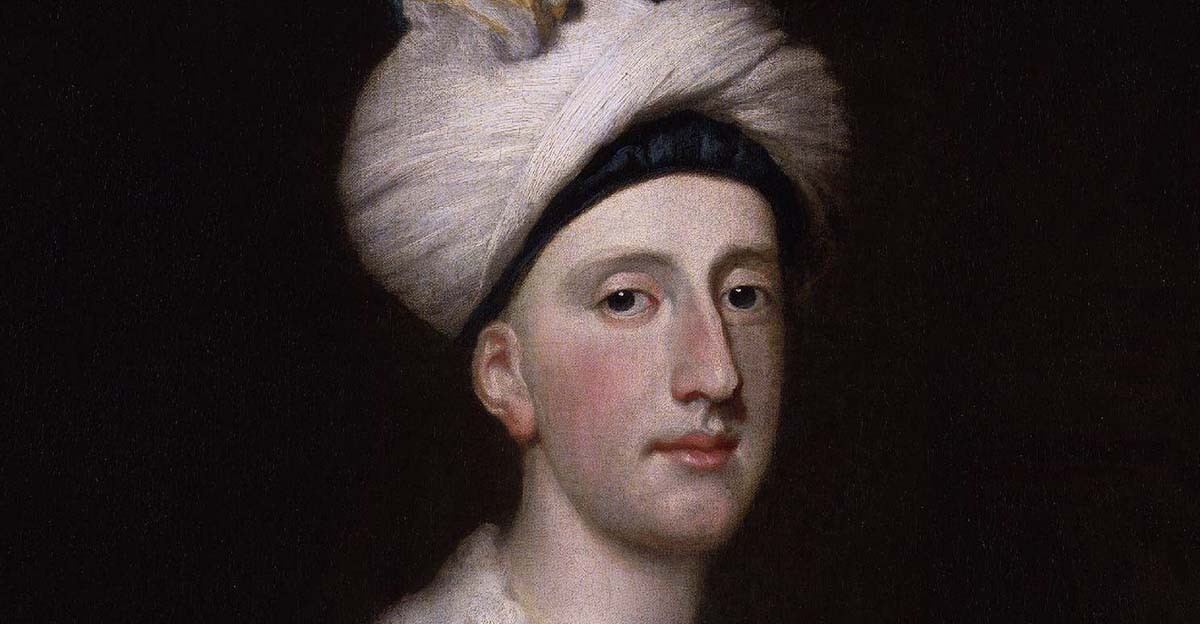 Joseph Highmore, Wikimedia Commons
1. He Was Born Into Nobility
John Montagu, 4th Earl of Sandwich was born on November 13, 1718, destined for privilege and politics. As the son of Edward Montagu, Viscount Hinchingbrooke, his cradle practically rocked with the scandals and intrigues of British high-society. But even blue blood couldn’t protect him from an early tragedy.
2. His Childhood Turned Cold Quickly
At only four, little Montagu suffered a tragedy when his father unexpectedly kicked the bucket. But he barely had time to mourn. His mother, Elizabeth Popham, remarried soon after, leaving Montague to console himself. By the time he recovered from this loss, he suffered another one.
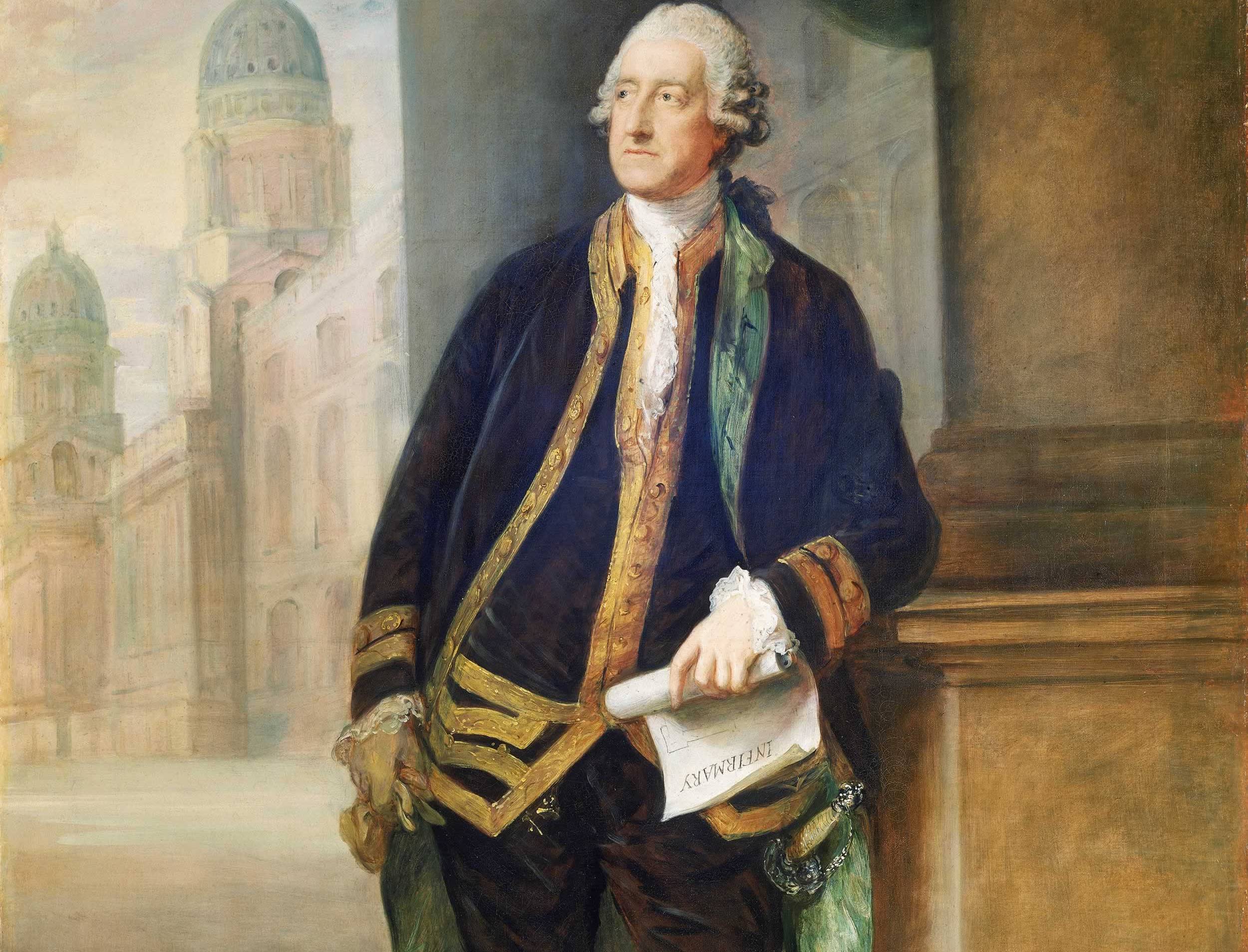 Thomas Gainsborough, Wikimedia Commons
3. He Inherited An Earldom At Ten
When Montagu’s grandfather, Edward Montagu, 3rd Earl of Sandwich, passed away in 1729, his life changed forever. The 10-year-old boy, being the next in-line, became England’s newest Earl—probably before he could even spell it. He was, however, about to get a world class education.
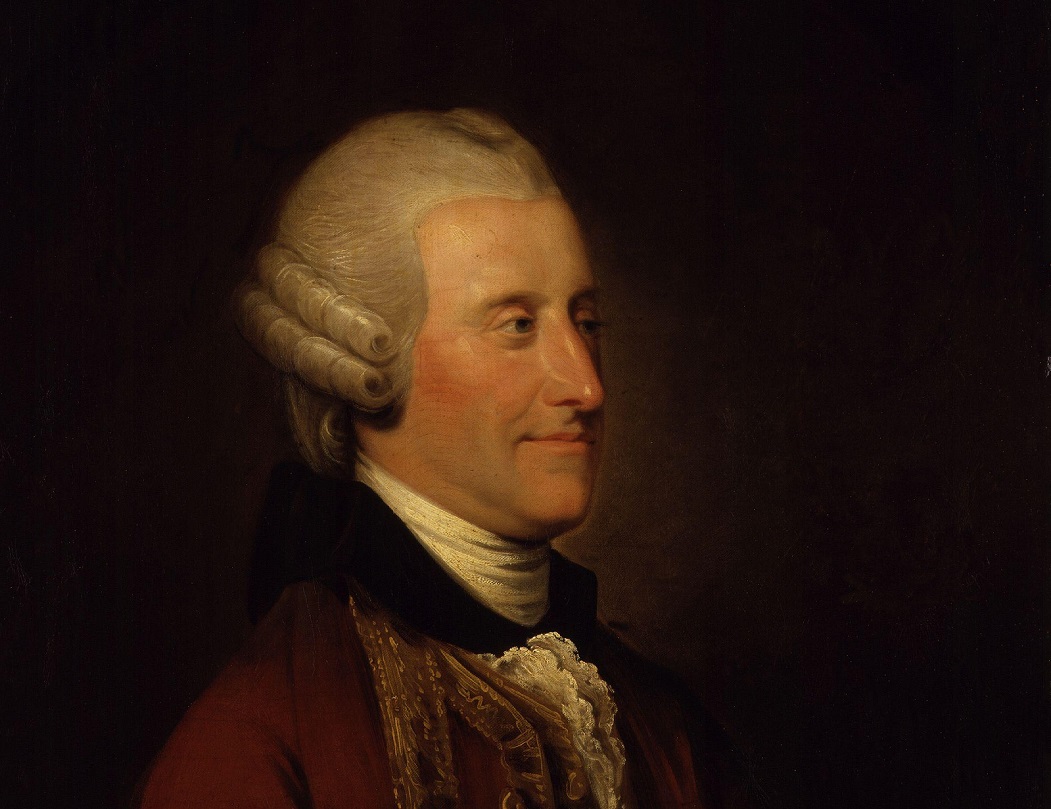 Johann Zoffany, Wikimedia Commons
4. He Explored The World
Given his title and family’s status, John Montagu received a textbook aristocratic education at Eton and Trinity College, Cambridge. His true schooling, however, began after graduation. Like any self-respecting young noble, he embarked on the Grand Tour of Europe—but then he went further. Montagu traveled to Greece, Turkey, and Egypt where he uncovered new passions.

5. He Founded A Secret Society
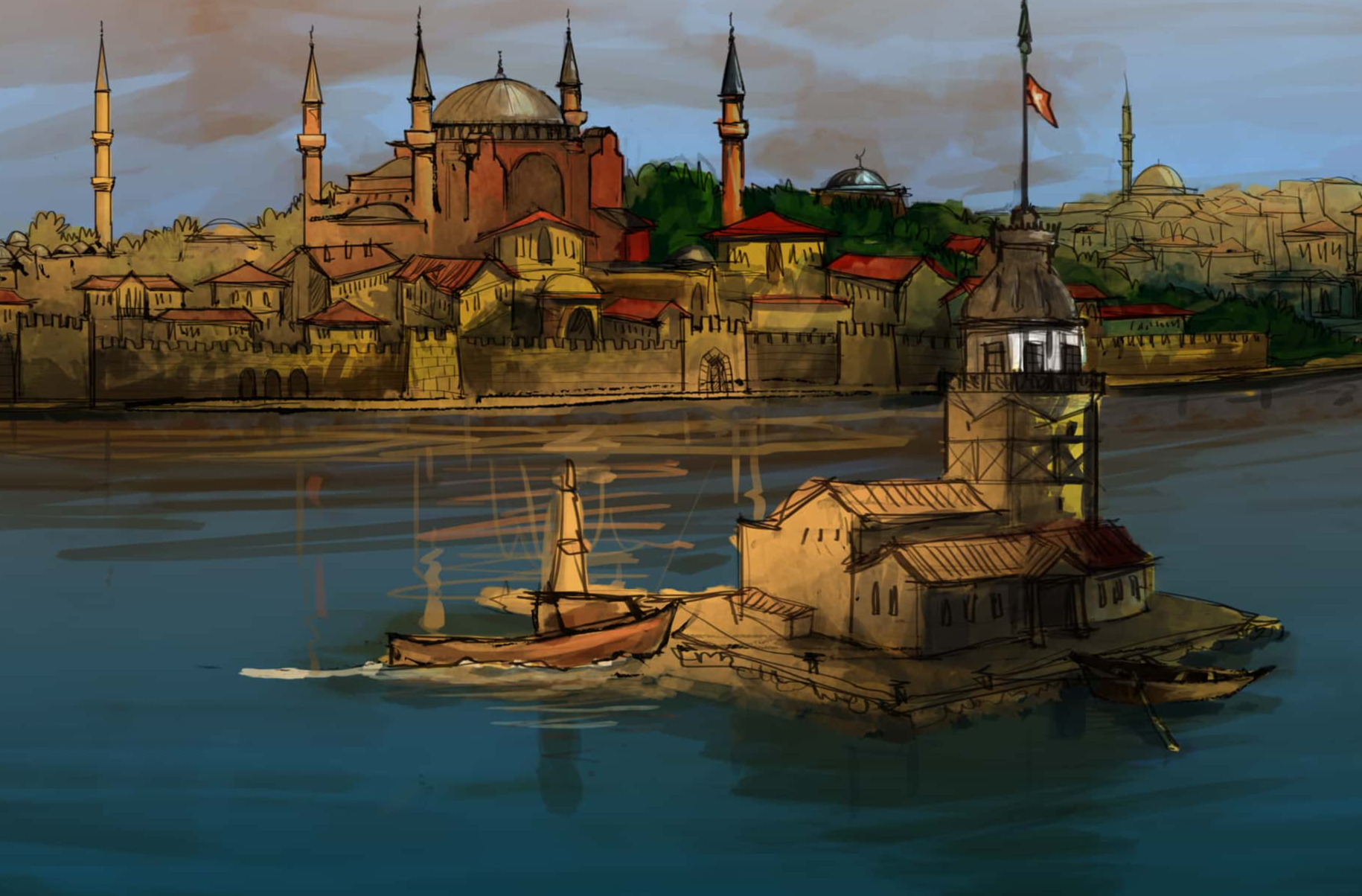
Montagu’s travels through the Ottoman Empire left him enchanted by Eastern art and philosophy. Back home, he founded the Divan Club, a society reserved for noblemen who had, like him, ventured to those faraway lands and become enamored of the “Orientalist” cultures. He parlayed these connections into power.
6. He Entered Politics With A Purpose
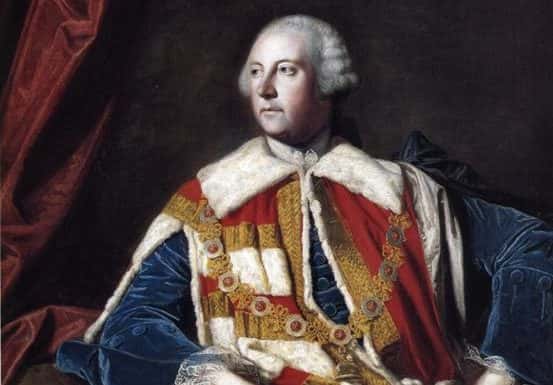
By 1739, the worldly young Earl had returned home ready to trade travel tales for political debates. Taking his seat in the House of Lords, he allied with the powerful (read: super rich) Duke of Bedford and joined the Patriot Whigs. His first mission? Take down Robert Walpole’s government—no matter the cost.
7. He Found His Voice In Parliament
John Montagu quickly gained attention as a fiery speaker—clear, confident, and relentless. Even his growing list of critics, who happily commented that “he lacked natural eloquence”, had to praise Montagu for his razor-sharp arguments. As his influence grew, he began attracting attention outside of Parliament, too.
8. He Fell For A Famous Mistress
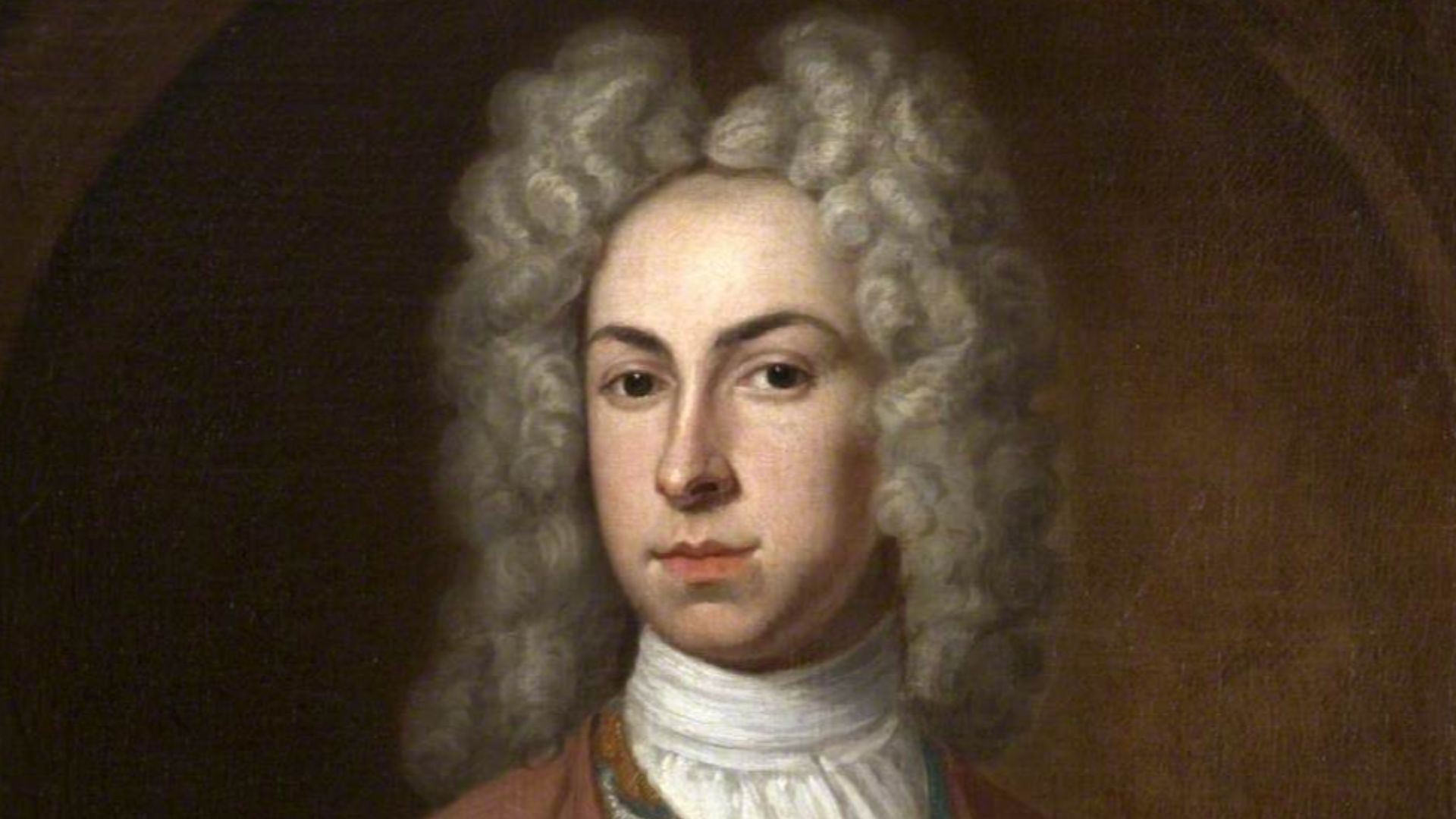
Power wasn’t the only thing that captivated Montagu. In fact, it wasn’t even his primary focus. Instead, he seemed to be more concentrated on women—and one in particular. Montagu had begun having an affair with a famous courtesan who was almost a decade younger than him: Fanny Murray.
Their relationship was passionate, public, and politically inconvenient.
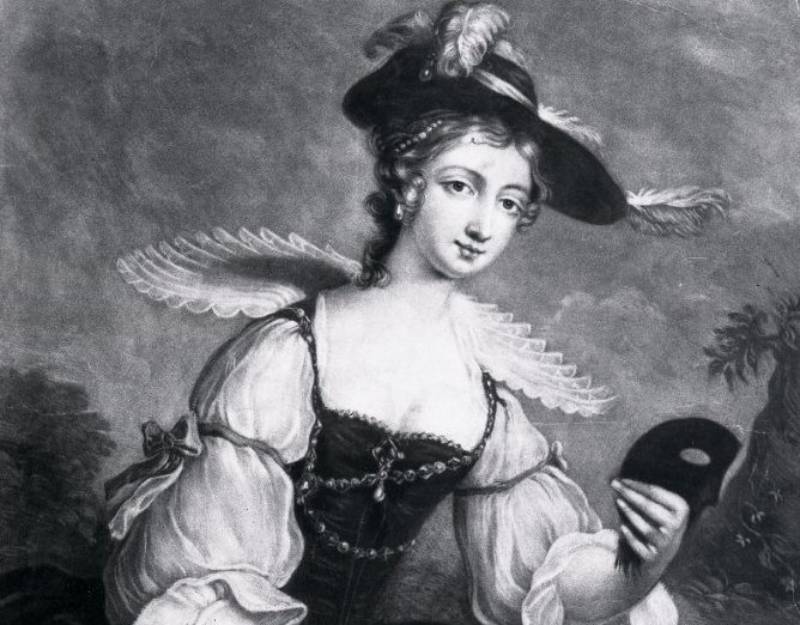 Thomas Ross, Wikimedia Commons

History's most fascinating stories and darkest secrets, delivered to your inbox daily.
9. He Competed For His Companion
Before she had become Sandwich’s “companion”, Murray had clawed her way up from poverty. An orphan from the age of just 12, she had sold flowers on London’s streets until she realized that there was more money in, well, selling her “flower”. Her first lover had been John Spencer, a grandson of John Churchill, 1st Duke of Marlborough.
But few, if any, loved her quite like Montagu.
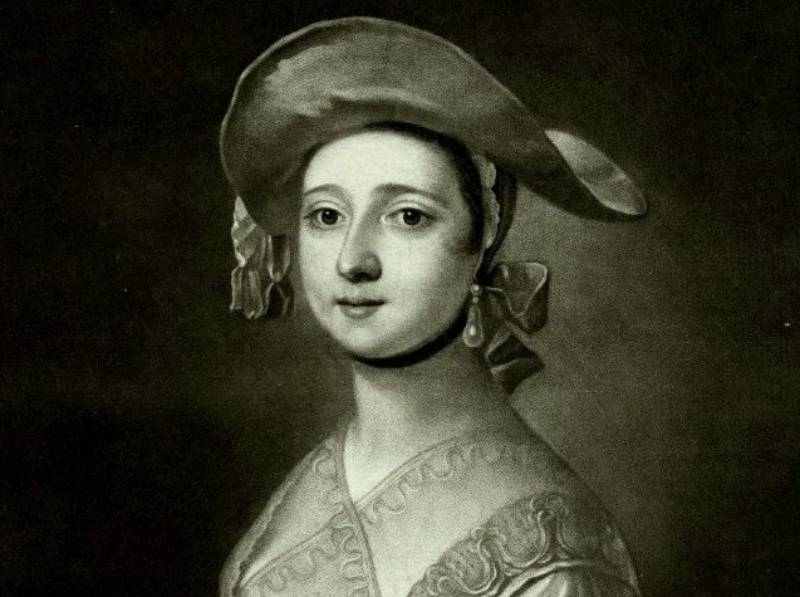 Henry Robert Morland, Wikimedia Commons
10. He Put His Passion On Display
Montagu’s obsession with Fanny Murray bordered on worship. So much so that he commissioned a massive portrait of her and proudly hung it in his apartments. But it wasn’t exactly high-art. Montagu’s portrait of Murray showed her in, well, nothing at all. Visitors couldn’t miss the scandal—or the audacity.
Somehow, another woman managed to capture his attention.
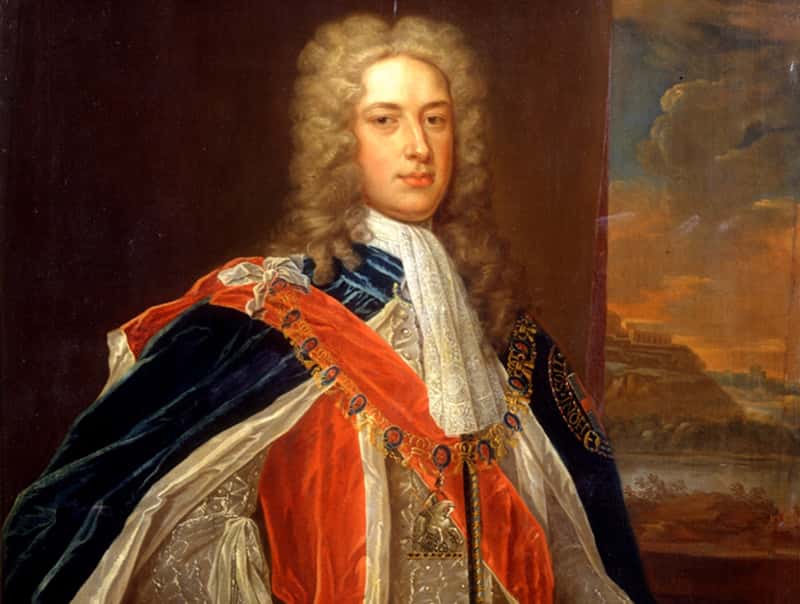
11. He Settled Down—For A Moment
Despite his scandalous dalliances with Murray, John Montagu eventually traded debauchery for domesticity. On March 14, 1741, he wed Dorothy Fane, the charming daughter of Viscount Fane. Their union was meant to bring a certain amount of respectability to Montagu—but it only brought scandal.
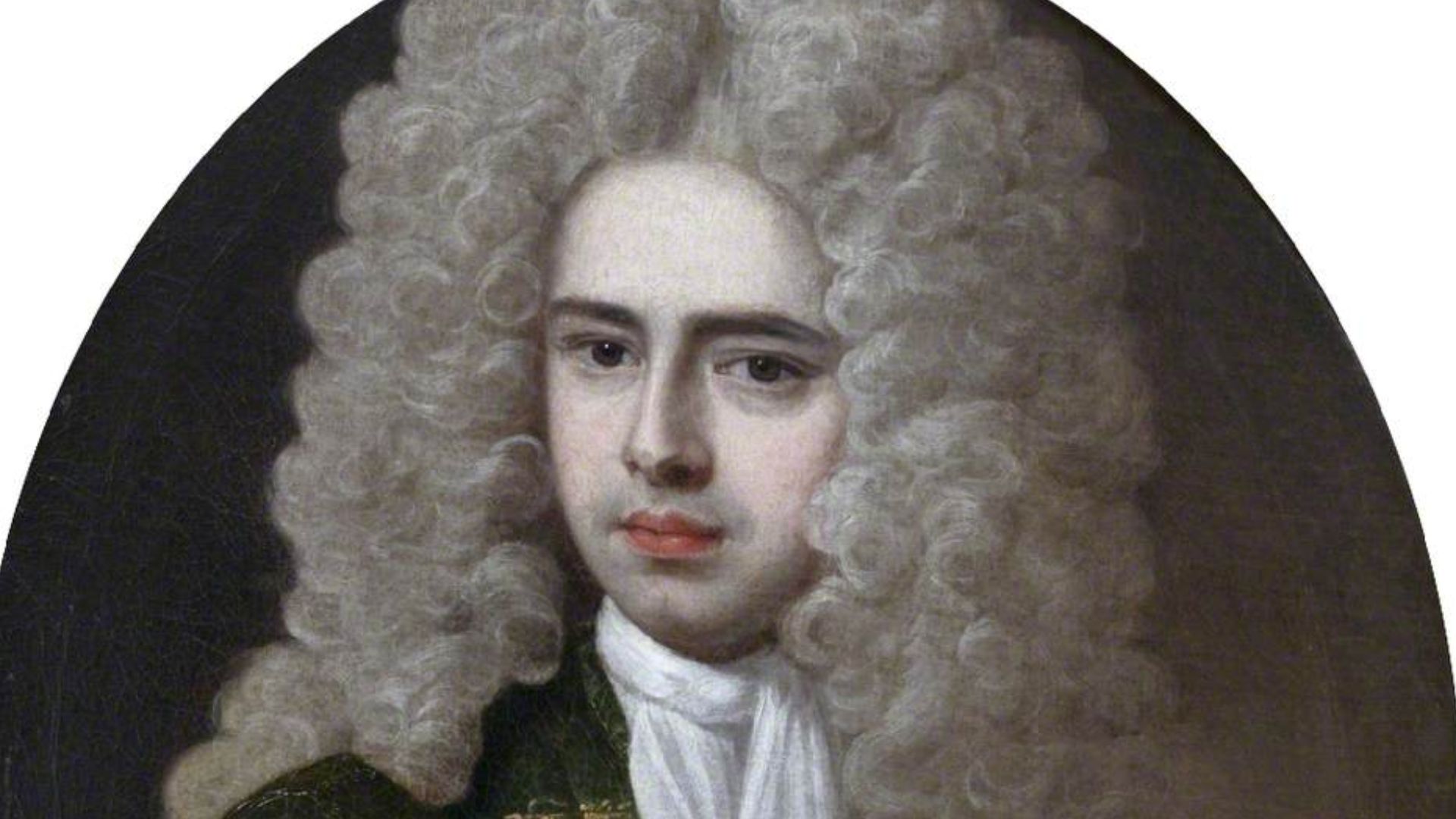
12. He Faced Tragedy In His Marriage
Just a year after tying the knot, the Montagus faced heartbreak that few parents could understand. In December 1742, Dorothy delivered their first son—only to lose him days later. News of the infant’s passing spread quickly, with even Montagu’s enemies expressing their deepest condolences.
The Montagu line had to live on.
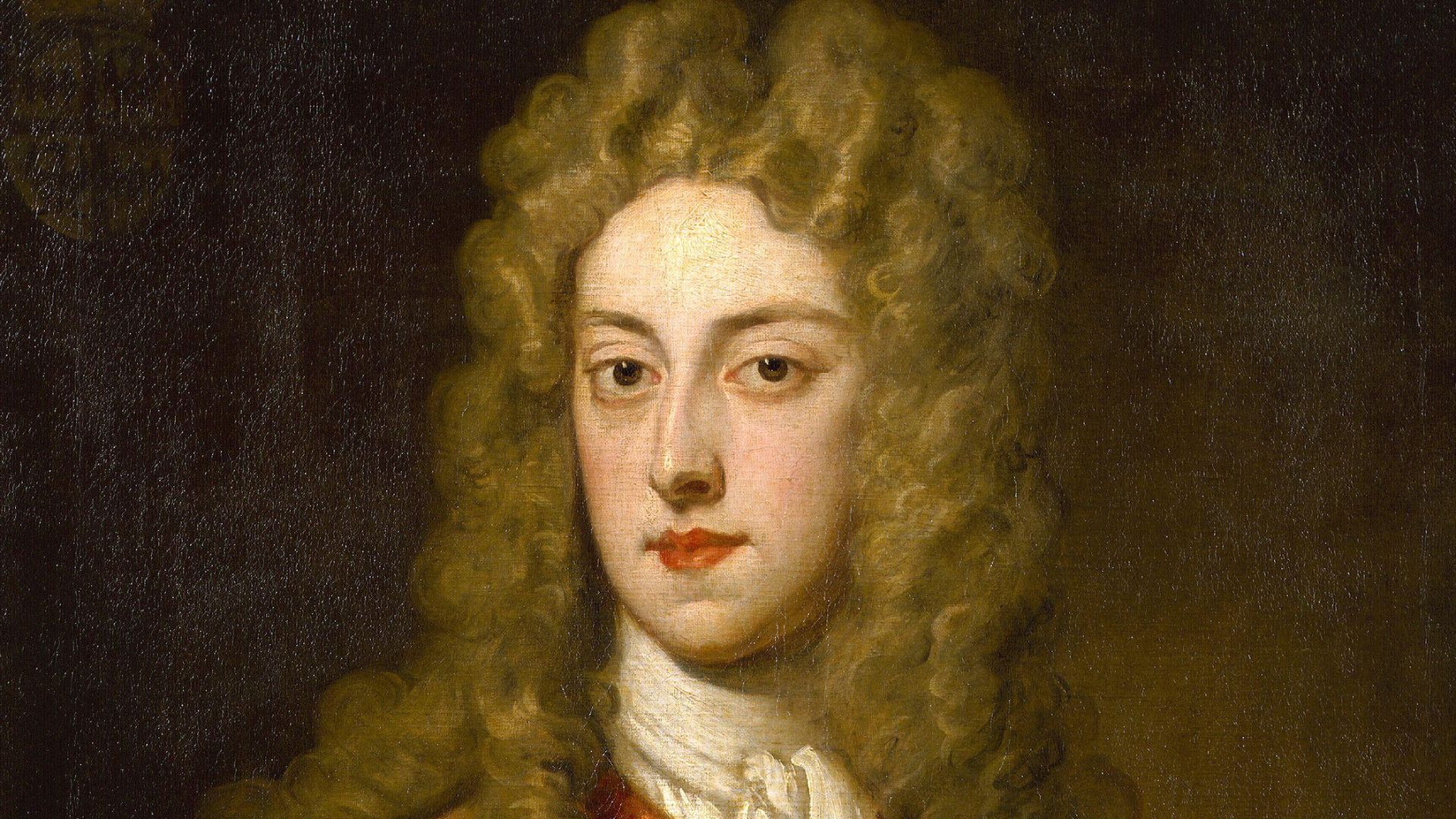 Godfrey Kneller, Wikimedia Commons
13. His Heir Finally Survived
In 1744, the Montagu’s family fortunes improved. His dutiful wife gave birth to another son, John Montagu—and this time he would survive. The younger Montagu would one day become the 5th Earl of Sandwich, inheriting his father’s title and fortune at the age of 48.
He was one of the few Montagu children to survive.
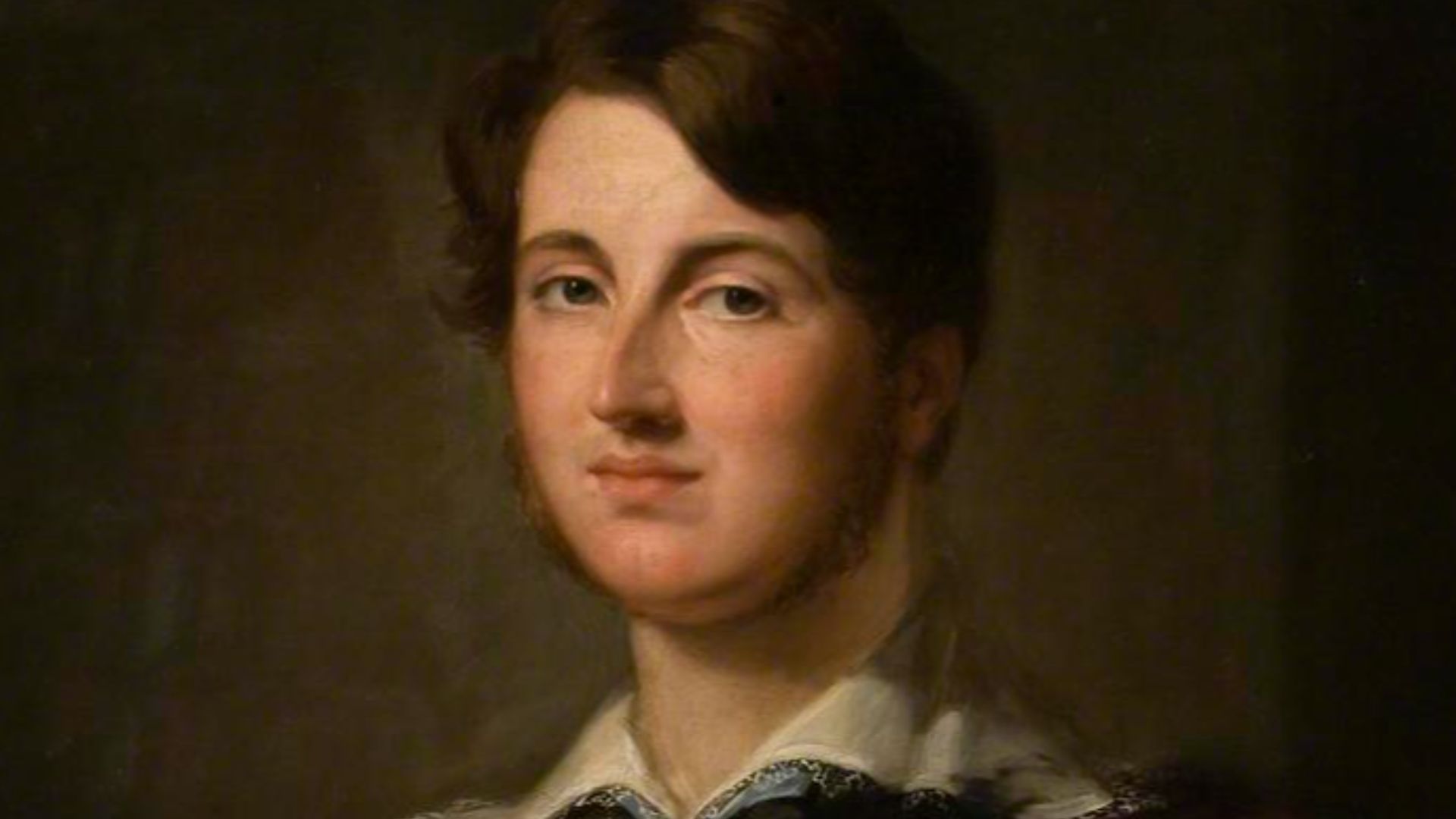 George Hayter, Wikimedia Commons
14. He Kept Losing Children
Even after securing his succession, John Montagu tried (and failed) to expand his family. Tragically, his other children with Dorothy—Edward-Montagu, William-Augustus, and Mary—all met early ends. Illness, accident, or fate seemed to haunt the Sandwich line. With a depressing home life, Montagu focused on his work: the vaunted British Navy.
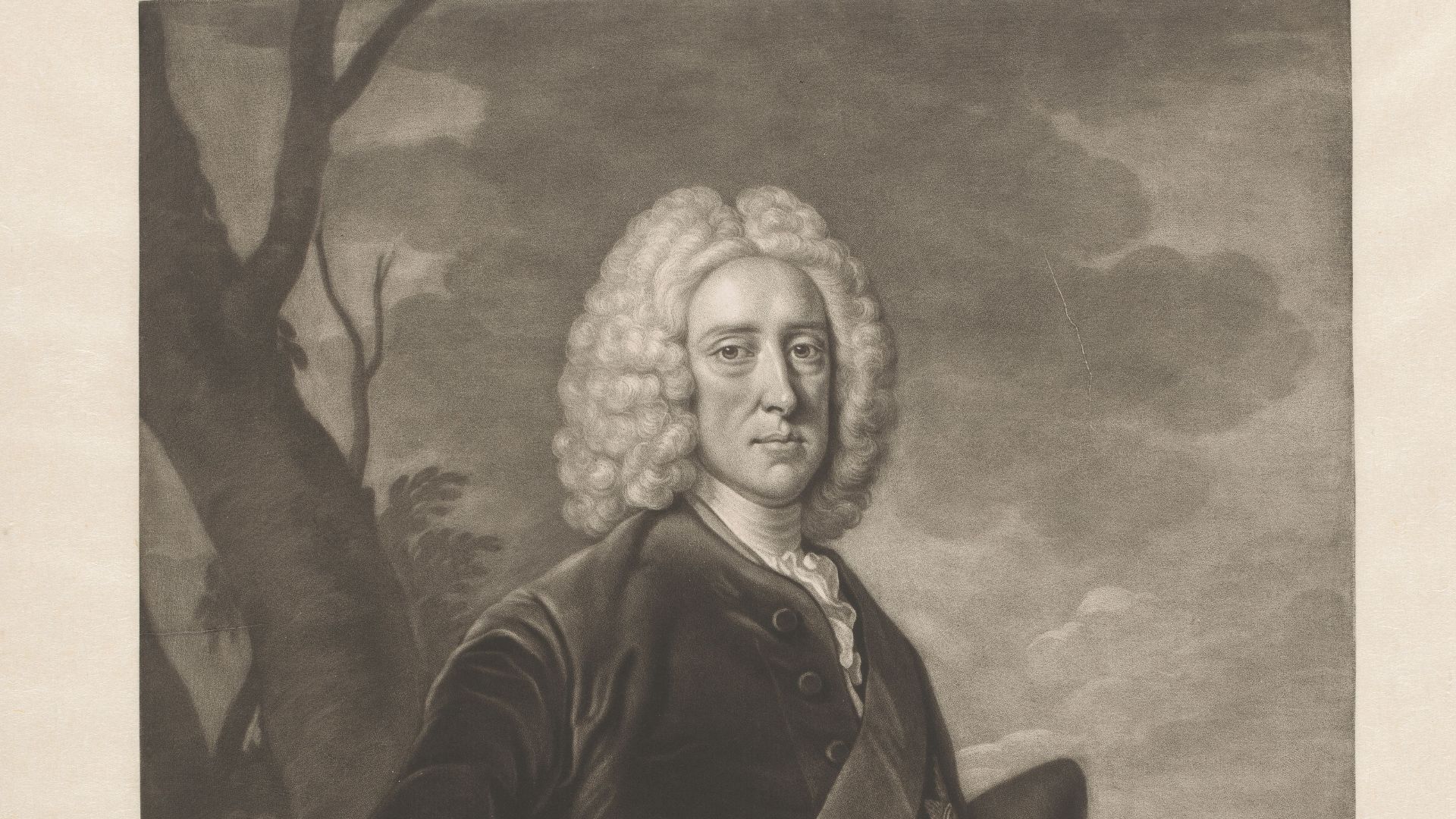 Rijksmuseum, Wikimedia Commons
15. He Reinvented Britain’s Navy
Montagu’s ambitions to build a legacy found a new outlet at sea. Taking up Admiral Edward Vernon’s proposal, he helped establish the Western Squadron, a bold new naval strategy that kept Britain’s ships in constant motion. Most historians attribute major victories like Cape Finisterre to this brilliant move.
However, Montagu was better at commanding ships from the land than he actually was at sea.
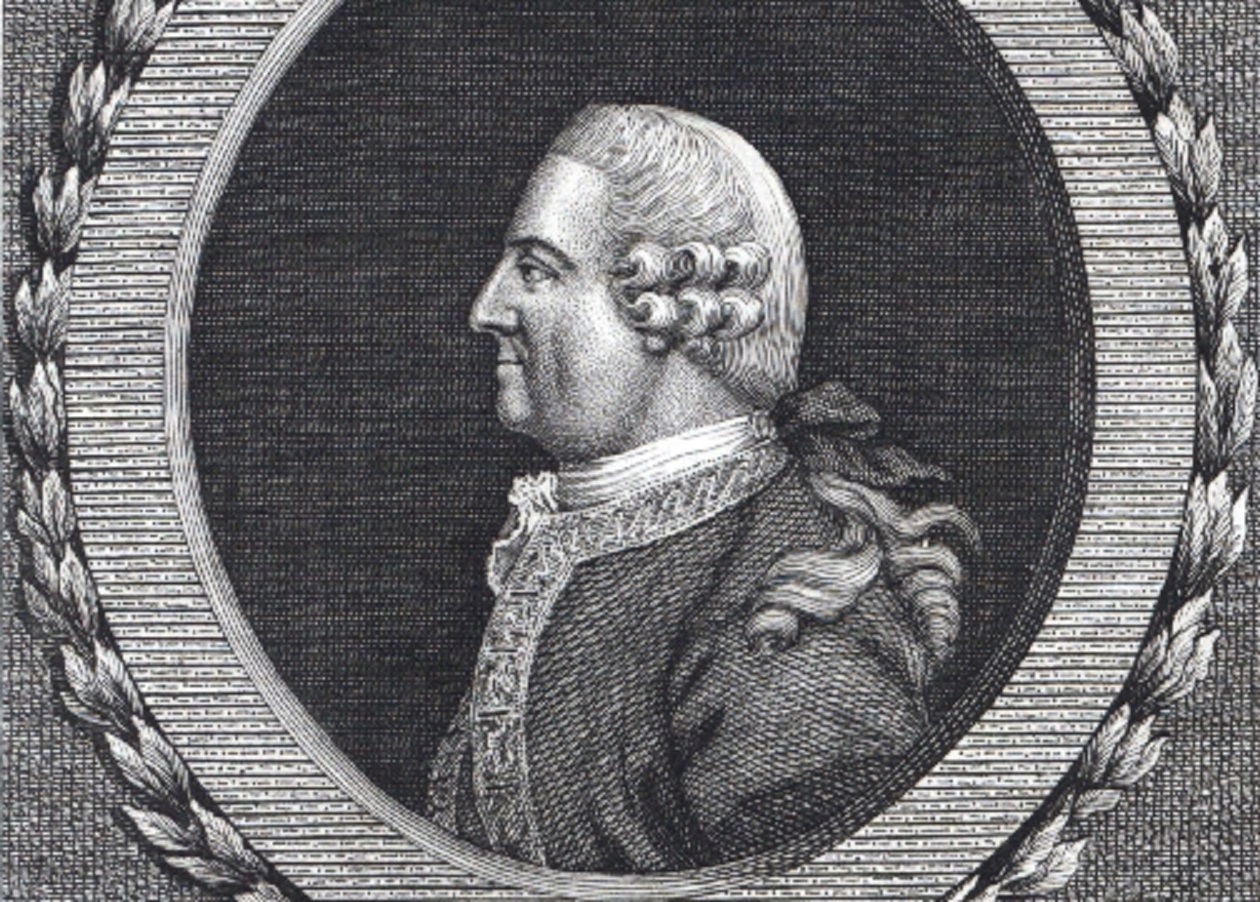 Ludwig Schmidt, Wikimedia Commons
16. He Almost Expired In Battle
When the Jacobite uprising threatened Britain’s existence in 1745, John Montagu sprang into action. He wasn’t just content with sending sailors to fight—he had to join them. However, his aristocratic disposition made him ill-suited for the rigors of battle and he “fell seriously ill with fever and nearly died”.
His political fortunes weren’t doing much better.

17. He Rose To Power—And Fell Again
When Montagu miraculously recovered from his fever, his get-well-soon gift was a massive promotion: First Lord of the Admiralty in 1748. For three years, he ruled the Royal Navy and protected Britain’s shores. But politics, like the sea, is treacherous. When his ally, the Duke of Bedford, fell out of favor, Montagu lost his Admiralty.
Still, he found other ways to serve his country.

18. He Took Half-Wages
Even though John Montagu had lost his prestigious position, he still served king and country. And he did it out of duty. For the rest of his life, Montagu remained an officer within the British forces, at times taking half-pay just so he could serve. In time, he attained the rank of general—but he never saw a battlefield again.
At least, not a naval battlefield.
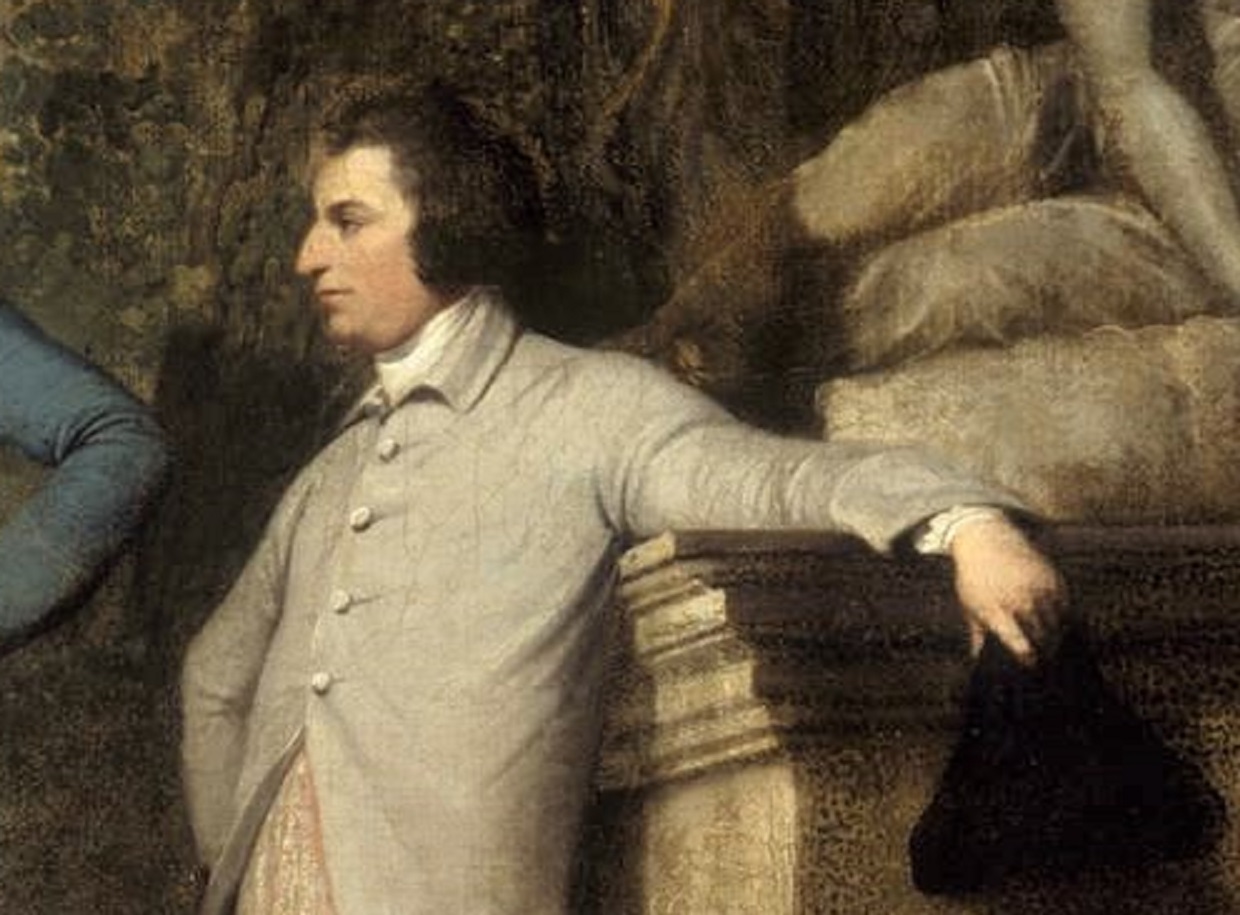 John Hamilton Mortimer, Wikimedia Commons
19. He Out-Spied The Spies
Montagu’s talents for political maneuvering soon found new use. When he was made ambassador to the Dutch Republic during peace talks in Breda, he proved himself a cunning strategist. Using British intelligence, he intercepted and read his French rival’s secret letters—winning the diplomatic duel before it even began.
His genius negotiations attracted new friends and allies at home. Powerful new friends.
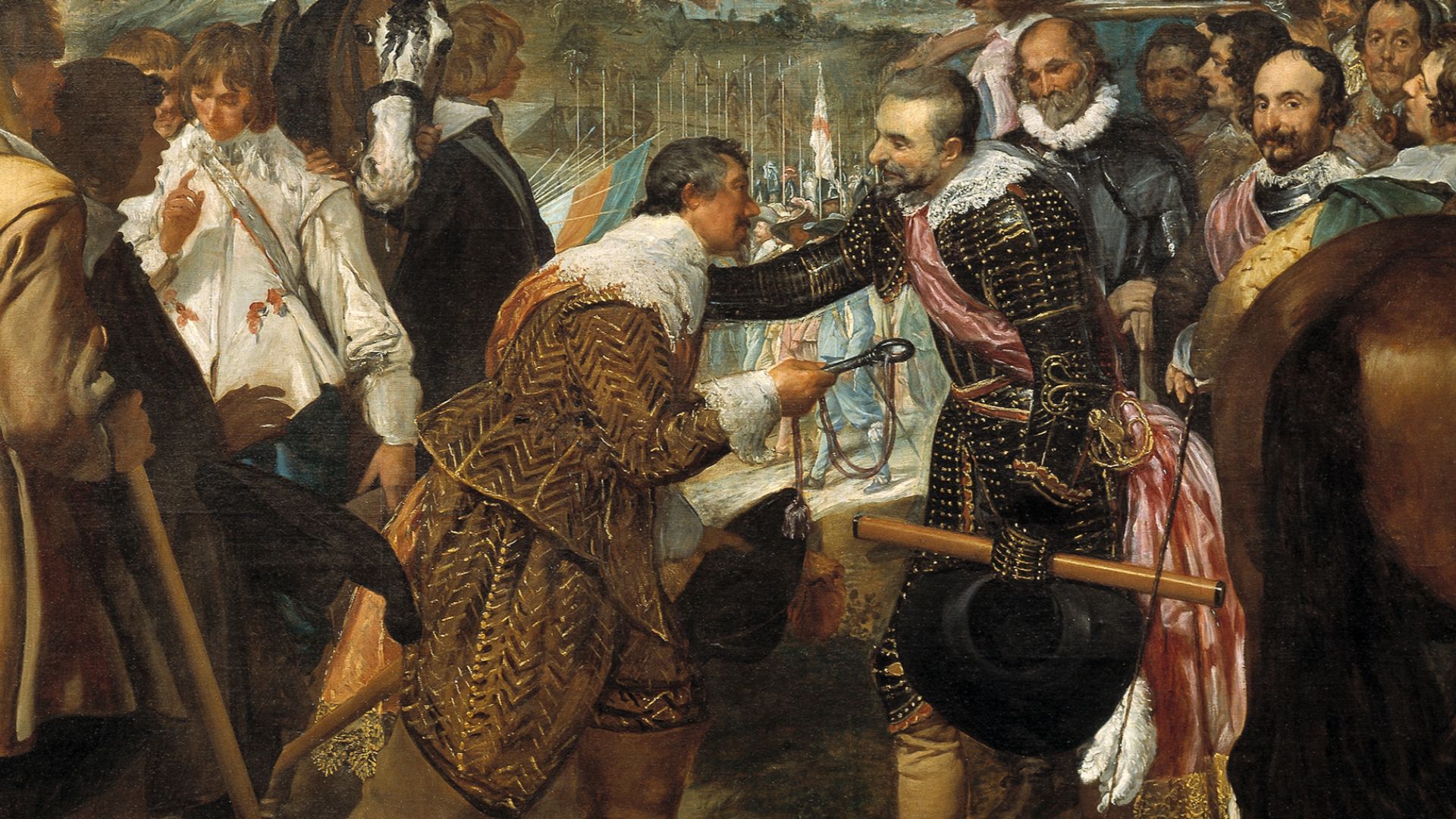 Diego Velázquez, Wikimedia Commons
20. He Impressed The Right People
Montagu’s sharp mind and diplomatic cunning at Breda caught the eye of one very powerful man: the Duke of Newcastle. The ambitious Duke immediately began lobbying for Montagu to receive high office when he returned home. Montagu’s political cunning had worked well—perhaps too well.
21. He May Have Caused A Revolution
While Montagu’s official record at Breda was sterling, rumors swirled that he’d quietly stirred a revolution. Some believed that the Earl had played a part in the 1747 Dutch uprising that gave William IV greater power—exactly what Britain wanted. Unfortunately, at home, he was facing a revolution of a different kind.
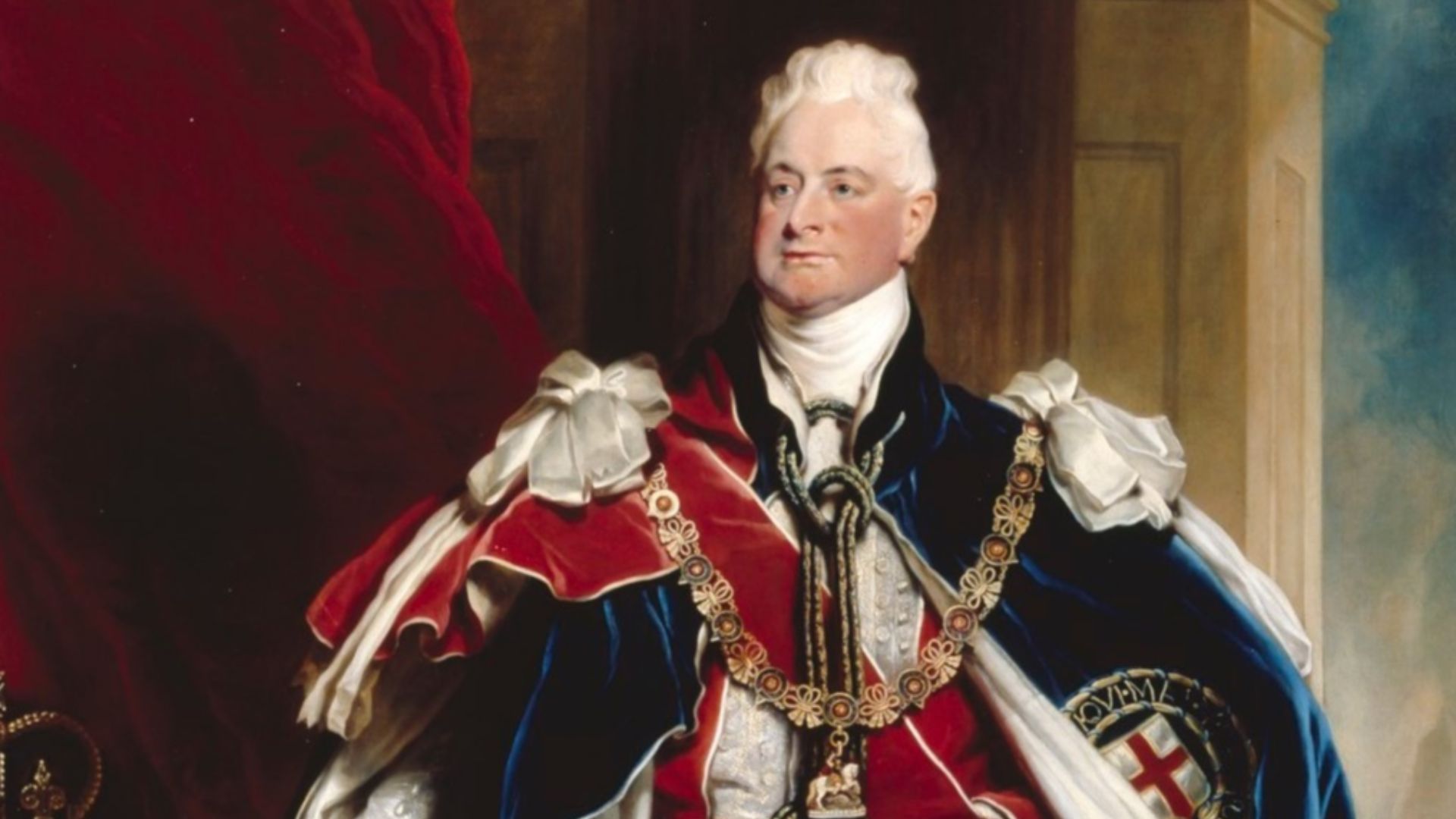 Martin Archer Shee, Wikimedia Commons
22. His Wife Lost Her Mind
Years of marital strain and lost children had taken their toll on Dorothy Montagu. By May 1767, doctors declared the Countess legally insane. It was an especially damaging blow for Montagu, who couldn’t allow the shame to ruin his name.
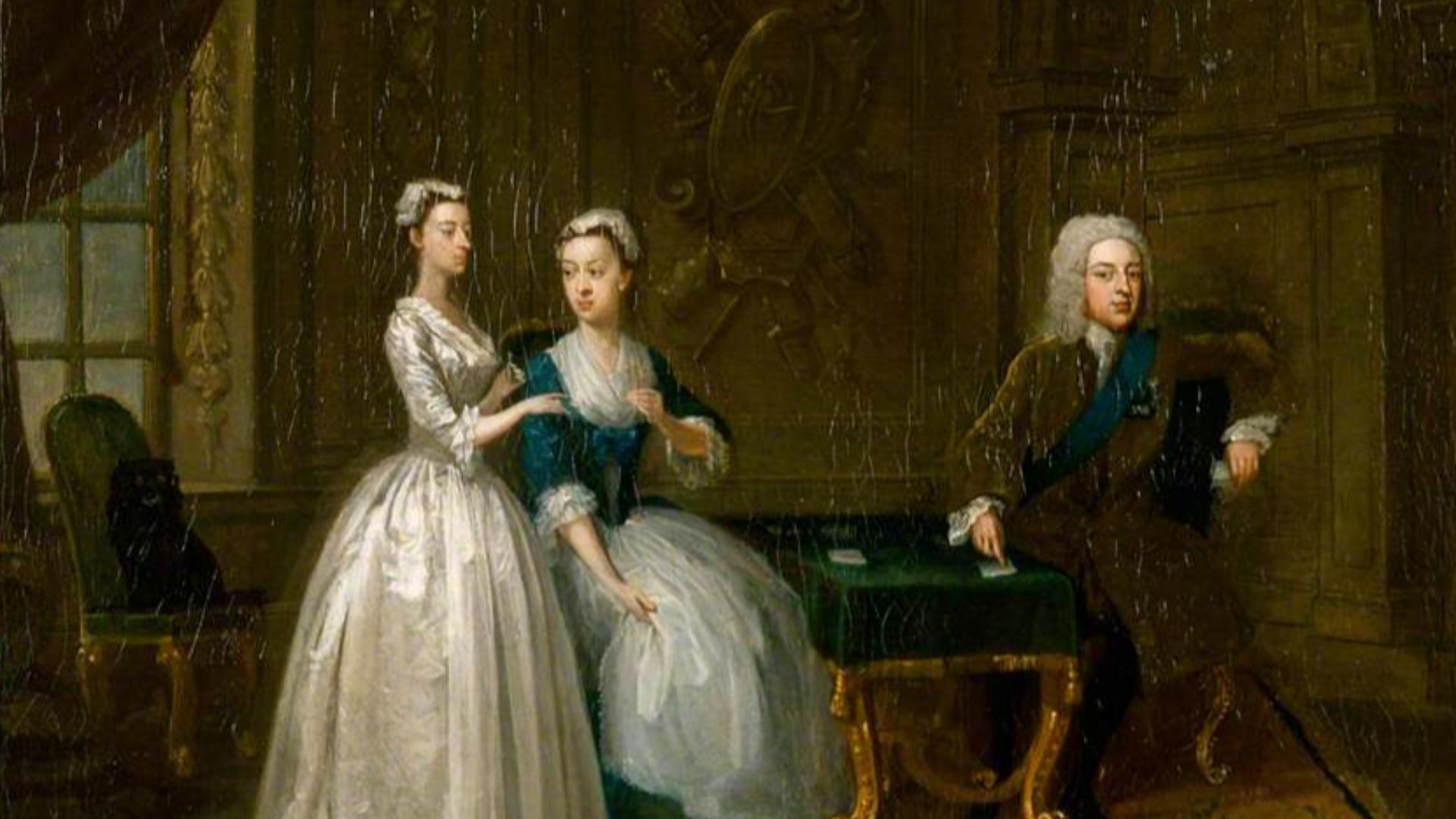 Gawen Hamilton, Wikimedia Commons
23. He And His Wife Split Up
Before his wife’s tragic diagnosis, Montagu’s marriage had already capsized. Sometime between 1754 and 1757, Montagu had separated from his wife, with the Crown granting Dorothy an apartment in Windsor Castle. There, she lived quietly with her sister Elizabeth. From the sounds of it, there was no love lost between the Montagus.
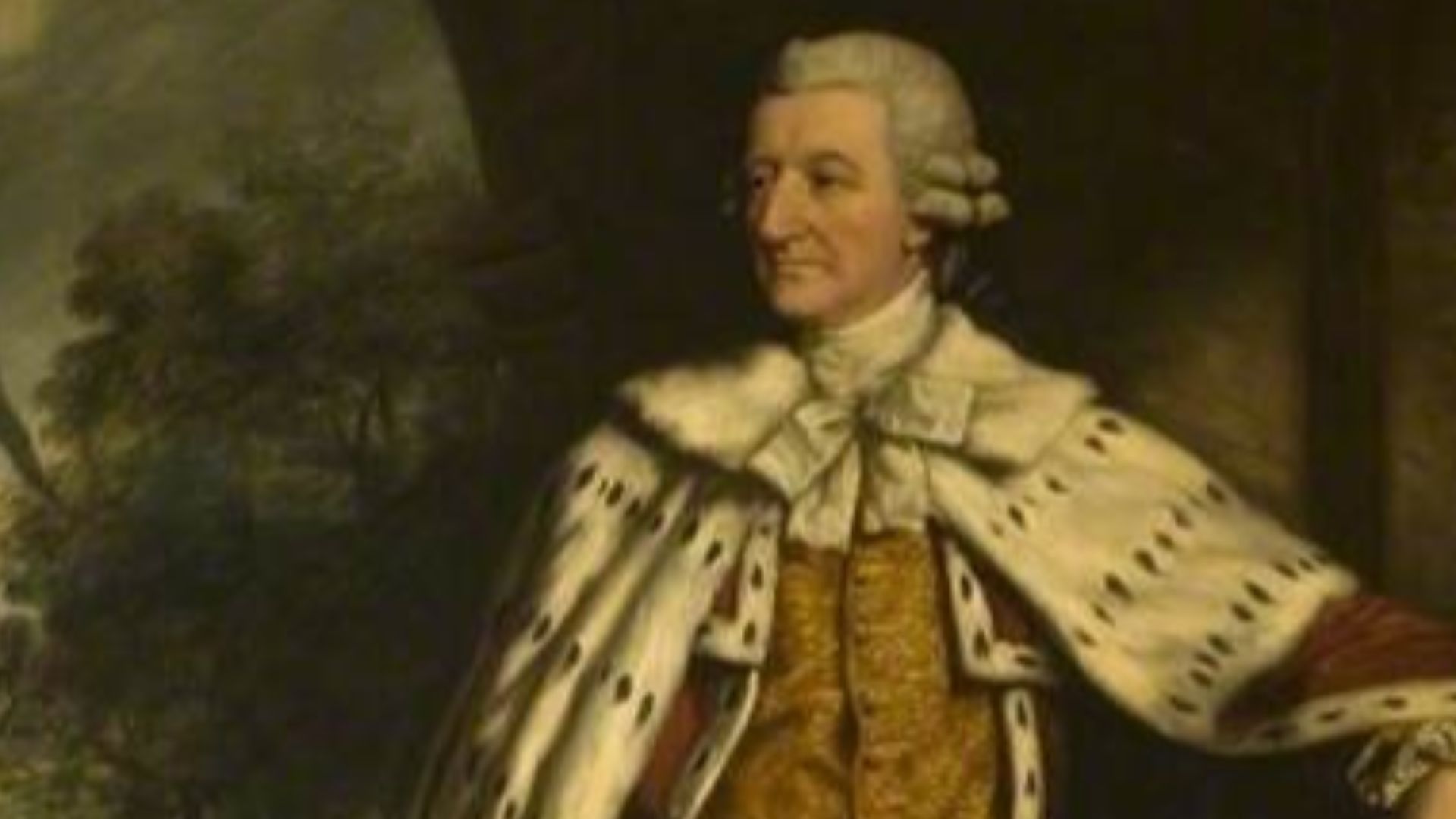 After John Opie, Wikimedia Commons
24. His Marriage Hadn’t Been A Happy One
A letter written by one of Montagu’s cousins shed light on the unhappy marriage. “I suppose you know that Lady Sandwich has at last left her kind Lord,” Elizabeth Montagu wrote. “I hope her Ladyship will be happier than she has been for many years”. But while his estranged wife found new happiness, Montagu himself went right back to his old ways.
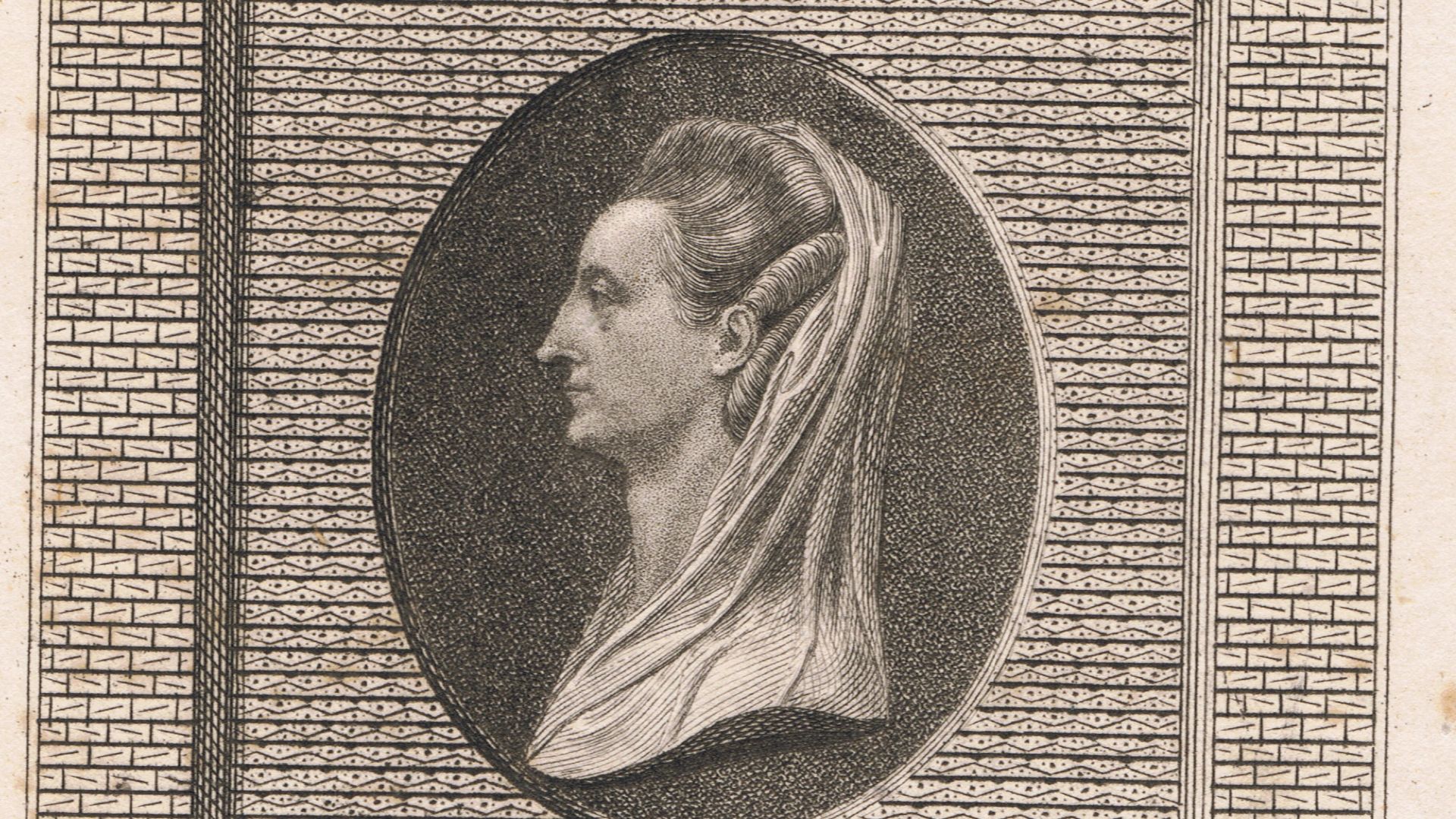 Thomas Holloway, Wikimedia Commons
25. His Mistress Got Him In Trouble
In 1763, Montagu’s scandalous personal life collided with his political ambitions in dramatic fashion. John Wilkes, the “radical” journalist and politician, published An Essay on Woman. The filthy parody of Pope’s Essay on Man was Wilkes’ ode-in-cheek to none other than Montagu’s old flame, Fanny Murray. Montagu couldn’t take the insult to his reputation.
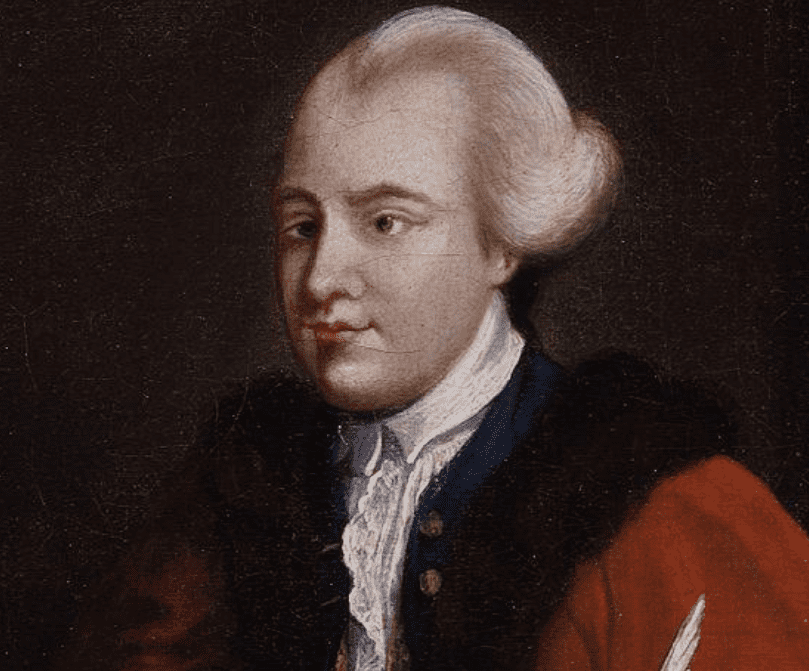
26. He Got His Revenge
Given his former (and likely ongoing) devotion to Fanny Murray, John Montagu leapt at the chance to defend her honor. But he may also have seen it as an opportunity to attack Wilkes. In the past, during a seance at the Hellfire Club, Wilkes had frightened Montagu with Montagu swearing vengeance for the embarrassment.
The scandalous, provocative poem was the perfect opportunity.
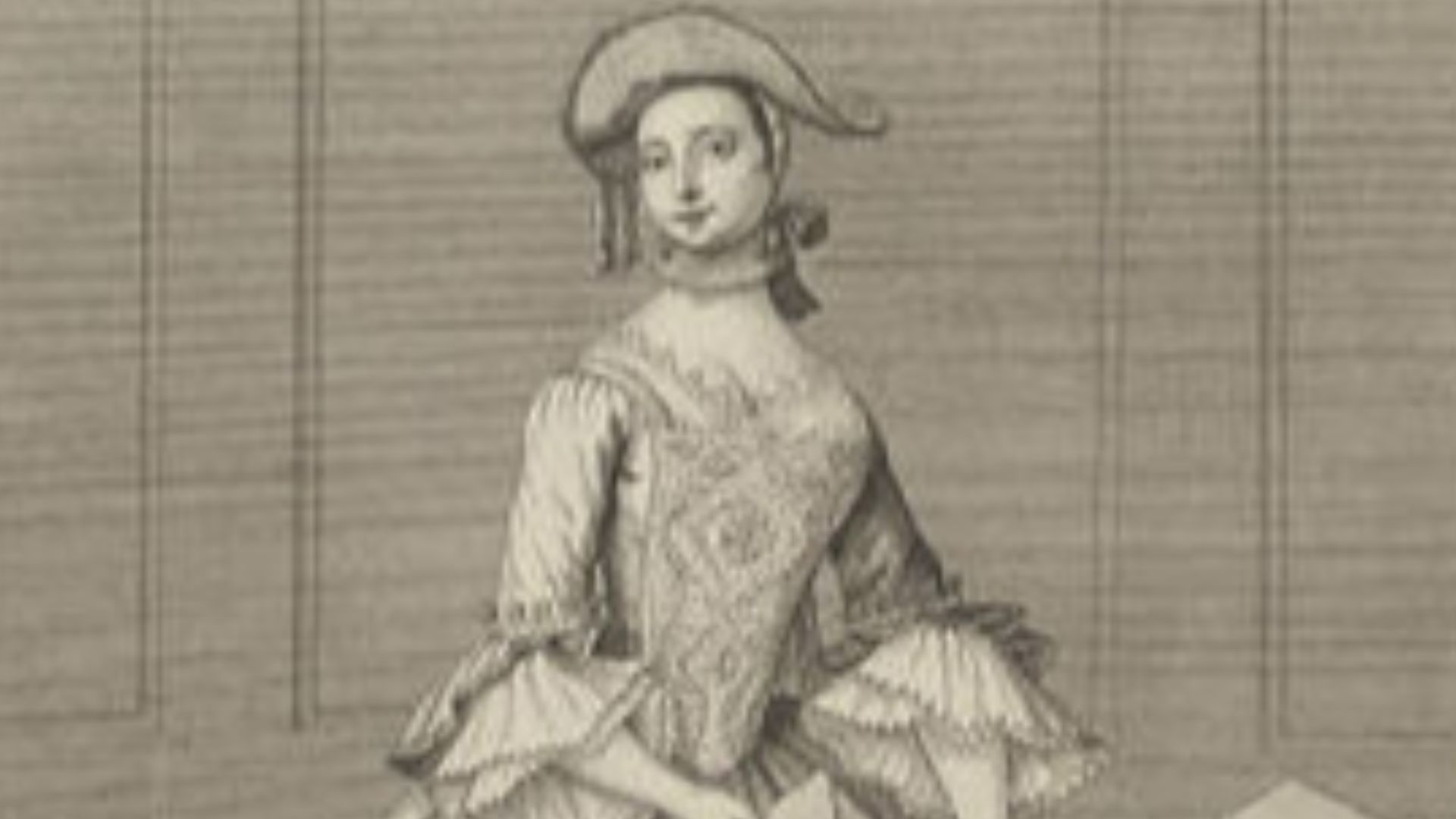 Richard Bennet, Wikimedia Commons
27. He Earned A Mocking Nickname
Montagu was instrumental in drumming up opposition to Wilkes, ultimately leading to his political ouster. However, given their former association, Montagu’s revenge looked a lot like betrayal to many. Capitalizing on the popularity of a sniveling turncoat character from a play, “Jemmy Twitcher”, Montagu’s enemies and allies began jokingly referring to him as “Twitcher”.
His popularity was waning.
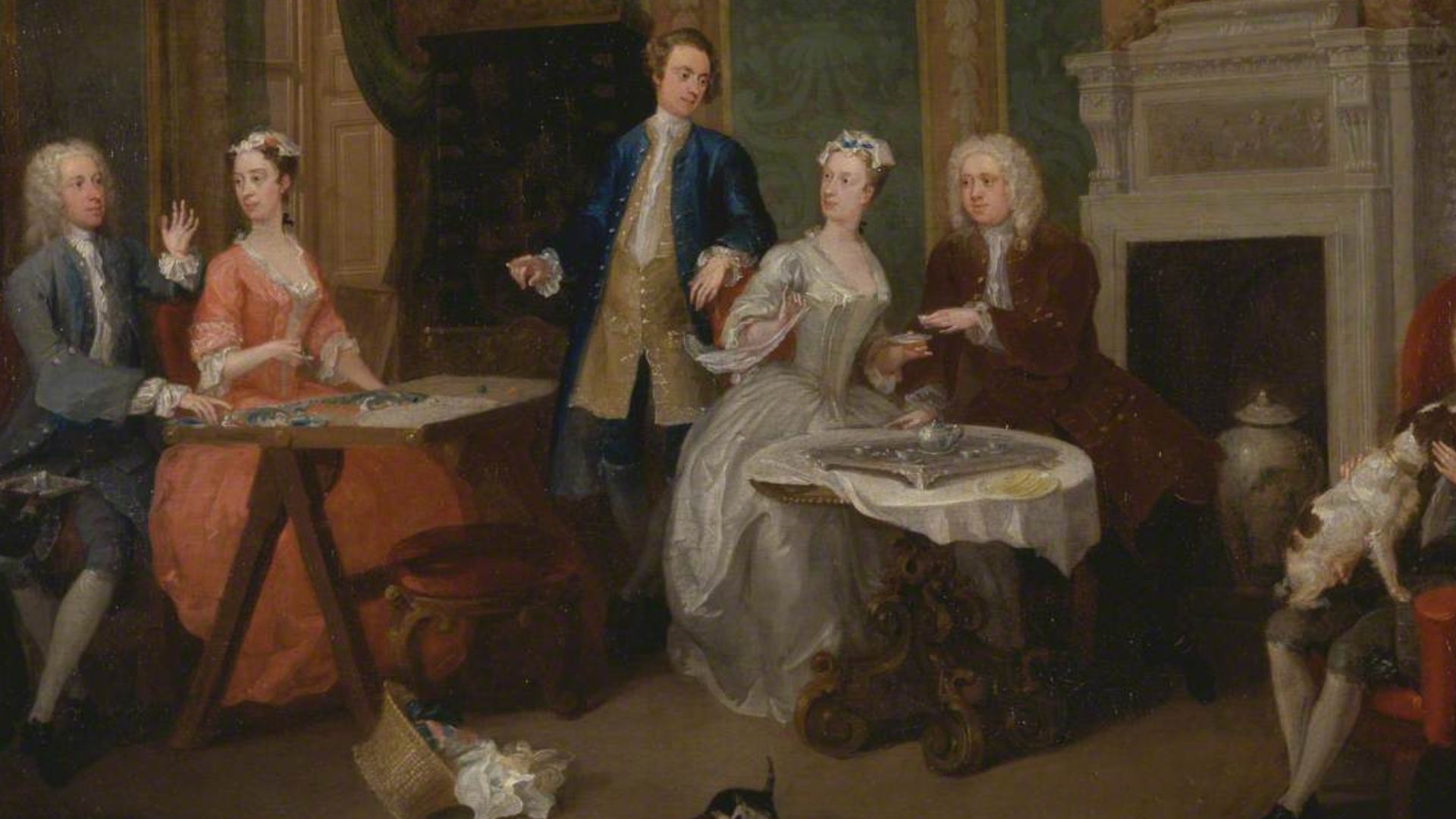 William Hogarth, Wikimedia Commons
28. He Met His Match In Wit
After the Wilkes affair, Montagu’s moral hypocrisy became a running joke amongst British high-society figures. But no one put him in his place quite like the actor Samuel Foote. “Foote,” Montagu argued, “I have often wondered what catastrophe would bring you to your end; but I think that you must either [perish] of the pox or the halter”.
Foote famously retorted, “That will depend, my lord—on whether I embrace your mistress or your principles”.
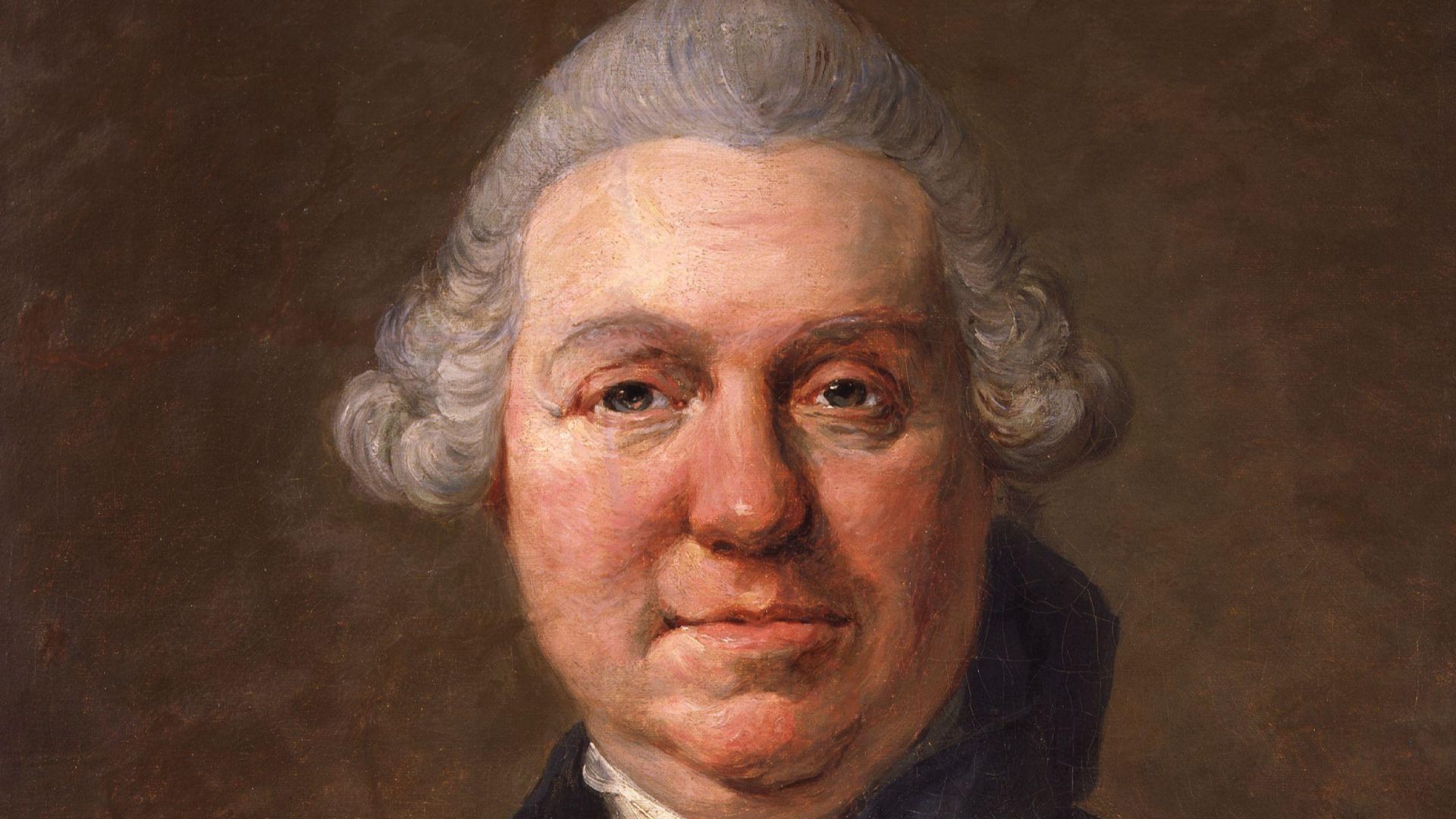 Jean-François Gilles Colson, Wikimedia Commons
29. He Fell For Another Mistress
By 1763, Montagu had returned to the Admiralty for a second term, rebuilding the Royal Navy from the keel up. But his greatest new project wasn’t a ship—it was a woman. That same year, he met Martha Ray, a singer who became his devoted, long-term mistress and the love of his life.
It would also be the most tragic and scandalous chapter of his life.

30. He Fell For A Commoner
Montagu’s new mistress, Martha Ray, was unlike any woman he had been with before. She didn’t have noble blood, nor was she a famed courtesan. But she was undeniably special. Born in 1746 to a corsetmaker and a servant, her beauty, intelligence, and voice set her apart. Before long, she’d caught the attention of men far above her station—including Montagu.

31. He Lived With His Mistress
John Montagu met Ray when she was still just 17, and the two hit it off immediately. As Lady Sandwich’s mental state continued to deteriorate, Ray moved in to live with Montagu, becoming his constant companion and emotional refuge. For the next decade and a half, she played the part of Lady Sandwich in everything but name.
Her ending, however, would be even more tragic.
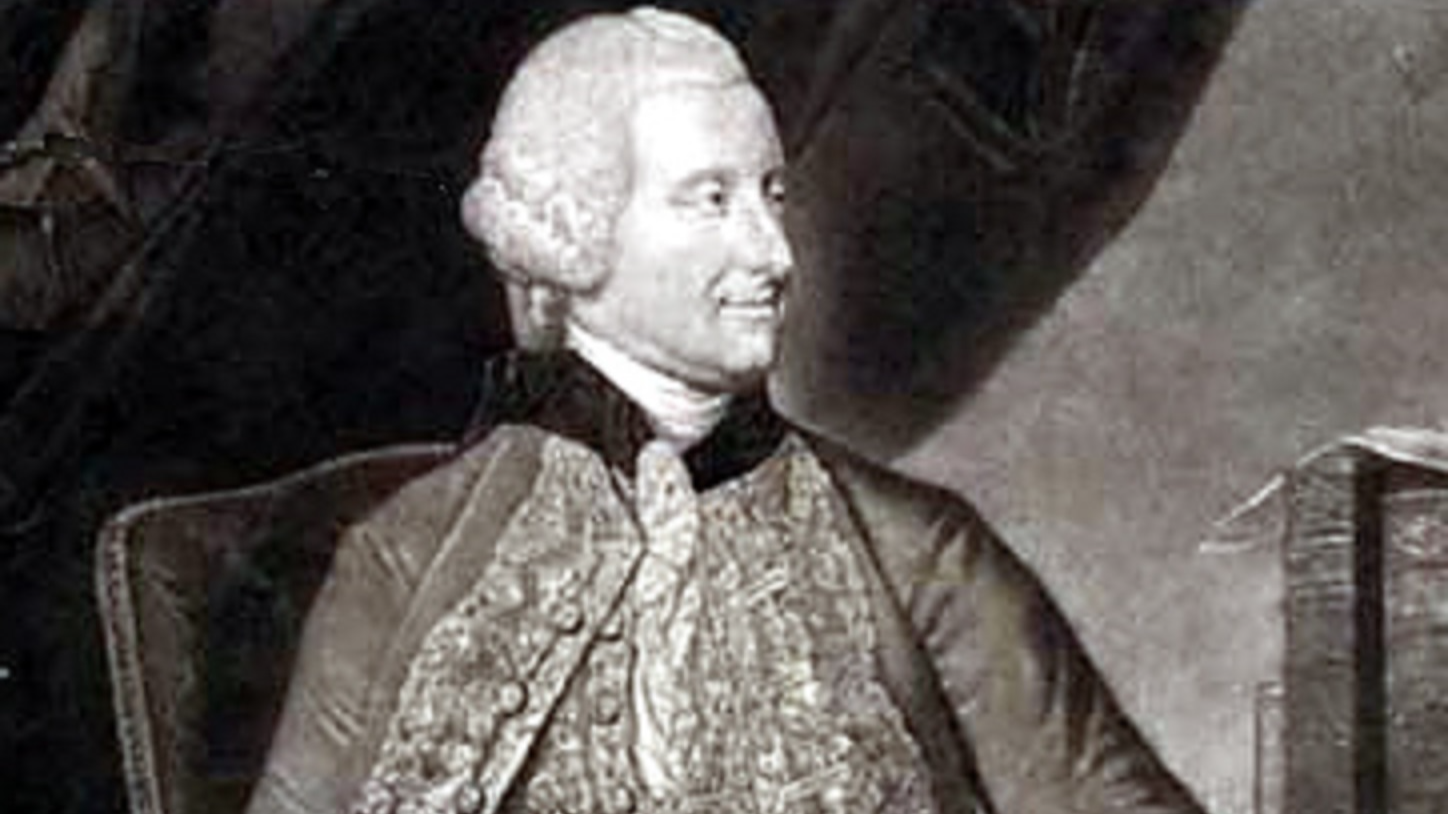 Valentine Green, Wikimedia Commons
32. He Treated His Mistress Like His Missus
Montagu adored Ray and spared no expense in proving it. Even though he was still, technically, married to Dorothy, he openly paraded around town with Ray as though she were the real Lady Sandwich. And when she grew tired of playing pretend, he bought her a cozy Westminster residence and gave her a “generous” amount of spending money.
Montagu gave her more than just money.
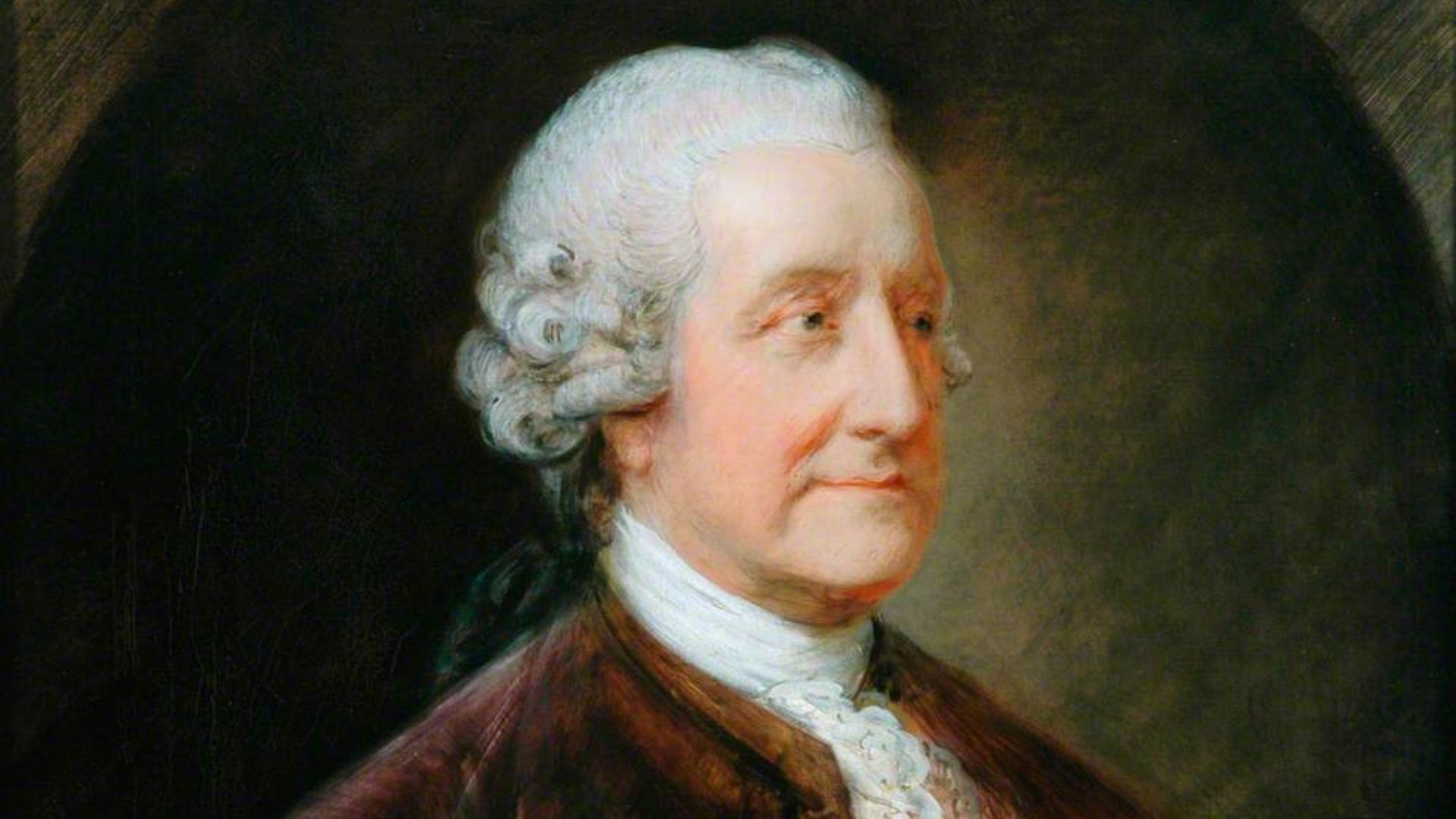 Thomas Gainsborough, Wikimedia Commons
33. He Had Tons Of Illegitimate Children
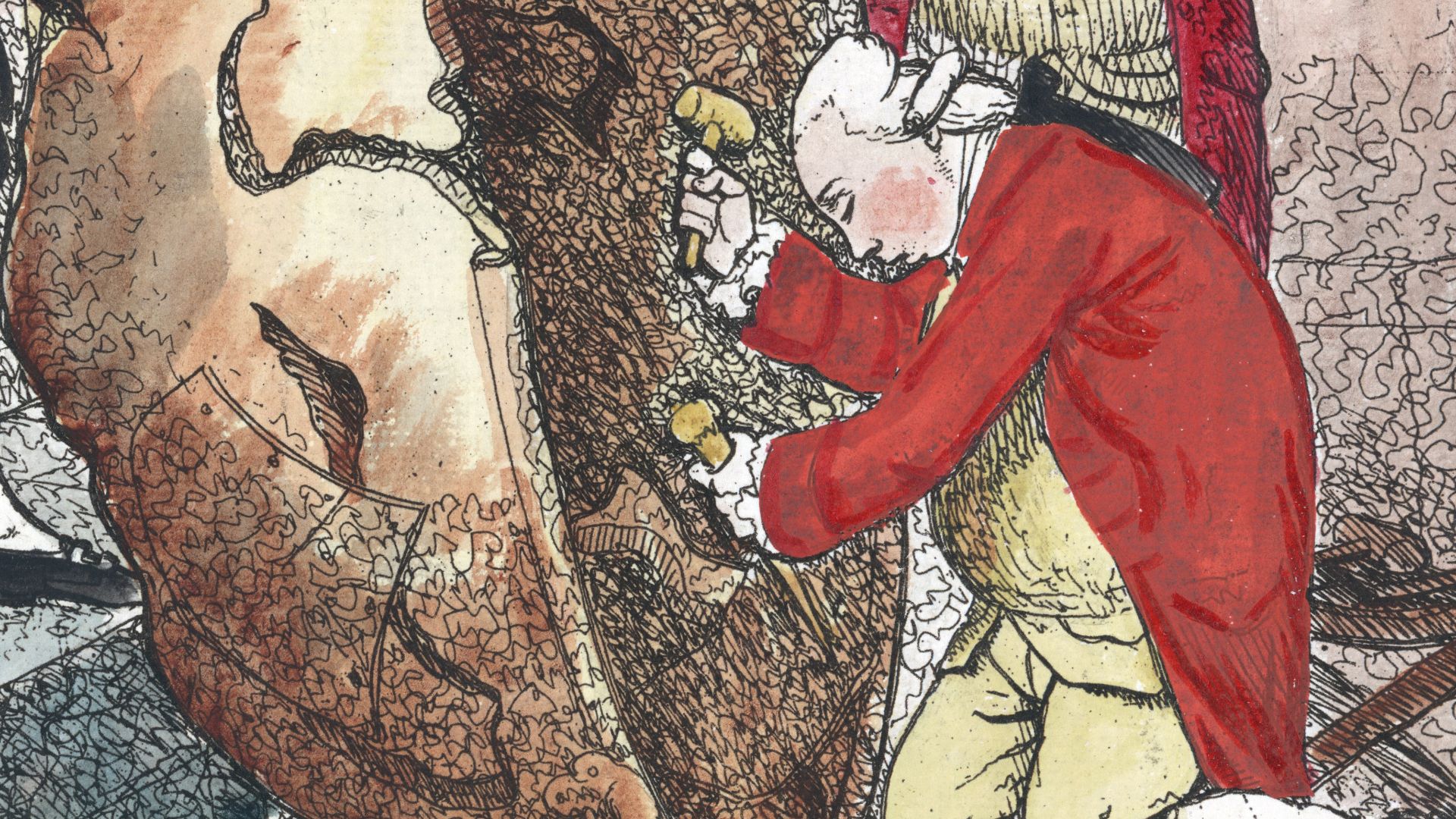
Perhaps the reason that John Montagu loved Ray was that she gave him what Dorothy had not: a big family. Over their long affair, Ray bore nine children for Montagu, five of whom survived to adulthood. Among them was Basil Montagu, a future lawyer and philanthropist. Unfortunately for Montagu, he would lose Ray sooner than he feared.
 James Gillray, Wikimedia Commons
34. He Paid For His Mistress’ Education
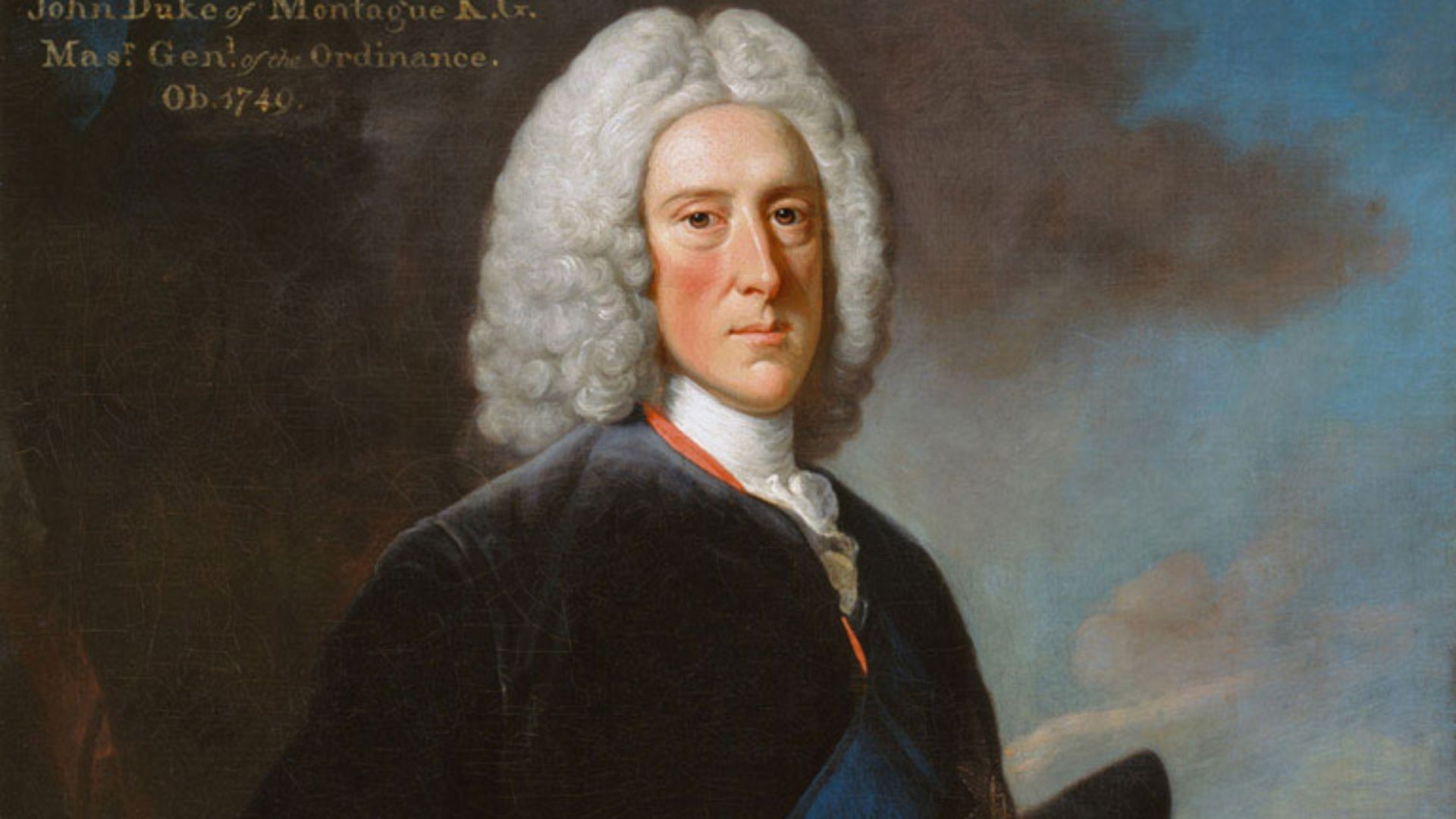
Despite their unconventional arrangement, Ray refused to live entirely in Montagu’s shadow. With Montagu’s emotional (and, of course, financial) support, Ray trained as a singer and became a fixture in London’s concert halls. Her voice won praise—and perhaps a few too many admirers.
 George Knapton, Wikimedia Commons
35. He Introduced His Mistress To The Wrong Man
In 1779, Montagu made a fateful introduction—one that would cost him the love of his life. He brought a young army officer named James Hackman into his and Ray’s inner circle. Hackman, charming and ambitious, frequently visited Montagu and Ray but soon left the army and joined the clergy.
Montagu had no idea the secret desires lurking in Hackman’s heart.
36. His Mistress Had A Mister Of Her Own
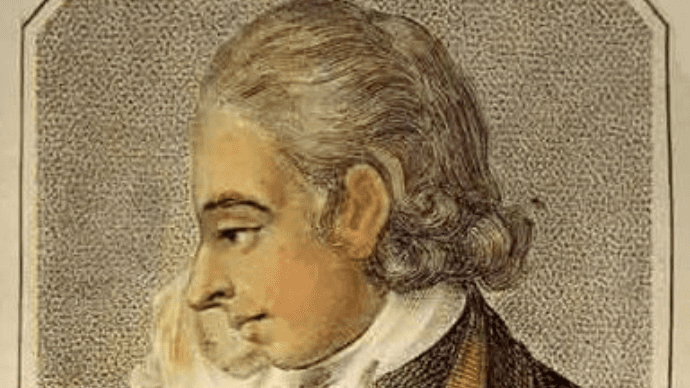
Unbeknownst to Montagu, Hackman had fallen obsessively in love with Ray. Despite his newfound clerical collar, he pursued her relentlessly, even beginning an affair of his own with her. Hackman was so obsessed with Ray that he proposed to her several times. Each time, however, Ray rejected him, believing that he lacked the resources and connections to give her the lifestyle that Montagu had.
Their love triangle was getting a little too acute.
 Charles Jervas, Wikimedia Commons
37. He Wouldn’t Marry His Mistress
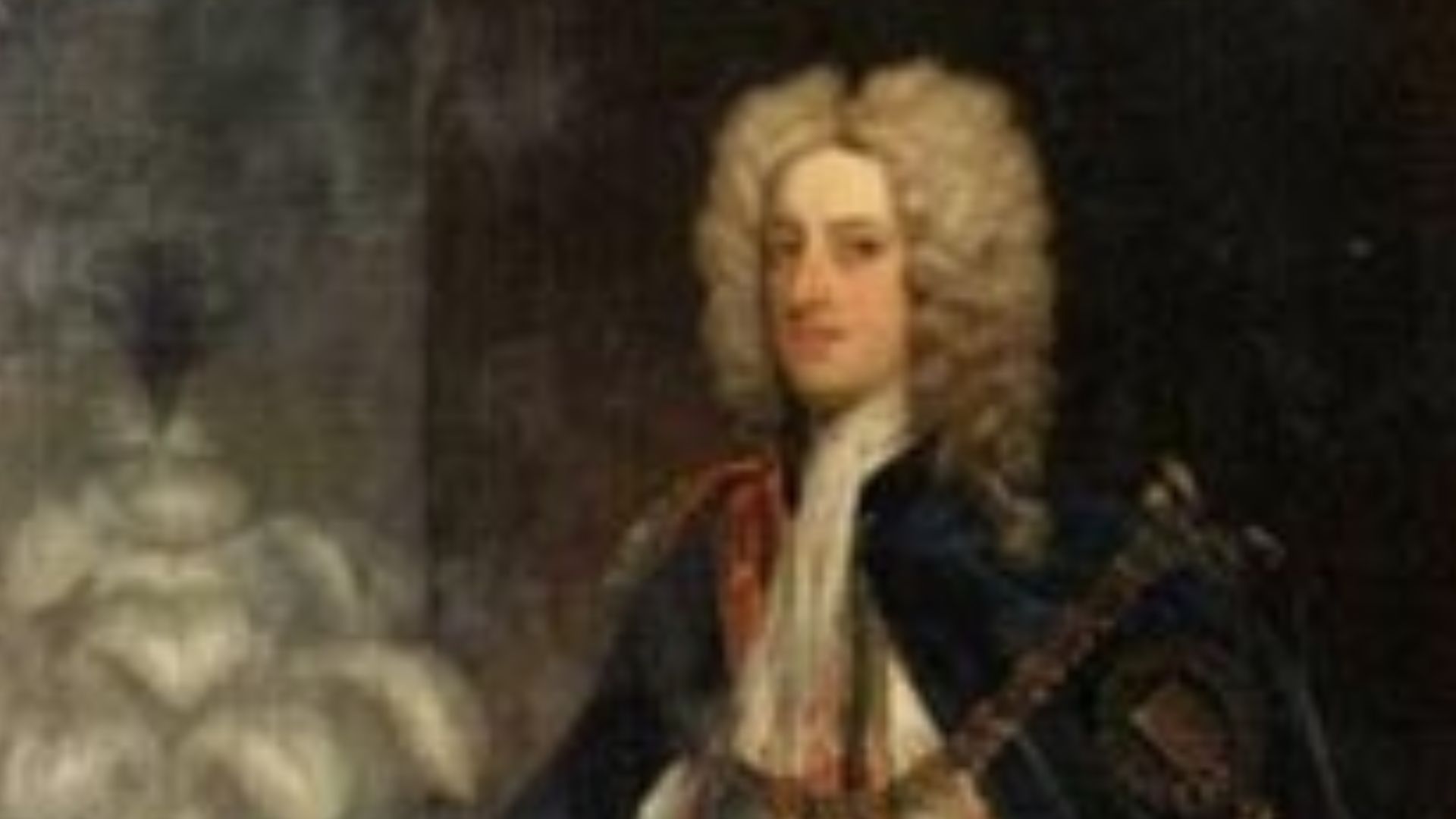
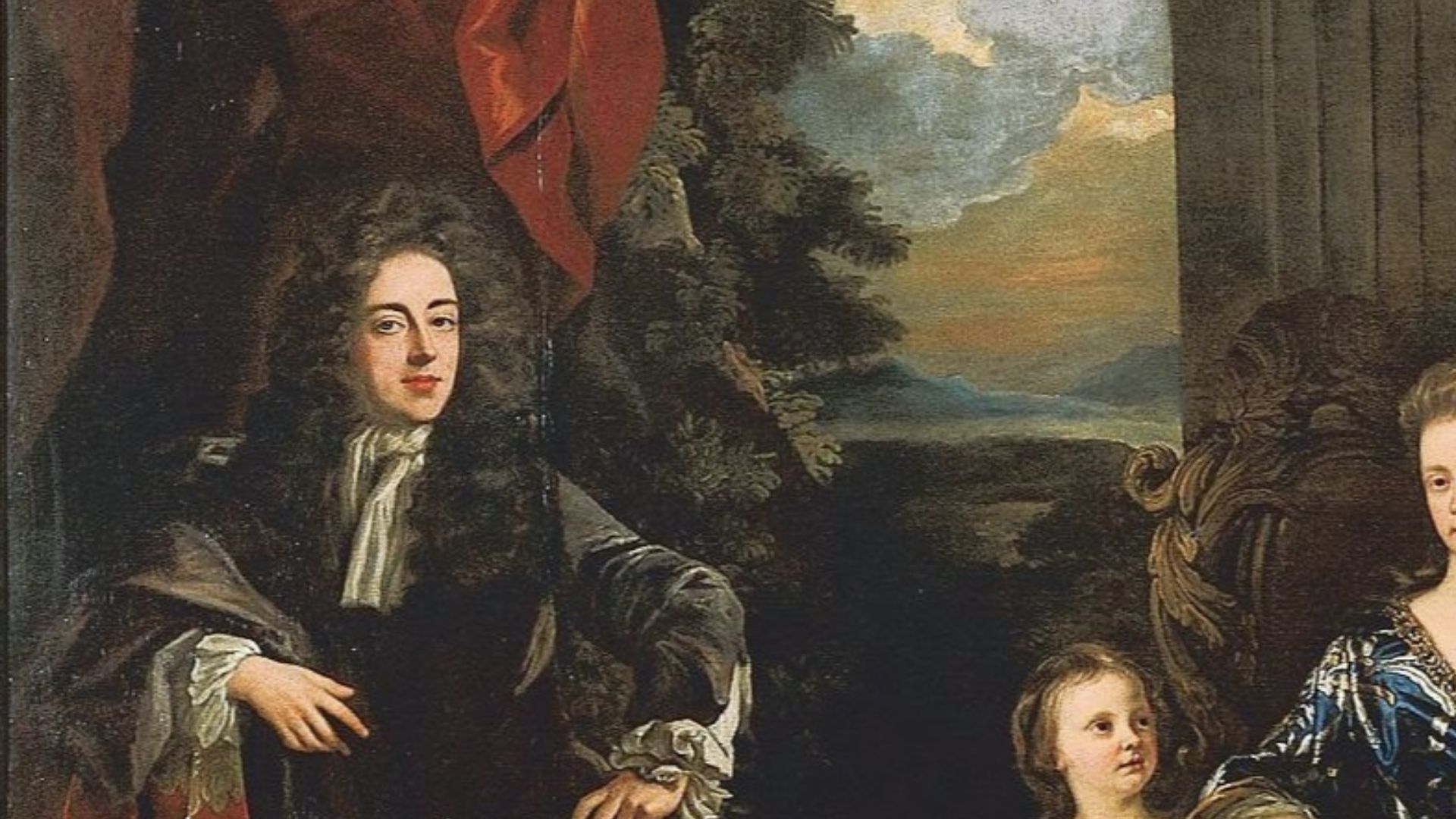
Montagu was not aware of the extent to which Hackman obsessed over Ray. But it was practically his fault. Even though Montagu showered Ray with wealth and comfort, he refused to marry her, and she likely feared that, once her beauty faded, so too would Montagu’s generosity. Historians believe that it was Montagu’s refusal to marry Ray that led her to Hackman.
And, finally, into his evil clutches.
 John Closterman, Wikimedia Commons
38. His Mistress Had Her Final Act
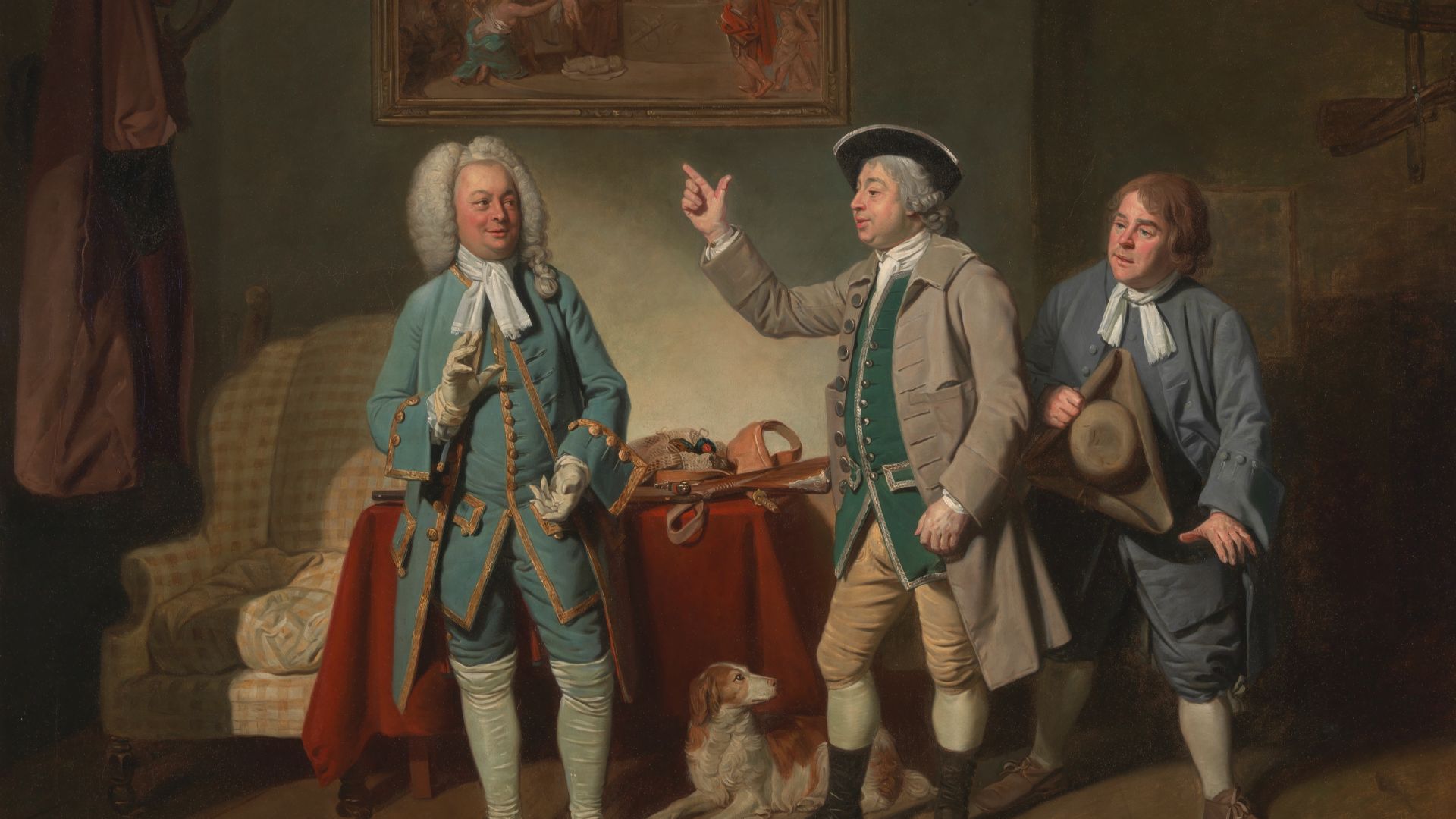
April 7, 1779 would turn into the darkest day of Montagu’s life. Ray, enjoying an evening out with friends, set out to see Love in a Village. On her way to the theater, however, she bumped into Hackman who demanded to know where she was going. When she refused to tell him, Hackman followed her. After the opera, late that night, as she was leaving with friends, Hackman lurked in the shadows.
 Johann Zoffany, Wikimedia Commons
39. His Mistress Never Saw It Coming
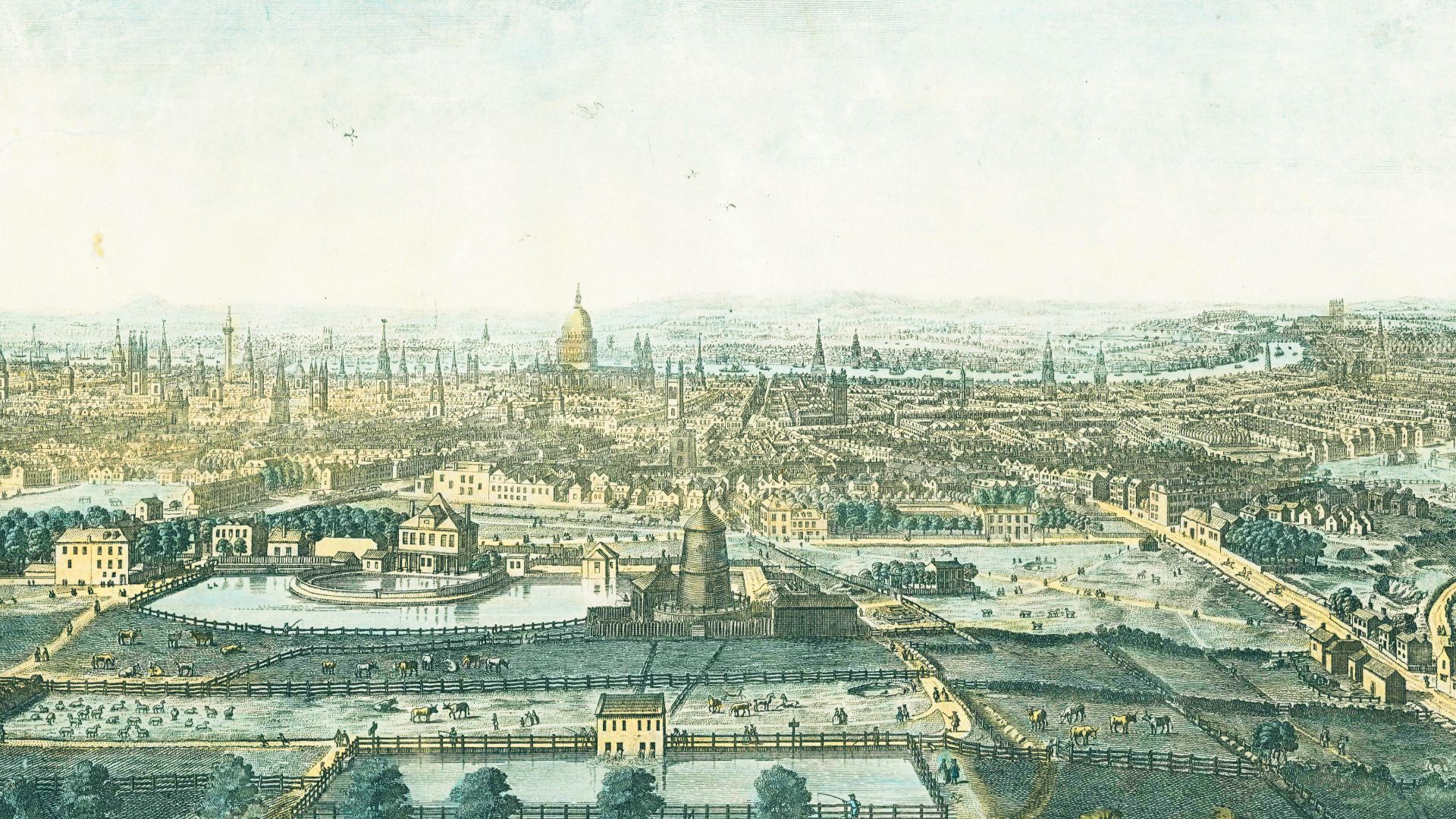
As Ray left the opera house and approached her carriage, Hackman appeared out of the darkness. Without a word, he drew a shooting iron, leveled it at her head, and pulled the trigger. Ray never saw it coming. Hackman turned the barrel towards himself but only managed to graze his head before Ray’s friends intervened, restraining him until authorities could arrive.
When the news reached Montagu, the love of his life no longer had any life left in her.
 Thomas Bowles, Wikimedia Commons
40. He Couldn’t Bear The News
When Ray’s empty carriage returned to The Admiralty, Montagu instantly knew something was wrong. When he learned the full truth, it shattered him completely. Montagu, the man who had endured loss after loss, reportedly broke down, crying, “I could have borne anything but this”.
Even worse, was what he learned at Hackman’s trial.
41. His Lover Wasn’t Supposed To Go
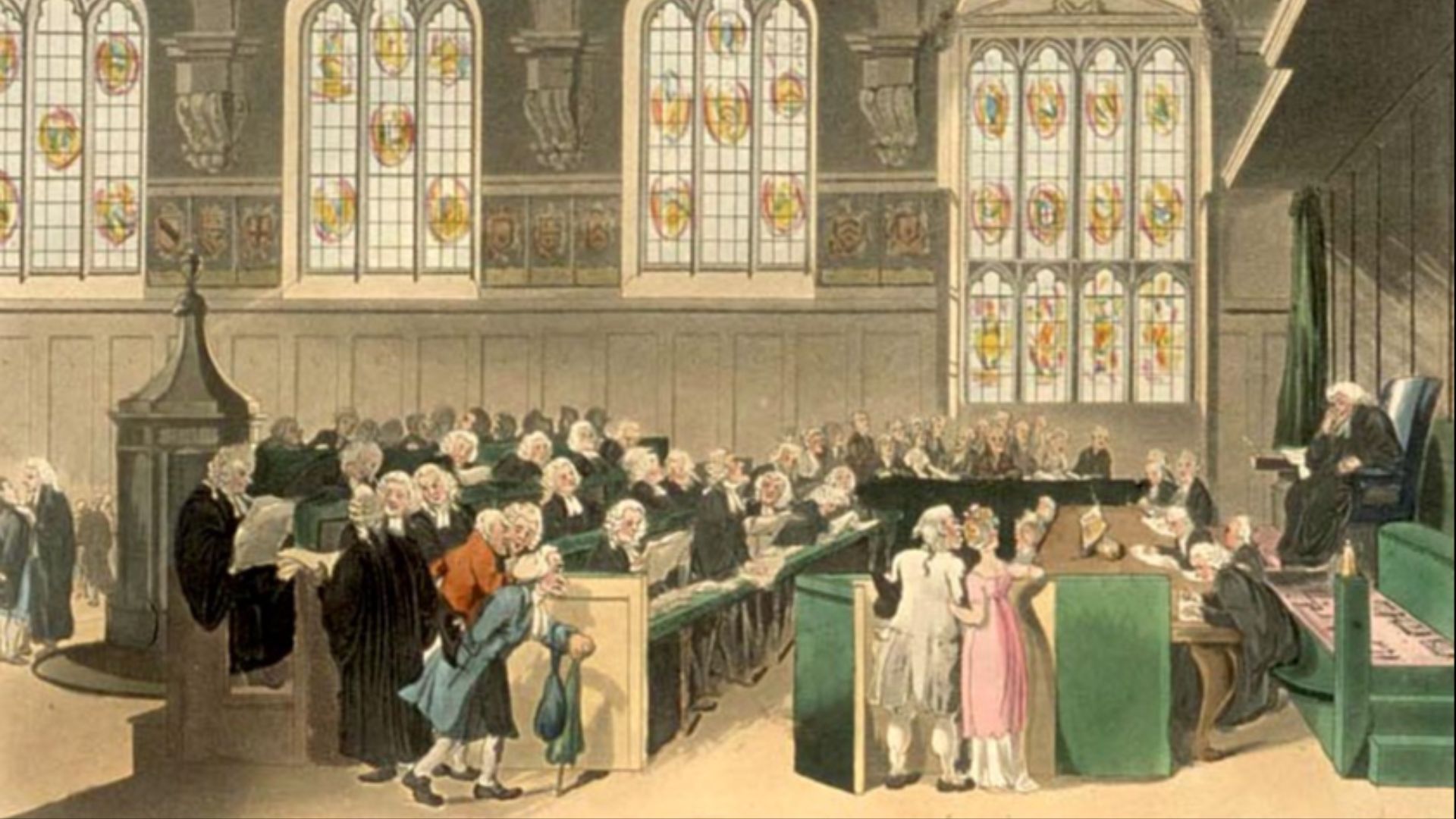
At his trial, Hackman tearfully confessed that he hadn’t planned to take Ray’s life. “The will to destroy her who was dearer to me than life was never mine,” he said, claiming “a momentary frenzy” had overcome him. Regardless of Hackman’s intentions, the damage to Montagu was done.
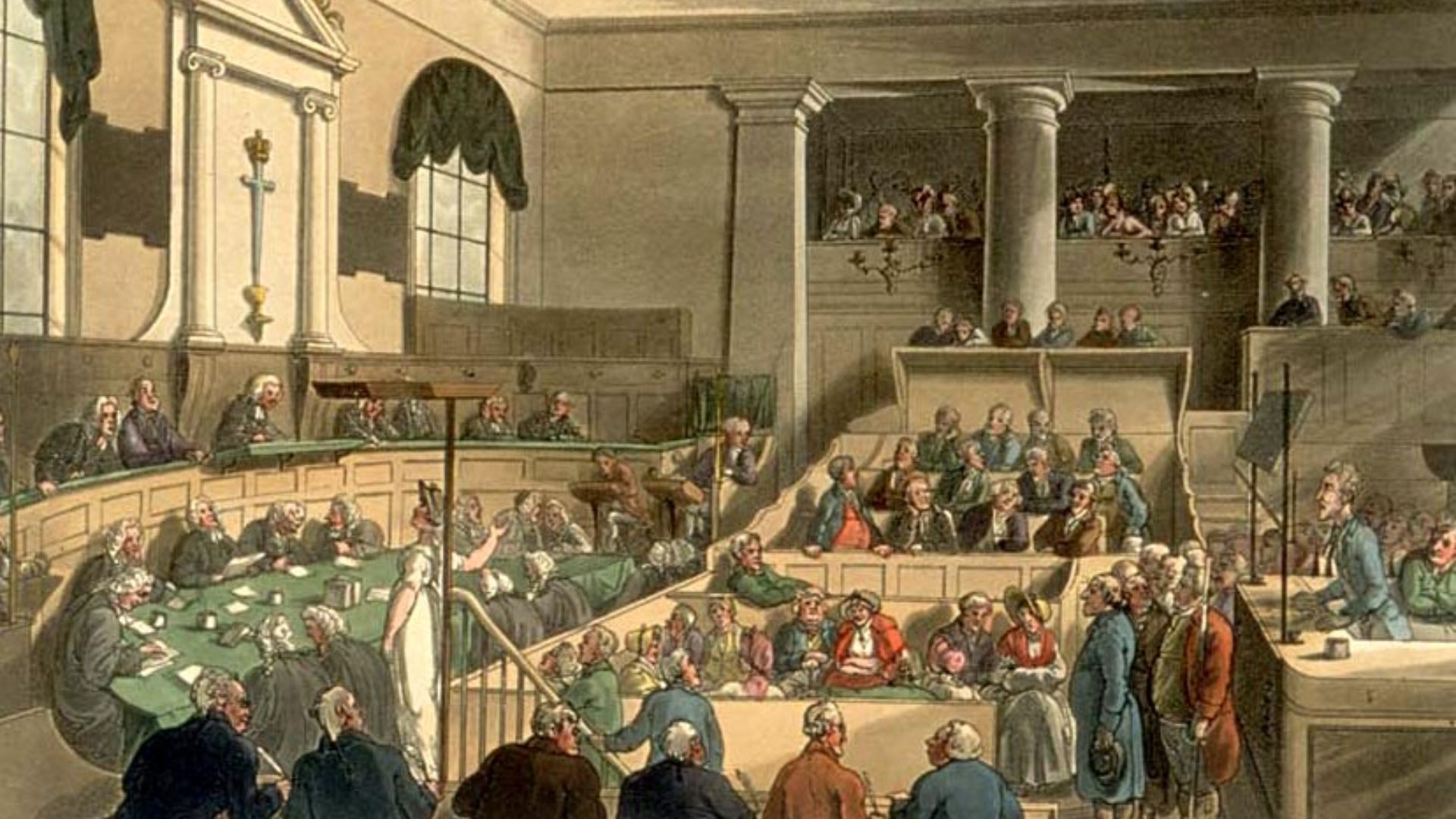 Thomas Rowlandson and Augustus Pugin, Wikimedia Commons
42. He Never Recovered From His Loss
Montagu had loved before, but he had never loved any woman the way he had loved Martha Ray. To him, she was more than just a mistress. So, after Ray’s untimely and brutal demise, the 4th Earl of Sandwich was left as a sloppy, soggy mess and he never truly recovered. His final years would be lonely ones.
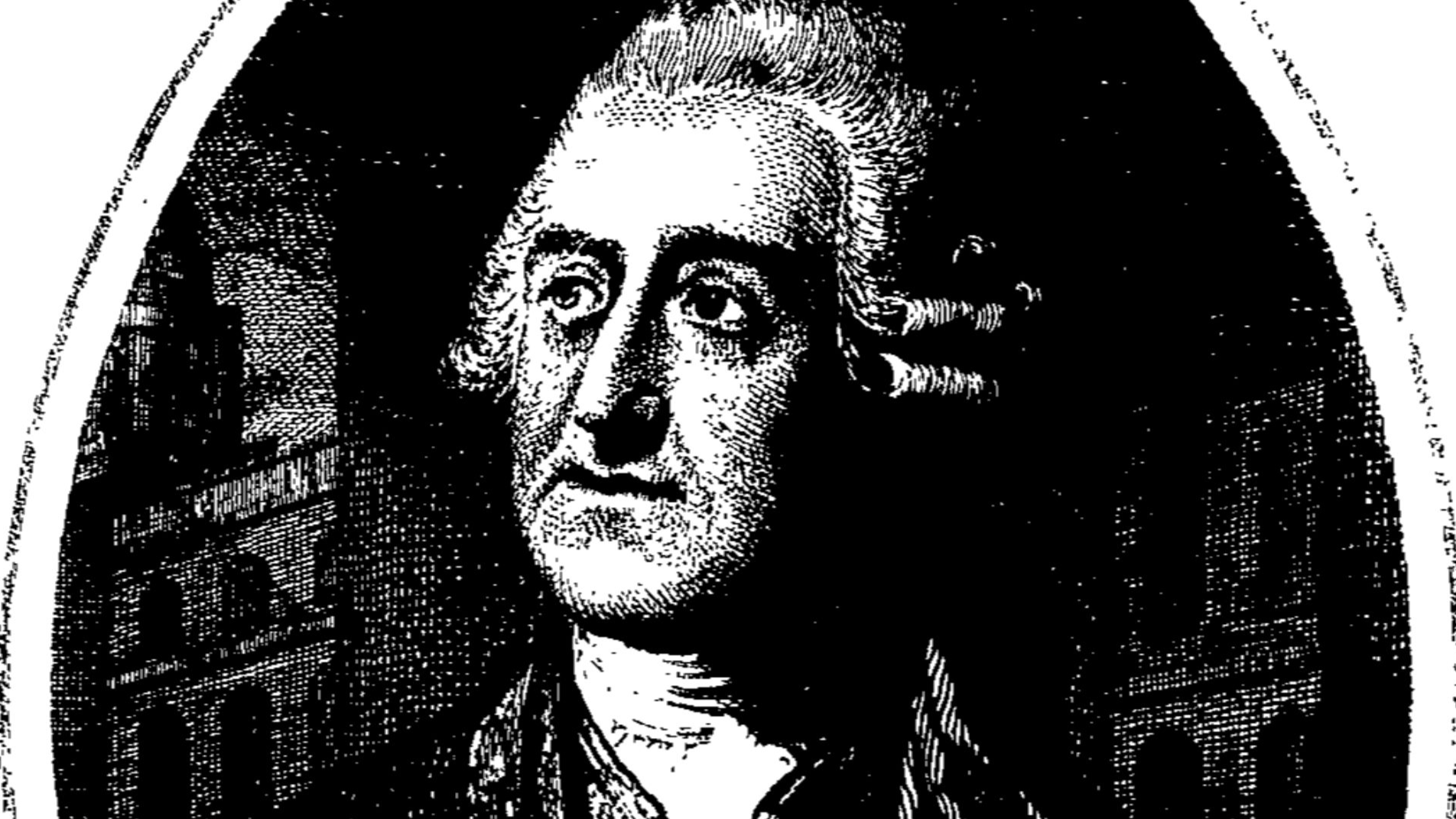 Sandwich, John Montagu, 4th Earl of, Wikimedia Commons
43. He Was Alone In The Read
Montagu hobbled on after Ray’s passing, his grief clinging to him like mayonnaise on white bread. The only relief he found came on April 30, 1792 when he drew his last breath. His estranged wife, Dorothy, outlived him by five years and both were laid to rest in All Saints’ Church, Barnwell, Northamptonshire.
He left a truly unexpected legacy.
 Michael Trolove, Wikimedia Commons
44. He Invented The Sandwich
For all his scandals, Montagu’s legacy wasn’t cultural or even political—it was culinary. Everyone’s favorite lunch food, the sandwich, gets its name from John Montagu, the 4th Earl of Sandwich. However, despite this honor, no one can quite agree how Montagu came up with the famous food.

45. He Bet It All On Sandwich
The most popular explanation for the origins of Montagu’s sandwich states that he came up with the idea at a gaming table. According to traveler Pierre-Jean Grosley, Montagu loved gambling so much that he couldn’t tear himself away from his cards. To keep himself going, he would order meat, instructing that the meat be placed between slices of bread to keep his hands clean.
There was another, nobler, explanation.
 Arnaud del. Ulmer sculp., Wikimedia Commons
46. He Worked Up An Appetite
Montagu’s official biographer wasn’t convinced by the gambling tale. He suggested that the 4th Earl of Sandwich’s “invention” was far less decadent. This alternate theory suggests that the sandwich was the product of Montagu’s “commitments to the navy, to politics, and to the arts”. Apparently, Montagu was too busy to take a proper meal, “likely” consuming the first sandwich “at his work desk”.
He may have been responsible for another invention: the United States of America.
 Sodacan, CC BY-SA 3.0, Wikimedia Commons
47. He Basically Founded America
In later years (once the novelty of the sandwich wore off), Montagu’s critics accused him of gross incompetence as First Lord of the Admiralty. In fact, they claimed that his leadership was so bad that he was largely responsible for the British losing to the Thirteen Colonies during America’s struggle for independence.
Quite apart from the “sandwich”, took part in other, more scandalous activities.
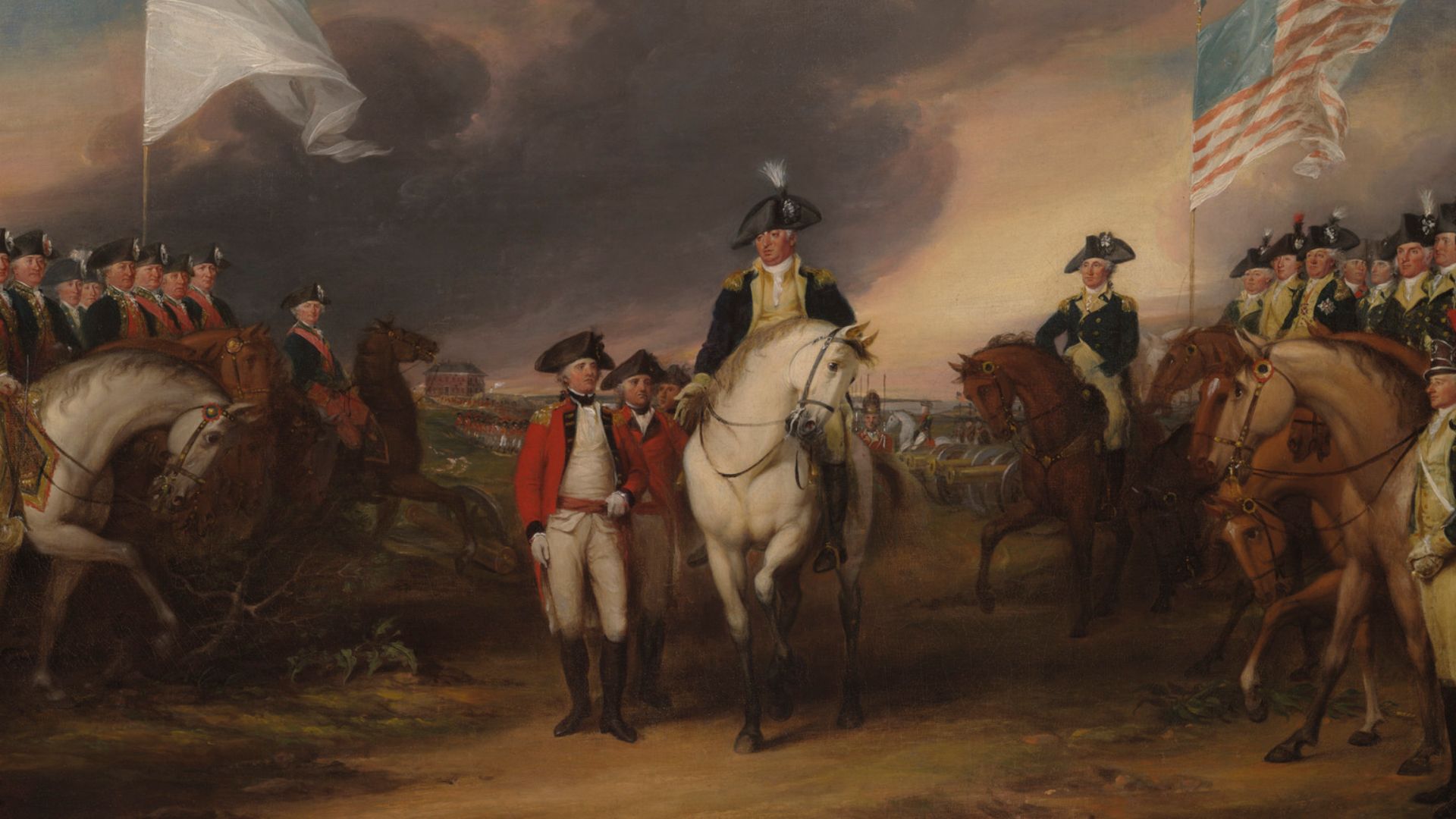 John Trumbull, Wikimedia Commons
48. He Joined A Notorious Secret Club
John Montagu likely met his mistress Fanny Murray while at the infamous “secret” Hellfire Club. The den of debauchery was where nobles dressed as monks and indulged in unholy and lewd parodies of religious rituals with courtesans who were dressed as “nuns”. Apart from all that, there was a whole lot of drinking and worshipping of Pagan deities. There were even rumors that members took part in Black Masses and demon worship.
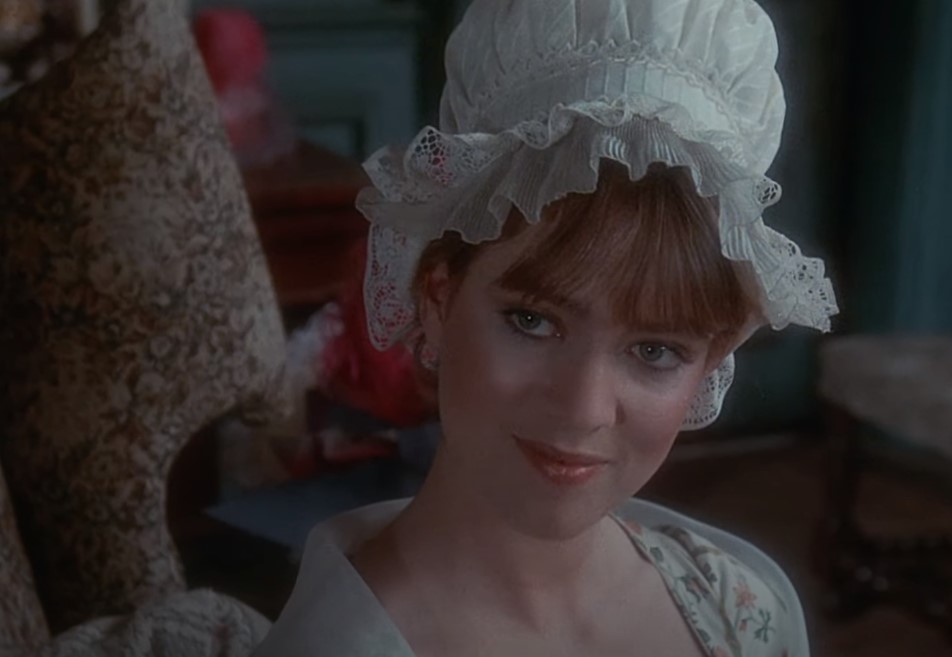 Brent Walker Film Productions, Fanny Hill (1983)
49. He Became A Byword For Failure
By the time of his passing, Montagu’s name had become political shorthand for corruption and incompetence. One biting saying summed him up perfectly: “Seldom has any man held so many offices and accomplished so little”. Perhaps the 4th Earl of Sandwich had truly bitten off more than he could chew.
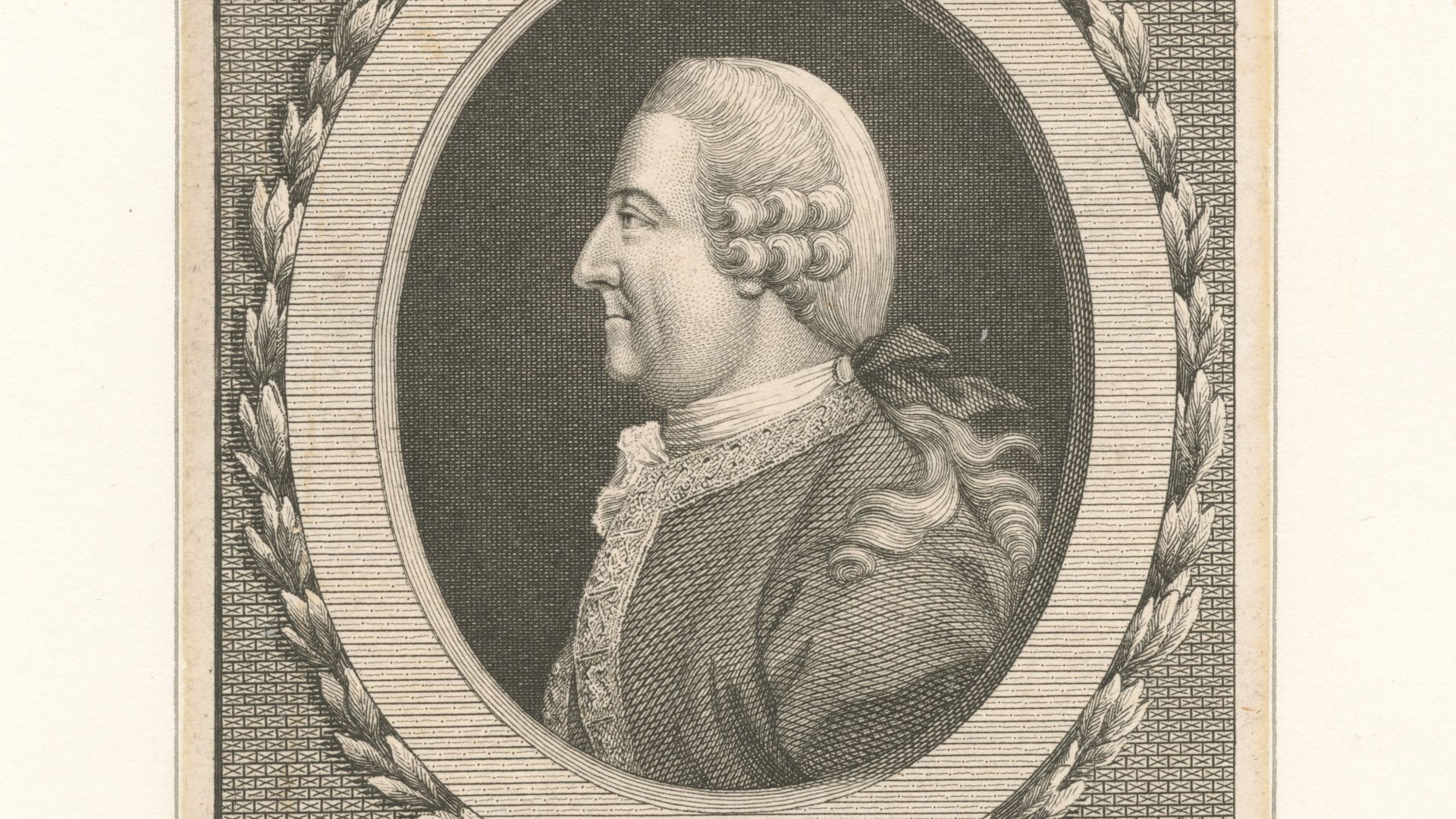 Scan by NYPL, Wikimedia Commons
50. He Might Deserve More Credit
Not all historians think Montagu was as useless as his enemies claimed. Some argue that political rivals exaggerated his flaws and ignored his genuine reforms—and his “contribution” to the culinary sciences. Nevertheless, between two slices of political malfeasance and personal scandal, Montagu had a filling life.
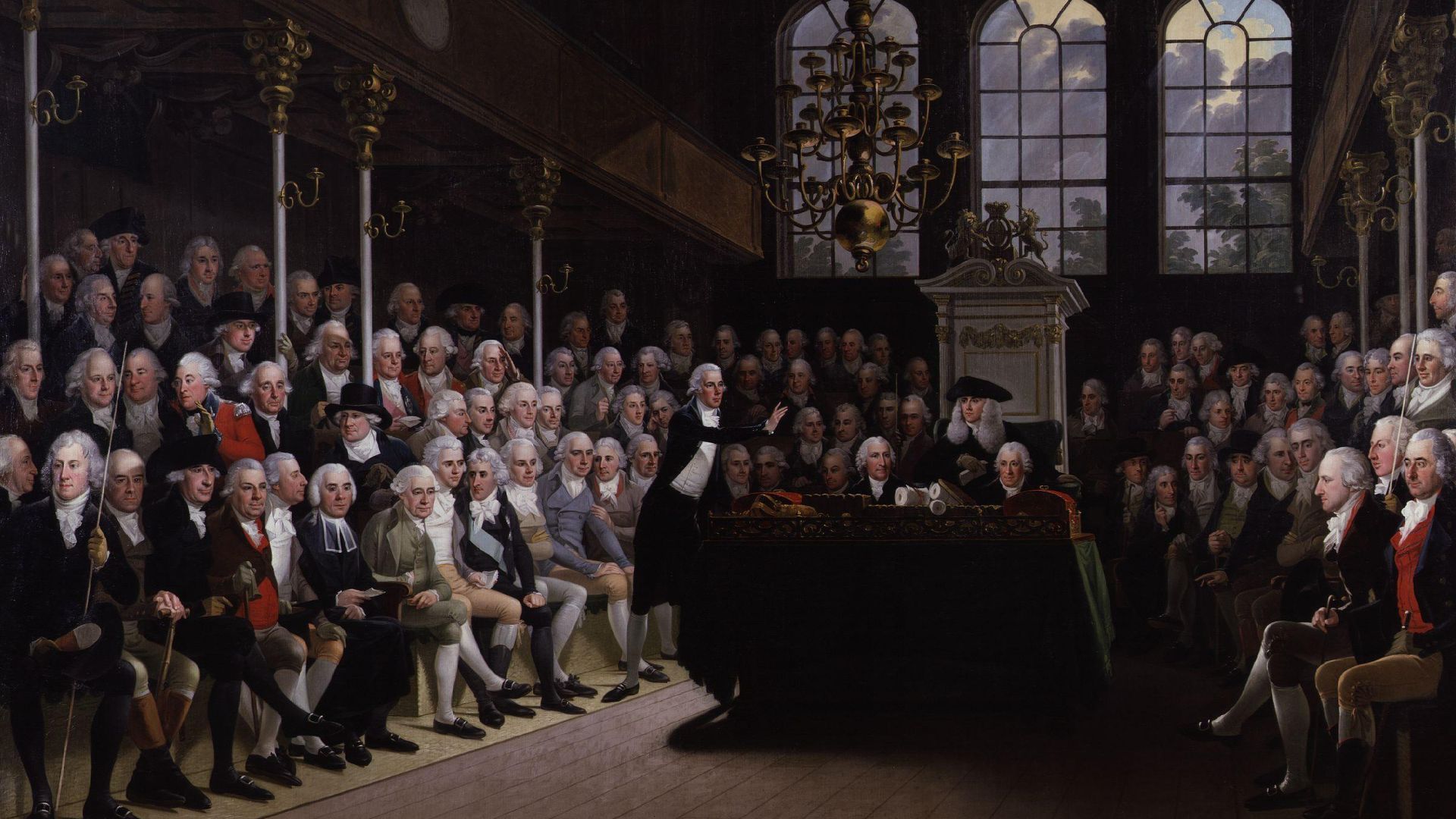 Anton Hickel, Wikimedia Commons
You May Also Like:
Lost Facts About King James I, The Forgotten King
Indecent Facts About John Wilmot, 2nd Earl of Rochester, Prince of Vulgarity